





After our visit to the holy city of Varanasi we flew to Khajuraho to learn about Jain religion and a whole other side of Hinduism.
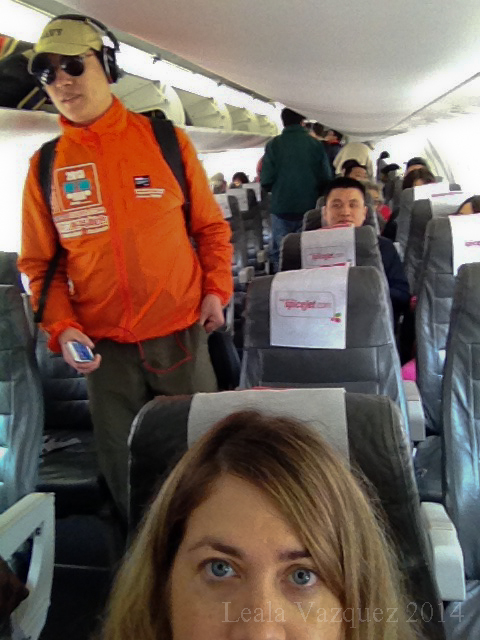
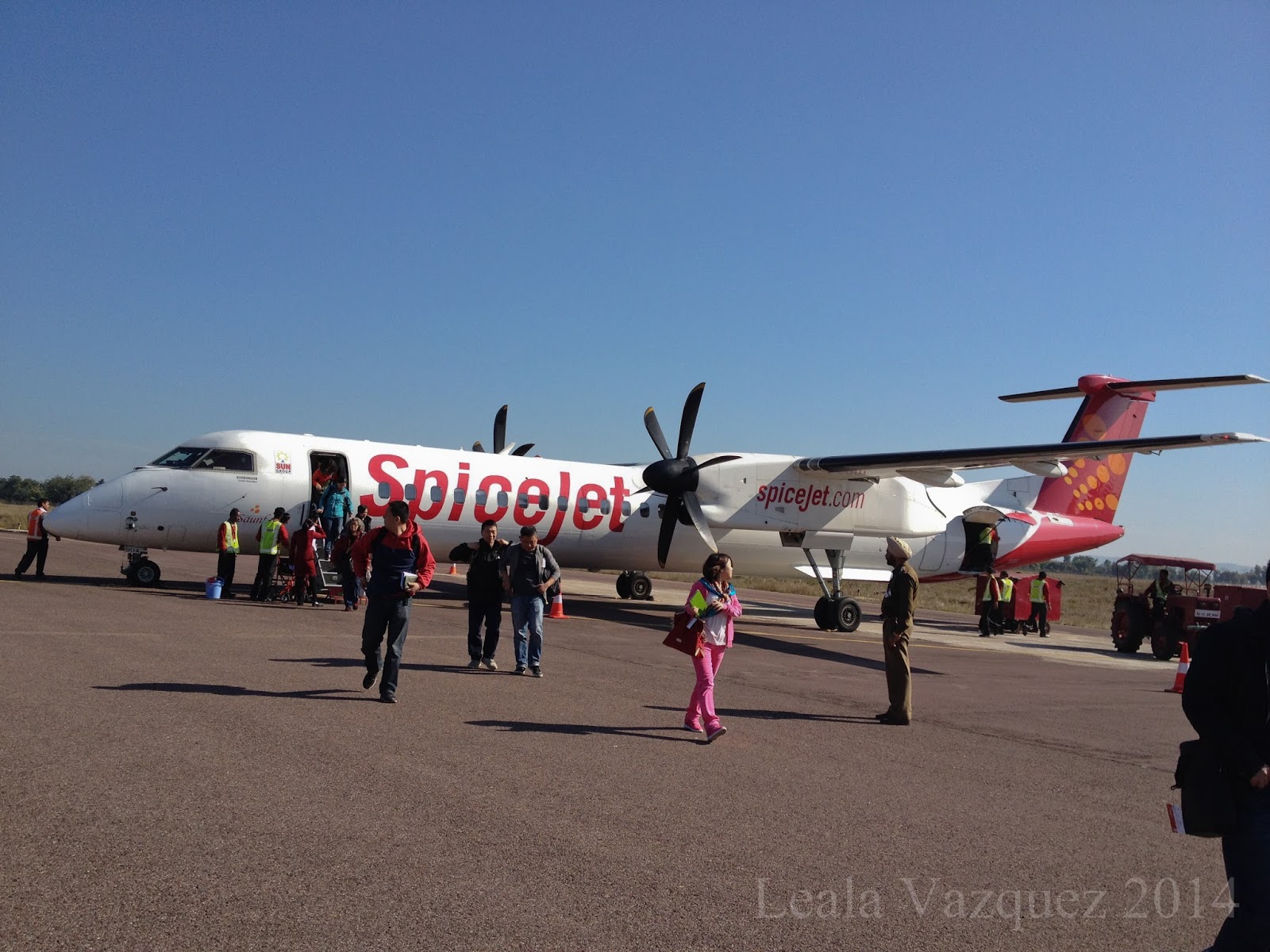
This little bitty Spicejet plane we took to Khajuraho from Varanasi was one of the nicest forms of transportation that we experienced in India. The one hour flight was very comfortable. We were pretty much the only English speaking tourists on the plane.
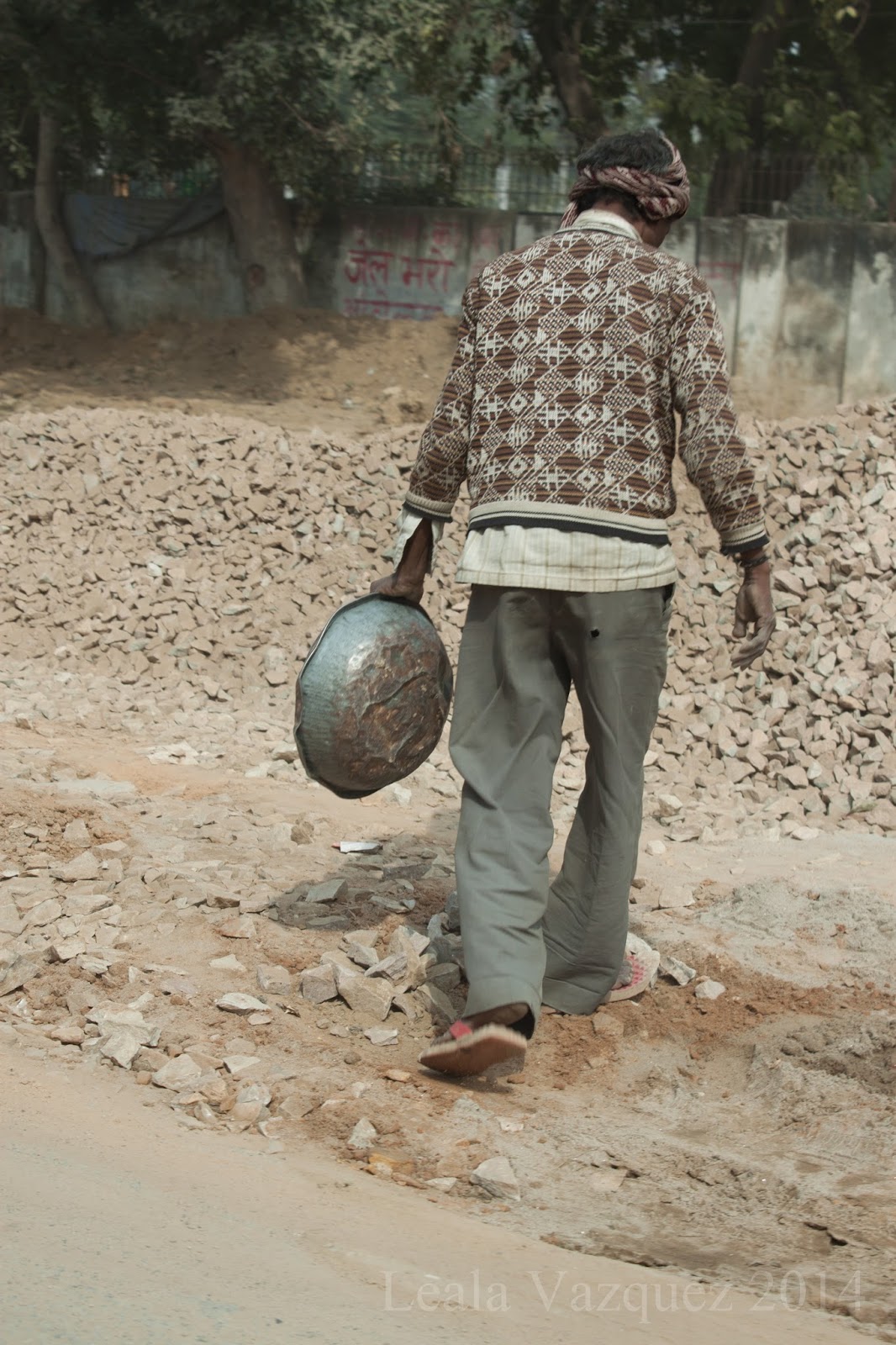
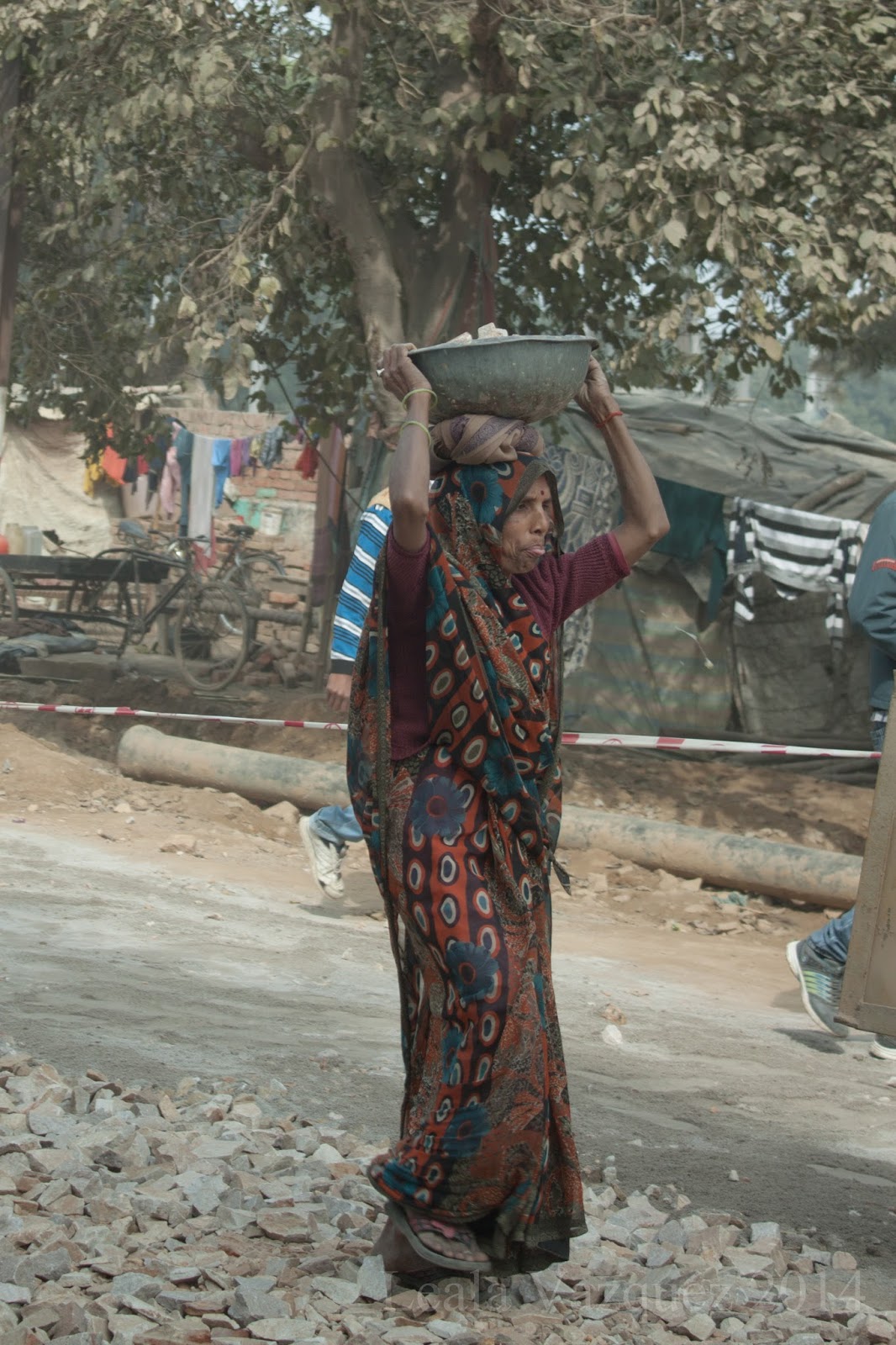
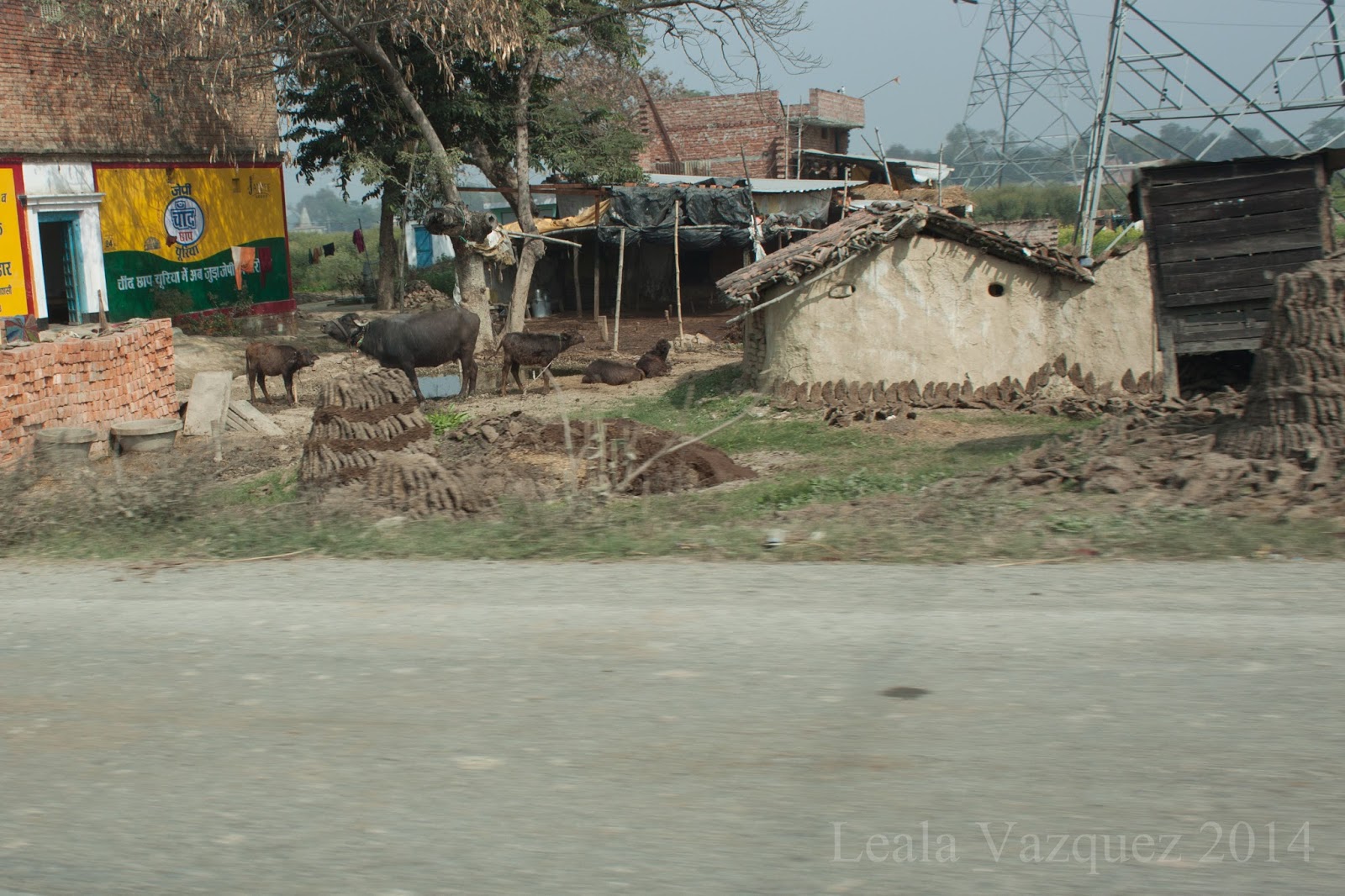
After our comfortable flight we had another long car ride to our hotel in Khajuraho. Everything in India is a long car ride away. The scenes on the way are quite like the pictures below. Most Indians are poor and have a very hard life. They lack what we would consider basic necessities like a toilet and sewage system. You will see many men relieving themselves on the side of the road (number 1 and number 2). Visiting there was a very eye opening experience. We really don’t know how great we have it in the United States.
Soon we are back to the luxury of our 5 star hotel again since we are rich Americans. (Note: We are not really rich but nice hotels like these are cheap to stay at for us but unobtainable for most in India)

Our hotel overlooks the temples we are able to see later.
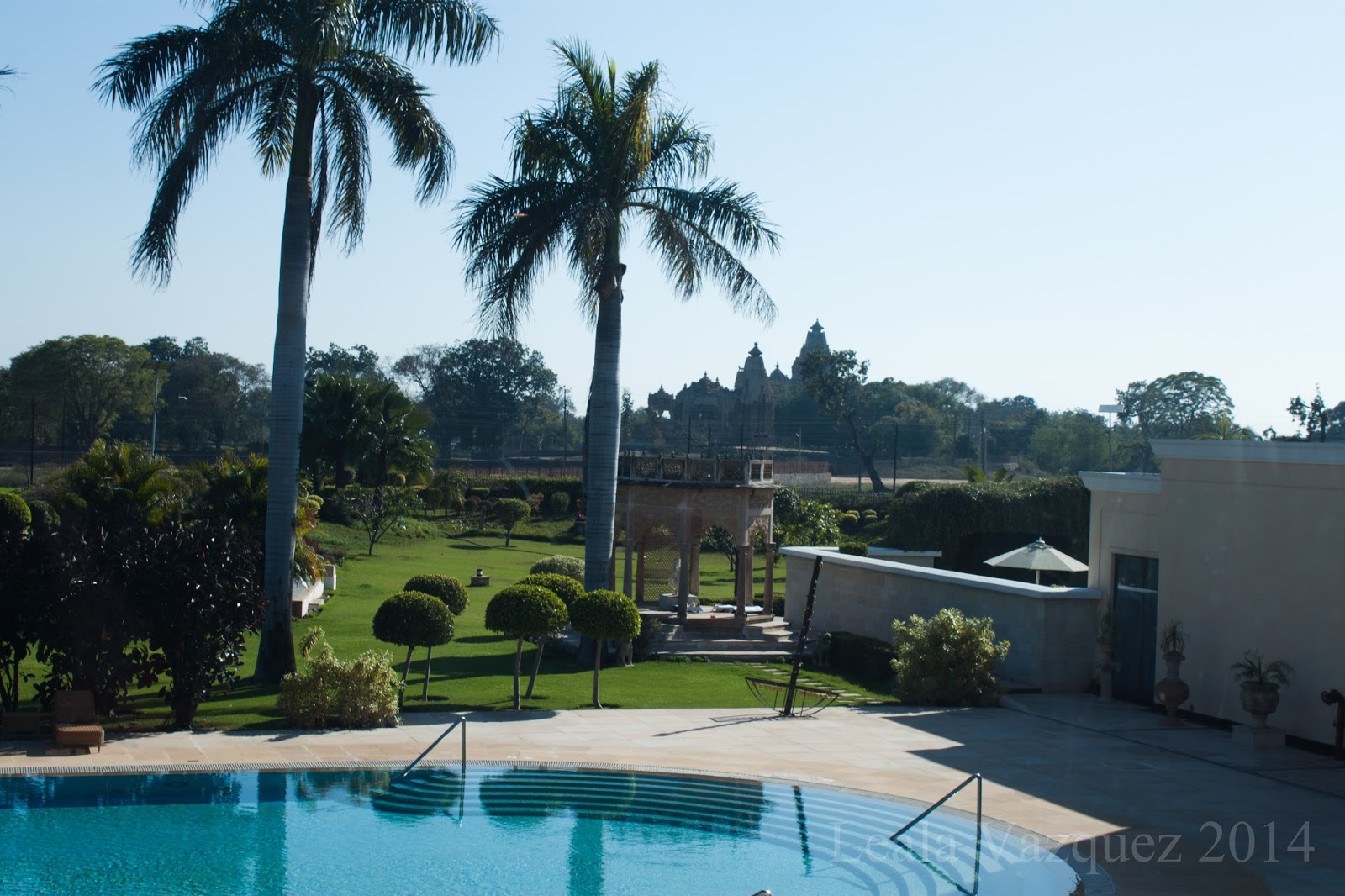
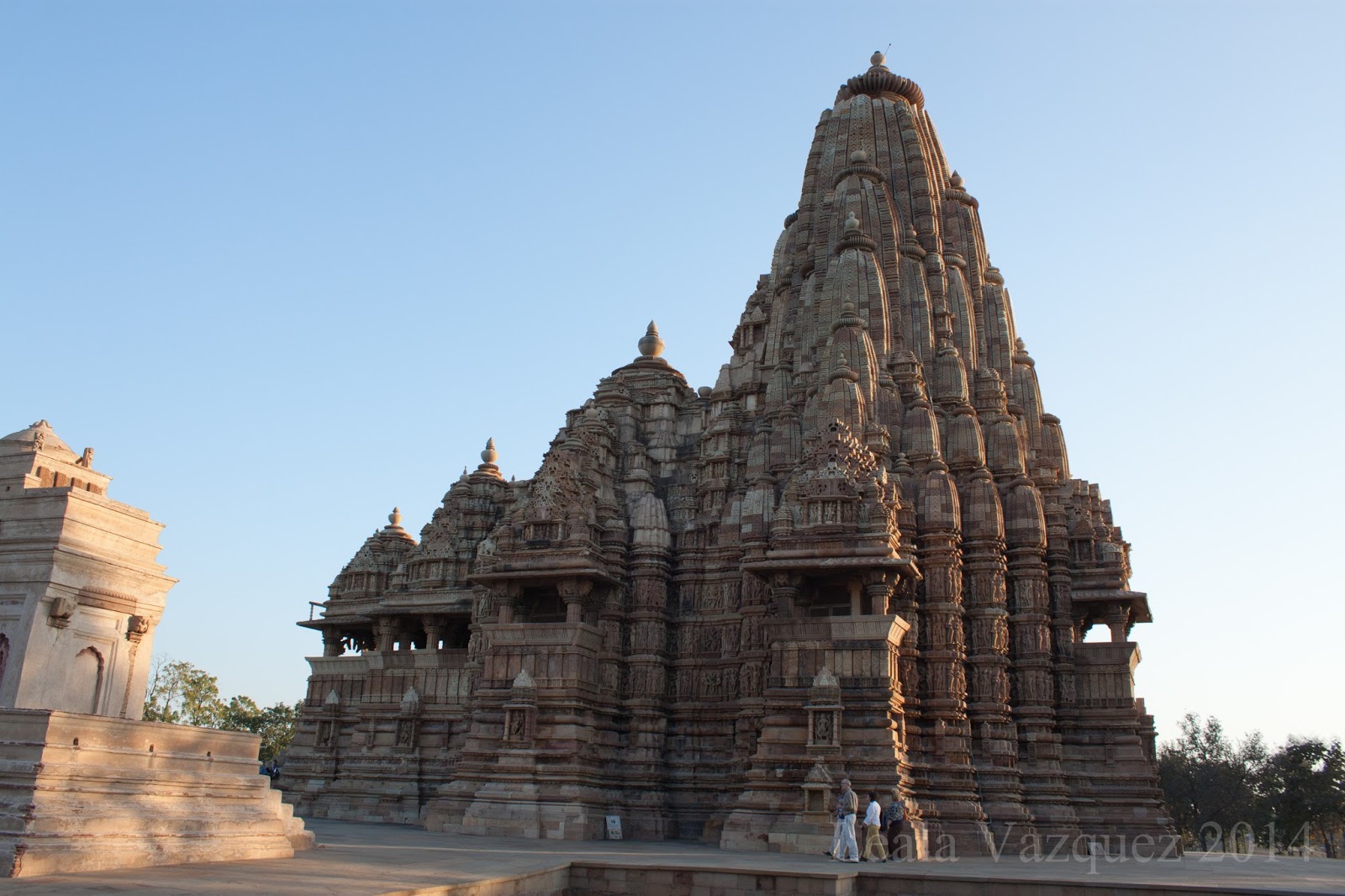
The temples in Khajuraho were built by the Chandela dynasty from the 10th to 12th century. The dynasty eventually fell and the temples were “lost” until rediscovered by the british in the 1800’s.
The artwork on the temples is quite amazing. The western group of temples are most famous for their erotic images. We started with a smaller temple and worked our way around.
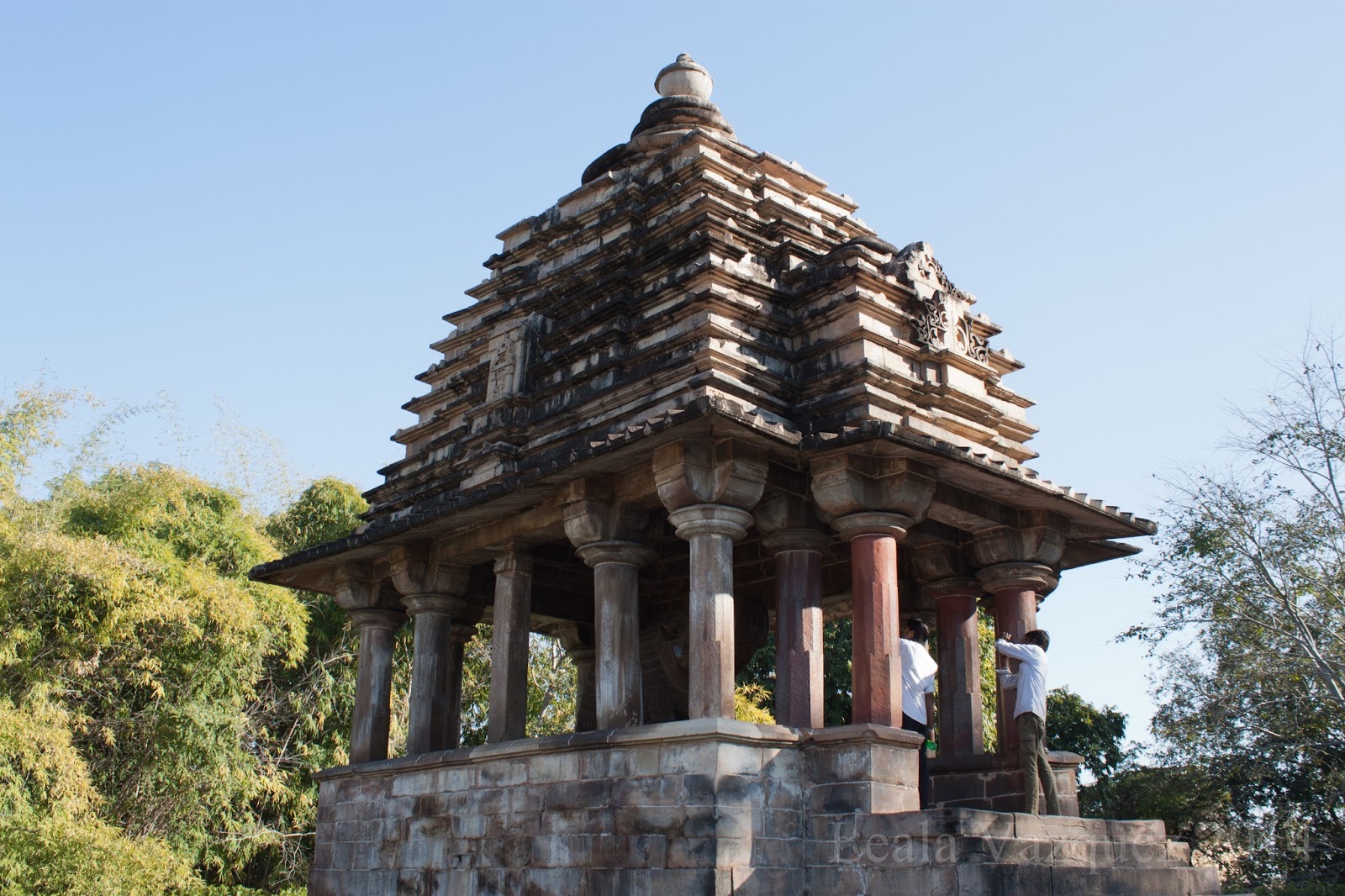
Vishnu’s Varaha Temple (boar)


We then explored the other temples with all the detailed images. Each depiction had a story behind it.

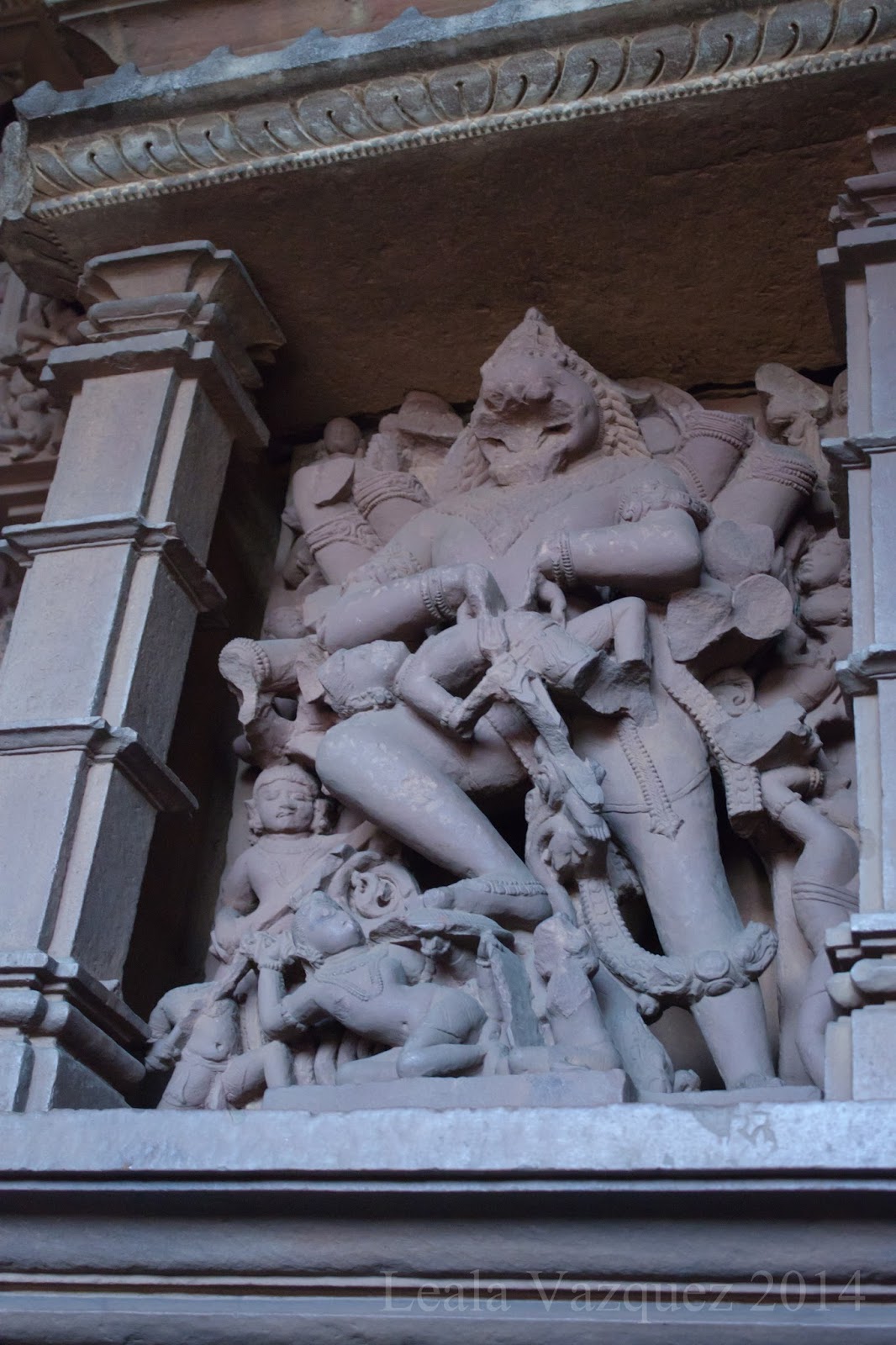
We then moved on to view the exterior of the other temples. We notice stories being played out in stone like the one below where a man looks like he is being torn apart.
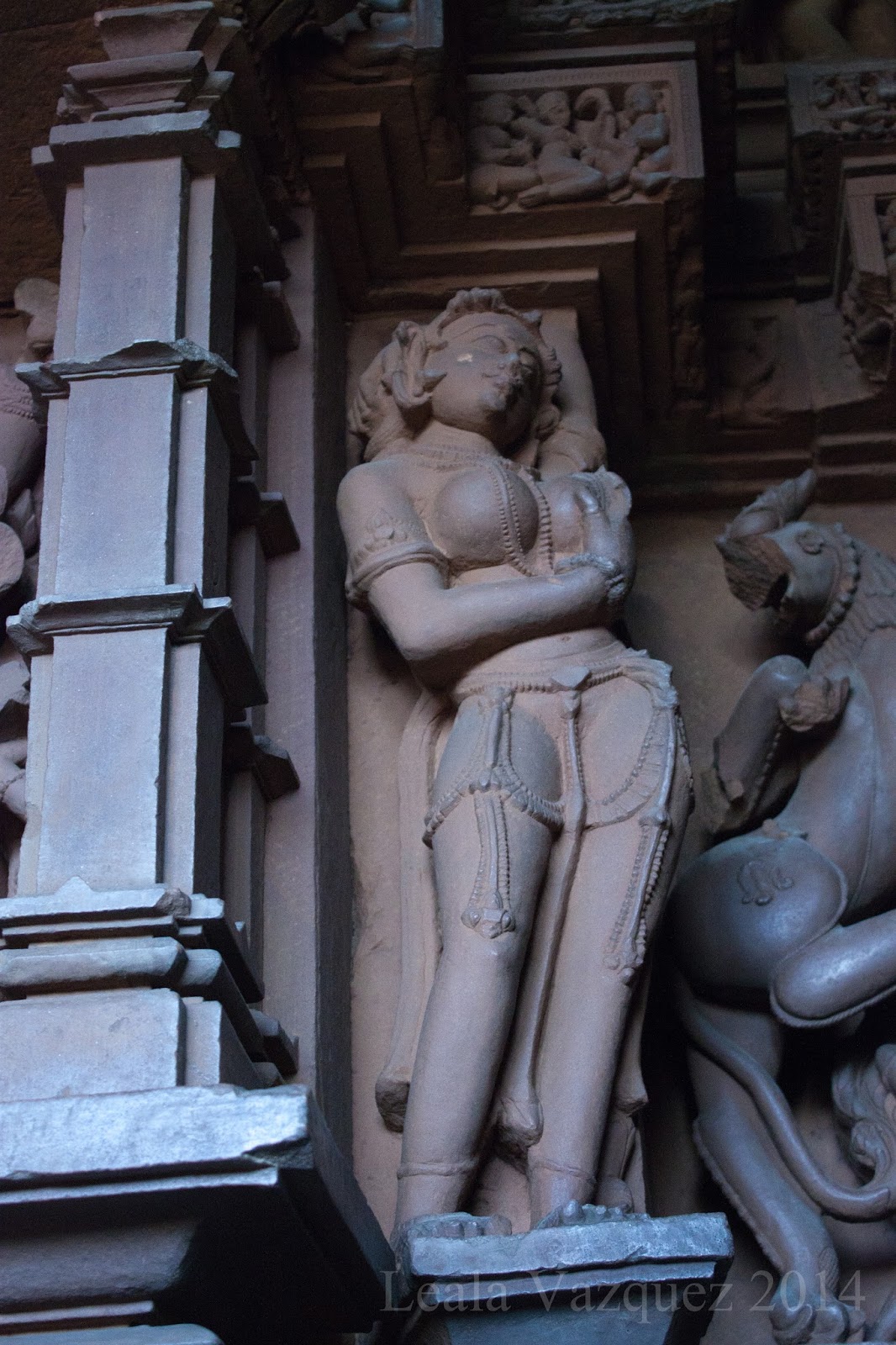
And this very voluptuous woman.
Ganesha is everywhere.

Scene after scene appears on the walls.
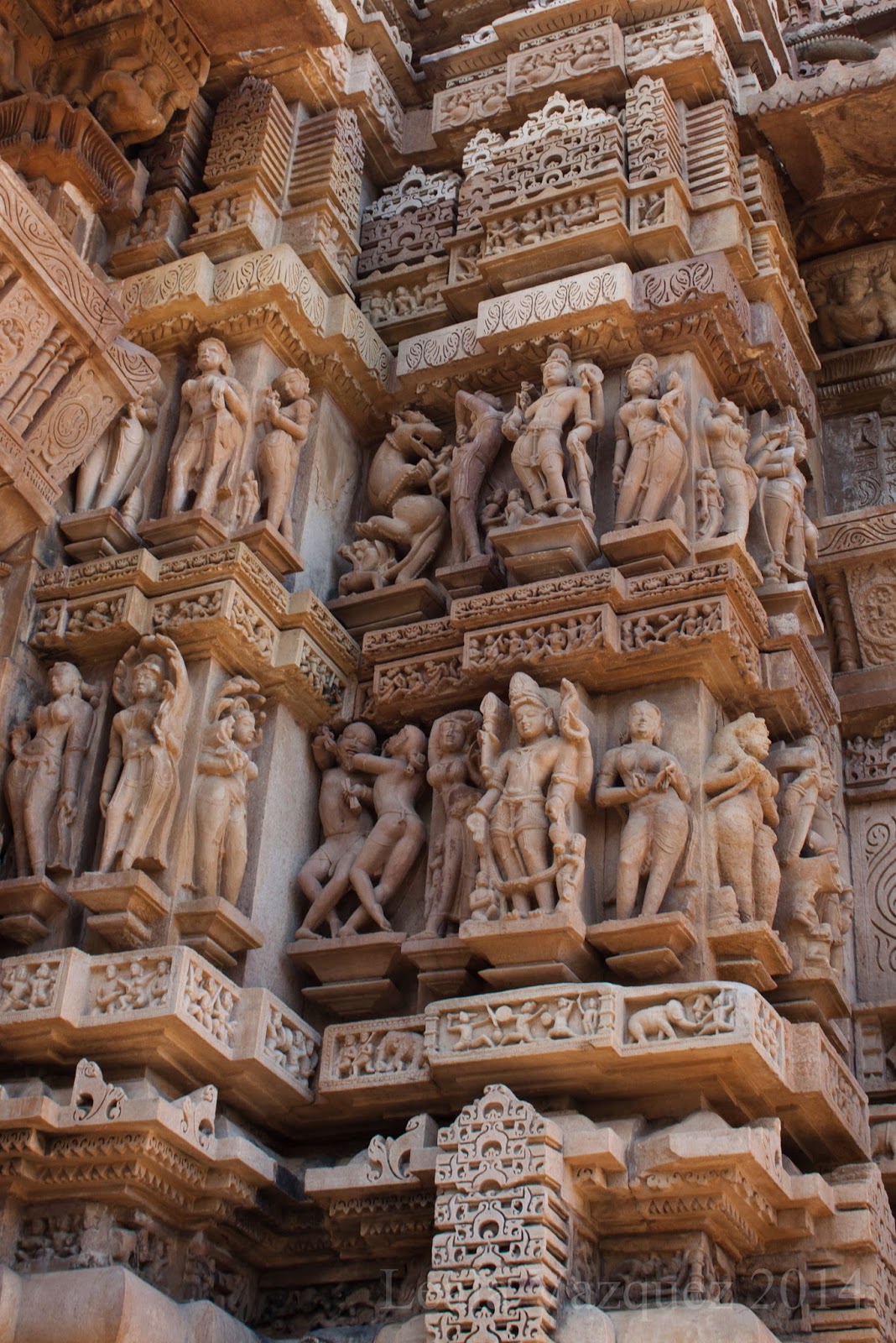
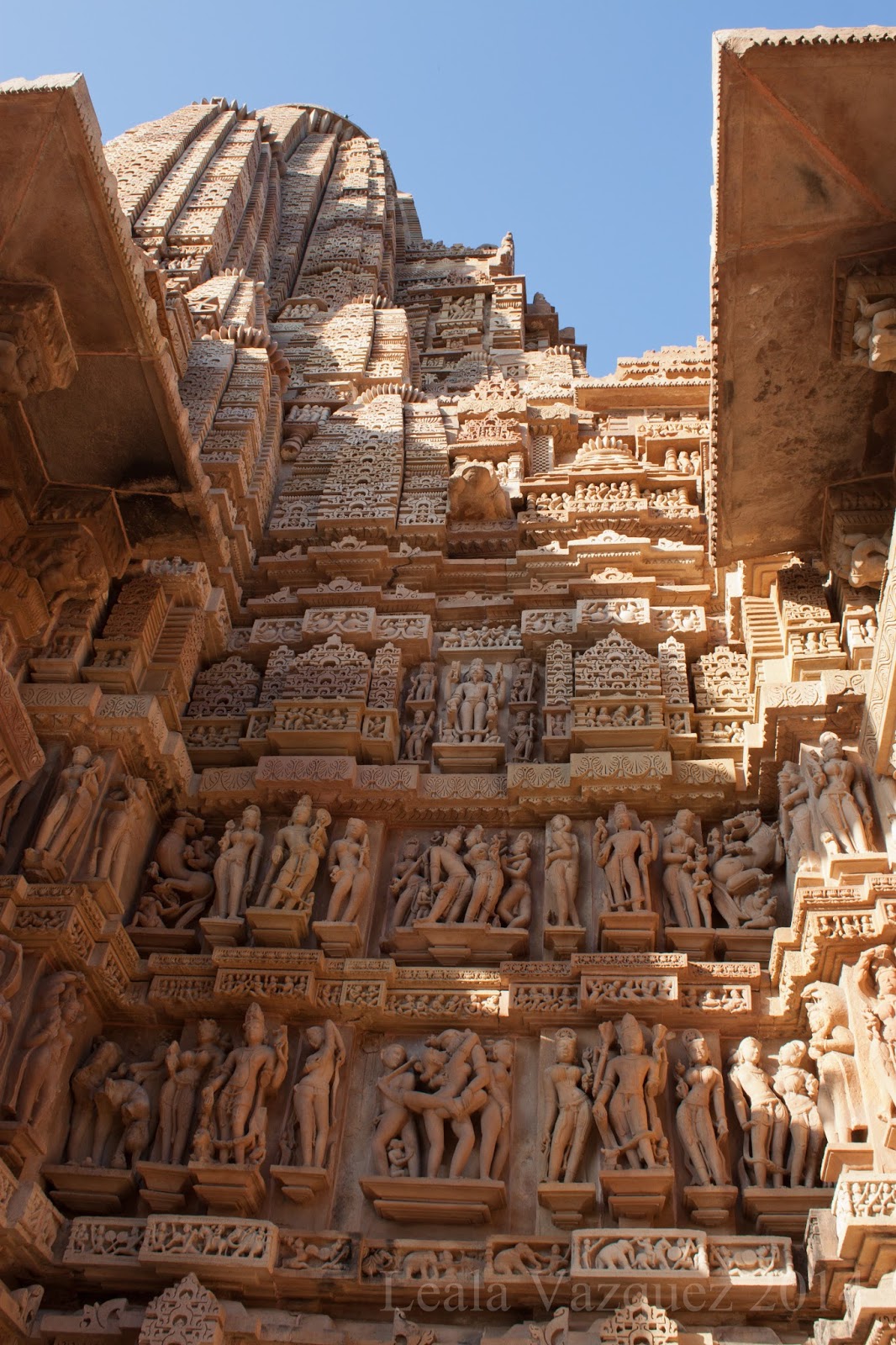

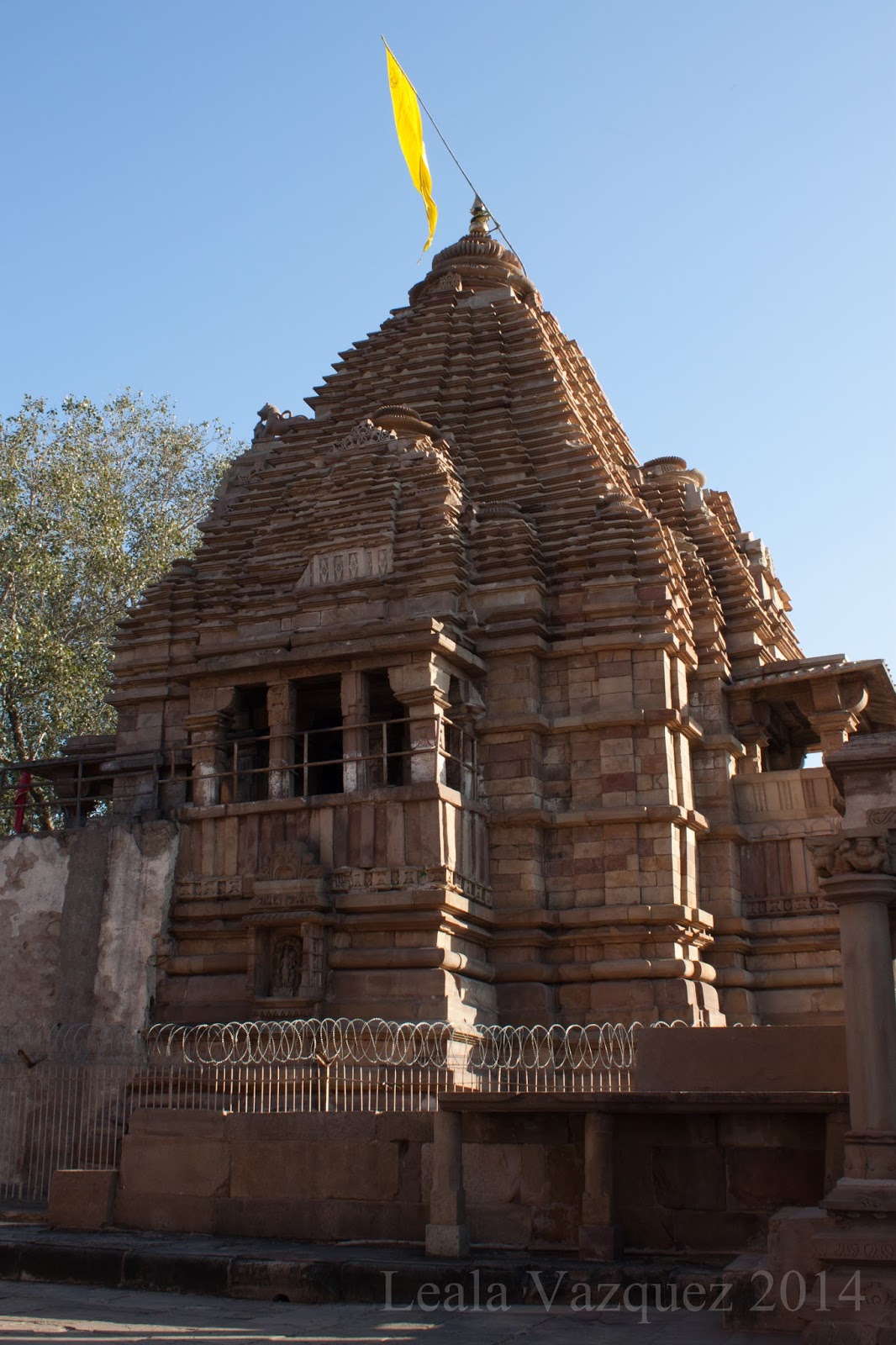
One of the smaller temples nearby.
This lady is showing this little man or doctor the splinter in her foot.

Soon things get interesting. We get to see what the temples are really famous for. They are know for their erotic religious scenes. It is believed that this sect of Hinduism used sexual energy to bring them closer to god.


The time of day was great to watch the sunlight drape over the temples. All in all it was a great day to visit. We did later visit a group of Jain temples but they were soon to close and we rushed through them. I unfortunately did not get any pictures. I will say that the Jain monks have very strict diets and a sect of them spend time naked. You can read more about it here.

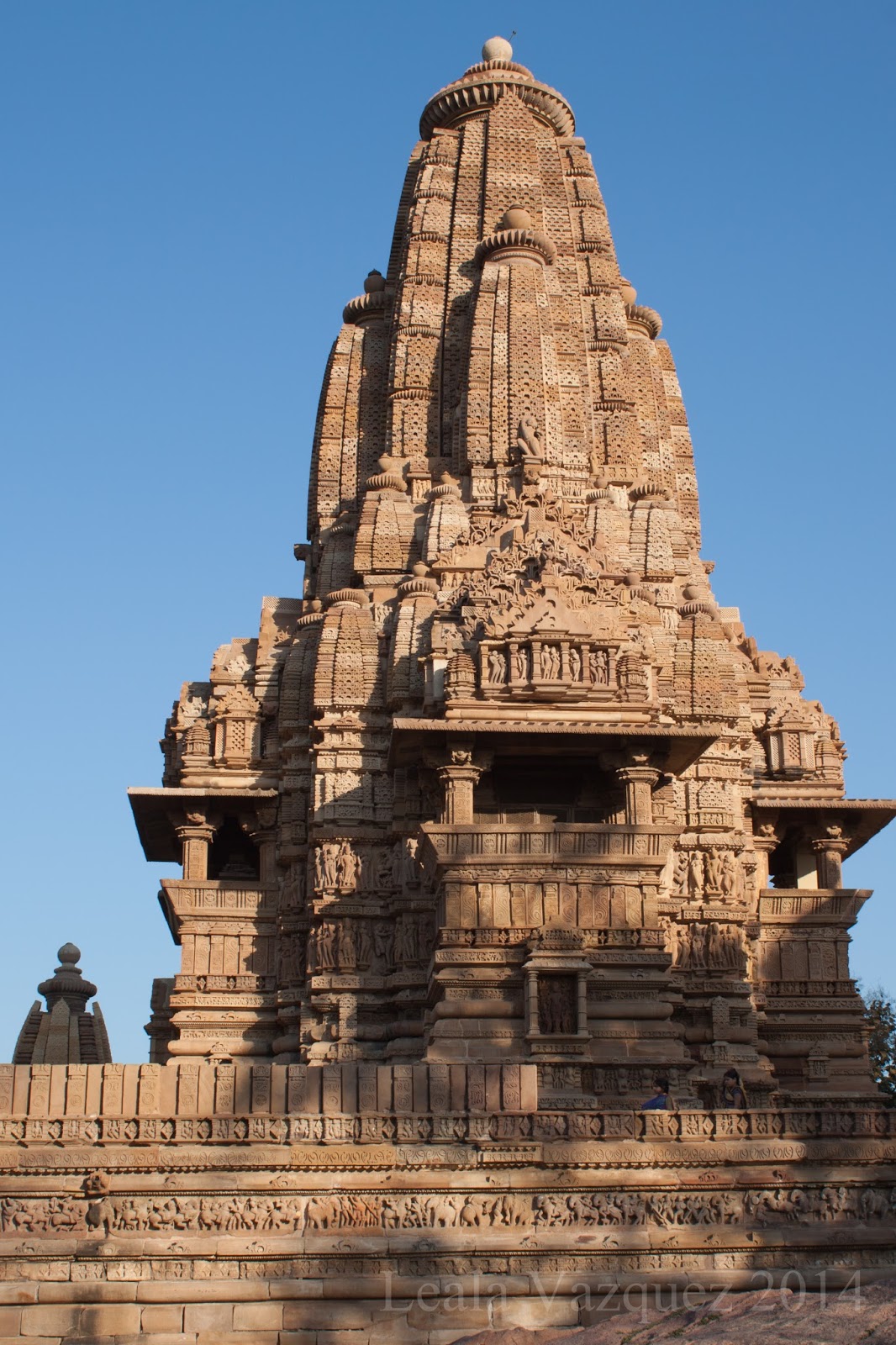

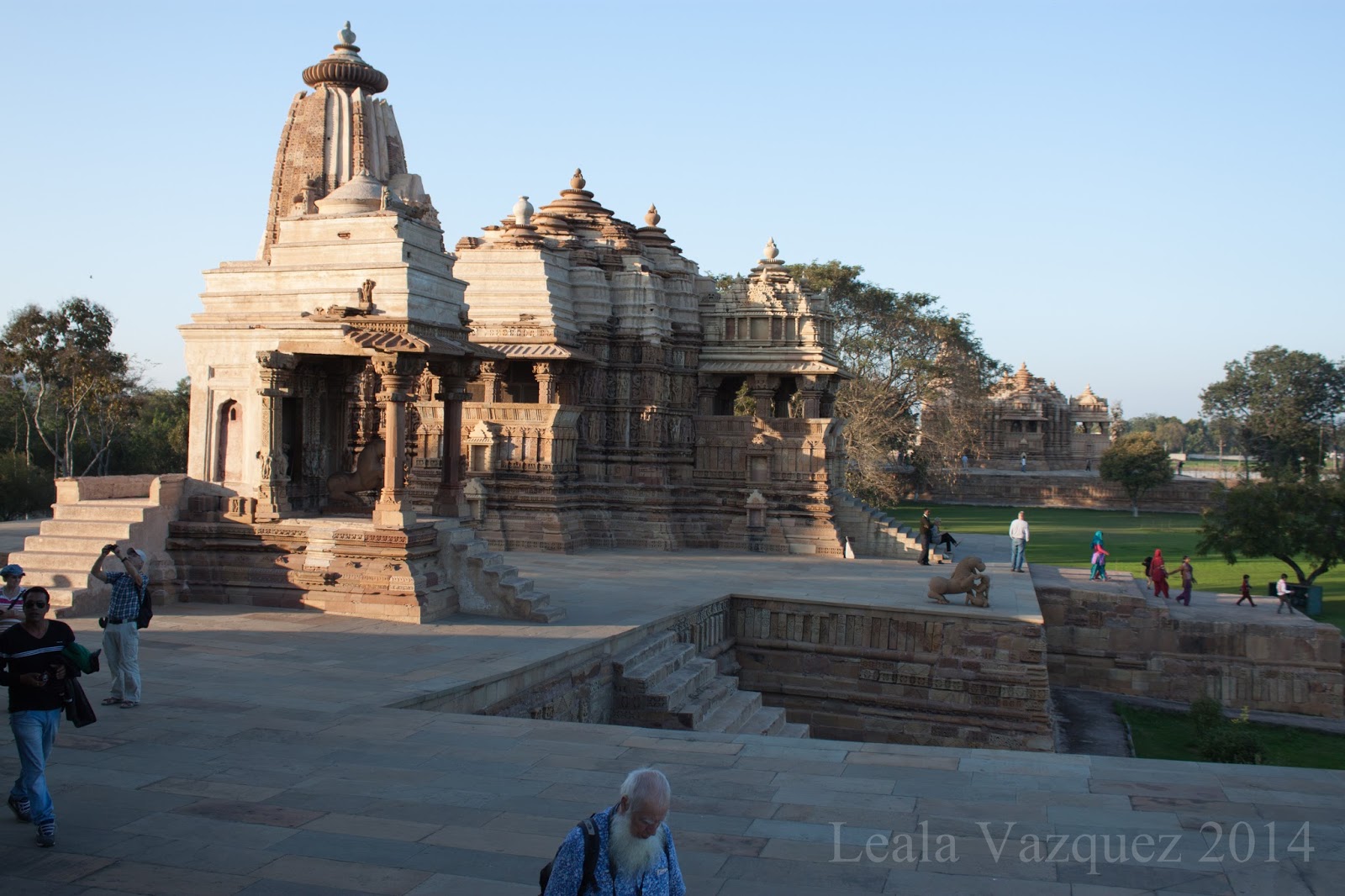
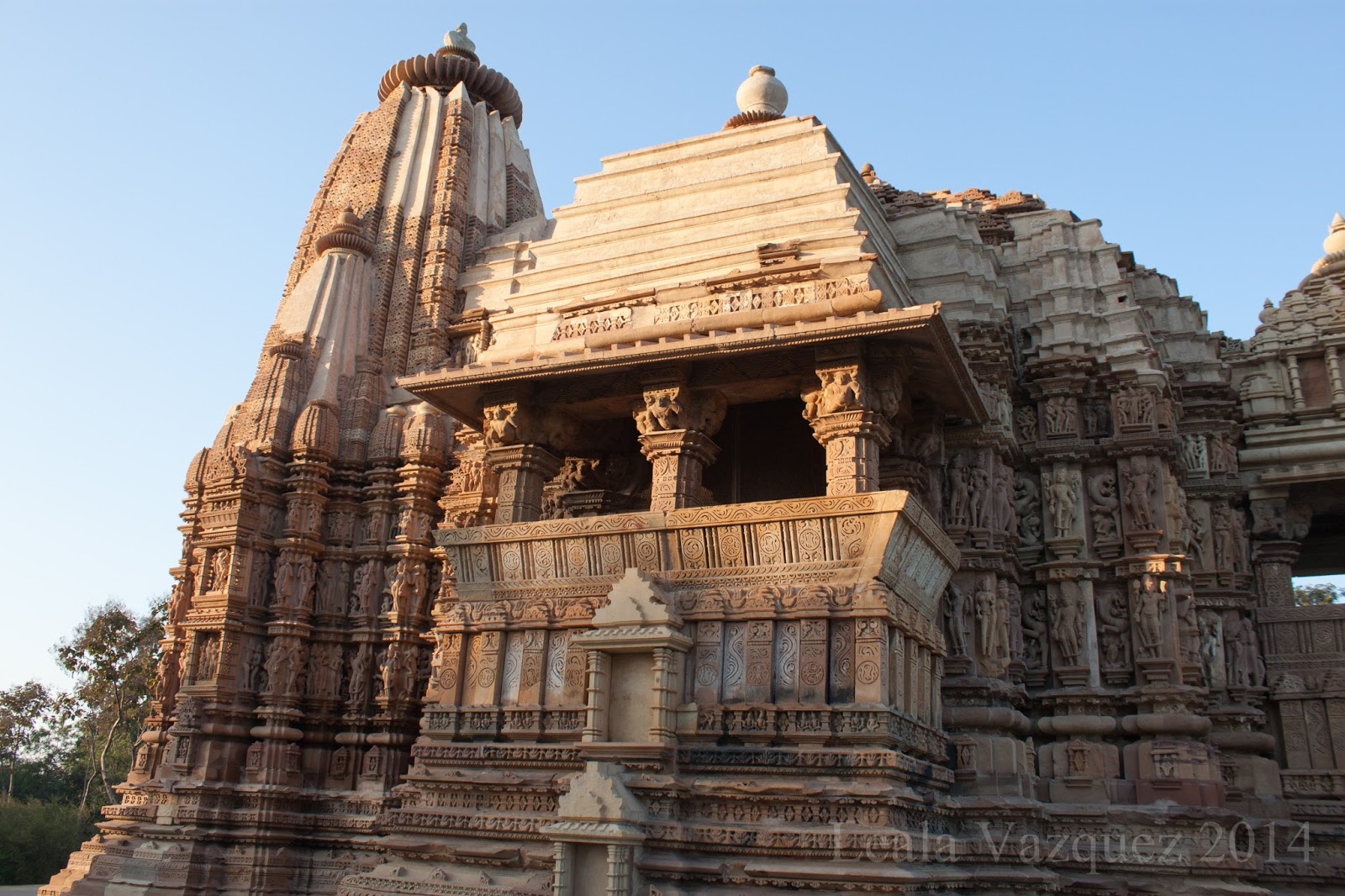

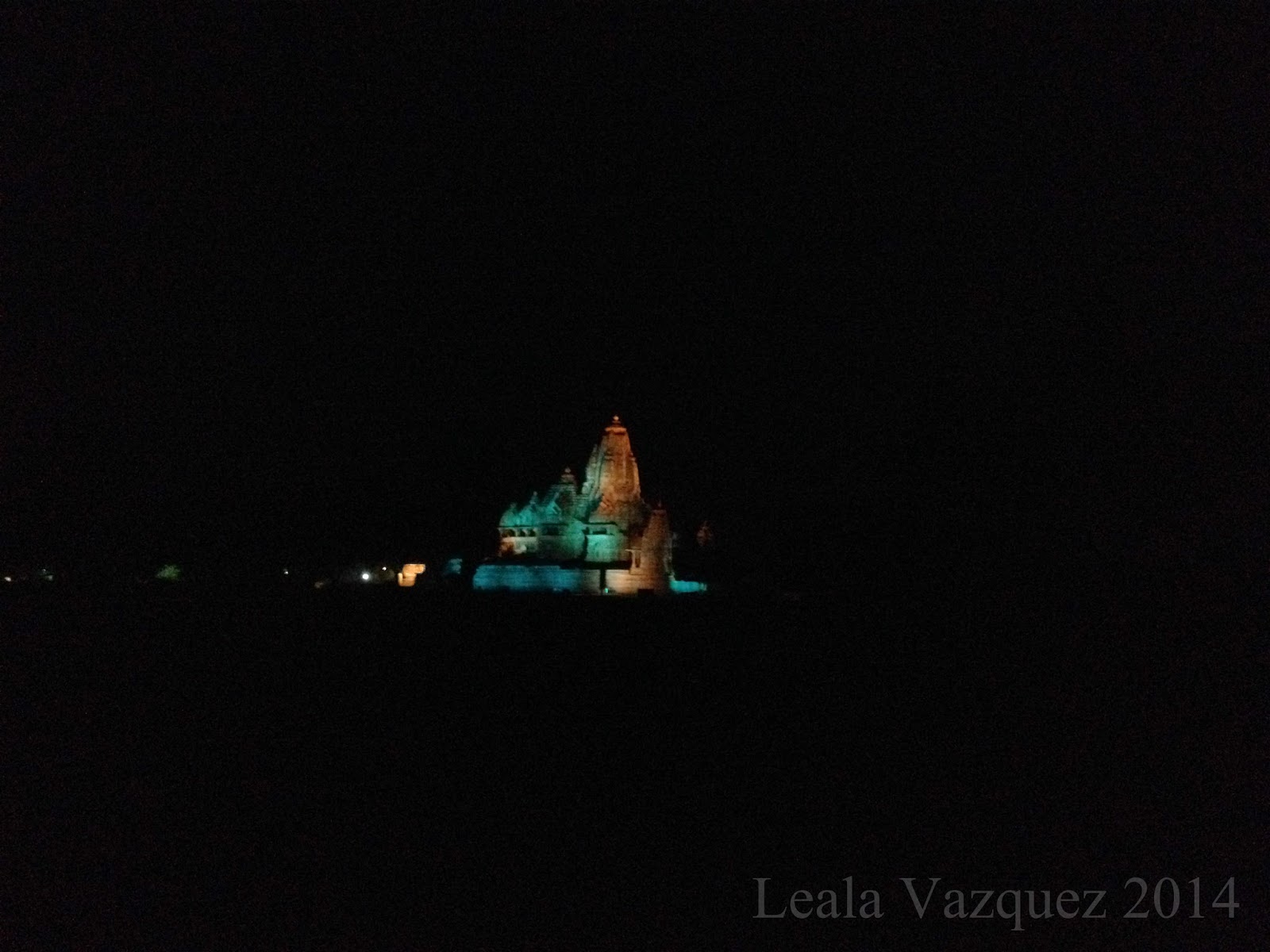
Later on that evening we returned for a light show of the temples.
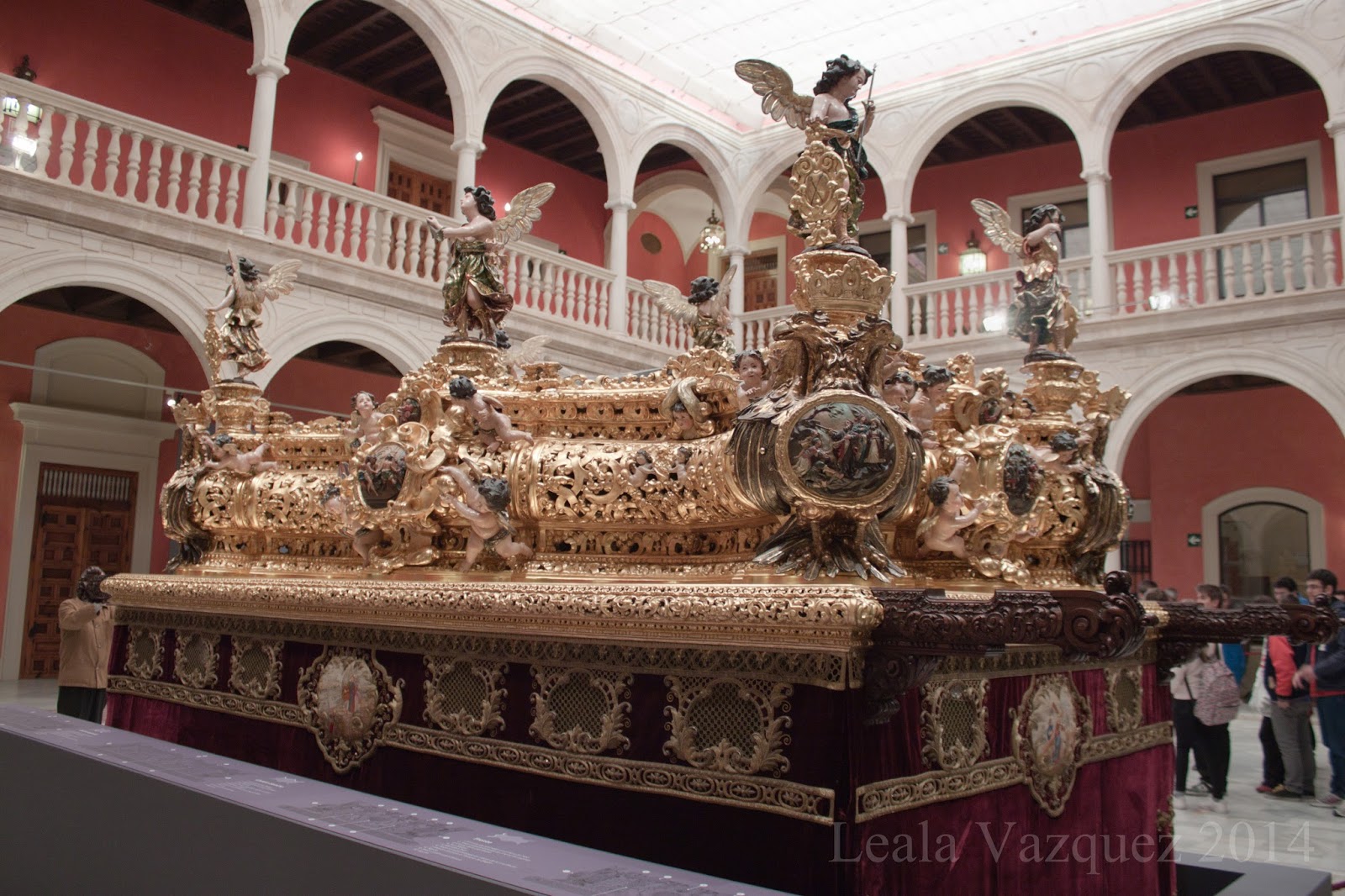
We spent one more day in Sevilla exploring around town. While we were there, they were preparing for the Holy Week. Most churches around town staged a float for the holy week. Much preparation goes into this parade. It is an honor to carry the float and it can take twenty-four and fifty-four men to carry one float from their church to the Sevilla Cathedral.
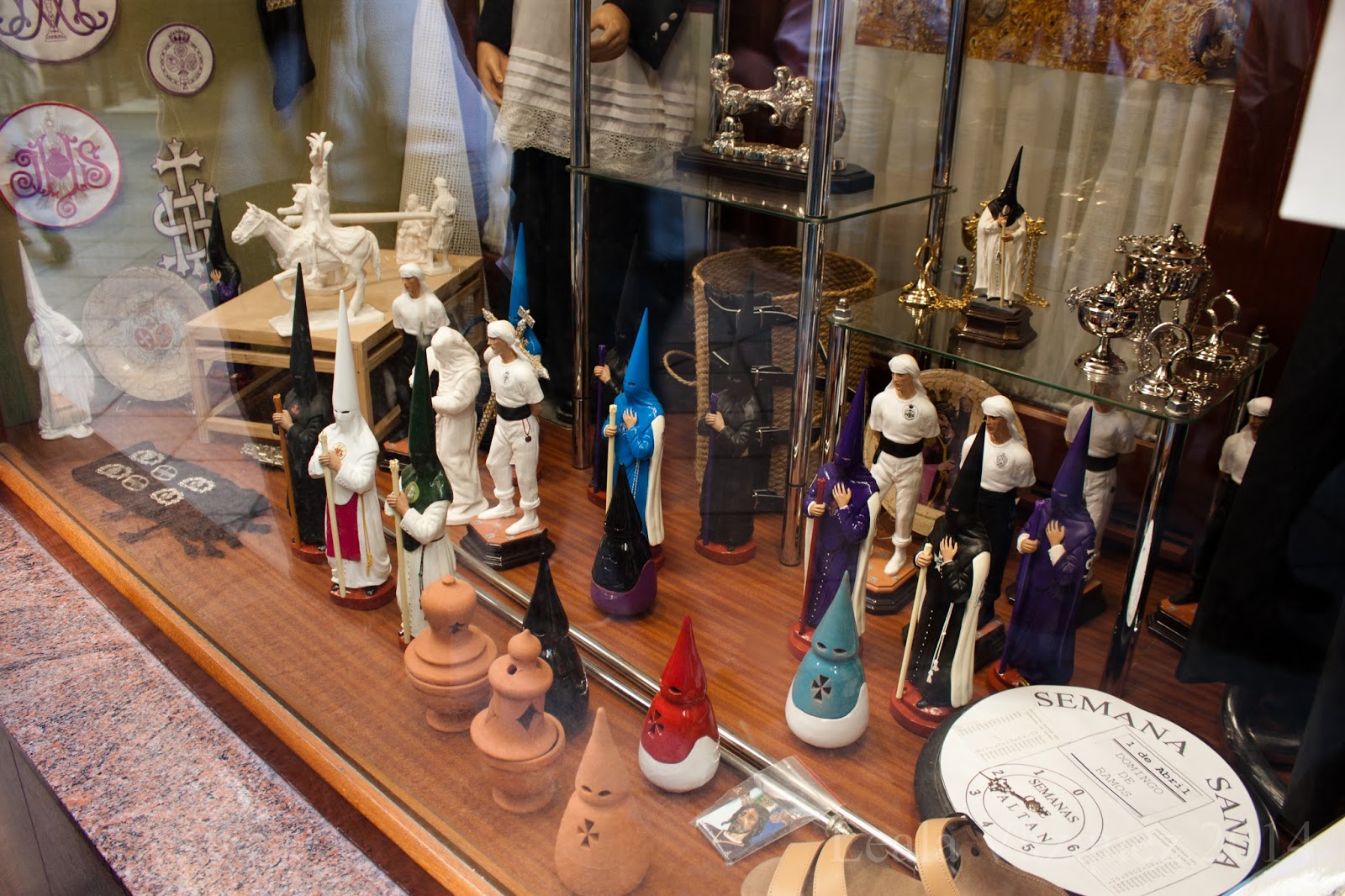
These figurines look intimidating but the hoods have a different meaning in Spain. The capirote or pointed hats are used in religious practice and not meant for what we might think they are used for in the united states.
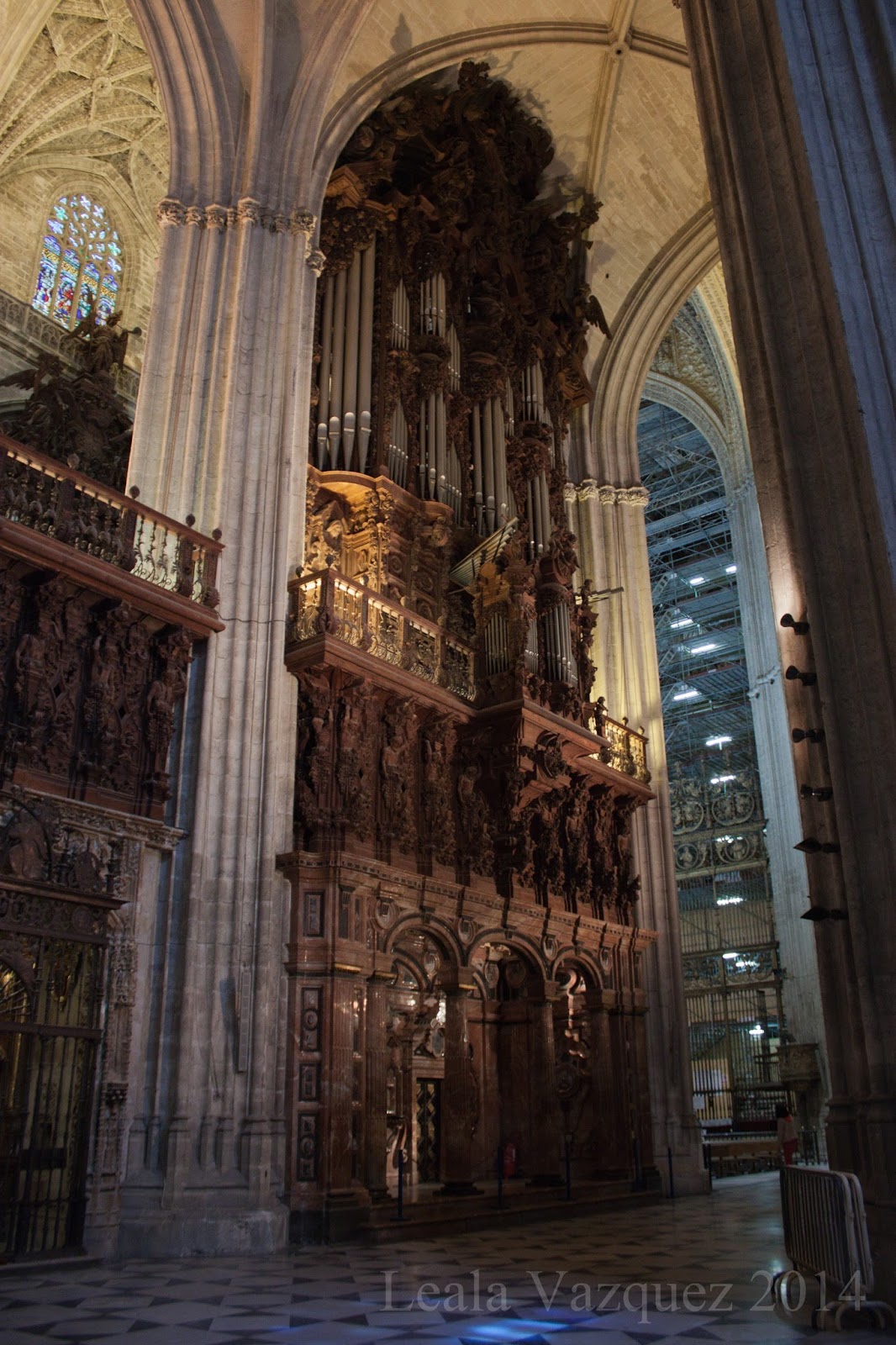
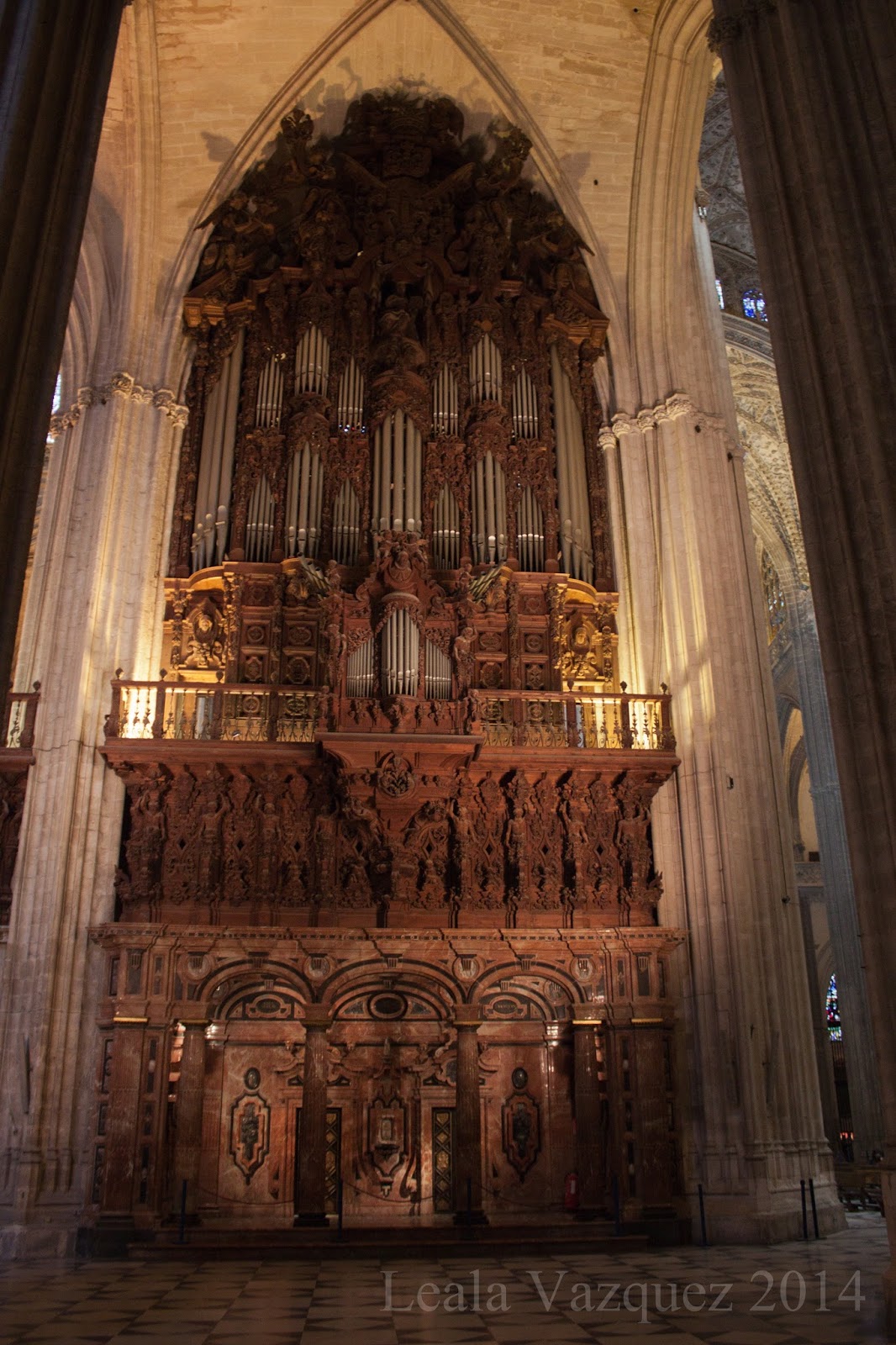
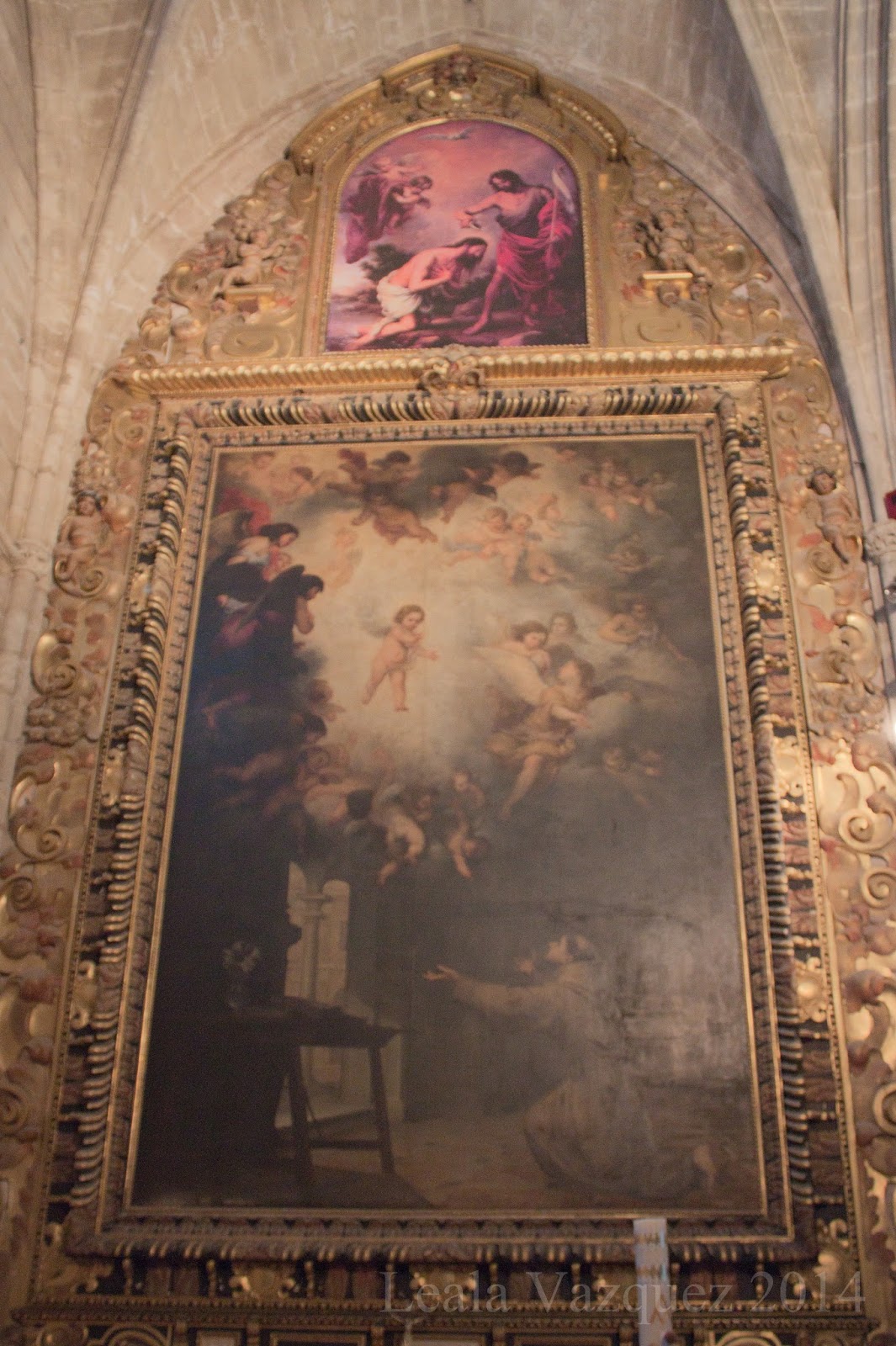
La Visión de San Antonio by Murillo
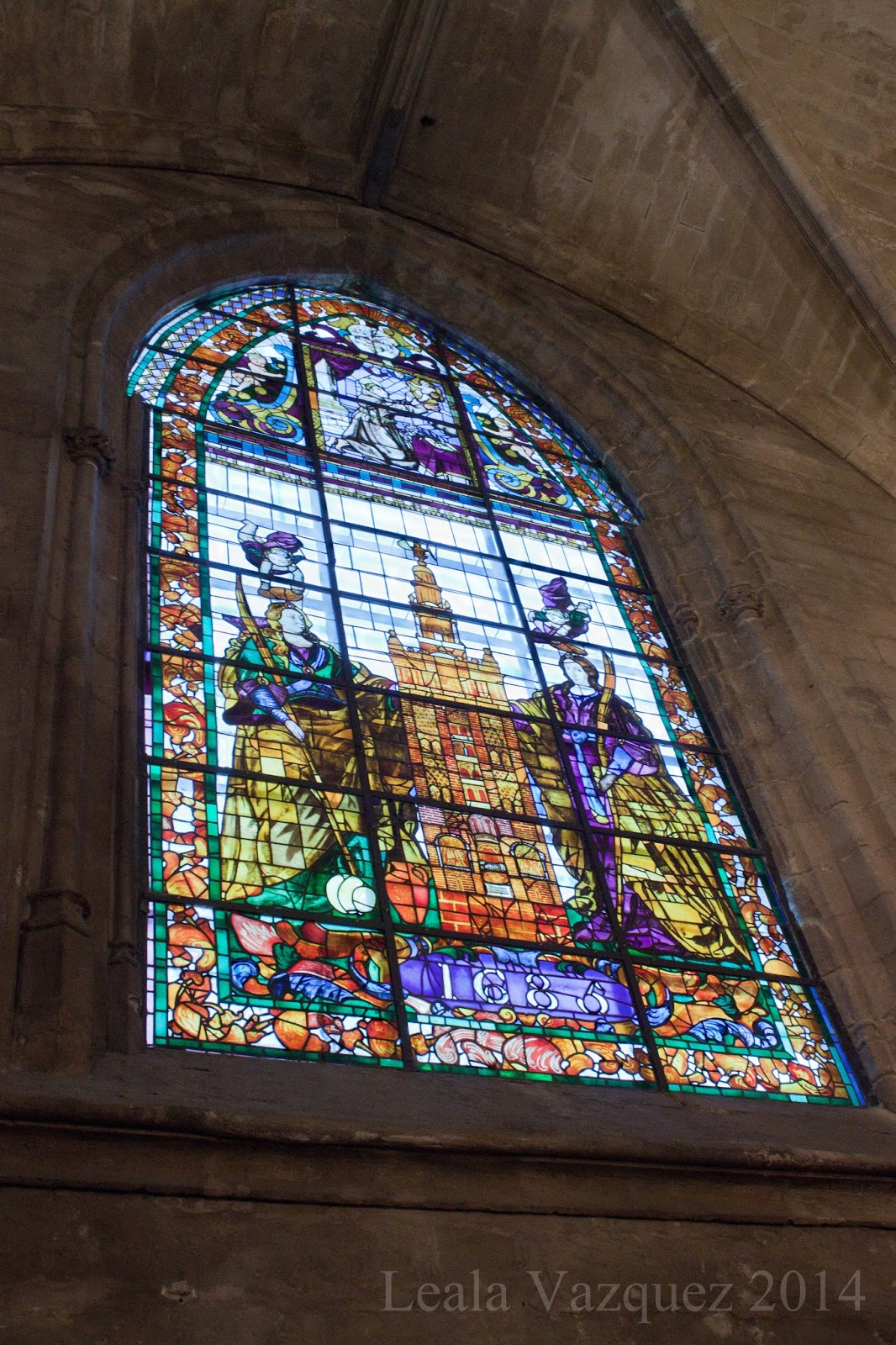
Some beautiful stained glass windows.
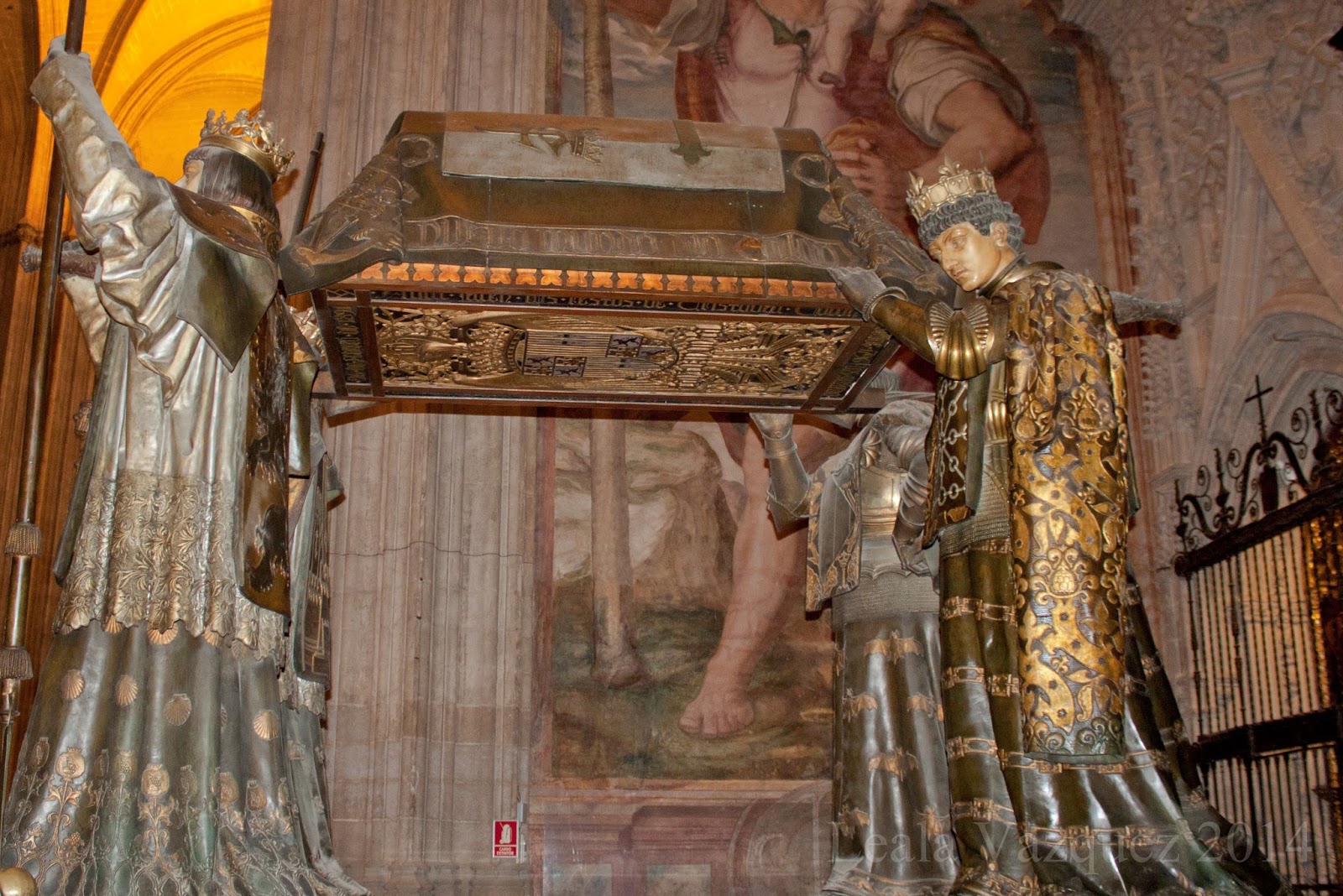
Tomb of Columbus
It is highly disputed where the remains of the famous explorer Christopher Columbus lie. Finally DNA tests prove that at least part of Columbus rest in this tomb (he may also be in Cuba where he traveled posthumously).

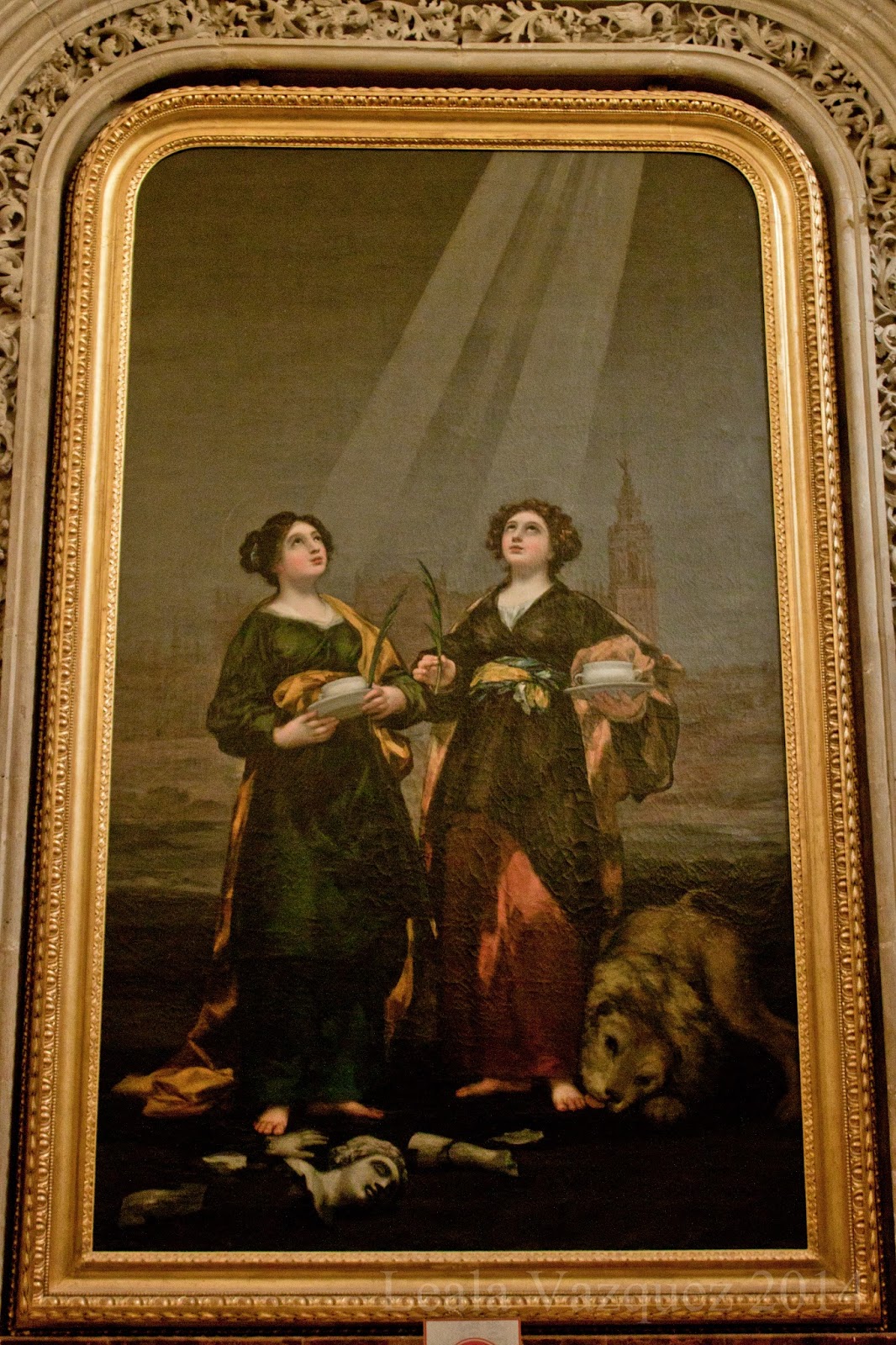
St. Justina and St. Rufina, 1817
There was a real interesting back story about these saints.



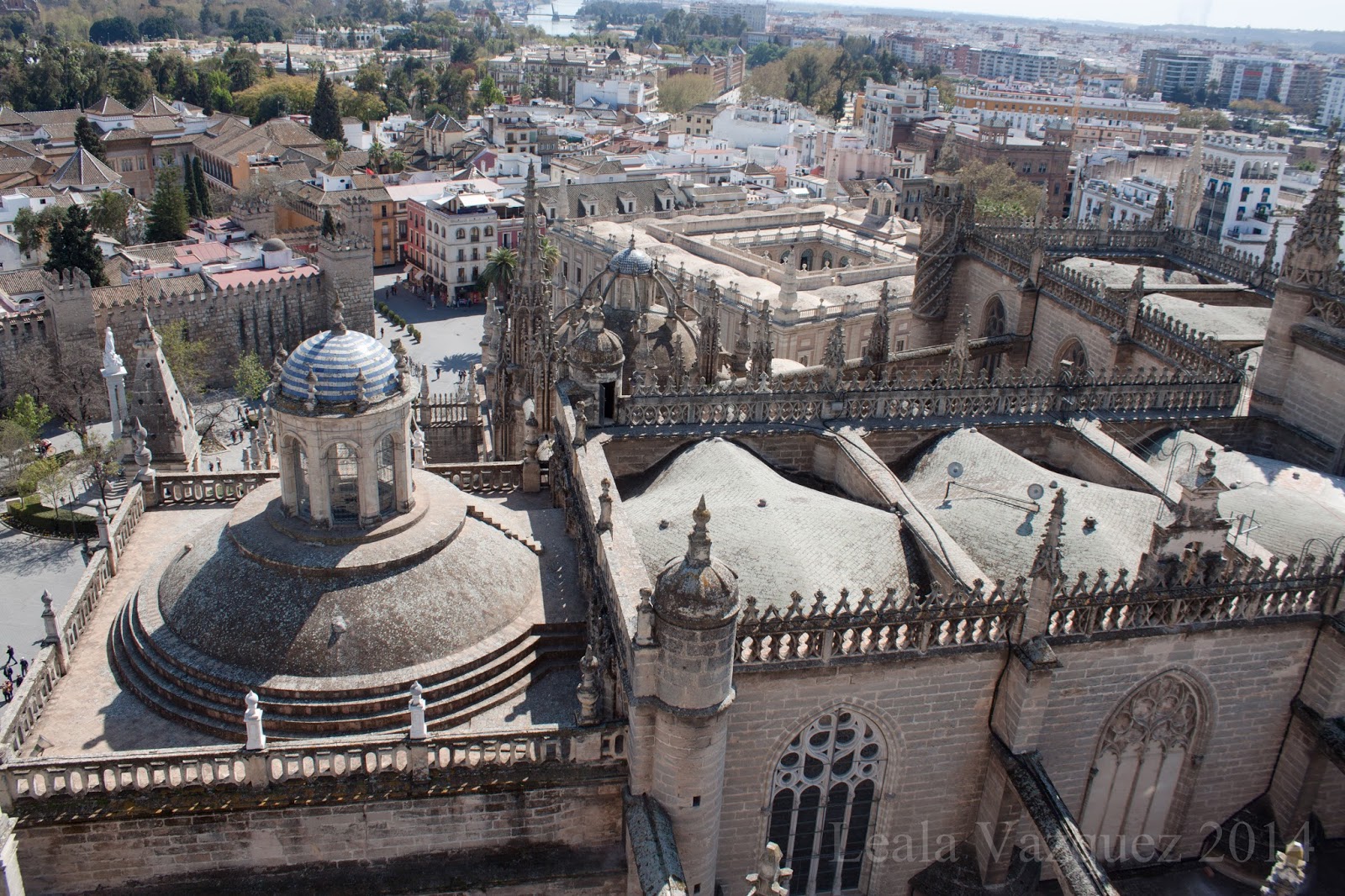
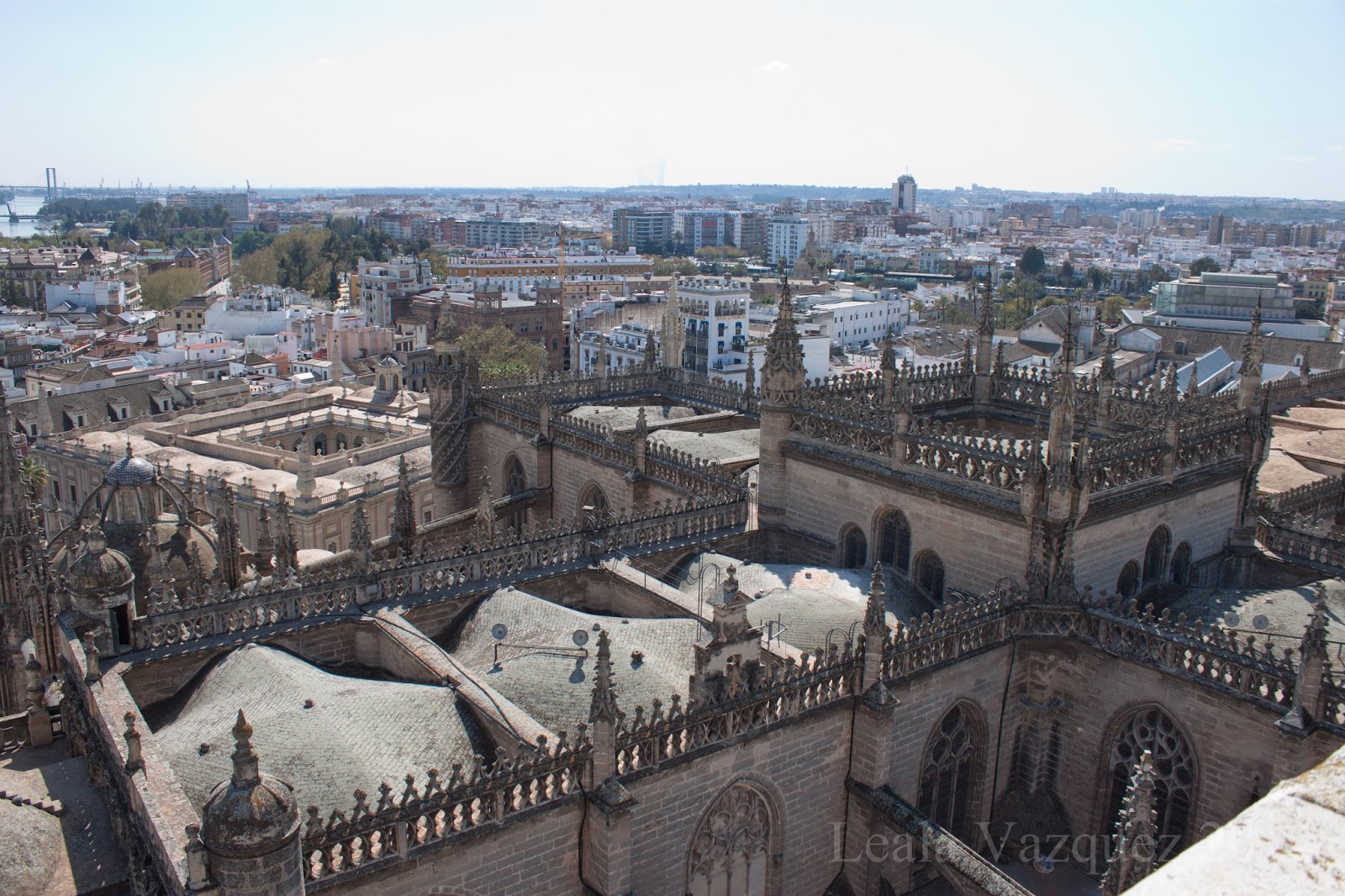
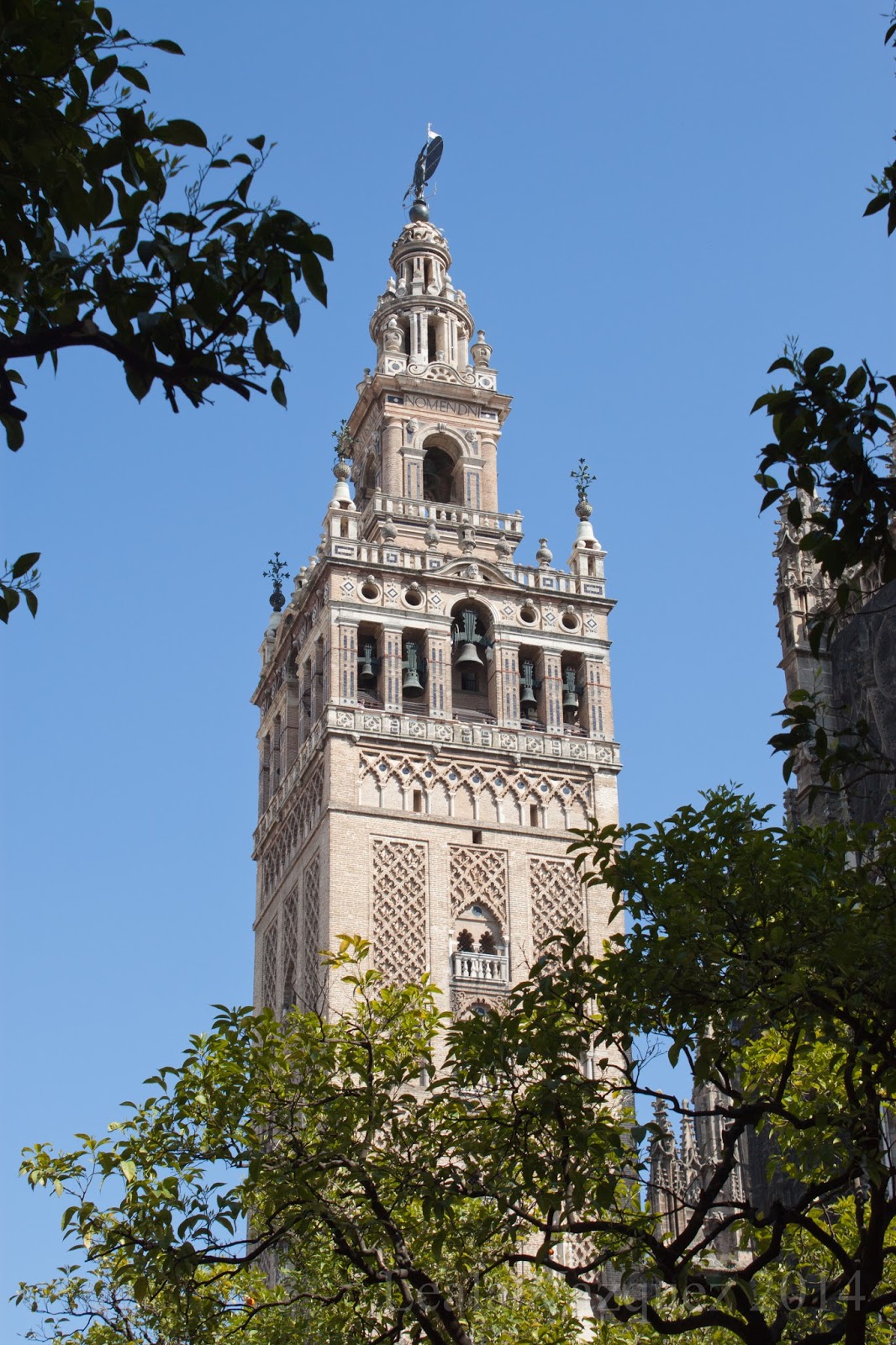
We got a chance to climb to the top of the accompanied tower. We got a nice view of the bells while we were up there.
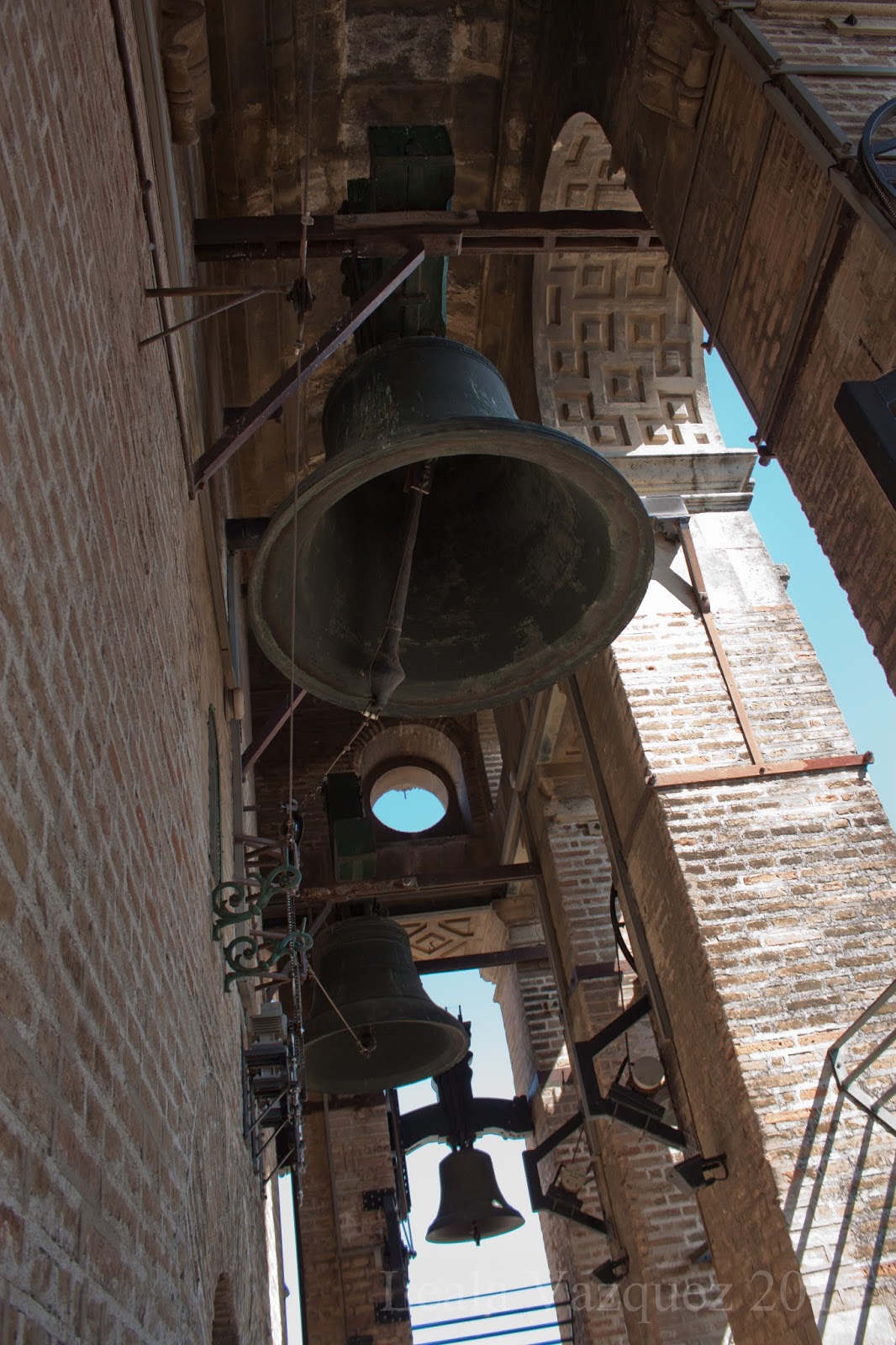
Giralda Tower
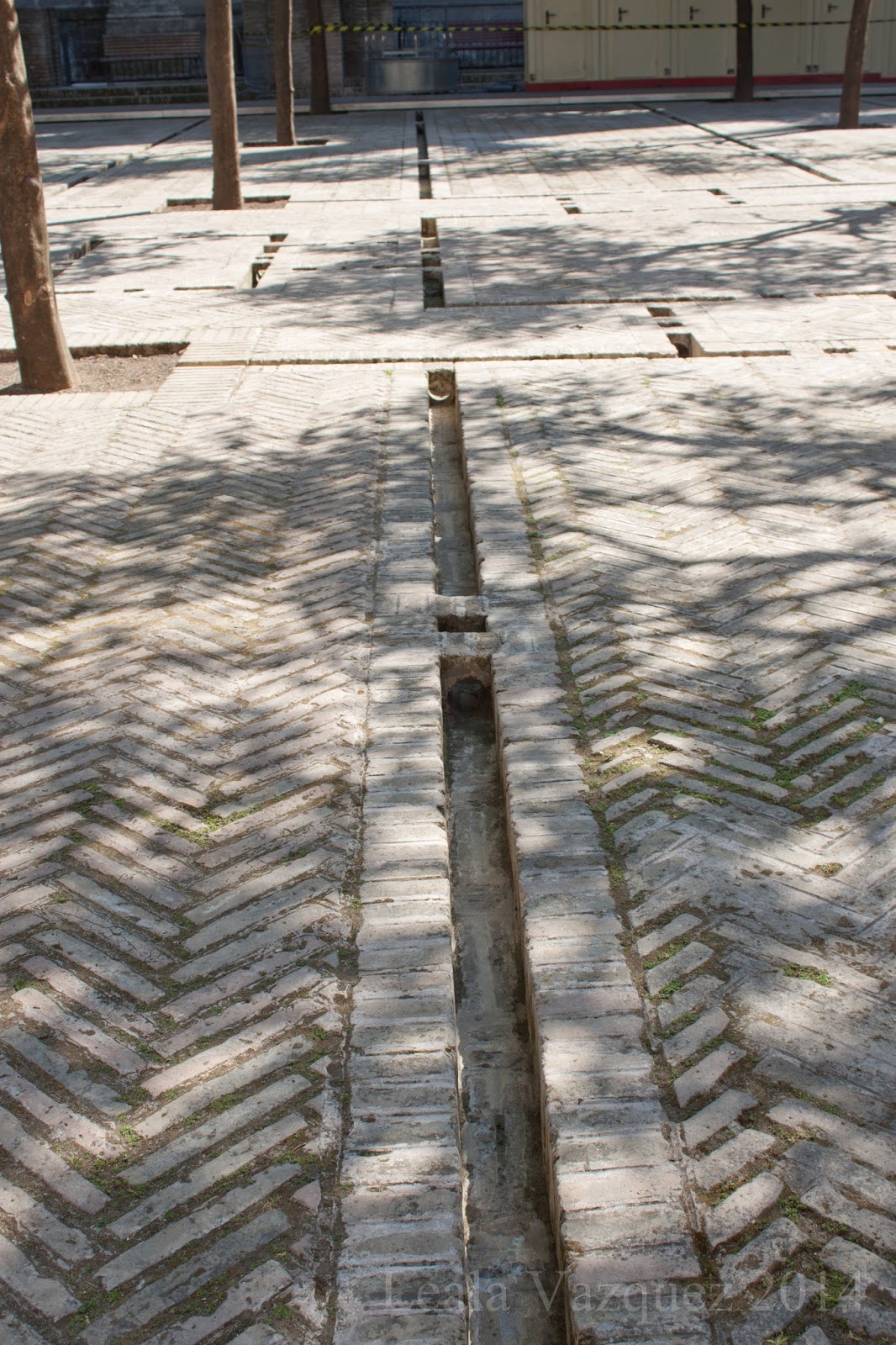
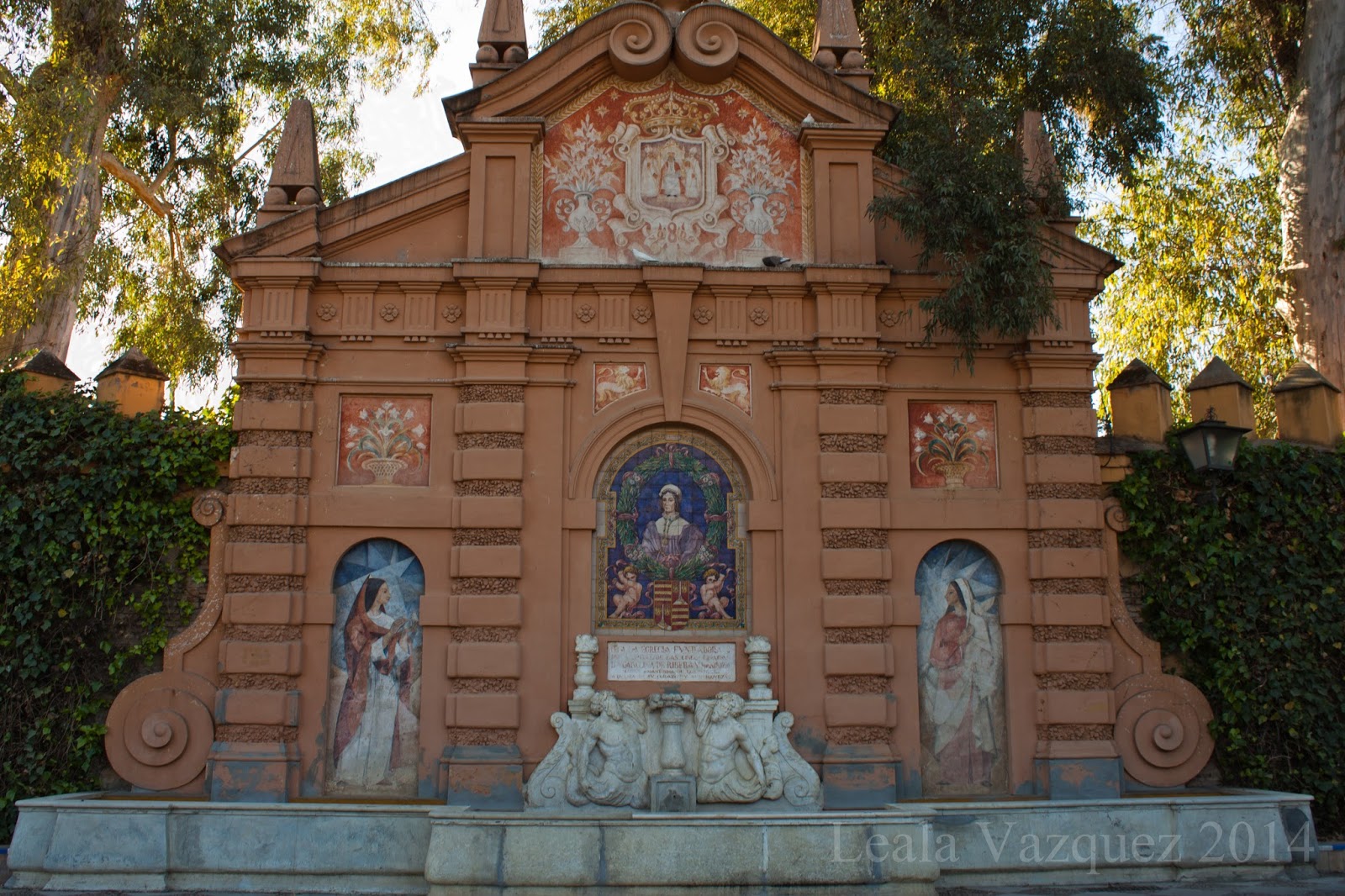
Interesting drainage solutions outside the church in the orange courtyard.

The day soon came to an end and we had to leave the next day. We probably could have spent another day or two here not even mentioning all the other cities in the region that we missed. Oh welll! I guess we can always come back! Adios!

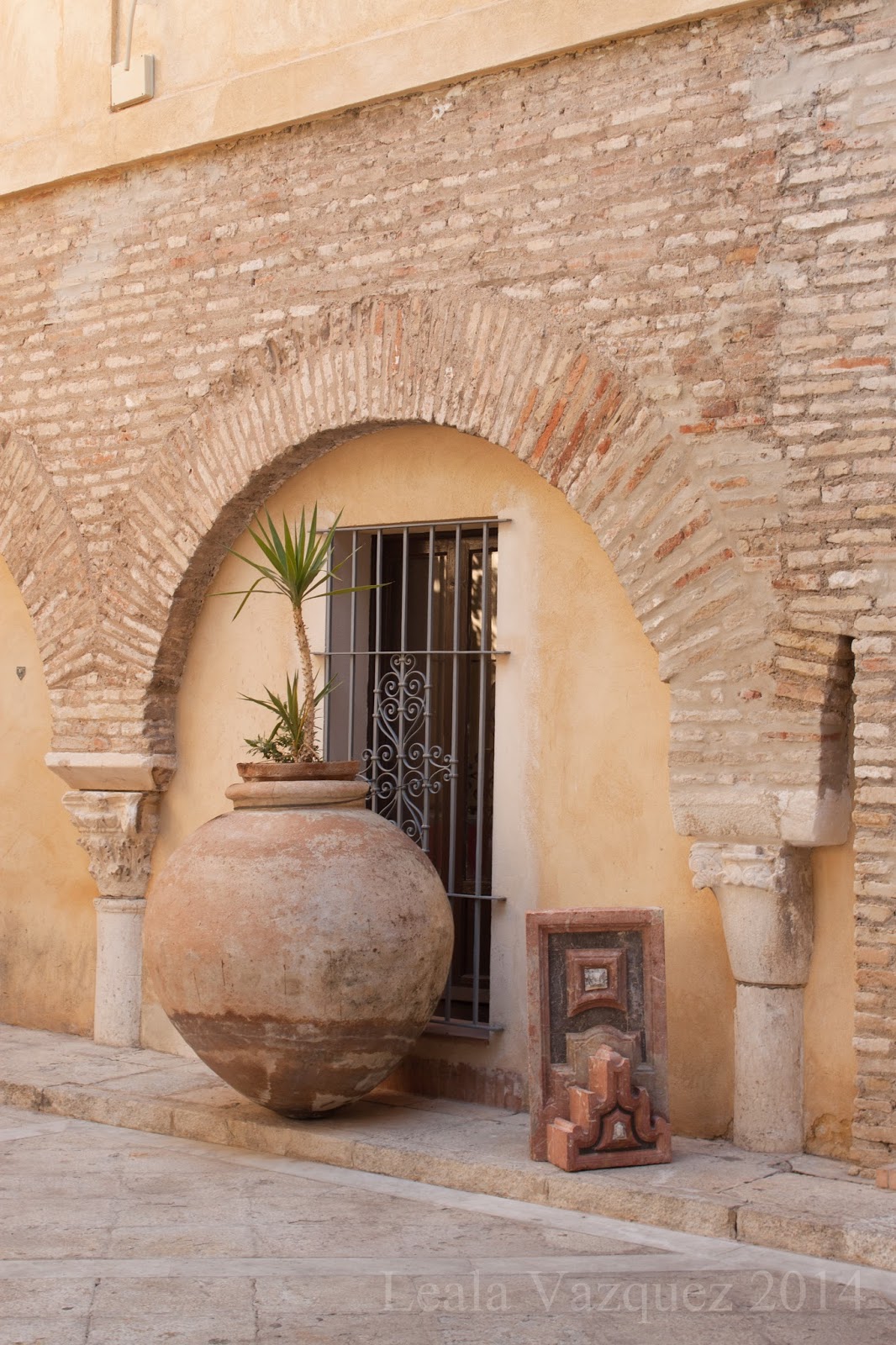
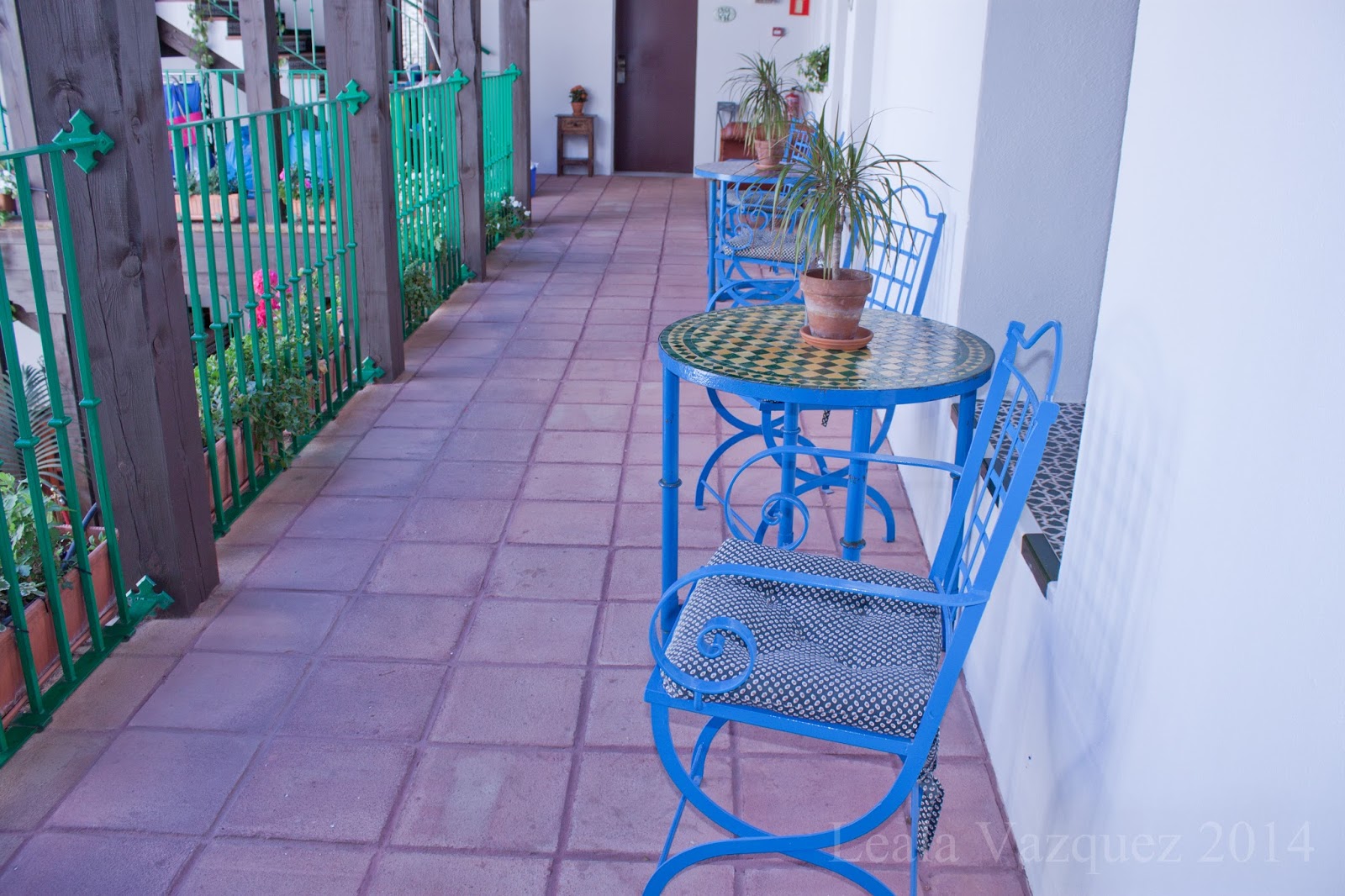
One of the places I was most excited about in Spain was Sevilla. Sevilla to me embodied what Spain is: flamenco, paella, guitar music. I know Spain is so much more but Sevilla is essential Spain to me. After some web research, I found a great deal at the botique hotel El Rey Moro. Breakfast was included every morning and the staff was very friendly and helpful. They gave us great advice. I loved waking up each morning to the courtyard (see above) and enjoyed a glass of wine at the table in front of my room while reading a book.


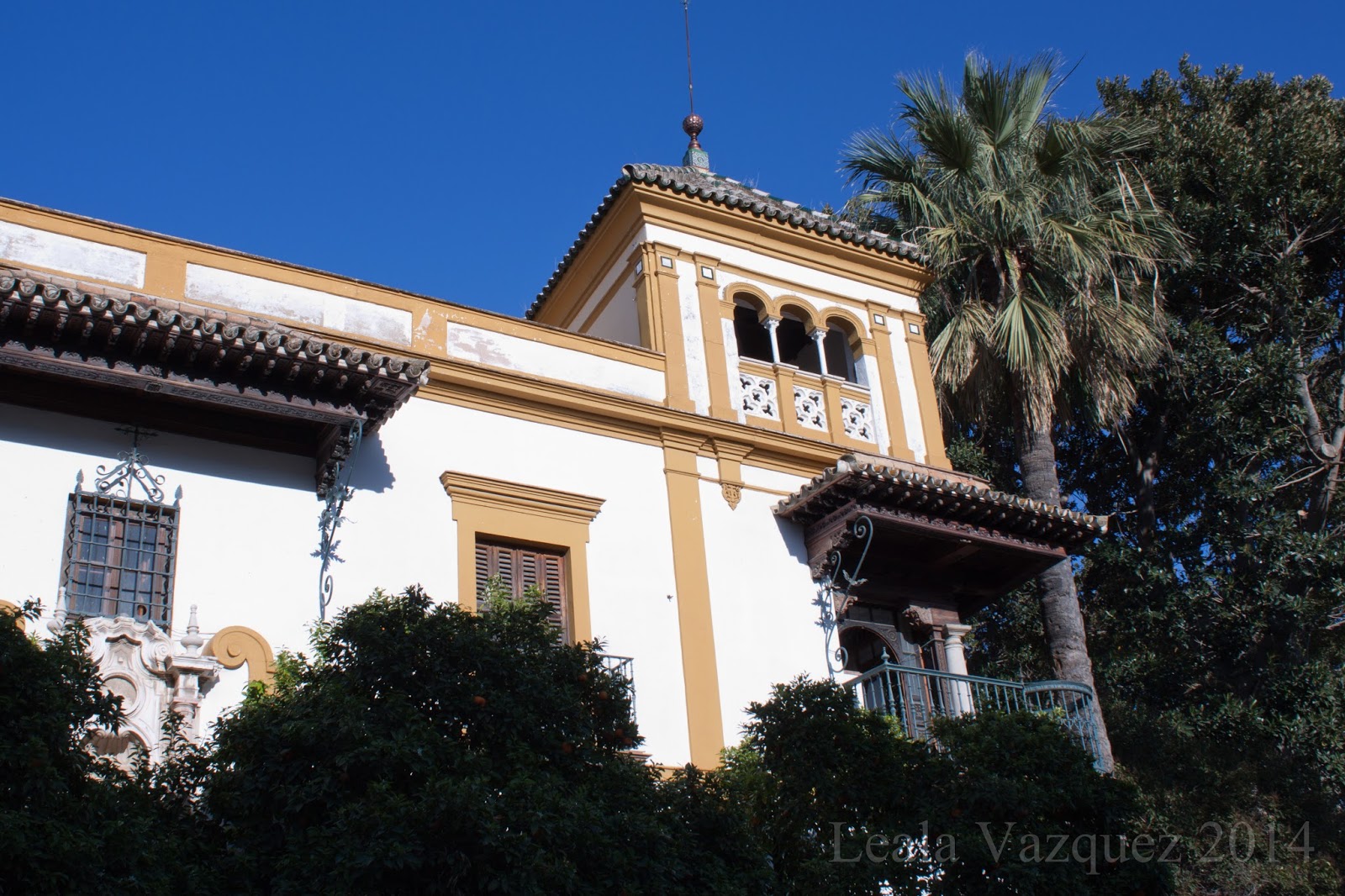
We enjoyed strolling around the city and observing the architecture.
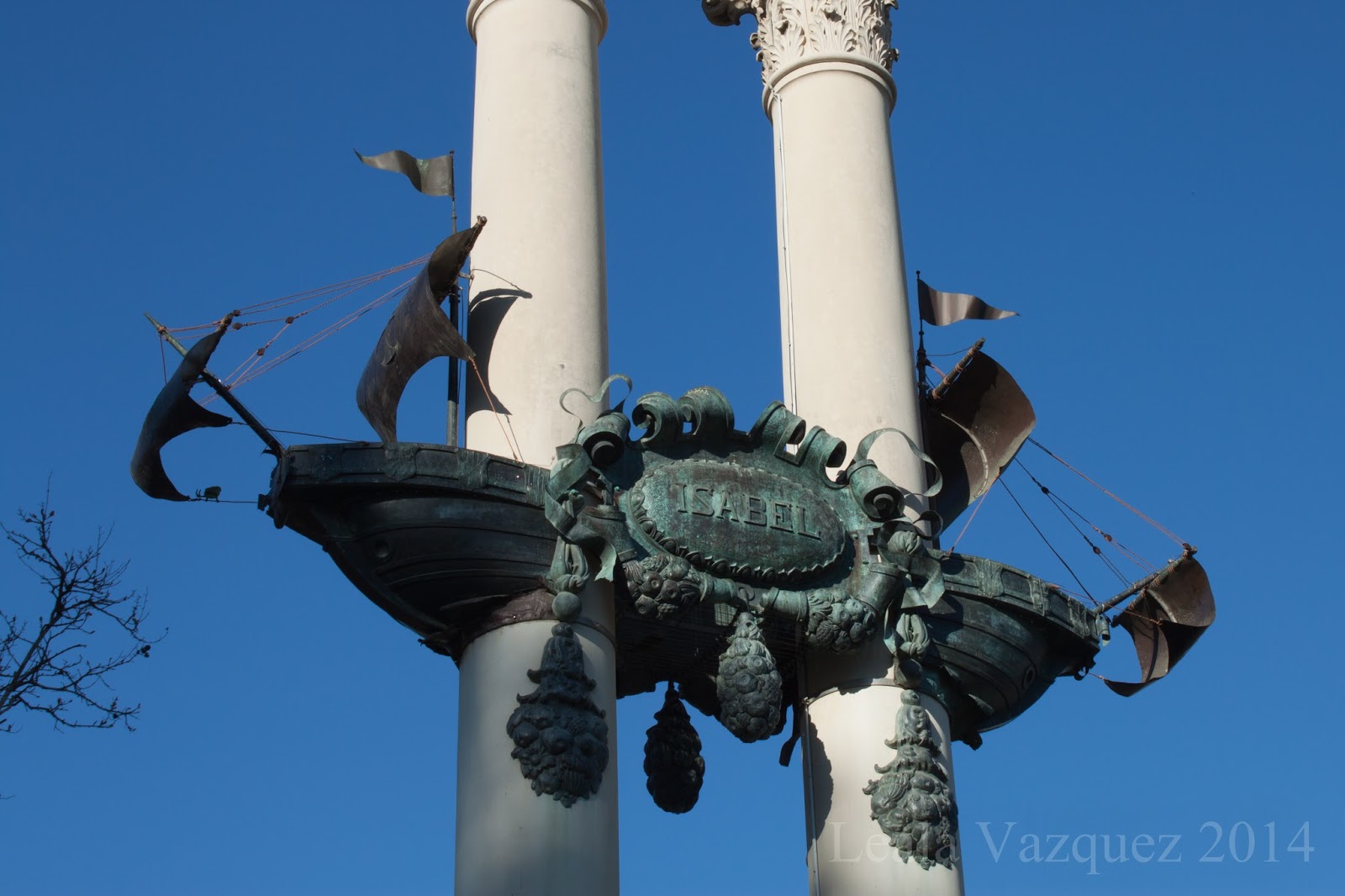
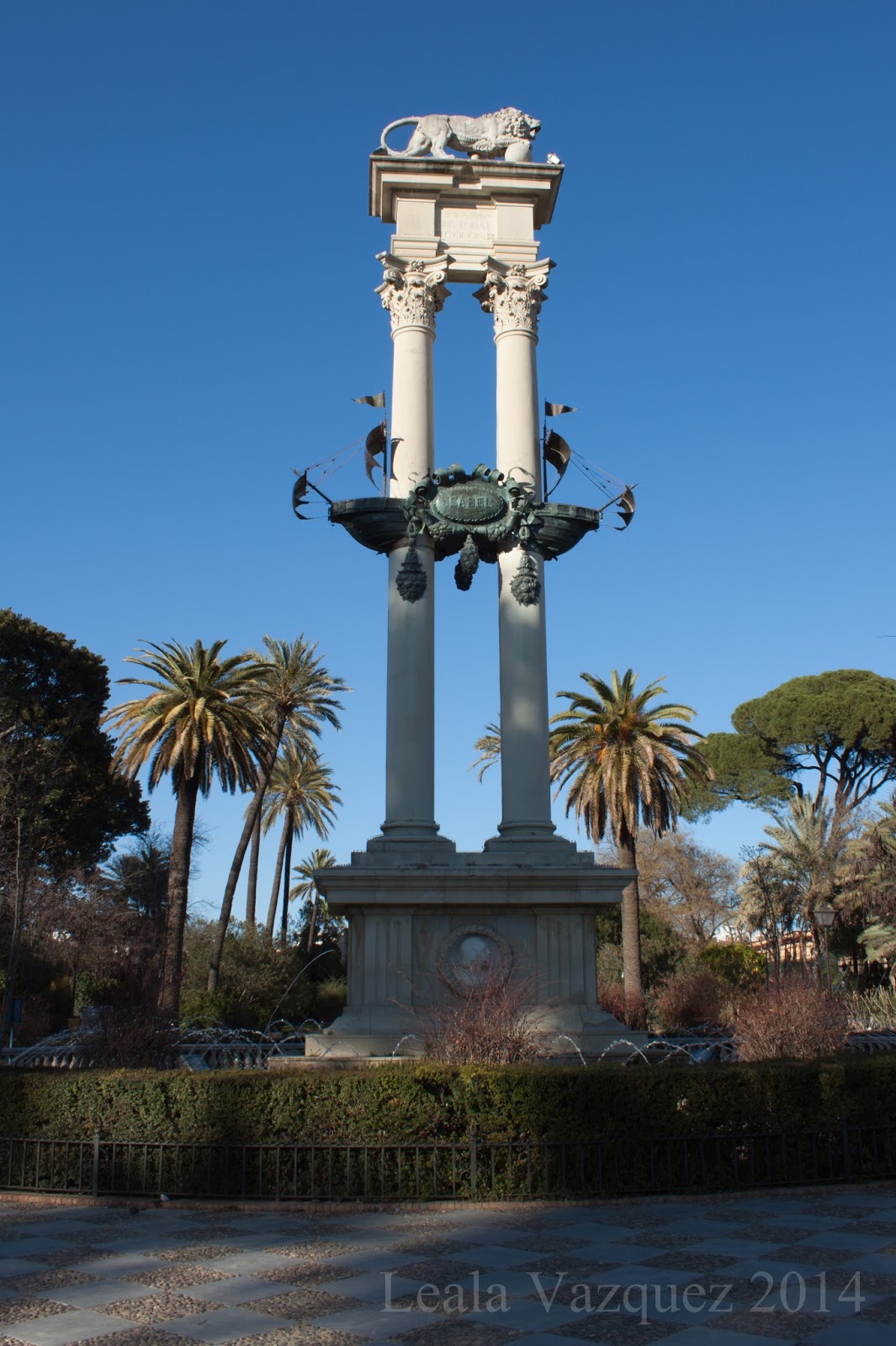
Memorials to Ferdinand and Isabella.They were directly responsible for Columbus “discovering” the new world.

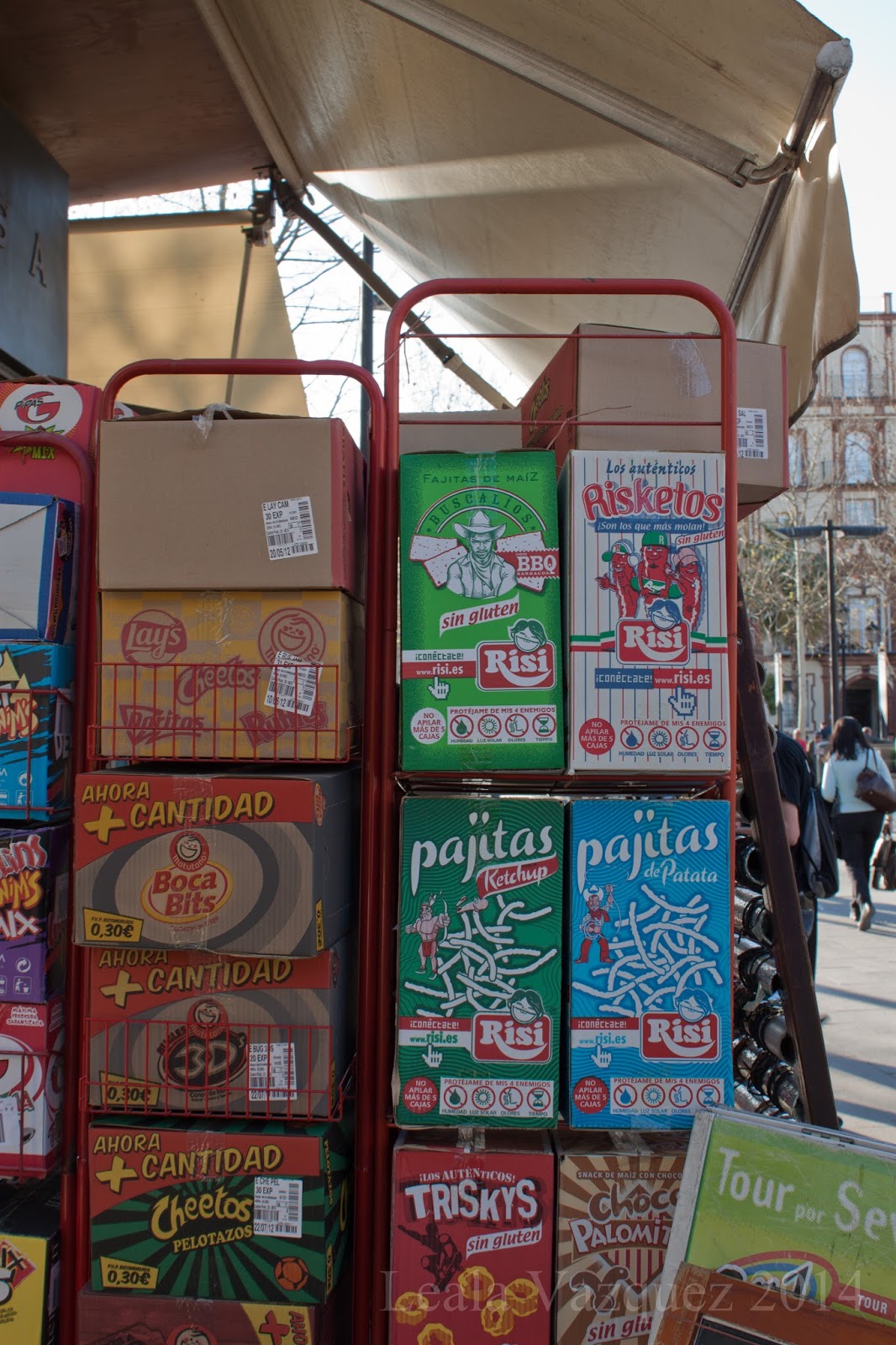
Spanish snacks
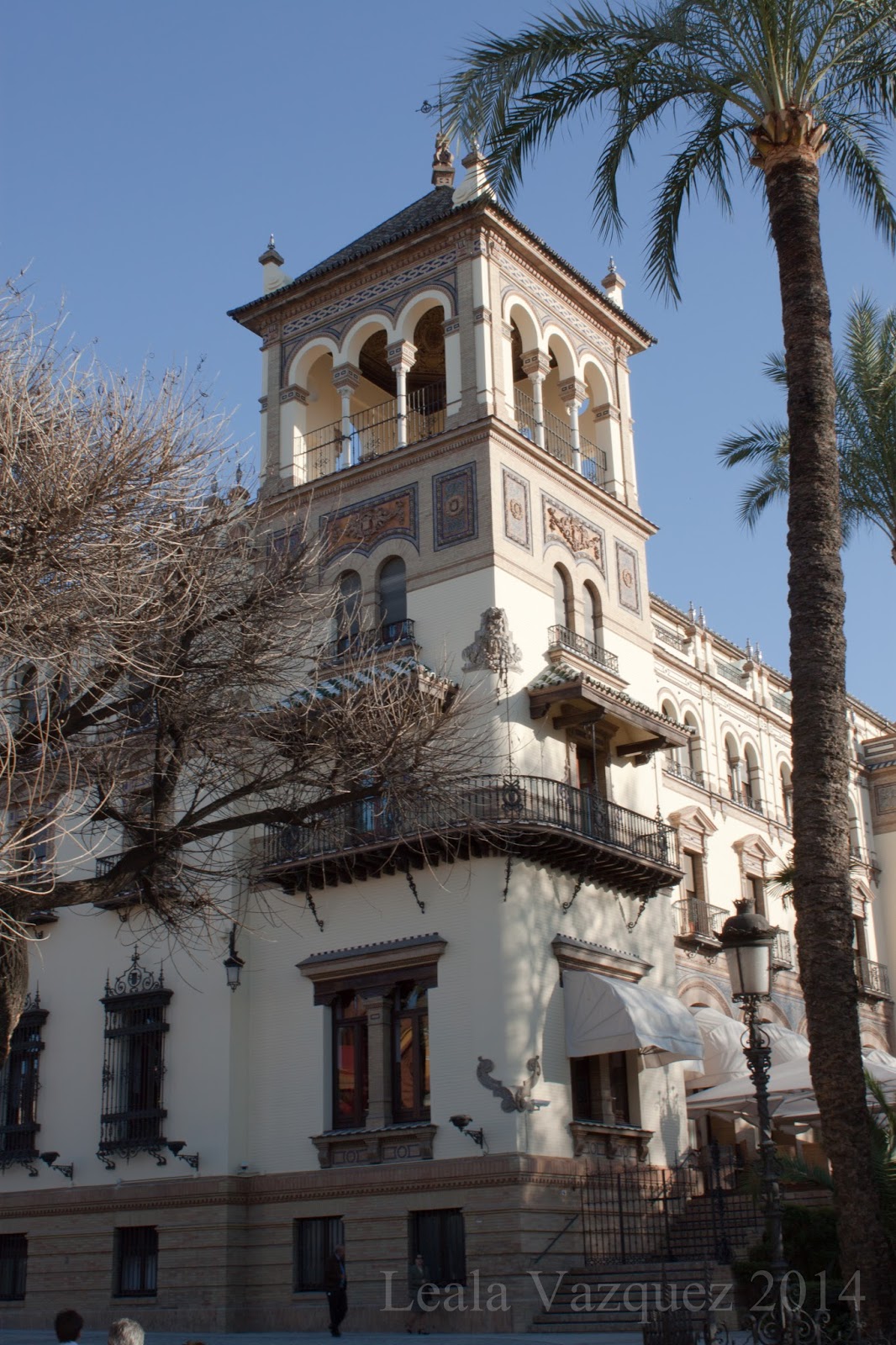
Government building

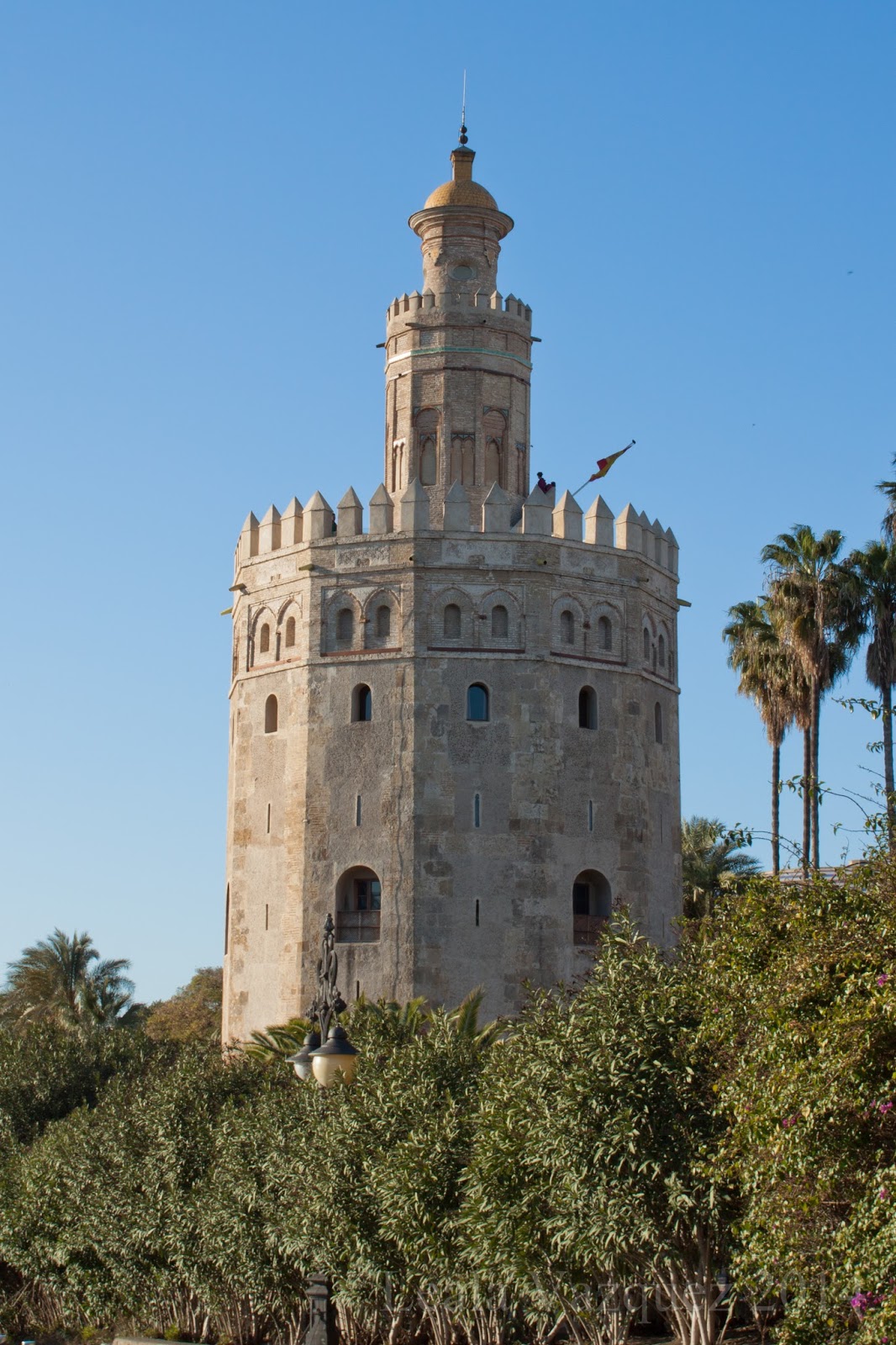
Toro del Oro
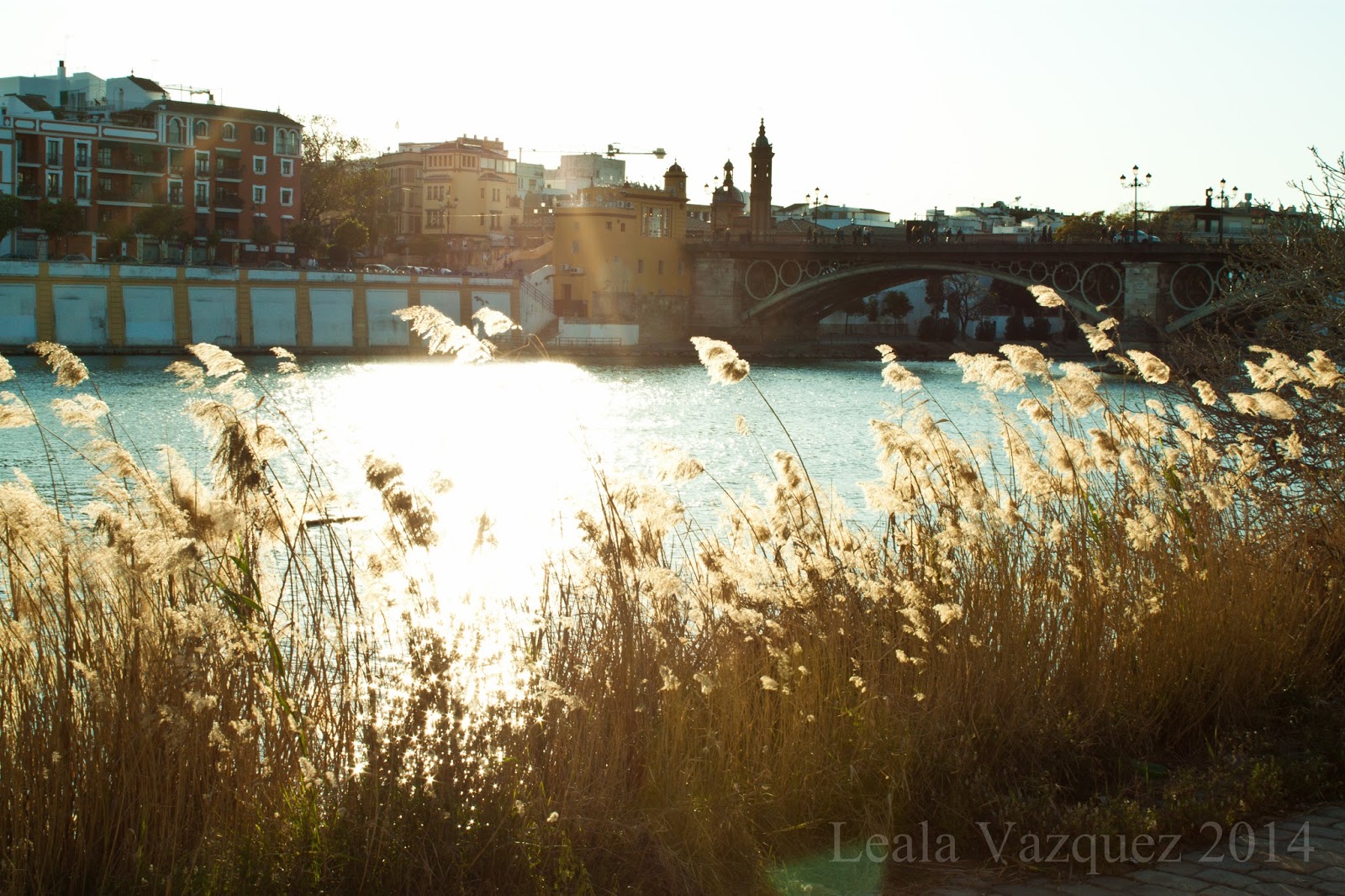
Path along the river

Some tapas at Plaza Santa Ana across the river. When we first arrived it was a sleepy tavern with only a few customers. Within minutes the tavern and courtyard were flooded with churchgoers exiting the church.


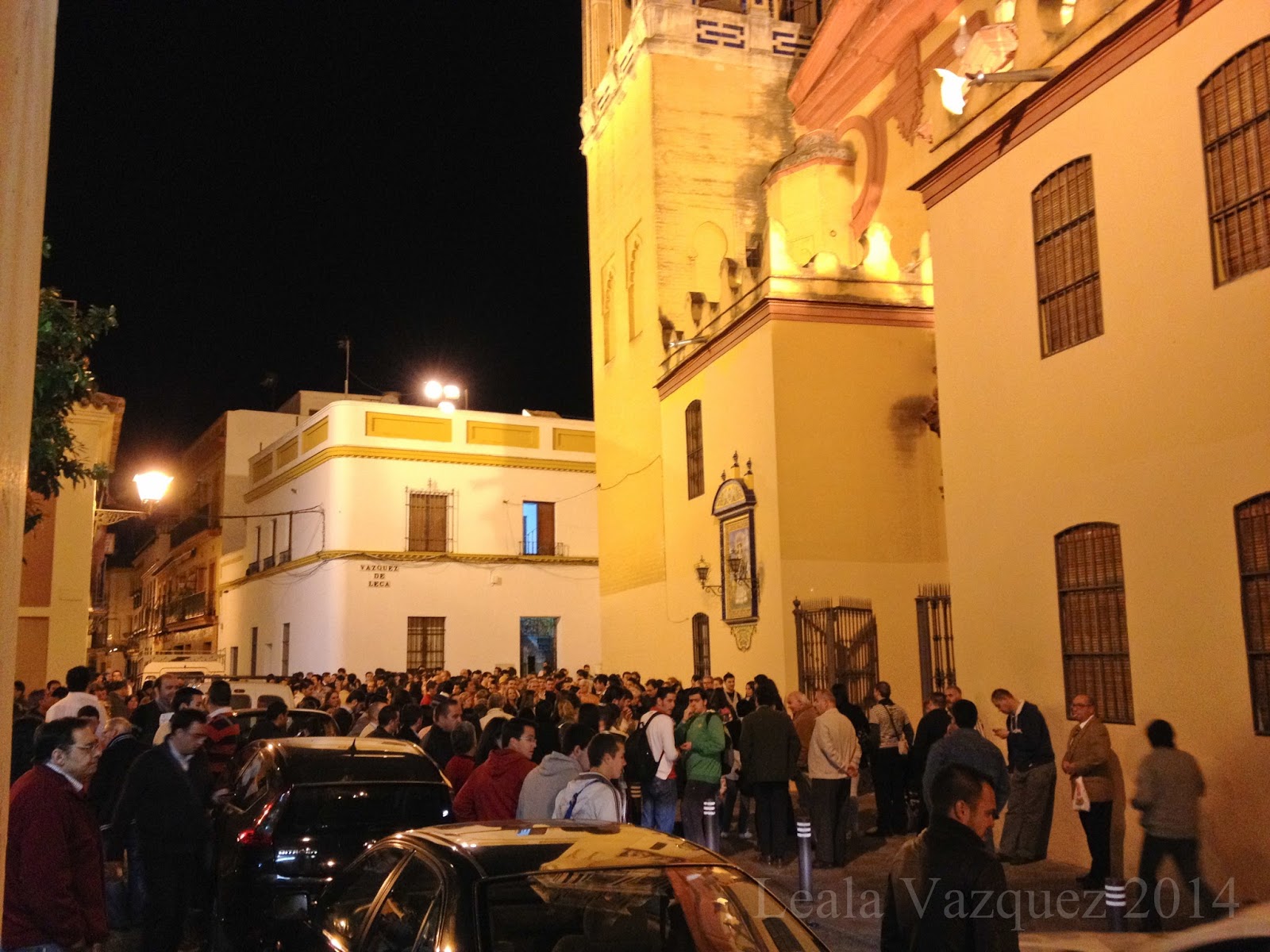
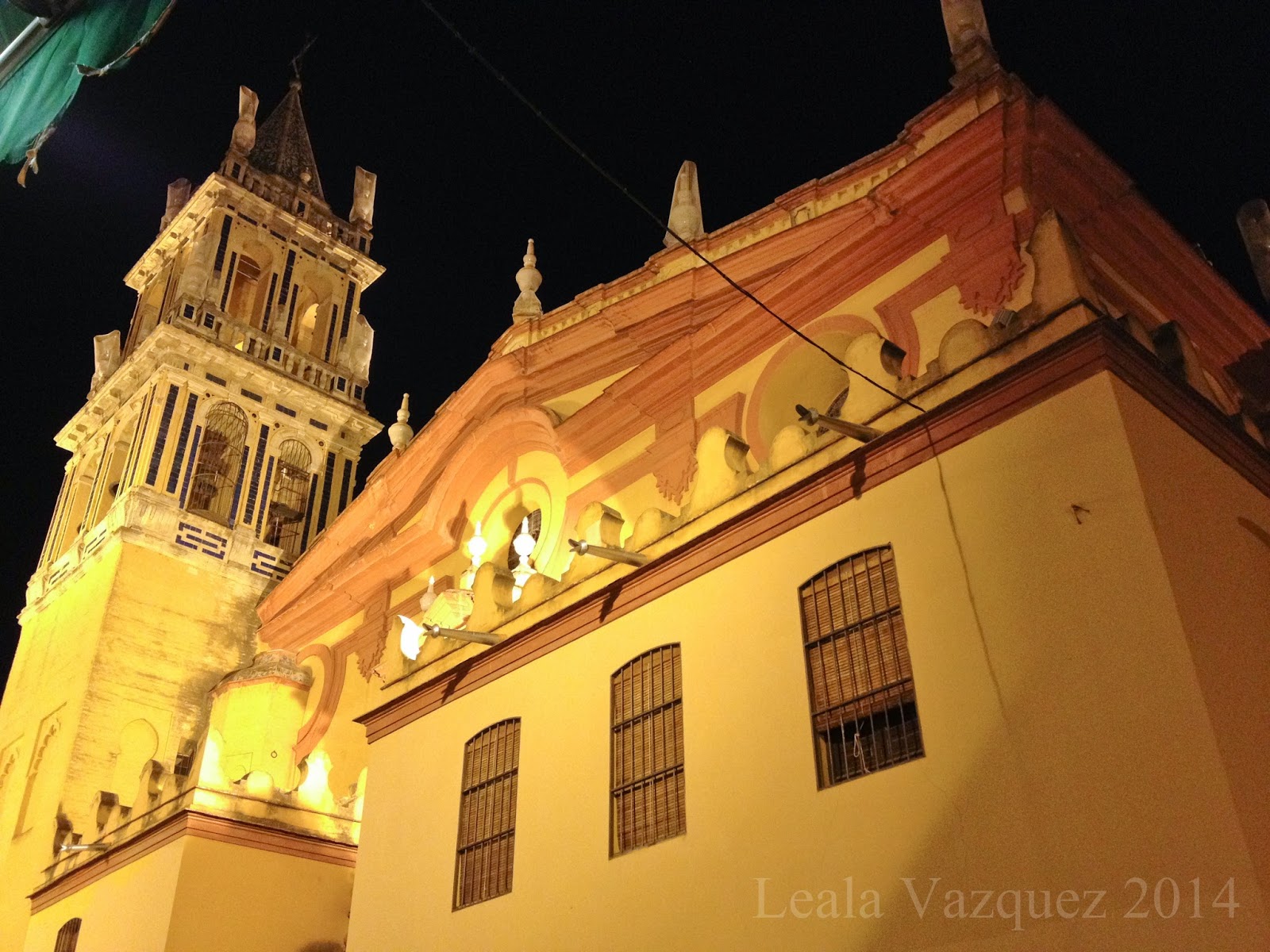
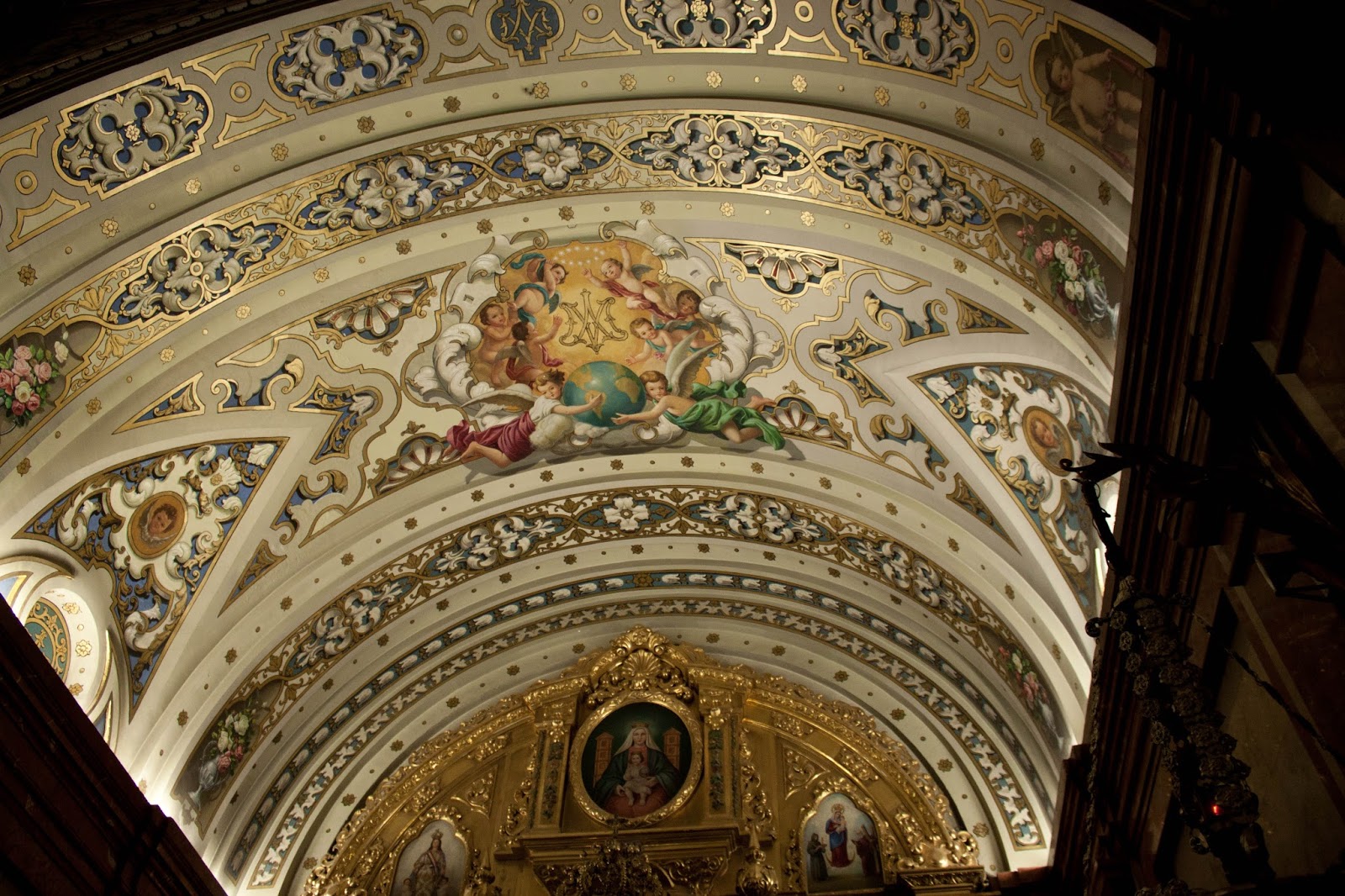
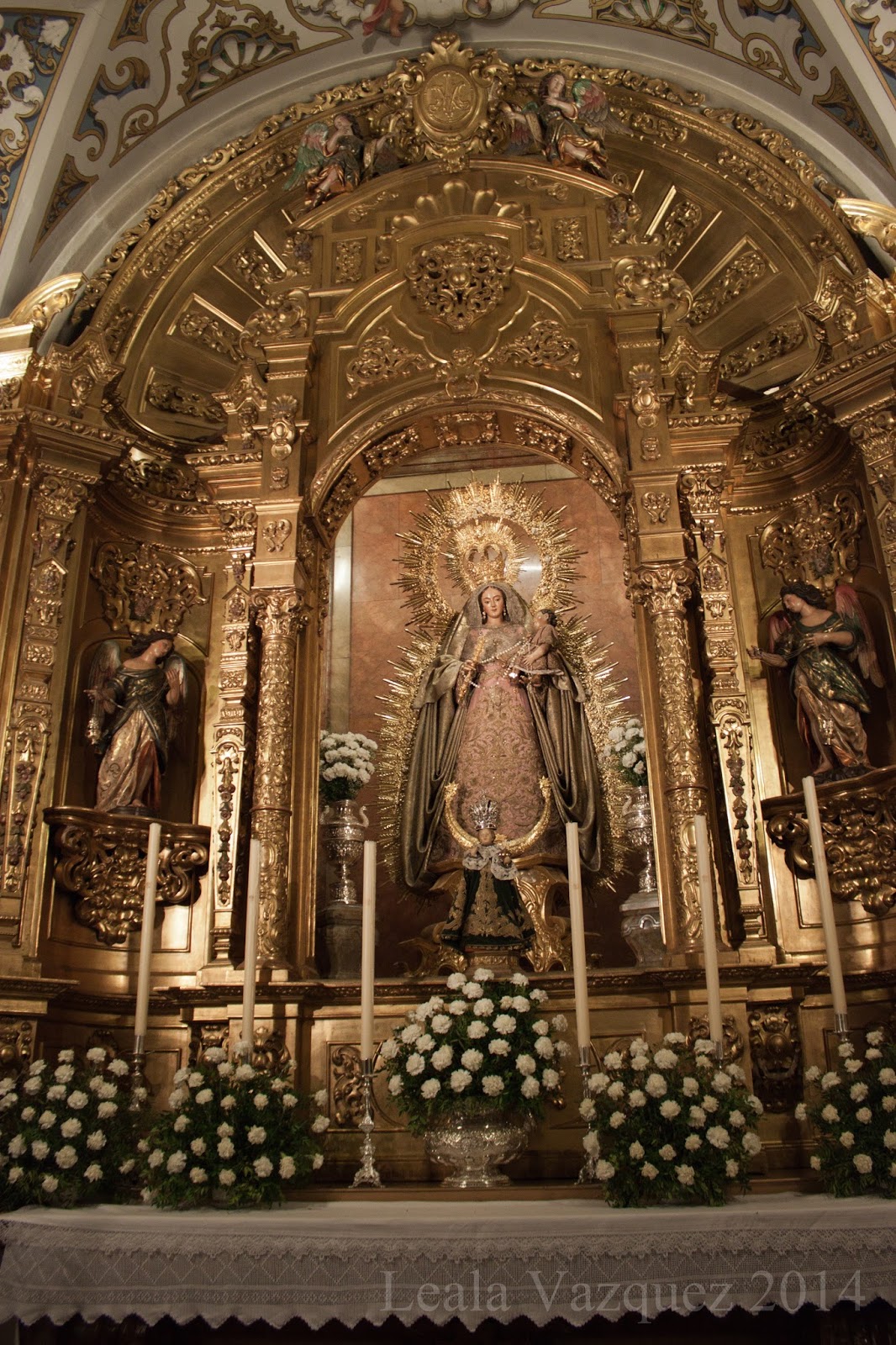
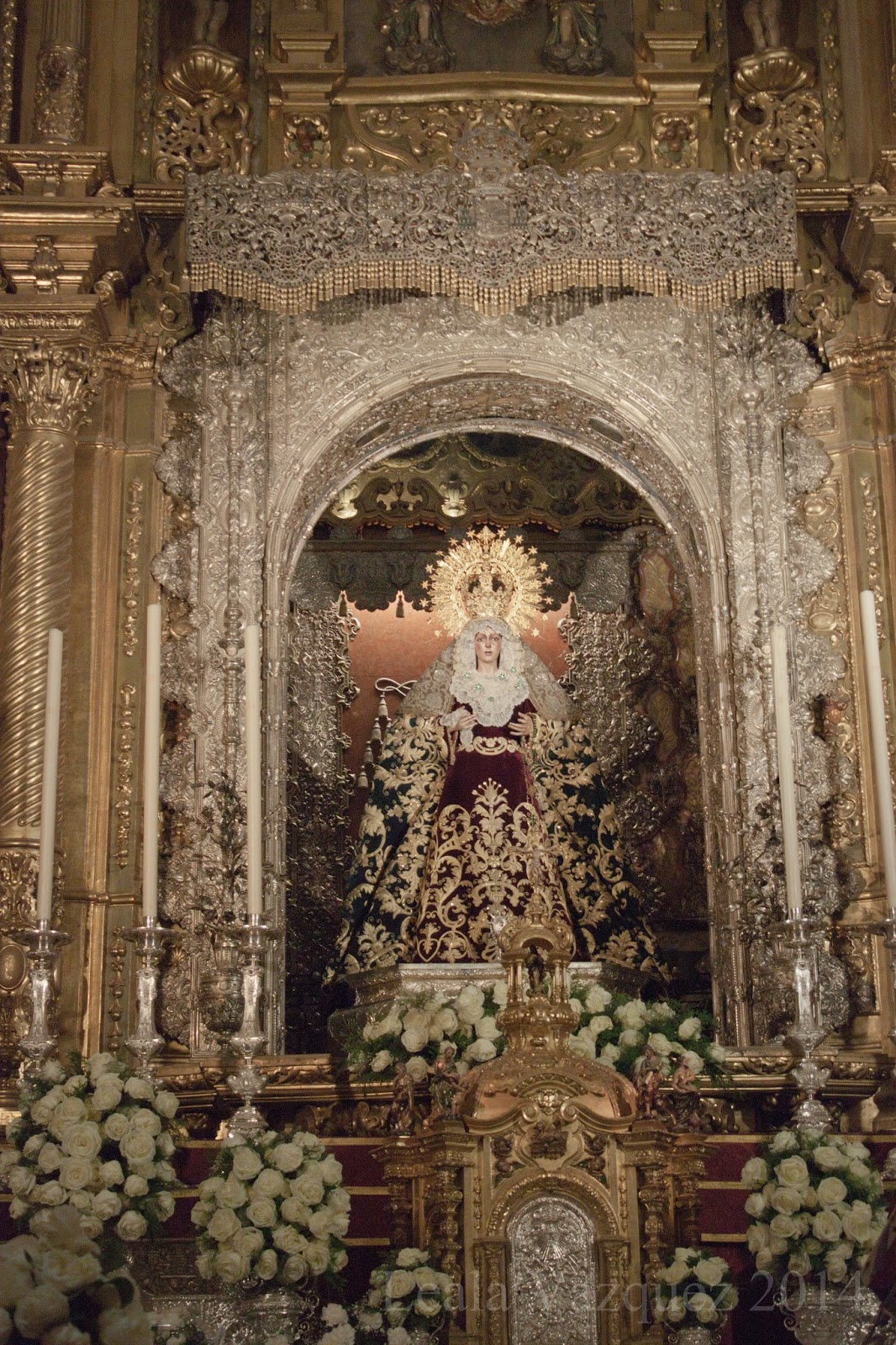
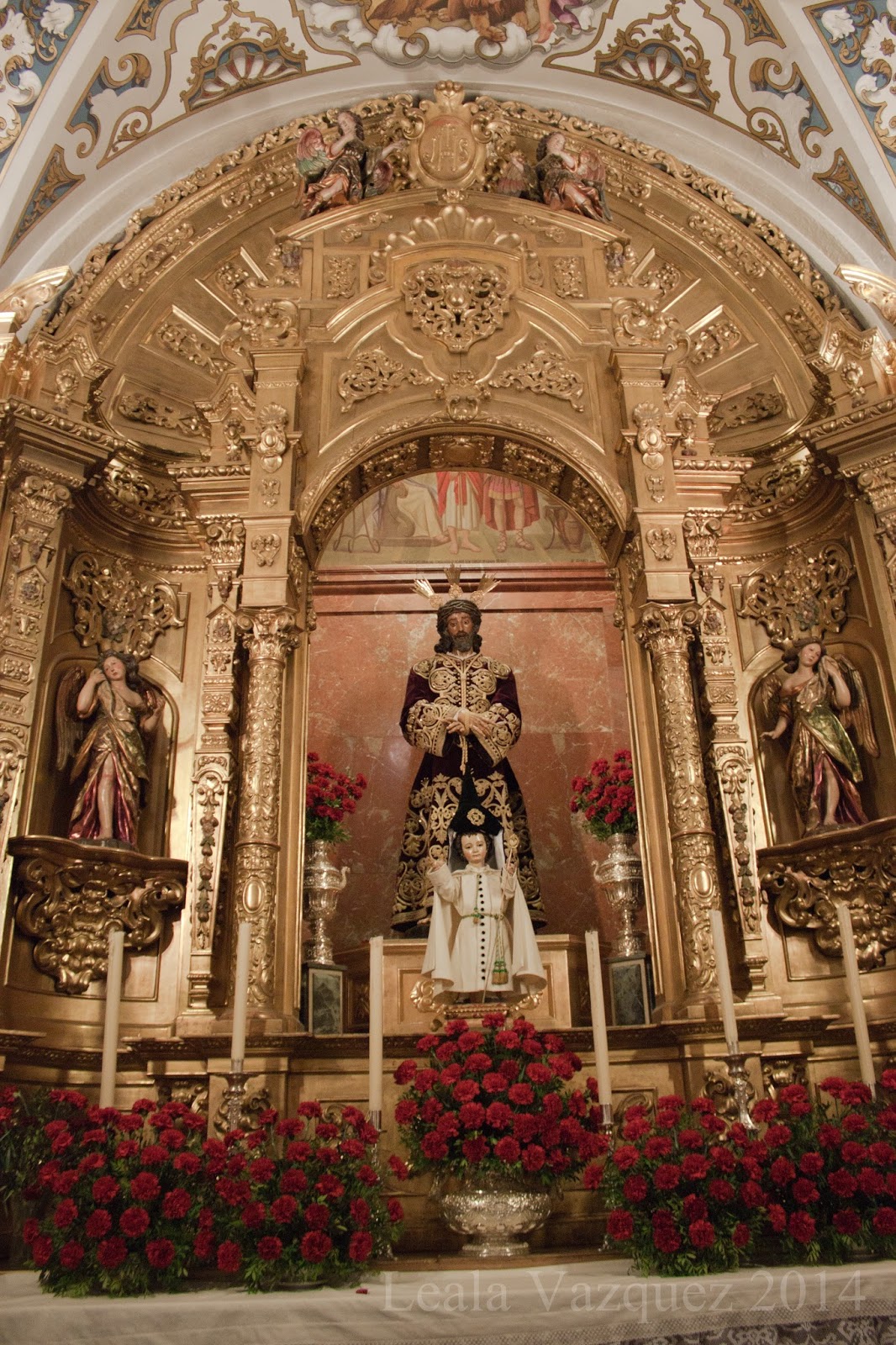
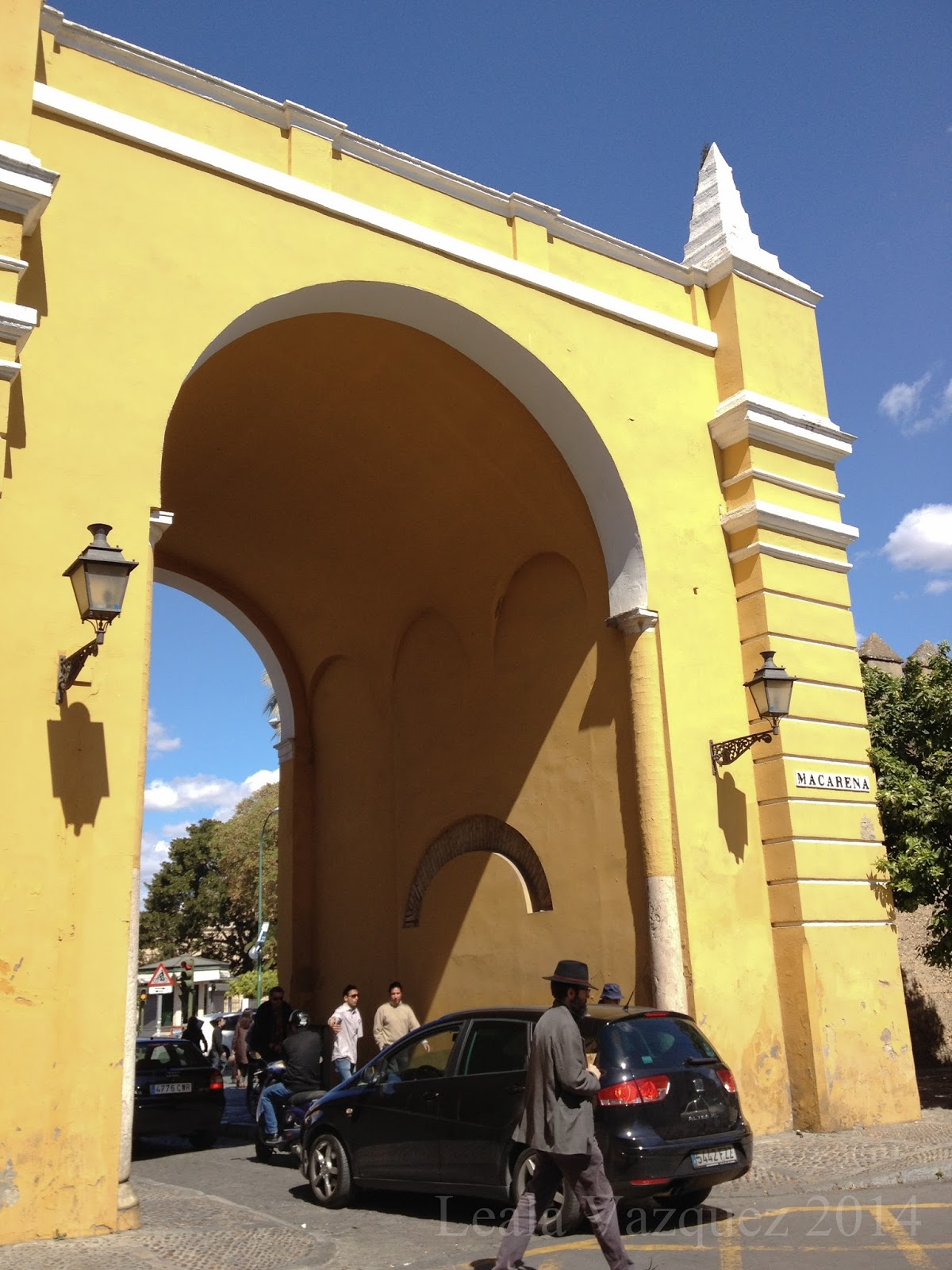
The next morning we did some more sighting. We walked down to see the Basilica de la Macarena. This church, as well as many other Spanish churches, was very ornate. The basilica hosts the most revered image in Seville, the virgin Mary. This church is located in the neighborhood of the same name..that is also responsible for Los del Río’s hit song Macarena.


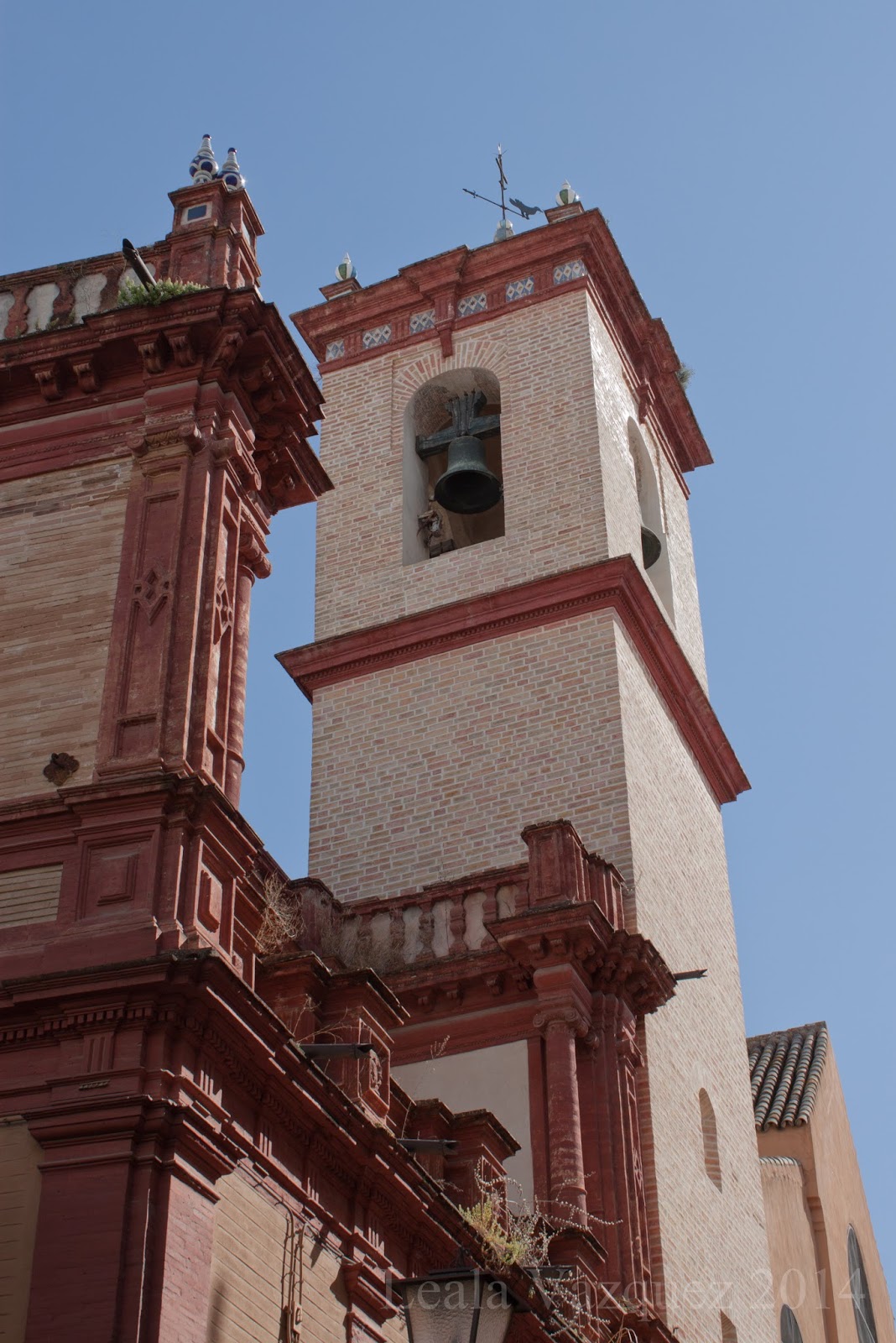
Nearby bell tower.
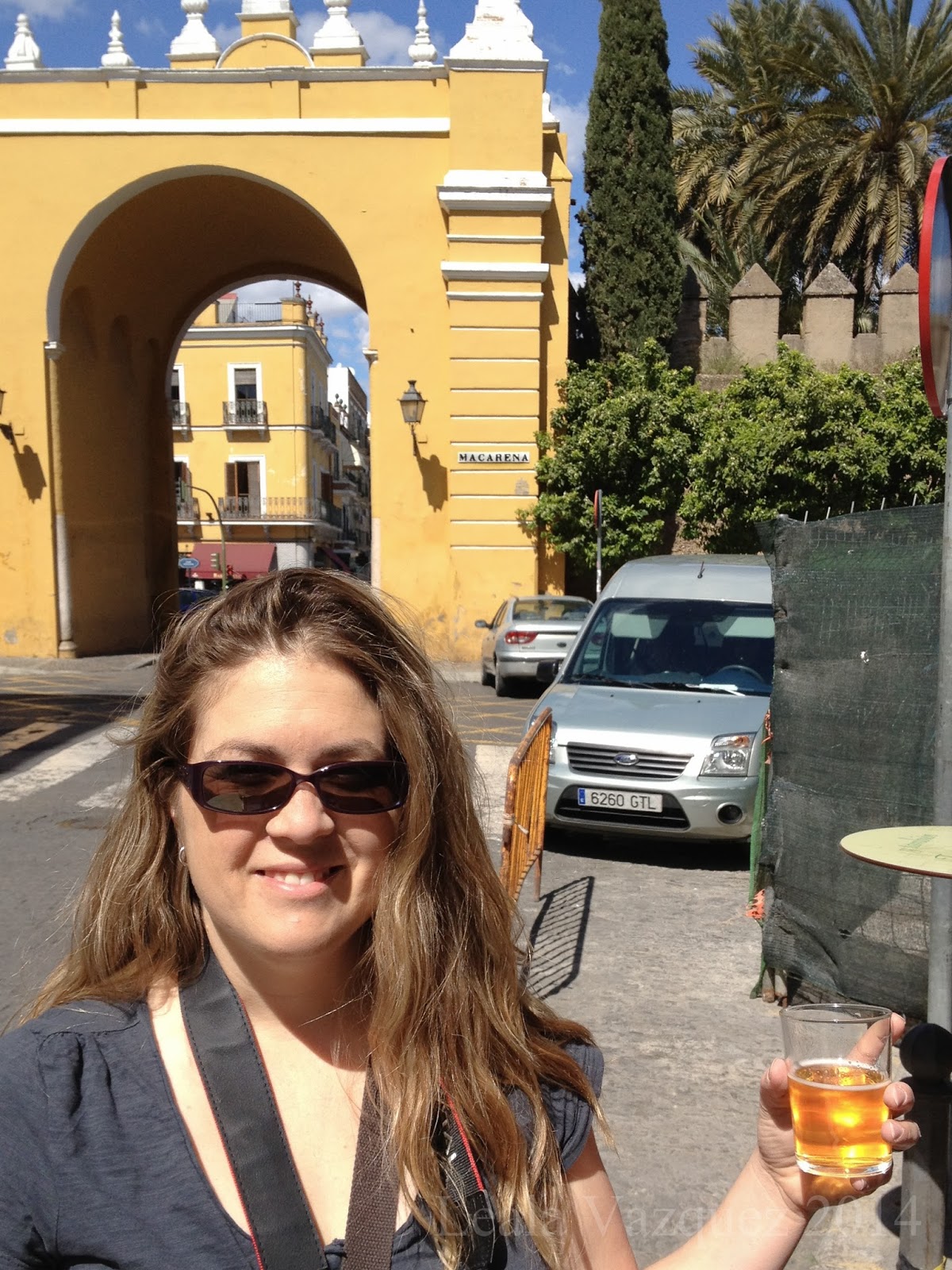
Drinking a beer in Macarena. I really wanted to do the dance but did not want to embarrass myself.
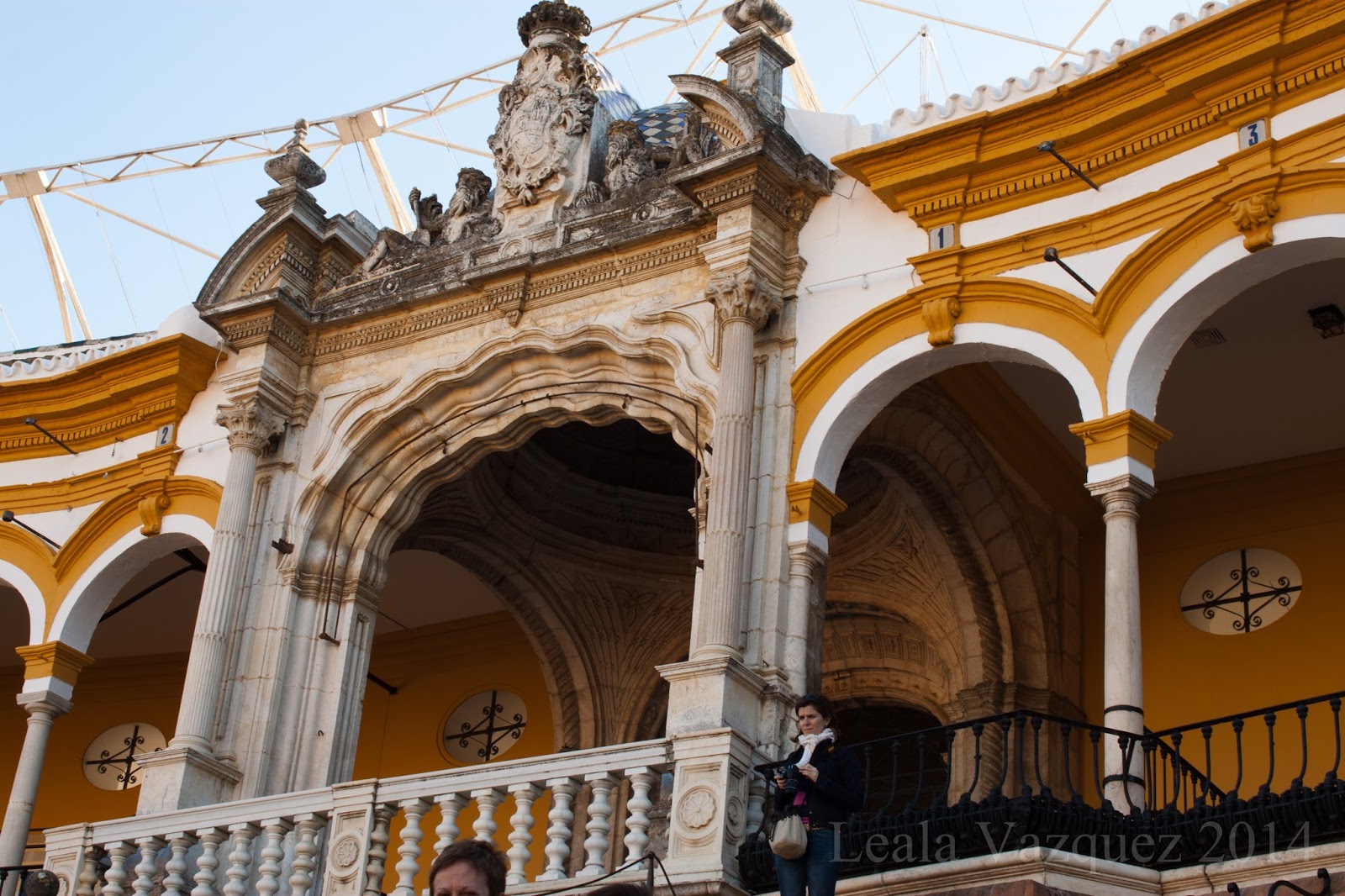
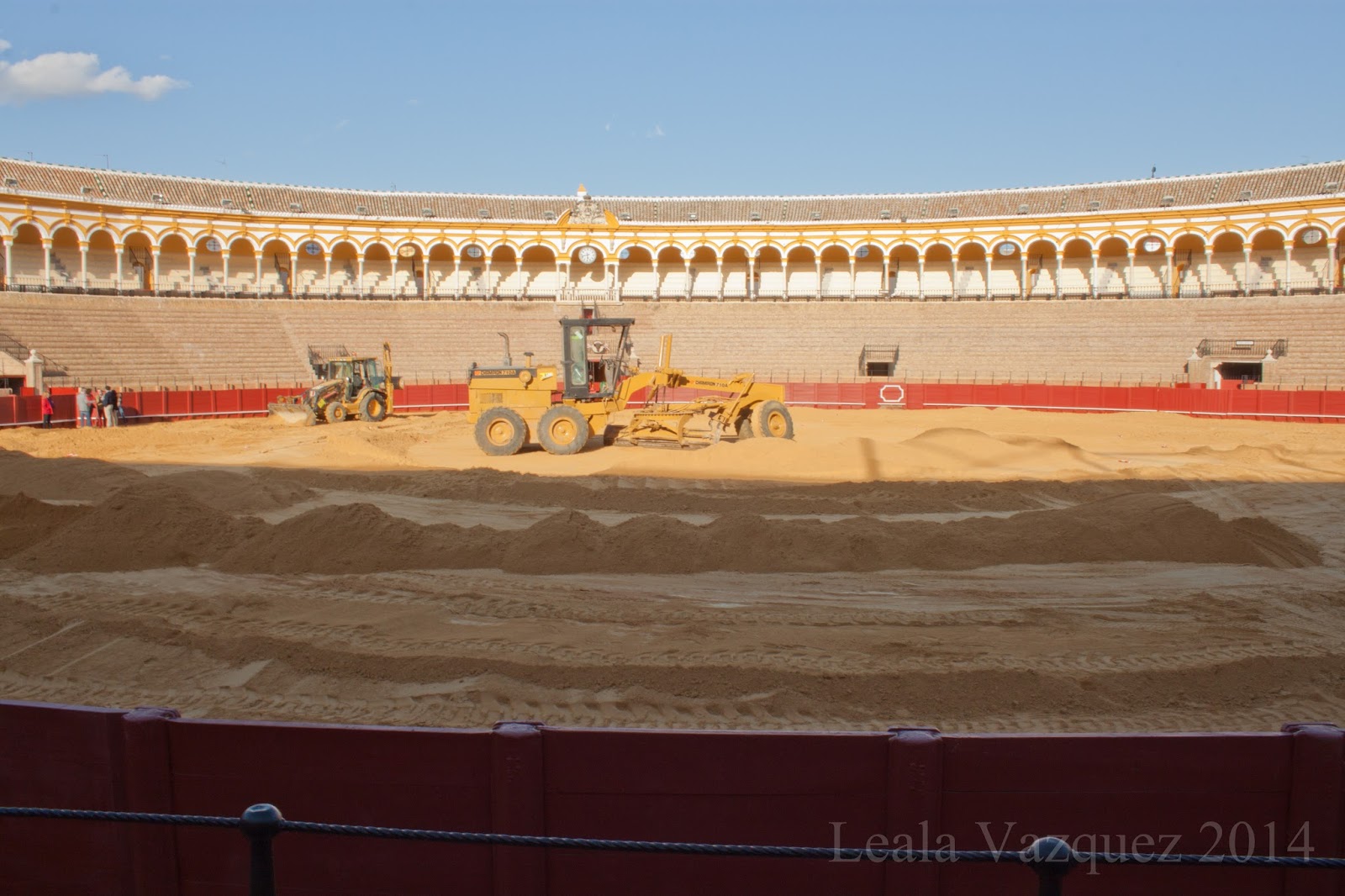
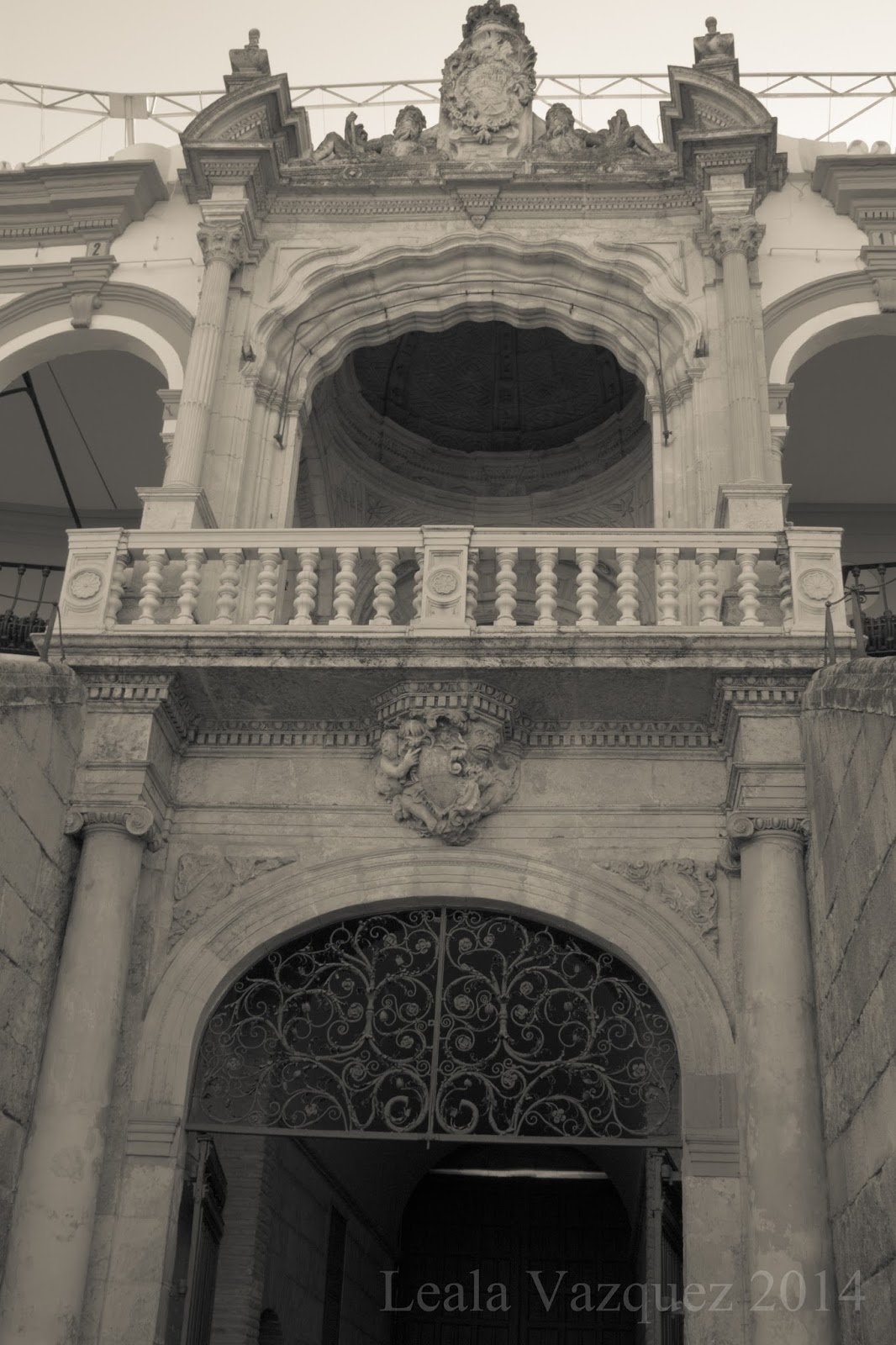
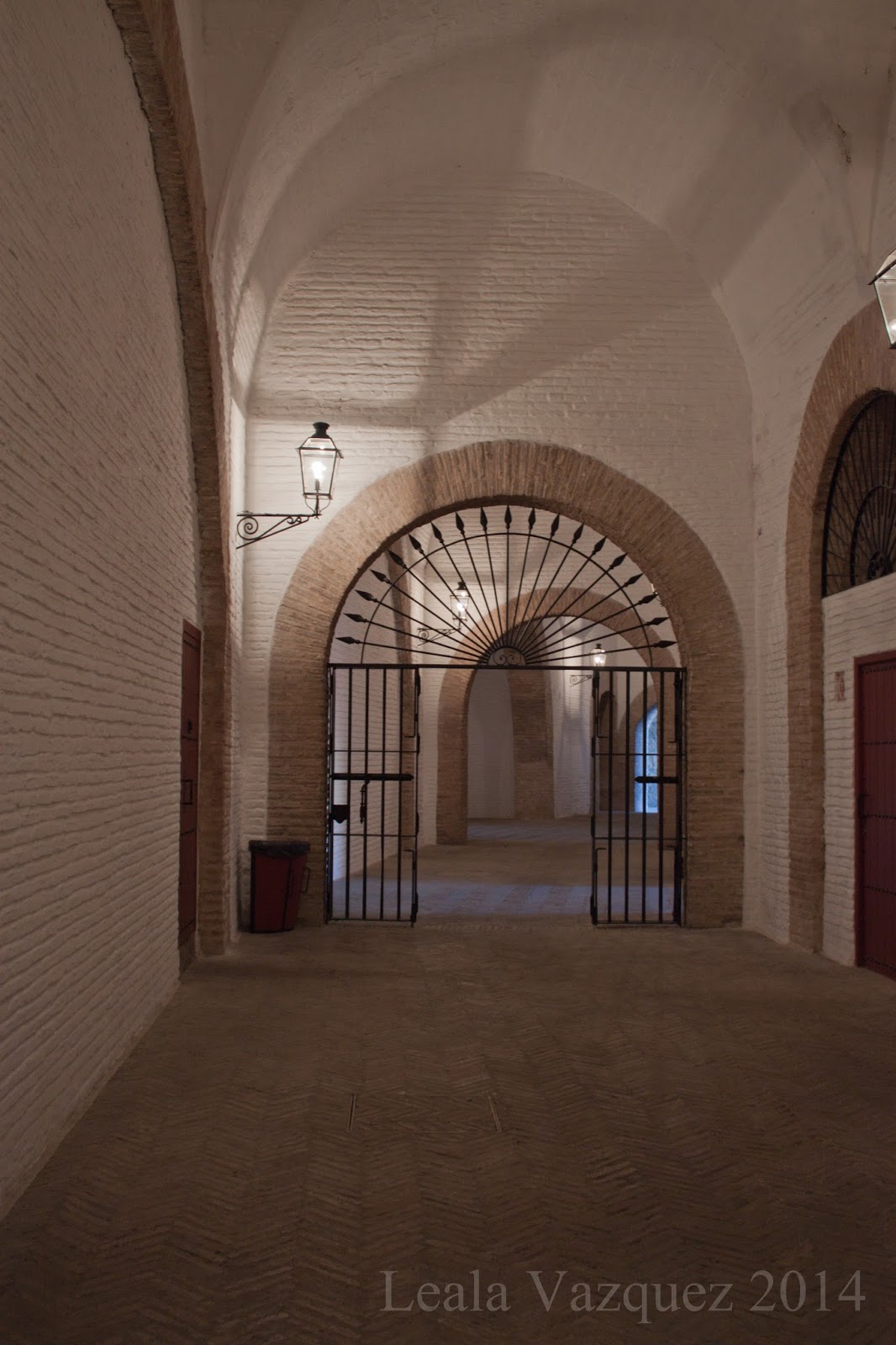
Part of me is really against the sport of bull fighting but a visit to Sevilla would not be complete without a tour of the history of the toreadors. There is a long tradition there that seems to be slowing fading with time.

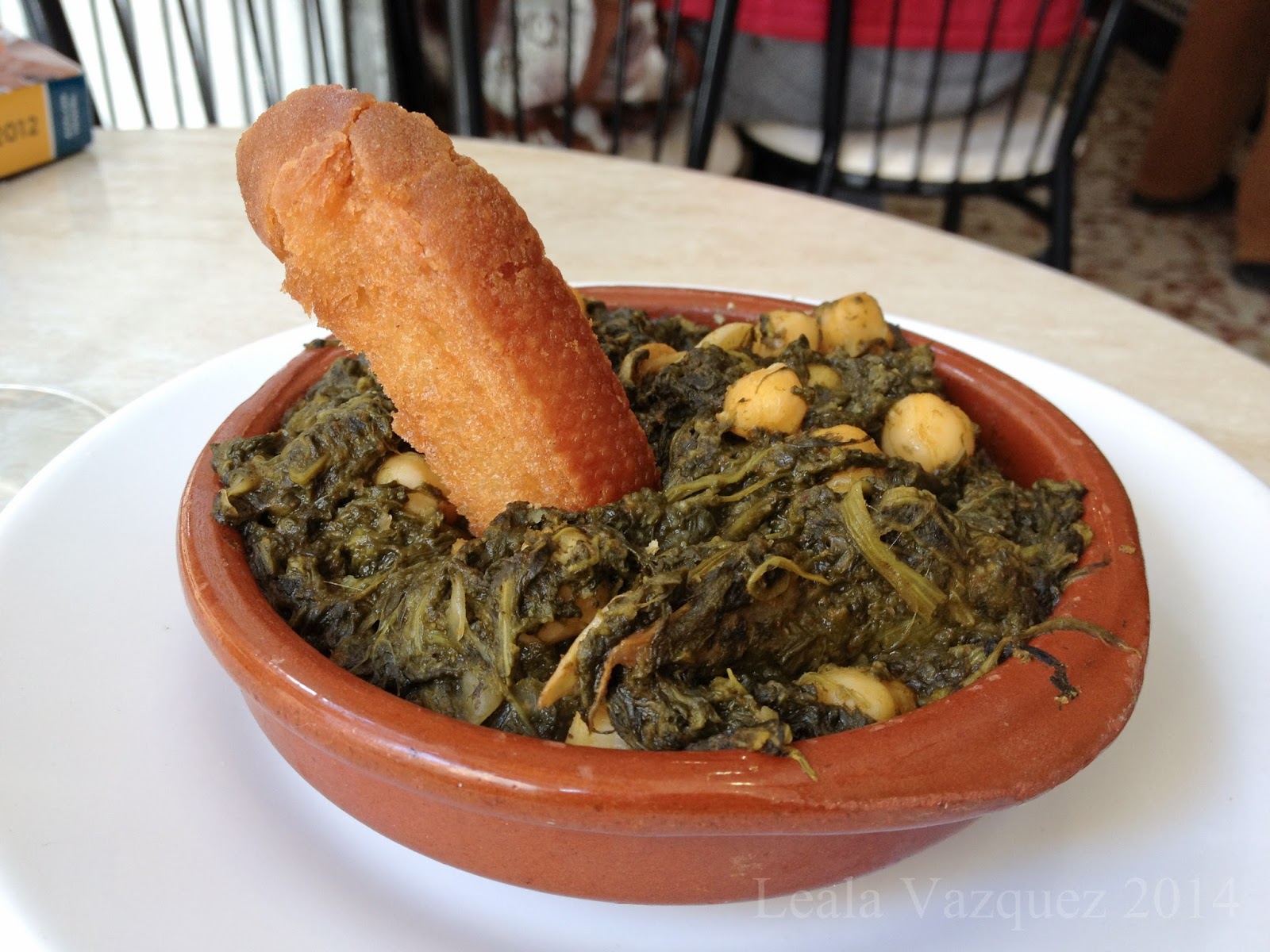
After hours of touring one must stop for afternoon tapas. This spinach and chickpea dish is one of my favorites.
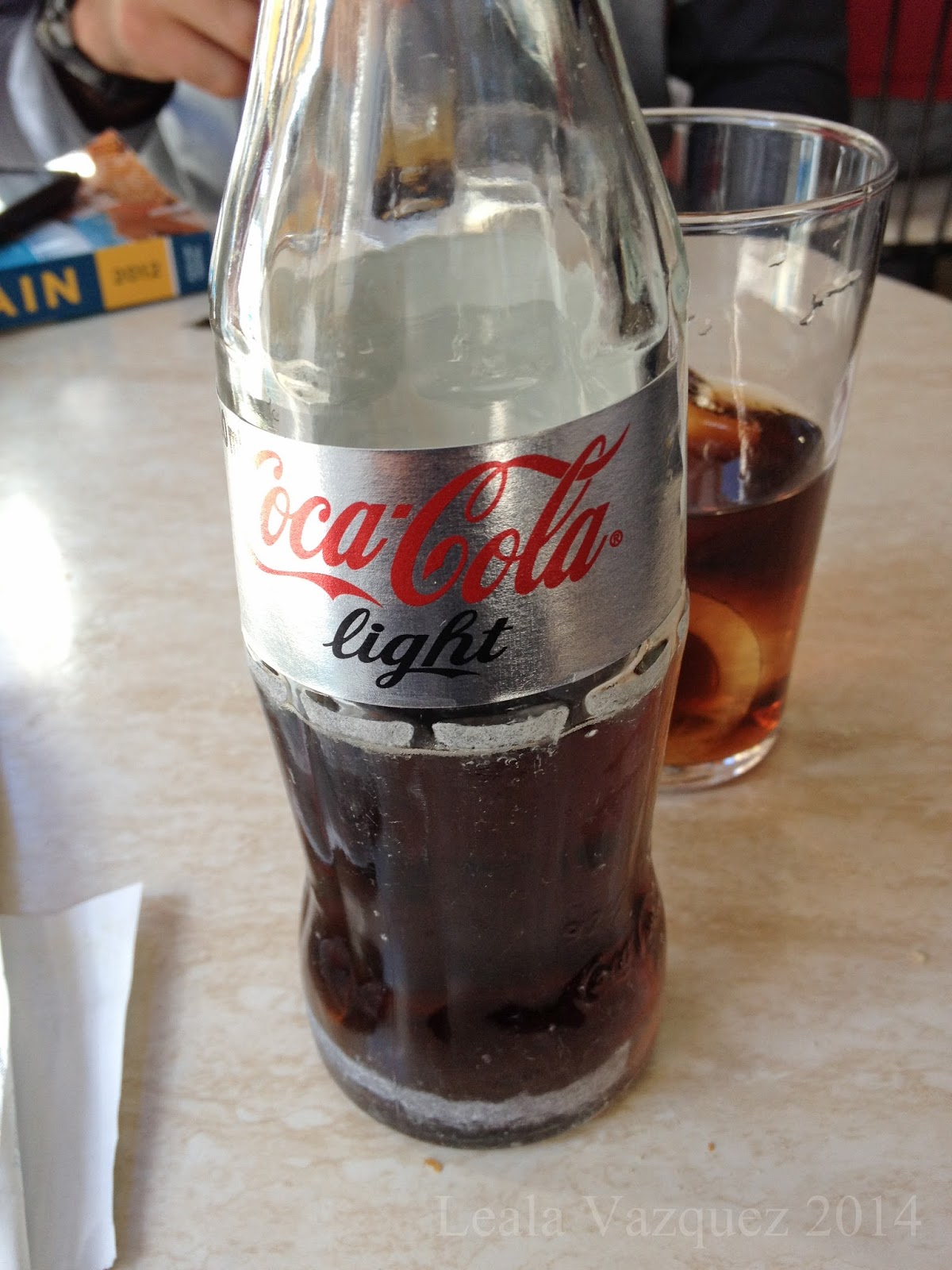
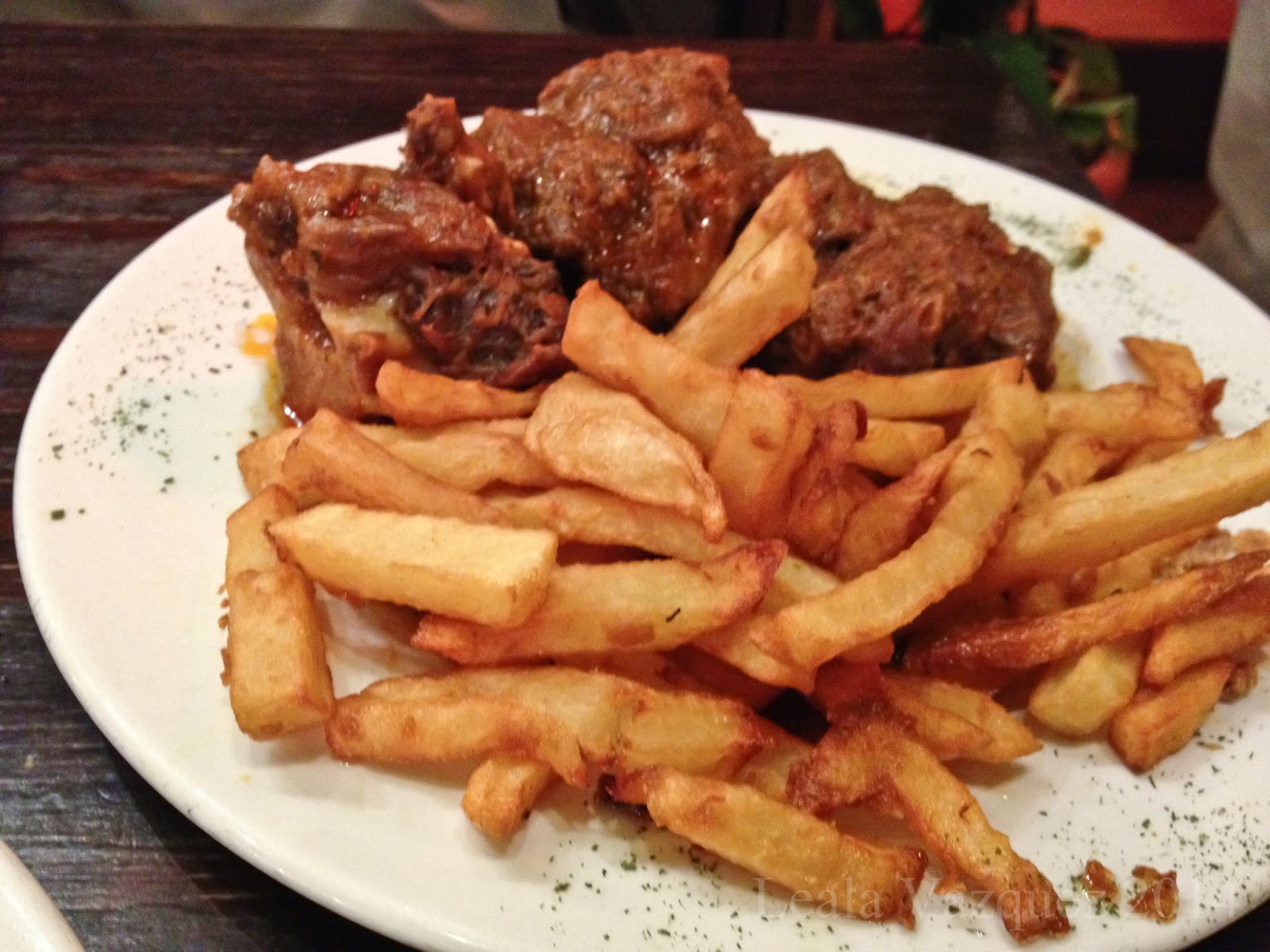
Later on for dinner we had oxtail and fries
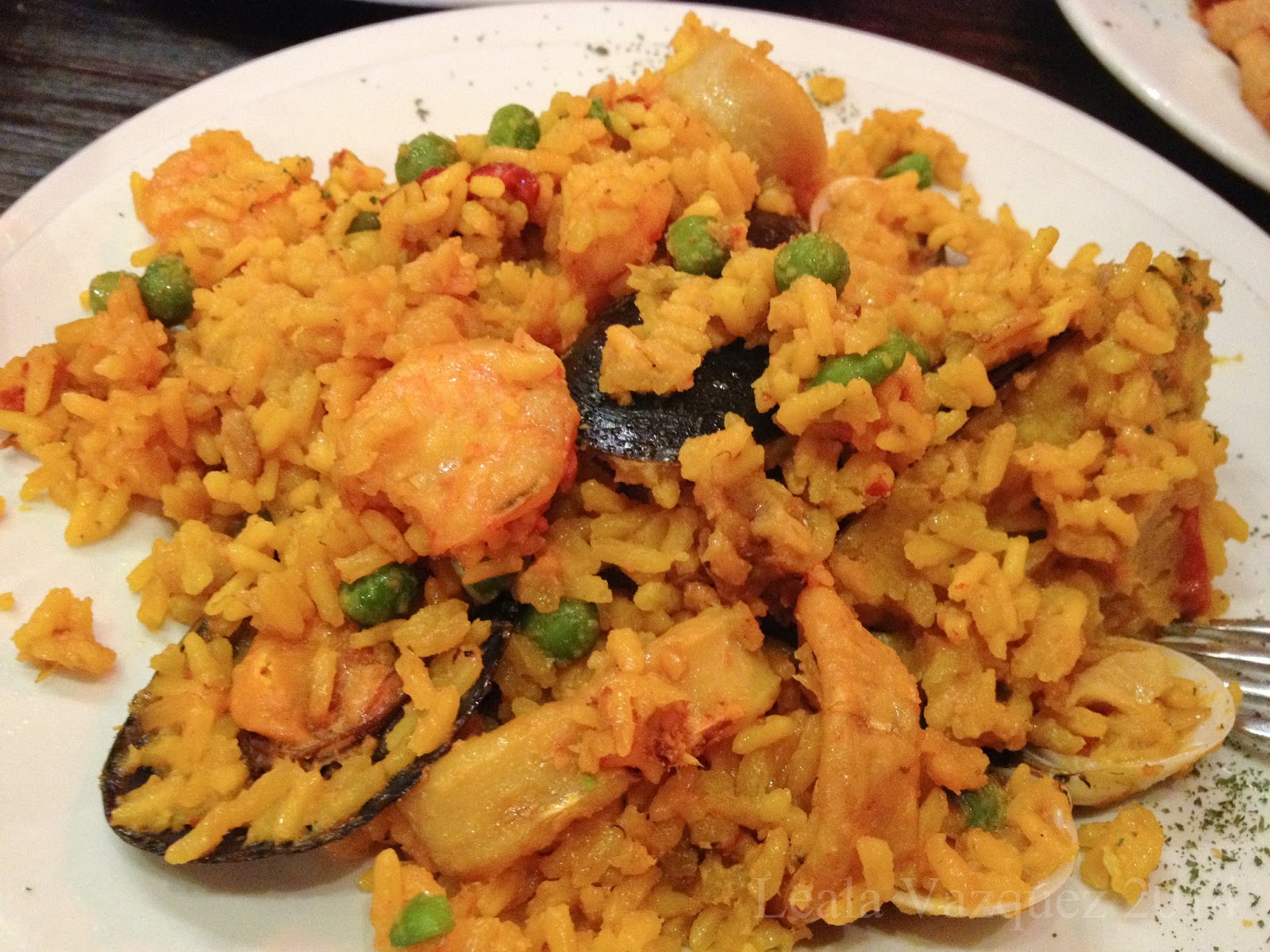
Below is the closest thing we got to authentic paella while we were there (unfortunately). Paella is traditionally served only at certain times and we couldn’t find reliable local advice on where to get the real stuff (most restaurant paella is pre-made and re-heated -> frozen crap). I was real disappointed about that.
And it was off to sleep to have the energy for another day of sightseeing…….
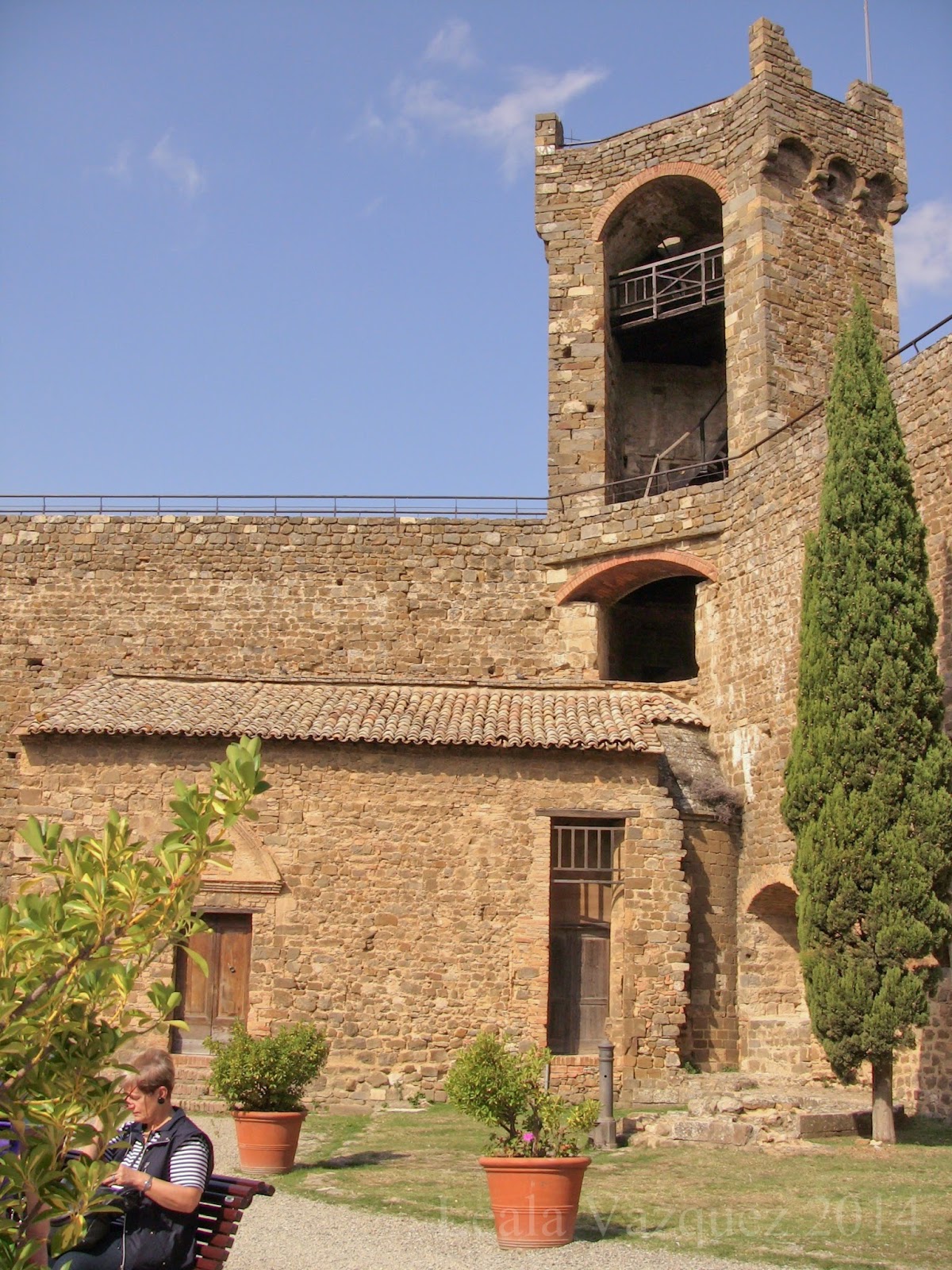
During my Tuscan adventure we took a day trip to the small town of Montalcino and the Abbey of Sant’Antimo. It is an easy day trip from the town of Cortona where we rented a house.
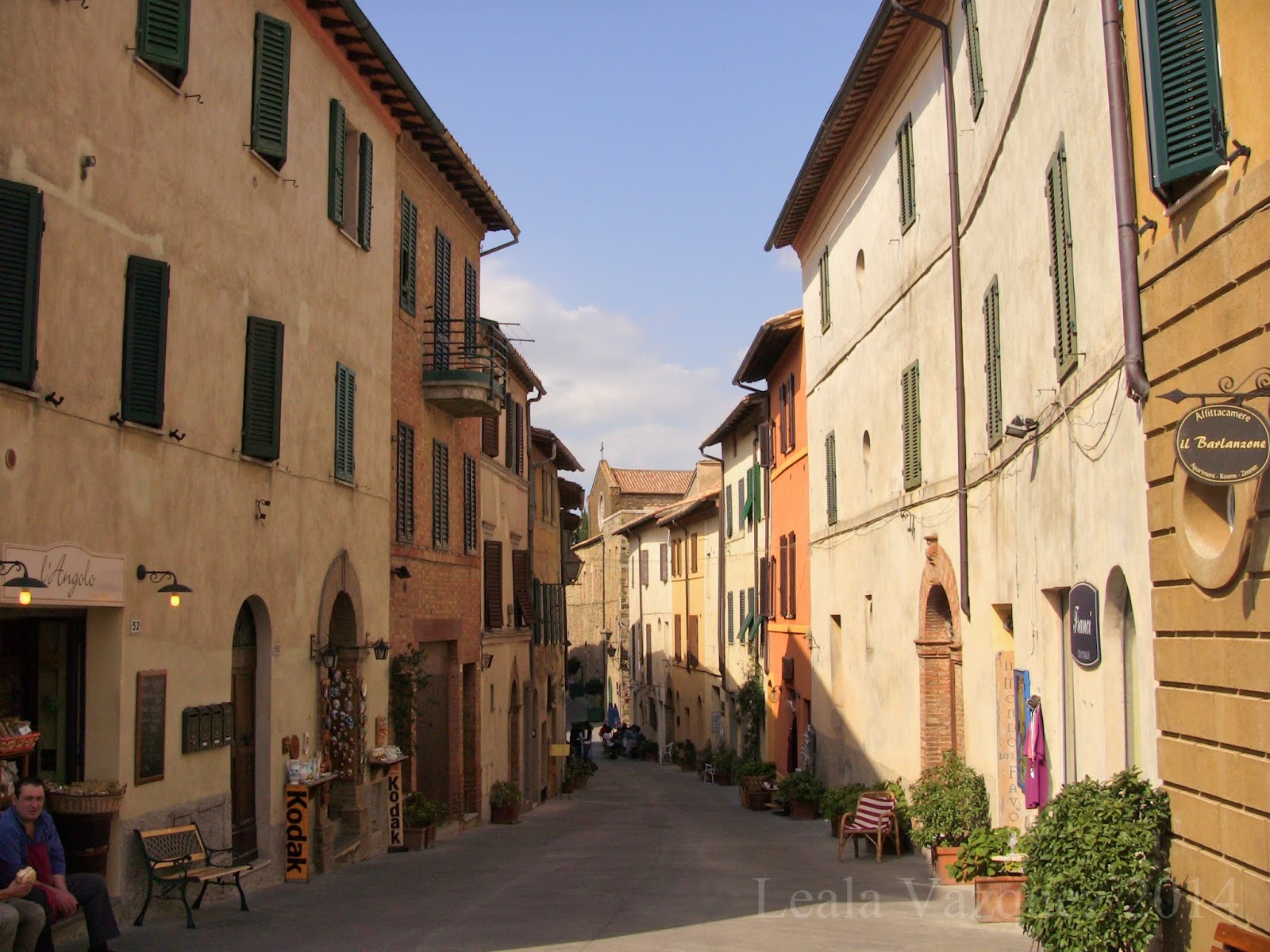
Our trip to Montalcino was so short that I don’t remember much about it. What I do remember is the meal I had there. I can’t exact remember the name of the place we ate but I can tell you it was amazing. It was a meat dish cooked in Brunello wine. I have never had anything quite like it since.
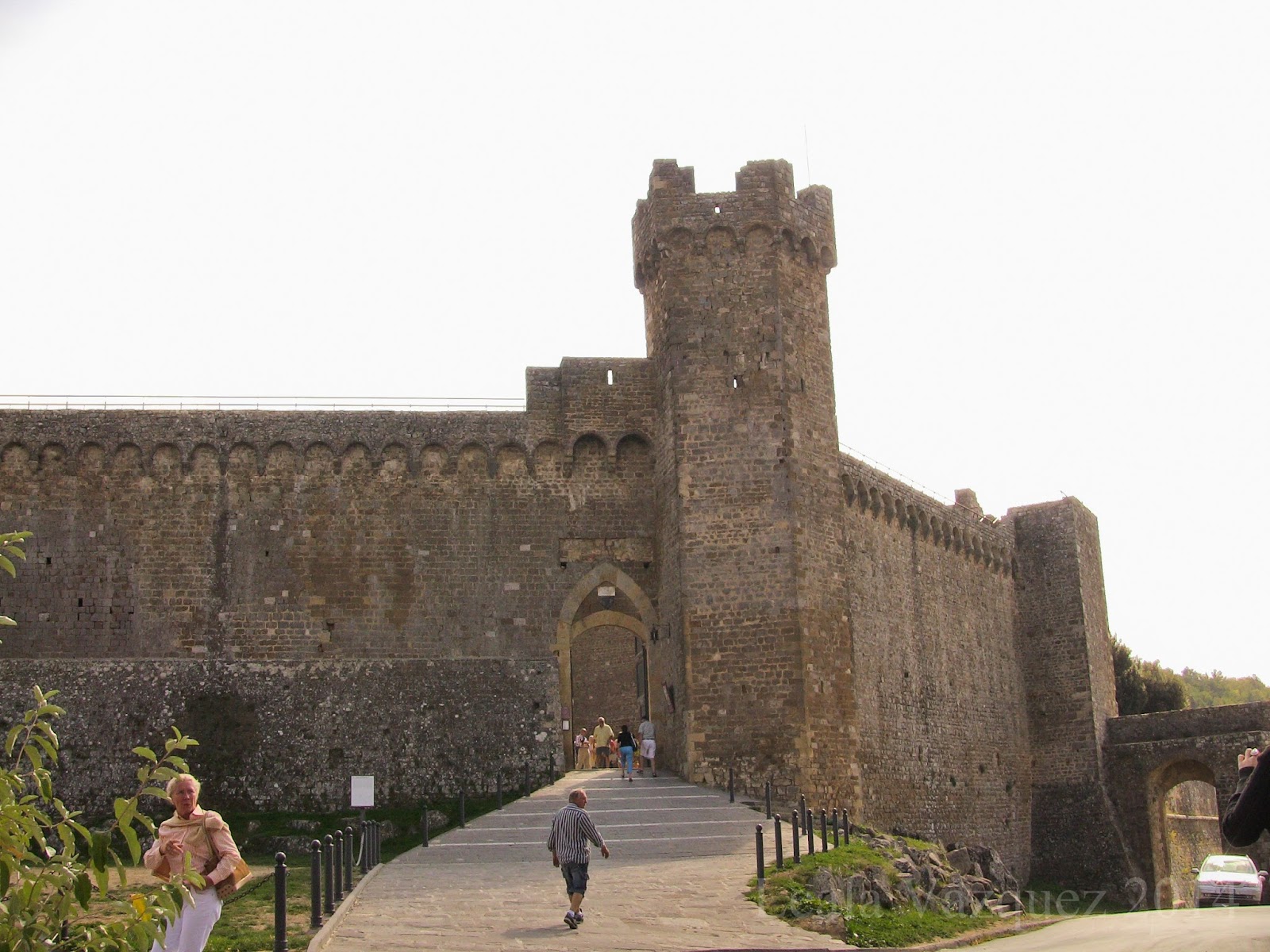




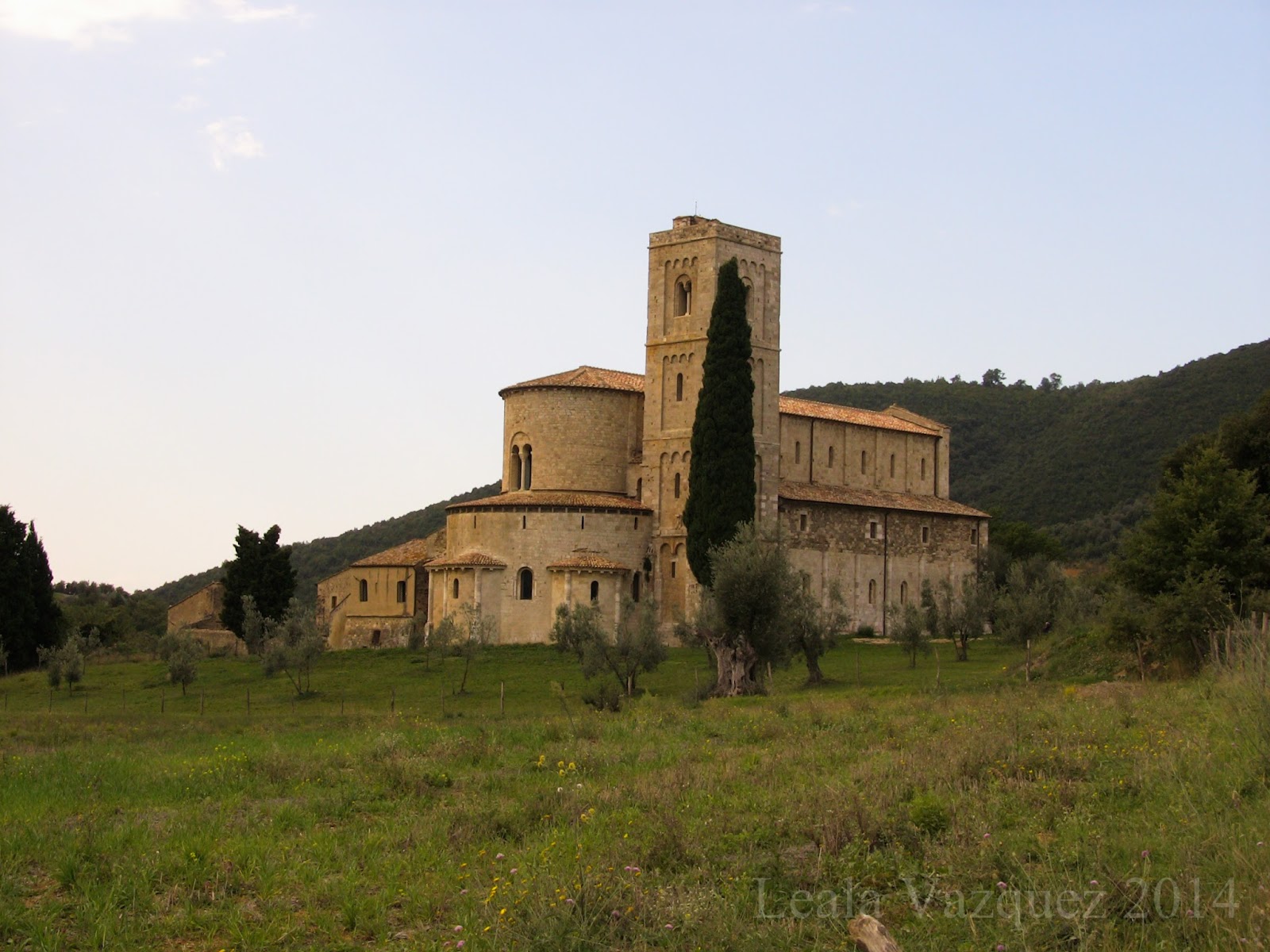
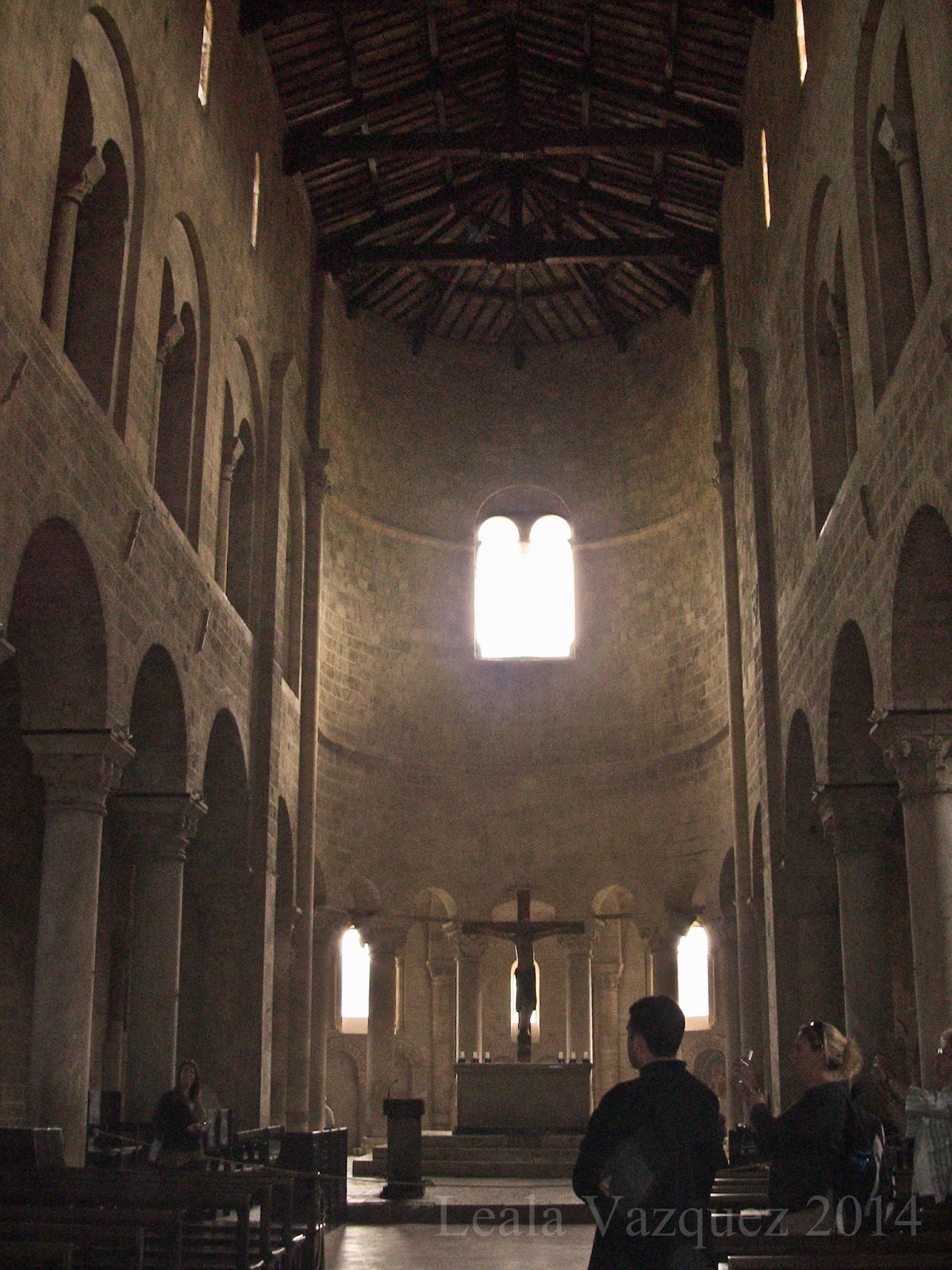
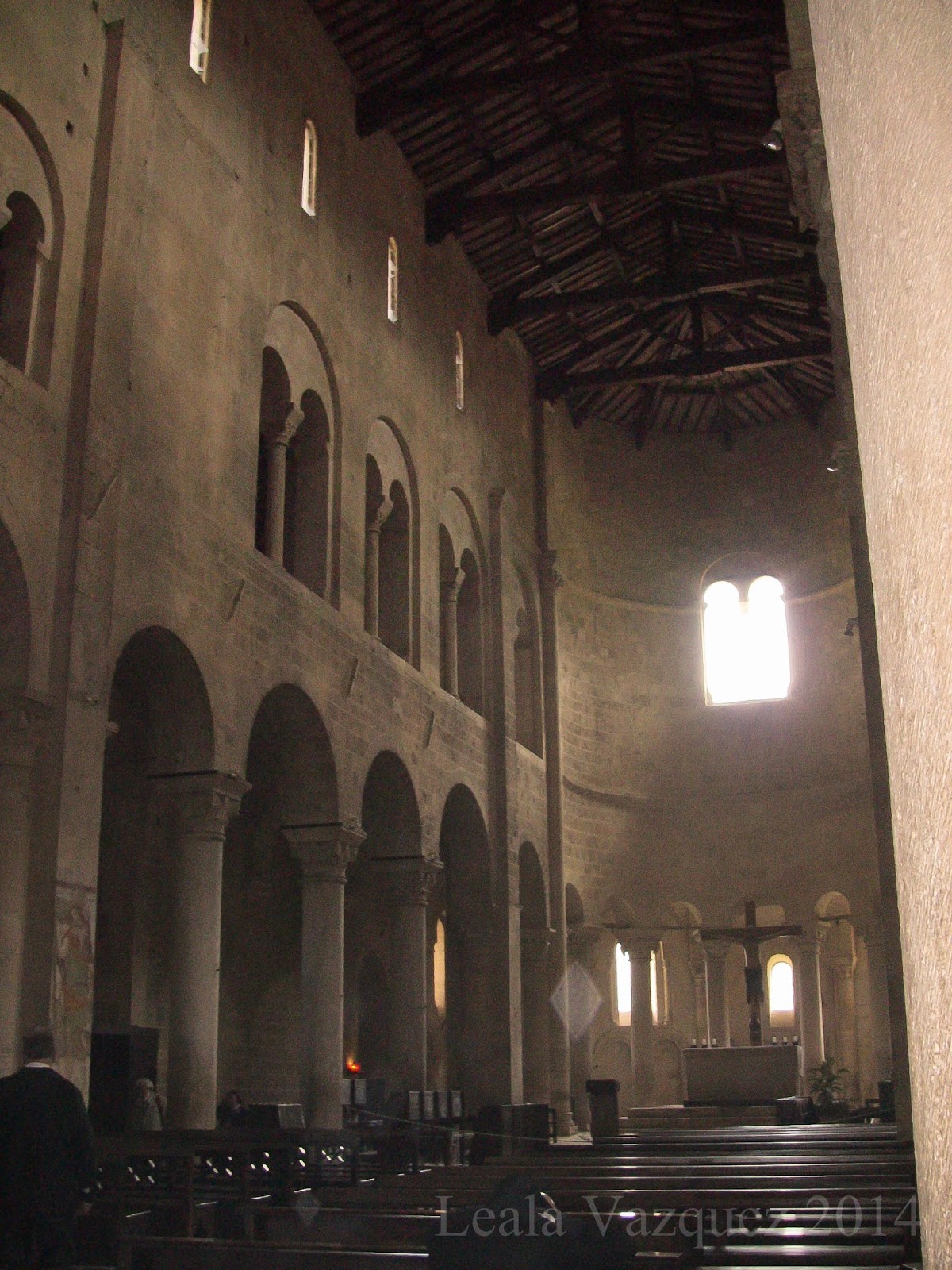
As part of the day trip we stopped at the Abbey of Sant’ Antimo. This romanesque church was once home to benedictine monks. If you are lucky you can catch the monks today singing Gregorian chants.


After this easy day trip we returned back to our villa and made a home cooked Italian meal using fresh ingredients. I sure miss the villa.

