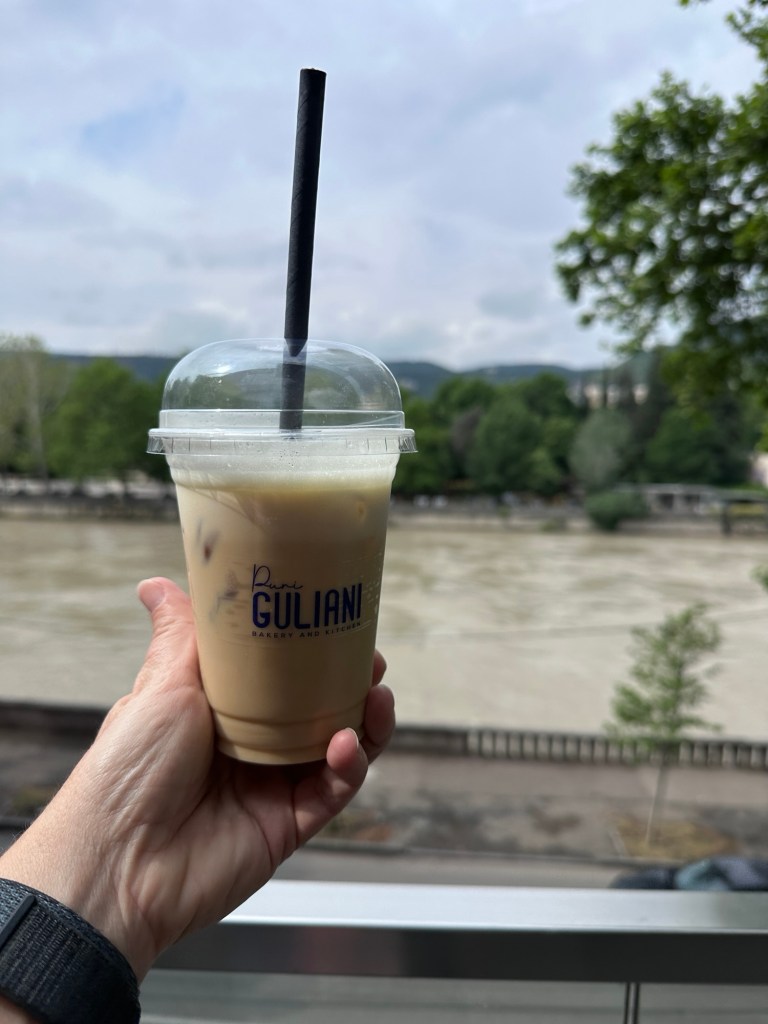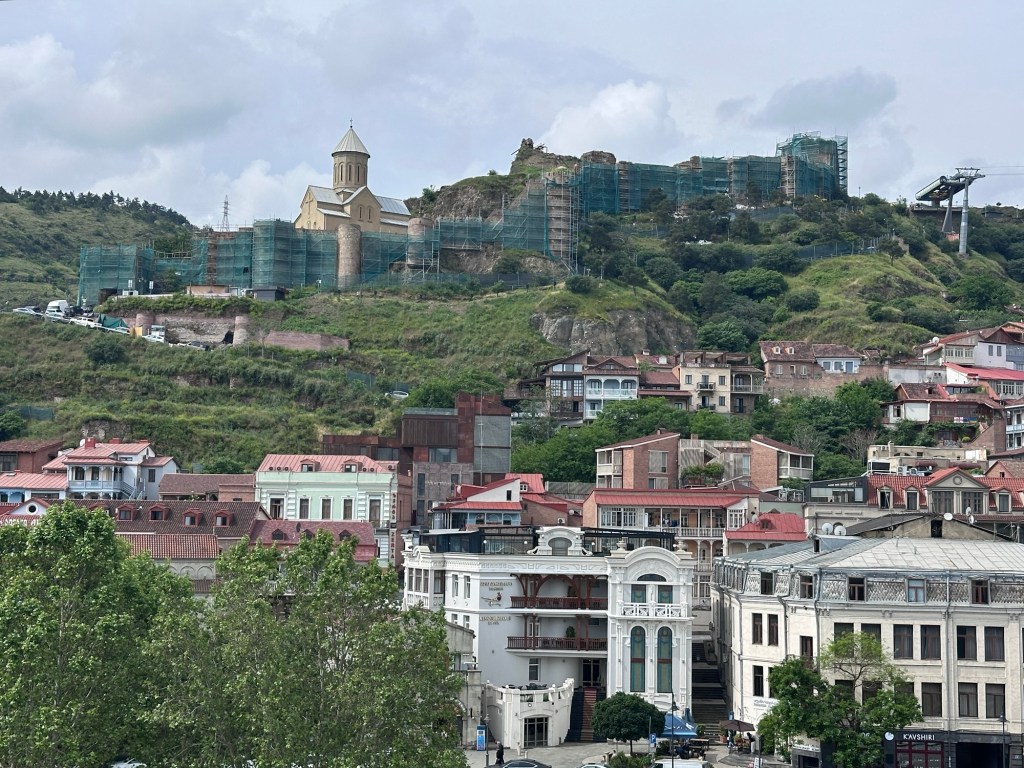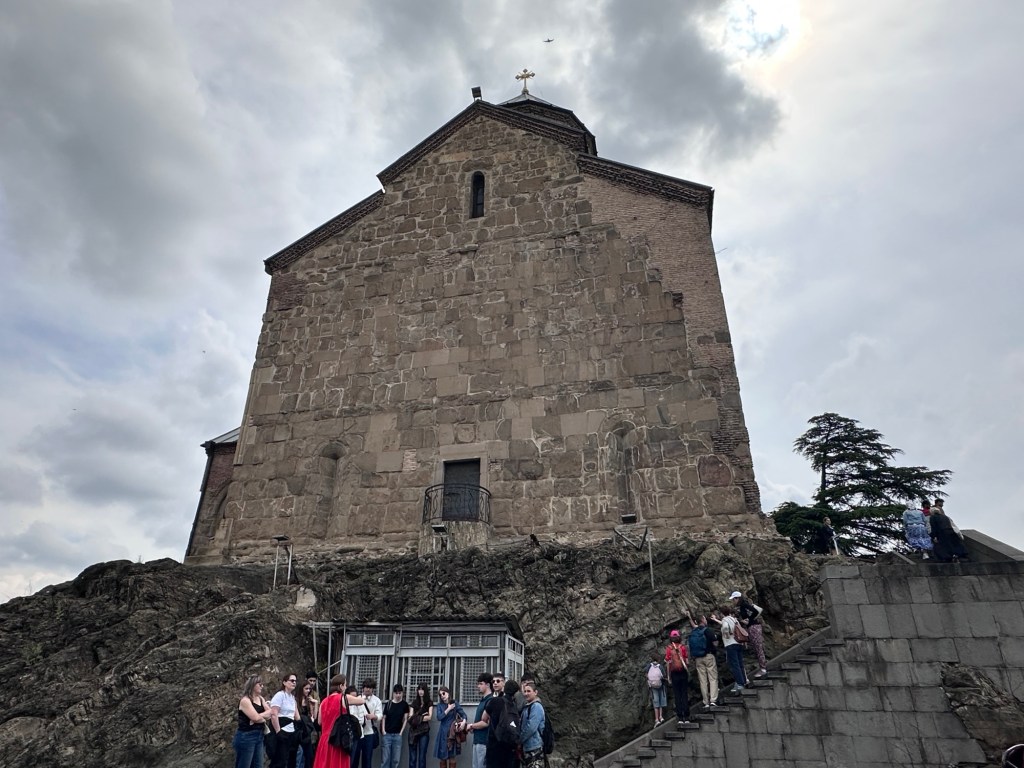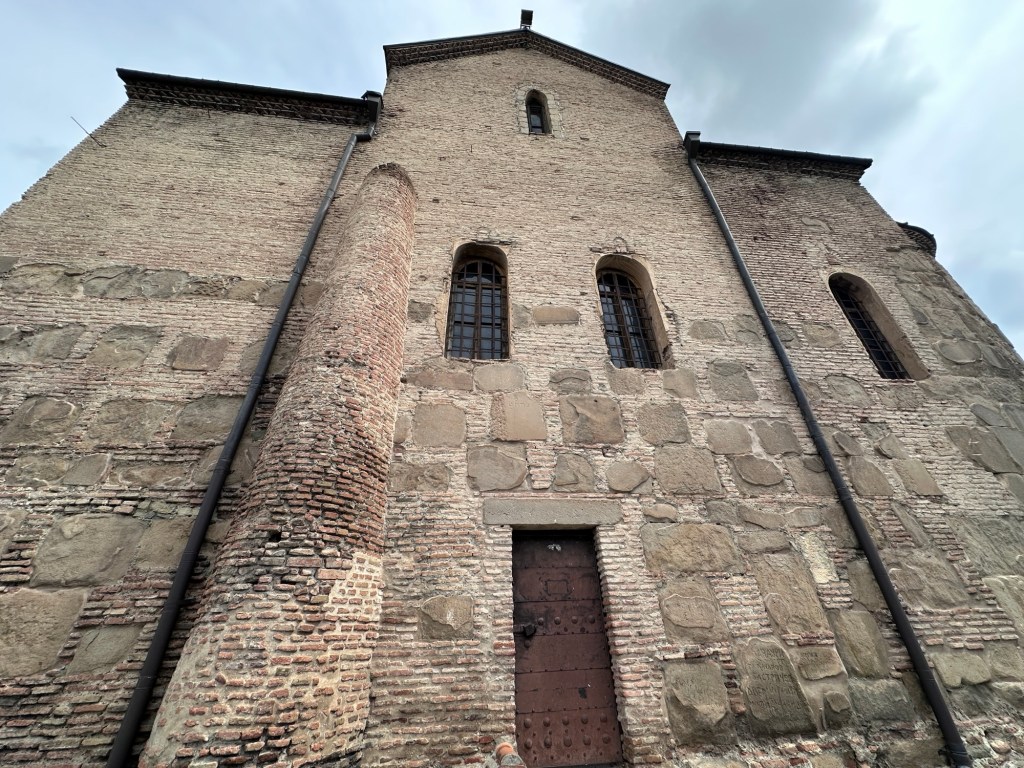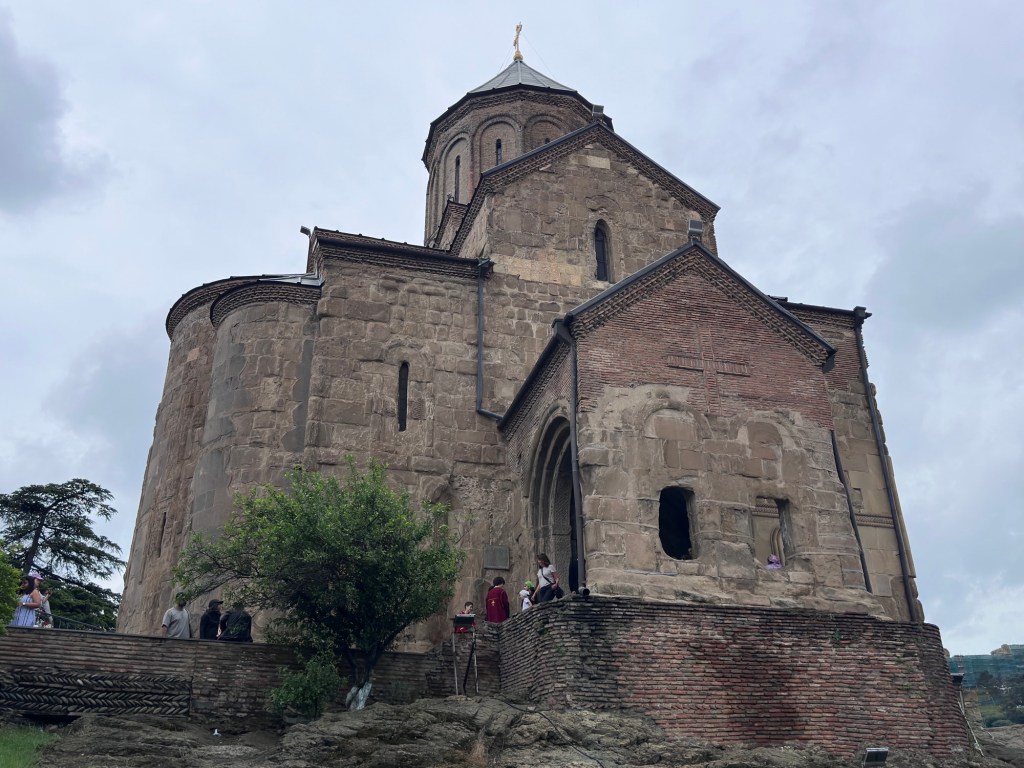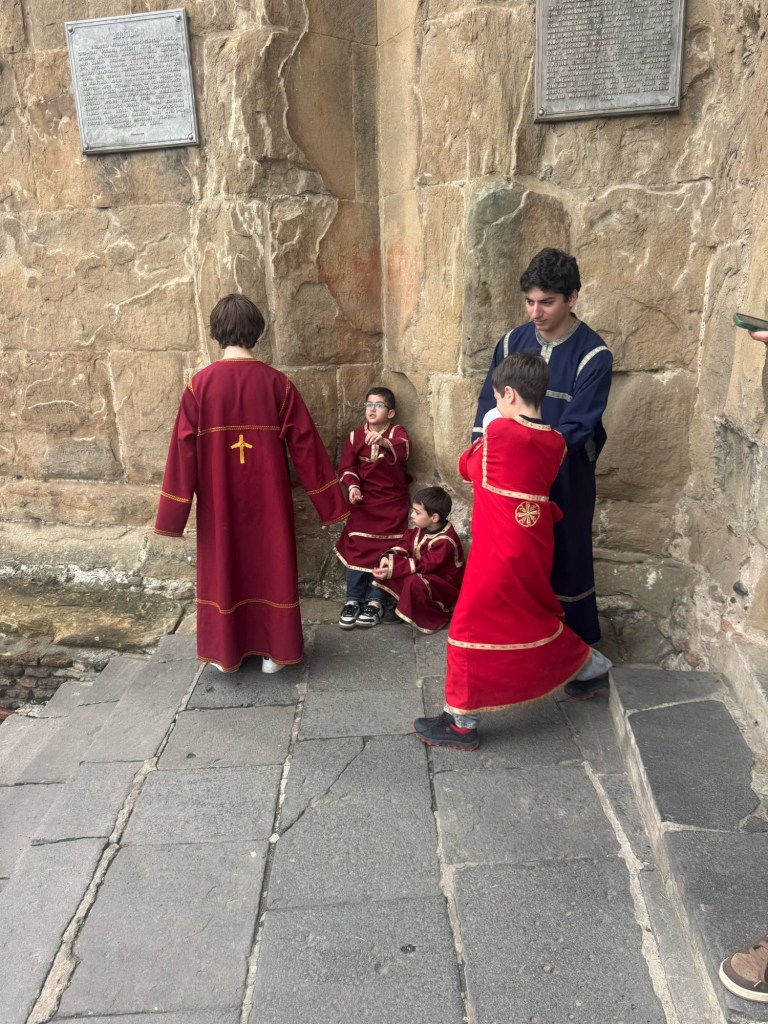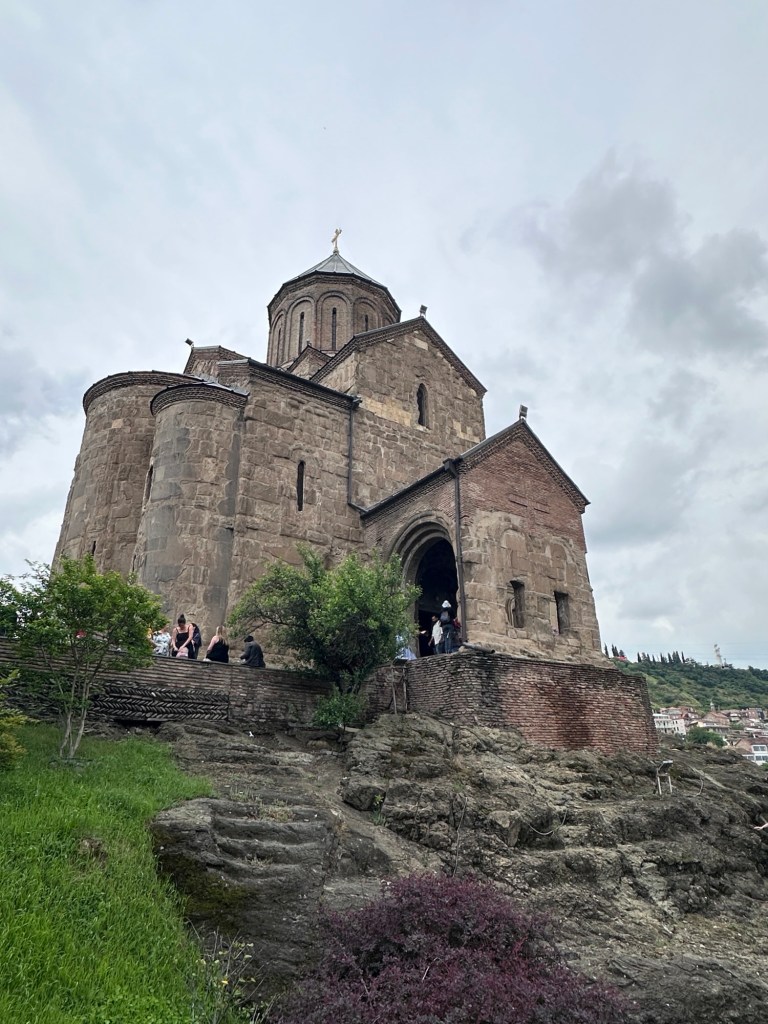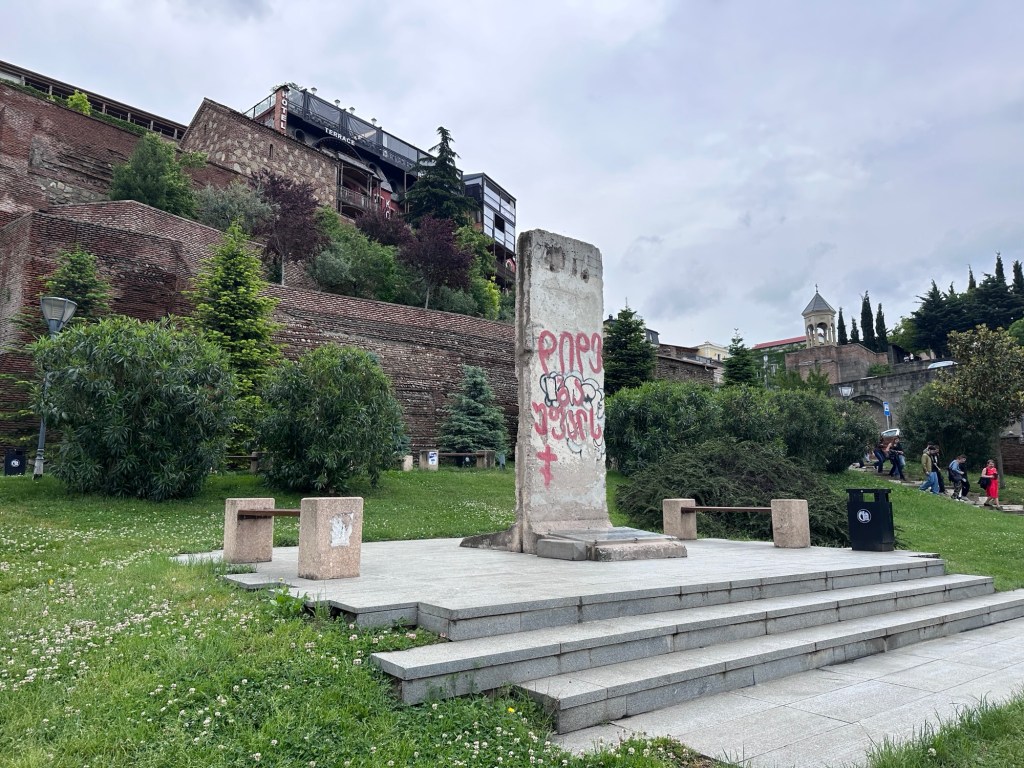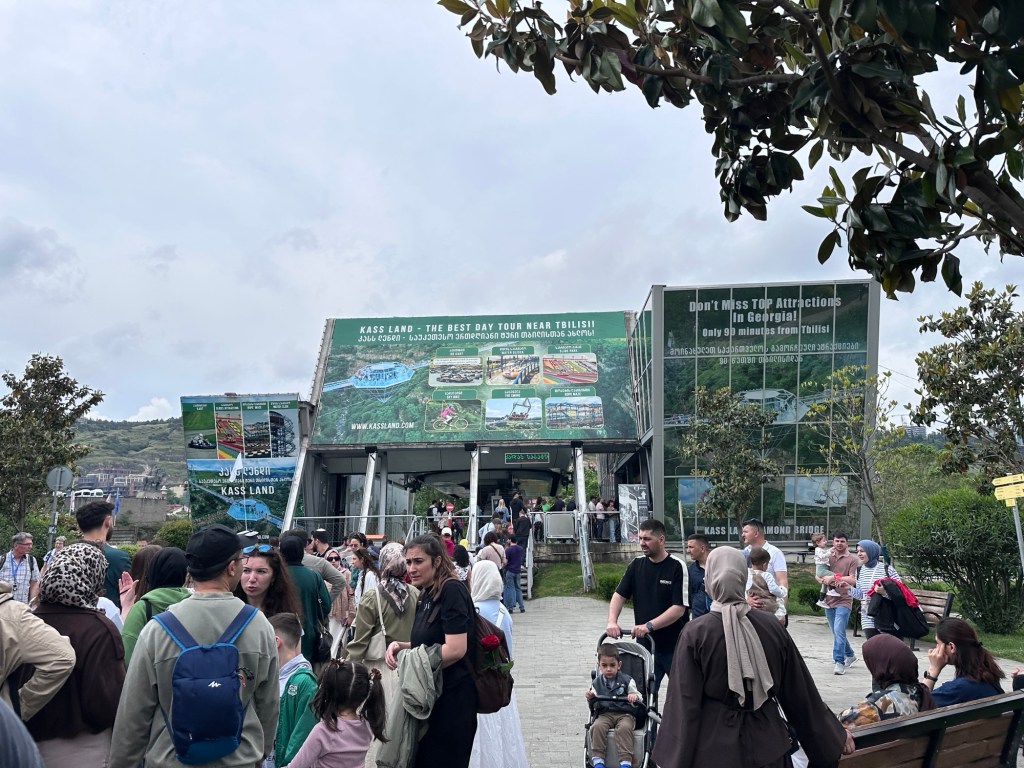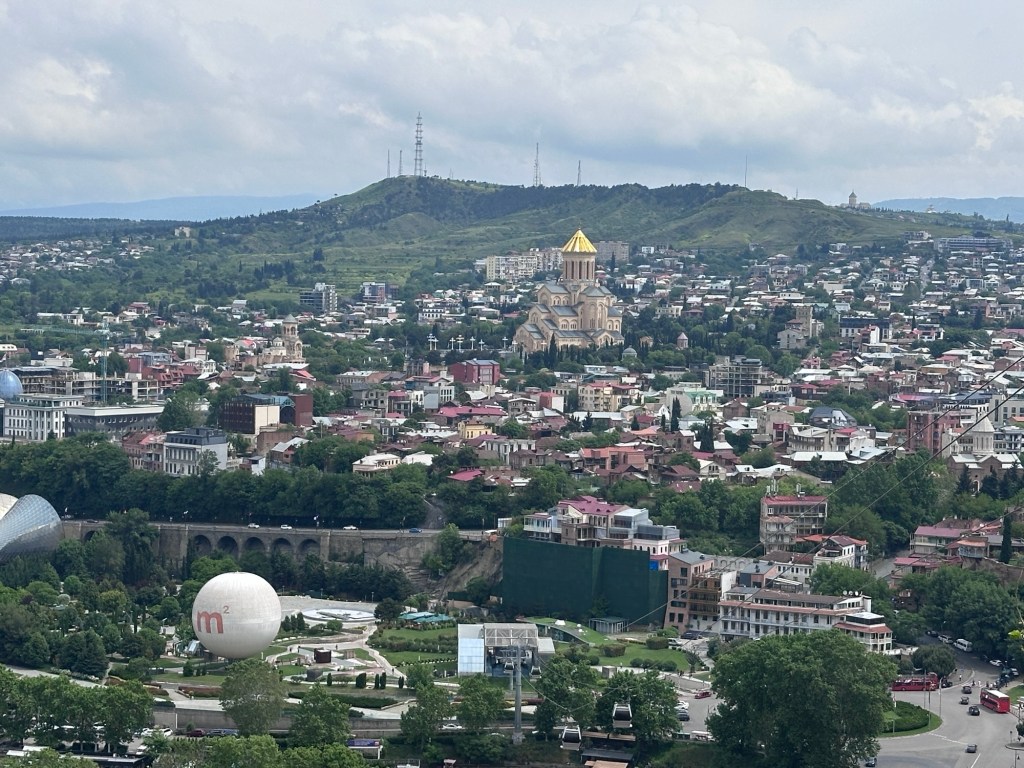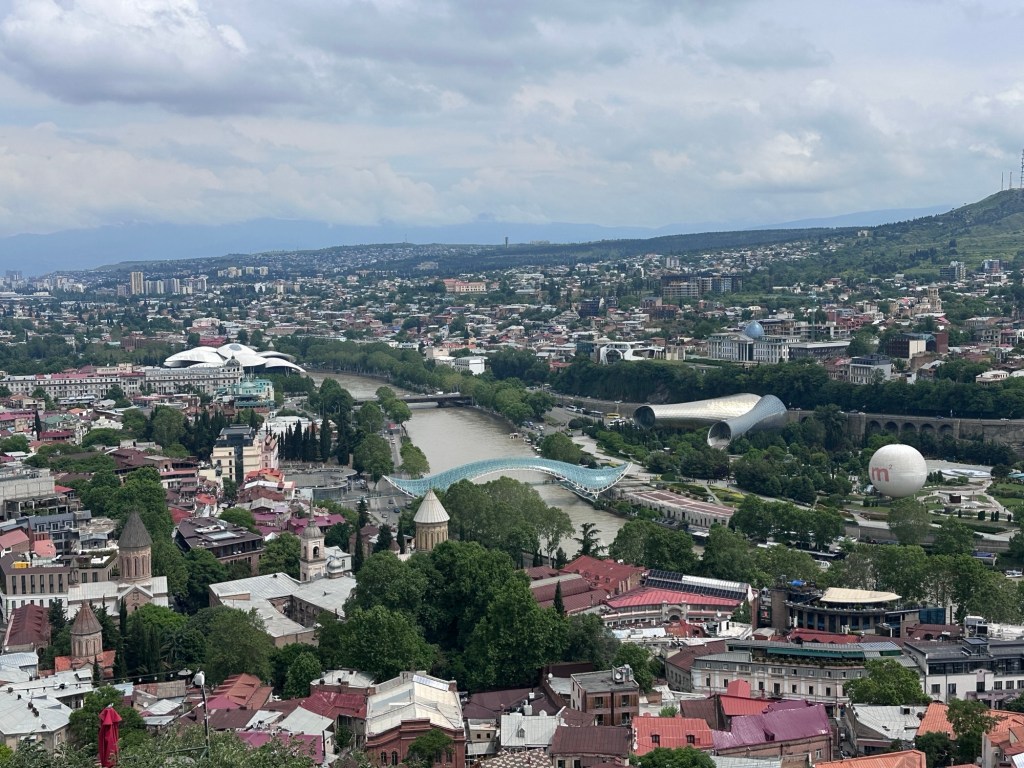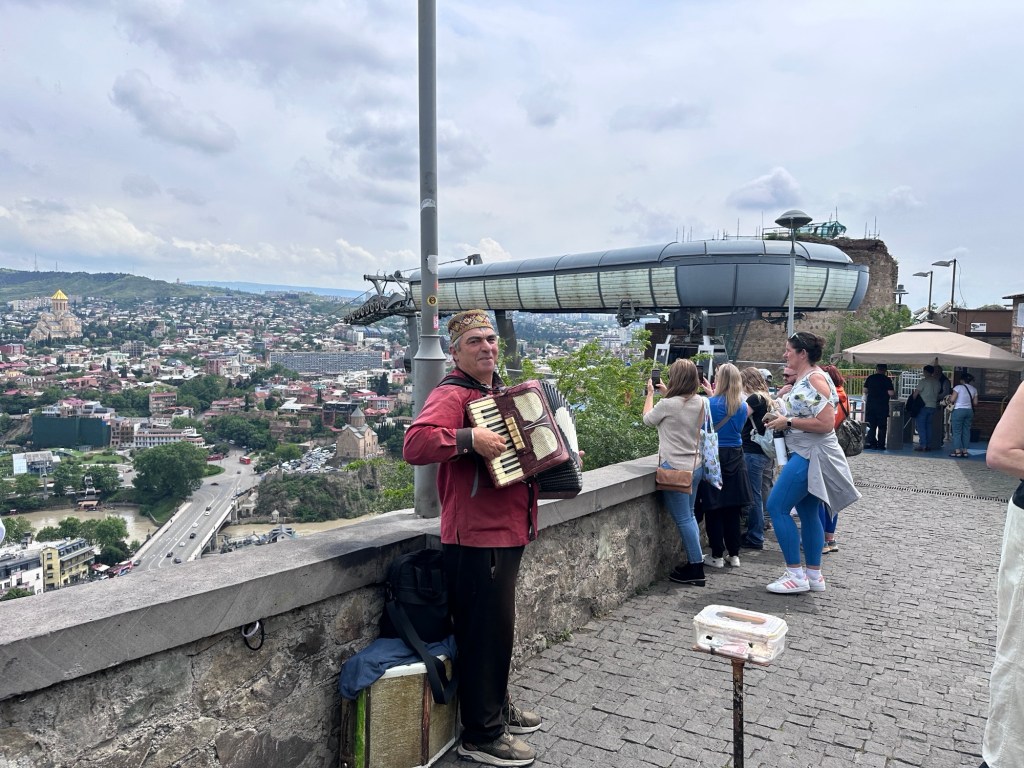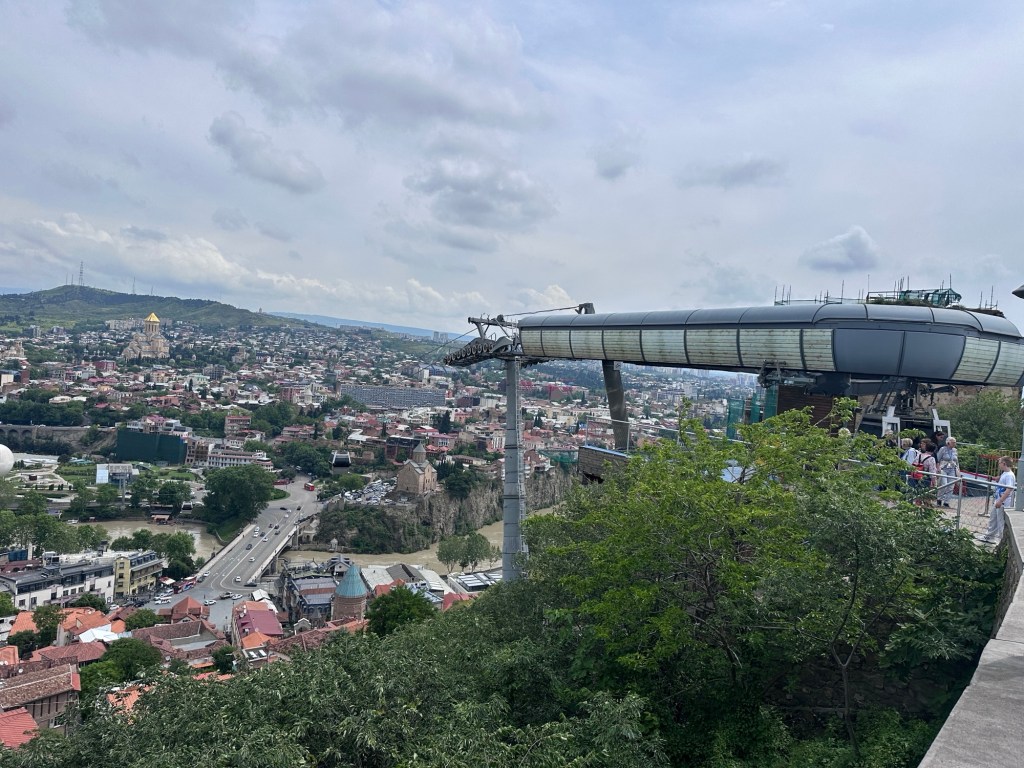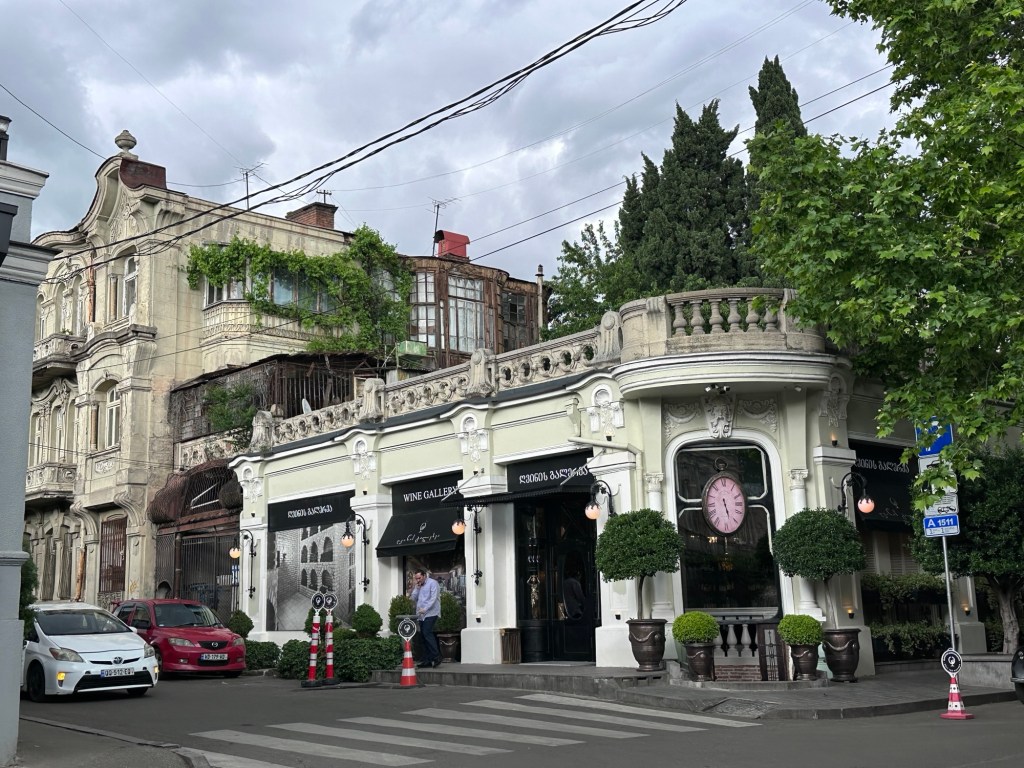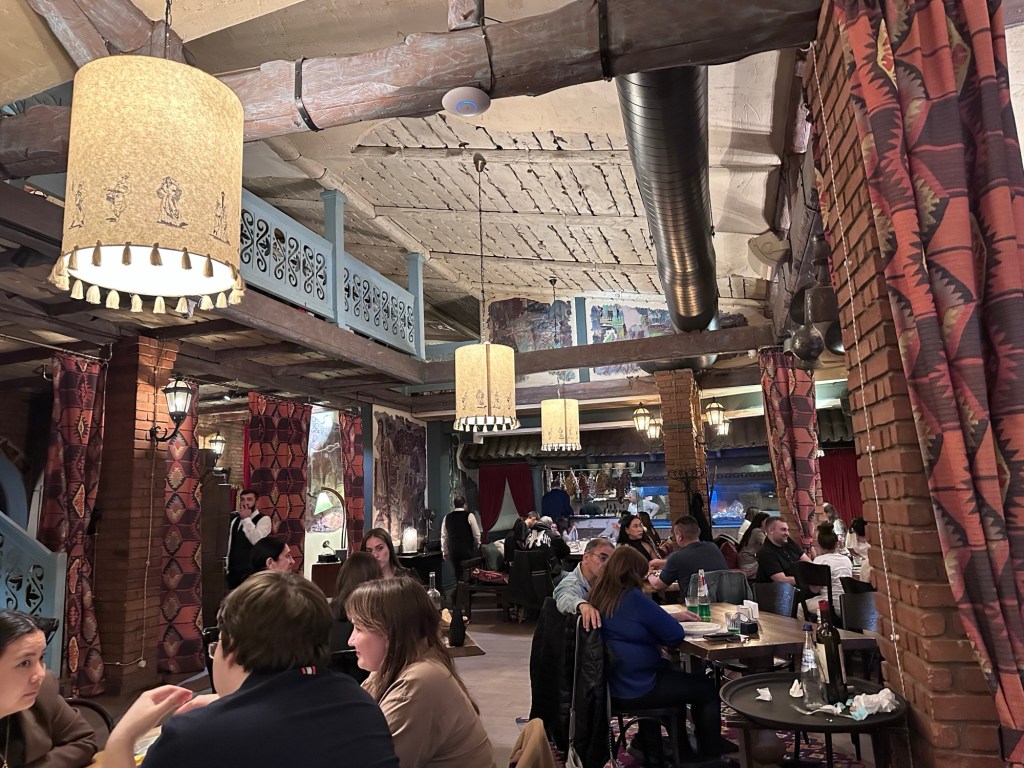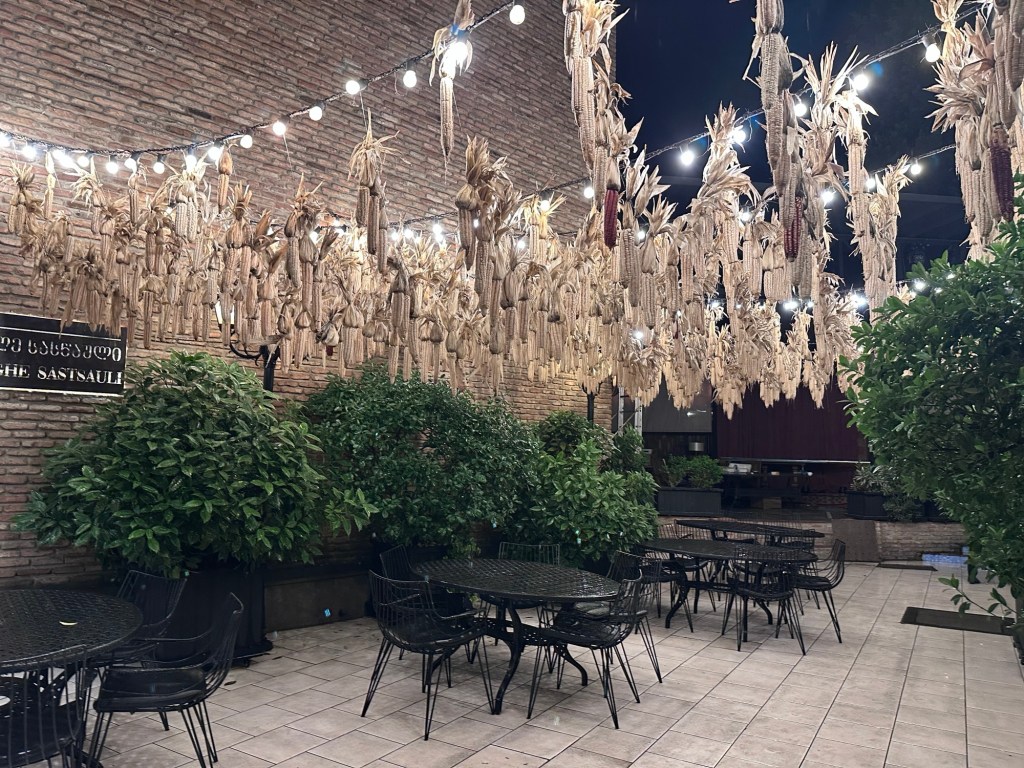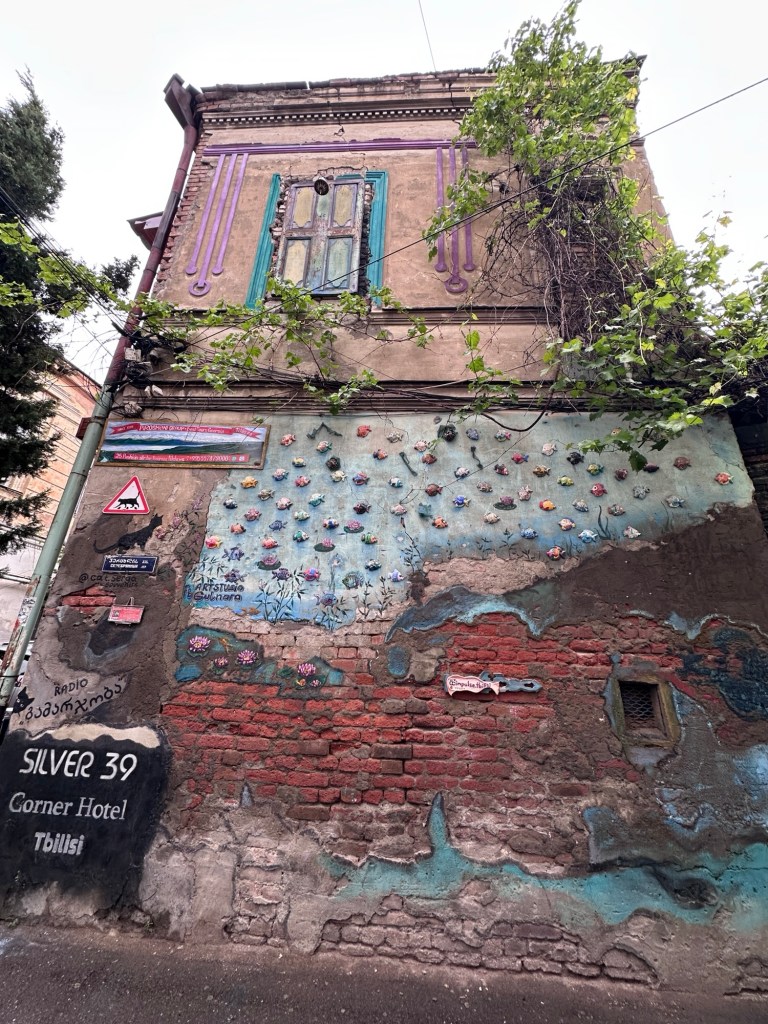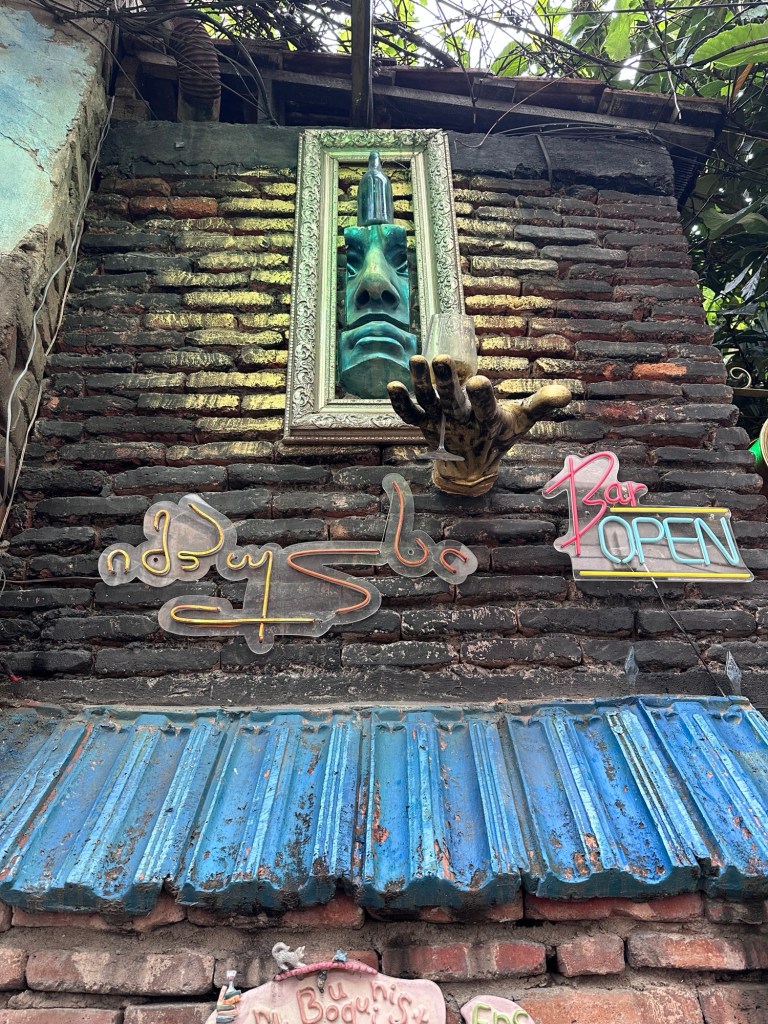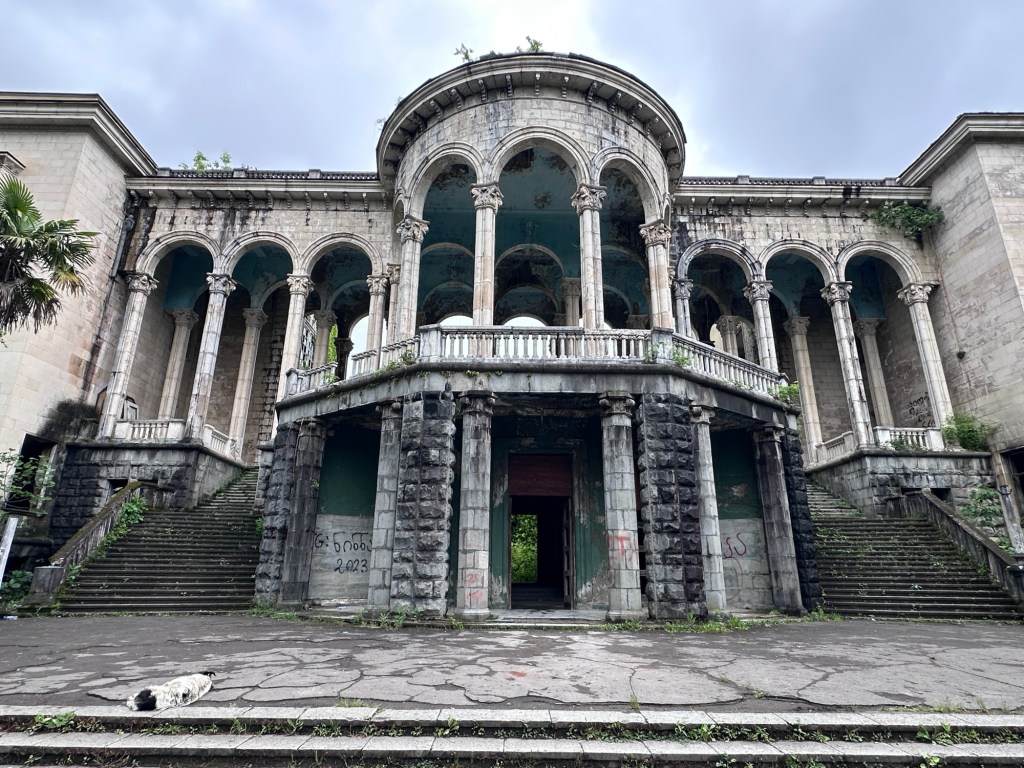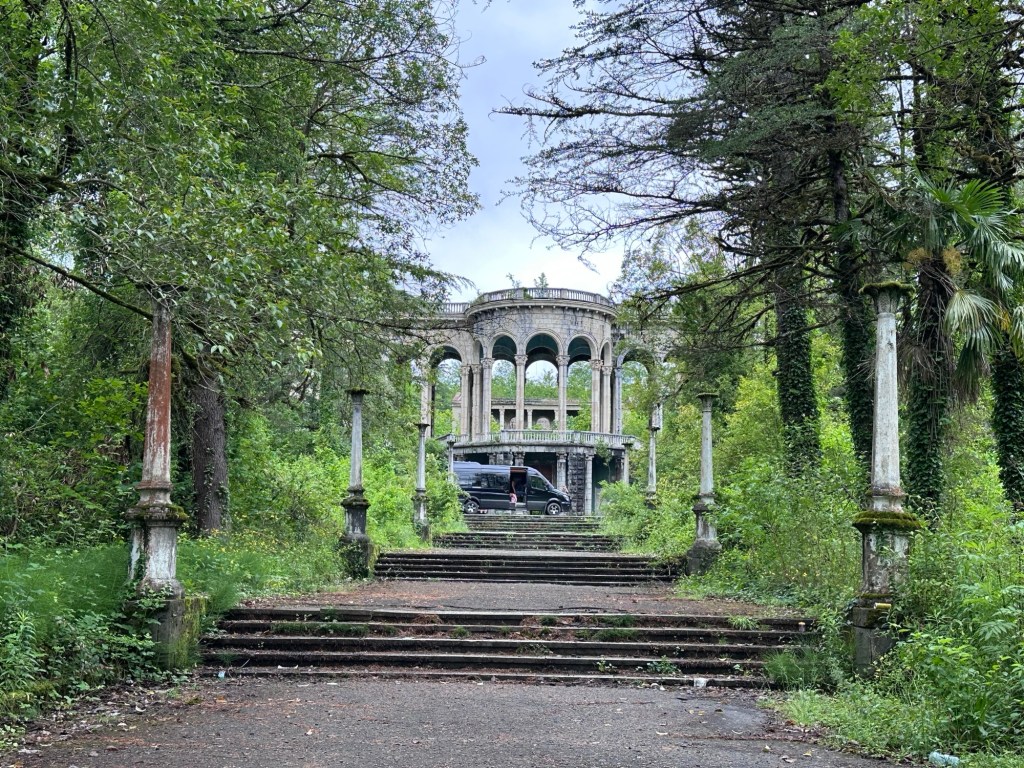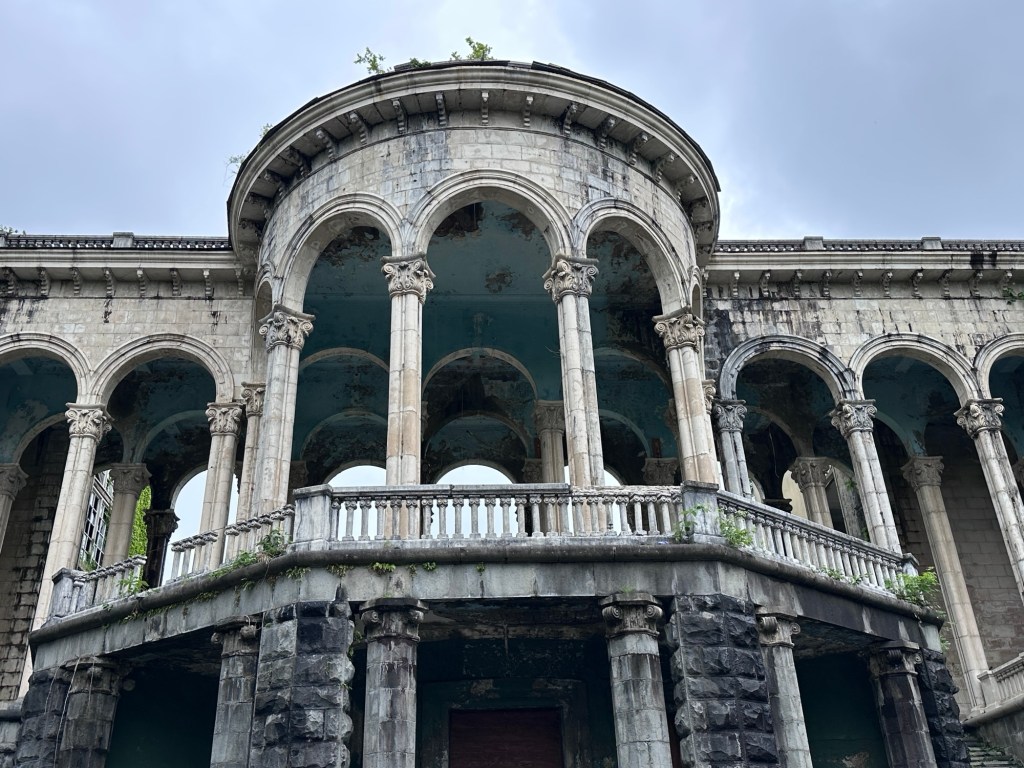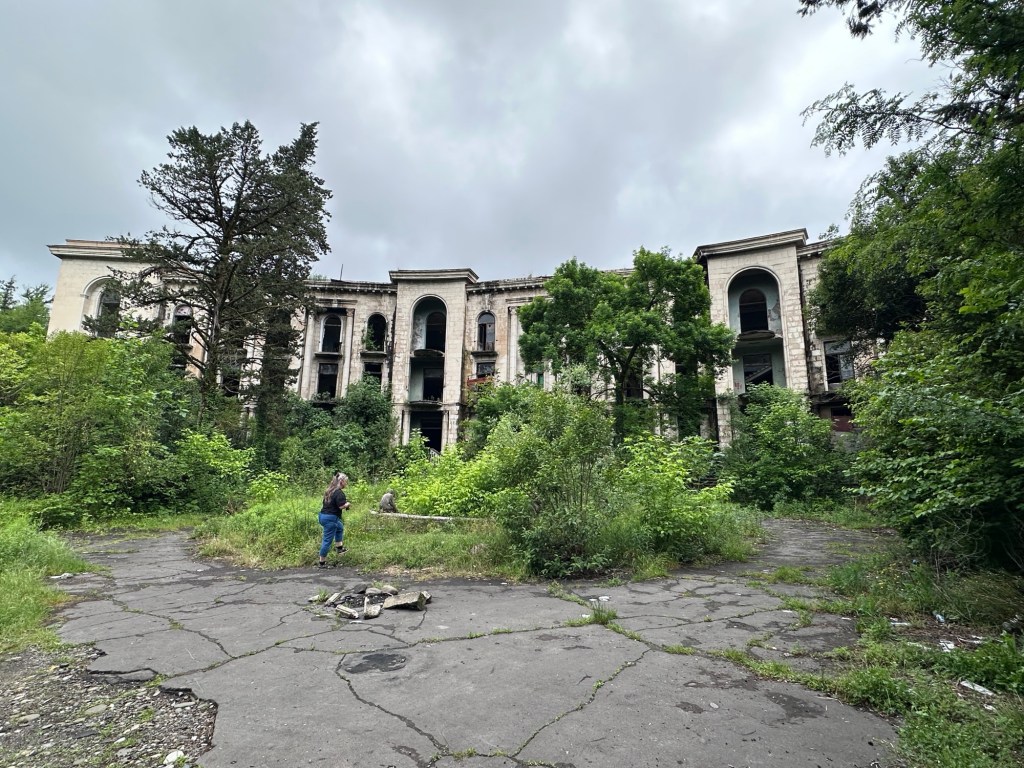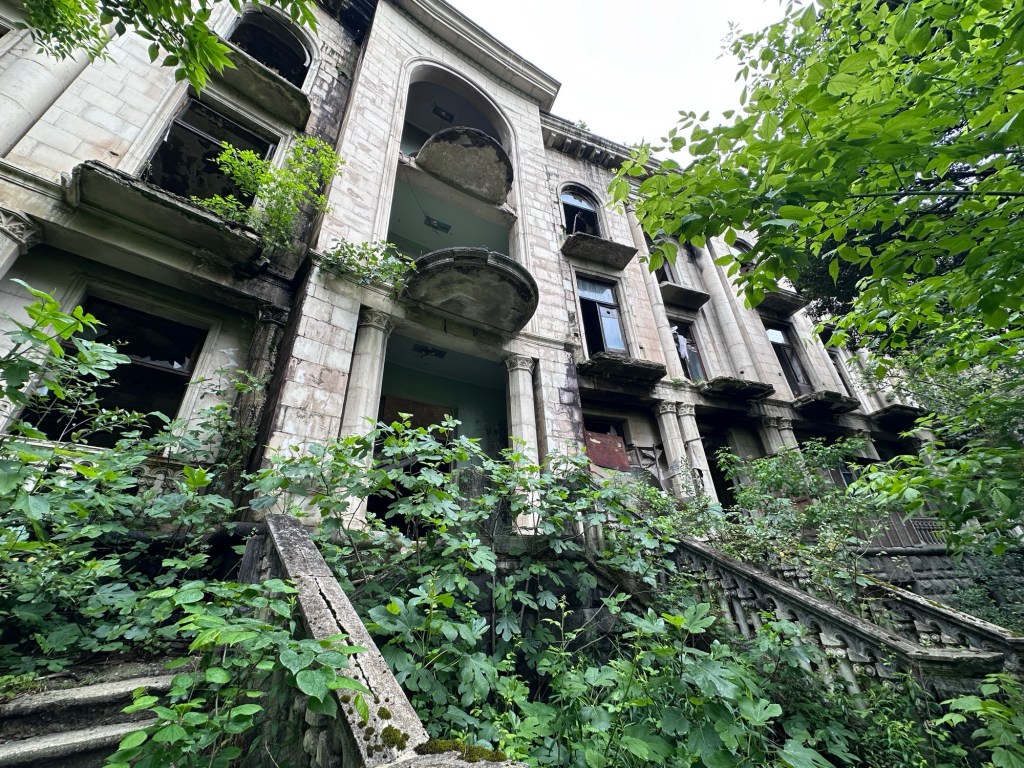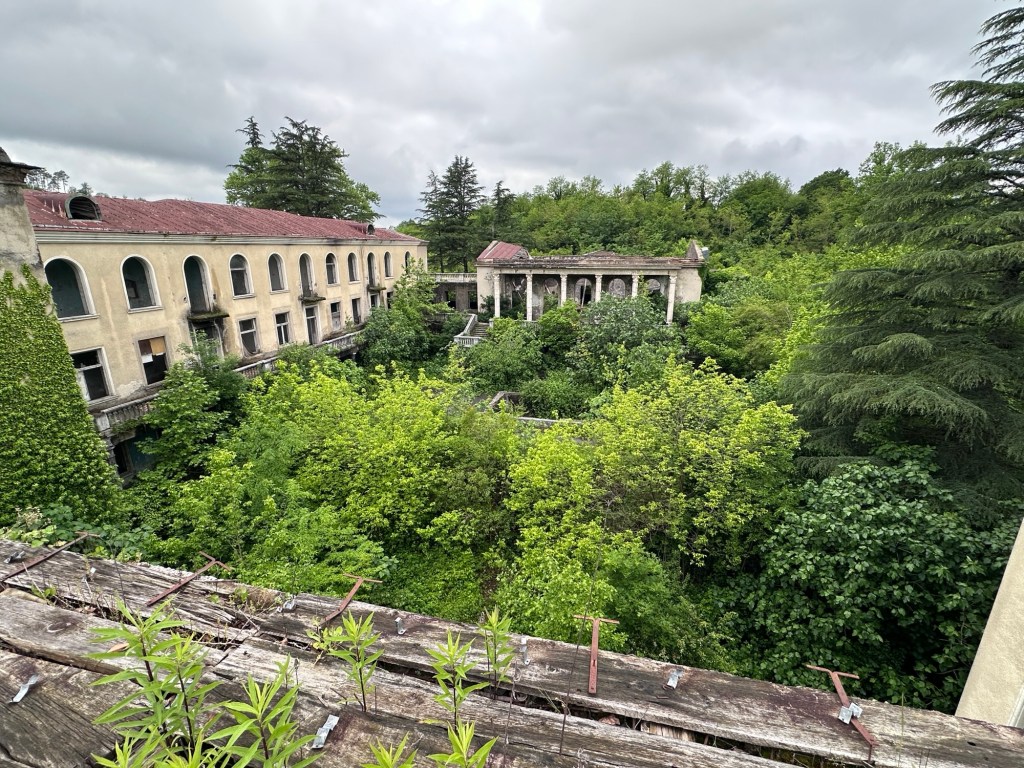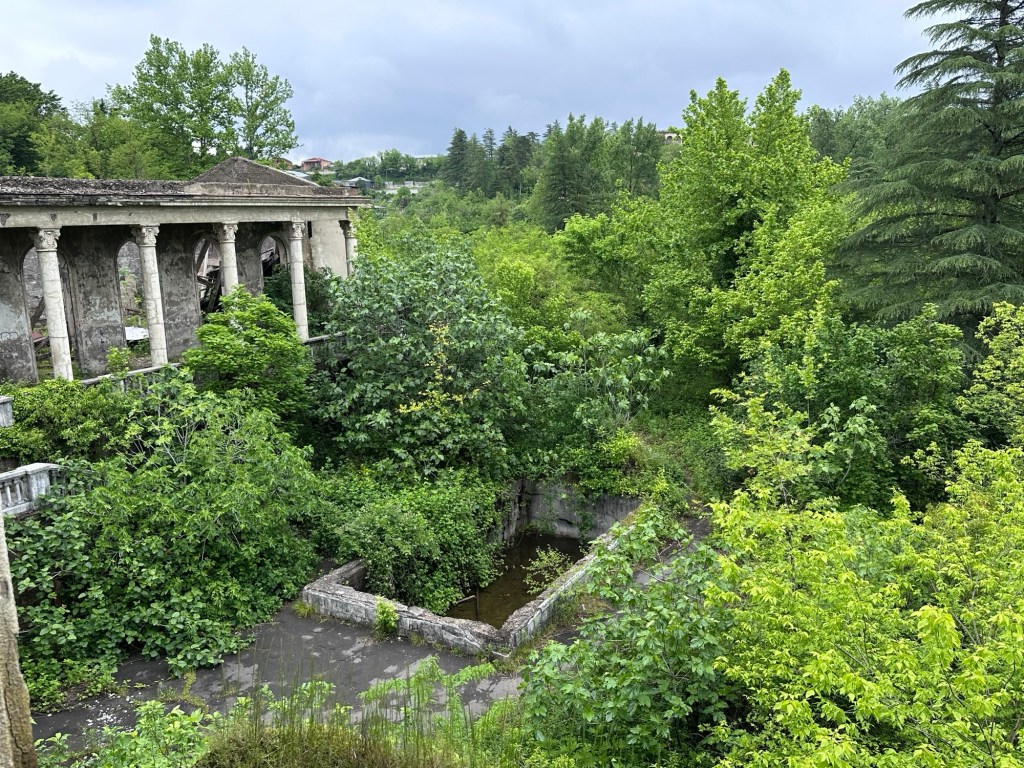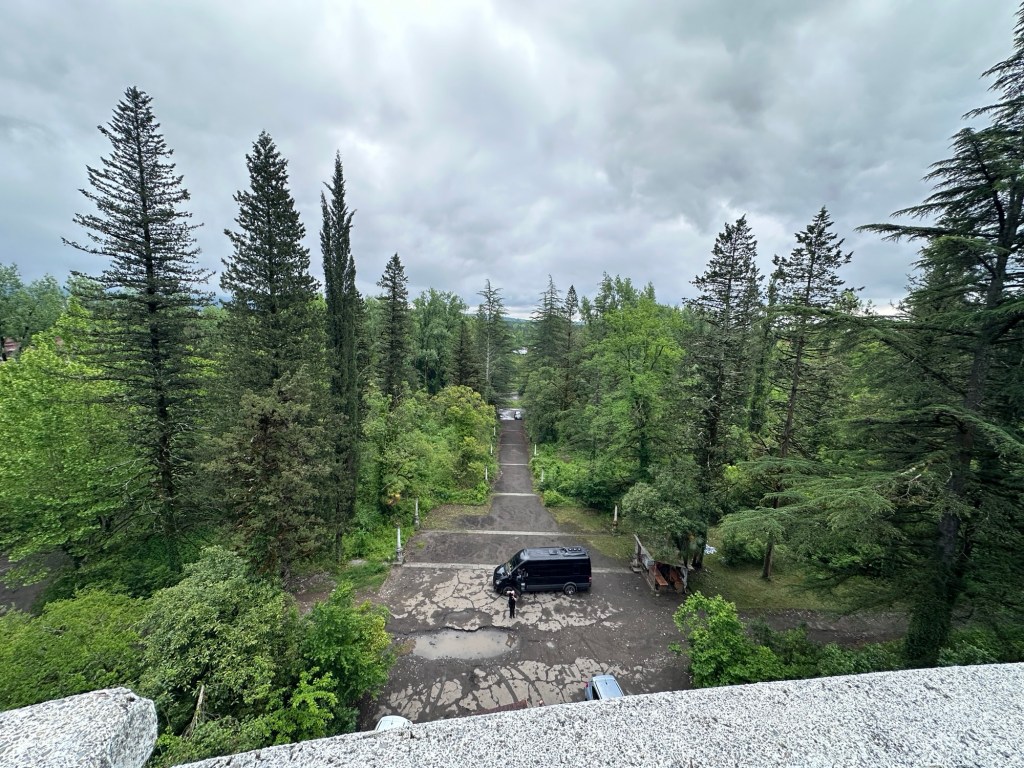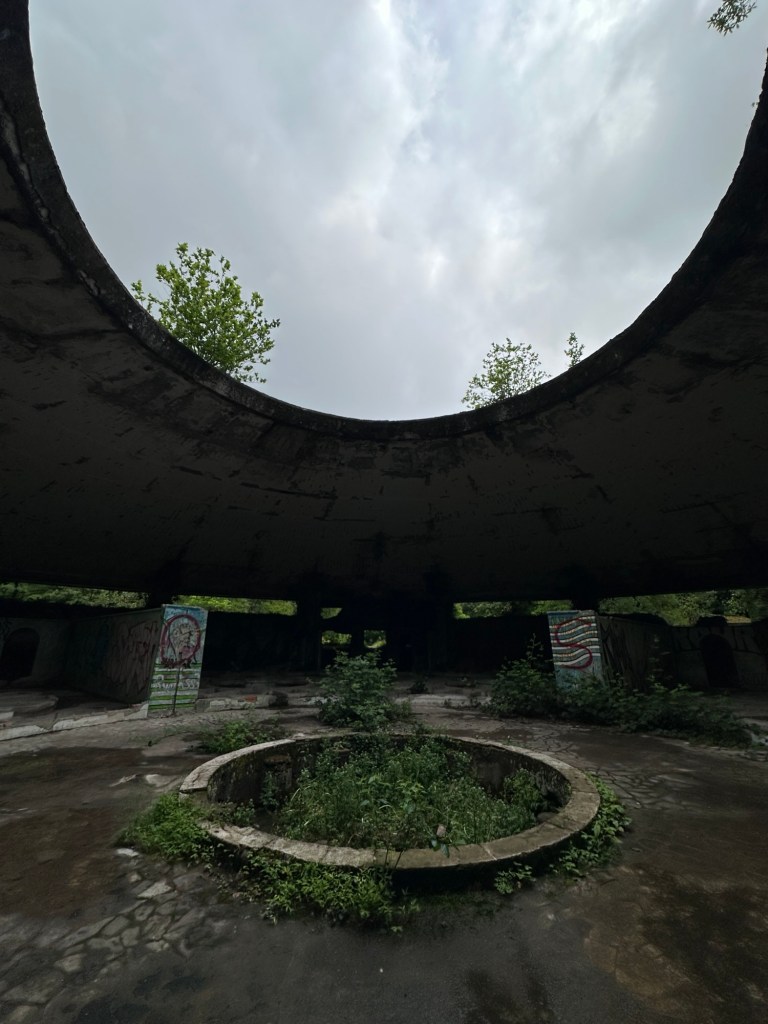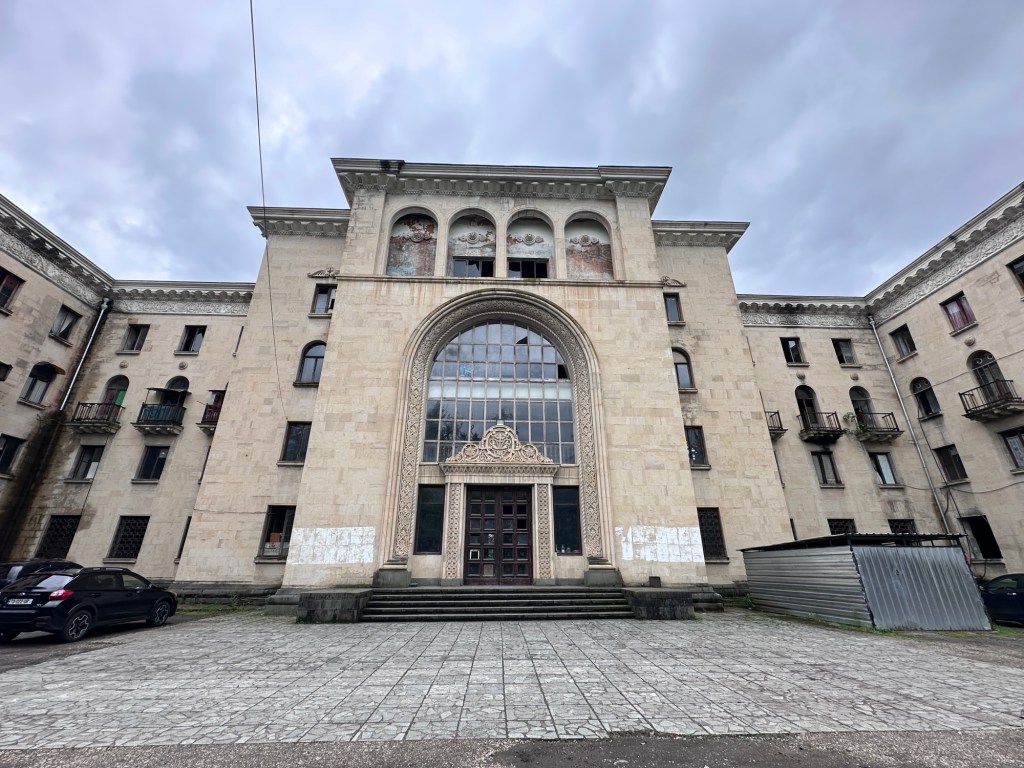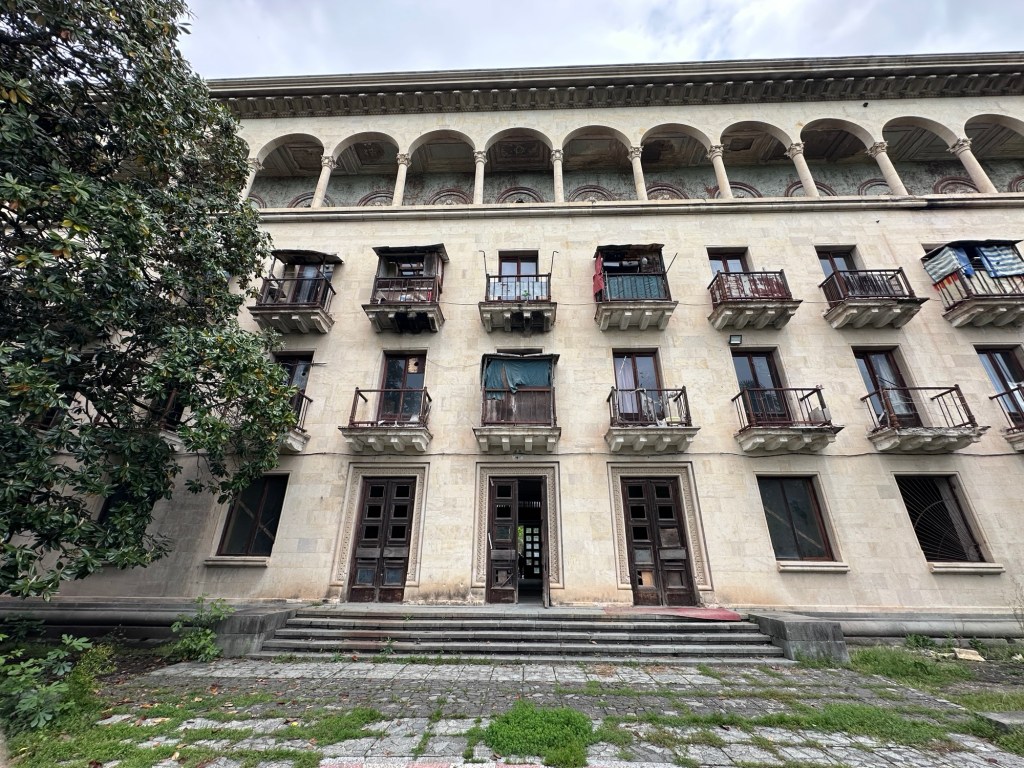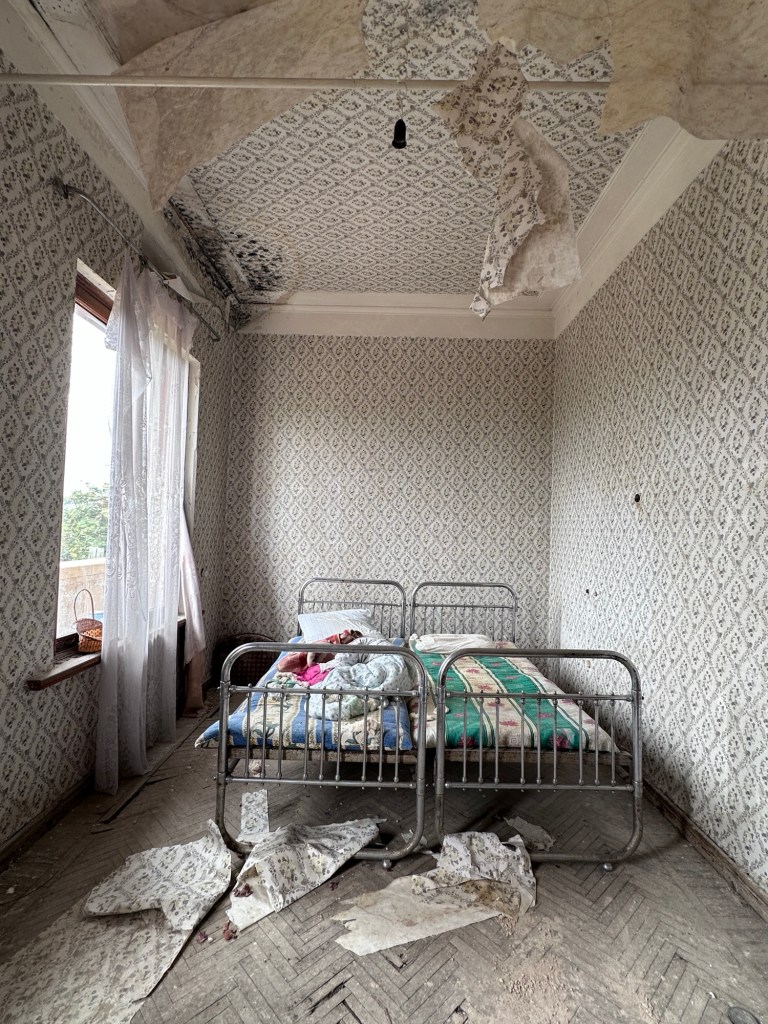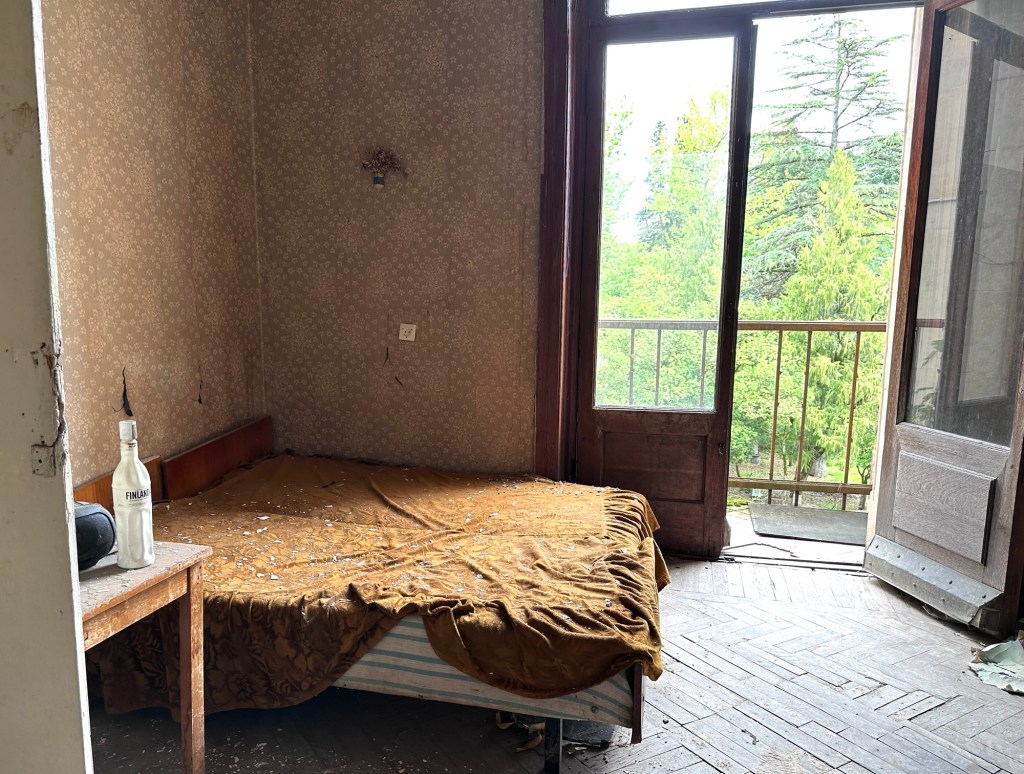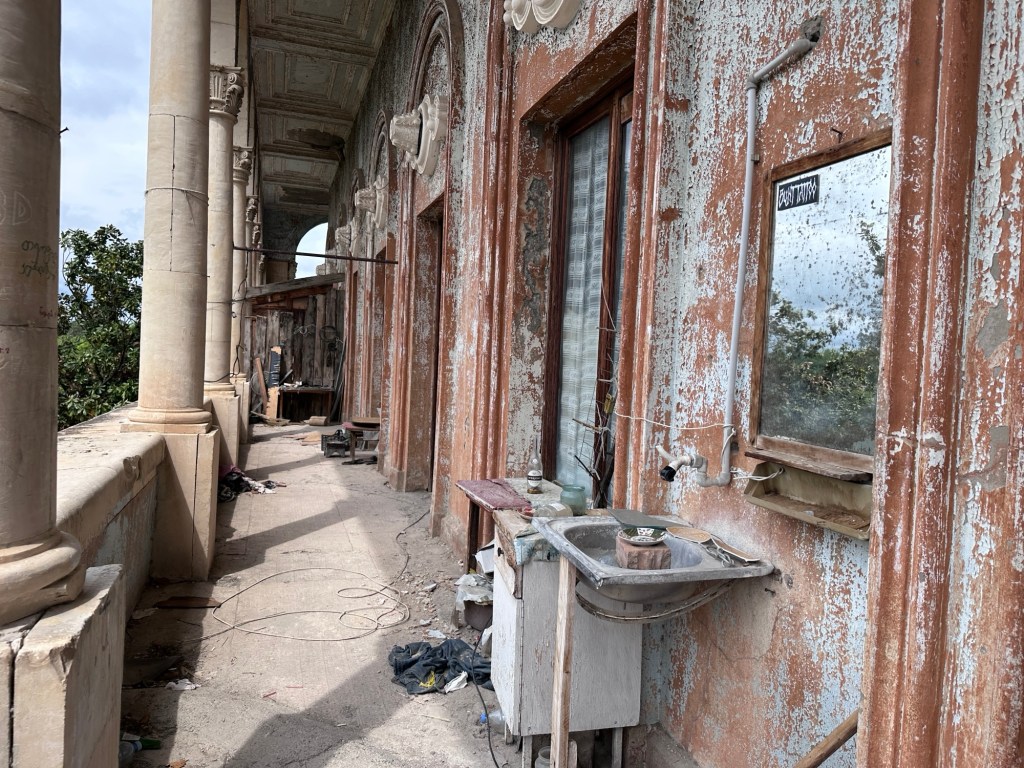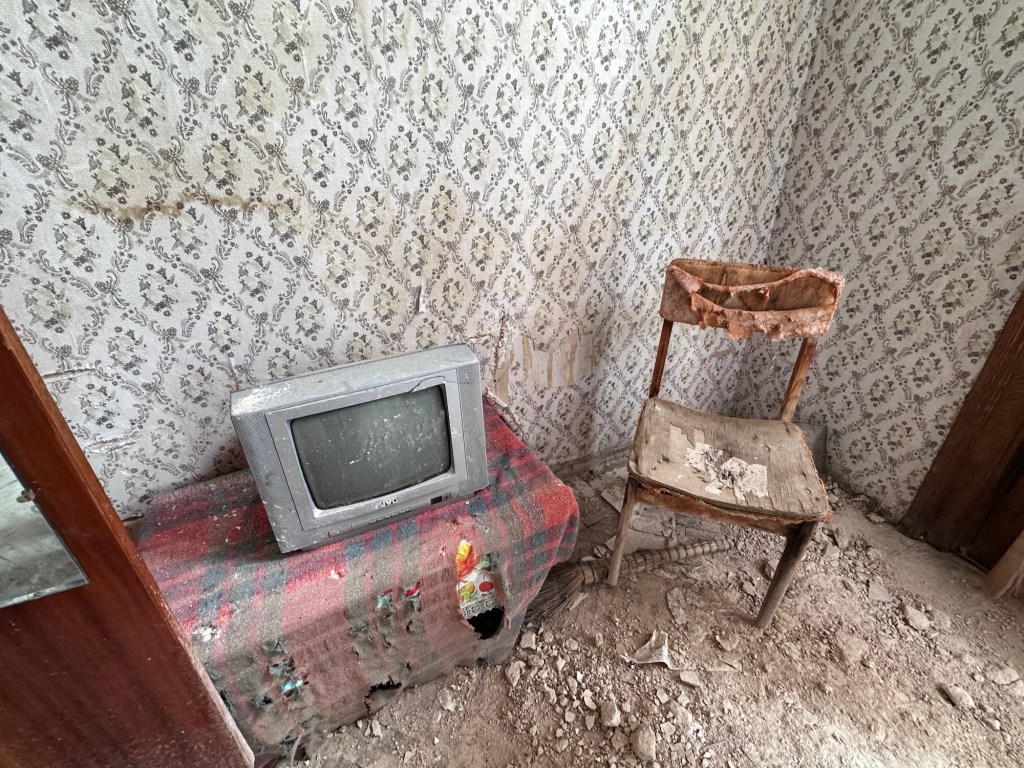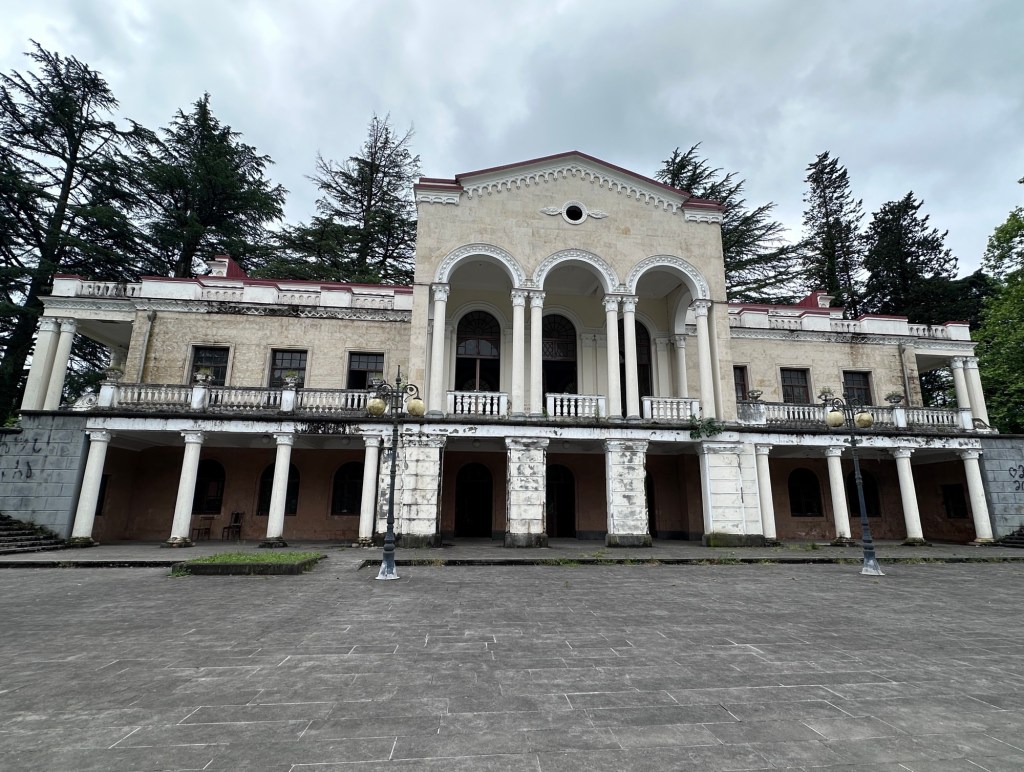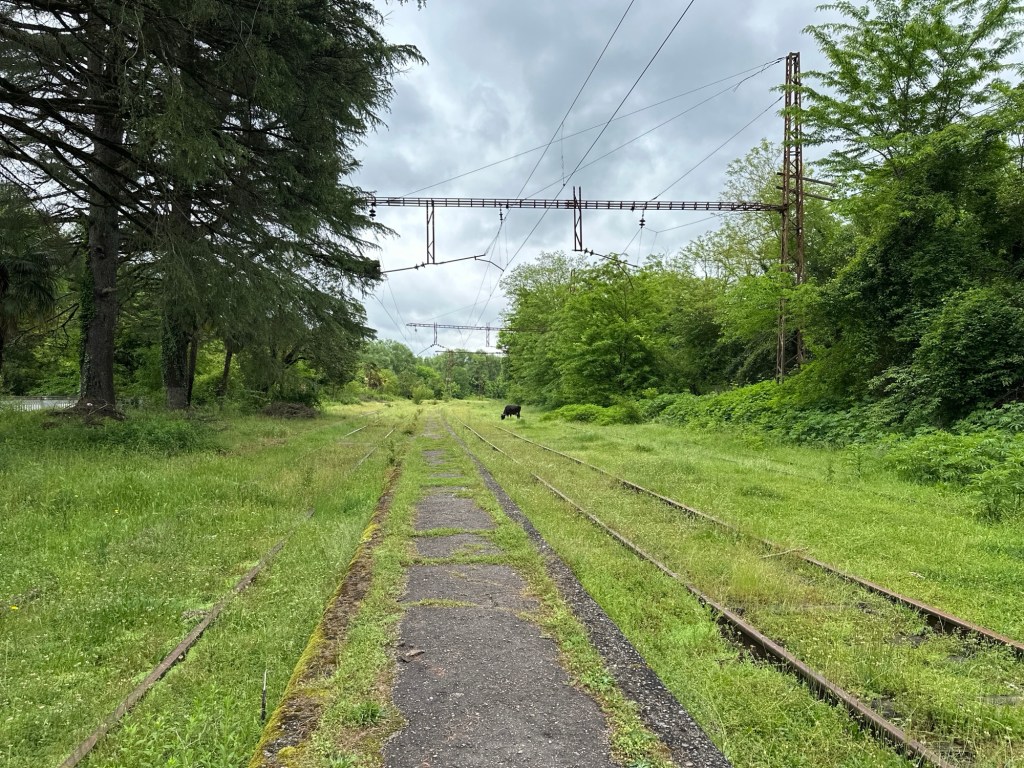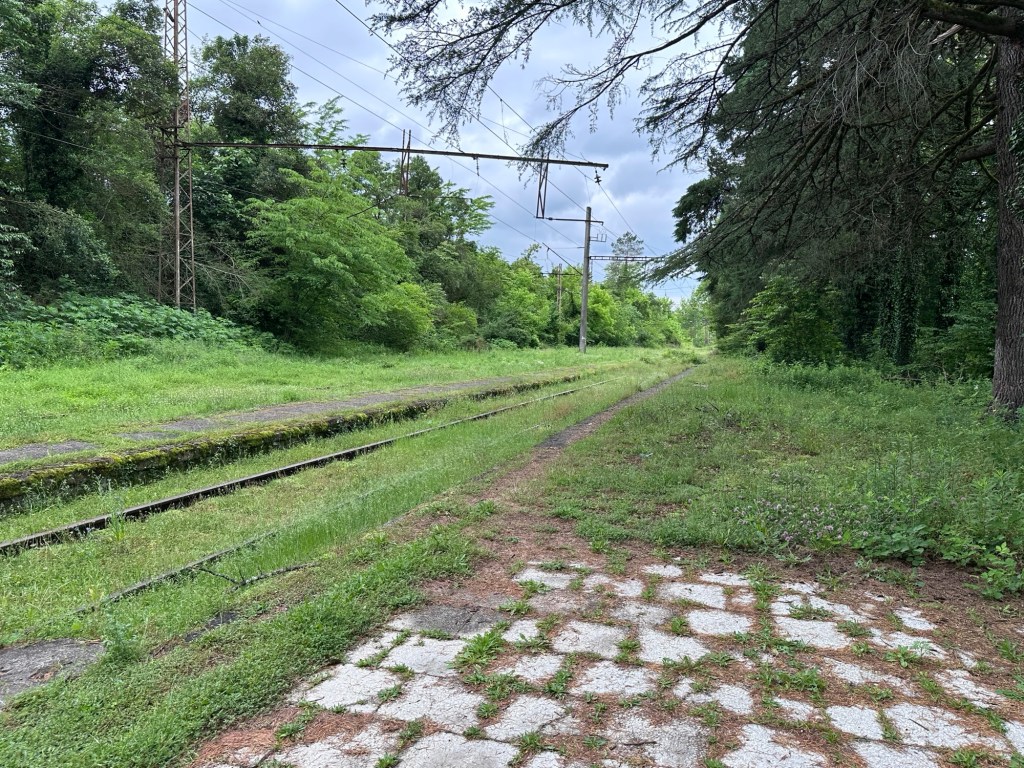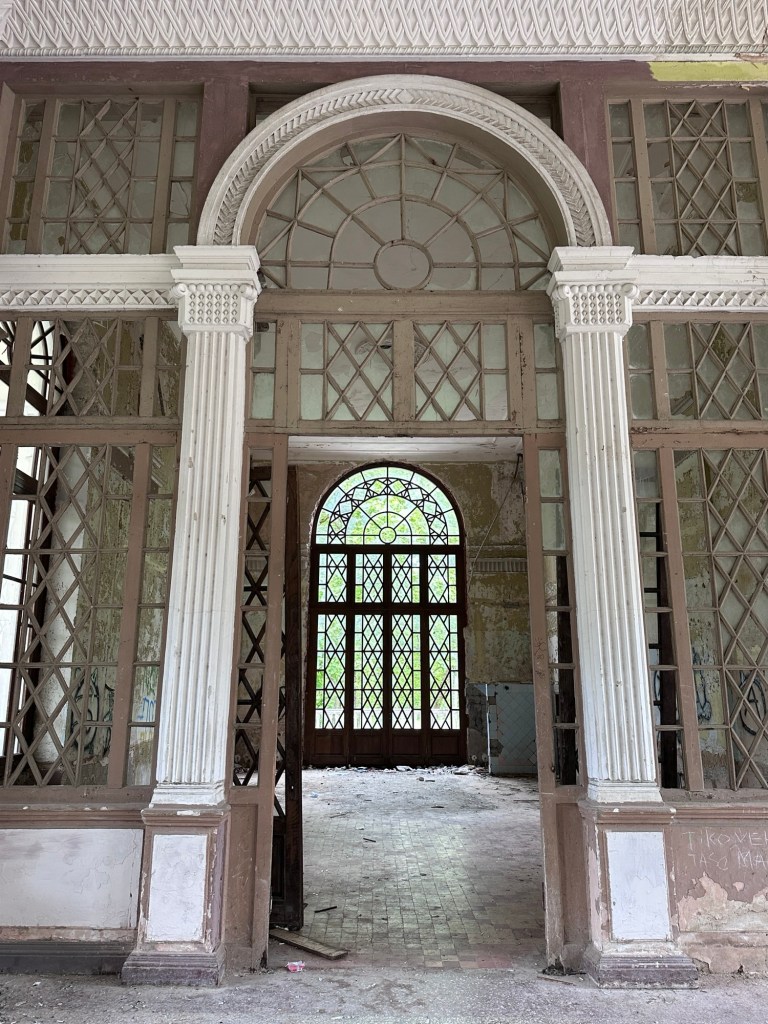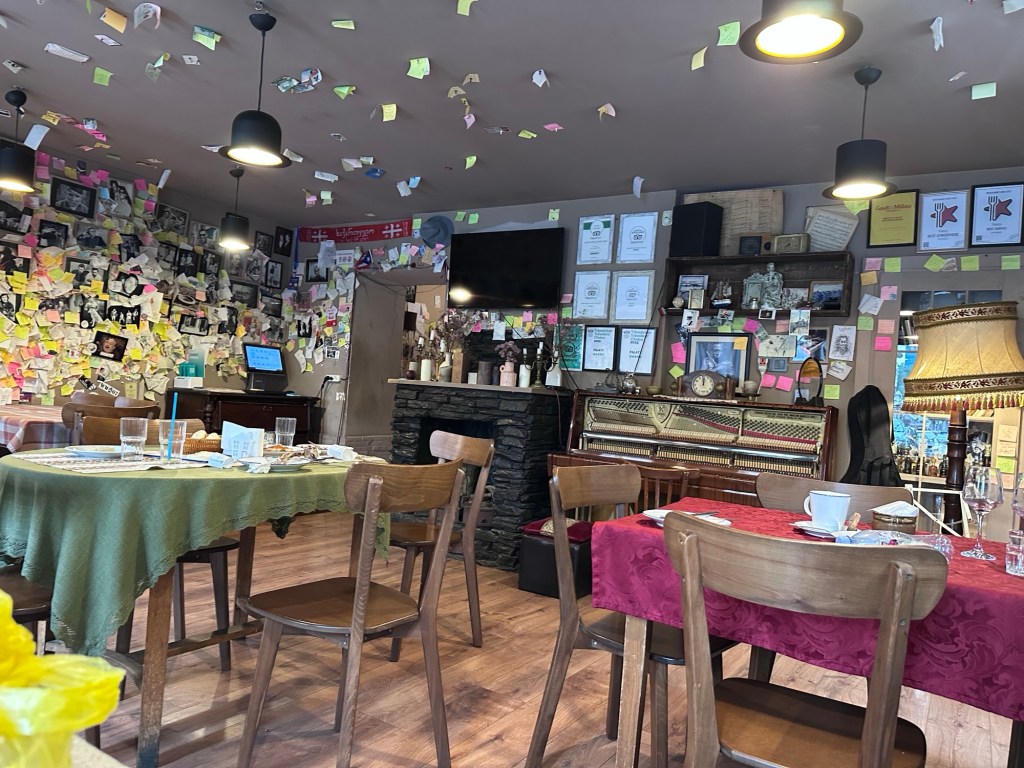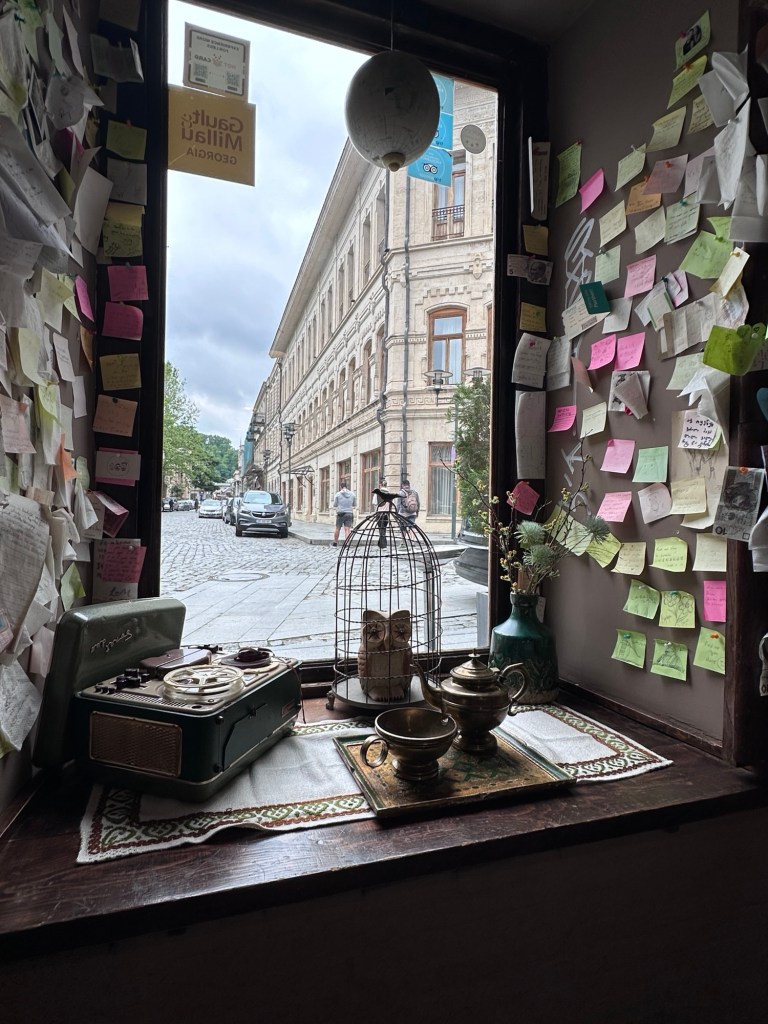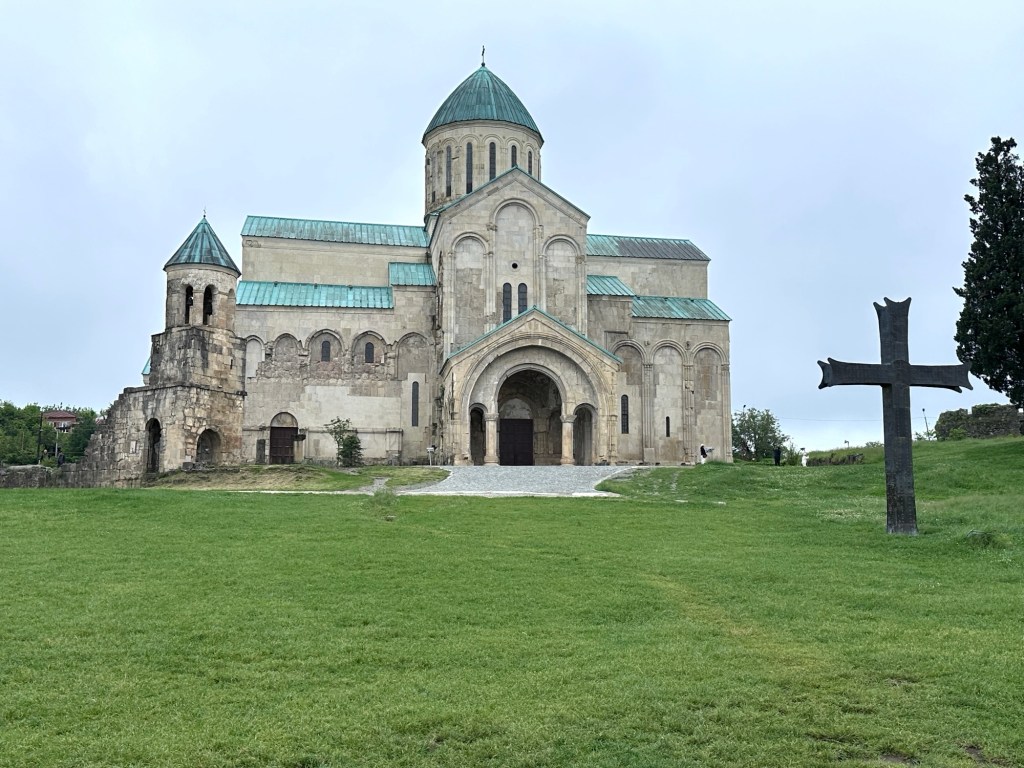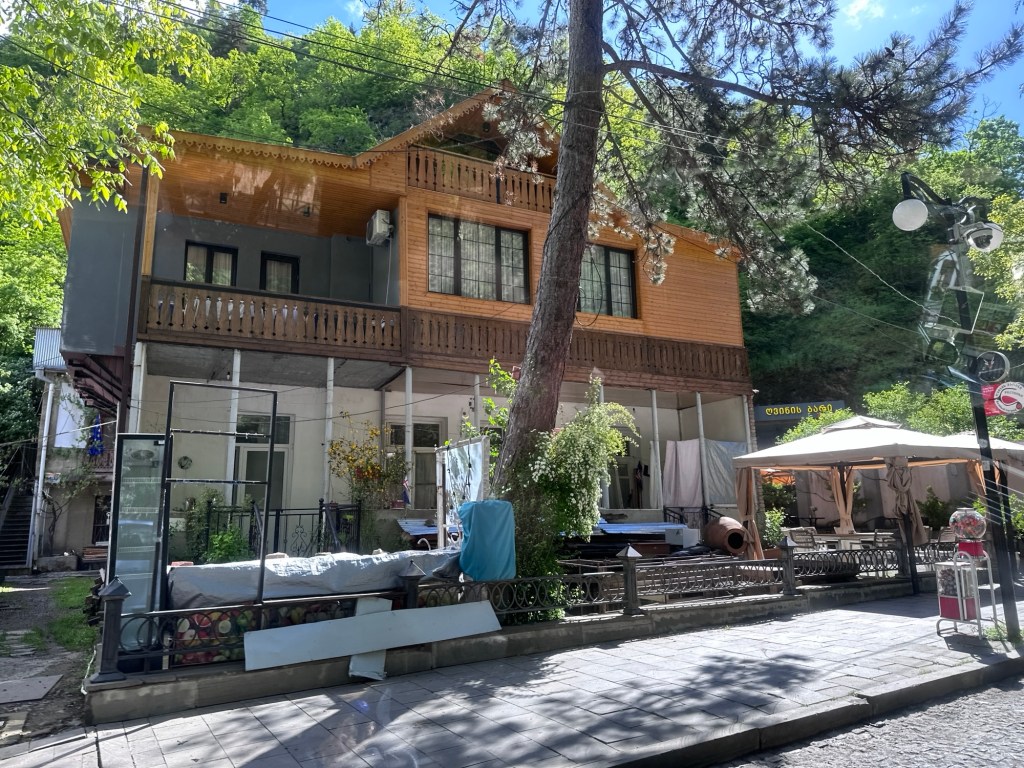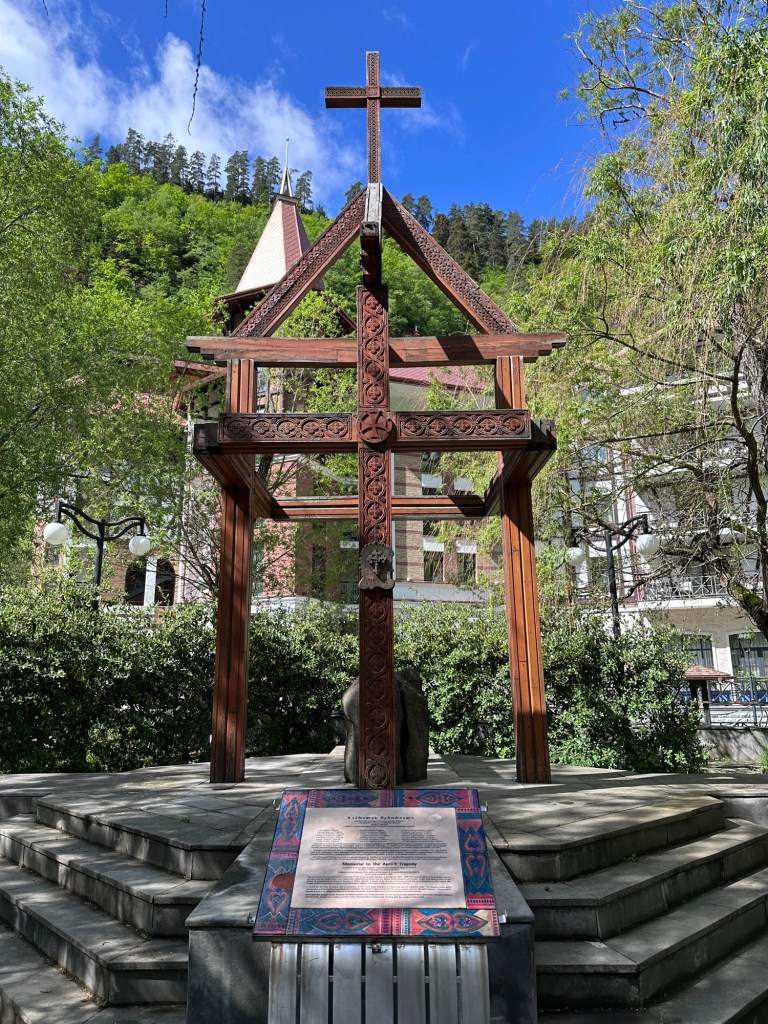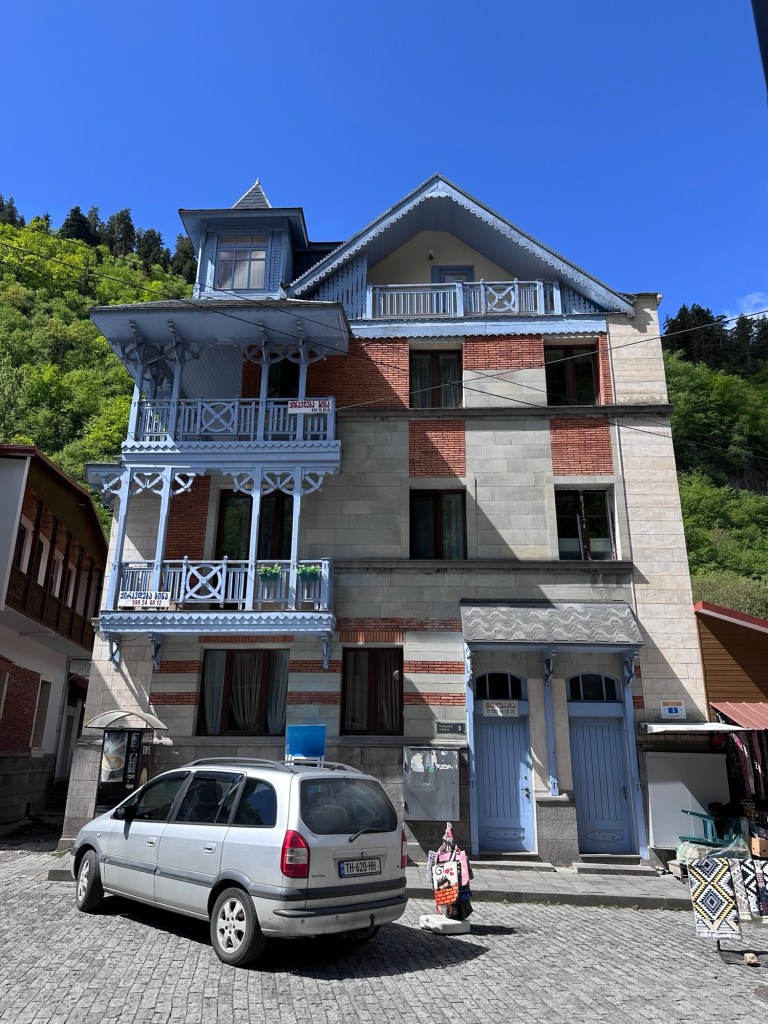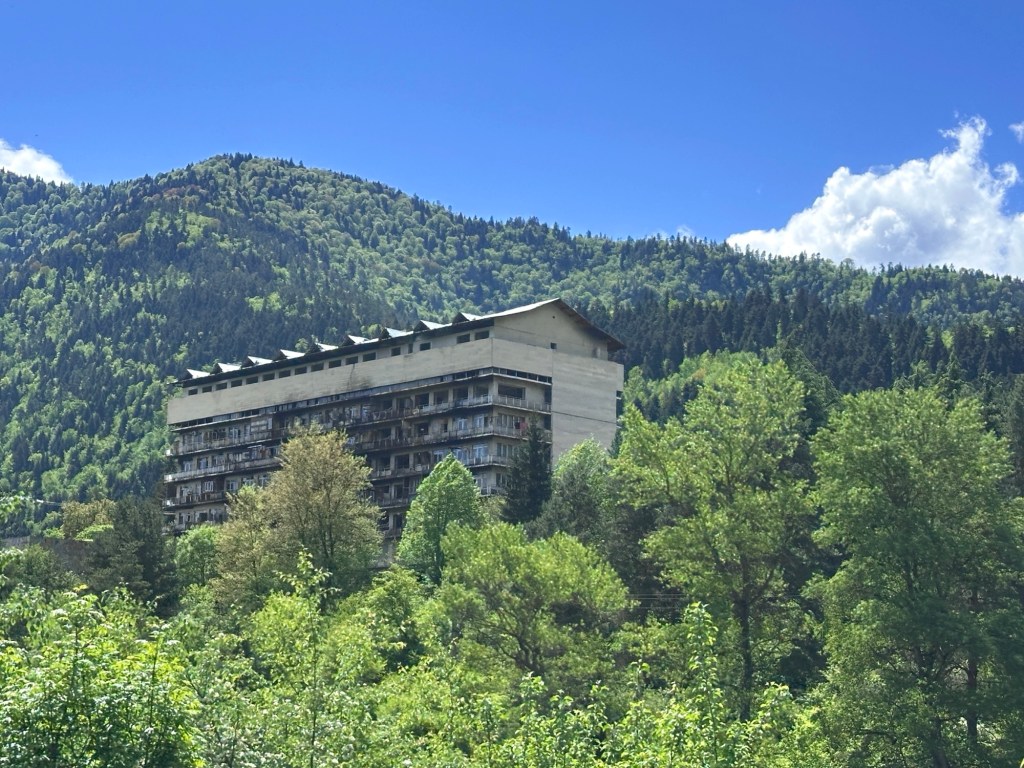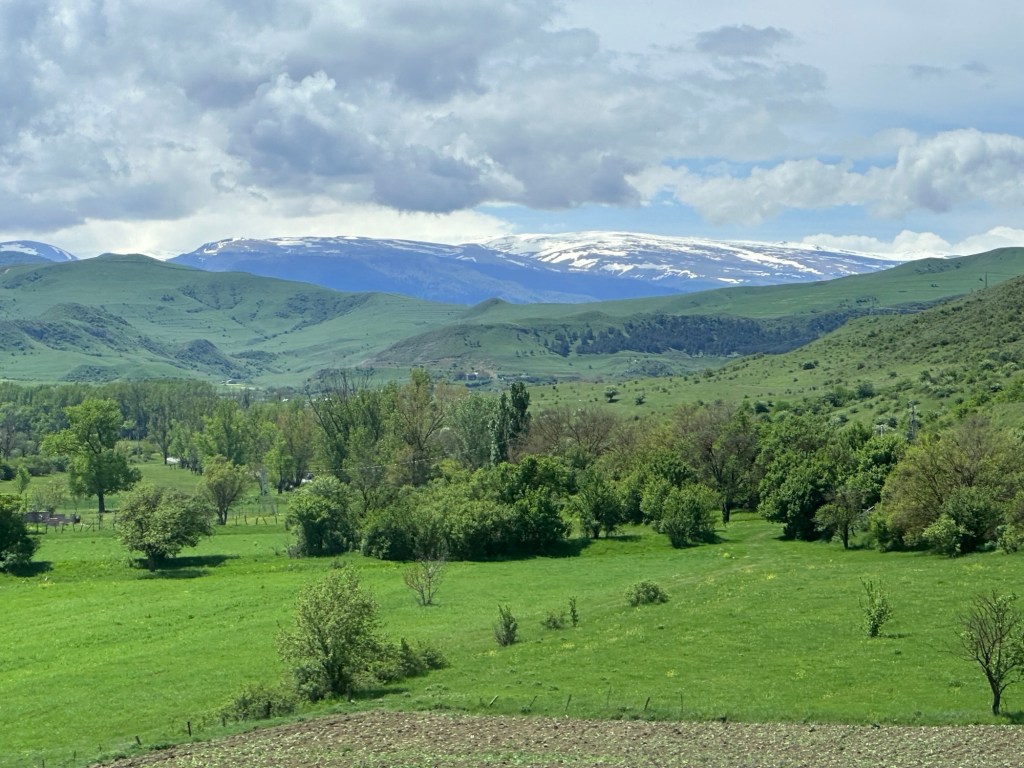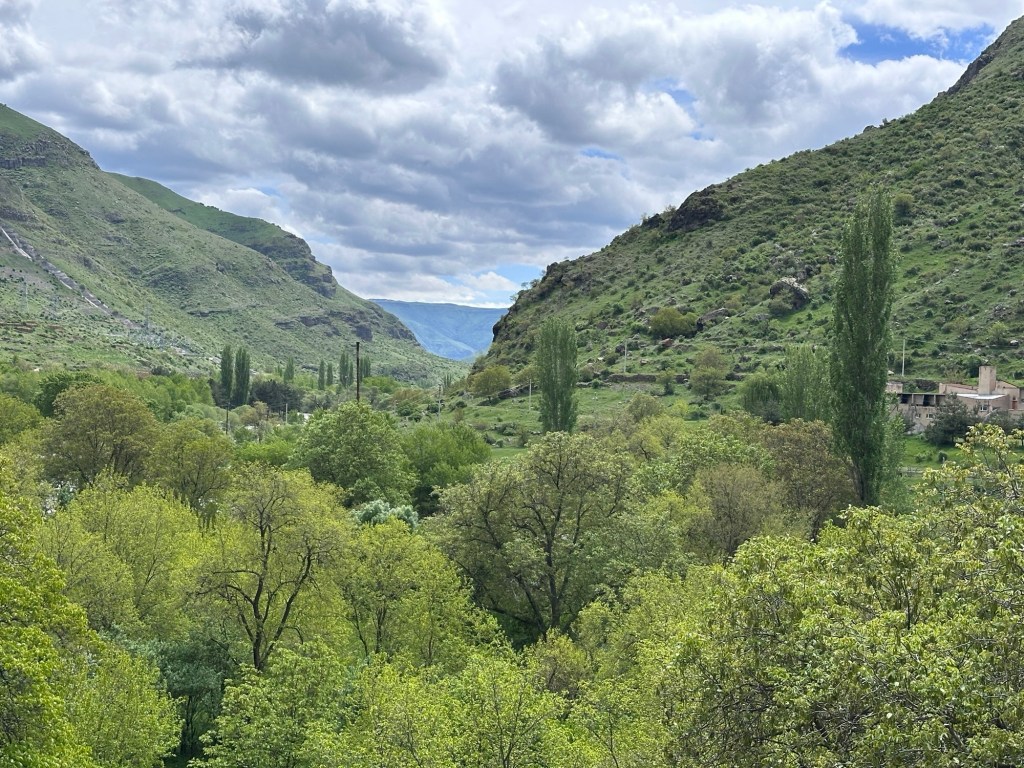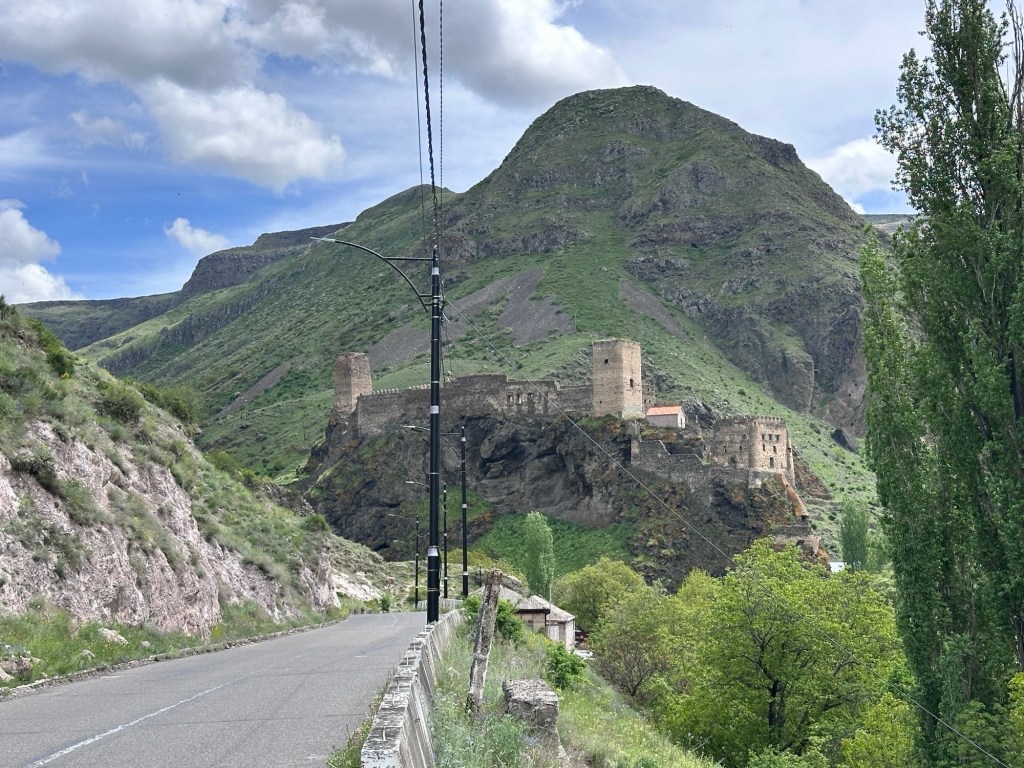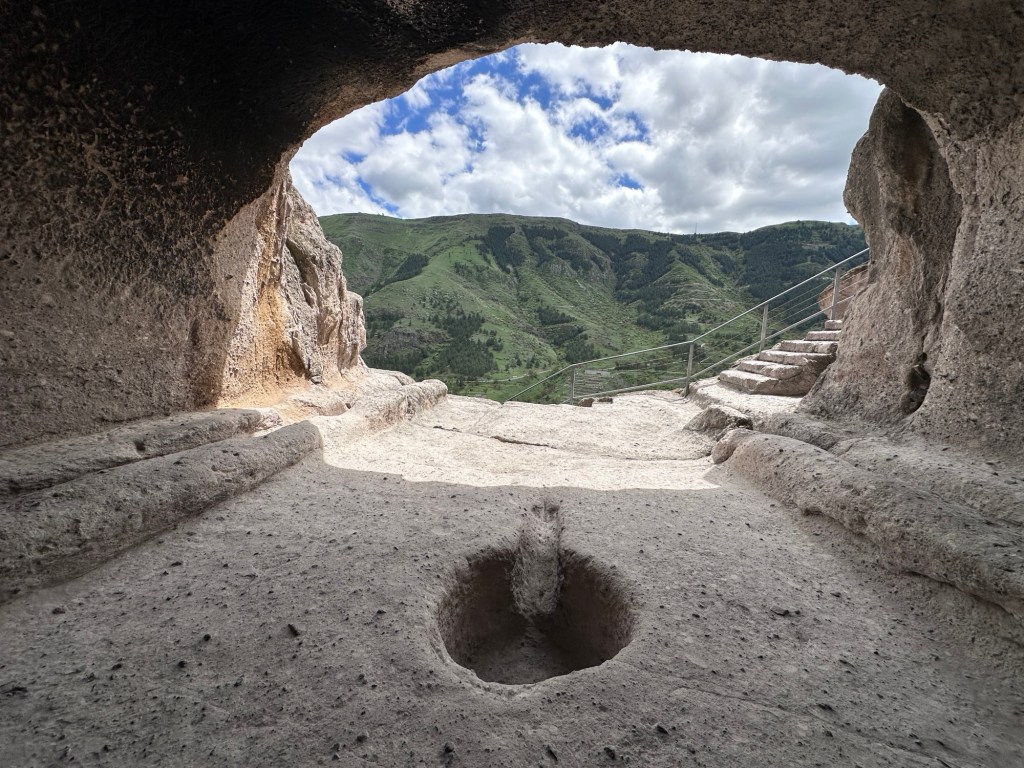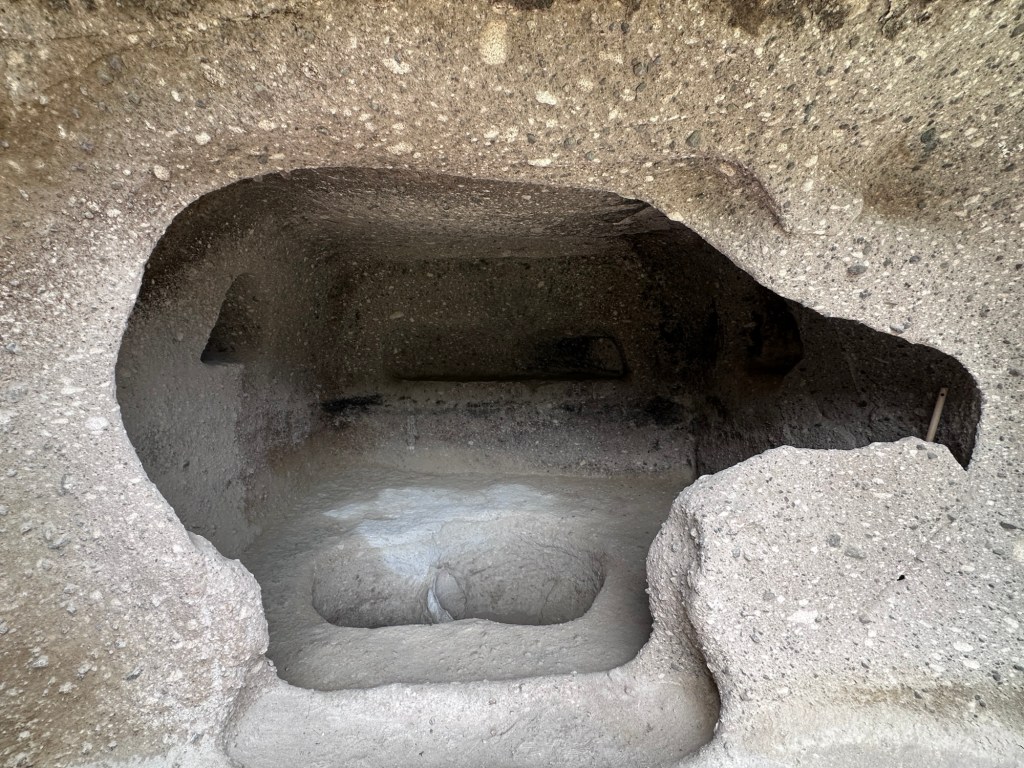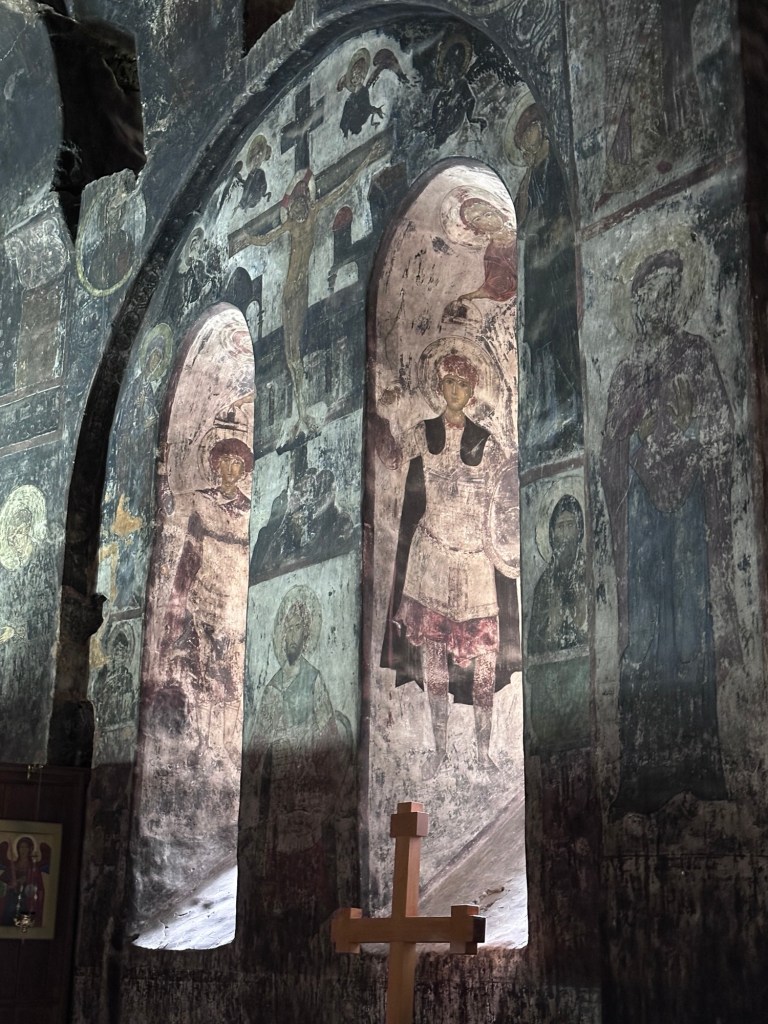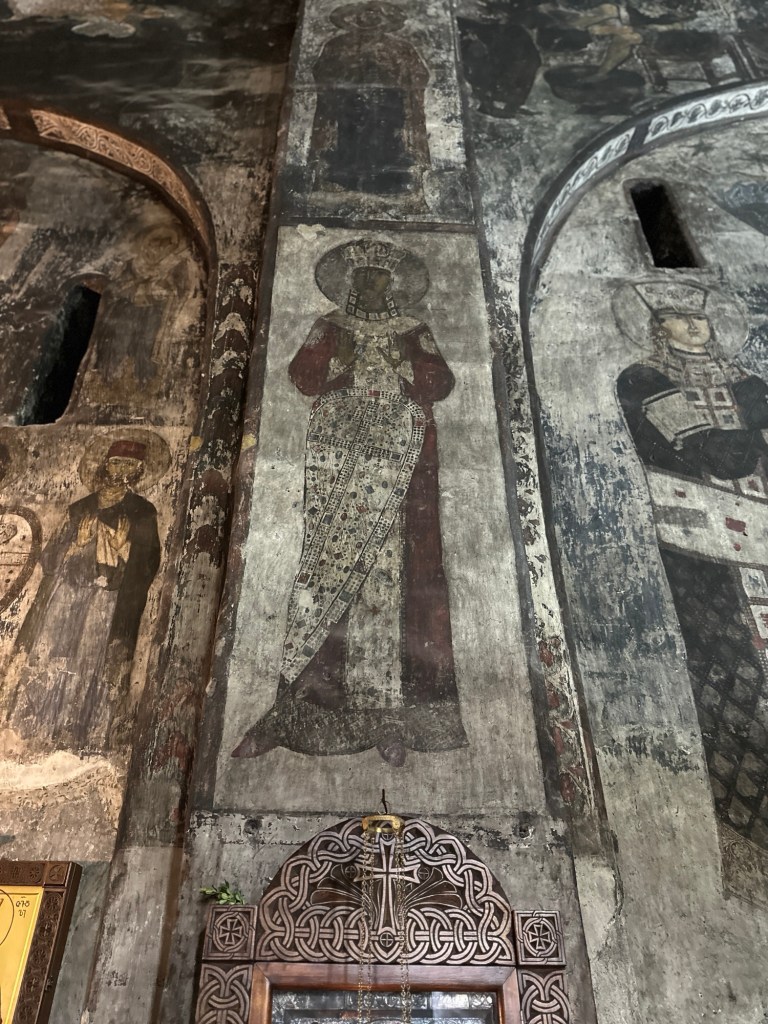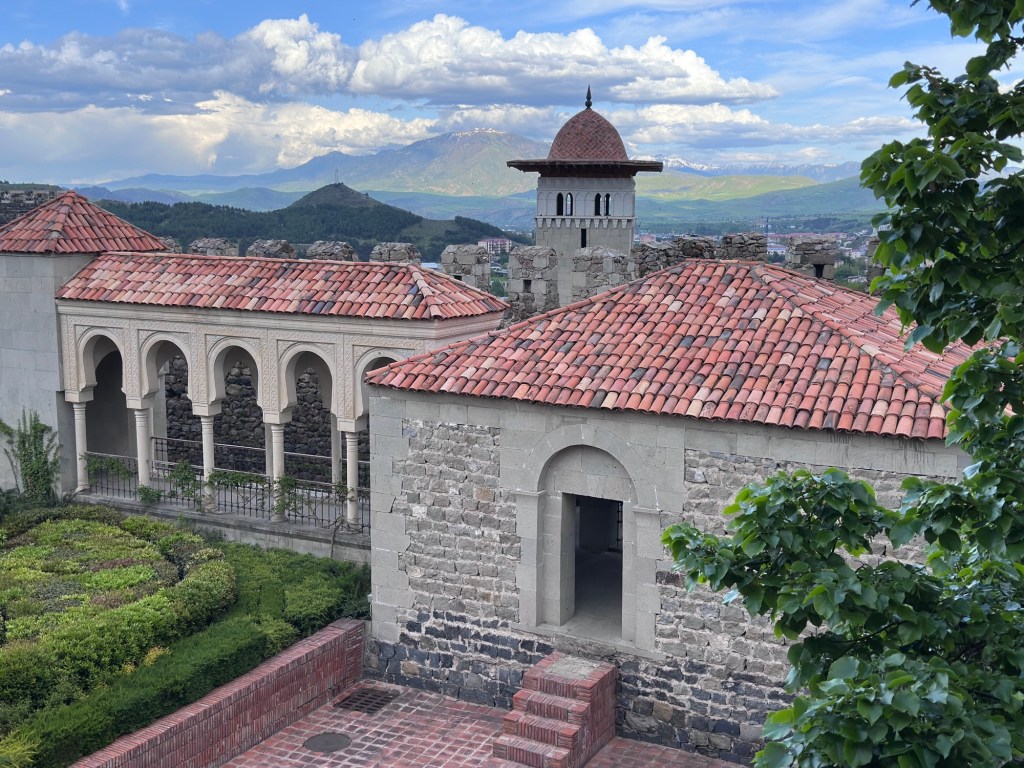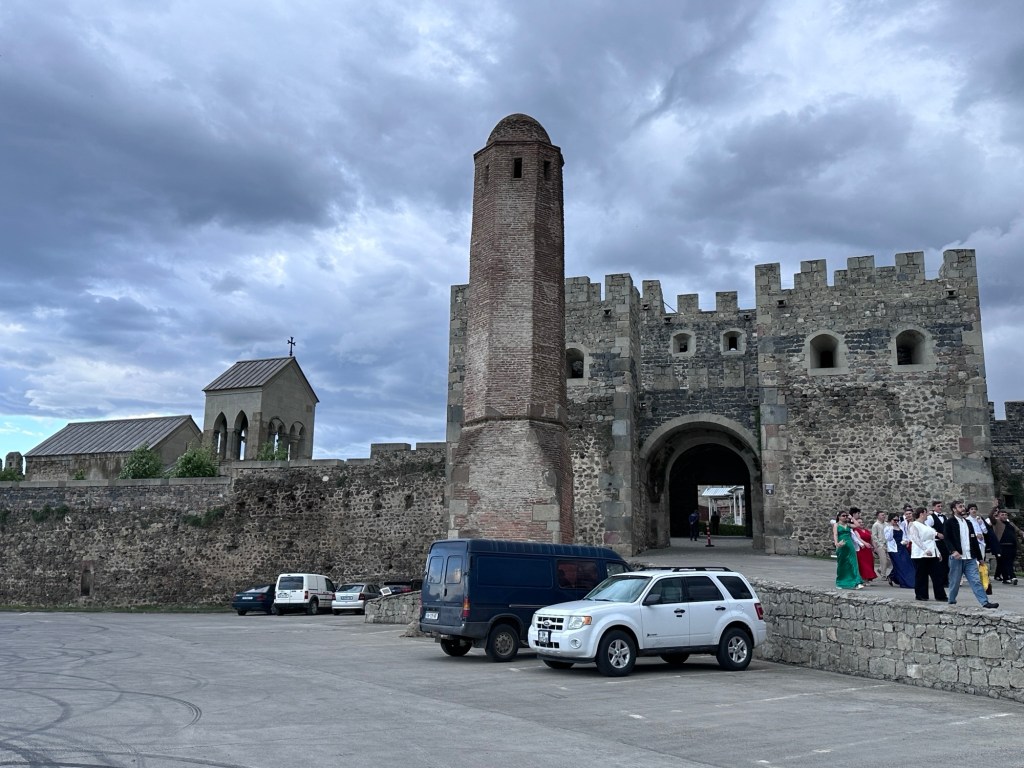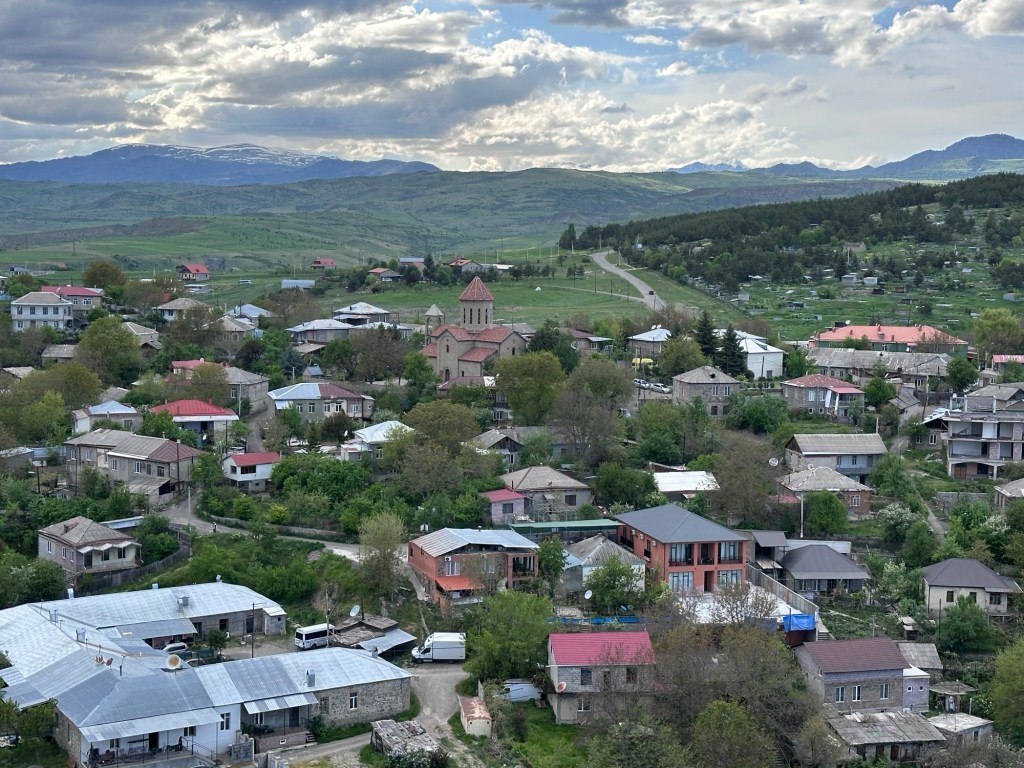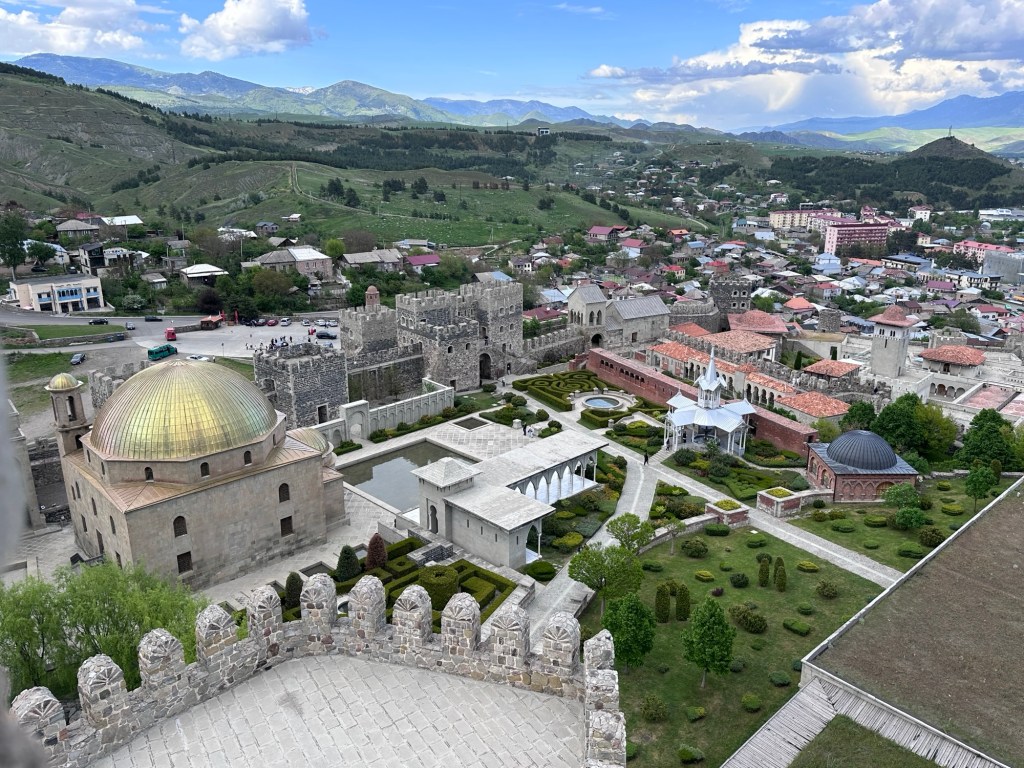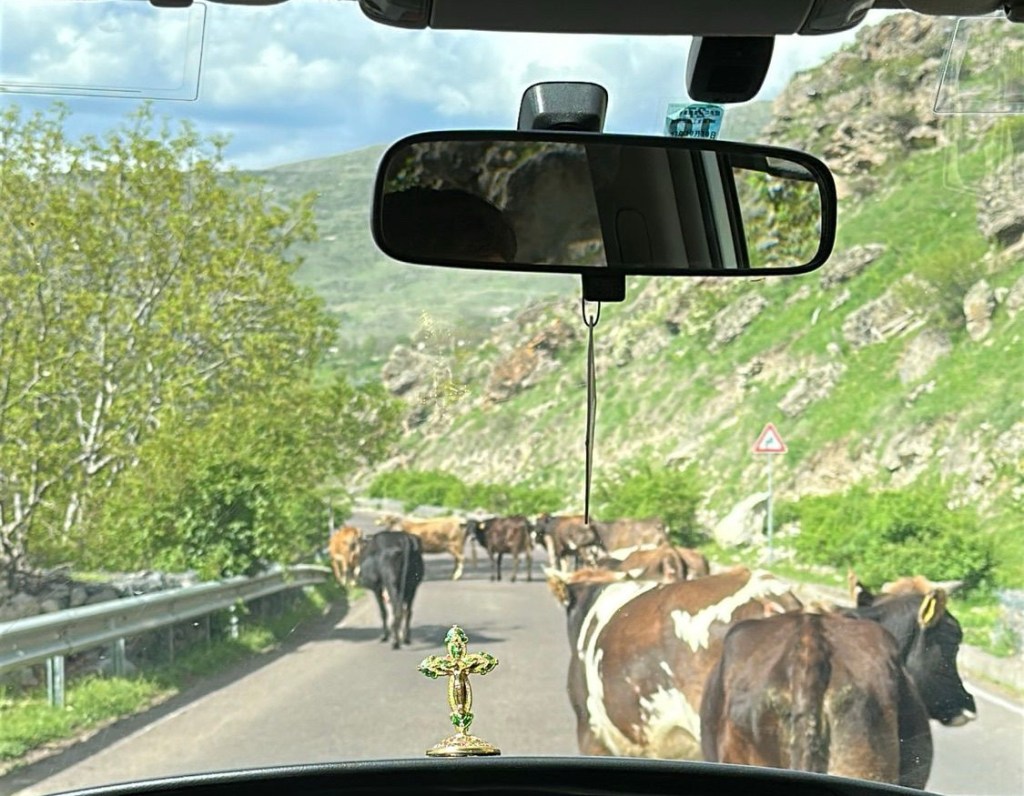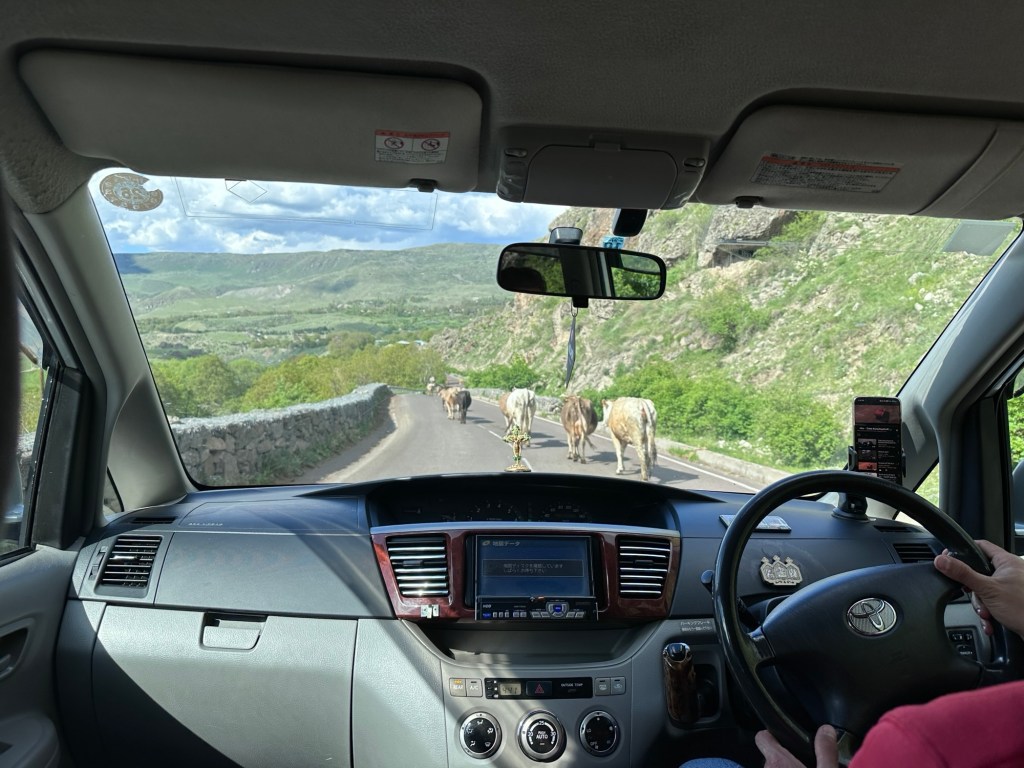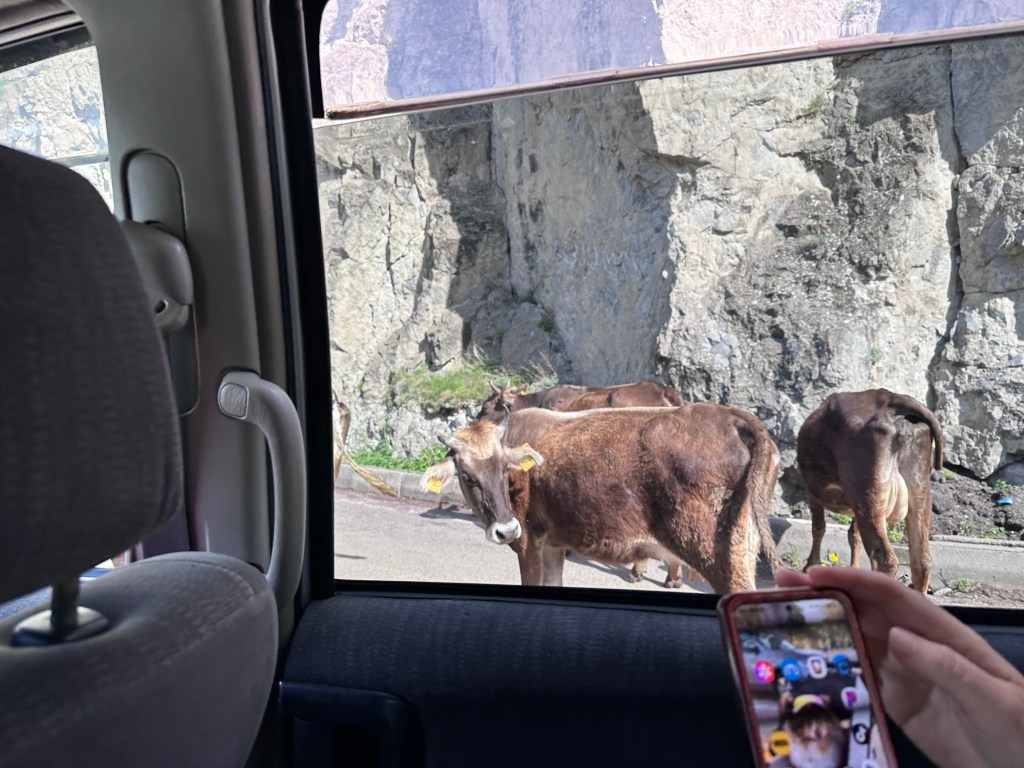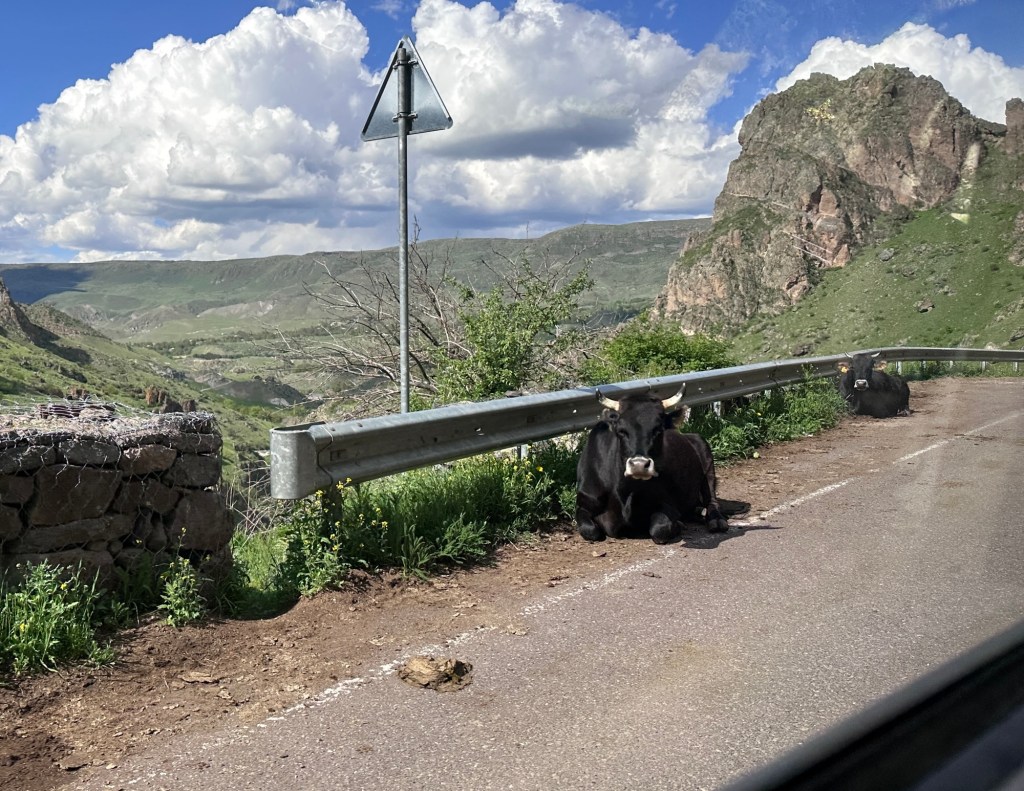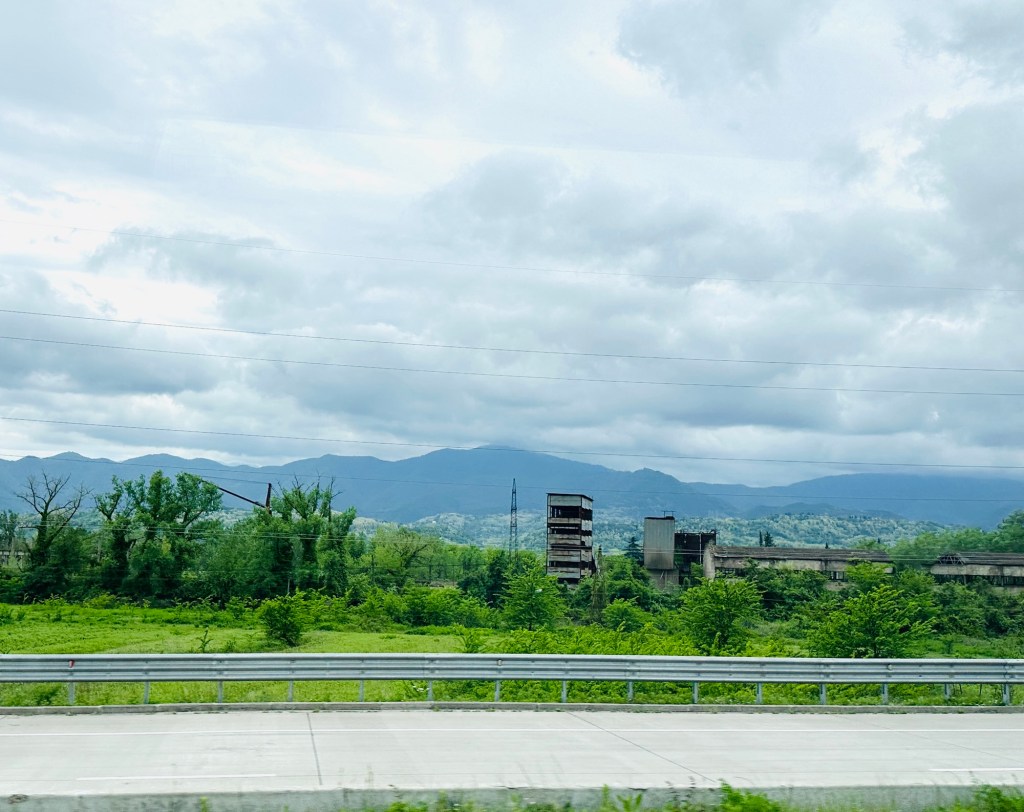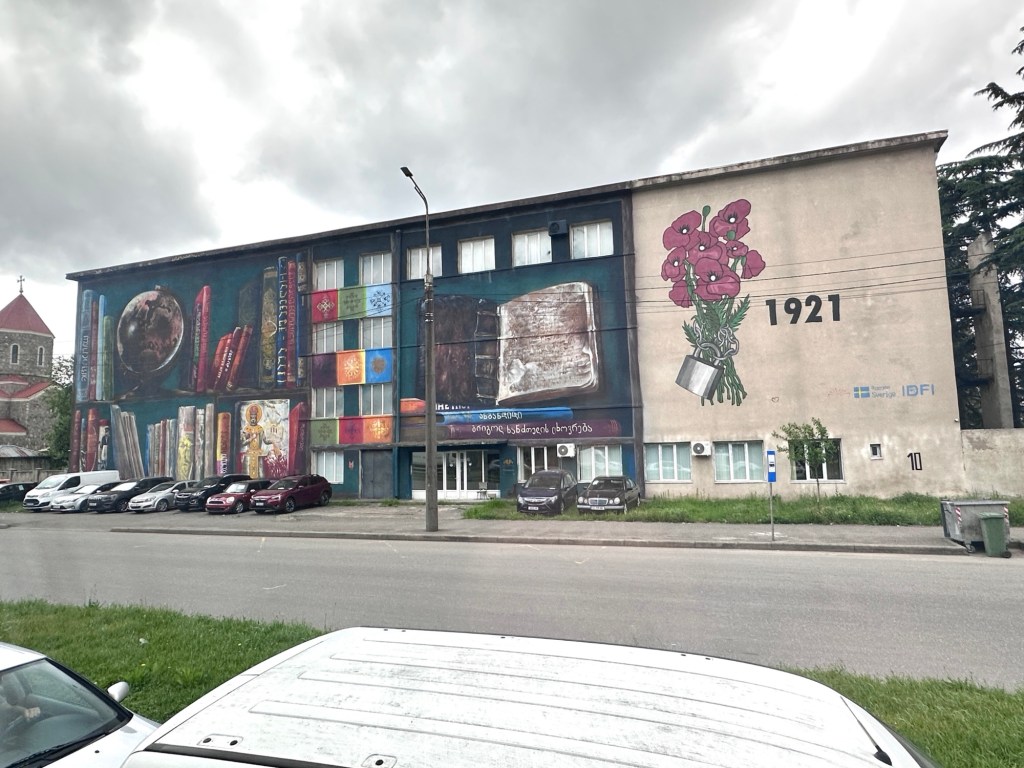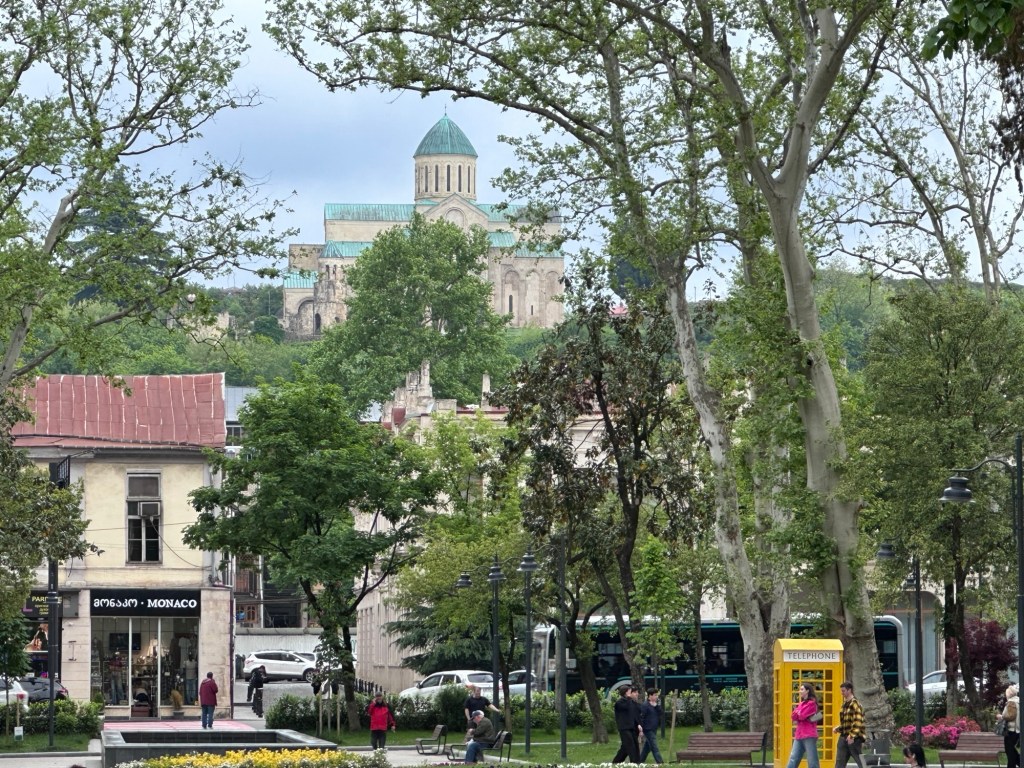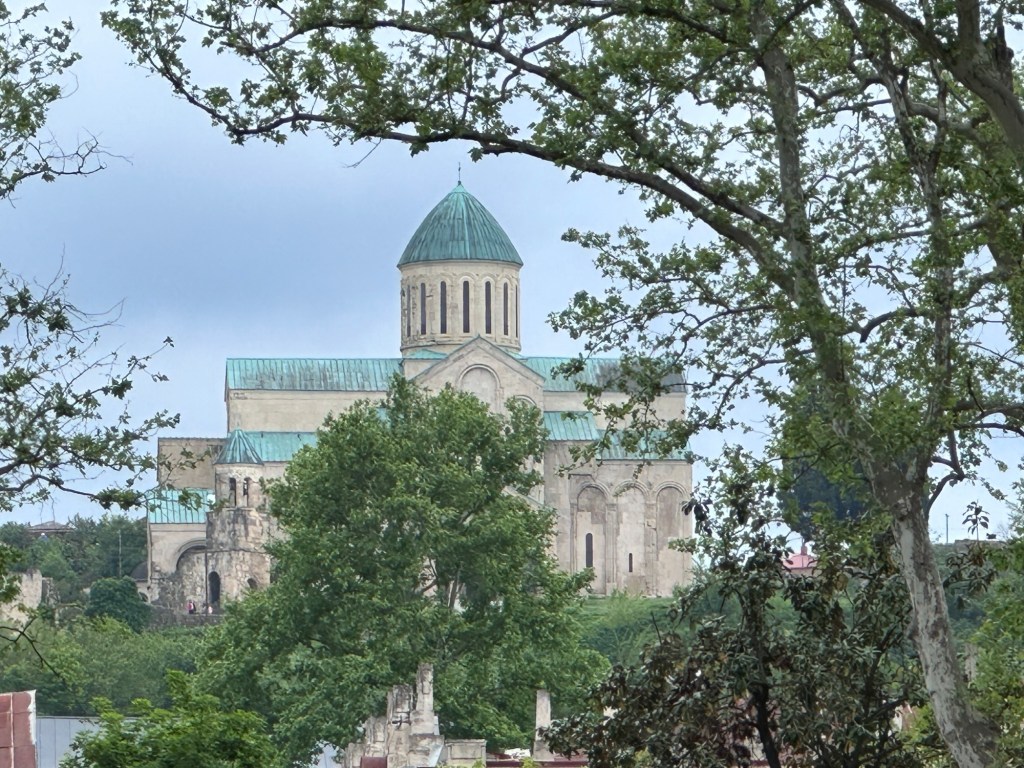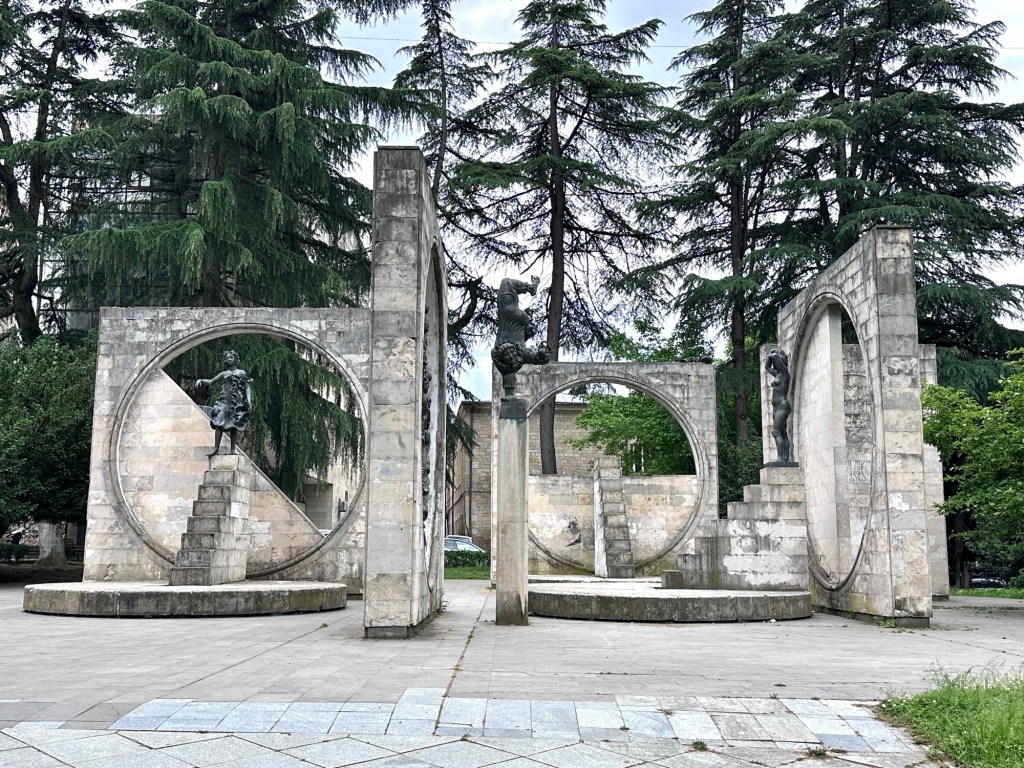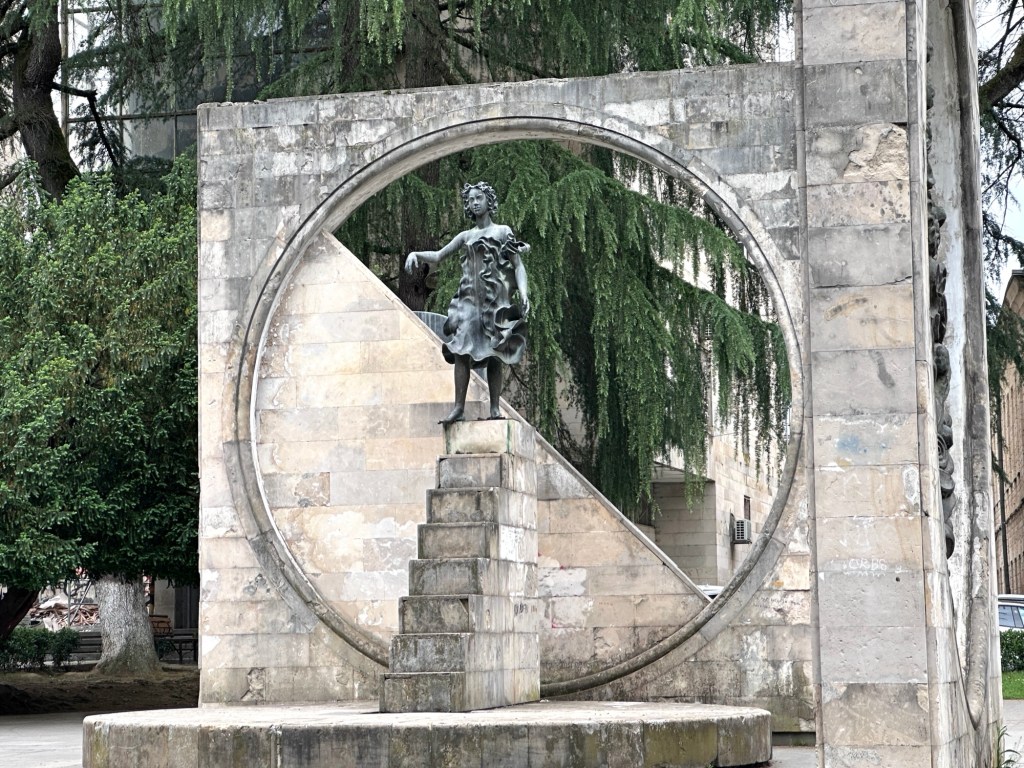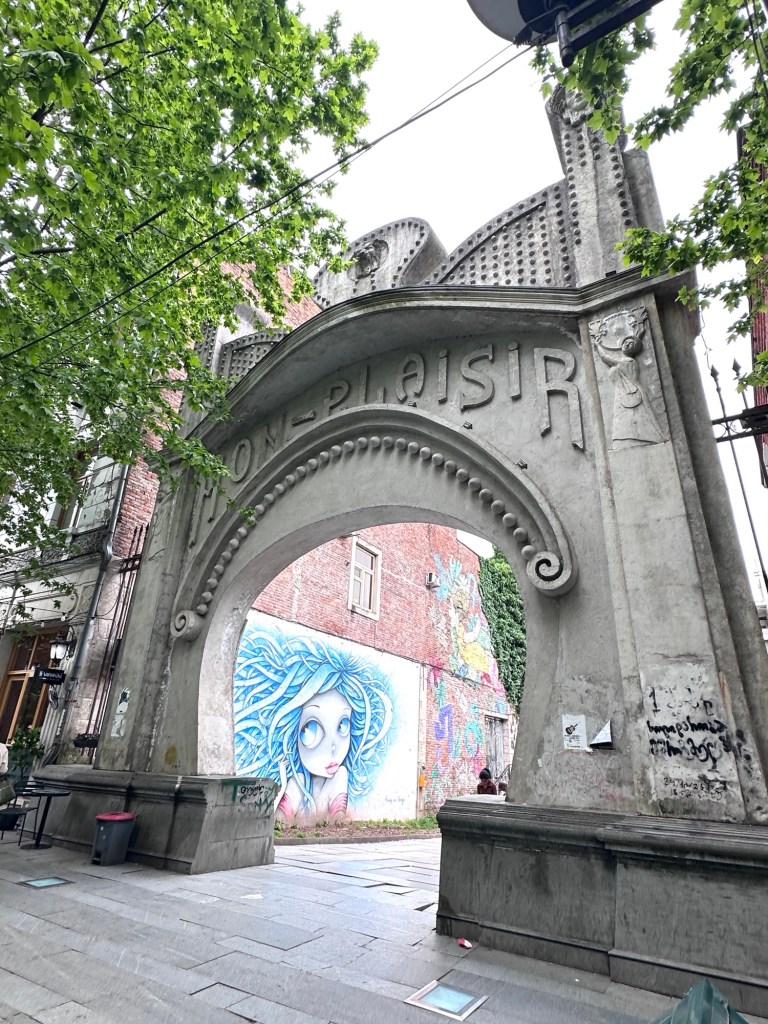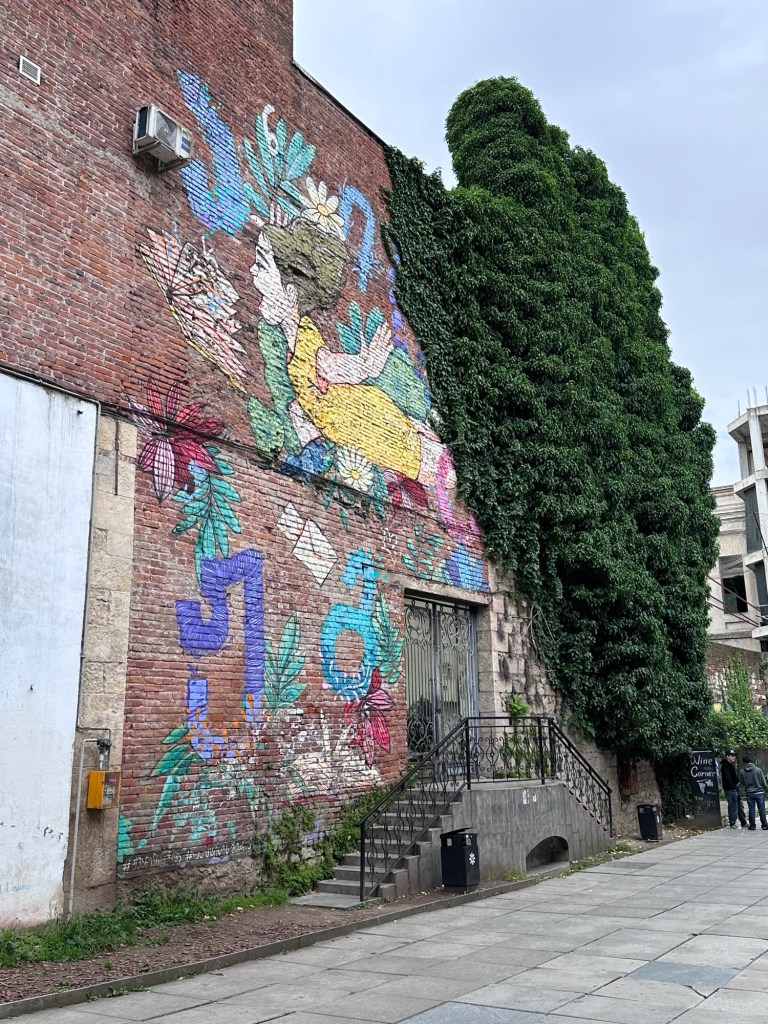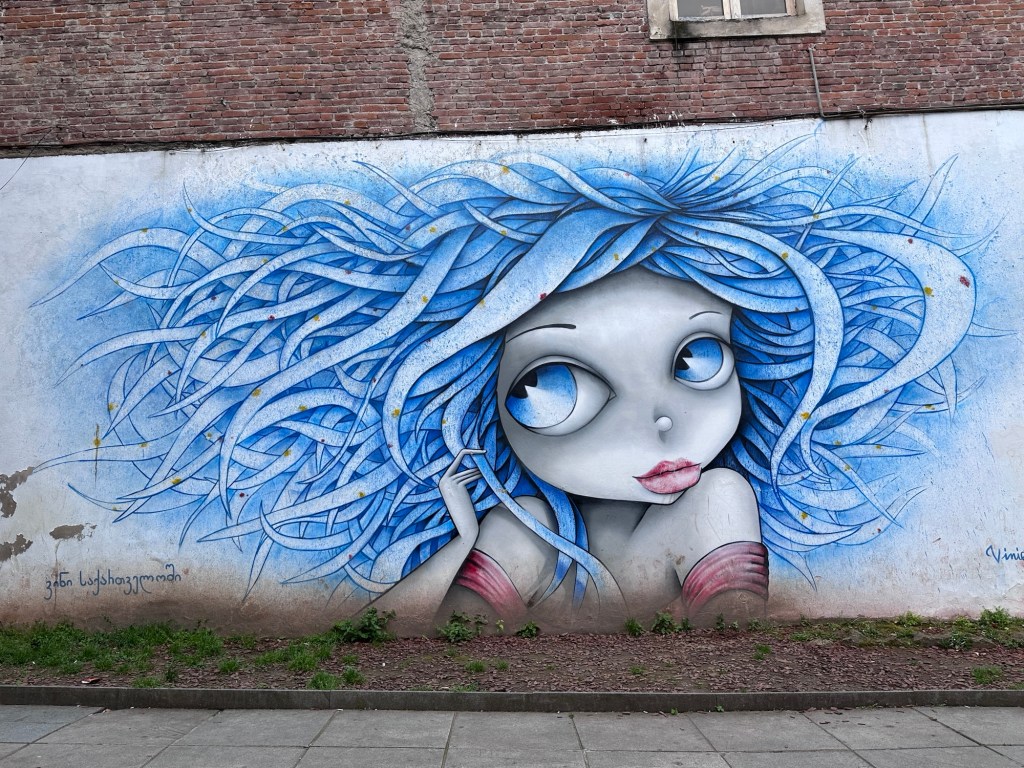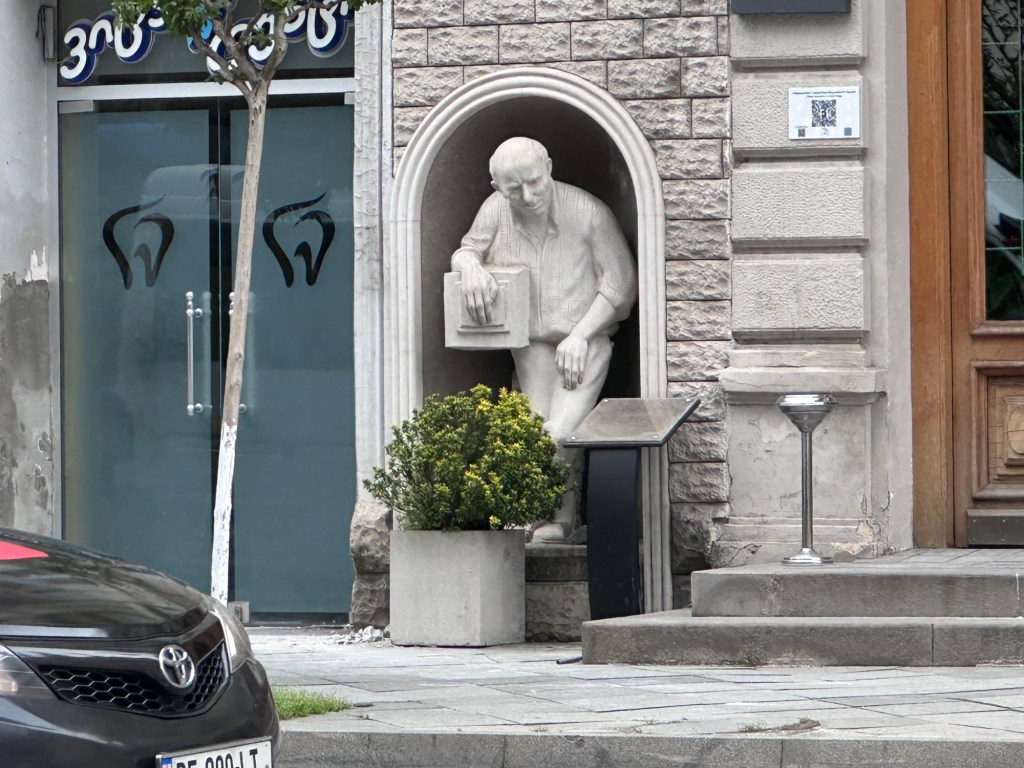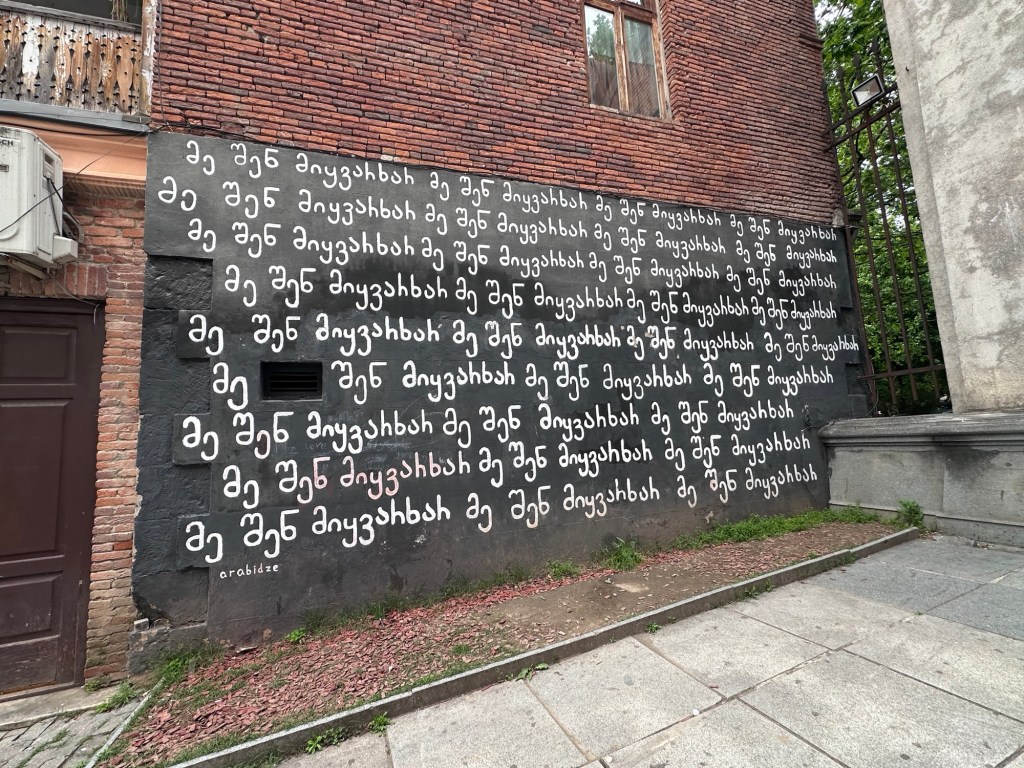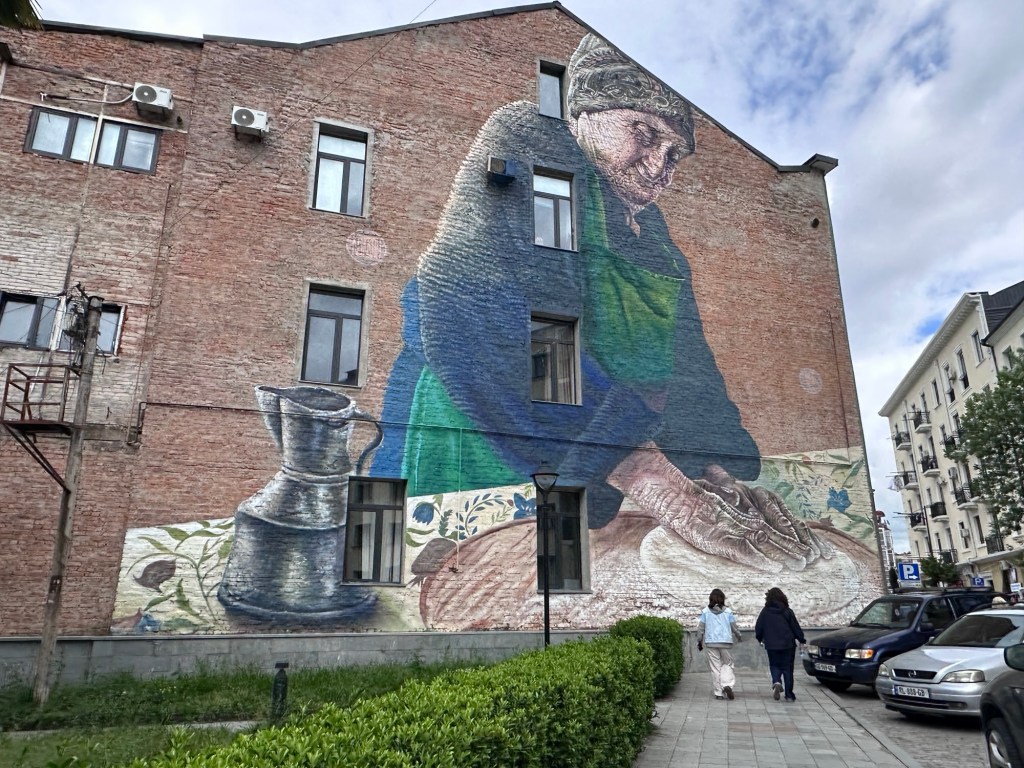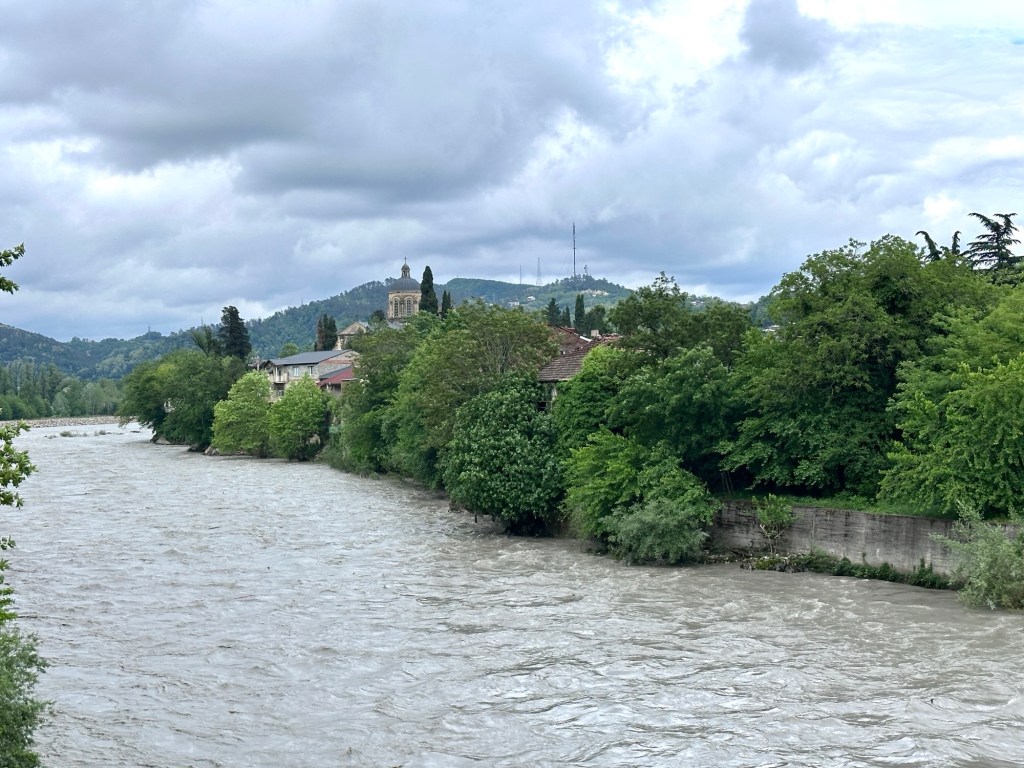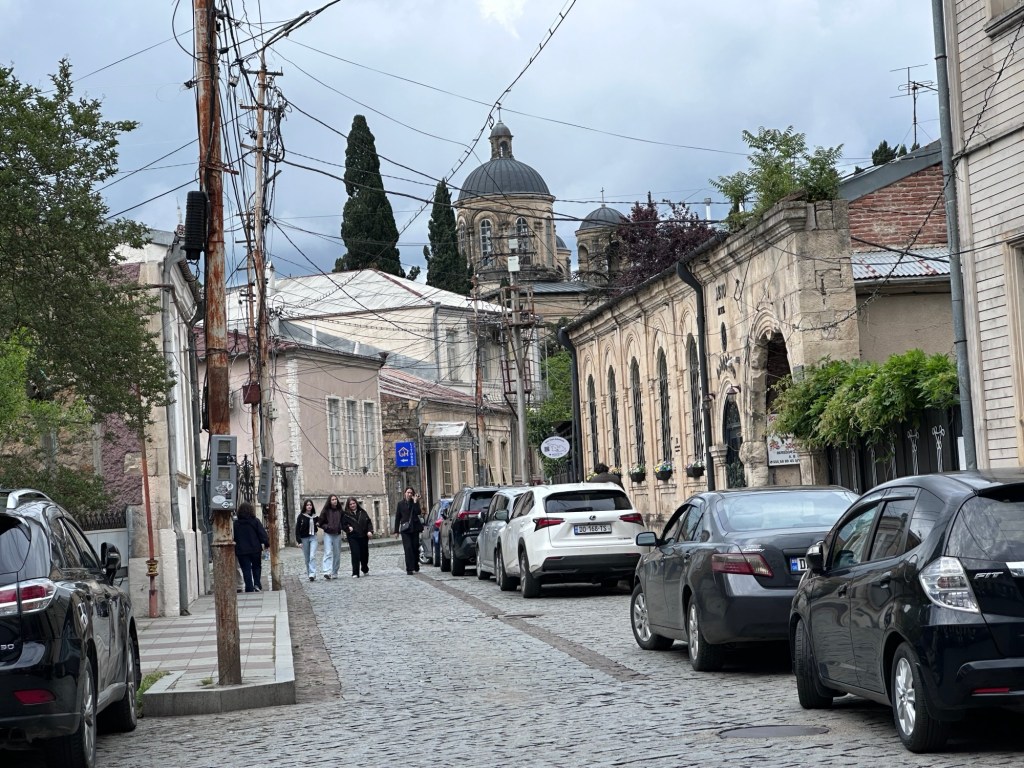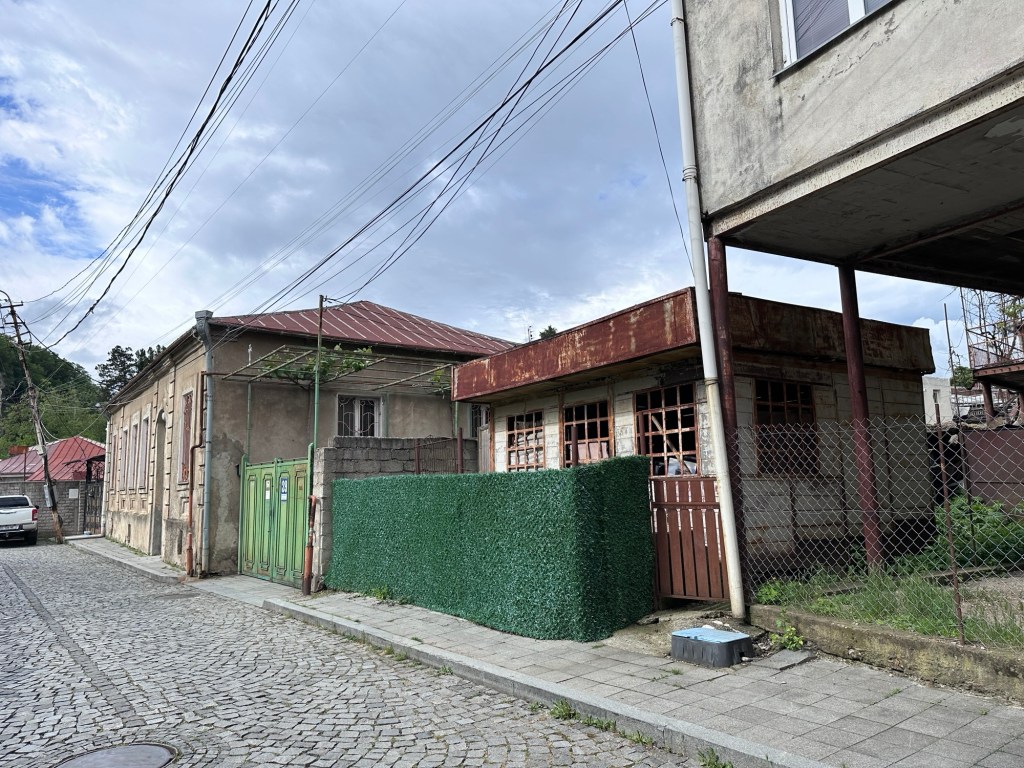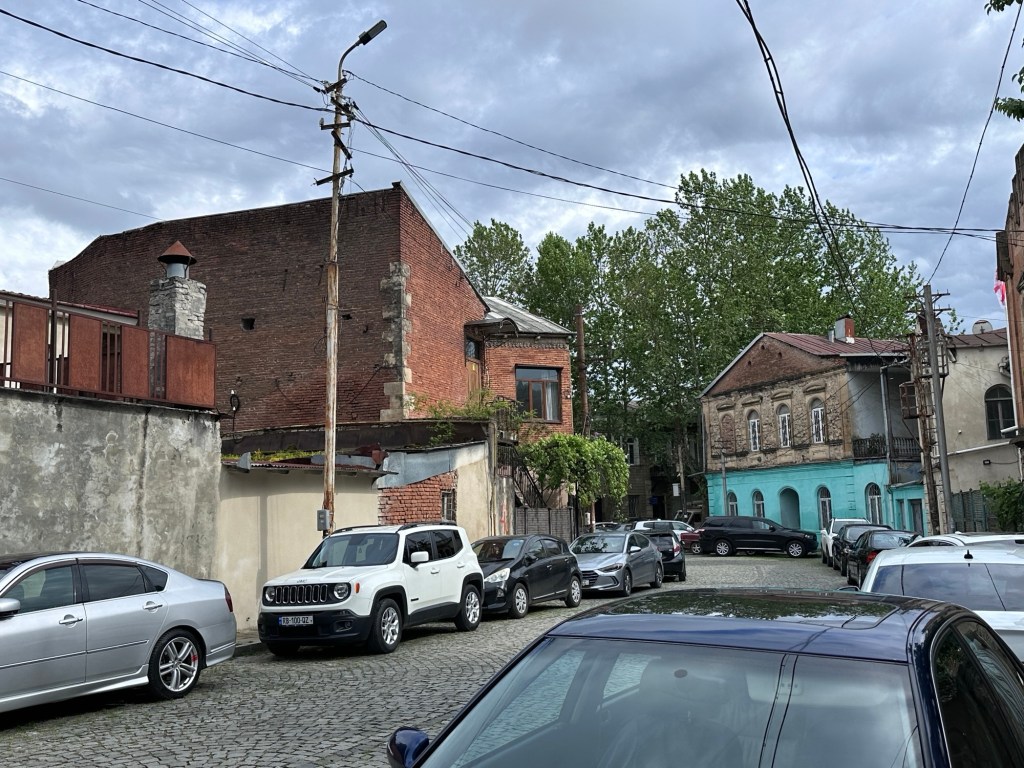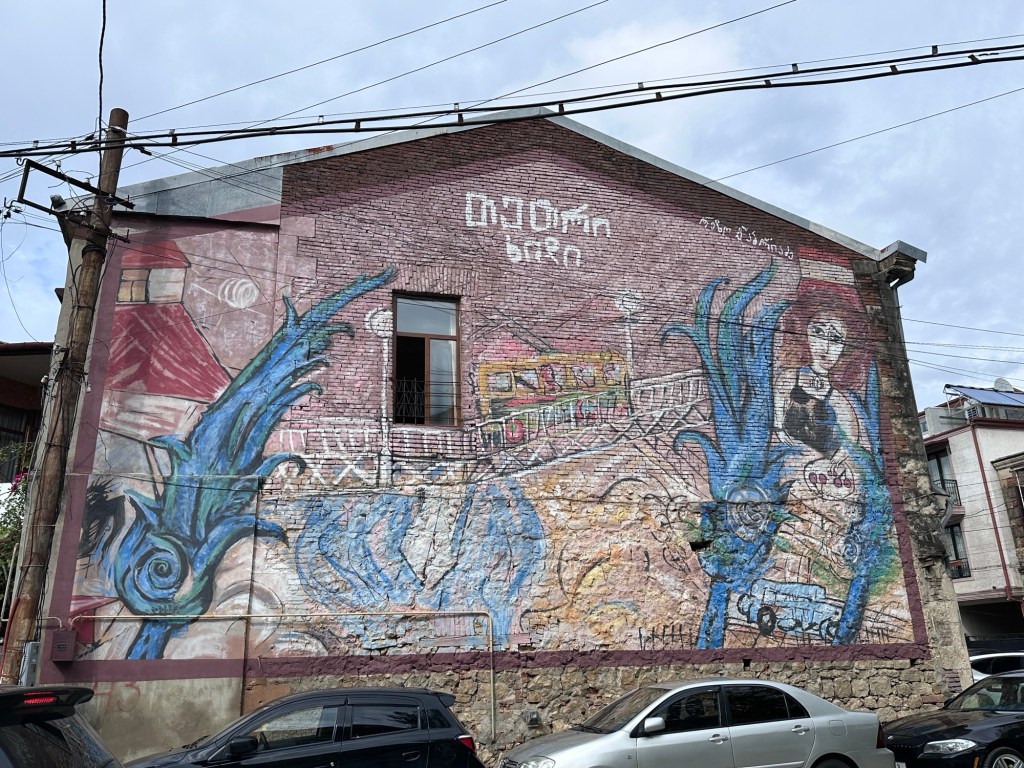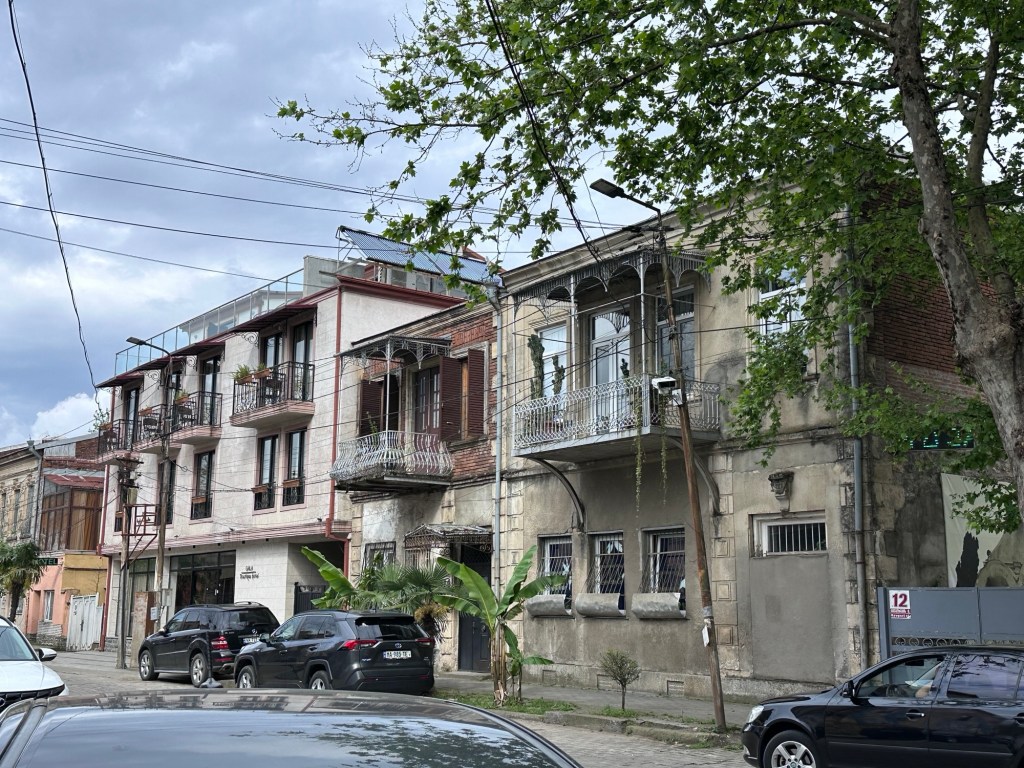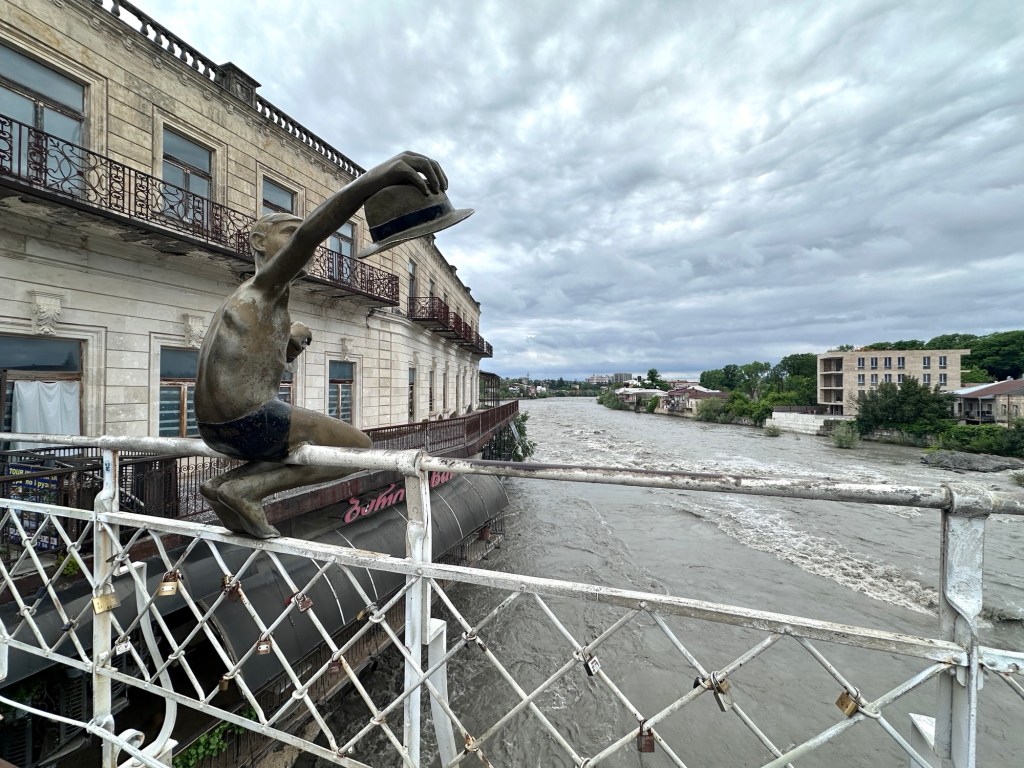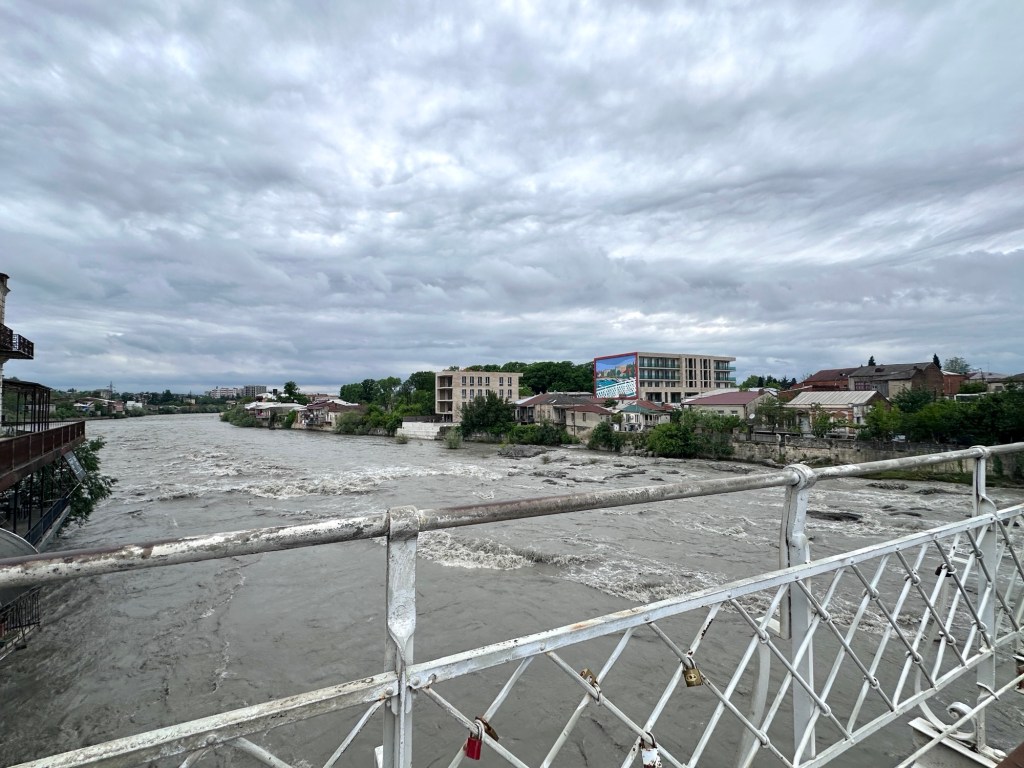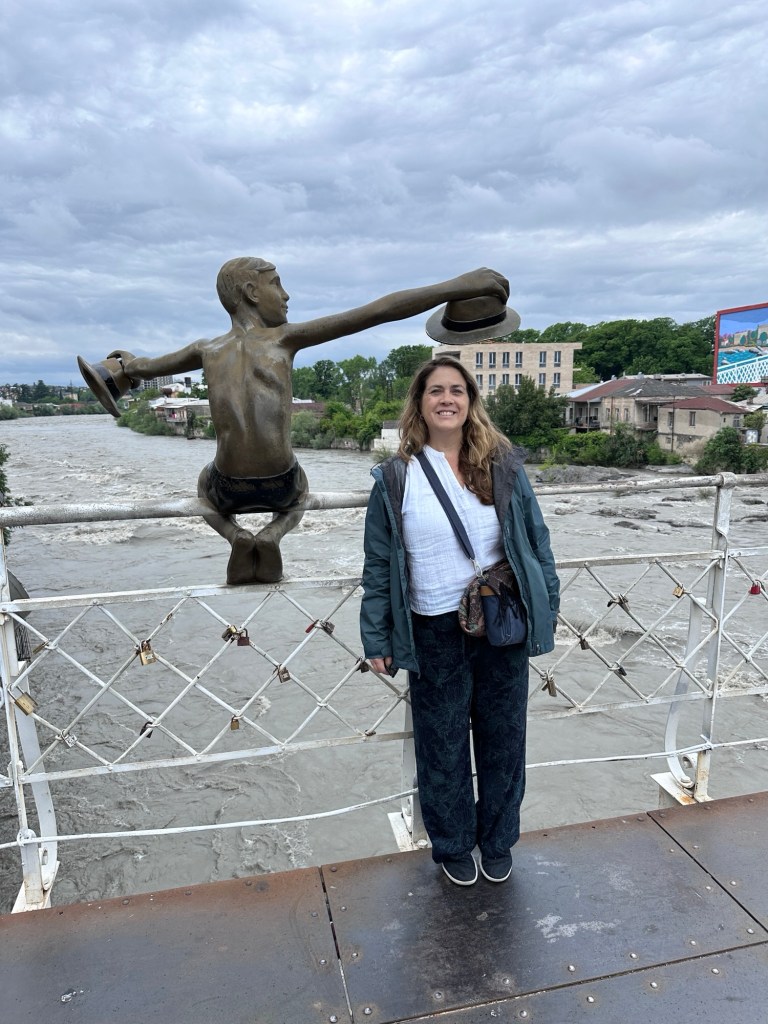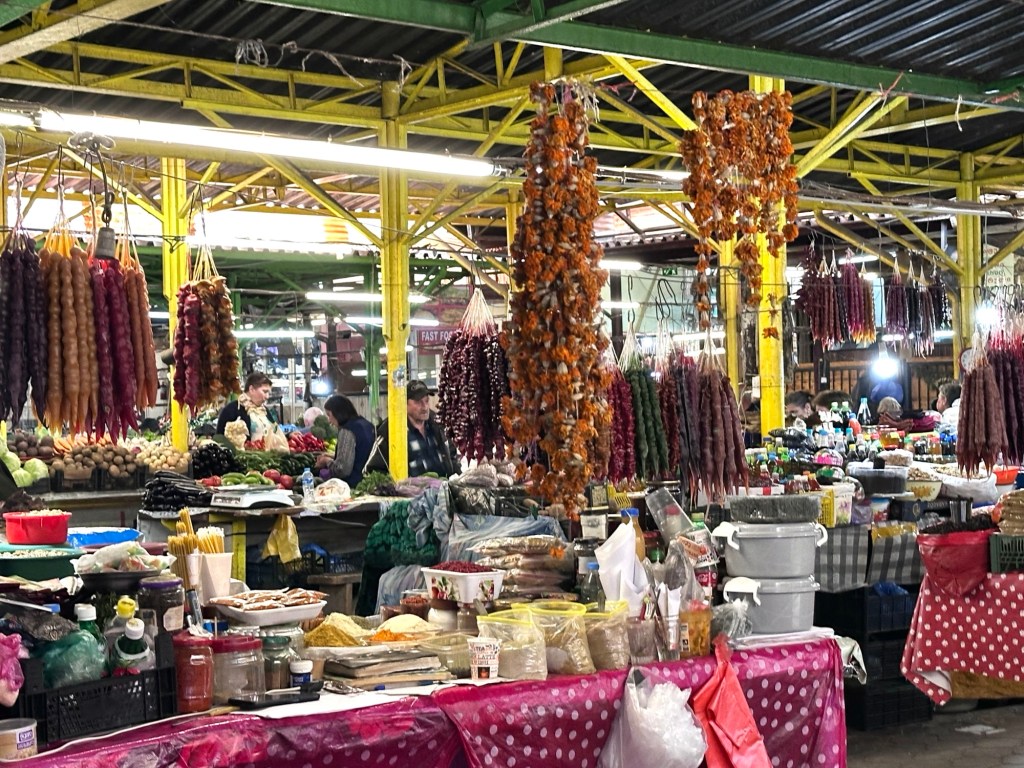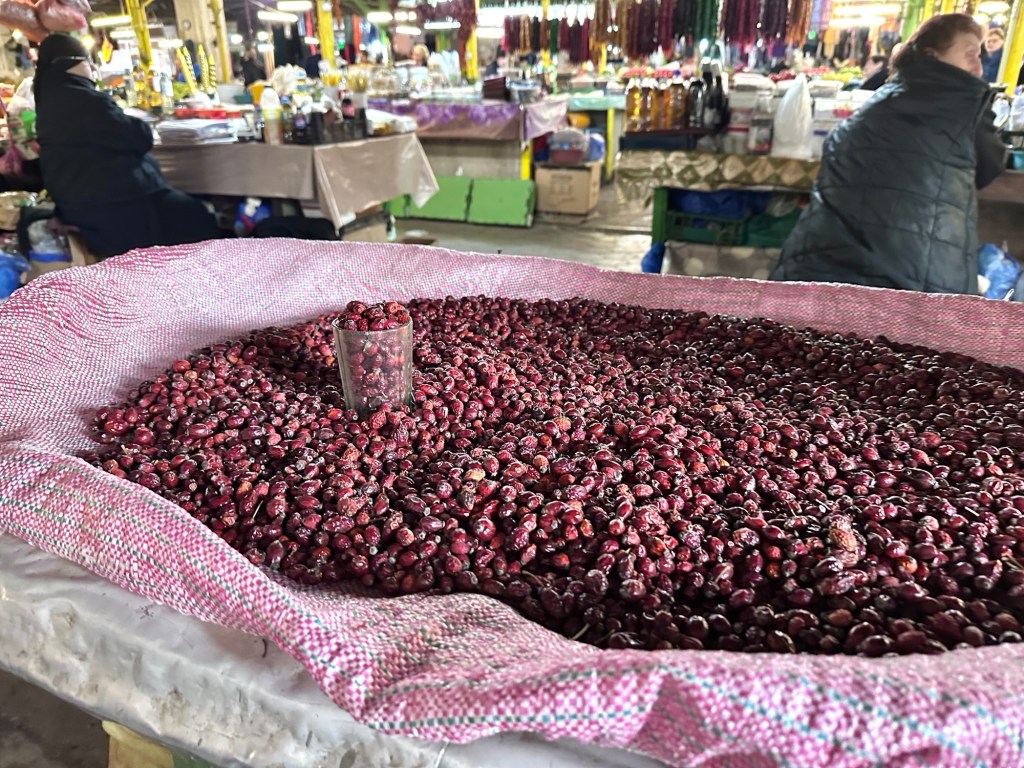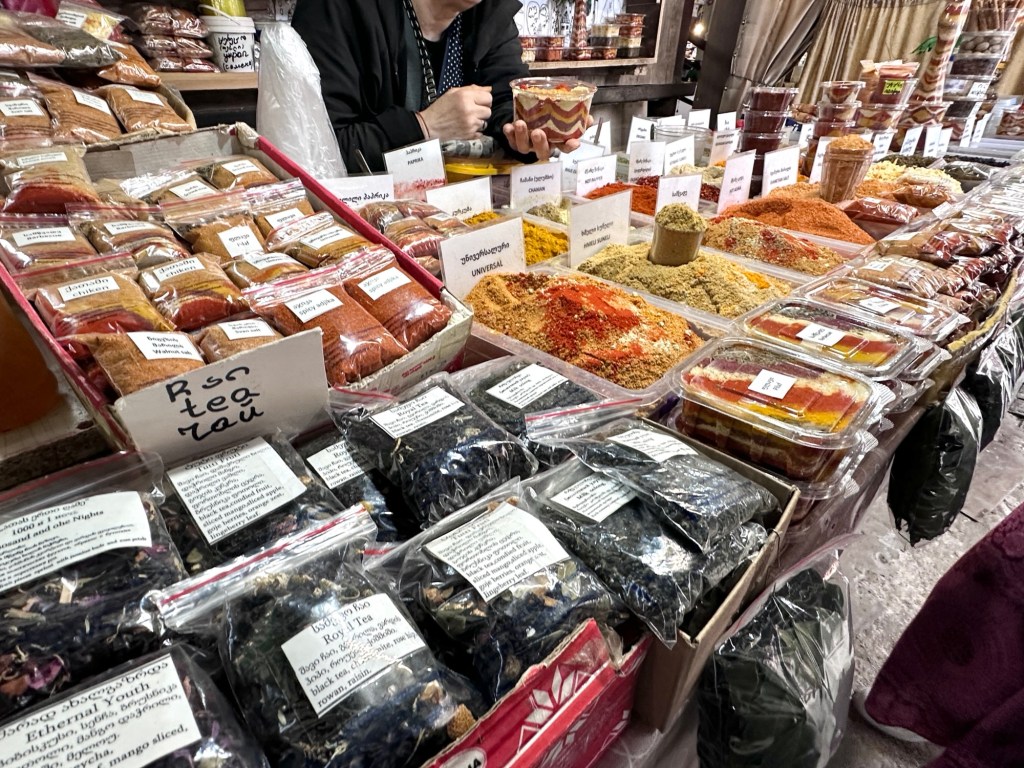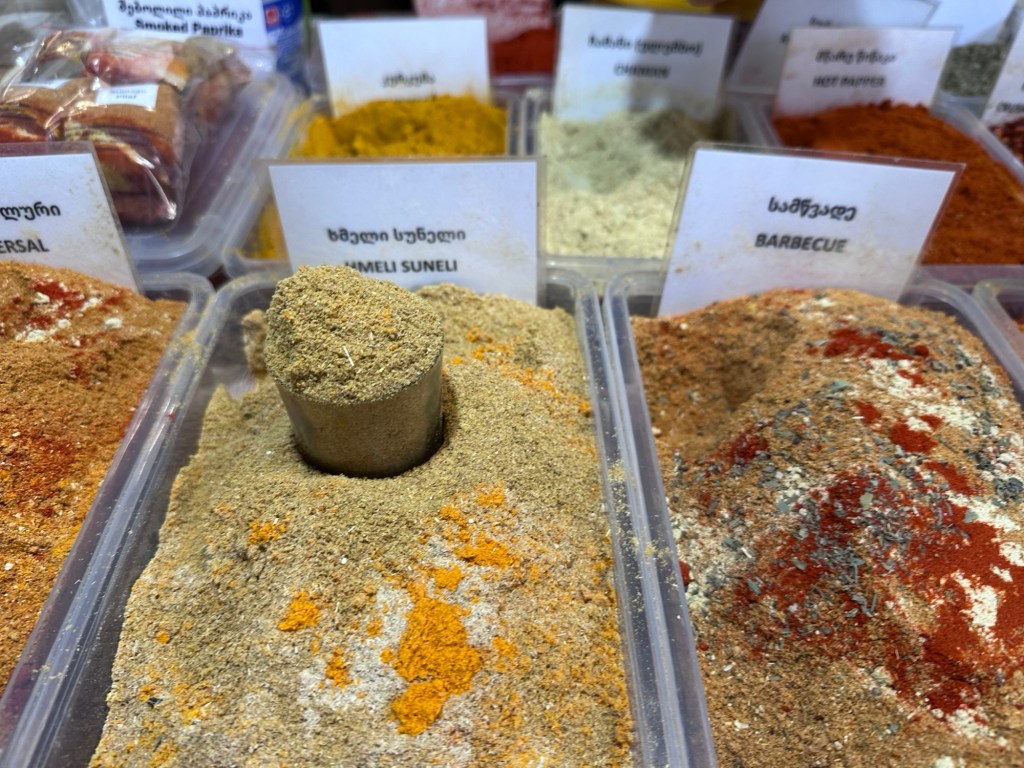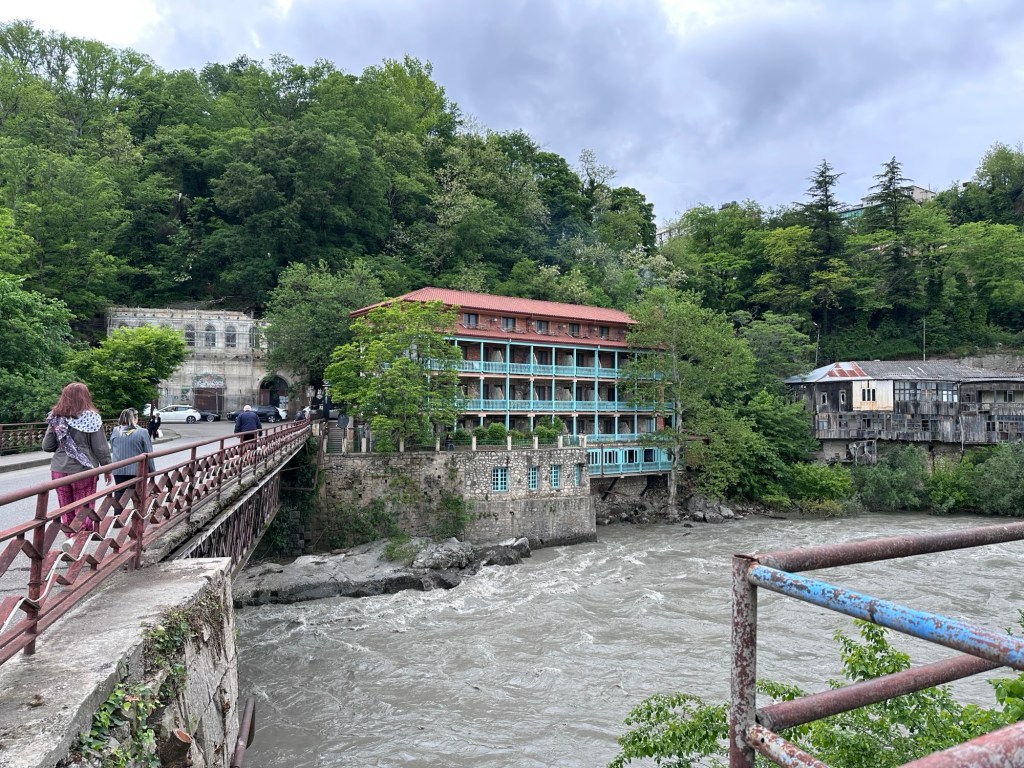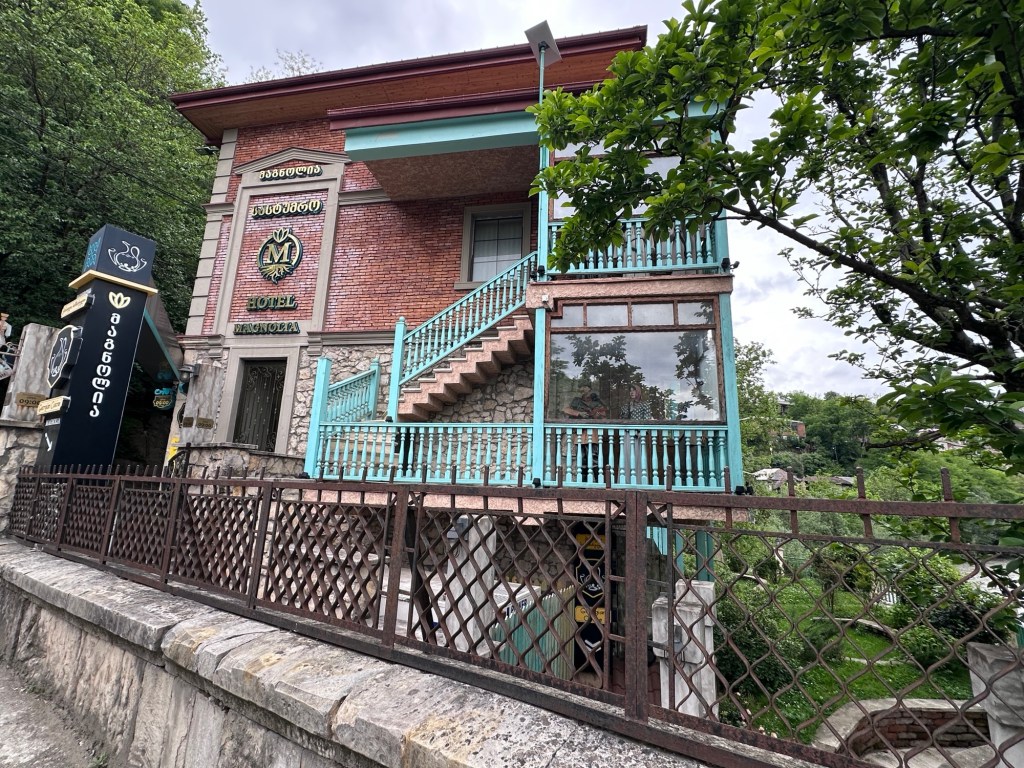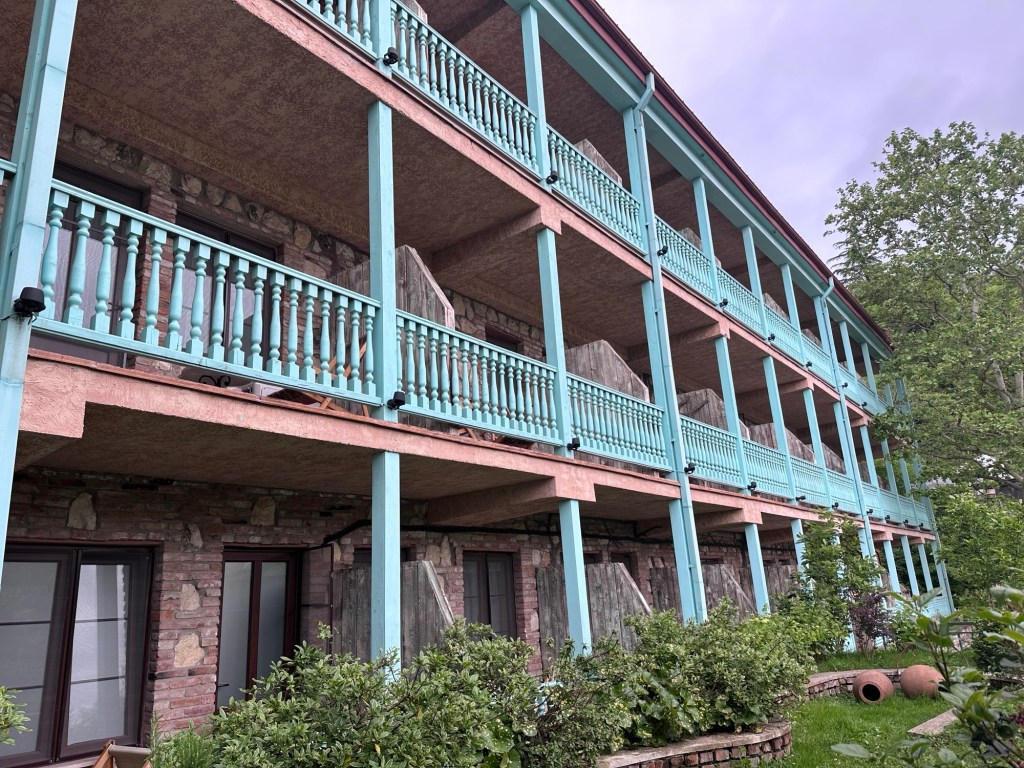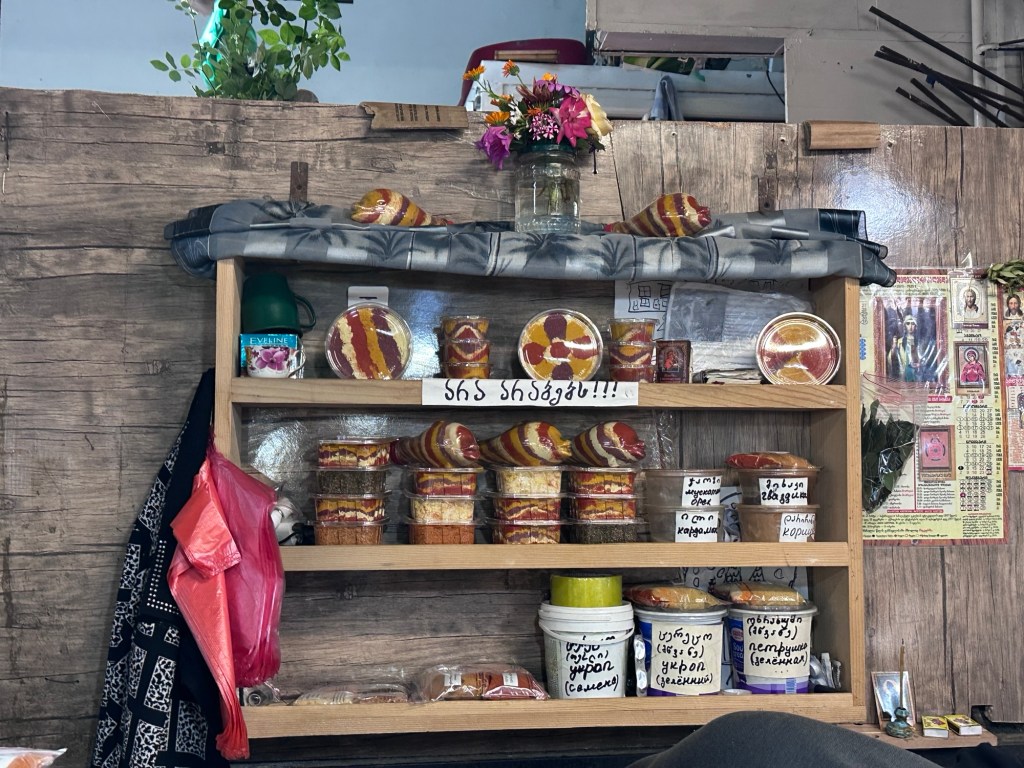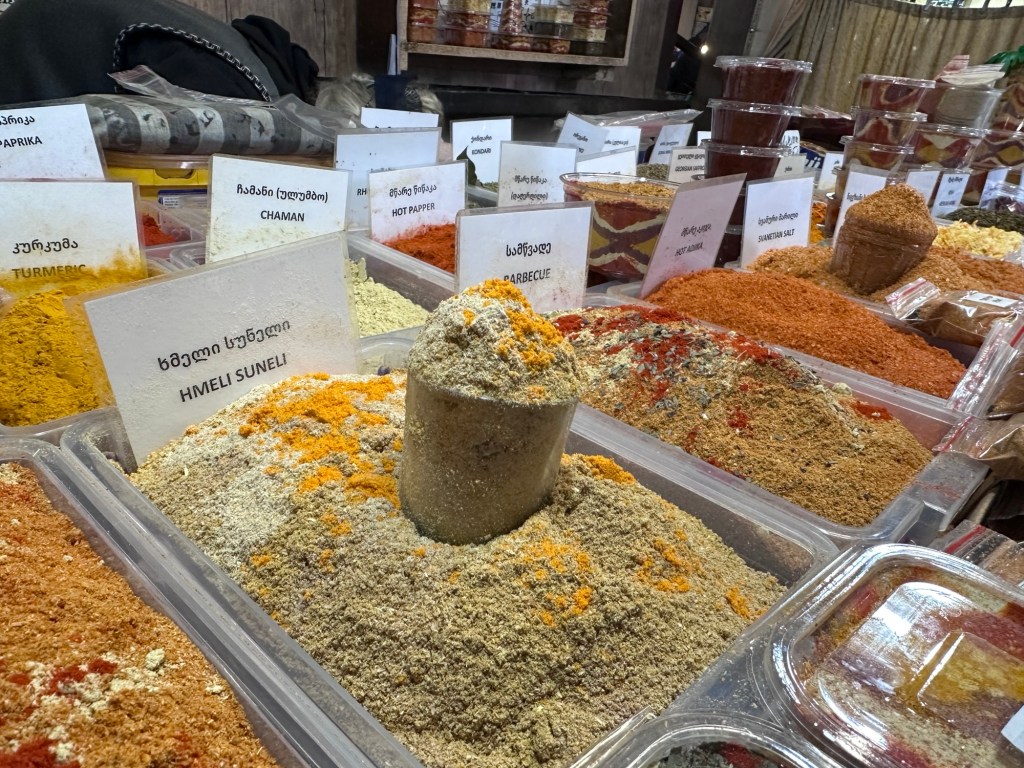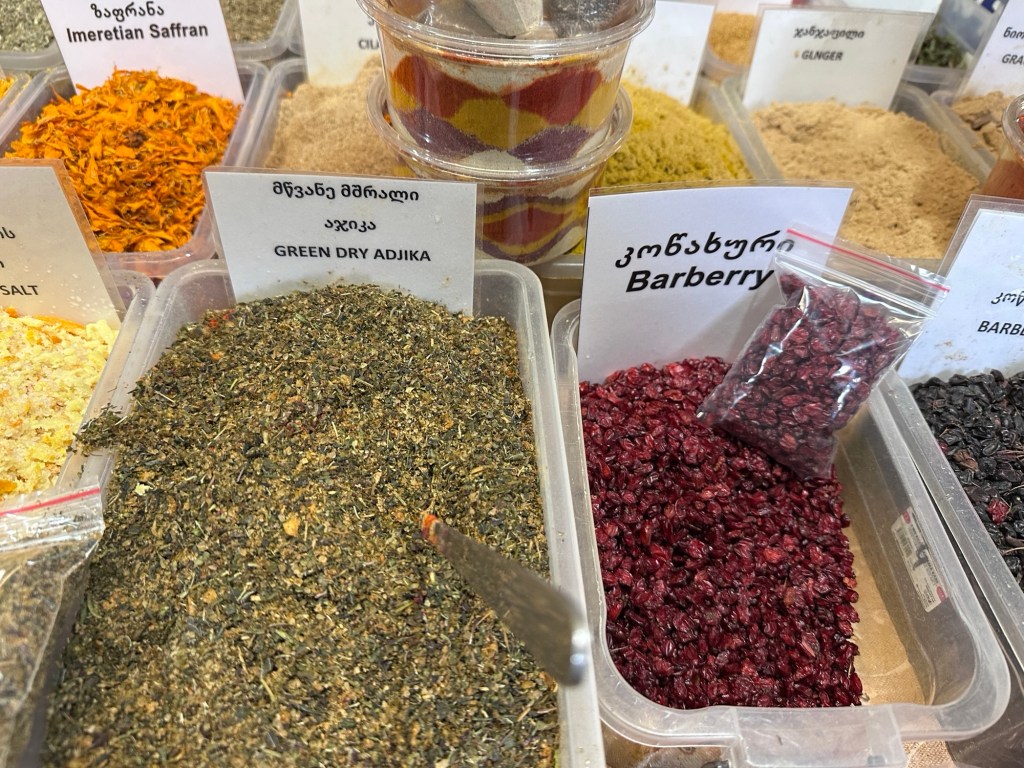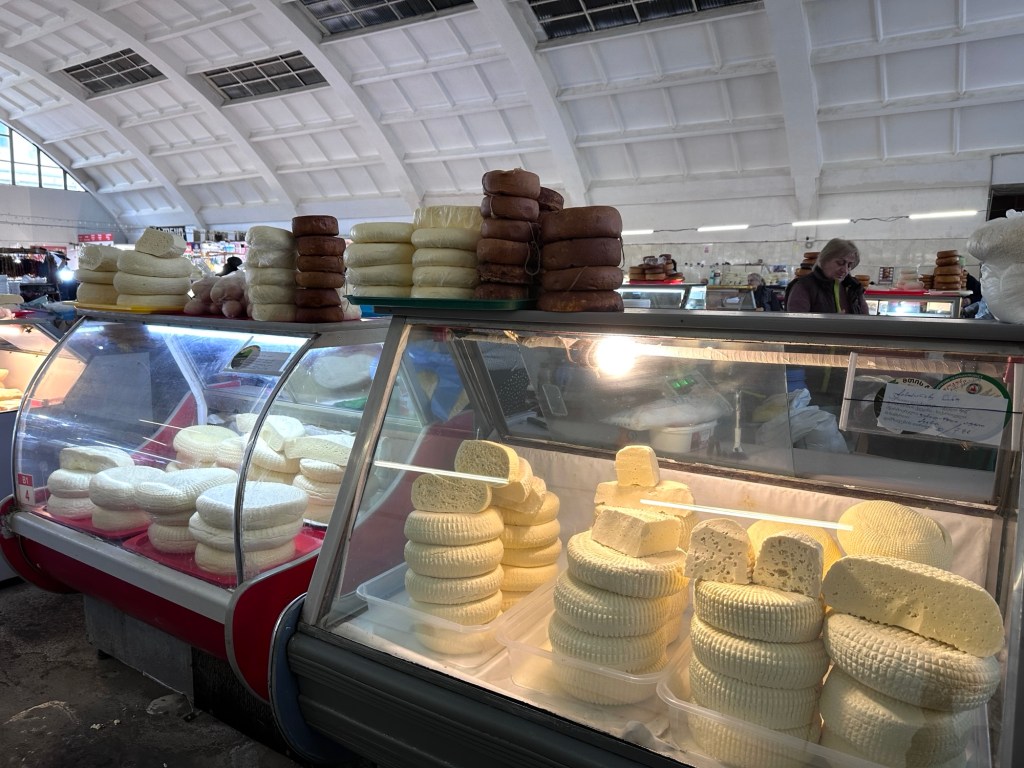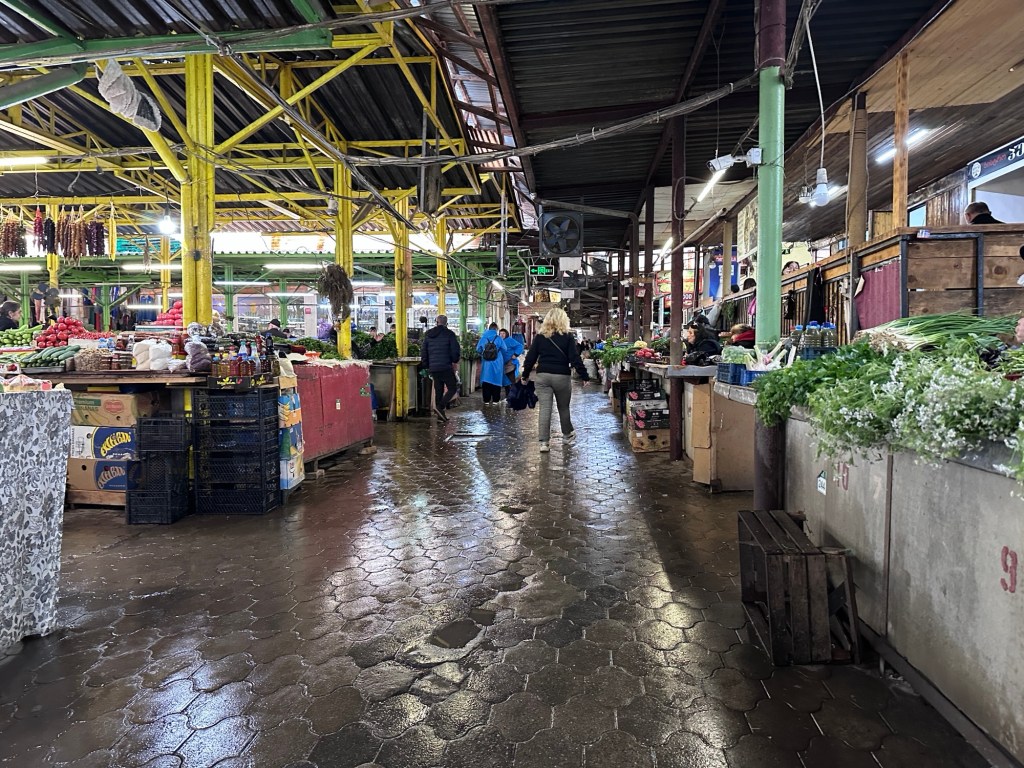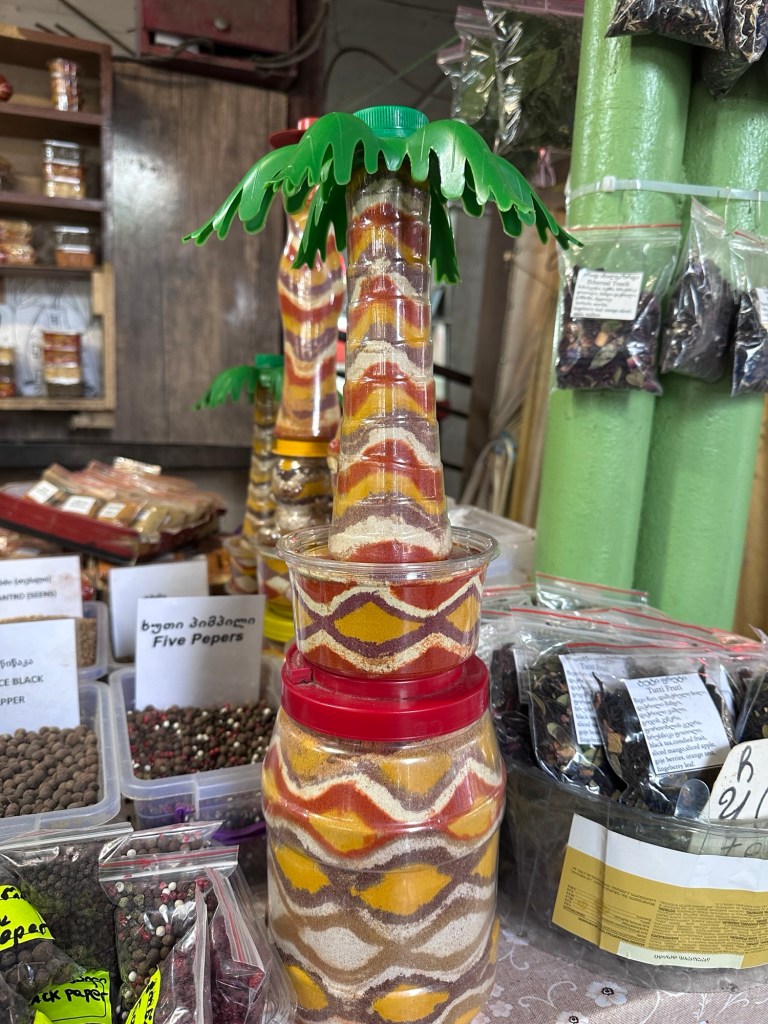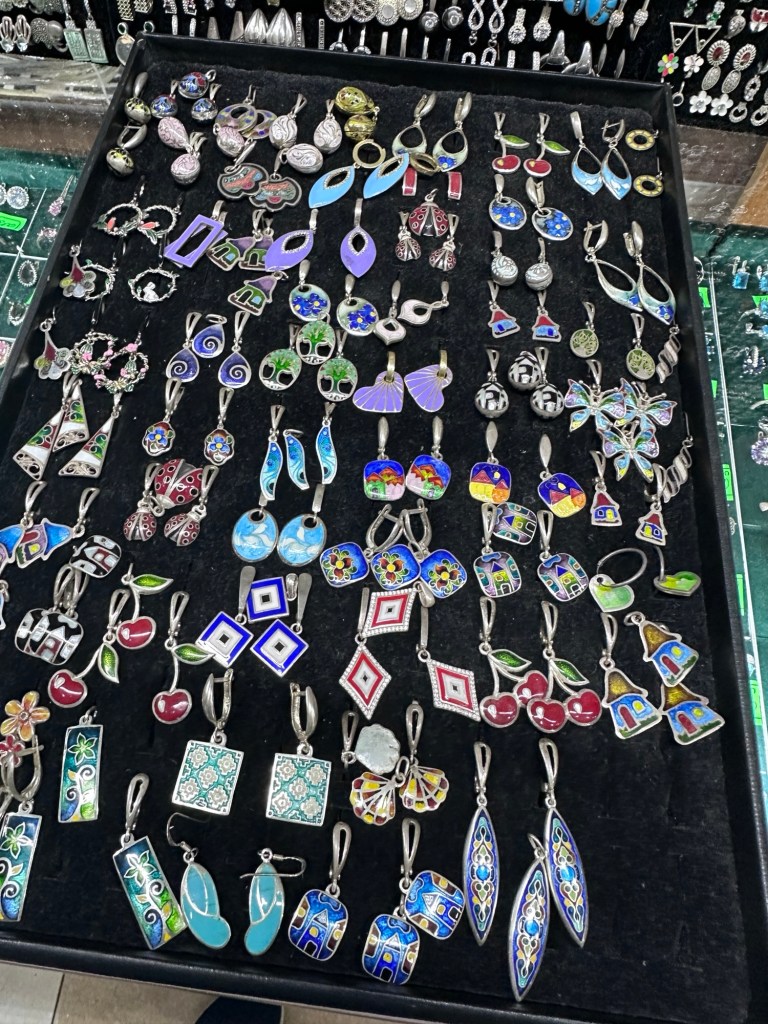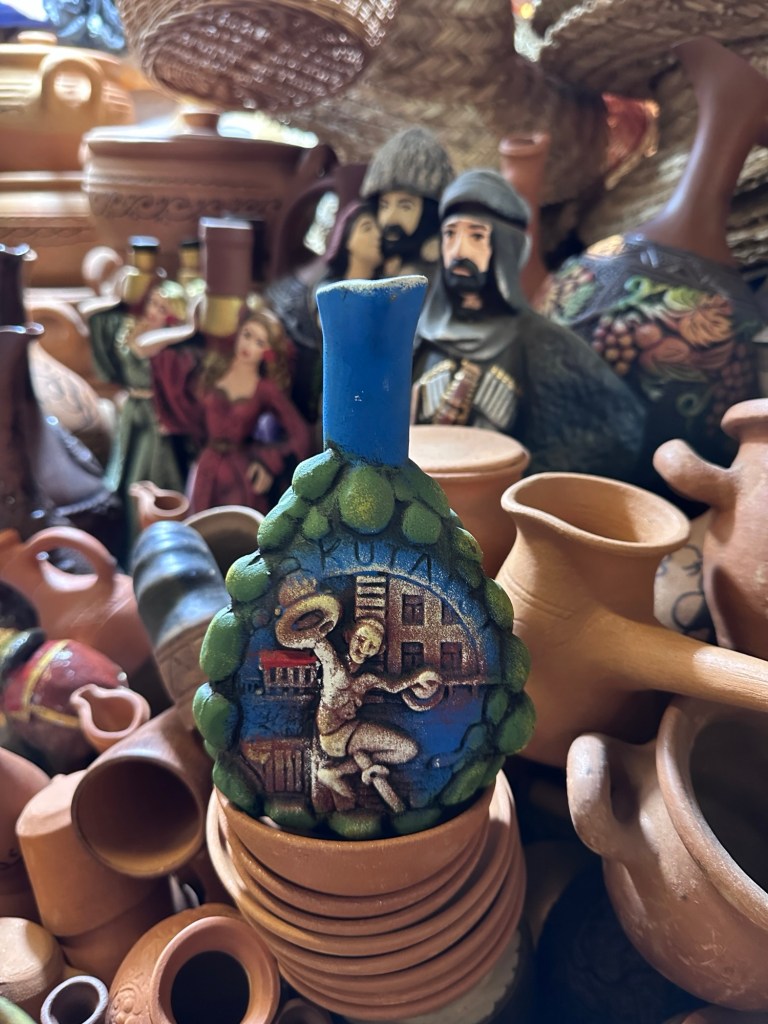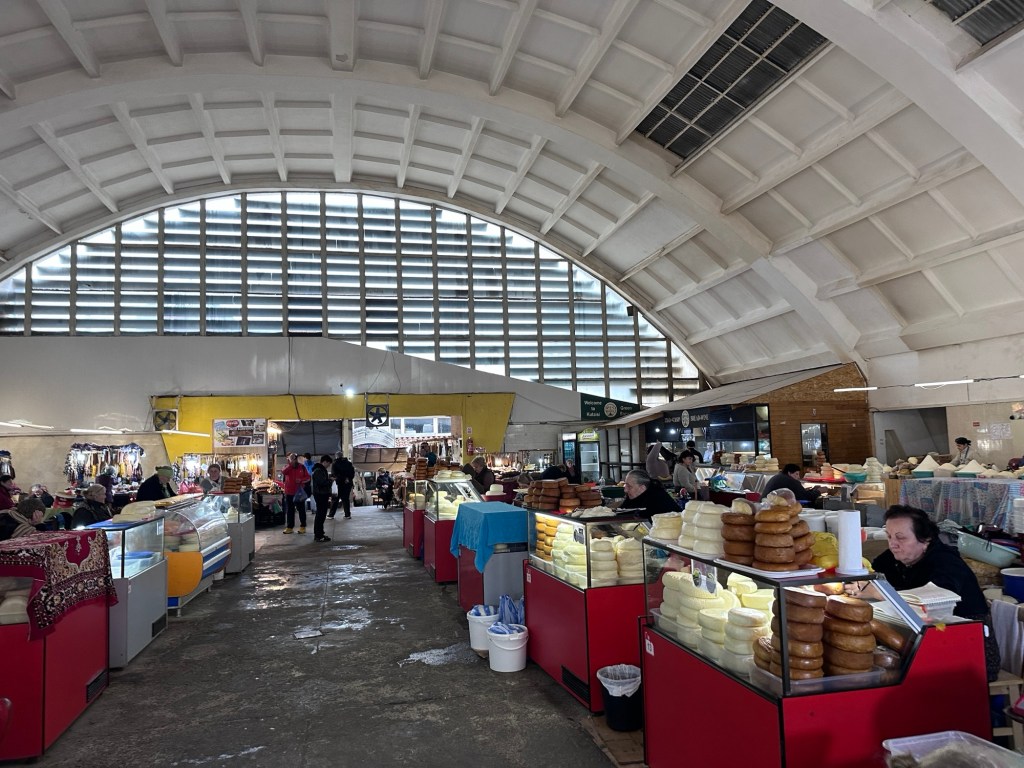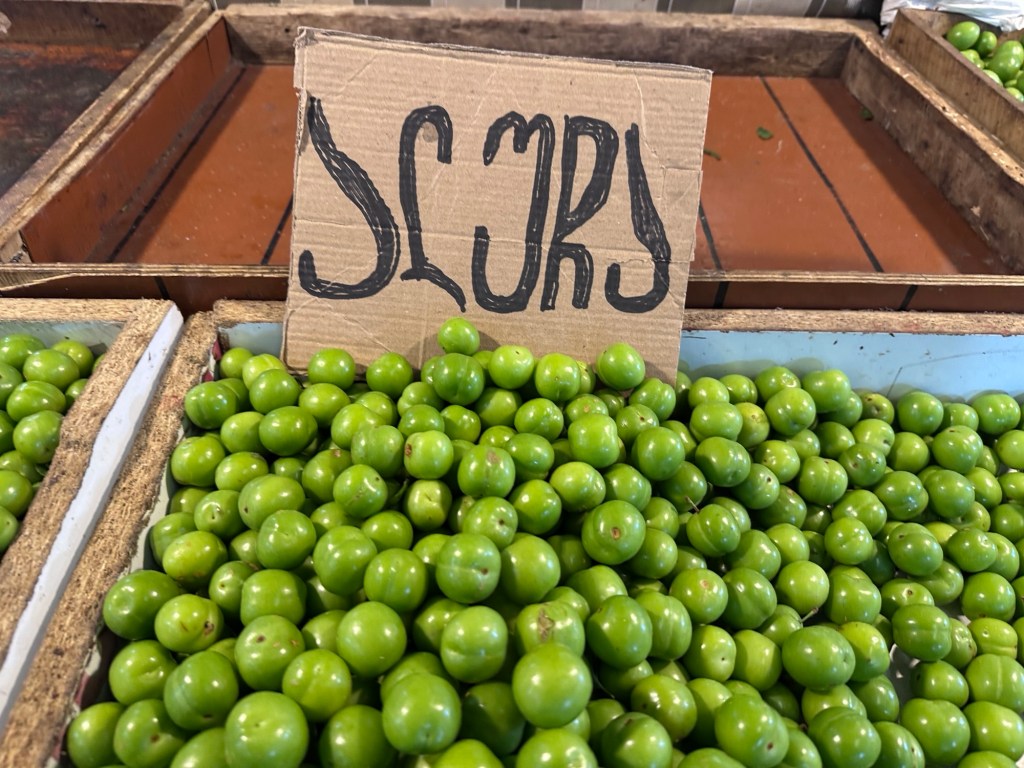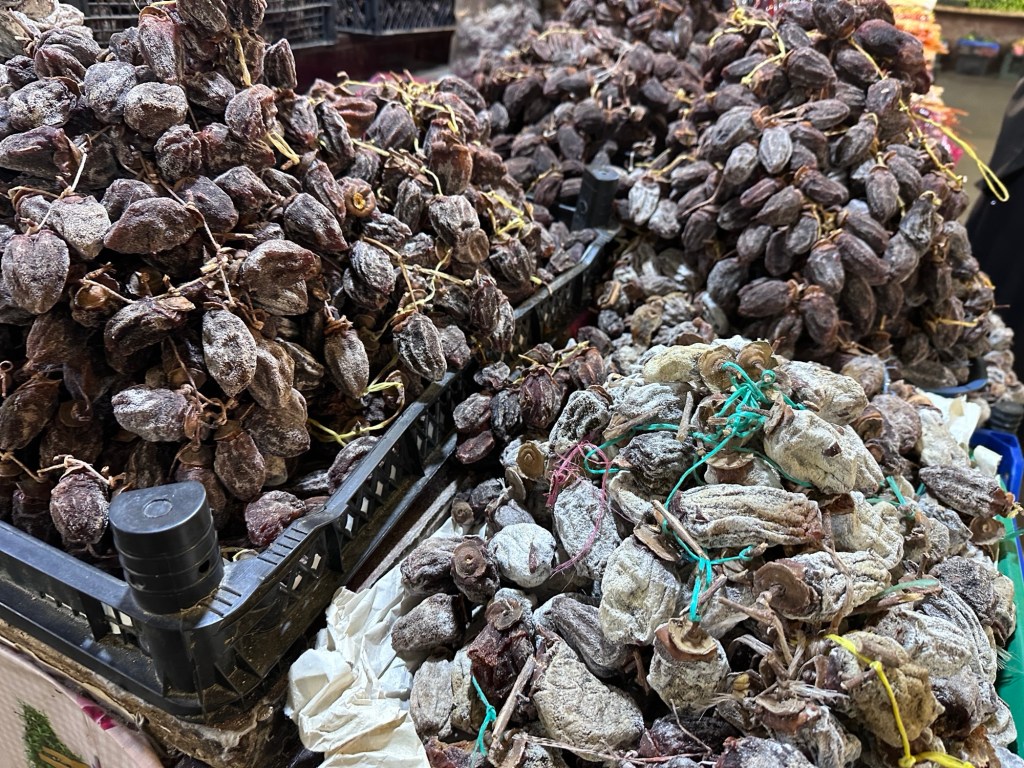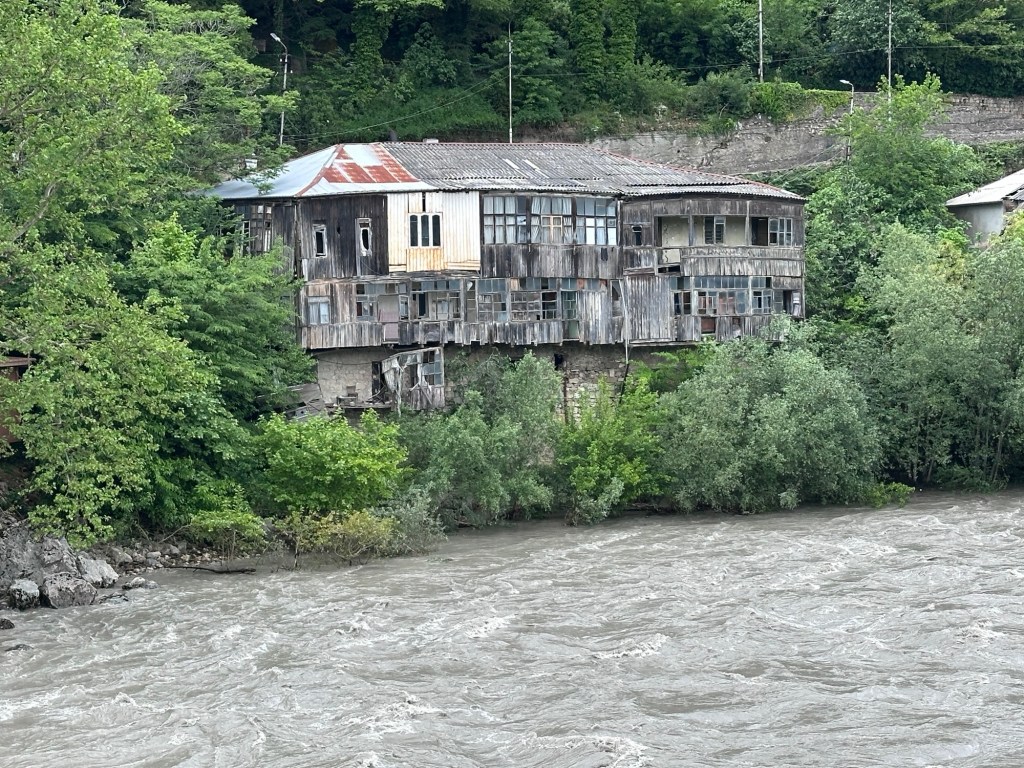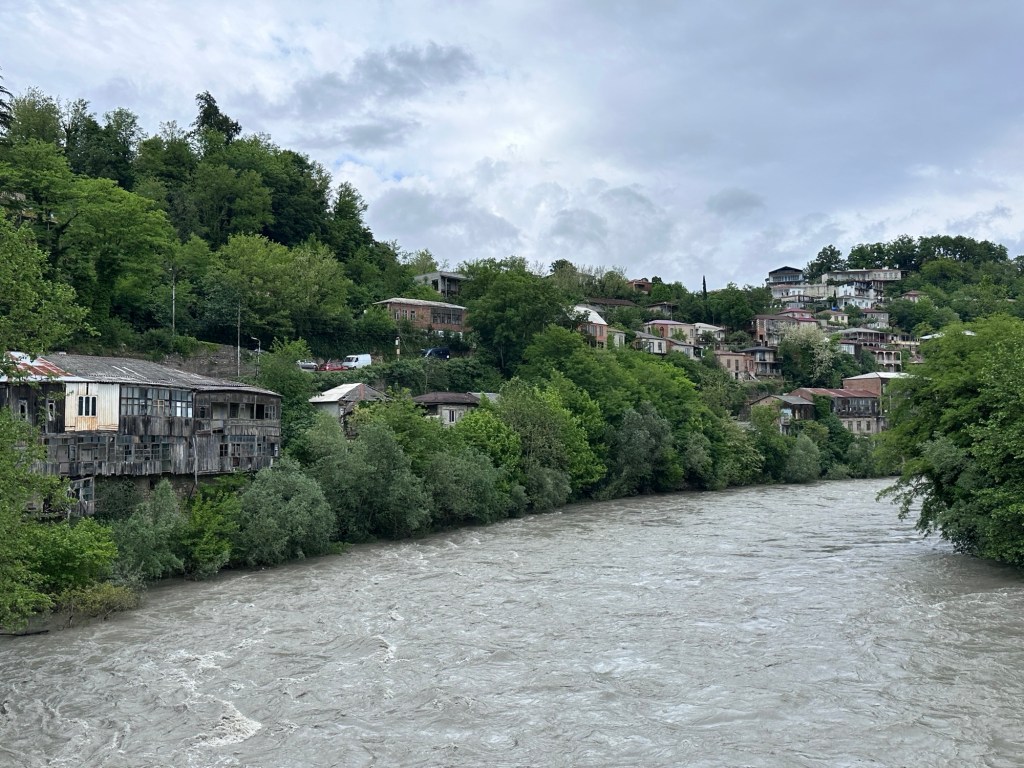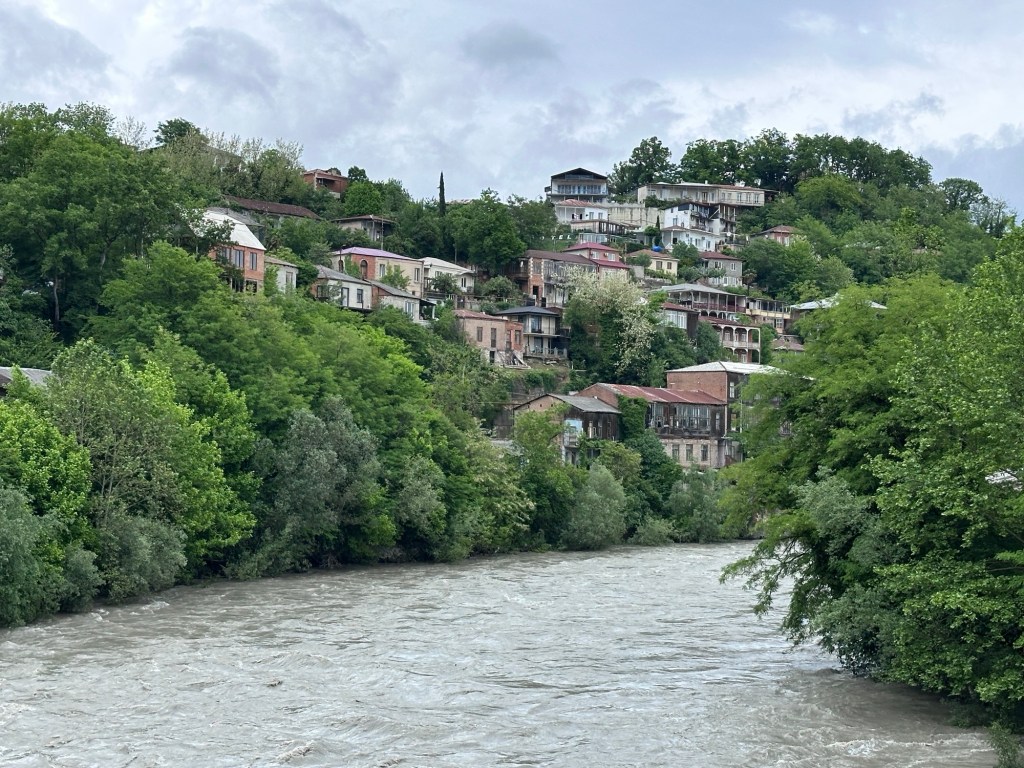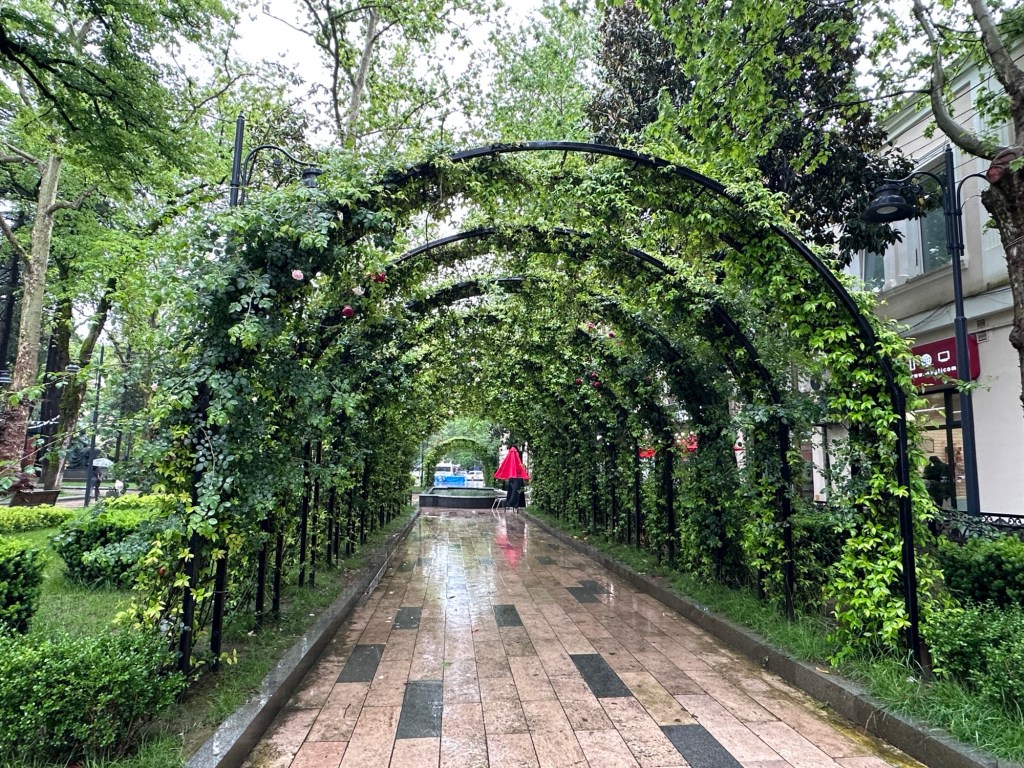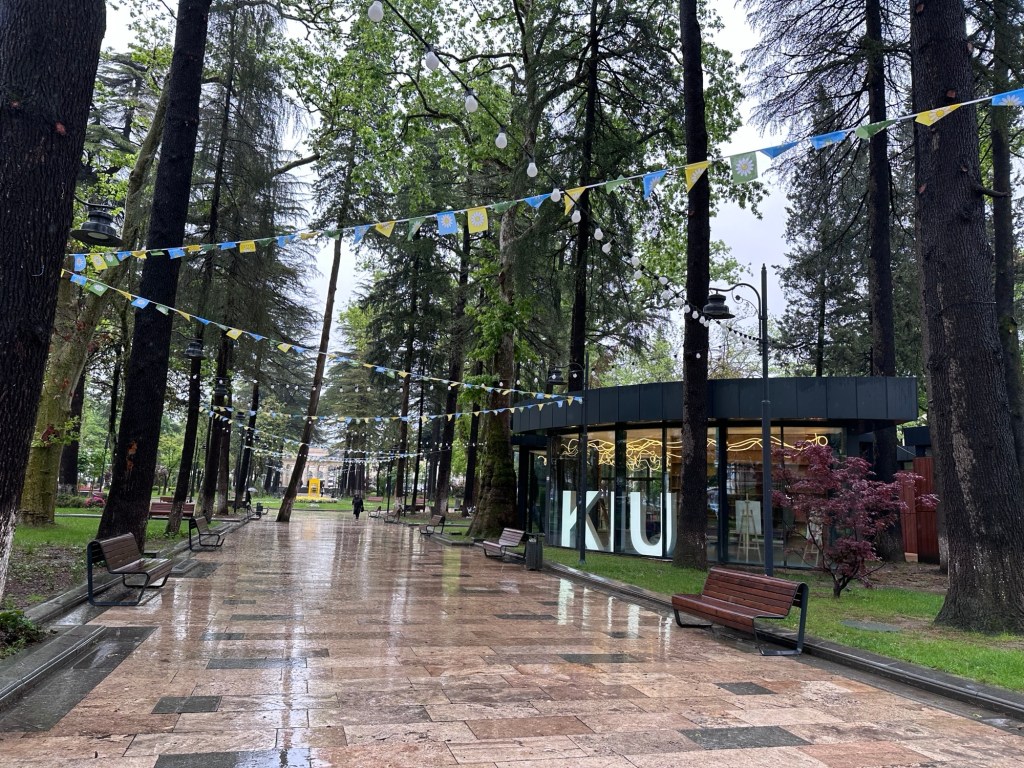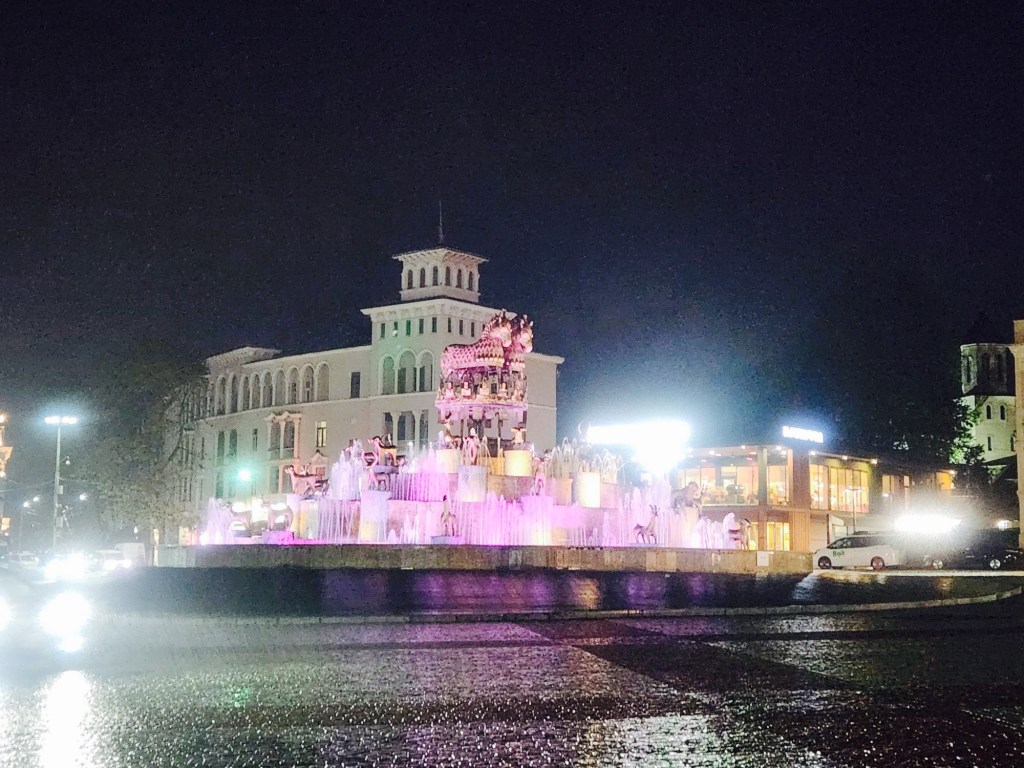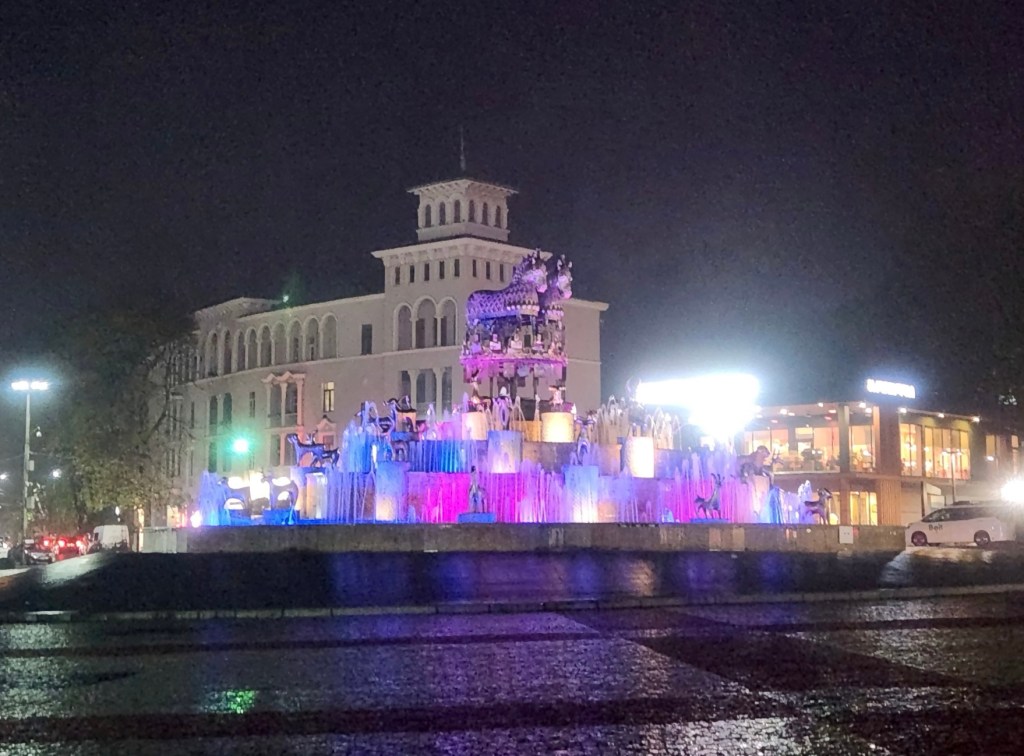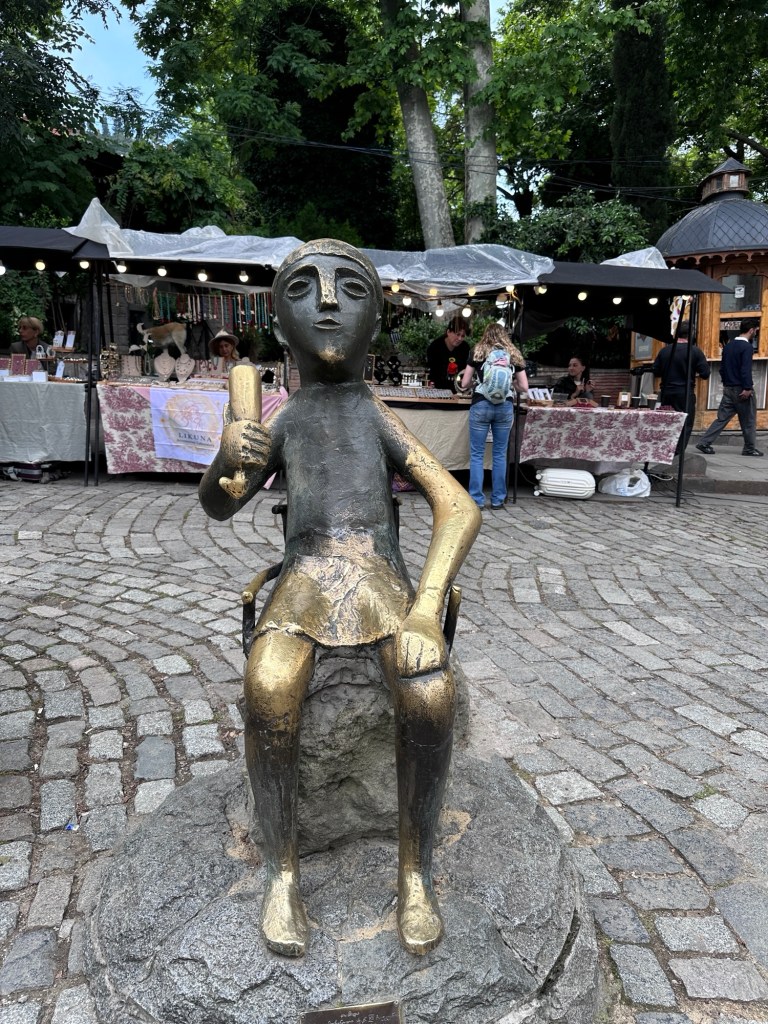
Arrived in the Republic of Georgia

I consider myself a well-traveled person but the list of places I still want to visit is quite long. When planning my next overseas trip I came across a tour in the country of Georgia. Not knowing much about the country I started reading about the country that was once part of the Soviet Union. This particular tour is an all women group I am part of online; I have been intrigued with joining one of their tours for a few years now. I quickly booked the tour last fall, putting a deposit down on a single room – I don’t mind touring with strangers but sharing a room with someone I don’t know is just not what I am willing to do anymore (with the exception of a dorm thing that might be required on some hikes). The tour is short and concentrates only in a small part of the country so my intent is to tour other cities on my own. I start a list of all the other places I am interested in visiting and gathering logistic information. Originally I set off on planning a road trip for the solo portion of my trip. Meanwhile a friend inquires on joining me on part of my trip. She’ll travel with me before my scheduled tour.

I continue building the itinerary, filling in more details but it seems like the activities I have planned at best will leave us very exhausted. We devise a new plan to limit our stays to two cities and use day trips to visit locations outside the cities. In this plan we no longer need a car rental. Our new plan works out well for the most part with a couple exceptions that I’ll describe later.
There are two flights to get to Georgia and that includes an eight hour layover in Munich. Both of us have been to Munich before but eight hours seems to long to lounge at the airport. We make a plan to travel into Munich for our long break. The airport has other plans for us, everything we estimated takes twice as long. We wait for over an hour to pass through passport control in order to be able to exit the airport. They have us wait in a long line for the machines to complete our first steps and then are told to move to a “faster” line on a different floor but that line ends up being even longer. By the time we get past passport control it only makes sense go with our backup plan – take a bus to the even closer Bräustüberl Weihenstephan in the town of Freising. Weihenstephan is the oldest brewery in the world. Even though I don’t drink beer anymore I order a flight to sample some of them but eventually switch to a good riesling, I do miss the dry German rieslings. We don’t have too much time left to waste so we return to the bus station for our return trip to the airport. We pick up our checked bags and go find our gate for the next leg of our trip, Tiblisi.
We arrive at our hotel around at 5:30 am. Luckily we book the room for the previous evening so the key is waiting for us when we arrive. We shower and take a long nap; neither one of us slept much on our flights. Our alarm is set for ten in the morning. We will still be sleep deprived but we are determined to get on a normal schedule – we have a walking tour scheduled at noon. I wake up but I am having a hard time getting ready for the day. We are very jet lagged.

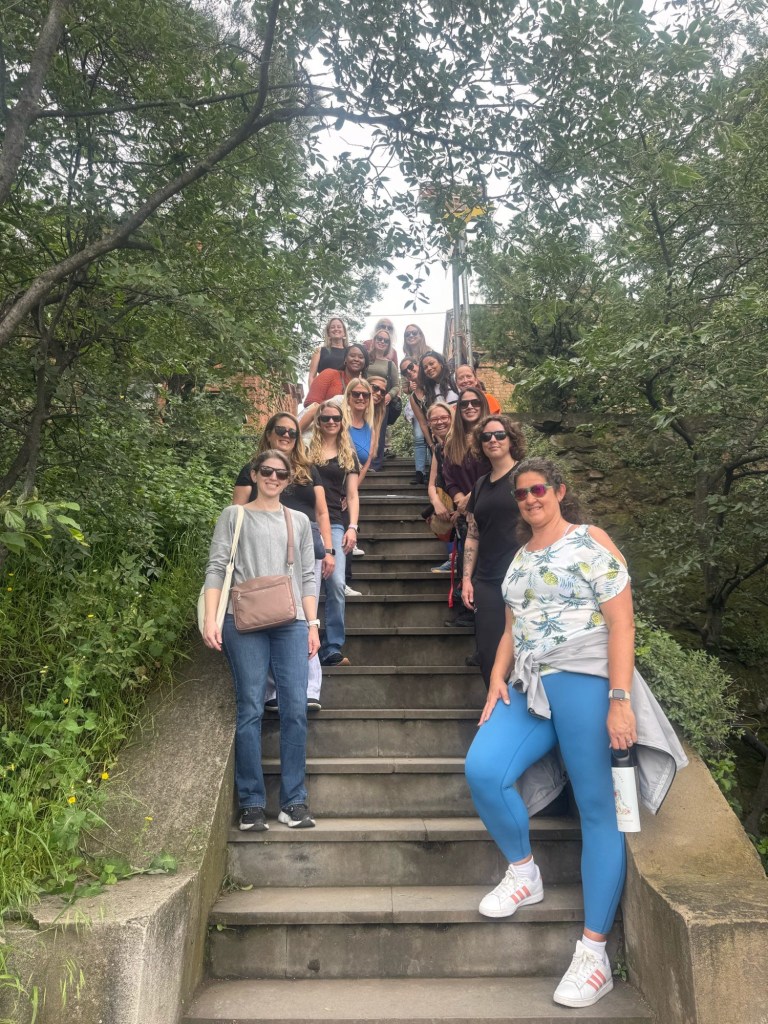
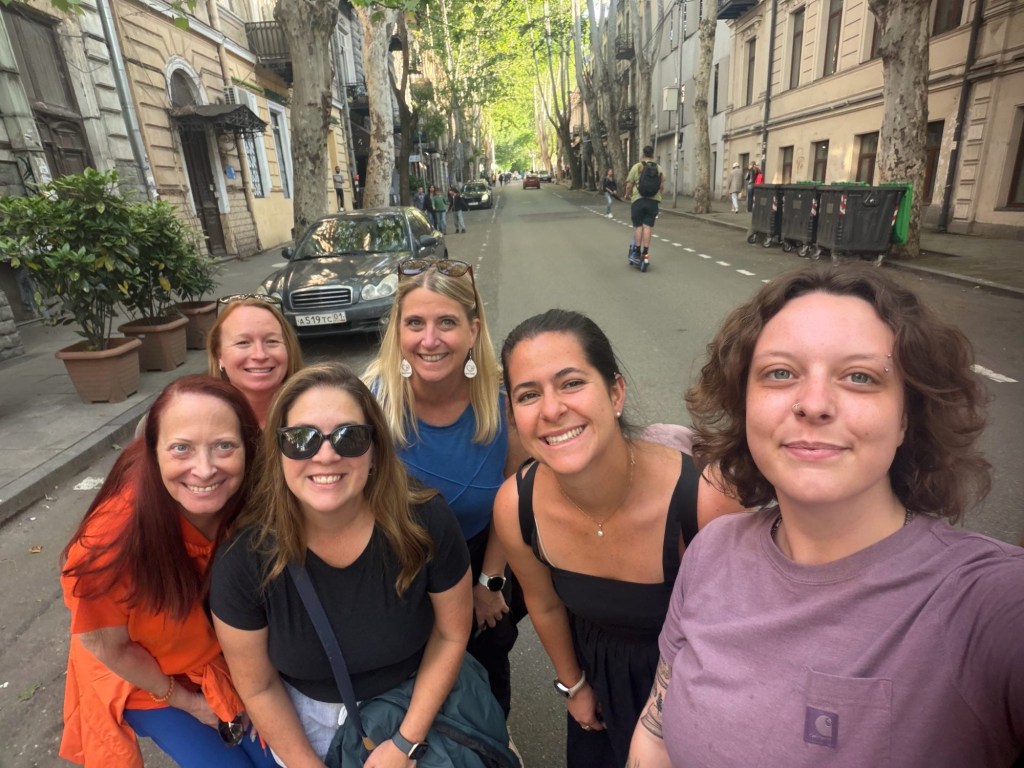
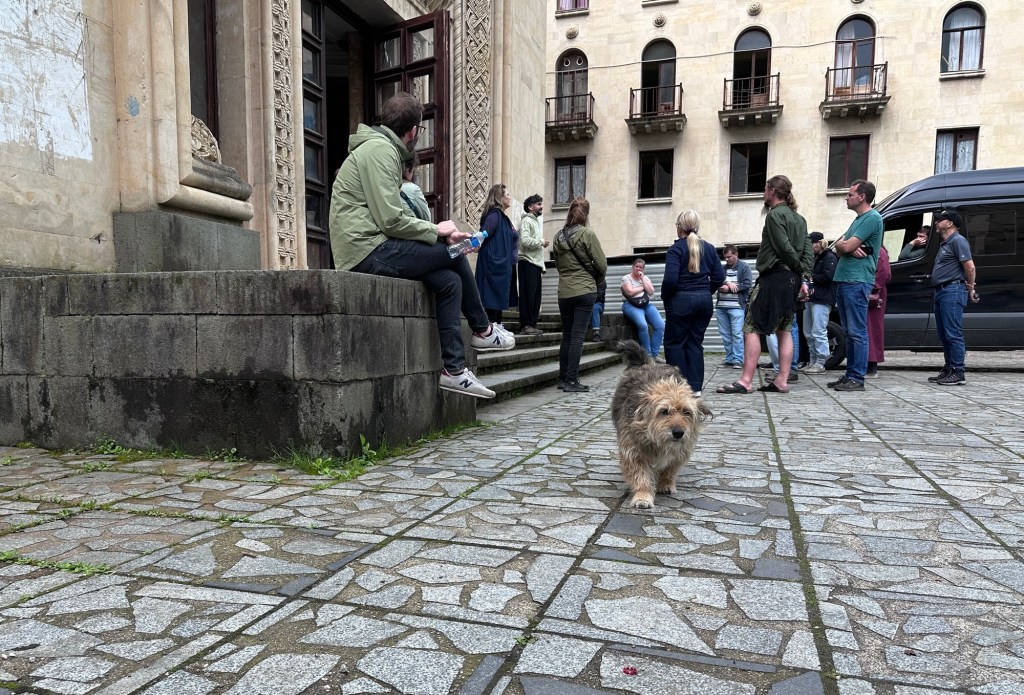
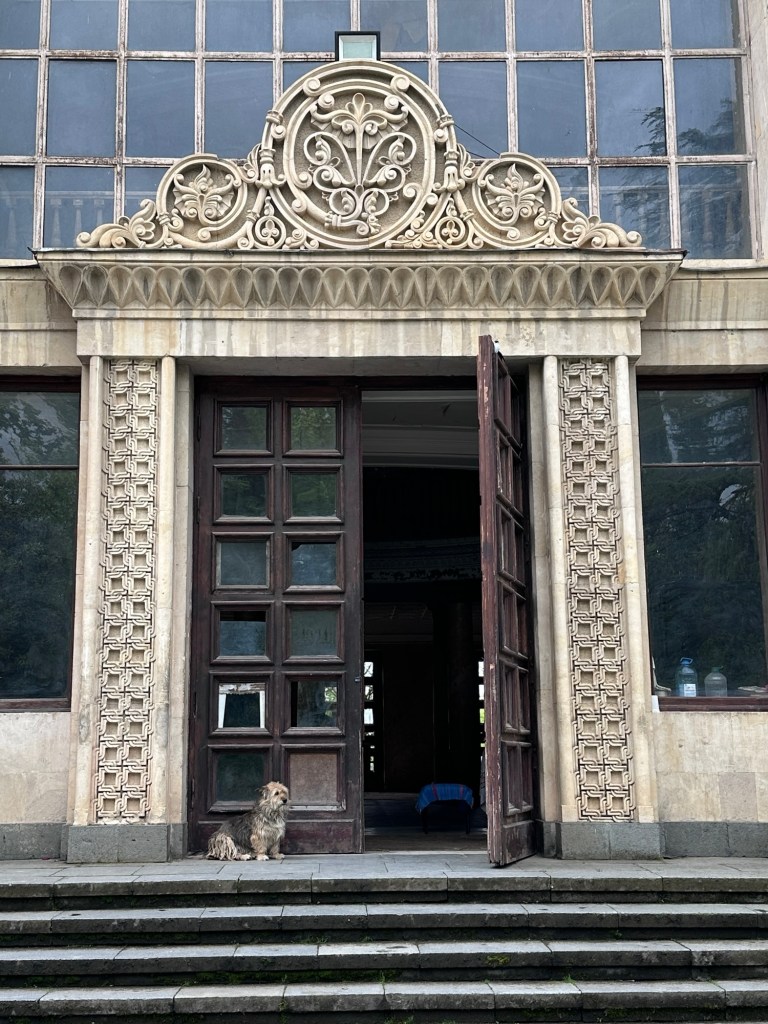
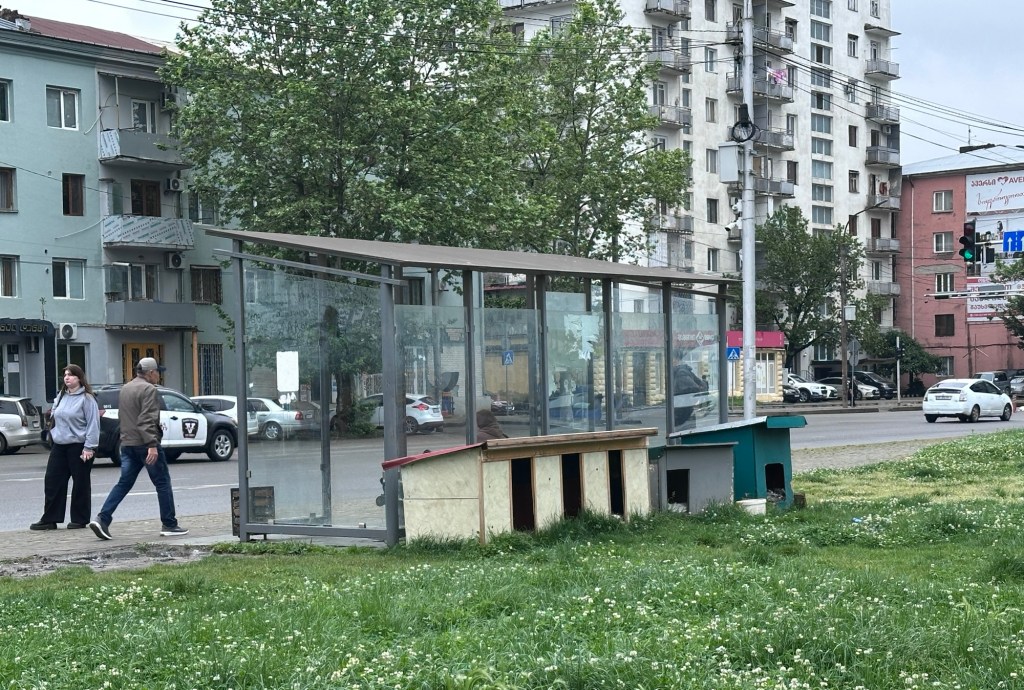
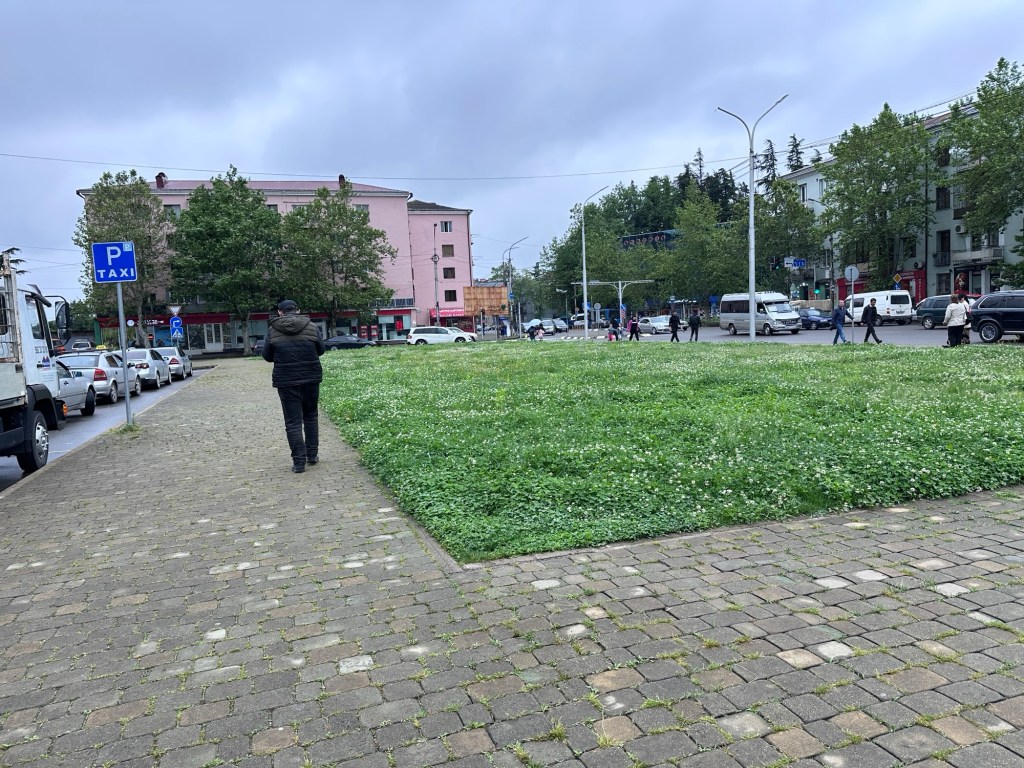
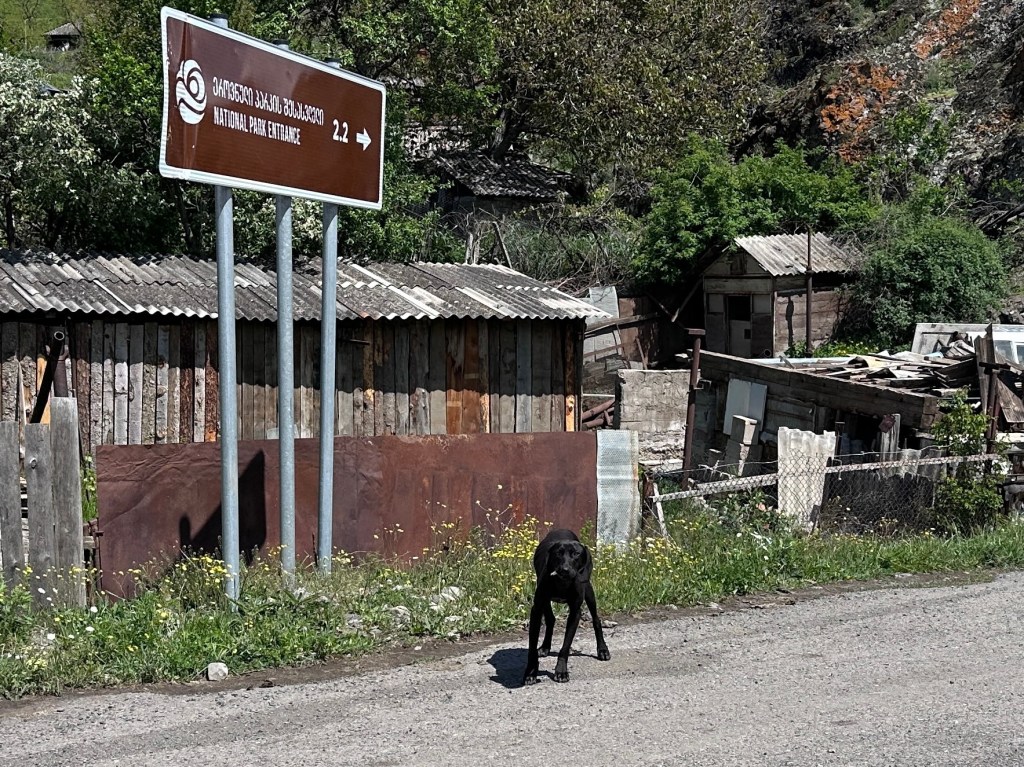
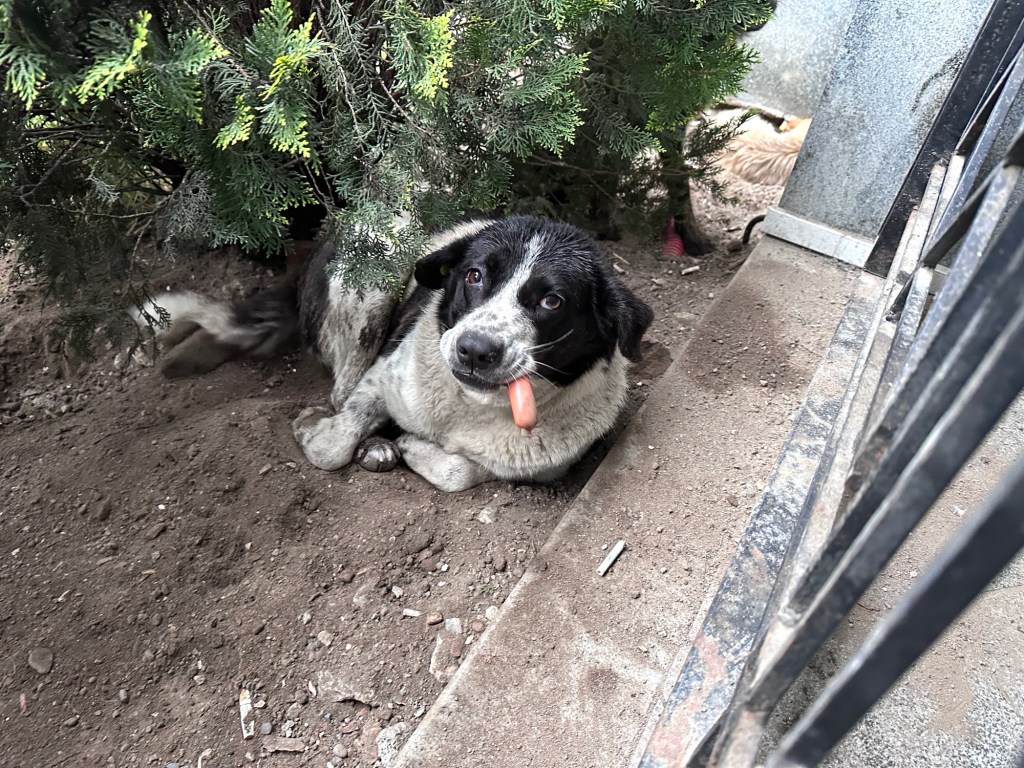
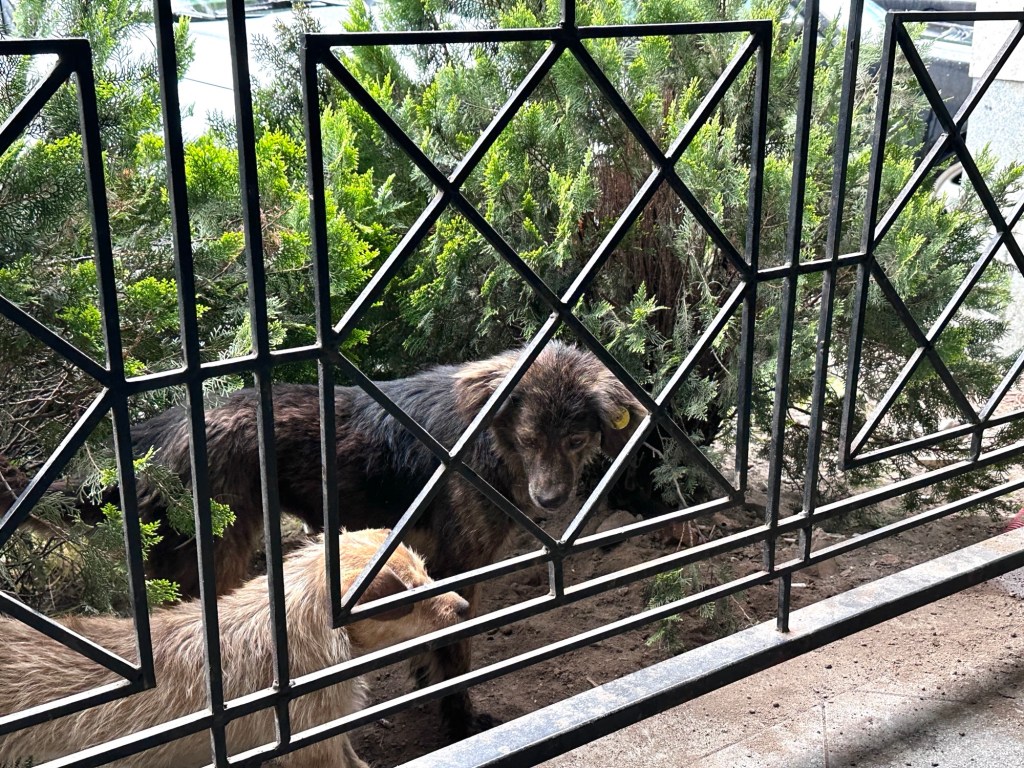
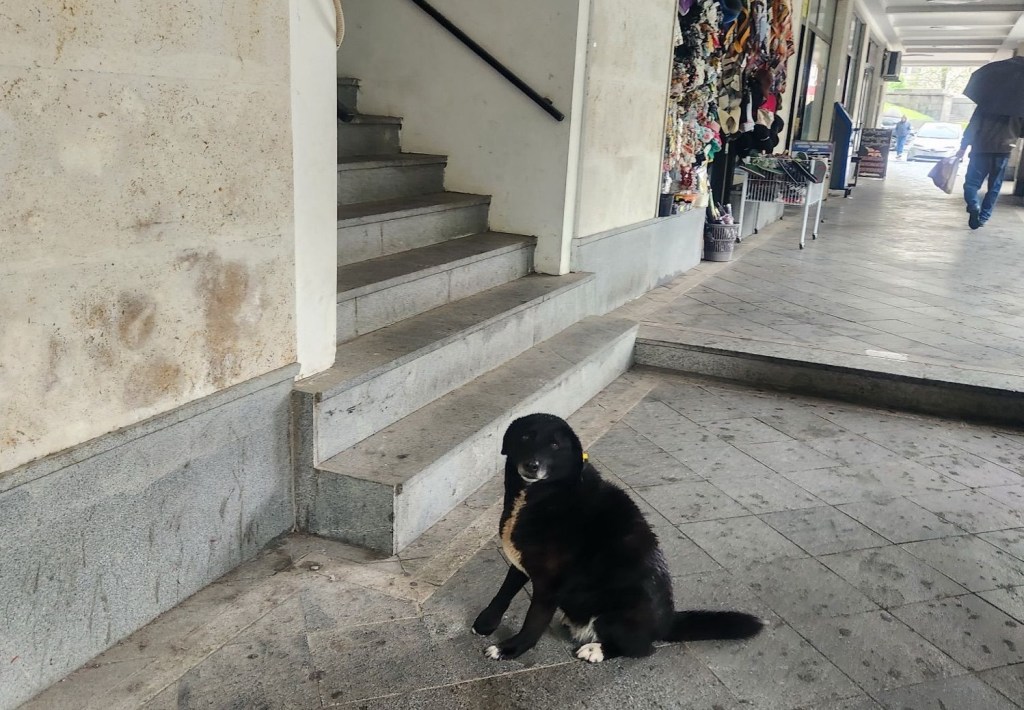
We meet up at Freedom Square and a local guide starts our walking tour around the city. During introductions a dog joins us and makes his presence known by barking and approaching everyone in the group. He is one of many Tbilisi street dogs, the large group of unhoused dogs that roam the streets. The dogs are homeless but are vaccinated and somehow well cared for, at least most are. He protects us periodically running into the streets and barking at suspicious cars on the road. He stays with us a little while but eventually wanders off and we are joined by other dogs in our tour. It seems to be a common theme in Georgia.

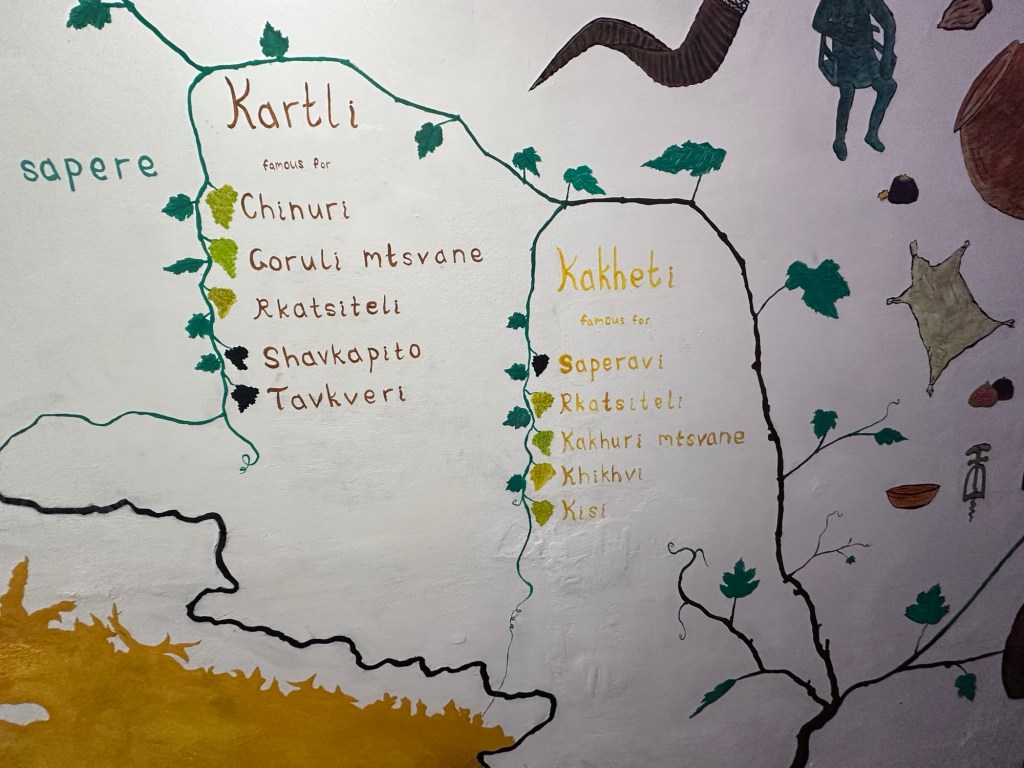
We are told about the history of the city that has historically been on the Silk Road trading route. The land here has been sought after or fought for by Russia (and Soviet Union) but also the Ottoman Empire, Persians, Greeks and other invaders. Even after many different occupations they still maintain their unique language and culture. Their language is formed using a 33 character alphabet with unique sounds only heard here. The language has three different versions and to simplify it they can be referred to as the old version, the religious text version, and the current version. There is no gender in the language but there are words to describe people and some seem to be reversed to what is normal in Latin languages – mama means dad, and dada means mom. They also claim to have some of the oldest bread due to types of wheat that only exist here.

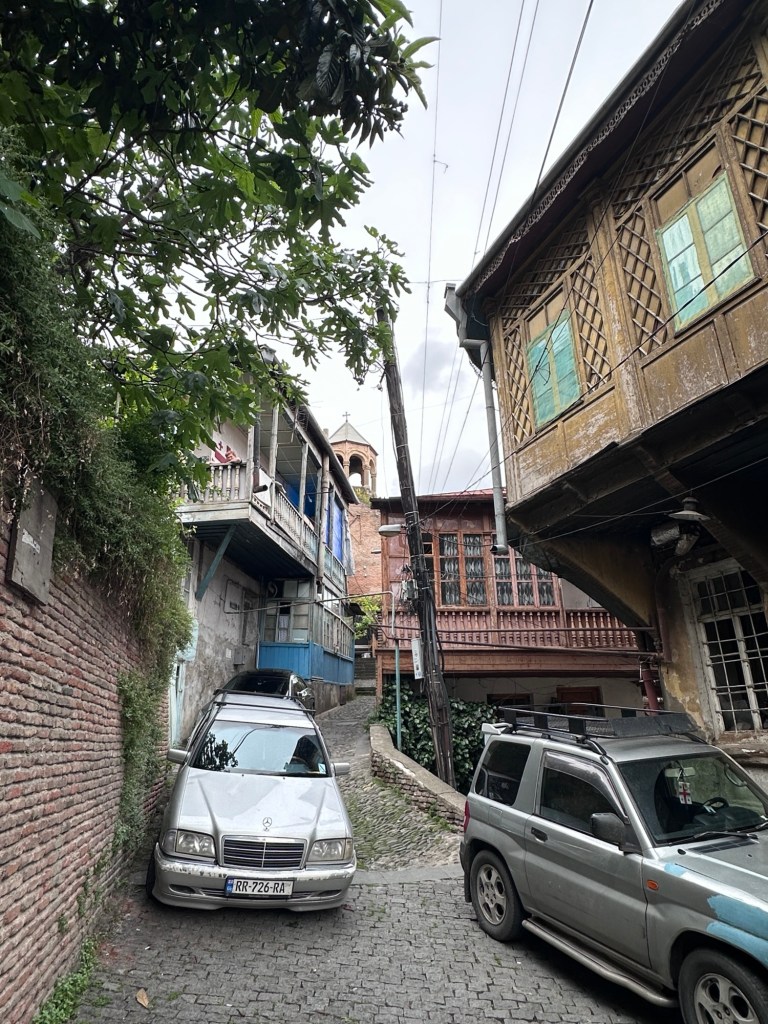
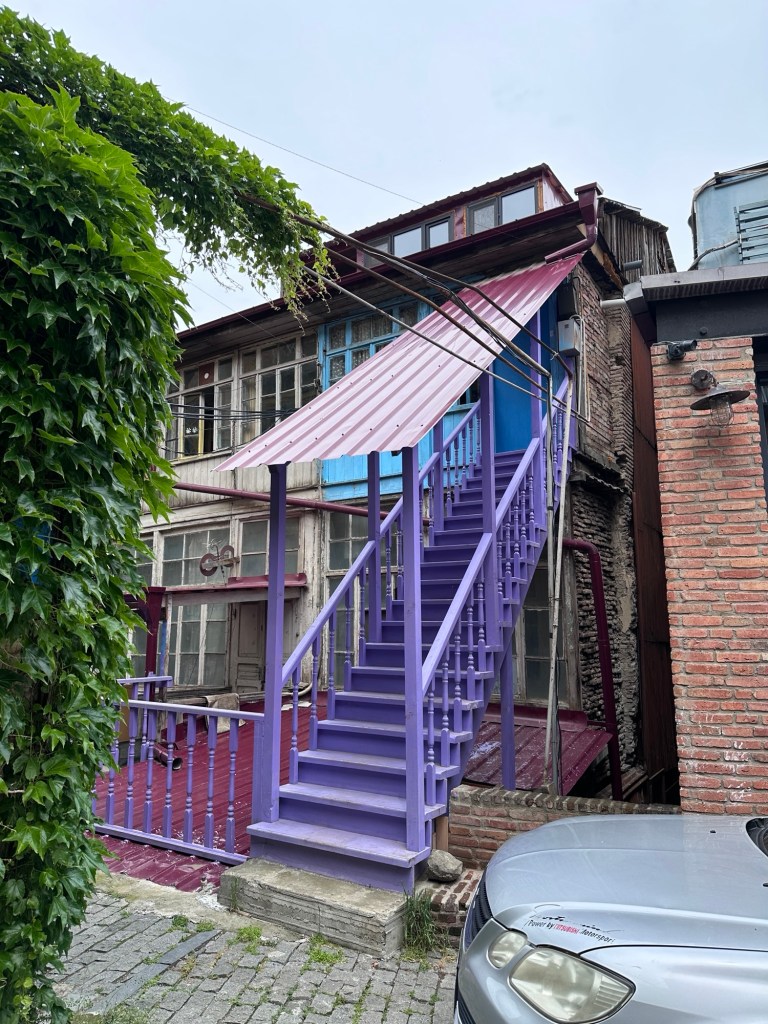
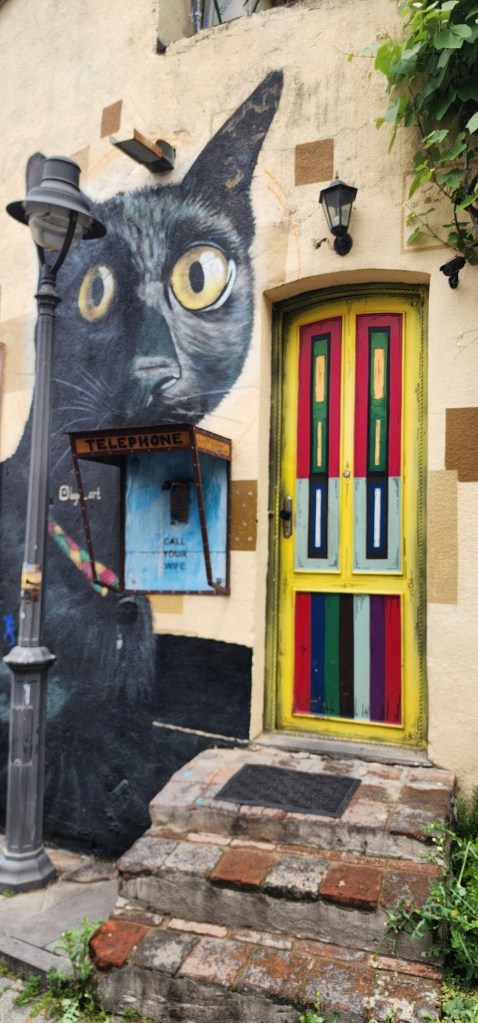
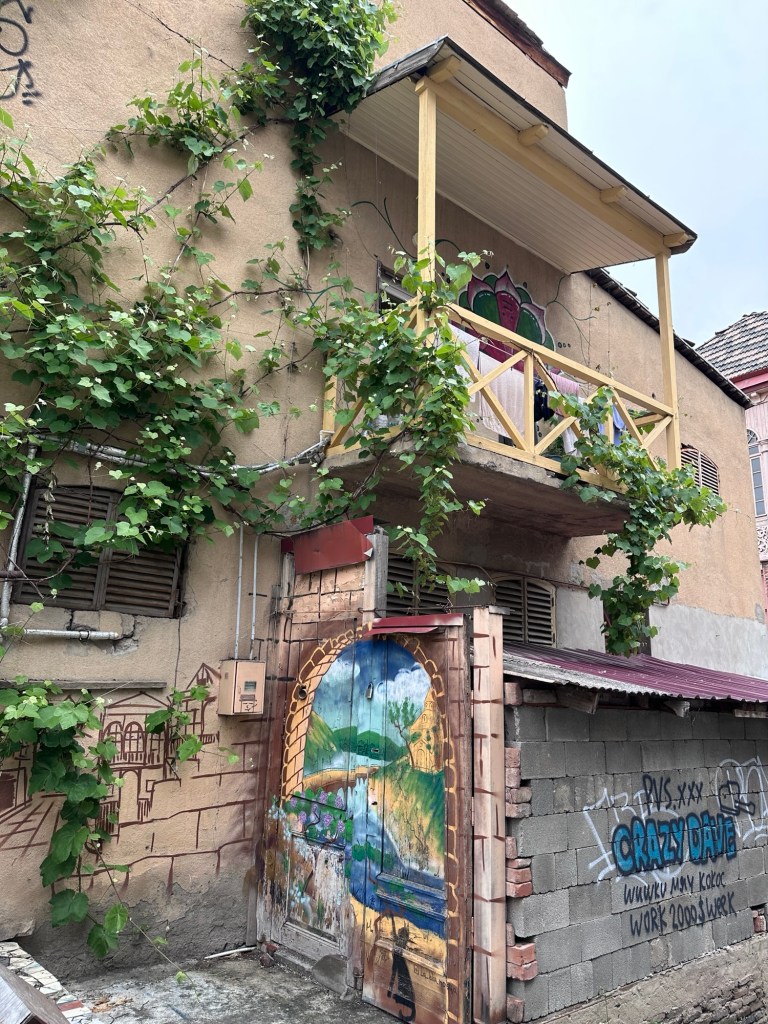
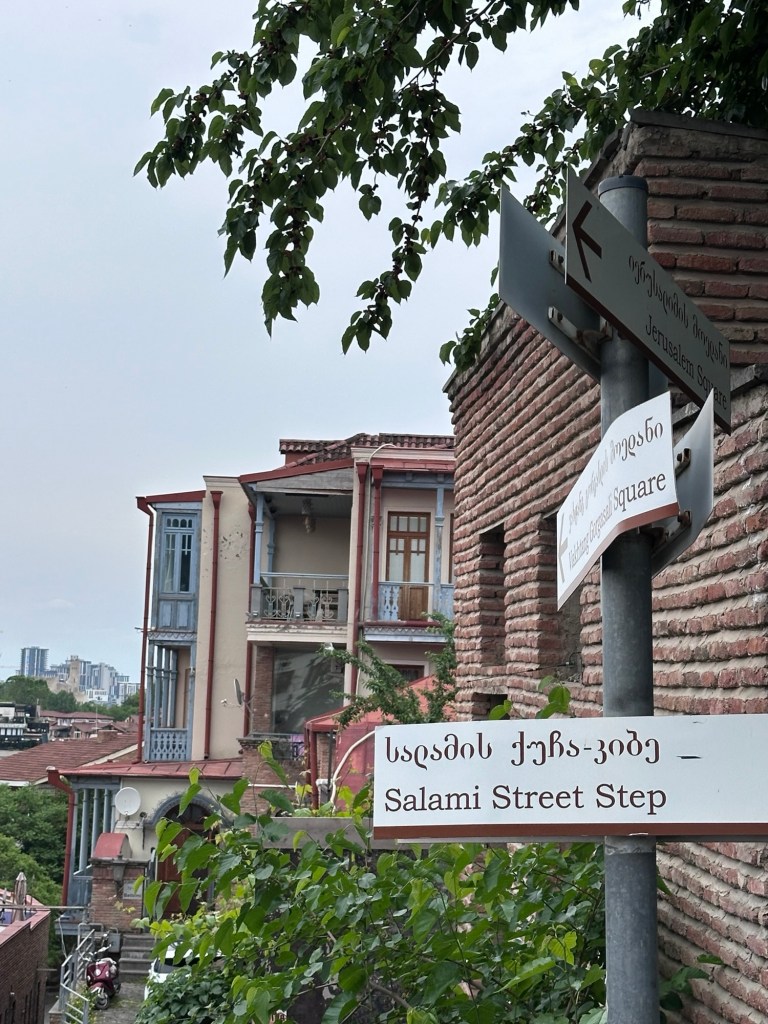
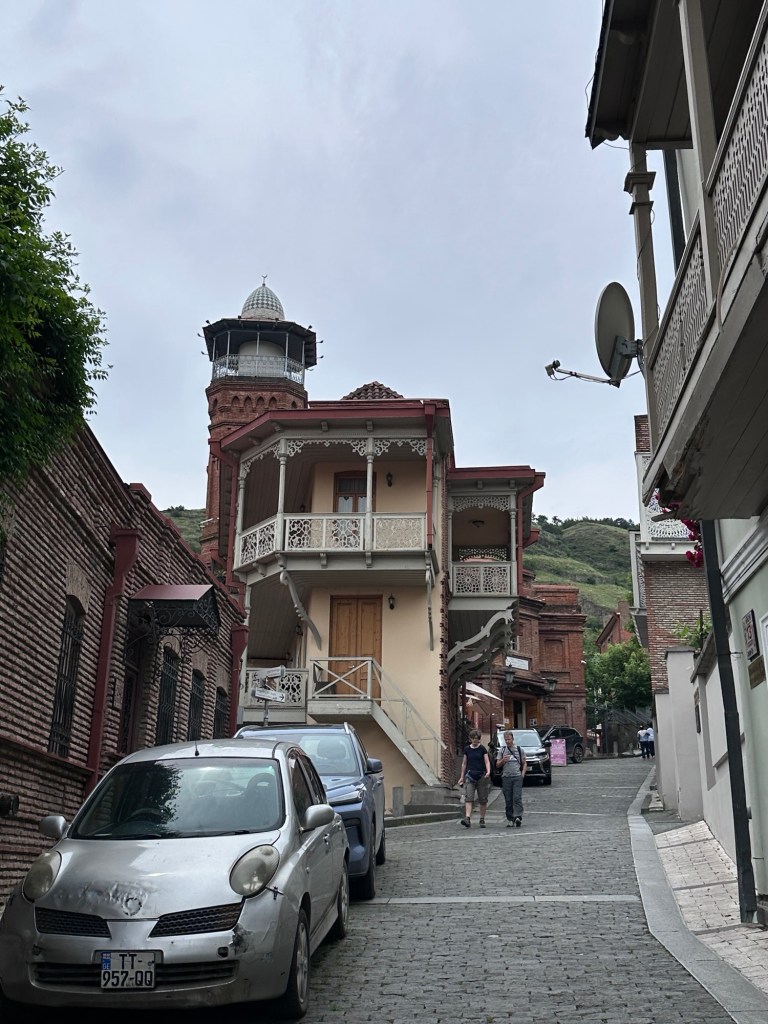
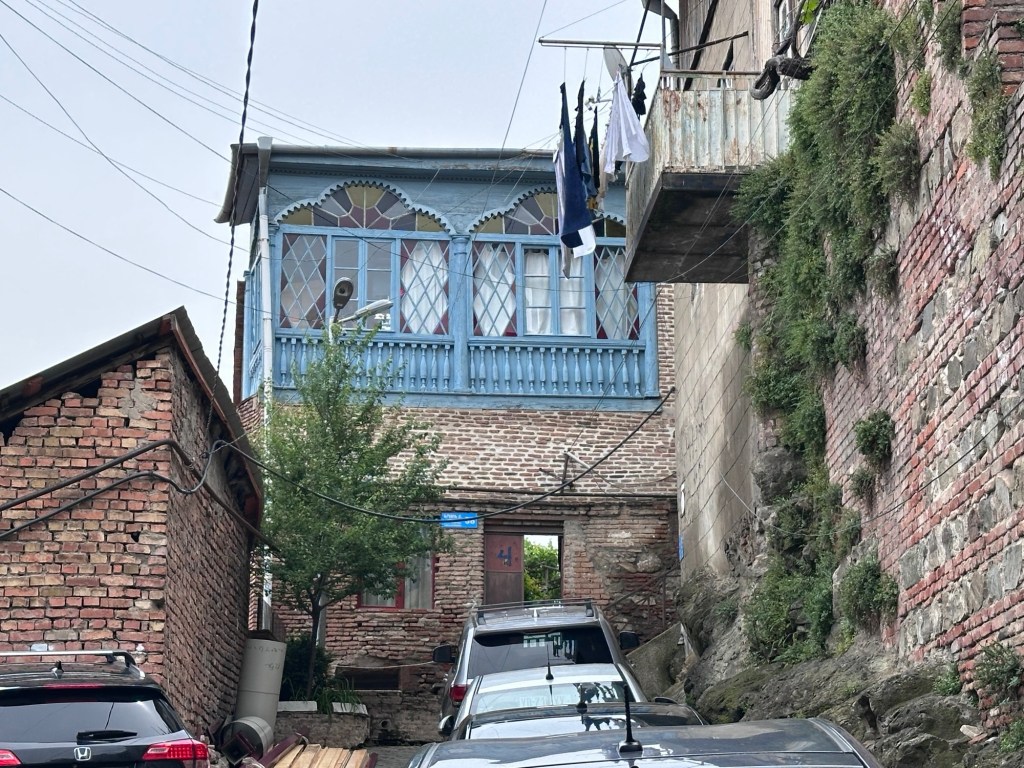
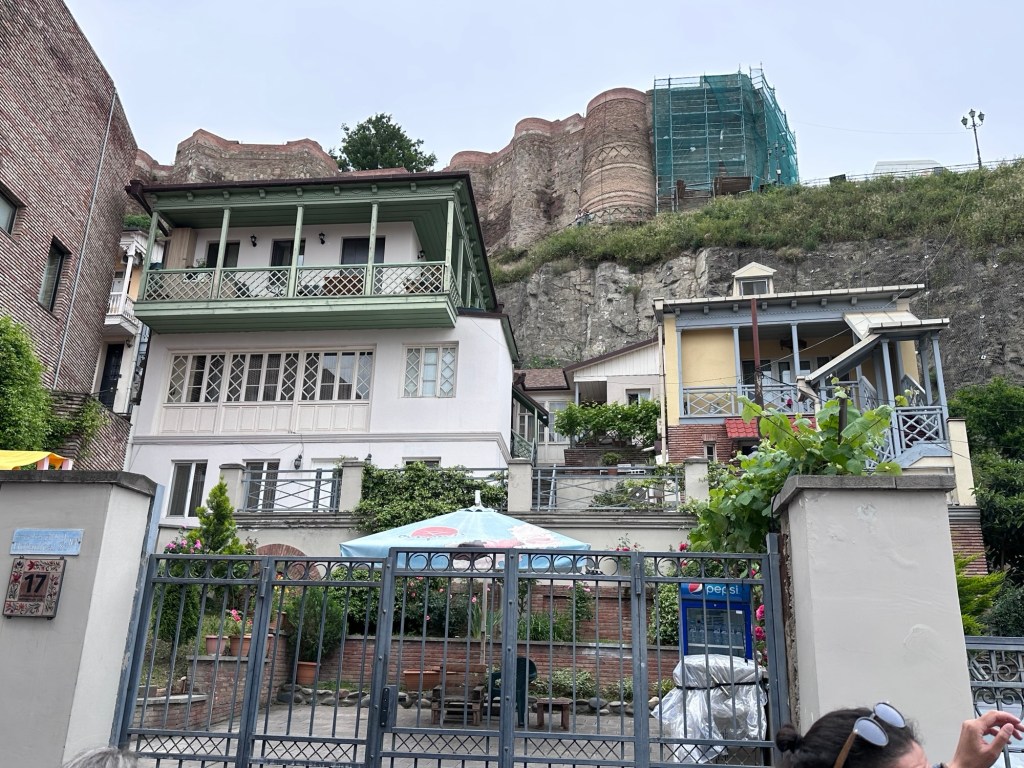
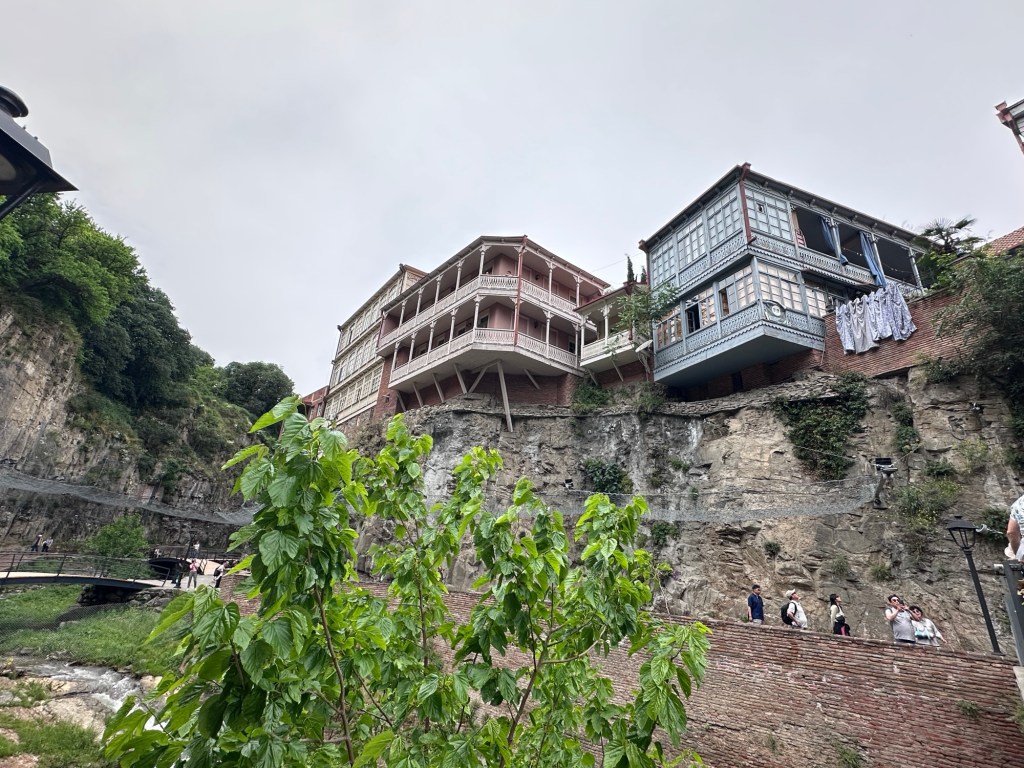
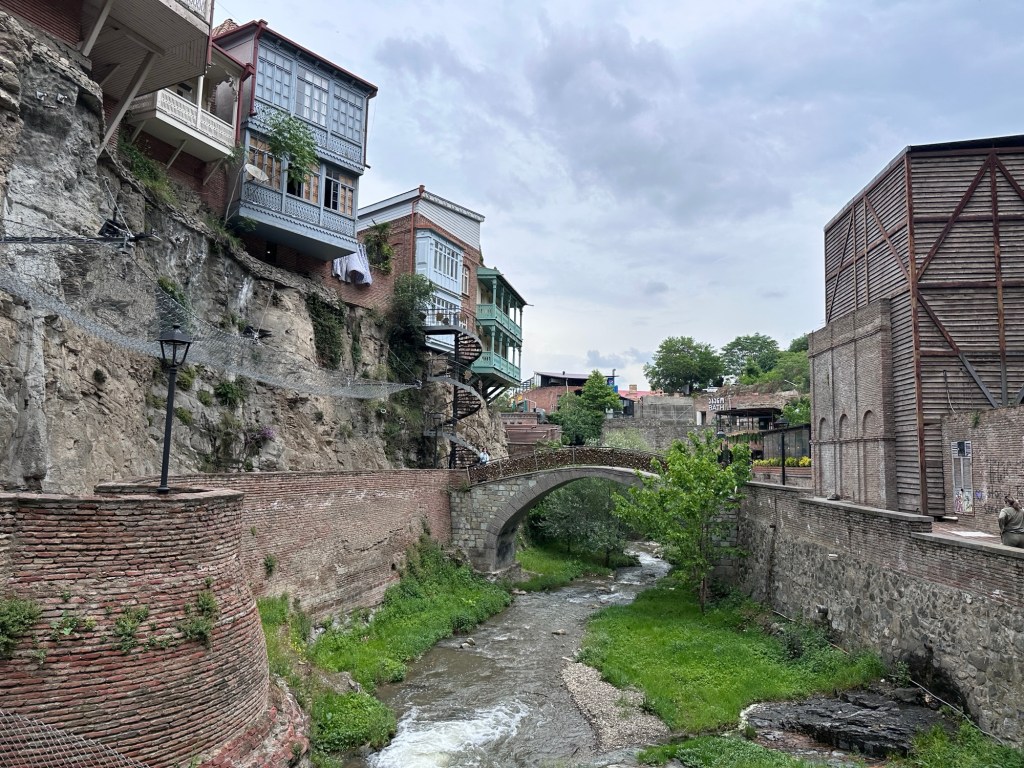
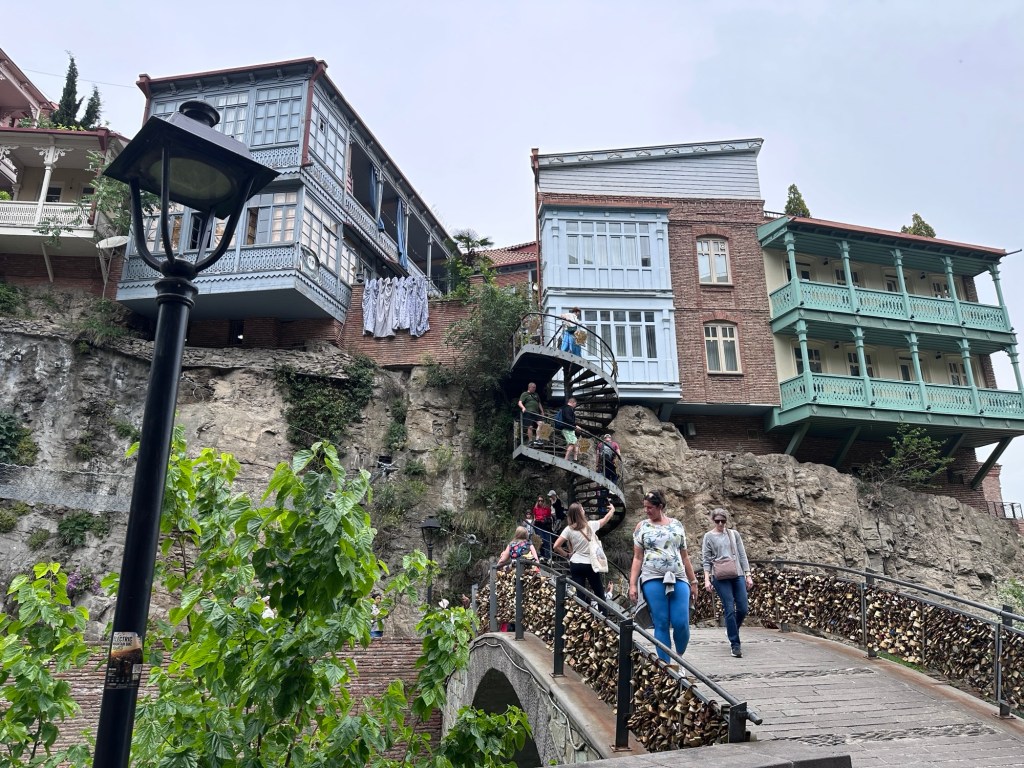
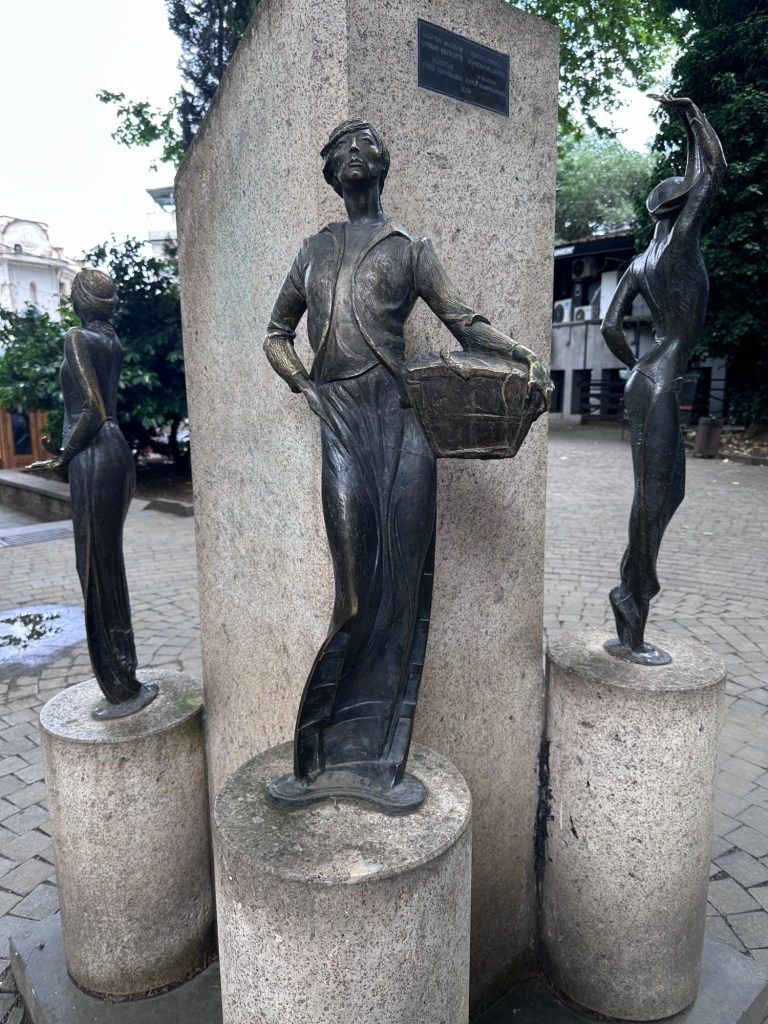
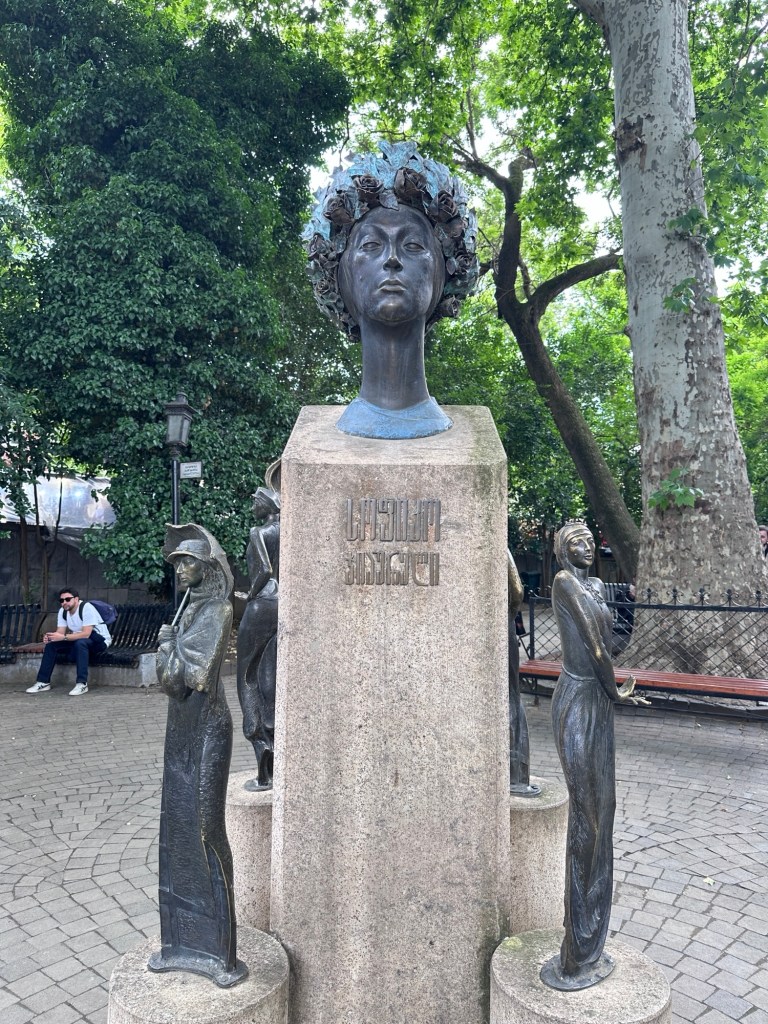
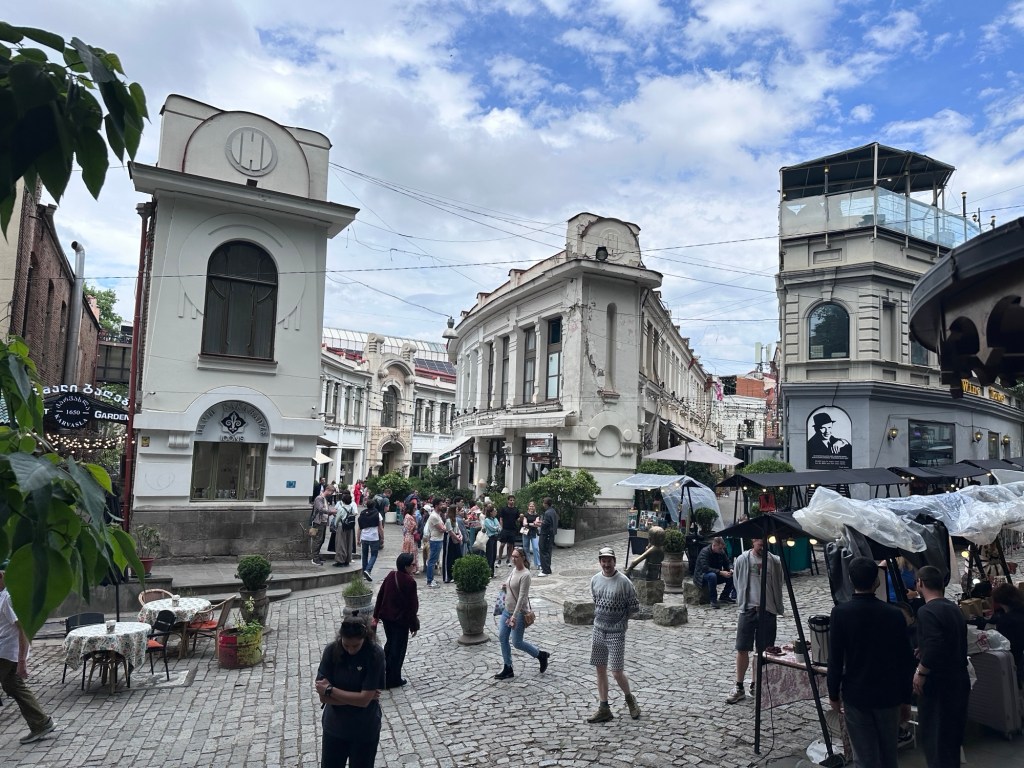
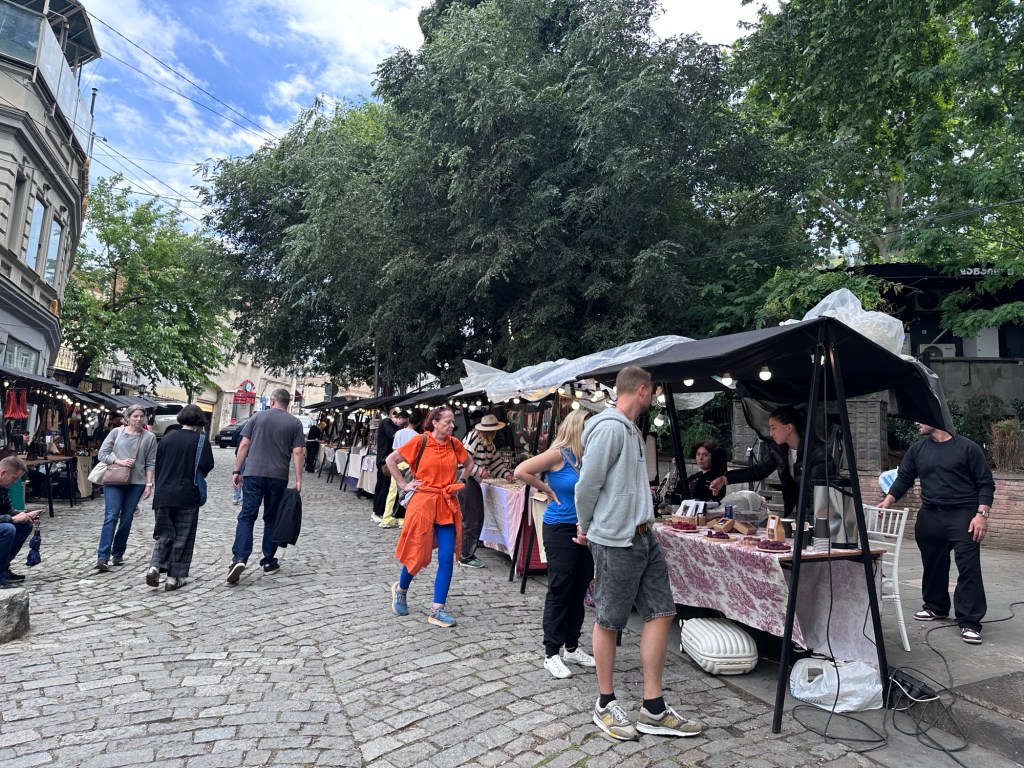
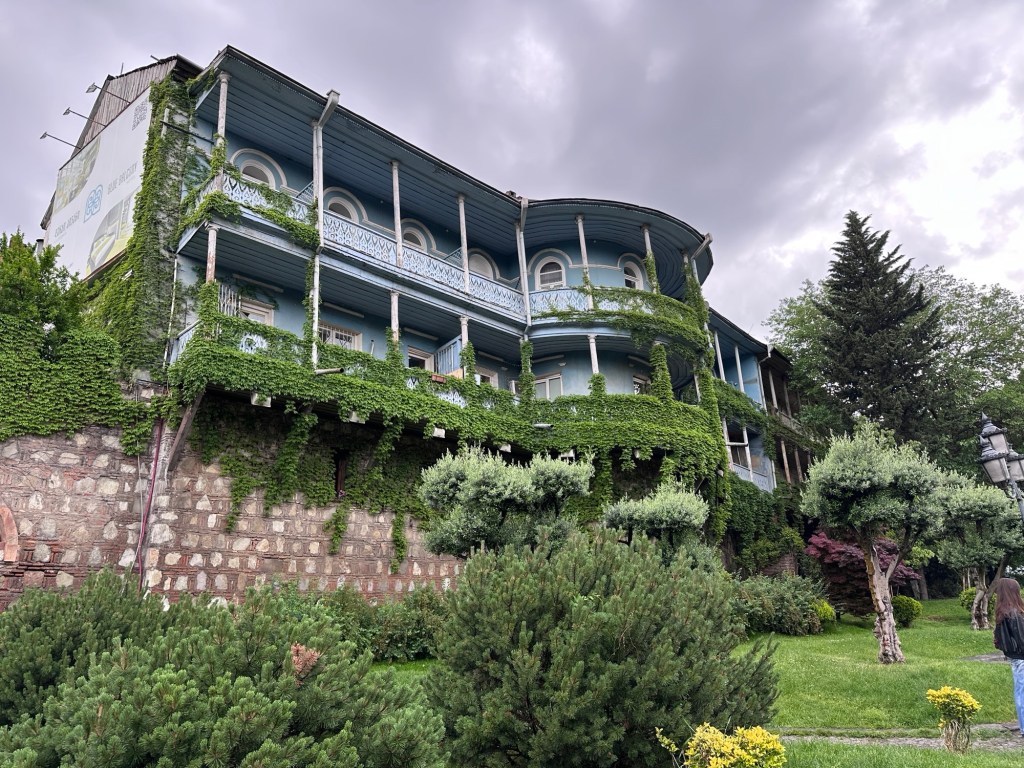
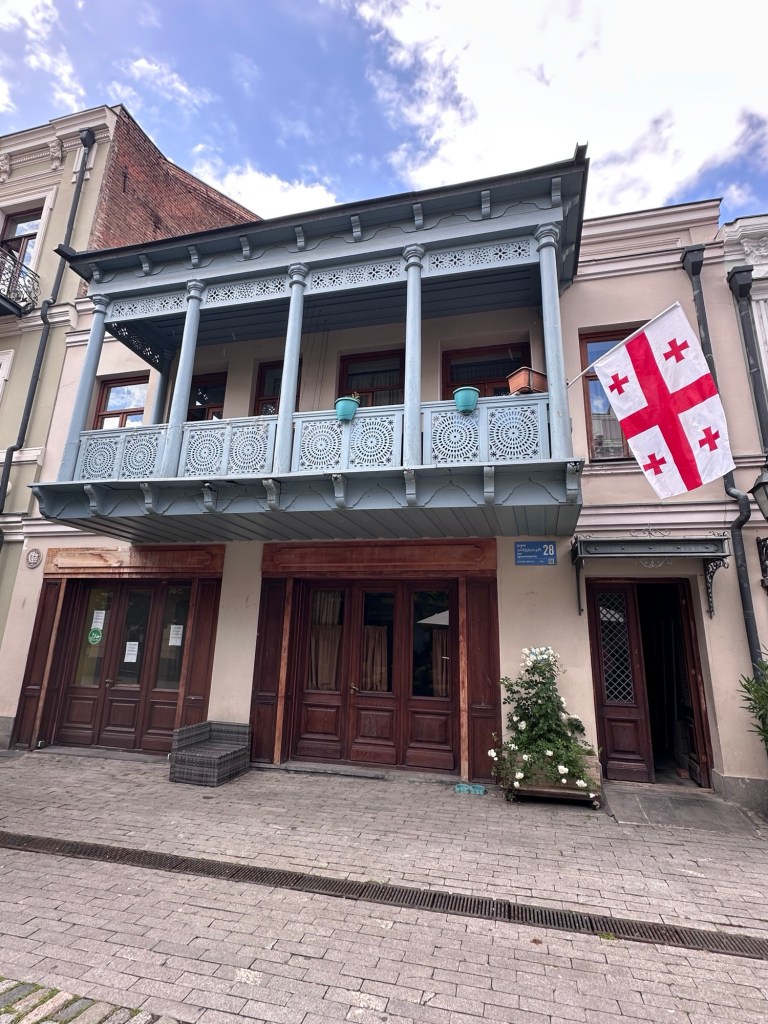
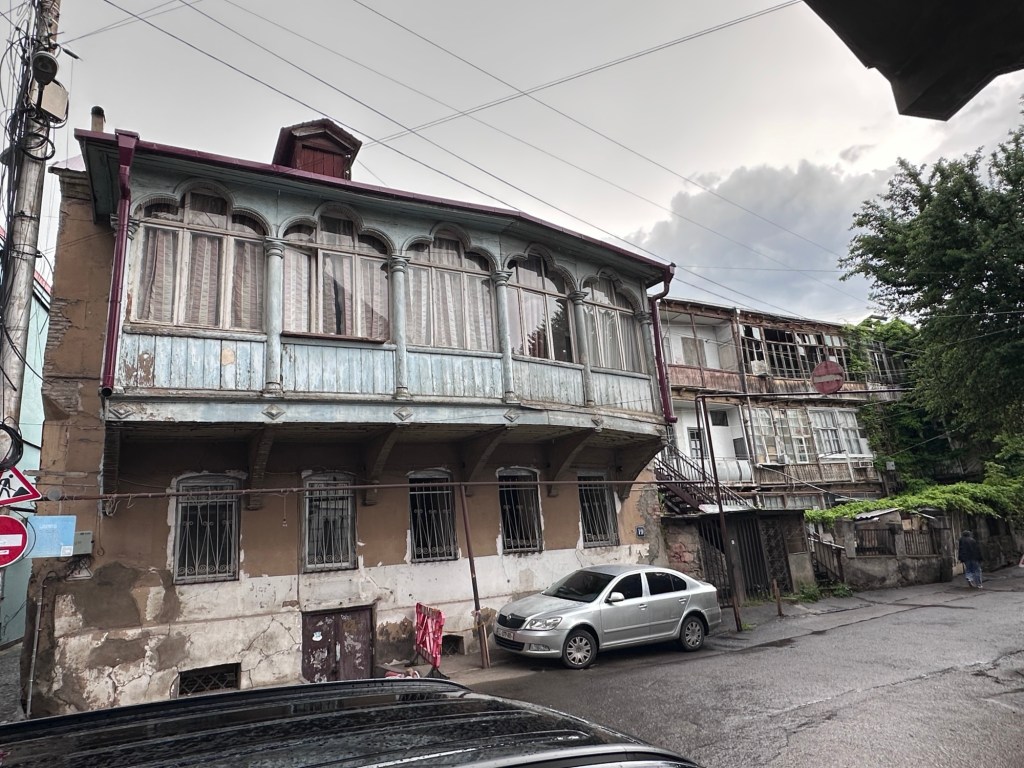
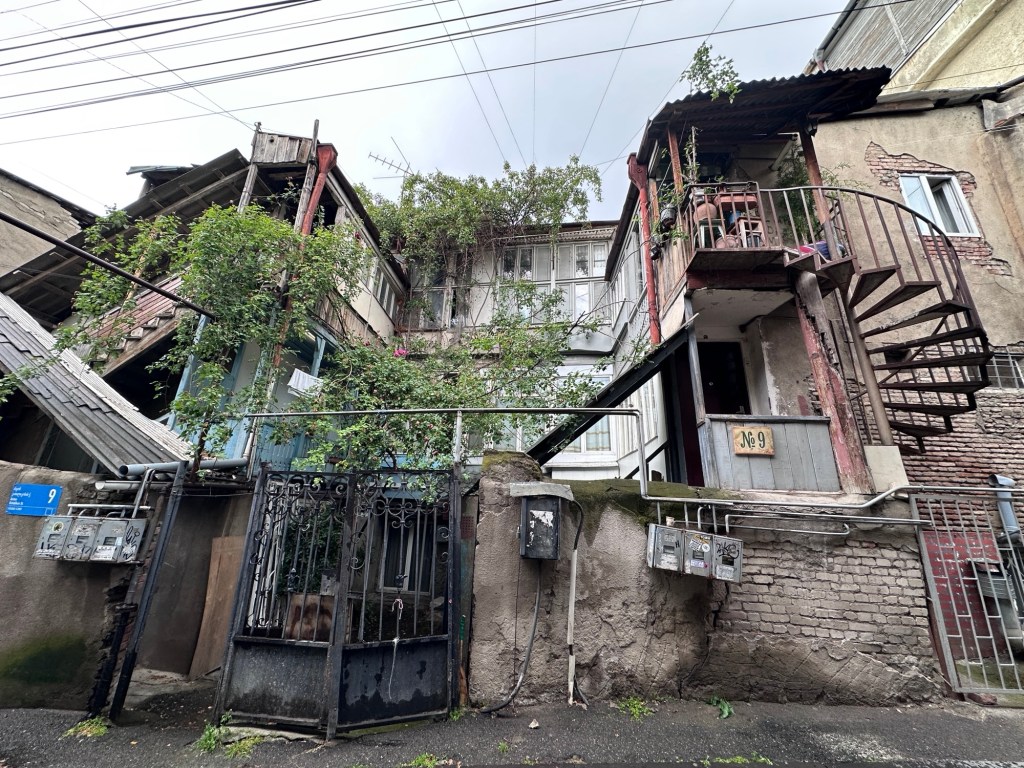
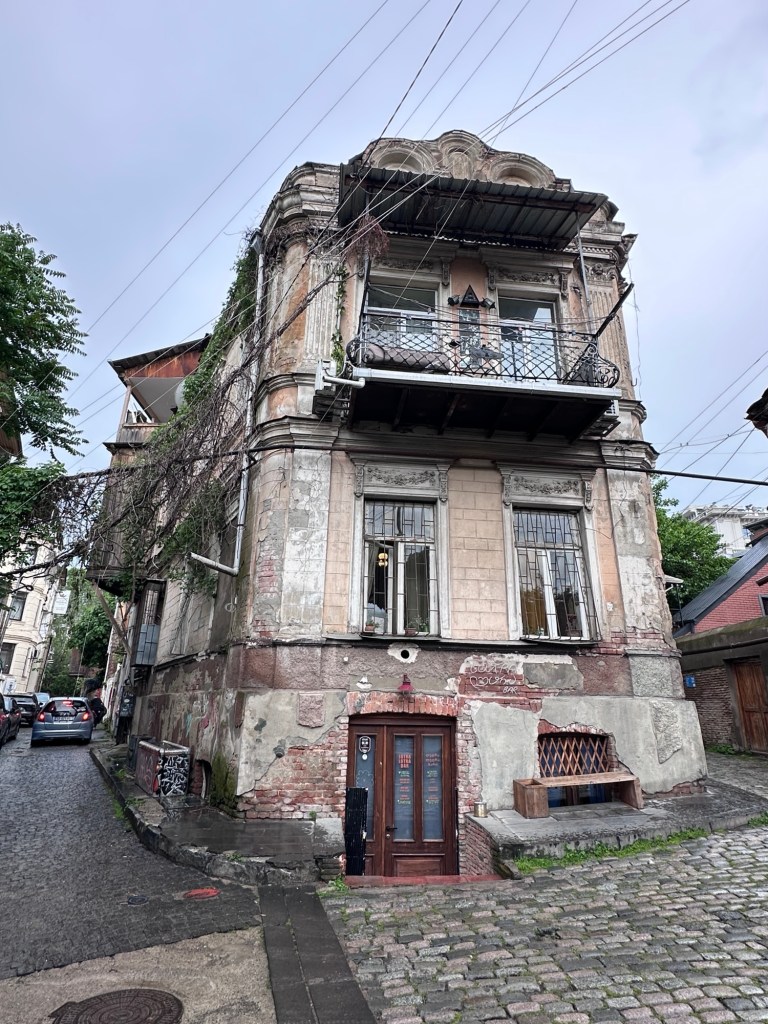
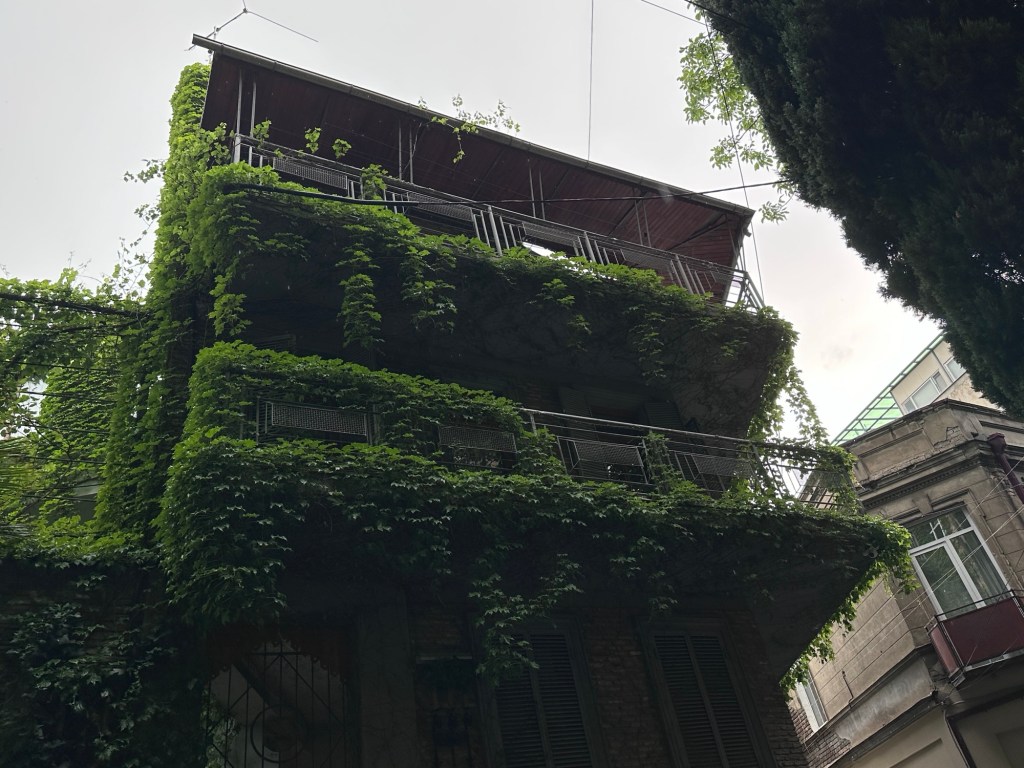
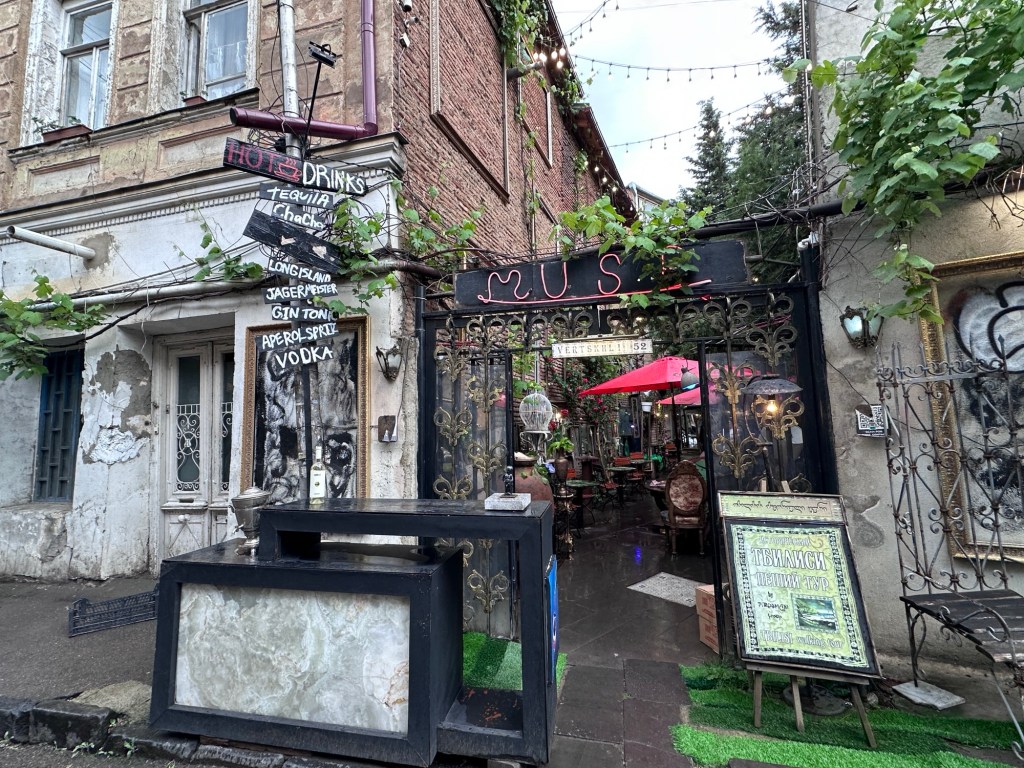
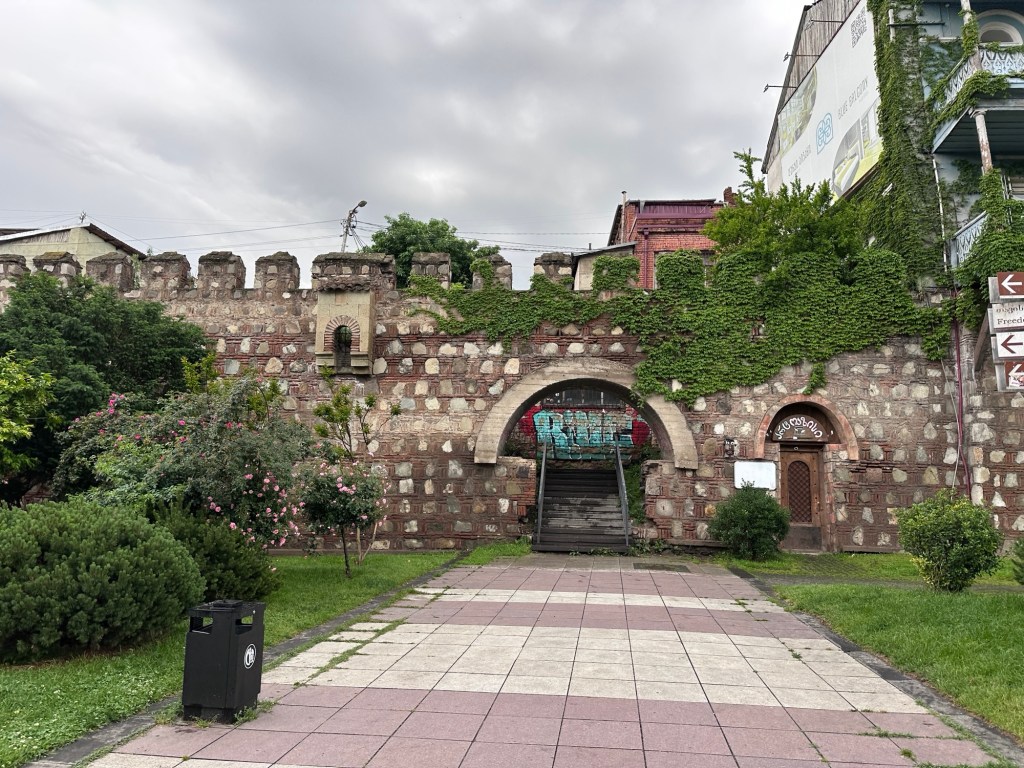
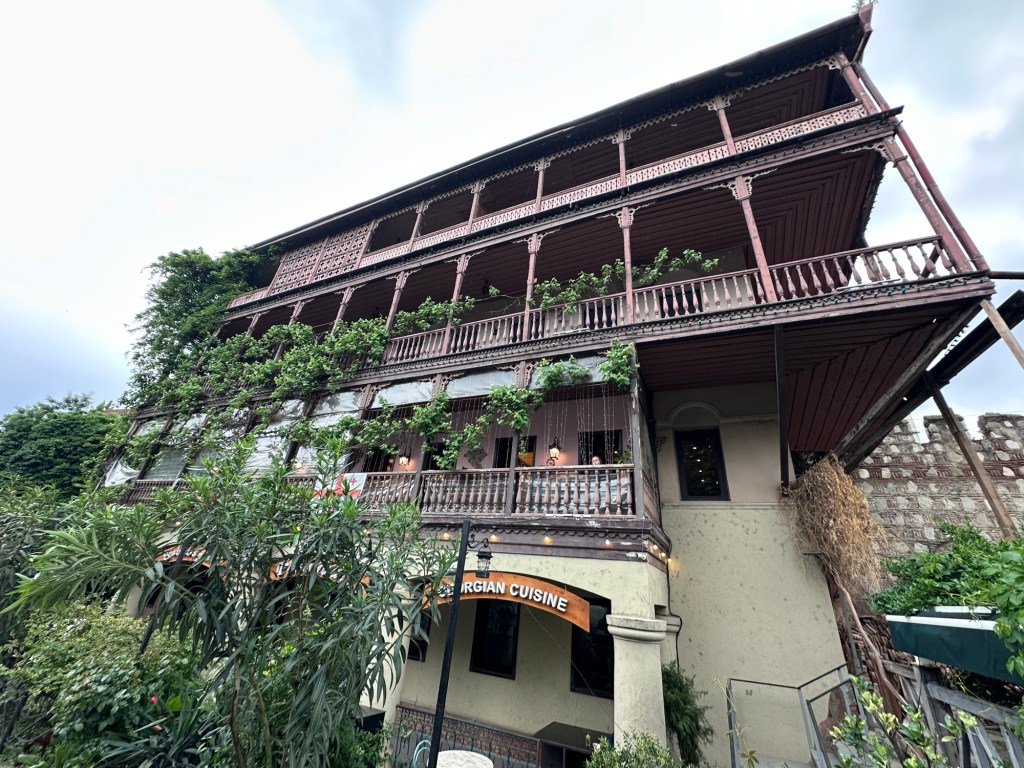
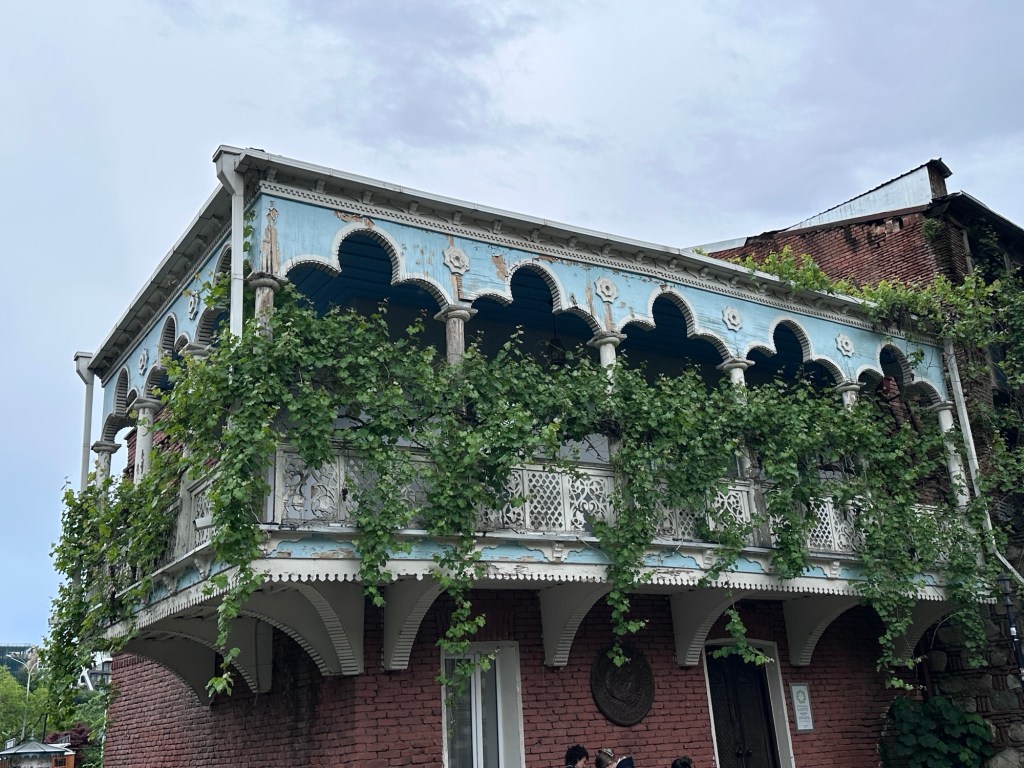
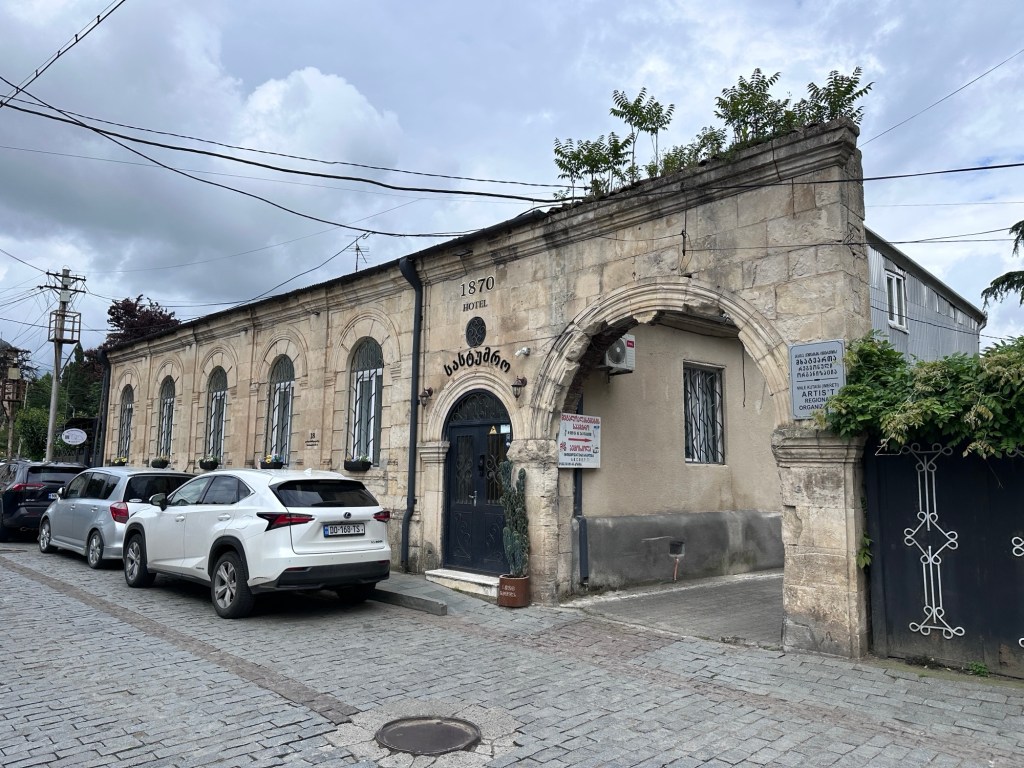
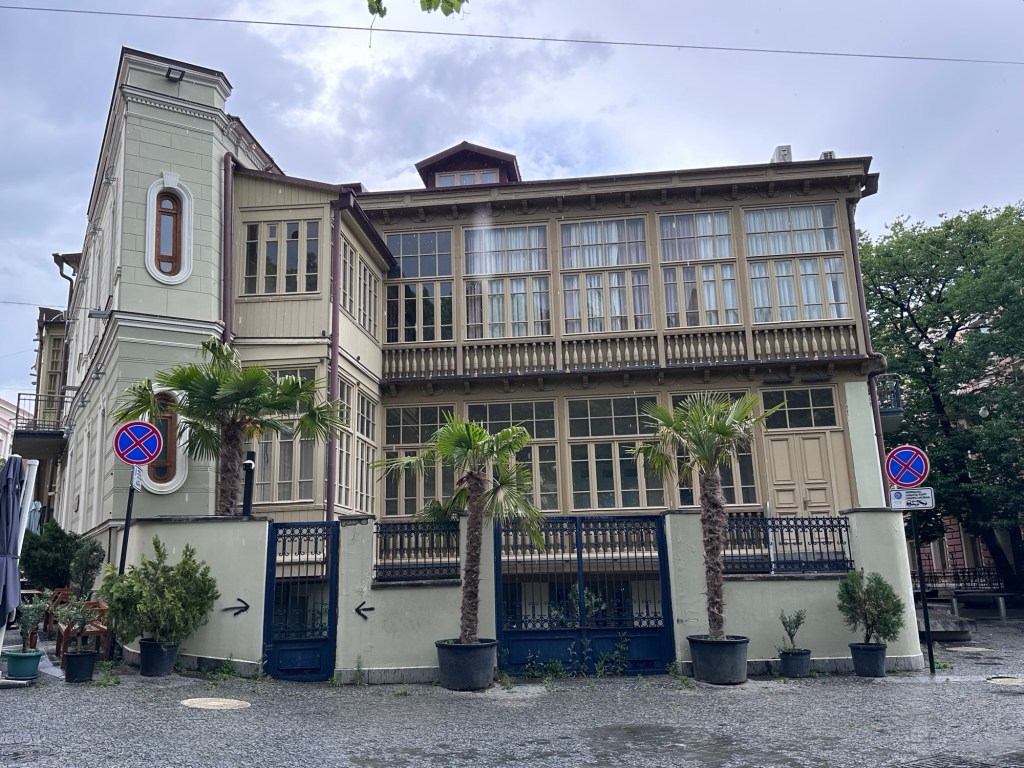
We see the remnants of the old city wall and we walk through old town and learn about the courtyard life. Many of these houses with the distinct courtyards used to be single family homes but now are often divided into different aparments or set up as a hotel for tourism.

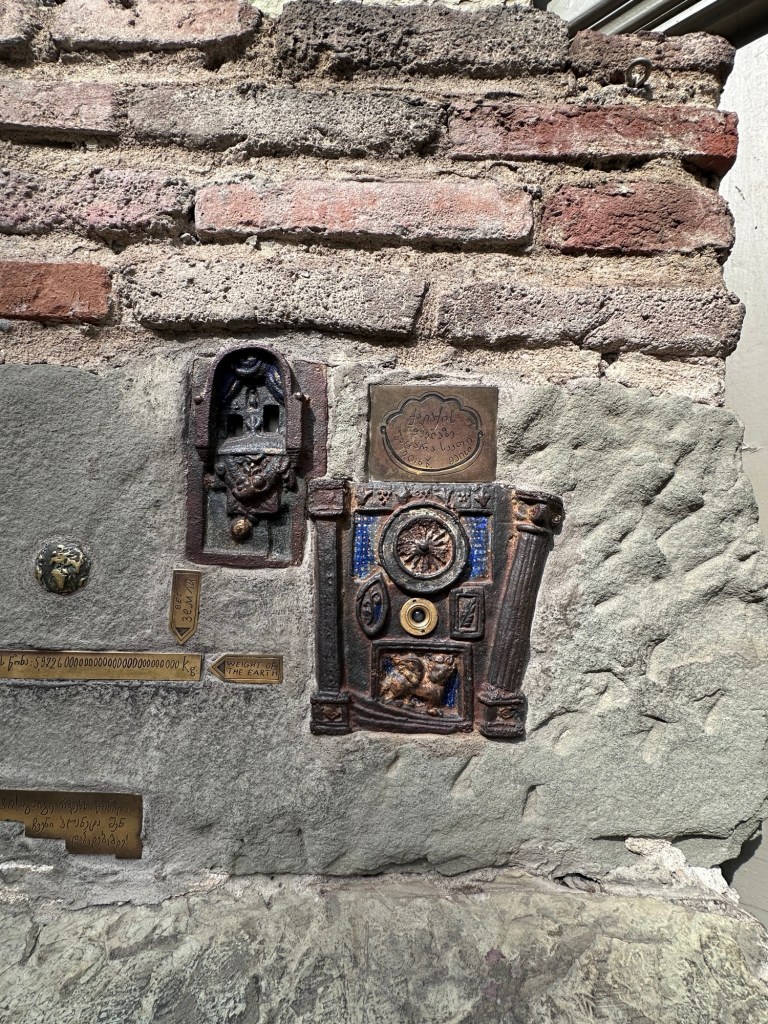
We walk through old town and see the clock but it is not operational today due to a power outage. Luckily we are in town for multiple days so we have more opportunities to see the clock perform. It is right next door to a popular puppet theater. Unfortunately it is one of those tickets that have to be booked in advance so we probably won’t see a show during our stay in Tbilisi.

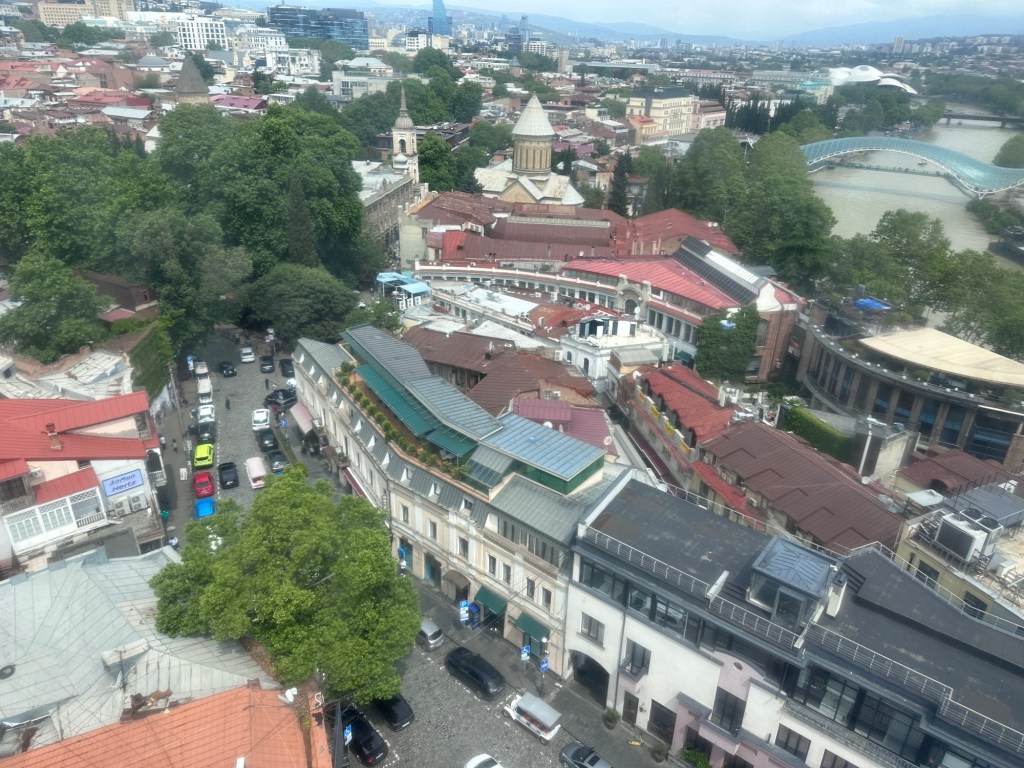
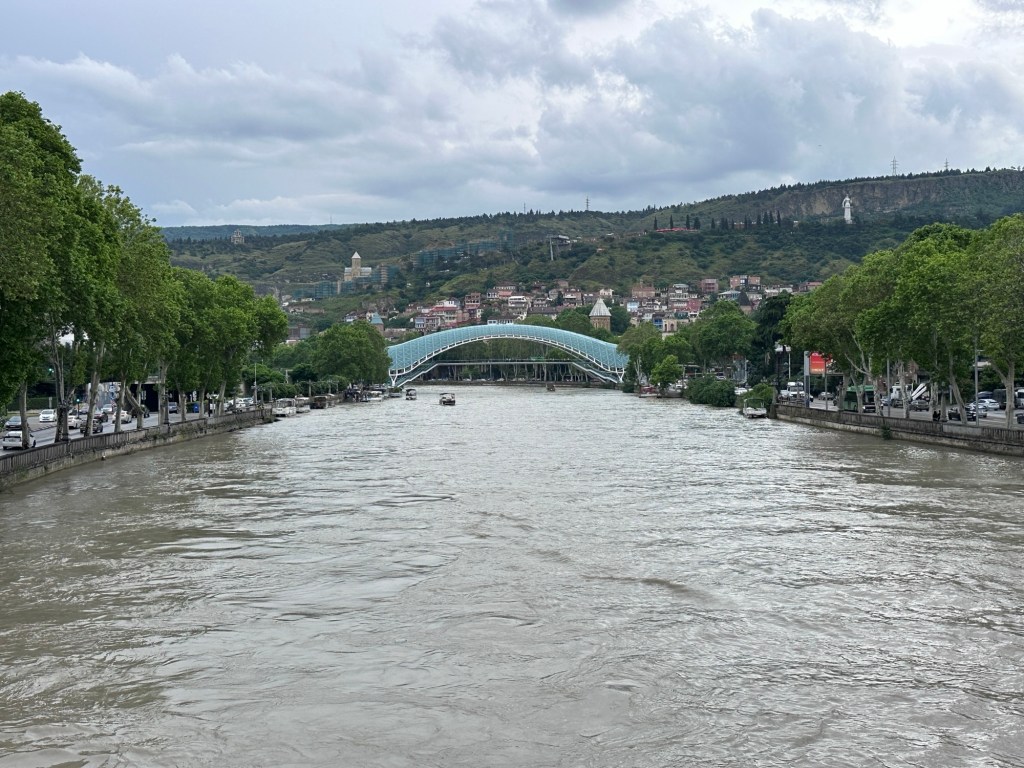
We walk over to the bridge of peace, the bridge that connects old Tblisi with the new.

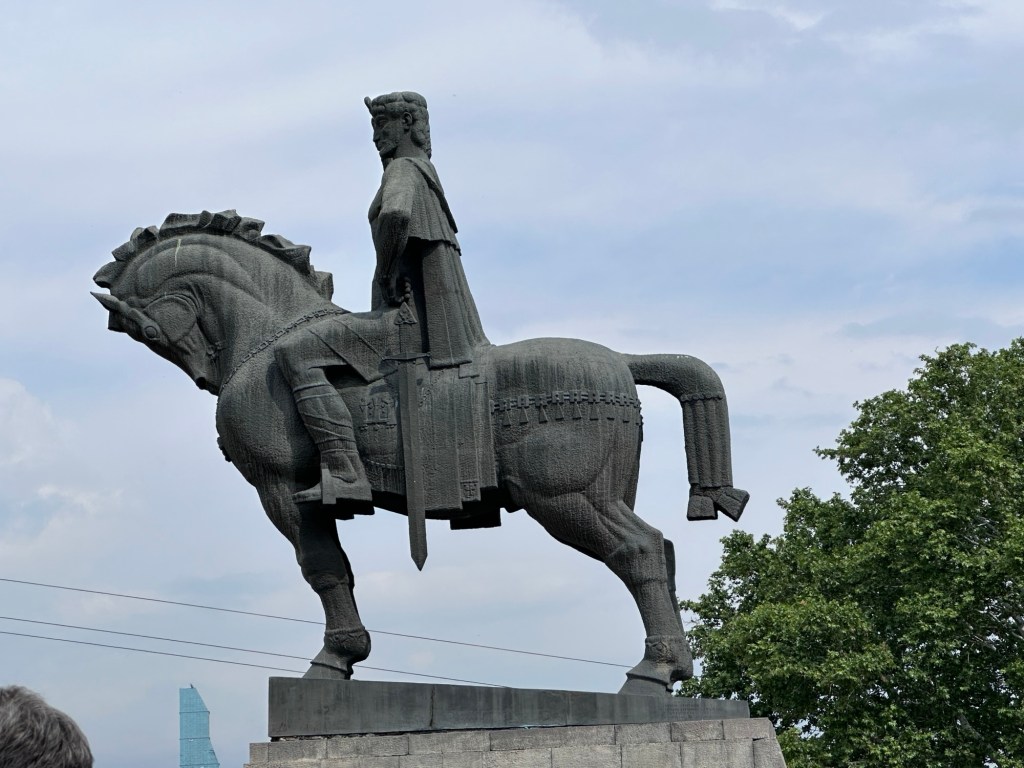
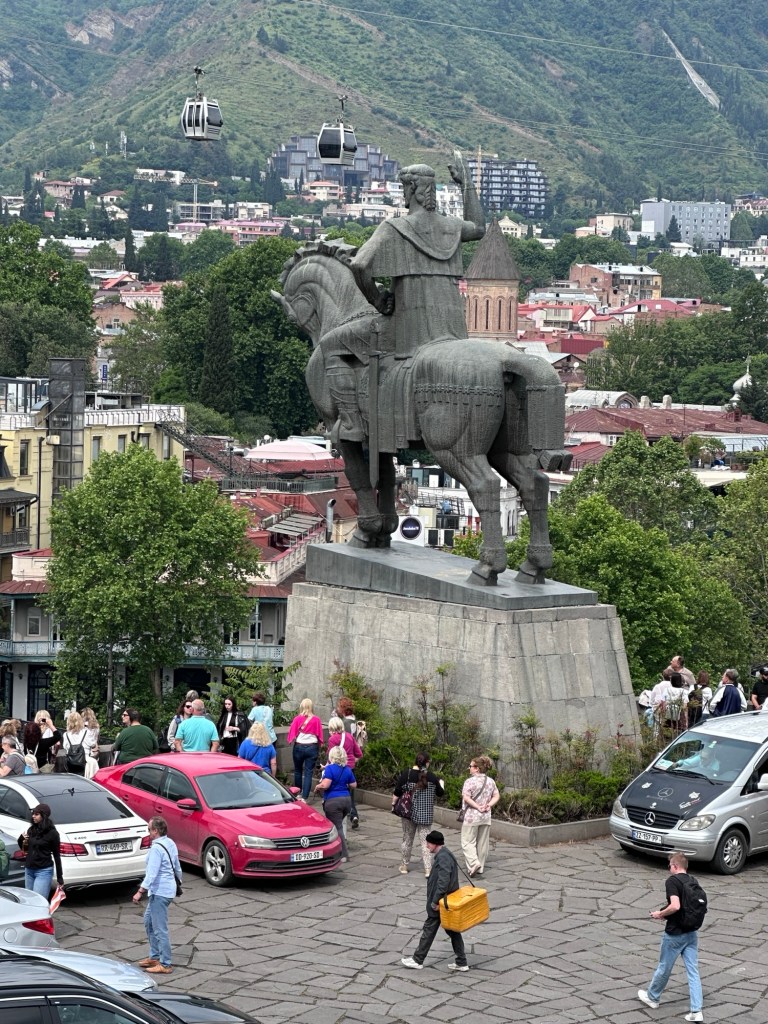
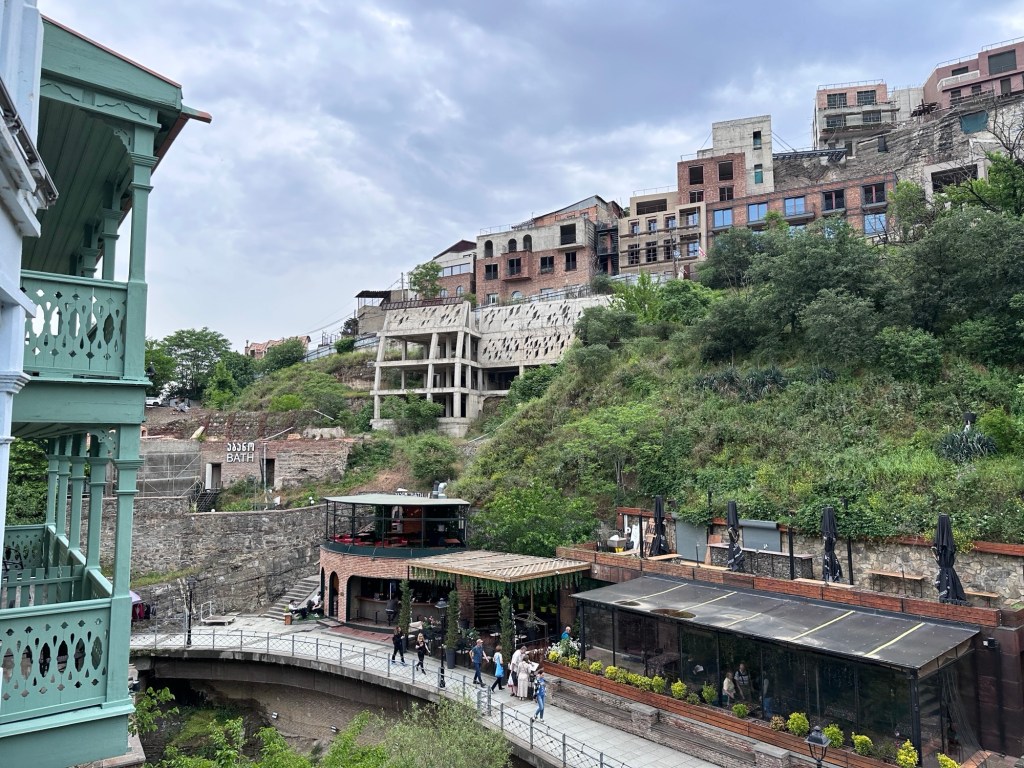
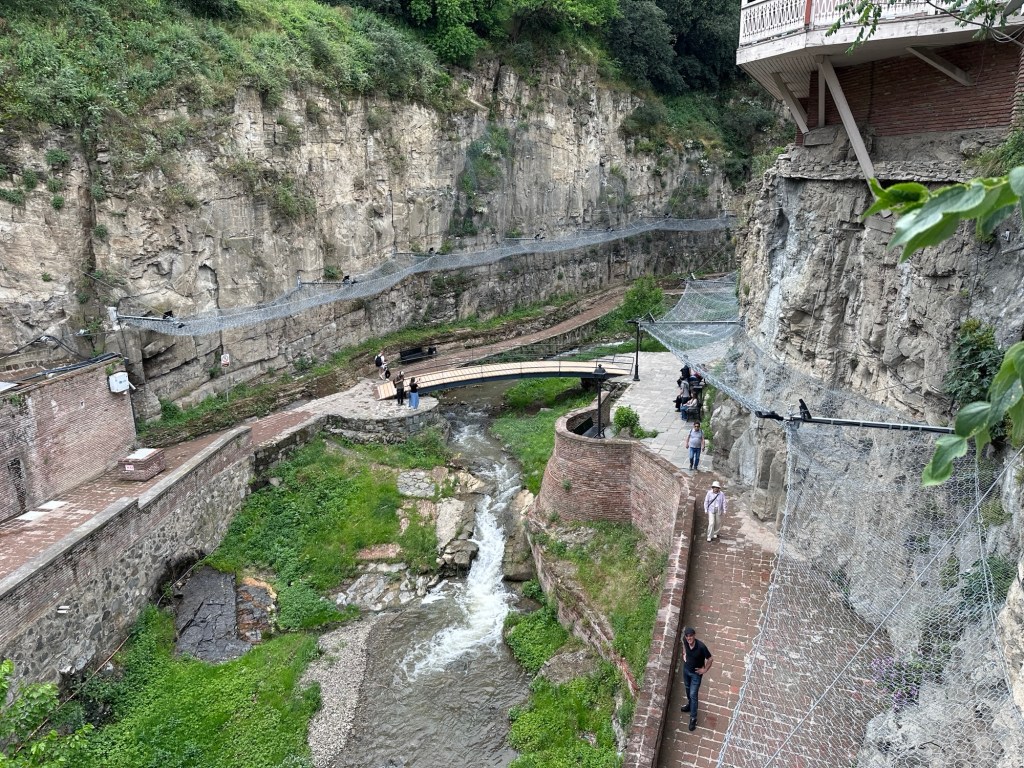
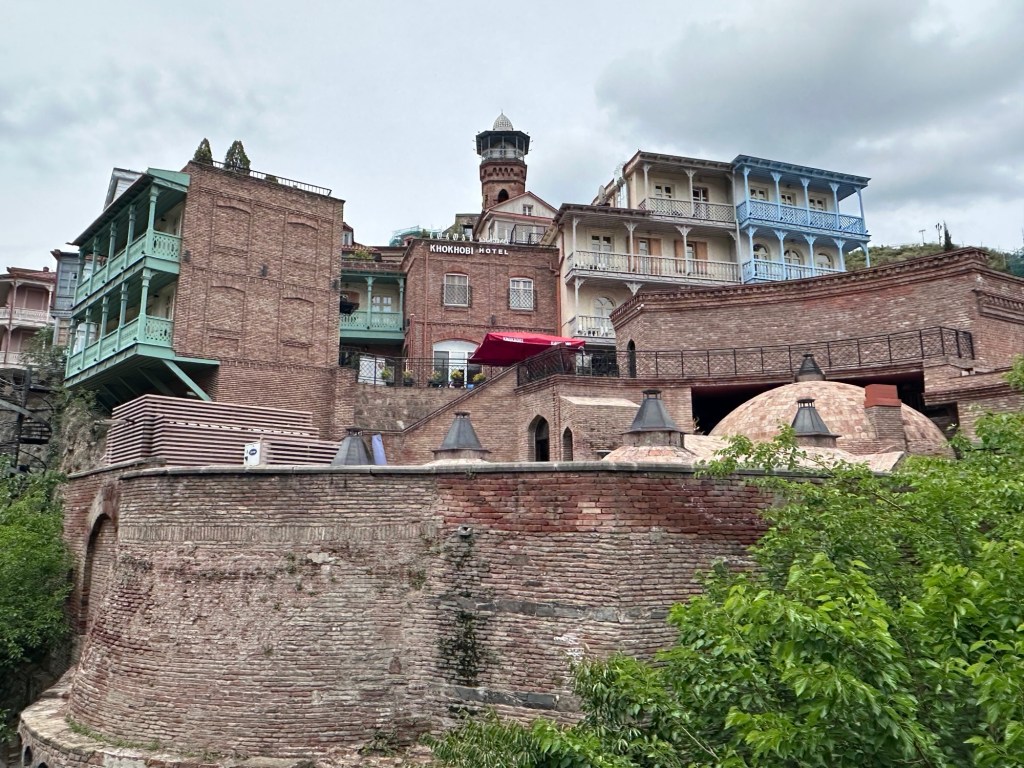
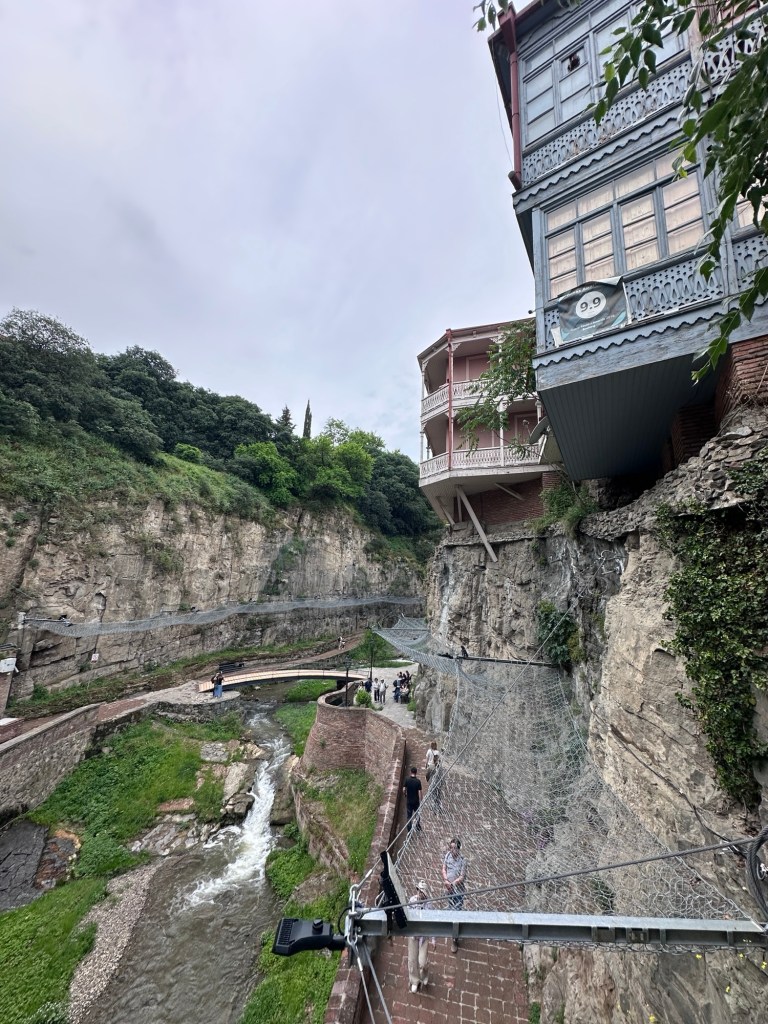
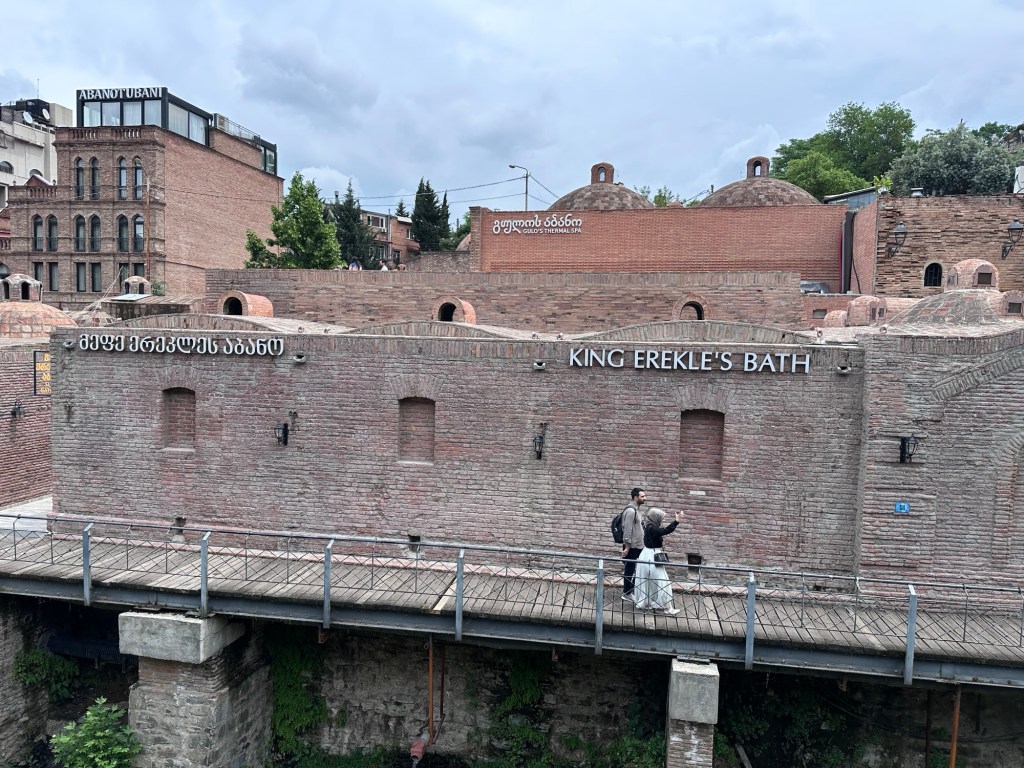
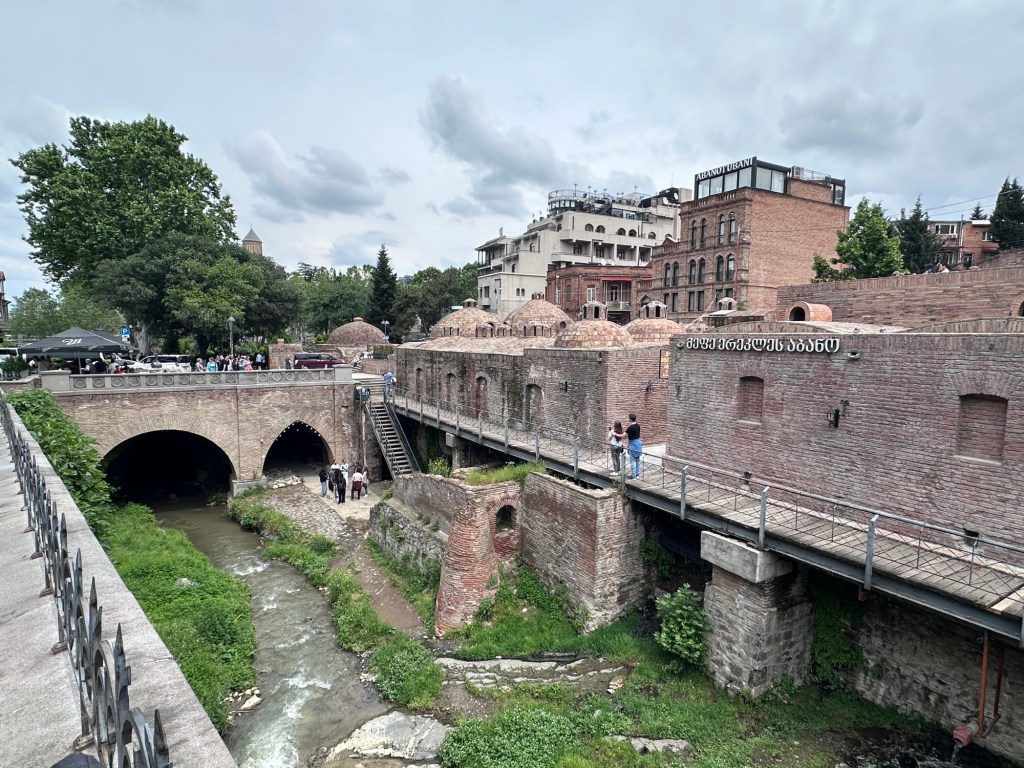
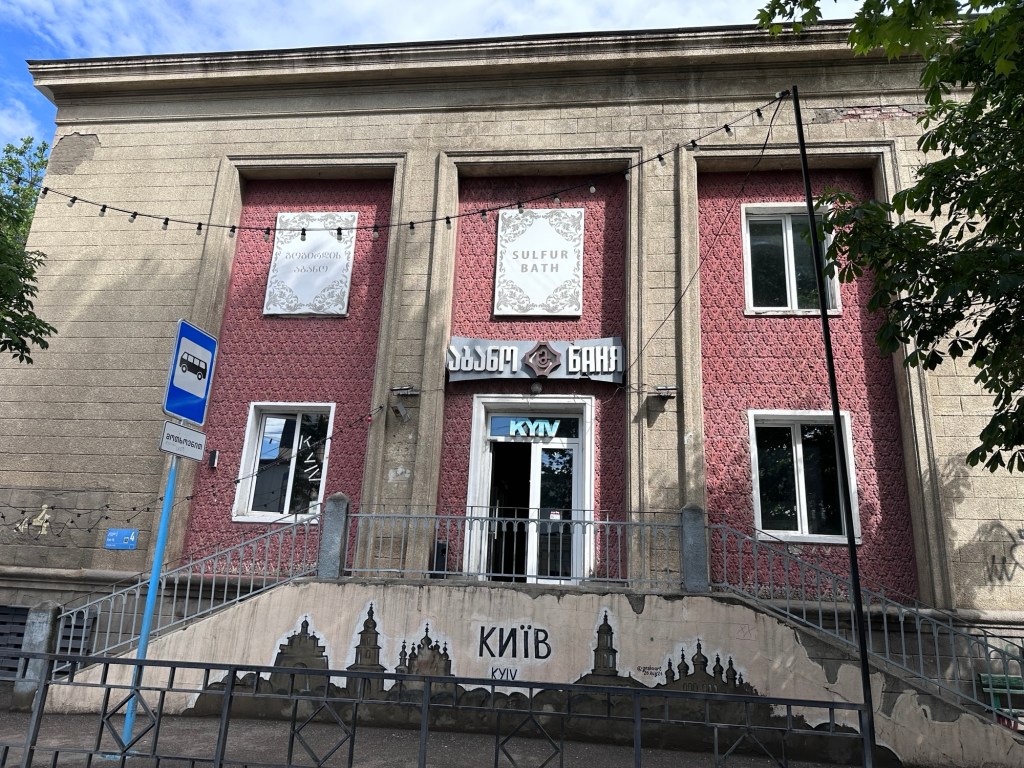
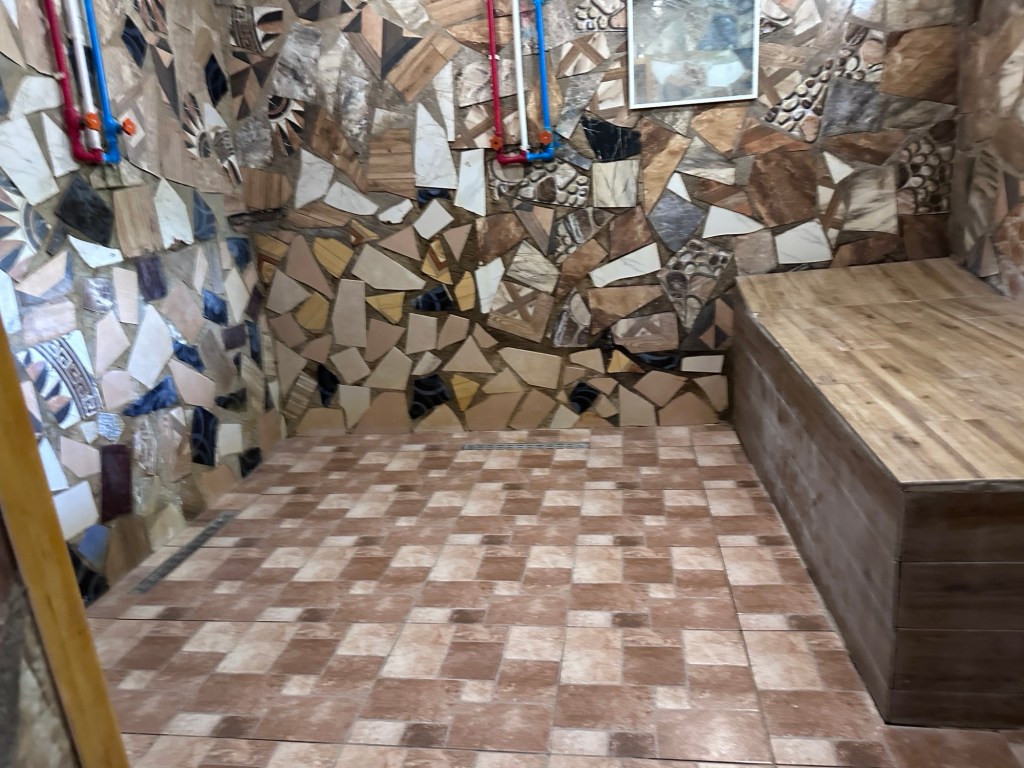
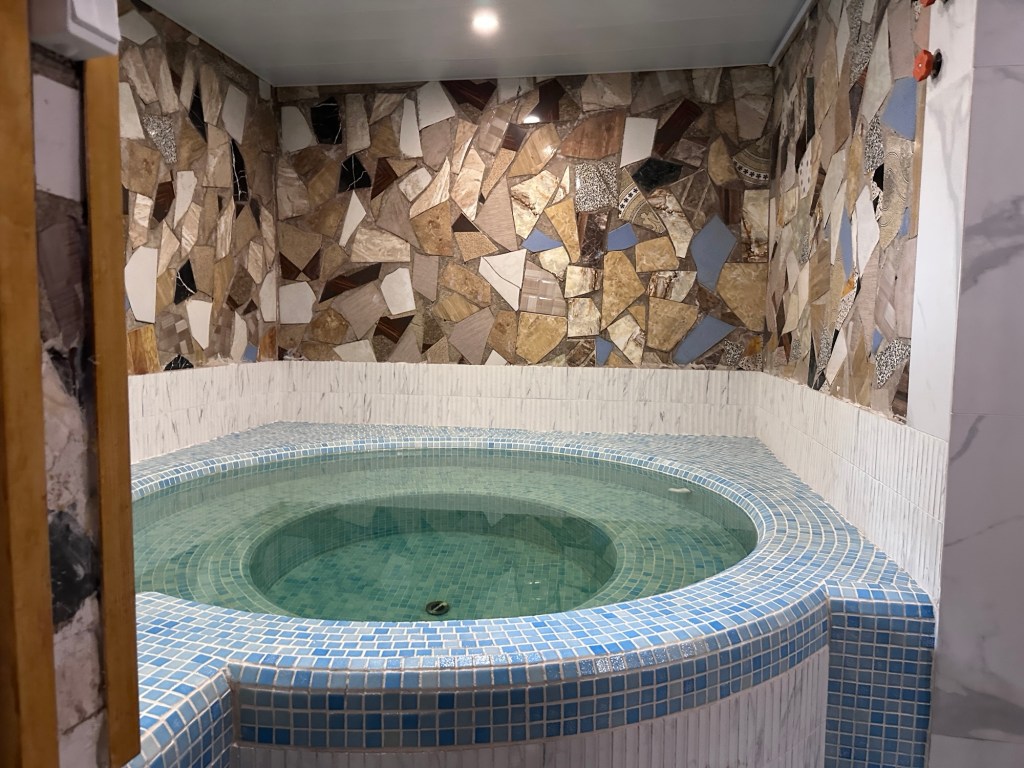
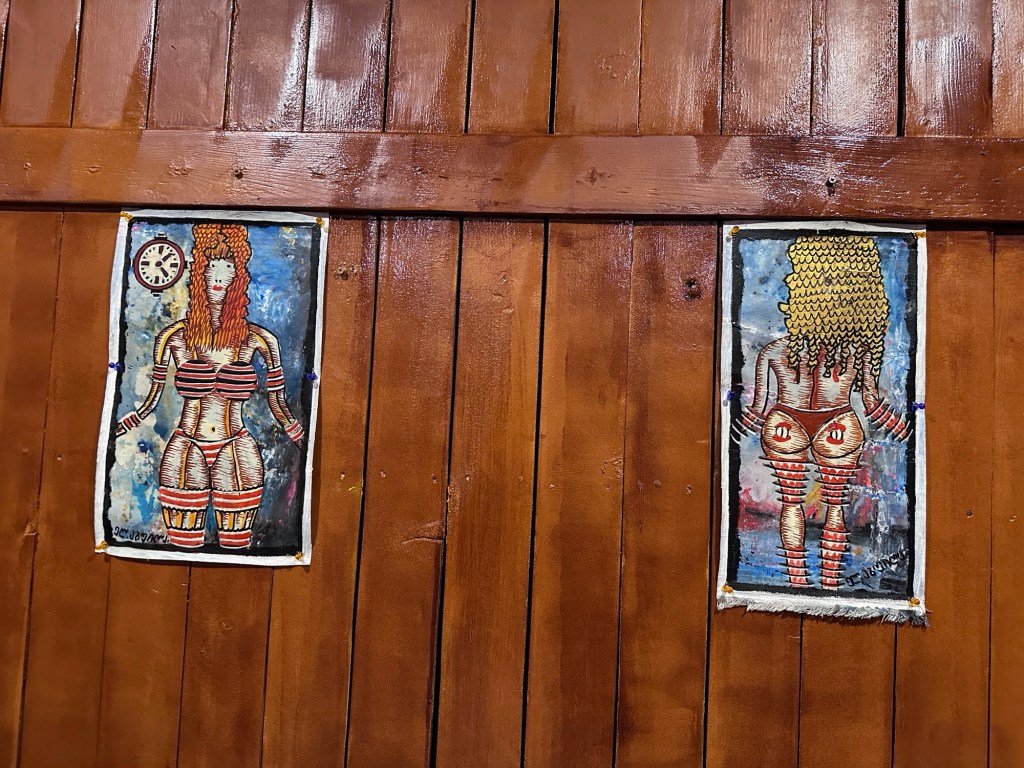
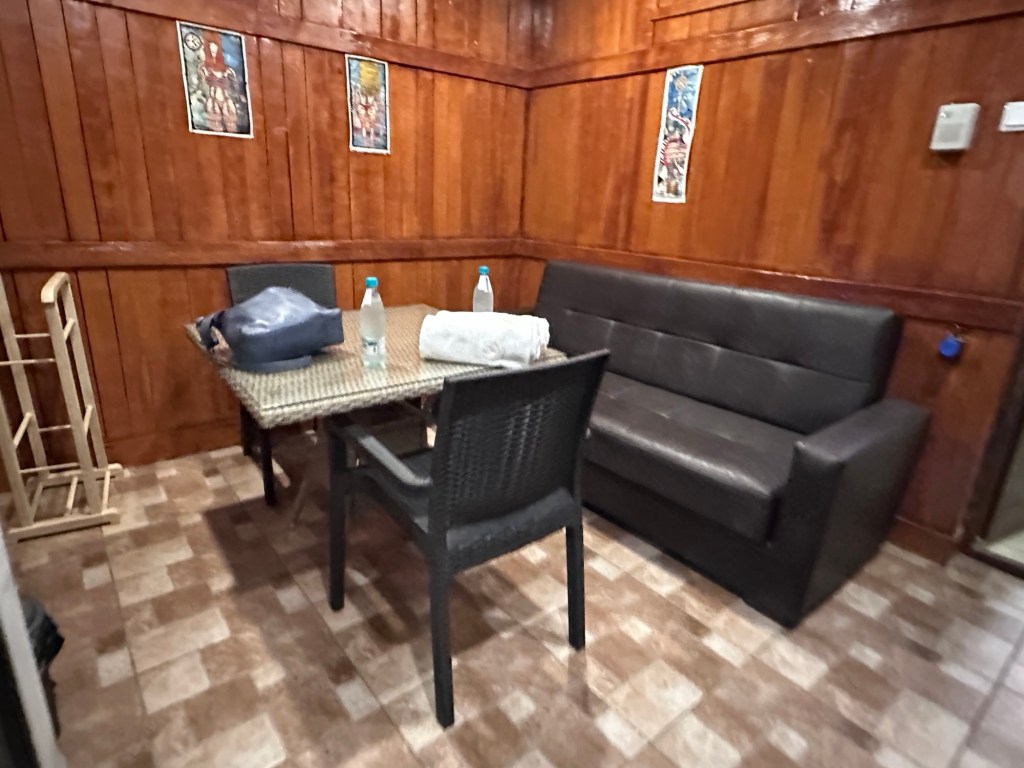
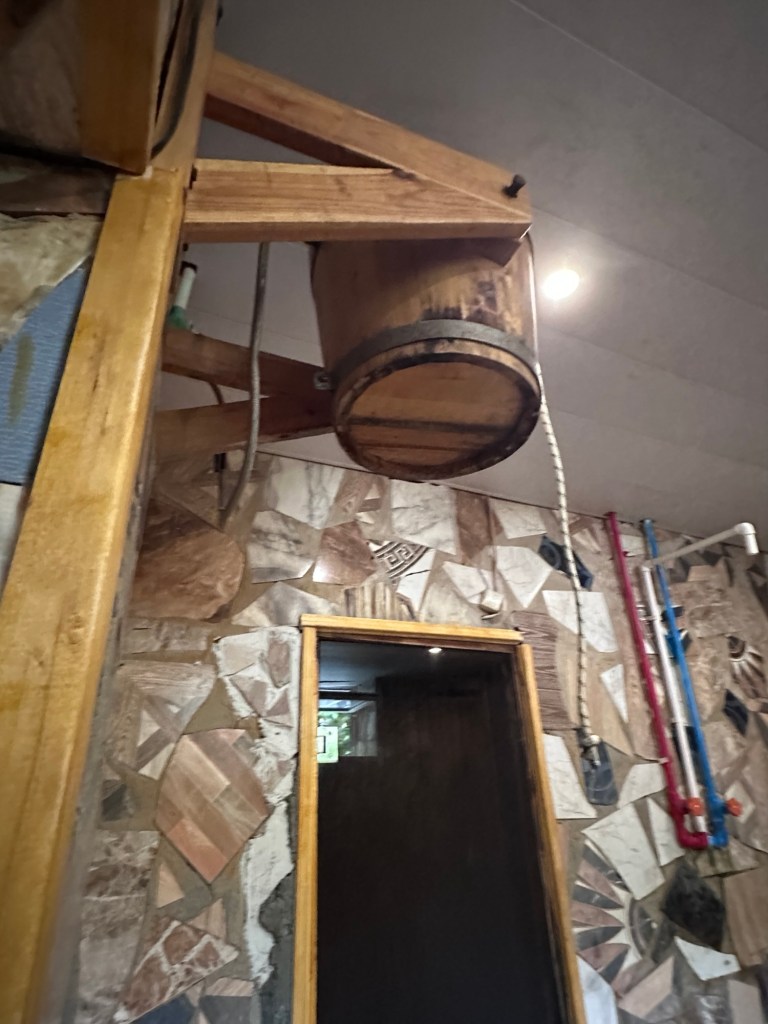
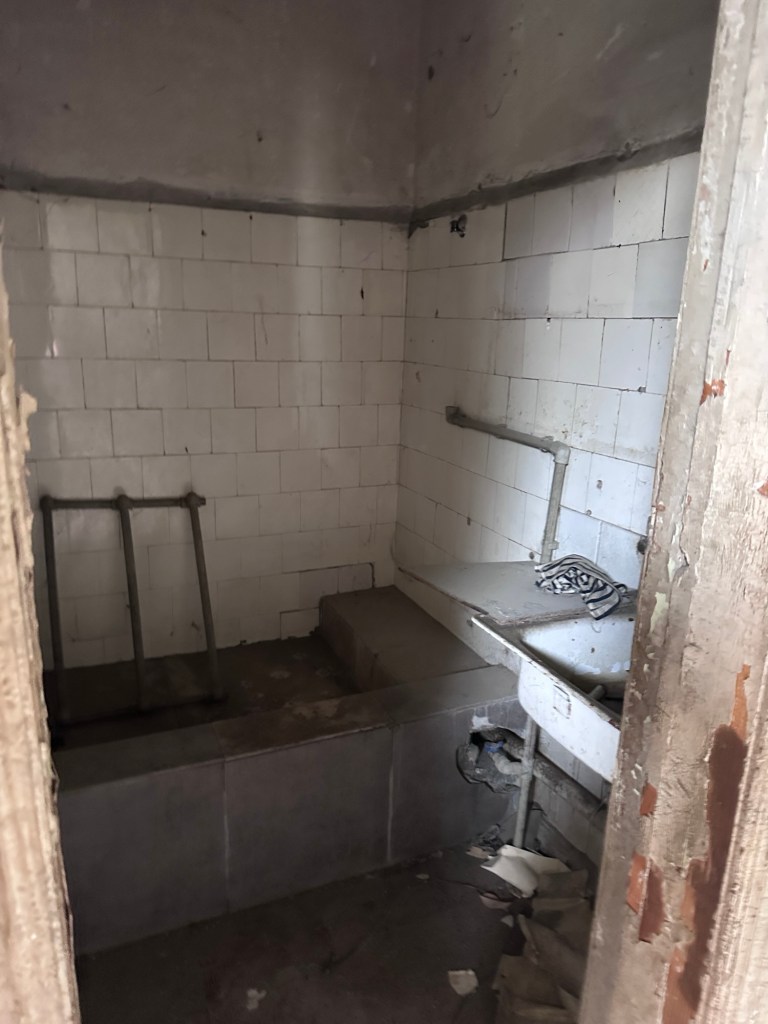
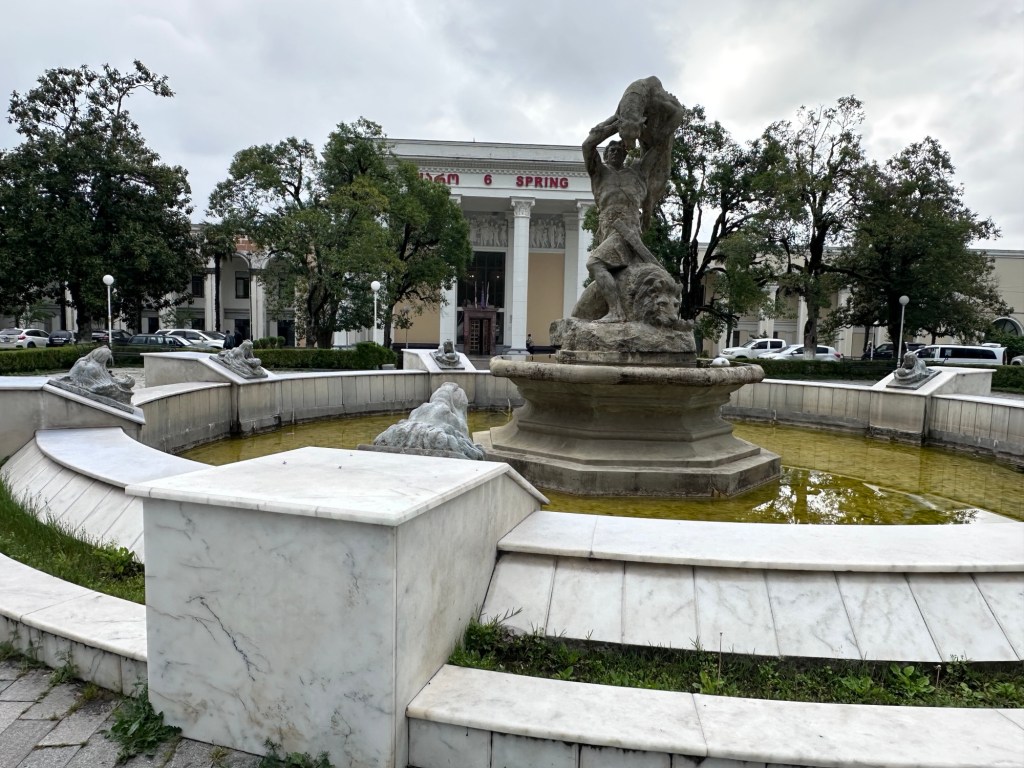
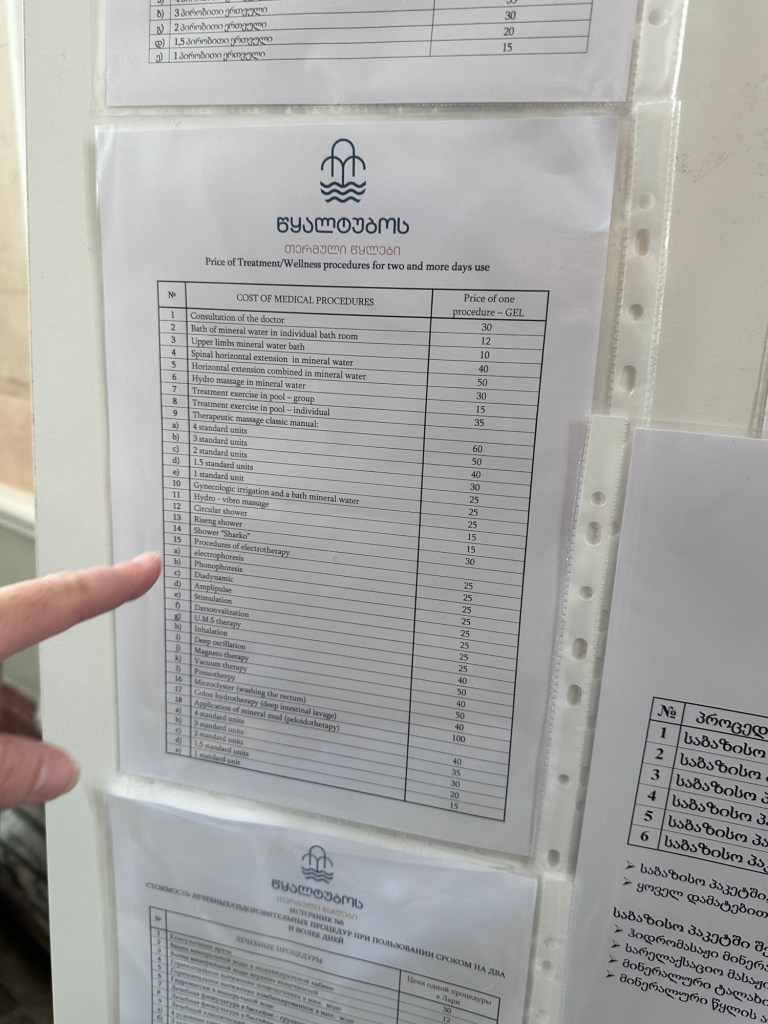
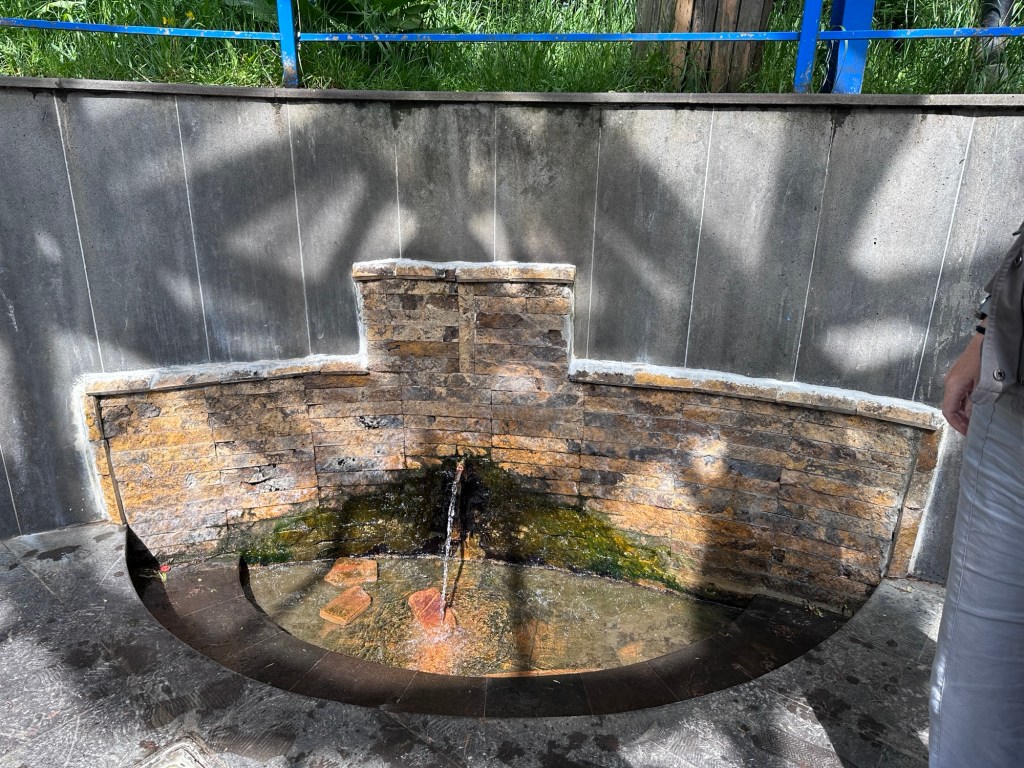
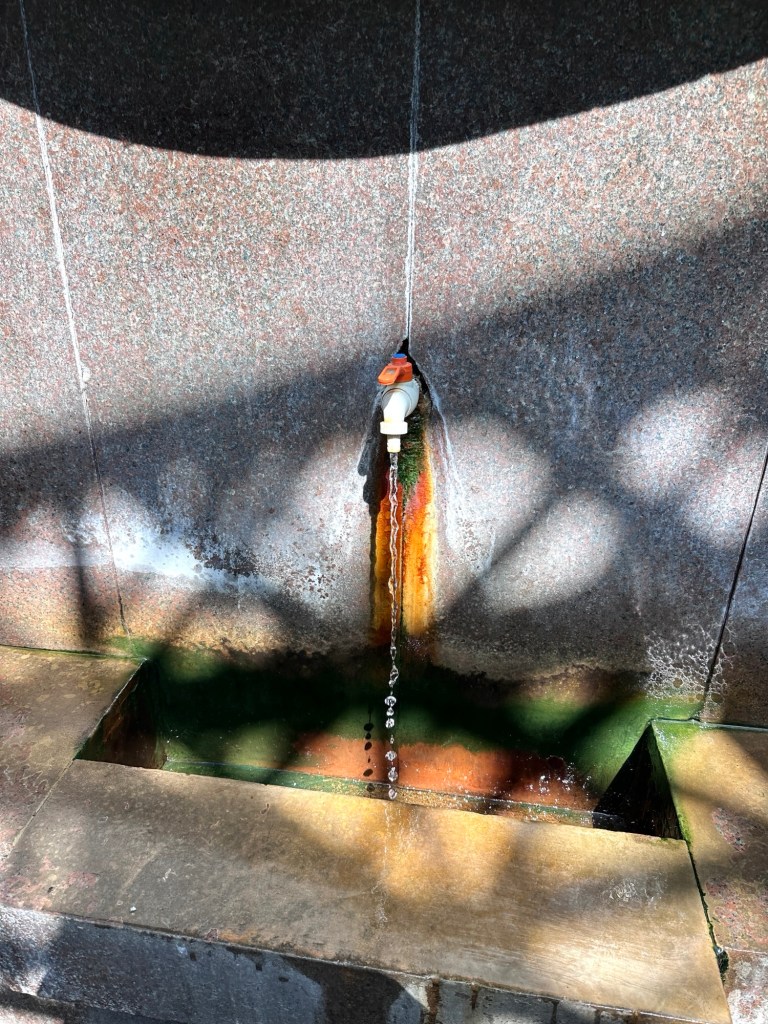
We wander around a few other areas in old town then end up by the sulphur baths. The city was literally founded because of the sulphur spring. King Vakhtang I Gorgasali hunted in the area with a falcon and the story is the falcon is lost and later found dead in the sulphur spring. The king decided to create a town and name it after springs. If we have time we may come back for a massage or time in the spa rooms. I’ve heard it is a unique spa experience.

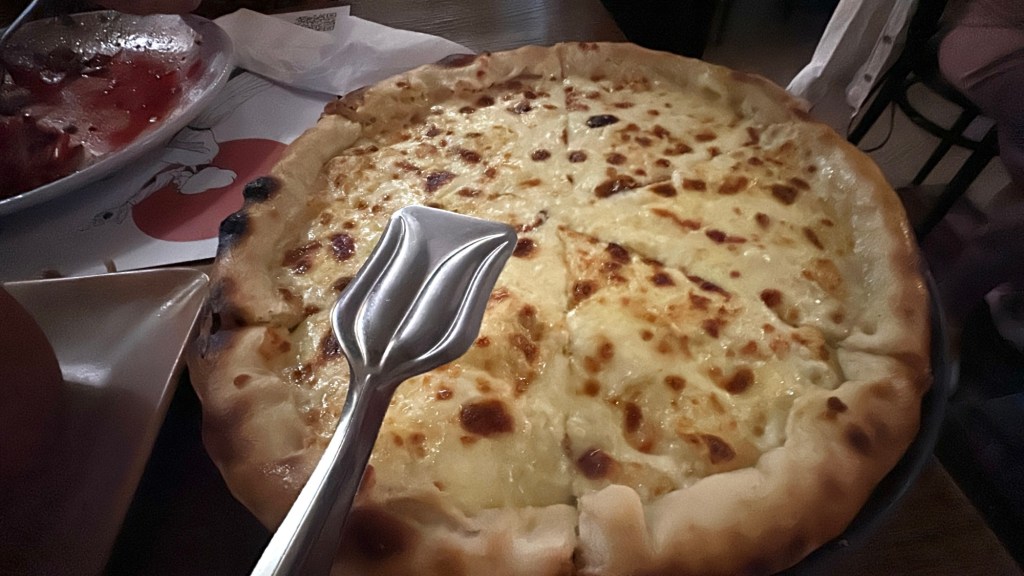
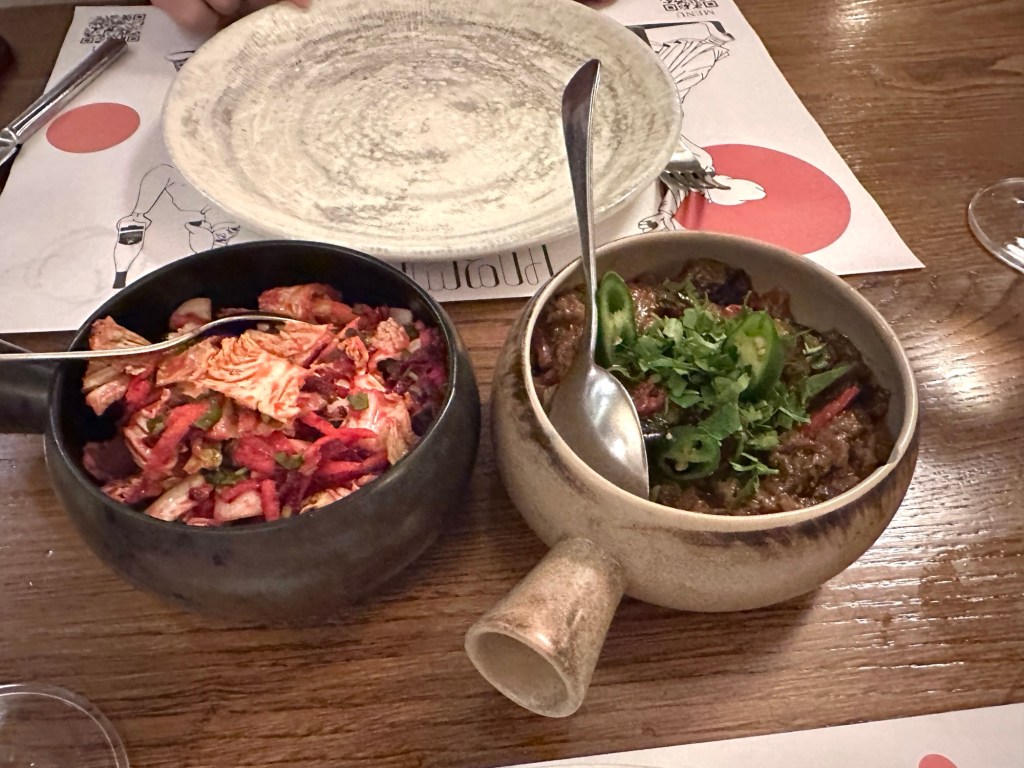
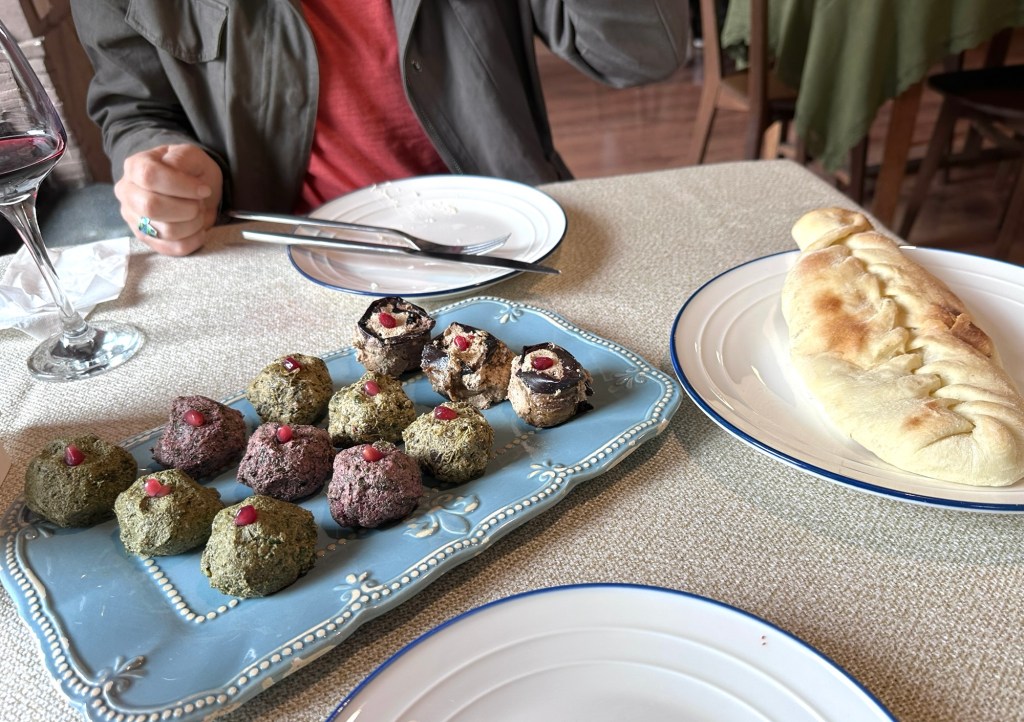
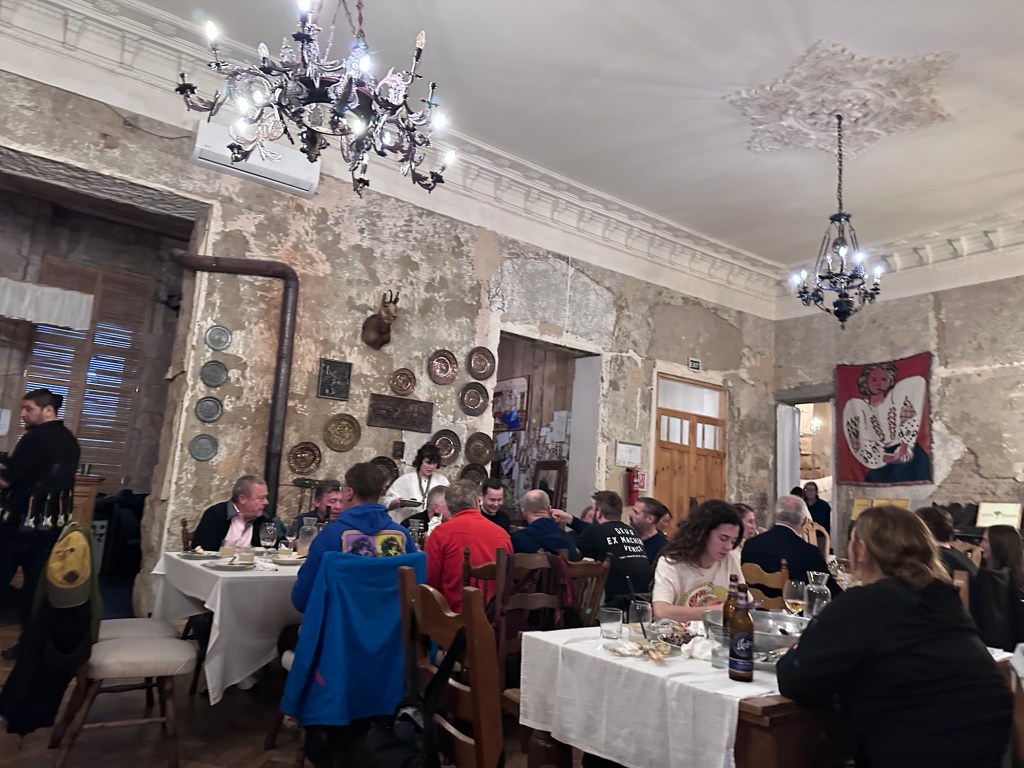
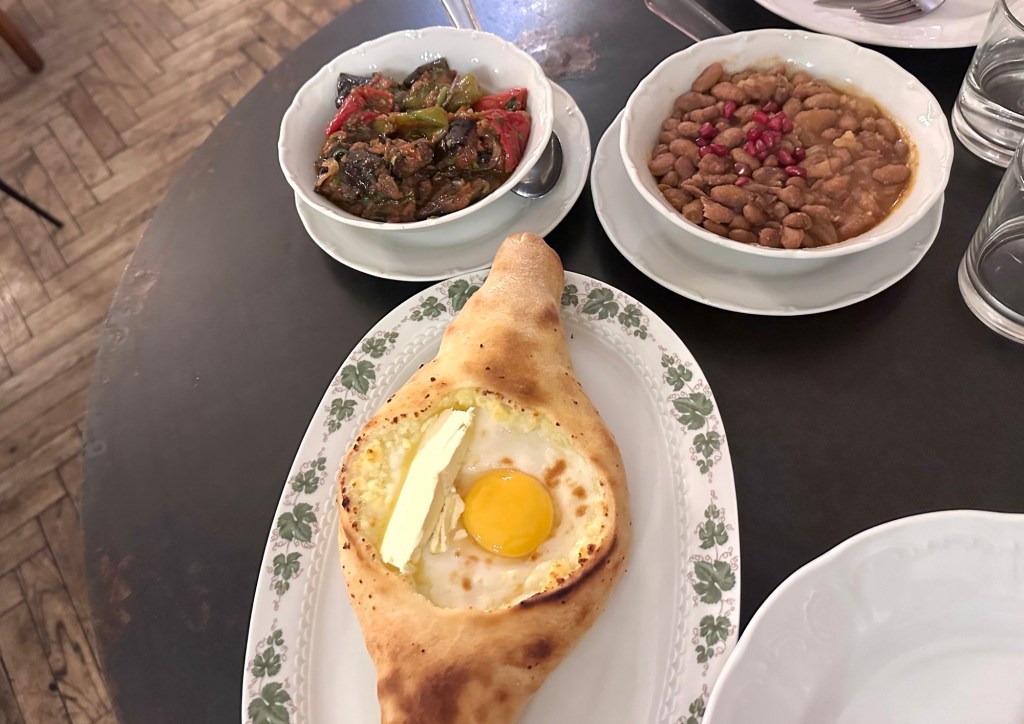
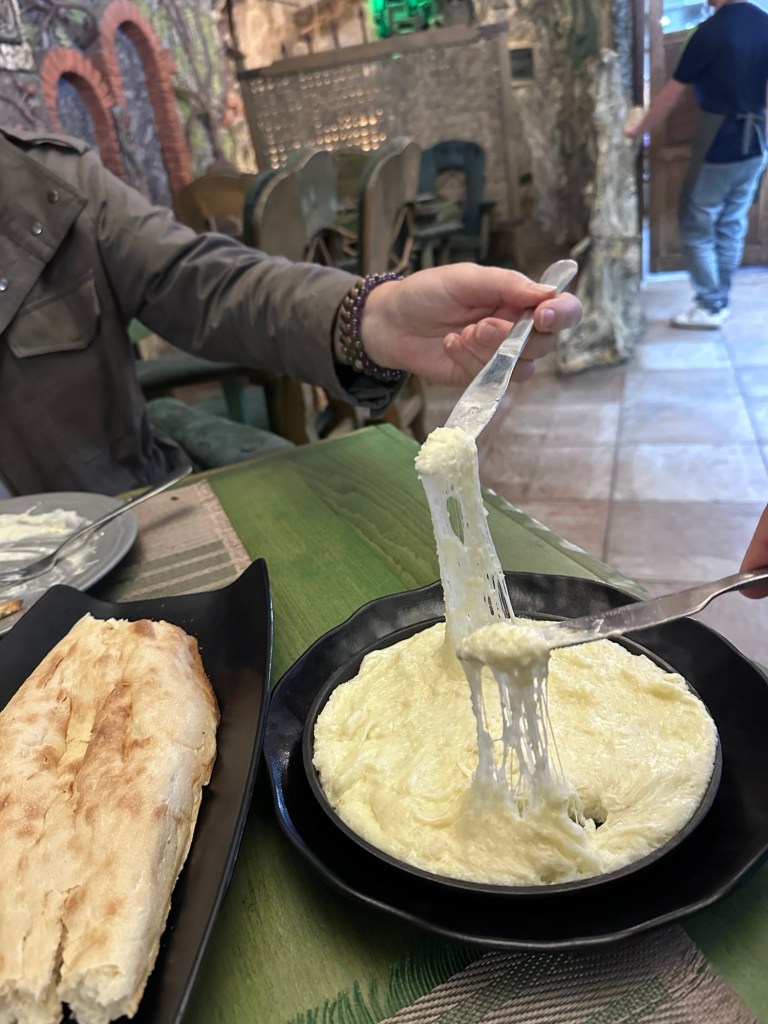
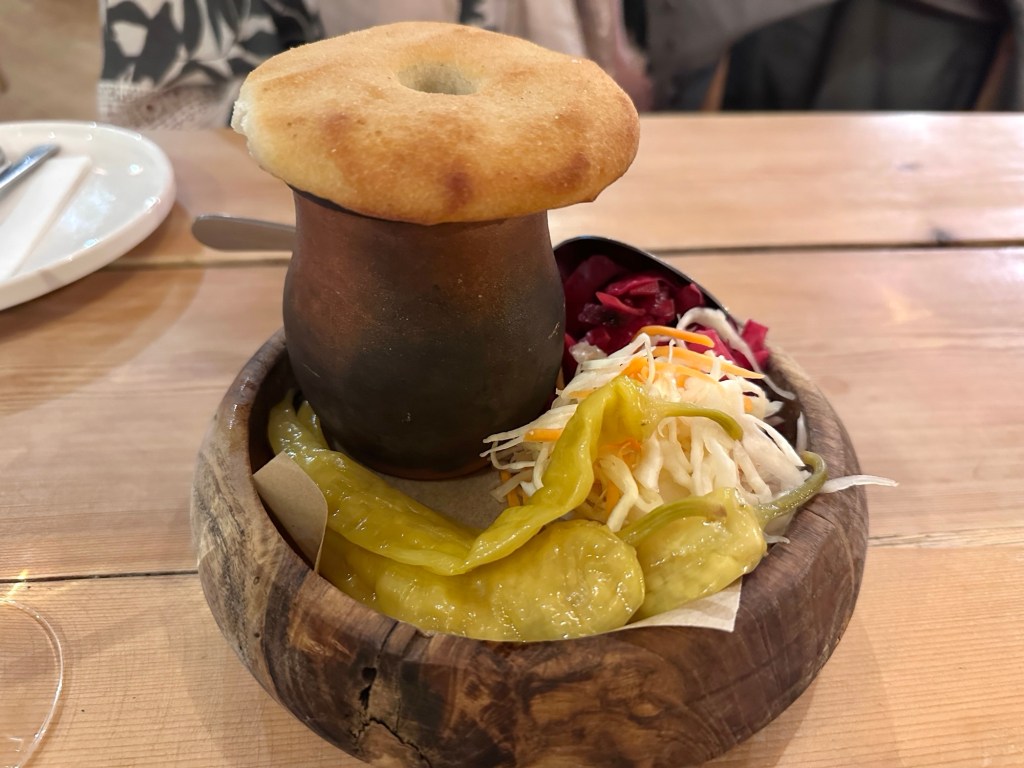
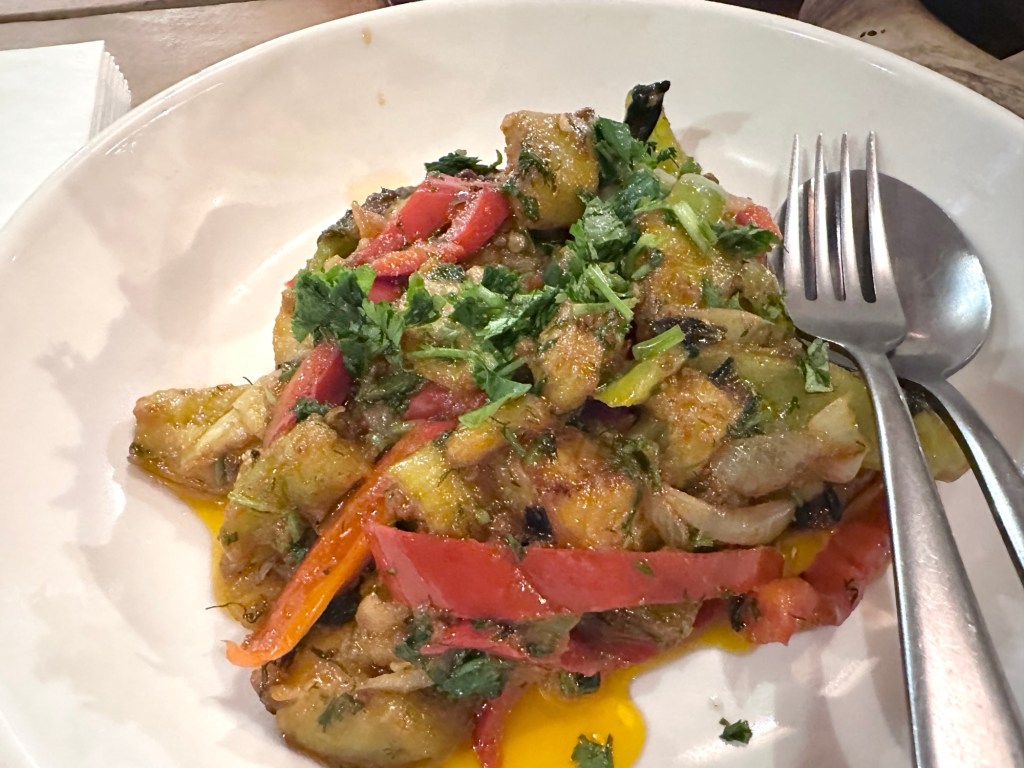
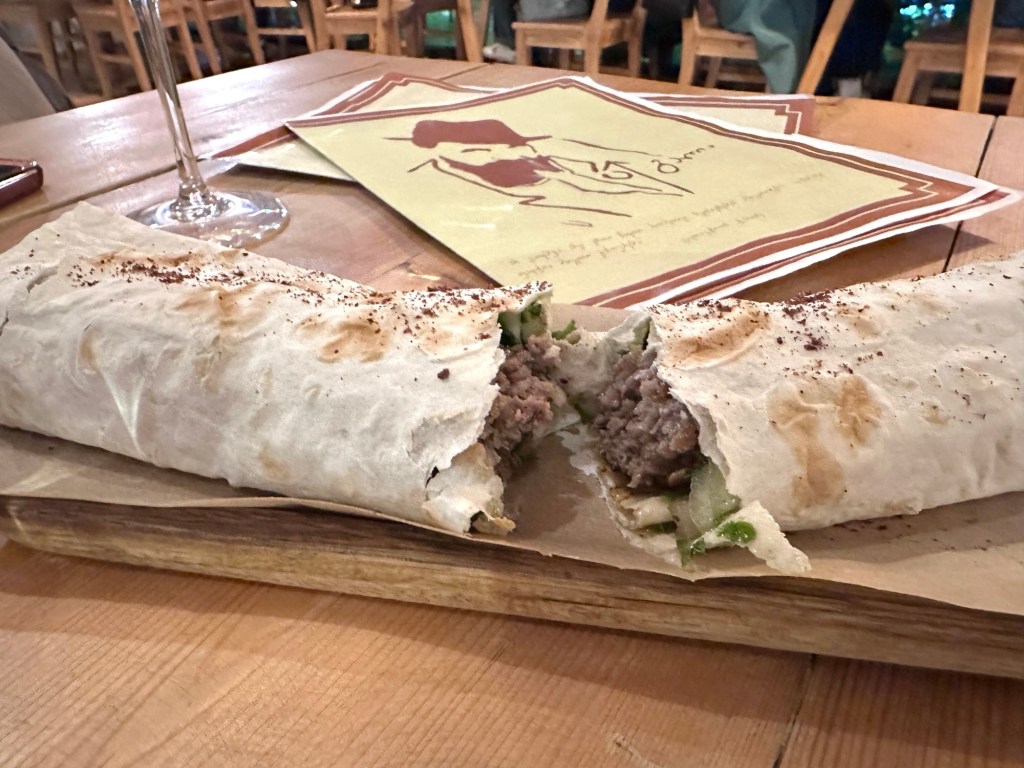
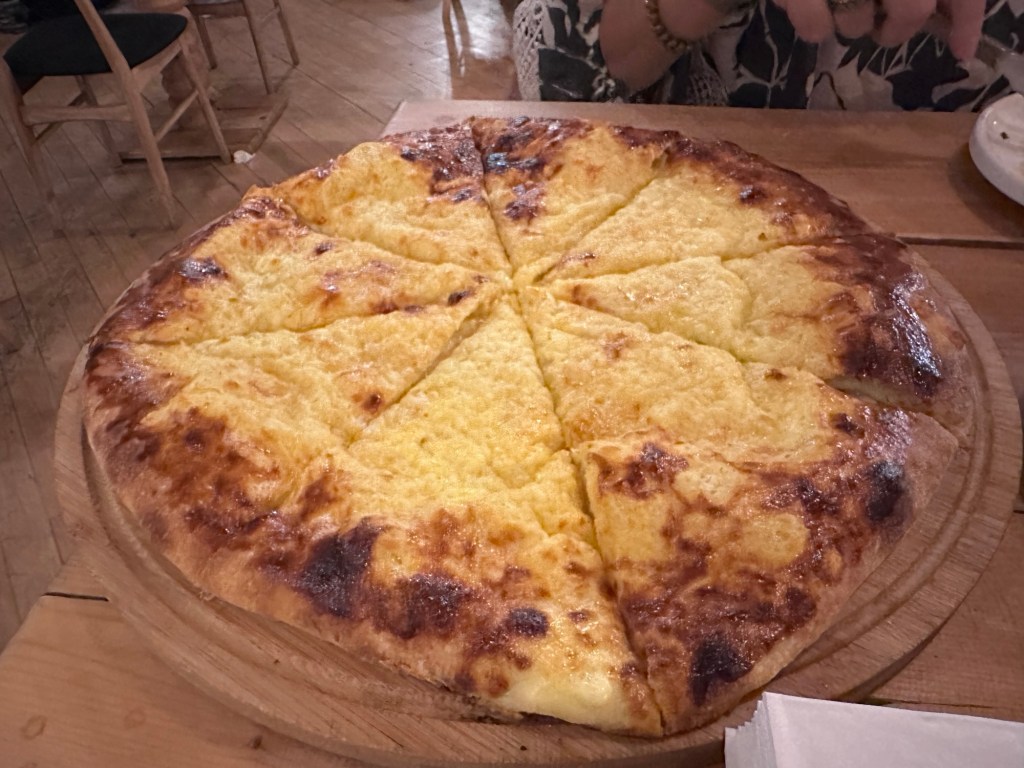
We leave the tour group and eat at a khinkali restaurant recommended by our guide. Khinkali is a similar to a soup dumpling, it’s usually filled with beef, beef and pork, mushroom, cheese or potatoes. Some have juice or a soup like liquid inside. We try two different khinkalis, one meat and one mushroom. I would have like to try more types but each order is a minimum of five and khinkali are already very filling. We also order one khachapuri and the waiter warns us it is very small and only enough for one person. Not sure how much he thinks we can eat but is more than enough food for the two of us. This is not my first khachapuri, my first experience is at a restaurant in Brooklyn, New York. There are different variations of this dish but my favorite is when it is shaped like a boat filled with melted cheese. A raw egg is put on top. You are to mix in the egg right away with the hot cheese to give a rich cheesy bread dip.
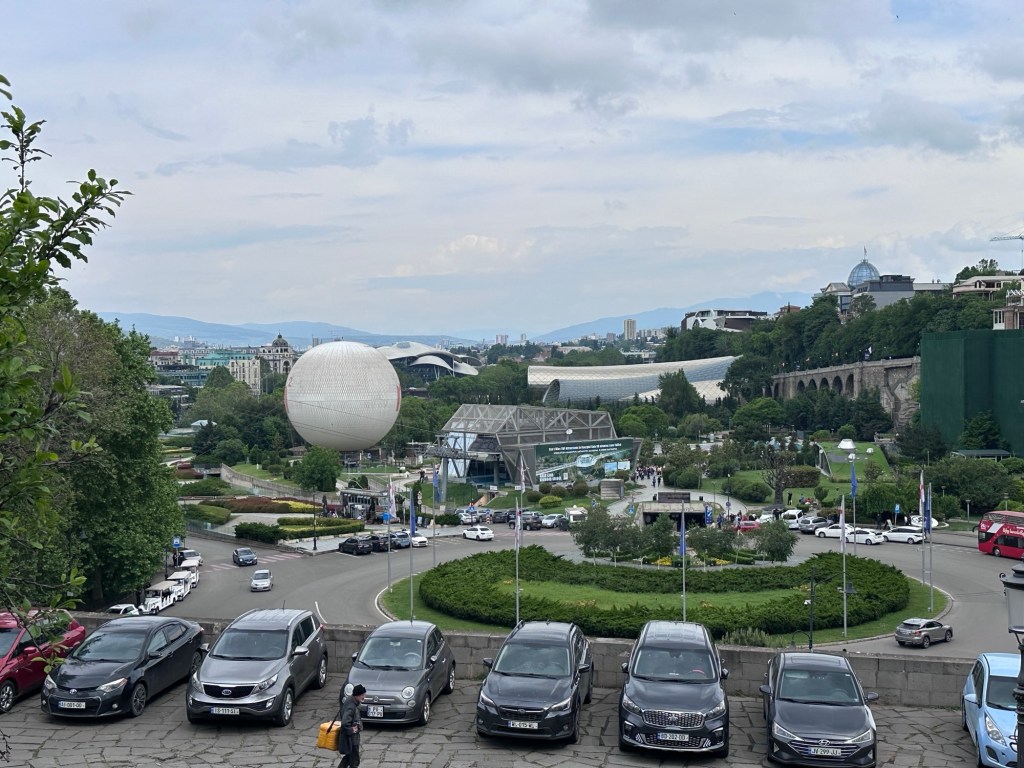
We are very tired and jet lagged but we decide it is best to keep going so we adjust to the time change. We pick a destination on the other side of the river to resume our sightseeing. We once again cross the peace bridge and spend a moment at Rike park on the way. We view a Ronald Reagan memorial statue, a group making a TikTok video, the now unused futuristic music theater, and some other interesting architecture on the way.

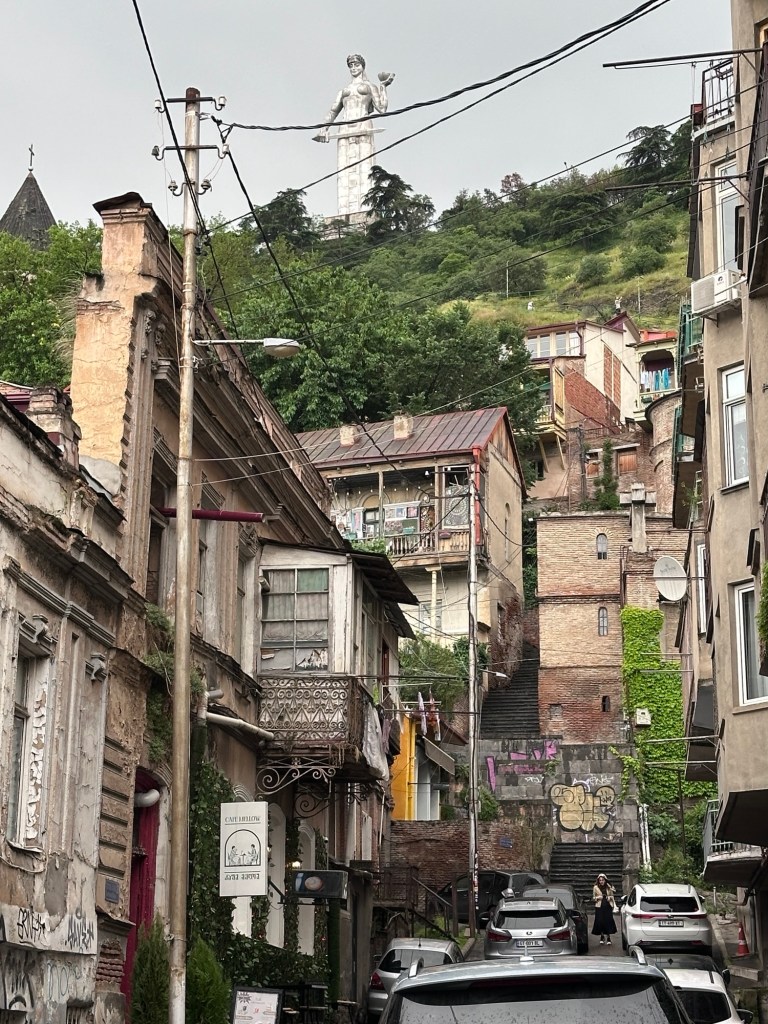
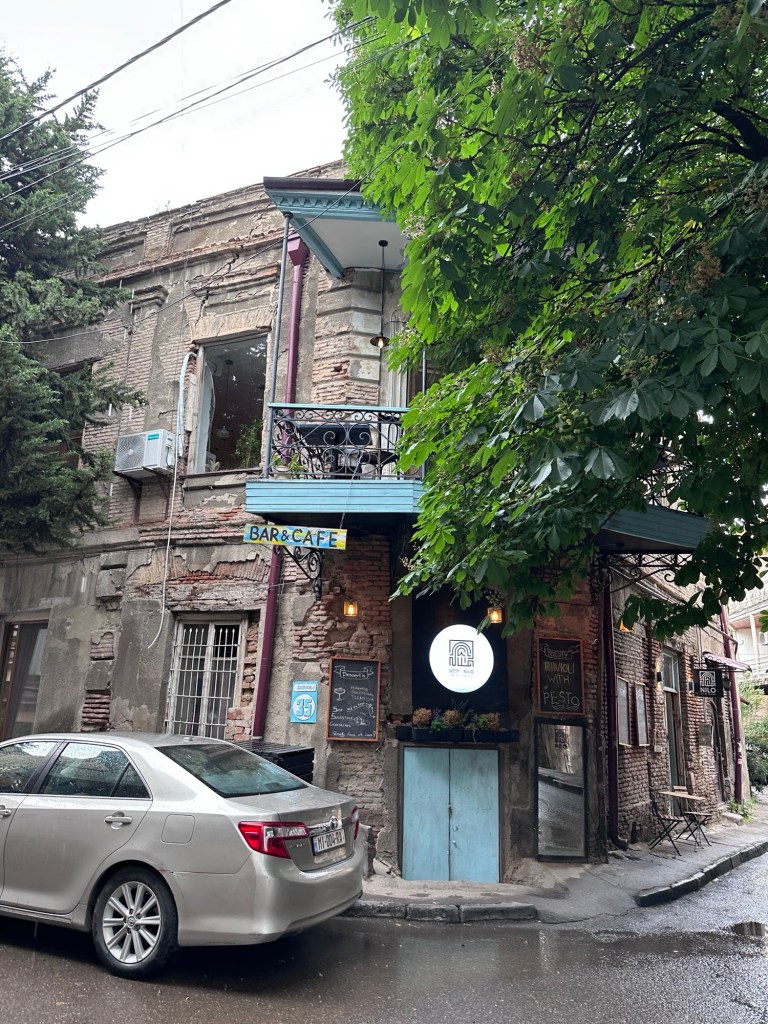
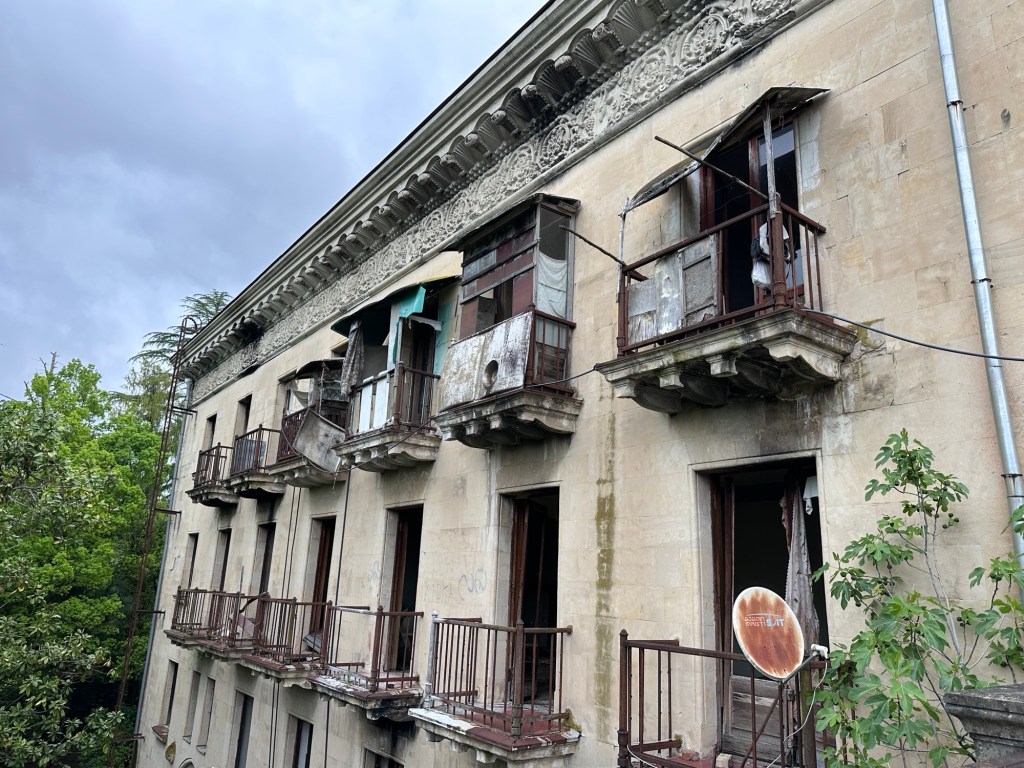
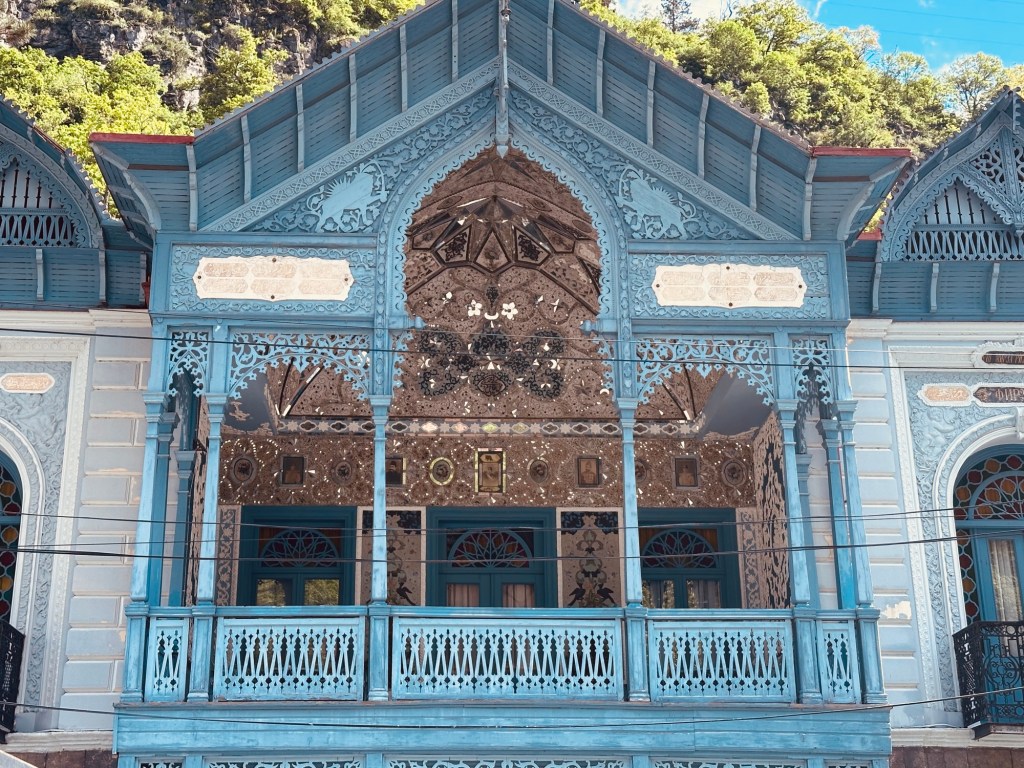
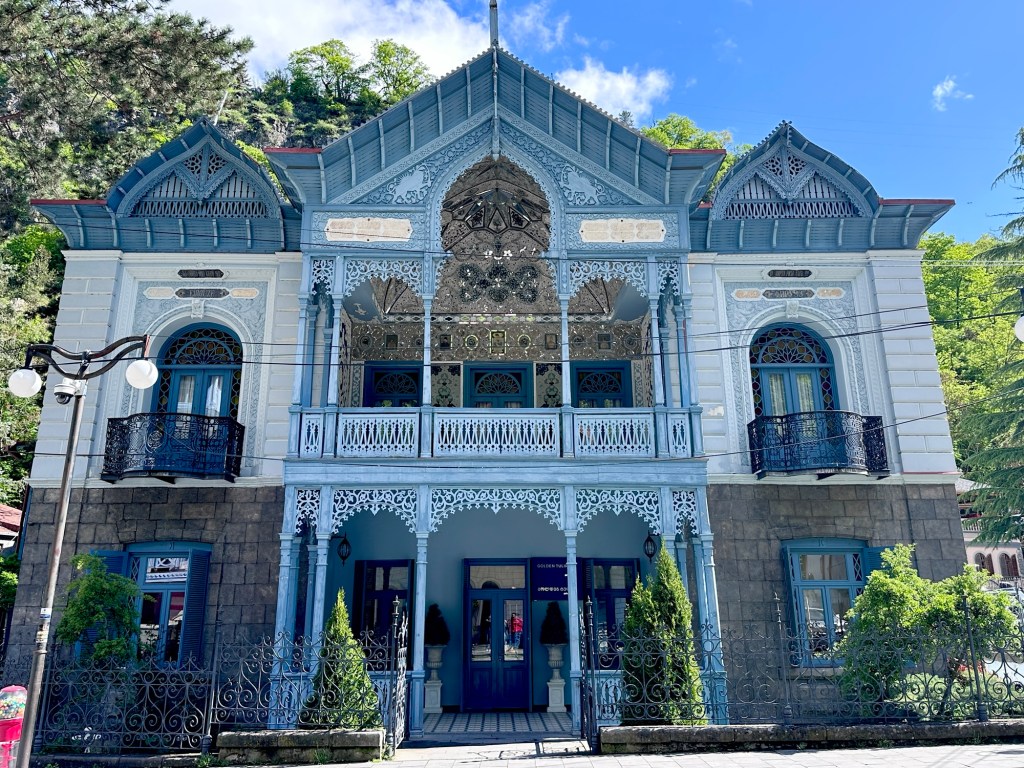
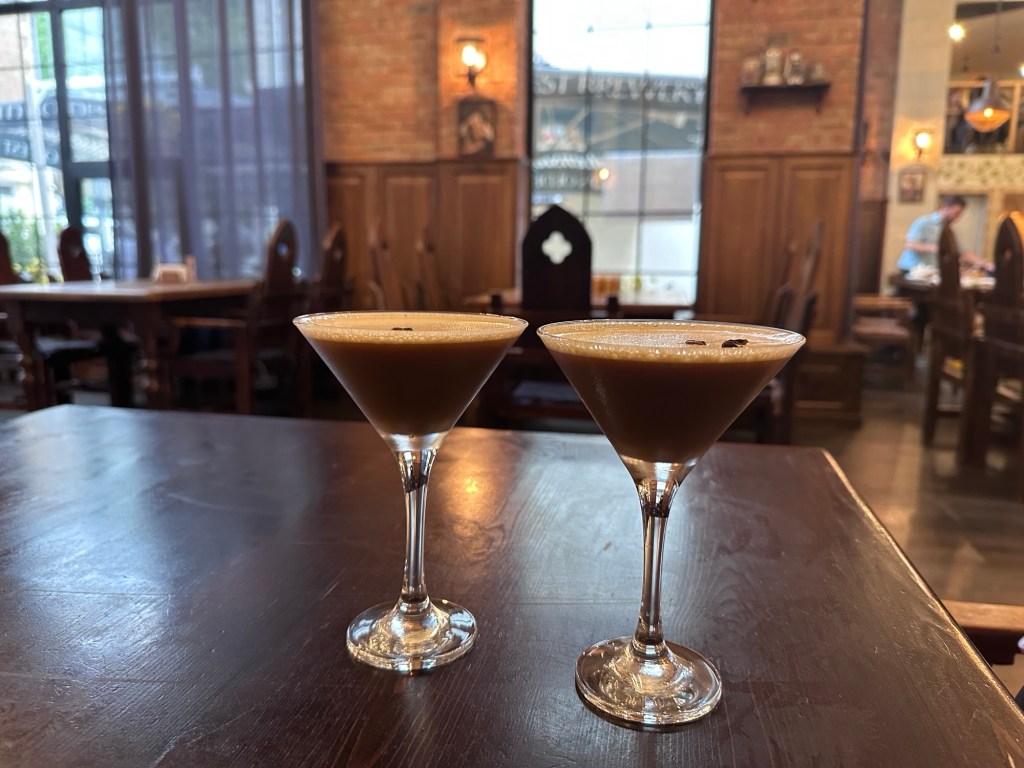
We arrive at Fabrika Tbilisi, a repurposed former clothing factory that is now a hip hotel and hangout area. There are clothing stores and hip cafes around. Seems like a good time to stop for a rest and a pick me up drink. Espresso martinis are a great idea right now. We spend some time enjoying the mild temperatures, people watching and observing the behavior of the street dogs that have seemed to make themselves comfortable in this district. This part of town also has the interesting courtyard and balcony architecture.

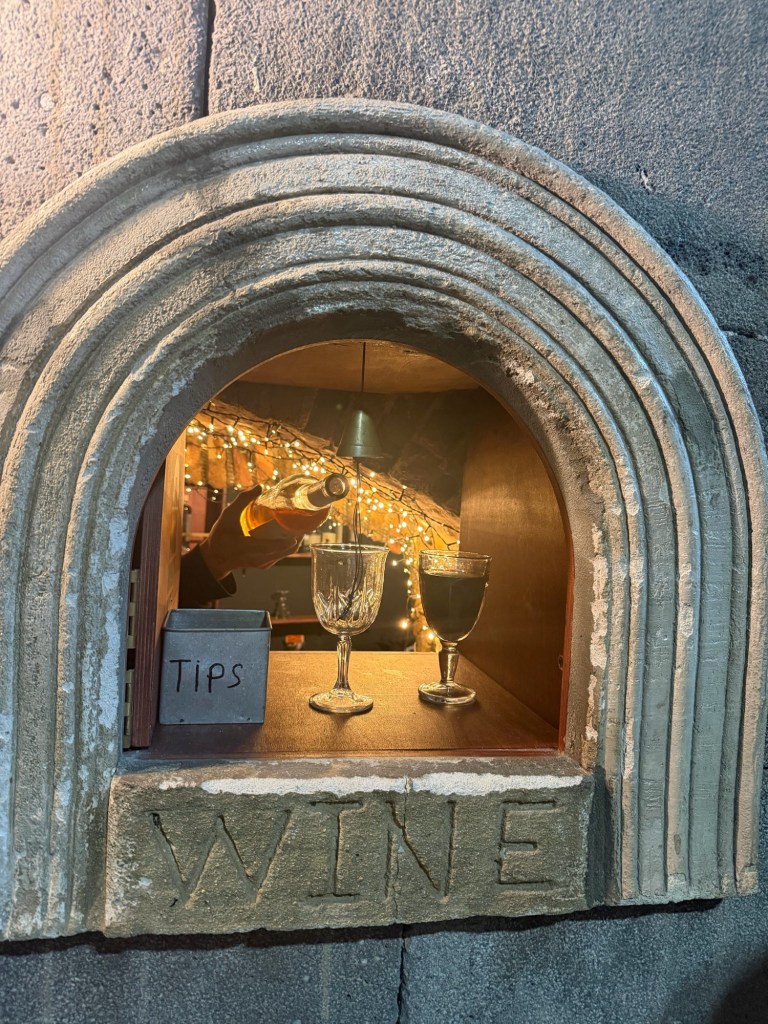
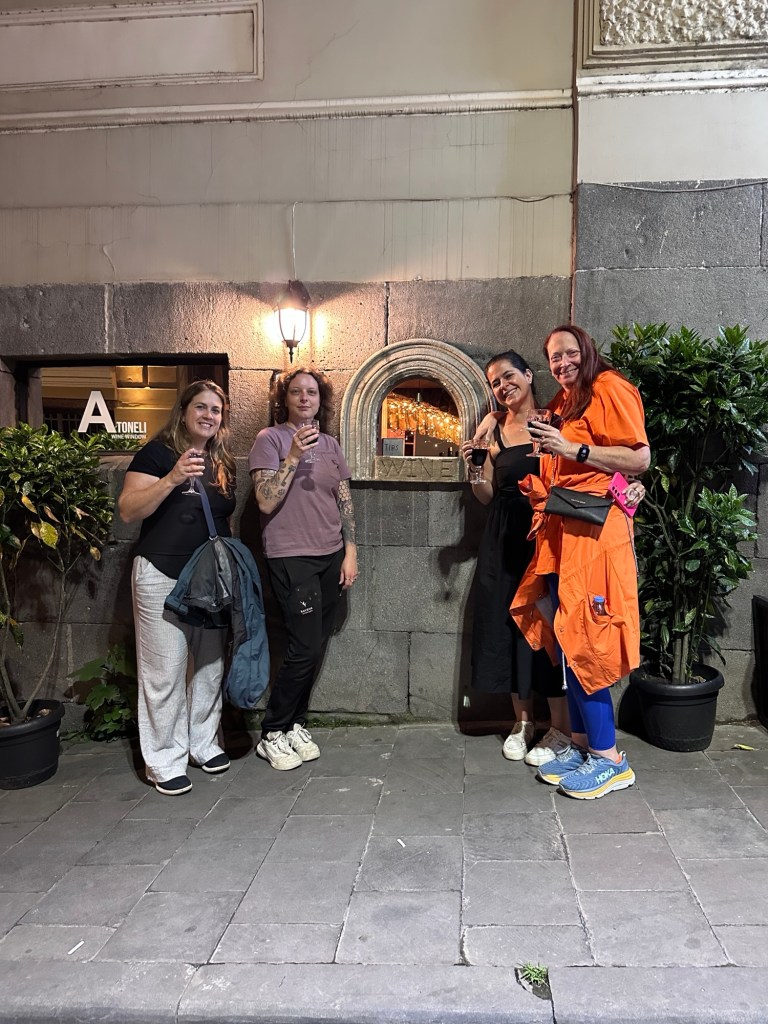
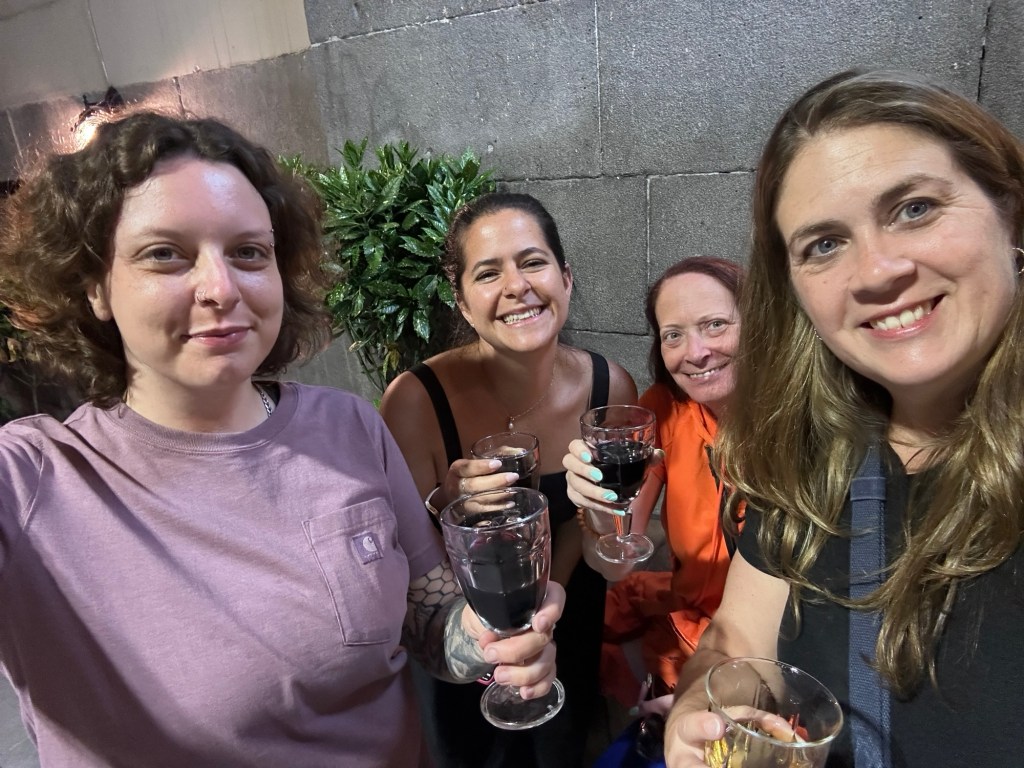
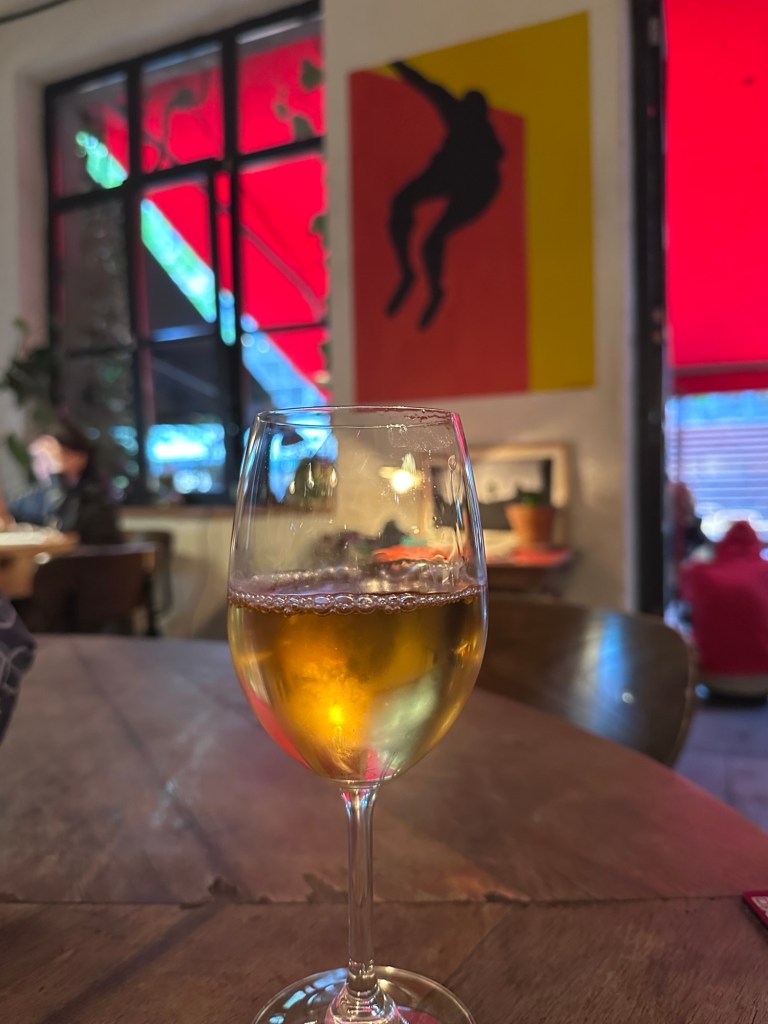
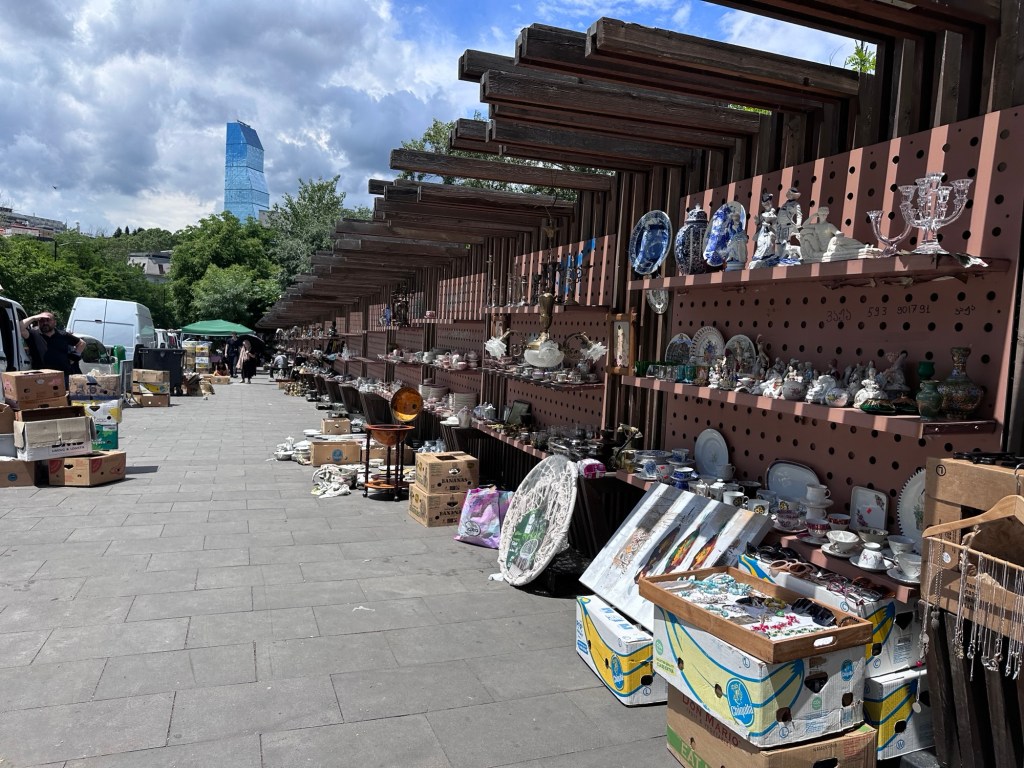
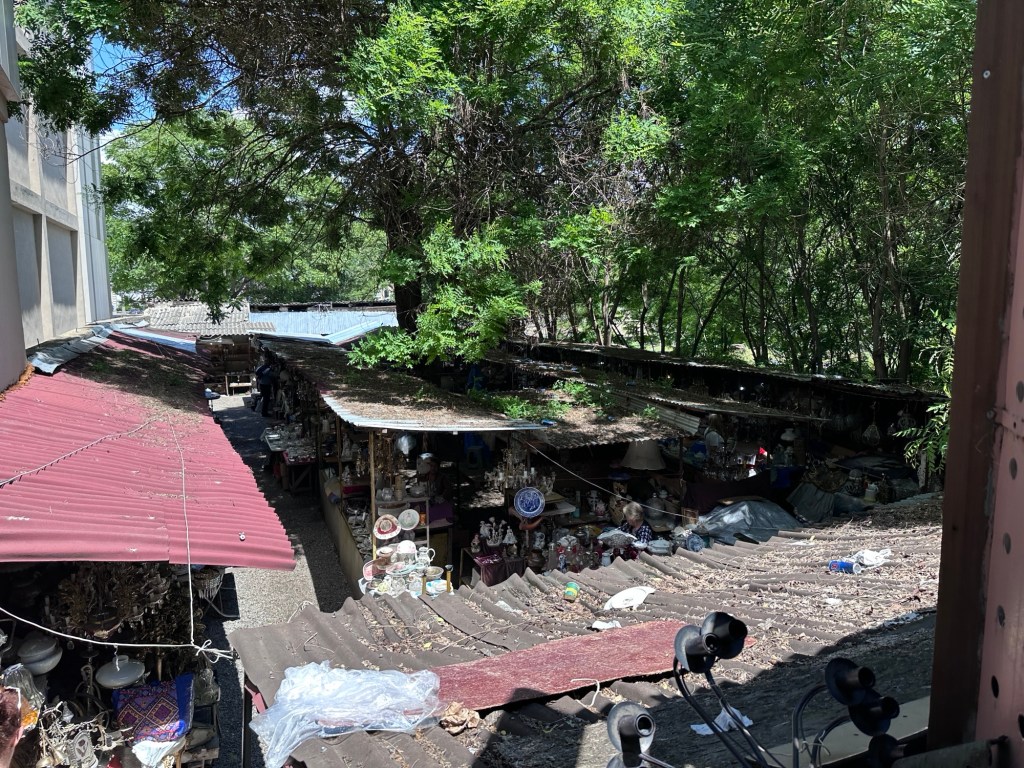
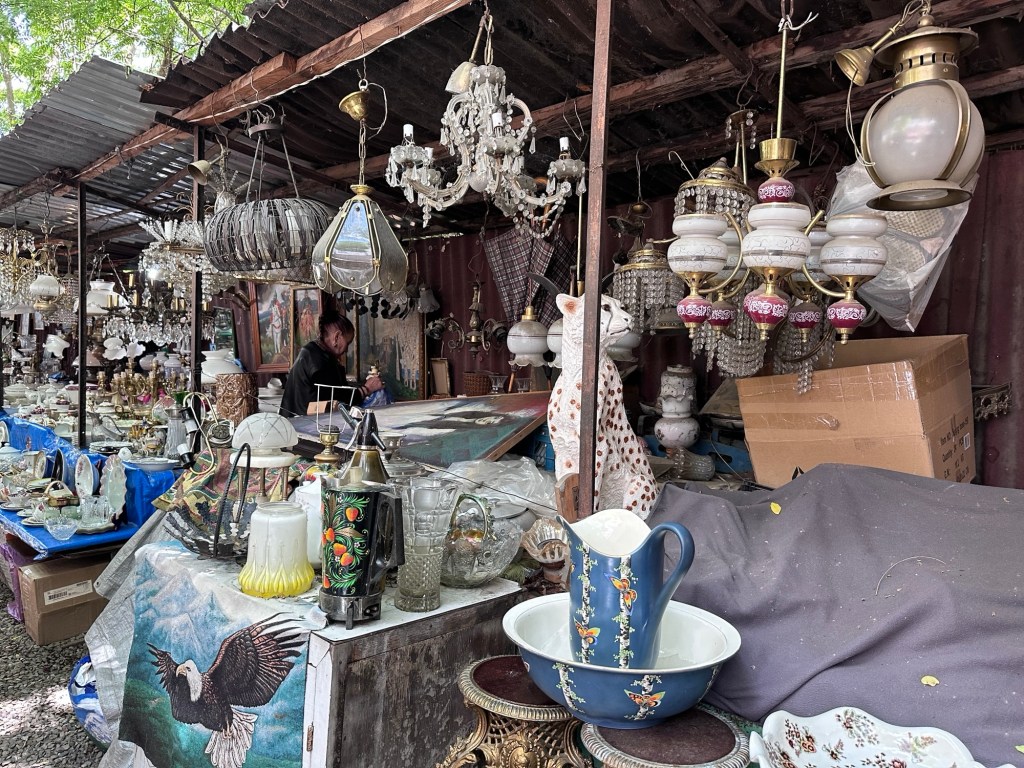
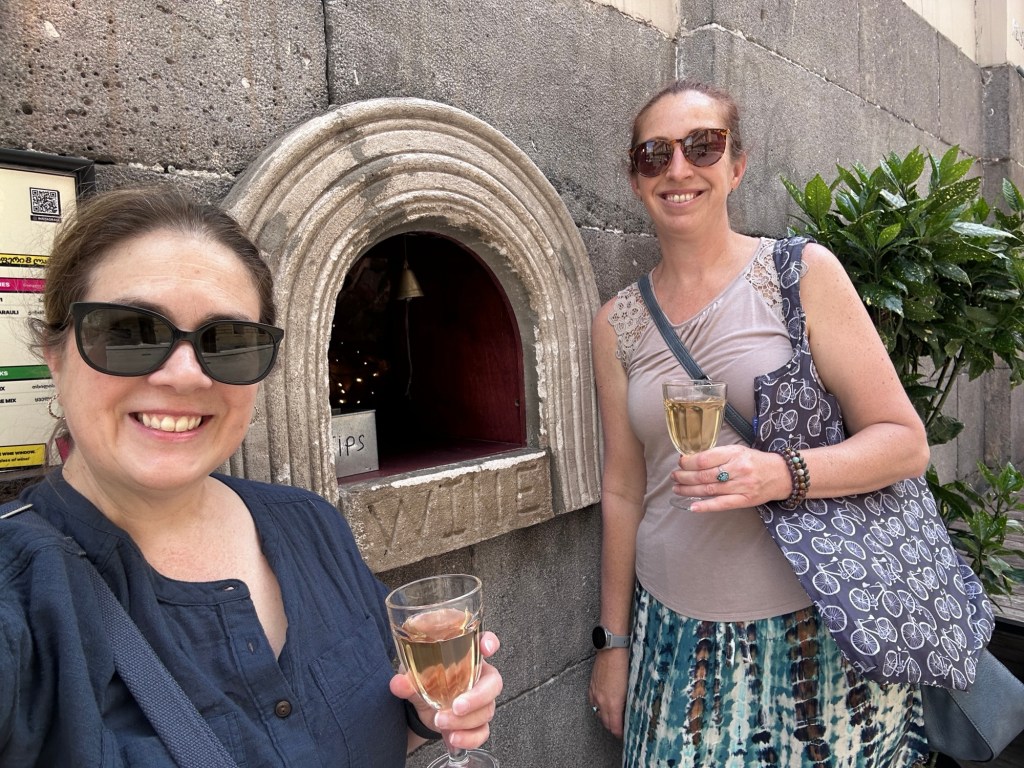
We cross the dry bridge and glance at the dry bridge market, vowing to come back to this area on our full free day. We now are aiming for the Atoneli Wine Window, a window that has a man waiting at the lower level for you to ring a bell to request a glass of wine for purchase. The first wine we order is tossed away for being inadequate after the host smells the wine poured and declares it bad. Not sure we would know the difference not being wine experts but we are impressed that he cared to make sure he was serving us quality wine. We drink our newly poured wine on the street outside and return our glasses back to the window.

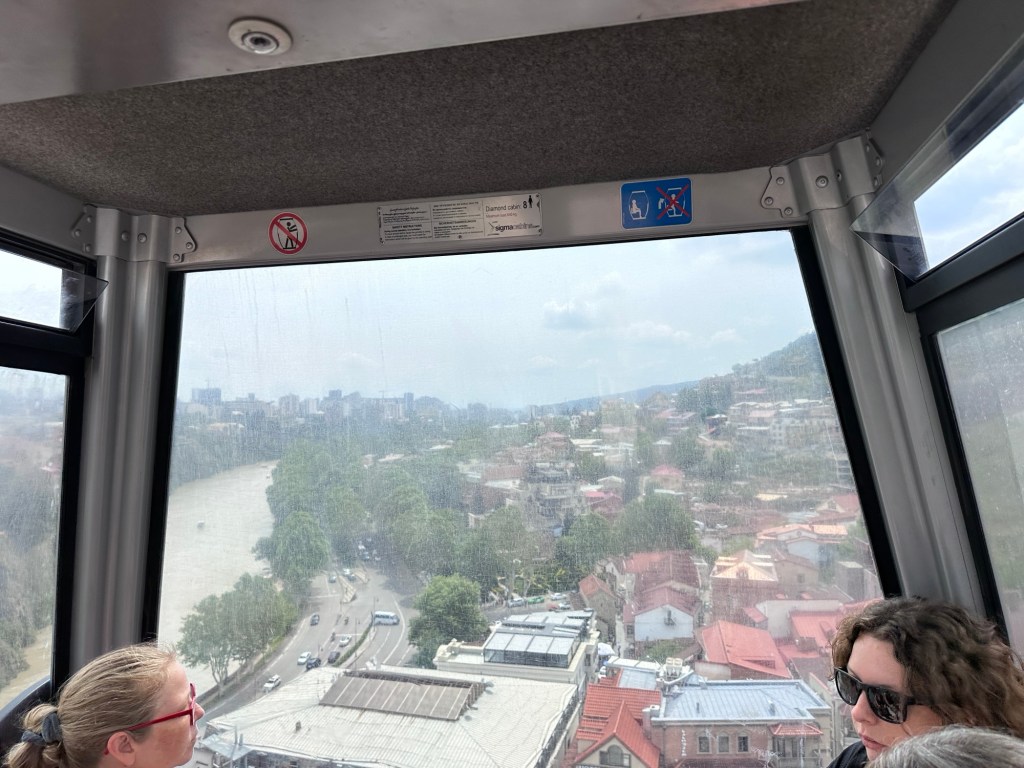
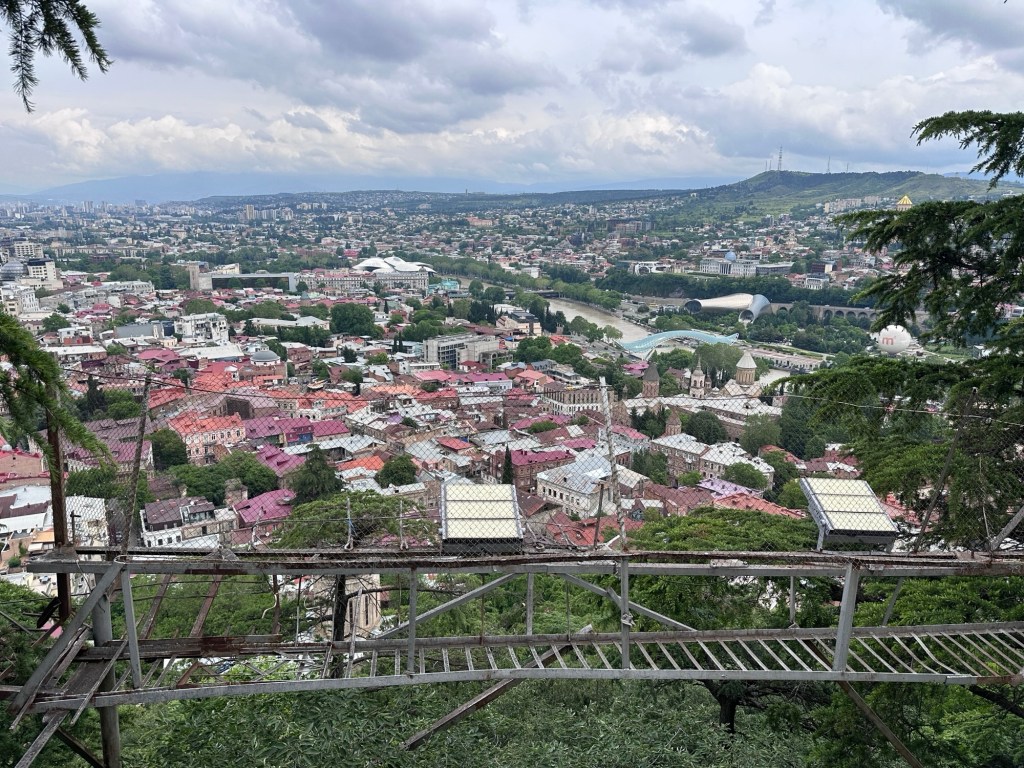
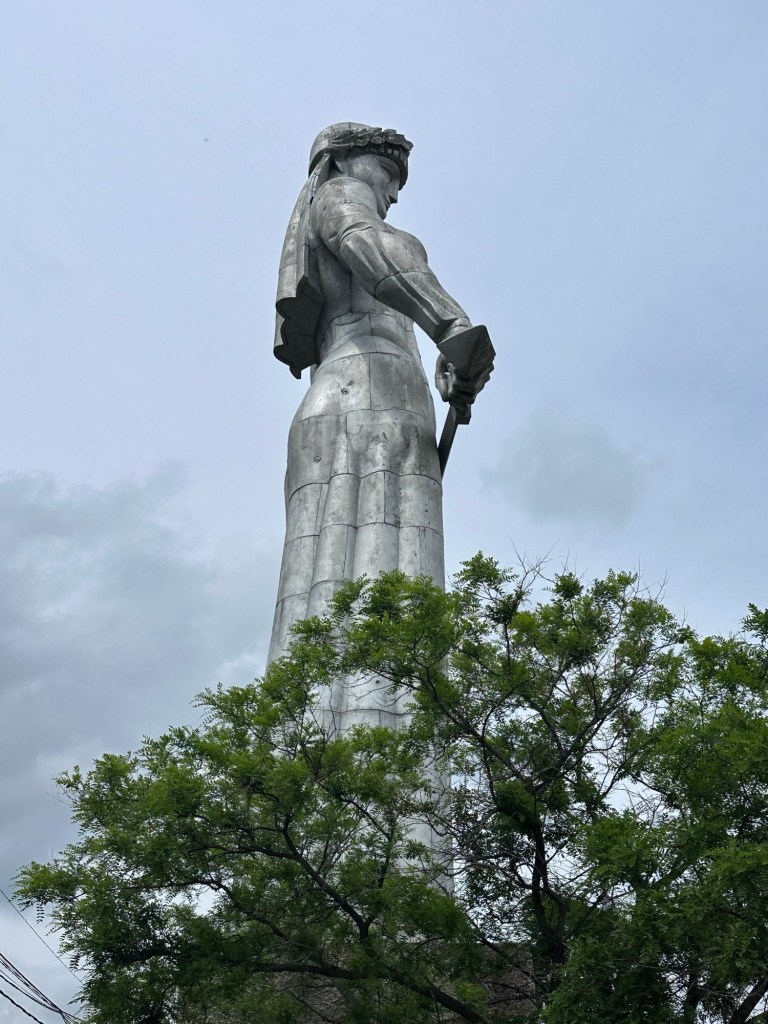
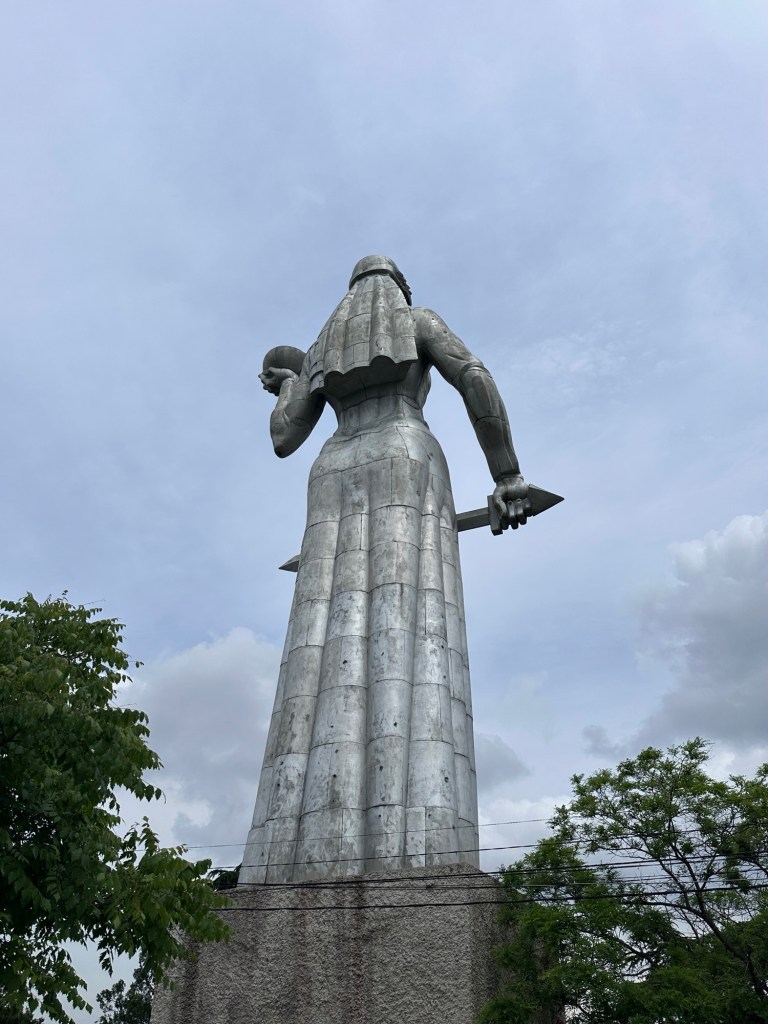
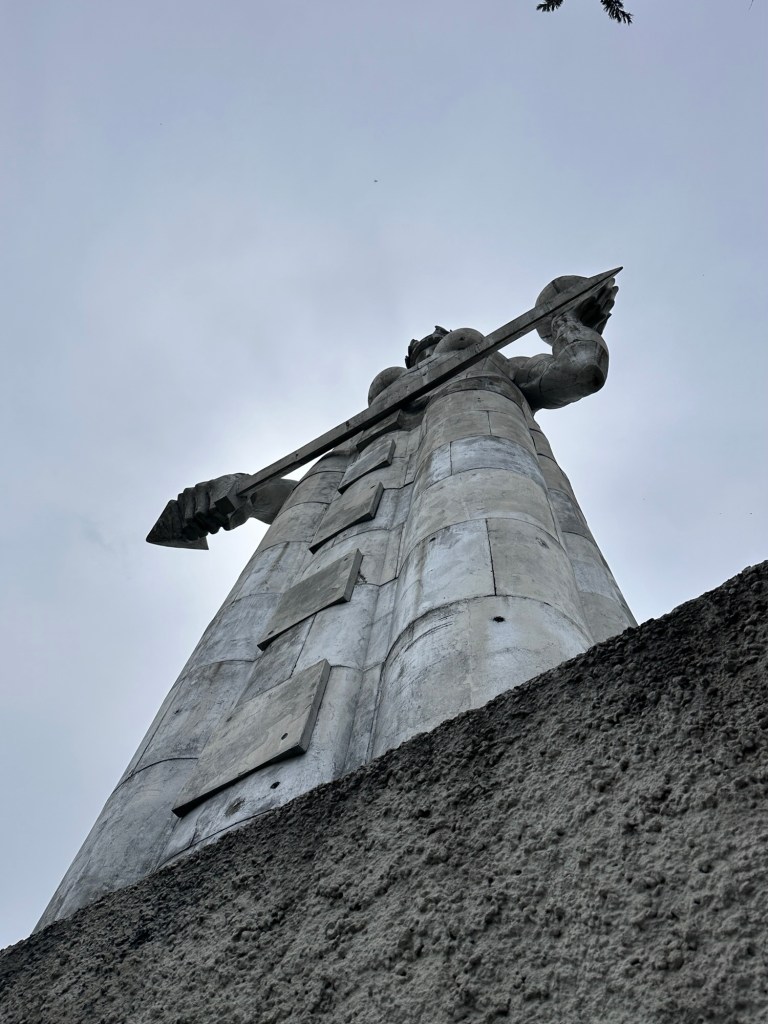
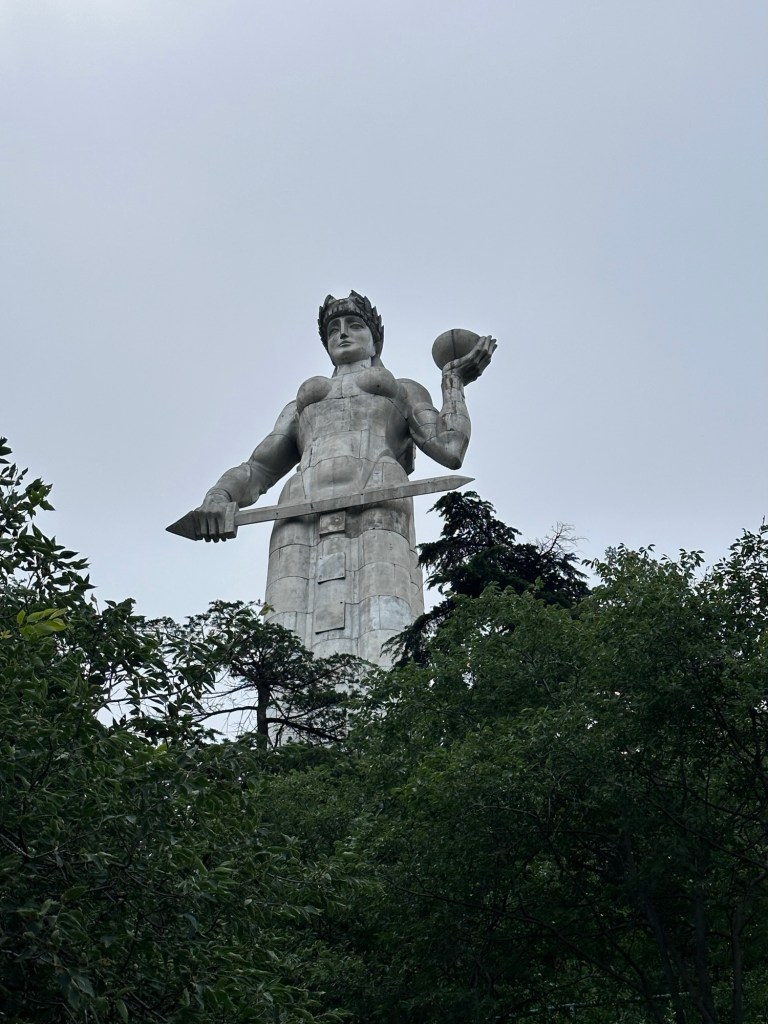
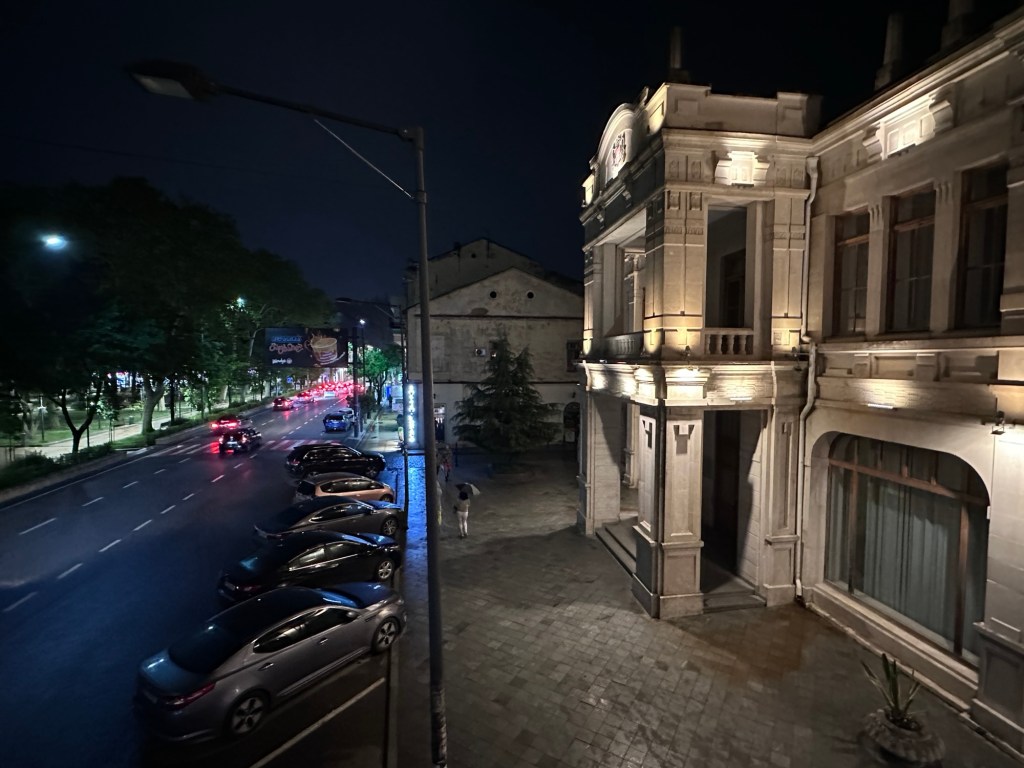
Our next plan is to take the cable car up to to see Mother of Georgia, the large statute, up close but we navigate to the wrong cable car and end up by a large amusement park at the top called Mtatsminda Park. After watching the sunset from above we tour the lit up amusement park by foot, hoping to find a path to Mother of Georgia from here. We are unsuccessful so we admire the views some more and then take the cable car back down for our return trip.

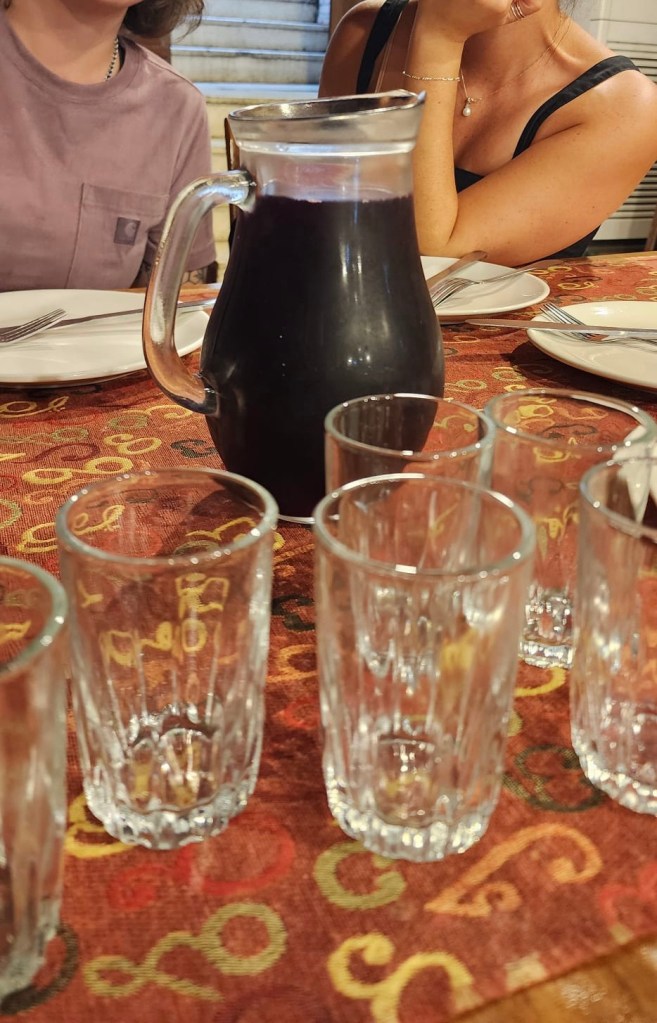
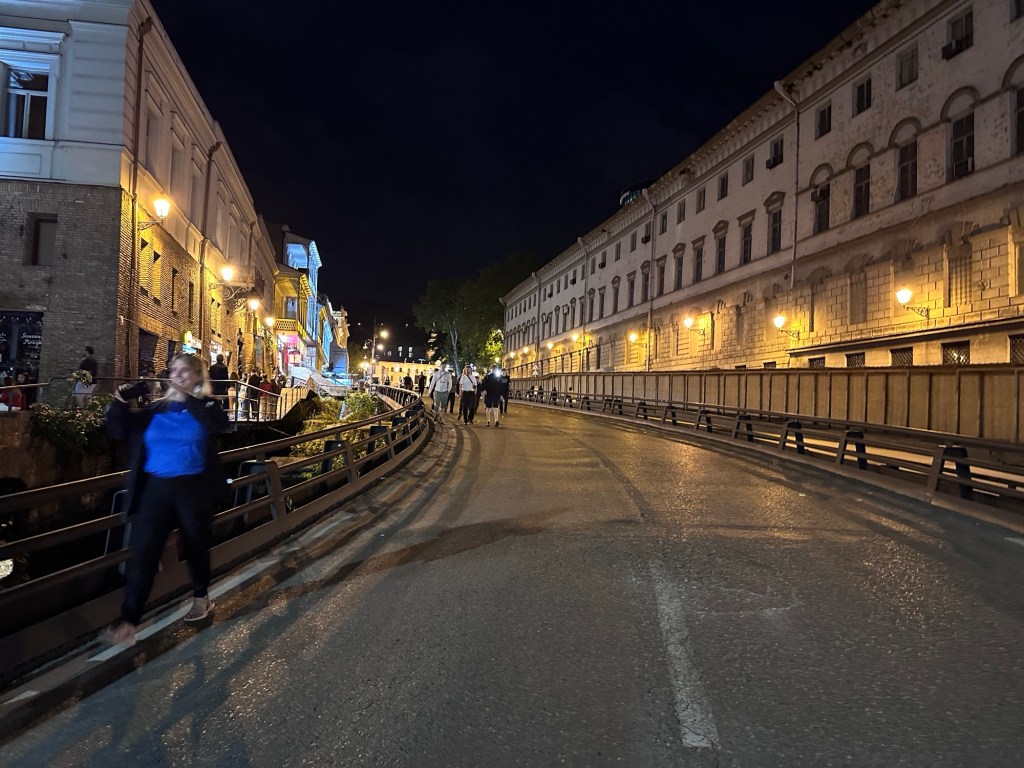
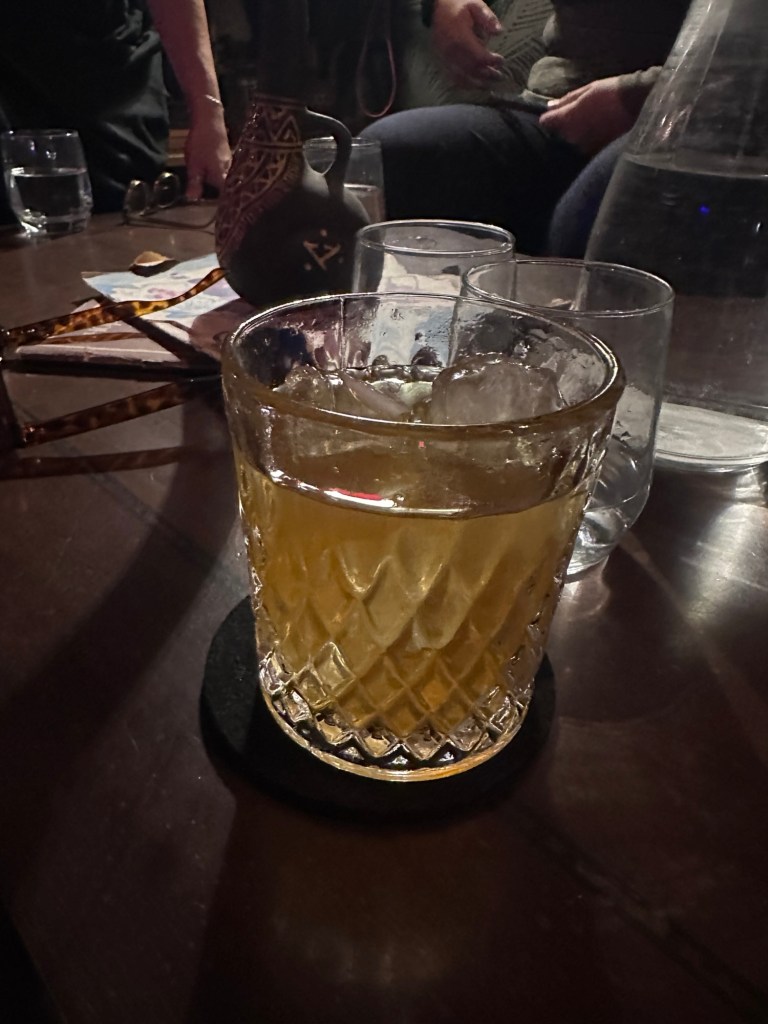
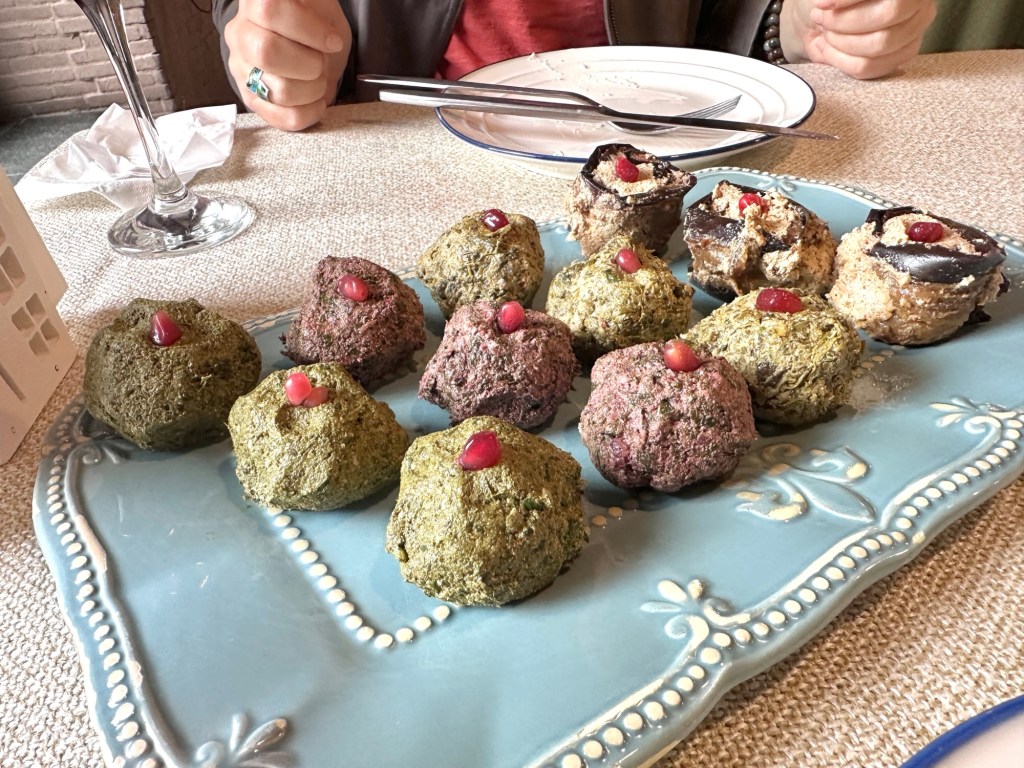
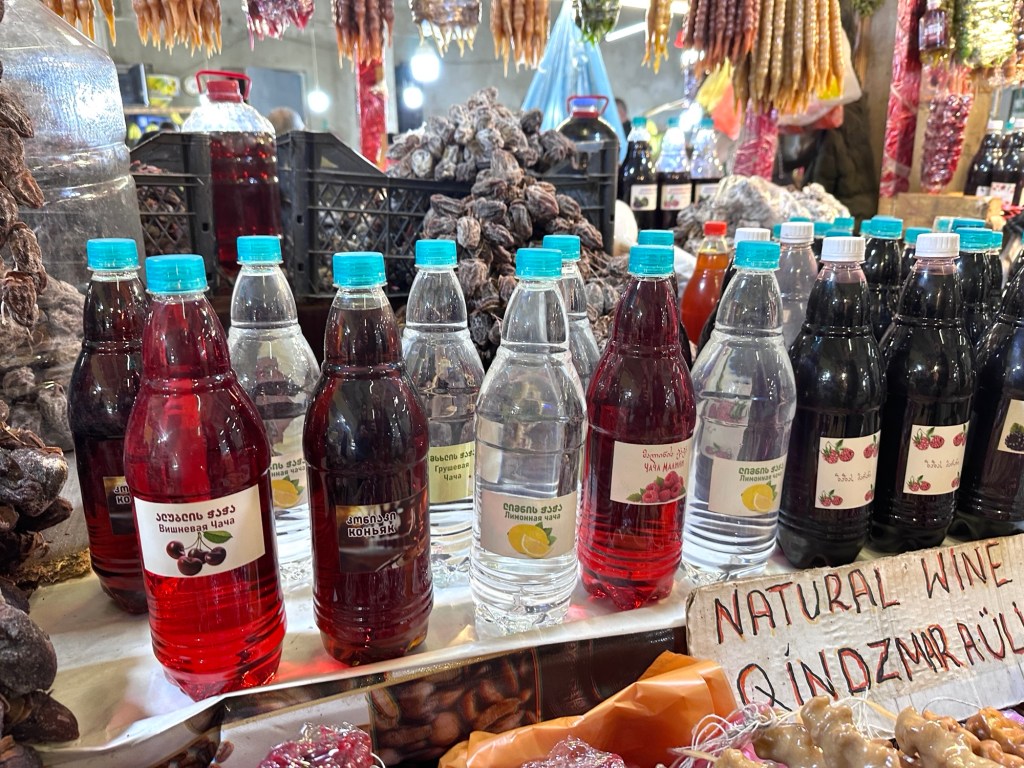
We walk back towards our hotel which seems to be a long walk from here but we make a shopping detour as well and buy some chacha (Georgian homemade vodka) and homemade wine from a van on the street served out of reused plastic bottles. We are aiming for the authentic experience here.

We have a morning tour booked tomorrow so no late night adventures for us tonight.

Gdańsk: Last days

In the morning I visit the Basilica of St. Bridget. This reconstructed church was originally built in the 14th century. It was destroyed in WWII and rebuilt in 1970. It is known for its beautiful amber alter and its homage to the solidarity movement.

 There is a chapel in memory of those who participated in the solidarity movement.

There is another area dedicated to those that have lost their lives in the Katyn massacre during WWII.

And finally I have to make a visit to the room of skulls. I must see all the skulls.

I visit Blue Lamb – a heritage museum housed in an old granary, in order to get an archeological view of the region. I enjoy the exhibit where they show you what the original people of the region would have looked like based on the skulls found.

They have walk through sight and sound area depicting life in the region over time.

And finally there is a display of archeological items.

I end up back at Mariacka once more but this time I enjoy a glass of wine and people watching and check out some additional things I learned about the street.

Many of the houses on Mariacka street have reliefs out front but one restore one was given a modern day touch – a Lunar rover.

Last official stop is the first seagoing ship built in a Polish shiyard – Soldek. It is docked in Gdansk and available for exploring.

I slow down considerably for the rest of my travels. I am very tired so it is good I go home soon. I’m just trying to enjoy the cool and sunny weather my last few hours here.

It’s been a long trip but I am not done with Poland. There are so many places I left off my itinerary. I will be back.

More shots around town….

Warm enough for ice cream

Gdańsk: Museum Afternoon

I started today at the Solidarity museum and the Gdańsk Shipyard.

My day isn’t over yet and I almost forget there are a couple museums free today since it is a Monday.

I stop first at Artus Court on the famous Dlugi Targ. Artus court is named after King Arthur and was used as a meeting place for merchants and social life in the 17th century. The decor and art in the museum reflects the importance of this building for the means of commerce. I particularly enjoy the animal inspired art in the building.

The day isn’t over yet and the Town Hall museum also has free admission so I head over there. I tour the museum but skip the tower since that costs extra.

Town Hall

After museum time I walk the streets once more then visit happy hour at the rooftop bar of my hotel.

Because I wish to have a nicer dining experience I have reservations this evening at Tylge Gdansk. Even with a reservation I had to wait a little while but the food was superb.

It is another lovely evening stroll walking back to my hotel. Love the 24 hour flower automatic.

Trip is coming to an end soon. I have one more day out and about.…

Gdańsk: Solidarność

Gdańsk Shipyard entrance

Today I visit the European Solidarity Centre, better known as the Solidarity museum. Solidarity is the movement that one could argue started the end of communism in Eastern Europe. In Gdansk, Poland it all started with a strike of workers wanting to unionize.

Conditions in Poland during communism are not great. Citizens are jailed for speaking out or individuality. There are food shortages and shortages on just about everything else. The communist government tries to create housing to help with shortage but they are state assigned and hard to get. Information access is controlled; there is radio free Europe broadcasted from Munich but the government eventually jams the signal of that. In fact it was against the law to listen to radio free Europe.

The solidarity museum centers on the 1980 shipyard strike from which catapulted a movement.

Photo of two leaders being affectionate. It is to show how Poland is subservient to Soviet Union (USSR).
Soviet map, iron curtain.

The United polish workers party was the only party that existed at the time and there were elections but they were mostly for show. They used cruel interrogations to try to keep people under control.

On December 17 1970 there are demonstrations and protests about high prices and more. There is a massacre on Baltic coast (multiple cities) where 45 people lost lives.

People arrested

Kor (workers defense committee) formed 1976 as well as other groups.

Polish Pope John Paul II comes to visit for the first time in 1979. There is a pope mobile in the museum.

The pope visiting gives the Polish people hope but there are also empty shop shelves and long queues as a result of failed communist policies.

There are Lublin strikes in 1980 and later in Gdańsk shipyard over a worker fired and other working conditions. They created a list of demands. These demands are in the UNESCO registry. The demands establish free trade unions and the right to strike. They avoid radicalism and aggressive language.

The main movement starts in Gdańsk but spreads south as many other work places go on strike.

Solidarity is now a slogan.

Visual representation of Solidarity in the museum

They meet first on wages and then press for unions. Unions and the arts take off after solidarity is introduced.

Solidarity becomes more popular and leads to more free elections. This encouraged other eastern bloc countries to form unions and democratic elections. The United polish workers party saw solidarity as a growing threat.

December 1981 martial law is implemented by the communist government. They blame solidarity for bad conditions and say it’s a coup d’tat. Martial law photos ends up in American newspapers and as a result USA puts sanctions on Poland and the USSR.

A gate at shipyard was destroyed by vehicle in 1982

The pope returns in 1983 and revitalizes the resistance movement. Resistors are worn as a symbol of the movement.

Underground publishing increases.

There is support from across the world, even USA.

In 1987 the pope visits again

Dwarves in Wrocław

It is reported internationally what is happening behind the iron curtain. There are protests in the USA on the matter.

Finally there are highly publicized round table talks February 6 1989. There is an immersive exhibit that lets you feel you are part of the talks.

These meetings are a step toward democracy. Permission is granted for daily newspapers and censorship is softened. Independent judges are implemented in the courts.

Lech Wałęsa, one of the founders of the solidarity movement gets the Nobel peace prize and eventually serves as president of free Poland.

The collapse of communism is 1989 in Poland and around the same time communism collapses in surrounding countries.

Poland is the only country in the region with democratic transformation through peaceful revolution. The Solidarity movement endorsed many candidates in a free election. They used pop culture in the marketing of some of the candidates.

The museum ends with a list of basic rights on white walls. You can also leave your thoughts as part as a living exhibit.

The museum gave me a new perspective on the end of communism in Eastern Europe.

After the visit to the Solidarity museum I visit the Montownia food court nearby where I eat lunch. There are a mix of international stalls located there.

My day isn’t over yet. More on other sightseeing later.

Gdansk: Teutonic Adventures

I am not sure why I feel like I’ve been here forever when I really only have been here a couple days. I think it is because I am a the last stop my trip and I am cold all the time. Temperature wise I should be in heaven because I usually thrive in these temperatures but the wind in this port side city makes things much colder. When then the sun is out things are good but it gets awfully cold in the shade. I am trying not to complain because when I get back home it will be unbearably hot. Anyway I am here being Goldilocks lately – when you are uncomfortable you are uncomfortable.

Today I visit the largest brick castle in world. First constructed in the 13th century, Malbork Castle was built by Teutonic order is to spread Christian faith. The Teutonic order was a group of Catholic but mostly German knights. Malbork castle was never actually never captured but only changed hands because it was sold to Polish King Casimir IV during the thirteen years war.

Medieval toliet means higher standards of hygiene

There is a small amber museum in the castle grounds. Amber became very prominent in the Baltic region. It comes from petrified wood. Each piece is distinct and sometimes has bugs, twigs or leaves trapped inside. Amber means burning stone. It is thought that beads have medicinal purposes like protect from sore throat. The Teutonic knights really wanted the amber.

Another part of the museum had different types of weapons collected.

The medieval church reconstruction was completed in 2016

Not wanting to take the slower train (an hour ride) I take the intercity train that is thirty minute ride but wait 45 minutes for it because it only runs once a hour (make it make sense). The intercity train is way more expensive but I decide to be bougie today. During my expensive thirty minute train ride ($26 USD) I get a free snack and two drinks included with my fair. It’s actually embarrassing when the steward comes to me to take my order since I don’t even have enough time to consume them. I order the honey cake which is served on a proper plate. I take the water bottle and unopened soda to hold for later. Others on the train are probably coming from far away like Warsaw or something so perhaps they already got their embarrassing honey cake hours ago. Anyway this is why I carry zip lock bags. After taking a couple bites I shove my cake in the bag and put it in my purse for later. I am on a pierogi mission for lunch.

In Gdansk apparently there is a Pierogi culture. It is not a quick meal. Everywhere I went there were long lines and once seated it can take 45 min to one hour once you sit down for pierogi. Pierogi making is labor intensive thus why many Polish order them out instead of making them at home.

The restaurant I get a table for is Mandu. It is highly rated. I did wait for about 30 minutes but the line got much longer as I waited. Mandu has many interesting combos; these are the times I hate dining alone because I want to try it all. I end up ordering buckwheat & potato boar dumplings, borscht, and a sweet pierogi. With some to-go boxes I snack on leftover pierogi later.

After pierogi belly I walk around town. I end up on Mariacka street once again. I would like to purchase something amber to take home but I have a terrible time picking out something I like, especially when its pricey and I really don’t know how to tell if something is authentic or not.

Ulica Mariacka

I finish the night at a circus themed cocktail bar with friendly bartenders who give me good advice about places to visit during the rest of my stay. They serve fun drinks too.