Route of 1000 Kasbah

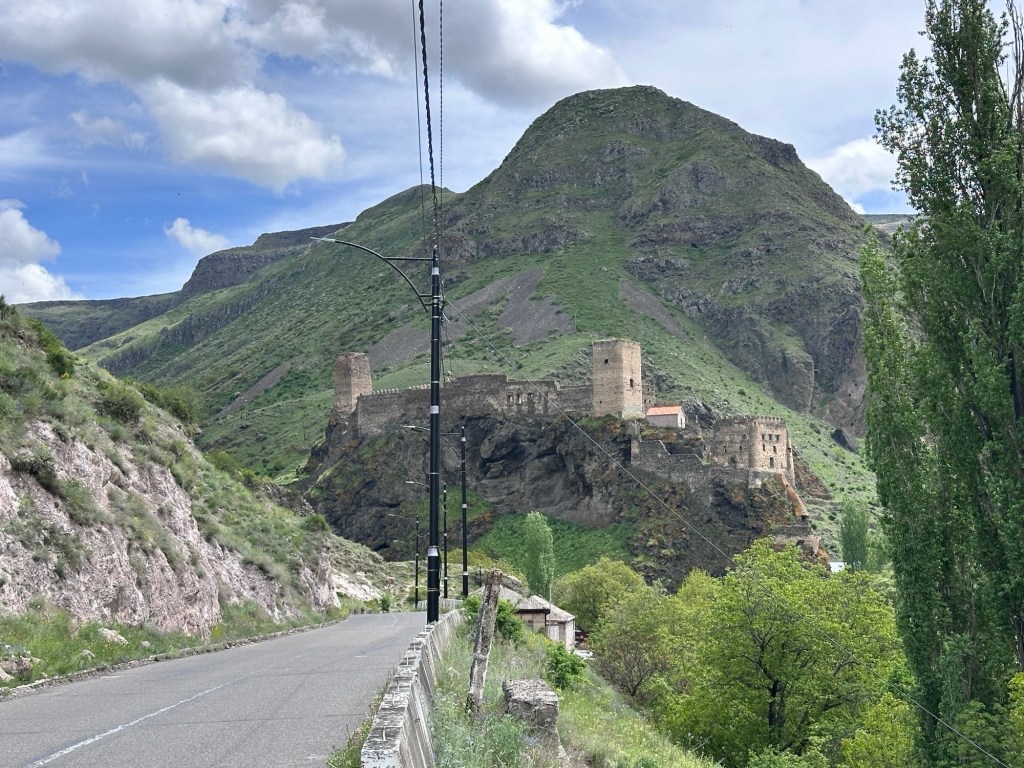
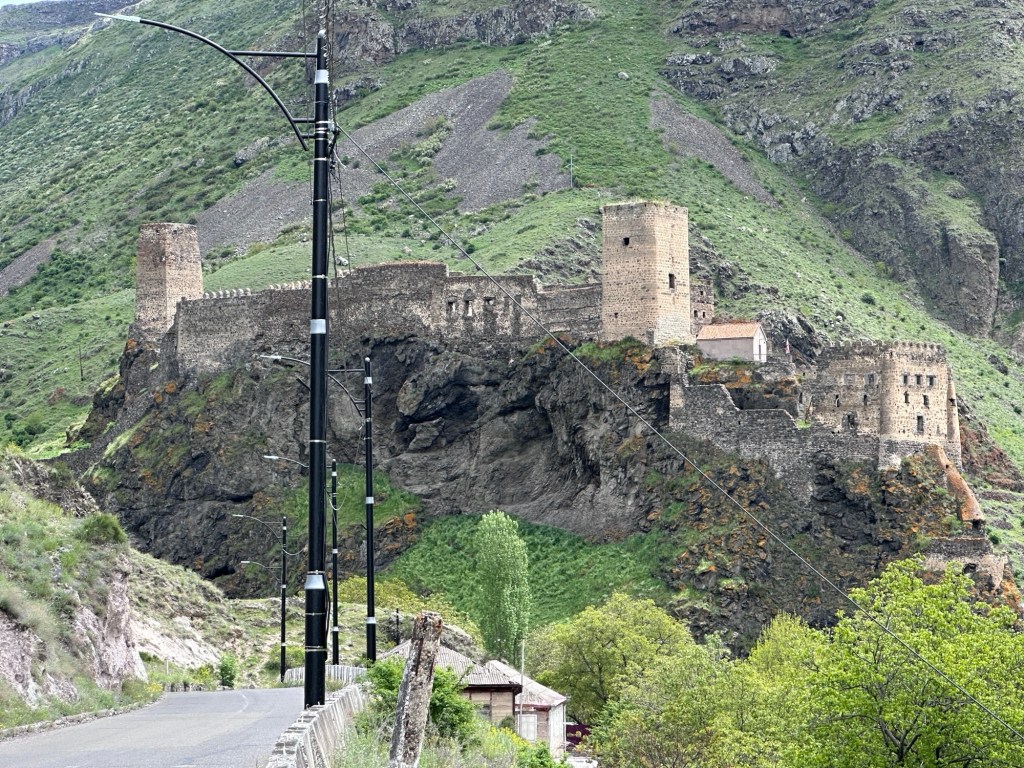
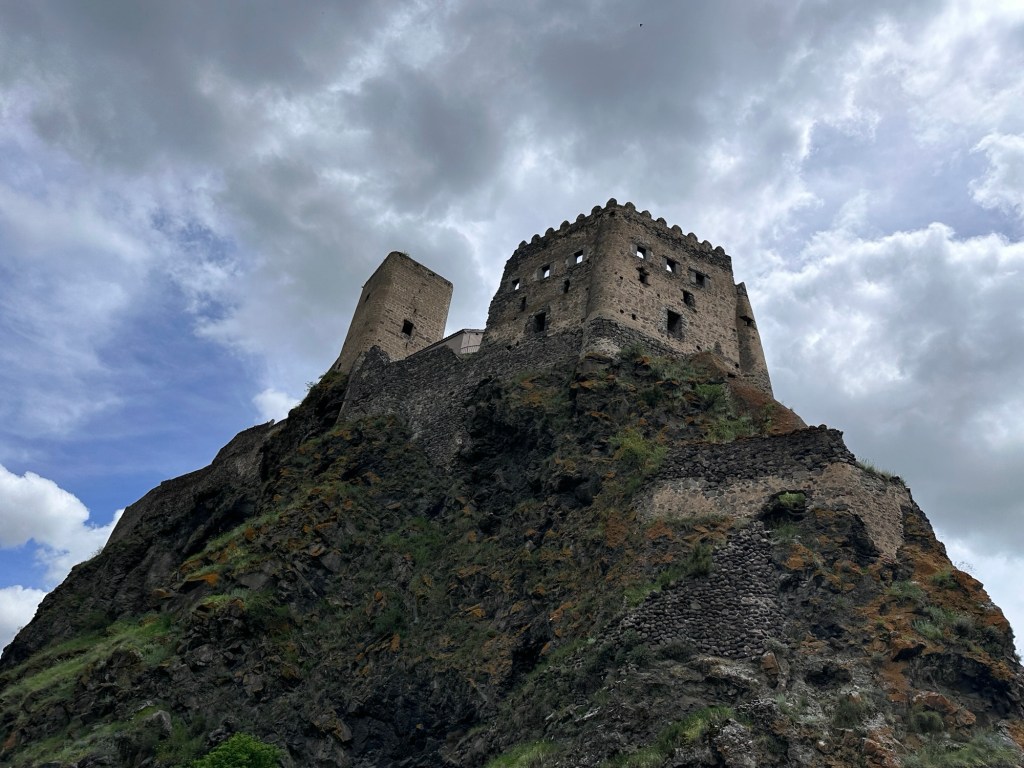
We start in Tinghir, one of the cities that is mostly populated by the Amazigh people (berber) and also along the route of 1000 kasbahs. The kasbahs are large structures that served as fortresses along this popular route but later turned into residential structures. The city is close to nearby gorges. These kasbahs held feudal lords that were in charge of surrounding lands. Tinghir is now expanding quickly due to nearby silver mines.

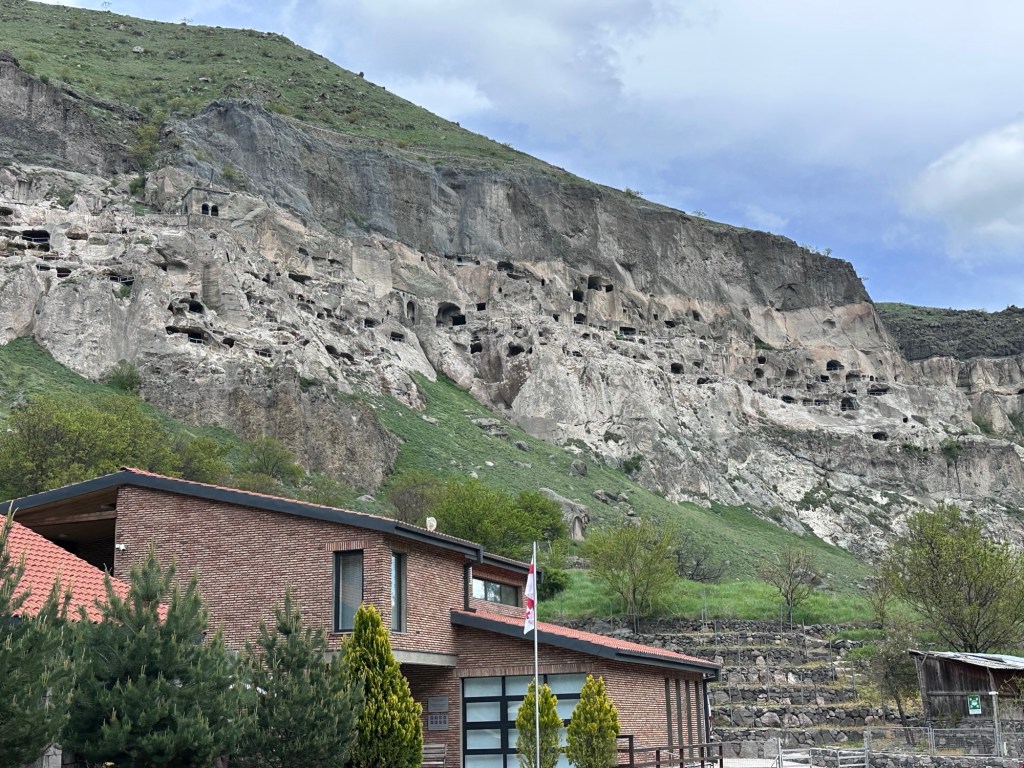
We drive through many oasis like towns that have mud built kasbahs during the route of 1000 kasbahs.

During our journey police frequently pull over tour buses to have a record of stops, seat belts, and sometimes look at the cargo. Mileage, speed, stops and more are stored on a disc that they view. This disc looks like a CD.

Ouarzazate Solar Power Station is a complex power facility that harnesses the power of sun and stores energy as heated molten salt for energy production at night. The power station provides energy for the region. It is quite impressive, I wish I could have seen a facility in person.

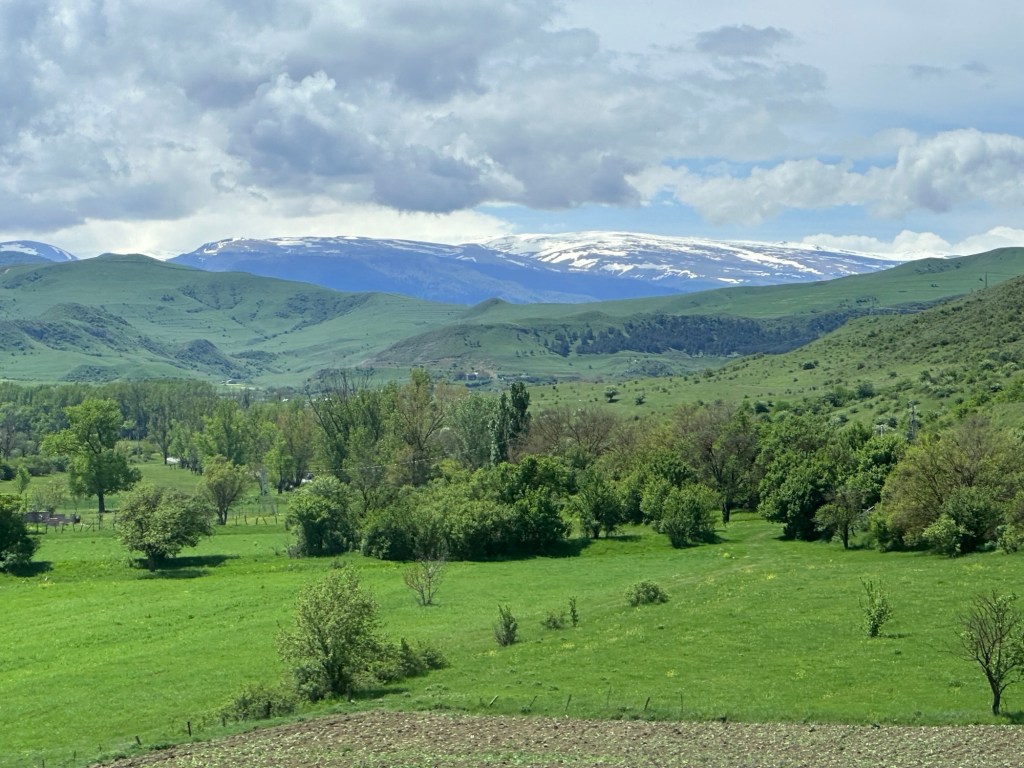
We get closer to the mountain range again as we can see the snow covered mountains in the distance.

Today is cold and rainy as we expected. We get a slight break in the rain when we stop to see a kasbah in Ouarzazate. We learn about the history of the building and what it is made of. The walls are a mix of straw, earth, and gypsum (or adobe).

The interior is an earth and sand plaster. The foundation is stone.

Then ceilings are made of reeds and interior rooms have tile floors and no windows for privacy.

We stop briefly at a Amazigh (Berber) pharmacy to learn some natural remedies. I buy some medicine and herbs for cooking here.

Ouarzazate used to be more of a tourist stop along the desert route but better roads have tourists choosing to stay in other towns. We are staying here tonight in a really nice hotel. Unfortunately the rain and cold have us not enjoying all the outdoor amenities the hotel has to offer. Also the constant rain has us getting soaked whenever we walk from our outdoor rooms to the main lobby. Netherless we find a lull in the rain and walk around town on our own. Commerce has come to a halt because of bad weather but we visit some souks and get in views before the rain starts up again. After some shopping we head back to our hotel and camp out in our room the rest of the evening.

Tomorrow we continue our exploration of the region and then head through the mountain pass to get to Marrakech. We are entering the last part of the tour. We must make the most of these last few days.

Morocco: Day in the Desert

Today we are packed with activities, especially since we are trying to add some more activities today to avoid the rain the day after. Yes it does rain in the desert if you time it right.

We start our day with a visit to an oasis where a desert community has their gardens setup with a very good irrigation system. Each plot has a time spot for irrigation which is managed by digging up or placing barriers in the waterway. I see lots of crops that I can actuallly grow at home. We also see some date palms up close. I love viewing how others grow their gardens.

We next take a 4×4 jeep ride across the dunes of the desert. We have two jeeps between our group but we seem to be on the wild one. We zoom over steep dunes. I am glad I am wearing my seatbelt.

We then stop at a nomadic community of Amazigh (Berber) along the border of Algeria. Since the French occupation in the area there is a point of contention between the surrounding countries. There are also many in these communities that were forced to work in nearby mines during a prior occupation. We meet some locals and visit an abandoned mine. We are served tea and learn about daily life in the community from a young mother.

While still hugging the Algerian boarder we visit the community of Khamlia. People here come from other parts of Africa. Residents have specialized in a type of music that has origins from a few different countries; the music skills are passed down to others in the community. A large way Gnaoua musicians survive these days is sharing their music with tourists like us. We enjoy a performance and a few of us break out in dance.

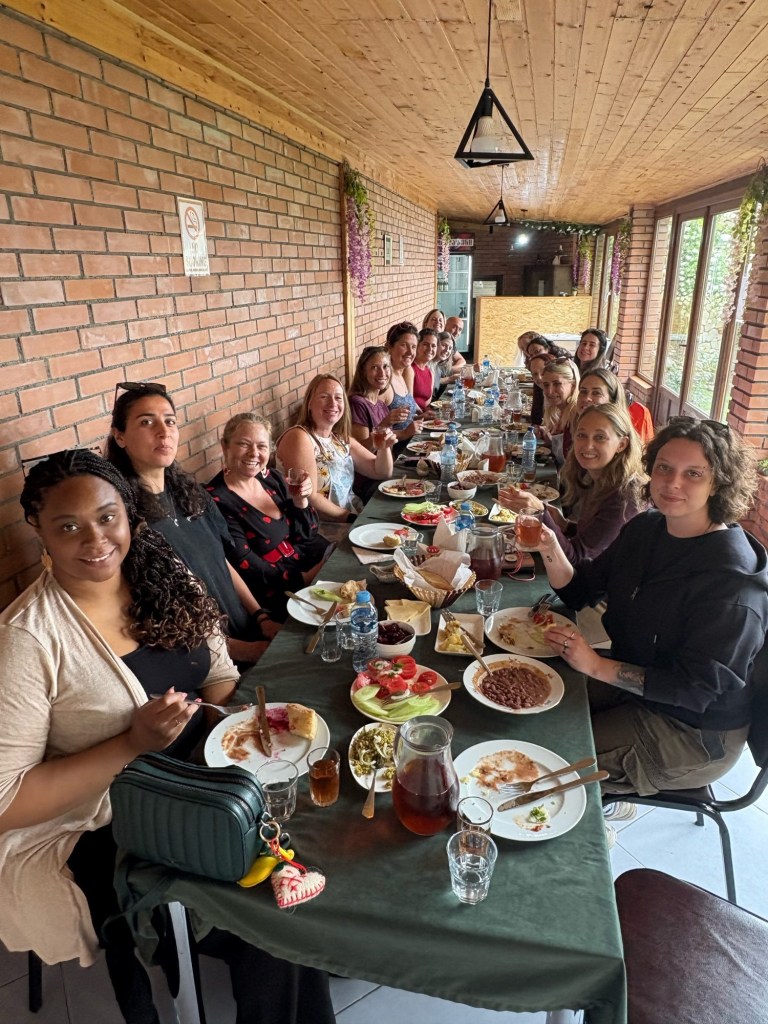
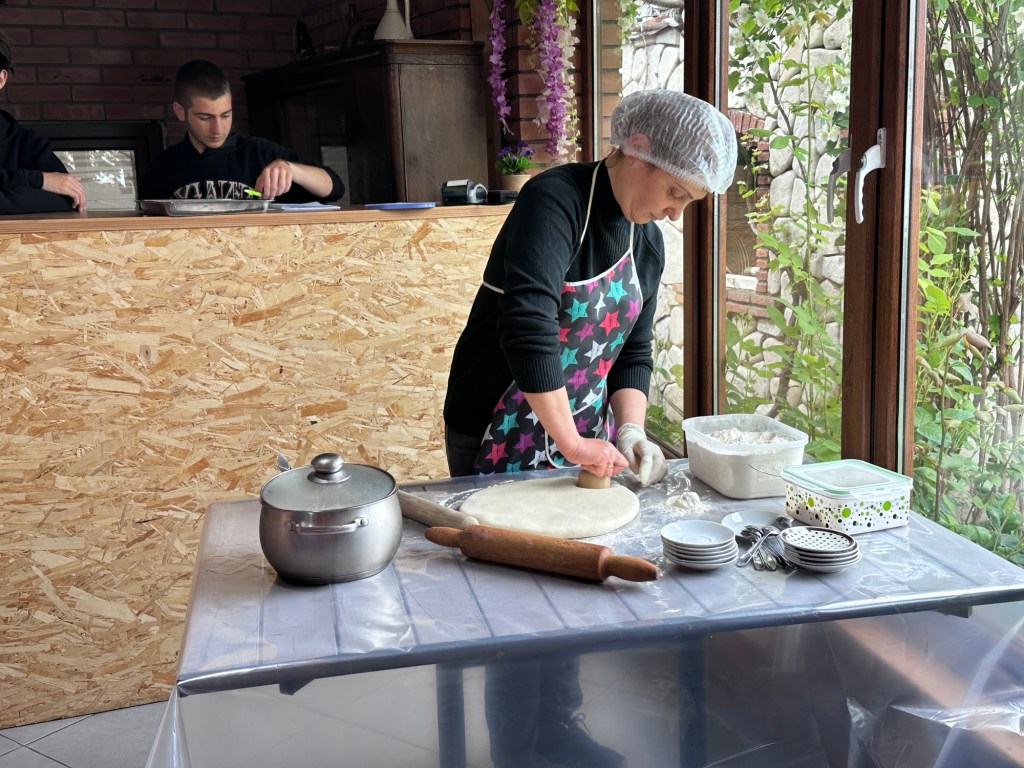
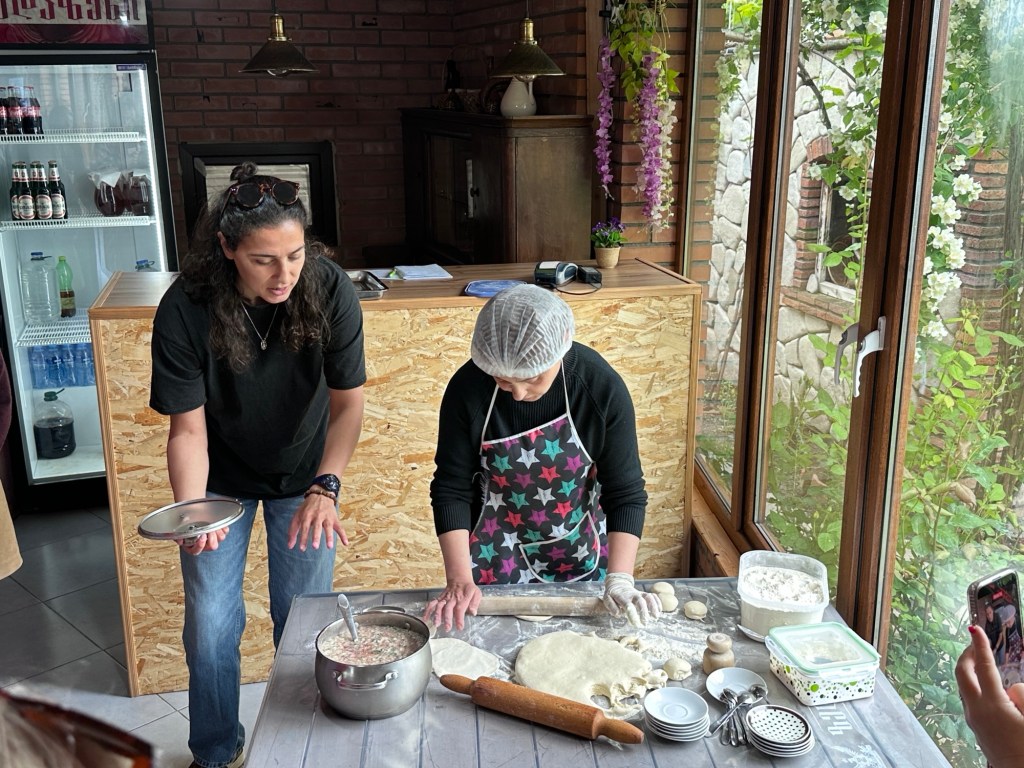
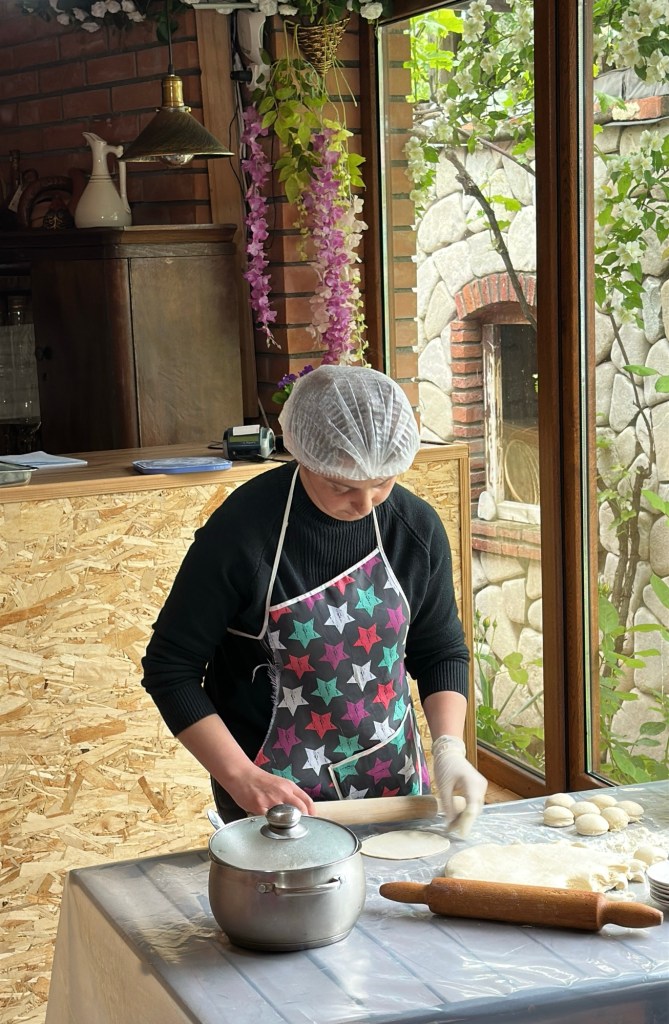
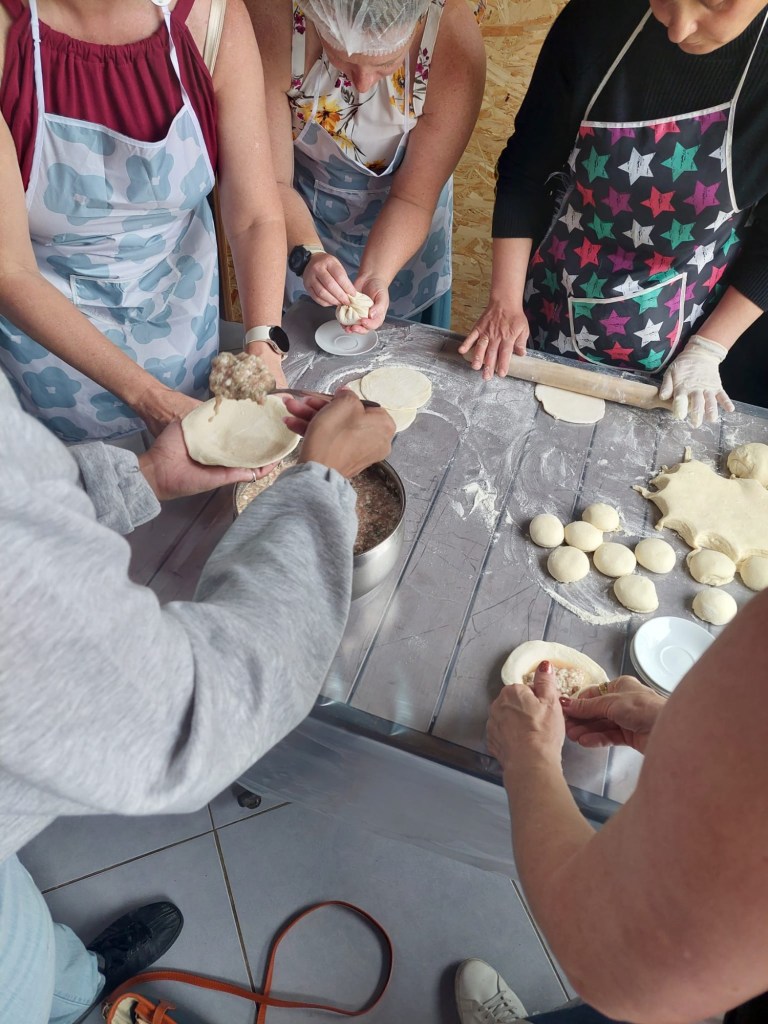
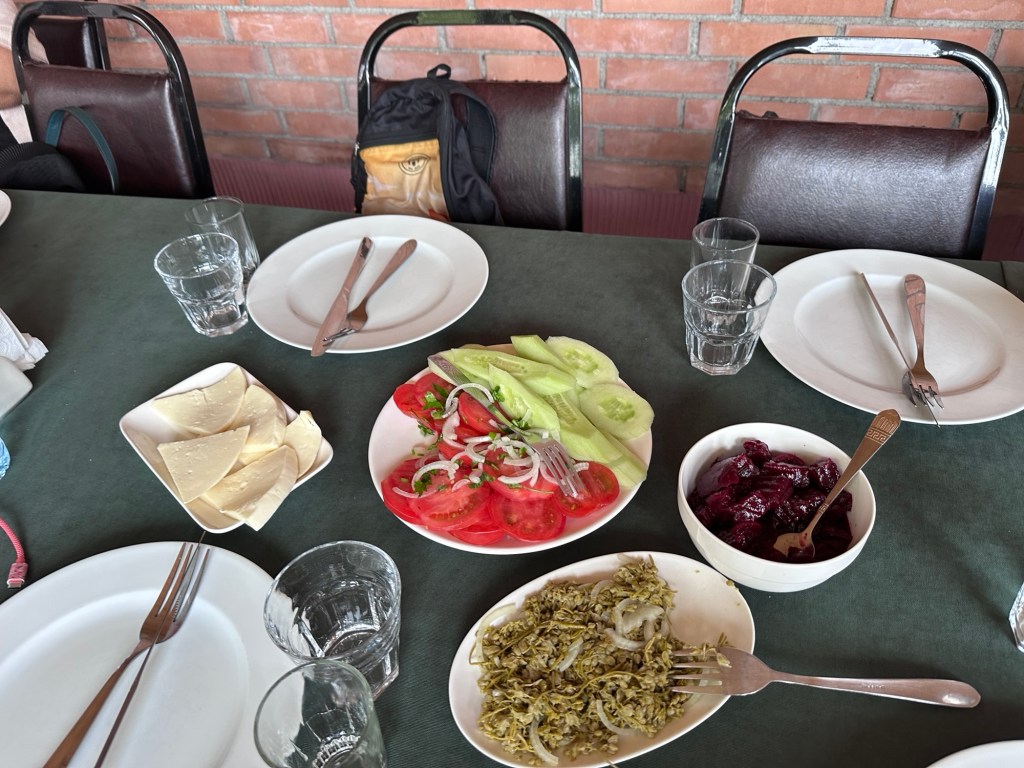
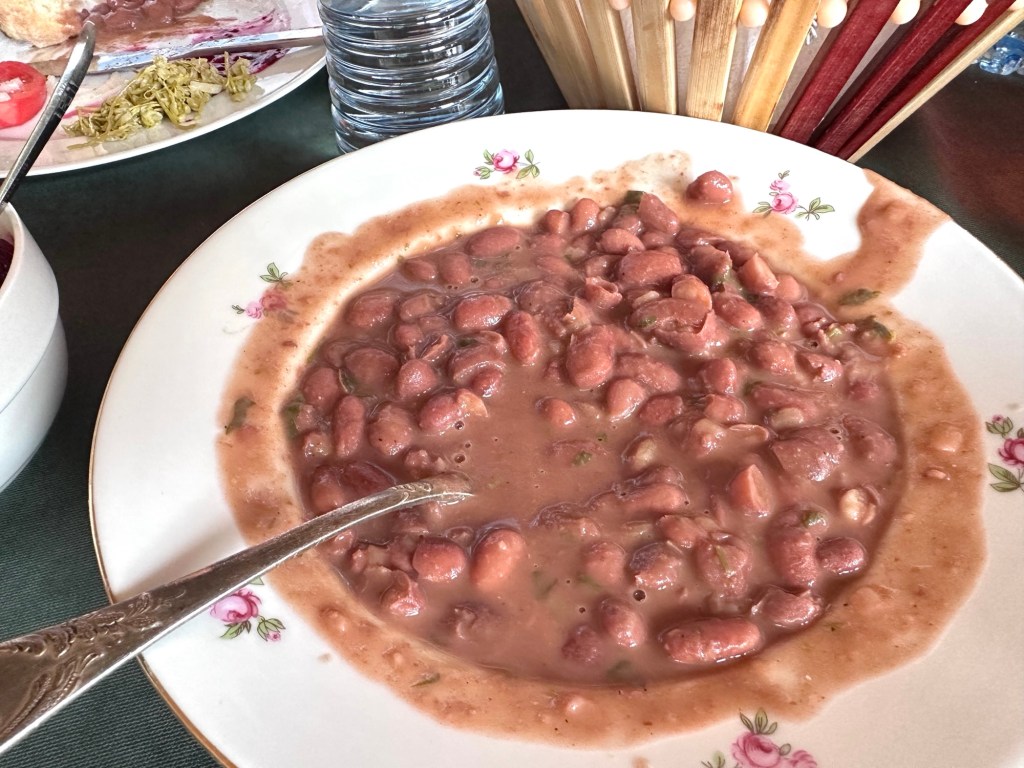
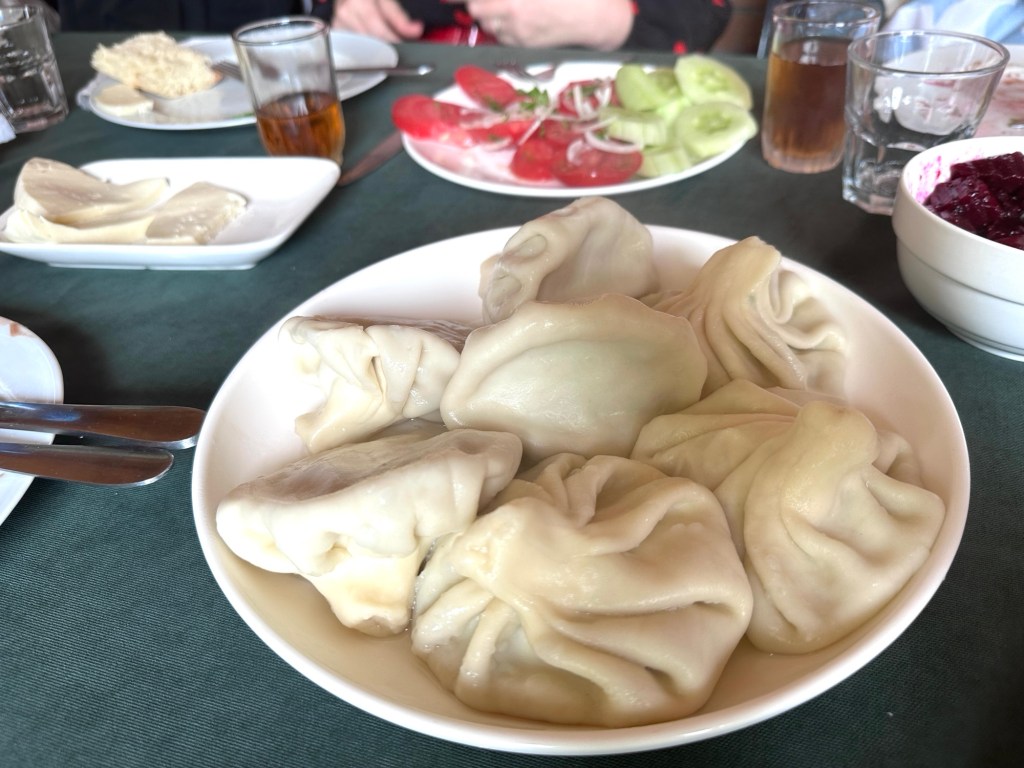
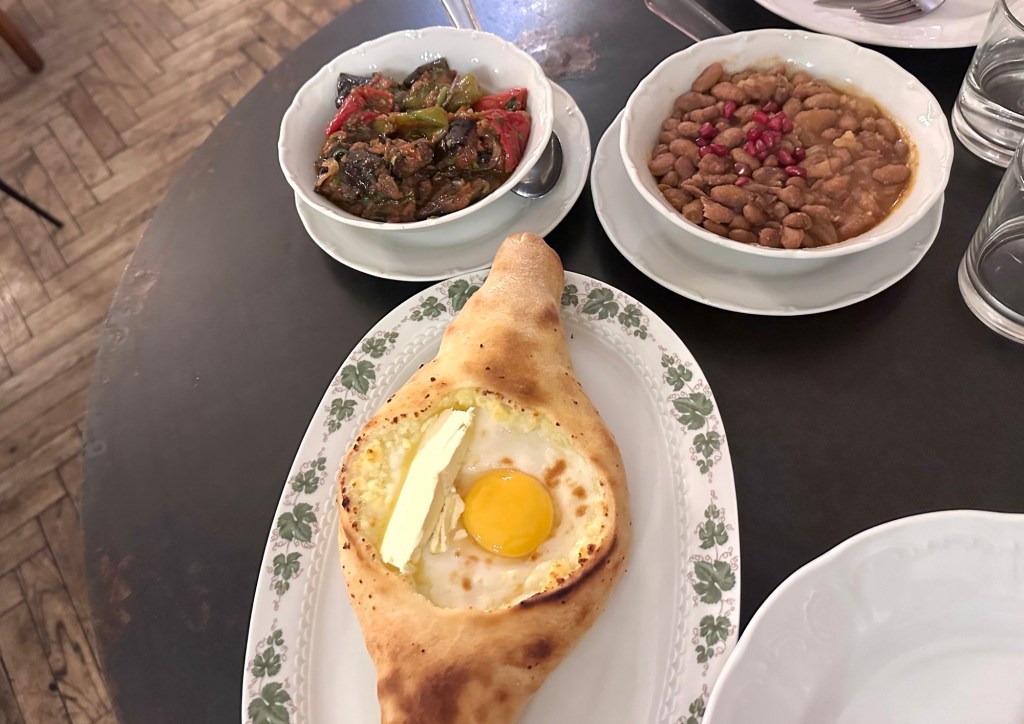
We then visit another town and where we have lunch in a home. We learn how to make medfouna and play dress up in special occasion attire to feel like we are part of the community. Berber pizza or khobza medfouna is a traditional dish.

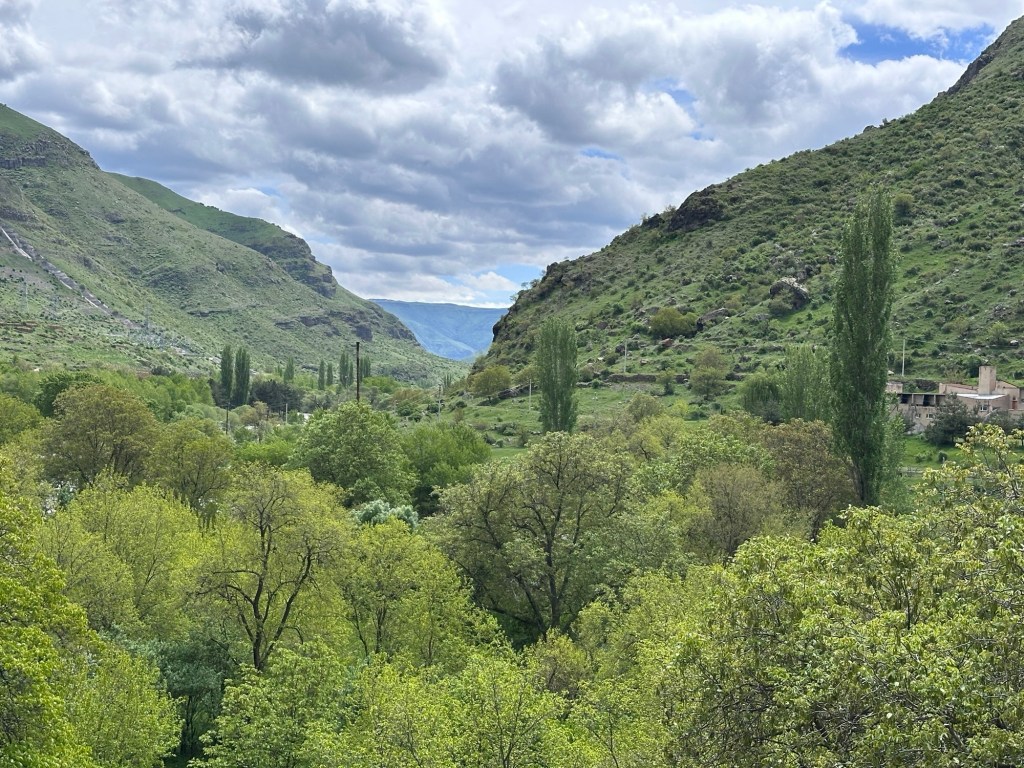
Originally we are supposed to travel to see Dades Gorge tomorrow but there is rain coming that is supposed to cause large floods in the area. Instead we schedule to see another gorge today so we don’t get trapped in the region (in fact another group after us does get trapped and we see footage of devastating flooding). For now we visit Todgha gorge instead.

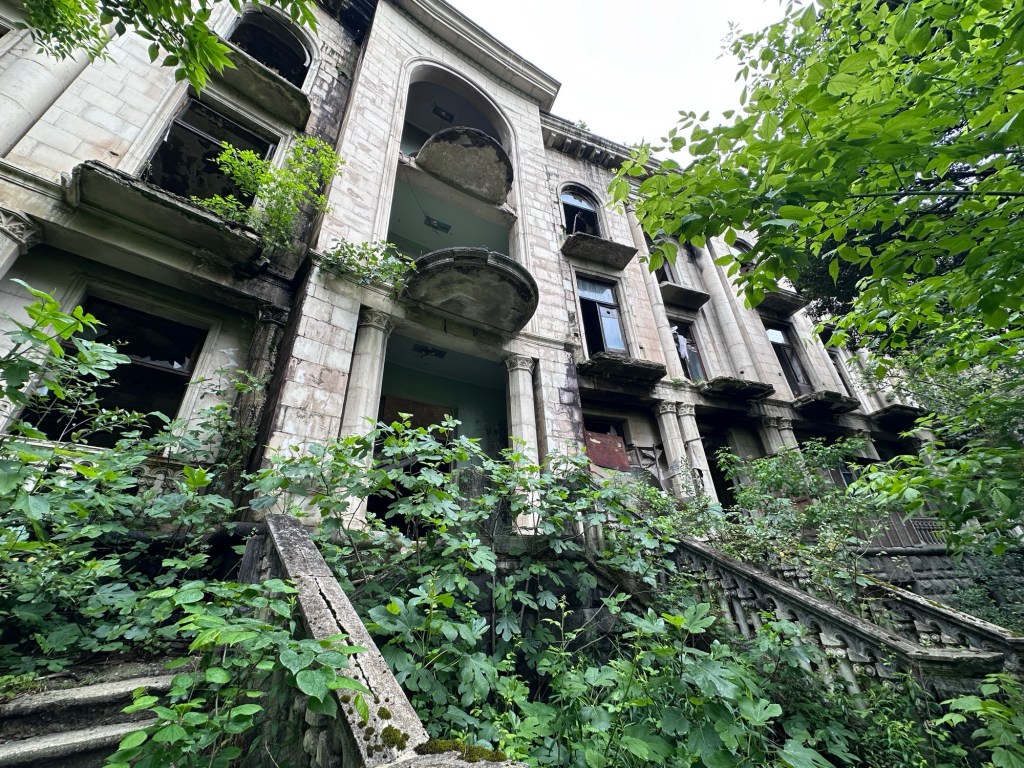
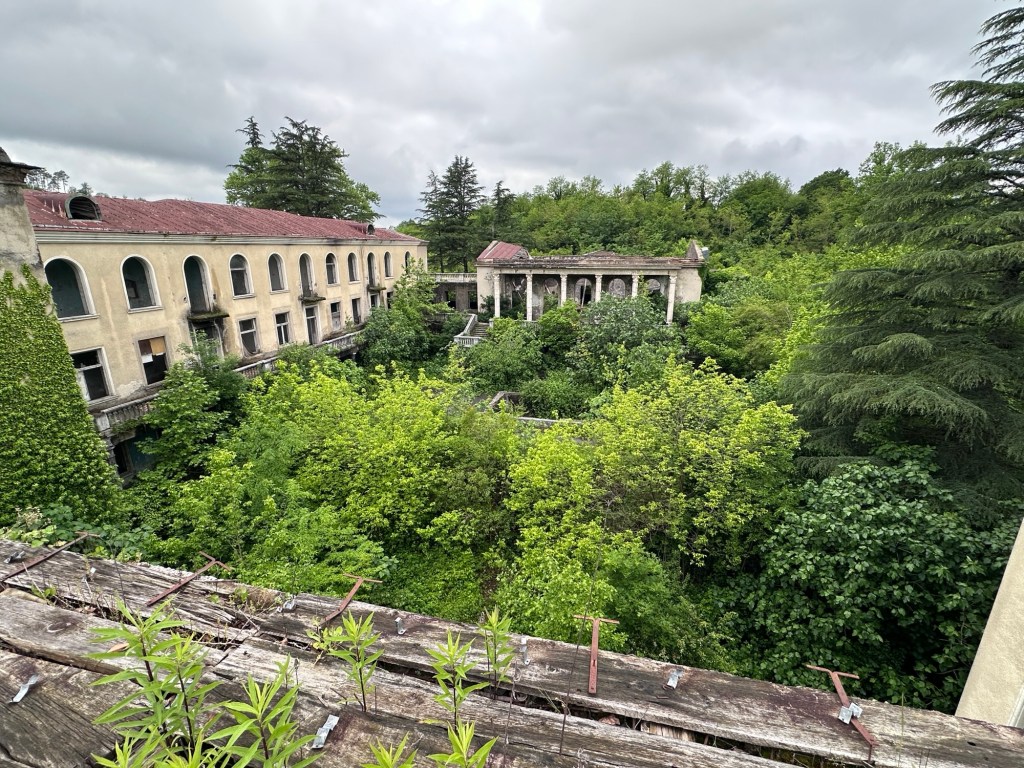
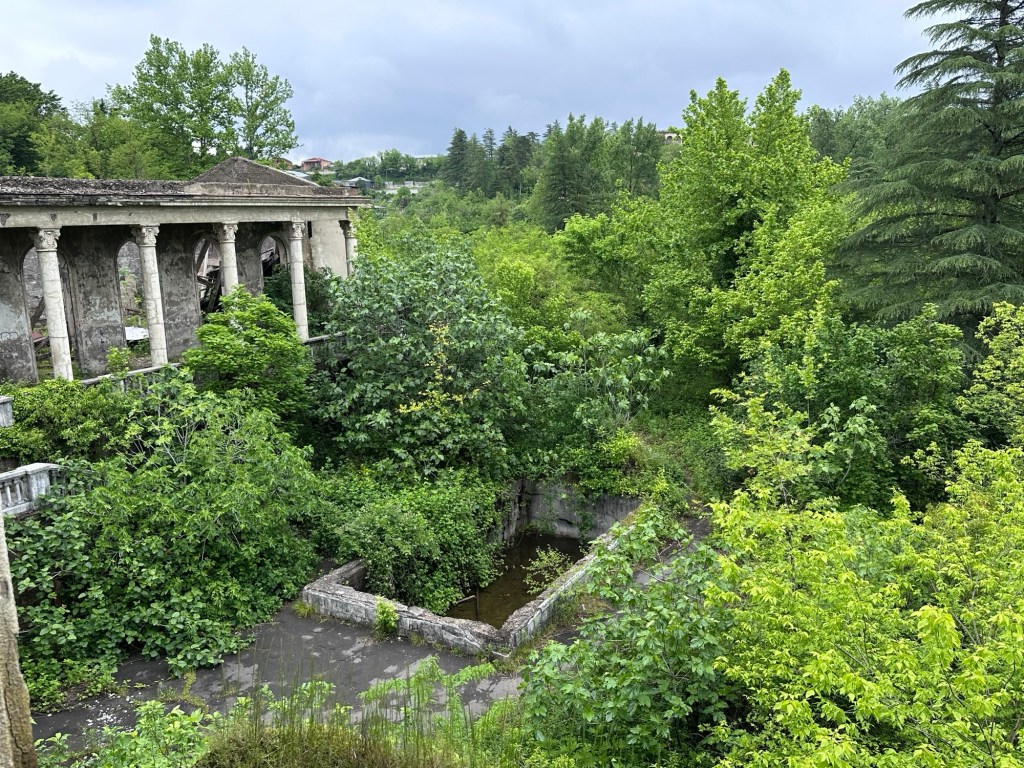
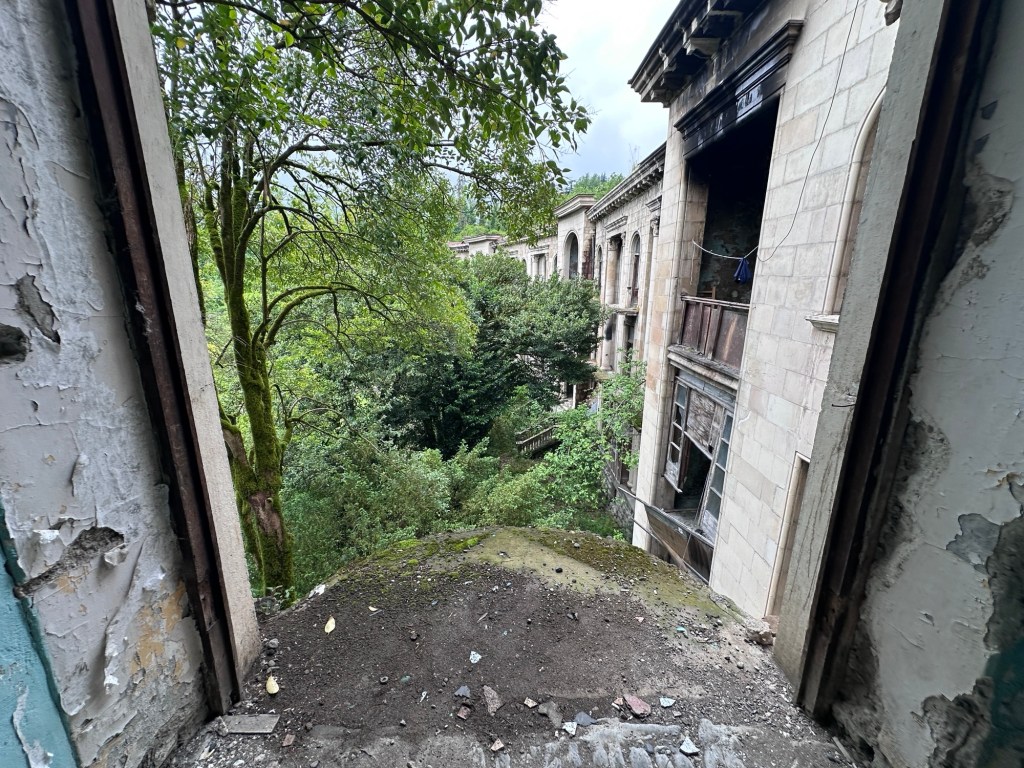
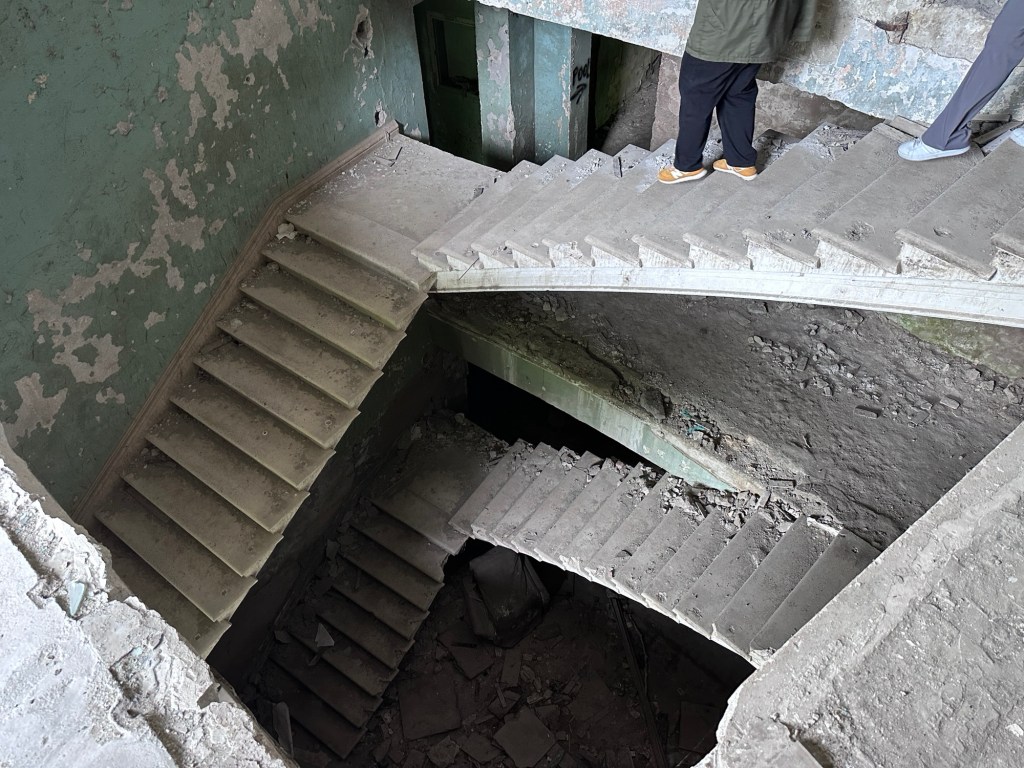
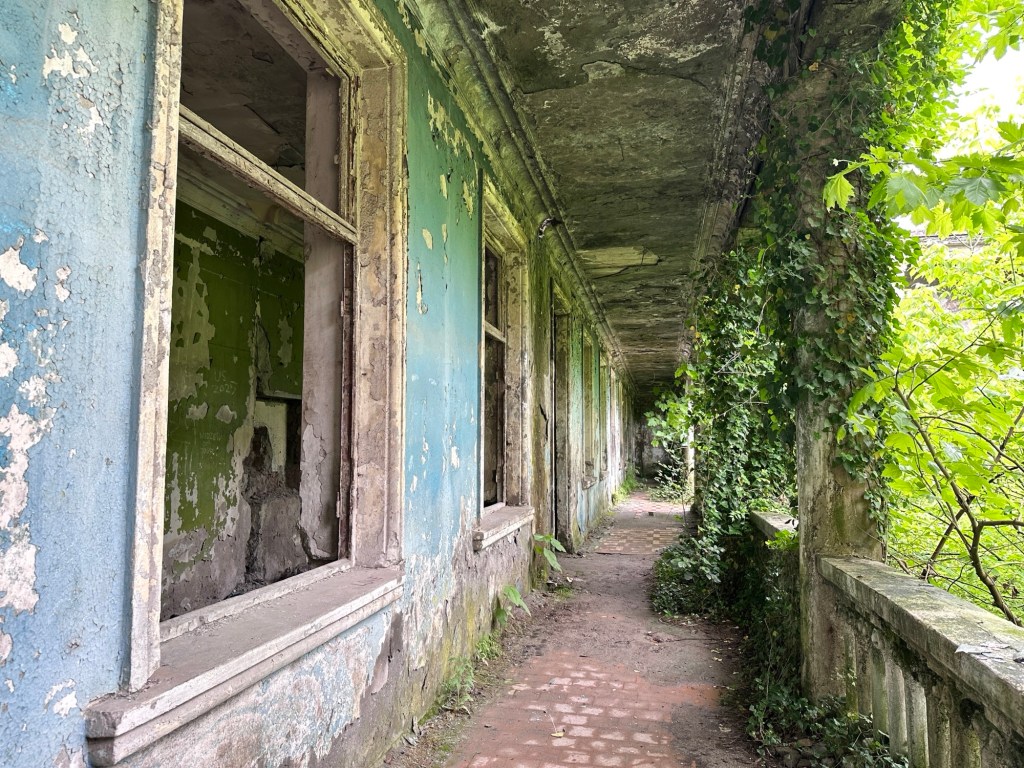
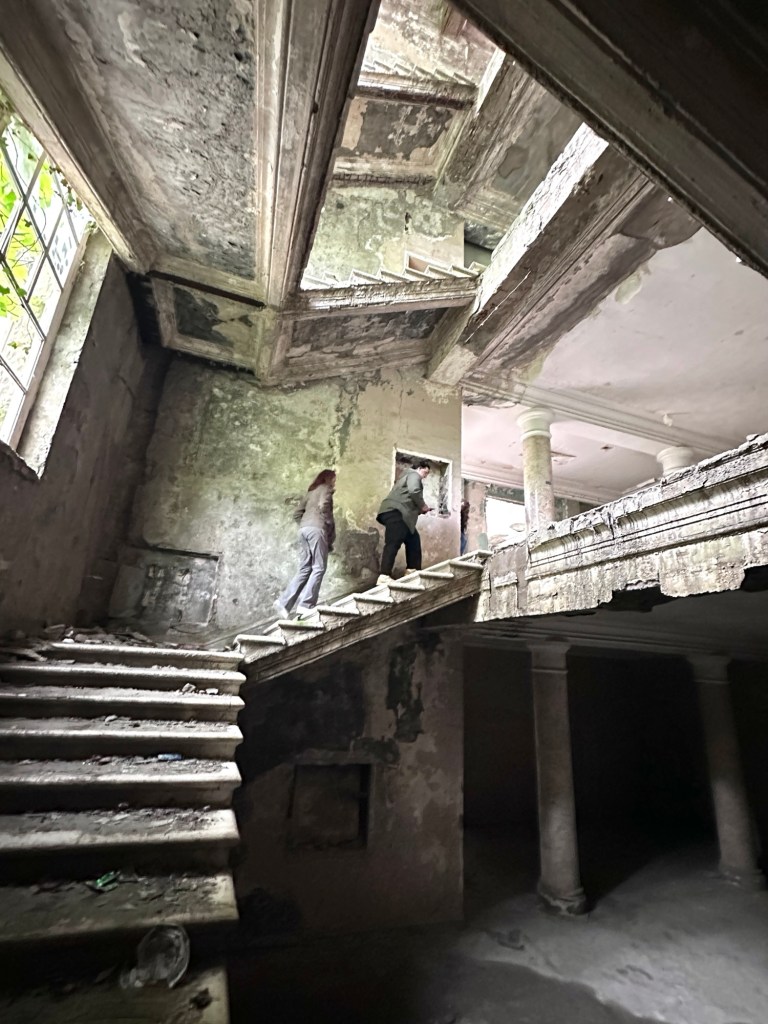
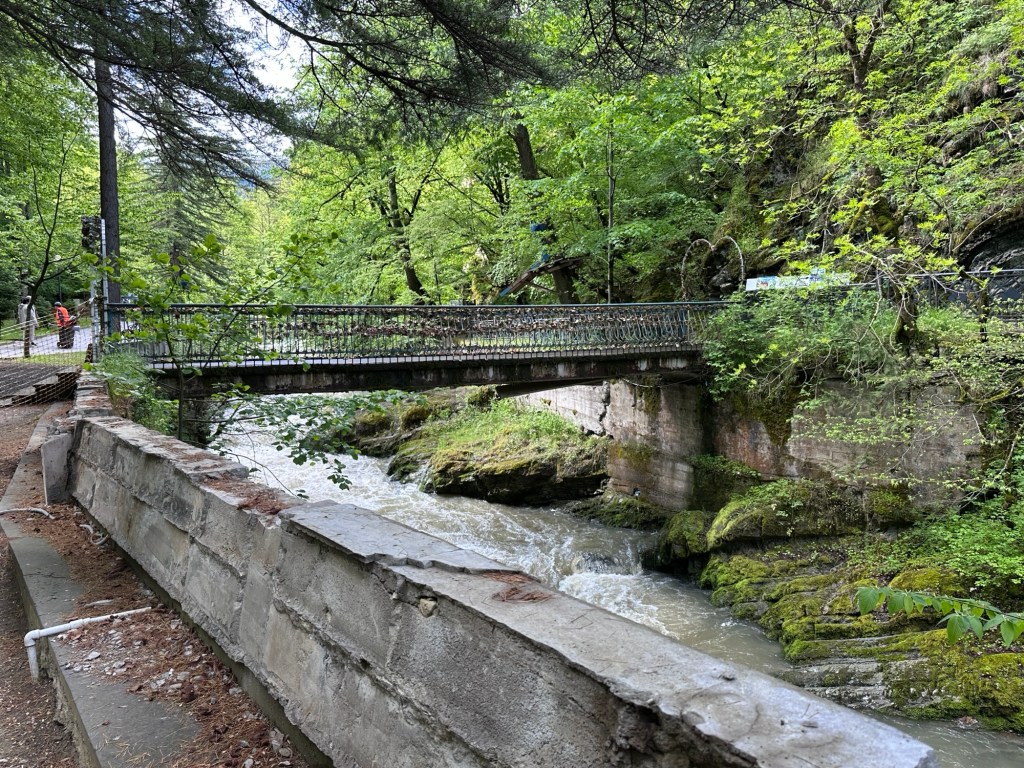
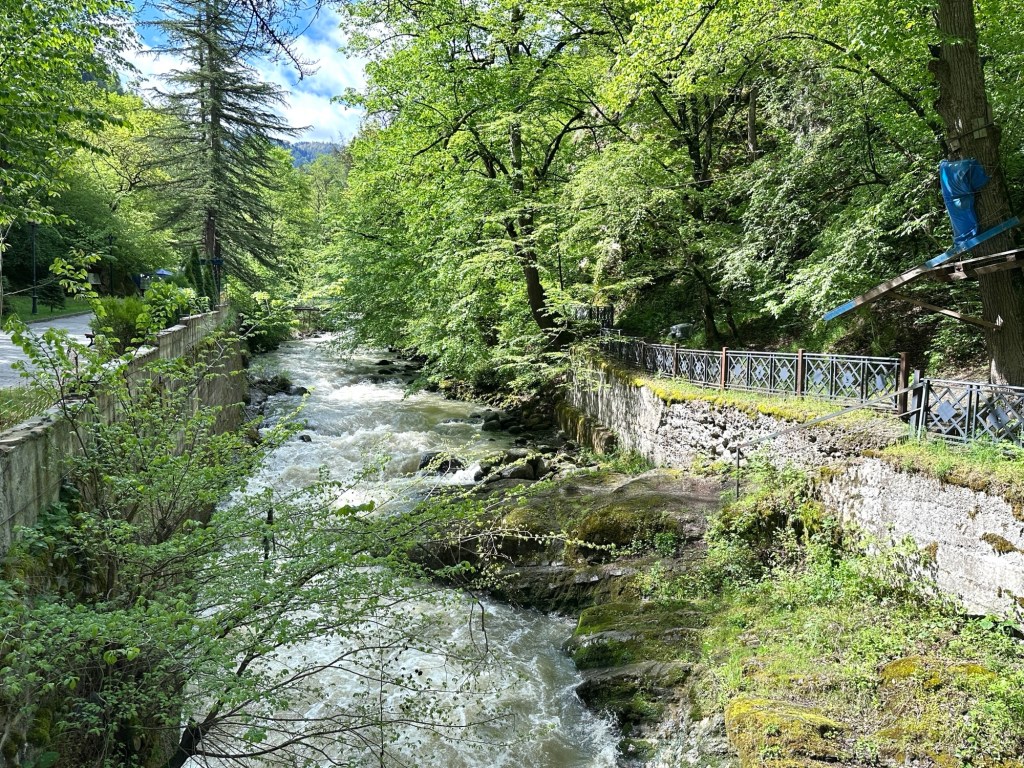
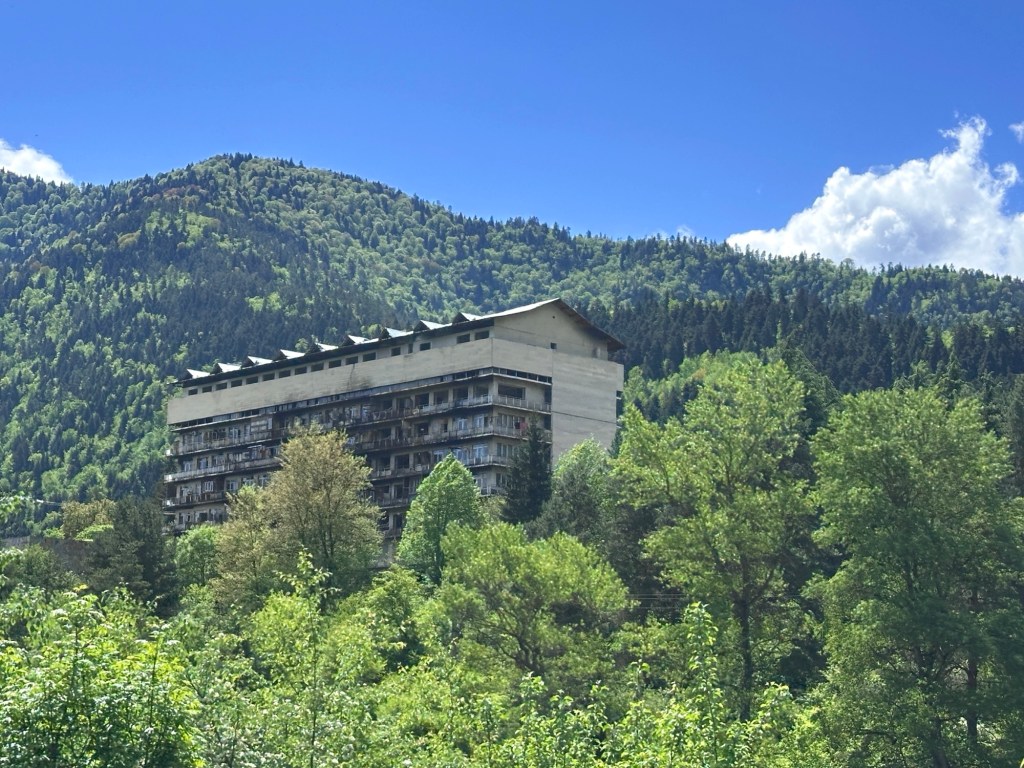
We walk along the gorge and see a hotel that had to be abandoned due to flooding.

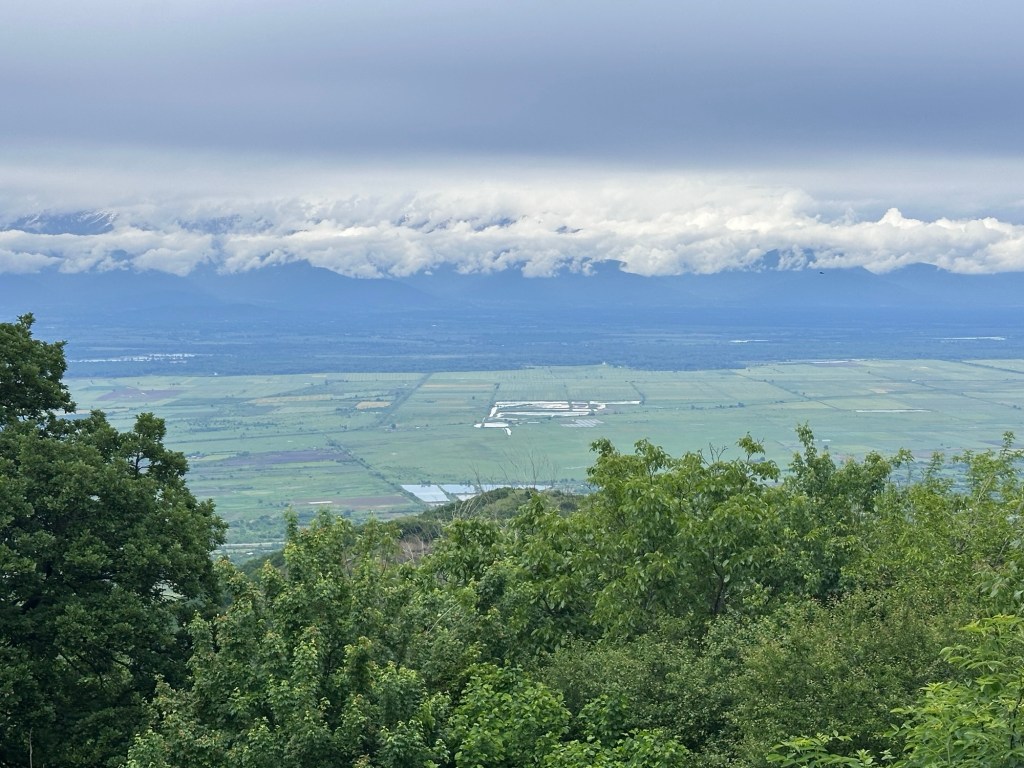
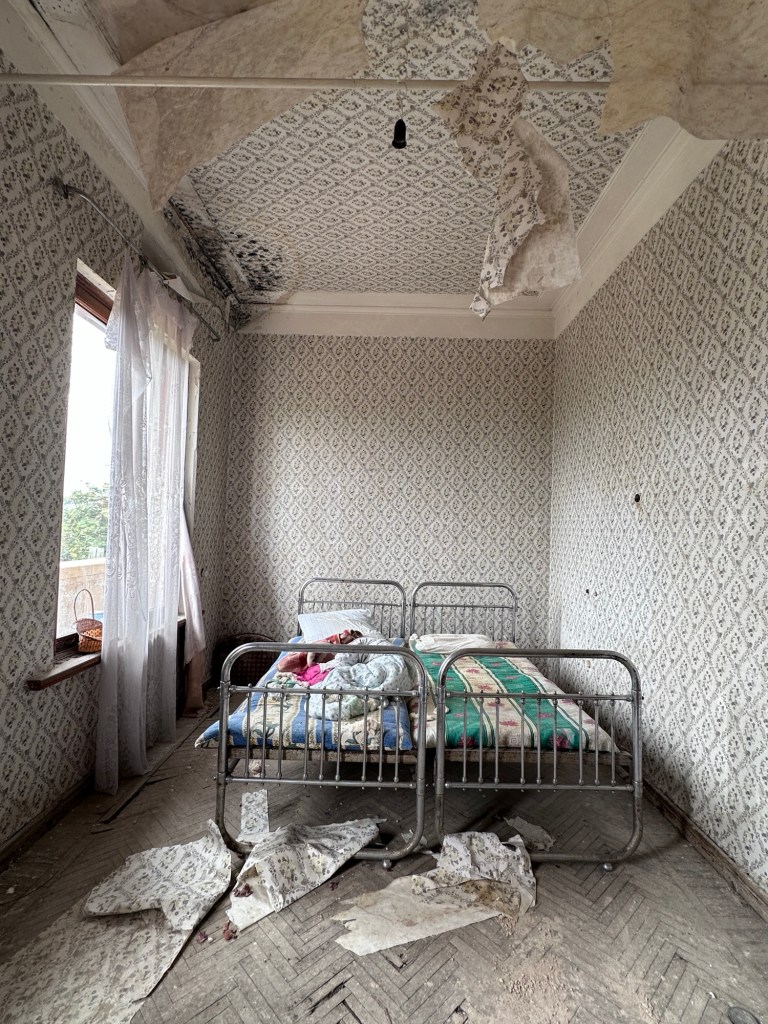
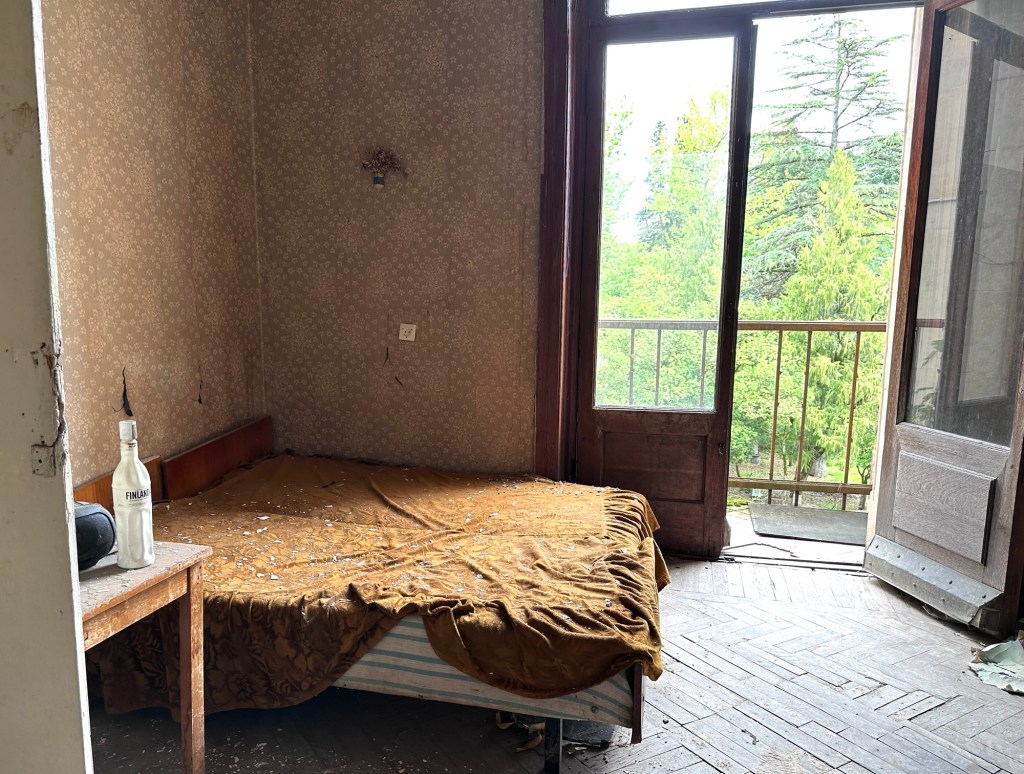
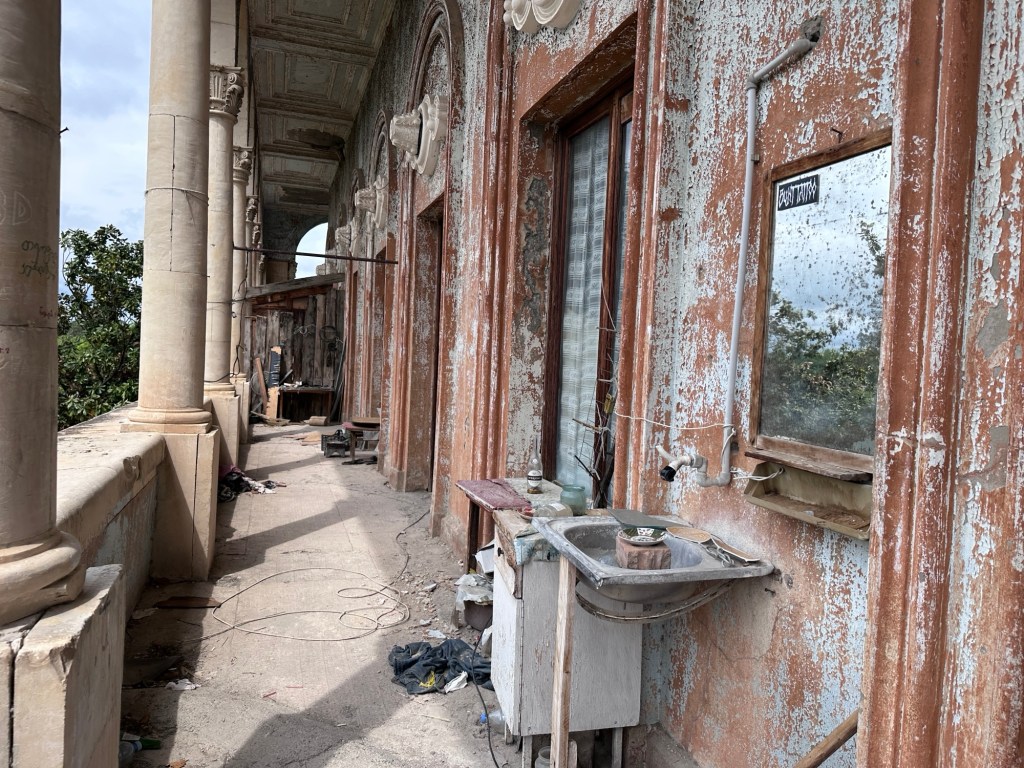
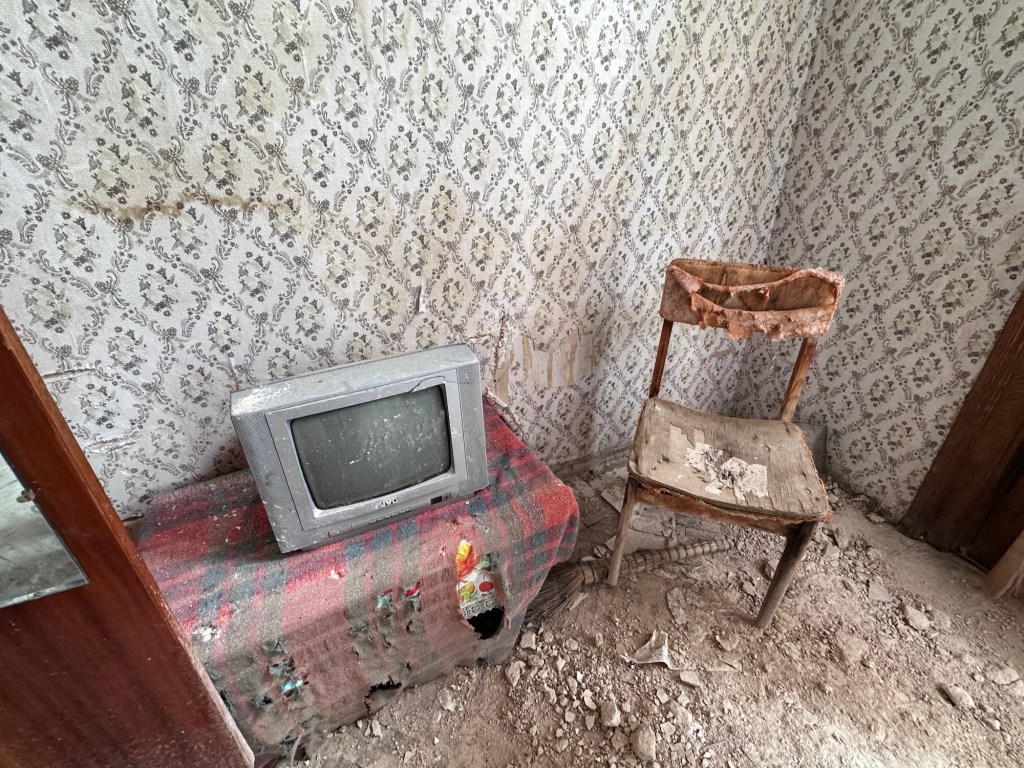
On the final part of our drive today we stop to see from a view the nearby communities in Tingher. There are many homes abandoned for various reasons. People forced to work in the mines by the French would live in the houses. When the mine work wasn’t as prevalent they became abandoned as residents moved on. While the population is growing in the area currently, people are choosing to build new houses instead of moving into the old style homes; the brown homes sit as ancient city compared to the backdrop of the colors of the new city homes.

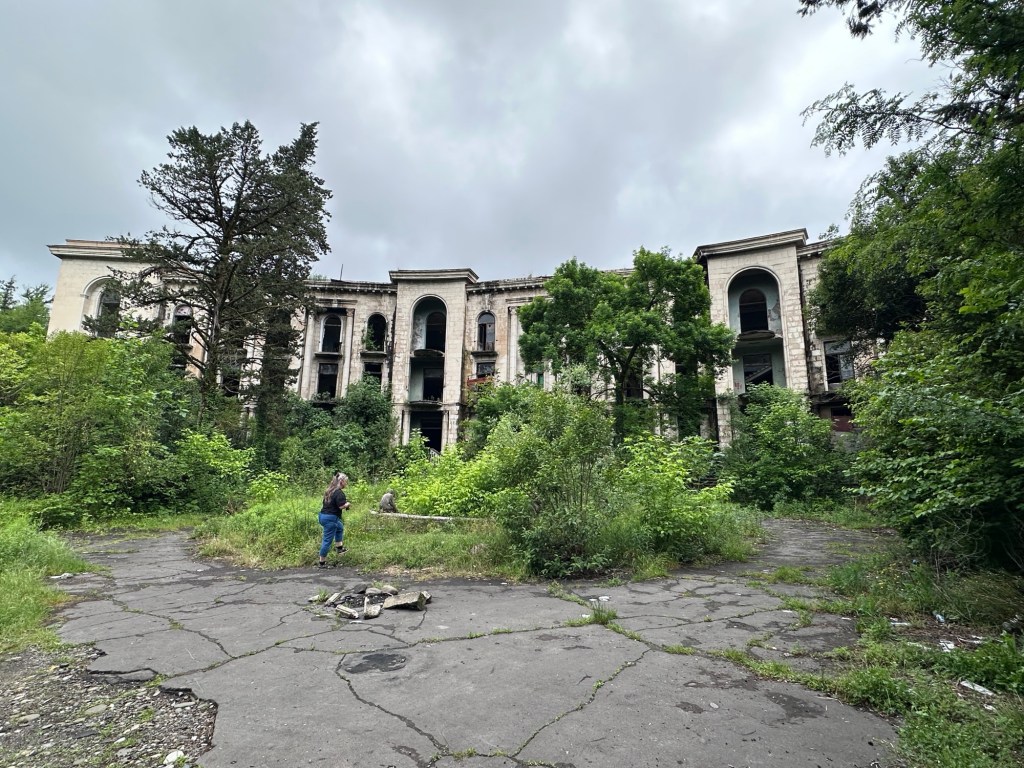
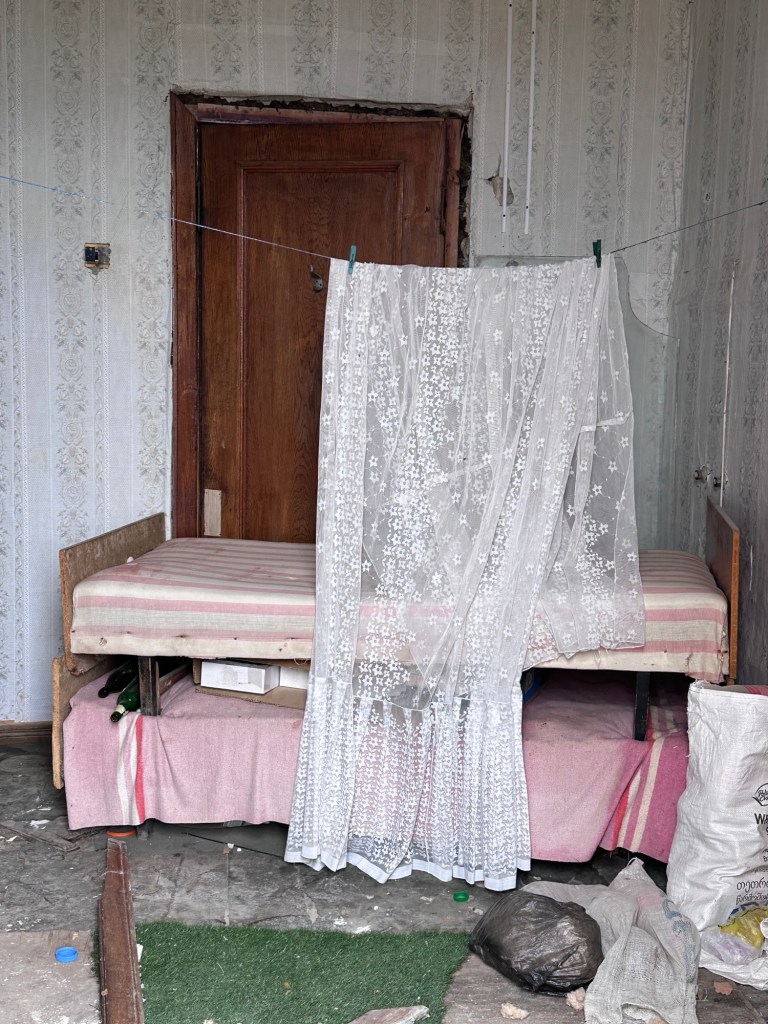
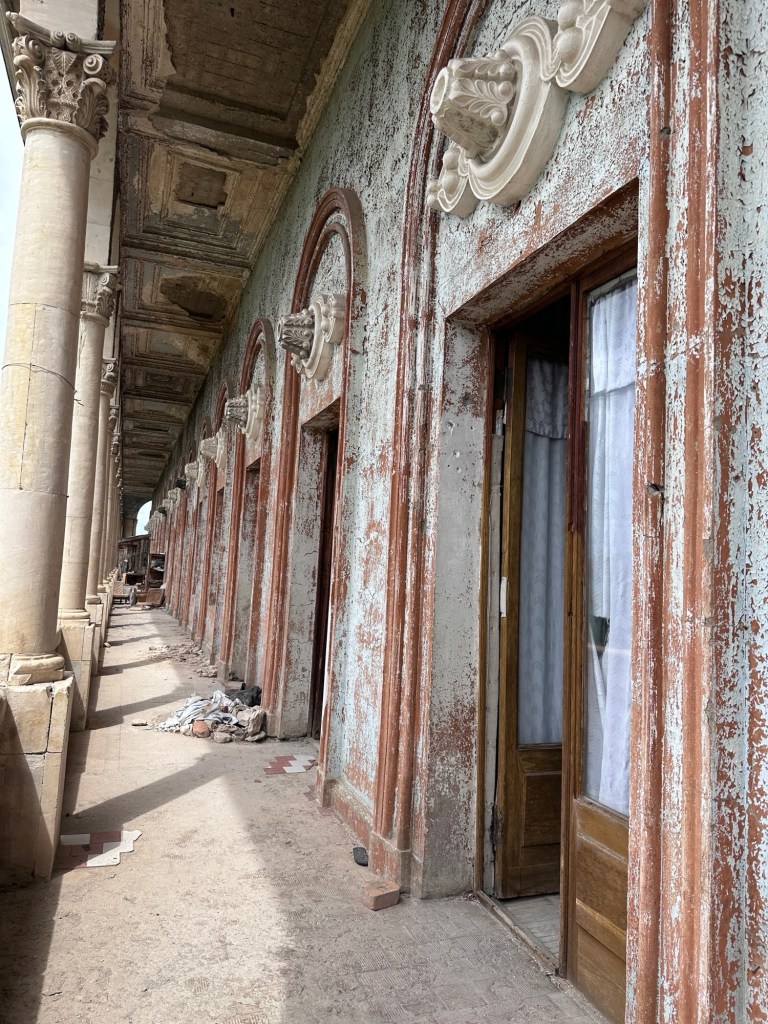
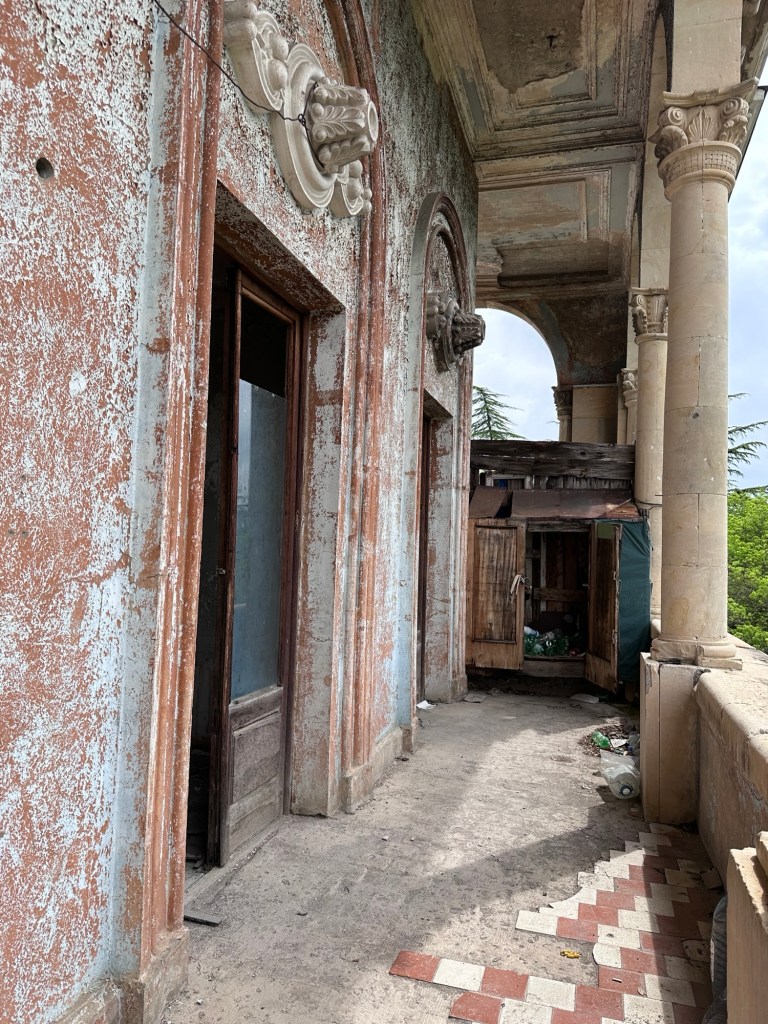
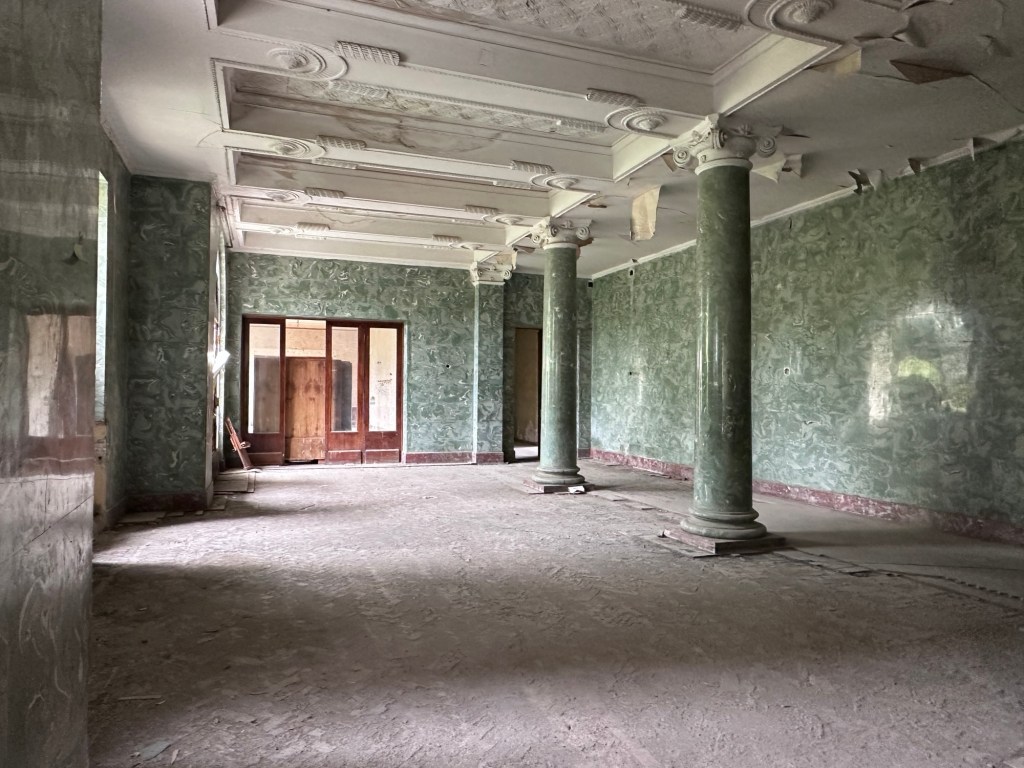
We are staying at a kabash style hotel tonight. A large extended family used to live in a large building like this. After dinner we do a quick exploration of the top floors and get a look over the city.

Dinner is good as it seems to be more of a curry (chicken). The meals seem to be getting progressively better as days pass which is good since I’ve not loved the blandness of my earlier meals during my travels.

Also to note I picked up some Moroccan eye liner from a street side seller.

Tomorrow we follow Morocco’s Road of a Thousand Kasbahs. More to come.

Morocco: Drive to the Desert

Today is another early start as we have a very long drive to the Sahara. Lots of winding roads and vast change in scenery during our nine hour drive. We stop along the way for lunch and a couple of scenic pictures but other than that the majority of the day in in the van learning about the nomadic culture (Amazigh or Berber) and taking occasional naps. It is around one of the ski town we witness some Barbary macaque monkeys along the road. We are in the Middle Atlas Mountains.

There is a cedar tree and animal depletion in the Atlas Mountains but they are working to restore it to its more natural state. Ski towns are becoming more popular. The area is changing. Today we notice a vast change in temperature as it decreases down to the 30’s F (Yes we are still in Morocco). We also see letters and symbols on the sides of some of the mountains we drive past while we drive in the valley.

We drive through the Ziz valley where we stop to get high view of a large oasis and see lots of date trees below. We also learn about Date festival in oasis Erfoud أرفود .

We drive by a large reservoir that almost seems out of place with all the sand. The Hassan Addakhil Dam is an artificial dam created to control the Ziz river flow. We stop for a quick lunch along the way. Today is a long drive so the break is nice.

We arrive at the desert and after checking into our room in a kasbah-like hotel we go for a short dune hike to view the sunset. It is very beautiful out here. I wish we had more than one night in the desert. We watch the sunset over the dunes and then enjoy a nice dinner.

Our guide as well as my travel companion take a roll down the dunes for fun. I would partake but I am dehydrated and the roll down would surely give me a headache.

Tomorrow we have another full day exploring what the desert has to show us.

Fes

Fes tannery

We will leave for the Fes city tour at 9:00 AM. The first part of the tour is by van where we stop at the royal gates, decorated only in the 20th century to make the royal palace more visually appealing and we learn about the history of the area. We learn how the architecture changes over time due to the Berbers (original name Amazigh), the arabs and the Jewish settlers. We drive uphill to get amazing view of the Medina below. It is vast. The Medina is a combination of shops and residential in narrow streets that bustle with energy daily. There are tourists but this is a place where locals do their shopping. 

We stop at an overlook the see the city from above. You can tell it is a densely populated city with centuries and centuries of growth built on the top of old development.

Before we visit the Medina we stop at an art collective called Art Naji to view potters and mosaic artisans at work. We watch a tagine pot being made on a pottery wheel. Another room has artisans that paint on designs by hand.

Next we visit the old Medina where a guide is recommended since there are over 9,000 streets and alleyways, many narrow and dead end. Luckily we have a local guide named Aziz.

We travel down increasingly narrow alleyways. It’s almost like we are going on a special adventure but this is the everyday life for people who live here and down some of these narrow alleys are their homes.

There are so many different food and spice booths. We learn about traditional weavers and other artisans like wood carvers. We walk through the section where they are dyeing yarn and fabric in jugs but you can see the dyed water that had been dumped on the alley. We walk through the puddles hoping we don’t dye our shoes in the process. I know my long hanging pants to get muddy at some point so it’s probably good to not wear your best clothes here.

We pass by Al Karaouine University – the oldest university in the world. Outside the university are metalworkers banging on items they are constructing.

We view and learn about the famous Fes tannery. We learn how all the leather is dyed to make the high quality products they sell.

During our tour we visit a Quranic school (Madrasa) and we also visit outside the Tomb of the founder of Fes.

We have lunch at an old riad converted to a restaurant. Raids are large family houses interior of the medina that would house very large families traditionally. Some riads are normal homes but some are elaborately decorated and you’d never know from the outside. Today many of them are converted to hotels or restaurants.

We want to stay on our own after the tour but our guide strongly advises against it due to the confusing nature of the medina. We probably would have tried to stay anyway but it is rainy and I uncomfortably wet – I decide it would be best to return with the group.
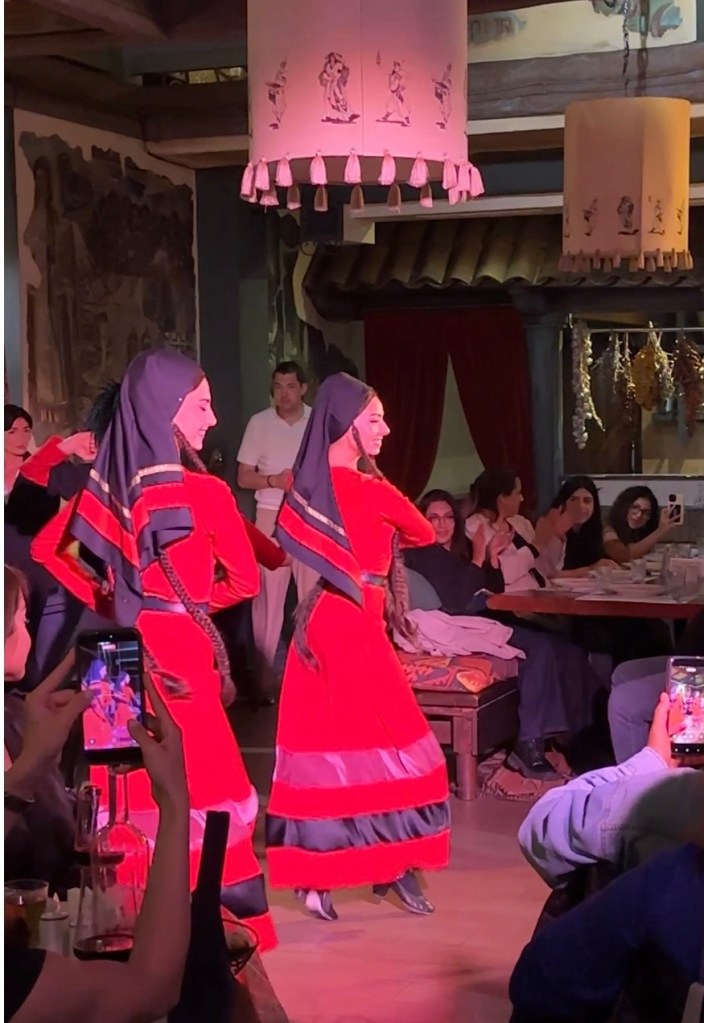
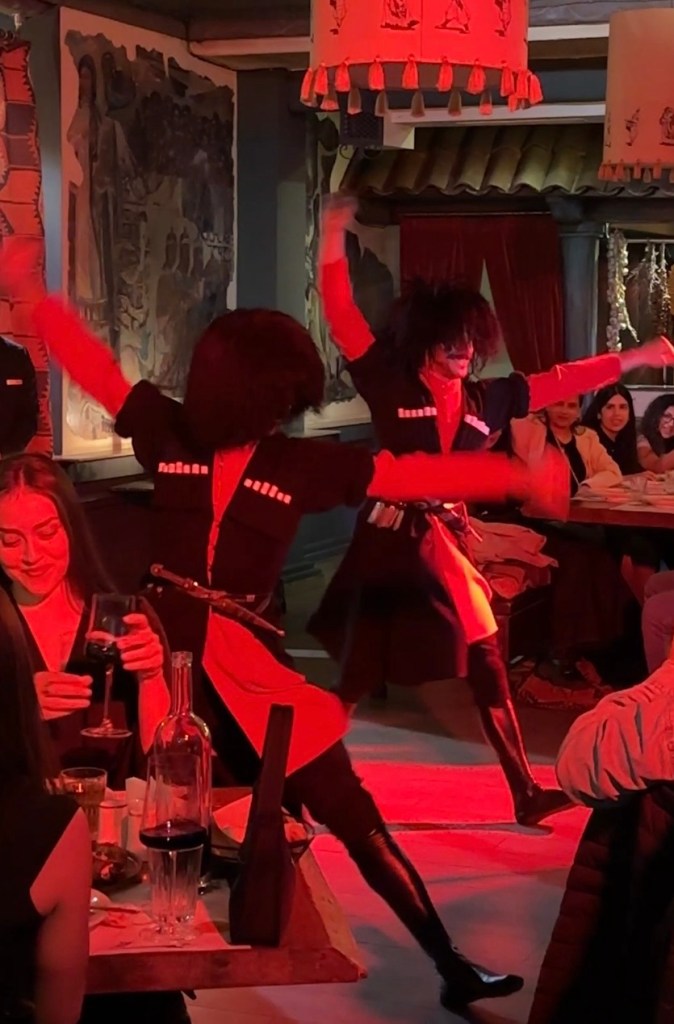
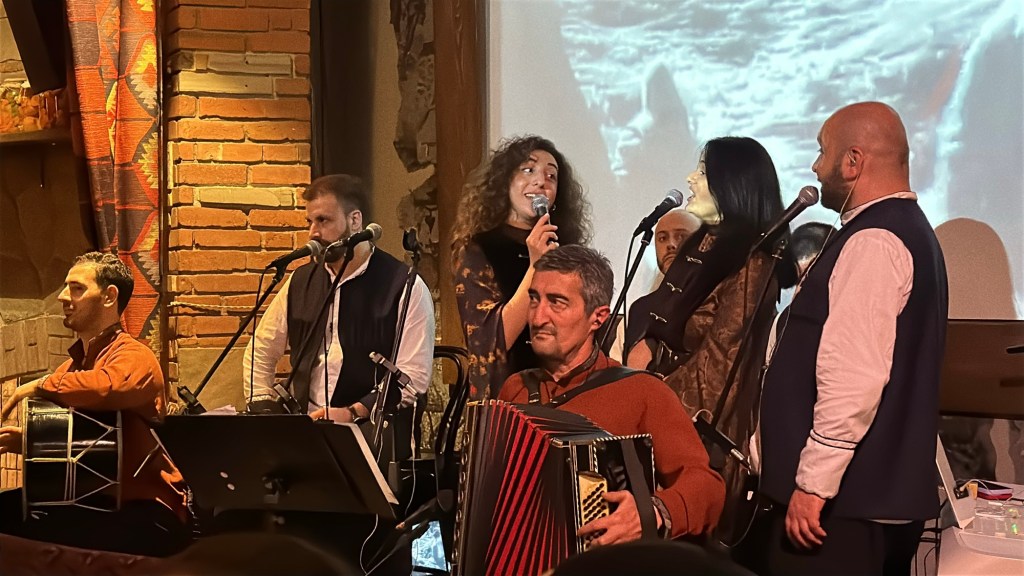
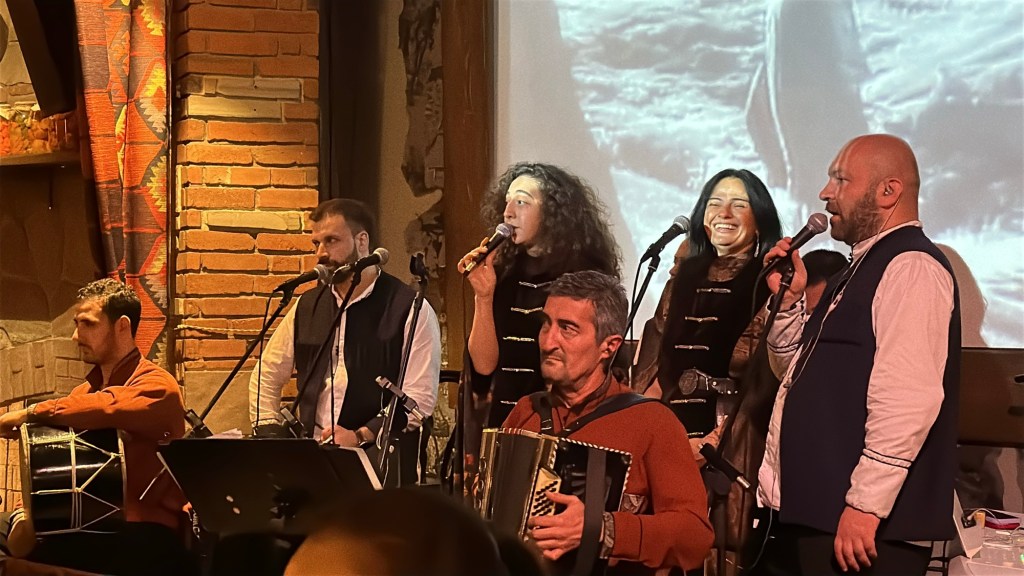
Later in the evening after resting at the hotel we go next door for dinner at what appears to be a restaurant with a lively band playing. Entire families, including toddlers, are enjoying the fun late into the evening. Others from our tour join us. It is a fun impromptu night out.
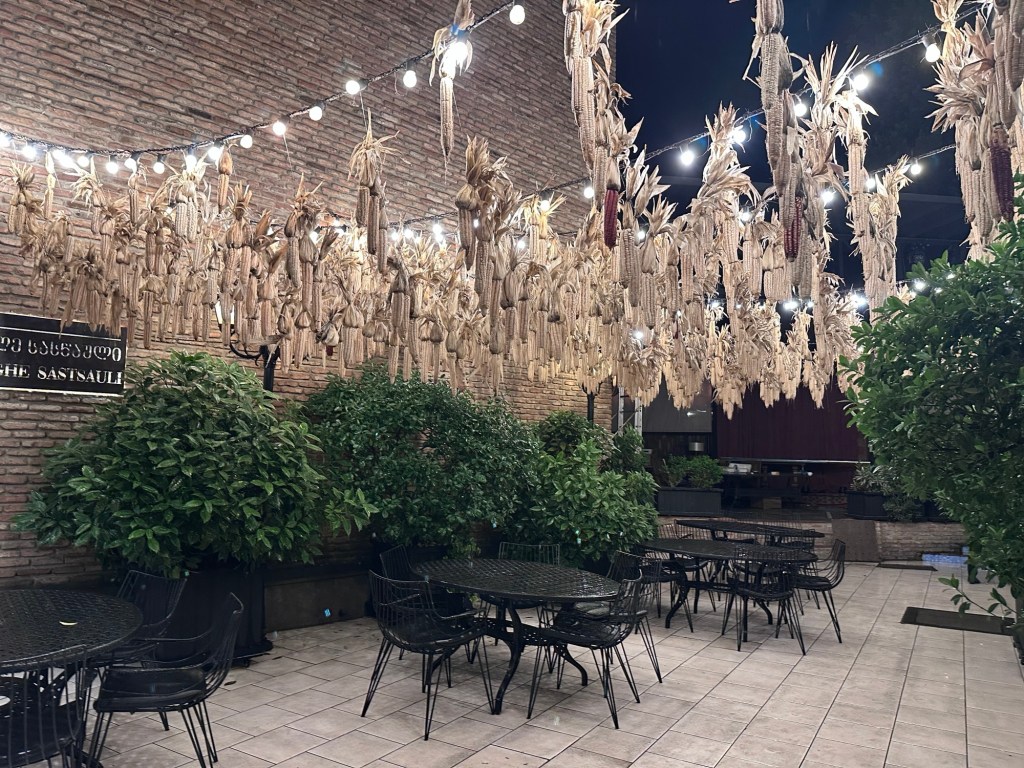
Tomorrow we head toward the mountains and then to the desert.

Meknès and Volubilis

Volubilis

Today is an early start. We are traveling three hours to two UNESCO sites.

We first visit Meknès, an imperial capital of the 17th century. We visit a mausoleum, walk around and visit a market. We were supposed to visit a museum of music but it is closed the day we are here.

The Mausoleum of Moulay Isma’il is a former kasbah turned into a mausoleum for a former sultan.

We drive forty-five minutes away from Meknes where we visit the Roman city of Volubilis. This impressive city was destroyed by the same major earthquake that destroyed Lisbon in 1755. It is now being excavated and restored. We discover a large ancient city with some impressive mosaics.

We next stop at a Women’s collective that is sponsored by our tour group and they serve us lunch and tea.

A short drive later we are at Fes for the evening. Since we had such a late lunch we decide to skip dinner and have a drink with some others in the tour instead. We have a day of sightseeing in Fes tomorrow.