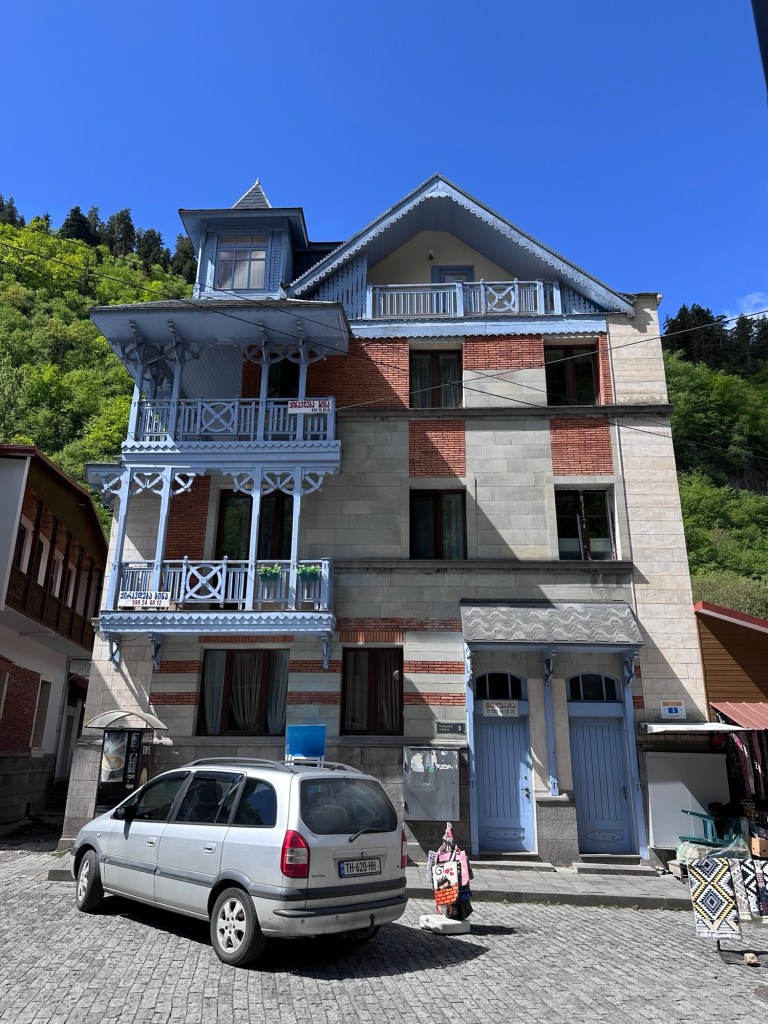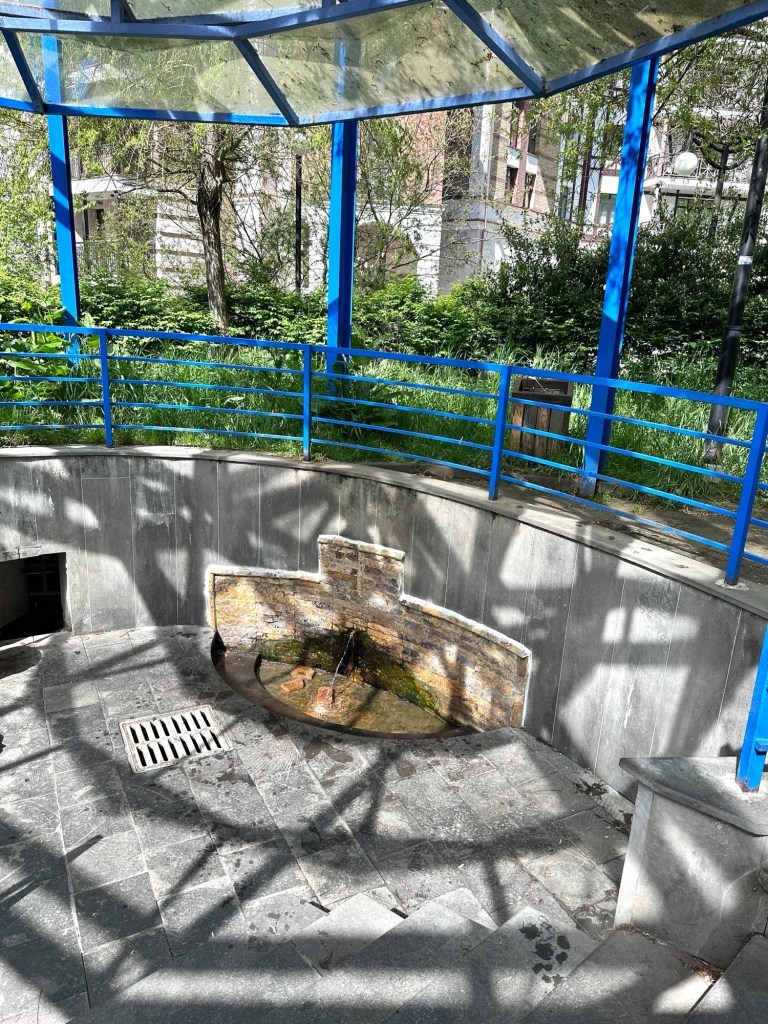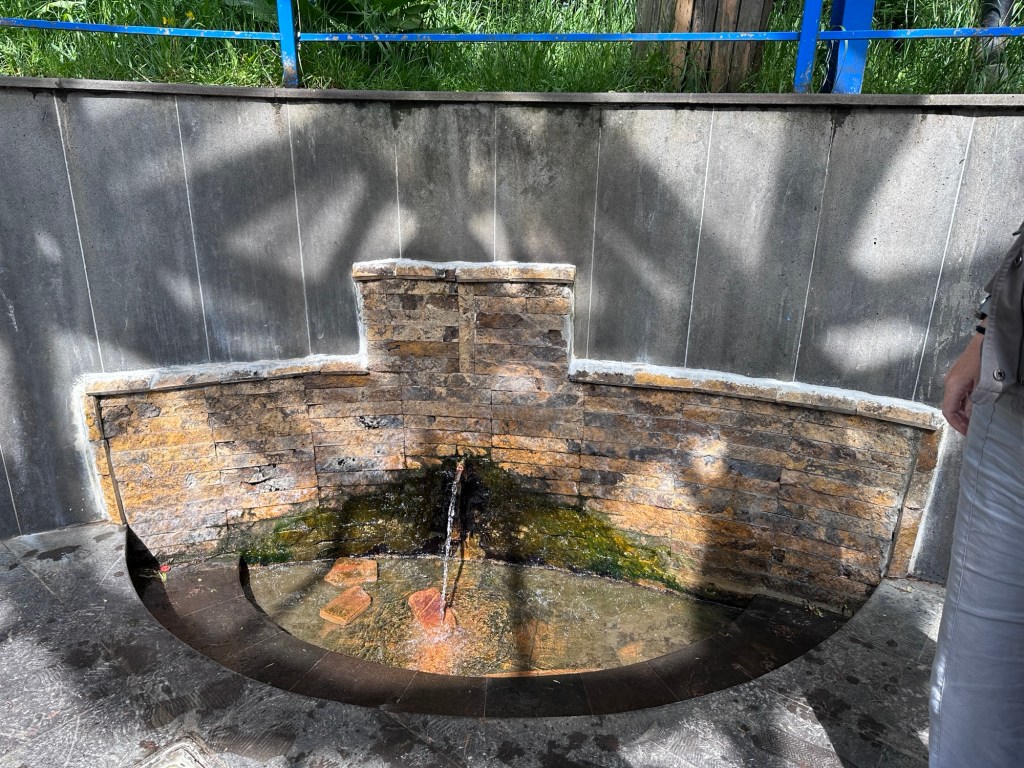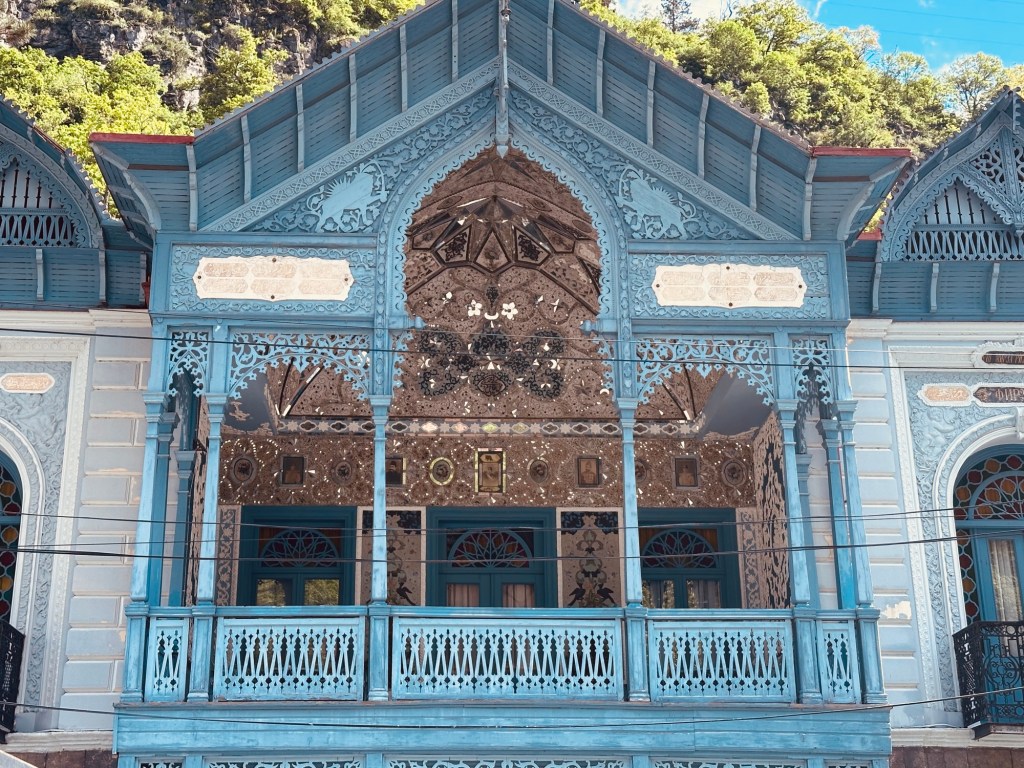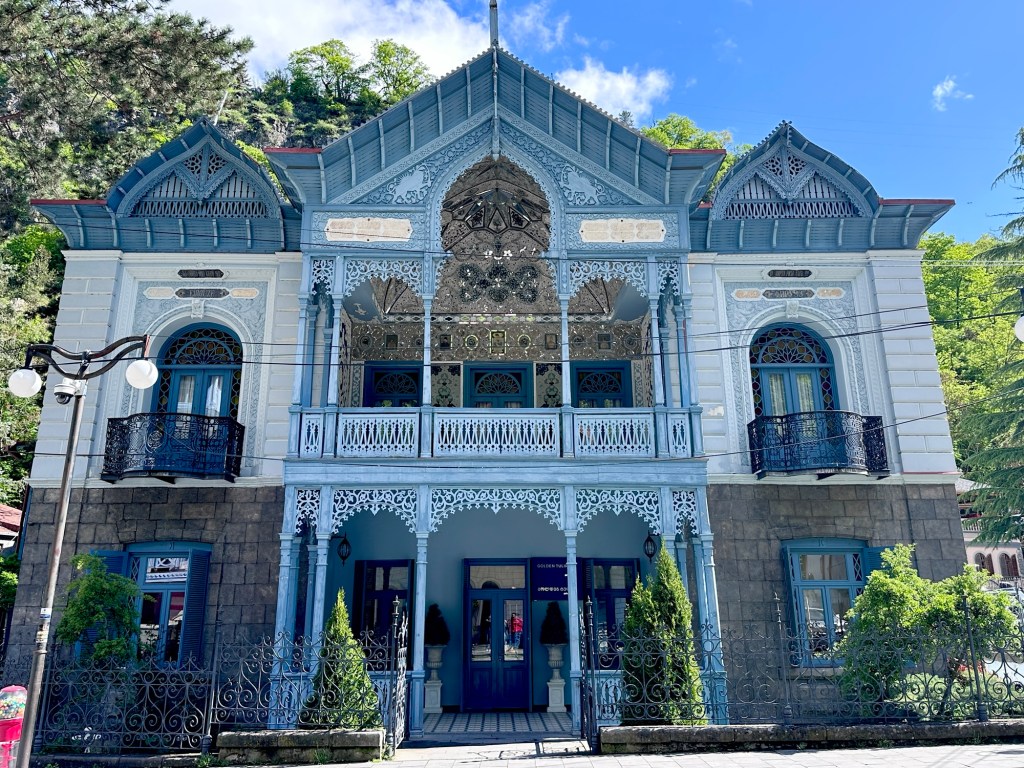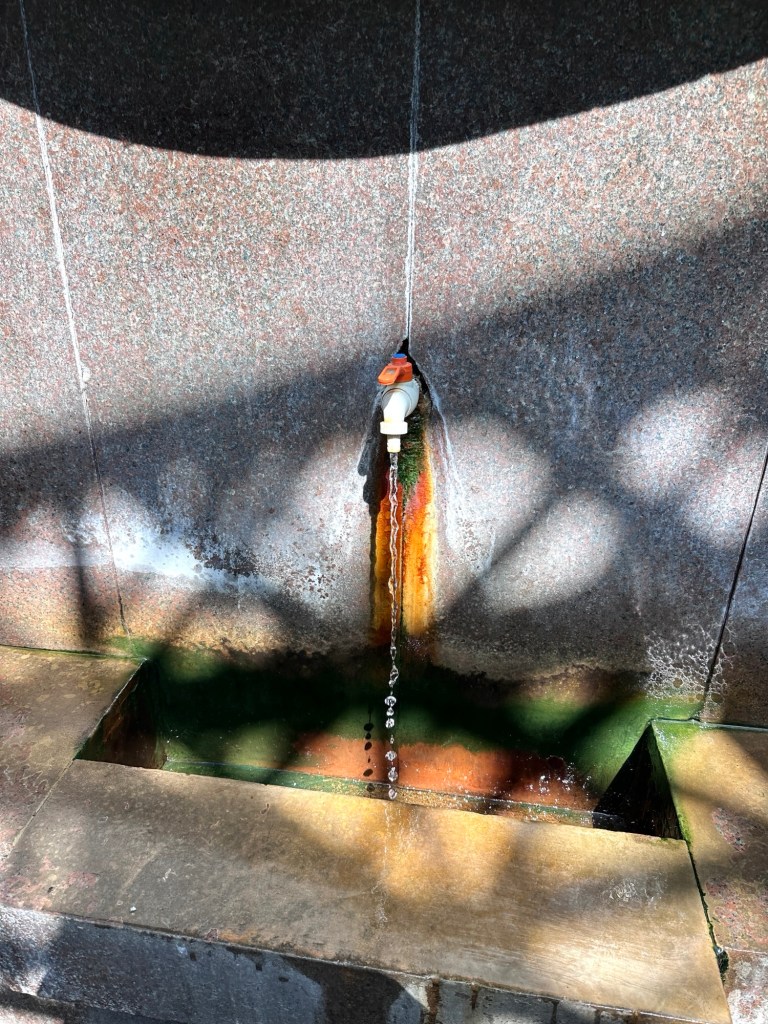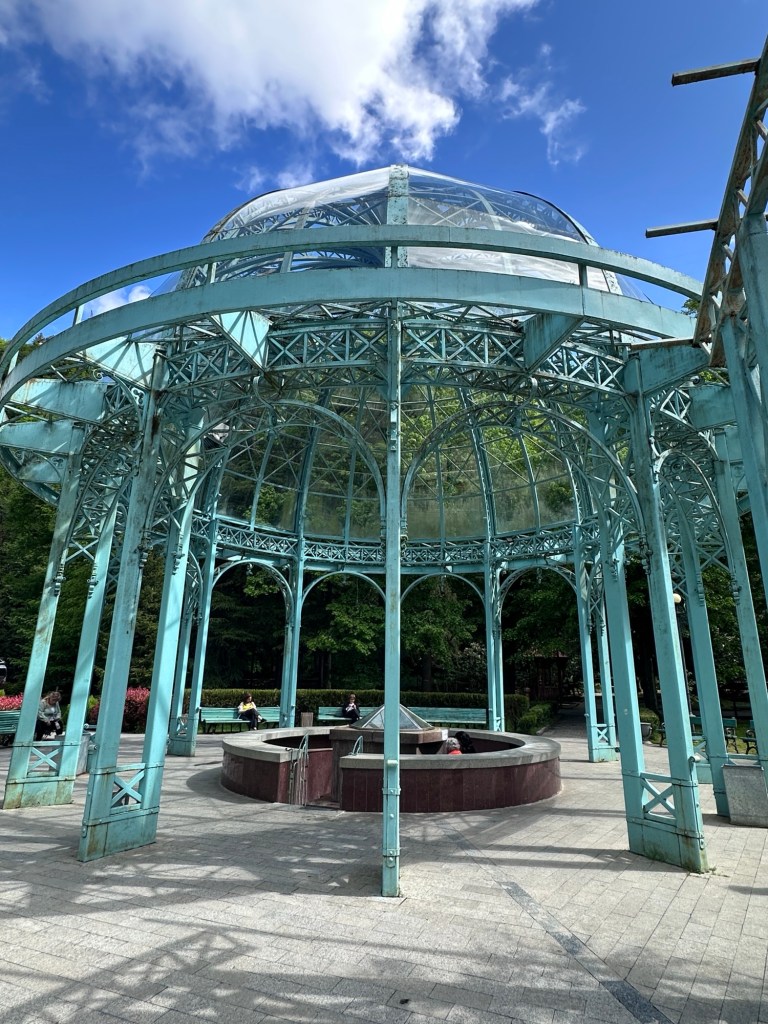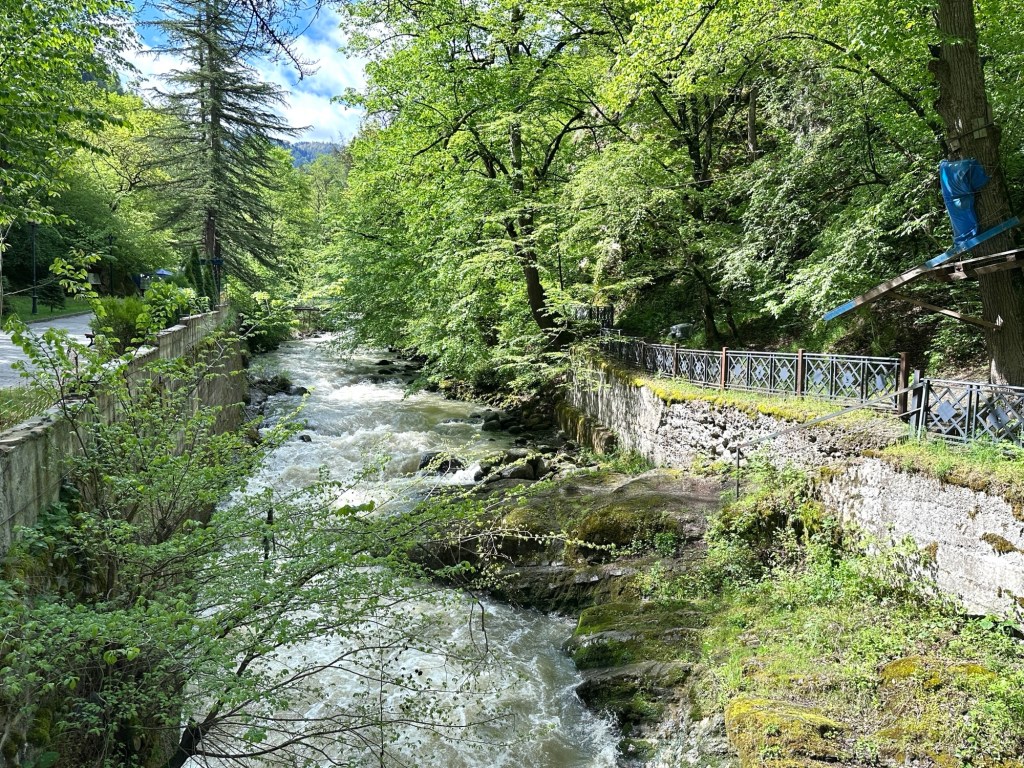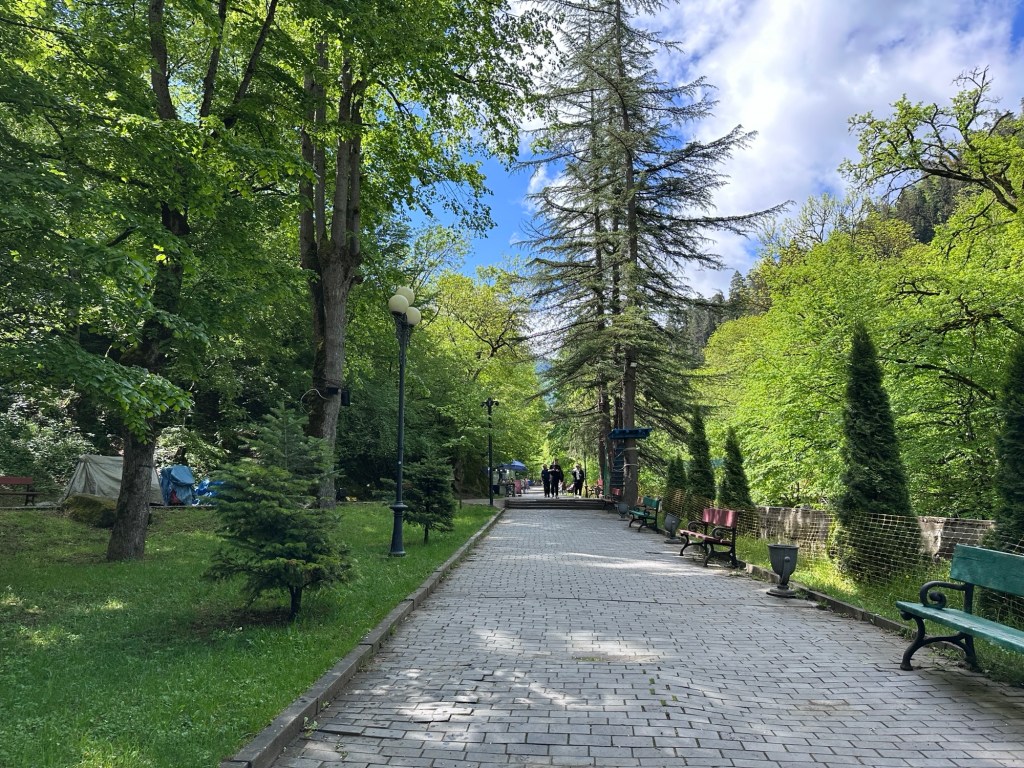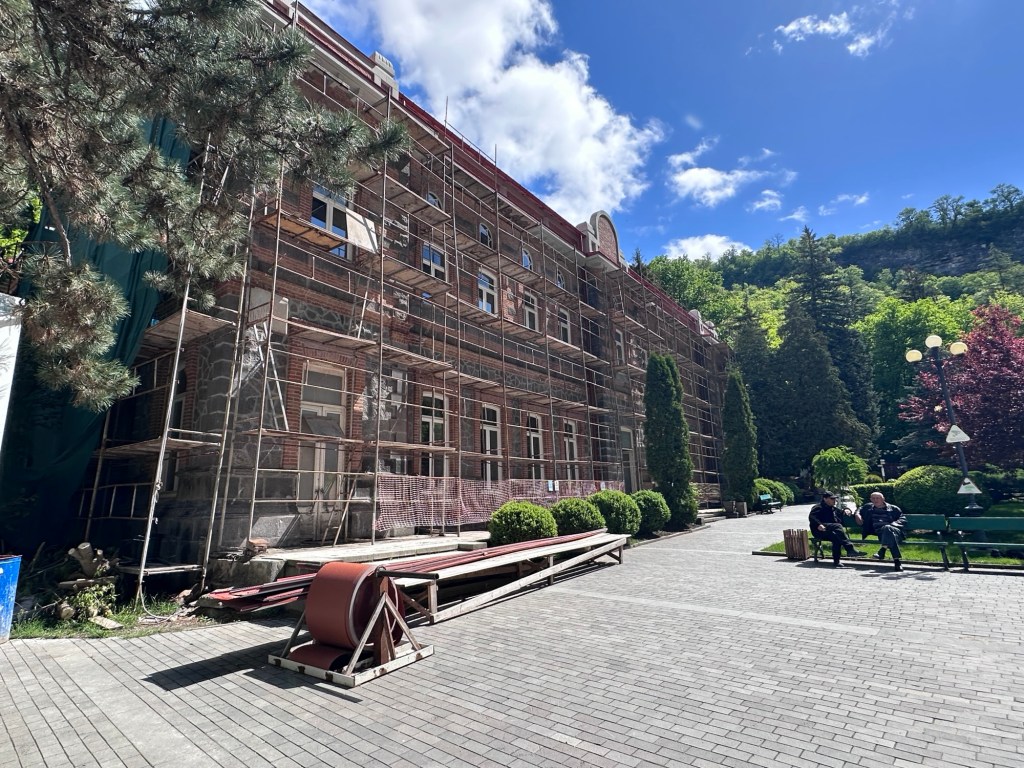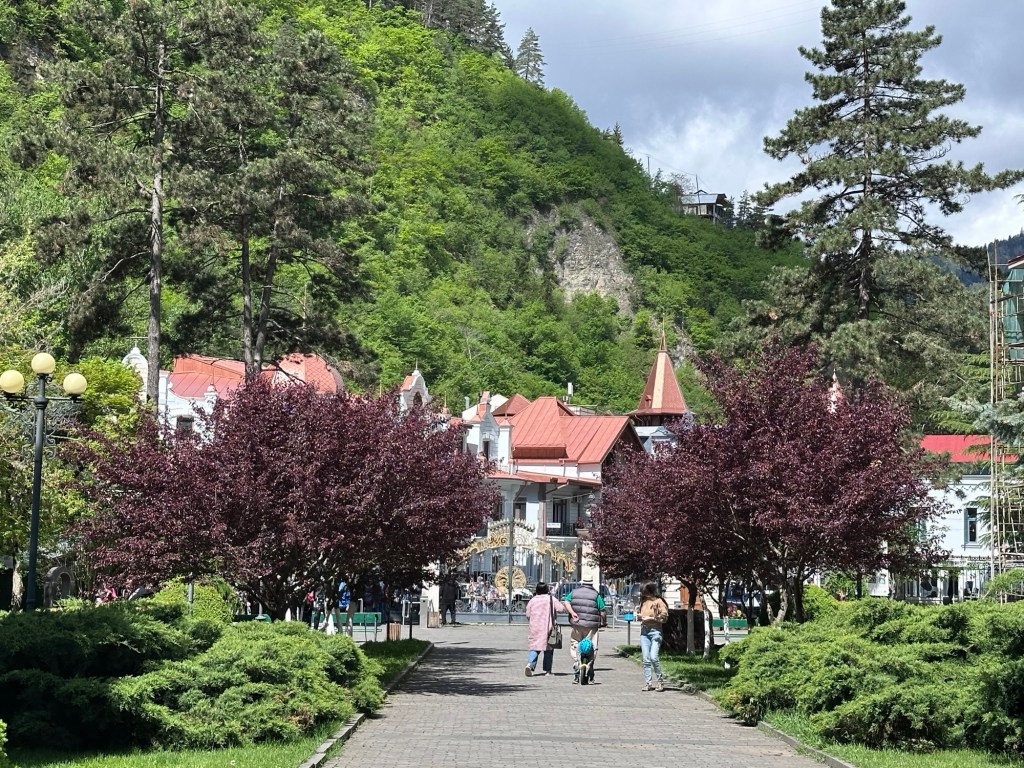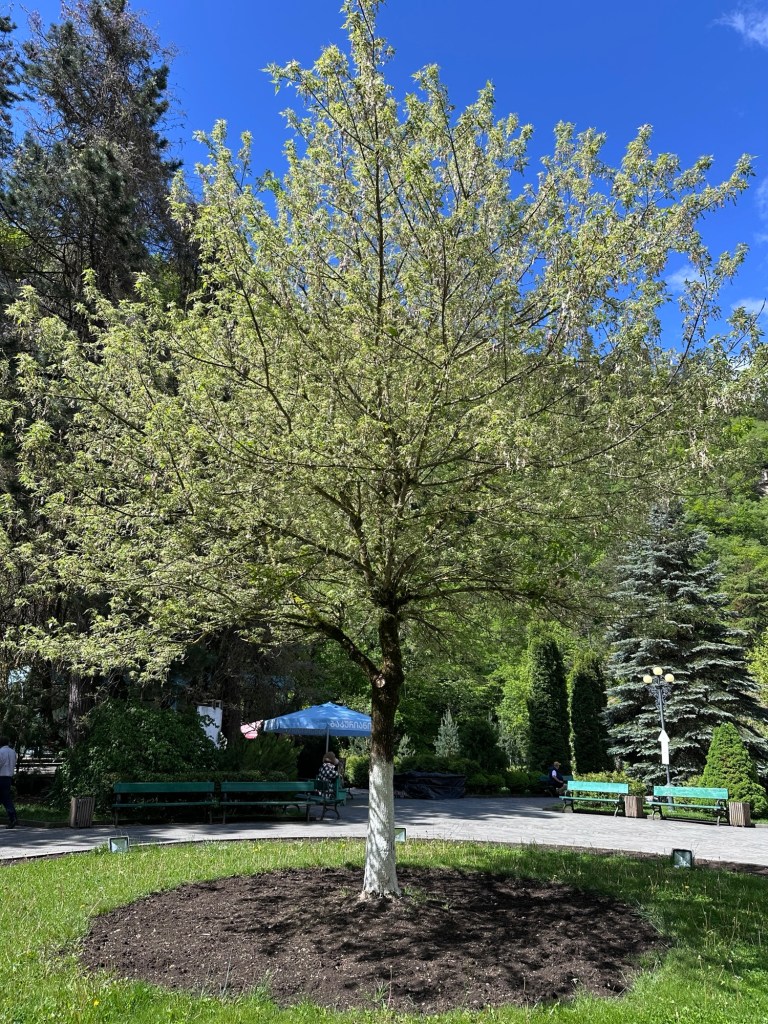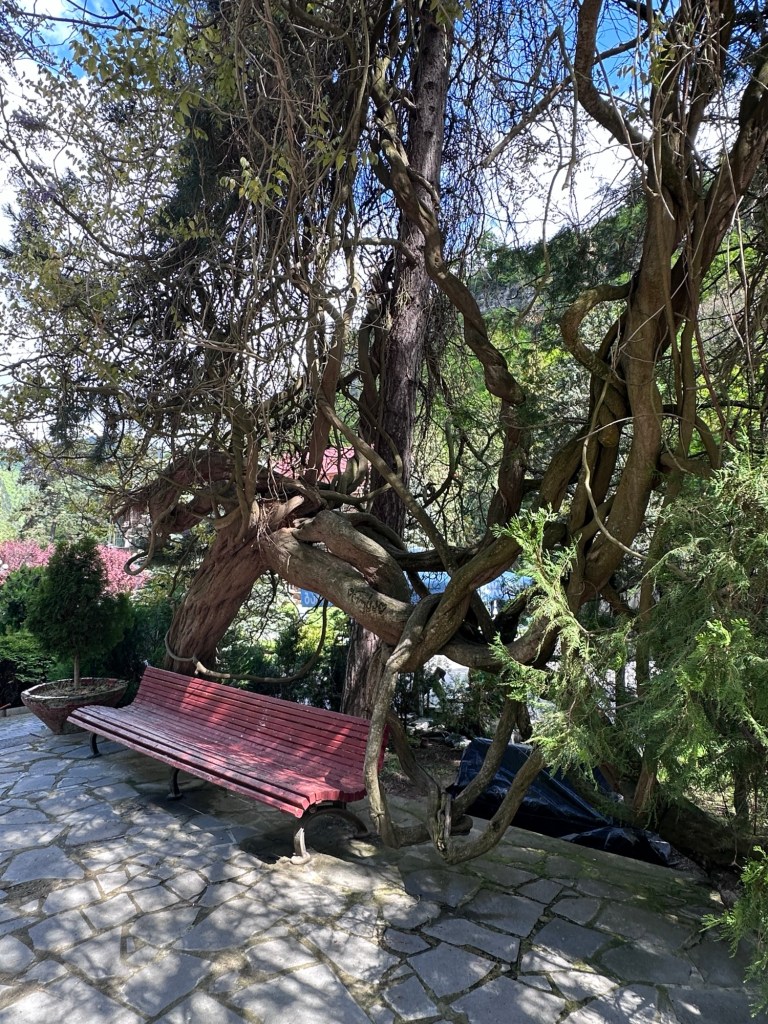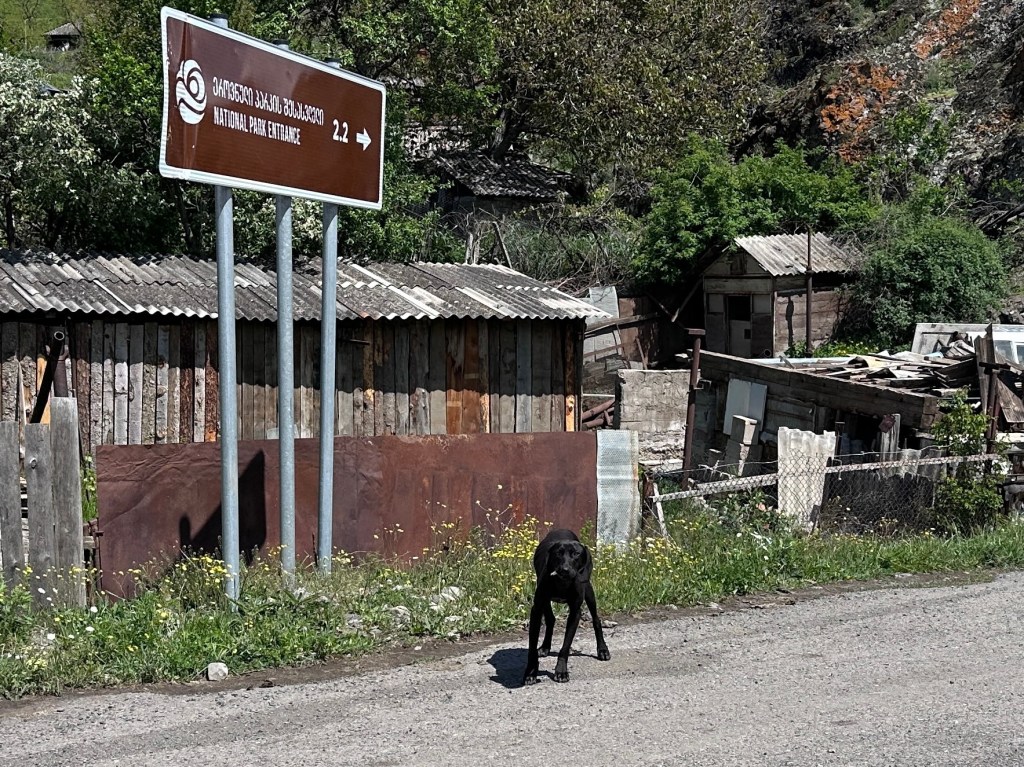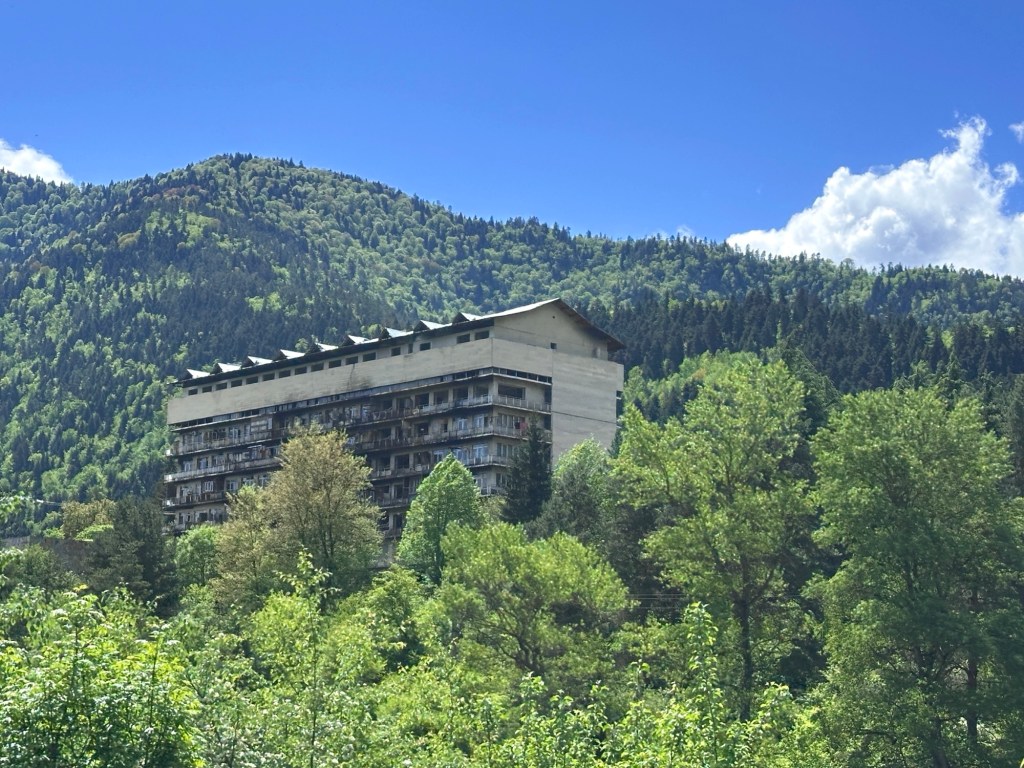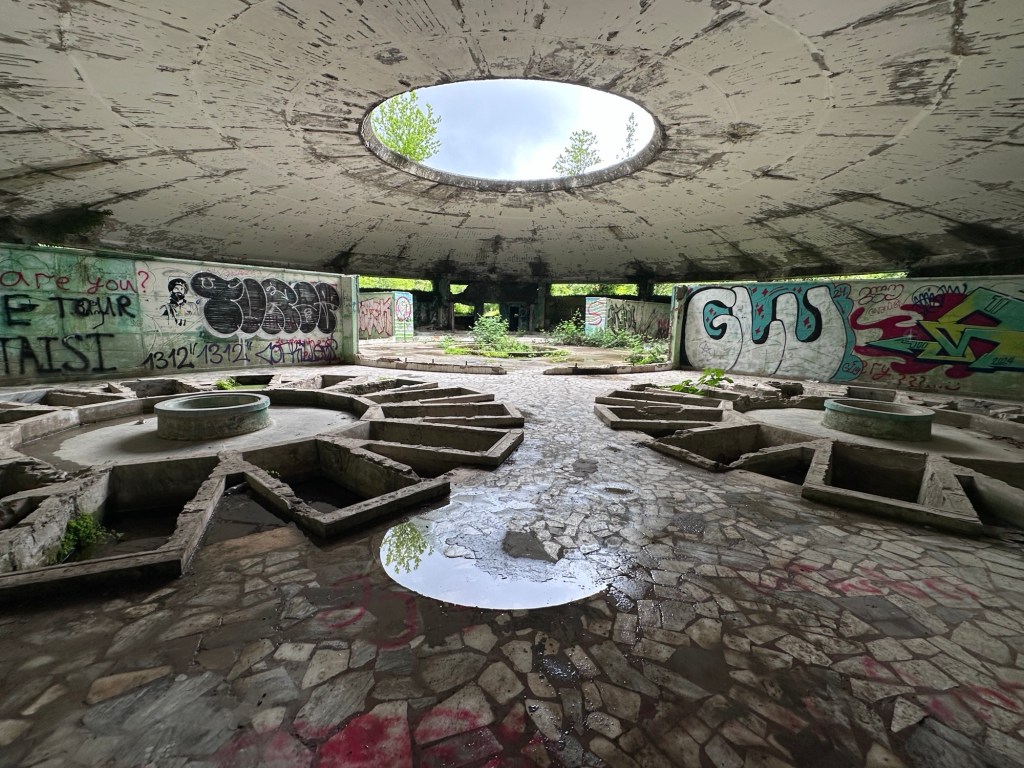
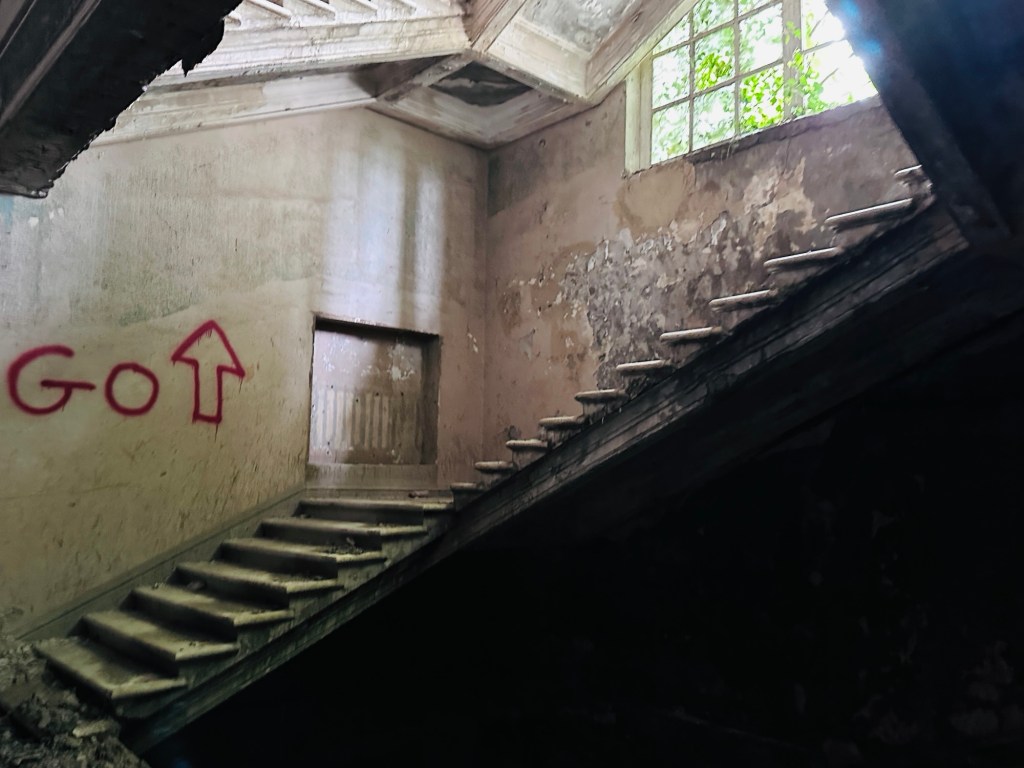
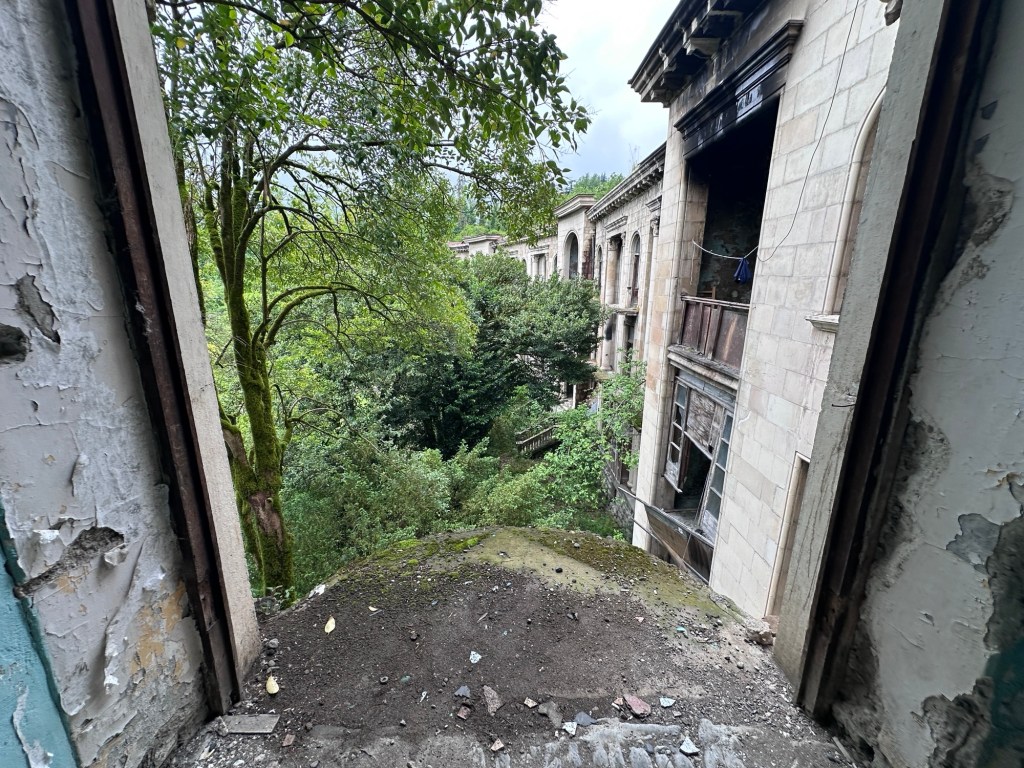
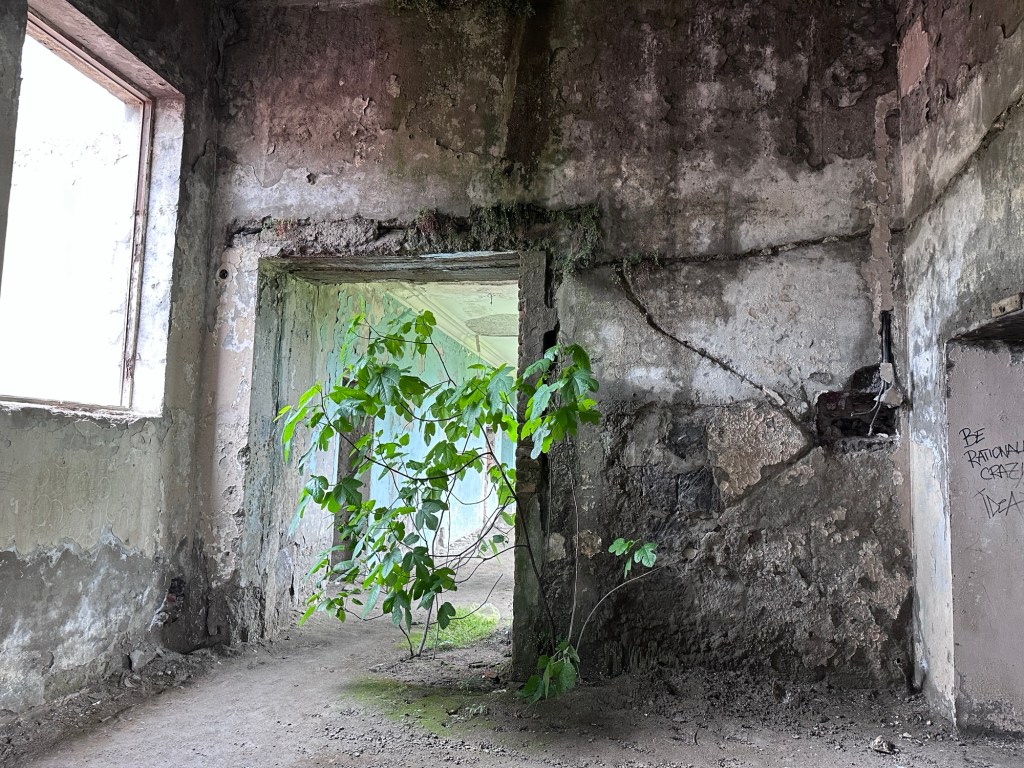
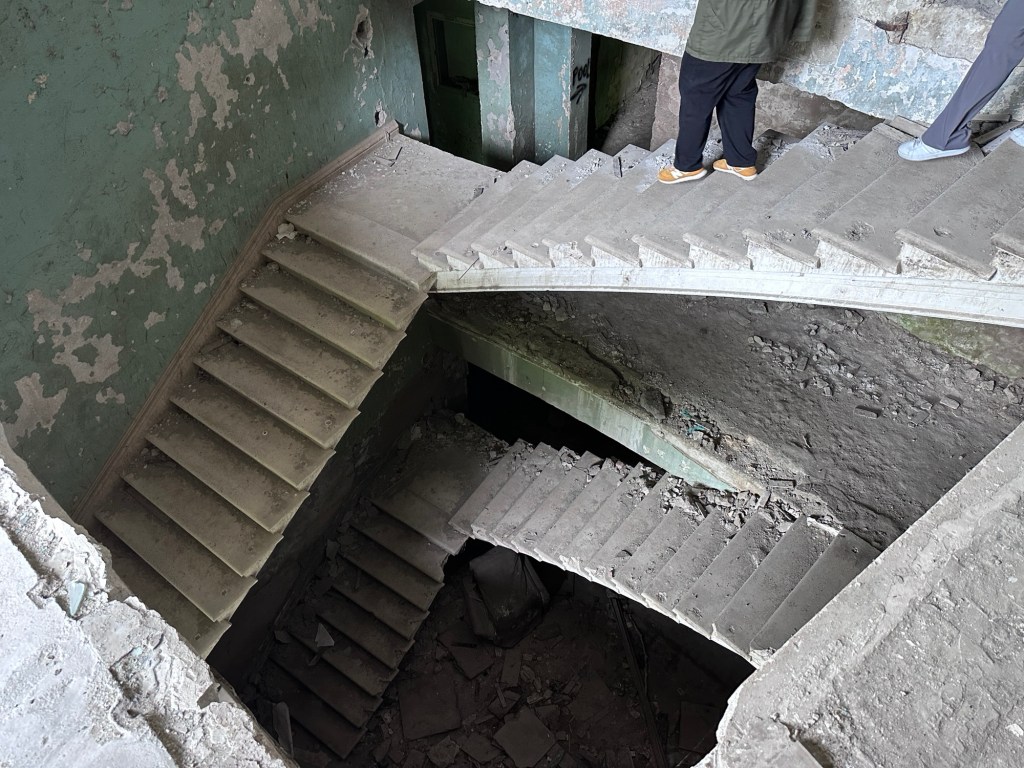
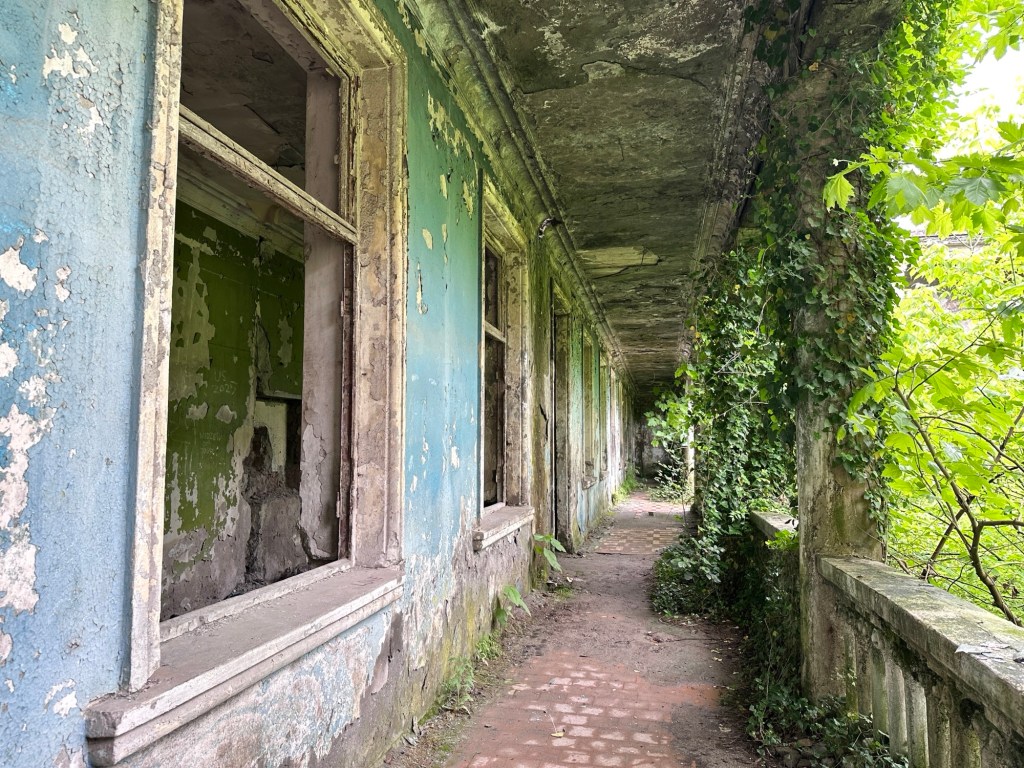
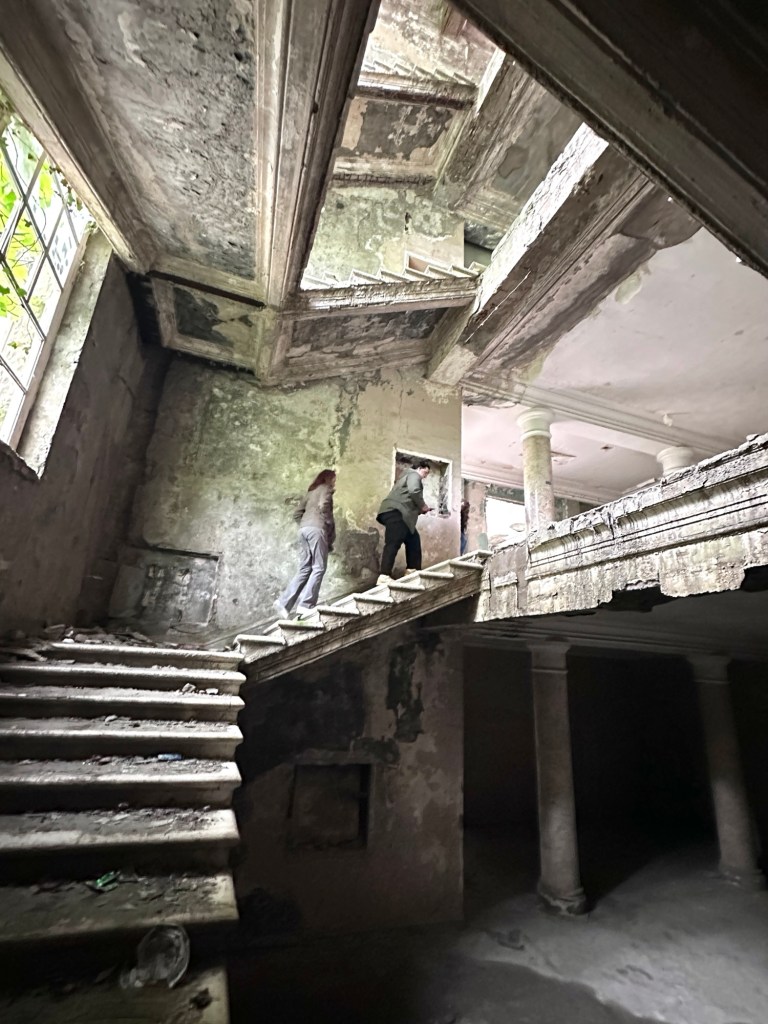
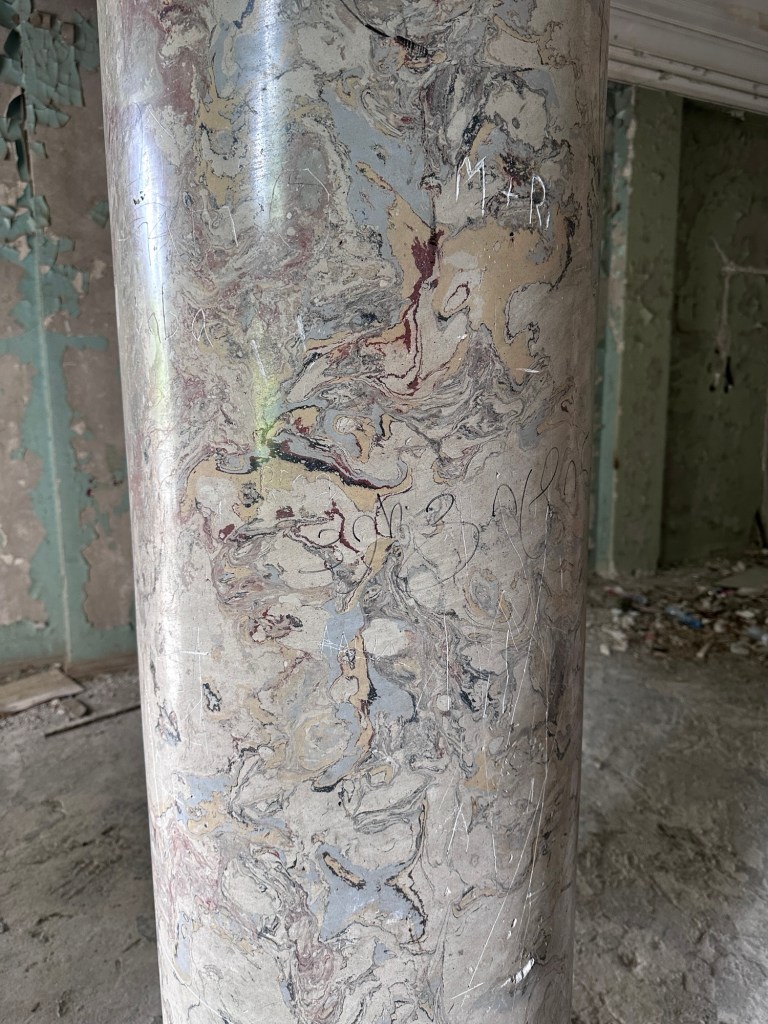
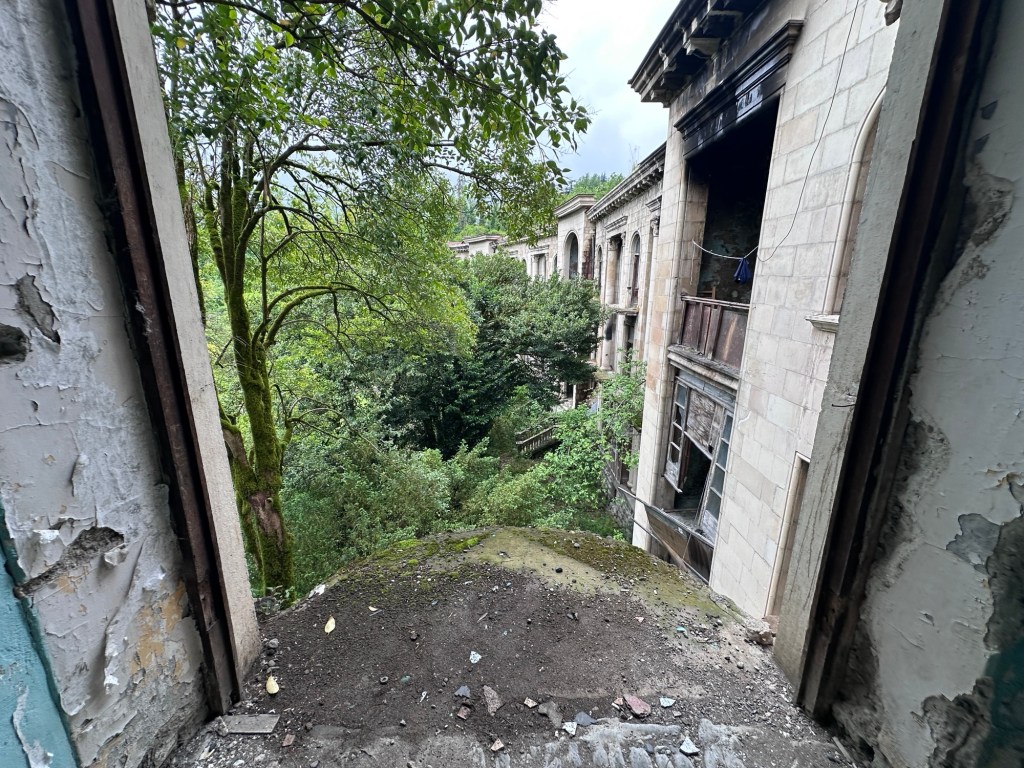
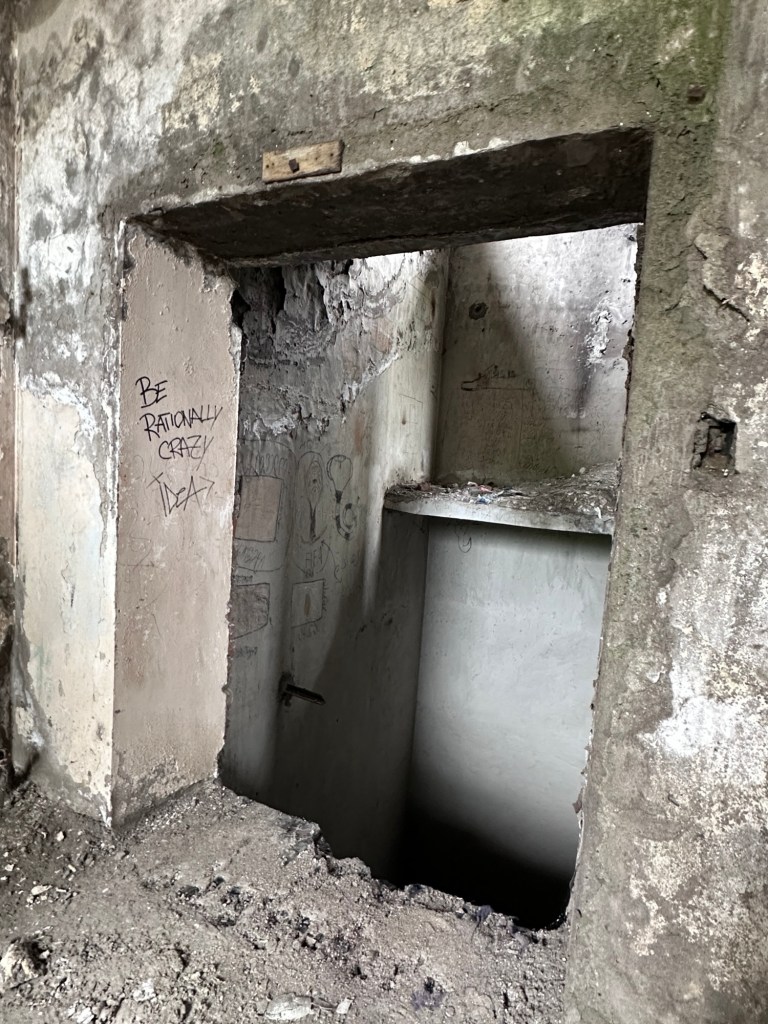
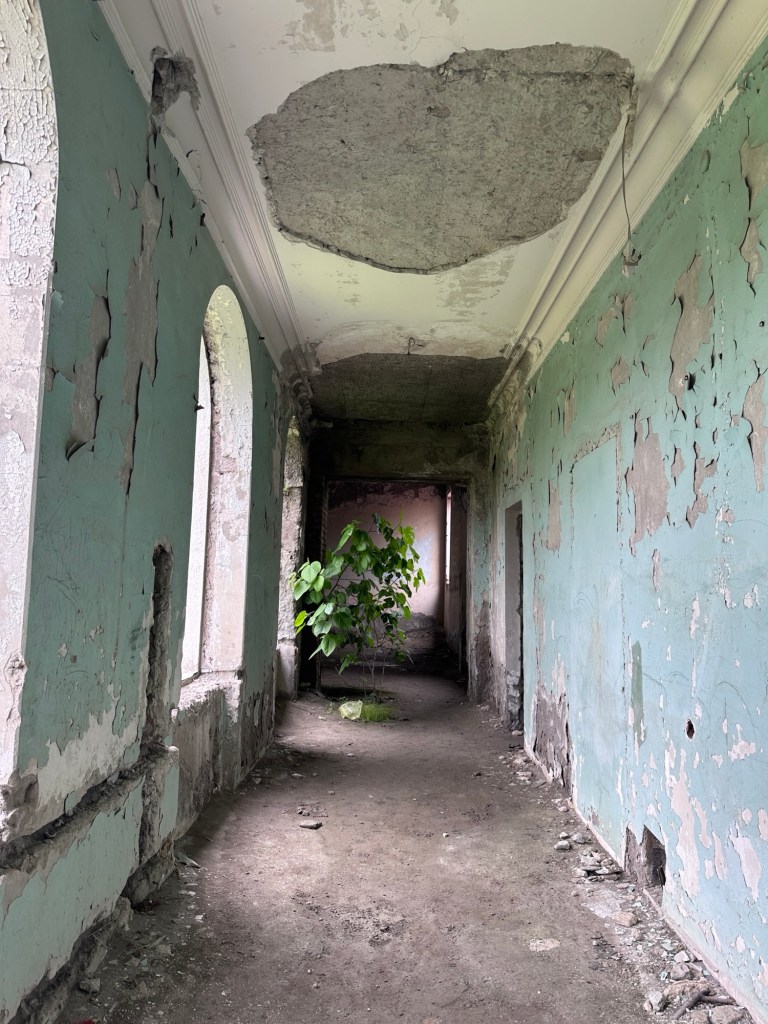
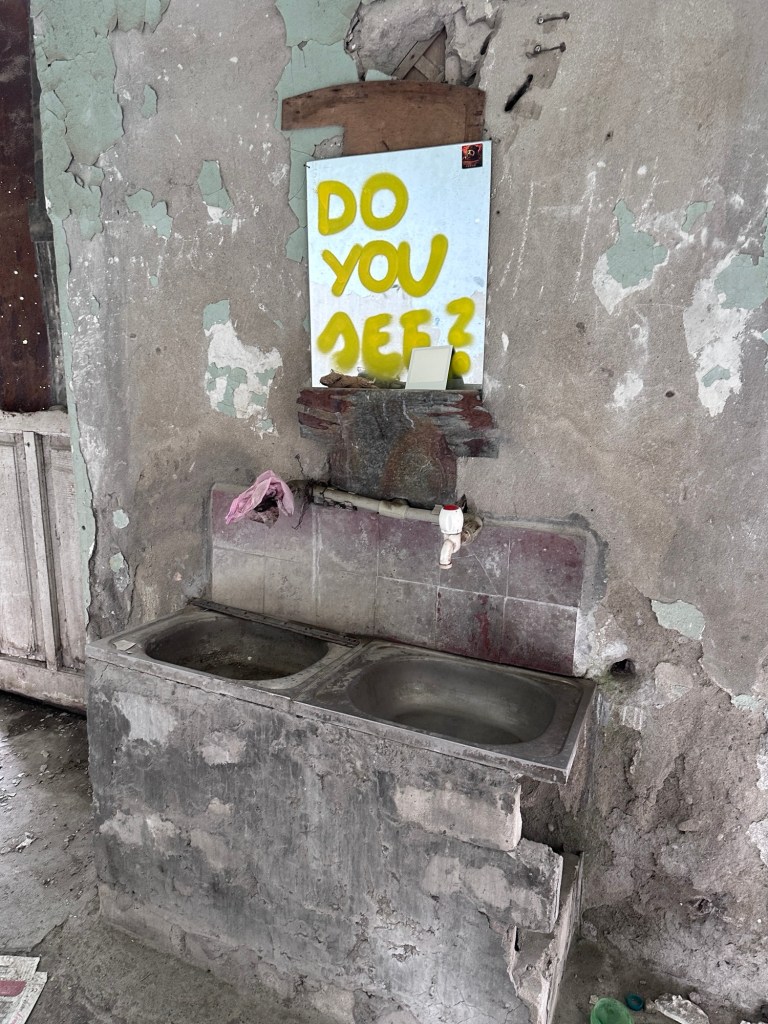
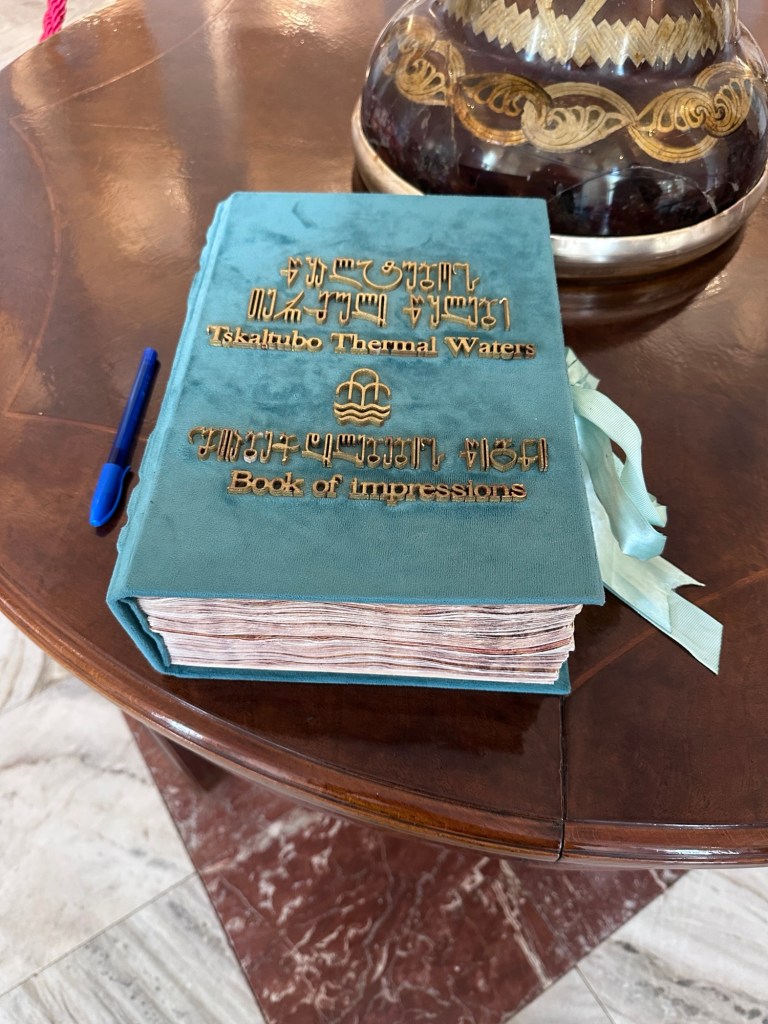
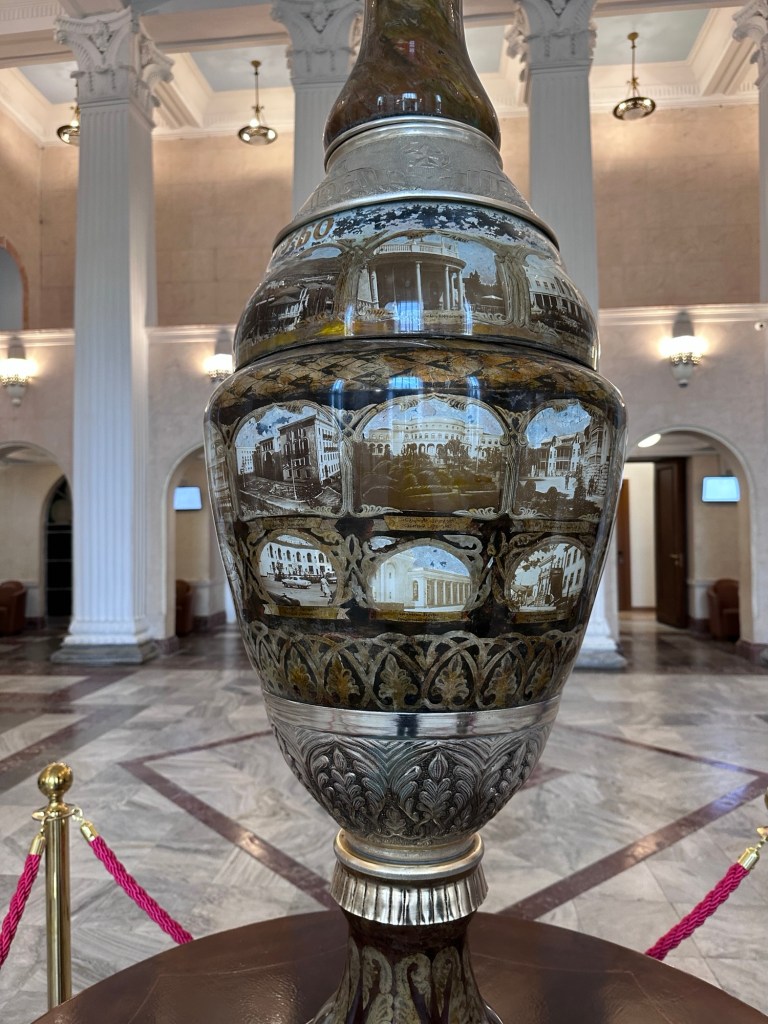
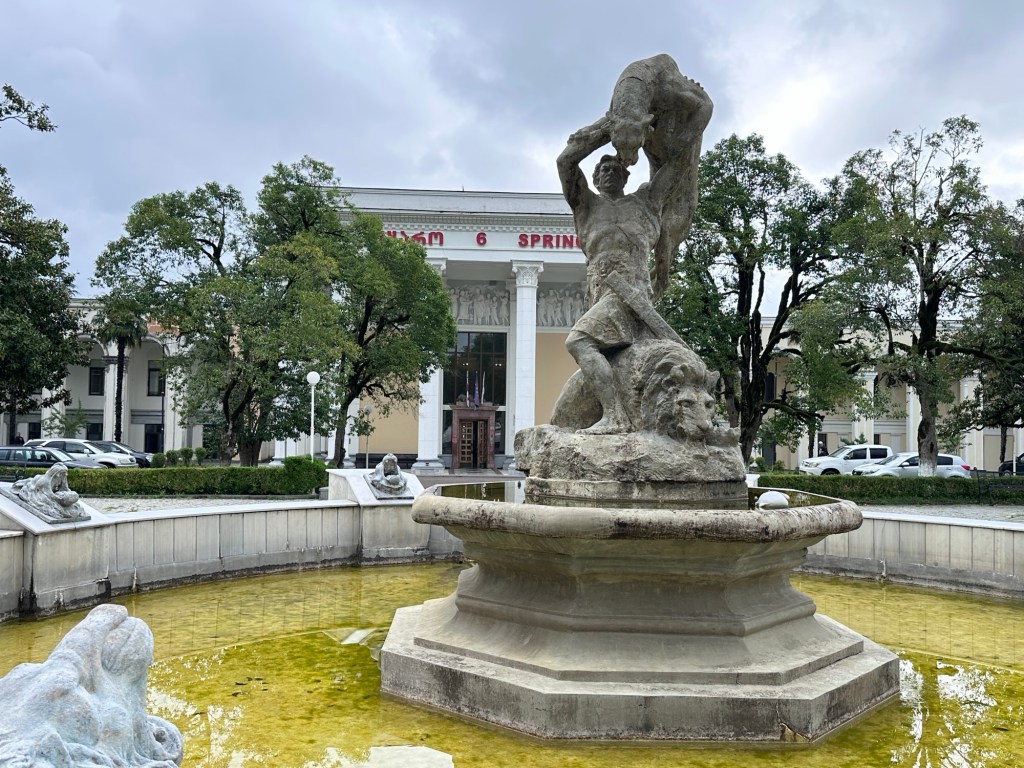
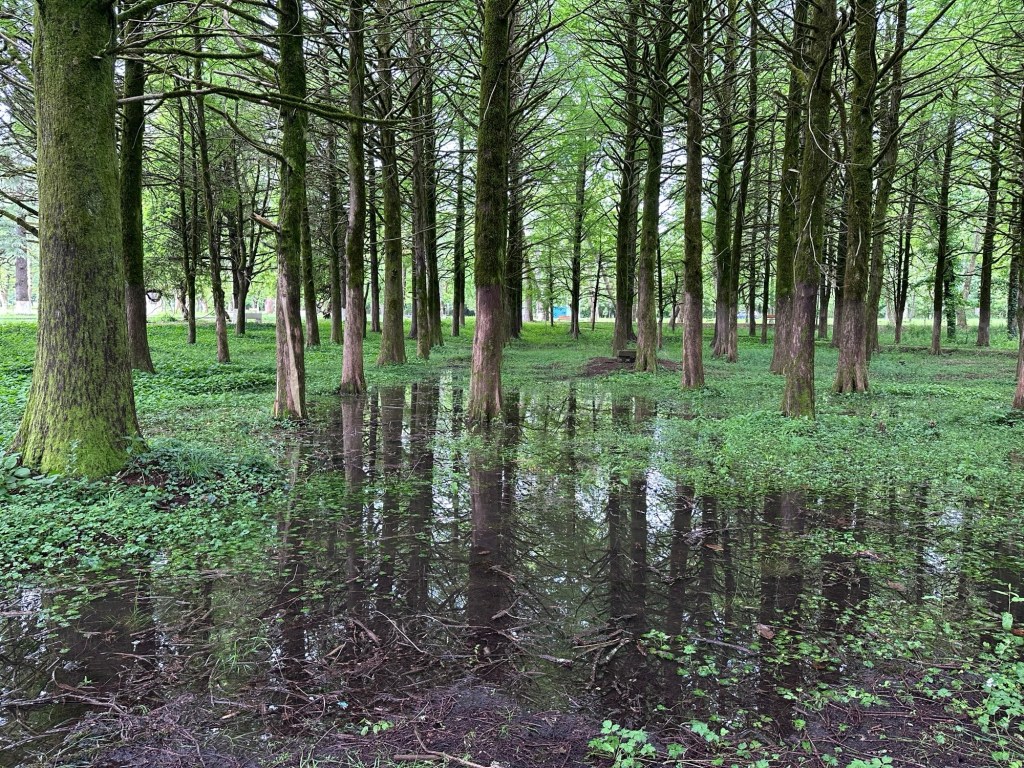
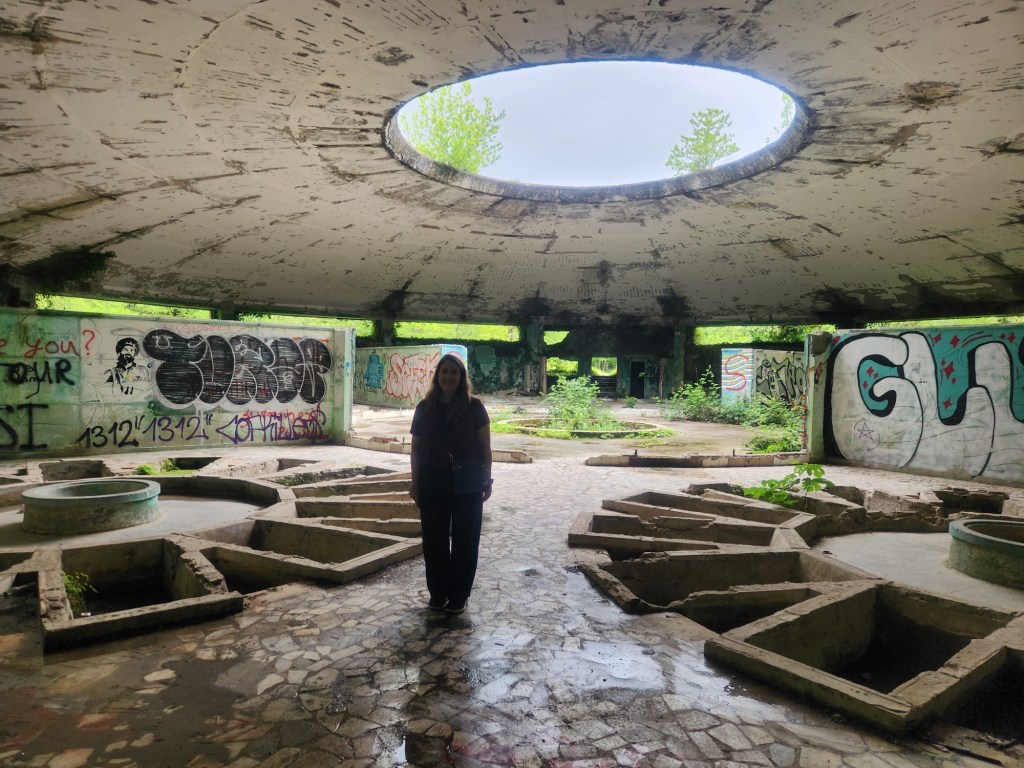
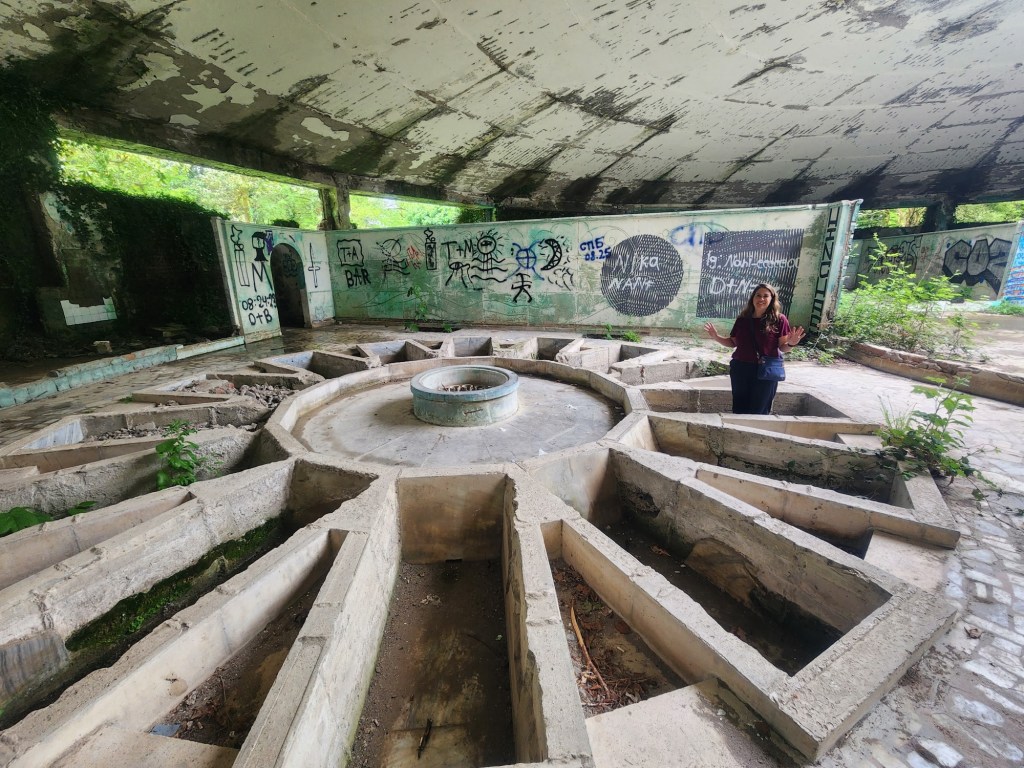
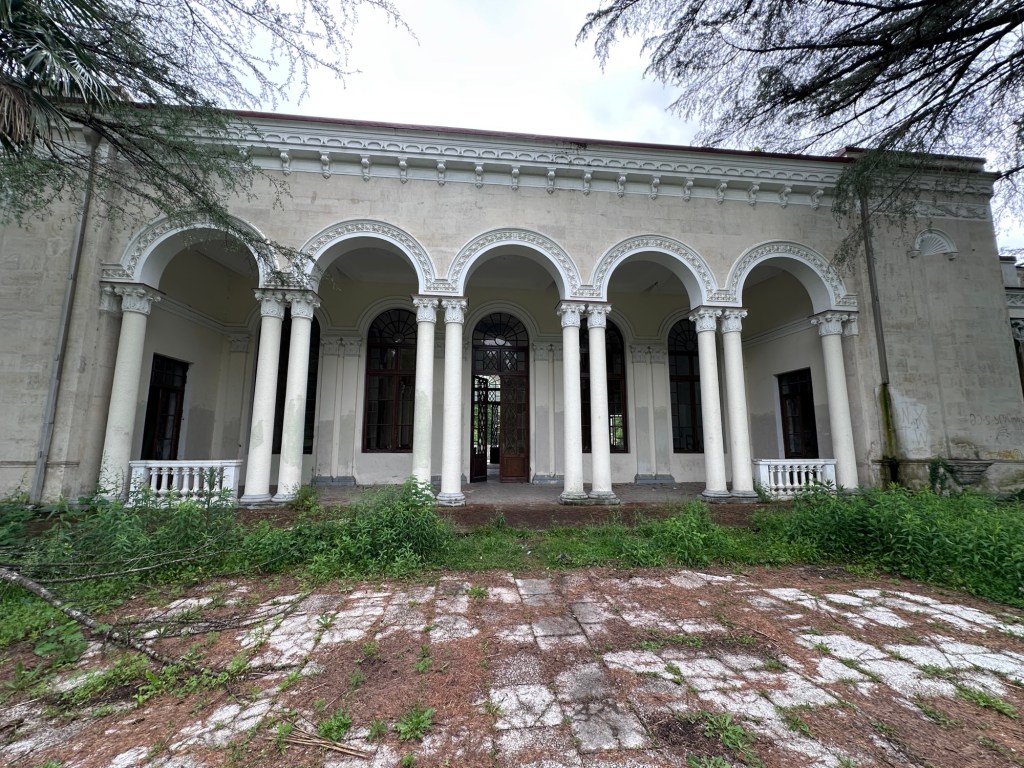
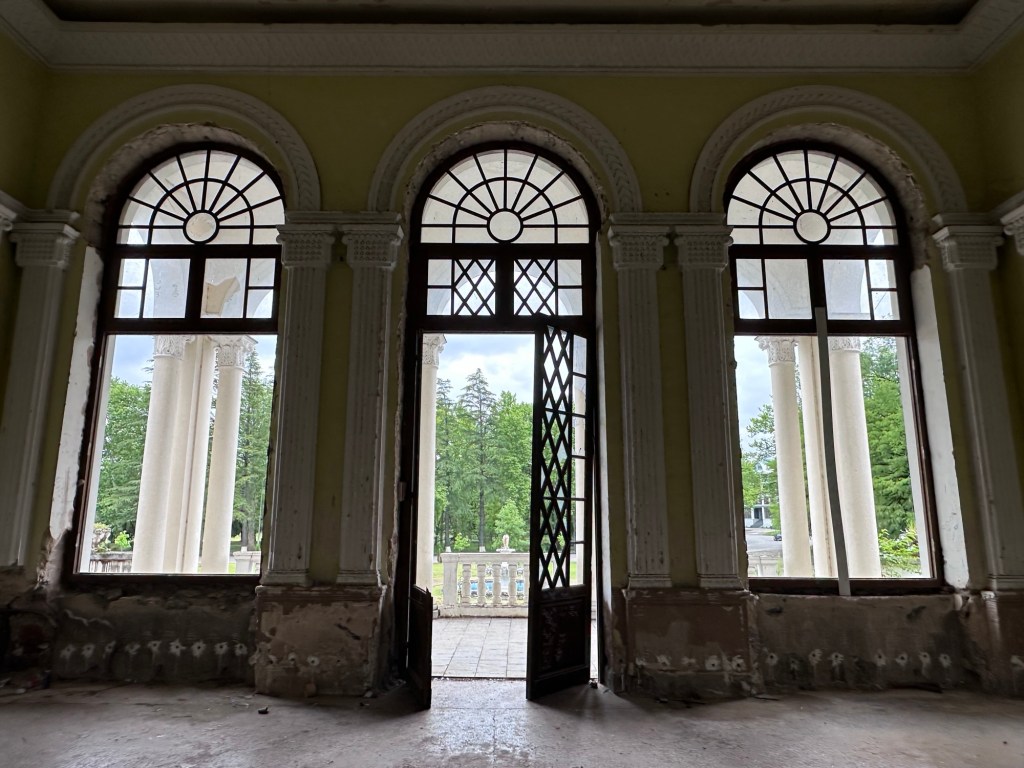
During the Soviet Occupation after WWII, Georgia, a soviet territory at the time became a popular spot for healing sanatoriums due to the sulphur springs that occur naturally here. In Tskaltubo, the town near Kutaisi, many of these sanatoriums were built and used as a healing destination. At the end of the Cold War, the majority of these buildings were abandoned. Many are decaying quickly and some become makeshift apartment buildings for unhoused people. While there are a couple that are privately owned and restored, most just exist these days for exploring by people who are fascinated by crumbling architecture. We visit a few of these buildings with a tour guide. The guide takes us to some of the “safer” buildings but we still have to explore with caution since there is broken glass everywhere, the non-existance of railings and roofs that look like they may collapse at any moment. We enjoy imagining the abandoned buildings in their former glory.
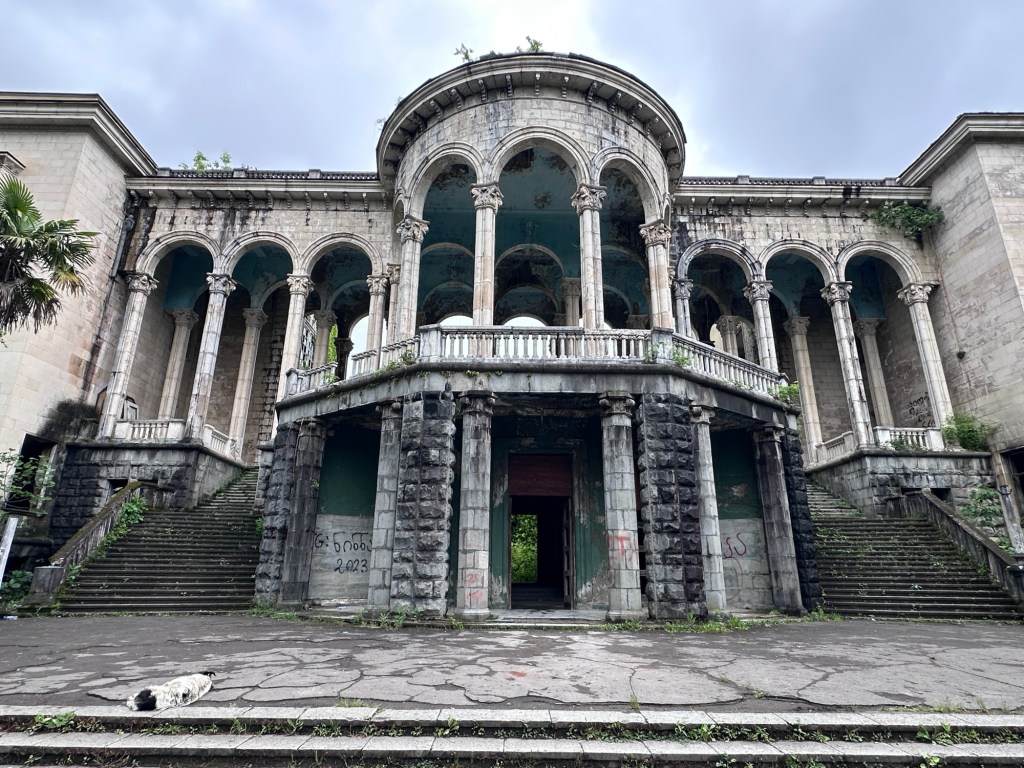
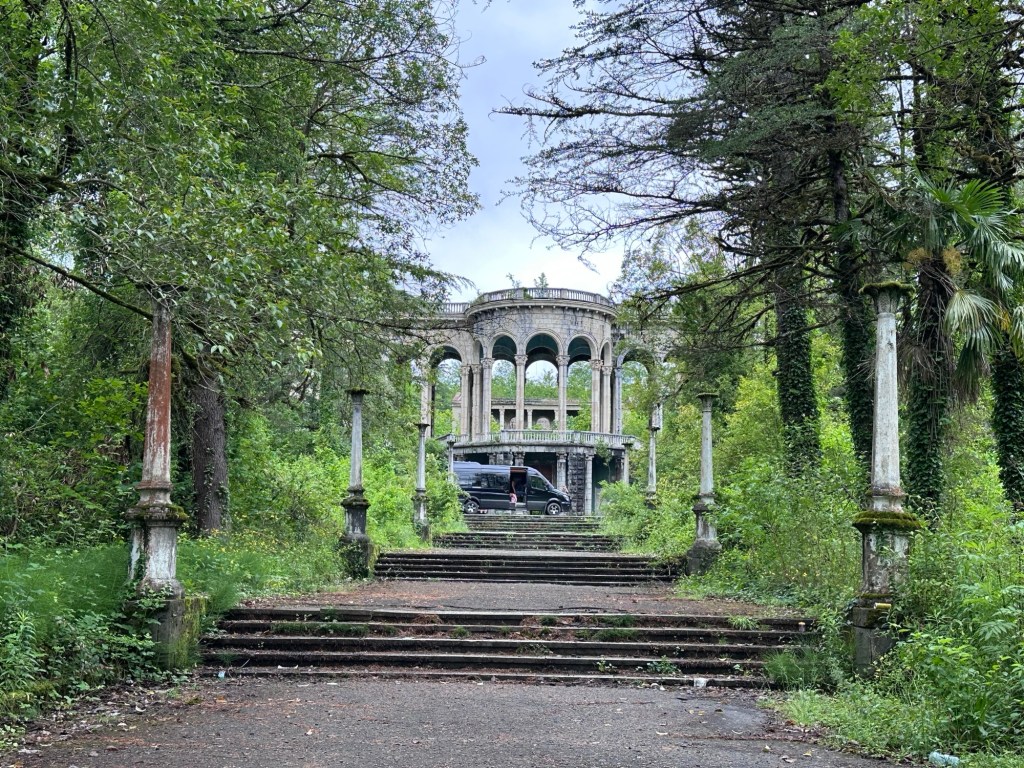
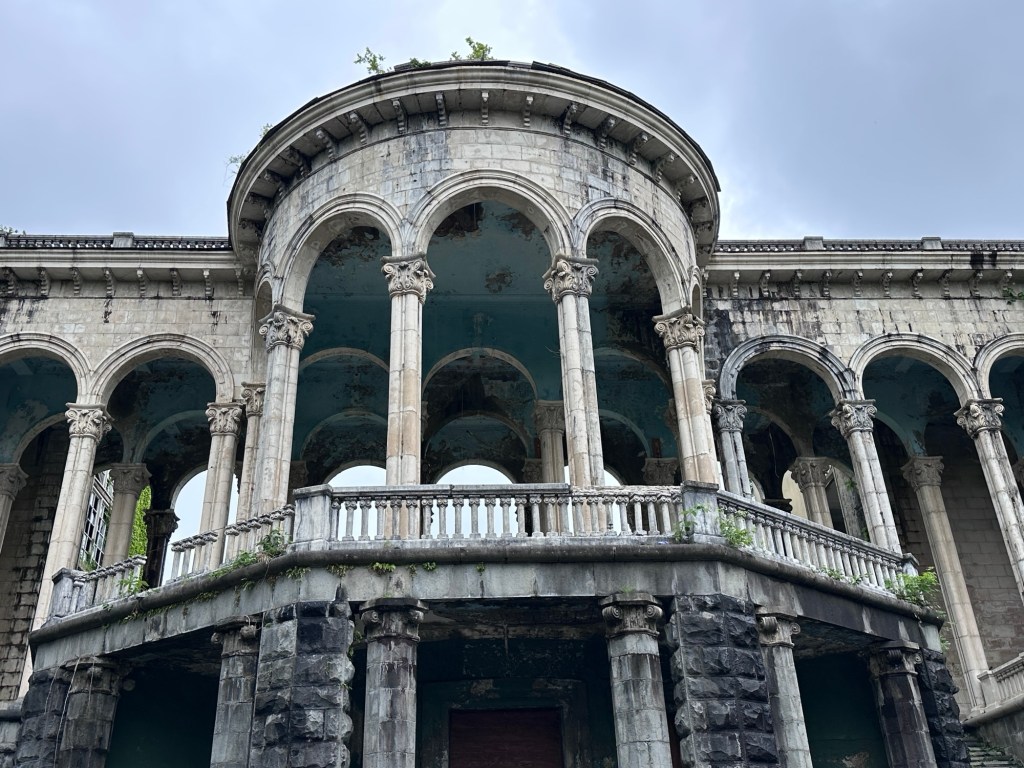
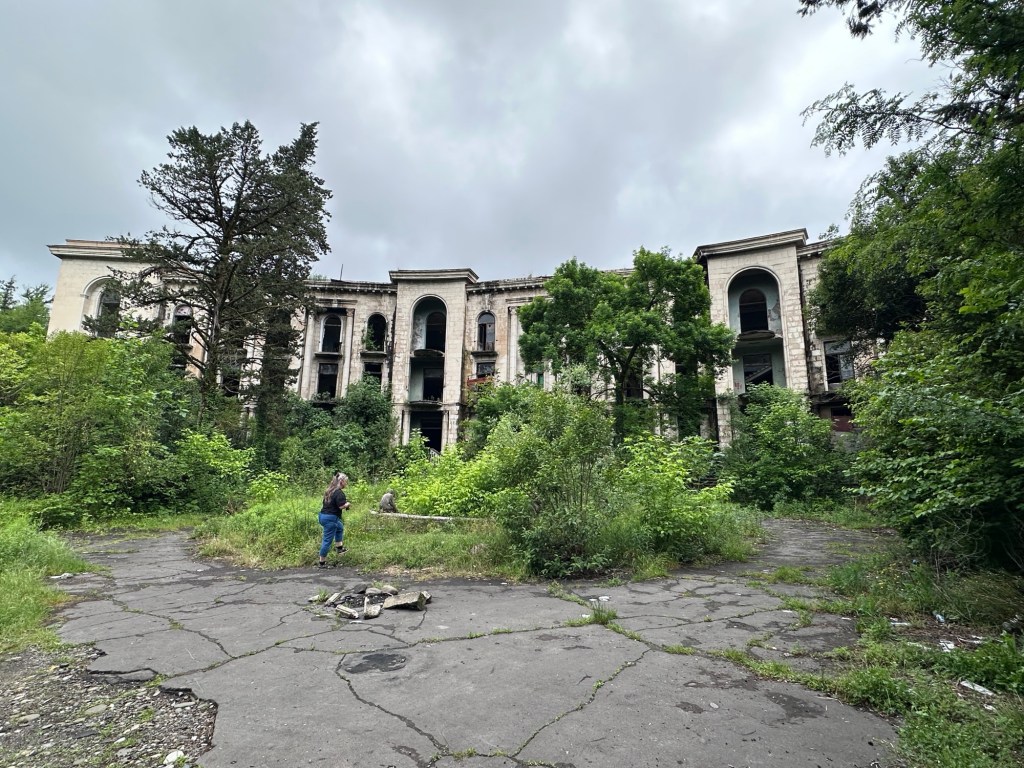
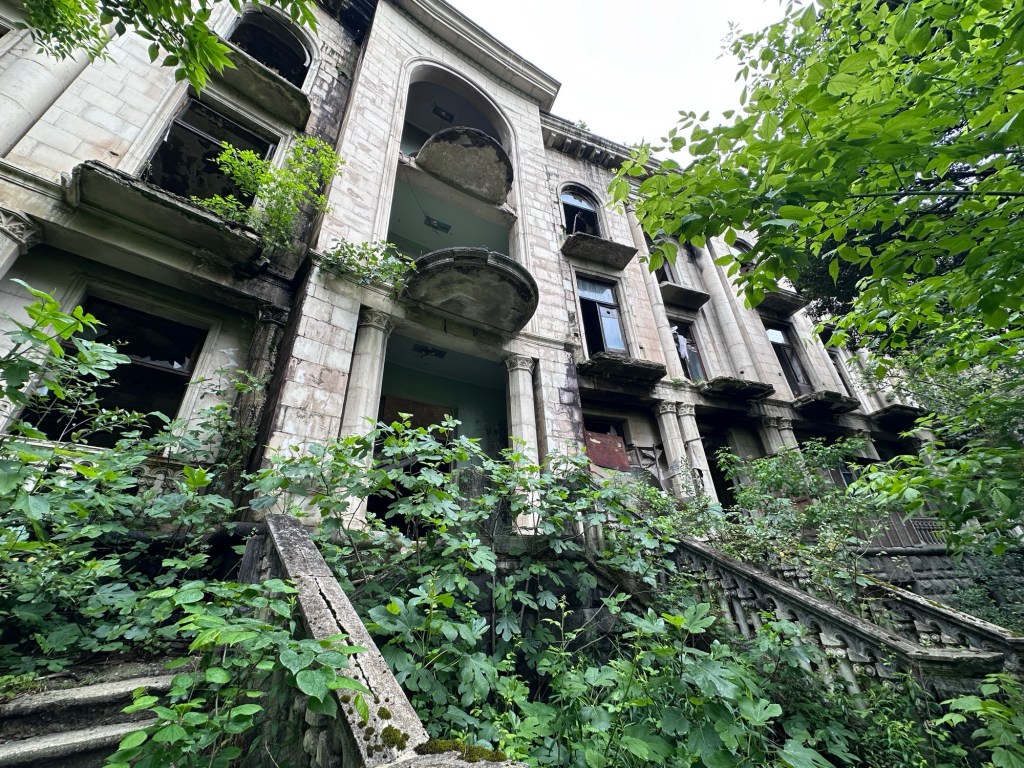
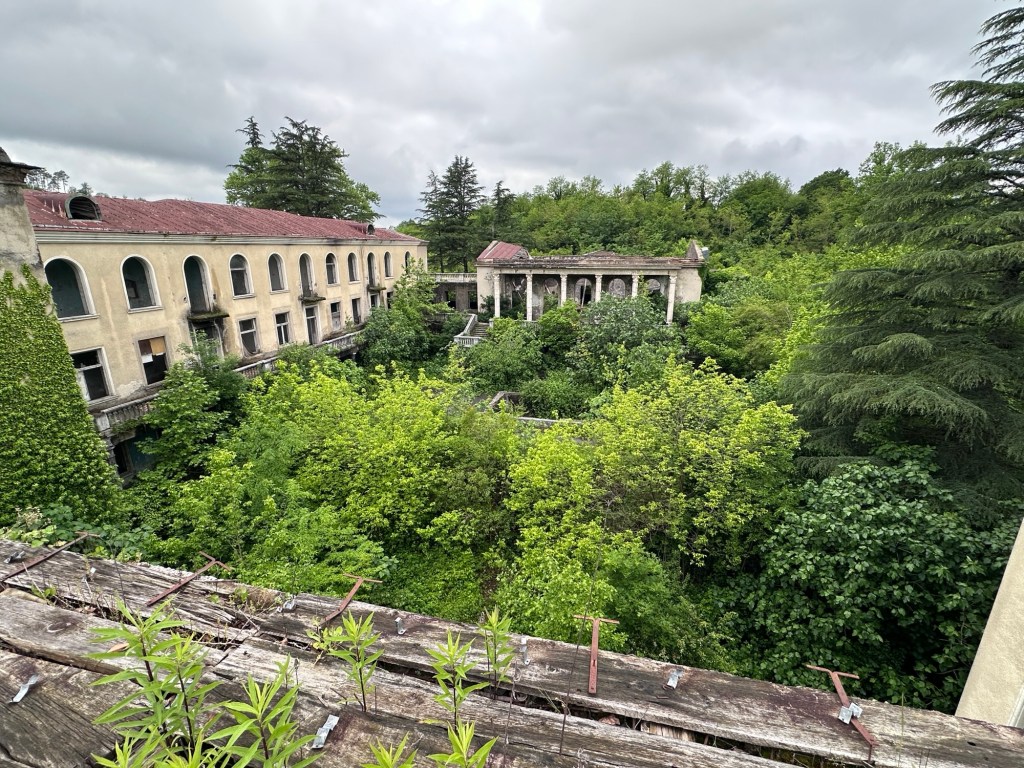
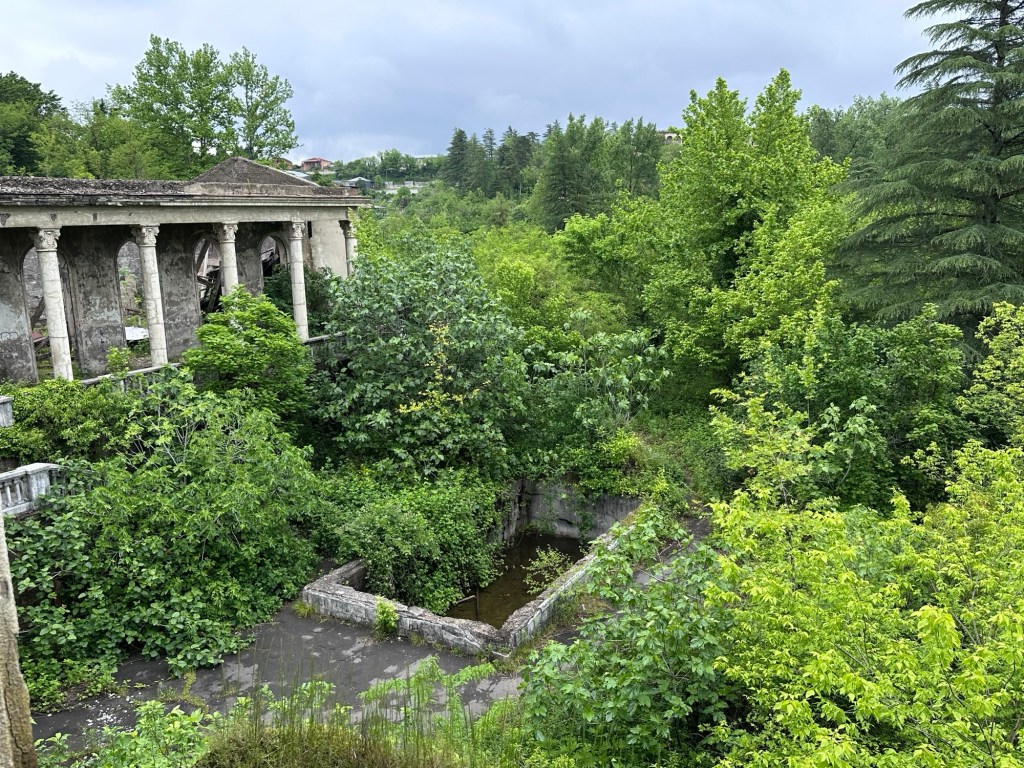
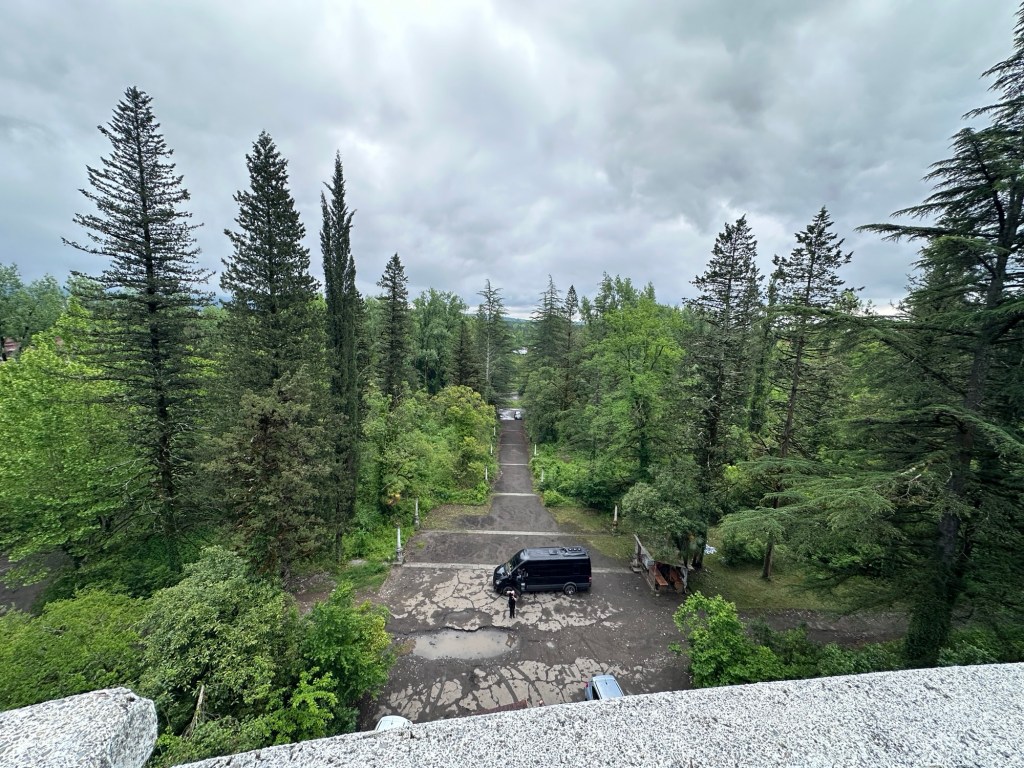
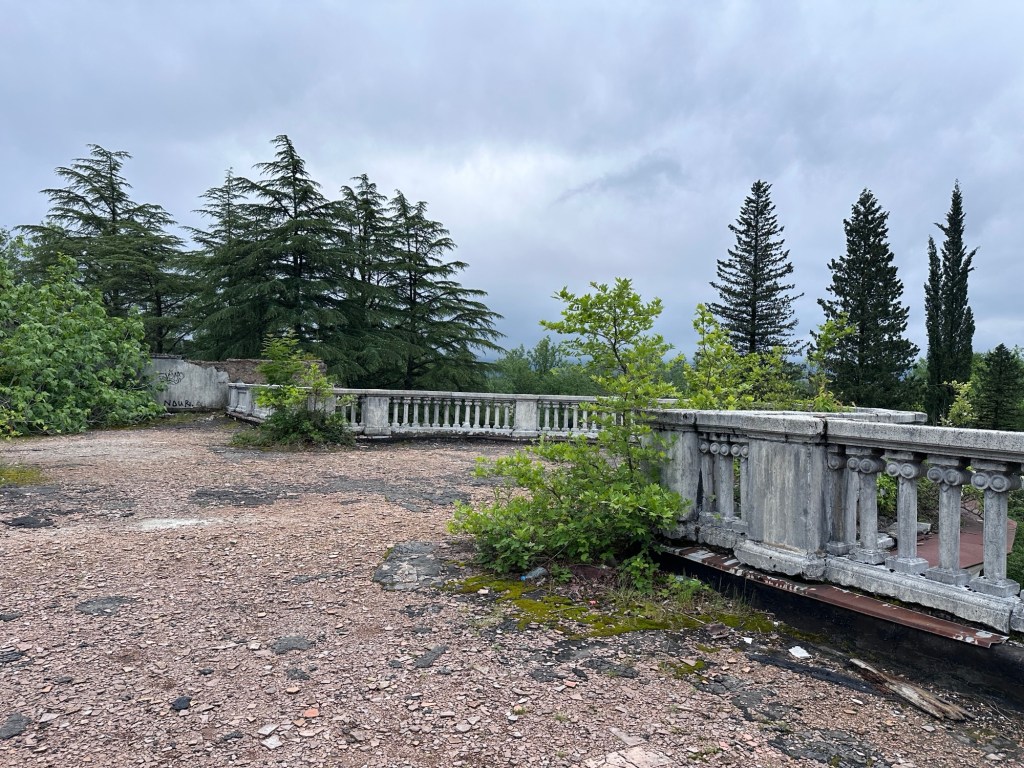
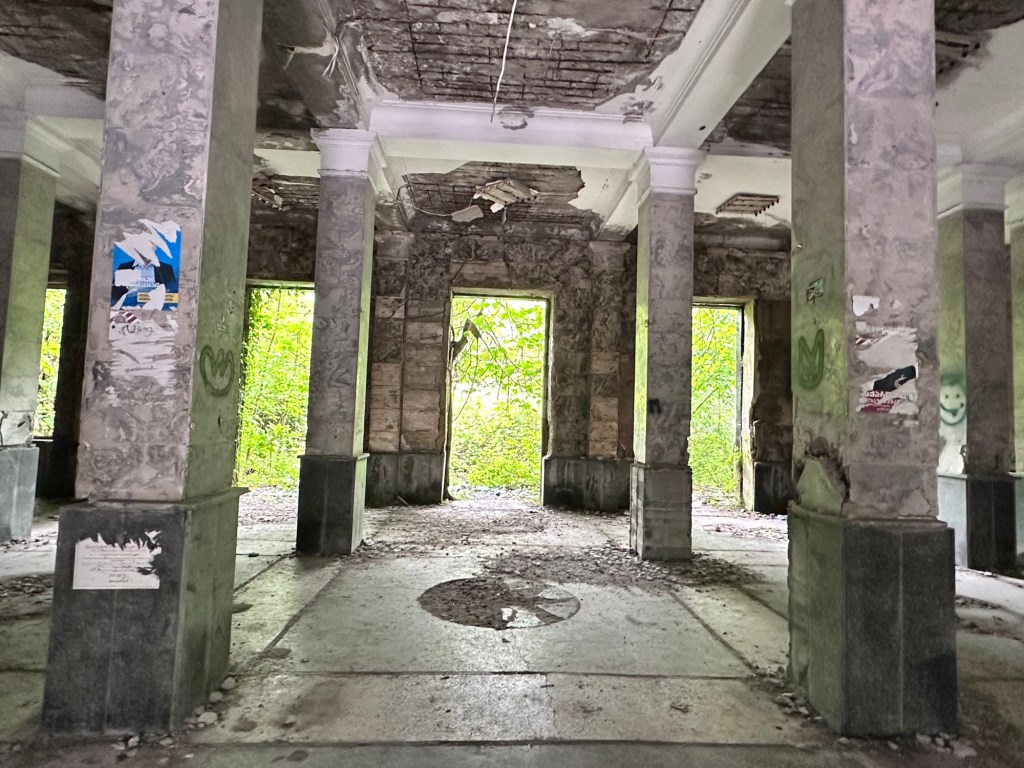
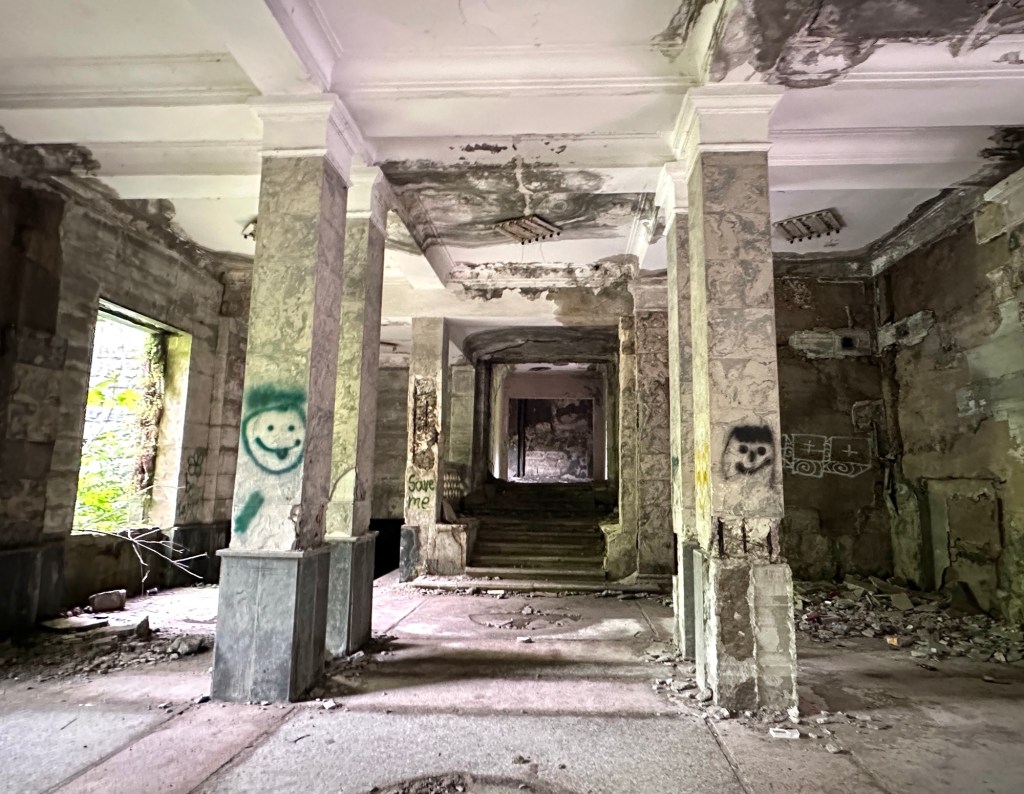
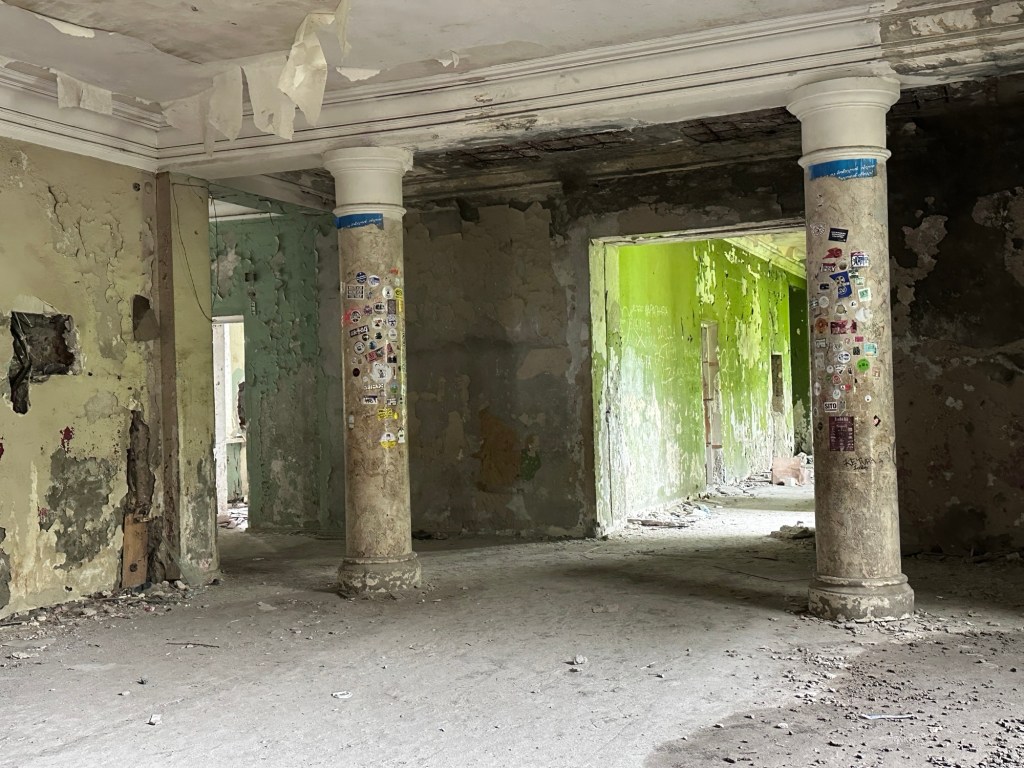
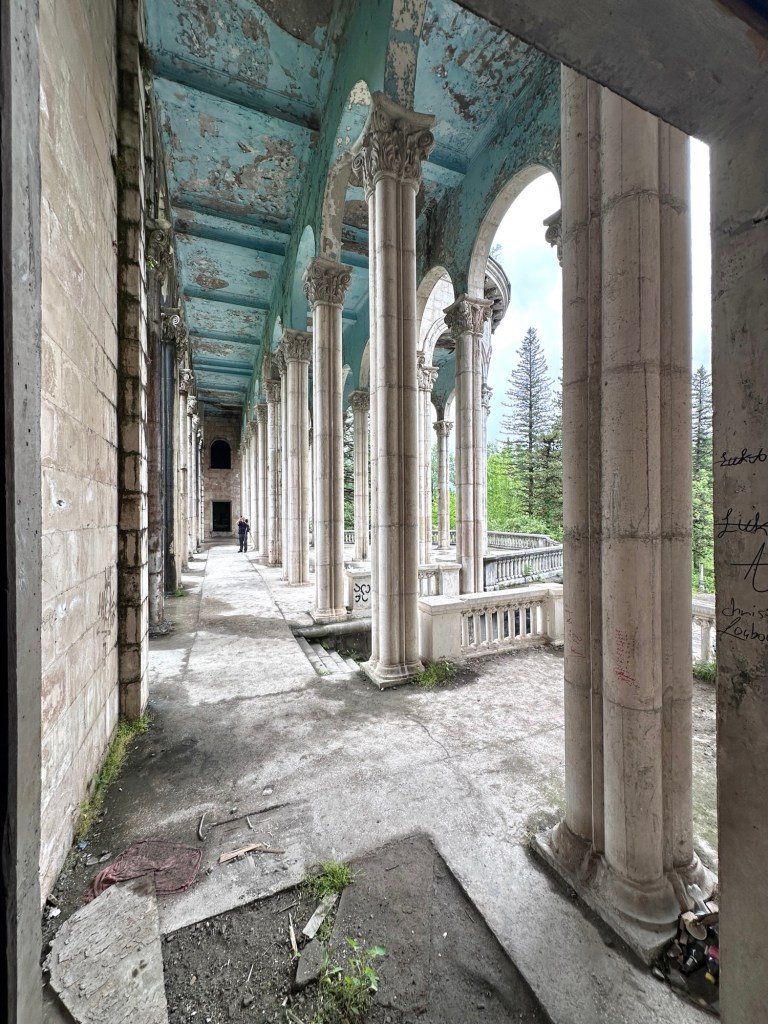
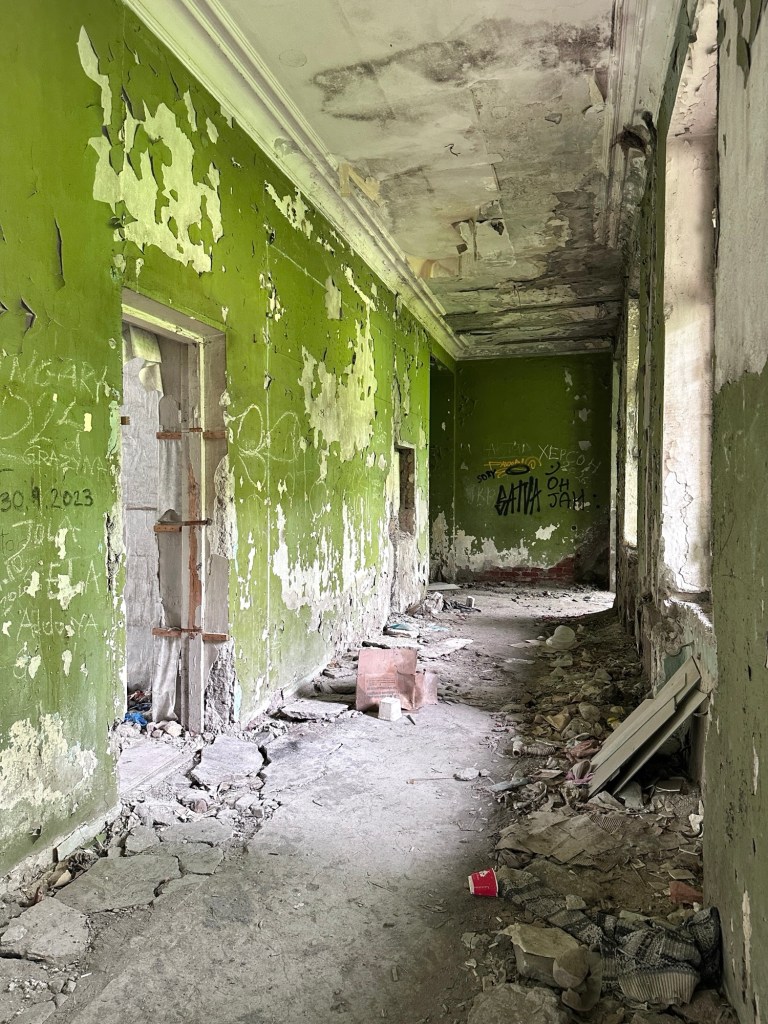
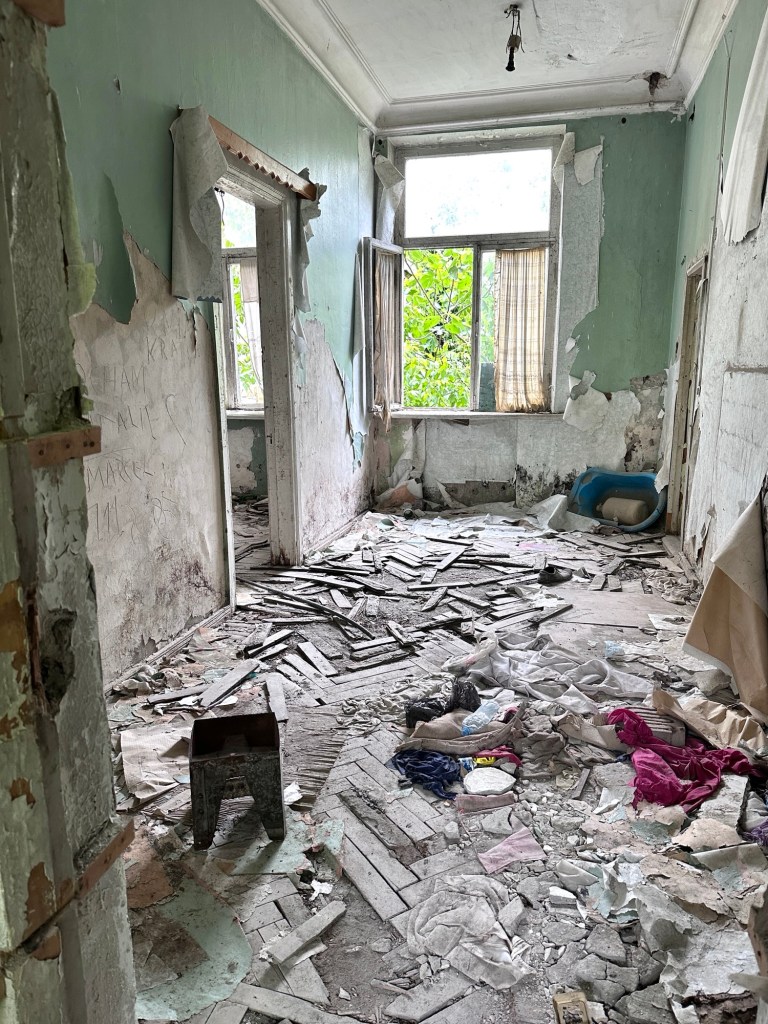
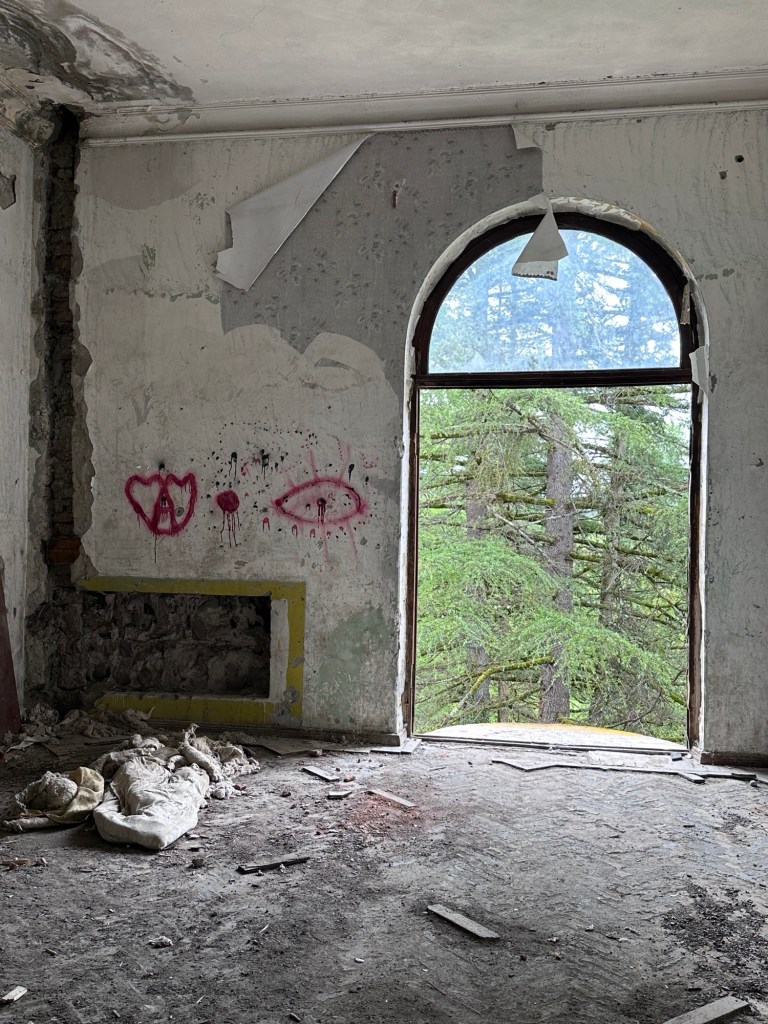
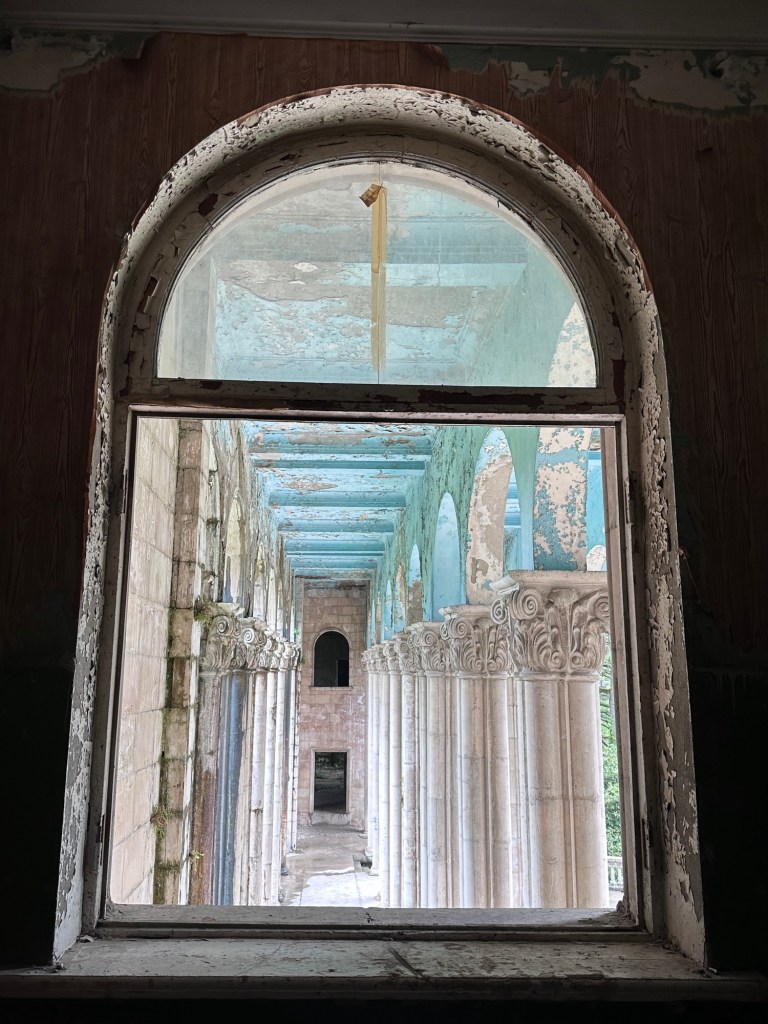
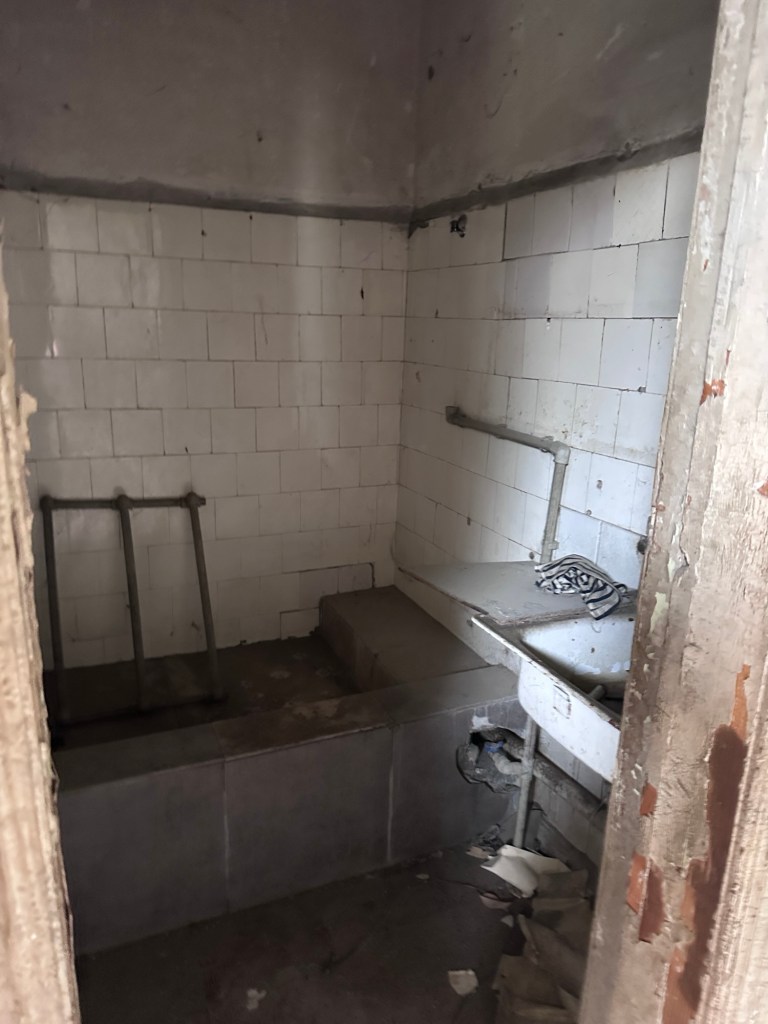
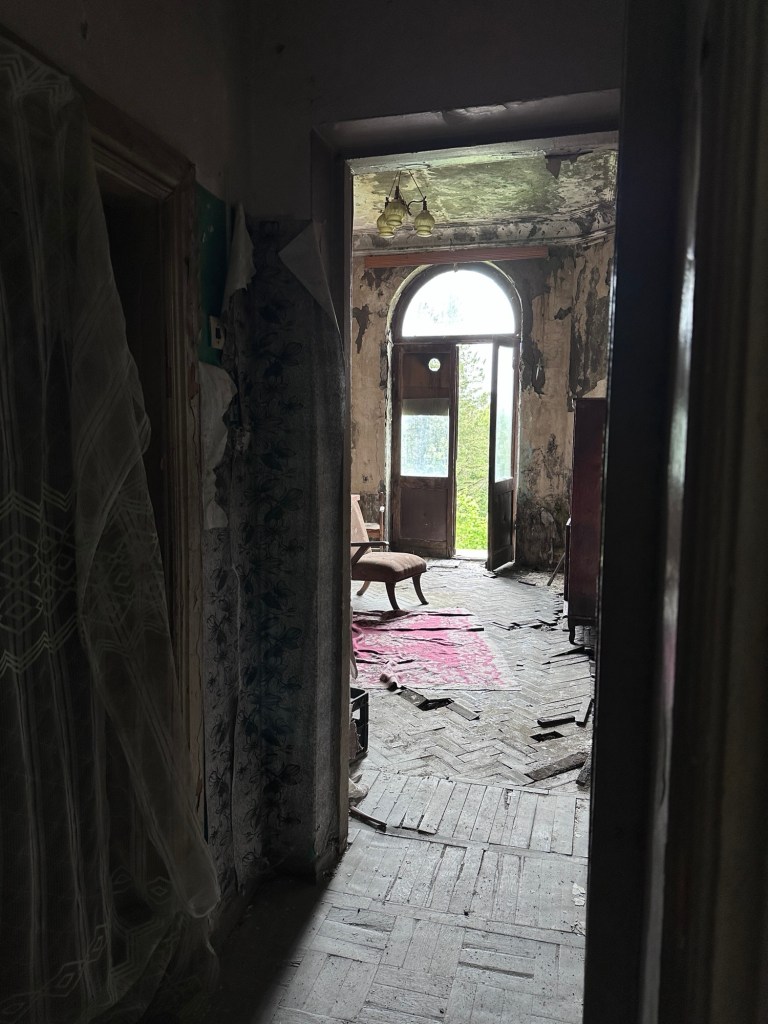
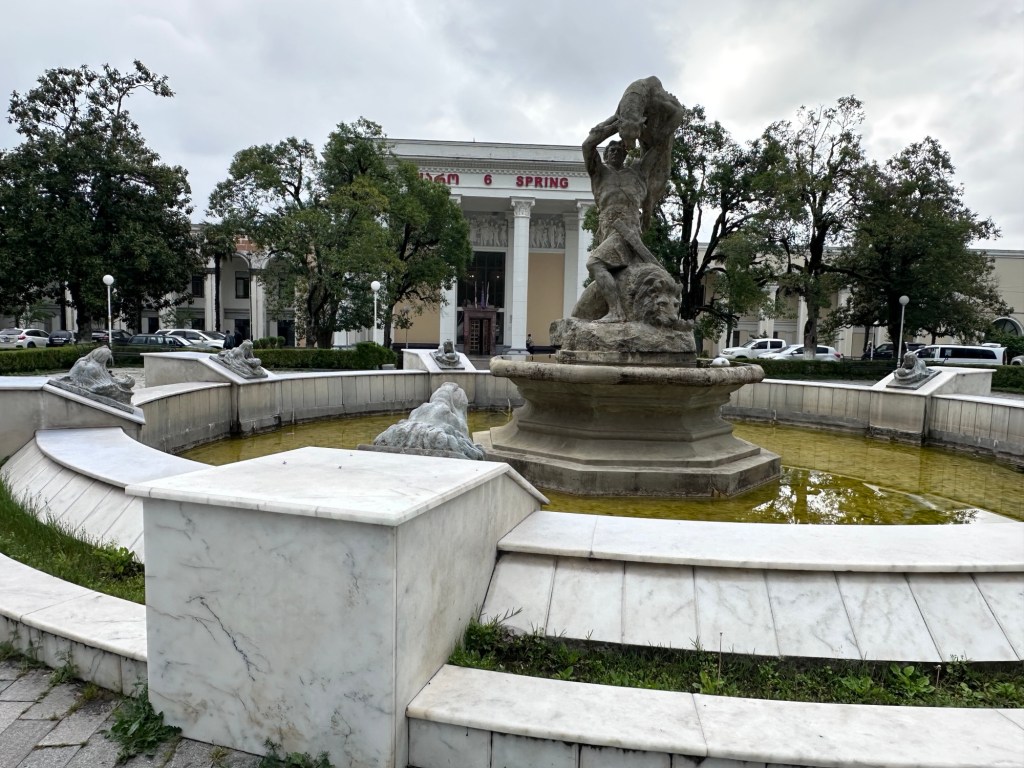
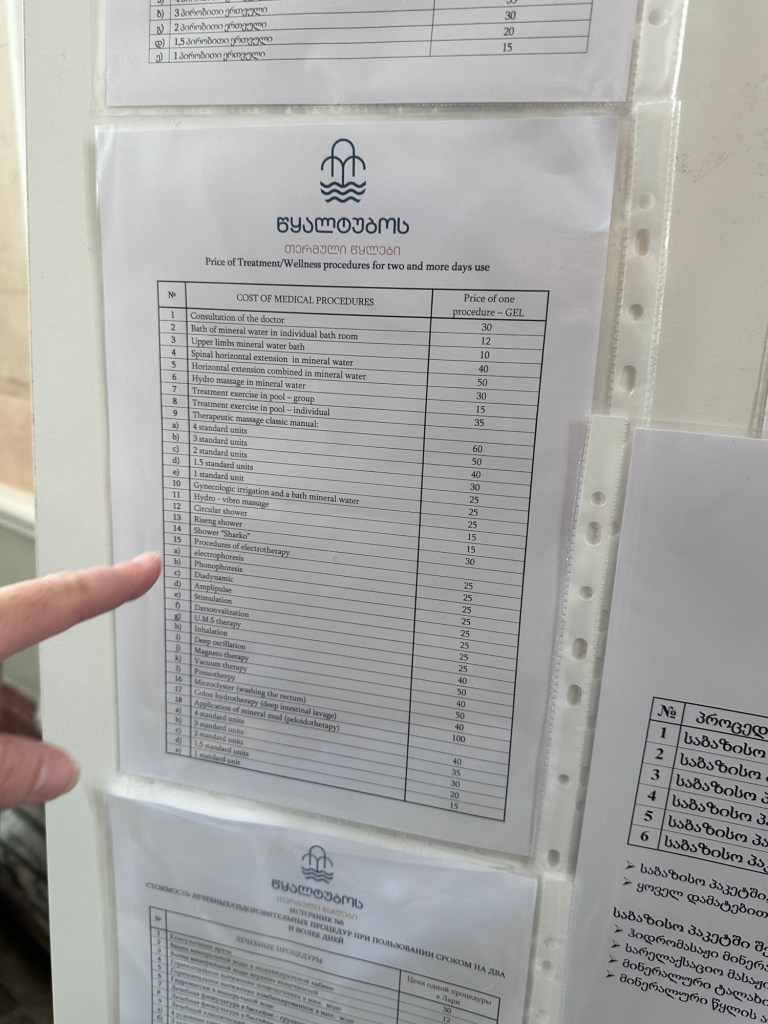
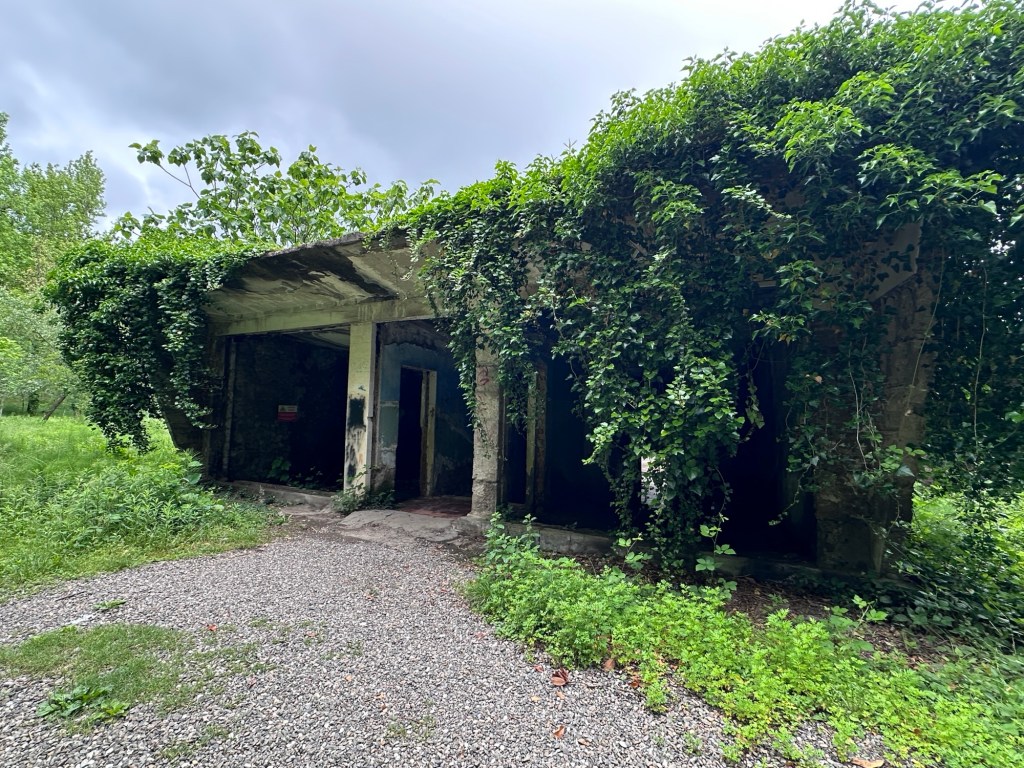
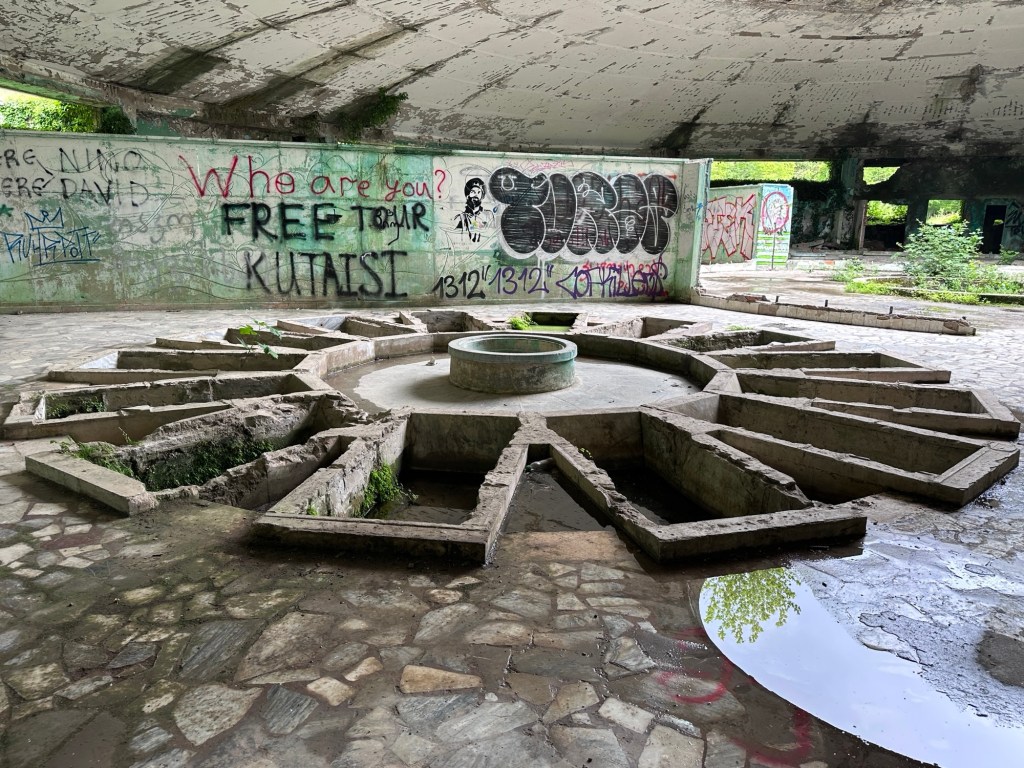
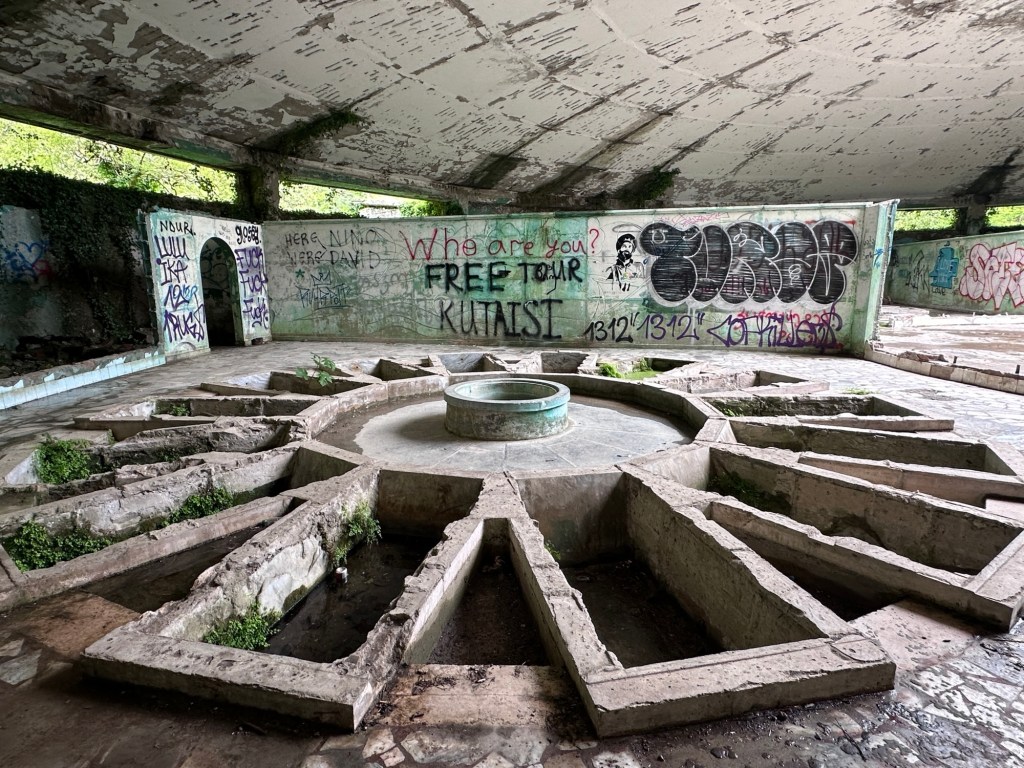
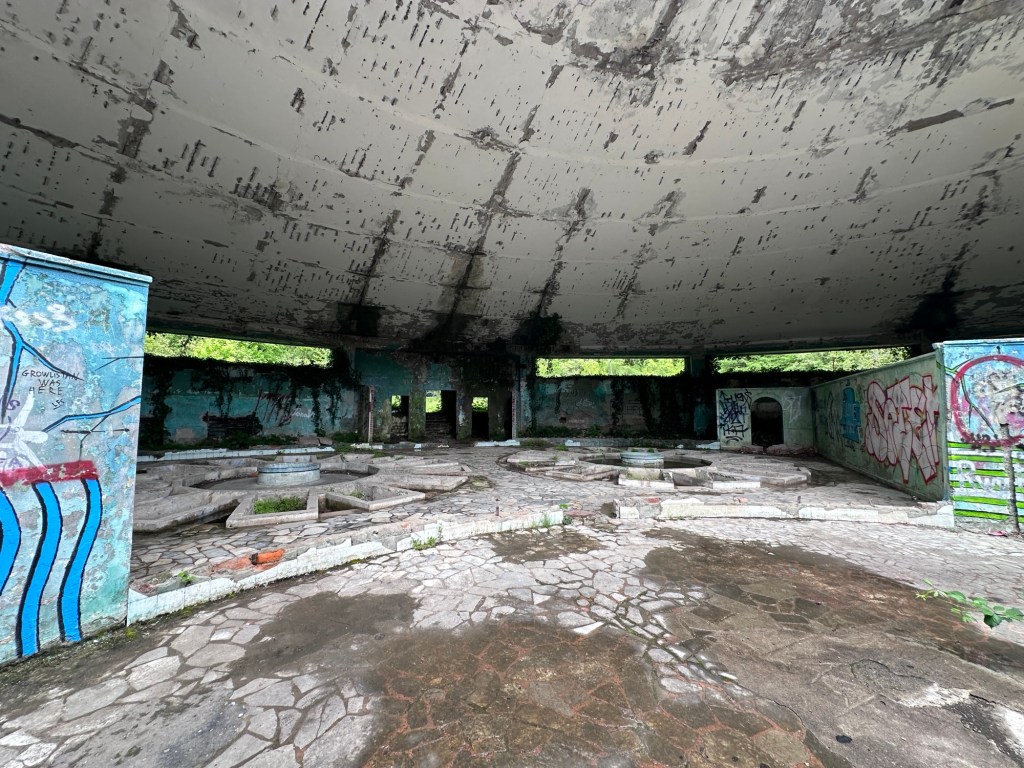
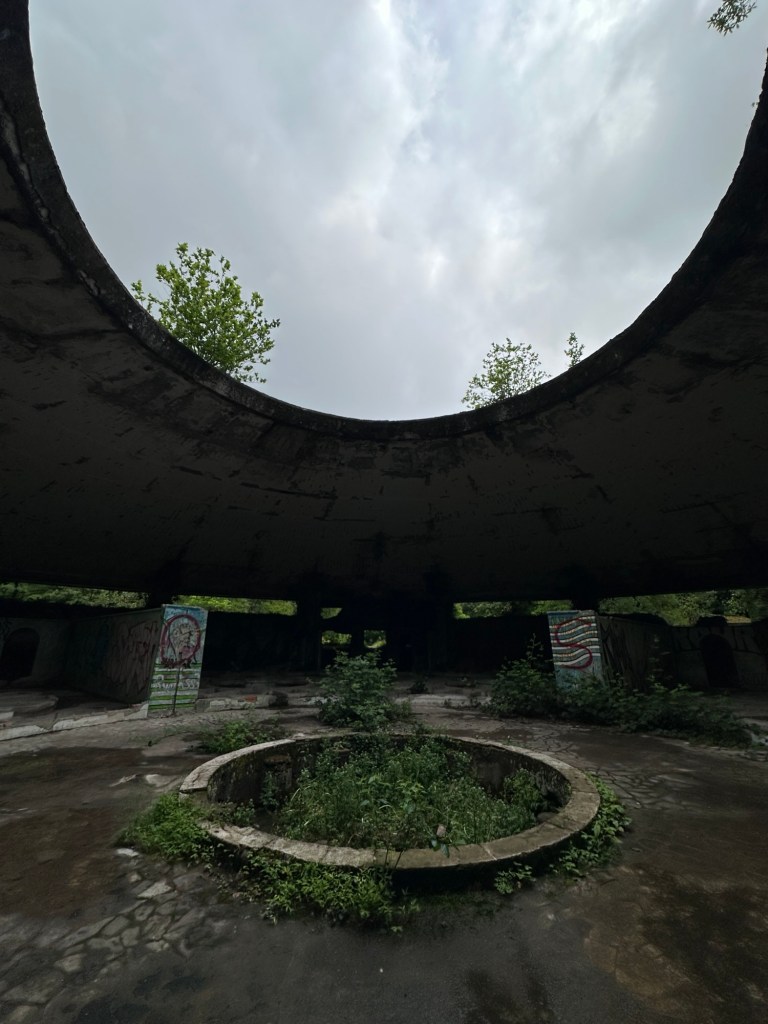
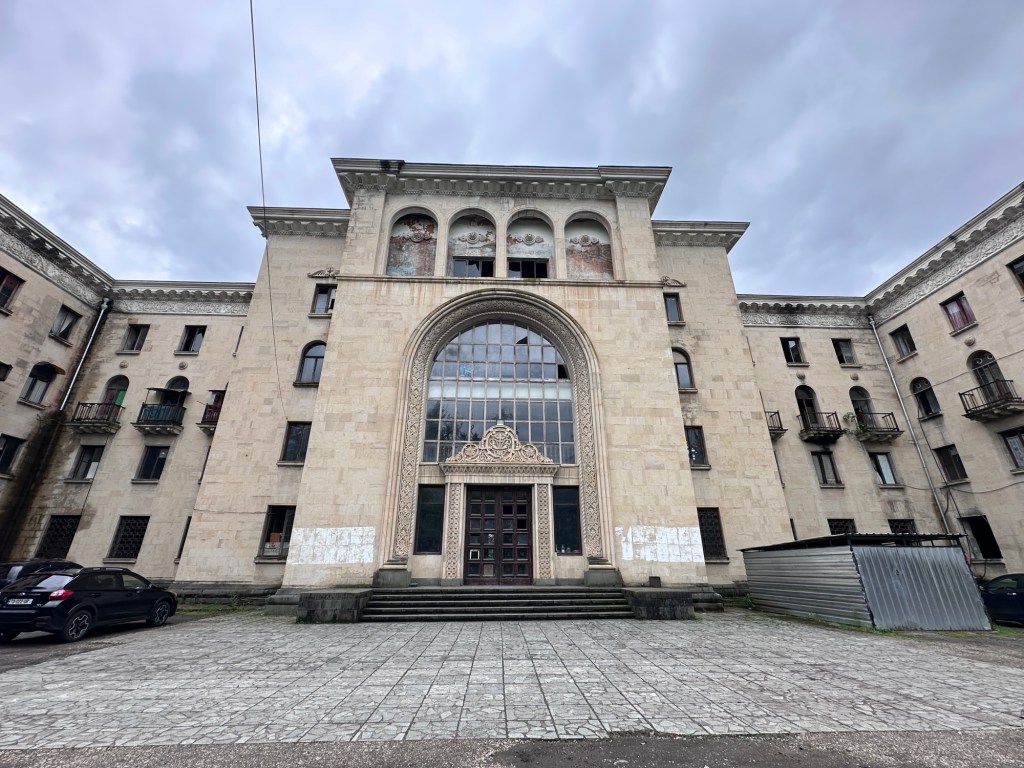
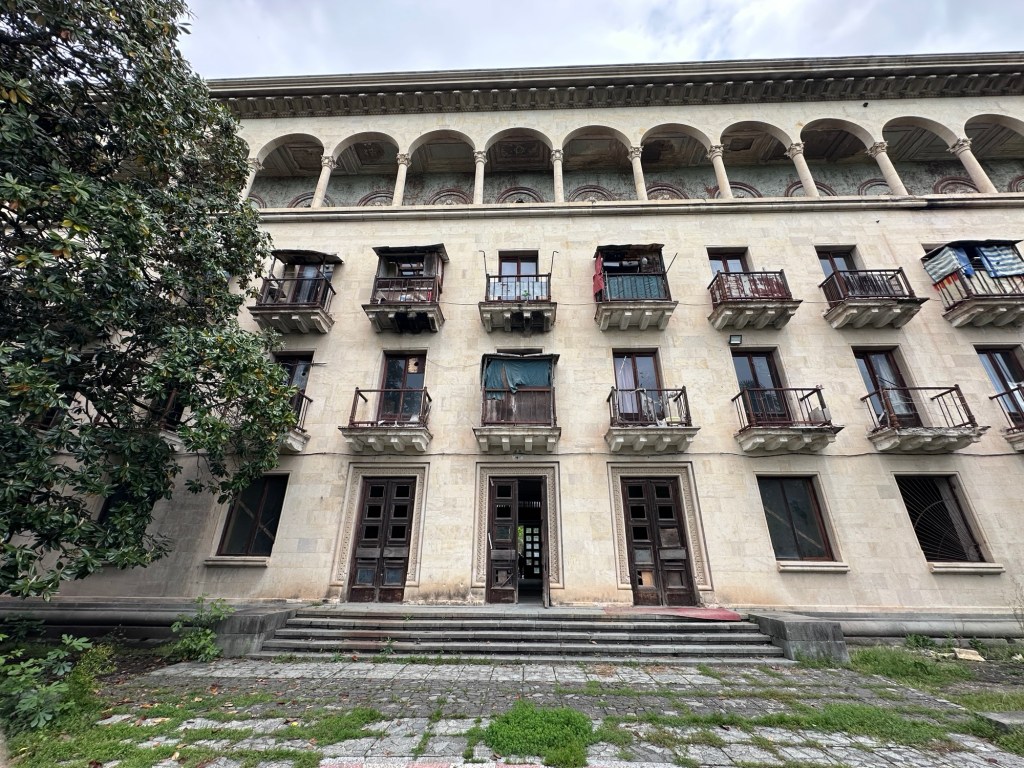
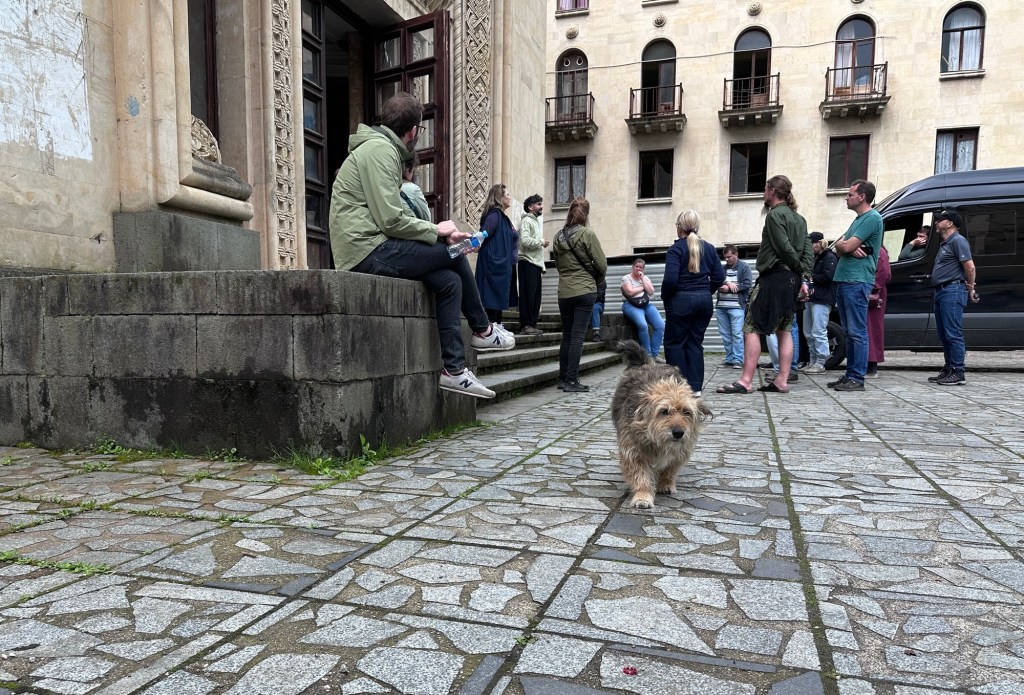
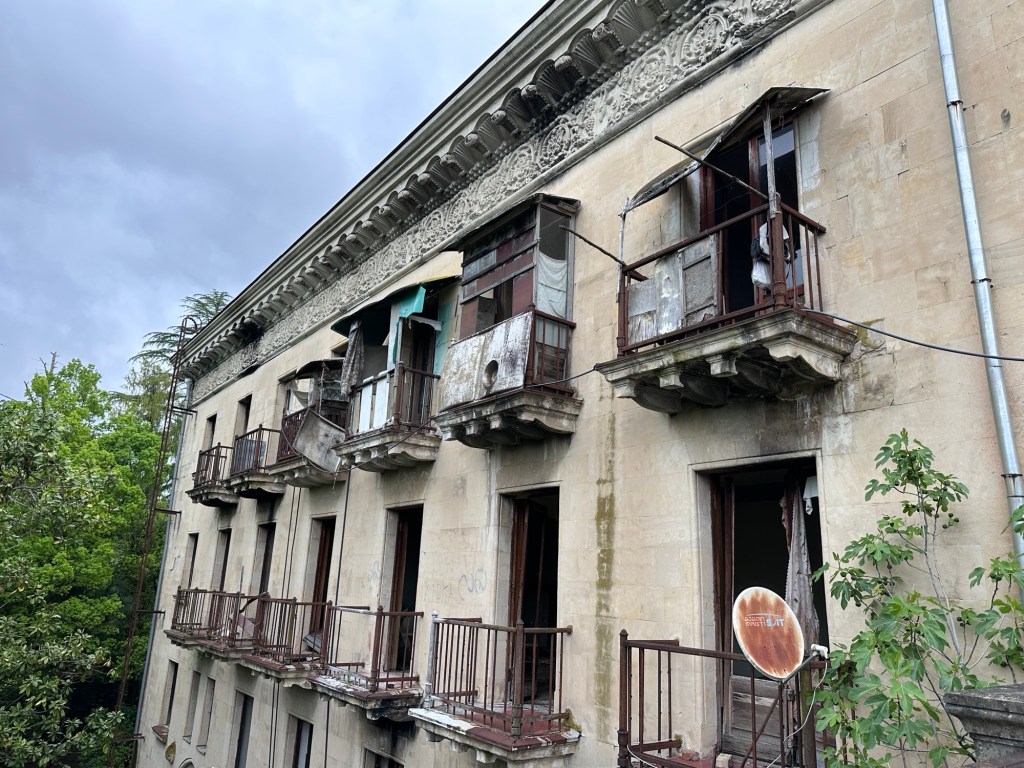
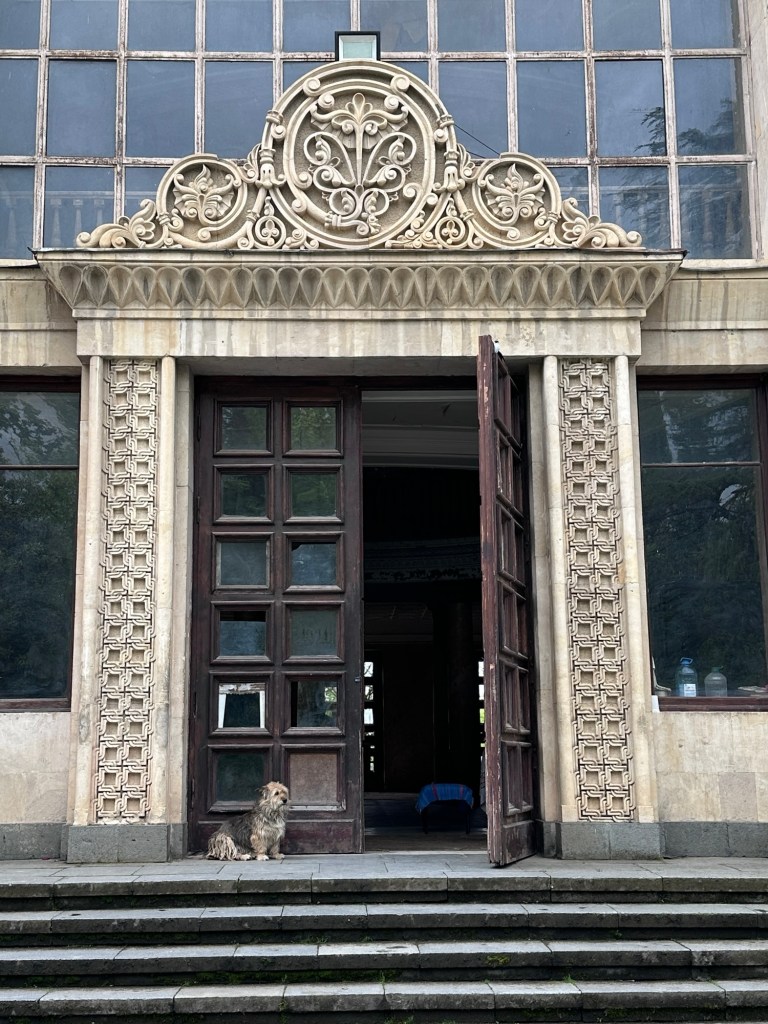
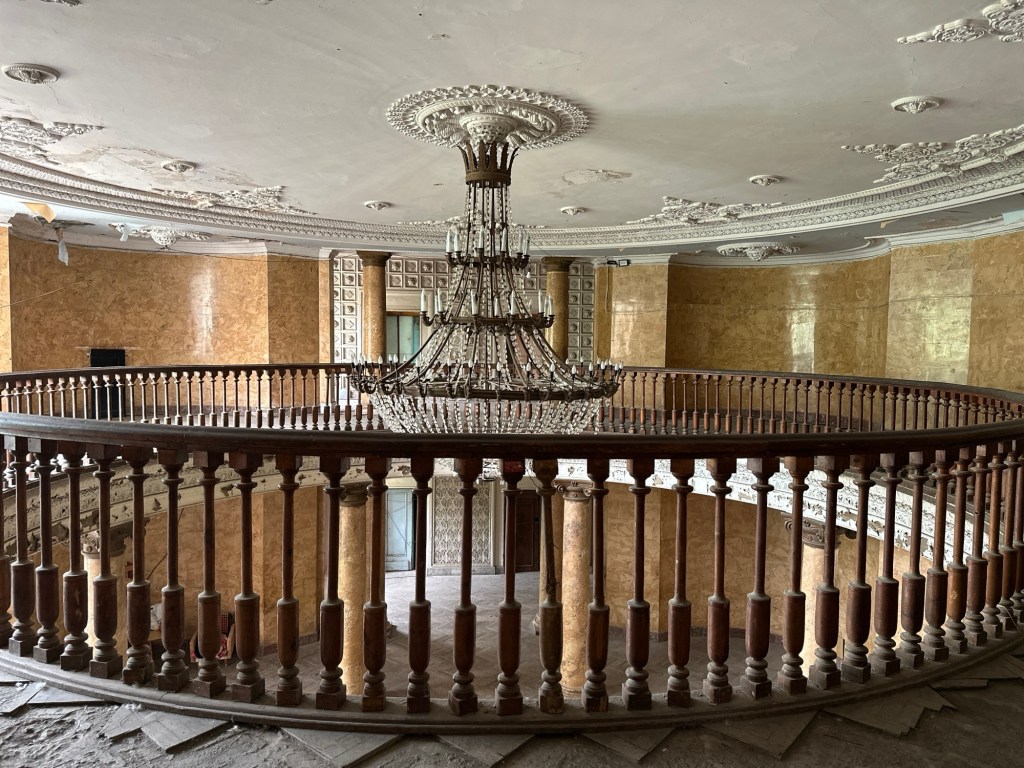
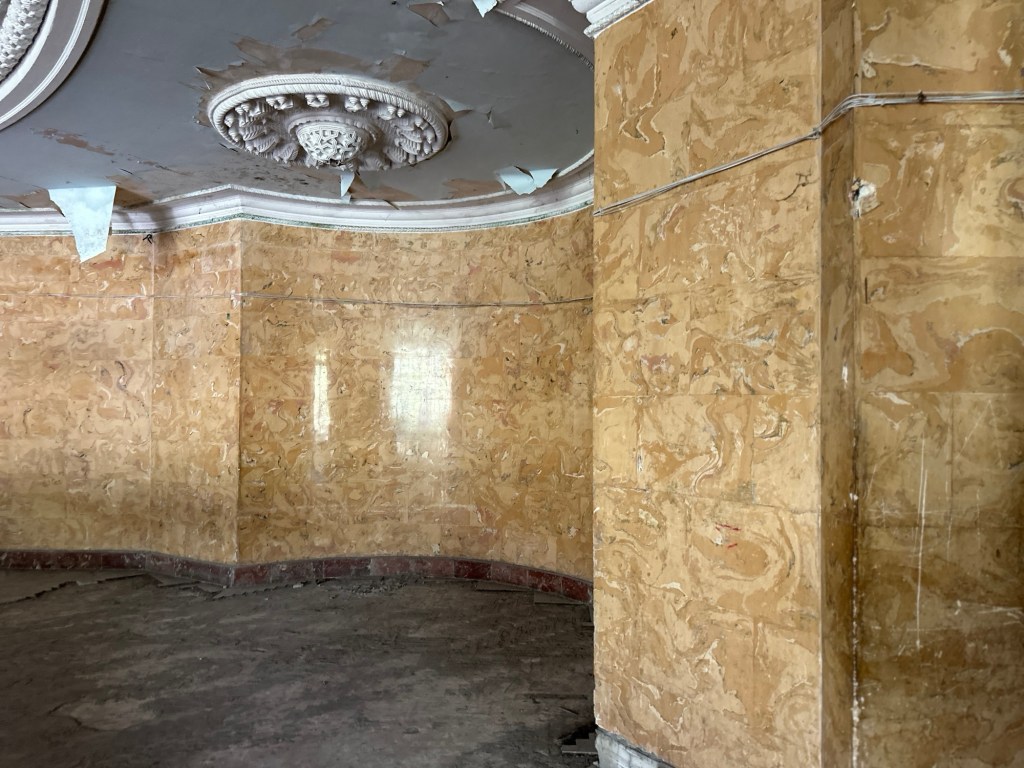
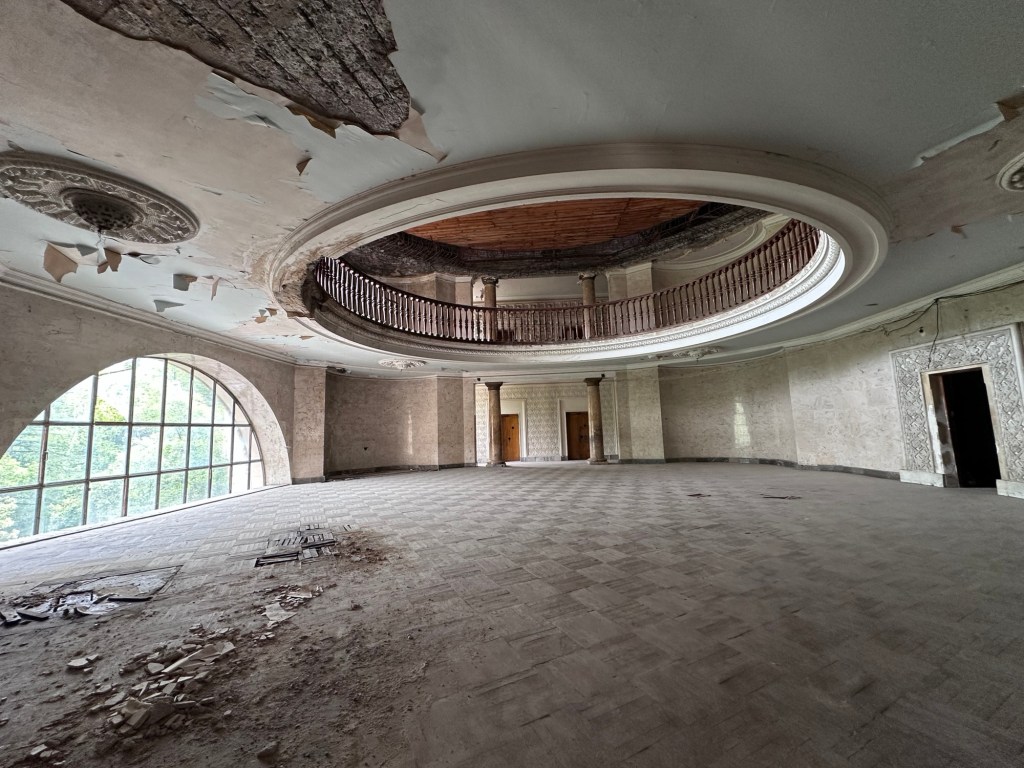
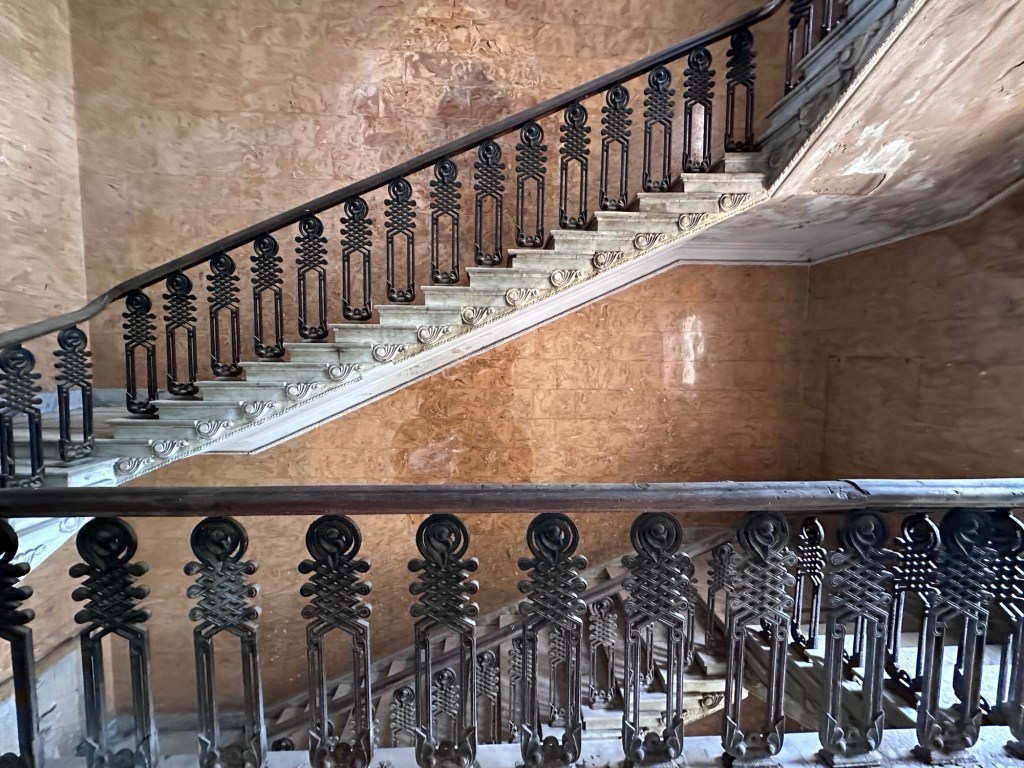
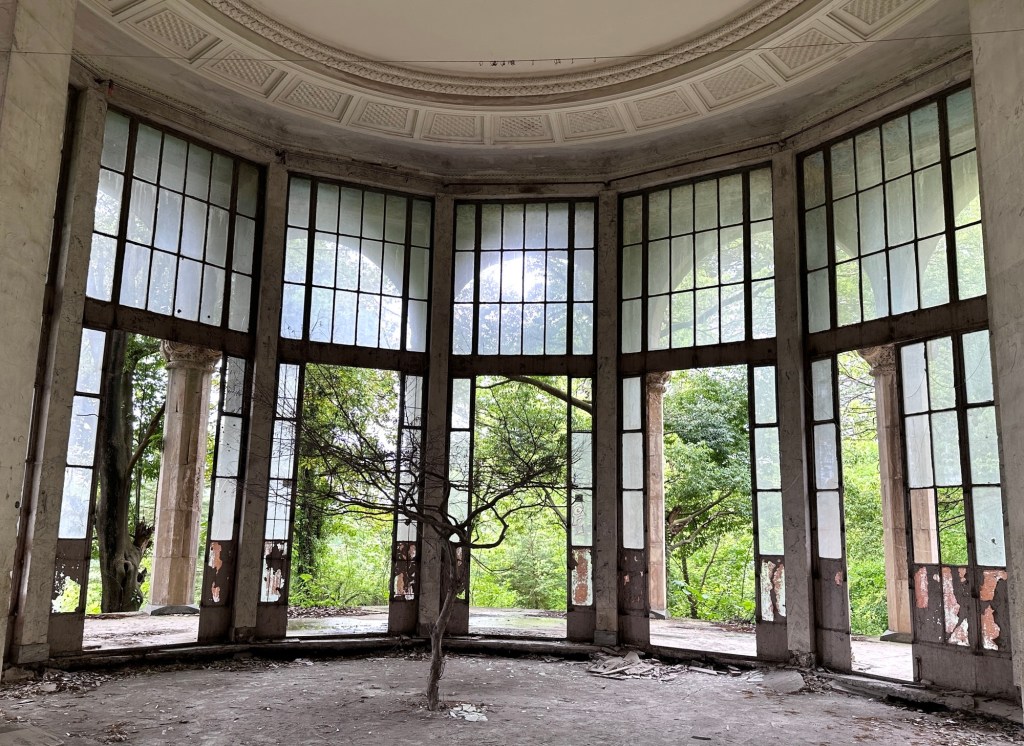
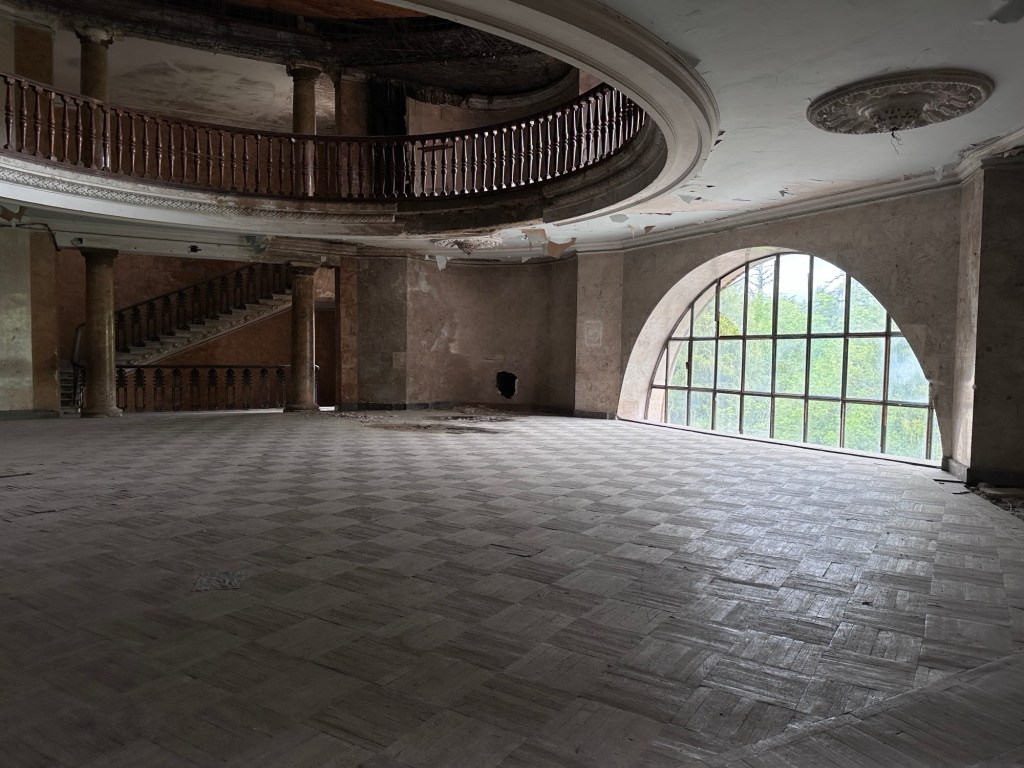
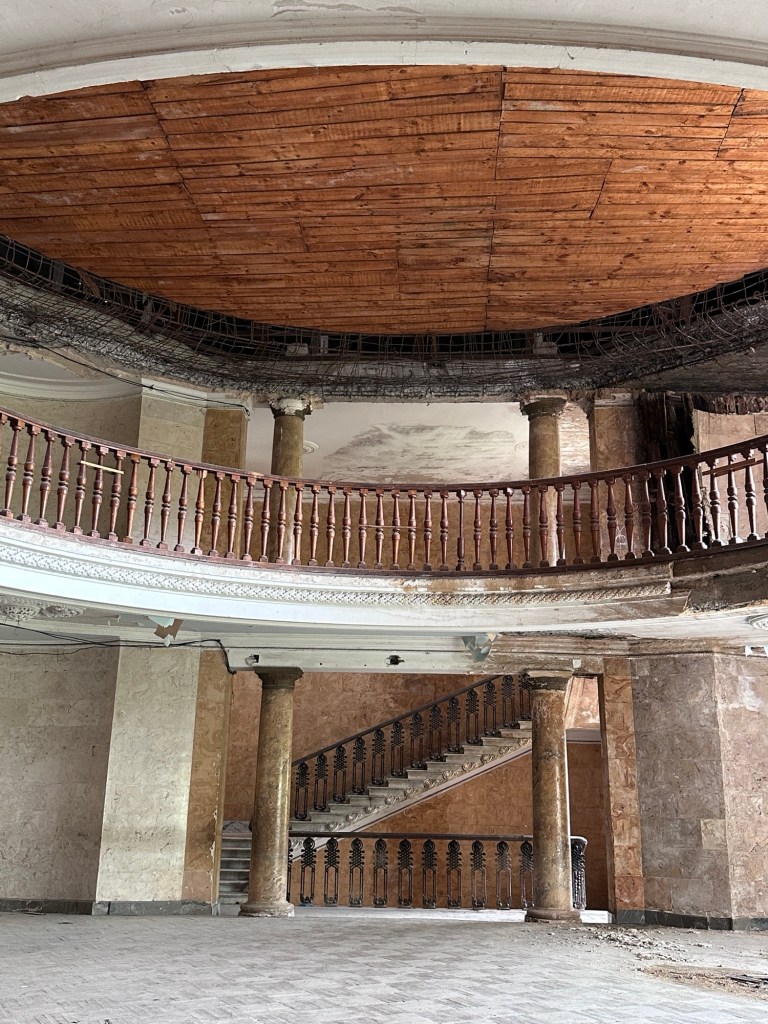
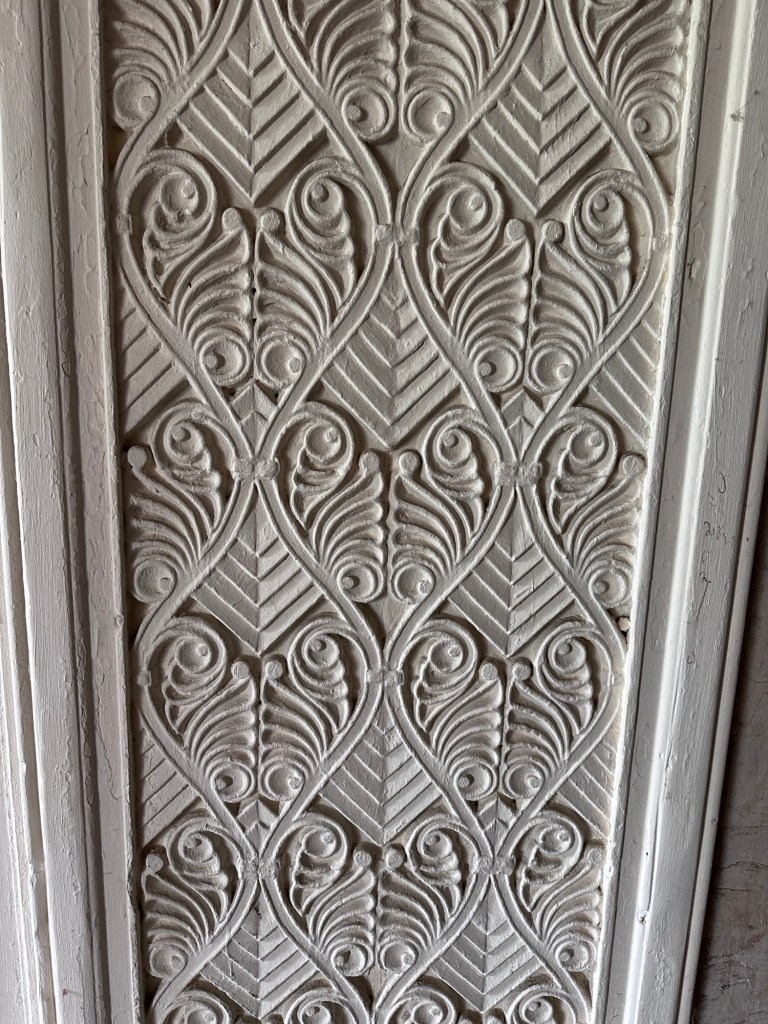
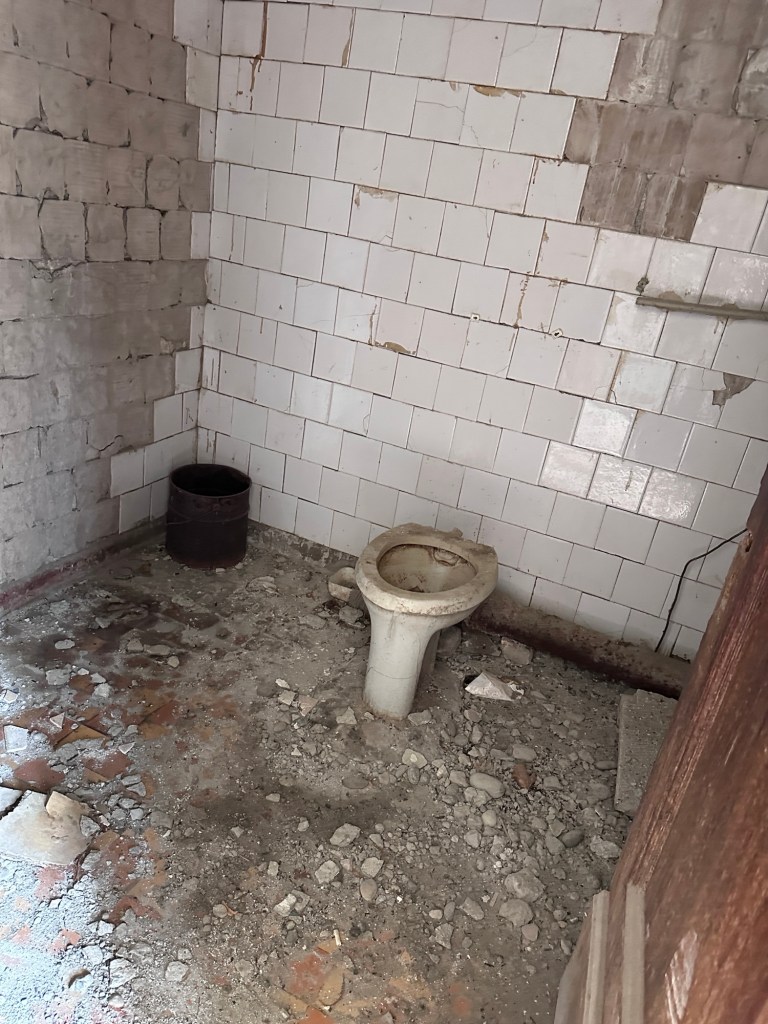
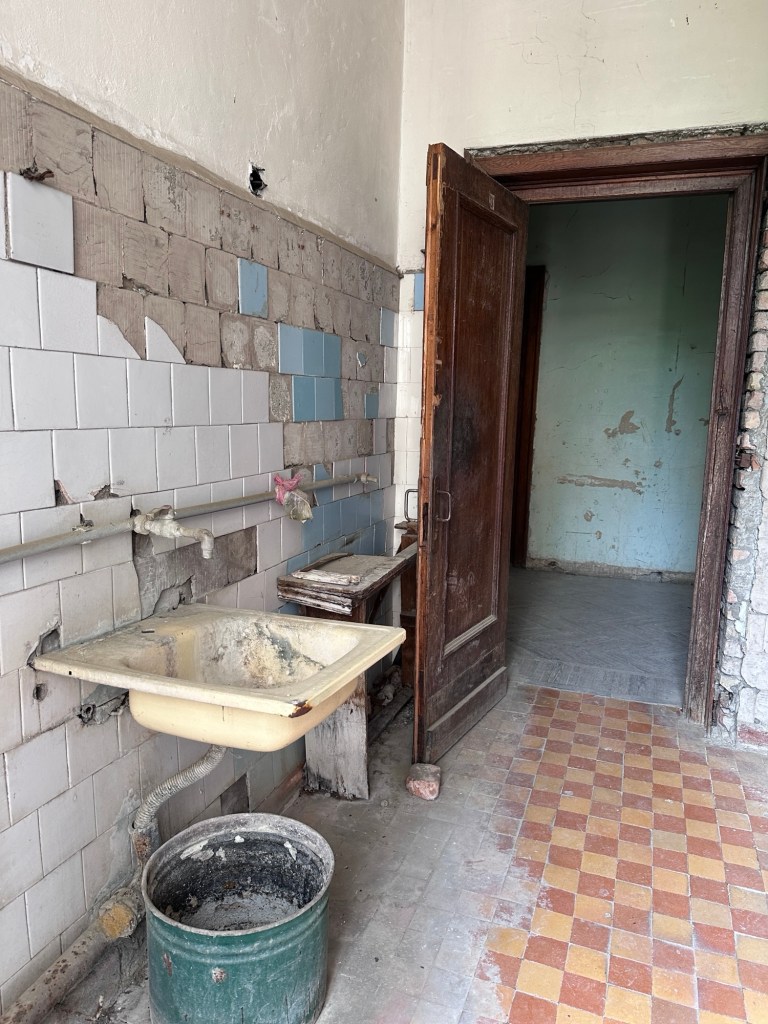
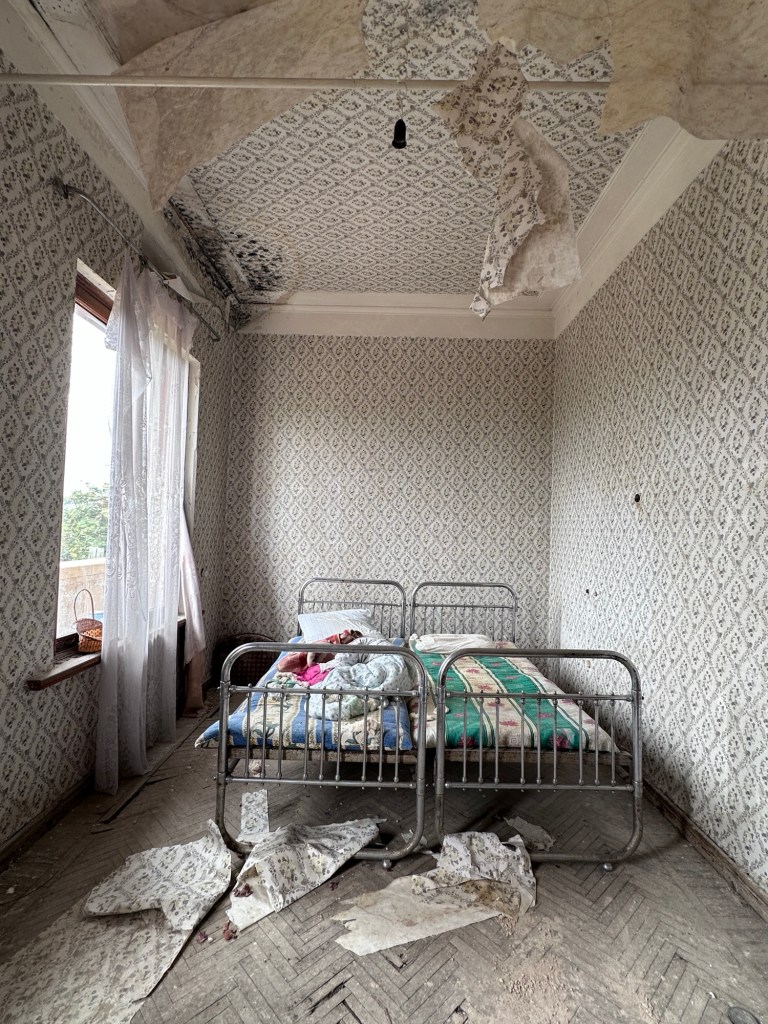
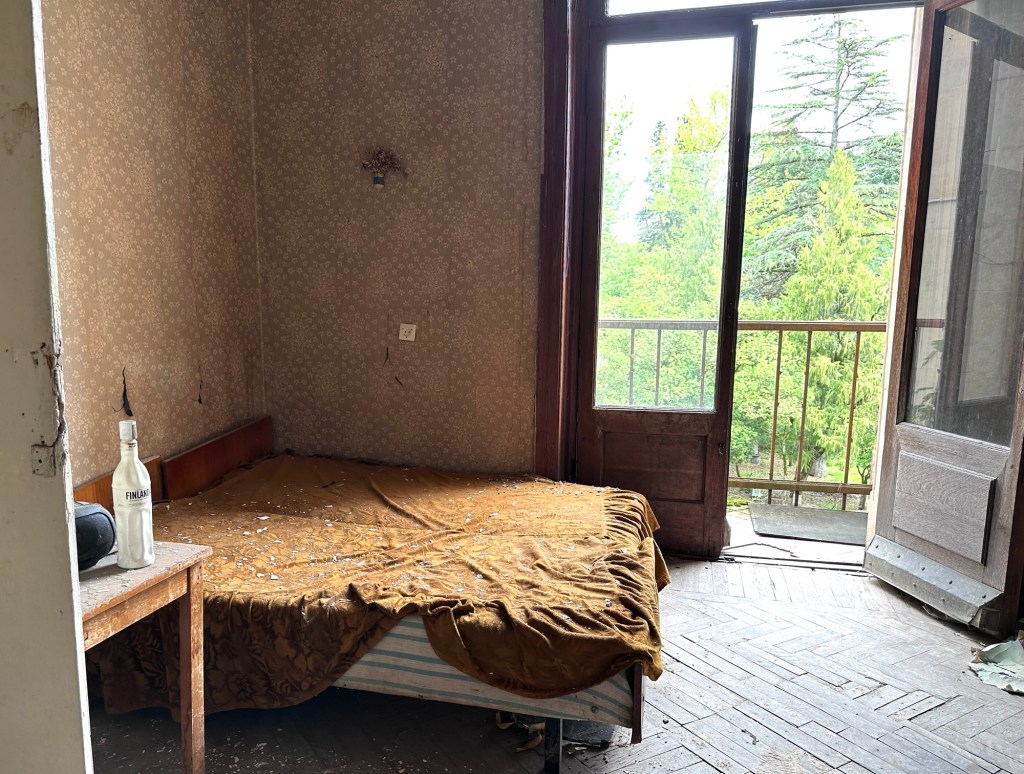
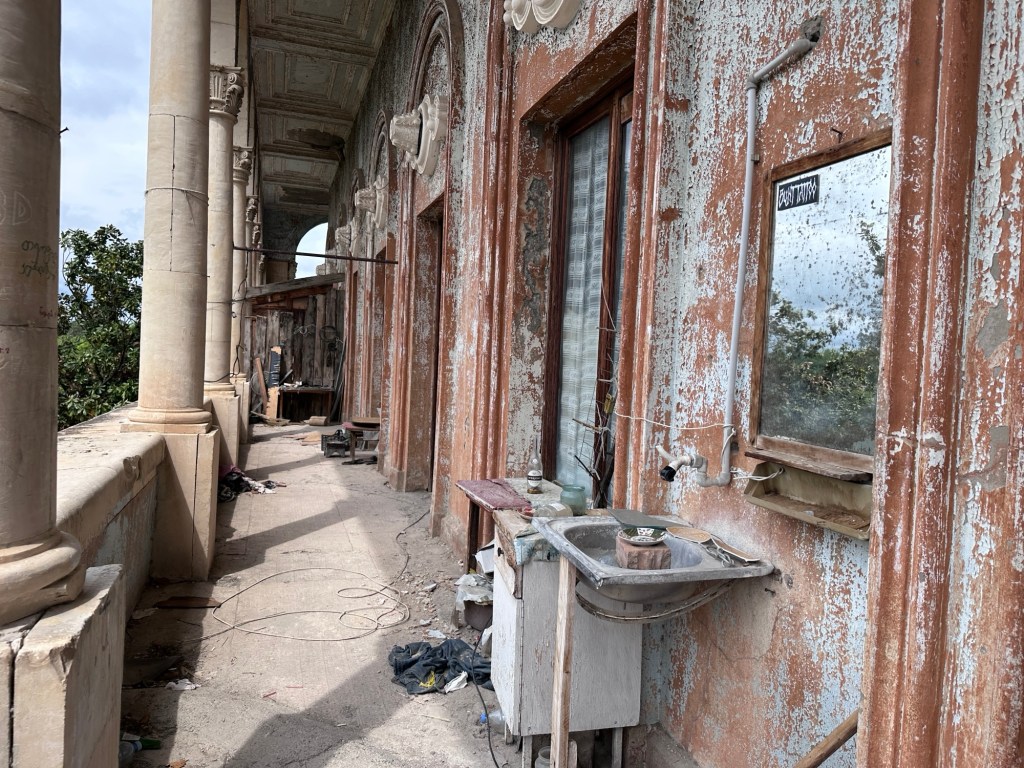
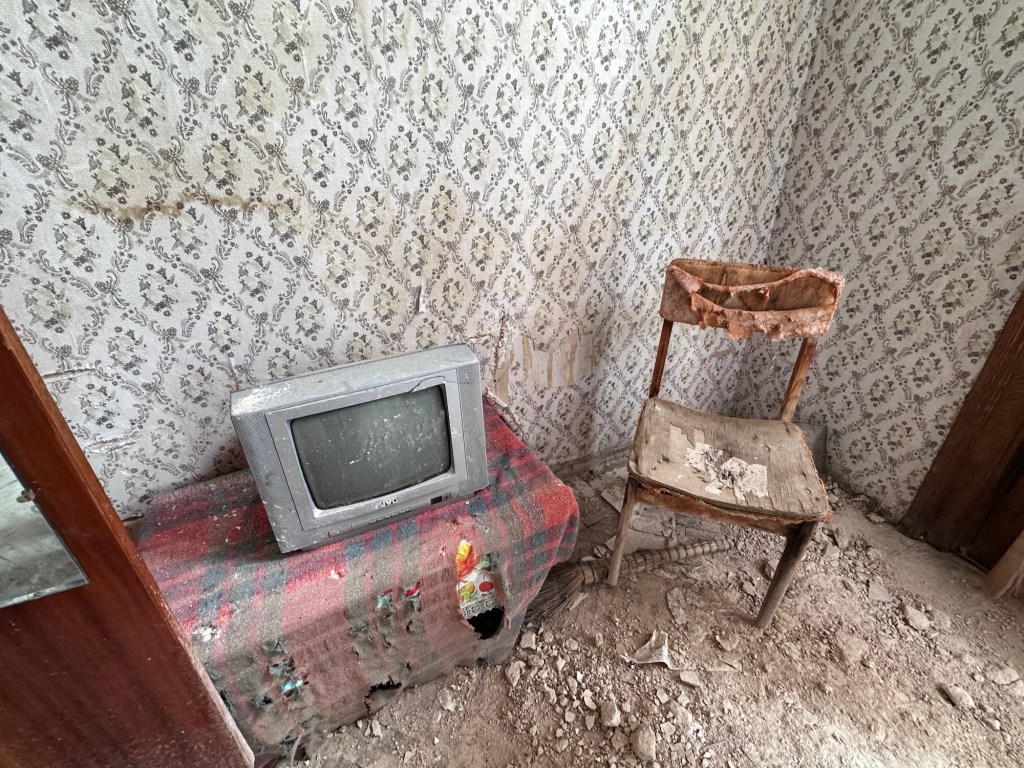
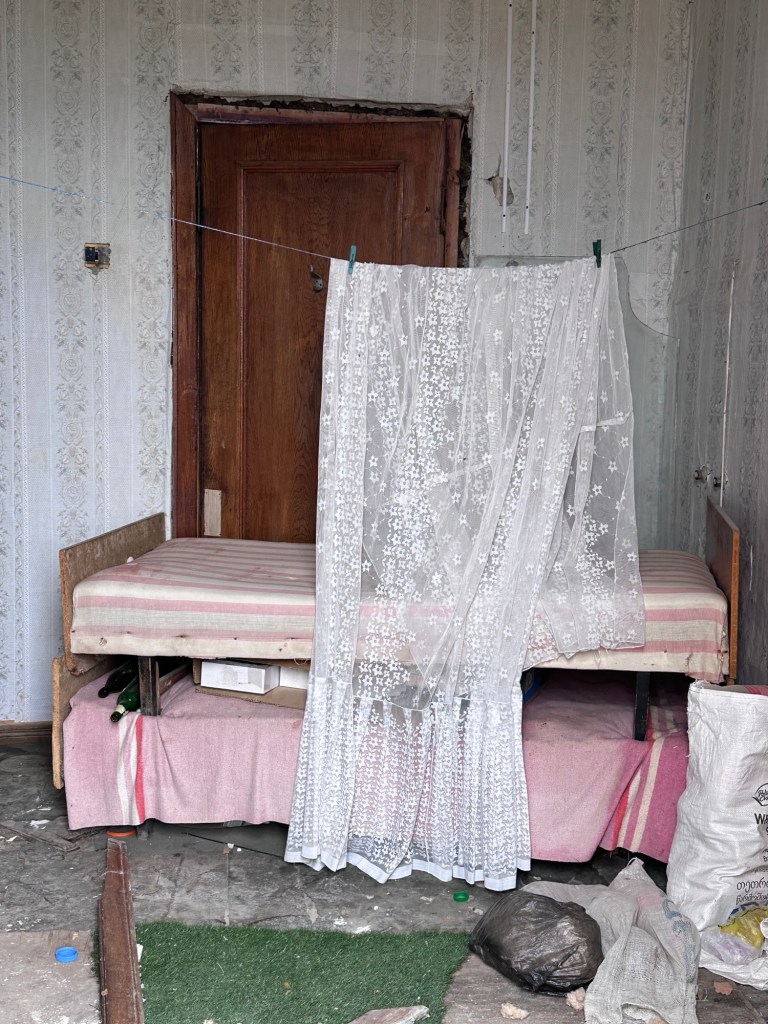
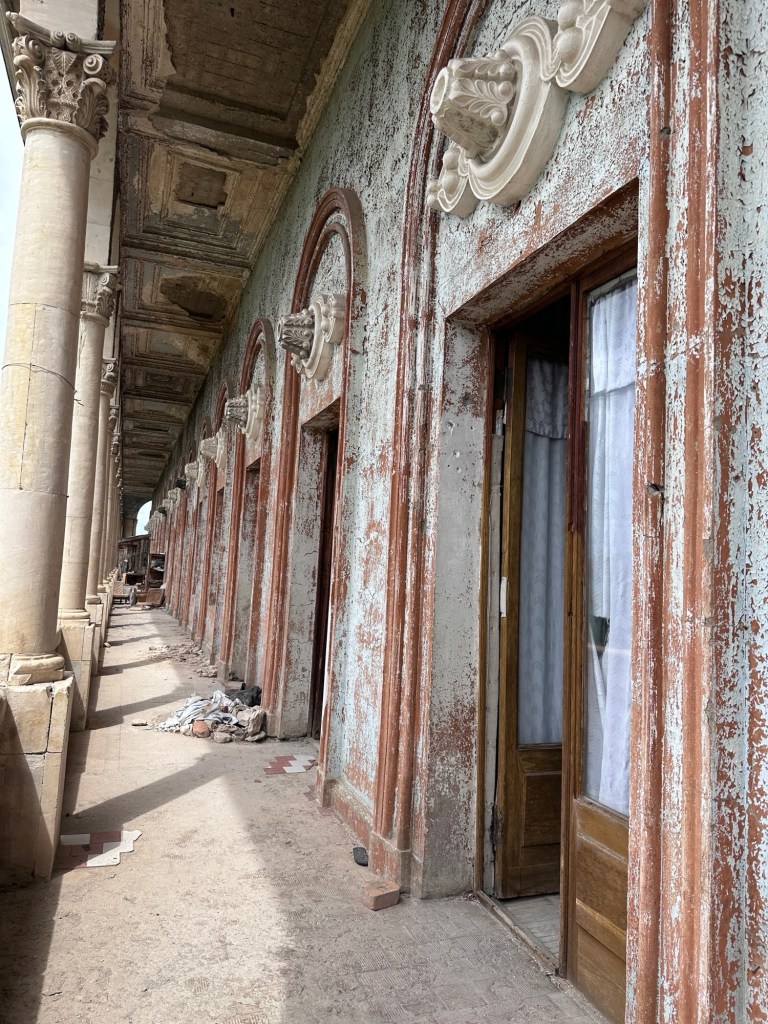
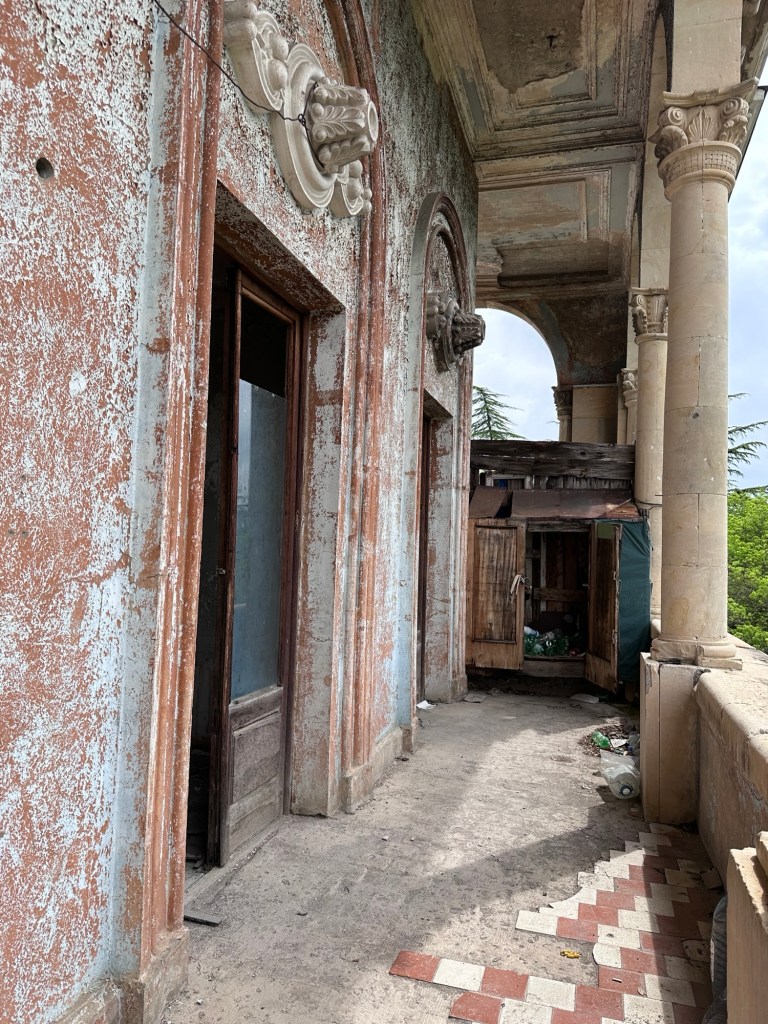
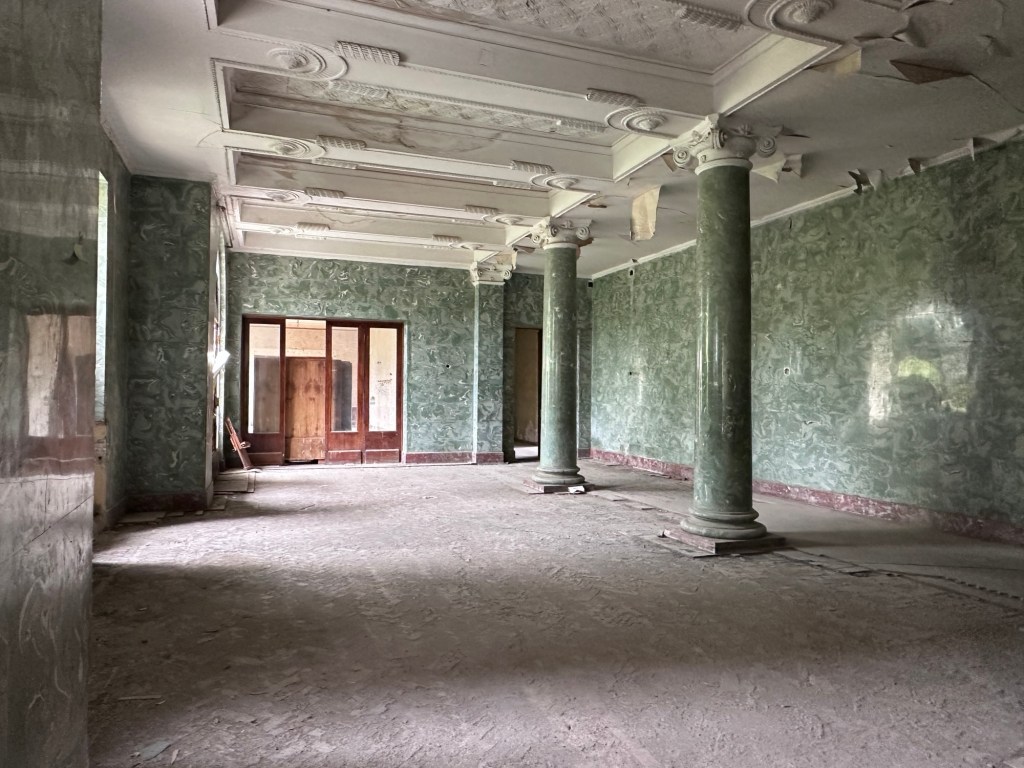
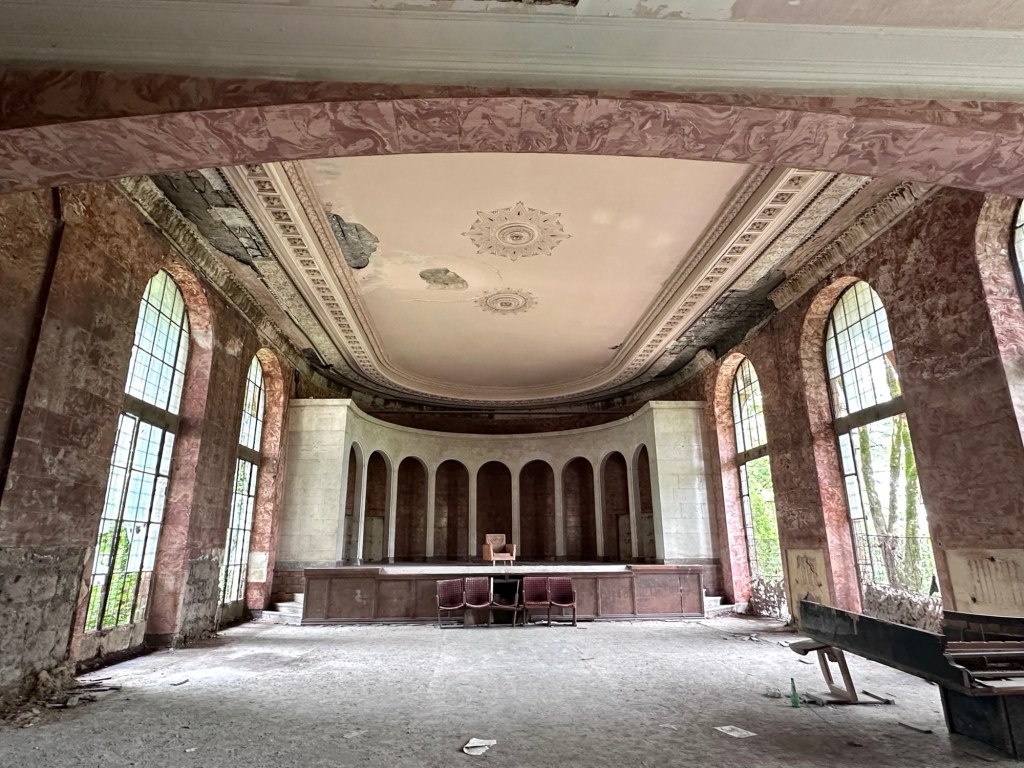
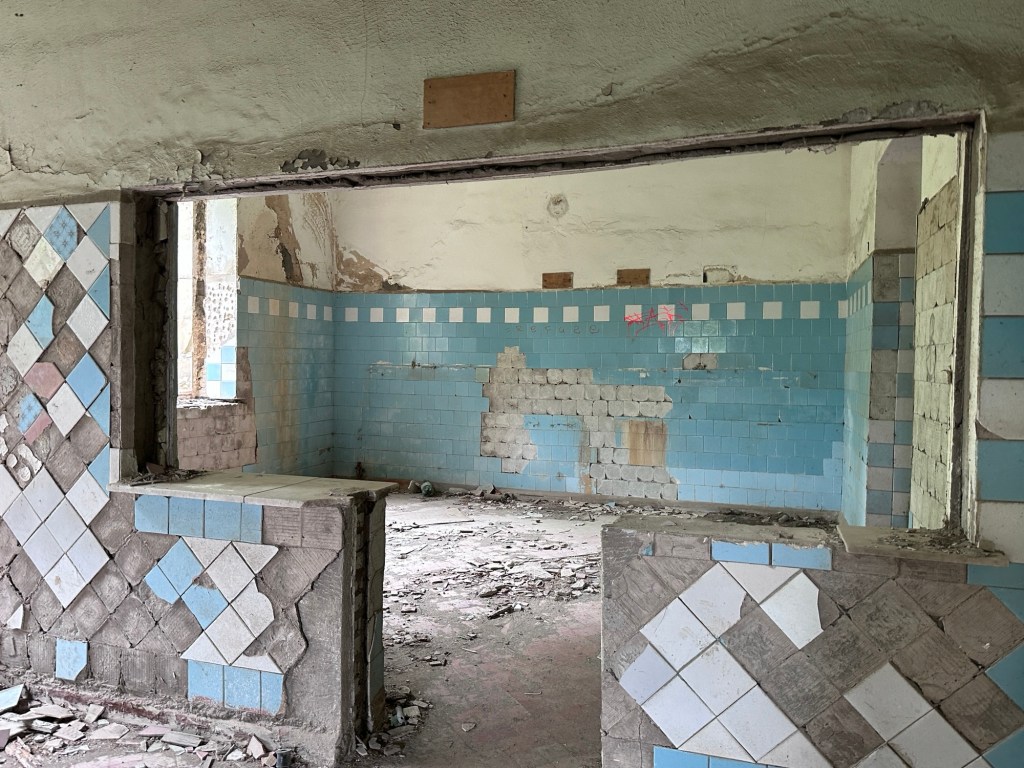
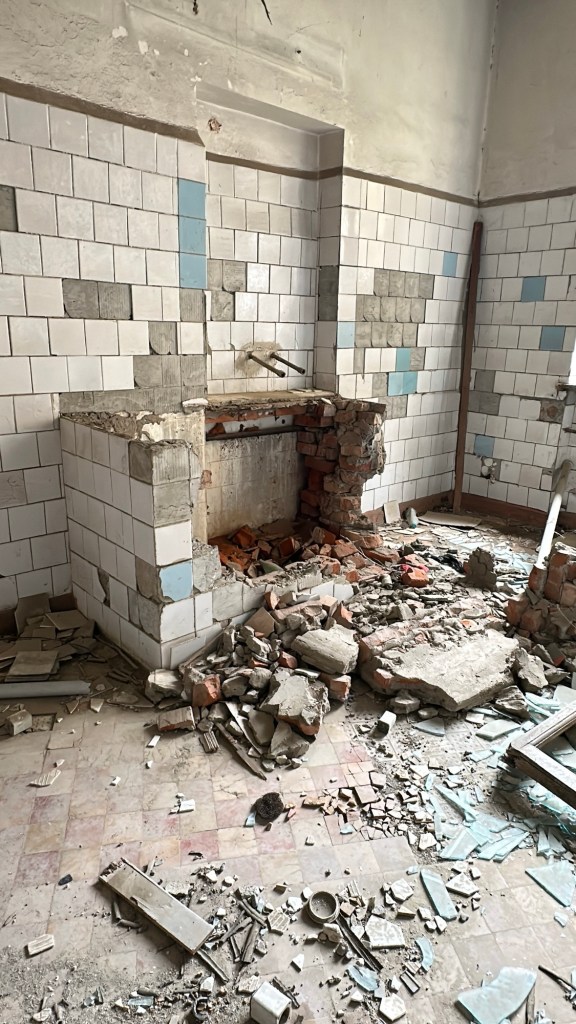
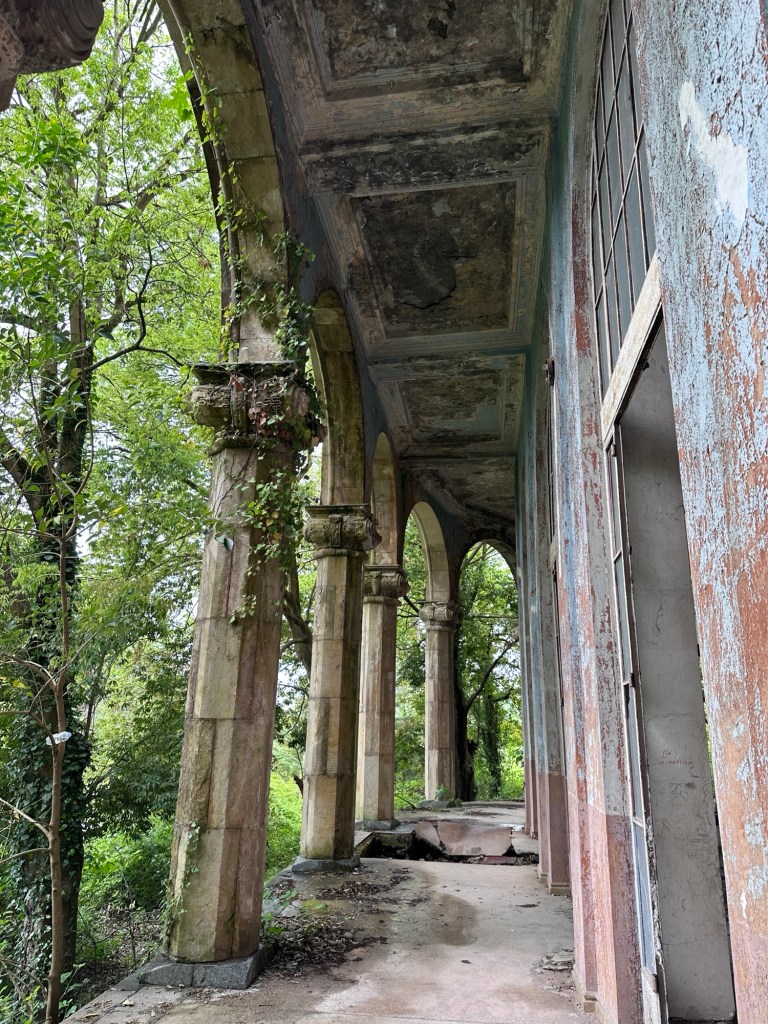
Our last stop is at a now abandoned Tskaltubo train station.
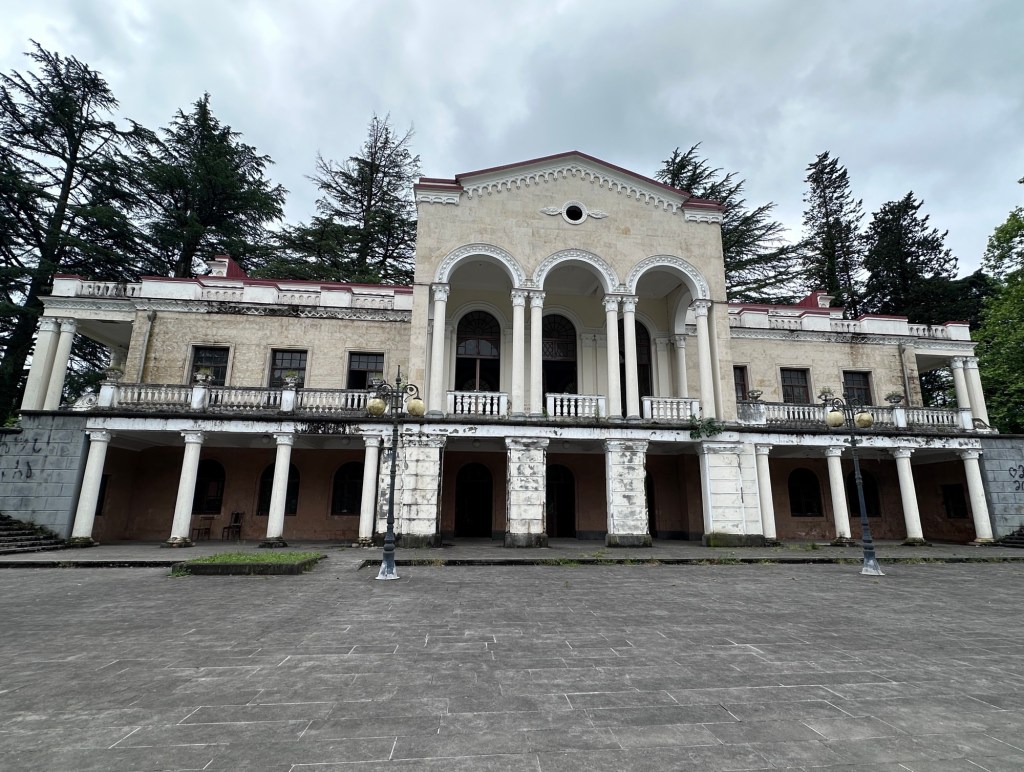
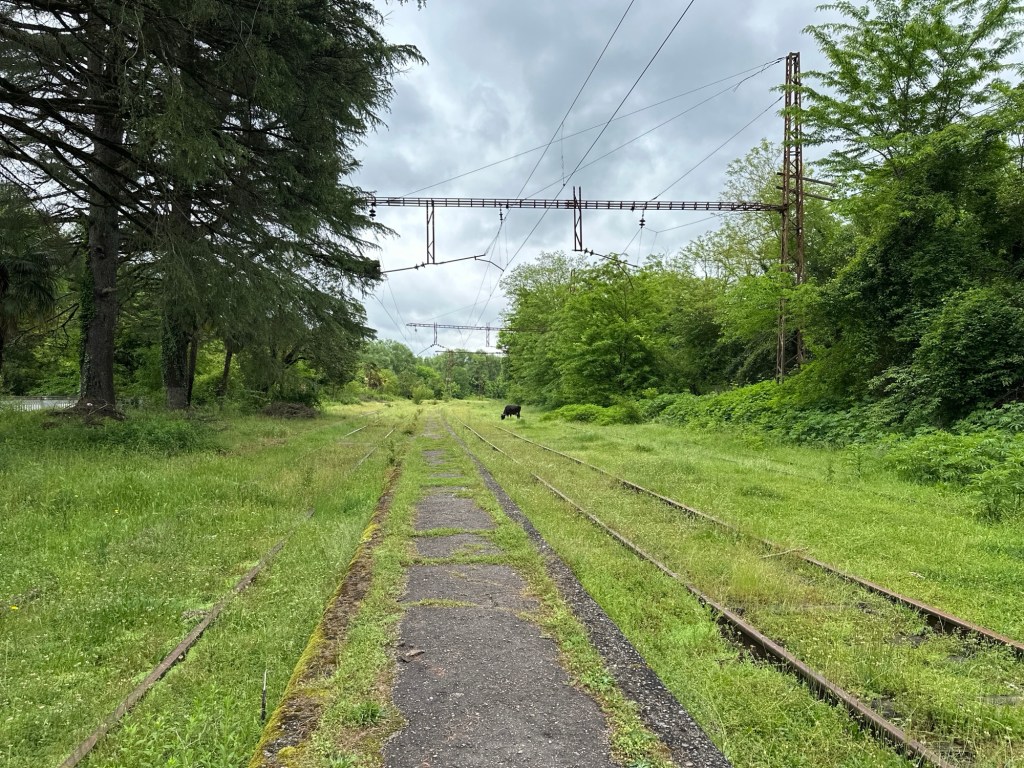
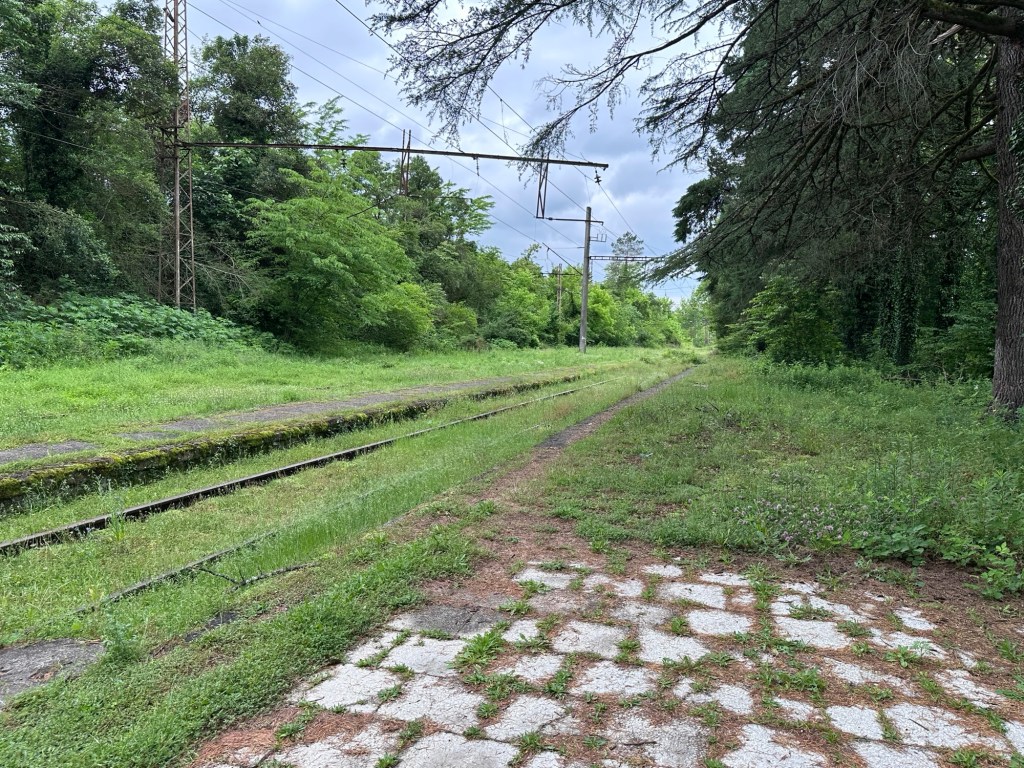
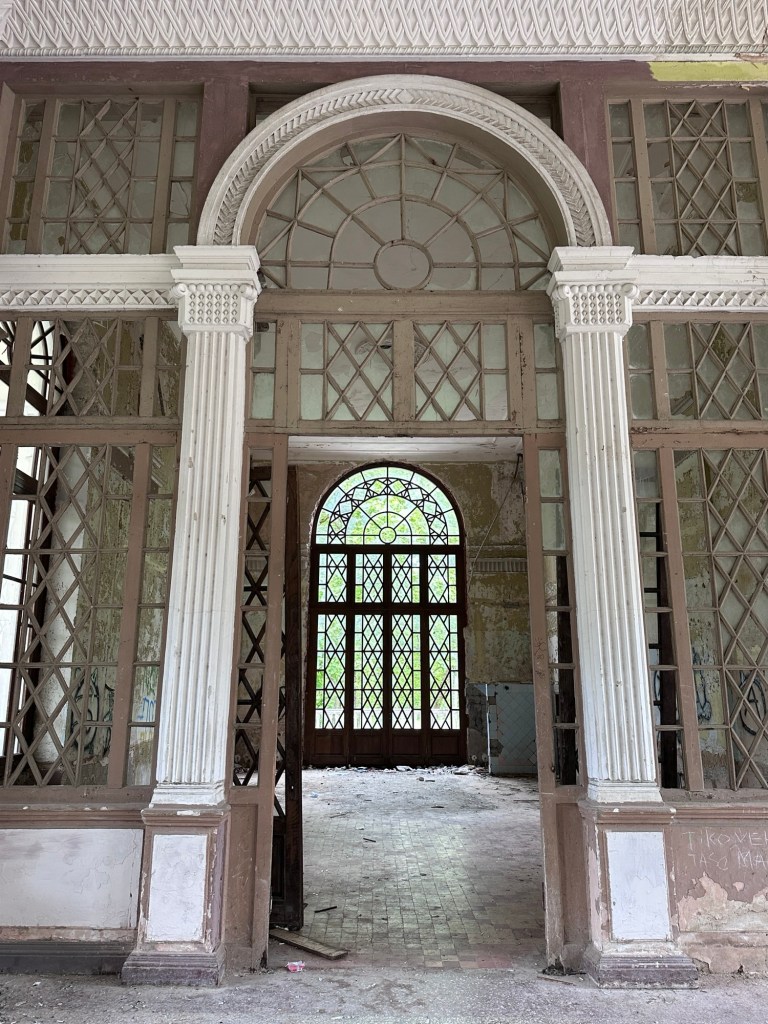
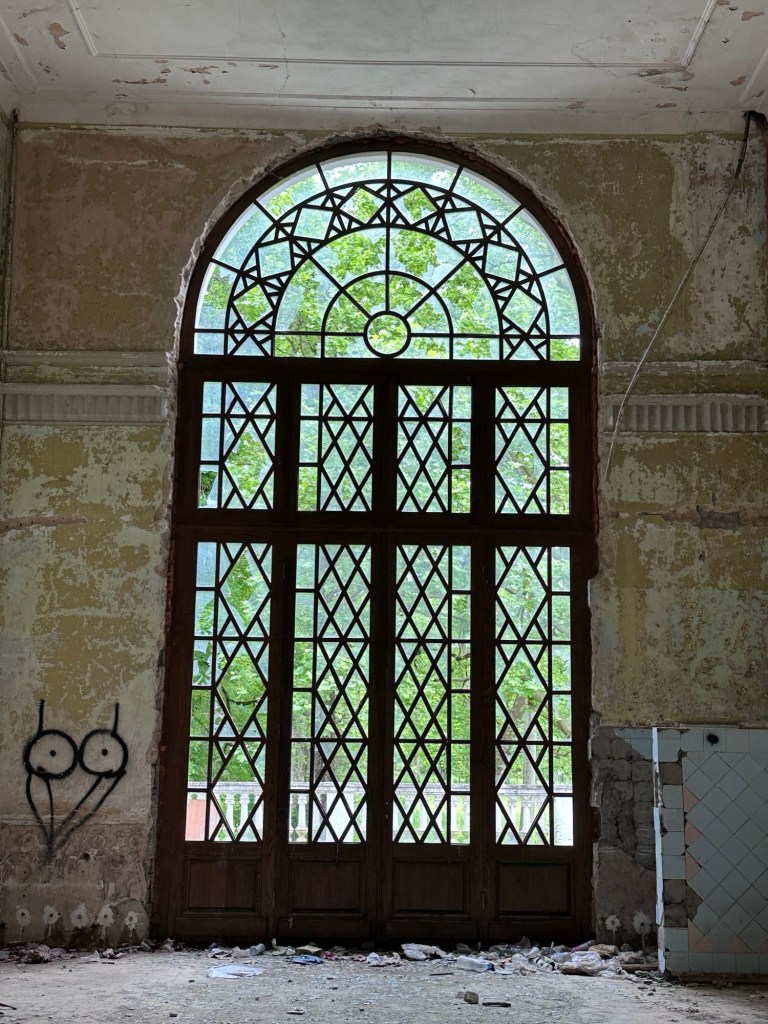
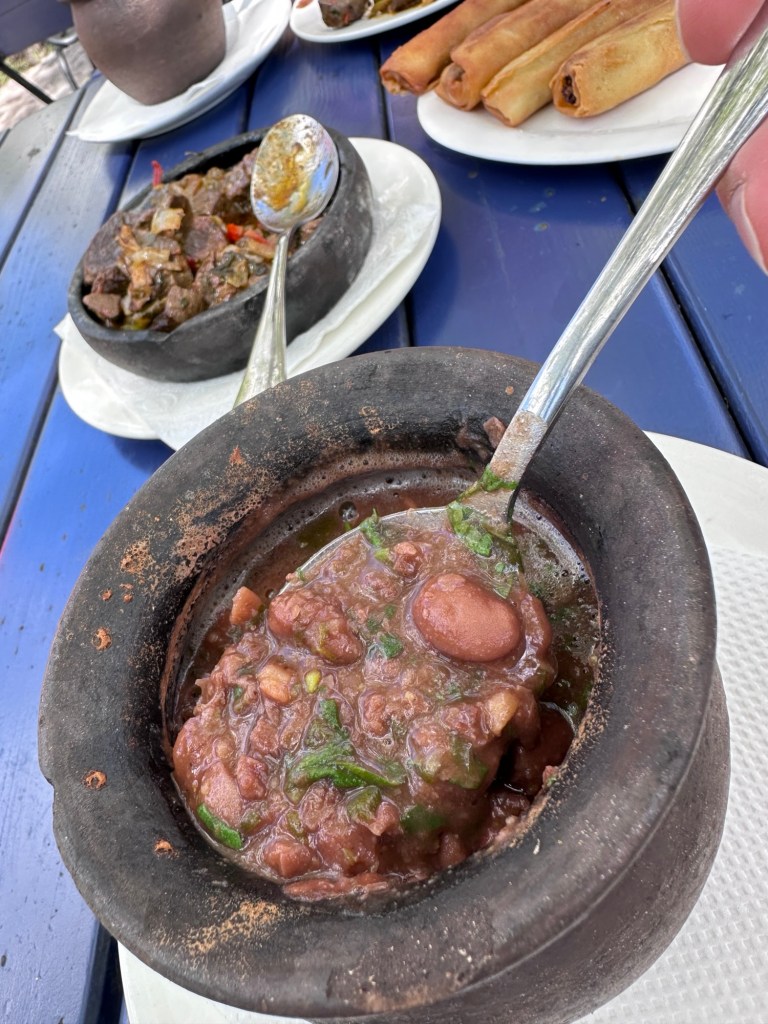
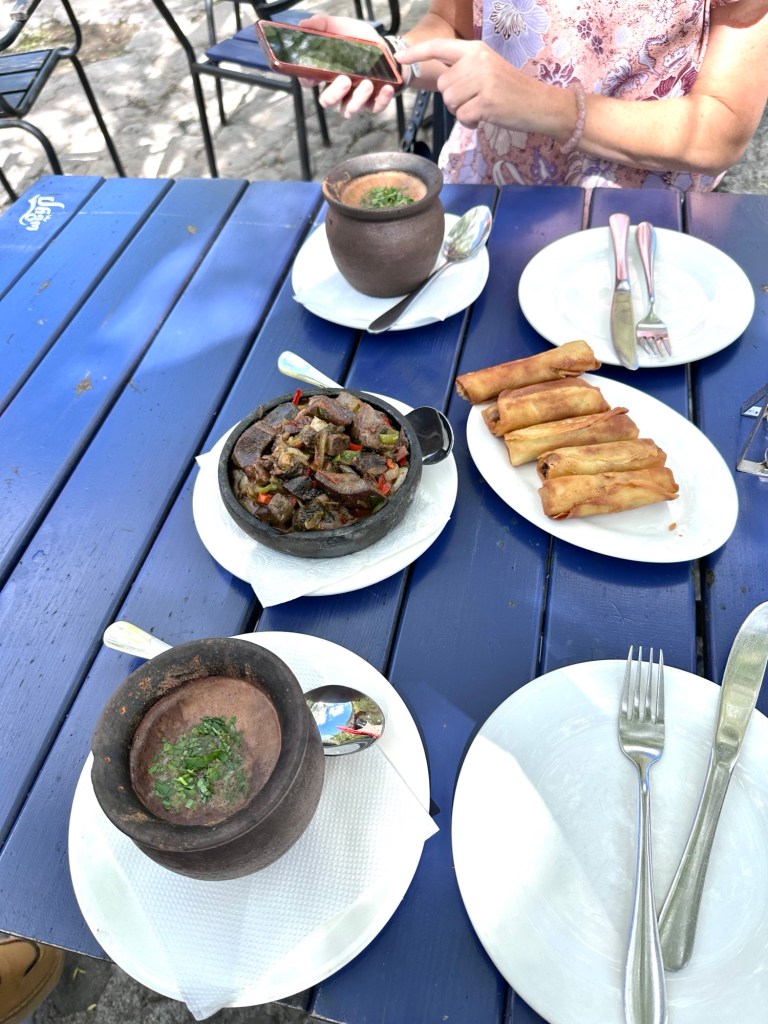
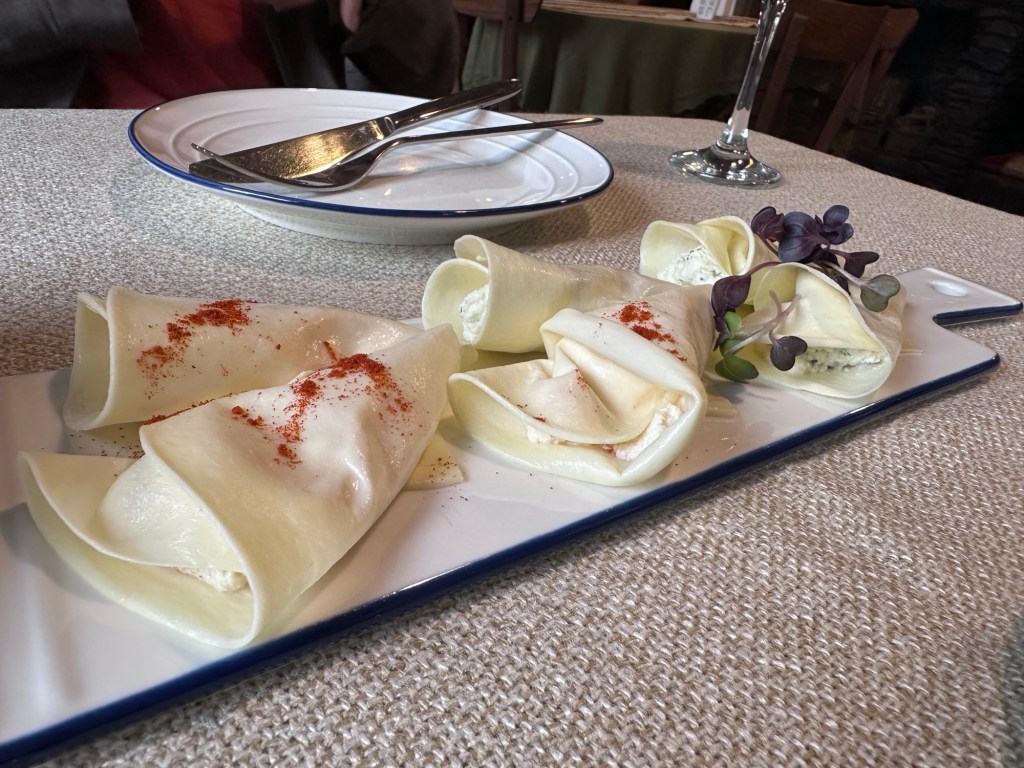
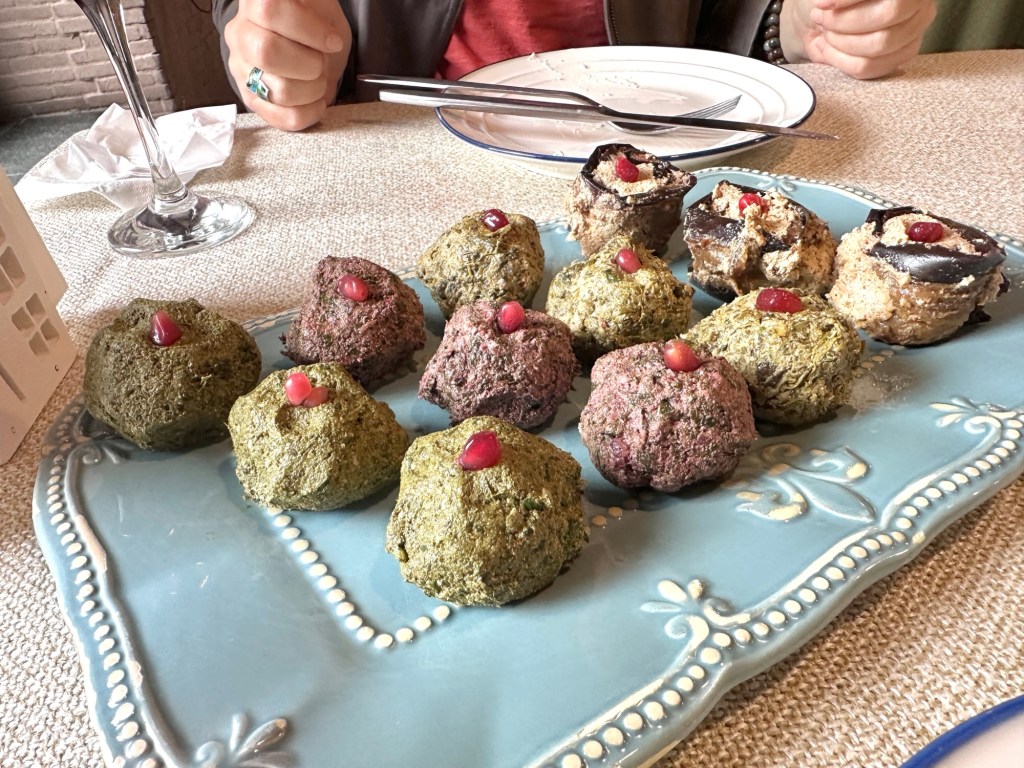
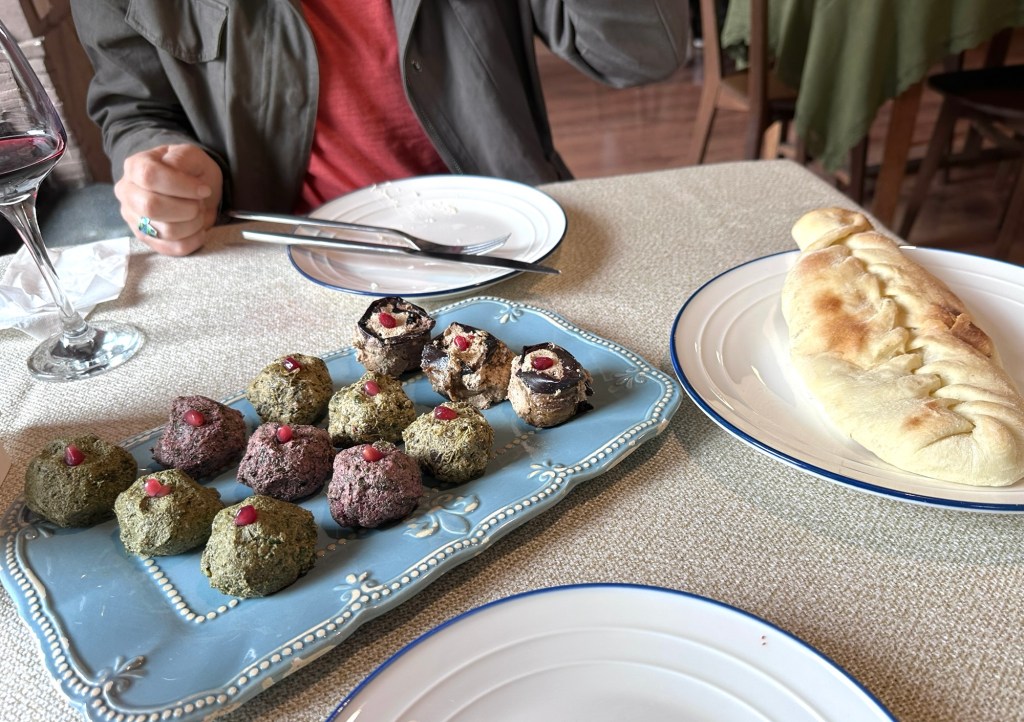
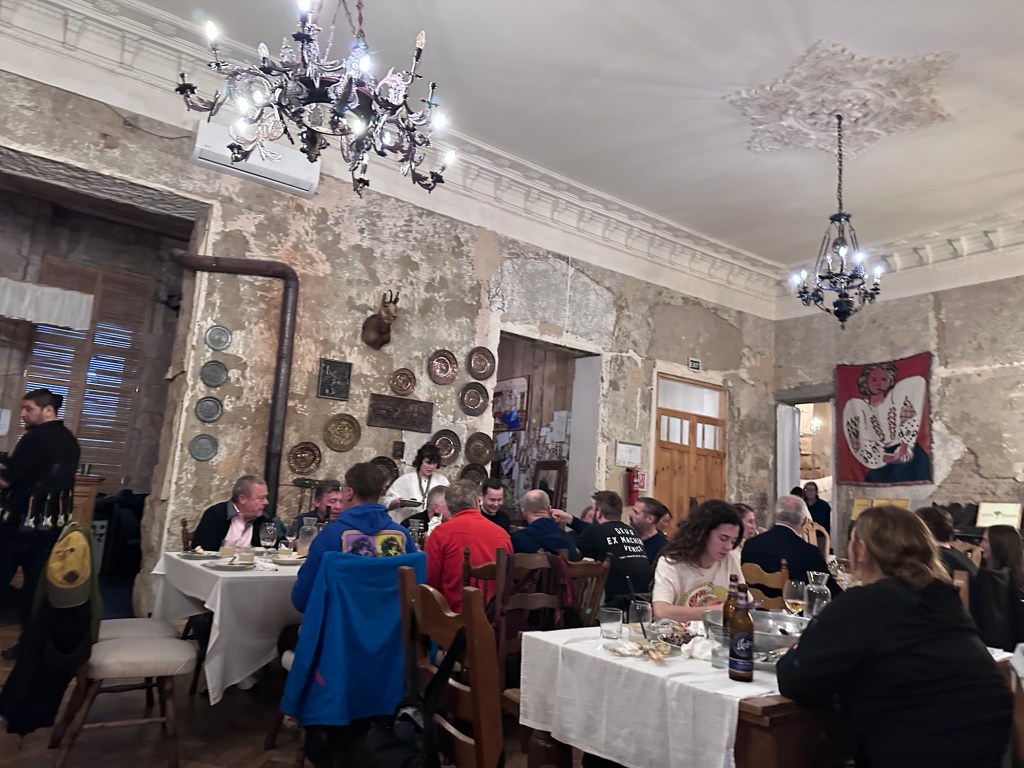
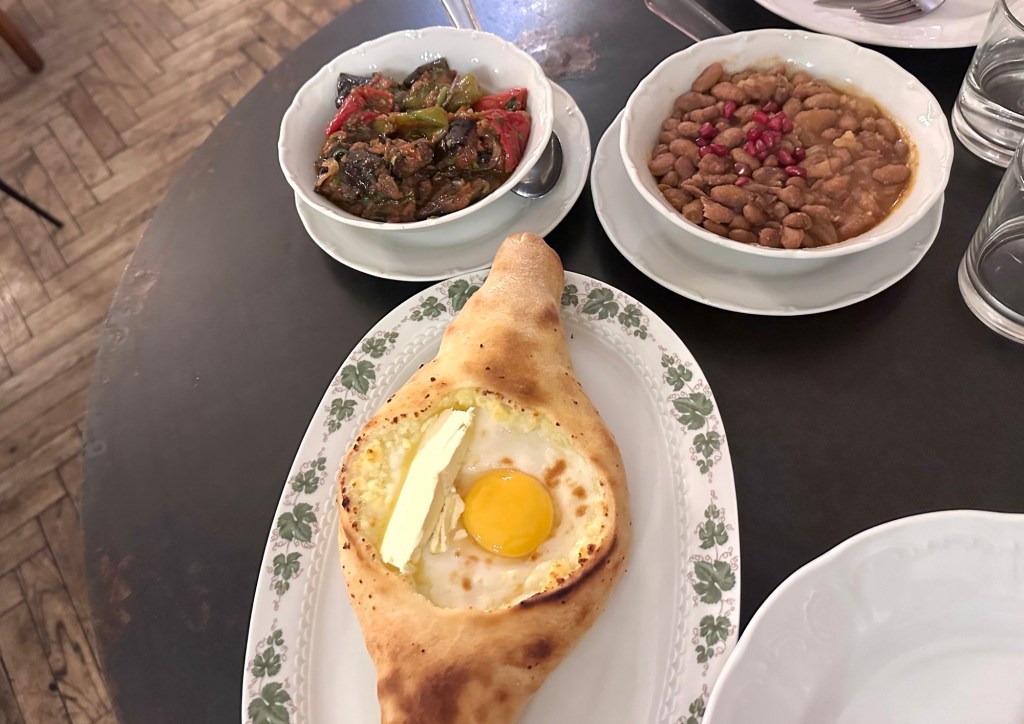
After the short tour we return to town and have a nice lunch at Palaty, a restaurant recommended by our guide.
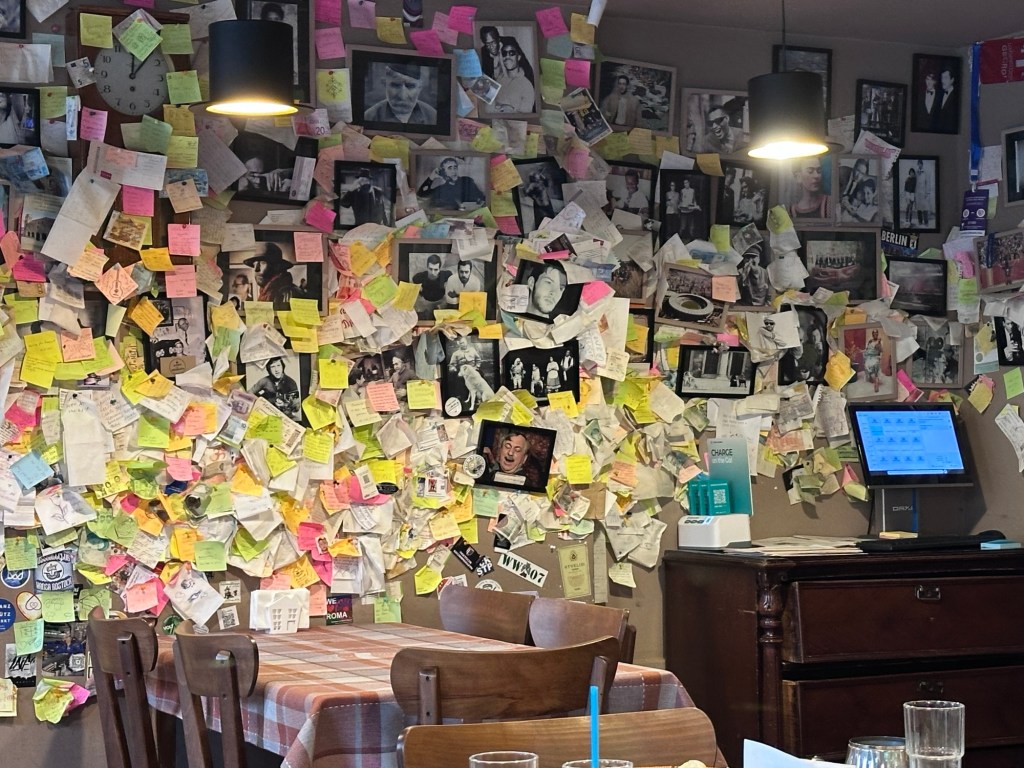
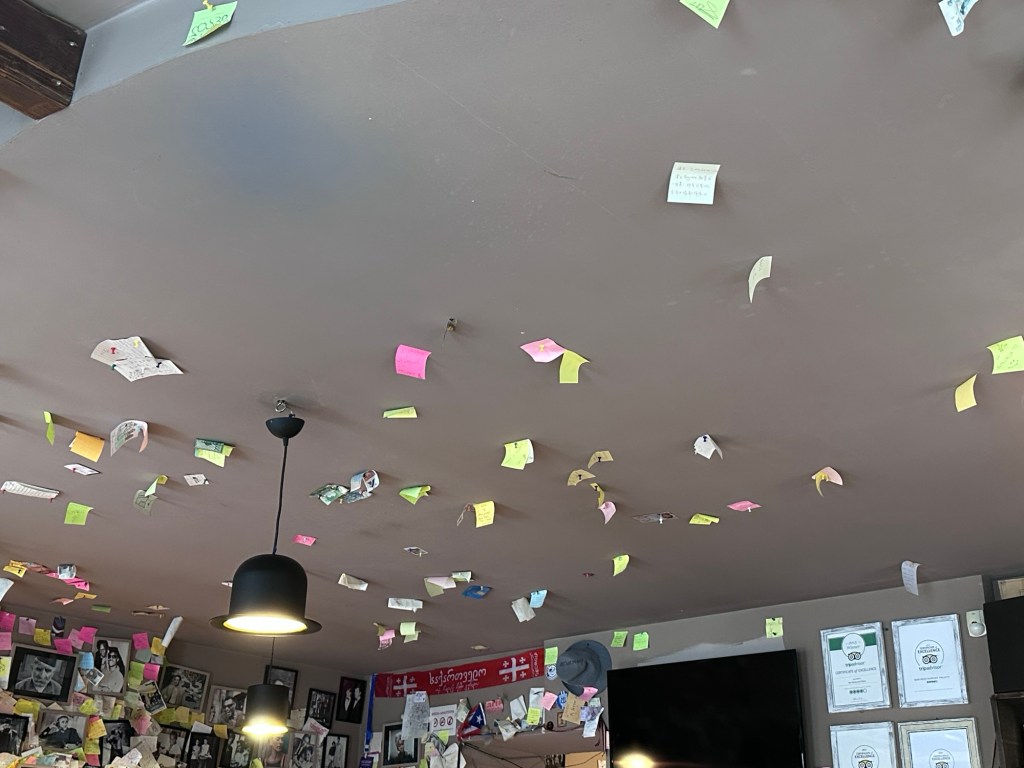
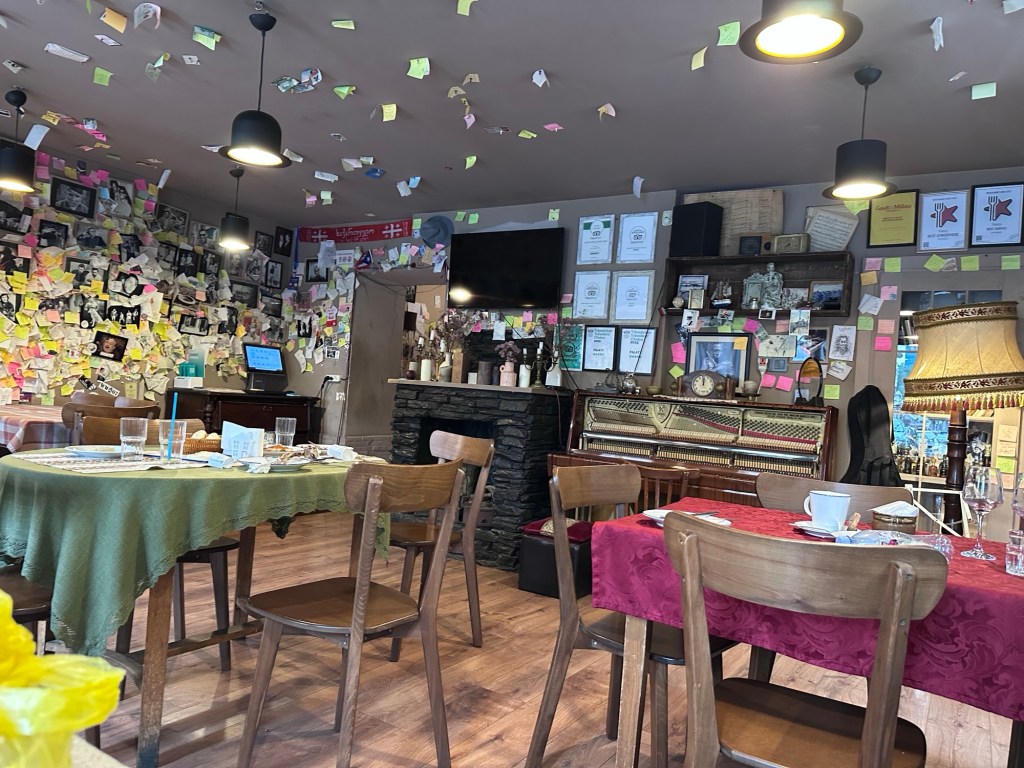
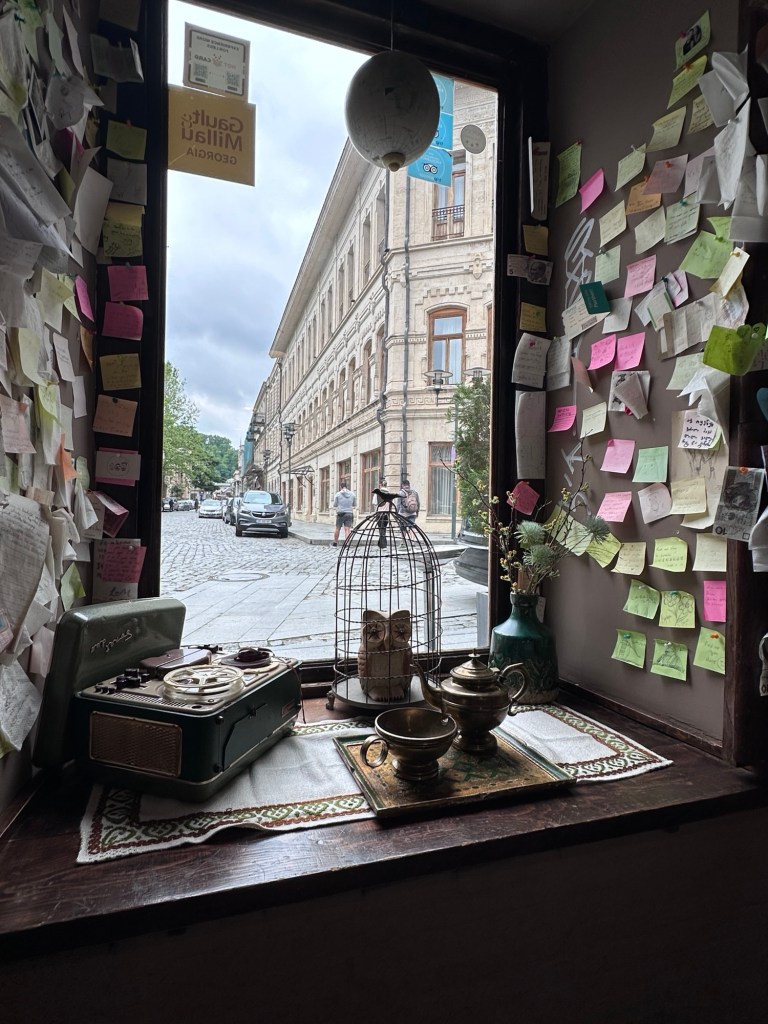
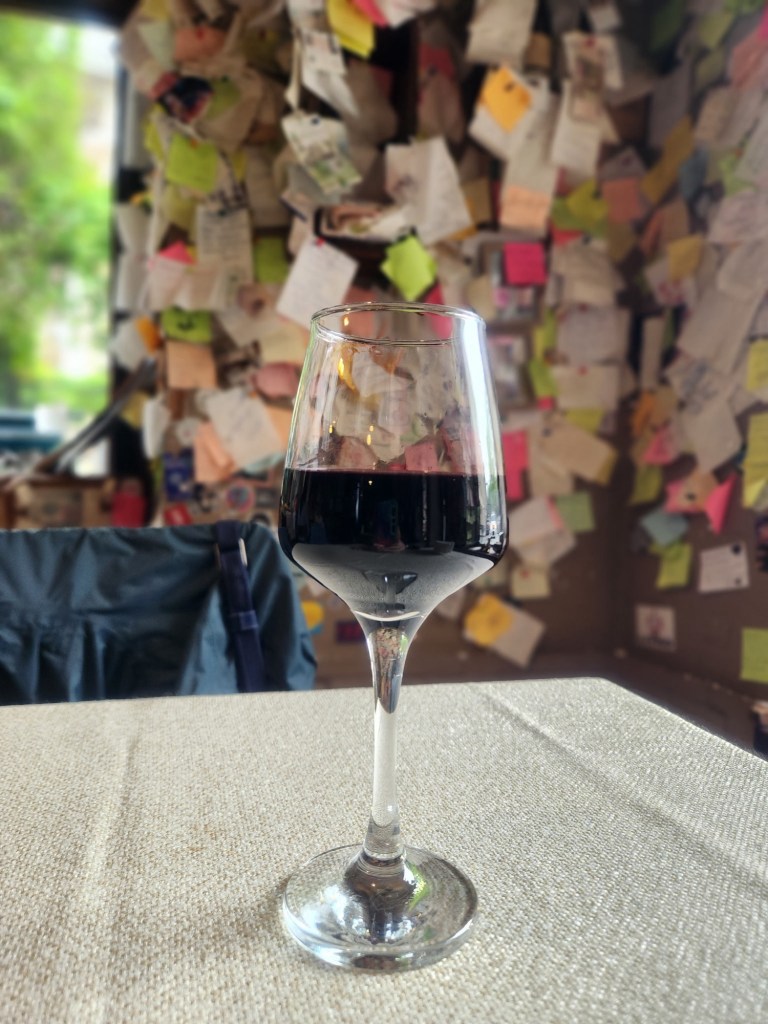
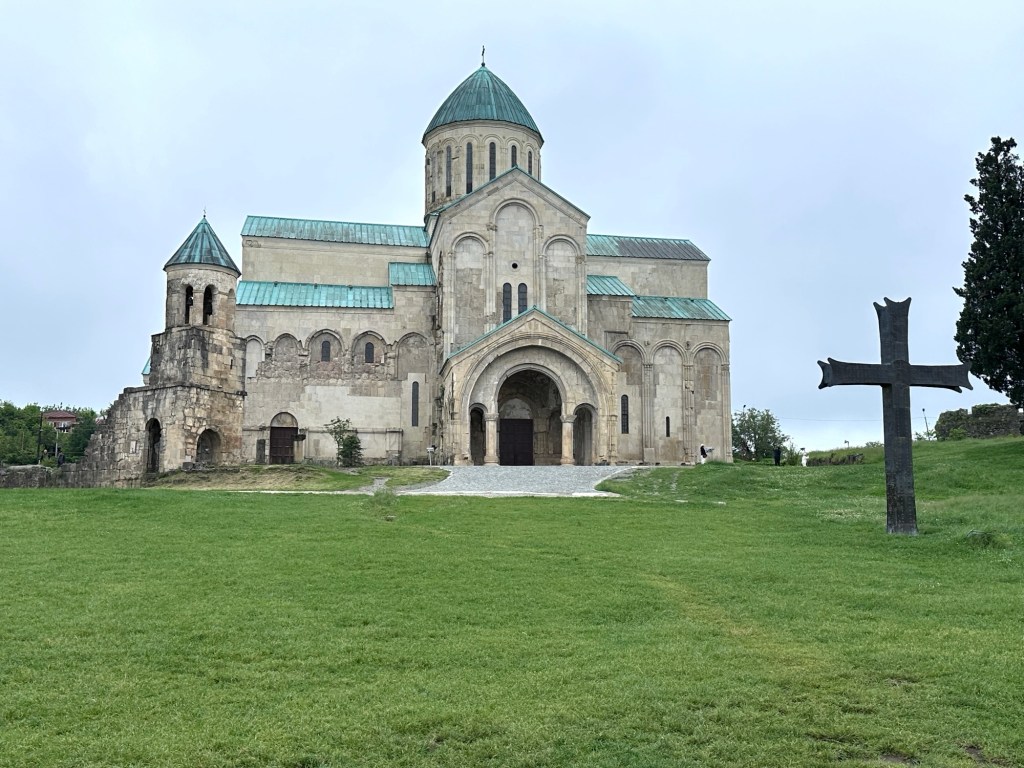
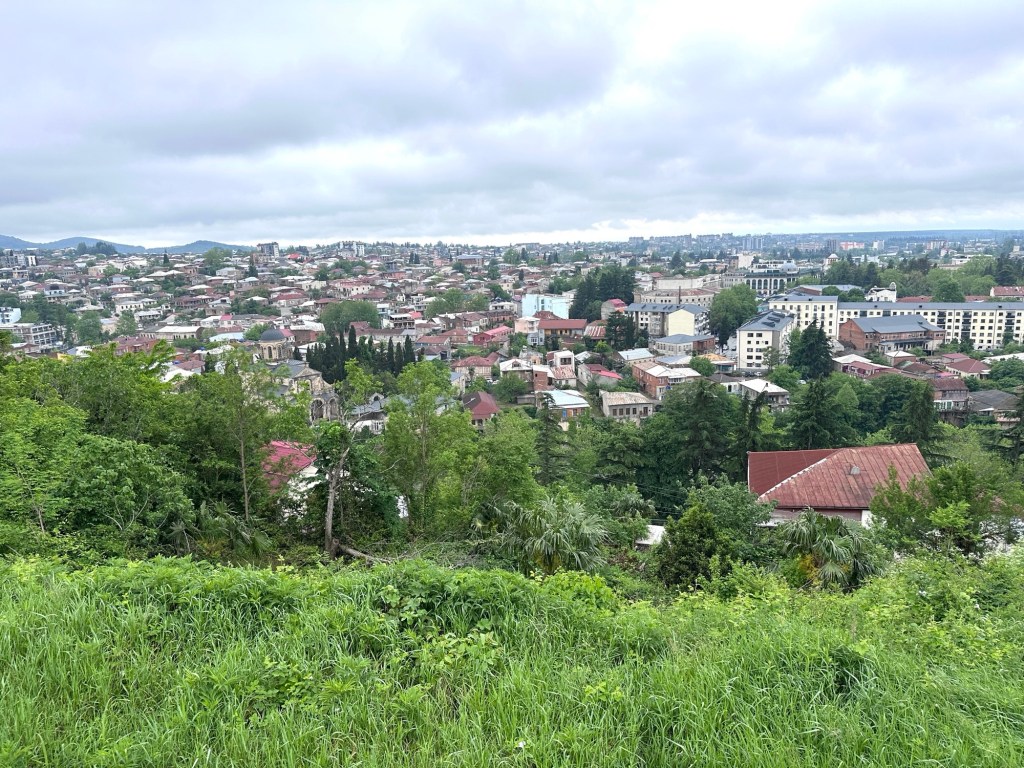
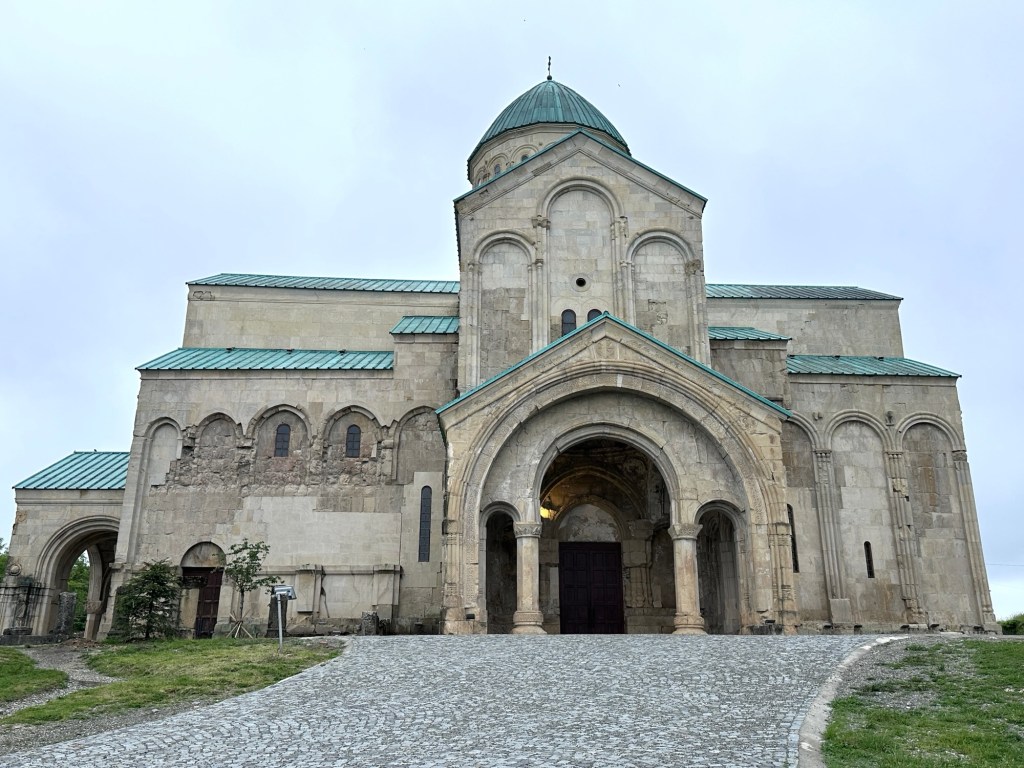
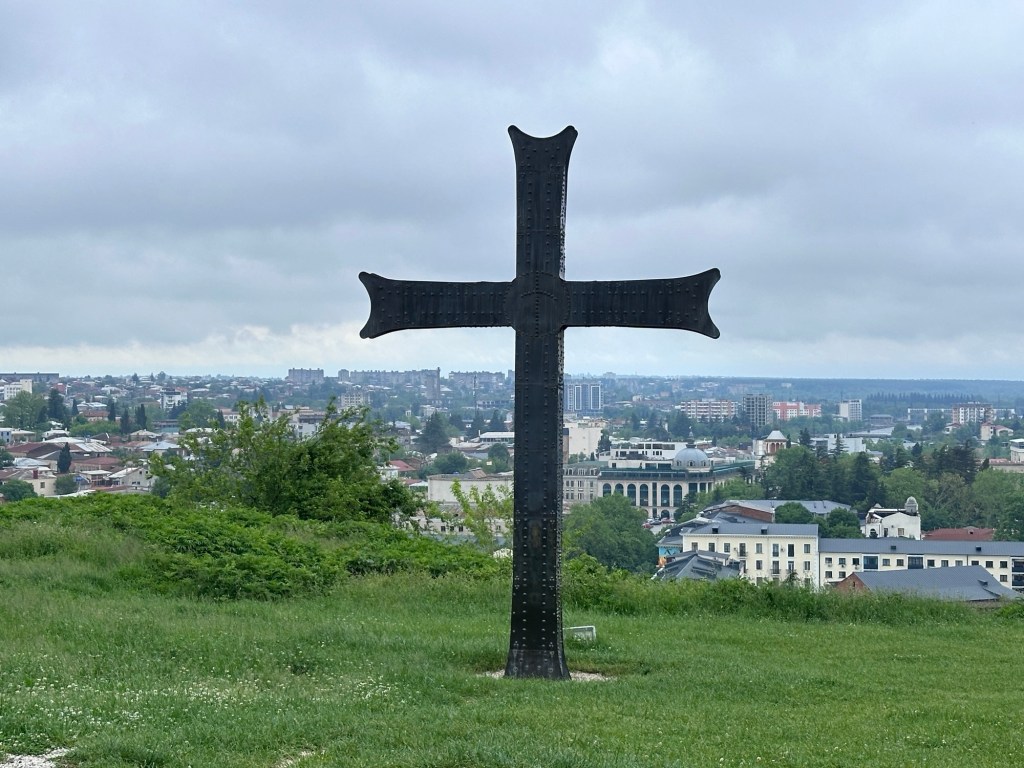
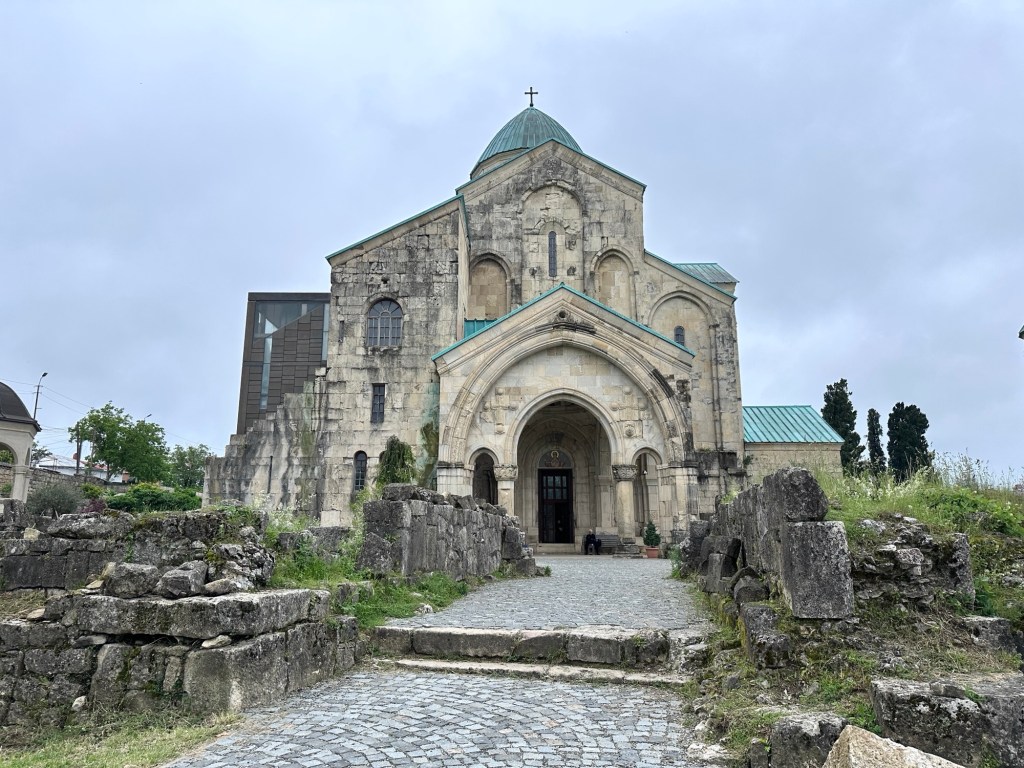
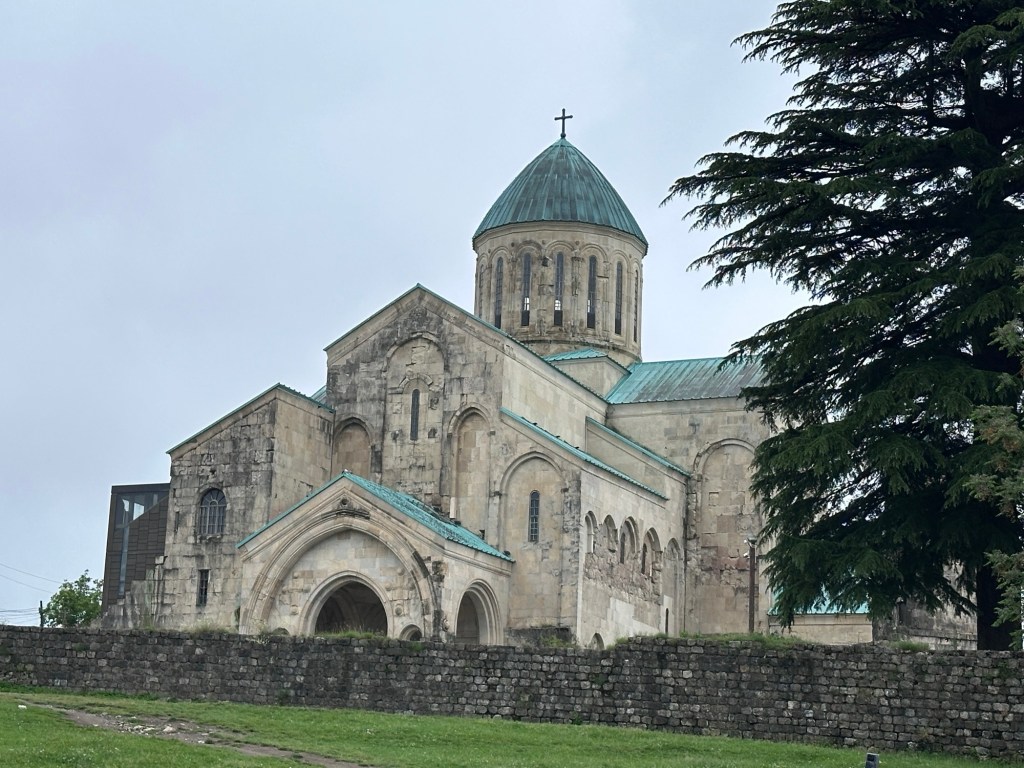
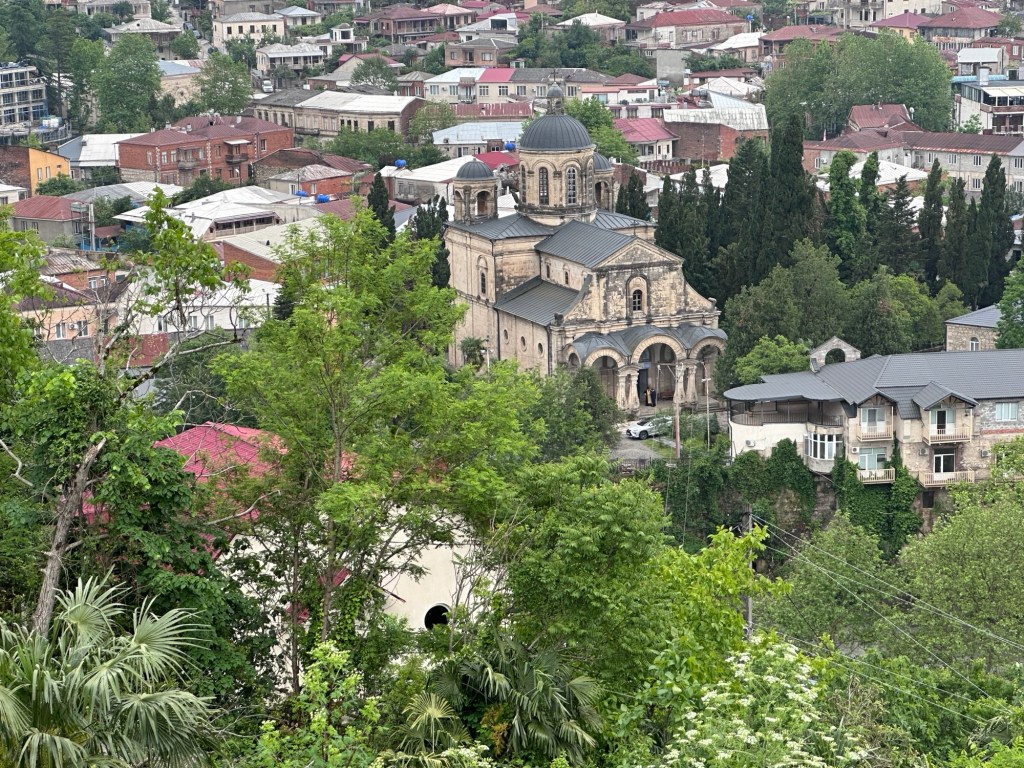
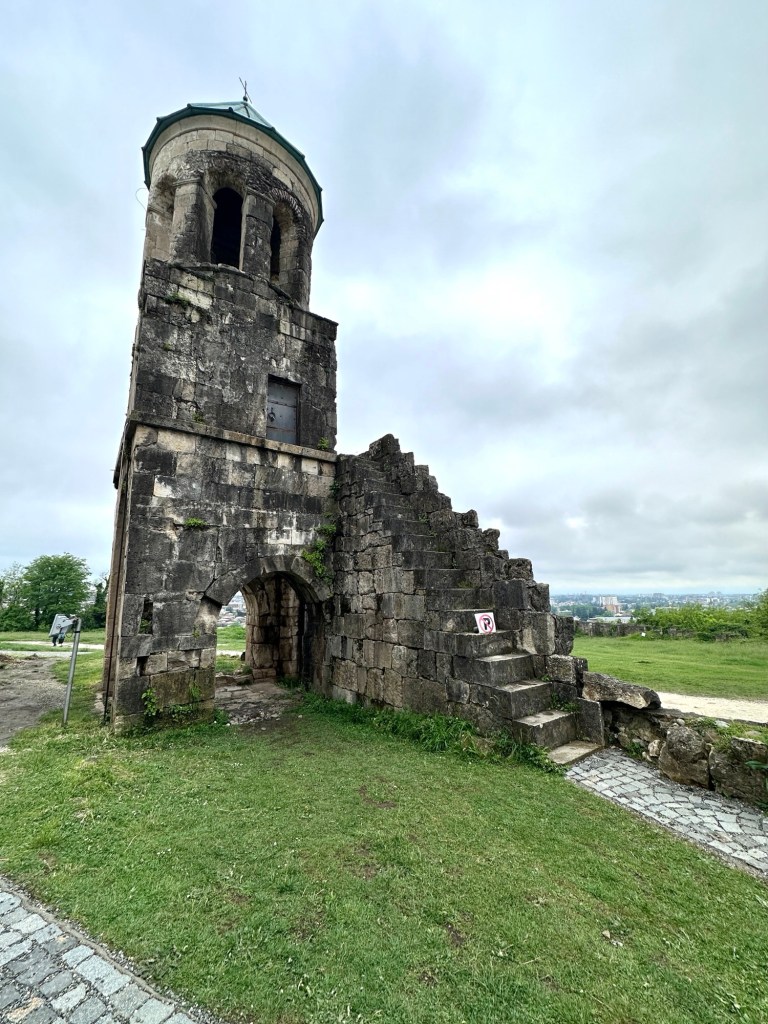
We spend the rest of our time in Kutaisi visiting the hilltop church and exploring town.
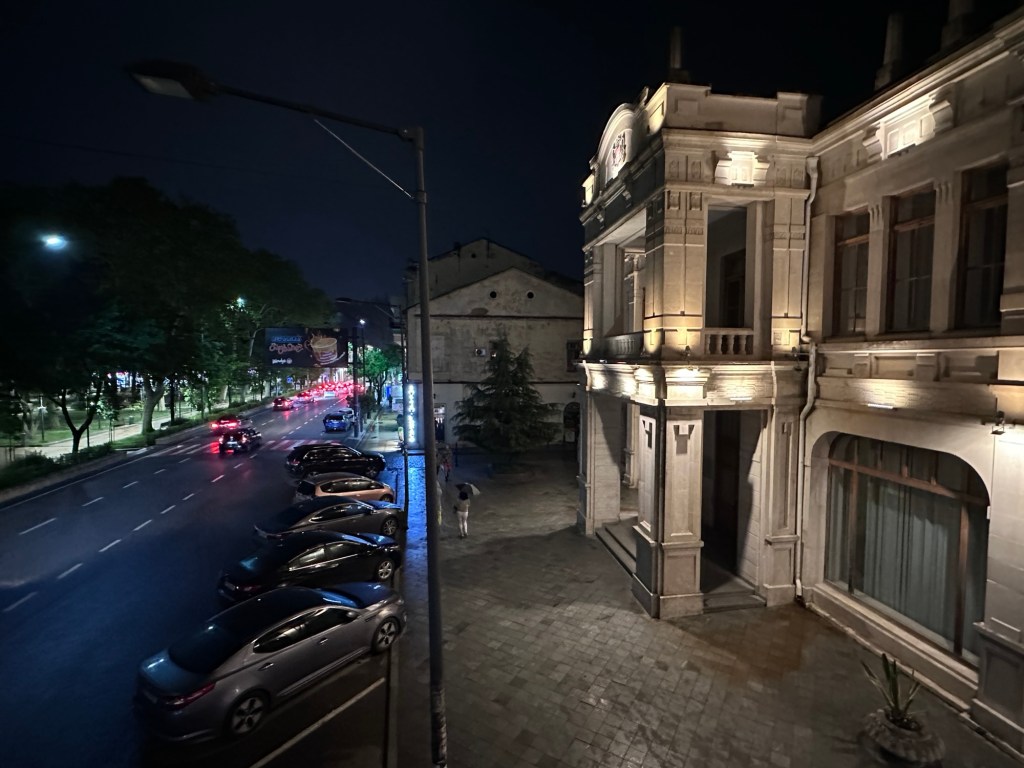
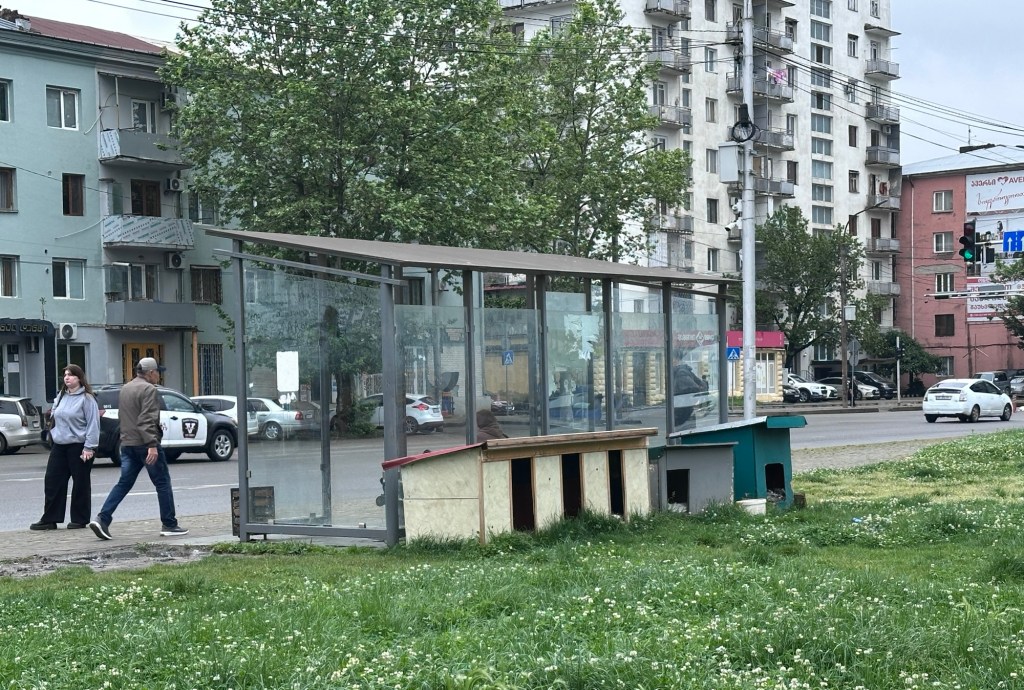
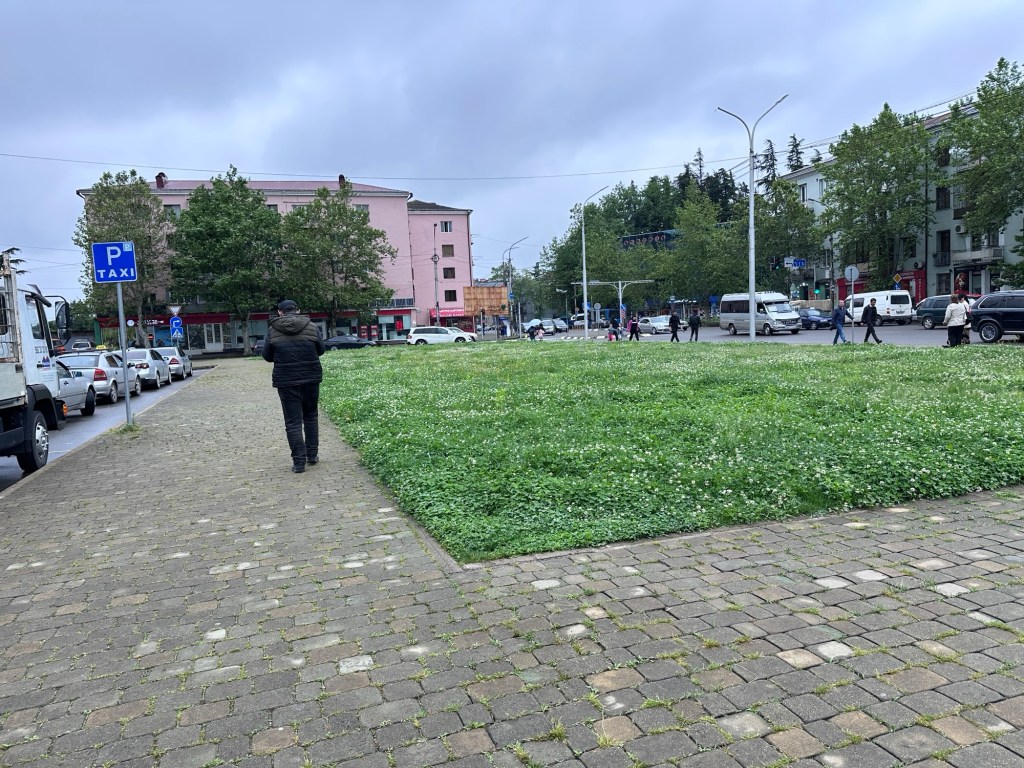
We get notice at 8 PM that our day tour and transfer to Tbilisi is cancelled due to bad weather. We are very disappointed because not only do we miss visiting the canyons, we are left with no ride to Tbilisi last minute. We scramble to find alternative transportation. There are some very cheap options like the small Marshrutka vans that we still have not used during our travels but settle on the citybus that we used to first arrive in Kutaisi. It is disappointing that our day tour is cancelled but at least we now plan to arrive in Tblisi much earlier. The bus ride is fine except it is late and it is not entirely clear where the actual bus stop is. We gather at this green square and it is raining on and off and wait. There are no signs to tell you that the city bus will actually stop here. We start talking to other’s who are also confused but waiting for the same bus. Taxi drivers in the area confirm we are in the correct place but with no sign we are still apprehensive. Eventually the bus does arrive and we make it back to Tblisi.
Luckily the next hotel in Tbilisi is more modern. I was getting tired of walking up five flights of stairs multiple times a day to a not as nice apartment.