Ephesus

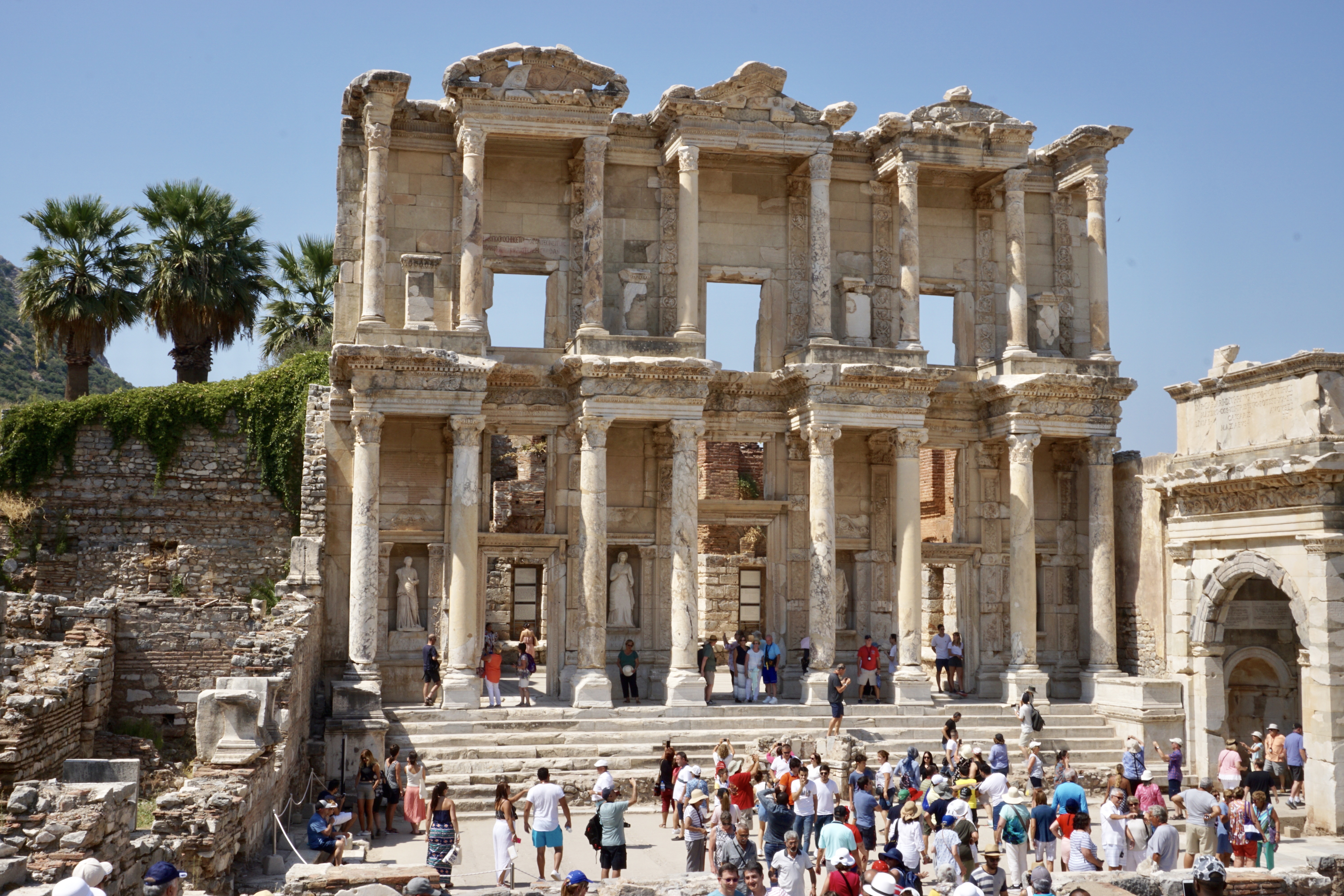
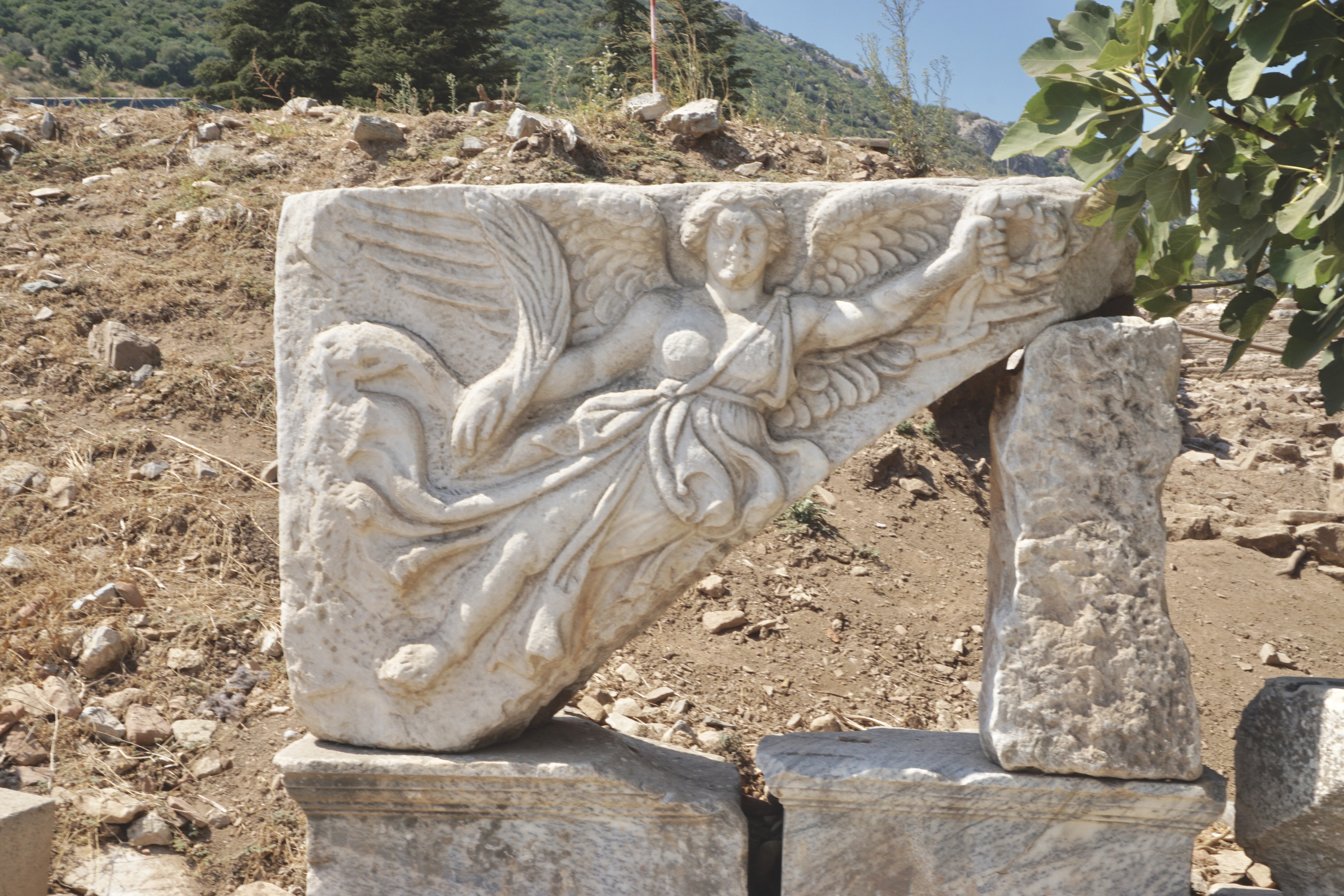
Ephesus is an important Greek and then later Roman city. It was an active river city for commerce but over time diminished due to receding waters. It was also further destroyed by invaders and earthquakes.

I’ve been to Greece, I’ve been to Rome, and I have seen all kinds of ruins elsewhere but Ephesus is up there in impressiveness.

I ended up downloading Rick Steves Ephesus audio tour and I am glad I did because the labeling and descriptions weren’t the best.
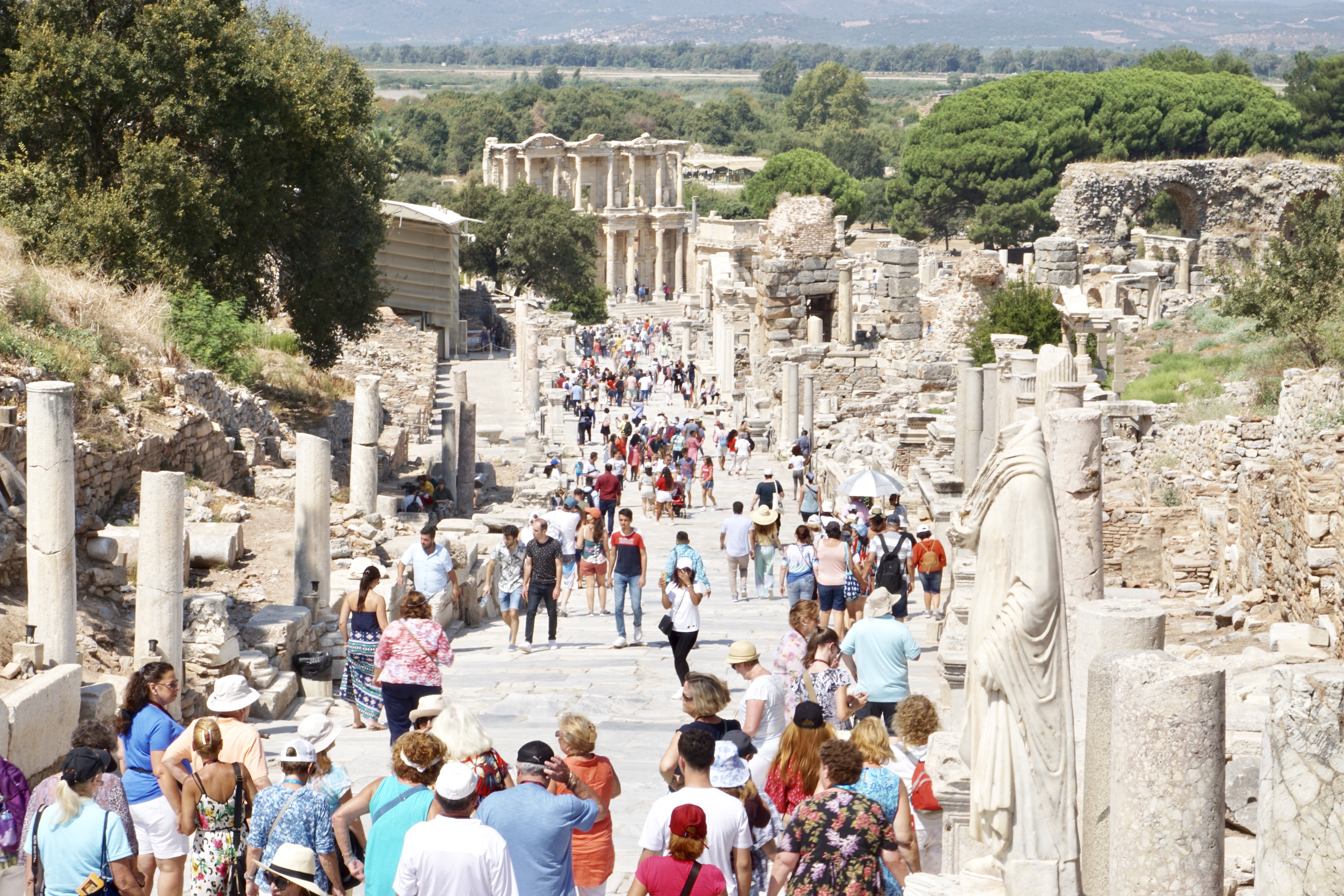
I catch the minibus from bus station in Selcuk which is not far from my guesthouse. They drop you off the opposite way you logically want to go. Once I entered the gates I pushed through the crowds of tour groups to get to the start on the other side.

It is a hot and crowded day but I don’t let that get in the way of admiring this town.

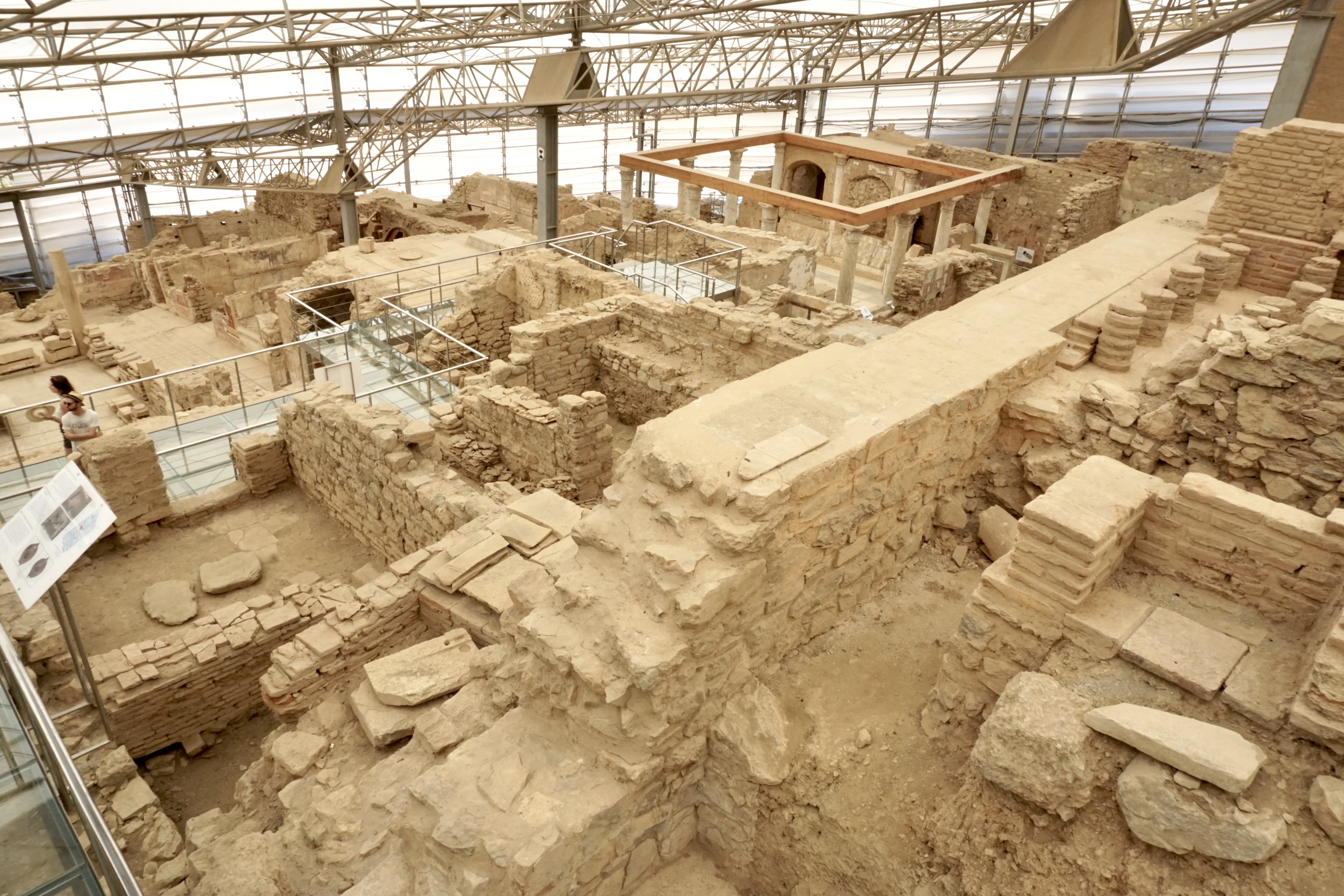
Everything in Ephesus is impressive but my favorite is viewing the terrace houses which is a separate ticketed entrance.

Not only is it covered from the sun and less crowded but you can get an idea on how the people (rich) lived back in the days. For them to be so close to the commerce they were probably pretty wealthy.

El Capricho de Gaudí

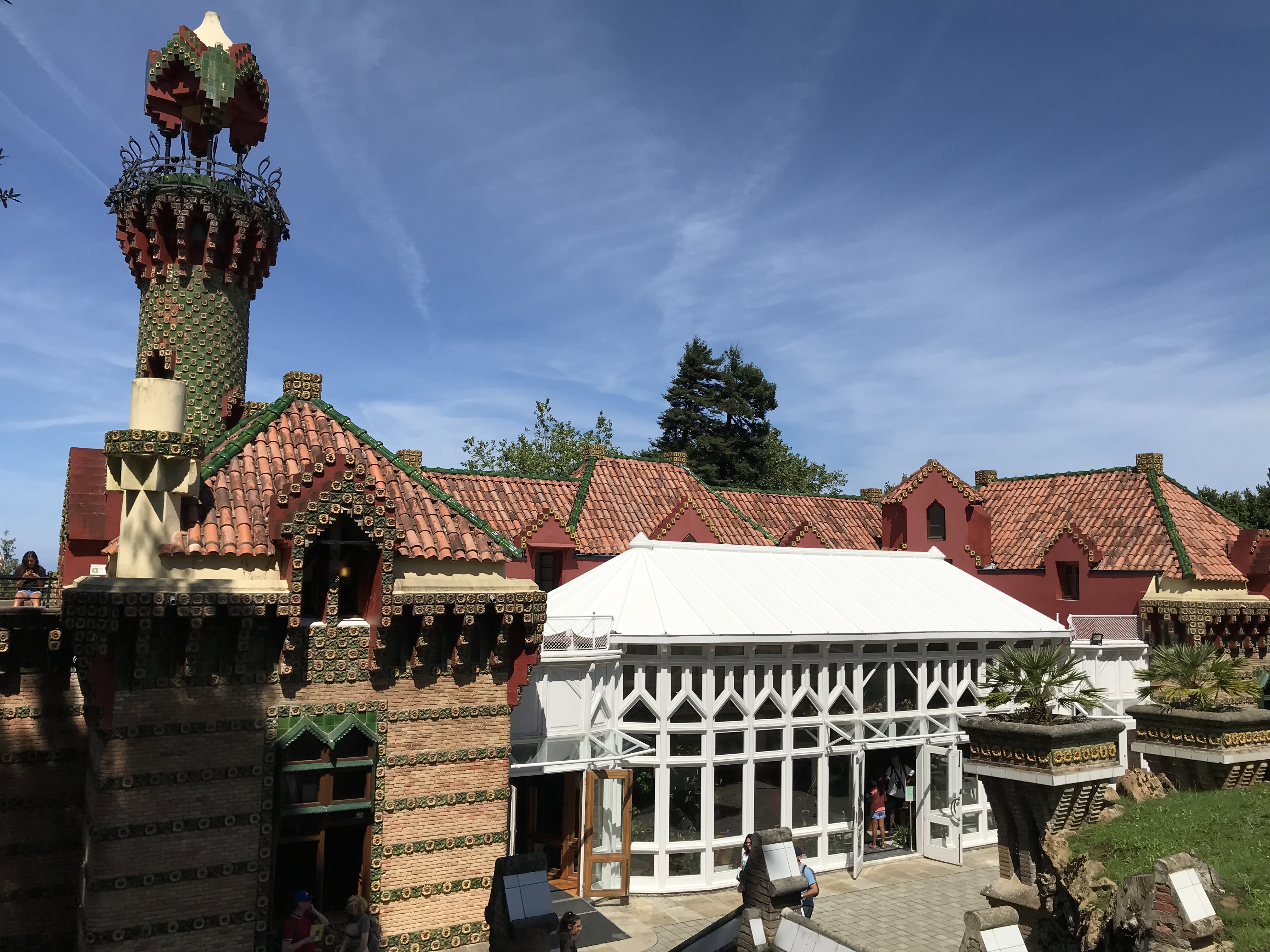
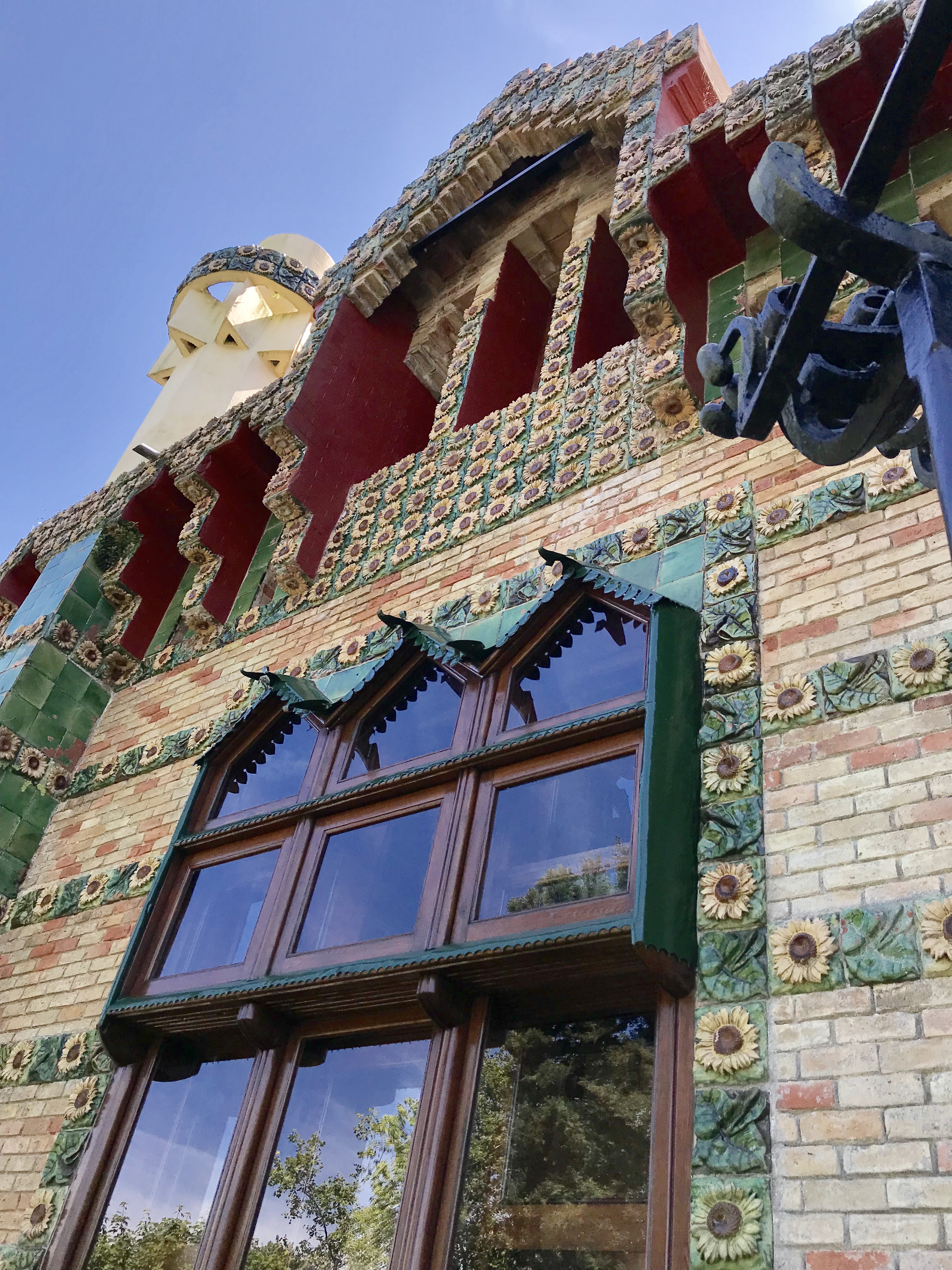
During my northern Spain road trip I schedule a stop at El Capricho de Gaudí in Camillos. Comillas is a small town along the northern stretch of Spain. It is busy with day trippers like myself but the big drawl is Gaudi’s work.

El Capricho is one of Gaudi’s earlier works and one of the few outside Barcelona. While building El Capricho he is working on his craft but this is definitely the most “normal” of works I have seen by him thus far.

Greenhouse
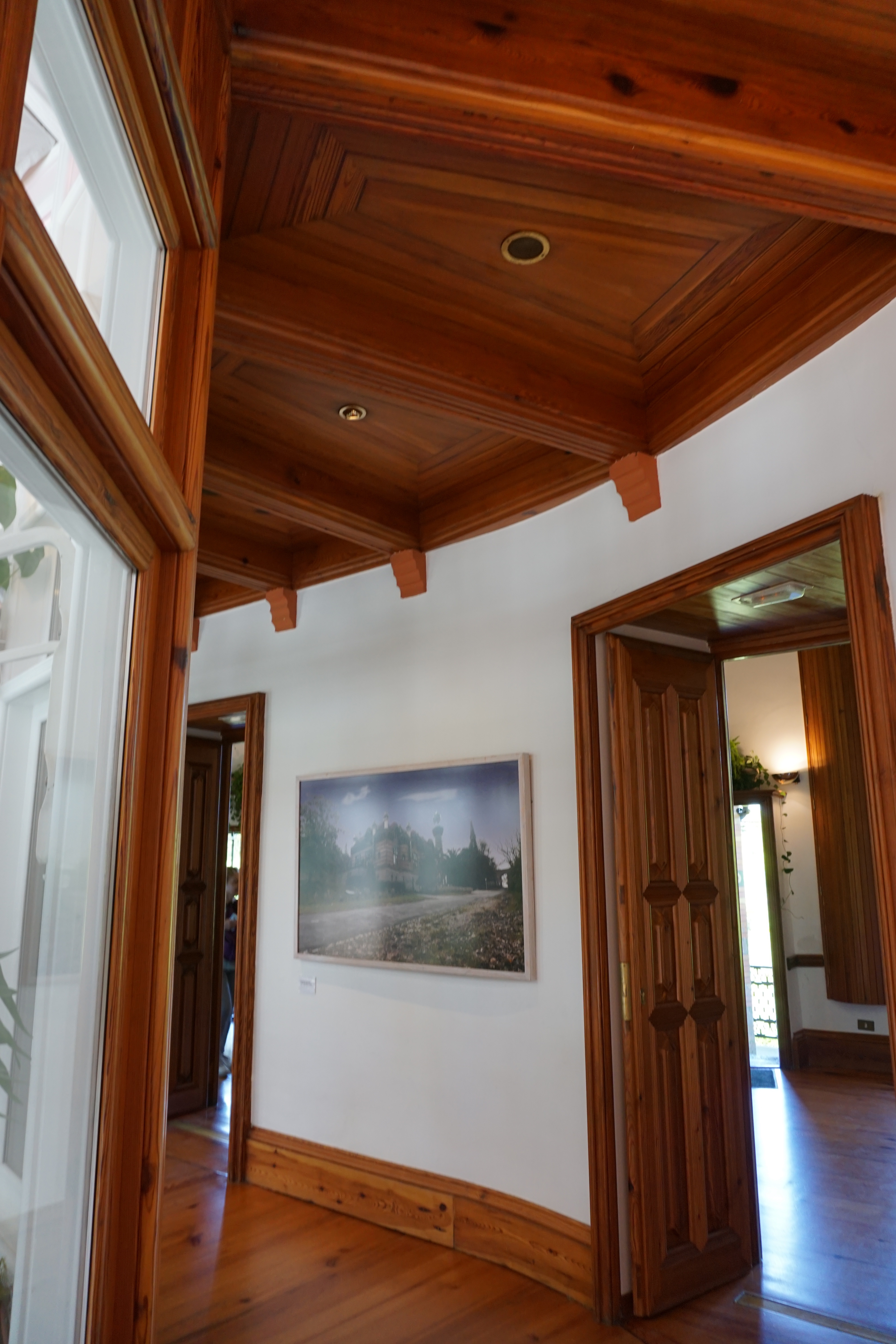
Hallway around the greenhouse. Nice use of natural light.

That wood!

He designs furniture too

More Gaudi

Fatehpur Sikri

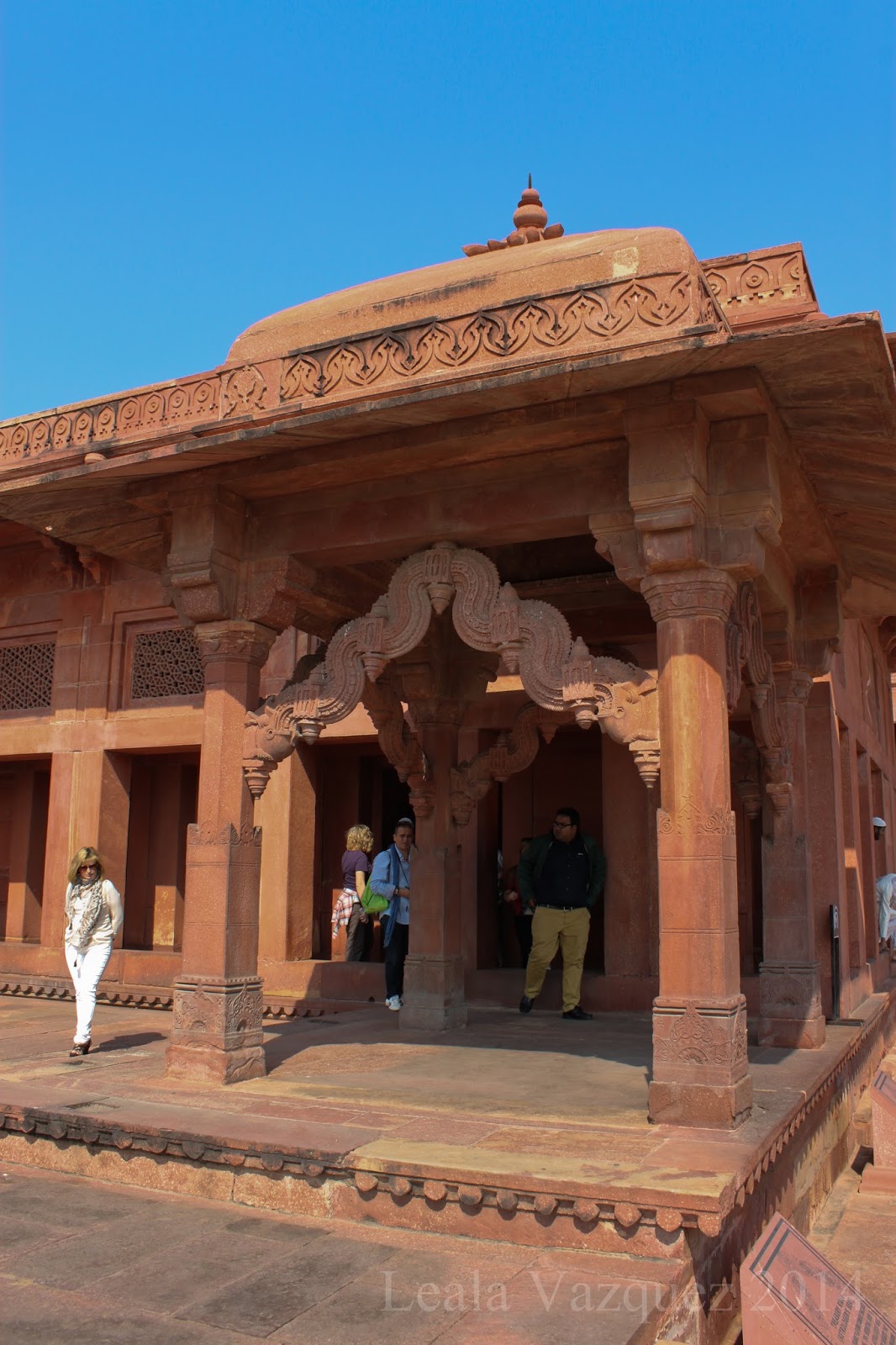
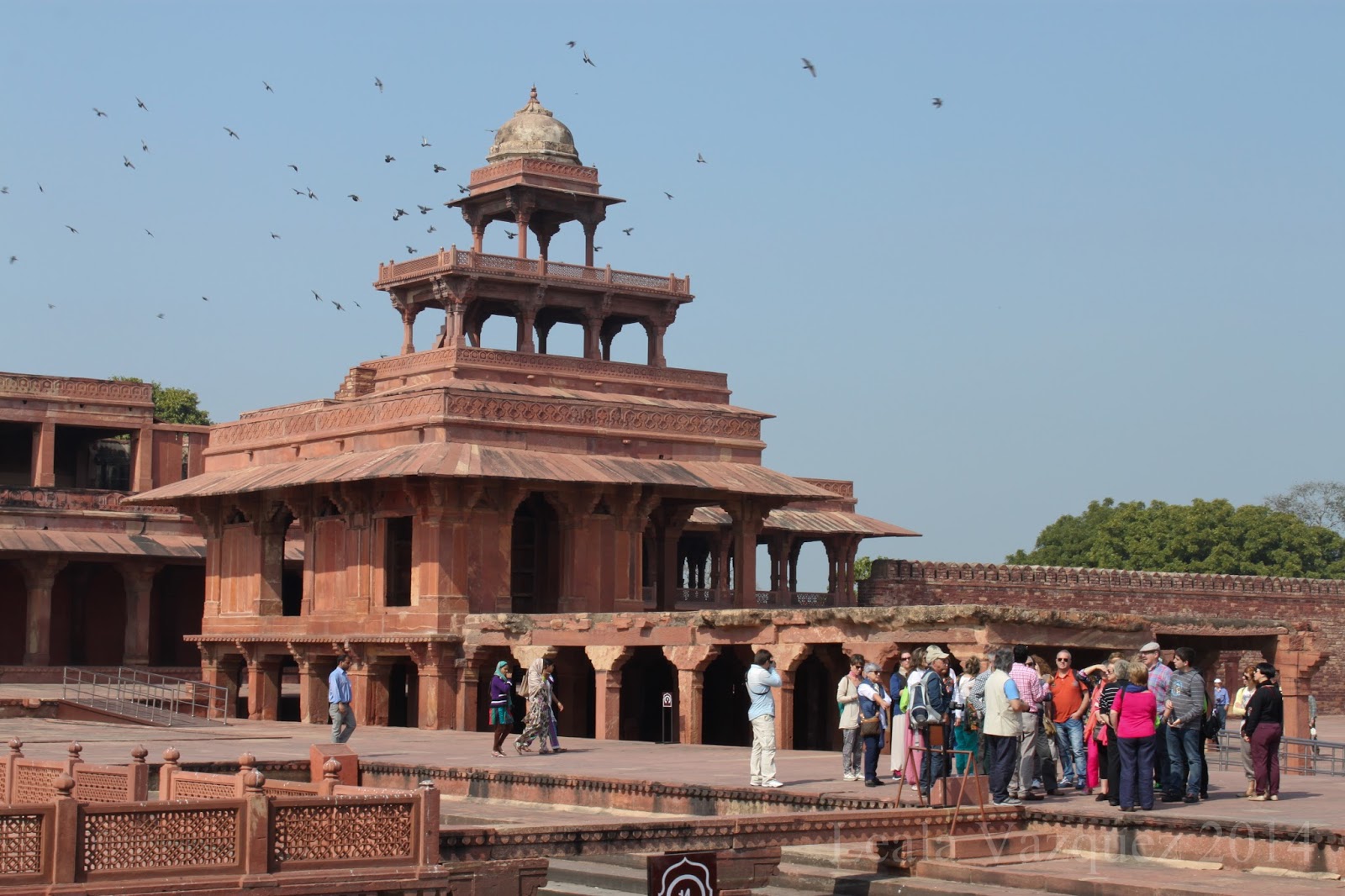
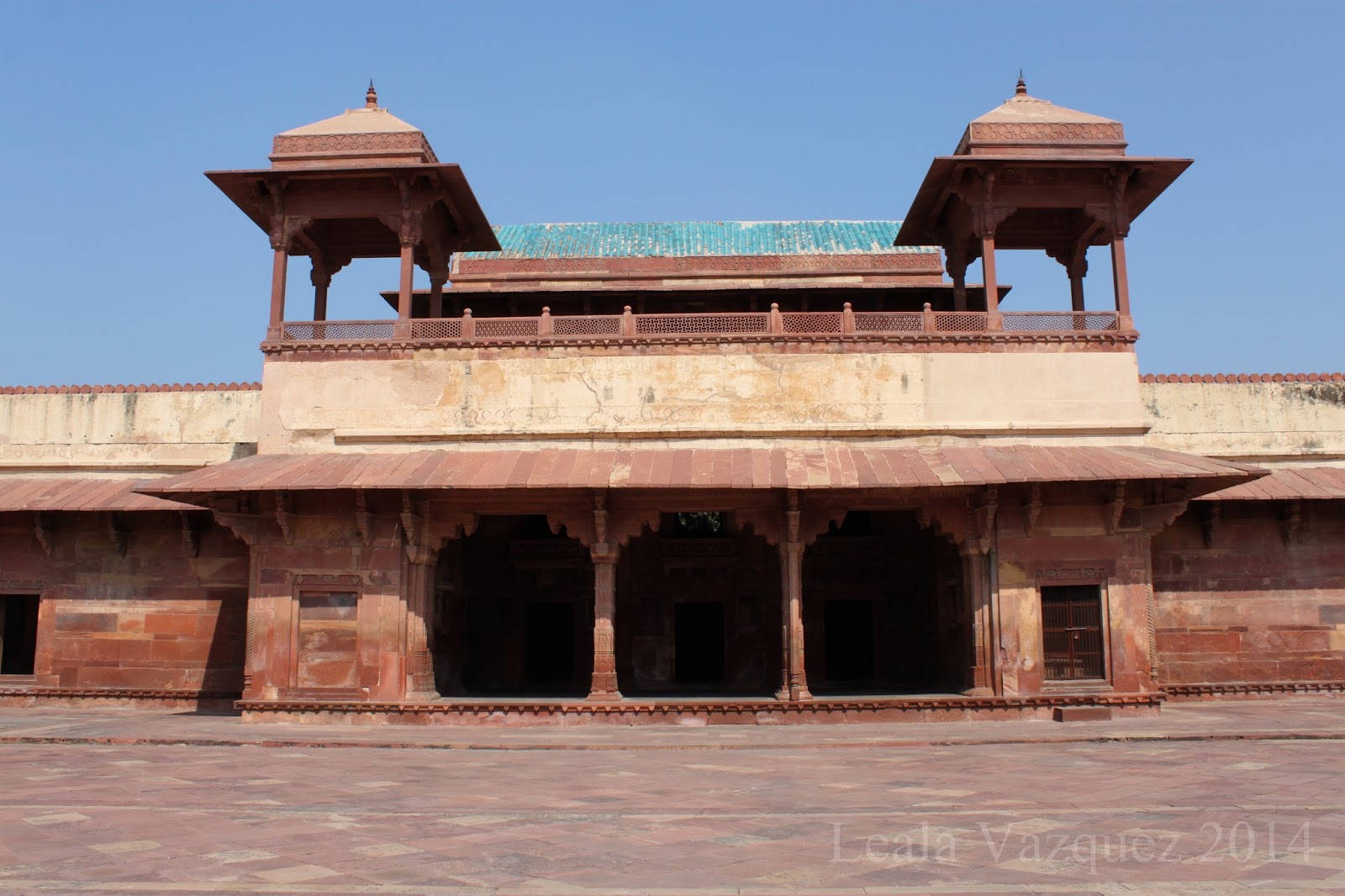
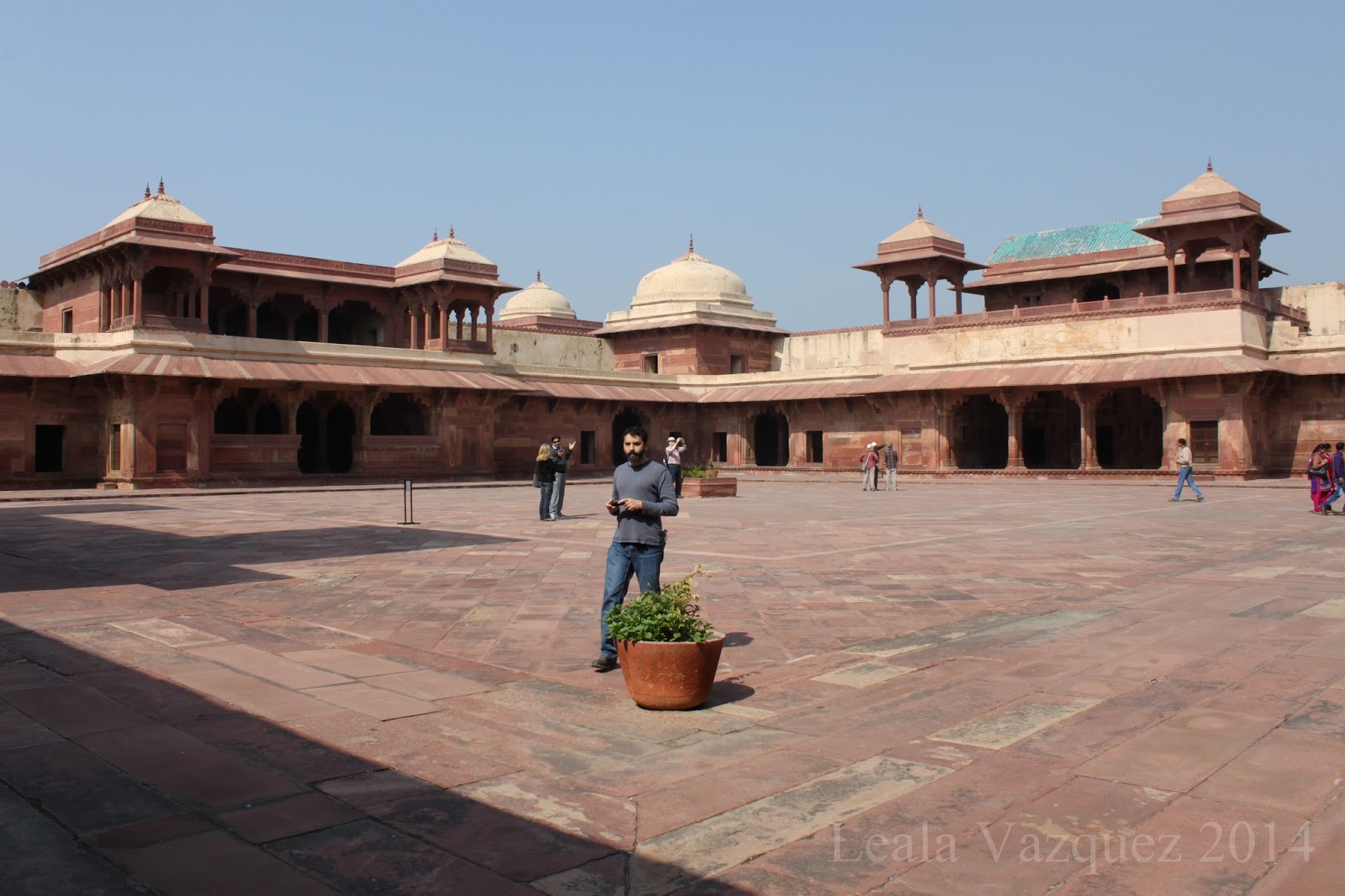
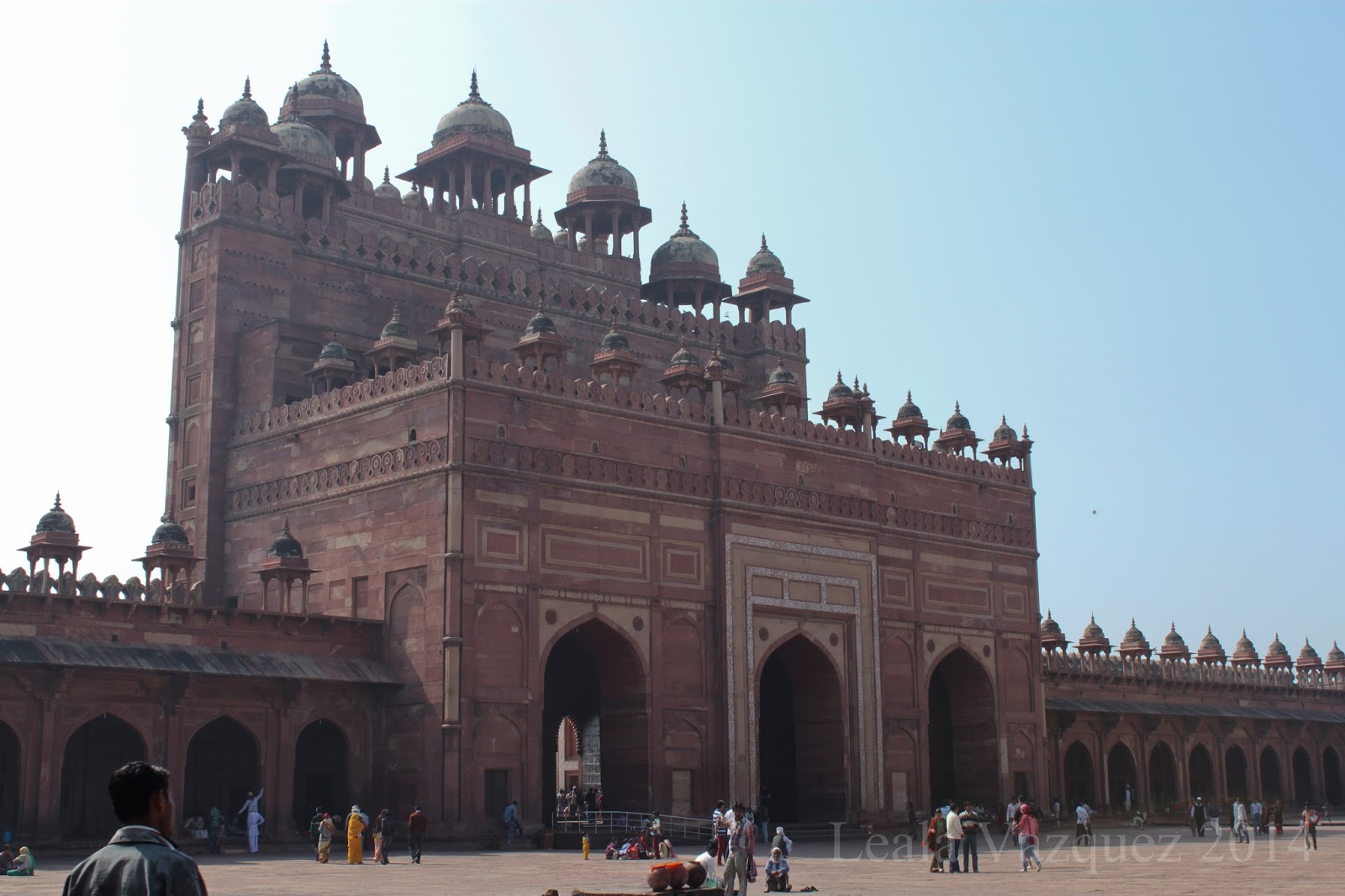
After 25 miles from Agra lies some very interesting sandstone buildings in the city of Fatehpur Sikri. It was capital of the Mughal empire for a time during the 1500’s. The ruler Akbar had multiple wives of different religions because of that you can see a mix of faiths in the design and architecture.
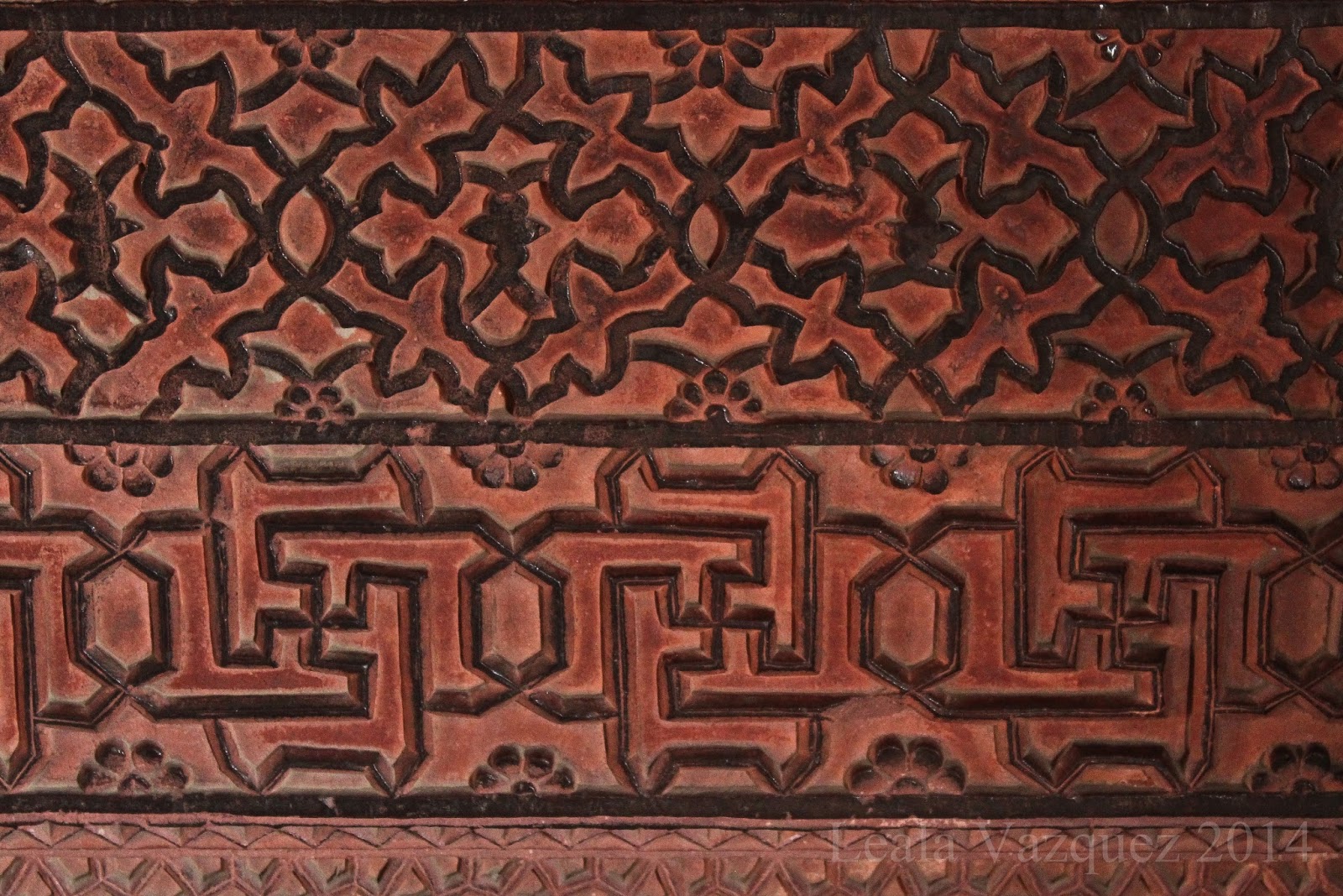
I love the integration of all the different symbols on the walls.

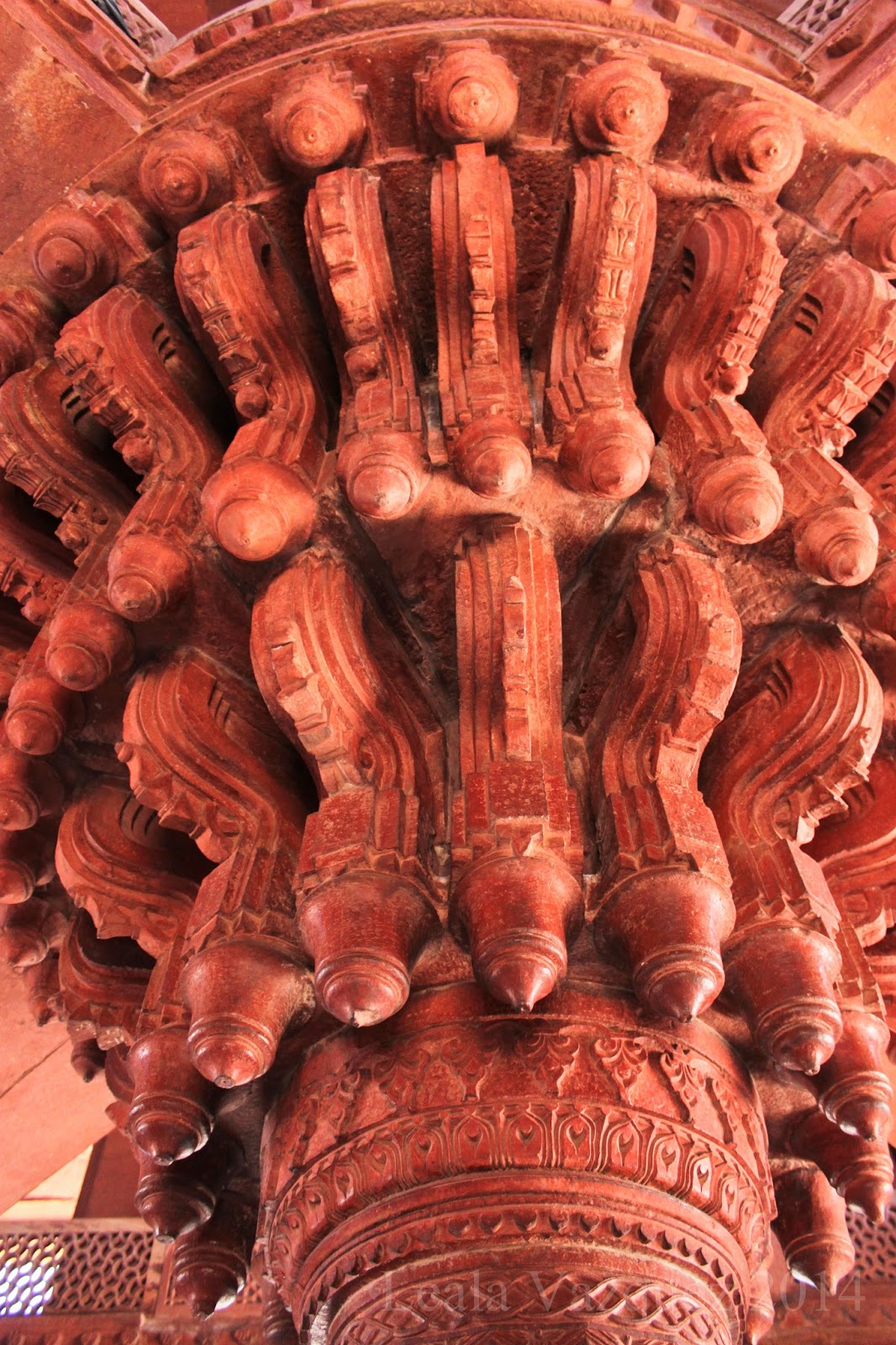
The central pillar of Diwan-i-khas

Panch Mahal

Diwan-i-Khas – Hall of Private Audience

“Life” designs not seen in too much Mughal architecture.

This is a bed. So high!!!

Queen’s Palace

A squirrel buddy at a nearby tree.

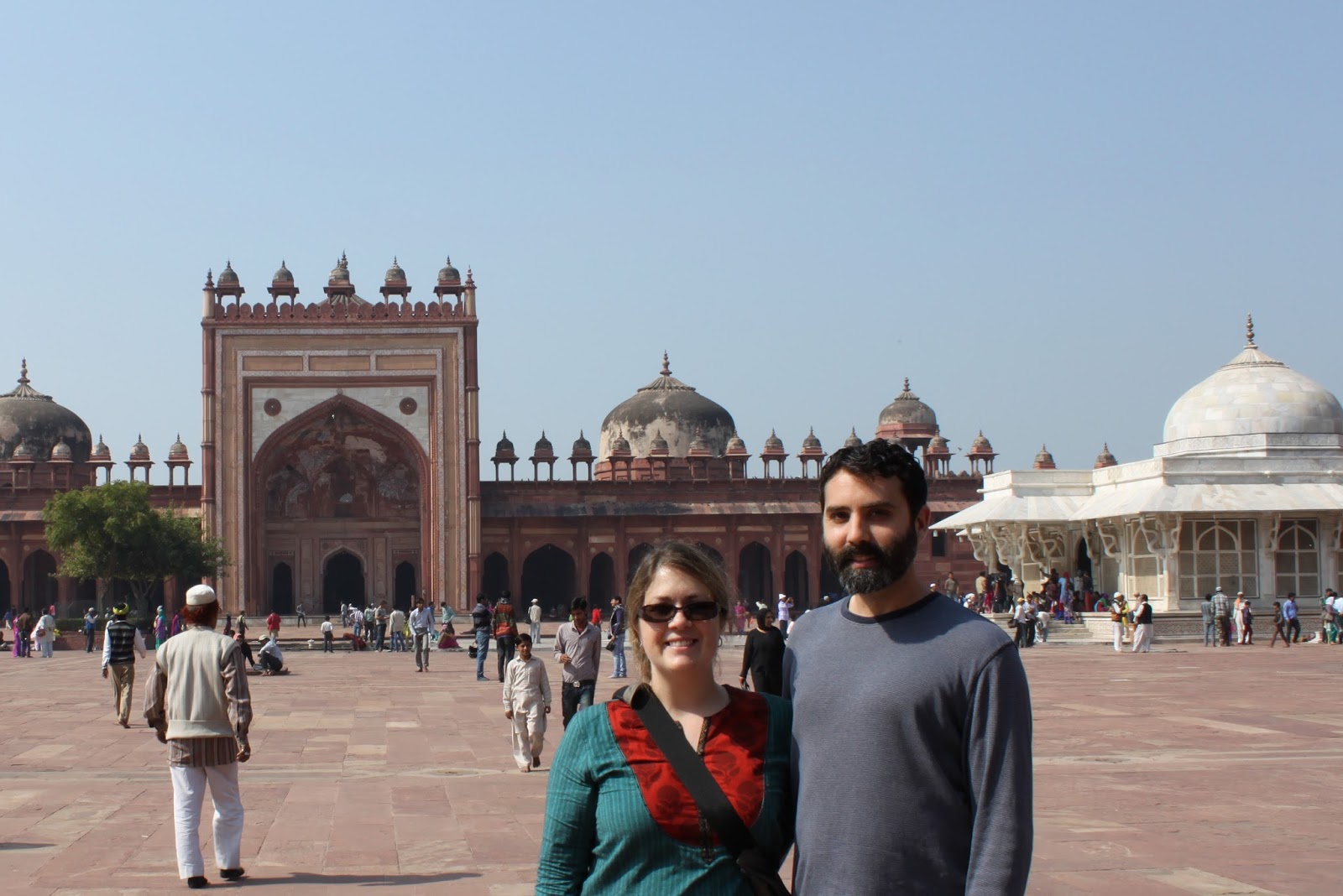
Jama Masjid (mosque)

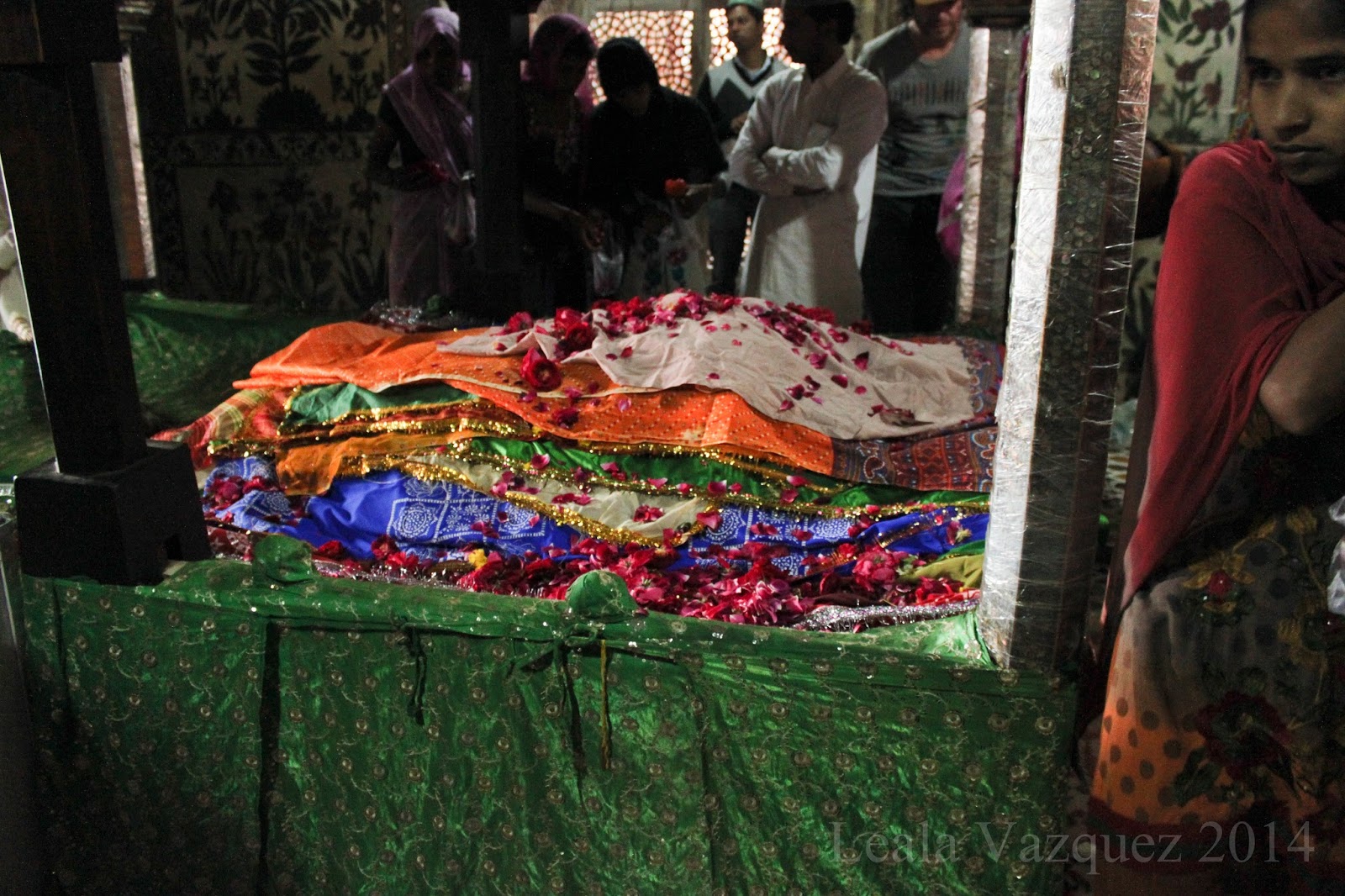
Tomb of Salim Chishti

Taj Mahal

During my trip to India earlier this year I got to visit the Taj Mahal twice. For the first visit the company that was hosting us chartered a bus to take us. For the second visit my husband and I had a private tour.

The Great gate

Calligraphy

And there it is after crossing through the gate.

You have to wear show covers to walk inside.

Very detailed stone work.

Minaret

The mosque

Side building

Later they took us to see stone artisans in action.

And there is always an opportunity to buy.

Sevilla: Alcazar

The Courtyard of the Maidens

One of the treats of visiting Sevilla is getting to see Moorish architecture. The moors ruled this part of Southern Spain from about 712 – 1248 AD, when it was incorporated into Christian Spanish rule.
The Alcazar in Sevilla started as a Moorish fort and then as a royal place. It is a great representation of traditional spanish Muslim architecture or mudéjar. Mudéjar was a unique style that represented both Christian and Muslim style symbols.

The Virgin of the Navigators

The Virgin of the Navigators is a christian painting that shows Mary protecting the explorers. You can see Christopher Columbus represented in the painting.

Inside the palace, many symbols are represented in the designs.

The palace also has a nice garden to stroll around.

More inside photos

Nice wall tapestry hanging in Alcazar.

As one can see, the Alcazar is on the must see list of a visit to the beautiful city of Seville.