Cartagena: Getsemani

It is M’s first full day in Cartagena with me. We have booked a cruise to the Rosario Islands. We could have traveled directly to an island to do a day of relaxing on the beach but from reviews it doesn’t seem like a relaxing option due to beach vendors constantly bothering you.

There are a couple different choices for a day cruise ranging from packed-like-sardines in a speedboat to a luxury yacht cruise. The speedboat option seems like it could be fun but we both agree we would prefer the more laid back (though more expensive) catamaran tour.

There is an early start of 8:00 for our tour. We leave early to ensure we arrive in time.

Morning walk to our boat tour

One we arrive we wait at the marina for quite a while.

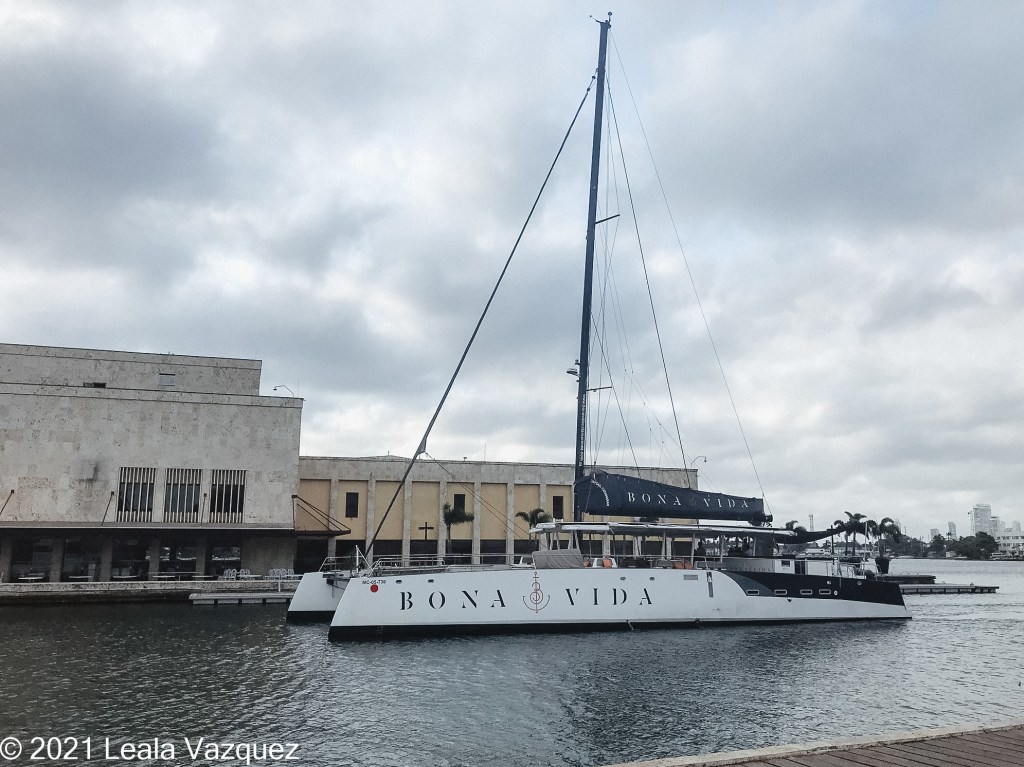
Finally our boat arrives. It is a lovely sight to see.

After arrival we still wait to board. Eventually the staff announces that they are cancelling the cruise for the day due to strong winds at sea. We are disappointed.

Luckily we can reschedule in a couple days. There is already a line of people waiting for refunds to be processed or to book another day. They let us onto the boat to wait in comfort which is great because we get to use the very clean bathroom downstairs. M has a great idea of getting cheap morning beers from one of the vendors on the dock. It didn’t take much for her to talk me into one as well. We sip our beers while we wait our turn to rebook.

We have rebooked and the day is still early. We have a free day we did not plan for. We head from the marina area and decide to explore town a bit, stopping first in a nearby museum.

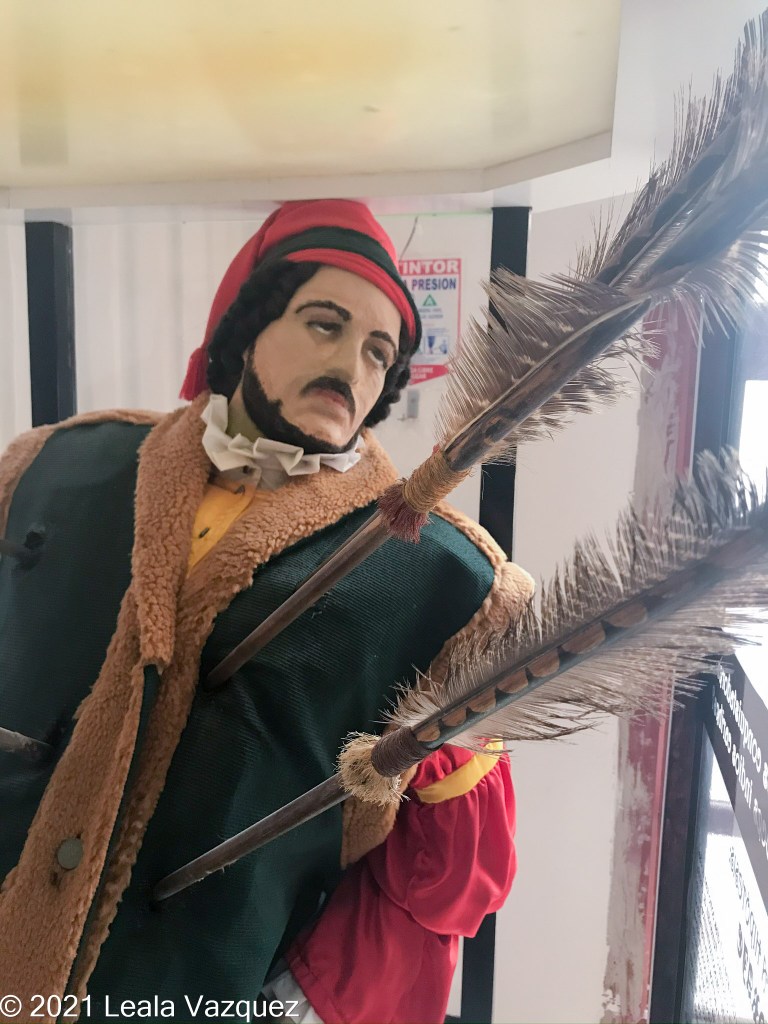
The museum we stop at is the Museo Naval del Caribe, the Museum of the Colombian Navy.

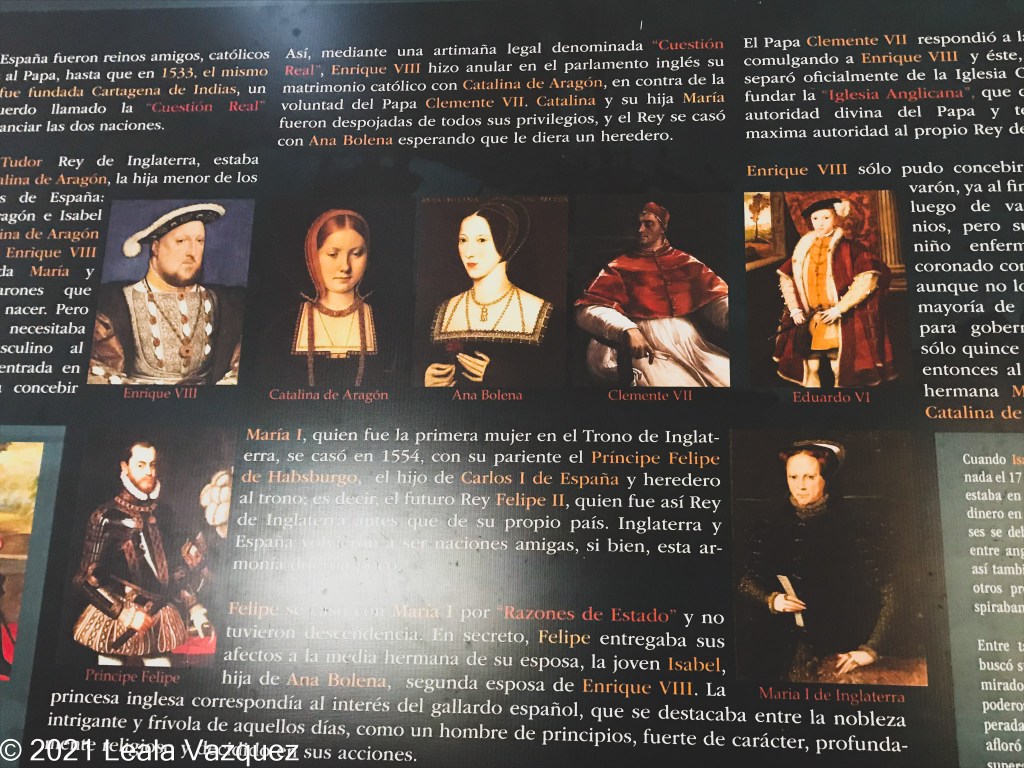
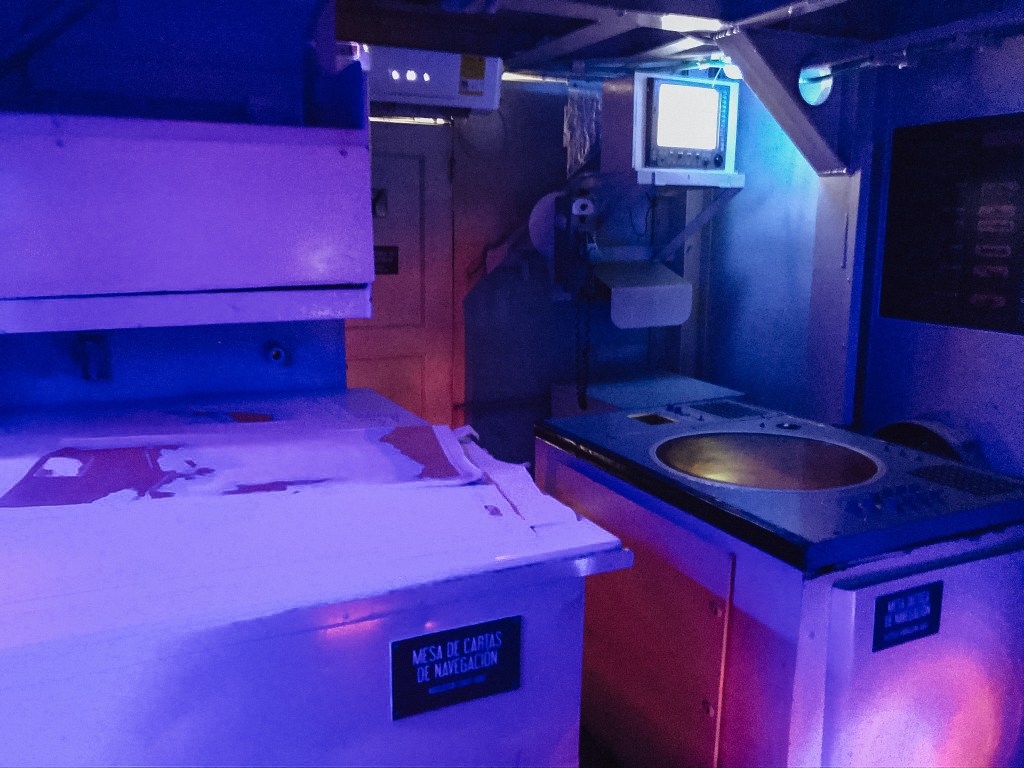
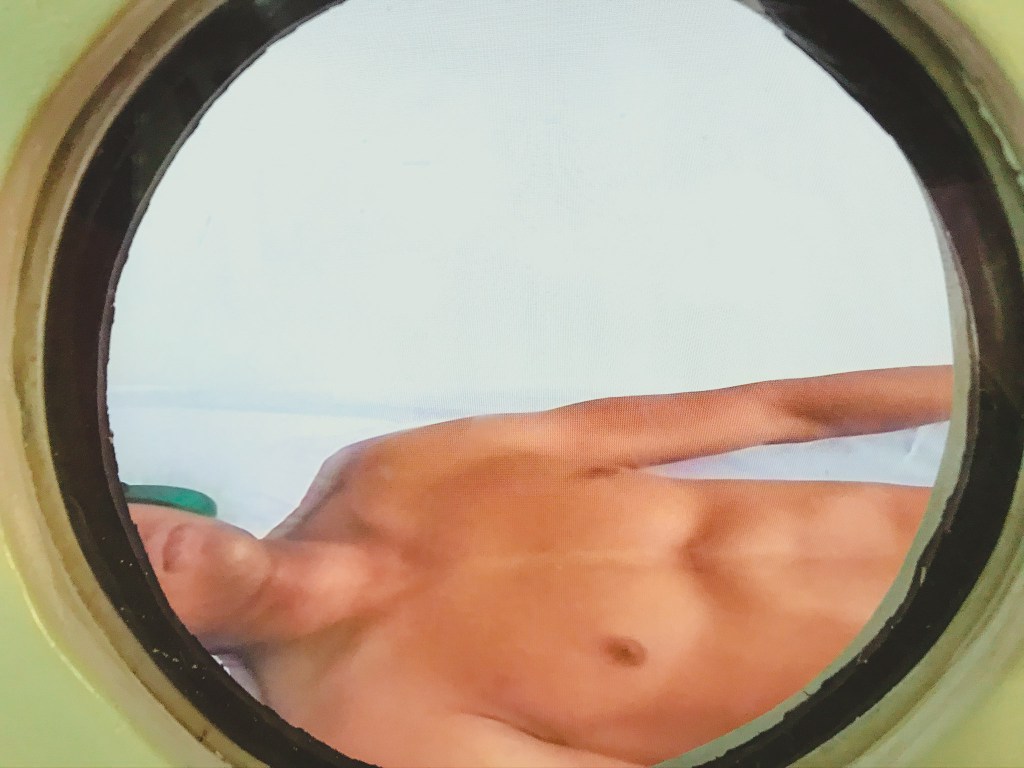
All the exhibits are in Spanish but we understand enough to get an idea of the history. The exhibits are heavy on the military and the sea. We had some playtime in a submarine for a bit.

Side Note: M and I combined have a pretty good grasp on Spanish. We seem to fill in each others gaps well. What she doesn’t remember I remember and vice-versa. It gives me a bit more confidence.

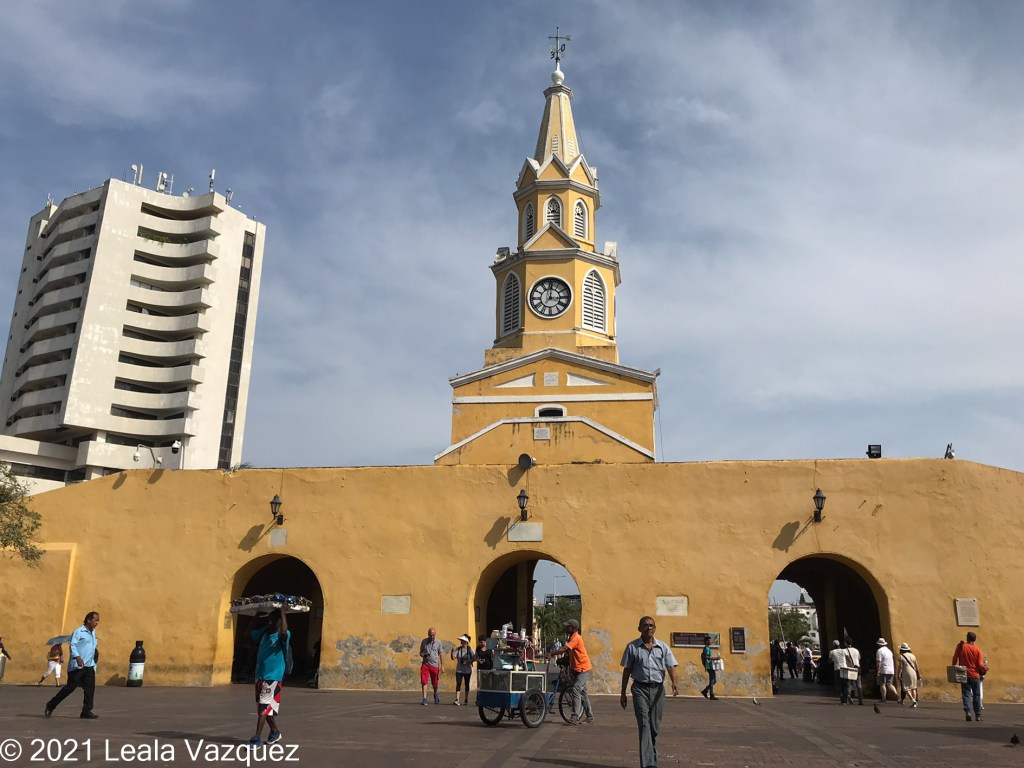
After the museum we decide to check out the funky neighborhood of Getsemani. Fortunately it is in walking distance so no taxi is necessary.

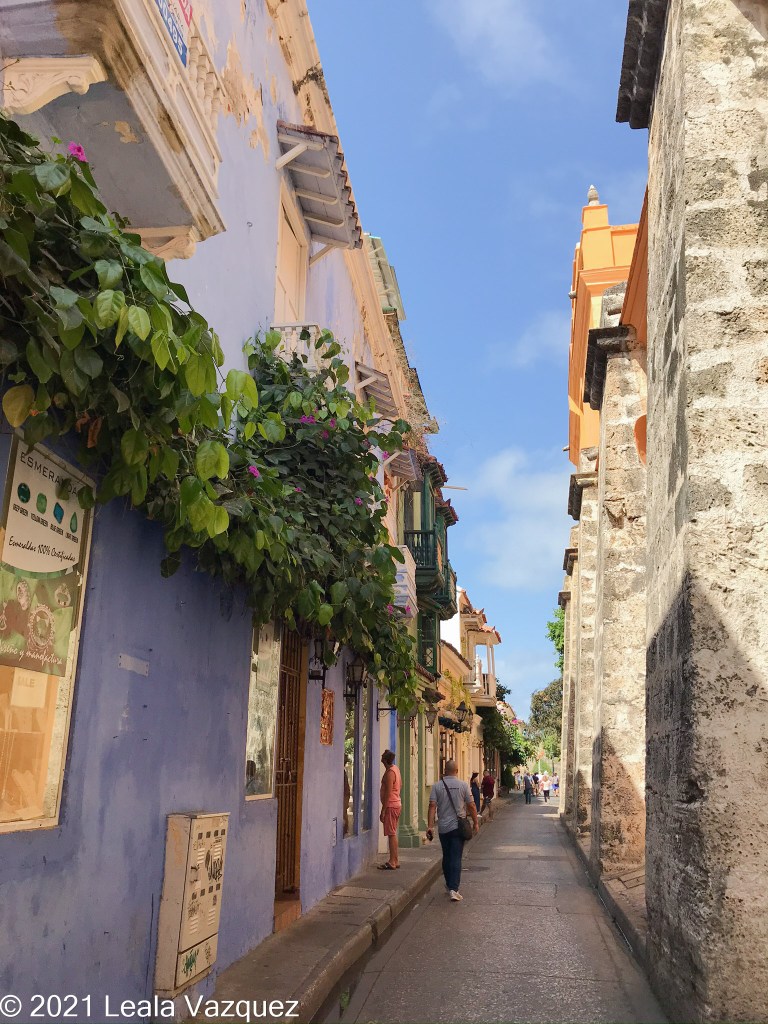
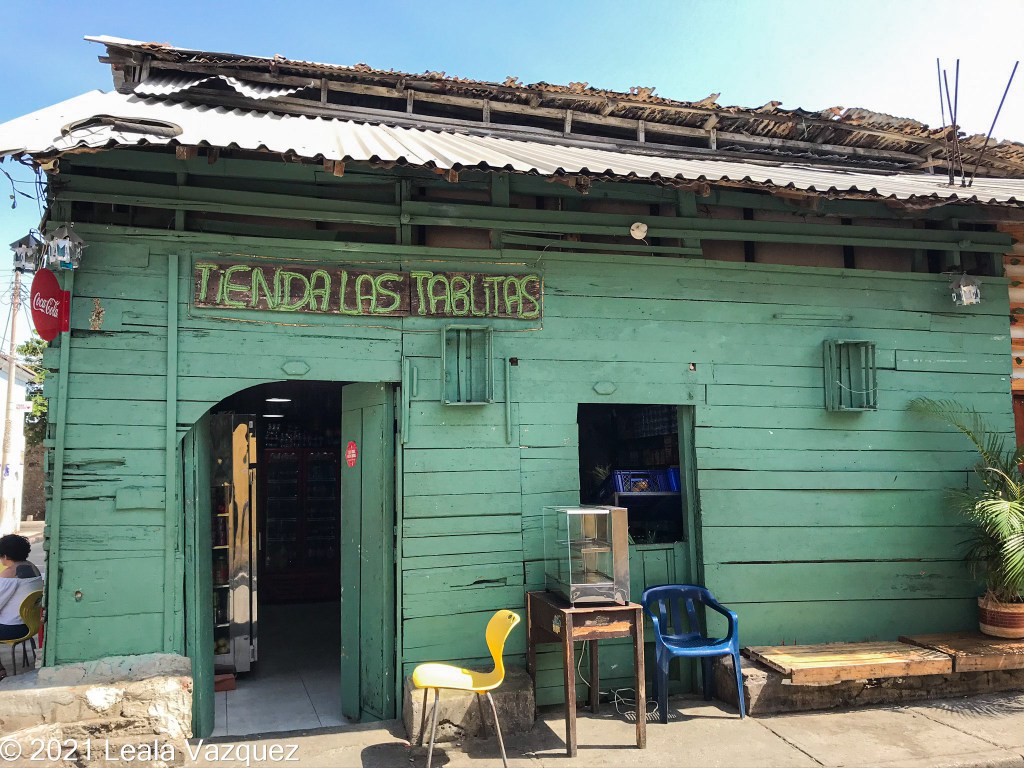
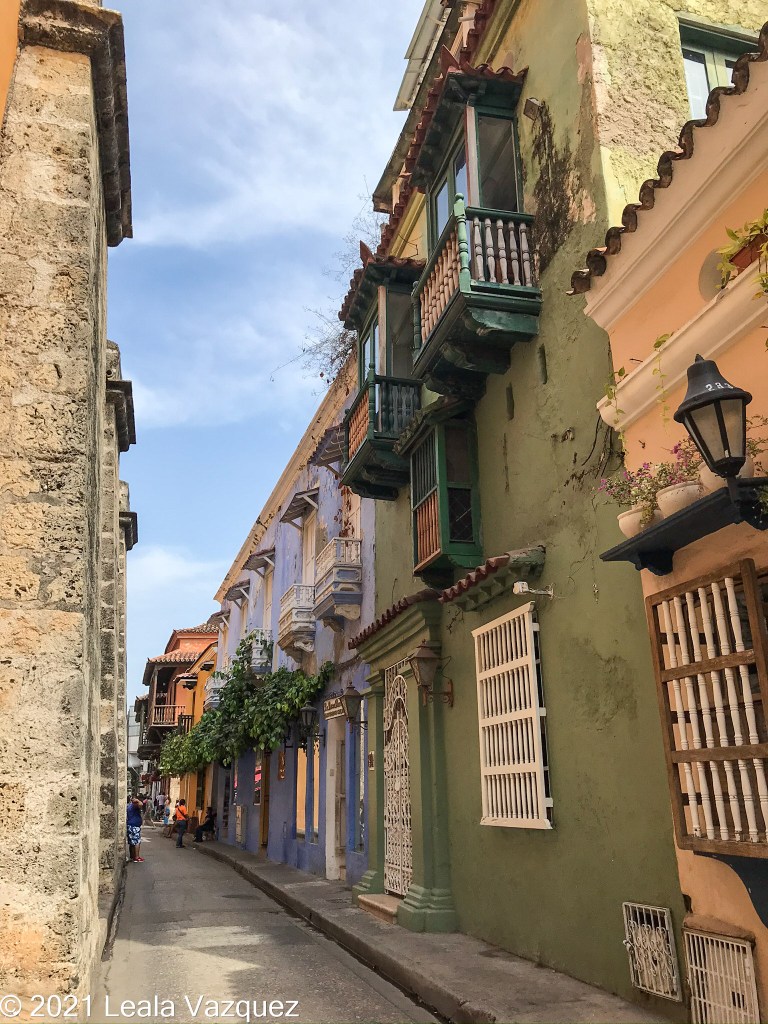
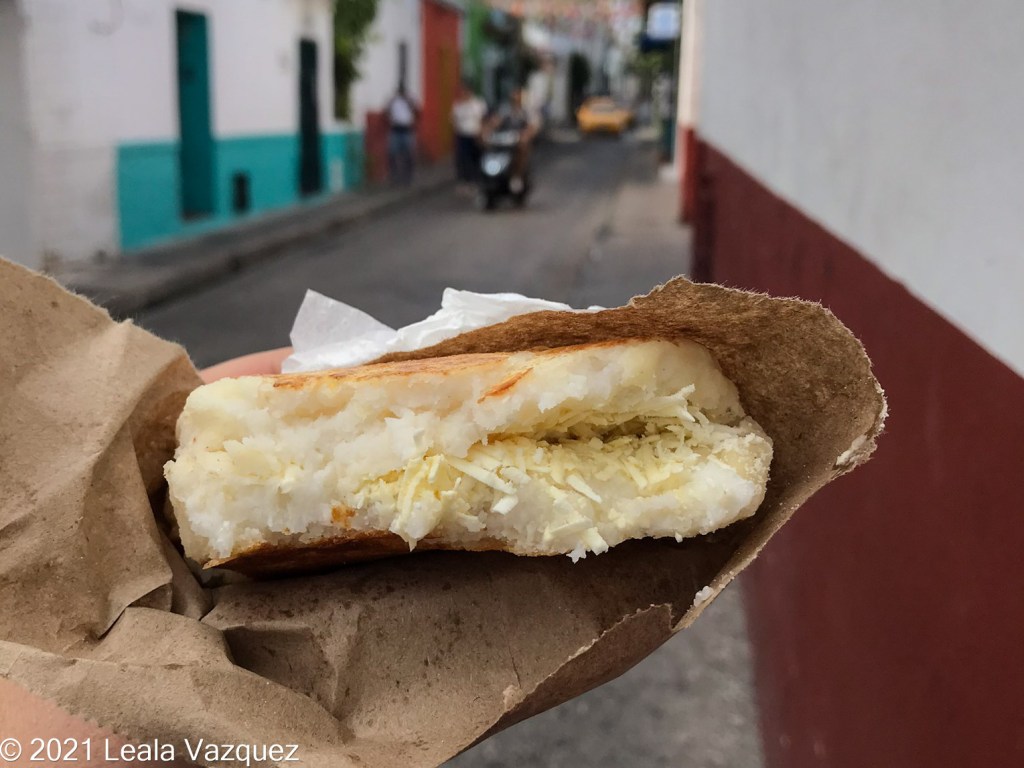
We pass through some more charming streets on the way and stop for arepas.

Narrow walkways

We stop at Quero Arepa for an arepa snack.

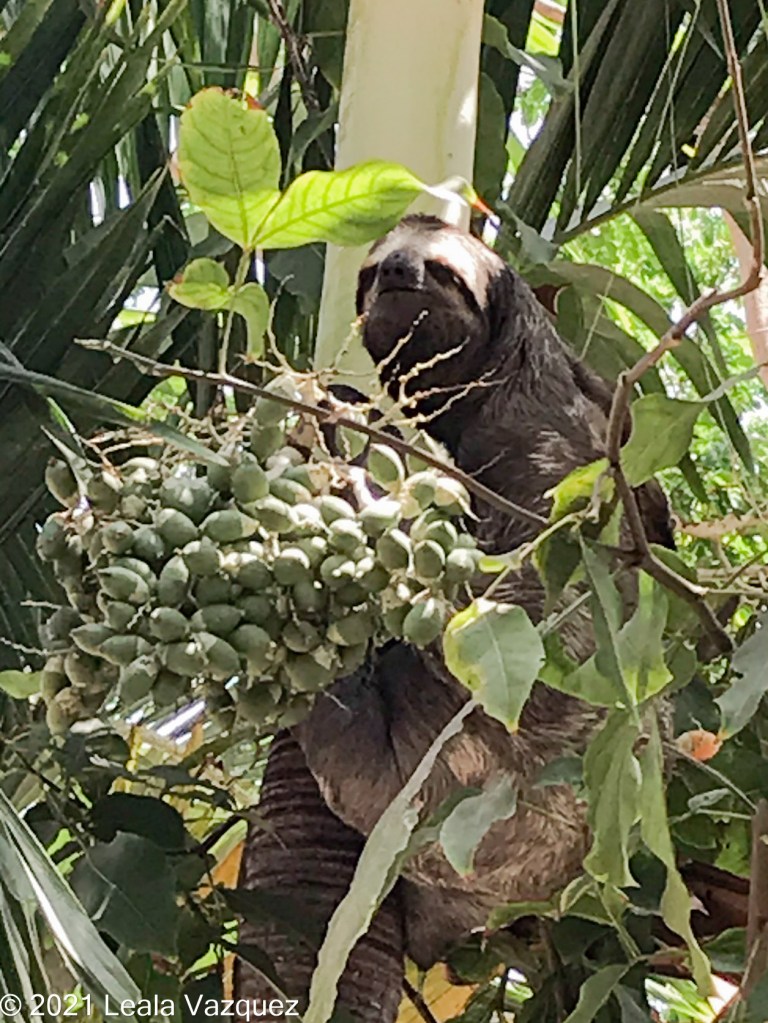
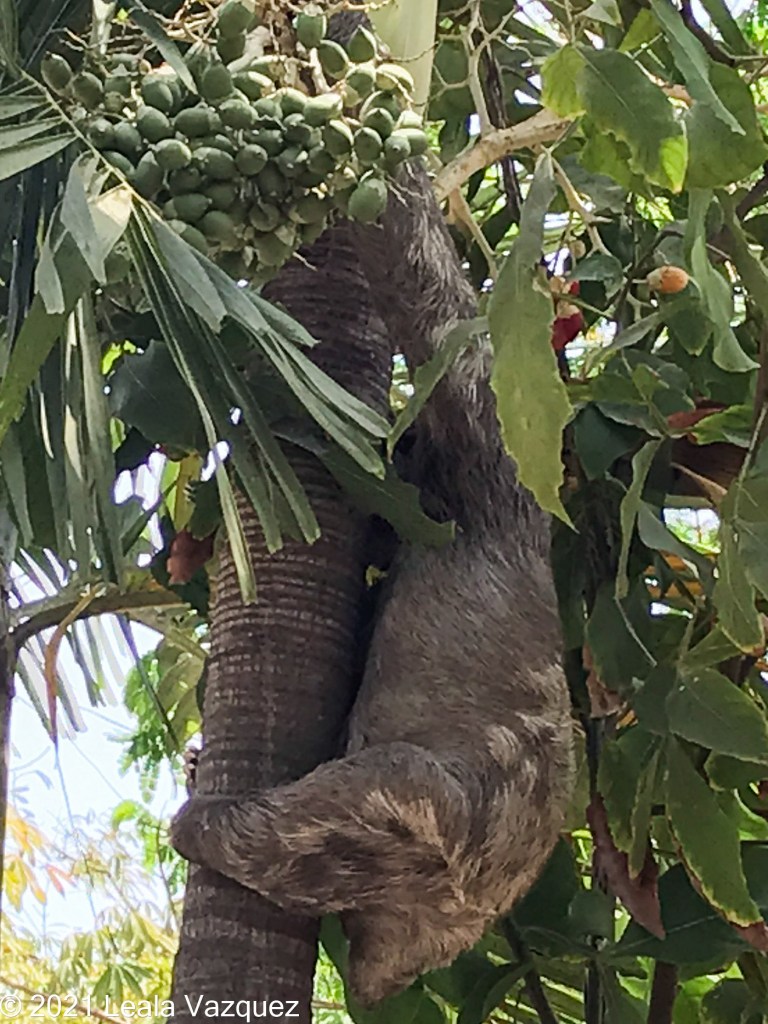
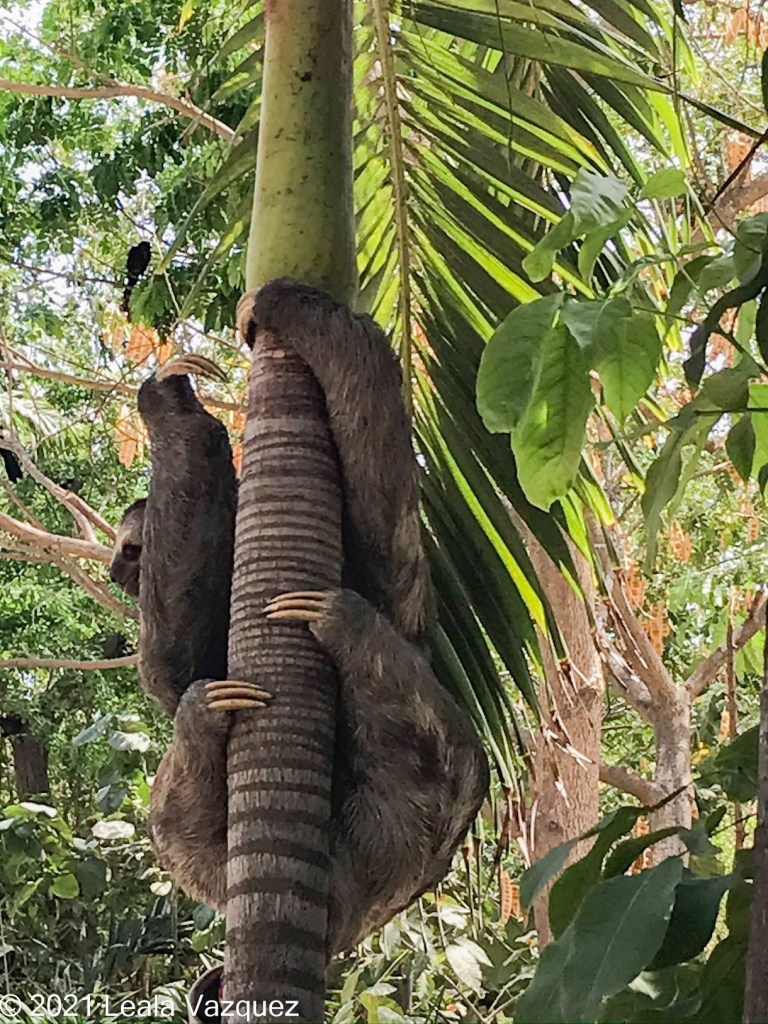
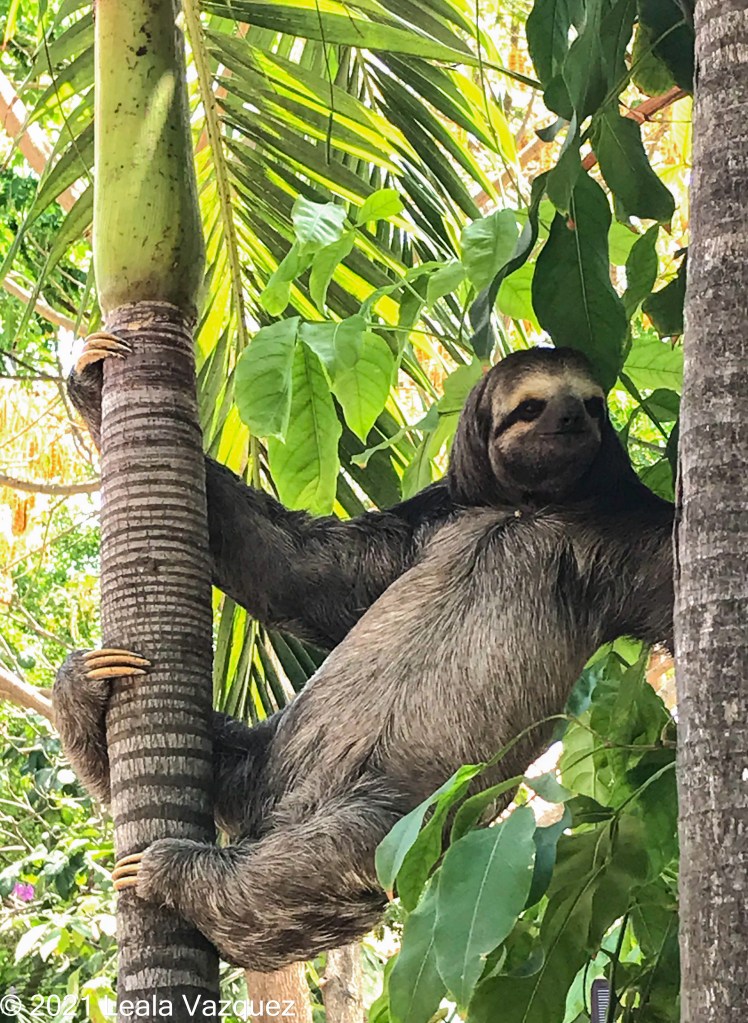
Sloth at Parque Del Centenario

We walk past Parque Del Centenario where it is said you can see monkeys but we instead find a sloth on a tree. He is snacking on some tree fruits. Some people are trying to feed him and pet him but we respectfully keep our distance.

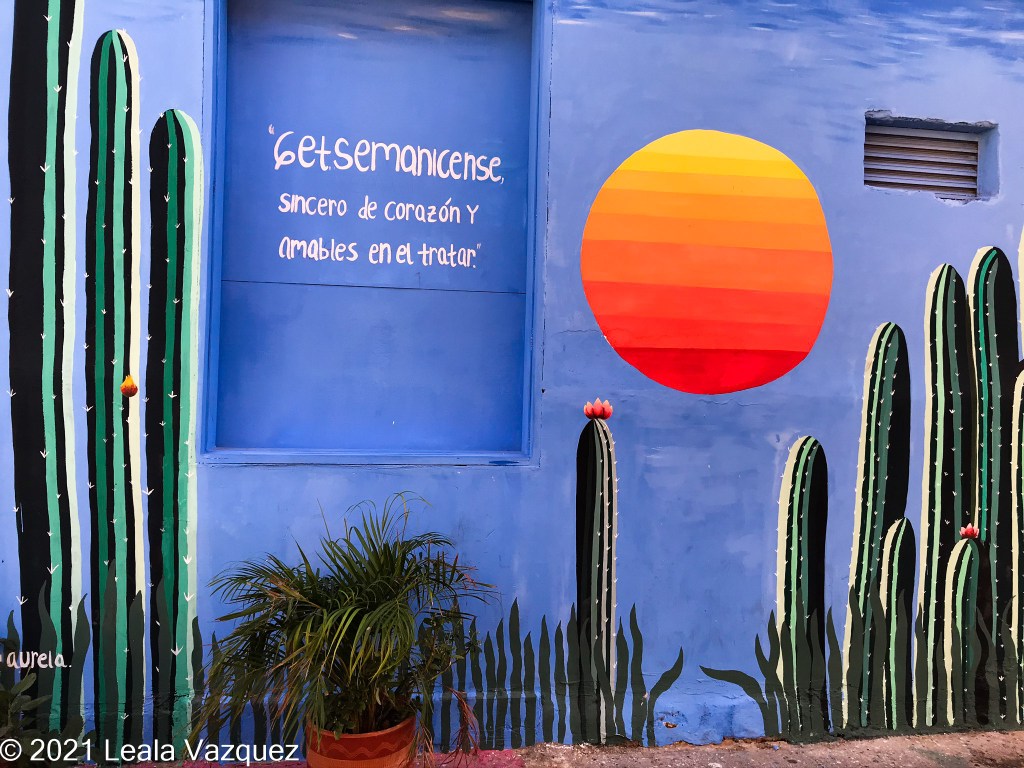
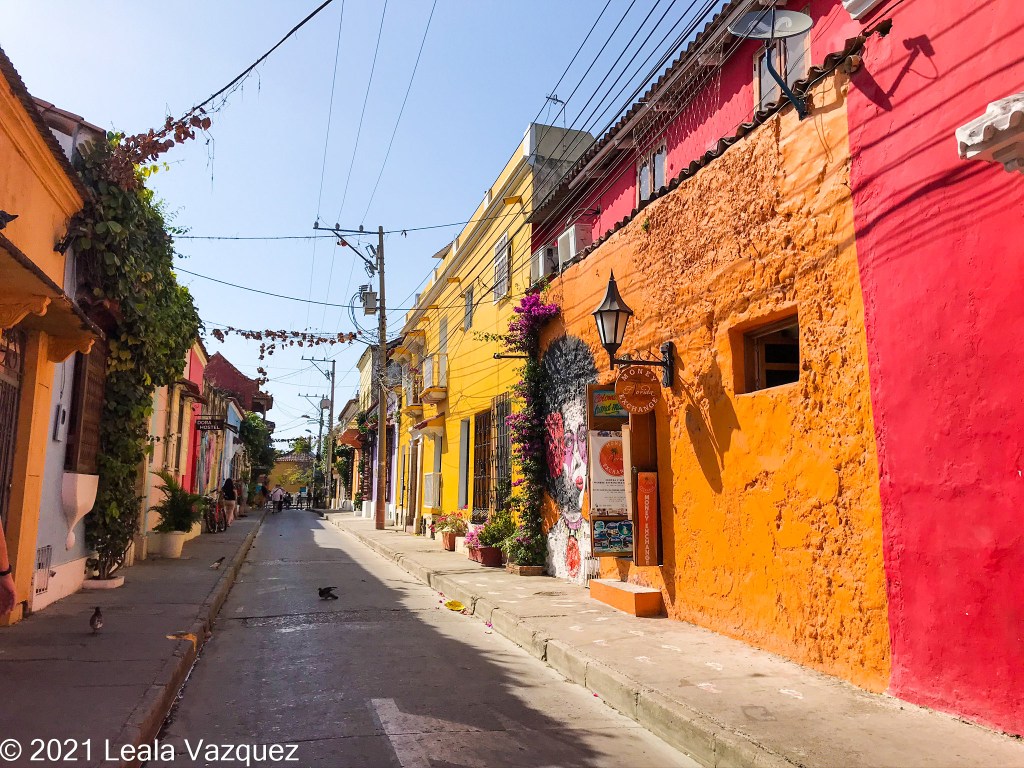
Getsemani

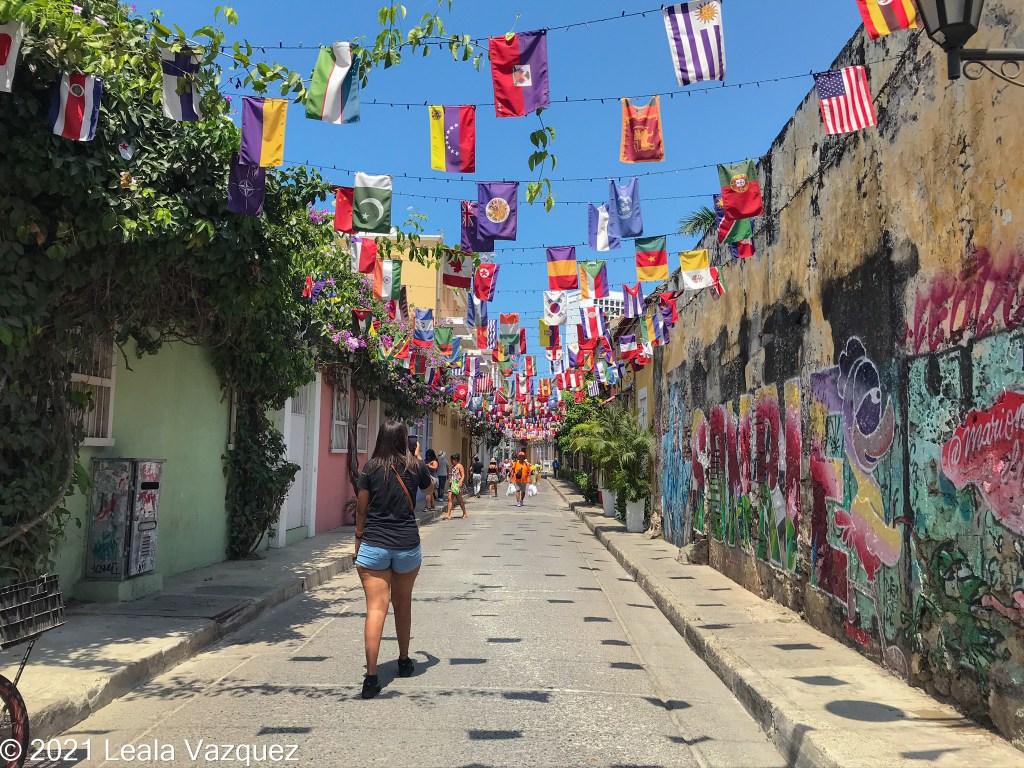
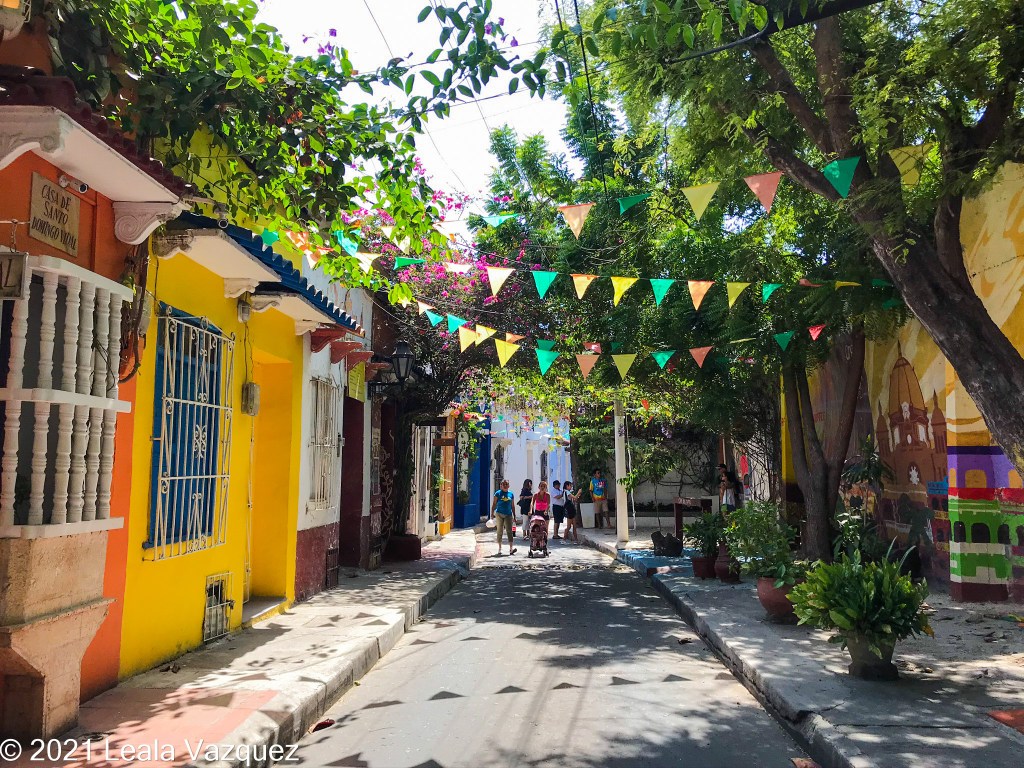
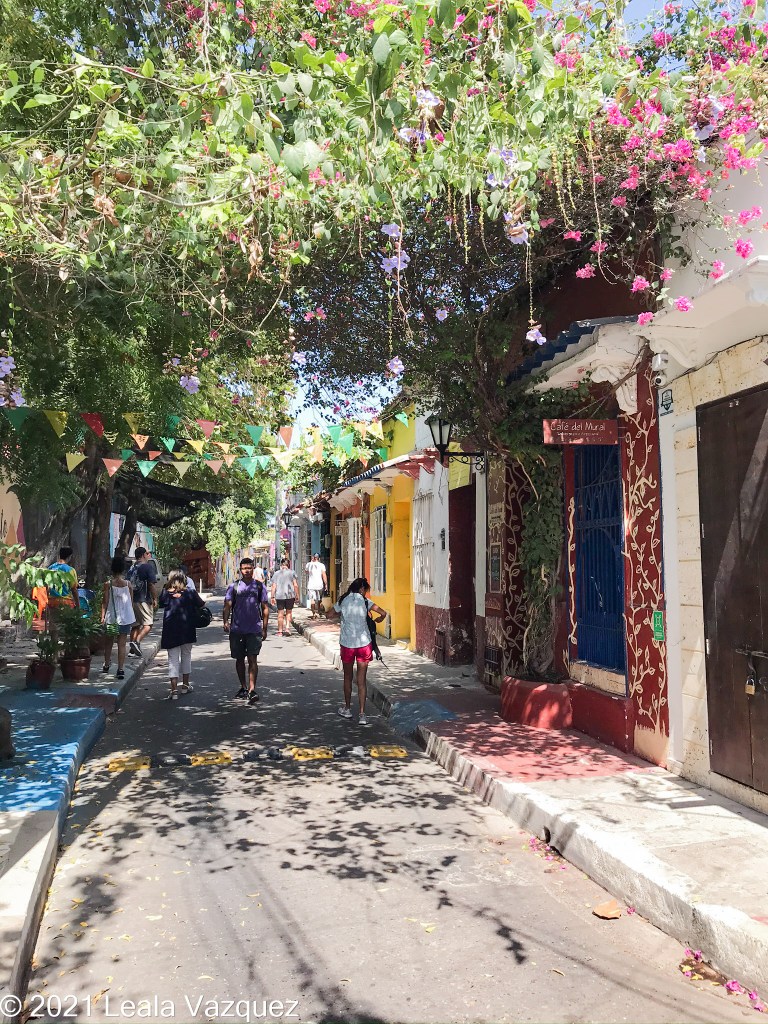
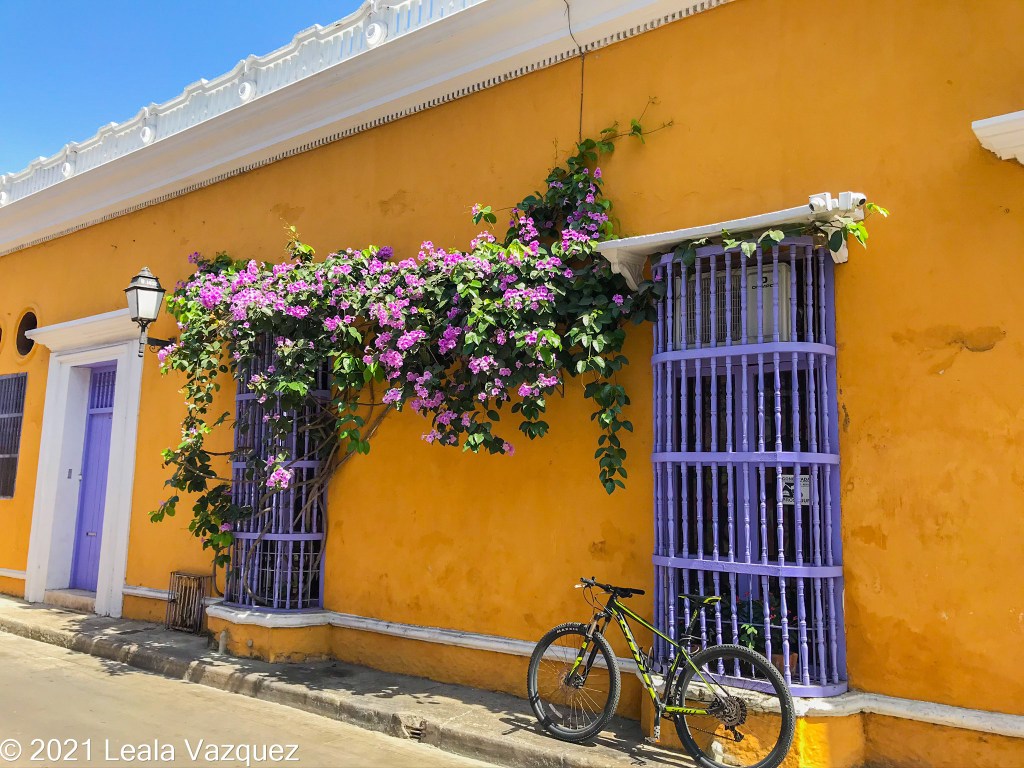
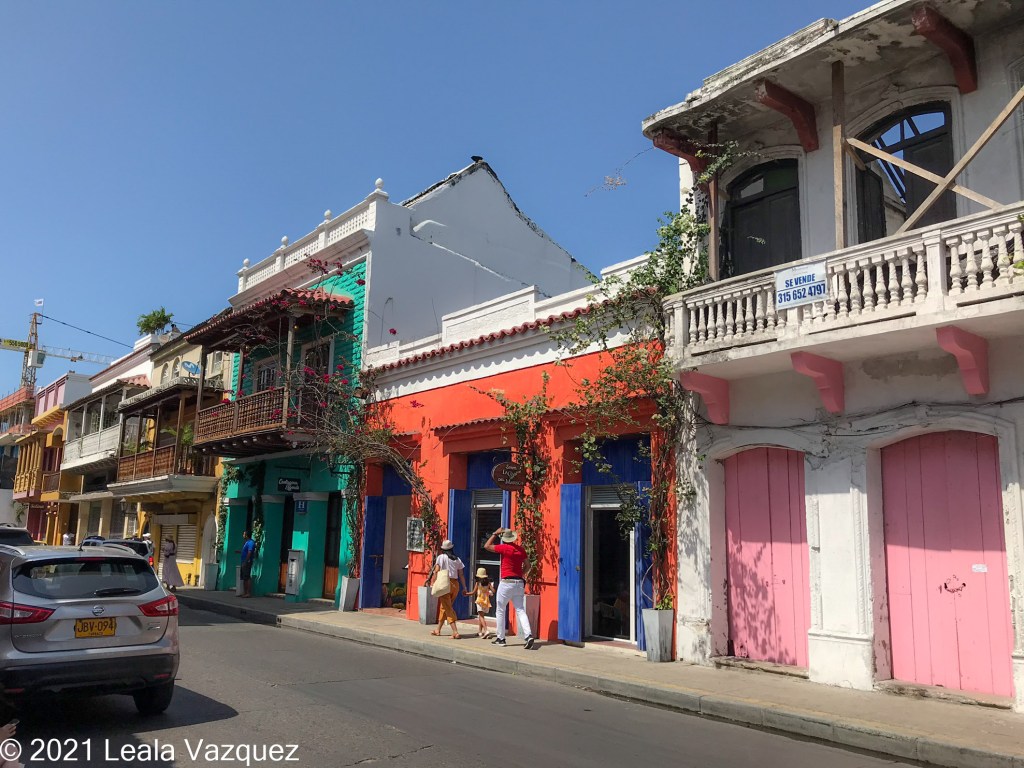
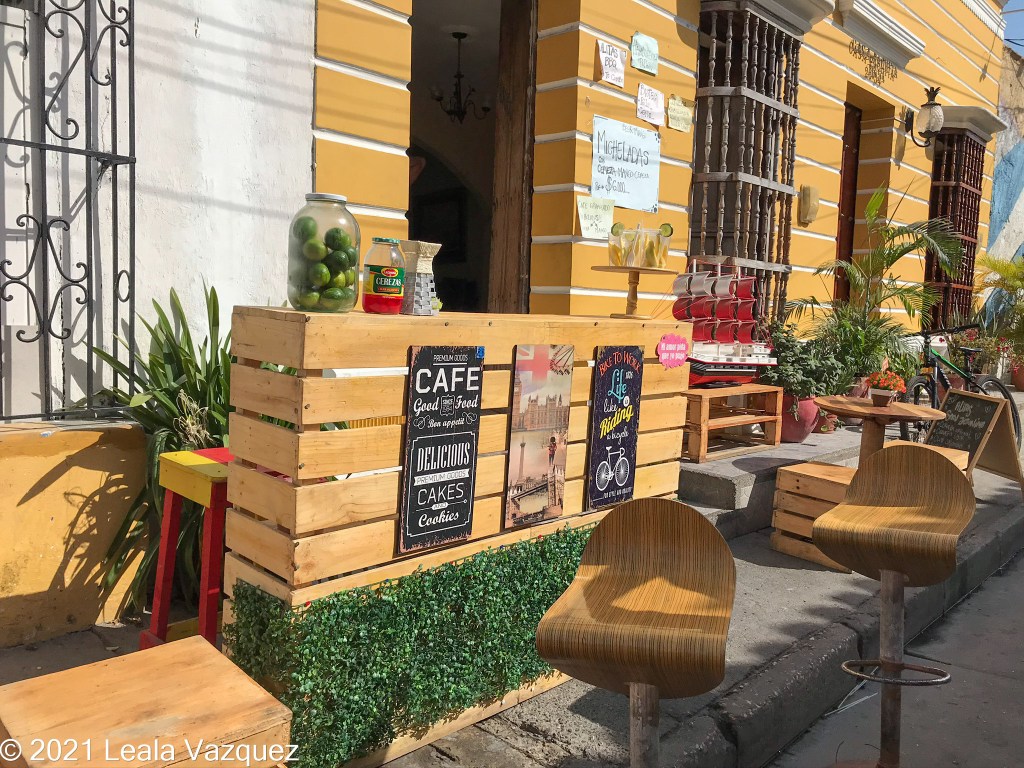
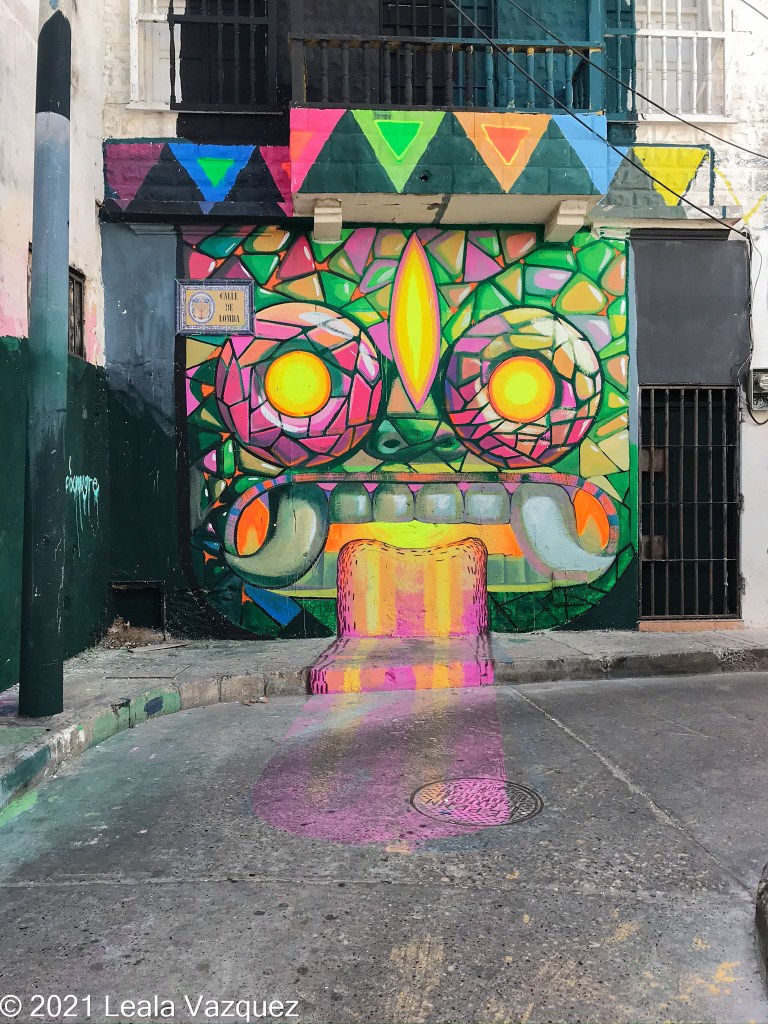
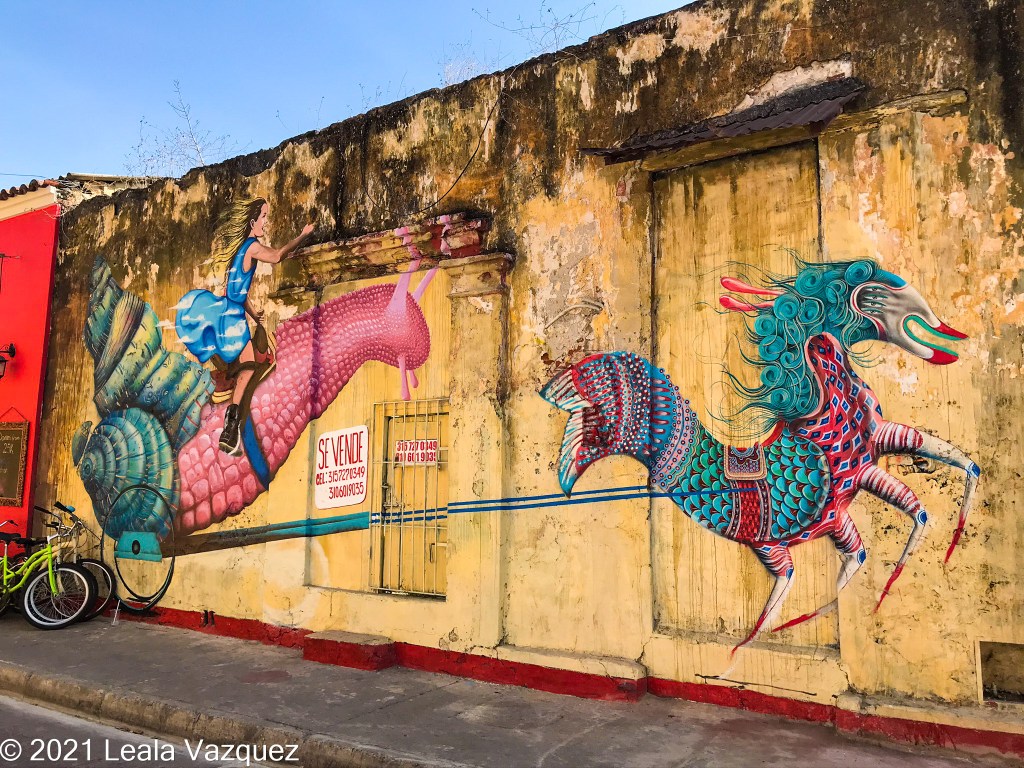
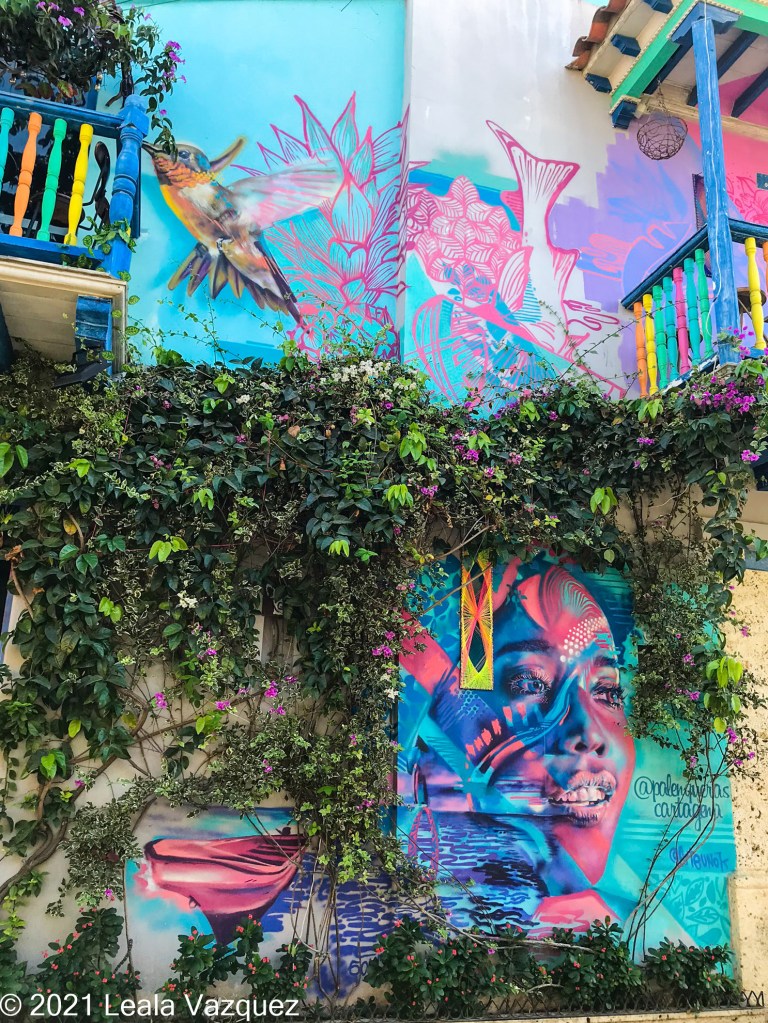
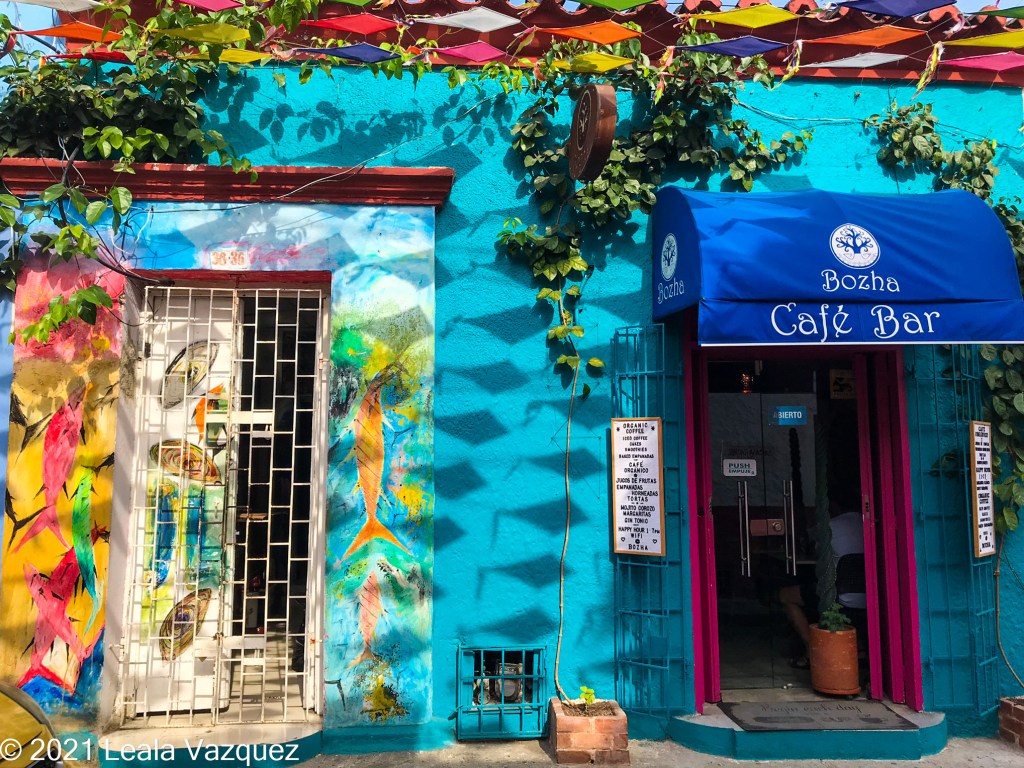
We have arrived in Getsemani. The neighborhood of Getsemani is funky and colorful. We originally considered staying in his neighborhood but opted to be closer to the tourist sites. If I am ever to return I am definitely staying in Getsemani. I really like the vibe.

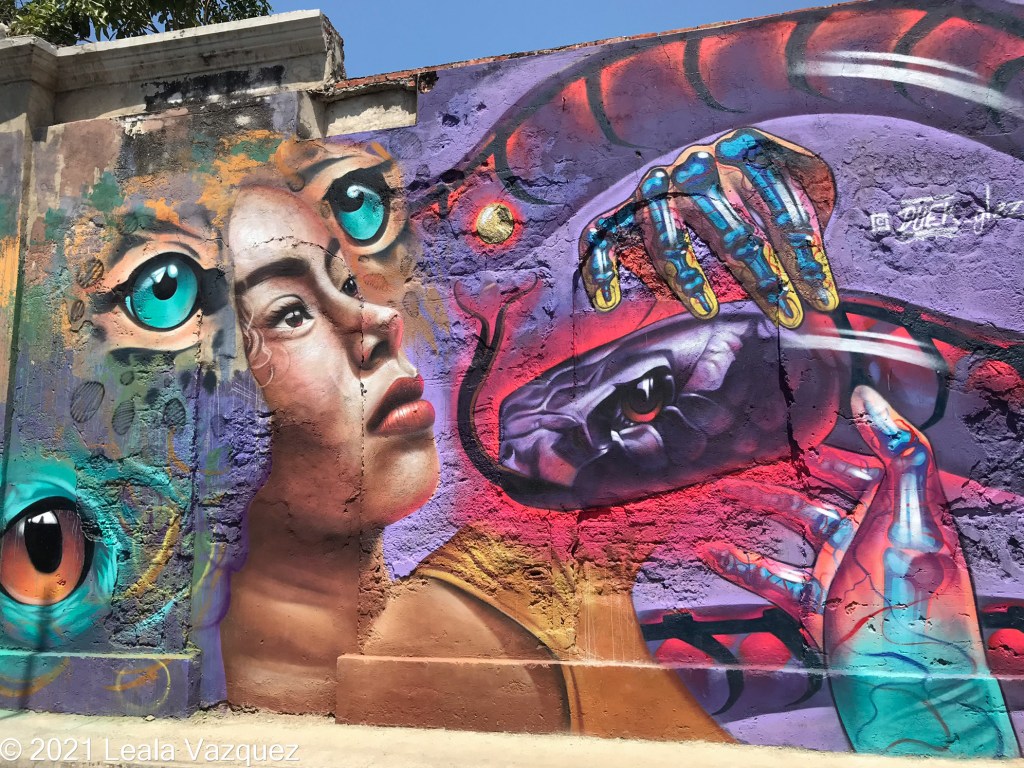
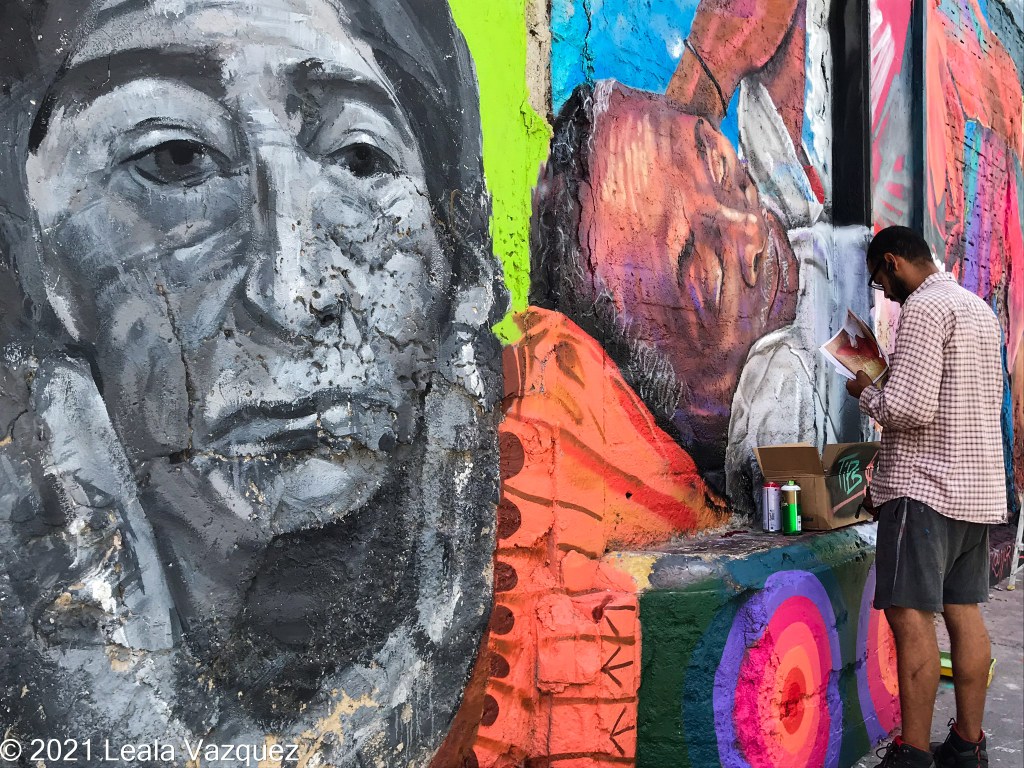
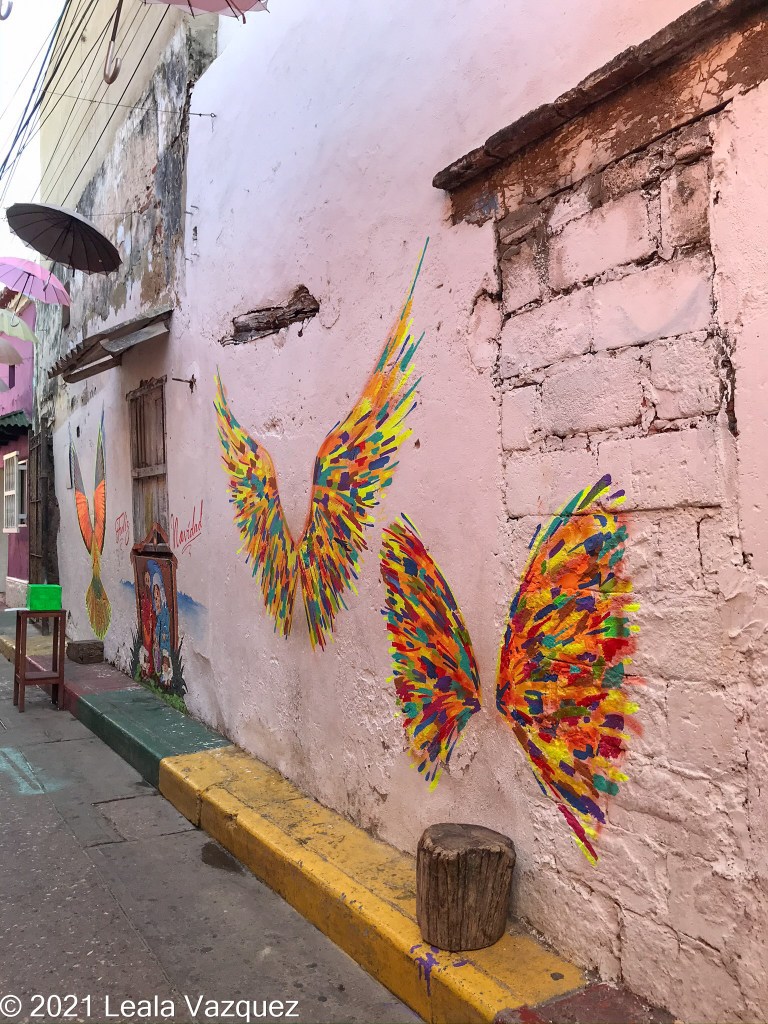
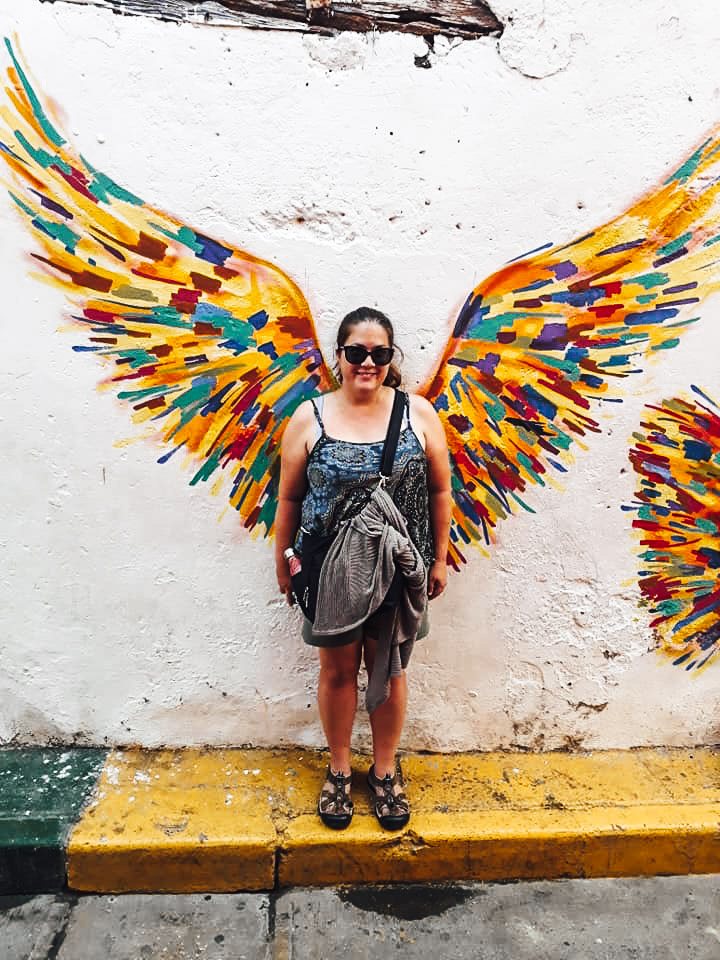
I see lots of street art in many different cities but it never seems to get old.

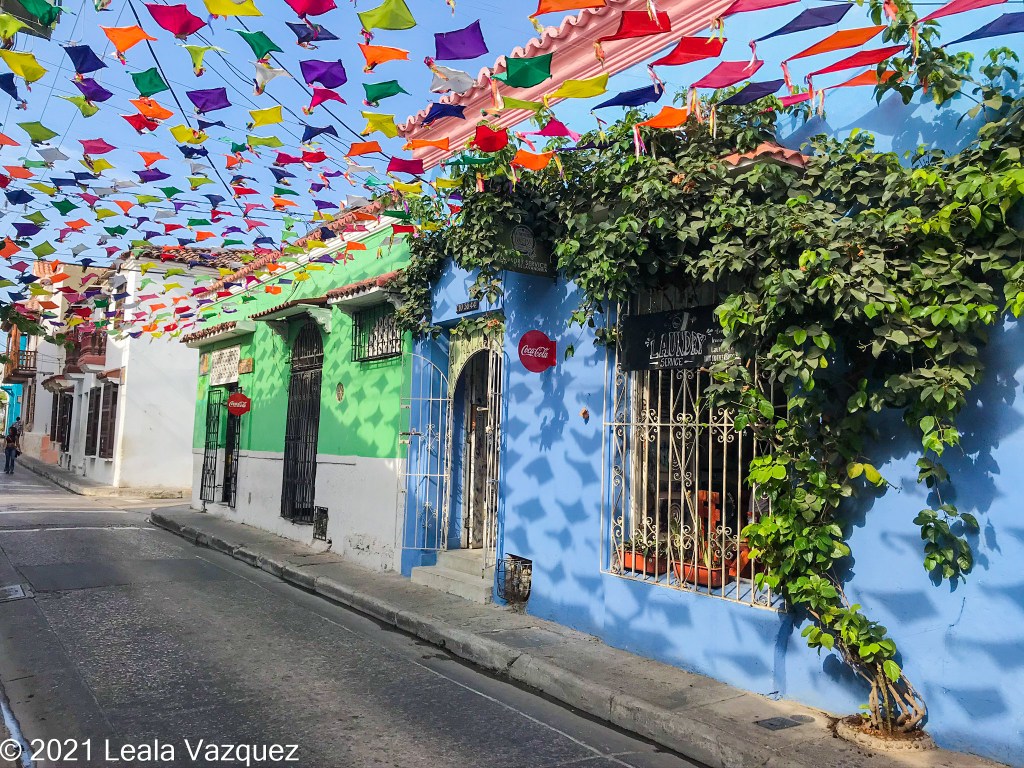
Flags hang from above, in this case flags from different countries.
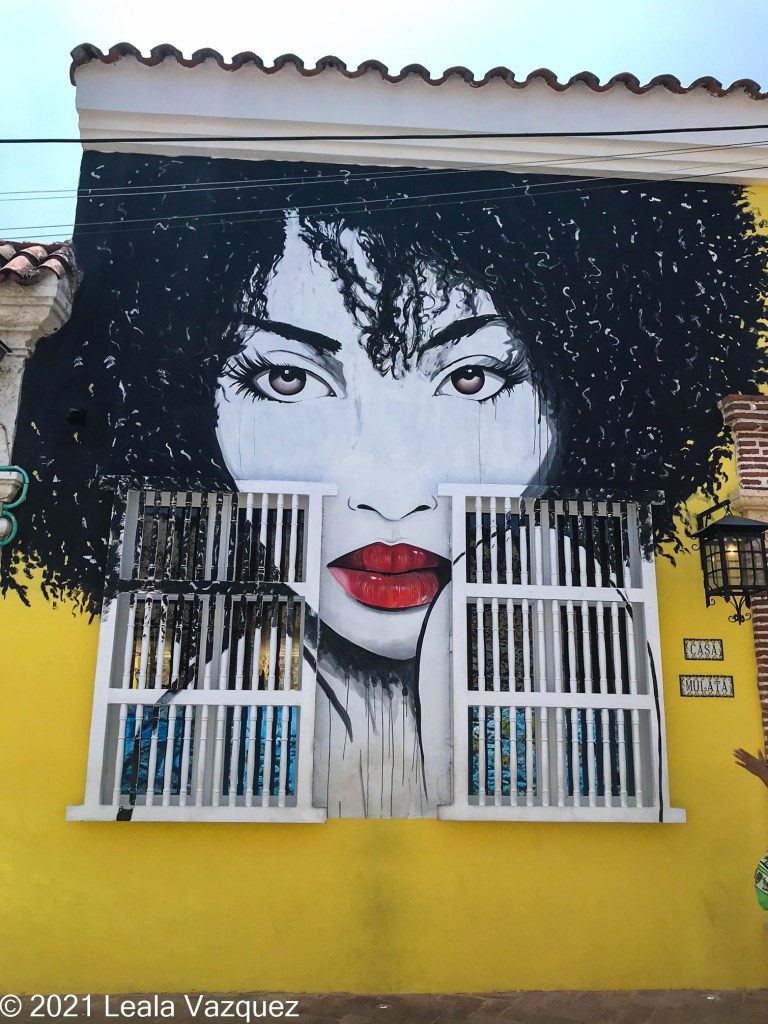
We watch an artist at work.

Today is about walking, eating and drinking. We stop to try local fried foods at a hipster restaurant.

Cháchara restaurant
empanada sampler

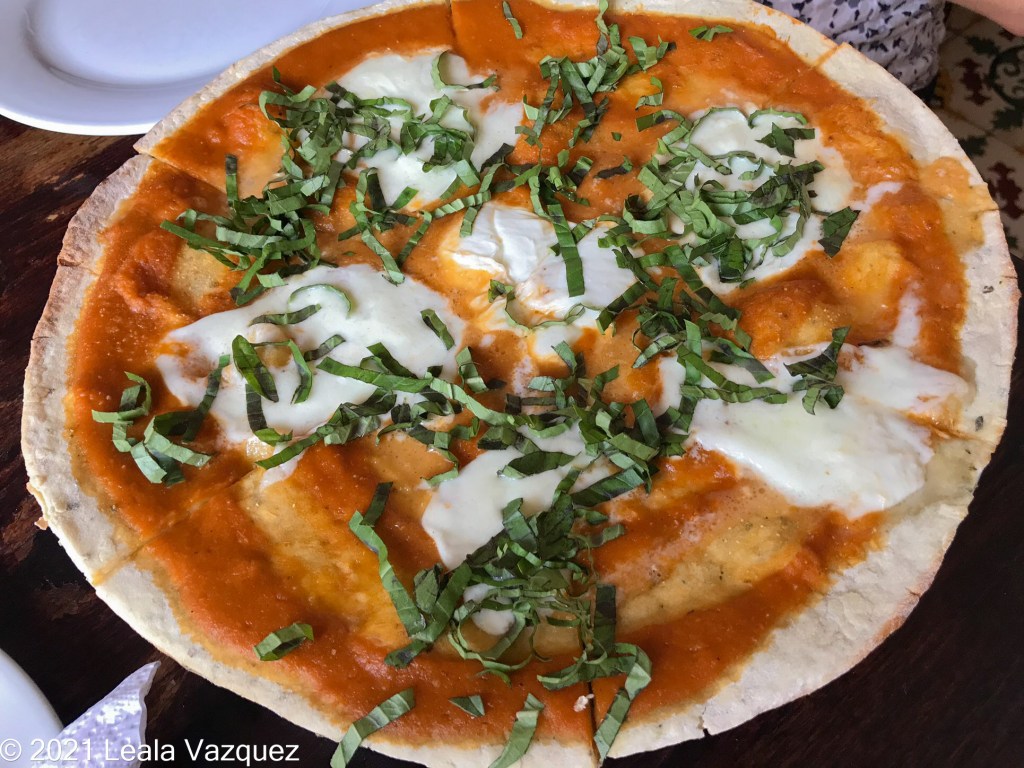
We stop for food once again, this time to split a small pizza.

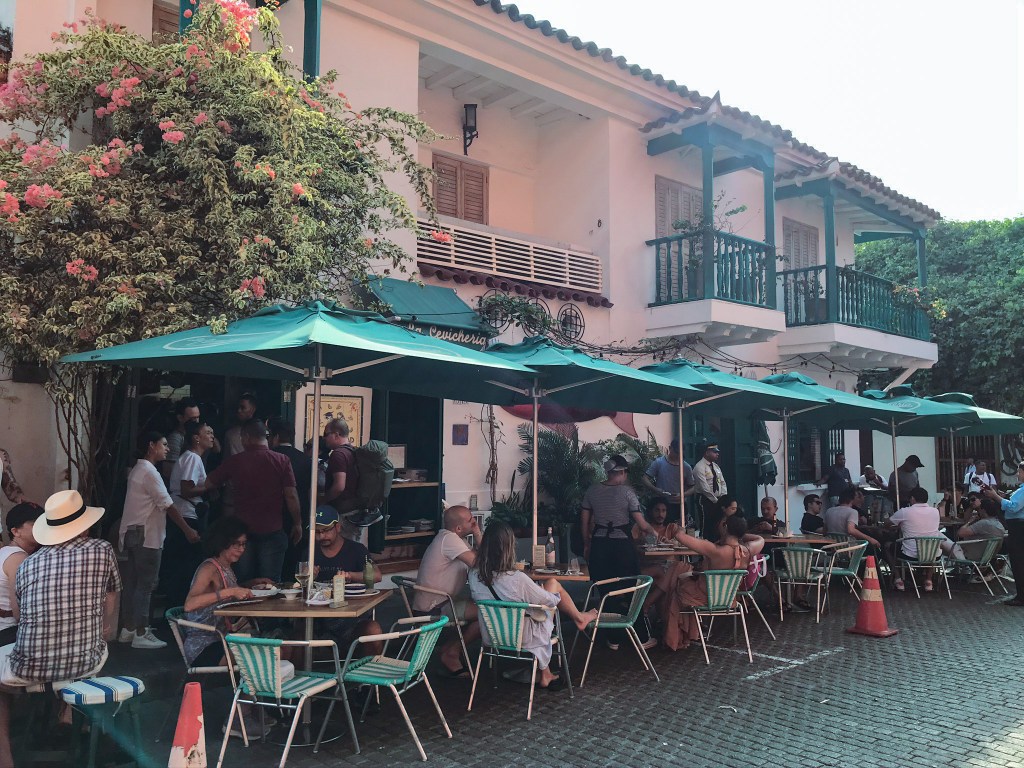
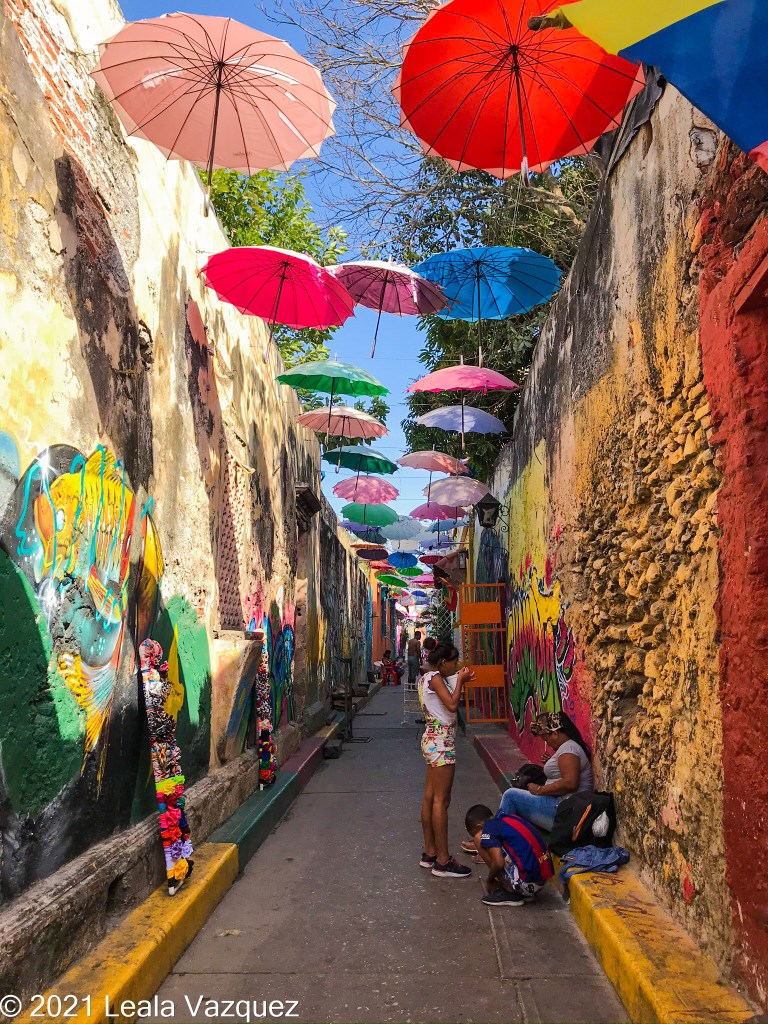
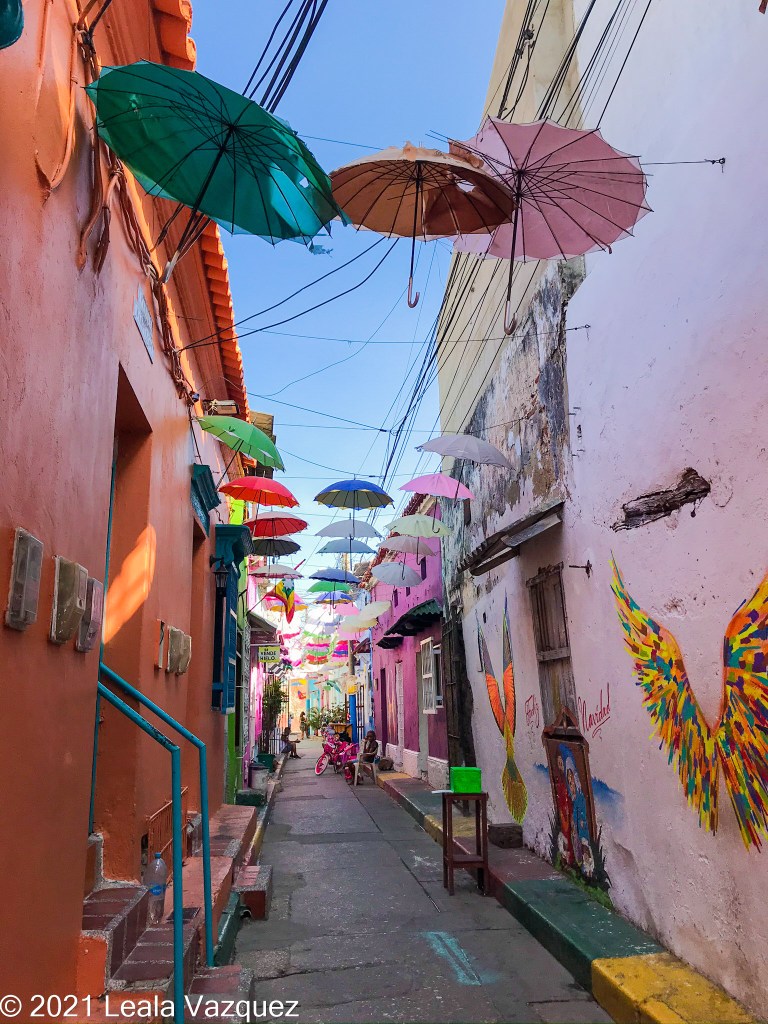
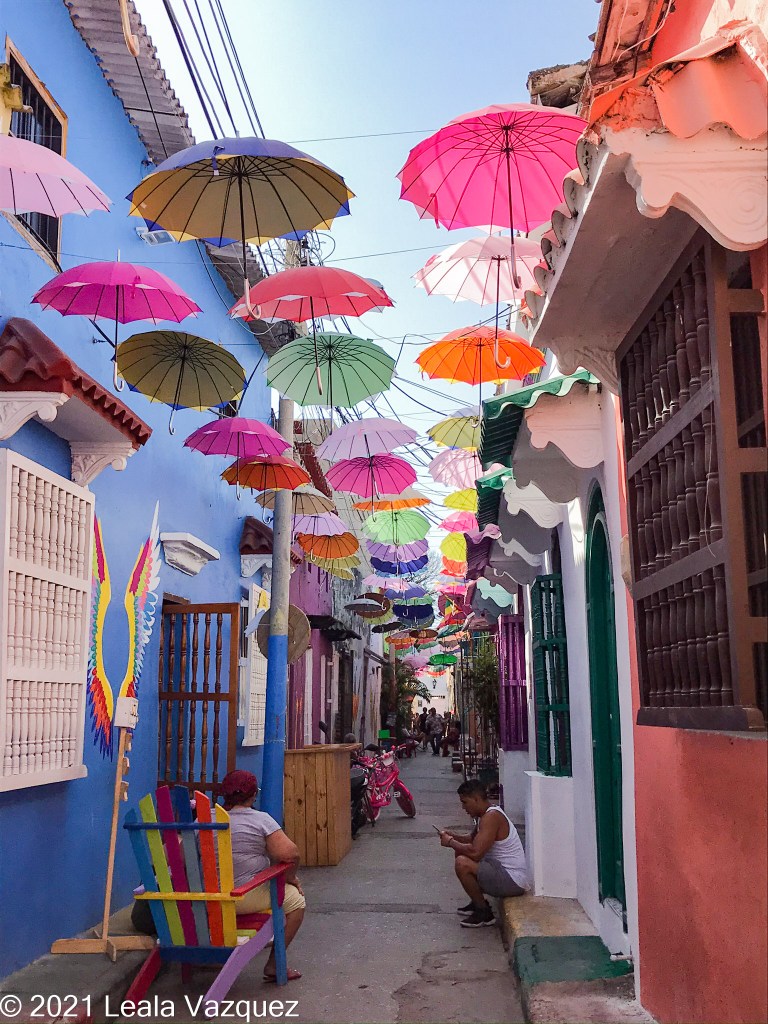
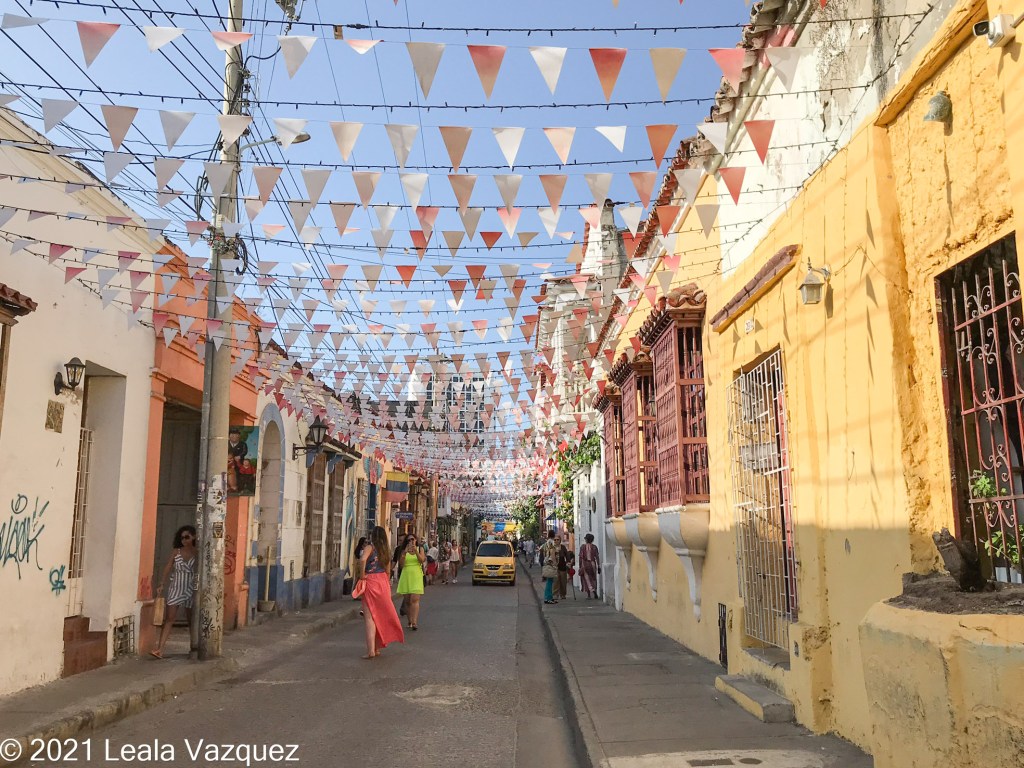
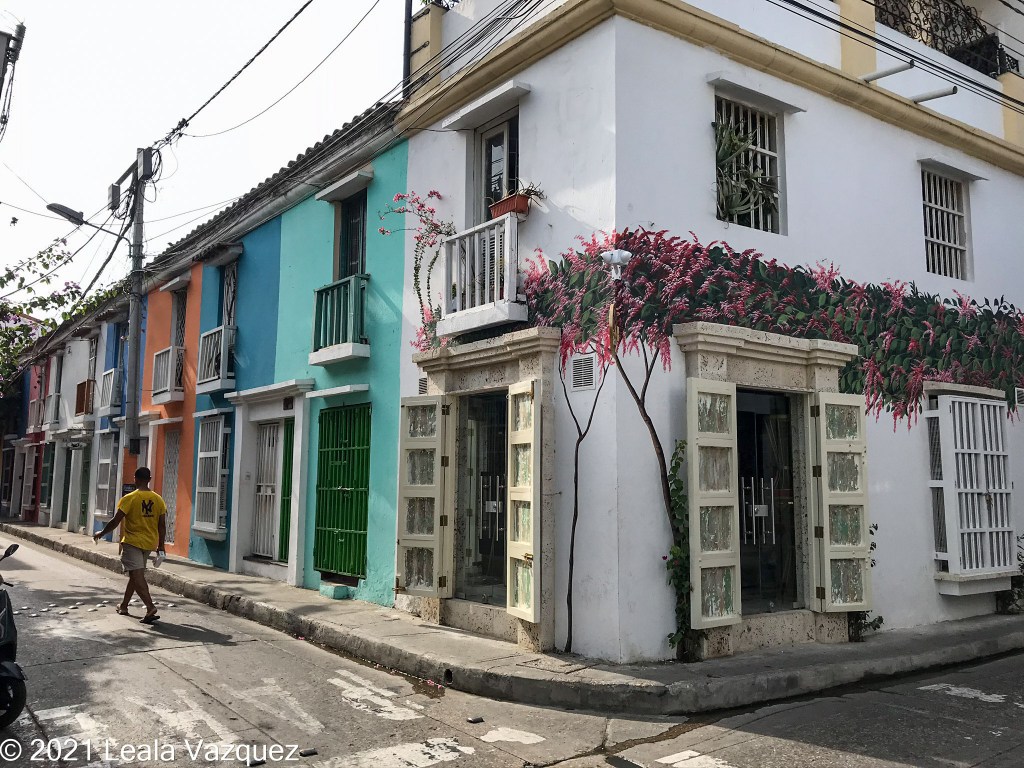
We end up down a narrow and colorful street shaded by colorful umbrellas.

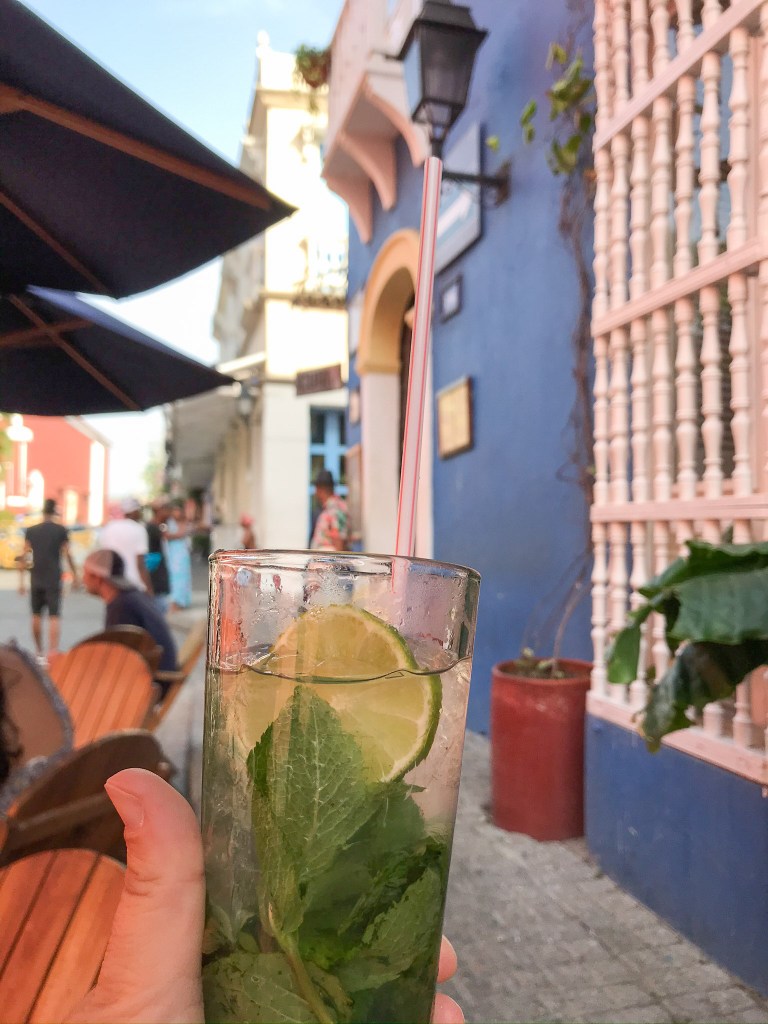
We are almost out of Getsemani but not before we stop at a corner bar that sells sushi and beer. We order only beer.

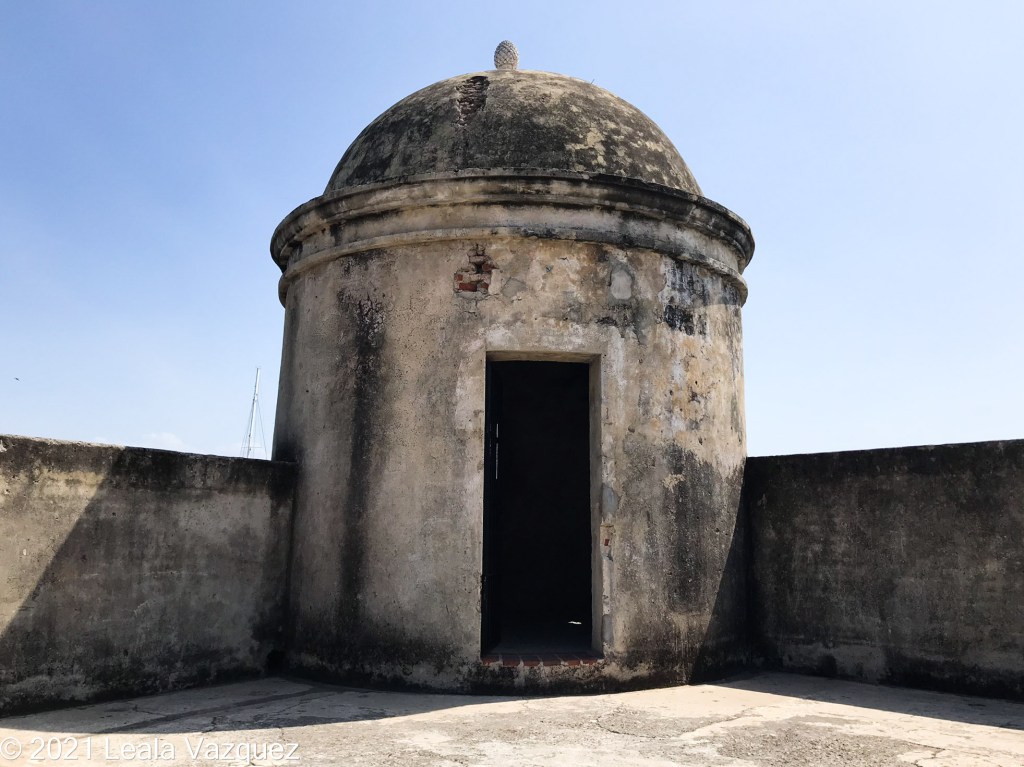
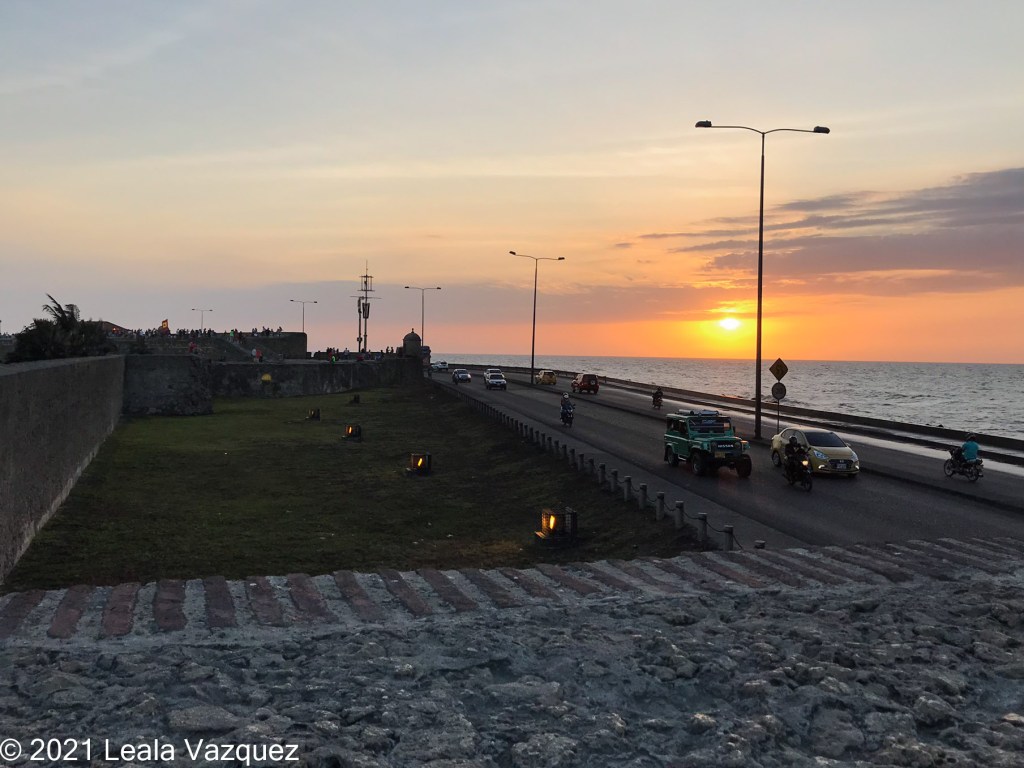
Once back in the tourist area we climb the fortification walls to catch the sunset.

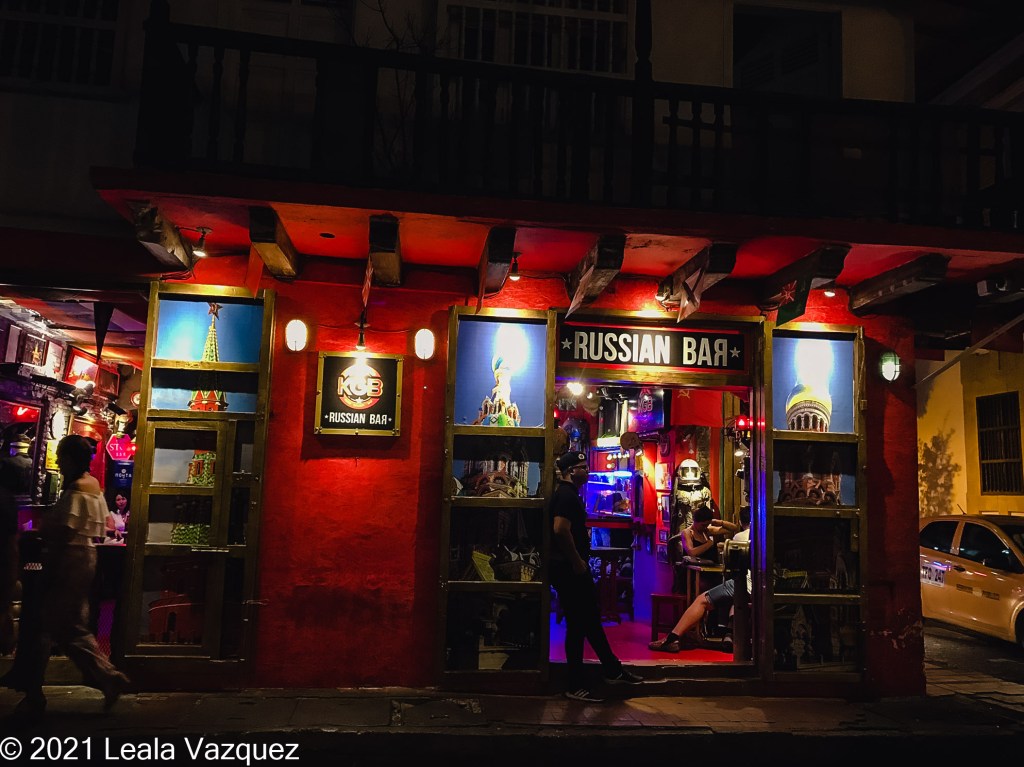
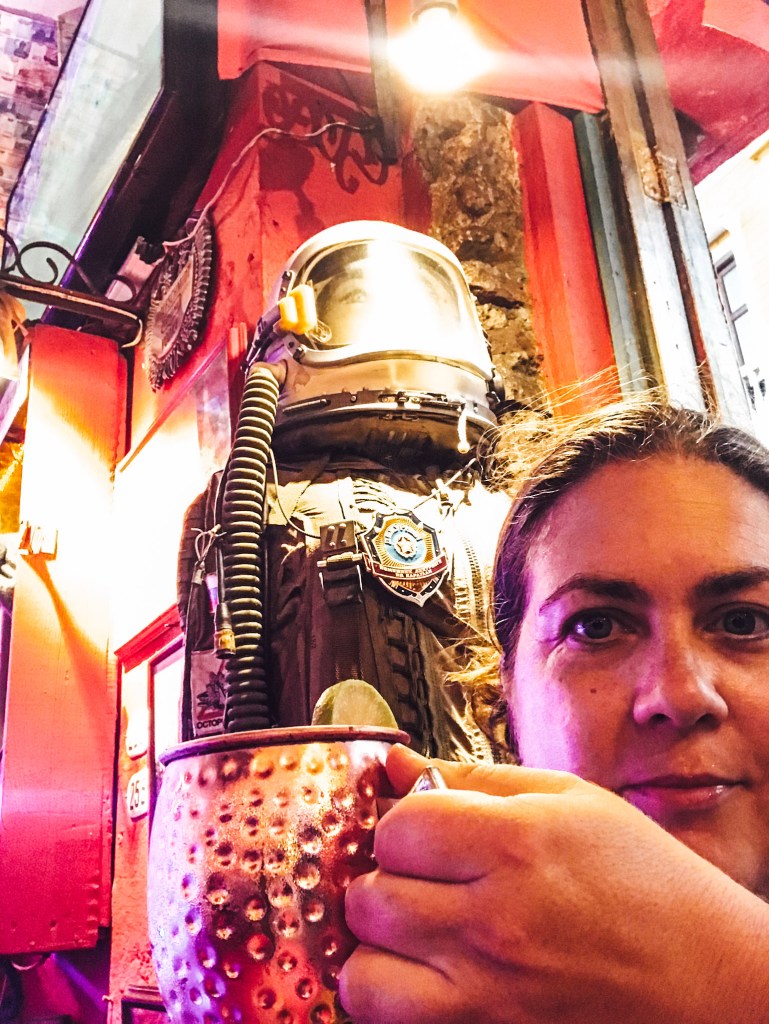
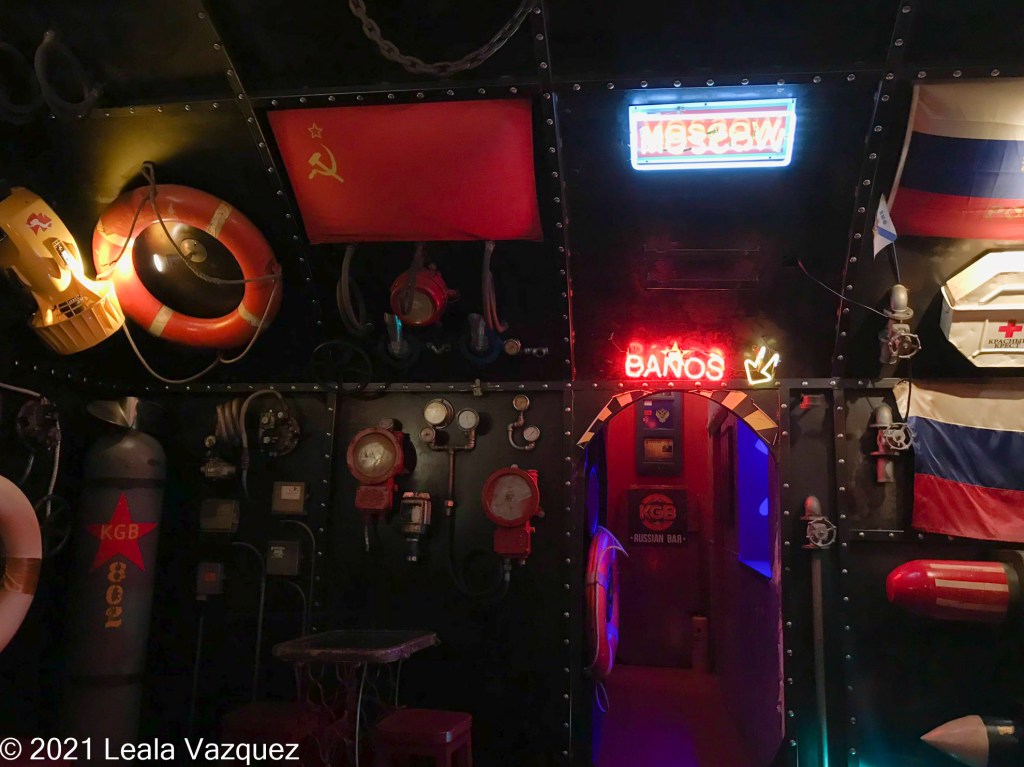
After dark I get to try the Russian themed bar near the apartment. We decided to test our luck and have a Moscow Mule at the KGB Bar. Back in the USSR!

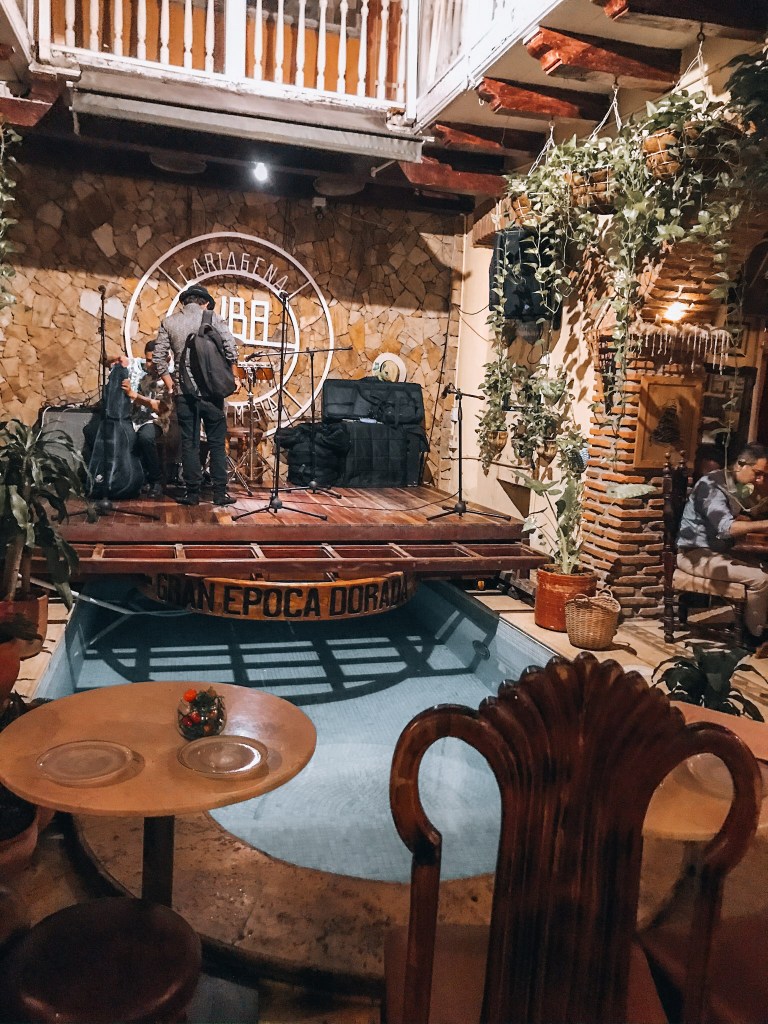
Keeping the theme of Soviet area relics we head next to my happy place at Cuba 1940. We don’t stay for the band tonight but we will be back.

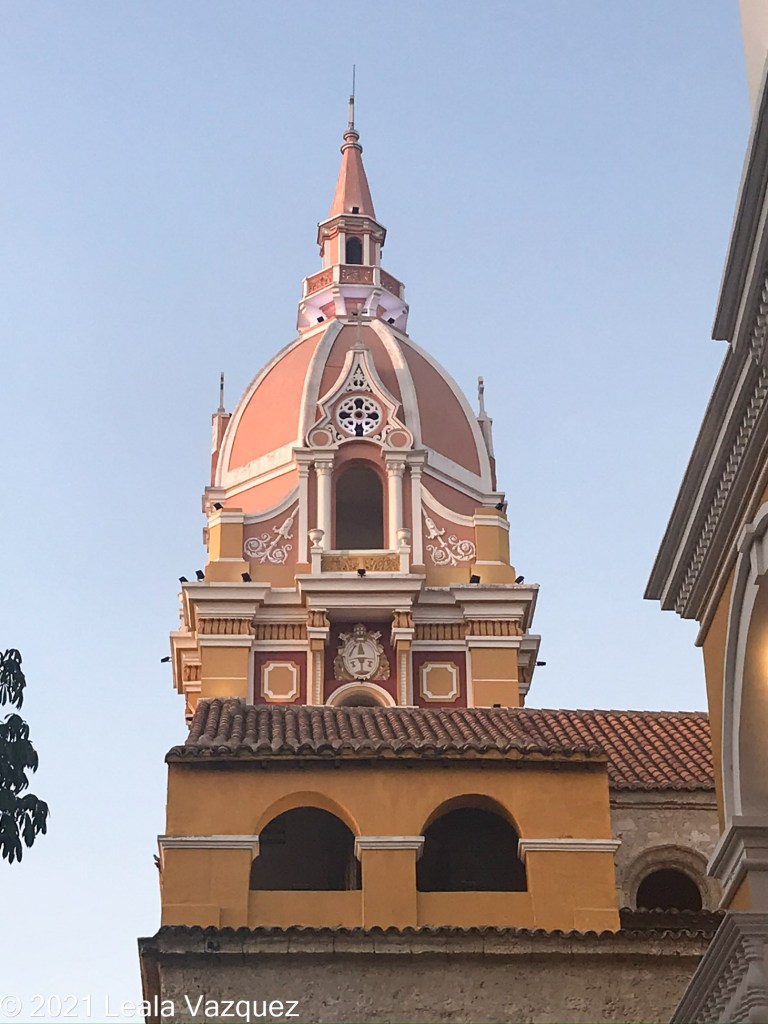
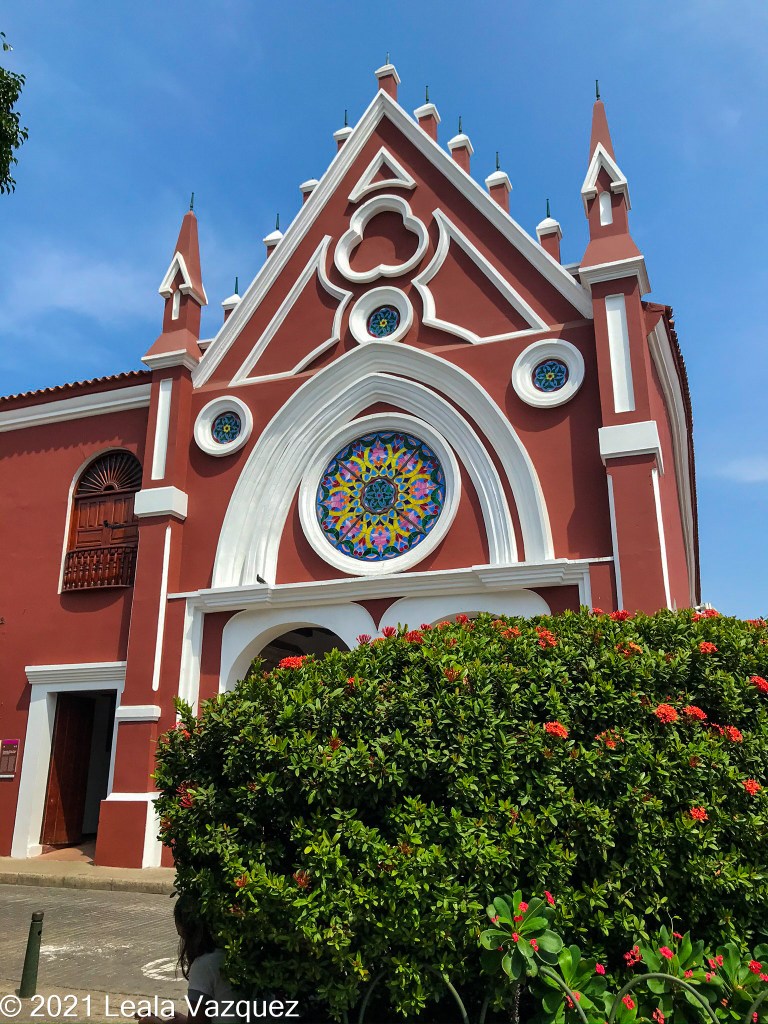
As we walk back to the apartment we peak into a service at a beautiful church.

Even though things did not go as planned our day ended up pretty great.

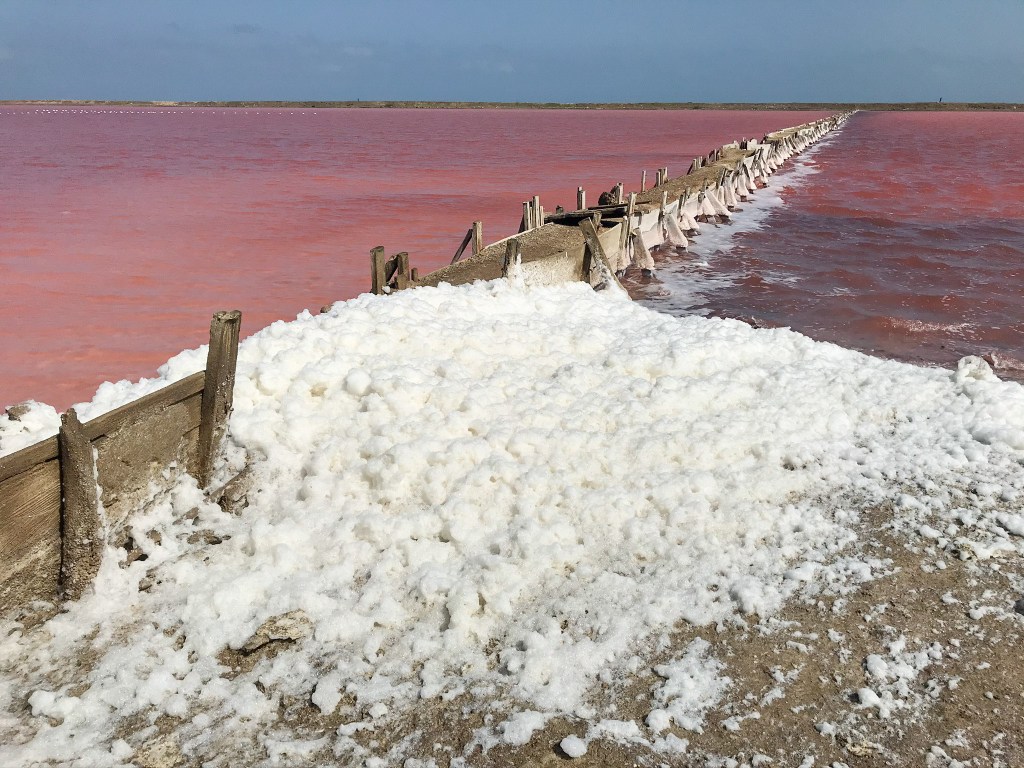
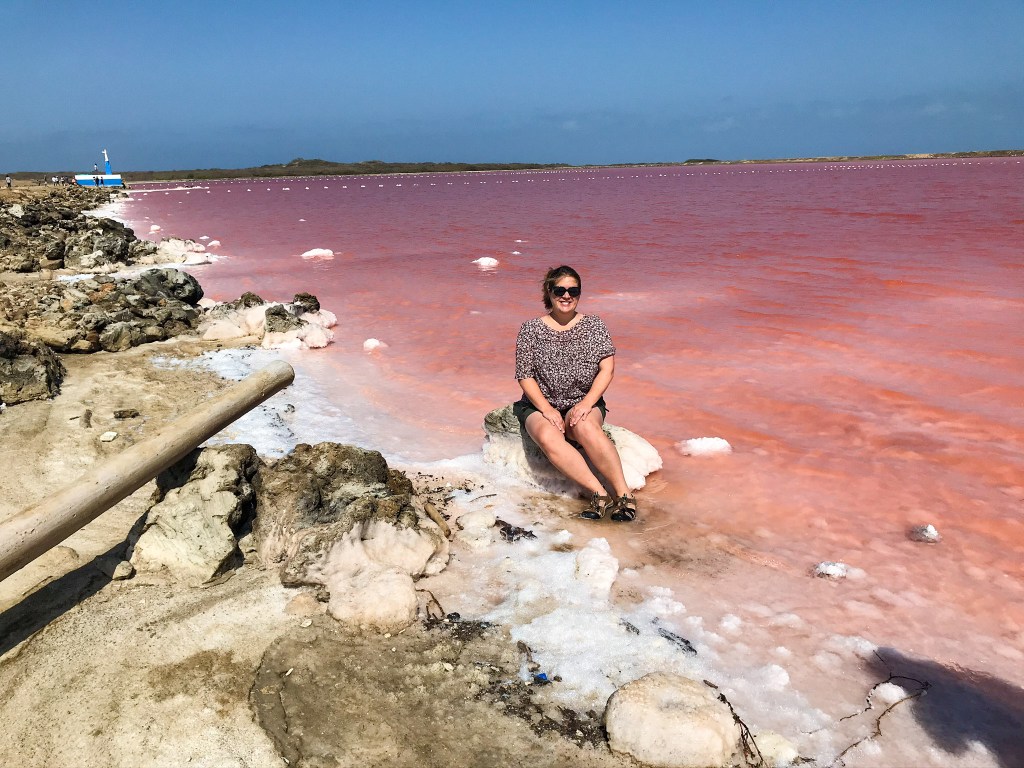
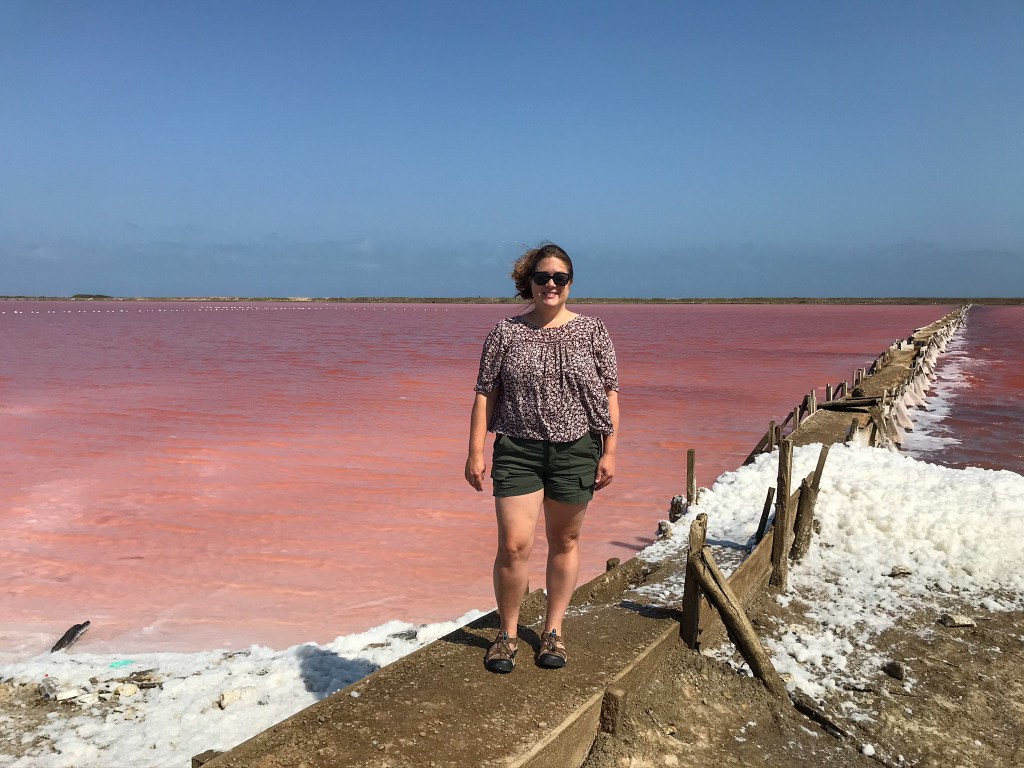
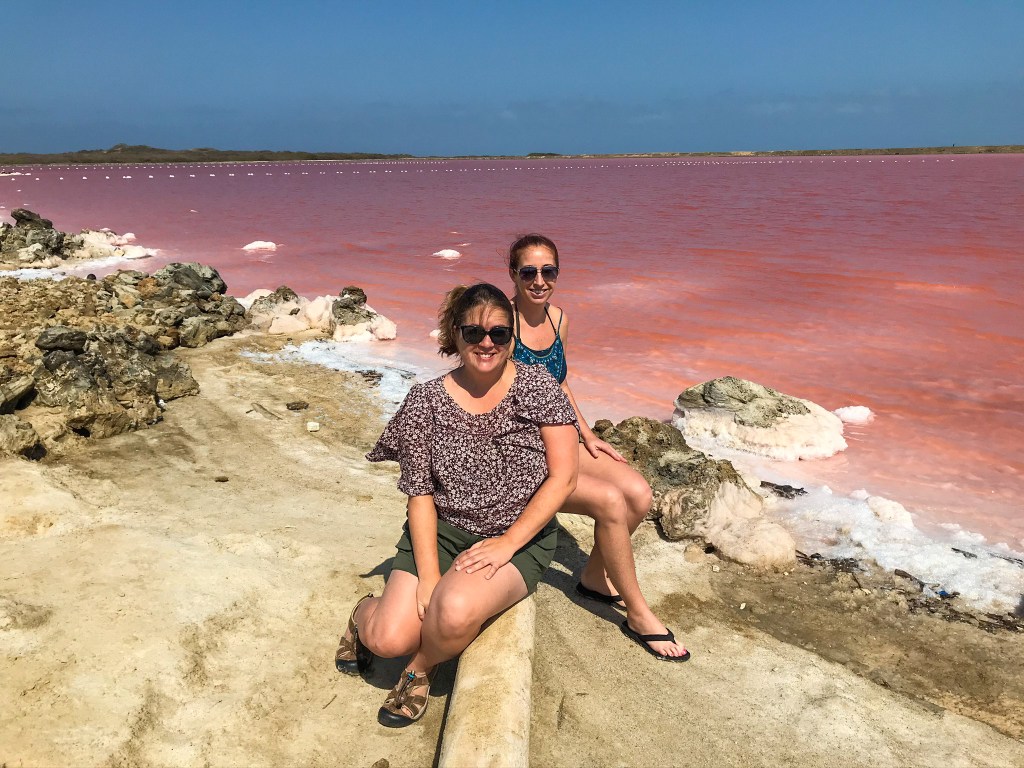
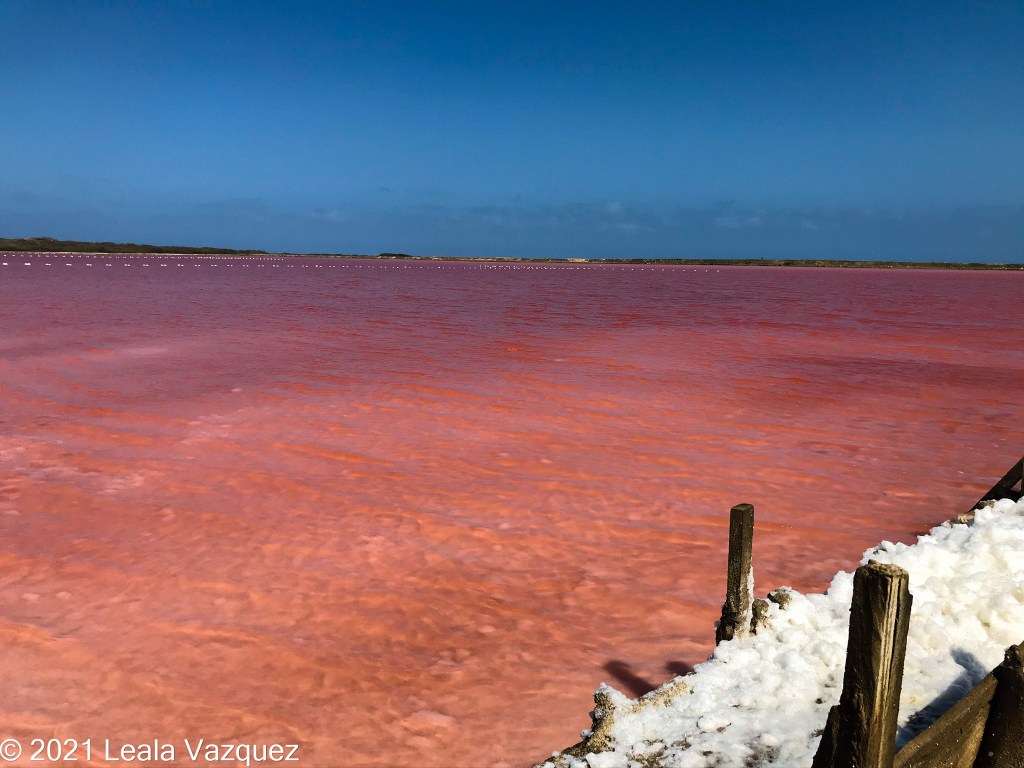
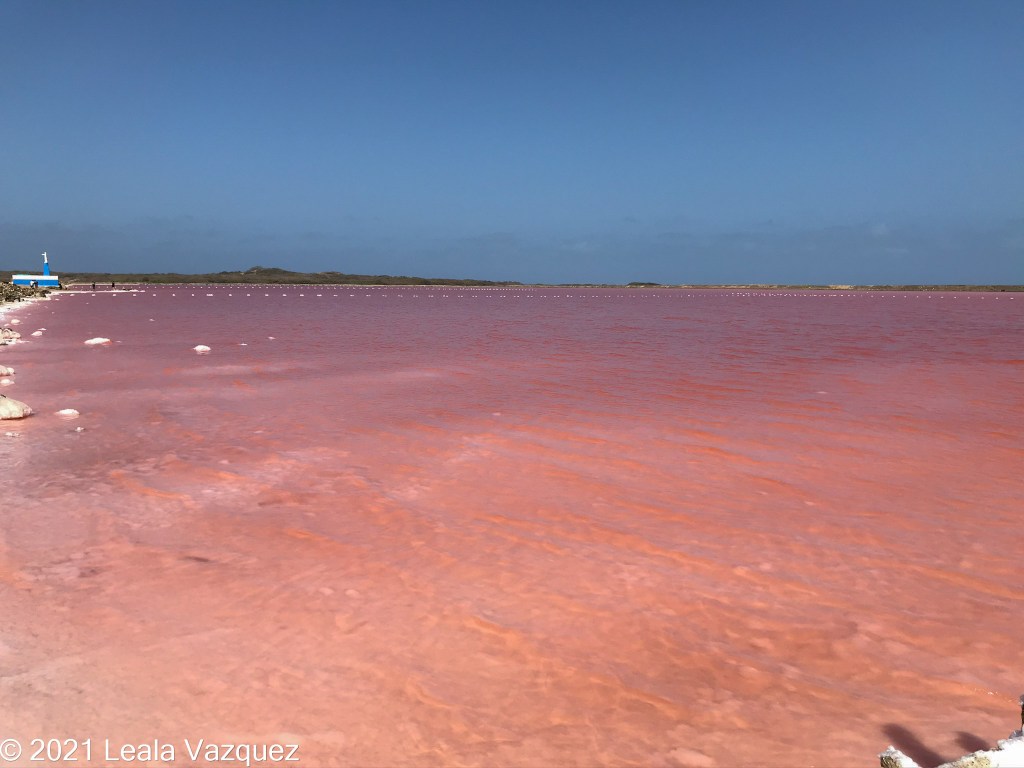
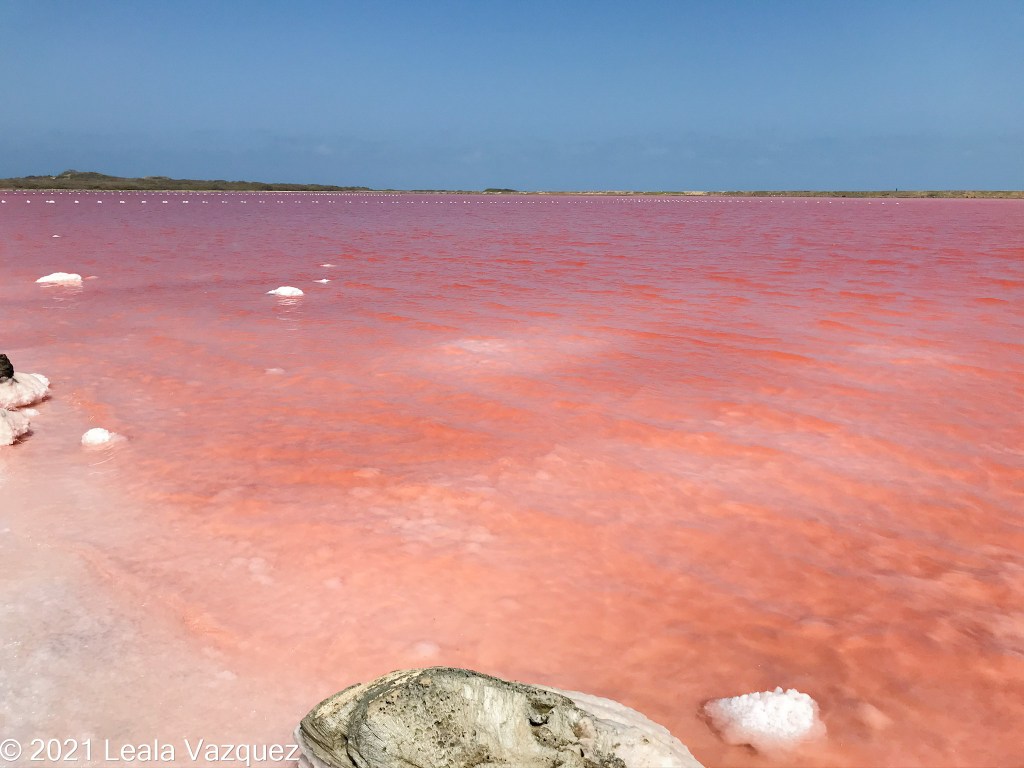
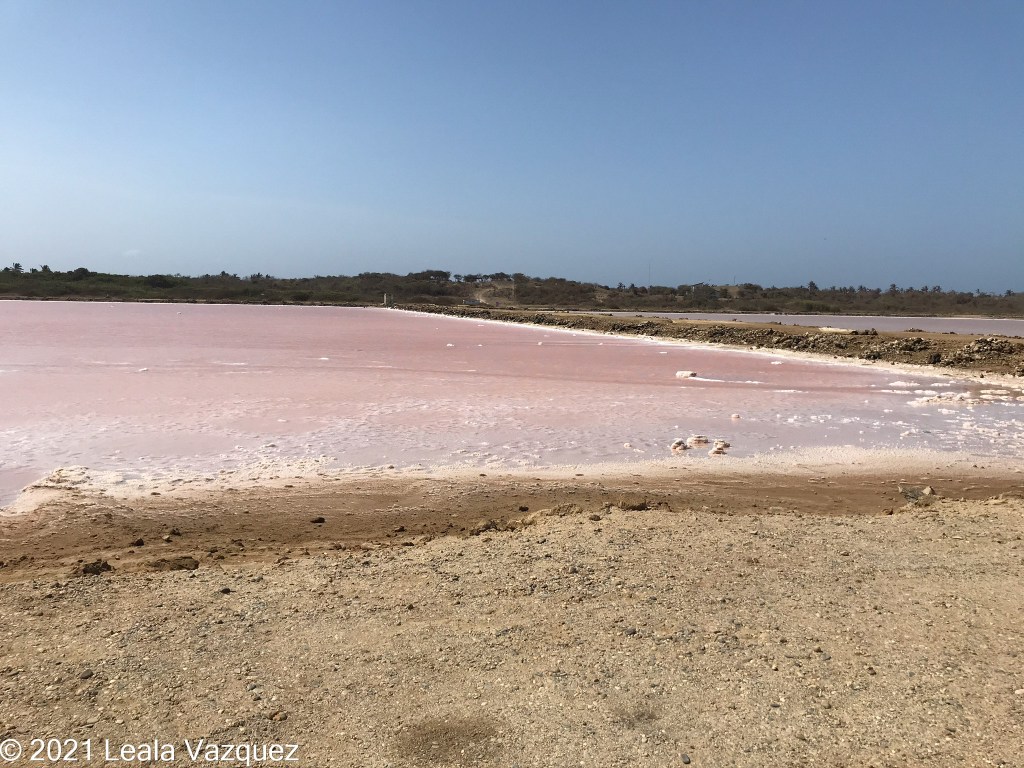
Tomorrow we head on a trip a little out of town to see the pink sea. Hopefully it is the perfect pink color.

Cartagena

It is my first full day in Cartagena de Indias, Colombia. I have a couple days here alone before a friend comes to meet me. I’ll save the major sights for when she arrives, now is the time for me to enjoy the city leisurely.

Fortunately I wake up early enough to take advantage of the free buffet breakfast at the hotel. A friendly kitchen staff member greets me and asks how I would like my eggs. I enjoy coffee and the buffet of fresh fruit along with my eggs.

Against better judgement I have been eating a good amount of fresh fruit in Colombia but it isn’t until my visit to Cartagena that it has an effect on me. The bacteria in Cartagena is different than other parts of Colombia. I have some mild stomach discomfort here (the water quality has something to do with its lower elevation).

After breakfast I wander around to explore and stop to order a fun cocktail and a snack at Lobo de Mar.

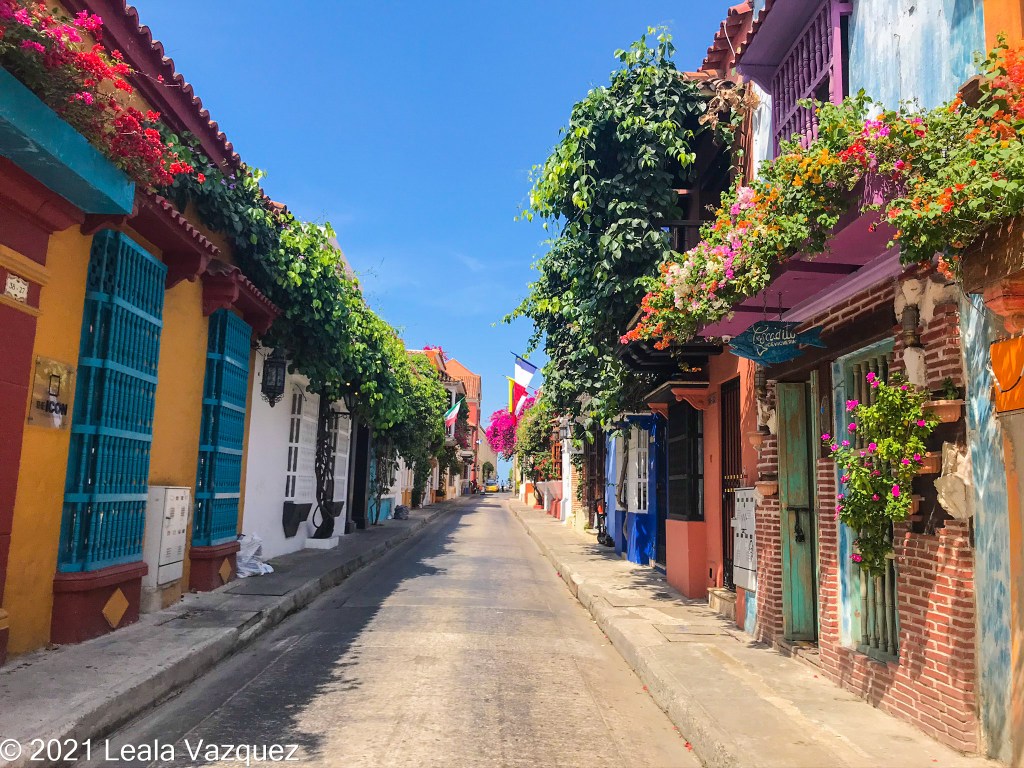
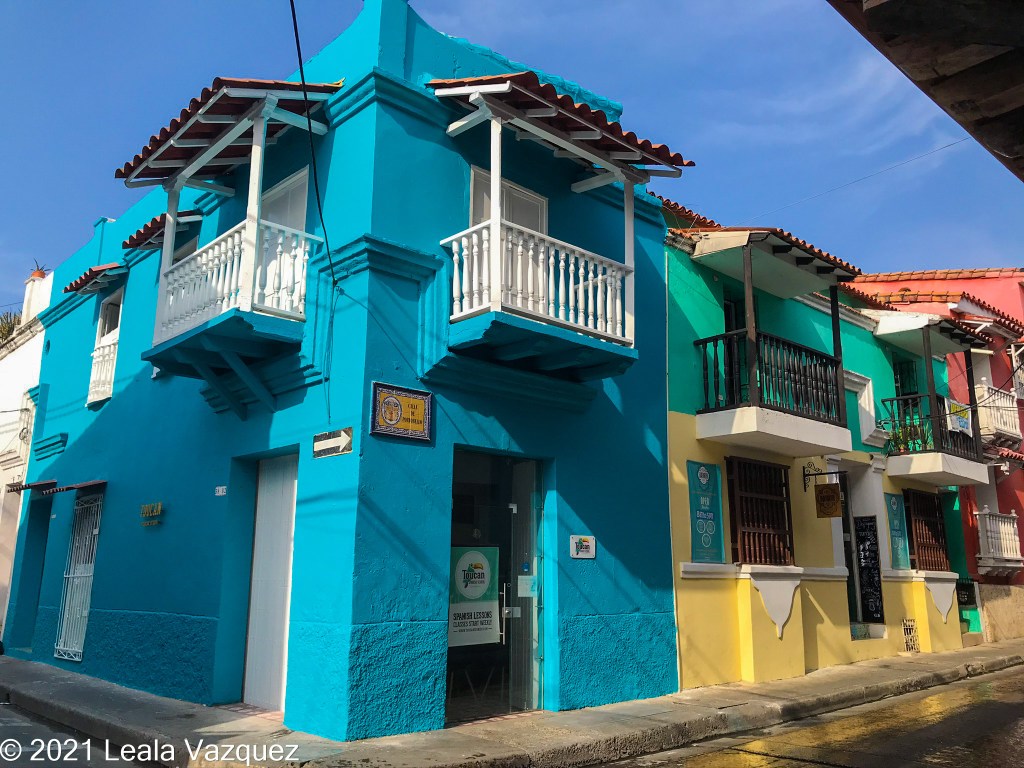
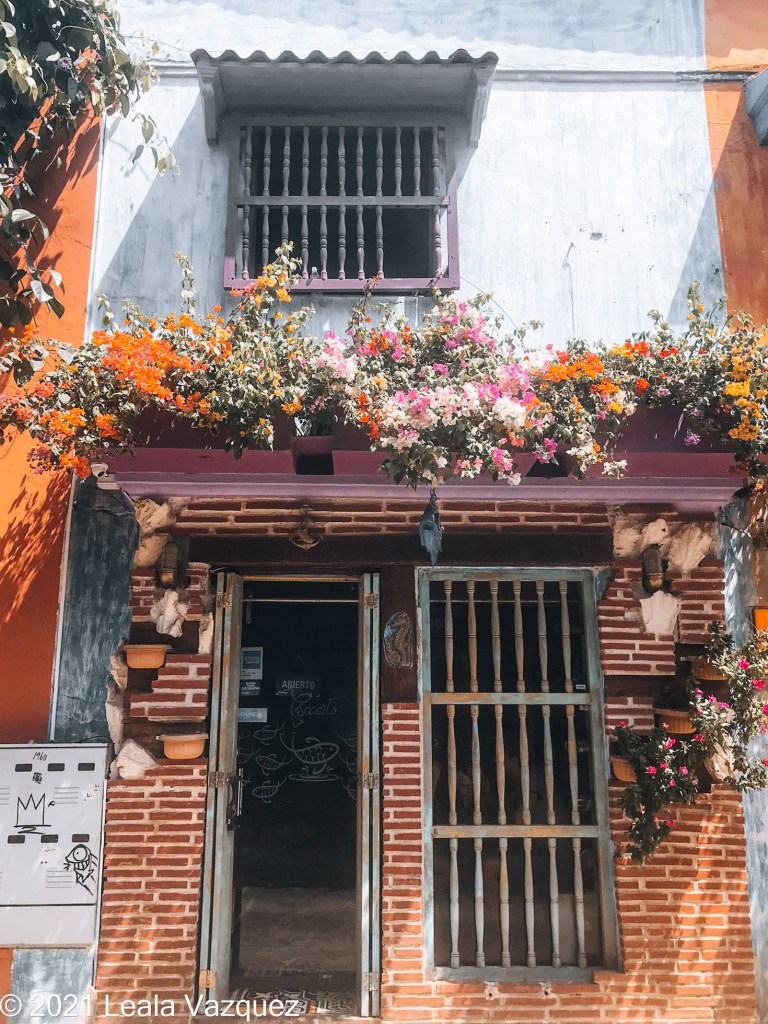
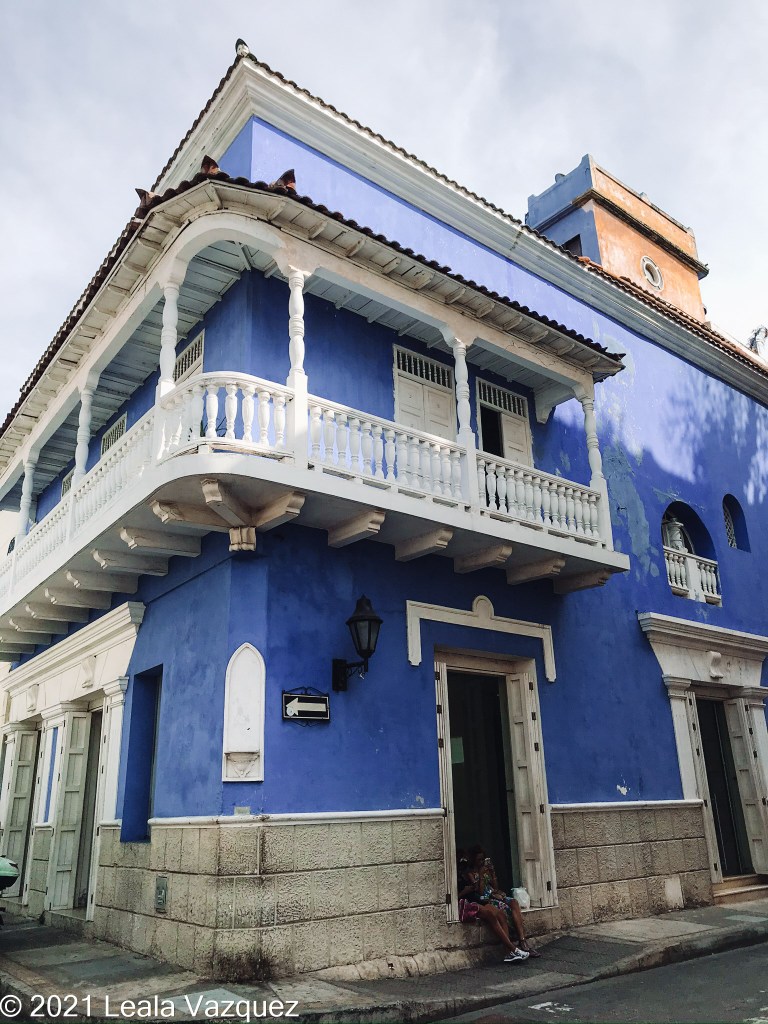
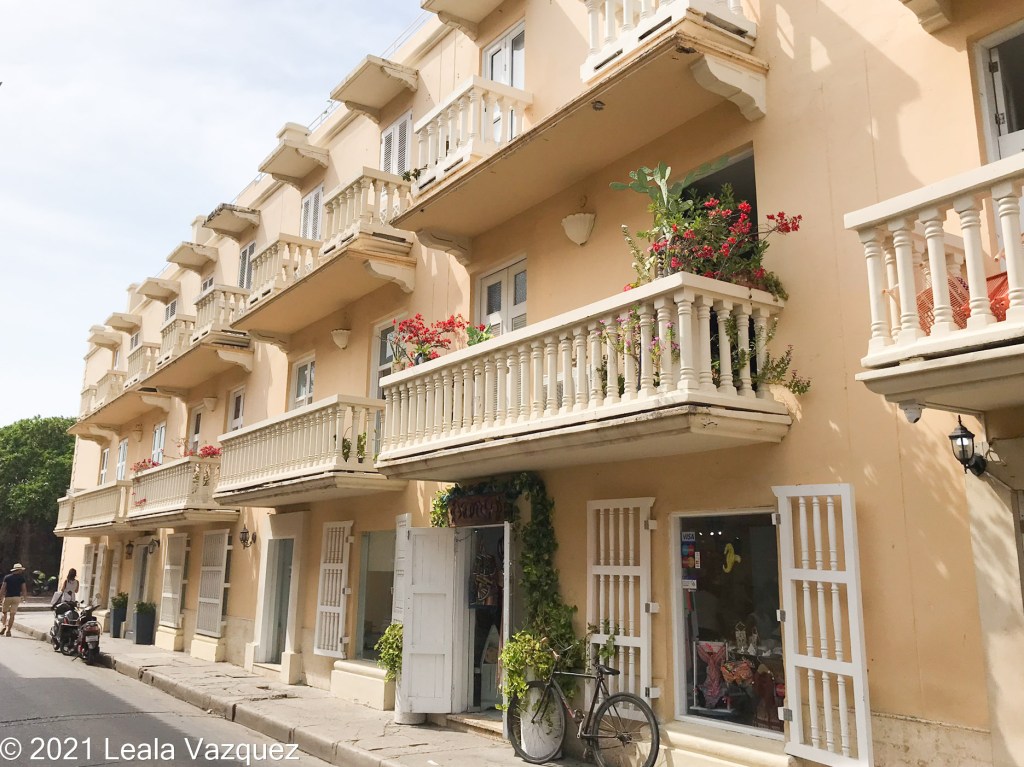
I am once again in another town where the buildings are painted in vivid colors. It is a beautiful sight to see.

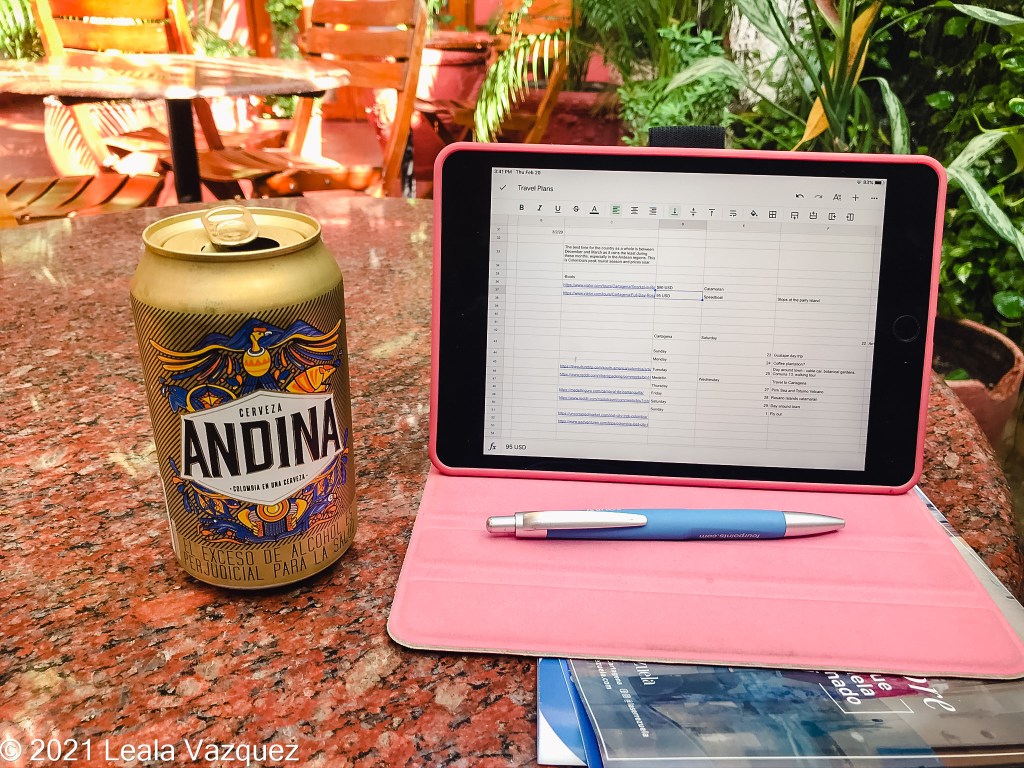
I grab a beer and rest in the courtyard of my hotel to escape the heat and book some tours.

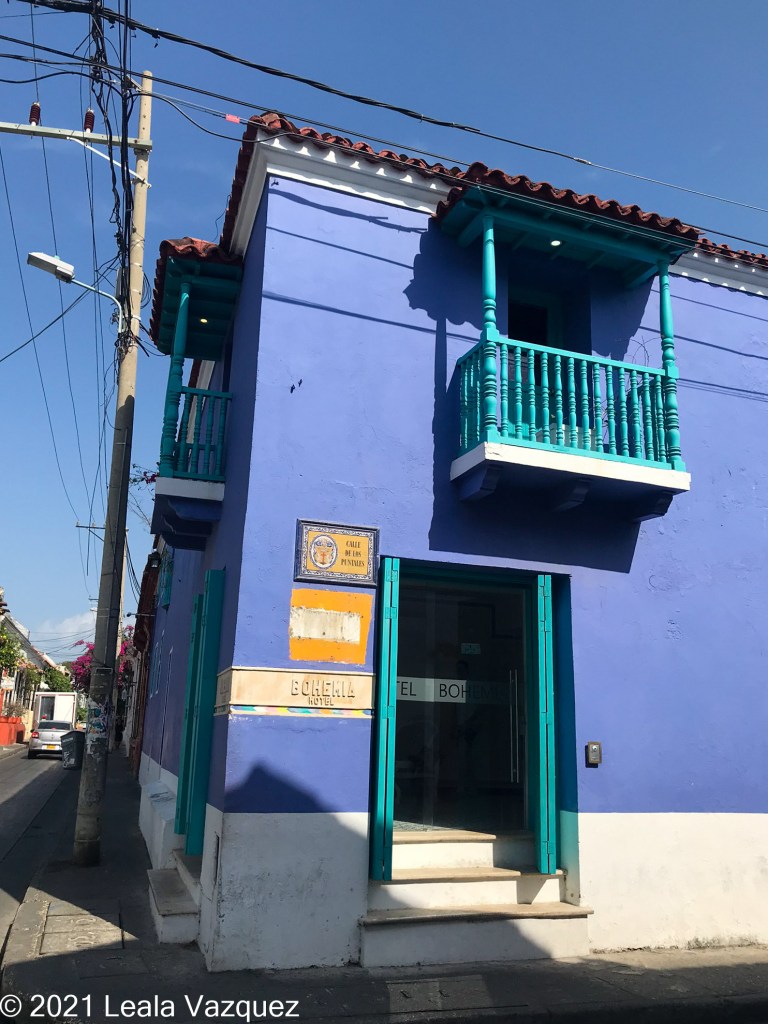
my hotel

The next day or so is about the same; I take things easy.

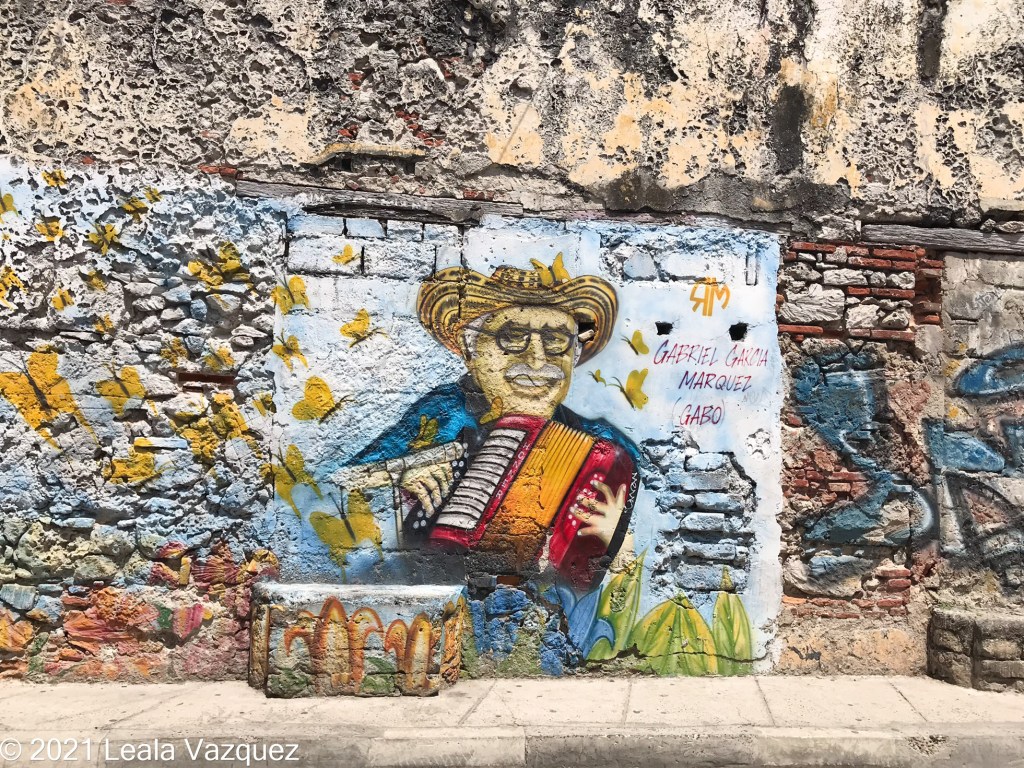
I see on a map the home of Gabriel García Márquez (the famous Colombian author) but I cannot find it. While I really like the novel Love in the Time of Cholera, I had a annoying experience reading One Hundred Years of Solitude. Many praise the novel but I find it impossible to follow. There are so many characters introduced in different timelines and they all seem to have similar names. I’ve tried to read it three times and still have not been able to complete it. I am unable to locate the house.

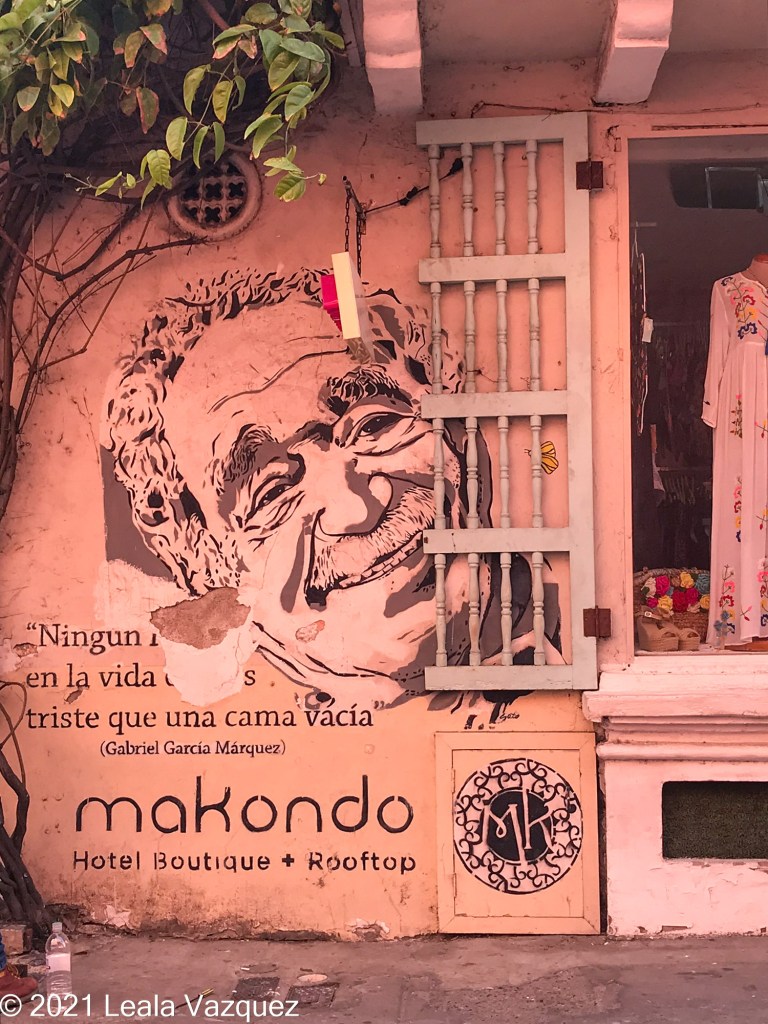
I did see this boutique hotel in his honor…..the map shows that this hotel is right next door to the house. If it is there I did not see it.

Gabriel García Márquez on the wall

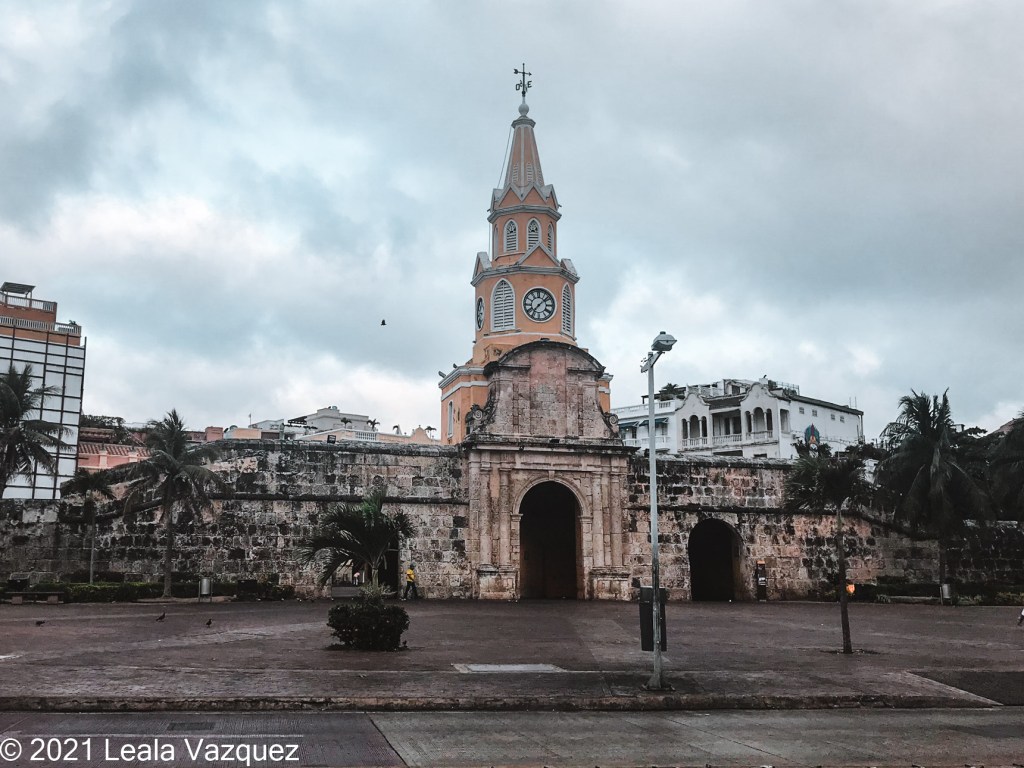
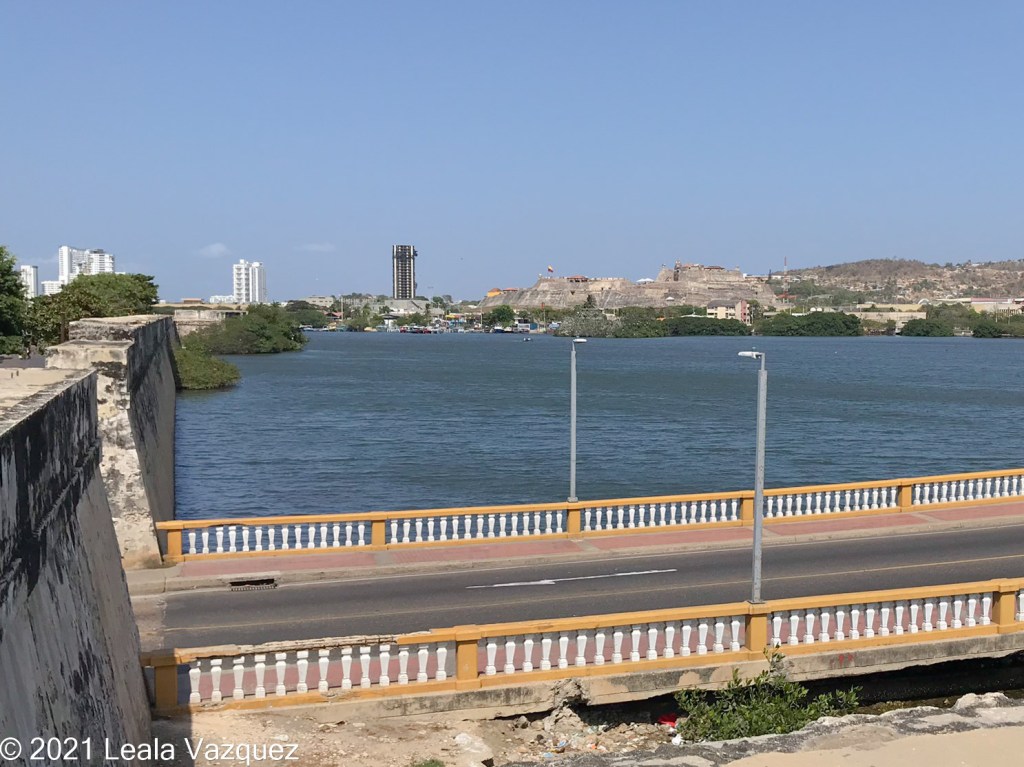
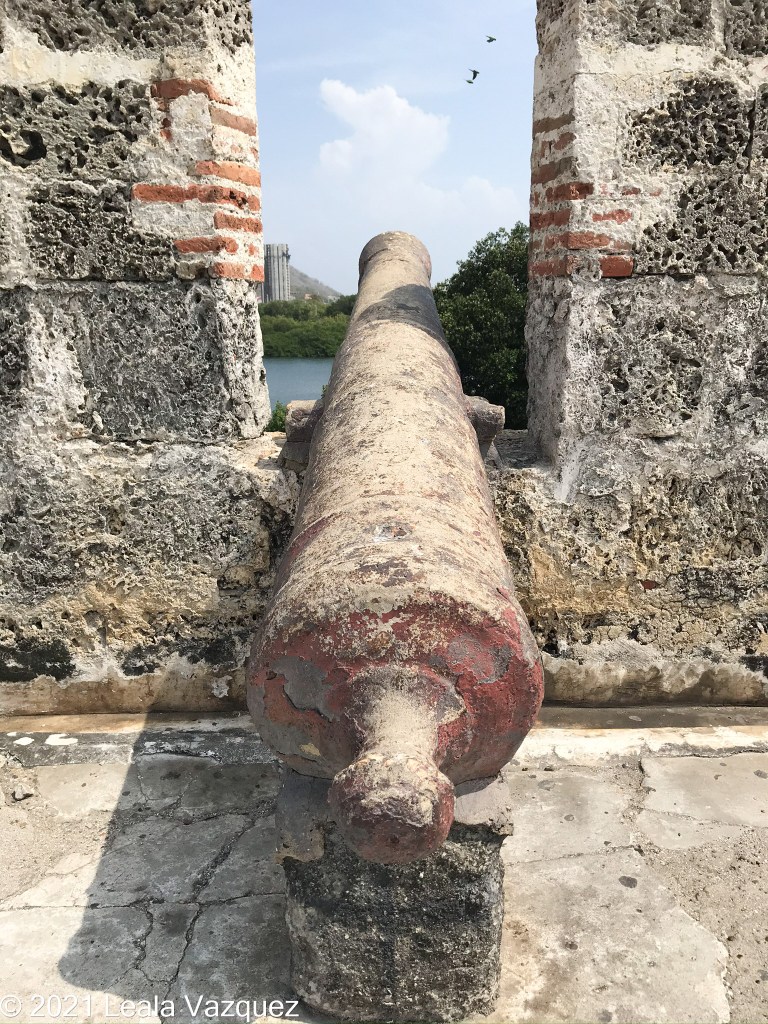
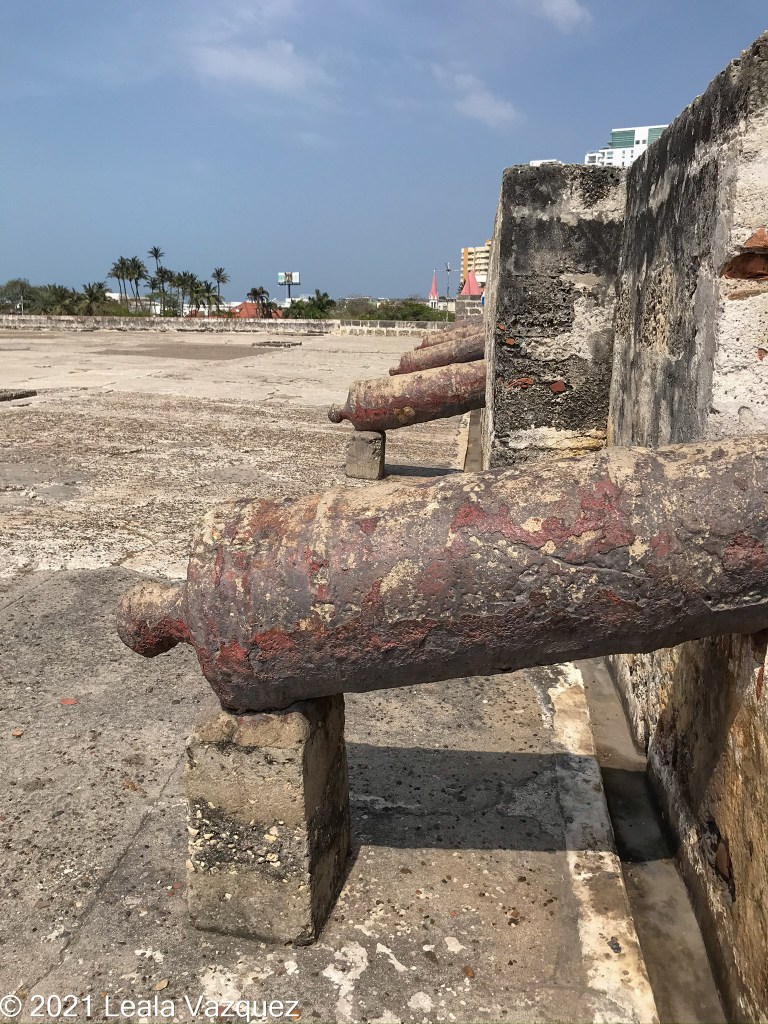
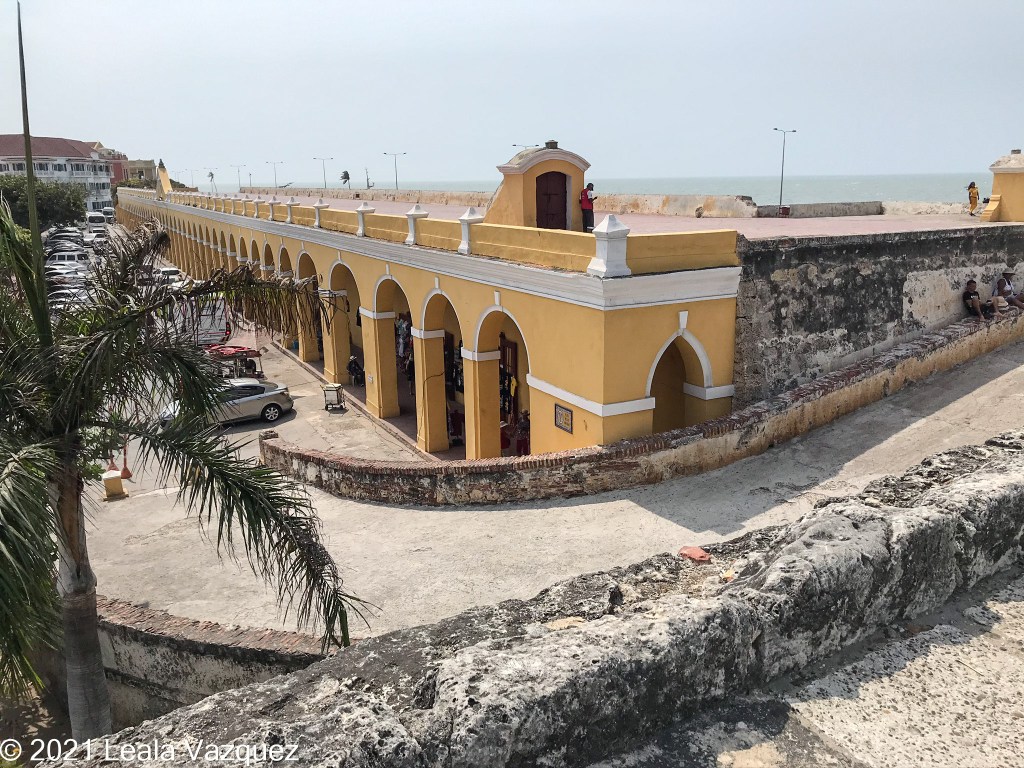
There is also a fortification around the city “Murallas De Cartagena”. One can walk along the walls as I did a few times during my visit.

More city photos

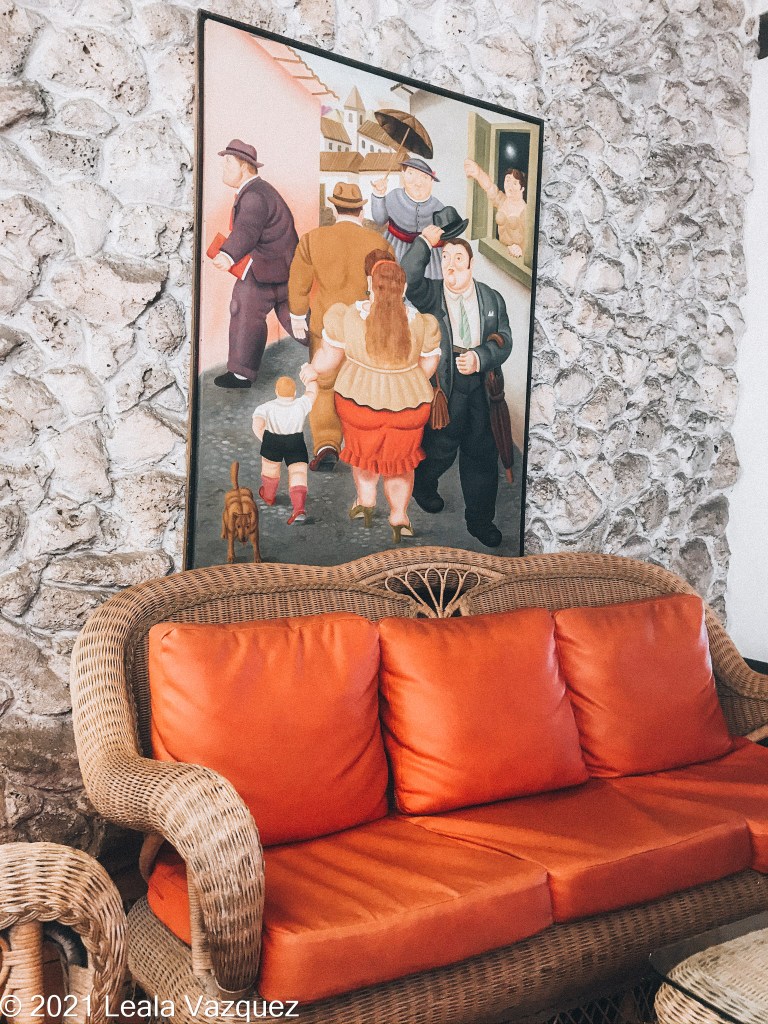
Botero statue

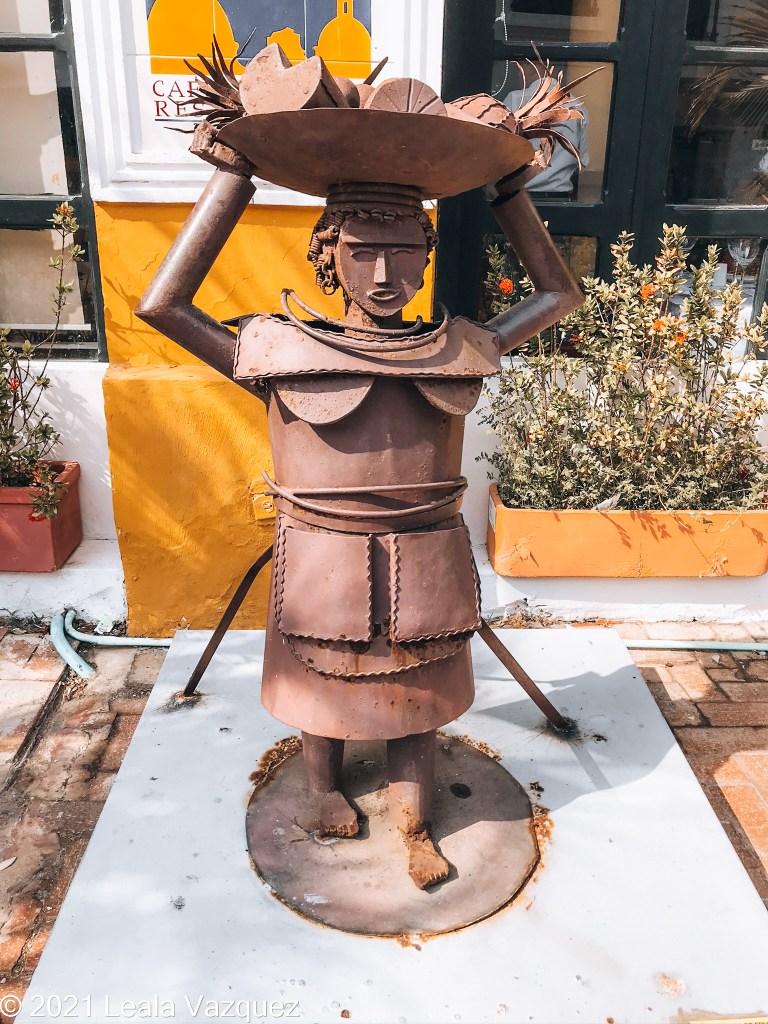
One plaza has a bunch of sculptures by Edgardo Carmona, a local sculptor.

Street Arepa

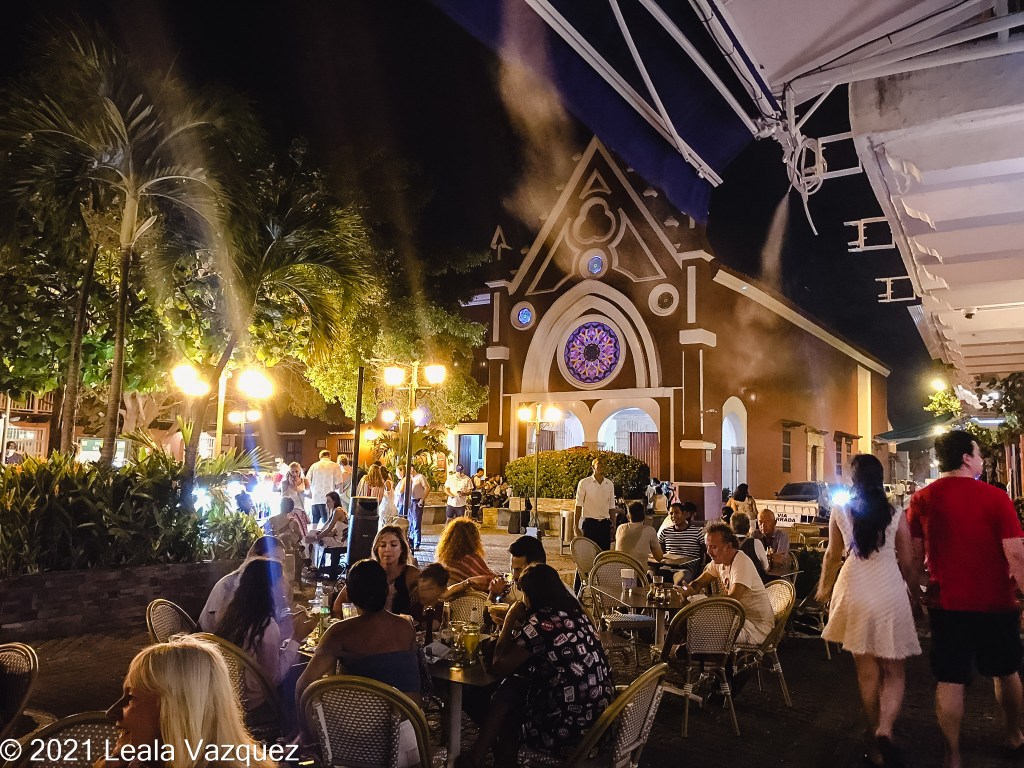
I soon find one of my favorite places to have a drink in town – Cuba 1940. I watch live music here a couple days later. (Cartagena really makes me want to party, lol).

While people watching I’ve seen Captain America, Iron Man, Deadpool, Spiderman, Edward Scissorhands and a large-bellied man dancing shirtless in a hula skirt. Being Friday night people must be out for birthday celebrations or stag nights. Cartagena is a fun city.

Later on I treat myself to a nice meal at Agua De Leon restaurant. The restaurant is busy but they are able to seat me at the bar. I still have a view of the live band playing up front.

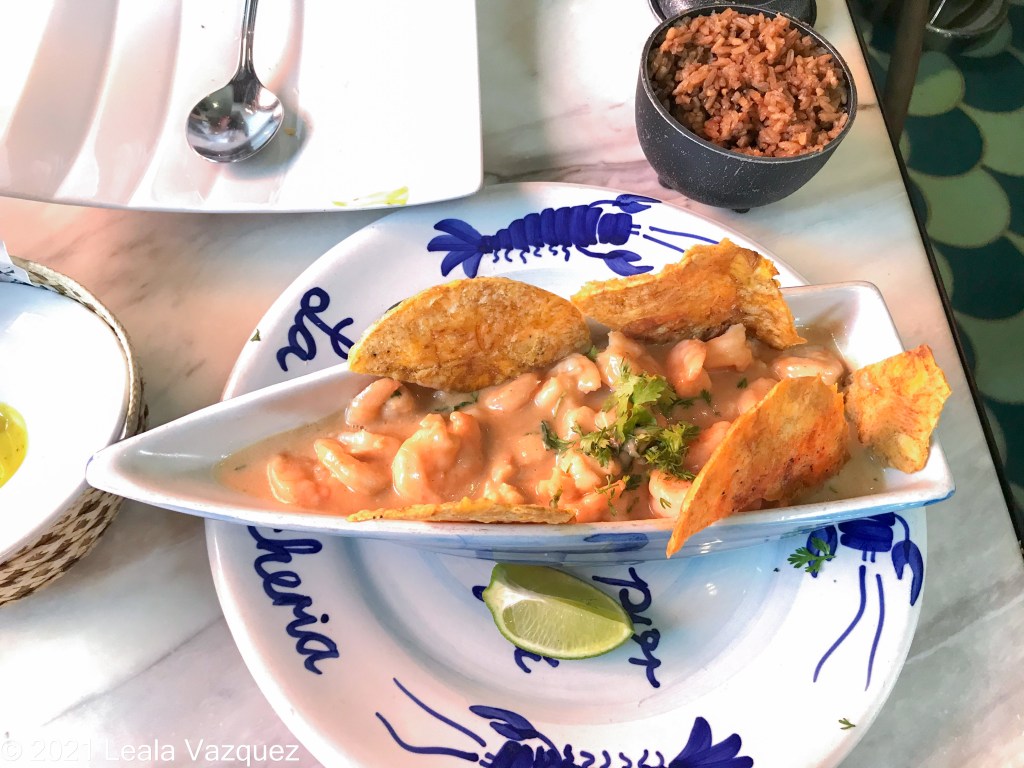
Ceviche
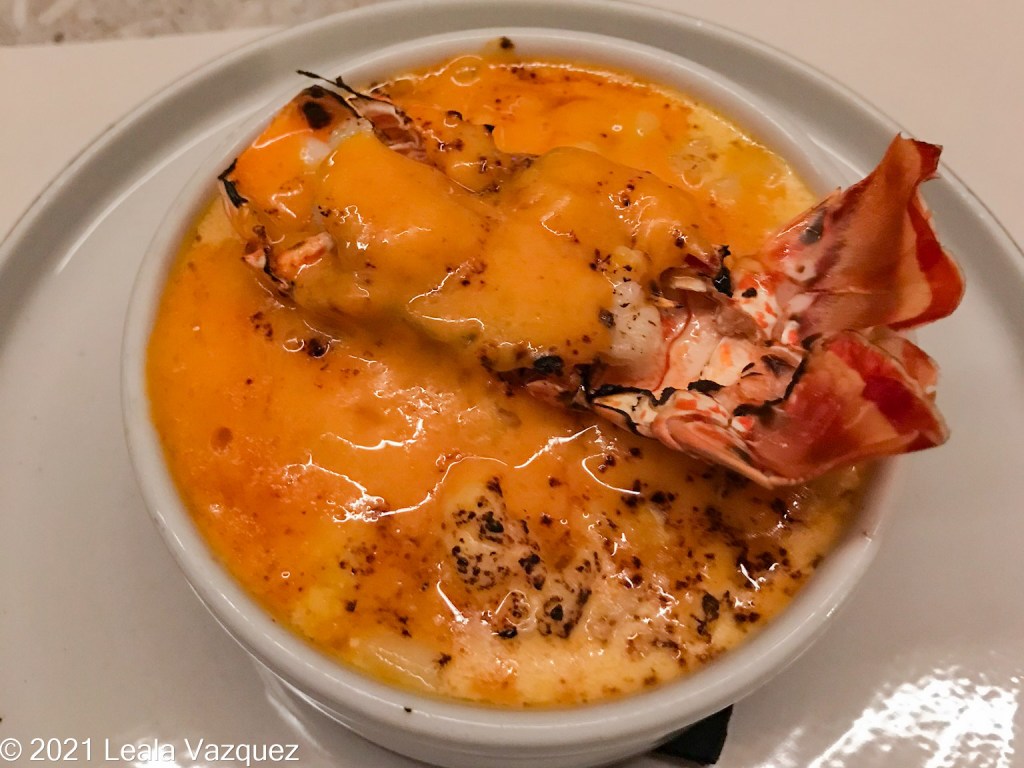
Mac n cheese de langosta

The next day …

I have a travel partner again! My friend M has arrived. I’ve checked out of my hotel and transferred my belongings to the apartment where we will spend the next couple days. Unfortunately when we arrive they want all cash payment. We are both confused because we thought we had prepaid. Additionally the booking had no specification about paying in cash. We don’t have that much cash on hand so we ask if we can pay later after we are able to withdrawal more money; hopefully we have high ATM limits. After we gather the funds we have a really hard time finding a person to pay. Our days are similar, we return after sightseeing and we still not know who/how to pay. It makes us a little irritated and anxious. Eventually we learn that there is an office that is not often occupied. One day we find a person in the “office”. They seem ready to leave but we make sure that we pay for our stay and get a receipt. Whew! Glad that drama is over! Luckily our next hotel is prepaid by credit card.
Area outside the hotel

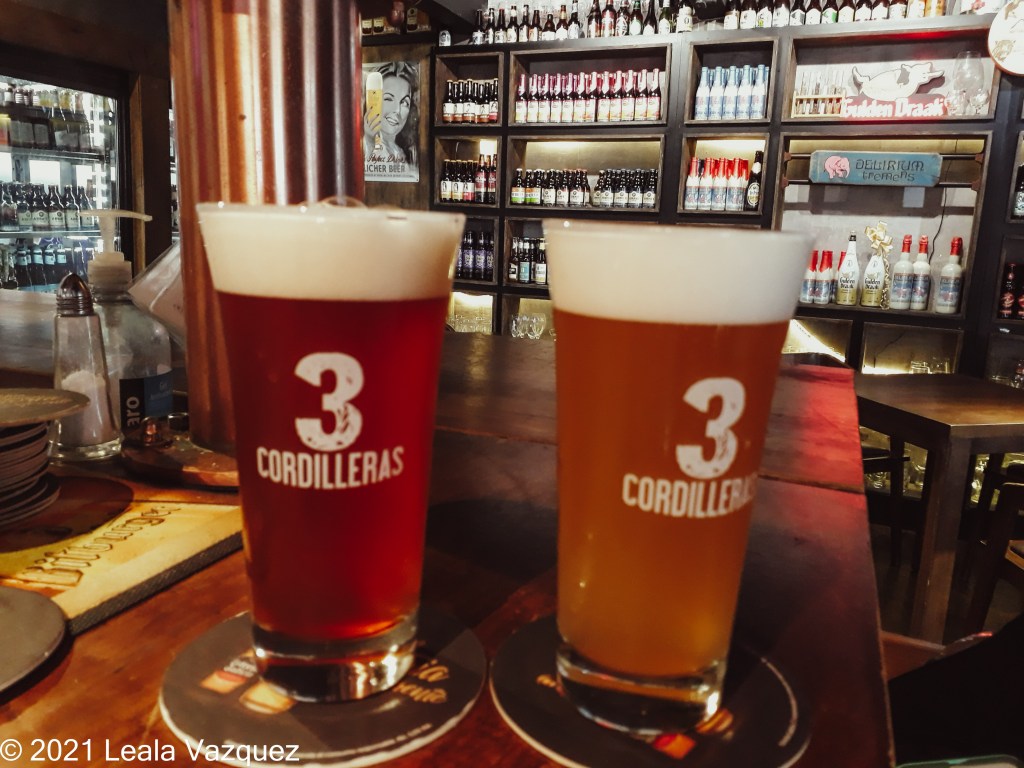
Once we drop our bags off we hit the ground running. We first head out for a beer at the pub around the corner.

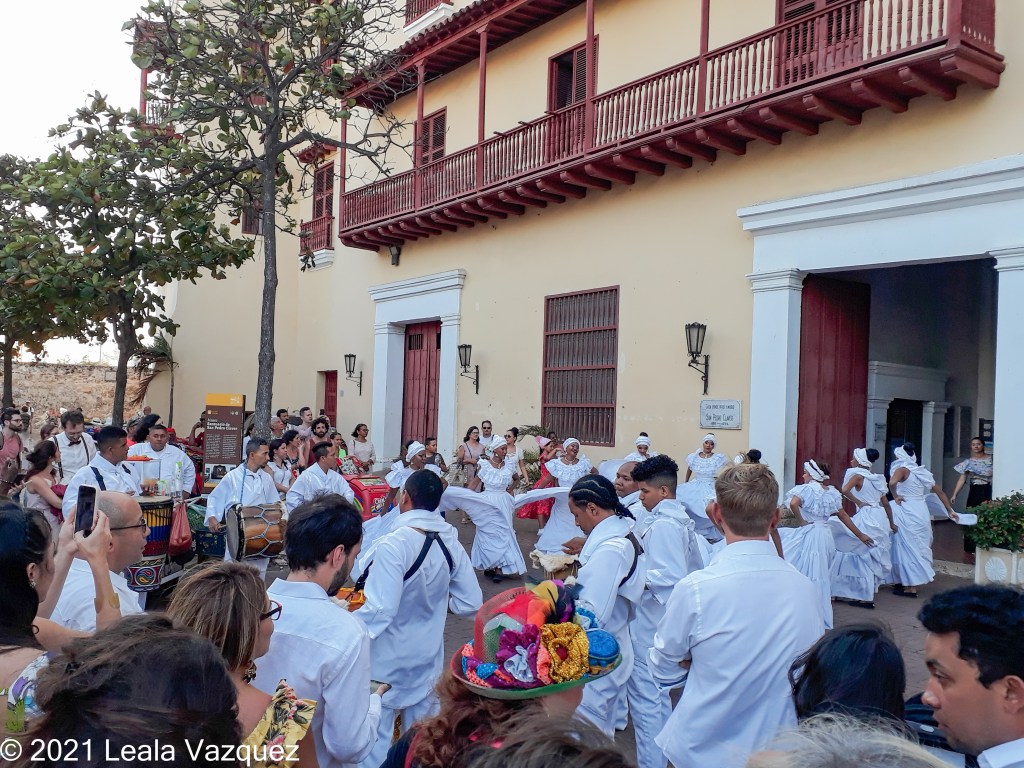
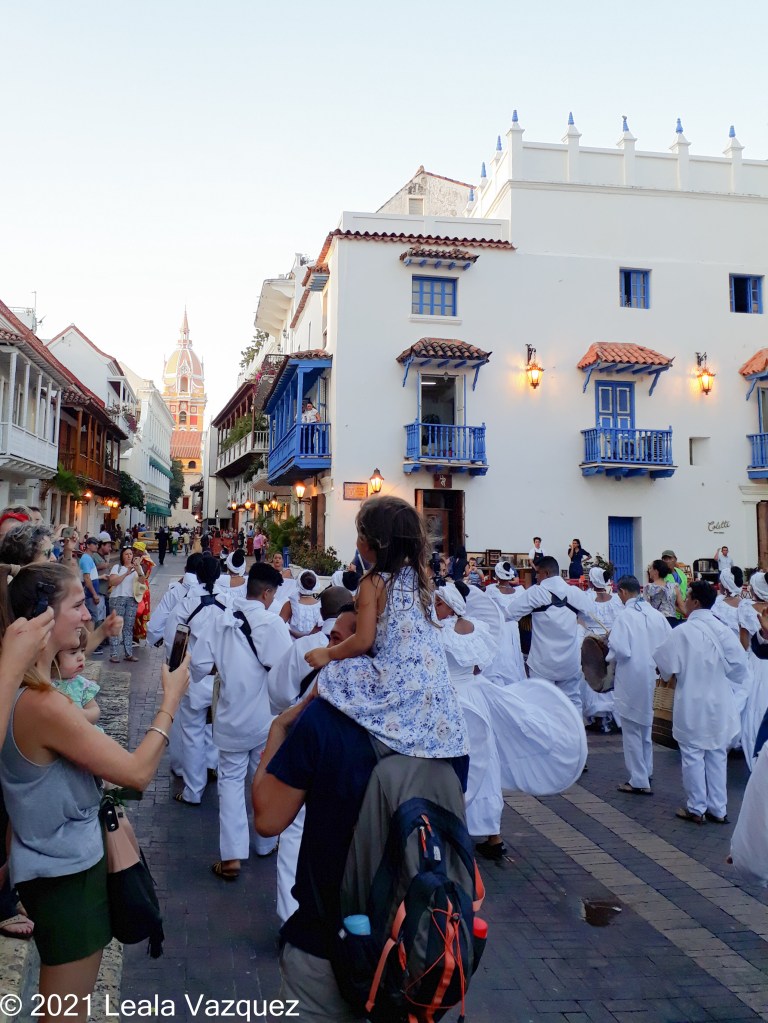
We then walk around town a bit. We end up catching the tail end of a wedding. It is fun to see local wedding traditons.

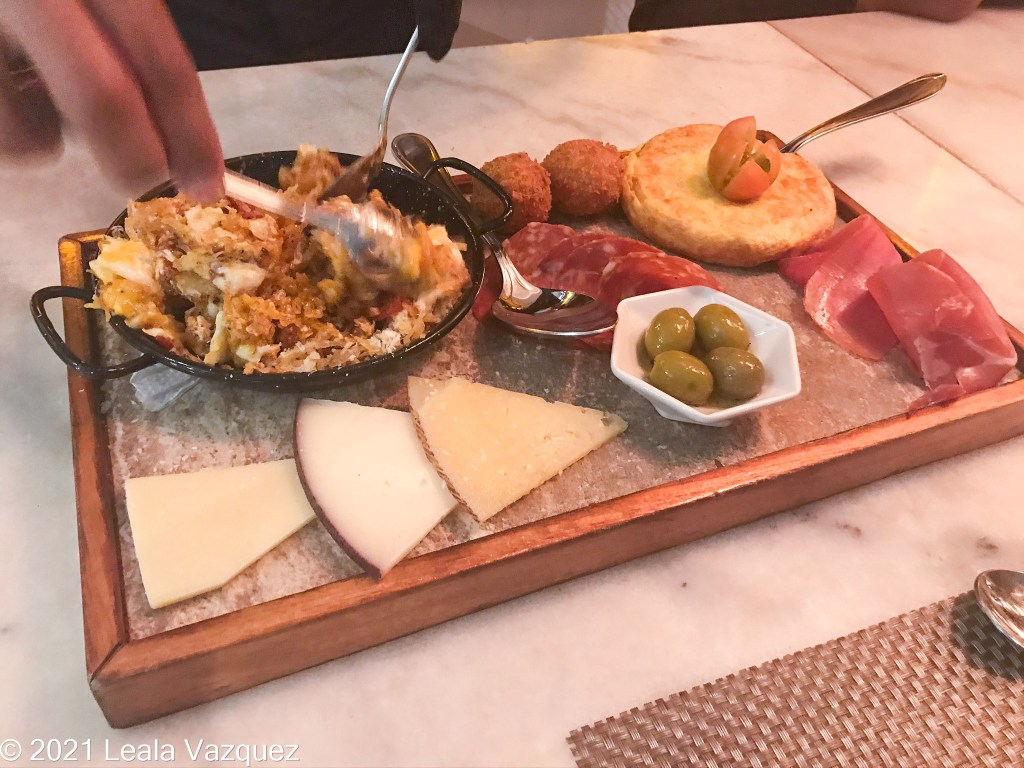
Finally we share a Colombian version of a charcuterie platter. We have an early morning cruise scheduled tomorrow so no late night for us.

Salento: Finca El Ocaso

Today is my first full day in Salento Colombia. I am in a coffee growing region so it is natural that I visit an coffee farm or a finca (Spanish word for farm). Finca El Ocaso Salento seems to be close to town and highly recommended for a coffee tour.

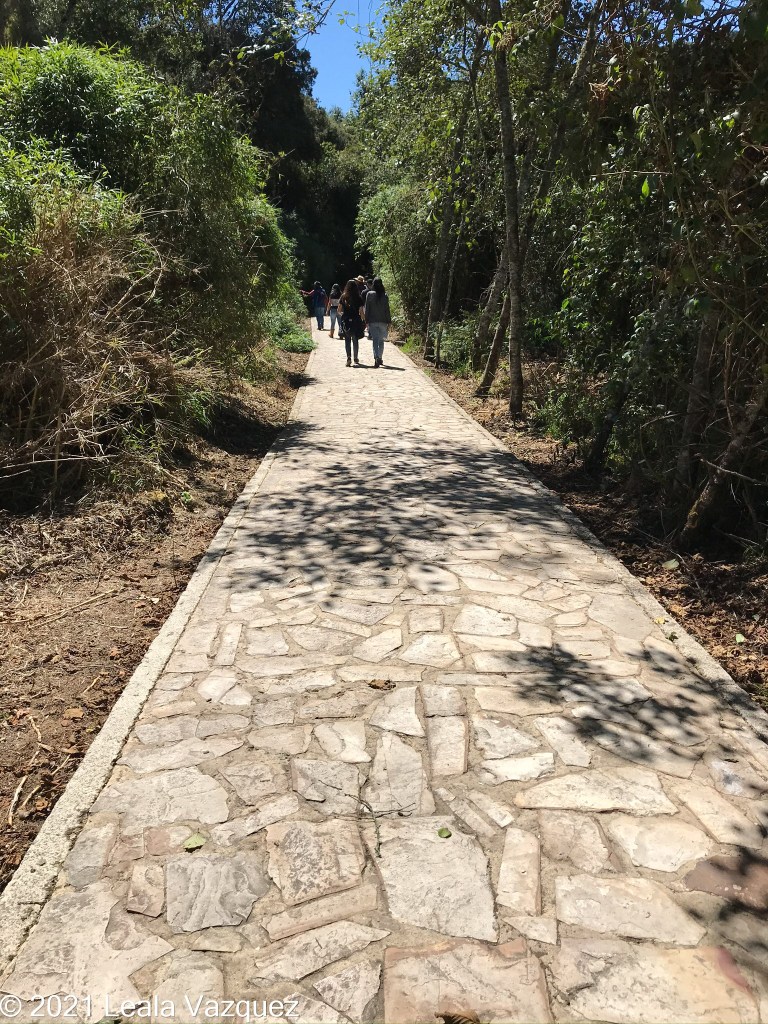
I skip breakfast and head out early for my 45-ish minute walk knowing well that I walk slower than most and will need extra time. It is 4.5 to 5 km from my hotel to the coffee farm. The walk is mostly downhill but there are some up and downs. I notice some unfortunate people biking uphill on the rocky road. I could have arrived by truck but it is my first day in town and I am not familiar with how to hire a ride. Walking is a great way to explore the countryside.

On my way out of town

I travel to the edge of town until I get to the road that will lead me to my destination.

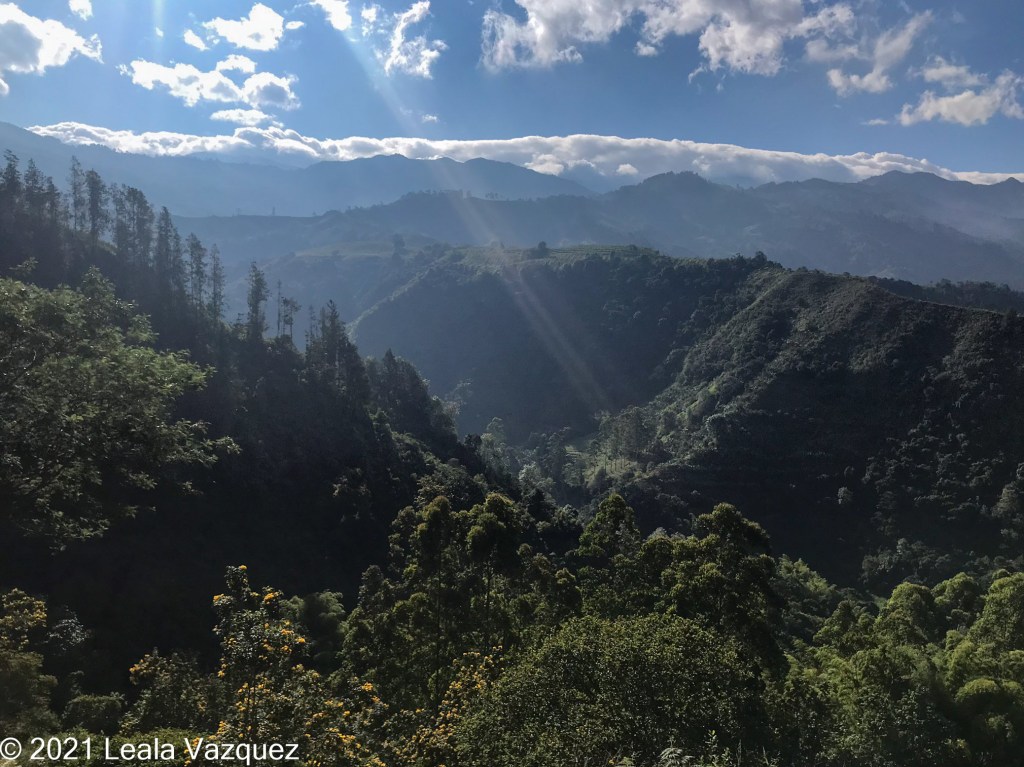
I love the views on my journey.

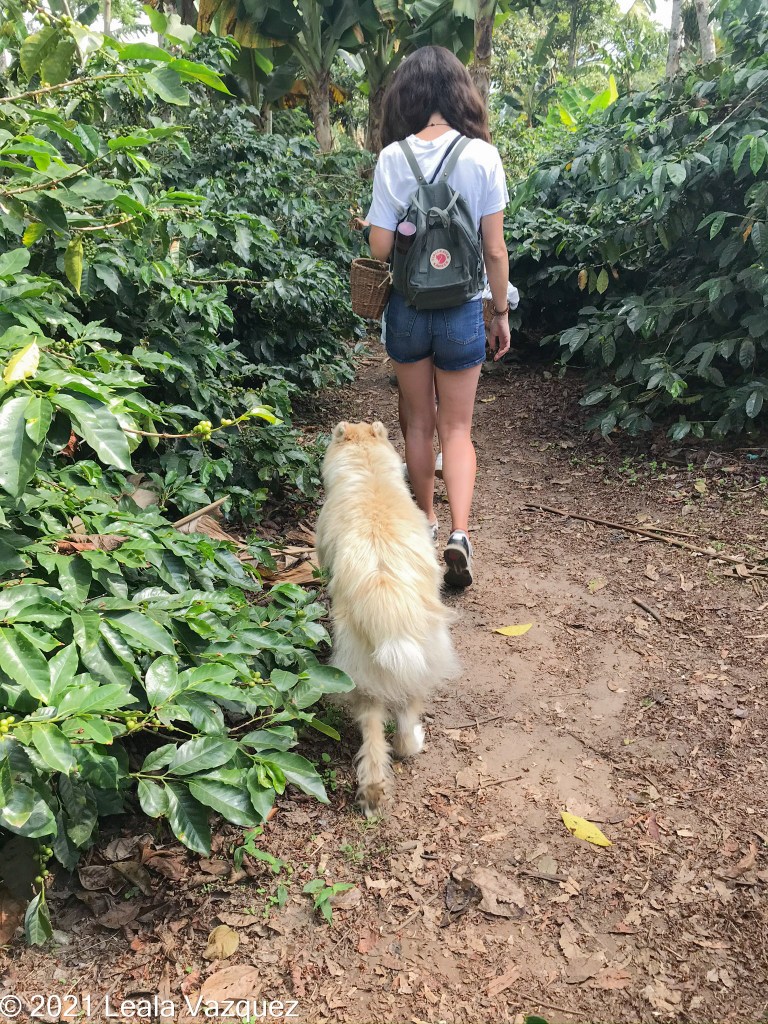
Finally I have arrived. I head down the path to the main building to check in for my tour.

I arrive slightly early for the English speaking tour. The cashier is confused when seeing my Spanish last name because I do not look like a native Colombian (I still carry the last name of my ex). She tells me that traditionally women in Colombia do not take their husband’s last names.

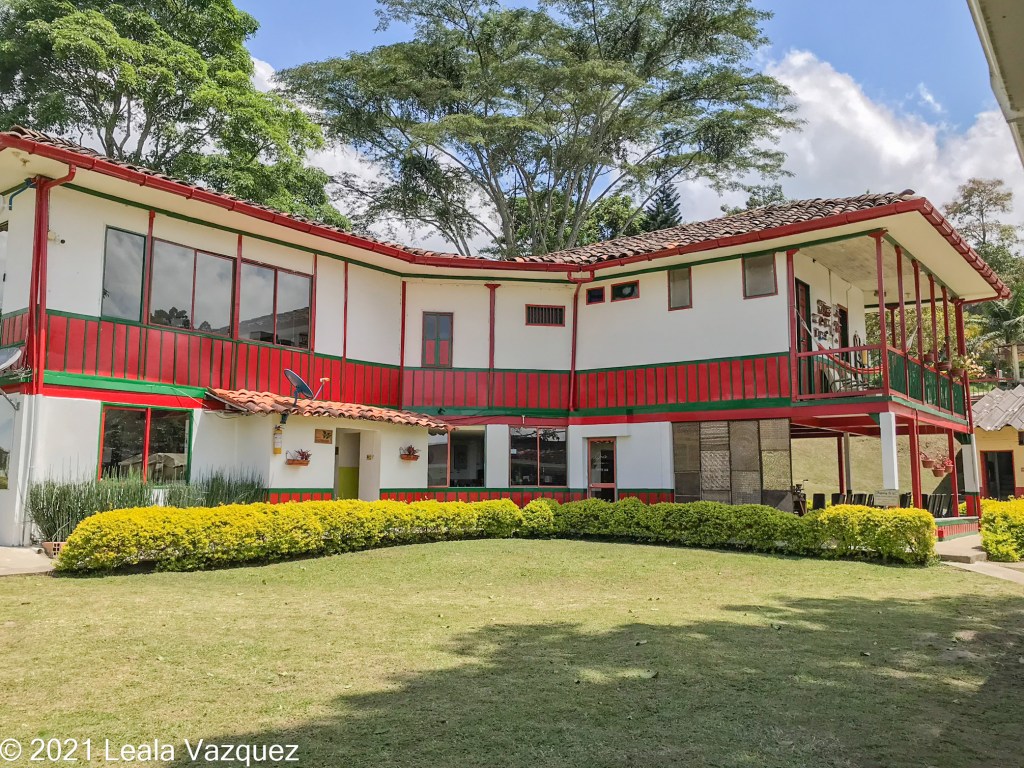
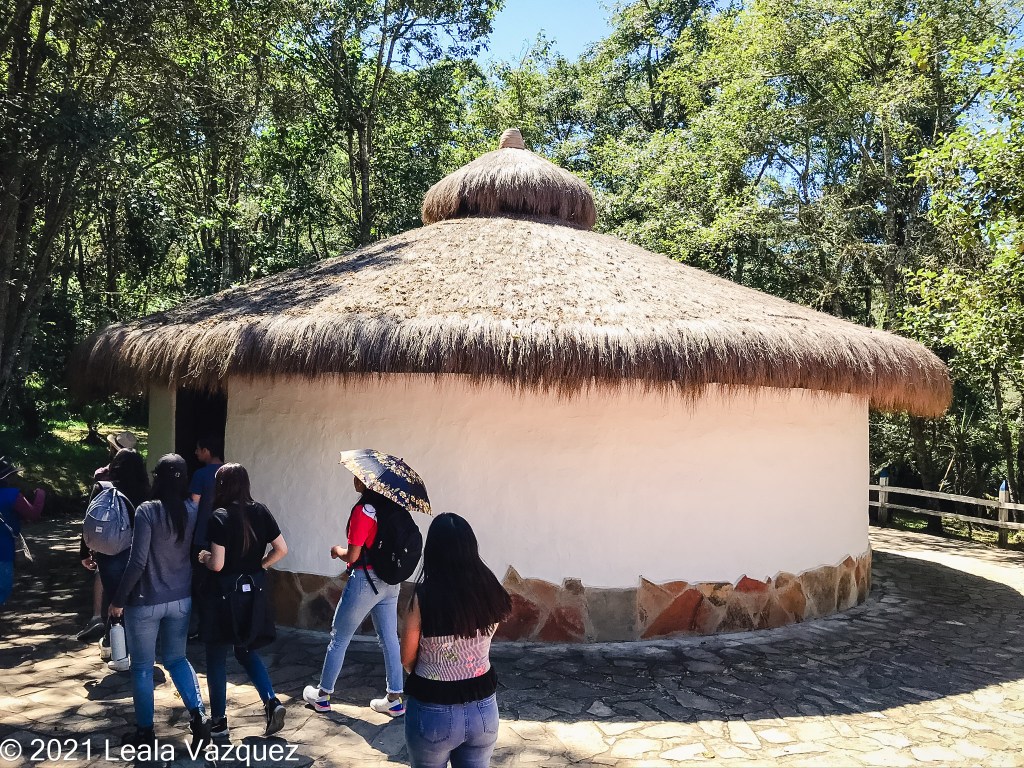
I wait on the beautiful grounds for my tour to begin.

We meet our tour guide. Our guide gives an introduction on growing Colombian coffee. Coffee is actually not native to Colombia but introduced by Jesuit priests arriving from Europe in the mid 16th century.

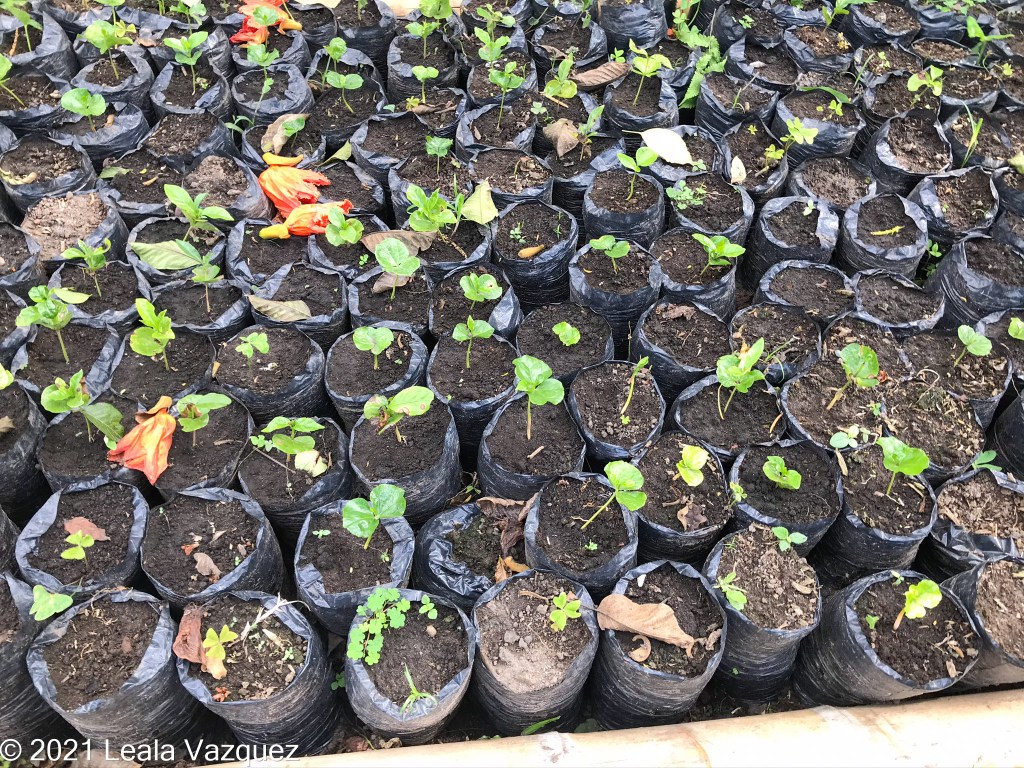
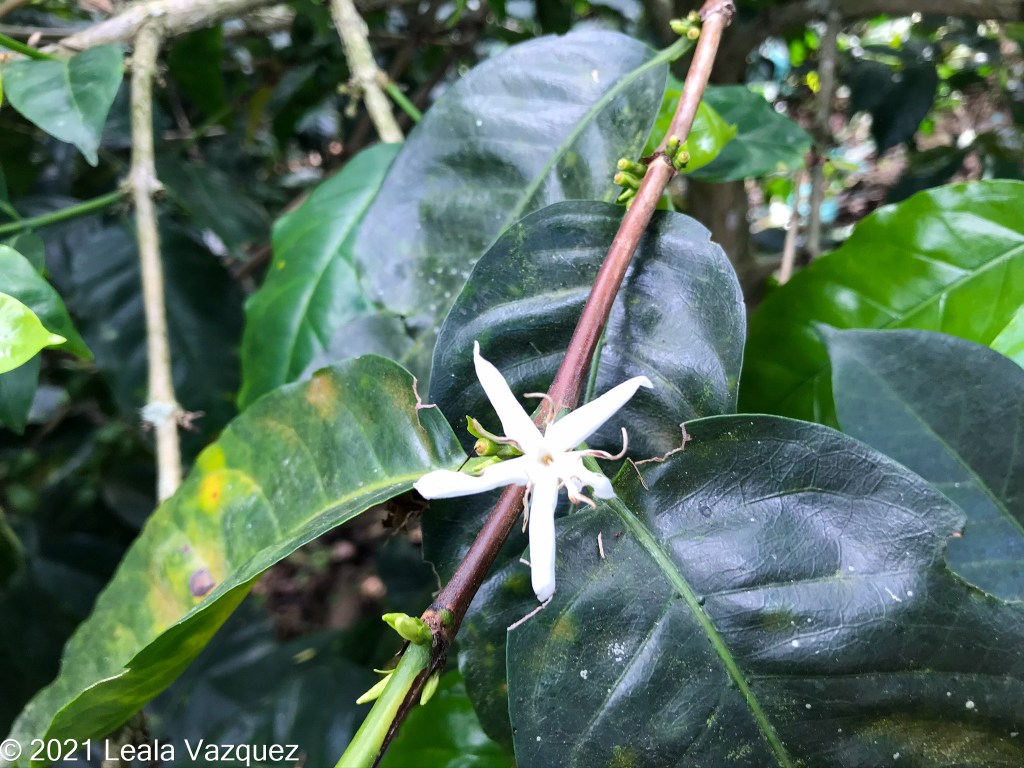
We look at the different stages of growing.

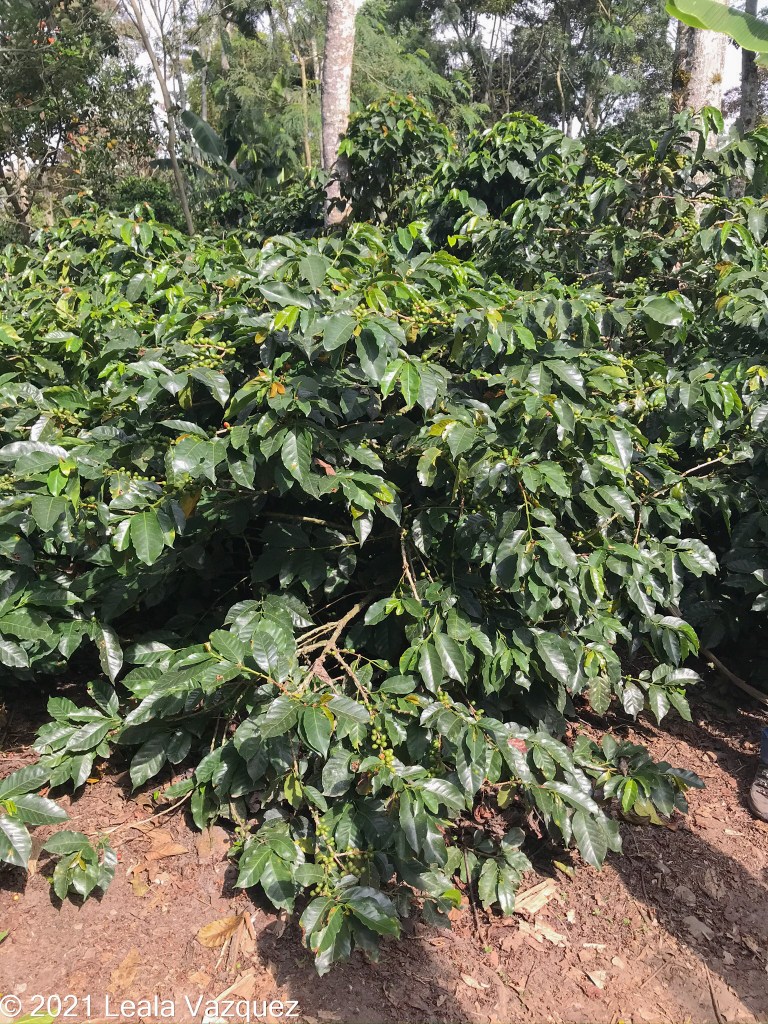
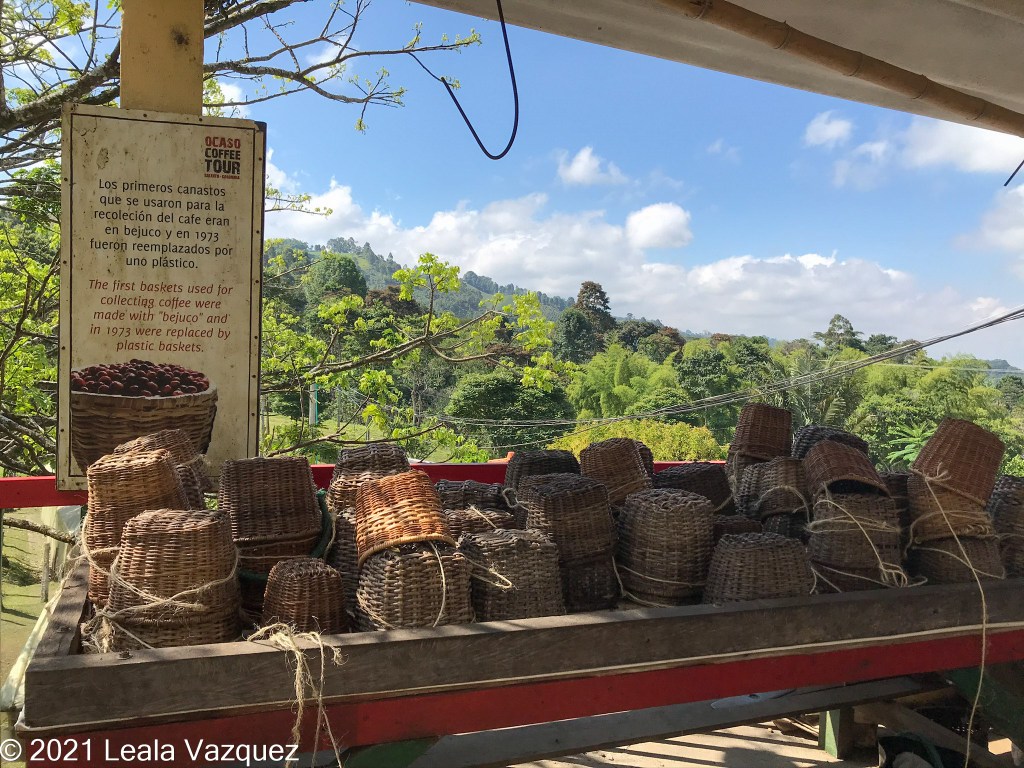
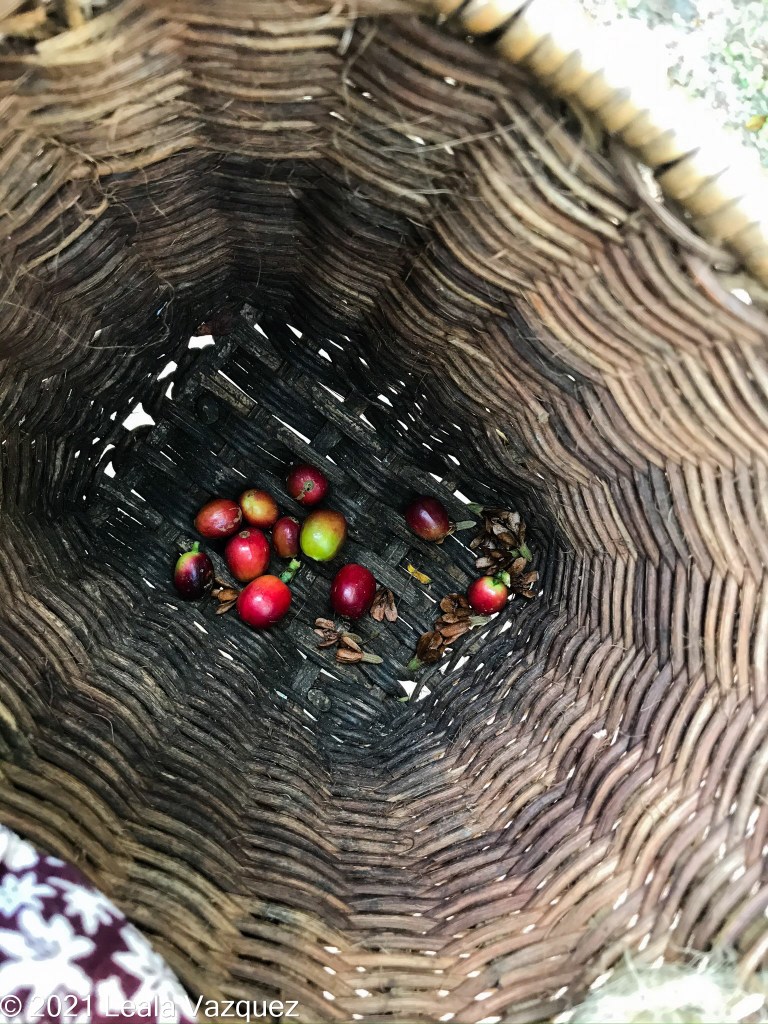
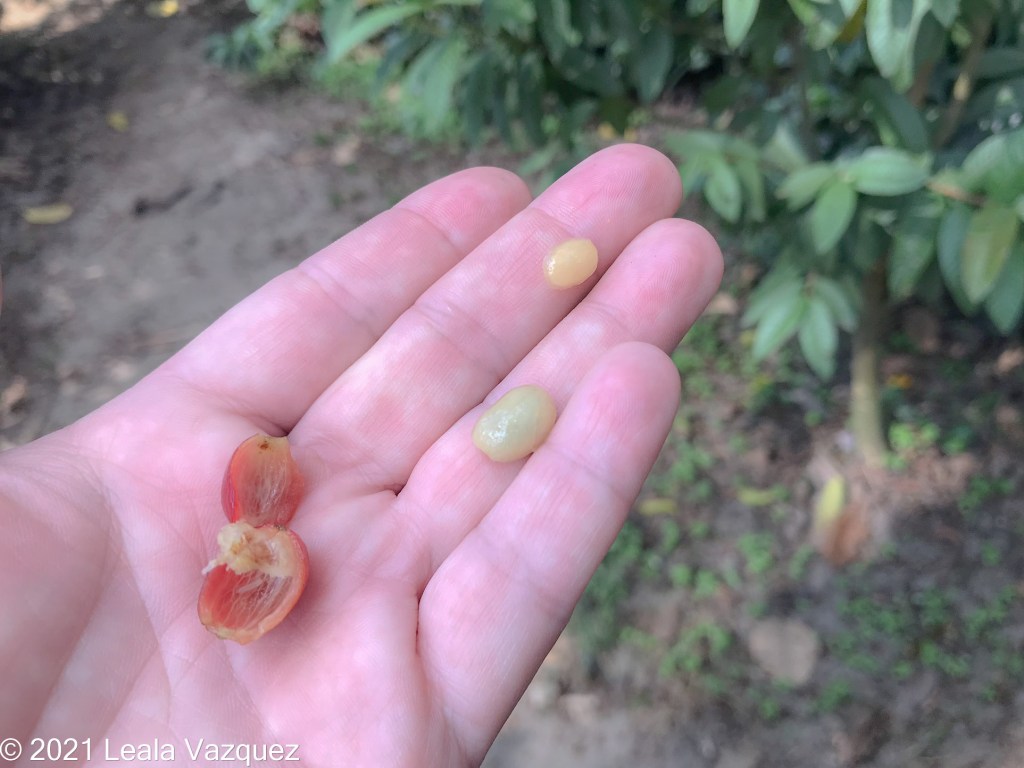
We are given baskets and instructed how to find berries ready for picking. I wander through the bushes trying to find ripe red coffee berries. I am having a hard time spotting them but I do find a few.

We are told to try the berries (or coffee cherry pulp) and it doesn’t seem to have much taste to me. Most berries have two beans (or seeds) inside. Some come with only one seed inside, those are used for peaberry coffee.

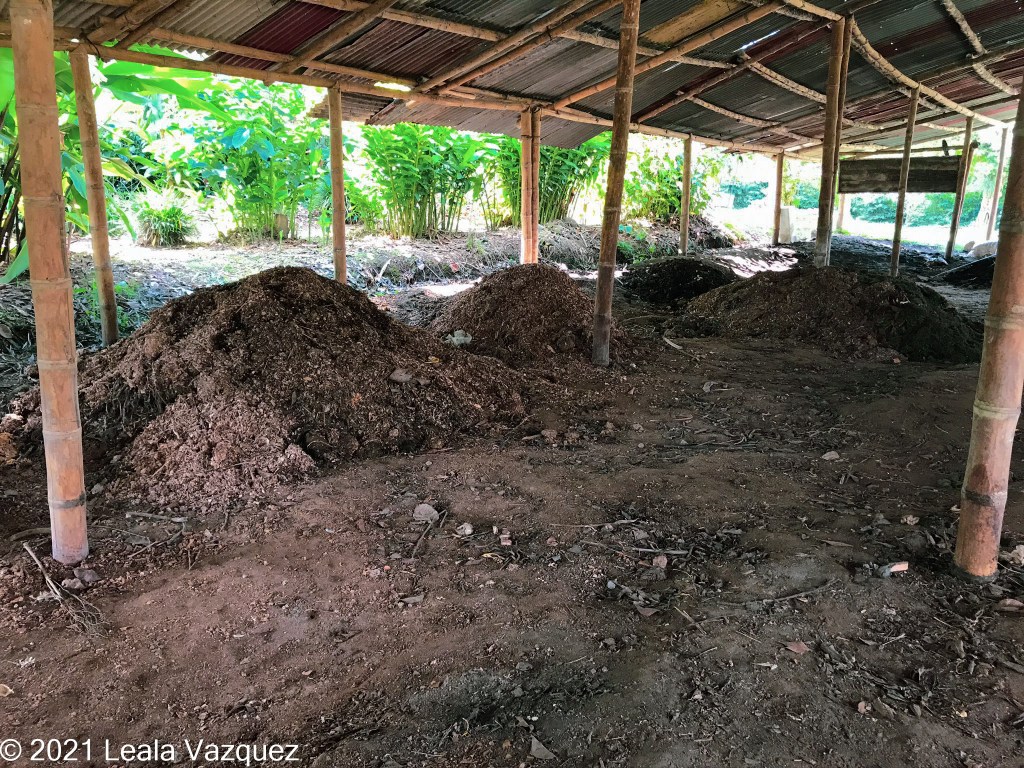
Our guide points out companion planting and that the coffee is mostly shade grown.

composting

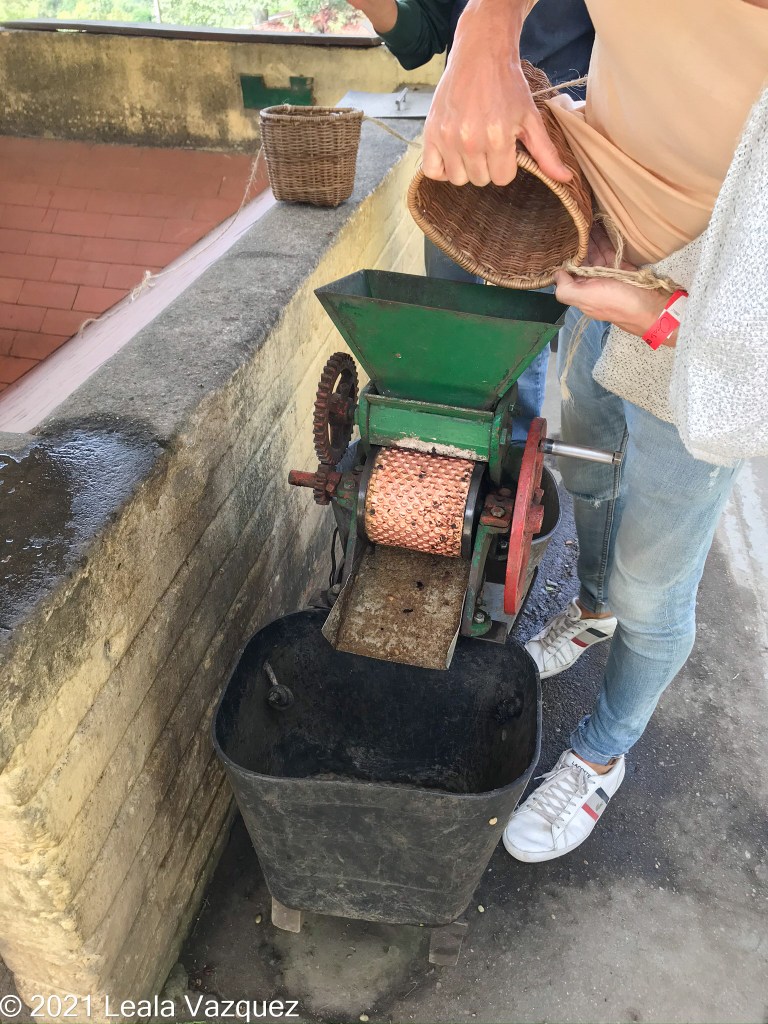
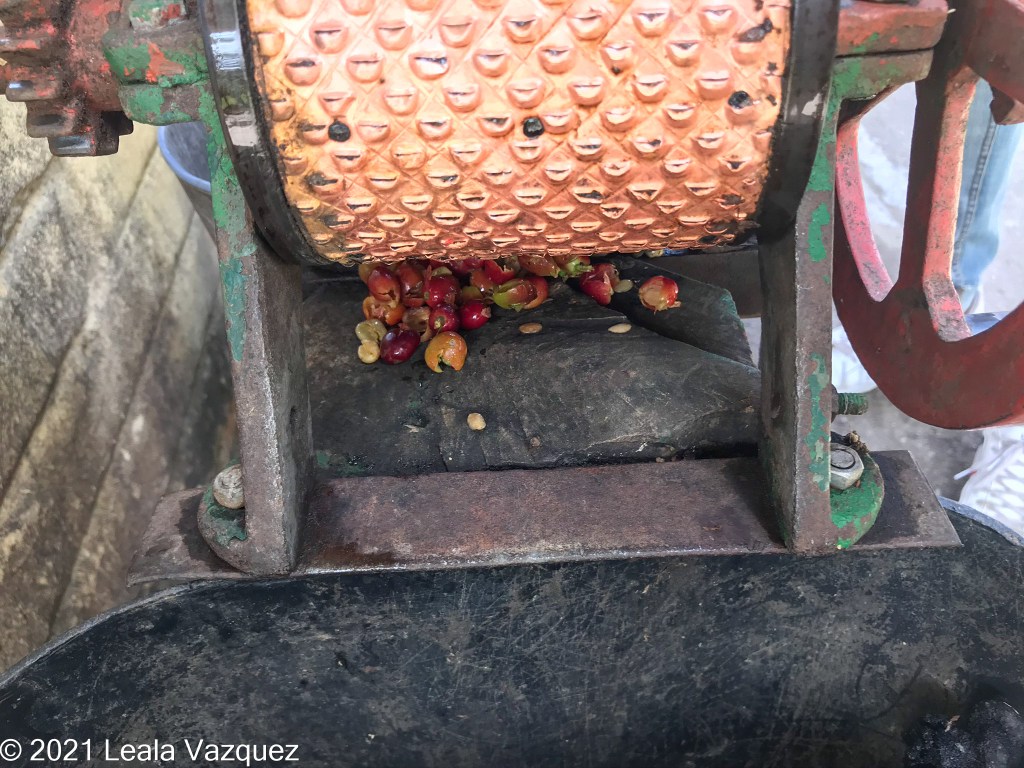
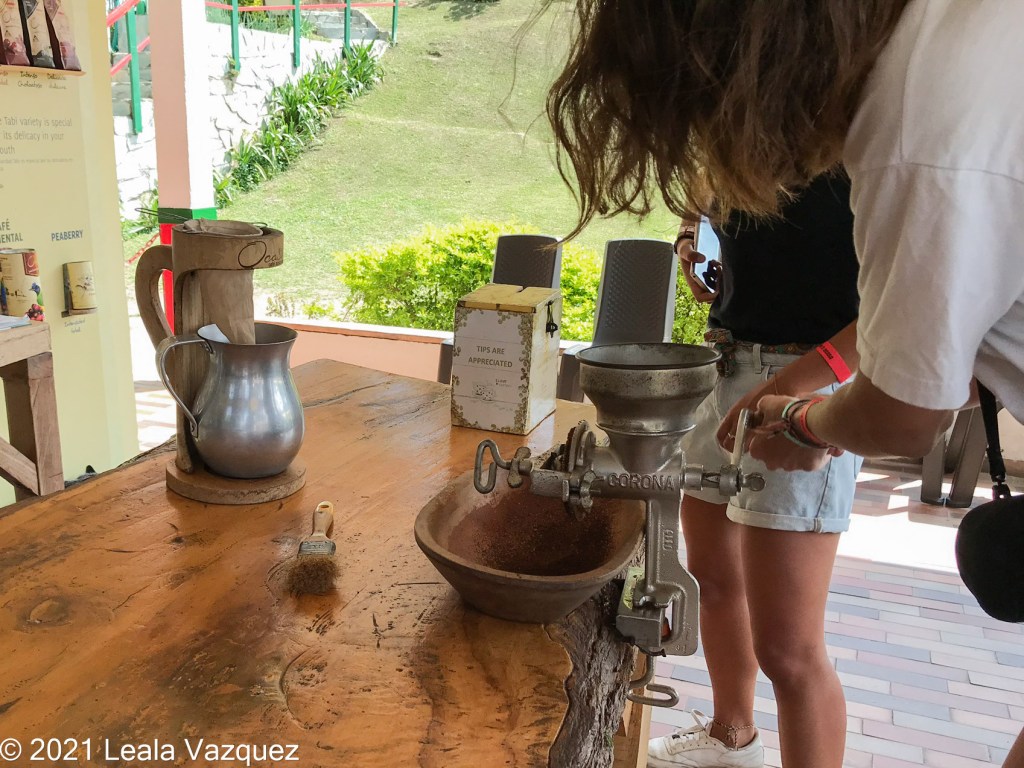
We take our berries back for processing. We are told about a couple different techniques for this. The grinder separates the beans from the berry pulp and skin.

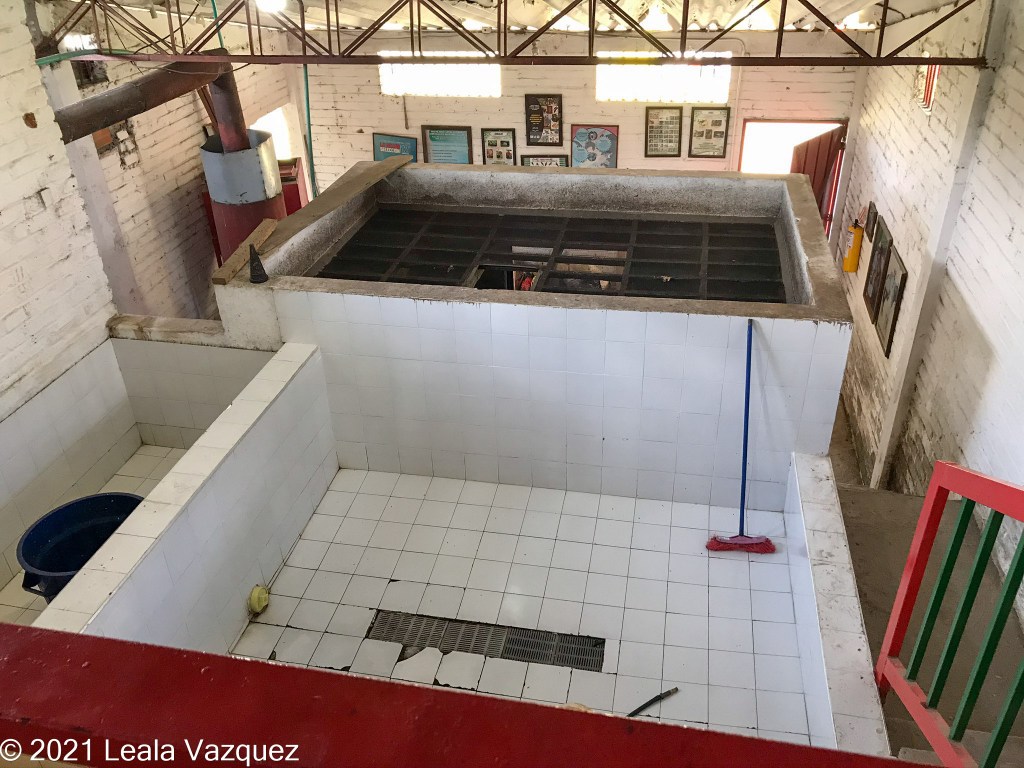
We go indoors and view equipment used for larger scale processing.

A german actually invented the modern day coffee peeler.

The most recognizable man in Colombia (besides that drug lord) is Juan Valdez. We learn that he is not a real man but a marketing feature that has been represented by different men throughout the years. It is a highly successful campaign.

We head back outside to see the beans drying on racks

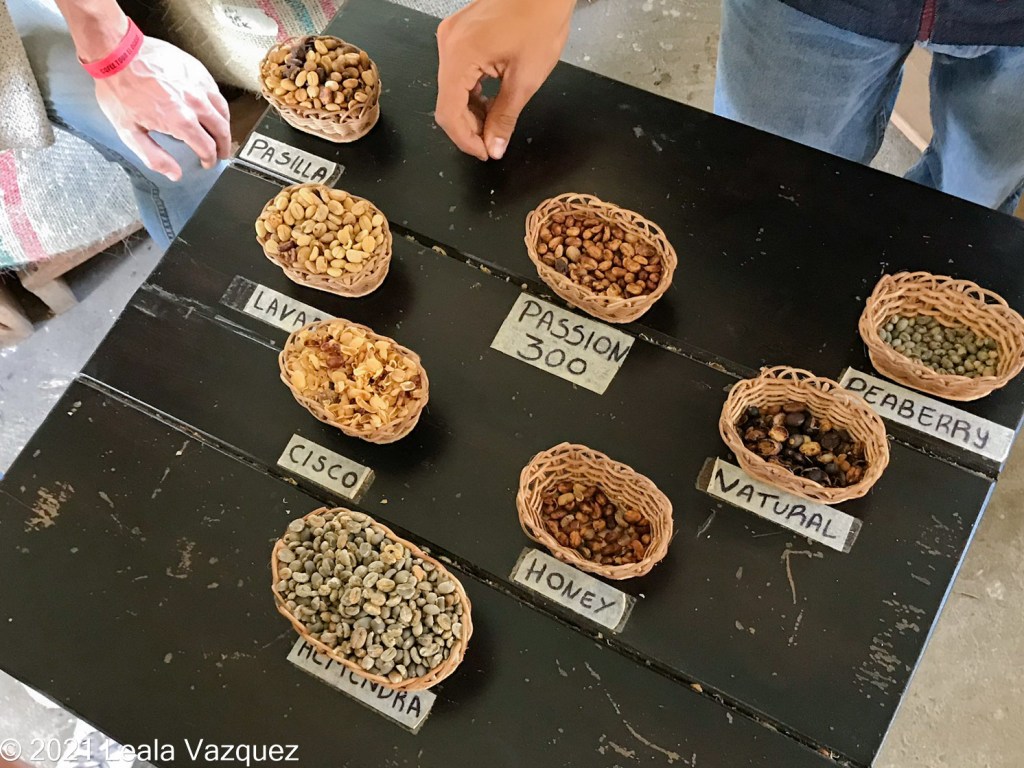
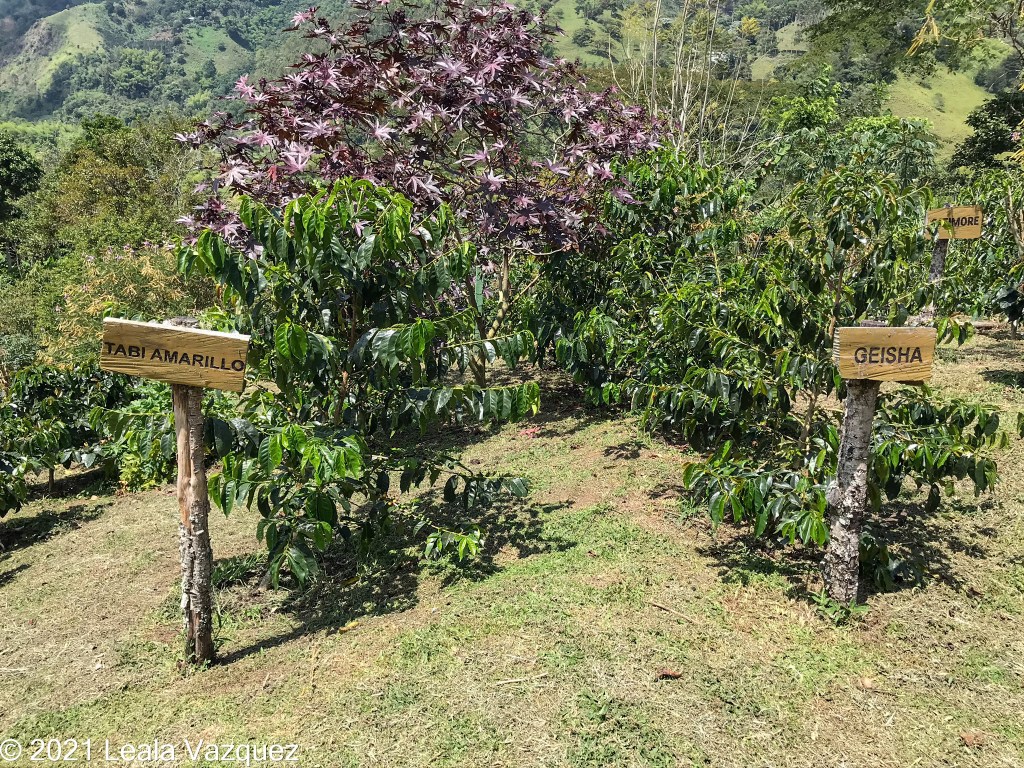
Our guide tells us about the different coffee types produced on site.

In Colombia the beans get sorted by quality. We are told that lower quality beans float to top of water and are typically sold as supermarket beans. Meaning the worst of the beans get sold in supermarkets in Colombia. To get good coffee one has to visit a finca or a cafeteria. A great deal of the good stuff is exported to other countries as well.

Finally we are taken to the kitchen where we learn how to roast. It is a delicate process. In the USA we burn the heck out of our beans and that is not how it is done in Colombia. Colombians actually prefer their coffee lighter (but not necessarily light in caffeine). As I spend more time in the country I learn to love my coffee roasted lighter as well.

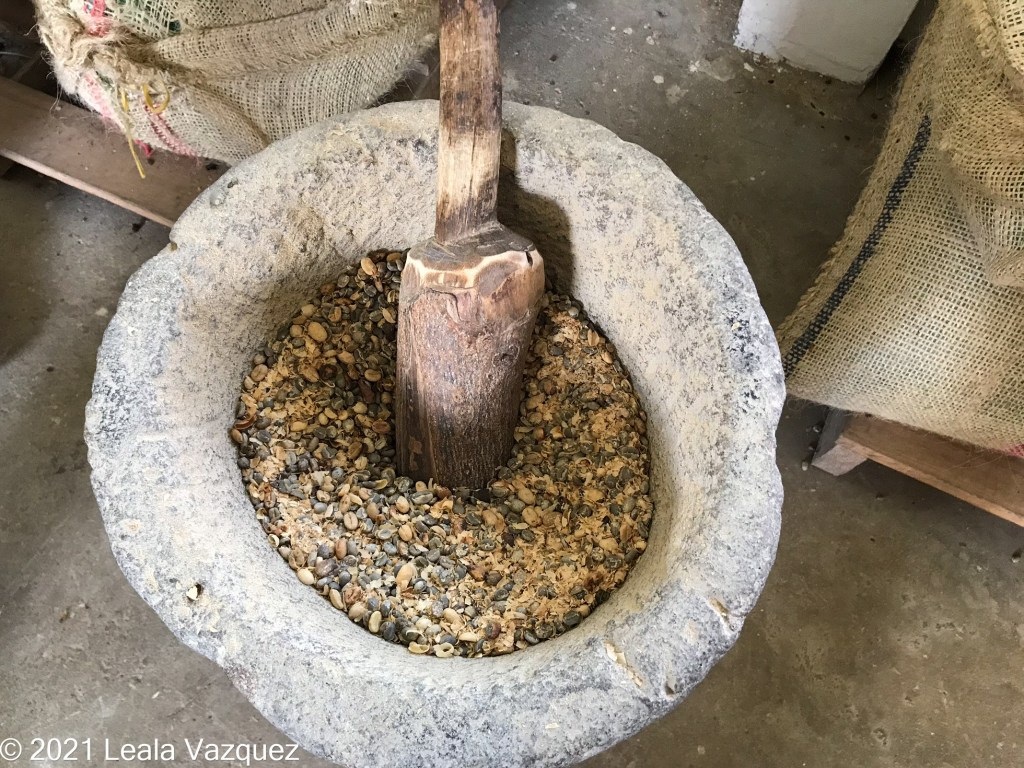
Grinder

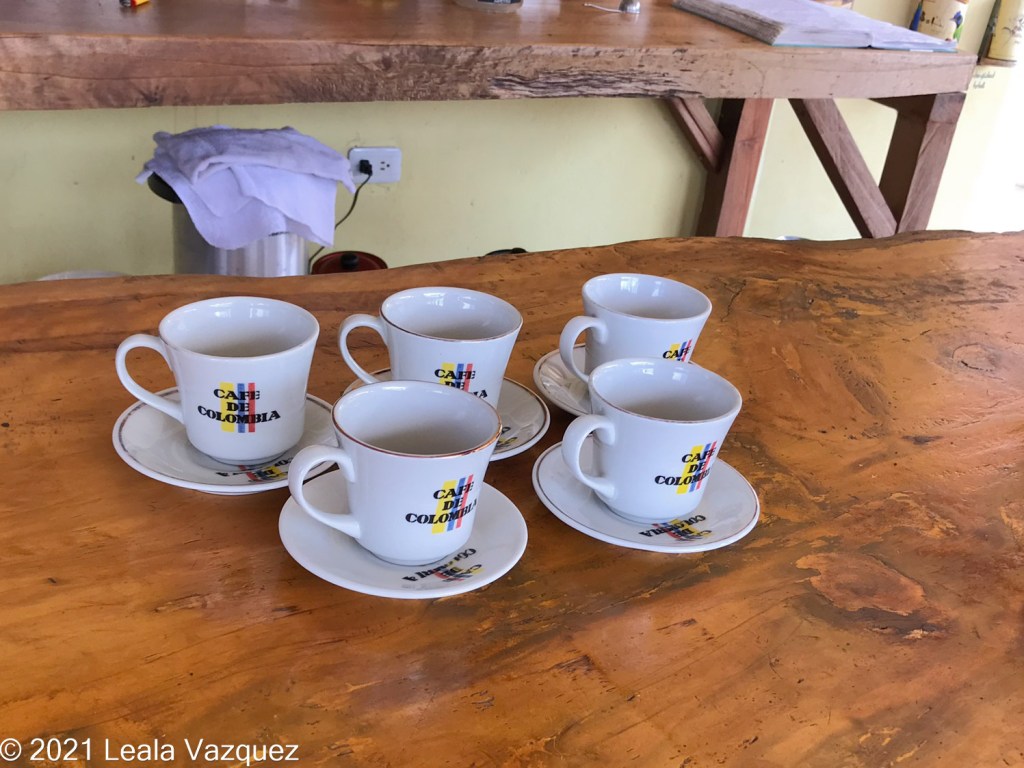
We learn about different brewing methods but brew some fresh coffee using a pour over method.

I am very satisfied with my cup of coffee at the end of the tour.

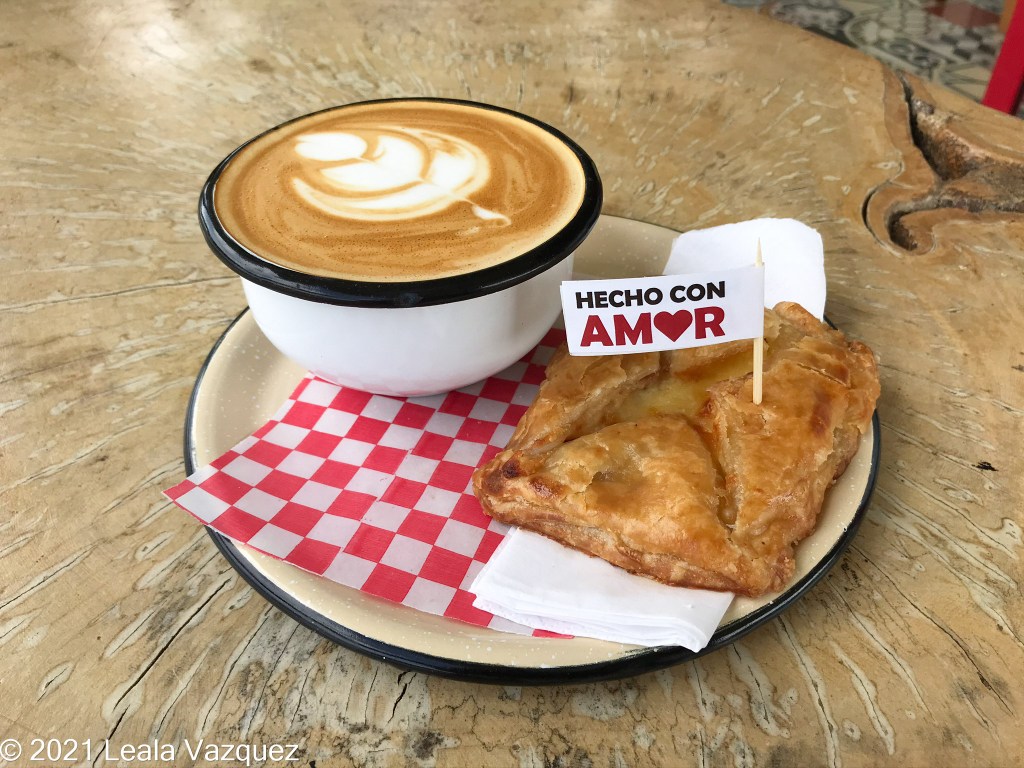
I’ve skipped breakfast this morning so I head over to the café on site to order a coffee and a ham and cheese pastry. I sit back and enjoy the view.

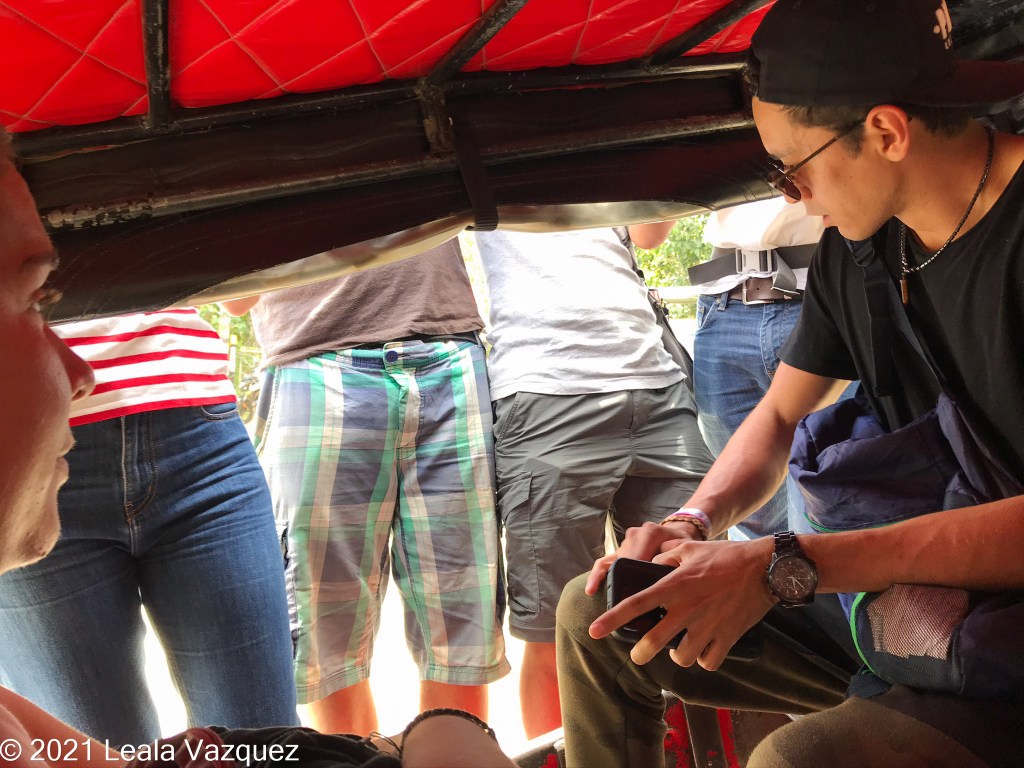
When I decide to head back into town I contemplate the long uphill (and hot) walk to town. This seems to be the best time to take the red truck back to town. These trucks are very handy for getting around. The drivers like to pack them full as seen in the picture below.

Sorry for the crouch shot but I wanted a picture to describe where you’ll be riding if you aren’t the early ones on the truck.

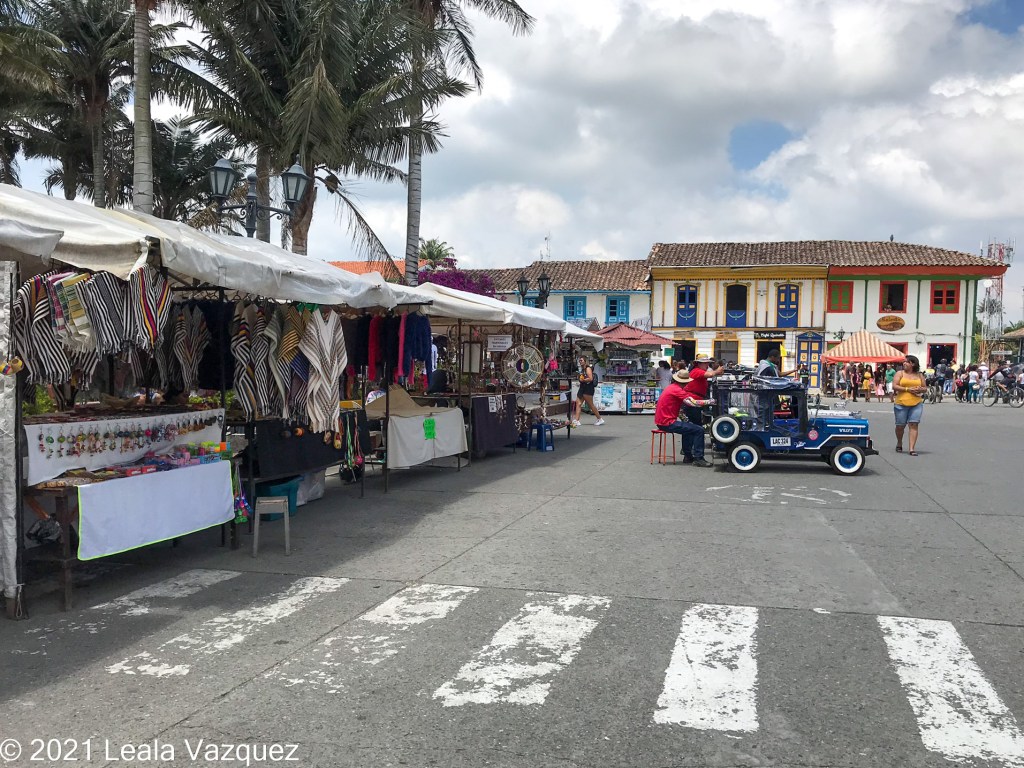
The red truck drops me off at the town center. It is still early and a beautiful day so I take a stroll around town.

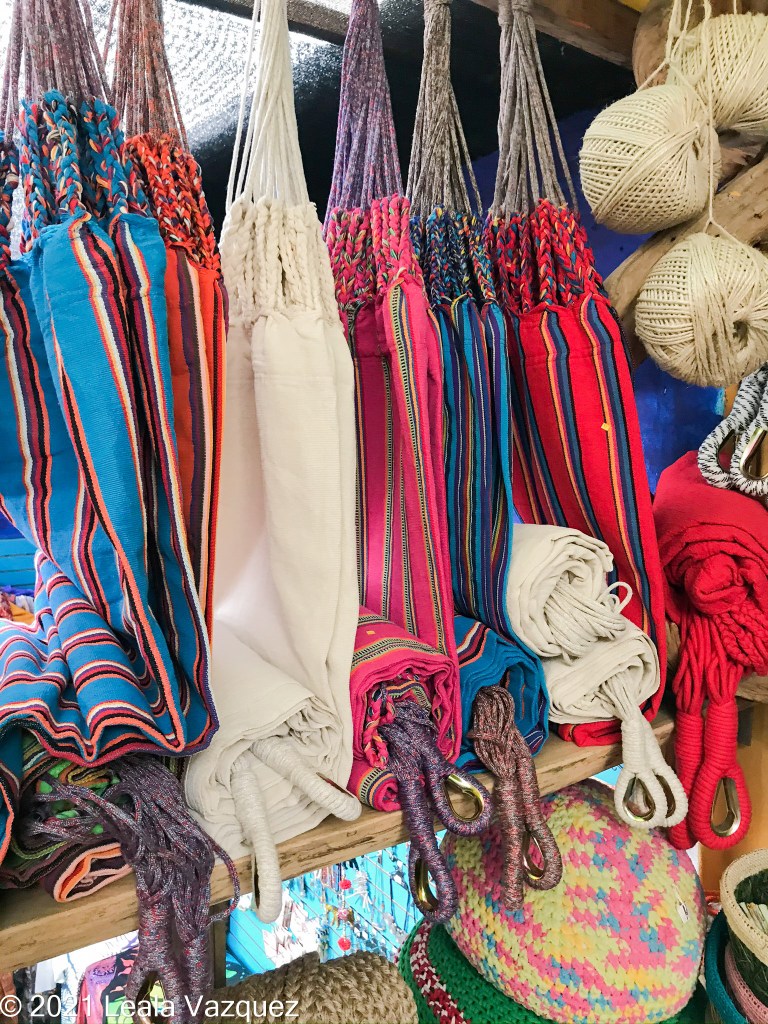
I browse through a couple of shops and cannot resist buying a colorful hammock. It is such an irresponsibly large item to buy while backpacking but I tell myself I only have a couple weeks left to carry it. If I ever have a home of my own again it will look lovely in the backyard.

Salento is a beautifully colorful town as well.

I find a nice terrace to have a sunset drink at Quindú Restaurante. Fortunately they have Colombian chicken soup (Ajiaco) on the menu, something I’ve been meaning to try.

Back to my hotel to rest because tomorrow I plan a long hike.

Arrived in Bogota

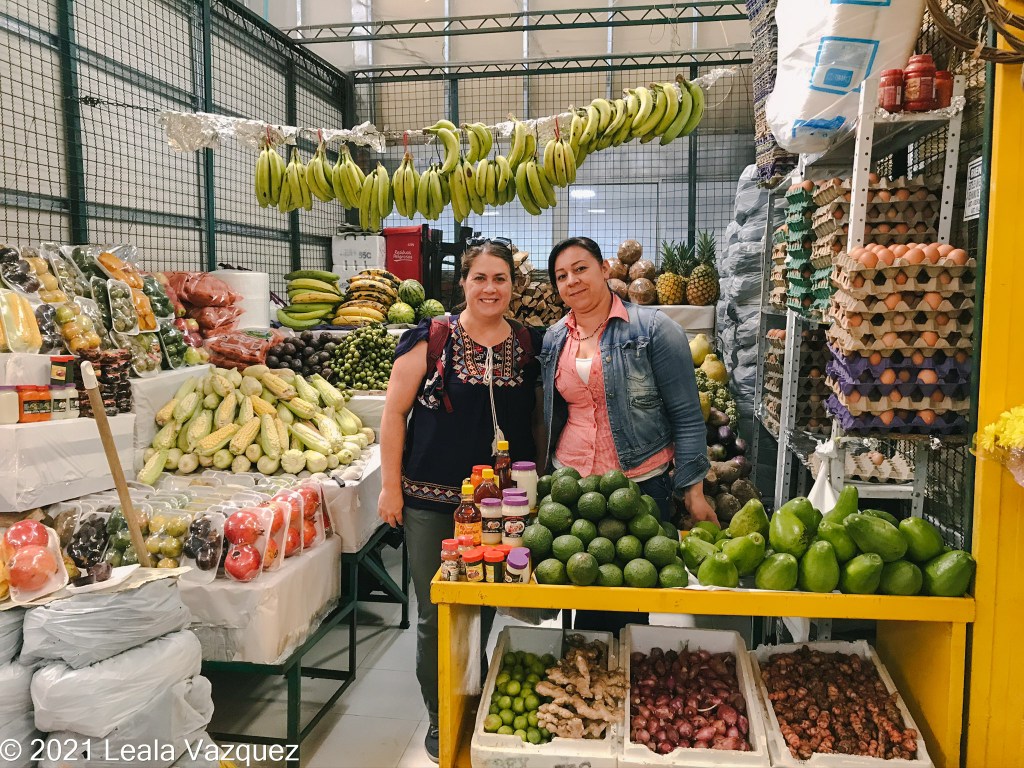
Market in Bogota

I just spent a couple days in Santiago Chile getting over jetlag from the time zone change. I wasted all those days in Chile but fortunately I am rested up for the beginning of my travels to Colombia. As it turns out Colombia will be the last country on my world tour. I will be returning home at the end of the month at the same time as my friend who is coming to travel with me the last part of the trip. I want to keep traveling but I really need to get back to the USA to take care of business. The world ends up shutting down two weeks after I return home (due to COVID) so my timing couldn’t have been better….more on that later.

Now I am in Bogota, my first stop in Colombia. I can’t visit everywhere I want while here but I hope to experience a large part of the country during my travels.

Growing up I learned to fear Colombia, with good reason: Colombia was a very dangerous country until recently. I longed to visit as a child after the 1980’s movie Romancing the Stone that is based partially in the country (which wasn’t actually filmed in Colombia I later learned). Doing research for my sabbatical I wanted to visit a couple different South American countries I had not yet visited (I’ve already been to Brazil, Peru and briefly to Venezuela for business). In my research I settled on Ecuador/Galapagos and Colombia. Unfortunately I cut Ecuador because I didn’t want to rush my travels. Plus I have a friend who is willing to meet me for part of my trip in Colombia – decision made!

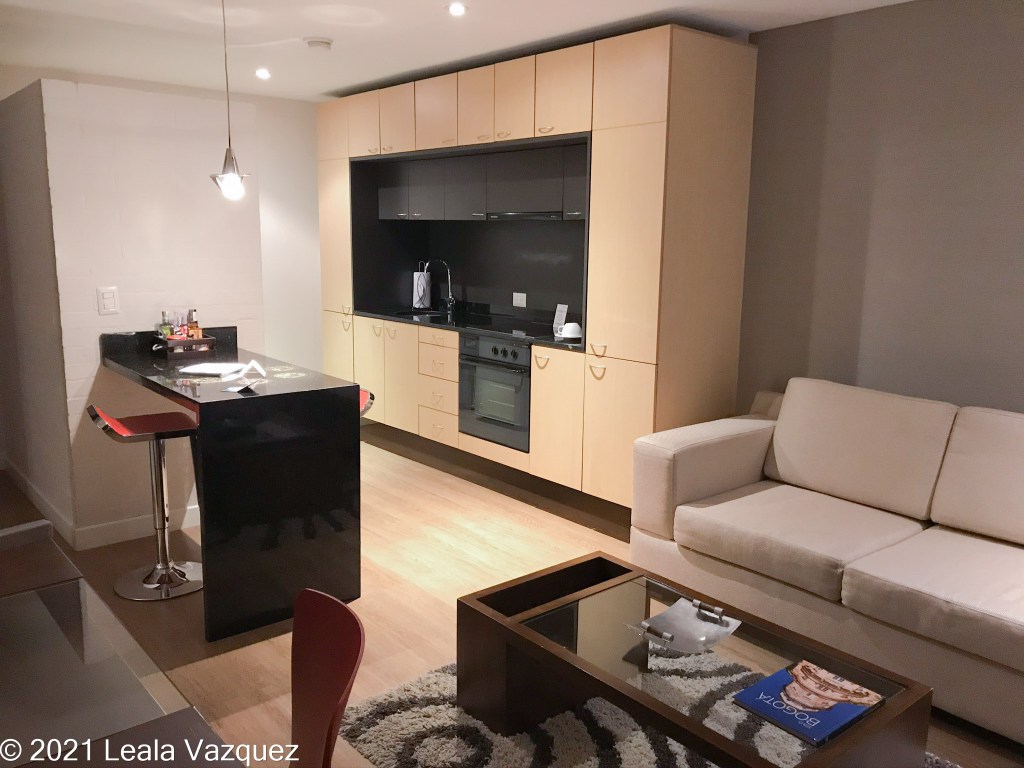
After researching the different parts of town of Bogota I end up staying in the upscale Chapinero. I book an apartment hotel room for my time in the city. My booking gets switched on me last minute which seems suspect but the room check into is pretty nice. I am in an apartment/condo building where many of the apartments are actually vacation rentals. There is a restaurant downstairs that I could visit but I decide to eat out elsewhere or in my apartment instead.

I later learn about the neighborhood from a tour guide and how some higher priced zones have a higher tax structure to subsidize living in poorer neighborhoods or favelas.

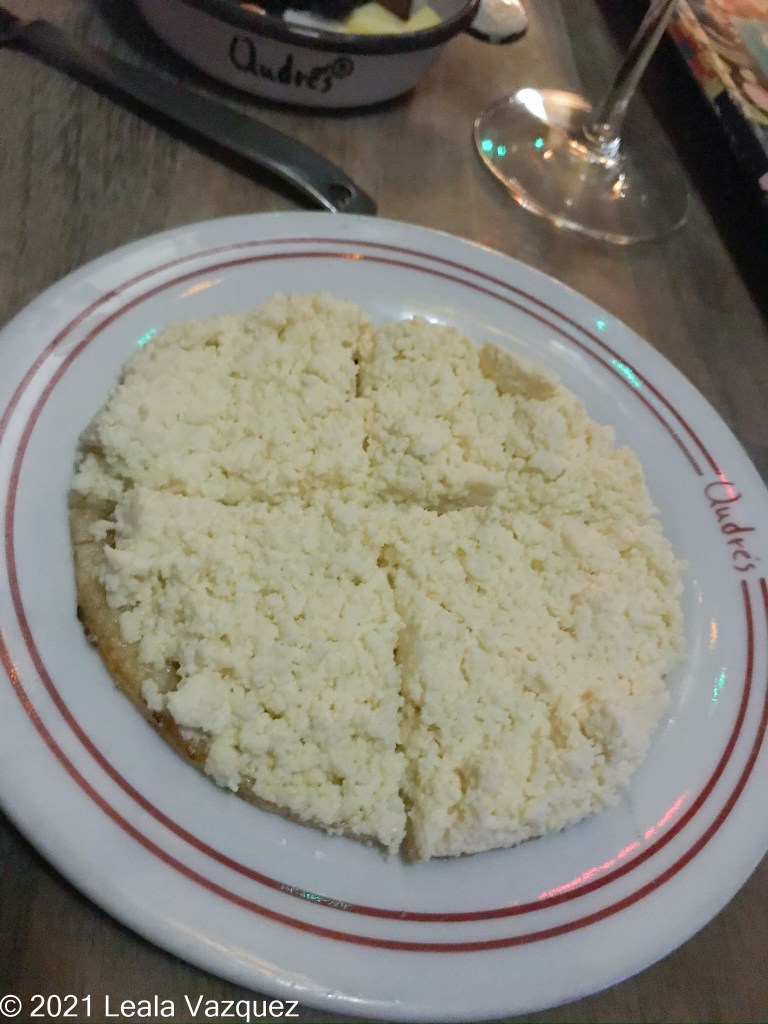
I am in Colombia so naturally hesitant to just start wandering around; however I am more intimidated about public transport at this point so I head out to walk down the street to find a place to eat dinner. I settle on something that looks friendly to tourists Andrés D.C.- Bogotá. The walk seems safe enough. I take precautions like not being flashy but I feel like crime really isn’t a big issue in this part of town. The restaurant is fun and flashy. As expected my server does not speak English. My Spanish is really rusty but this is the perfect time to practice. I seem to be much better with remembering nouns over verbs (especially food) – grammar is hard but I get by.

My first dish in Colombia

The food is just ok at the restaurant. It is what to expect at a chain. Hopefully soon I’ll get to try some local stuff.

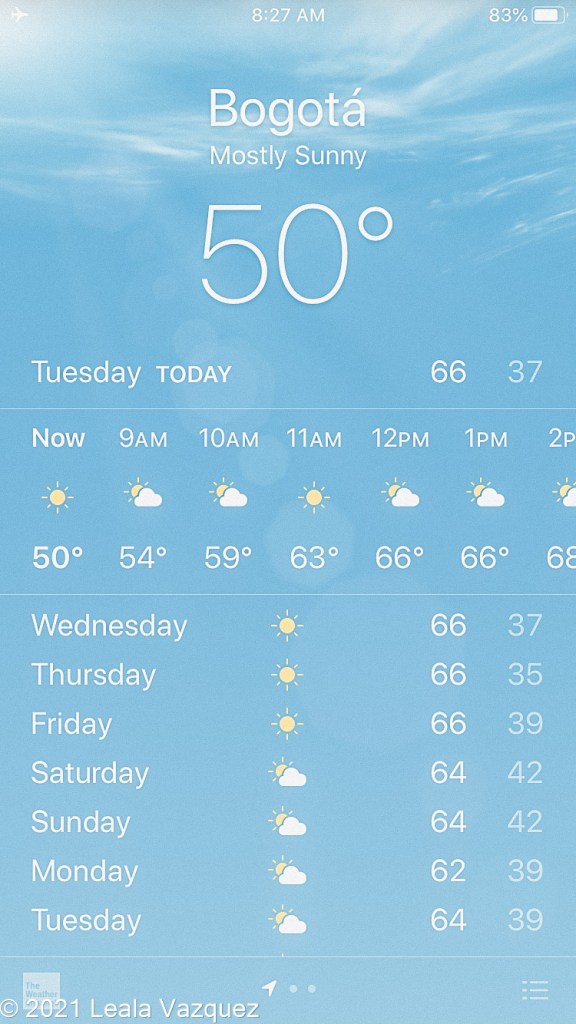
Did I mention that I love the temperatures so far in this city? I am hitting my sweet spot weather-wise: sunny and cooler.

I head back early to my room to rest. I end up booking a pretty expensive day tour through the lobby. The tour is with a private driver so I would have control over my day. I don’t feel like researching and organizing other plans so I book the tour for tomorrow.

In the morning my driver picks me up and our first stop is a local market.

First I get introduced to Colombia coffee and get to try some.

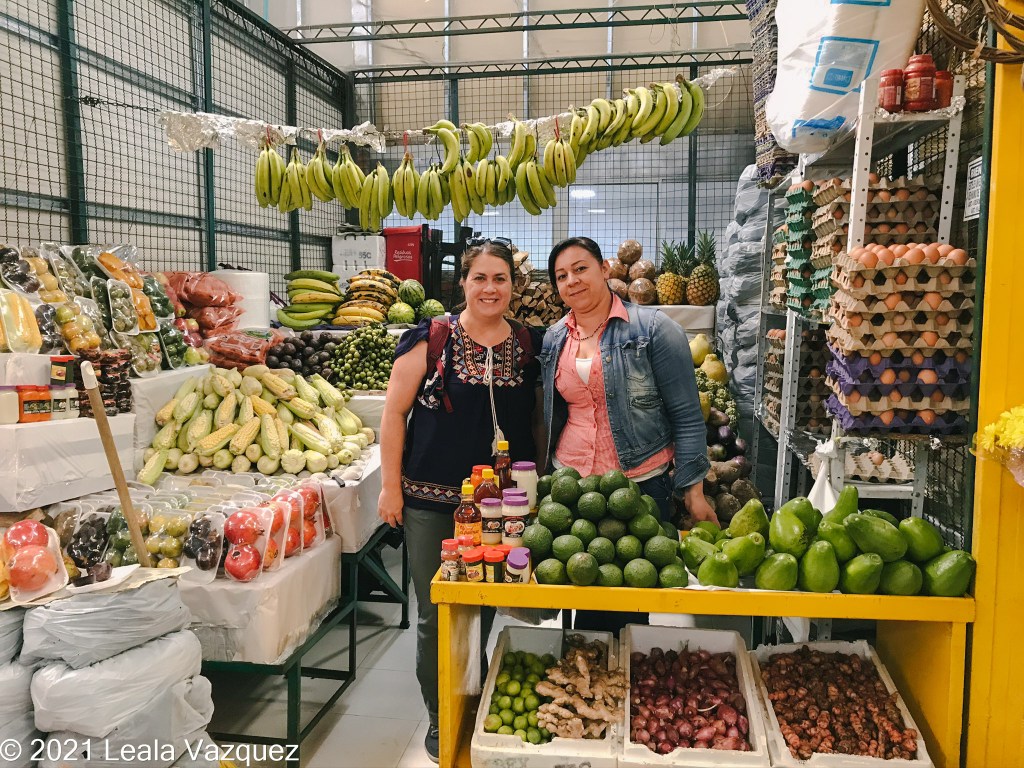
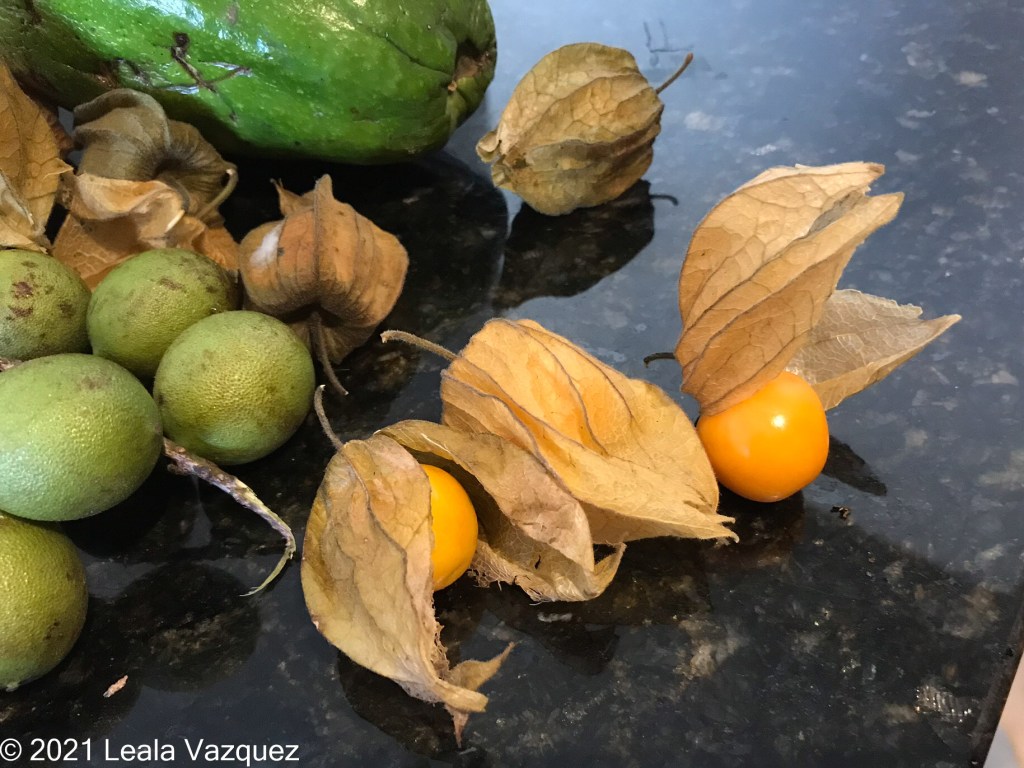
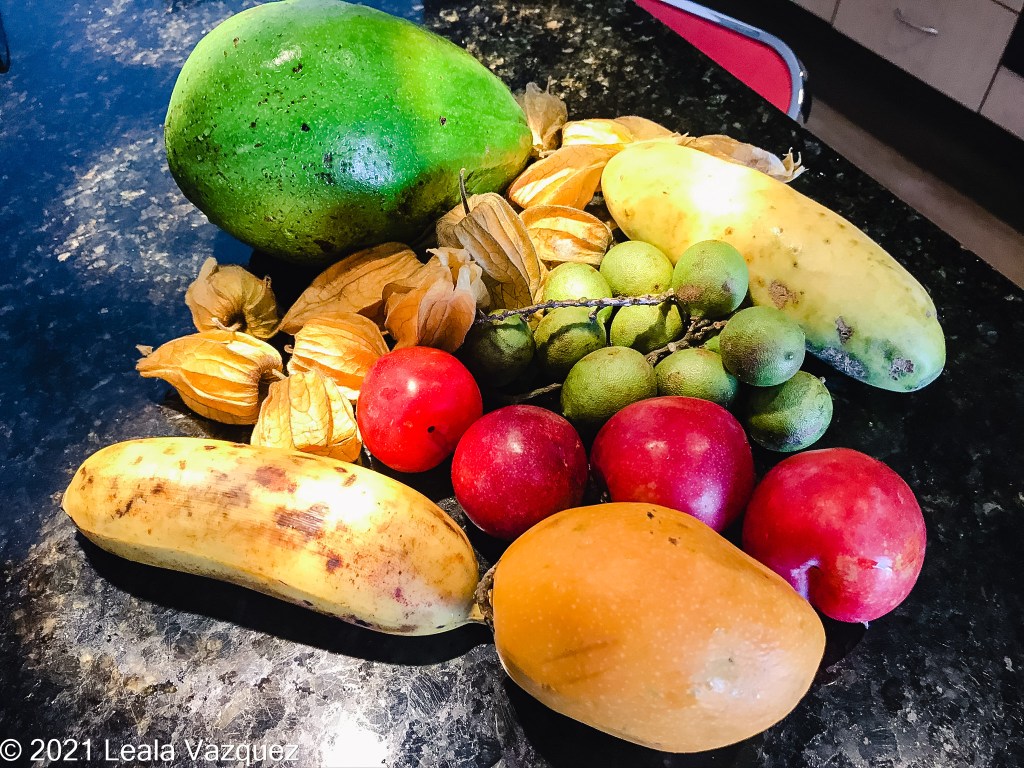
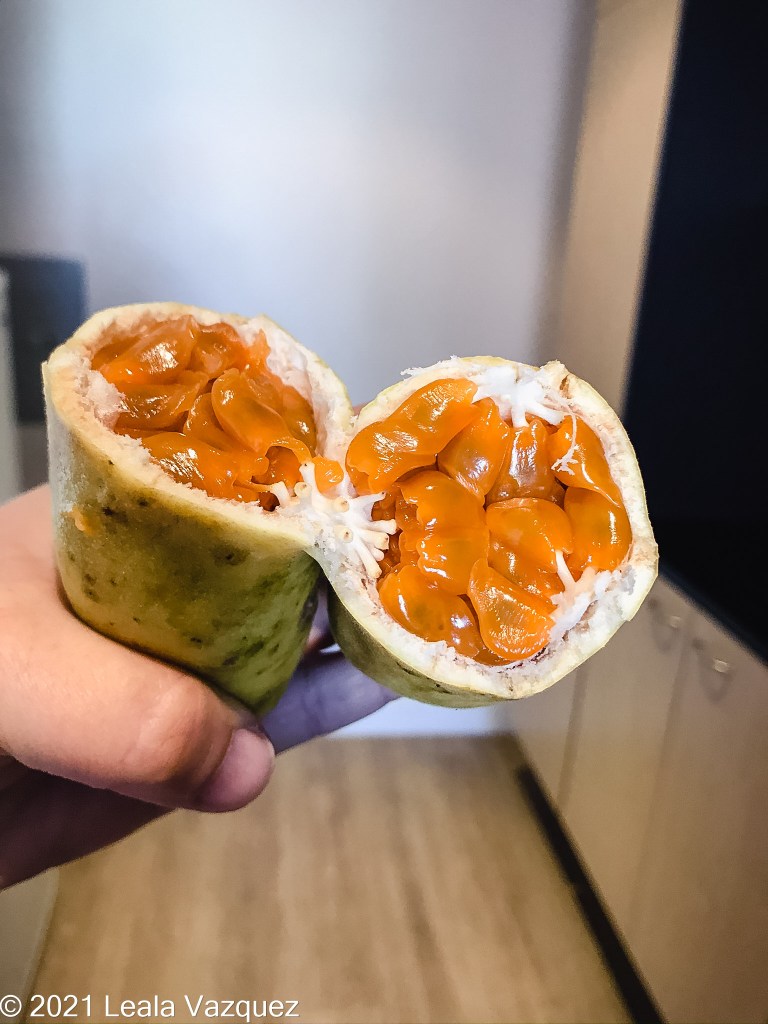
Next I am taken to a fruit stand where I am introduced to many new fruits. I should be more hesitant to eat them (the whole thing about eating raw produce in other countries can cause stomach issues) but I try them anyway. Luckily they have no affect. I later find that water in Bogota is quite good due to its elevation. I don’t risk drinking tap water but I also don’t have to be as cautious.

After the visit to the market we head back on the road. On the highway there are many pedestrians walking along with luggage. My driver tells me about the Venezuelan refugees and how they walk along the highways from Venezuela to find a better life since the country of Venezuela is in pretty bad shape right now. Colombia is very accepting of the refugees, mostly because Venezuela was very accepting of refugees from Colombia when their own country was dangerous and war torn. Many of the poor you see on the sidewalk trying to sell handmade goods or even Venezuelan bolívar (not really worth much) are actual refugees just trying to get by.

My driver also points out Butterfly favelas I see off to the distance. It is a project to beautify the poor area of Usaquén. It is quite visibly appealing. I didn’t snap any photos but here is a good representation.

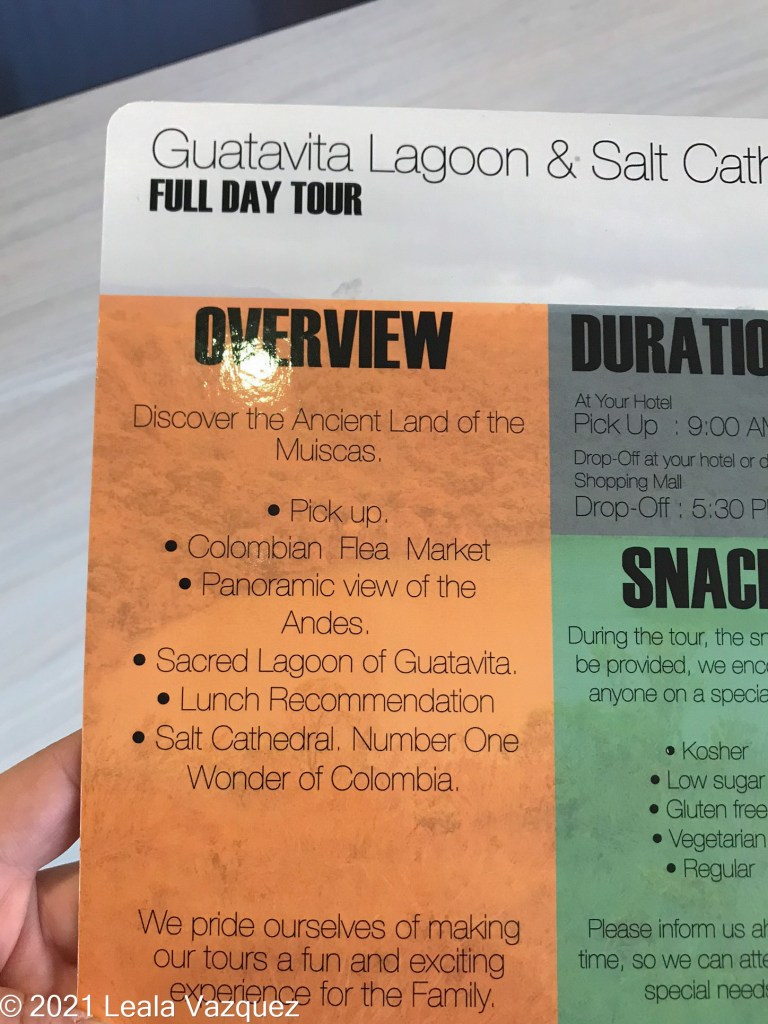
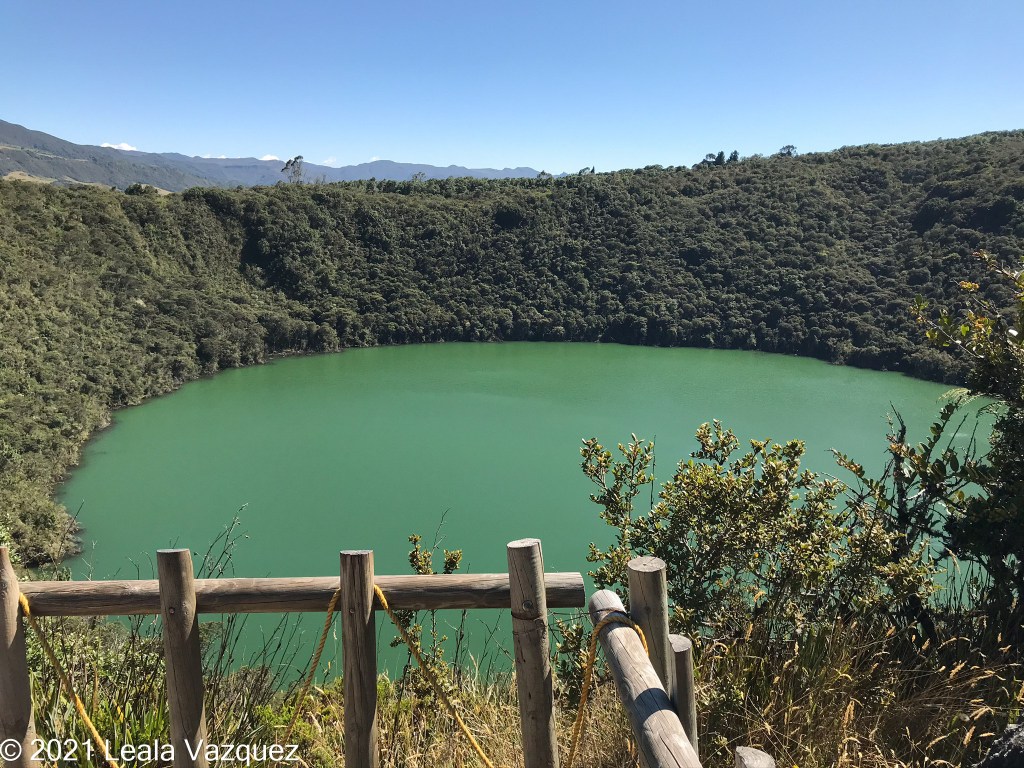
My driver heads to the Guatavita region. Guatavita is a town where I learn about the history of Muisca (the indigenous people of the area) and their plight before and after the Spanish invasion. The Muisca were quite crafty at hiding their gold from the Spanish. I learn a story how they hid their gold in the nearby lake.

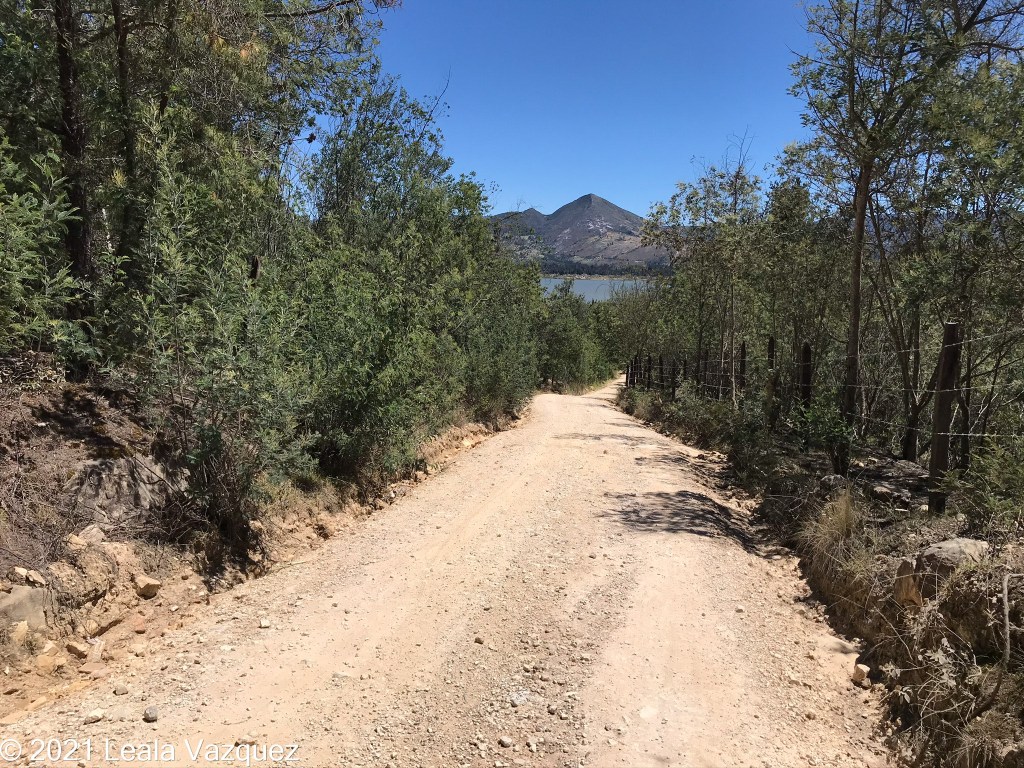
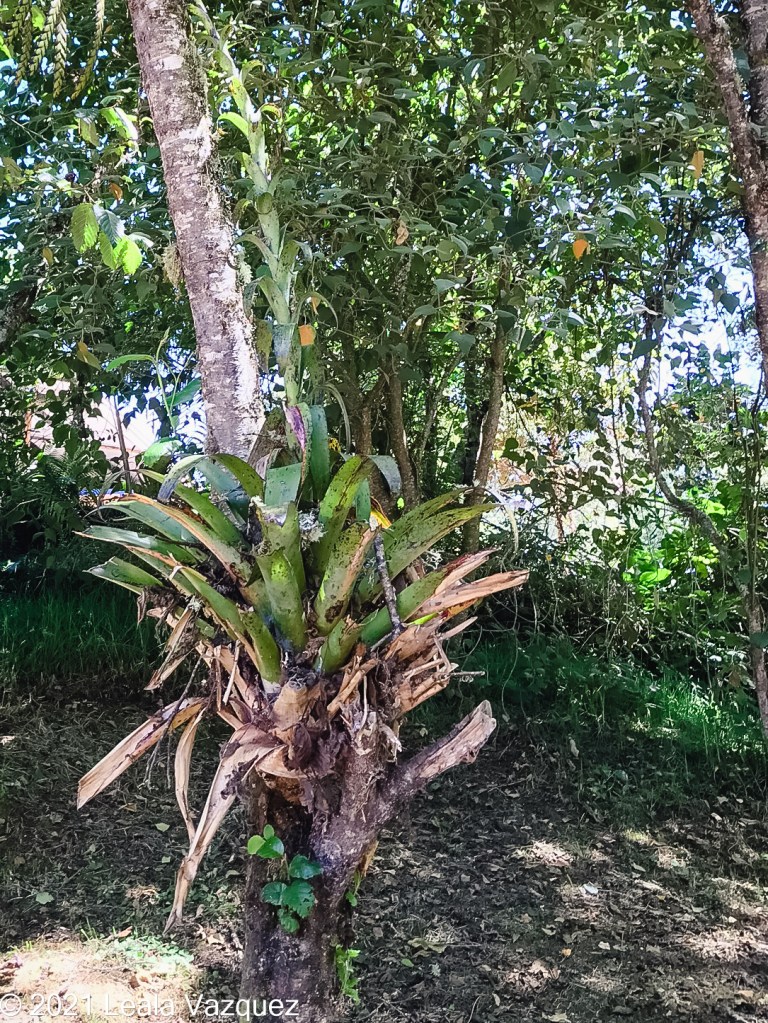
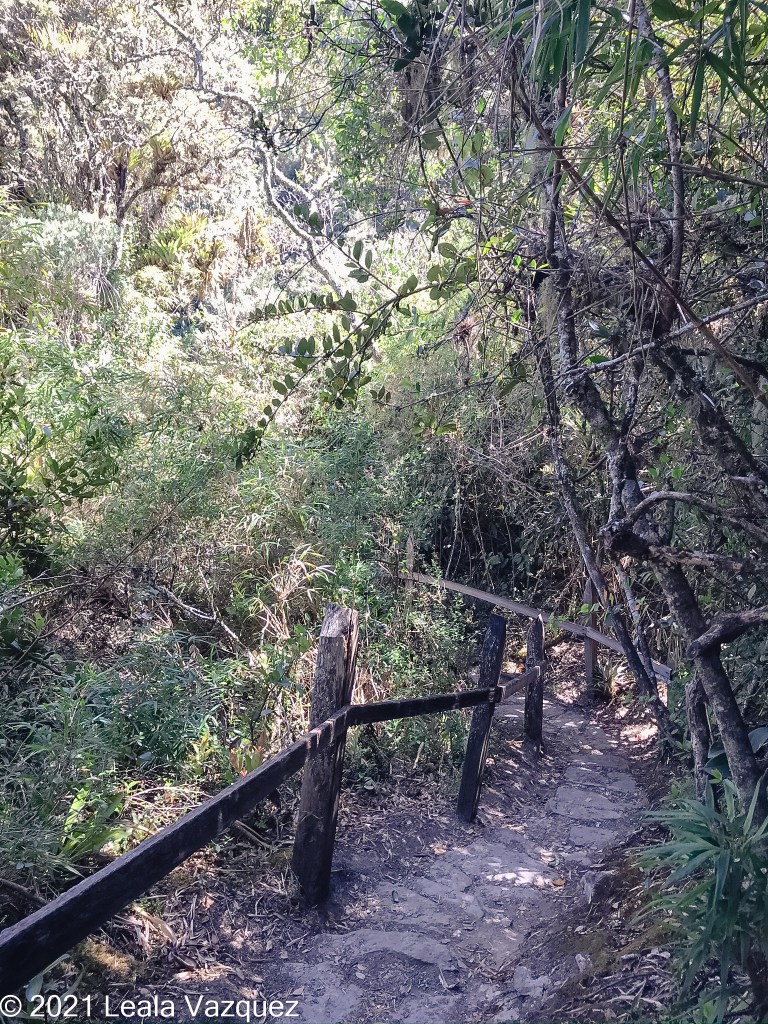
My driver takes me on a long dirt road and stops to talk about some of the plants along the way such as this Frailejón plant which adapted to the high humidity by absorbing moisture in its furry leaves. It is also said to live up to a hundred years.

Frailejón. Things seem pretty dry today.

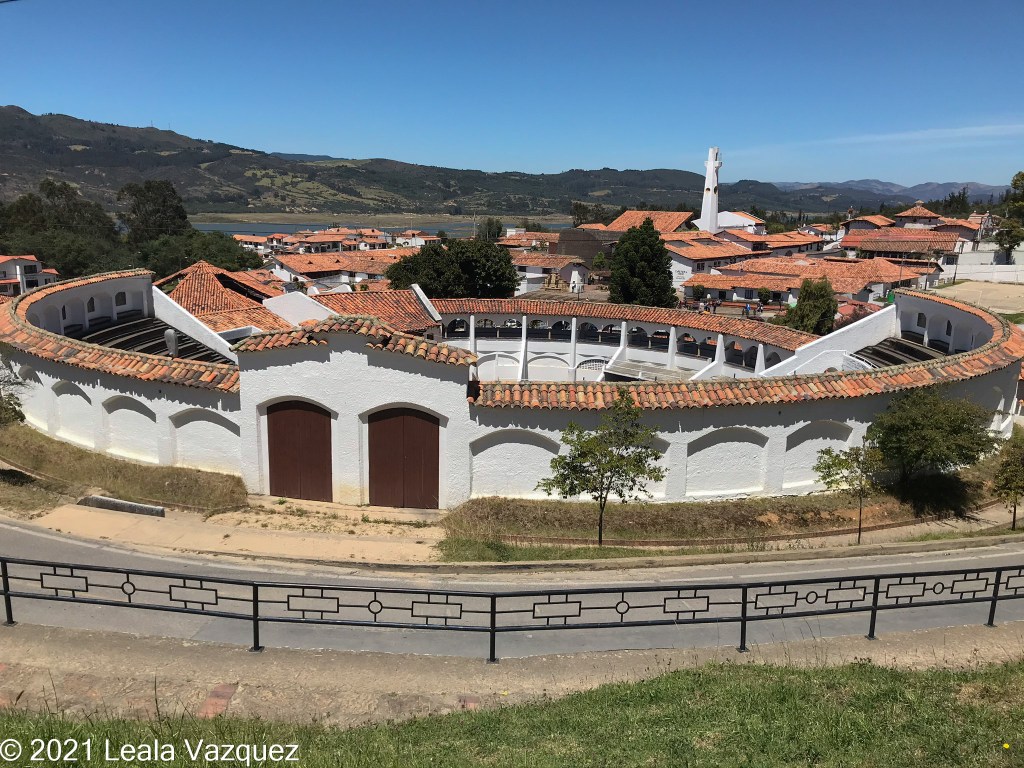
We get a view of the town of Guatavita.

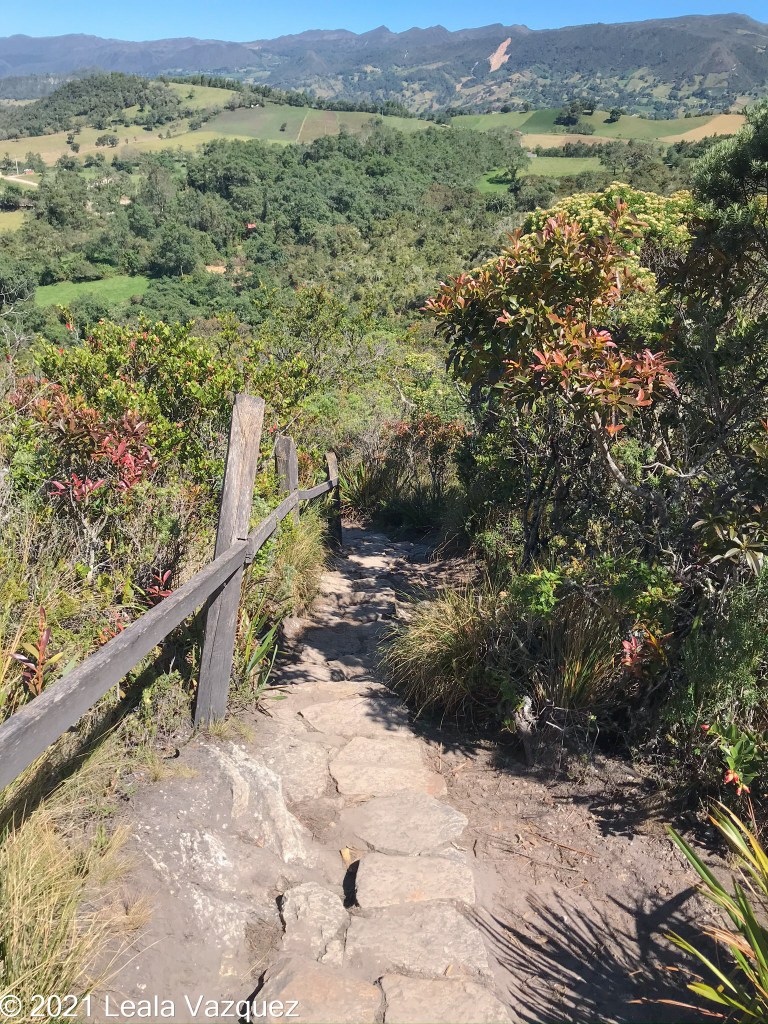
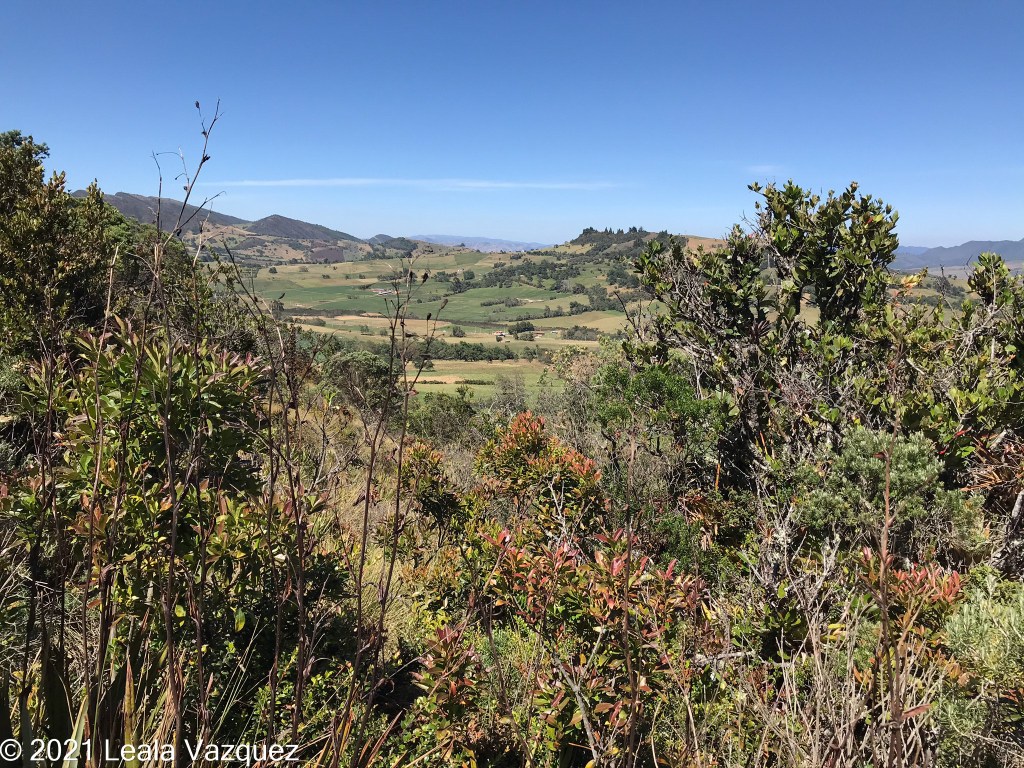
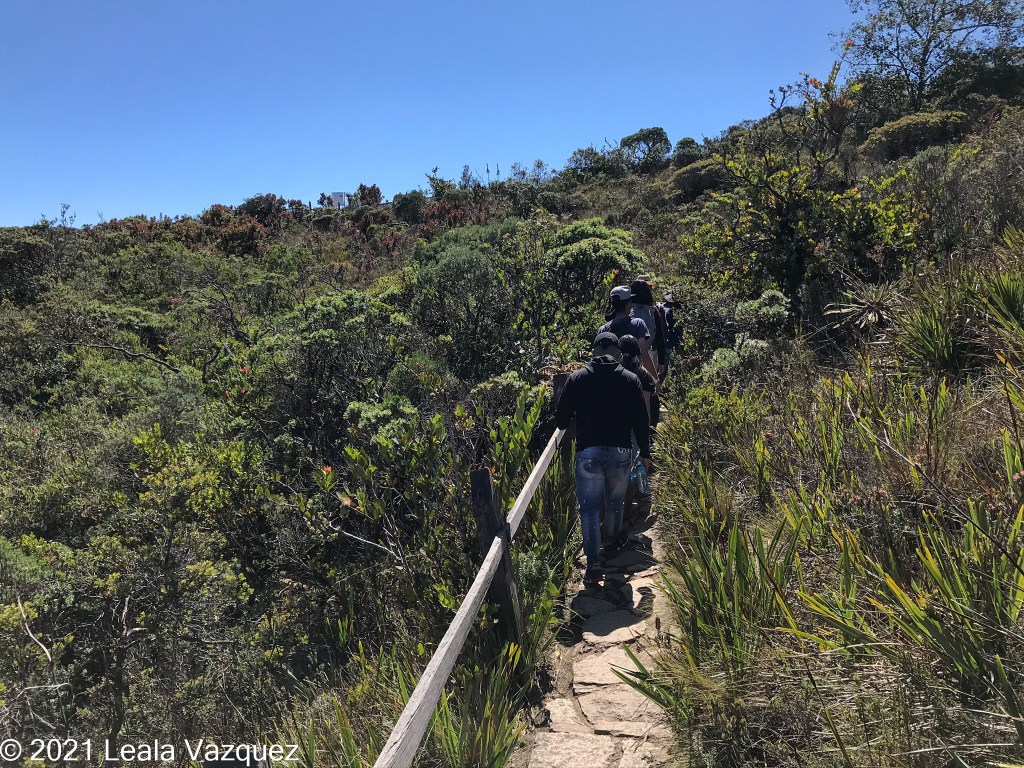
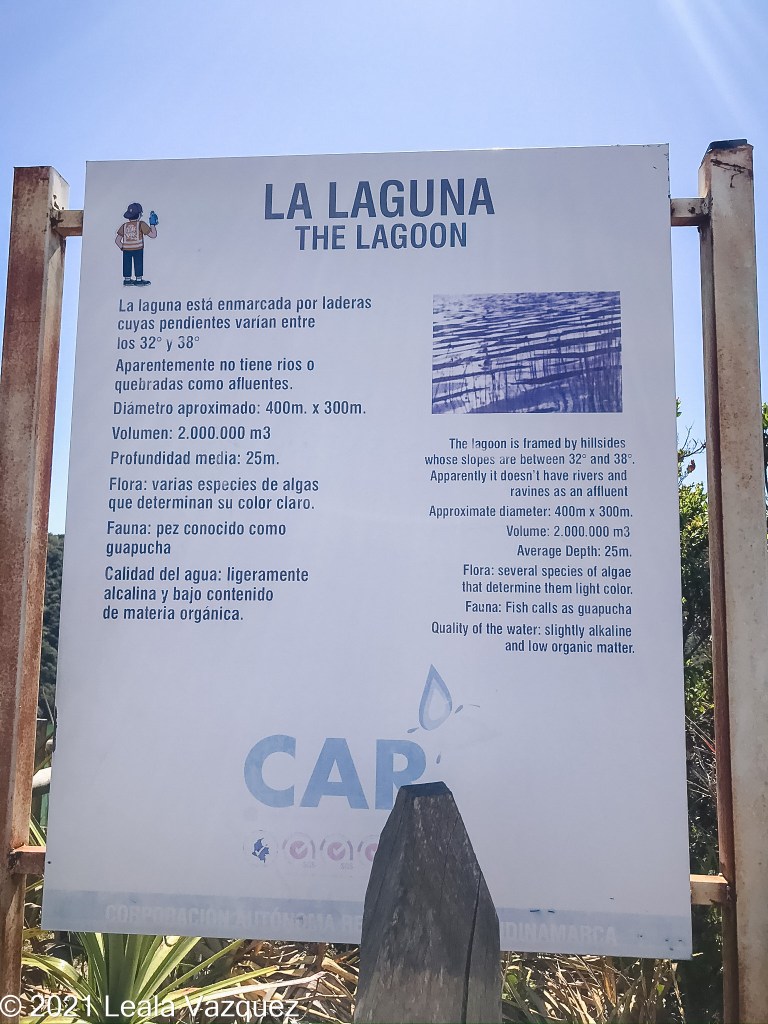
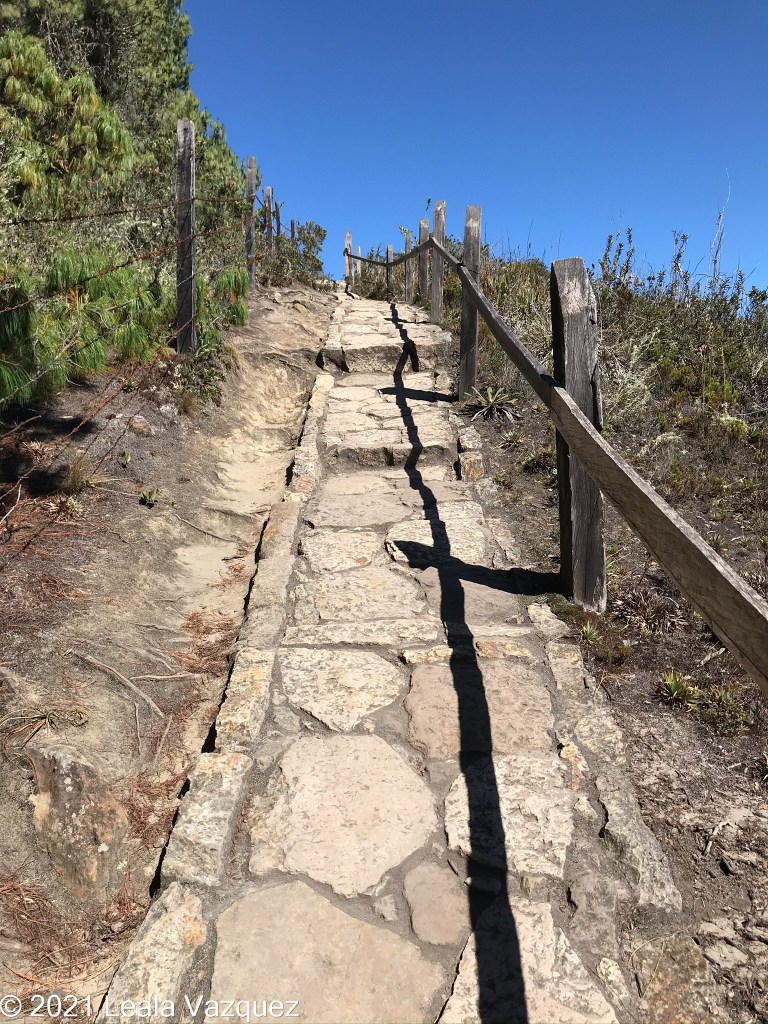
I then head over to the Laguna De Guatavita where I await for my one way tour through the nature preserve. Unfortunately for me the tour is in complete Spanish. I can understand some Spanish but not enough to pick up information about plant descriptions and history lessons. I understand some of the tour and my driver helps fill in the gaps as much as possible afterwards. It is a beautiful nature hike anyway.

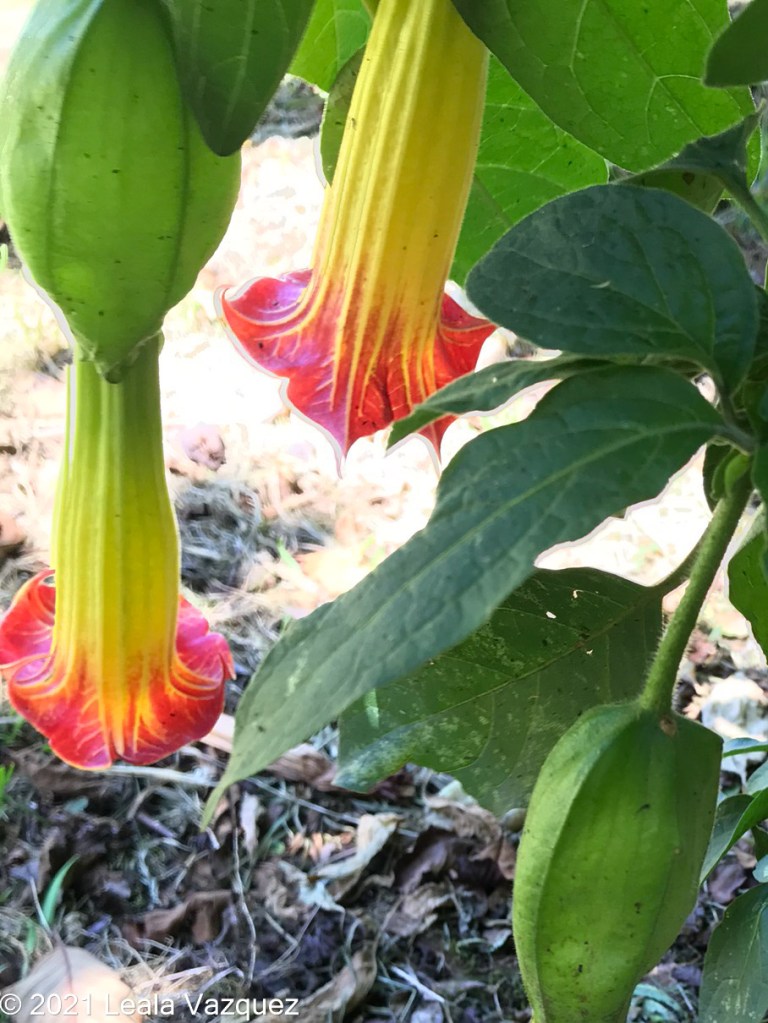
Brugmansia versicolor or “angel’s trumpets”. Plant can be used for drugging individuals.
Ceremonial House for Muisca people

The guide speaks for a long period of time in the ceremonial house. Unfortunately I only pick up a little bit of what is said. I really need to brush up on my Spanish.

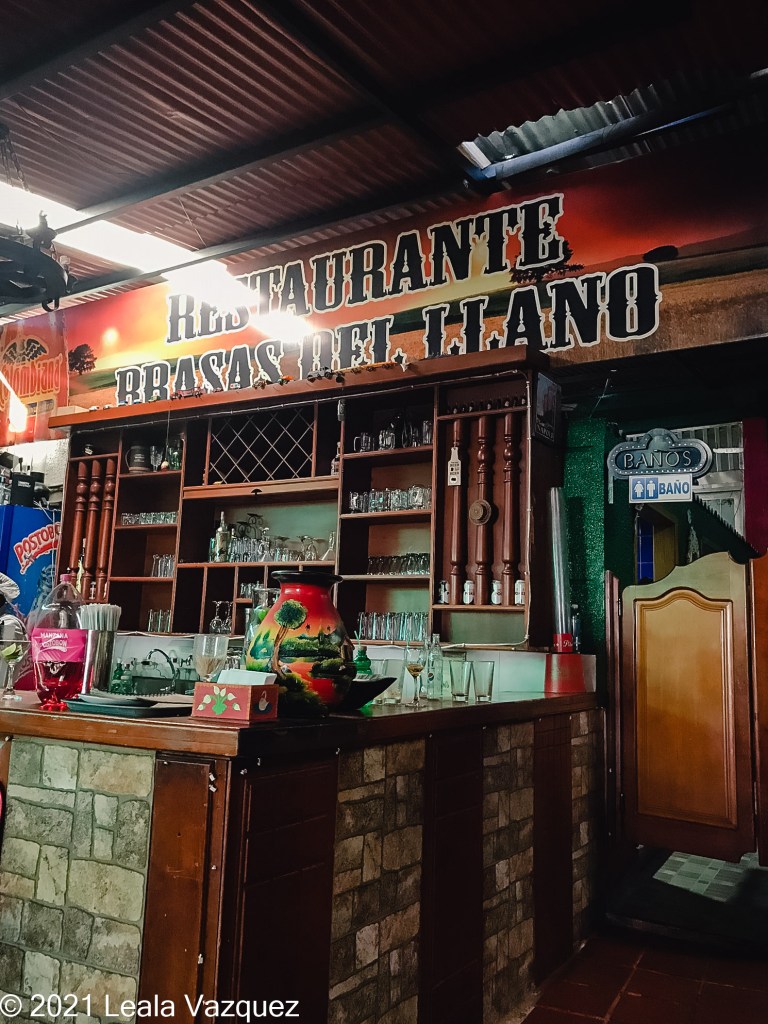
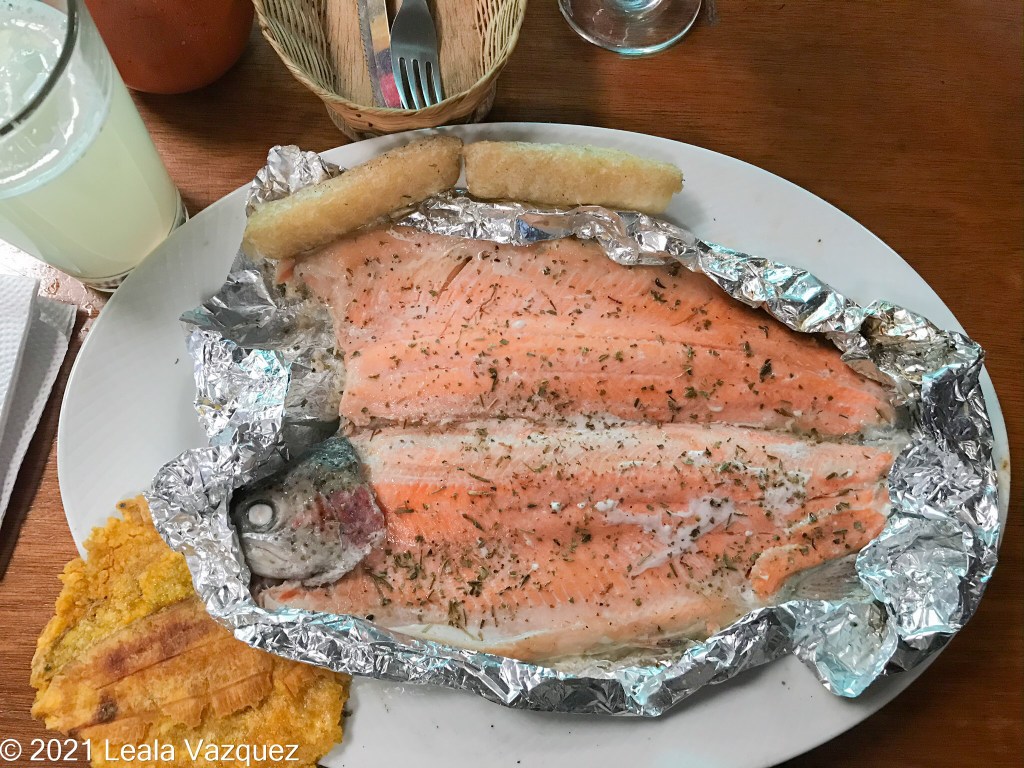
I reach the end of the tour and my driver is waiting for me. He takes me to a restaurant where I get some BBQ samples and order some delicious trout.

After lunch I am heading to the Salt Cathedral. More on the Salt Cathedral later….

Te Papa Museum

I am still in Wellington New Zealand for one more day. I have heard good things about the Te Papa Museum so that is today’s destination.

First I stop for a fancy breakfast and coffee.

The museum is in walking distance from my hotel so I stroll around town on the way there.

I am obsessed with these crossing lights. The stop is a man and the go is a lady. I am the weirdo taking pictures of the walk signal.

Te Papa museum is by the water.

The first section I visit is the Nature section, or the section dedicated to things natural to New Zealand such as volcanos, earthquakes and birds and other wildlife.

I am obsessed with this slimy sucker, something out of a science fiction movie.

And of course I have to check out the kiwis, birds I still have not seen alive.

And some bigger dumb birds with little or no arms.

The star of this exhibit is the humongous squid. It is what nightmares are made of.

It’s the biggest colossal squid ever caught! 

There is a very impressive Maori exhibit. (For the most part photos are not allowed inside). I learned many things about the Pacific peoples who came to inhabit New Zealand. I even tried to learn some new words

Rongomaraeroa Te Marae (communal meeting place)

I loved the section that contained portraits of Maori tattoos. The exhibit explained the meaning behind the tattoos. They were beautiful to see.

Kaleidoscope: Abstract Aotearoa

The modern art exhibit bursts with color.

While at the Weta Workshop yesterday I heard our guide mention the Gallipoli exhibit at the Te Papa. The workshop is responsible for designing the characters from this exhibit that shows the struggle troops from New Zealand dealt with during World War I.

It is also at this museum that I learn that I can probably never immigrate to New Zealand due to my “advanced age”. Maybe I’ll end up in a highly desired employment someday or some cute kiwi wants to help give me citizenship 😉

After the museum I stop at Mr Go’s restaurant for some Asian dishes.

I wander some more around town.

And stop for one last beer at Fortune Favours at their nice upstairs taproom.

It is back to the hotel for me to pack up and get back on the road tomorrow. I head next to Rotorua.