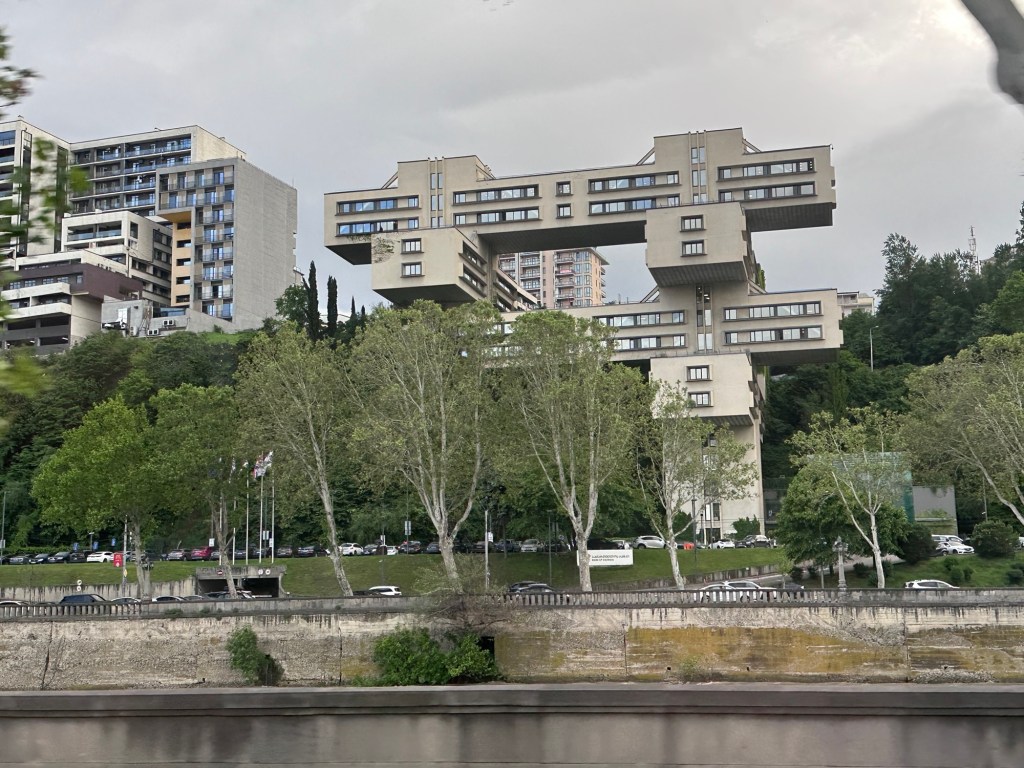
Day trip to Borjormi, Rabati and Vardazia

Another day in Kutaisi but today we have a road trip to see some popular sites outside of Kutaisi. Luckily the weather gods are in our favor this beautiful morning. We meet our guide for the day and discover we are the only two in our group. Our tour guide Lasha is friendly and very knowledgeable of Georgian history.
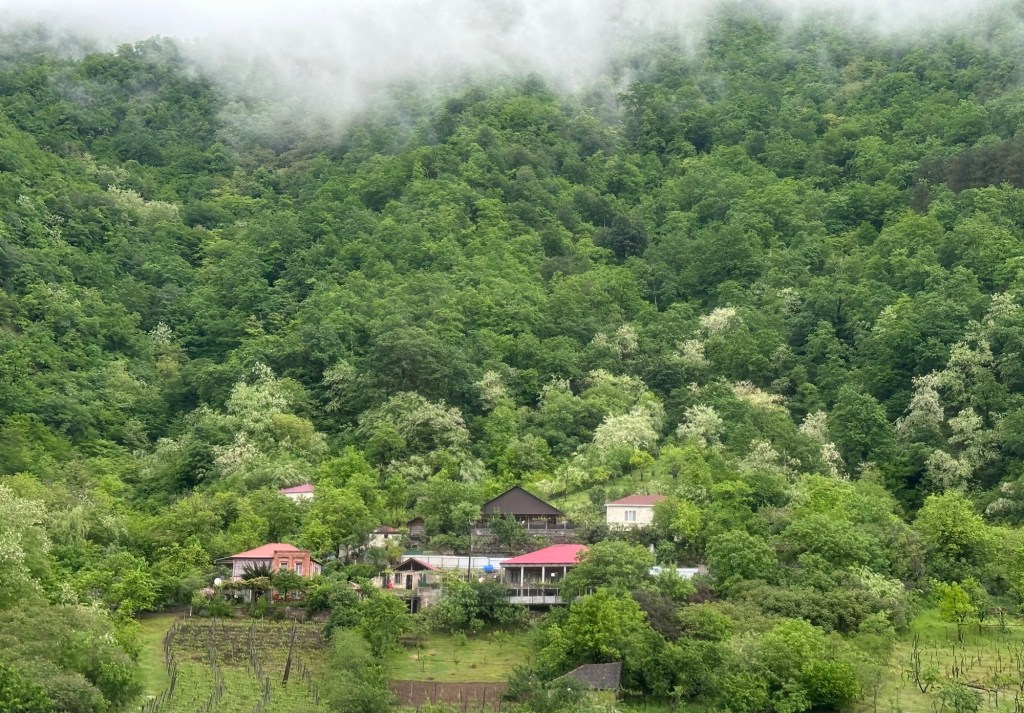
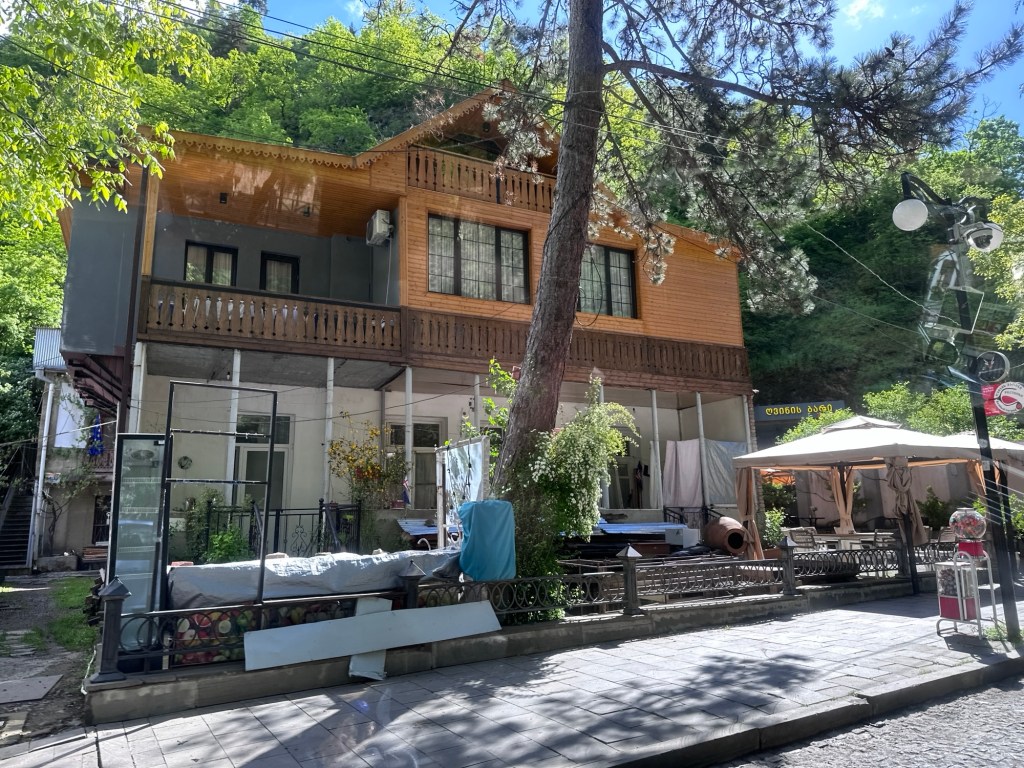
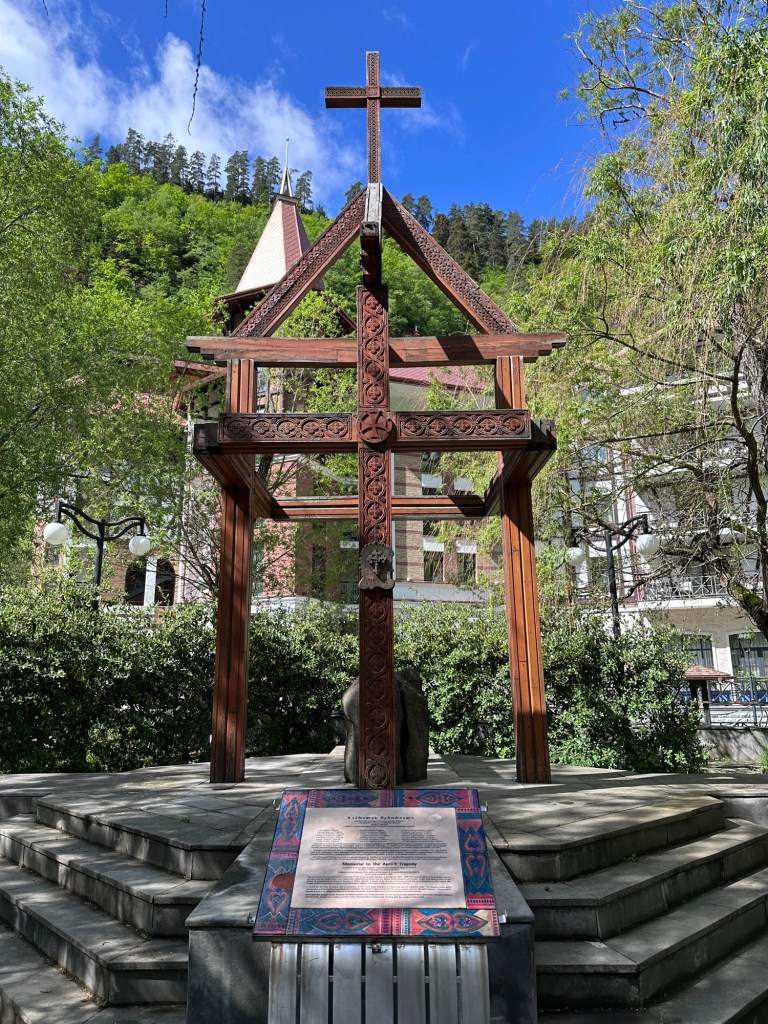
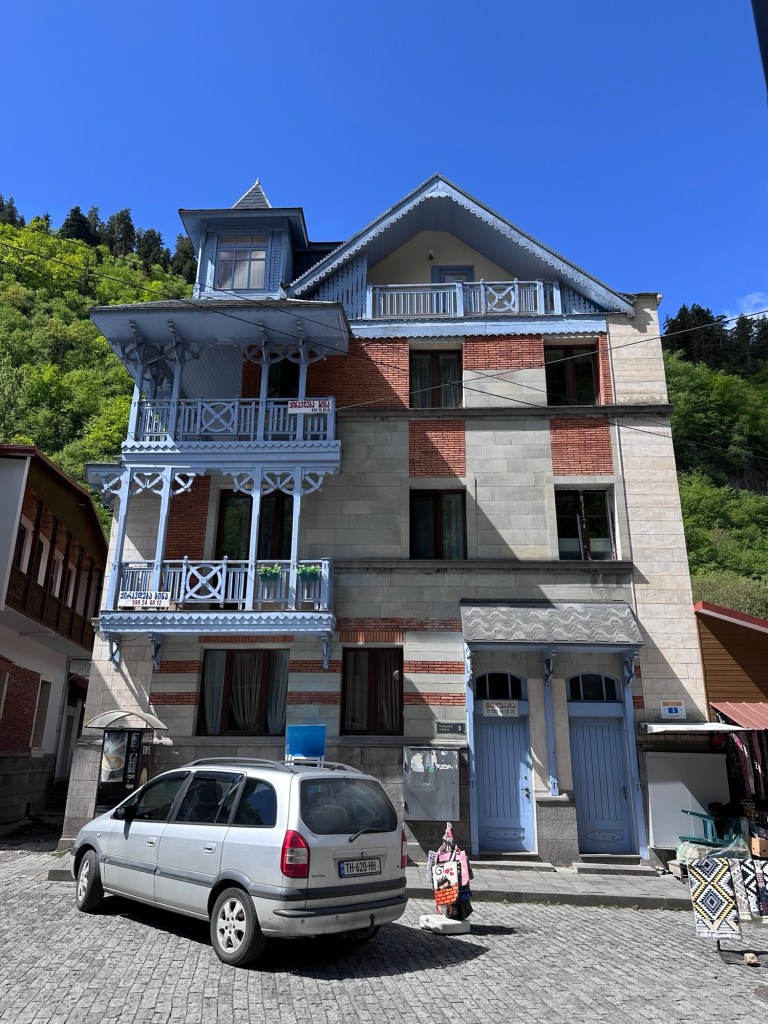
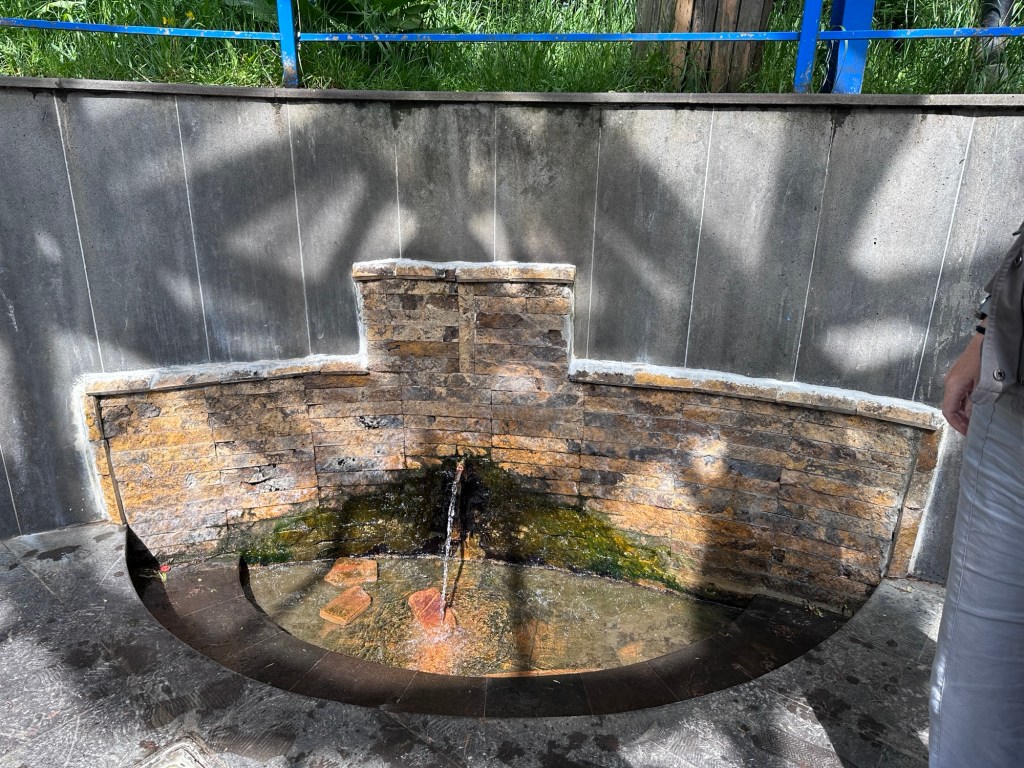
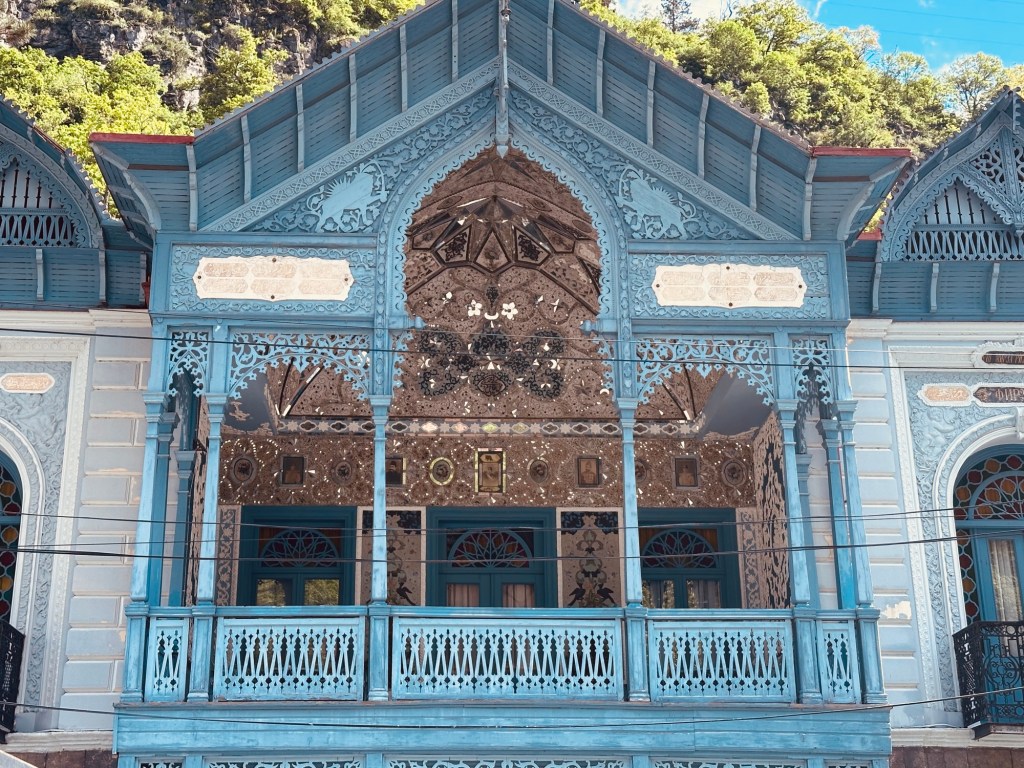
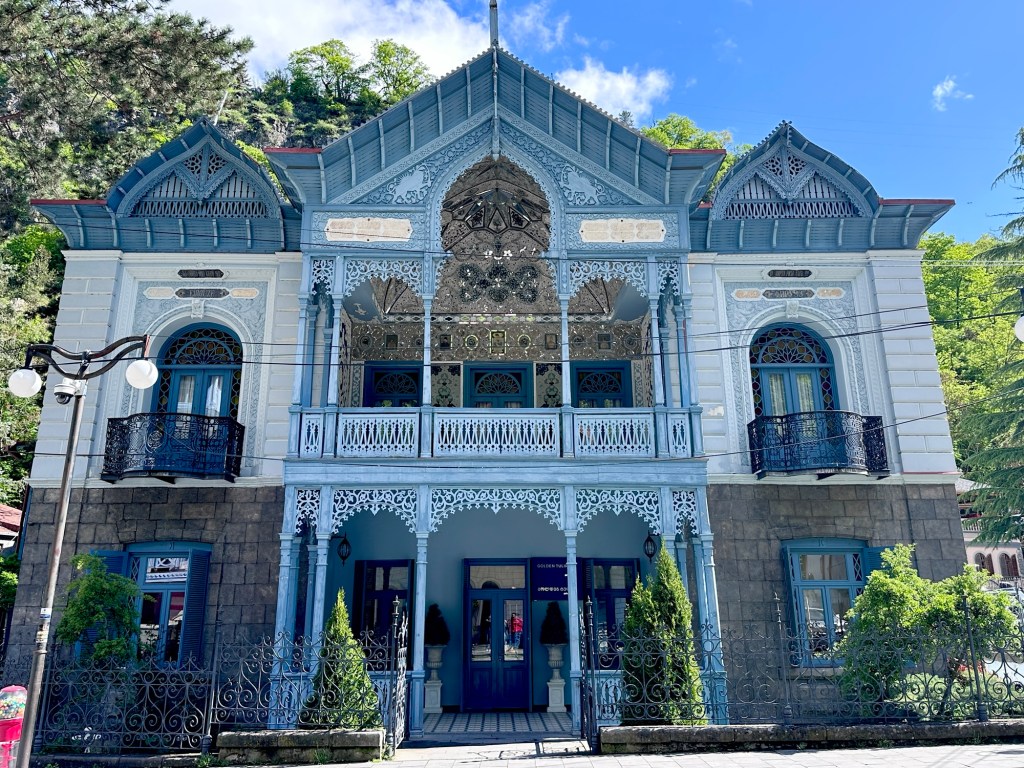
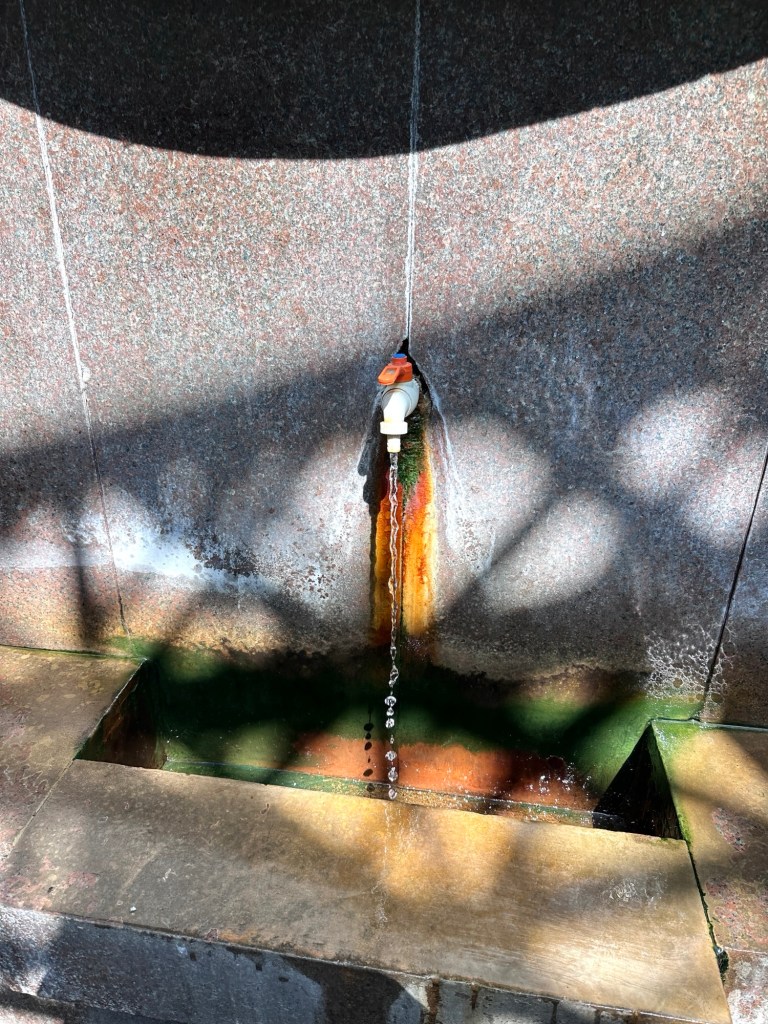
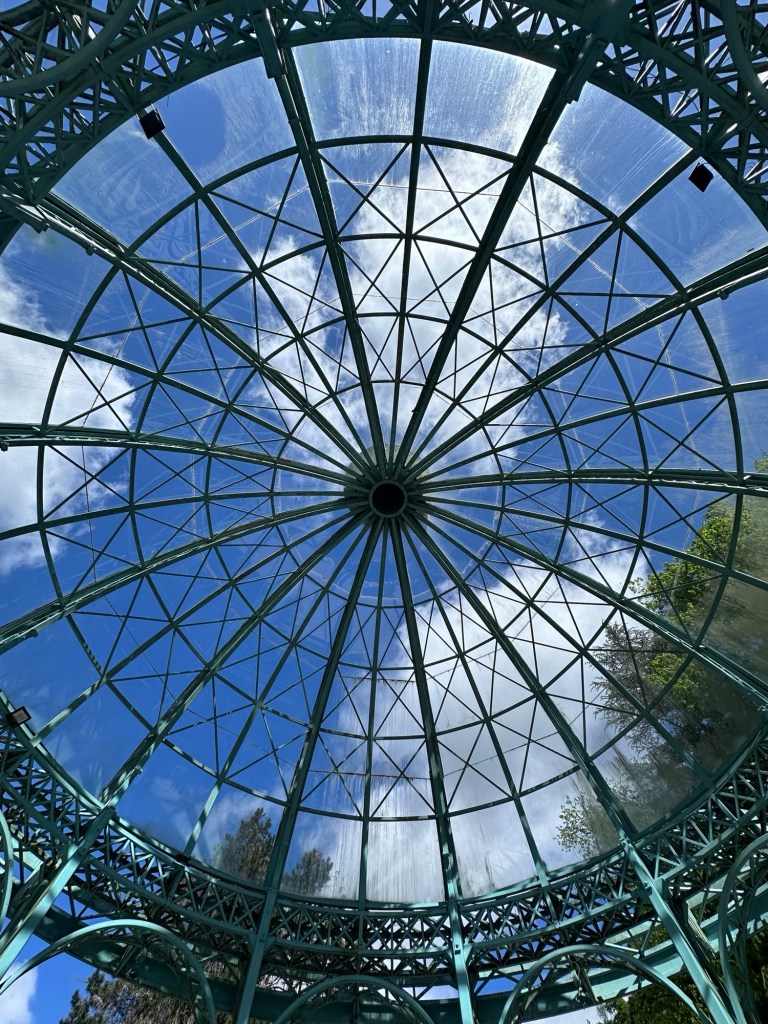
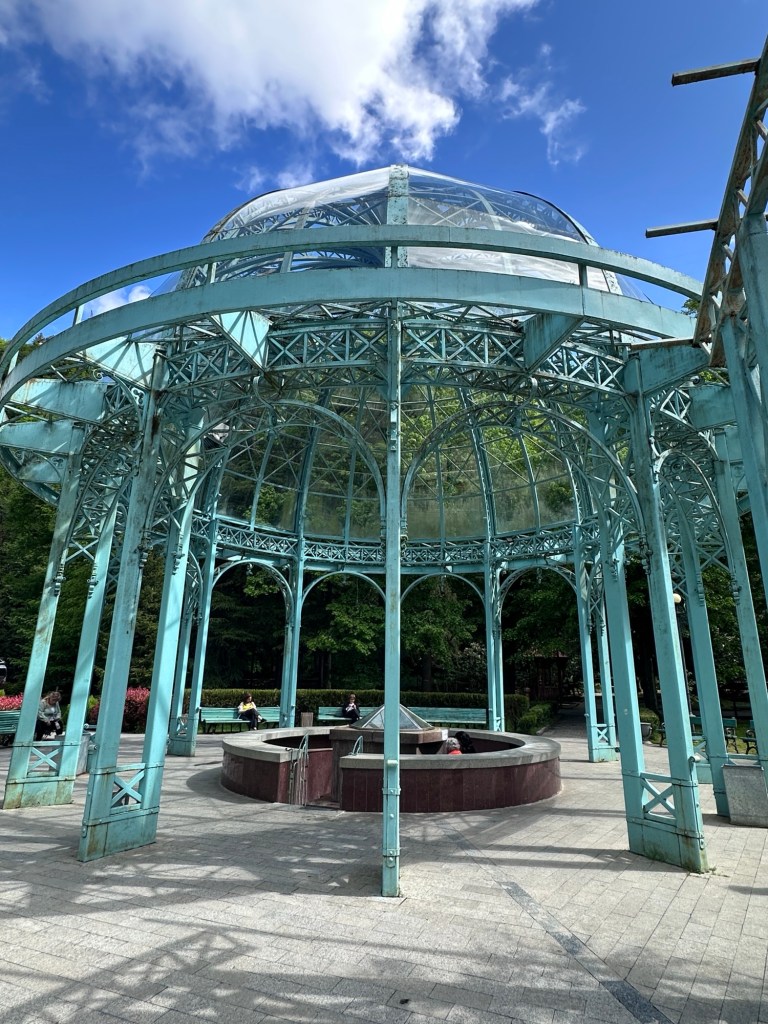
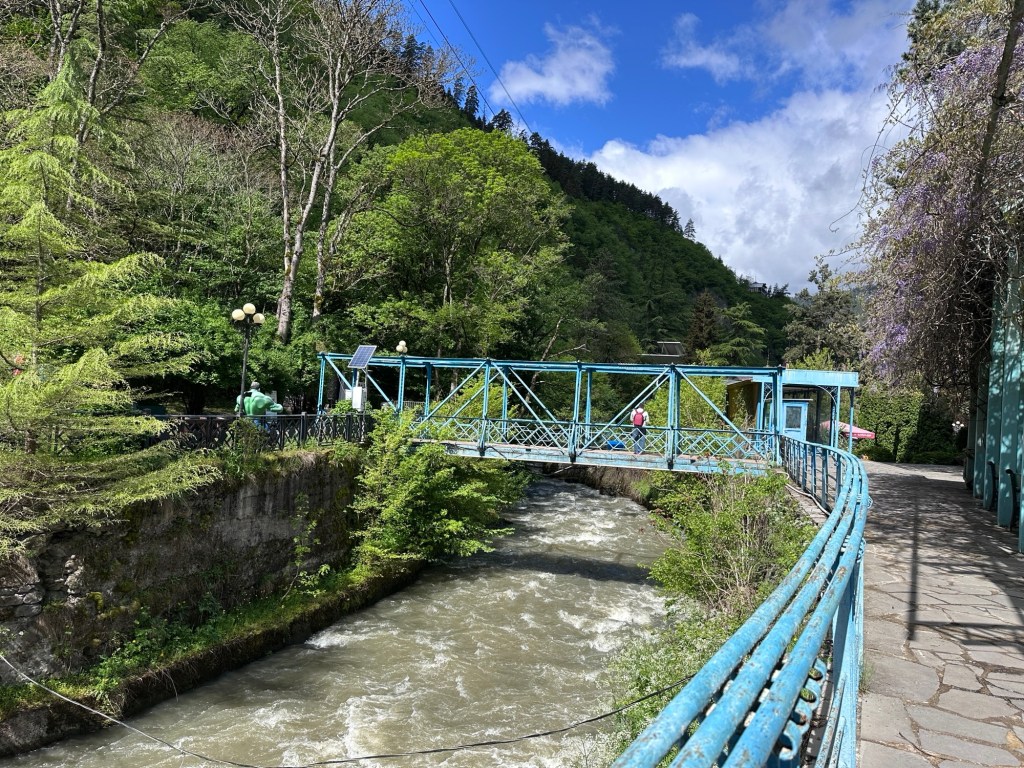
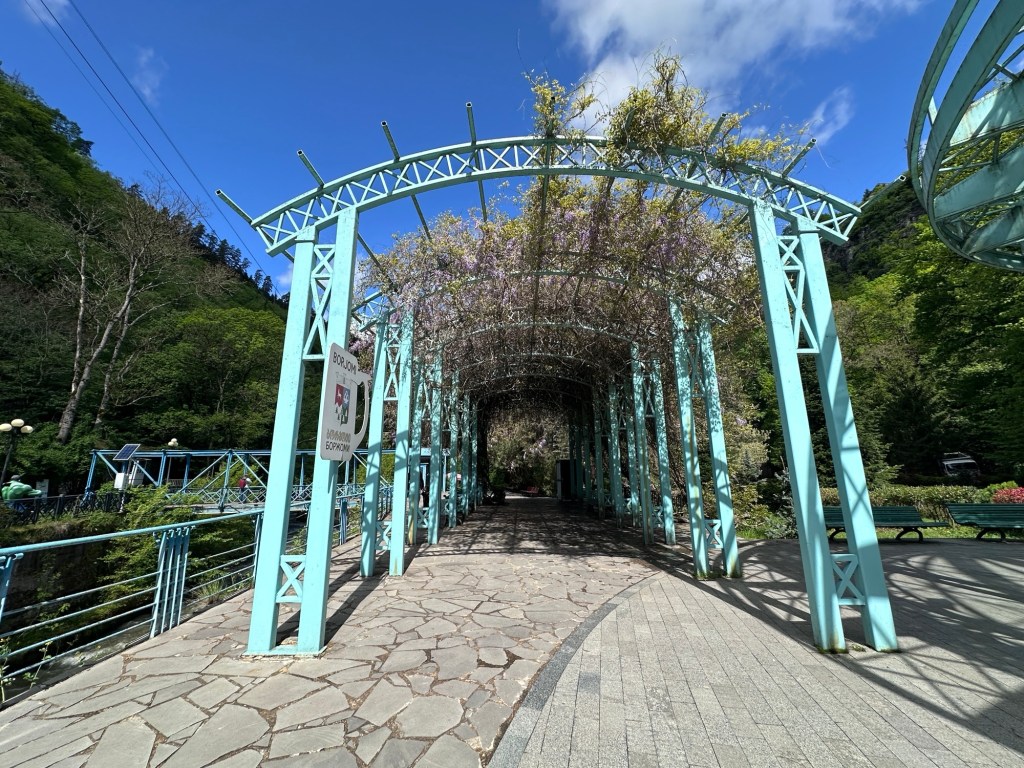
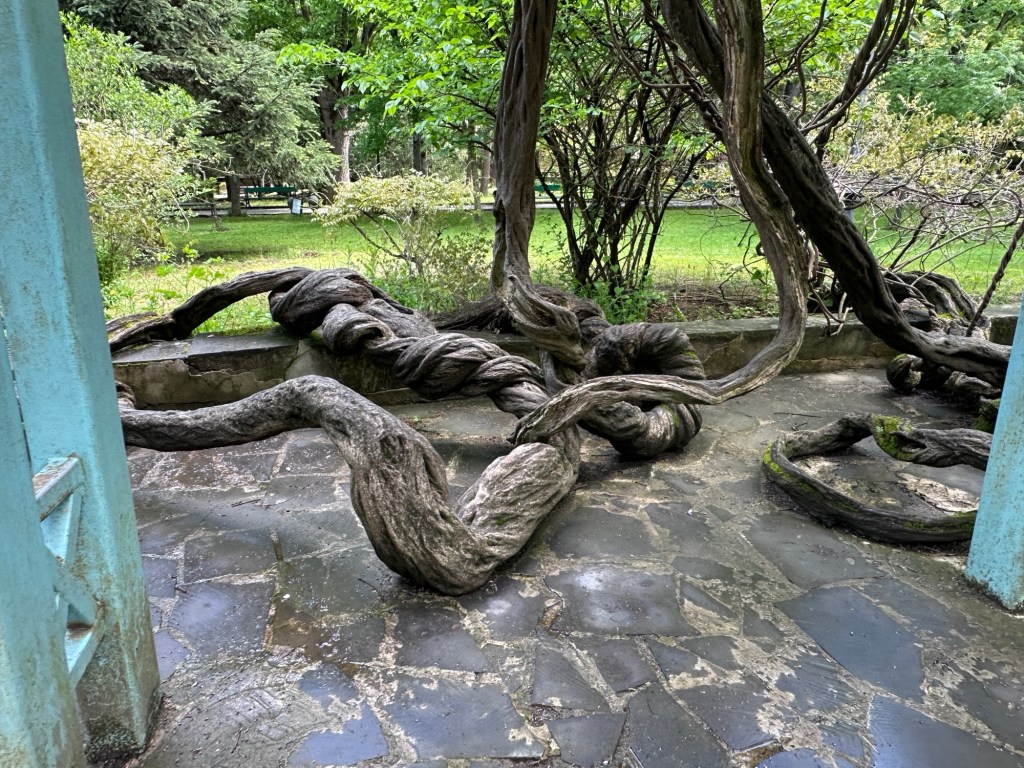
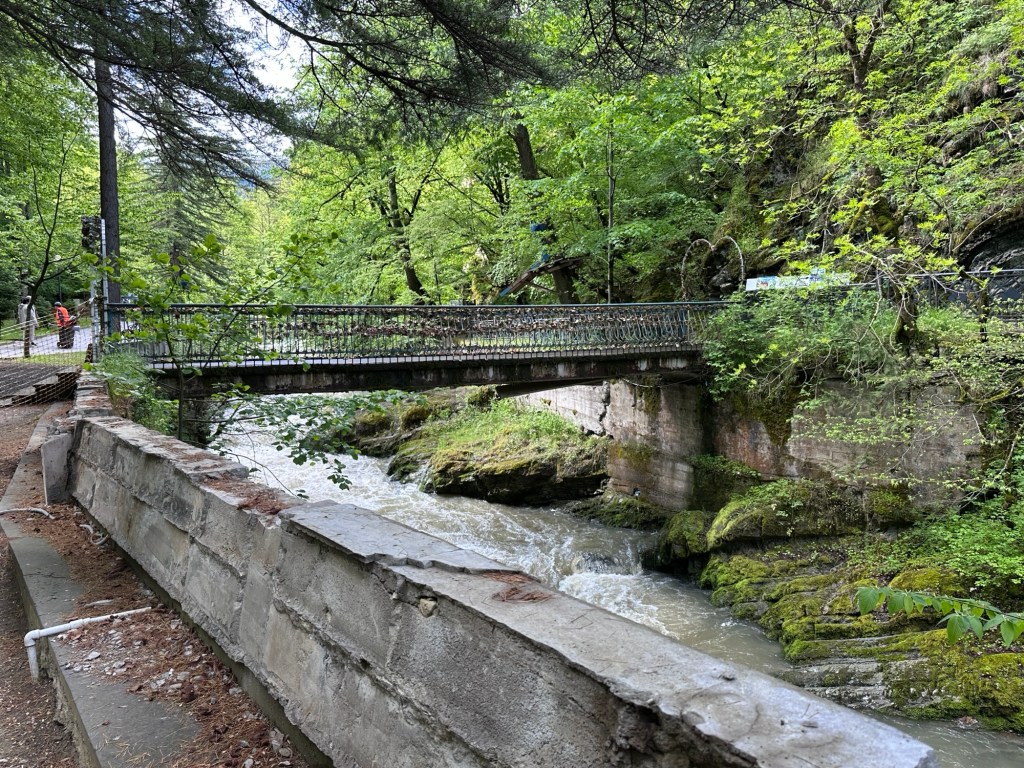
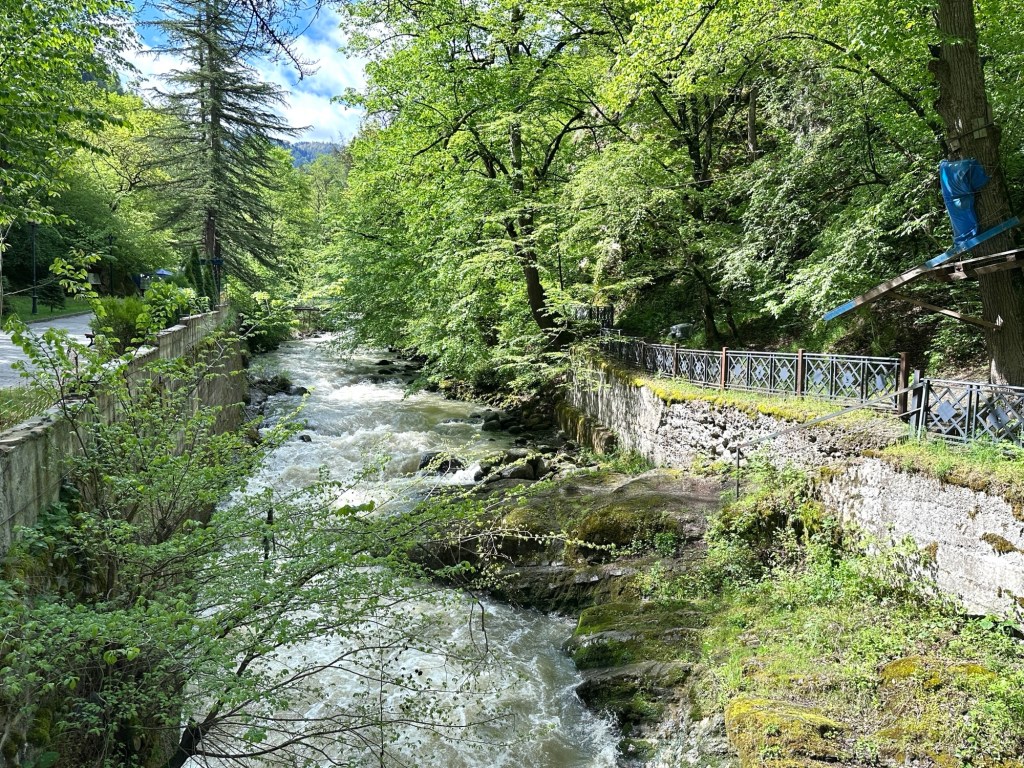
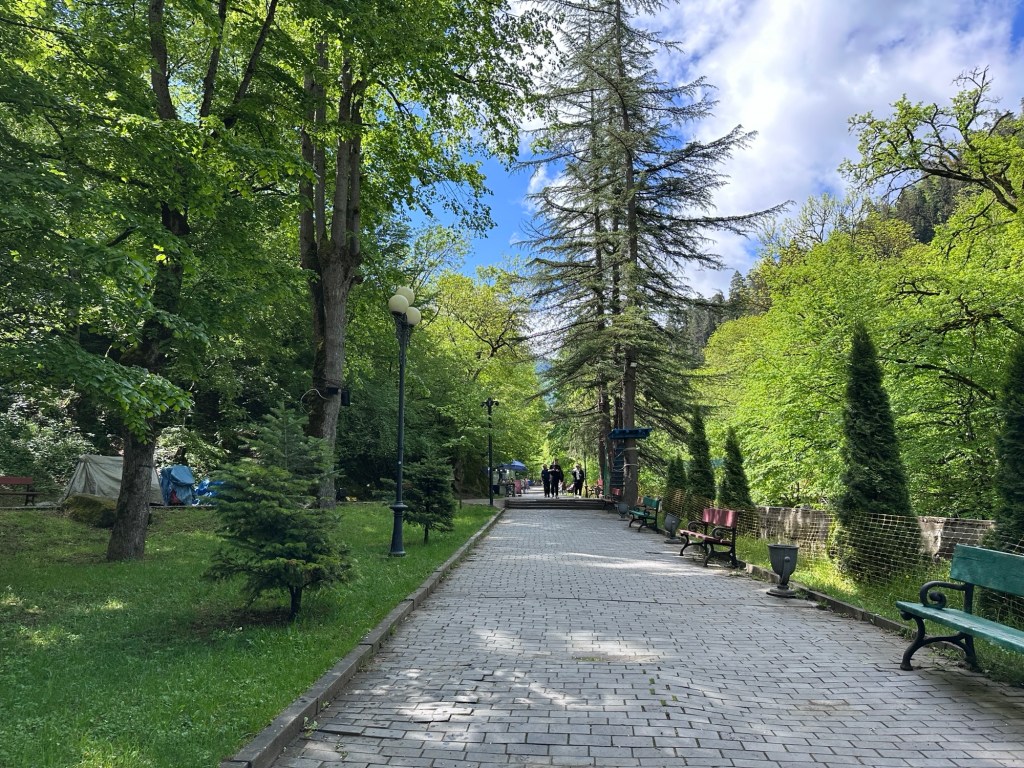
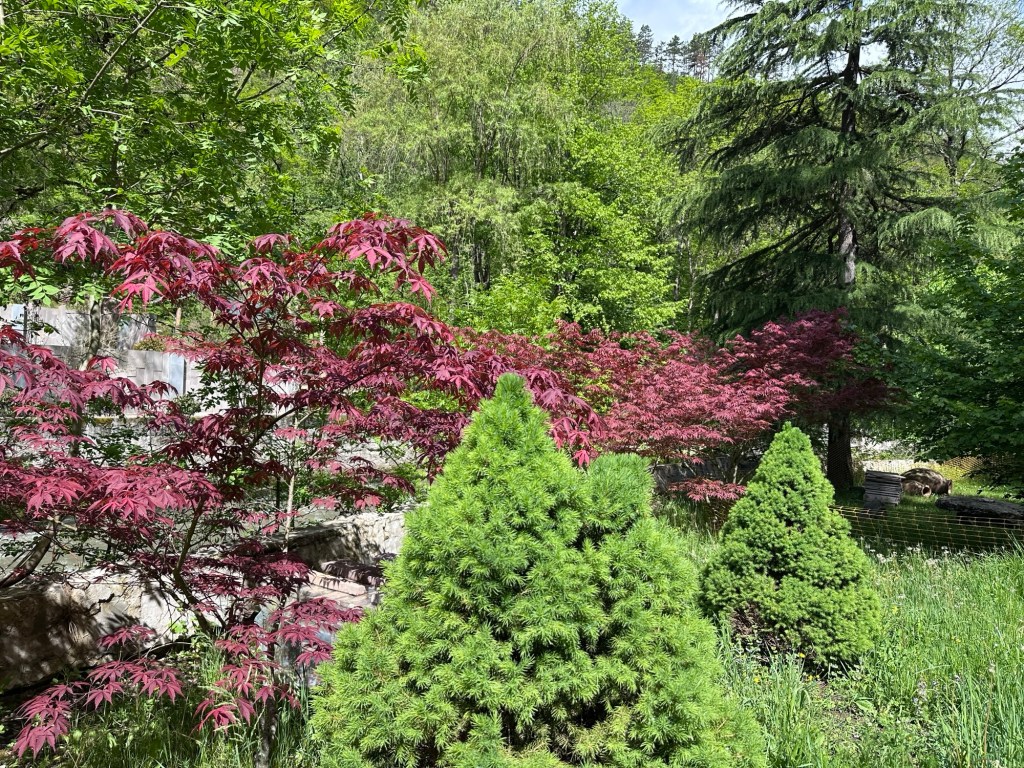
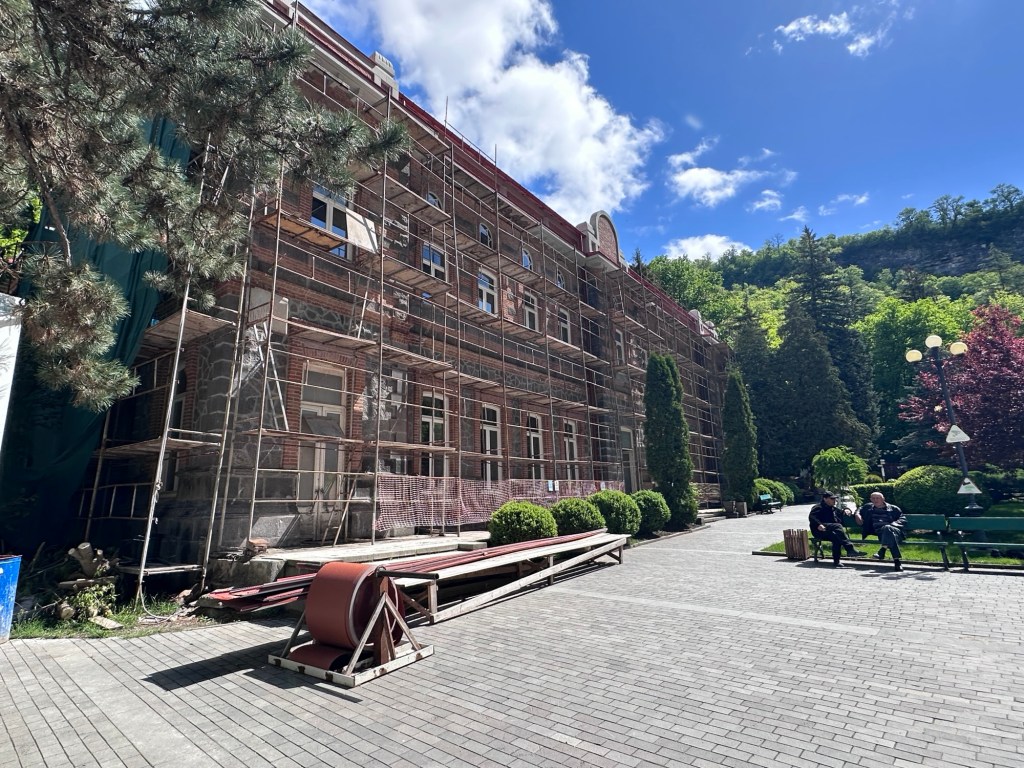
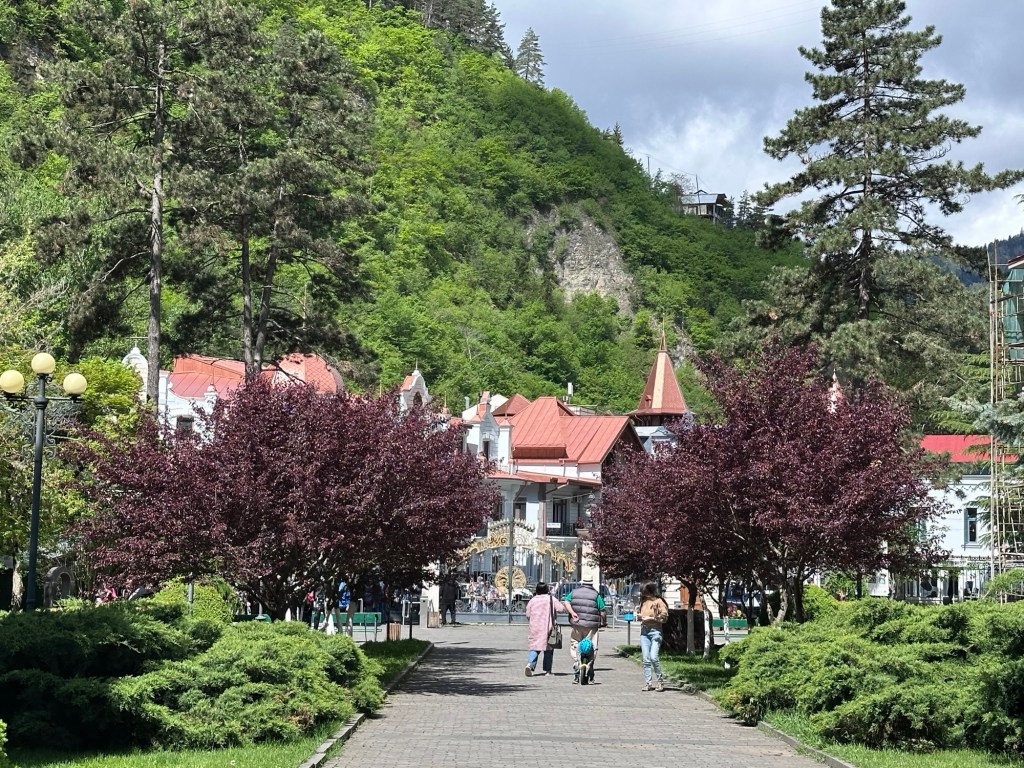
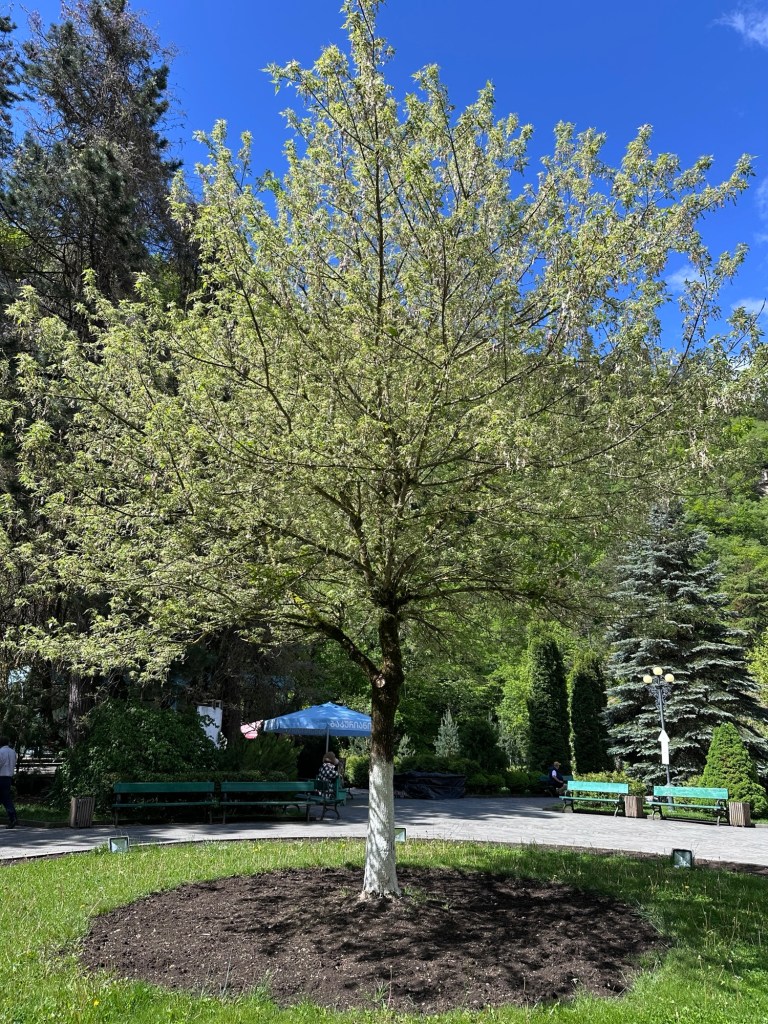
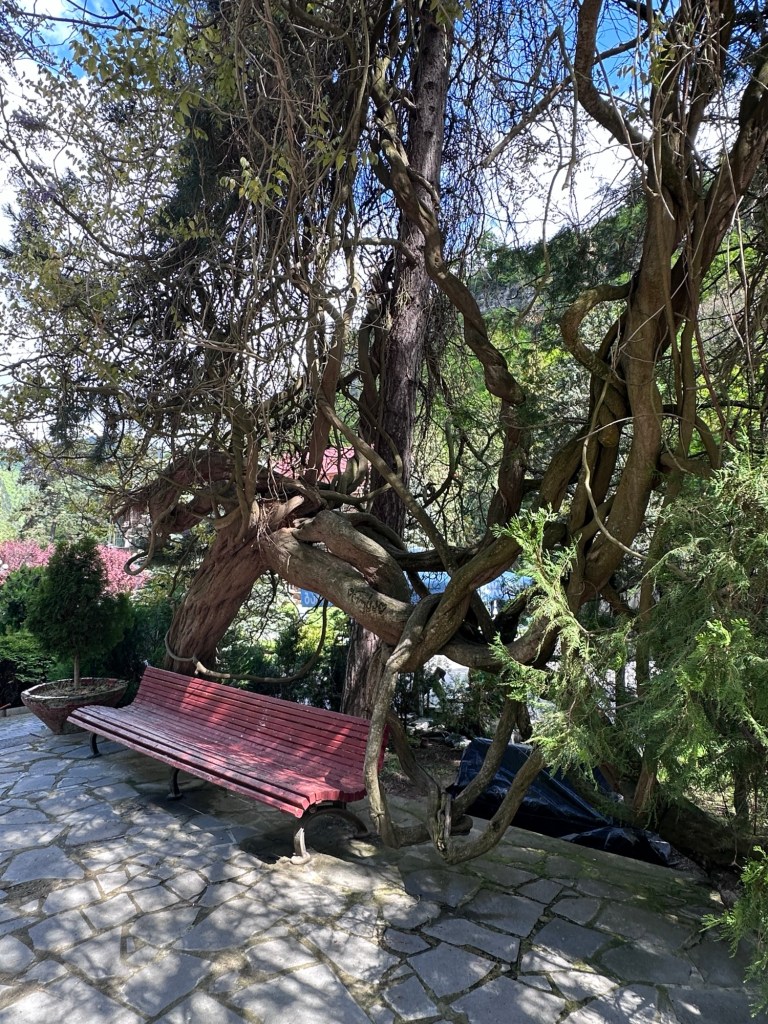
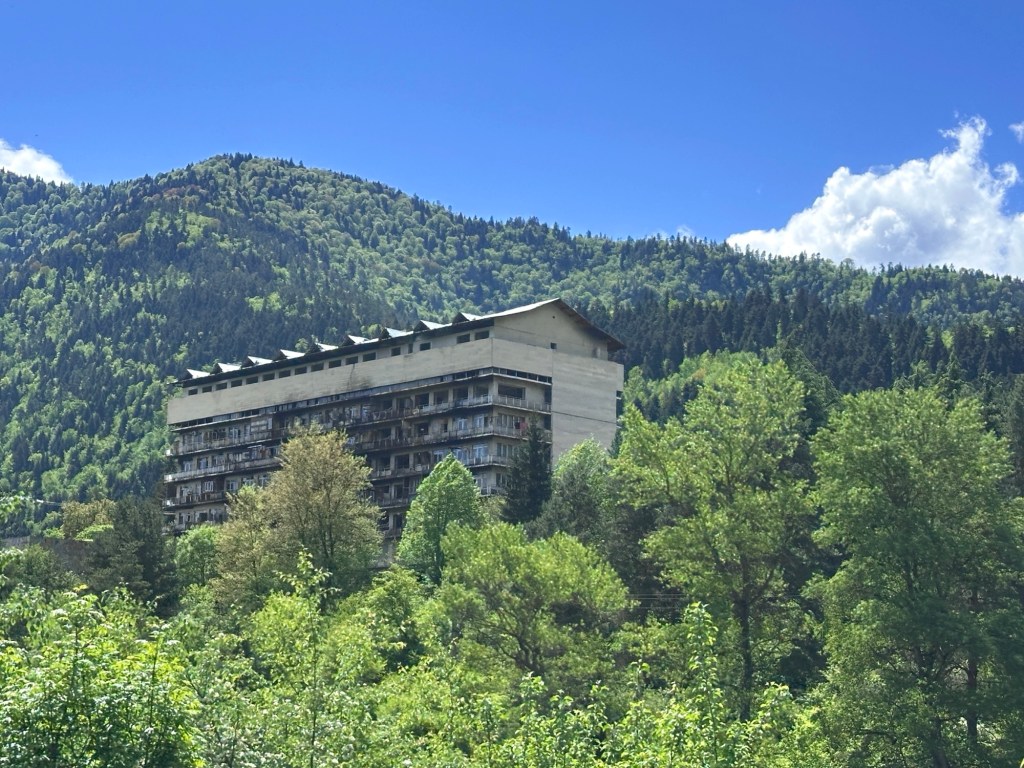
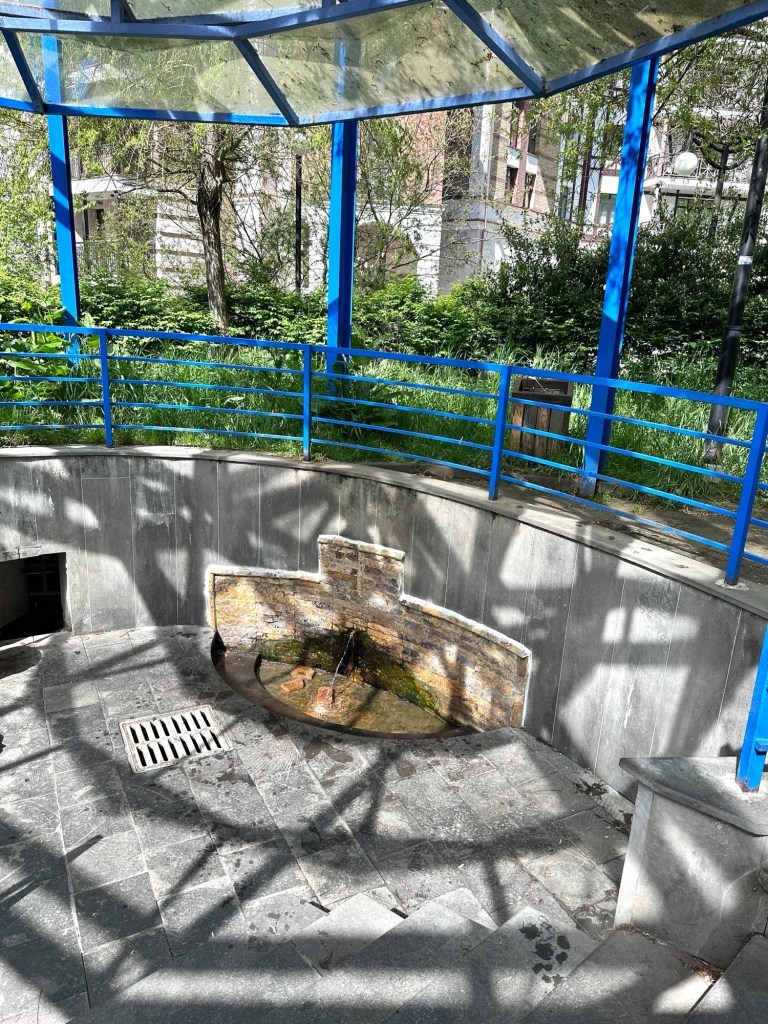
Our first stop is at Borjomi, the sight of a natural suplhur spring that contains healing waters, and also the birthplace of the popular bottled Borjormi Sparkling water that is sold internationally. We try it once at one smaller spring while it is cold and it is drinkable but slightly sulphuric but when we try the spring warm in another location it is has a strong sulphur and rust taste. It is supposed to be healing so hopefully it fixes my stomach that has not been cooperative lately. The springs are in a peaceful park along a river with bridge crossings and depending on where we are in the park we hear either the chirp of birds or the sound of loud music from a tourist vendor. The historic borjomi building is currently under construction and will be reopened as a museum.
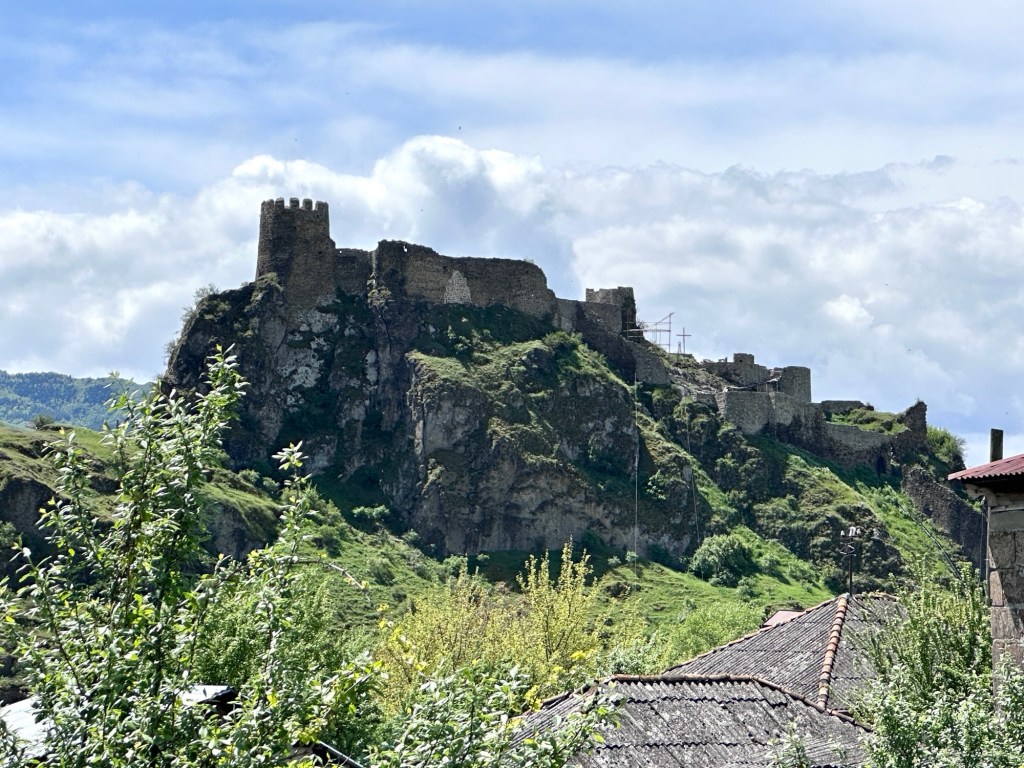
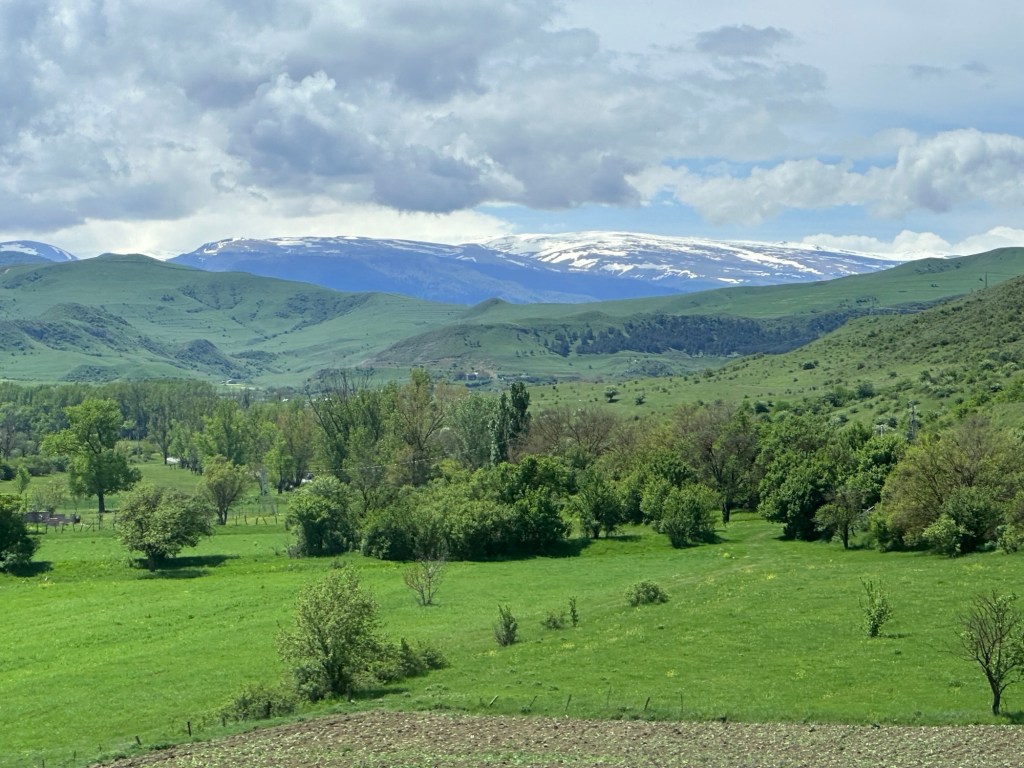
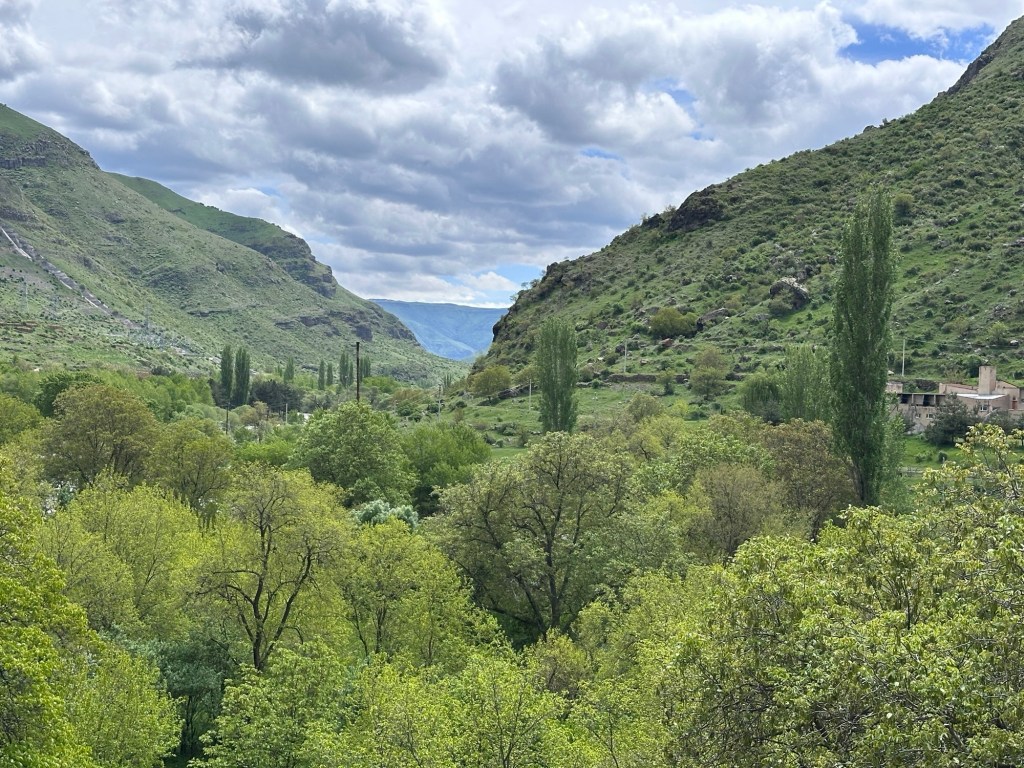
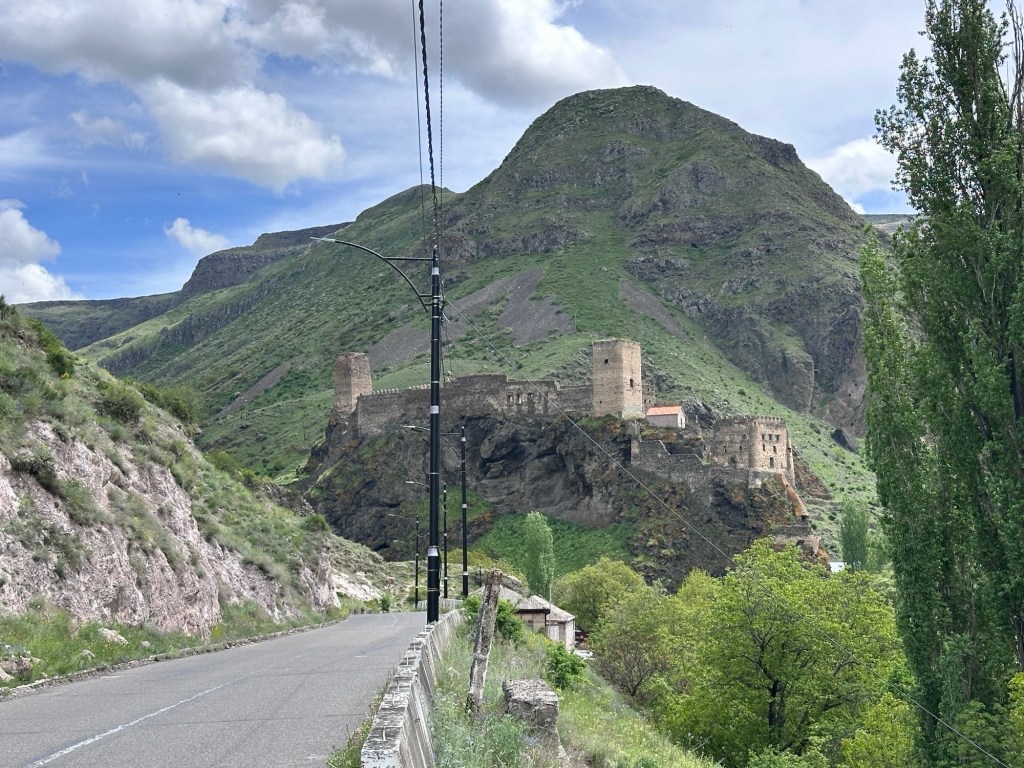
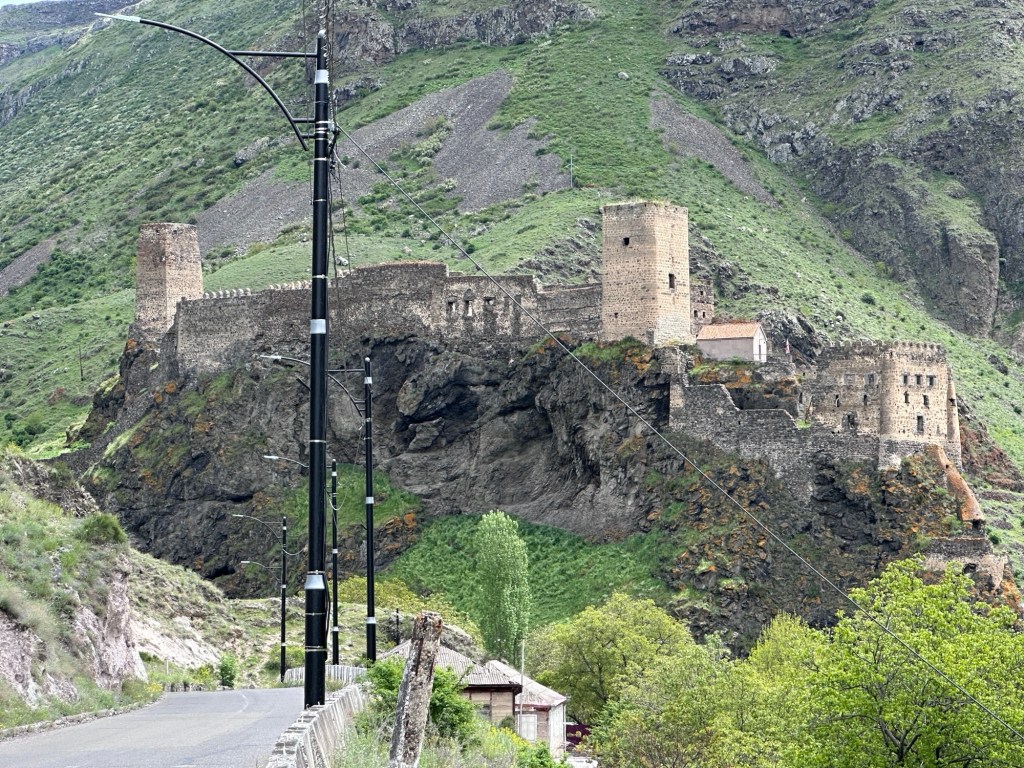
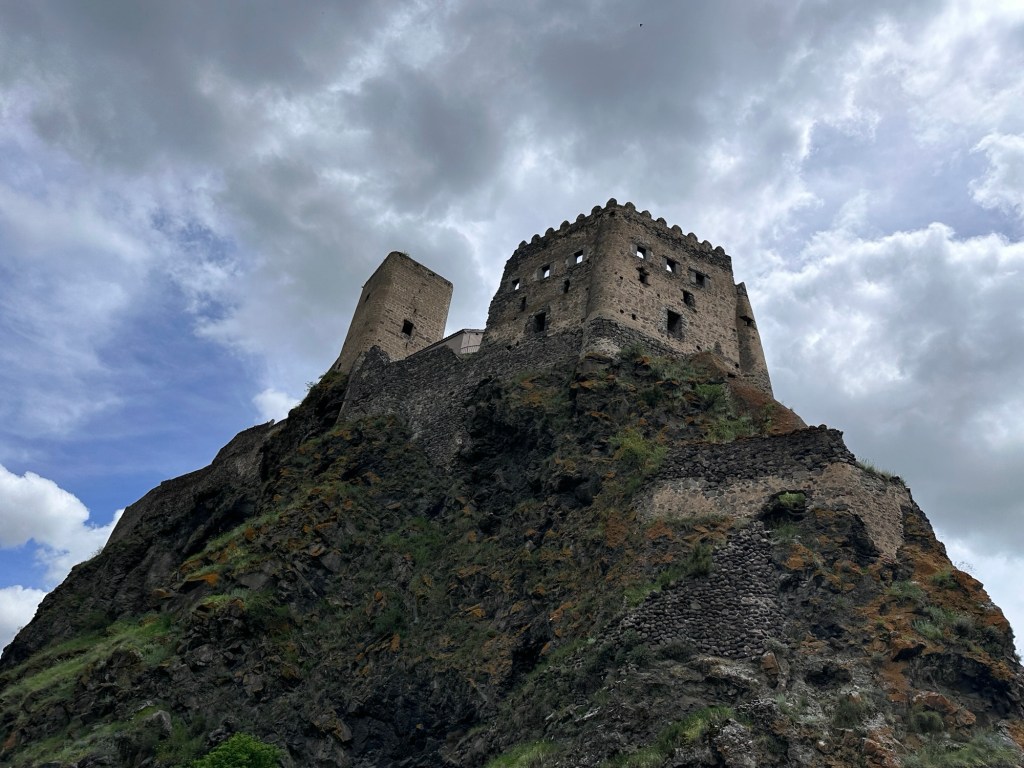
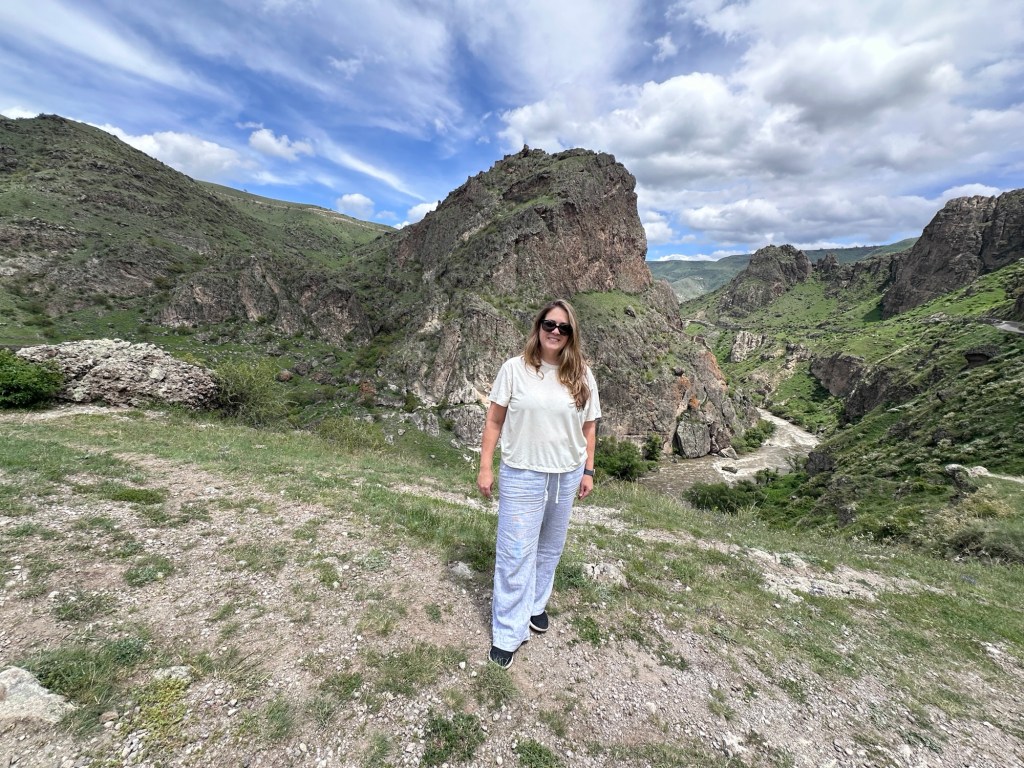
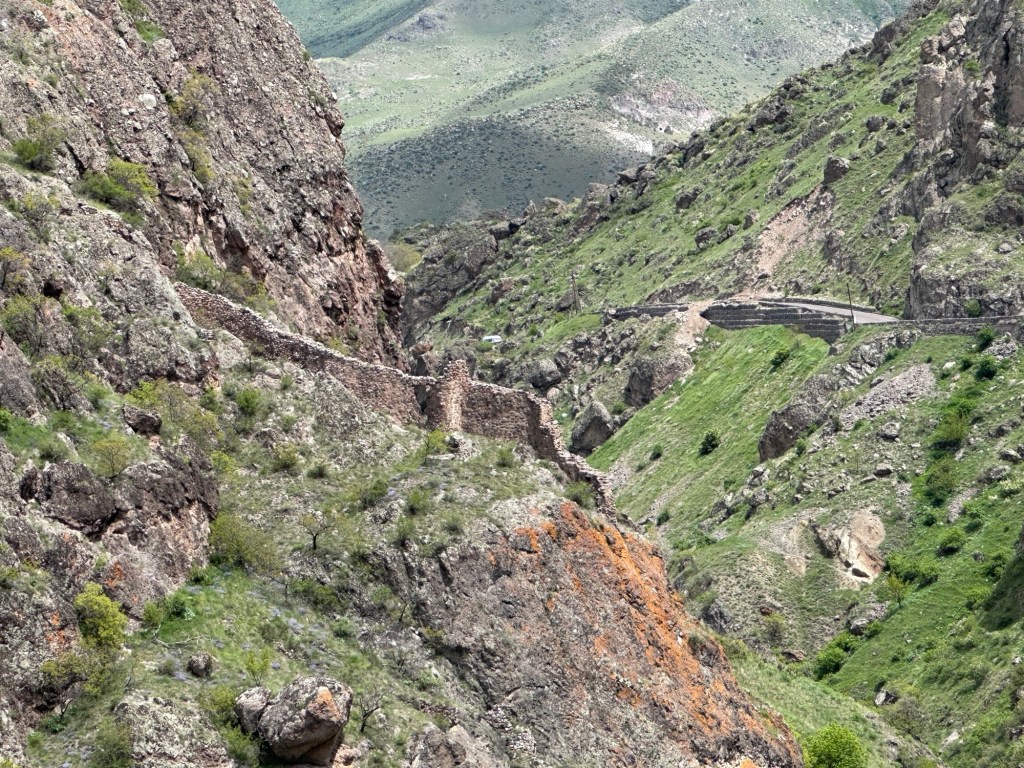
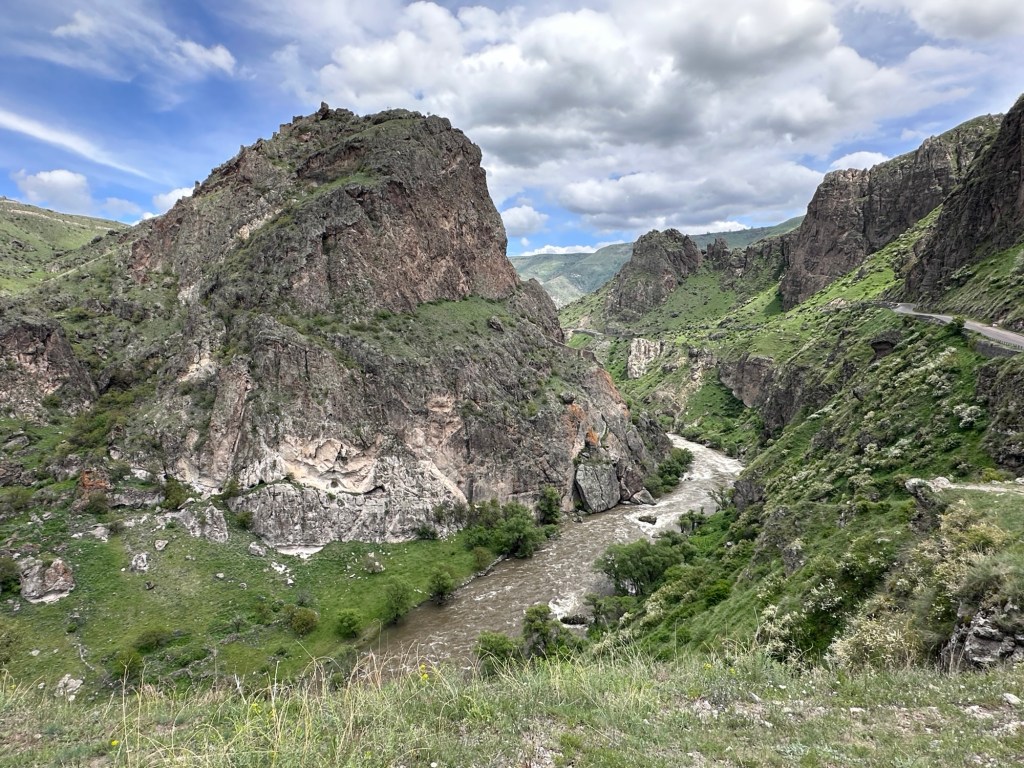
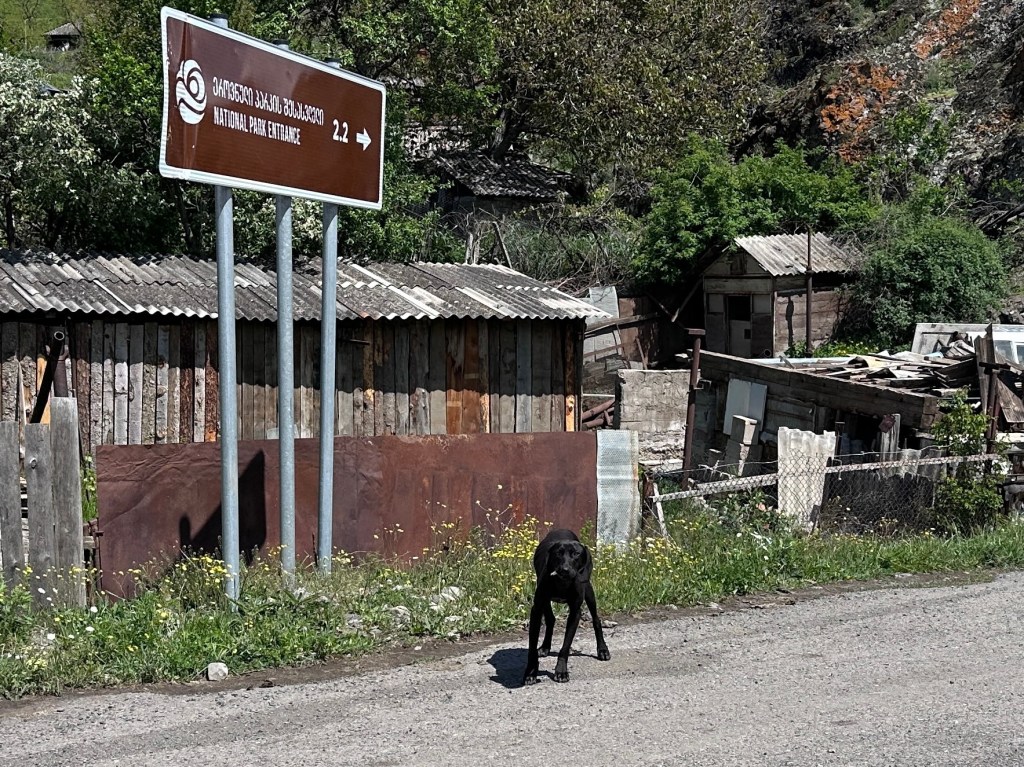
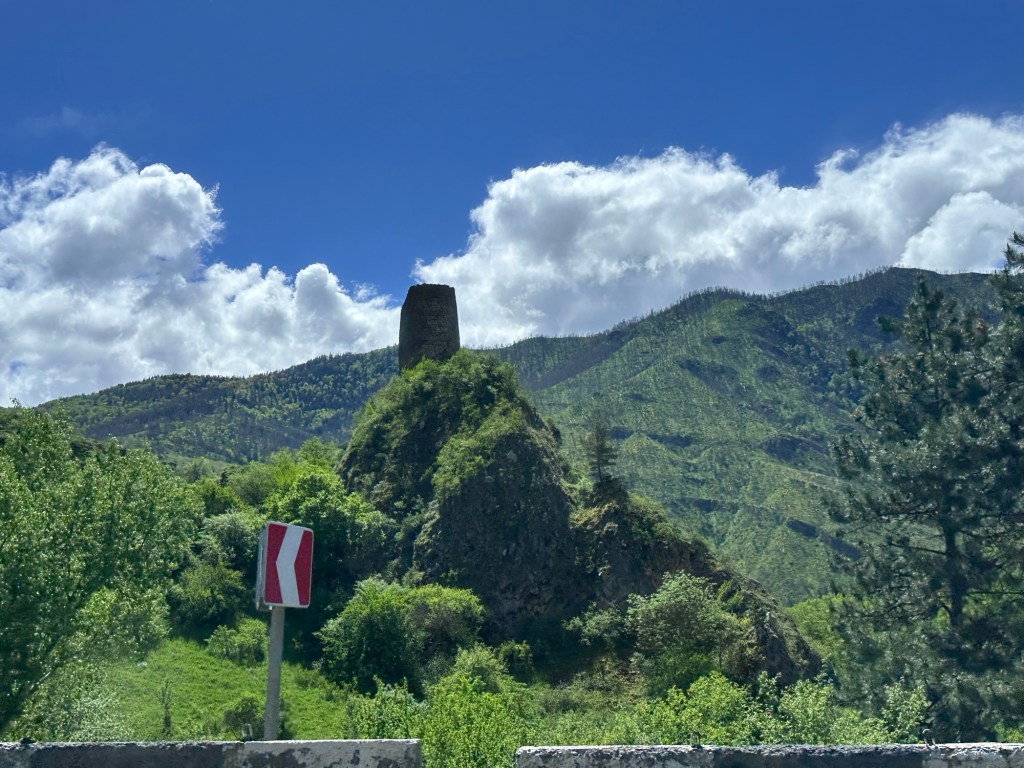
We have a long drive that gets broken up with some road side views including some old fortresses and beautiful views of the river and mountain side.
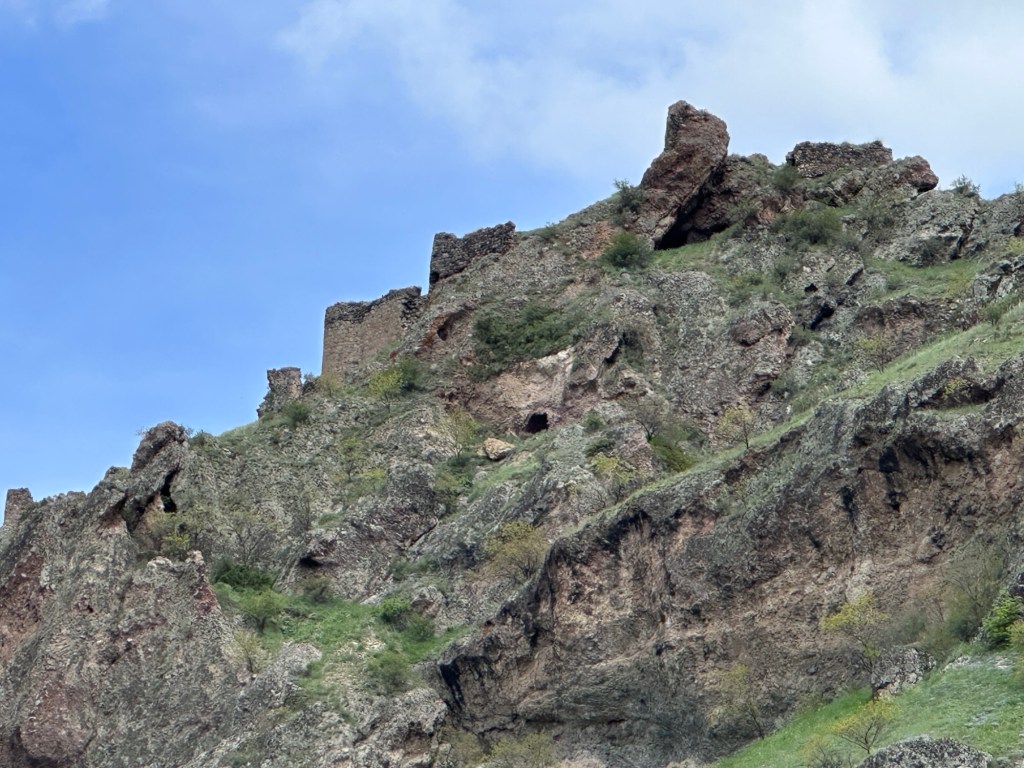
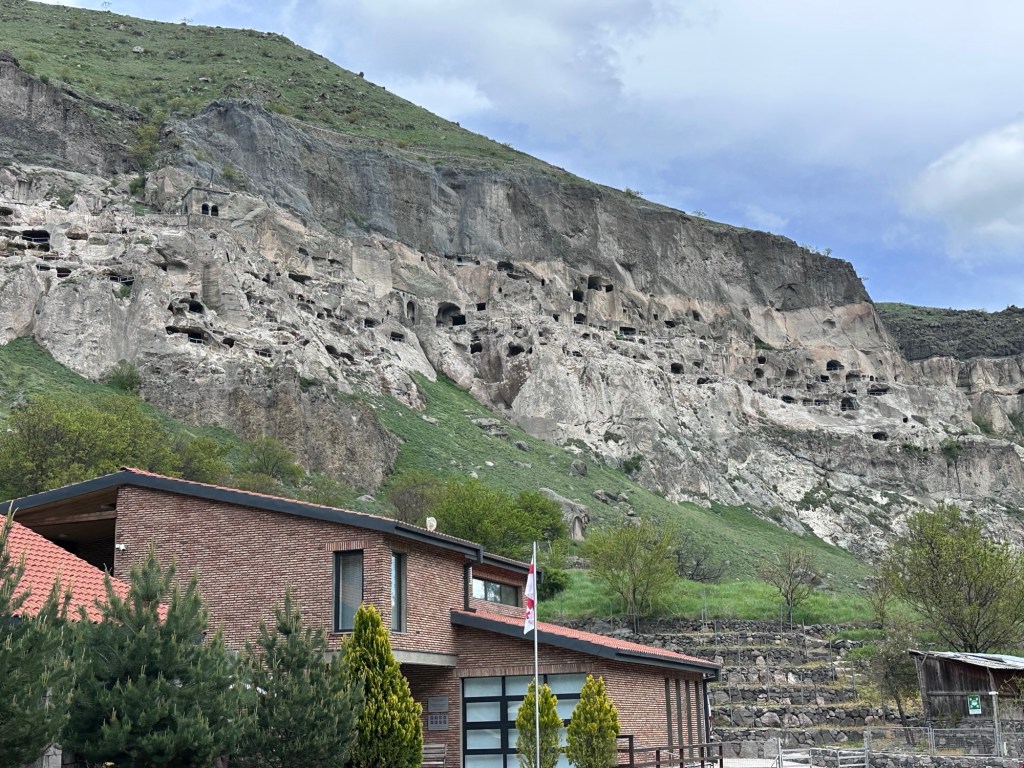
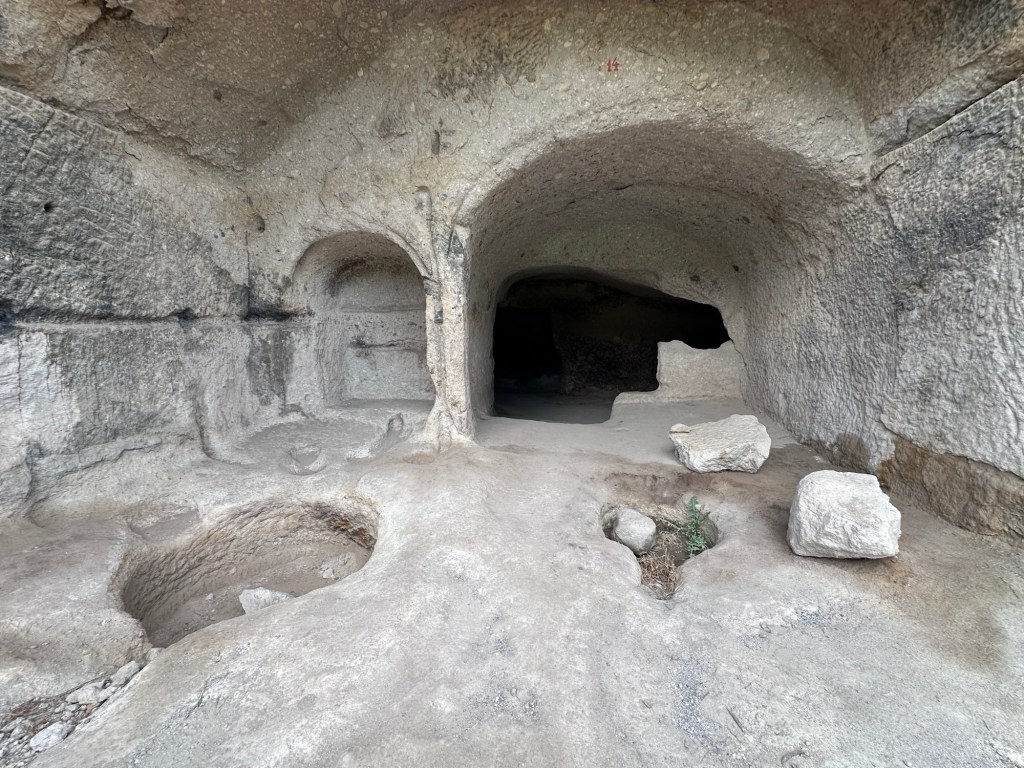
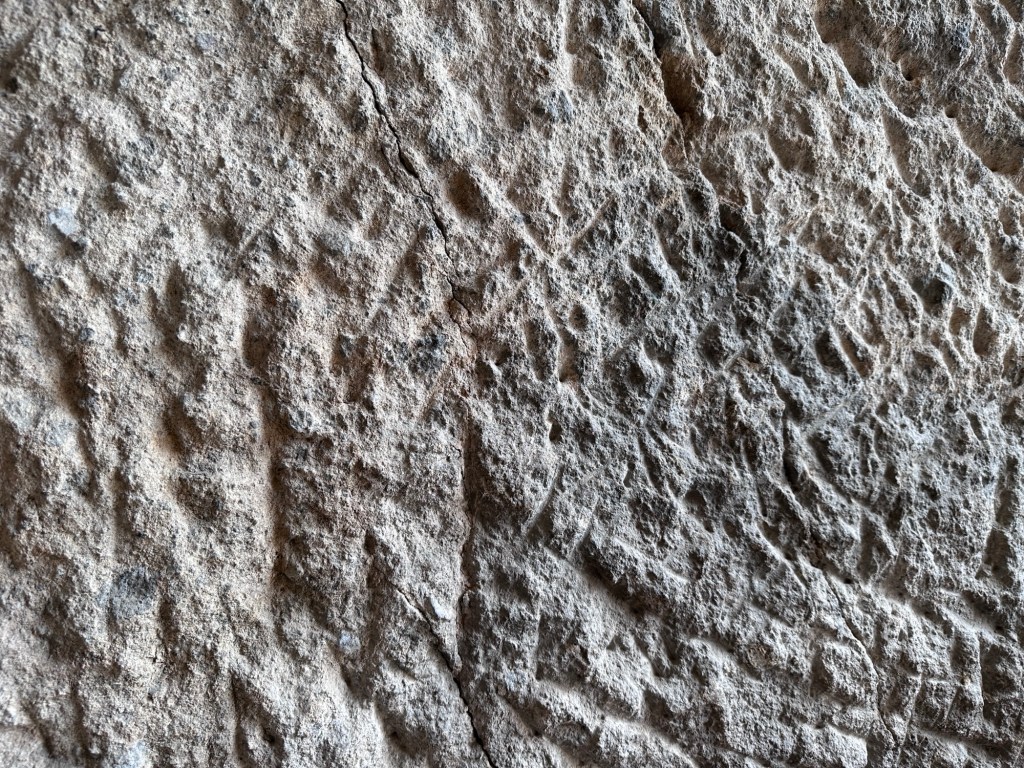
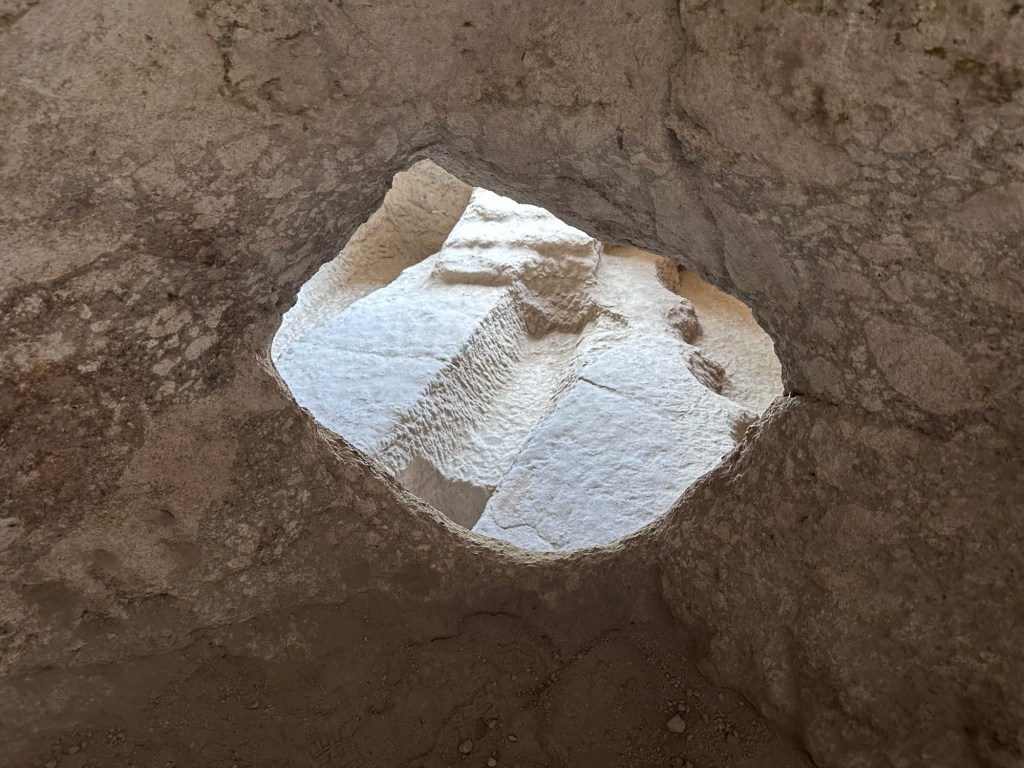
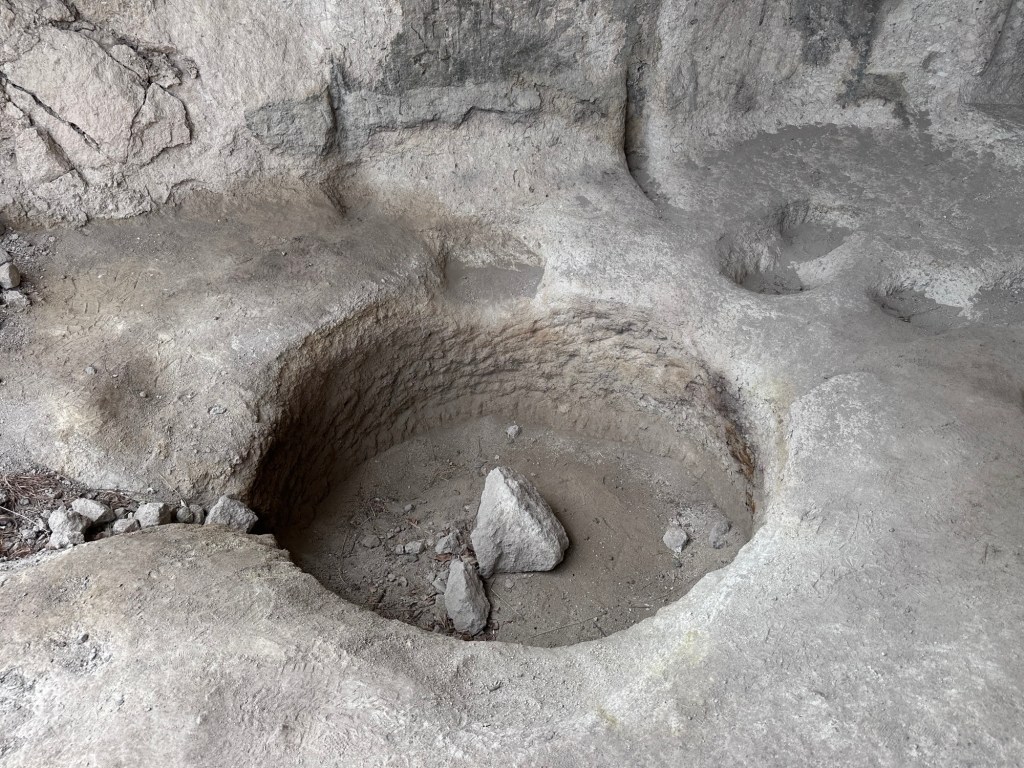
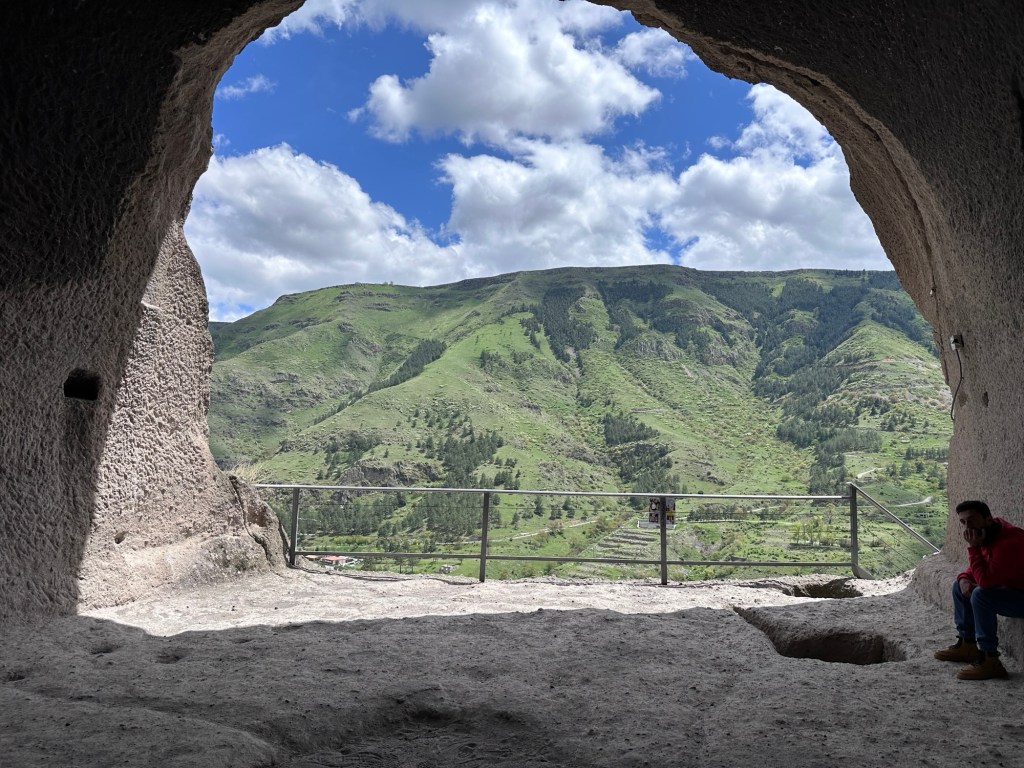
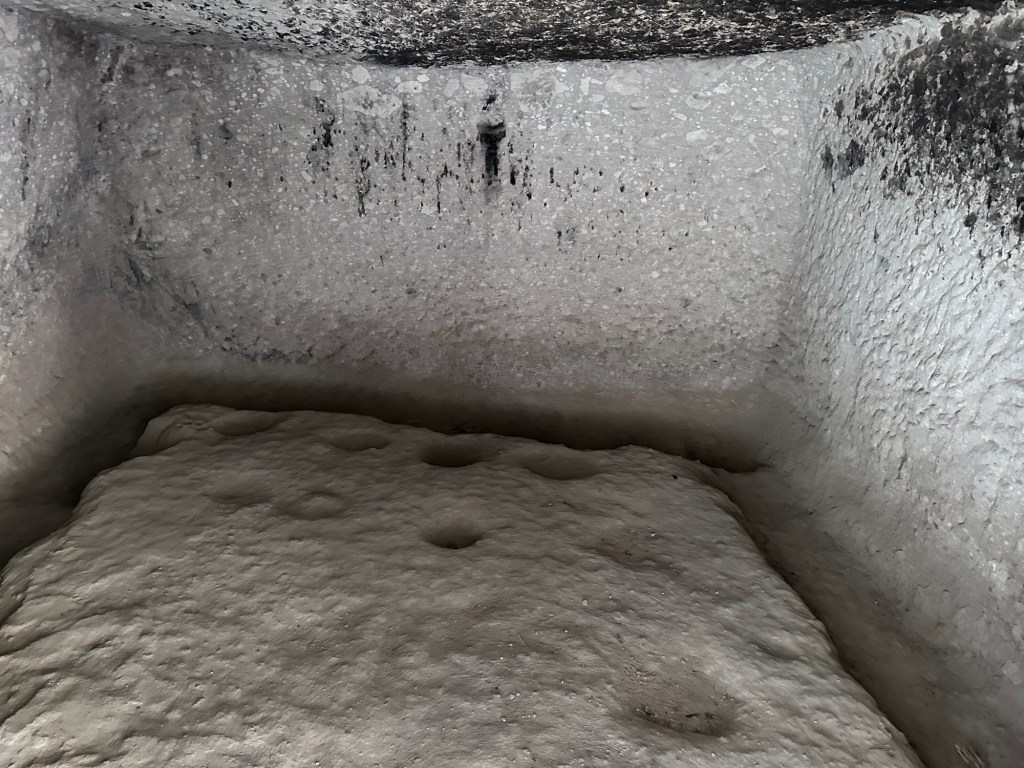
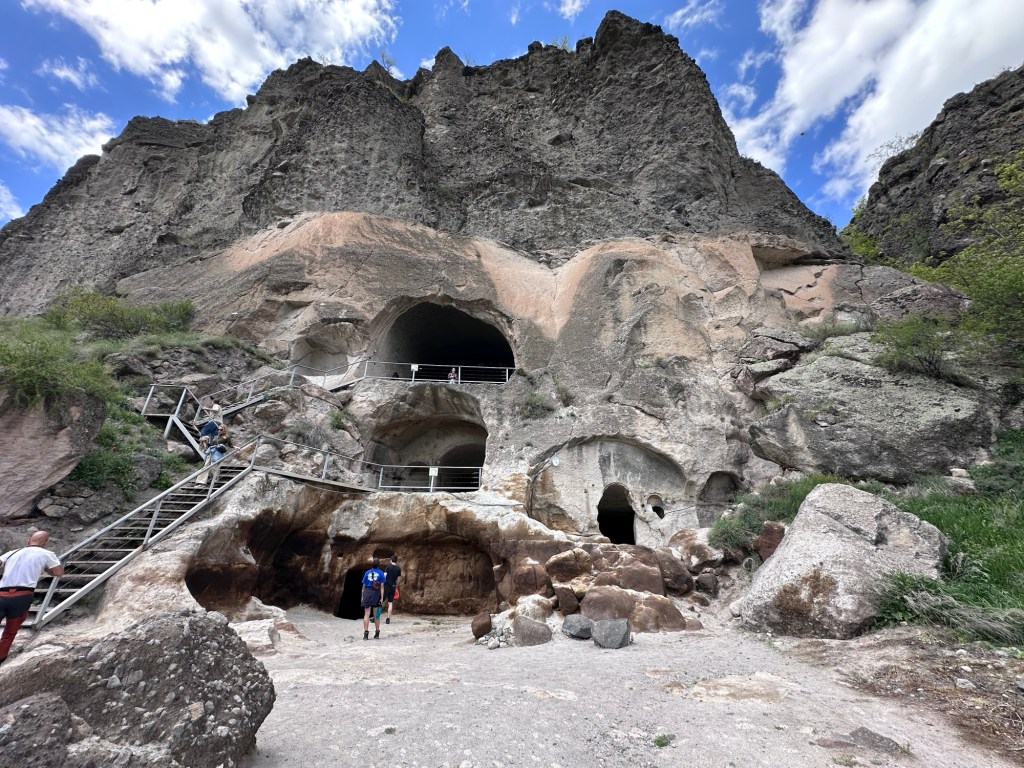
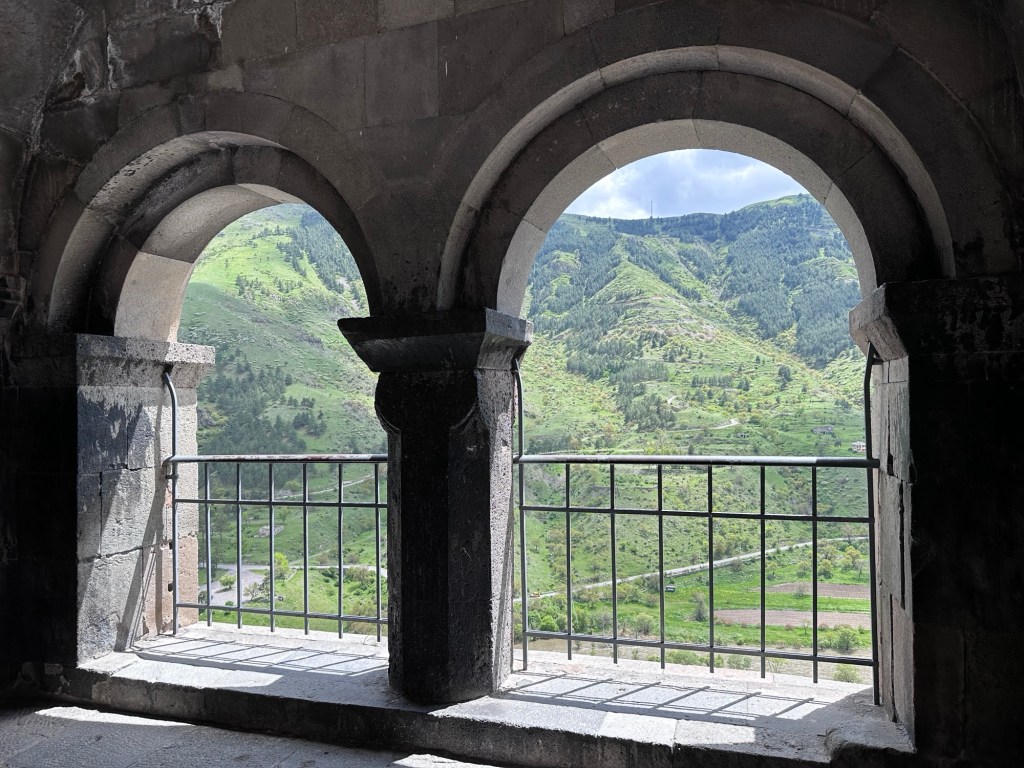
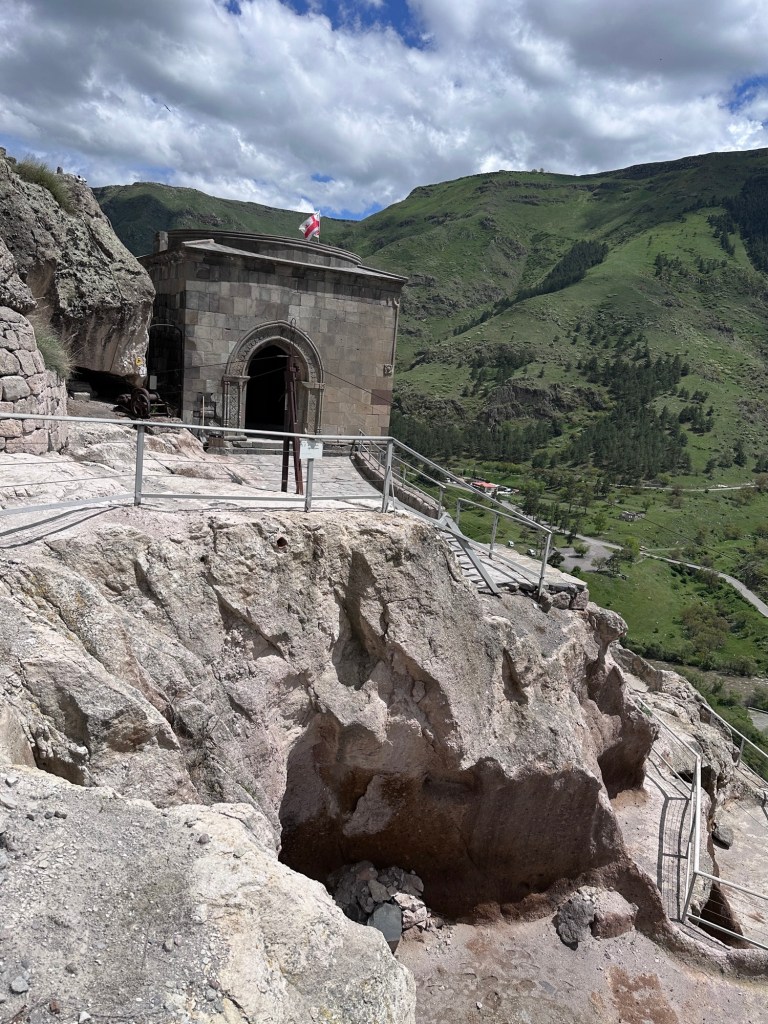
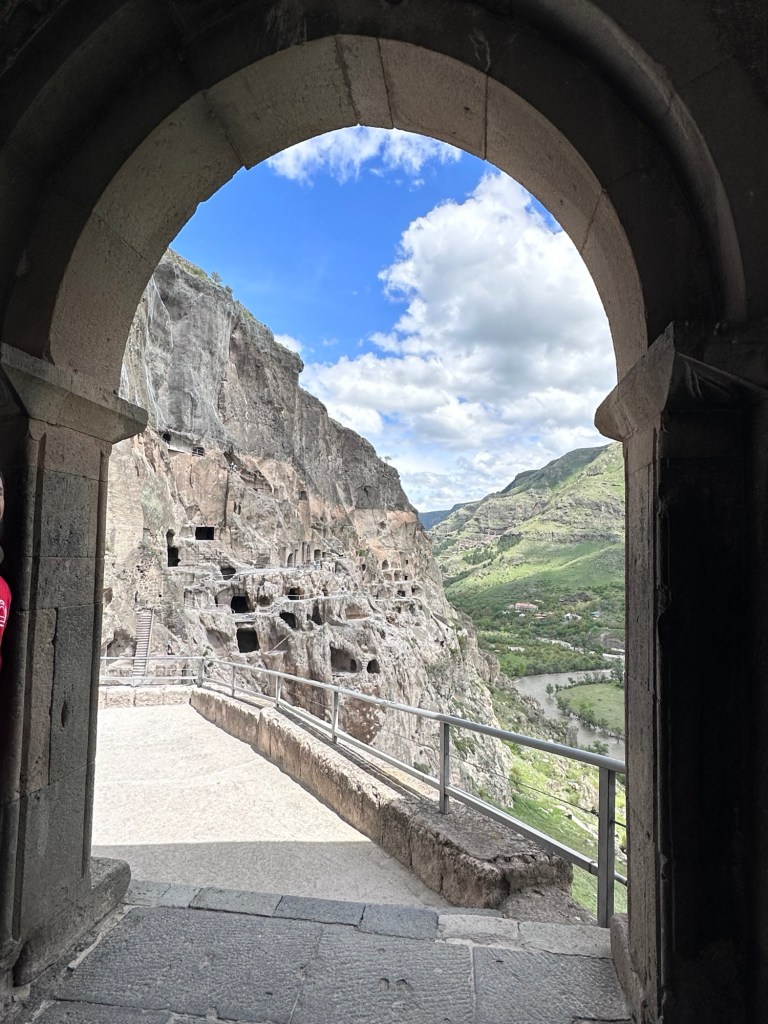
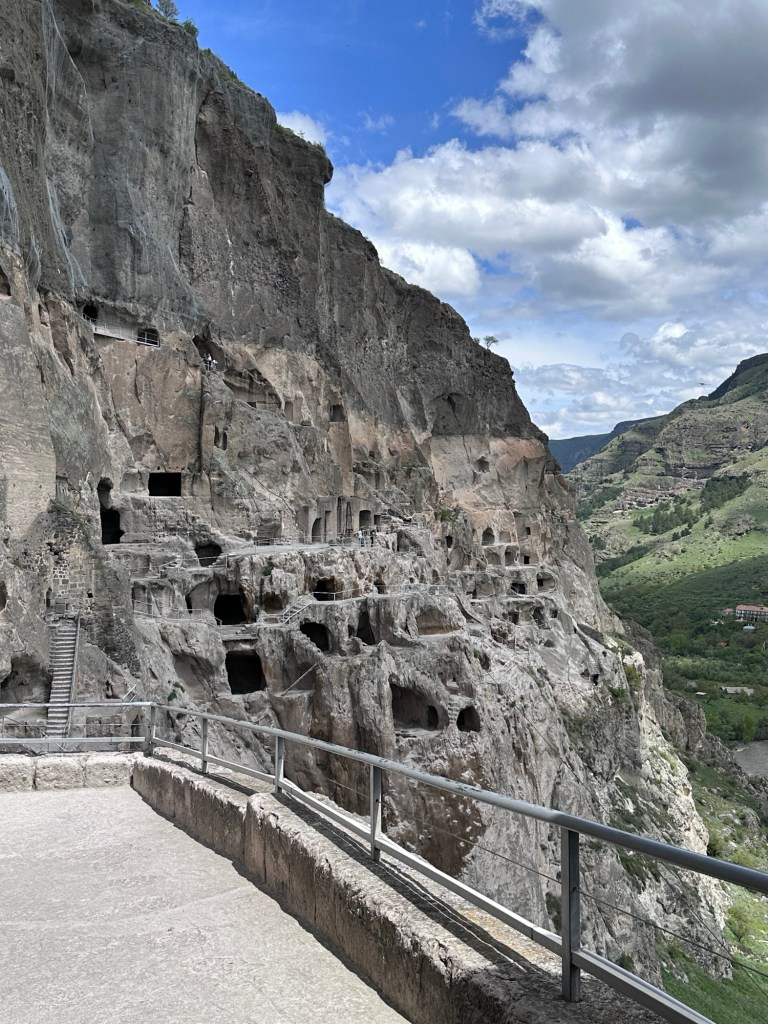
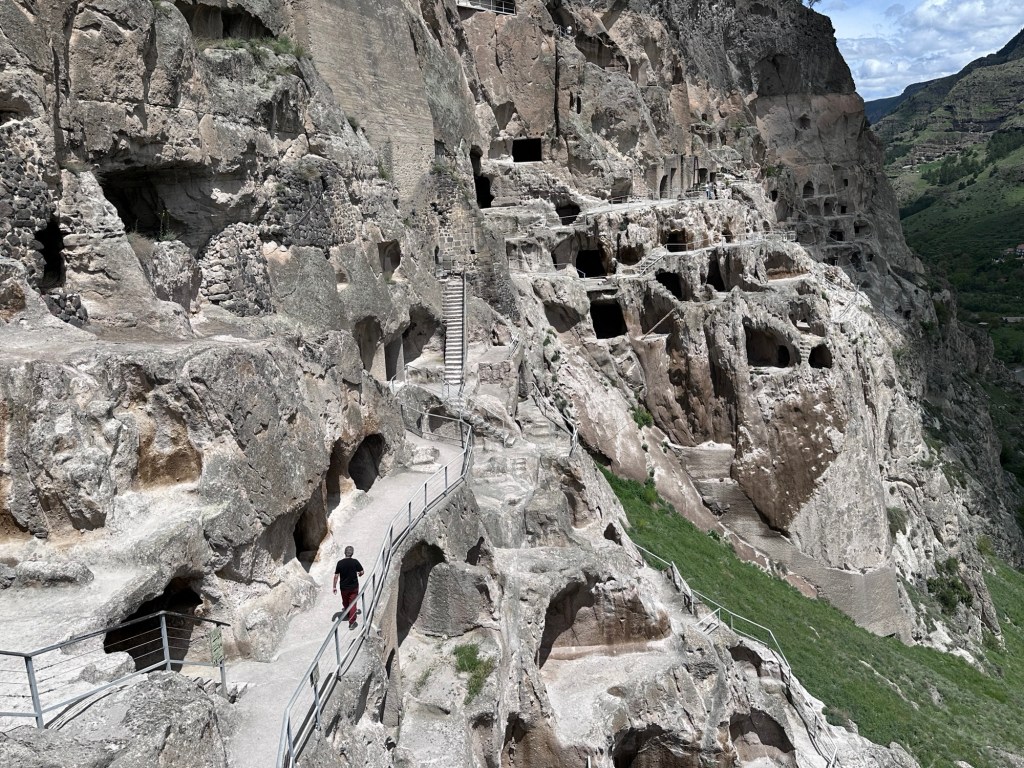
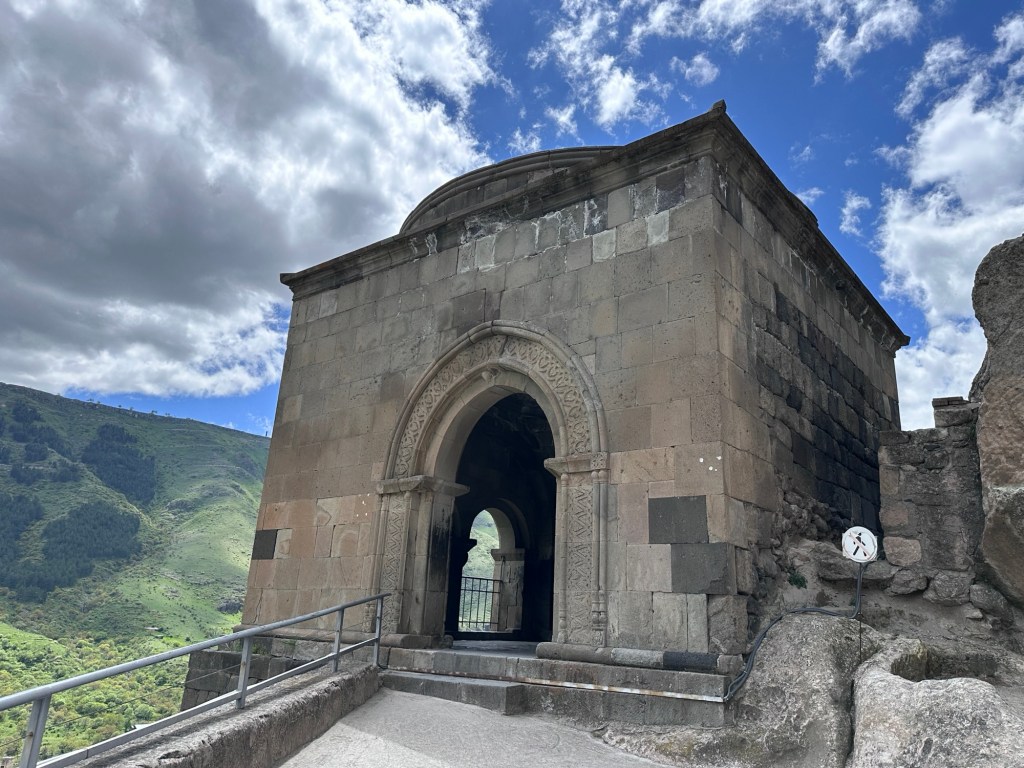
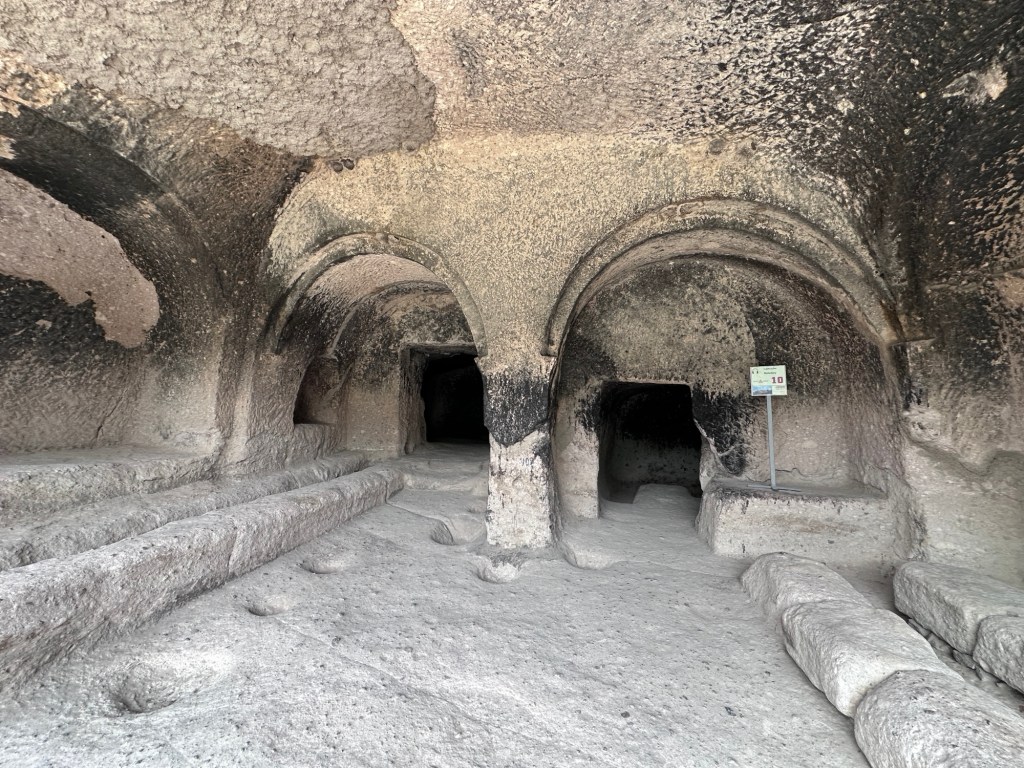
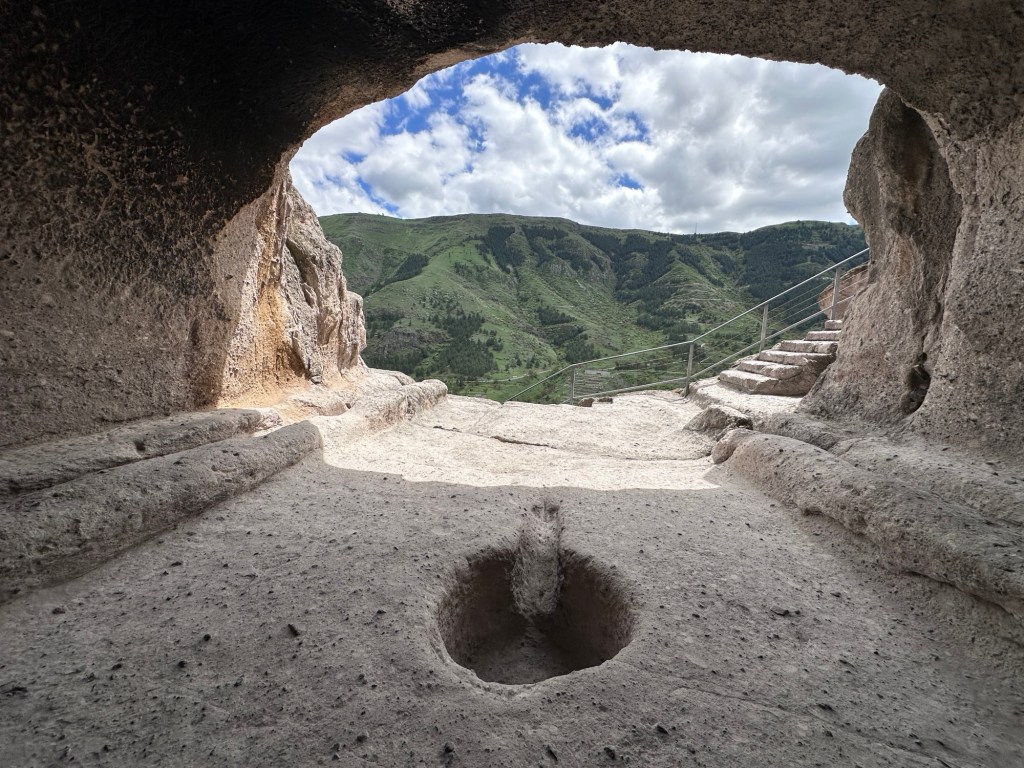
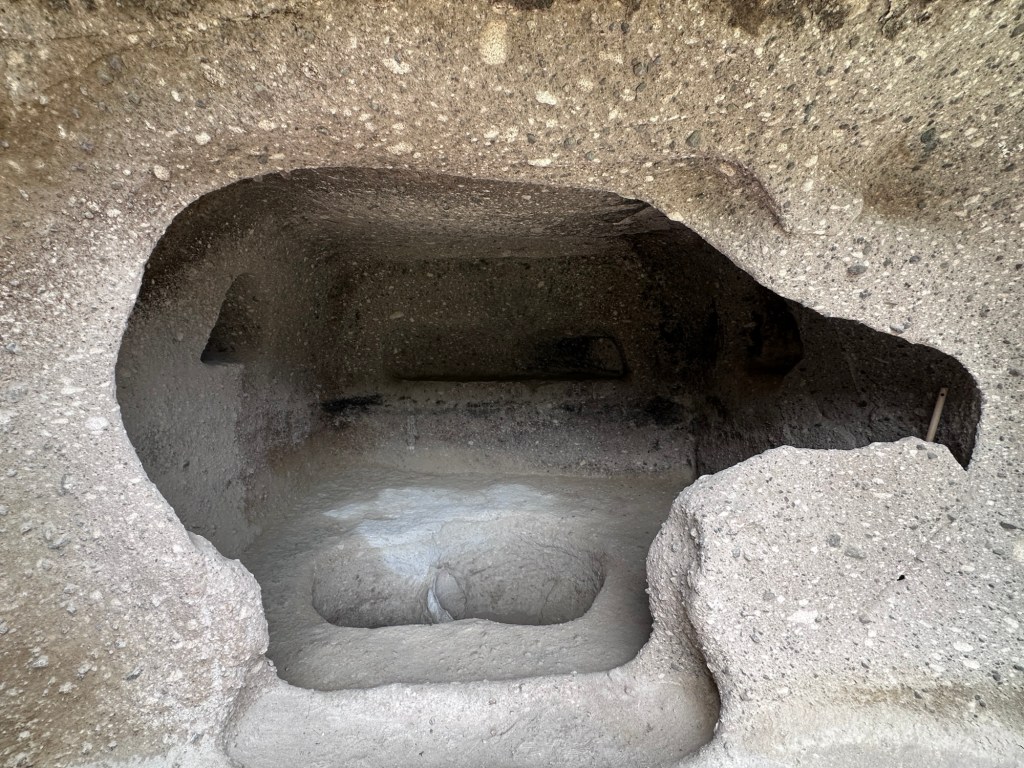
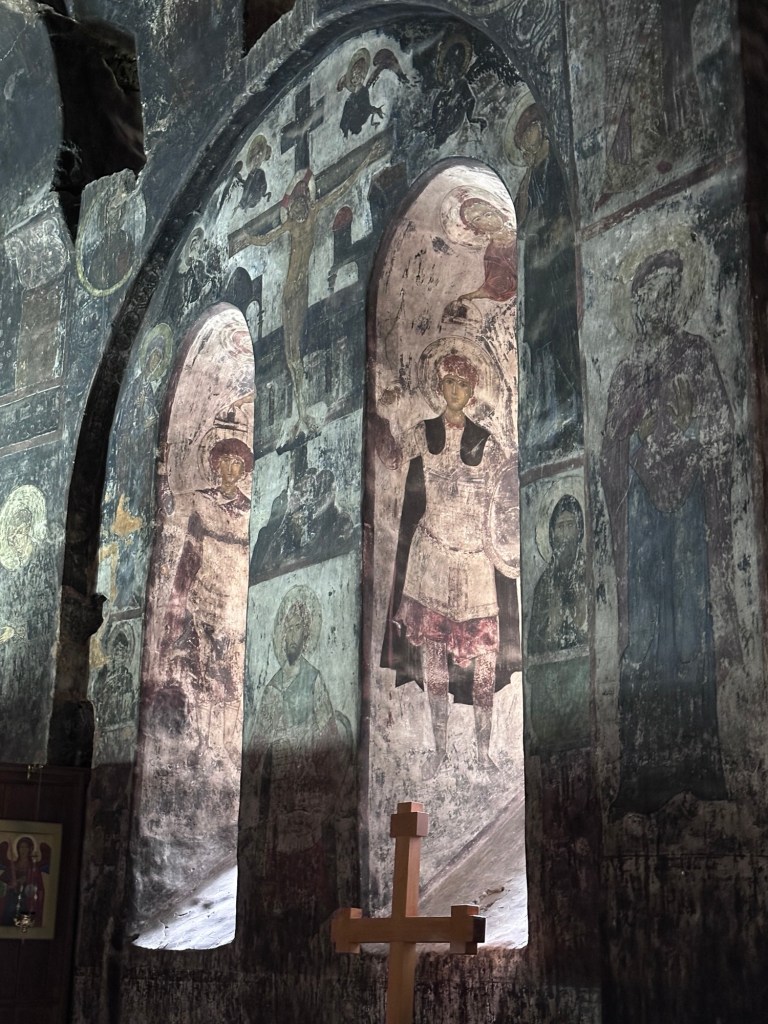
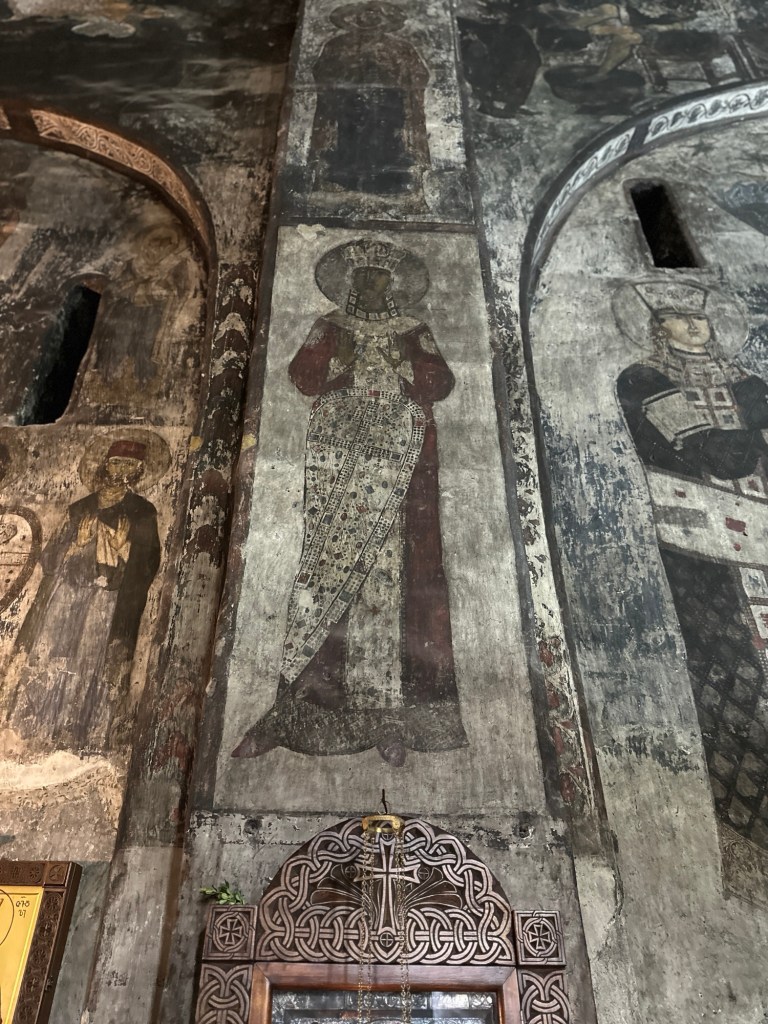
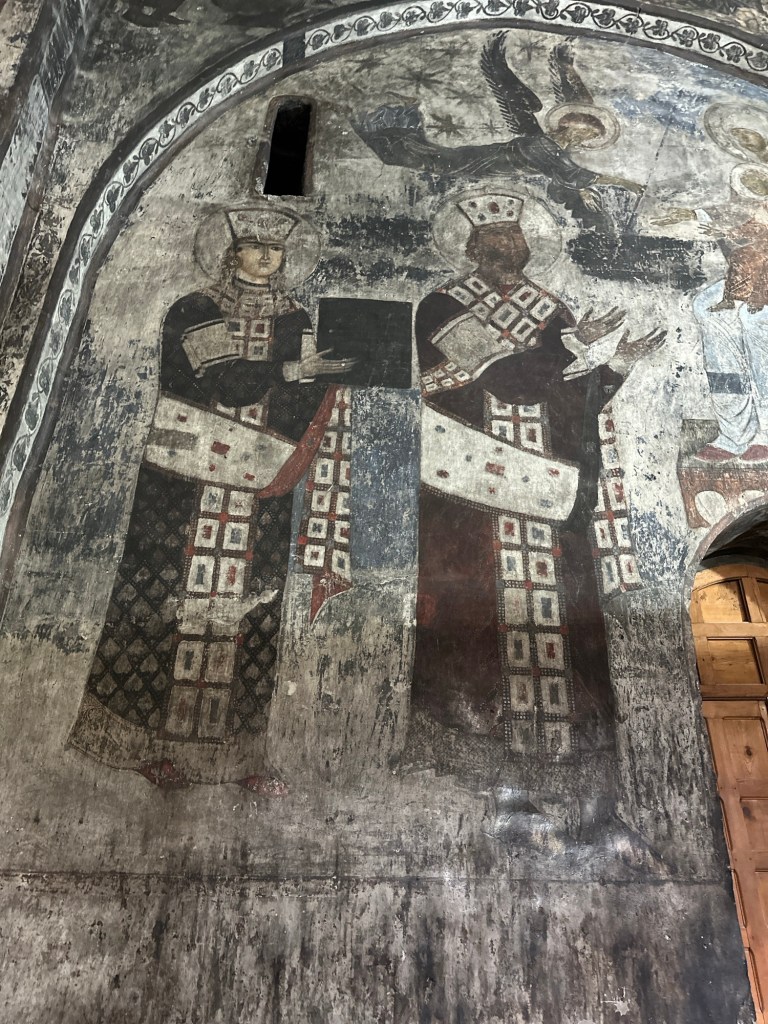
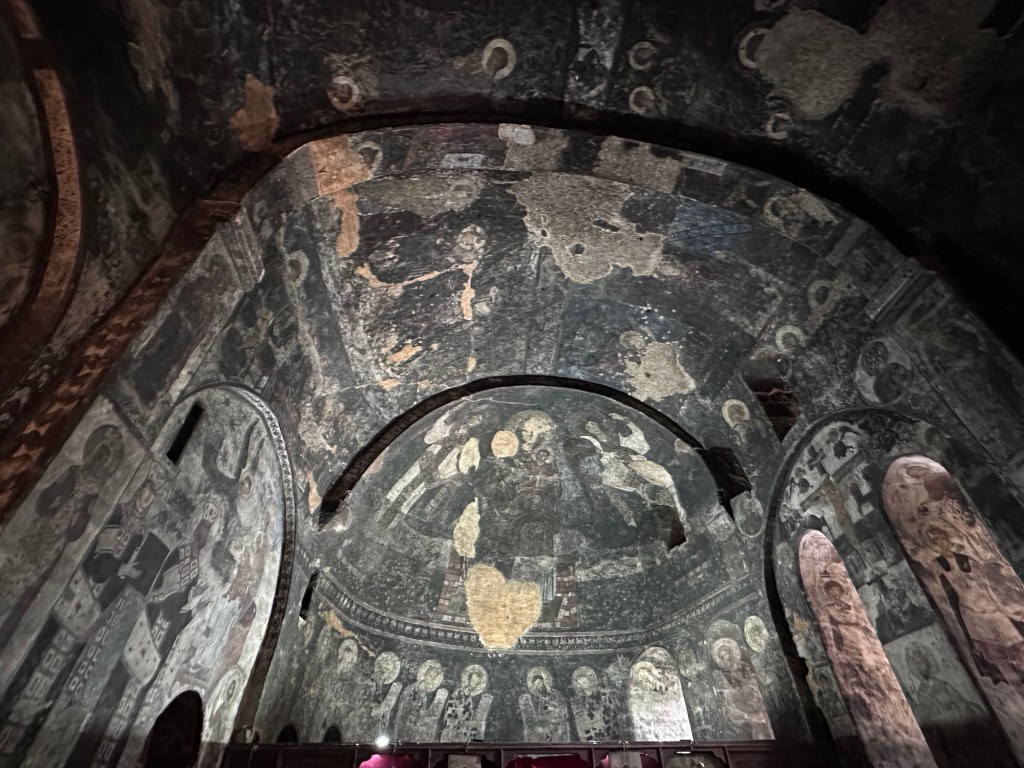
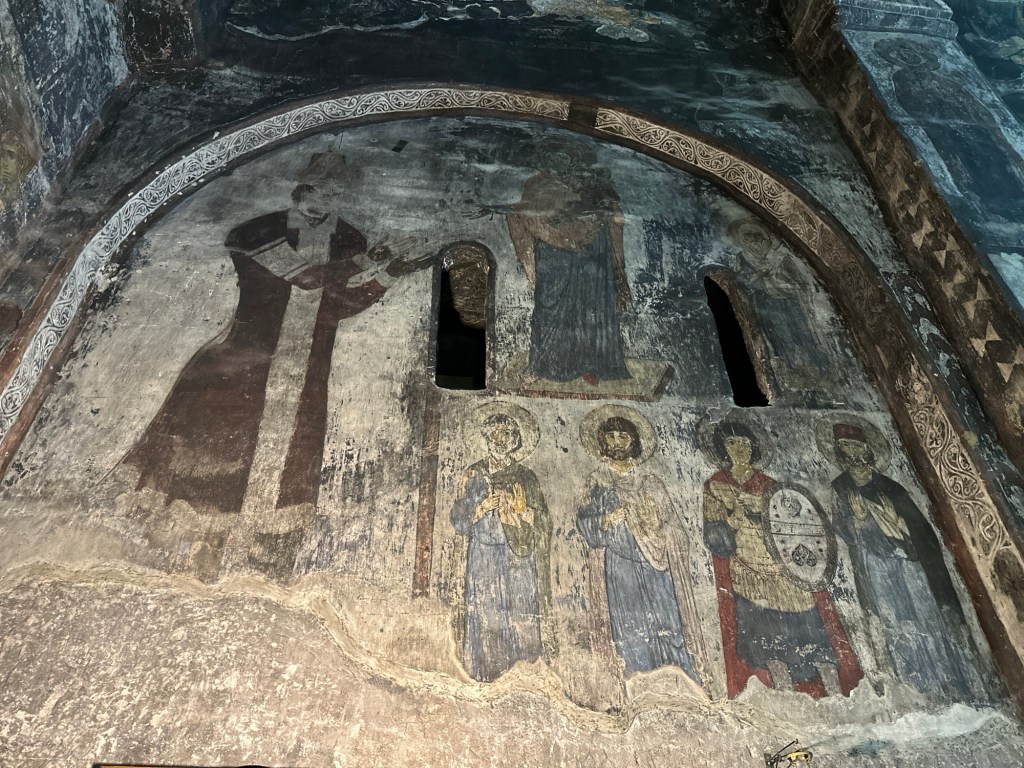
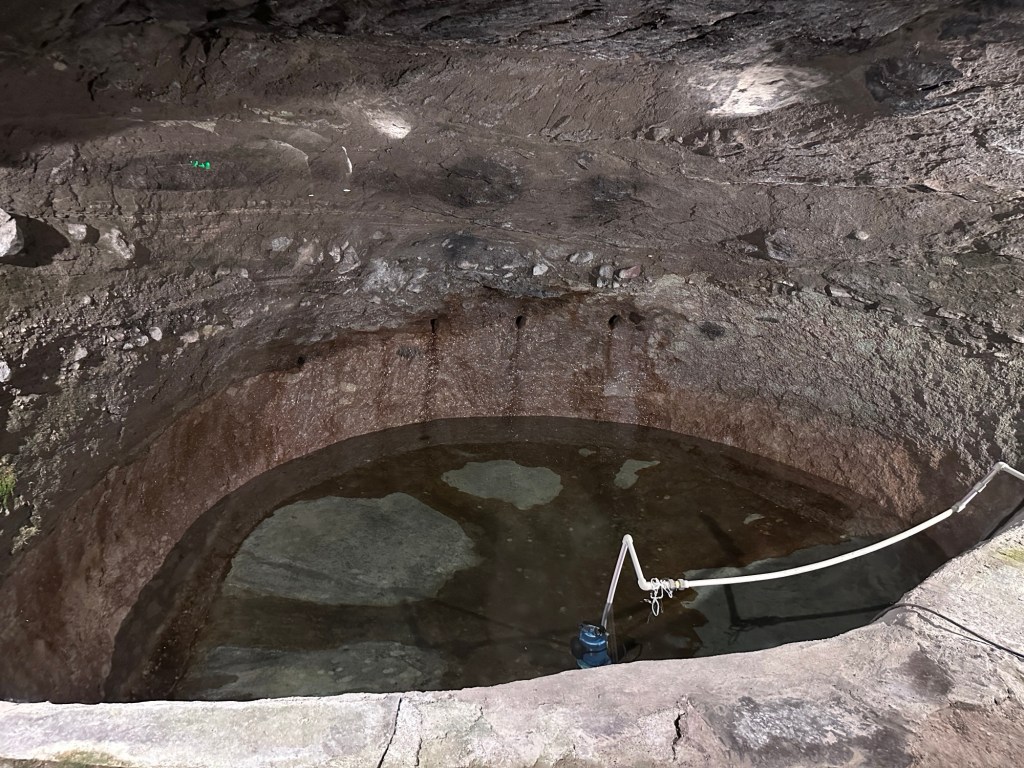
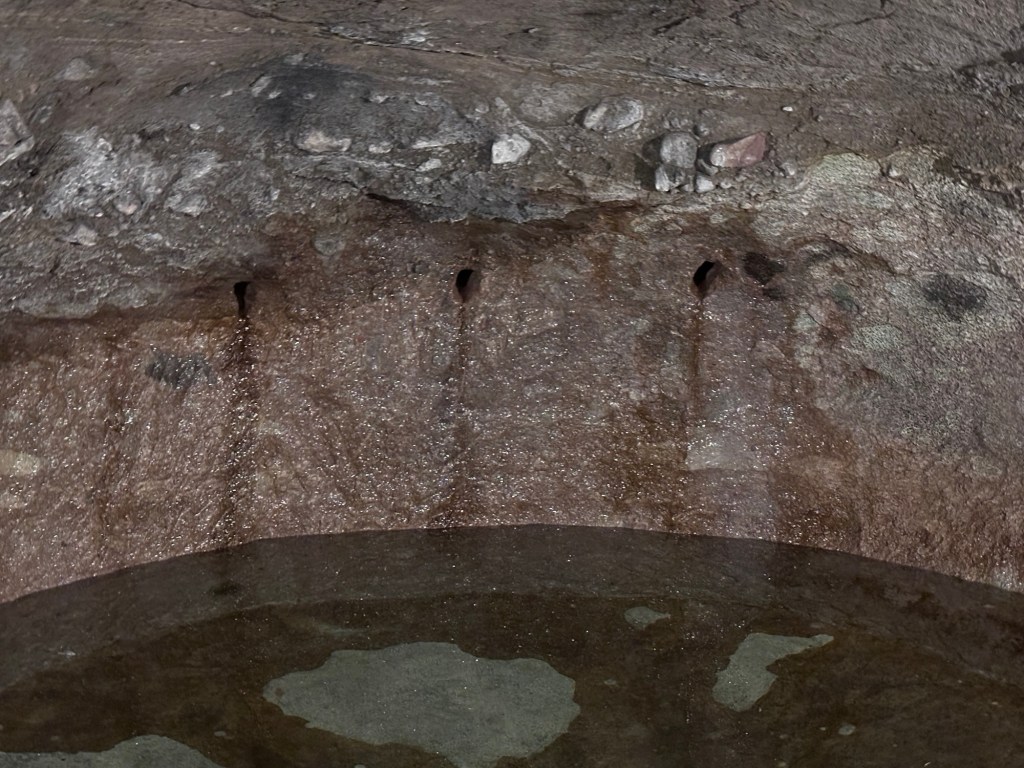
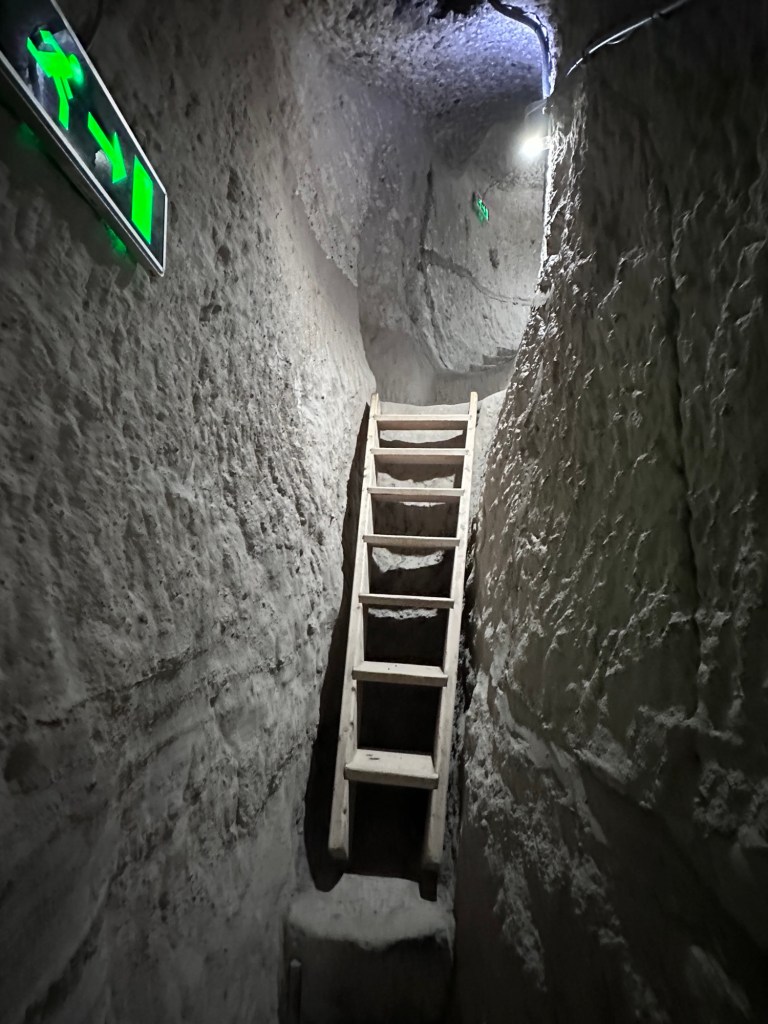
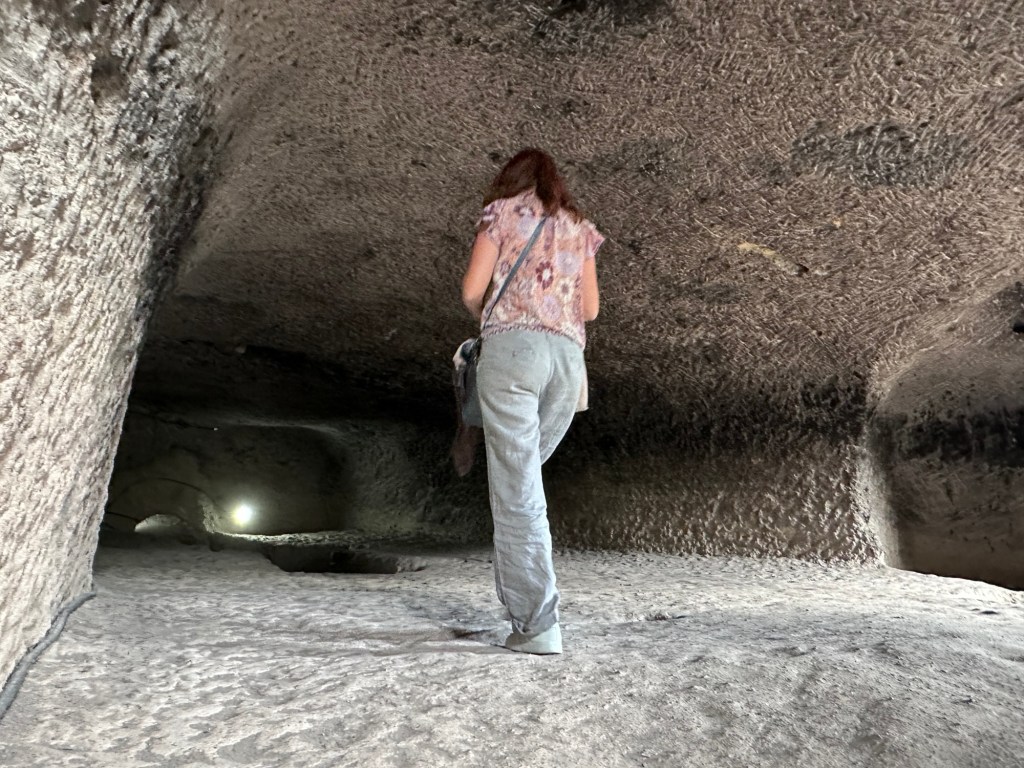
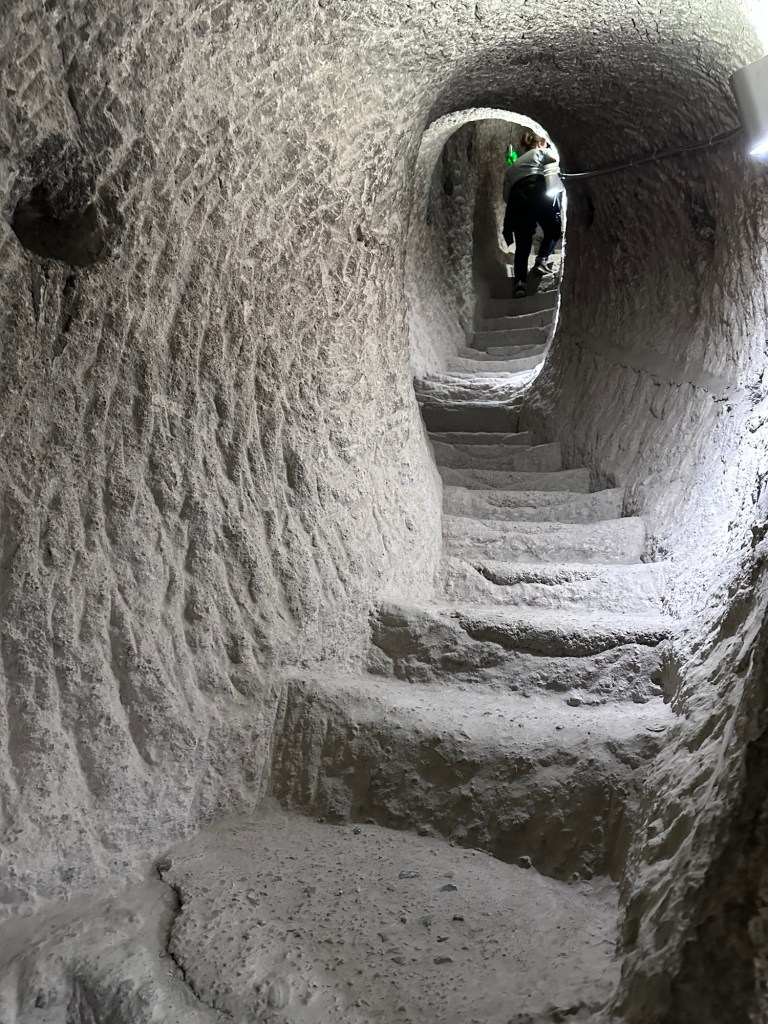
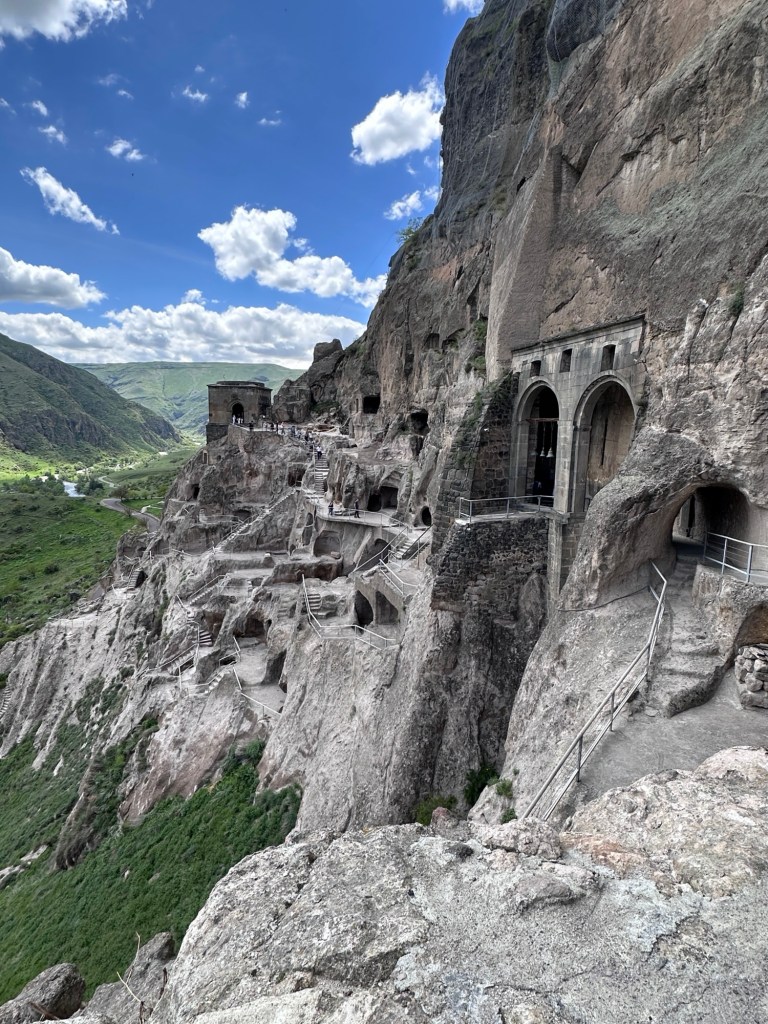
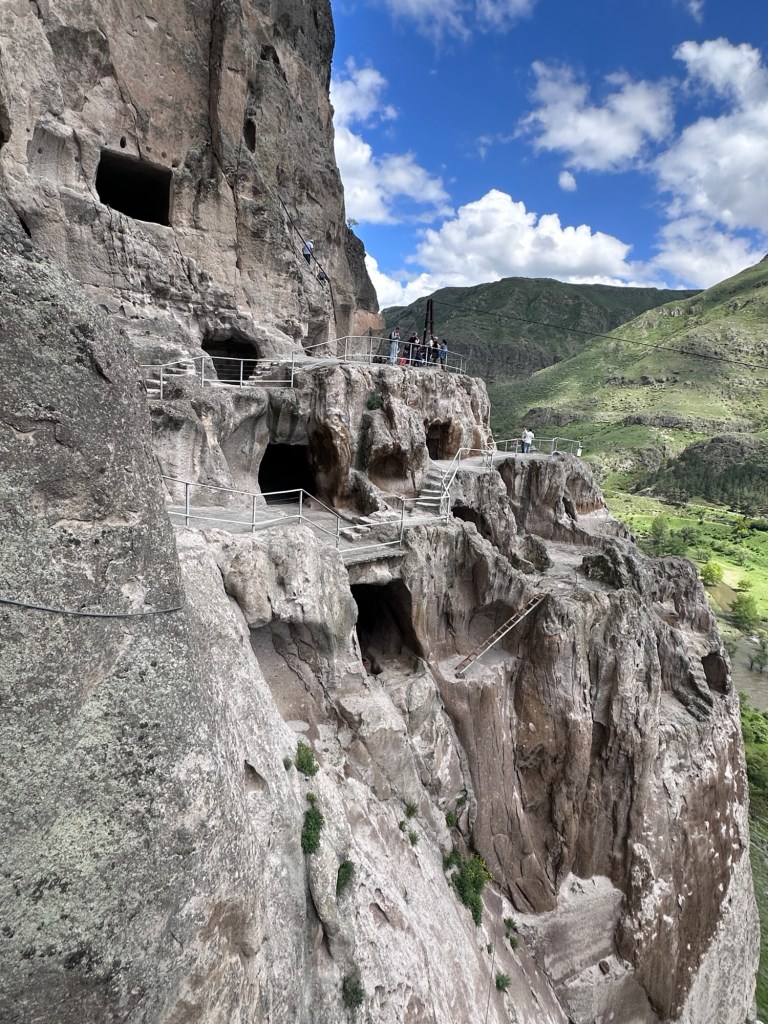
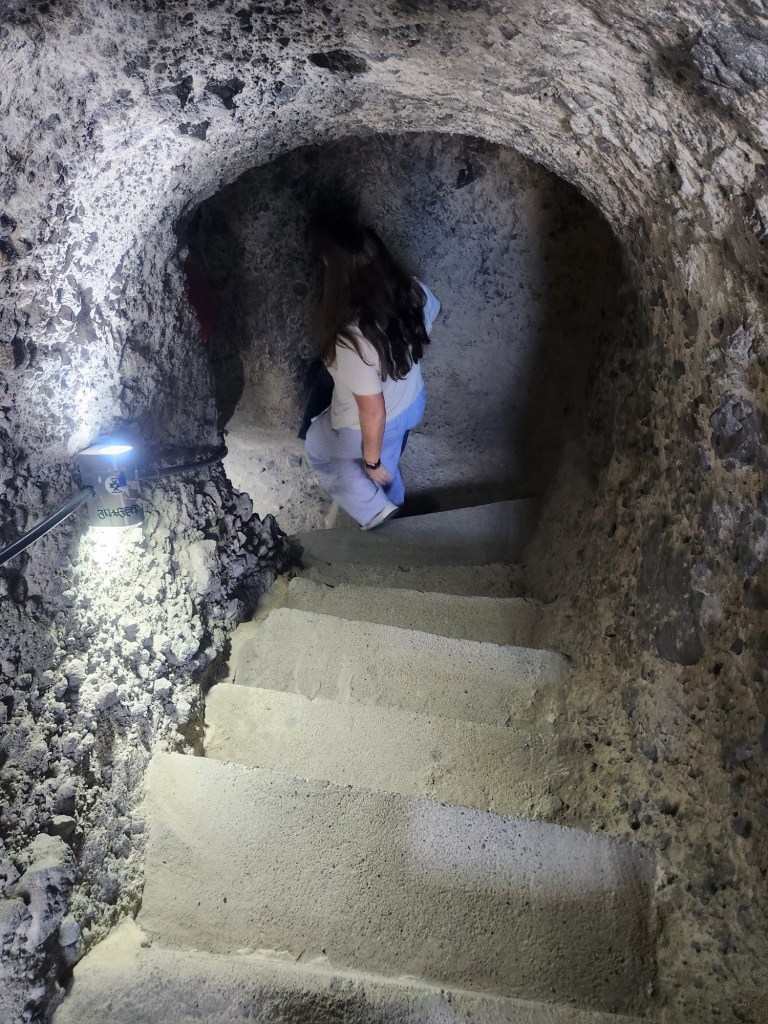
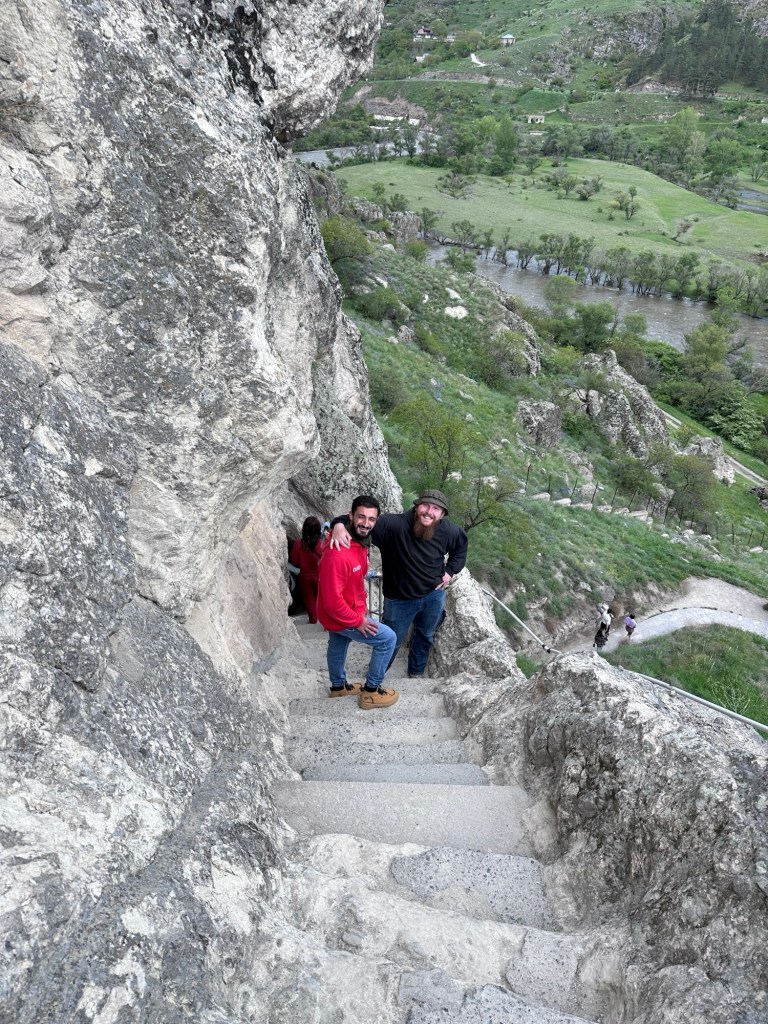
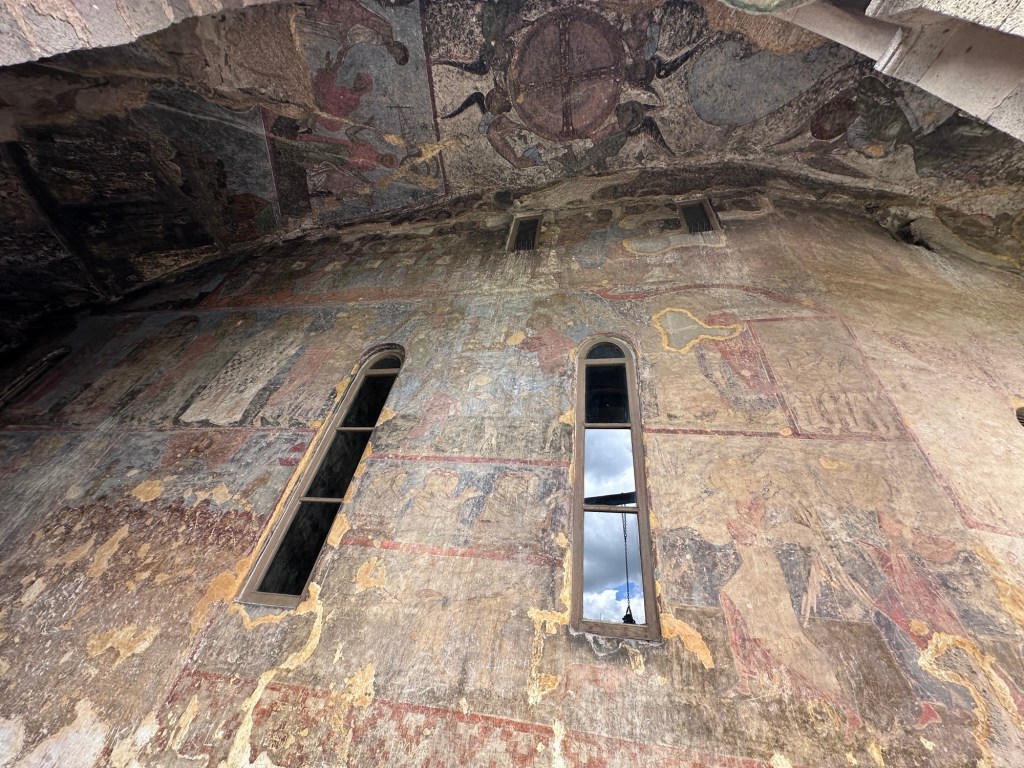
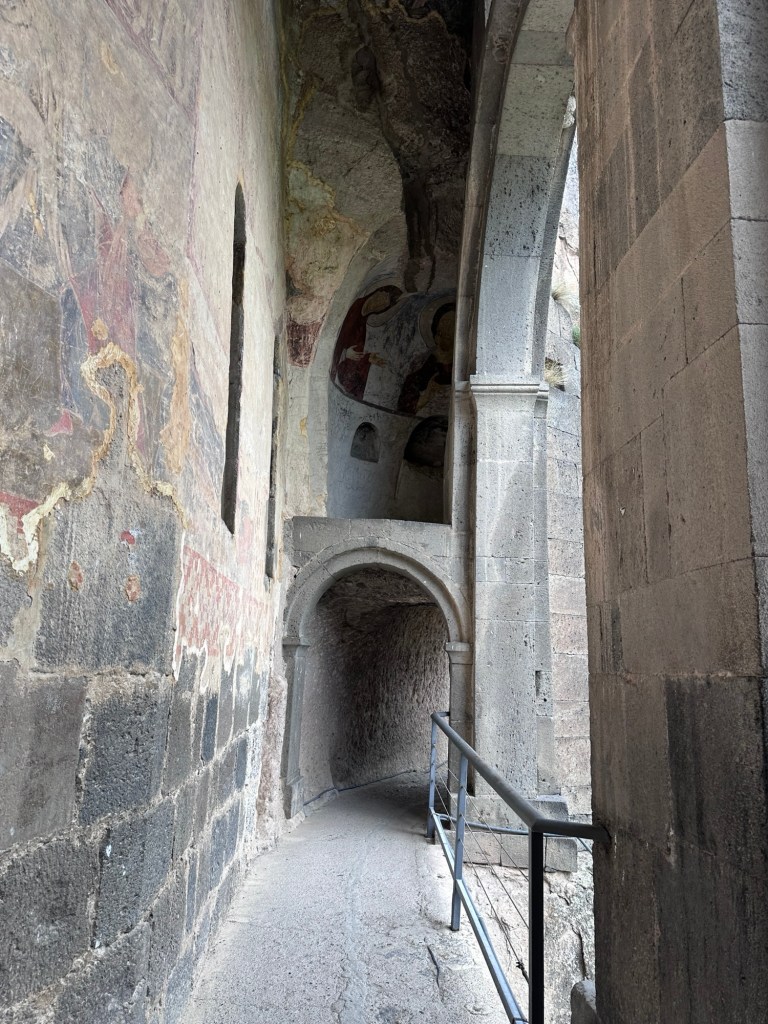
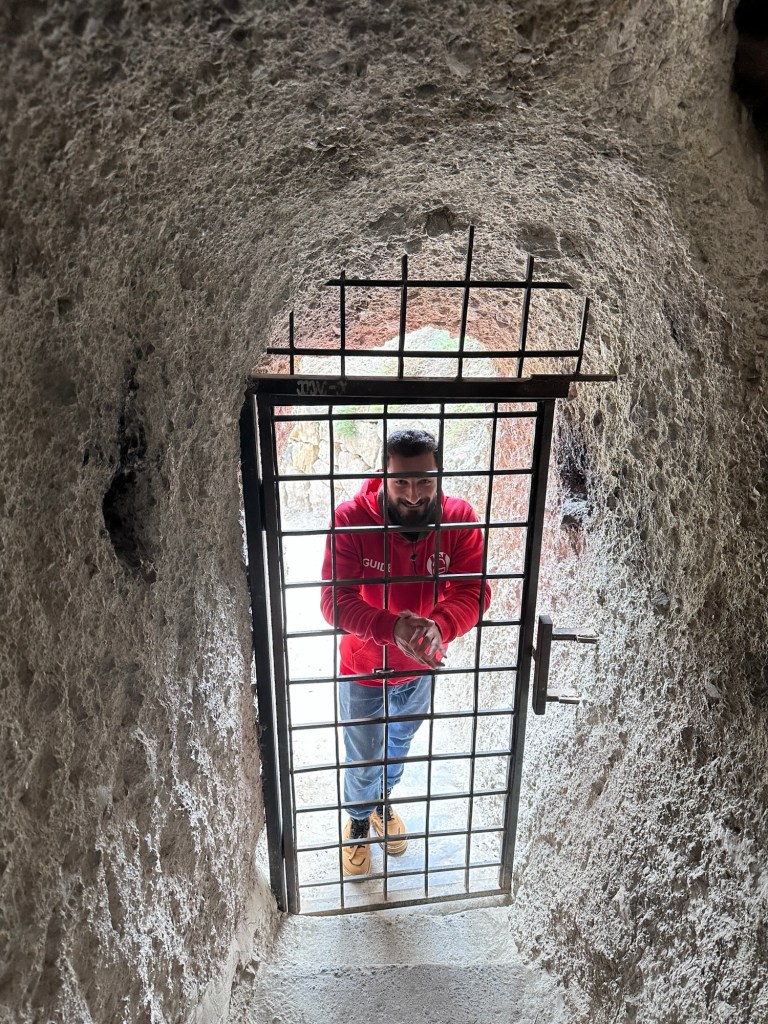
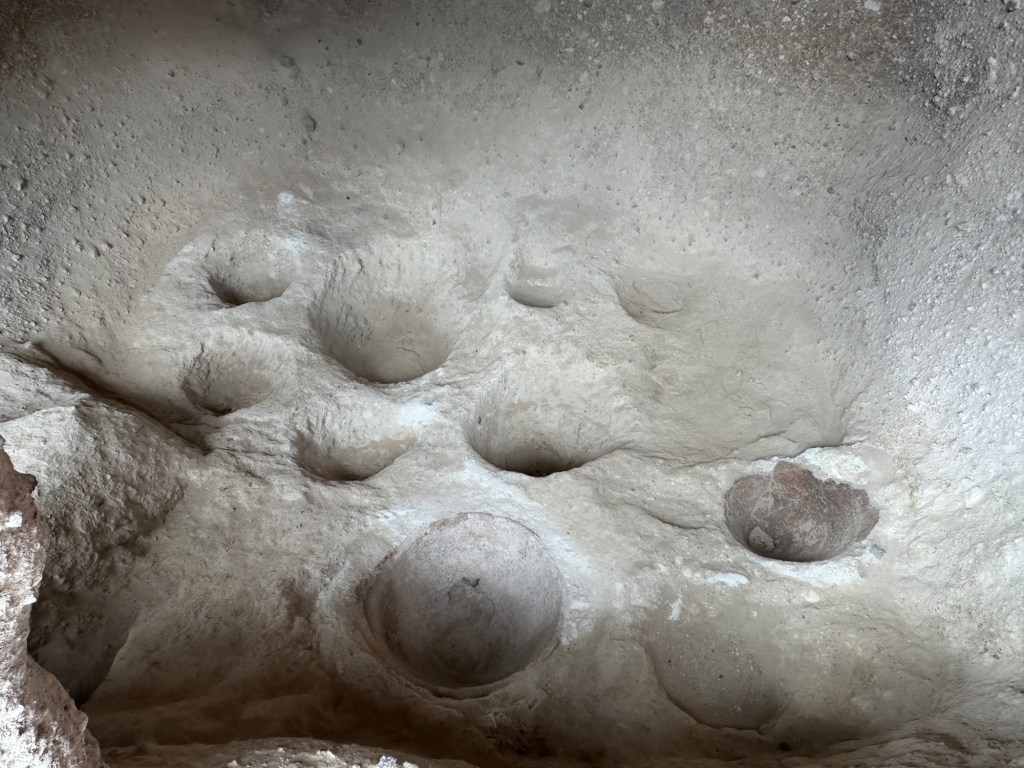
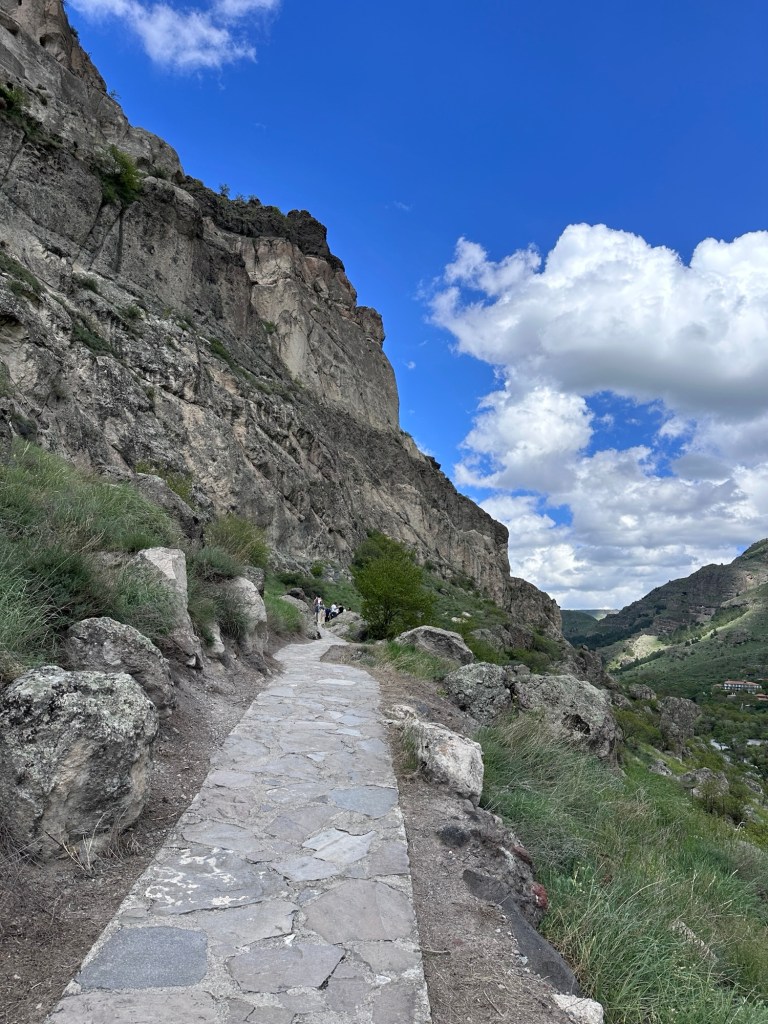
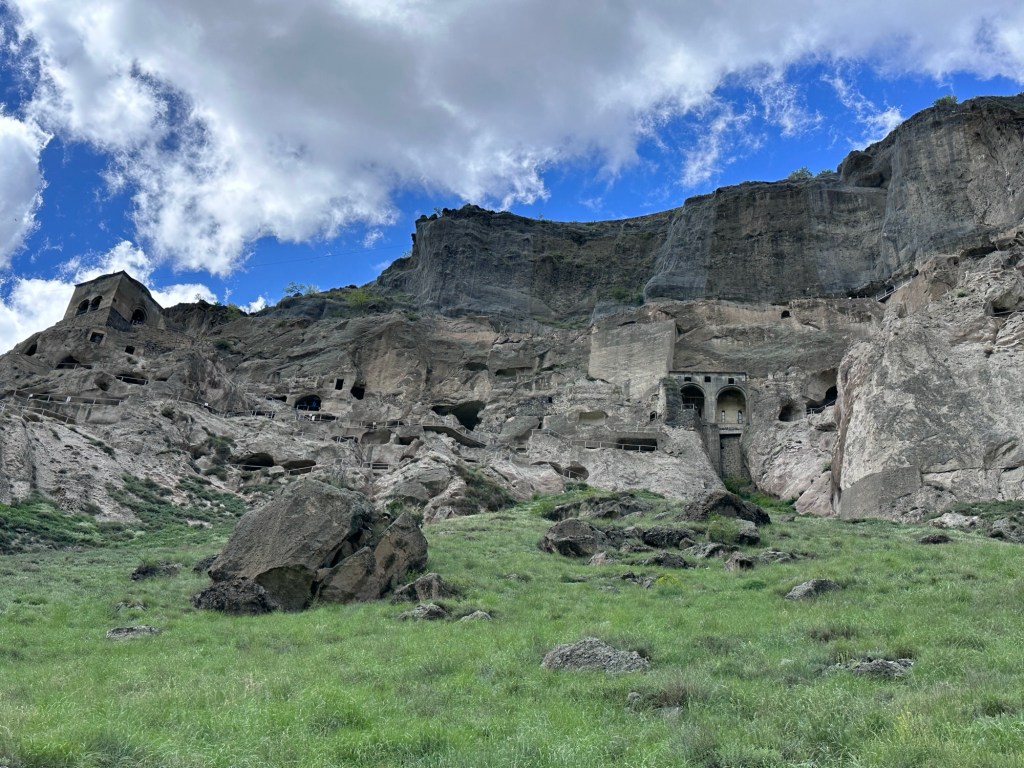
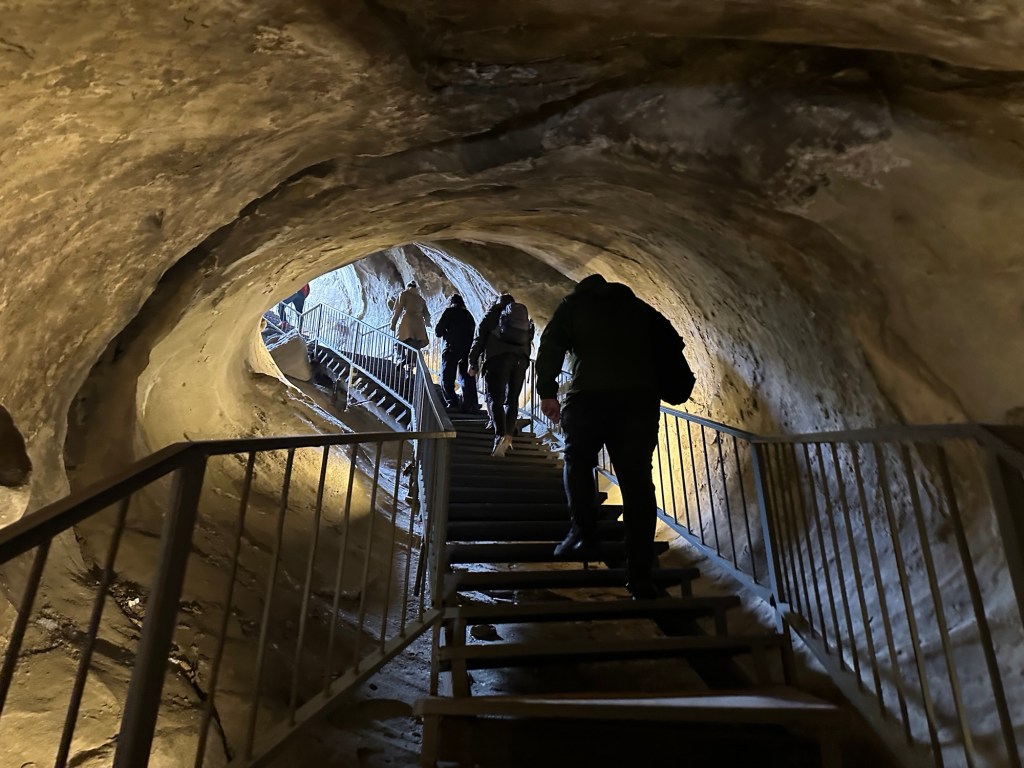
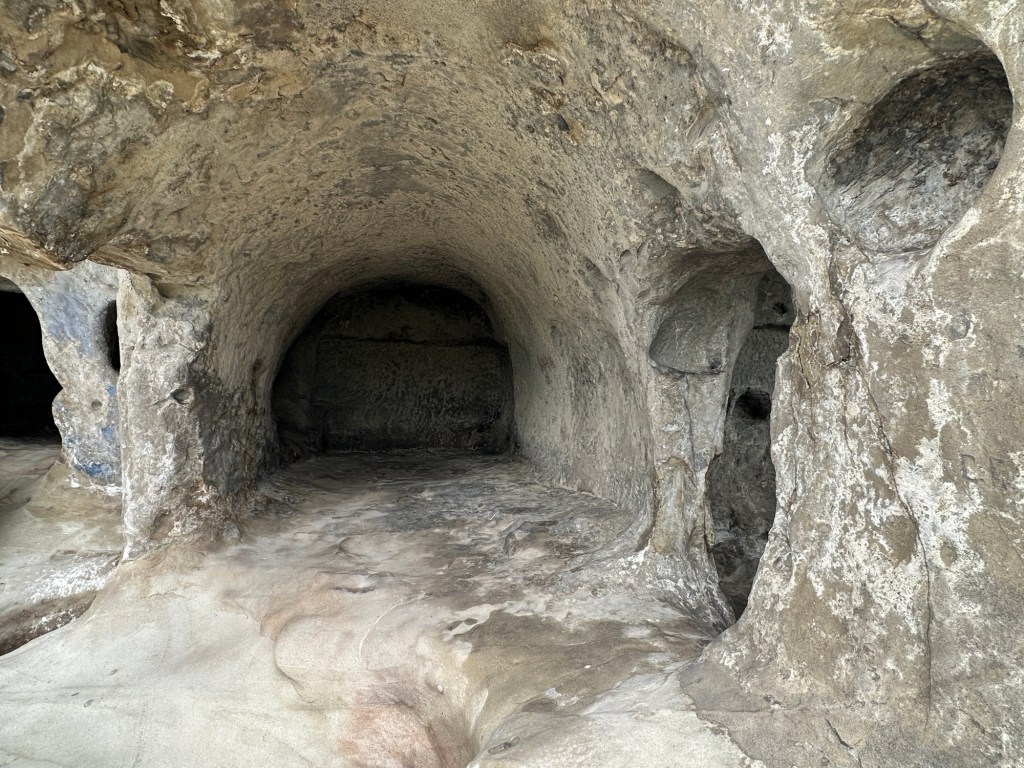
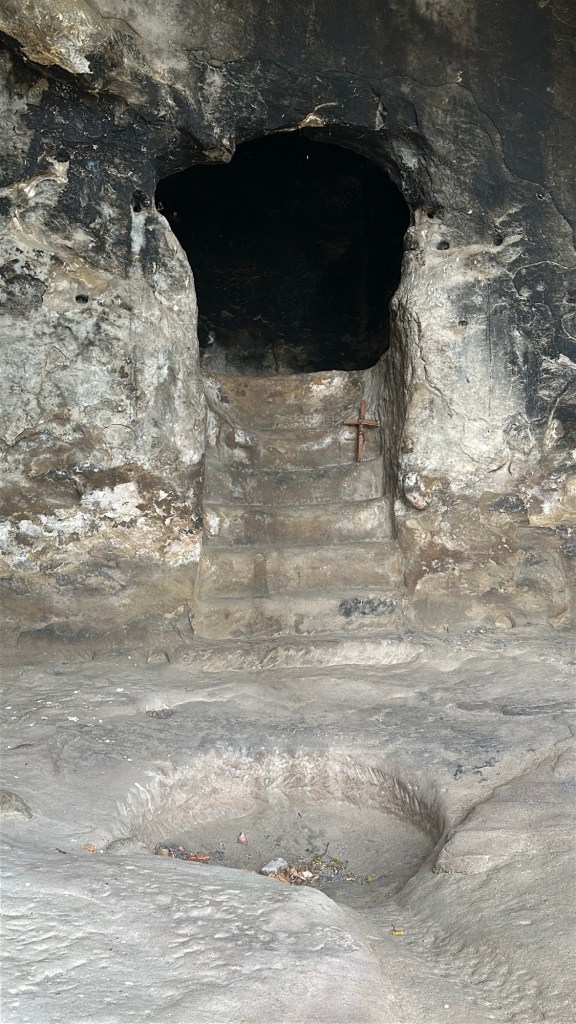
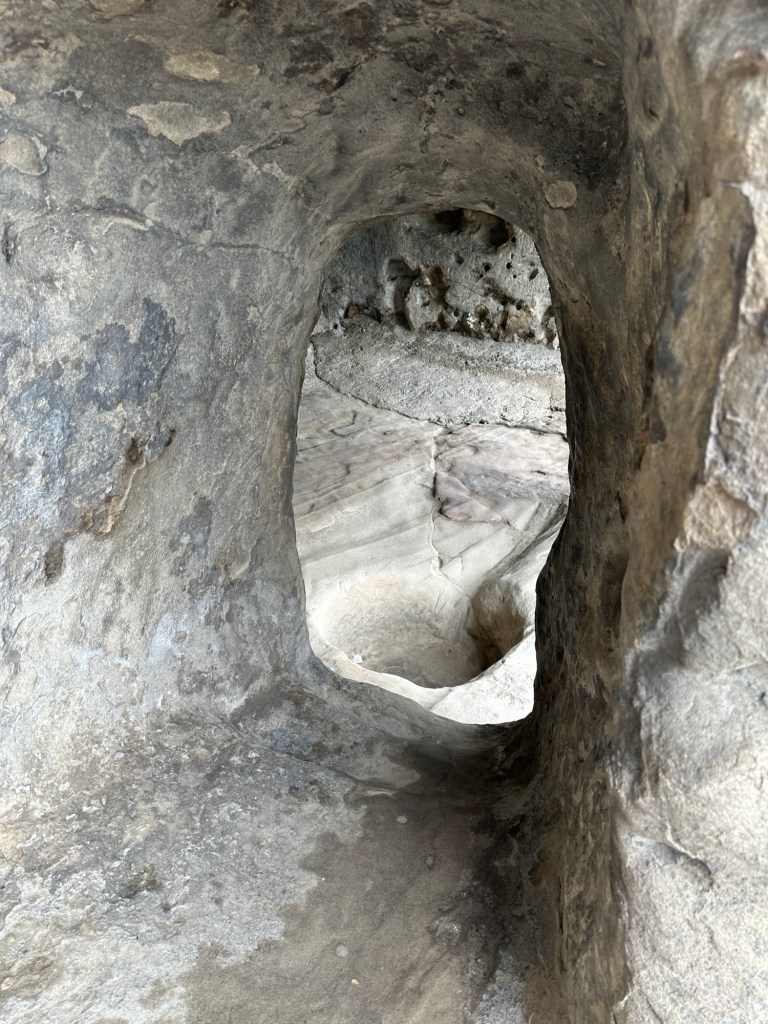
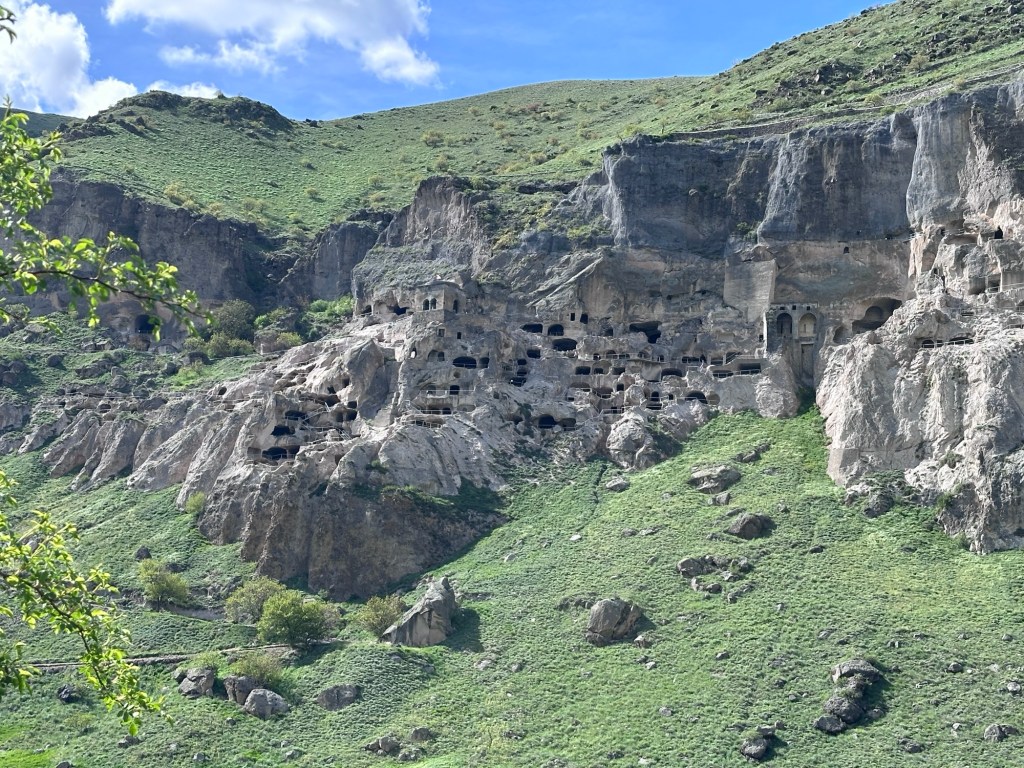
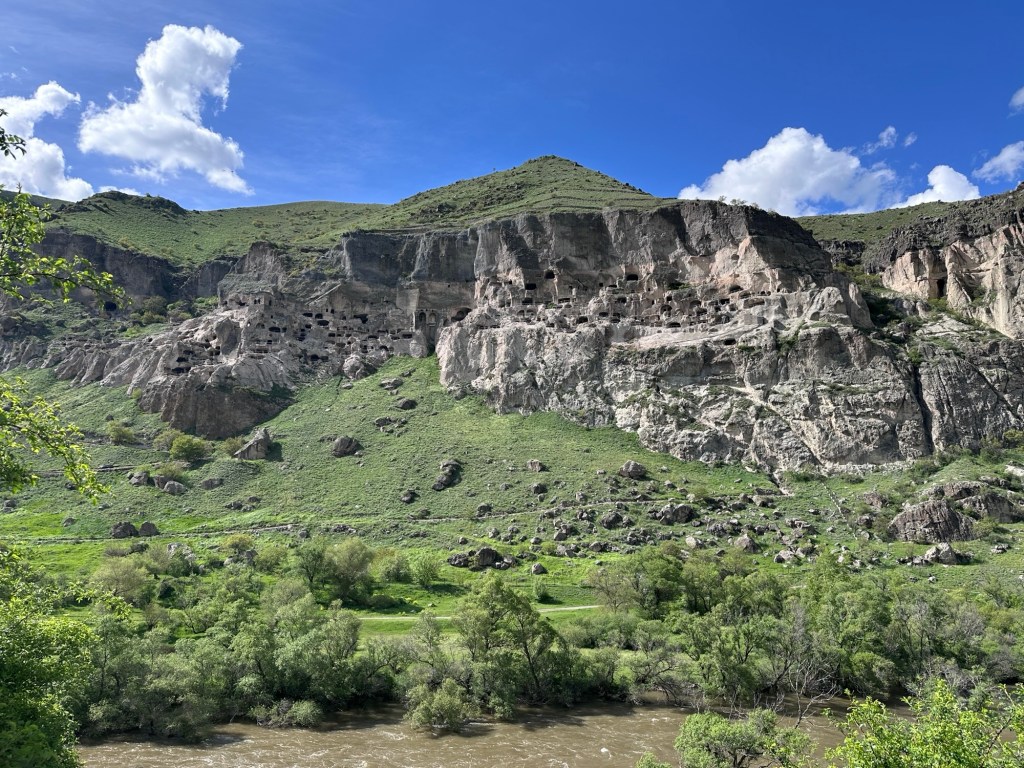
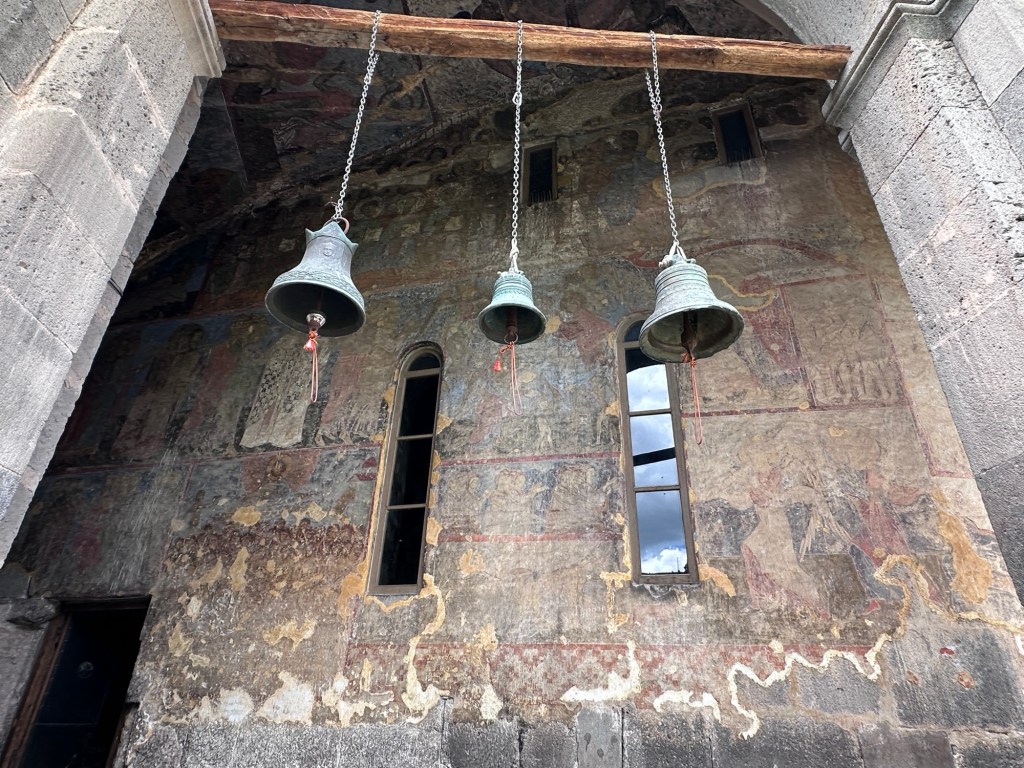
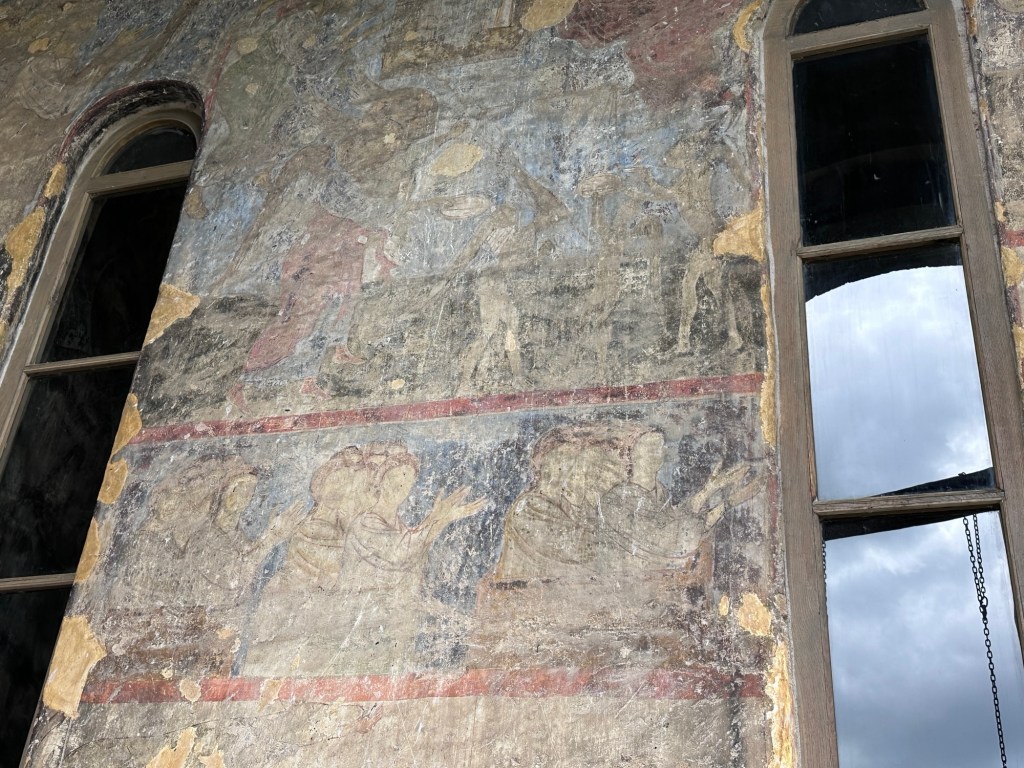
We stop at the 12th century mountain cave site of Vardzia. This elaborate system of caves built to be a monastery was destroyed greatly from an earthquake in 1283. Despite the earthquake it was still used until the country was invaded by the Ottoman Empire. Prior to the earthquake the caves provided good protection from invaders and the cave system provided comfortable temperatures year round as well as a natural water supply.
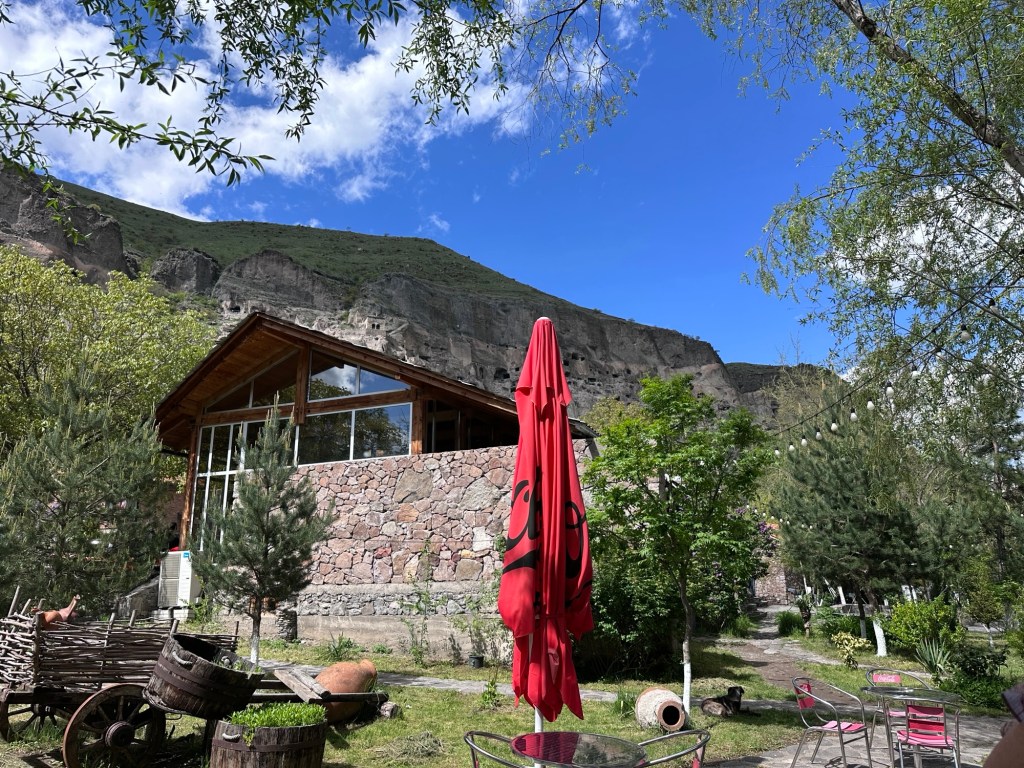
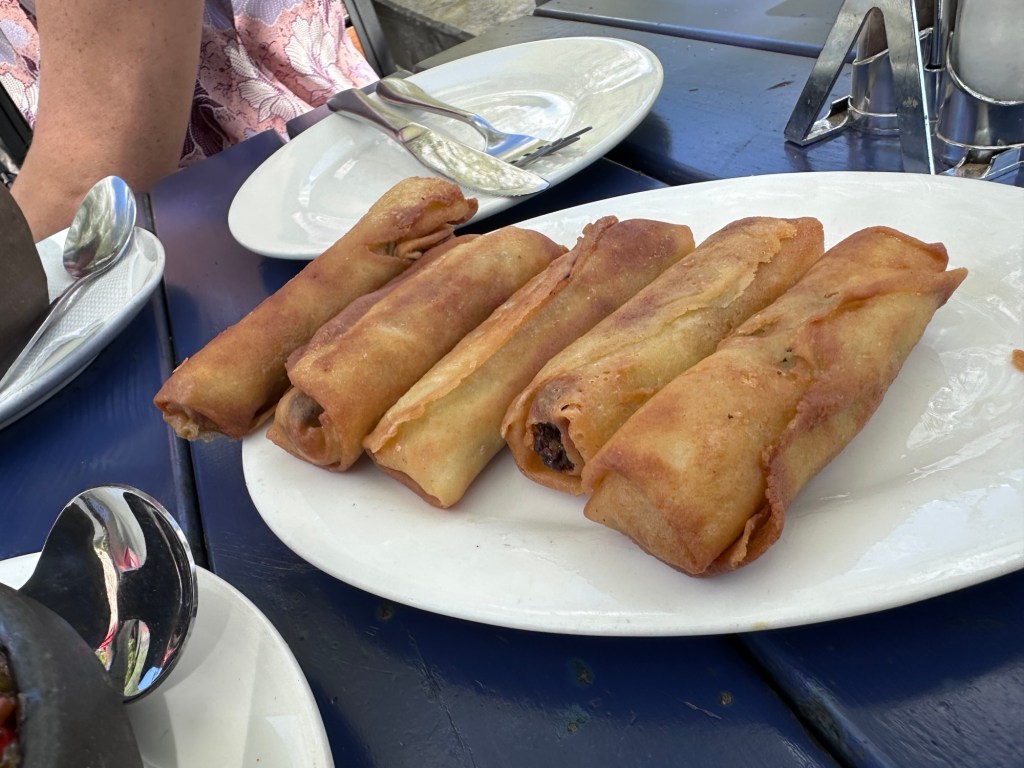
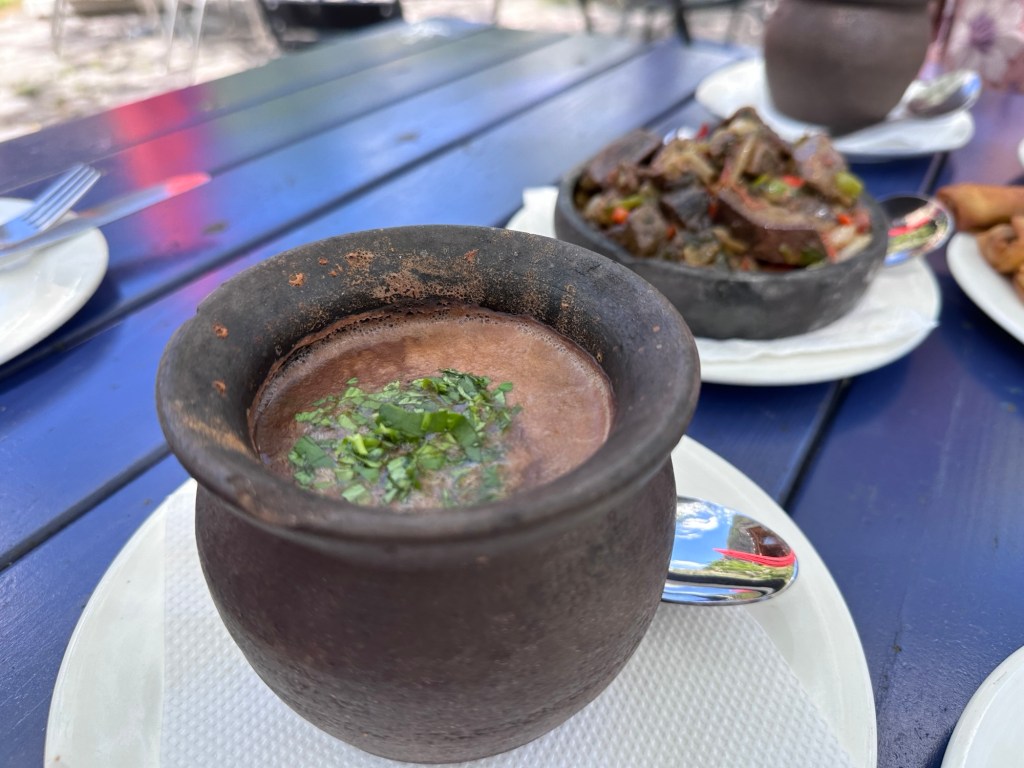
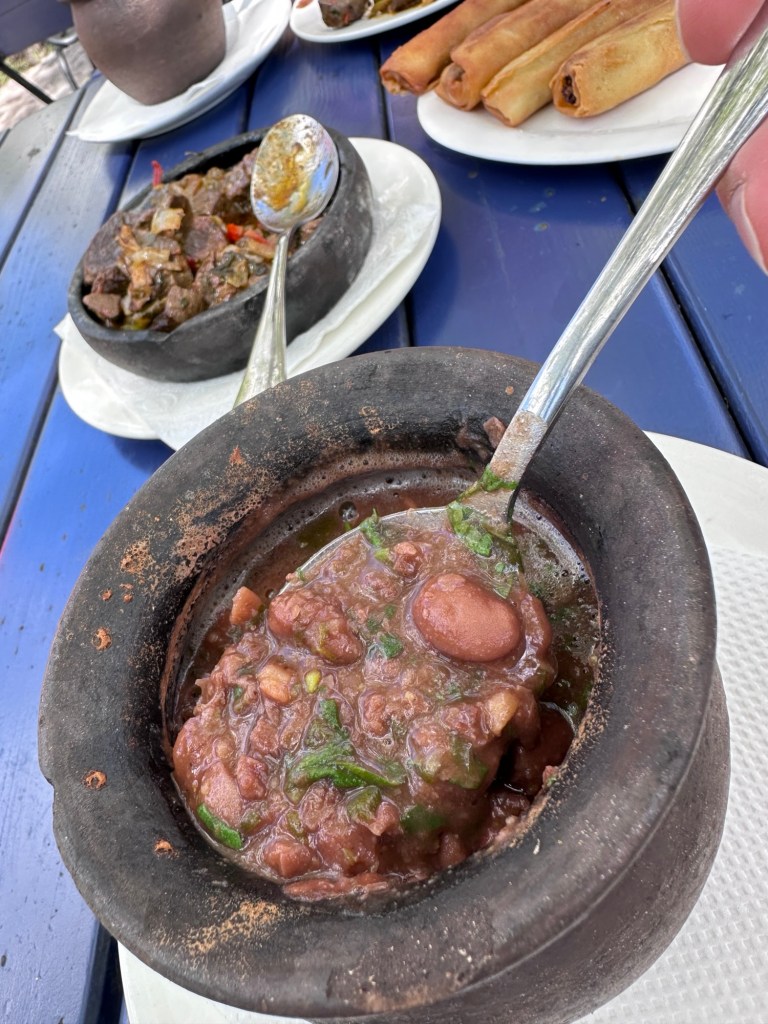
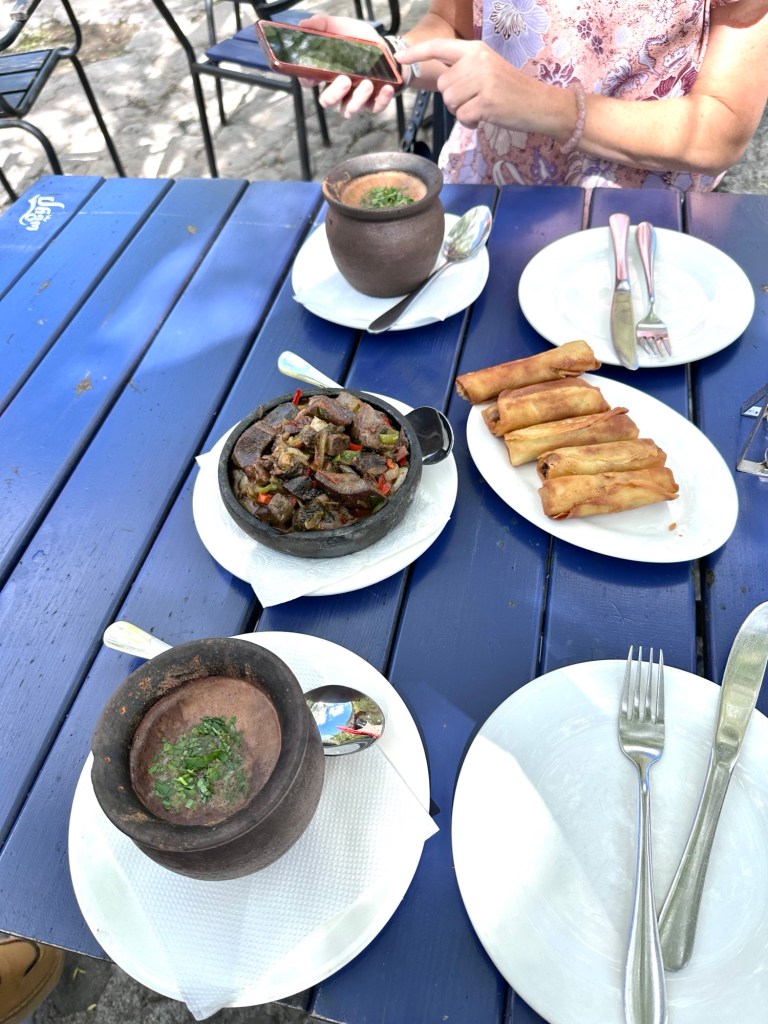
We stop for a charming lunch by the fast flowing river. We try the most amazing red beans (Lobio).

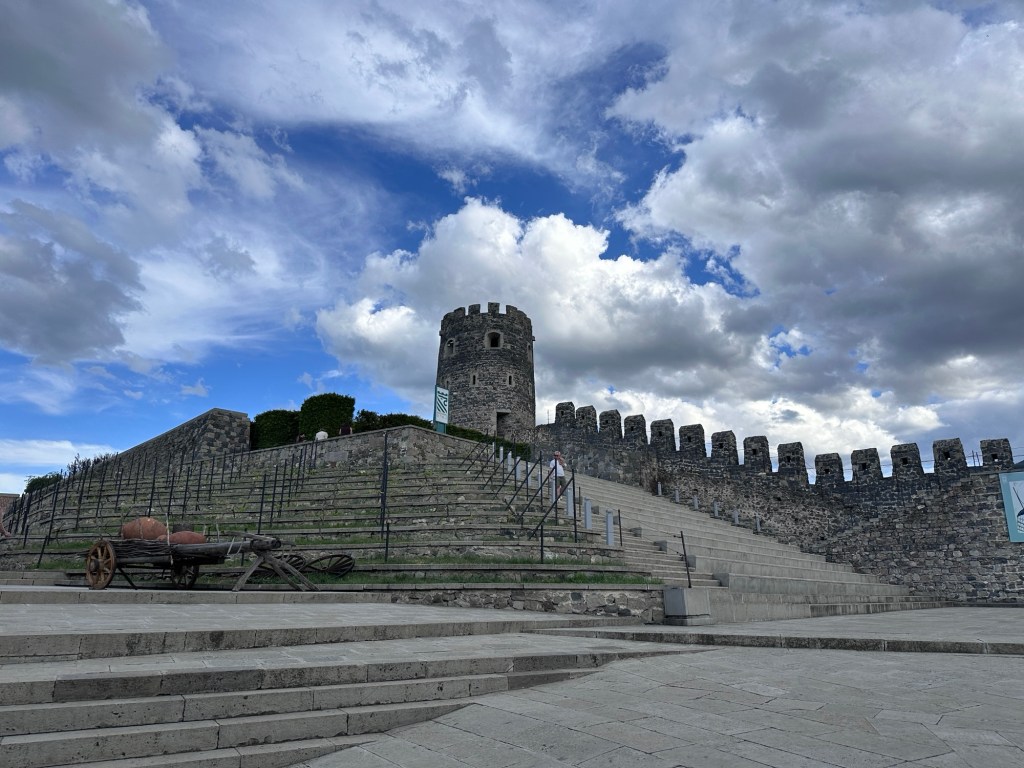
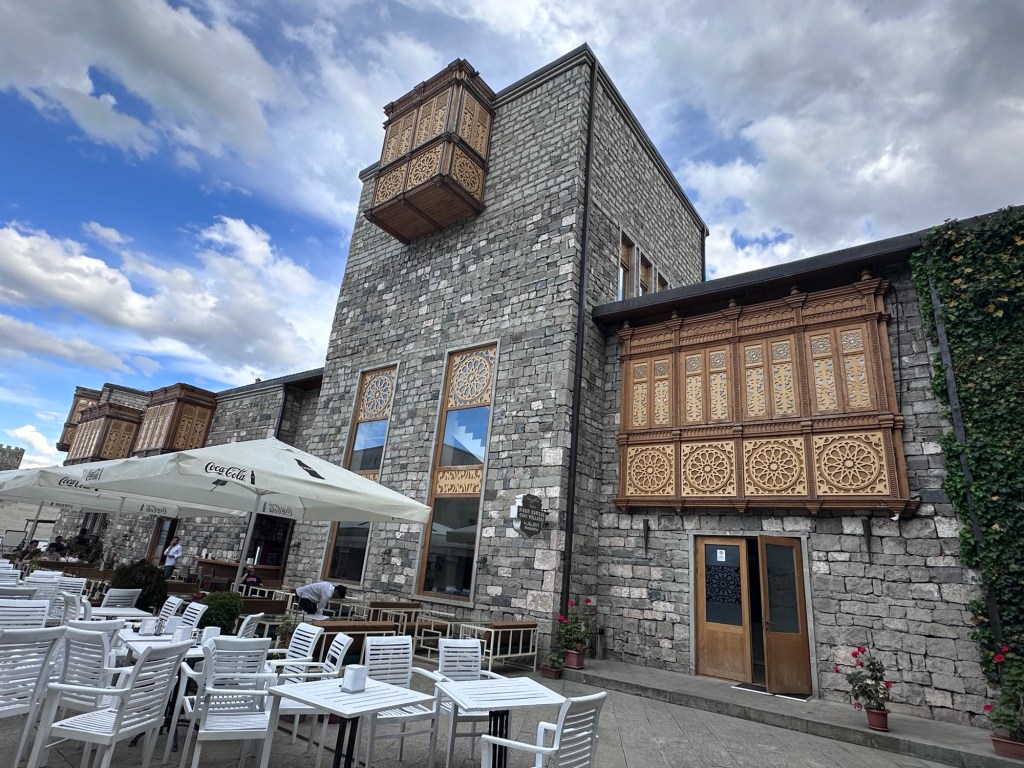
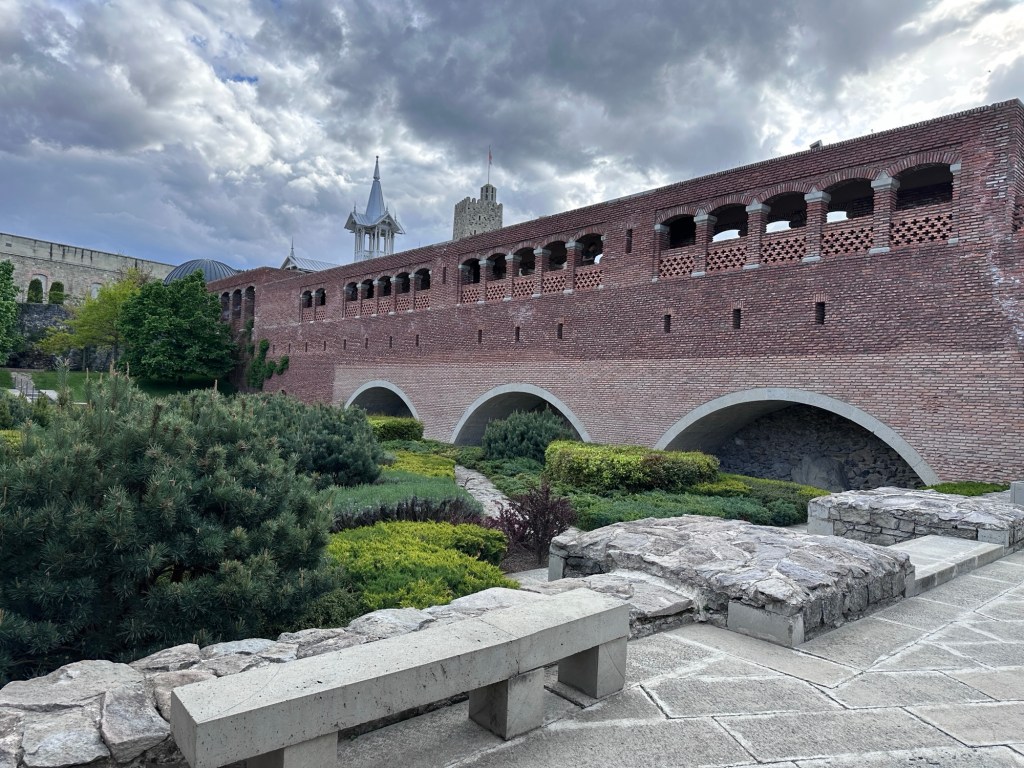
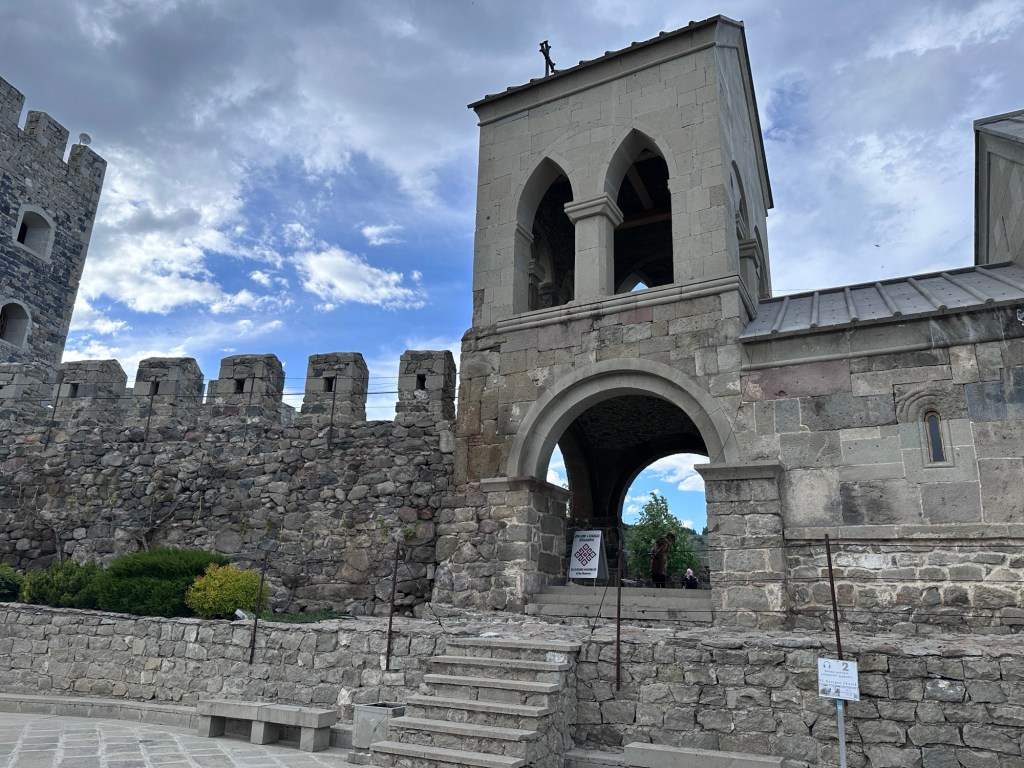
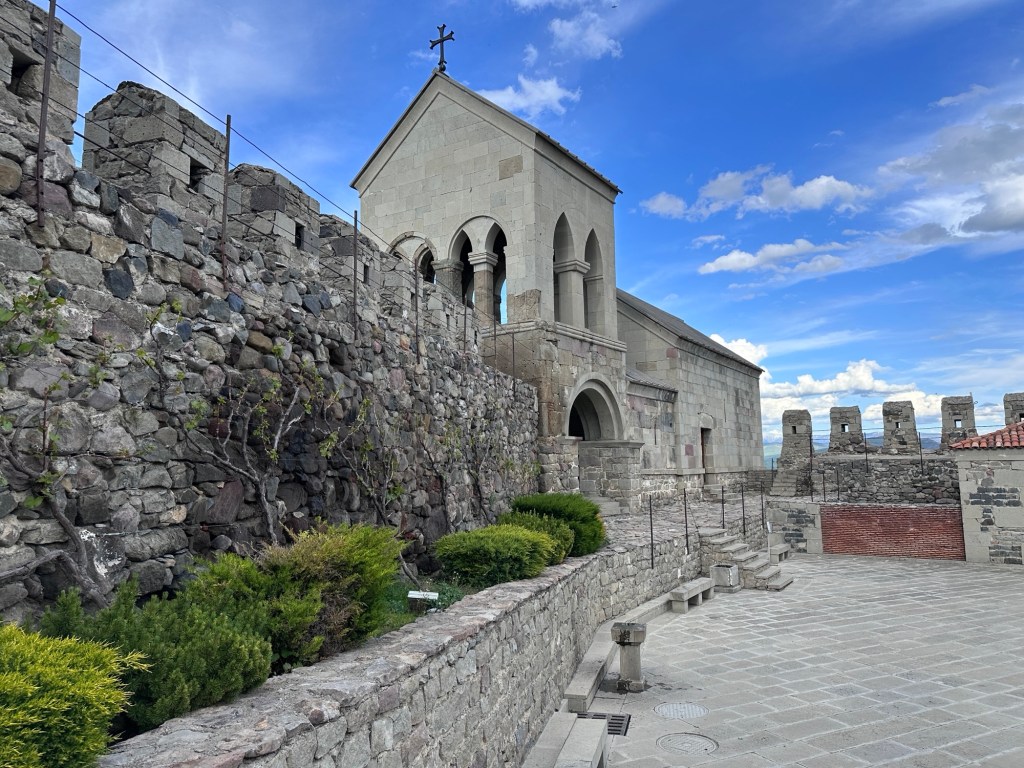
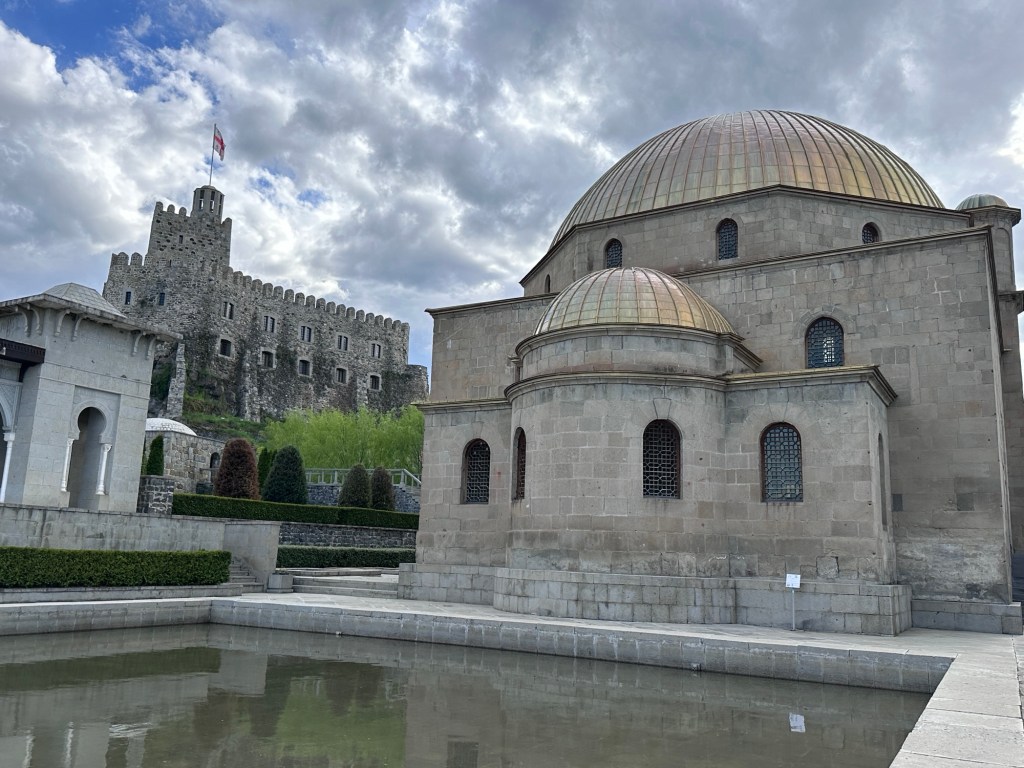
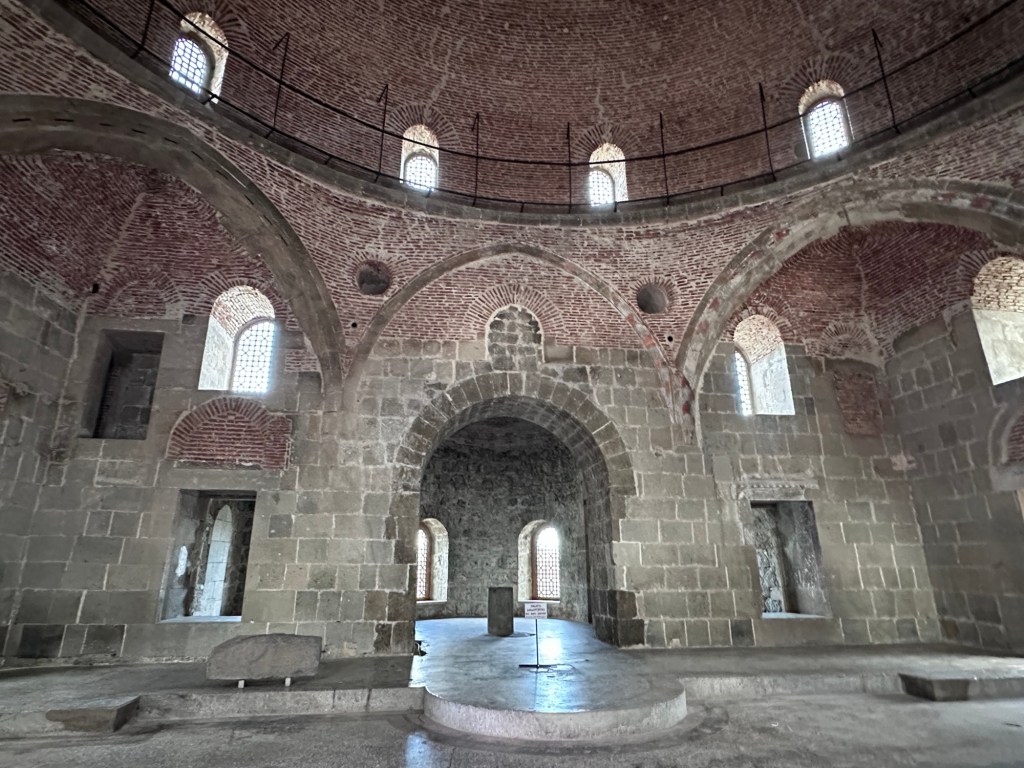
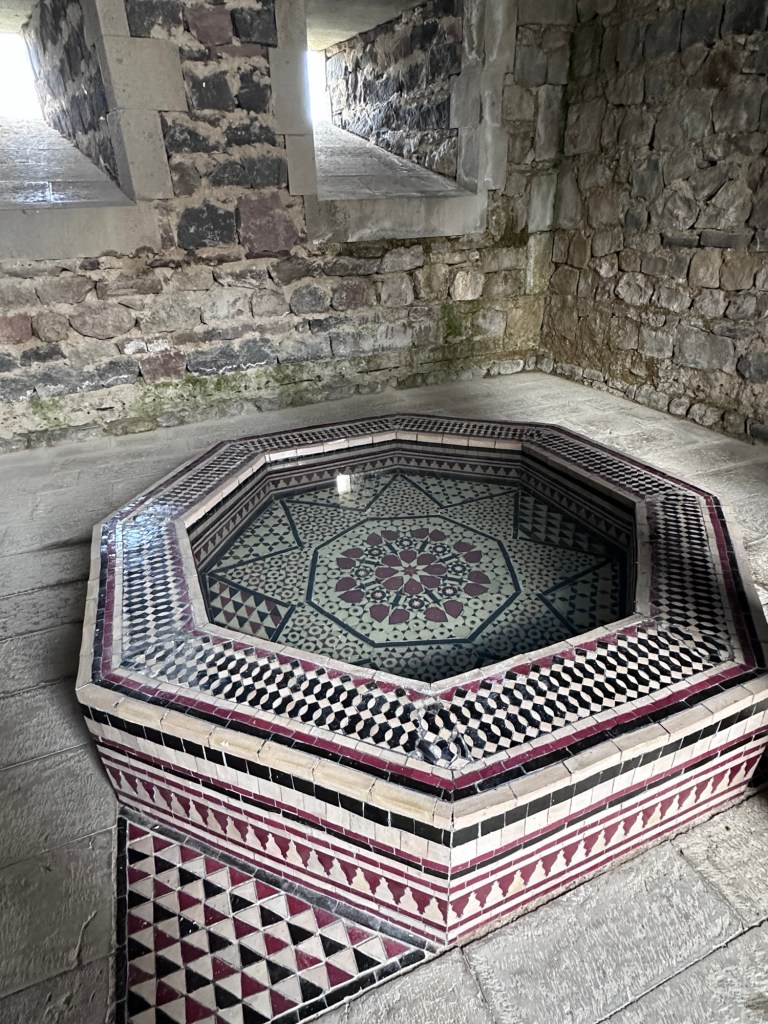
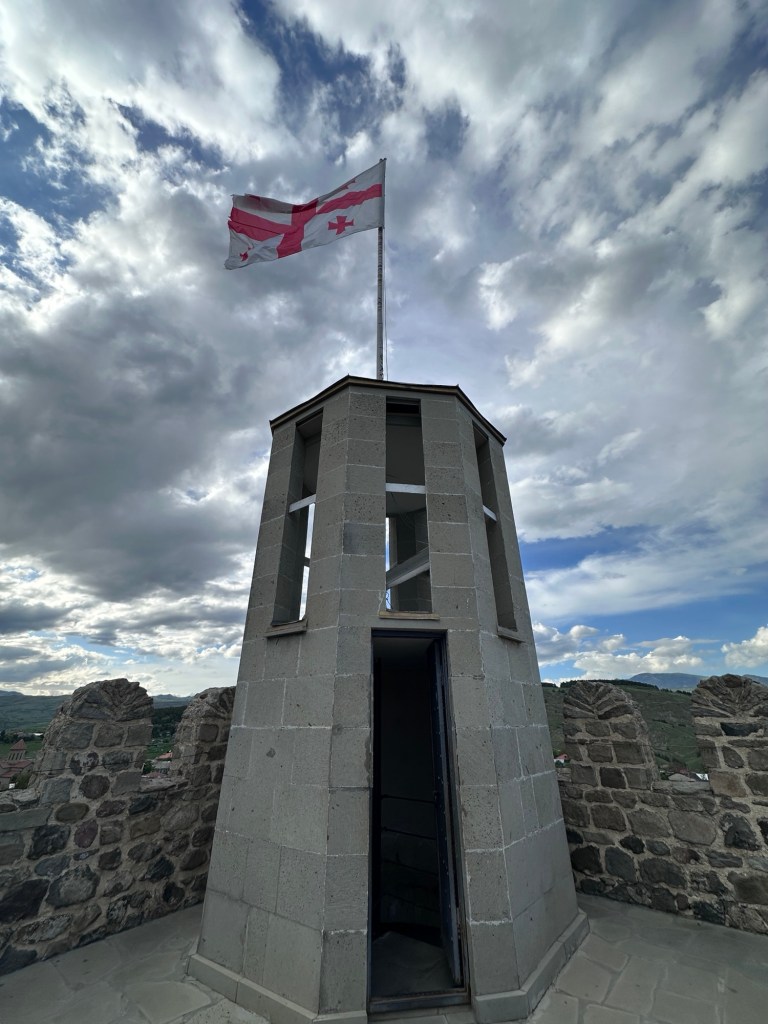
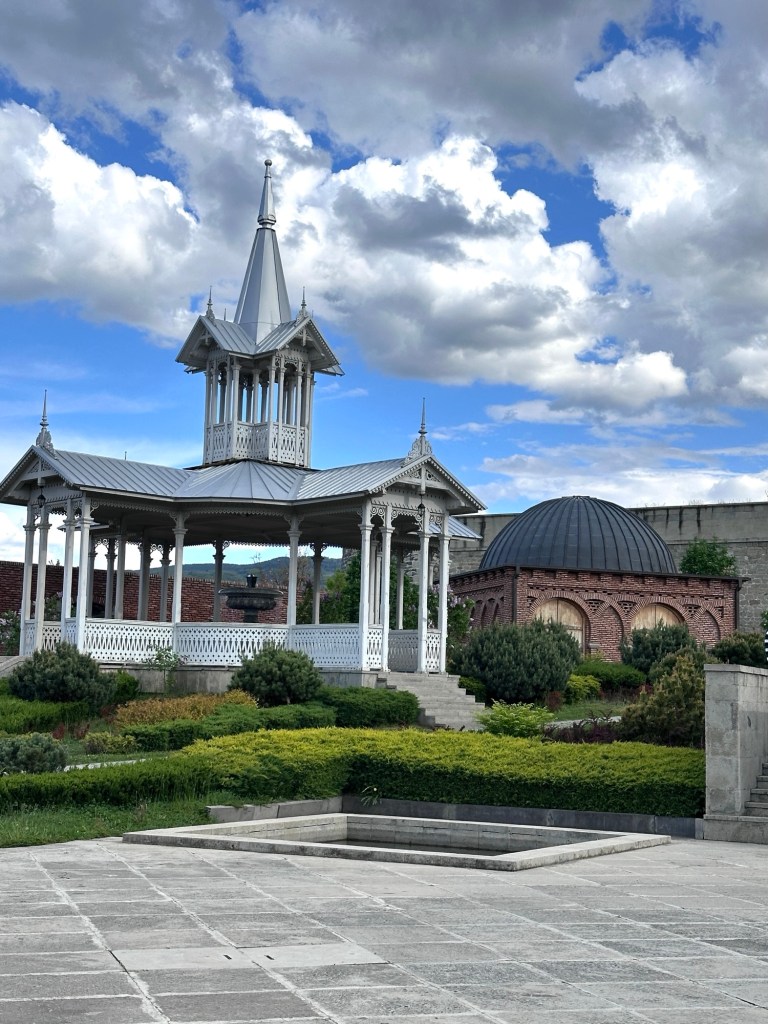
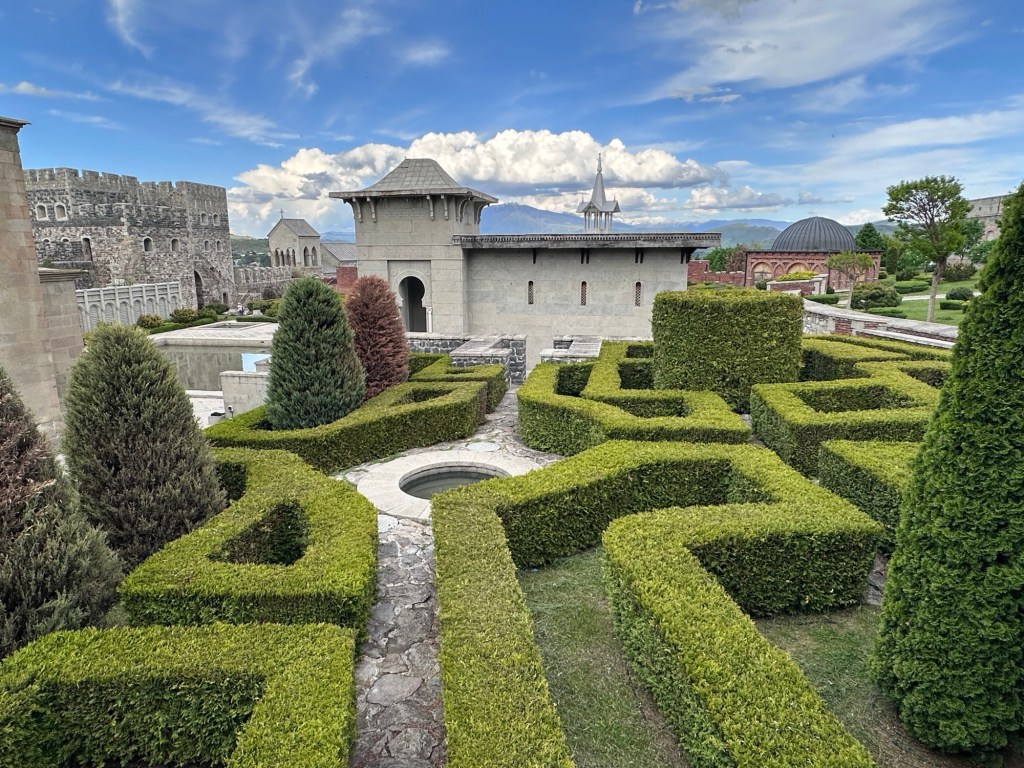
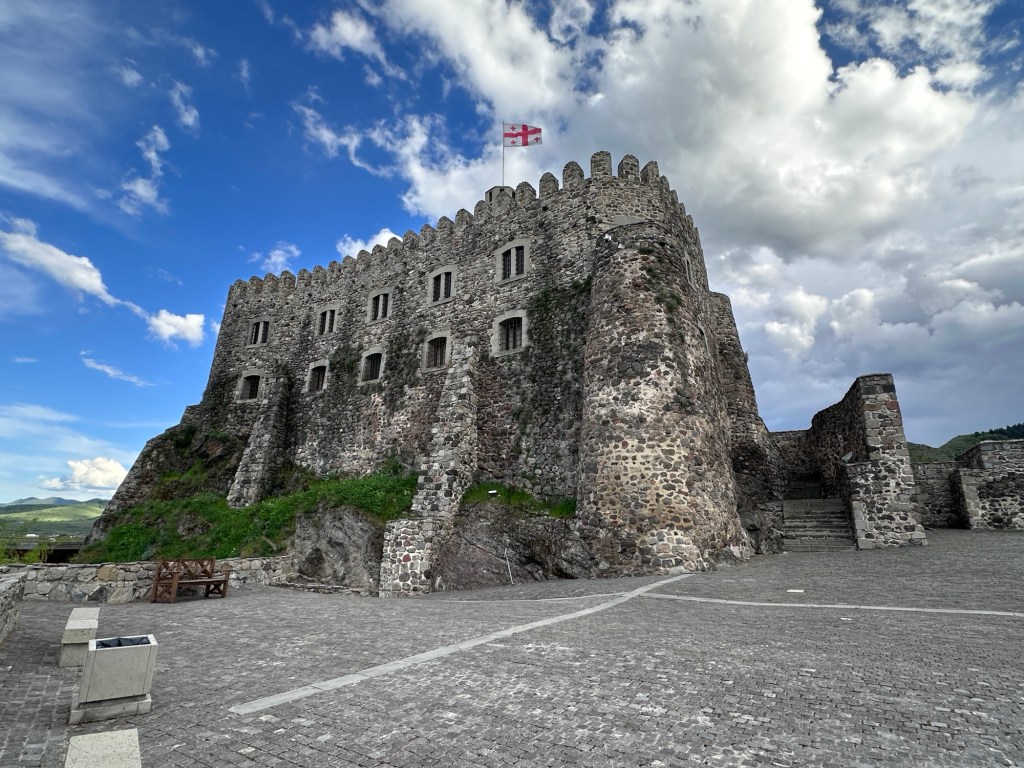
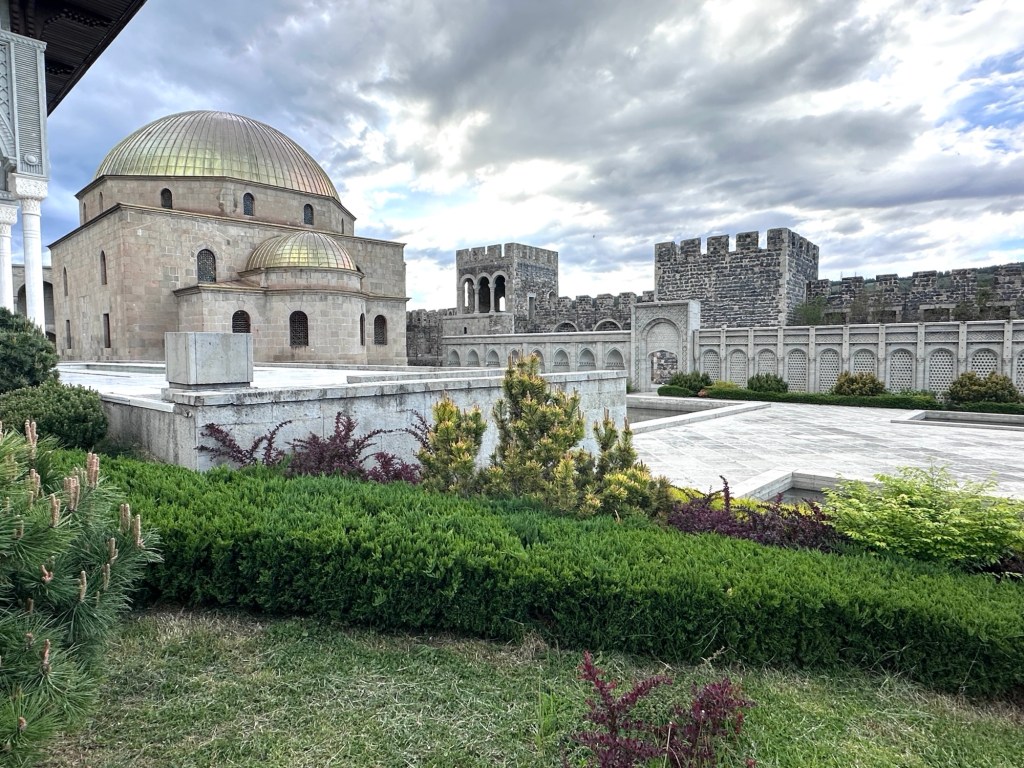
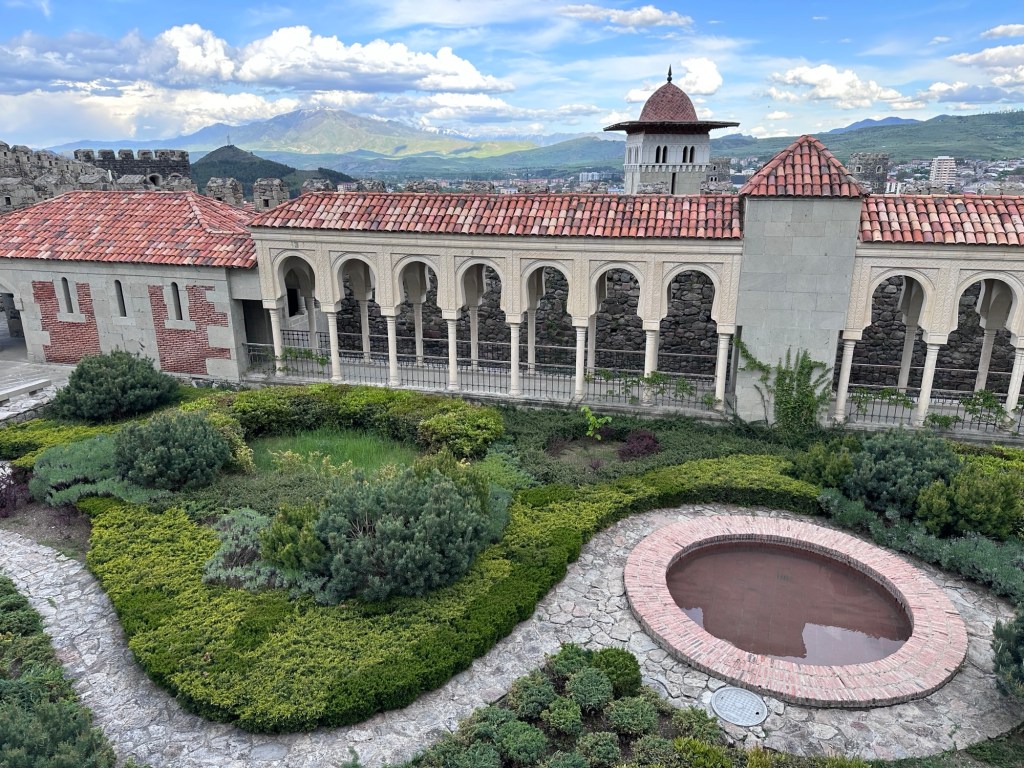
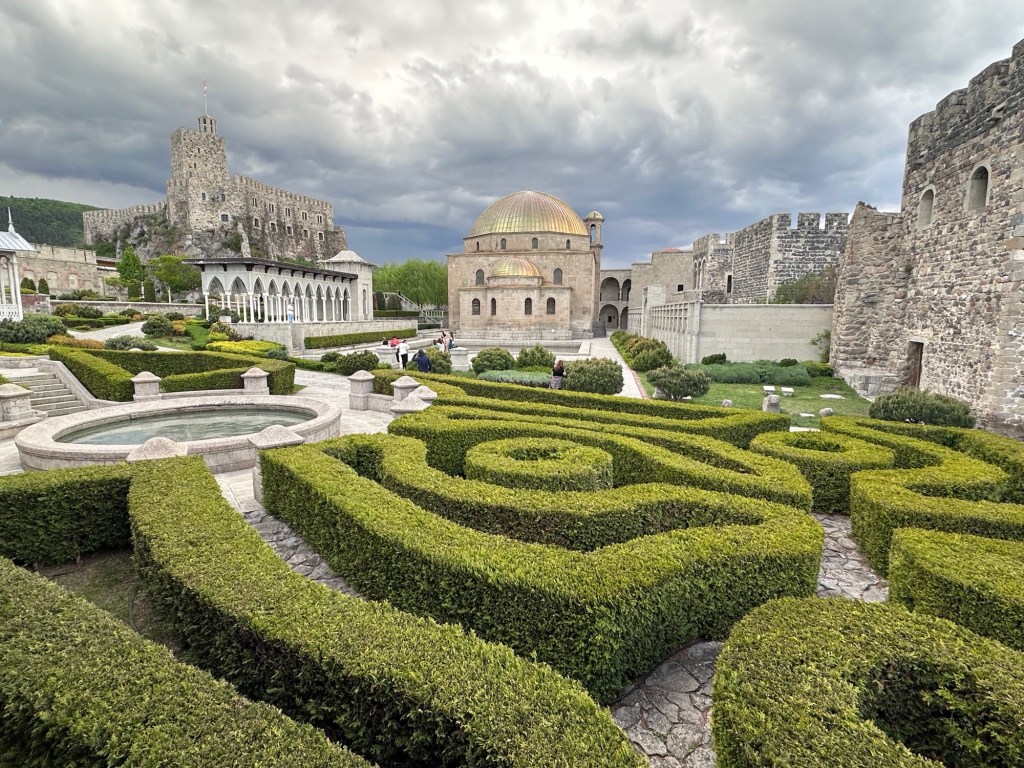
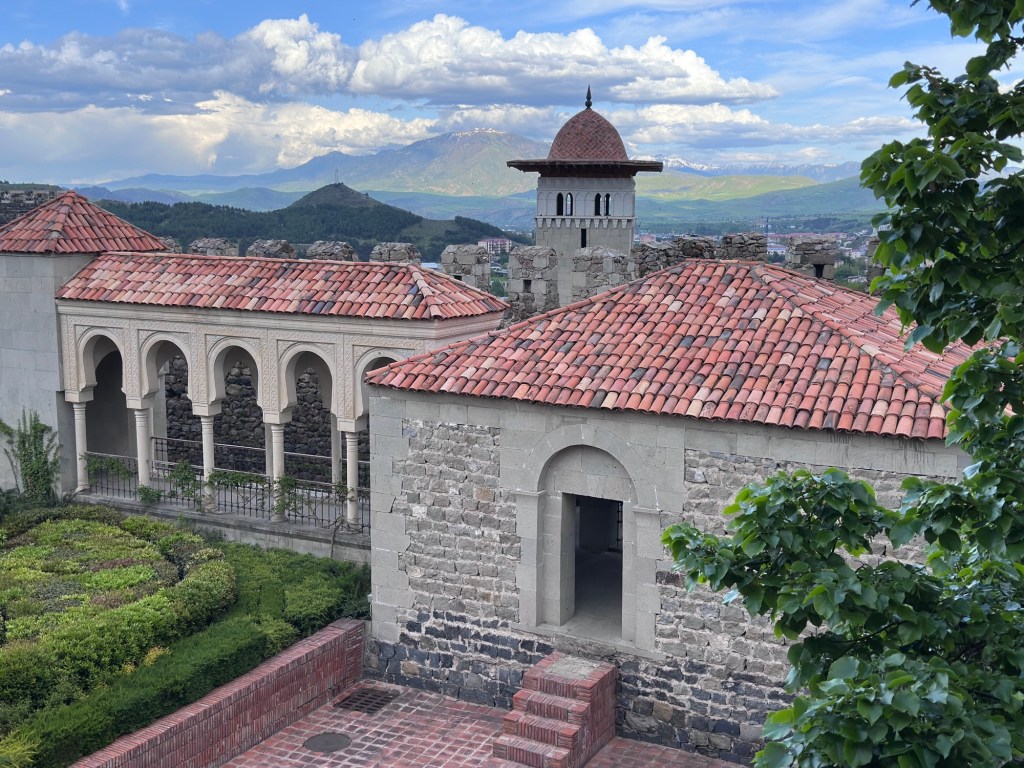
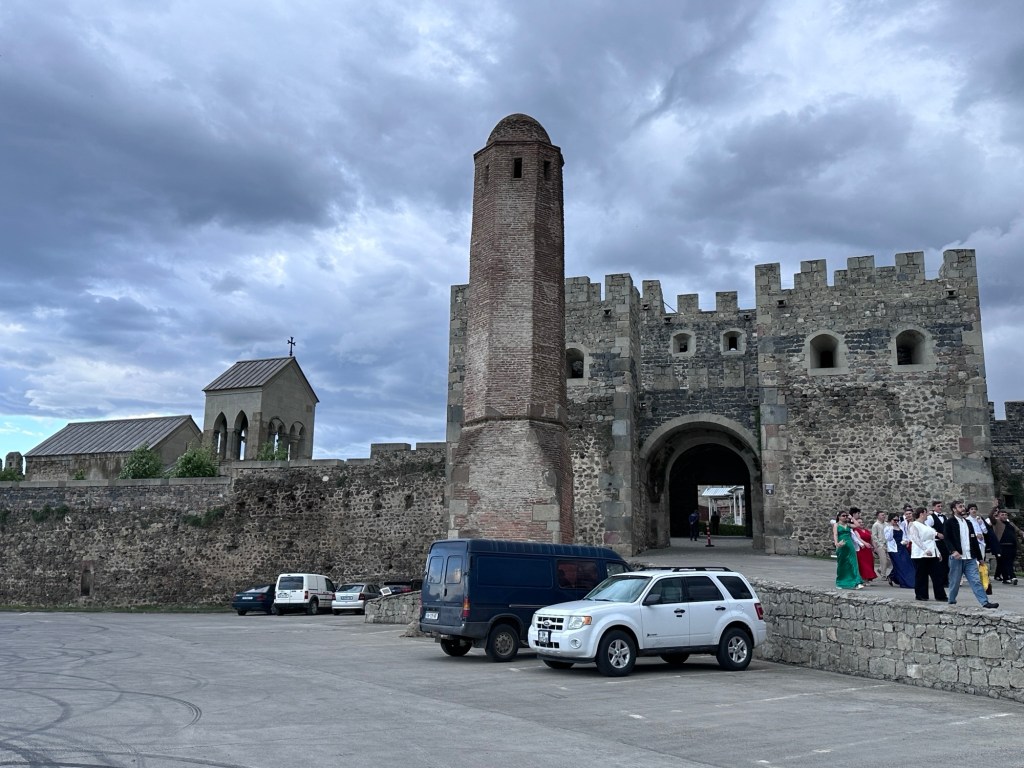
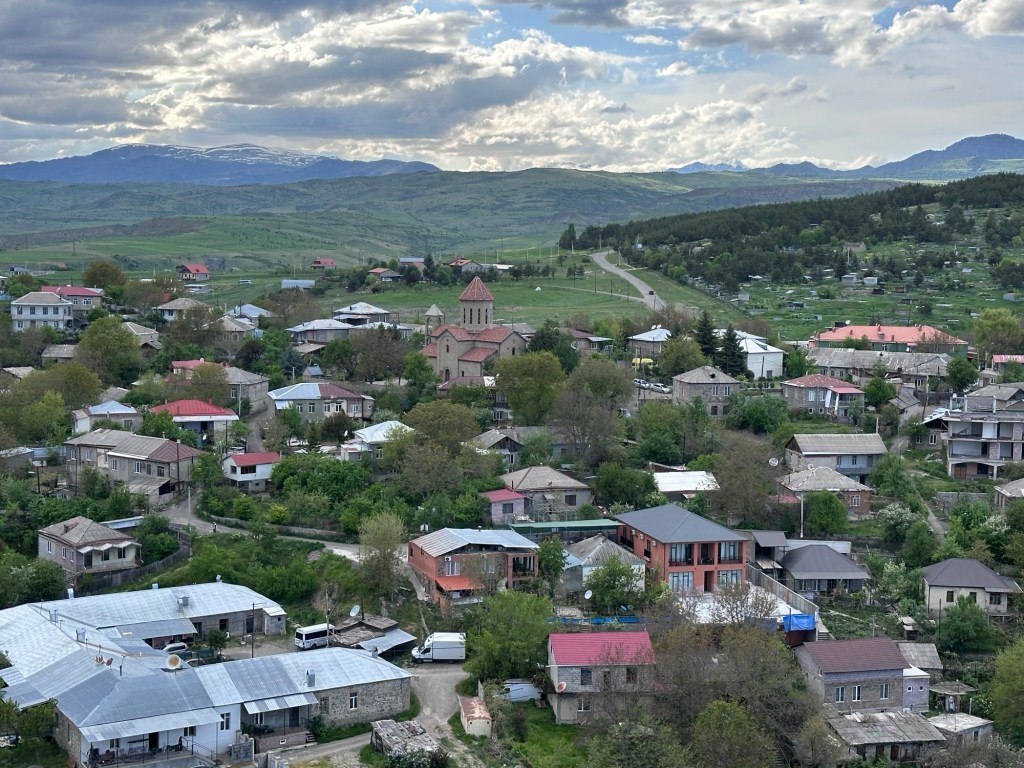
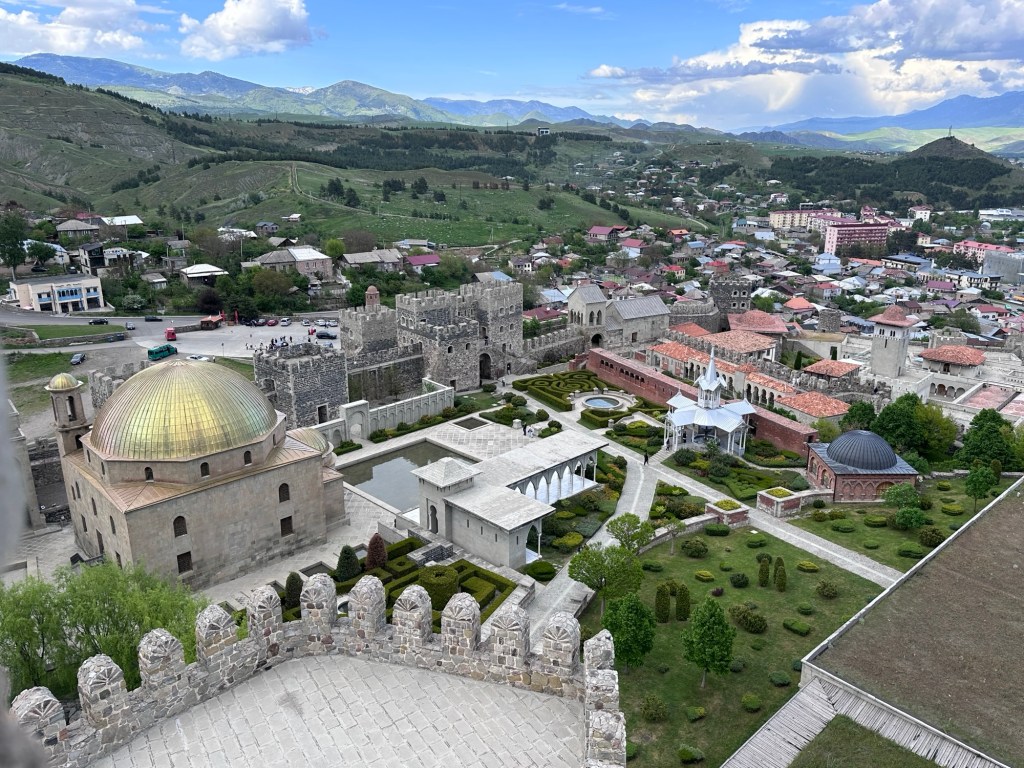
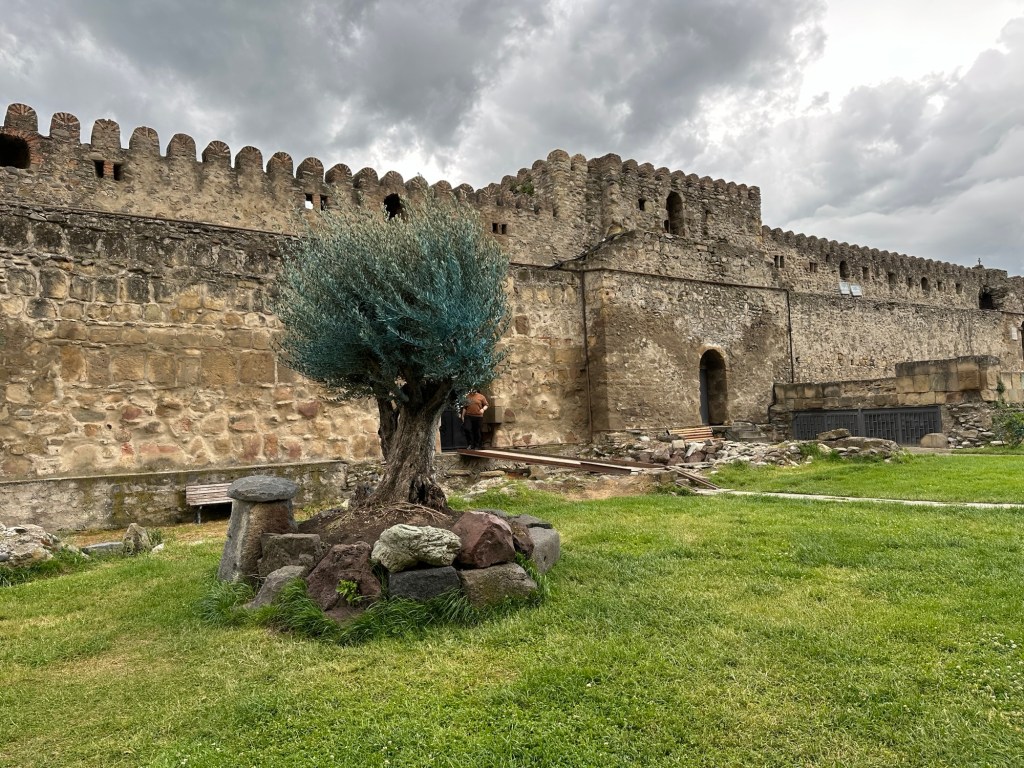
Our final stop is Rabati Castle (Akhaltsikhe Castle), or beautiful castle complex initially built in the 9th century with very little important history and pales in comparison to what we have just seen today.
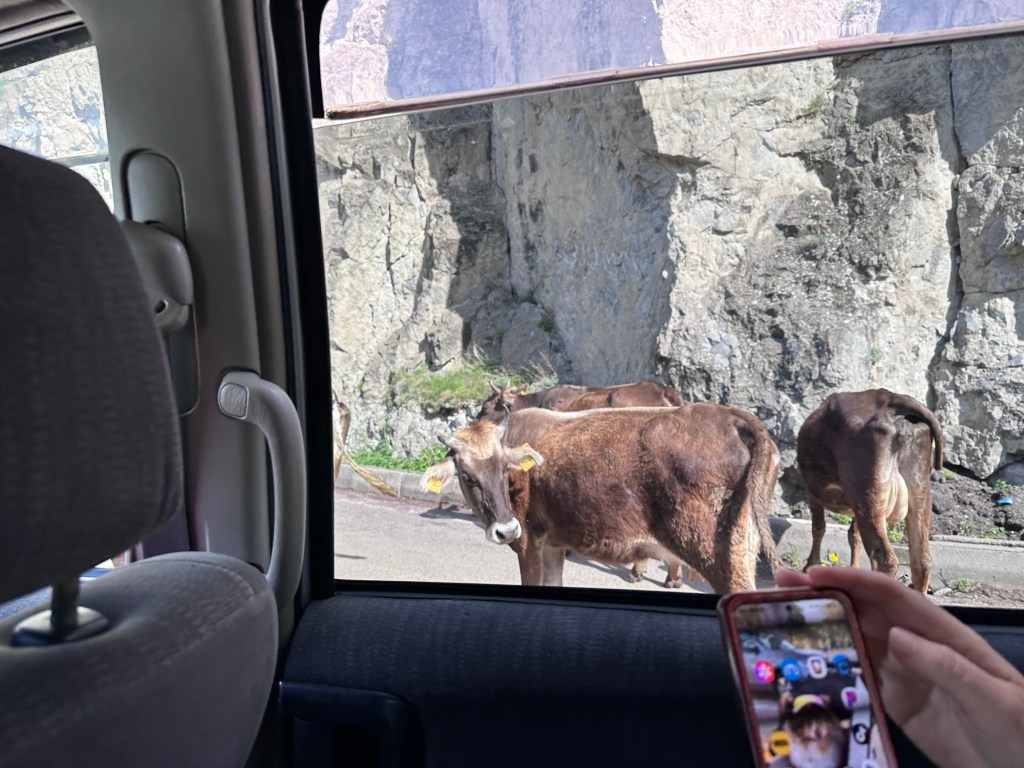
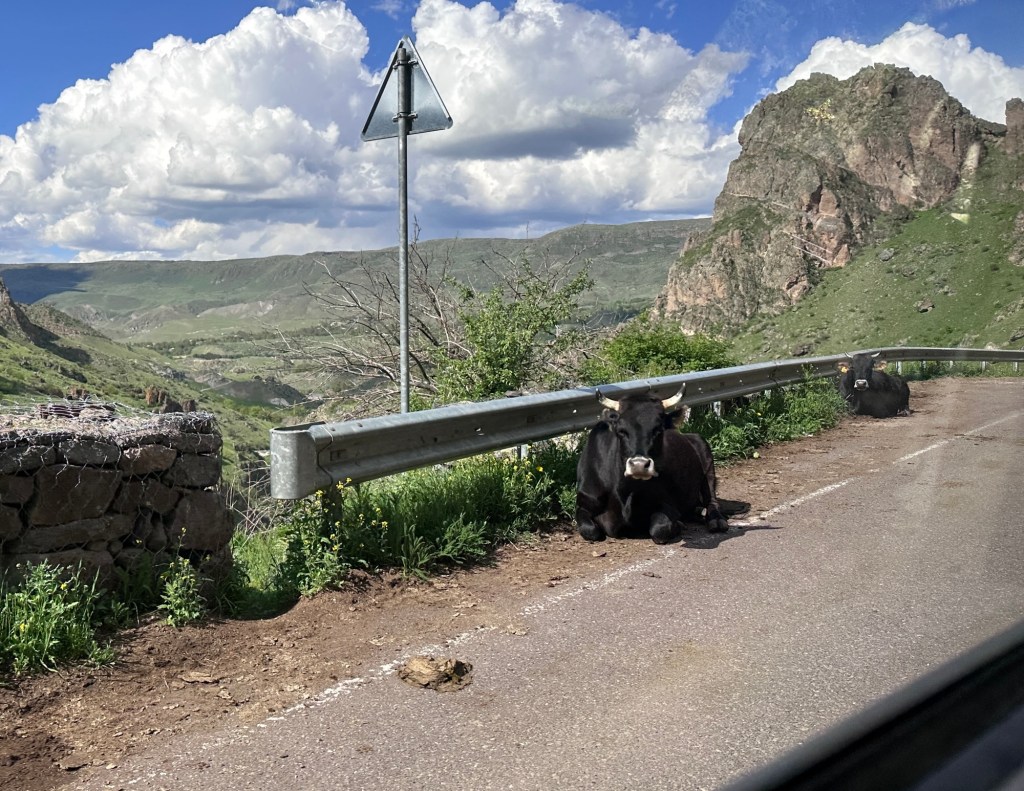
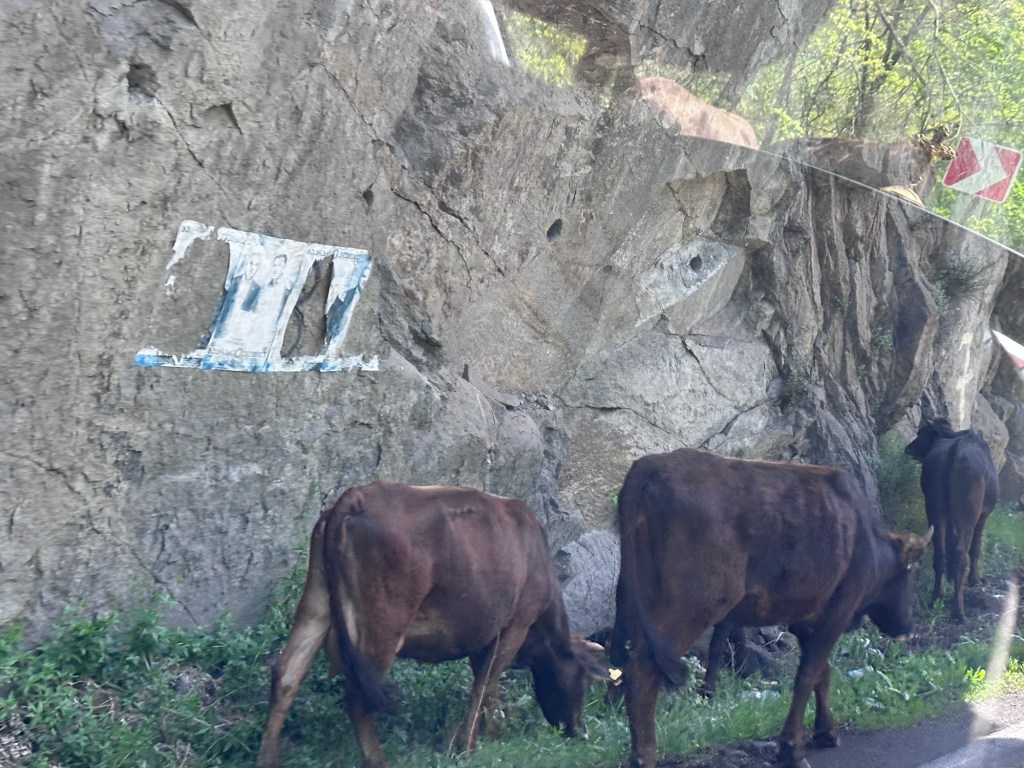
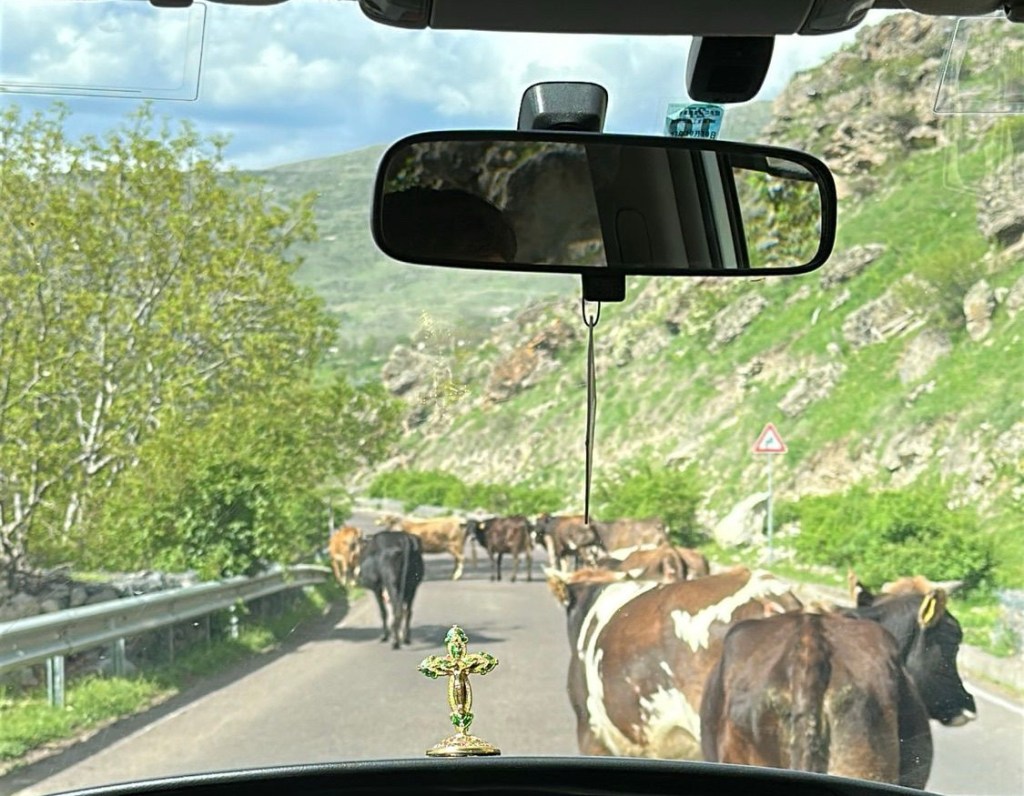
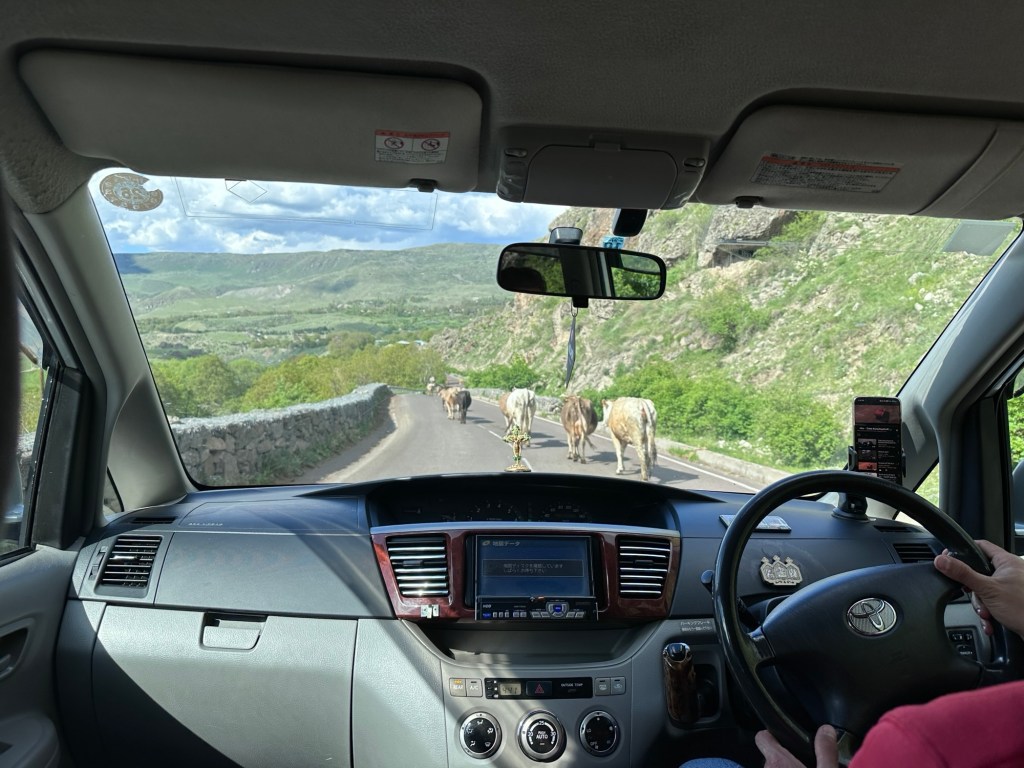
Today is a long day of driving between the three locations but a common theme is road cows; cows, cows, everywhere. Cows roam the nearby pastures daily and commute home, sometimes blocking the roads.
We arrive back late so we rest up for tomorrow, our last full day in Kutaisi. We plan to tour old sanitoriums, more on the
Georgia day tour to Mtskheta, Jvari, Gori and Uplistsikhe

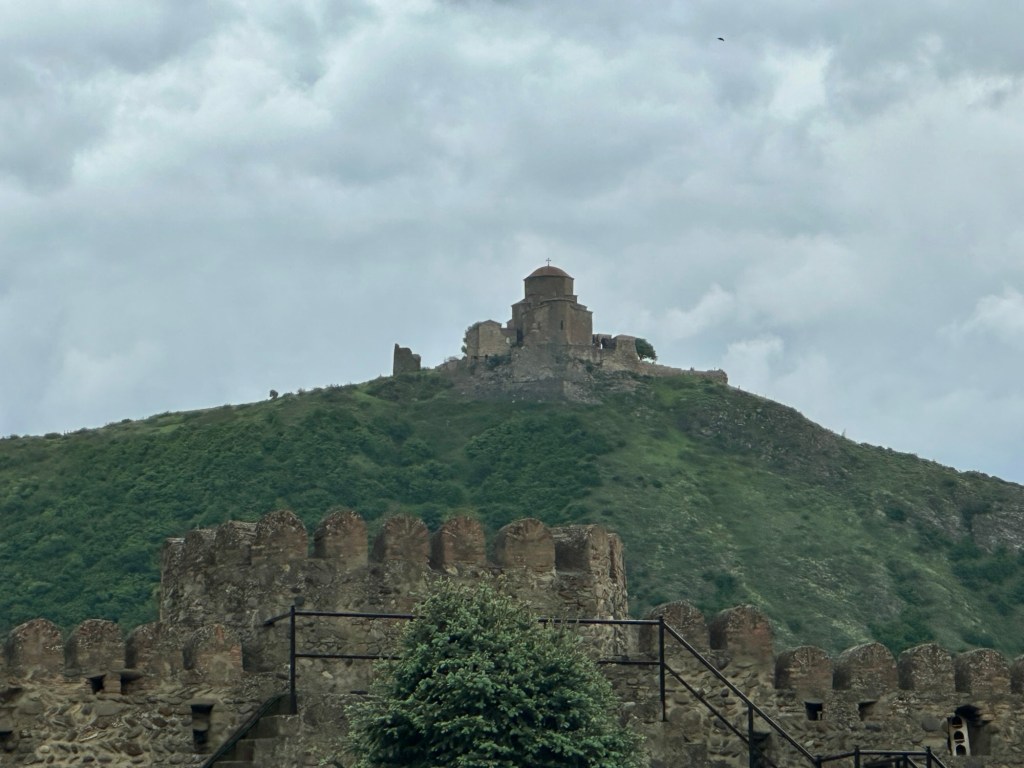
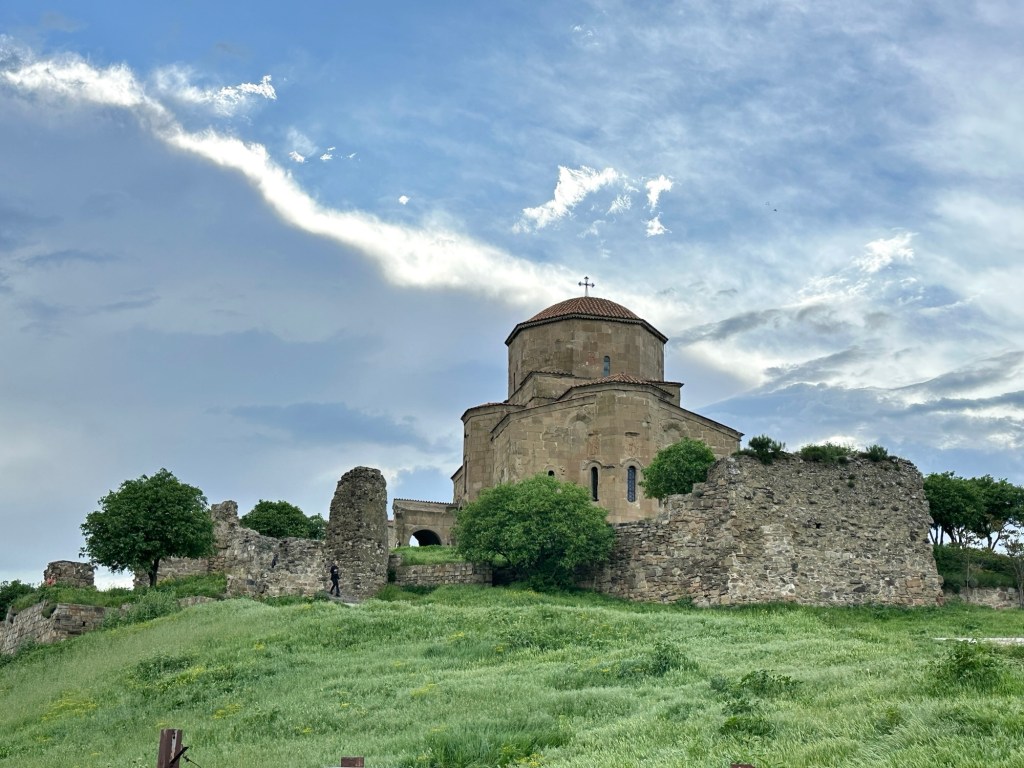
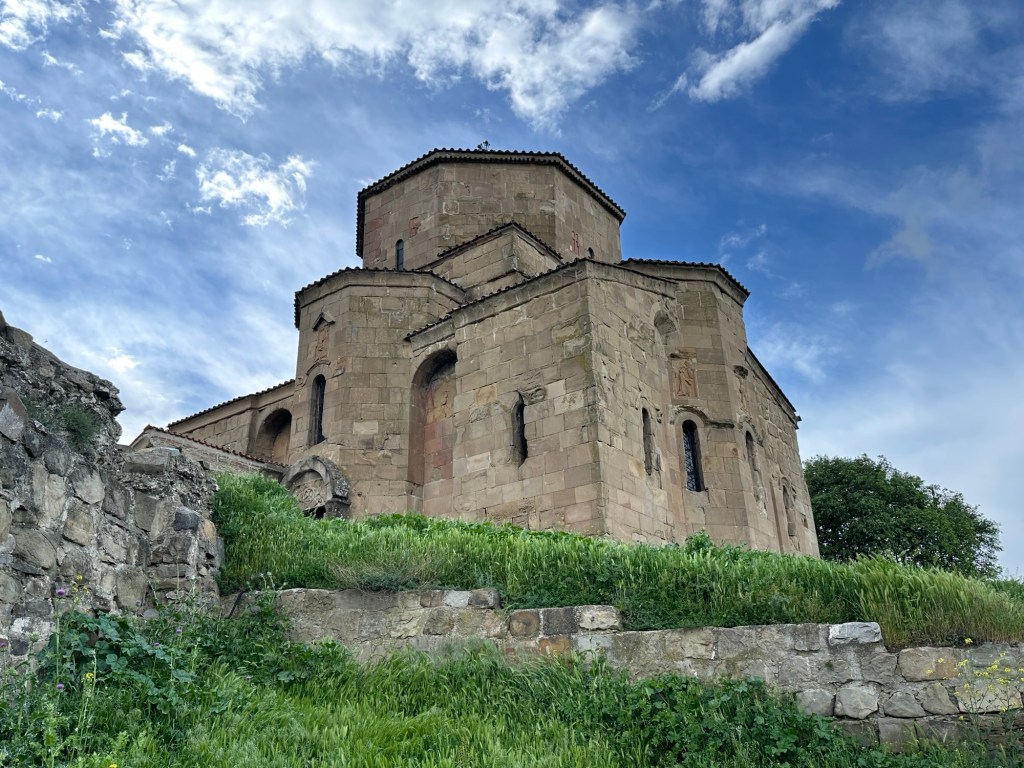
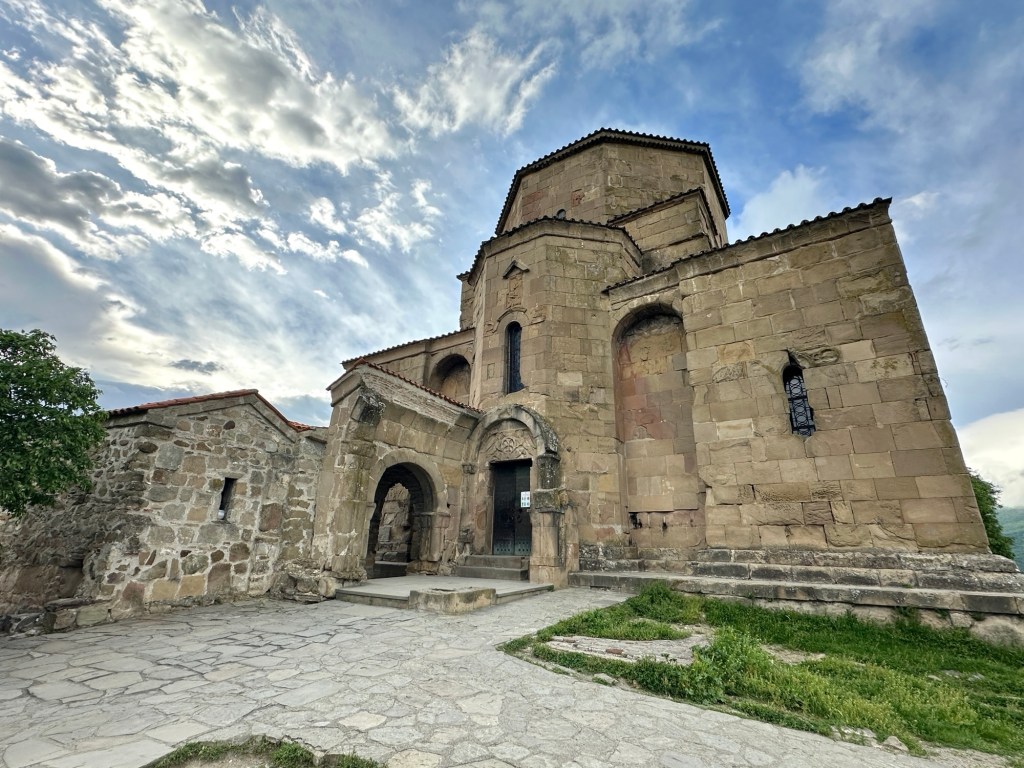
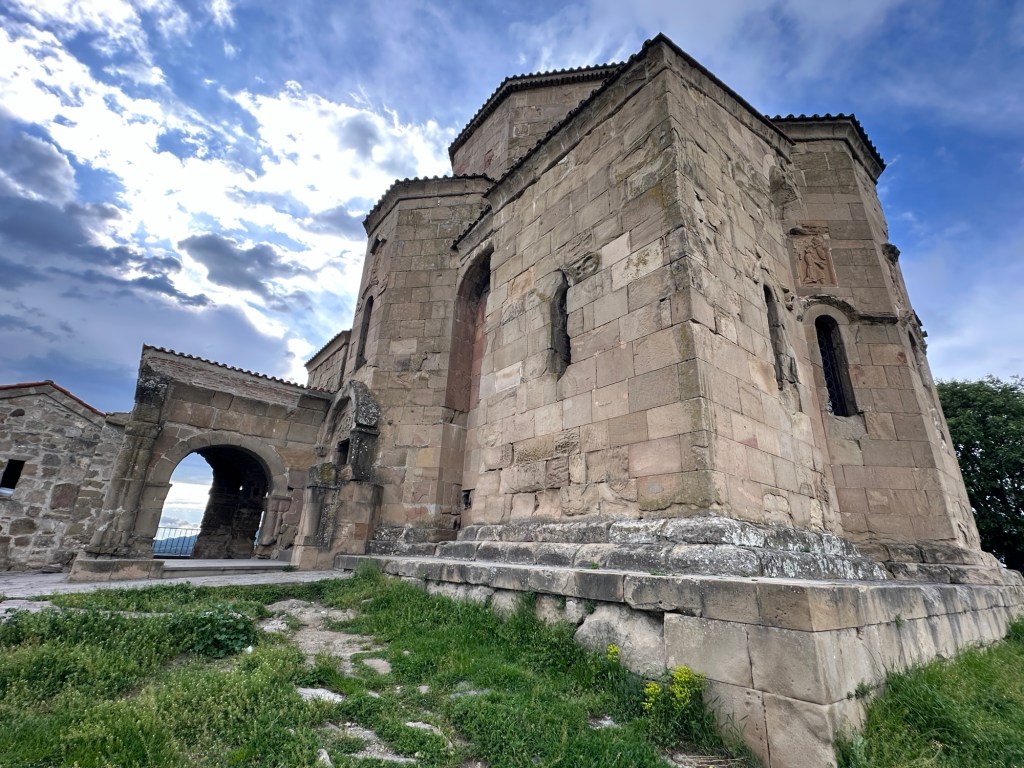
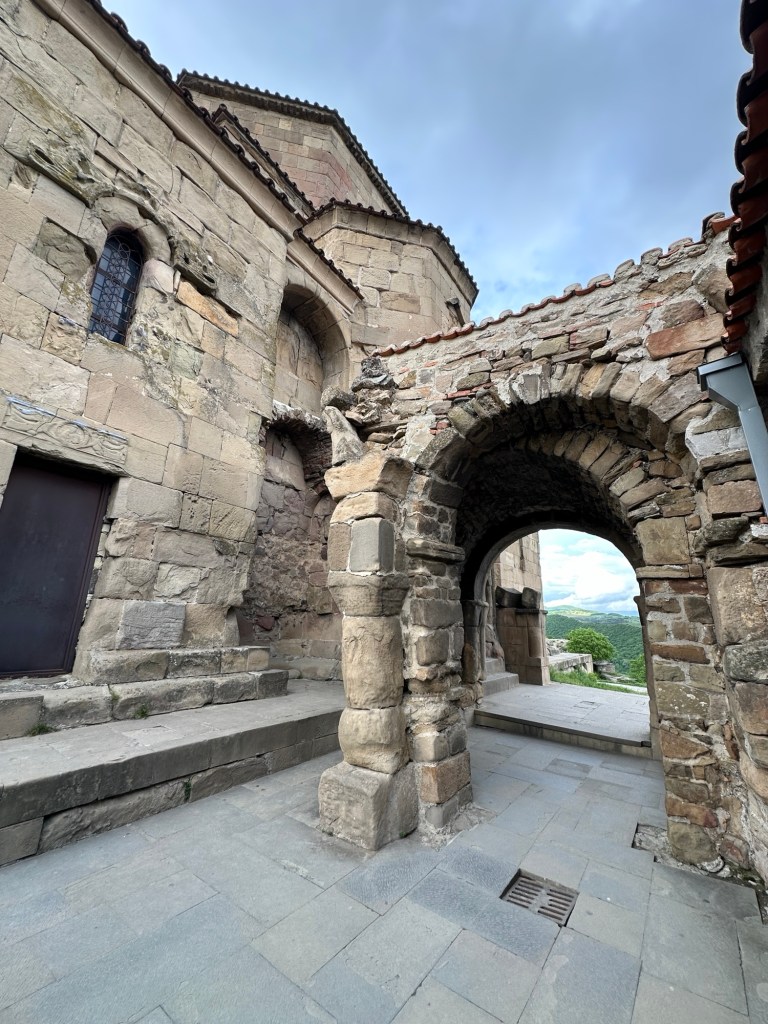
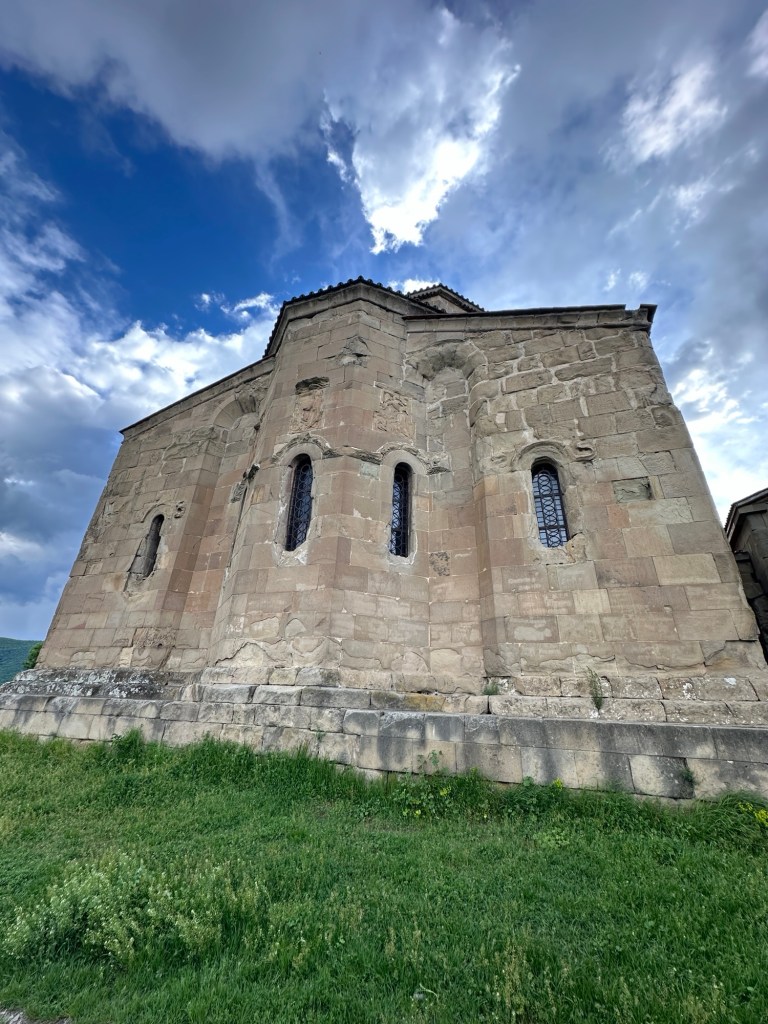
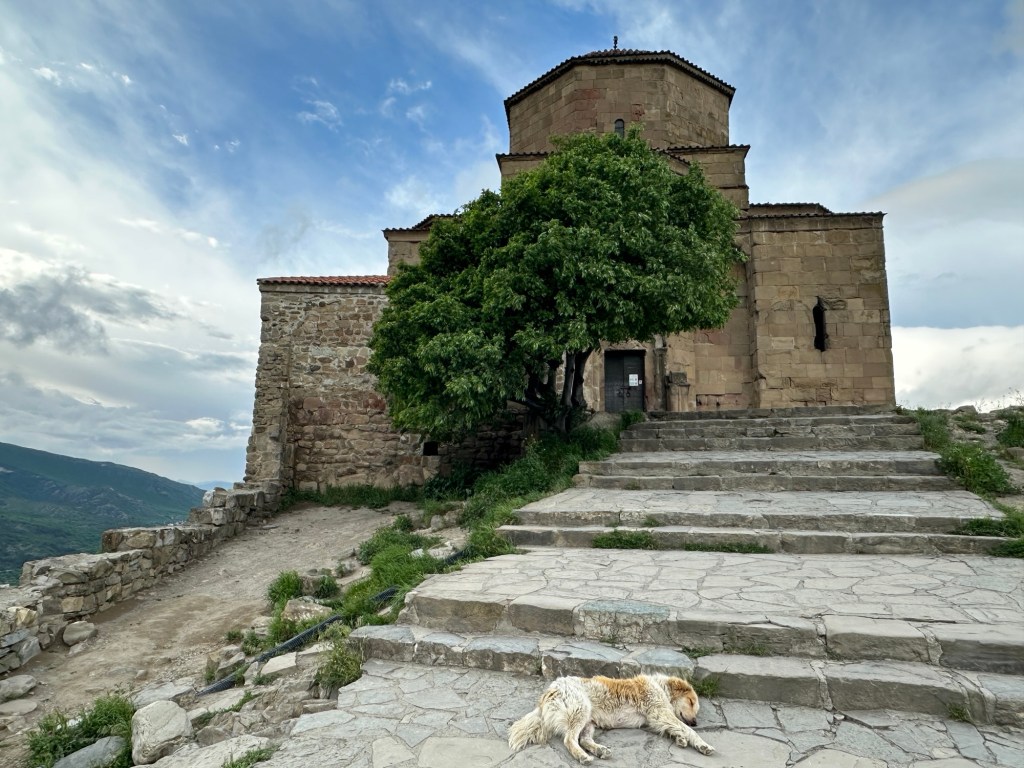
Jvari Monastery

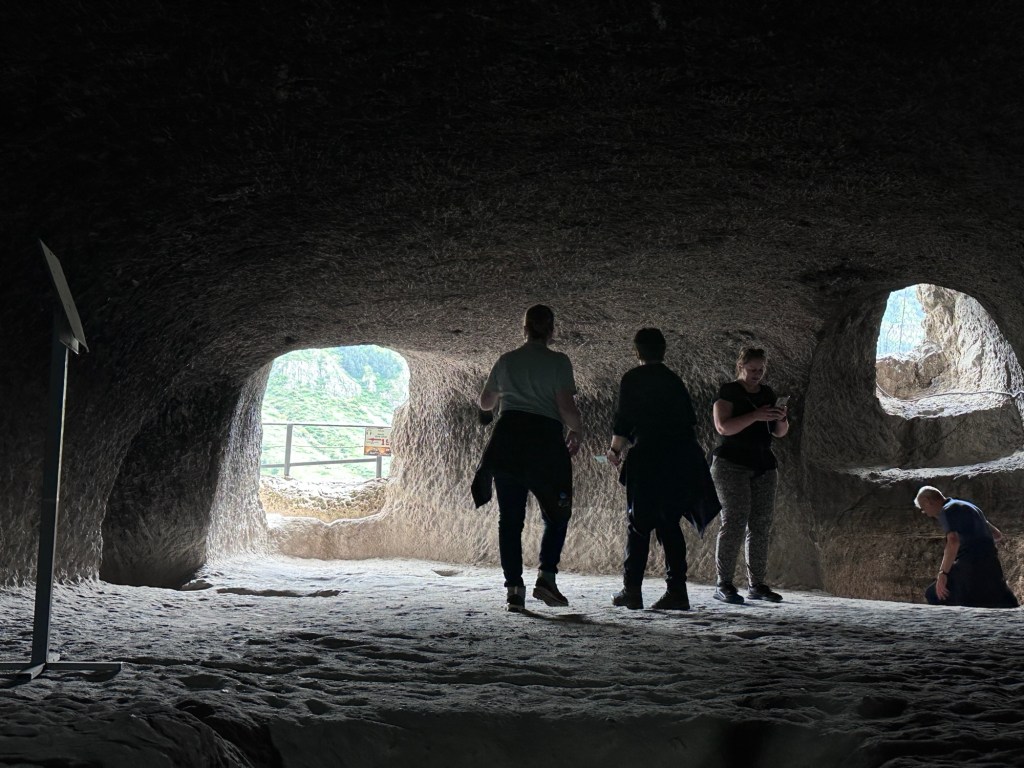
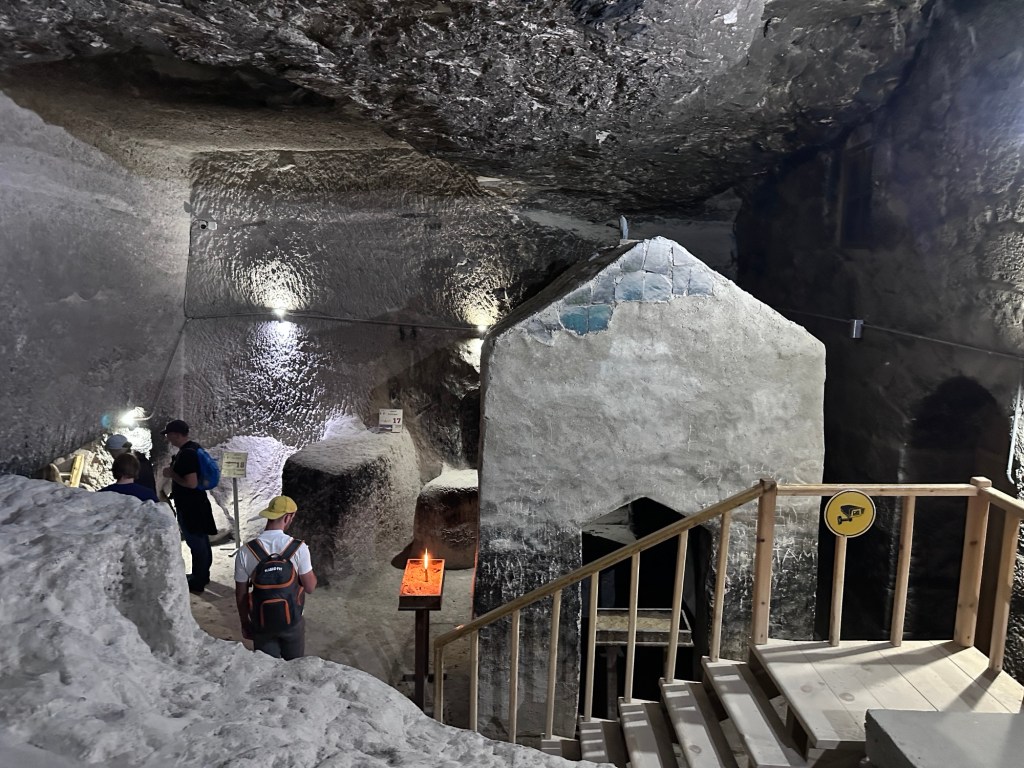
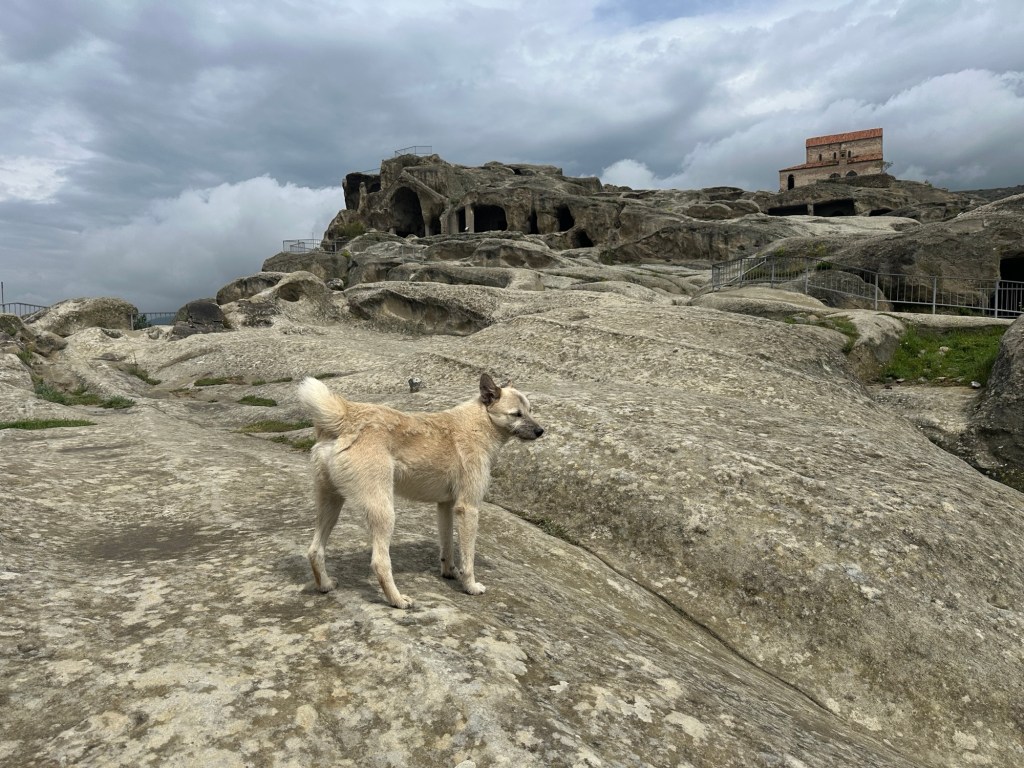
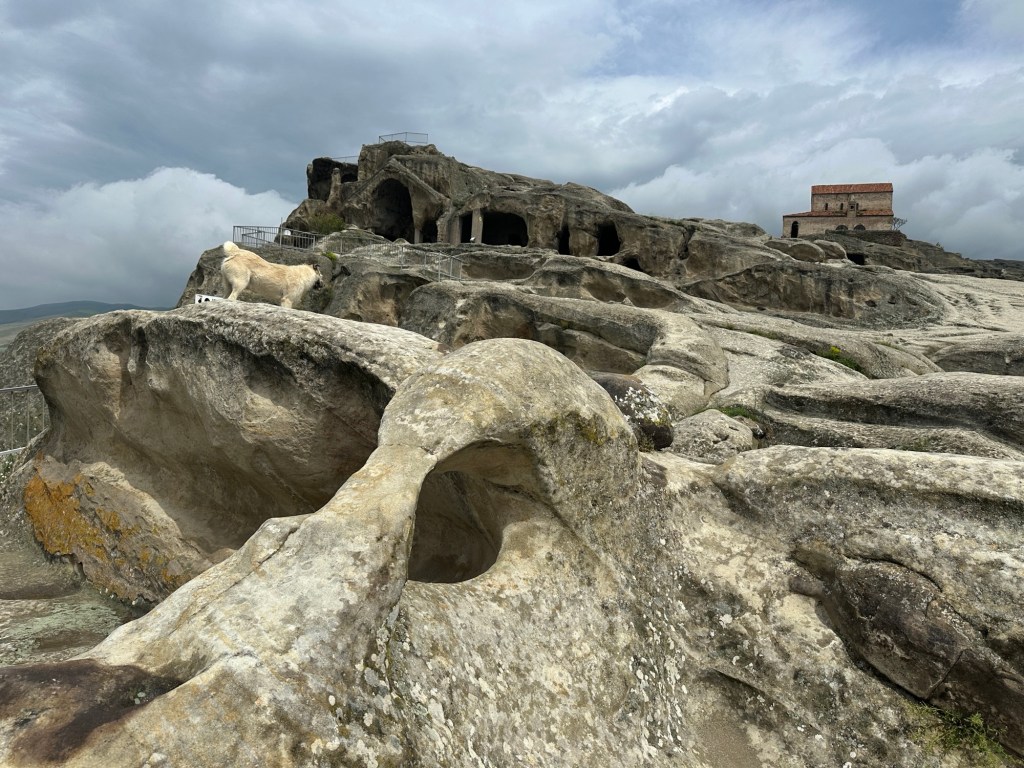
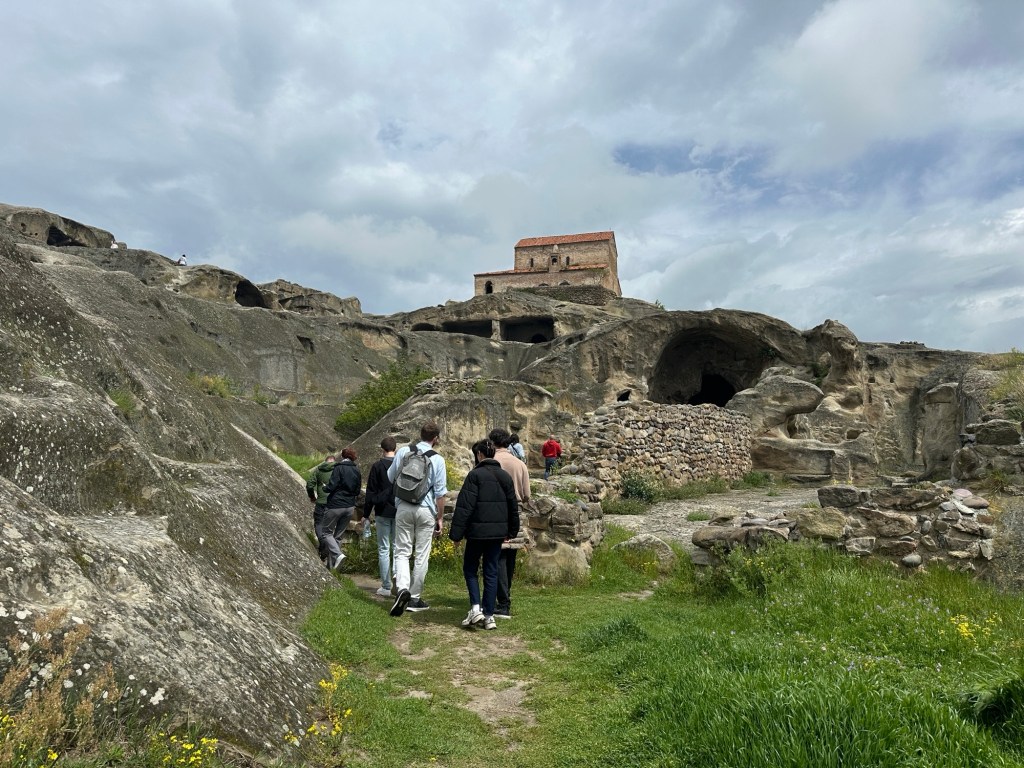
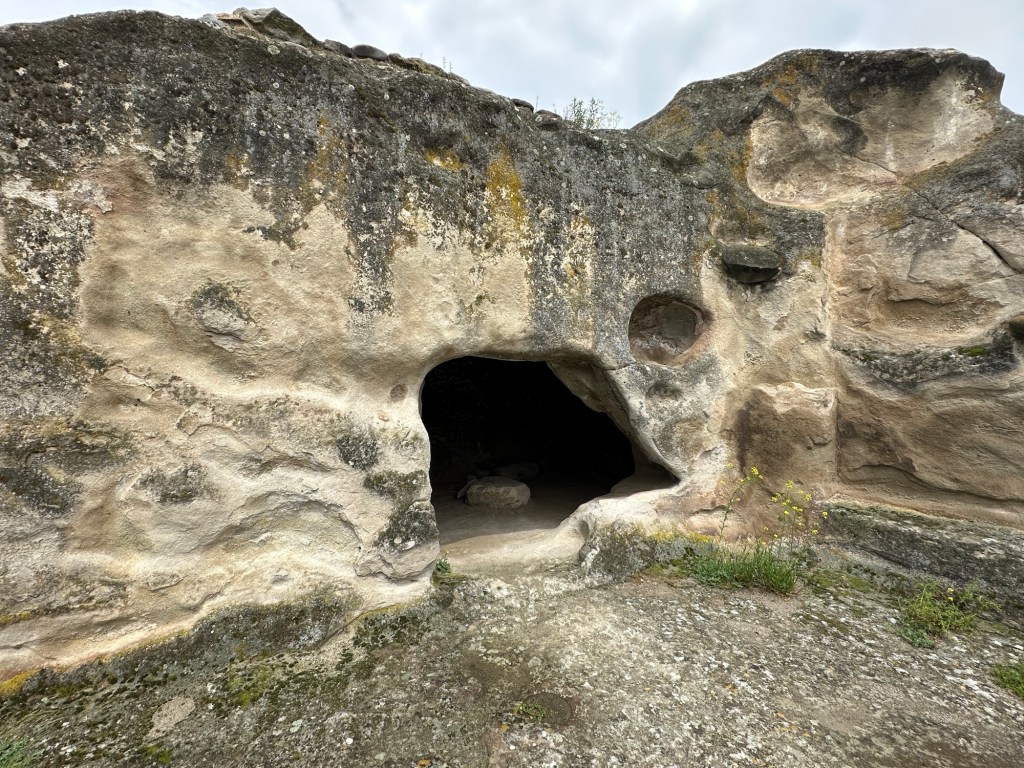
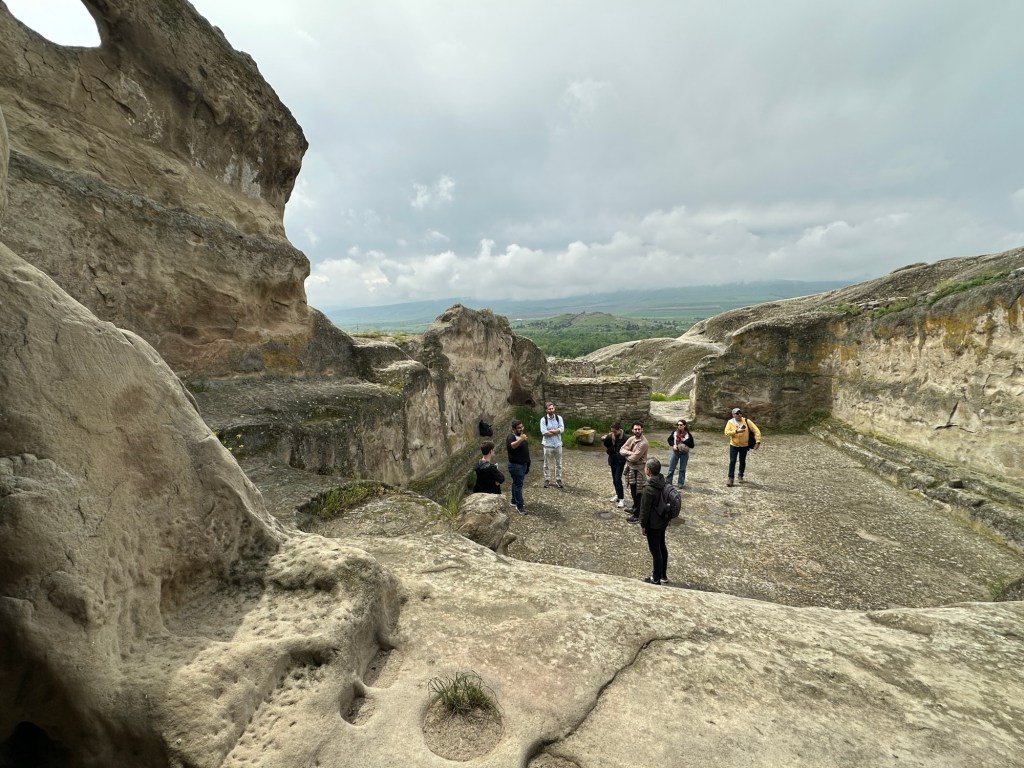
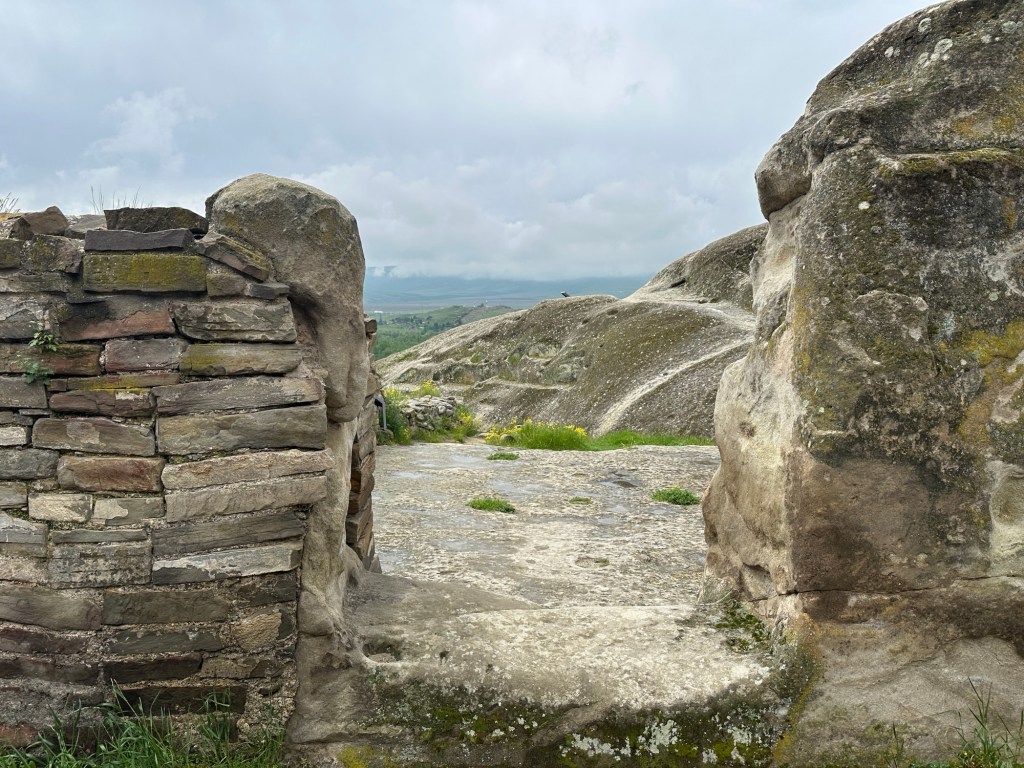
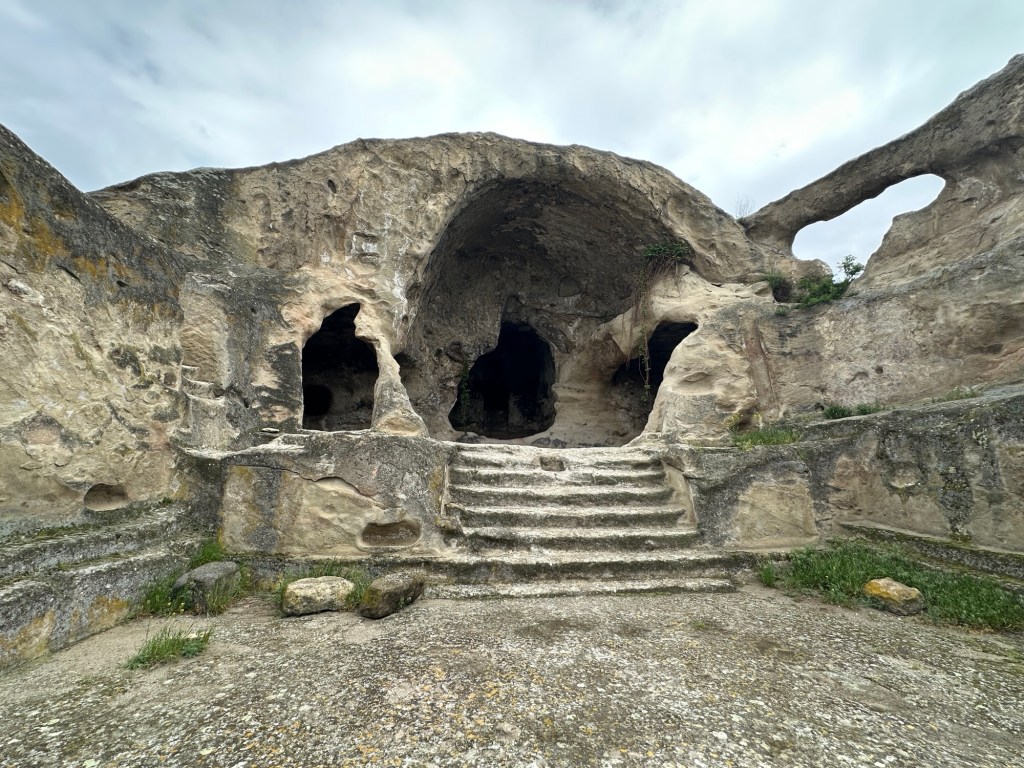
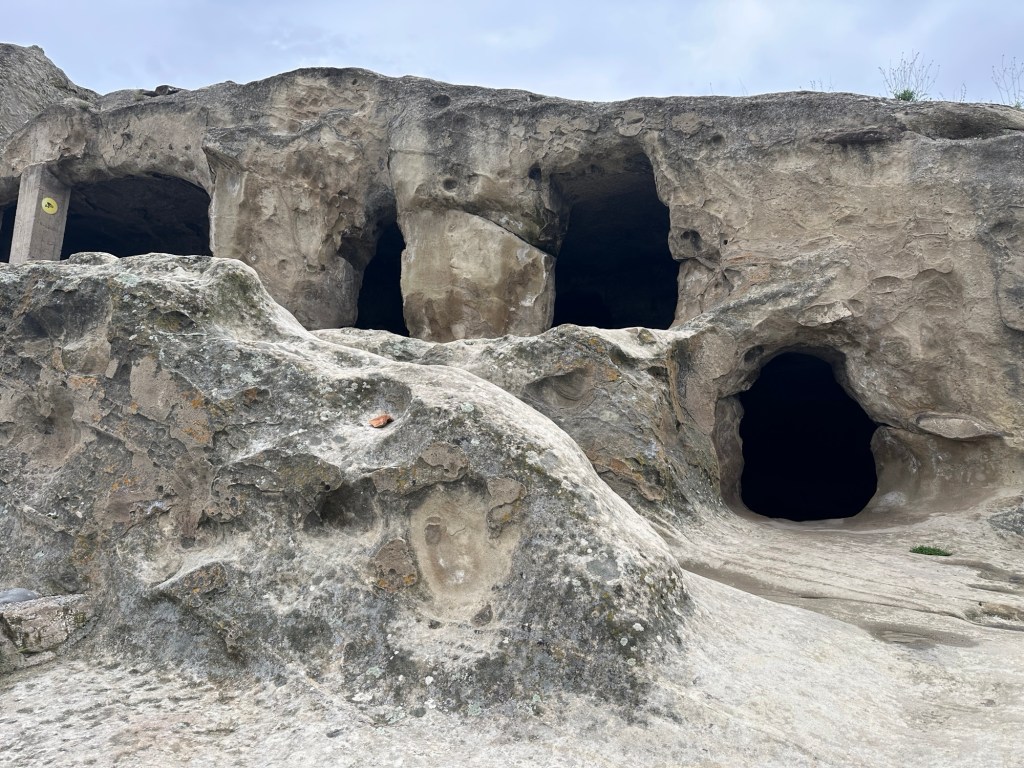
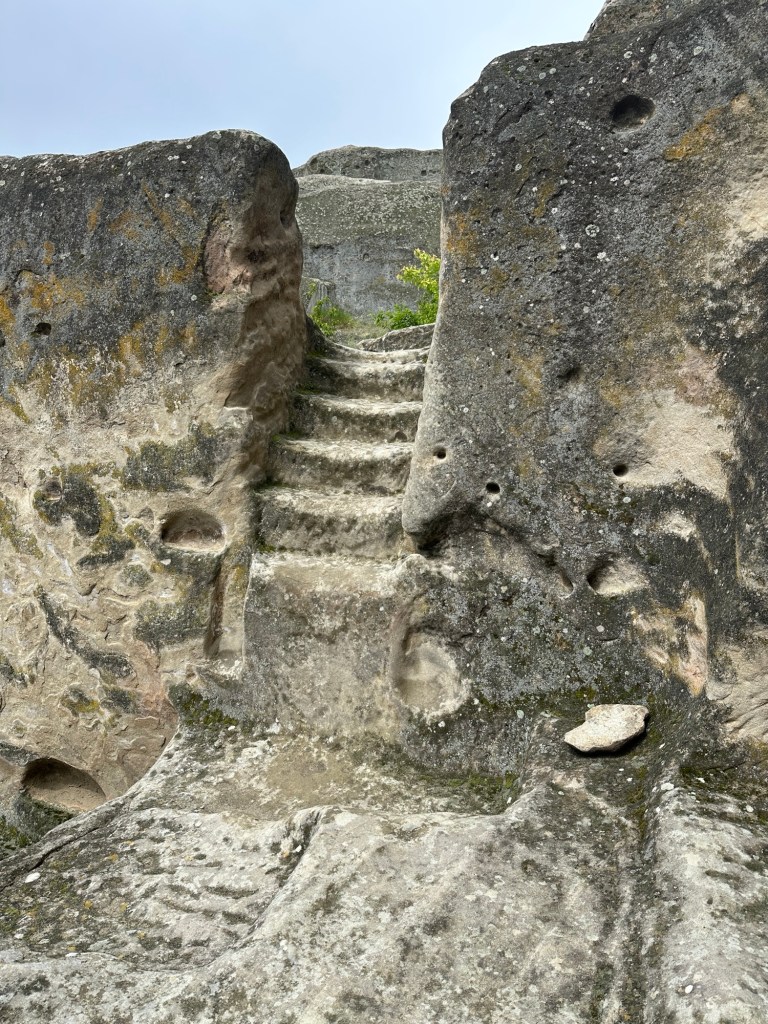
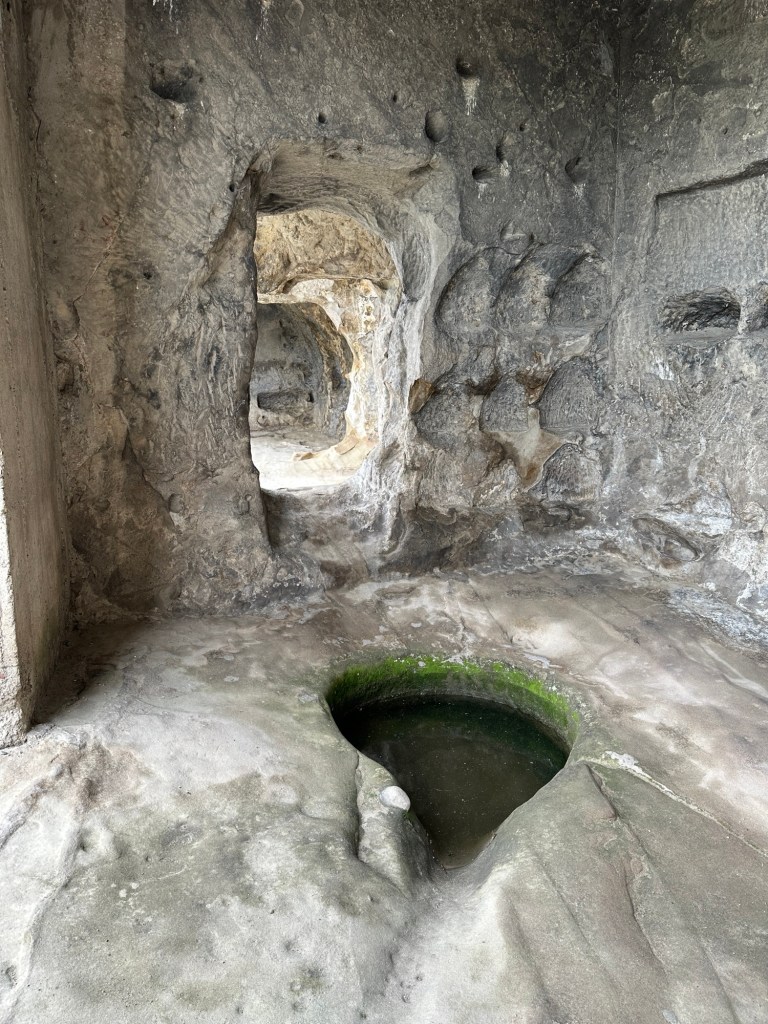
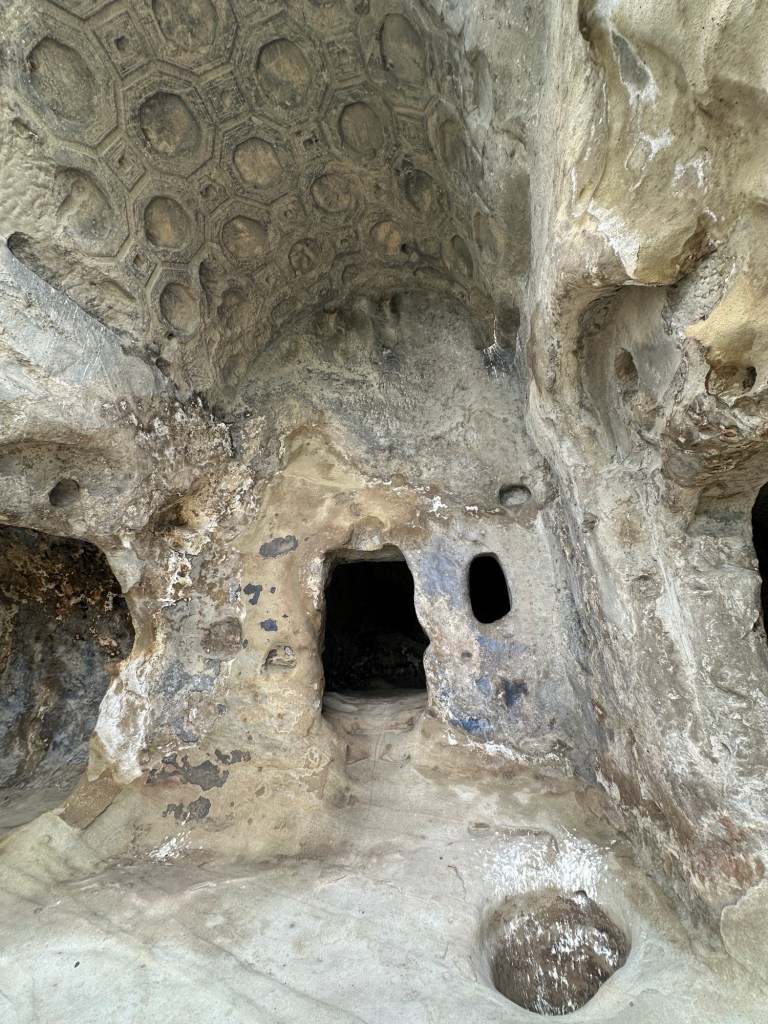
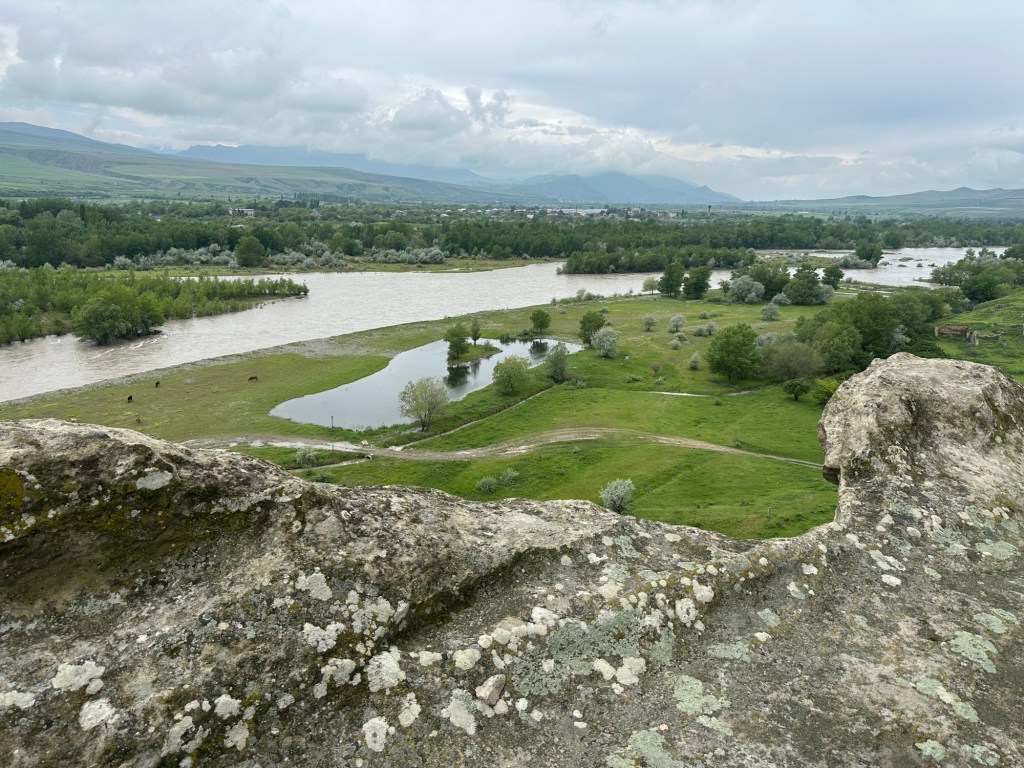
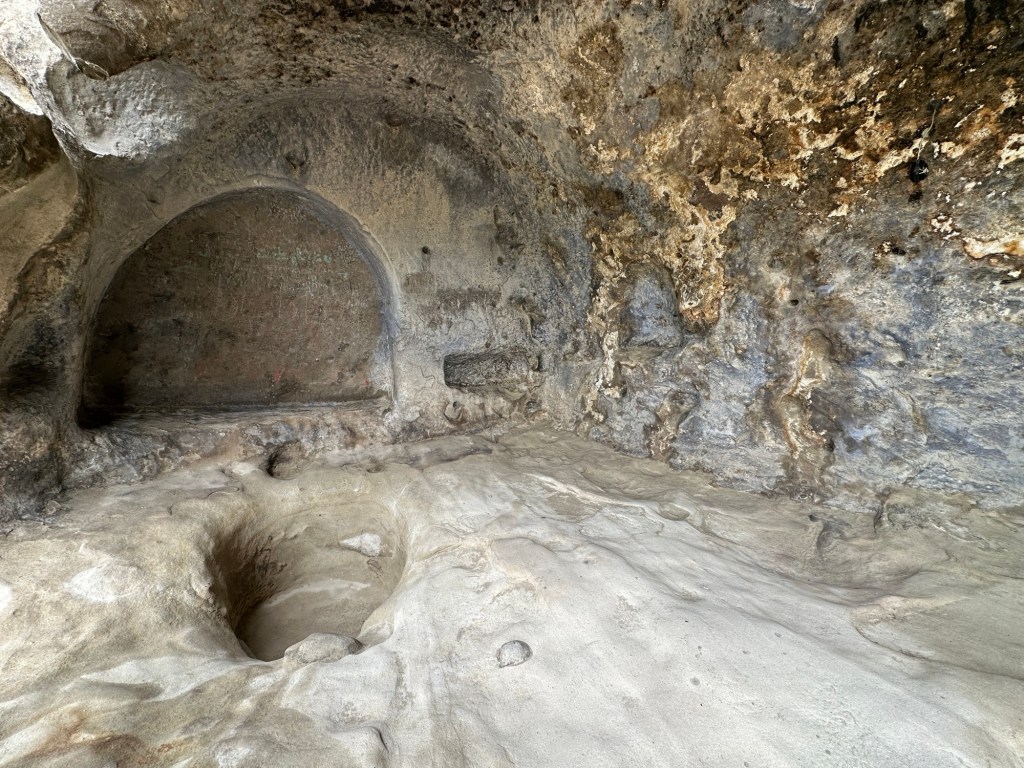
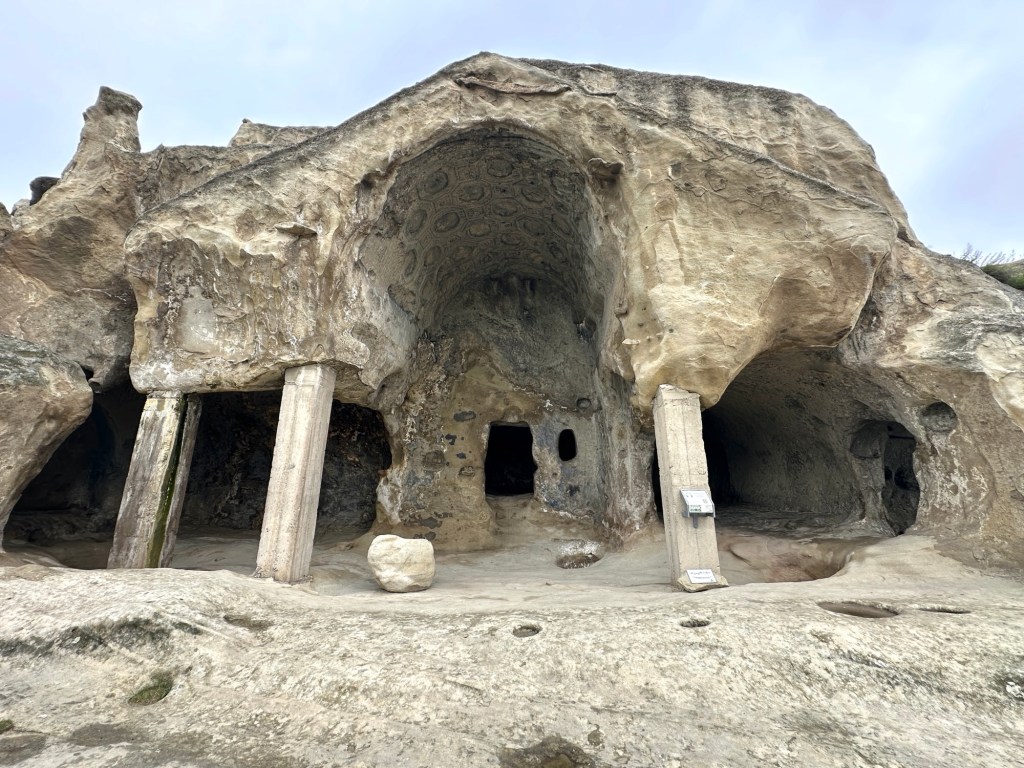
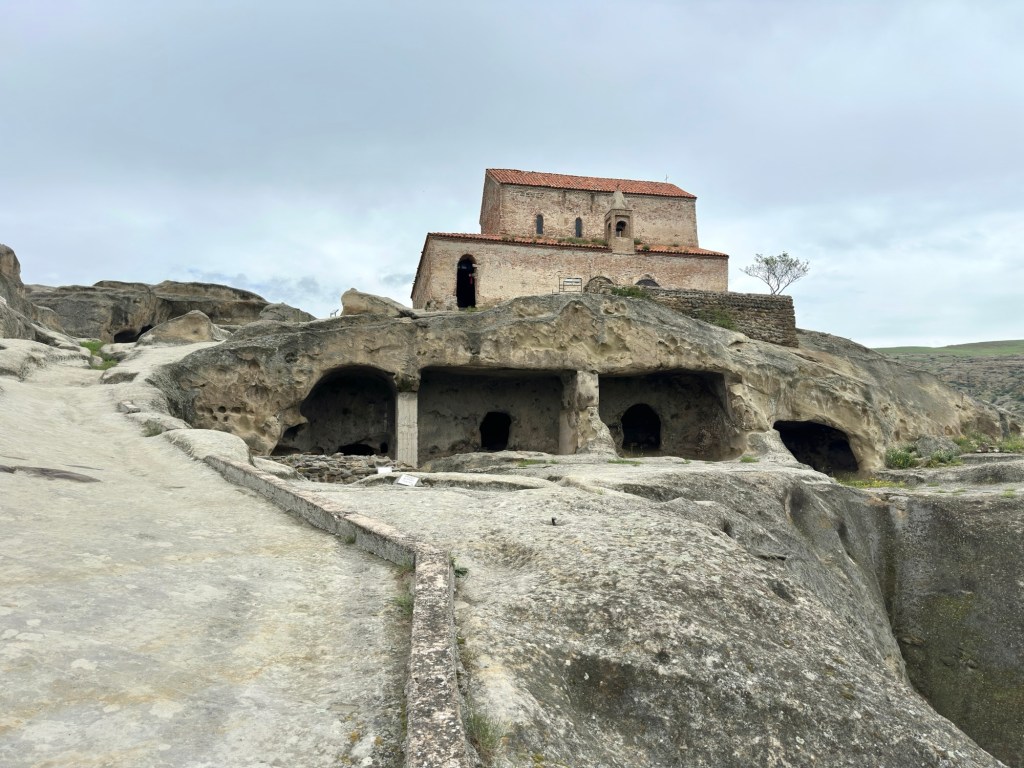
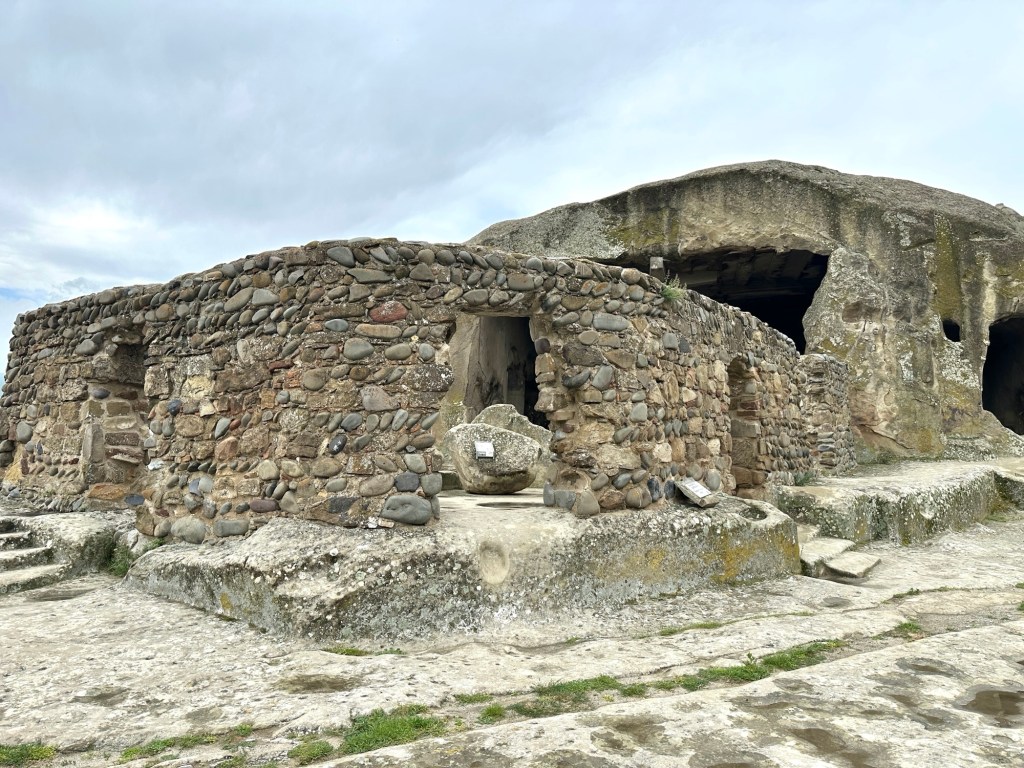
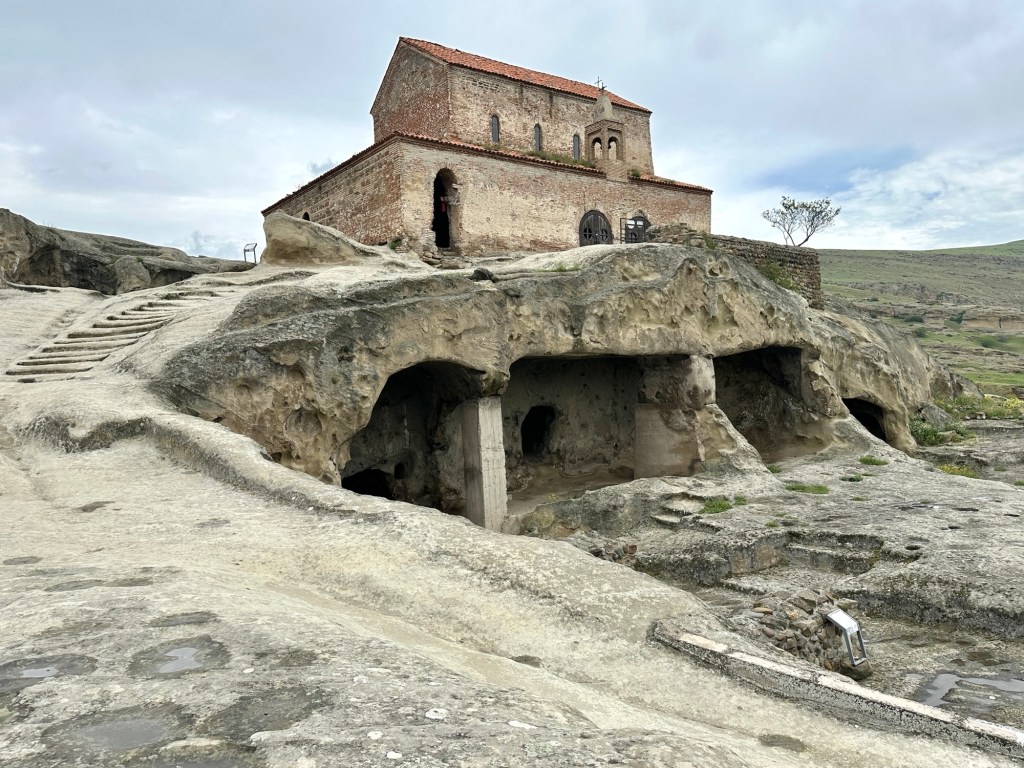
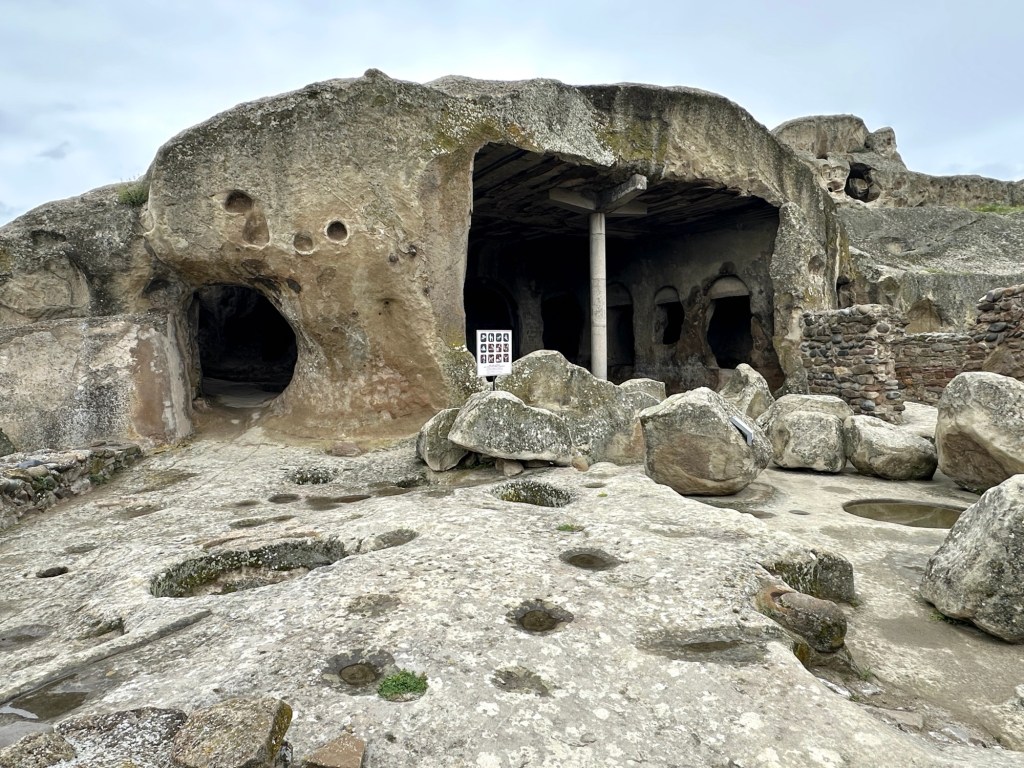
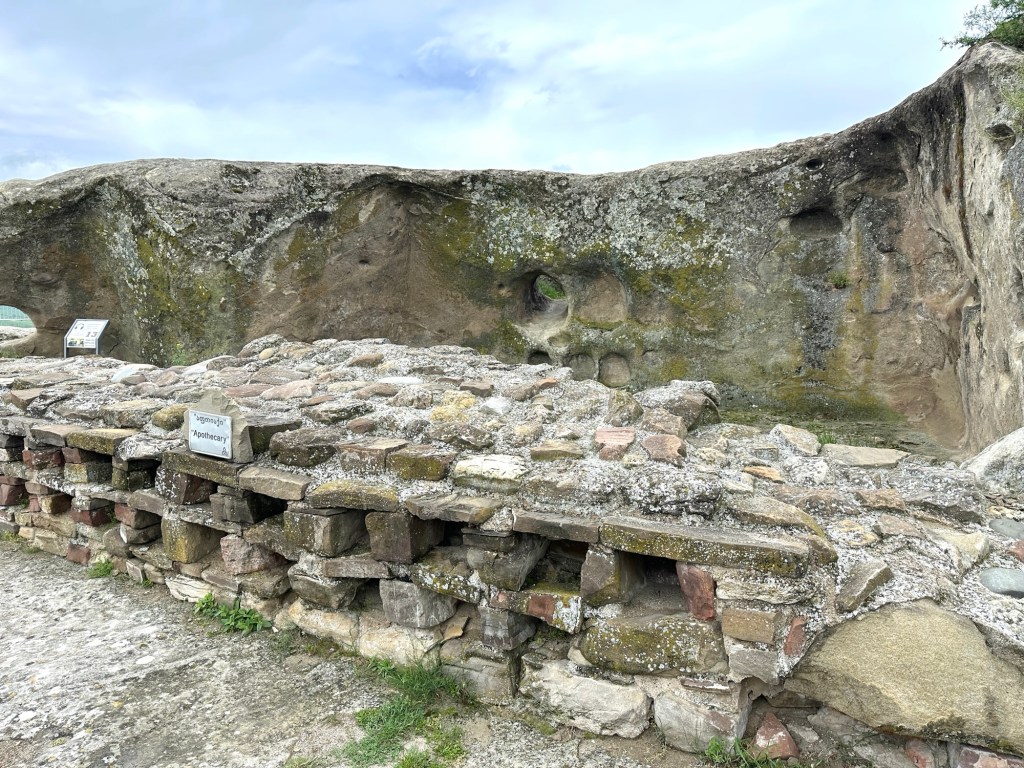
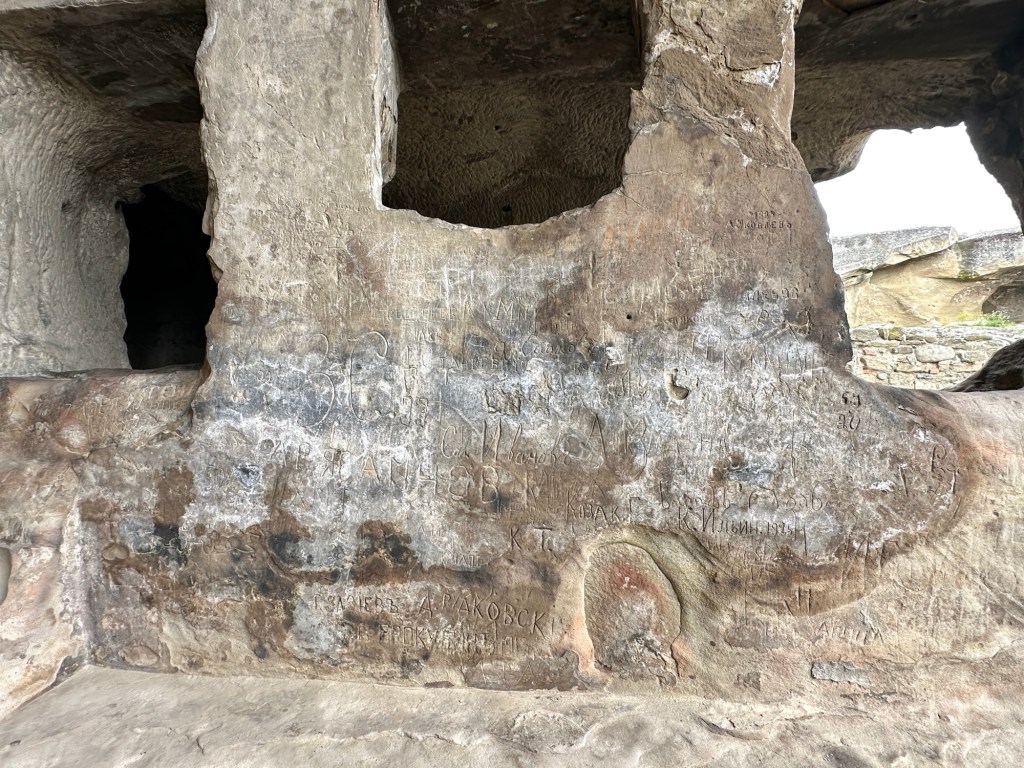
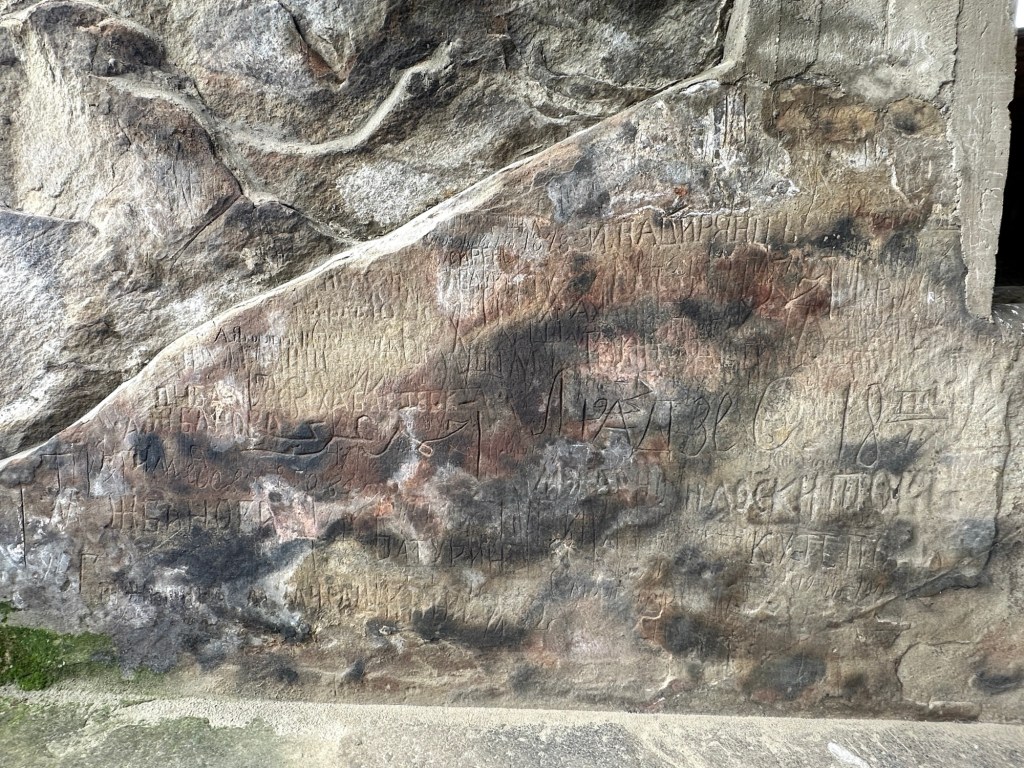
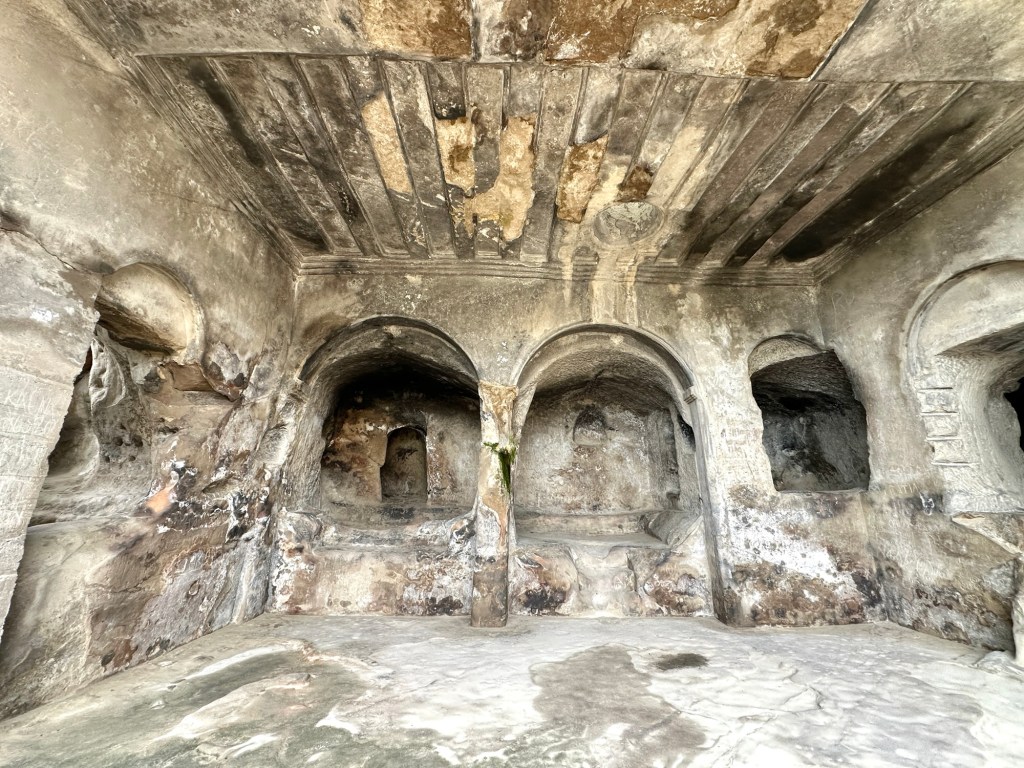
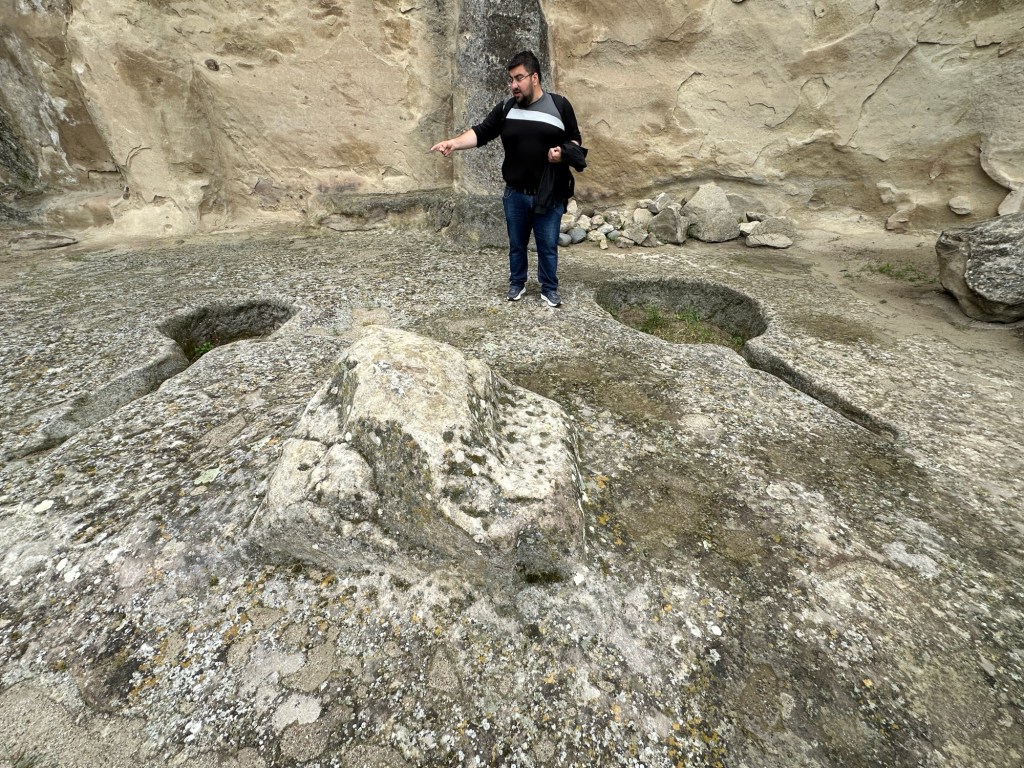
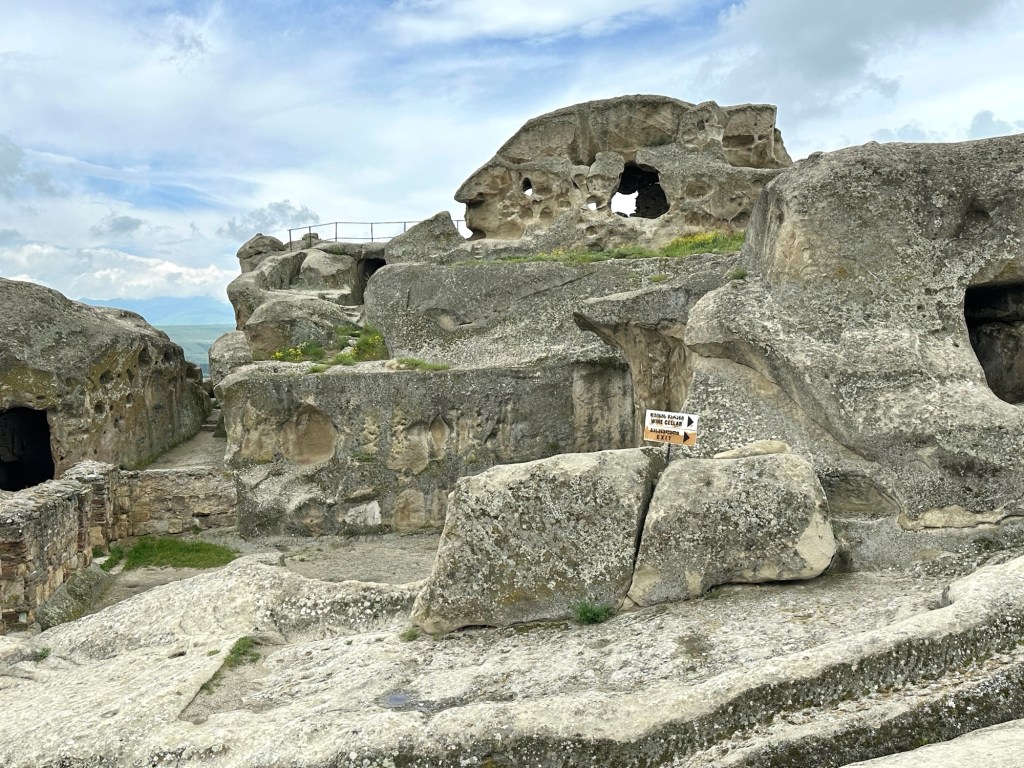
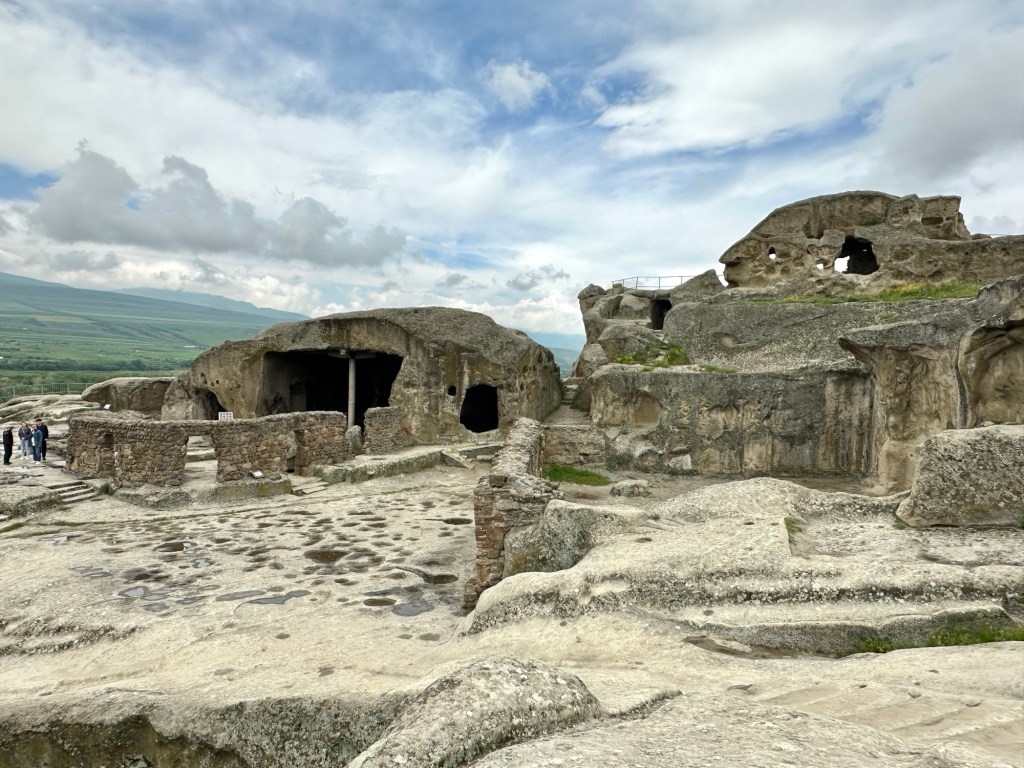
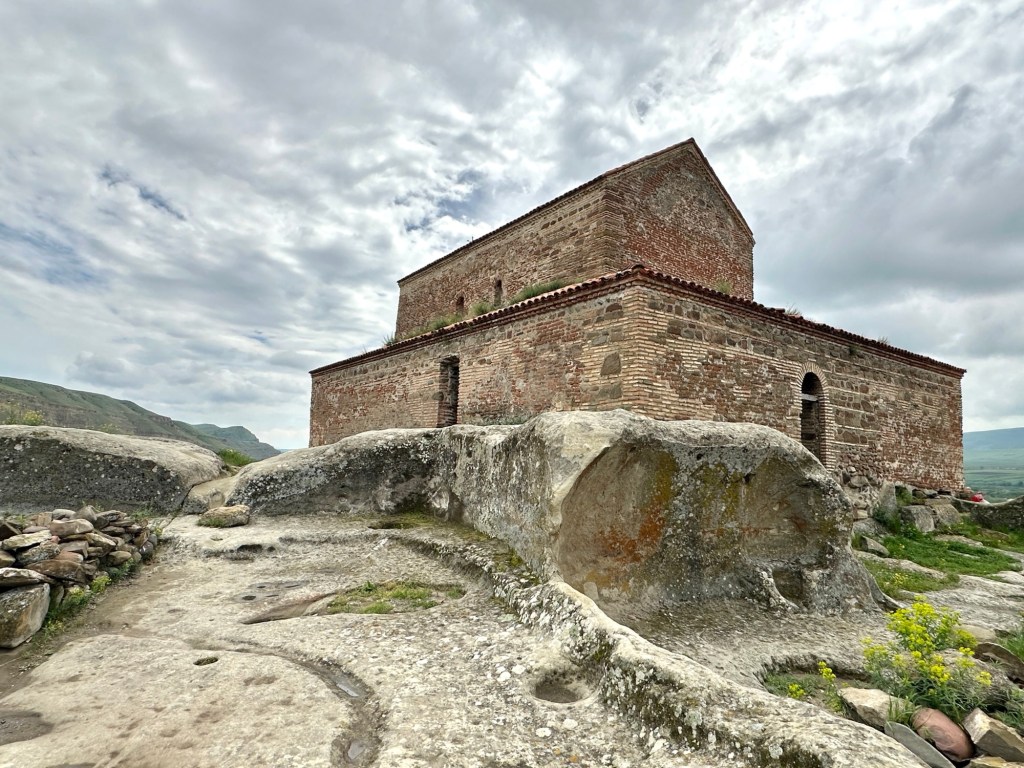
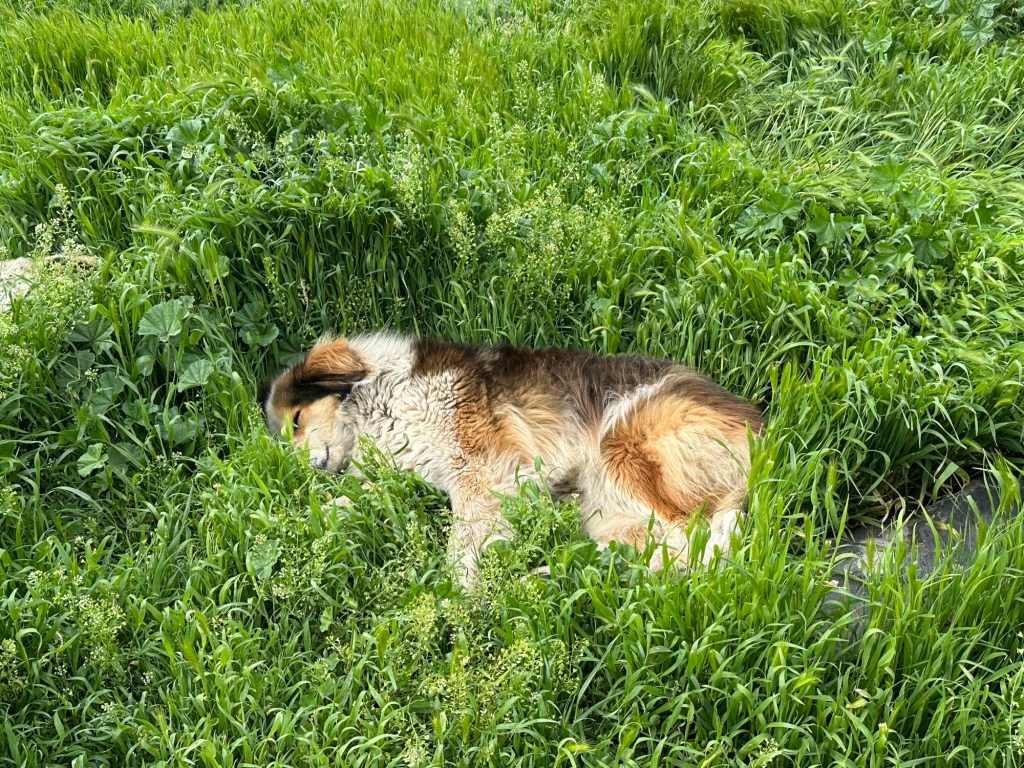
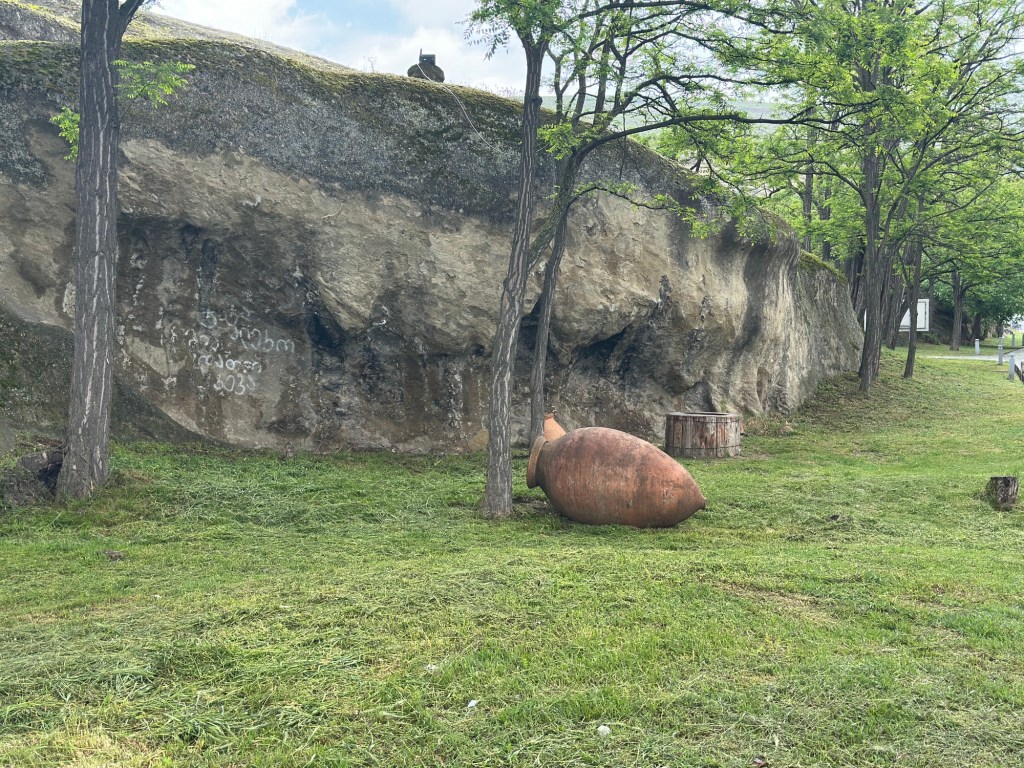
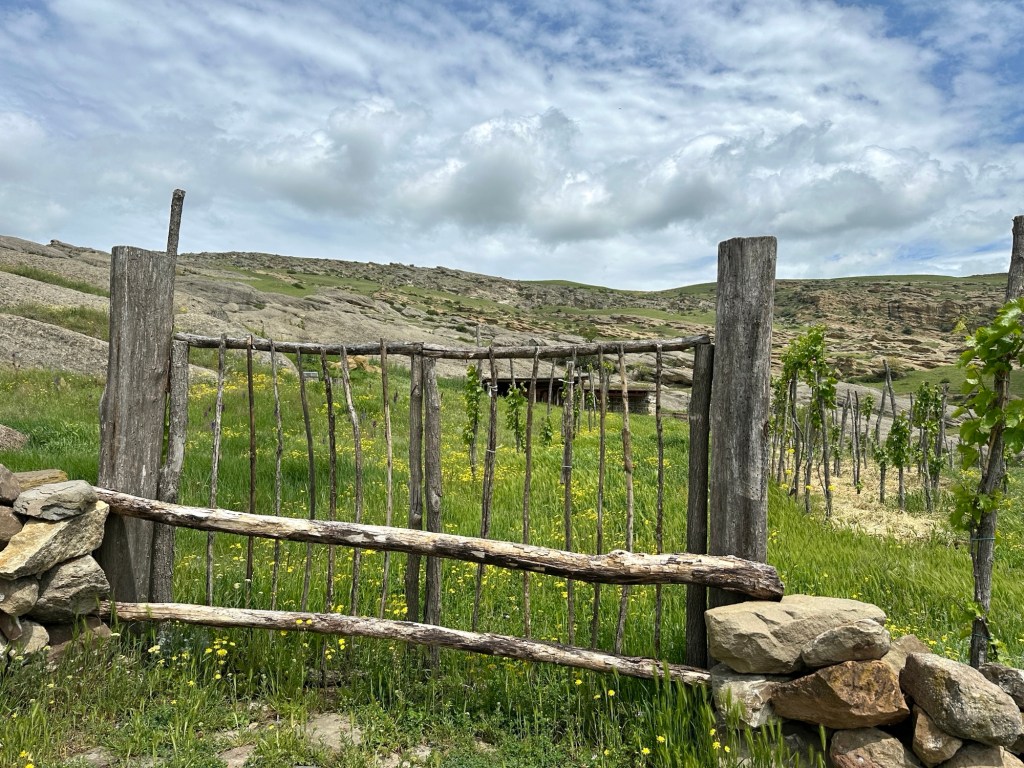
It is raining and gloomy in Tblisi this morning but luckily the bad weather doesn’t follow us to the cave city of Uplistsikhe. We walk along stone paths through this settlement which is thought to be the oldest in Georgia and imagine how life must have been living in the ancient kingdom of Kartli. Dogs follow us along during parts of our tour. This cave town was abandoned and hidden and was re-discovered many years later.

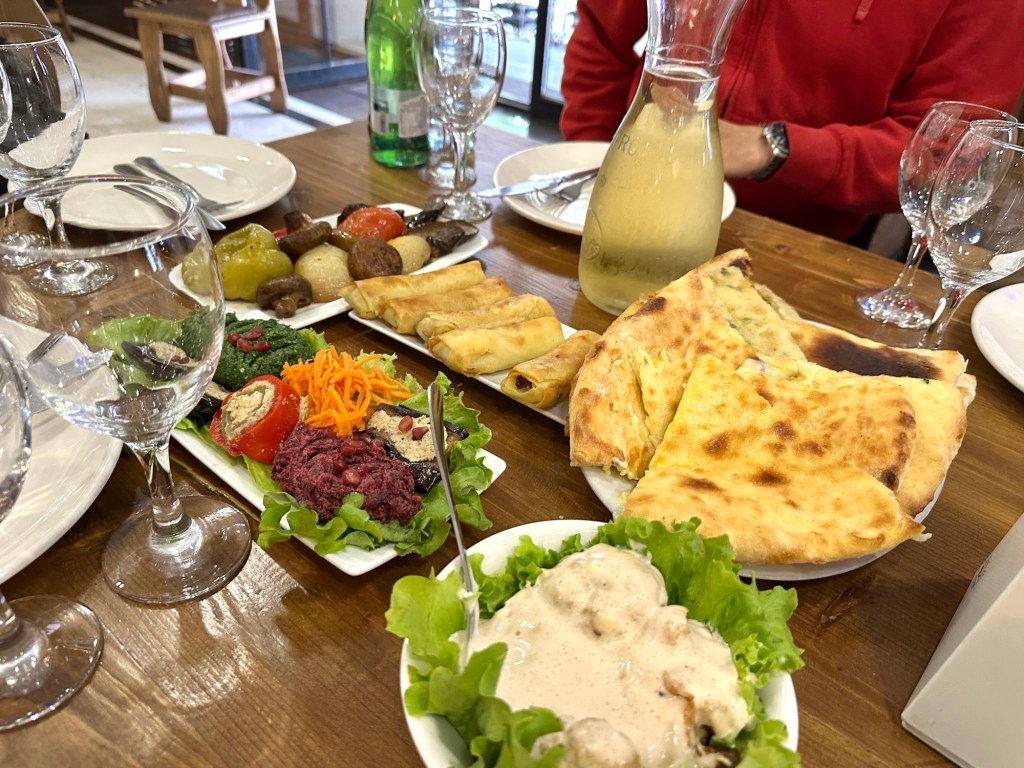
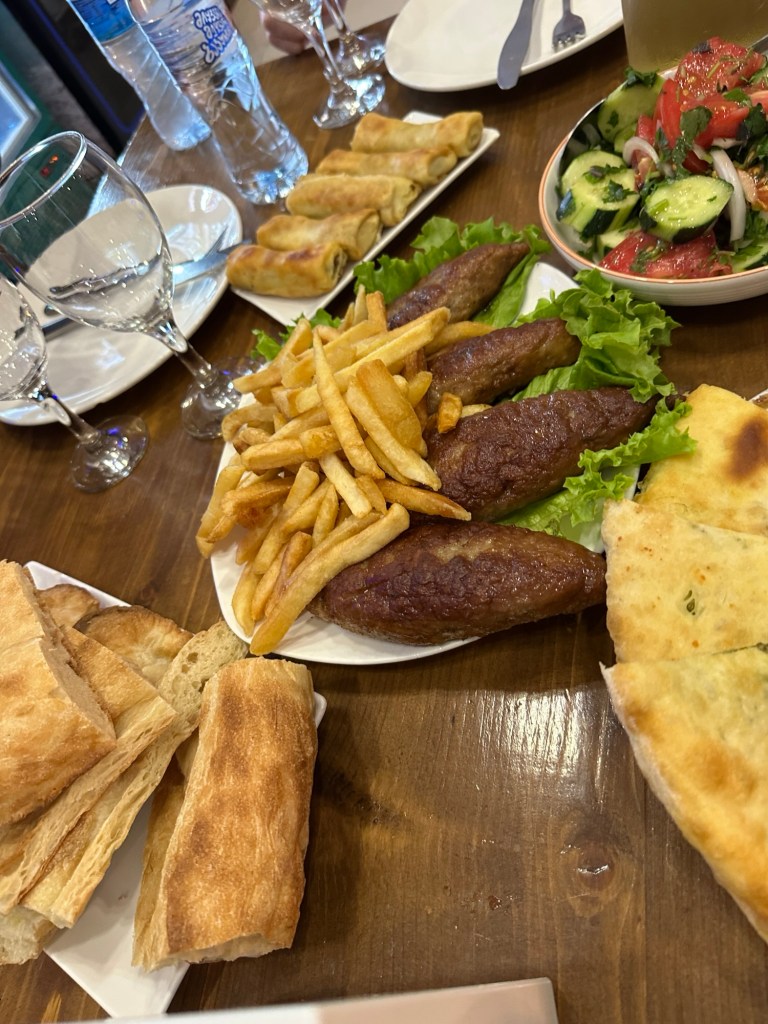
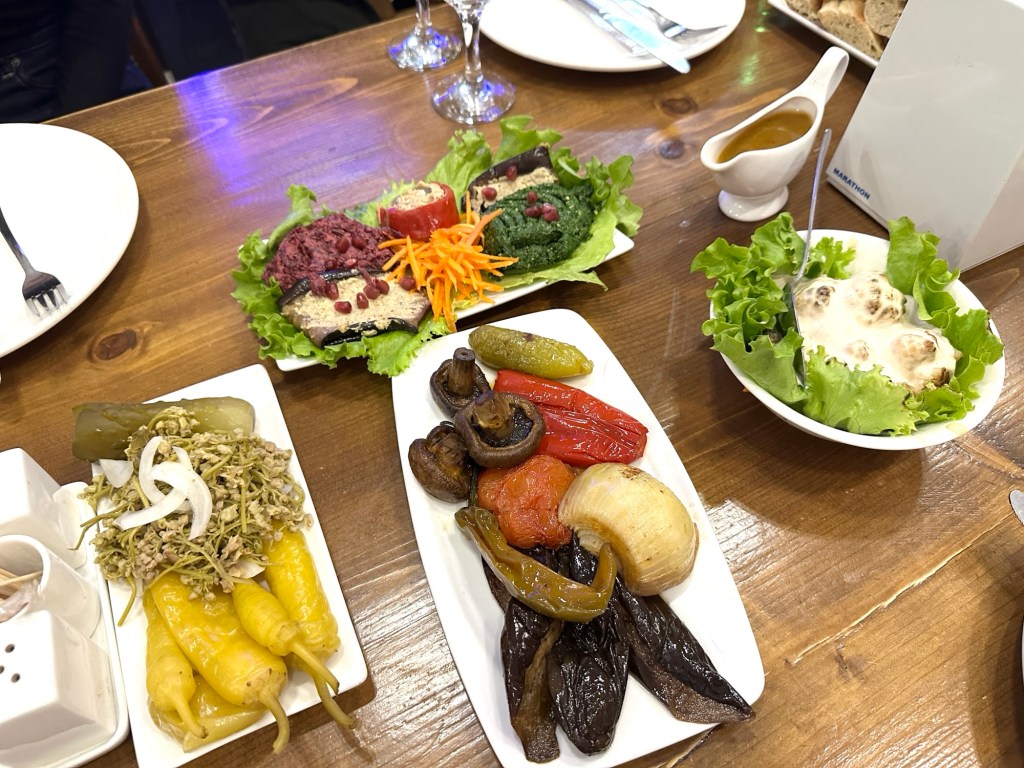
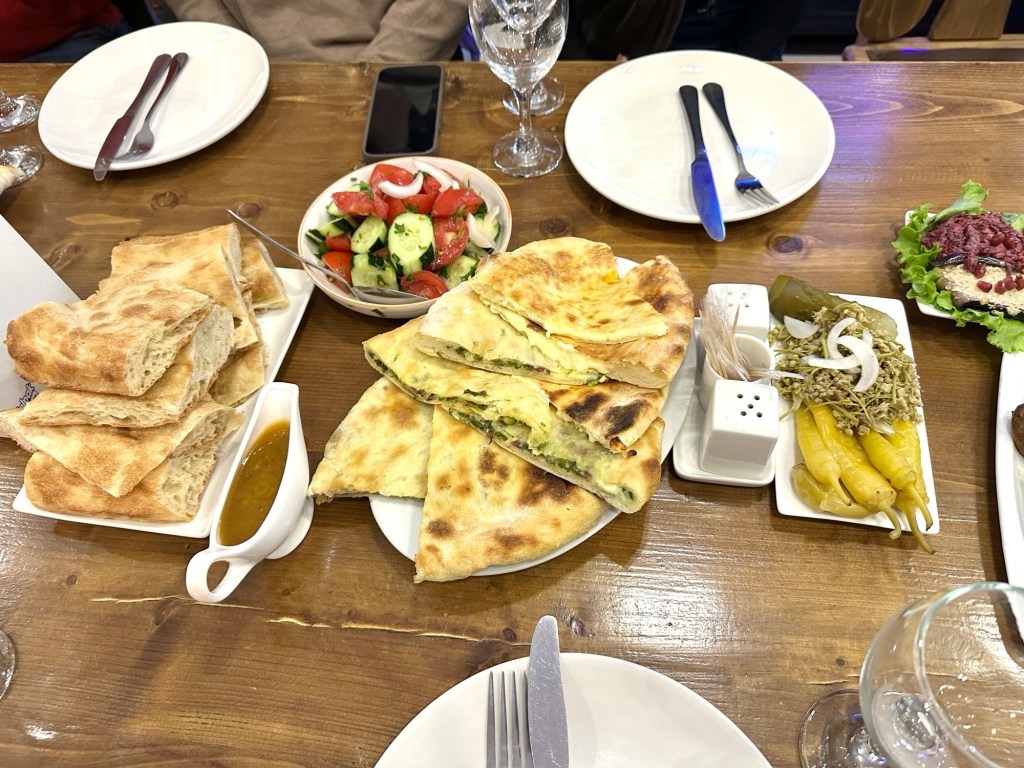
We are touring today with a larger group consisting of tourists from various different countries – including two other people from USA which I am finding rare when I travel to Eastern Europe. Because we are a larger group I enjoy an amazing spread of Georgian food at lunch time. Group meals such as these are ideal since I always find it challenging to getting a sample of local foods.

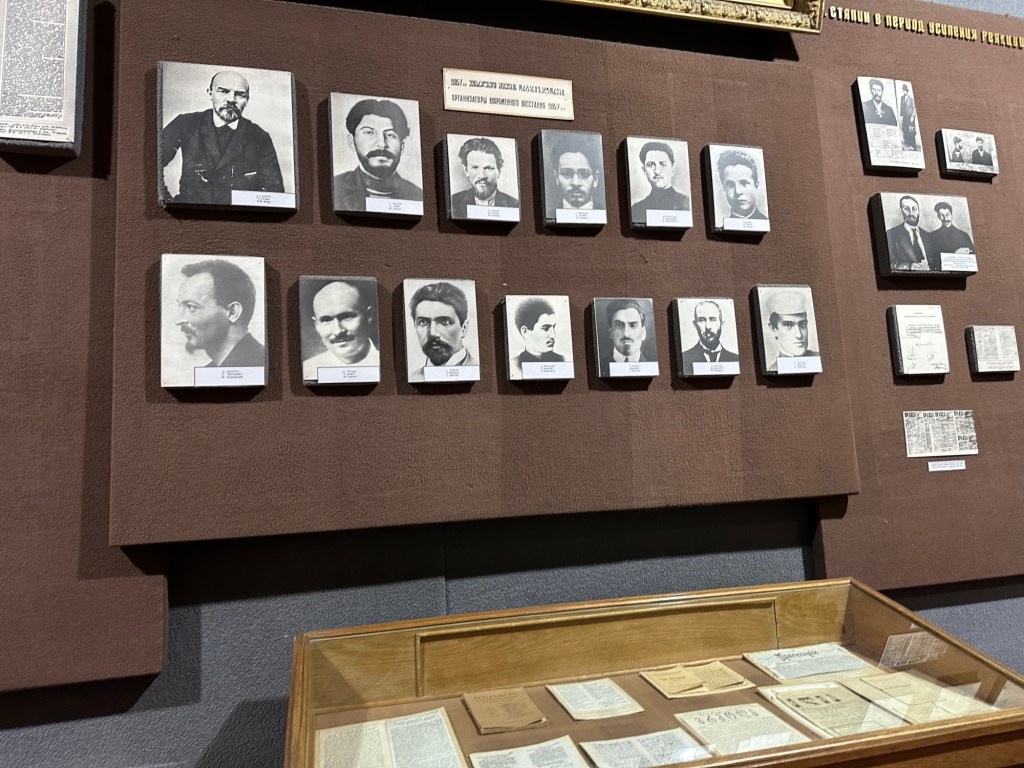
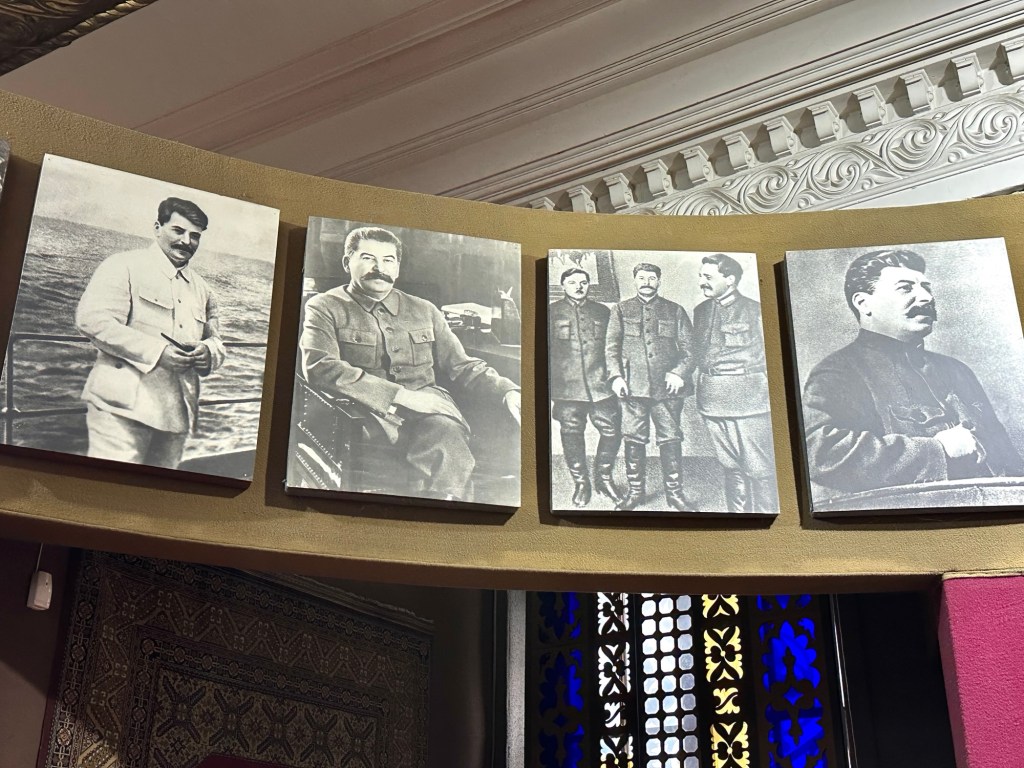
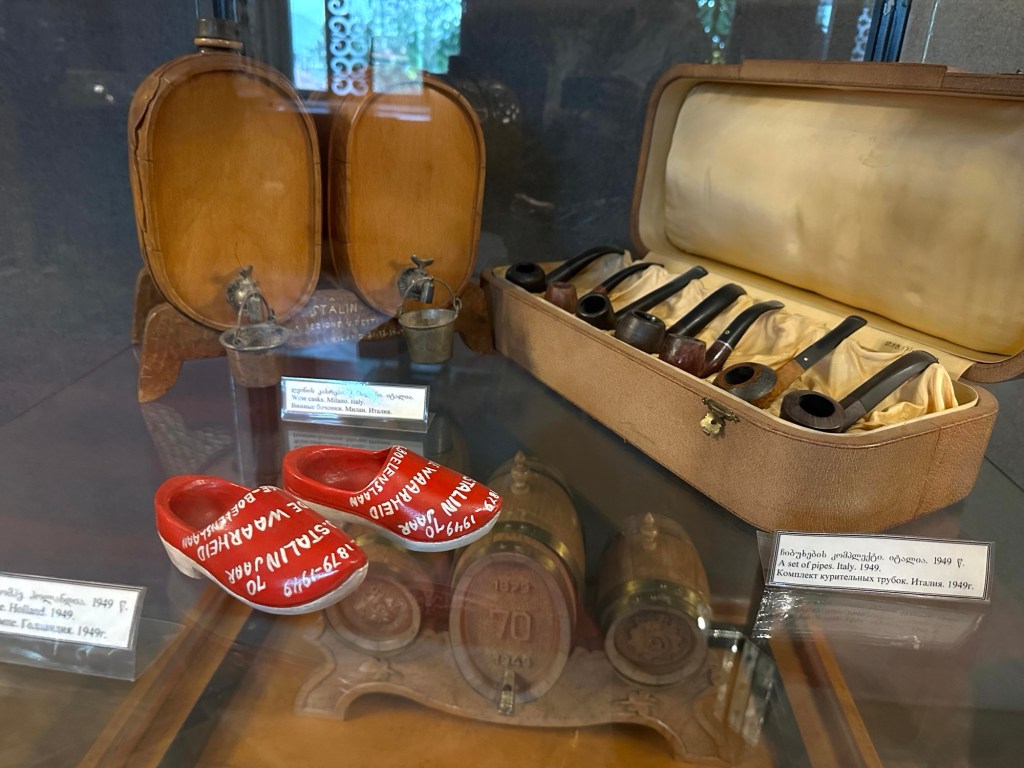
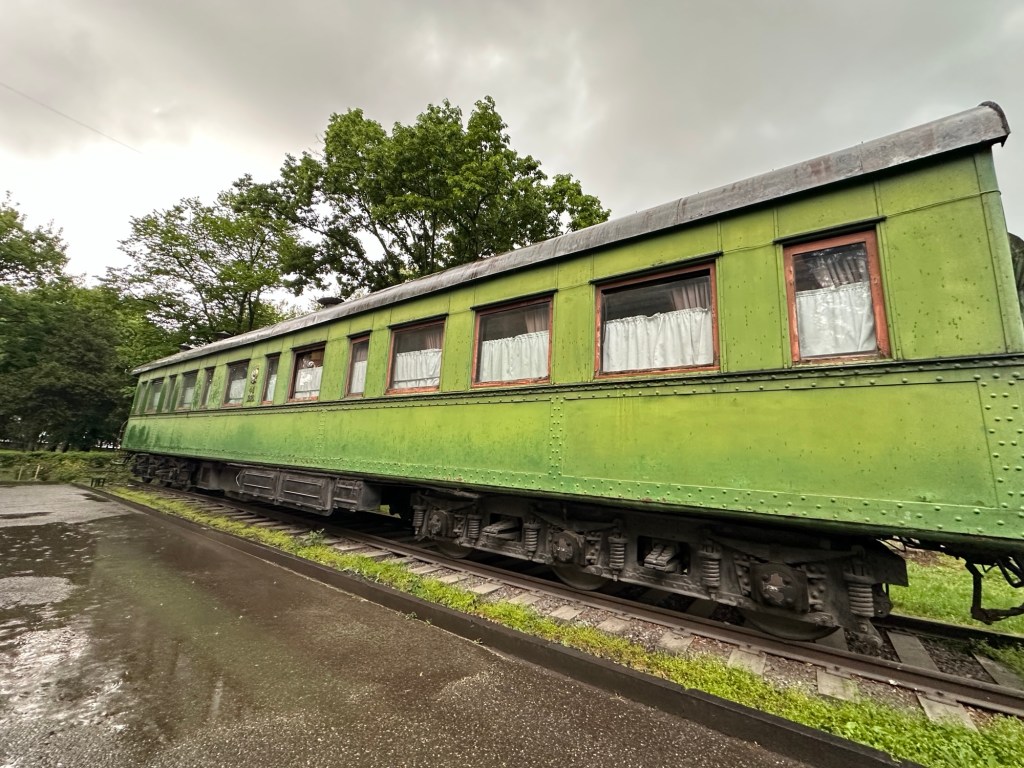
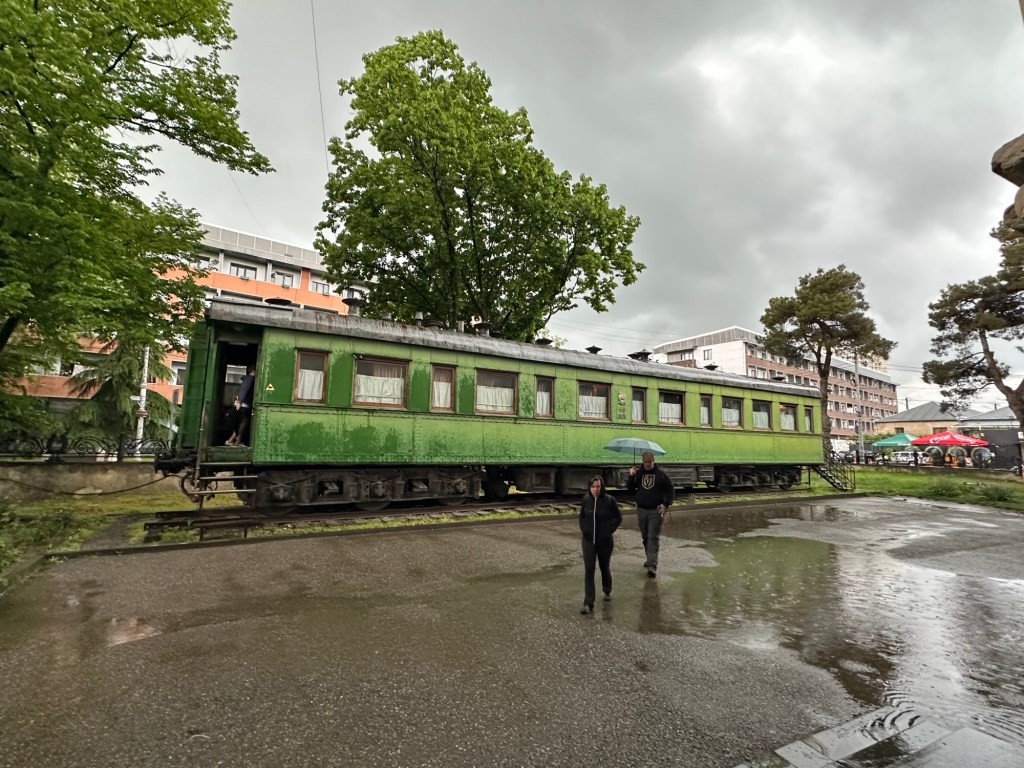
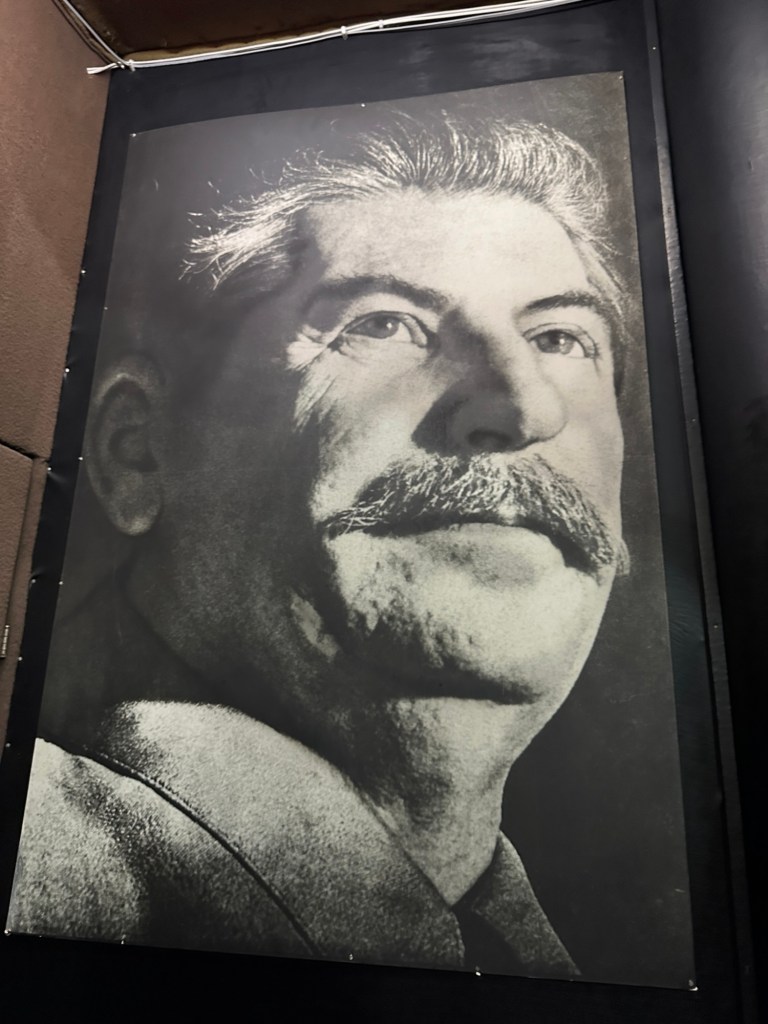
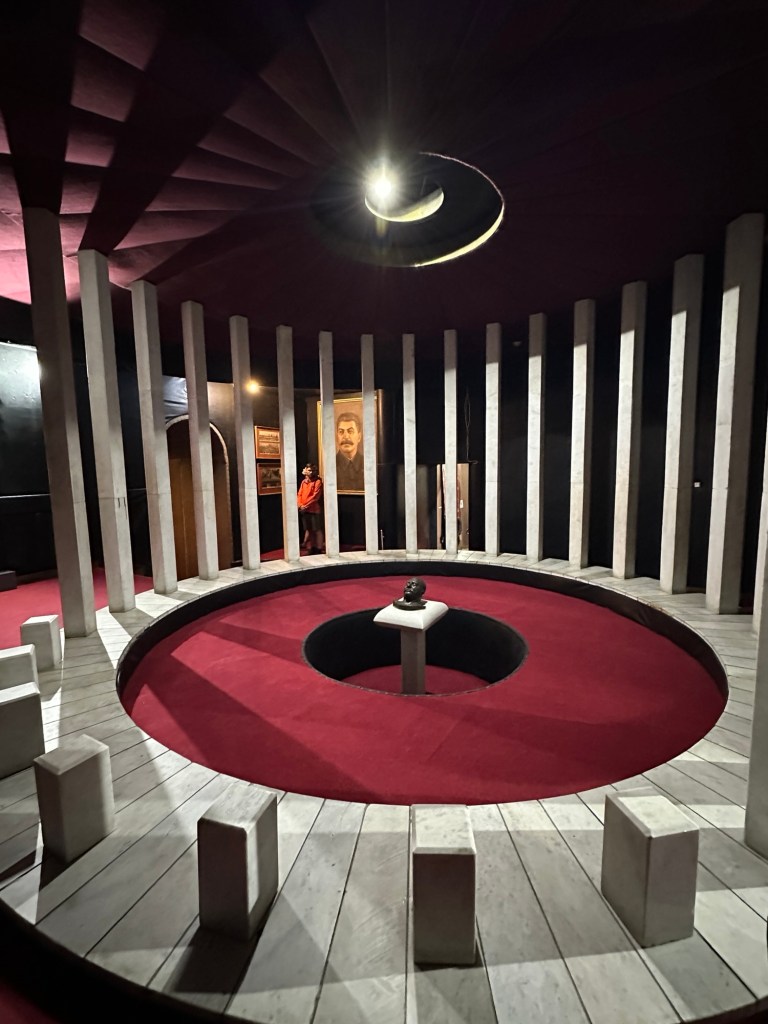
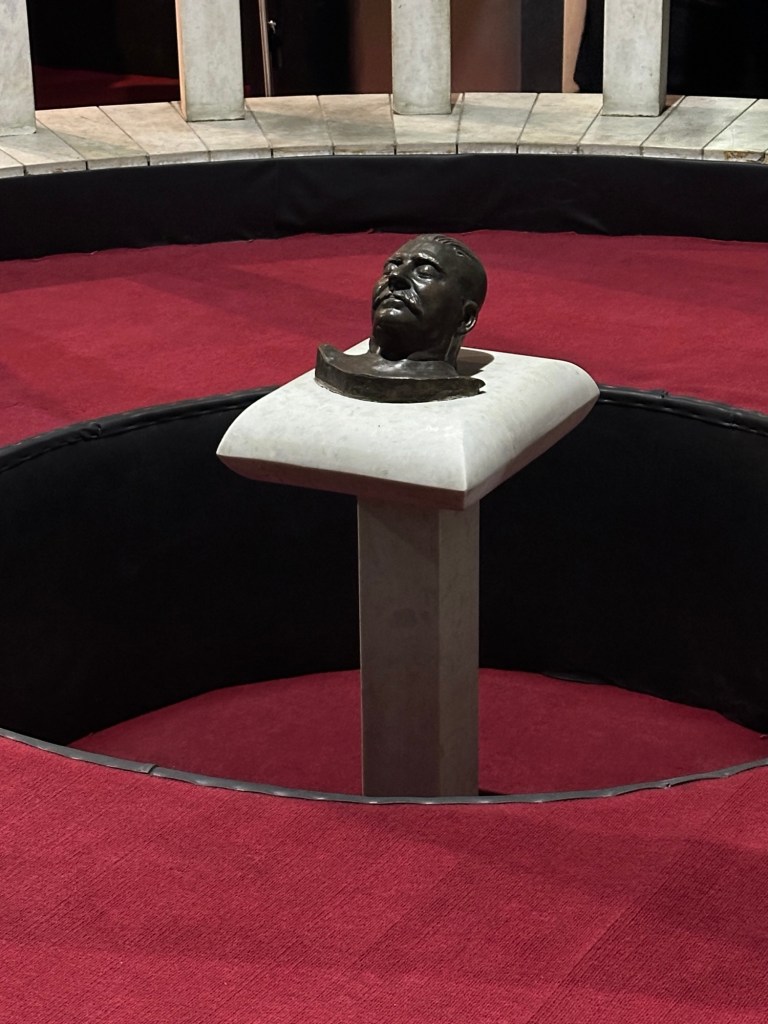
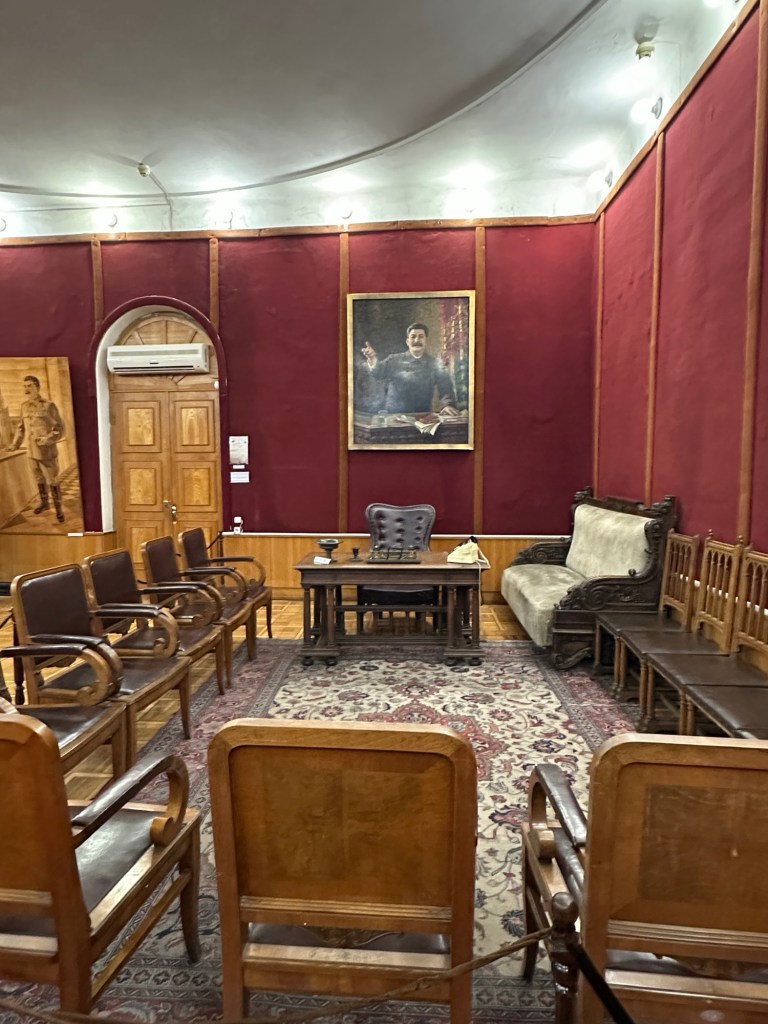
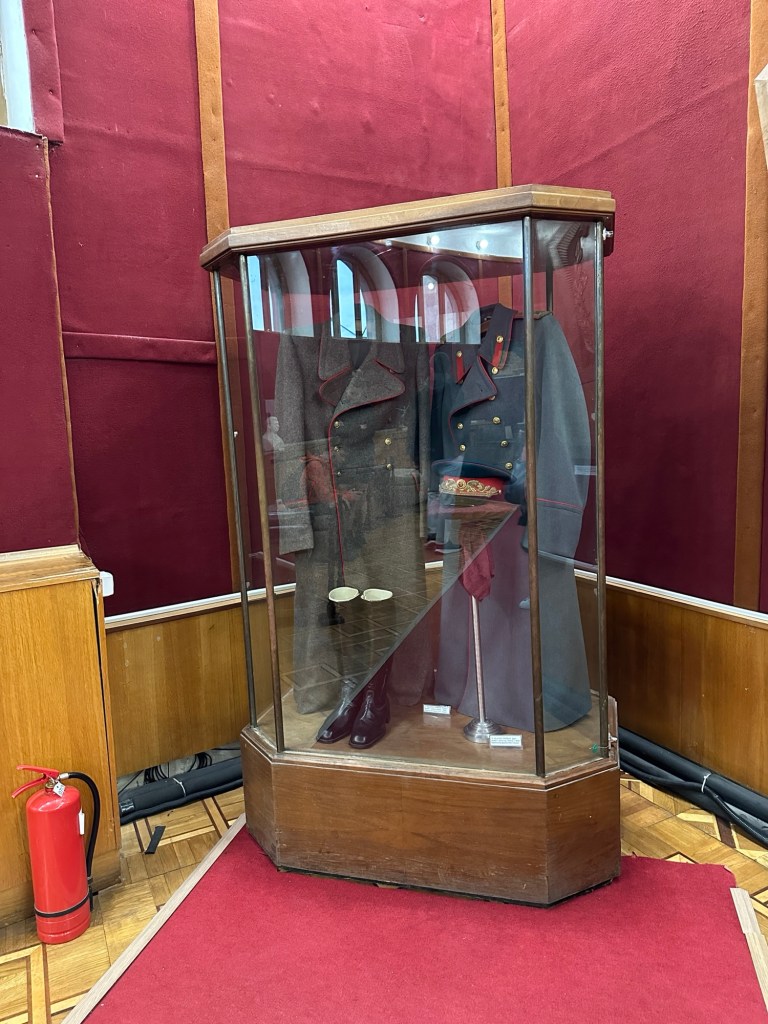
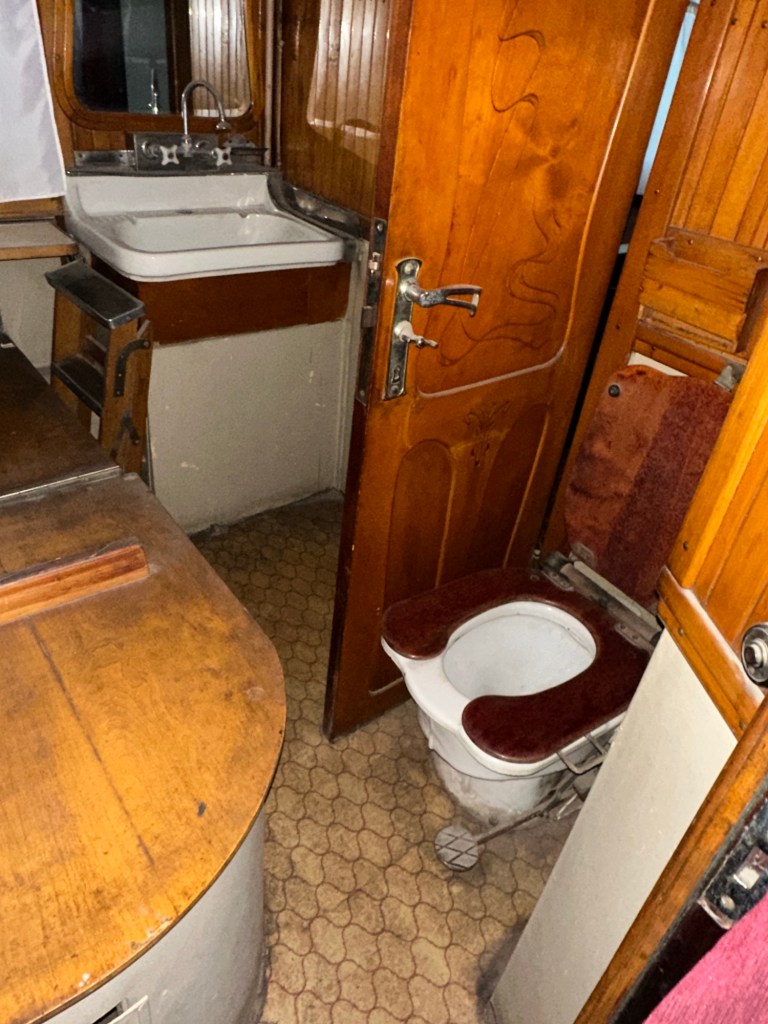
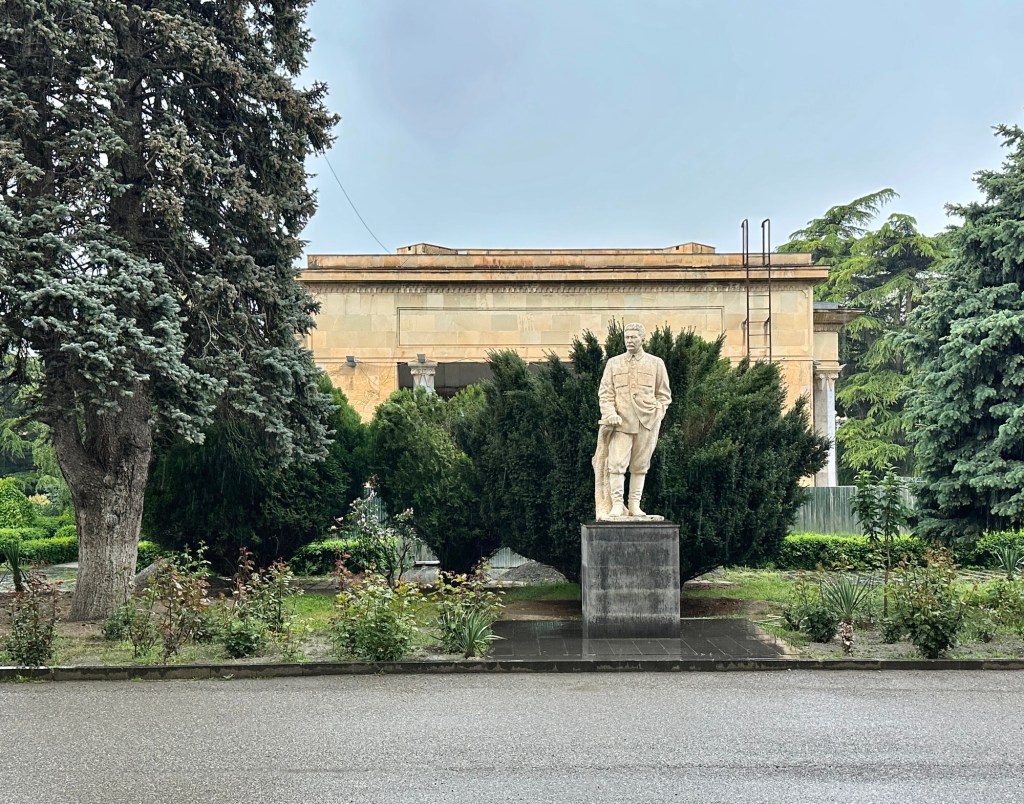
Our next stop is Gori and the Stalin museum. I was looking forward to this stop because I have been really interested in history lately but it turns out to be more of a memorial to the guy. Luckily our guide is able to fill in all the details that are left out of the museum.

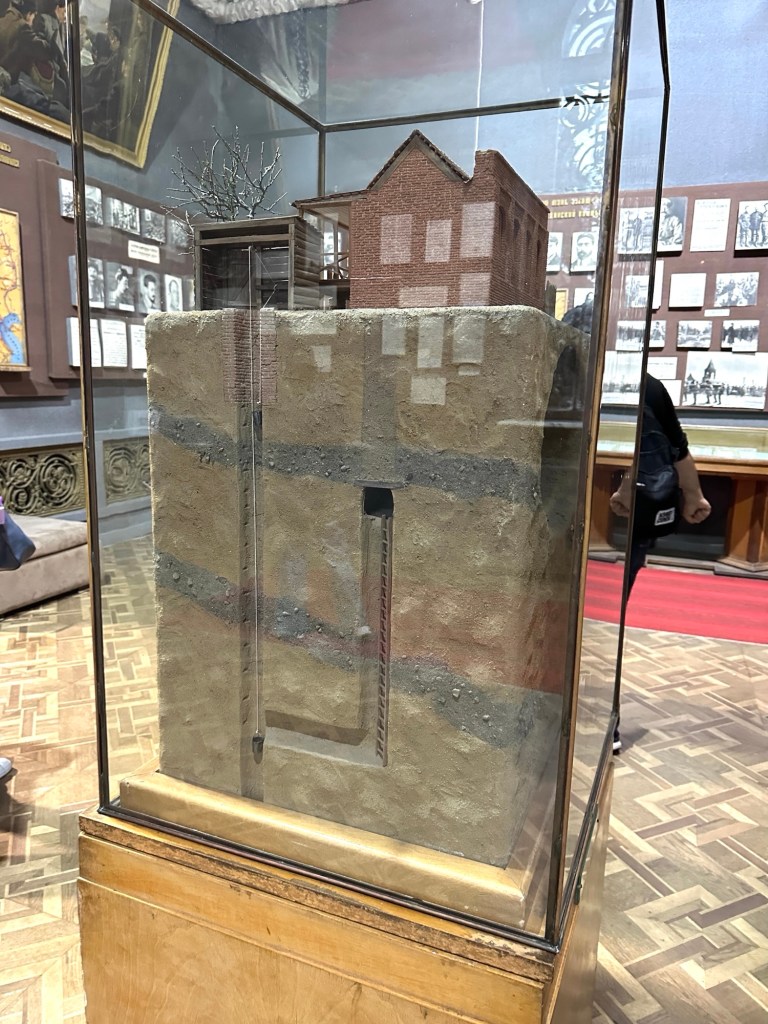
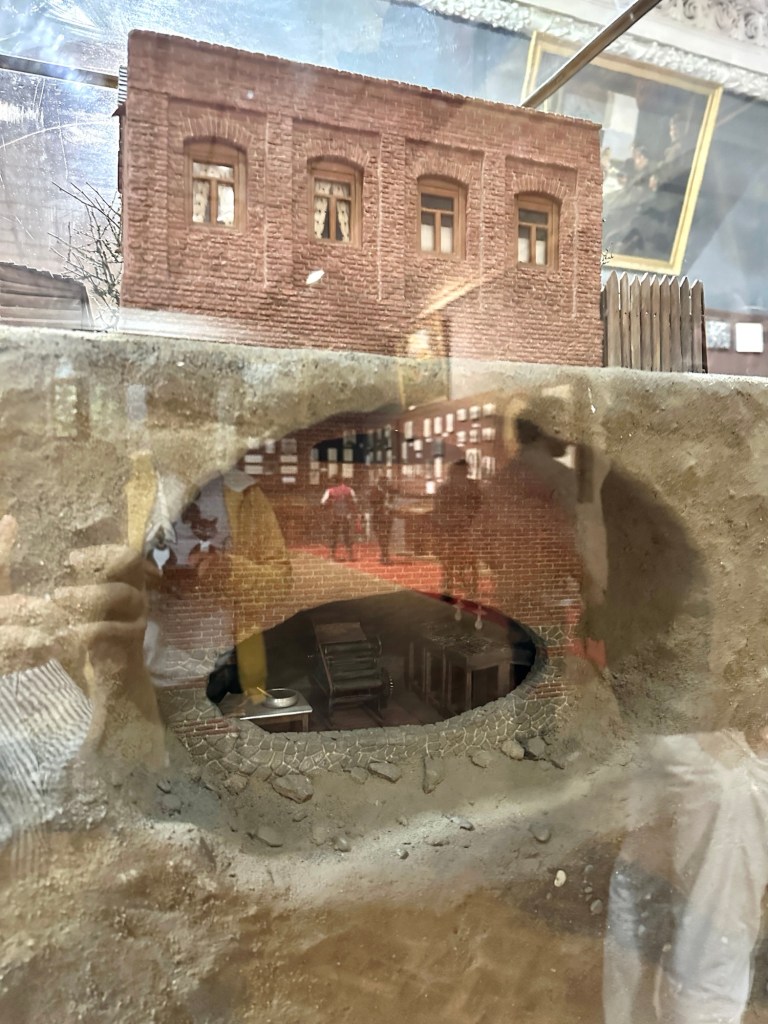
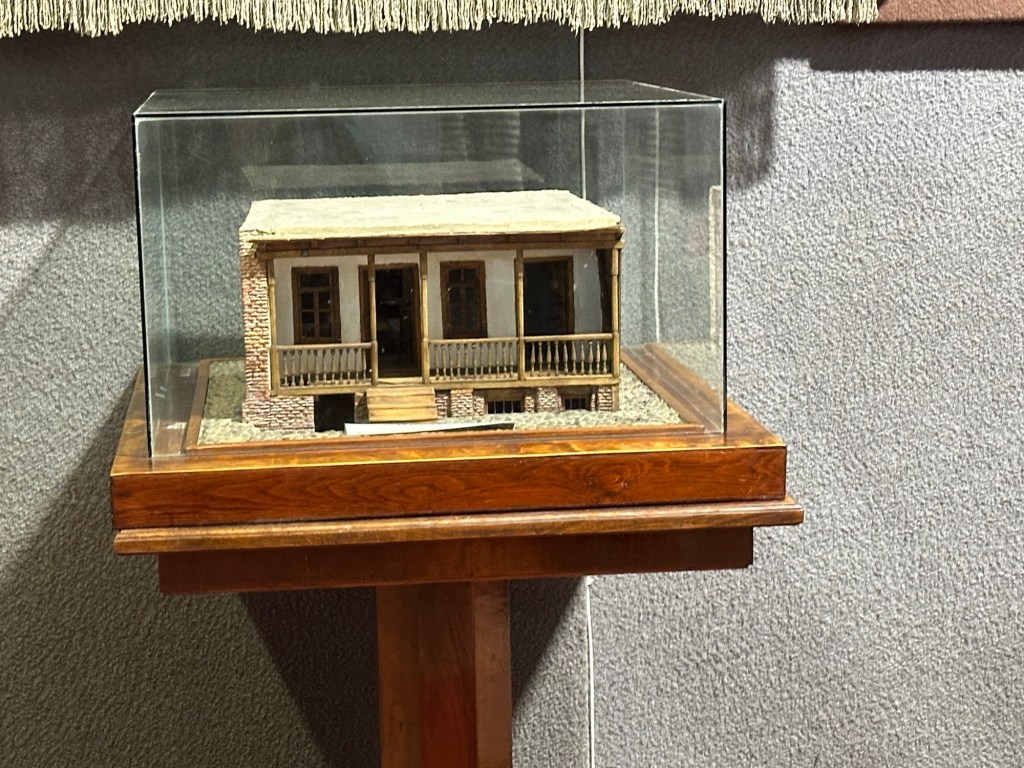
Joseph Stalin is from Georgia but later went on to be the leader of the Soviet Union after Lenin died. Like I said the museum was mostly missing many of of the horrific details of his life but you do get a slice of information of how his early life was. There is a model of the house he lived in where tunnels where dug below to hold a secret area for political dissidents to meet and distribute communist propaganda.

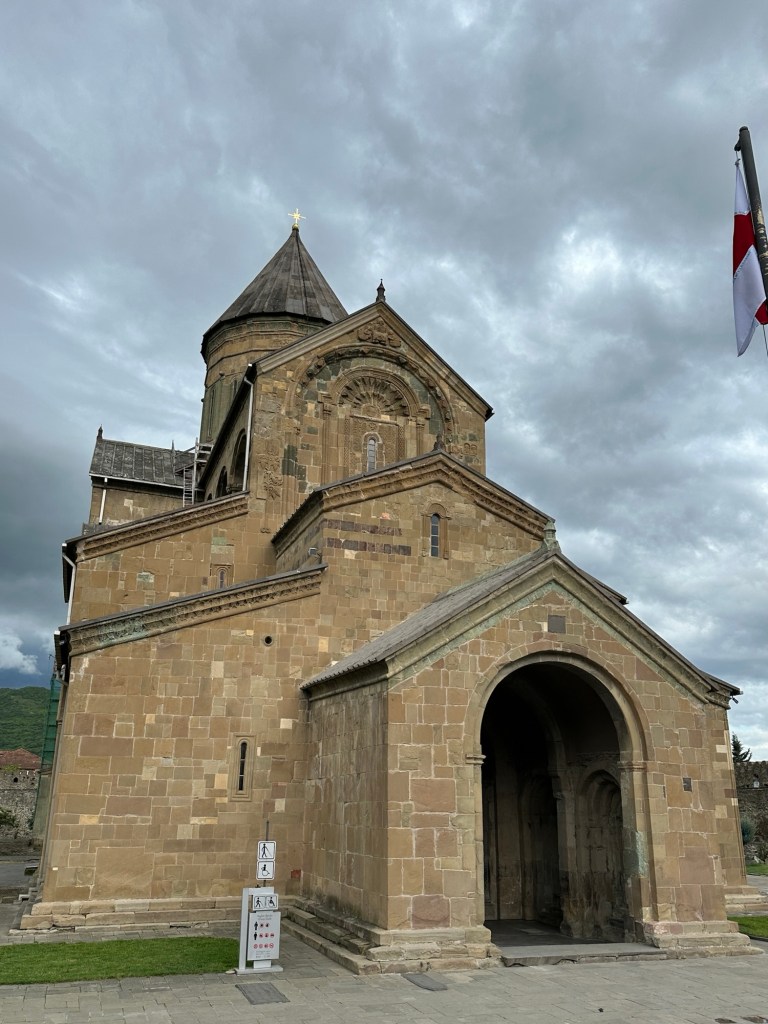
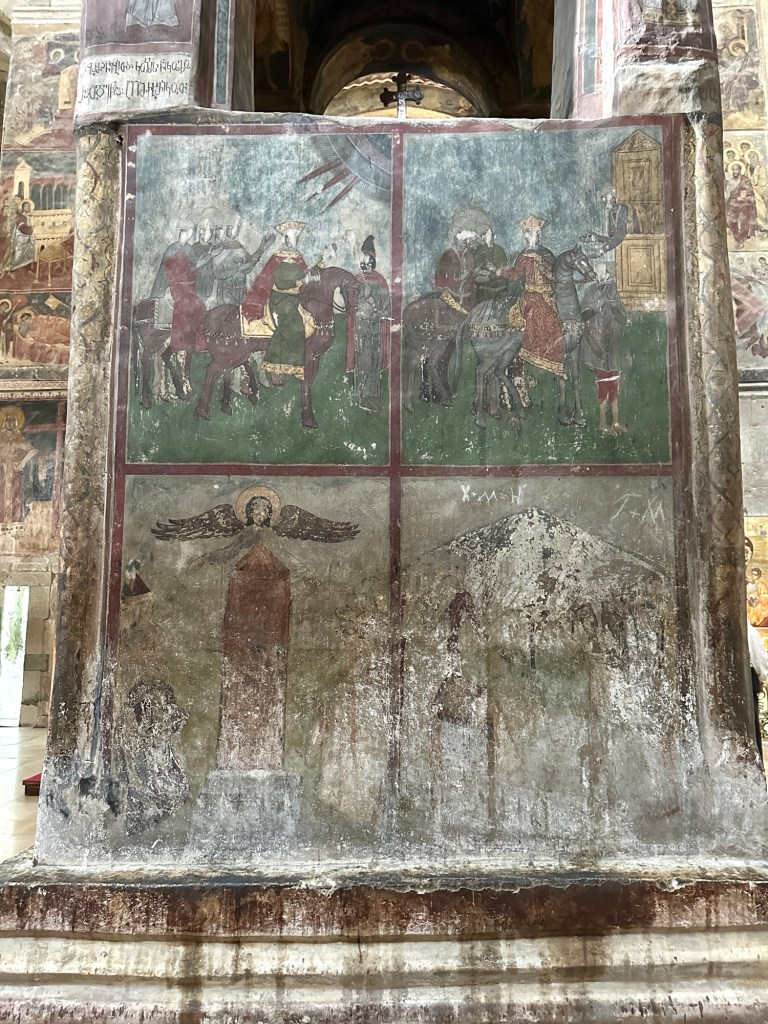
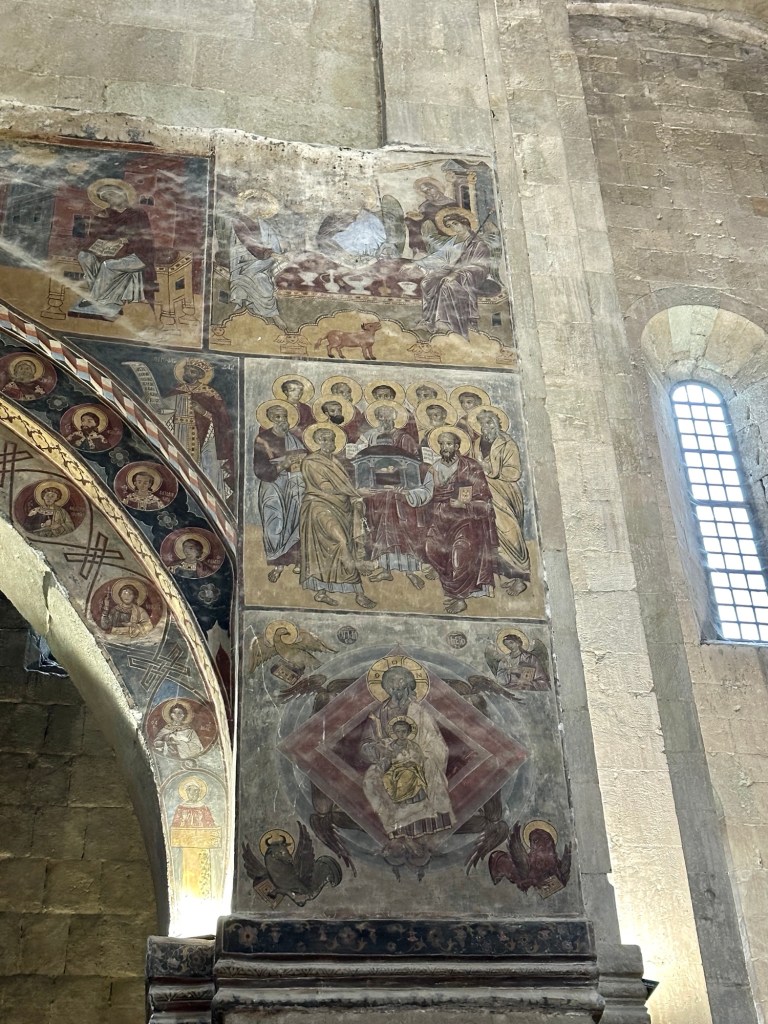
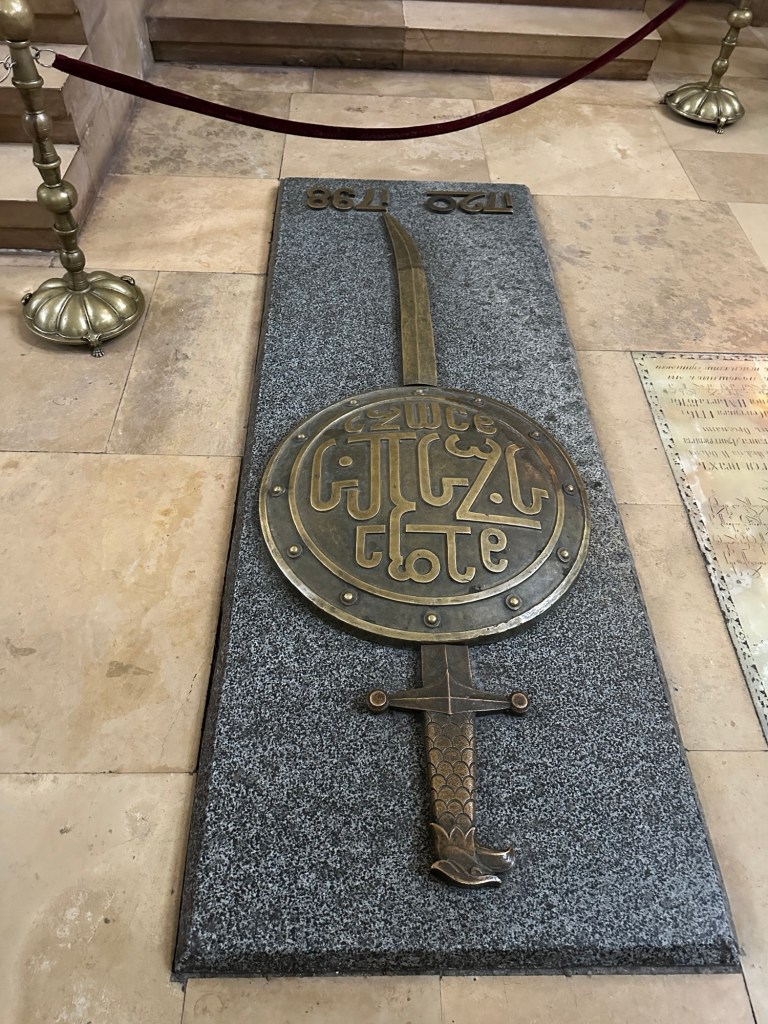
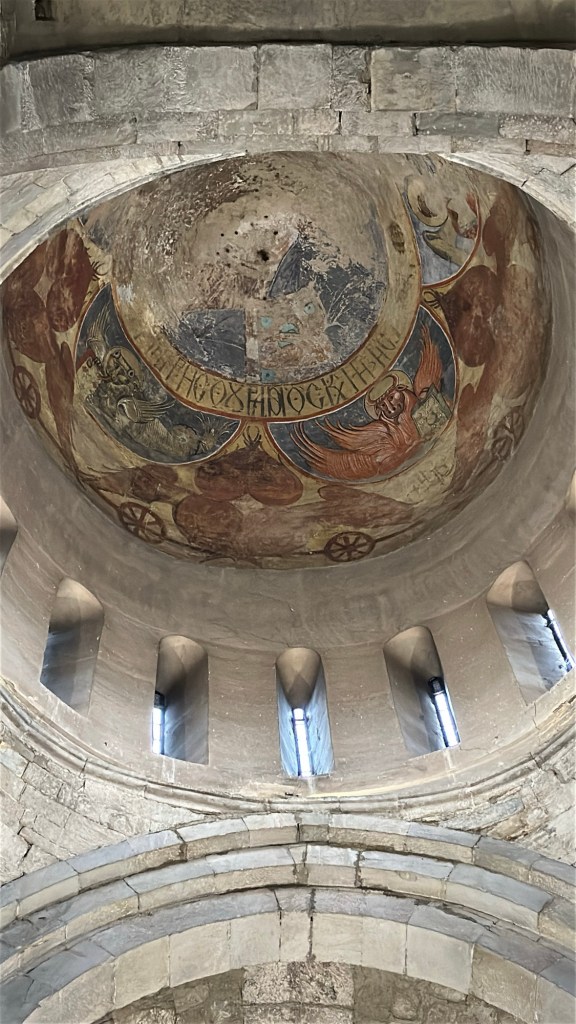
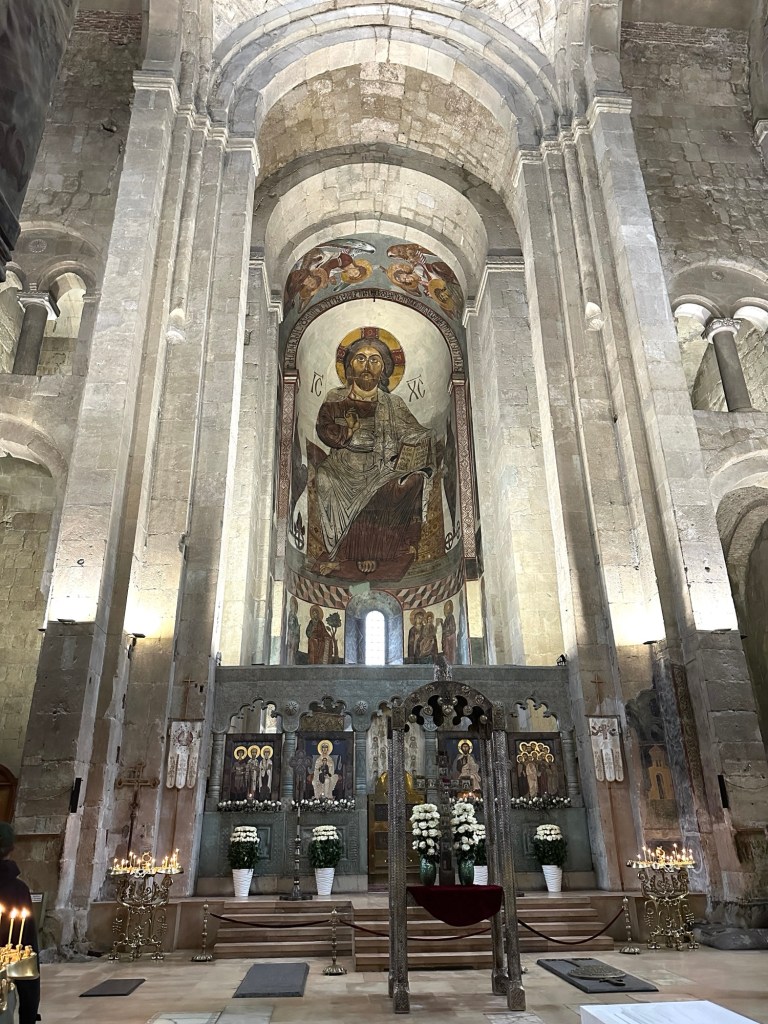
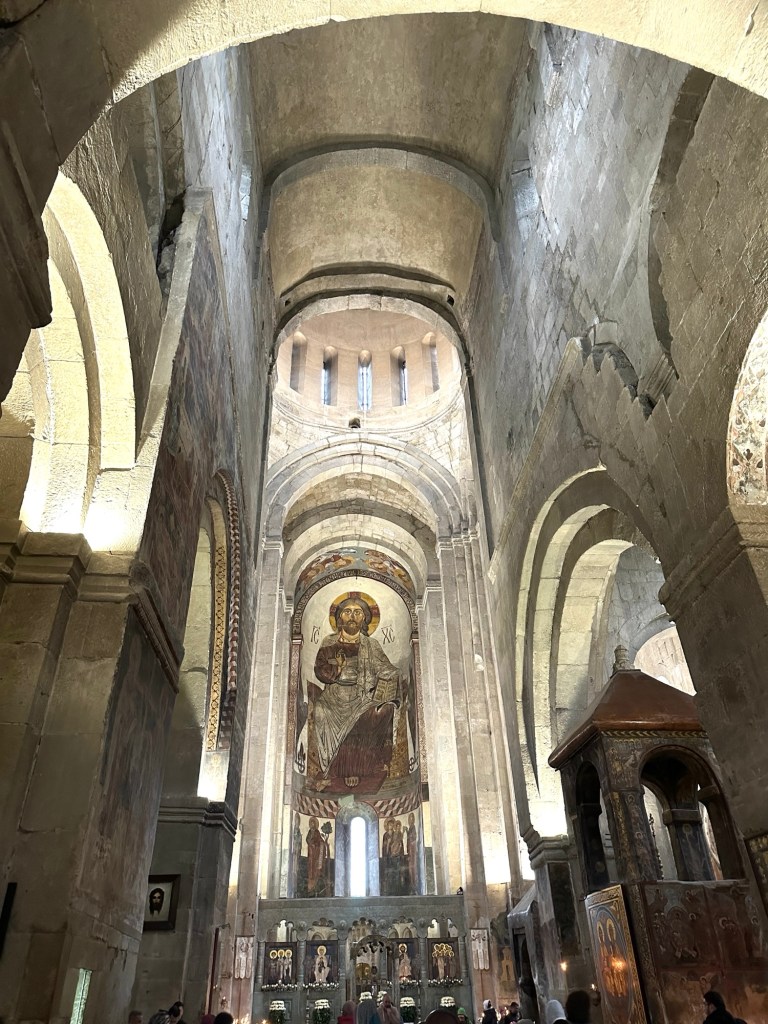
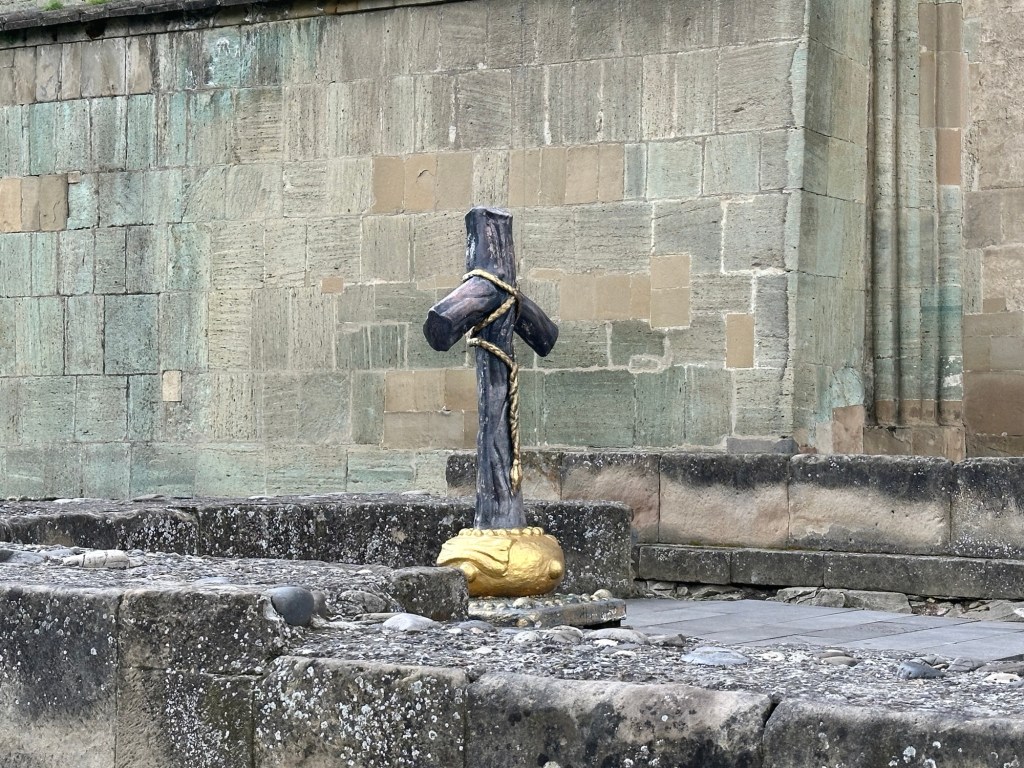
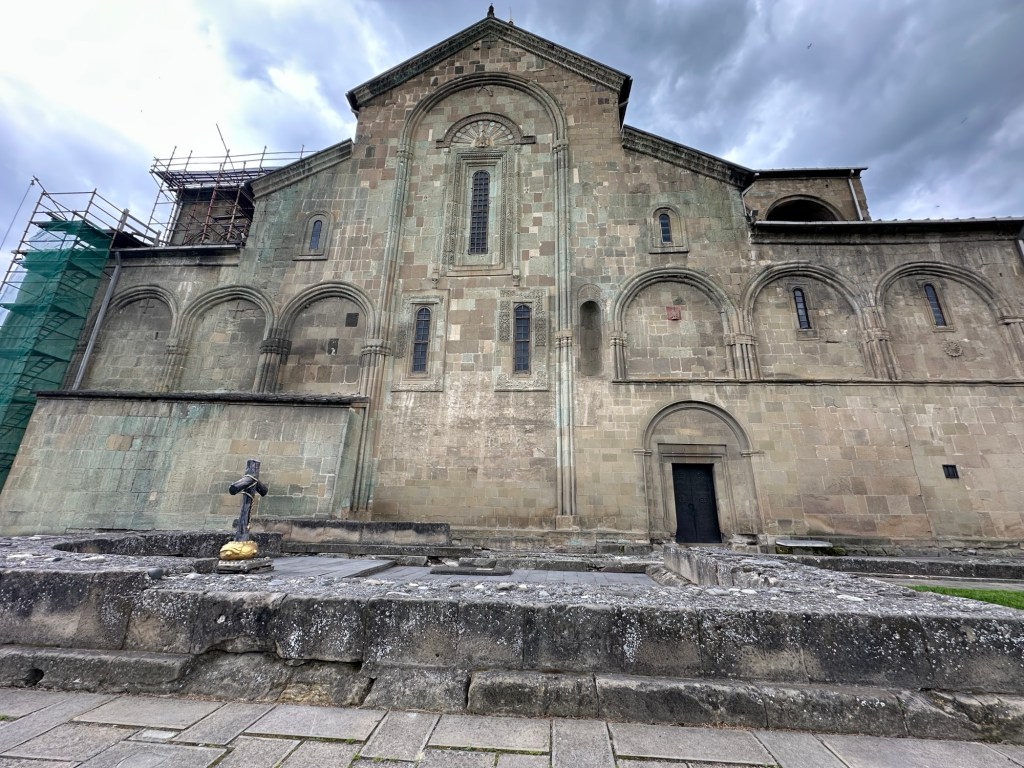
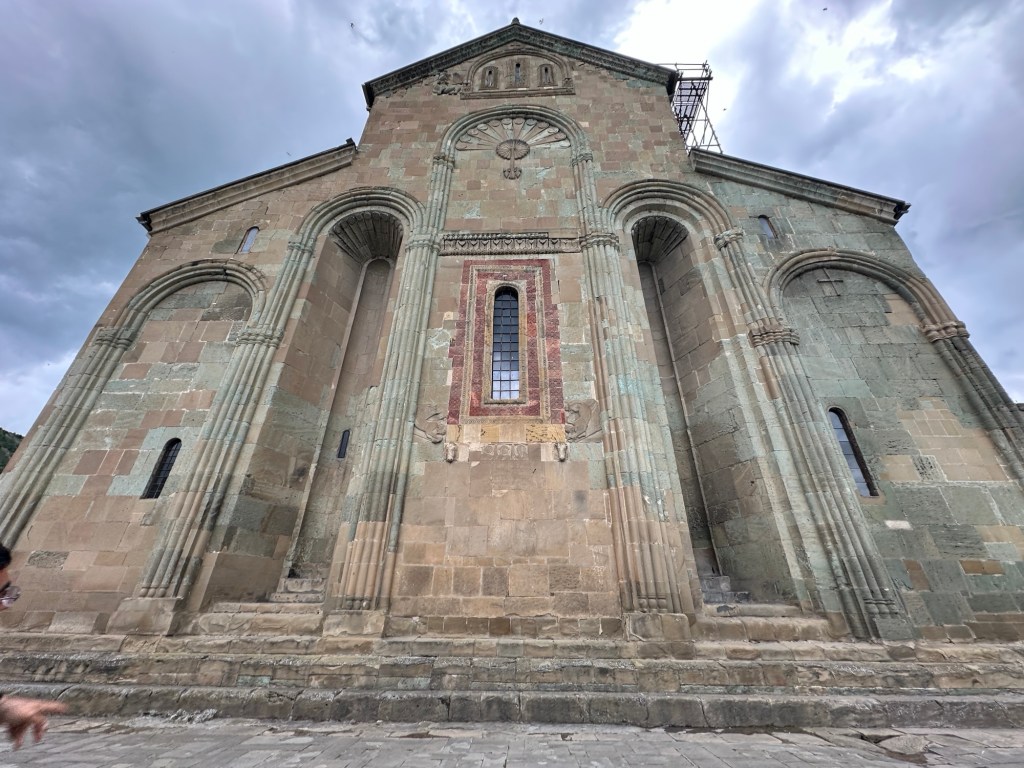
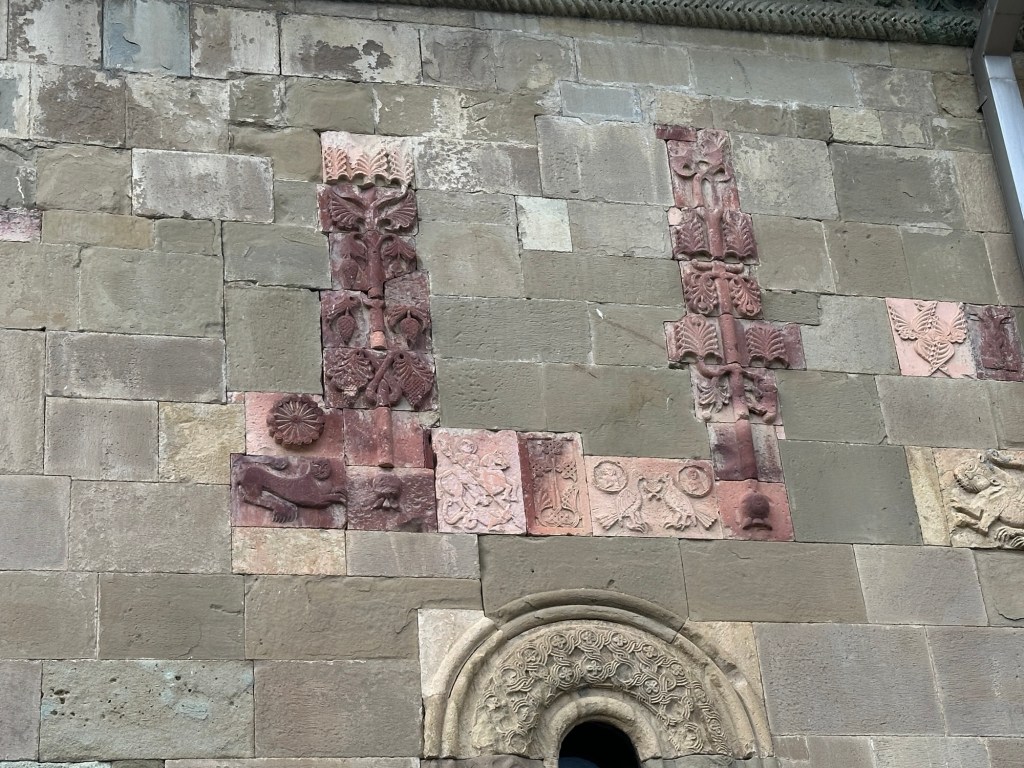
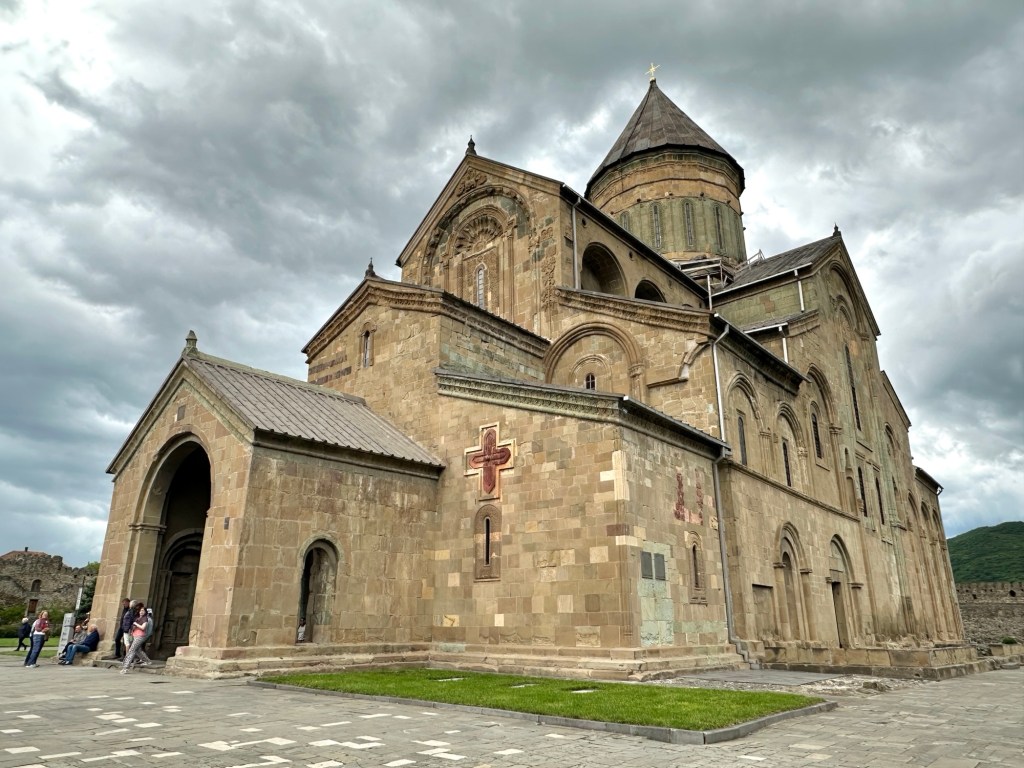
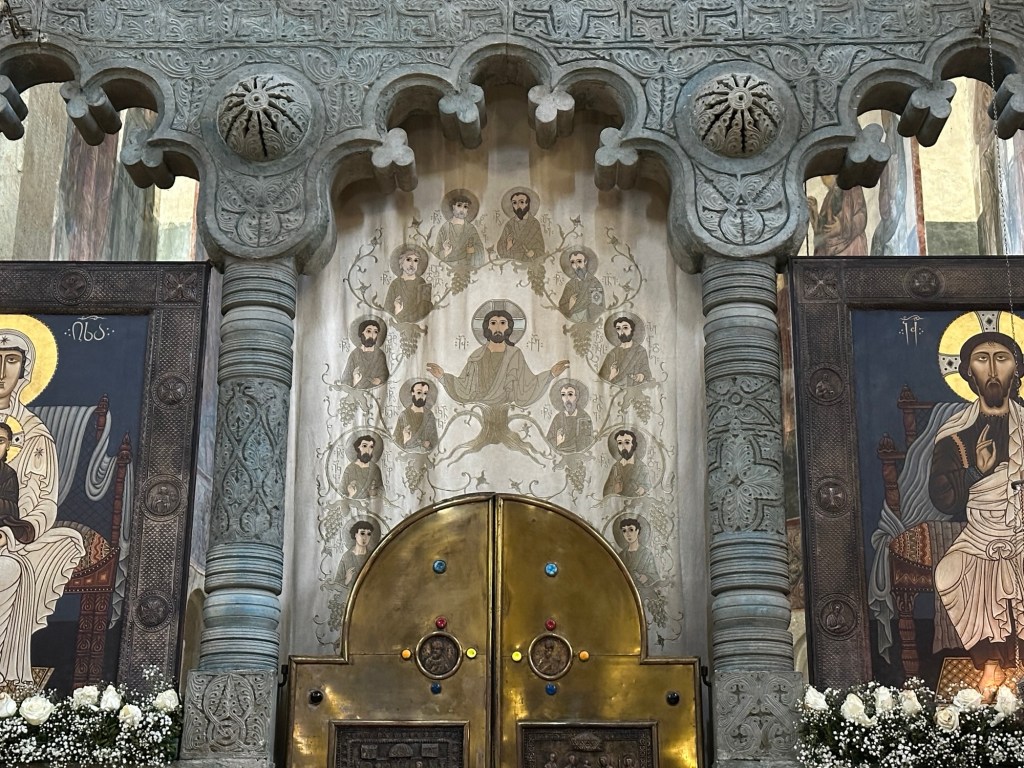
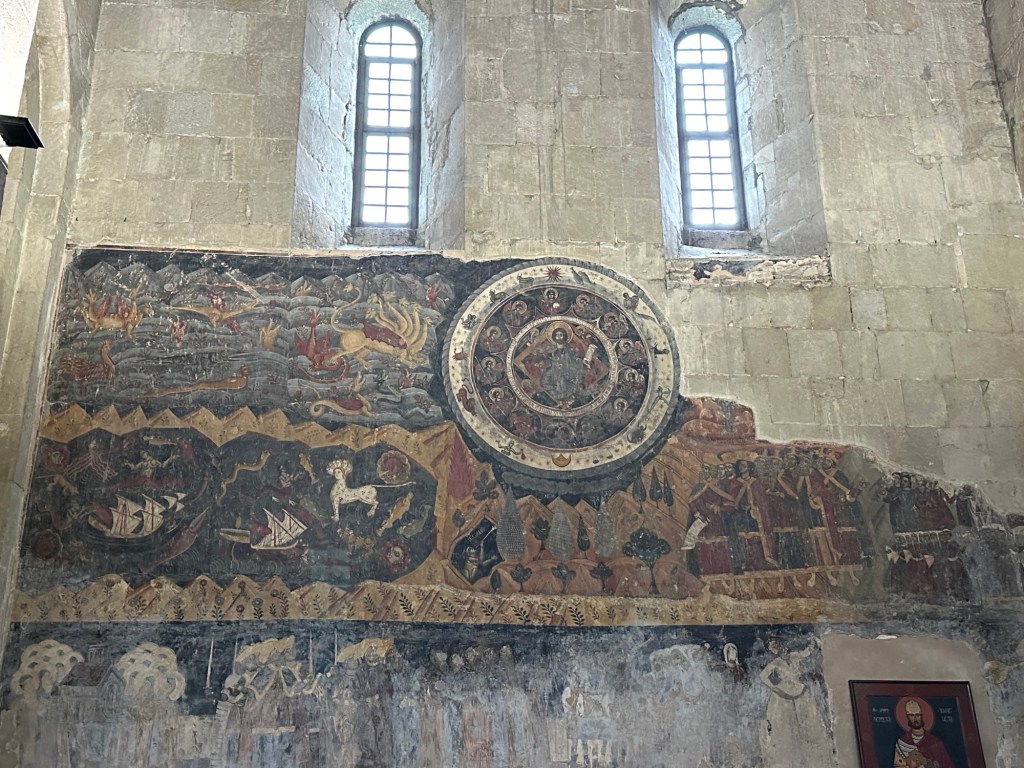
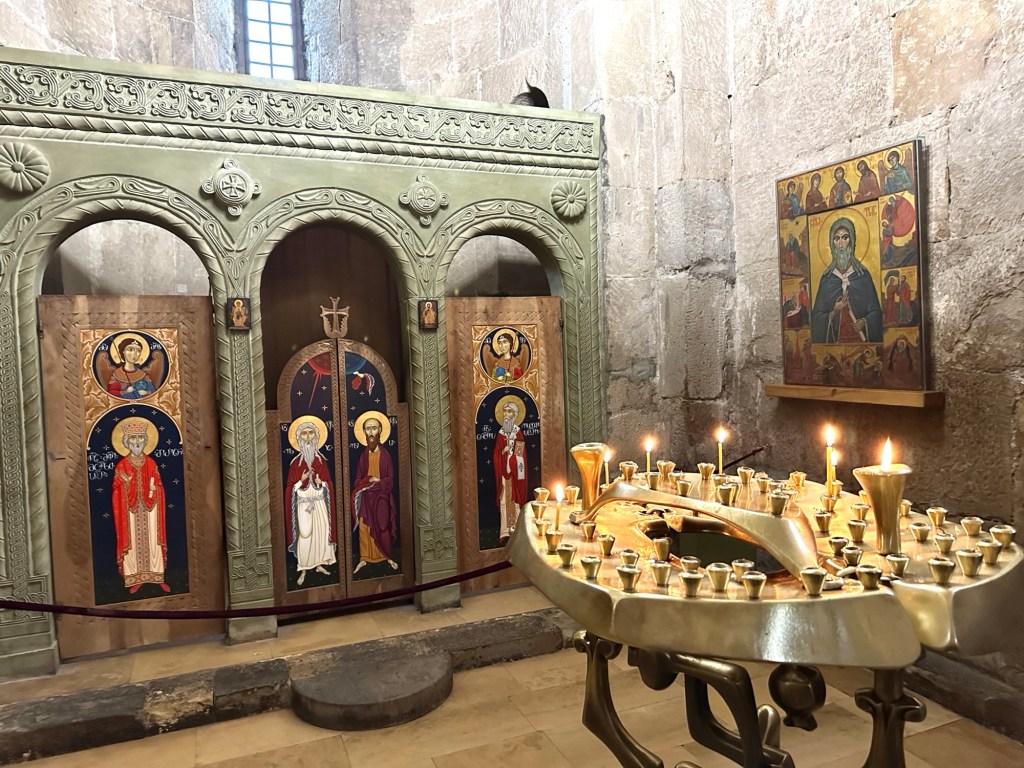
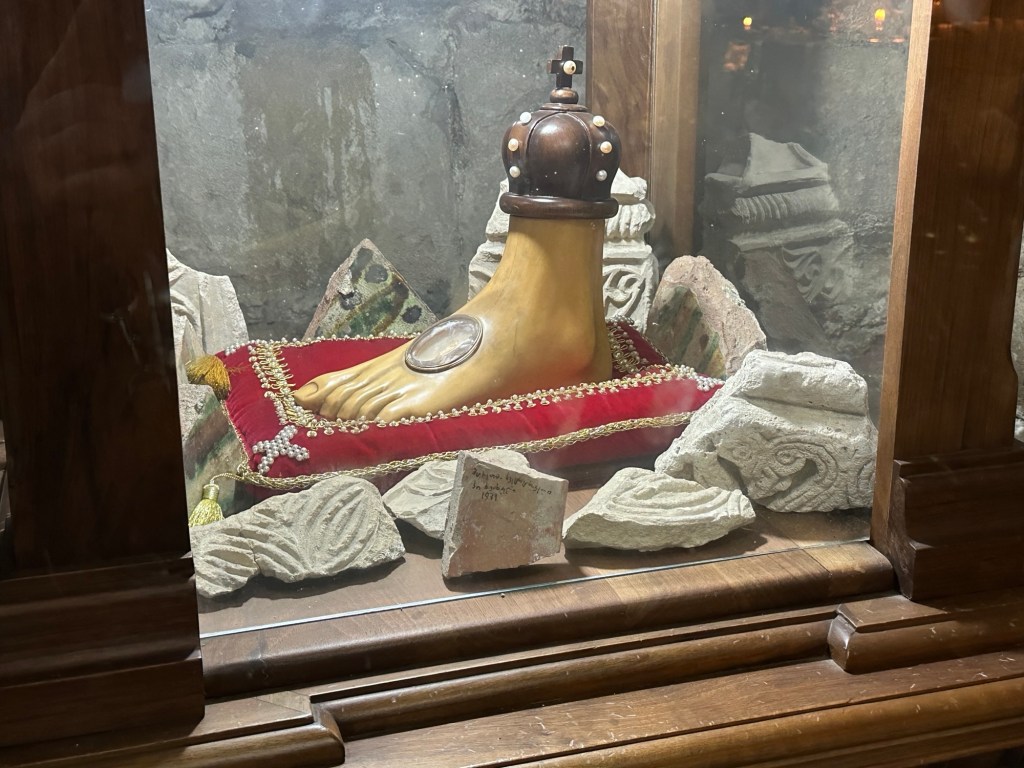
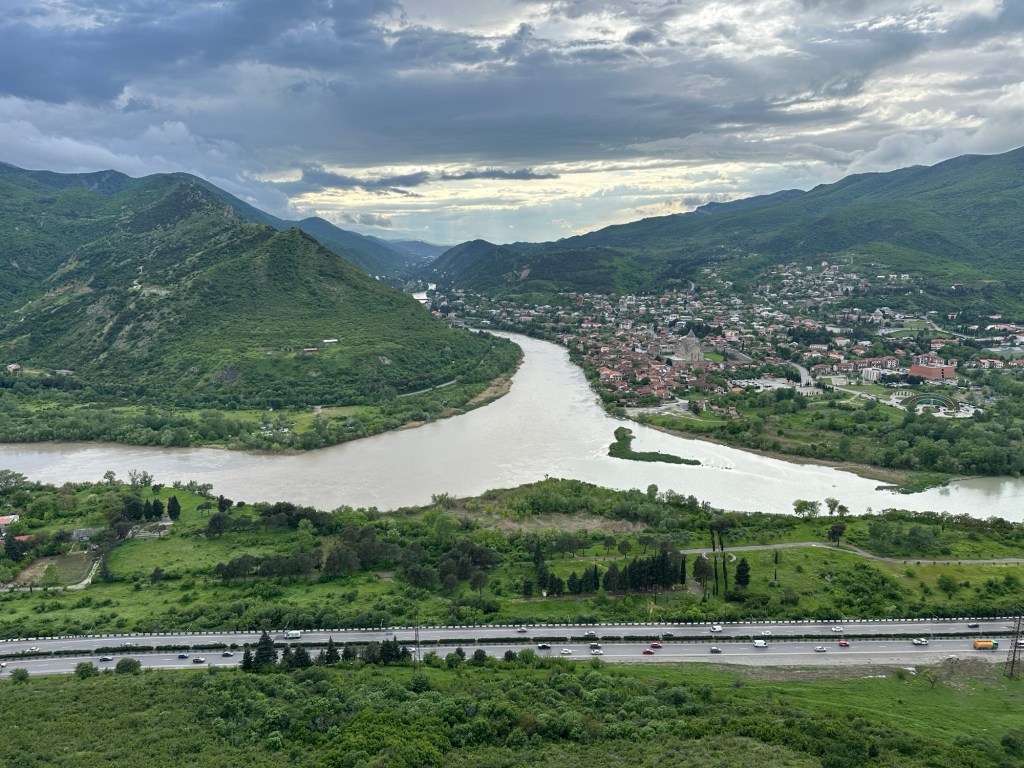
We stop at Mtskheta and visit both the Svetitskhoveli Cathedral and Jvari monastery. Svetitskhoveli Cathedral is an UNESCO site where the original church was built on the site in the 4th century. Its claim to fame is that it has a piece of Jesus’s robe buried with a woman here. There’s a whole lore about it.
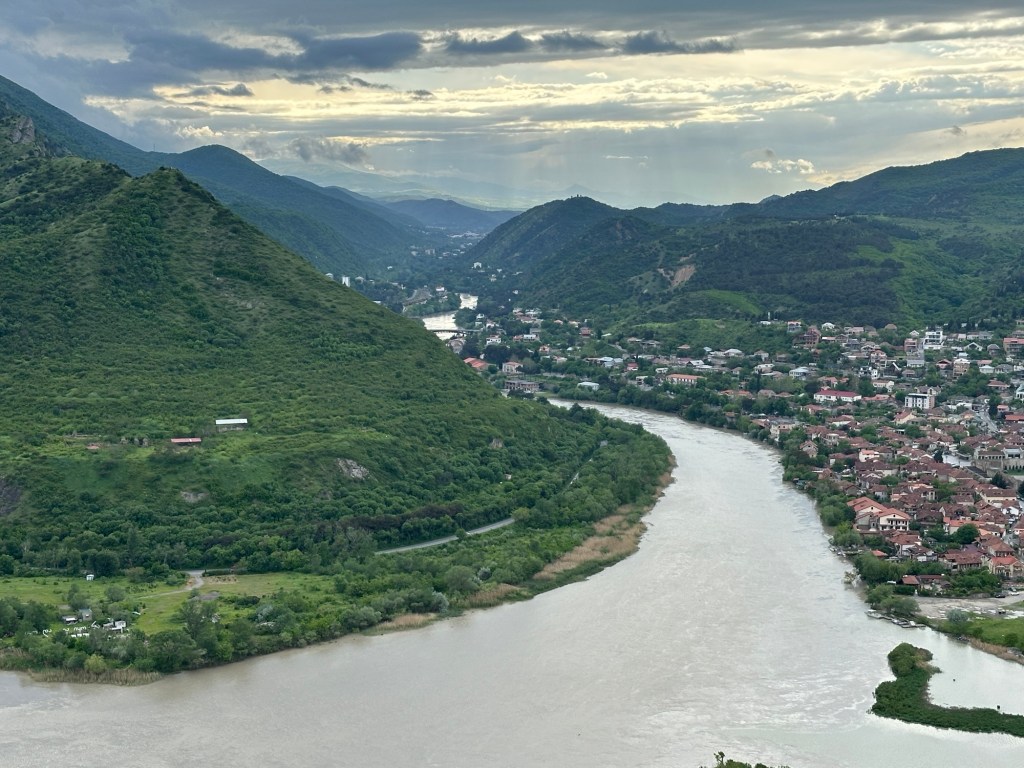
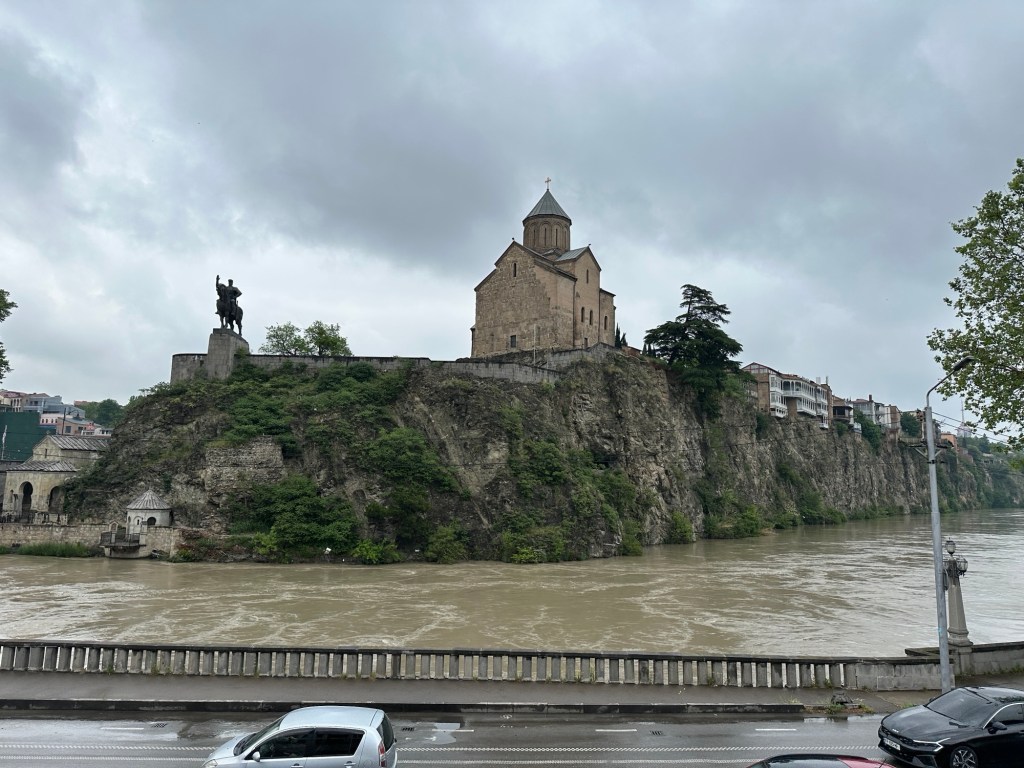
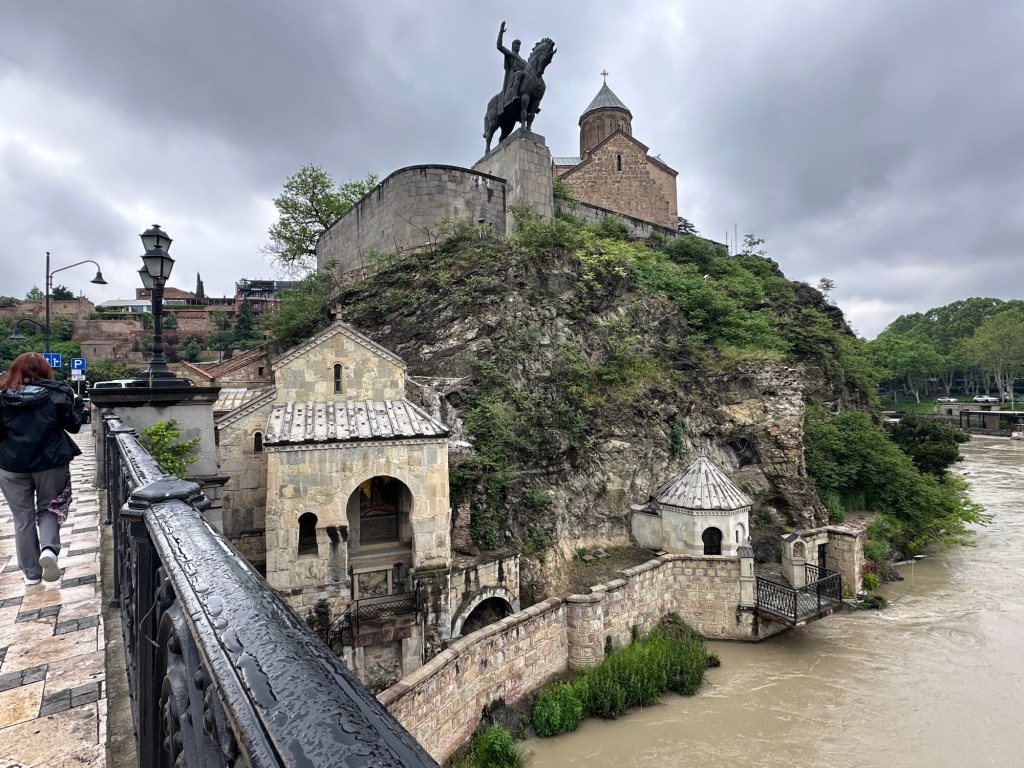
Our last stop is Jvari Monastery, a 6th century medieval church, with its breathtaking views of the rivers below. This UNESCO church designated a style of church development, Jvari style. We have missed the opening hours of the church but we are told there is not much to see inside anyway.

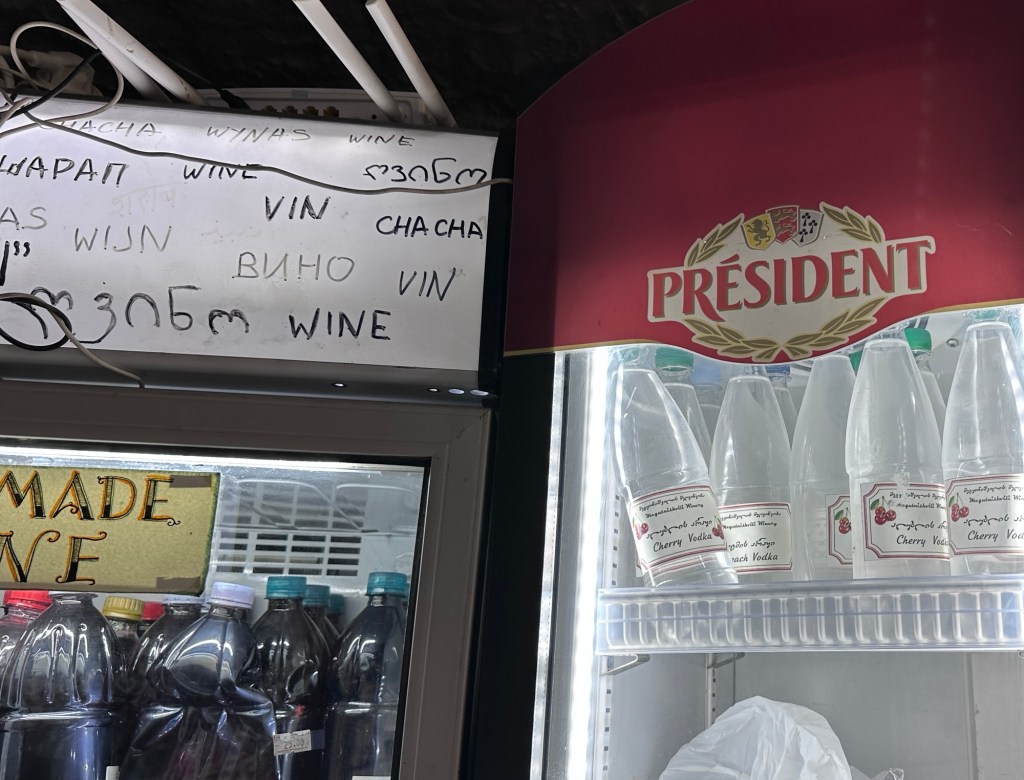
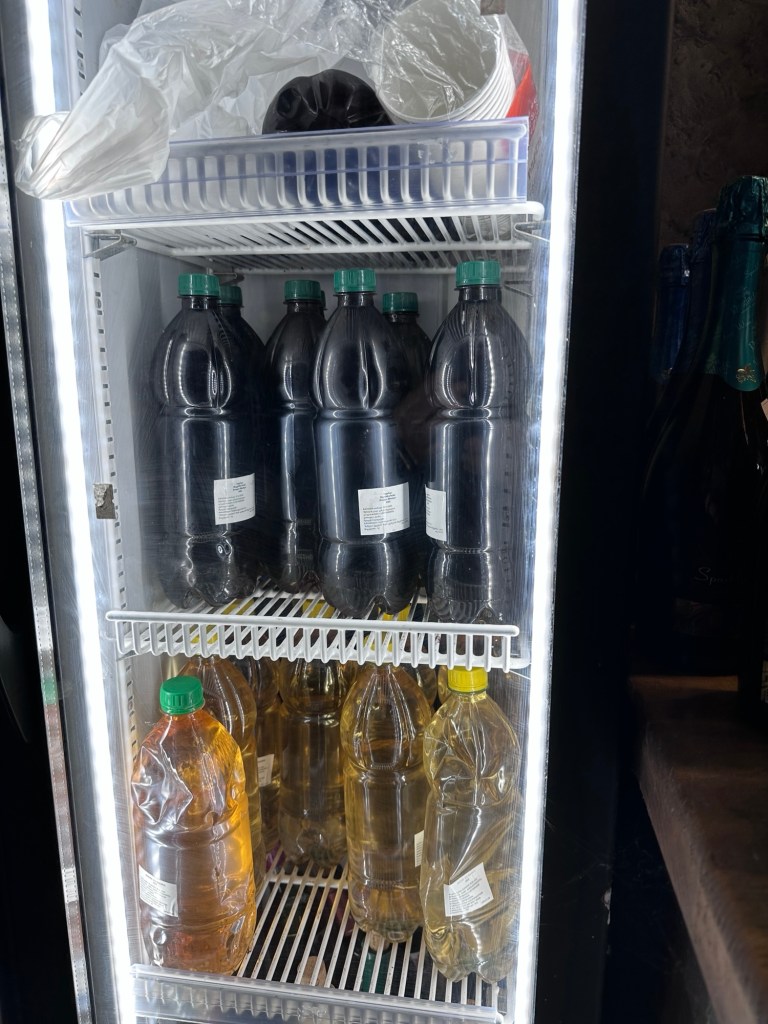
After our tour guide drops us off in Tbilisi we look for places nearby for dinner and end up stopping in shops on the way. After getting yelled at for taking pictures at a place I am about to sample wines from I get invited by the lady who runs the shop next door to sample her wines. This family owned store had homemade wines, fruit and grape, and chacha. The angry shop owner adjacent probably really boosts their neighbor’s sales. We sample wines and buy souvenirs plus wines to drink later.
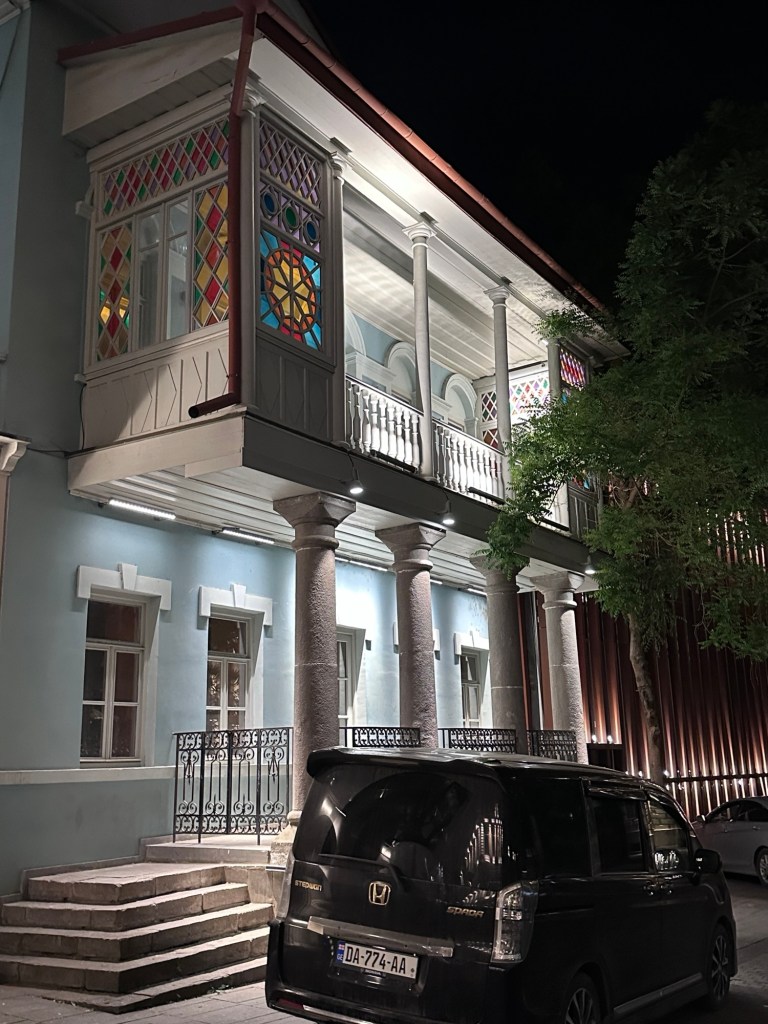
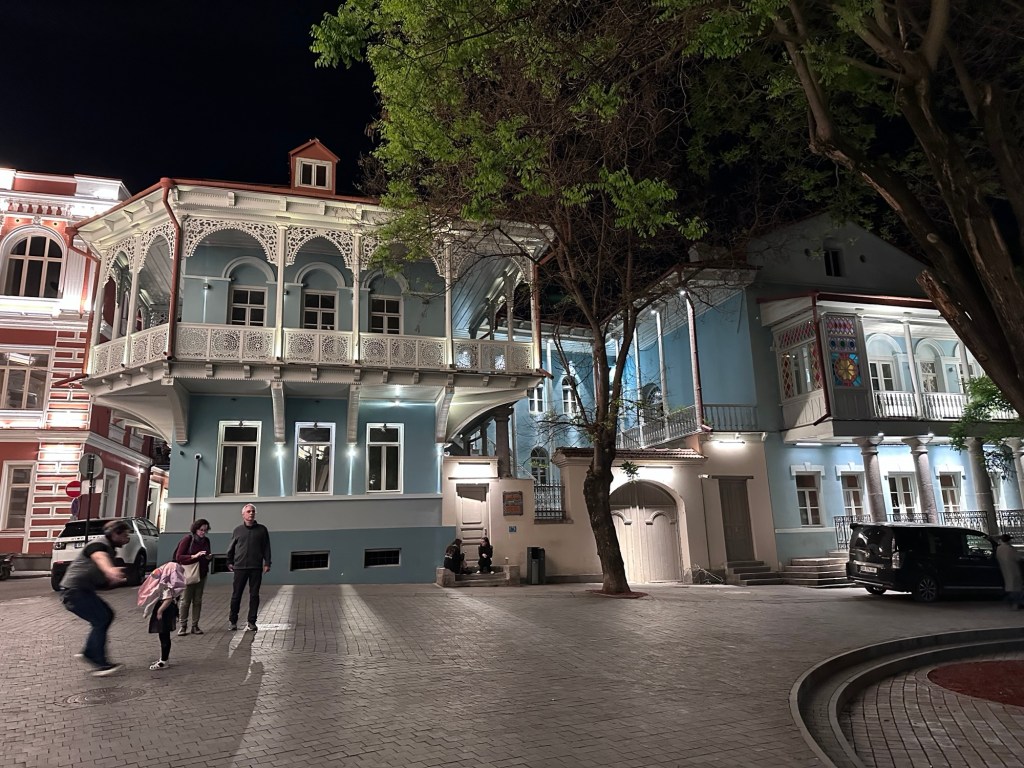
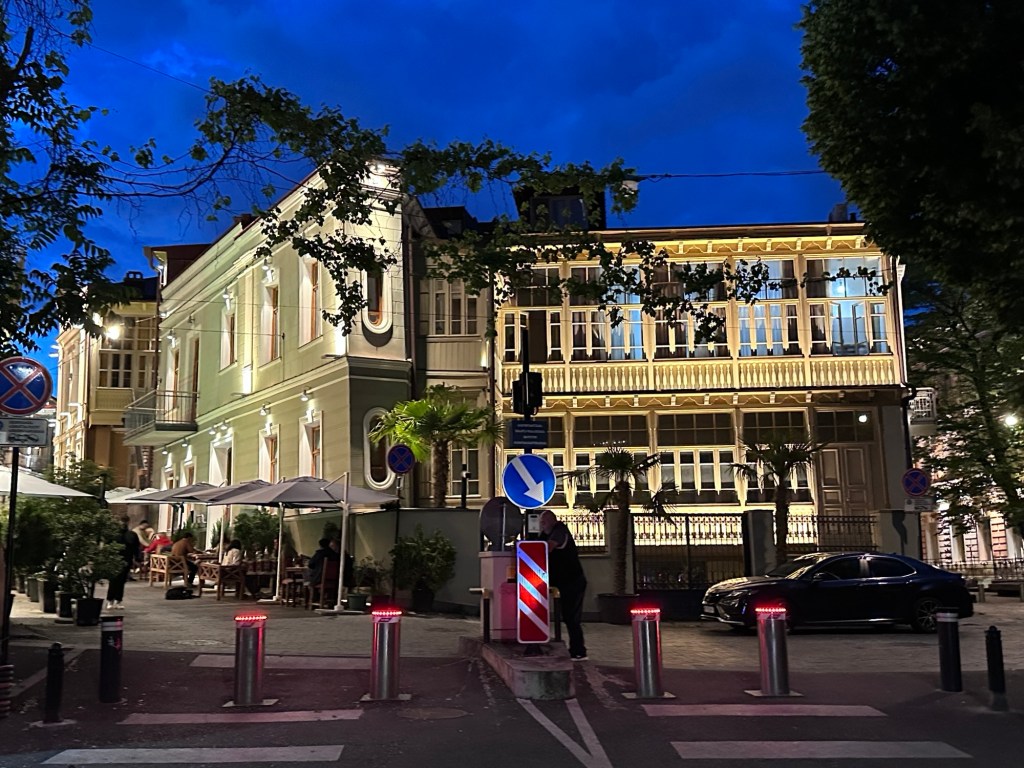
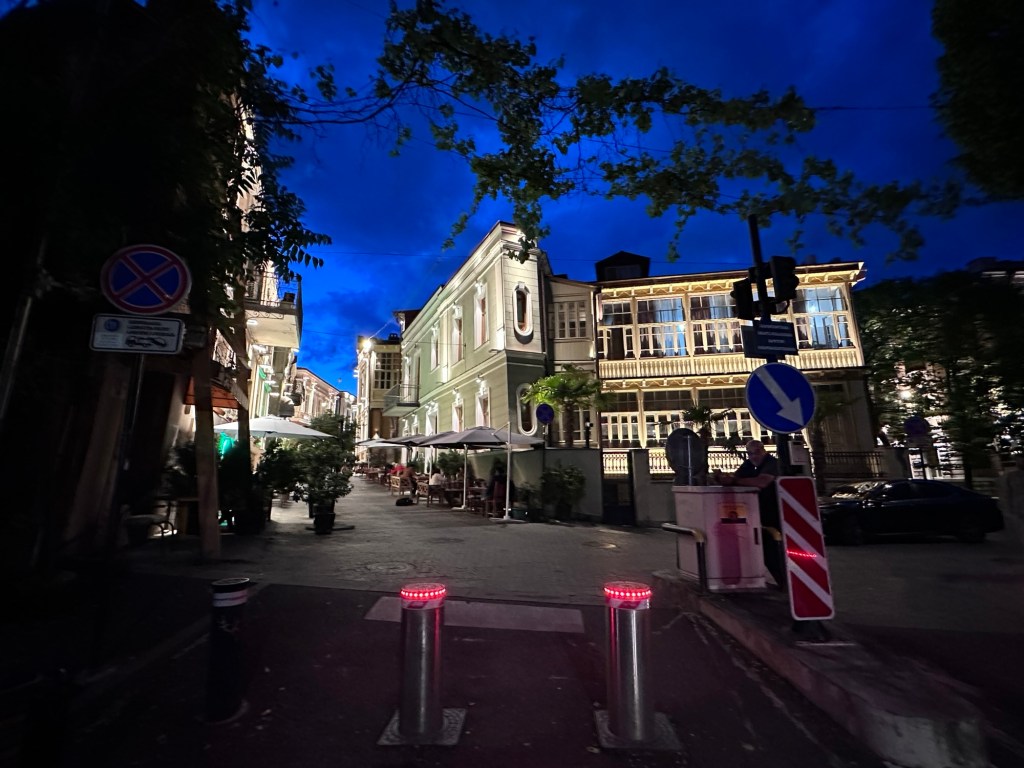
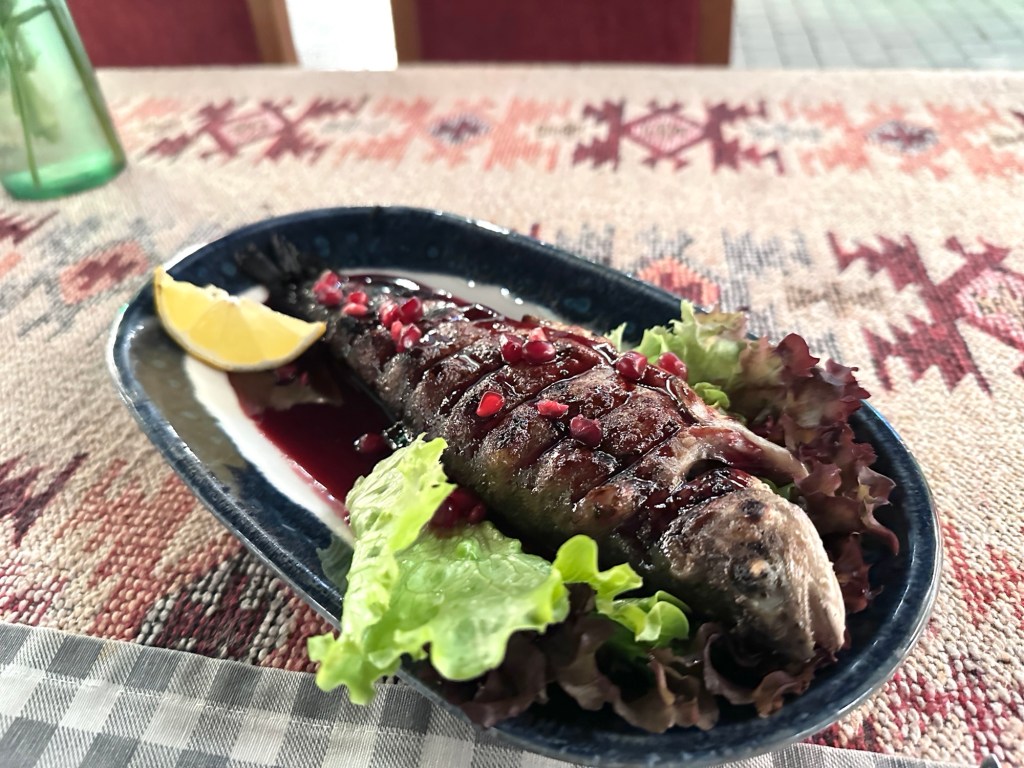
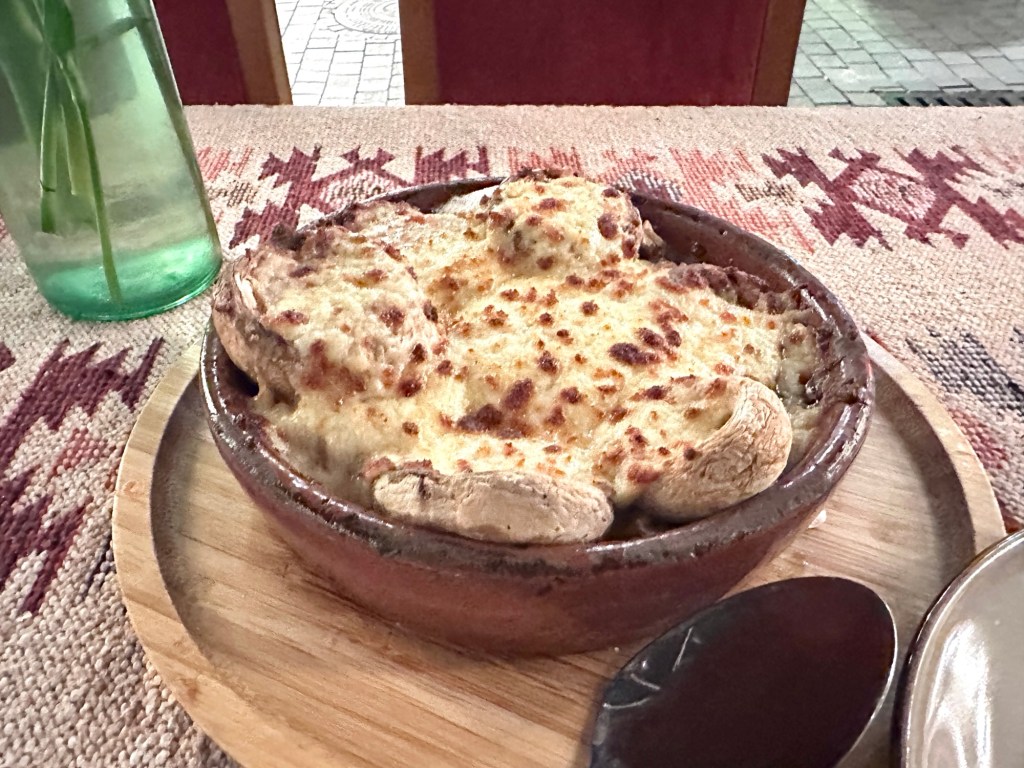
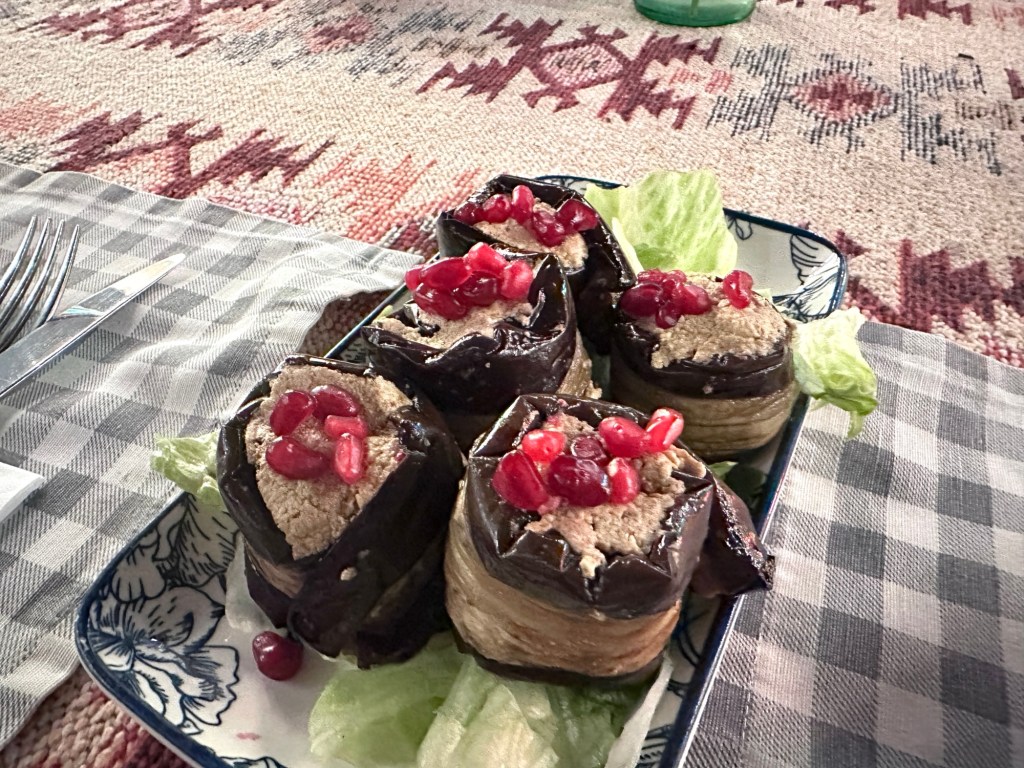
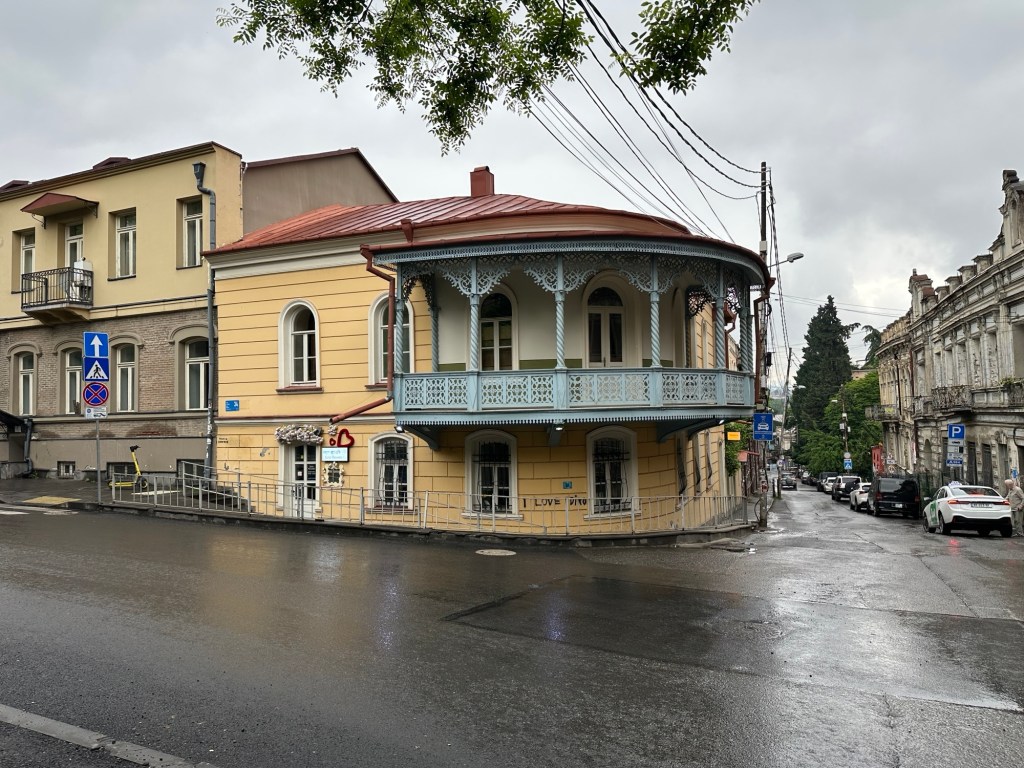
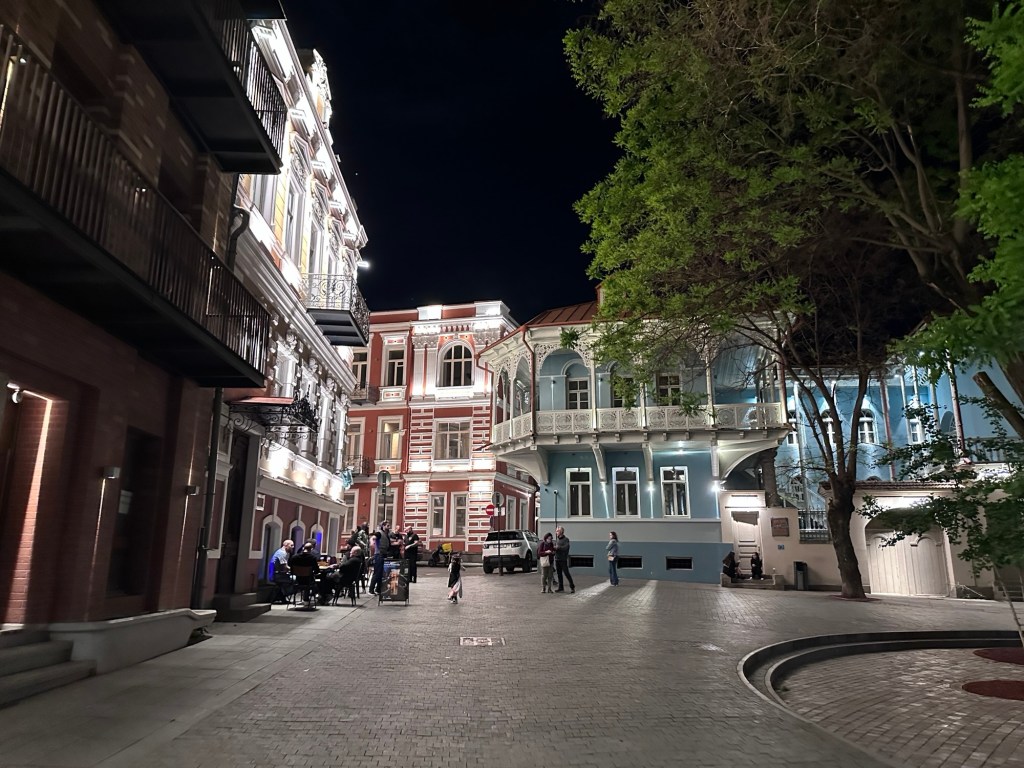
Walking closer to our hotel we find a beautiful street filled with restaurants with outdoor seating. We have a nice meal to finish our day of sightseeing.

We detour to a nearby park during our walk back to our hotel. We hear a 90’s cover band doing a sound check for the evening. We pop in for drink or two, singing along until we can’t stay awake anymore.
Much of our travel this trip is staying in two cities for a good number of days and scheduling day tours to things not easily reached. It seems like a good idea but leads to long exhausting days of travel. Today’s tour of Mtskheta, Jvari, Gori and Uplistsikhe isn’t too bad though, we get back into town at a decent hour. Our next day tour is not so lucky. Tomorrow we have a free day in Tbilisi. I hope the weather holds out.