Warsaw: Museums, Parks and Food Tours

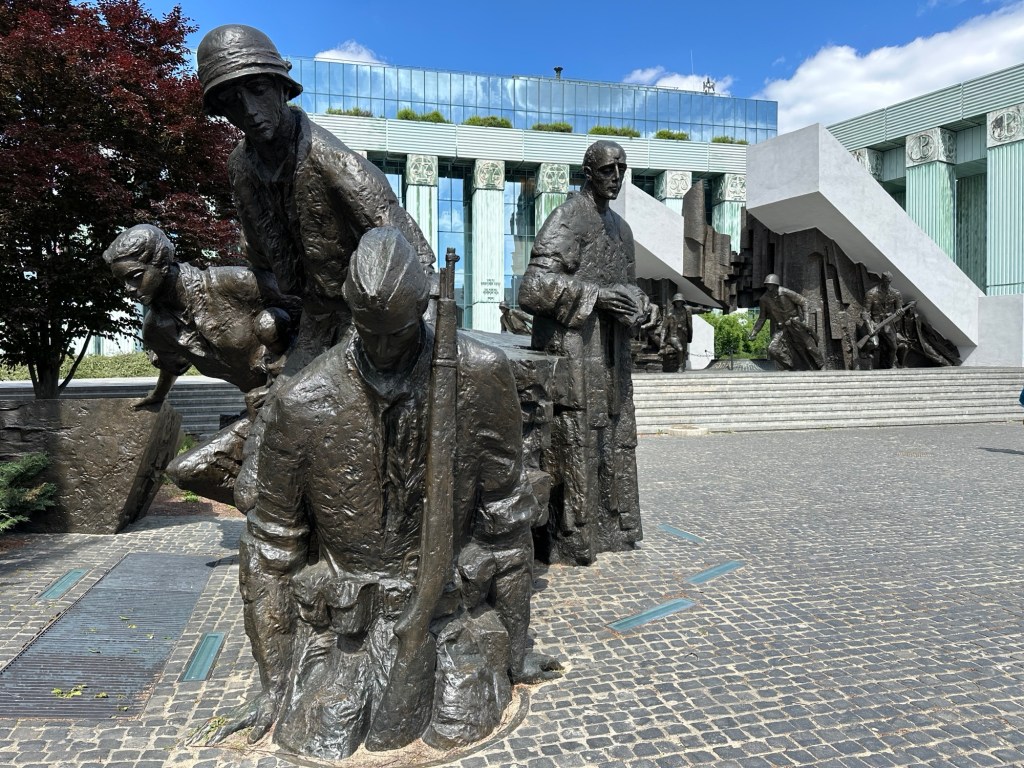
Warsaw uprising monument

Today I had planned to visit POLIN museum. POLIN is a museum of the history of polish Jews. I am usually really very detail oriented in planning. I don’t love planning out every hour of every day it is a shorter trip than I gotten accustomed to so I don’t have as much flexibility in my schedule. And I make mistakes in planning. Today was one of them. I thought I had pre-purchased a ticket to the POLIN museum. I arrive at the museum at 10am, what I thought was opening time. I double check my ticket to make sure I don’t have a limited time slot and I don’t. I can come anytime starting at 10am. The thing is I don’t realize it is closed today. It’s typical in European countries that there is usually one day a week that a museum is closed and I know this. It can be any day of the week but usually it is a Monday or Tuesday. Today is a Tuesday. I actually had in my spreadsheet that its closed today but I guess I never cross referenced it when I bought my ticket. And I never confirmed the date of my ticket because the day I bought it for was the day I arrived in Warsaw, so double failure. I hop of the bus at the POLIN museum and figure out how to move my schedule around so I can visit this museum on another day. I think I have figured it out.

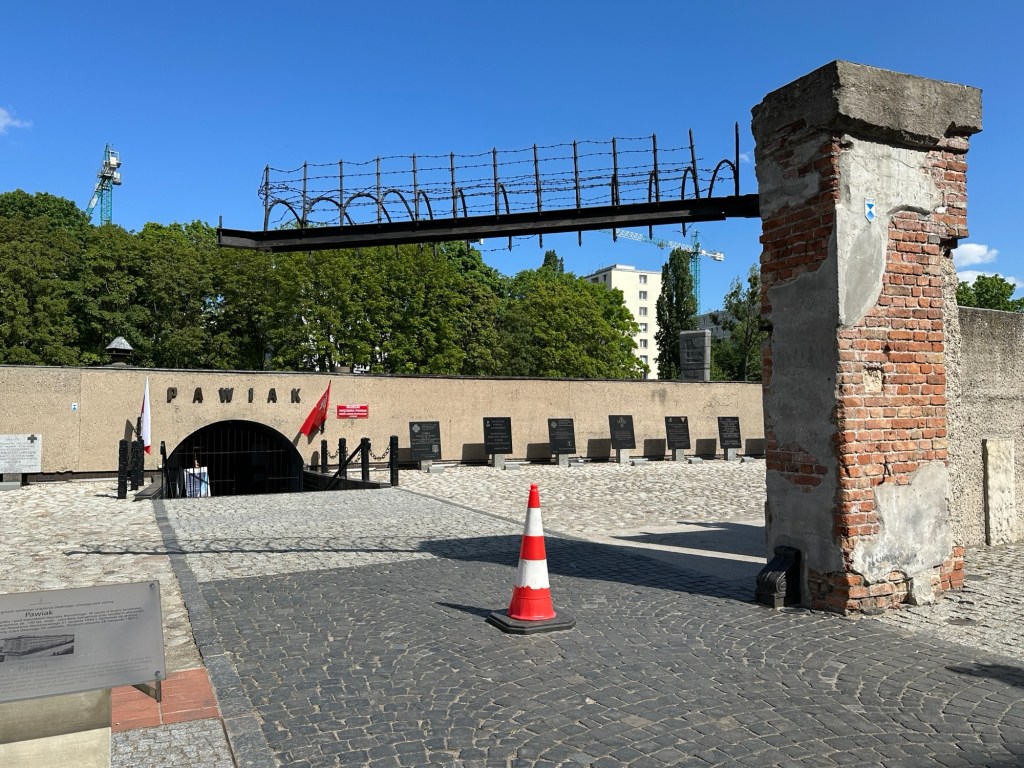
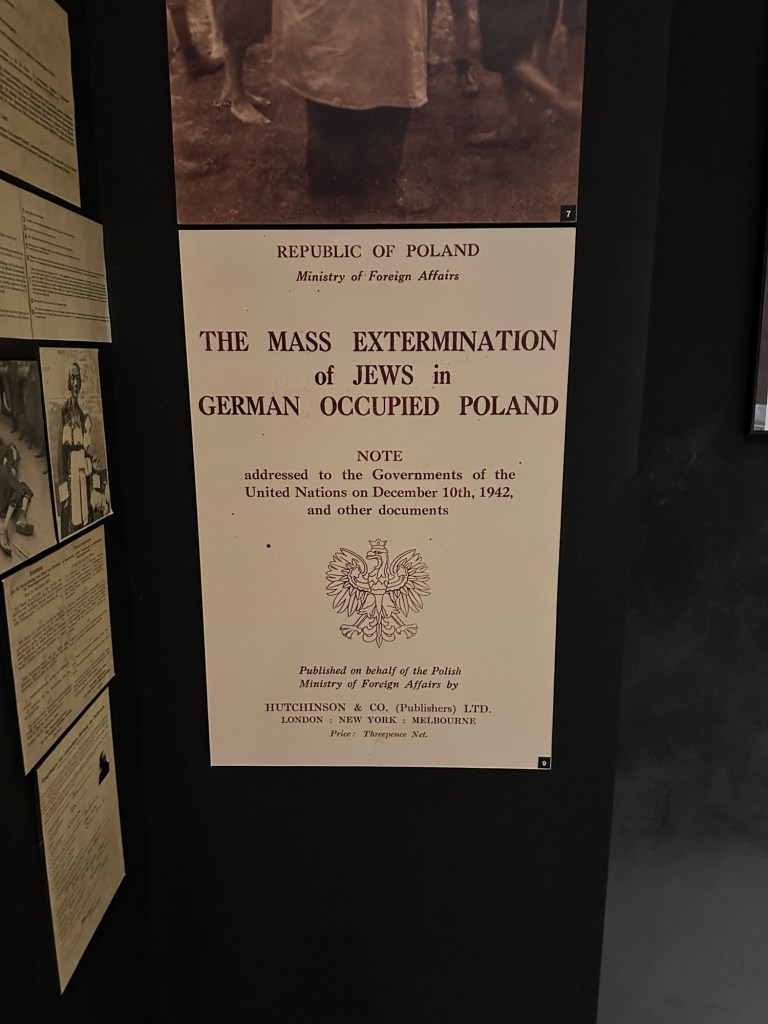
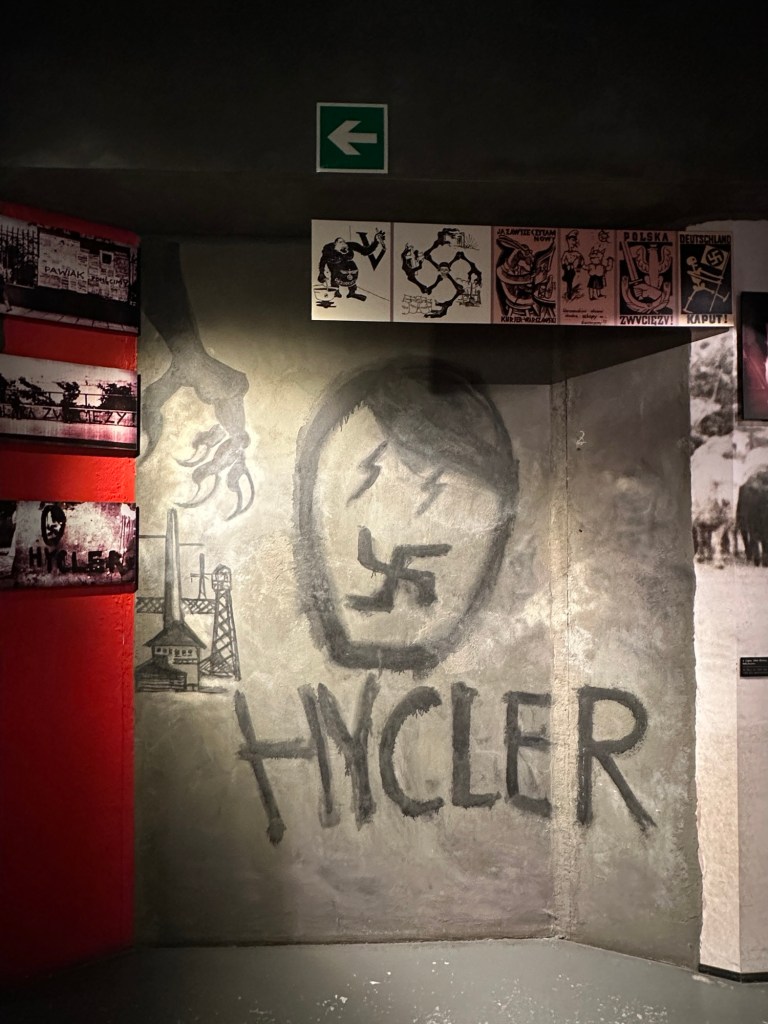
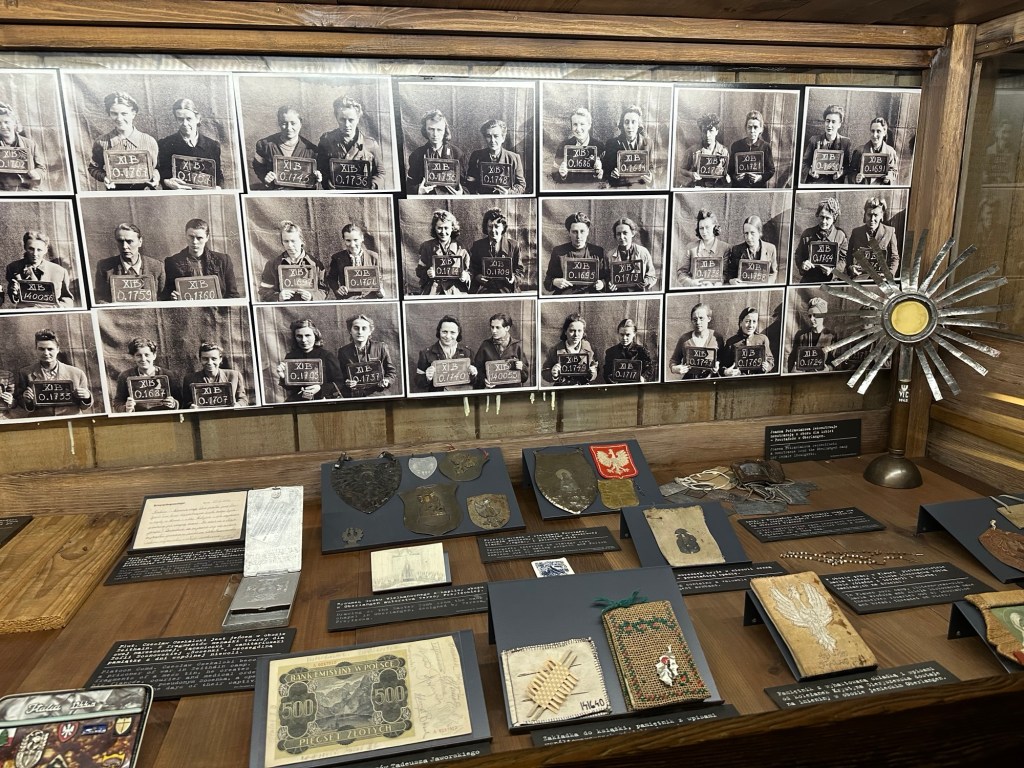
Instead I head to the Pawiak Prison which is nearby to POLIN and opening in just a few minutes. Pawiak Prison was originally built in 1835 for use by the Russian occupation during that time and it was used to house polish political prisoners and others. It was most recently was used by the nazi Germany occupiers to imprison local polish people.

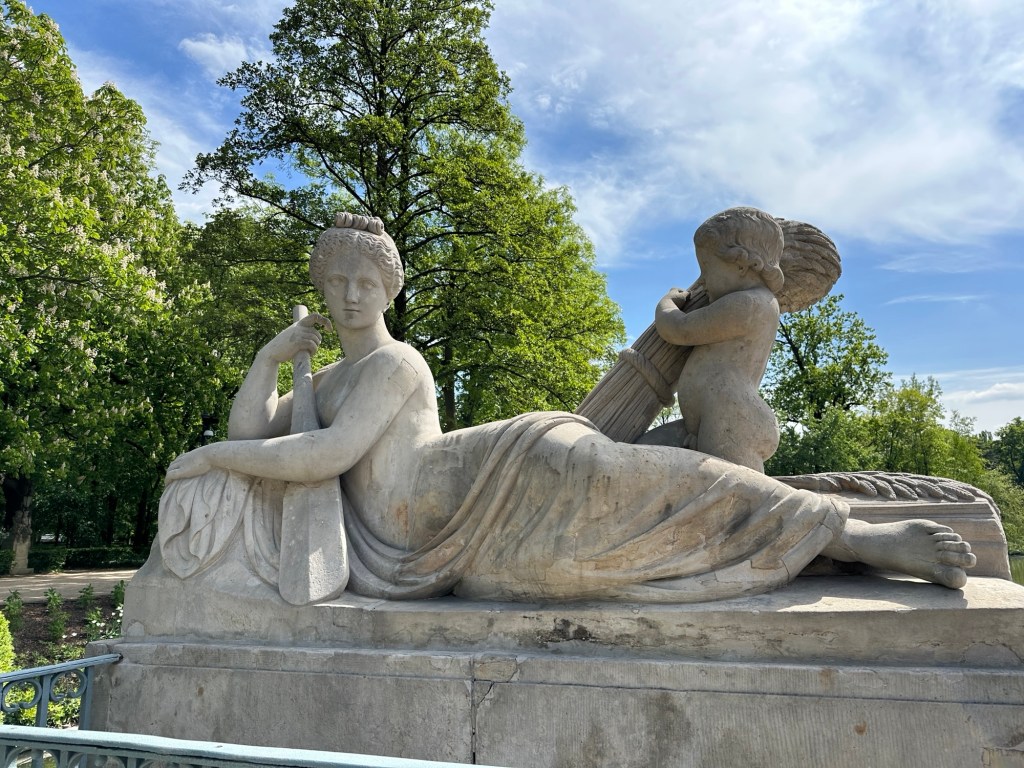
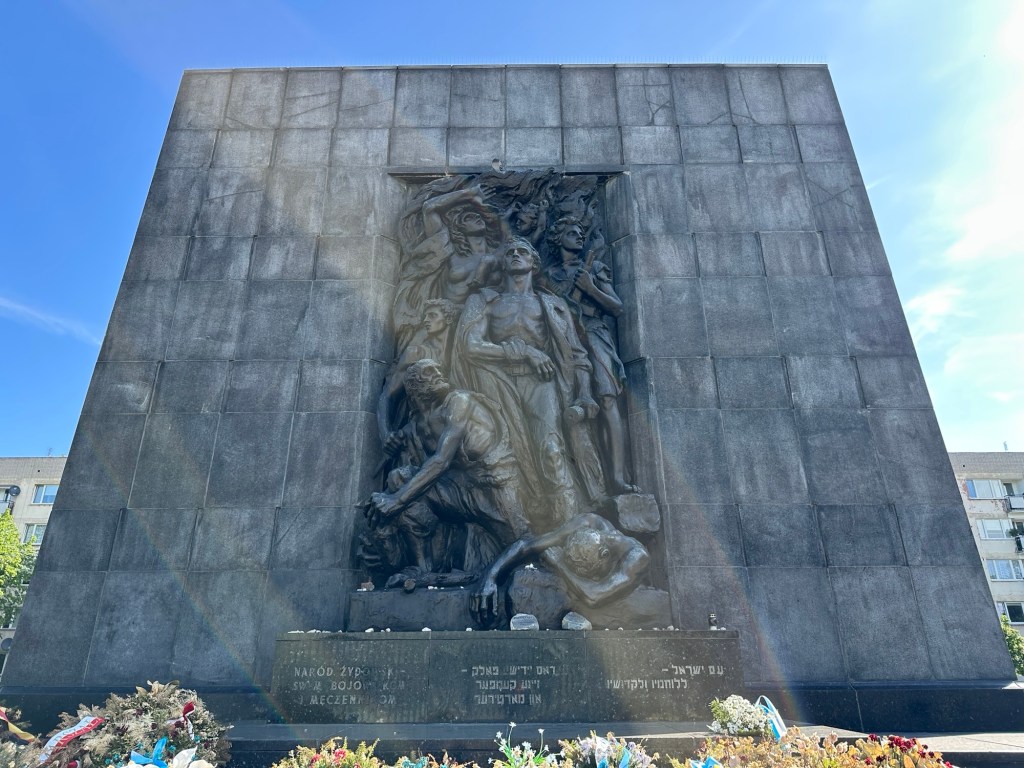
First I stop by the Monument to the Ghetto Heroes in front of the POLIN museum.
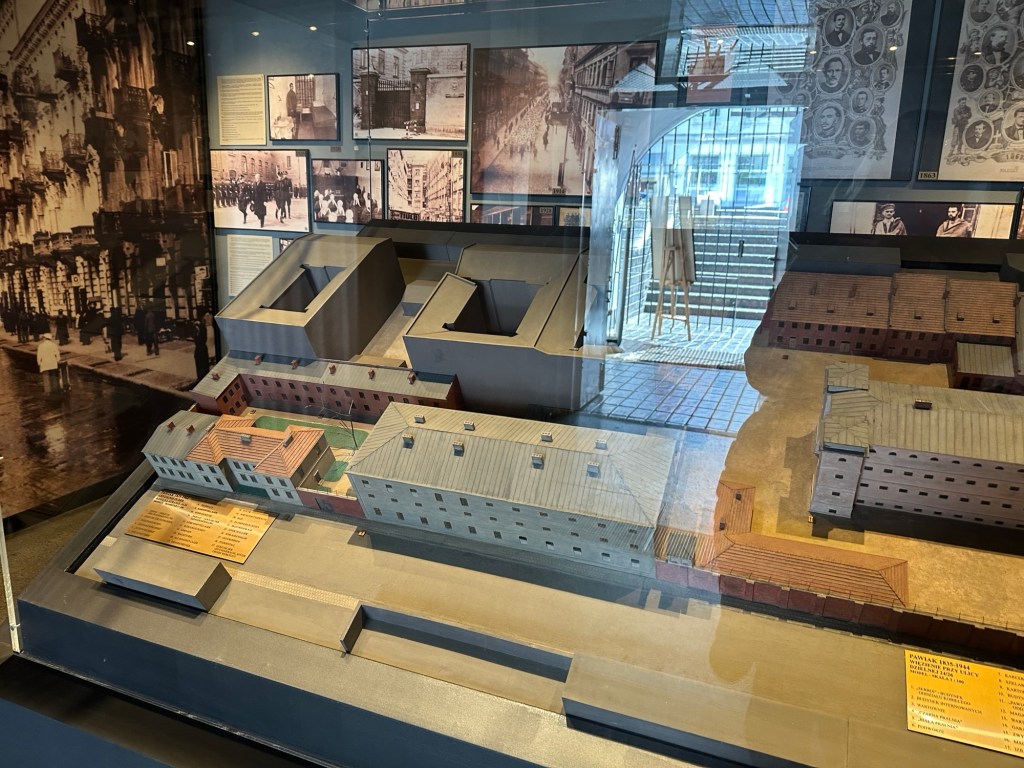
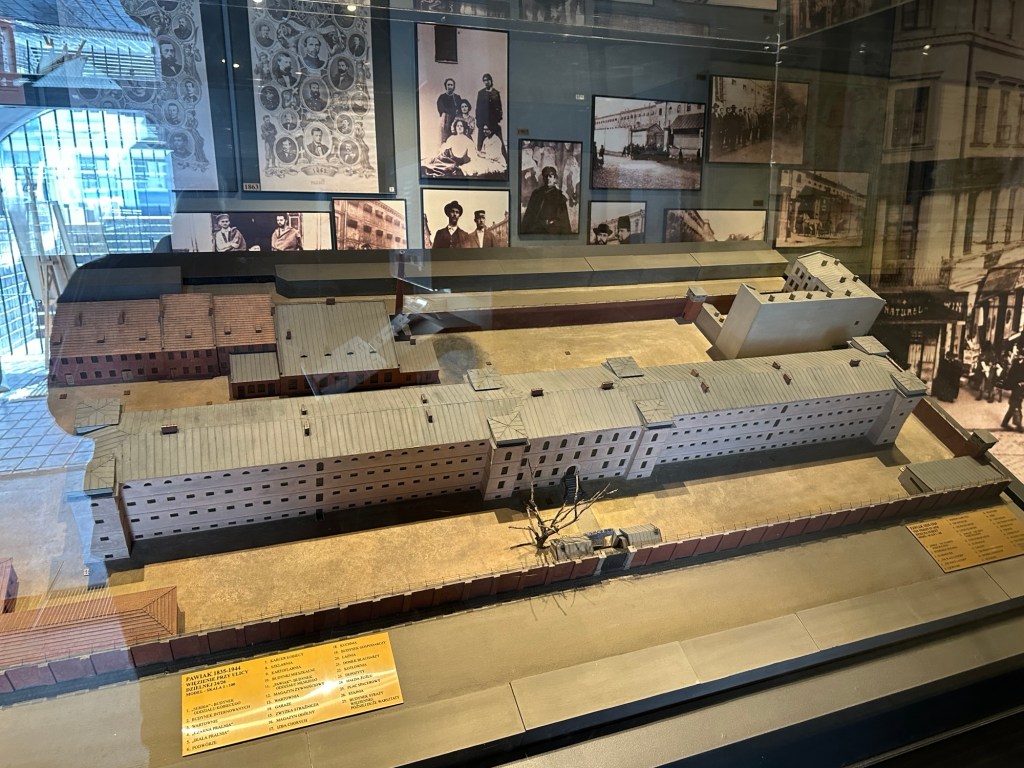
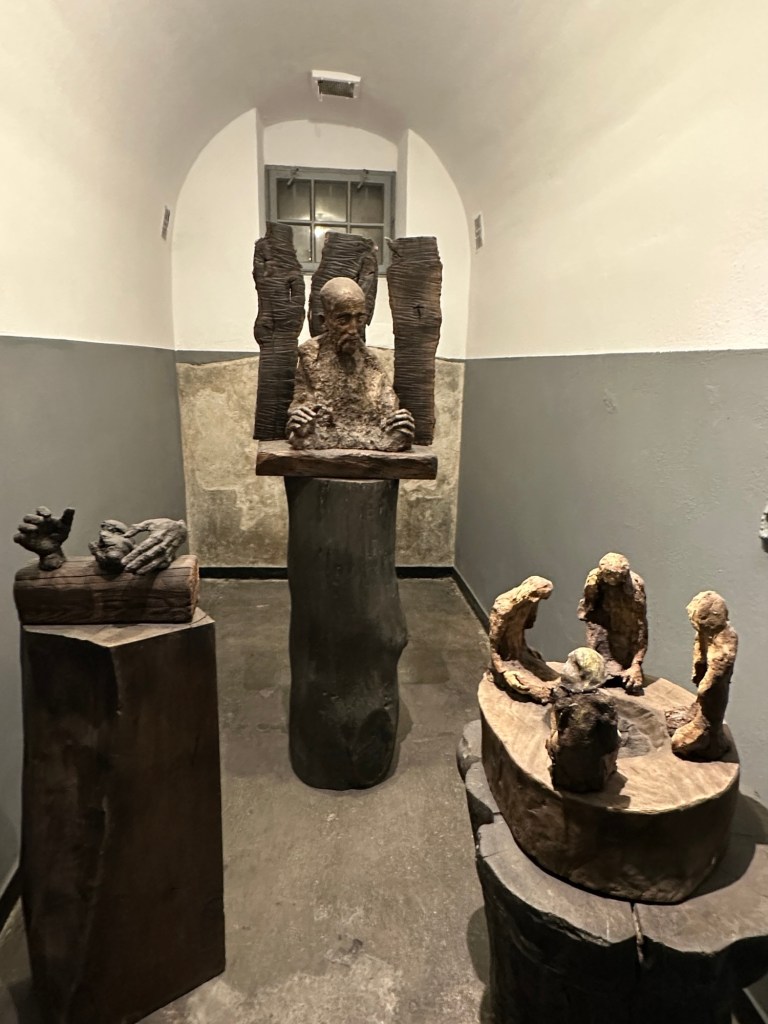
Pawiak Prison was bombed by Germans at end of world war 2 like they did elsewhere to destroy evidence of war crimes. What exists on the site today is a partially reconstructed museum corridor of the original prison. There is a statue of a tree outside that represents a tree that made it through the destruction but later died.

Statue to commemorate old tree outside prison

The crosses on map above are the execution sites of 30,000 people that were executed during the German occupation. 
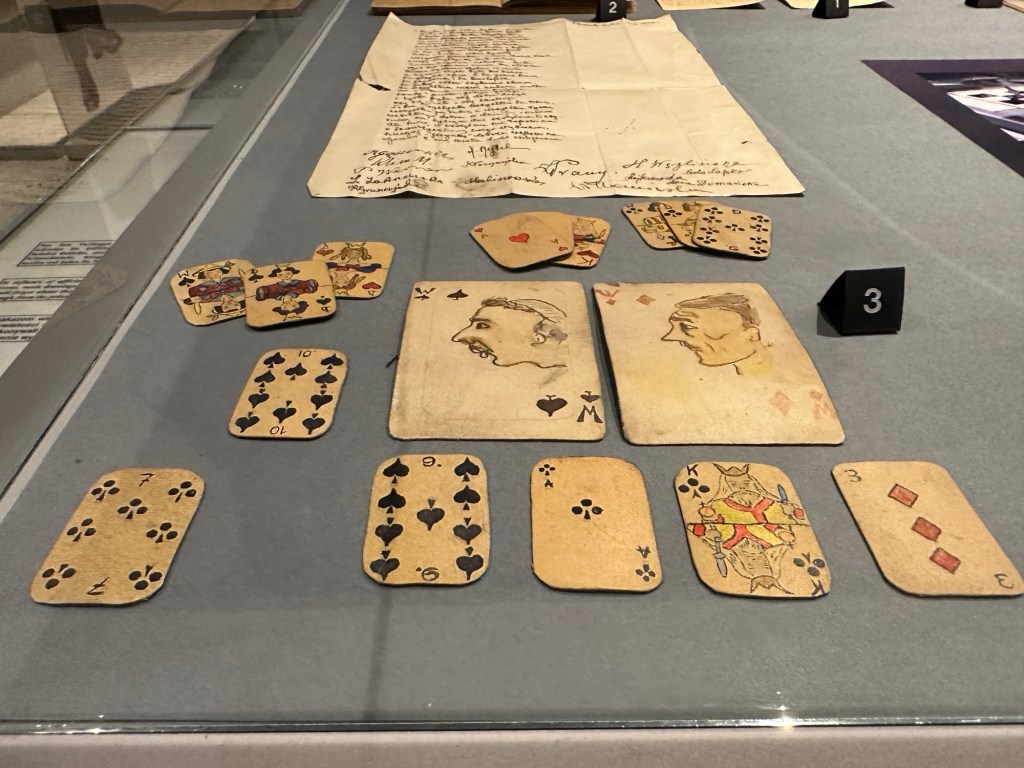
The prison was meant to hold 700 inmates but the Germans kept about 3000 there at a time. There were about 100,000 people here during occupation. I learn how Germans tortured prisoners with hot coals. Many guards at the prison were locals who helped the prisoners part of underground movement.

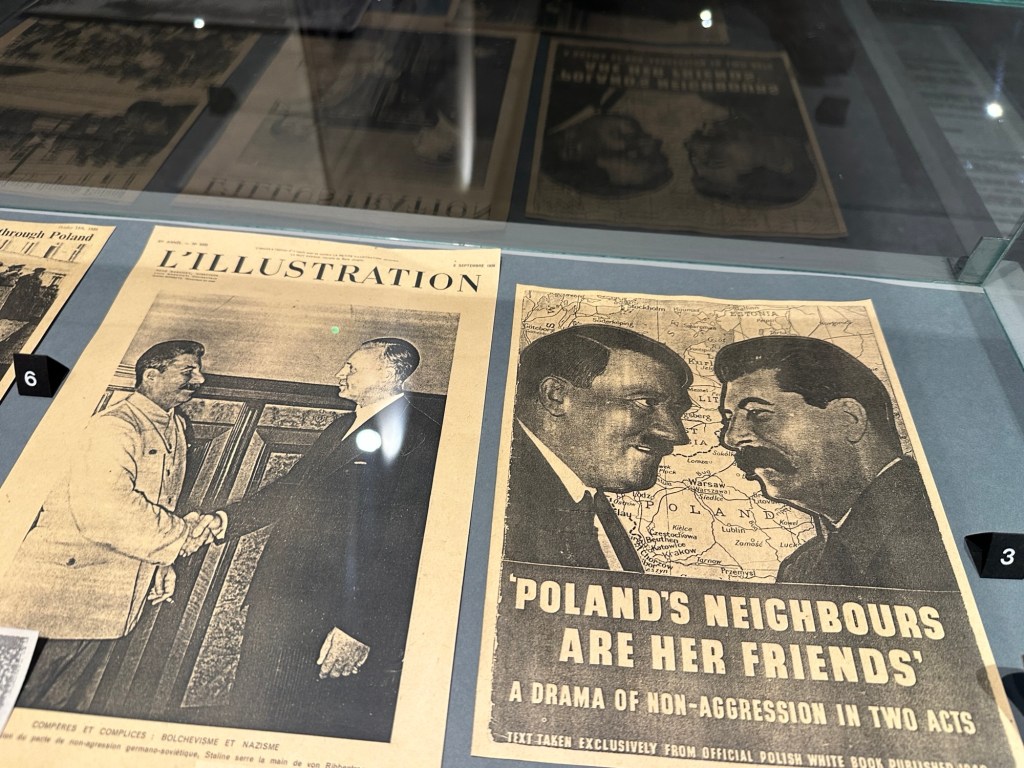
There is some information on WWII history like we learn about the Molotov -Ribbentrop Pact between Stalin & Hitler that occurs on September 1939. It essentially divided Poland in half and installed a puppet government in Warsaw and Krakow.

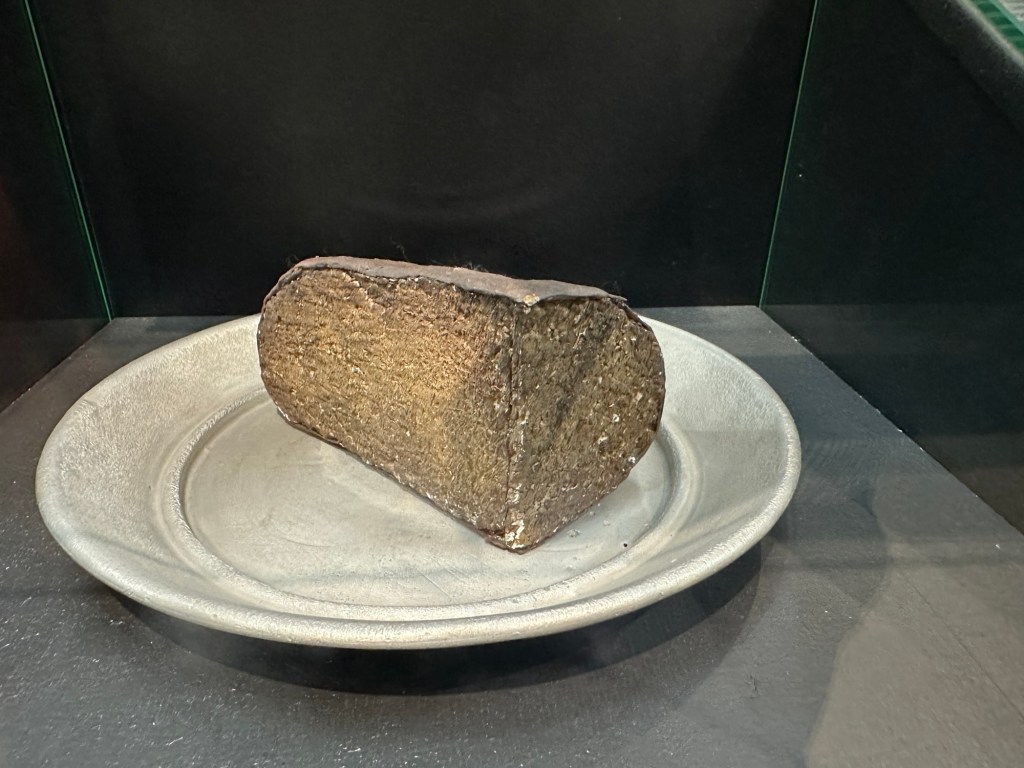
At the end of the tour there is day in the life exhibit where they talk about how prisoners survived on 500-800 calories a day.

I downloaded the audio tour on my phone. There is lots of English language explanations but the audio tour gives more insight to the exhibits.

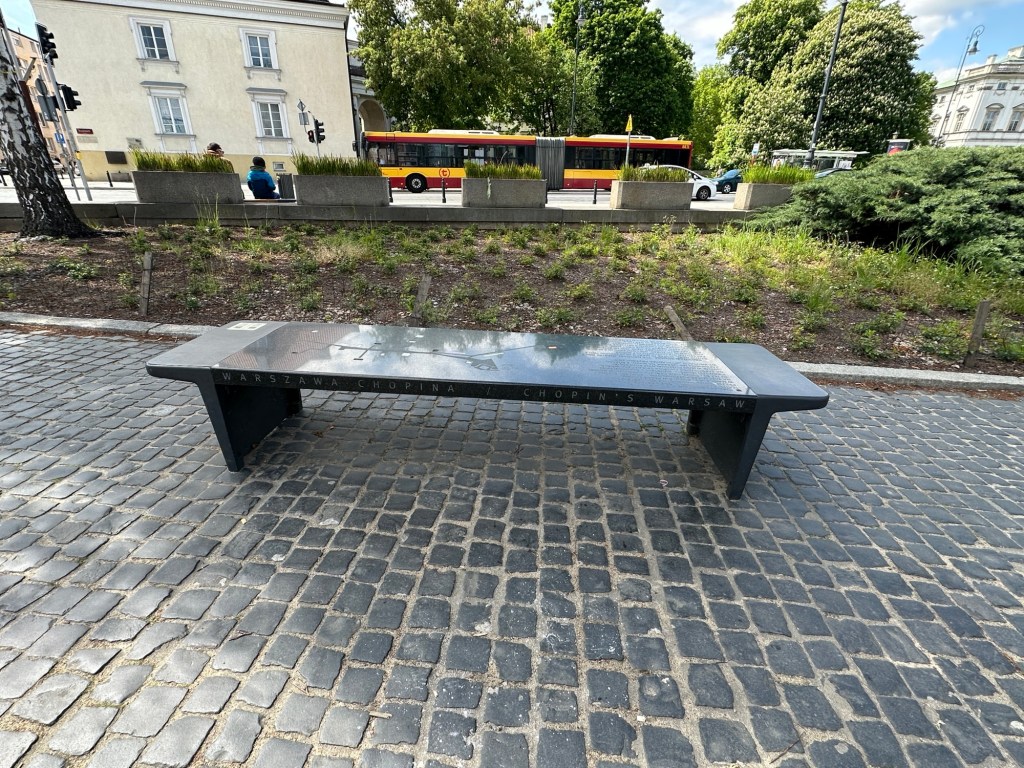
I walk back towards the old town and stop at the Warsaw Uprising Monument and Chopin’s Bench, a bench that plays music. The Warsaw monument is to commemorate the uprising of Warsaw citizens again the German aggression.

Since apparently I don’t believe in slowing down and resting during this trip I try a hotdog for lunch at the Polish 7-11 equivalent called Zabka. I thought it looked good previously but it is disappointing. The goal is to visit Lazienki park prior to my food tour this afternoon. I wait at a bus stop off what looks like a busy highway. There is a short wait for the bus so when I see it coming I get closer to the curb to board and I see it drive right past my a$$ like I am not even there. I have no idea what happened. It is 15 minutes to the next bus so I plan next time to make a scene flagging it down. Luckily I don’t need to because the bus actually stops this time.

The bus that actually stopped for me

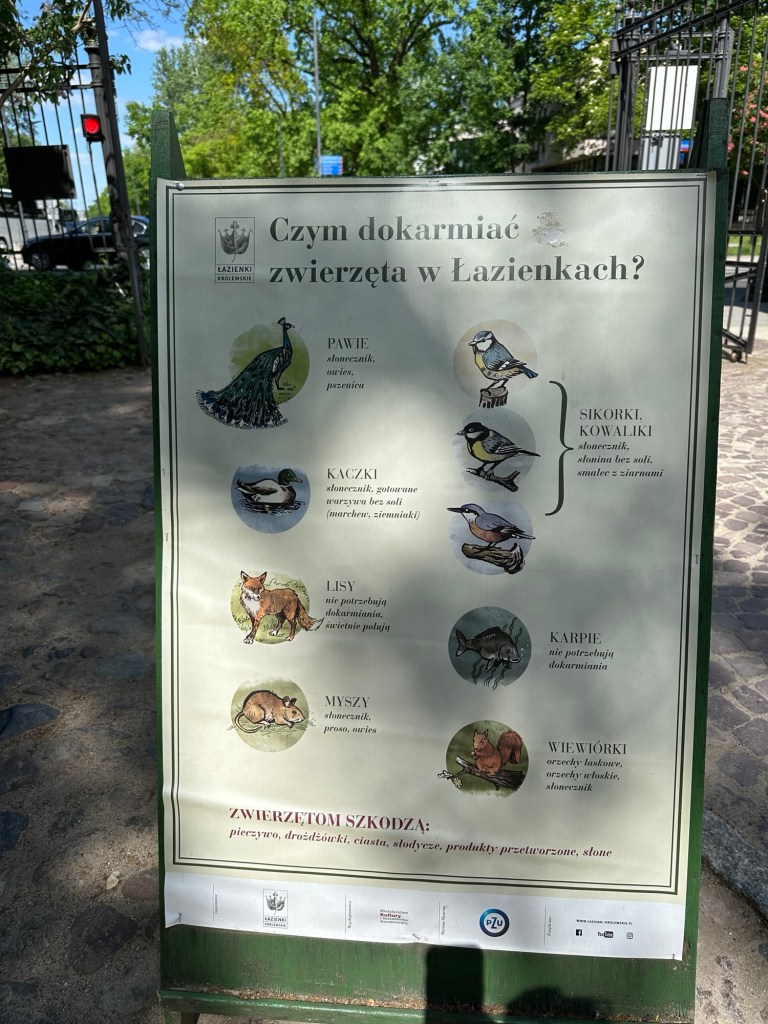
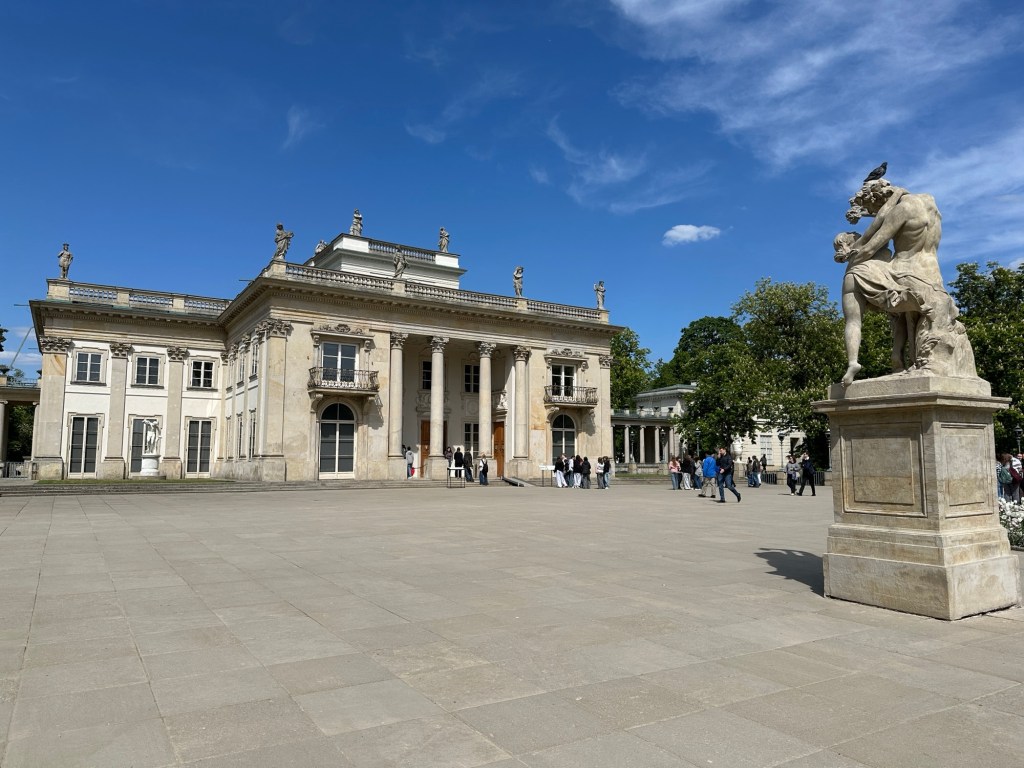
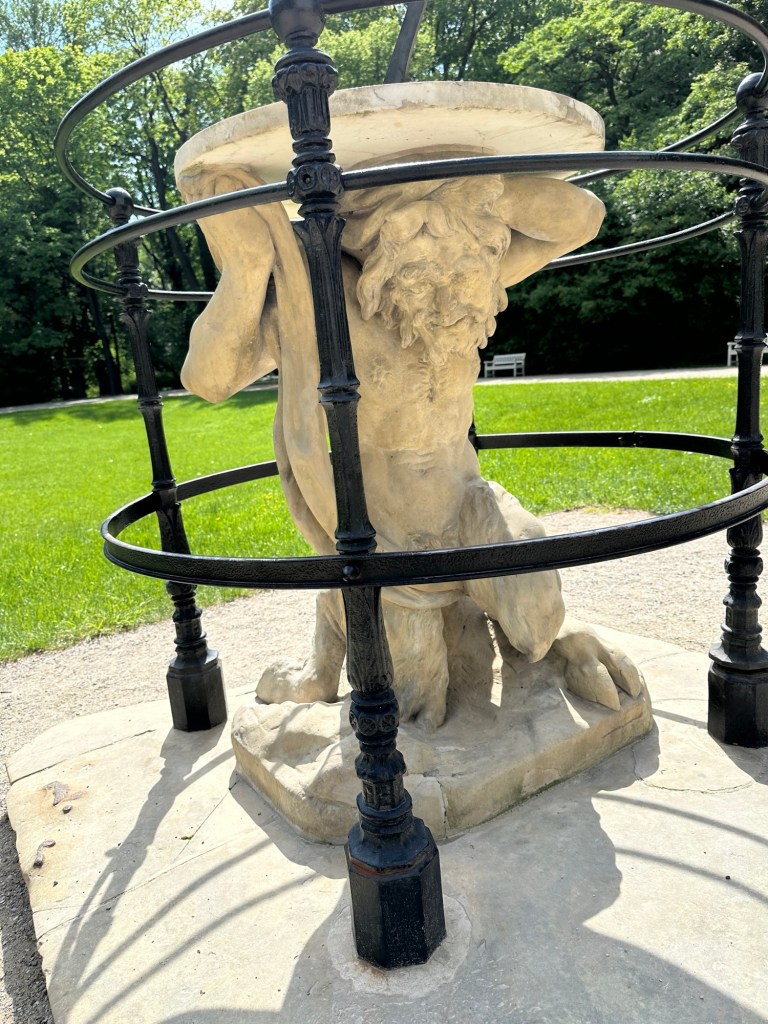
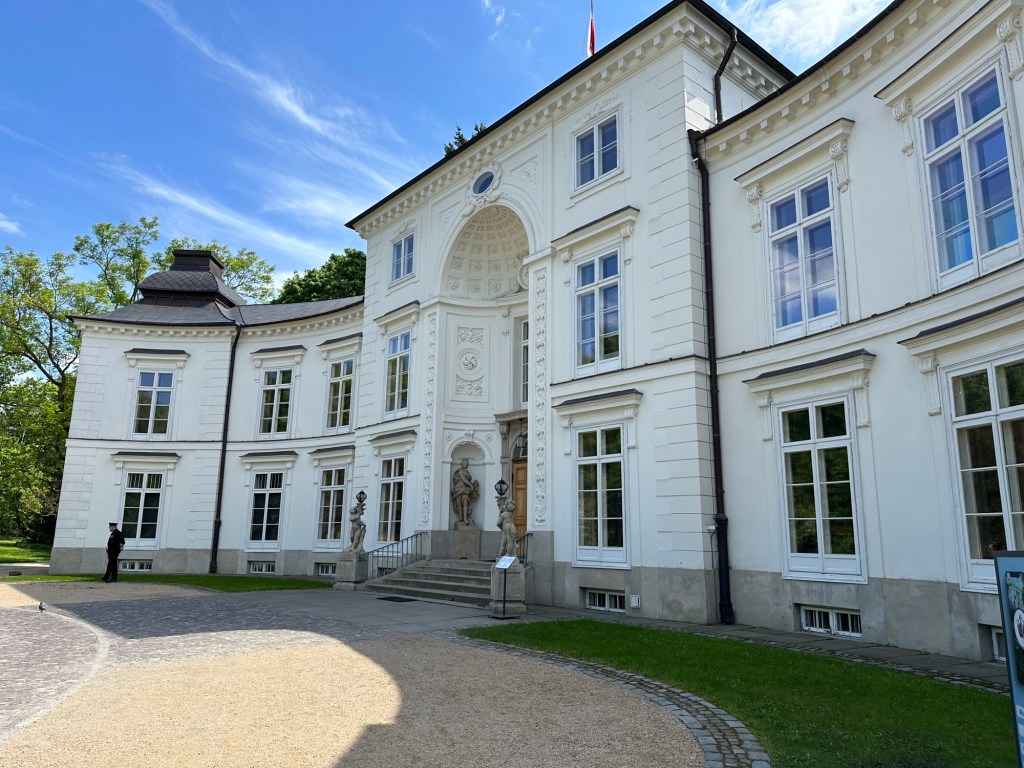
I arrive to Łazienki Park I have a lovely walk around the large park. I also admire the palace from the outside. I am trying not to eat too much before a food tour I have scheduled this afternoon but I’m still hungry after my garbage hotdog. I order a ice cream. I also need to eat the trail mix in my purse. Side note – a really large bird hears me digging me into the nuts in my trail mix and decides he wants some of it so I am being followed by a bird for a few meters.
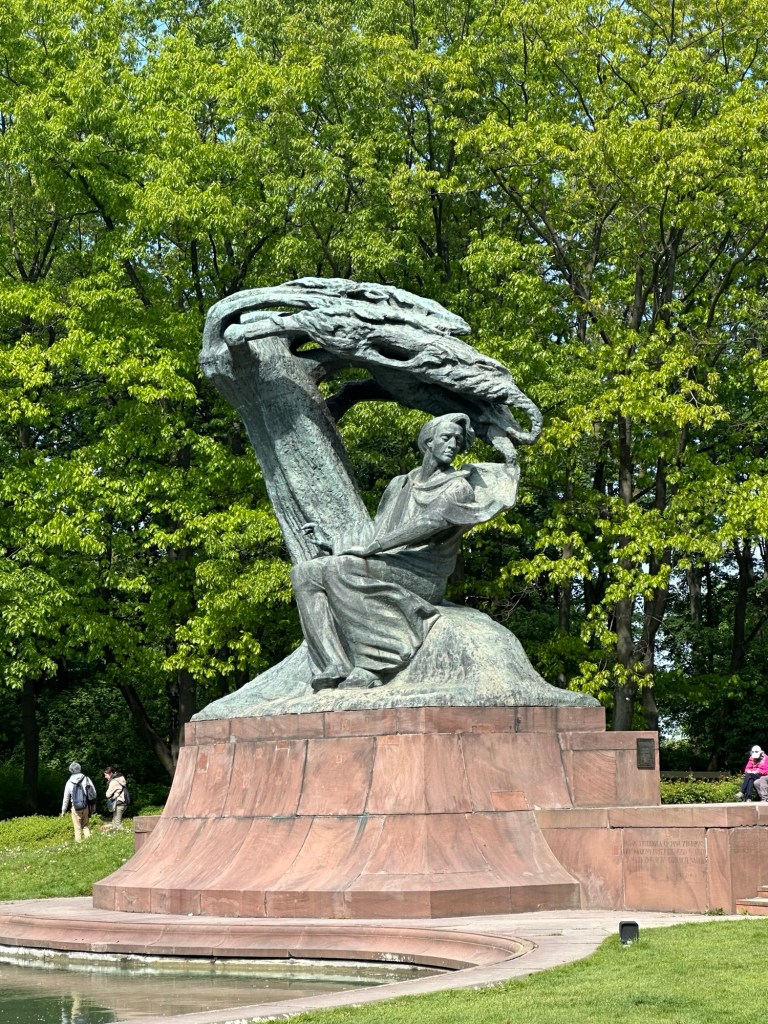
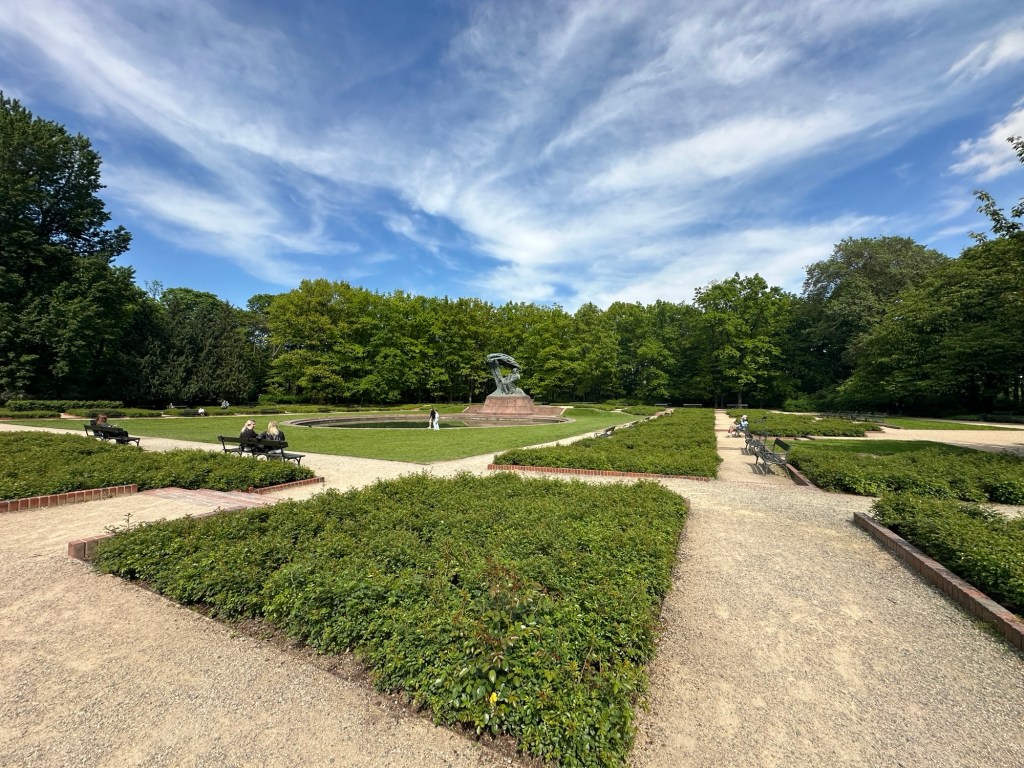
Also notable in this park is the Chopin memorial. One of the things I really wanted to do this trip is view a Chopin concert in this park as they have every summer. But I am a week too early for the concert season. I still enjoy sitting in the area where the concerts happen and imagine how it would be surrounded by the beauty and classical music.

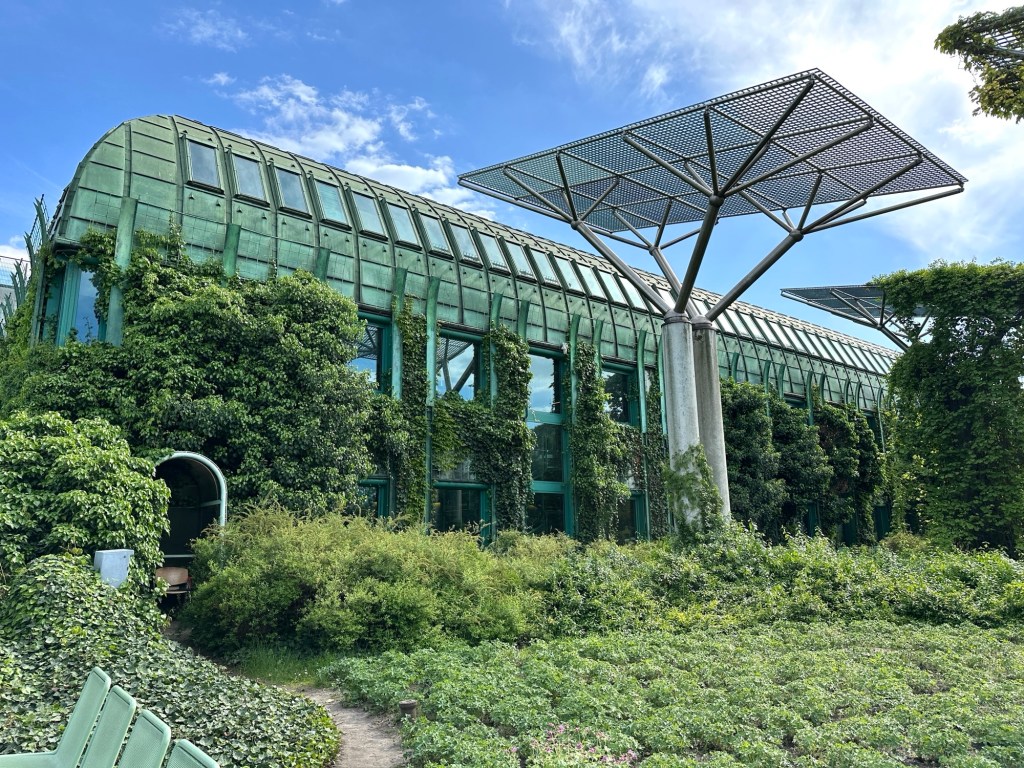
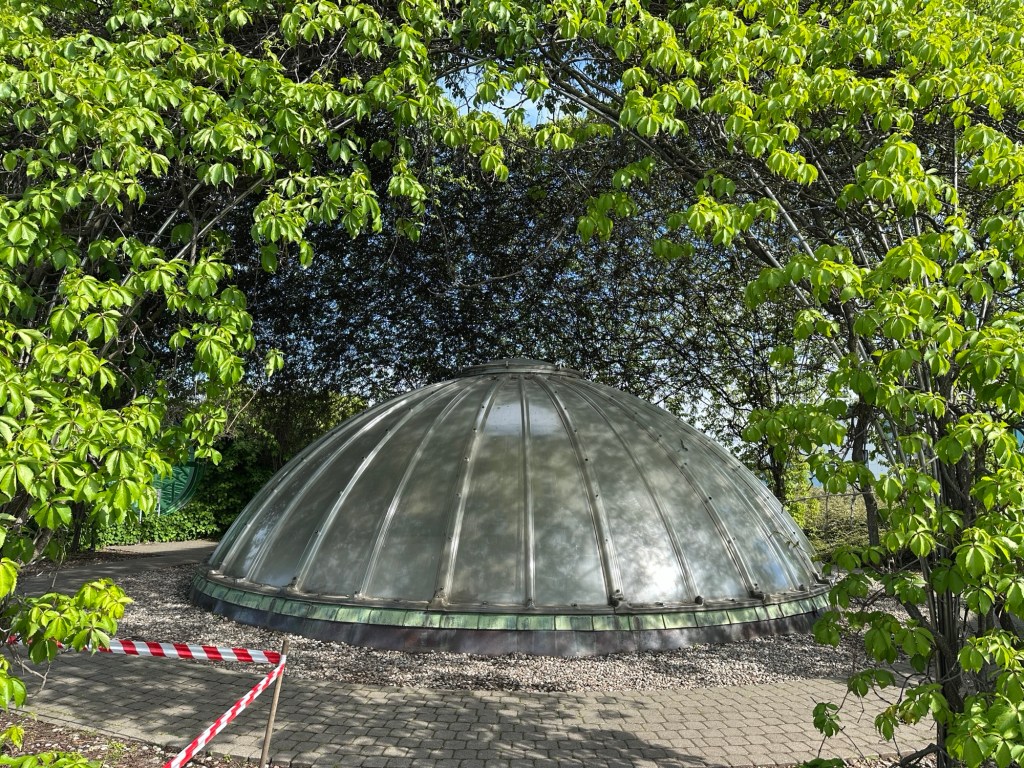
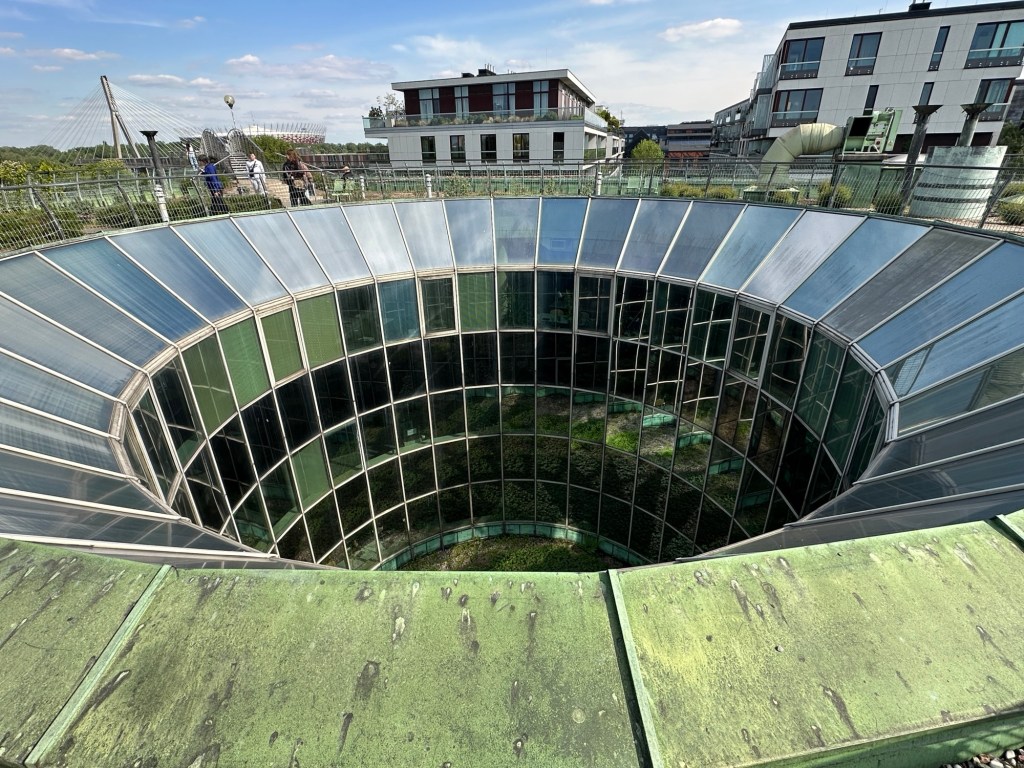
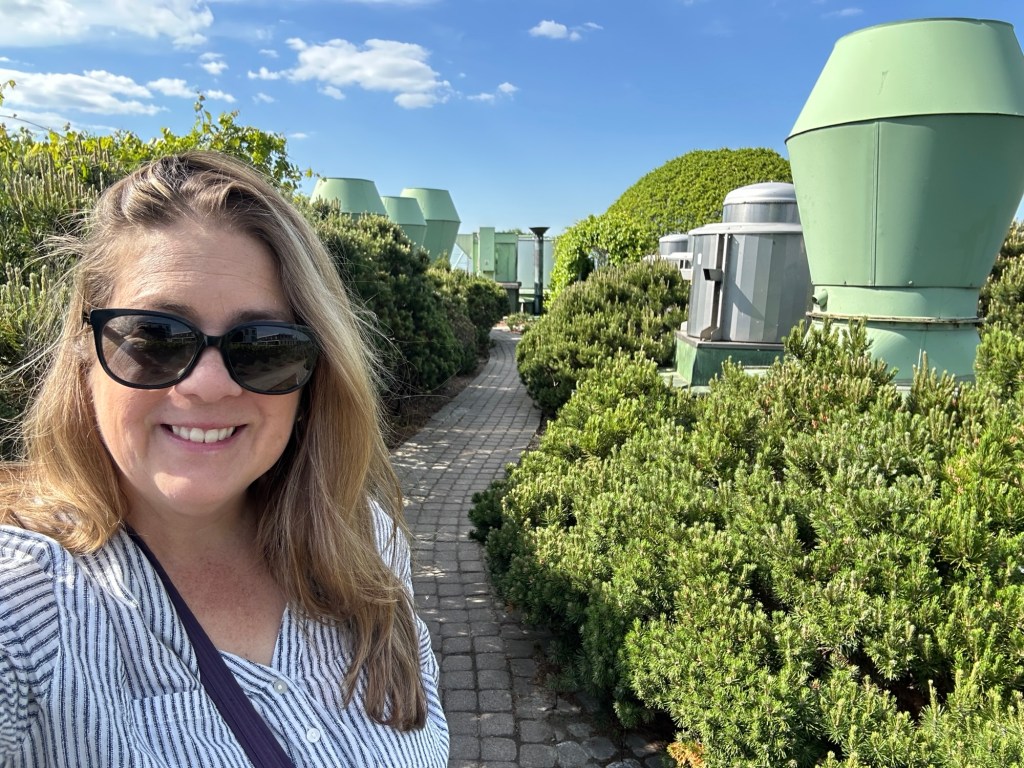
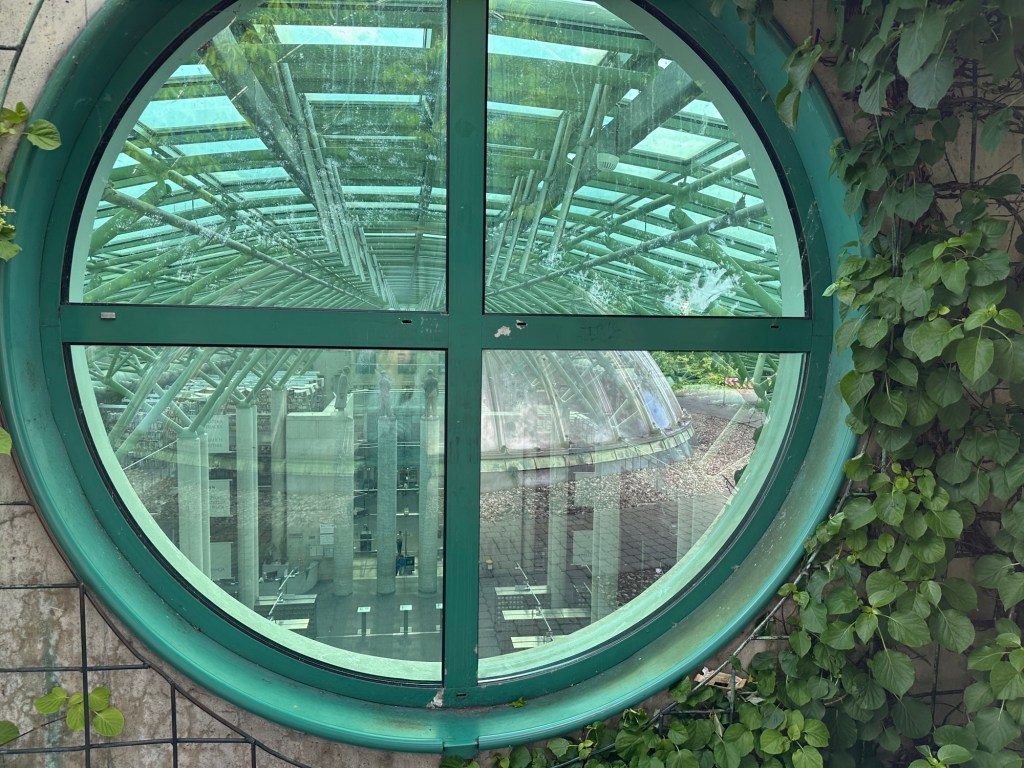
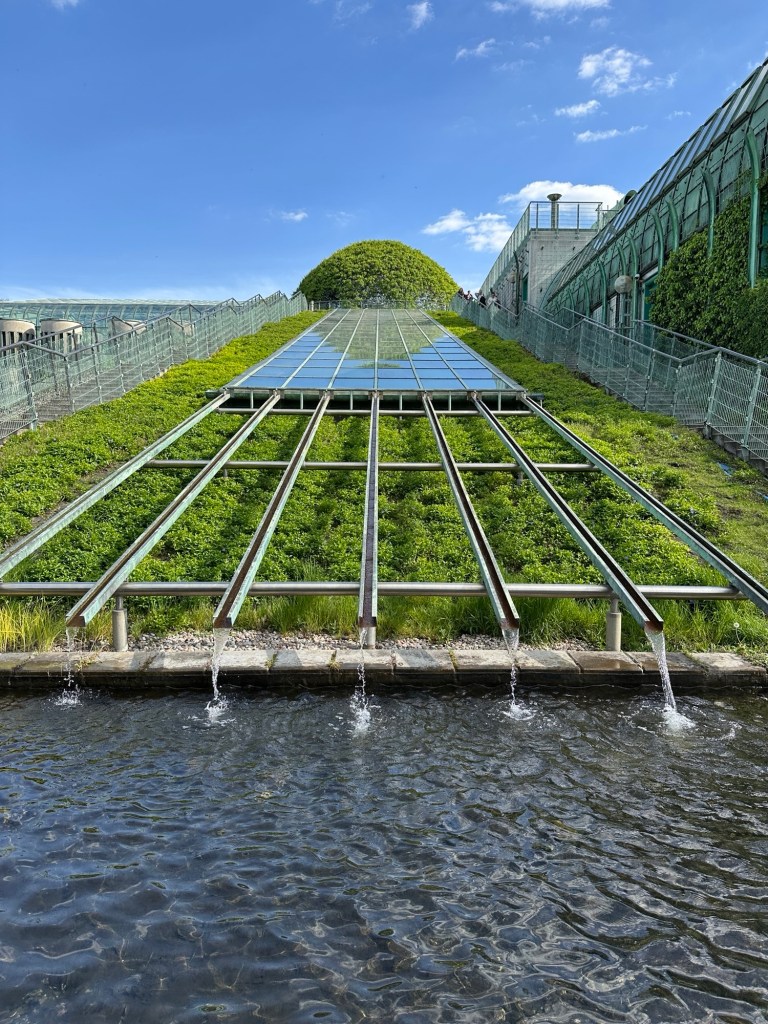
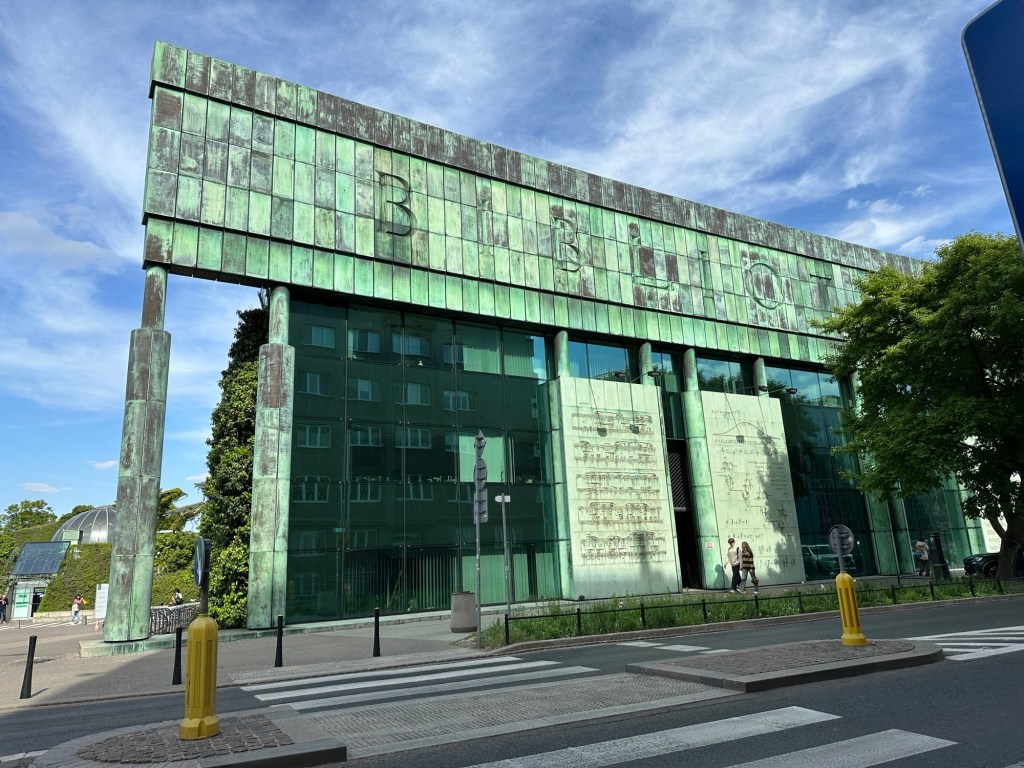
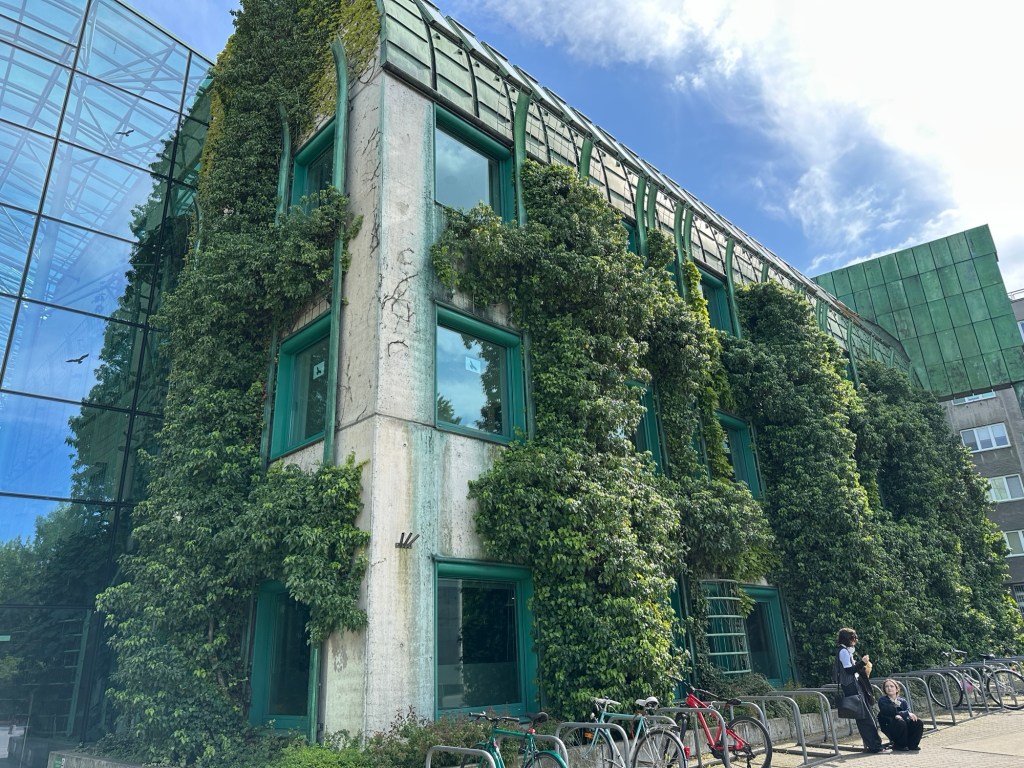
I take the bus back to old town for food tour but I am too early. I walk down to the roof top garden at the Warsaw University. I have to say this garden has got to be in my top ten favorite gardens. They make an urban rooftop garden out of otherwise wasted space of the roof of a library. It is so nice and peaceful up there. You can tell a lot of thought was put into designing this garden.
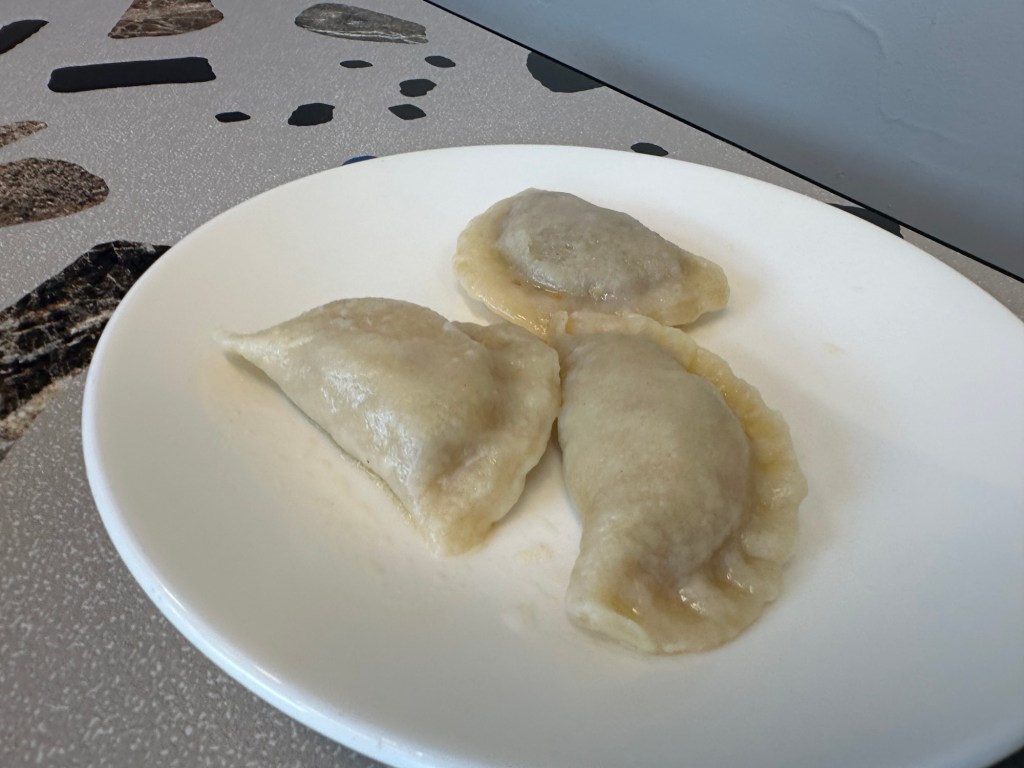
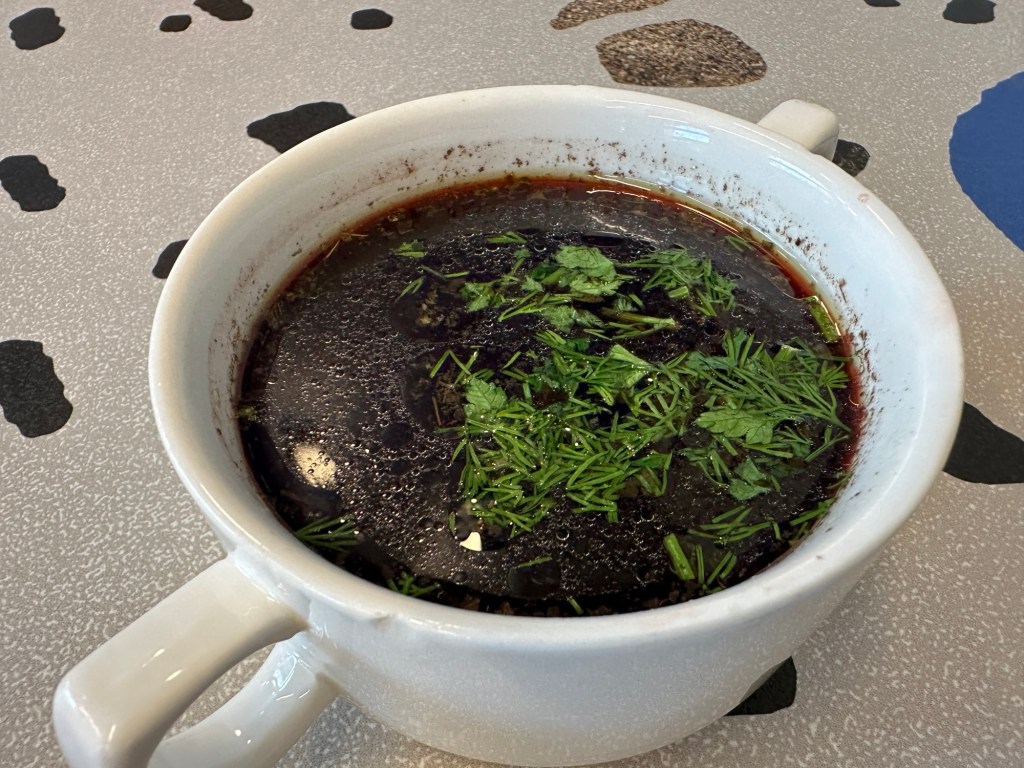
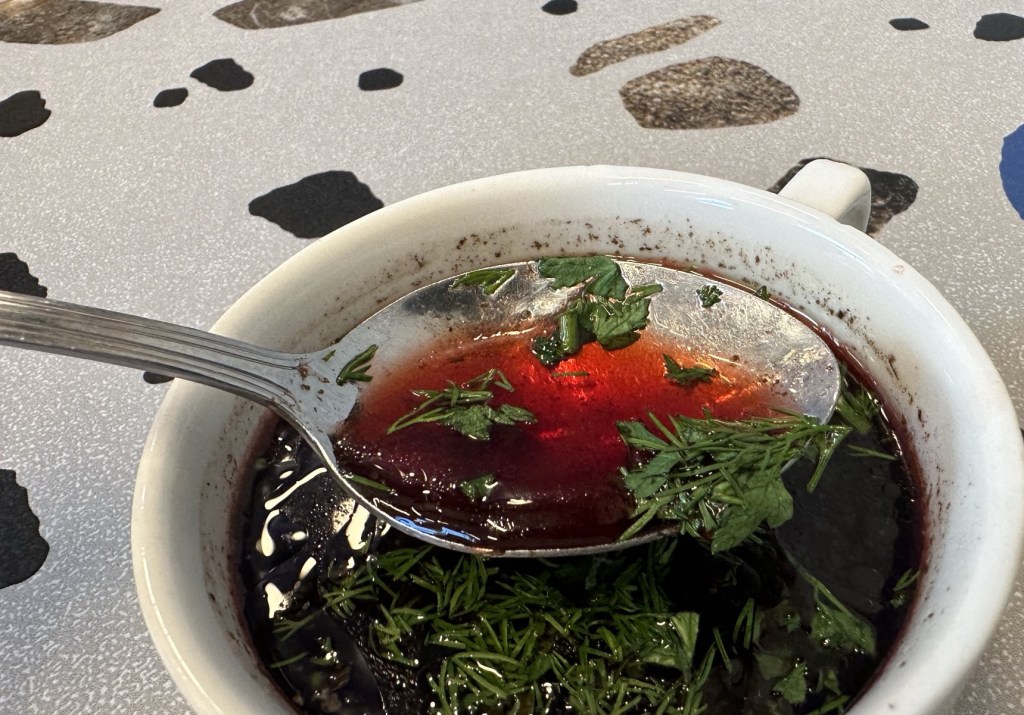
We start our food tour with some borscht and pierogi. I’ve wanted to try borscht but I keep putting it off so I am glad it is included in the tastings. Borscht is basically meat stock, beetroot and seasonings and there are different flairs of borscht but this one is the broth only. We save some aside to dump our pierogi in since that it is popular to have dumplings in the soup. We try 3 different types of pierogi: Ruski (potato and cheese), cabbage and mushroom, and pork. Last time Ruski was my favorite but this time I am loving the pork. I finally get to try a sweet pierogi at this stop. It is filled with plum. I plan to try more sweet pierogi later in my travels.
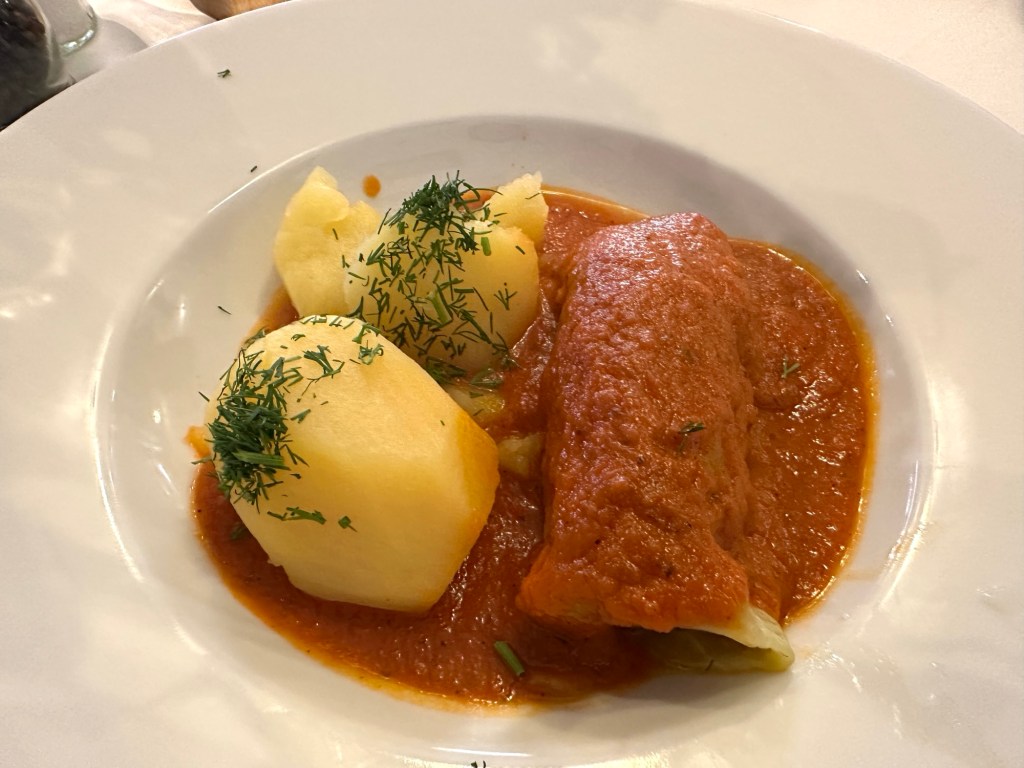
Next we stop at a traditional polish restaurant that I actually had on my list, Specjały Regionalne. Here we try some vodka, meats and assorted polish cheeses. We are then served gołąbki or stuffed cabbage. This time I try it the traditional way with tomato sauce.

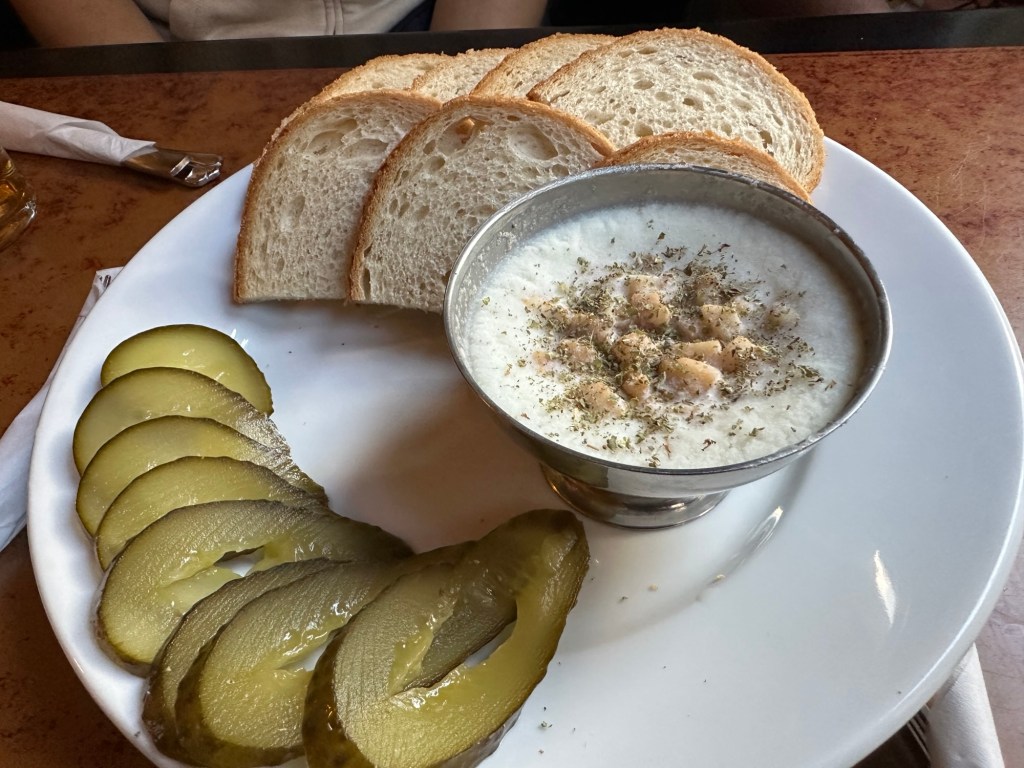
Next is a stop for a beer and traditional bar food. Since I have a beer intolerance issue I opt for a cognac instead. The food we are served is bacon lard on bread topped with a pickle. I know it sounds gross but it isn’t bad. The pickle is really good. I also get to try bigos again which is cabbage with meats usually topped on bread (I forgot picture).

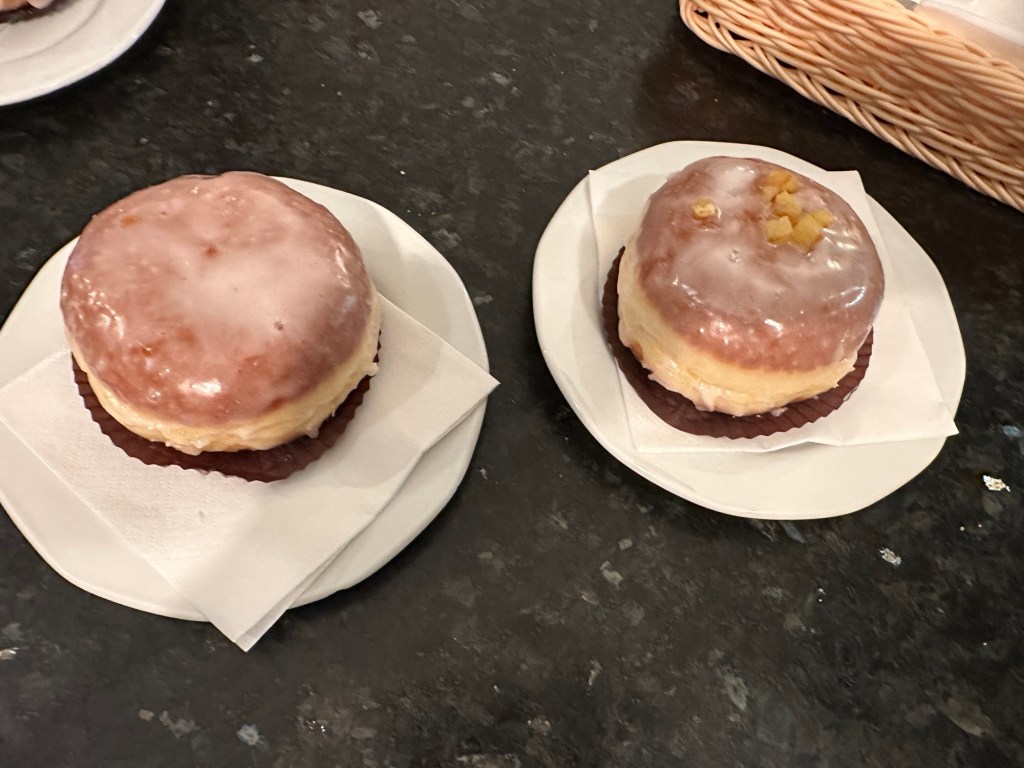
Finally we try doughnuts or Pączki. I decide I am not a fan anymore. Pączki are too dry for me. I think I am spoiled with having one fresh and warm. I enjoy a sweet occasionally but if I am going to indulge it has to be something I really like. I think I am done with the doughnuts (but not the open face pastries, those I still like).
After the tour I am too tired to do anything big but it’s too early to go to bed so I stop and try that cherry liquor once more. It is hitting me way harder this time. I have a long walk back to my flat afterwards through areas I haven’t visited yet. Still an early night though.

Warsaw: Warsaw Uprising Museum and City Tour

Poland at the start of WWII

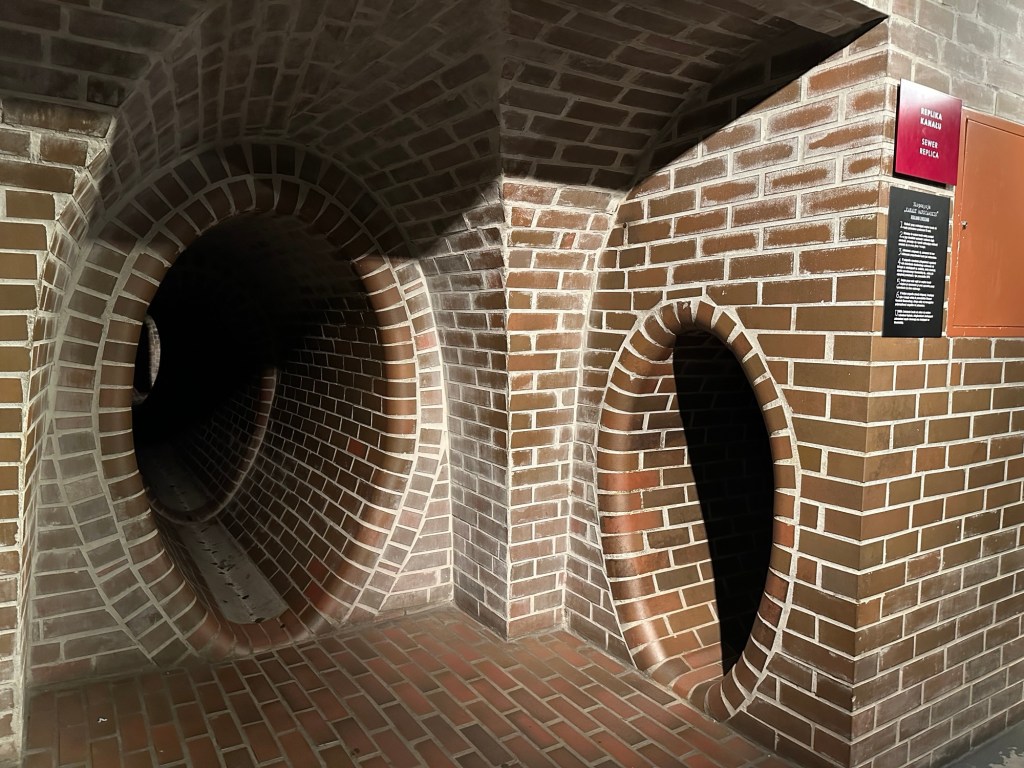
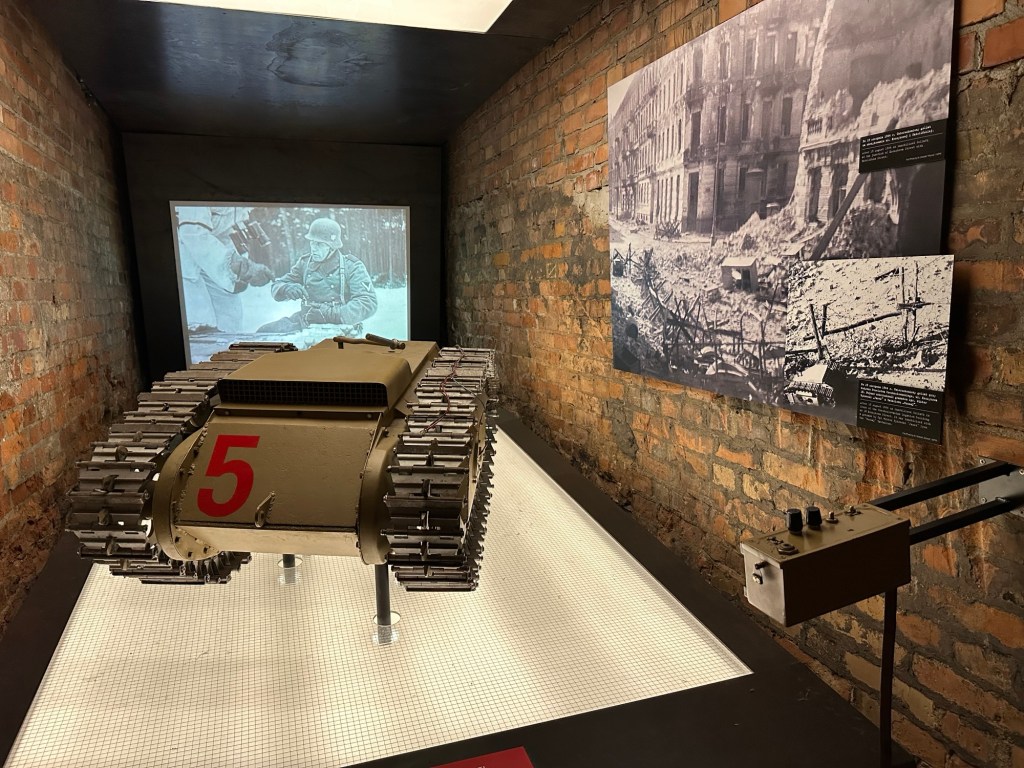
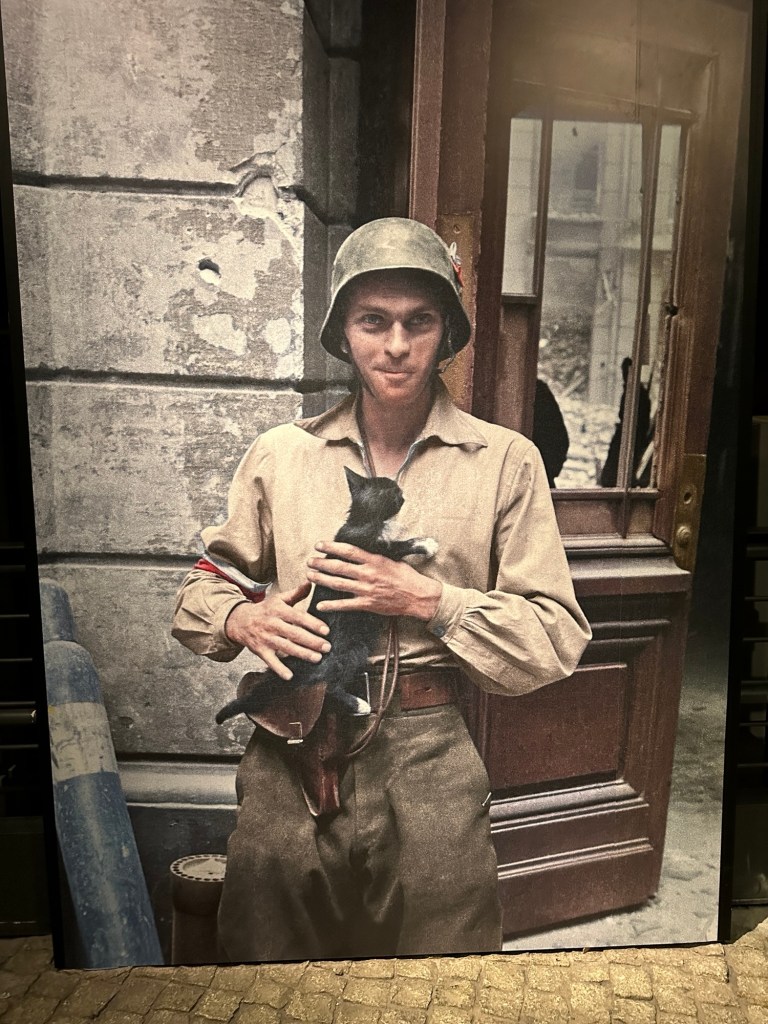
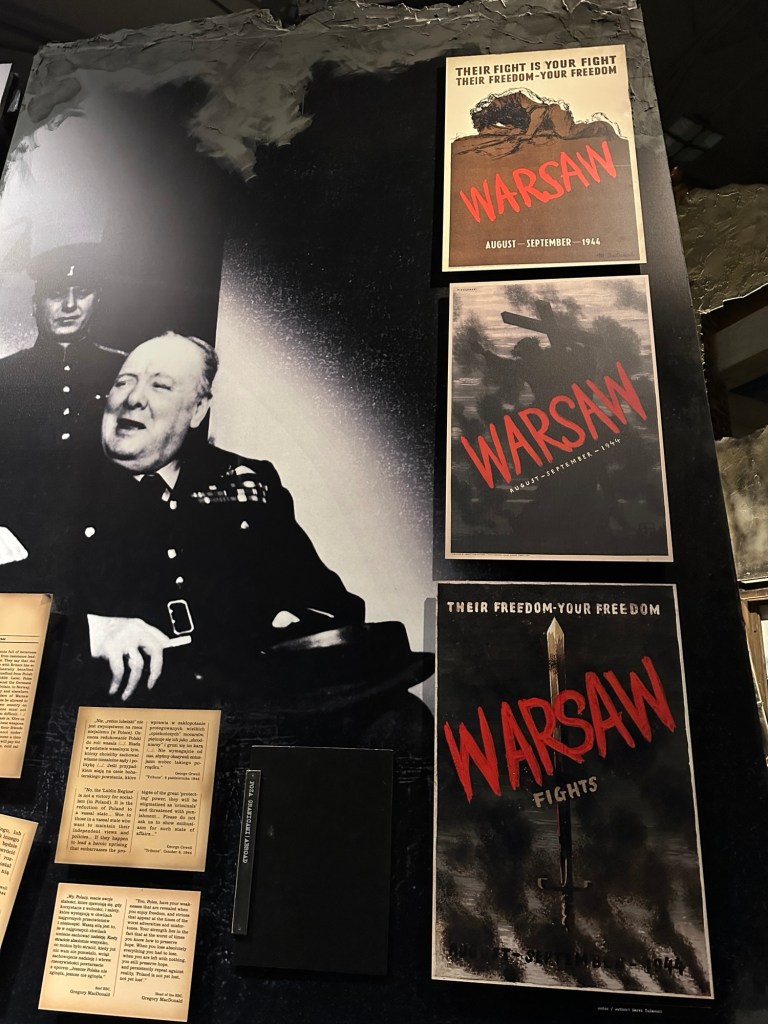
This morning I visit the Warsaw Uprising Museum. The uprising museum is about the uprising of the people of Poland against the Germans at the end of WWII. The beginning of the exhibit talks about the start of WWII and German occupation but the museum is mostly about how the Polish resistance organized and fought the Germans.

We learn in history that Germany invades Poland at the start of WWII. When they invade Warsaw the Polish do a pretty good job initially at holding them off. However the excessive bombing of residential areas by Germans lead the Polish to capitulate to the Germans pretty quickly to lessen the amount of death to civilians. I am not sure they had any idea how bad it could get after that.

I learn how the uprising comes to form and how they get in bed with the enemy, the red army (Soviet Union), in order to fight off the Germans. The red army had promised to help them remove the nazis from Warsaw but instead they leave them hanging until the last minute and then finally join the fight.

The people of Warsaw believed the red army was going to help them and continue on through to fight the Germans. But instead of letting Poland have its independence they disarm the polish underground soldiers, installed a puppet government and started communist rule of Poland for 40 years. They replaced one form of occupation with another.

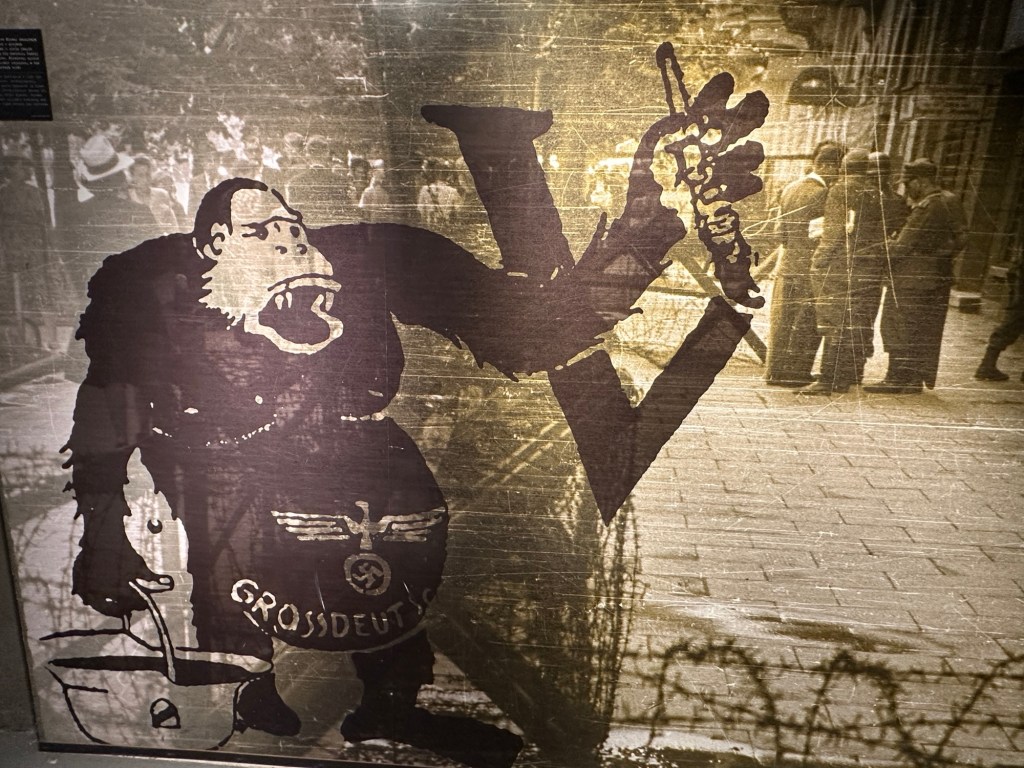
In the museum there are historical artifacts with explanations, documented footage of the time, and a powerful 3D movie to show an aerial view of how Warsaw was bombed to hell during this war. What wasn’t destroyed at the beginning of WW2 was completely decimated during the end of WW2. It is said that before WW2 Warsaw had 1.3 million people but after the last uprising they were left with less than 300,000. Many were moved, killed, or sent to camps during the occupation. There was some information on the Warsaw Ghetto and how Germany made propaganda videos to show back home about how great life was in the ghetto so every day Germans would have no idea how bad like was for the Jewish people in Poland.

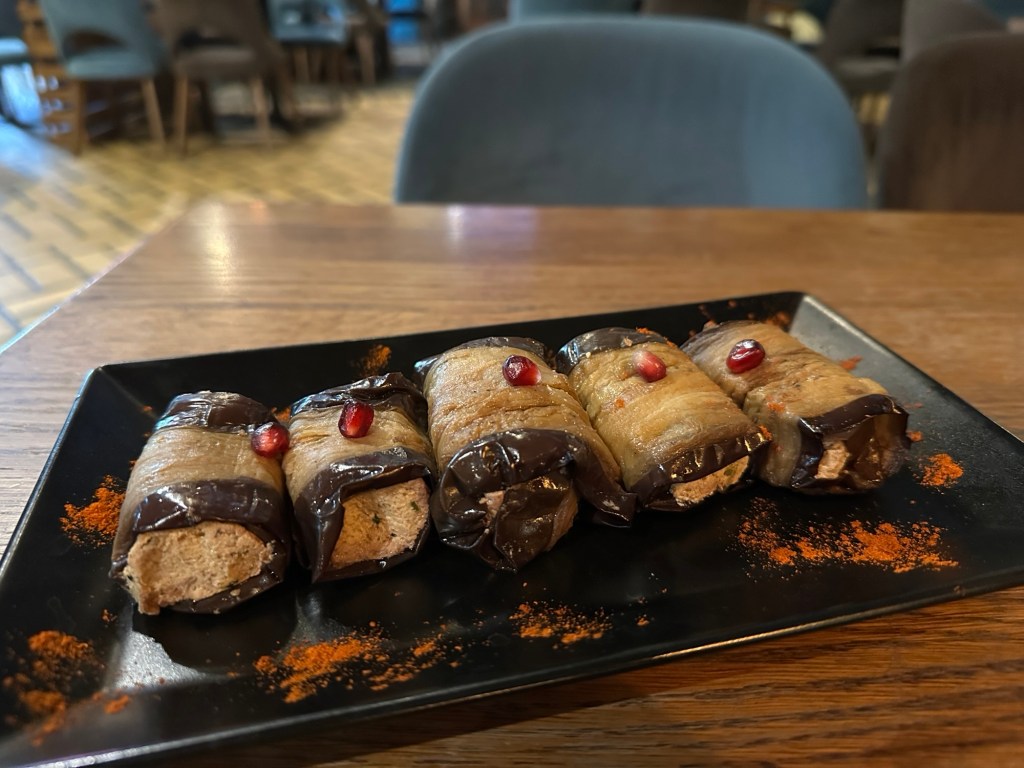
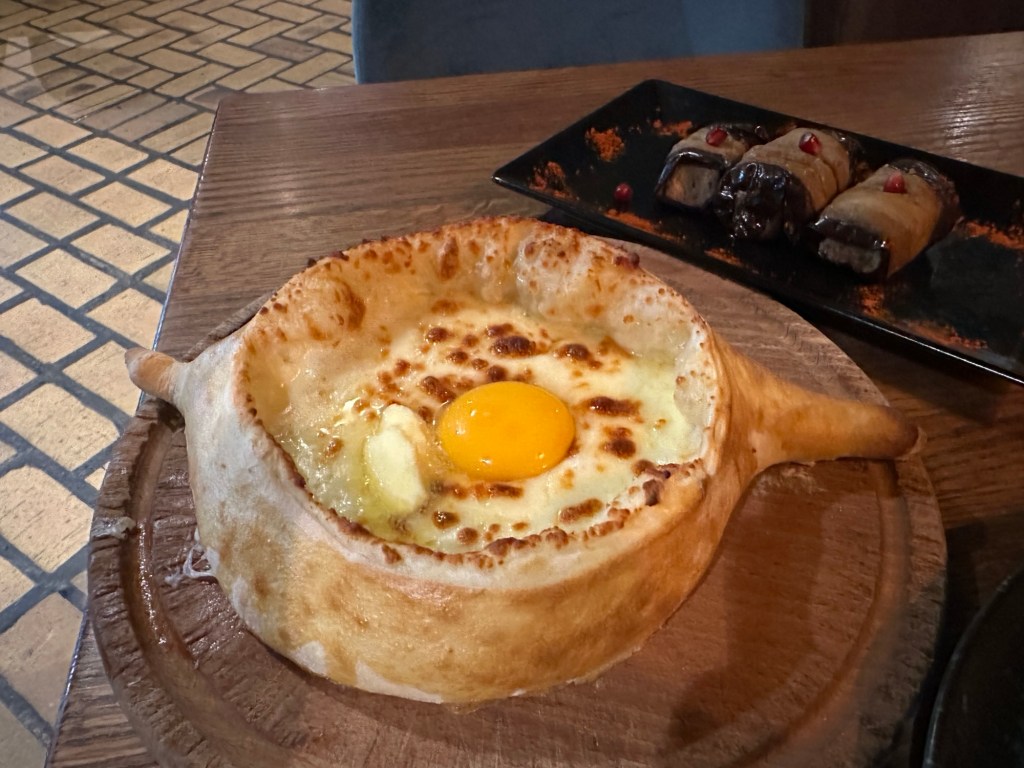
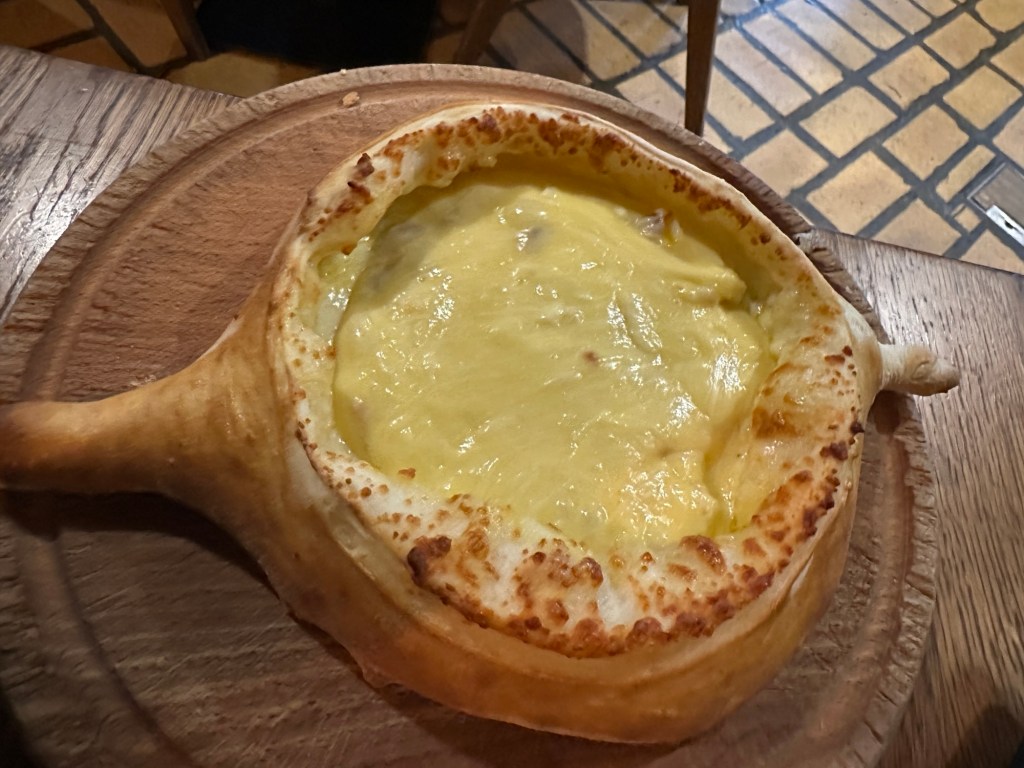
After the museum I want to grab a quick lunch before the old town tour I have scheduled this afternoon. While on the bus to Old town I pass a Georgian restaurant I’ve been thinking about trying. I hop off at the next stop and get a delicious Georgian meal. There are so many good things to order but I am only one person and this is already too much food. I order an appetizer of cold eggplant rolled over some sort of nut stuffing (I think cashews) and khachapuri with egg. Khachapuri is what we call in US a cheese boat. It is boat shaped bread filled with delicious cheese. There can be different toppings like a pizza but I order the traditional way with a raw egg on top. The egg is mixed in table-side where the egg “cooks” with the hot melty cheese. I think the egg gives it a more rich flavor, plus it adds protein (gotta get in my protein even if I am eating garbage). I am sure the cheese is going to mess up my stomach for the afternoon but I don’t care. (Luckily it doesn’t). It’s good I am walking for most of the afternoon because I am eating a days worth of calories here, or more.

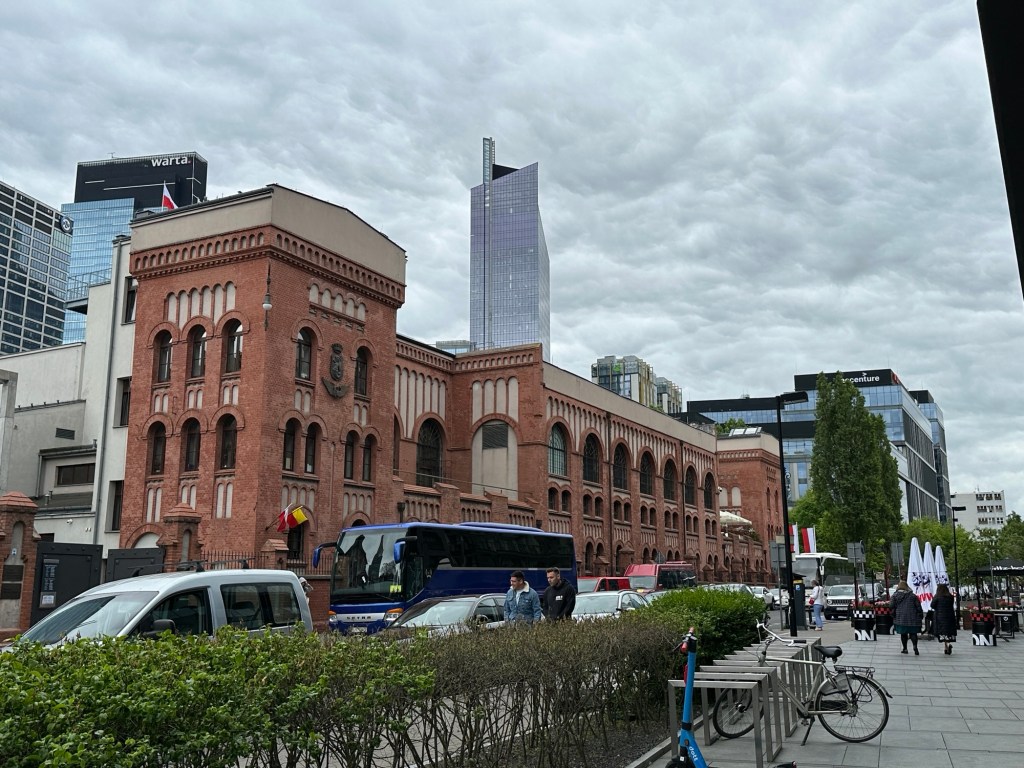
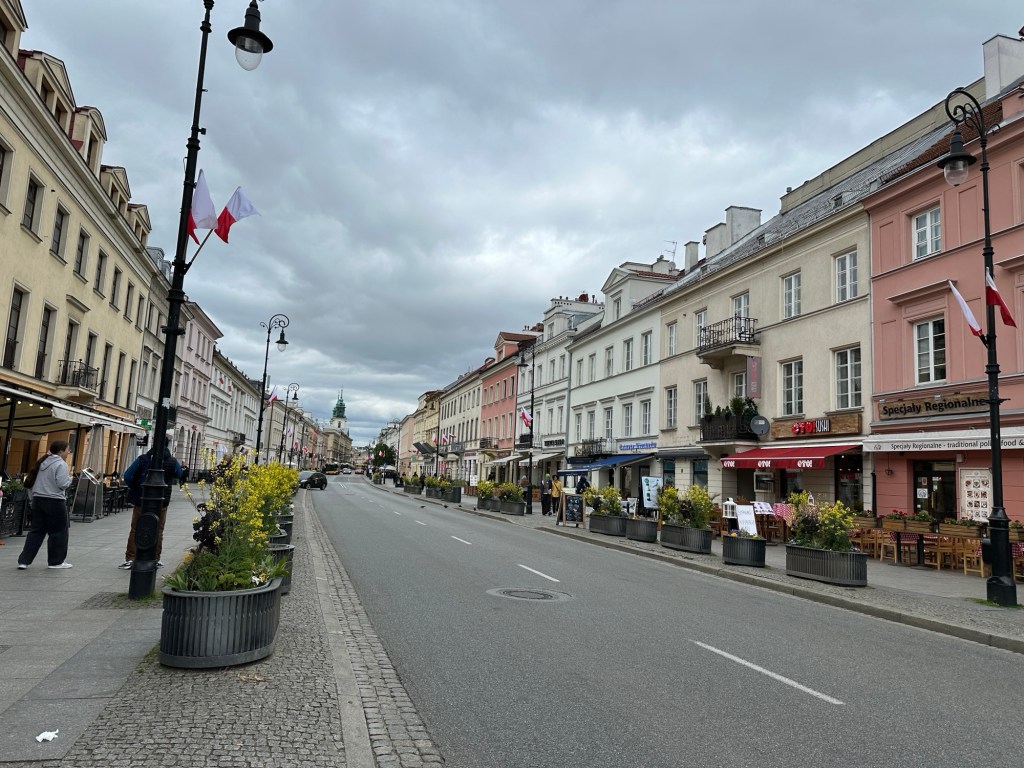
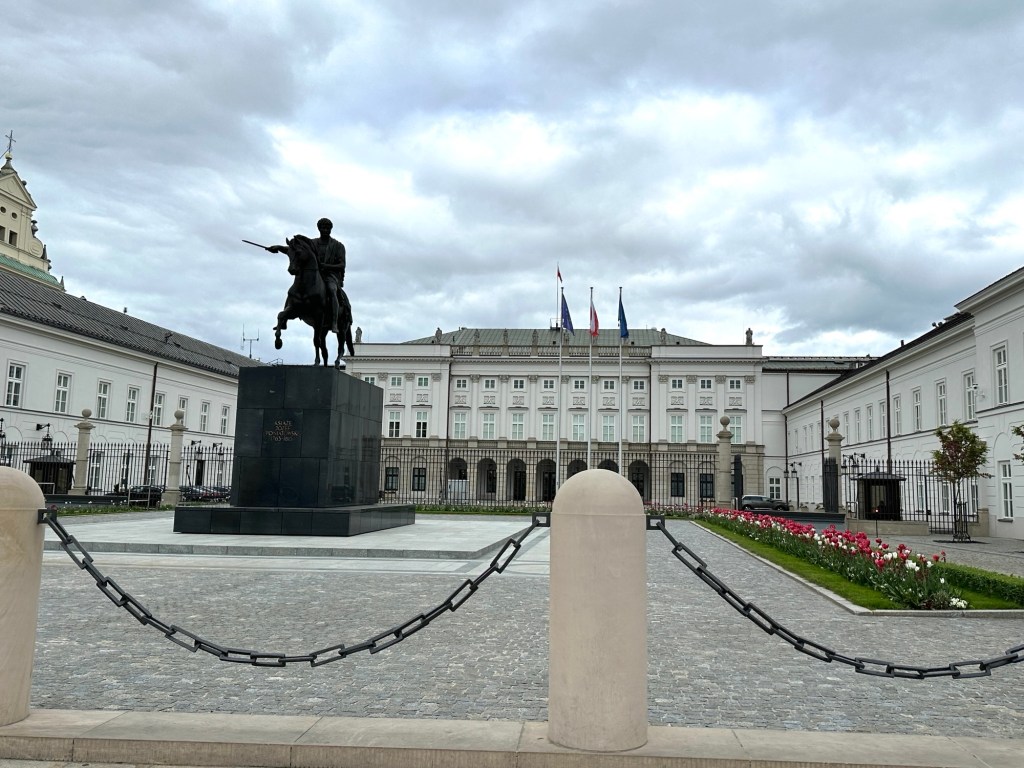
I arrive to the royal route early and explore. The royal route is the long road lined with restaurants and stores that leads down to the presidential palace and old town.

The Royal Route

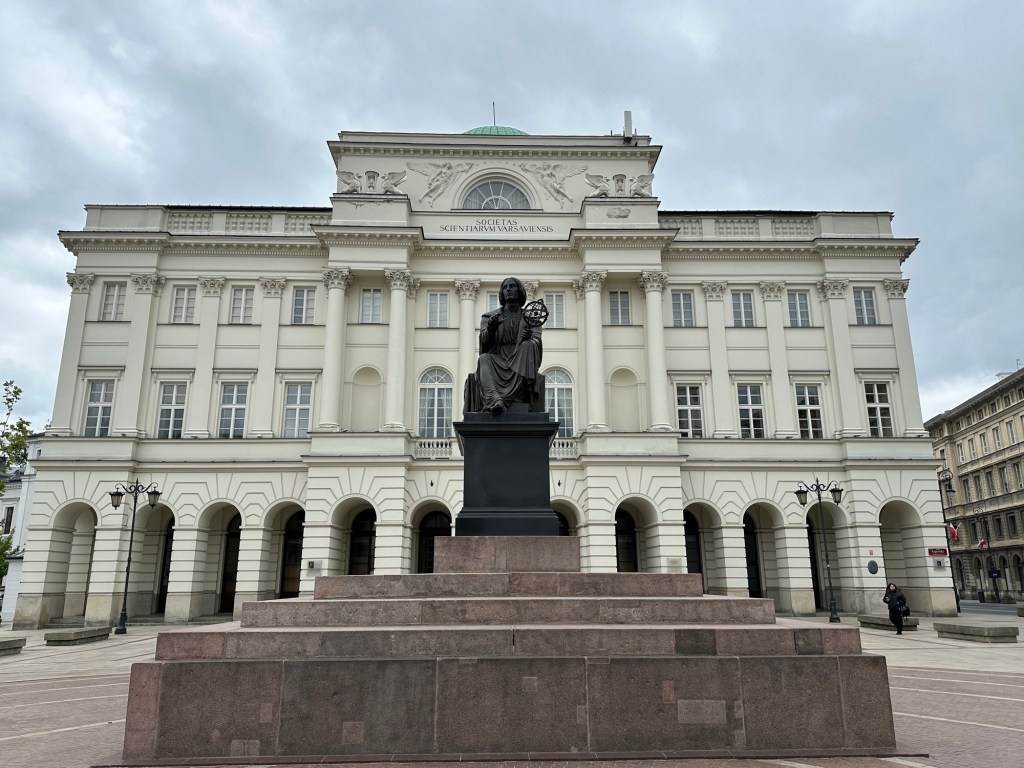
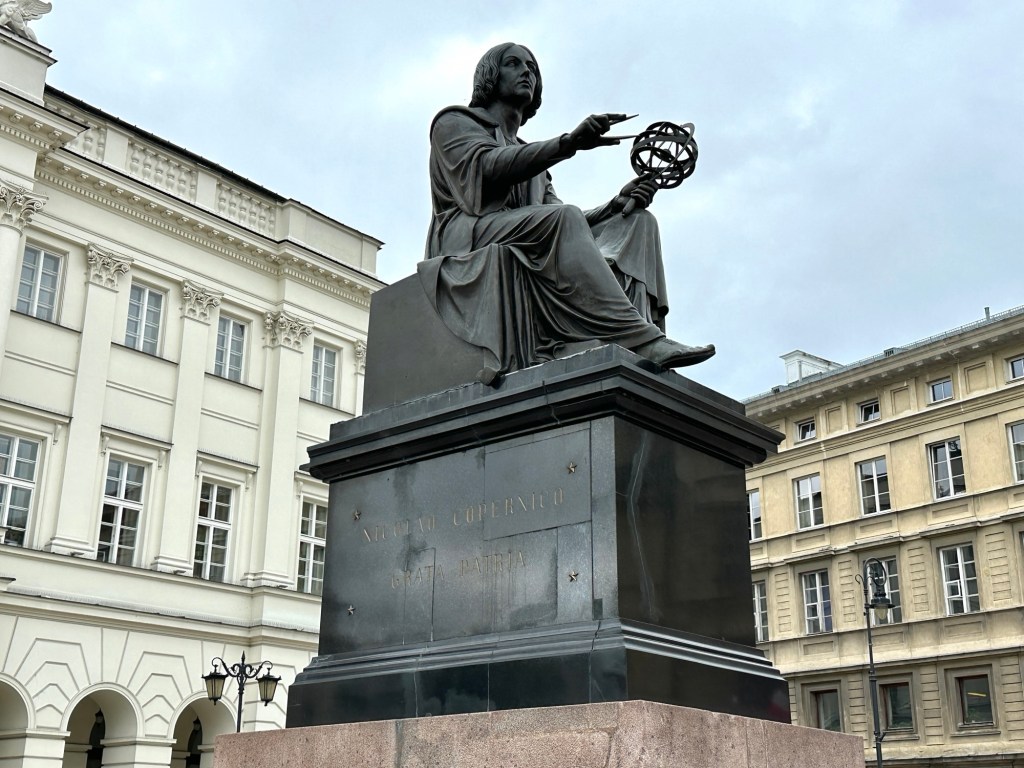
We meet at the Copernicus monument in front of the Polish Academy of Sciences. Copernicus is a famous Polish scientist who first modeled the Sun as being stationary and the planets orbiting it, among other things. He is commemorated all over the country.

Our guide, a spunky polish native, uses facts, humor and sarcasm to tell us all about old town. I love a good sarcasm banter.

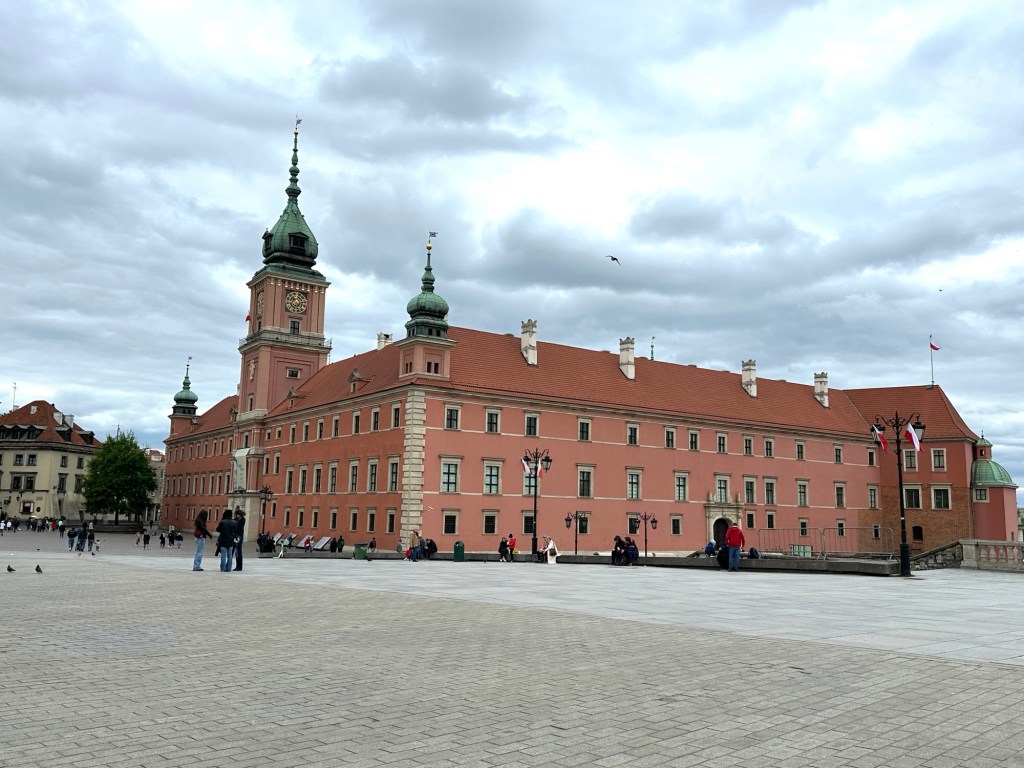
The most important thing to know that most of the old town has been completely rebuilt since WWII. It was bombed during the start of WW2 and bombed to hell when Poland tried to claim their independence during the Warsaw Uprising.

As terrible as the Soviets were to Poland, much of the old town was able to be rebuilt during the reign. Our guide tells is that many of the buildings are built from the original rubble of the original construction. And if they did not have enough material they tried to source the original.

We spend a large amount of time talking about the buildings all over the start of old town.

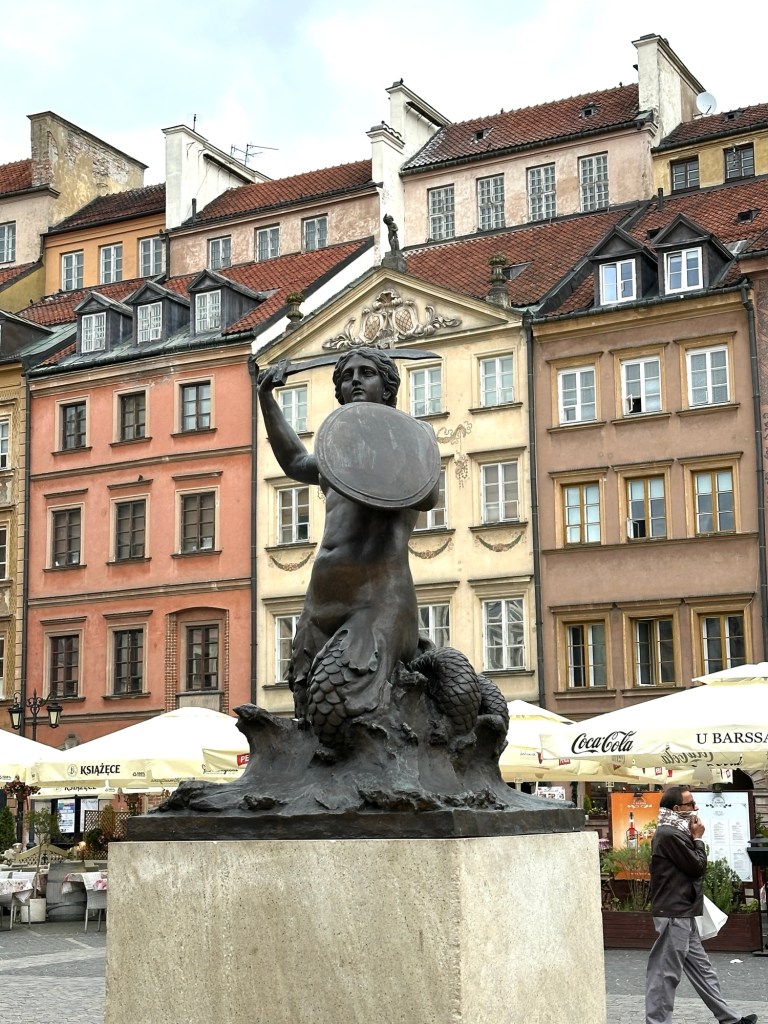
We visit the town square and learn all the lore behind the courtyard mermaid.

Our guide shows us important churches and notes places to visit around town. She points out parks on the must see list.

After the tour I go backwards and visit all the churches she mentions during the tour.

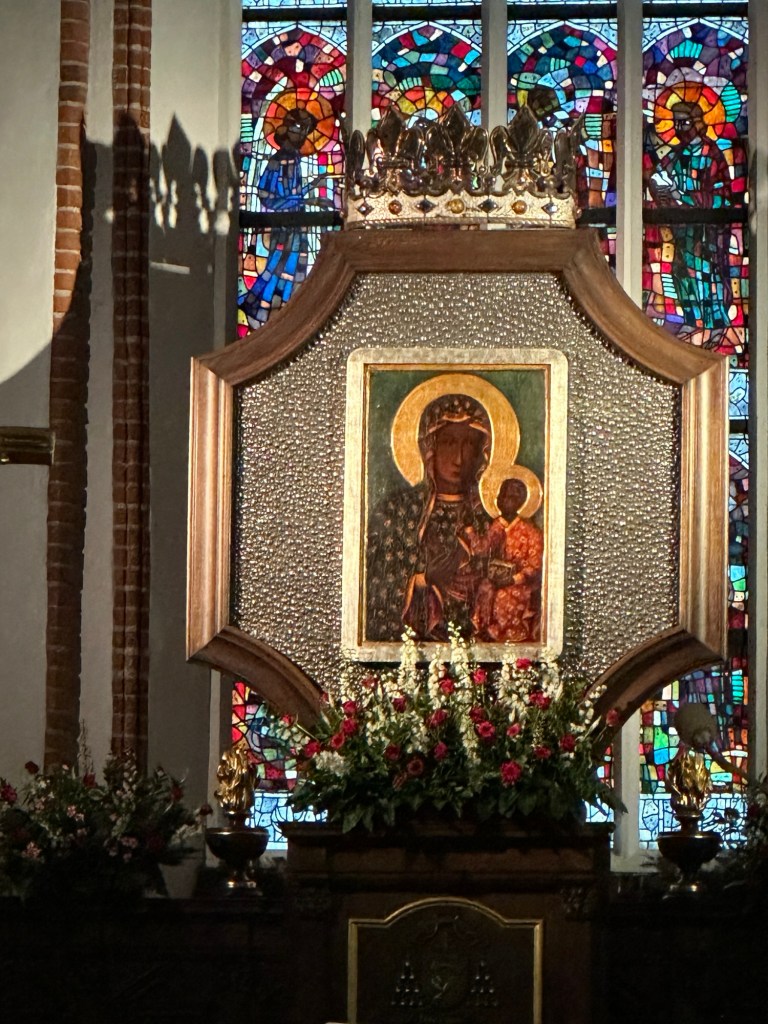
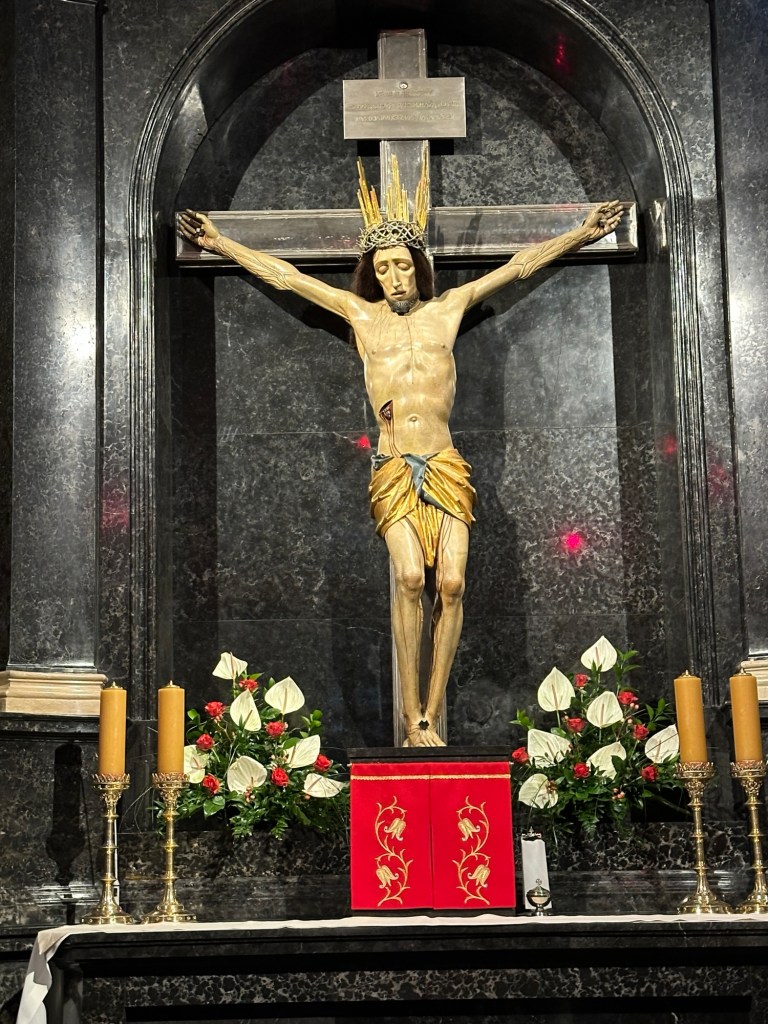
In Archcathedral Basilica of St. John the Baptist there is a reproduction of the famous Black Madonna painting like the famous one that exists in the Jasna Gora, a polish pilgrimage site. The church also has a Jesus statue that uses human hair as Jesus’ hair. There is a story that it used to grow and required haircuts on a regular basis. There is a story to explain why it no longer grows, of course.

Jesus statue with human hair

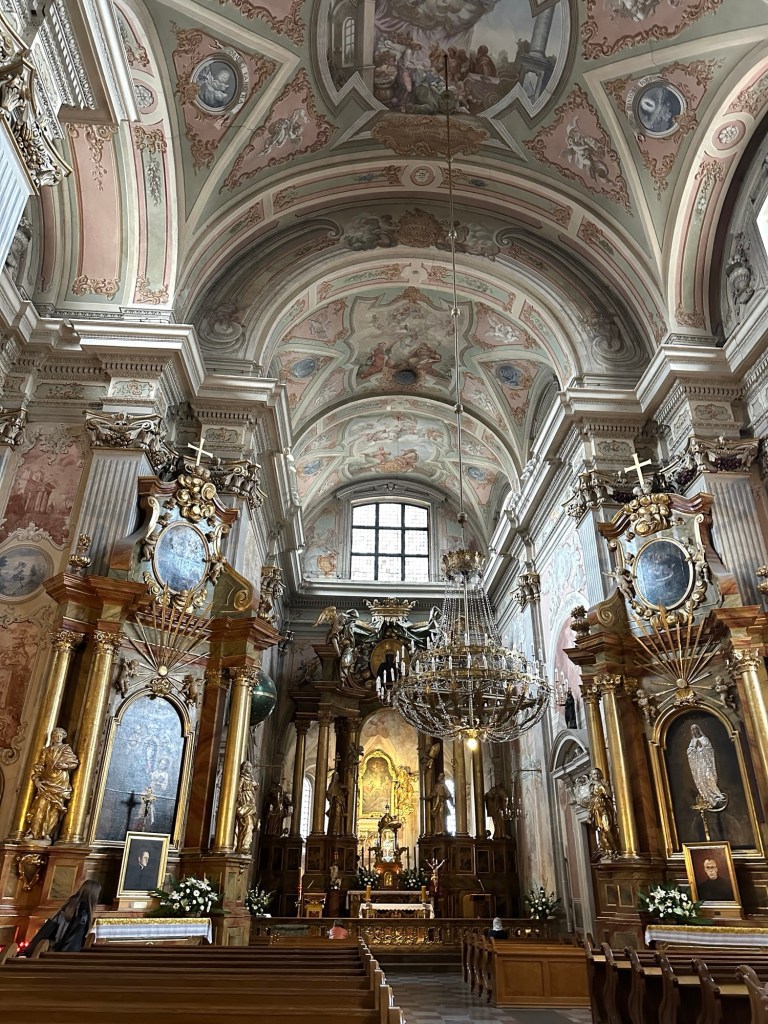
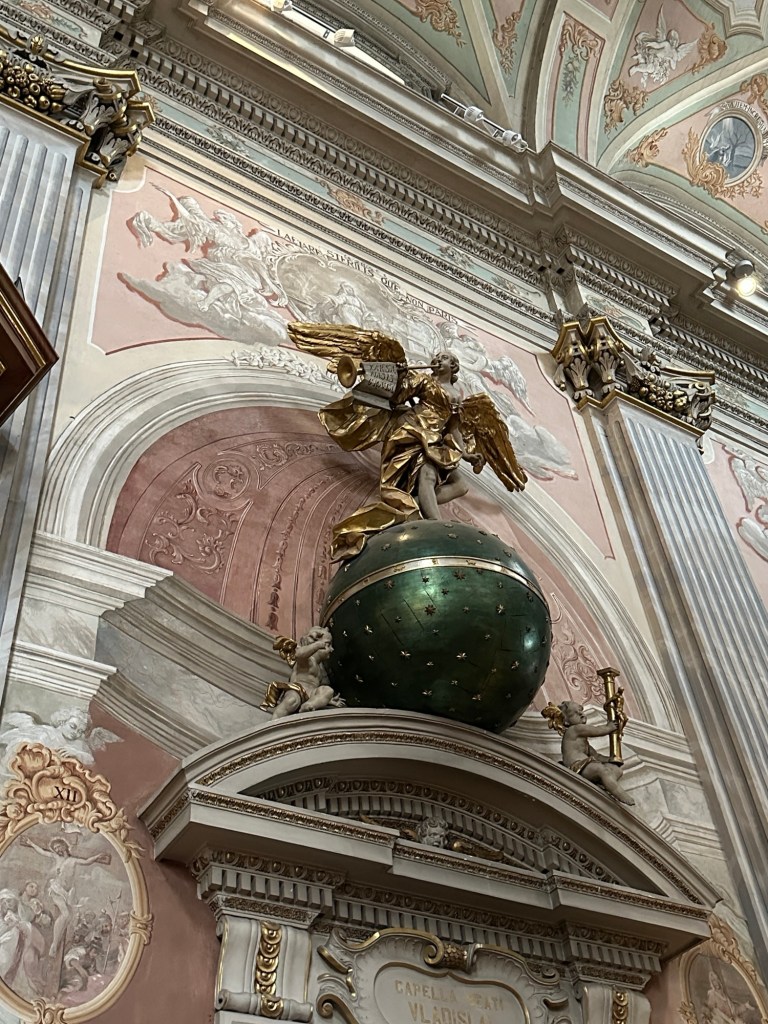
I visit St Anna’s church which is a must see inside. 

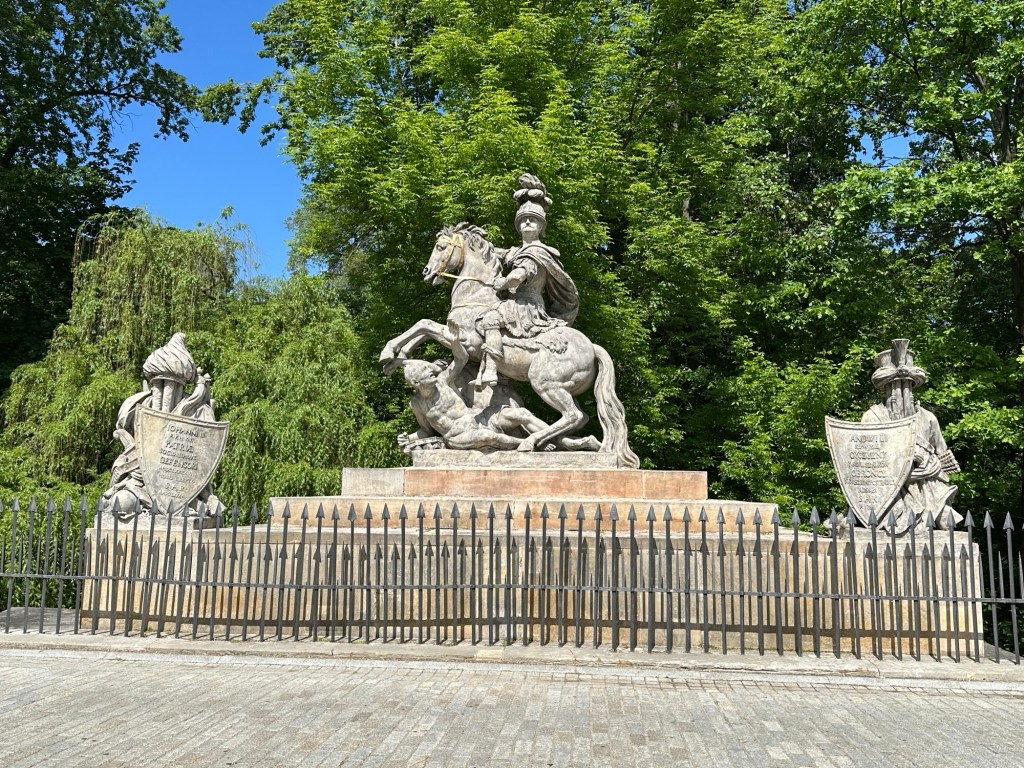
She also fills us in with more detail of the history like how a king ends up on a big column in the beginning of old town.

In the Church of the Holy Cross you can visit a memorial to Chopin. Frédéric Chopin’s sister put his heart in brandy after his death to preserve it. There is a fantastic story about how she smuggles it under her dress to cross the border so his heart could be buried in Warsaw, in his home country.

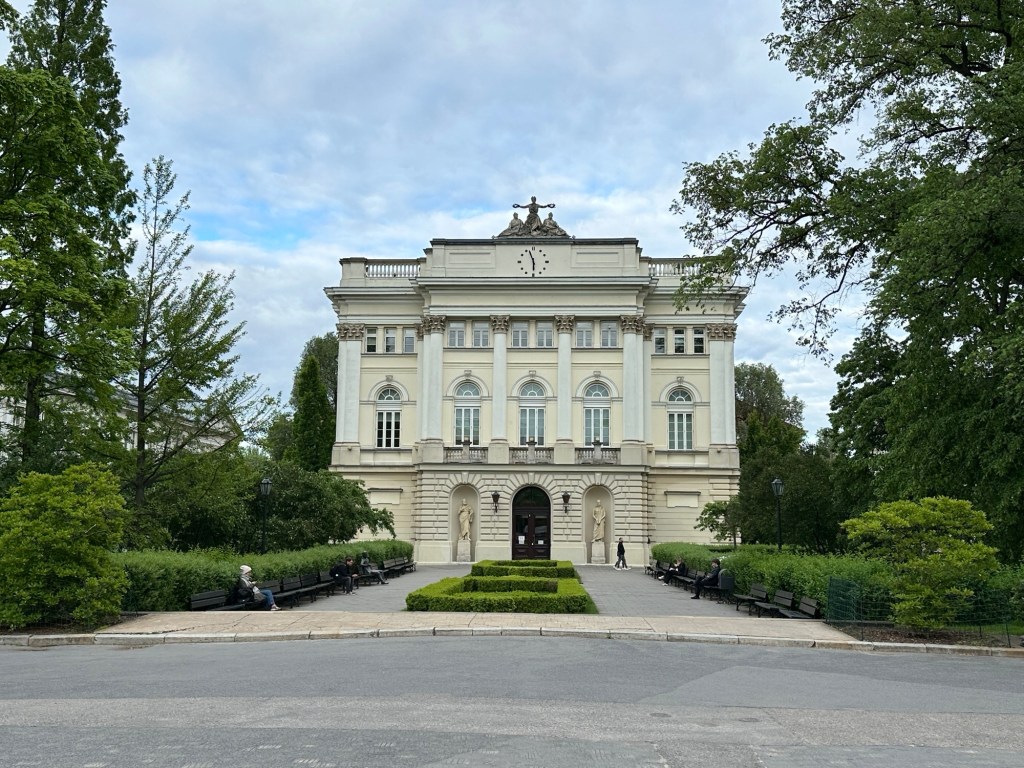
We stop by the University of Warsaw. We learn that all the public universities in Poland are free if you have the grades to be admitted. We see one building that made it through the war. It is supposed to be a beautiful campus, especially at night. I plan to return later.

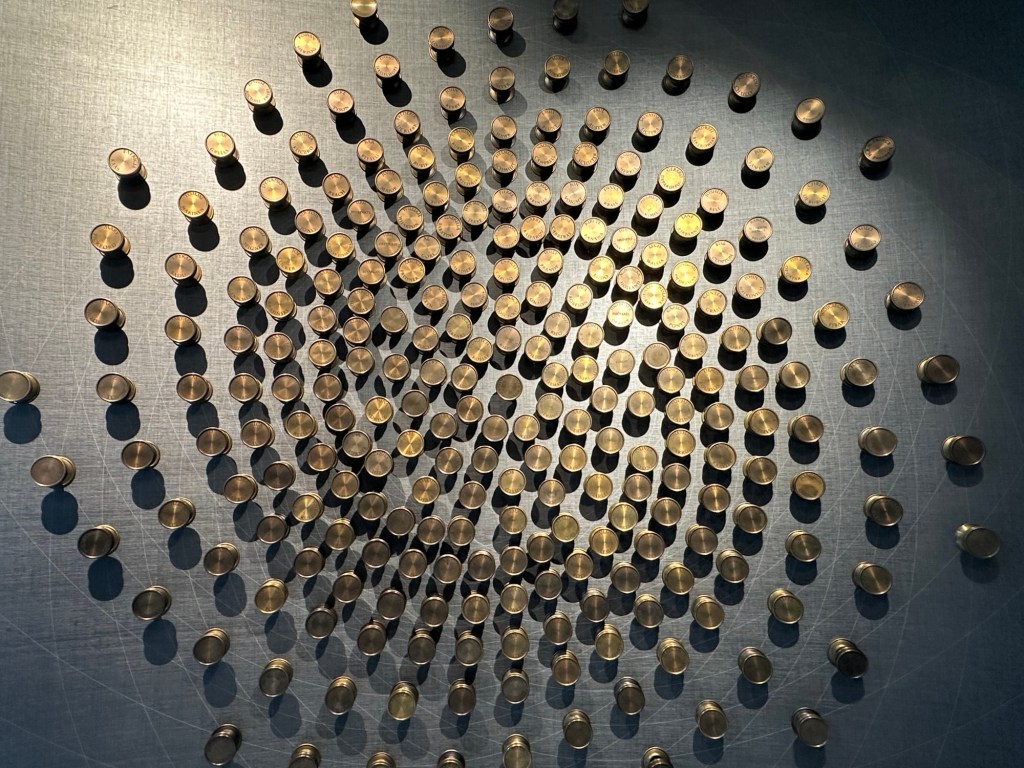
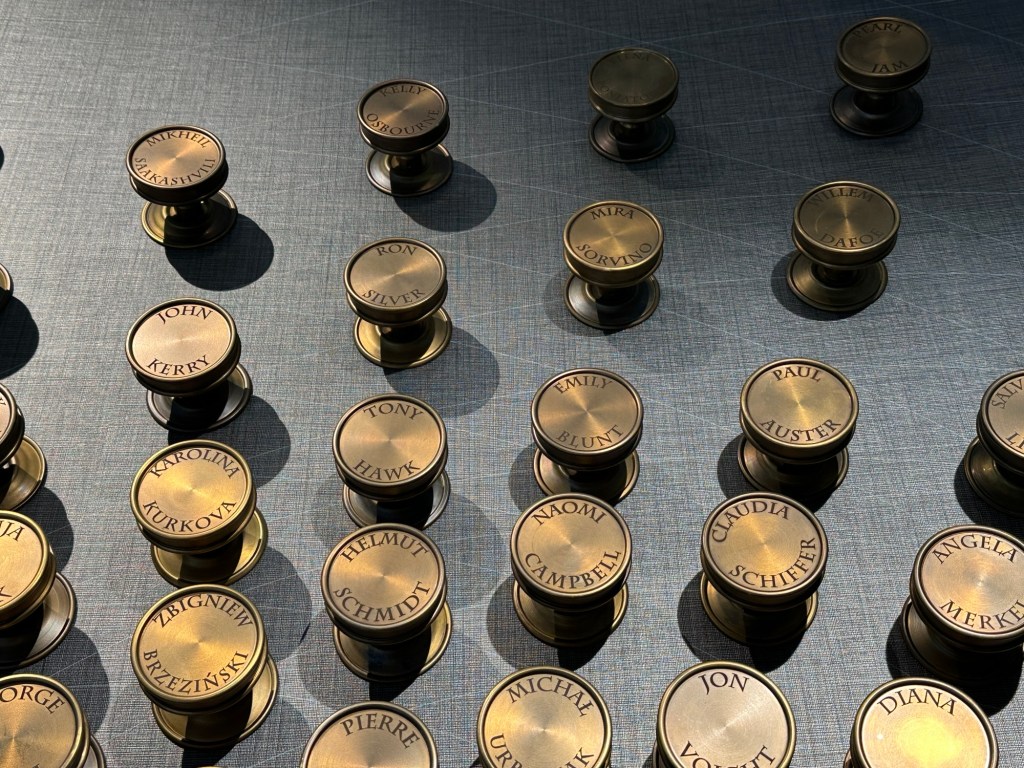
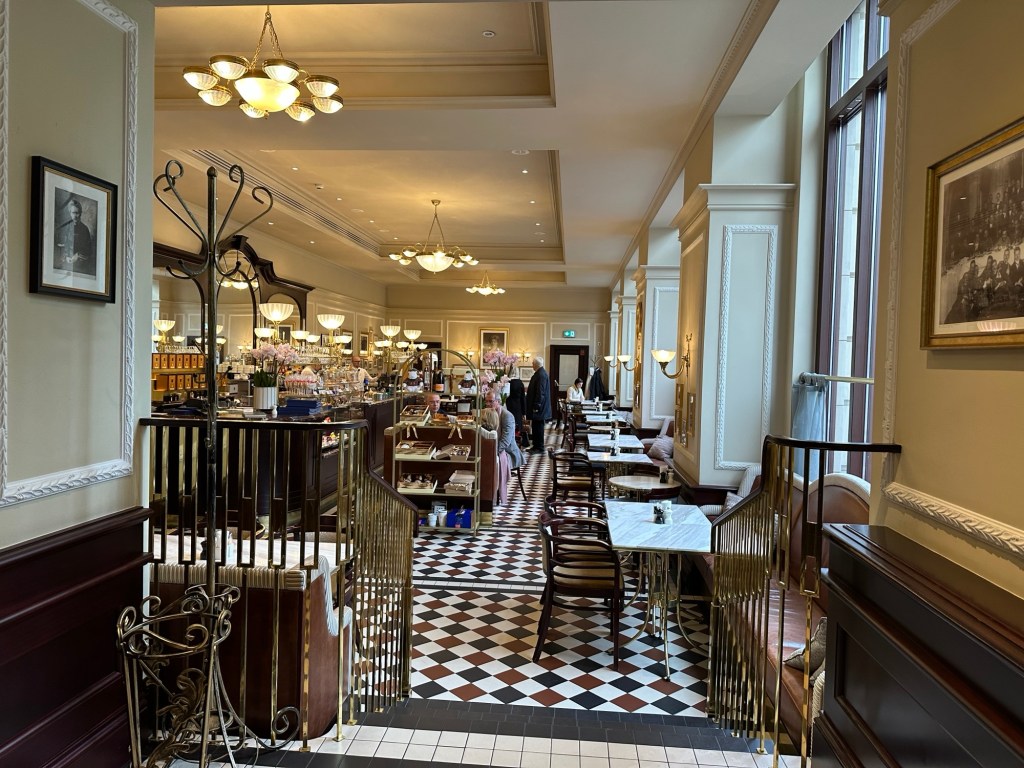
We stop by the beautiful Bristol hotel, a luxury hotel built in 1901. The Cafe Bristol is visited by many famous people over the years. There are little knobs on the wall that commemorate each famous visitor to the hotel.

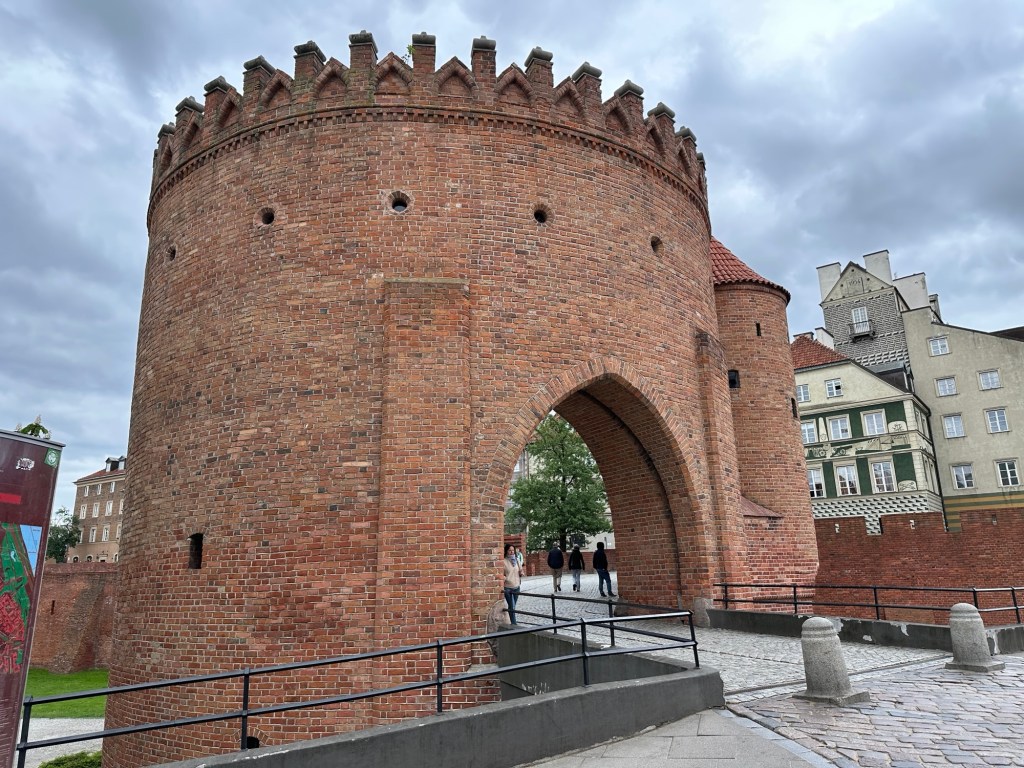
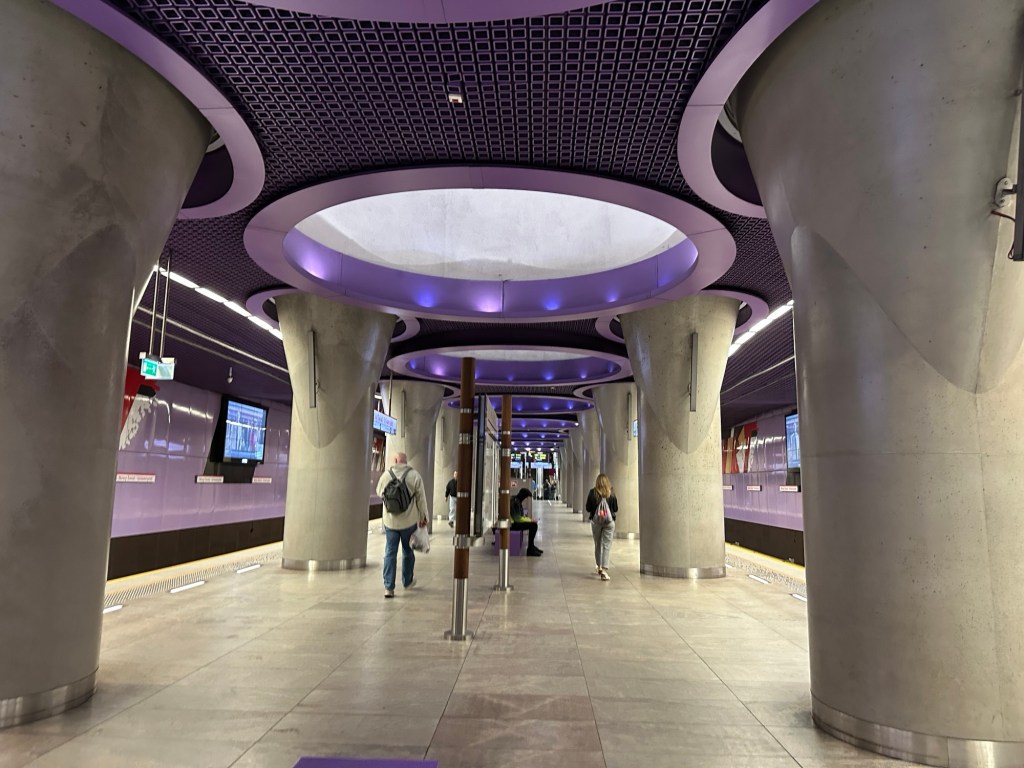
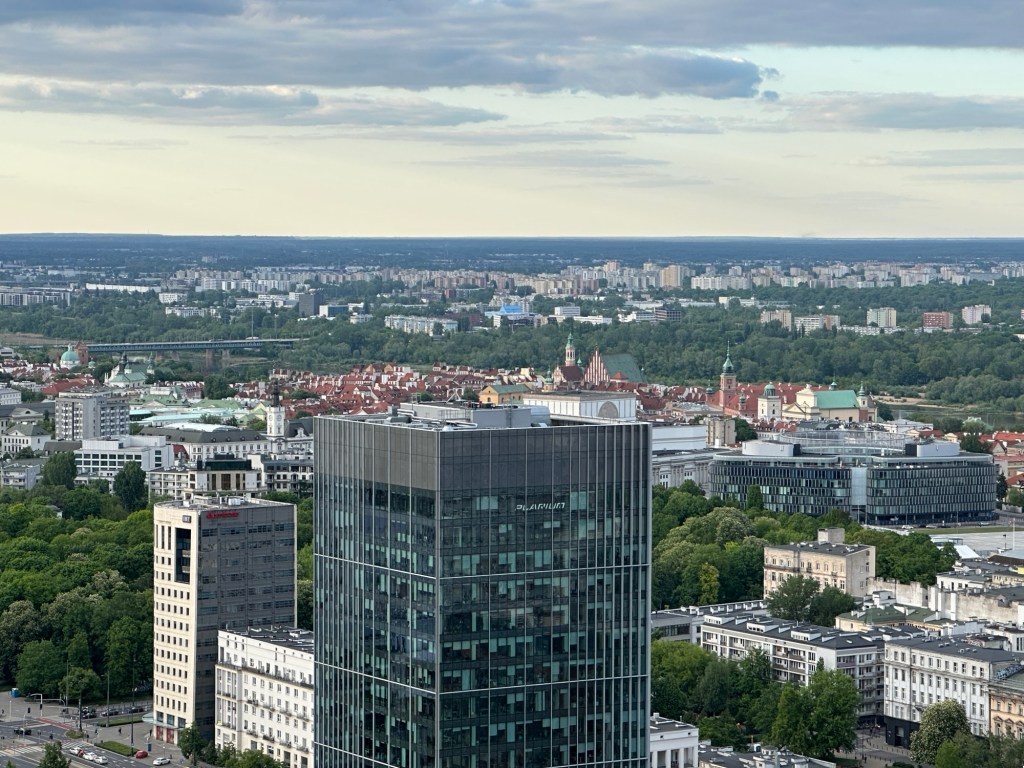
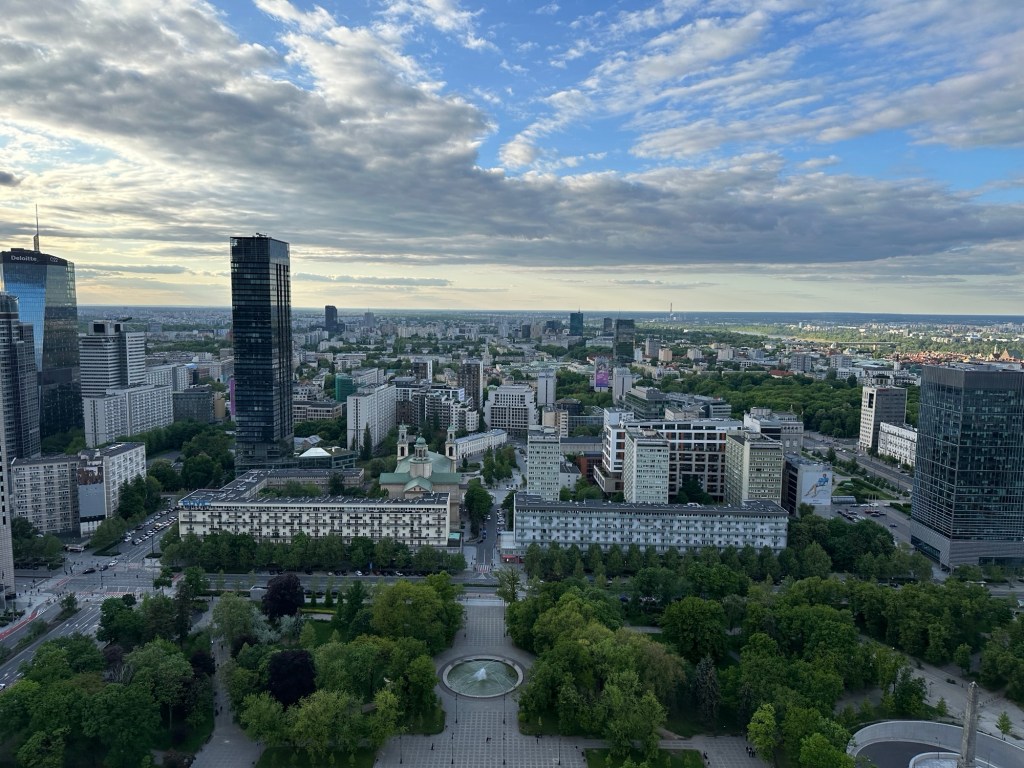
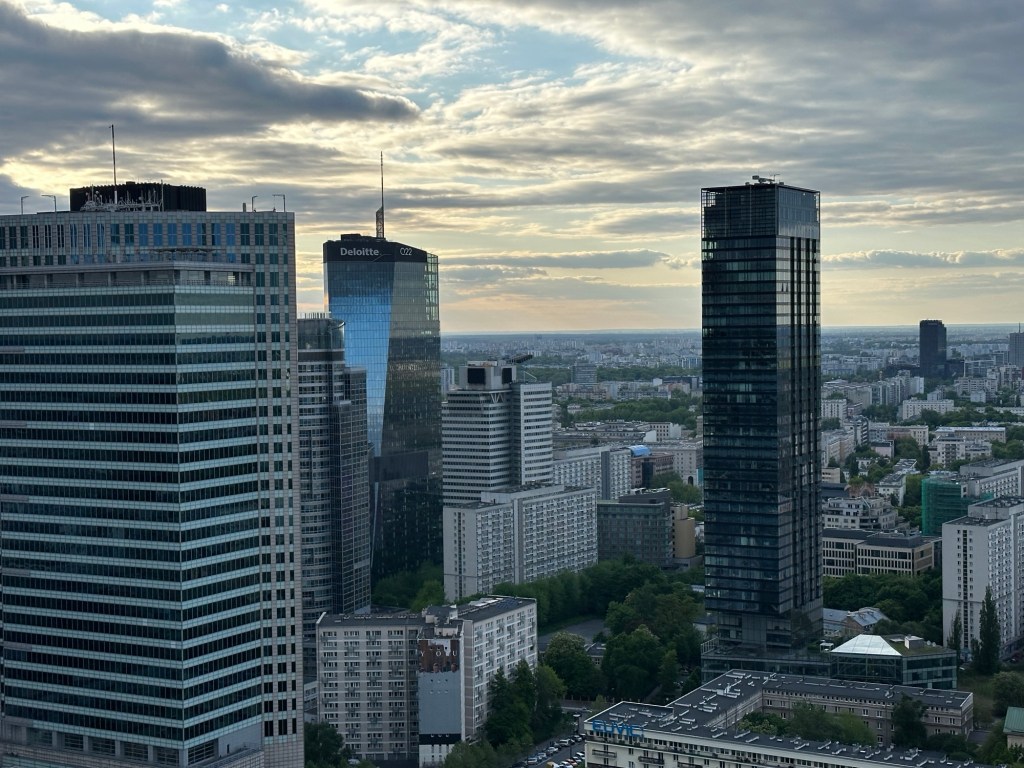
We finish the tour at the other side of old town at the Warsaw Barbican. After stopping by all the churches I missed I take the metro to down to the Palace of Culture and Science to have spectacular views of the city.

View from the Palace of Culture and Science

More museums tomorrow……

Zagreb, I love you

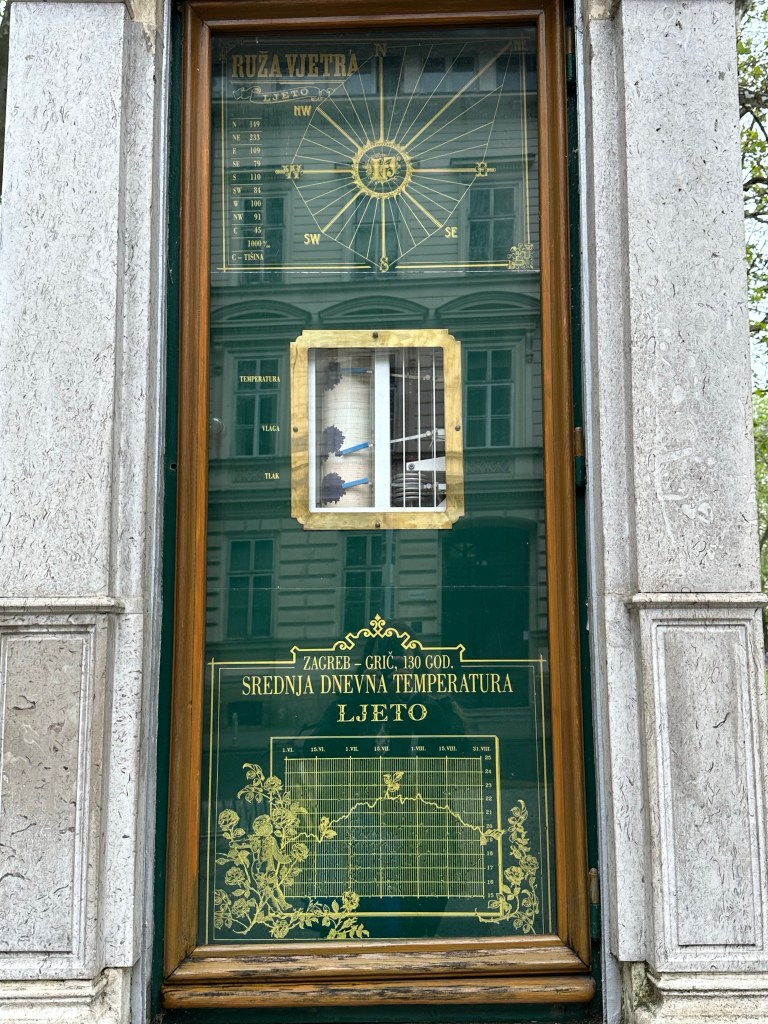
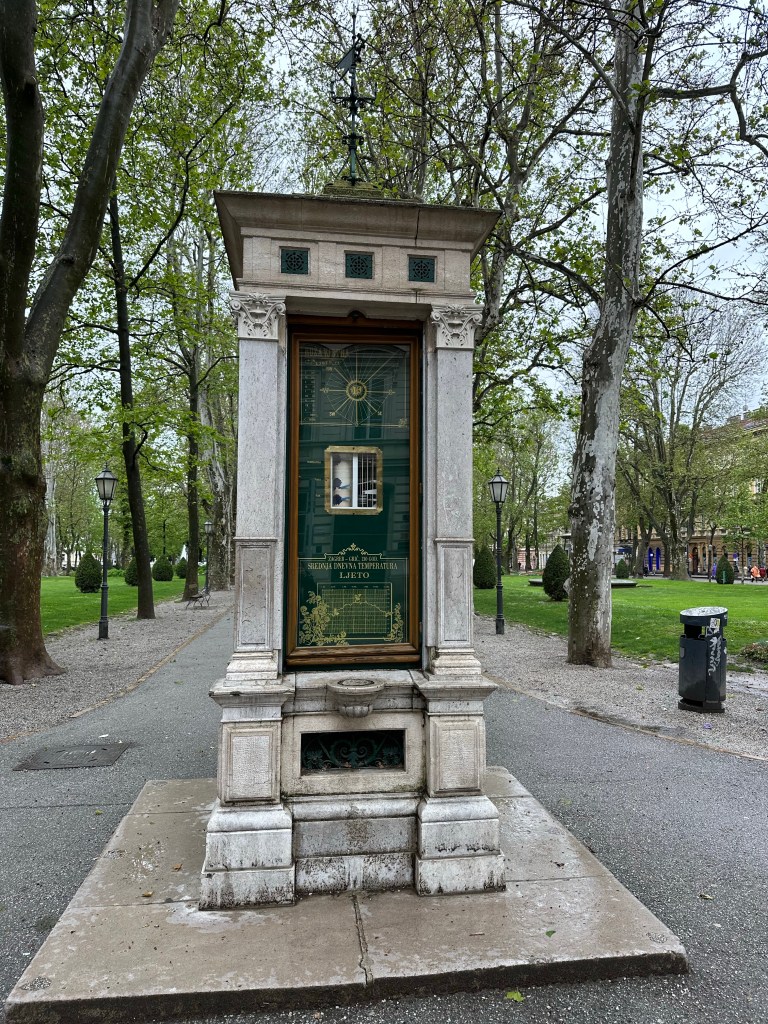
Weather meter

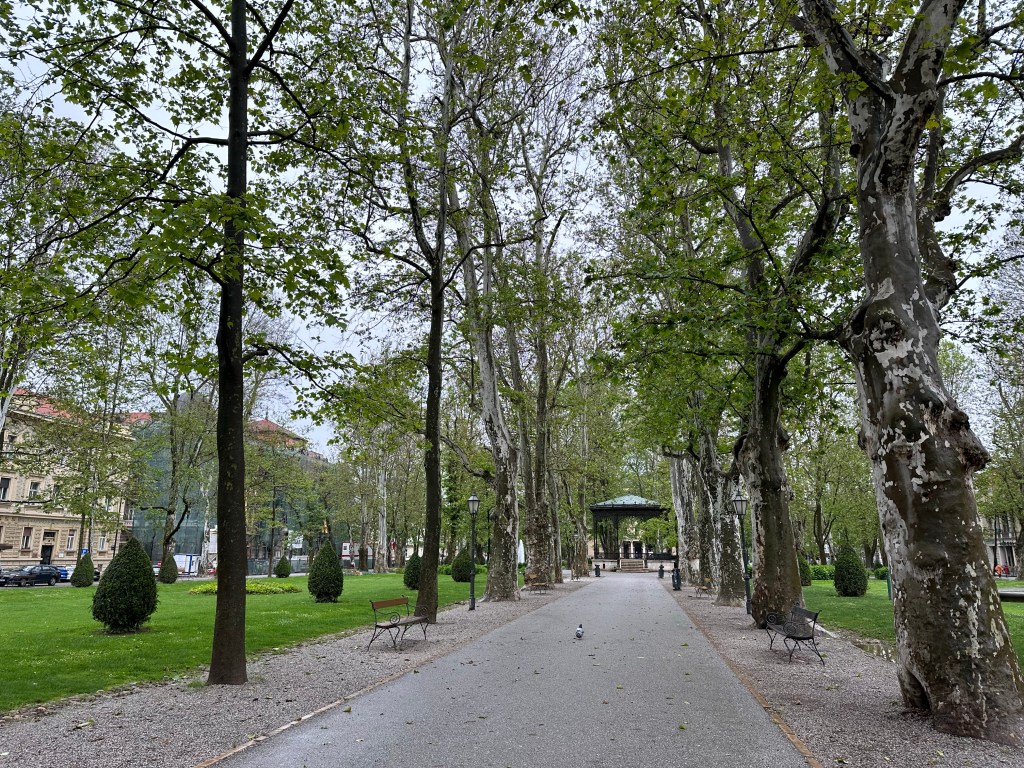
I am glad for a late start today because the rain does finally let up for my first tour which is a general city tour. The tour starts in the park Zrinjevac, one of seven city parks. Our guide talks about the upper and lower cities and Kaptol.

One of the sights is a meteorological box in the park. We are told how it was donated by a local. It holds information on things such as temperatures, sunrise/sunset schedules and more.

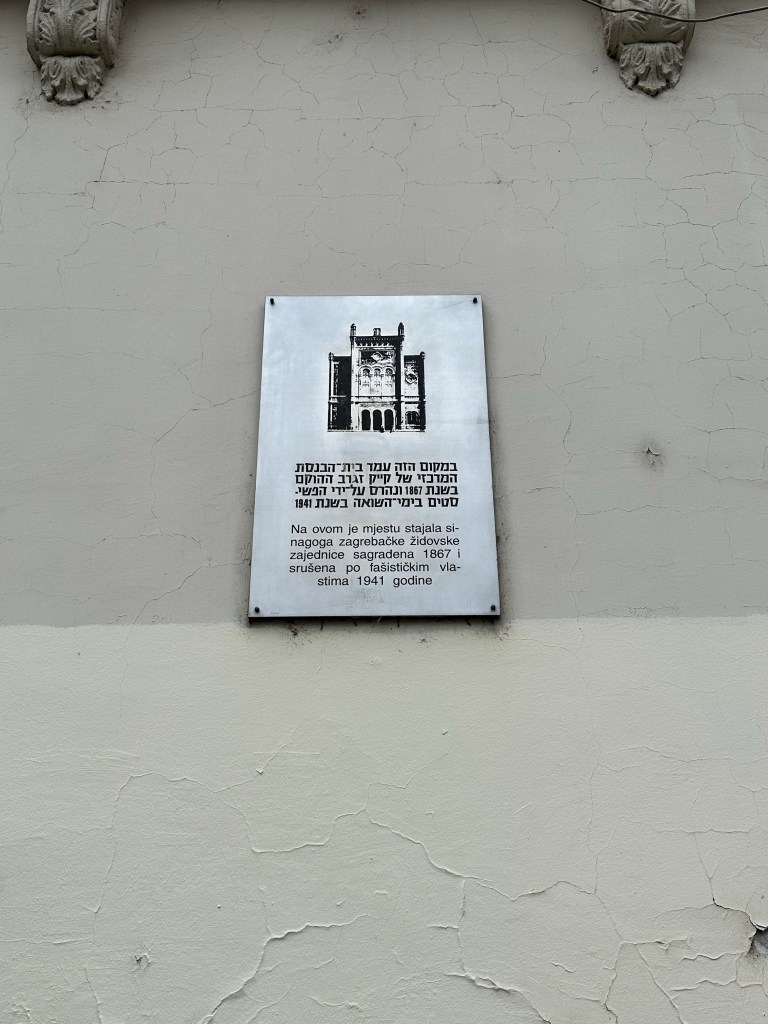
We go to a parking lot that once was home to a magnificent synagogue. When the nazis took over the city the religious building was destroyed brick by brick and cheered on by the nazi party. Also as a result of the nazi occupation the population of Jewish people went from around 11,000 to about a few hundred today. Most were sent to concentration camps, some in Croatia, and some migrated to other countries. The city has made sure the Jewish synagogue today profits off the current lot in order to one day build a new home. However due to the small numbers in the city it is unlikely that is happening anytime soon. Along with the Jewish people, the Romani and Serbs were also persecuted at the time of the war.

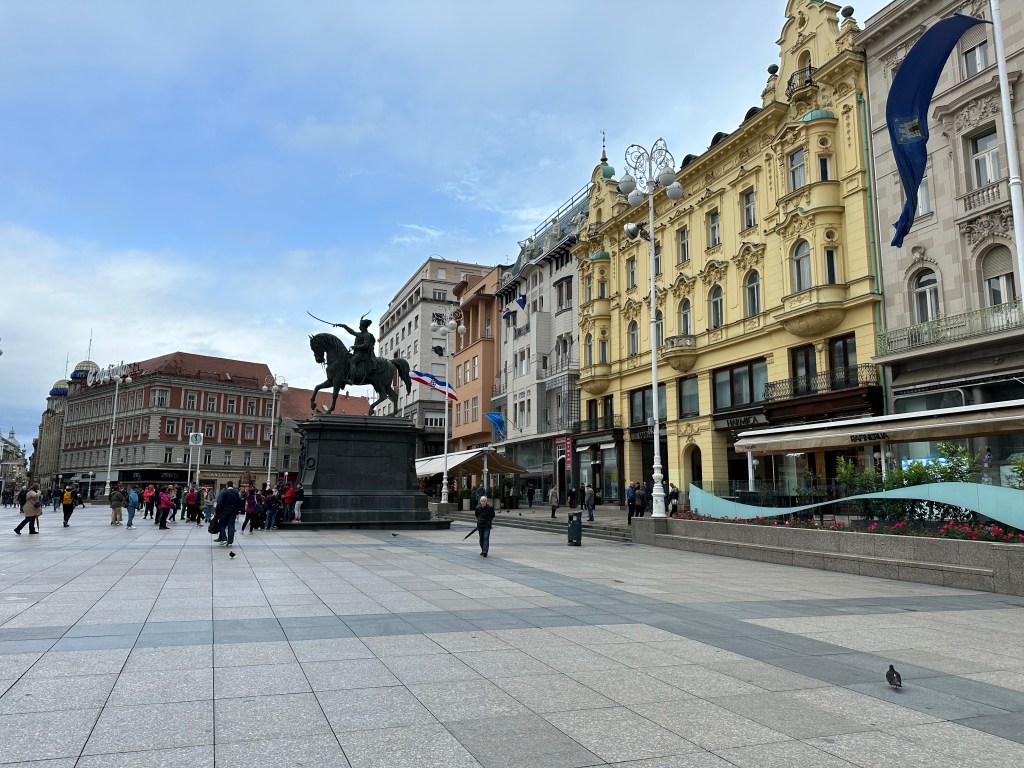
Our guide tells us about the statue in the main square, a leader on a horse that originally was overlooking the town in the opposite direction (looking at upper town). During the communist time of Yugoslavia the statue is removed from the square. Thank goodness it is not destroyed and kept safely in a museum. After Croatia becomes independent again the statue is returned to the square but this time pointing in the opposite dirtection because most of Zagreb now exists in that direction and the statue is overlooking the city.

We are told about the performance artist Tomislav Gotovac and the filming of “Zagreb I love you” (I later see this in Graz, Austria in a museum). There is a sidewalk plaque with a footprint noting this moment but I forgot to take a picture.

We walk over to Dolac Market which is normally bustling but due to the constant rain only a few vendors are set up today. We learn how women called Barica would traditionally sell the produce at the market. We also learn the origins of the traditional umbrellas of the city. It of course has love story origins but now you can see example of these umbrellas all over the market.

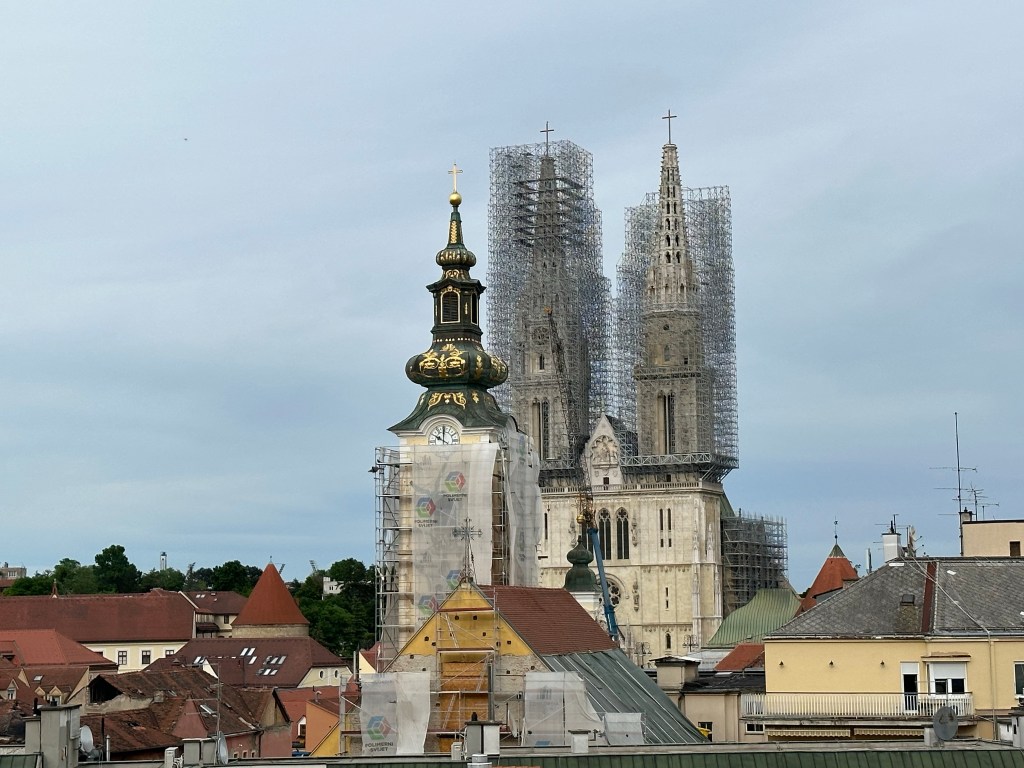
We stop by the Zagreb Cathedral, closed due to renovation.

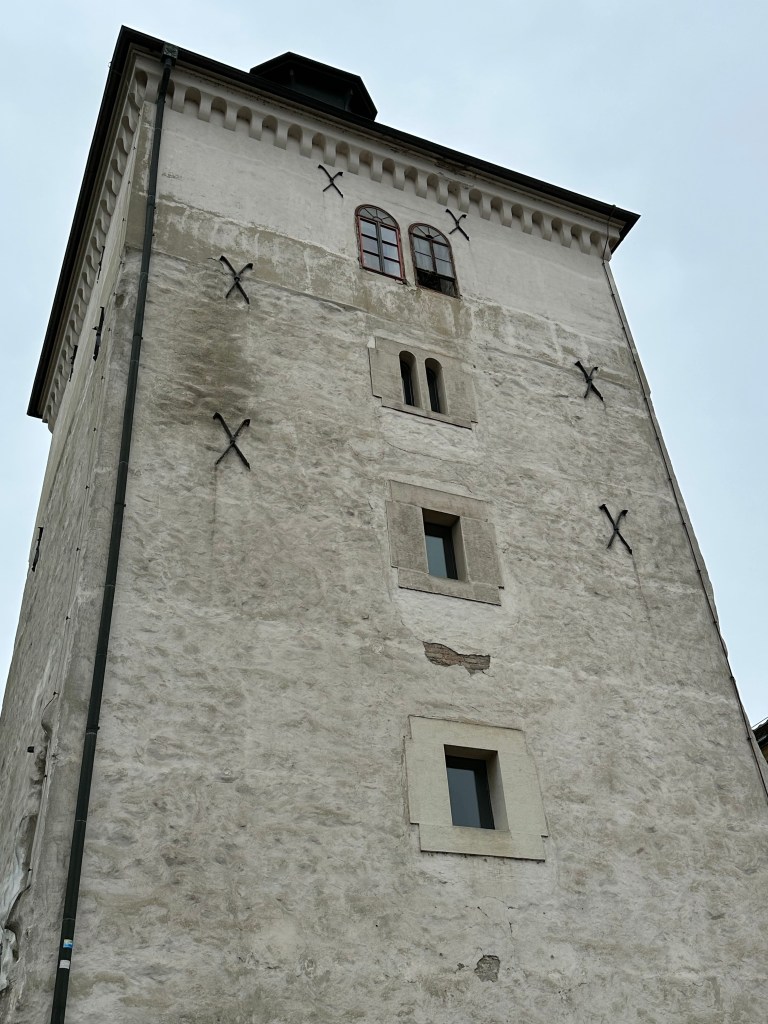
Our guide takes us over to the tower near the funicular. It is close to noon and just in time to hear the cannon fire. One man does this job every day at 12:00 noon. It is very loud.

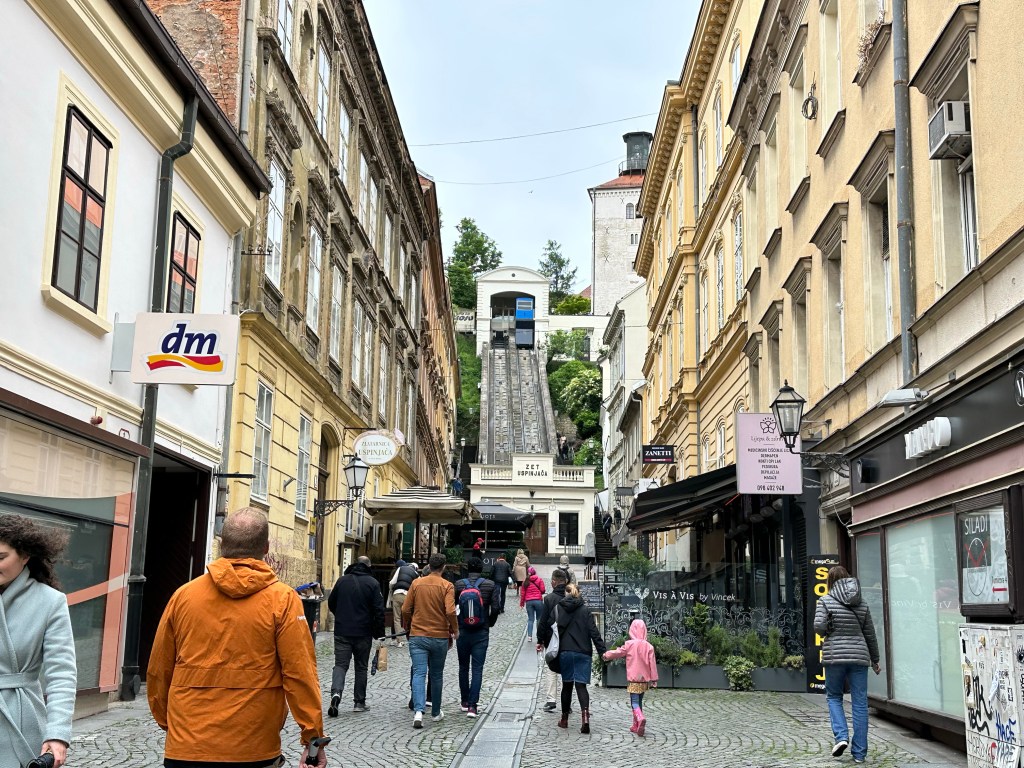
We then take the funicular up to the upper town. It is said to be the shortest funicular in the world. 

In upper town many of the street lamps are still gas powered. There are people who come every night to light them as well as blow them out in the morning.

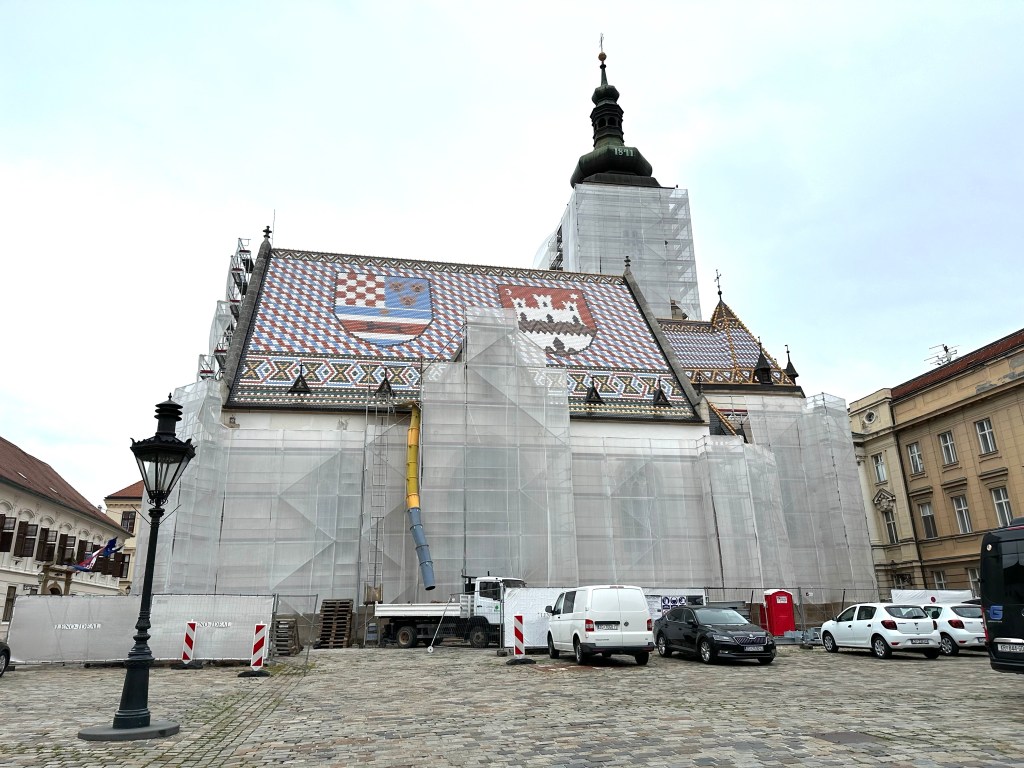
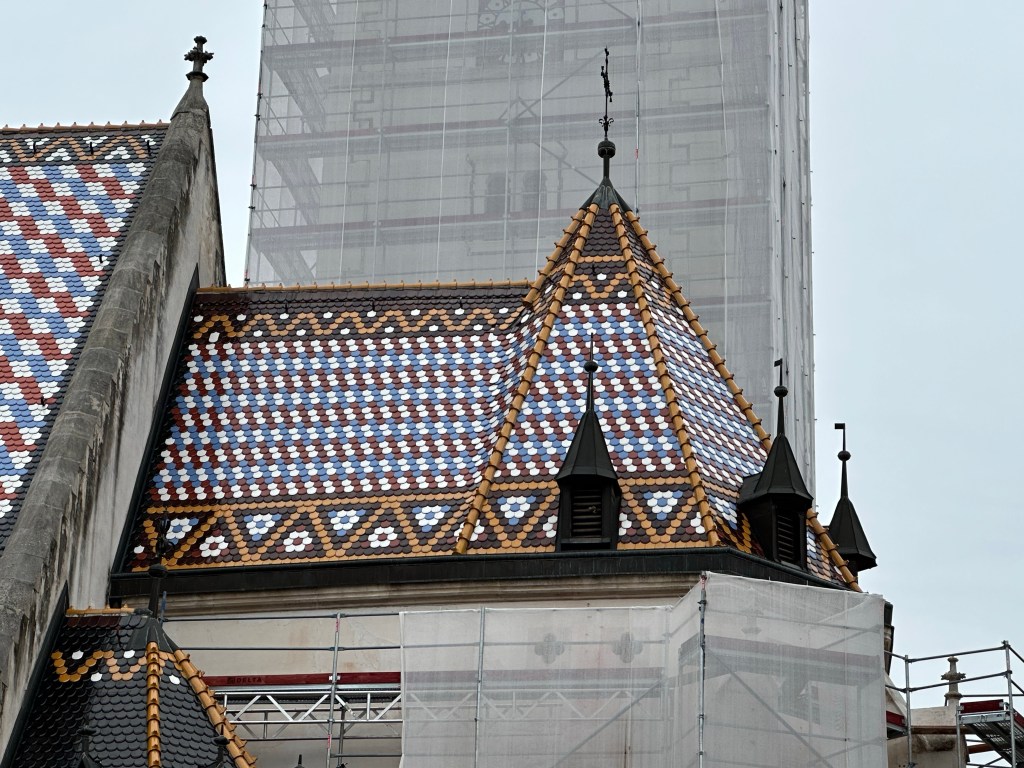
Ahead is a beautiful church, St Marks, from the 1300’s but the tiles the 1800’s. It is mostly covered in construction but the tiles are still visible. We learn that all these “under renovation” buildings are a result of a bad earthquake about 3 years ago. Only one life was lost fortunately because most were on lockdown and not at their place of business due to covid. The repairs needed to all their historic sights are in the many billions so it might be a while before we see Zagreb at its finest again. Hidden behind the screens I can tell there are some pretty impressive sights here.

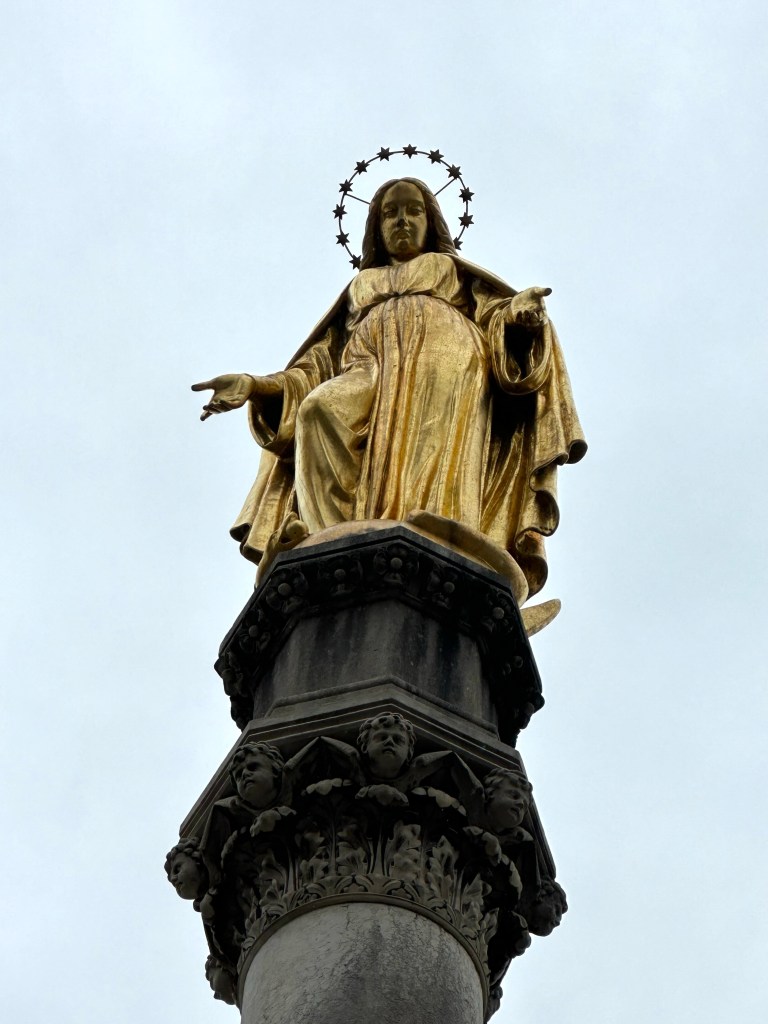
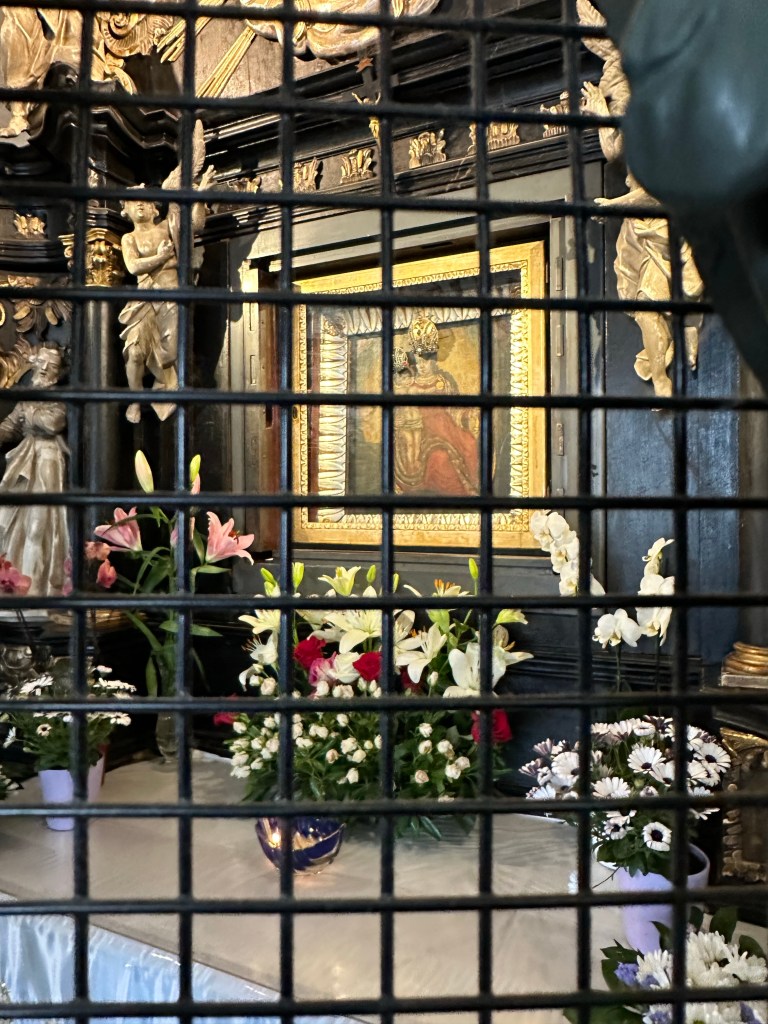
Finally we end up at the little gate that has been turned into an alter to the Madonna since it is the only thing that is not destroyed in a fire.

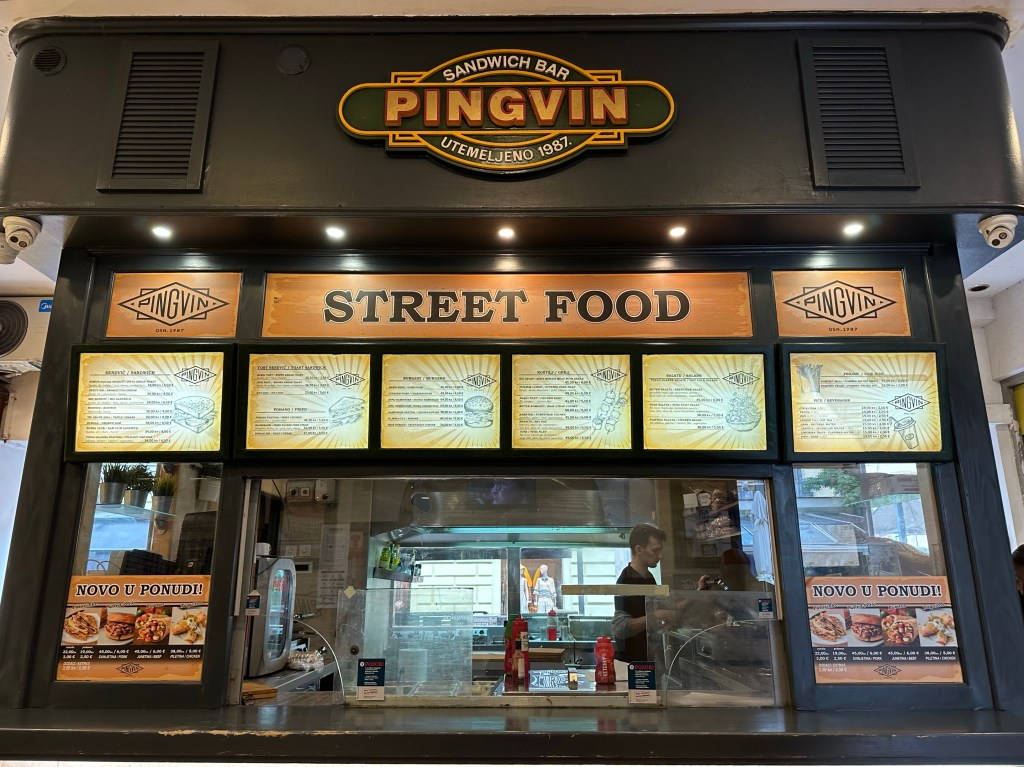
As we say goodbye it starts pouring again. We run off in our different directions. I want to grab a quick lunch so I order a prosciutto and cheese sandwich from Pigvin. I eat my sandwich under the over hang until I see the rain lighten. Then I fight the winds as I walk back to my room with my sandwich. I think this is when my poncho gets its first rip. It is getting a workout today.
After a couple hours of rest I contemplate bailing out of my afternoon tour because it is cold and wet and I am tired. I force myself to put my poncho back on and go back out for my afternoon tour : Communism & Croatian Homeland War Tour. I have never been particularly interested in history or wars for that matter. For some reason I cannot get enough of these tours during my time in the Balkans. While much of the history is way in the past, I think things are so interesting to me now because we are talking about a conflict that happened during my time, when I was old enough to be aware of the extent of what was happening, but I did not. I was a teenager not really concerned with what was going on in the world and the USA media and education system didn’t really seem to be concerned either. We only really learned of conflicts when they started affecting Bosnia. There were many conflicts going on in Croatia I knew nothing about. 

I also didn’t know how much Croatia flirted with fascism in the WWII. They basically were a puppet state of Germany. They thought aligning with nazis would give them status as an independent state but what they found is that they were just another occupied territory.

The history is very complex and I would not do it justice trying to explain it. If you are interested look for resources on Croatia during Austria-Hungarian/Venetian era, during WWII, during communism (Yugoslavia) era, and during the war of the 1990’s fight for independence. Also as all my tour guides say look for non-biased sources and sources from different points of view….in the 1990’s in particular Croatian, Bosnian, and Serbian point of view (looks like I need a trip to Serbia in my future). Also as hard as it is don’t ever “take sides” in a discussion with a local. There are many perspectives that we cannot imagine. Basically we know nothing.

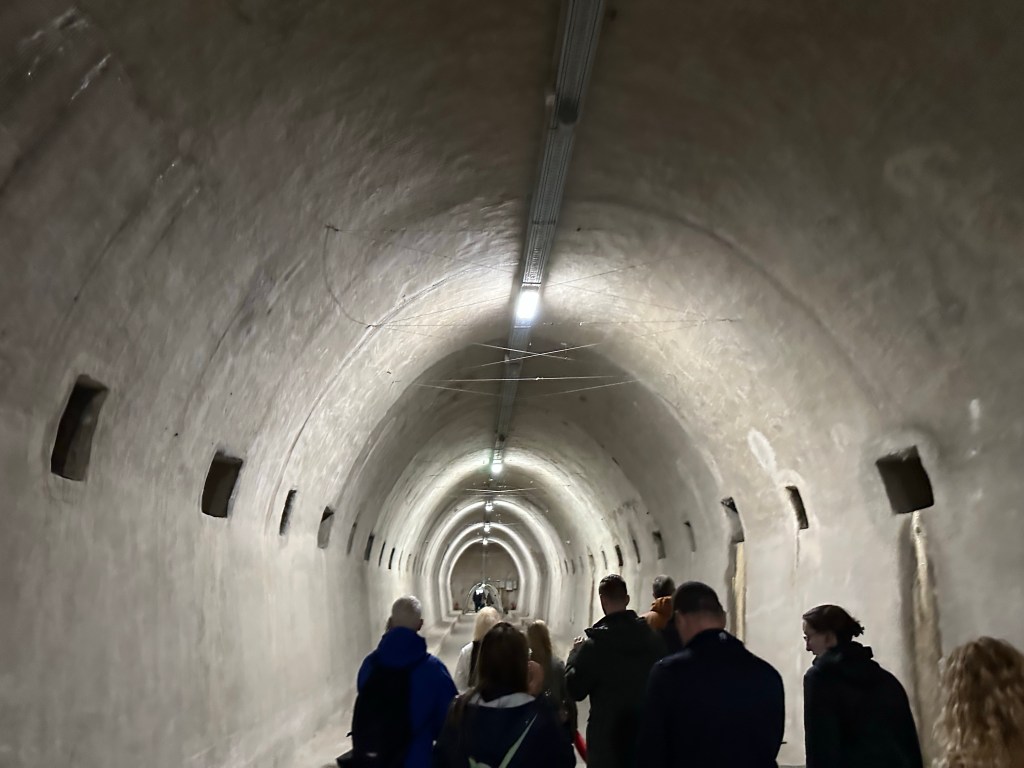
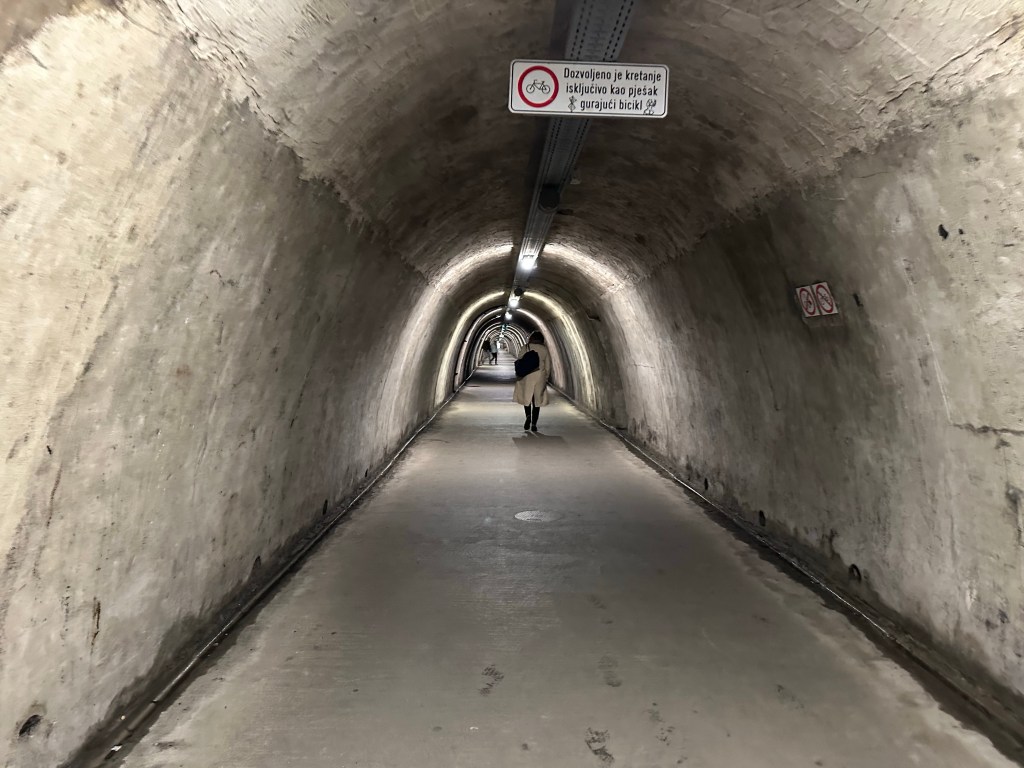
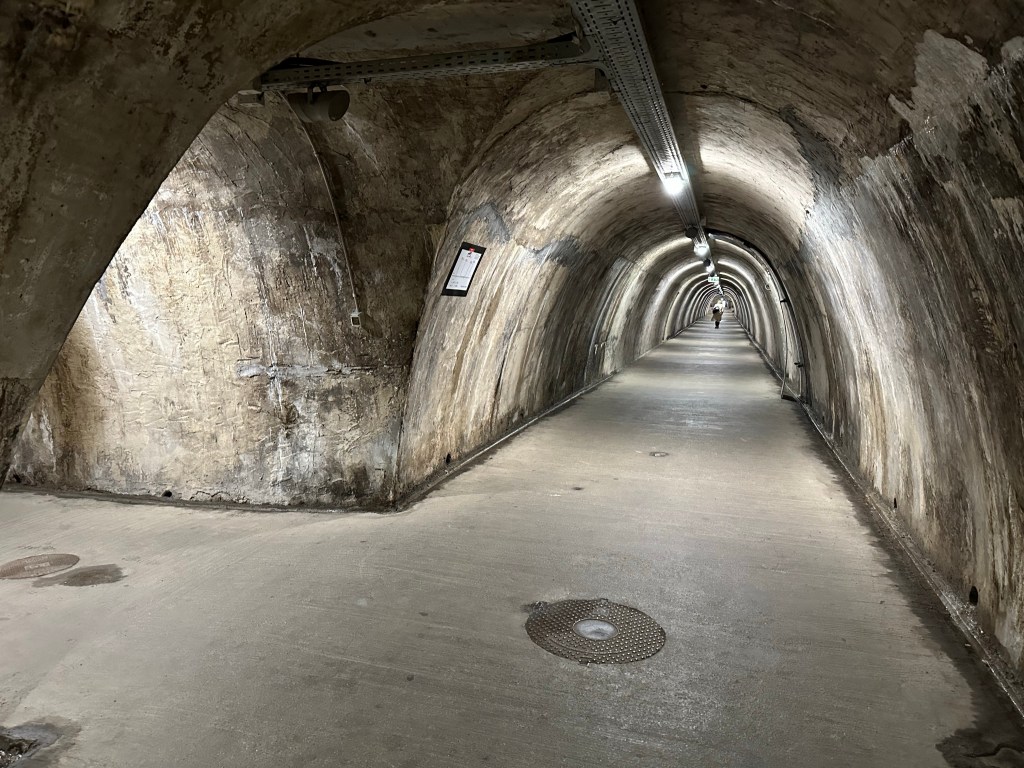
During this tour we stop in the bomb tunnel again. I learn that it was used once to host a rave and as a shelter during the wars of 1990’s.

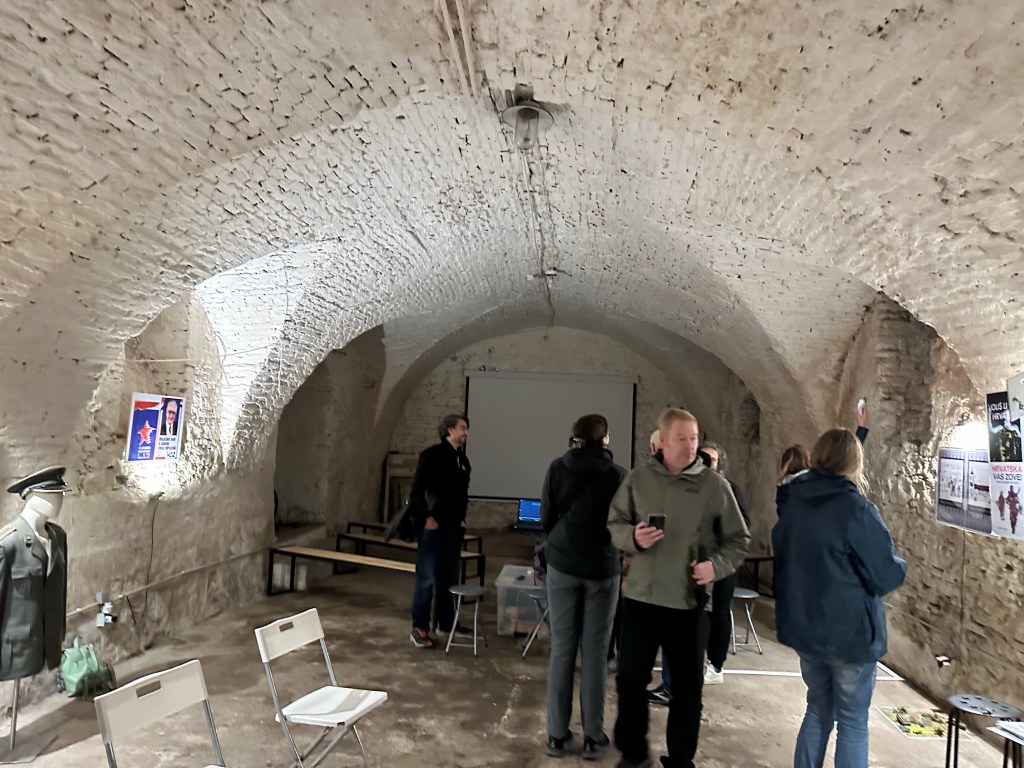
The tunnel entrances were not convienent for everyone so we finish our tour in a bomb shelter in the basement of a local resident. There we get a in depth explanation of the history of communism (more Tito) and watch a movie about the war of 1990’s. Overall the tour isvery informative.

I am wet and tired and want to call it an early night. I pick a restaurant that looks good enough after I discover my first choice is actually a fancy Michelin place that is booked up more than a week in advance. At the local restaurant I have more Strukli and a big seasoned meat burger. The food is tasty but very filling. I can’t keep eating like this; I need to start asking for to-go boxes. Balkan people love large portion sizes.

Tomorrow I head to my next country in my Balkan adventures – Slovenia.

Zagreb, Croatia

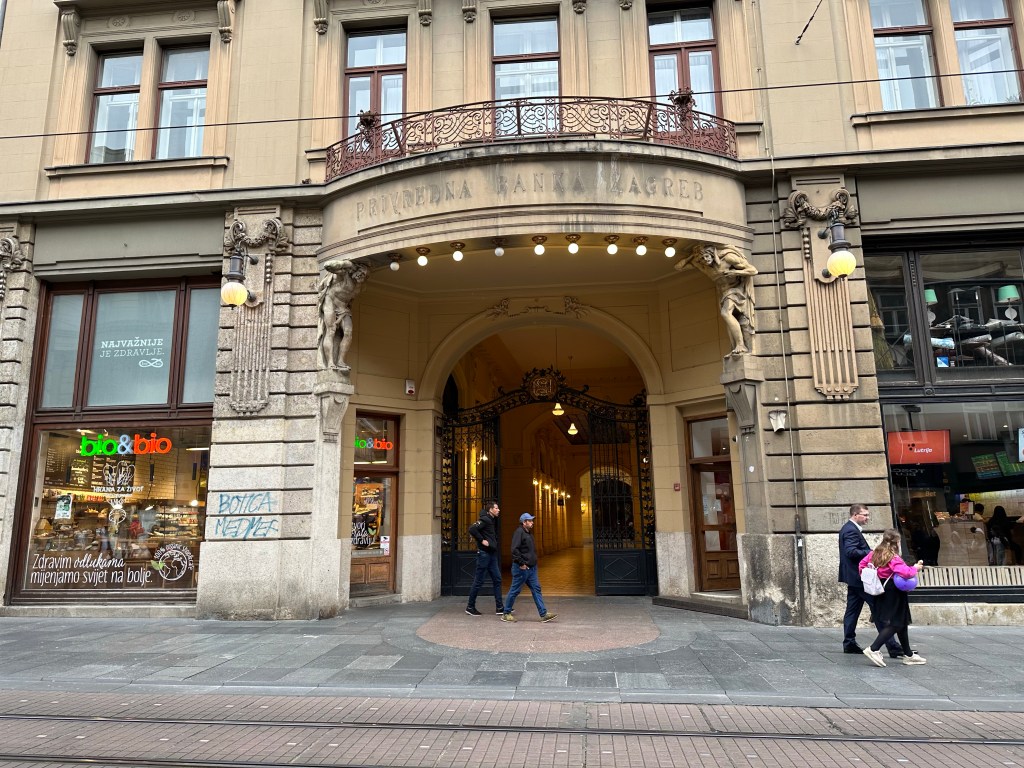
Oktogon

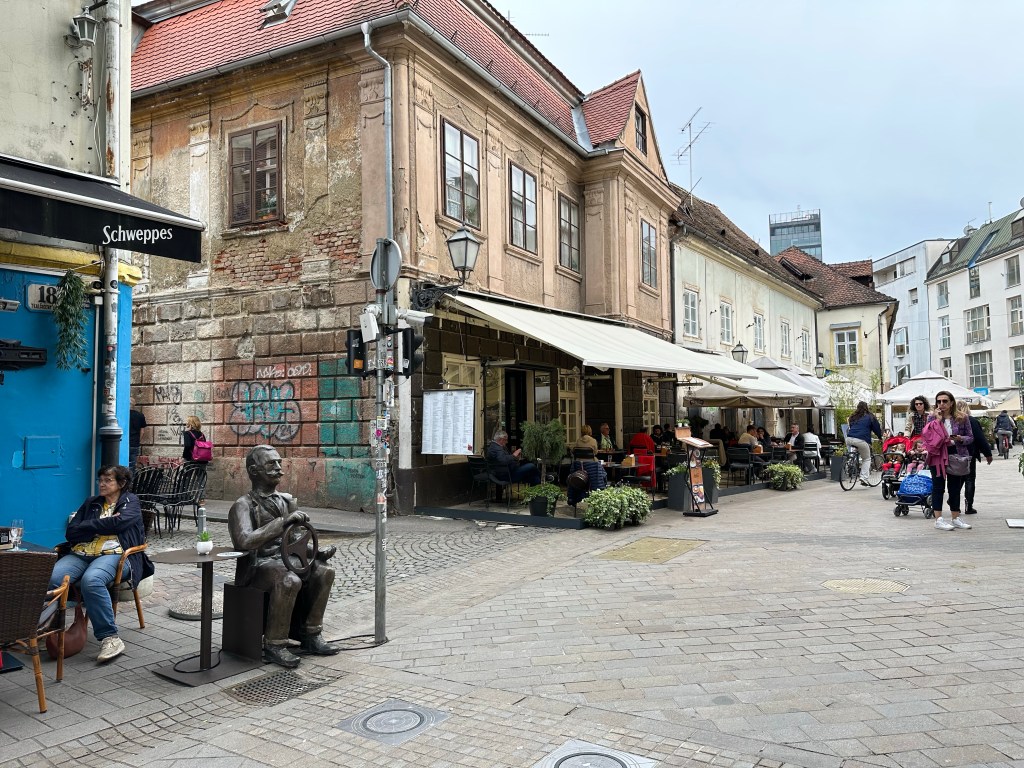
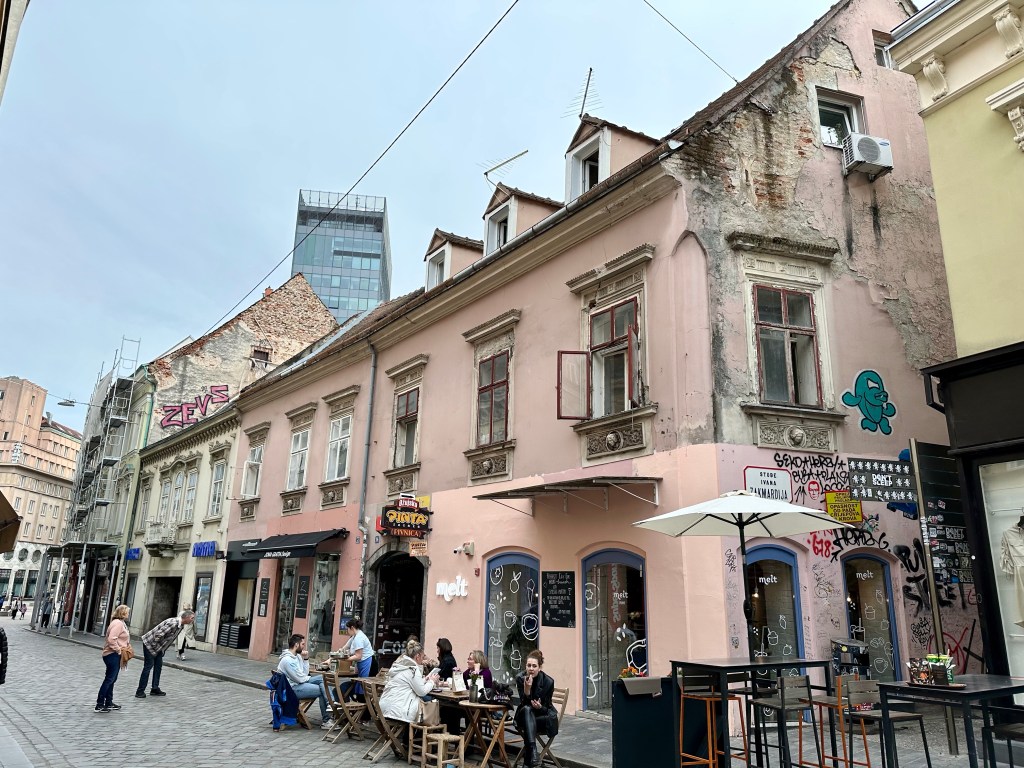
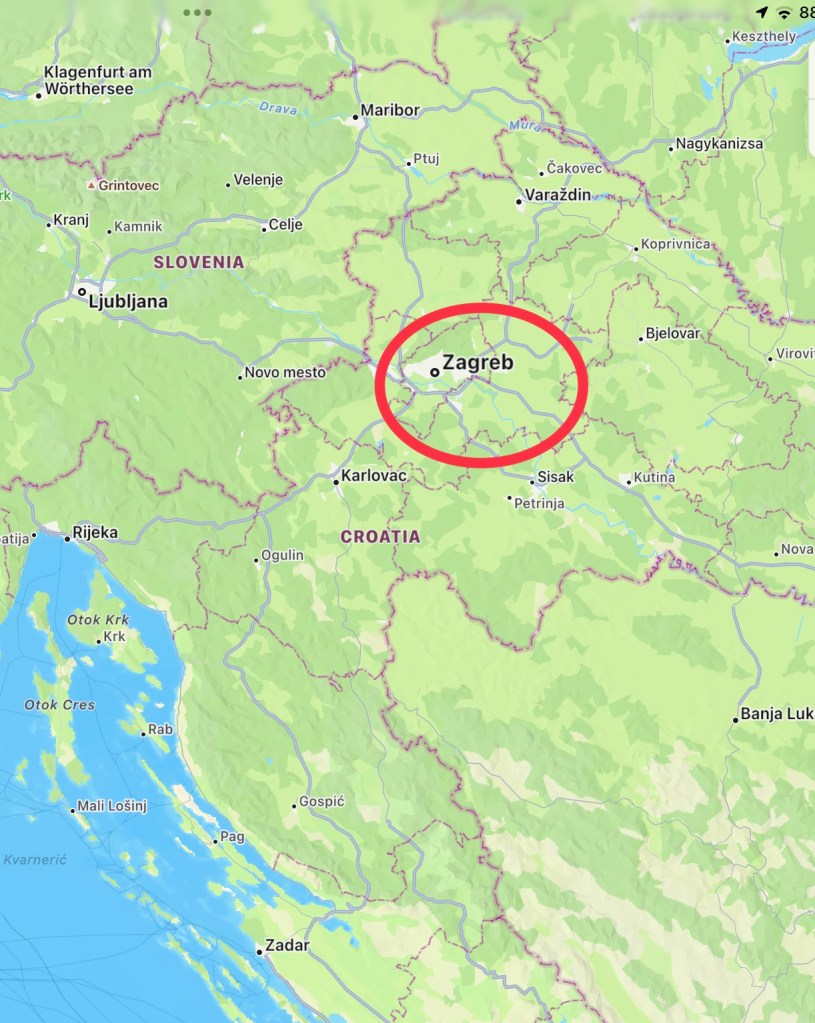
I’ve only been here a few hours but I am liking Zagreb. I like its vibe and I like its grit. Zagreb is in the northern part of Croatia and is much different than the Adriatic style Croatia that most people are familiar with.
I check in to my B&B and look for a restaurant since I didn’t really eat lunch today and it is already mid afternoon.
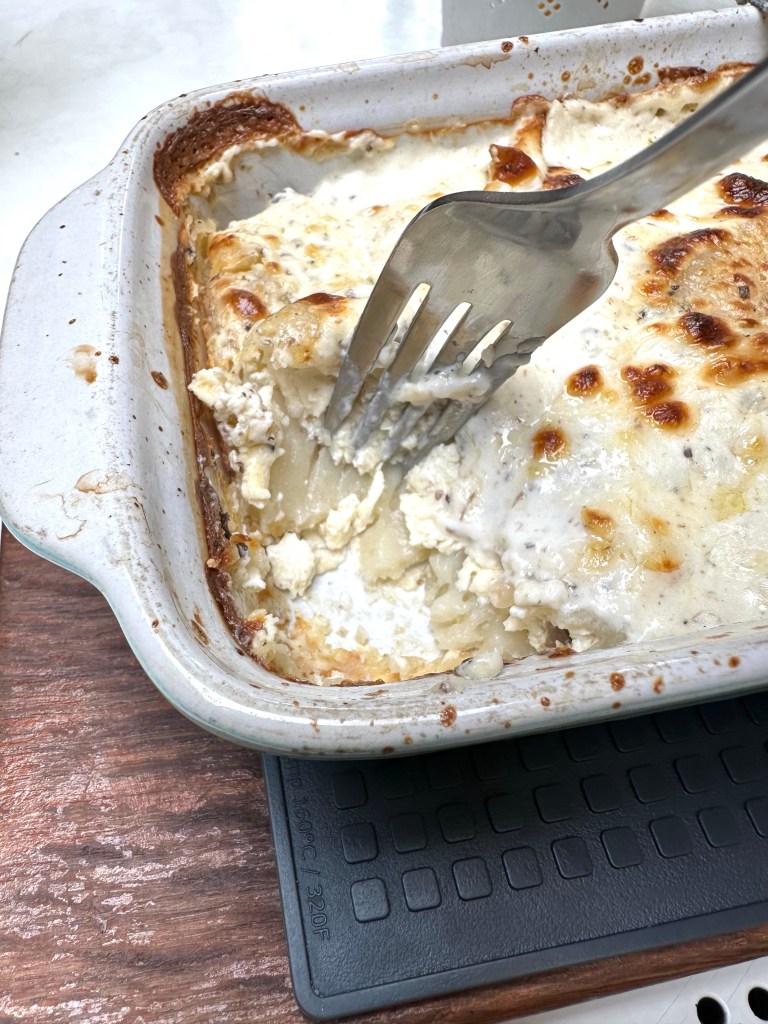
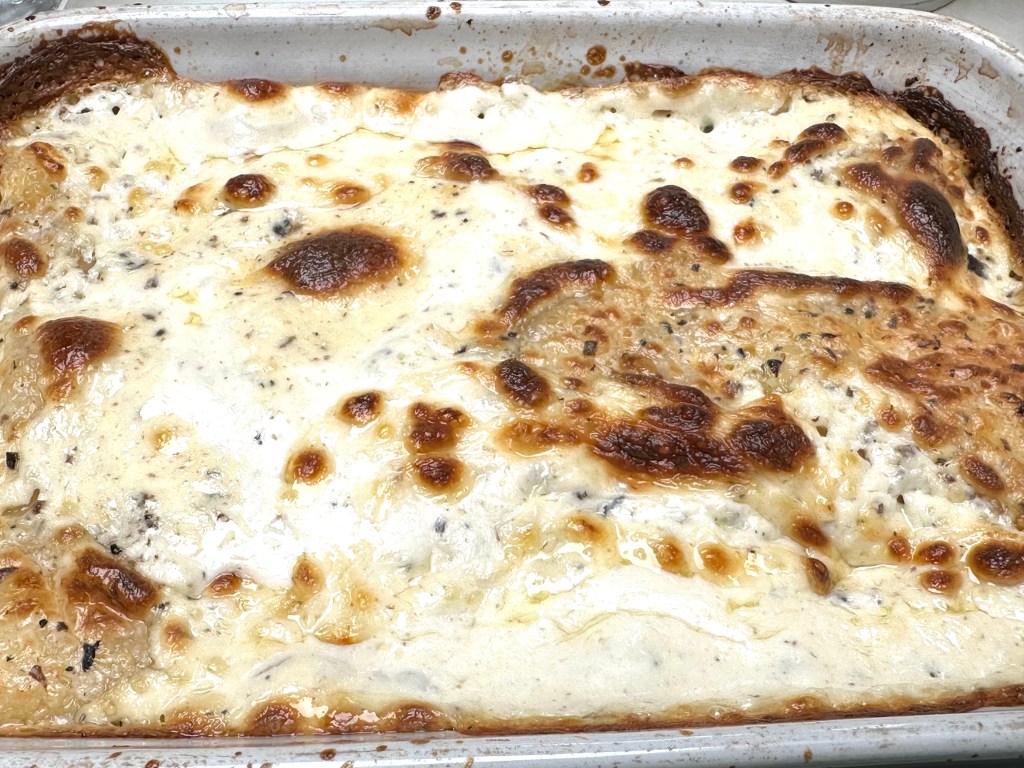
I try a local specialty called strukli. There are a couple different ways strukli is cooked but it’s a salty cheese dish. It can be sweet but I never try a sweet one. I order the gratinated version which is like a pasta dish served very hot. I have to wait until it cools to not burn my mouth. I am very surprised I like it so much. I have had many cheesy things lately so hard to impress but this dish is good.

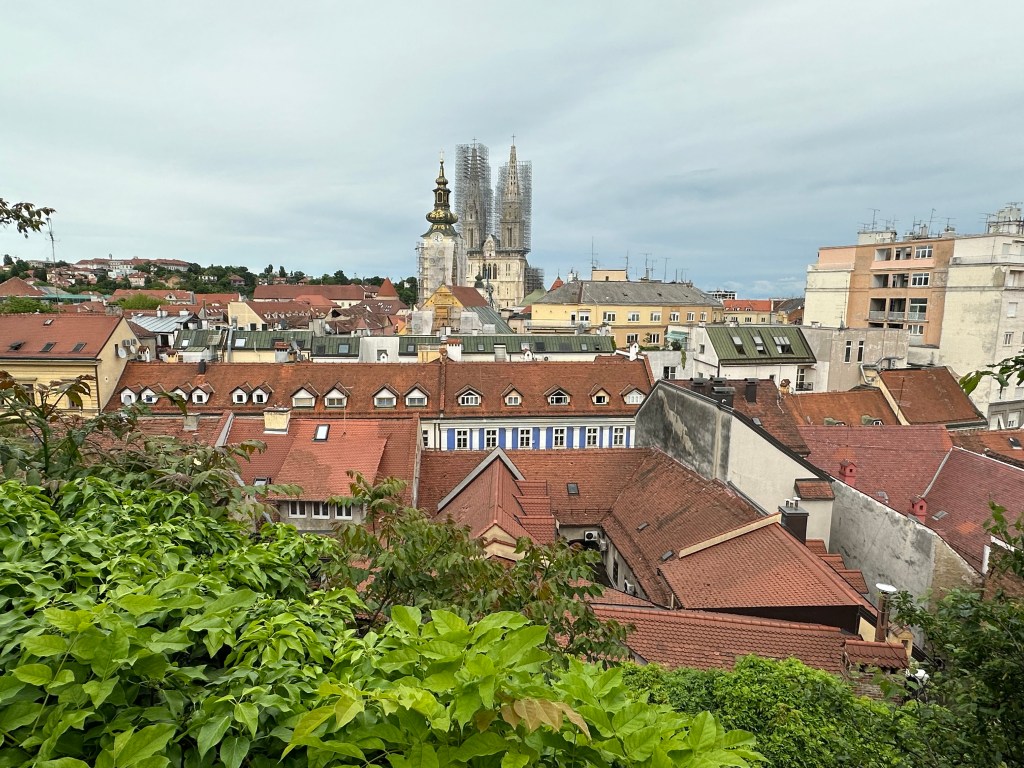
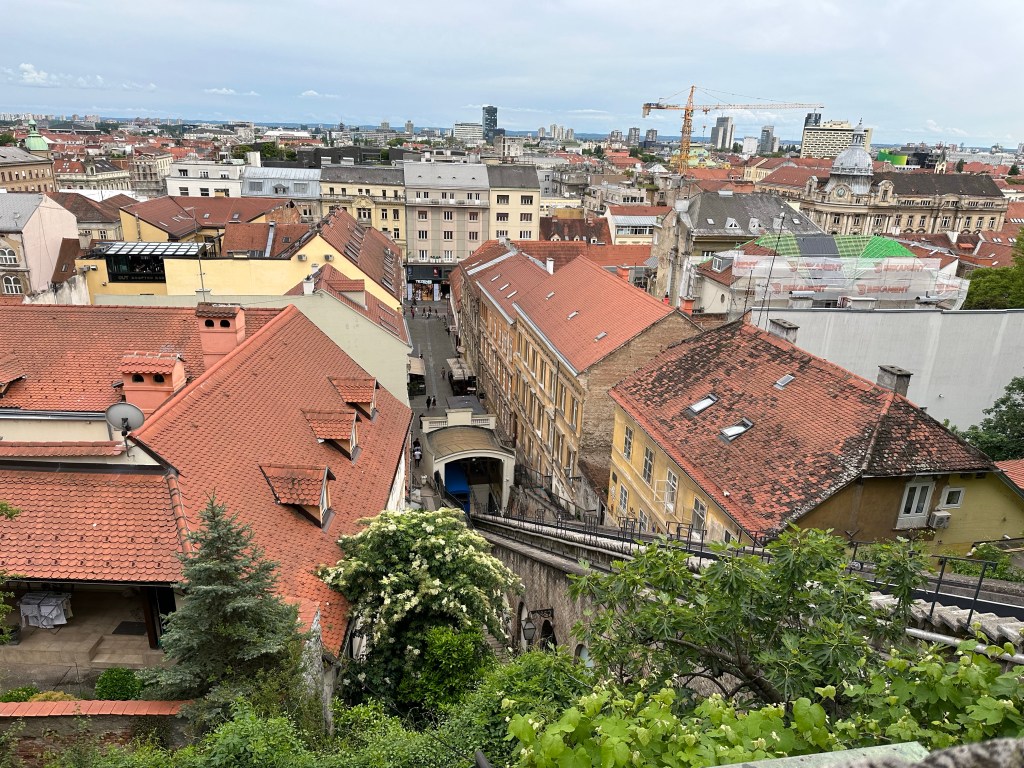
I decide to walk up the stairs to upper town where I get a look at the city and the funicular that I will take tomorrow. It is overcast and a little chilly but I don’t mind. At least it’s not raining (today) like other parts of Croatia have been.

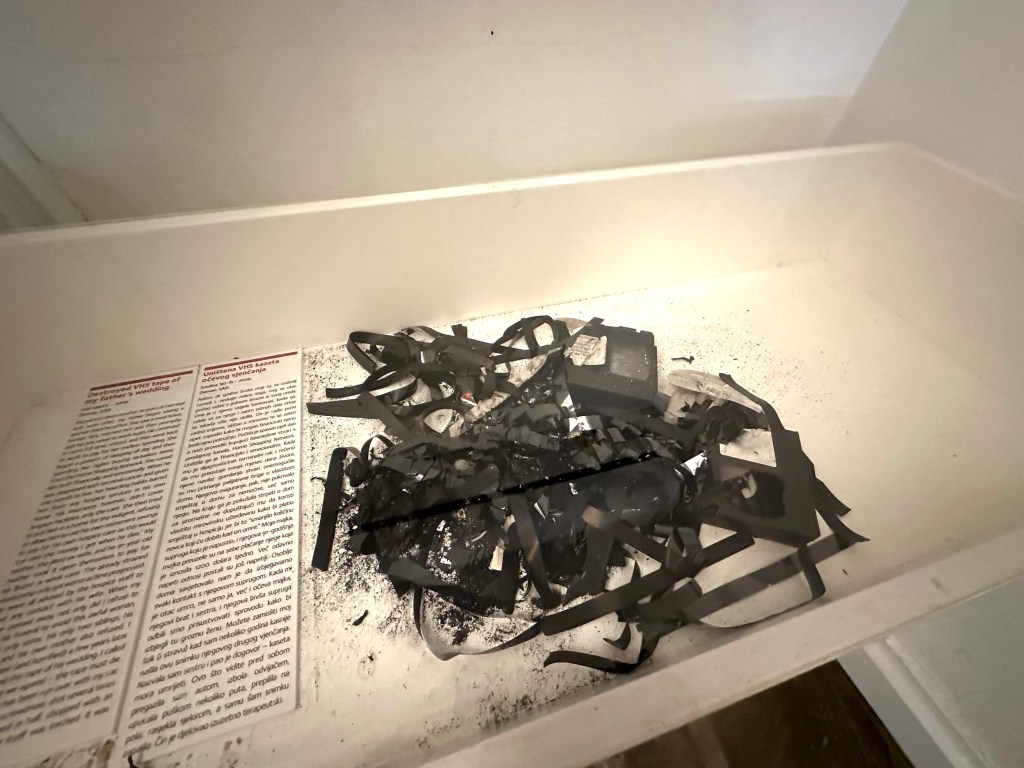
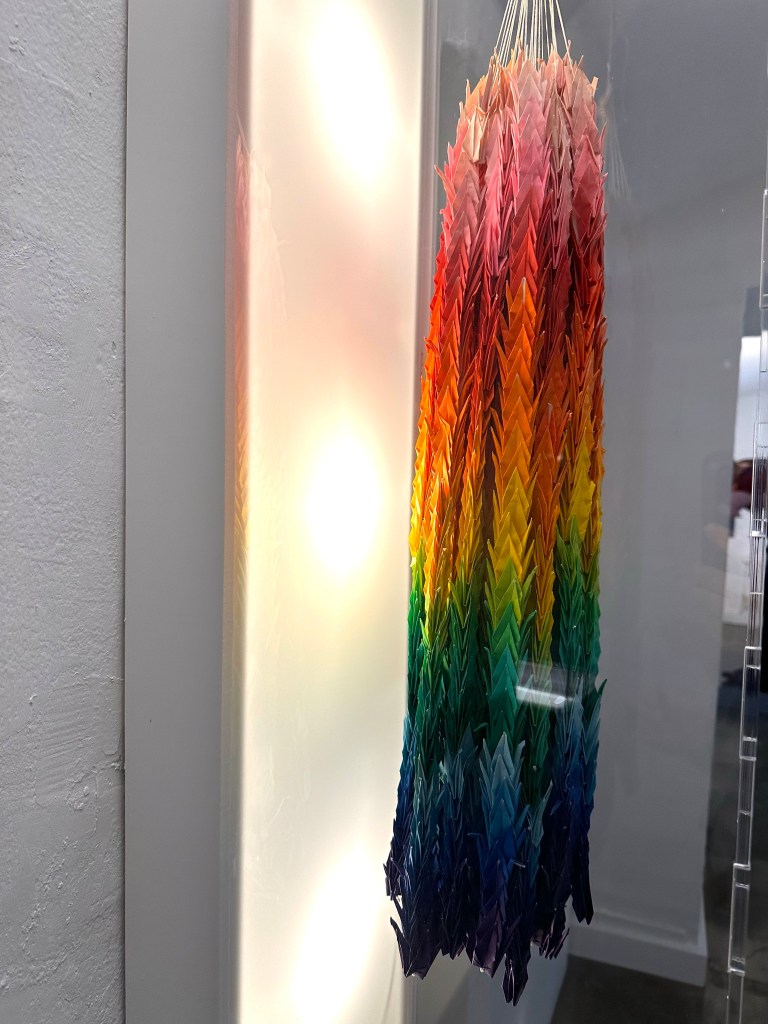
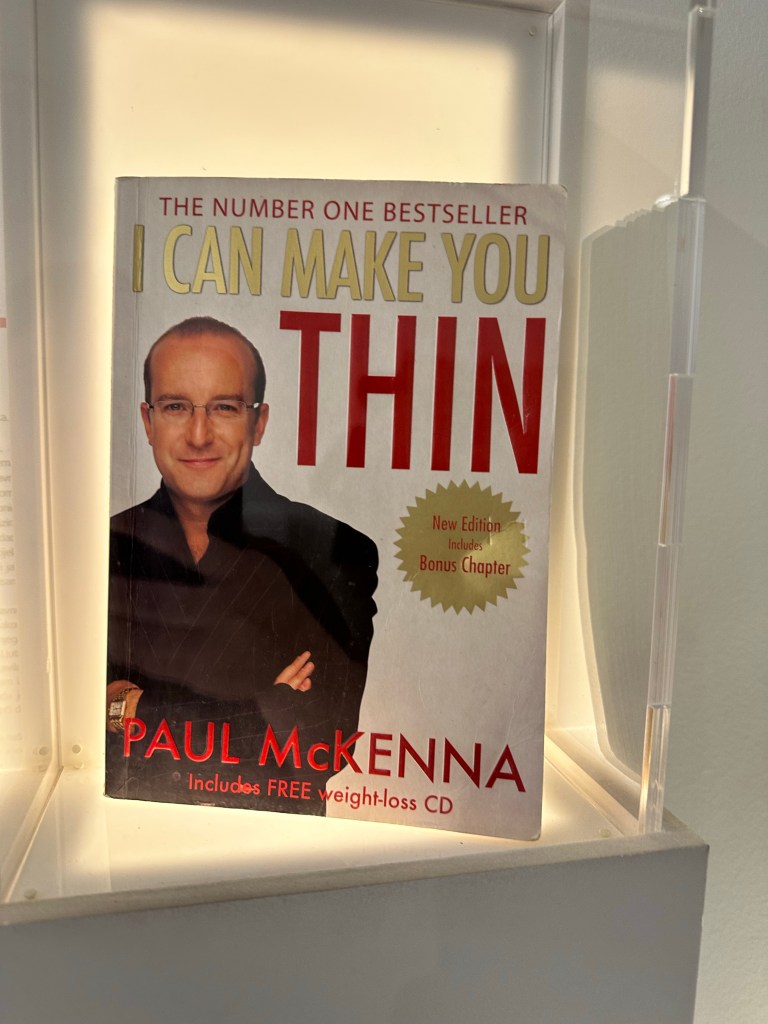
Most museums are closed but one that is open later is the museum of broken relationships. The theme is relics that are acquired during a relationship, romantic or otherwise. Exhibits are accompanied by short stories or explanations of its meaning.

I leave the museum and walk around upper town, the old part of Zagreb that’s located up on the higher part of town. One can walk up stairs to get here like I did, walk uphill or take a funicular (which I will do later).

One common thing I notice is that most of the major sites are almost completely covered and under maintenance. I already know I am going to have to return to see the city when the work is completed.

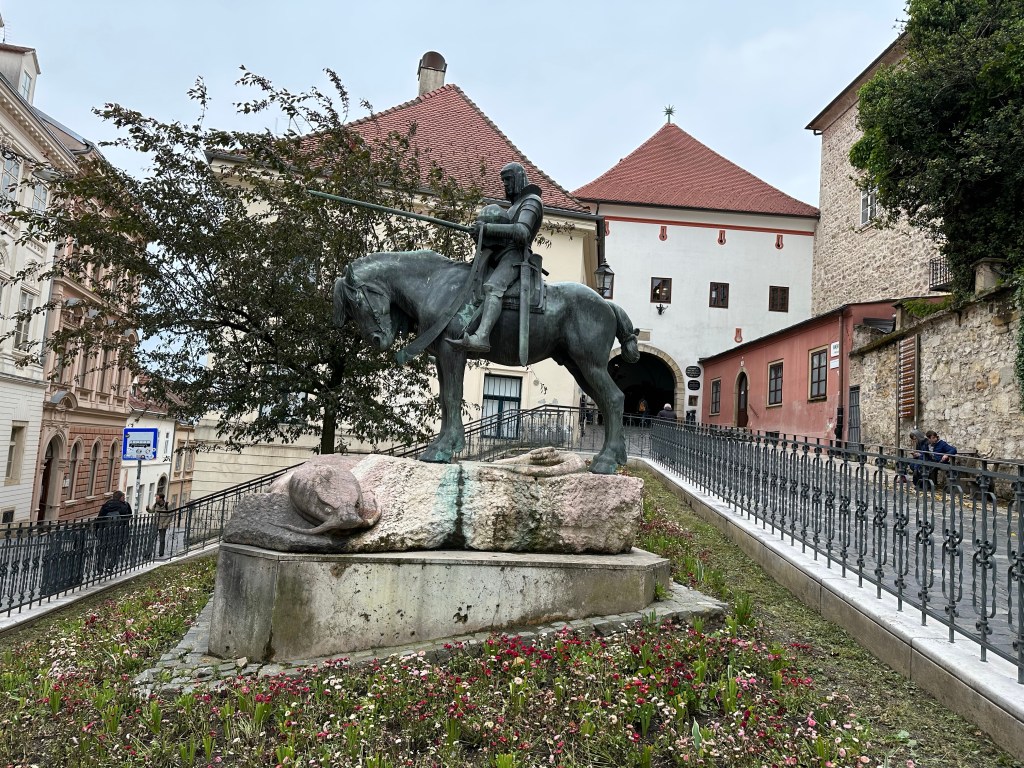
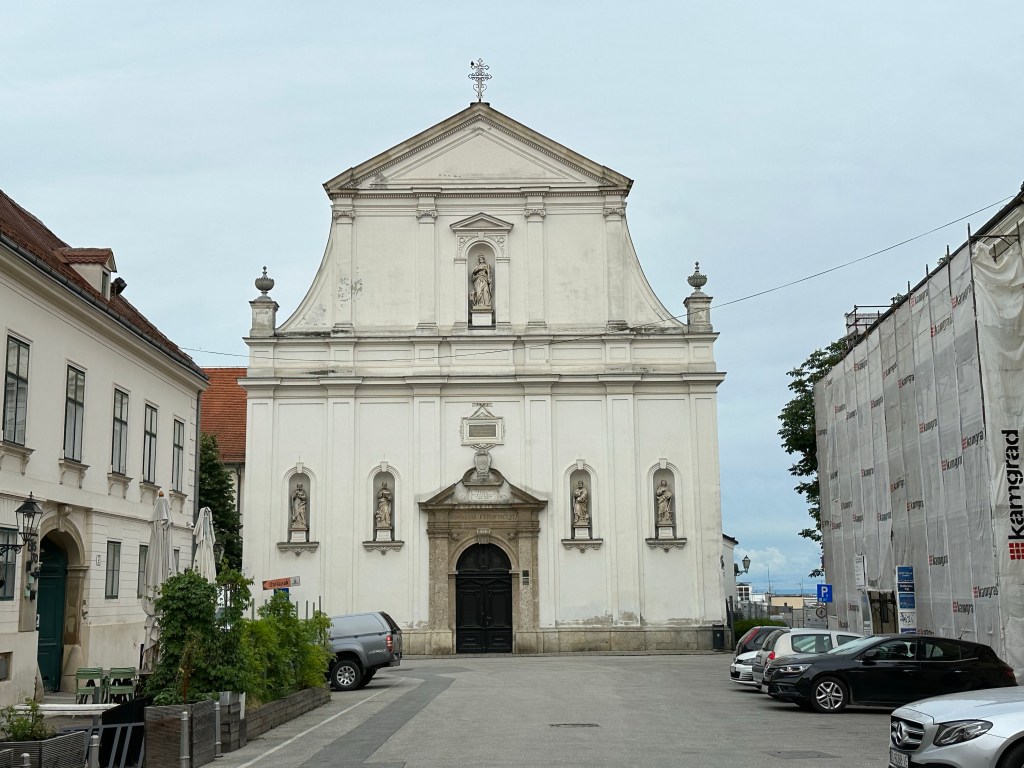
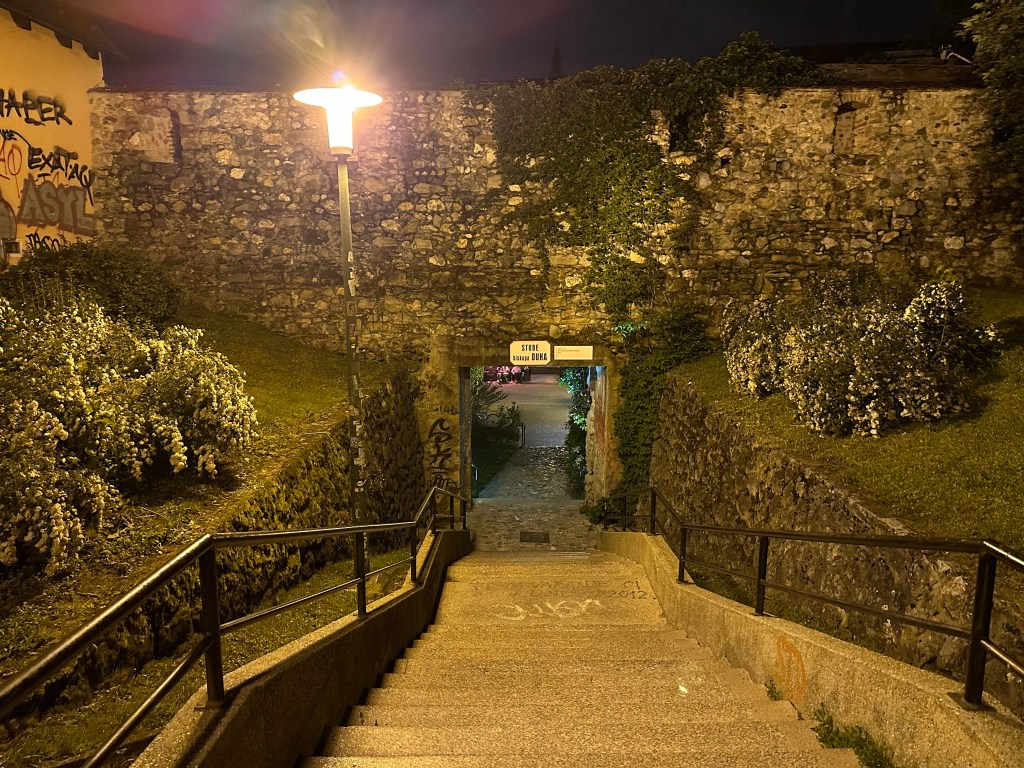
I walk some more and find a hidden church in a walkway as I walk back down toward lower town. I find out later the significance of it. Porta di Pietra, or Stone Gate, is a Christian shrine to Mary that miraculous survived a fire.

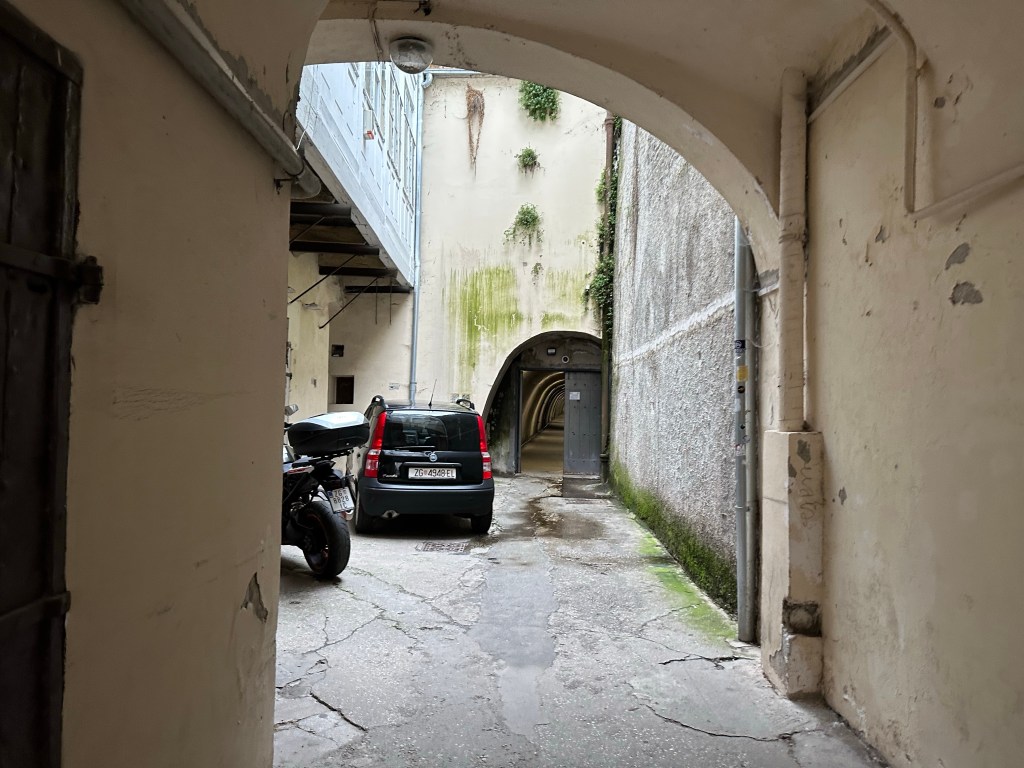
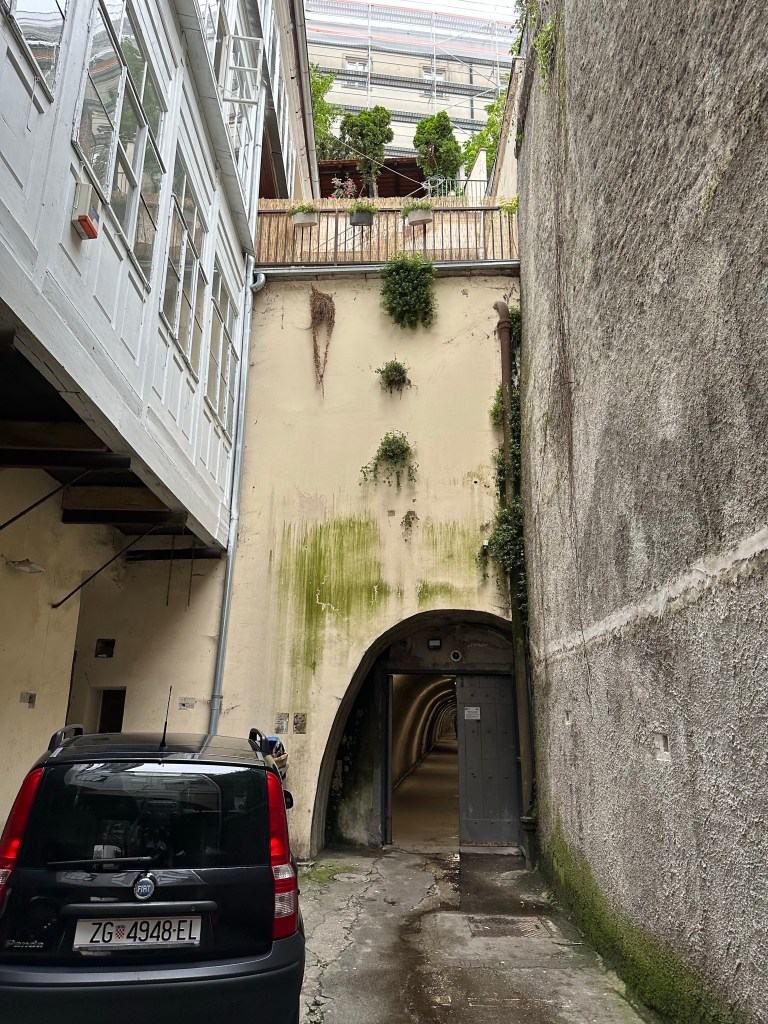
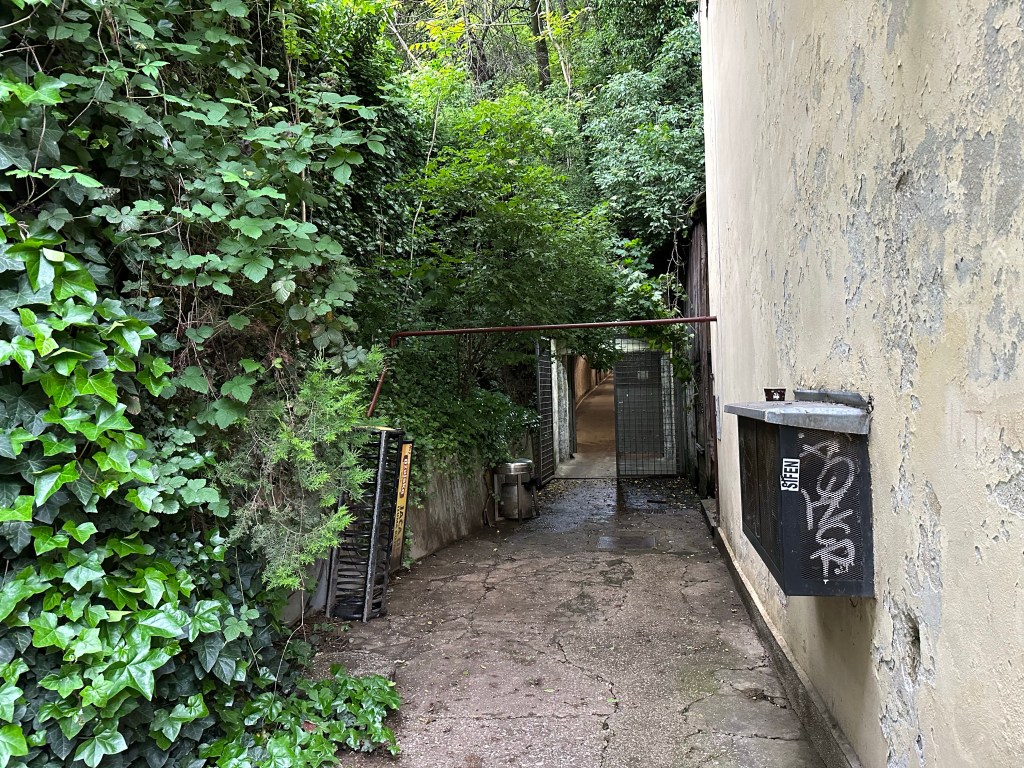
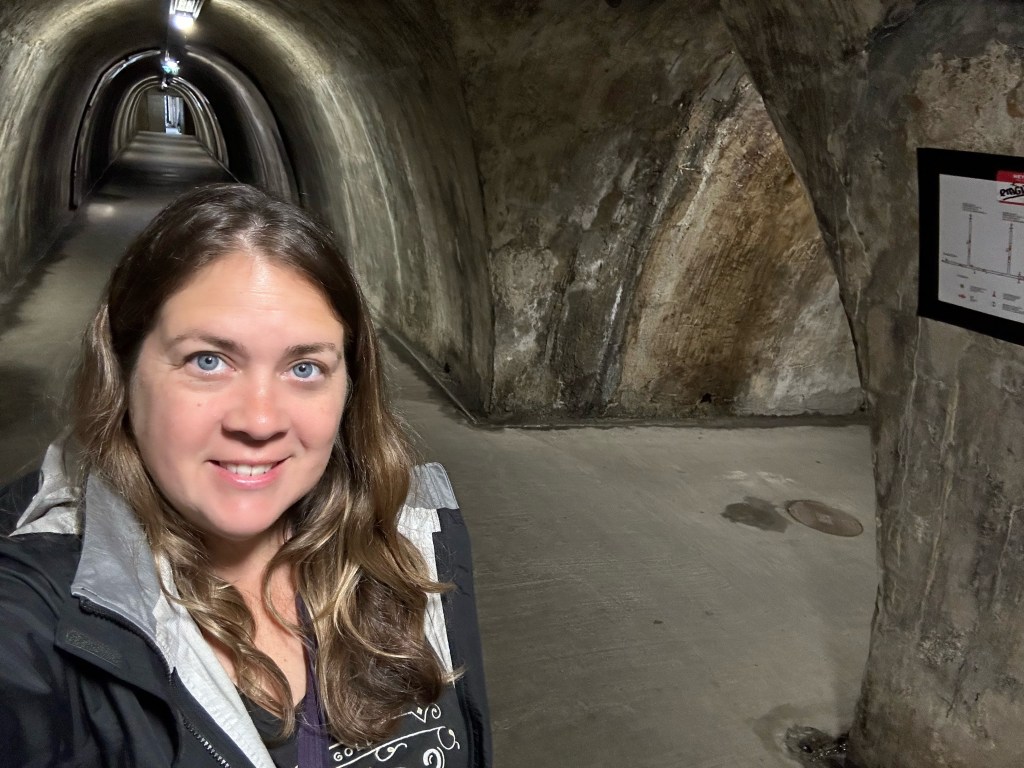
It’s probably obvious by now but if there is a “hidden” tunnel or cave or whatnot I am interested in seeing it. I head to the not so hidden WWII bomb shelter tunnels in Zagreb. There are multiple entrances but there isn’t much to it besides it being pretty large. I guess it has good acoustics because i hear singing from one part of the tunnel.

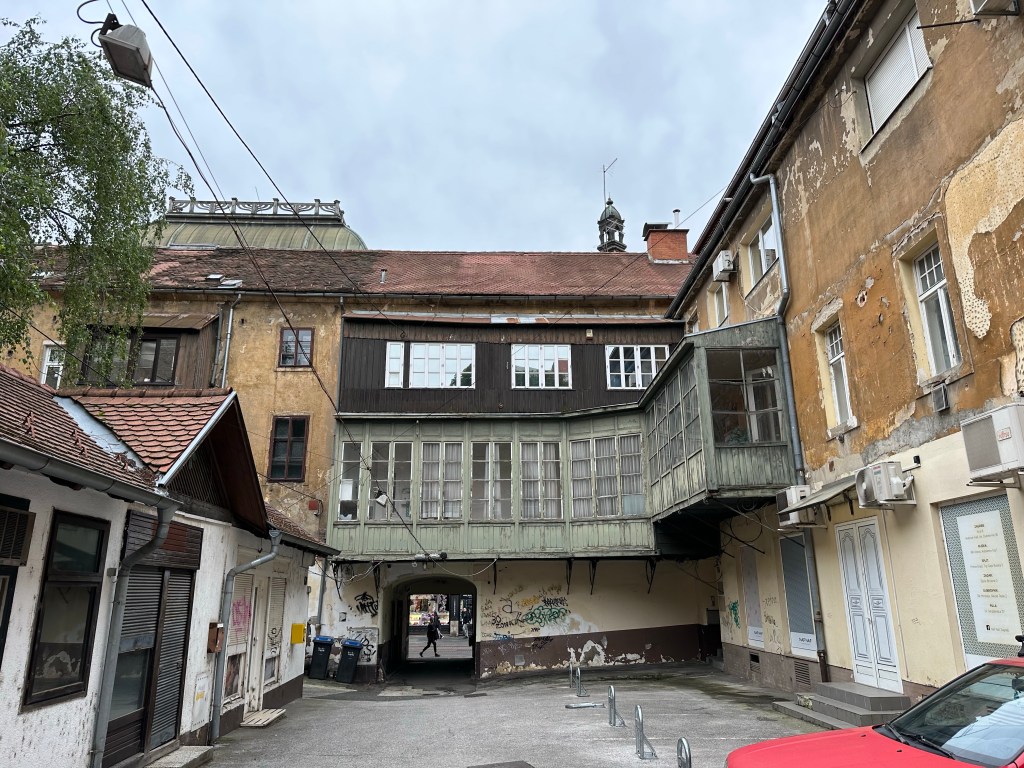
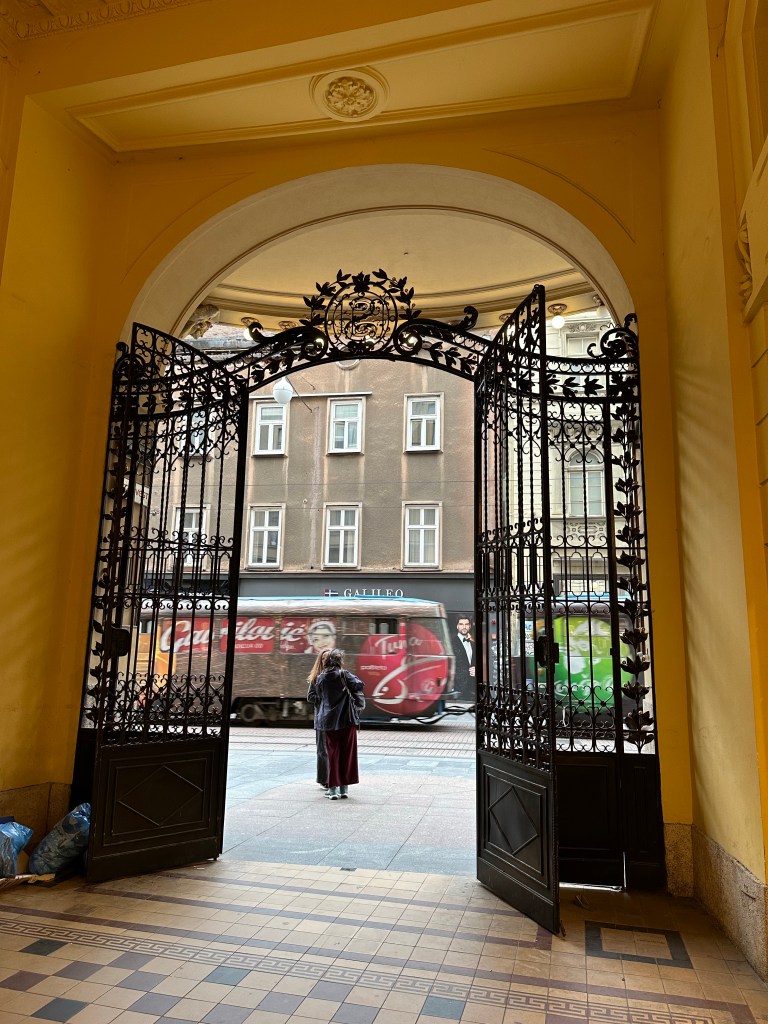
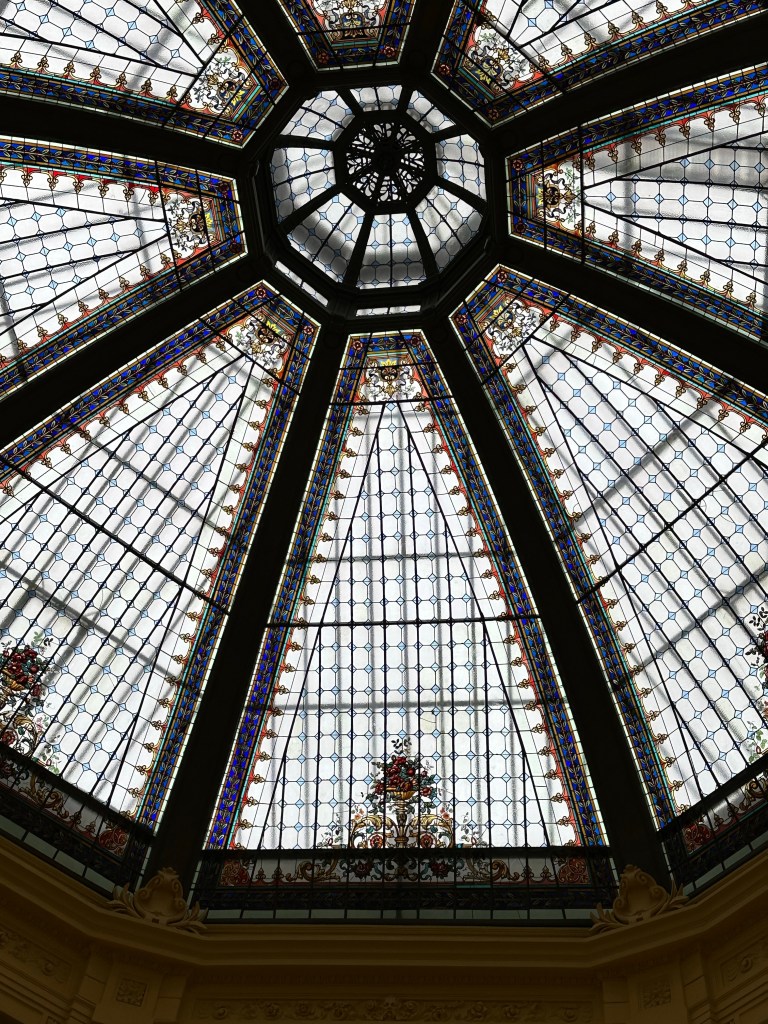
I pass through the passage way called the Oktogon. It has a beautiful octagon atrium.

The weather is nice so I walk the streets some more.

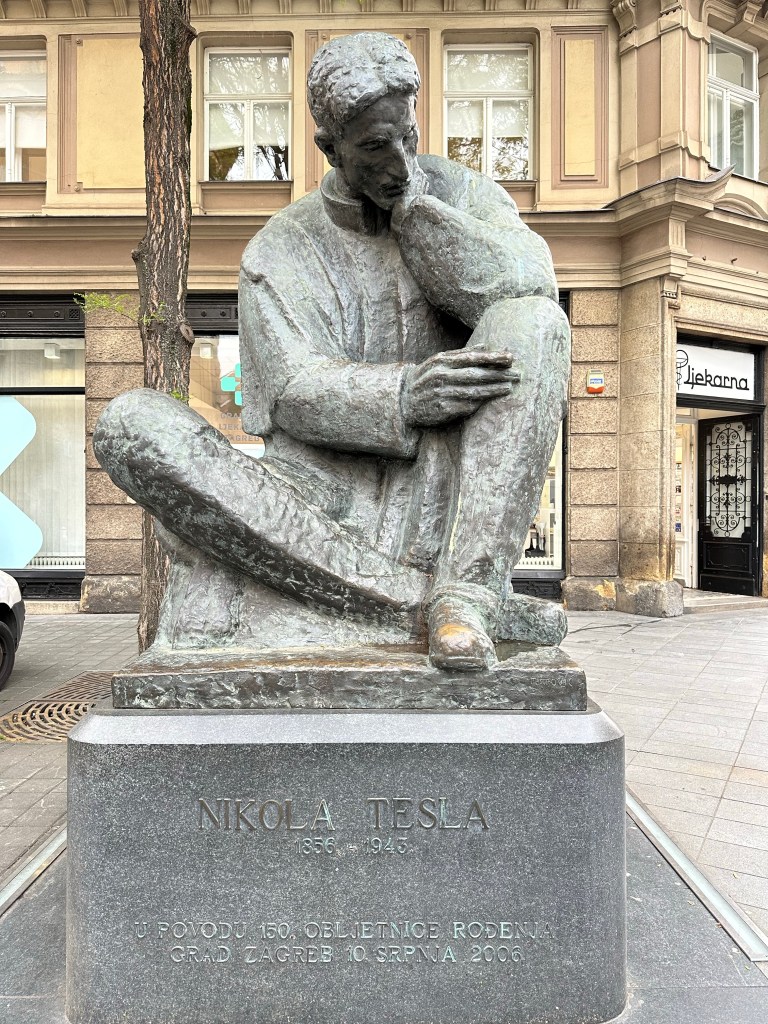
Nikola Tesla actually born in the region in a town nearby to Zagreb. They have a statue for him in the city.

I have a drink at a cafe and then a snack and then I head back to my B&B, staying up later than I anticipated. My reprieve from the regional rain ends since it starts up when I get back to my B&B. One problem with shoulder season travel is the threat of rain. The rain goes all night but hopefully it doesn’t ruin the two tours I have planned for tomorrow.

Normandy

Normandy is a fabulous place to visit not just because of it being in France but because of the huge amount of history you can learn about there. During our last trip to France we stayed for couple days  in the city of Bayeux.
After reading many reviews I chose the Aggarthi B & B or here as our home for the stay. When we arrived off the train in Bayeux we had just completed a long journey (12h 35m flight travel time from US and another 2 hours by train). I am not sure if any cabs were waiting but for some reason we decided to walk to the bed and breakfast with our backpacks. We were both tired and both cranky. Carlos was especially tired since he has a hard time sleeping on flights. I had a badly designed map and we headed down what we thought was the right direction. We ended up getting confused and going the wrong way. After stopping to rest for a little bit we headed off to finally find our B & B. The owners greeted us and we knew we had found the right place.
Our room was in a building separate to the main building and contained 2-3 rooms and a small kitchen. I believe every room was an ensuite. Our room was on the bottom floor and had doors that opened into the courtyard. We would open it occasionally for the fresh air but kept it closed mostly because of privacy and security concerns.
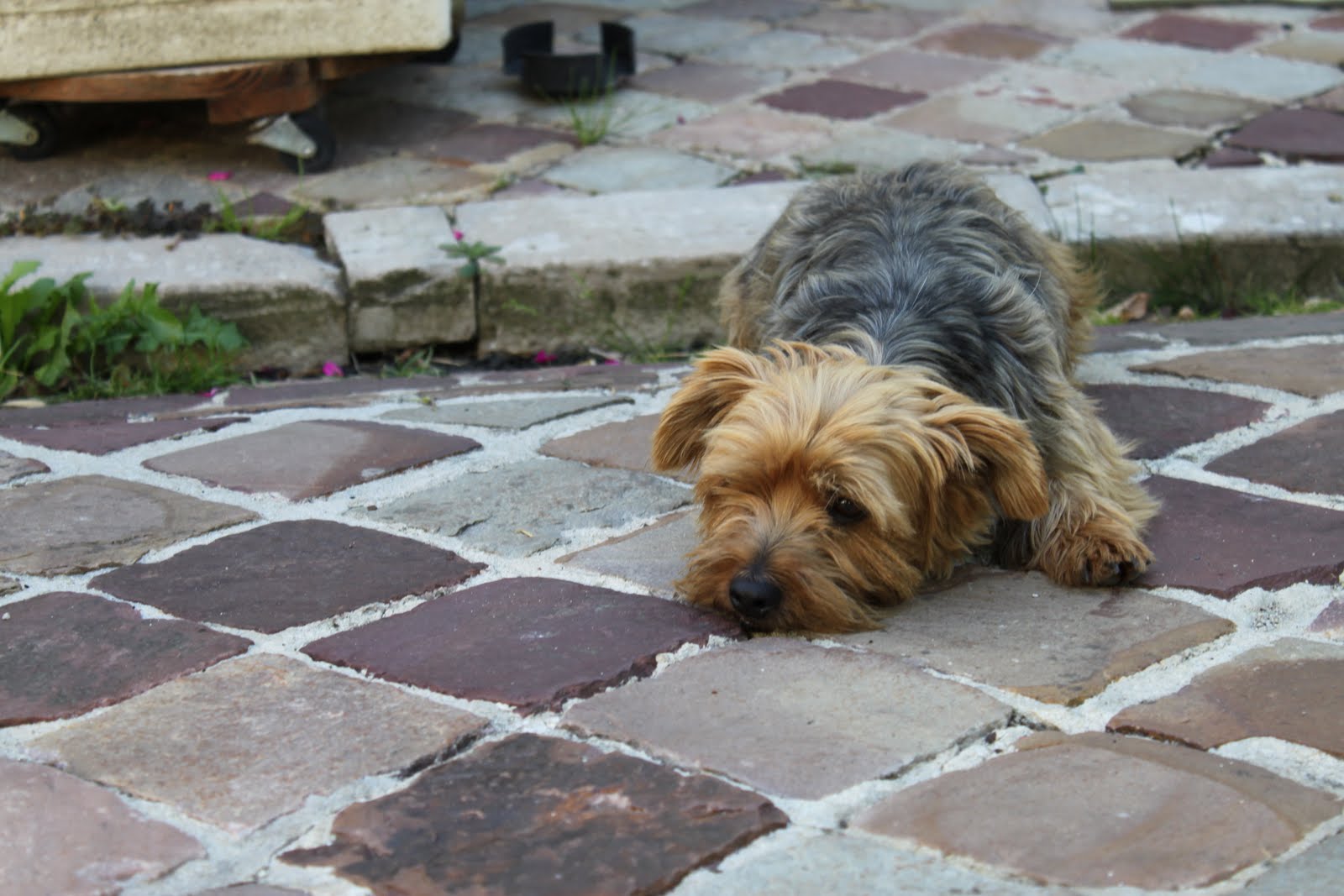
Onsite was two dogs (one named Sushi), cats, and some bunnies who kept the grass cut and maintained (see below).

Sushi was adorable
We enjoyed waking to breakfast in the courtyard where we fought honey bees for our food (they are harmless so we were ok). Over breakfast conversation we talked to some German tourists about history and WWII. They felt the need to apologize for Germany during the war. We told them that was way in the past and does not reflect on Germans now.
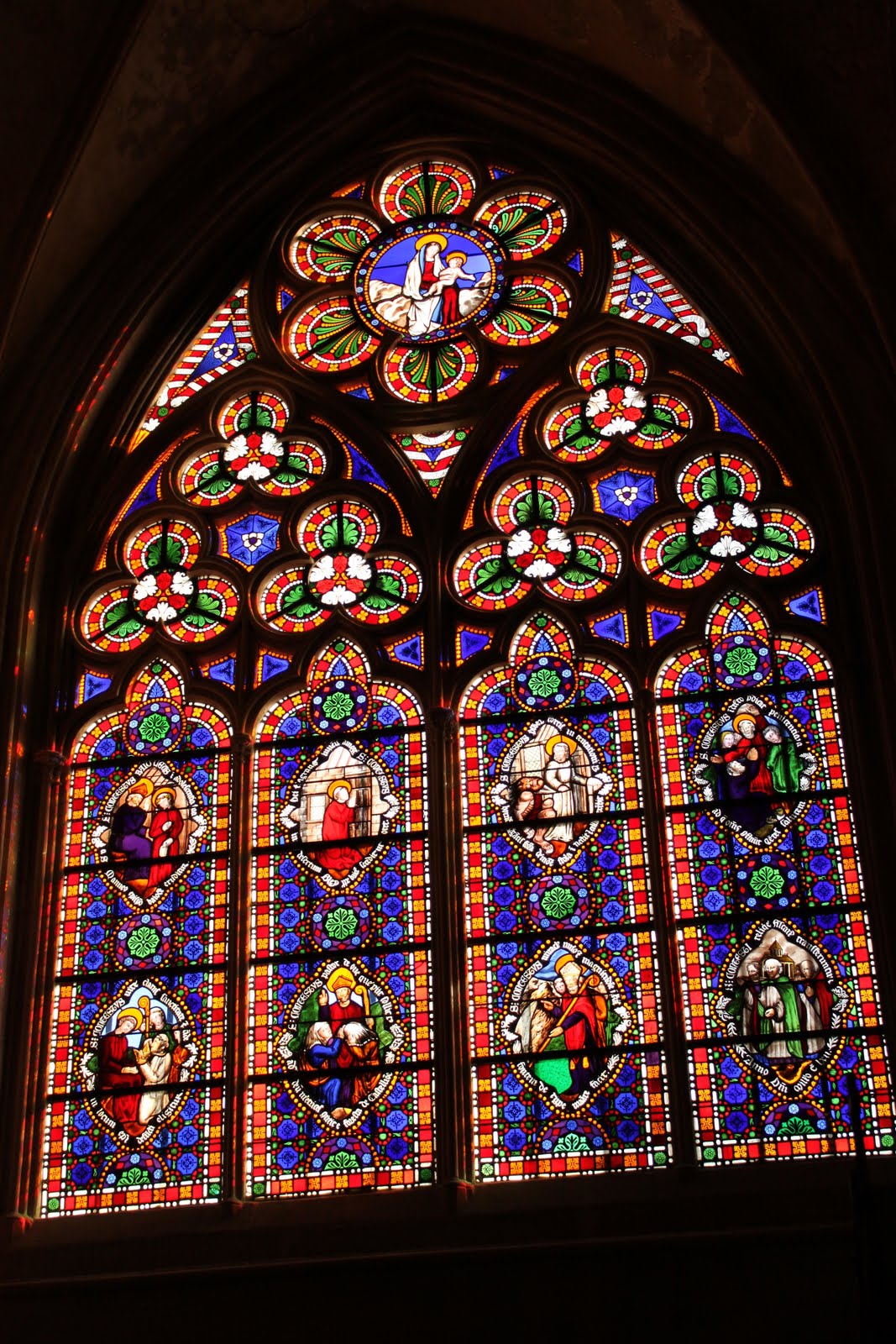
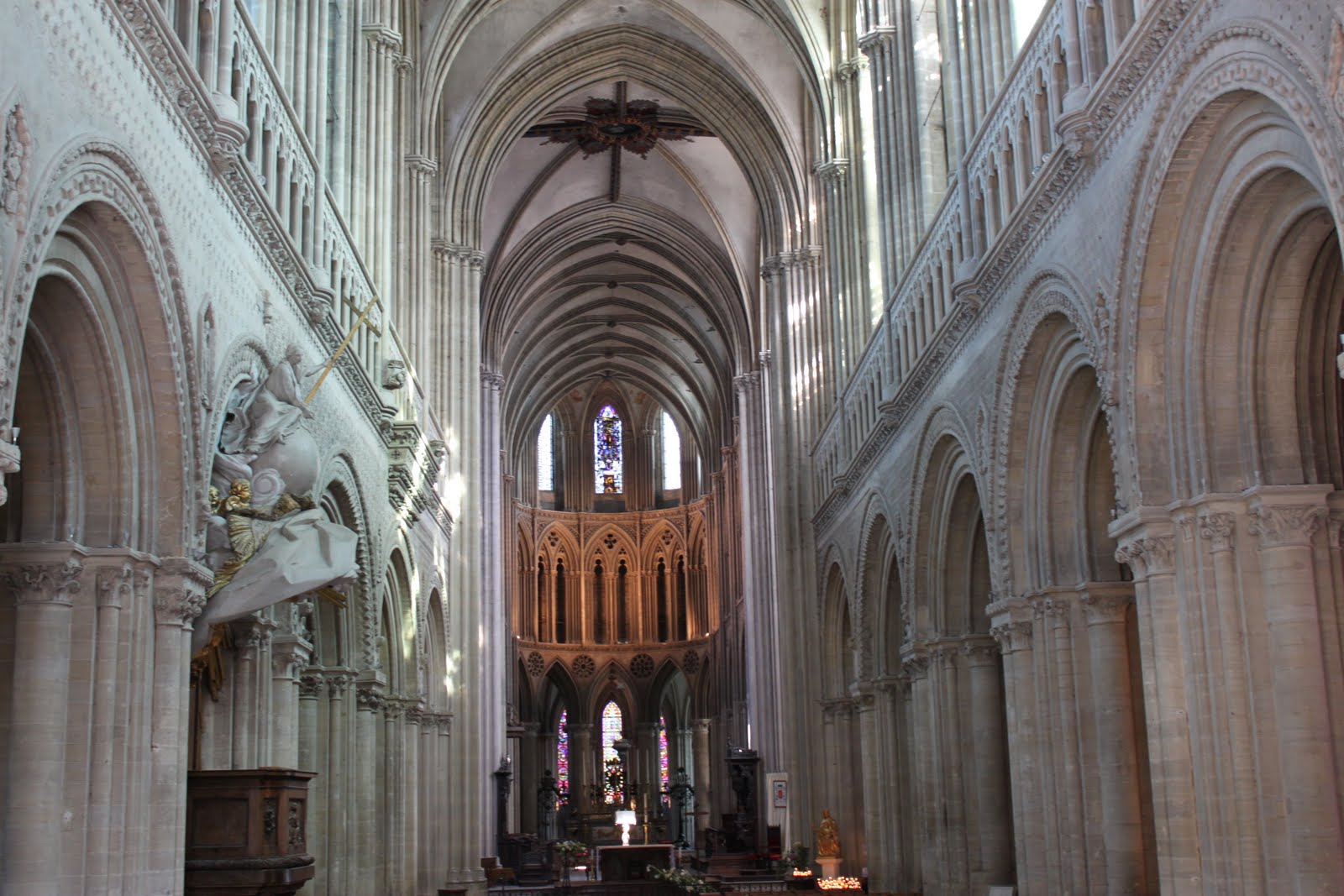
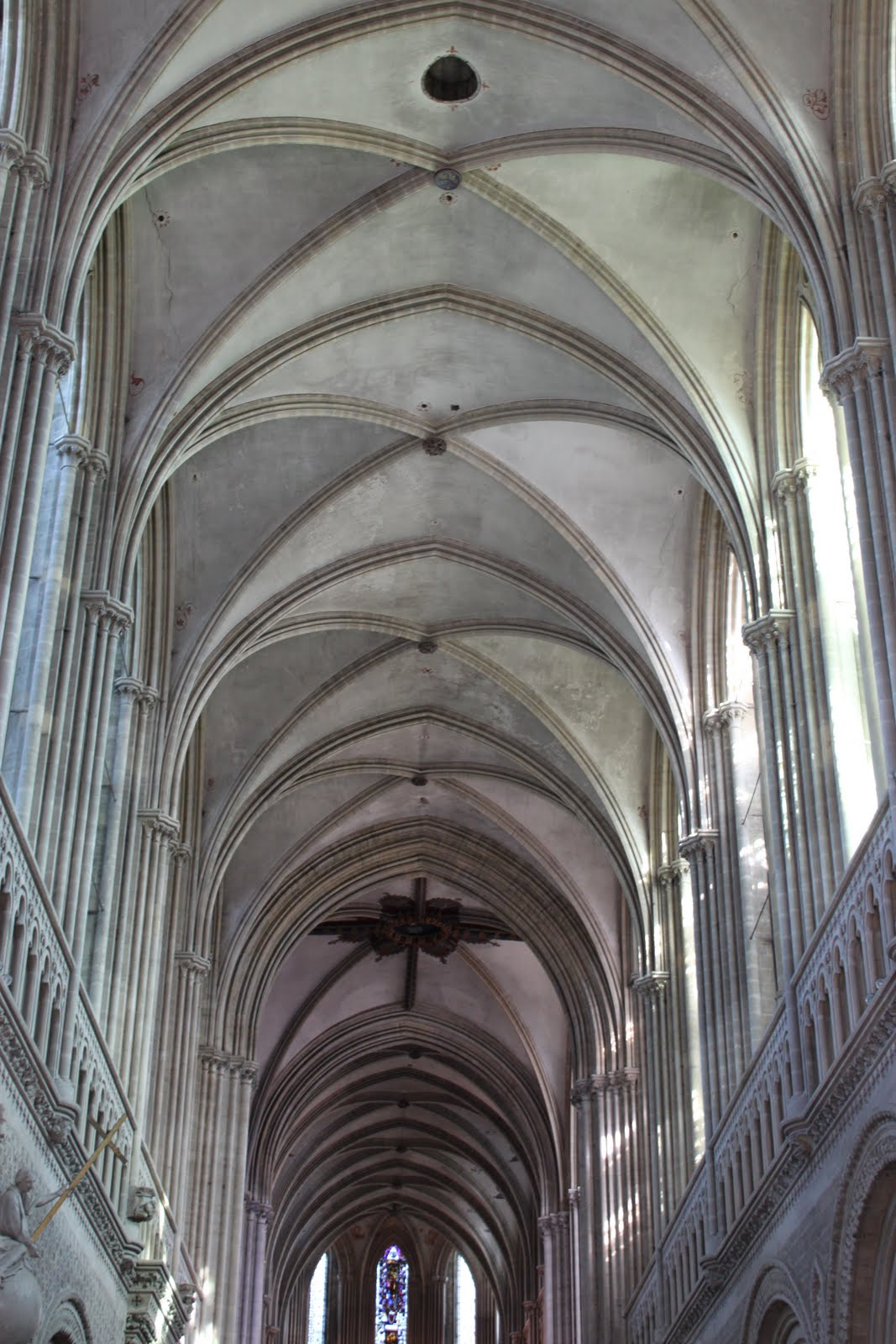
Later on in the day we walked over to Bayeux Cathedral to admire to stained glass windows and inside the church.

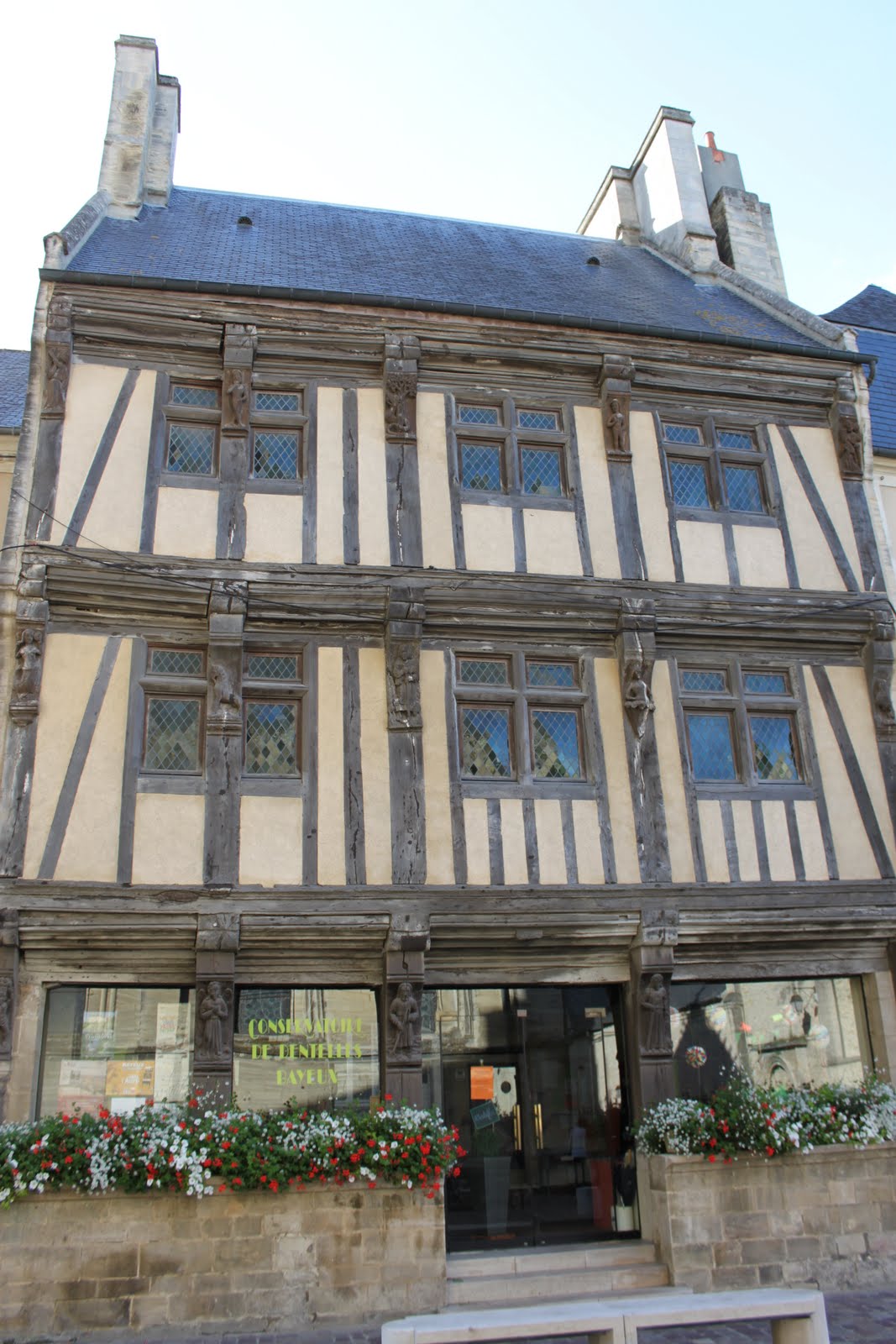
We enjoyed medieval style buildings.

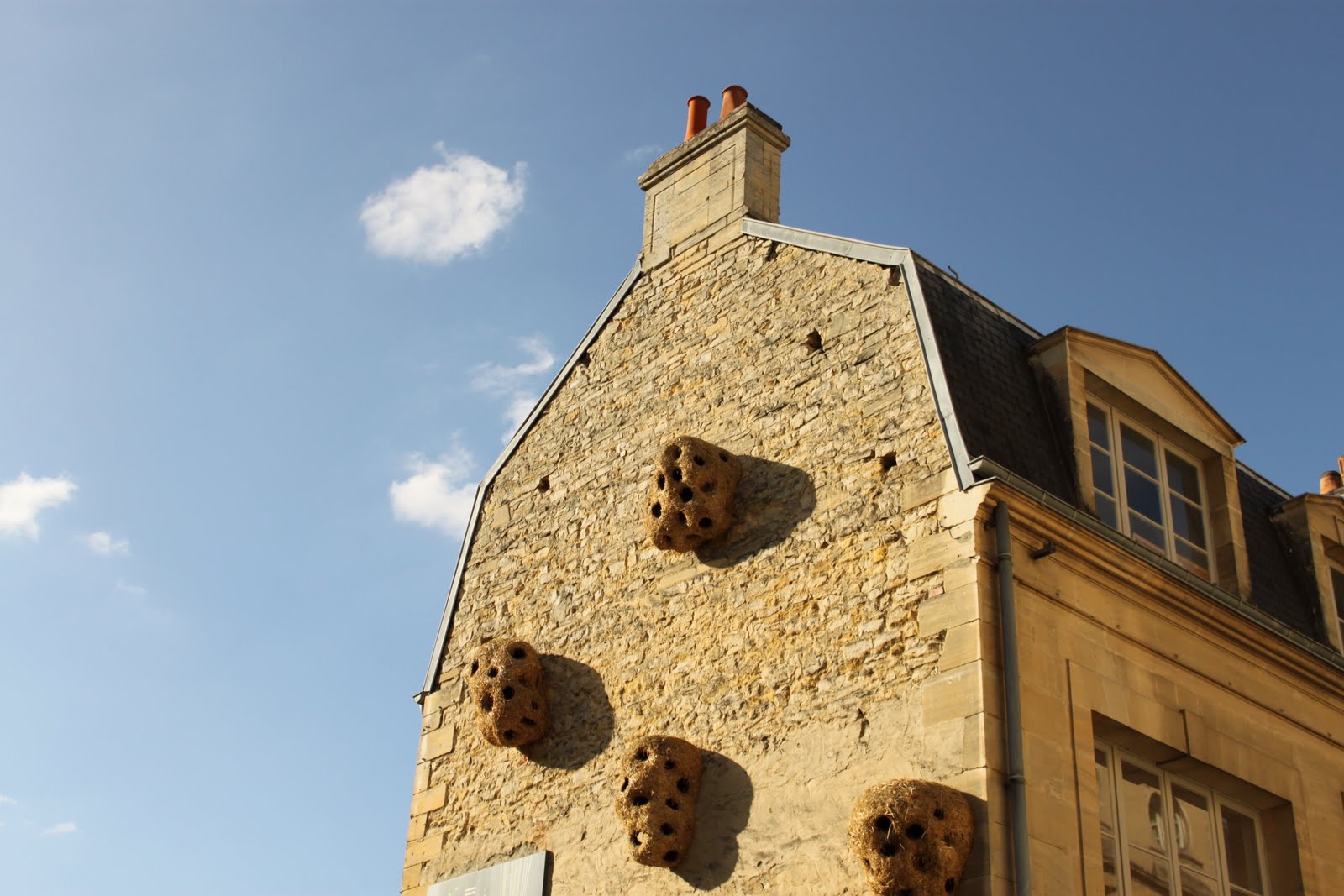
Buildings with pigeon nests.

The cathedral was luminous for a night light show.

The next day we took a D-Day tour with Victory Tours. This Dutch expatriate loved the area and history so much that he decide to stay and start a tour company.

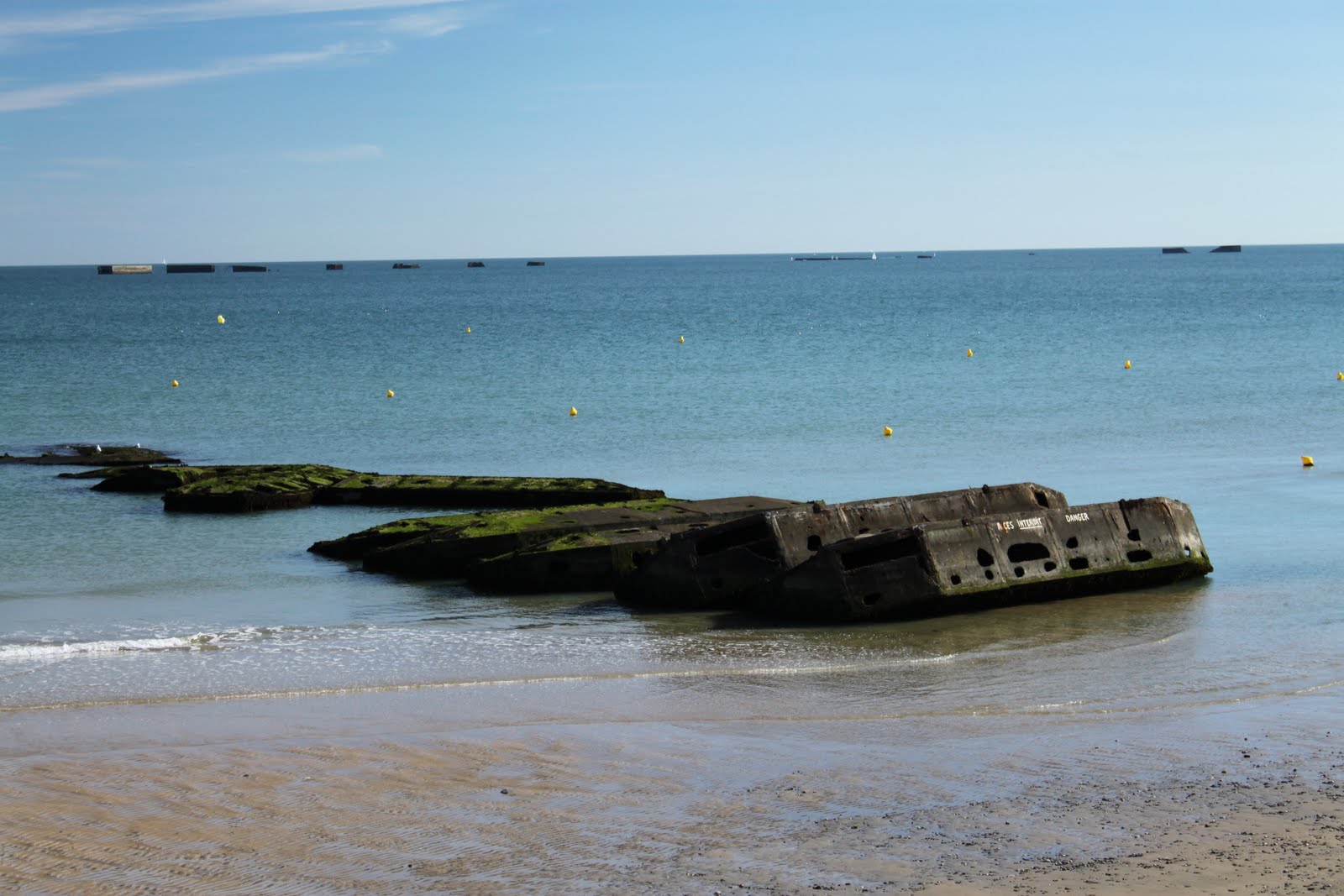
Mulberry Harbor
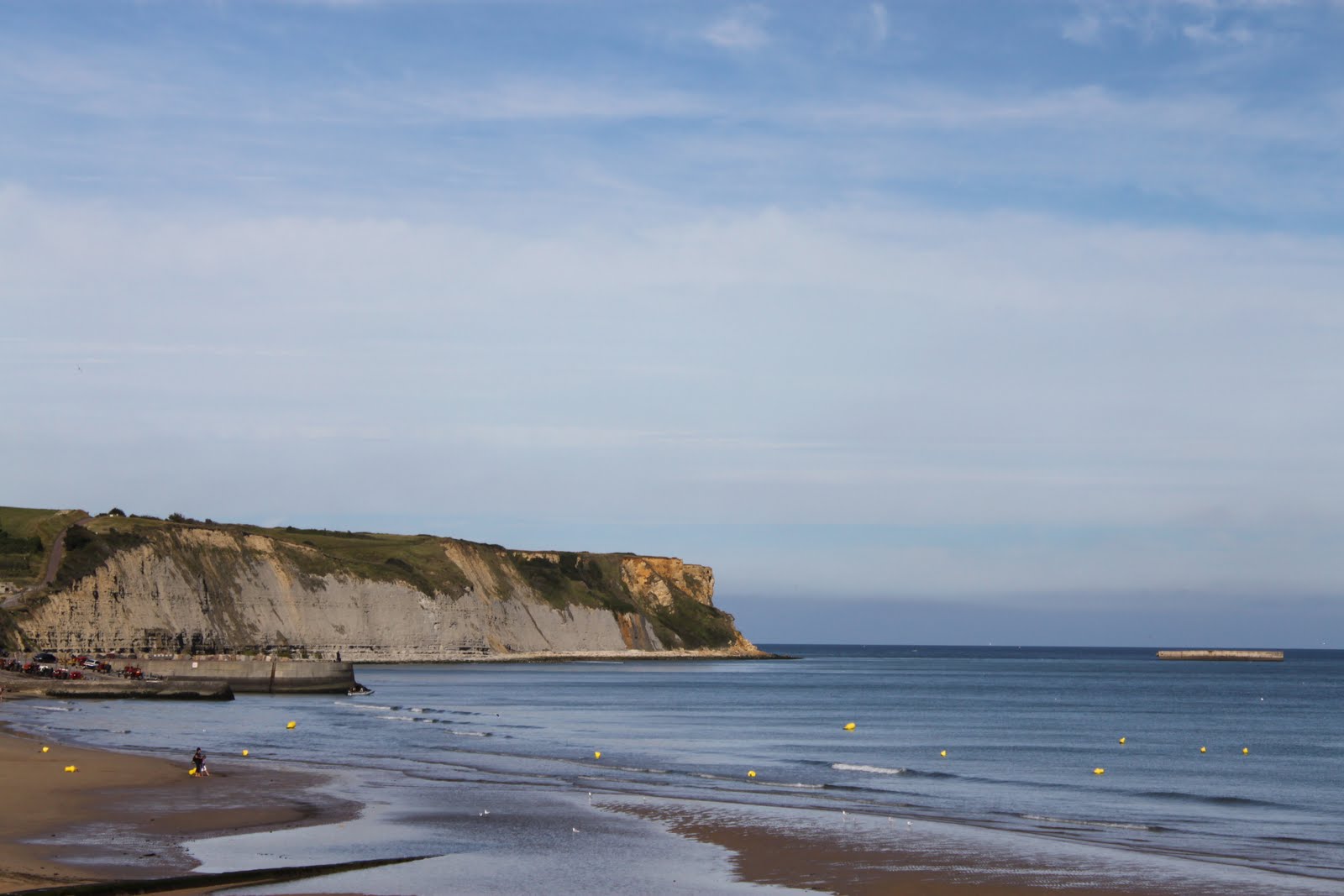
We started our tour with a visit to the Mulberry Harbor which was created at  Omaha Beach and Arromanches in Normandy. We saw pictures of how it looked when it was constructed. This harbor was developed by the British to assist with unloading cargo during WWII.

We saw some guns used in battle.

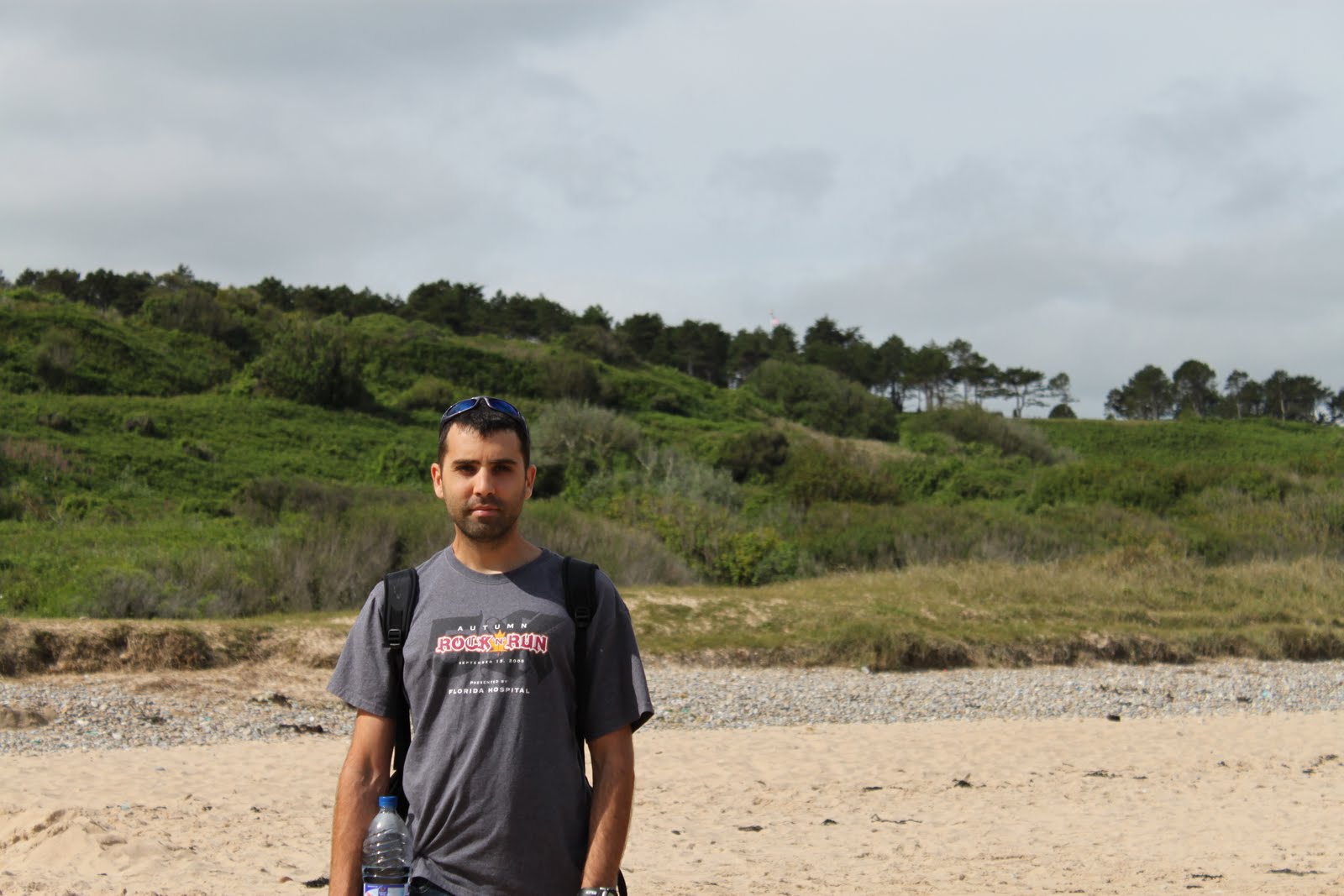
Omaha Beach

Where the Americans were to take the Germans during D-Day.

Our tour guide told us to take back a rock from this beach to remember the occasion.

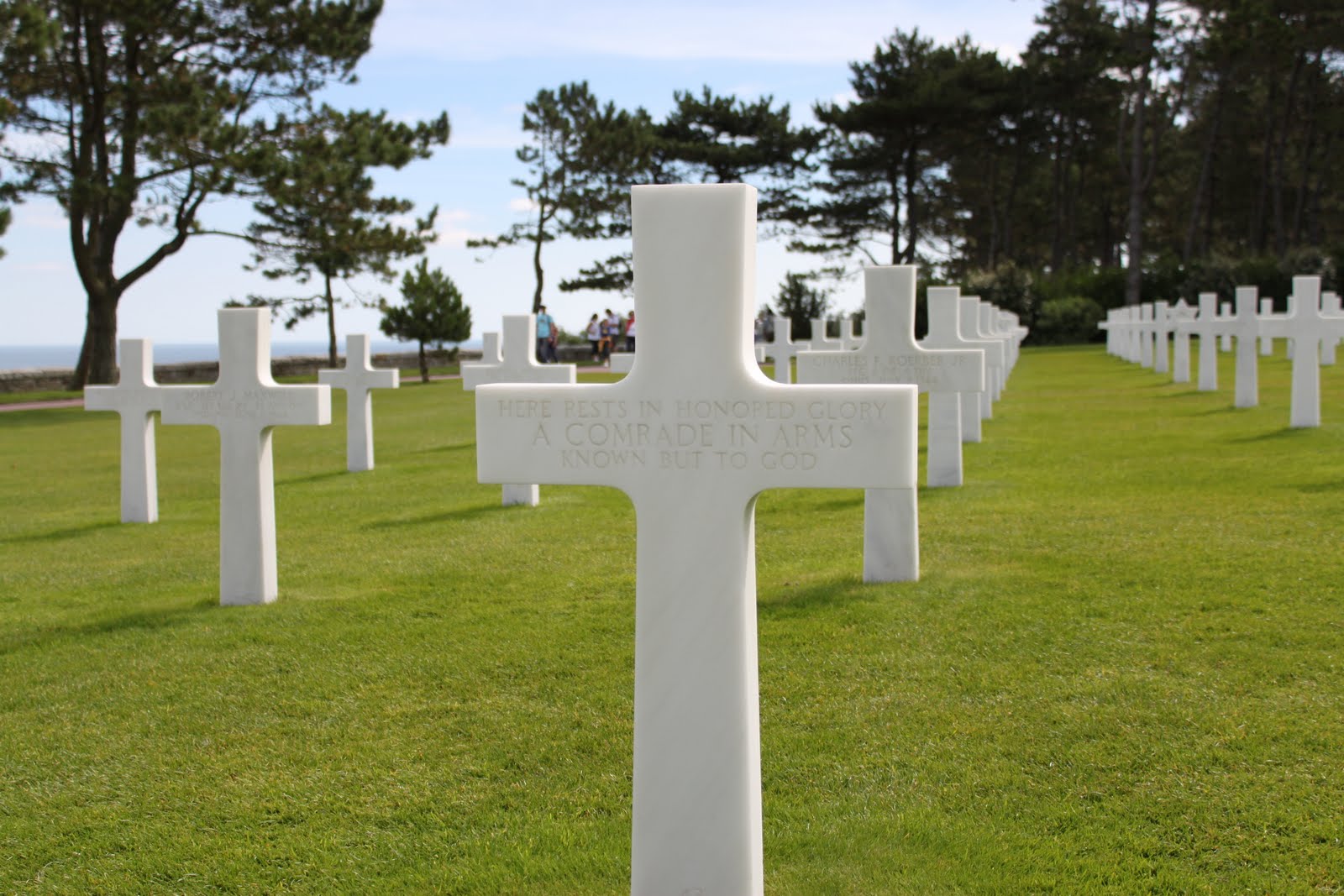
US WW2 Cemetery at Colleville
We had a solemn visit to the cemetery that honors American troops who died in Europe during World War II.

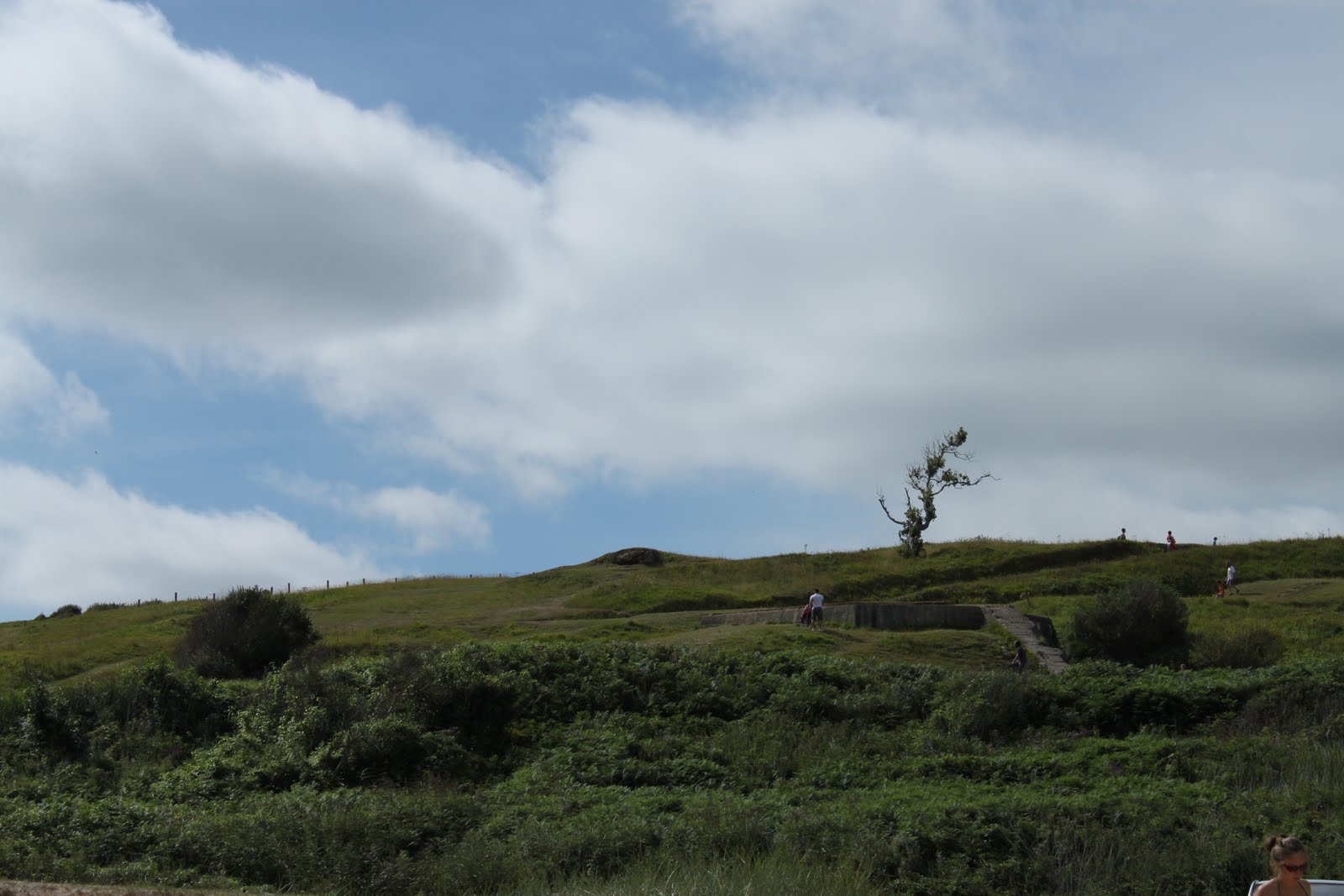
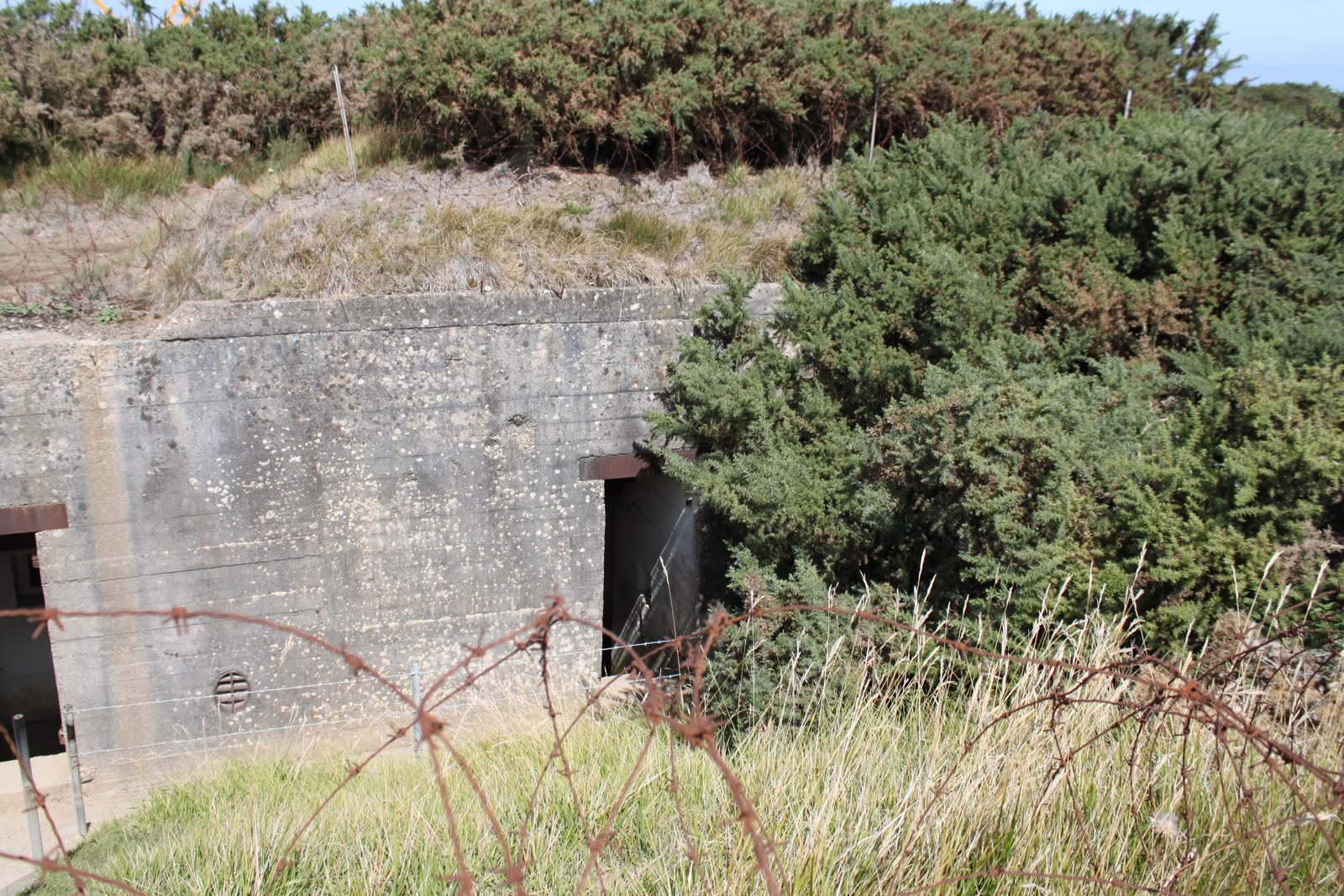
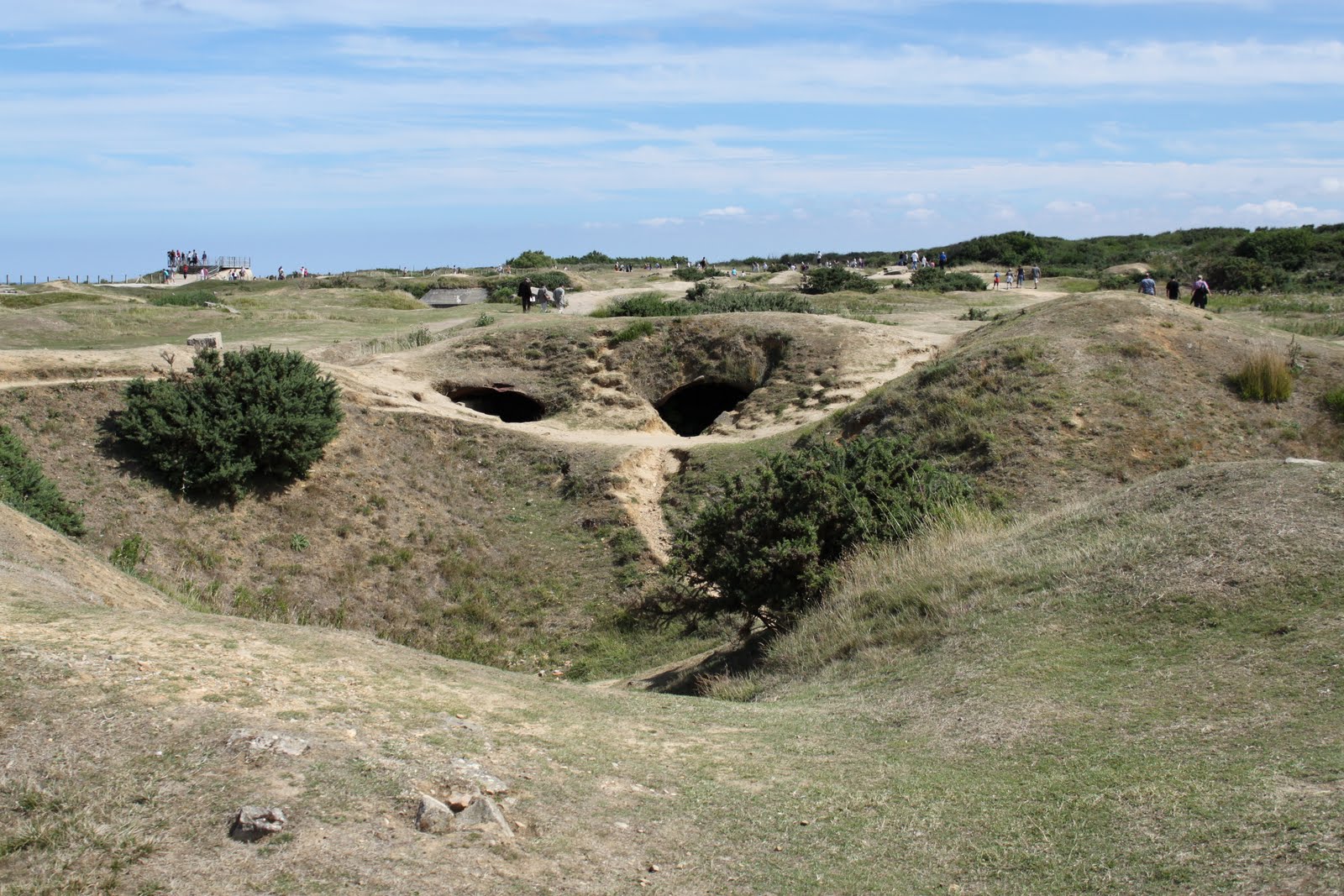
We visited Pointe du Hoc where 2nd. Rangers Battalion scaled the cliffs.

Bunkers

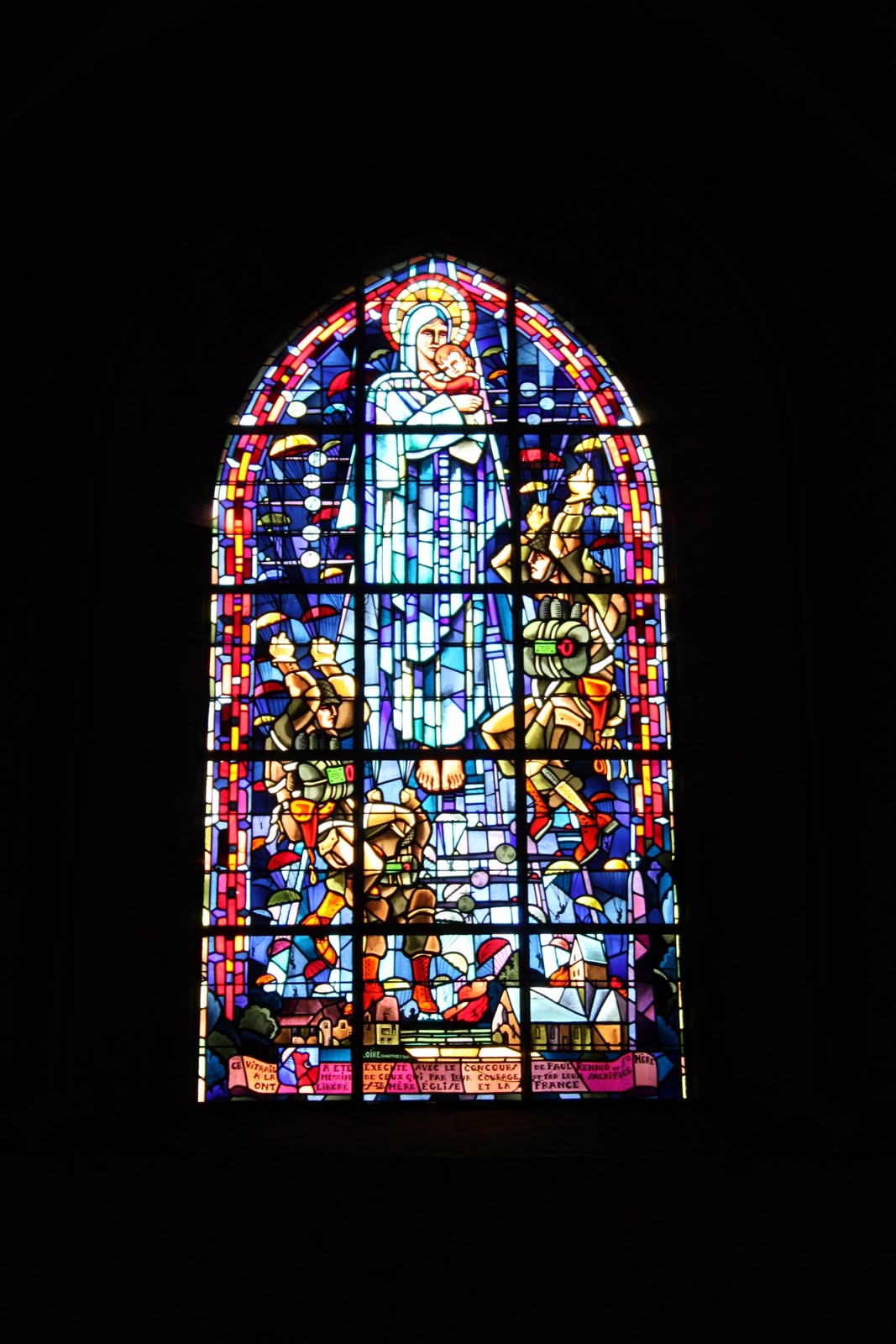
Angoville-au-Plain

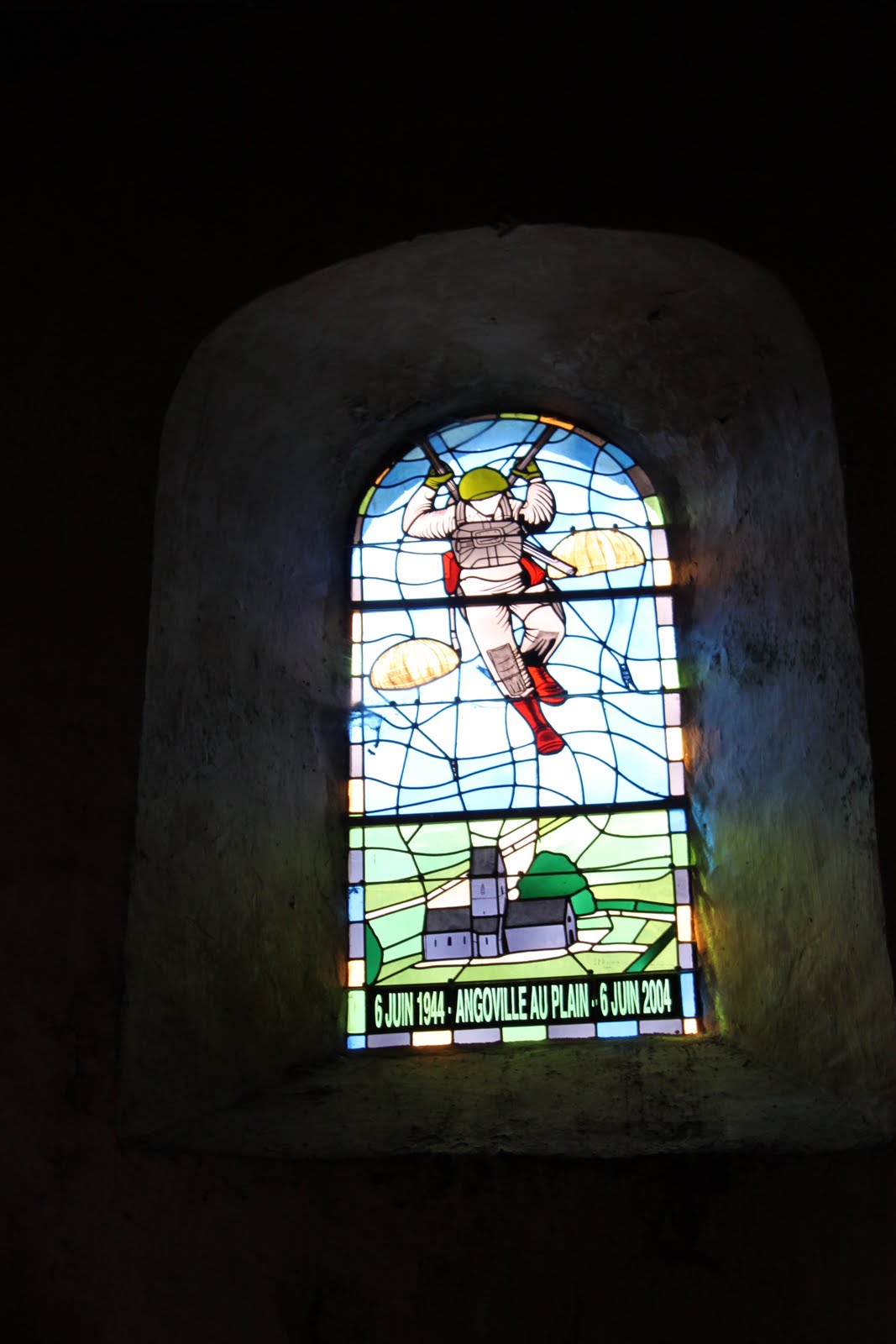
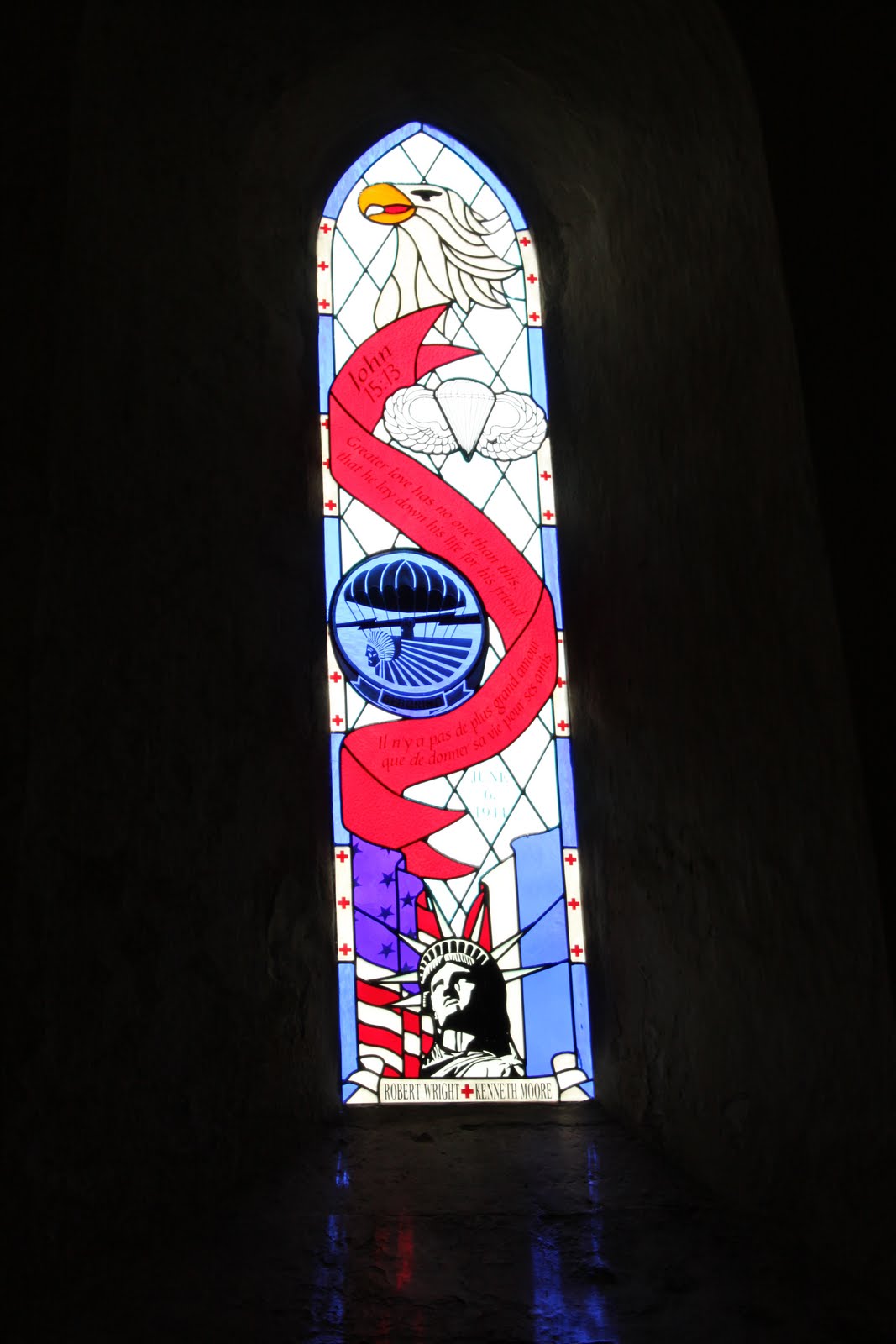
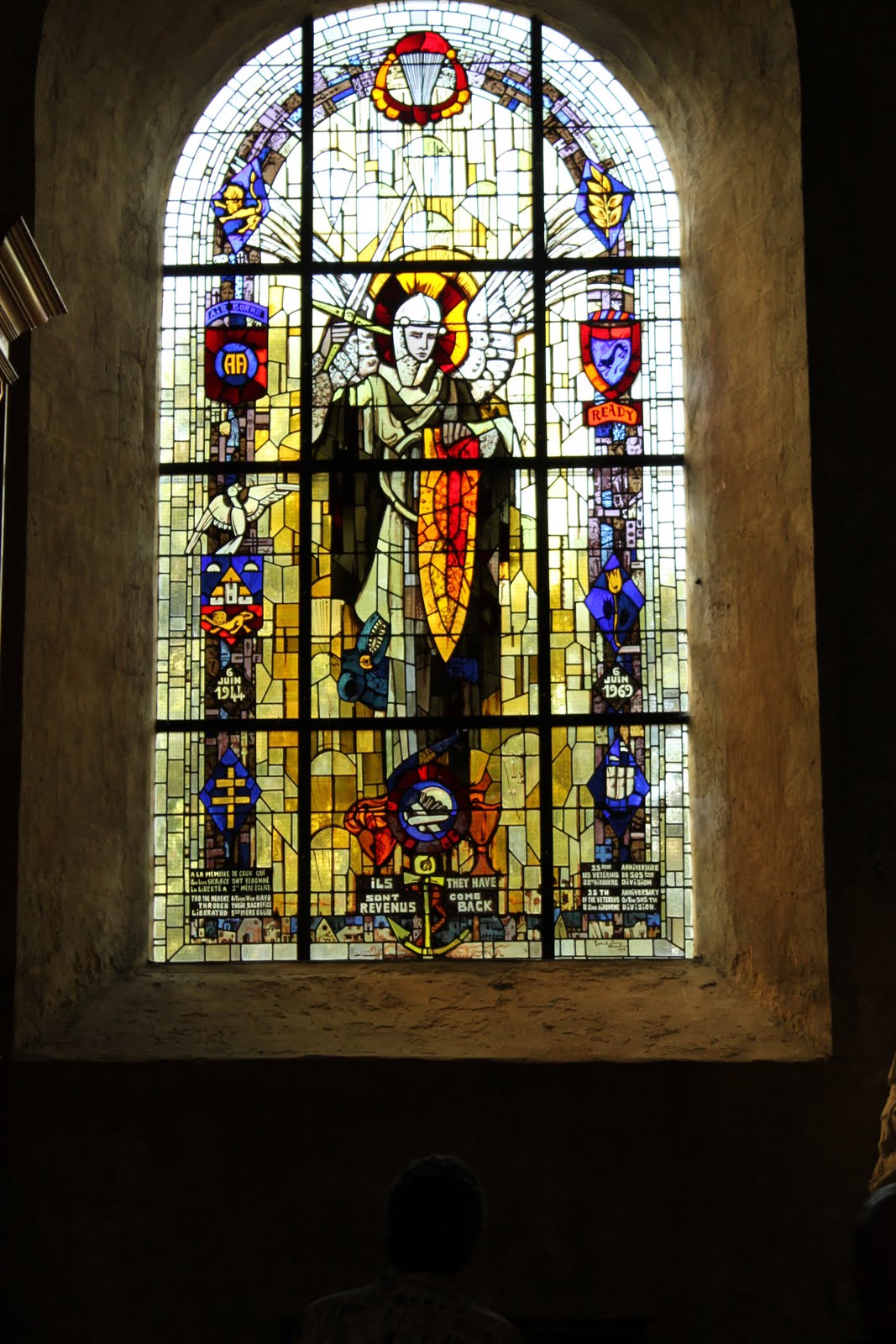
Church that was used by army medics as an aide station. There are now stained glass windows to commemorate the 101st Airborne division who treated both American and German soldiers here.

This stained glass window honors the paratroopers.

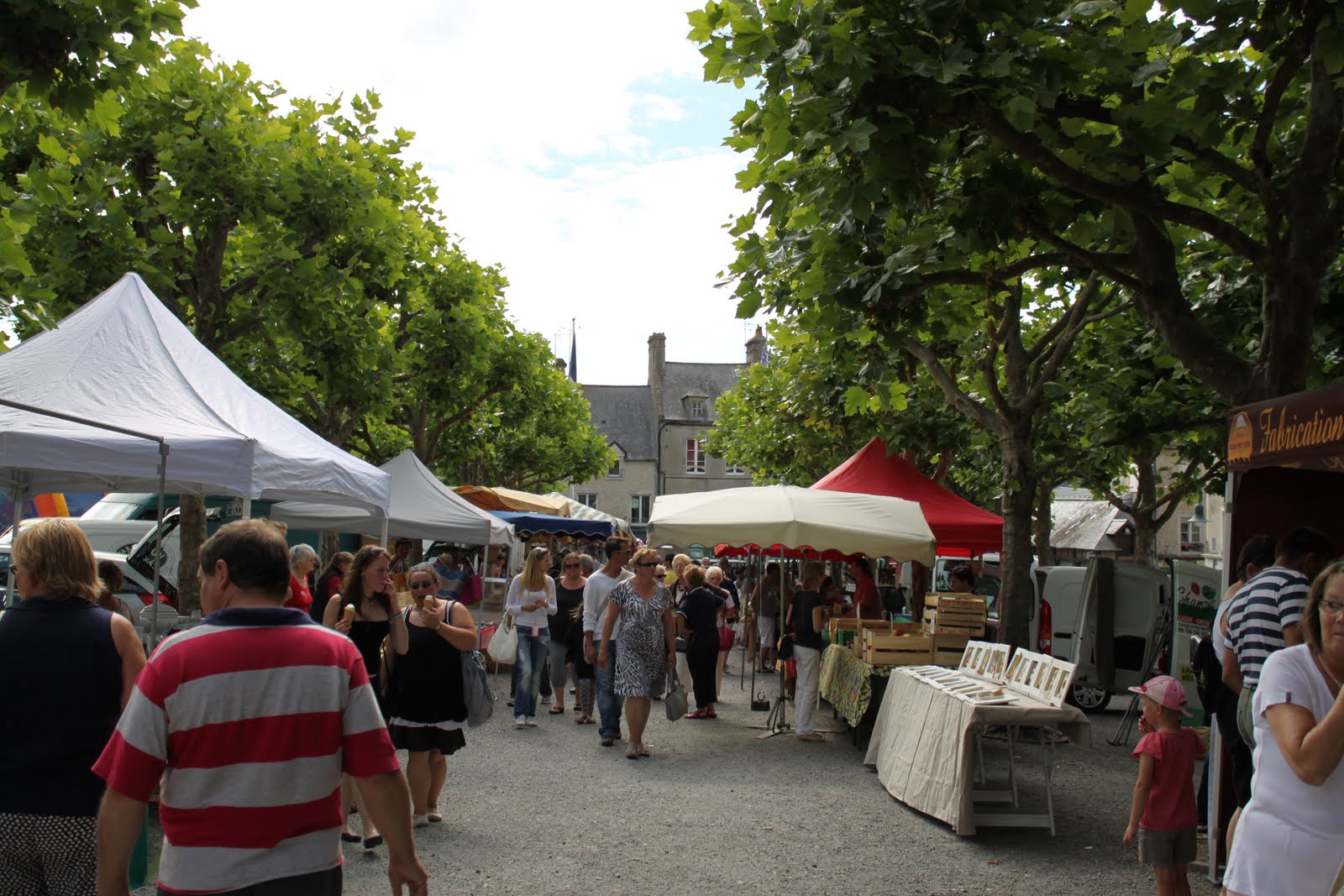
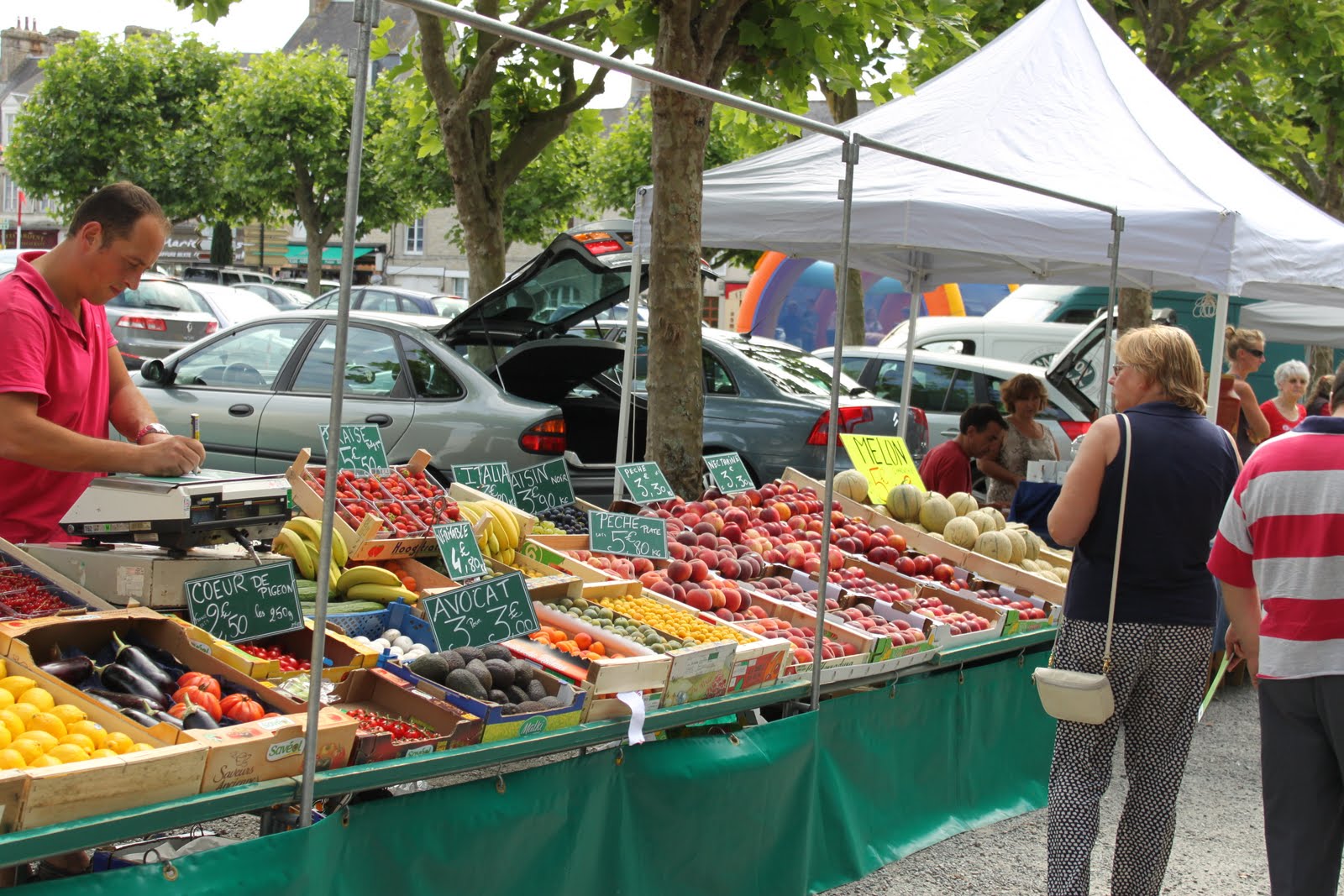
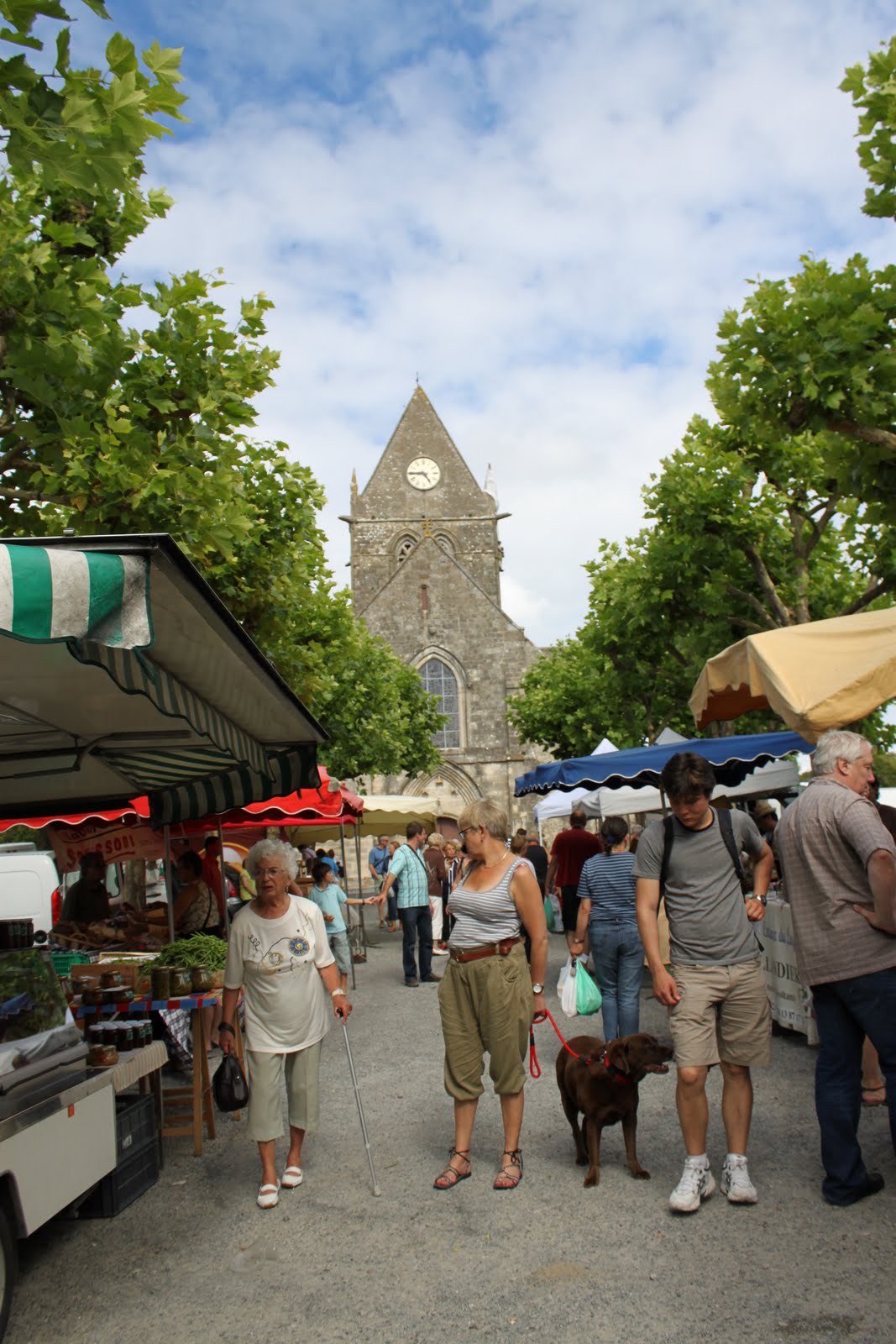
After the visit to the medic church we stopped in the town of Sainte-Mère-Église.  We were there during market day. We had some time to walk around and see the produce at the market.

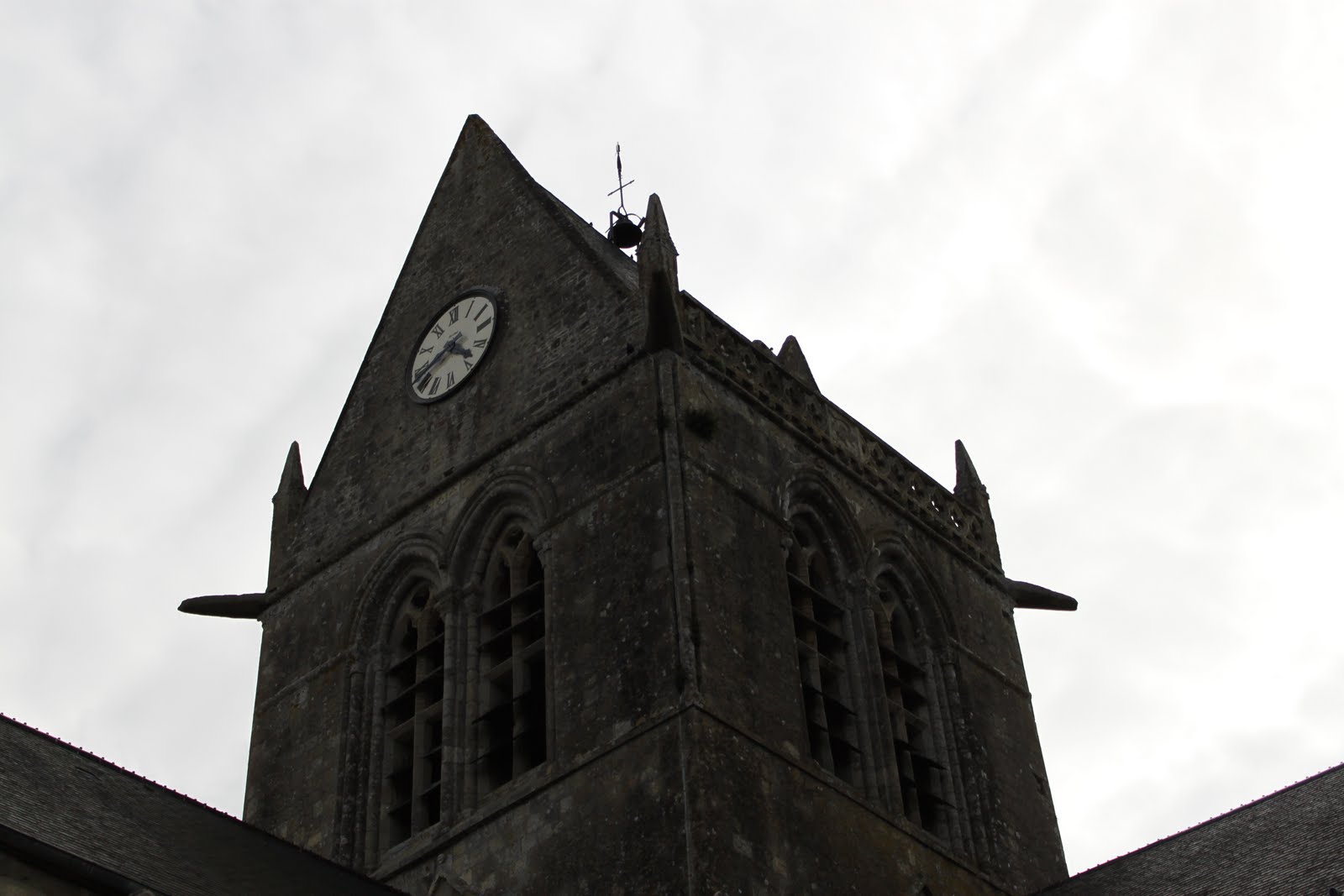
By the market in Sainte-Mère-Église lies the church of the paratrooper. There were many casualties in this town for the paratroopers who landed here early on around D-day. Many were shot down in air or caught hanging on trees. The church here memorializes those whose live were lost. There is even a “paratrooper” hanging from the church today.

We heard stories about the war on our tour. One was story about two soldiers, one American and one German. One spared the others life while he was retreating from battle. Somehow they found each other many years later in France and were thankful. A story like this paints a human picture on what was a horrific war that many lives were sacrificed for.
Coincidently it is the 70th anniversary of D-Day and this paratrooper is going to parachute back into Normandy, well because he still can. He is a 93-year old vet of D-Day.

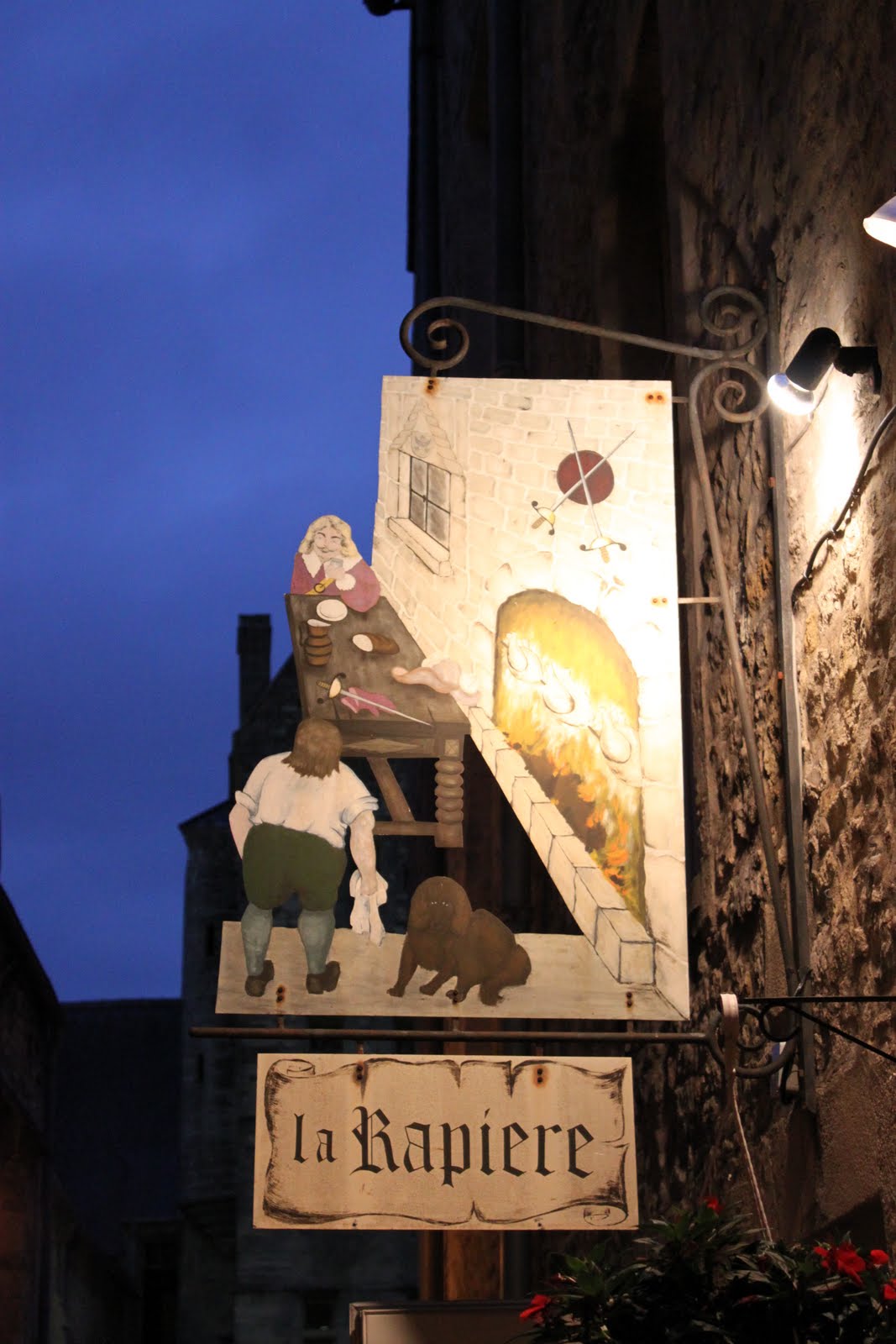
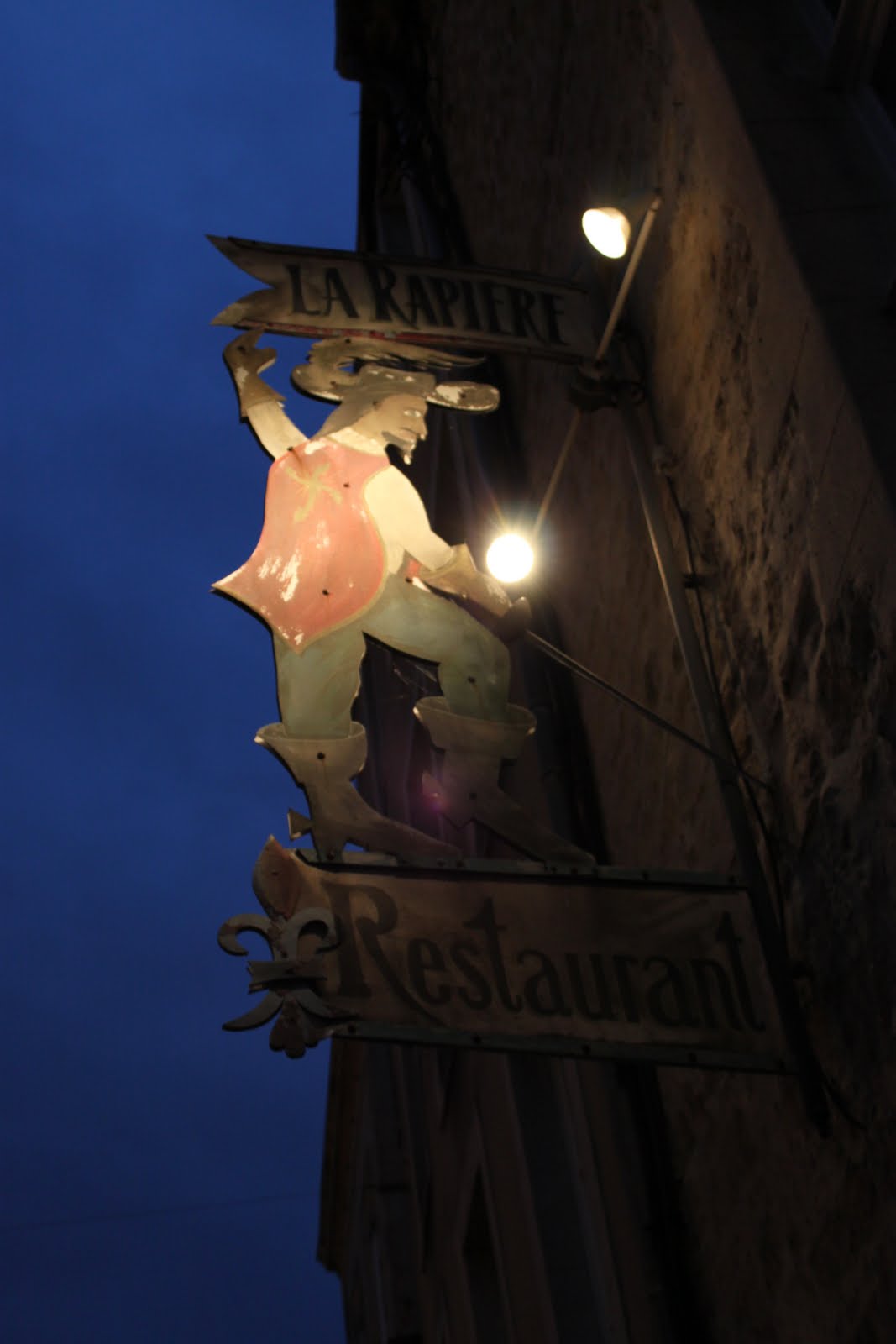
Later we had dinner at this restaurant call La Rapiere, which I thought had a real funny name. Turns out I guess it means sword in French. Nothing much exciting there.

The last day we visited the Bayeux tapestry (no pictures). It was my second visit there (I came once before during a tour in 1995) but it is still amazing the second time around. It tells the story of the Battle of Hastings from the Norman point of view. The events leading up to battle are woven in detail. While it is not certain when this woven cloth (not actually a tapestry), 70 meters long, was made, it is assumed it was made around 1070. The cloth today is in a museum and an audio guide takes you through each section. It is like a history lesson of the Norman conquest of England…in pictures.
I highly suggest Normandy be added to your next French adventure. There aren’t many areas that can rival the rich history you will find here – and the views of the coast aren’t bad as well.