Warsaw: Big museum day

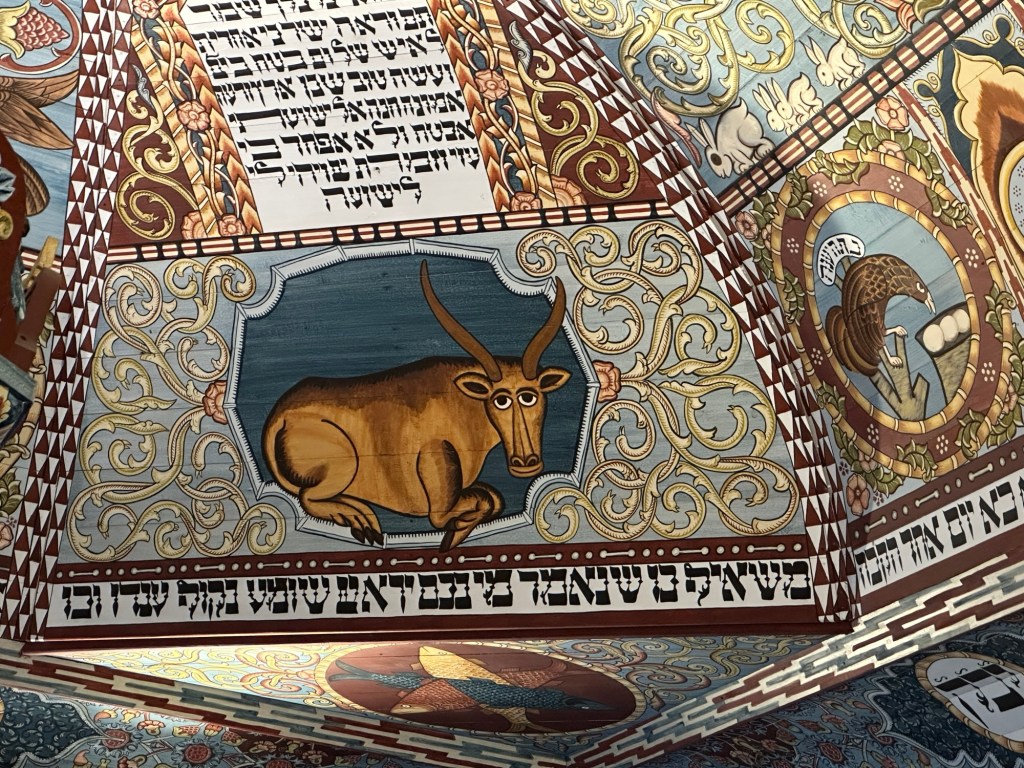
Lithuanian synagogue reproduction

There are no shortage of museums in Warsaw and I plan to see at least 3 of them today.

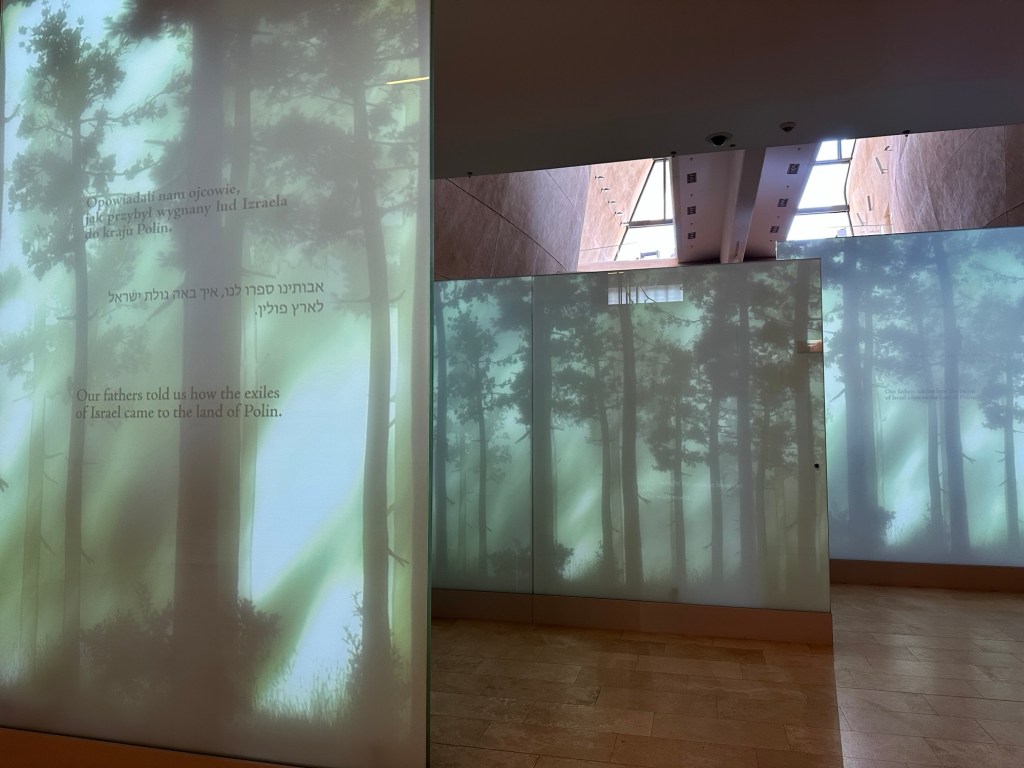
First stop is at POLIN, the museum of Jewish history. This museum takes you through the history of the Jewish people in Poland from the beginning. What is different about this museum is even though the holocaust is talked about in detail, it isnโ€™t the sole focus .

Polin in Hebrew means Poland and rest here.

Poland was primarily a pagan land until the Duke Mieszko married a wife that made him switch to Christianity in the 900โ€™s. Now Christianity is the prominent religion.

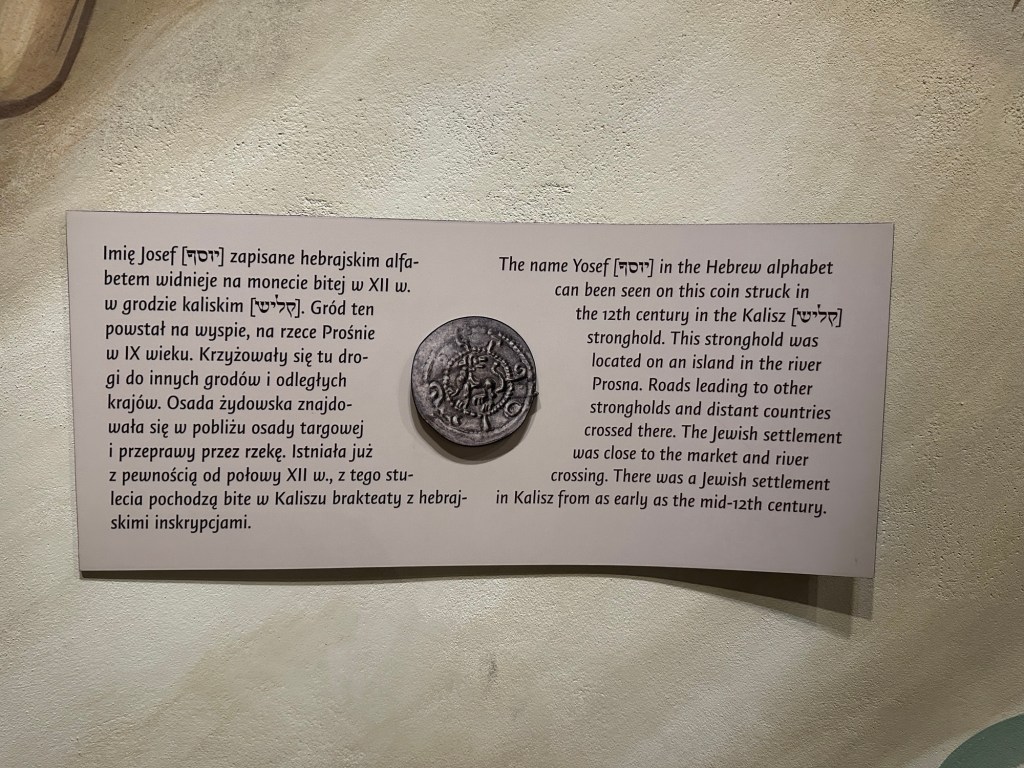
There were Jewish settlers in Poland as early as 13th century according to coins made by Jewish settlers. According to medieval Christian churches usury was forbidden (lending money) so money lending tended to come from the Jewish communities. This is the early origins of associating Jewish people with banking or money.
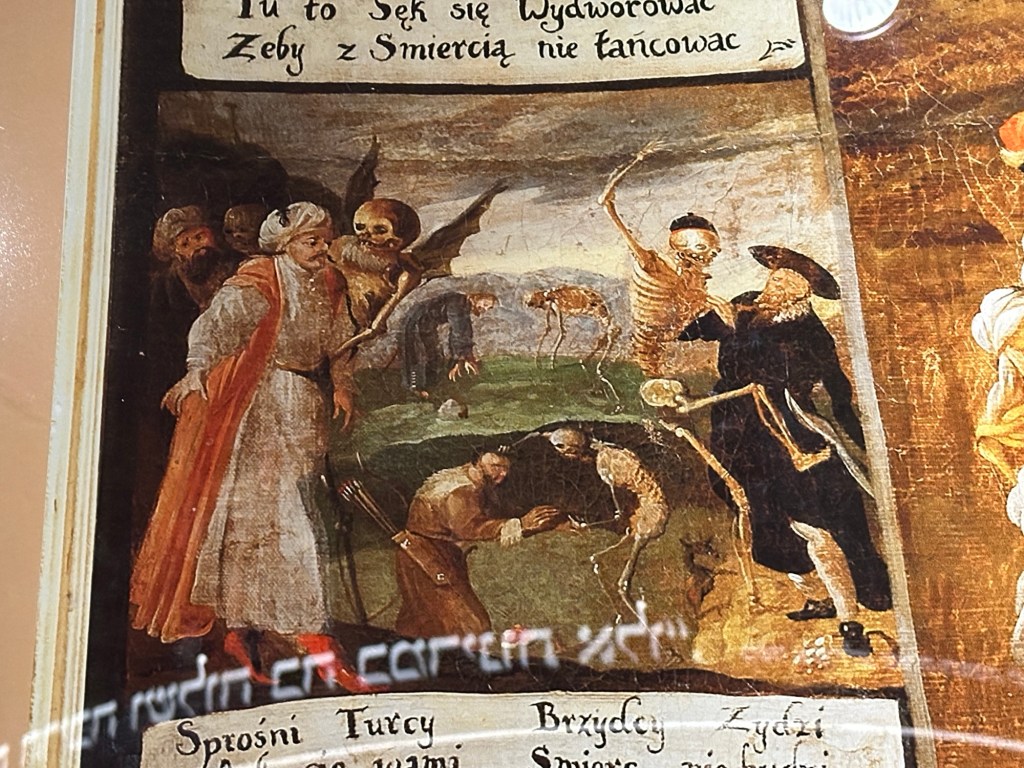
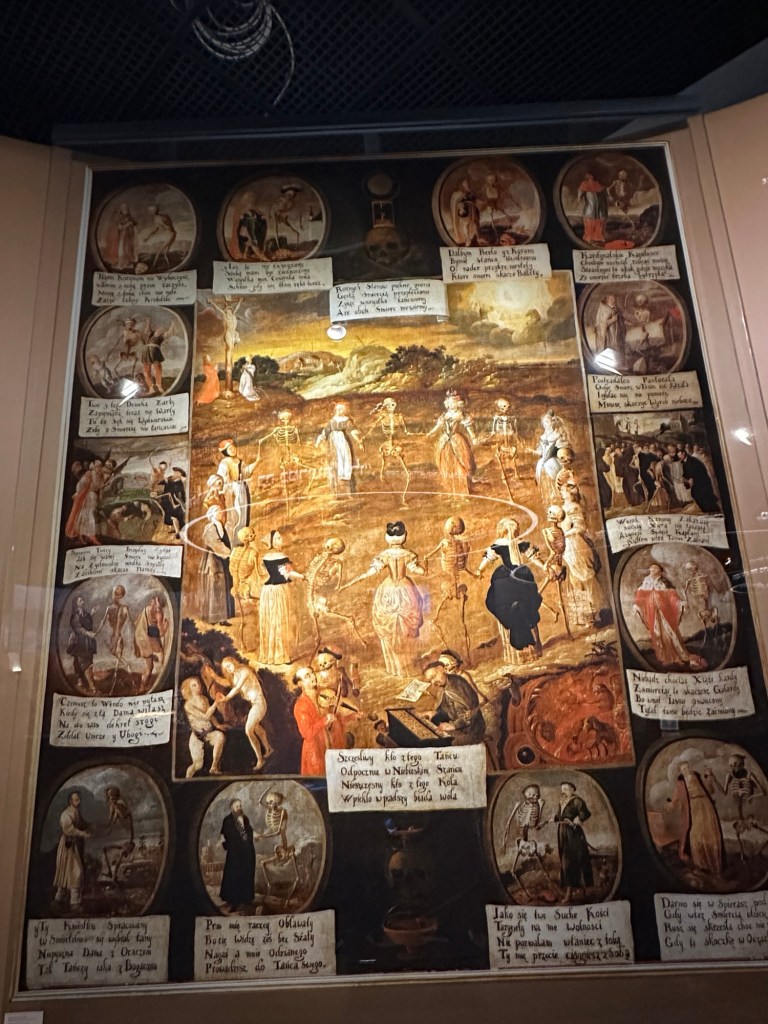
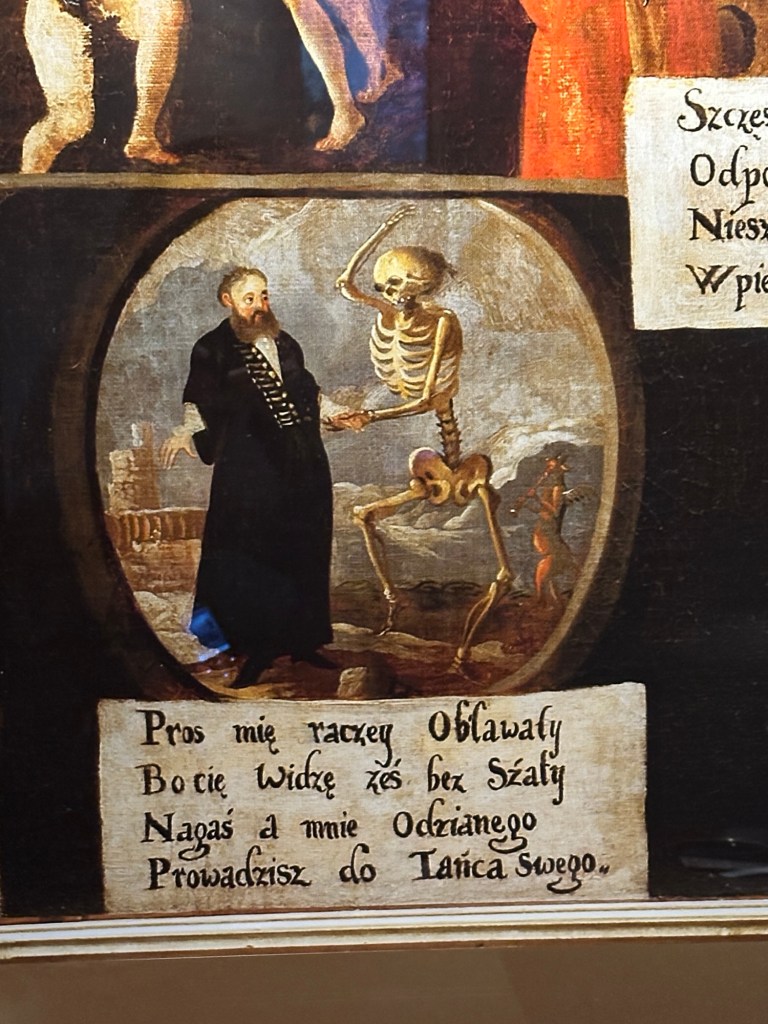
I am fascinated by the Danse Macabre (dancing with death) painting. It is all about how death is the equalizer of us all. It is a middle-age allegory.
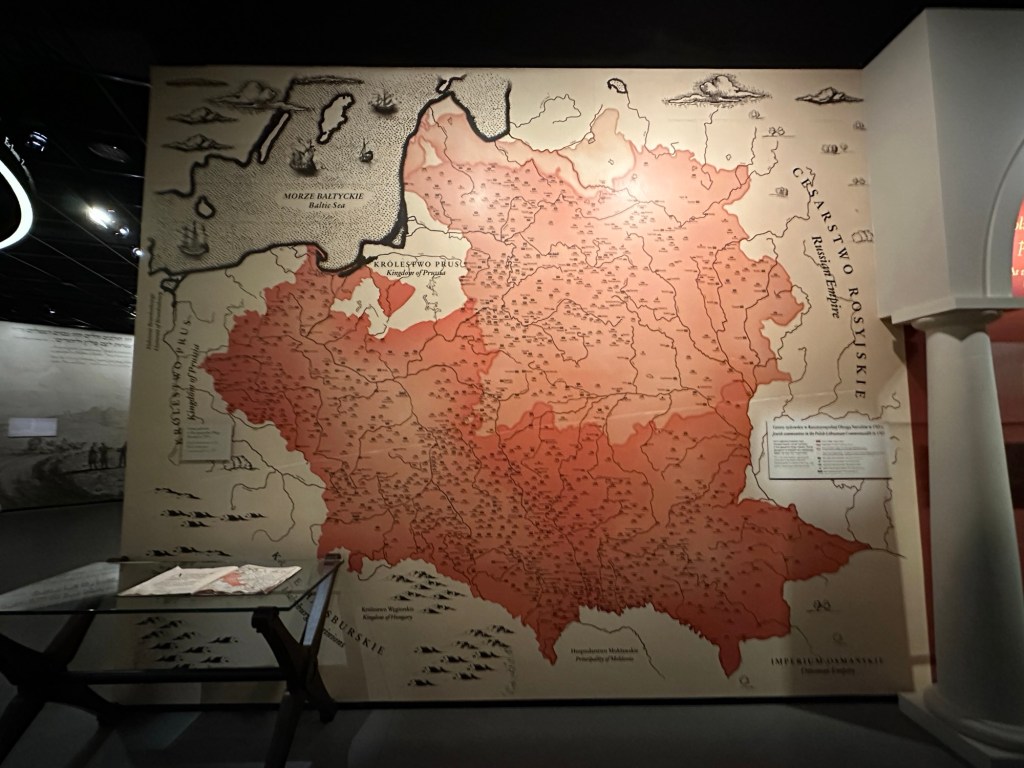
Early in Polish history Poland was part of the Polish-Lithuanian Commonwealth for a long time. During this time there was a battle that led to a large amount of atrocities against Polish, Jewish people and Roman Catholics. The Cossacks uprising in Ukraine was the first large scale violence in the region.

During the 17th century taverns in Poland were prominently run by the Jewish. There are many reasons but one of which is the assumption that they were not drinkers, thus a logical choice to run these establishments.

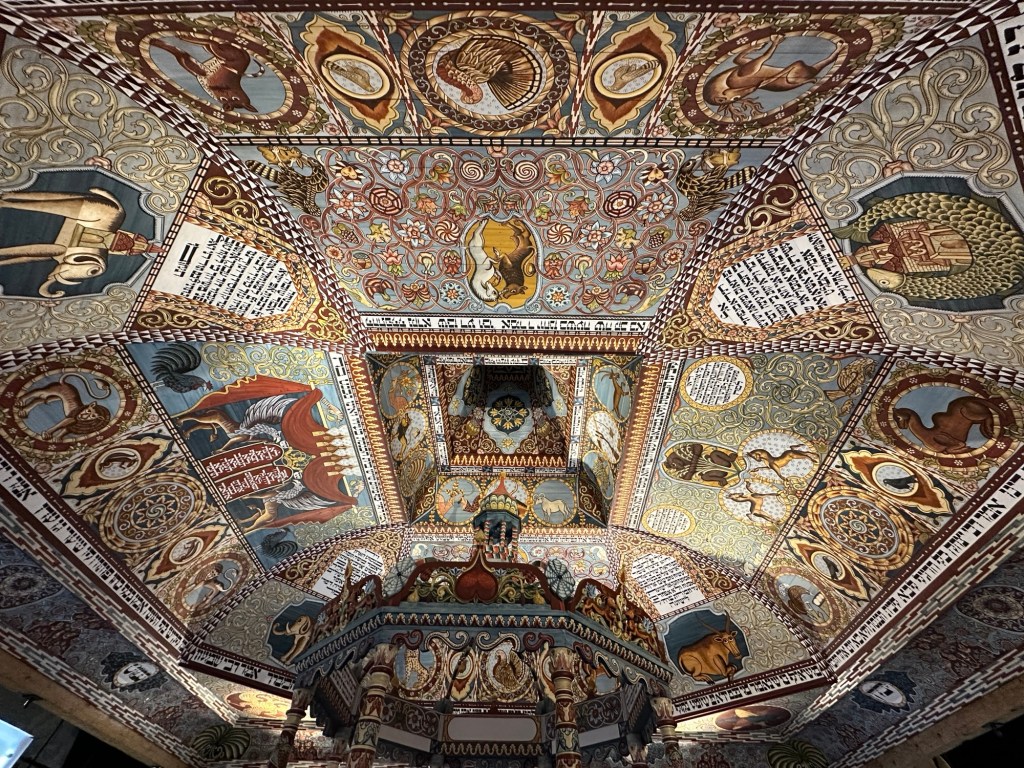
There is a very beautiful Lithuanian synagogue reproduction. In the middle is an example of a bema or a platform.
I read many examples of Jewish persecution and stereotypes. At some point they say that Jewish people did human sacrifices in order to justify the prejudice.

Three rulers partitioned Poland and the Polish-Lithuanian commonwealth ceased to exist in the late 1700โ€™s. Under Habsburg, Prussia, and Russian rule polish Jews lost their privileges and freedoms.
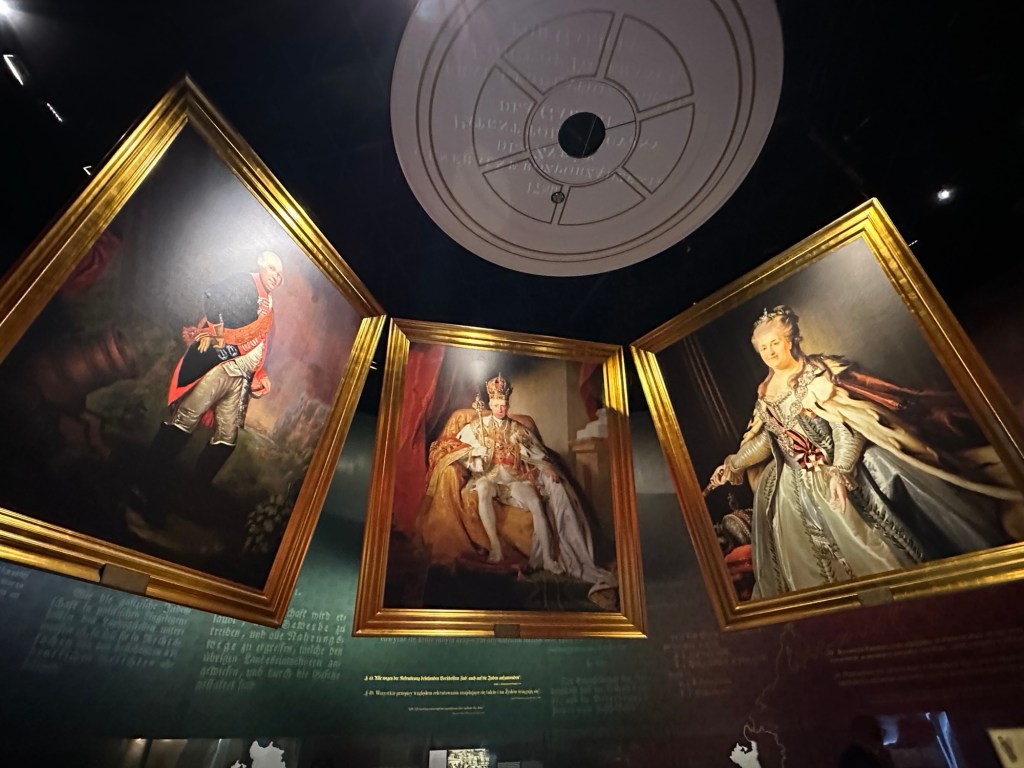
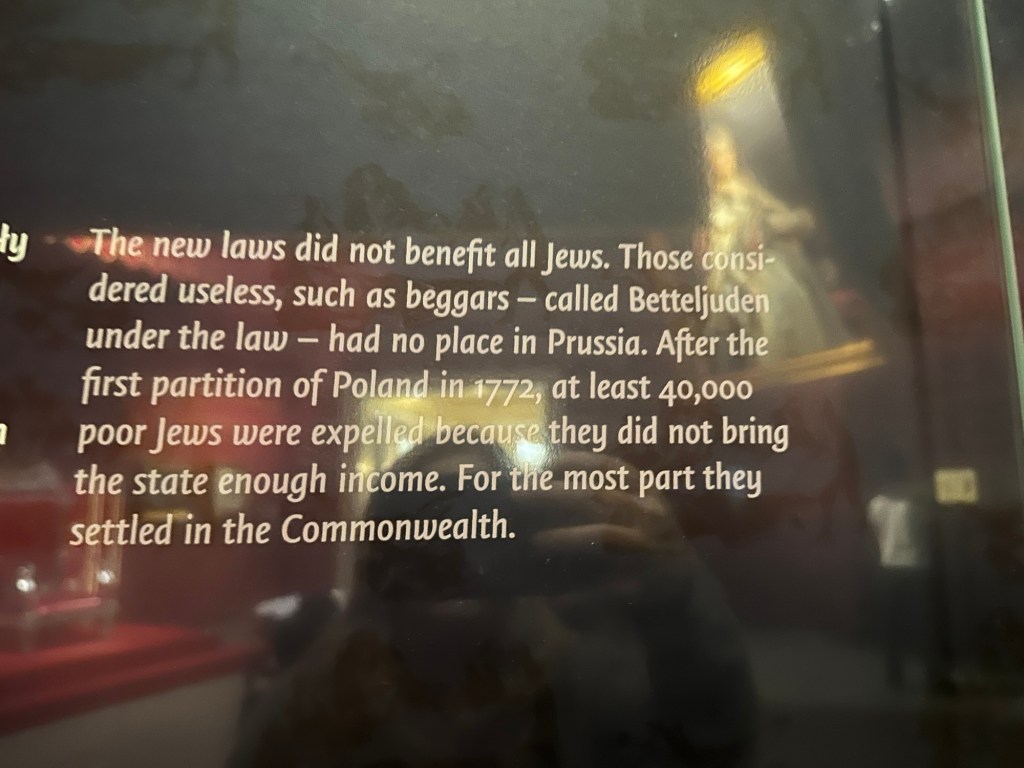
Iโ€™m reading some additional wall items and the name Betteljuden catches my eye. Betteljuden is a derogatory cartoon caricature of Jewish beggars in the 1700โ€™s. The name and character likeness is very similar to the popular Beetlejuice character. It is almost like the movie character has anti-Semitic undertones. I will never see that movie in the same way again.

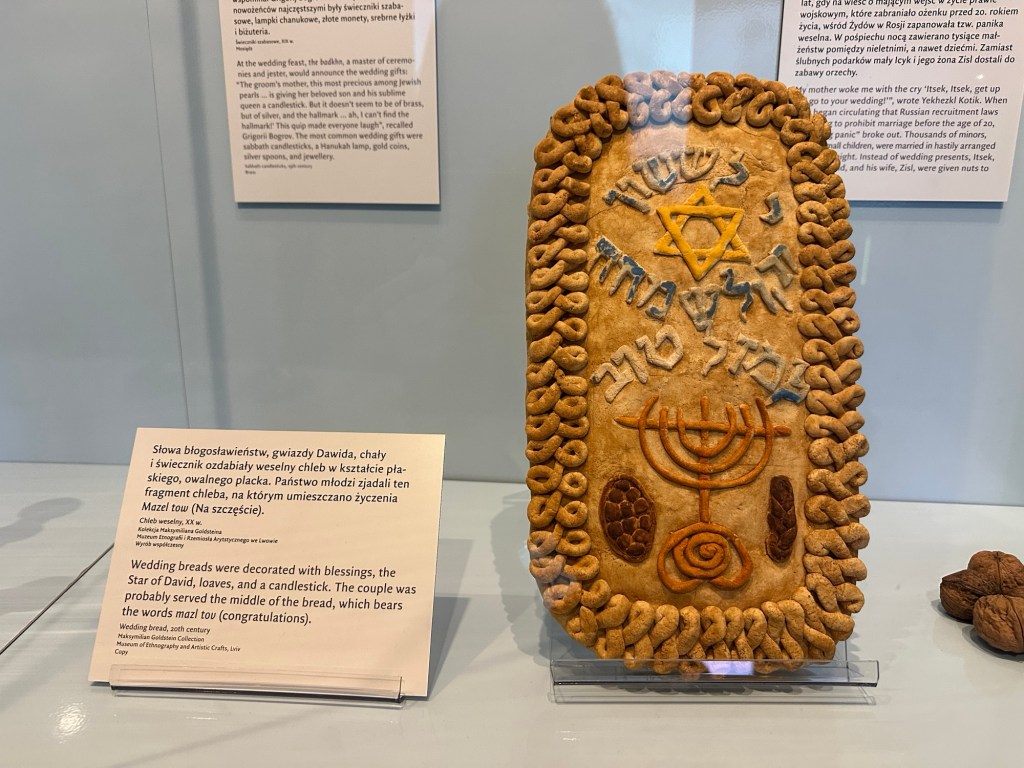
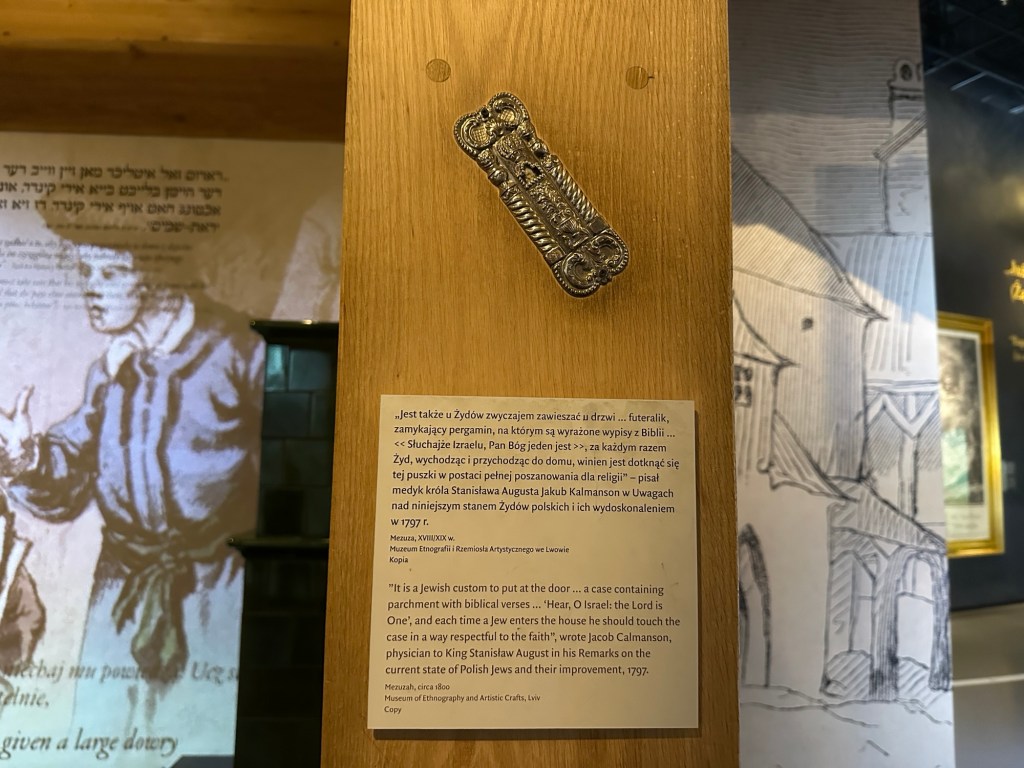
I learn about more religious items in the museum.
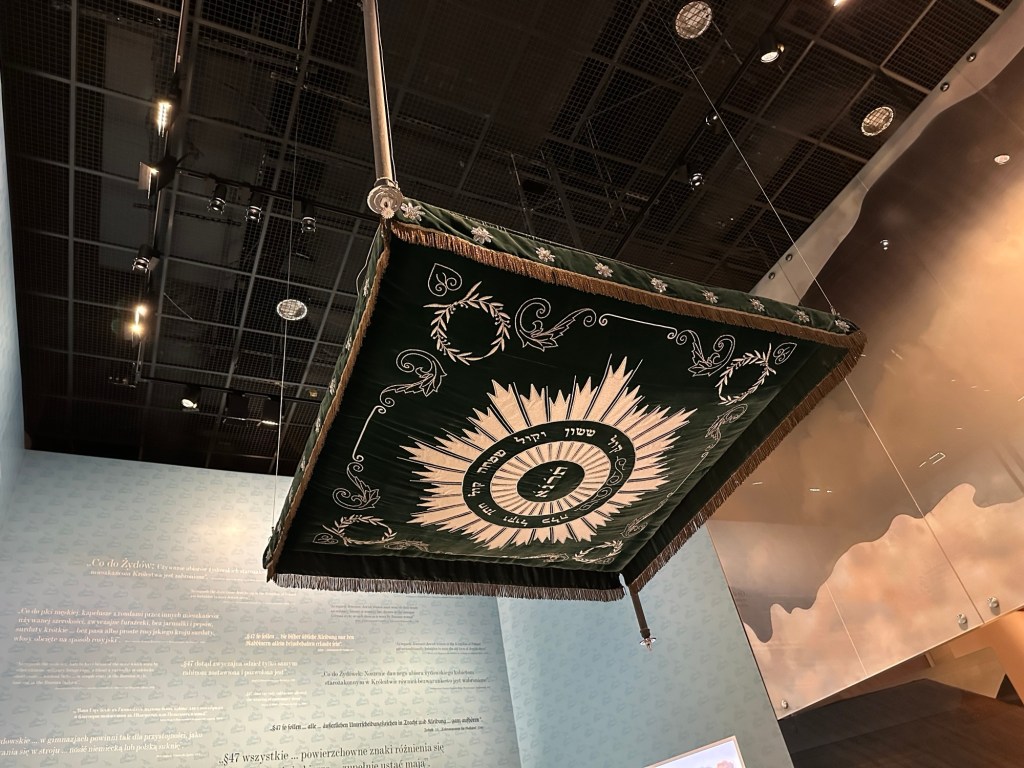
Chuppah, wedding canopy

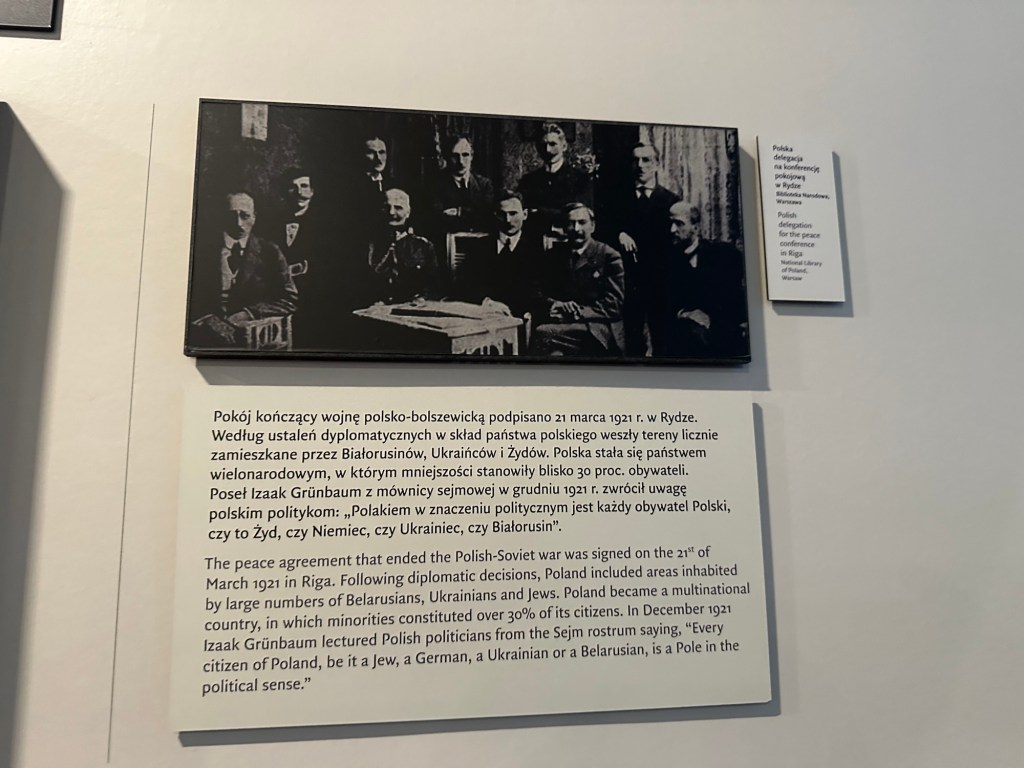
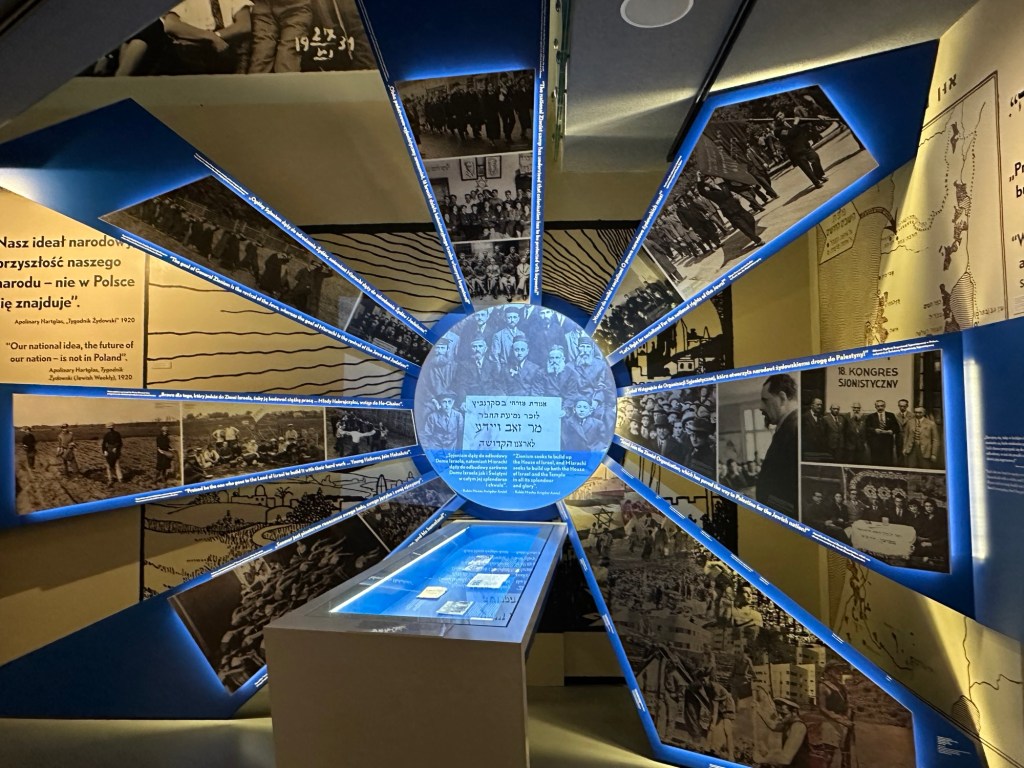
After war of 1918 Poland was reformed. Also during this time Zionist movement solidified and polish Jews moved to Palestine in 1920-1930. The Bund Jews (Jewish socialist party, mostly secular) opposed Zionism and supported cultural autonomy in Poland, fighting antisemitism at home. I also hear about the origins of Hasidic Judaism.

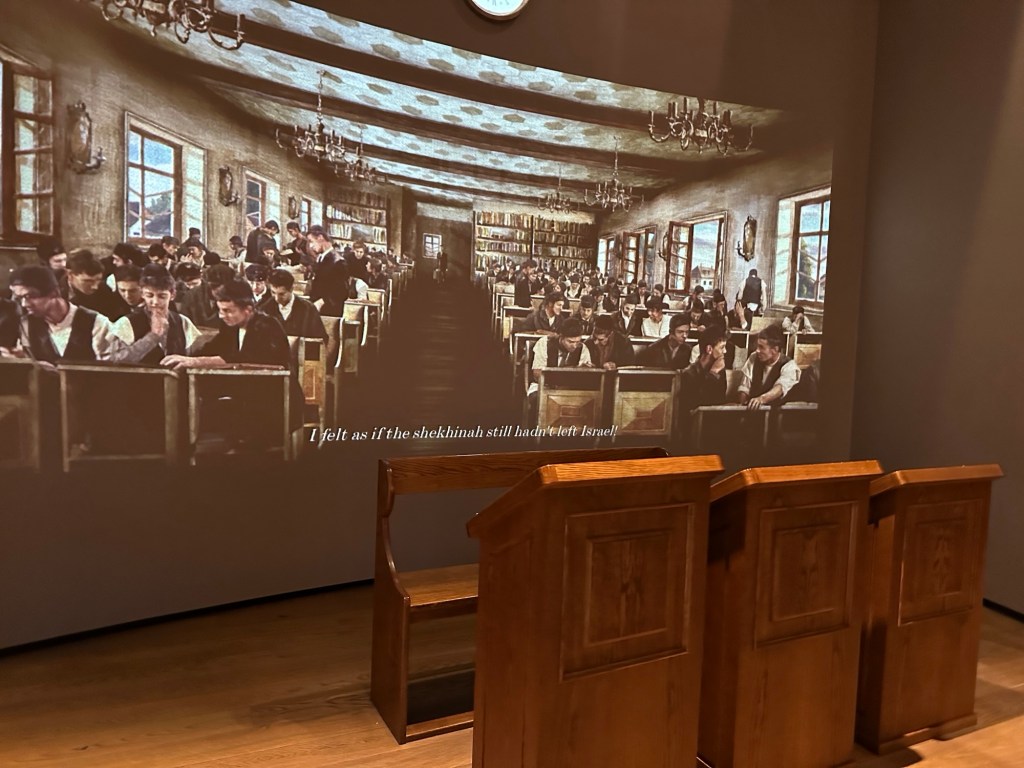
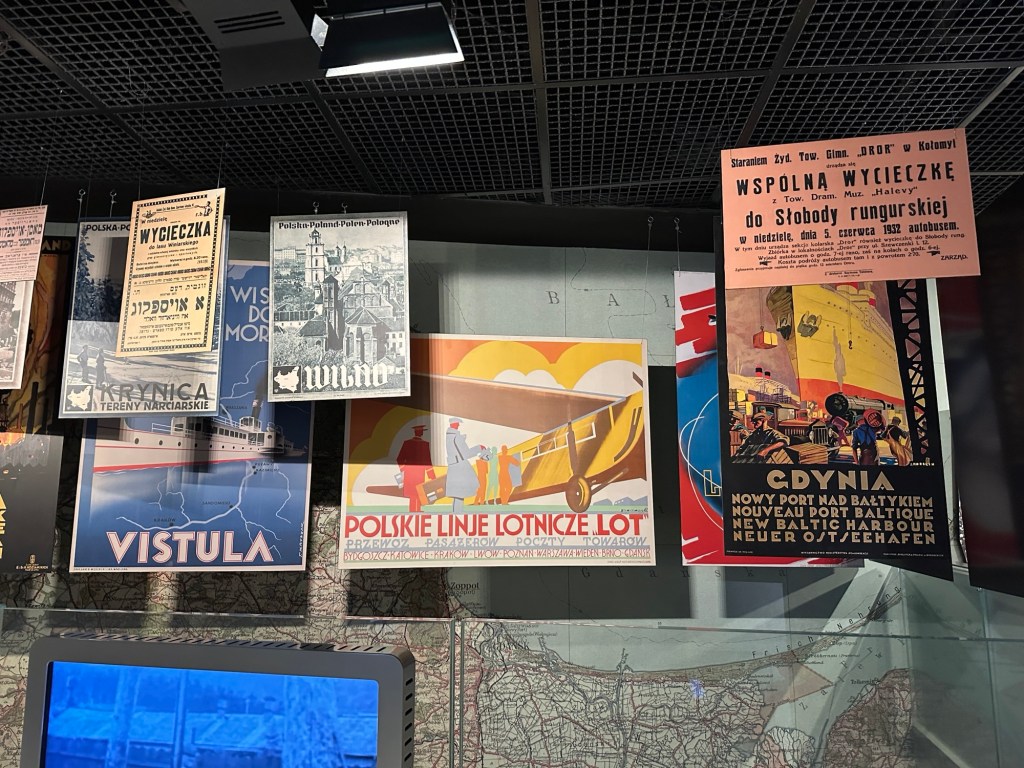
Between wars there was an explosion of Jewish tourism.
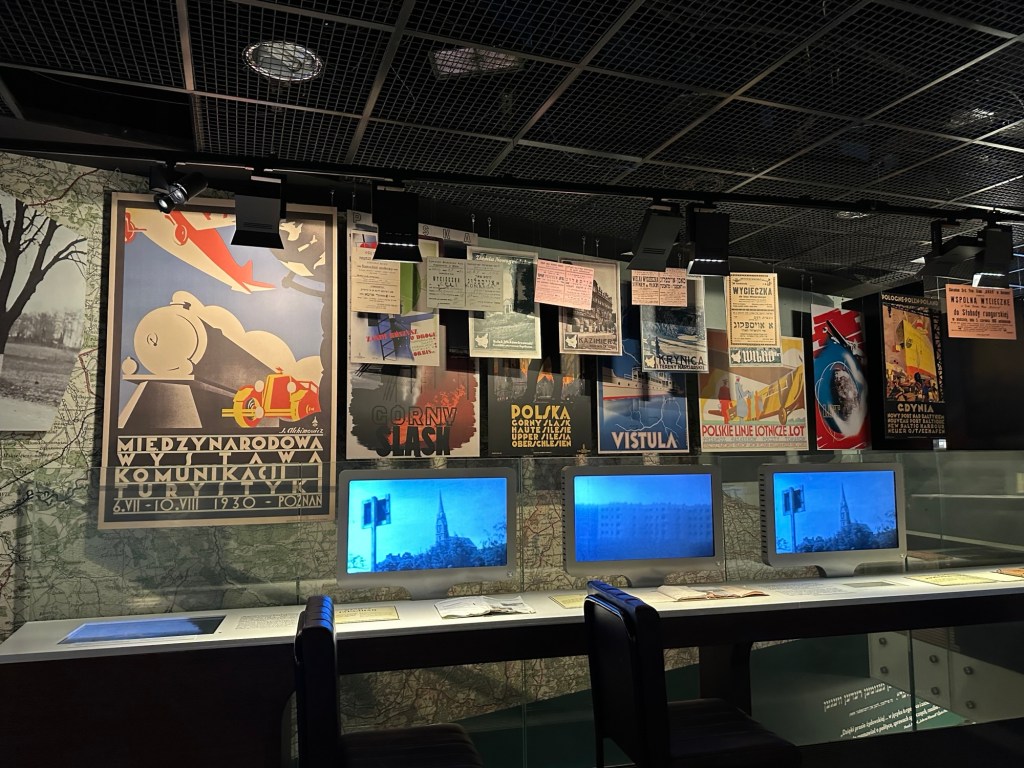
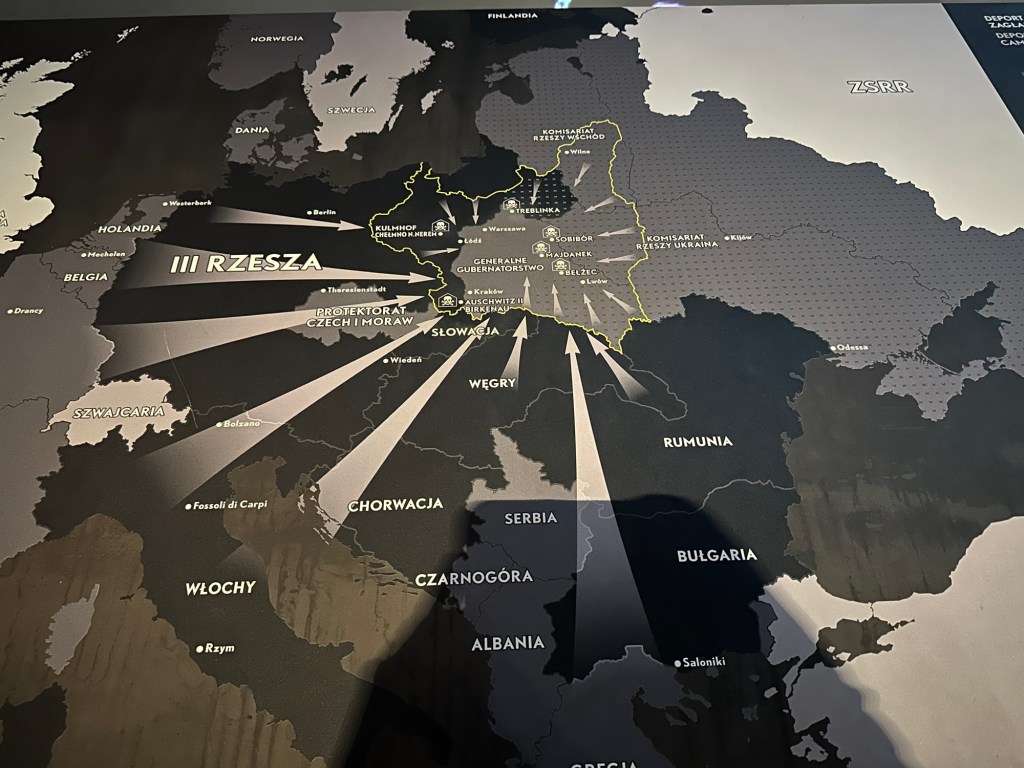
The Last exhibits are on world war two and the holocaust. There is a warning at this section on the sensitive nature in case you want to skip. Warsaw ghetto was the largest of the ghettos of WW2. This museum is in area where the ghetto once was. During the war hundreds of thousand of Jewish residents of Warsaw were sent to a death camp in Treblinka.
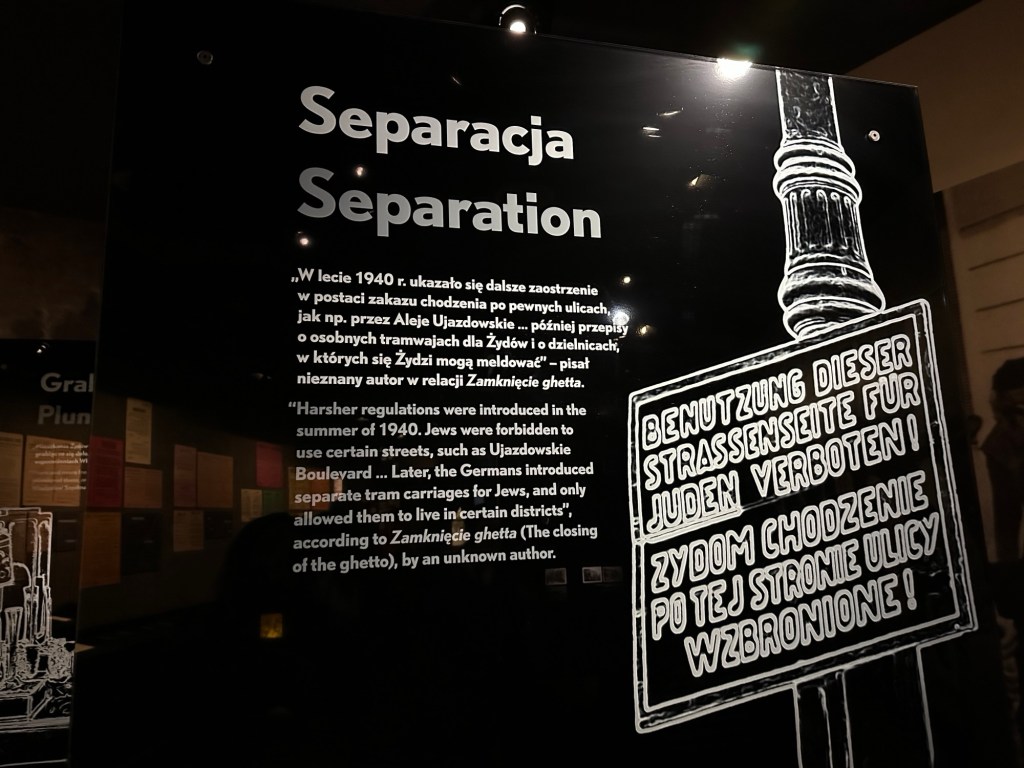
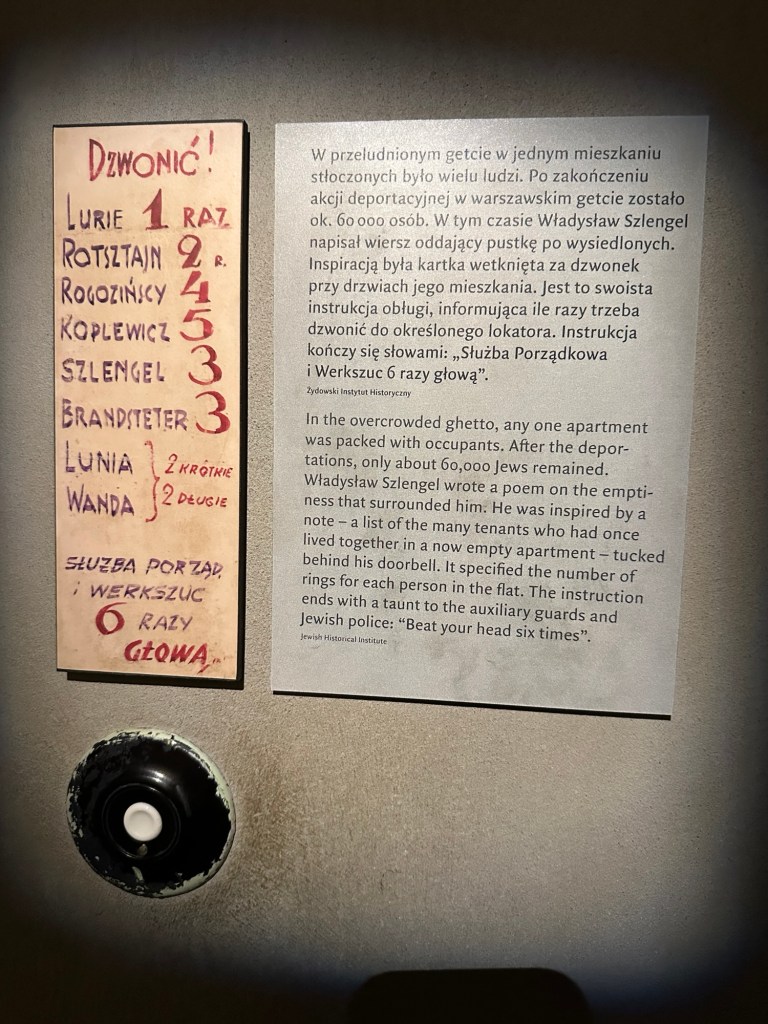
I learn a little about the ghetto uprising and the non-response internationally about what was happening in this part of the world around ww2.

There were a few waves of immigration to Palestine. Post war pogrom causes mass exodus to Palestine. Israel formed was 1948 as a result of a desired for a Jewish homeland, the holocaust and other reasons.

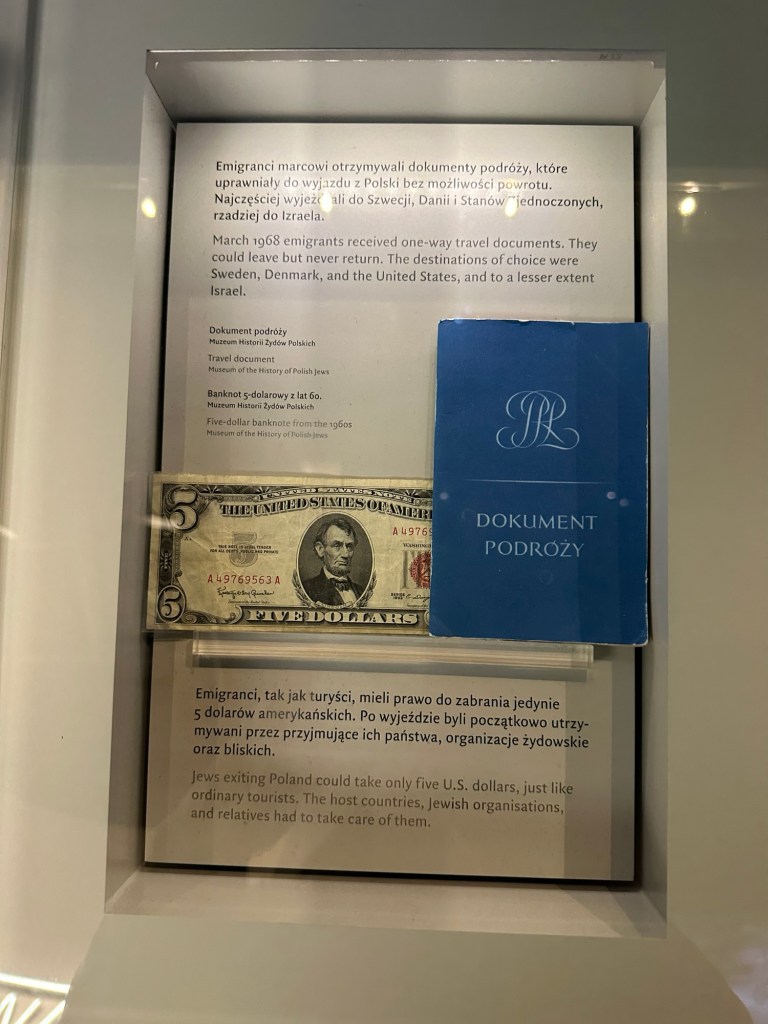
There was another Mass immigration out again in 1960. Now the population of Jewish people still remaining in Poland is relatively low.

The museum is vast and took me about three hours but I could have stayed even longer. The audio guide is excellent and I recommend a visit.

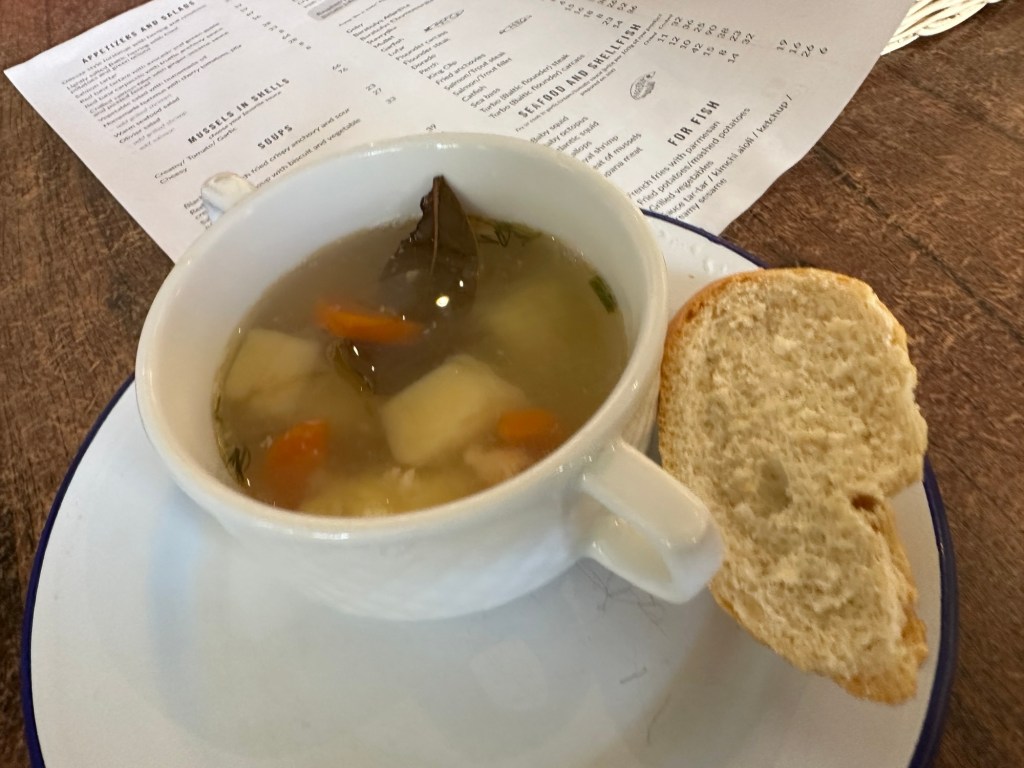
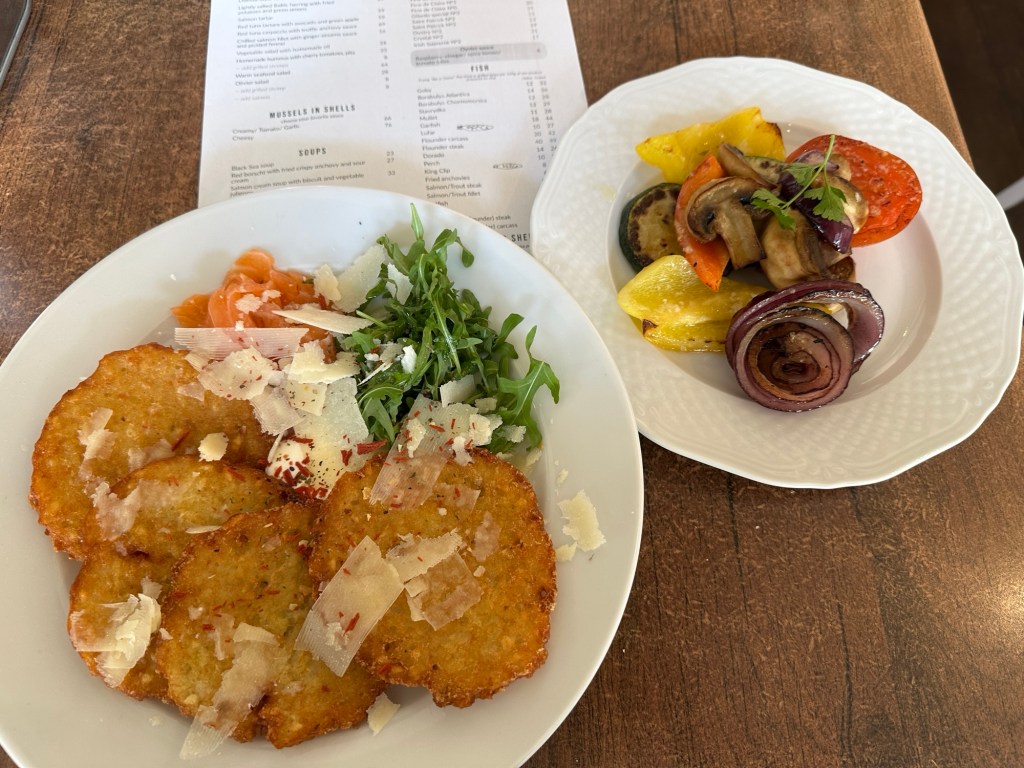
For lunch I want to visit a milk bar but everything seems too heavy so I end up at a seafood restaurant where I finally try some potato pancakes with salmon and a side of grilled vegetables. Why do grilled vegetables taste better in other countries???? We make veggies tasteless in the US.
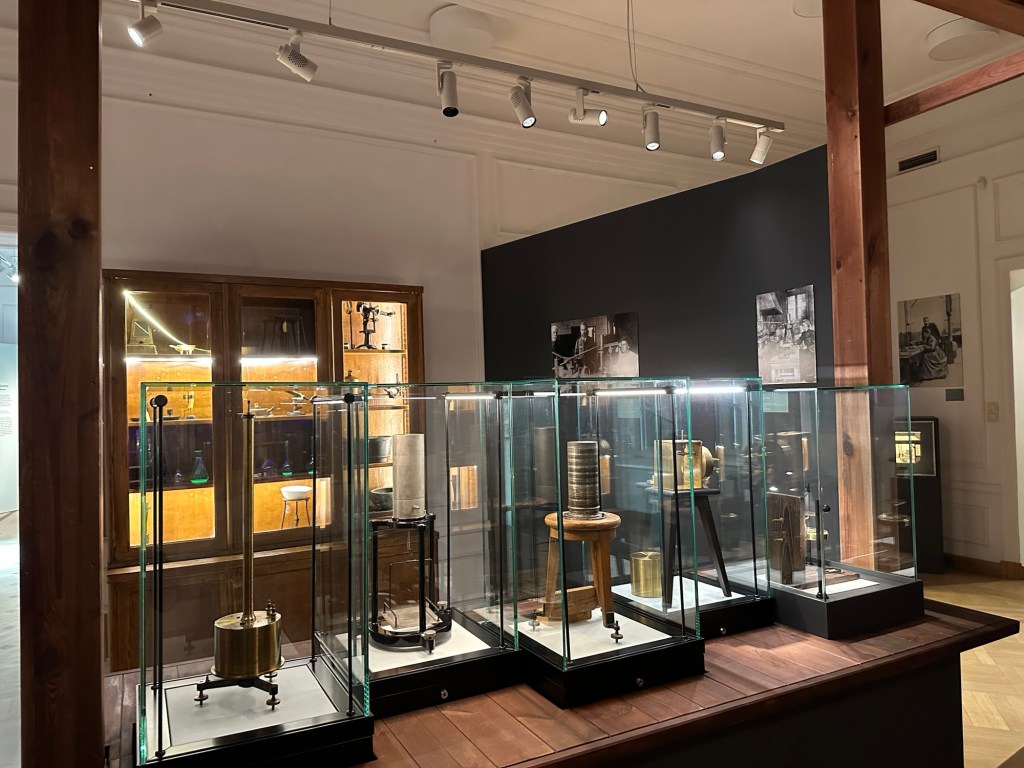
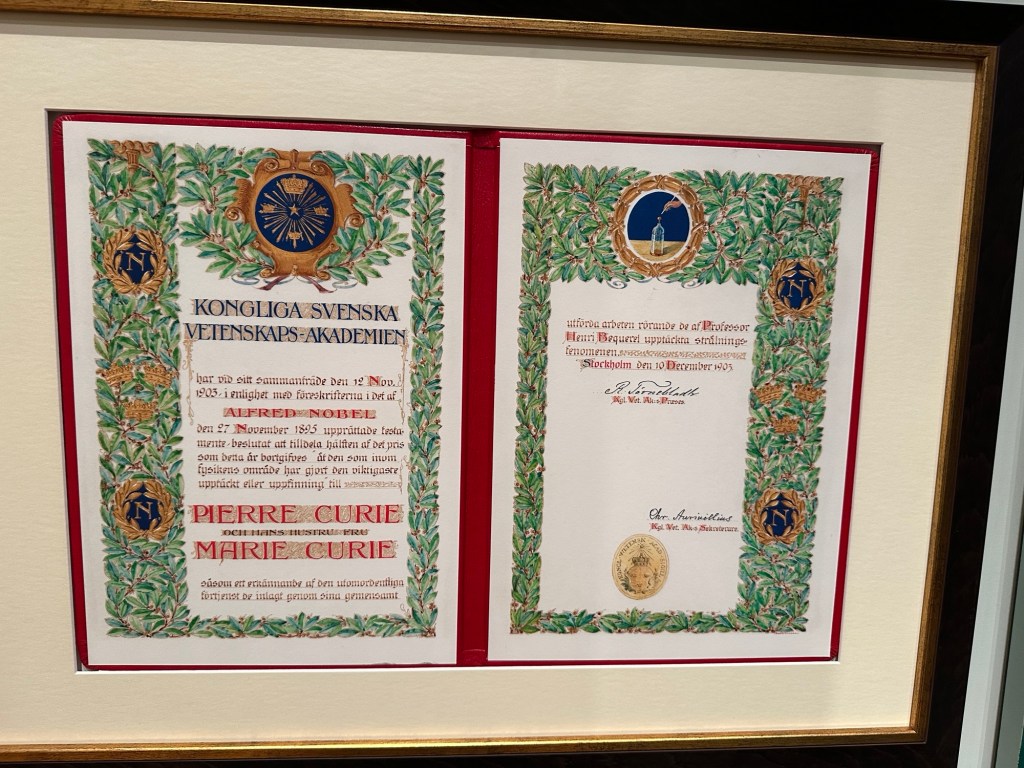
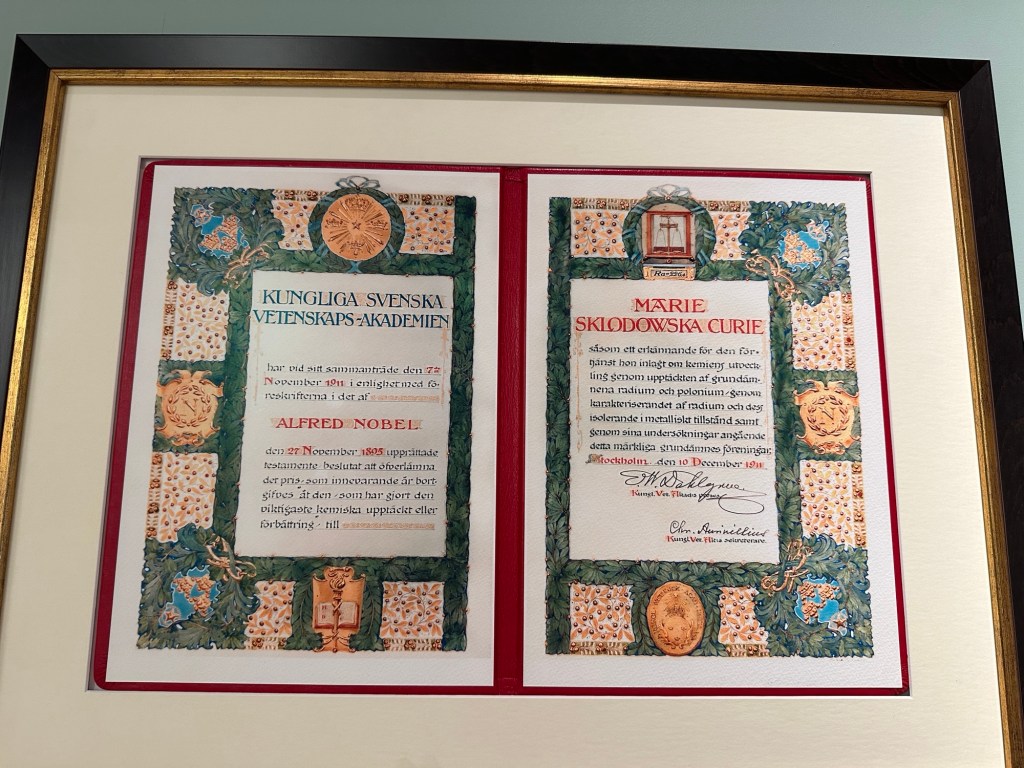
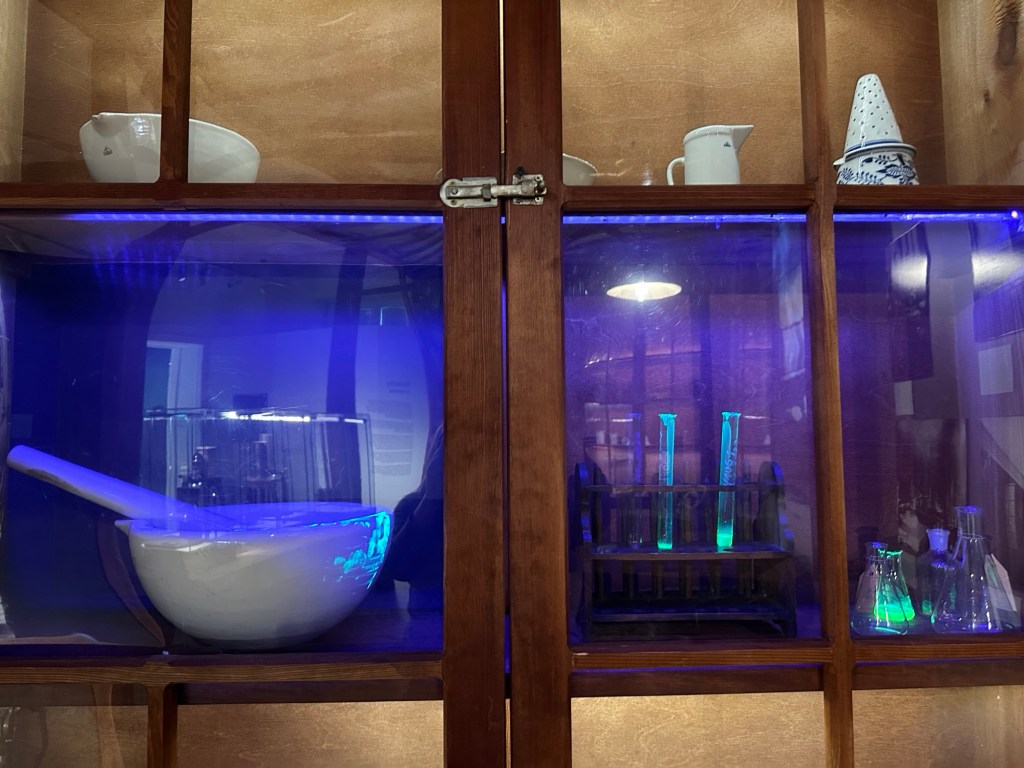
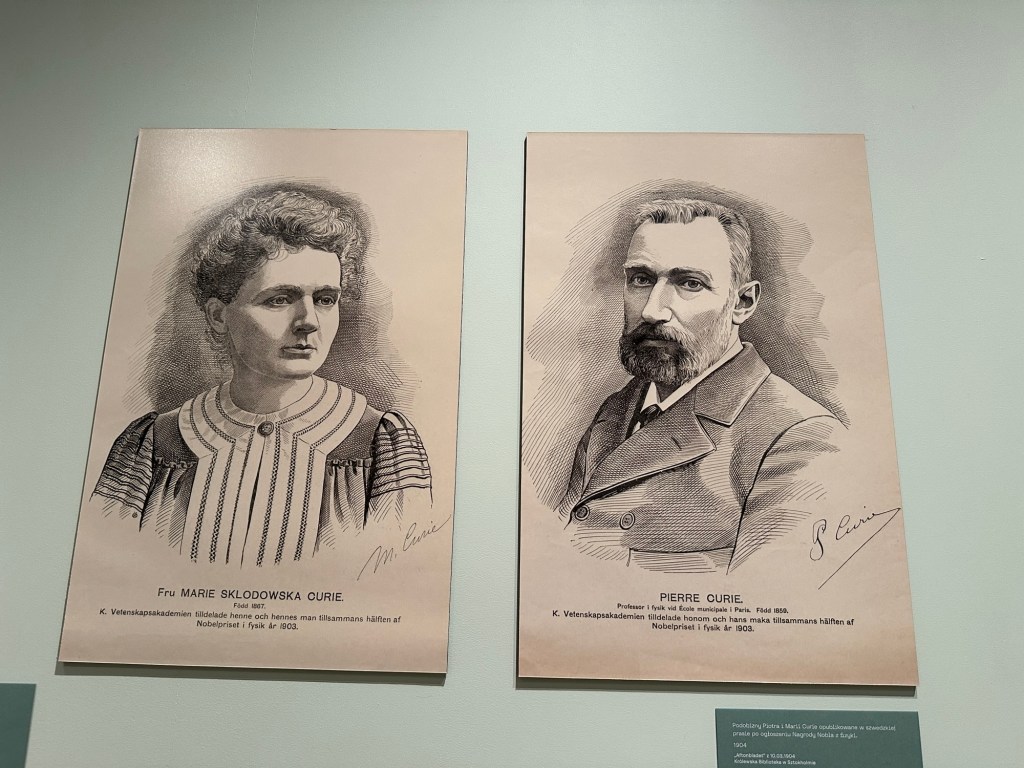
I finally make it to the Maria Skล‚odowska-Curie Museum. She may have a French sounding last name but she is 100% Polish being from Warsaw. She studied at the Sorbonne and met her husband Pierre Curie thus making her French by marriage. This two time Nobel prize winner discovered the elements radium and polonium (for Poland). Sheโ€™s also has a resume of much more accomplishments as does the rest of her family. I think their family has the most Nobel prizes of any family. Marieโ€™s husband died of an accident but she died from complications of extended radiation exposure – it was before it was determined how harmful radiation can be. Sheโ€™s actually buried in the Pantheon in Paris. The tomb is sealed with lead because of her radioactivity.
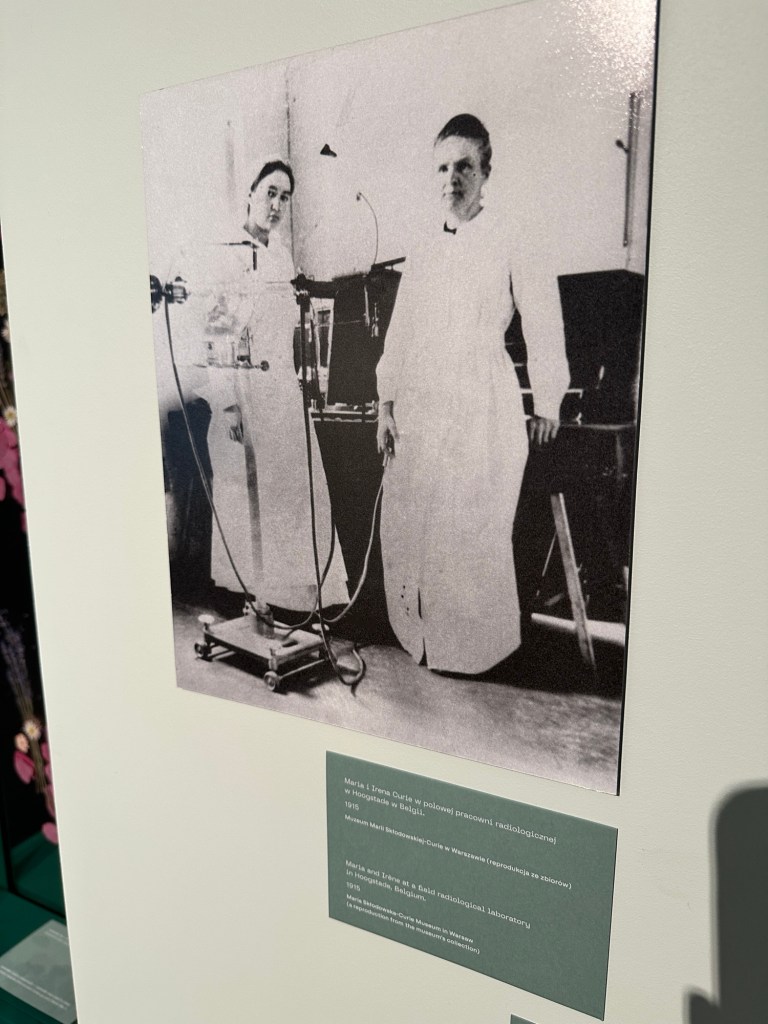
During WWI she and her daughter put together a mobile xray which cut down on war amputees considerably thus speeding recovery time for injured soldiers.
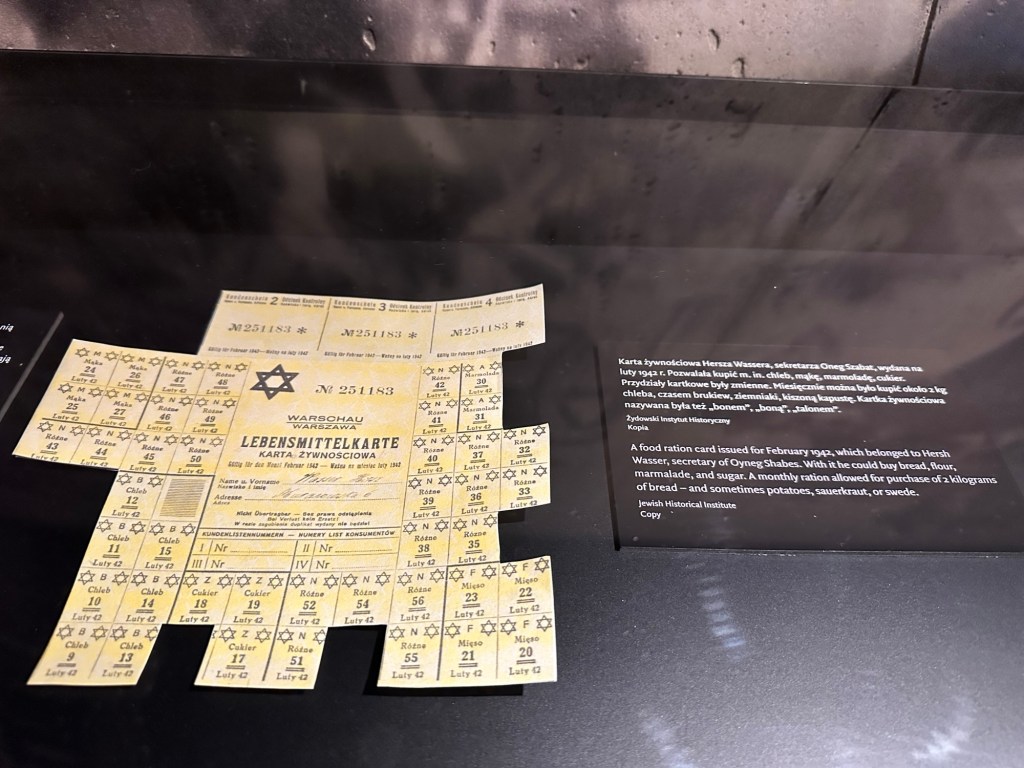
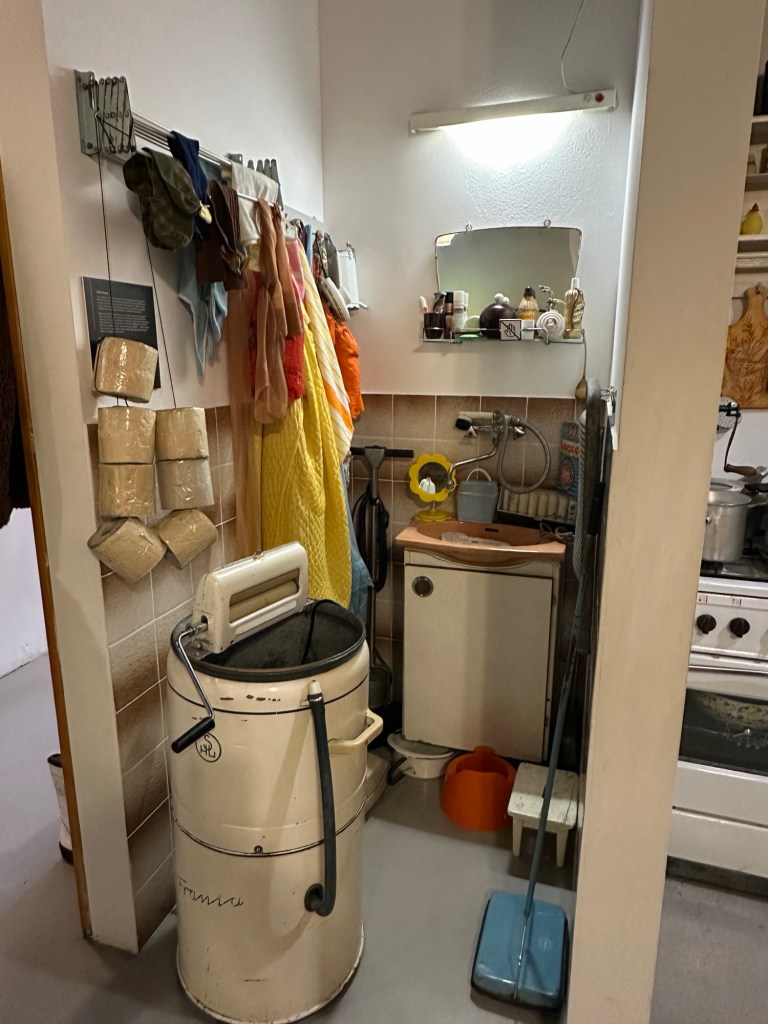
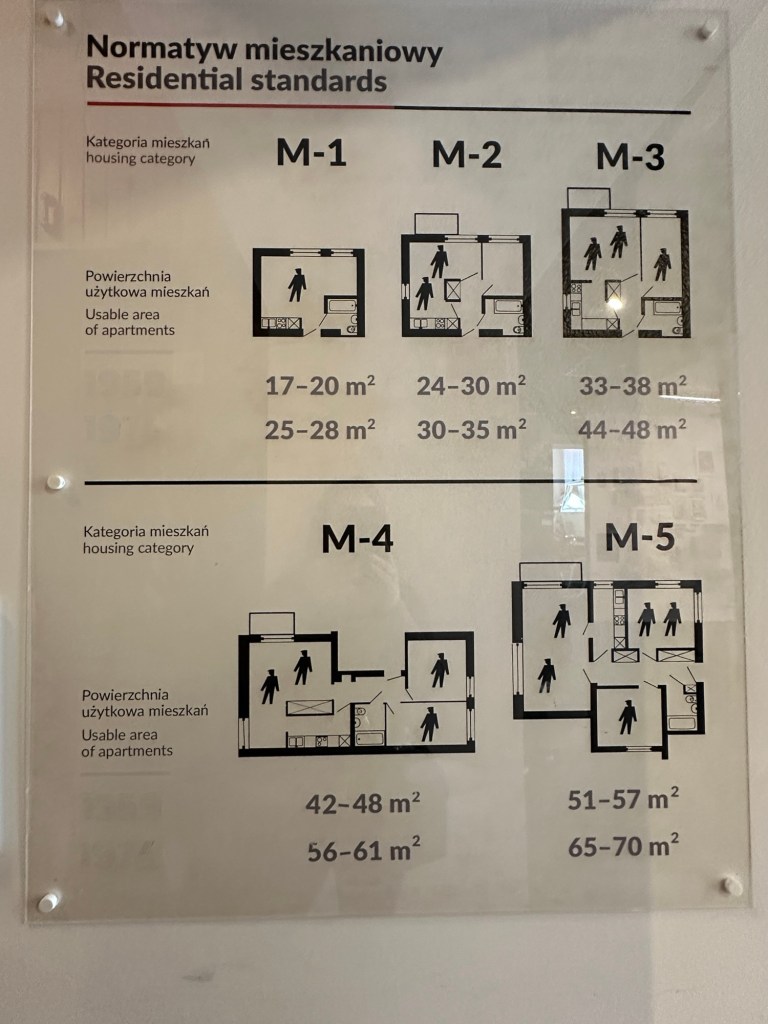
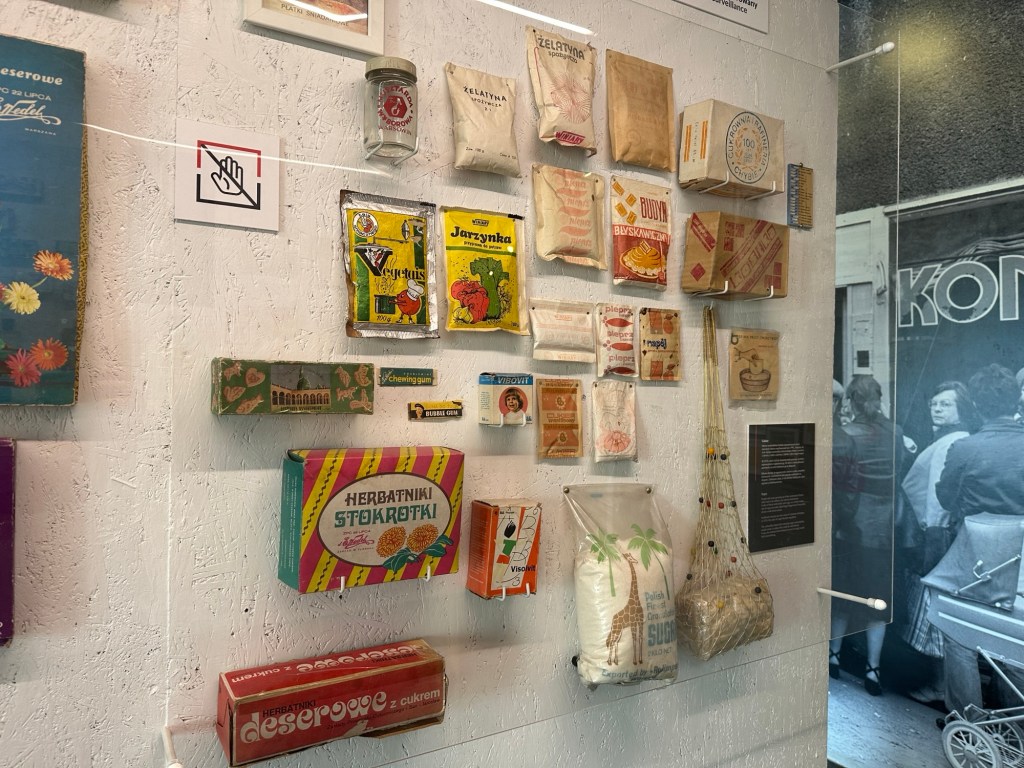
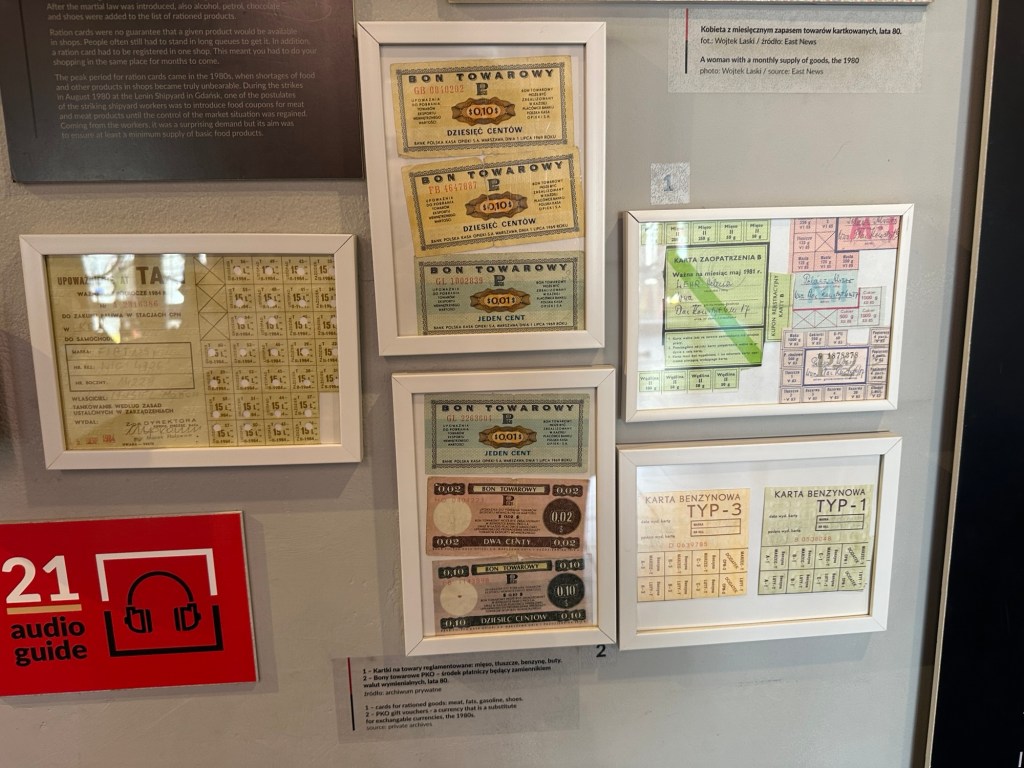
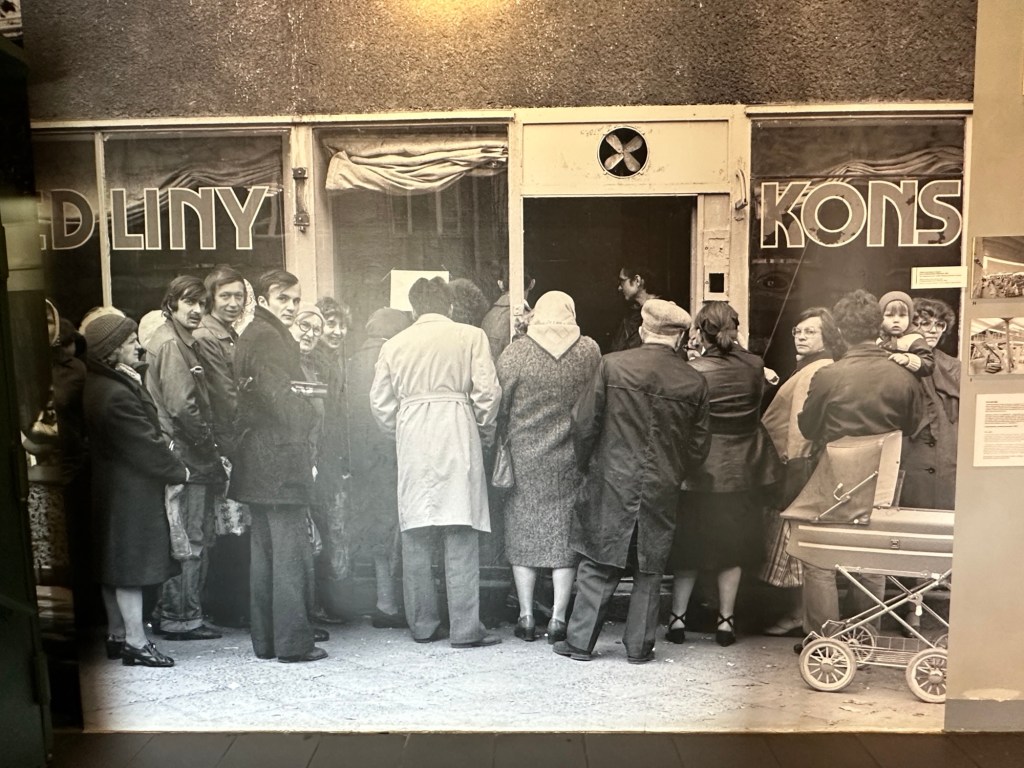
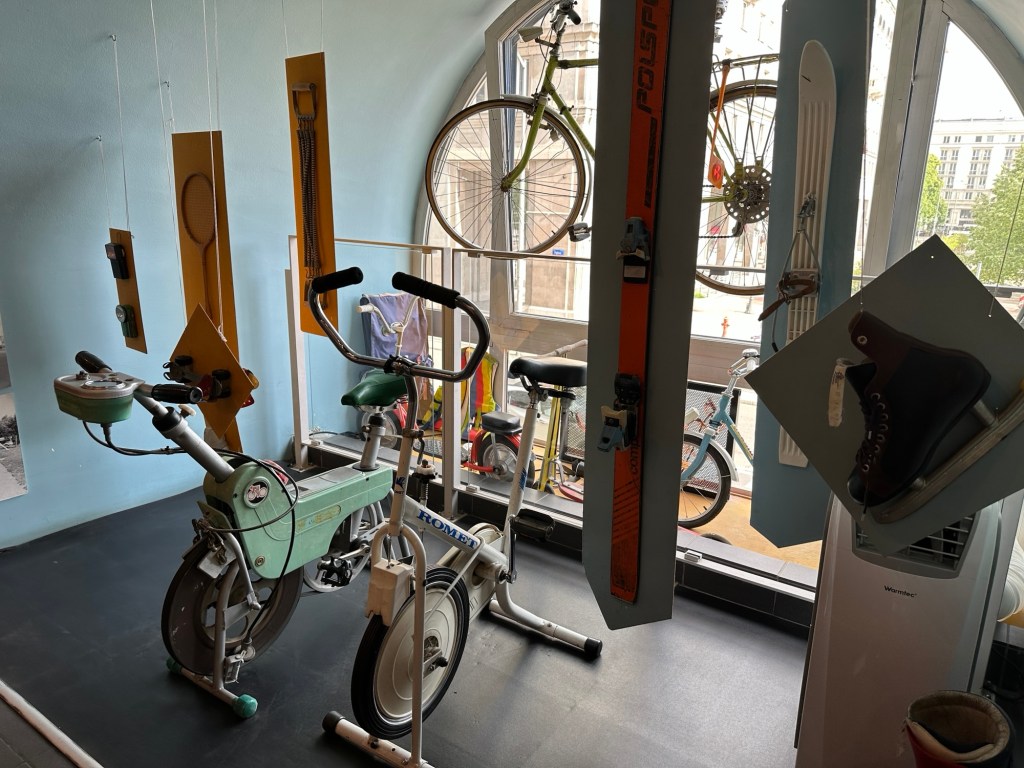
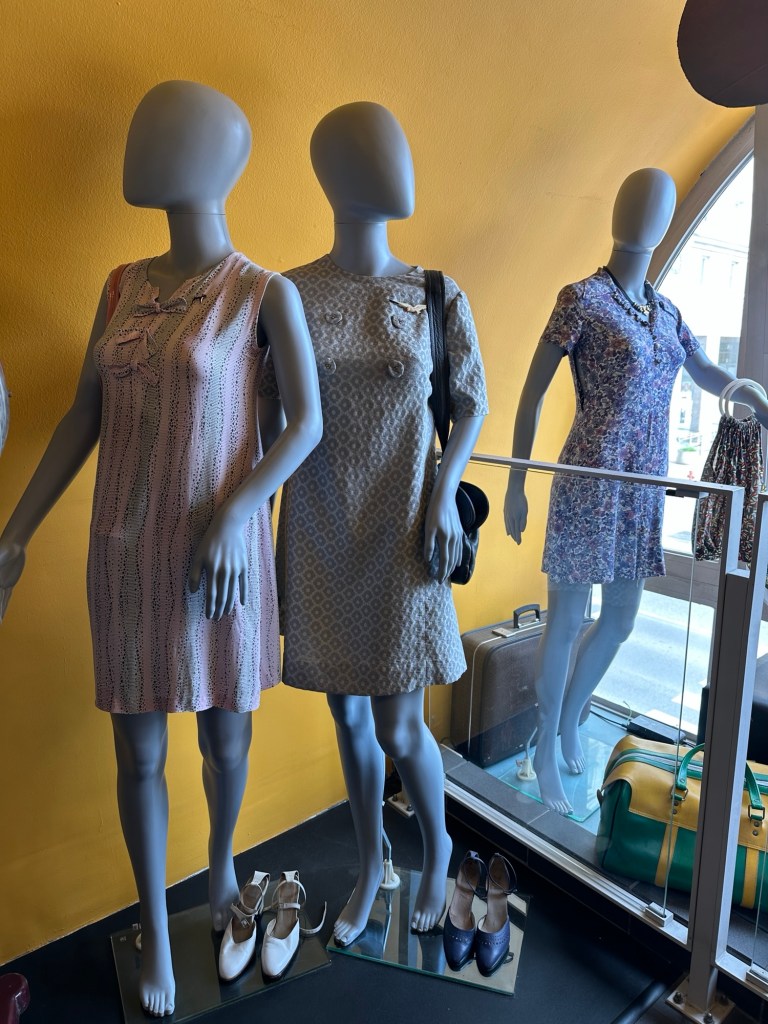
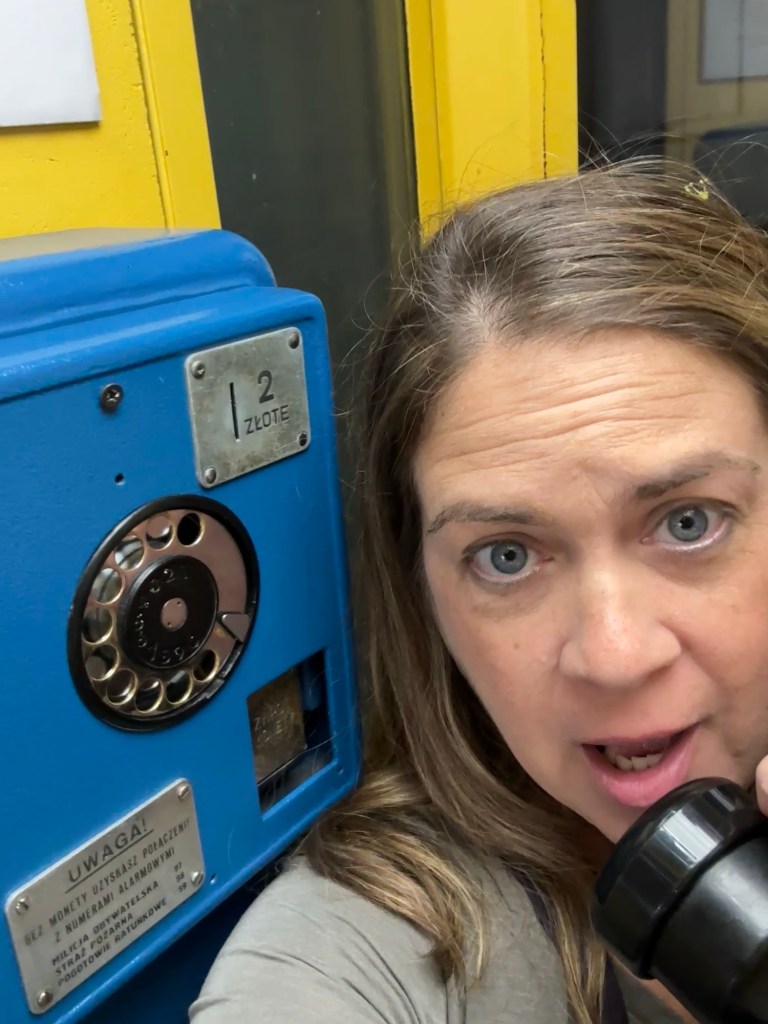
Finally I visit the Muzeum ลปycia w PRL. Itโ€™s a museum that tells about life under communism in Poland. PRL is translated to Polish Peopleโ€™s Republic. The idea of living under communism is so foreign to me so whenever I see a museum like this one I am drawn to it. Much of it is pop culture things at the time but it also talks about food rations and tickets and how difficult it is to get even simple things under communism.

My favorite part of the museum is watching the propaganda video on the Colorado beetle. I first learned about this beetle in Krakow at another communist era museum. Apparently the Polish puppet government would put out propaganda posters and videos vilifying the USA and one of them was accusing us of unleashing a beetle meant to destroy their potato crops.

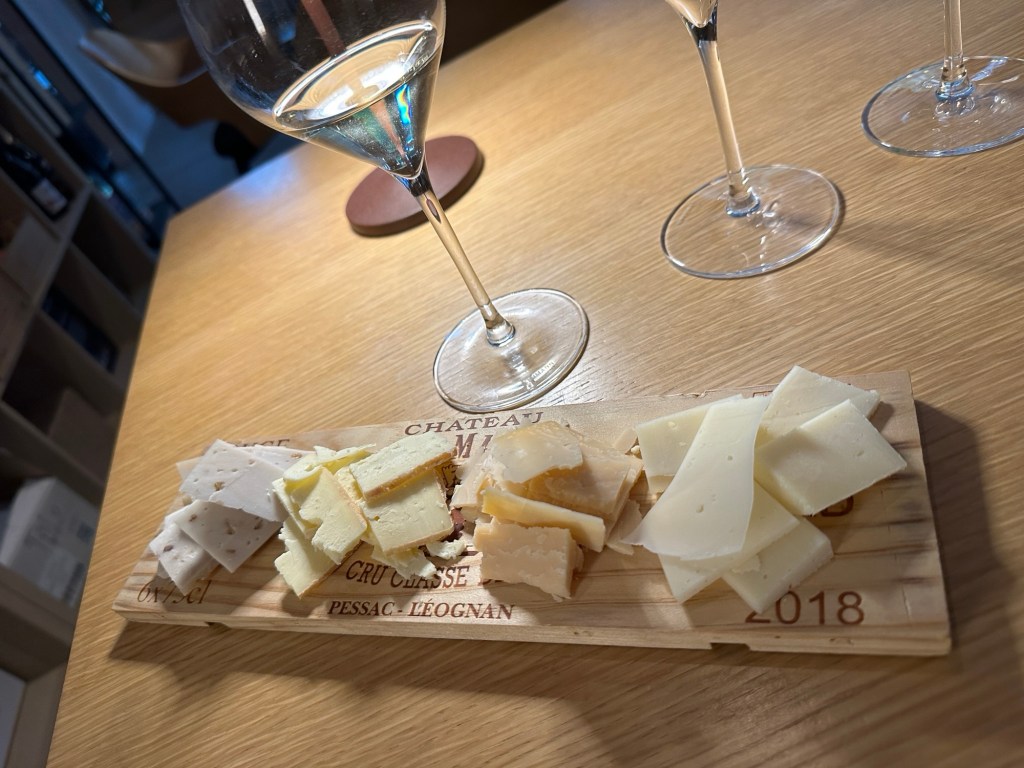
After the museum I get a light dinner nearby of wine and cheese.
Before I sign off for the day Iโ€™d like to point out the photo of the flying cotton like things that are constantly in the air. I am not 100% sure where they come from but they might be from dandelions.

Interesting architecture in the neighborhood

End of my travels

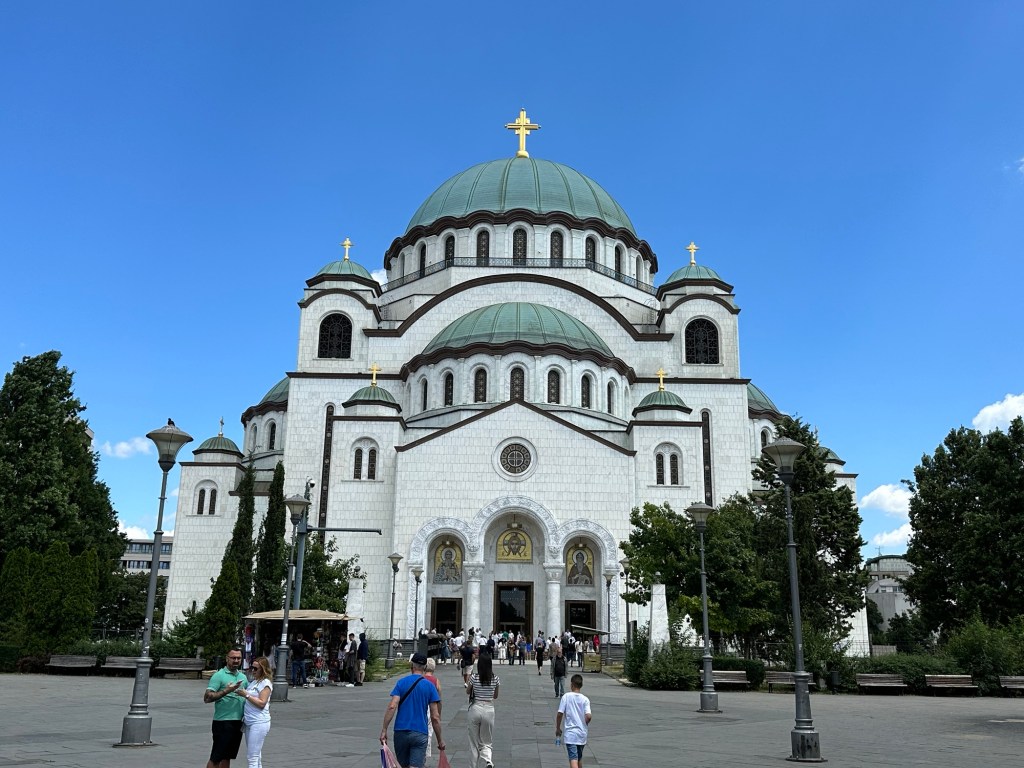
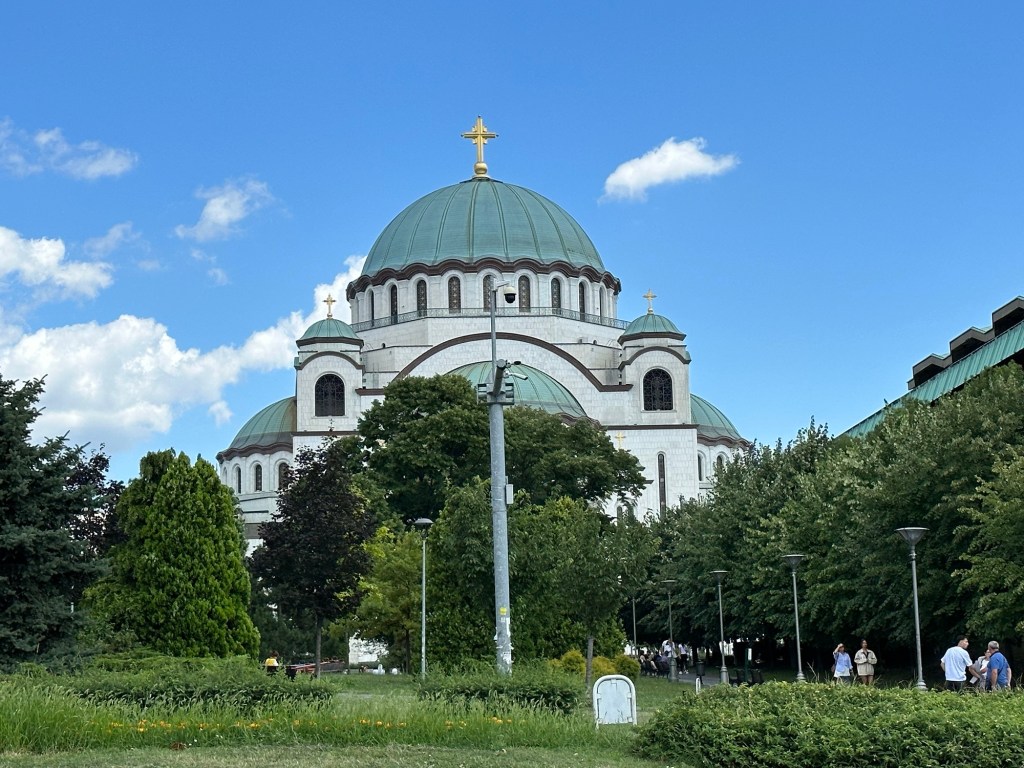
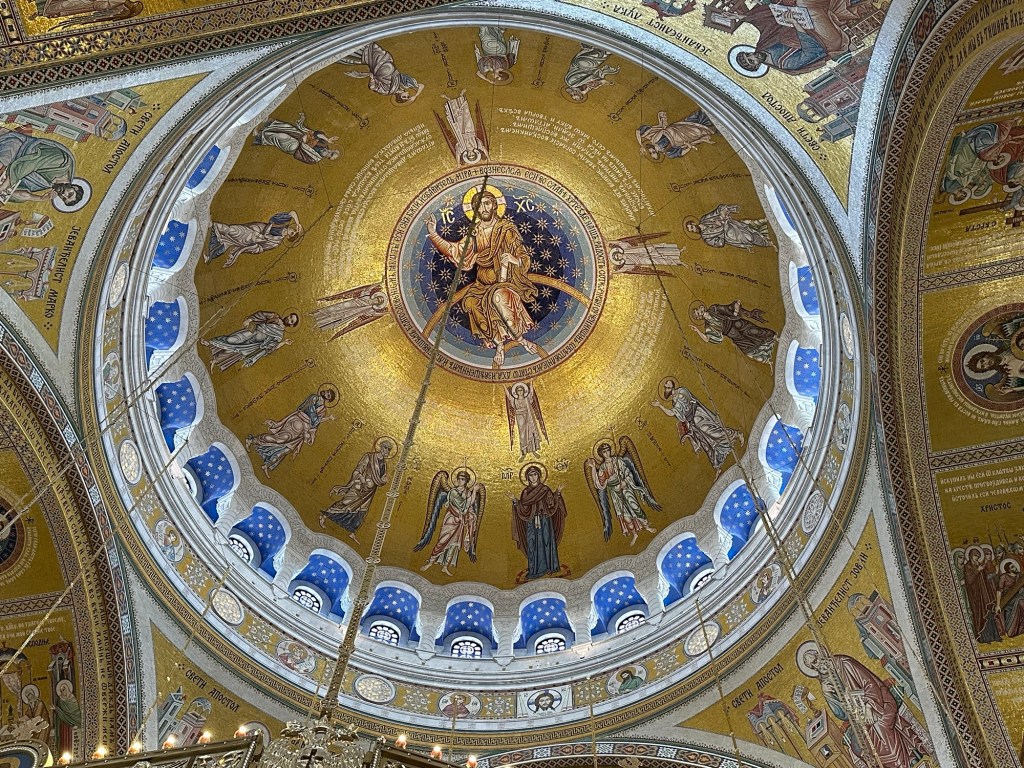
Church of Saint Sava

The next day I visit the House of flowers and the museum of Yugoslavia.

Google maps, while working fine the past two days, all of a sudden can no longer give me directions that includes public transportation options so I download a bus map to try to figure it out like the โ€œold daysโ€. Itโ€™s challenging because the language barrier.

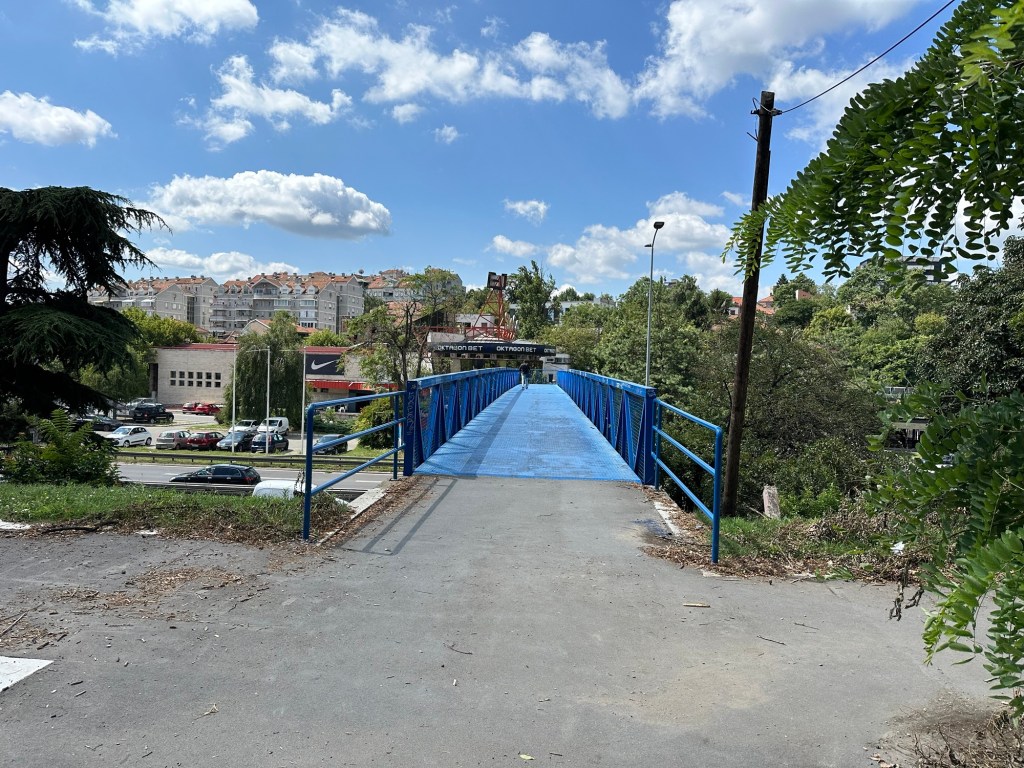
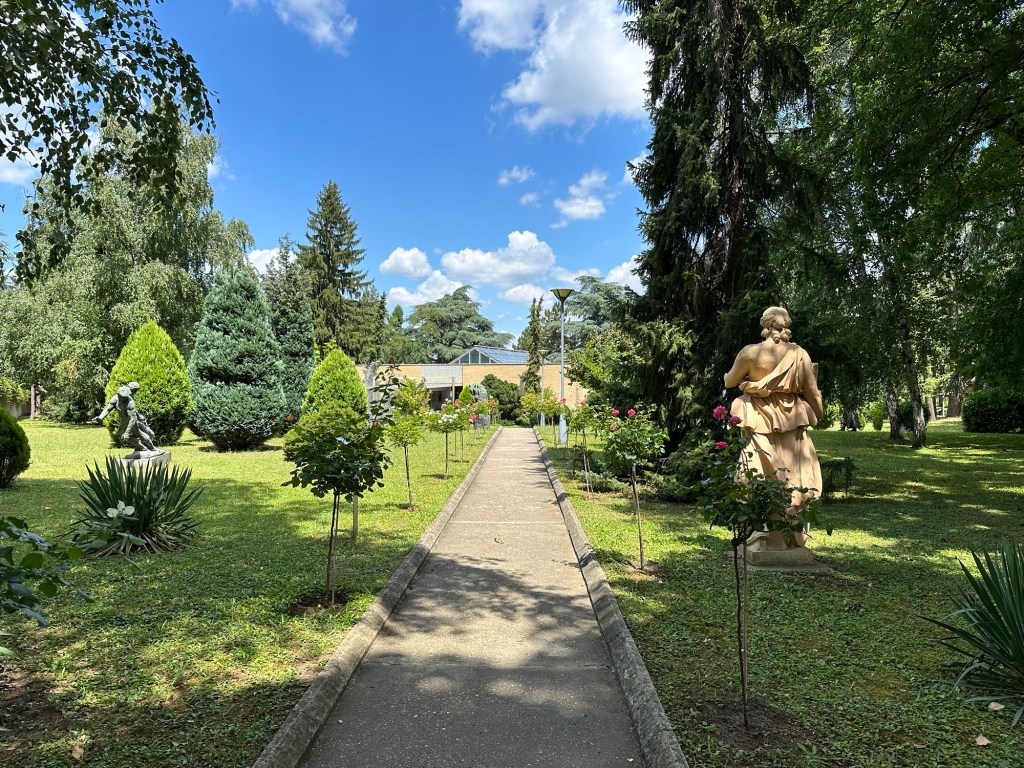
I find my directions to the House of Flowers that includes a walk over a bridge and a walk uphill.

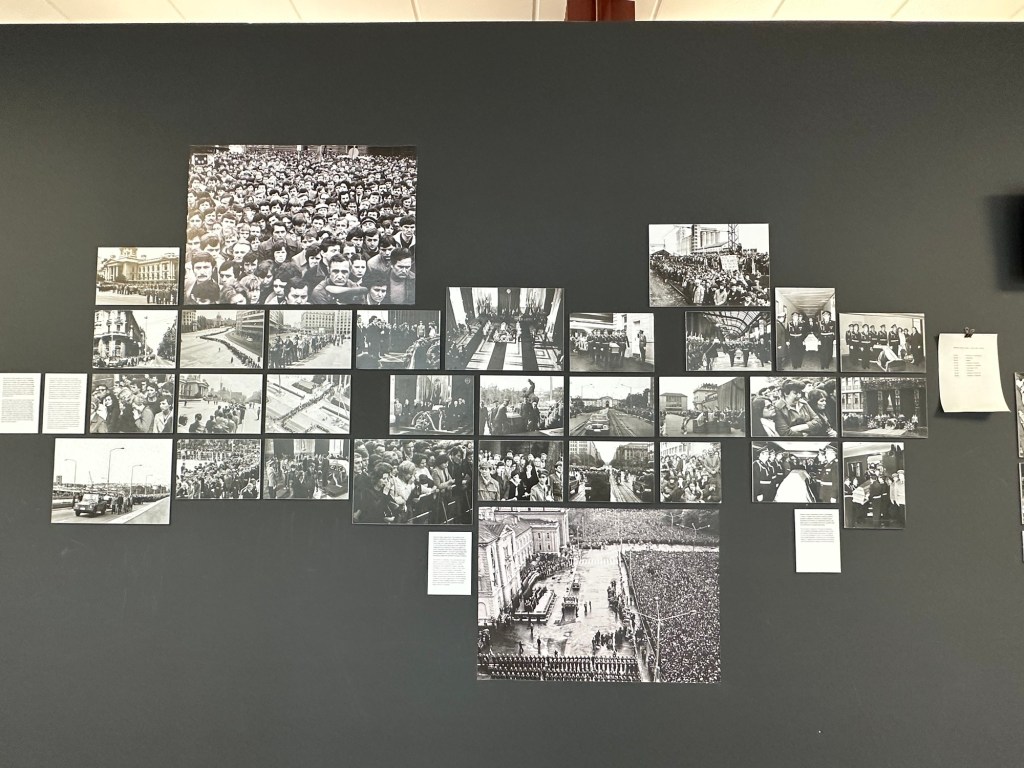
The House of Flowers is the official burial place of the beloved (and sometimes not) Yugoslavian leader Josip Broz Tito. Attached to the mausoleum are wall exhibits of photos of different events of Yugoslavia. It was truly a unique type of socialism in Yugoslavia.

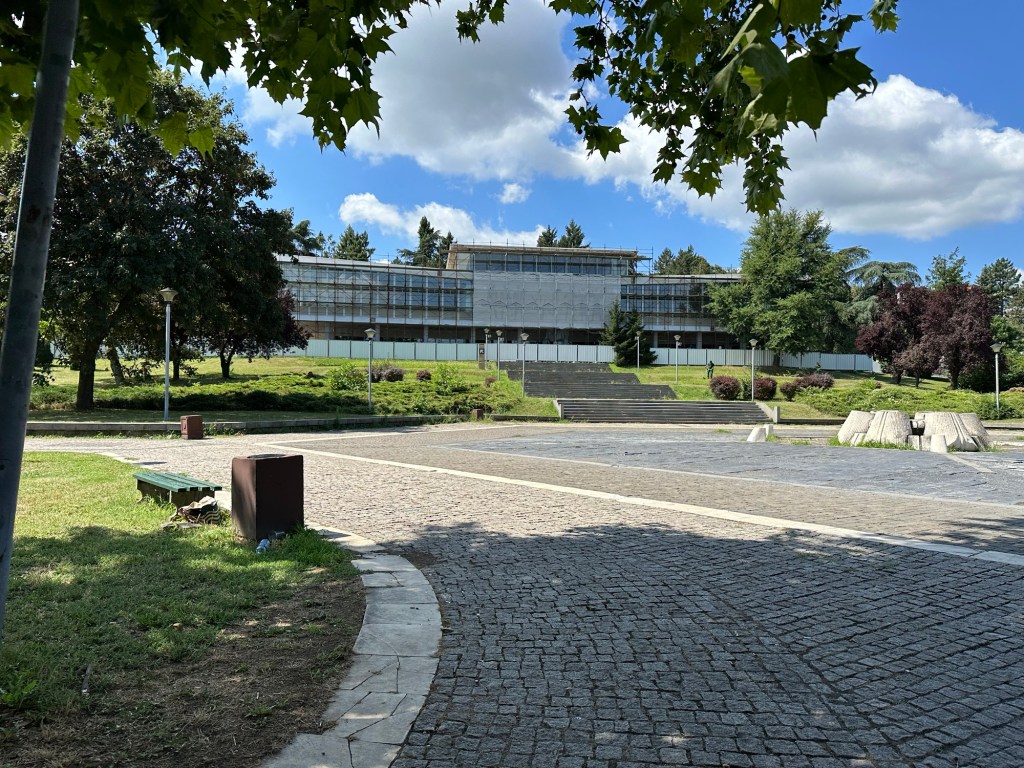
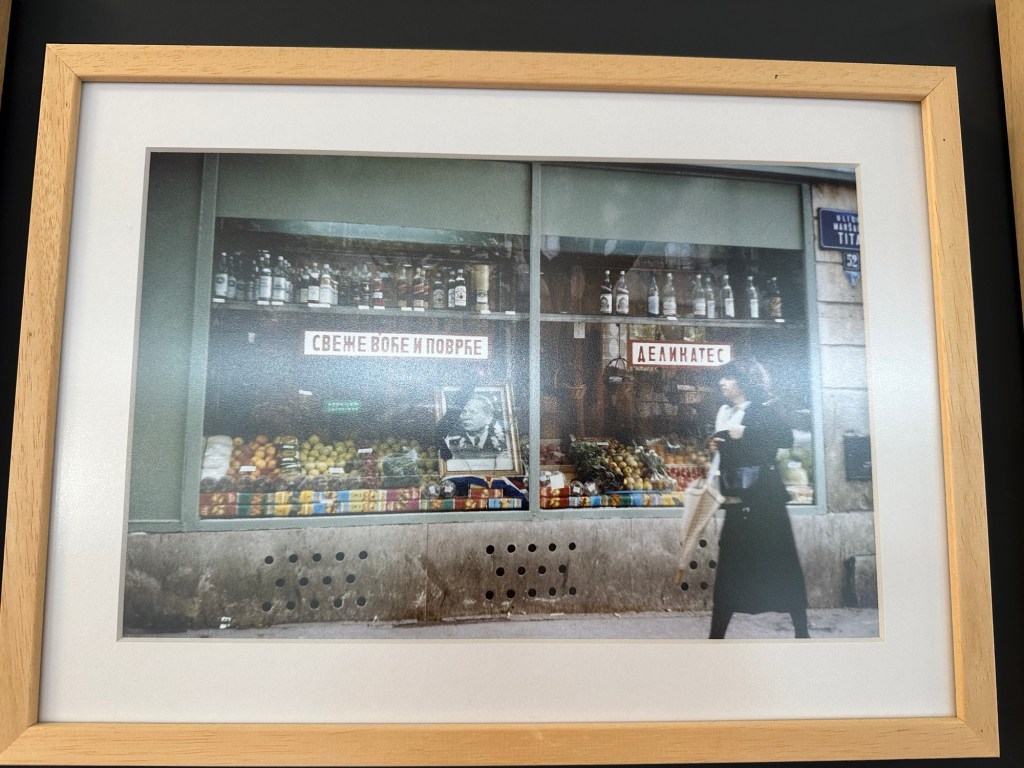
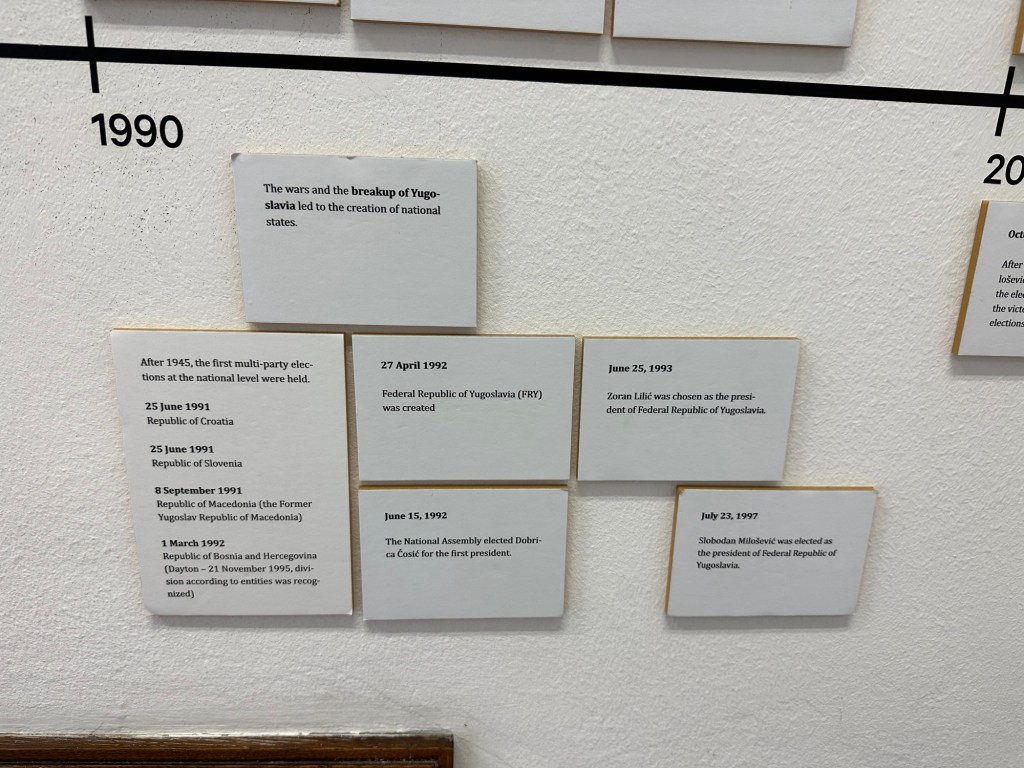
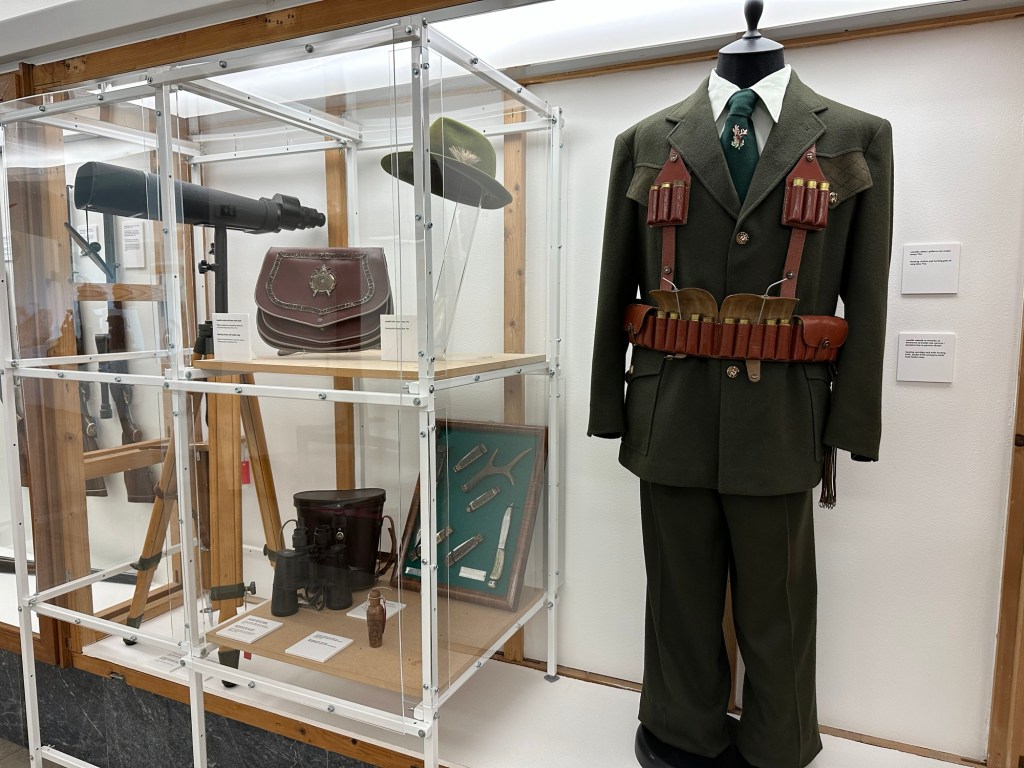
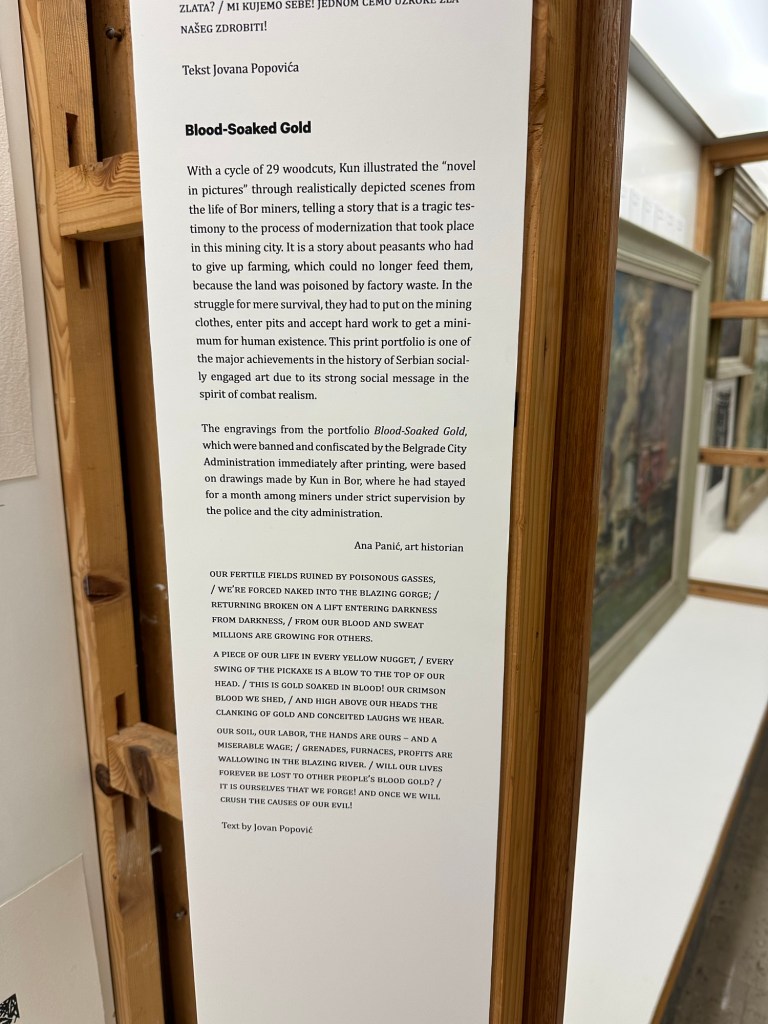
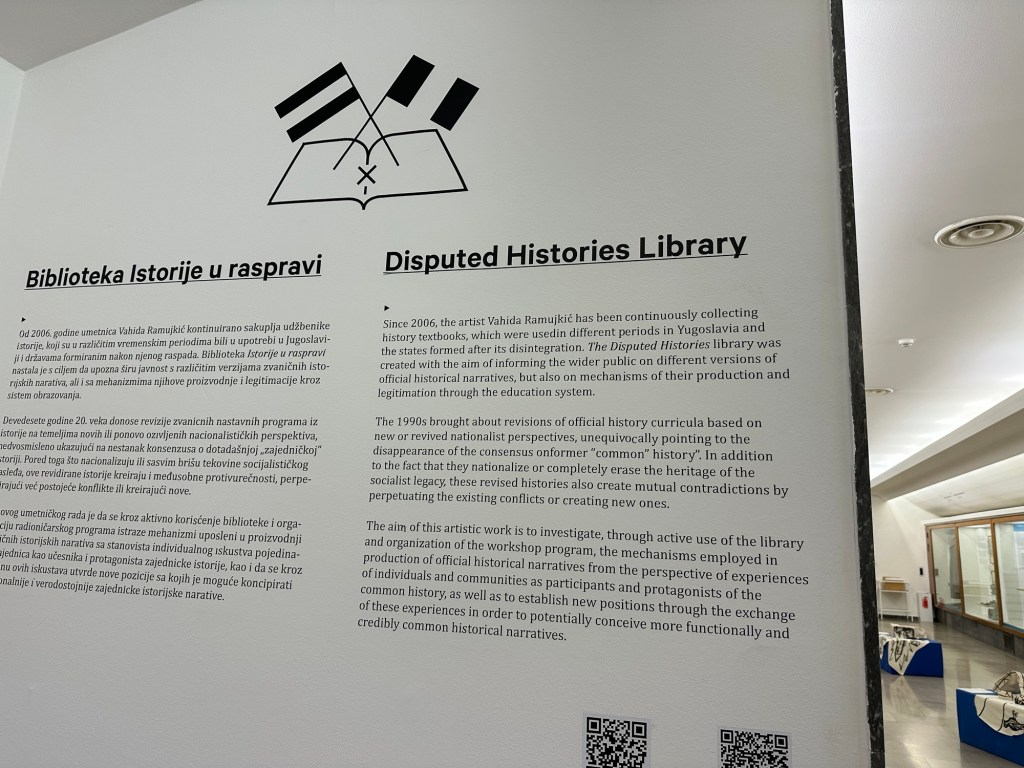
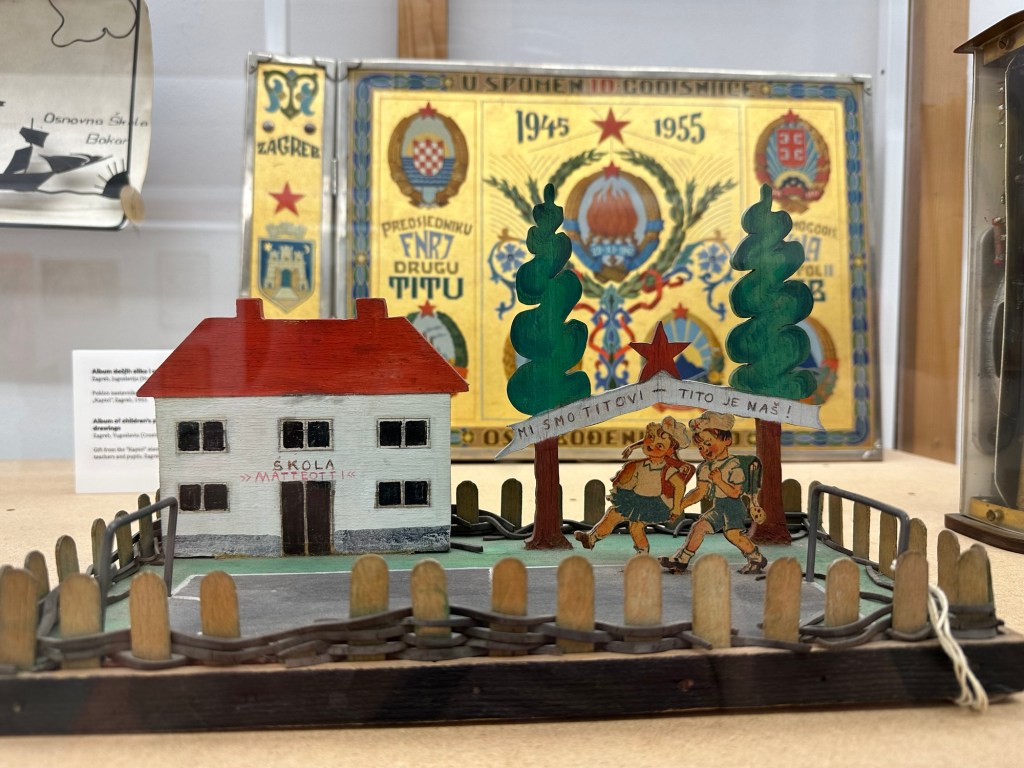
Also nearby is the Museum of Yugoslavia. It is a collection of items related to the time of Yugoslavia. There is supposed to be another museum in the complex but it is closed for renovations. This museum is informative and has information in English but lacks some context for certain events, especially in the last 30 years or so. I guess itโ€™s understandable because there are still things that canโ€™t be discussed because there is not the political will. Itโ€™s best to just leave it unknown I guess than stir up anger. It is probably still too soon.
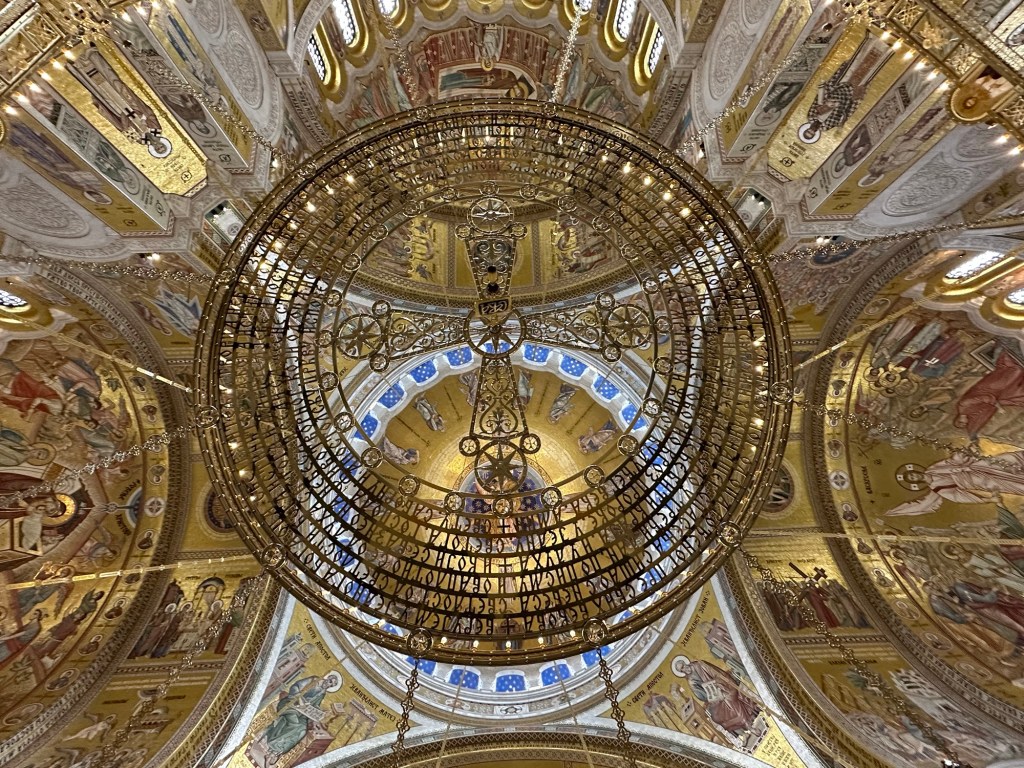
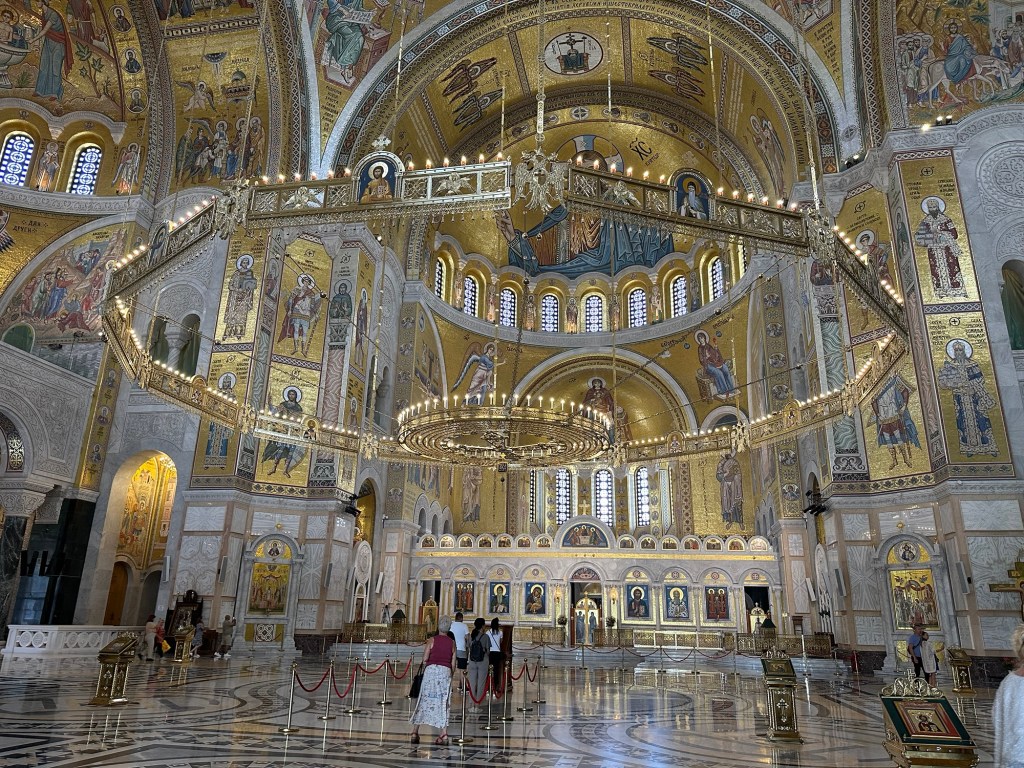
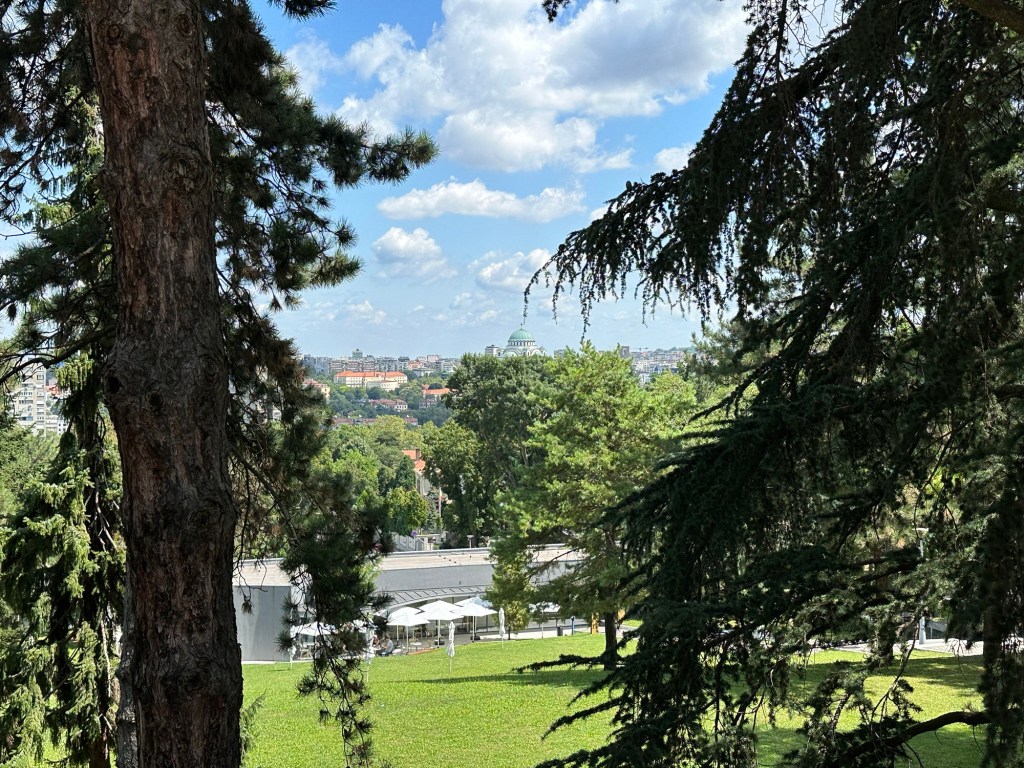
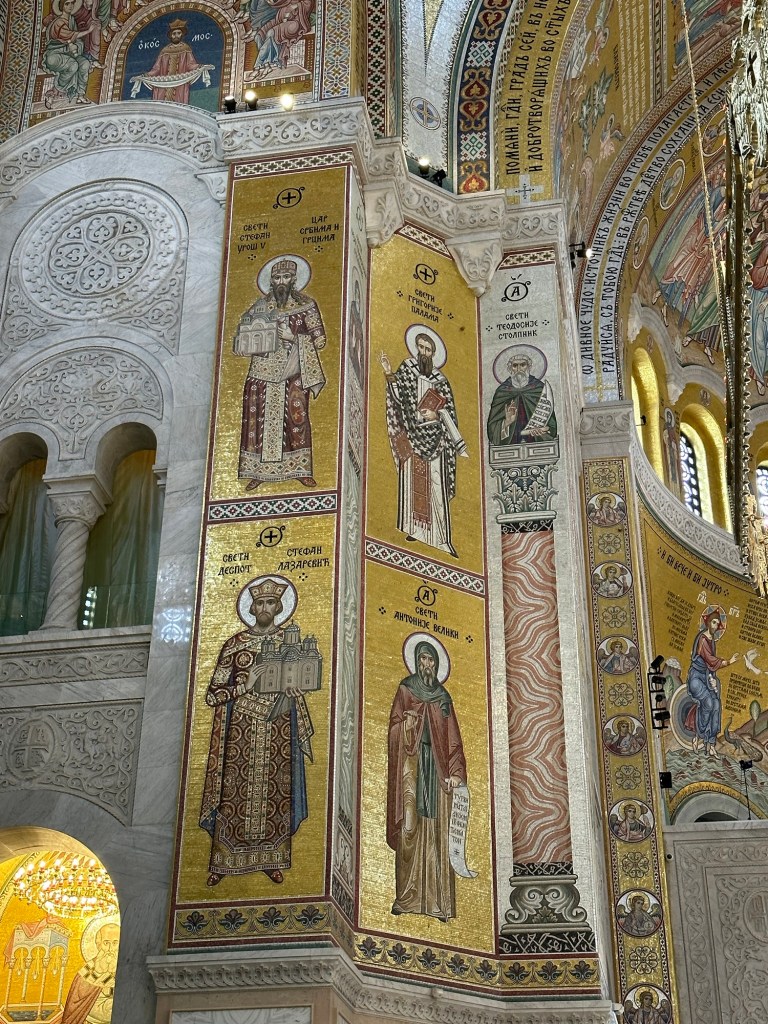
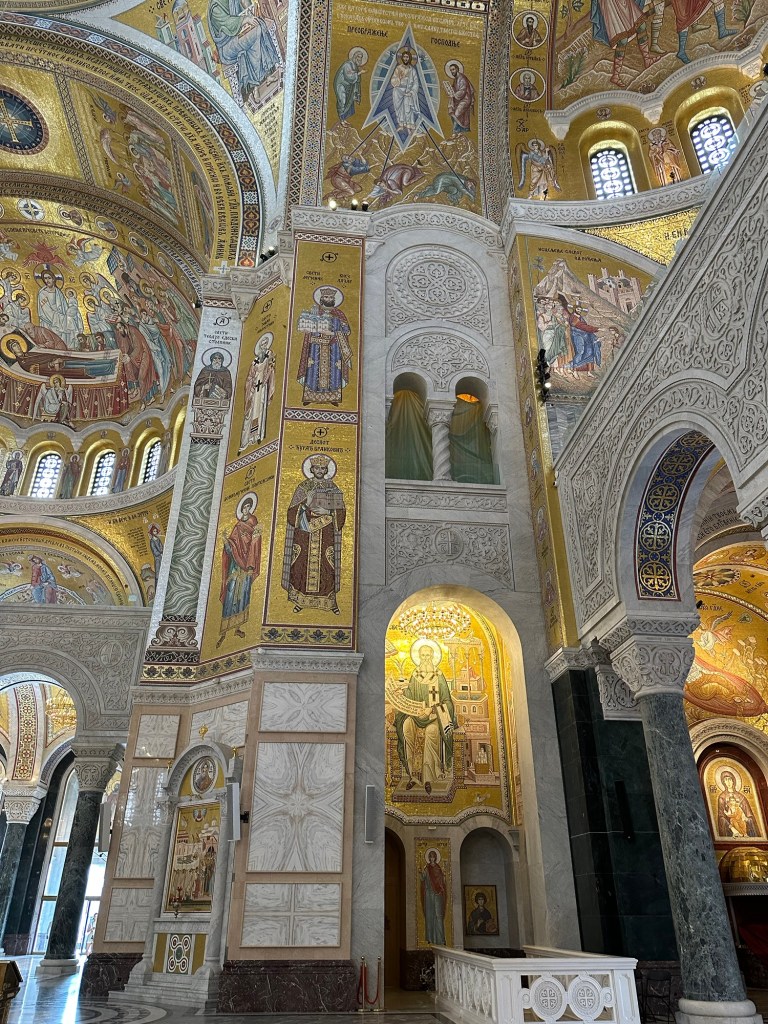
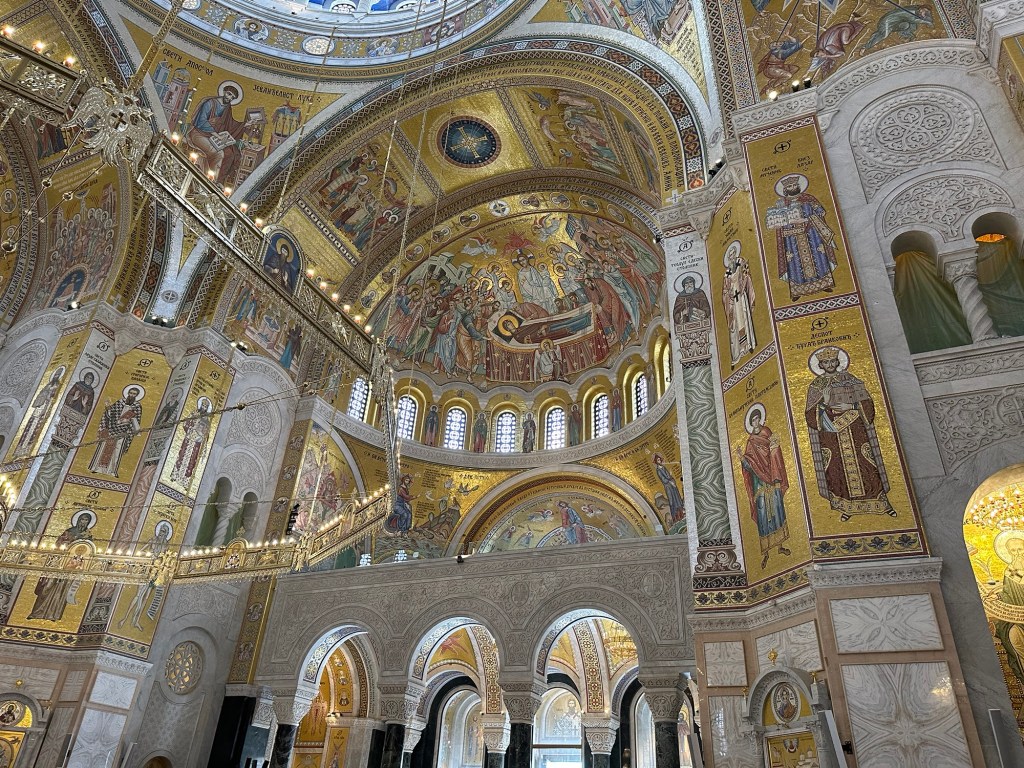
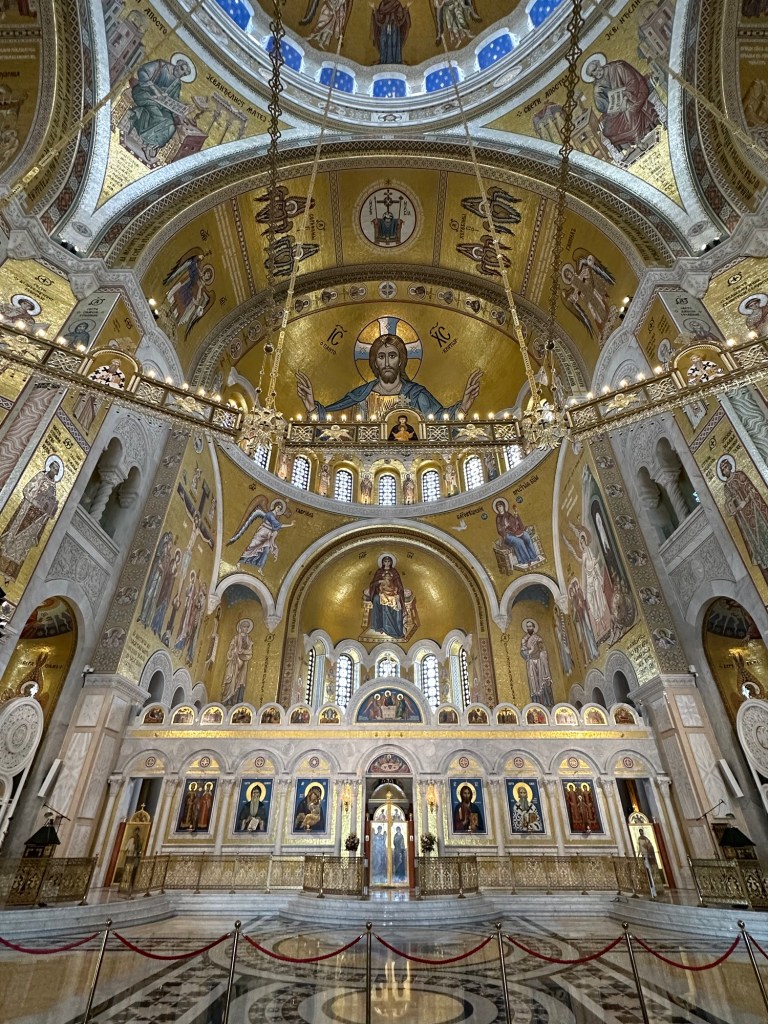
Later I tour the beautiful Serbian Orthodox Church the Church of Saint Sava. The church is magnificently beautiful inside. There is so much gold and bright features.

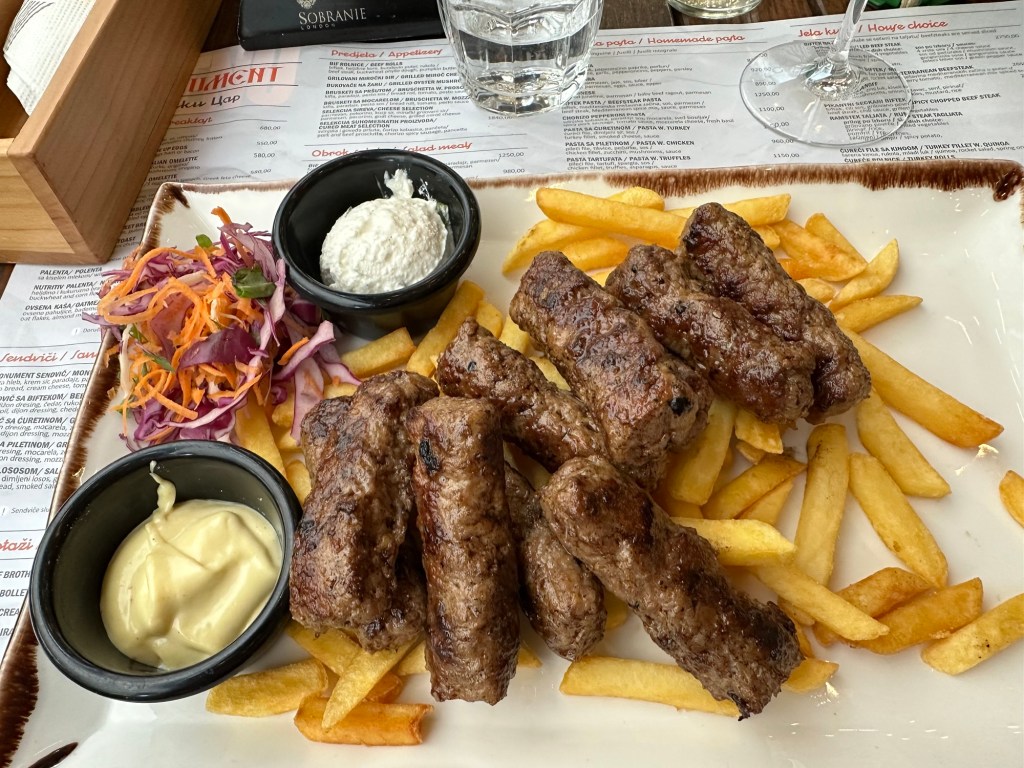
Lunch today is cevapi. Cevapi is one of my favorite Balkan dishes. The only disappointing thing is that this one doesnโ€™t come with the amazing bread.

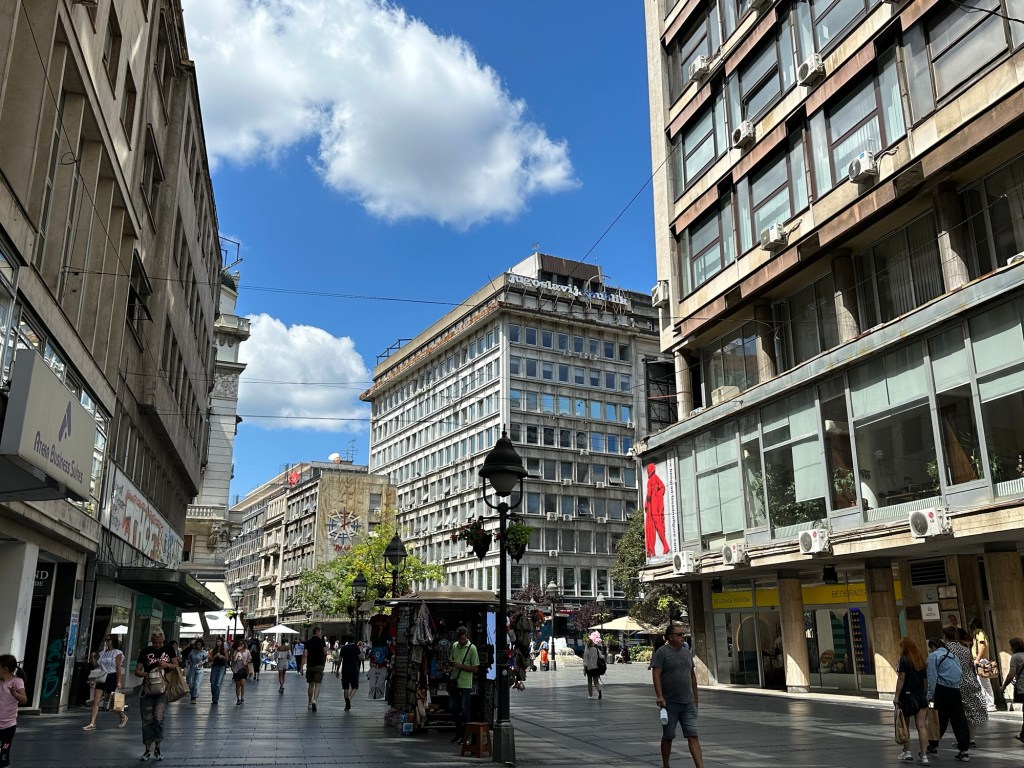
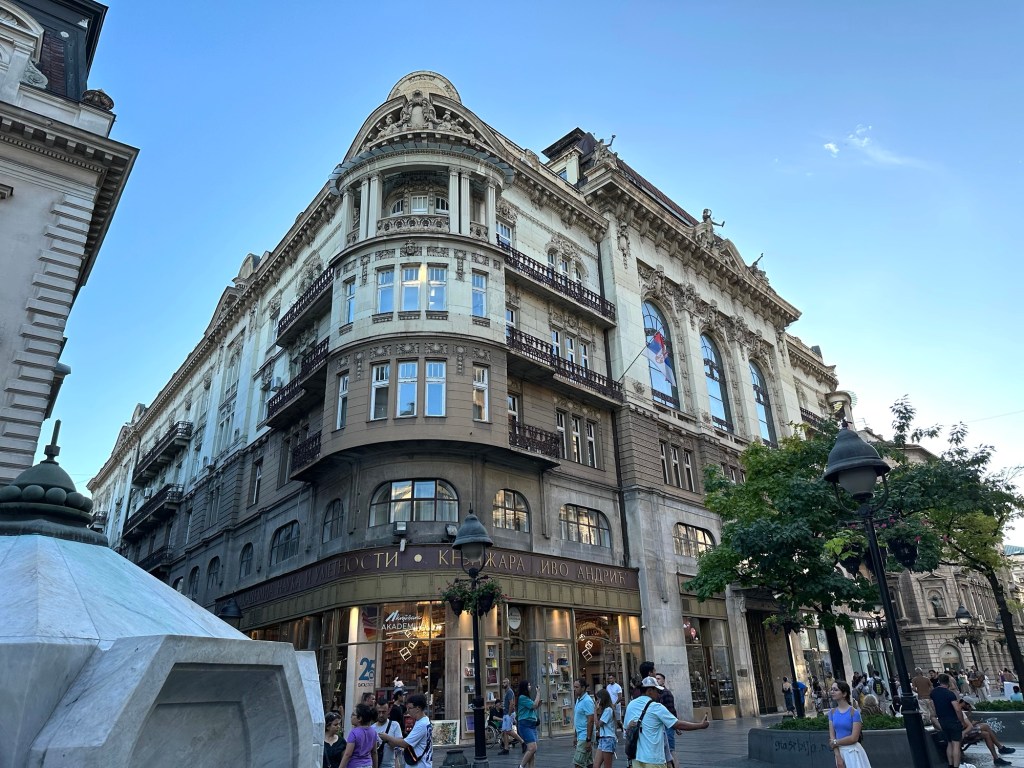
I decide it is time for dessert and walk to the Hotel Moskva, a local landmark known for its Russian Art Nouveau style. There is a cafe attached here where they serve their distinct Moskva cake, a cake of almonds cherries and pineapples (Moskva ลกnit). I enjoy the cake with a coffee and get to people watch for a while.

For the evening I want to go check out the neighborhood of Zemun for dinner. Since I know very little about the neighborhood I choose a restaurant as my destination. Google maps is still not working with the public transportation instructions. I suppose I could take a taxi but I am not familiar with how taxis work in town and Iโ€™m not in the mood to try to figure it out tonight so I hang out nearby my hotel instead. Itโ€™s almost like google maps is no longer receiving a feed from the Belgrade buses. This is quite disappointing for a solo traveler that tends to be fiercely independent and hates asking for help. Maybe tomorrow Iโ€™ll have a better go at it.
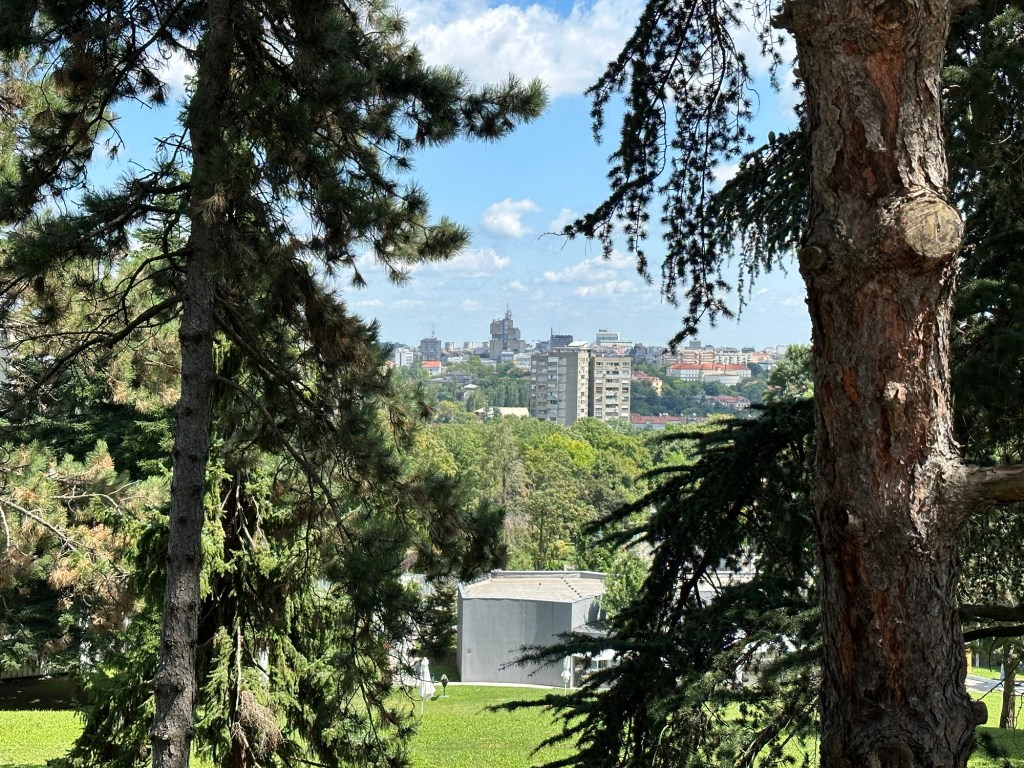
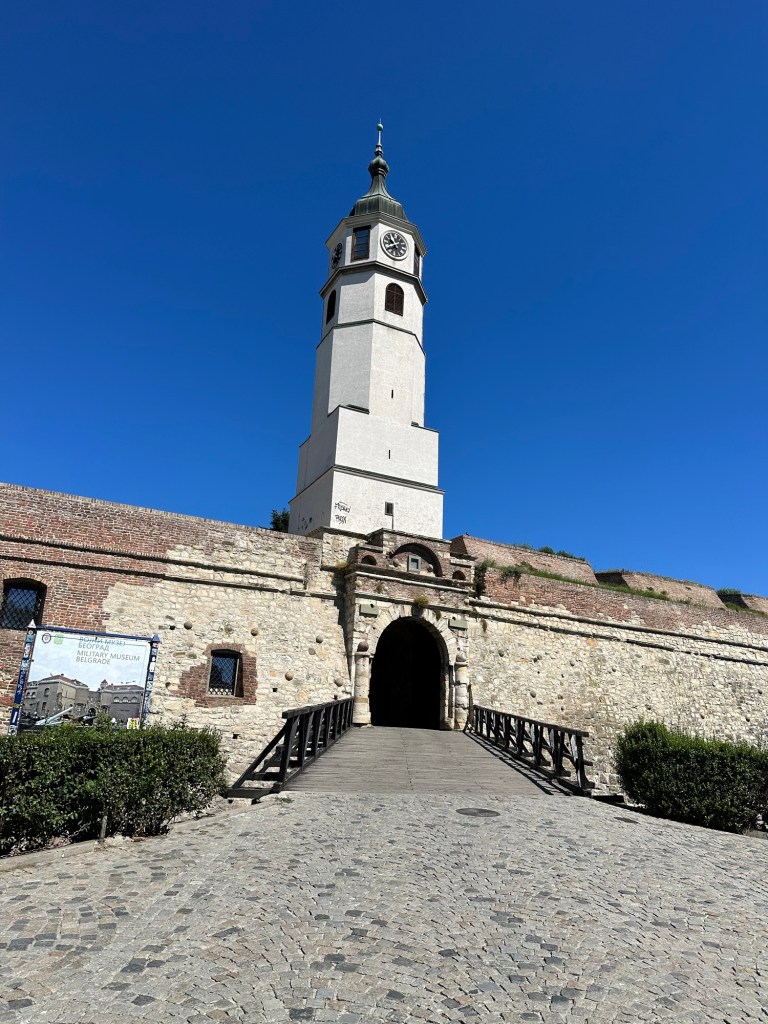
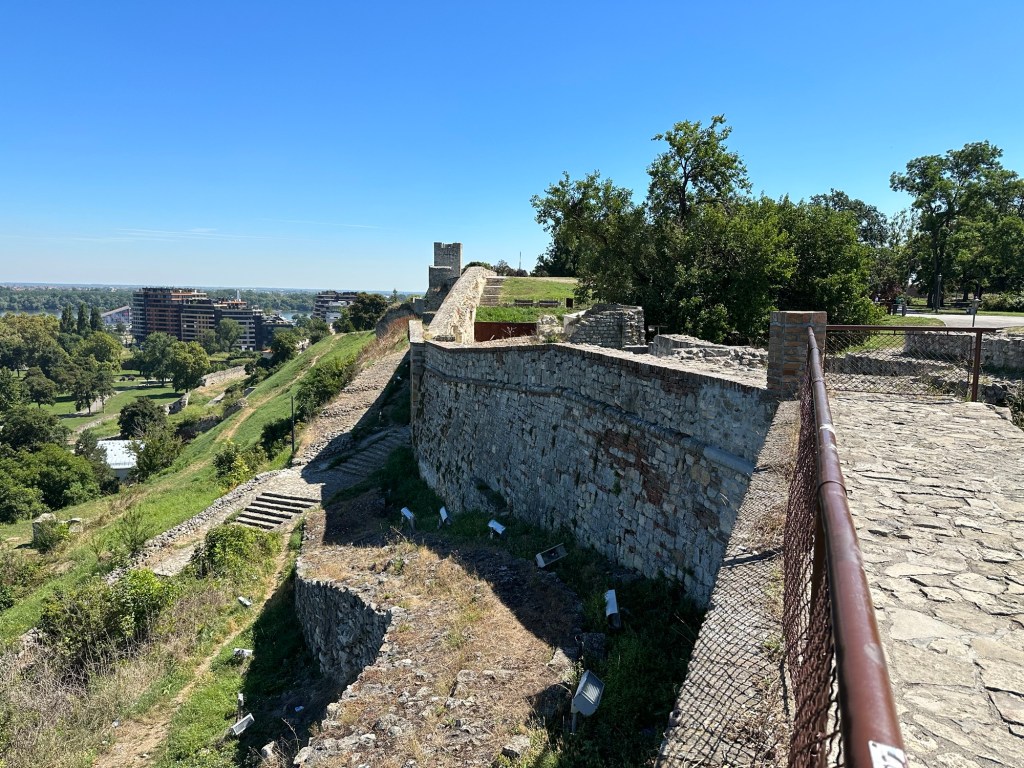
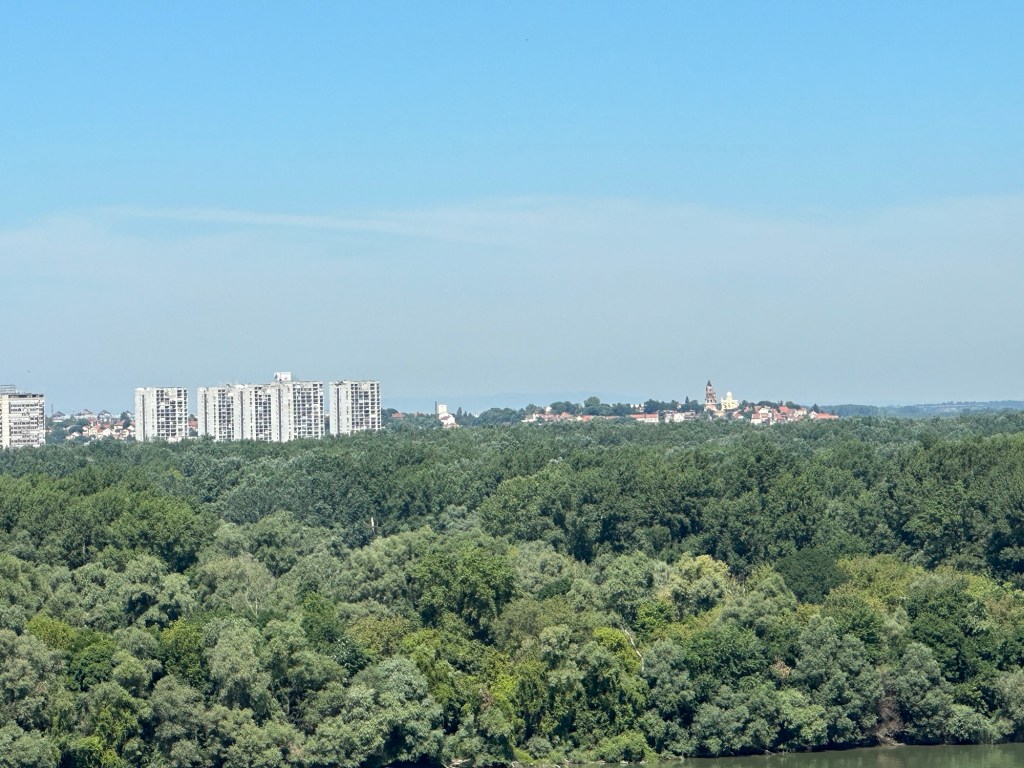
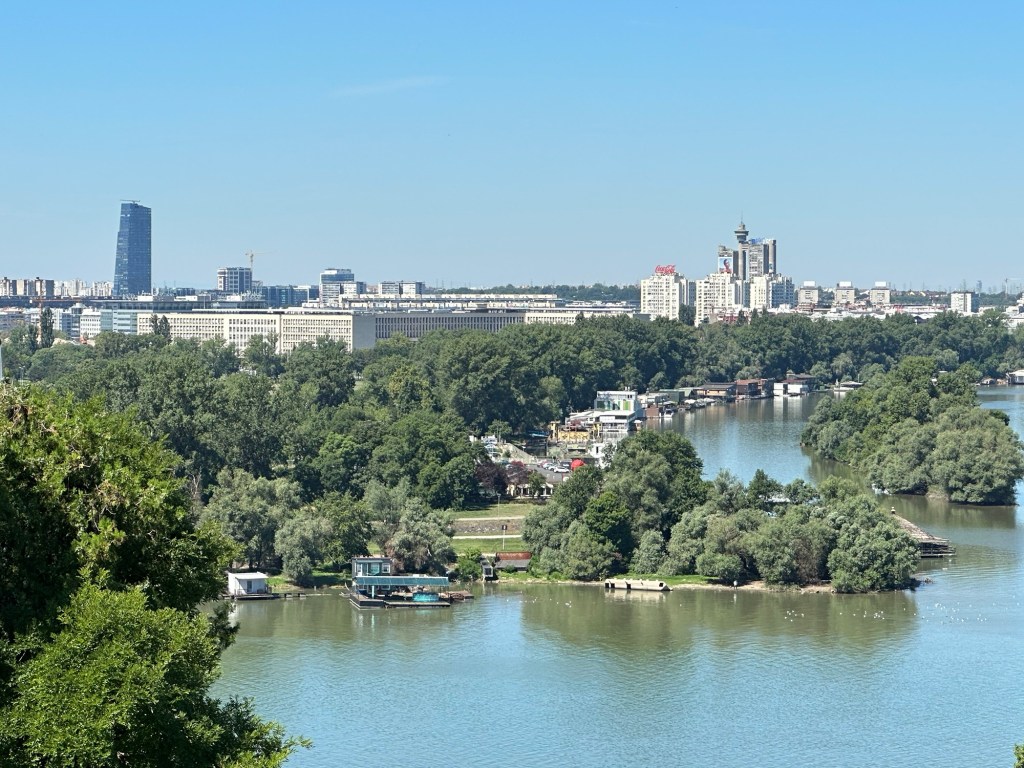
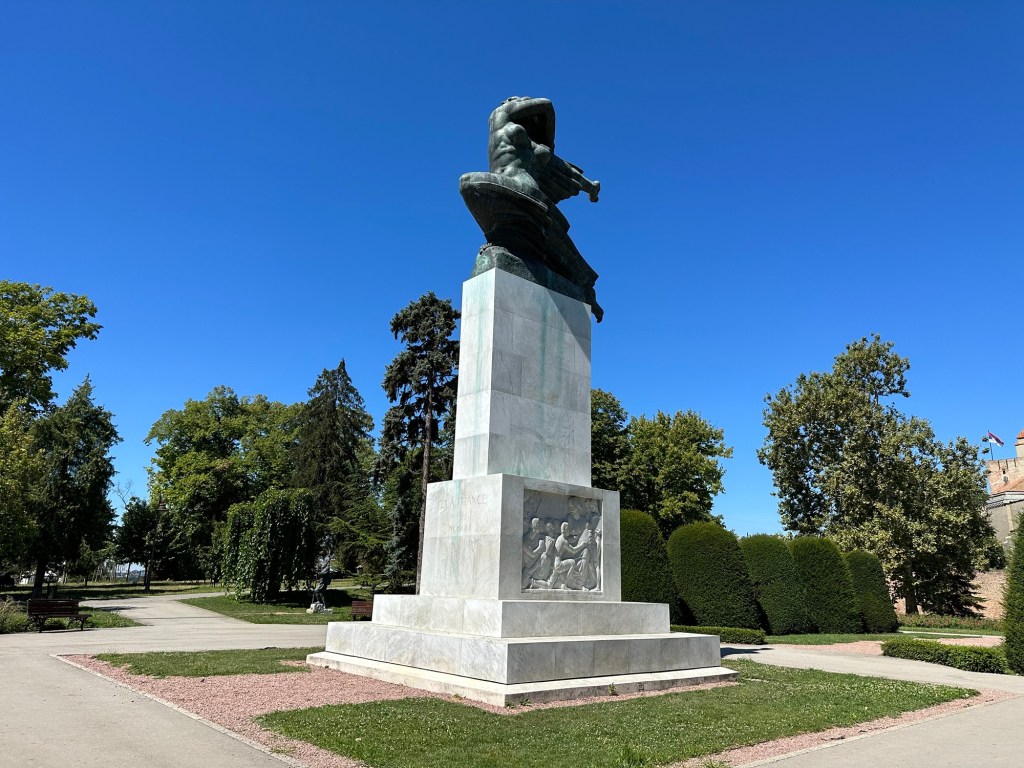
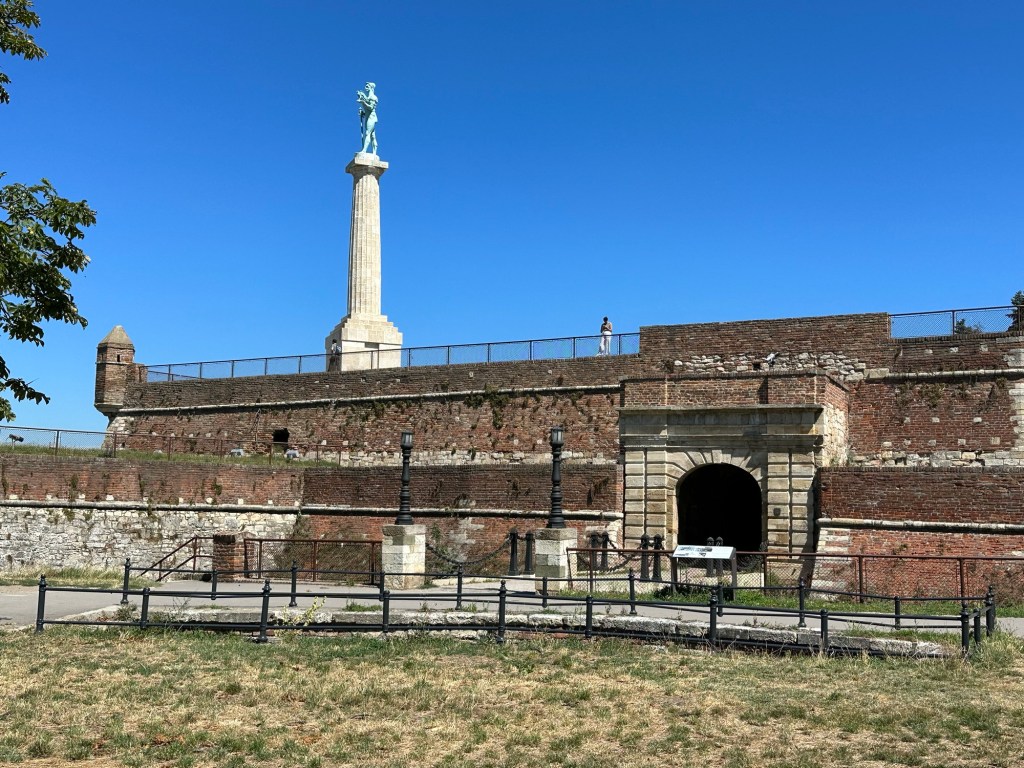
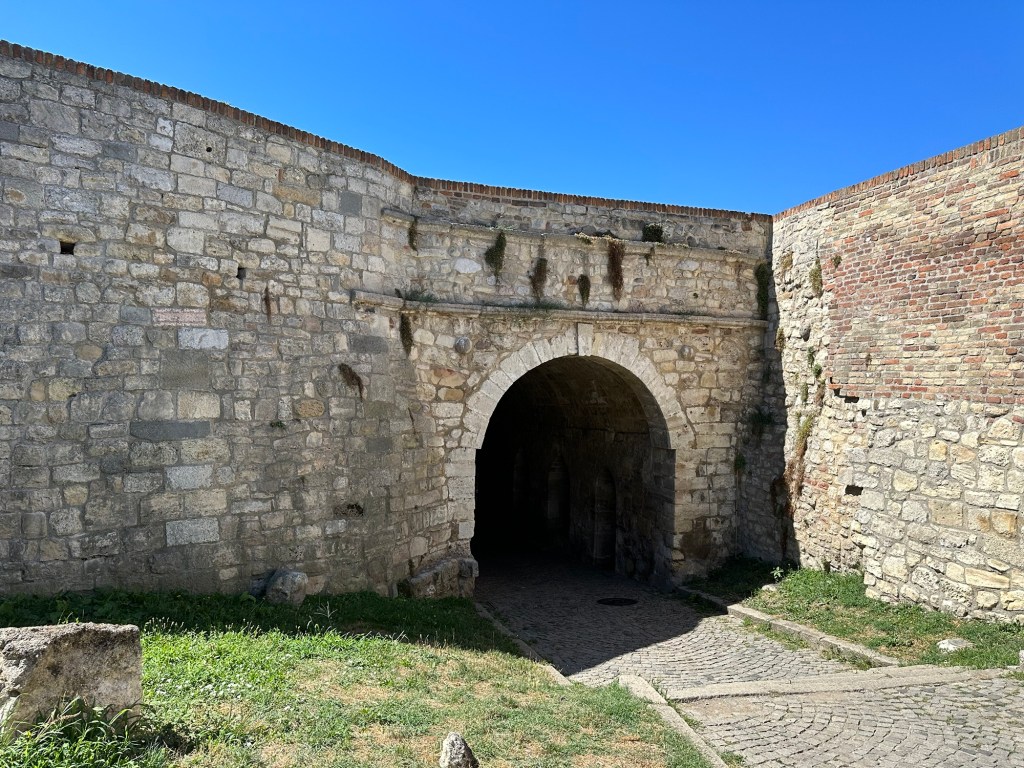
In the morning I walk down to Kalmegdan to see the old fortress and get views of the city.

I take a break from the heat and pack my things since I leave early tomorrow morning for my long flight home.

I have one last early evening walk.

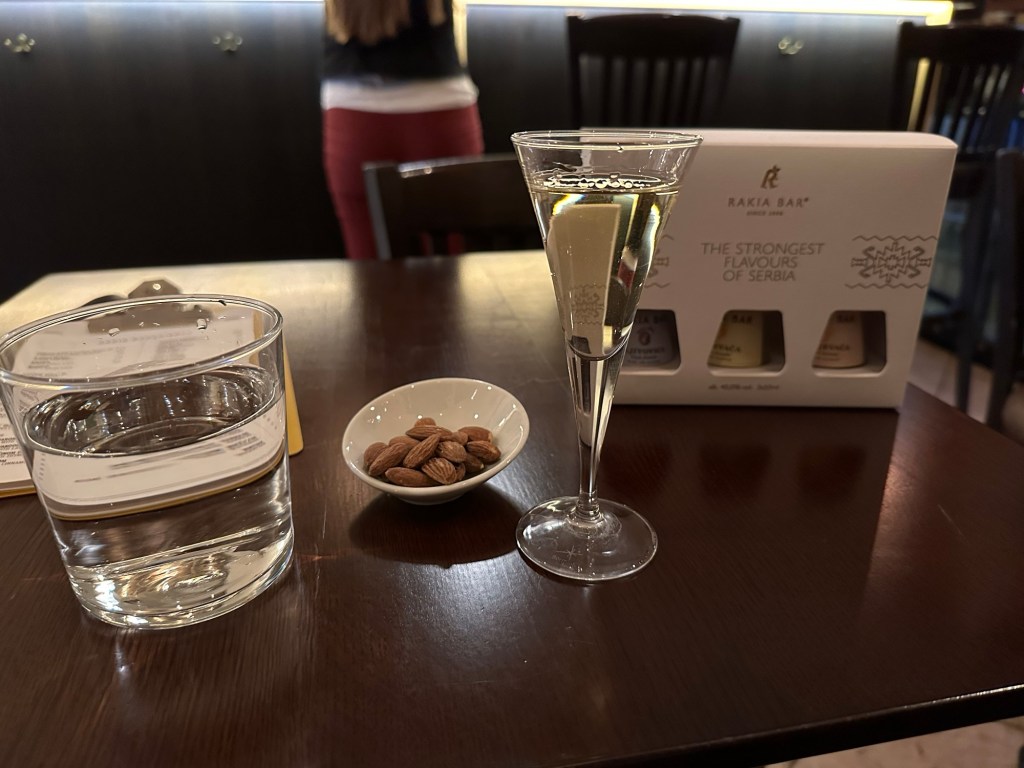
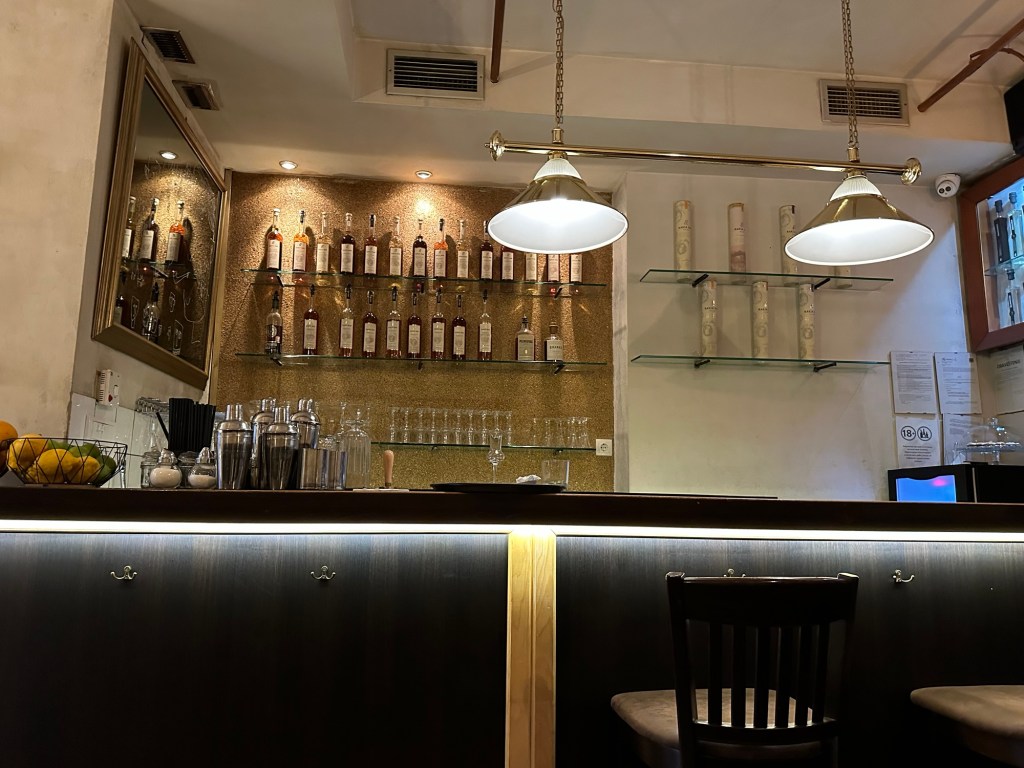
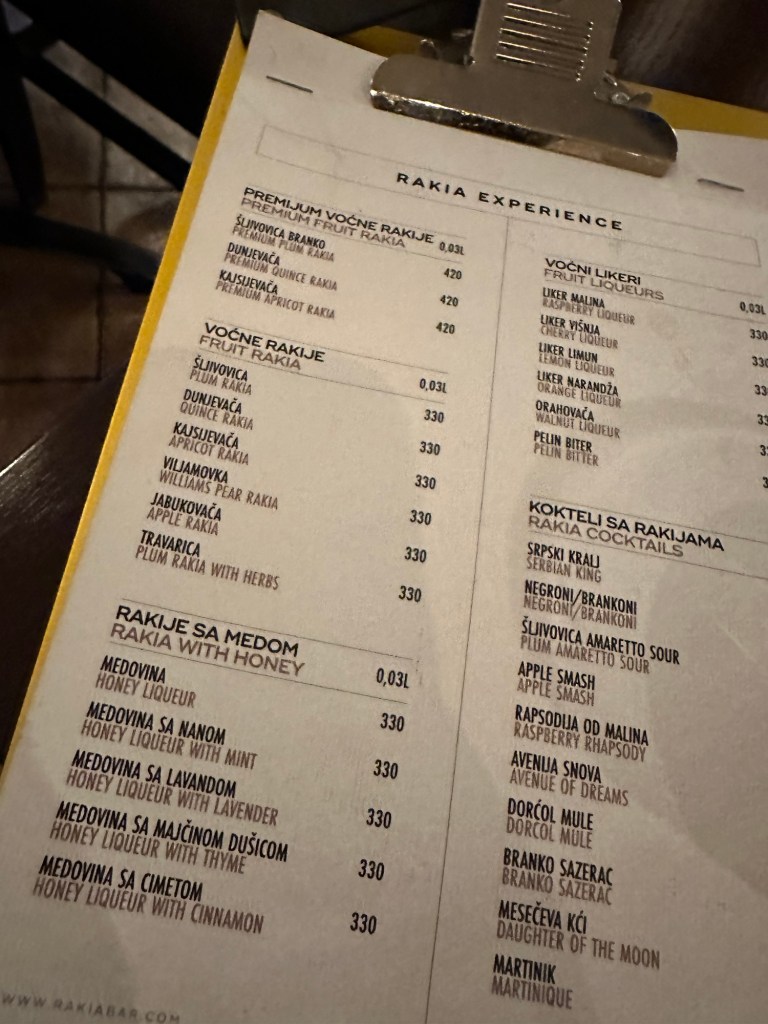
I stop at a rakia bar try some different flavored rakija, one specifically thyme flavored. I grab a sampler pack to take home with me tomorrow.

Soon Iโ€™m off to bed for my early morning flight.

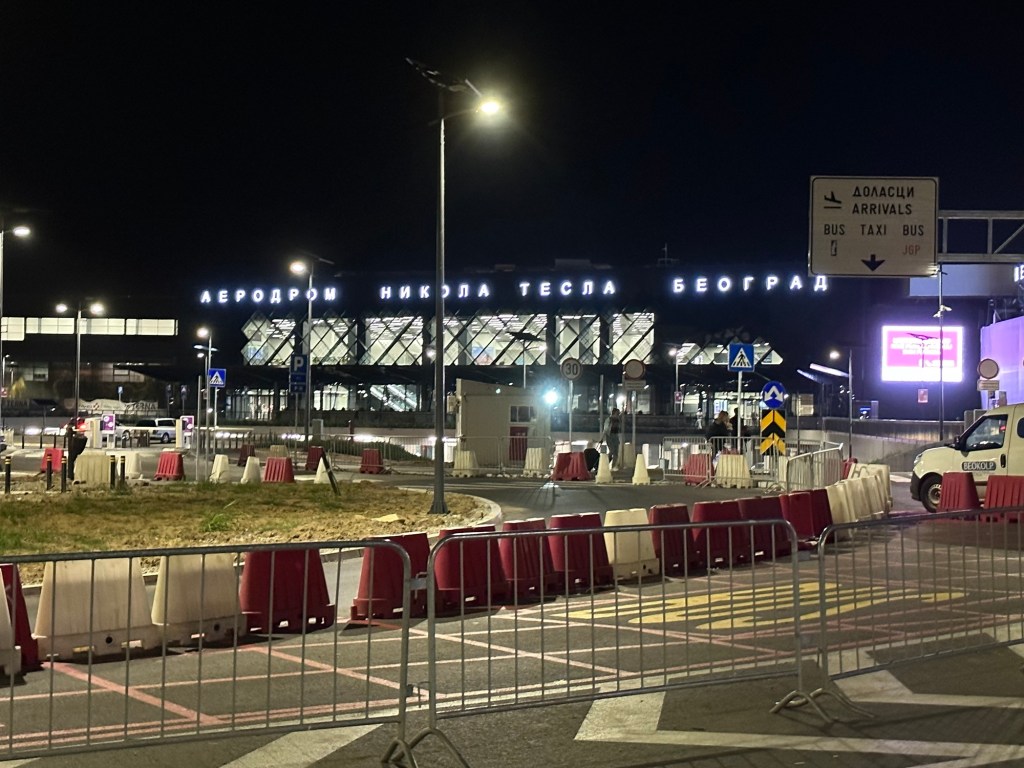
In the morning I am dropped far away from the airport entrance for some reason. I slowly drag myself to the check in and then start the long journey home. There isnโ€™t a fast and easy route to get from this part of Europe back to the USA. My travels were amazing but I am happy to be home. I donโ€™t yet know what is next for me but I am sure I wonโ€™t stay still for long.

Berlin beginnings

Berlin Wall

Scheduling a concert the night before a long travel day isnโ€™t the best planning but at least the concert was very good.

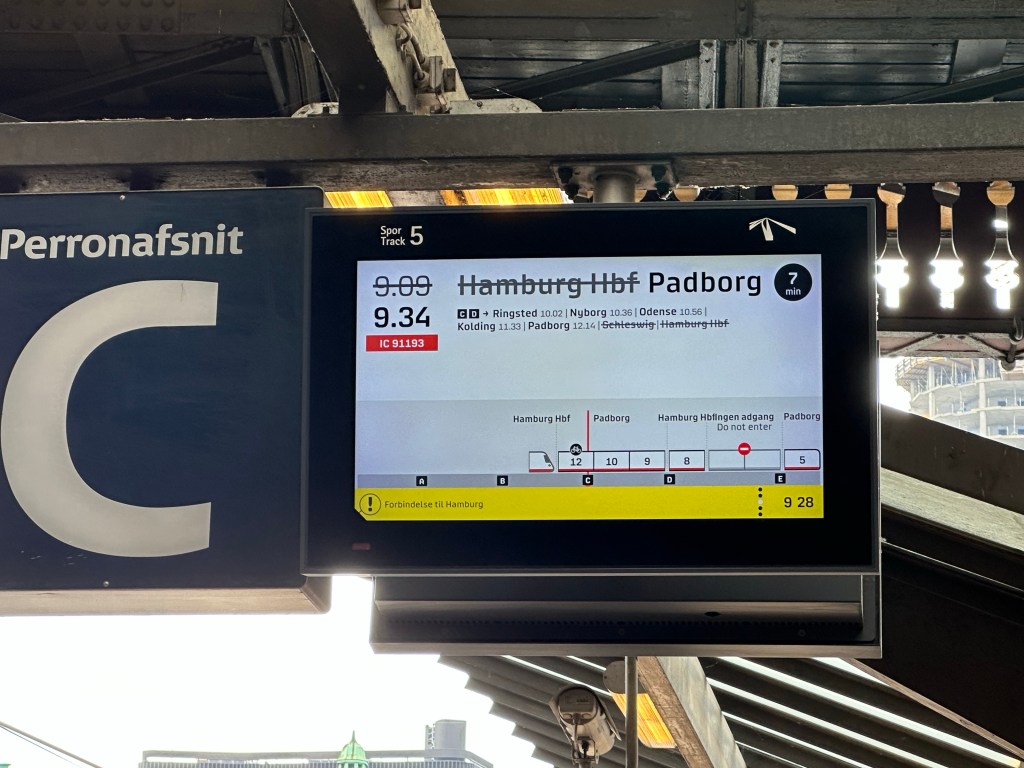
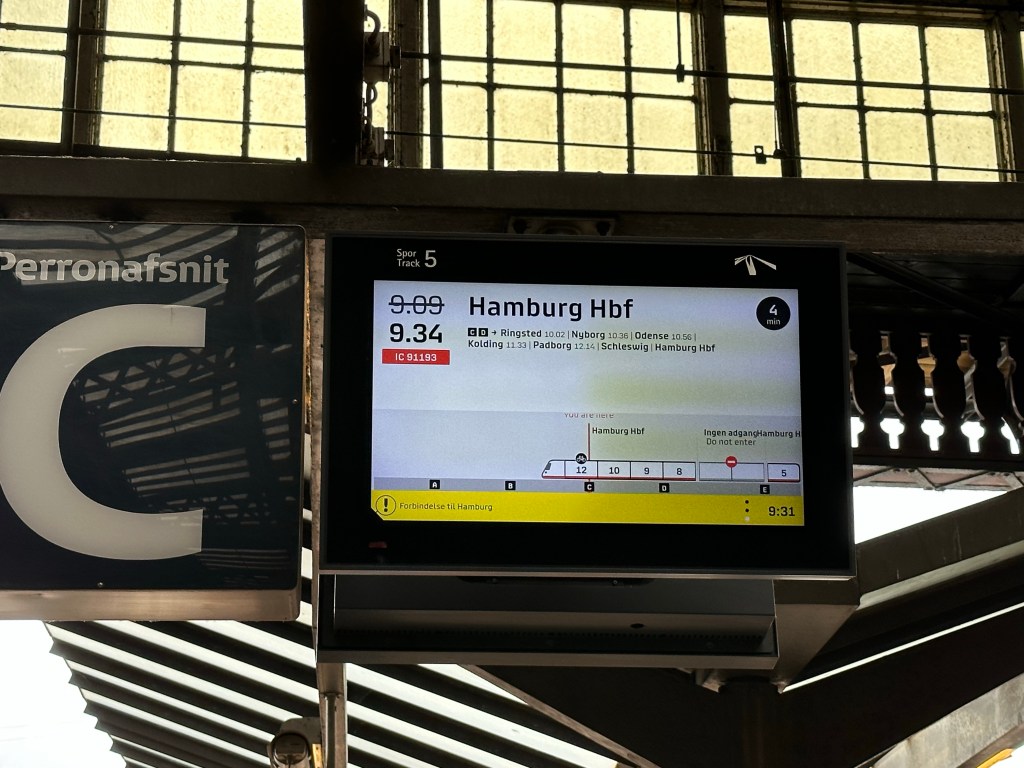
Sleep deprived, I head to the train station in the morning to travel to Berlin – about a 7 hour journey. I am departing from Copenhagen and things are already off to a shaky start because my train is delayed and I have a 30 minute connection in Hamburg. As I wait the train gets delayed even more and then we are made to change tracks. Eventually other guests and I start to notice that the screen above starts crossing off the Hamburg Hbf (Hamburg main station) portion of the itinerary, a place most of us need to go to get our connections. Confusing as it is I start looking into alternative travel plans. I think I can go on to the final station in the itinerary (in Denmark) and try to find other trains to eventually get me to where I need to go. A few minute before the train arrives the itinerary switches back to going to Hamburg Hbf. Us passengers arenโ€™t all convinced this is happening but we remain hopeful. At best most of us are missing our connections though. Some of my train companions have further to go like Switzerland; luckily there are trains available every hour to Berlin. We do make it to Hamburg and I wait until I can take the next available train to Berlin. I have napped a bit so I am not as cranky anymore.
I arrive in Berlin and easily figure out how to take the tram to my hotel. I am staying in a chain. Sometimes it is nice to know what to expect with the chain hotels having mostly consistent service and often breakfast. It costs more money and lacks charm but sometimes it is nice to just have modern comforts like air conditioning again. Itโ€™s been a long travel day so I call it an early night.

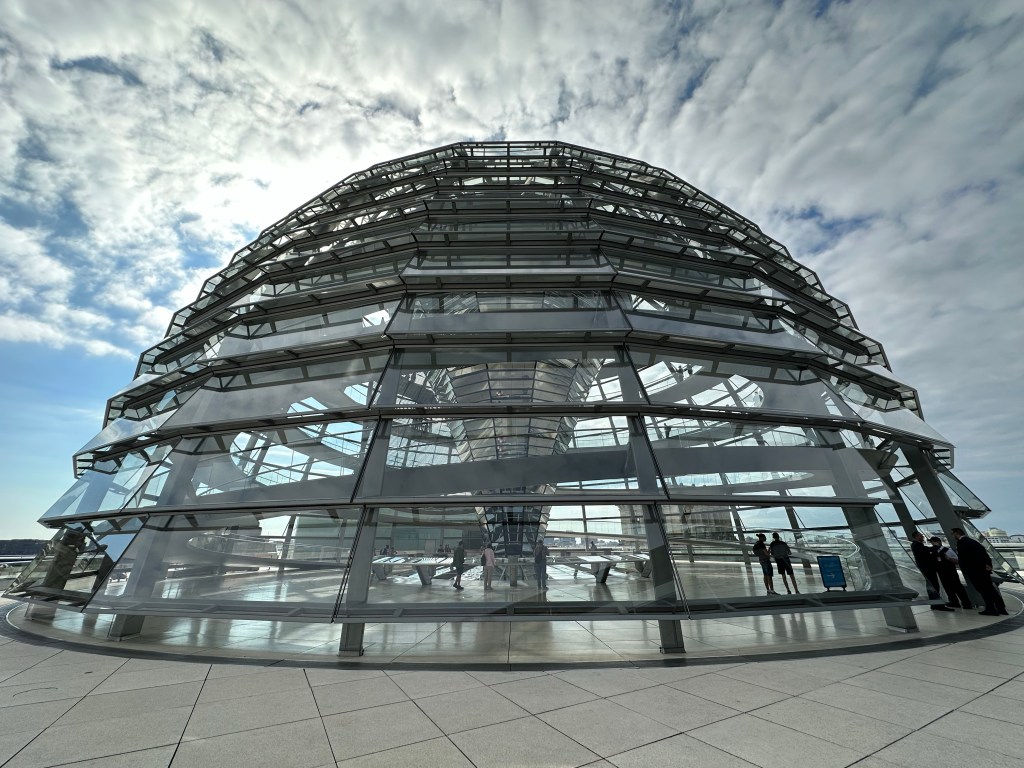
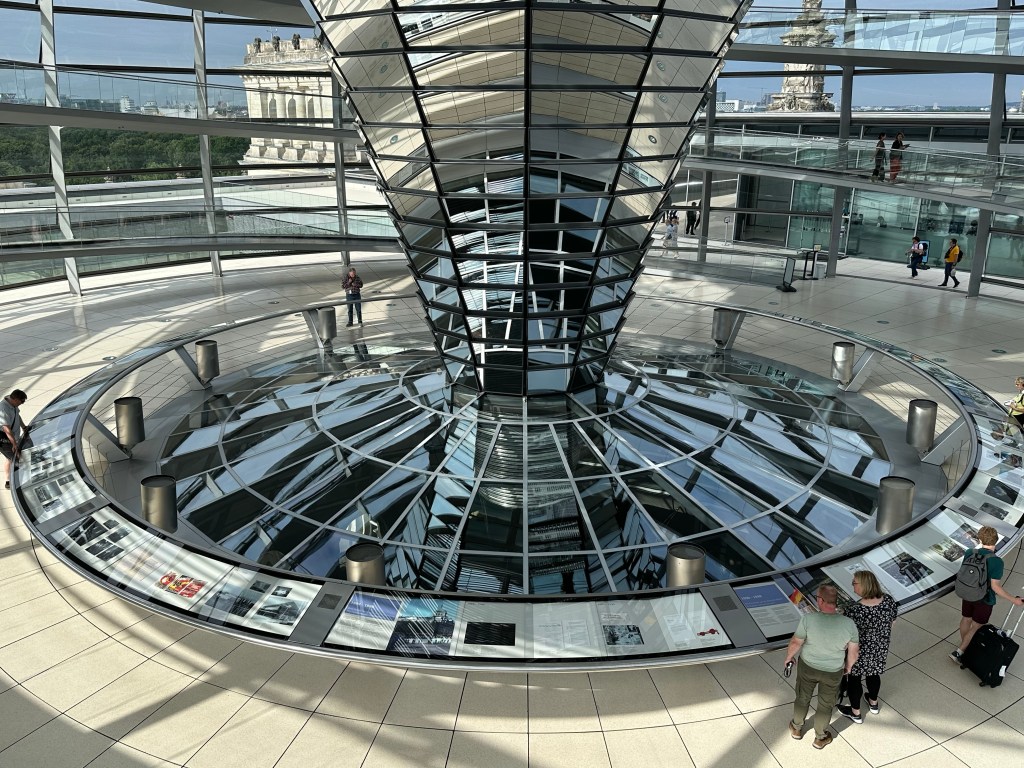
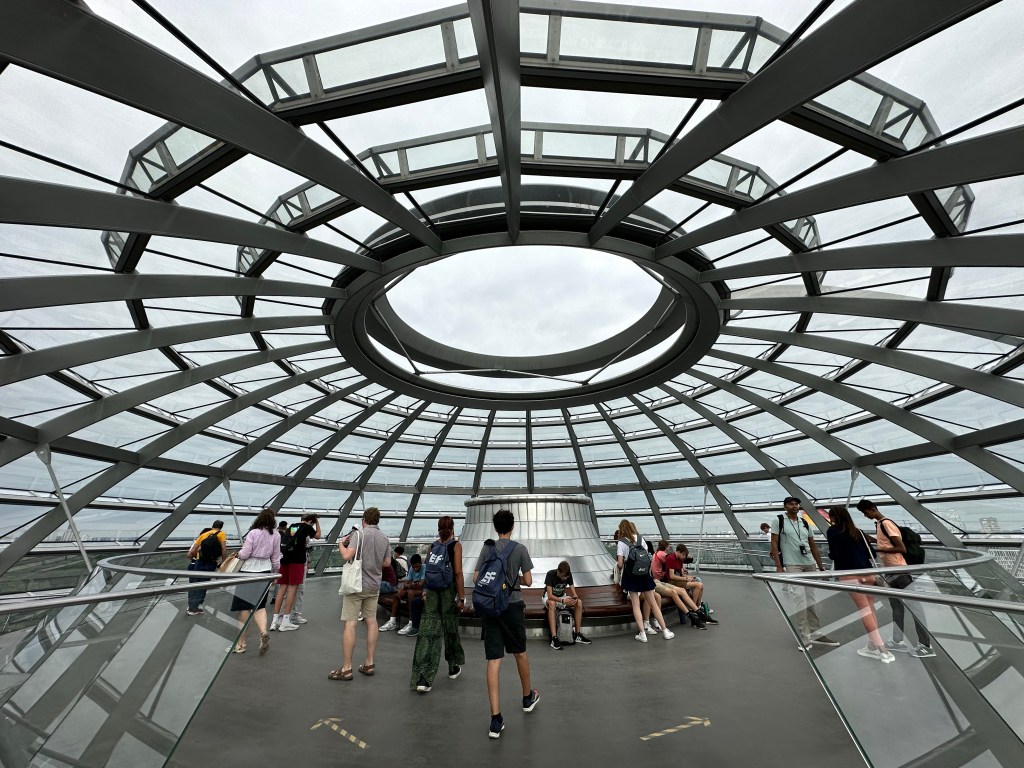
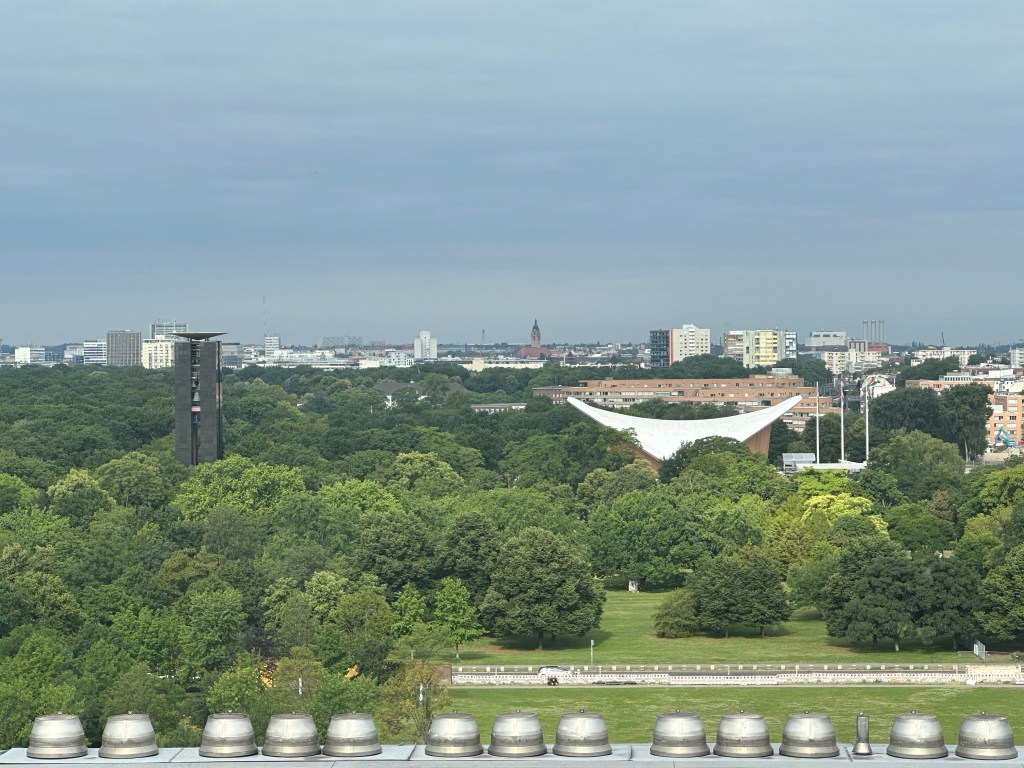
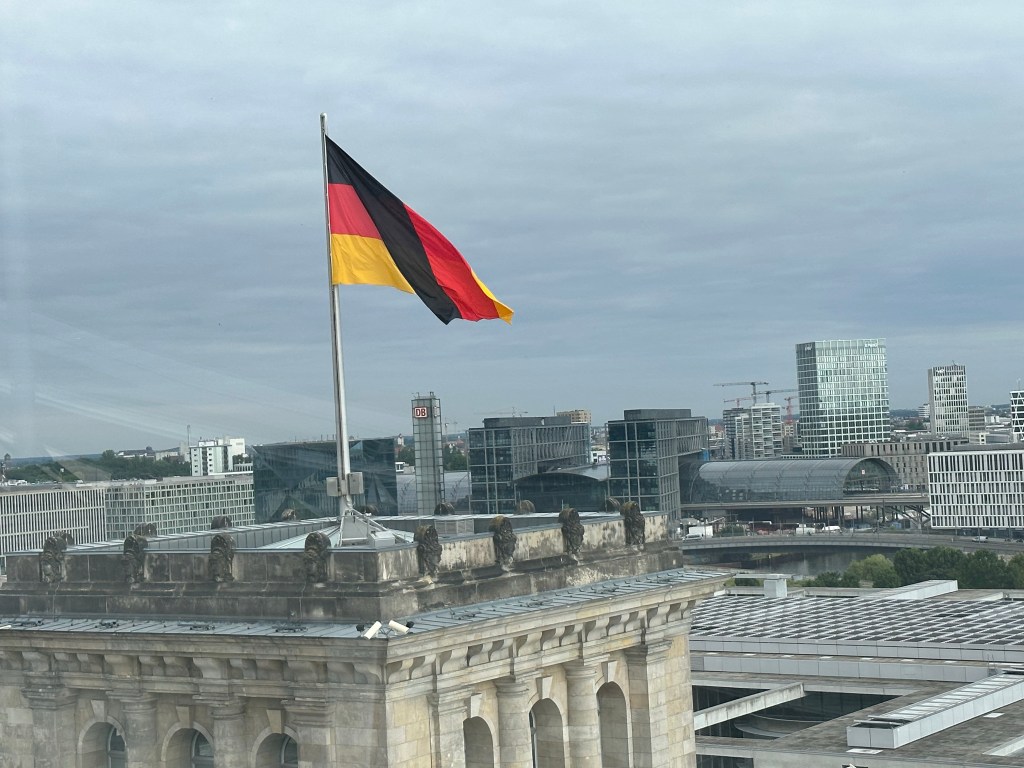
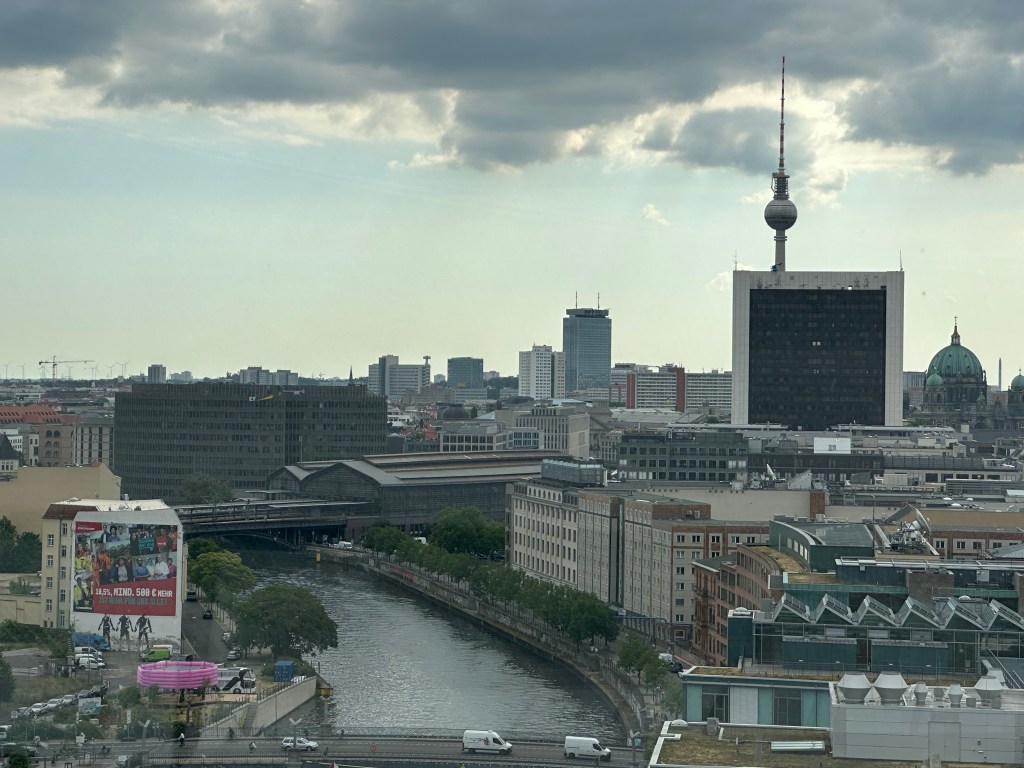
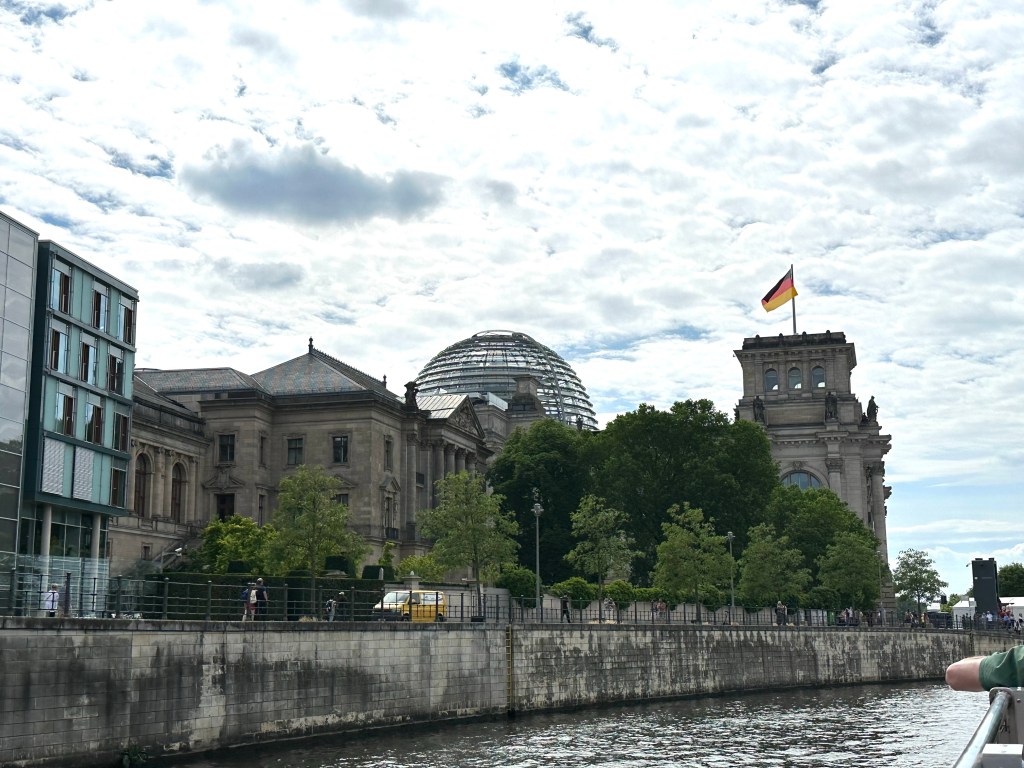
The next morning I have reservations at the Reichstag dome. The Reichstag is the government building where parliament meets. It has lots of history but for tourists there is the dome at top which was opened in 1999, almost ten years after the reunification of Germany. Reservations for the dome are compulsory and should be done at least a month in advance. Luckily I had the heads up from a friend who tried to visit before me. The audio guide is free and very necessary since it tells you about the skyline of Berlin as you climb the dome. There is a good lesson of history here but it is condensed. Another museum might be better to get a more thorough history of Germany. The appeal here is marveling at the artwork of the dome and appreciating the view of the skyline.
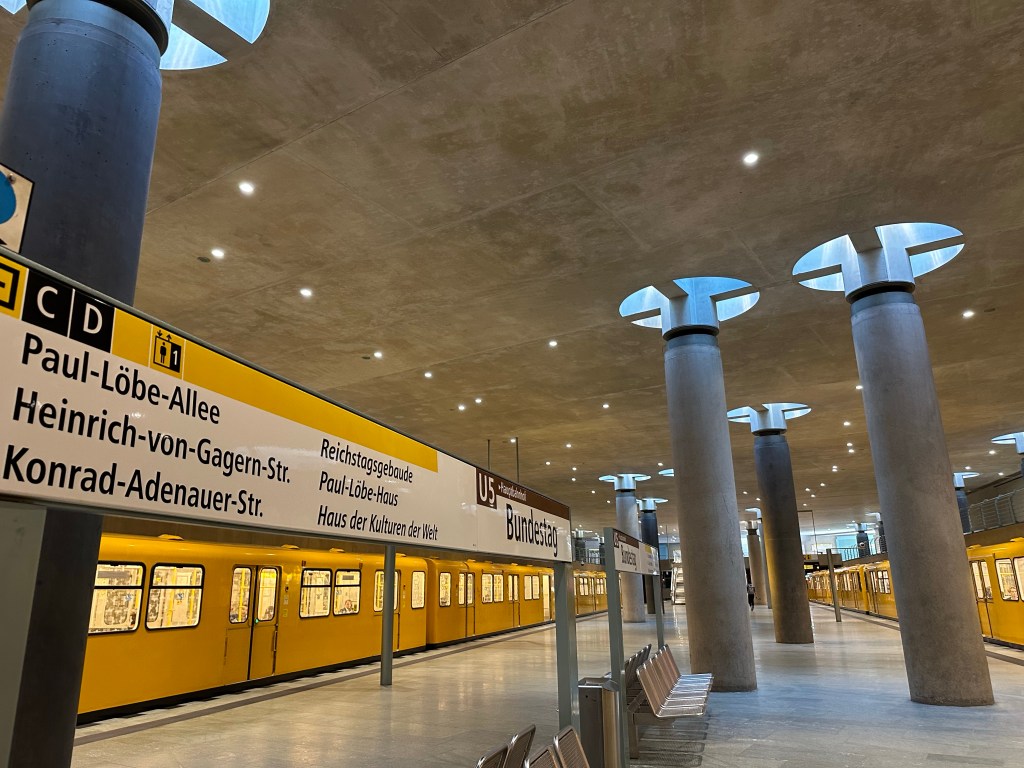
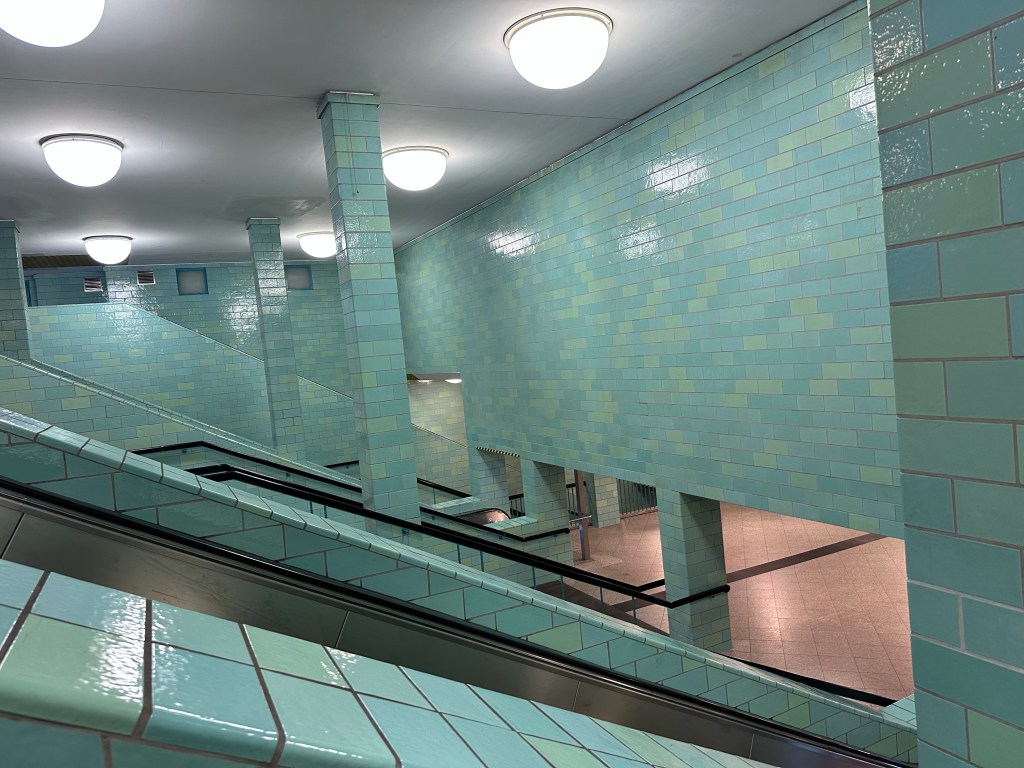
I am really liking the design of the different metro stations especially the one nearby.

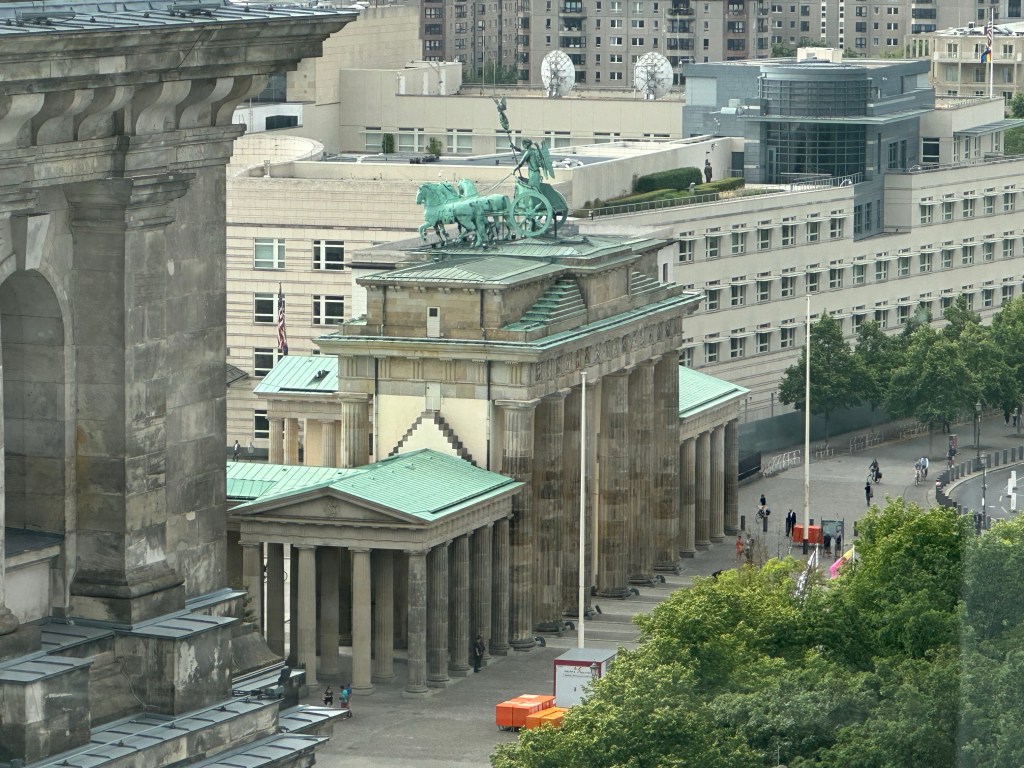
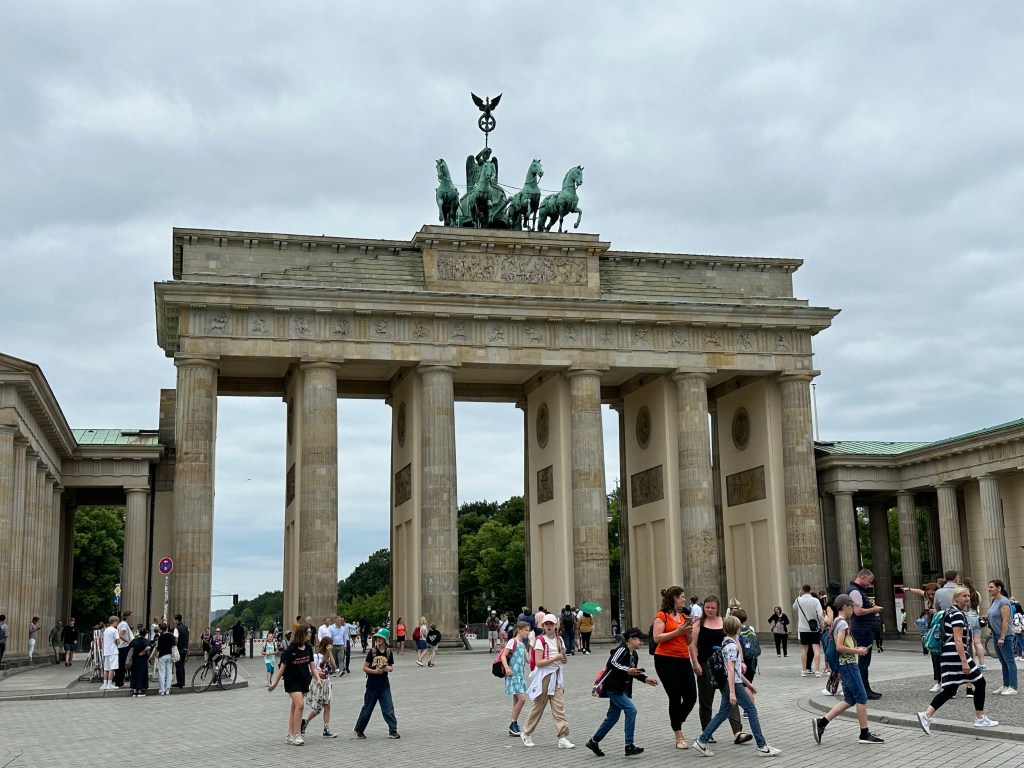
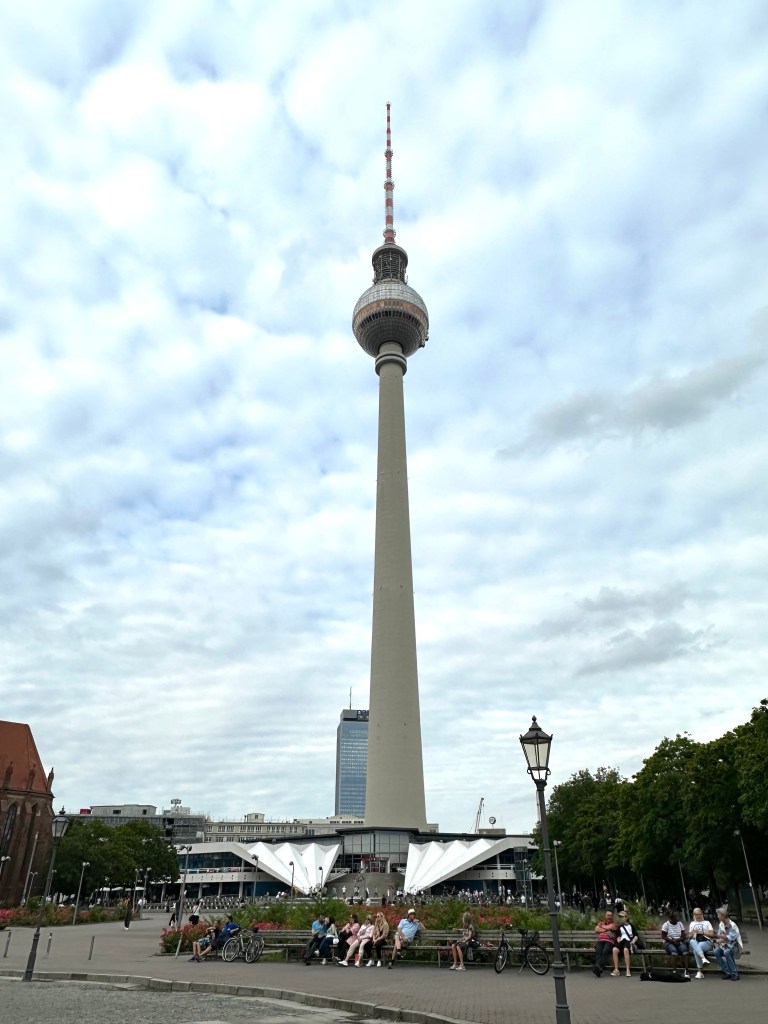
I get a good introduction to the city here so I start formulating a plan of things I want to see. My next stop is the Brandenburg Gate, a 18th century gate to the city. You canโ€™t see it here but I see in another museum later that part of the Berlin Wall went right through this area and it looked vastly different for many years.

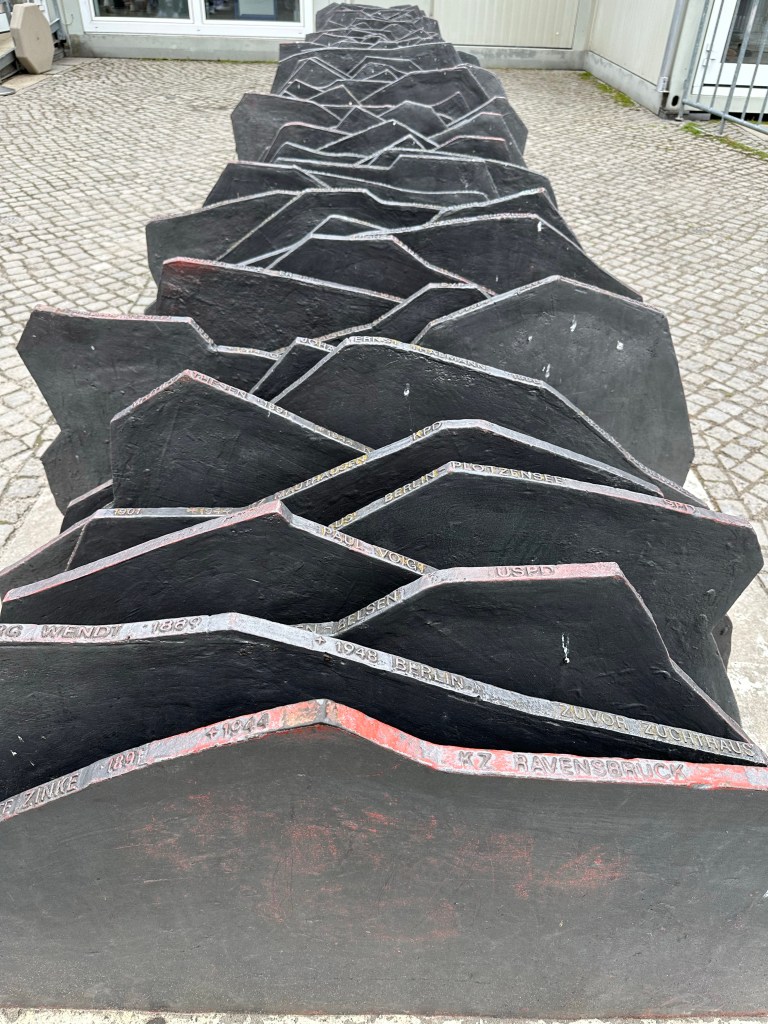
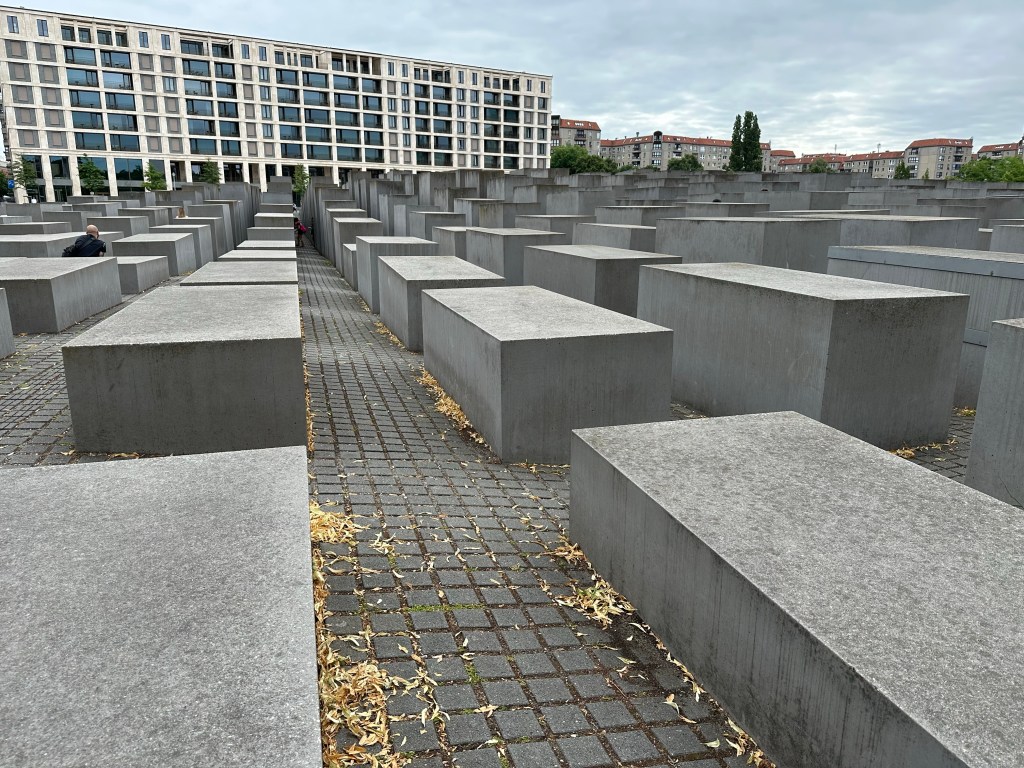
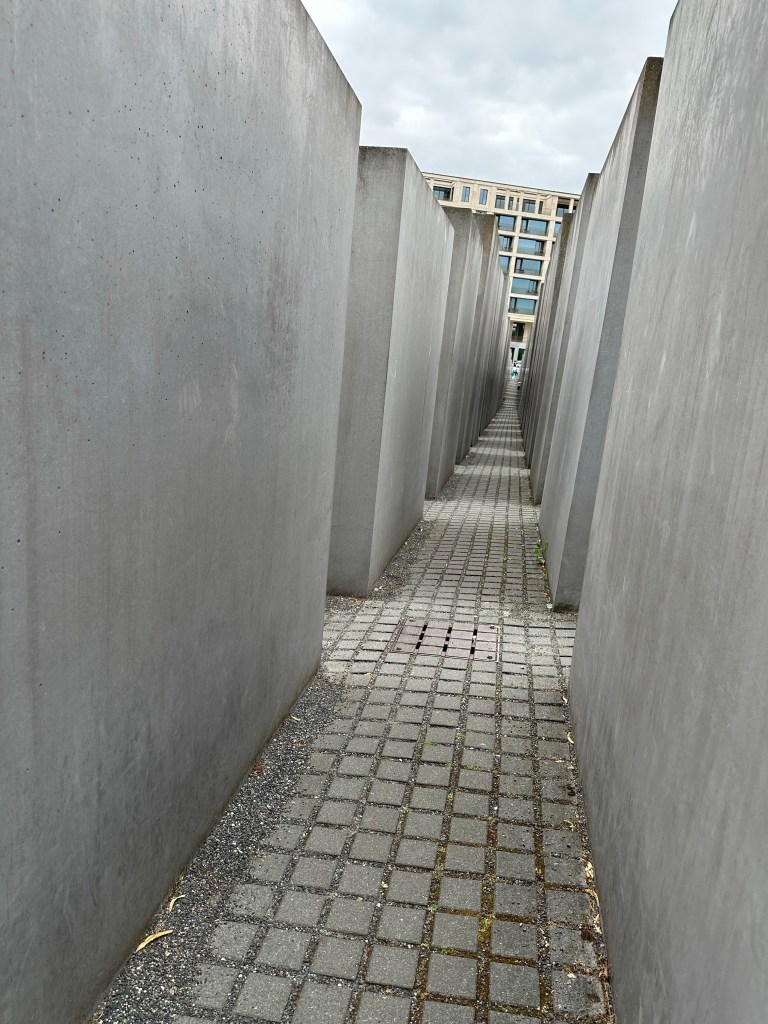
Next stop is at a Jewish memorial, some unassuming rows of rectangles of various sizes.

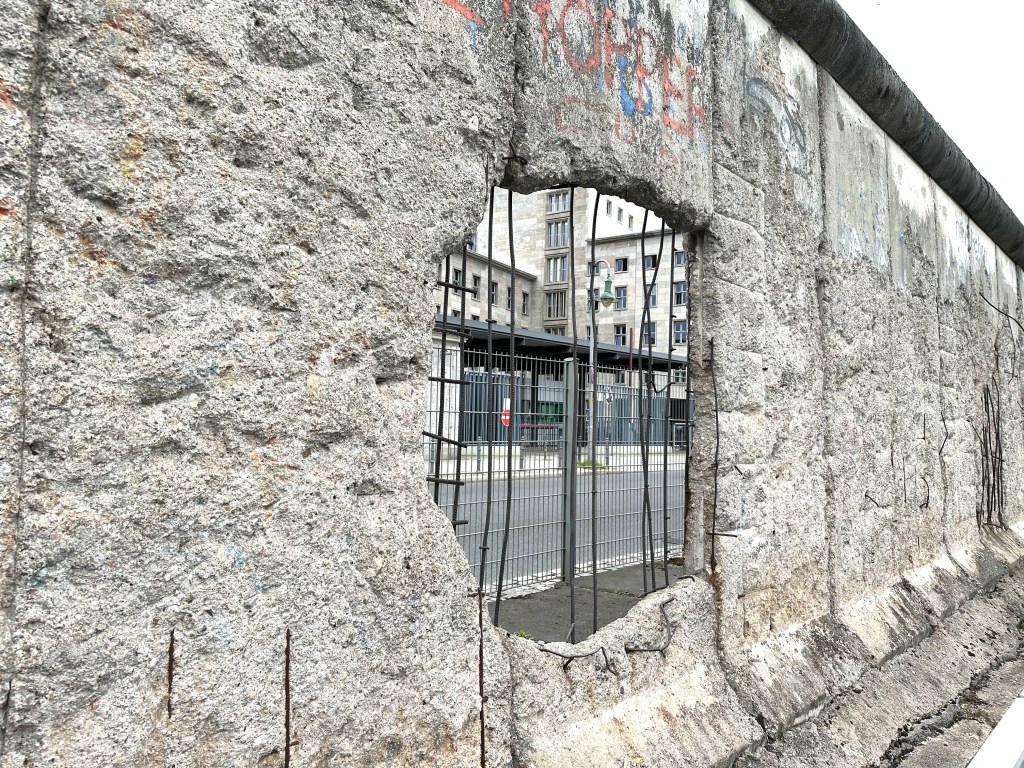
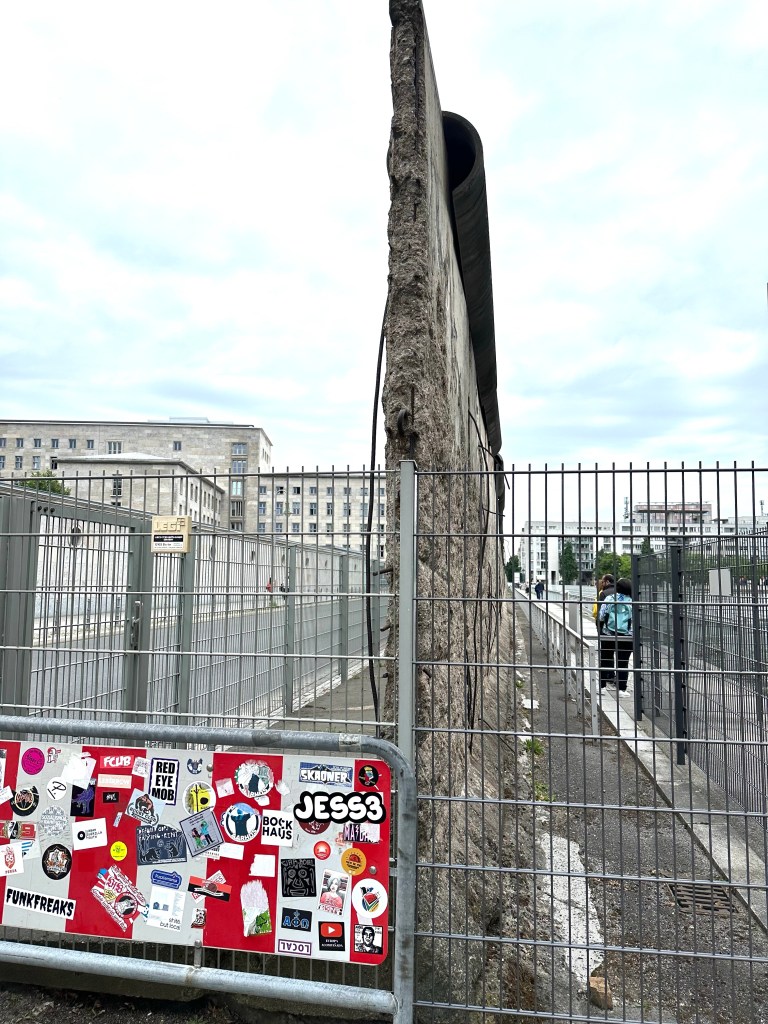
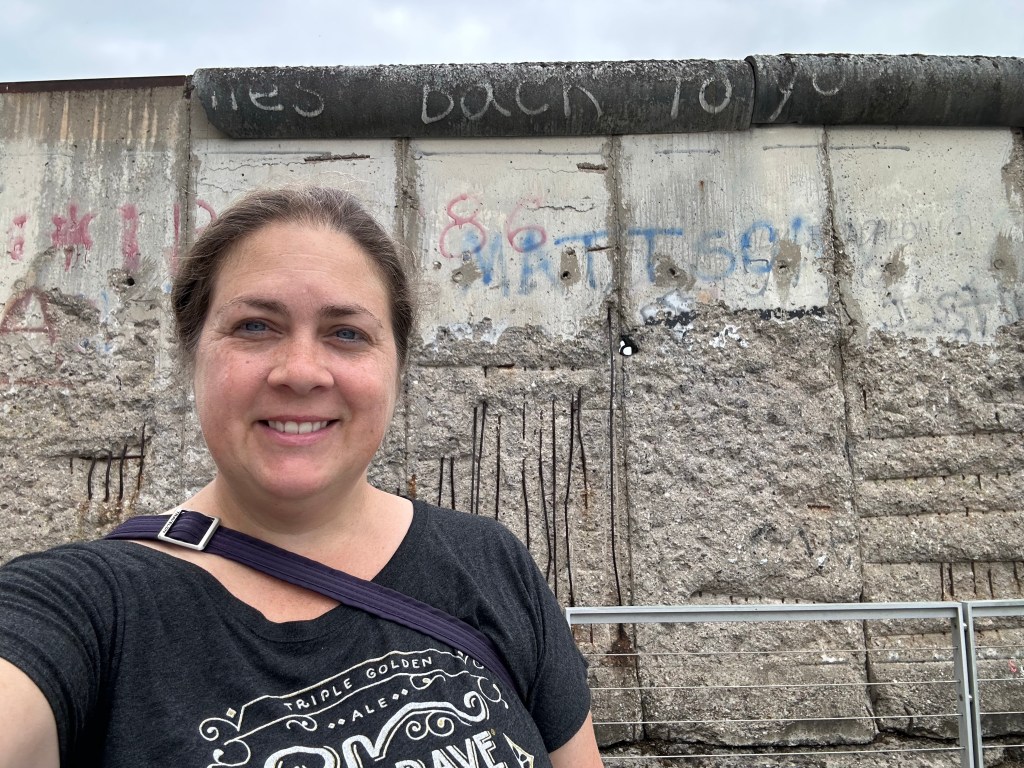
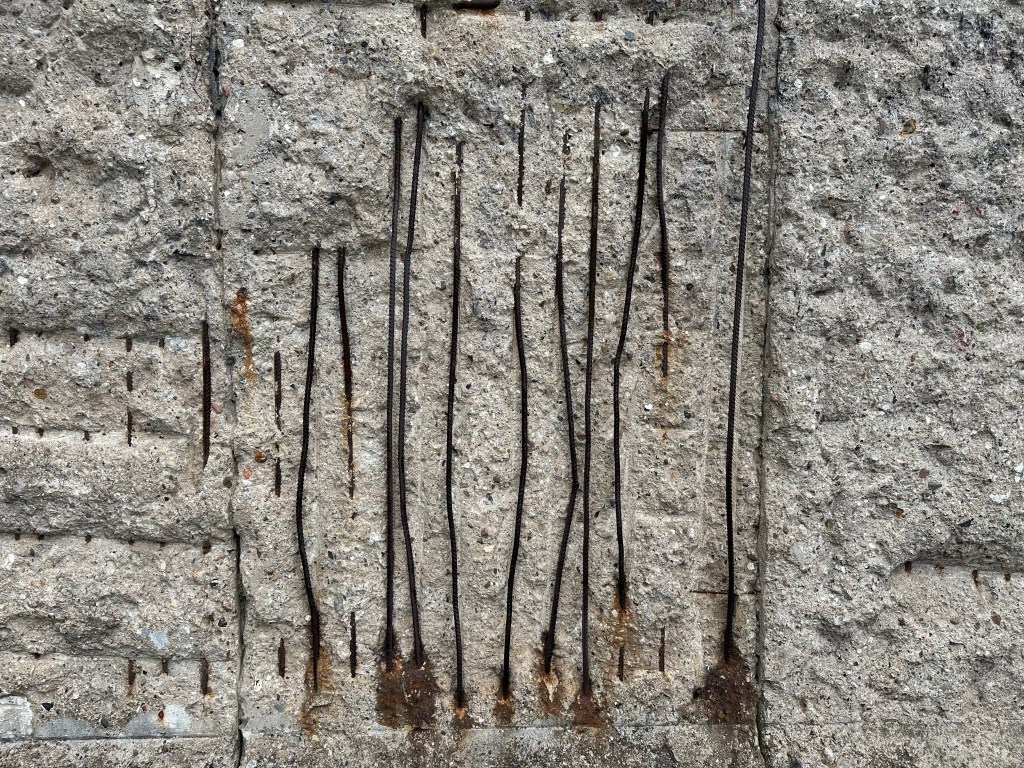
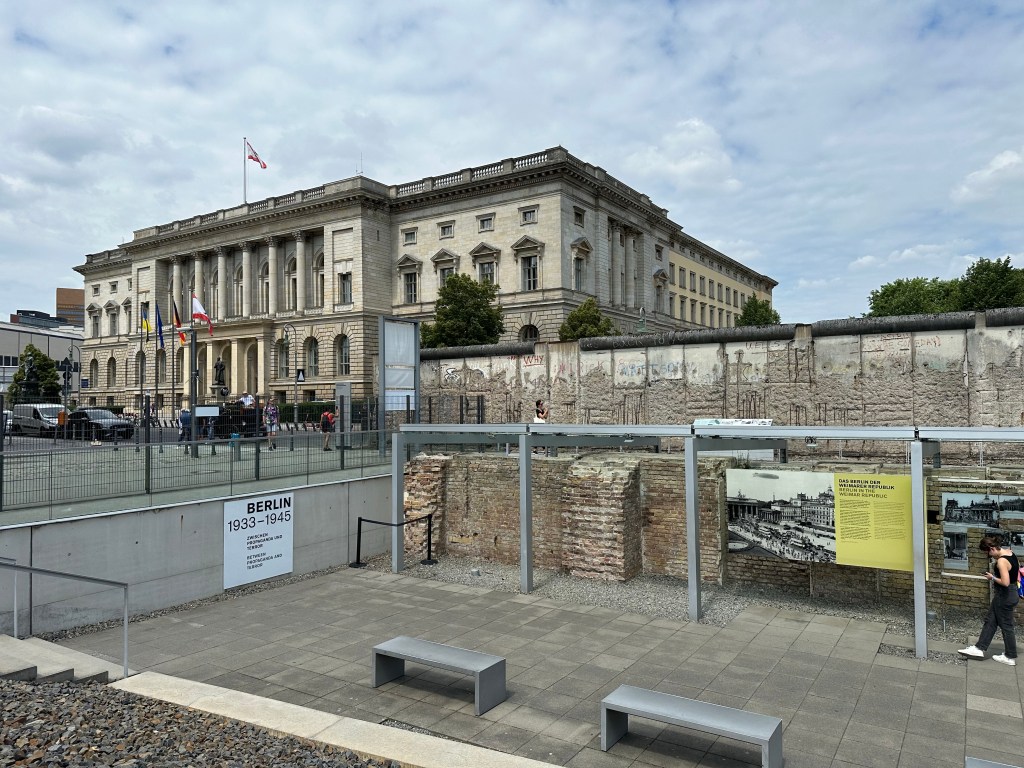
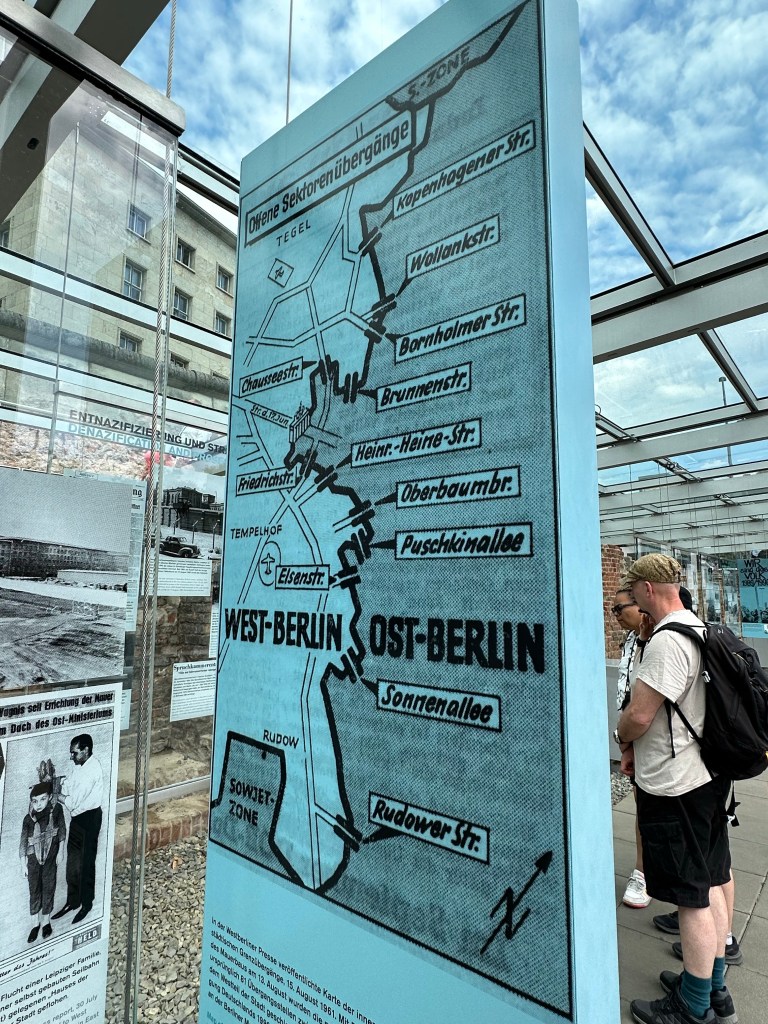
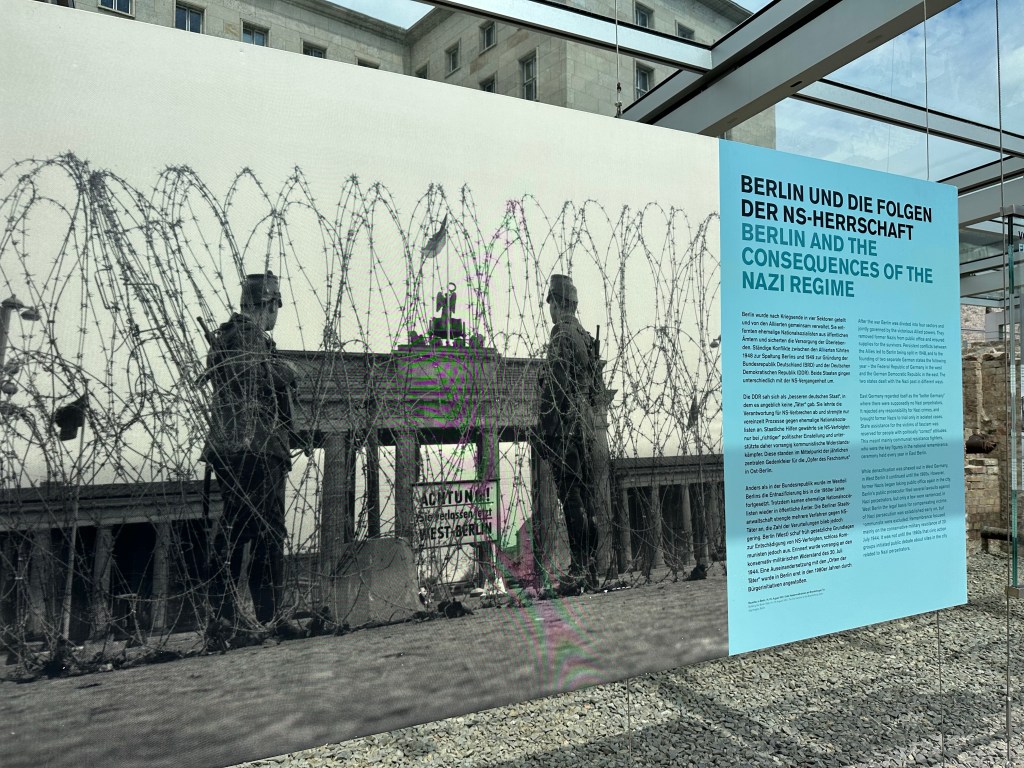
I walk over to where I see my first sight of the Berlin Wall. The Berlin Wall was erected in 1961 to separate the sides of Germany from the conflicting governments at the time: East and West. East Berlin is GDR (German democratic republic) aka Soviet occupied zone and West Berlin is Federal Republic of Germany – the allied occupation side of Germany (USA, UK, and France). All of this is a result of WWII. The time of the wall was a very divided time in history, separating friends and families almost overnight. The wall destruction finally begins in 1989 after calls for reunification are successful. So Berlin as we know it is a fairly young city.

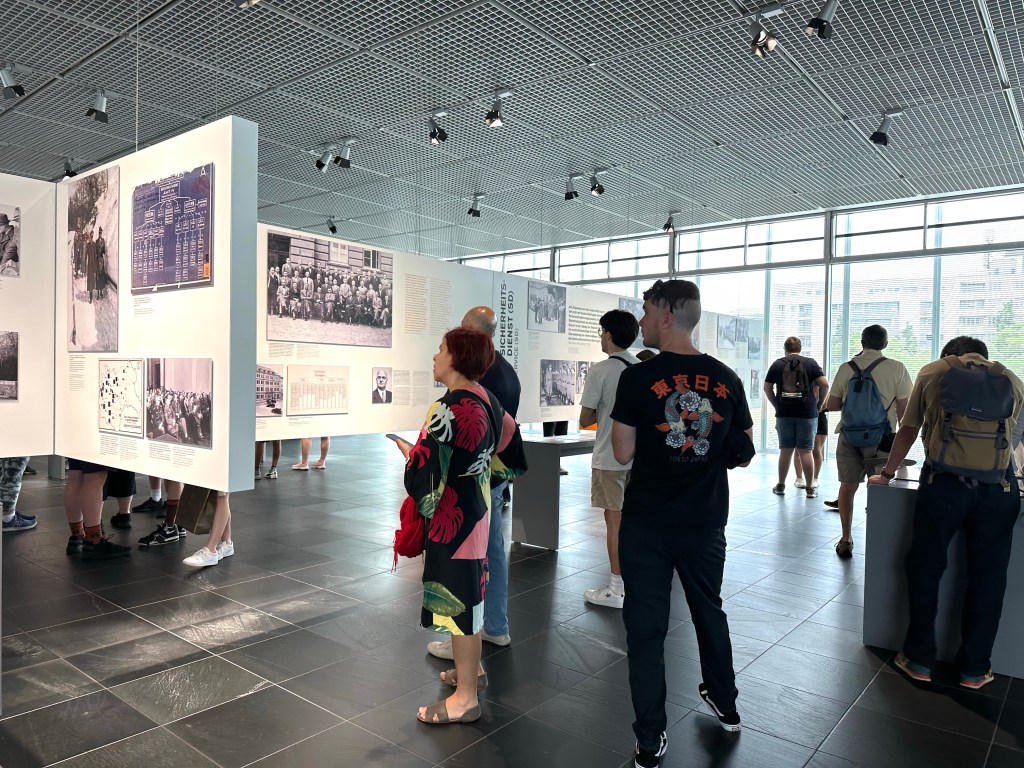
Next to this piece of the wall is a very thorough museum on the history of Germany and its affect on other parts of the world (Topography of Terror). It filled the holes I had on my education and made me worry based what is happening in my own country looking at Germanyโ€™s history in the early 20th century. Funny how history still wants to keep repeating itself.

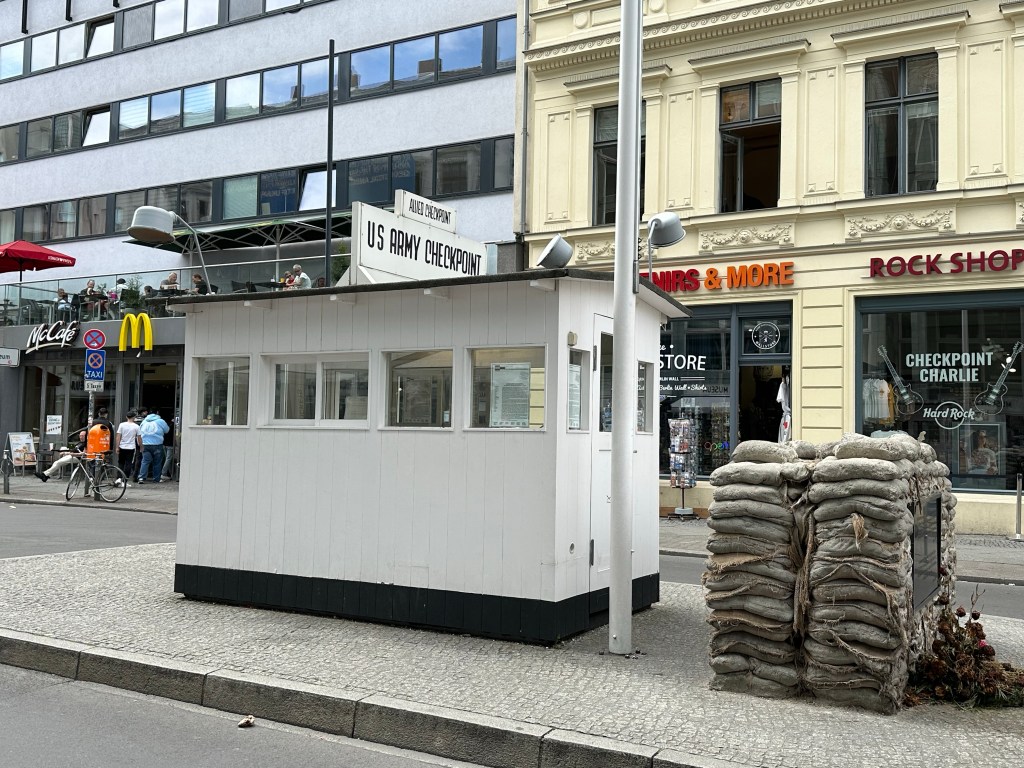
The museum is very emotionally draining but I walk by the famous checkpoint Charlie location afterwards on the way to a scheduled visit to the Berliner Dom (Berlin Cathedral).

Checkpoint Charlie visit 1

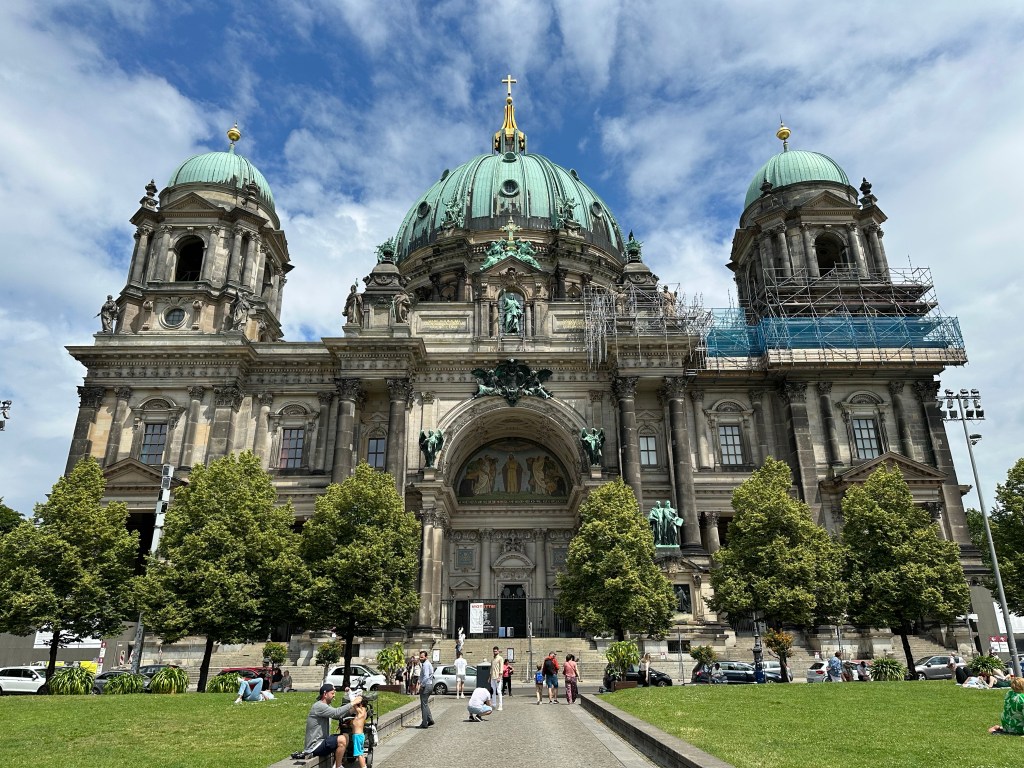
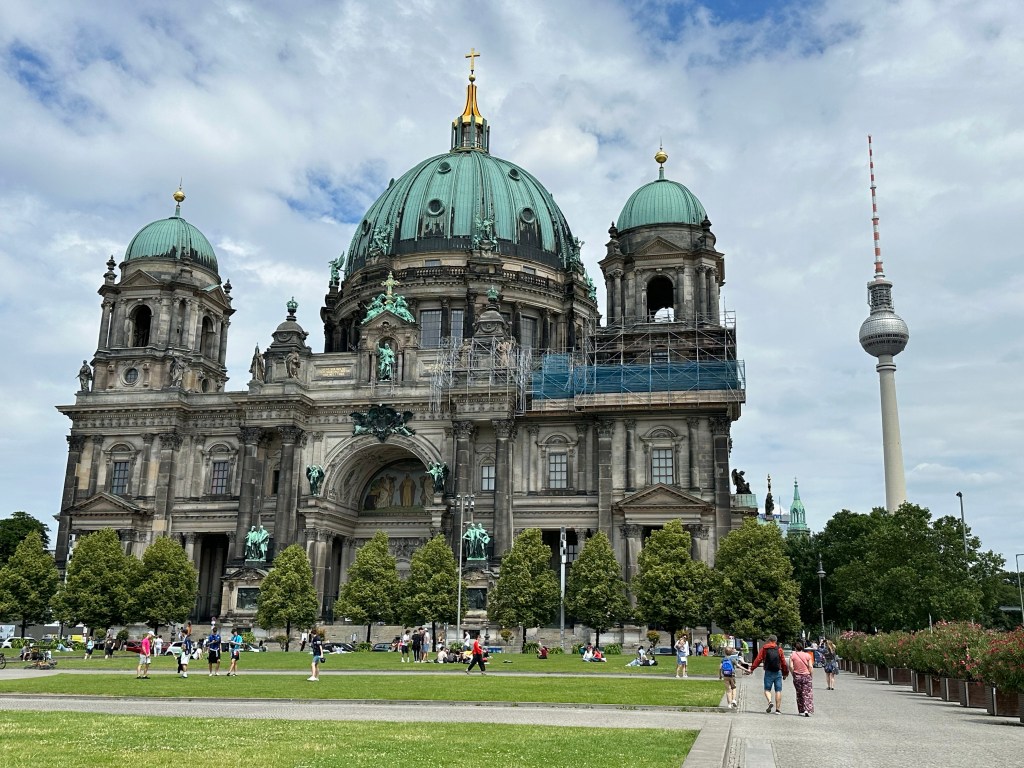
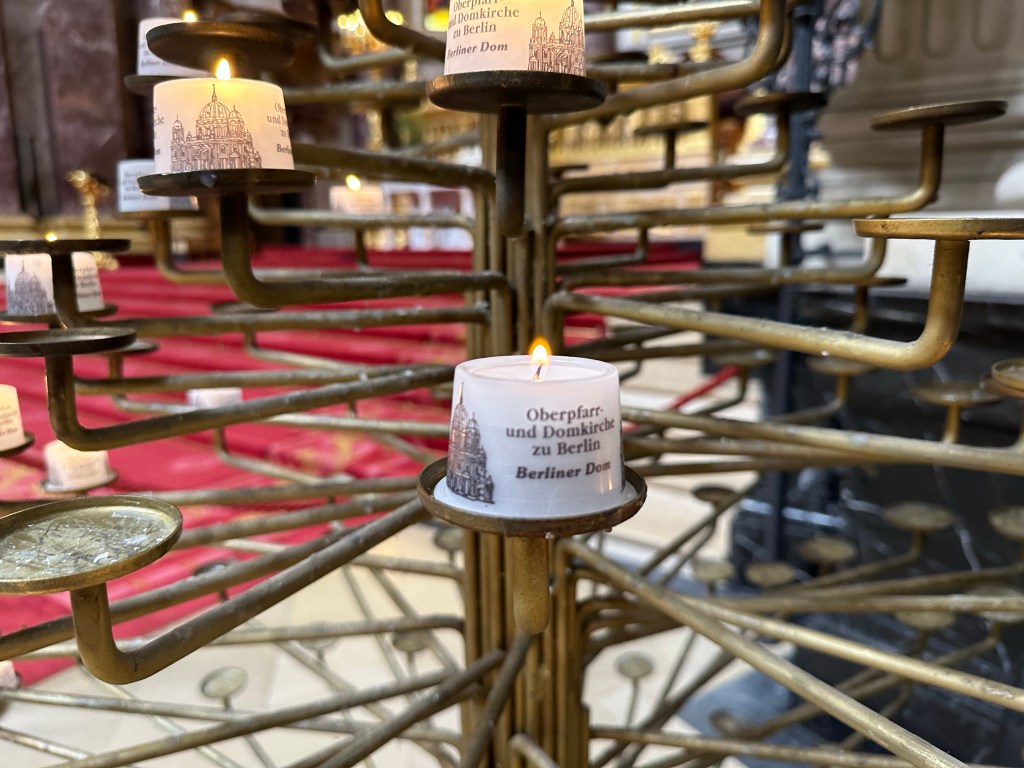
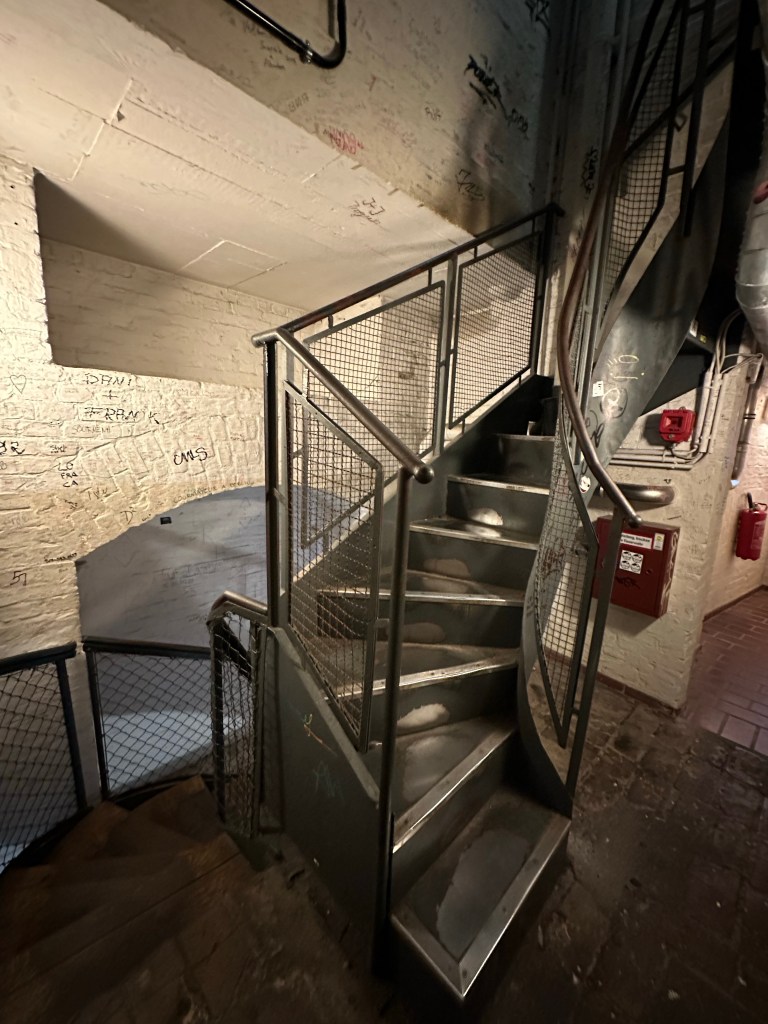
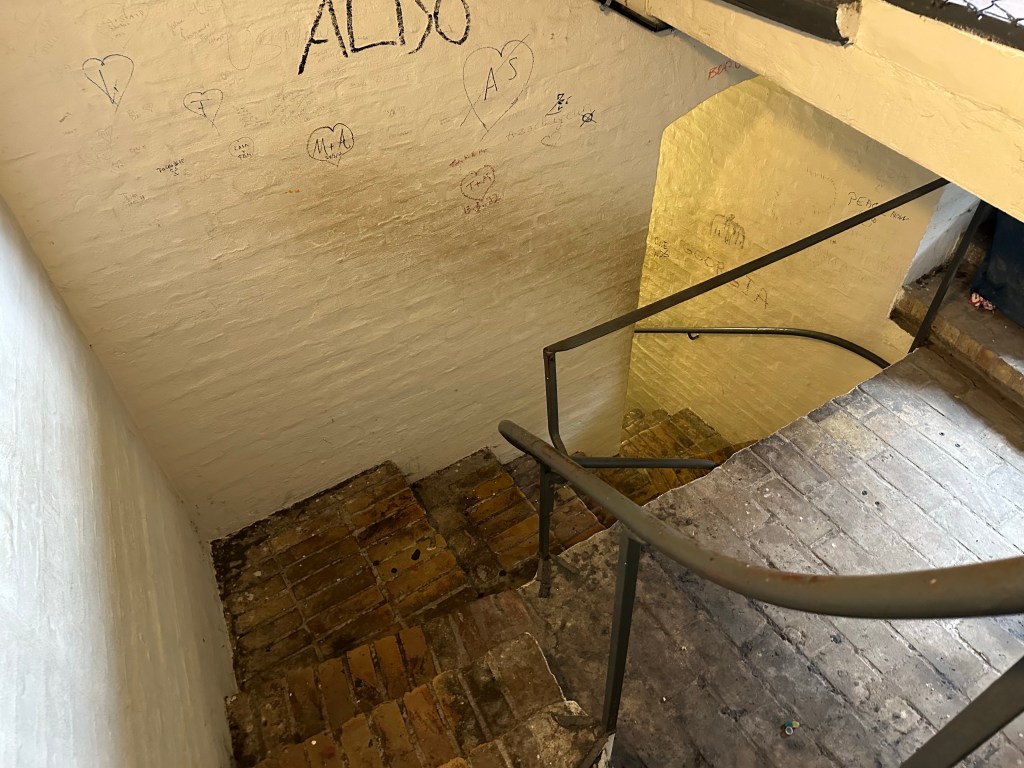
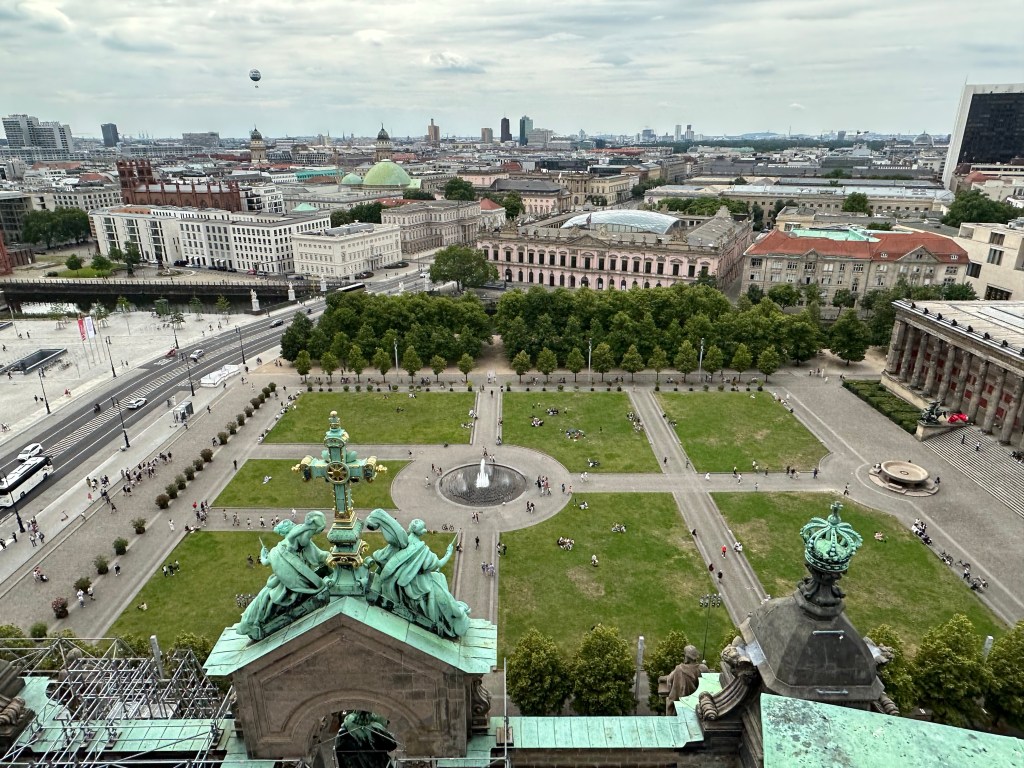
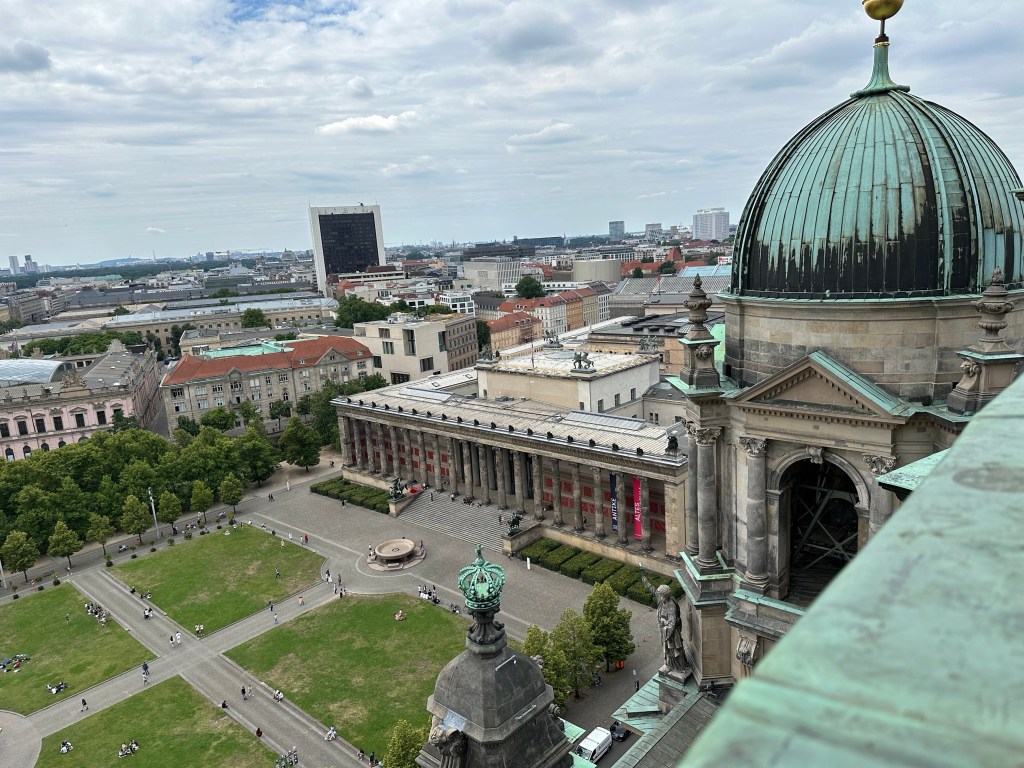
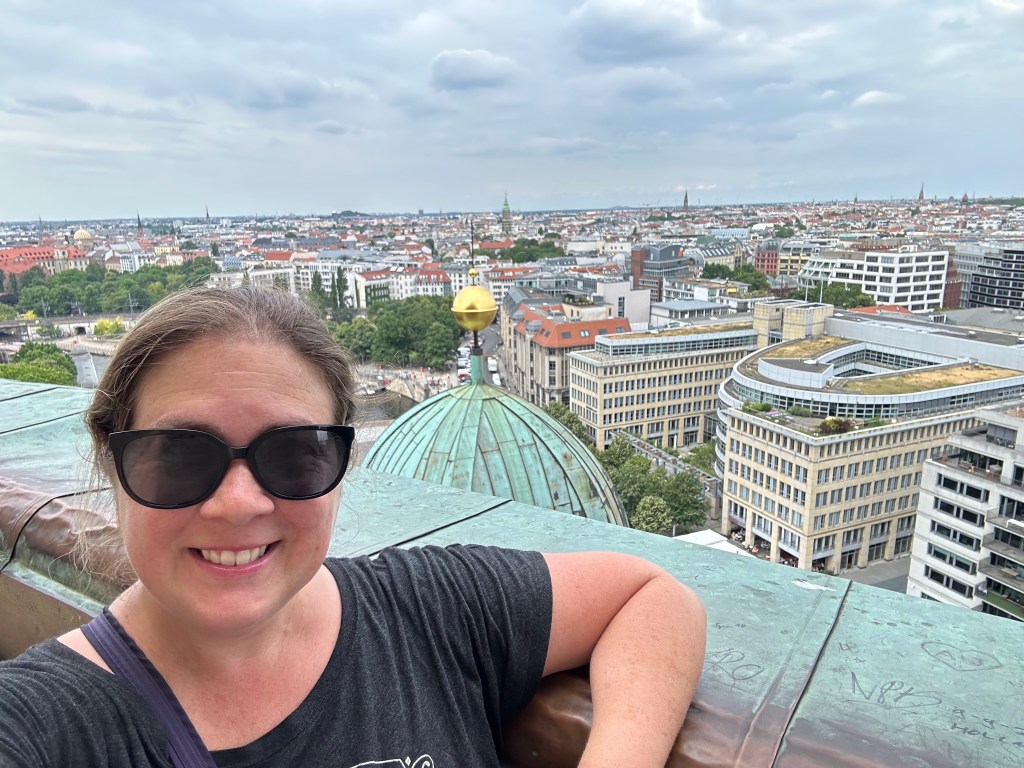
At the Berlin Cathedral I make the exhausting climb to the top to get another great view from the dome at top.

Berliner Dom

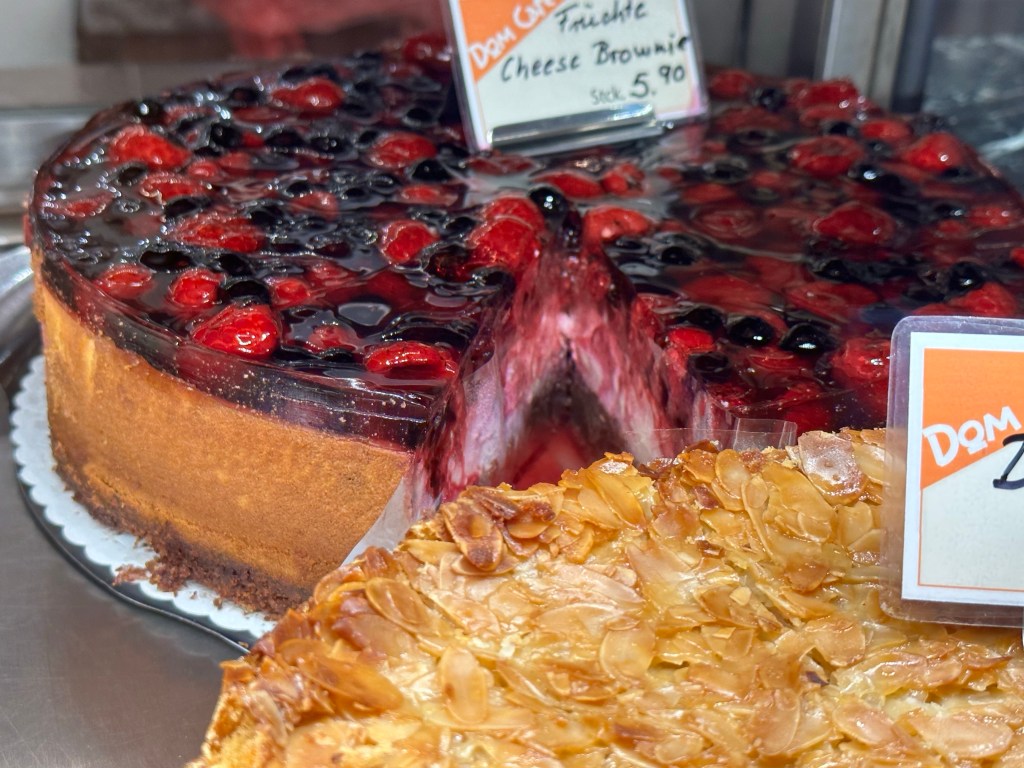
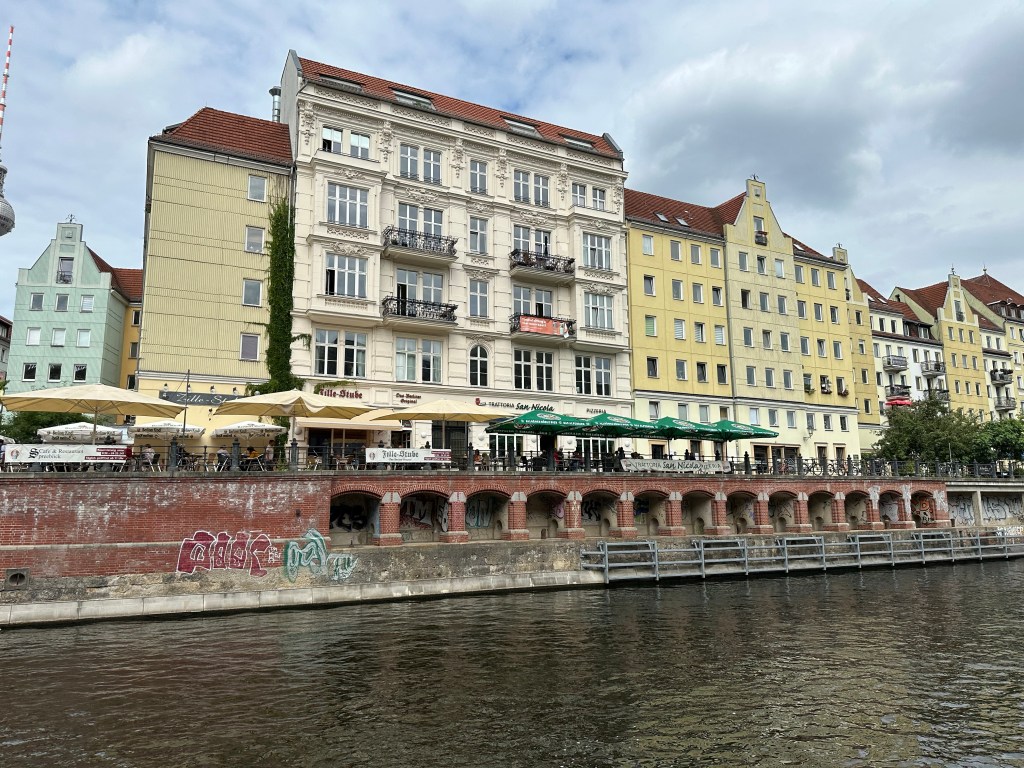
I climb back down and I am very exhausted at this point so I sit at a cafe and just stare at the water from the bottom side of the cathedral. I see two people with a fun looking cake and decide I need a piece. I watch boats and eat my cake.

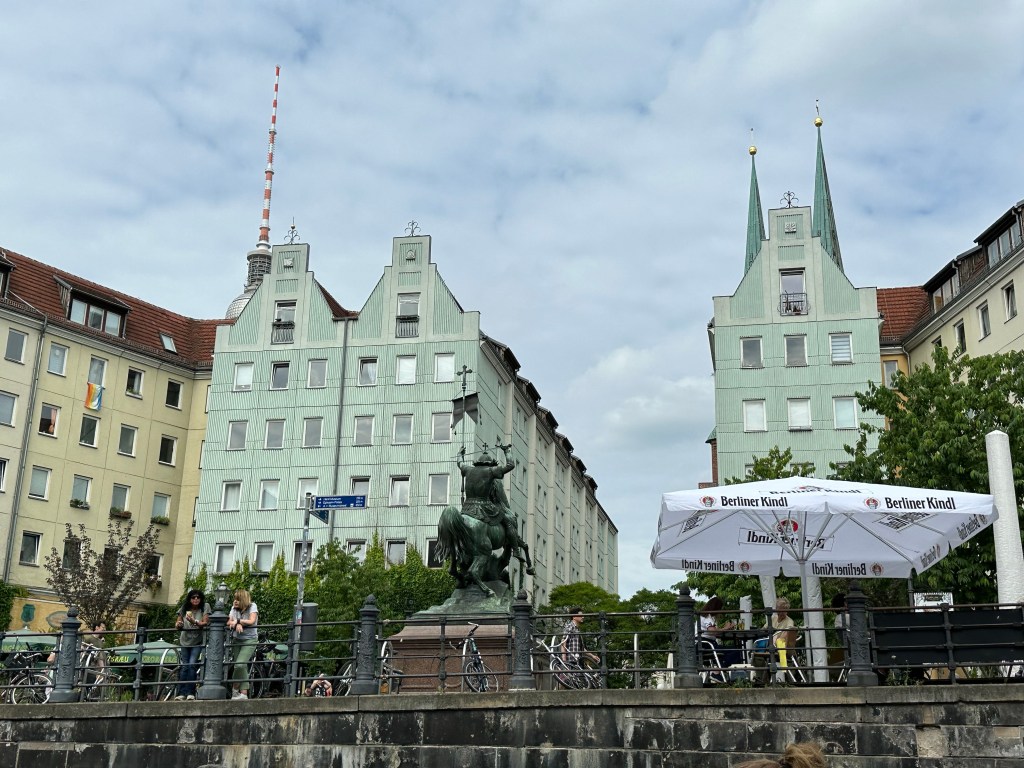
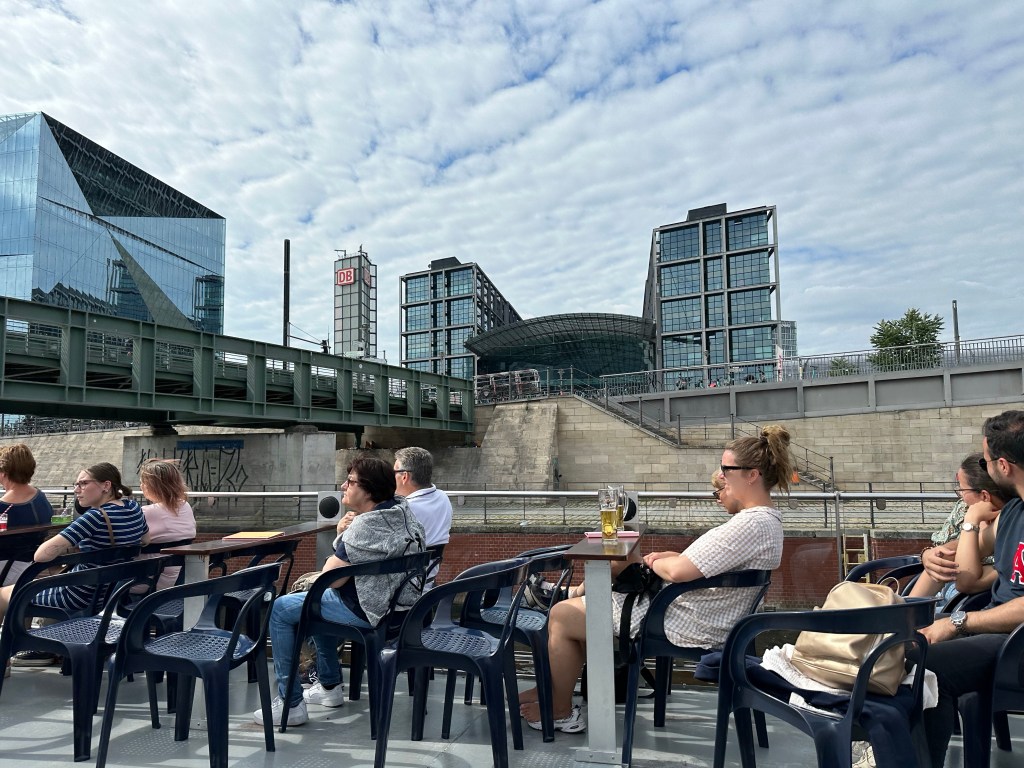
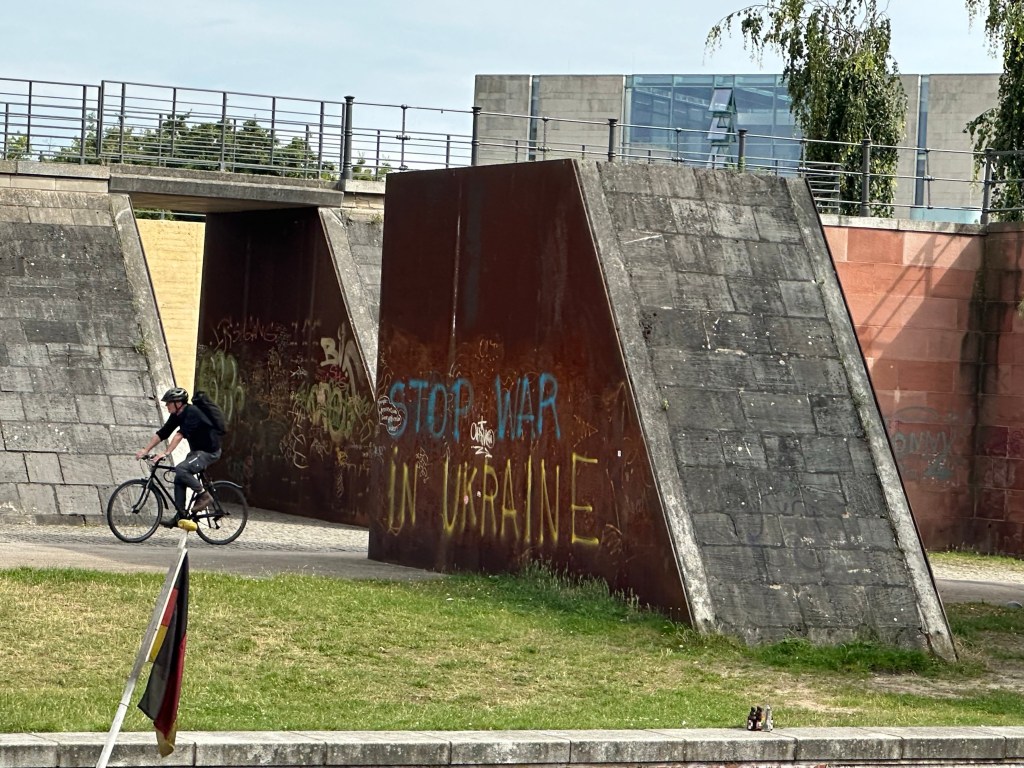
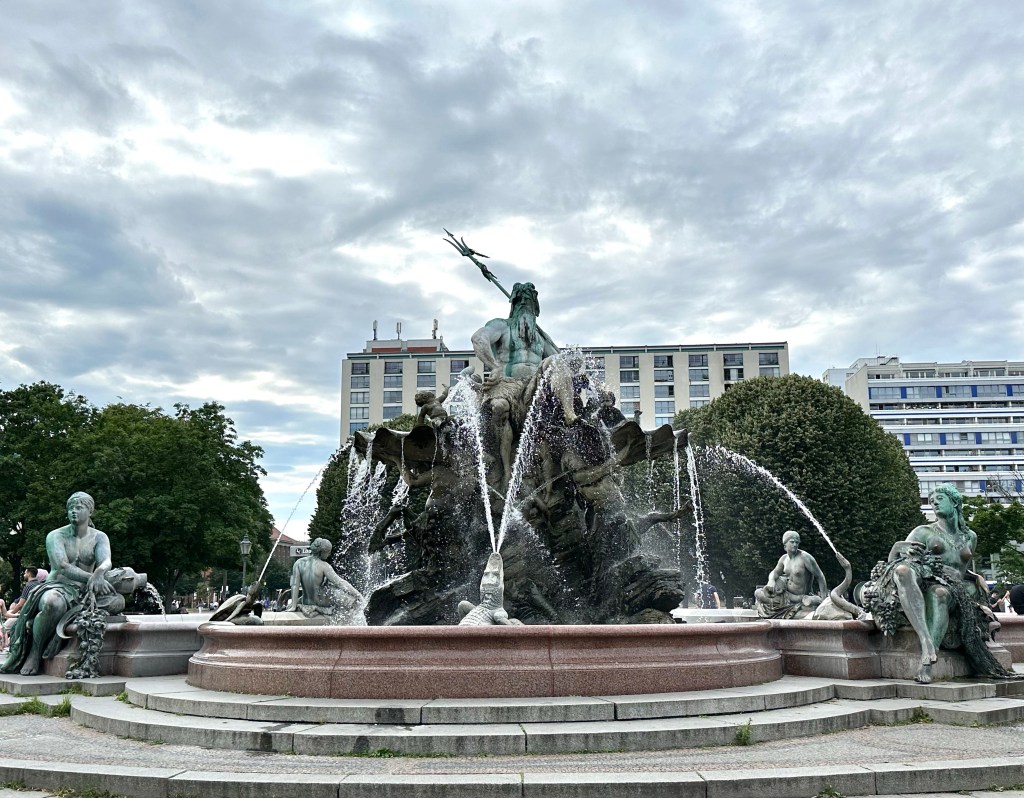
Being tired it is a good time to do a river cruise. I order a beer and listen to the commentary as we float. I am regretting my decision of wearing a dark colored shirt because the sun is baking me at this point. I cheer on all the clouds.

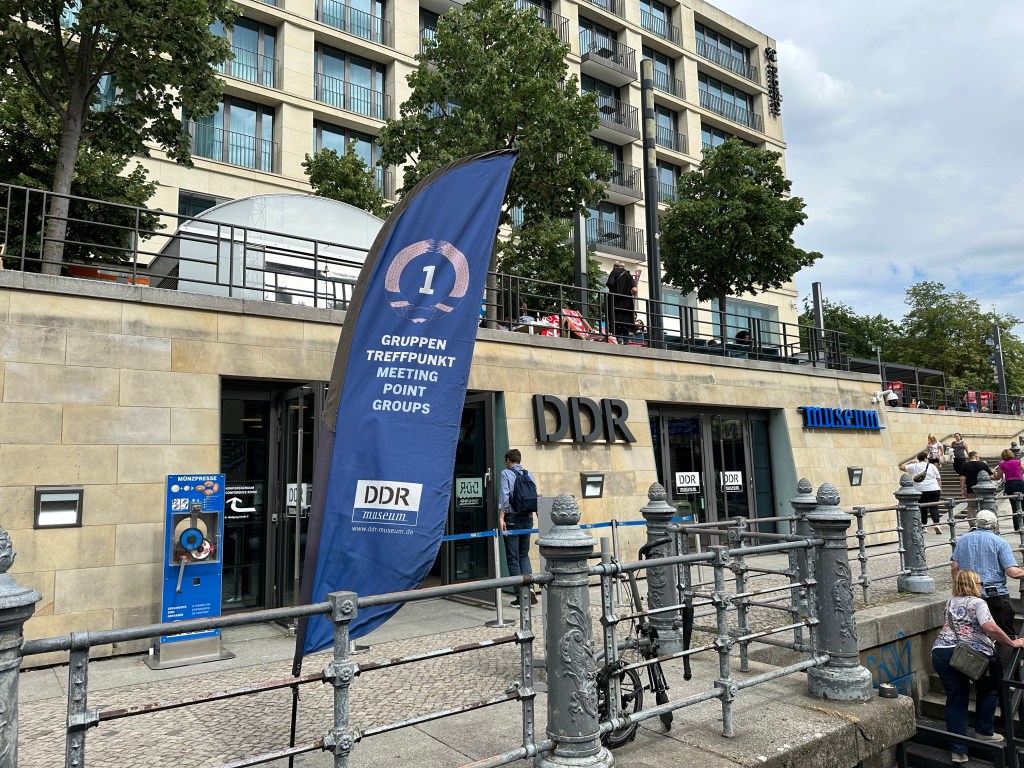
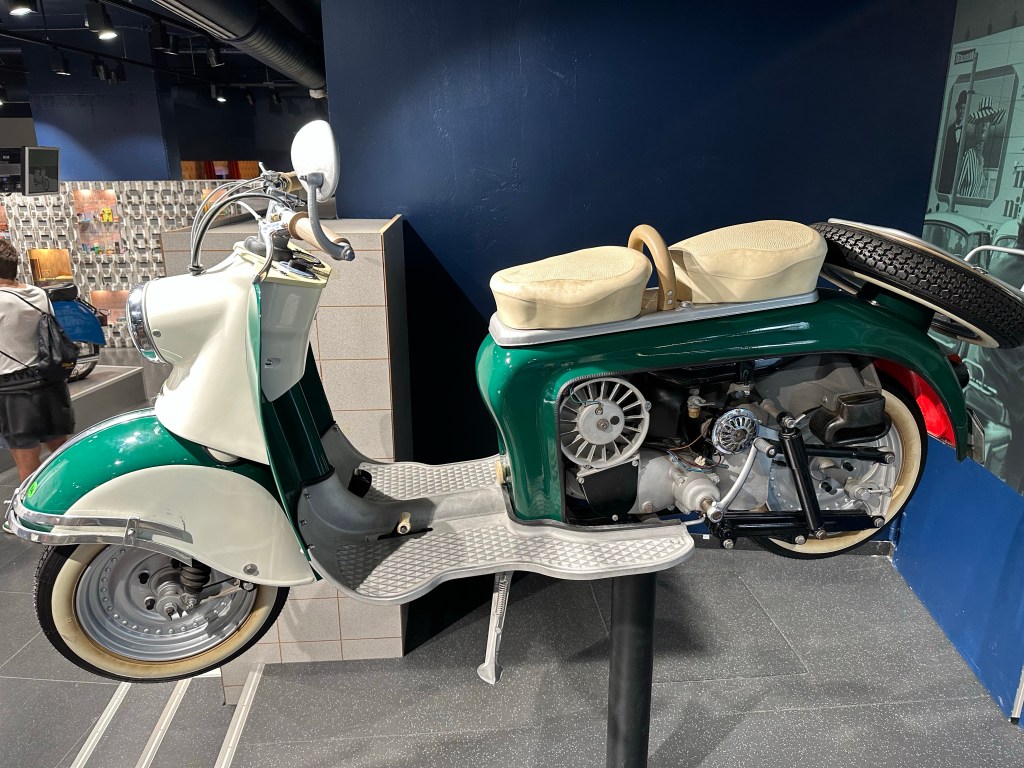
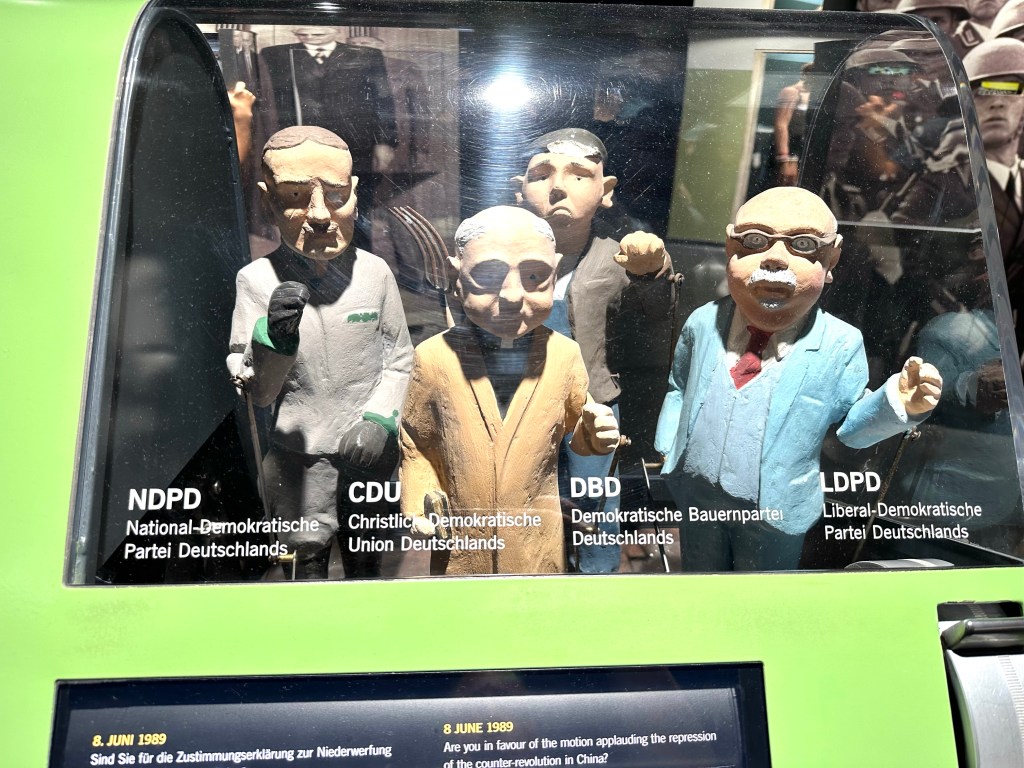
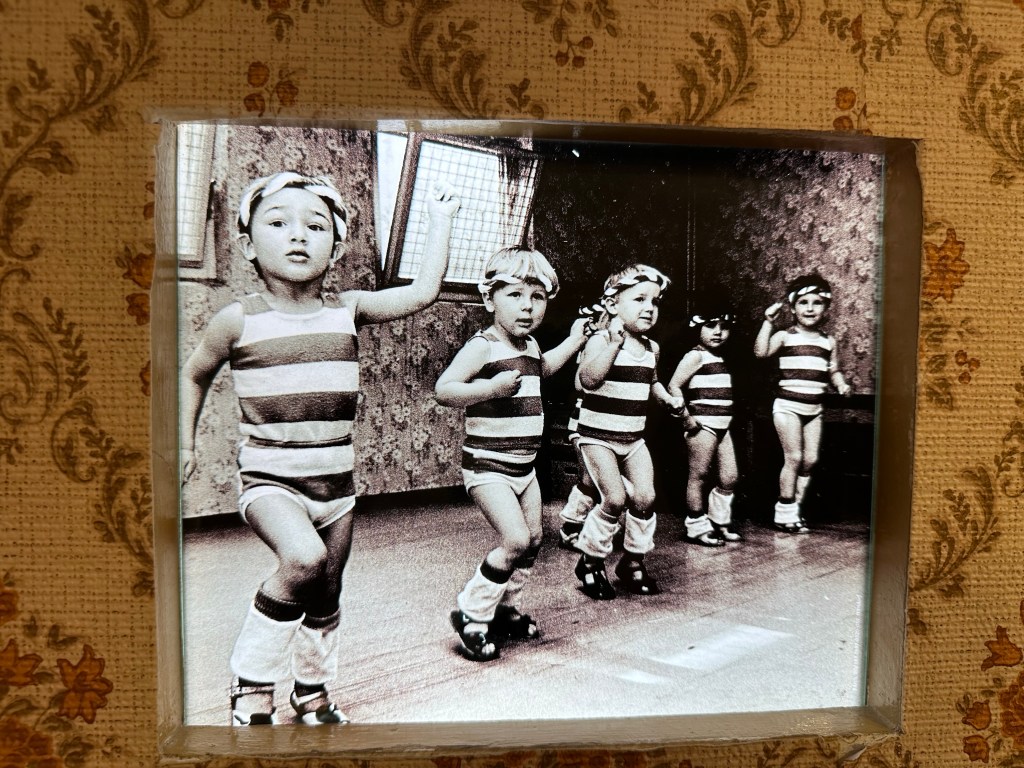
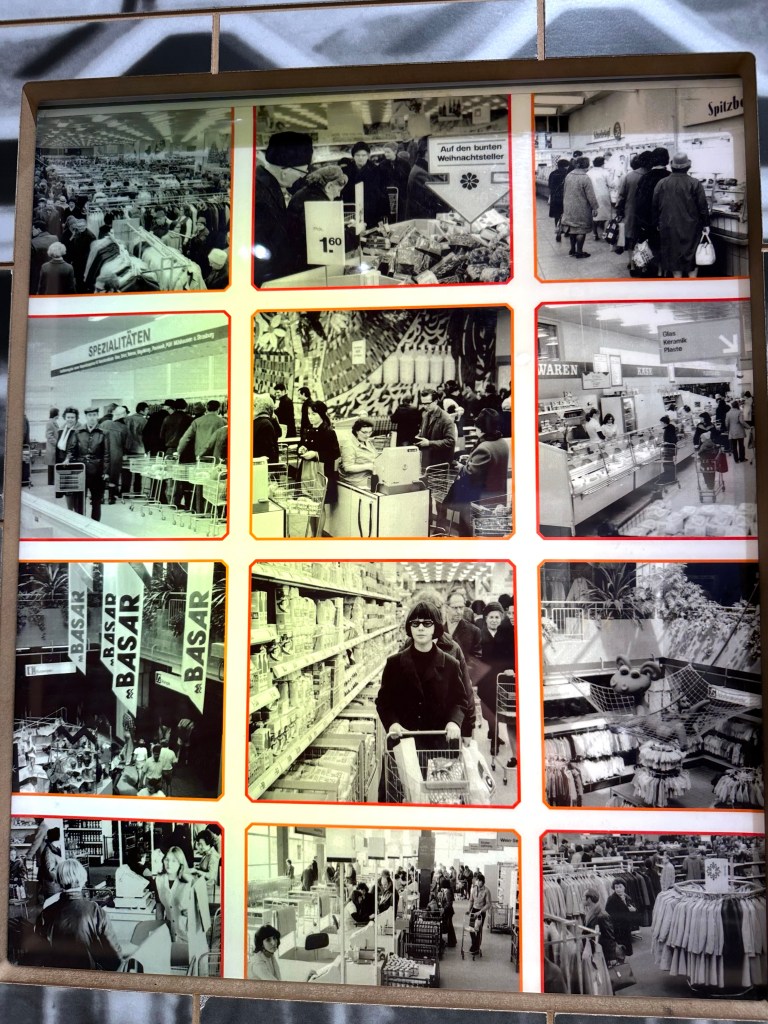
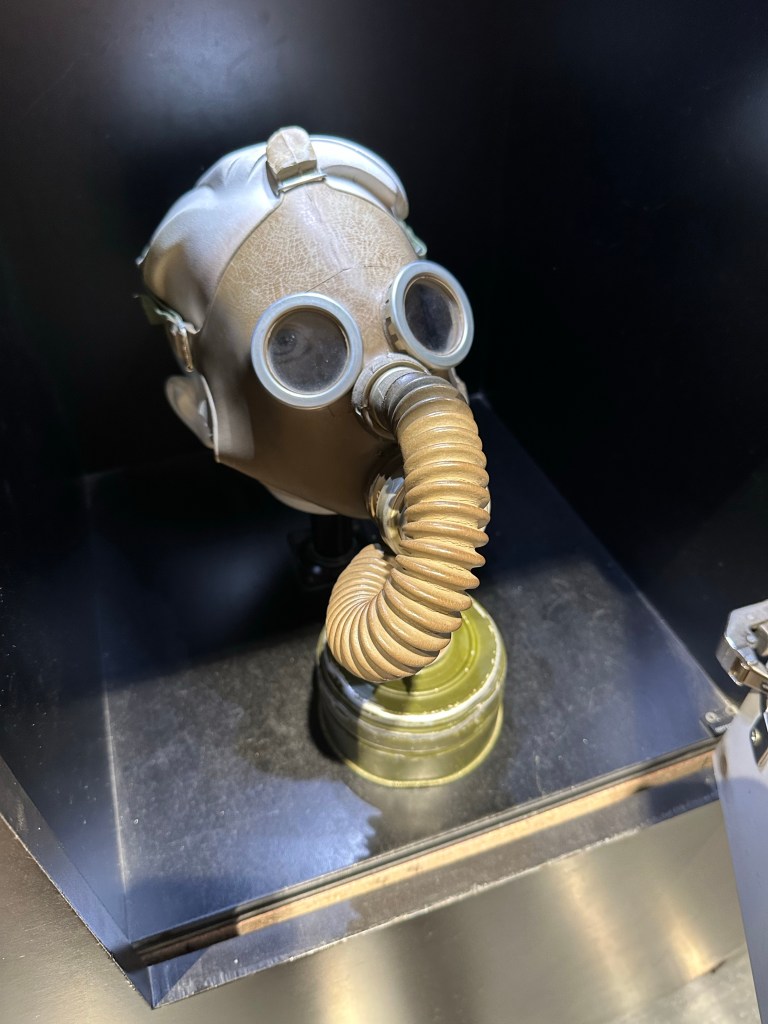
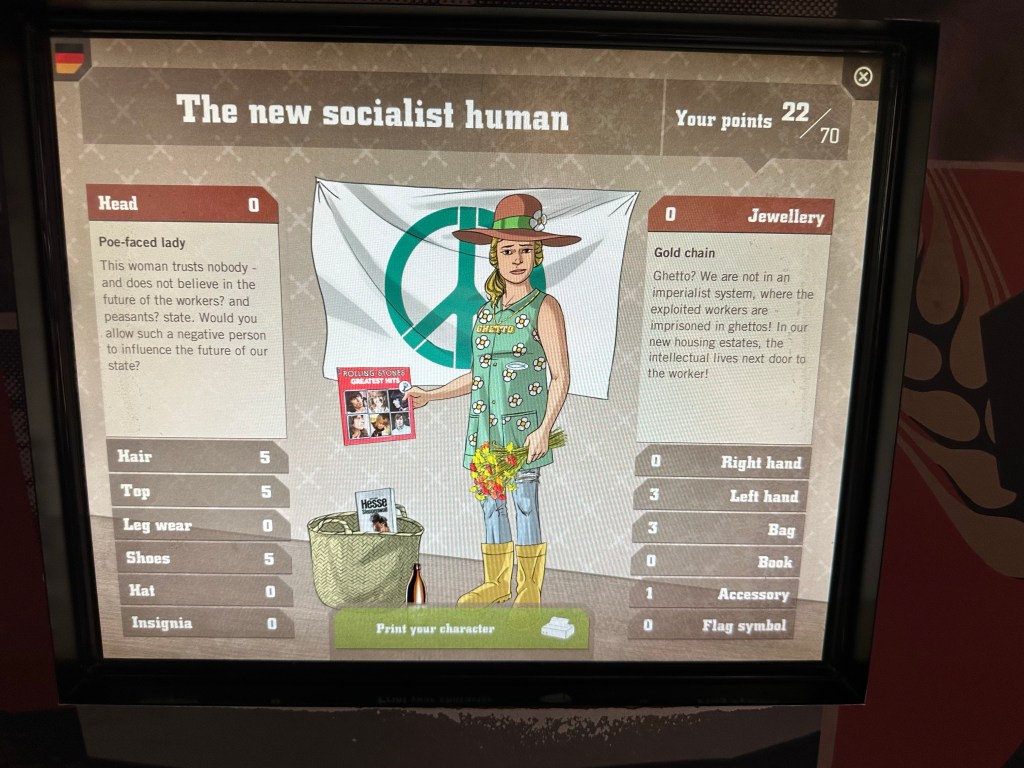
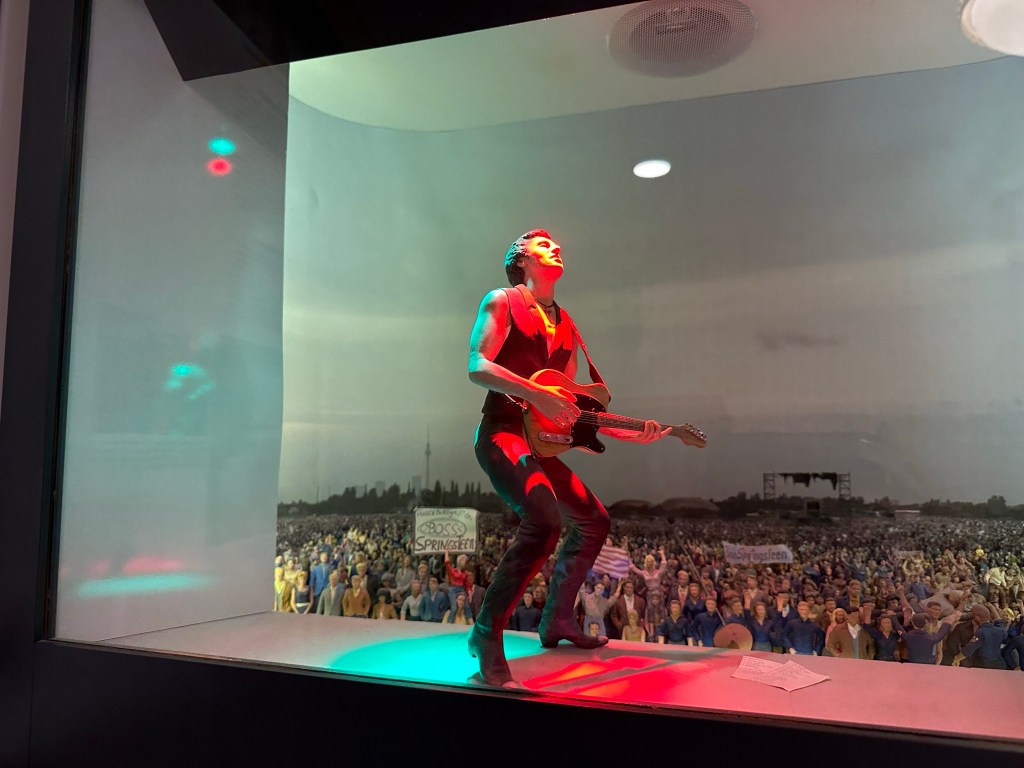
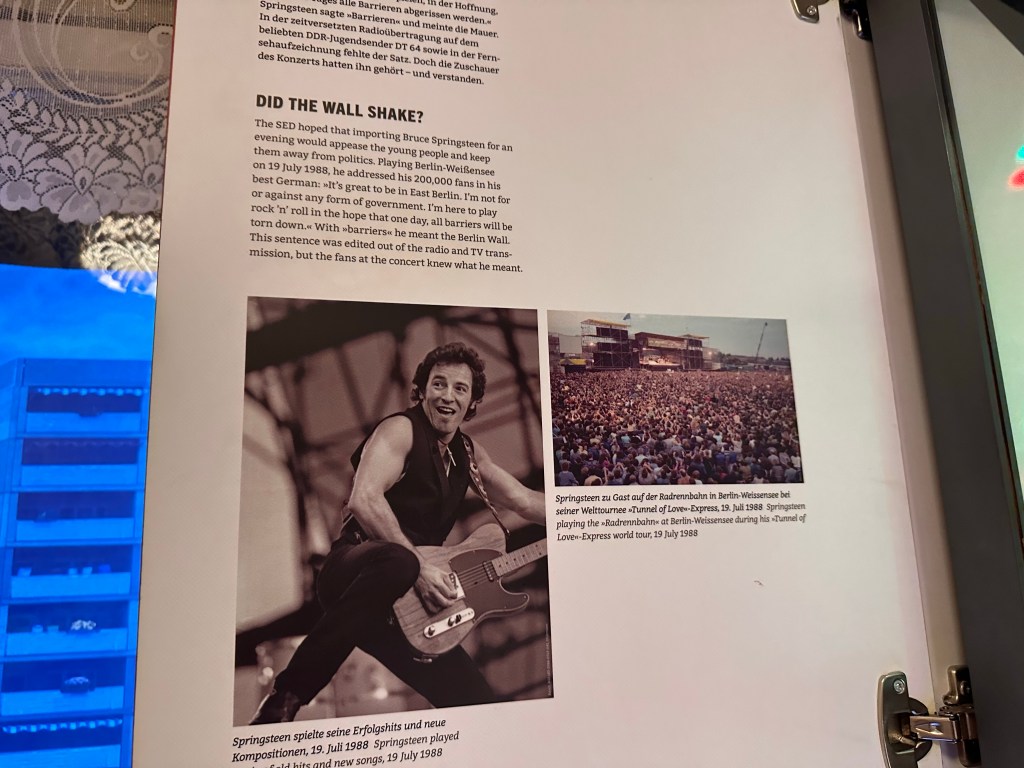
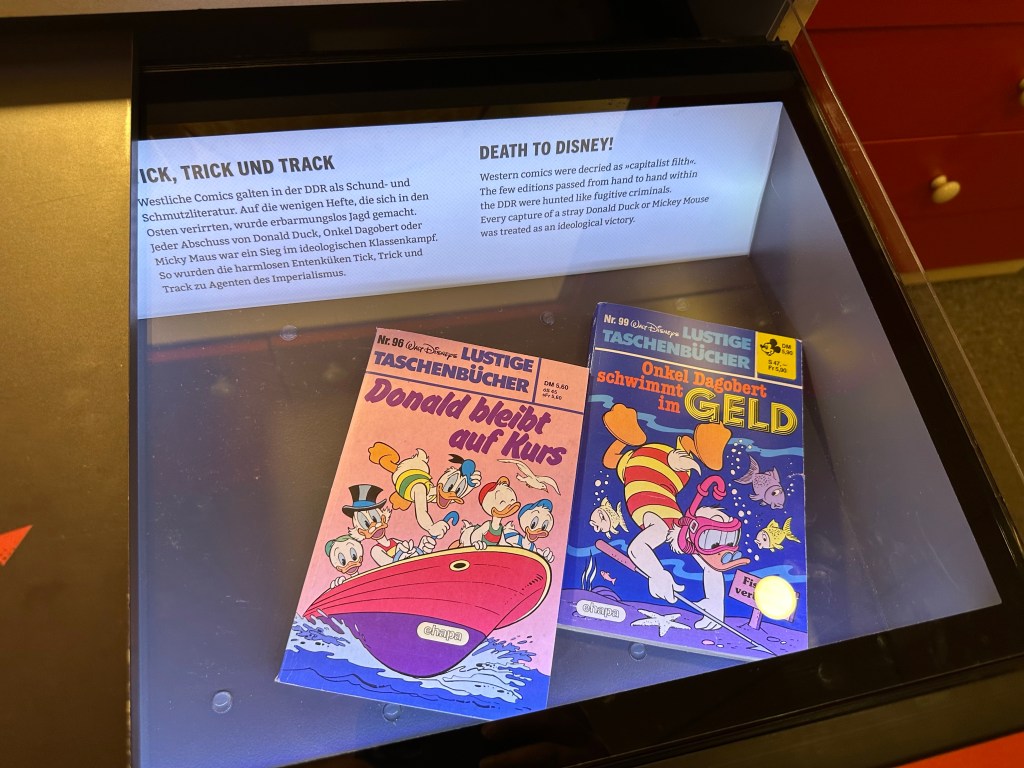
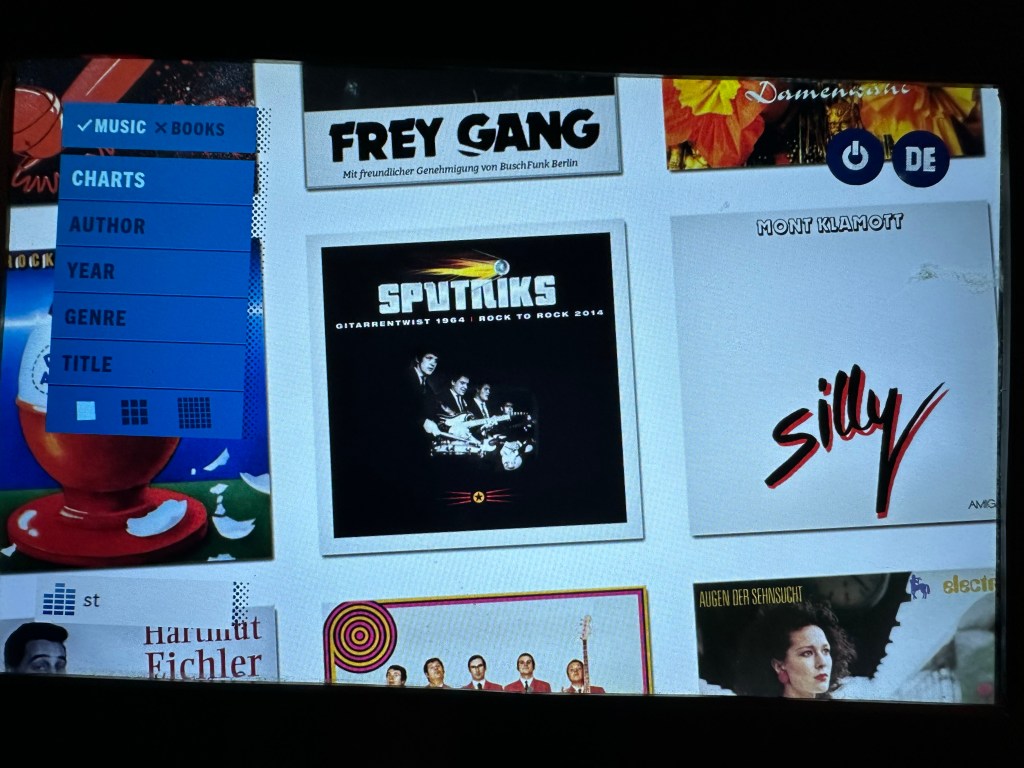
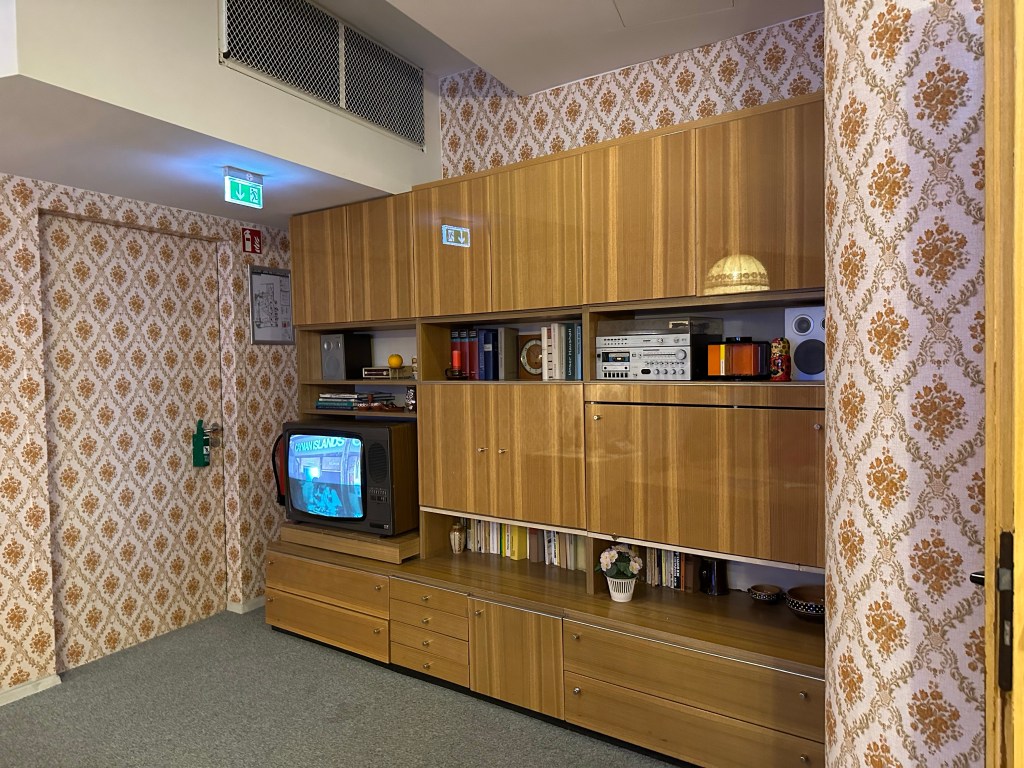
Where my boat exits is the next museum I visit, DDR, a interactive museum about life in East Germany during soviet occupied times. It is educational and kitschy. I have fun here for a little while.

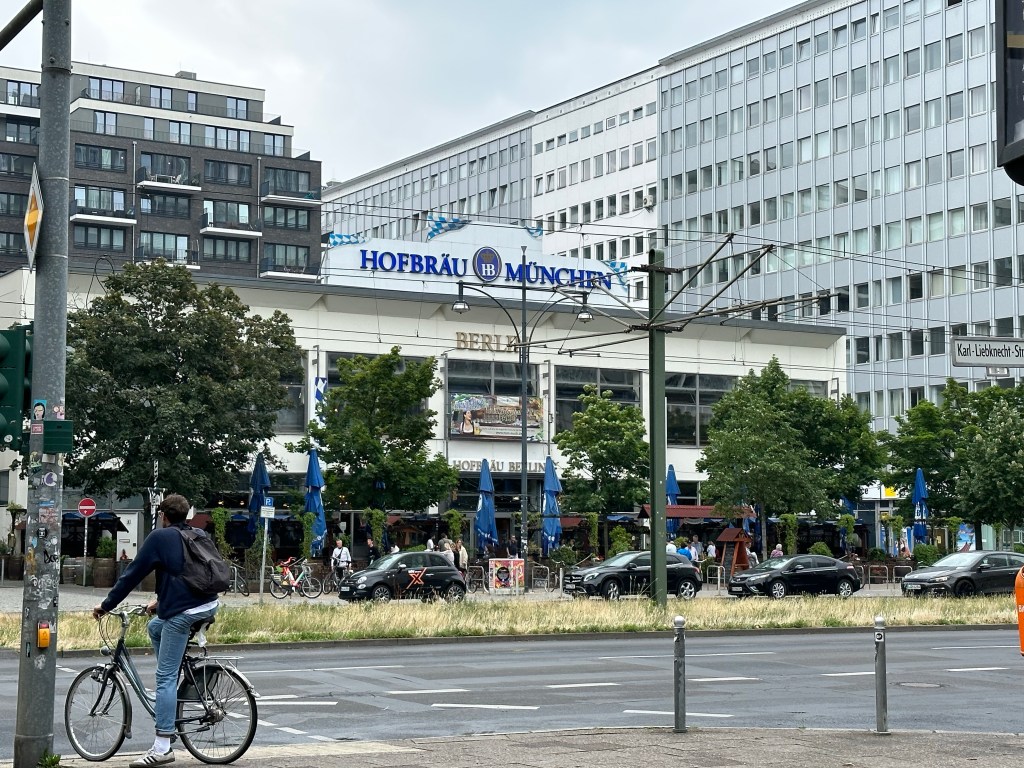
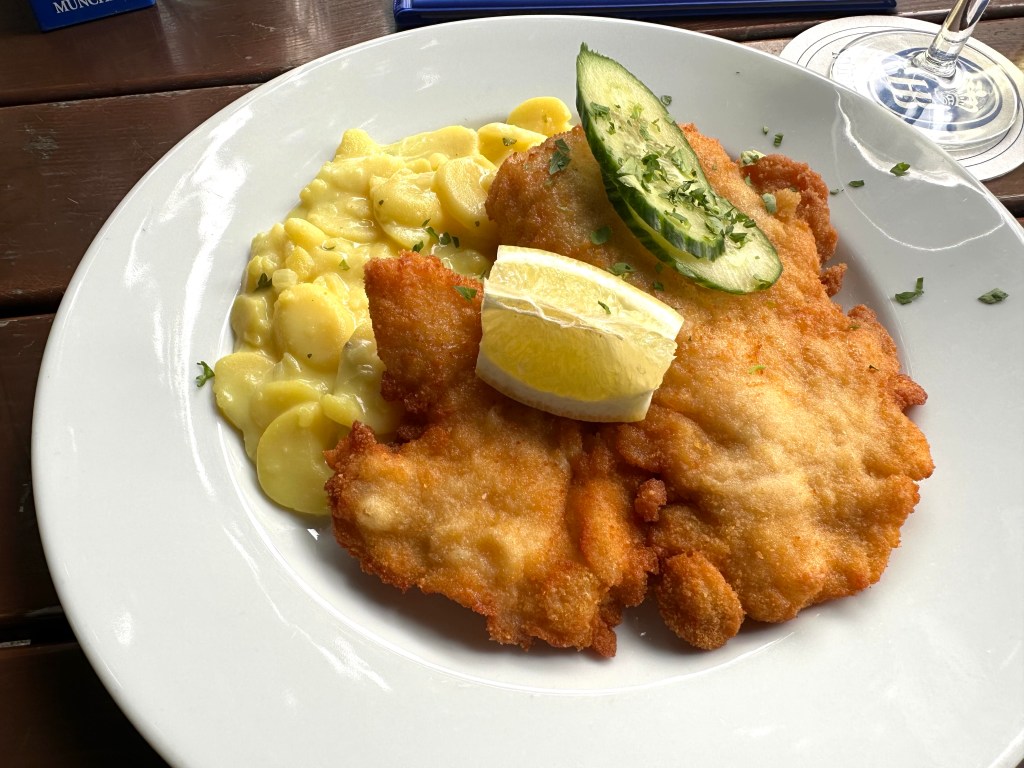
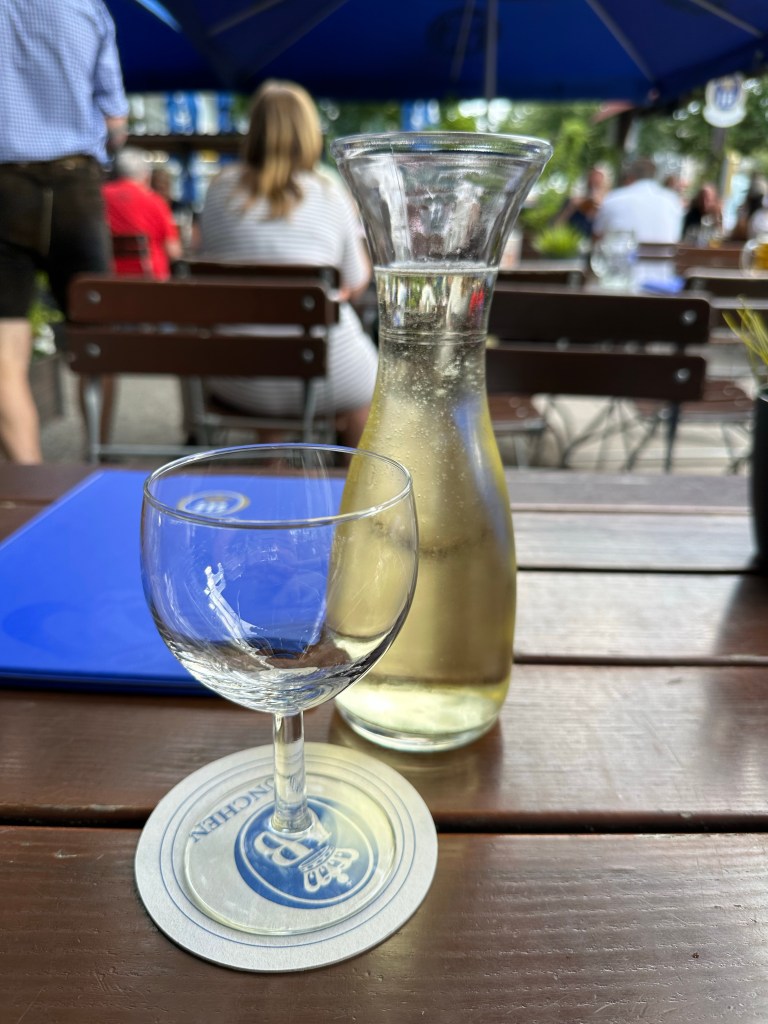
My energy is almost down to zero so I walk back toward my hotel. I stop in a tourist beer garden for dinner. I try to eat healthy by ordering the asparagus special but they are out of it. Being sick of eating salads lately I decide on a very unhealthy chicken schnitzel and lots of wineโ€ฆ.I know I *should* be drinking beer in a beer garden but canโ€™t handle multiple beers much anymore.

Itโ€™s been a long sightseeing day so now its time for bed.