

This morning I’m walking to the Museum of World War II. This must do for Gdańsk is the most thorough war museum I have ever visited and takes about three hours for the audio tour.
I also schedule a walking tour for this afternoon of the main town.
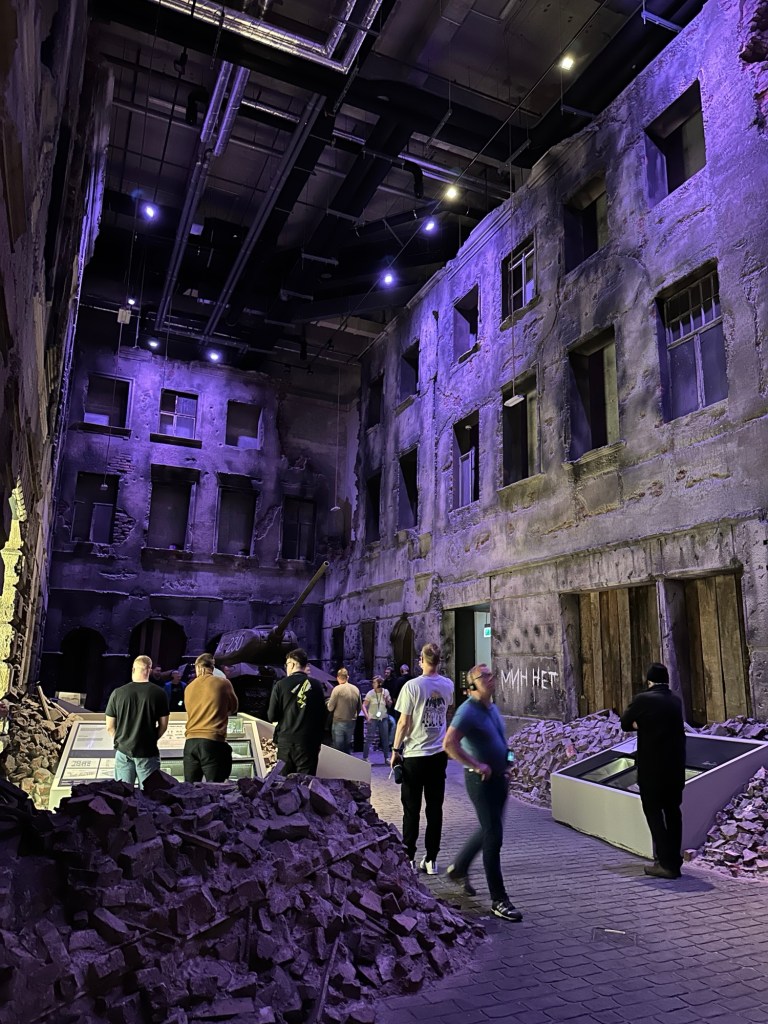
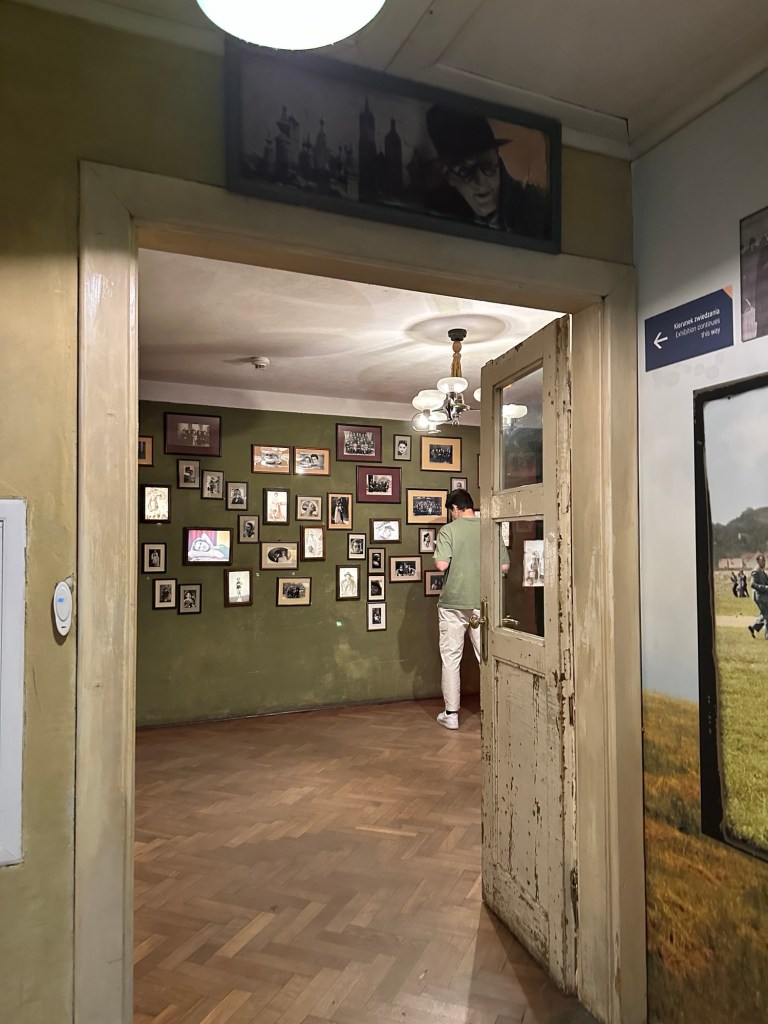
I arrive the Museum of the Second World War right at opening and have purchased my ticket and audio guide in advance. Arriving at opening is advisable because this museum is huge and covers lots of information. It gets very busy as the morning passes. The museum gives all the reasons for the war, all the players, and the aftermath. Sure you might see a little more information on how the war affected Poland than other similar museums but it also goes into how the way it affected other territories like the Balkans, Baltic countries, and even those effected by Japanese invasions.


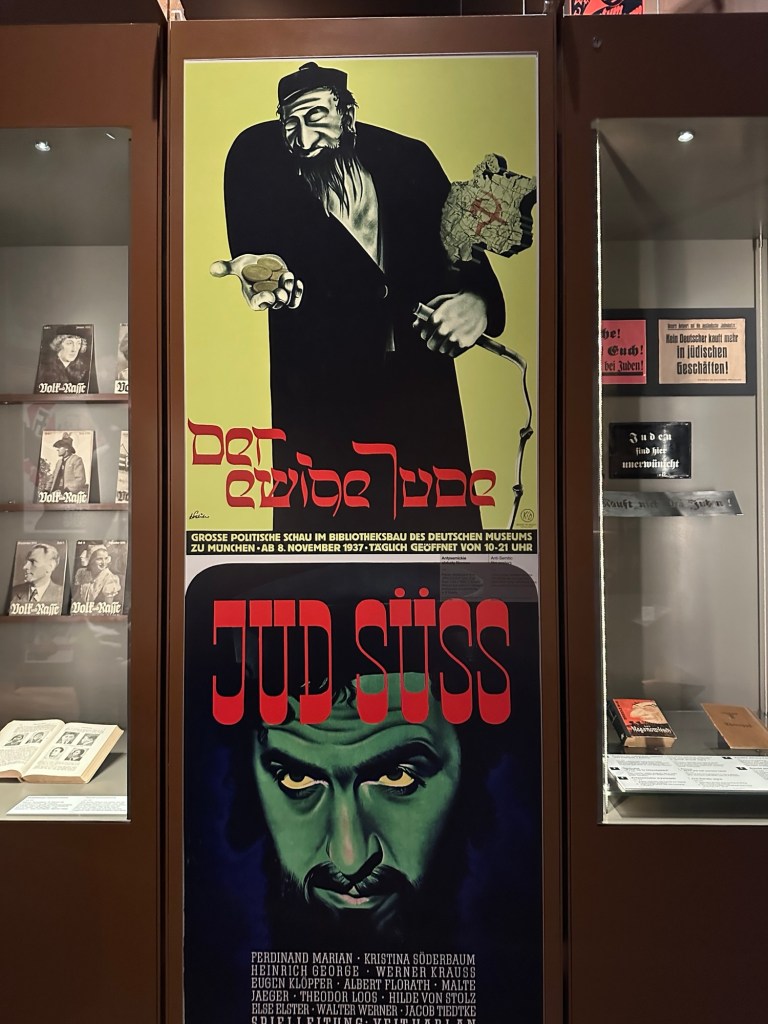
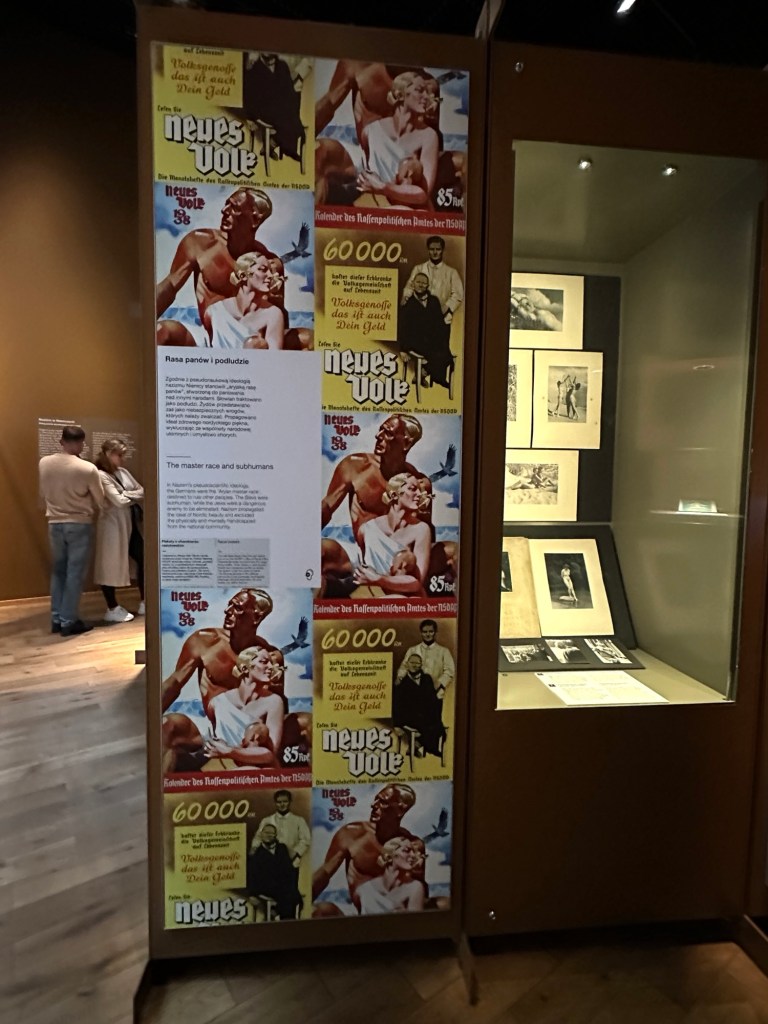
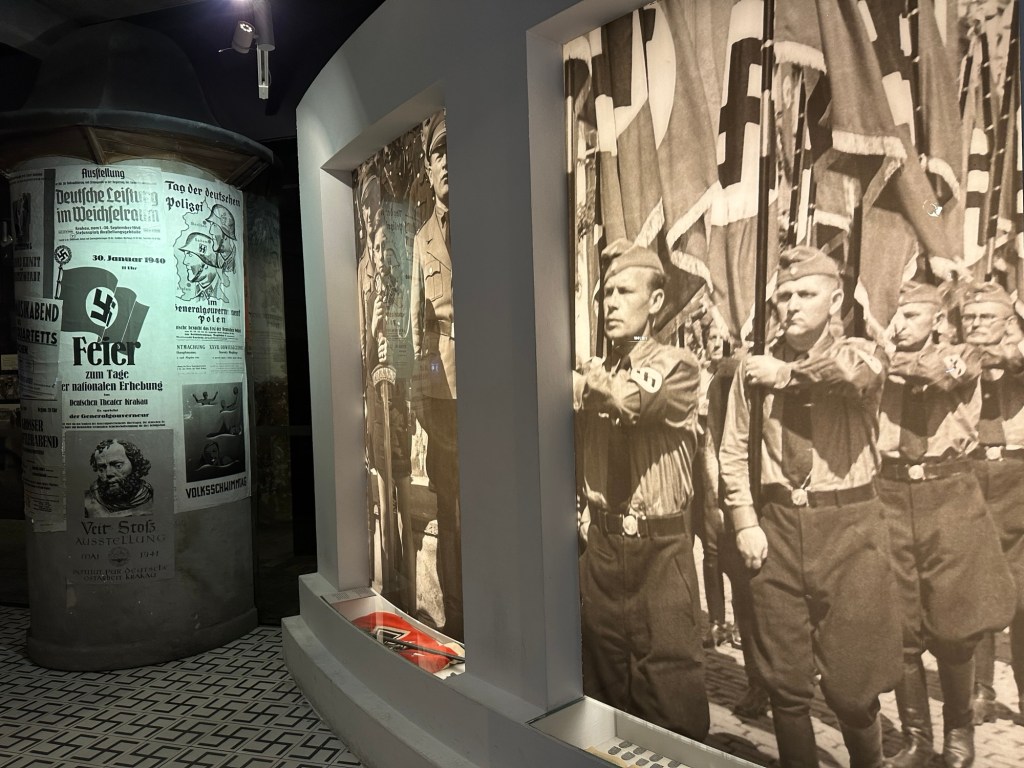
I always enjoy propaganda posters.

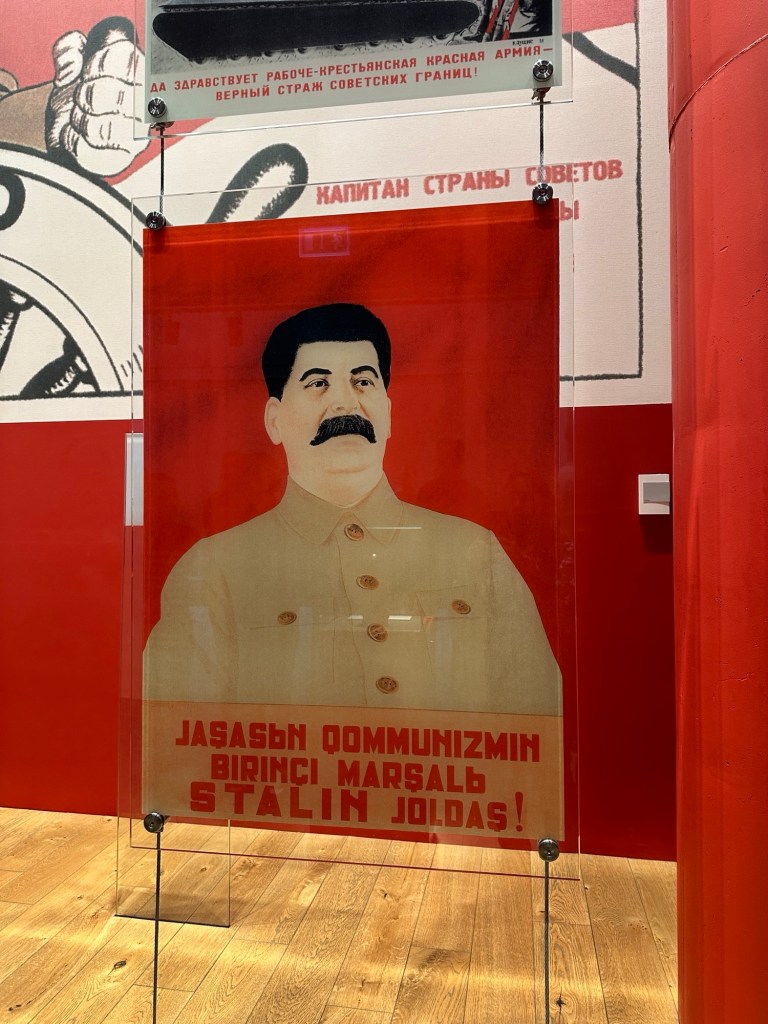
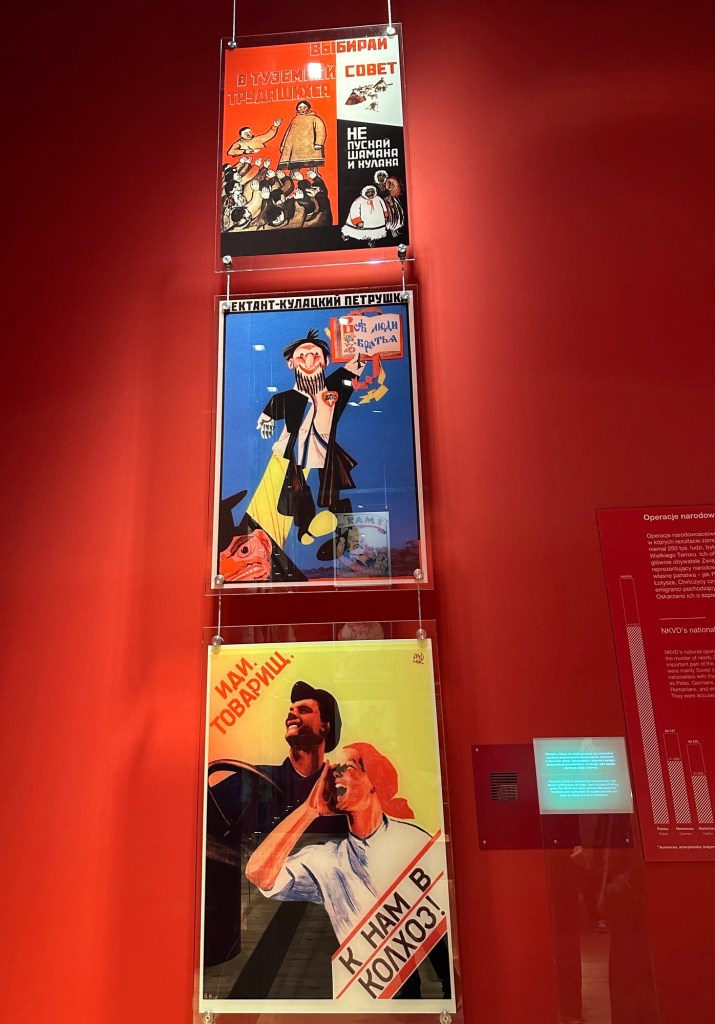



I learn the ways the Finnish people tried to stop the Soviet Union from invading.

More exhibits
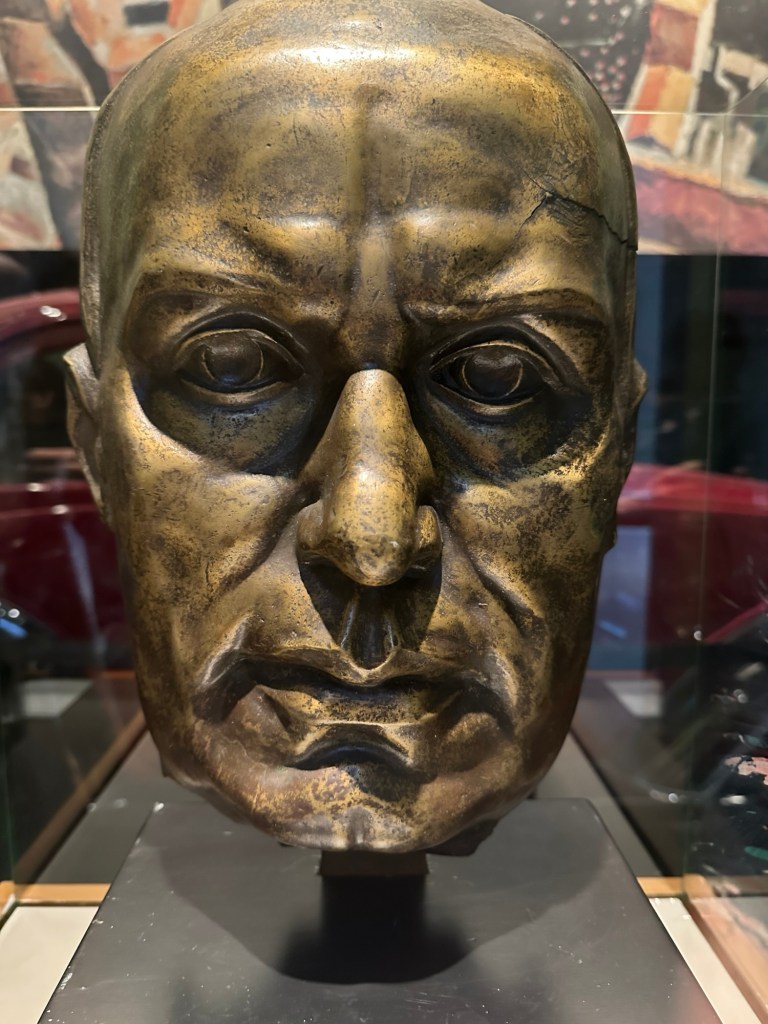


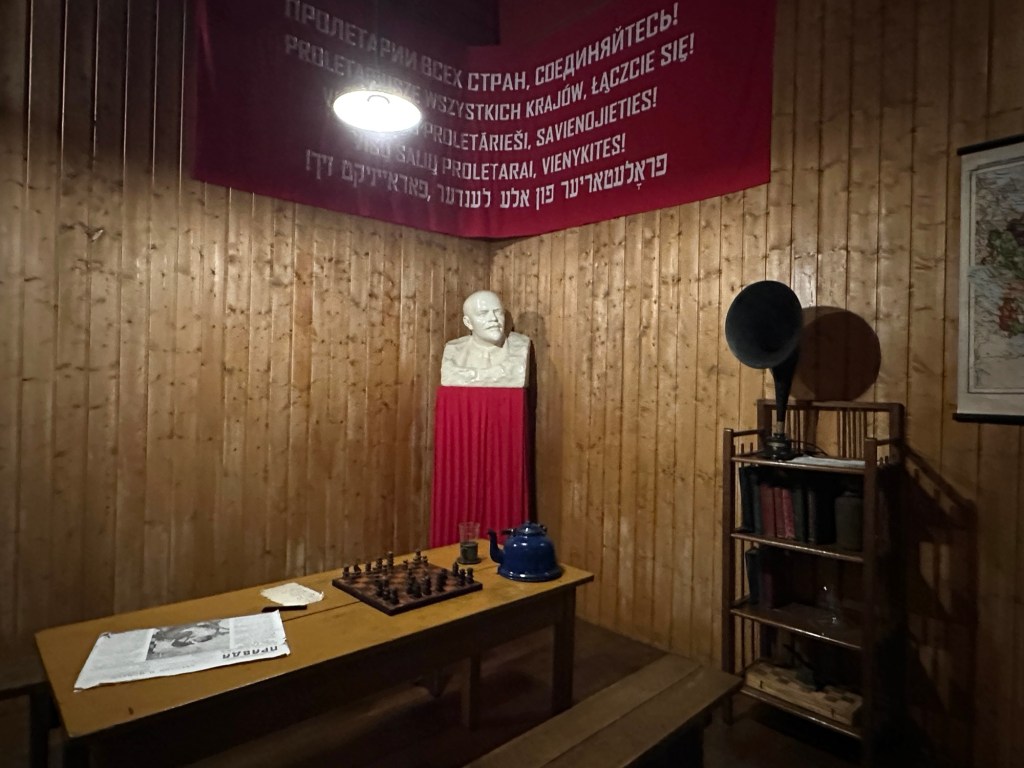
I learn how every Soviet territory has a little red corner for Soviet materials.
The museum also talks about Japan’s role in the war. There is a particularly disturbing exhibit on Japanese brothels during the war.

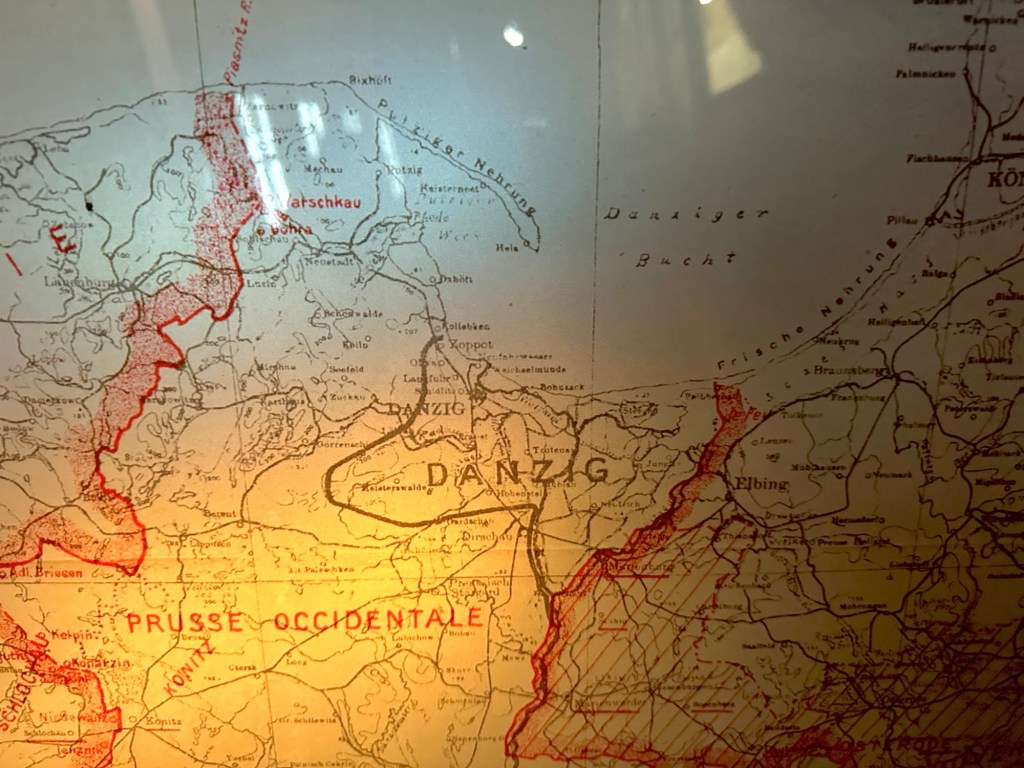
Gdansk is talked about as well as Poland. After WWI the treaty of Versailles took Gdansk, which was predominately German at the time and made it the Free city of Gdansk (but tied to Poland). All of this makes more sense when I learn about the efforts to defeat communism that has origins in Gdansk later on. During WWII since most in Gdansk were German speaking and Gdansk is also called Danzig in German.

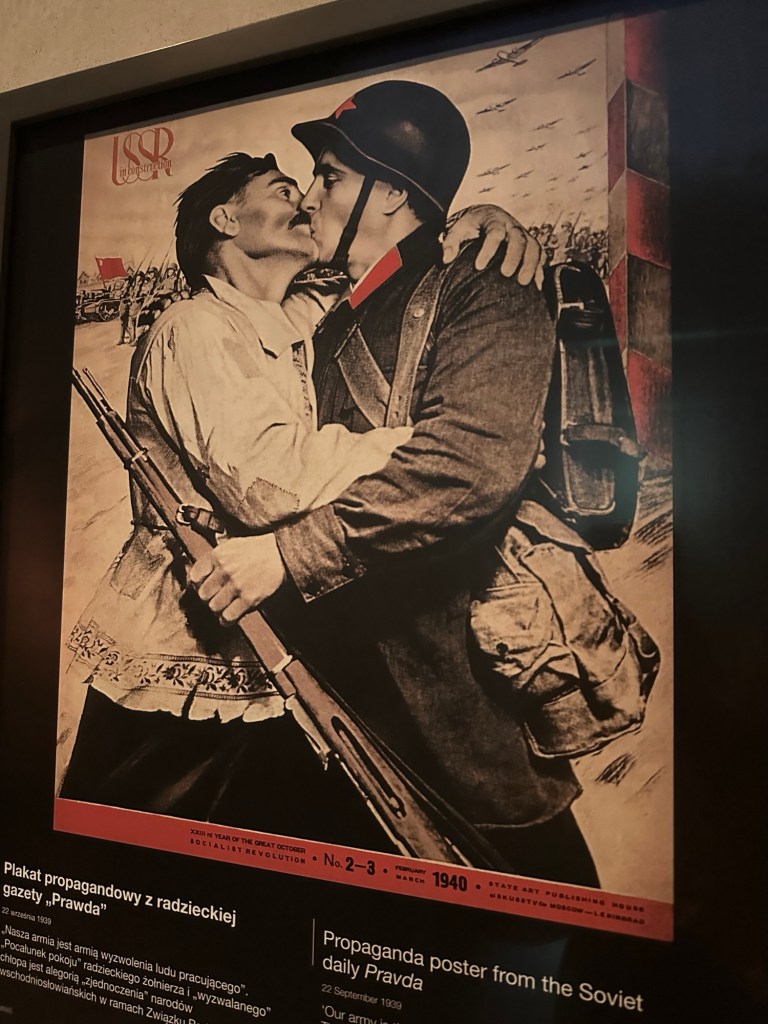
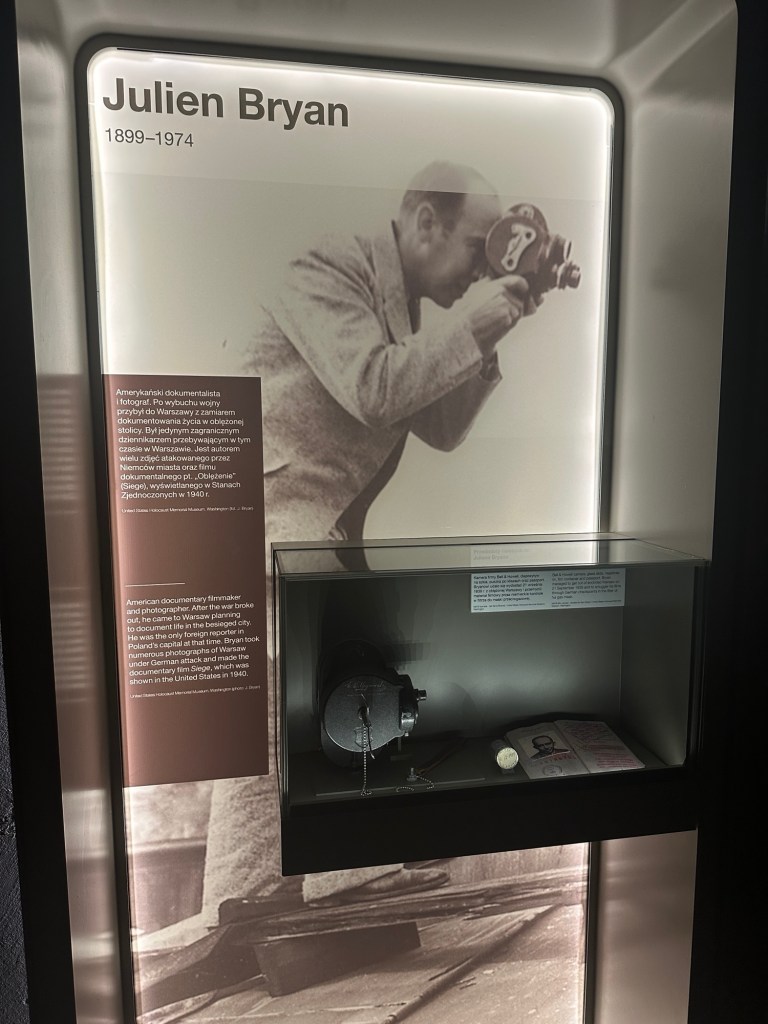
An agreement was made to partition Poland by the Soviet Union and Germany. There is an exhibit to show the divide.
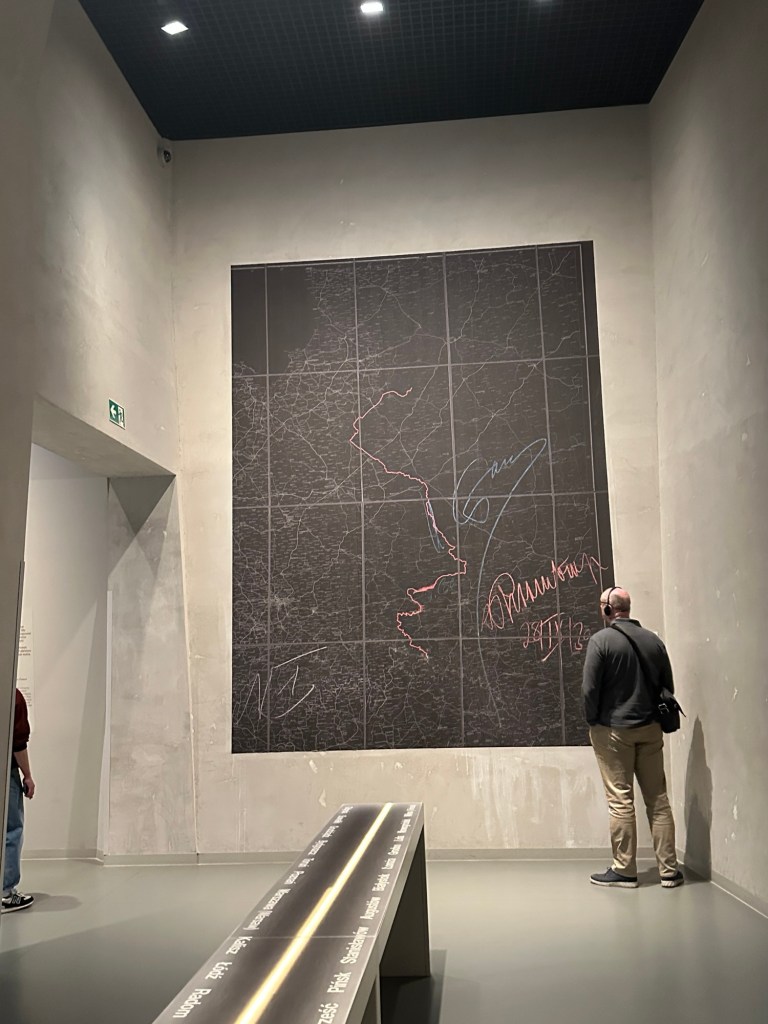
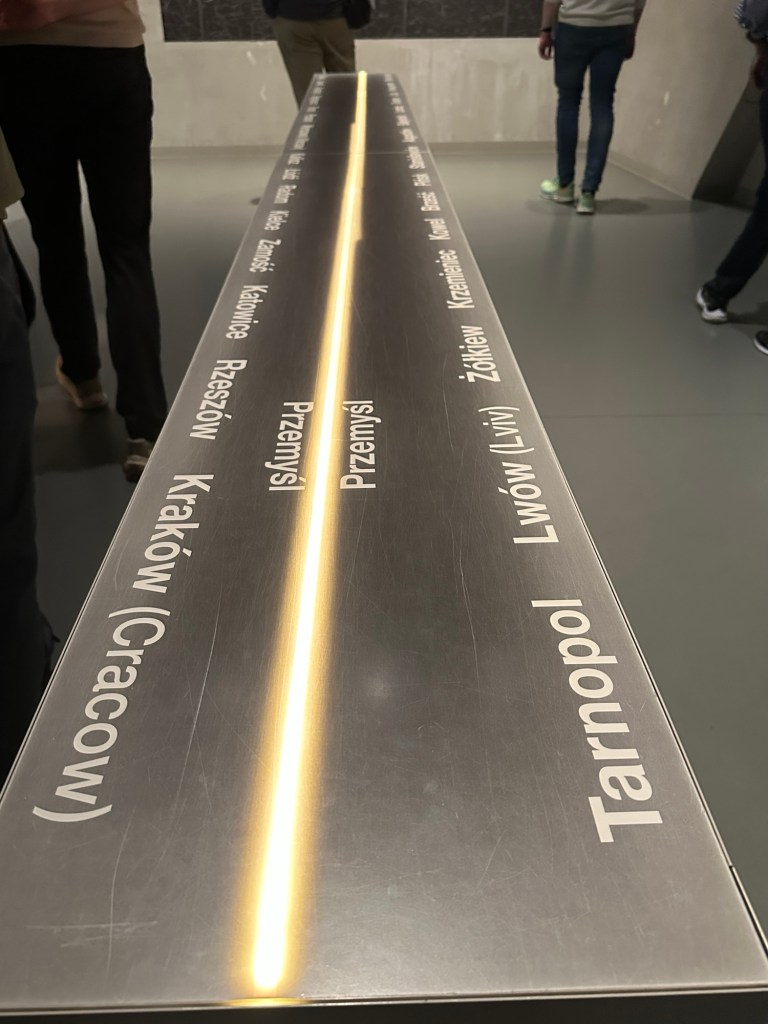
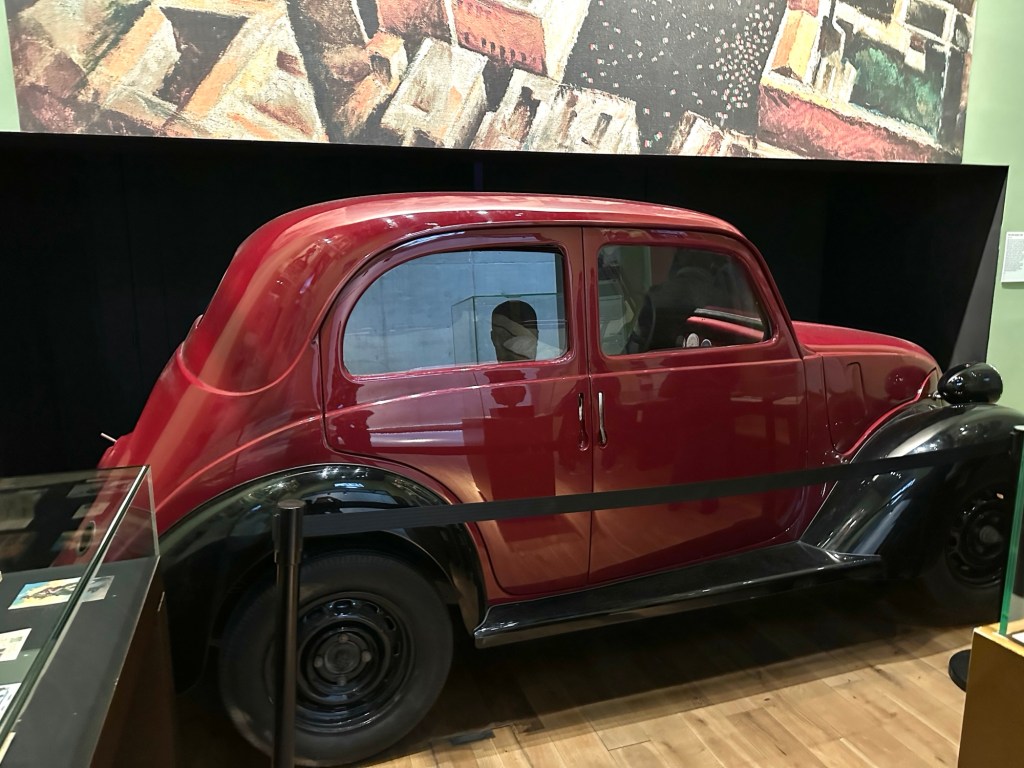
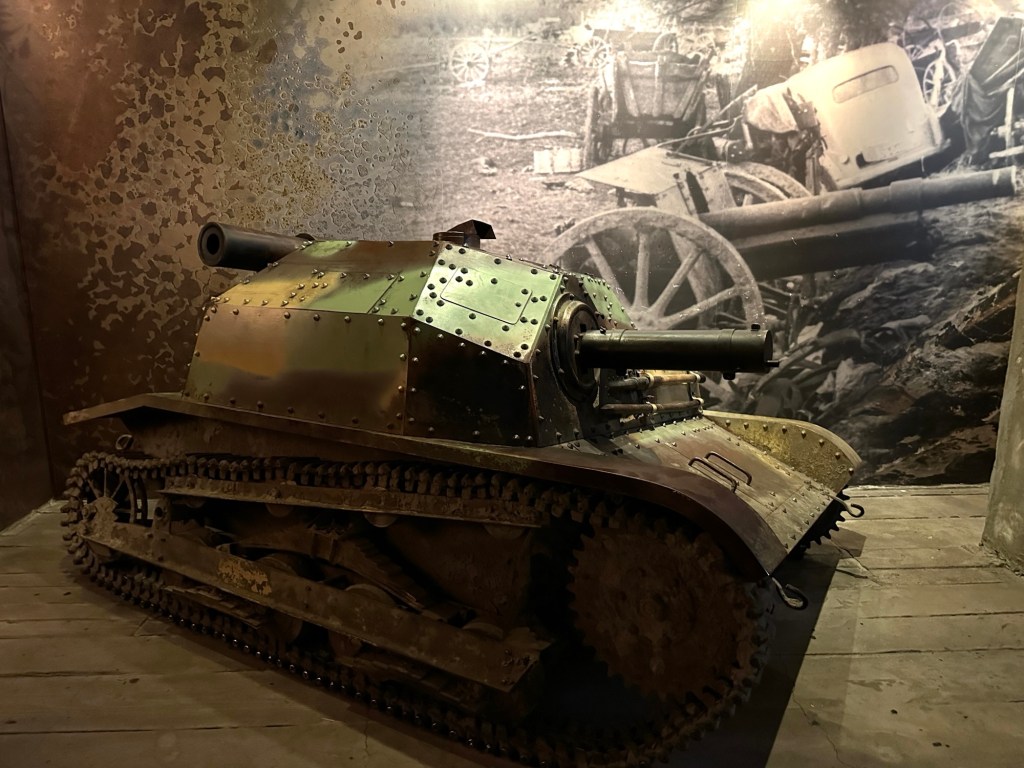
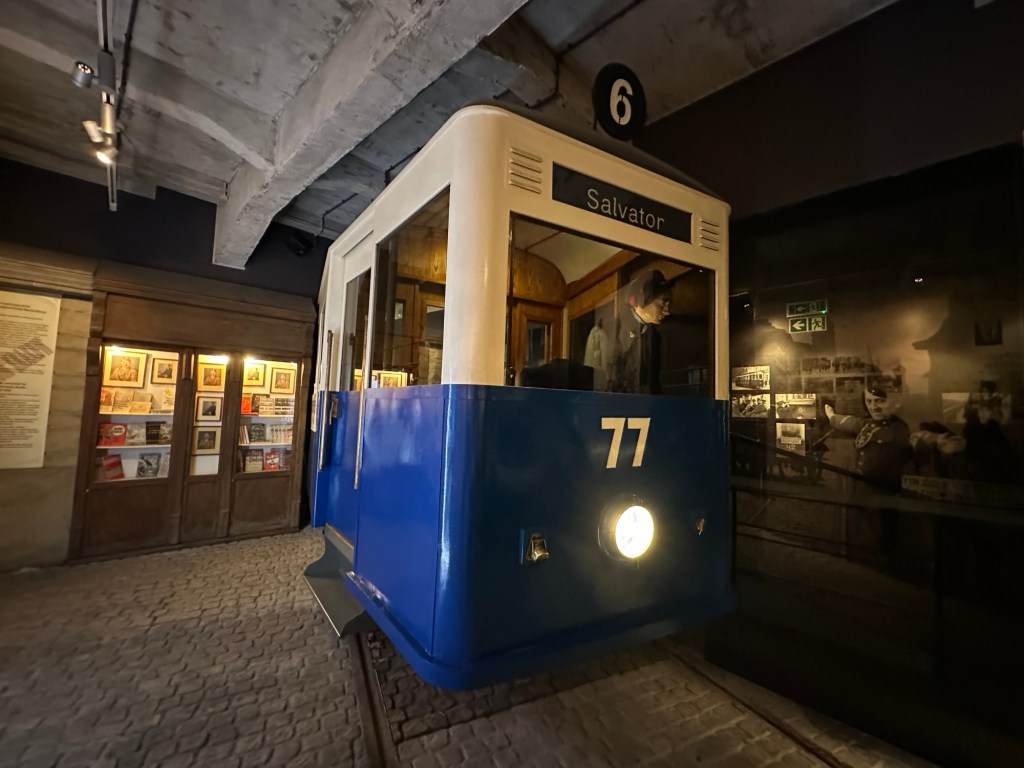
More war related exhibits


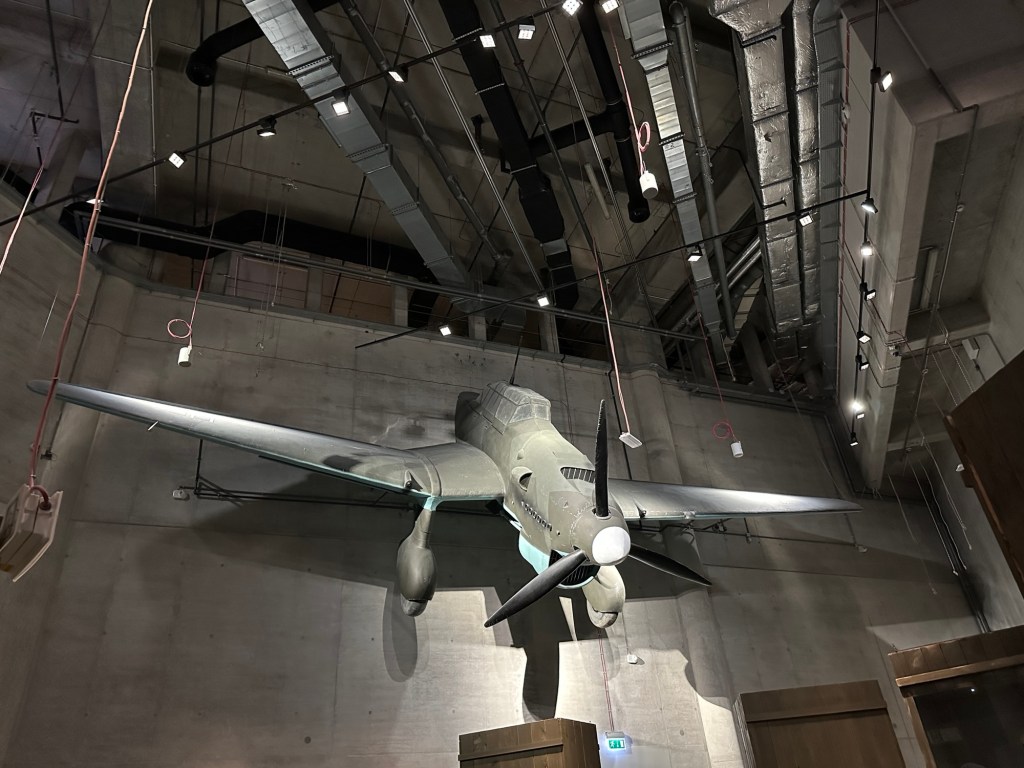
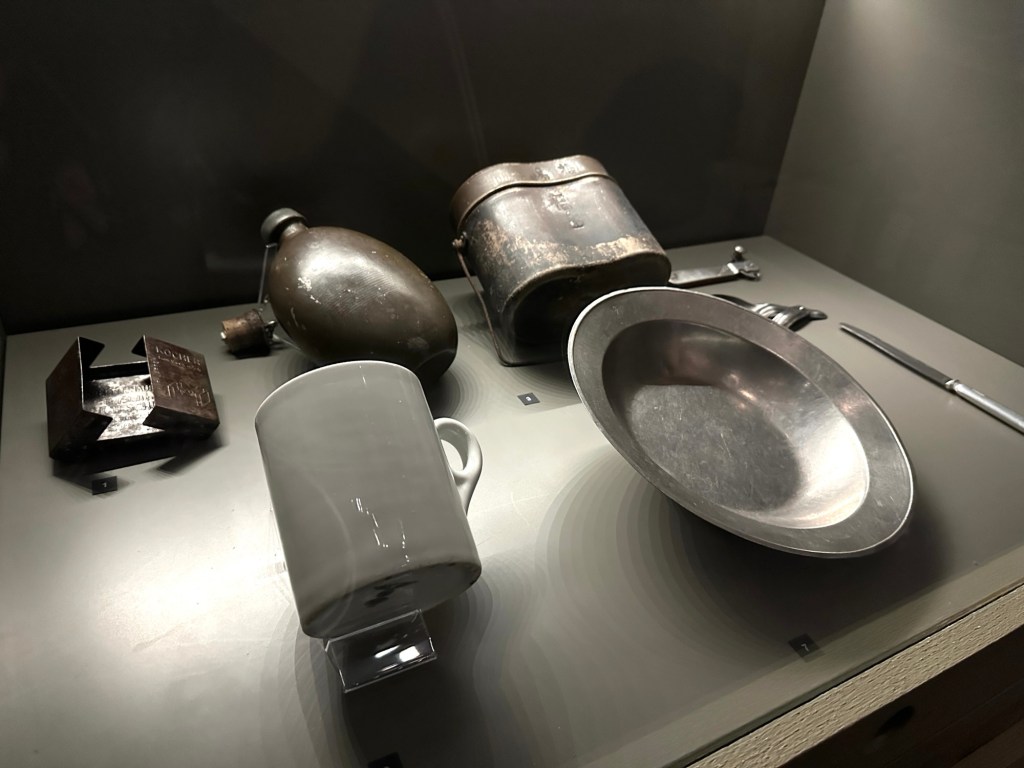

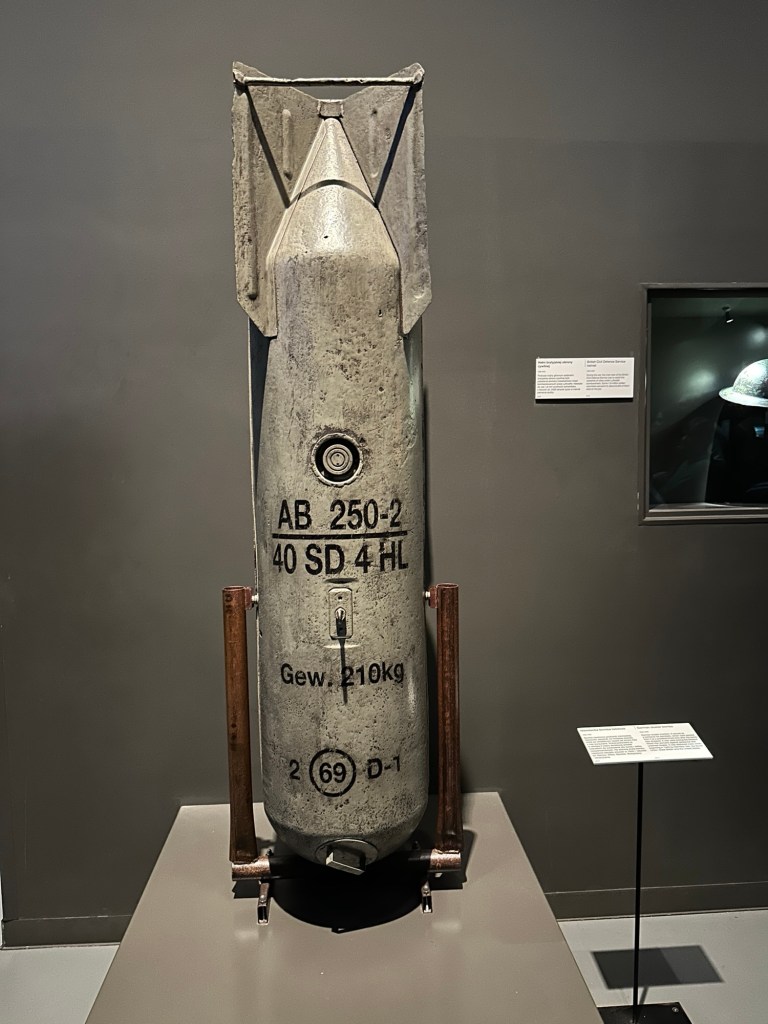
There is a whole section on terror, specifically terror by the hands of the German, Soviet, and Japanese.
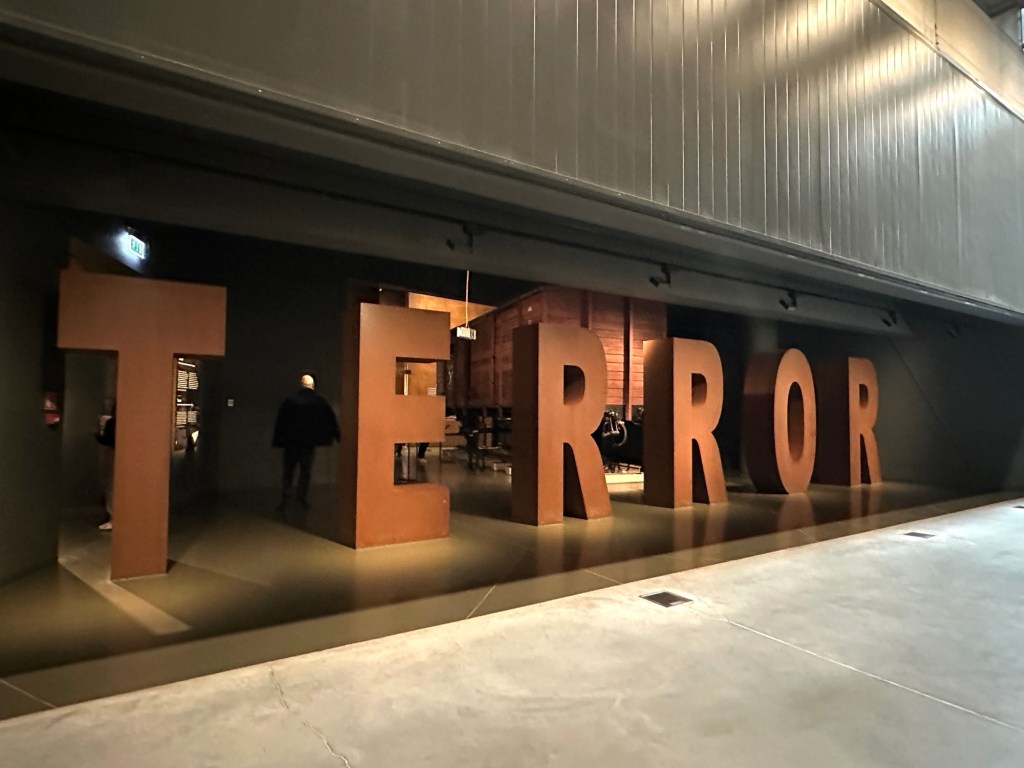
I learn about how Germans stole polish children during the war. I learn more about Croatian concentration camps. Also am introduced to the Katyn Massacre where there was a mass execution of Polish military officers by the Soviet Union.
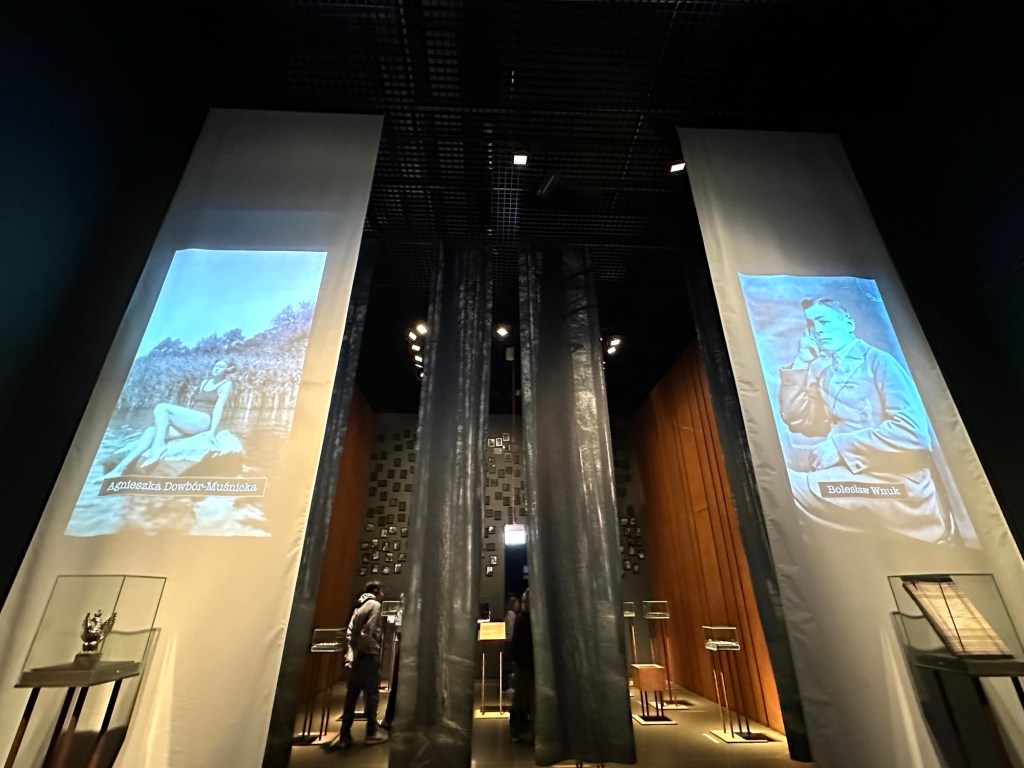
I see an example of an Enigma machine. Enigma is the machine used during WWII to break the German codes. There is a whole movie about it called “The Imitation Game”.

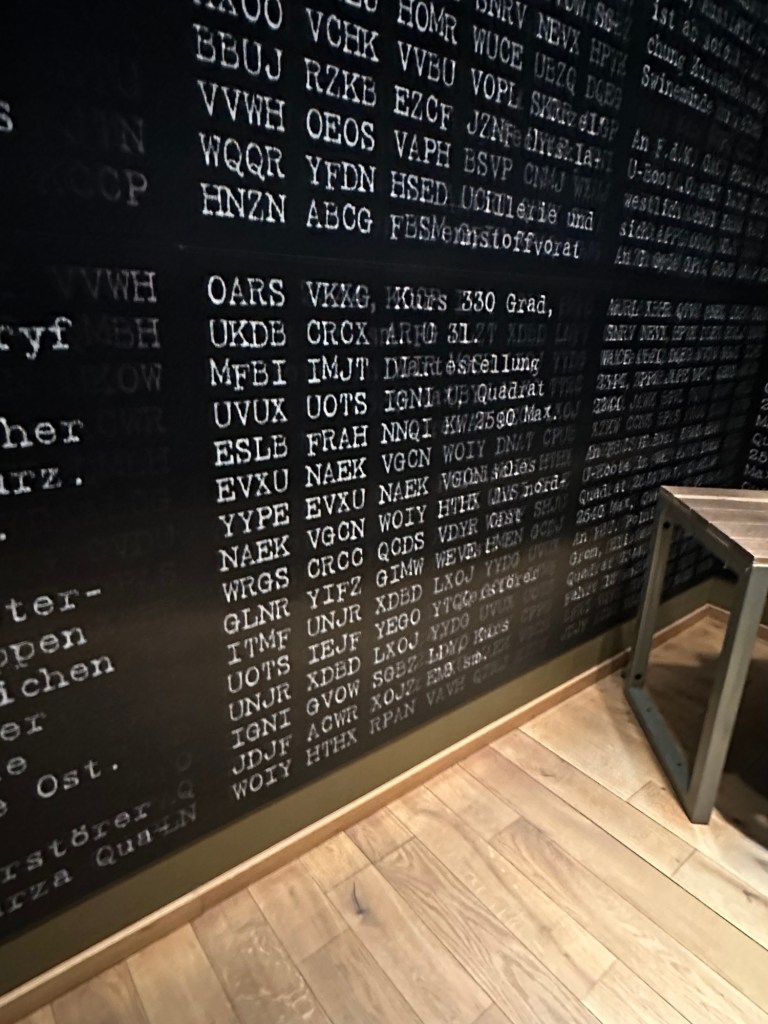
There are walls that show how messages can be hidden in plane sight just by looking at them differently.

One of my favorite little exhibits was about the nazi hunters. So many people were killed during WWII but very few people were punished for those crimes (Nuremberg Trials were the ones actually caught and punished). Most guilty officials assumed a different identity and fled to other countries, many in South America. The nazi hunters were really good at tracking these war criminals down.


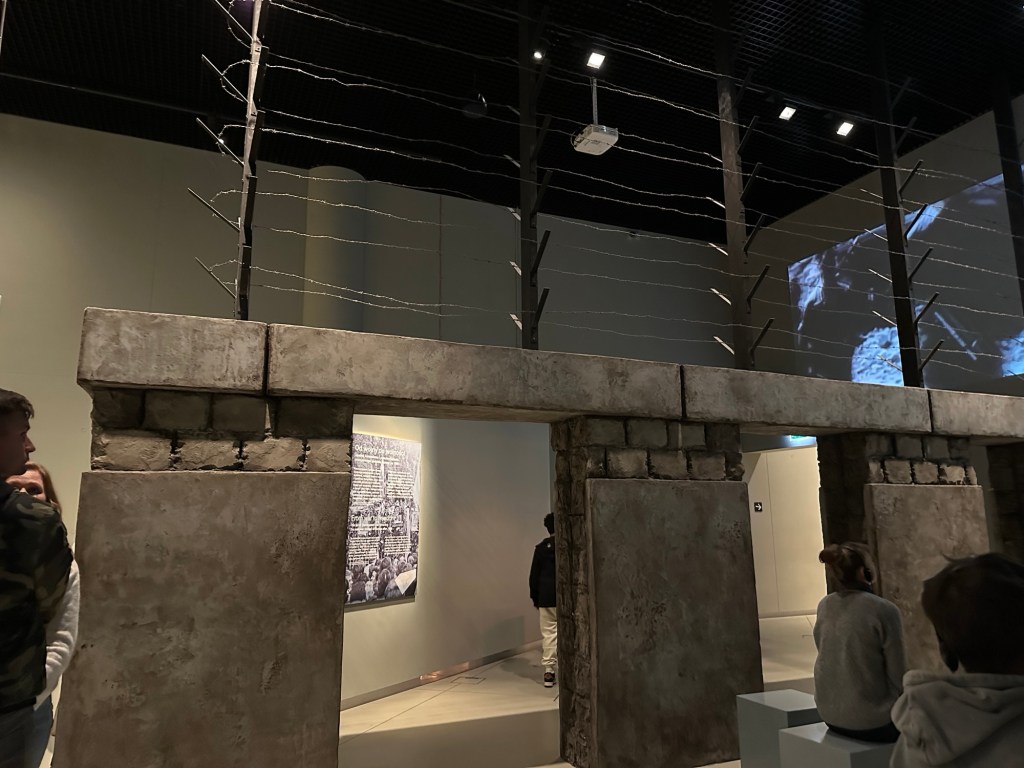
I thoroughly enjoyed the museum but it requires a good deal of time to fully experience the whole thing. The audio guide is a must to get you more efficiently through, otherwise you could spend an entire day here.
I am very hungry when I leave the museum. I don’t have a ton of time but I should have enough for a lunch. I mistakenly think I could eat at a pierogi place. I wait for thirty minutes to get a table for them to tell me it’s at least an hour wait for any ordered pierogi. I don’t have enough time before my tour starts so I walk out to find another place to get lunch. I am getting hangry and I cannot find any quick service restaurants in the area. Time is running out.
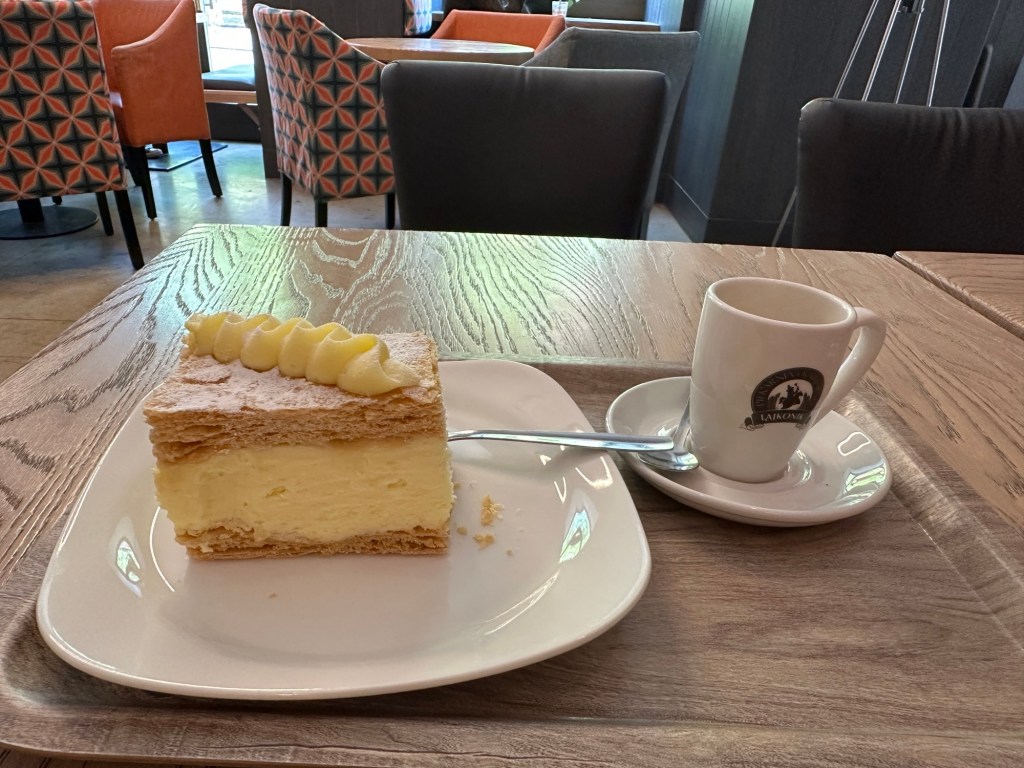
I finally find a place to get a quick pastry and then briskly walk to meet my tour guide for the city tour. I didn’t eat a full lunch but at least I won’t be hangry. No one wants to meet hangry me. I usually carry snacks but today I did not; I will not make this mistake again.

The tour is mostly of main town Gdańsk which actually looks more like old town Gdańsk and old town Gdańsk looks more like modern Gdańsk. Long story short Gdańsk was also bombed pretty bad in World War II. They didn’t completely rebuild it in its original form like they did in Warsaw but instead they built modern interior buildings. In the main town they built facades that make it look like the original Gdańsk. However in old town they have more modern facade with the architecture more modern day or communist style.
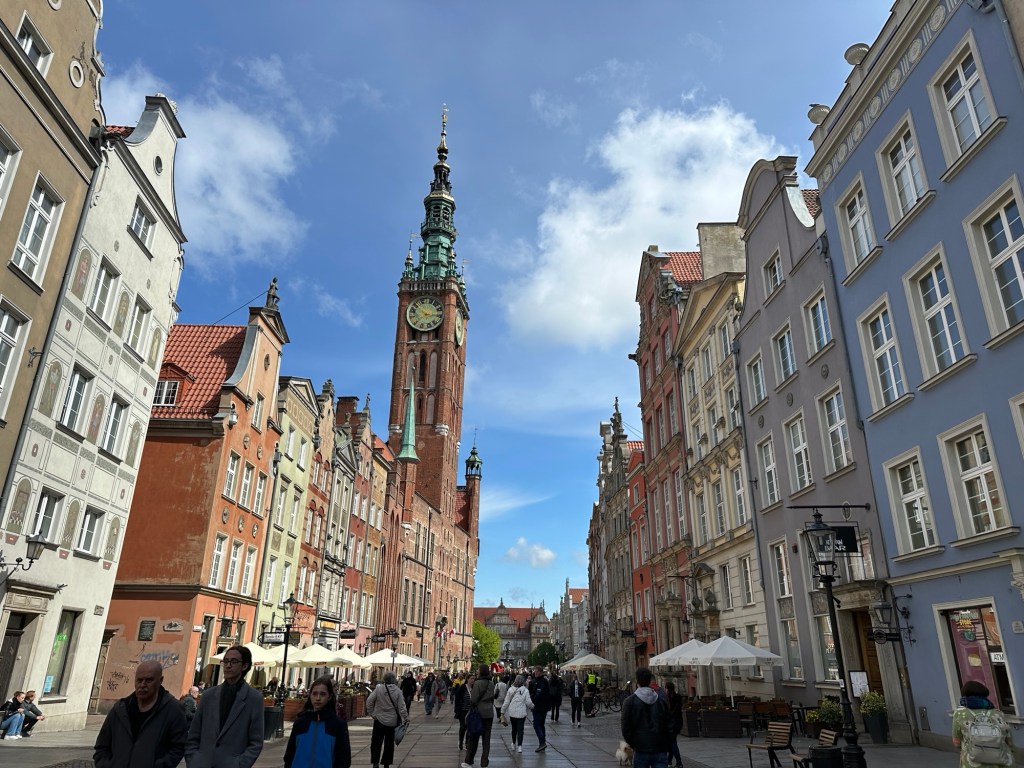
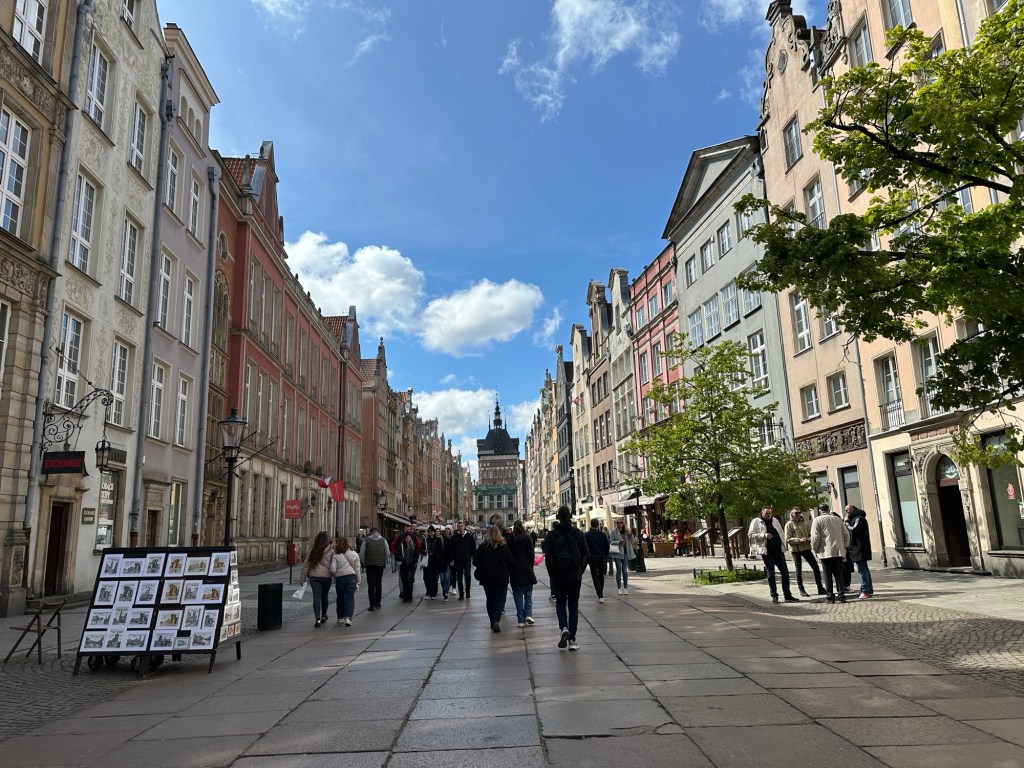

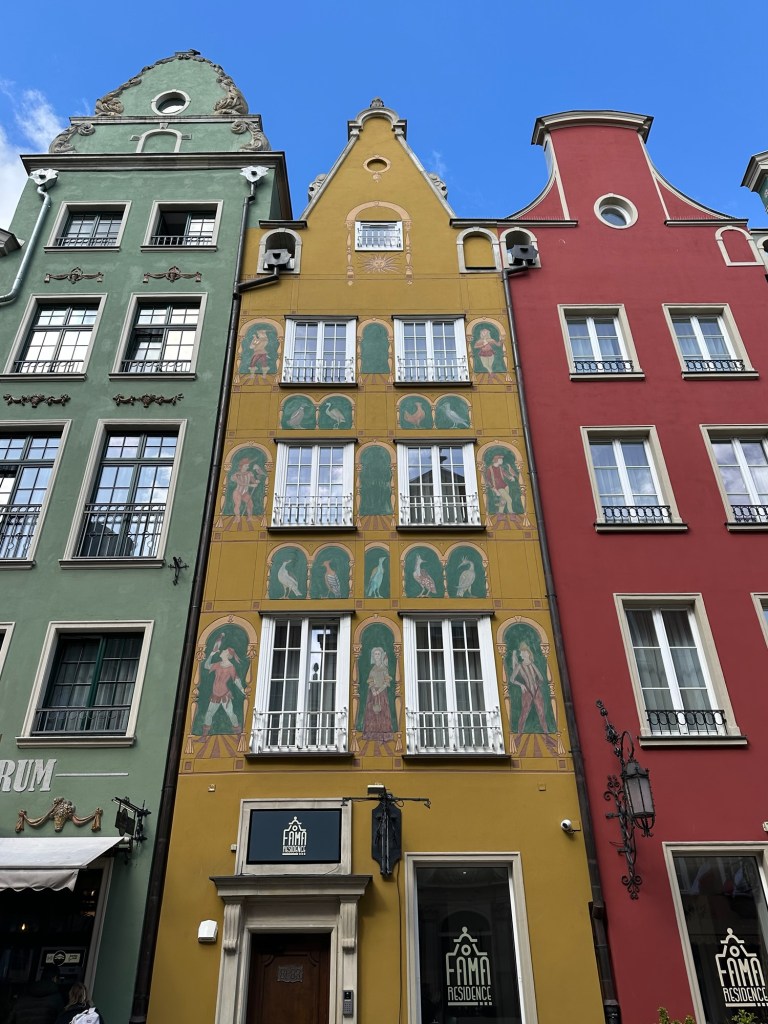
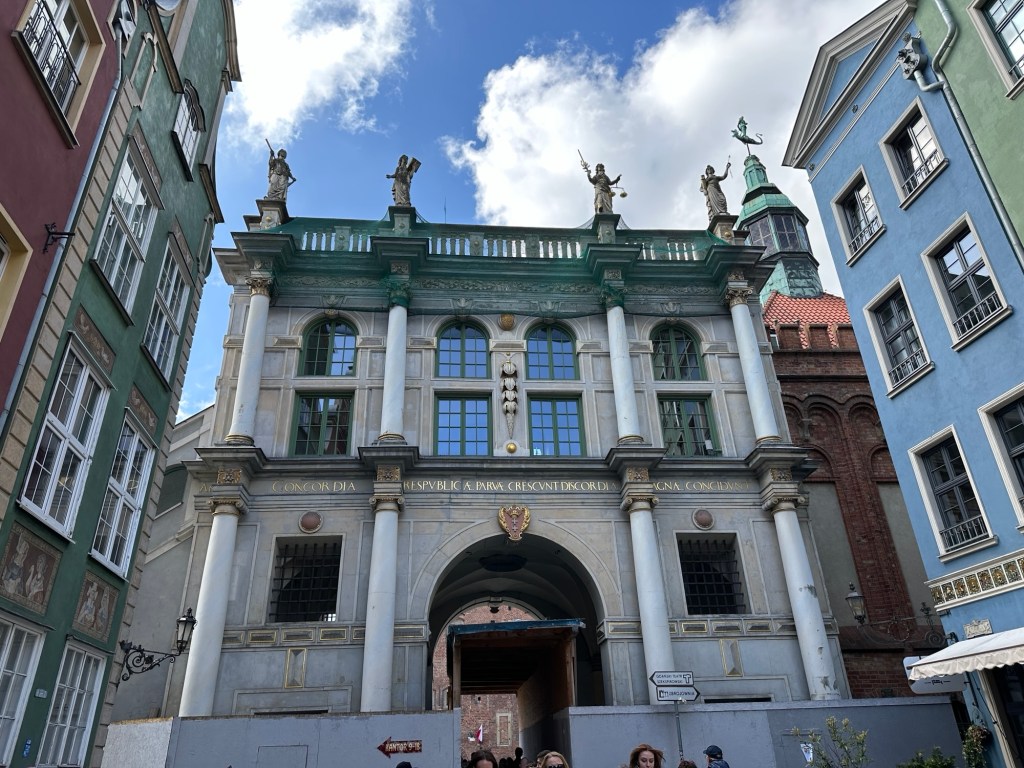
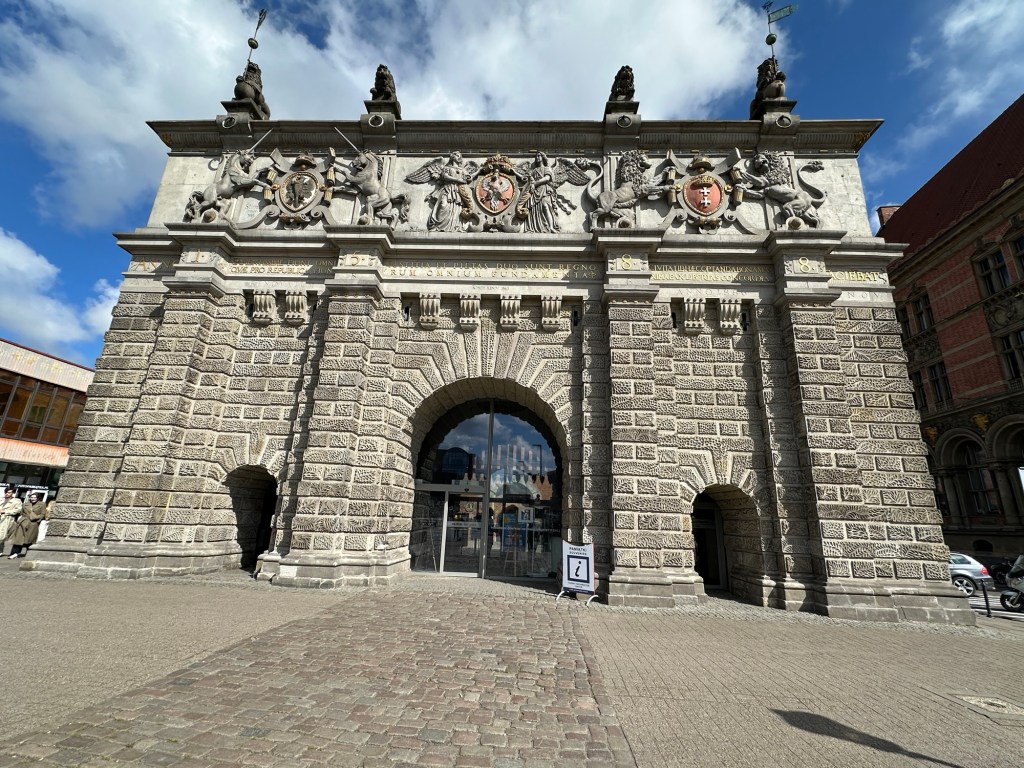
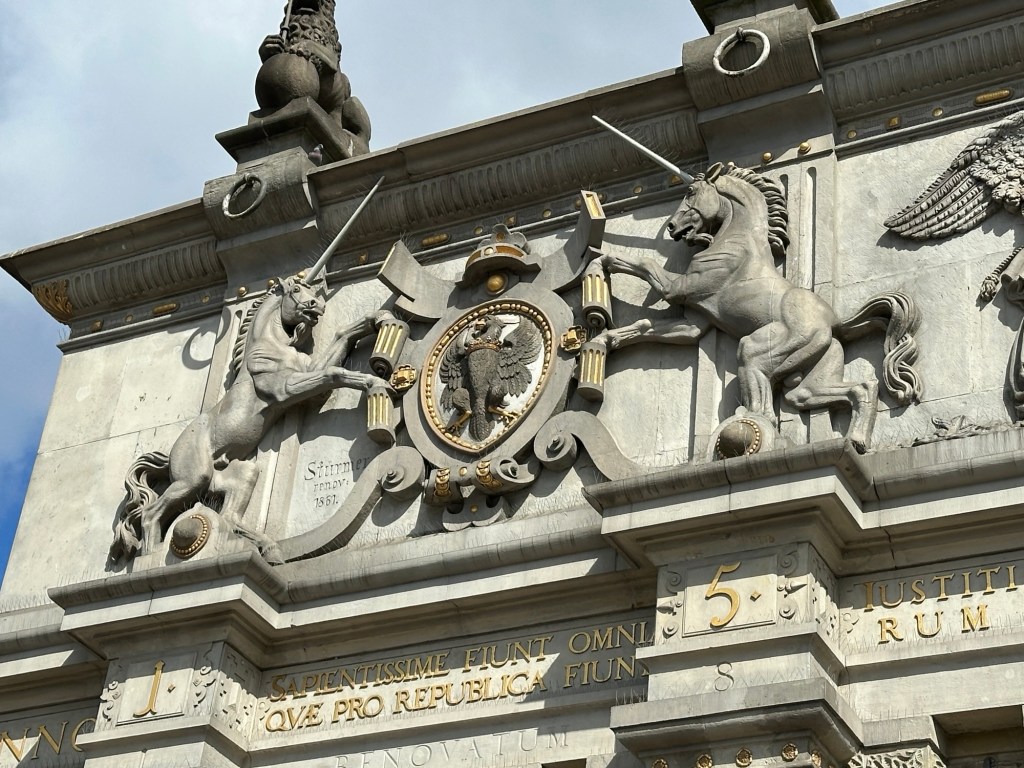

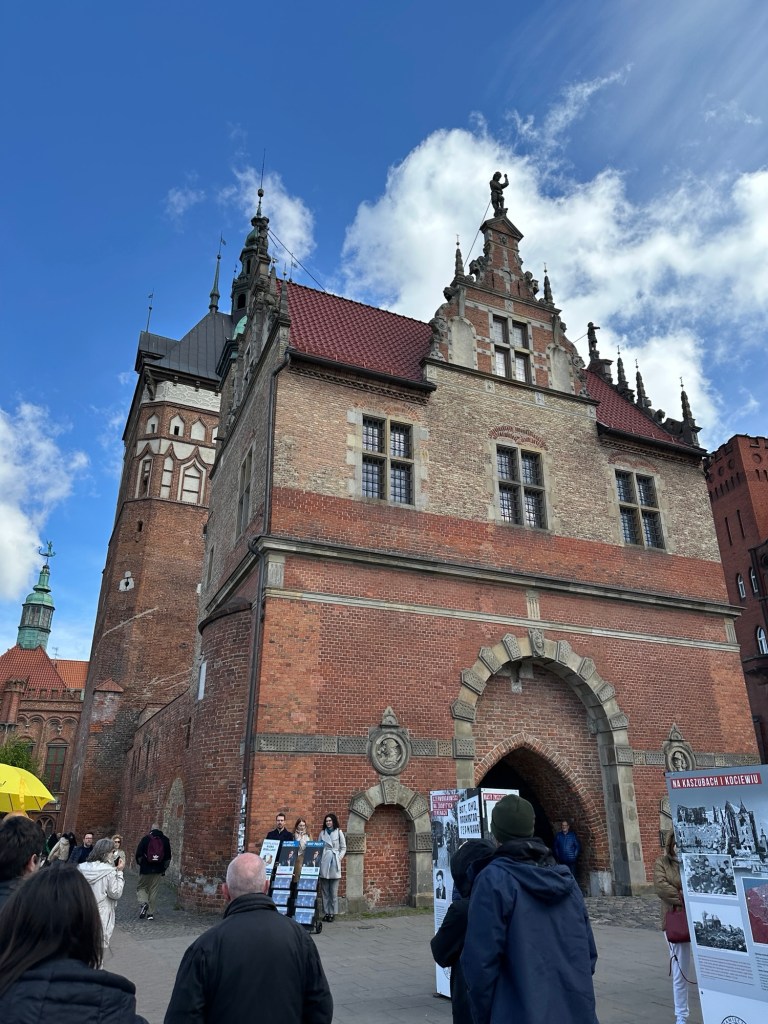
I learn again from the tour guide how Gdańsk has a very different history from the rest of Poland. They were German speakers in 14th-16th century but loyal to Poland.
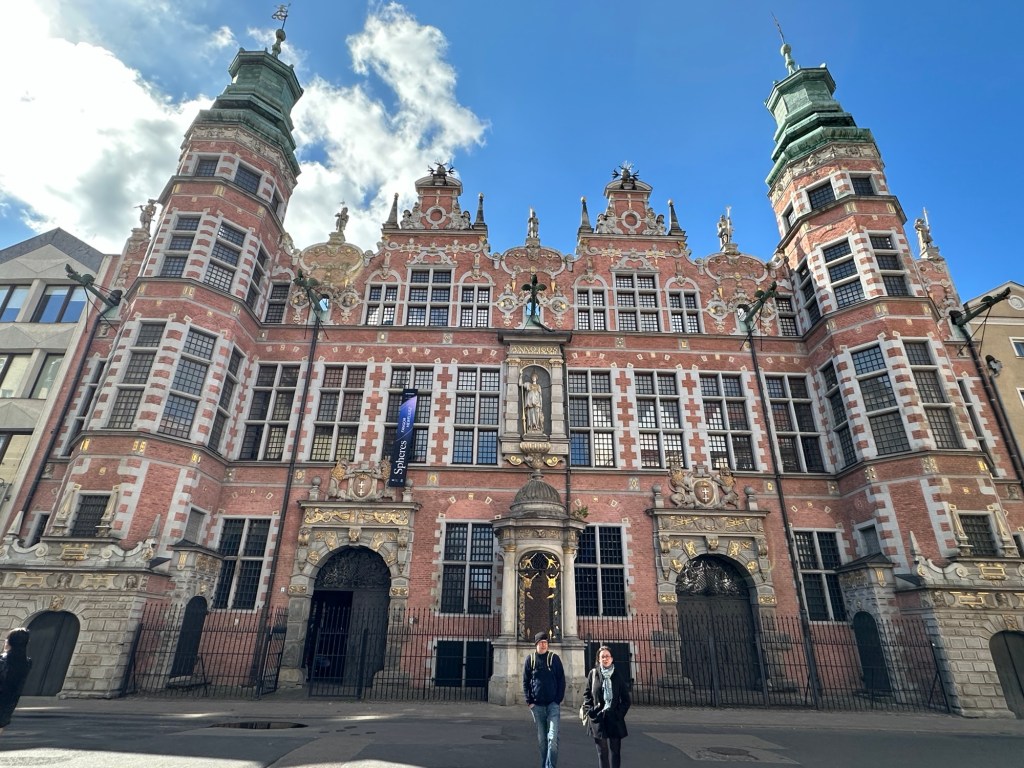
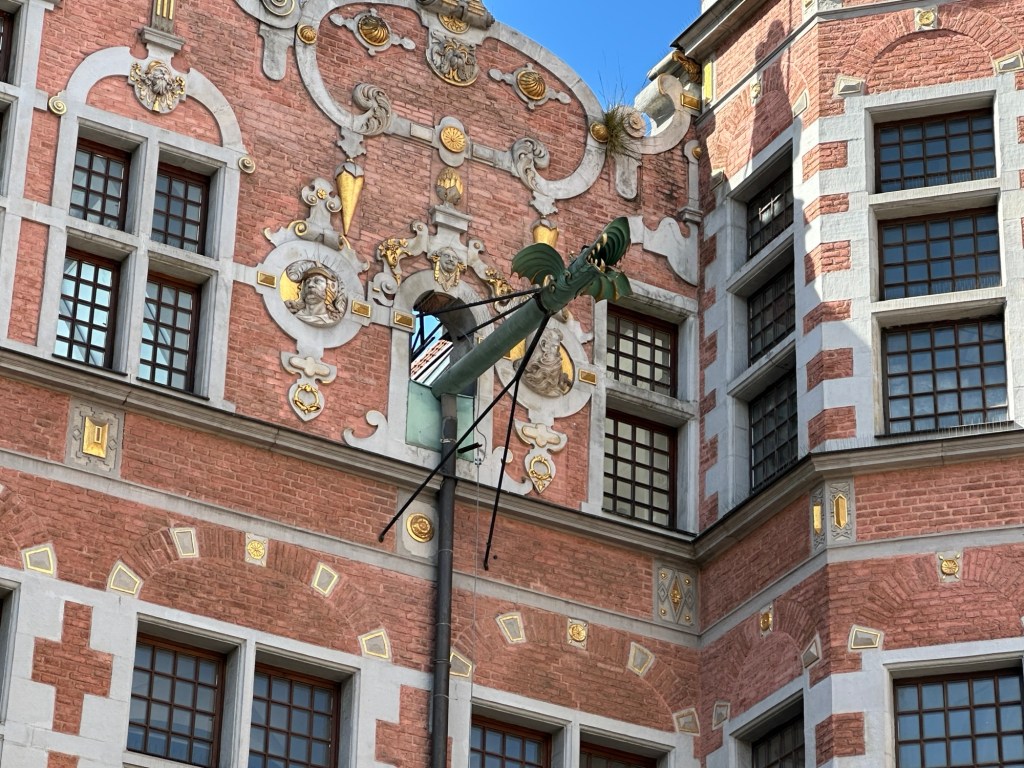
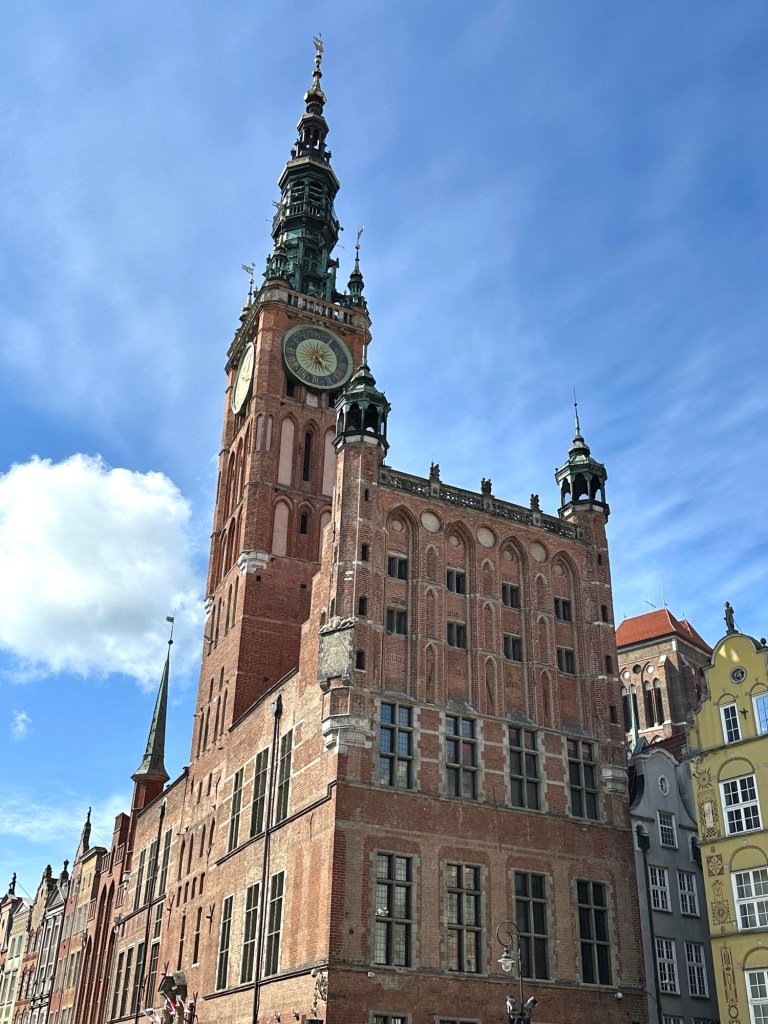
The tour guide asks if there are any Americans in the group and I seem to be the only one (there is one other American that lives in Ireland but she doesn’t speak up). Apparently the guy who invited the Fahrenheit thermometer is from here (Gabriel Fahrenheit). There is a monument to him. Although not sure how much we can praise him since only a couple countries use his scale, mine one of the few. Fahrenheit makes things so confusing with the large amount of international travel I tend to do since I am forced to do math to communicate to people about the weather.

At one point the Poland was part of largest country in Europe, the Polish-Lithuanian Commonweath. Gdańsk was a large player in this and became wealthy. Merchants were middlemen in Gdańsk. The island was purposed to hold Polish grain and secured day and night. The 16th-17th century was the golden age in Gdańsk. It all came to an end when a Swedish king began to rule Poland.
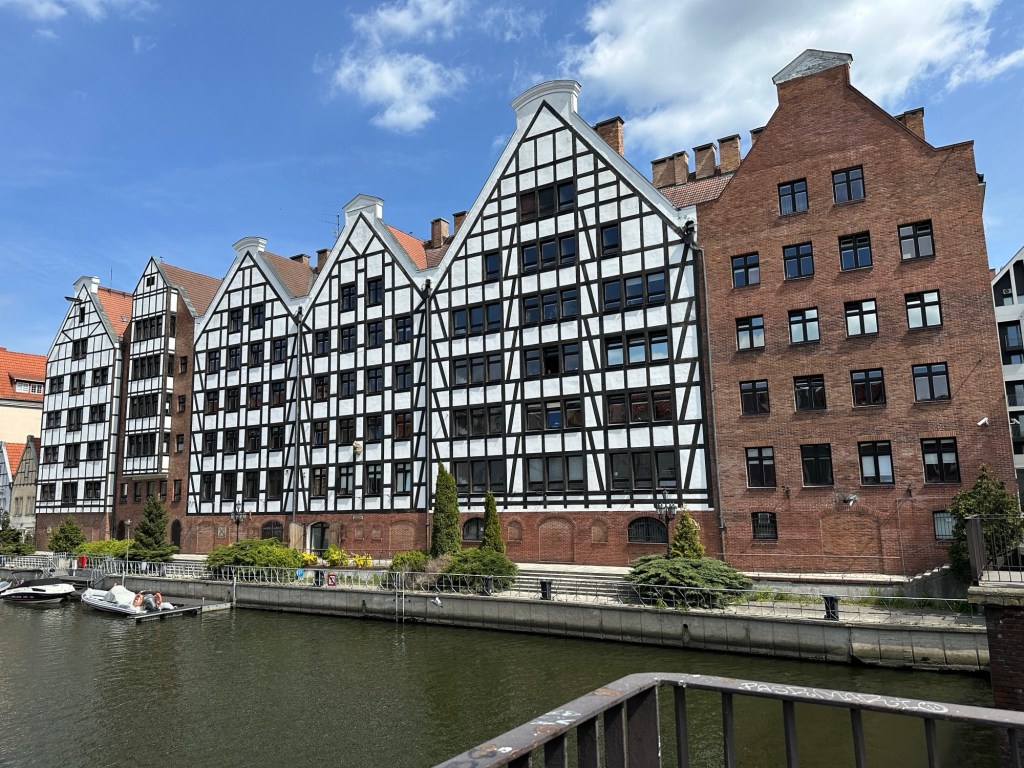
We stop at the beautiful Mariacka street and see the fun drain pipes. This is the place to buy amber since there are amber sellers up and down the street.
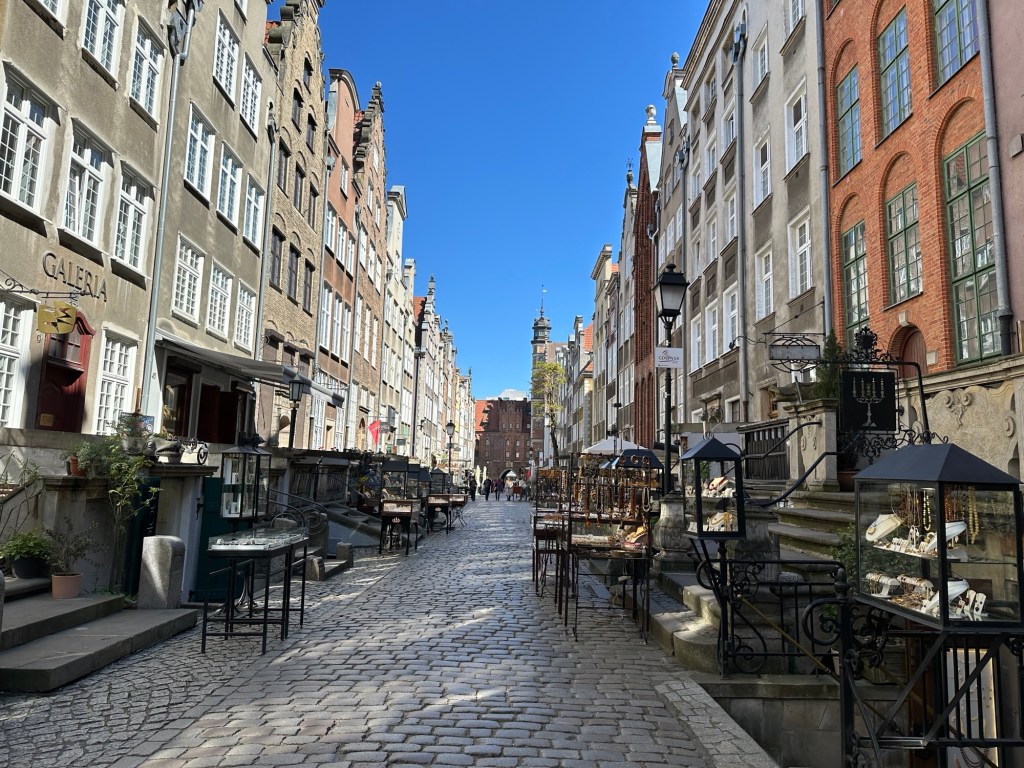

House under turtle. Look above the house and see a turtle.

By the 18th century Poland no longer exists. It is partitioned and is no longer prosperous again until the 19th century.
We end up in old town (which is new town) at the post office that was home to a spectacular attempt of postal workers attempting to stop a fascist invasion, one of the first spots World War II broke out.


After my tour I am determined to eat at one of the restaurants that turned me away the night before. It wasn’t worth the anticipation. Even though pasta carbonara is one of my favorite dishes, this one is too salty for me to enjoy.


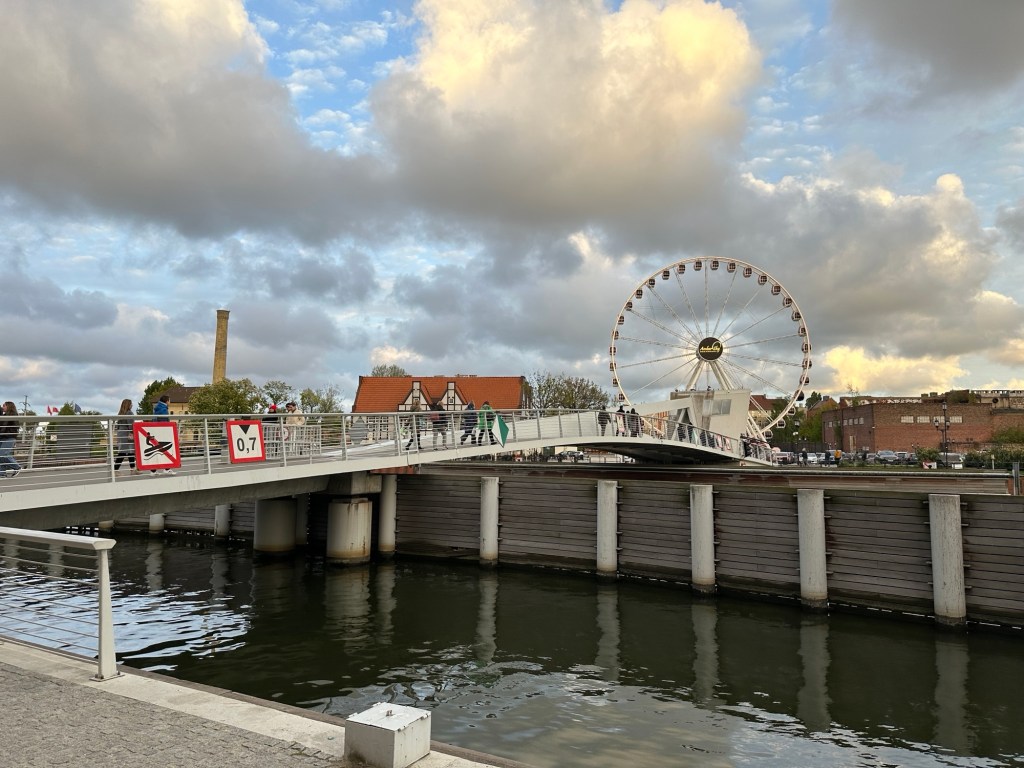
I have a nice evening walk around town and tomorrow I am taking the train out to Malbork Castle.






















 Growing With Leala