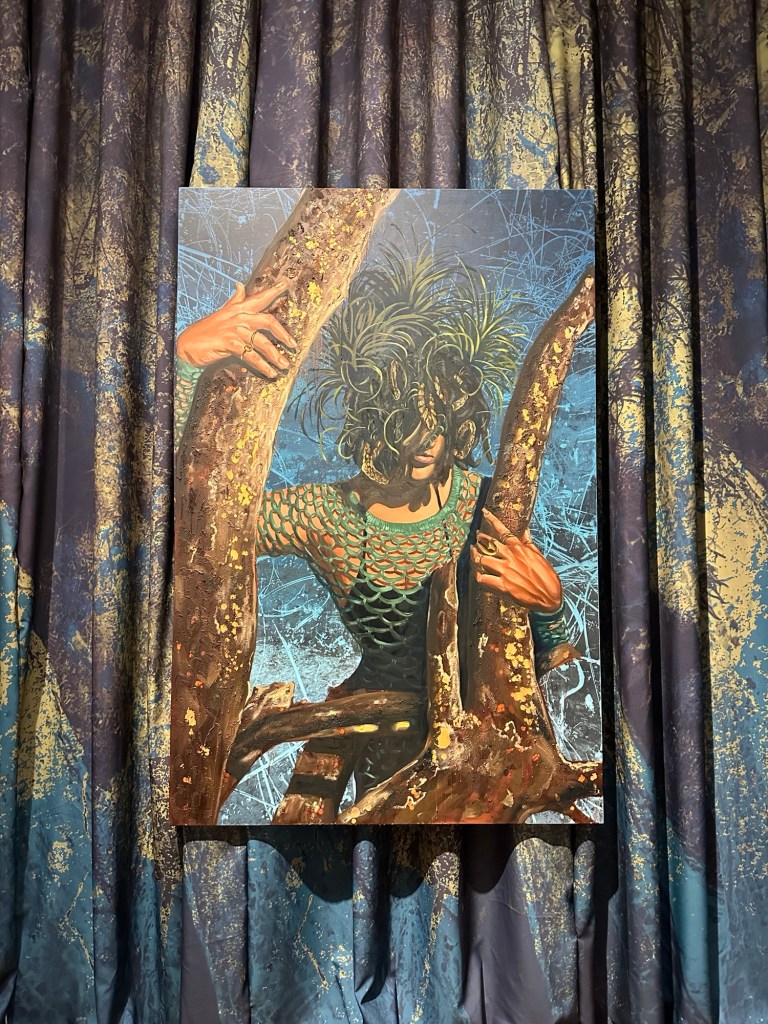
Florida Prize 2025

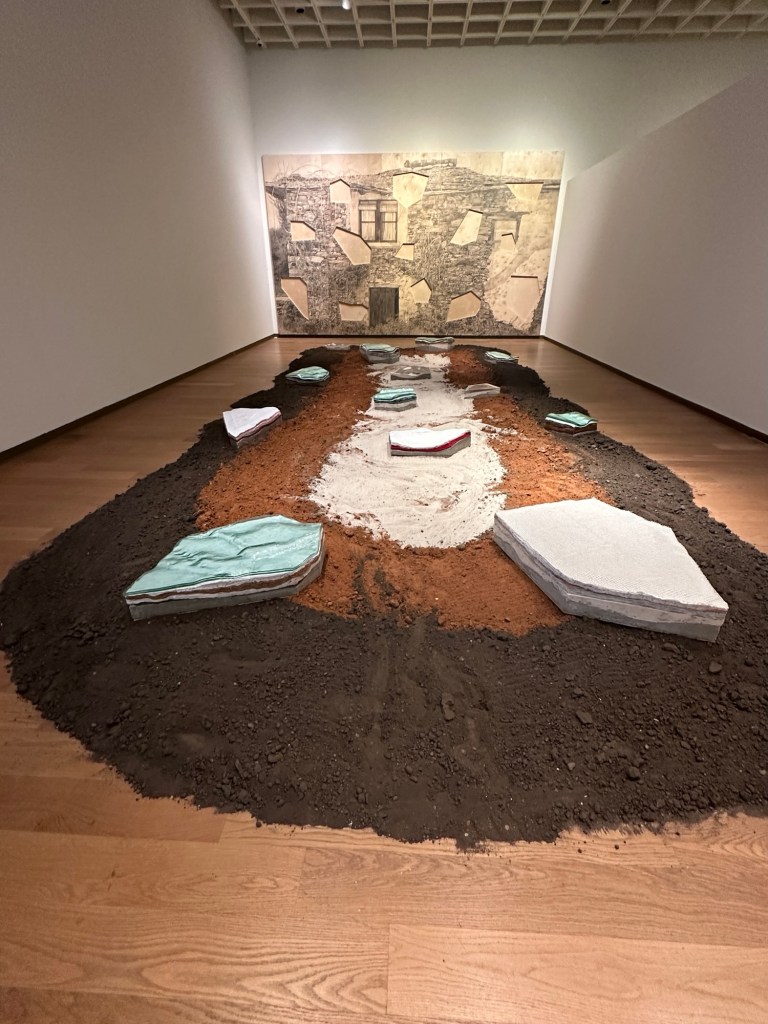
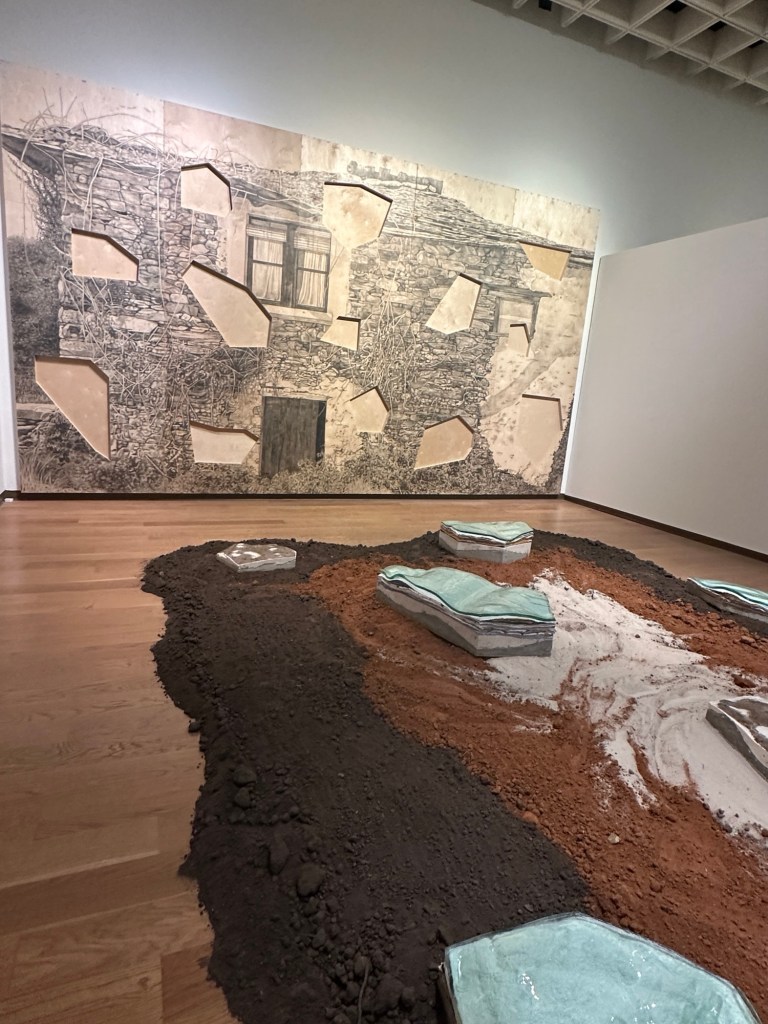
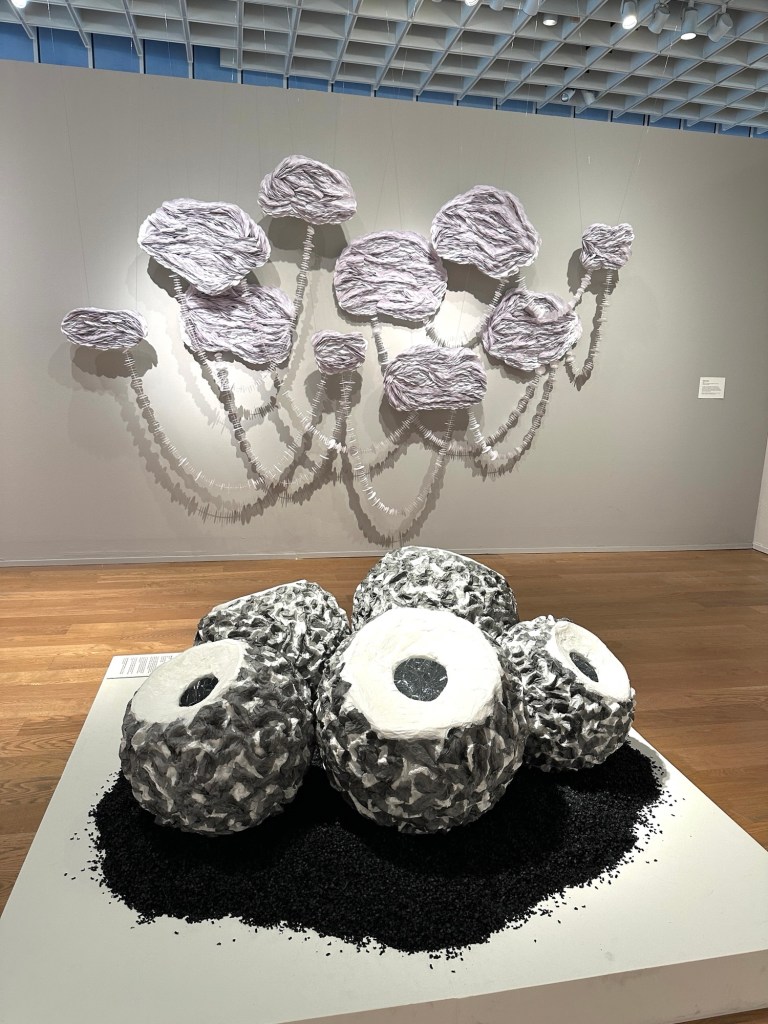
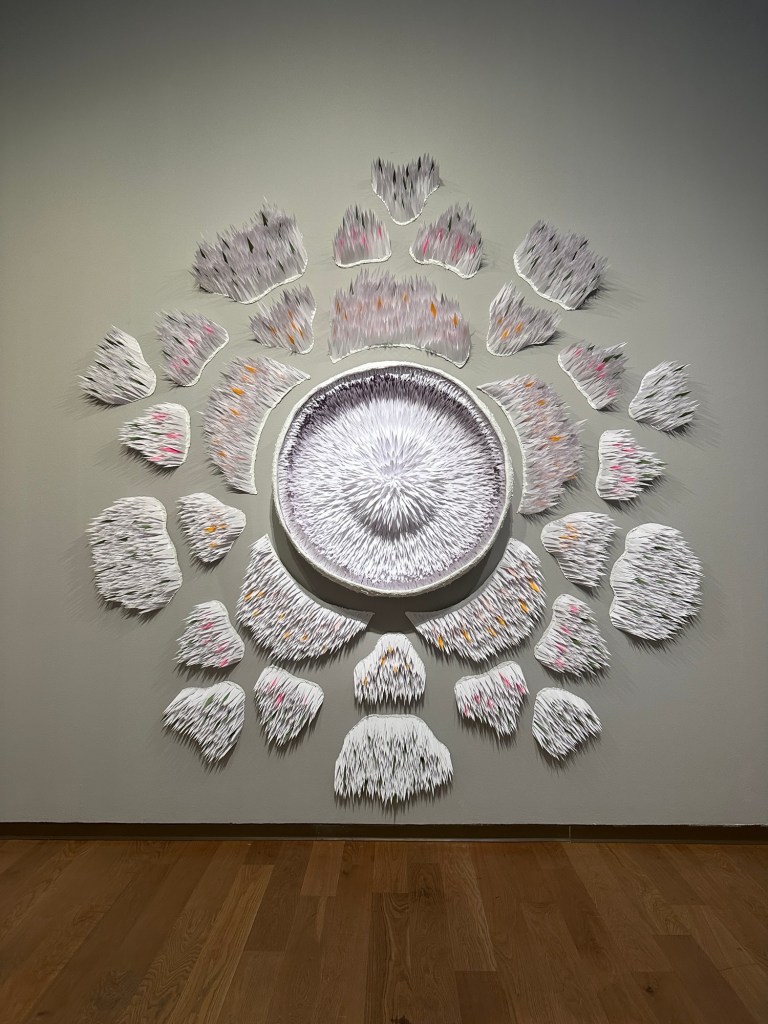
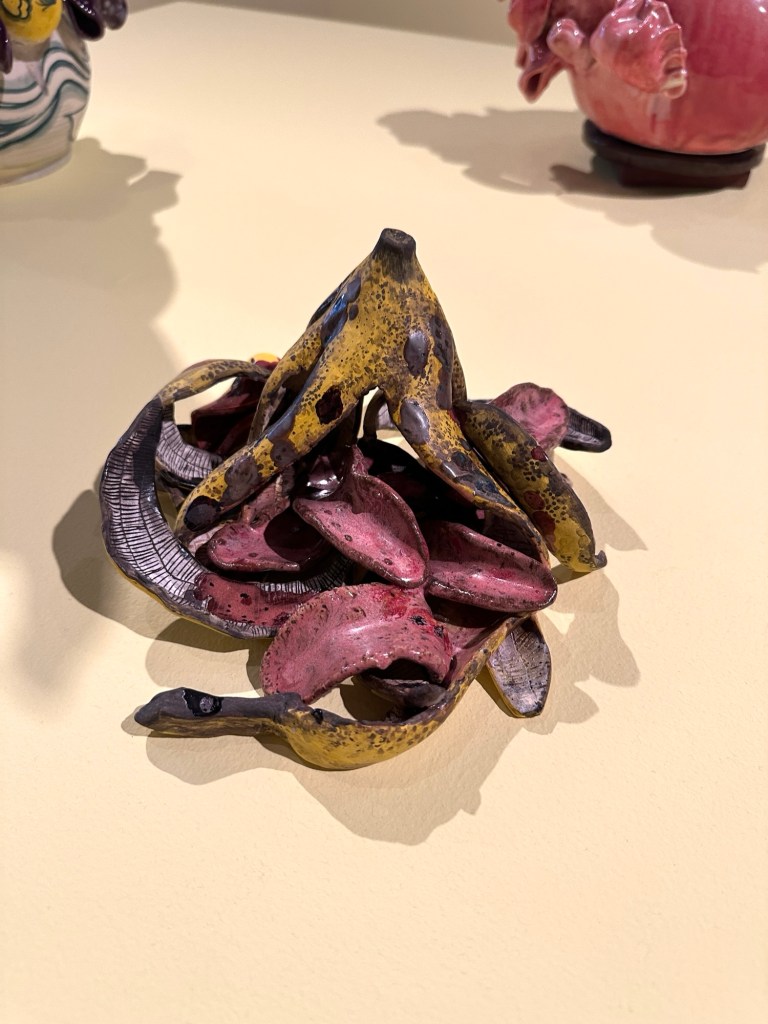
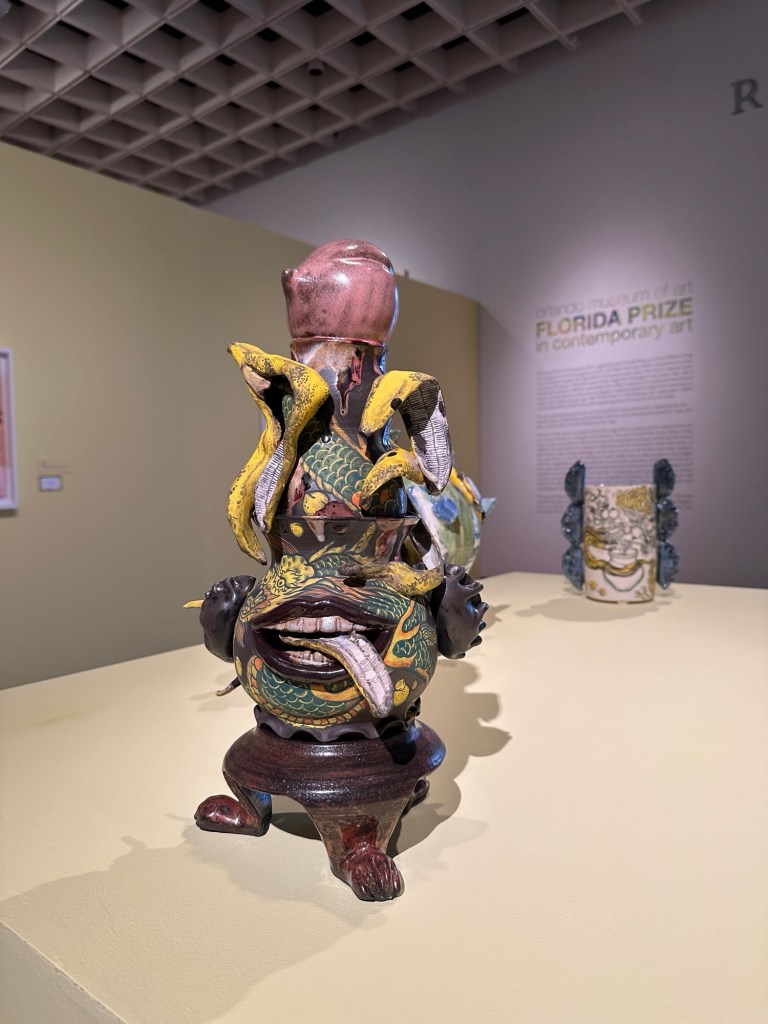
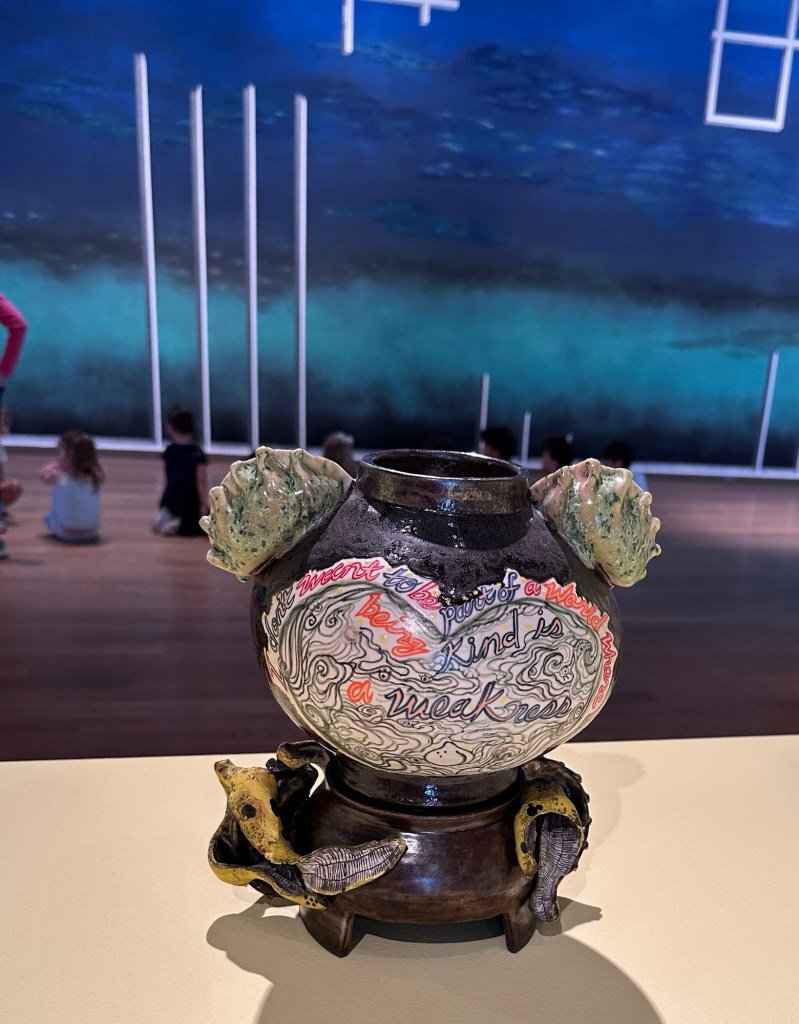
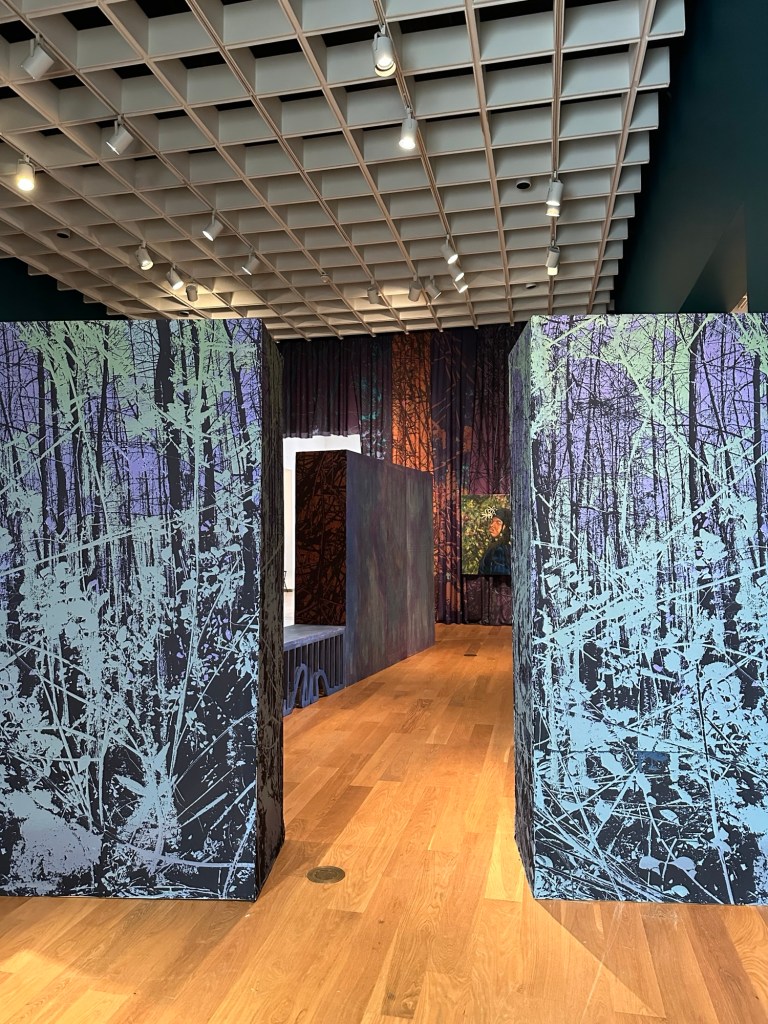
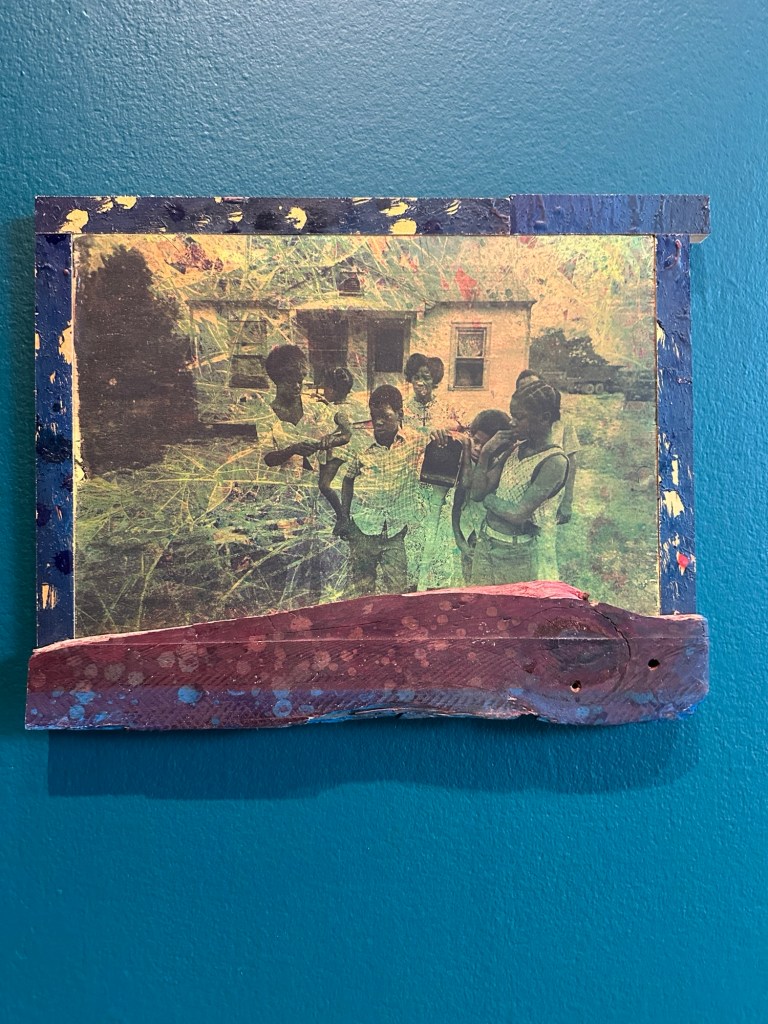
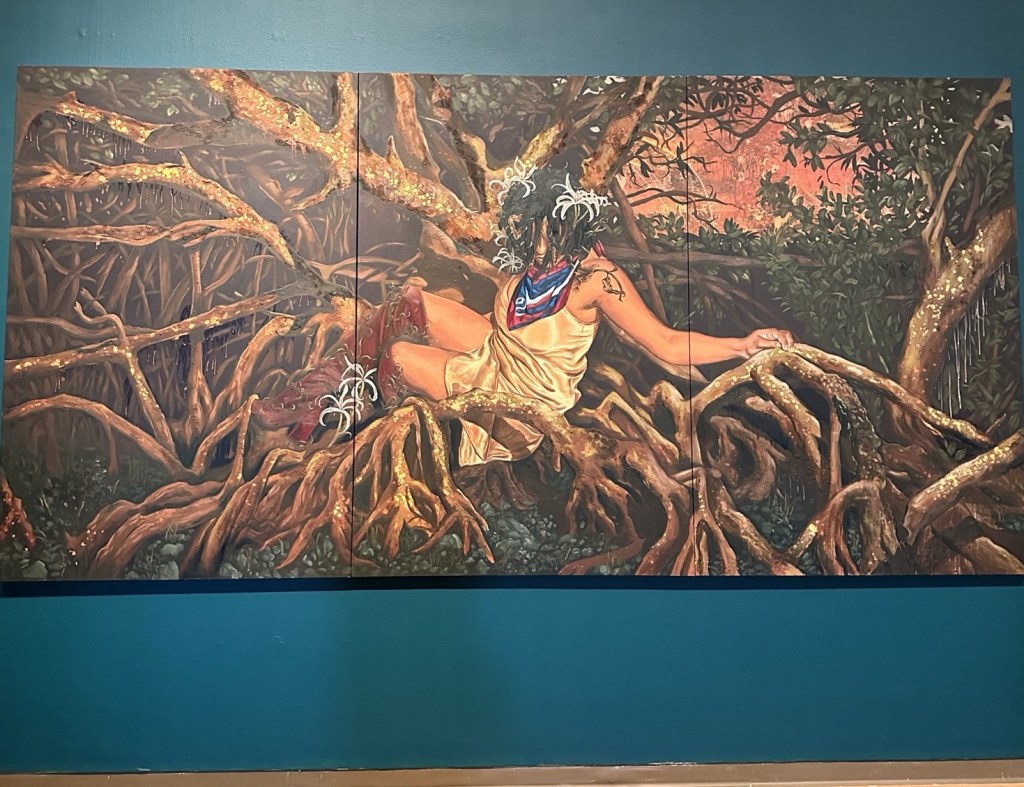
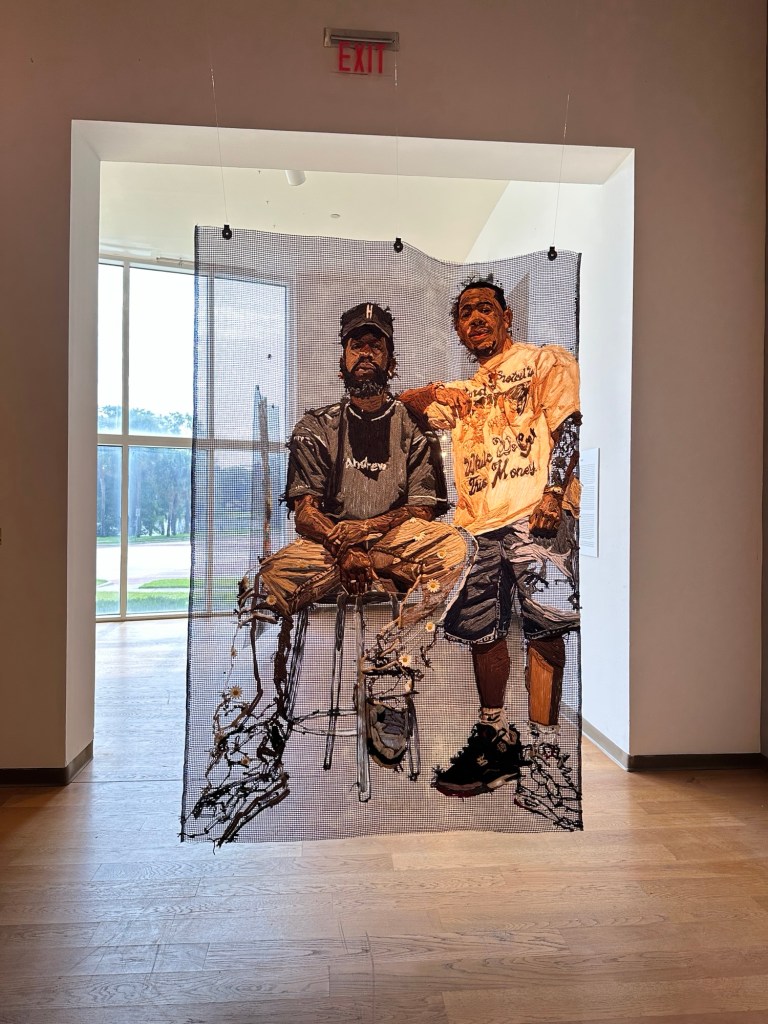
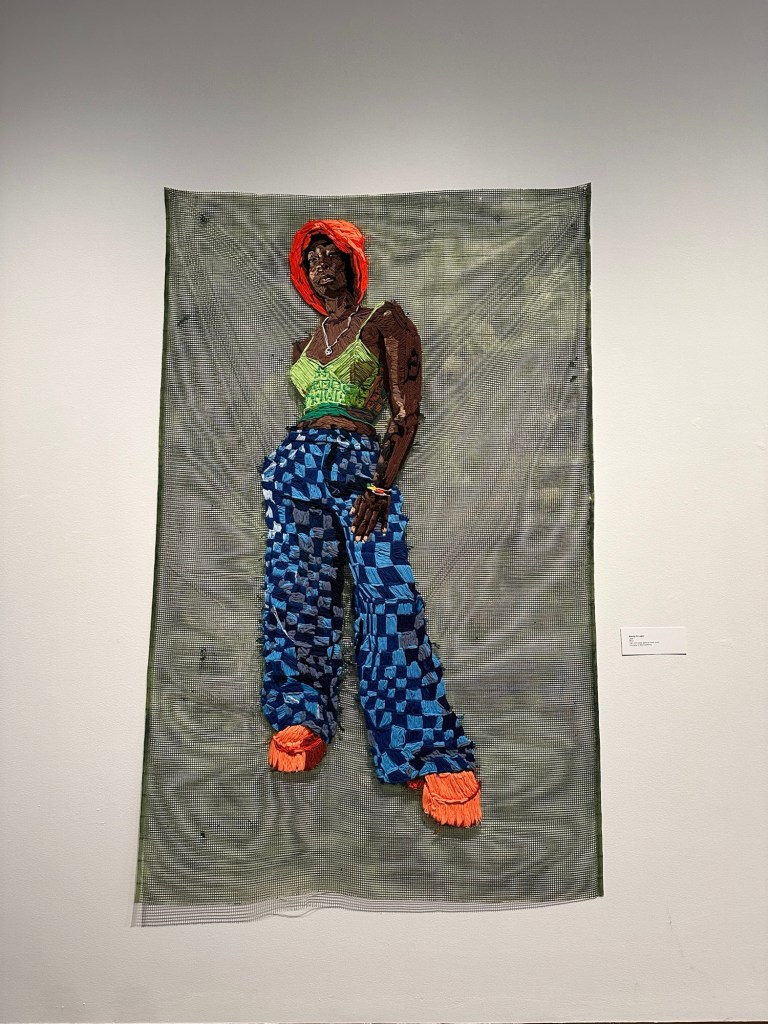
One of my favorite times of year at the Orlando Museum of Art (OMA) is the Florida Prize. Florida Prize in Contemporary art is an exhibition of contemporary artists in Florida. Every year they throw a big party and exhibit some great artists. I haven’t been to the party the past couple years but I am always sure to at least check out the exhibit while the art is displayed.

I don’t think I caught photos of all the exhibits but the following is the list of artists:Nathalie Alfonso, Eddie Arroyo, Leo Castañeda, Kelly Joy Ladd, Amanda Linares, Kandy G. Lopez, Jiha Moon, Troy Simmons, Cornelius Tulloch, and Lisu Vega.
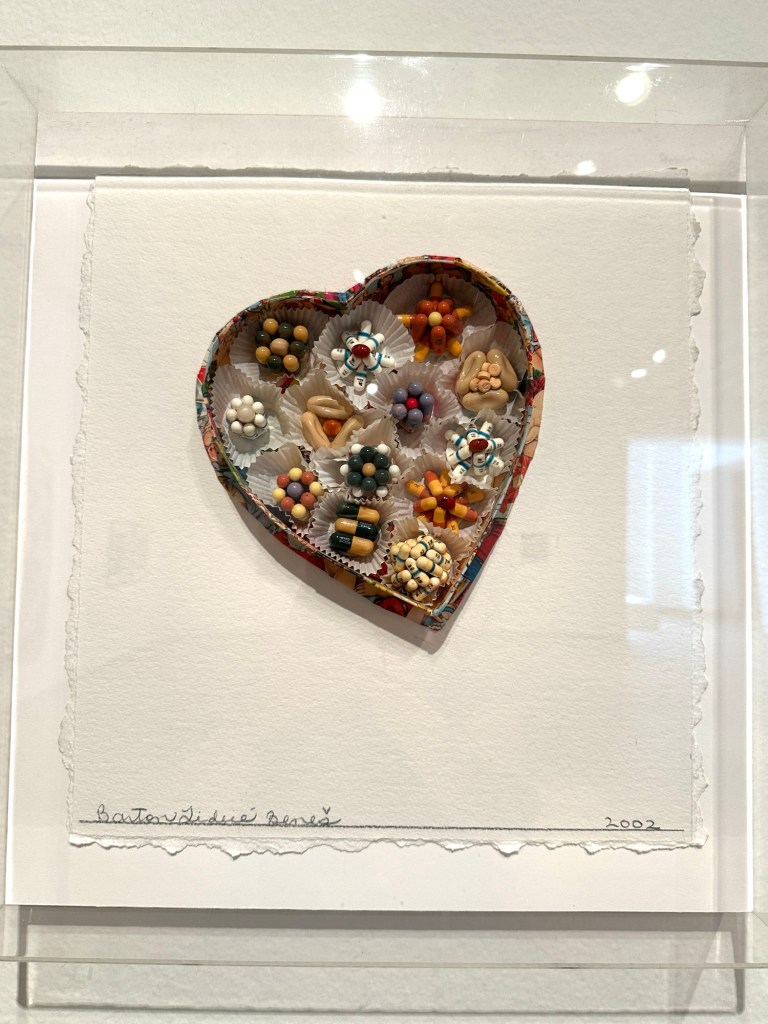
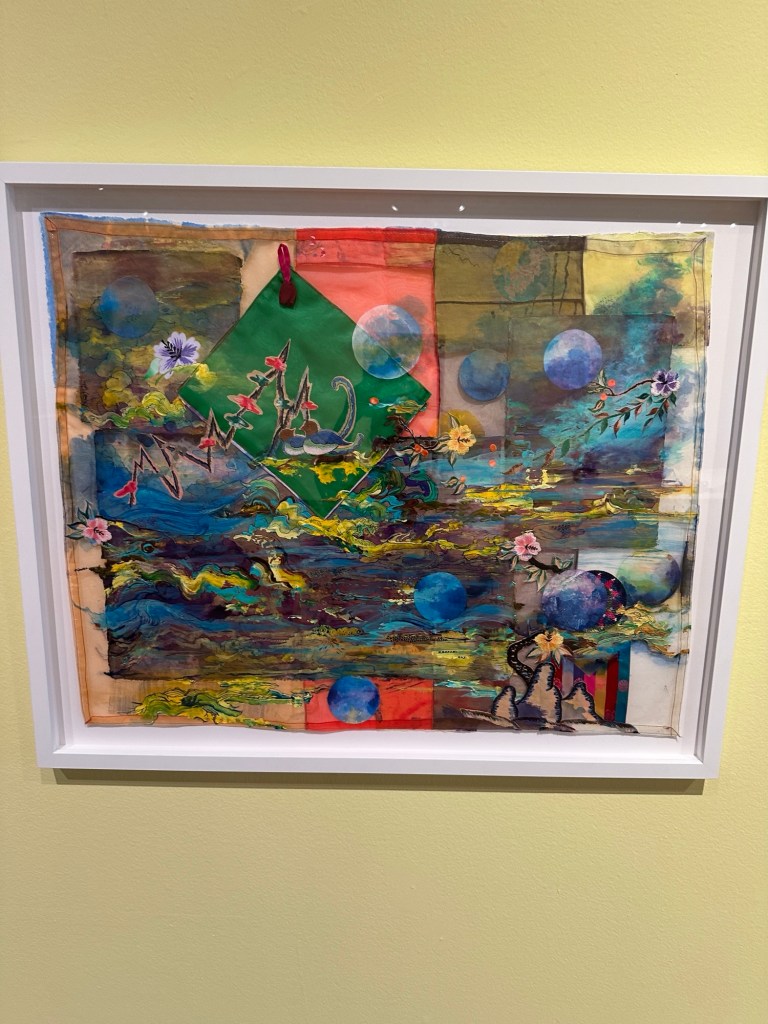
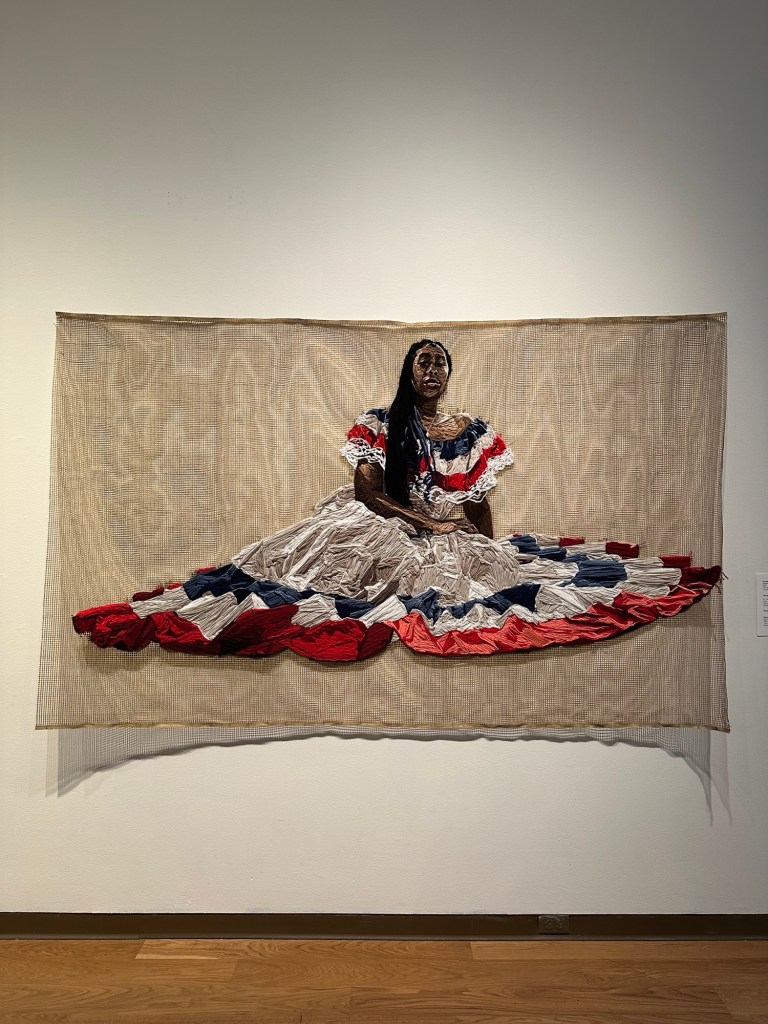
Amanda Linares

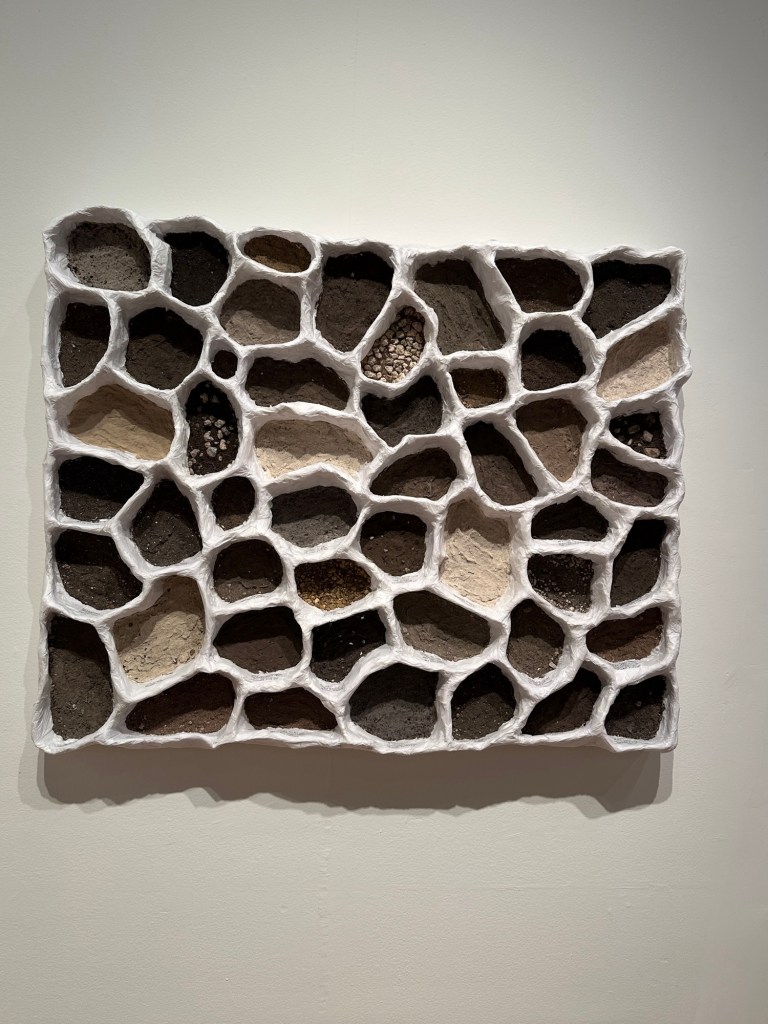
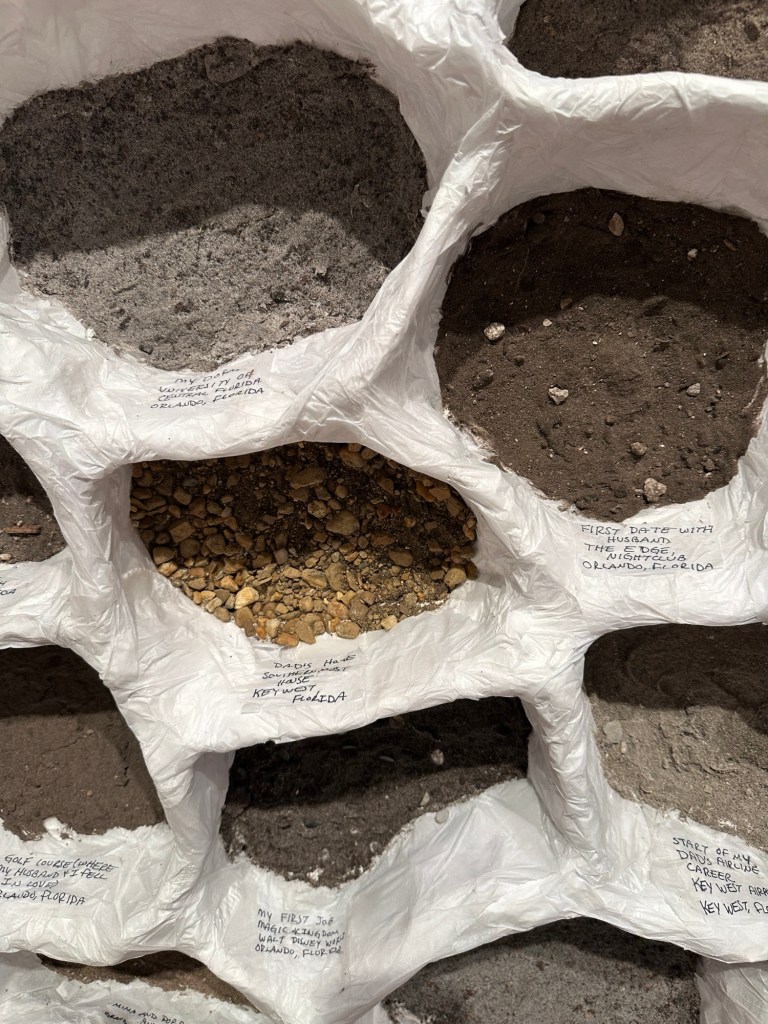
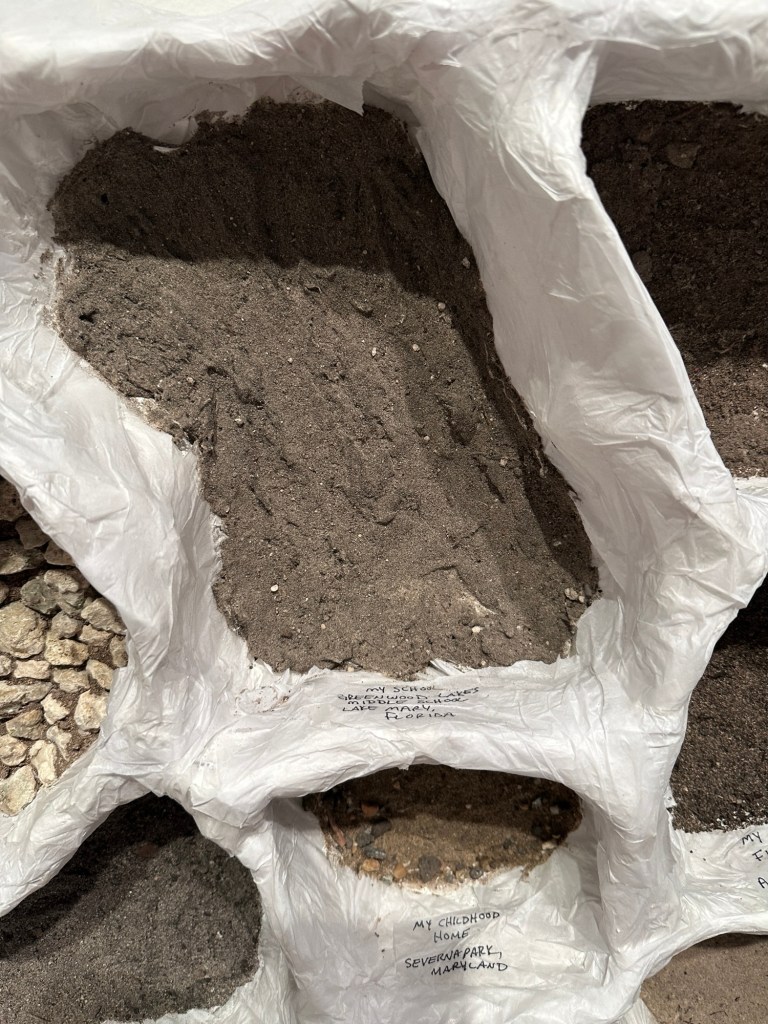
Kelly Joy Ladd

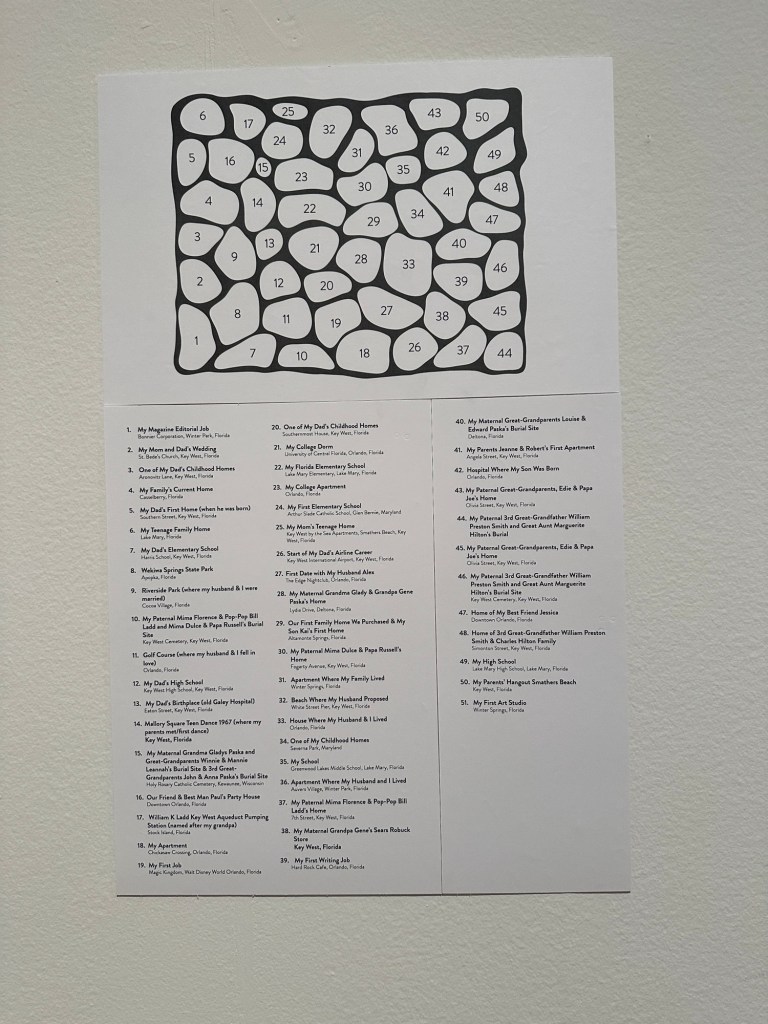
Being from the central Florida area this piece of art is fun because it contains dirt from different Florida locations, many of which actually had meaning to me.
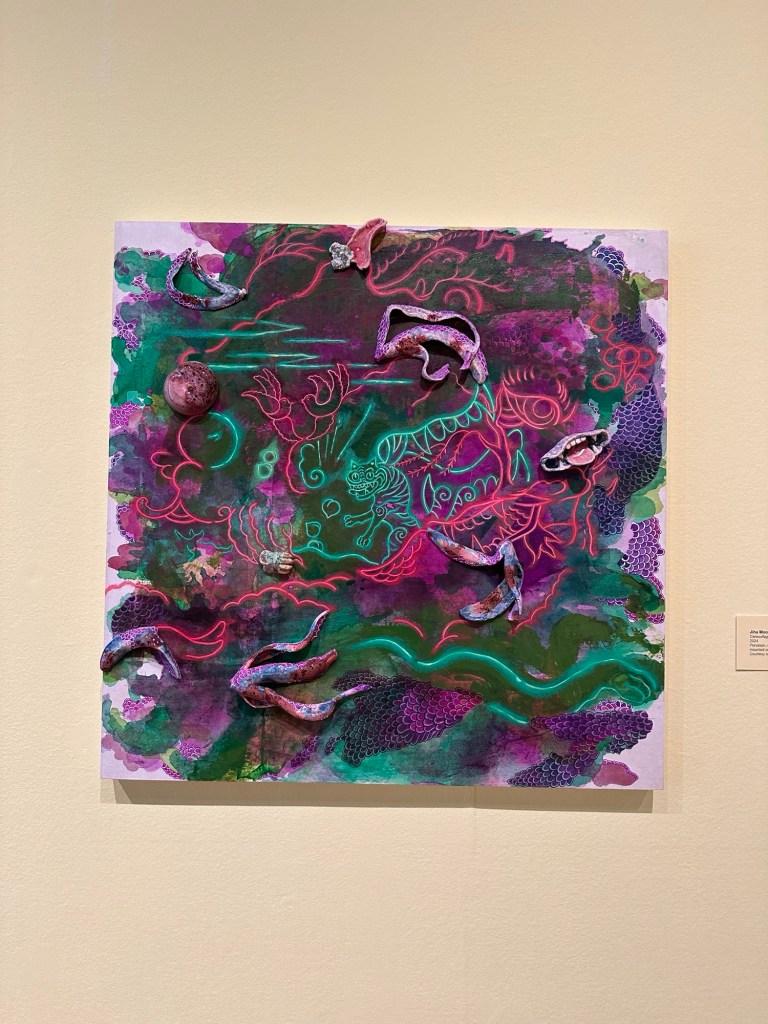
Jiha Moon

Lisu Vega

Cornelius Tulloch

Kandy G. Lopez

Leo Castañeda

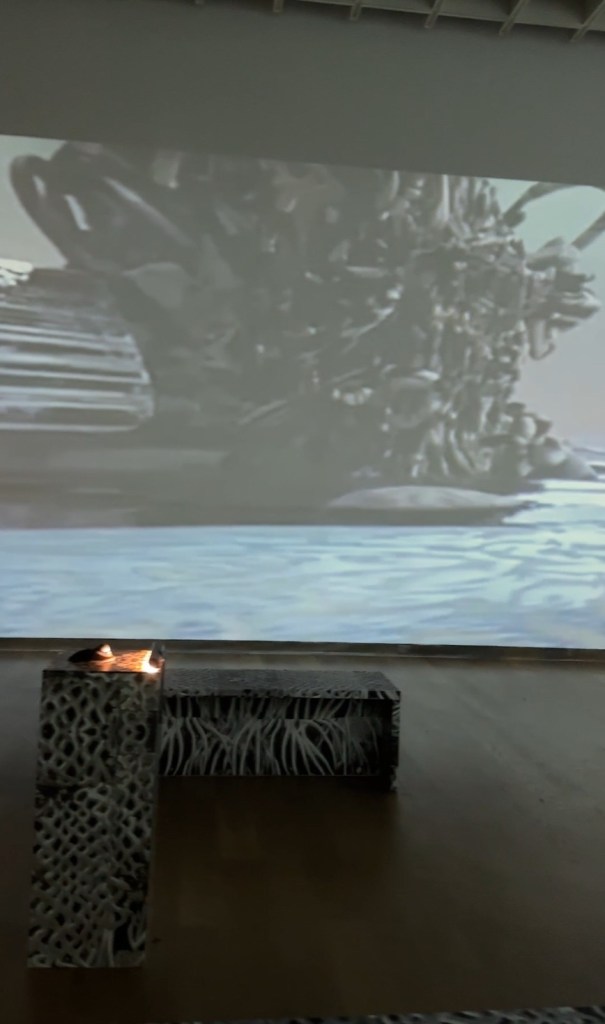
Audiovisual

Can’t wait for next year’s show!

Gdańsk: Last days

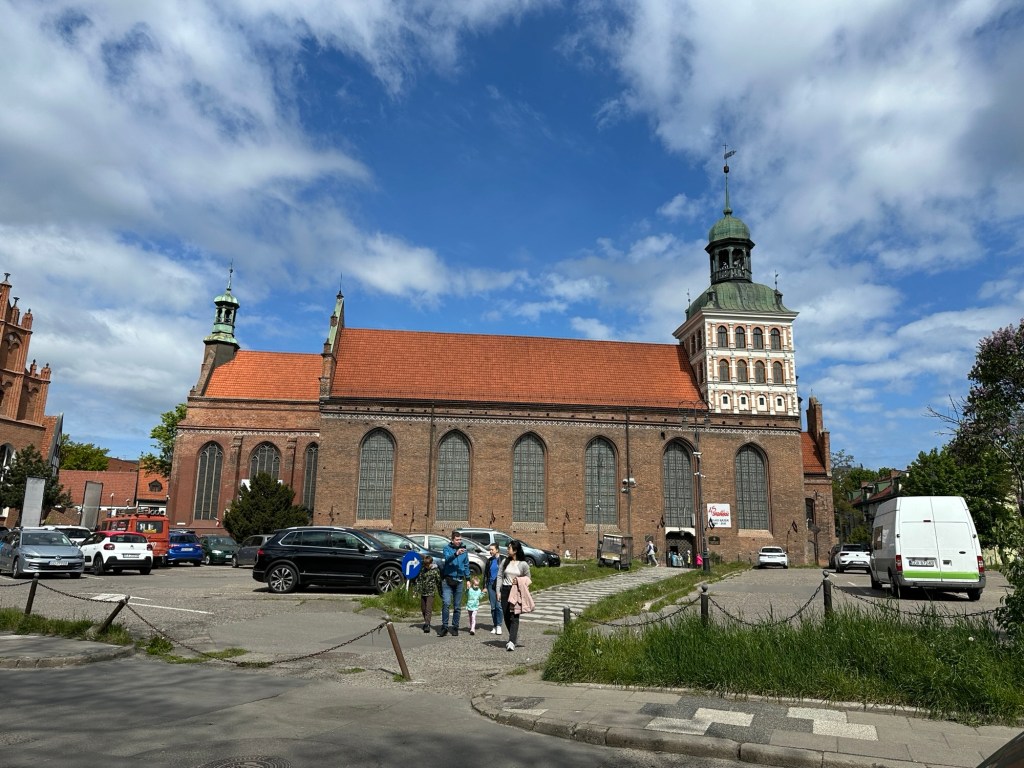
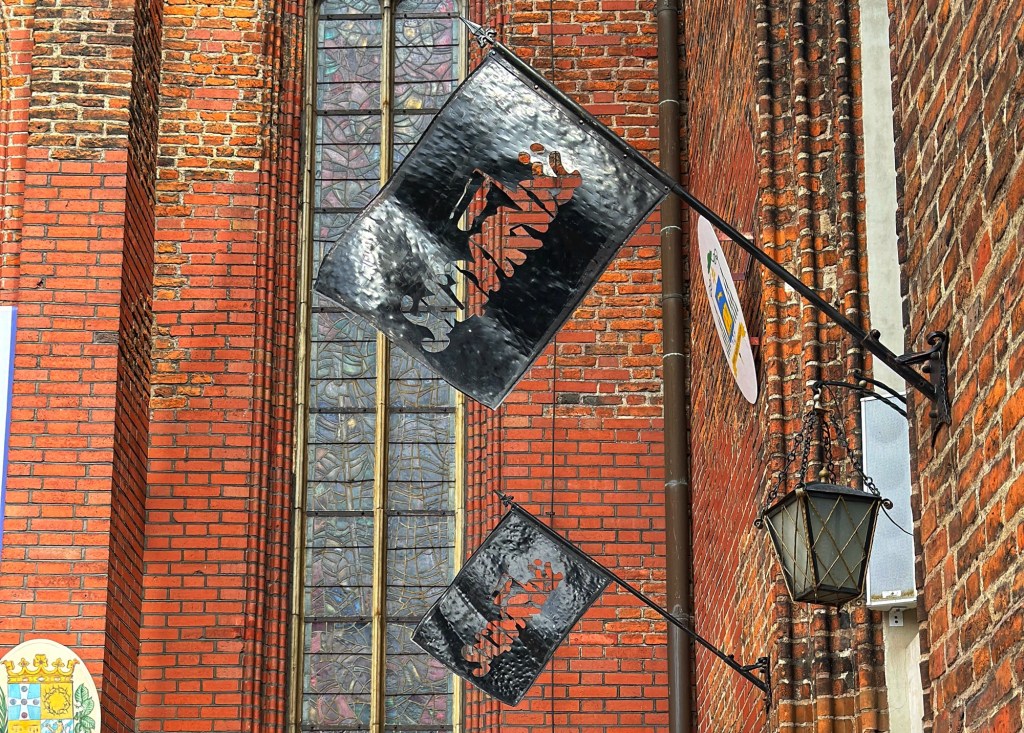
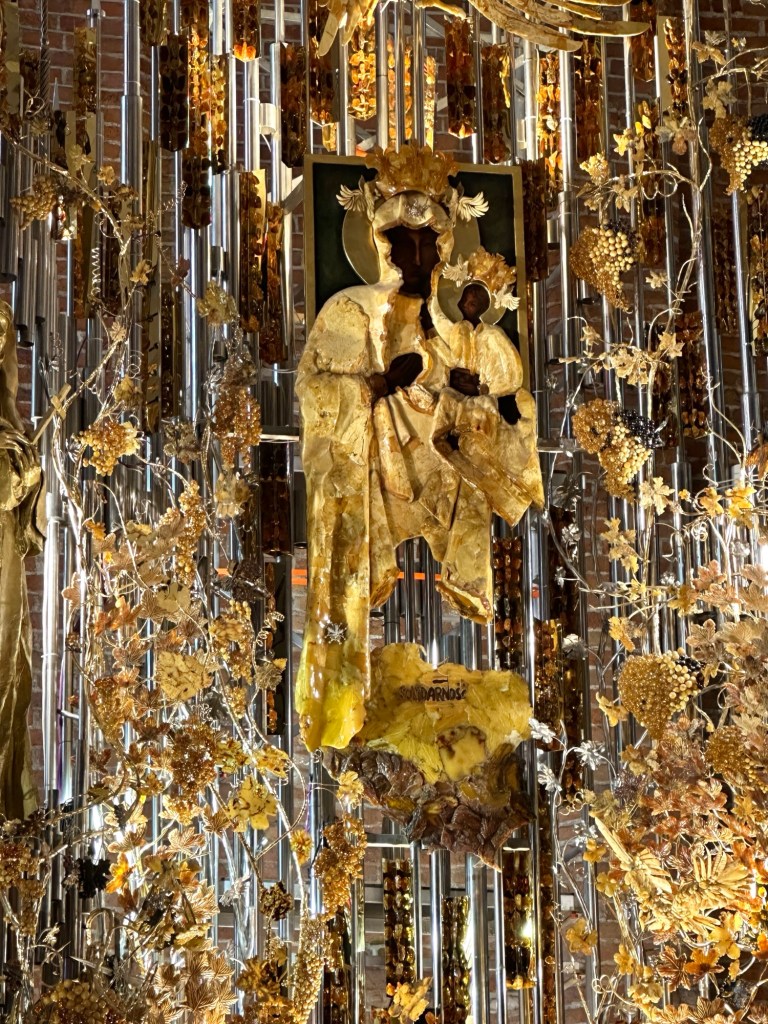
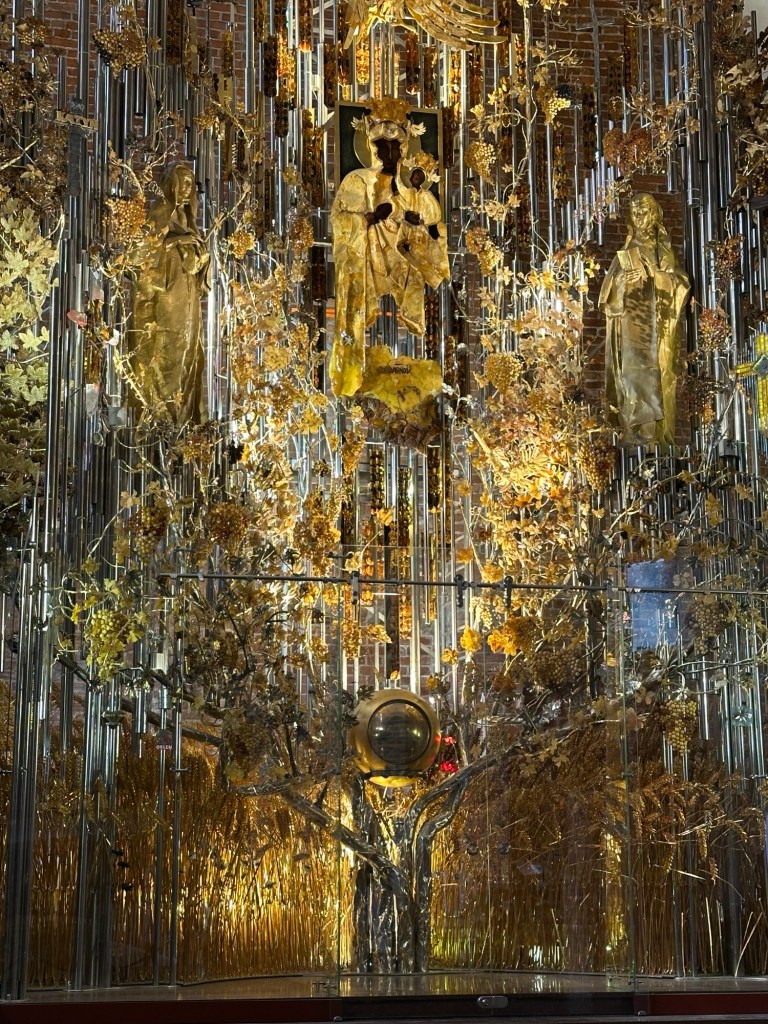
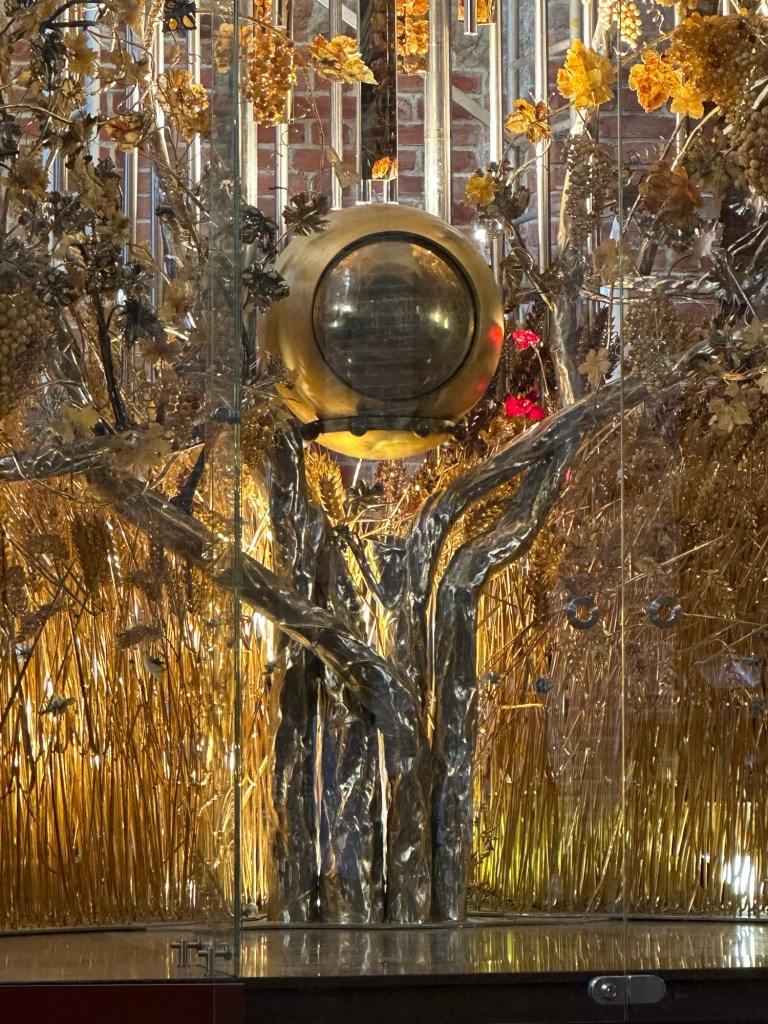
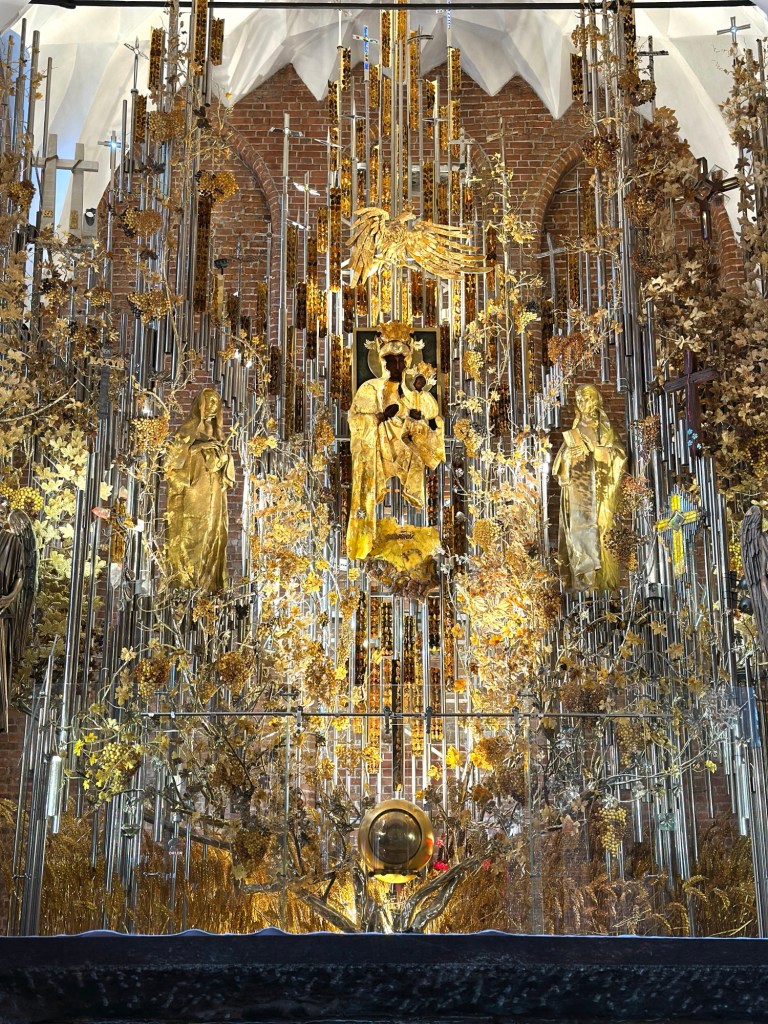
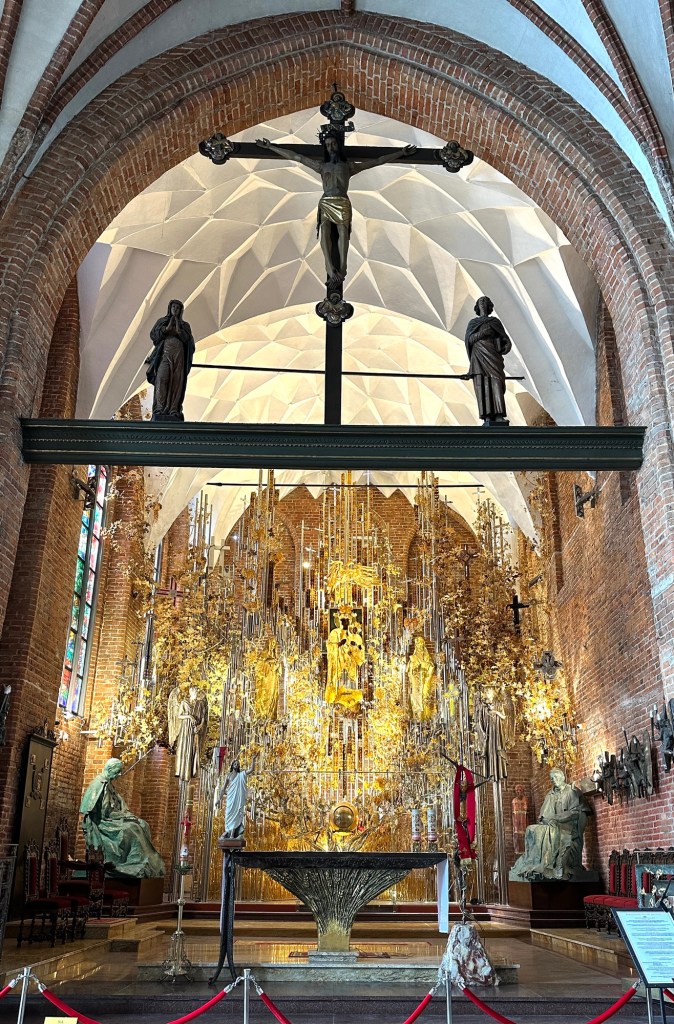
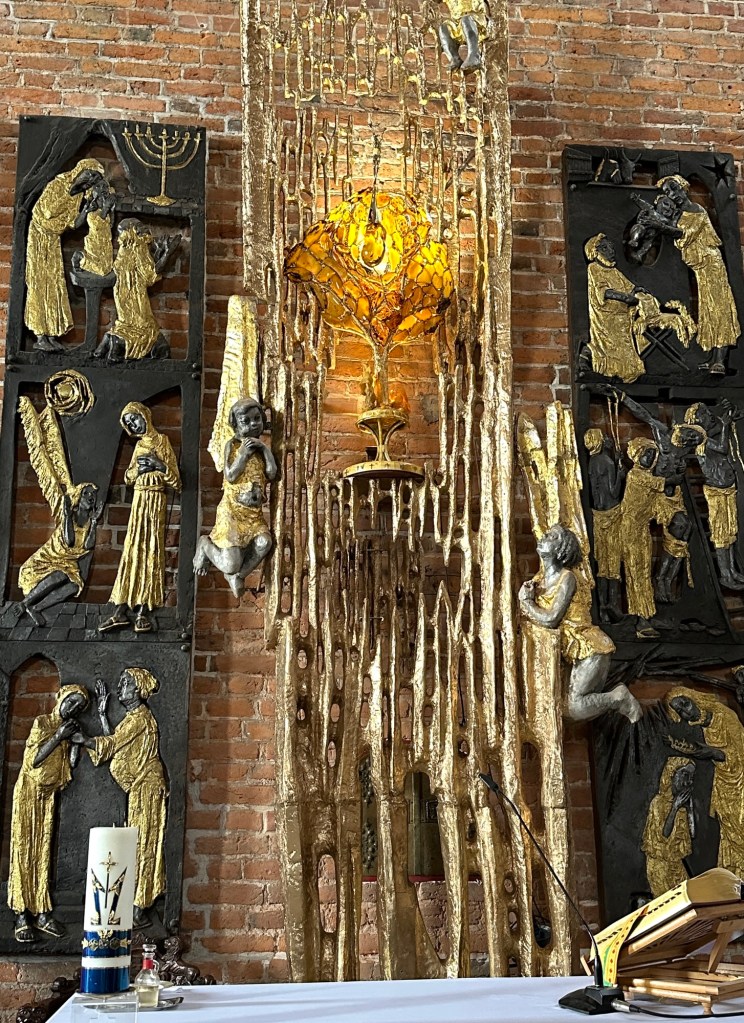
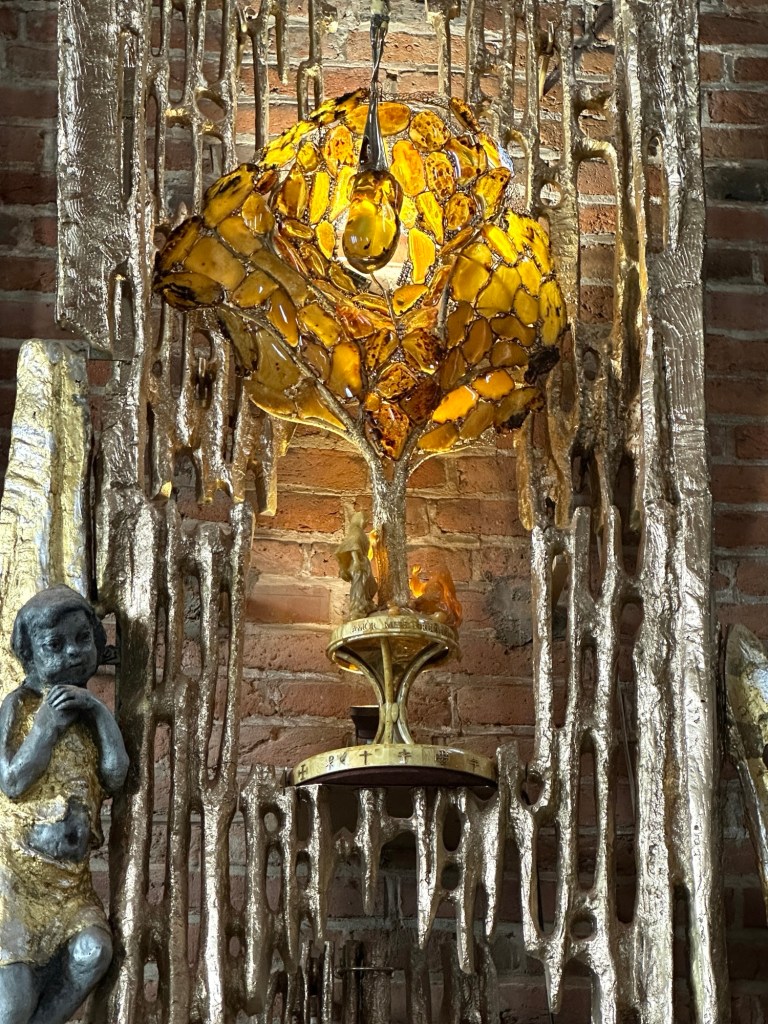
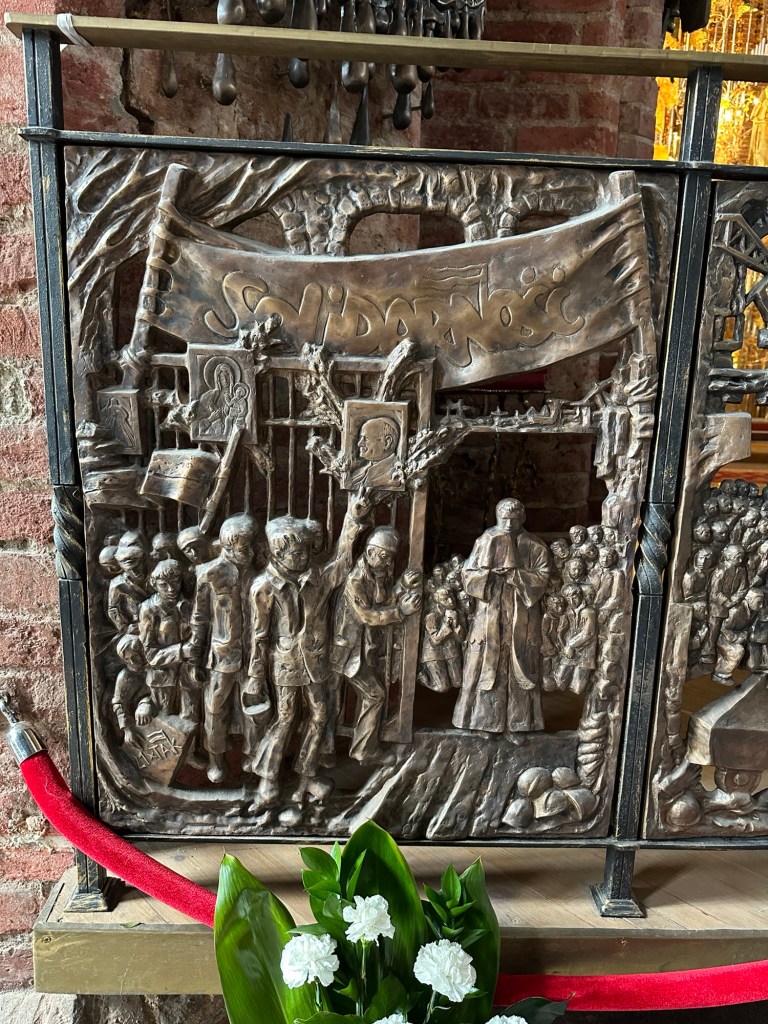
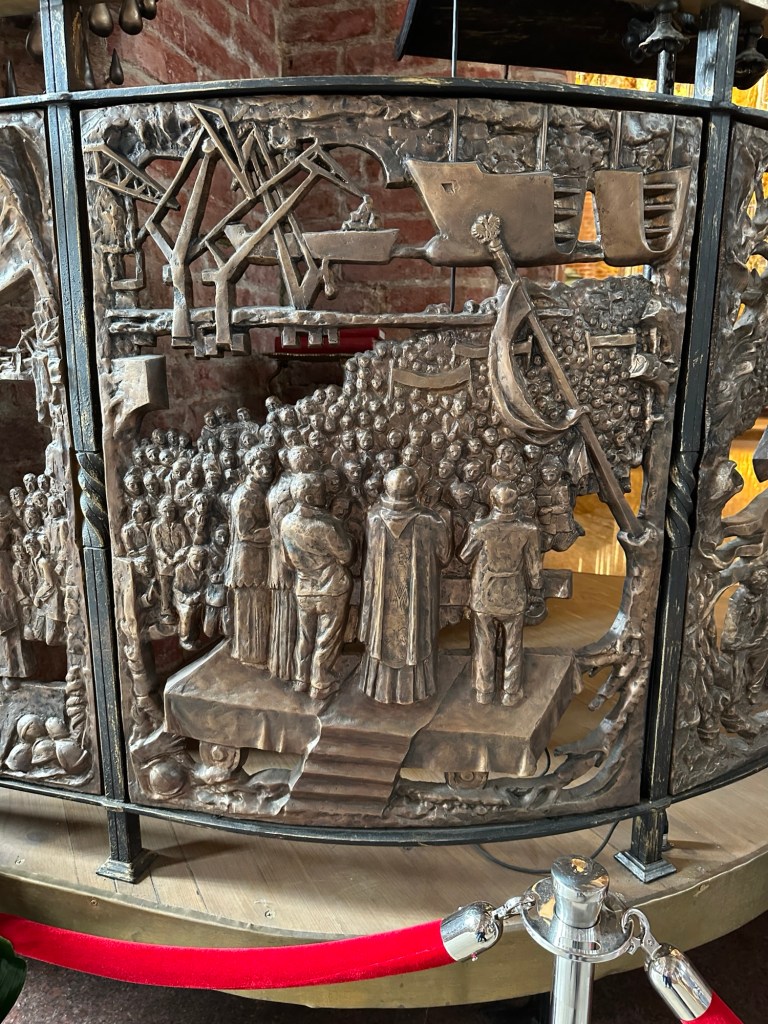
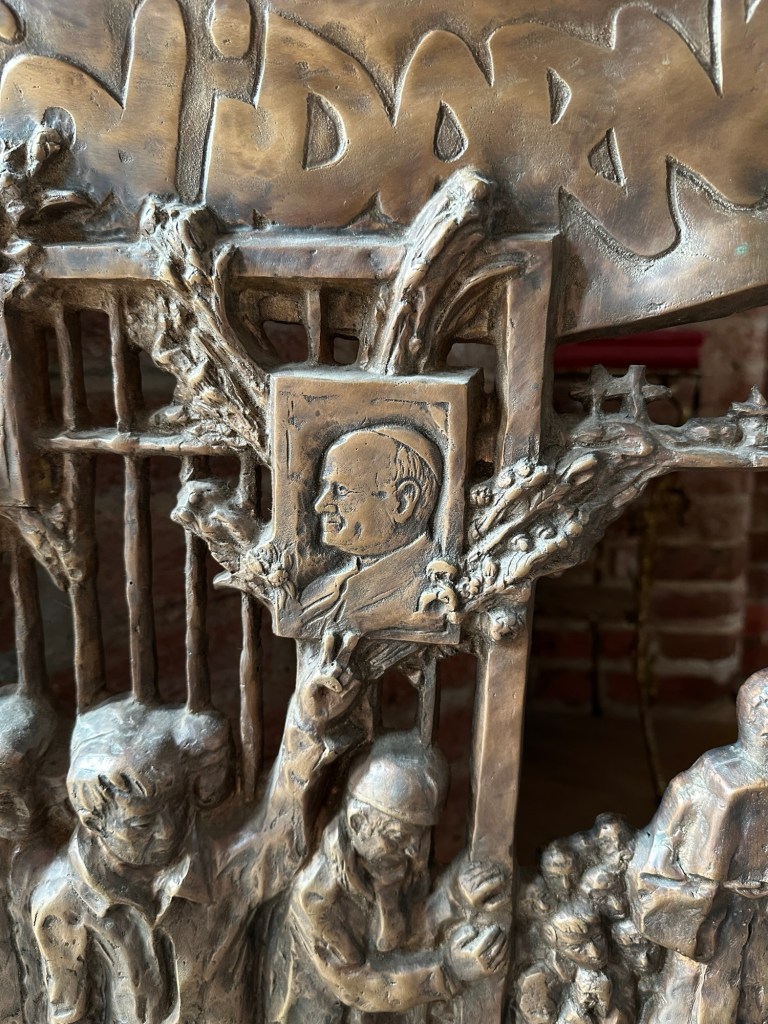
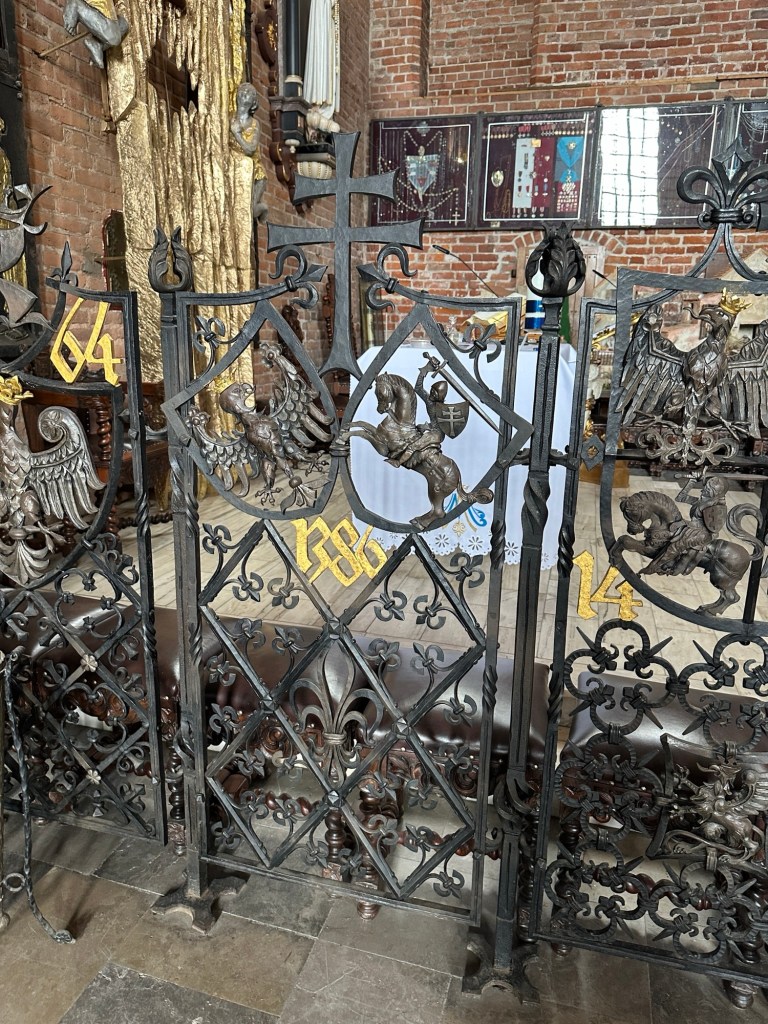
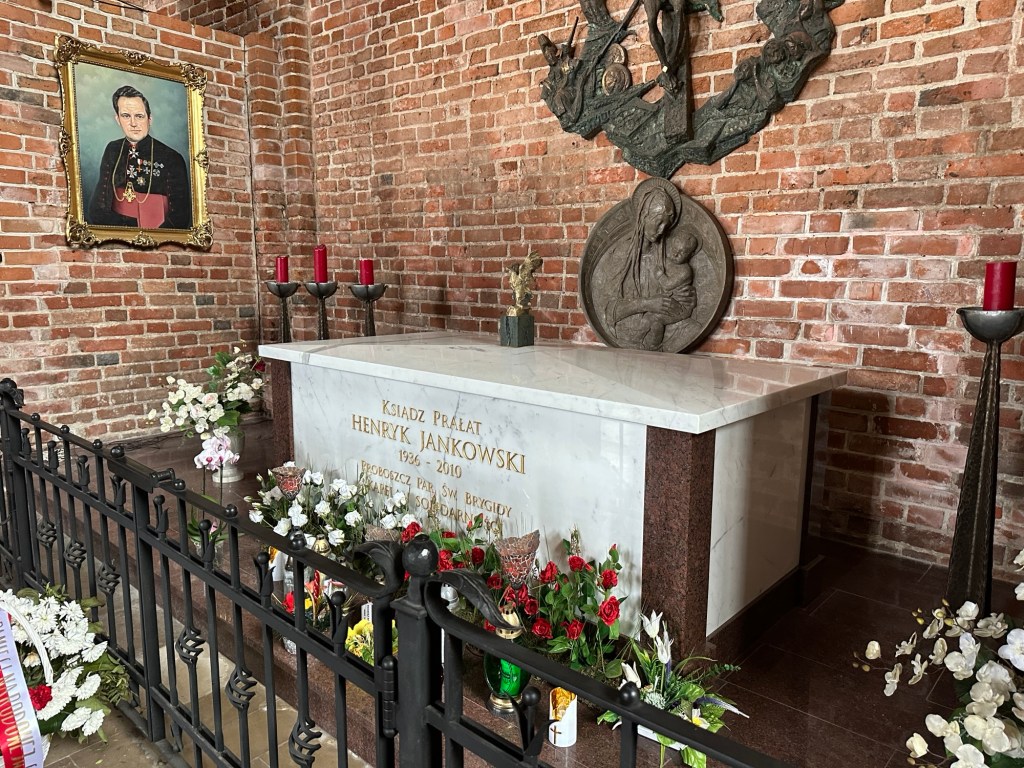
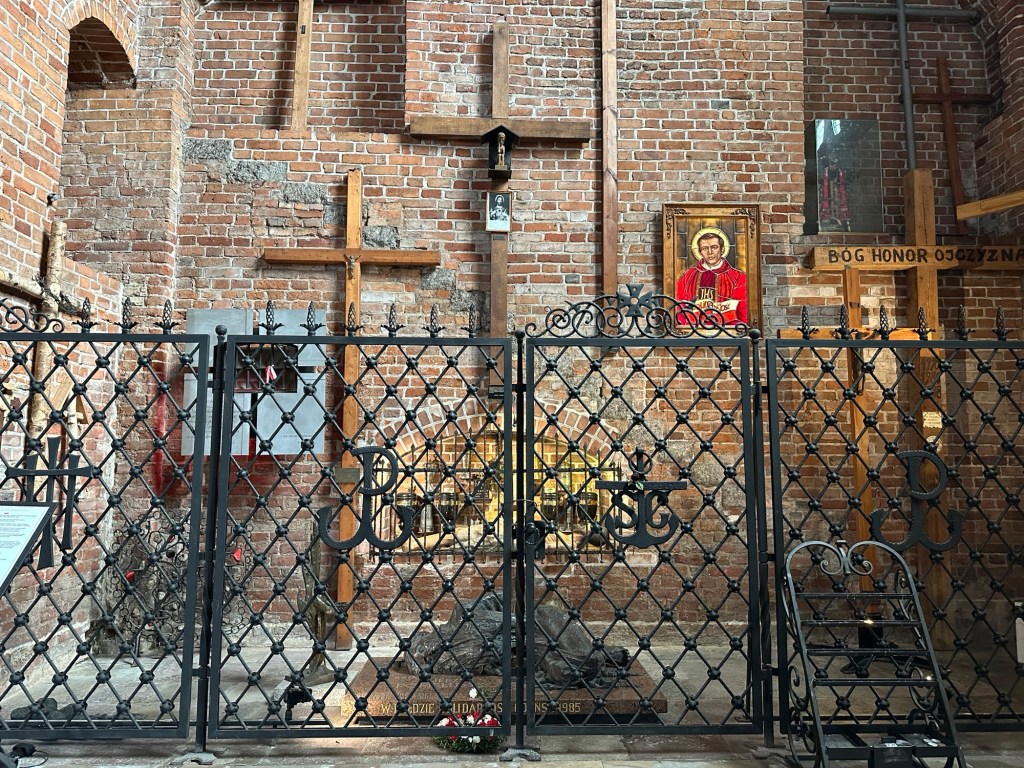
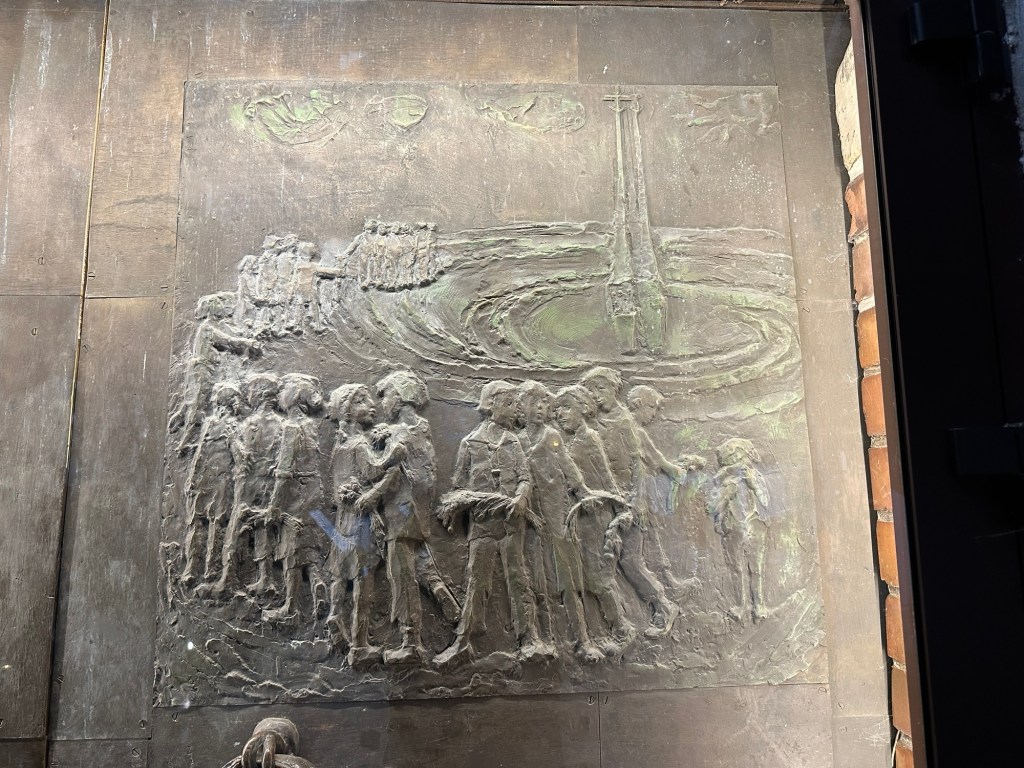
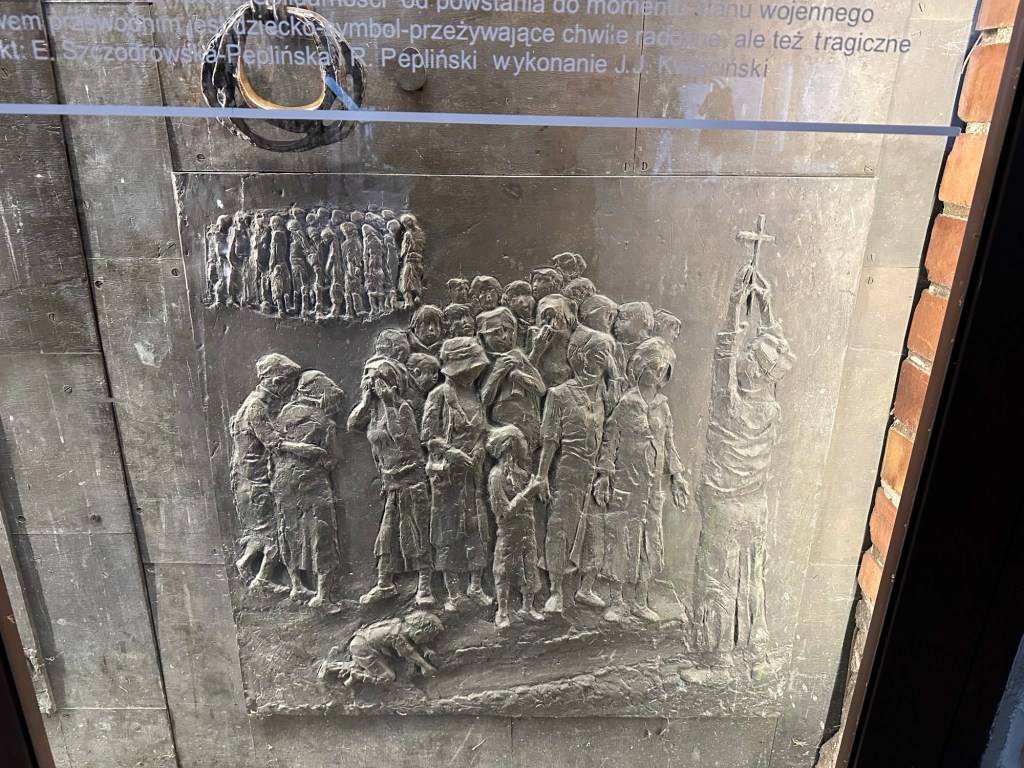
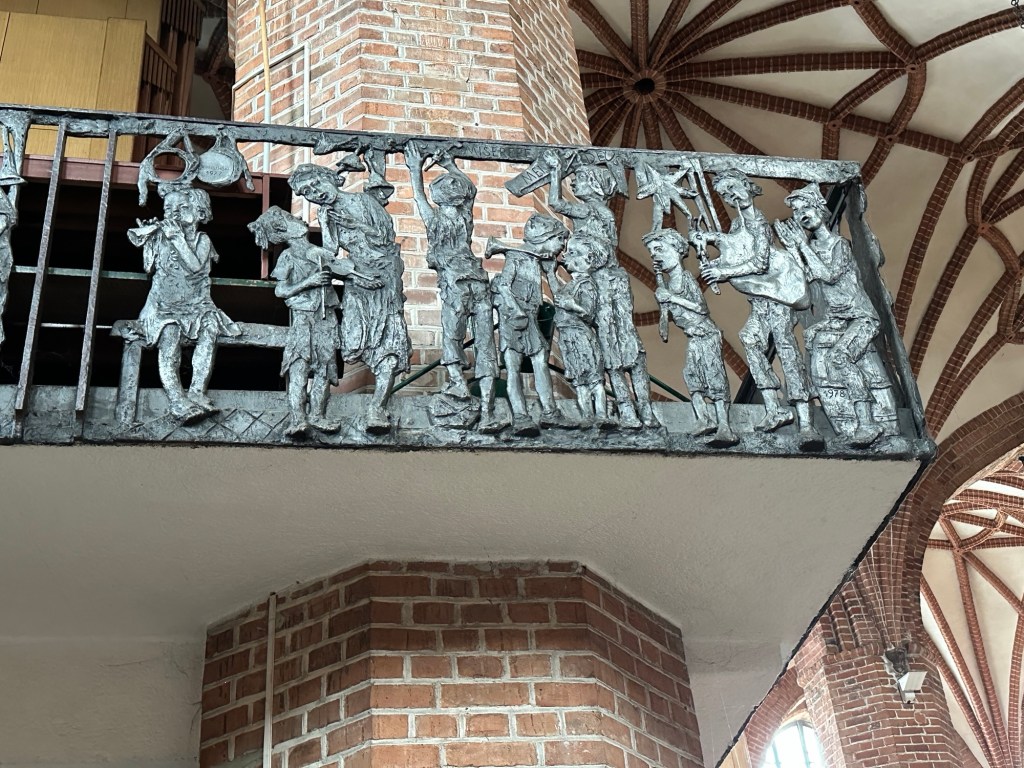
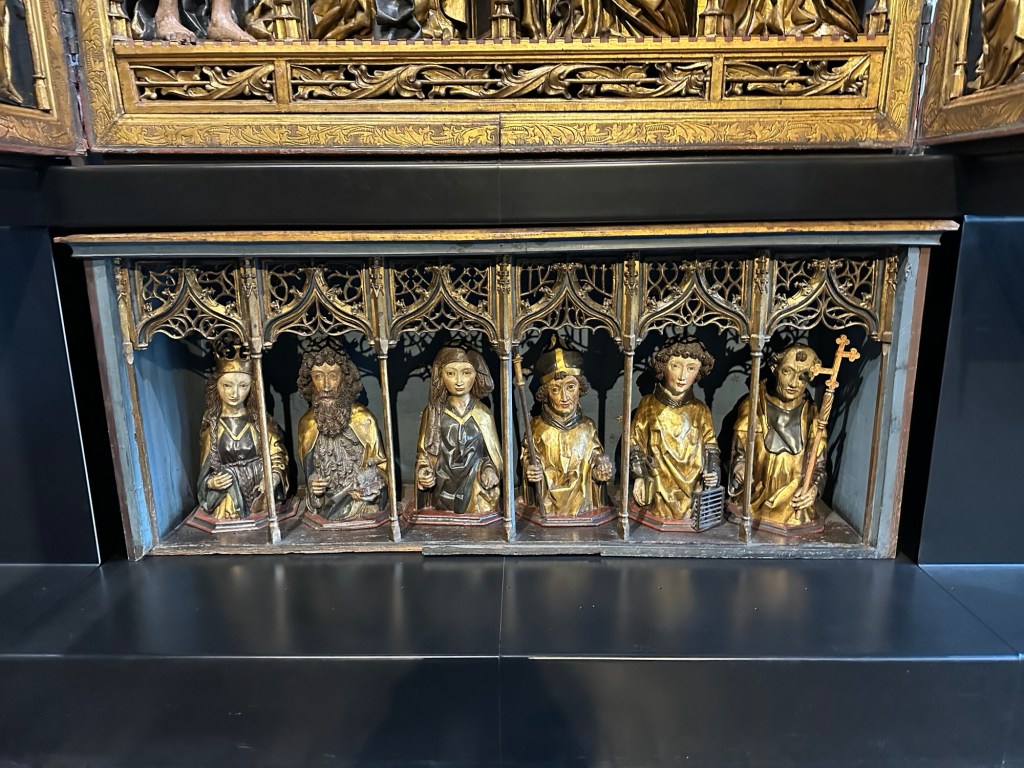
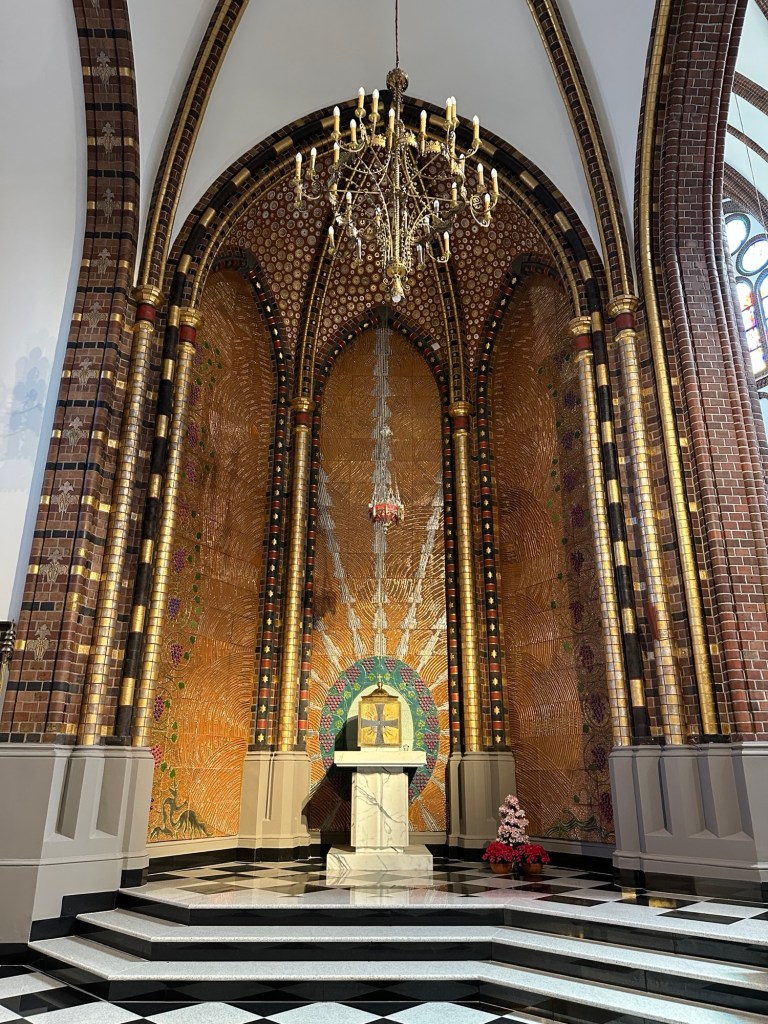
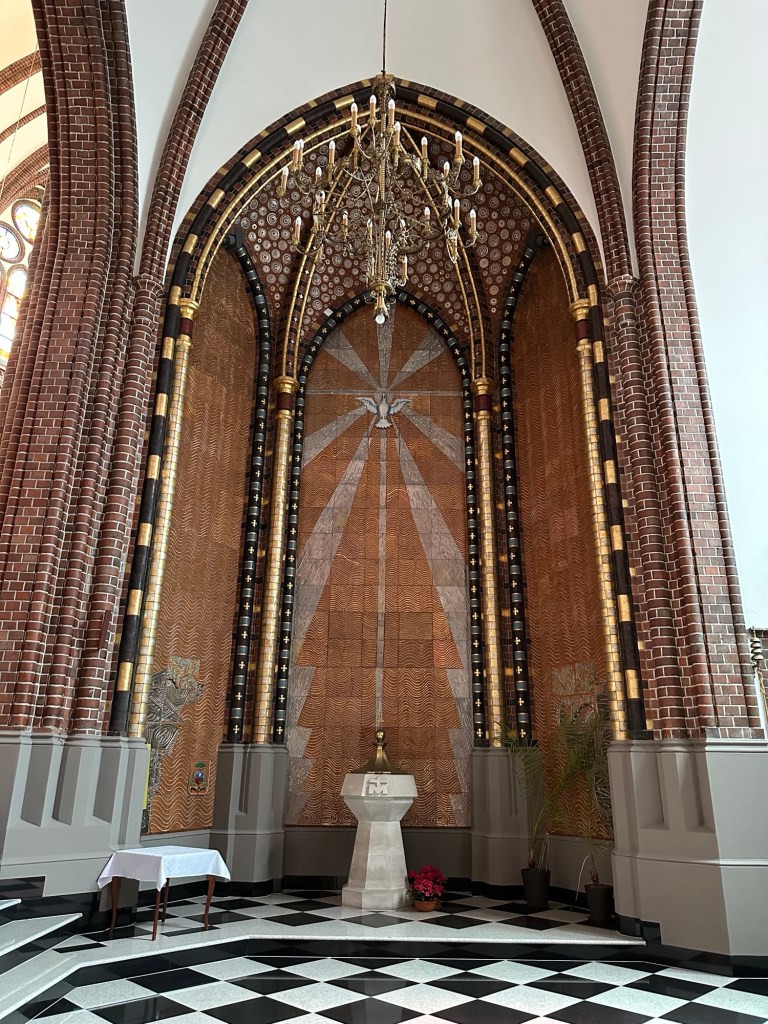
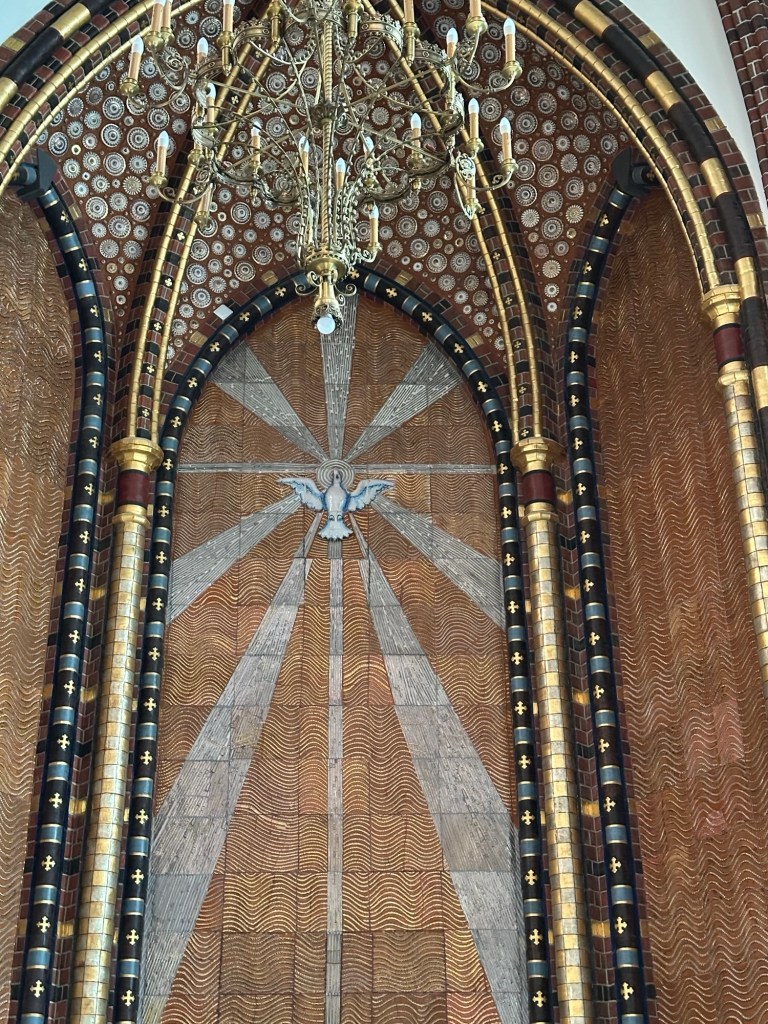
In the morning I visit the Basilica of St. Bridget. This reconstructed church was originally built in the 14th century. It was destroyed in WWII and rebuilt in 1970. It is known for its beautiful amber alter and its homage to the solidarity movement.

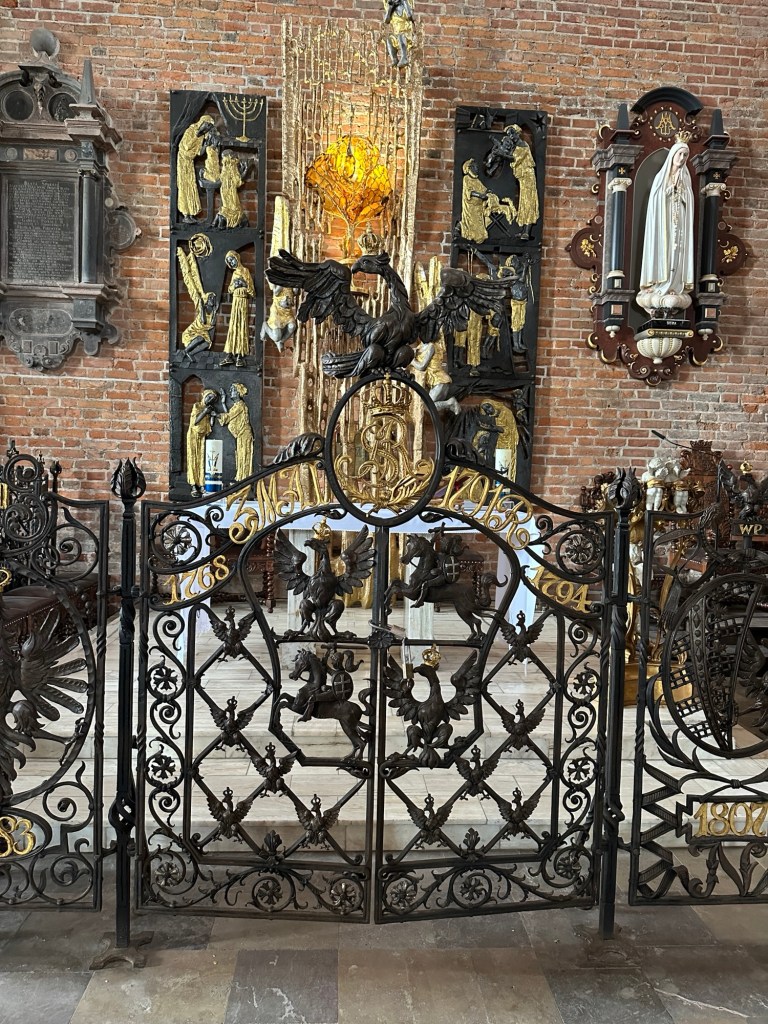
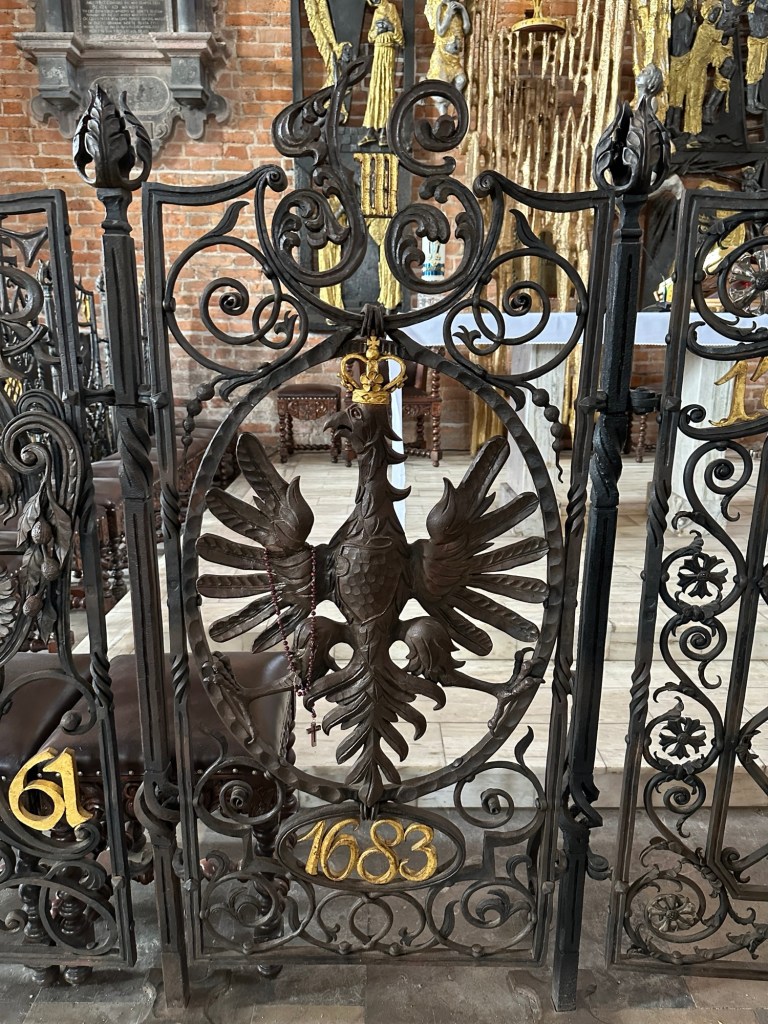
 There is a chapel in memory of those who participated in the solidarity movement.

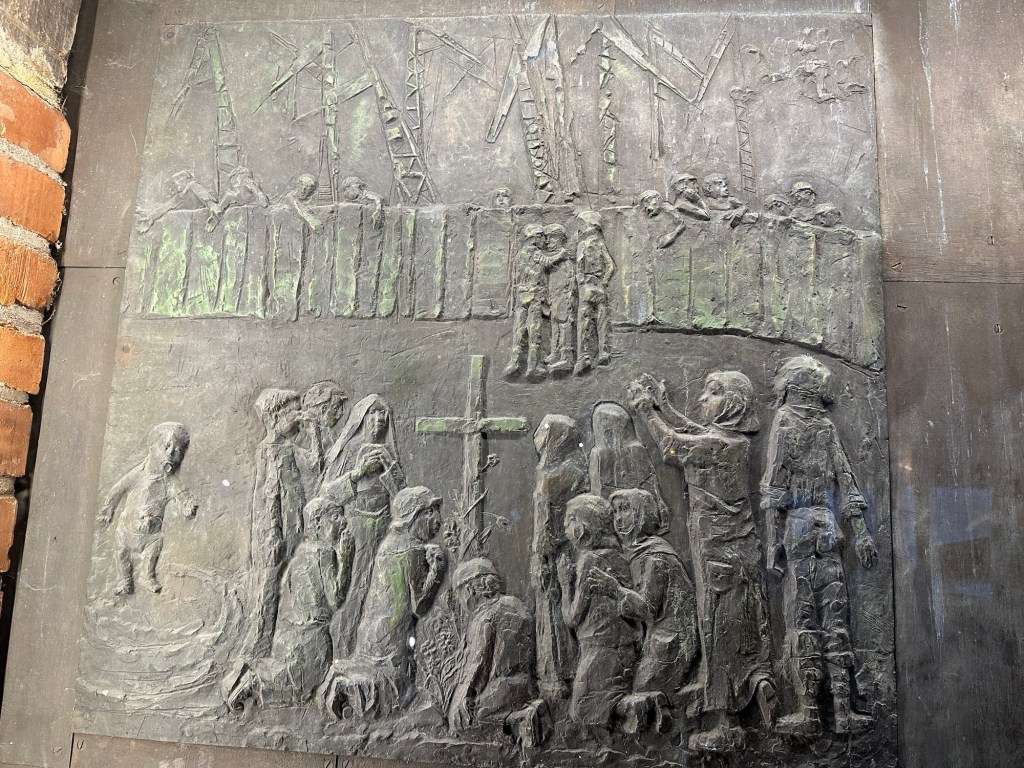
There is another area dedicated to those that have lost their lives in the Katyn massacre during WWII.

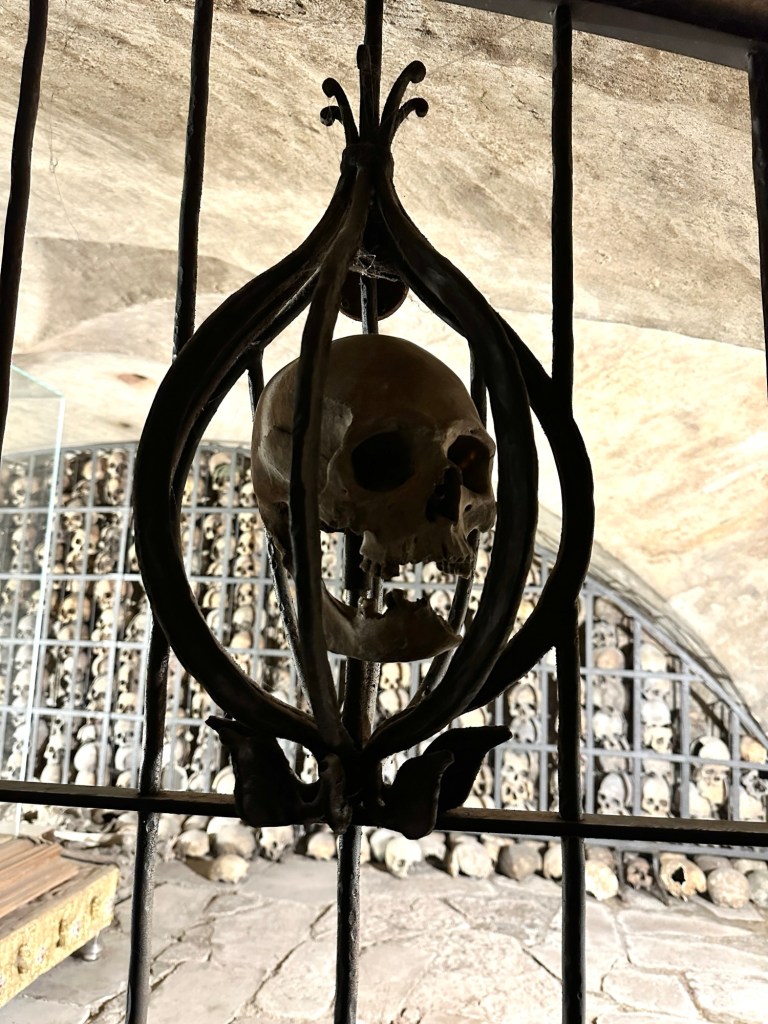
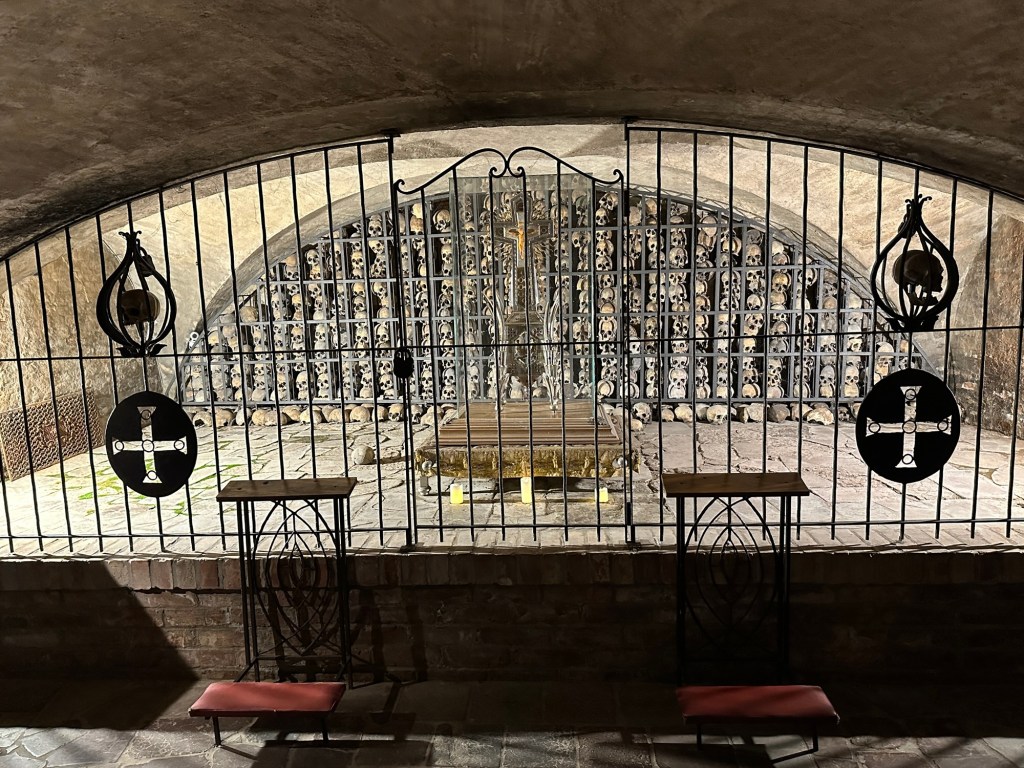
And finally I have to make a visit to the room of skulls. I must see all the skulls.

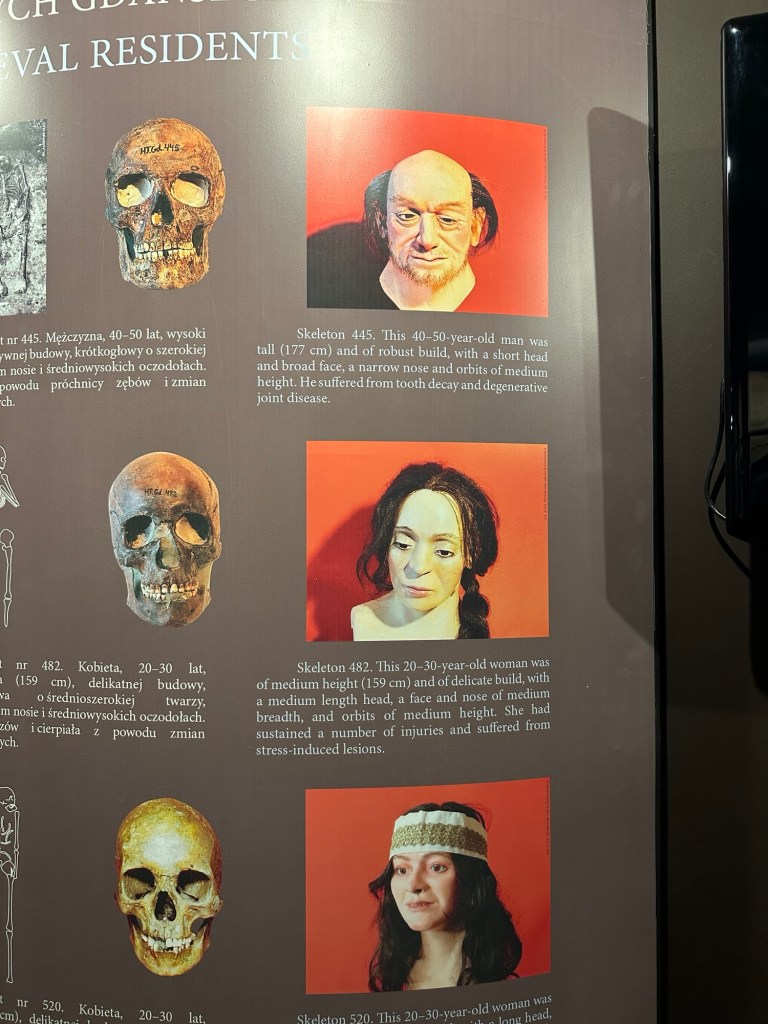
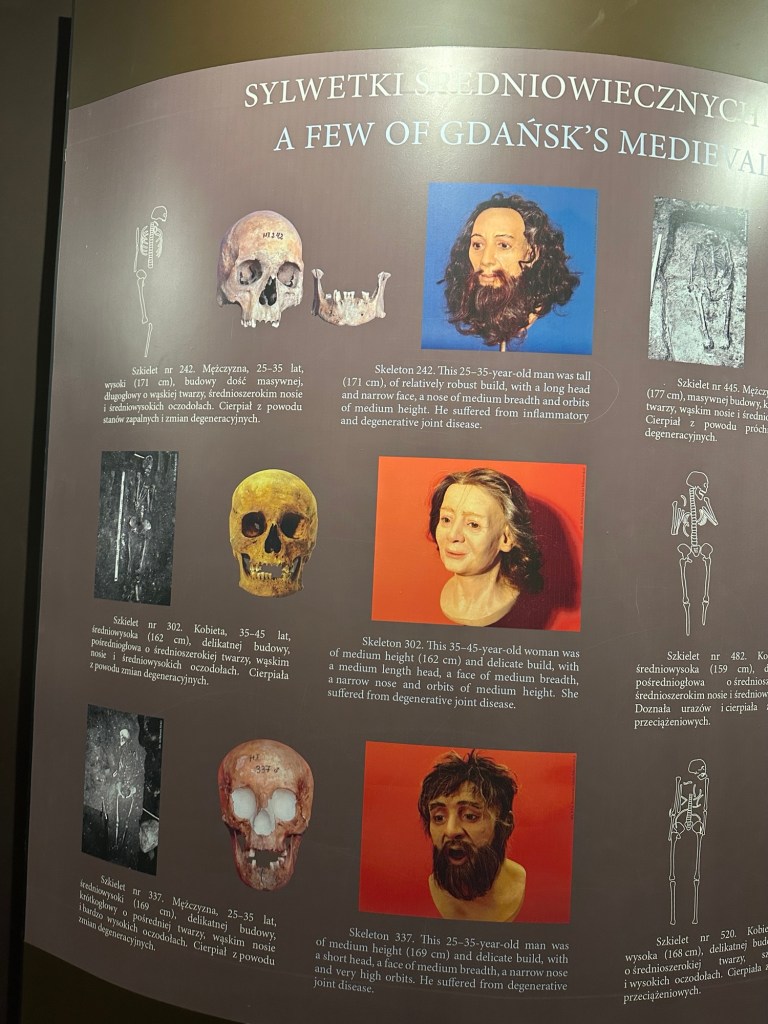
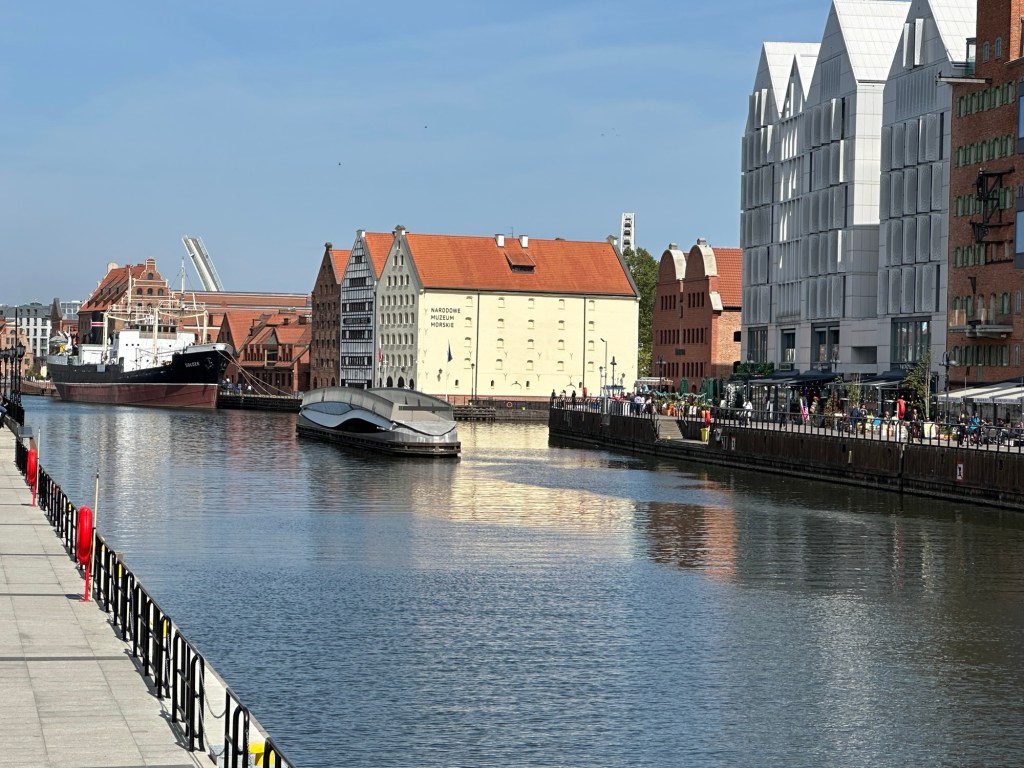
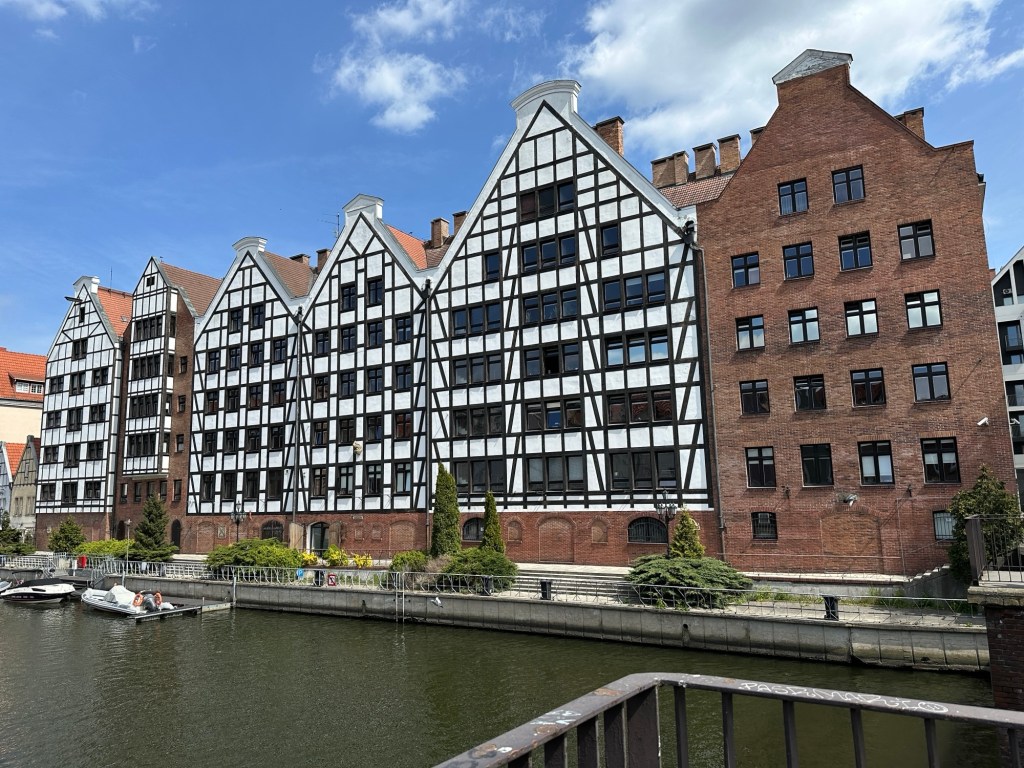
I visit Blue Lamb – a heritage museum housed in an old granary, in order to get an archeological view of the region. I enjoy the exhibit where they show you what the original people of the region would have looked like based on the skulls found.

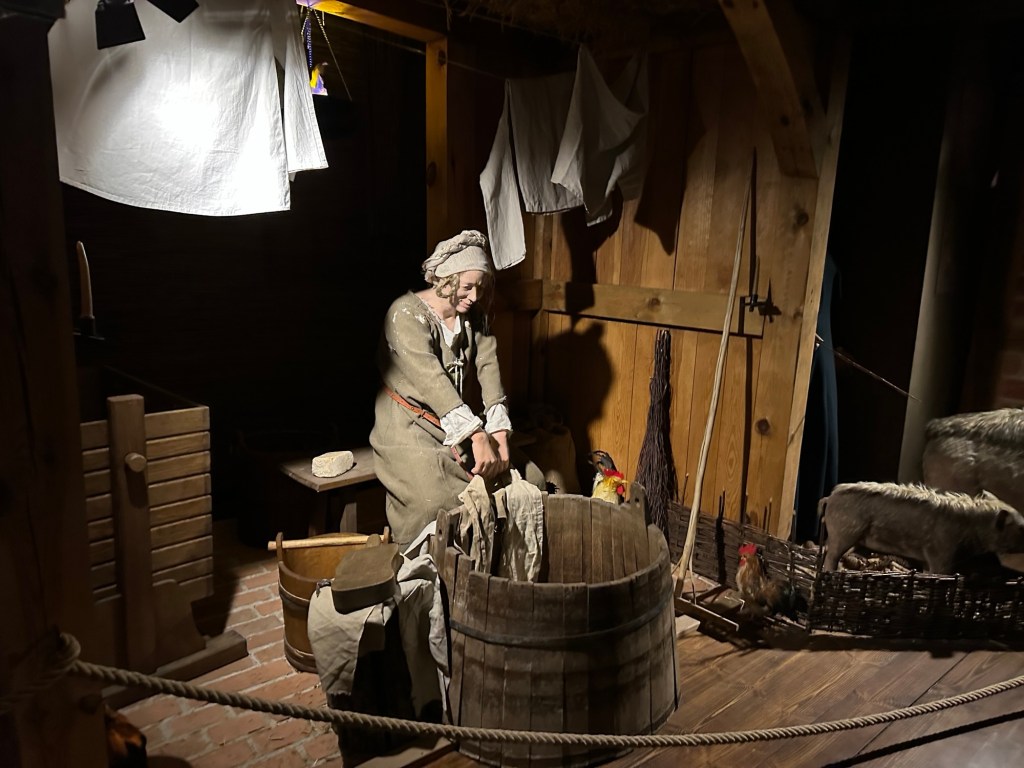
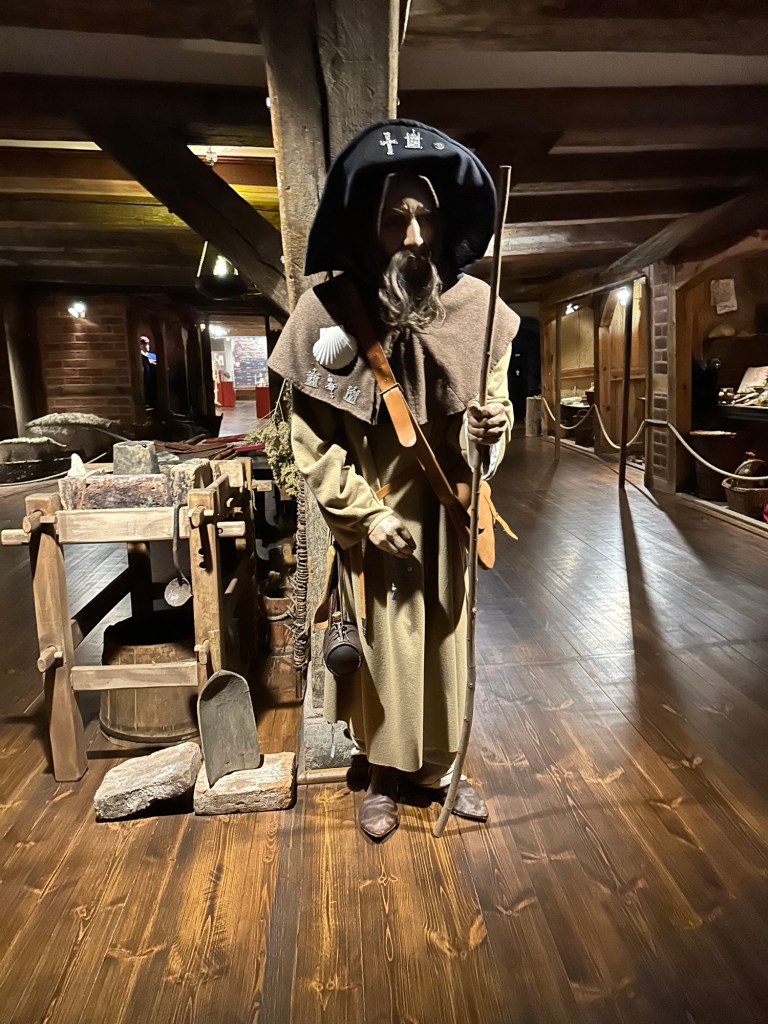
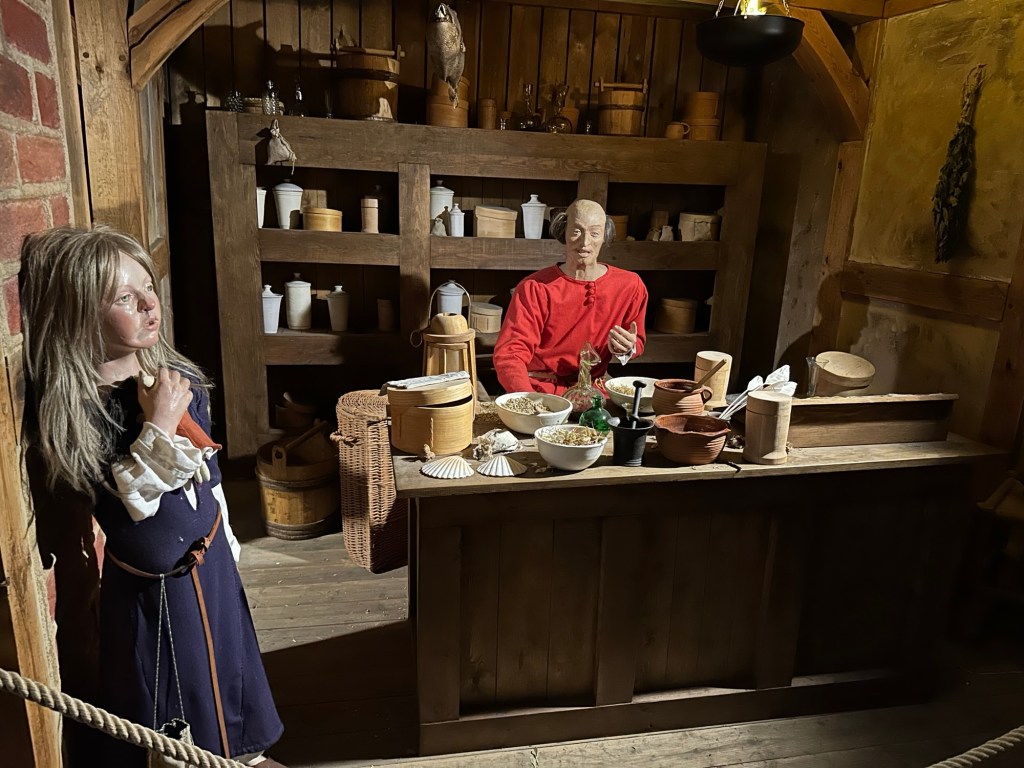
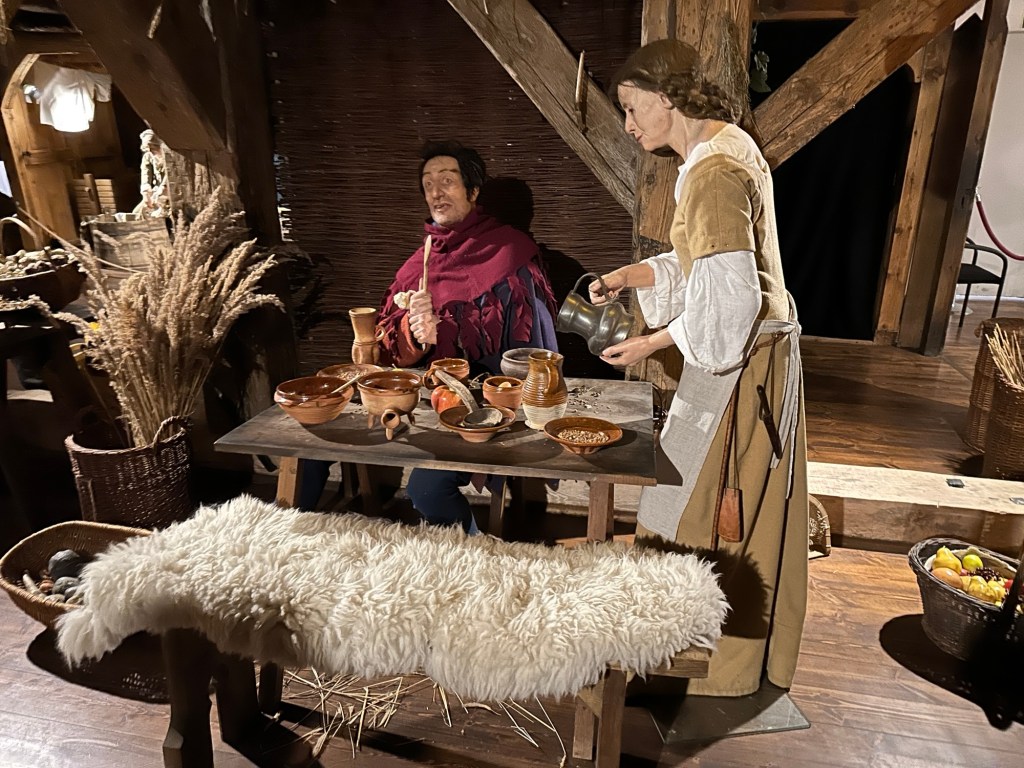
They have walk through sight and sound area depicting life in the region over time.

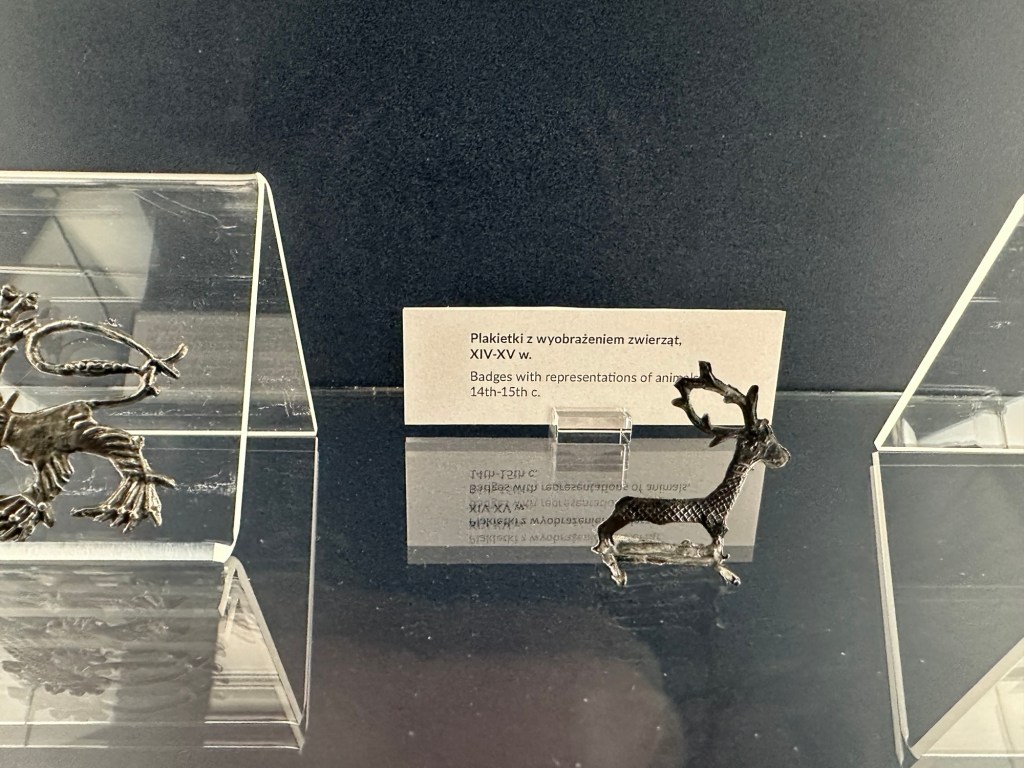
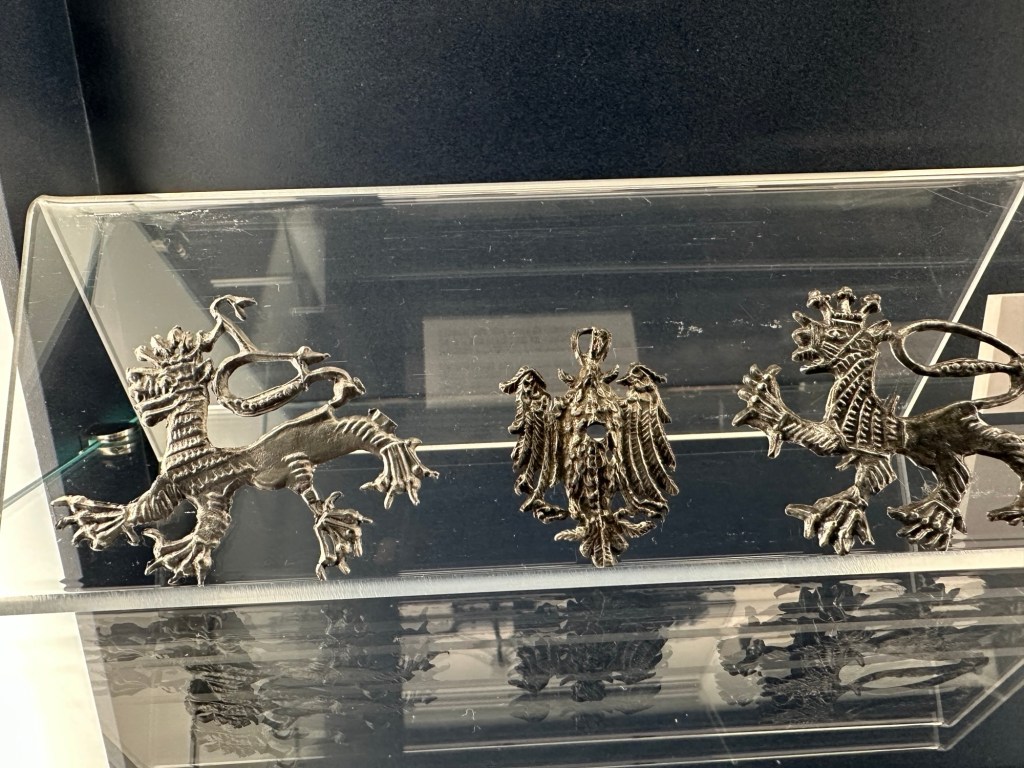
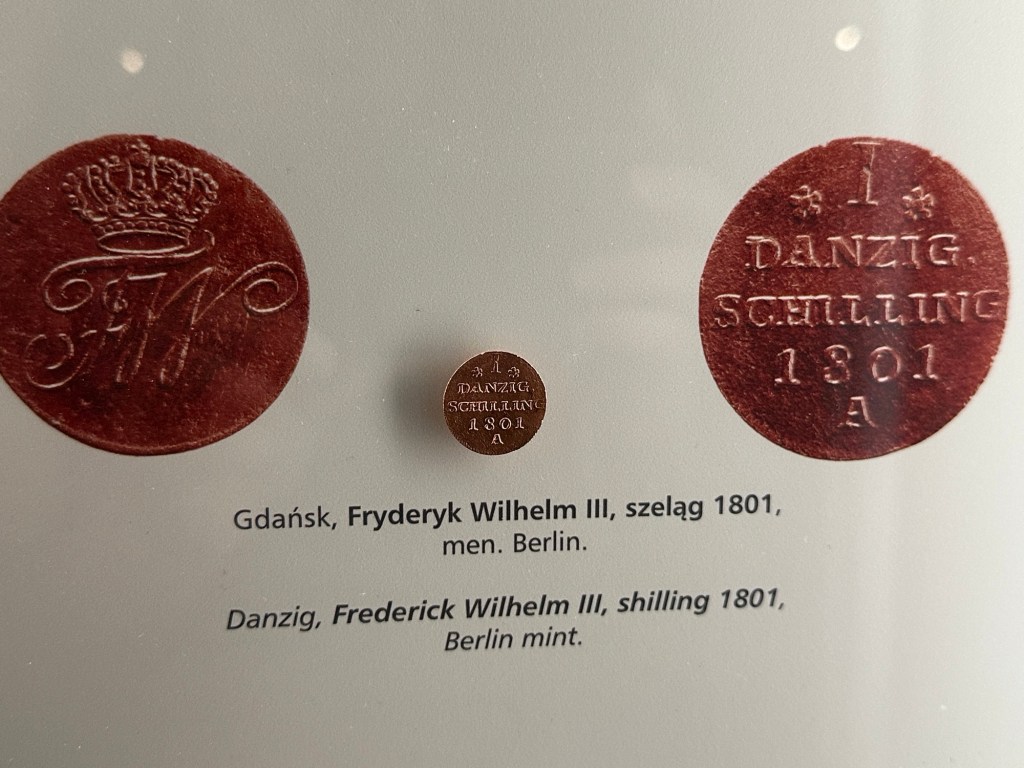
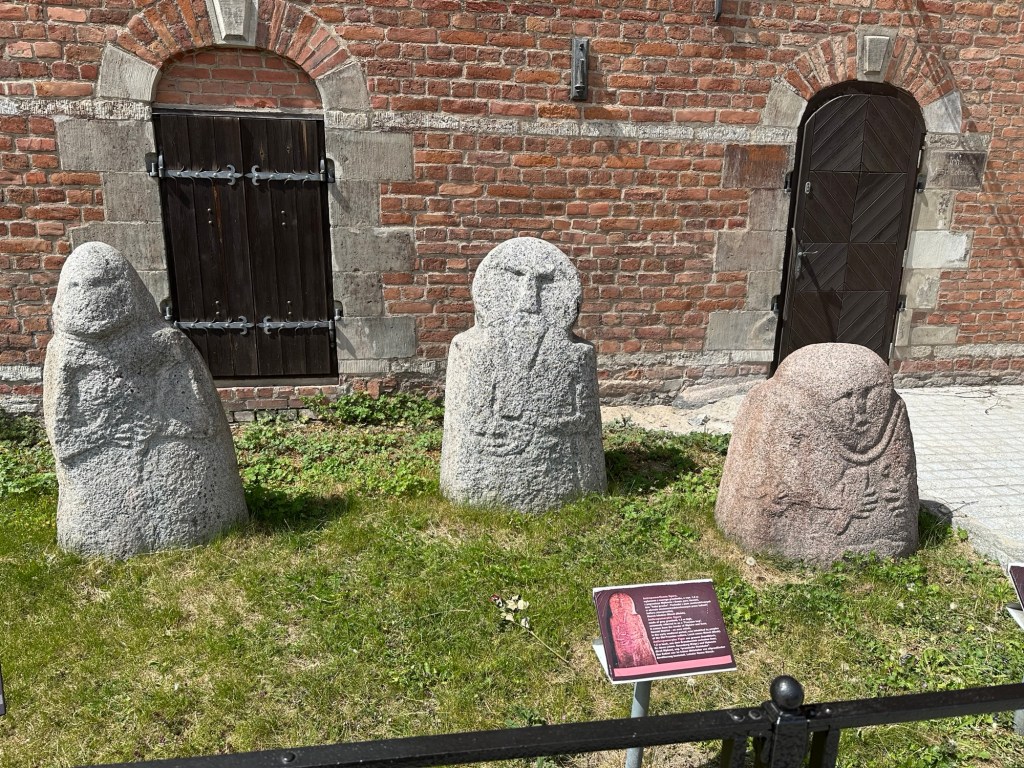
And finally there is a display of archeological items.

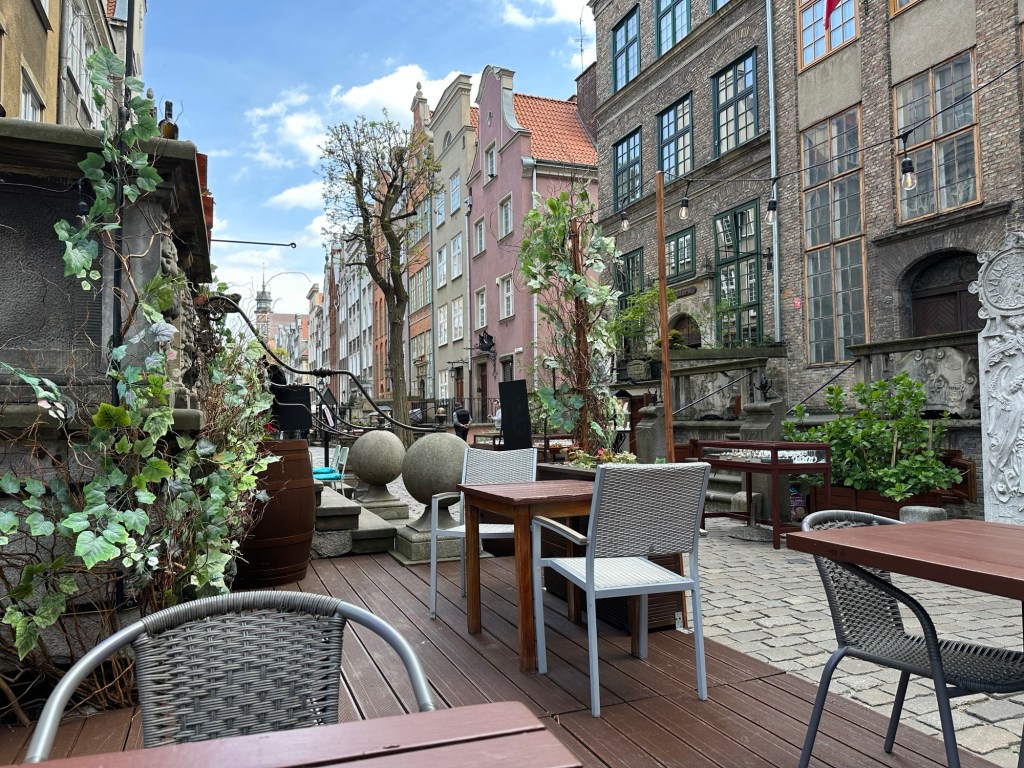
I end up back at Mariacka once more but this time I enjoy a glass of wine and people watching and check out some additional things I learned about the street.

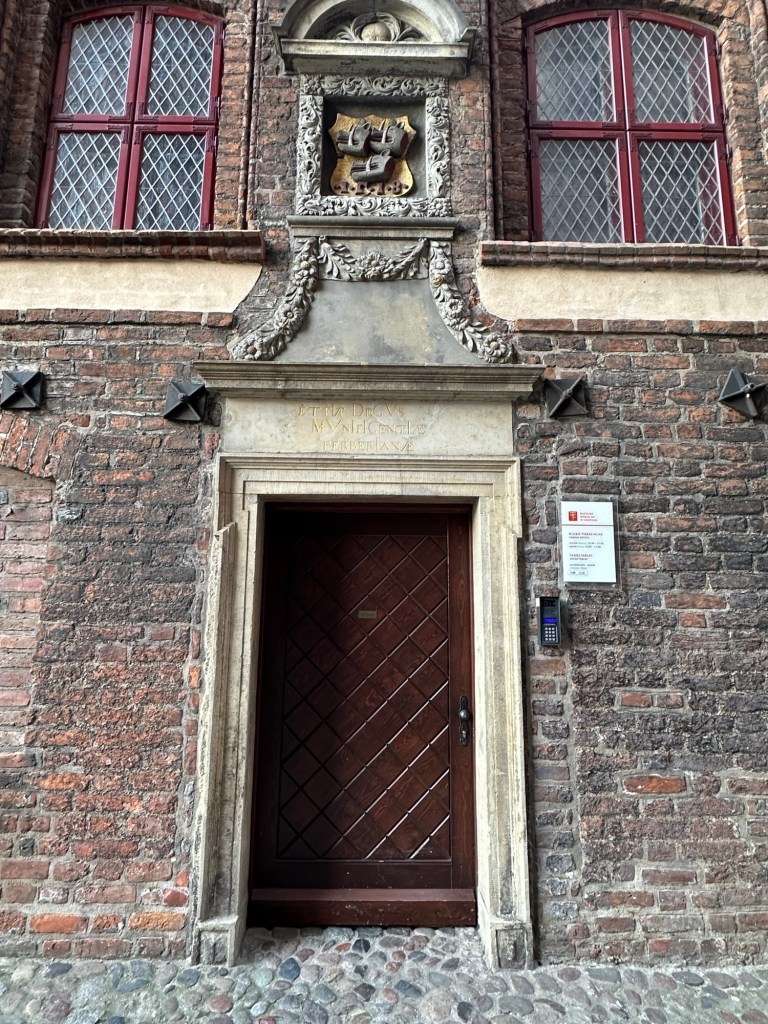
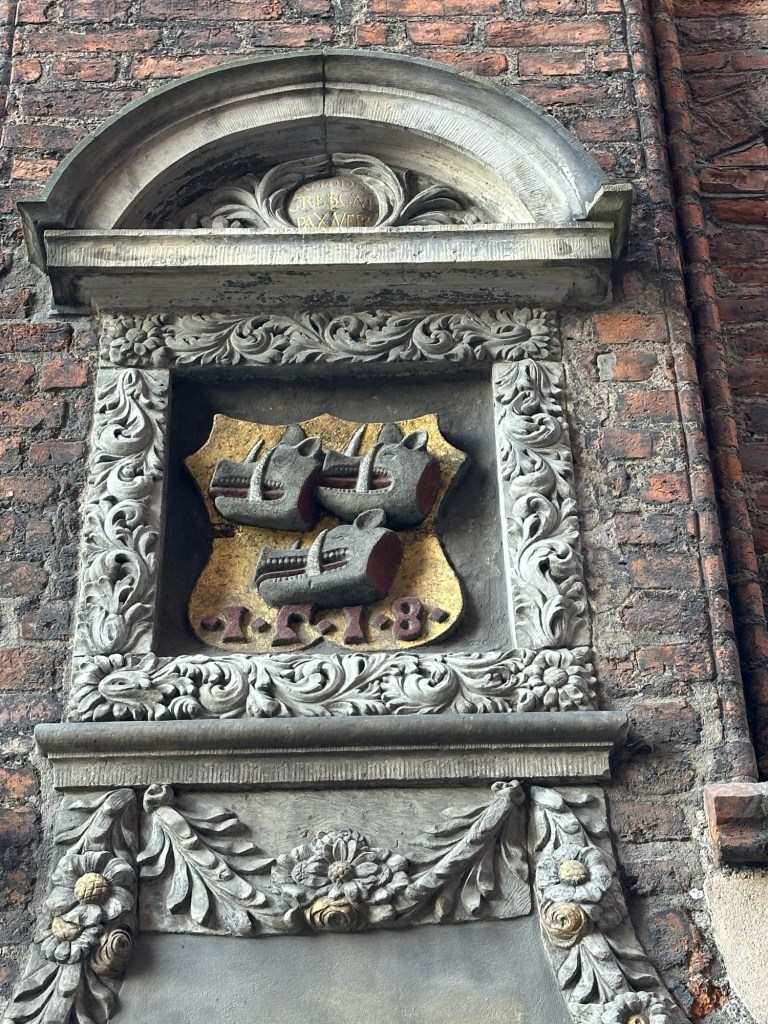
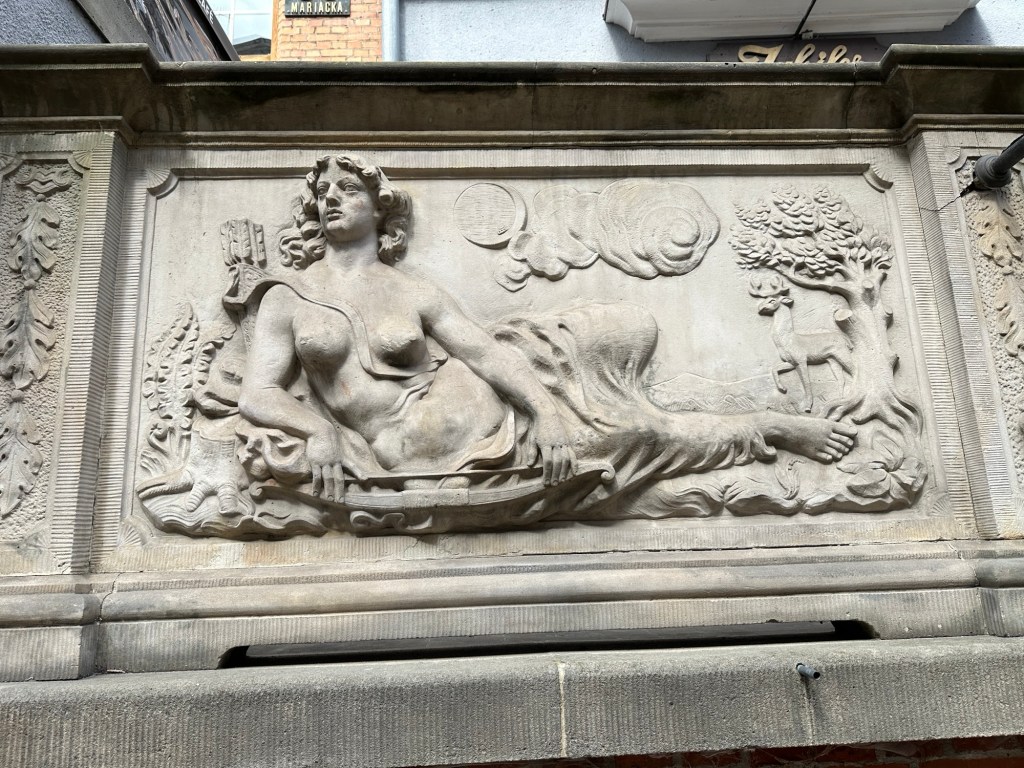
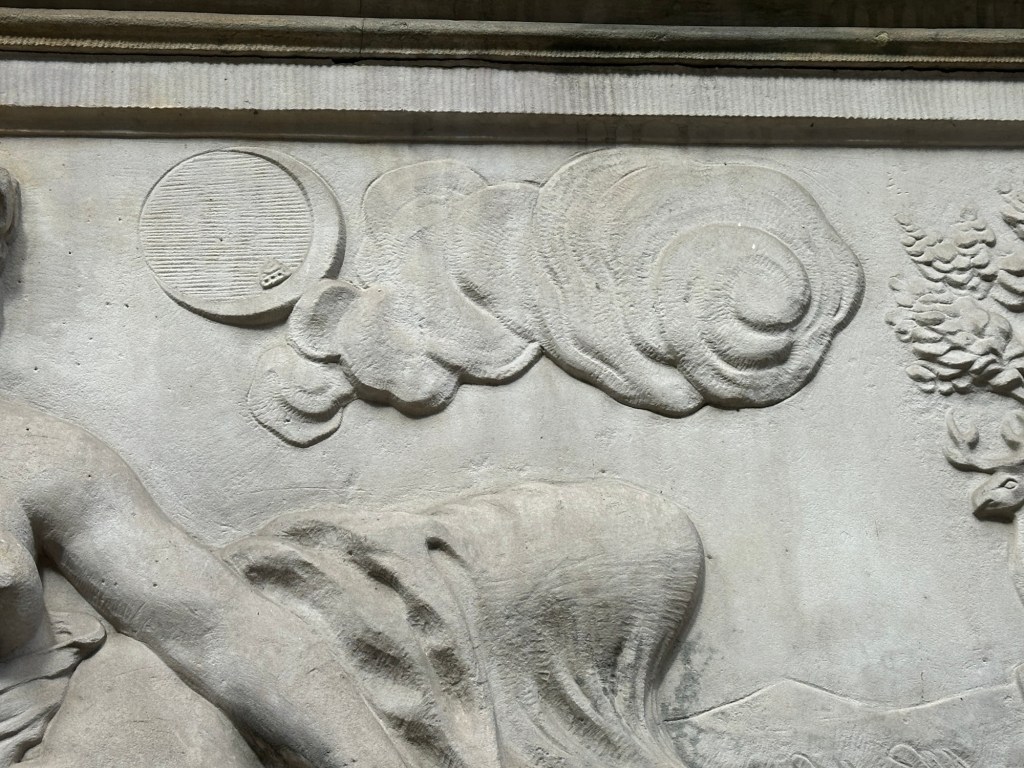
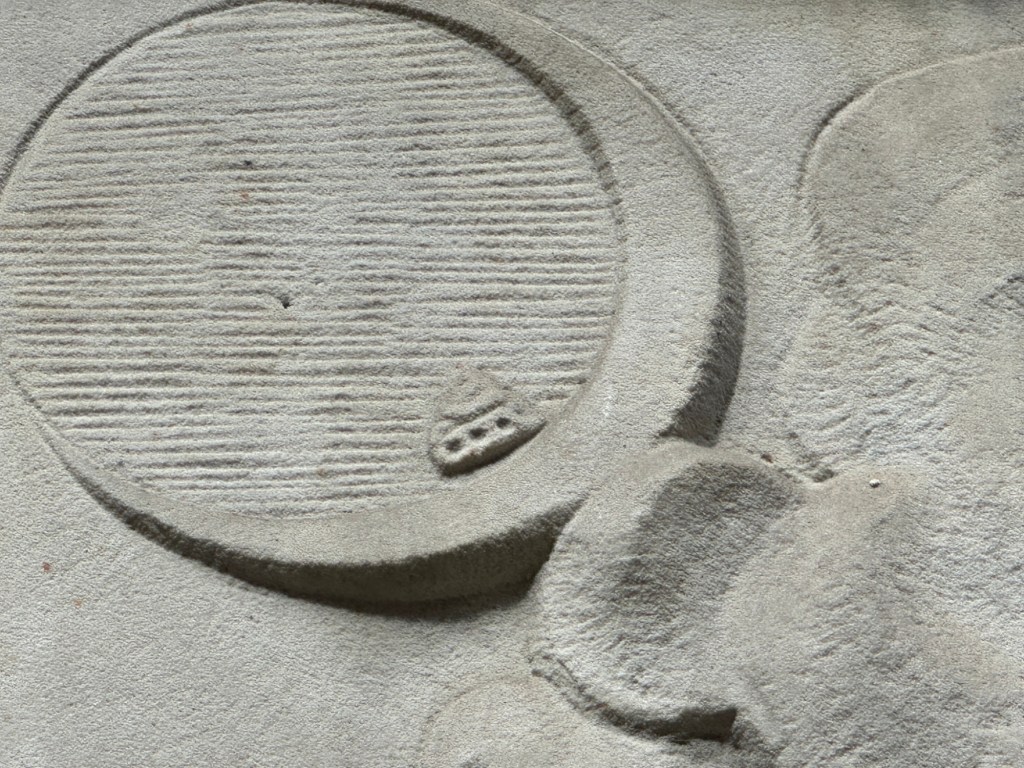
Many of the houses on Mariacka street have reliefs out front but one restore one was given a modern day touch – a Lunar rover.

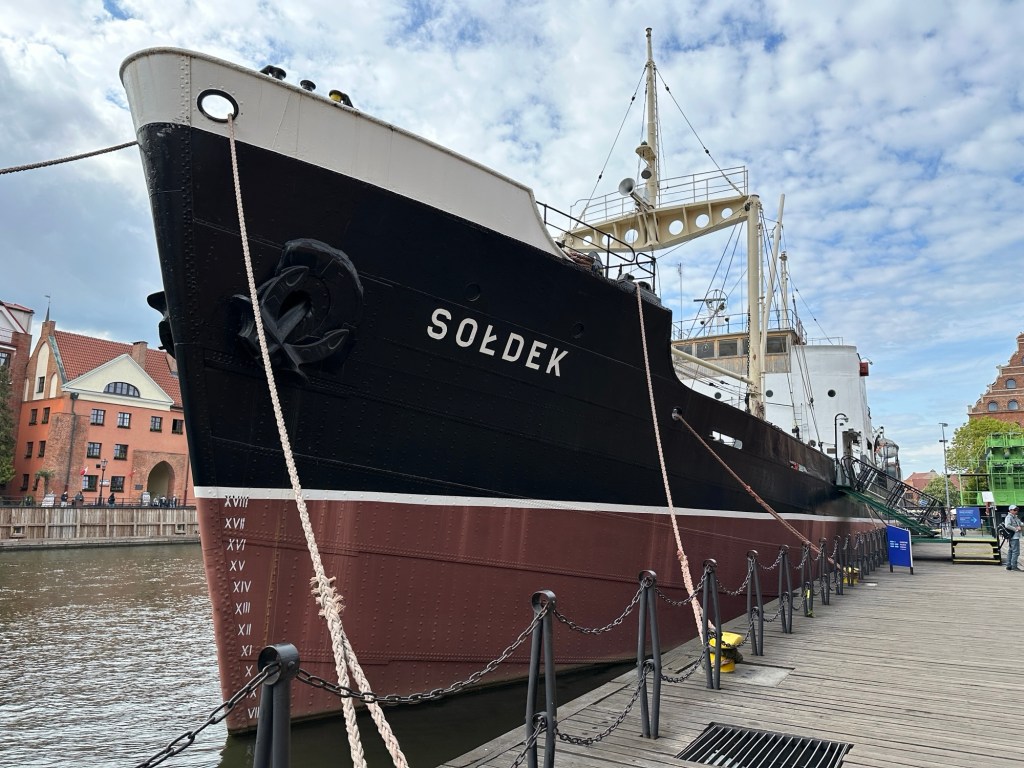
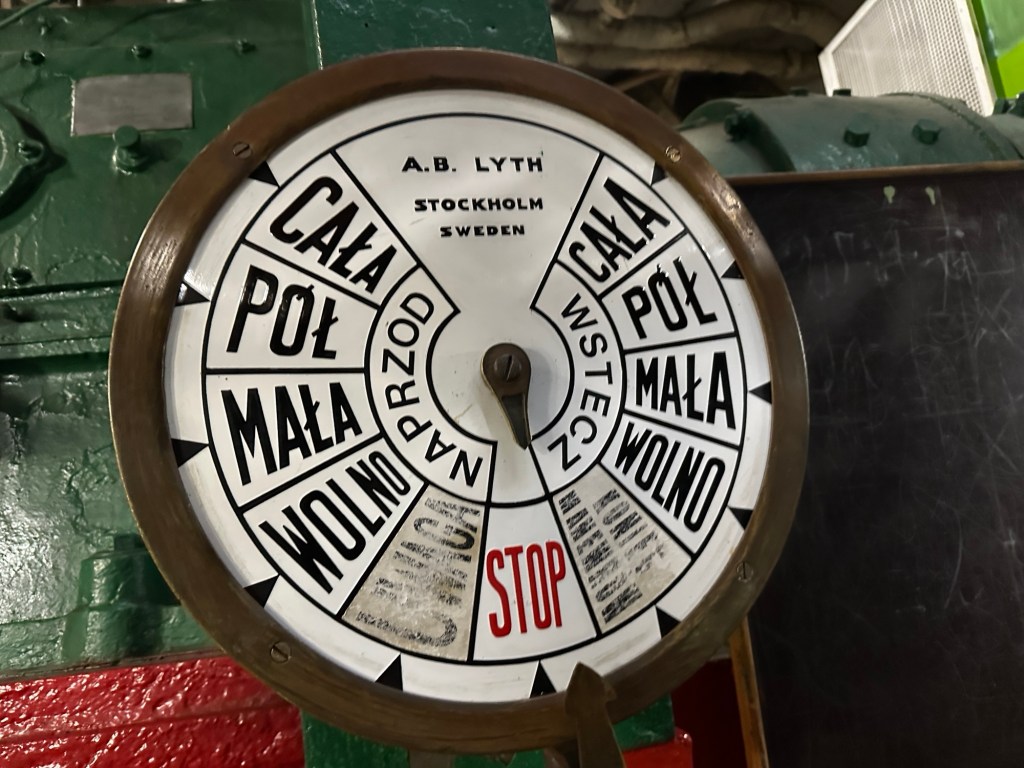
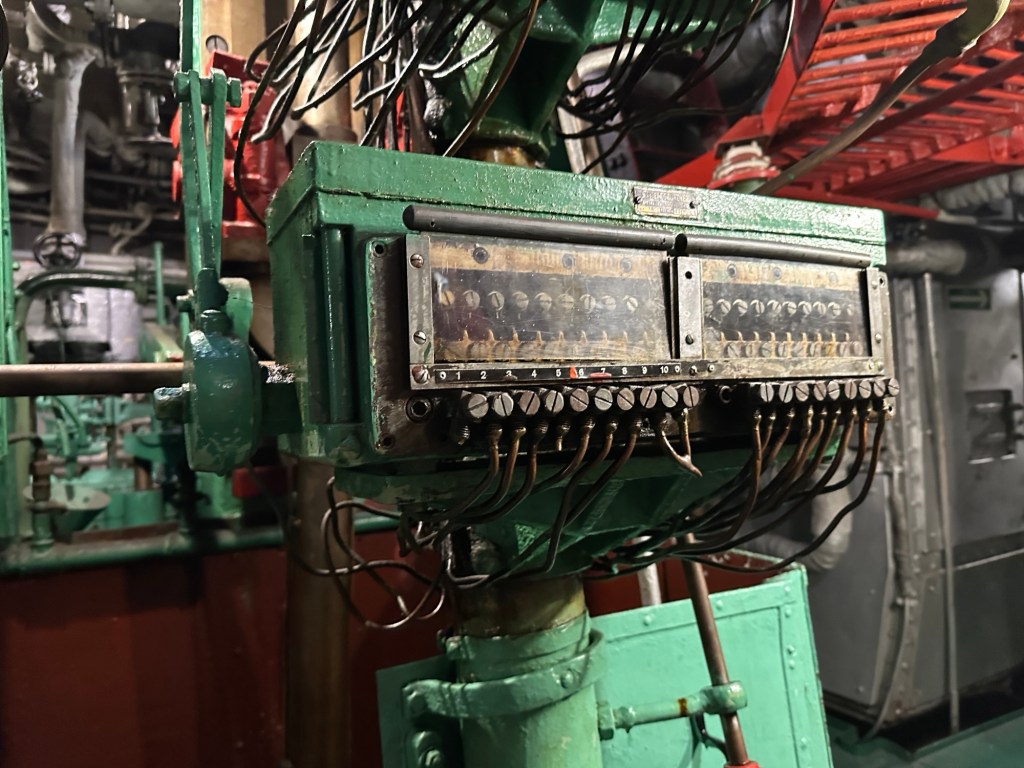
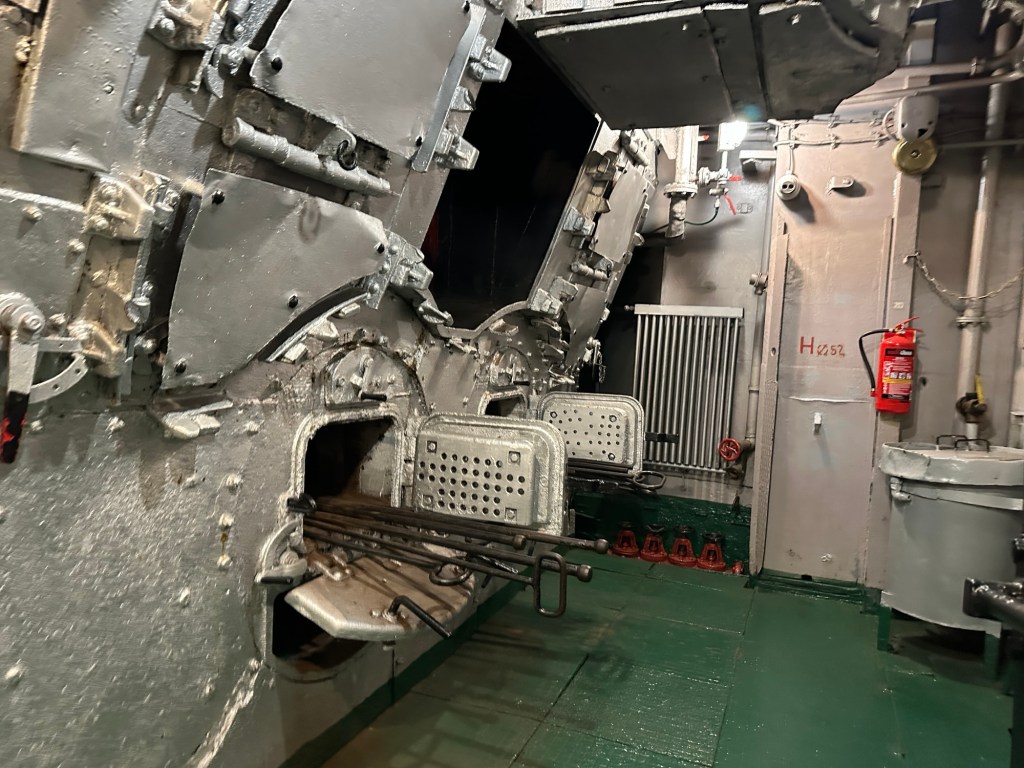
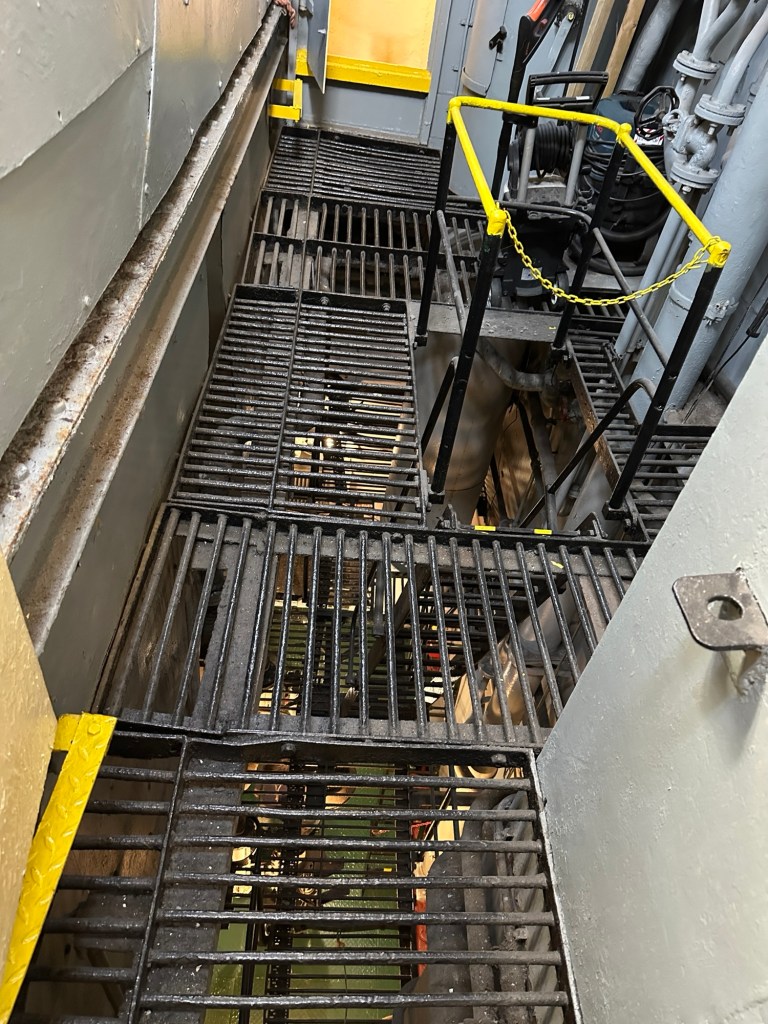
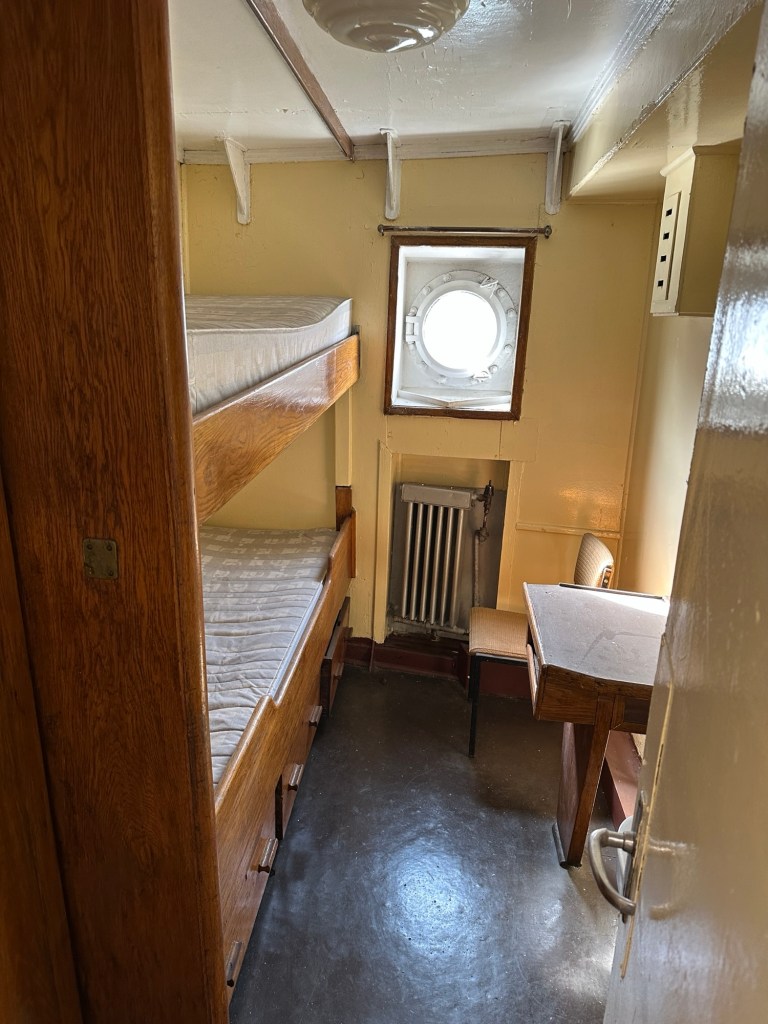
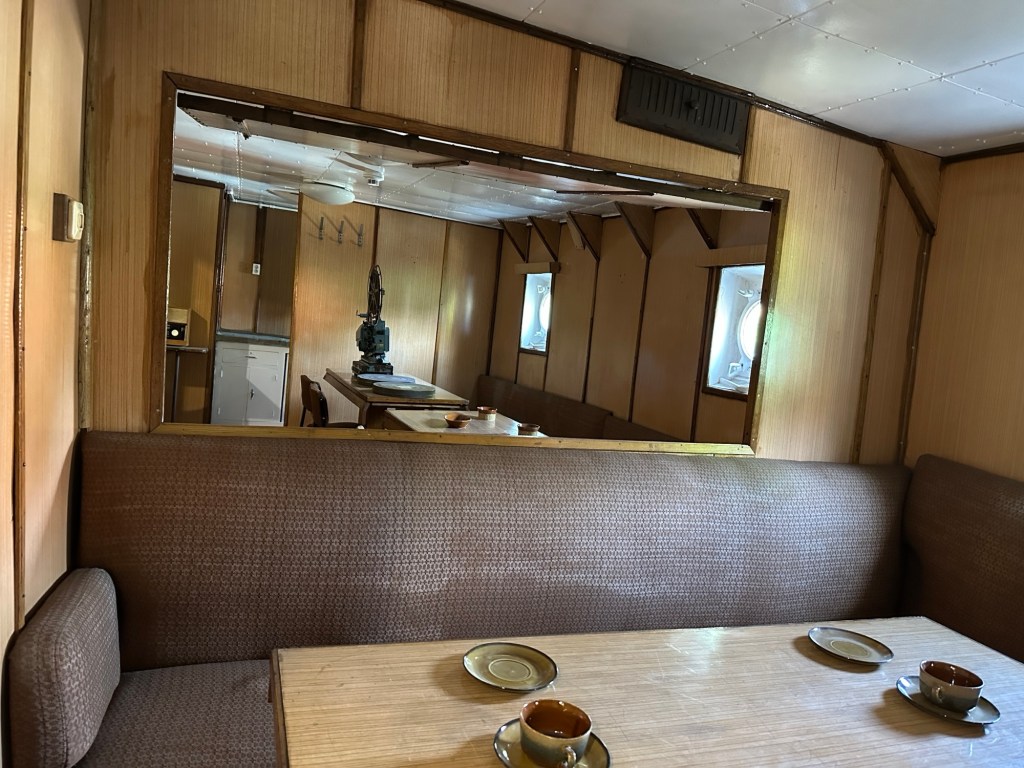
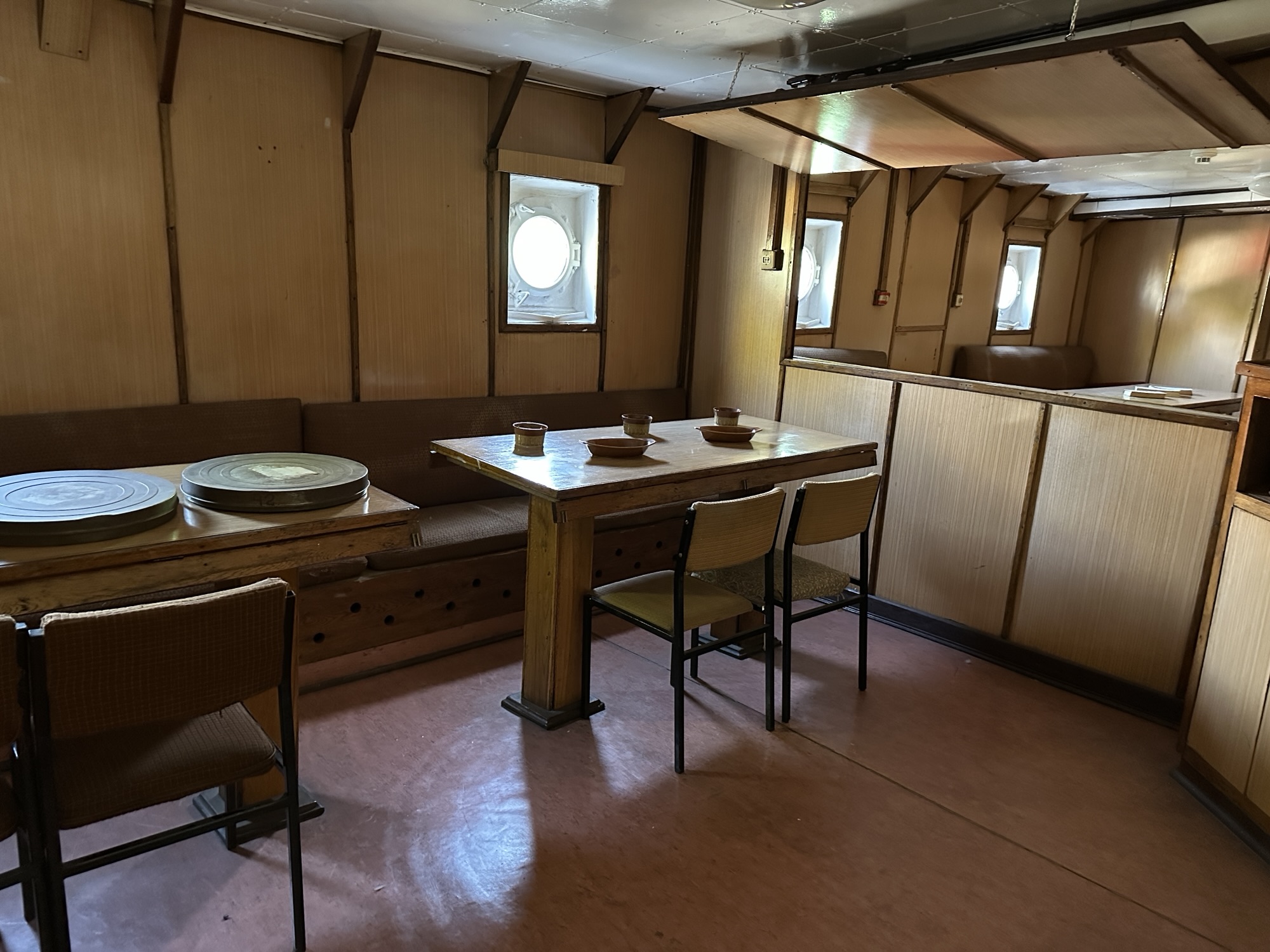
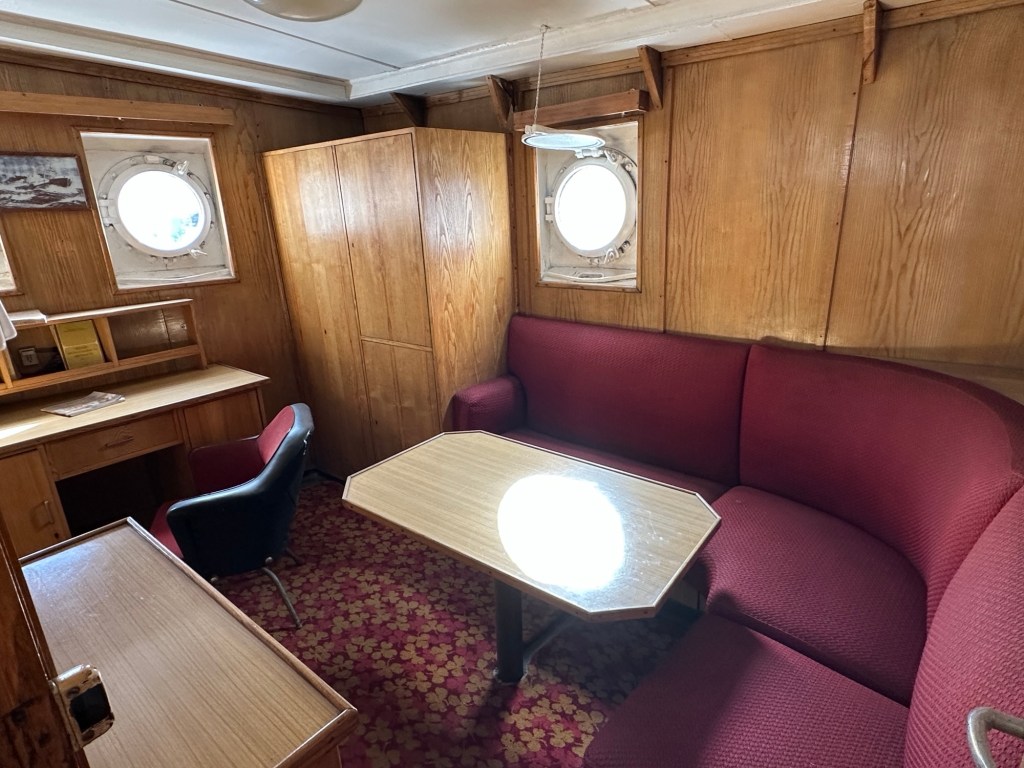
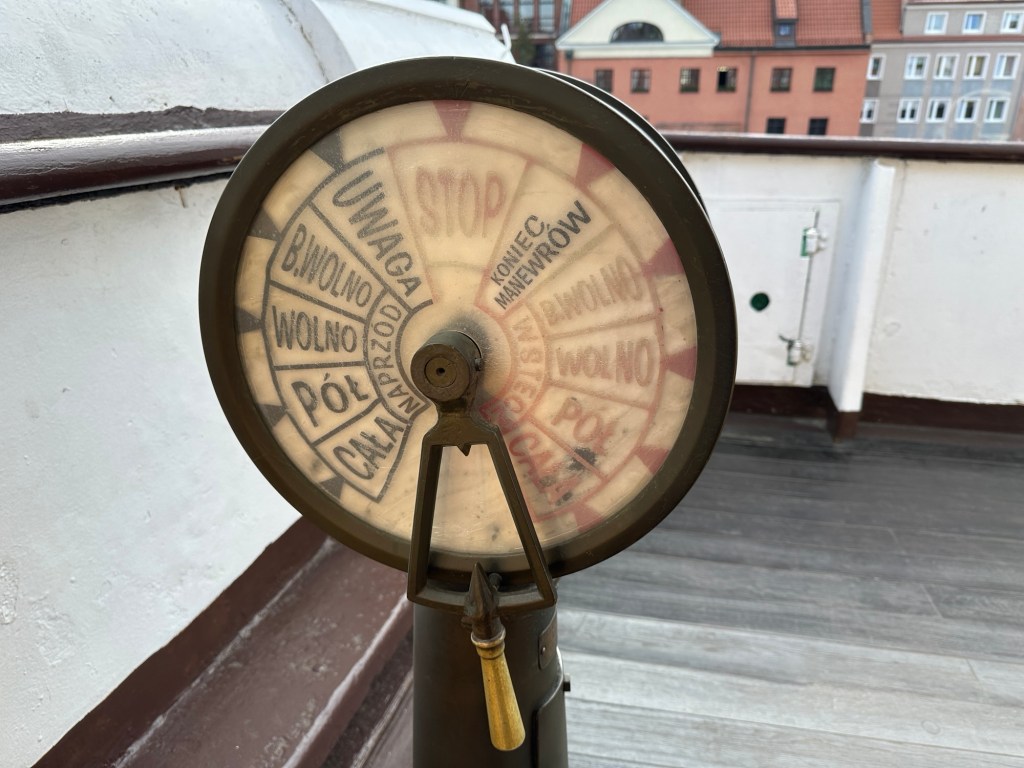
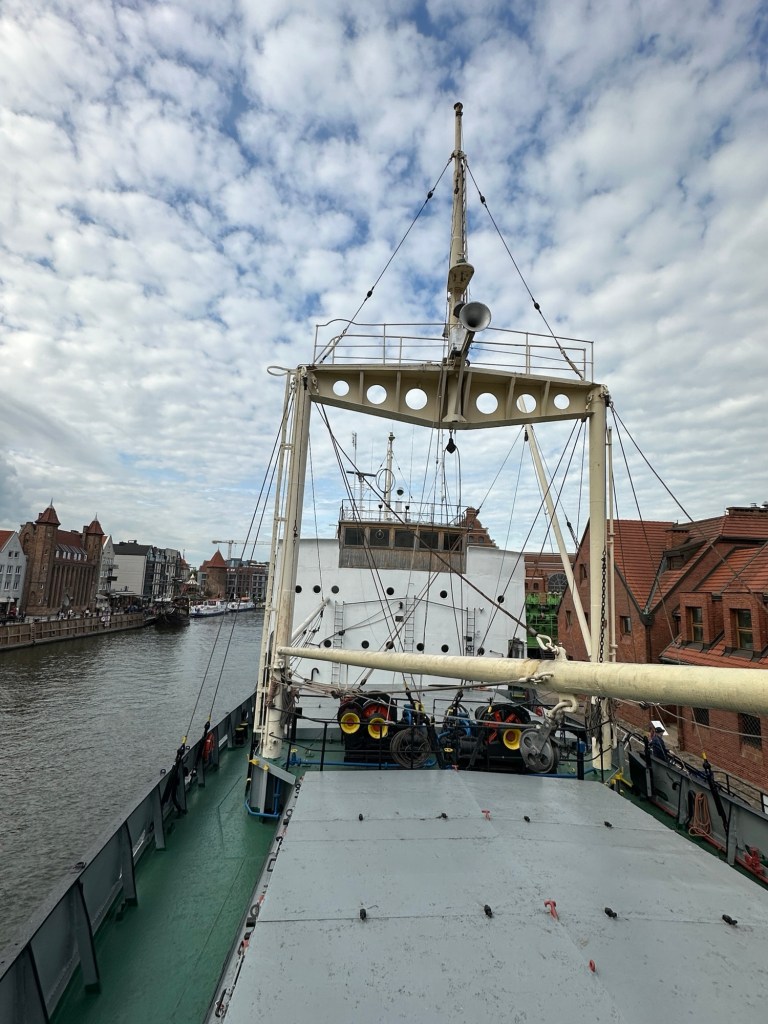
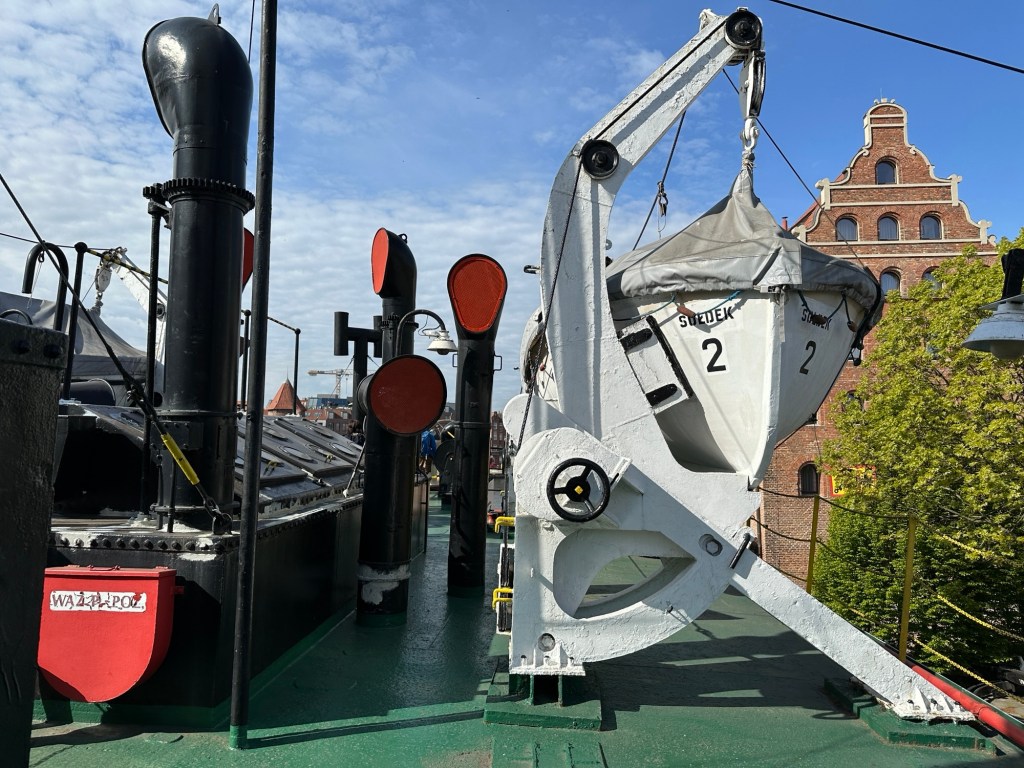
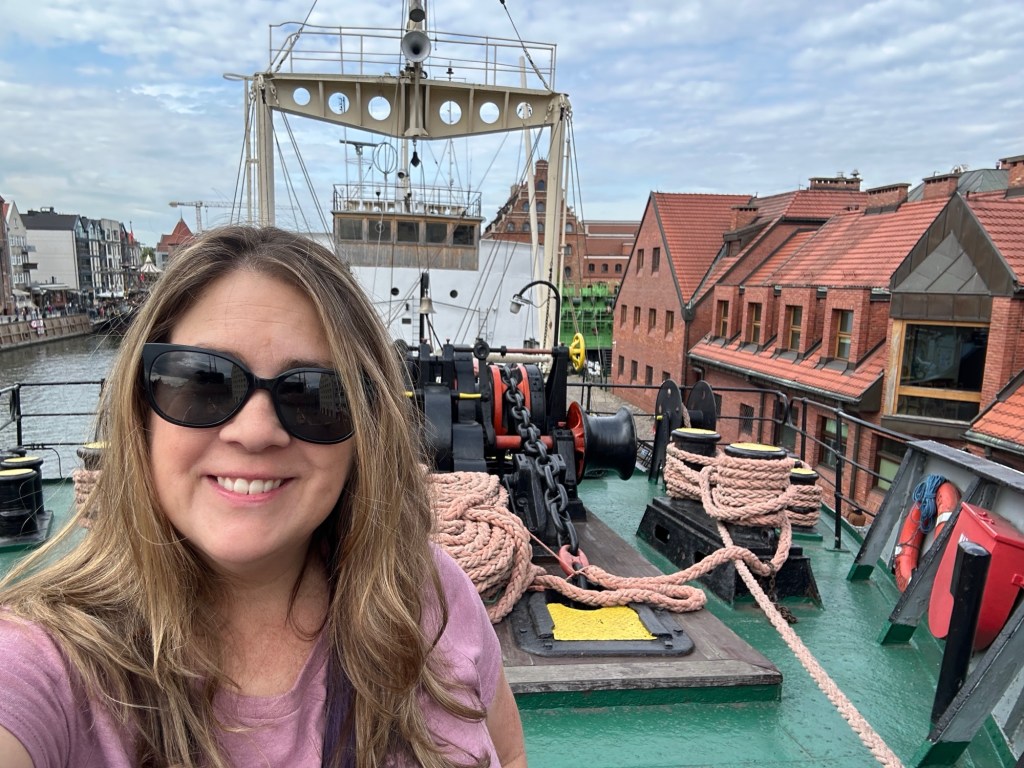
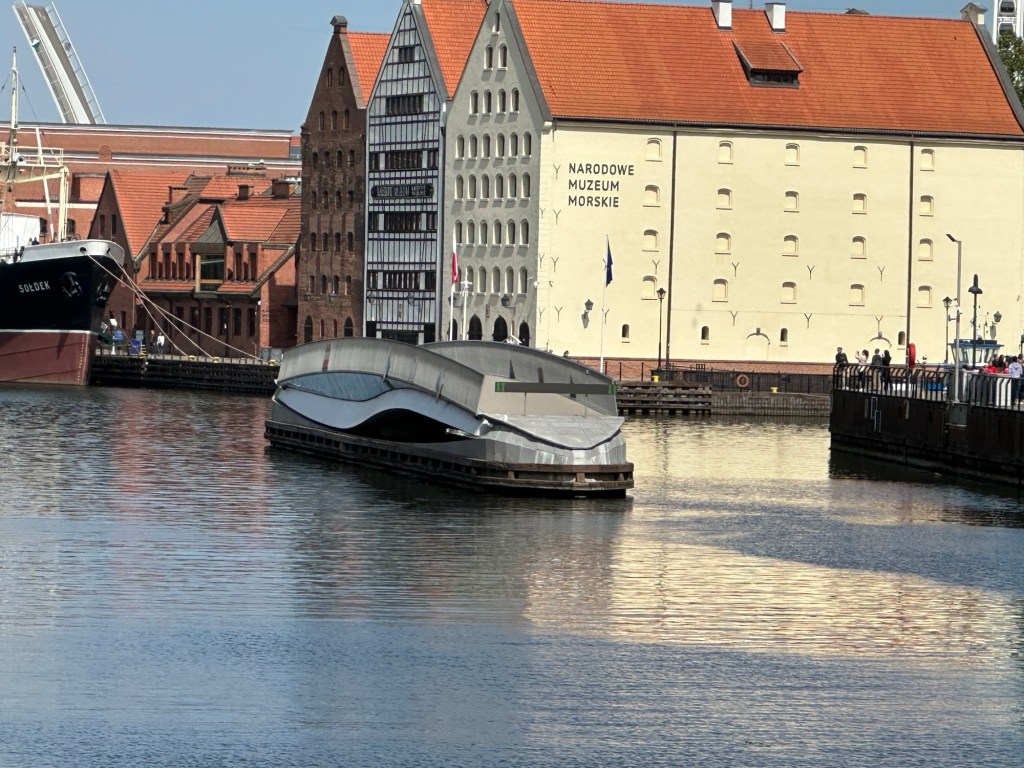
Last official stop is the first seagoing ship built in a Polish shiyard – Soldek. It is docked in Gdansk and available for exploring.

I slow down considerably for the rest of my travels. I am very tired so it is good I go home soon. I’m just trying to enjoy the cool and sunny weather my last few hours here.

It’s been a long trip but I am not done with Poland. There are so many places I left off my itinerary. I will be back.

More shots around town….

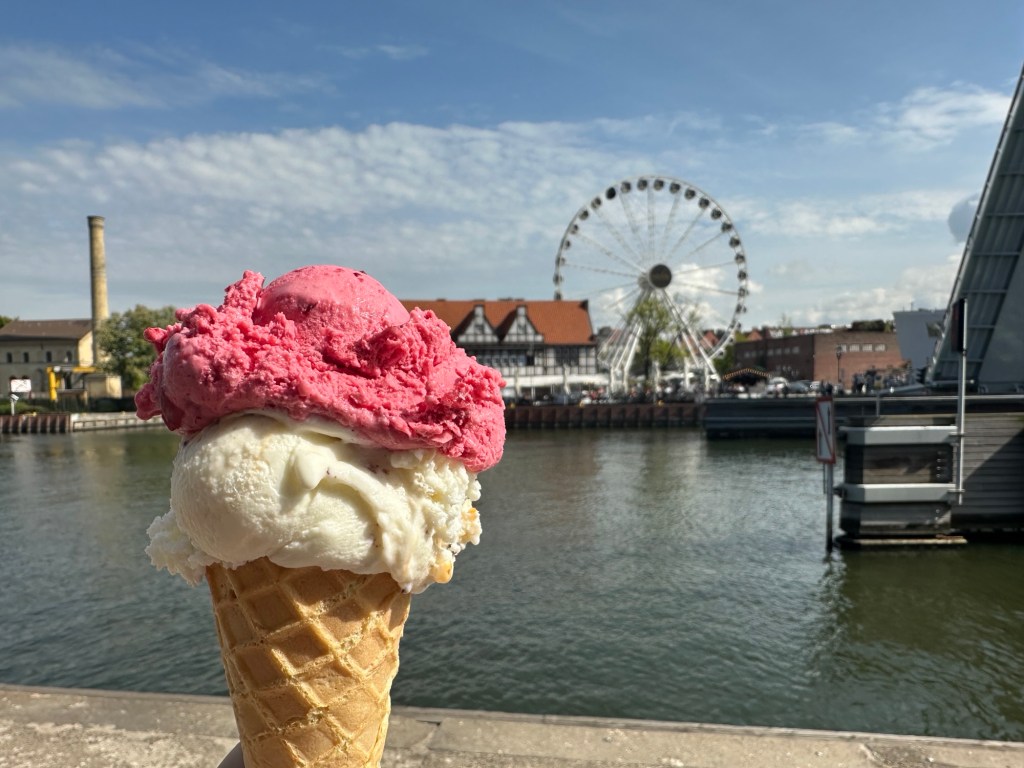
Warm enough for ice cream

Gdańsk: Solidarność

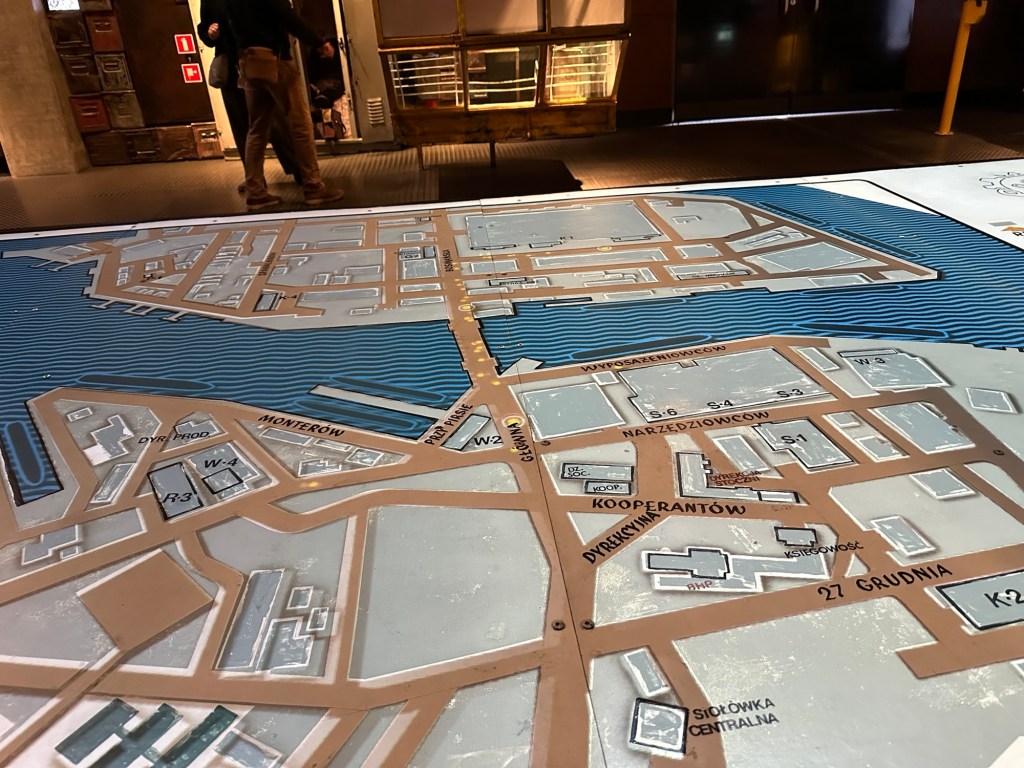
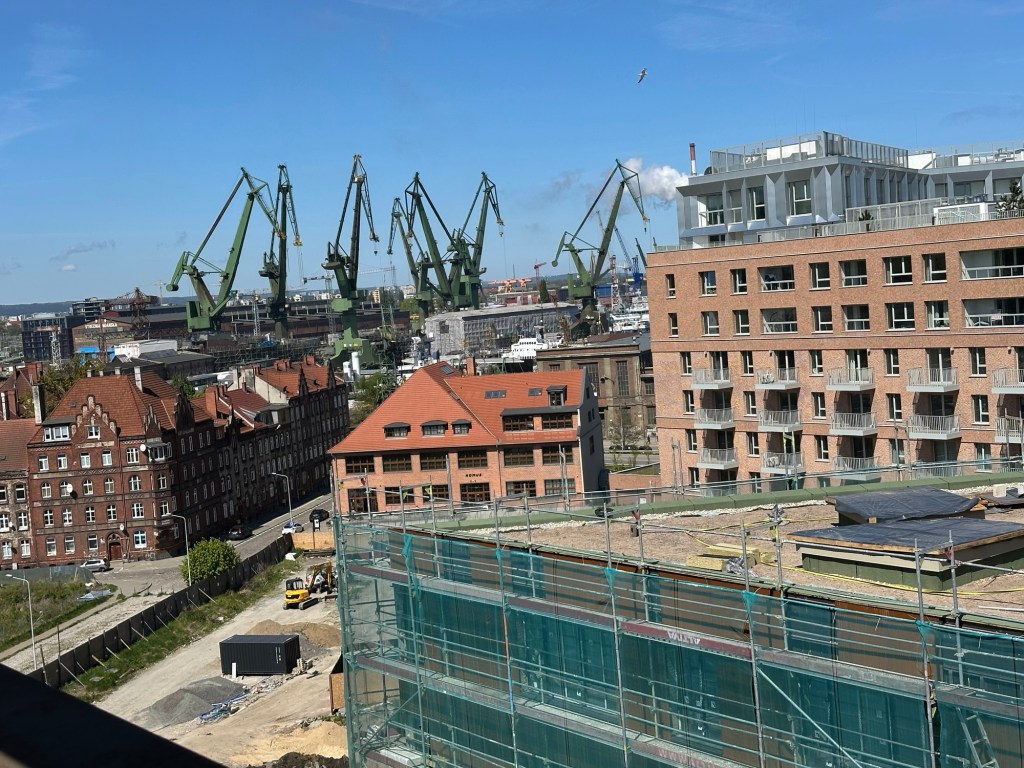
Gdańsk Shipyard entrance

Today I visit the European Solidarity Centre, better known as the Solidarity museum. Solidarity is the movement that one could argue started the end of communism in Eastern Europe. In Gdansk, Poland it all started with a strike of workers wanting to unionize.

Conditions in Poland during communism are not great. Citizens are jailed for speaking out or individuality. There are food shortages and shortages on just about everything else. The communist government tries to create housing to help with shortage but they are state assigned and hard to get. Information access is controlled; there is radio free Europe broadcasted from Munich but the government eventually jams the signal of that. In fact it was against the law to listen to radio free Europe.

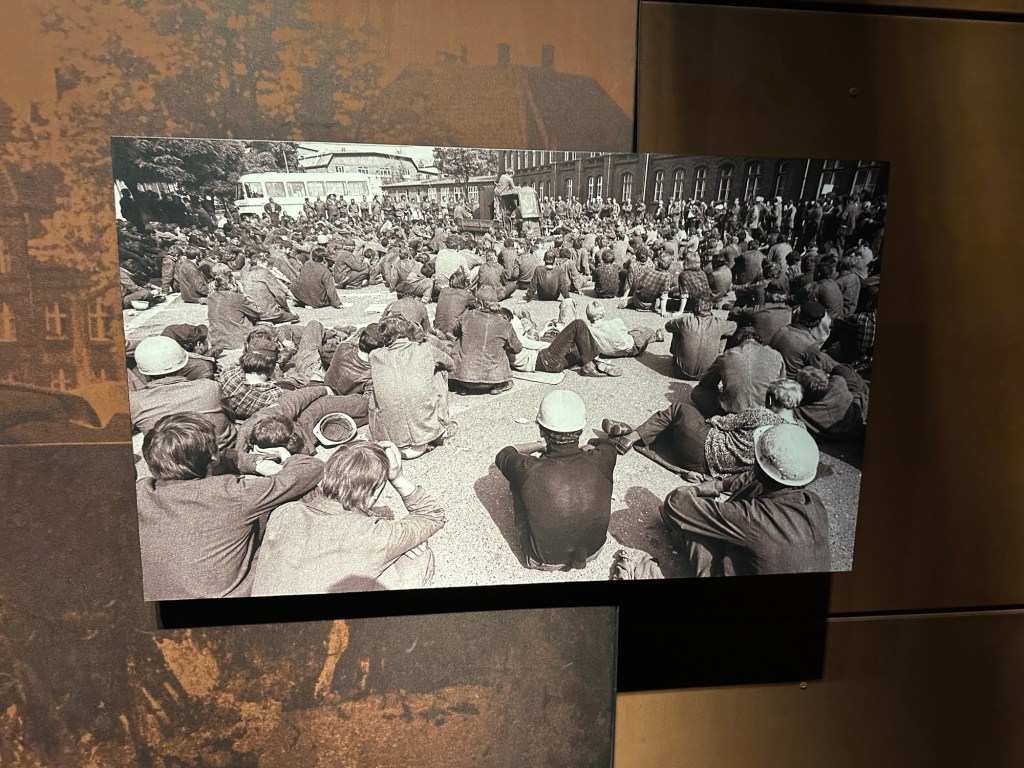
The solidarity museum centers on the 1980 shipyard strike from which catapulted a movement.

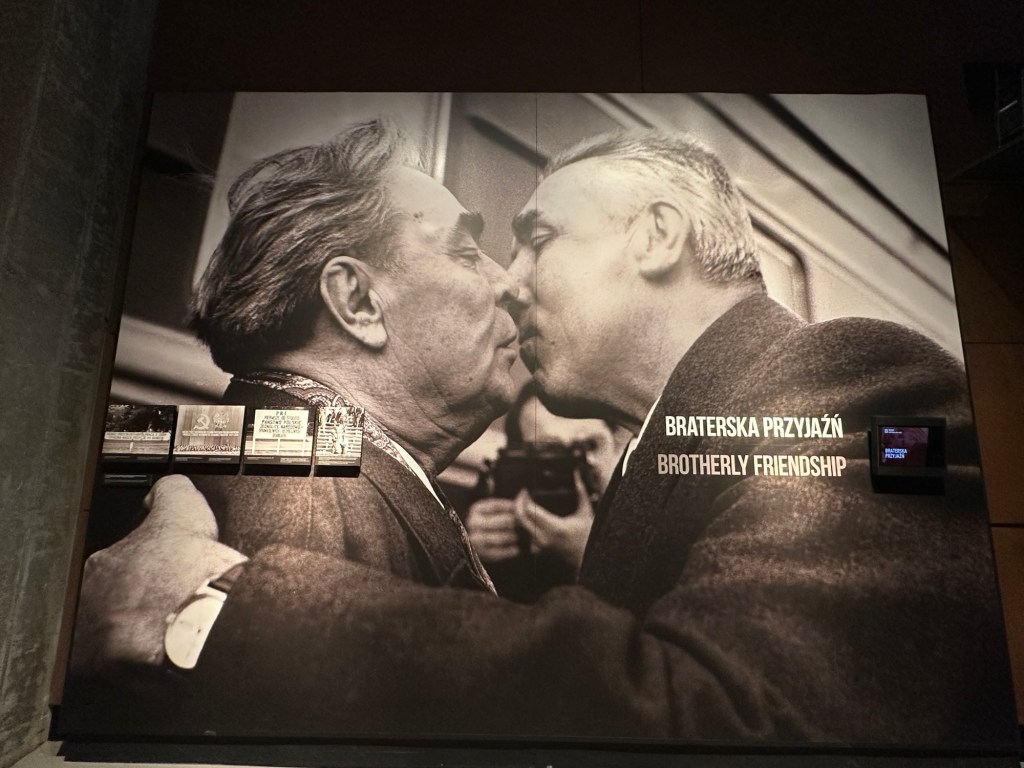
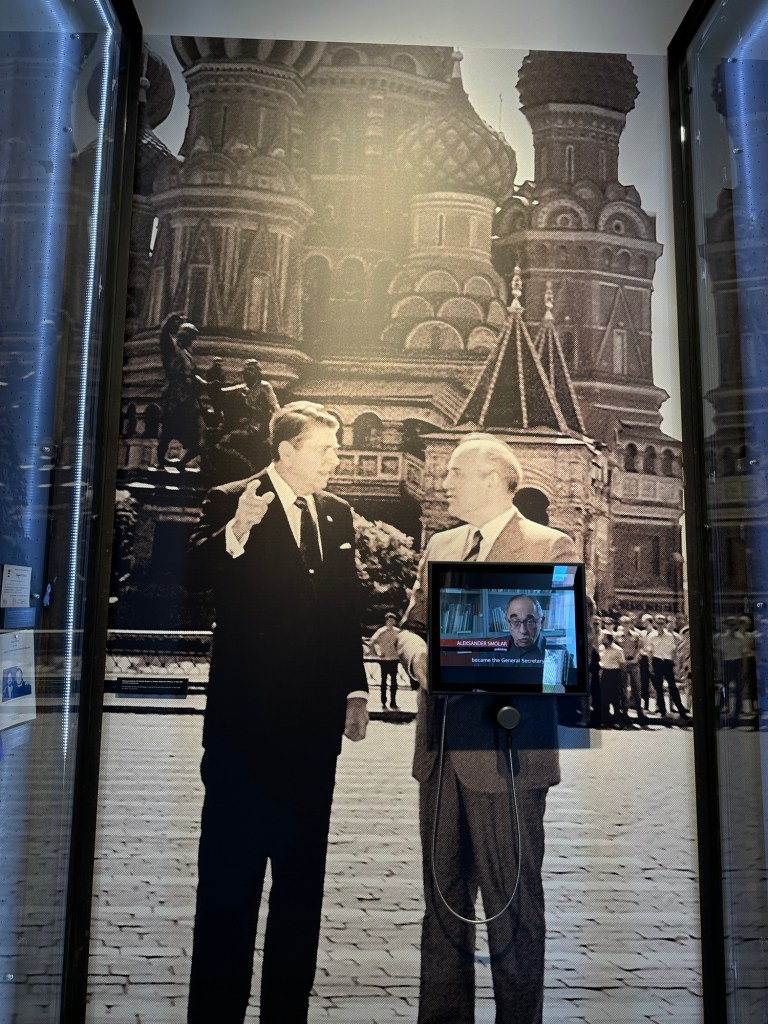
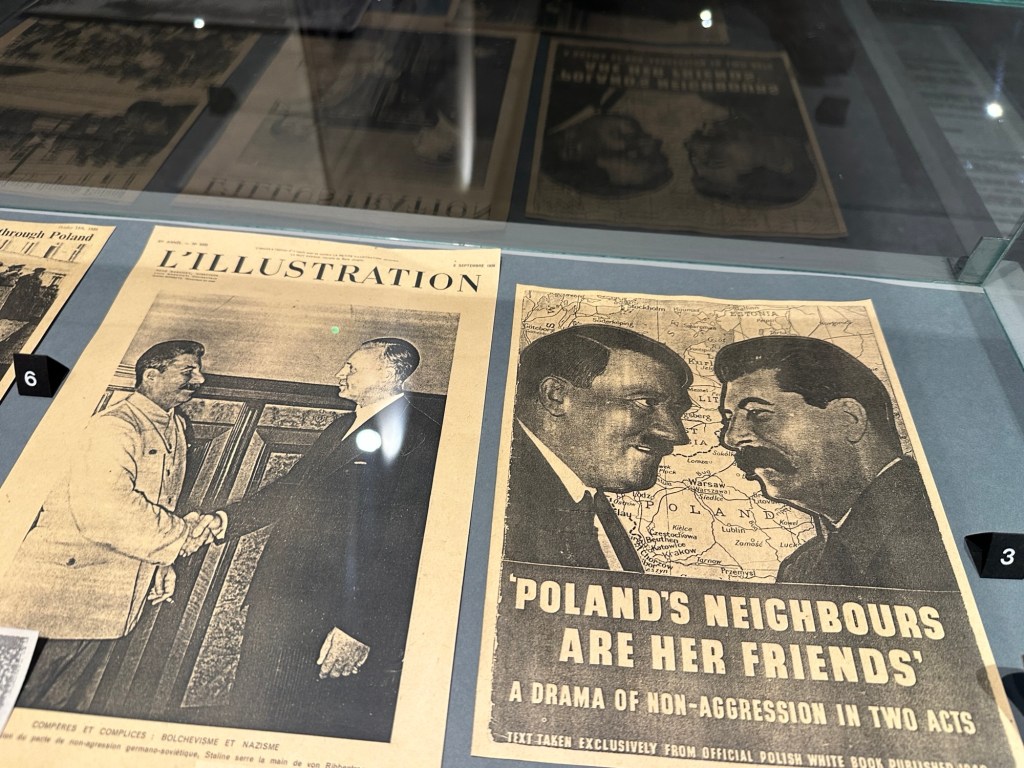
Photo of two leaders being affectionate. It is to show how Poland is subservient to Soviet Union (USSR).
Soviet map, iron curtain.

The United polish workers party was the only party that existed at the time and there were elections but they were mostly for show. They used cruel interrogations to try to keep people under control.

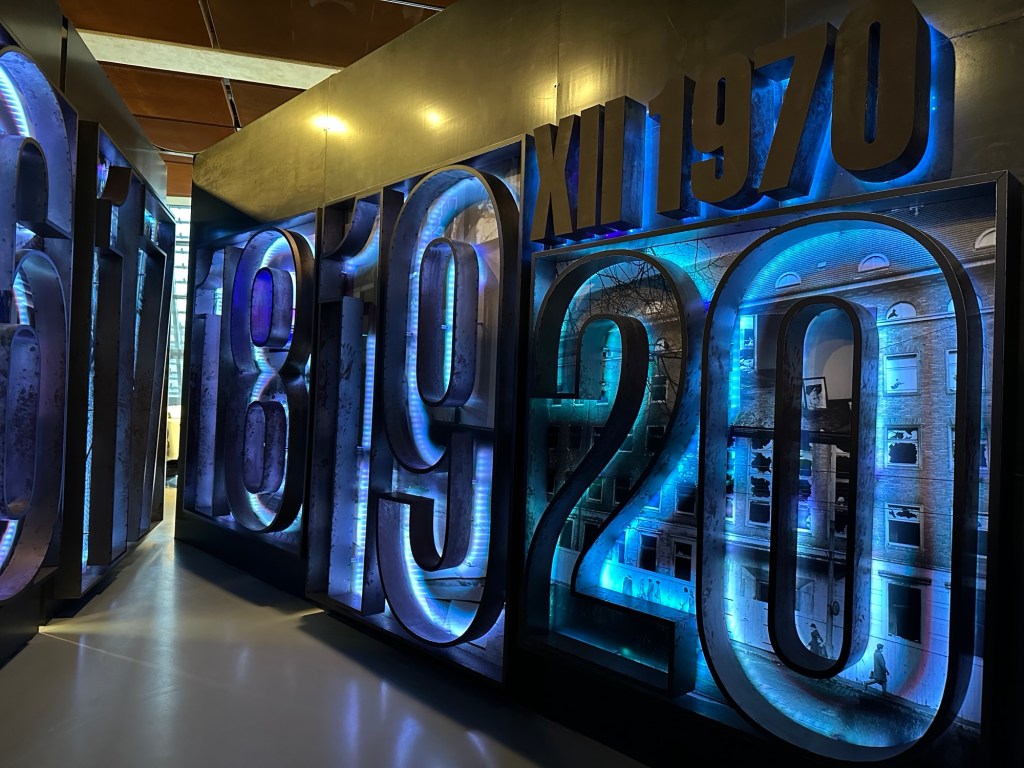
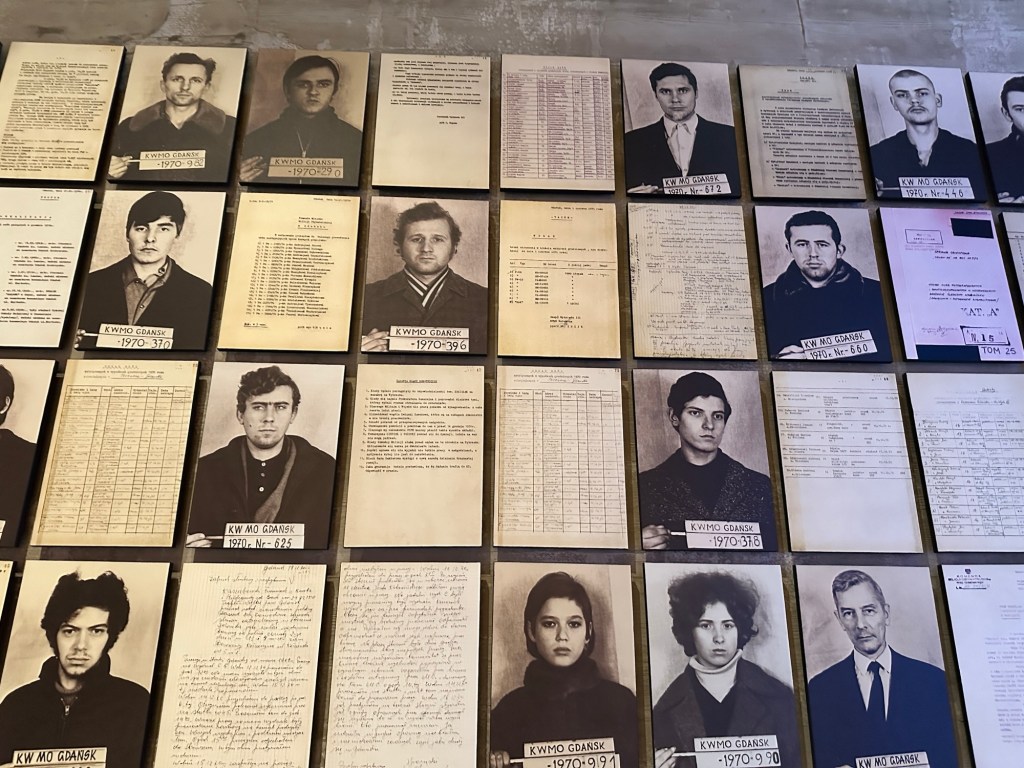
On December 17 1970 there are demonstrations and protests about high prices and more. There is a massacre on Baltic coast (multiple cities) where 45 people lost lives.

People arrested

Kor (workers defense committee) formed 1976 as well as other groups.

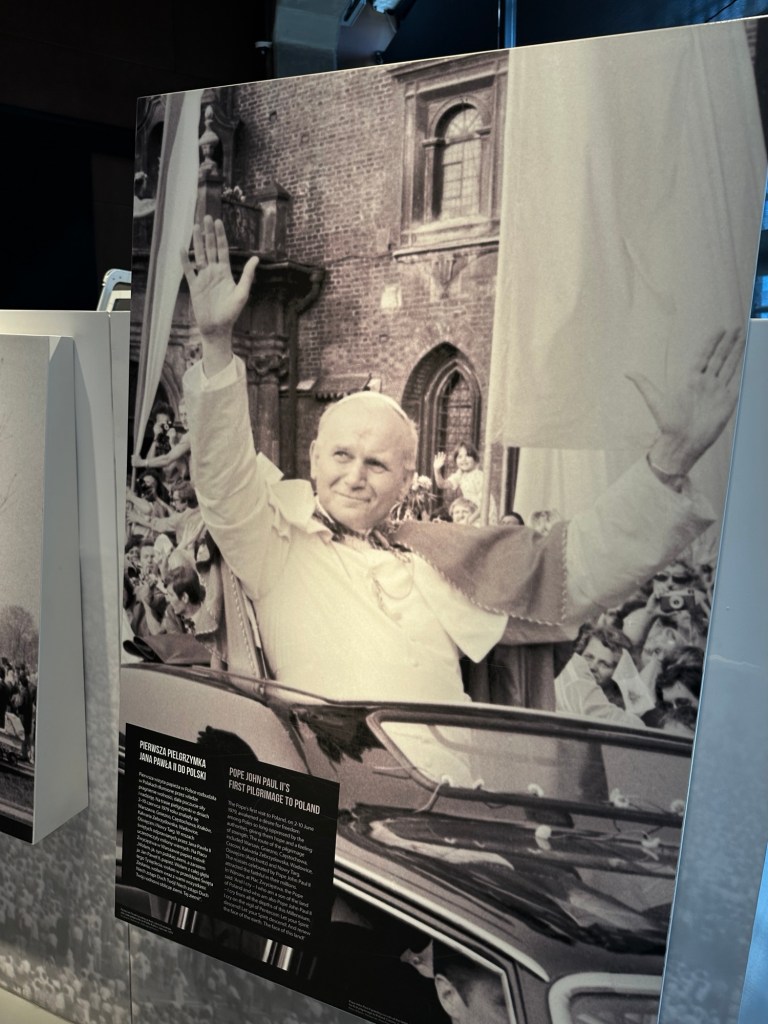
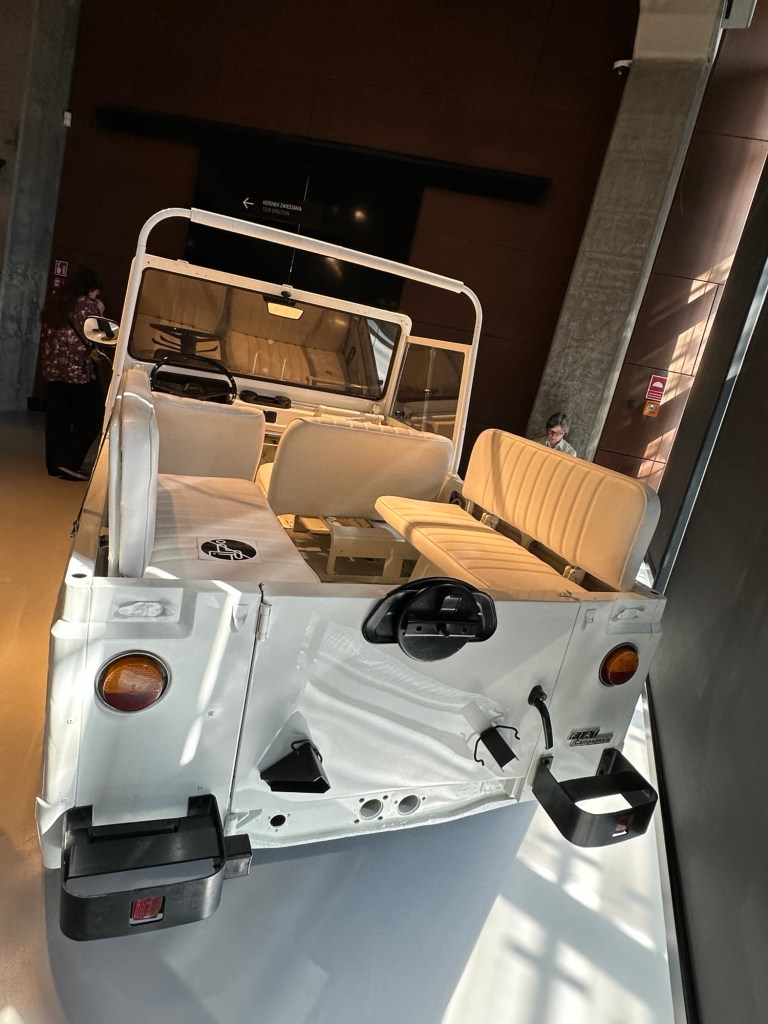
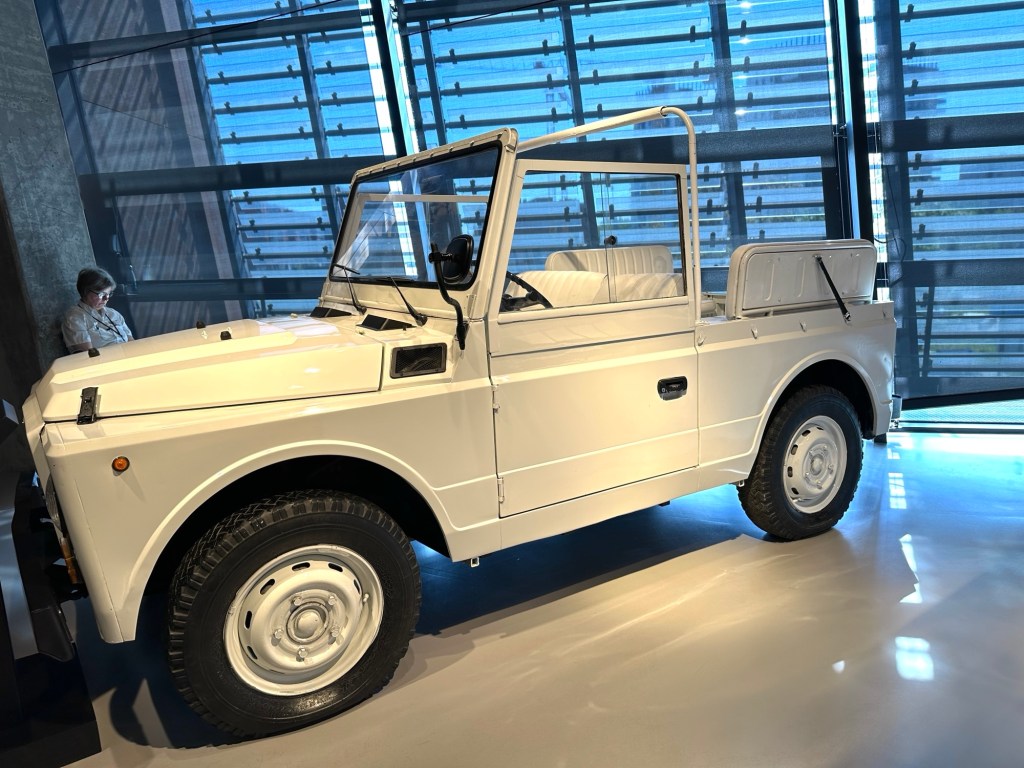
Polish Pope John Paul II comes to visit for the first time in 1979. There is a pope mobile in the museum.

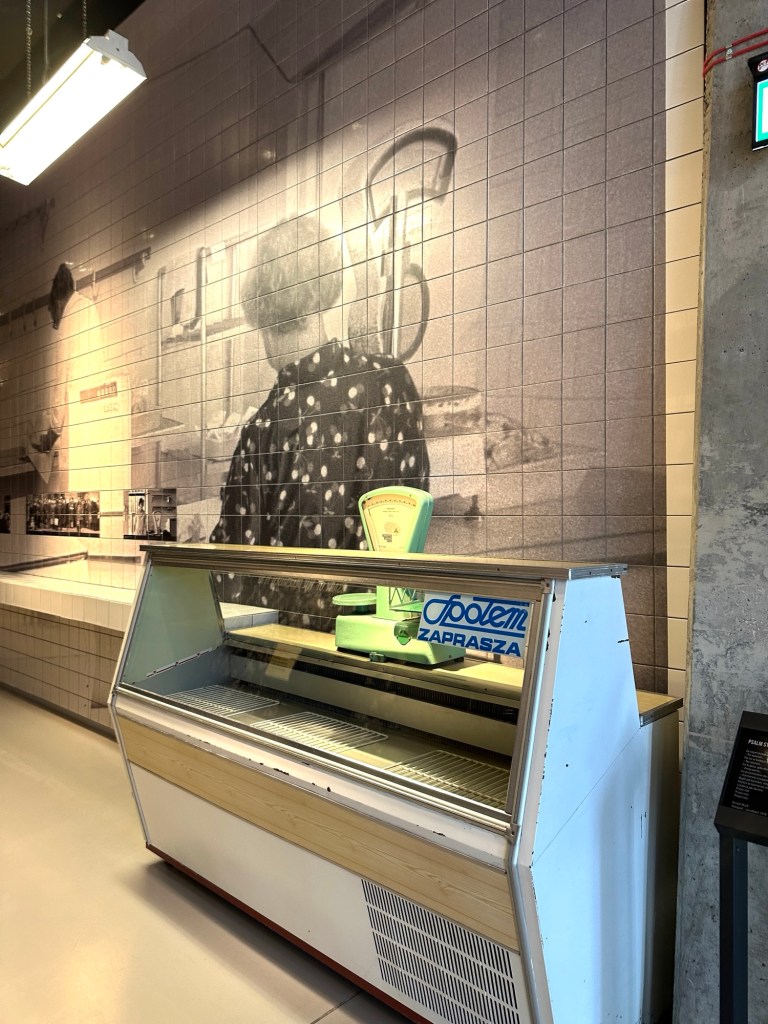
The pope visiting gives the Polish people hope but there are also empty shop shelves and long queues as a result of failed communist policies.

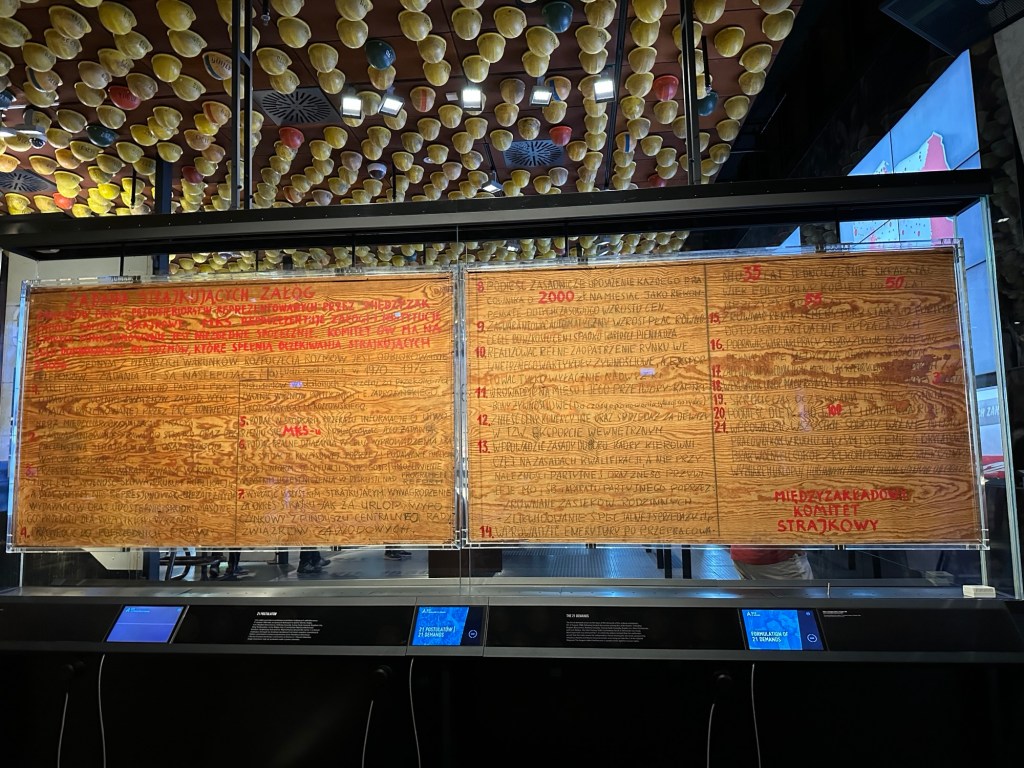
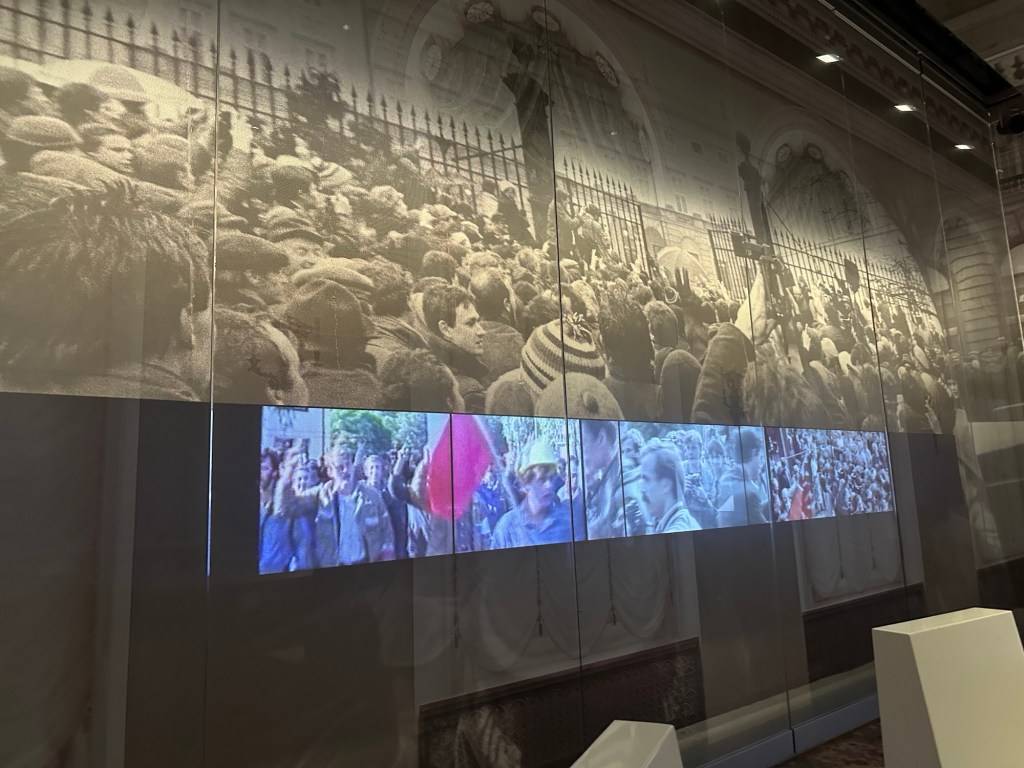
There are Lublin strikes in 1980 and later in Gdańsk shipyard over a worker fired and other working conditions. They created a list of demands. These demands are in the UNESCO registry. The demands establish free trade unions and the right to strike. They avoid radicalism and aggressive language.

The main movement starts in Gdańsk but spreads south as many other work places go on strike.

Solidarity is now a slogan.

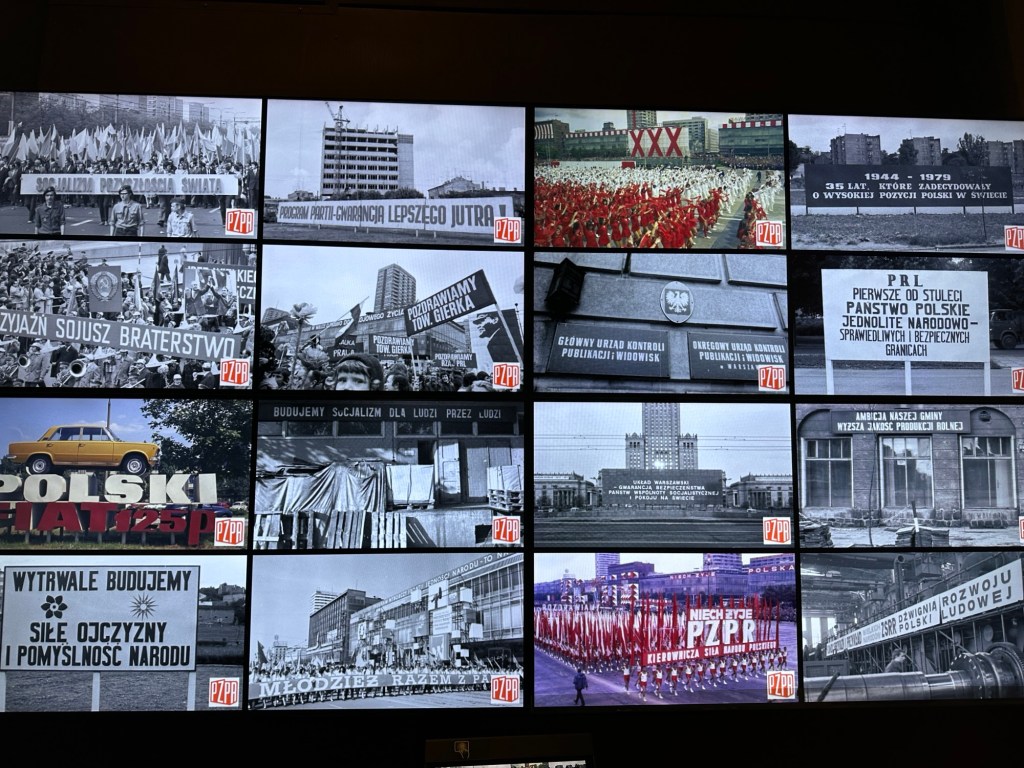
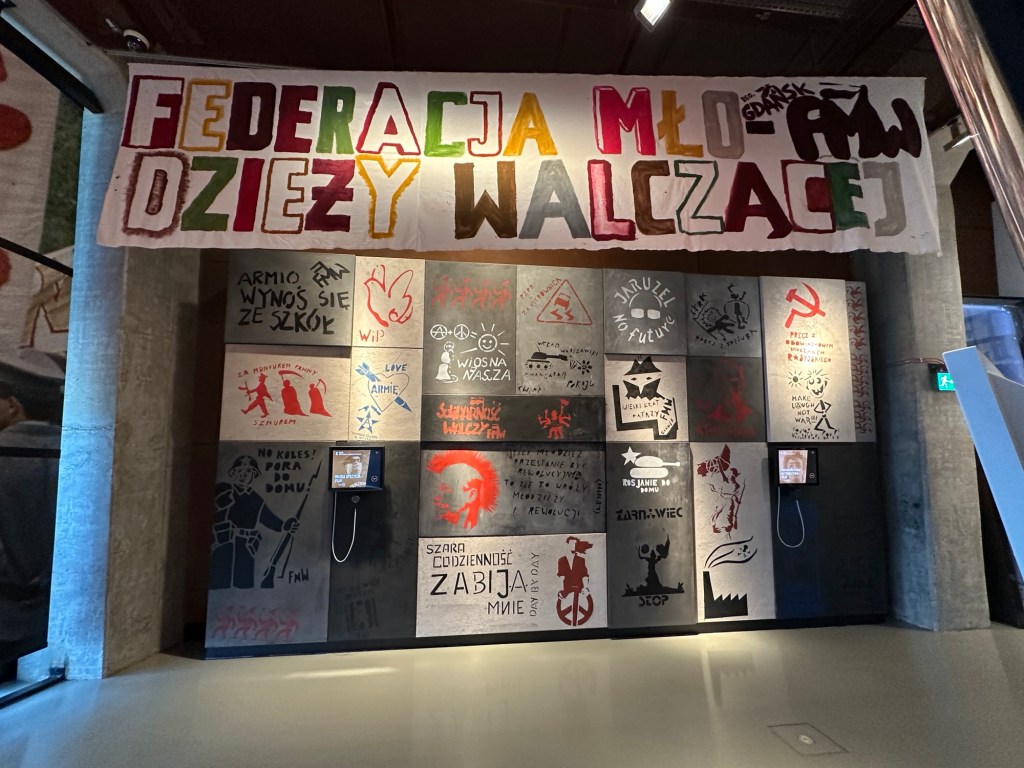
Visual representation of Solidarity in the museum

They meet first on wages and then press for unions. Unions and the arts take off after solidarity is introduced.

Solidarity becomes more popular and leads to more free elections. This encouraged other eastern bloc countries to form unions and democratic elections. The United polish workers party saw solidarity as a growing threat.

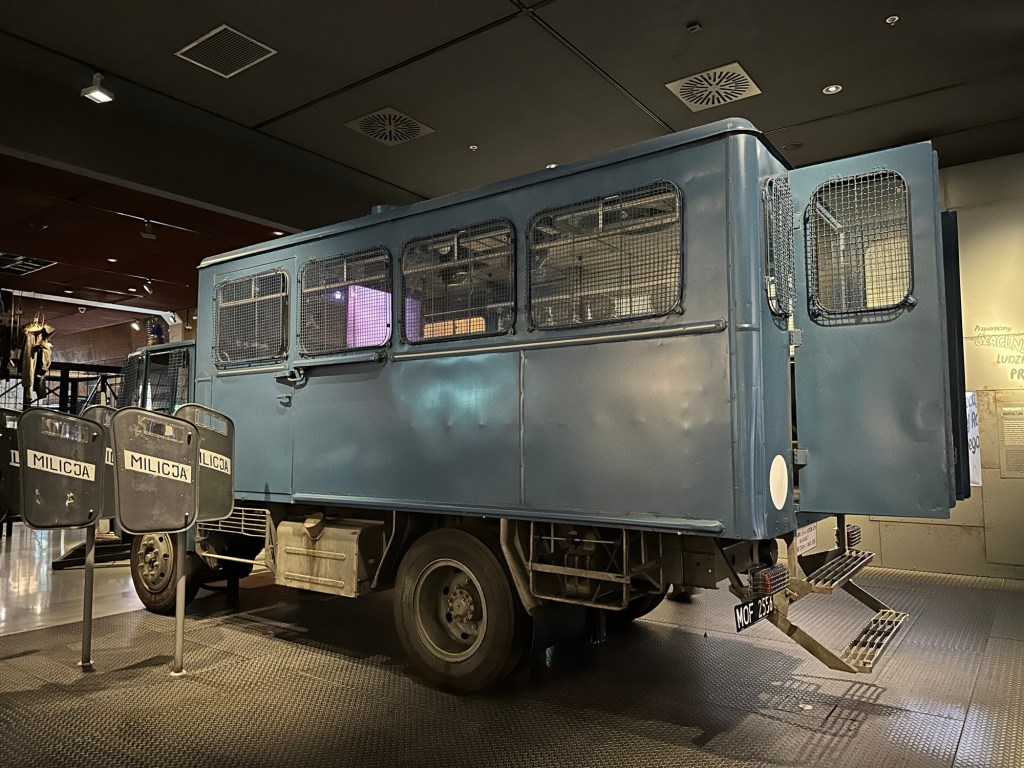
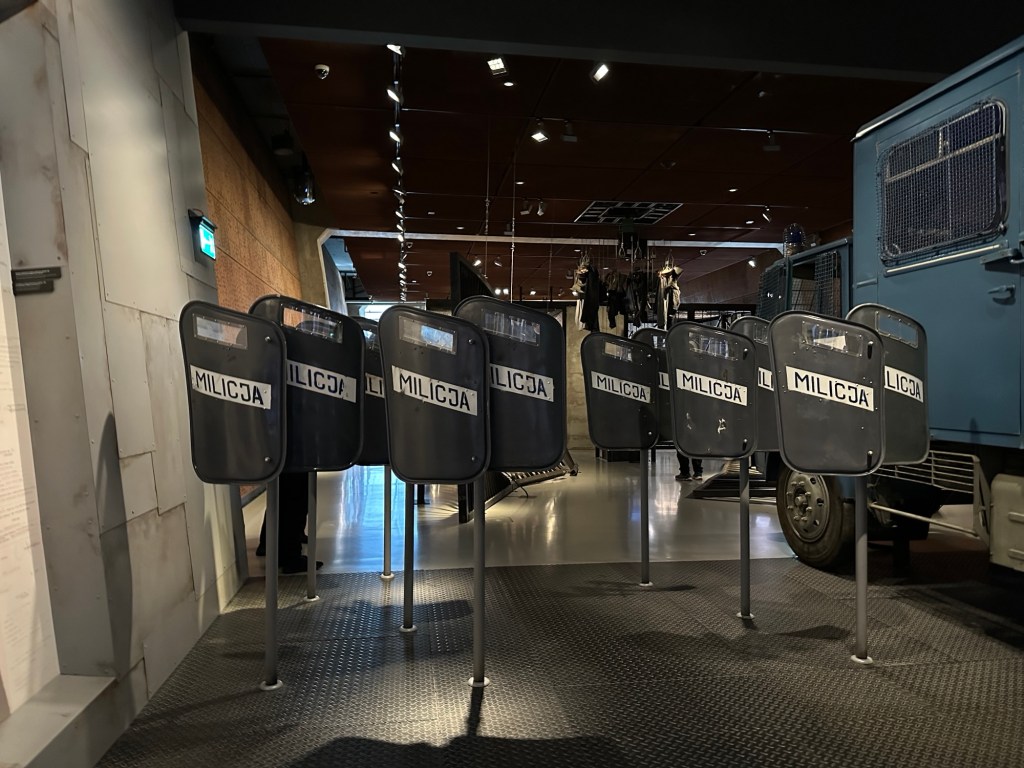
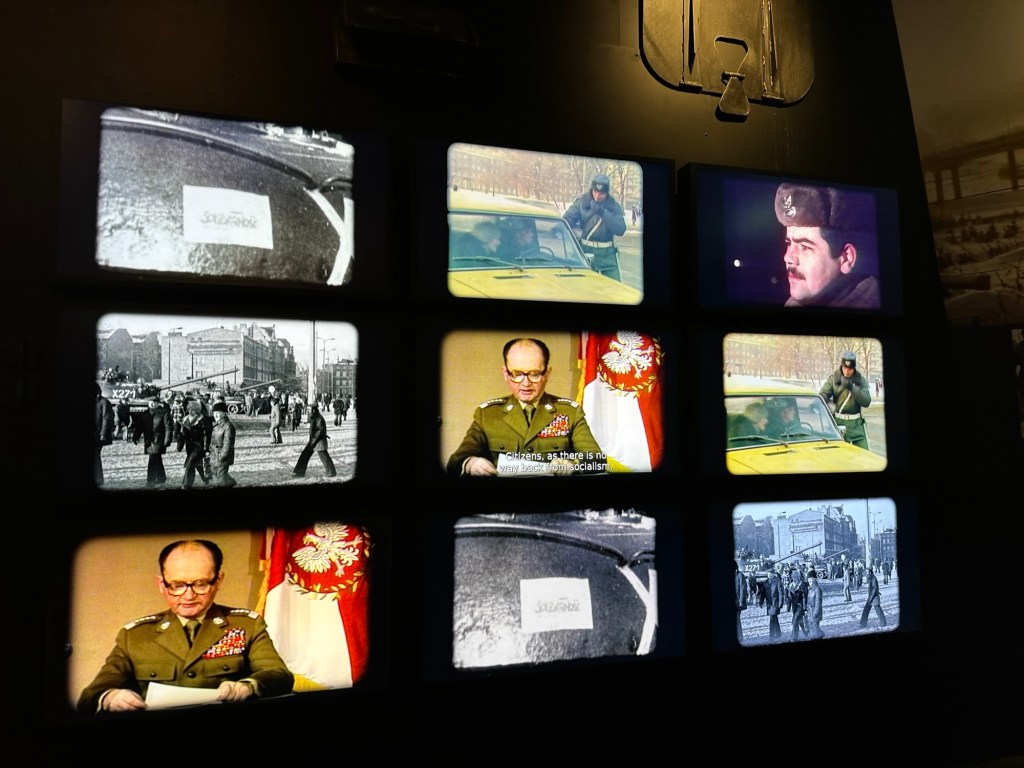
December 1981 martial law is implemented by the communist government. They blame solidarity for bad conditions and say it’s a coup d’tat. Martial law photos ends up in American newspapers and as a result USA puts sanctions on Poland and the USSR.

A gate at shipyard was destroyed by vehicle in 1982

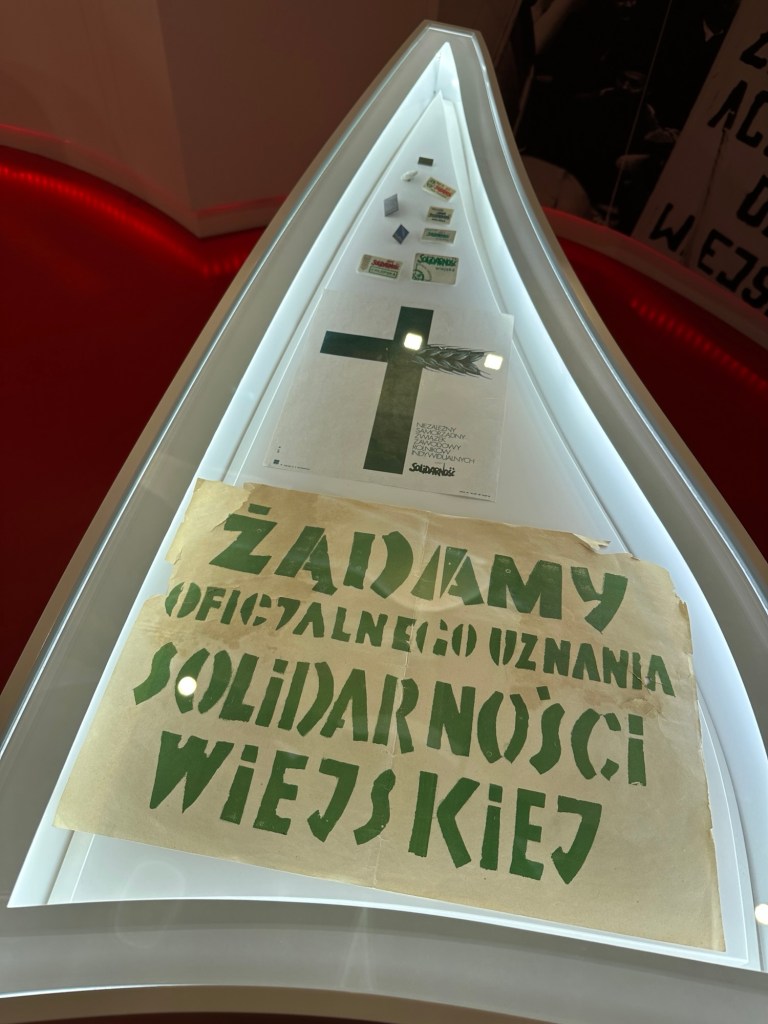
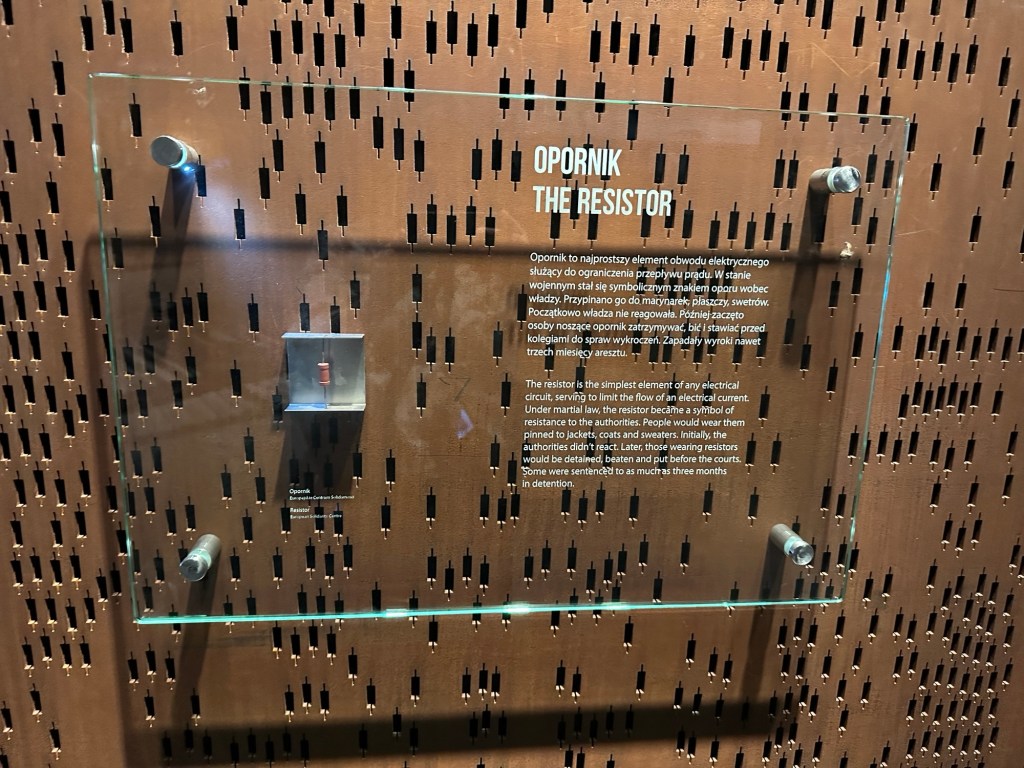
The pope returns in 1983 and revitalizes the resistance movement. Resistors are worn as a symbol of the movement.

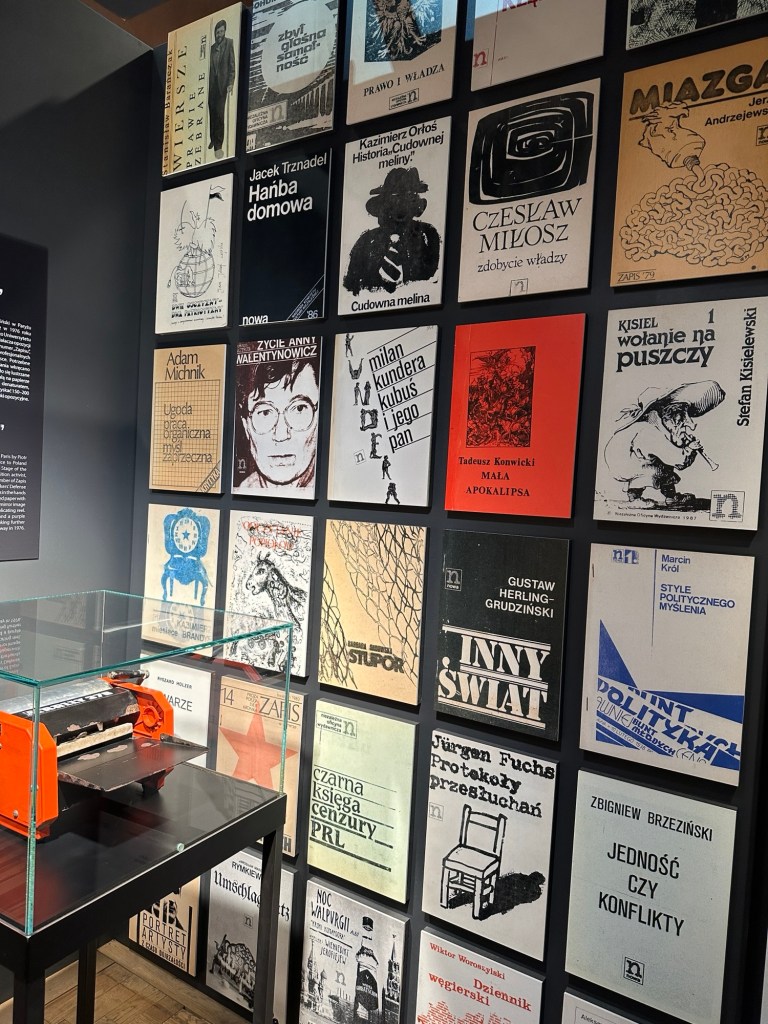
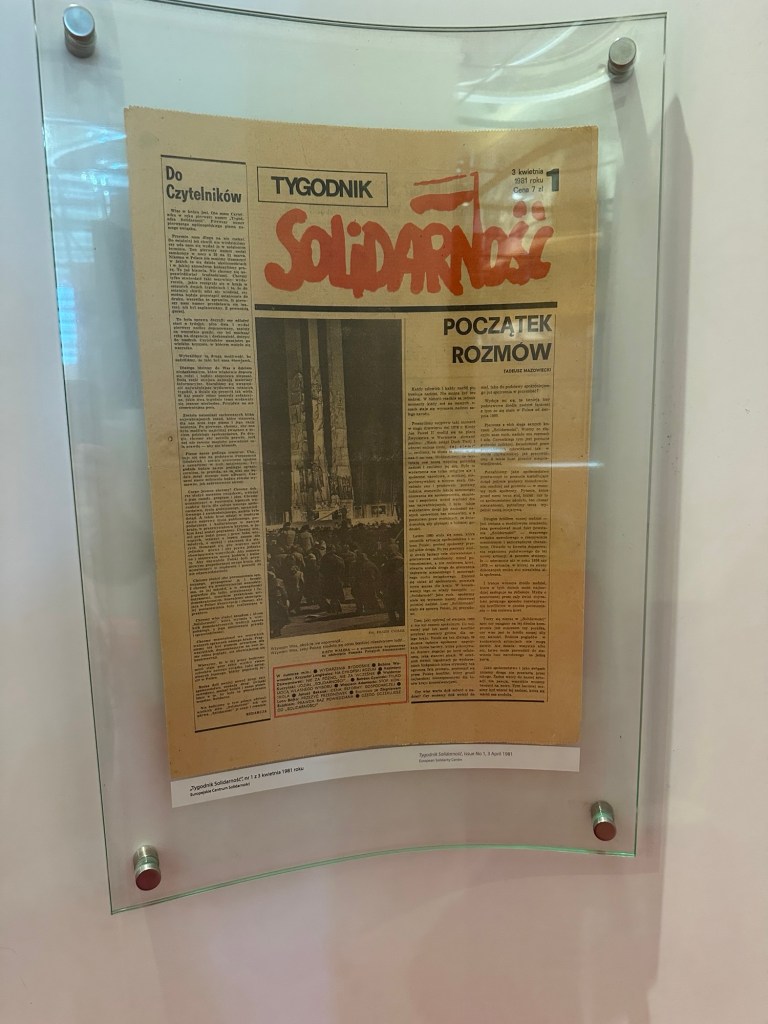
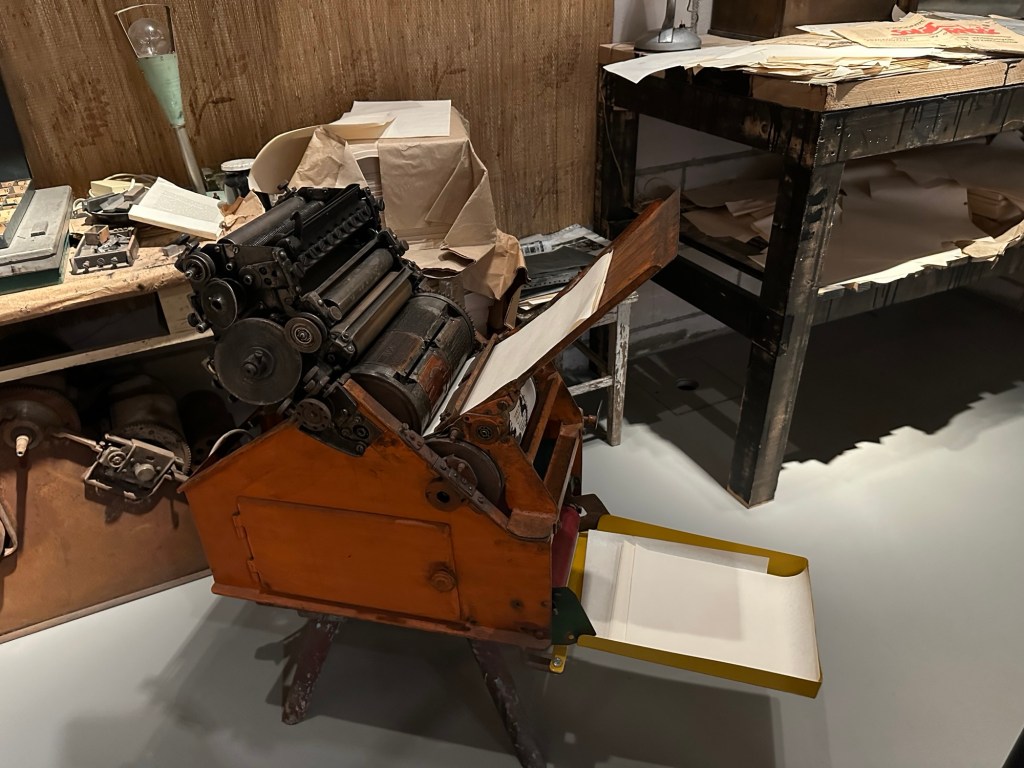
Underground publishing increases.

There is support from across the world, even USA.

In 1987 the pope visits again

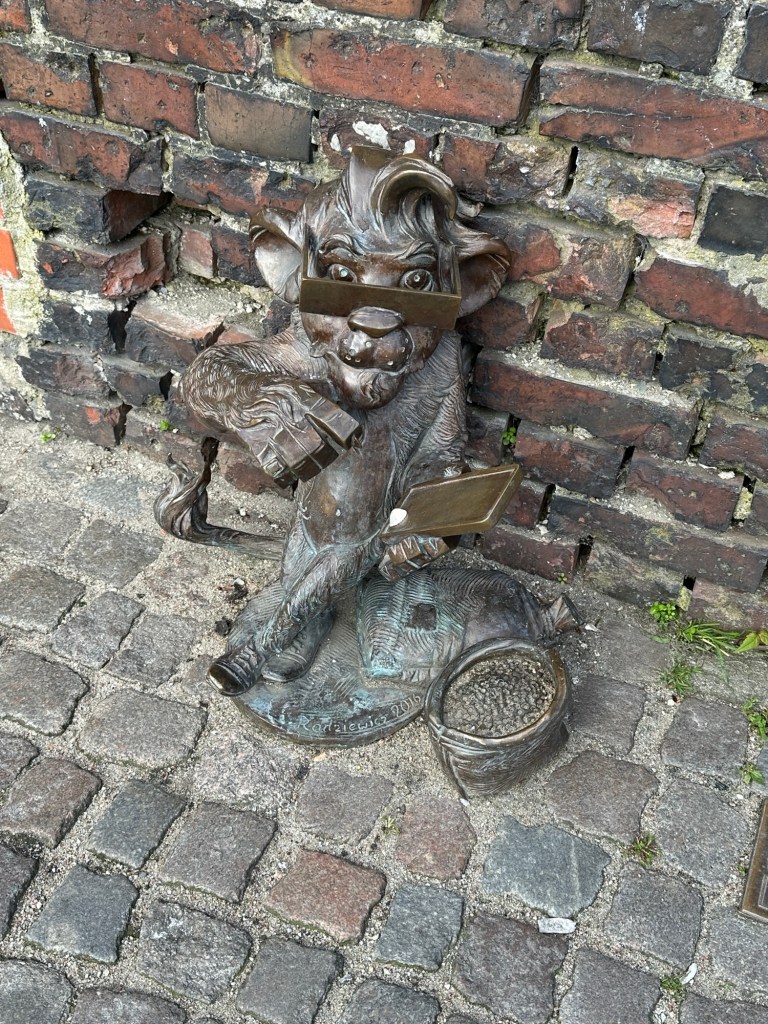
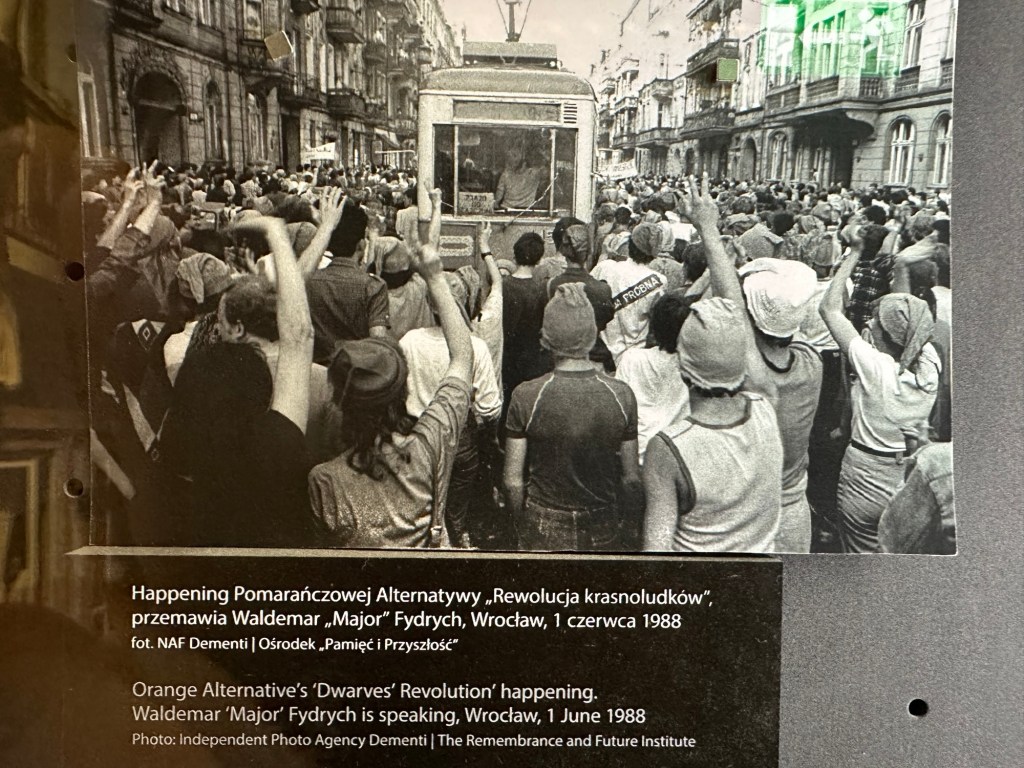
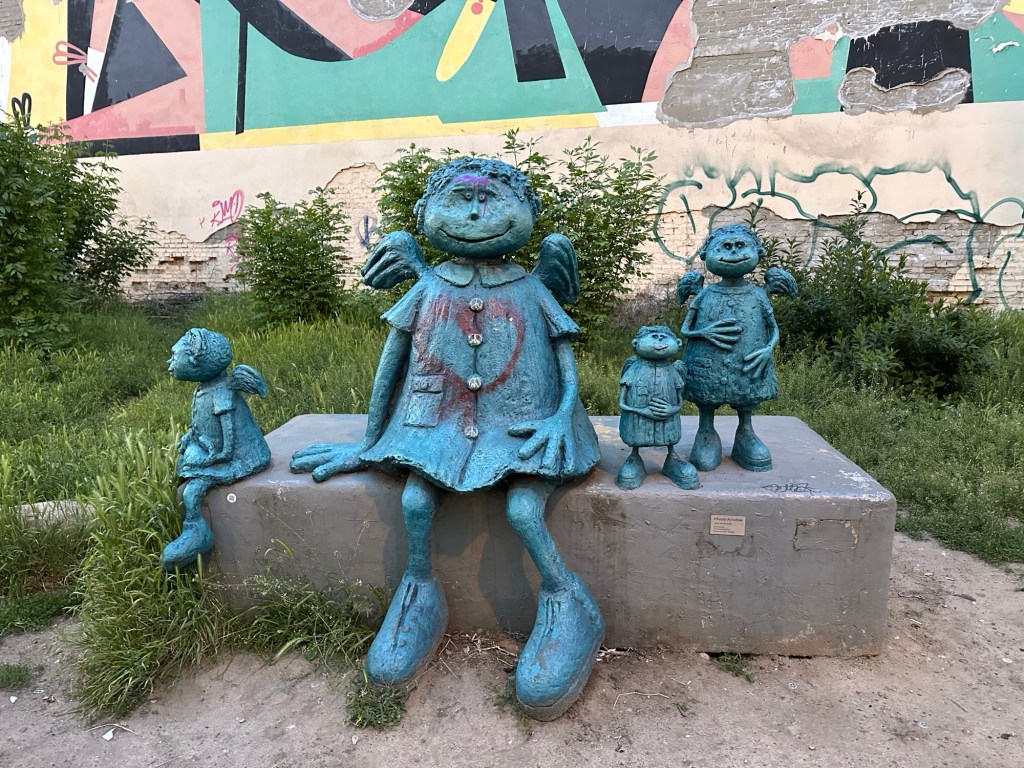
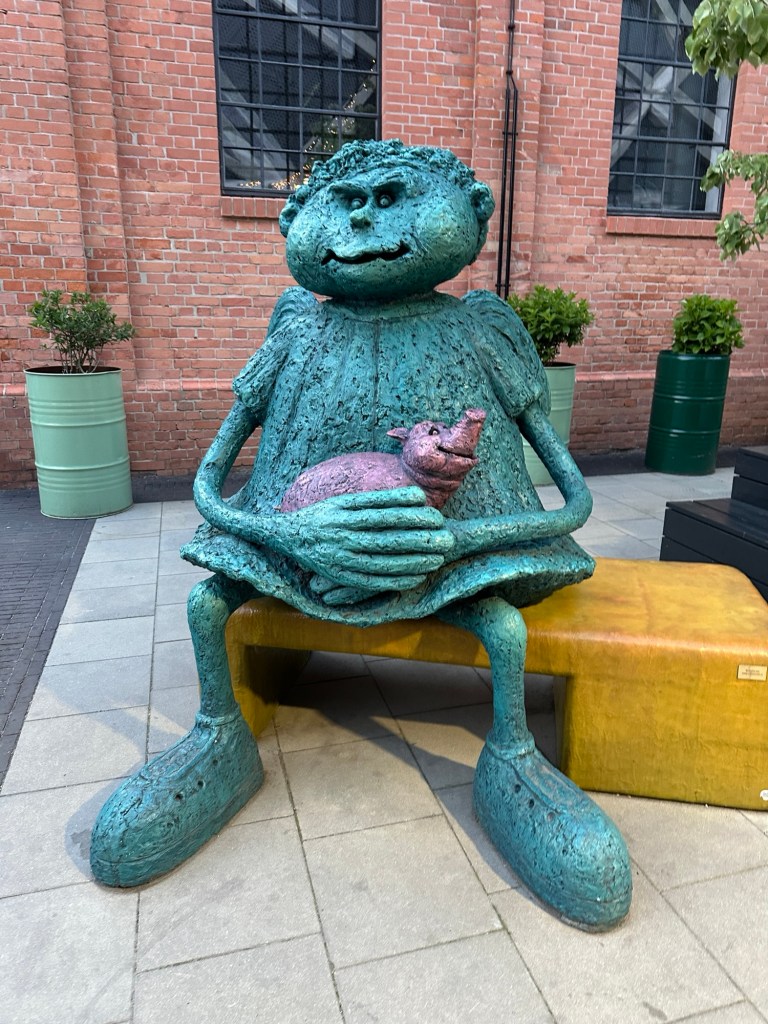
Dwarves in Wrocław

It is reported internationally what is happening behind the iron curtain. There are protests in the USA on the matter.

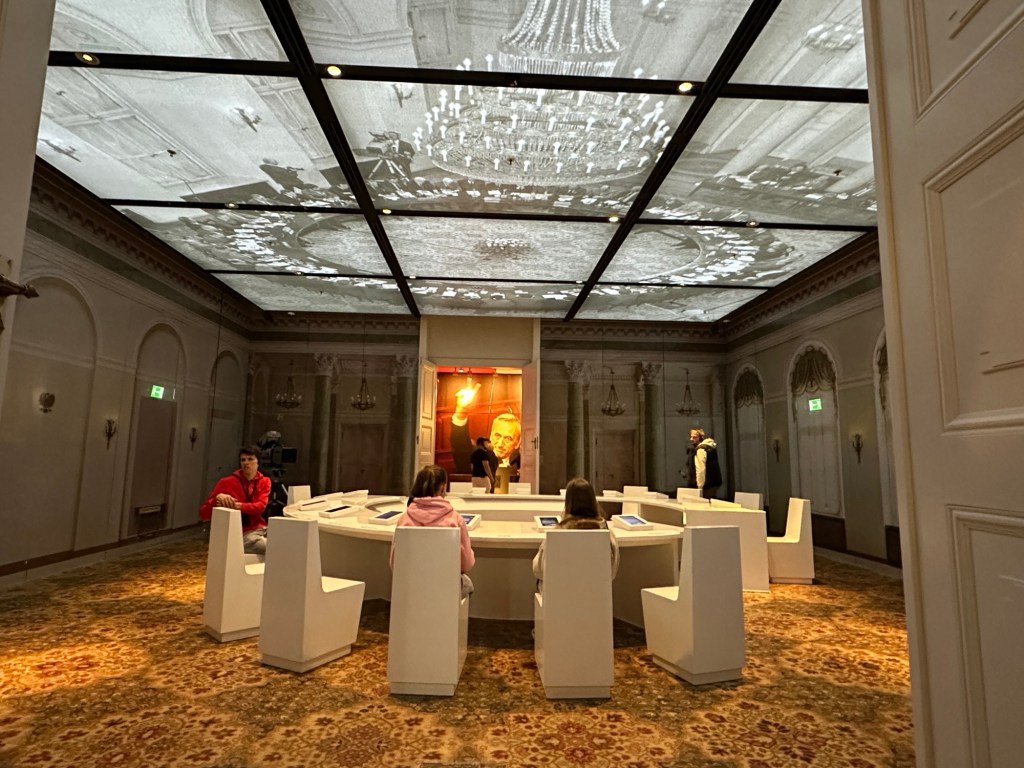
Finally there are highly publicized round table talks February 6 1989. There is an immersive exhibit that lets you feel you are part of the talks.

These meetings are a step toward democracy. Permission is granted for daily newspapers and censorship is softened. Independent judges are implemented in the courts.

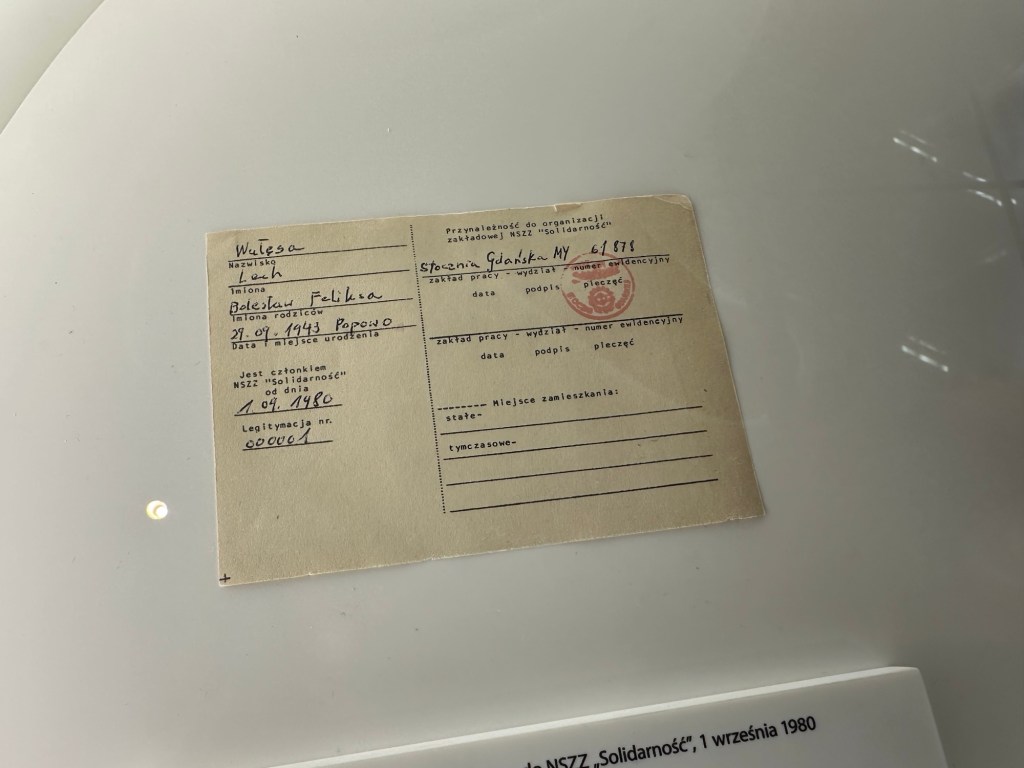
Lech Wałęsa, one of the founders of the solidarity movement gets the Nobel peace prize and eventually serves as president of free Poland.

The collapse of communism is 1989 in Poland and around the same time communism collapses in surrounding countries.

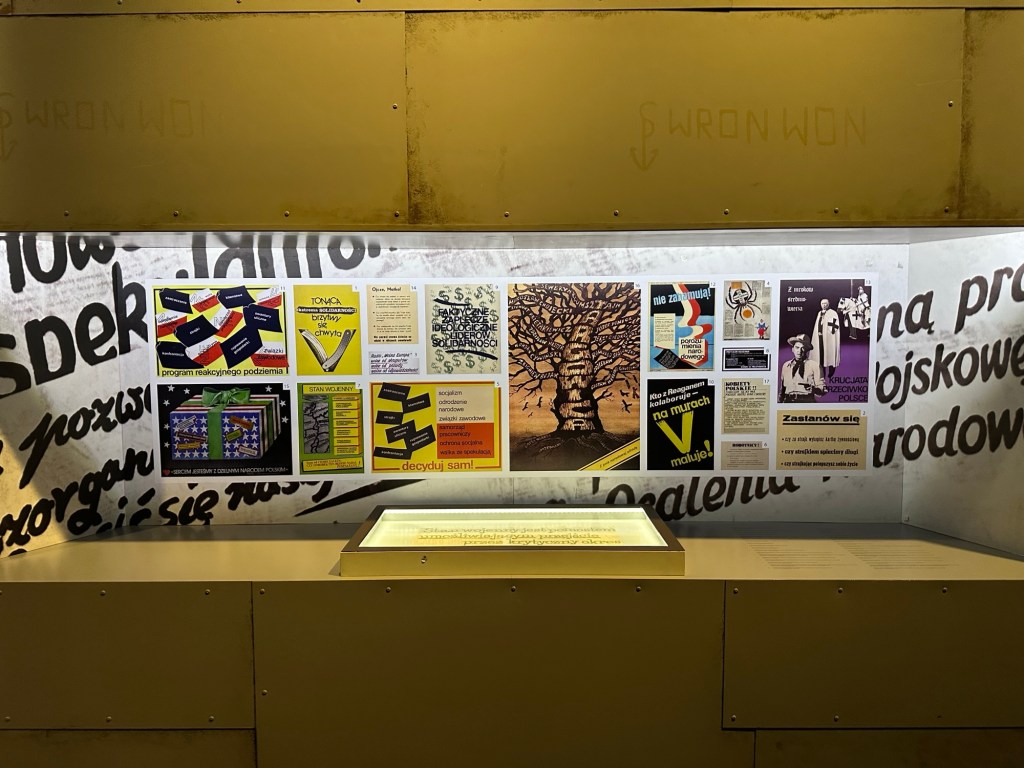
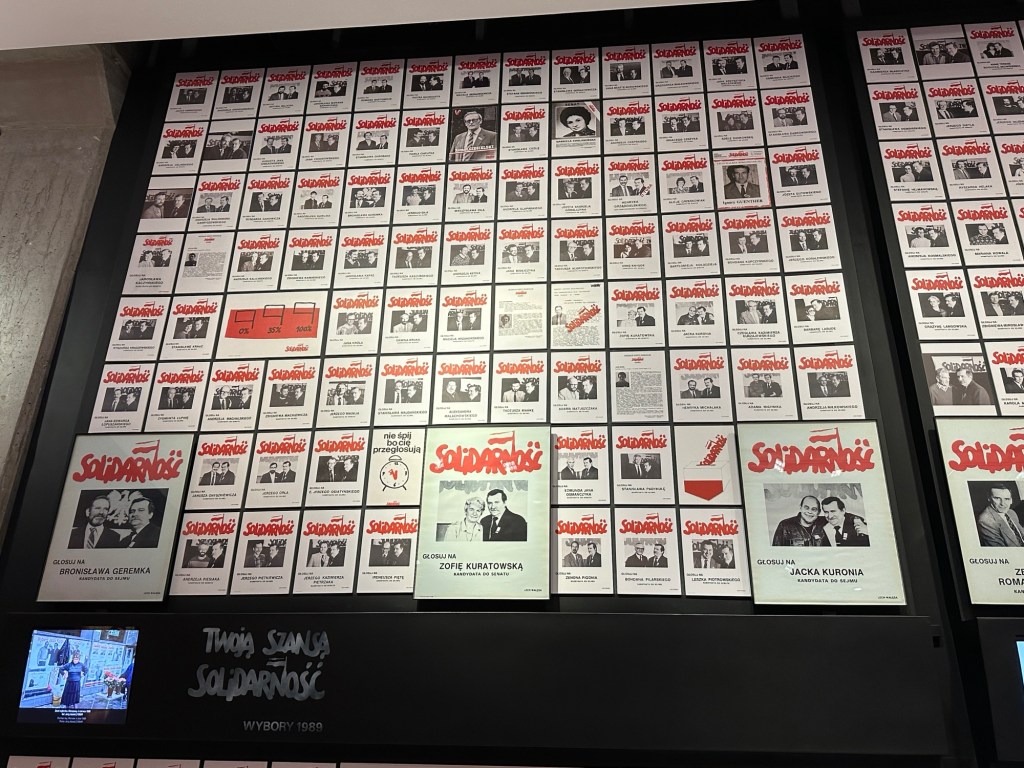
Poland is the only country in the region with democratic transformation through peaceful revolution. The Solidarity movement endorsed many candidates in a free election. They used pop culture in the marketing of some of the candidates.

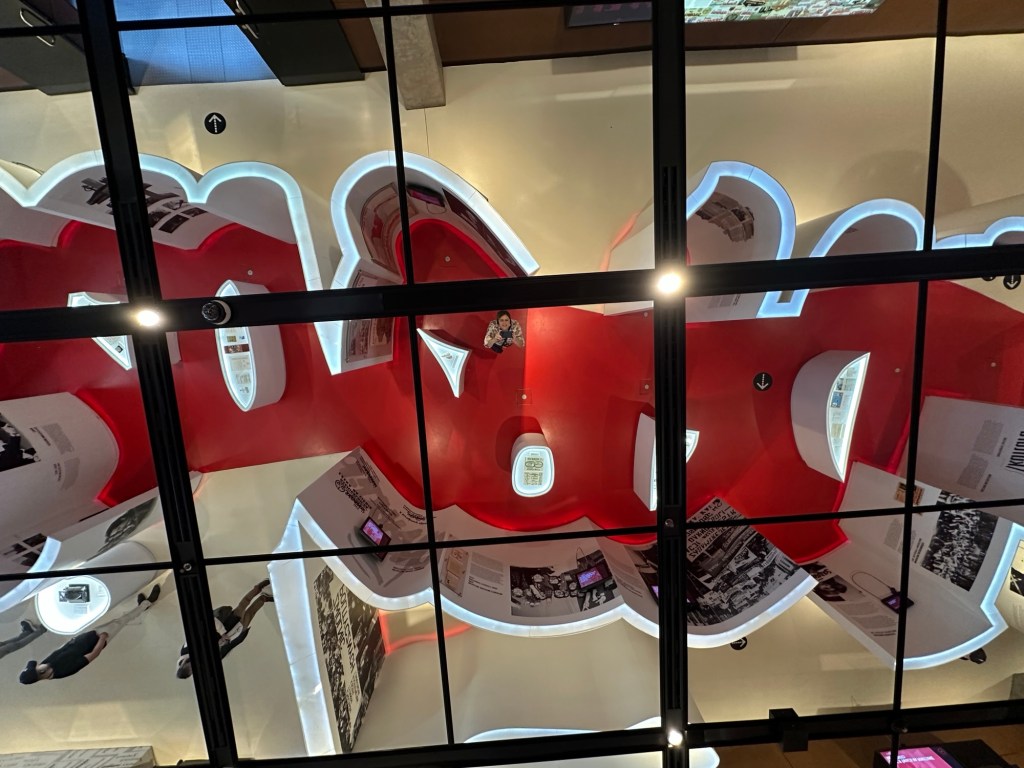
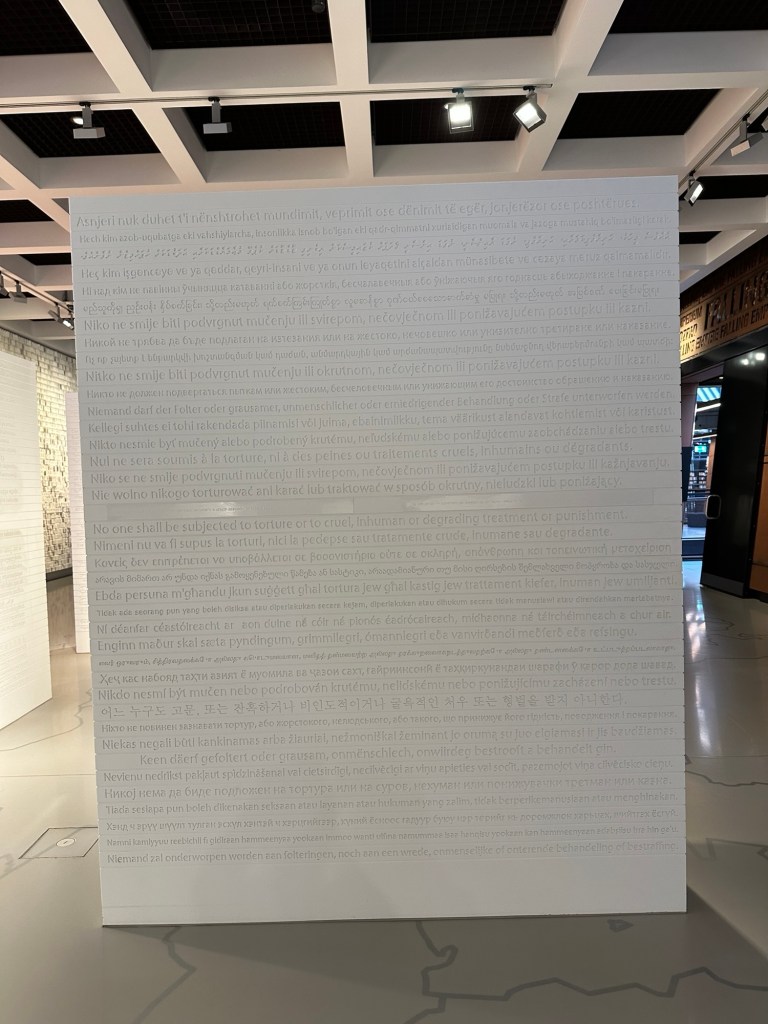
The museum ends with a list of basic rights on white walls. You can also leave your thoughts as part as a living exhibit.

The museum gave me a new perspective on the end of communism in Eastern Europe.

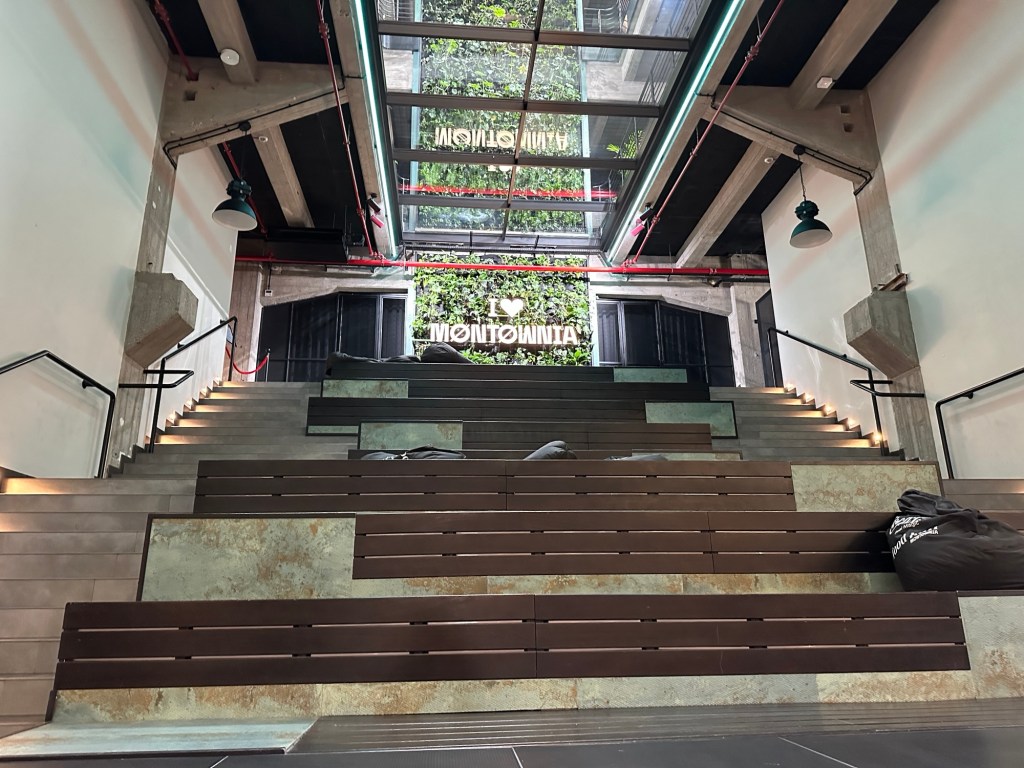
After the visit to the Solidarity museum I visit the Montownia food court nearby where I eat lunch. There are a mix of international stalls located there.

My day isn’t over yet. More on other sightseeing later.

Warsaw: Last Day

I canceled another day trip. The commute was too long and I’ve been tired. I want to stay close to my flat in case I want to cut sightseeing short. There is still so much I have yet to see in Warsaw but I am sad about canceling the other things I had planned. I don’t understand why on travel forums people tell you that not much time is needed in Warsaw. I understand that people don’t love the modernism of the city or that the historic parts of it are actually completely rebuilt in the last 50 or so year, but there are still endless museums and parts of town to visit. I feel like I’ve stayed fairly busy these last few days and will still not get to see everything I want to see – this is with mostly 10+ hours of being out and about each day.

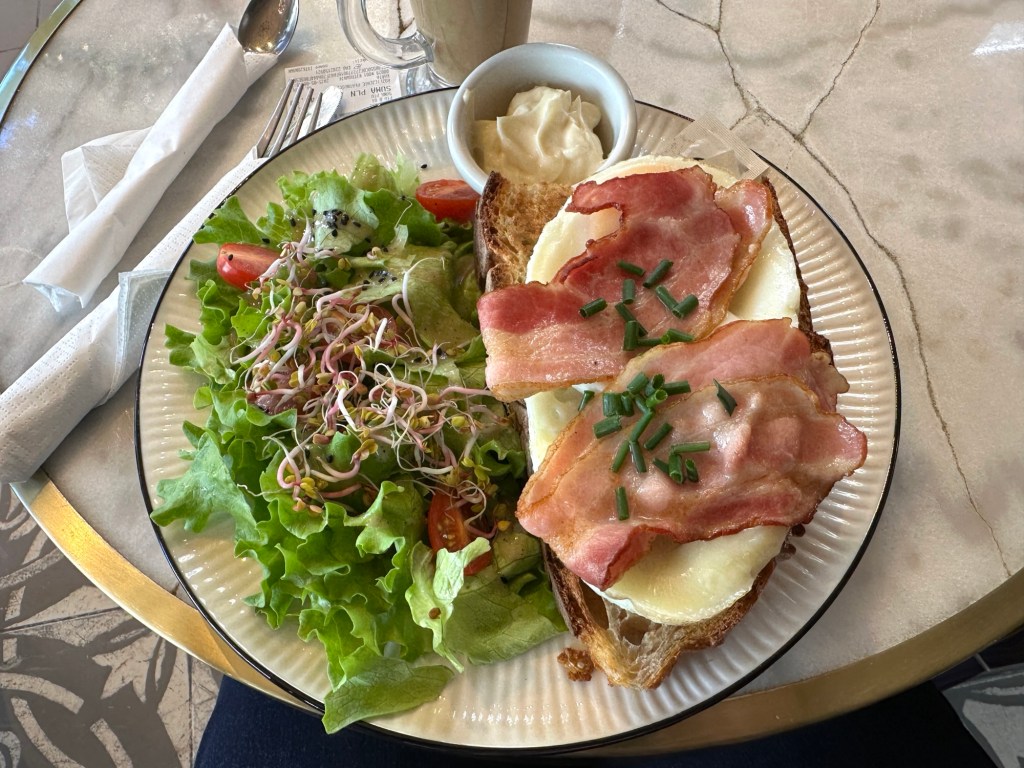
My last morning in Warsaw I sit down and have a proper breakfast at a nearby cafe.

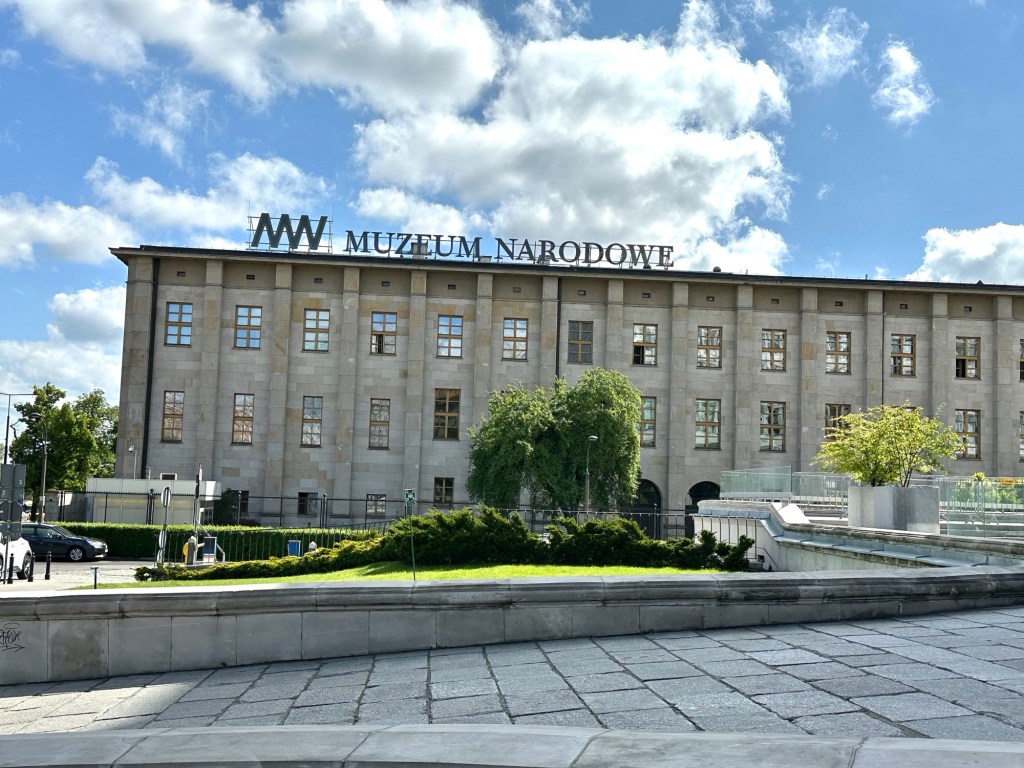
I start today at the National Museum in Warsaw, the national art museum. My travel to Poland has been odd since I usually hit all the art museums in town, especially the modern ones. This trip I have been visiting things more historical in nature. I have a “free” day here in Warsaw so finally I visit an art museum.

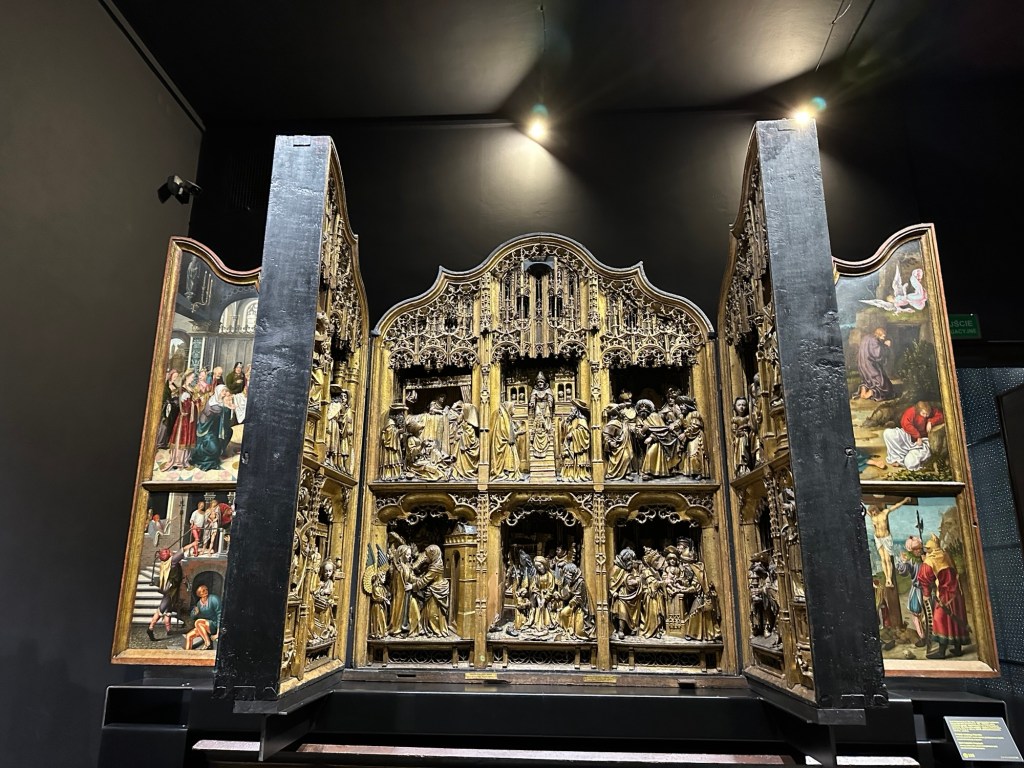
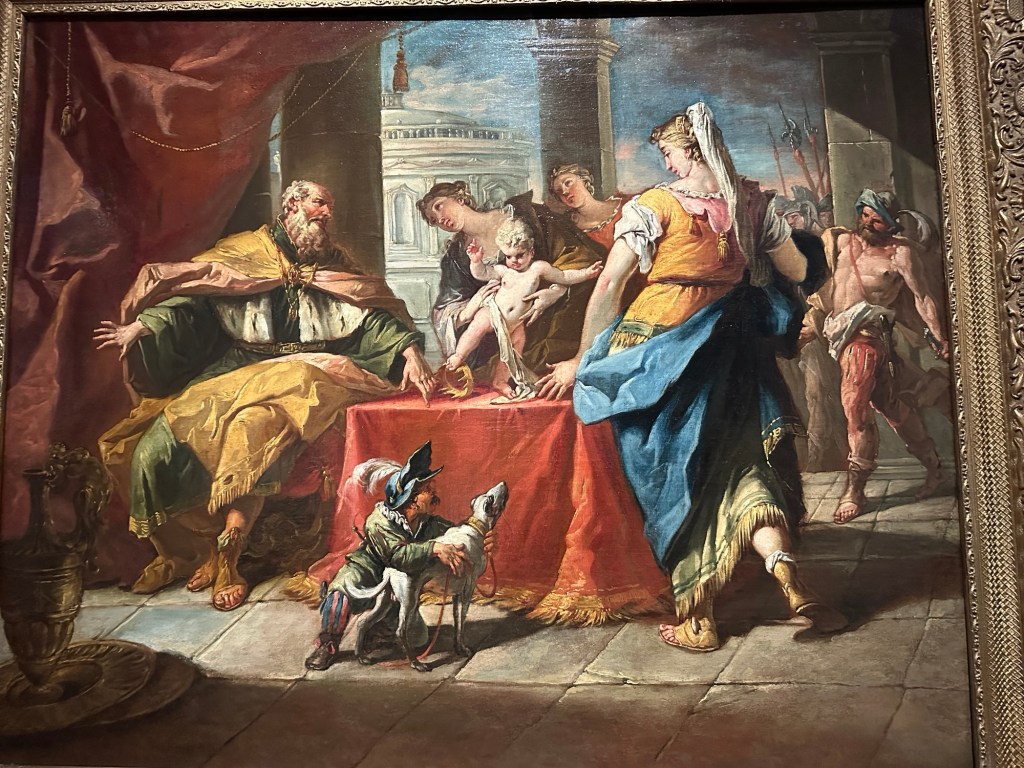
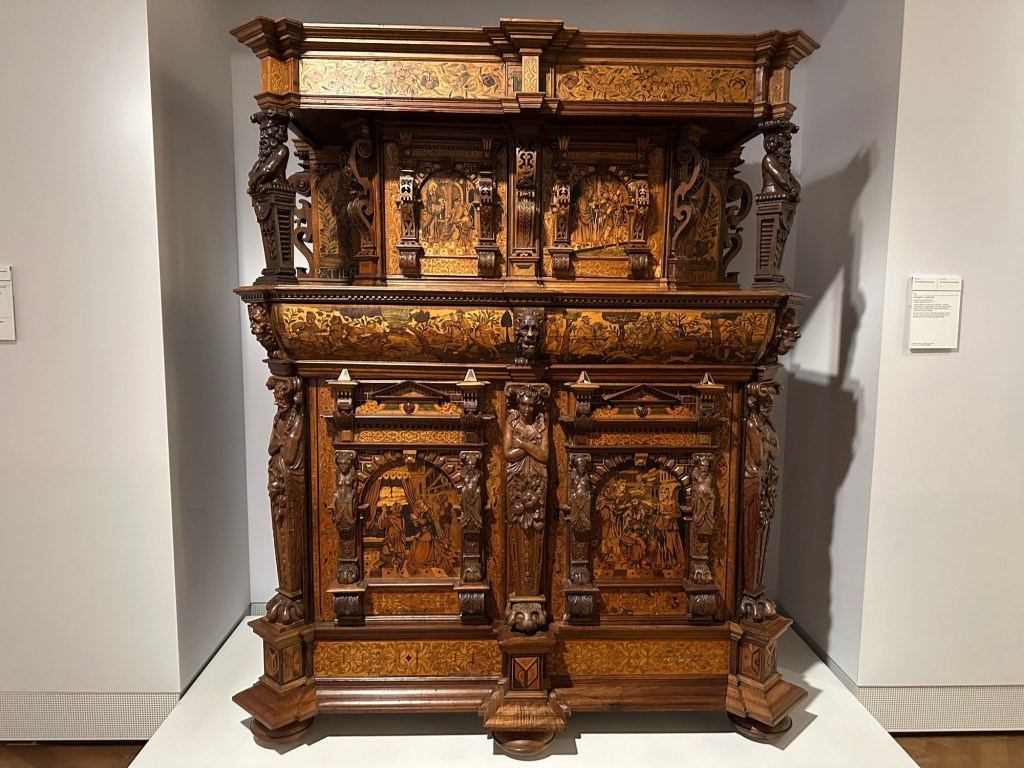
The National Museum is mostly medieval and older art. The most famous painting here is the Battle of Grunwald. Medieval art isn’t my favorite genre but I always enjoy the expressions on humans and animals.

National Museum in Warsaw

I love some of the weirder stuff in the museum because as always I am drawn to the weird.

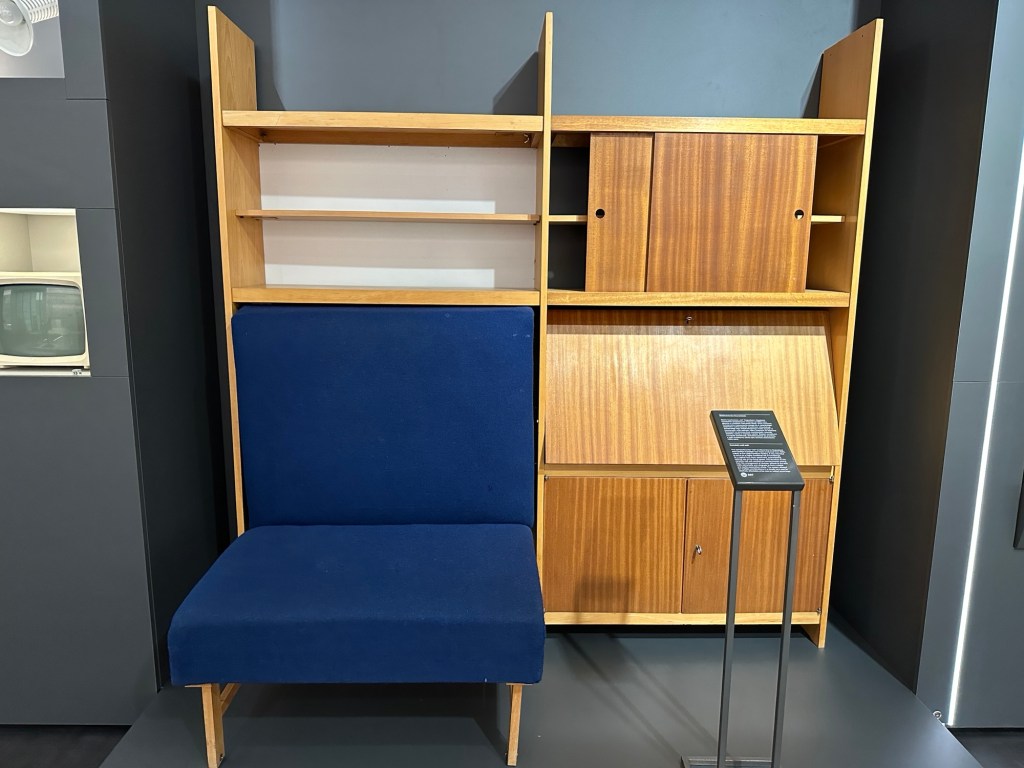
I also like the Polish design temporary exhibit. It takes its inspiration from the communist era where it’s all about getting the most use out of a space.

The battle of Grunwald

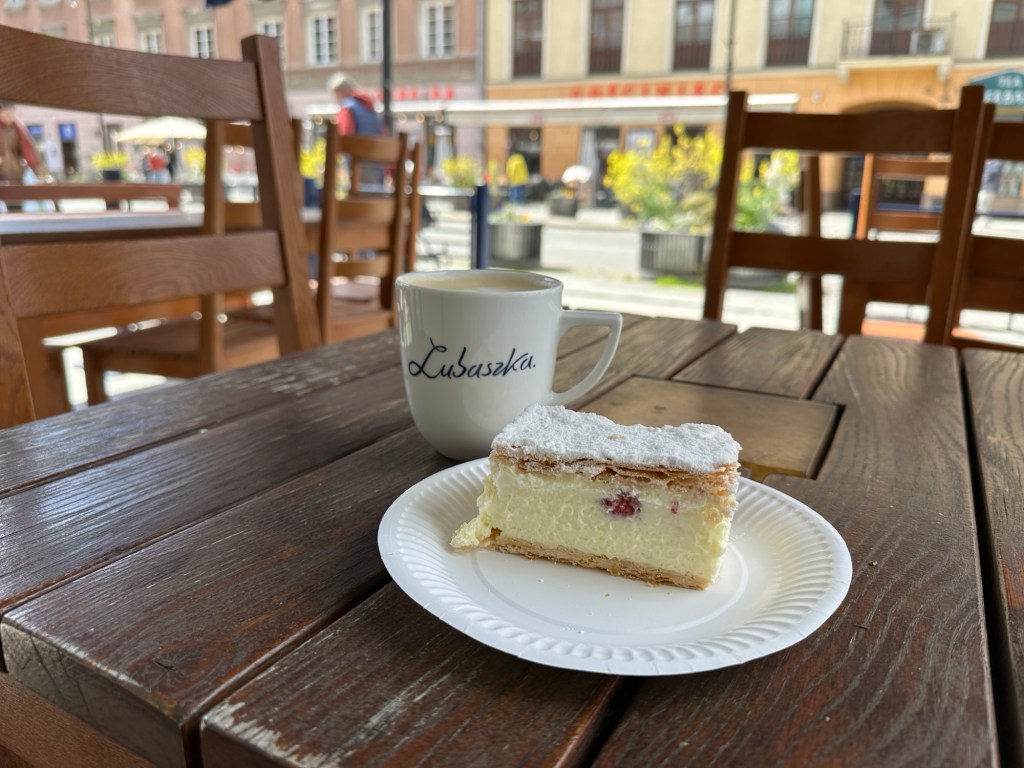
After the museum I head to the royal way to get a dessert since I am not yet ready for a proper lunch, don’t judge me.

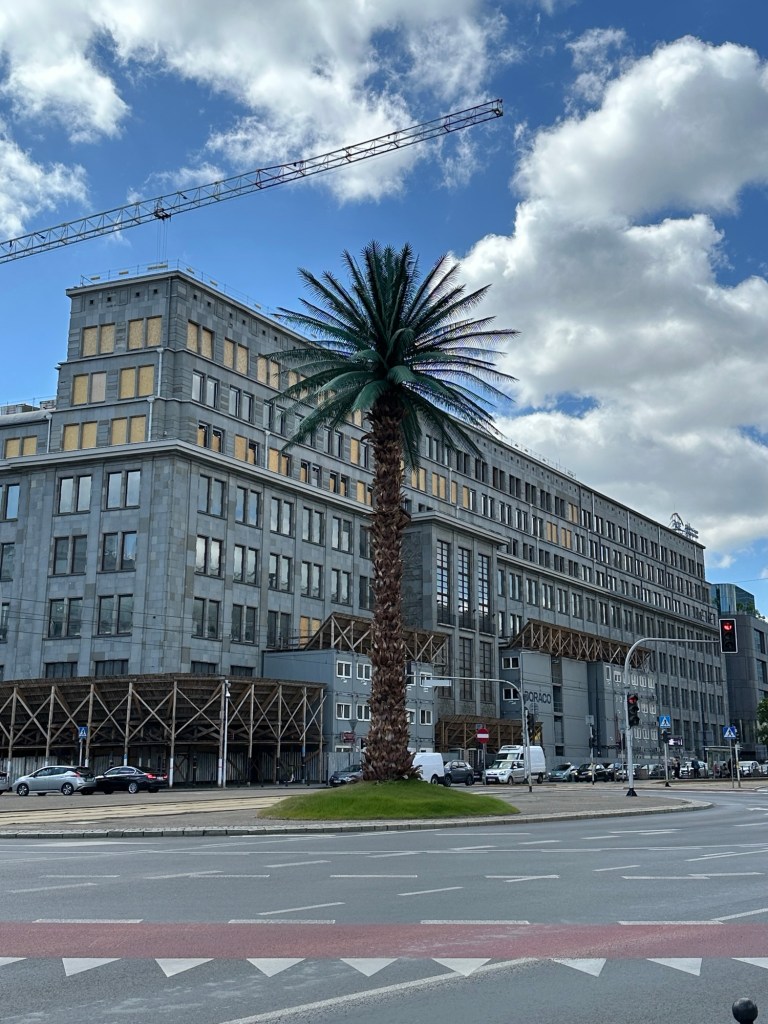
“Palm” tree in Warsaw. Inspired by Israel.
Love the crème cake

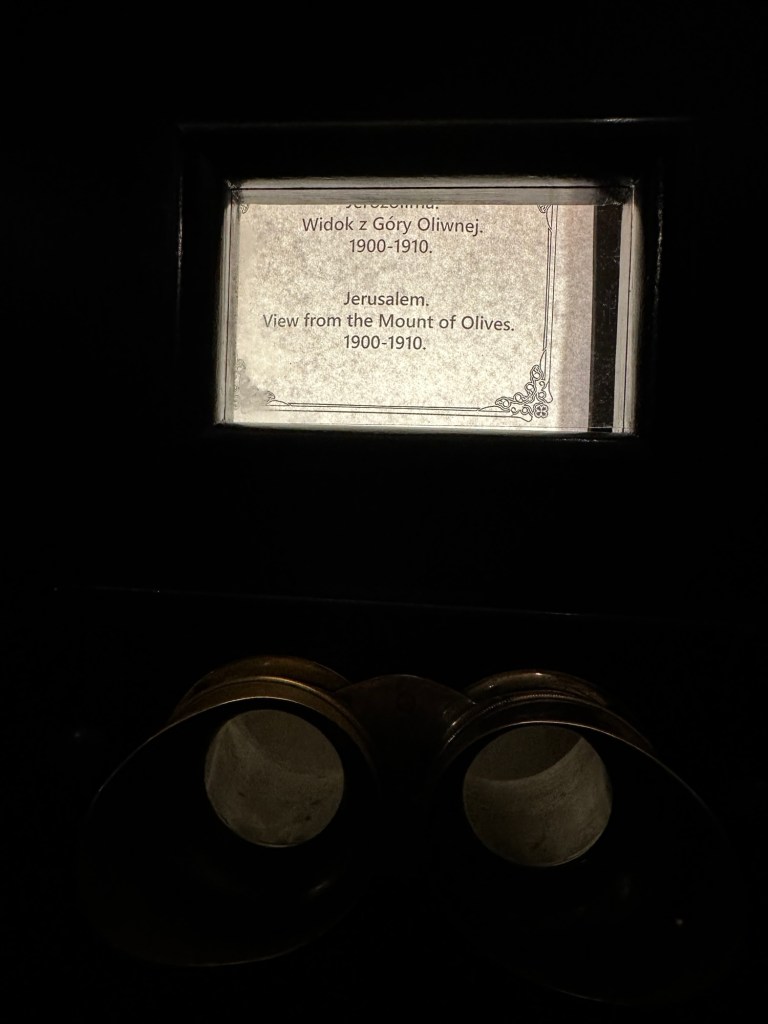
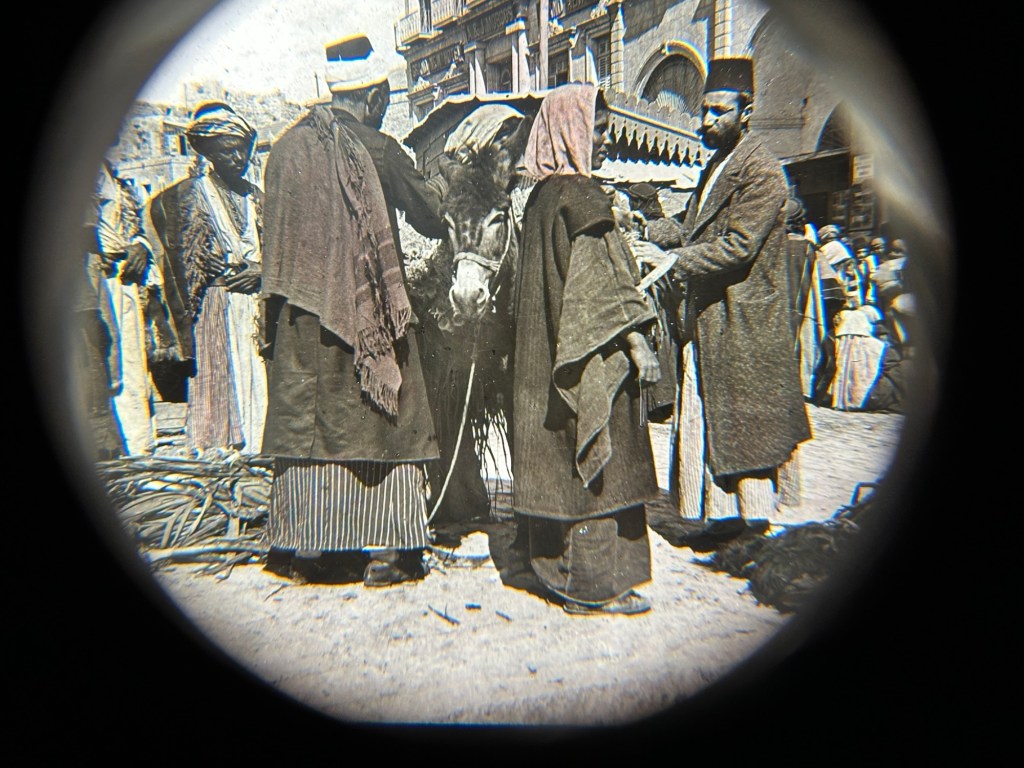
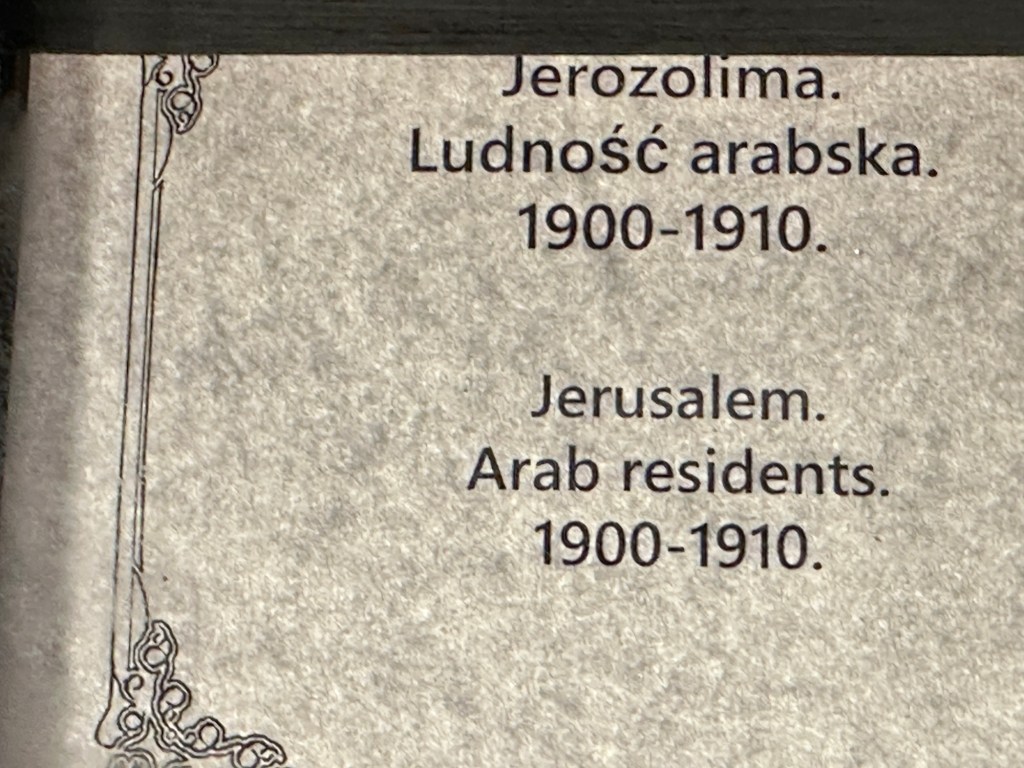
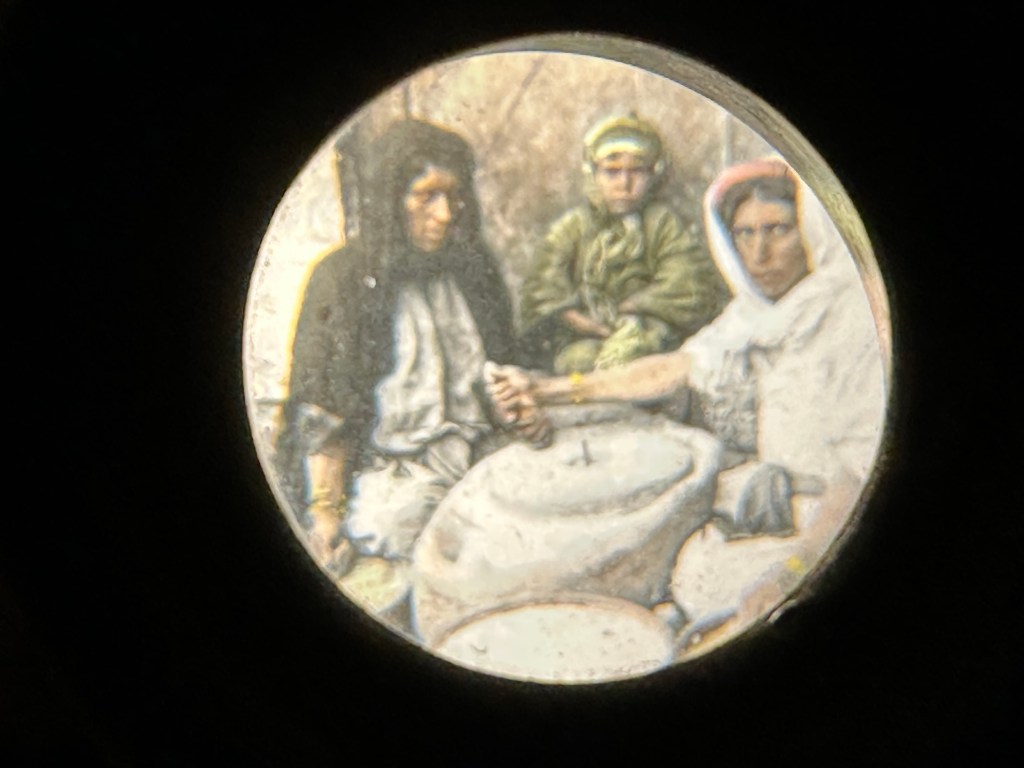
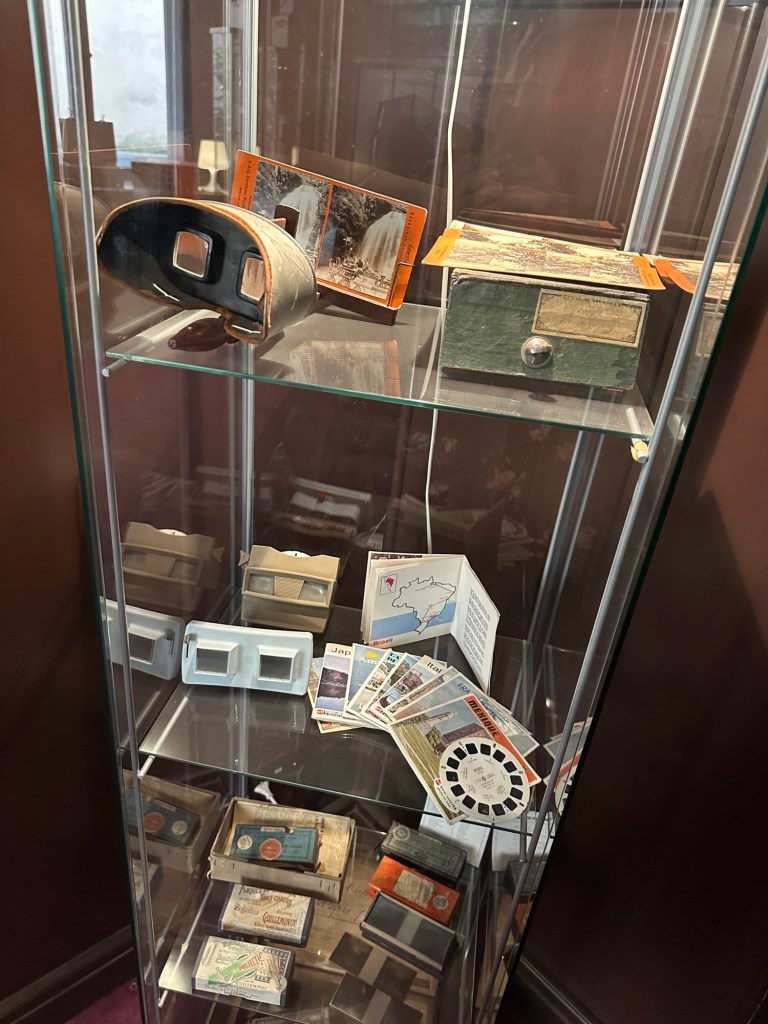
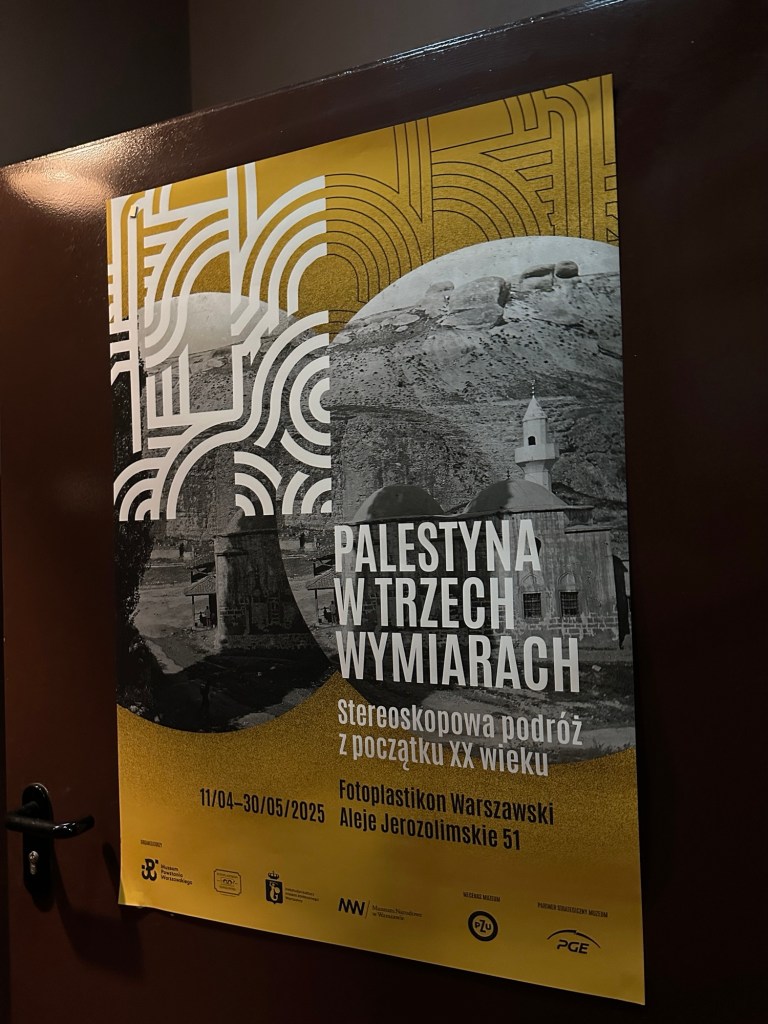
I walk over to Warsaw Fotoplastikon, a historic photo viewing machine that is circular and rotates photos along the viewing spots. As old as the machine is, it is able to make some of the photos appear in 3D. I first saw one of these at the Schindler’s factory in Krakow. This one changes the historic photos out every month. The current exhibition is from Polish tourism to Palestine in the early 1900’s.

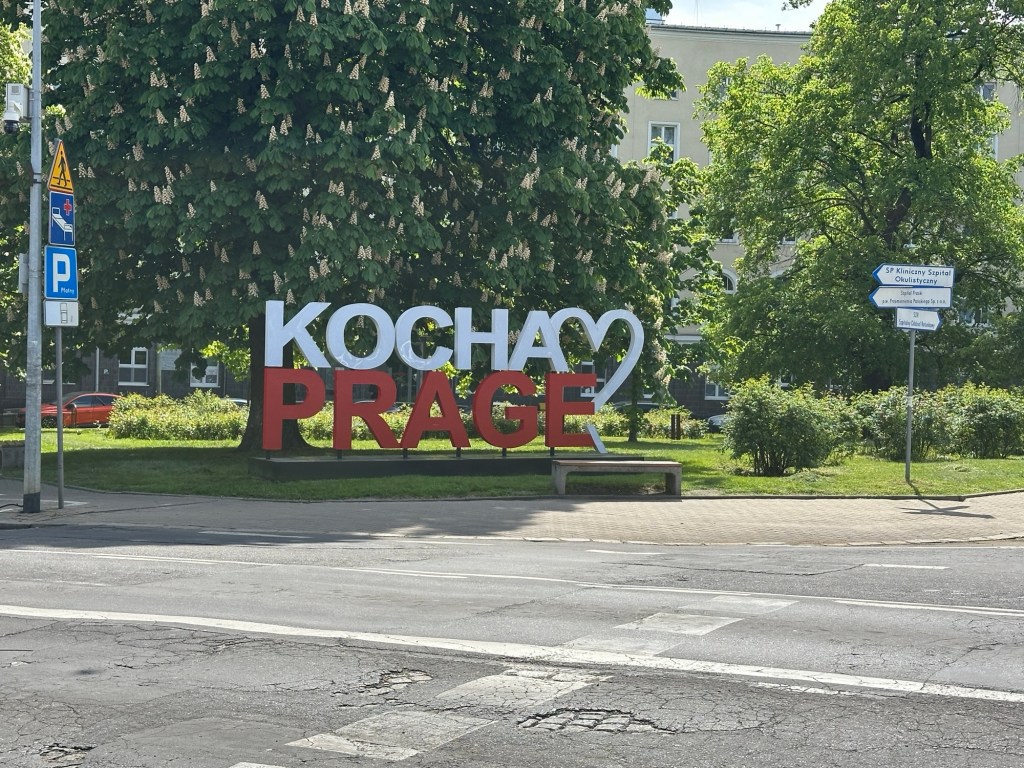
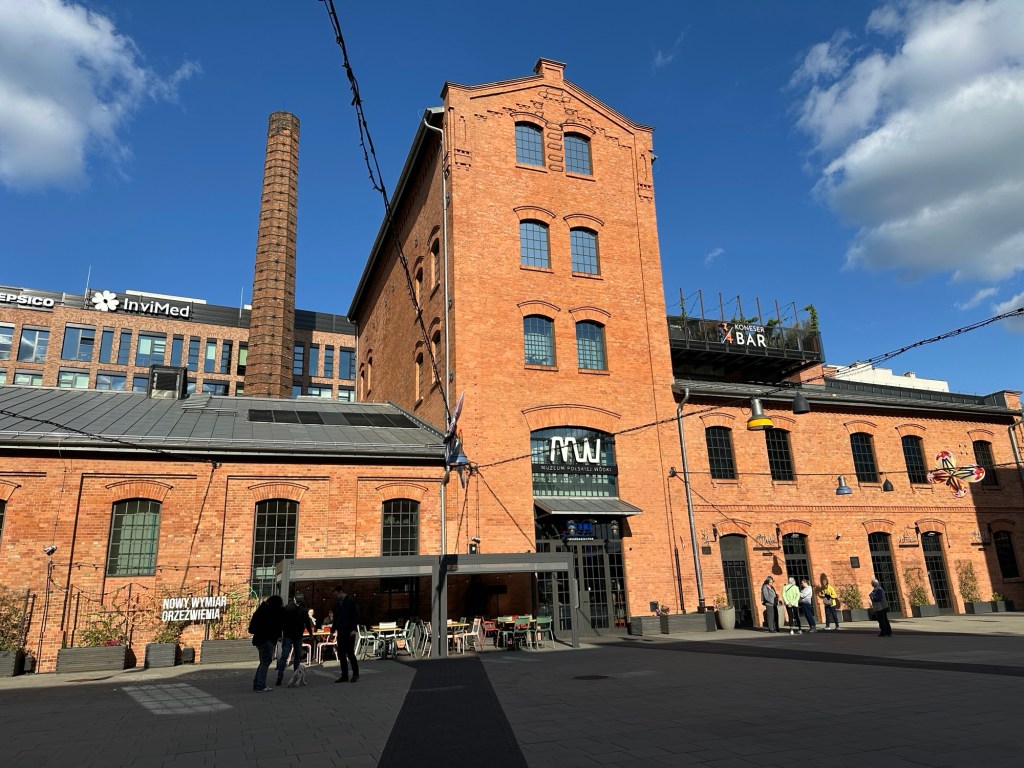
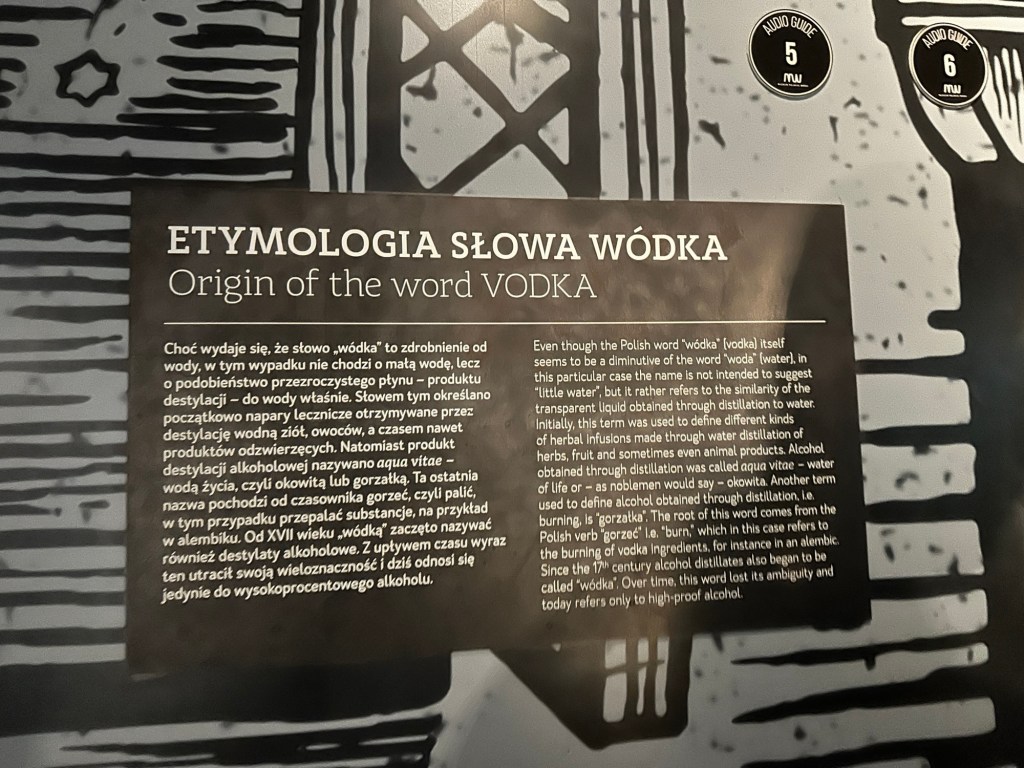
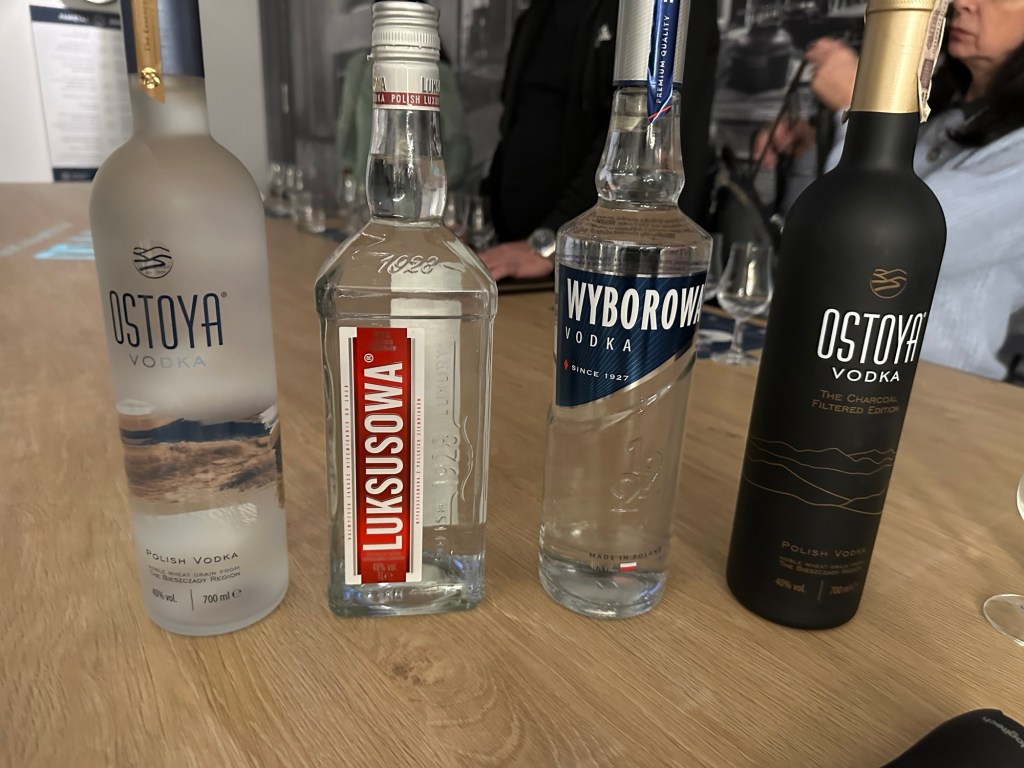
The final thing I want to do today is check out the “bohemian” neighborhood of Praga across the river. The red army, or Russians, stayed here during WWII. Visiting Praga is recommended because it is an artsy part of town. I spend hours in this neighborhood and really don’t see much bohemian. I view the large impressive rebuilt church, walk a nice park, and hang out in a newer industrial area. I even join a vodka museum tour last minute to learn more about Polish vodka.

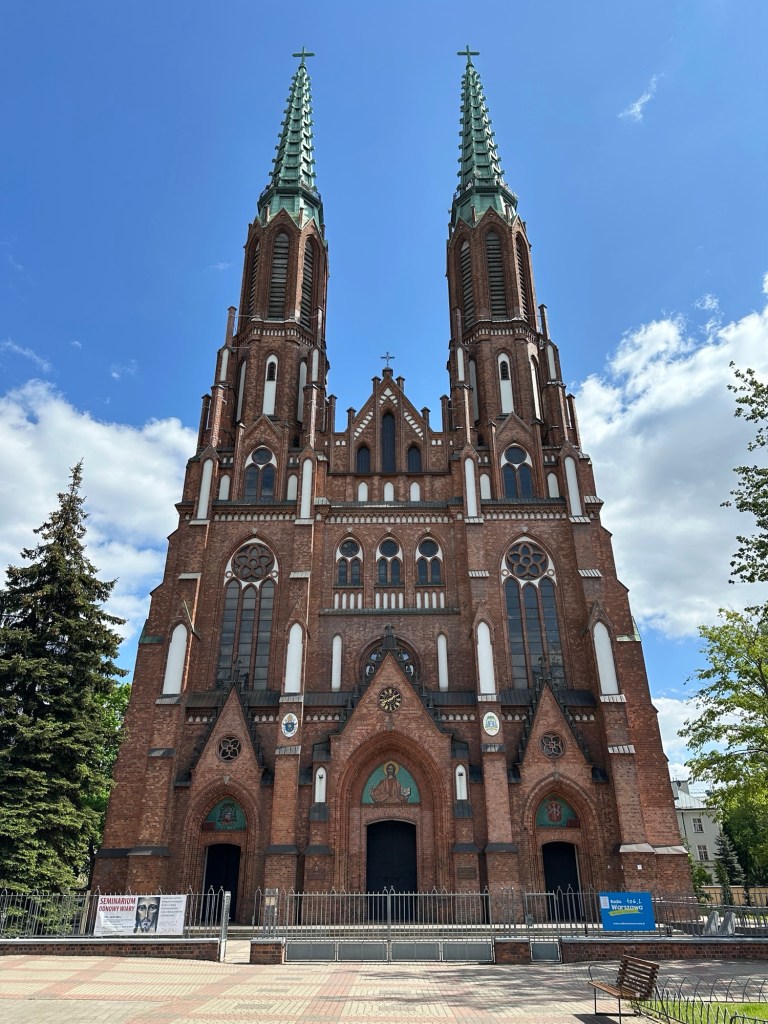
St Florian’s church was destroyed by the Germans in 1944 during the Warsaw uprising. A huge reconstruction effort led to church to reopen in 1972.

Some architecture in the “Bohemian” Praga.

I really enjoyed a peaceful walk in the Park Praski.

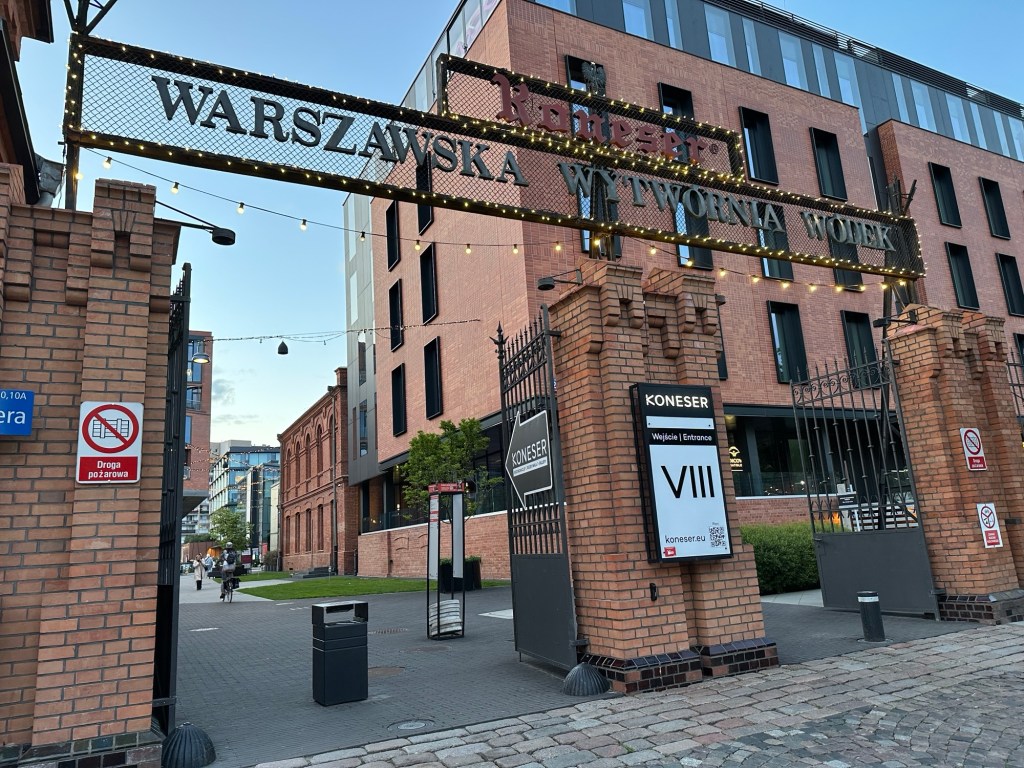
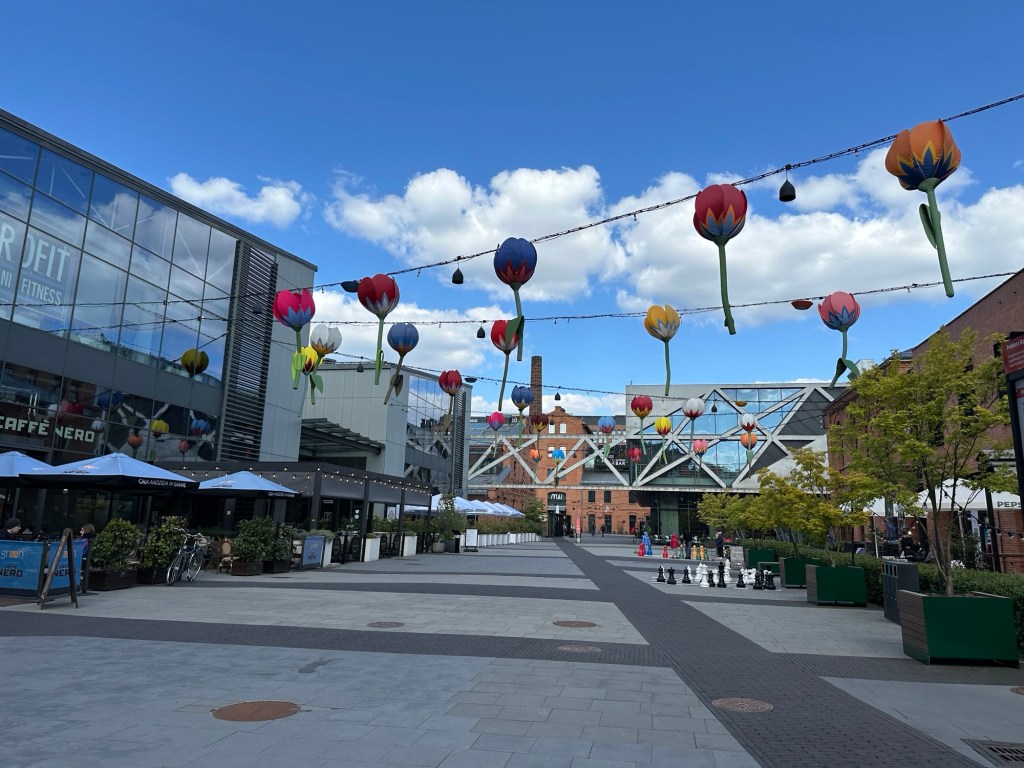
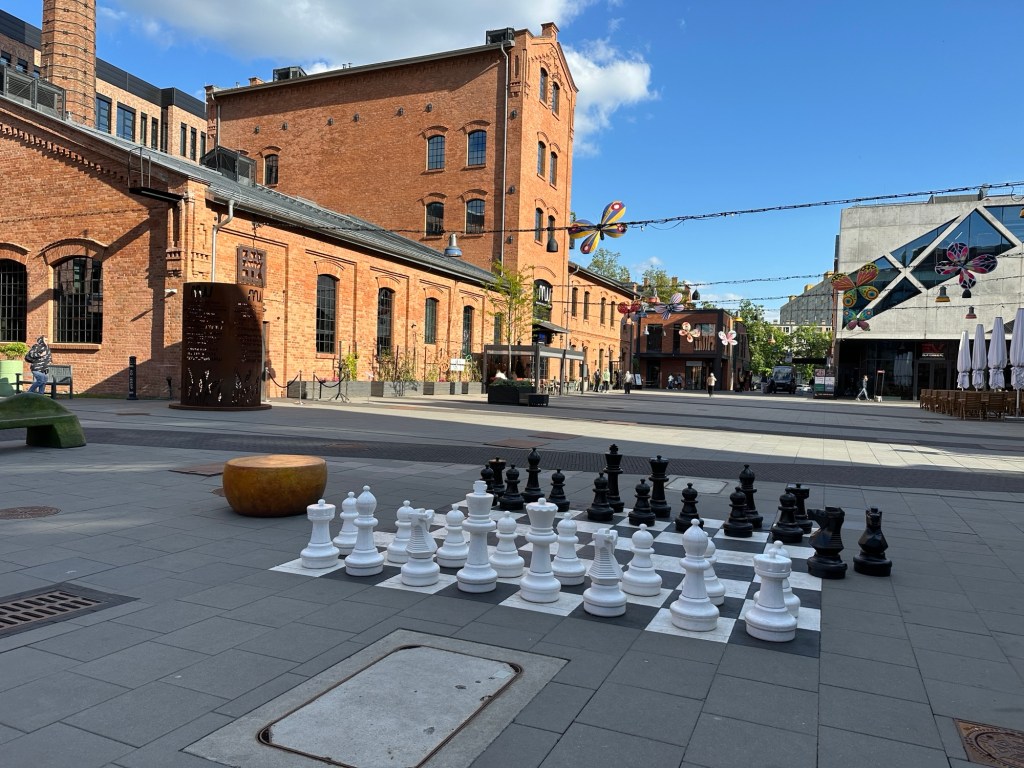
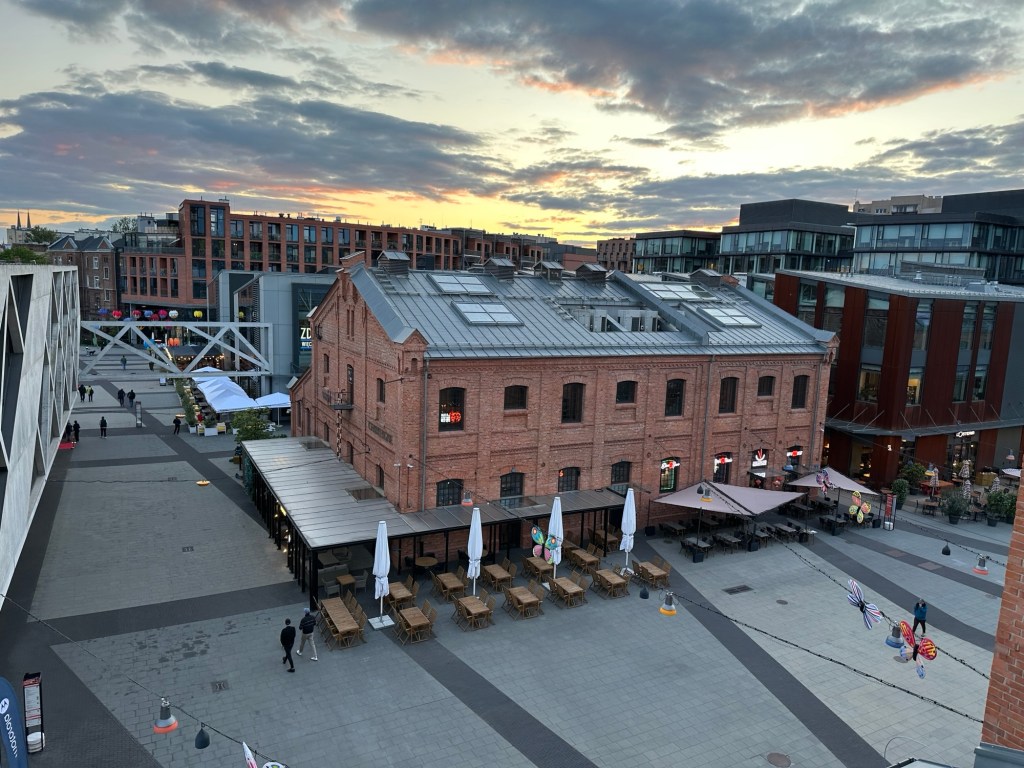
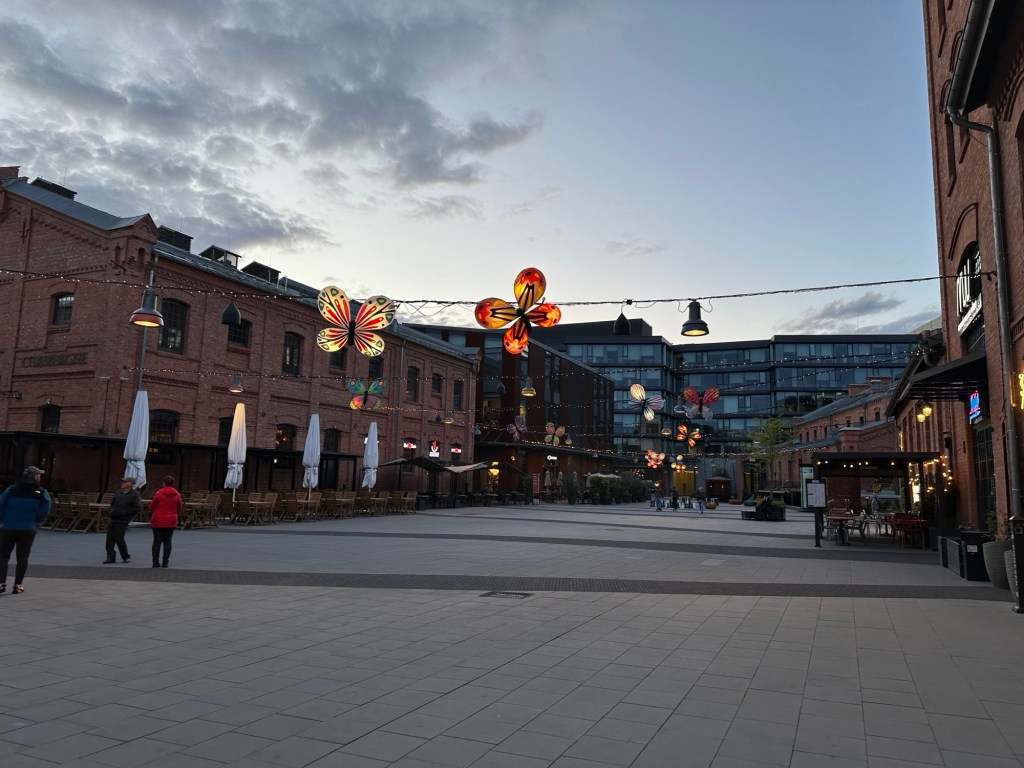
I am in the New Praga and it appears there isn’t much going on over here besides a nearby zoo so I hop on a bus to go to the other side of Praga because I am exhausted from walking all day. I am in an old industrial complex that has been converted into a very modern area, including a google lab. It seems like a very good idea to do a tour of the Polish Vodka museum with an upgraded tasting. I book a tasting a then order a very large and relaxing meal while I wait.

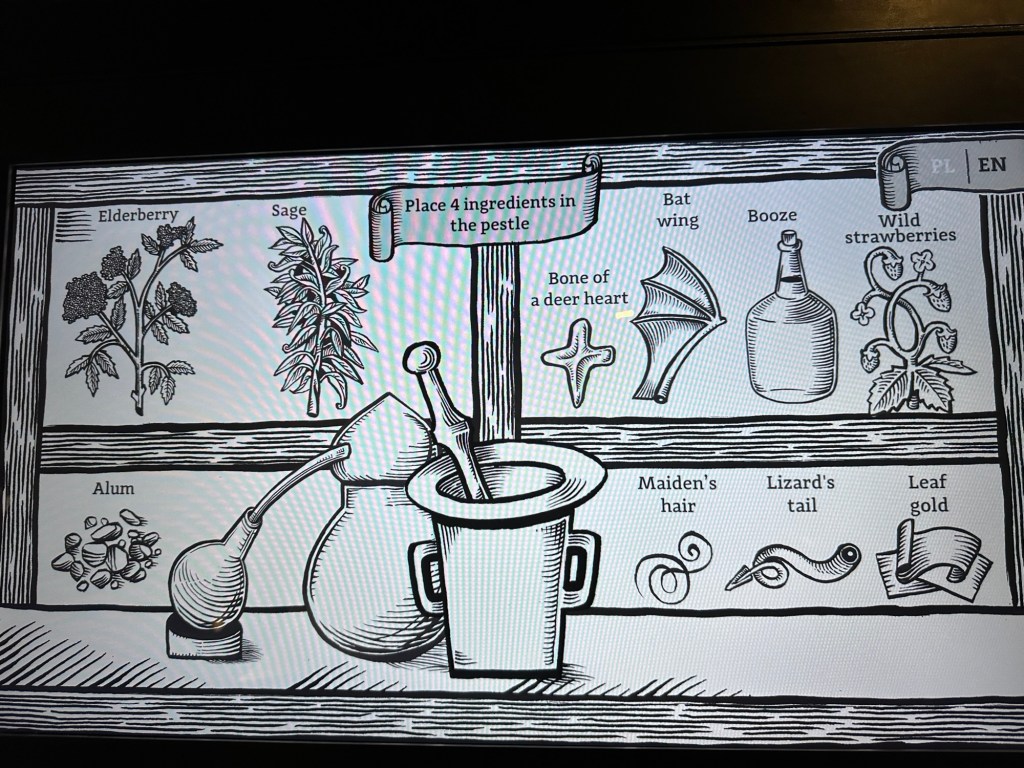
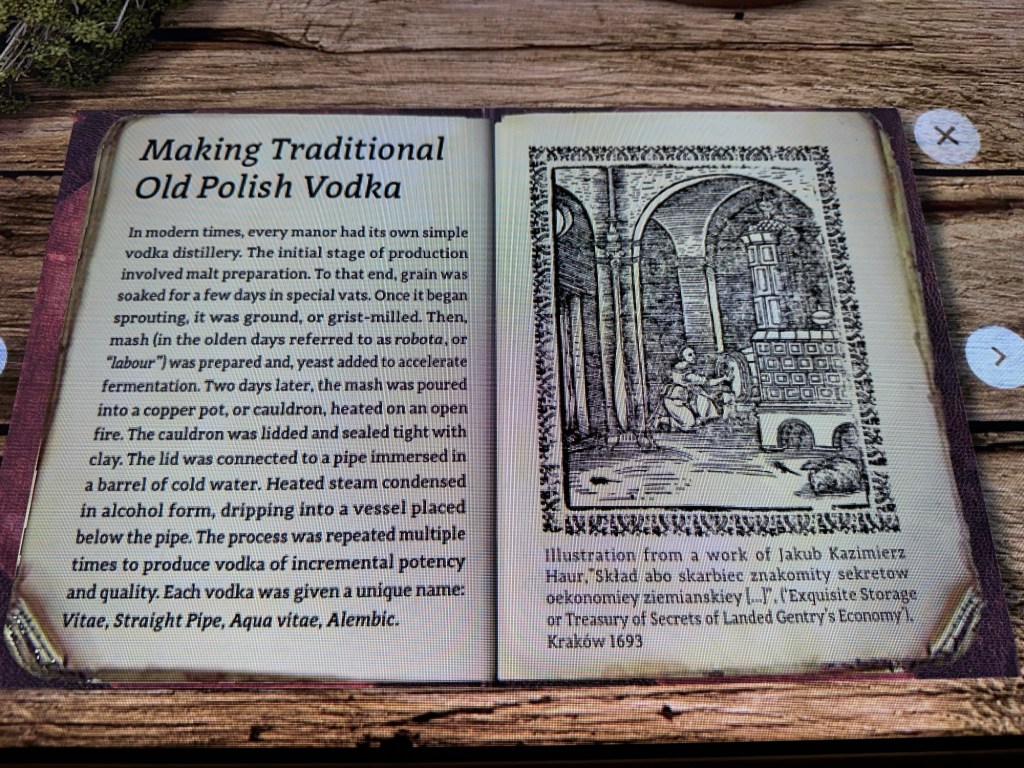
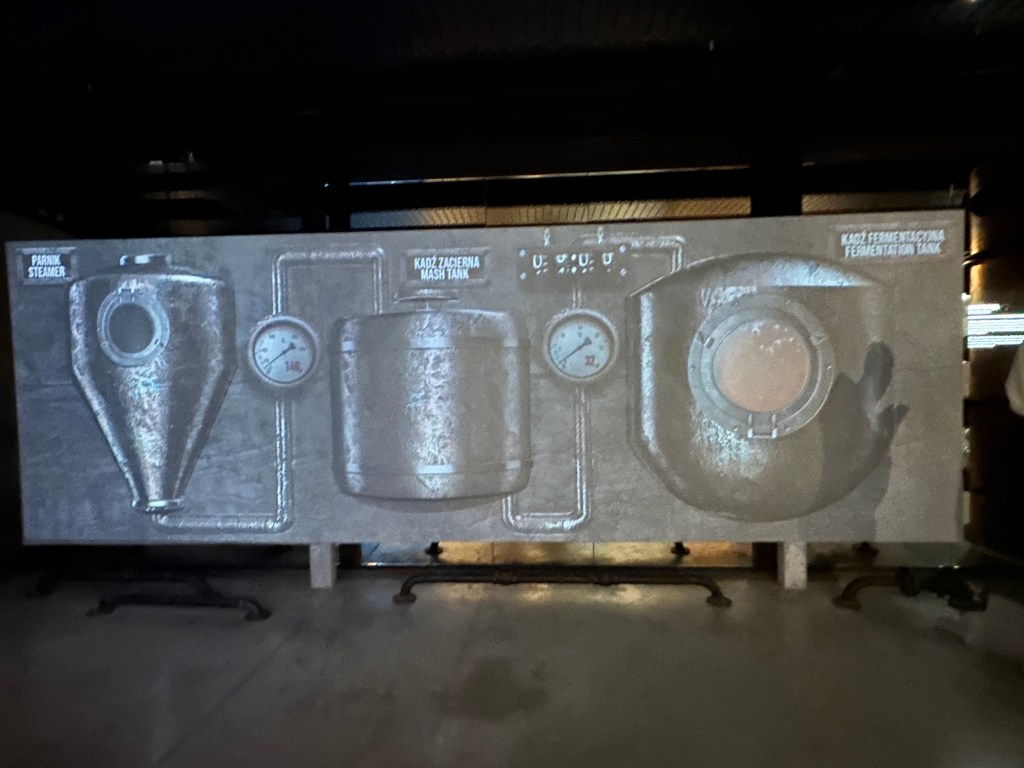
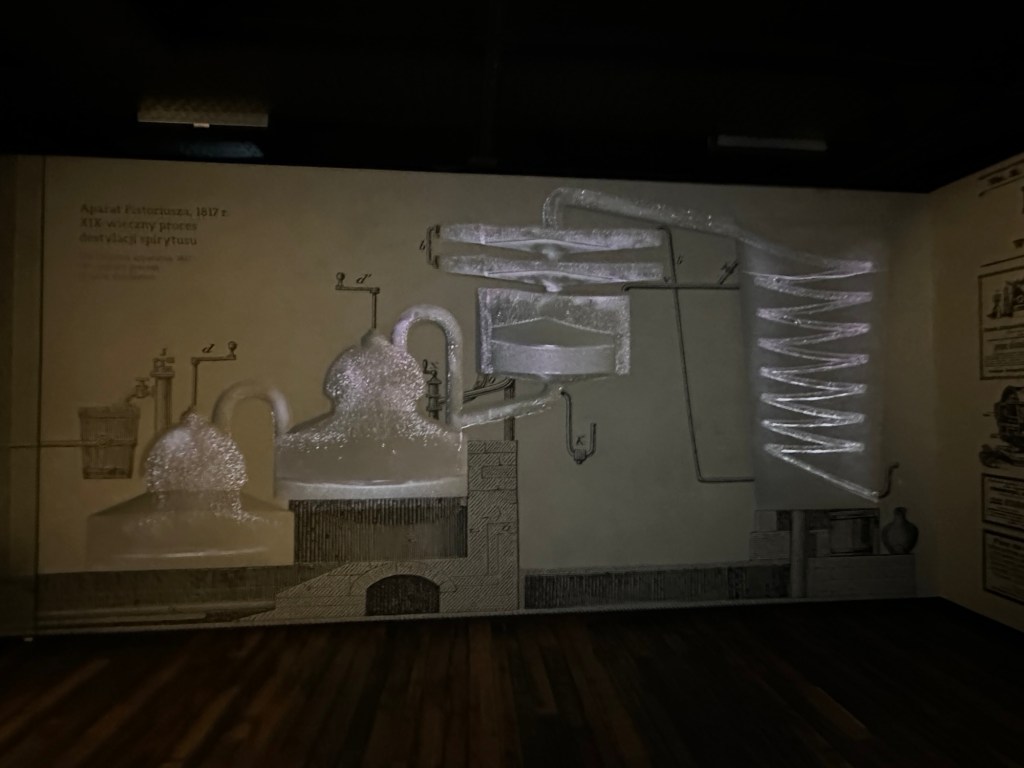
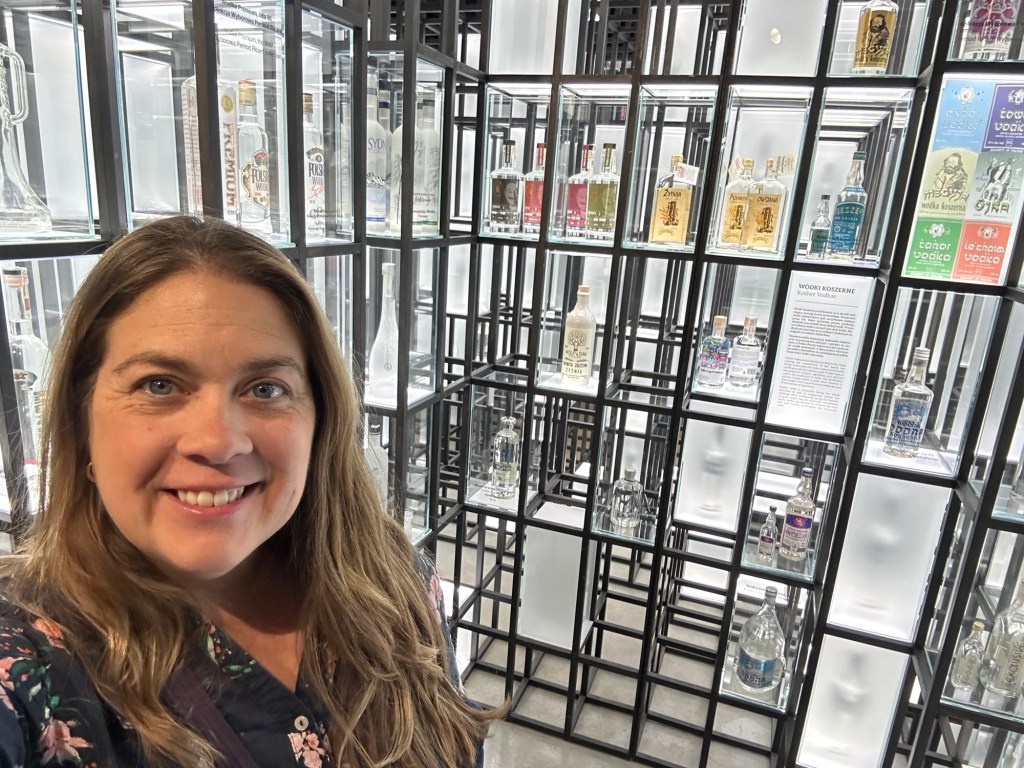
The vodka tour takes you into the origins of Polish vodka, how it is made, and how it is produced and distributed today. In the US I don’t typically sip vodka, maybe an occasional shot, but mostly it is an ingredient in a probably sweet cocktail. The vodkas I tried today are good for sipping. I probably won’t drink them this way on the regular but it isn’t the worst thing.

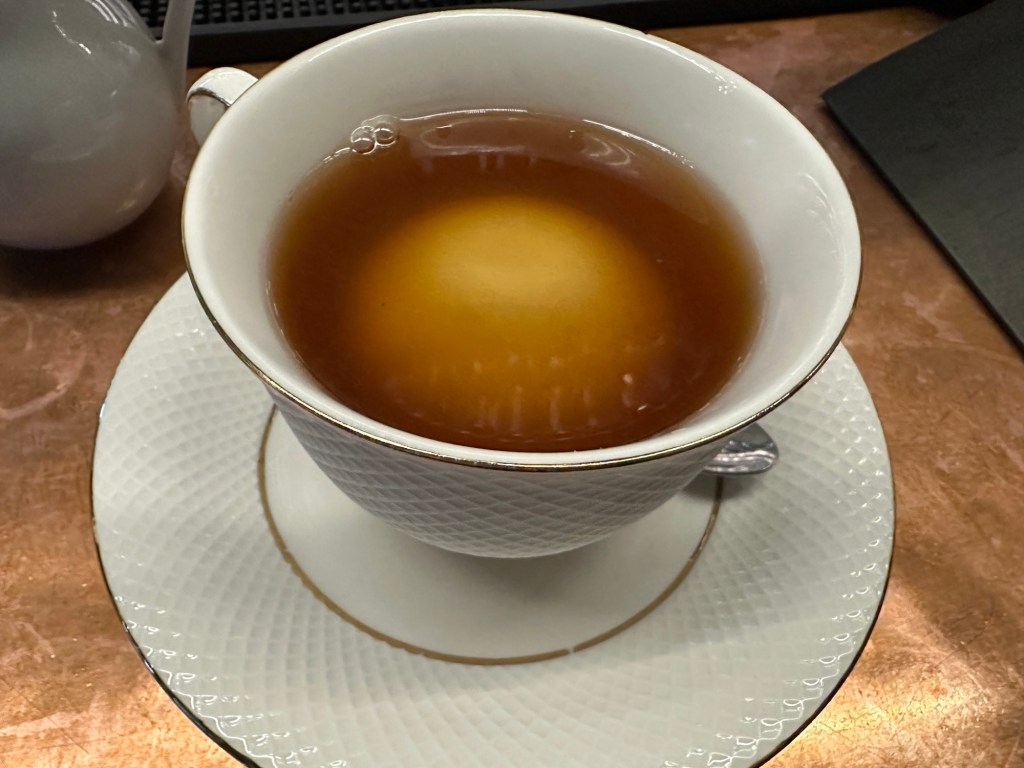
My special tour included a drink upstairs at the attached bar from a special menu. I chose a dessert like drink because its not something I’d normally order.

View from the upstairs bar

And just like that its the end of my visit to Warsaw. Loved my time here in this international city. Now I am heading north to the city of Gdansk.

Warsaw: Museums, Parks and Food Tours

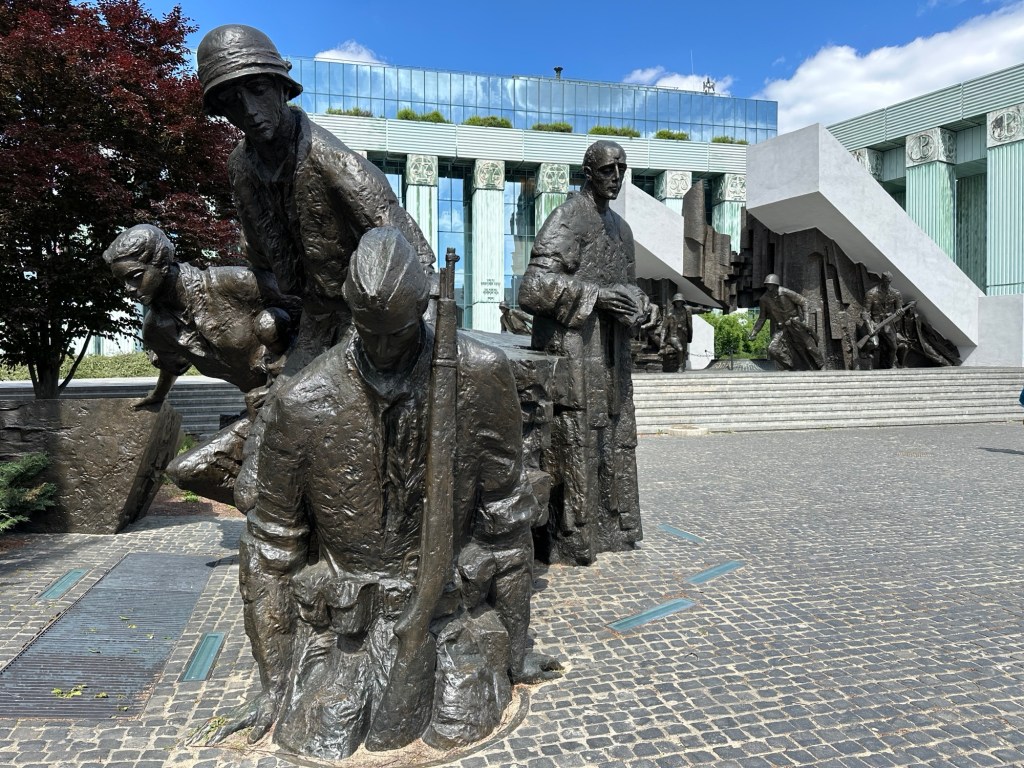
Warsaw uprising monument

Today I had planned to visit POLIN museum. POLIN is a museum of the history of polish Jews. I am usually really very detail oriented in planning. I don’t love planning out every hour of every day it is a shorter trip than I gotten accustomed to so I don’t have as much flexibility in my schedule. And I make mistakes in planning. Today was one of them. I thought I had pre-purchased a ticket to the POLIN museum. I arrive at the museum at 10am, what I thought was opening time. I double check my ticket to make sure I don’t have a limited time slot and I don’t. I can come anytime starting at 10am. The thing is I don’t realize it is closed today. It’s typical in European countries that there is usually one day a week that a museum is closed and I know this. It can be any day of the week but usually it is a Monday or Tuesday. Today is a Tuesday. I actually had in my spreadsheet that its closed today but I guess I never cross referenced it when I bought my ticket. And I never confirmed the date of my ticket because the day I bought it for was the day I arrived in Warsaw, so double failure. I hop of the bus at the POLIN museum and figure out how to move my schedule around so I can visit this museum on another day. I think I have figured it out.

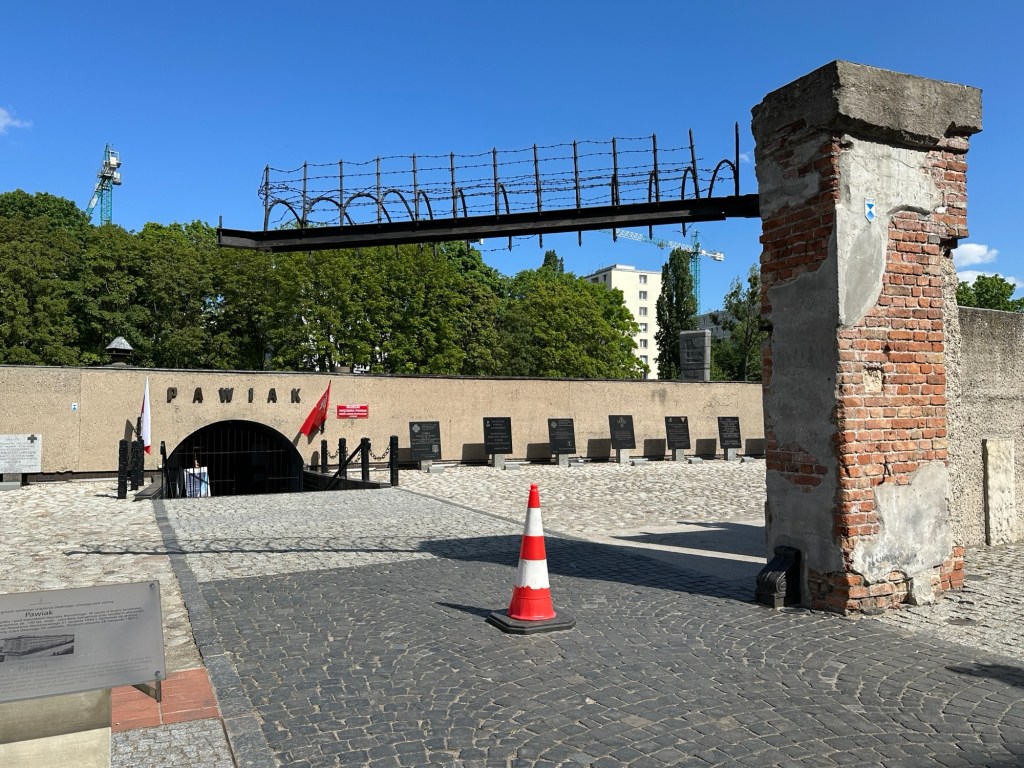
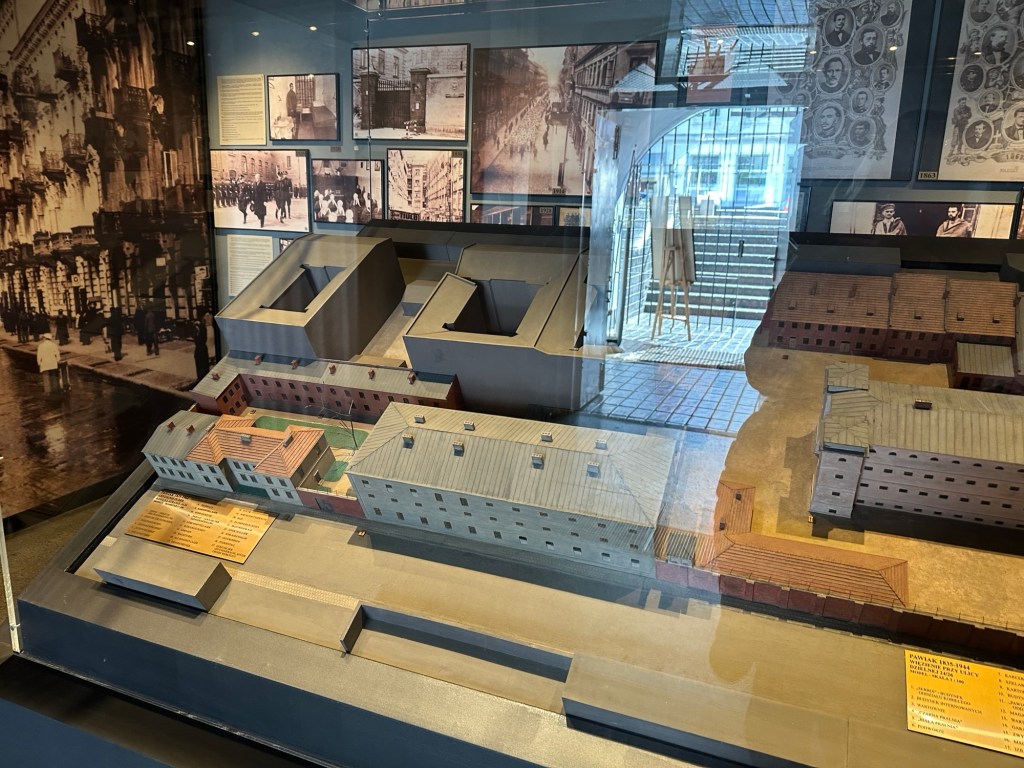
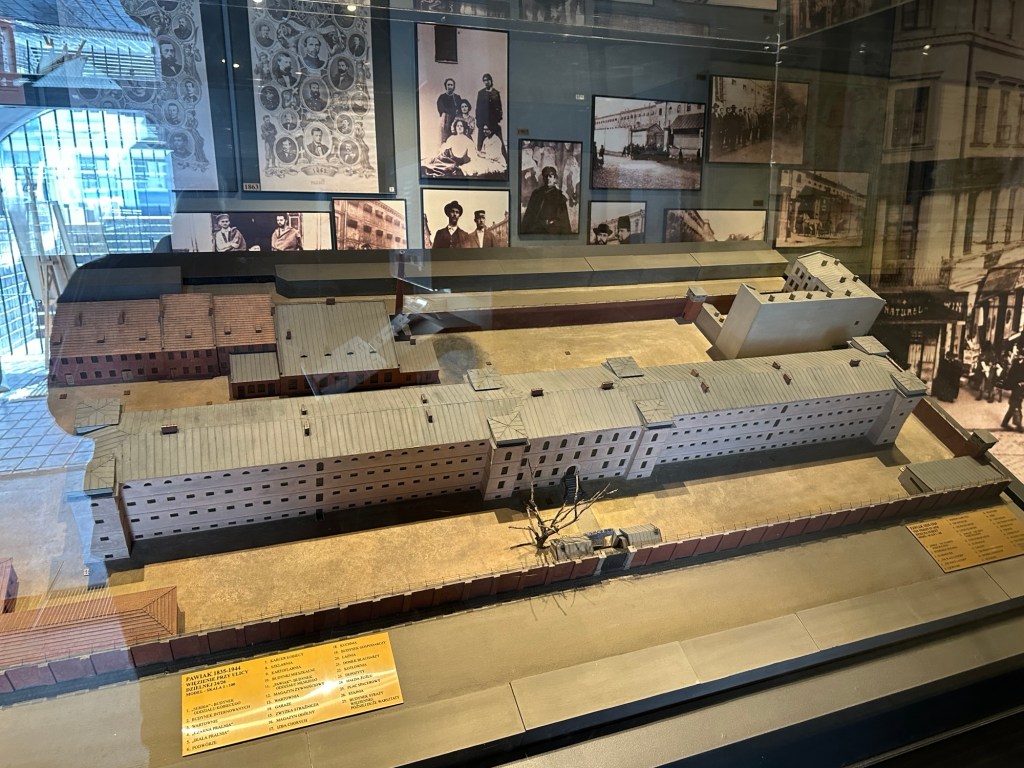
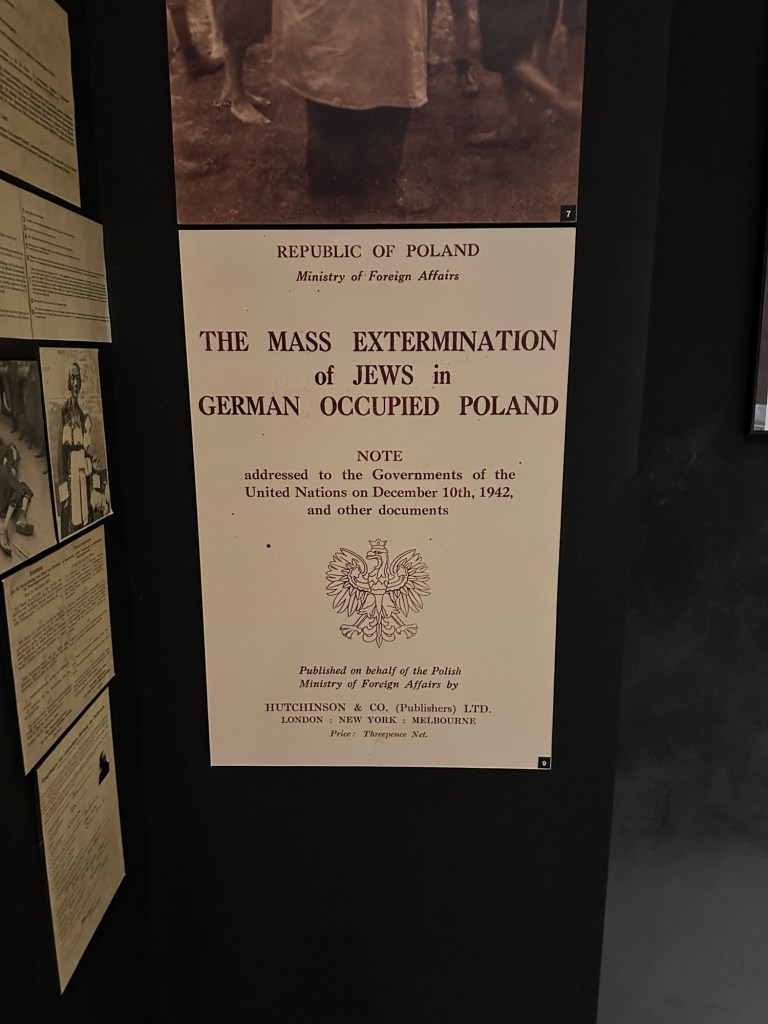
Instead I head to the Pawiak Prison which is nearby to POLIN and opening in just a few minutes. Pawiak Prison was originally built in 1835 for use by the Russian occupation during that time and it was used to house polish political prisoners and others. It was most recently was used by the nazi Germany occupiers to imprison local polish people.

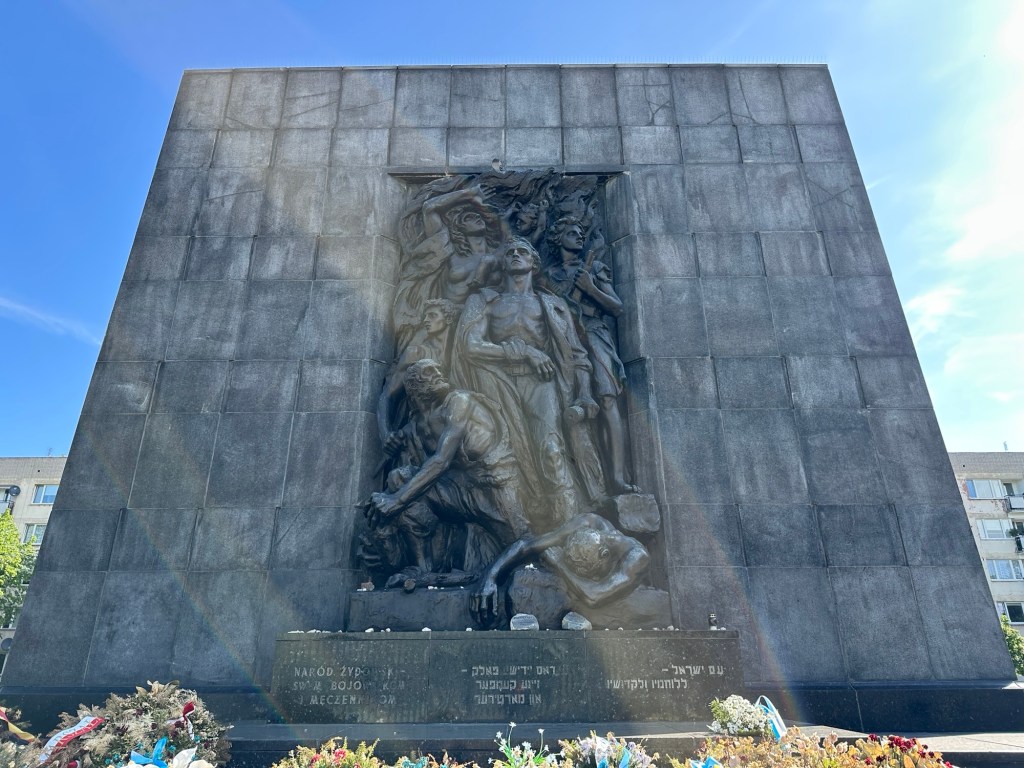
First I stop by the Monument to the Ghetto Heroes in front of the POLIN museum.

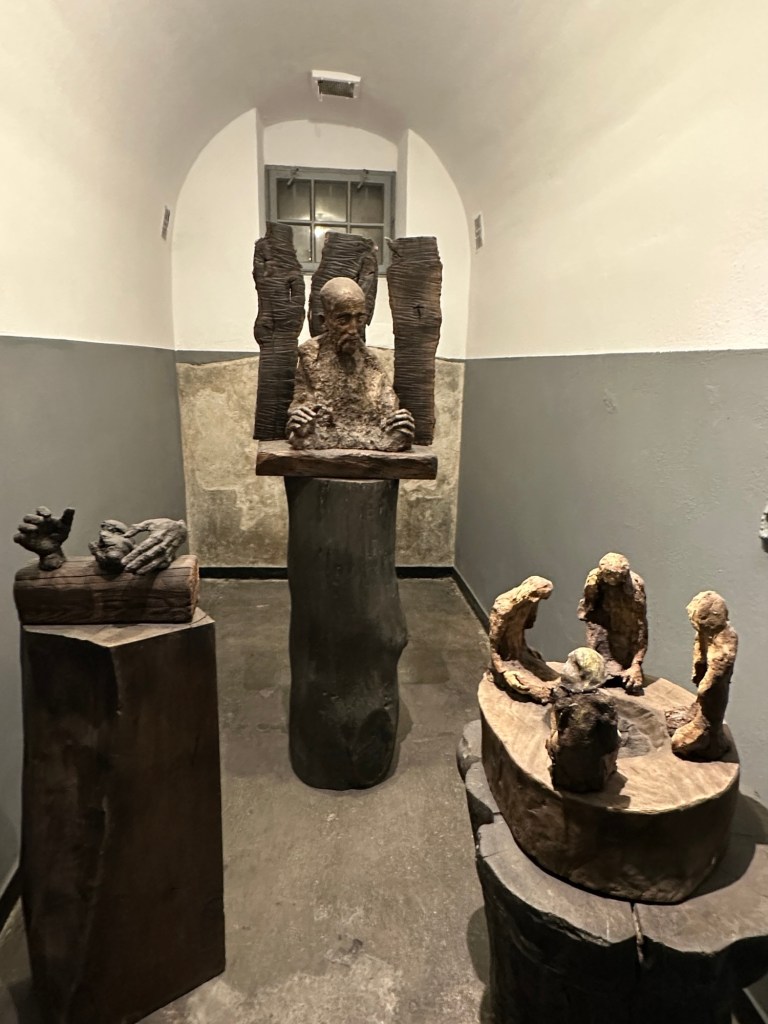
Pawiak Prison was bombed by Germans at end of world war 2 like they did elsewhere to destroy evidence of war crimes. What exists on the site today is a partially reconstructed museum corridor of the original prison. There is a statue of a tree outside that represents a tree that made it through the destruction but later died.

Statue to commemorate old tree outside prison

The crosses on map above are the execution sites of 30,000 people that were executed during the German occupation. 

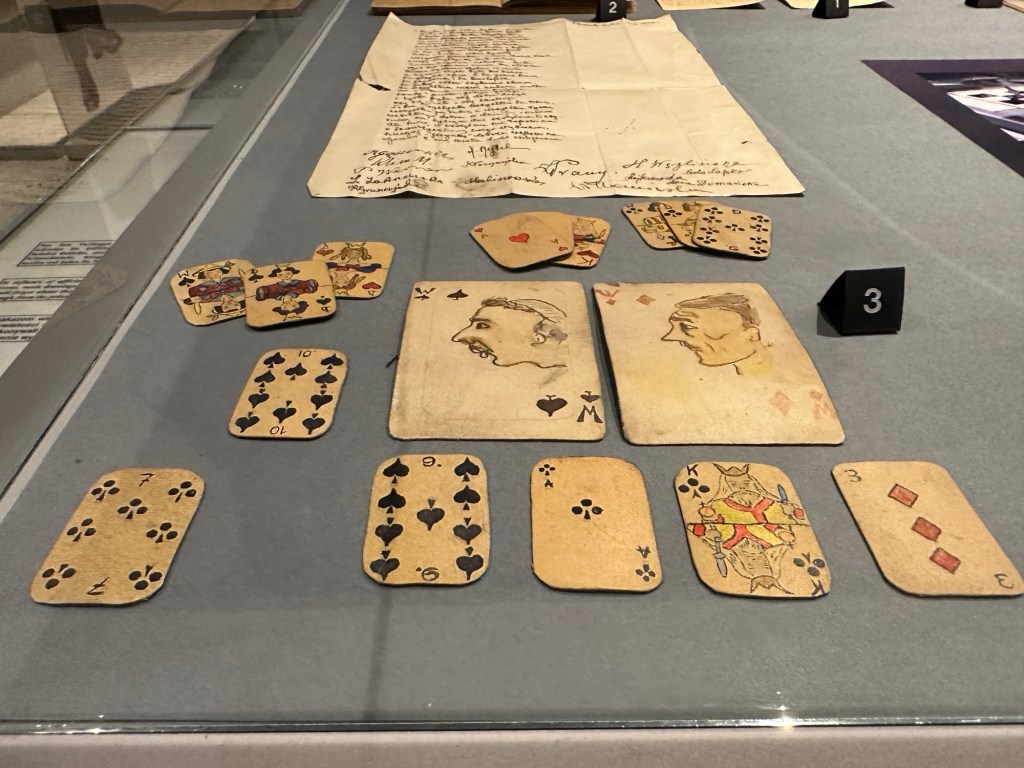
The prison was meant to hold 700 inmates but the Germans kept about 3000 there at a time. There were about 100,000 people here during occupation. I learn how Germans tortured prisoners with hot coals. Many guards at the prison were locals who helped the prisoners part of underground movement.

There is some information on WWII history like we learn about the Molotov -Ribbentrop Pact between Stalin & Hitler that occurs on September 1939. It essentially divided Poland in half and installed a puppet government in Warsaw and Krakow.

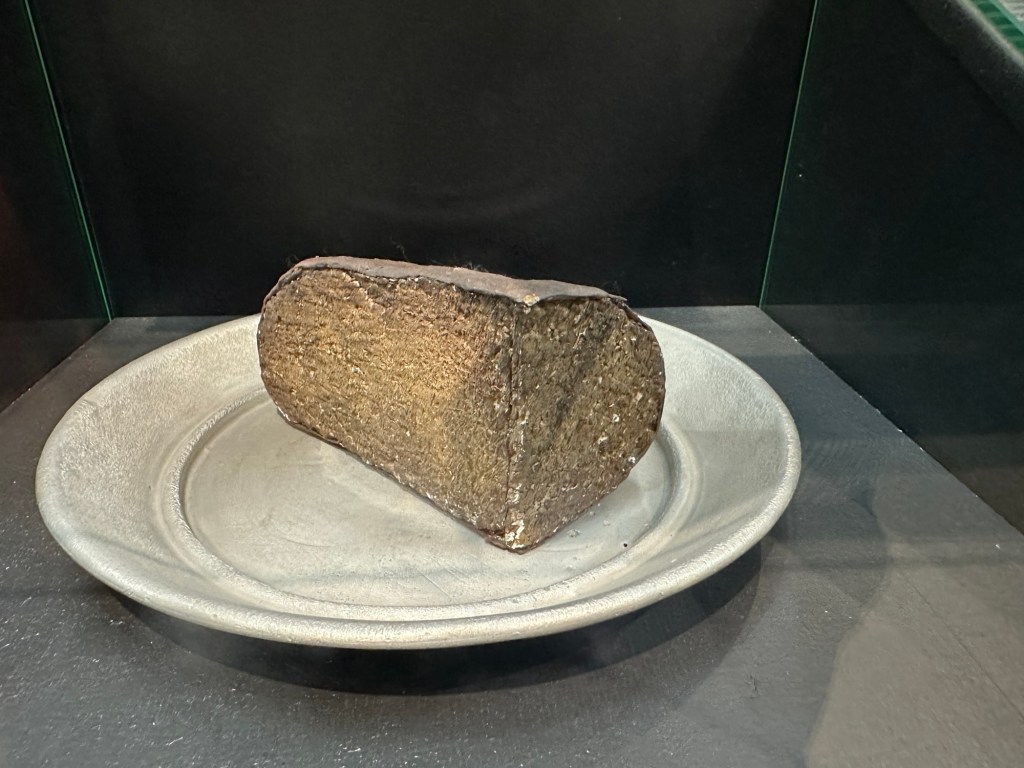
At the end of the tour there is day in the life exhibit where they talk about how prisoners survived on 500-800 calories a day.

I downloaded the audio tour on my phone. There is lots of English language explanations but the audio tour gives more insight to the exhibits.

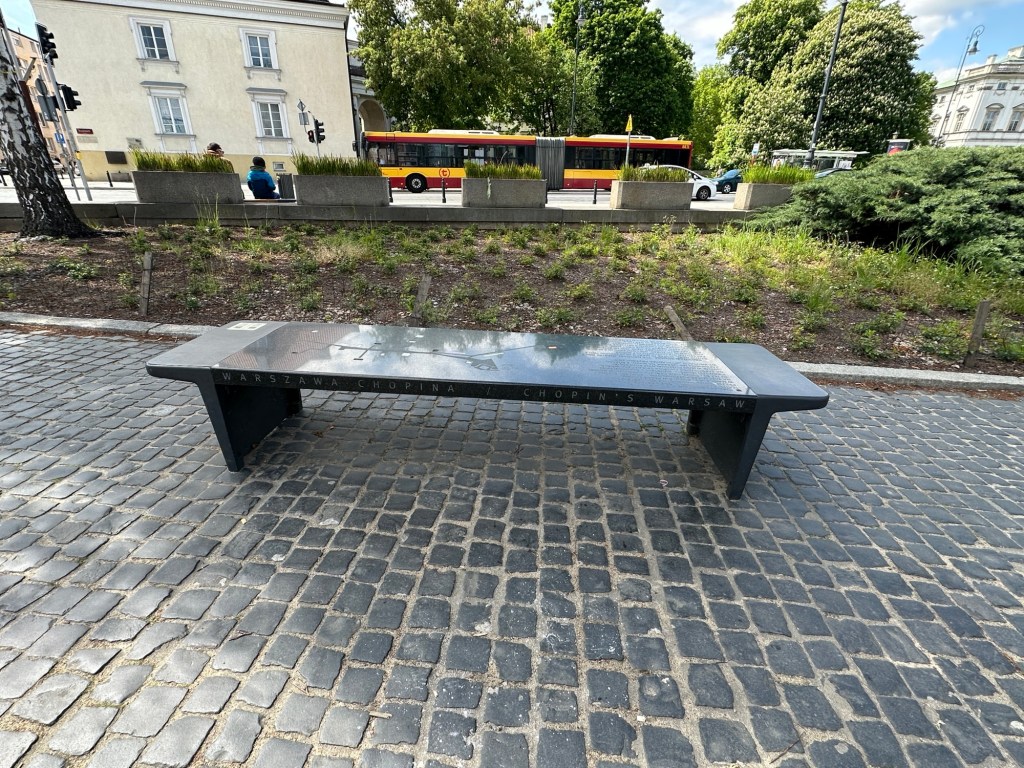
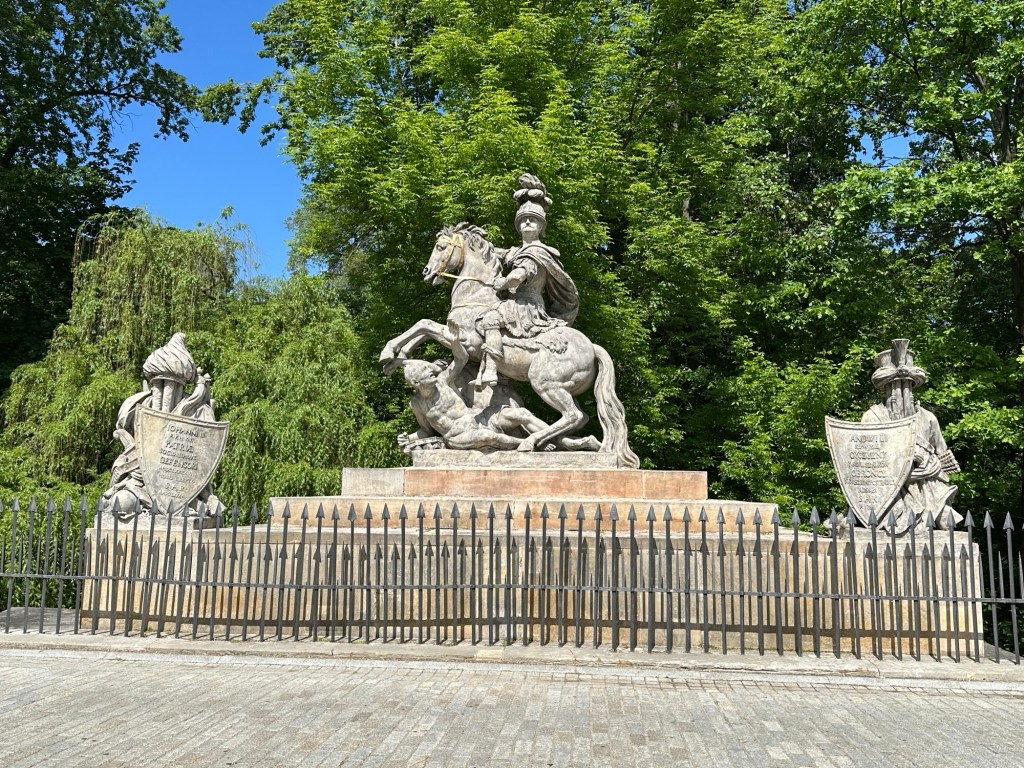
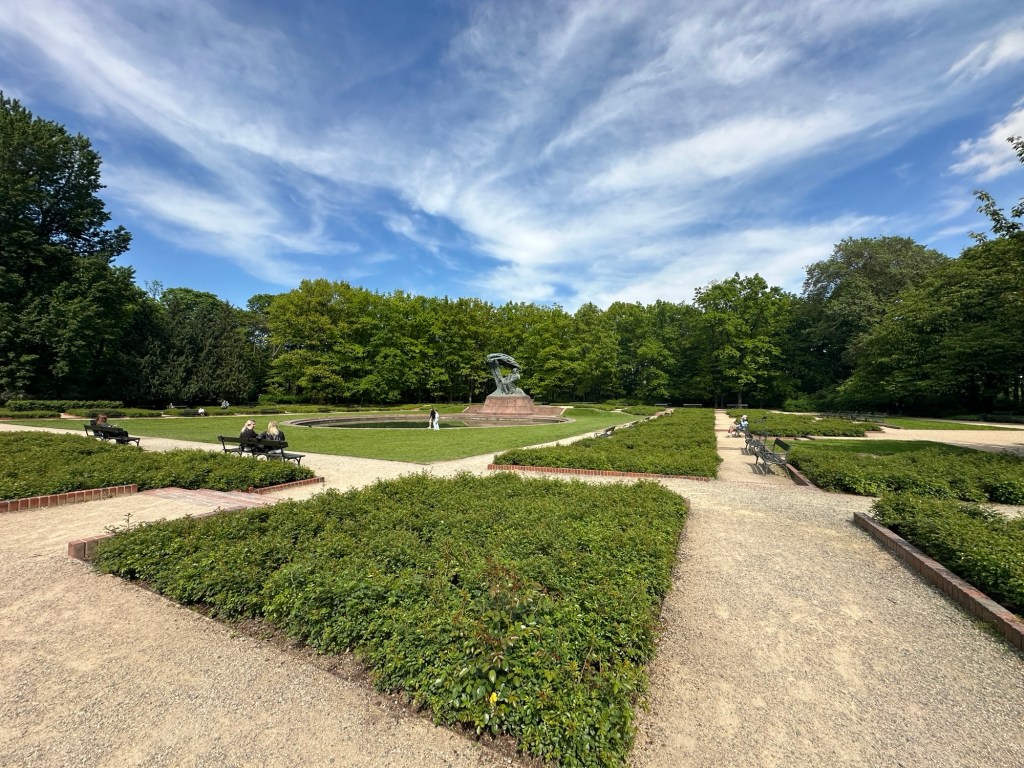
I walk back towards the old town and stop at the Warsaw Uprising Monument and Chopin’s Bench, a bench that plays music. The Warsaw monument is to commemorate the uprising of Warsaw citizens again the German aggression.

Since apparently I don’t believe in slowing down and resting during this trip I try a hotdog for lunch at the Polish 7-11 equivalent called Zabka. I thought it looked good previously but it is disappointing. The goal is to visit Lazienki park prior to my food tour this afternoon. I wait at a bus stop off what looks like a busy highway. There is a short wait for the bus so when I see it coming I get closer to the curb to board and I see it drive right past my a$$ like I am not even there. I have no idea what happened. It is 15 minutes to the next bus so I plan next time to make a scene flagging it down. Luckily I don’t need to because the bus actually stops this time.

The bus that actually stopped for me

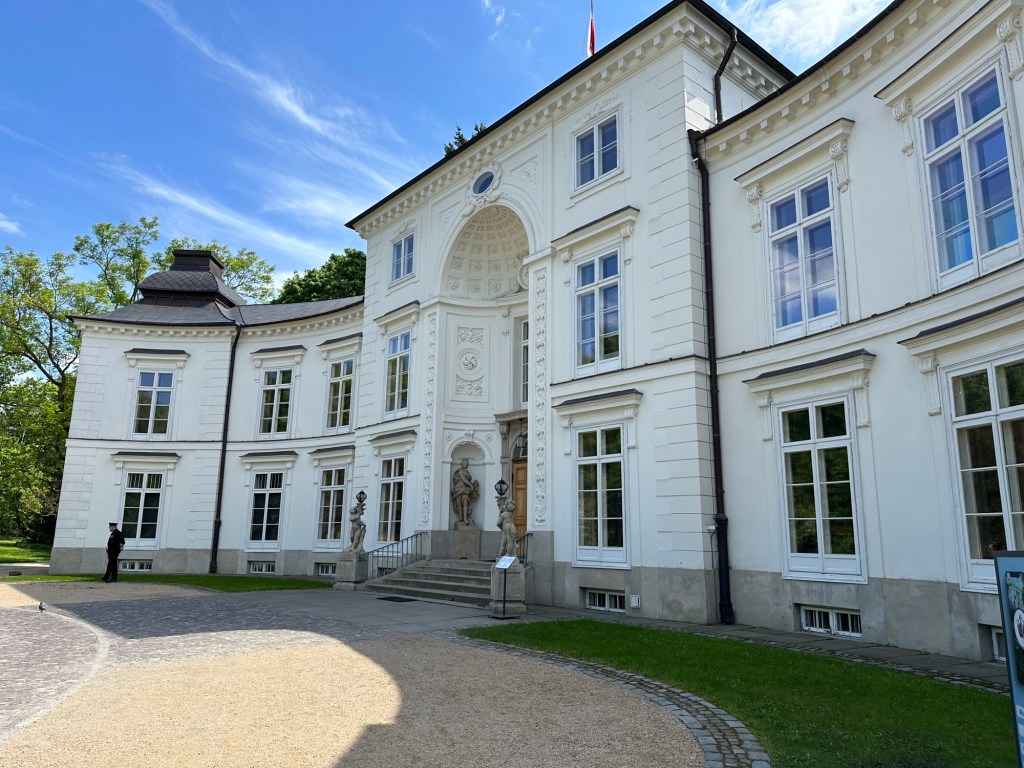
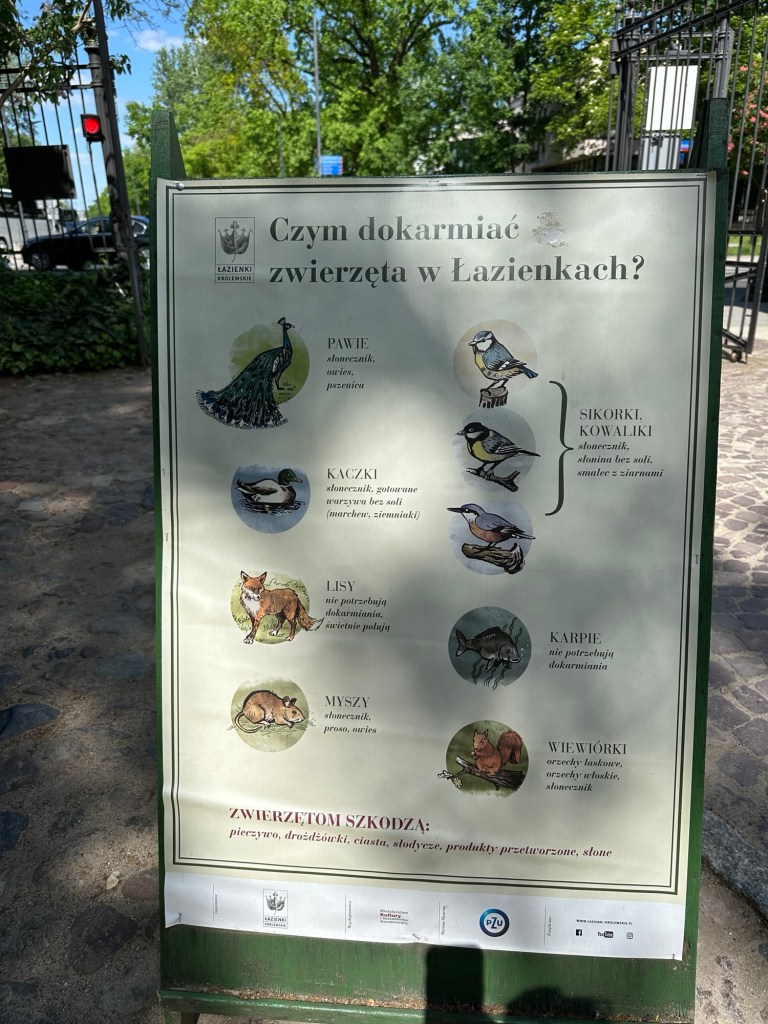
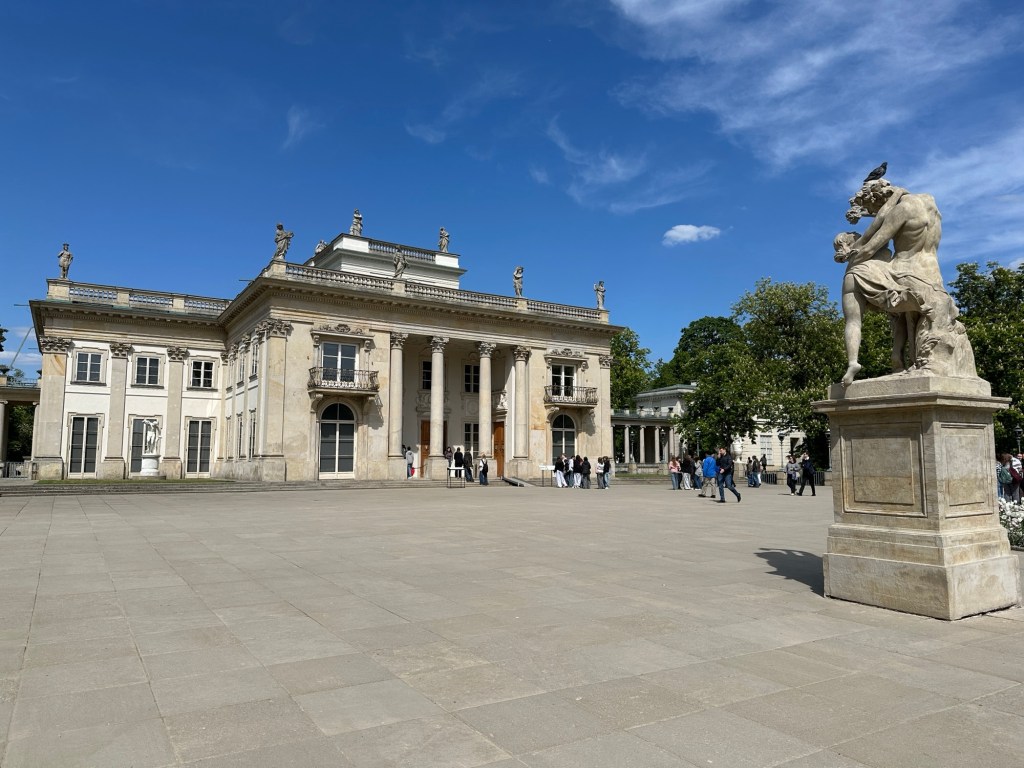
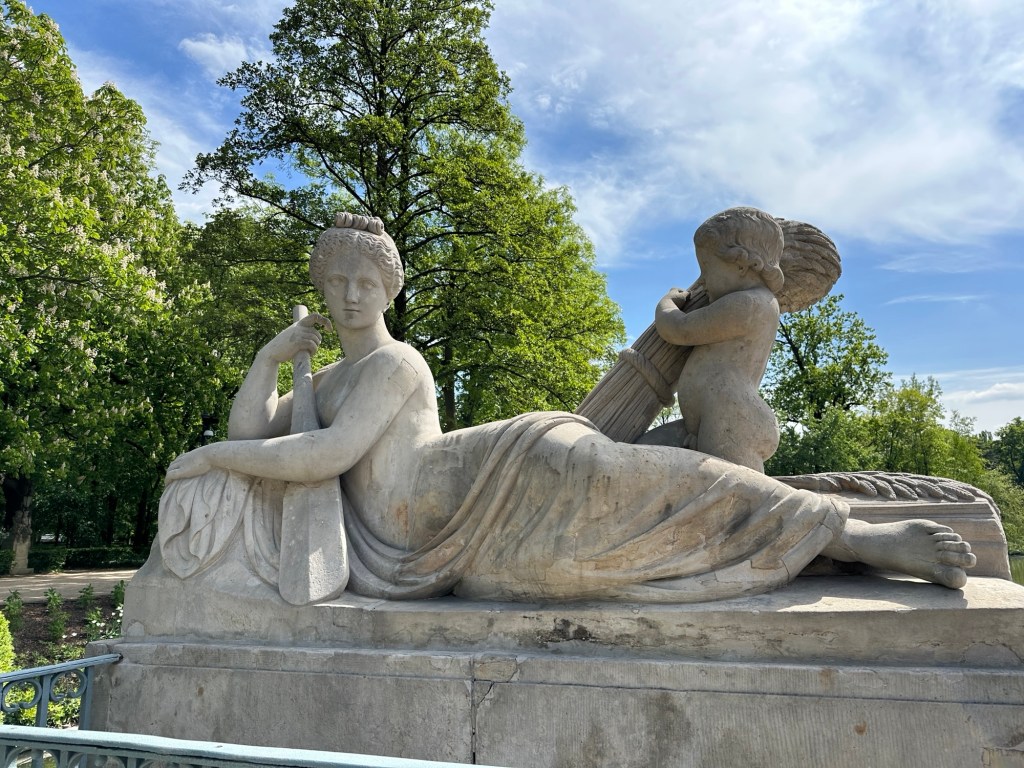
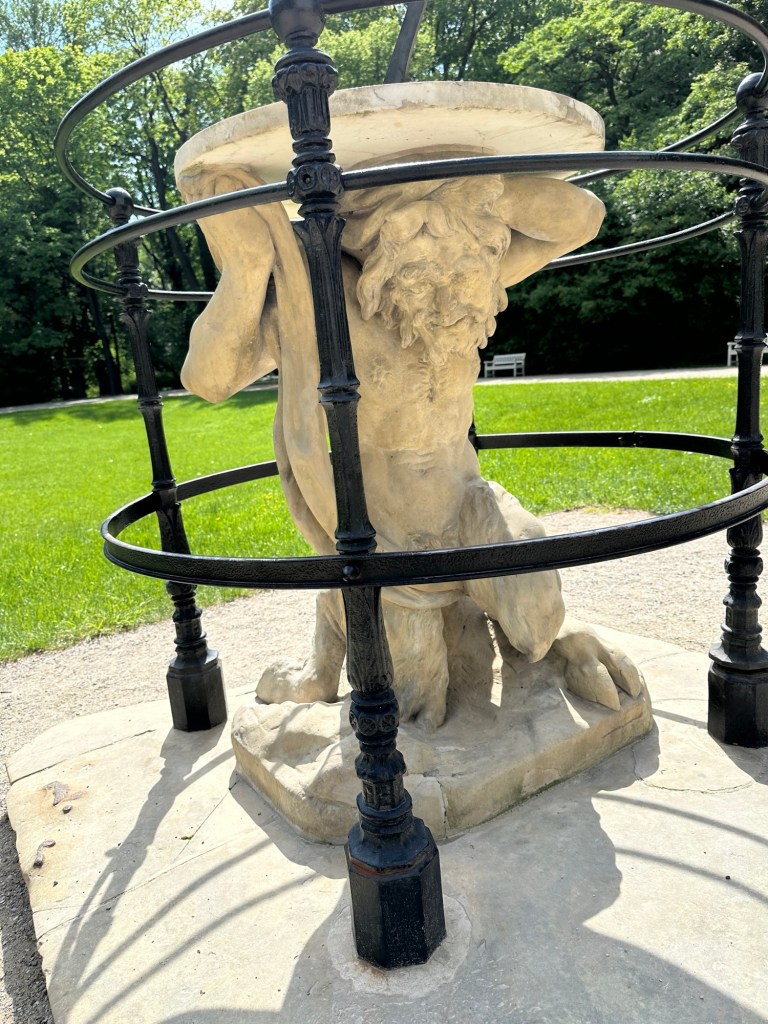
I arrive to Łazienki Park I have a lovely walk around the large park. I also admire the palace from the outside. I am trying not to eat too much before a food tour I have scheduled this afternoon but I’m still hungry after my garbage hotdog. I order a ice cream. I also need to eat the trail mix in my purse. Side note – a really large bird hears me digging me into the nuts in my trail mix and decides he wants some of it so I am being followed by a bird for a few meters.

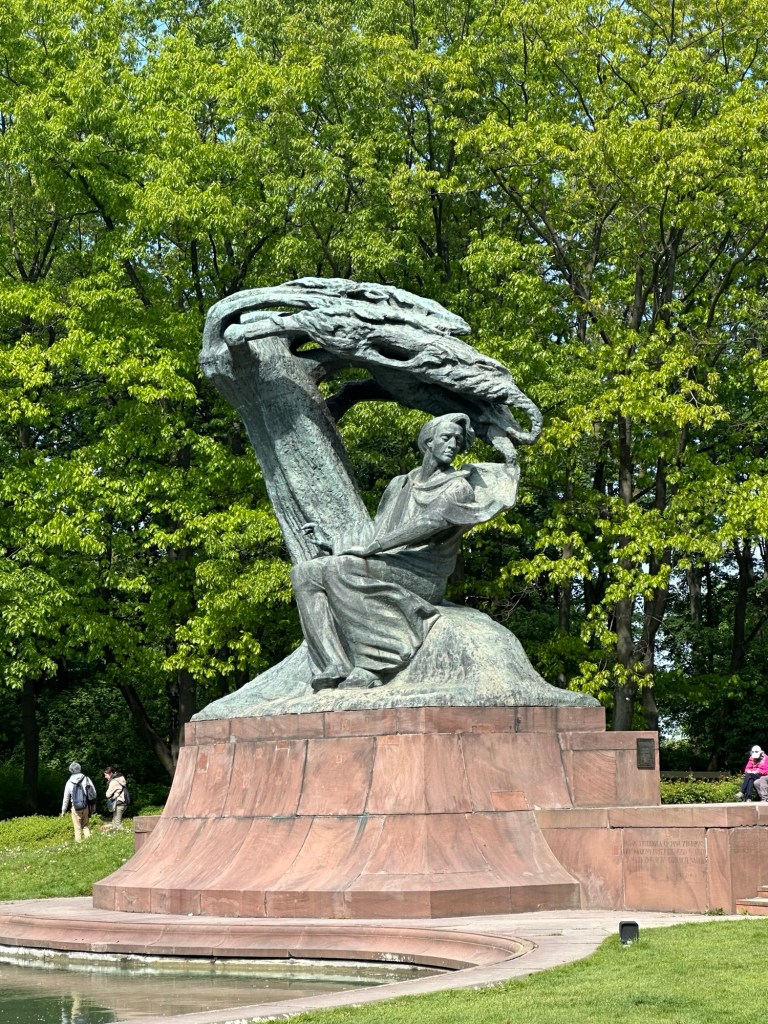
Also notable in this park is the Chopin memorial. One of the things I really wanted to do this trip is view a Chopin concert in this park as they have every summer. But I am a week too early for the concert season. I still enjoy sitting in the area where the concerts happen and imagine how it would be surrounded by the beauty and classical music.

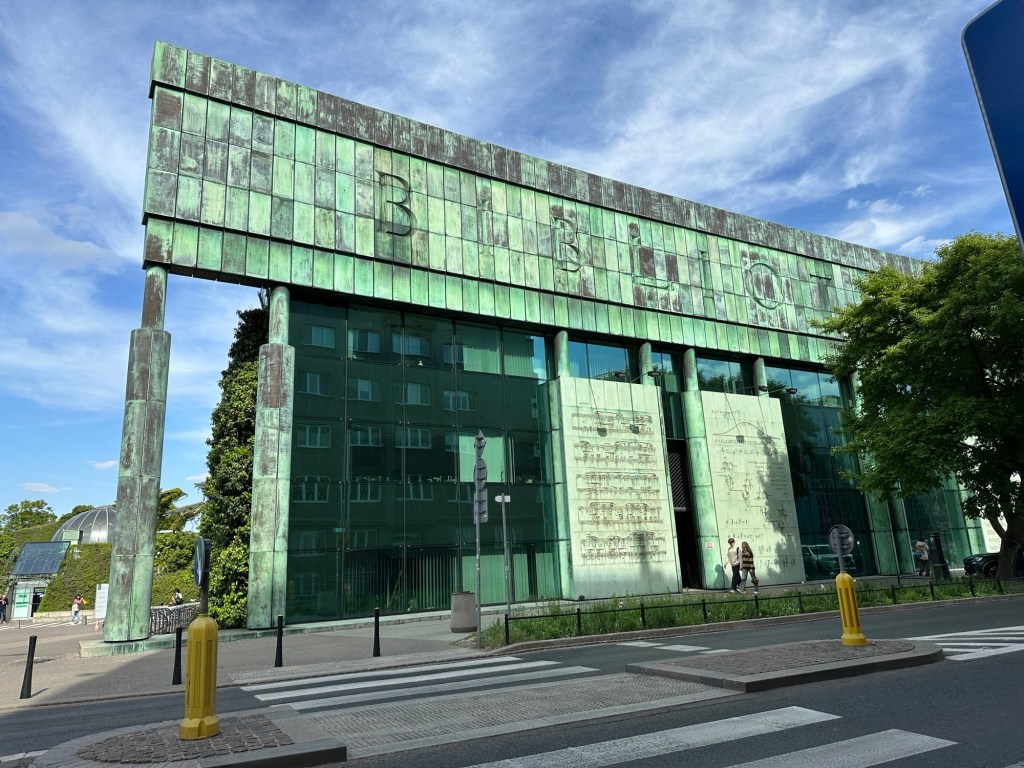
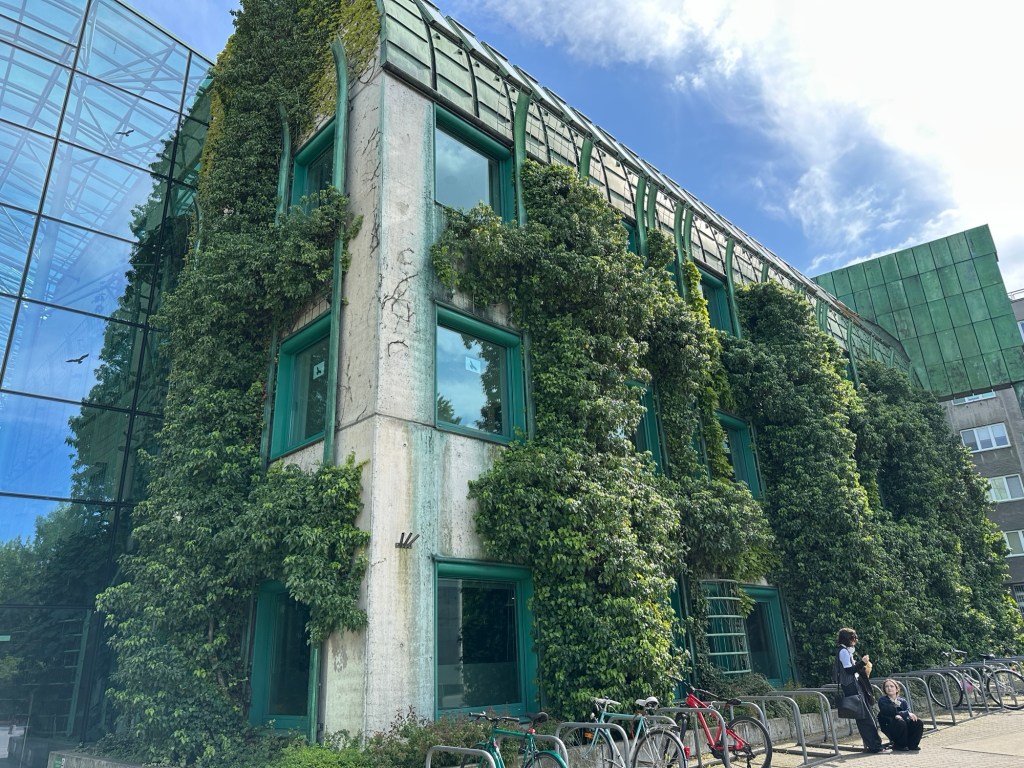
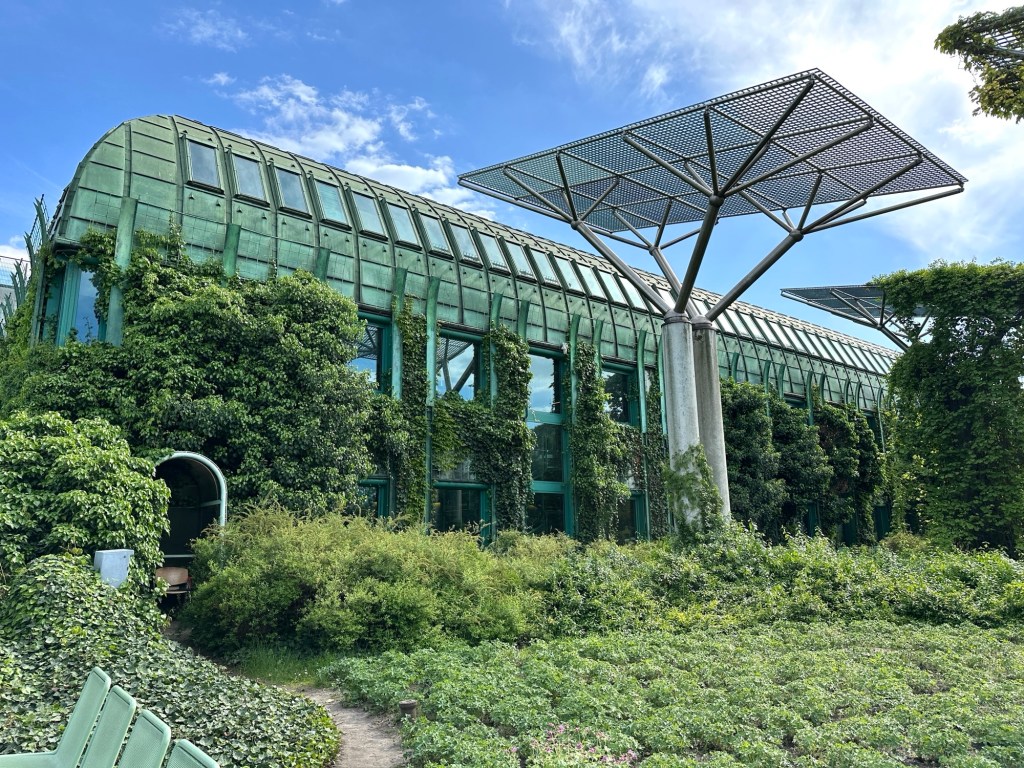
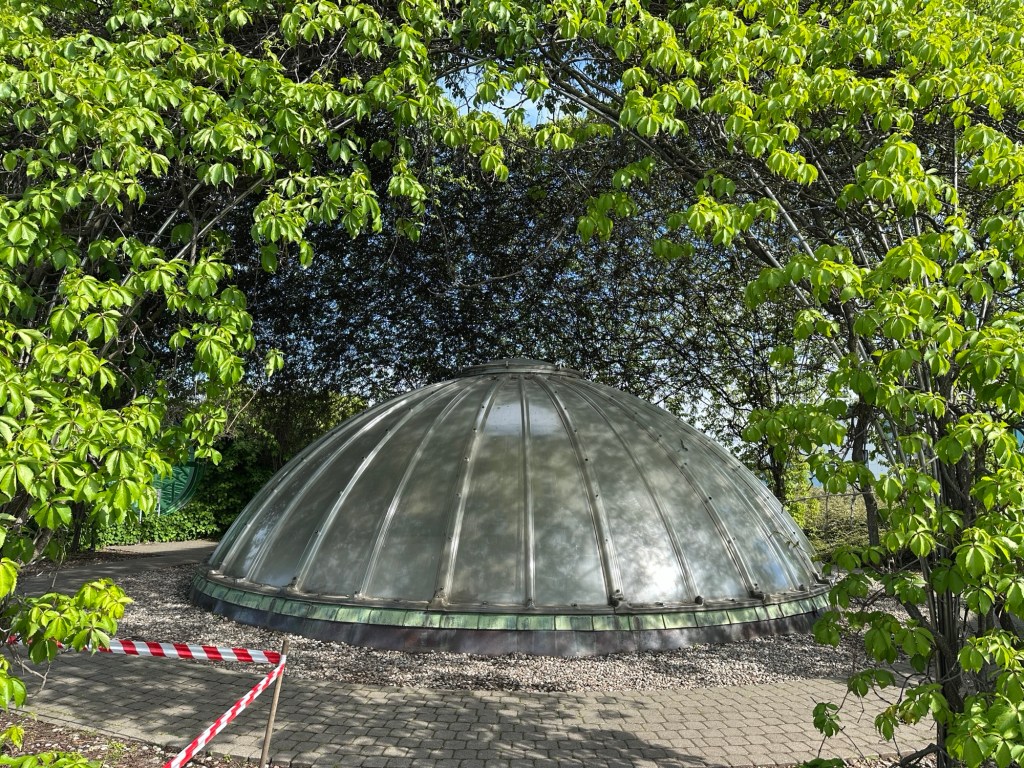
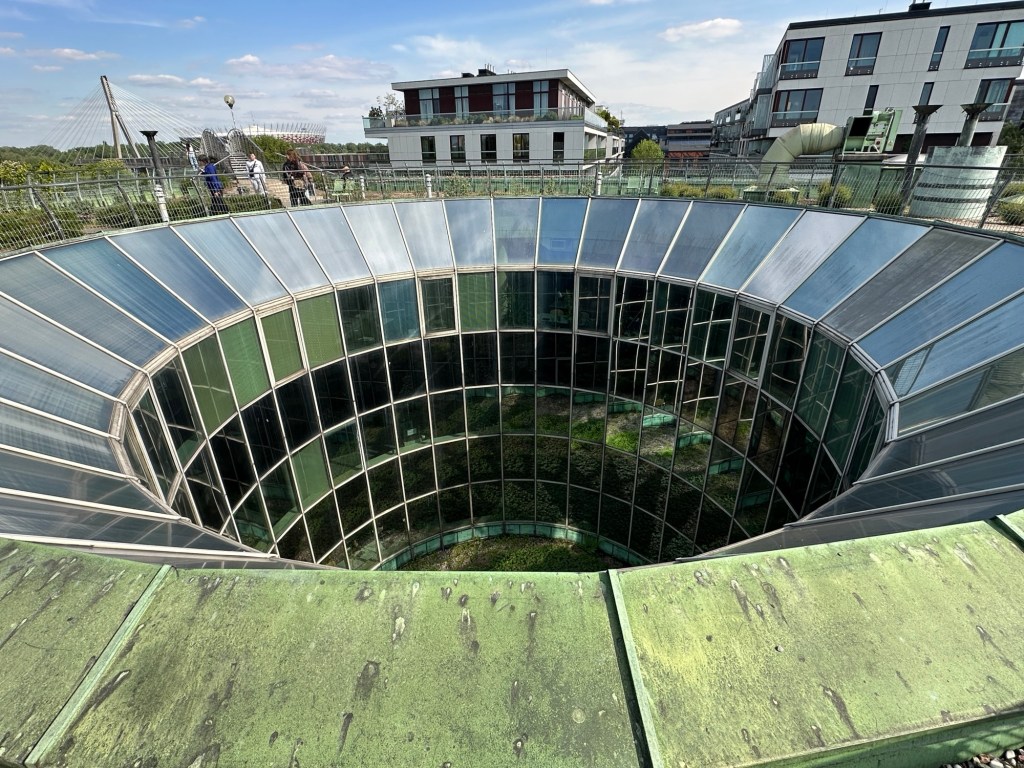
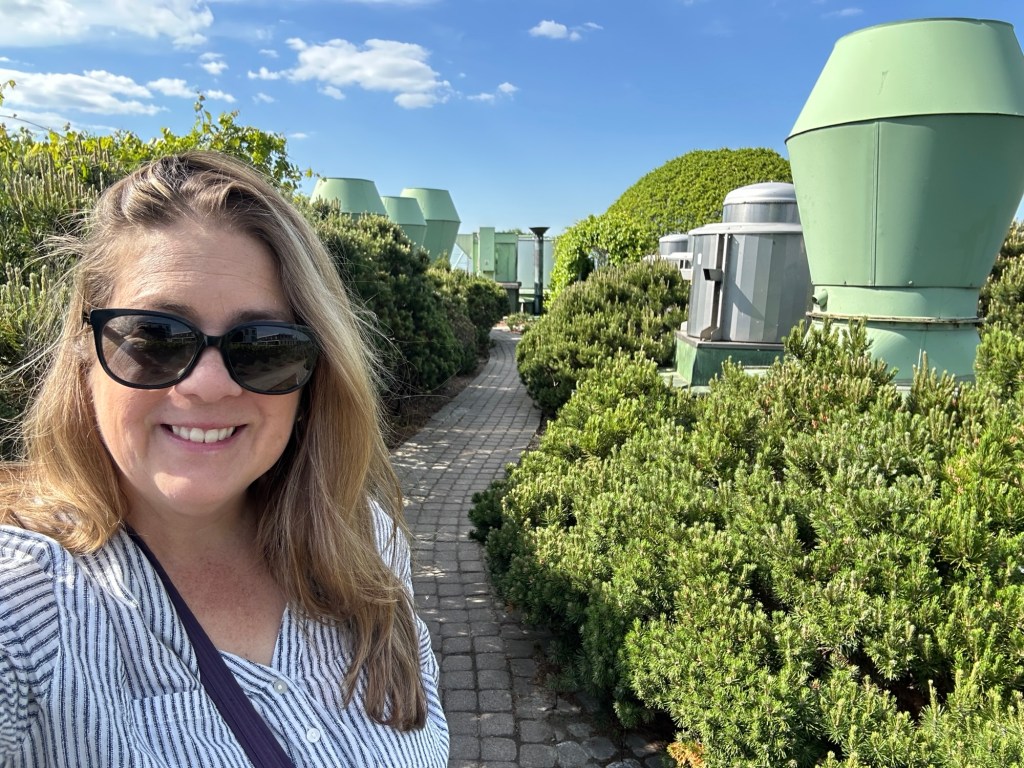
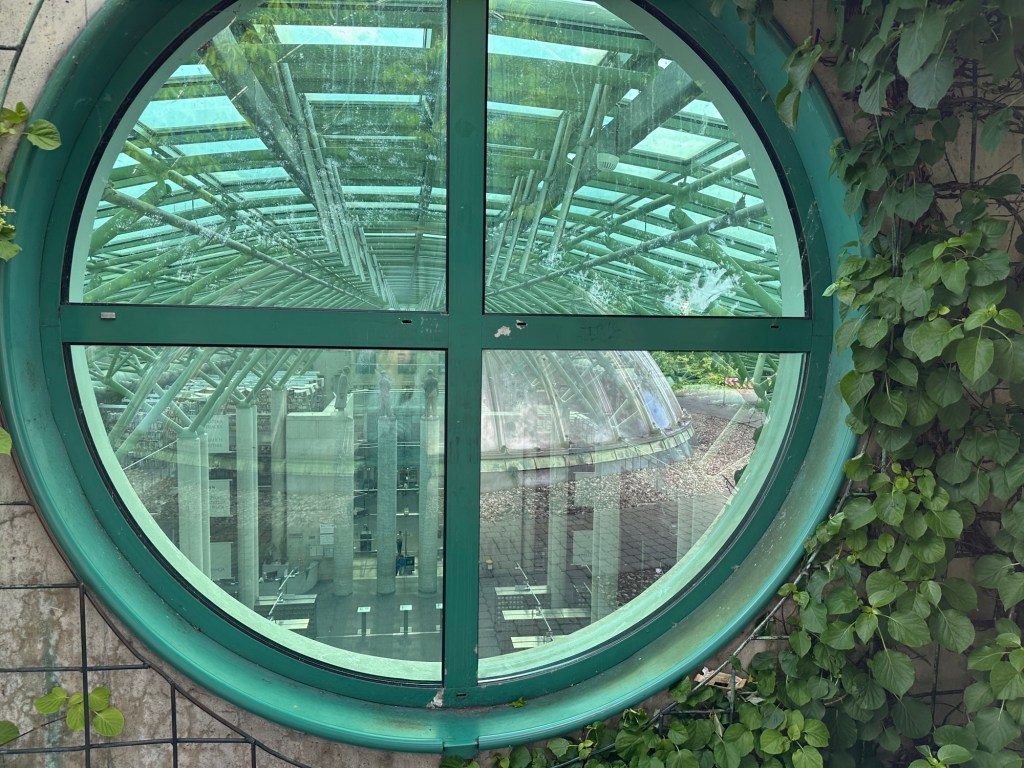
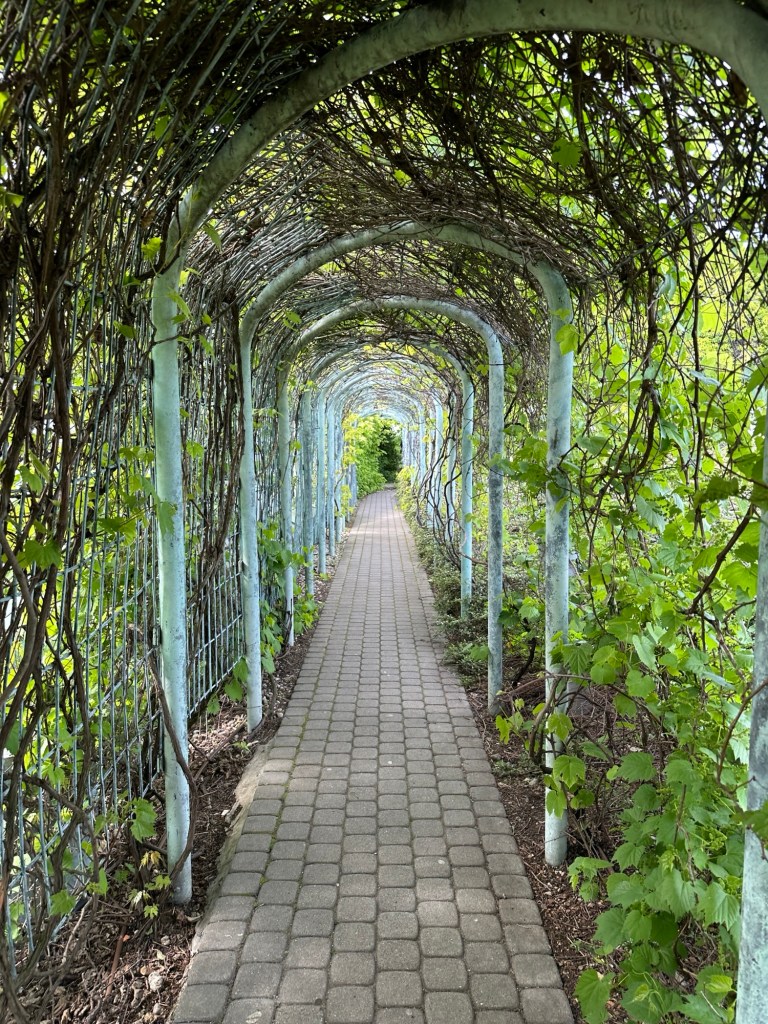
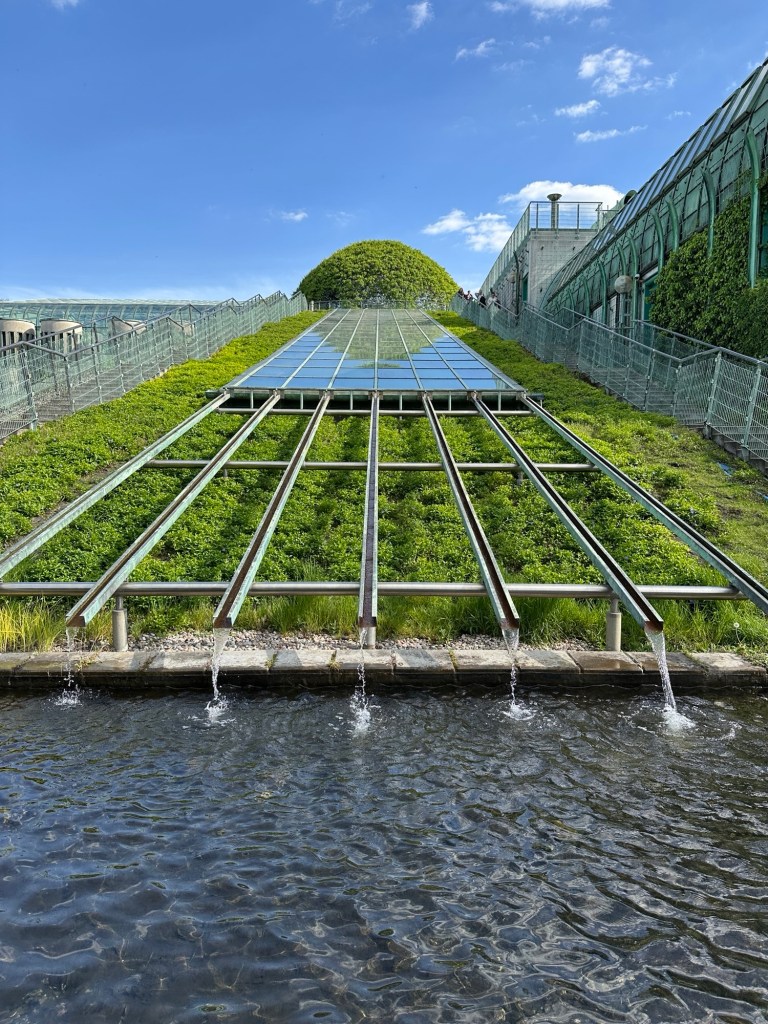
I take the bus back to old town for food tour but I am too early. I walk down to the roof top garden at the Warsaw University. I have to say this garden has got to be in my top ten favorite gardens. They make an urban rooftop garden out of otherwise wasted space of the roof of a library. It is so nice and peaceful up there. You can tell a lot of thought was put into designing this garden.

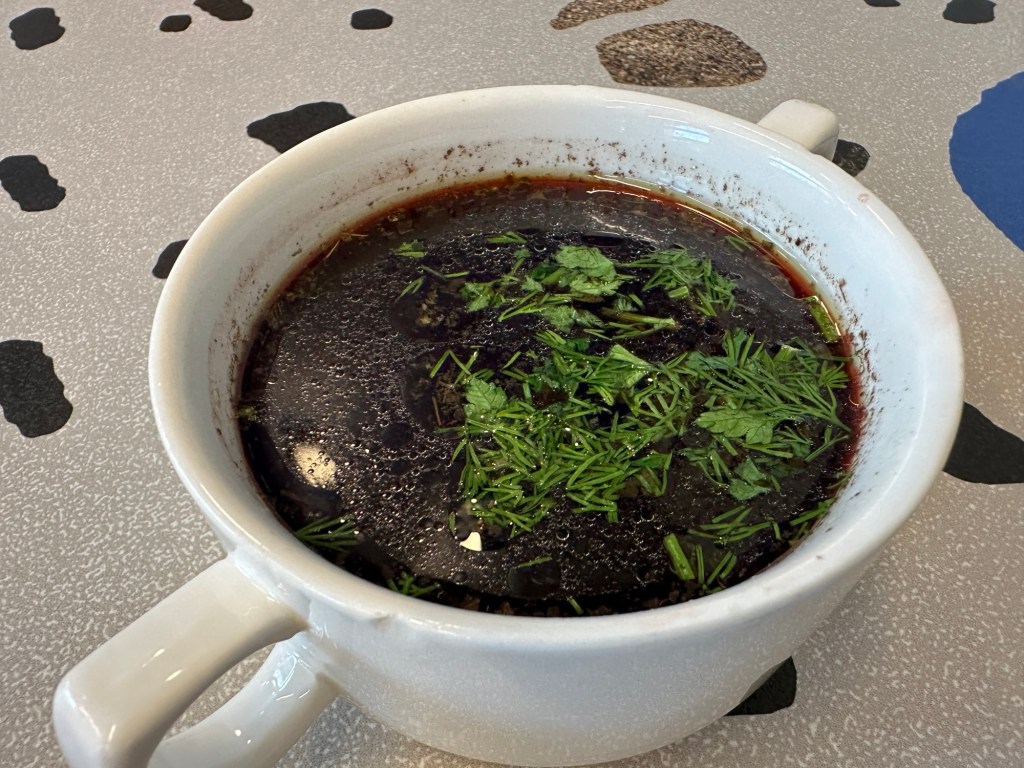
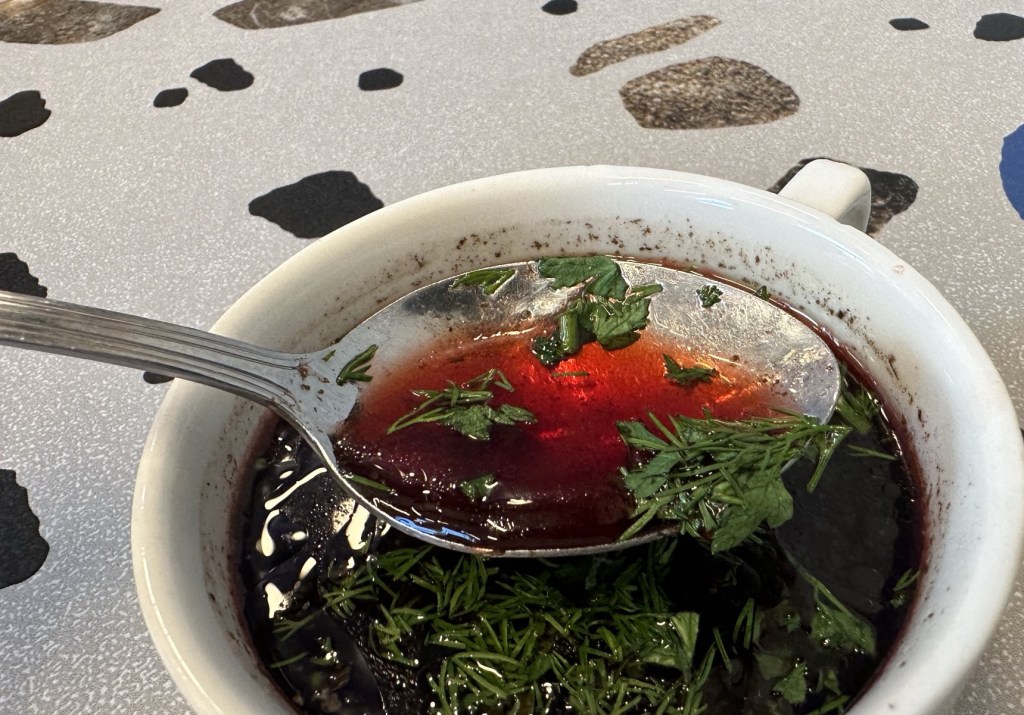
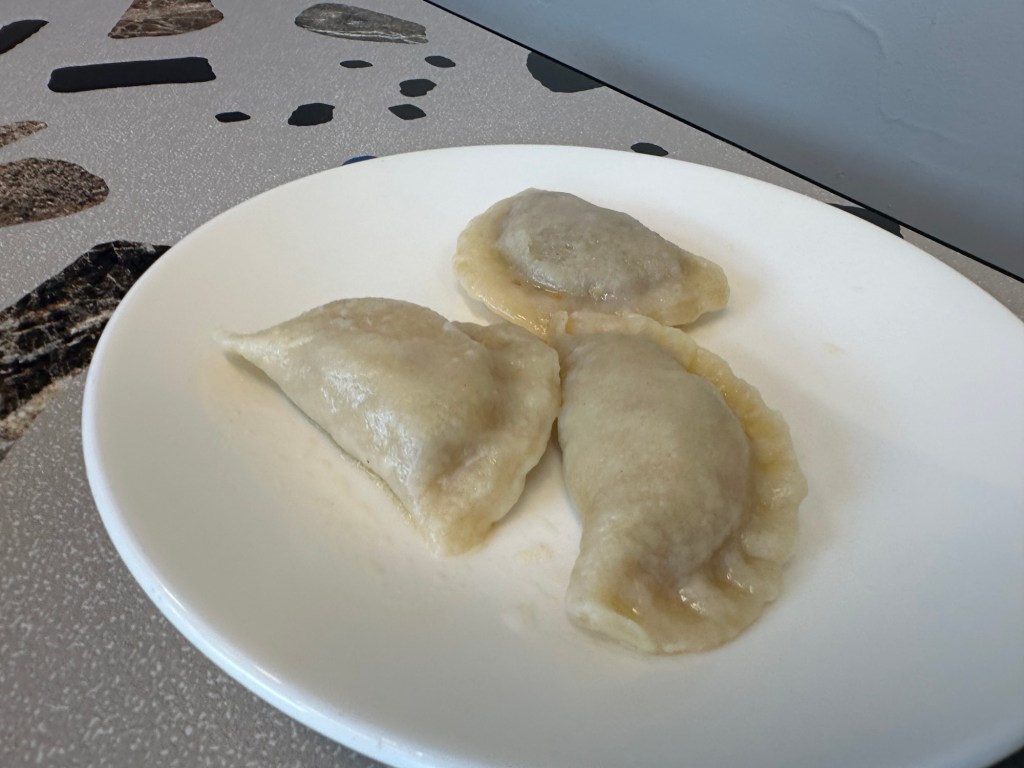
We start our food tour with some borscht and pierogi. I’ve wanted to try borscht but I keep putting it off so I am glad it is included in the tastings. Borscht is basically meat stock, beetroot and seasonings and there are different flairs of borscht but this one is the broth only. We save some aside to dump our pierogi in since that it is popular to have dumplings in the soup. We try 3 different types of pierogi: Ruski (potato and cheese), cabbage and mushroom, and pork. Last time Ruski was my favorite but this time I am loving the pork. I finally get to try a sweet pierogi at this stop. It is filled with plum. I plan to try more sweet pierogi later in my travels.

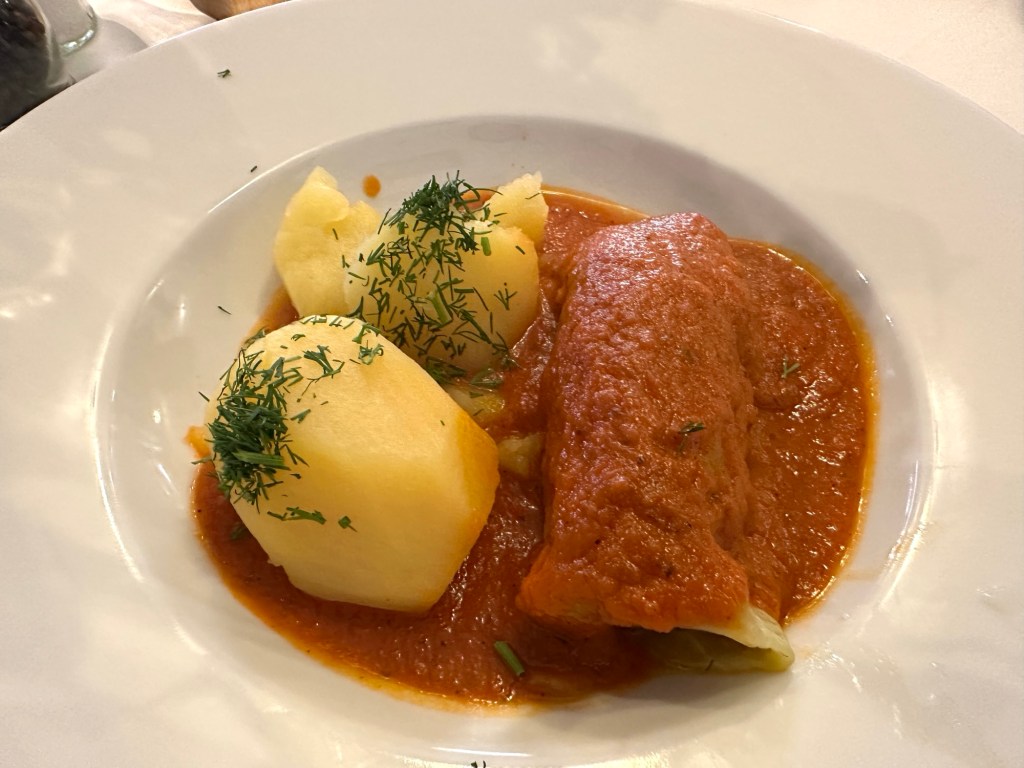
Next we stop at a traditional polish restaurant that I actually had on my list, Specjały Regionalne. Here we try some vodka, meats and assorted polish cheeses. We are then served gołąbki or stuffed cabbage. This time I try it the traditional way with tomato sauce.

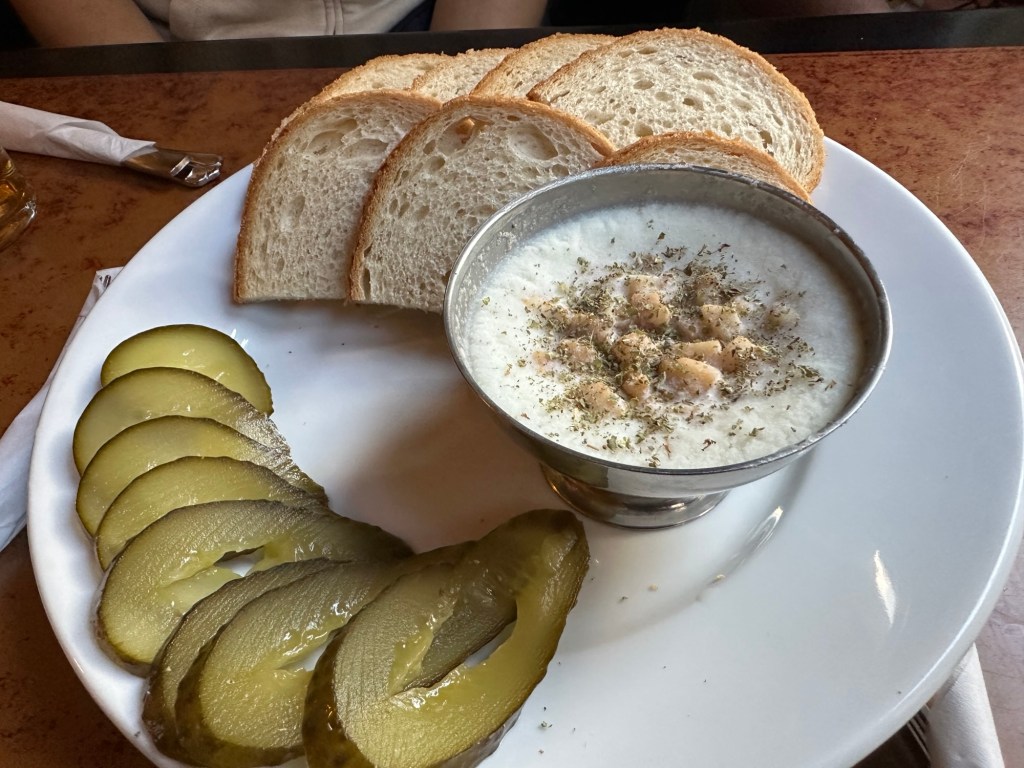
Next is a stop for a beer and traditional bar food. Since I have a beer intolerance issue I opt for a cognac instead. The food we are served is bacon lard on bread topped with a pickle. I know it sounds gross but it isn’t bad. The pickle is really good. I also get to try bigos again which is cabbage with meats usually topped on bread (I forgot picture).

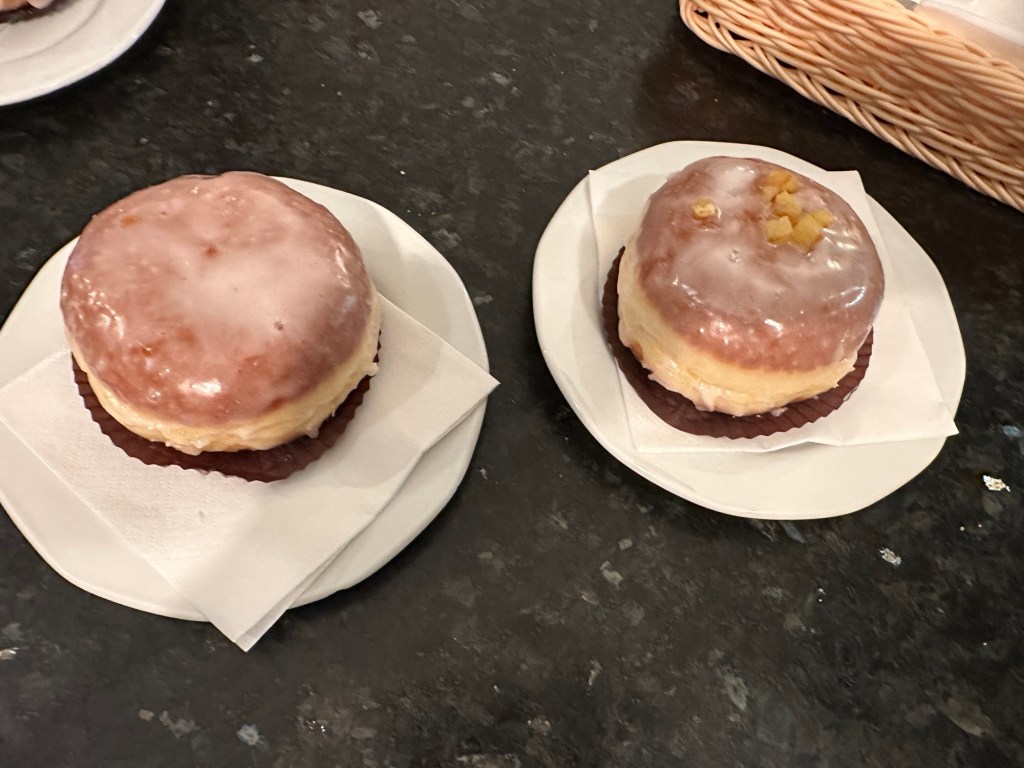
Finally we try doughnuts or Pączki. I decide I am not a fan anymore. Pączki are too dry for me. I think I am spoiled with having one fresh and warm. I enjoy a sweet occasionally but if I am going to indulge it has to be something I really like. I think I am done with the doughnuts (but not the open face pastries, those I still like).

After the tour I am too tired to do anything big but it’s too early to go to bed so I stop and try that cherry liquor once more. It is hitting me way harder this time. I have a long walk back to my flat afterwards through areas I haven’t visited yet. Still an early night though.