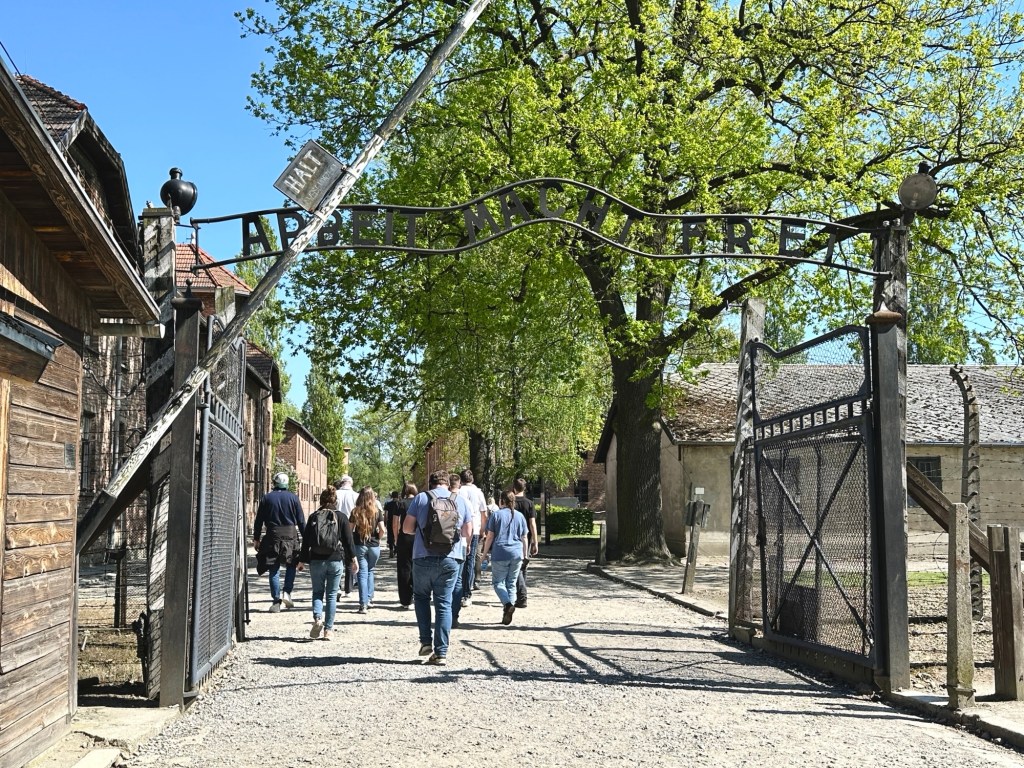
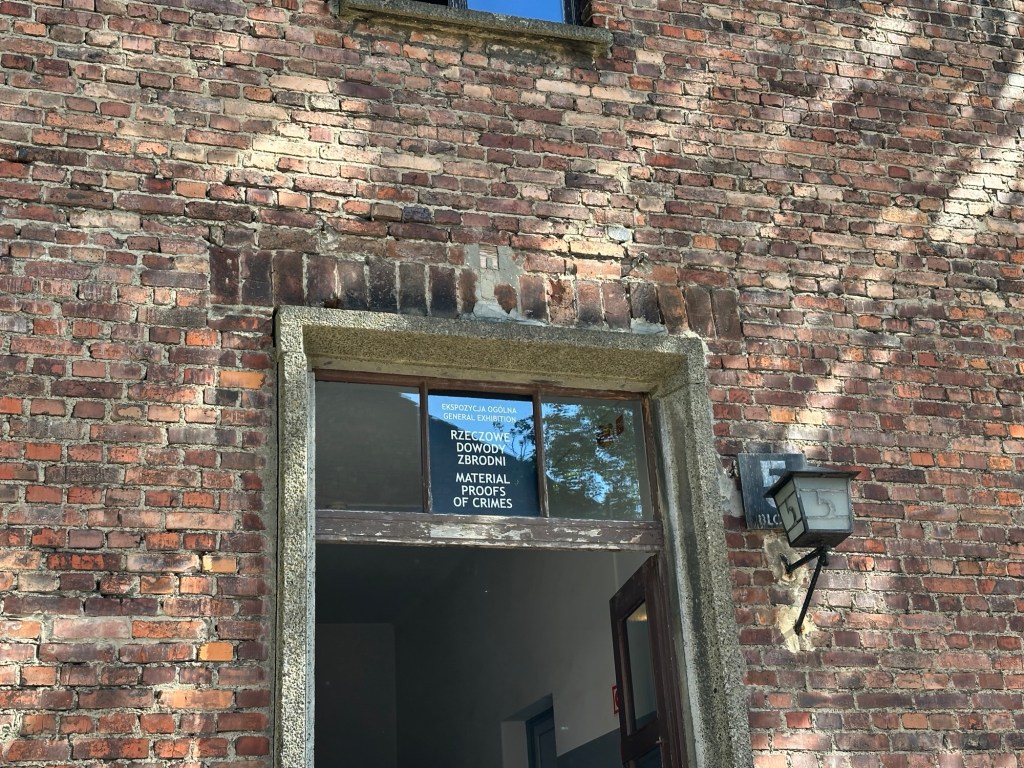
Today is not a day of fun but is more of a day of education. I think most educated folks know what happened in Poland in WWII and even if not you’ve seen a movie or two. I don’t want it to seem like a tourist attraction or anything but most people can benefit from visiting a place such as Auschwitz-Birkenau, to imagine what it might have been like there, and to make sure something like this never happens again.
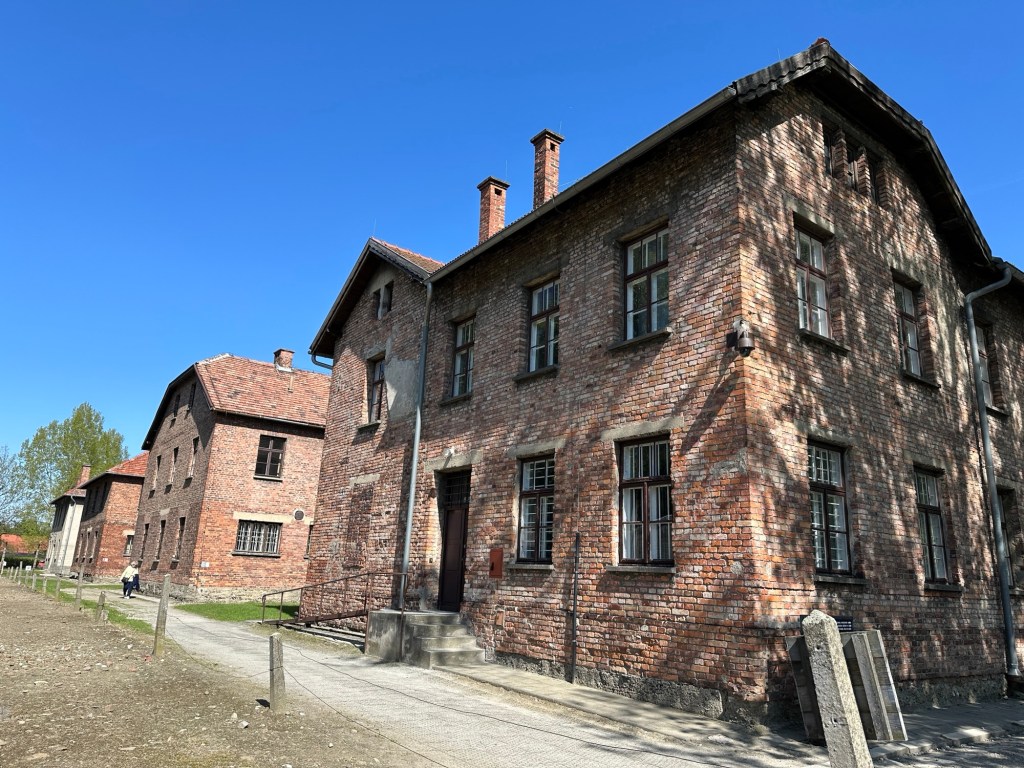
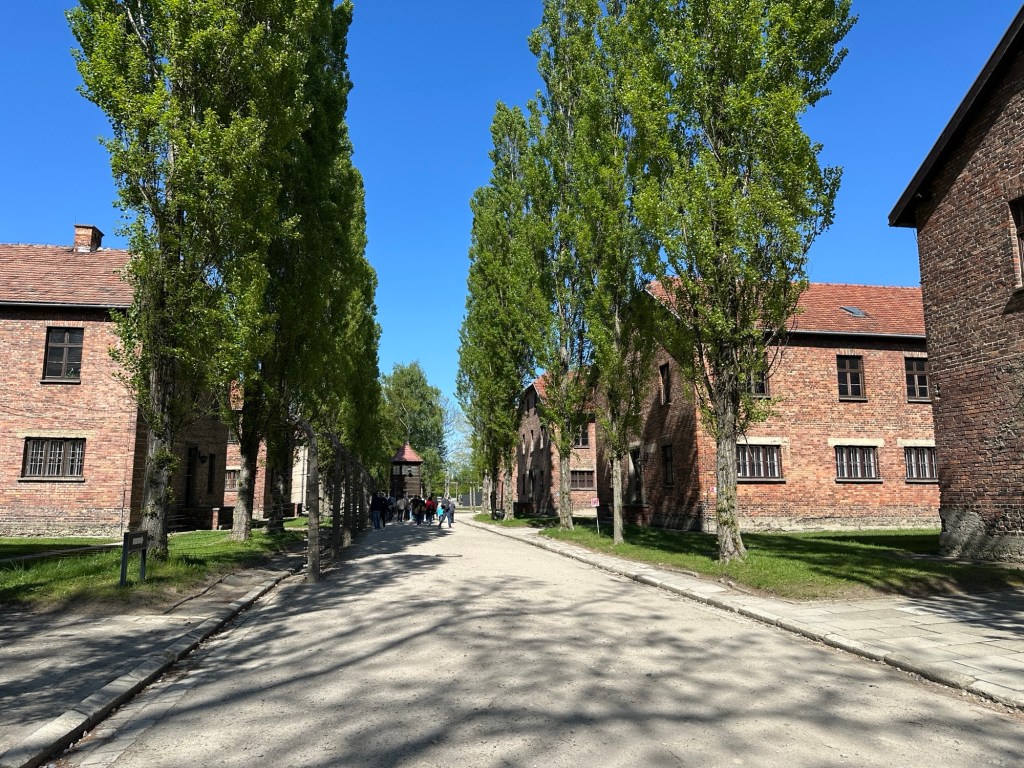
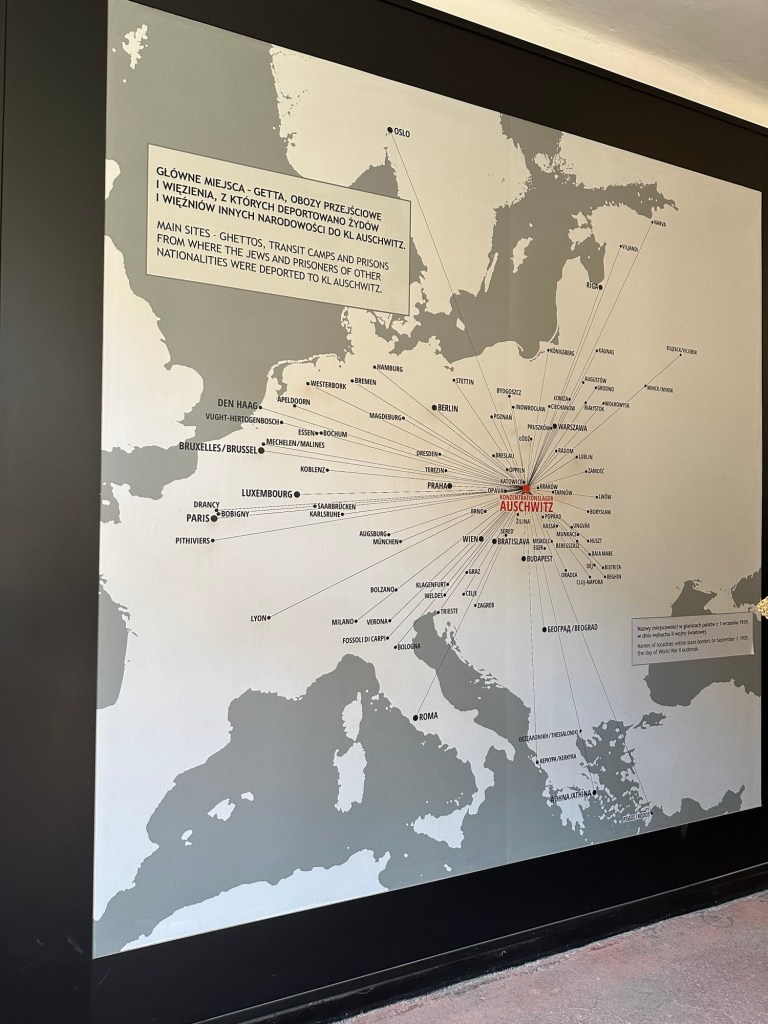
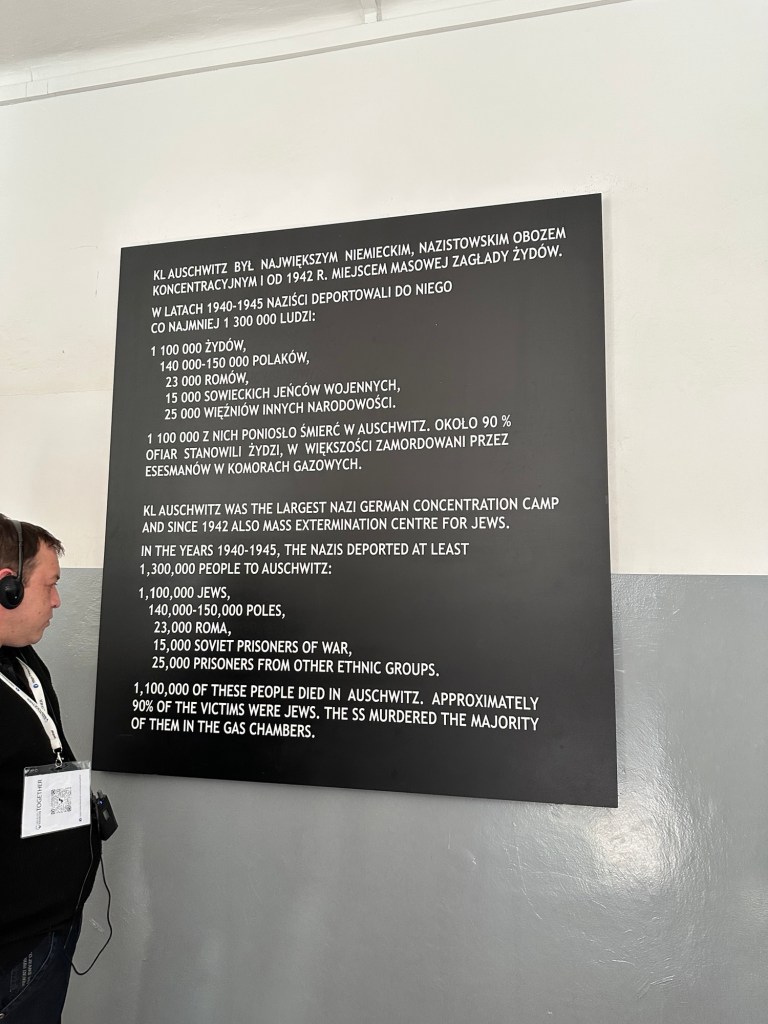
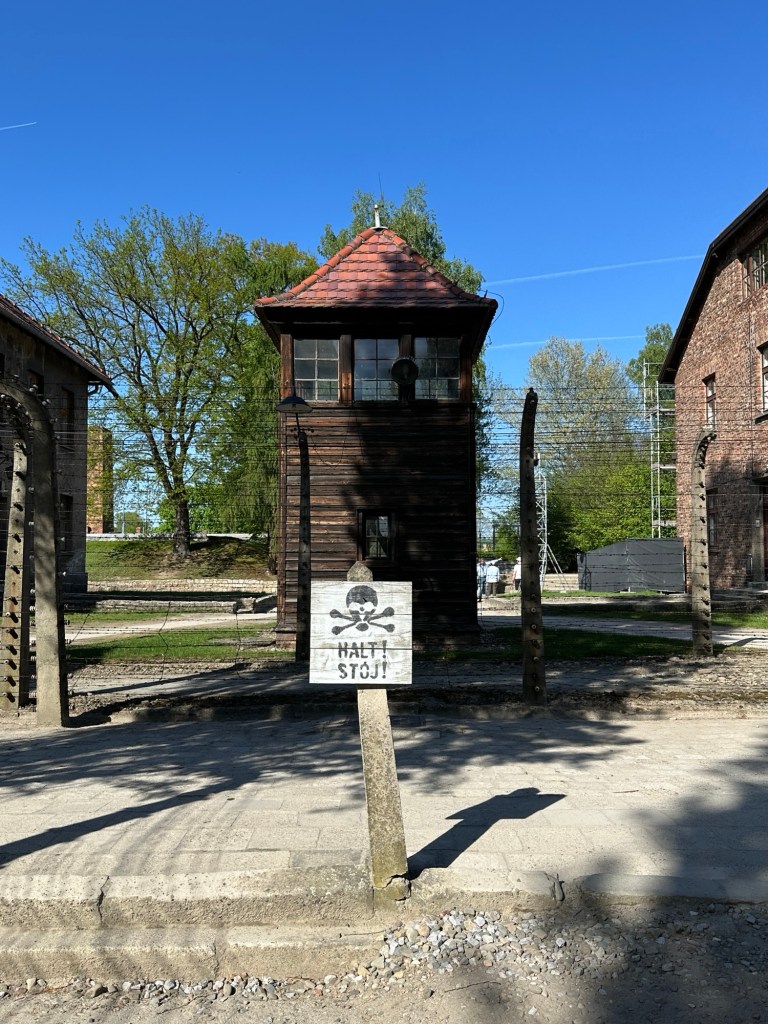
Auschwitz-Birkenau is a forced labor or extermination or concentration camp or all of the above. Many were taken to these camps during WWII. Not all of them were Jewish but the majority were; there were also dissidents, roma, disabled, and homosexuals – all housed or exterminated at these camps. I say camps plural because although they worked together they were 3 kilometers apart.
The tour moves pretty quickly but takes you through a lot. You get the background of the facility and what it’s used for, you learn who was brought here and how it was determined who stayed to work and who got extermination. You learned the horrific way they were tricked into being exterminated, like they even had a choice.
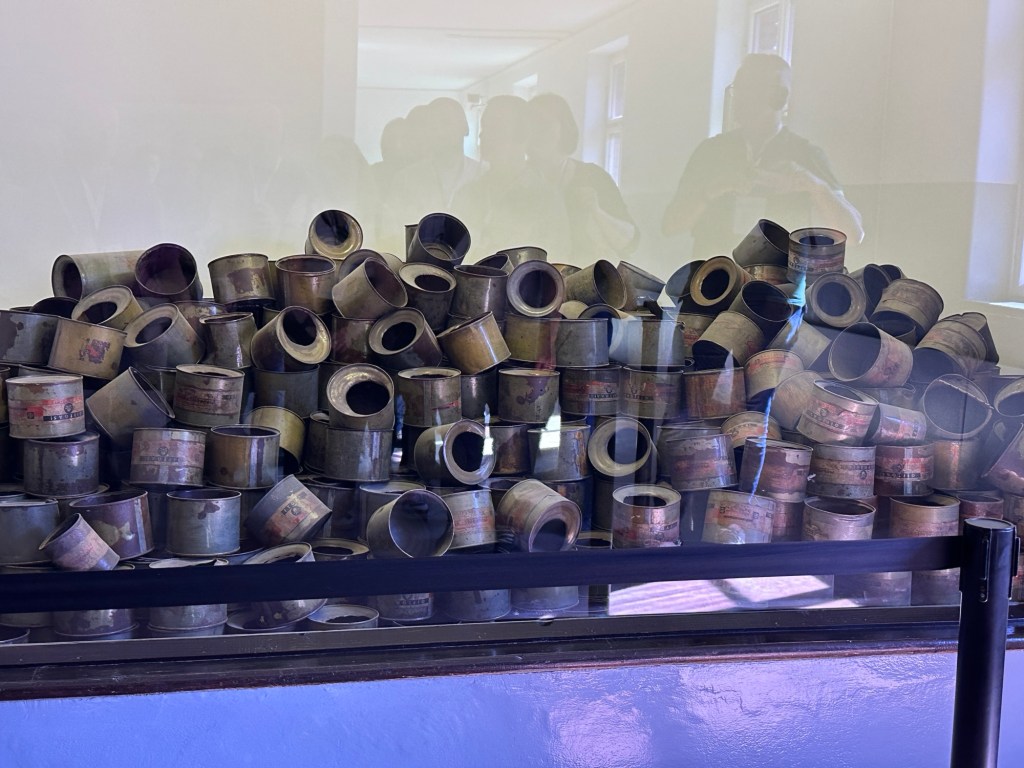
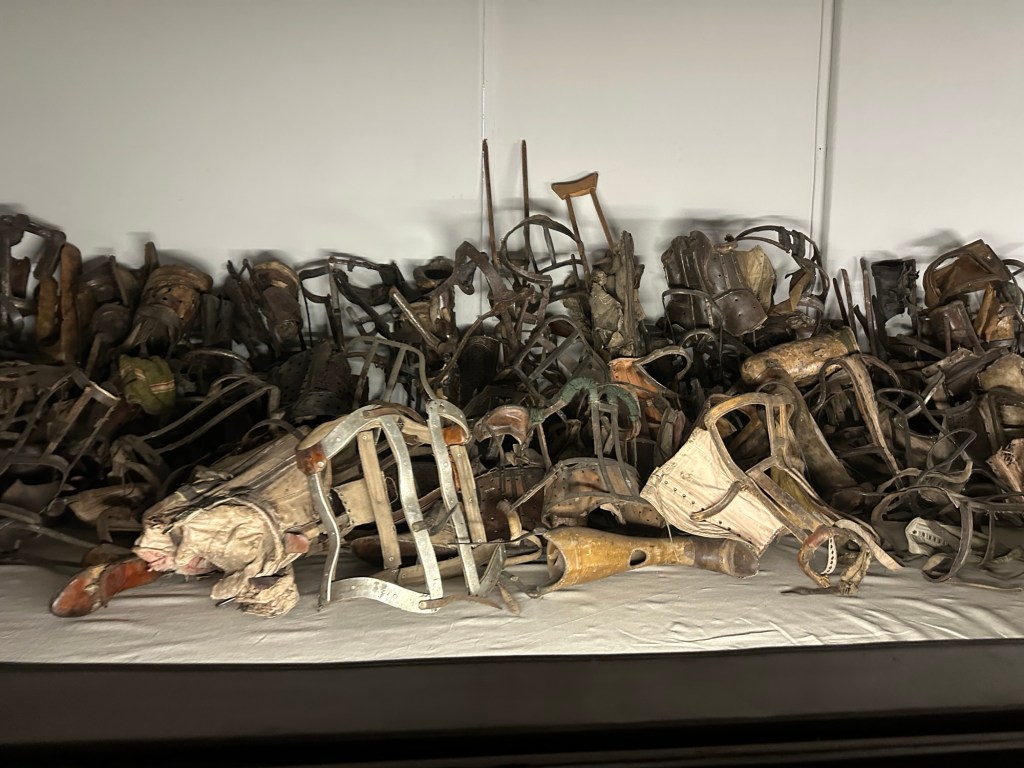
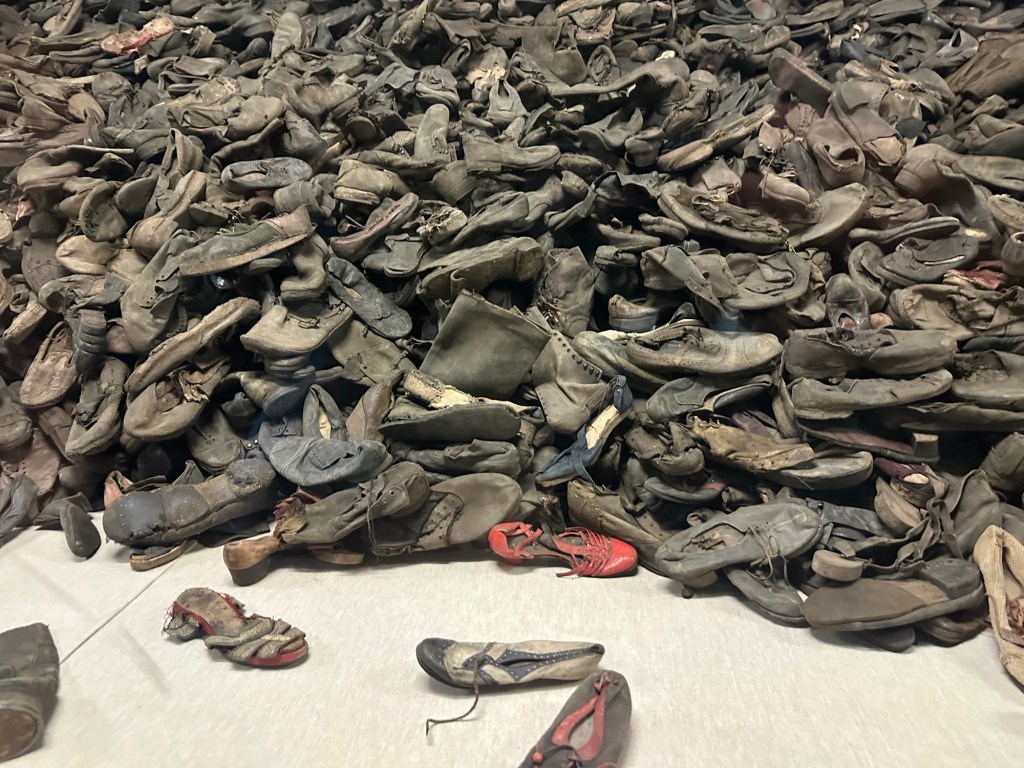
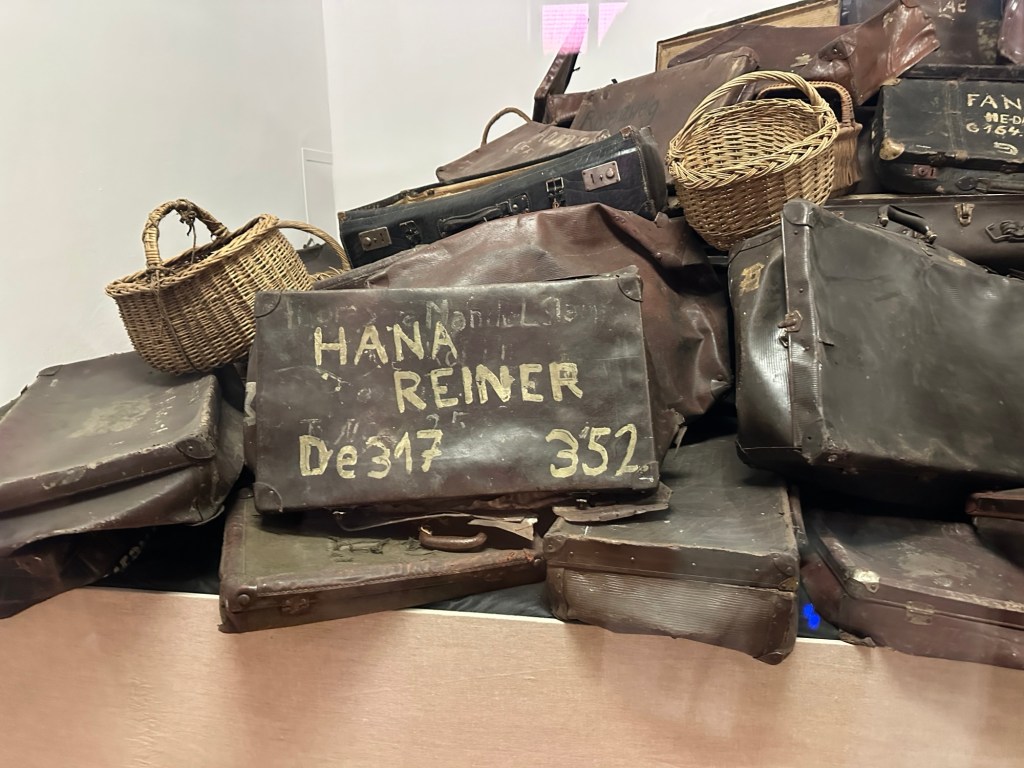
There are displays of cases filled with women’s hair (they would cut off and sell women’s hair), shoes, prosthetic body parts, and luggage among other things.
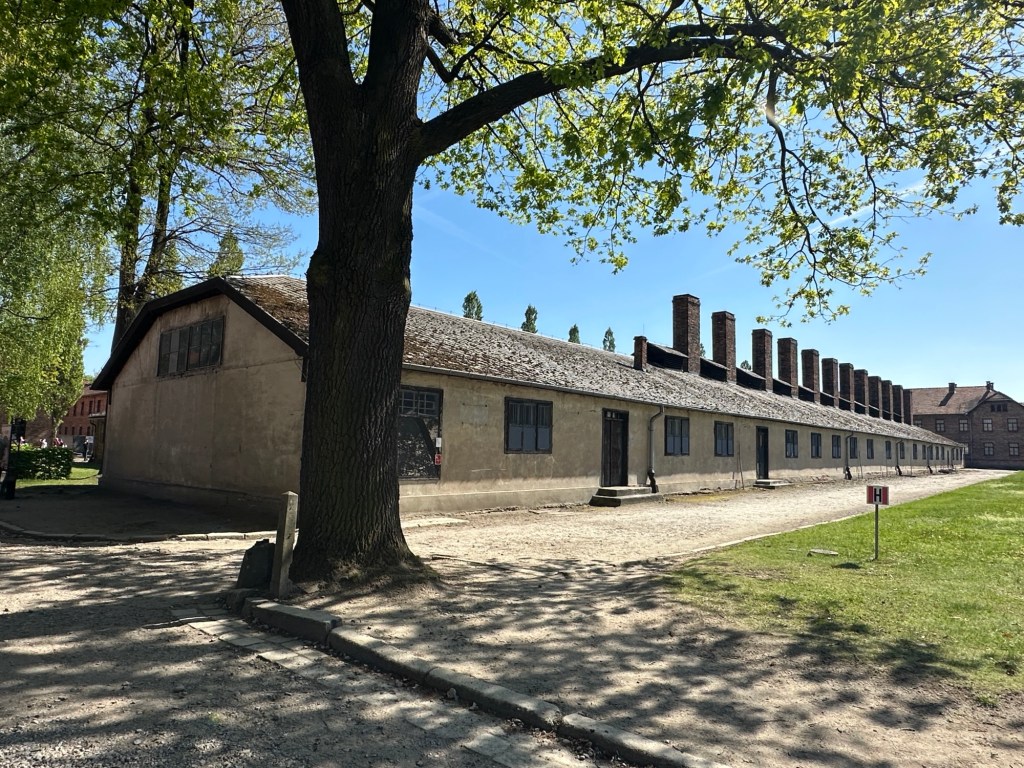
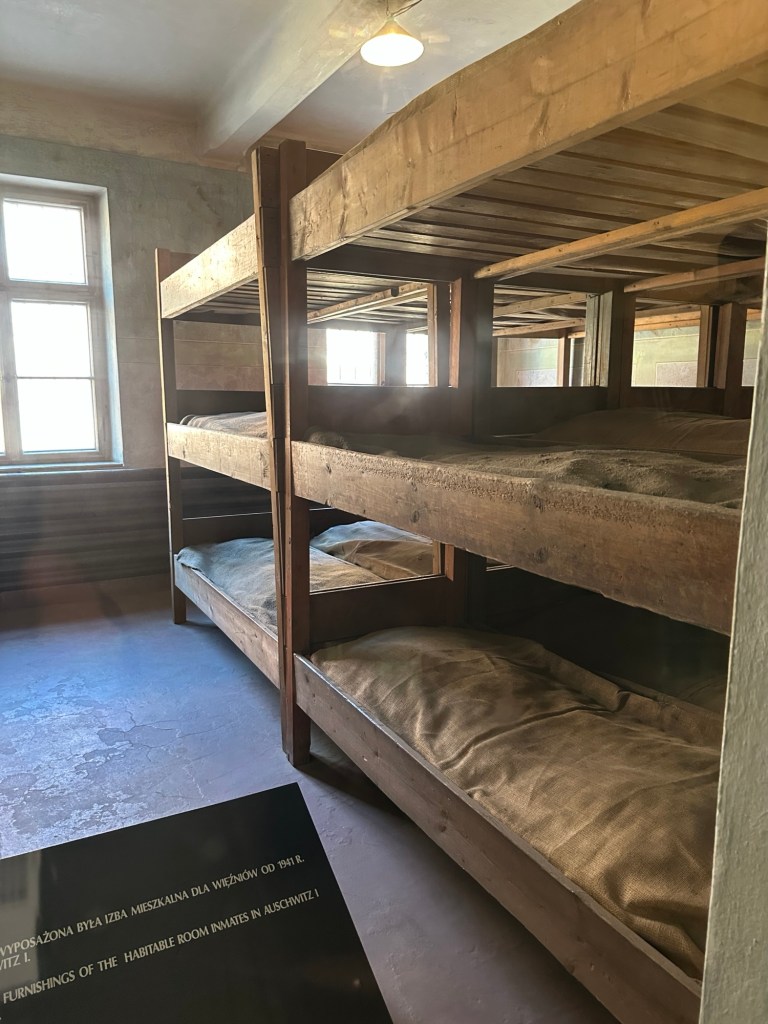
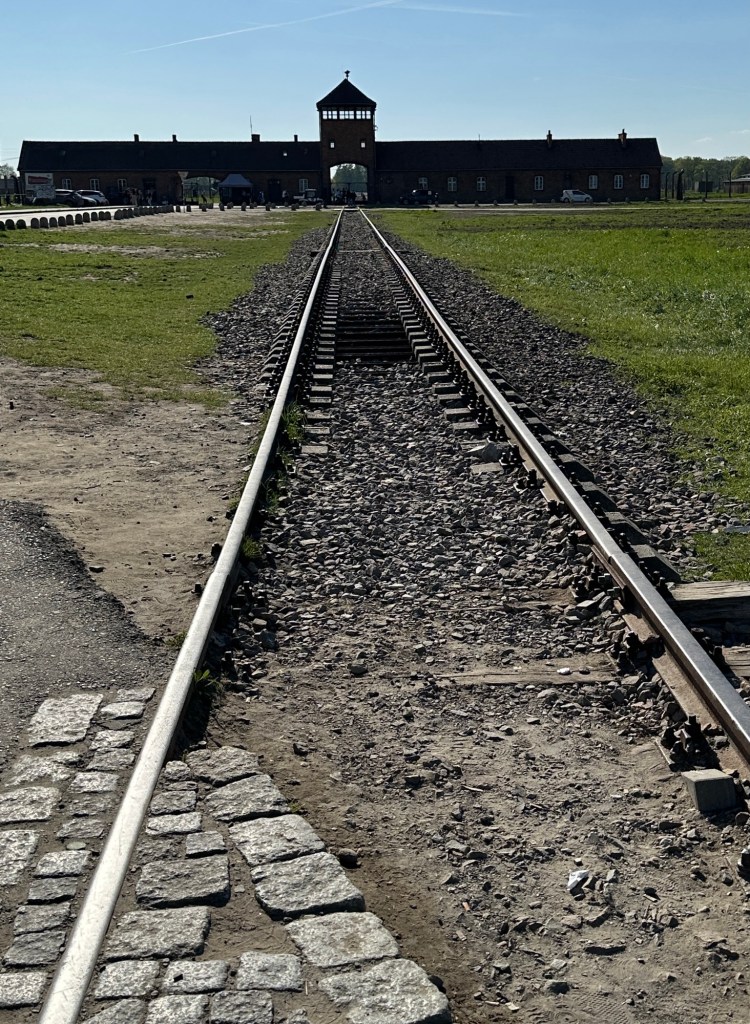
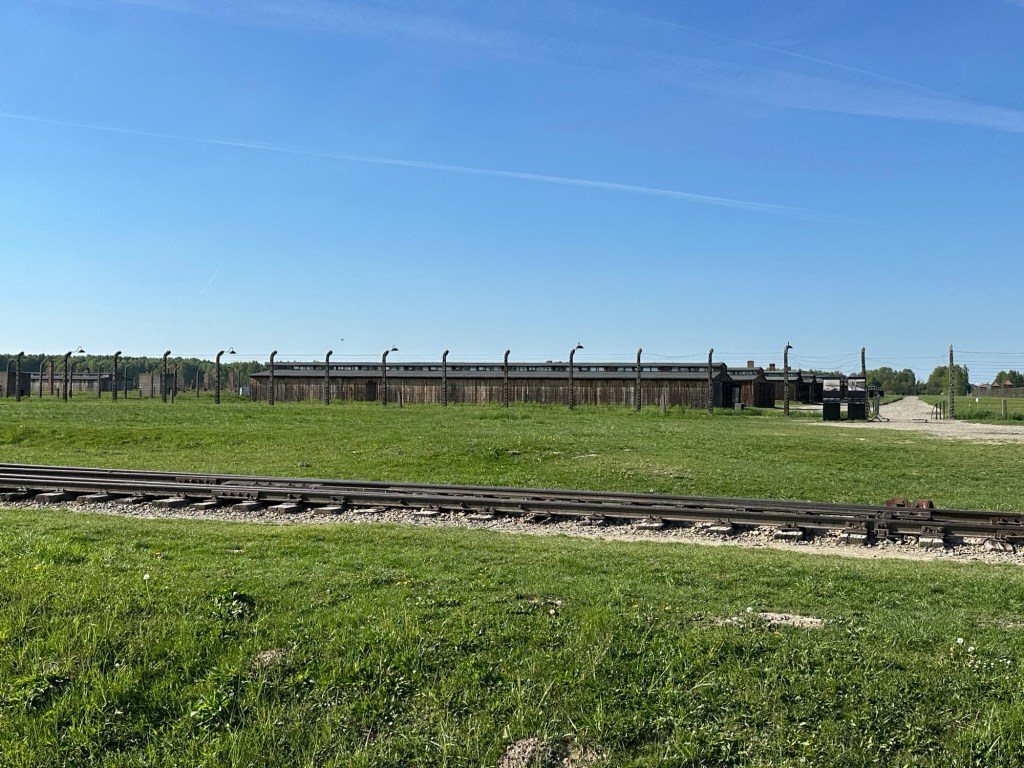
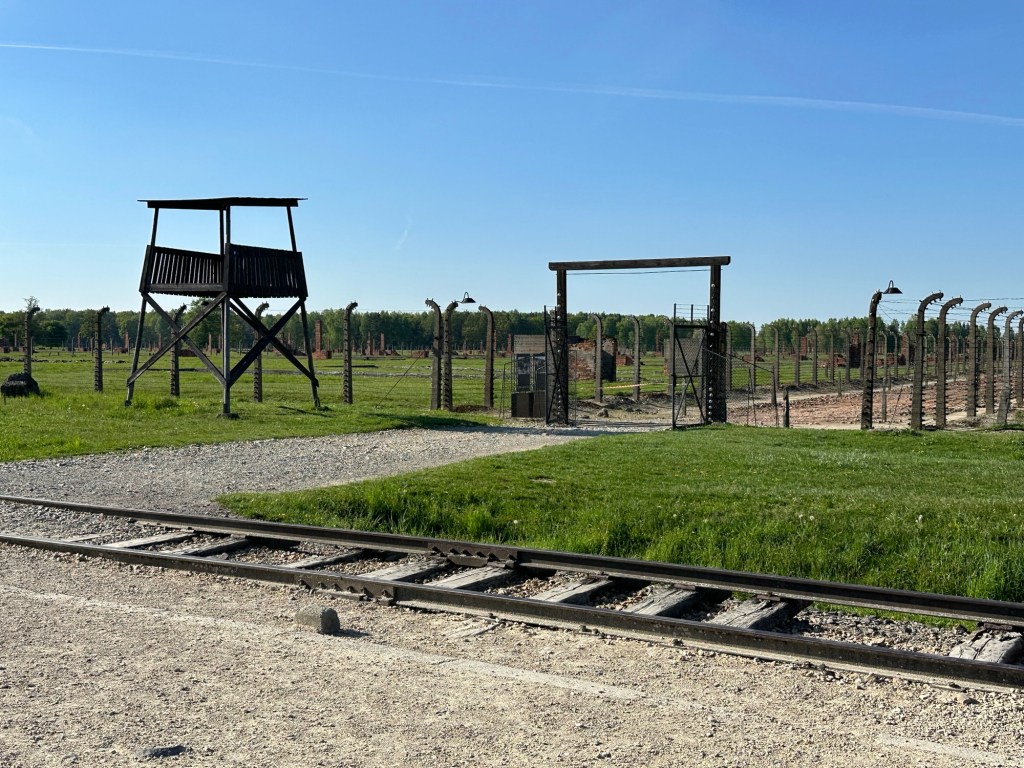
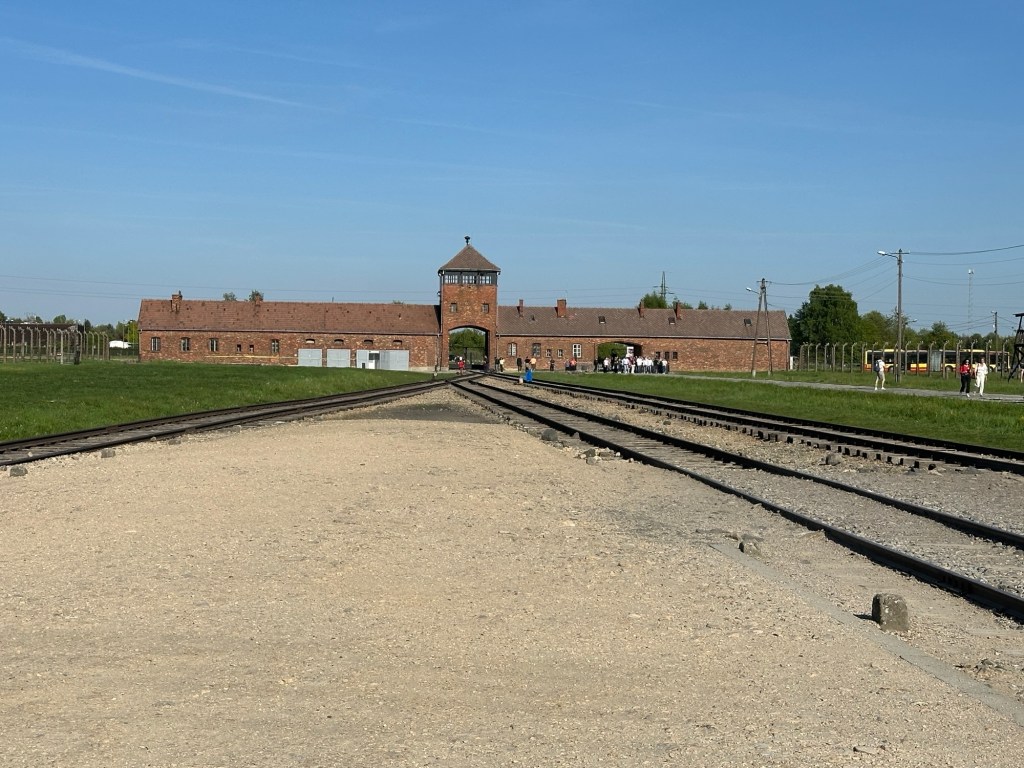
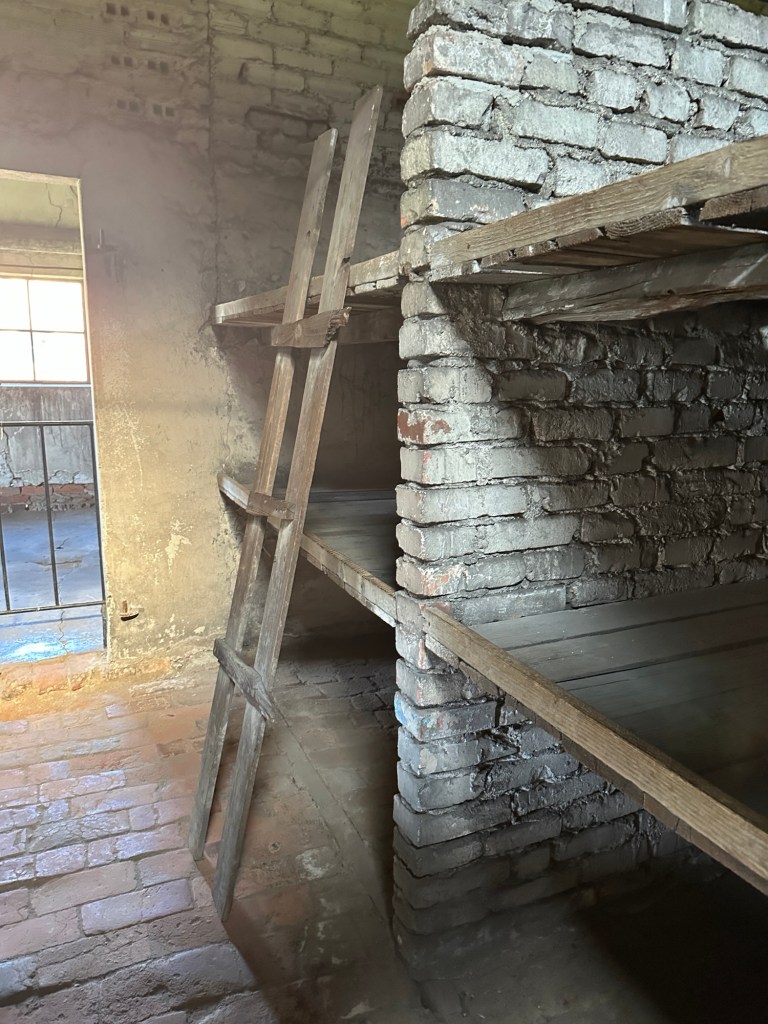
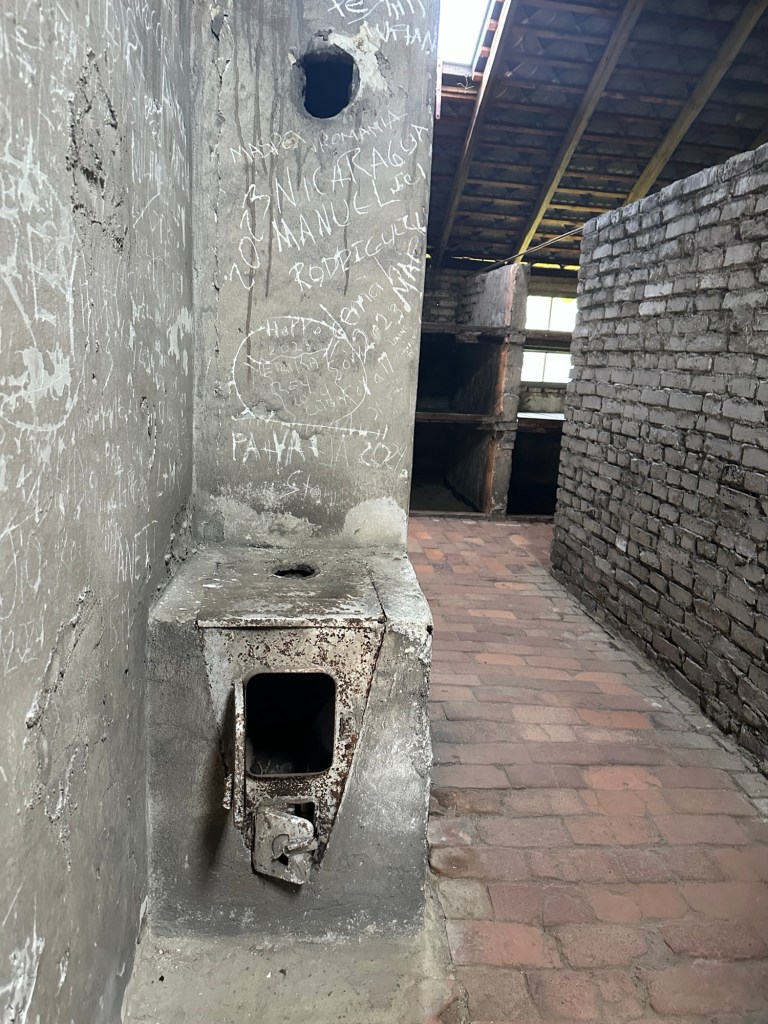
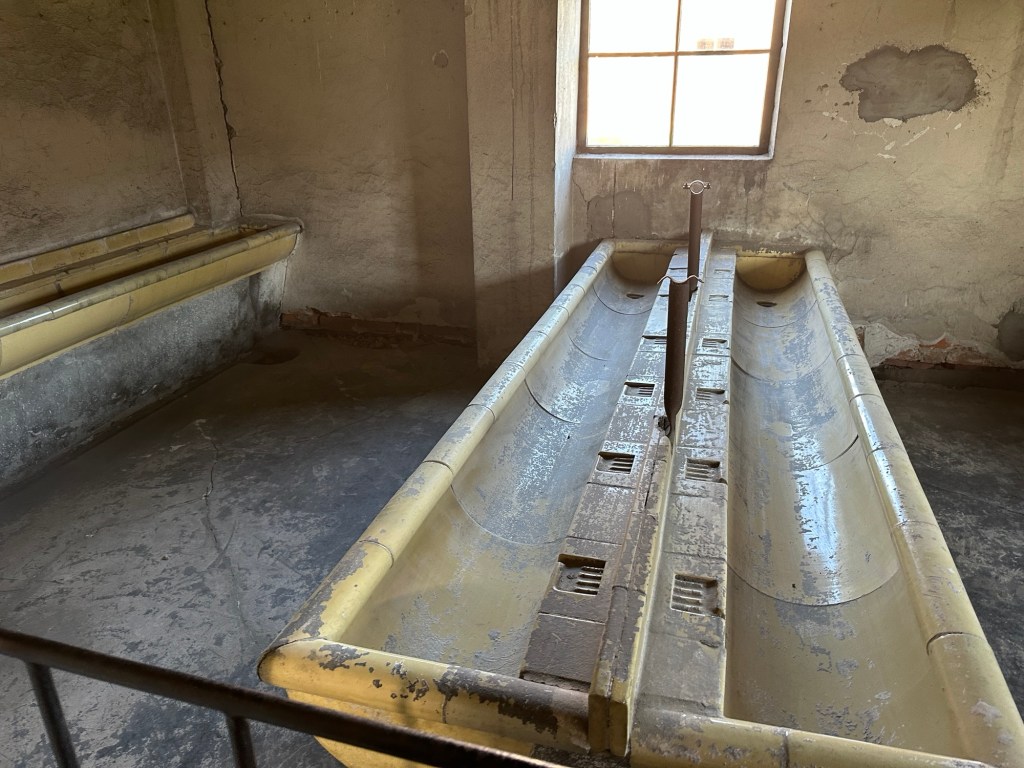
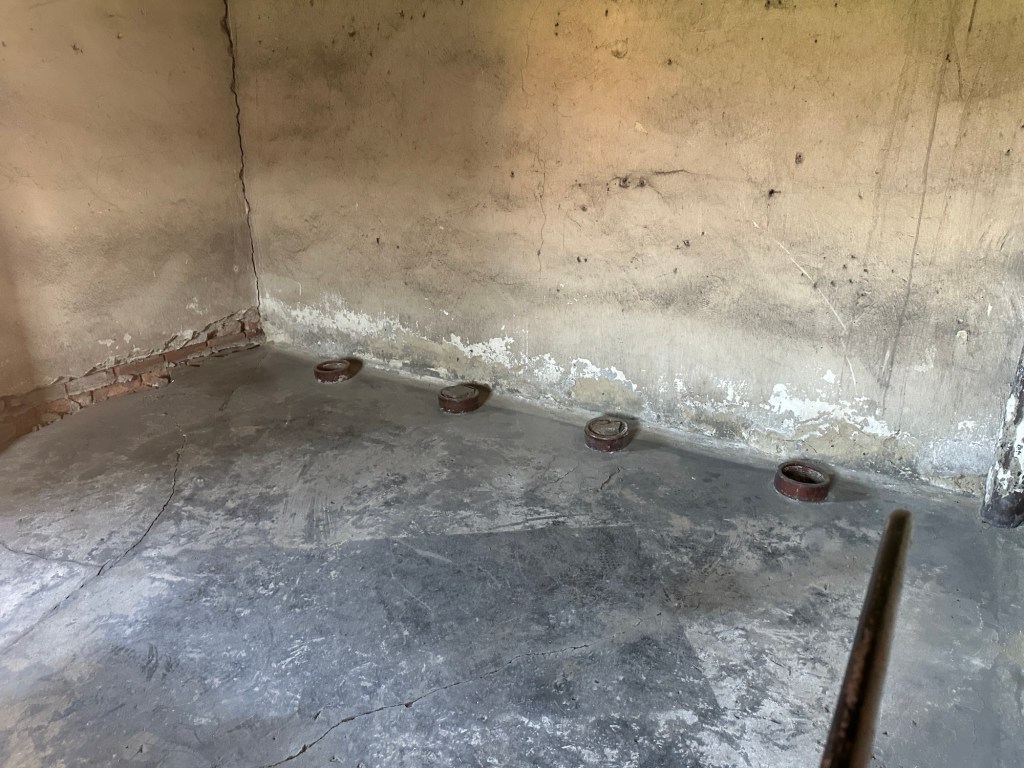
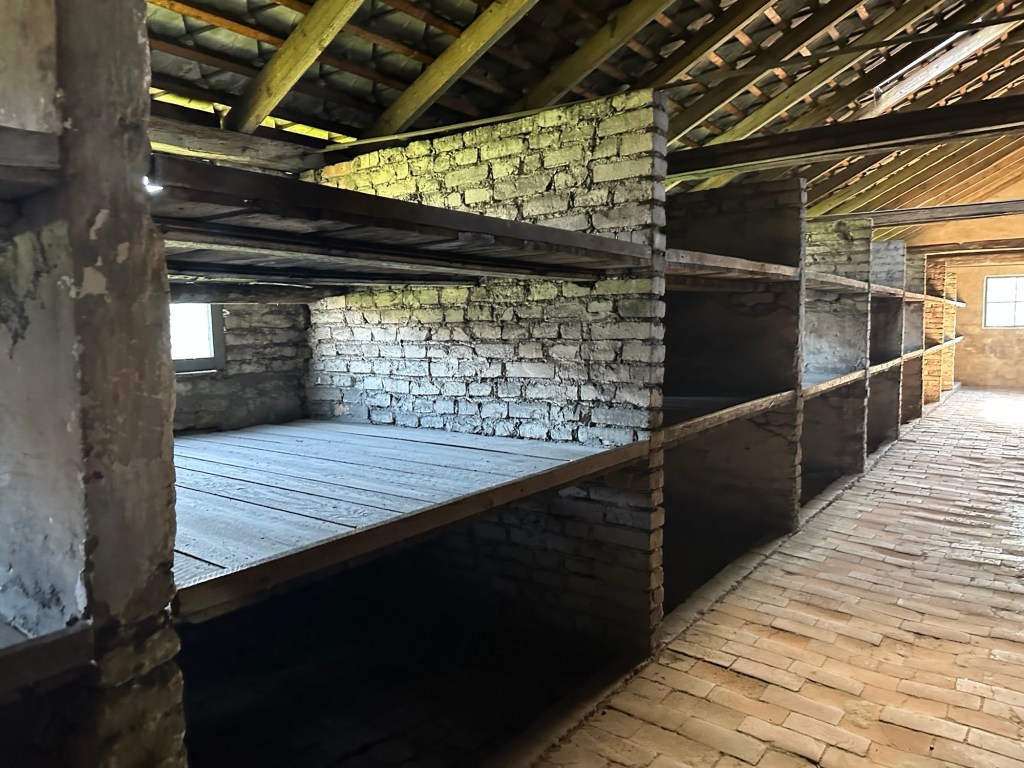
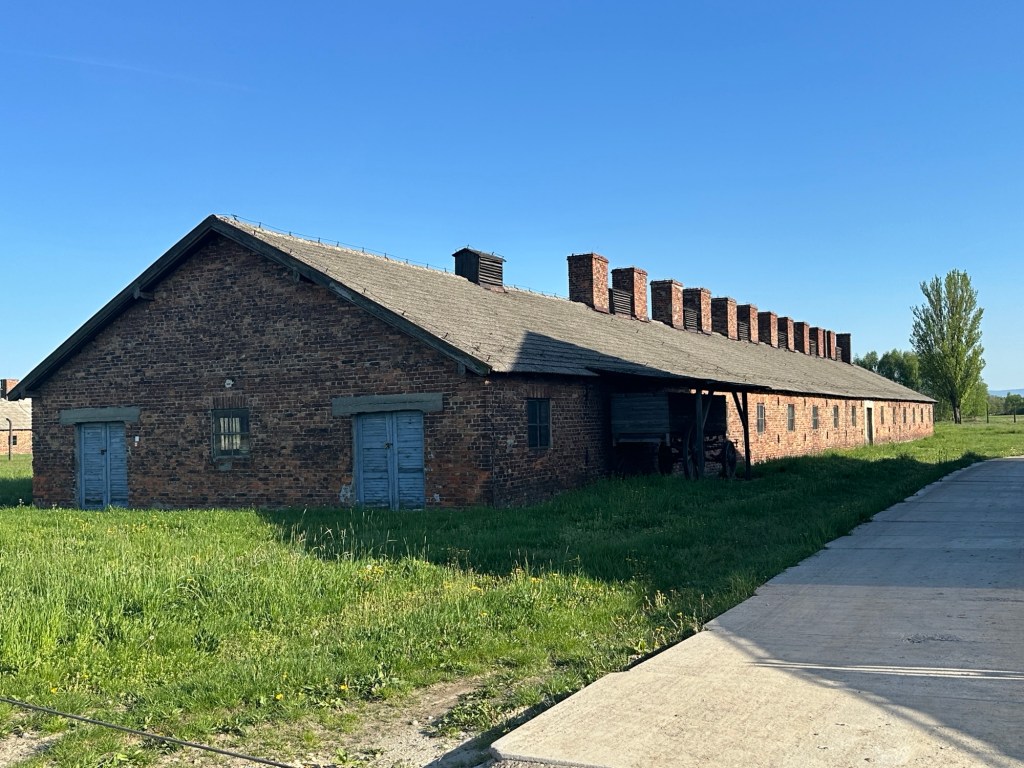
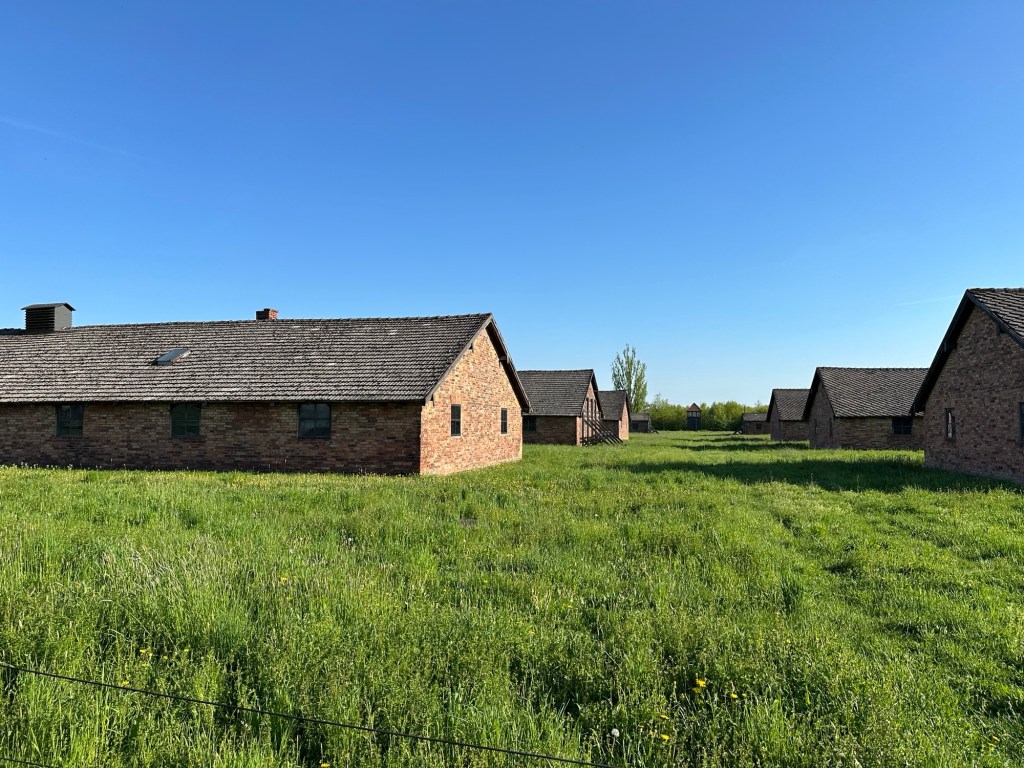
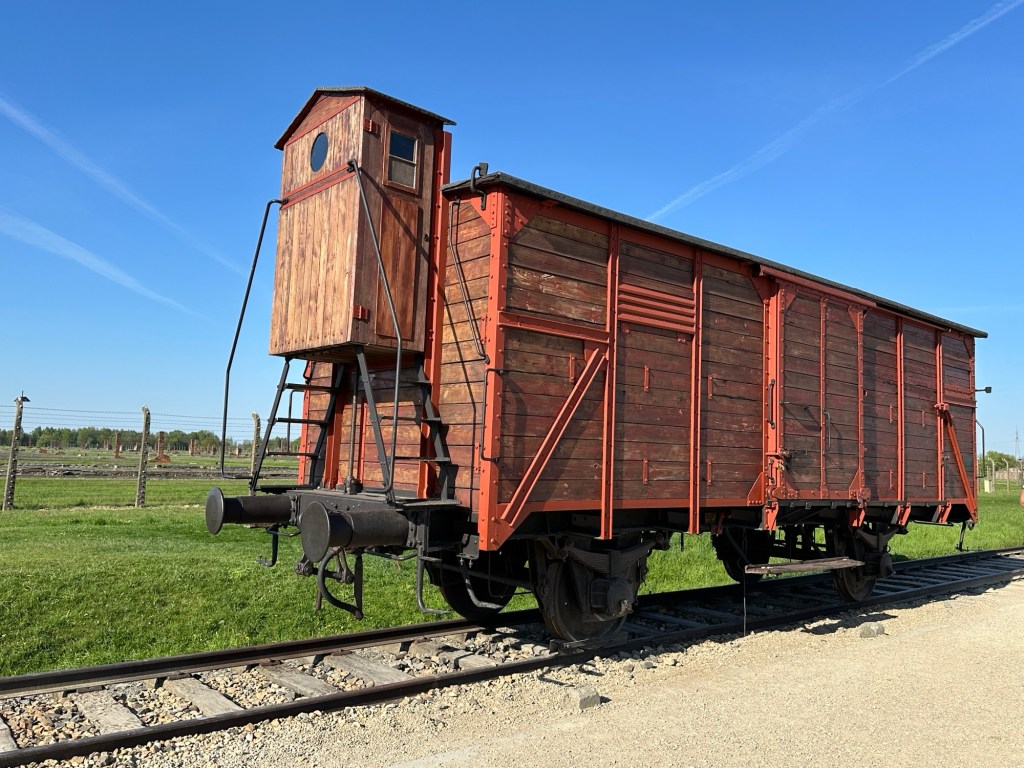
Our first part of the tour was around Auschwitz but then we get in the van and drive to Birkenau for the final part of the tour. While the first part was more a museum and memorial the second part is to actually view the barracks. Also we see the platform where the trains arrived to and arrivals were sorted.
It’s hard to imagine but you must – being forced out of your homes being told to bring your most important things (that you can carry) and some food. The nazis wanted to give them impression that they were all just going to be “deported” to another country when most of them were getting on a train to be exterminated immediately. If they were strong they were going to a camp to work but probably eventually unalived as well.
A great resource on the camp’s numbers of people held can be found here. Most were Hungarian (400k) but the second highest were Polish (300k).
When I get back into town it is late. I grab something quick to eat then head back to my hotel for the night. It somehow doesn’t seem appropriate to food blog after the day I have had.
Take care and always be on the lookout for signs of fascist regimes.
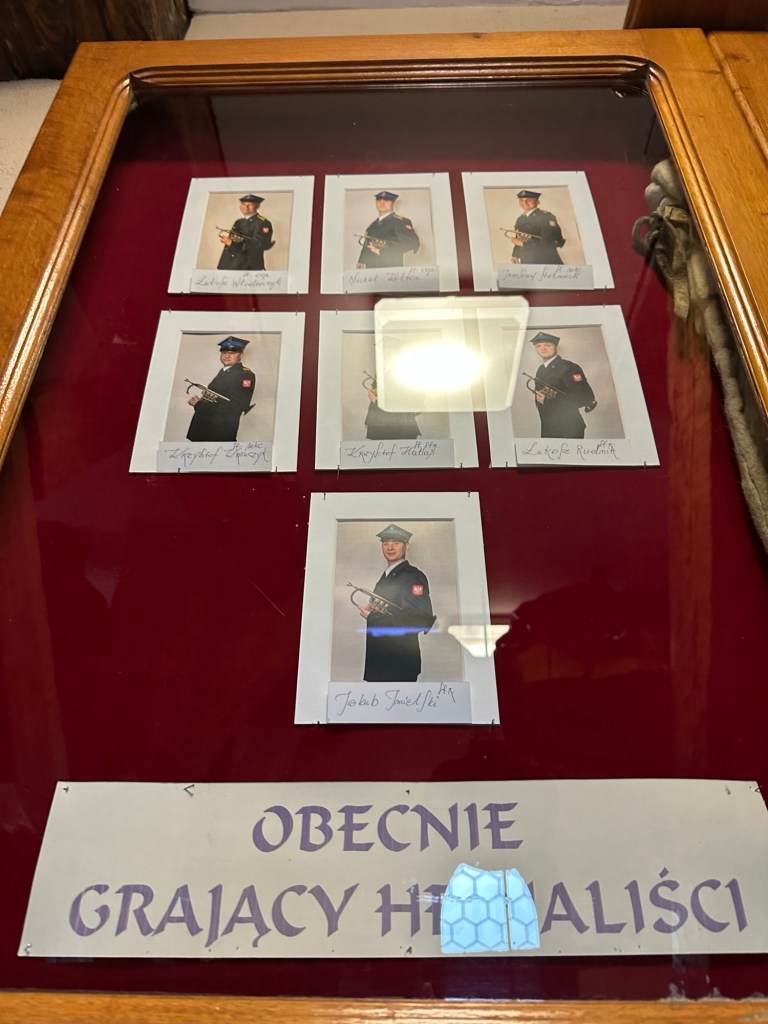
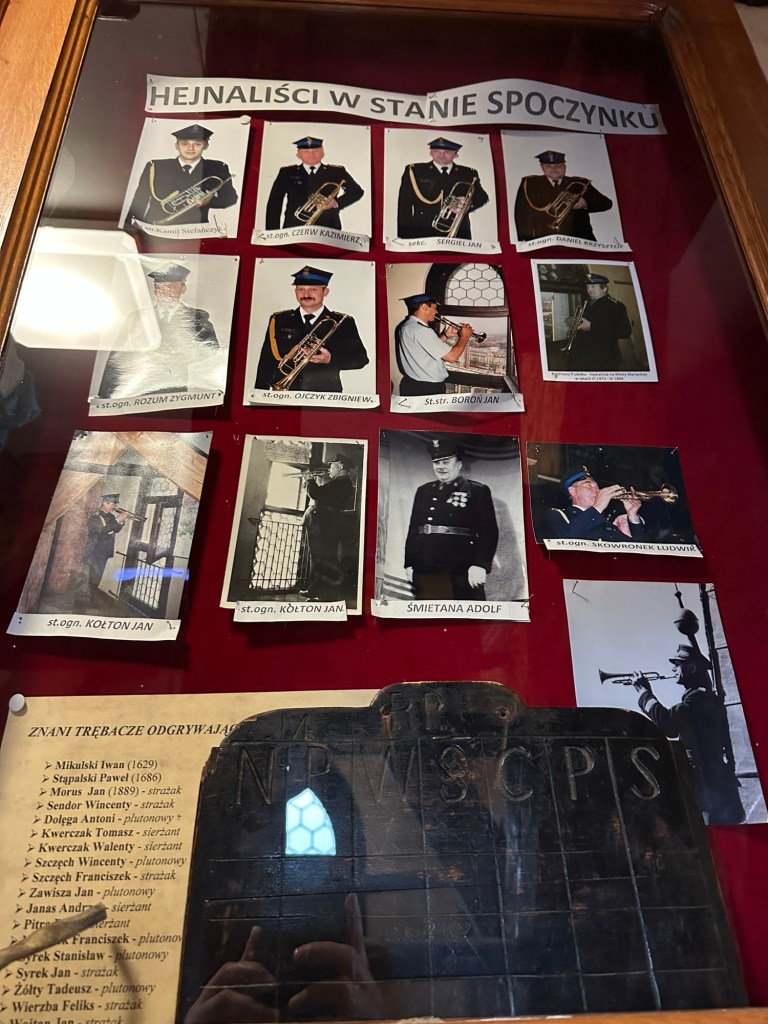
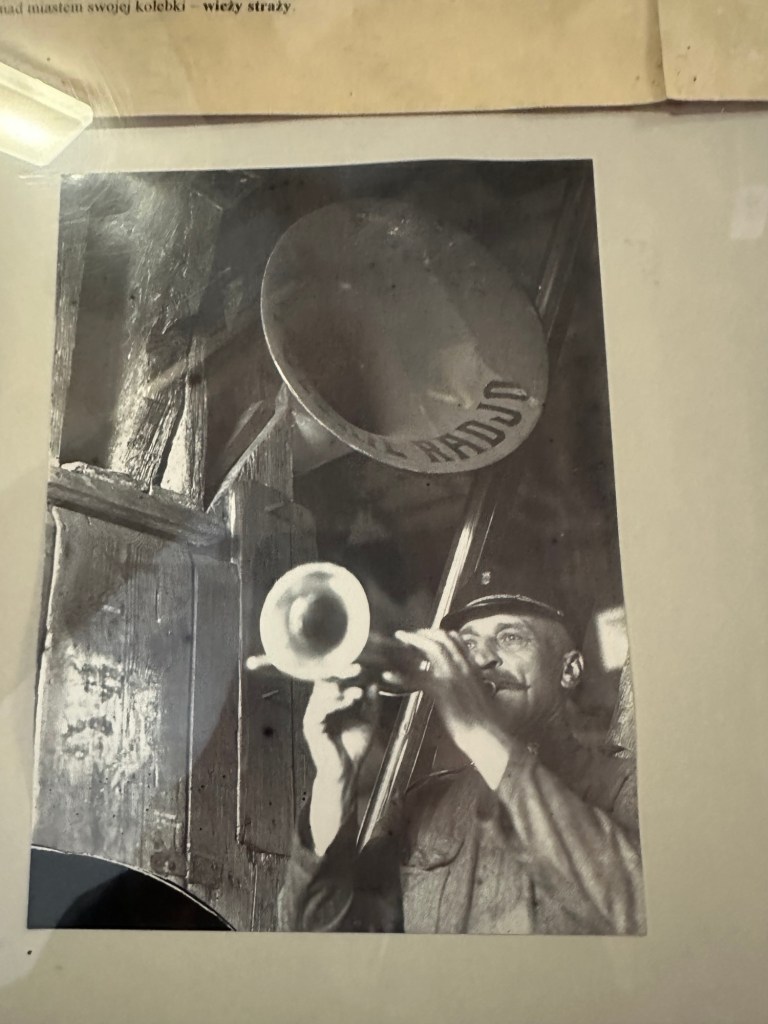
Next morning as I am getting ready I hear the bugle in the distance since I am not too far. It’s nice to have my windows open even though it’s wet air outside.
Today is expected to rain all day. I am not looking forward to it but I think I am prepared (Update – I am not!).
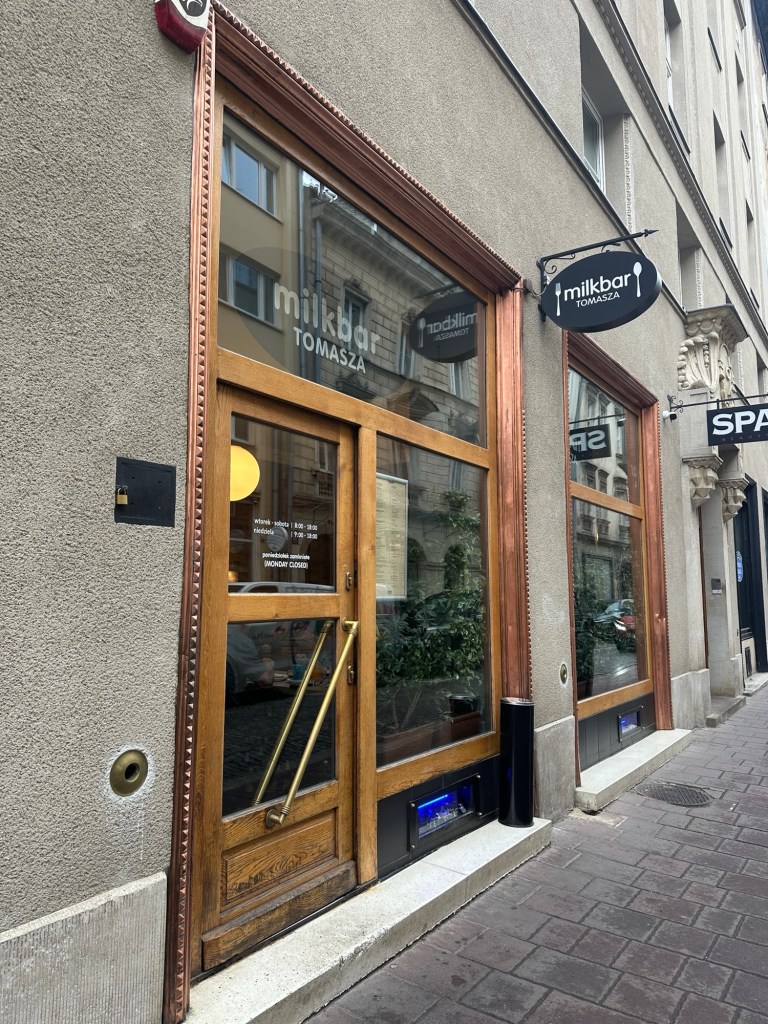
Usually my goal is to find a coffee shop when I wake up in the wee hours like I tend to do but like most European towns coffee shops open too late for my liking except for Starbucks which I try to avoid. Today I actually slept in a bit and believe it or not coffee wasn’t first on my mind. Today I am hungry and need to find breakfast somewhere near by. I decide to try the milk bar around the corner that I have on my radar to visit. A milk bar is a polish specific type of restaurant that offers affordable local dishes cafeteria style at times. I think the origin is from the communist era where they would provide government subsidized meals (many dairy items). The one around the corner from me is small but popular and often has a line outside. This morning I am able to walk in and get a table.
I order a traditional breakfast of egg, bacon and toast. I also order a latte since you can’t expect me to totally forgo the coffee – I am addicted. I especially liked that they had Depeche Mode playing the entire time I was there.
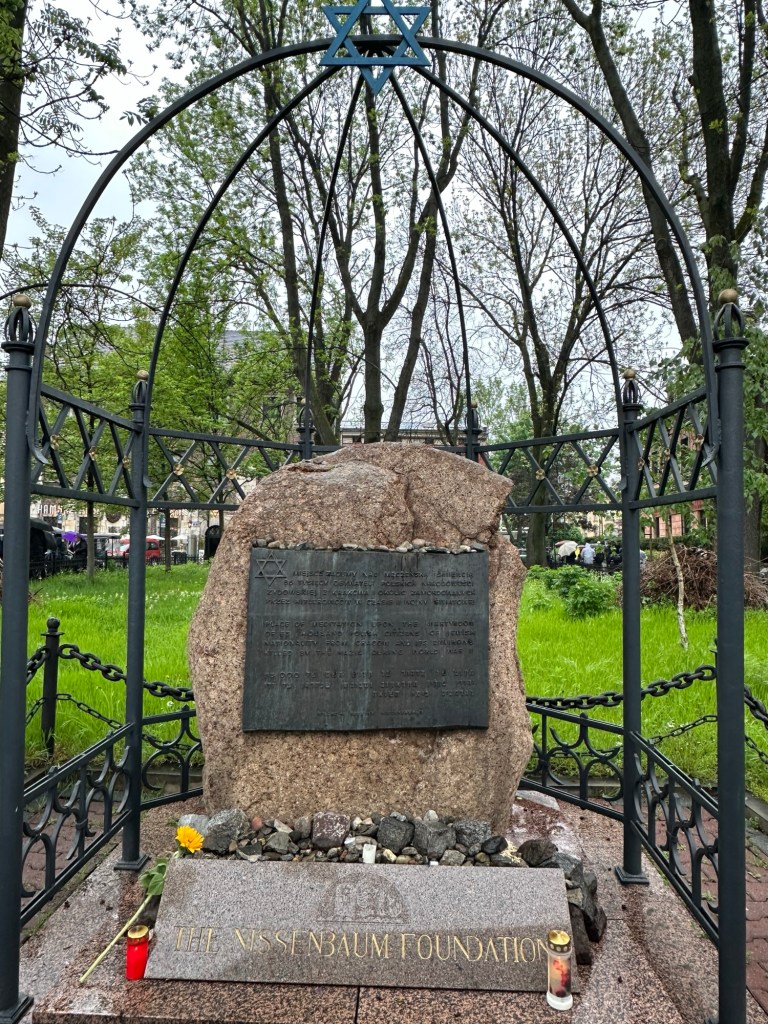
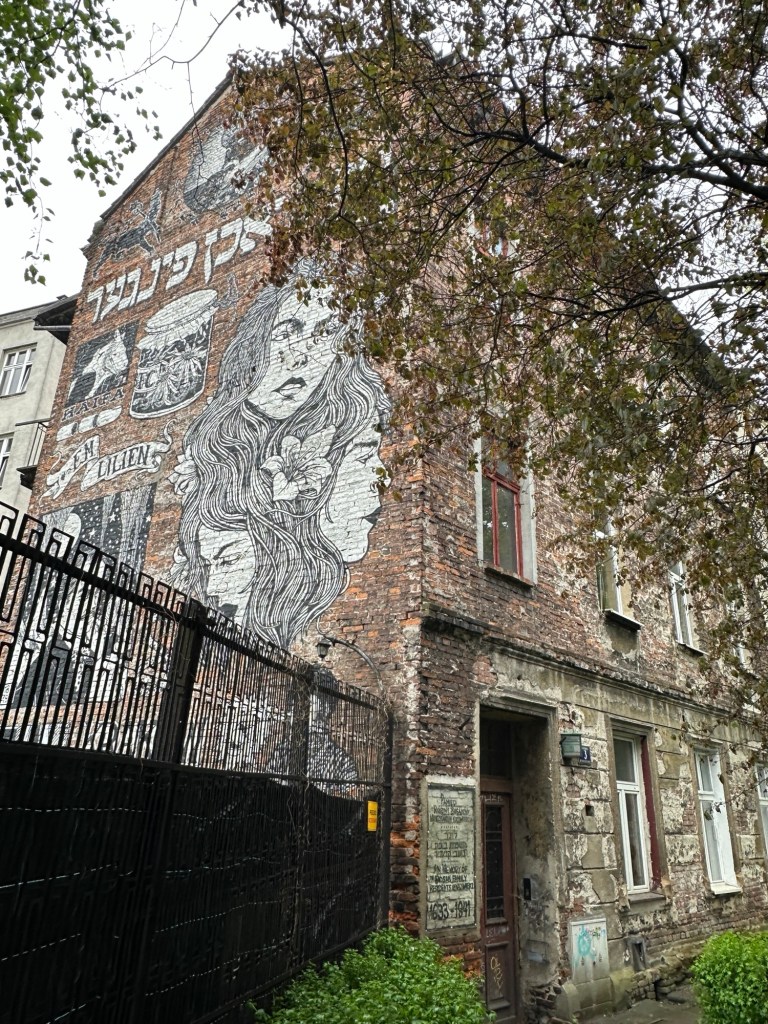
After breakfast I walk down to Kazimierz, about a 20 minute walk. I am early for my tour so I wander around the area. It has already been sprinkling which is annoying but it’s not too bad yet. I meet up with the local tour guide who starts us on a tour of the former Jewish area of Krakow. This is not the ghetto, which we will see later, but it was home to a Jewish community at different points in history. Apparently there is a history of expelling Jews from Krakow that did not start with WWII. The area is called Kazimierz because he is the king who originally made an agreement with Jewish people to let them live there and be provided protection. Once he was gone the agreement wasn’t always upheld and the community went varying degrees of persecution but the worst happened when the nazis invaded Poland. Over that period of time the population went from 65,000 to less than 5000. They were sent to concentration camps, or forced into labor to live in the Jewish ghetto. Eventually most in the ghetto came to and end during the liquidation of the ghetto, including many kids in the most horrific ways that I don’t even want to document here but you can google it if you want to know what had happened.
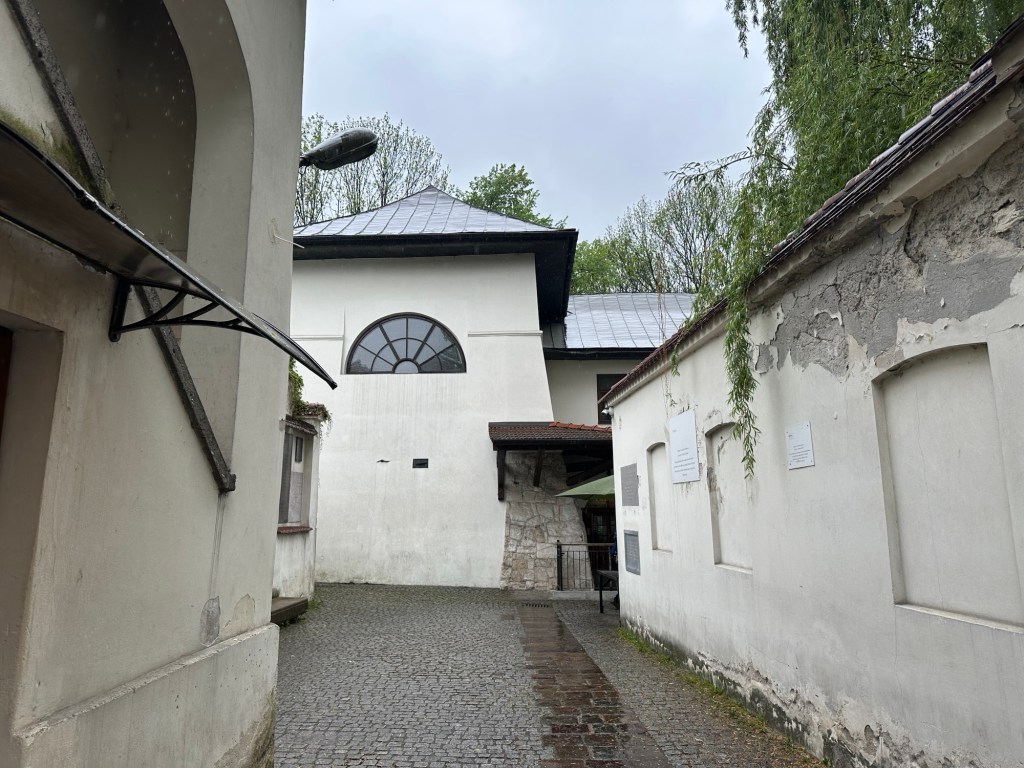
Old synagogue
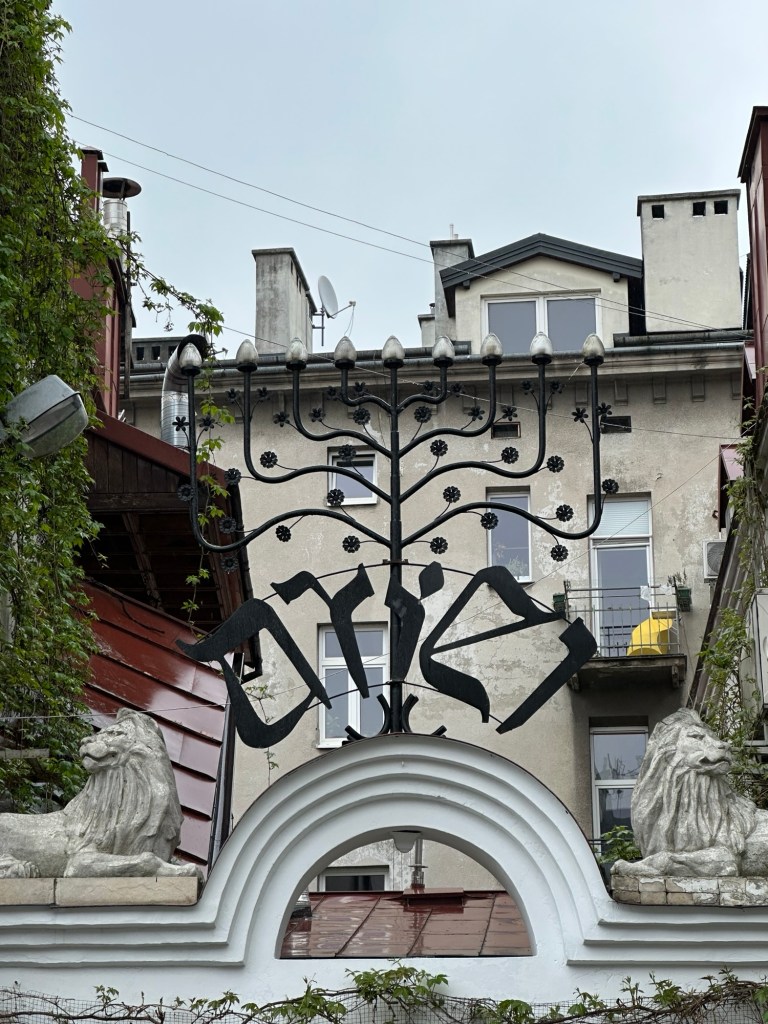
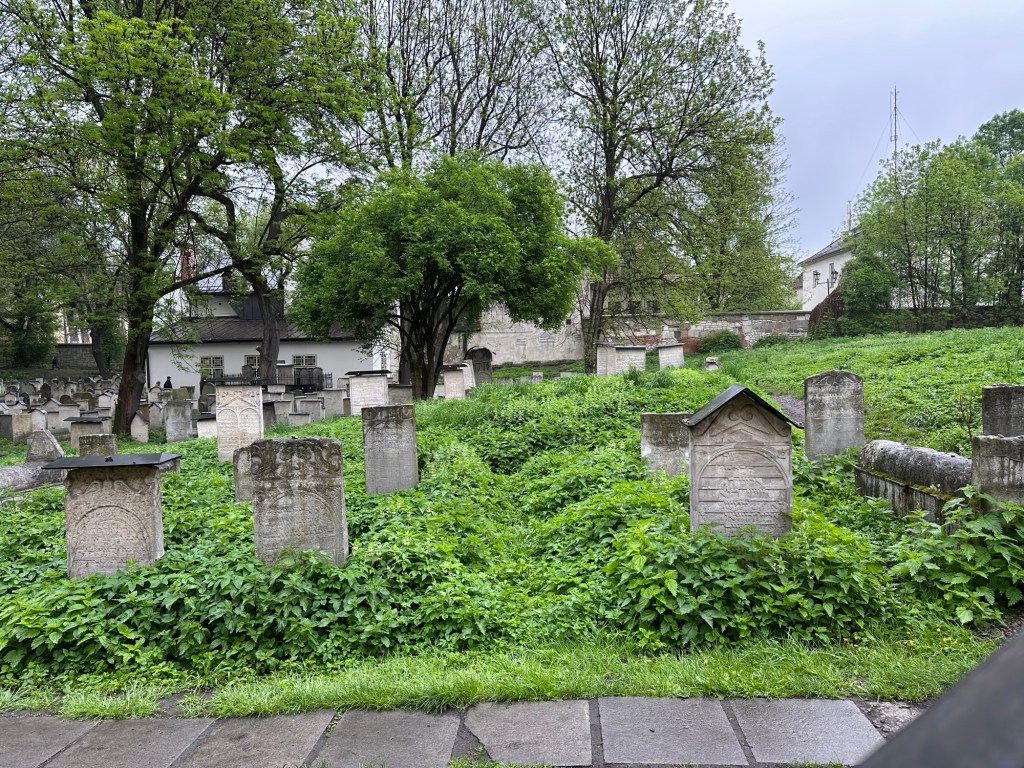
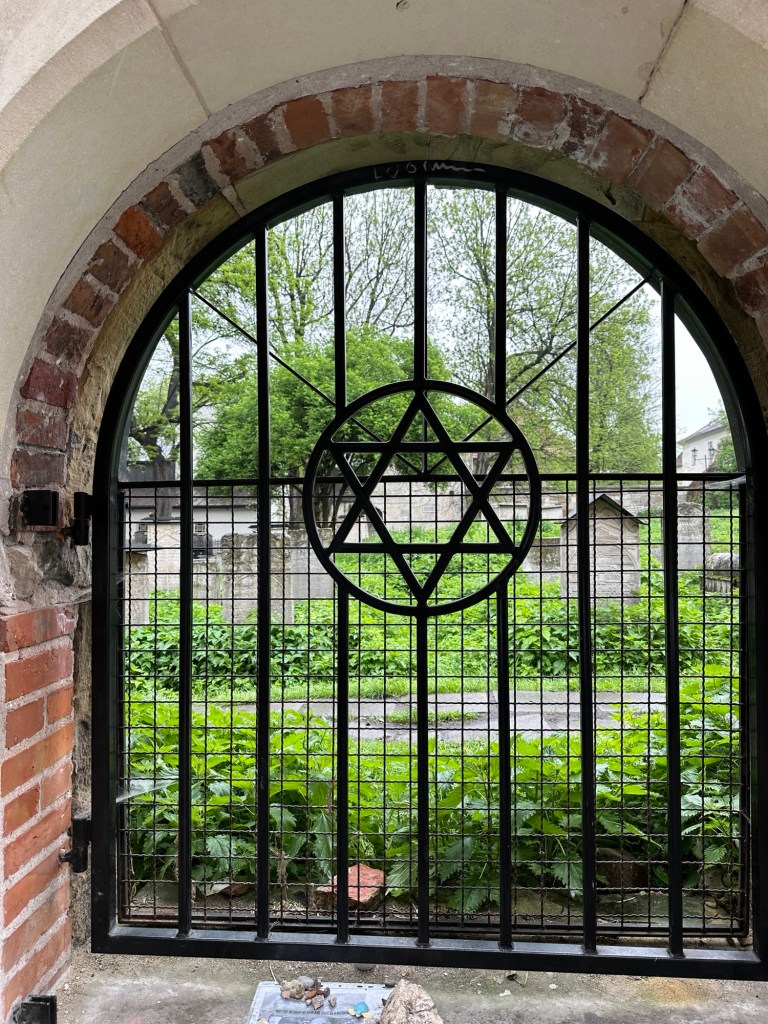
We stop by the Remuh Synagogue and cemetery. I will return later to visit this 16th century synagogue. My guide tells us this historic cemetery was used as a garbage dump by the nazis during WWII and it took a heck of an excavation to restore it. They aren’t even sure they placed the headstones correctly. It is very sad to hear a that place like this was disrespected so badly.
Remus Synagogue and Cemetery
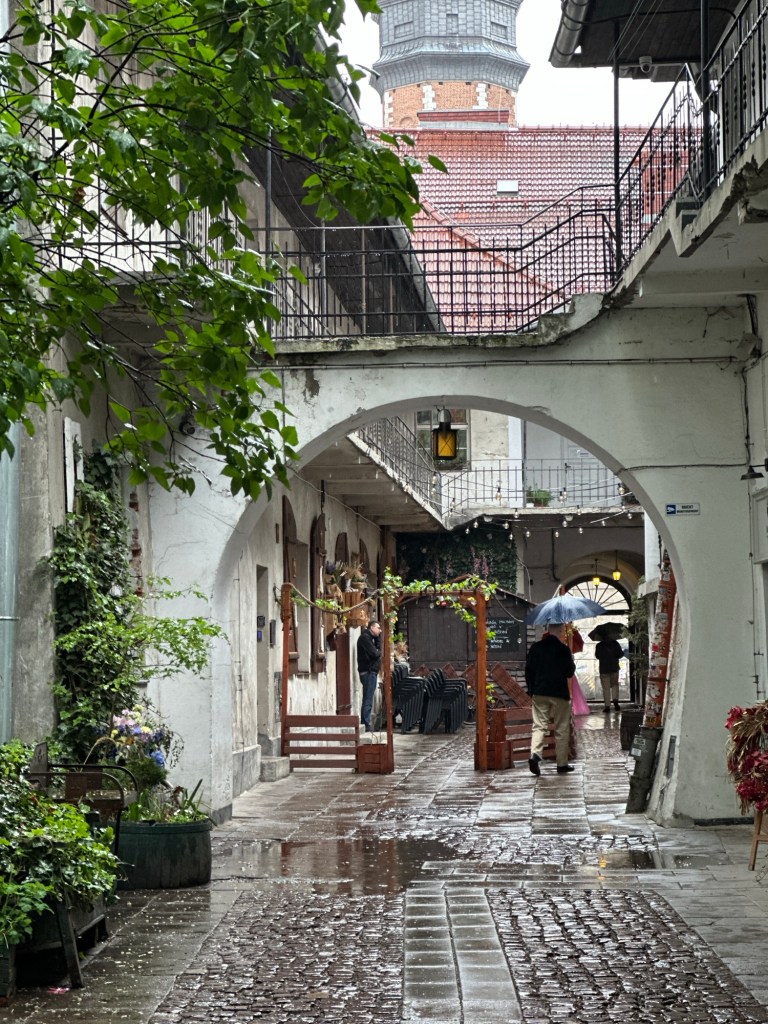
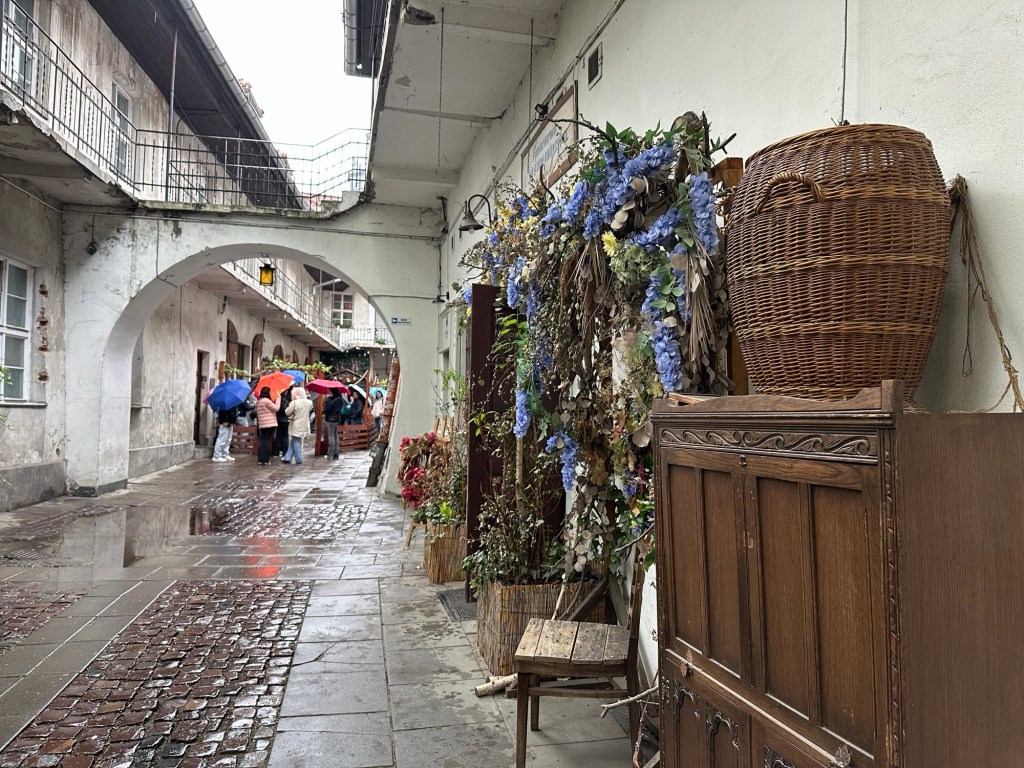
Schindlers Passage, not a real historical spot but was used in movie
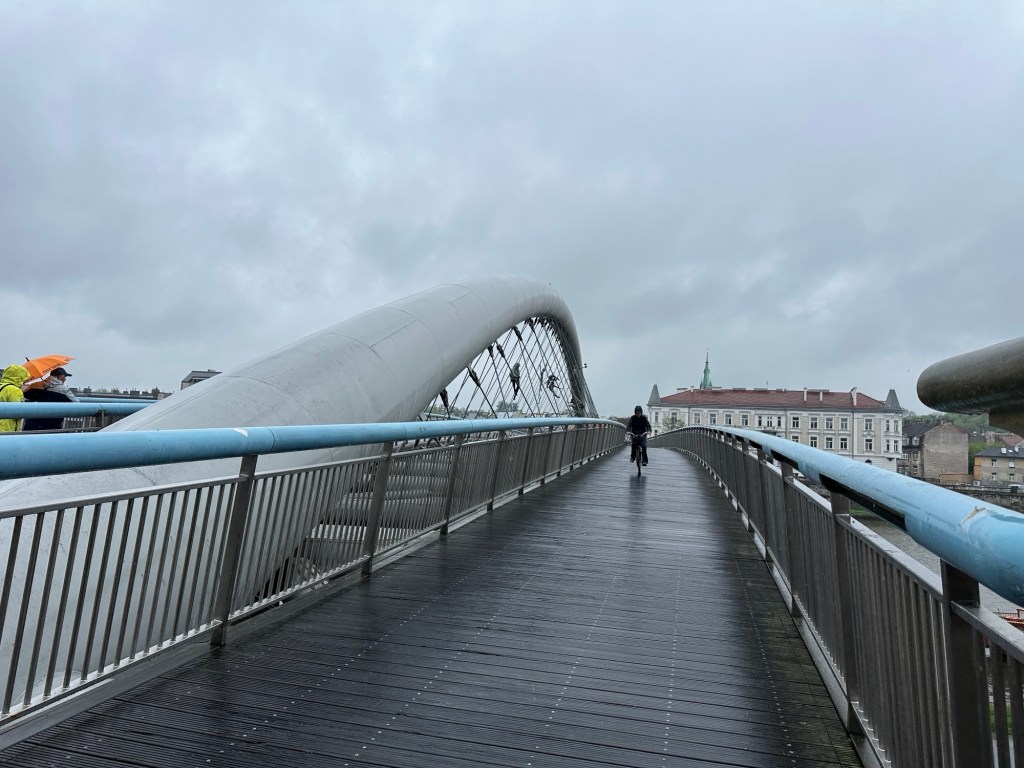
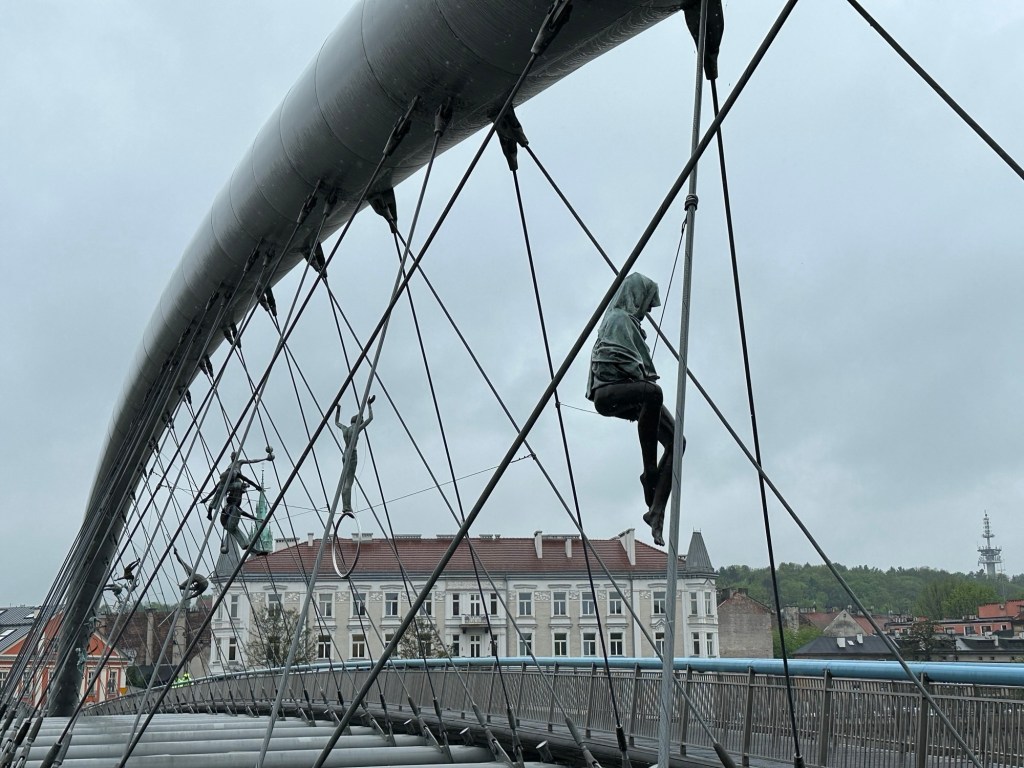
We walk across the bridge to the Jewish Ghetto where the Jewish people that did remain in town lived during the war. They were not allowed to leave the walled area except for work. The food rations they were given were just enough to keep them from starving.
We end the tour at Plac Bohaterów Getta (Ghetto Hero’s Square), a place where they would select people to send to the camps. It is a solemn place, they have 65 chairs to represent the 65 thousand Jews that used to live in town. Most chairs point in the direction of the ghetto but there is one that faces Oscar Schindler’s factory.
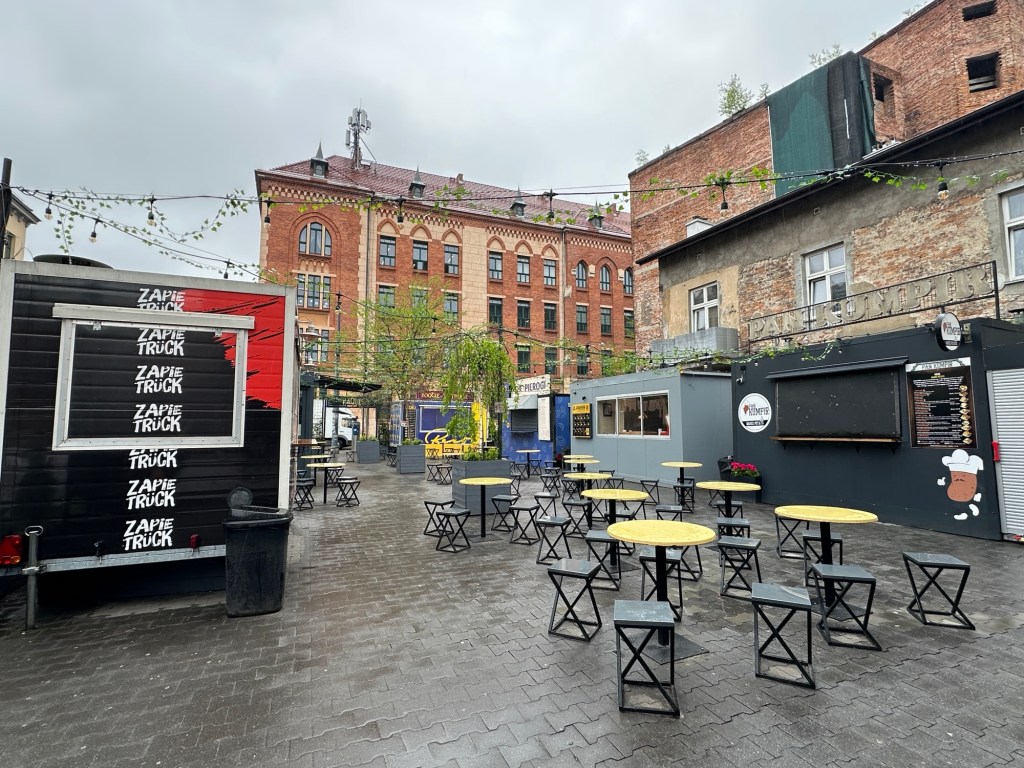
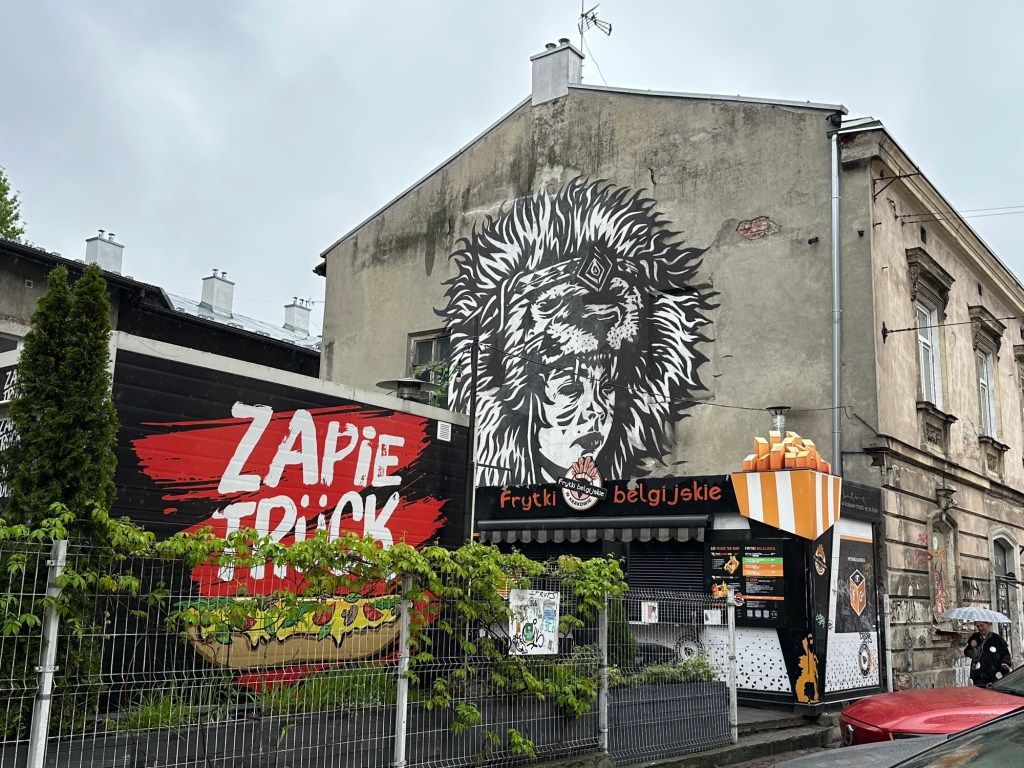
After the tour I head back to Plac Nowy to have a quick lunch. I try the Zapiekanka which is basically a French bread pizza. It hits the spot.
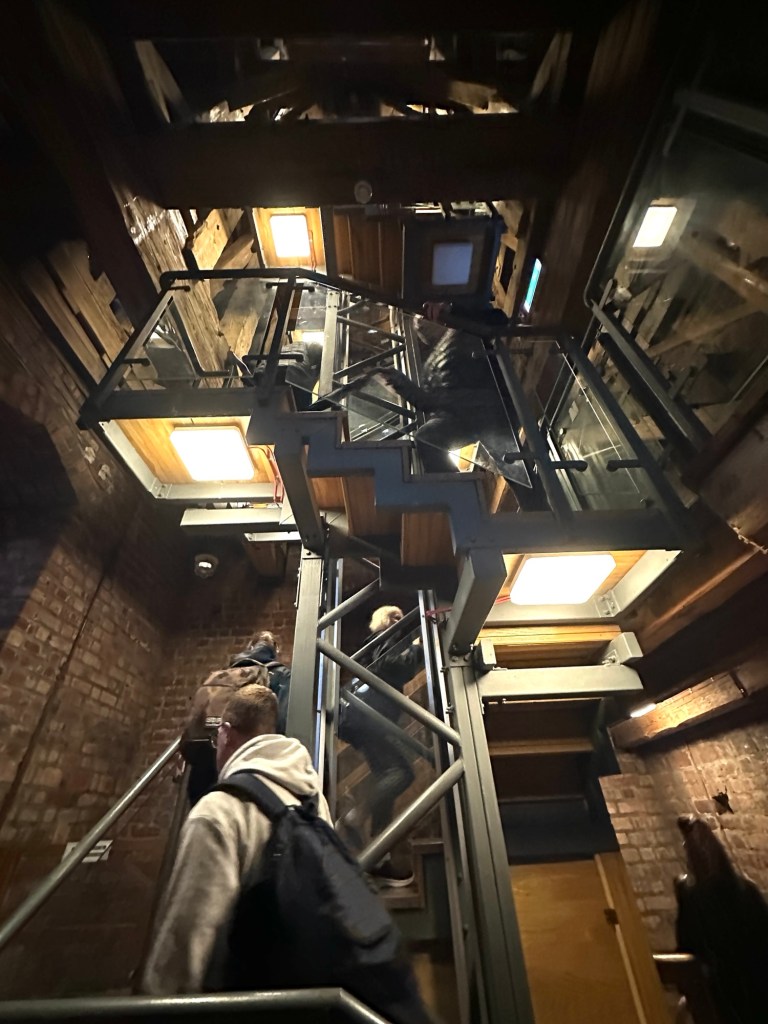
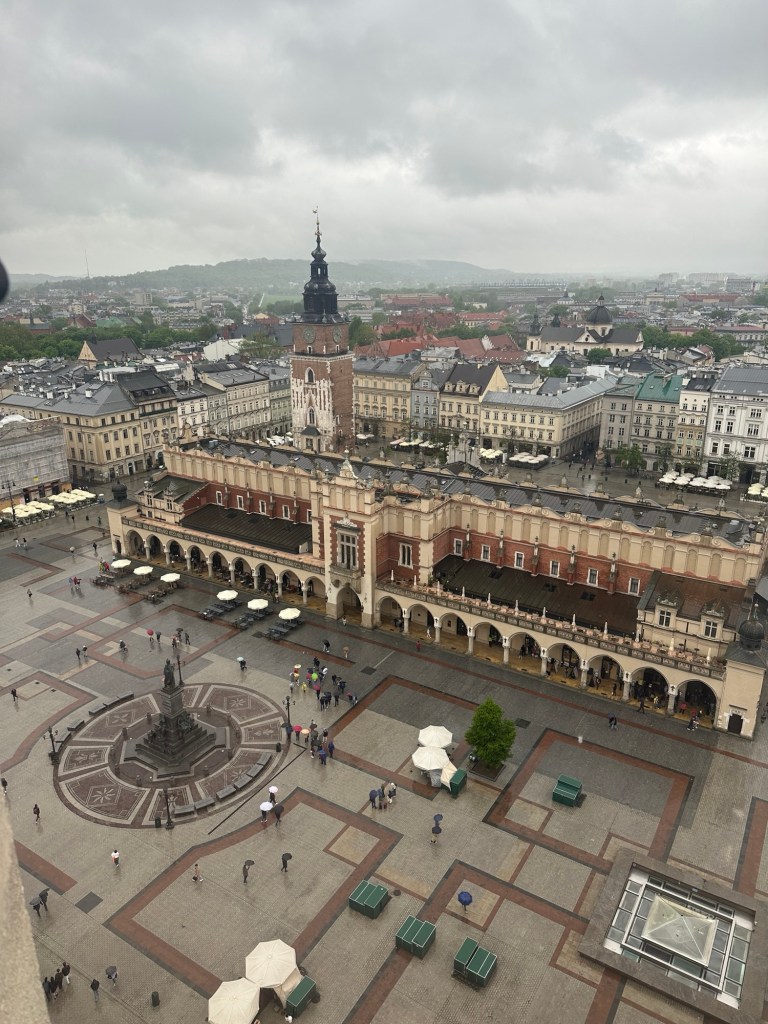
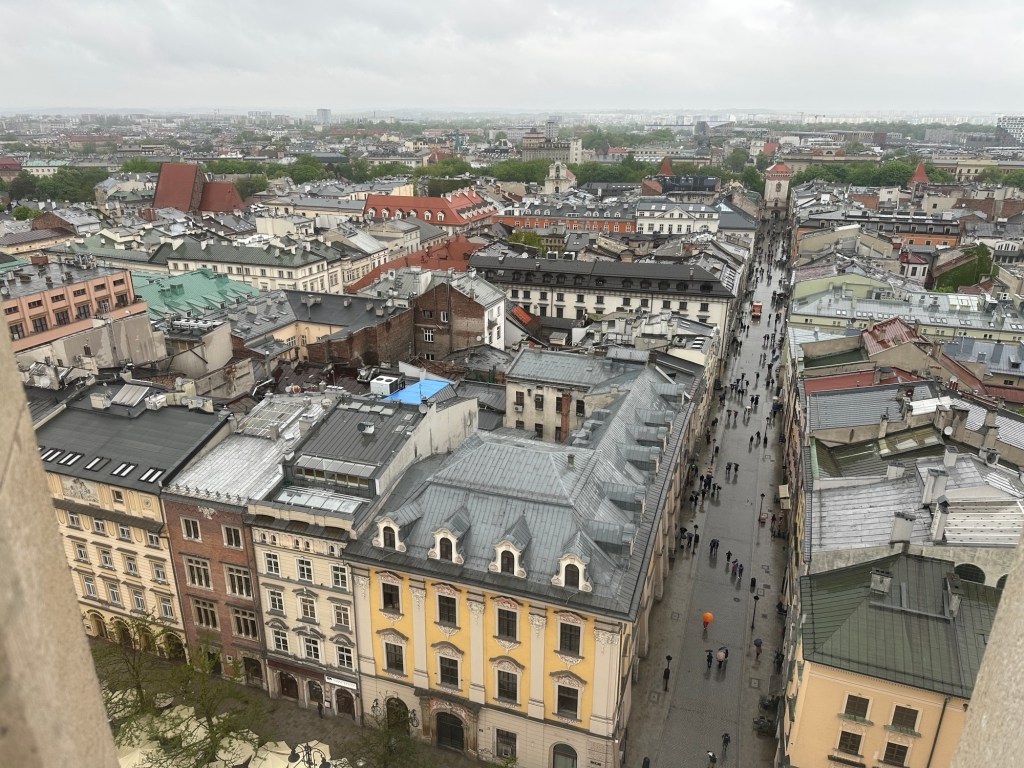
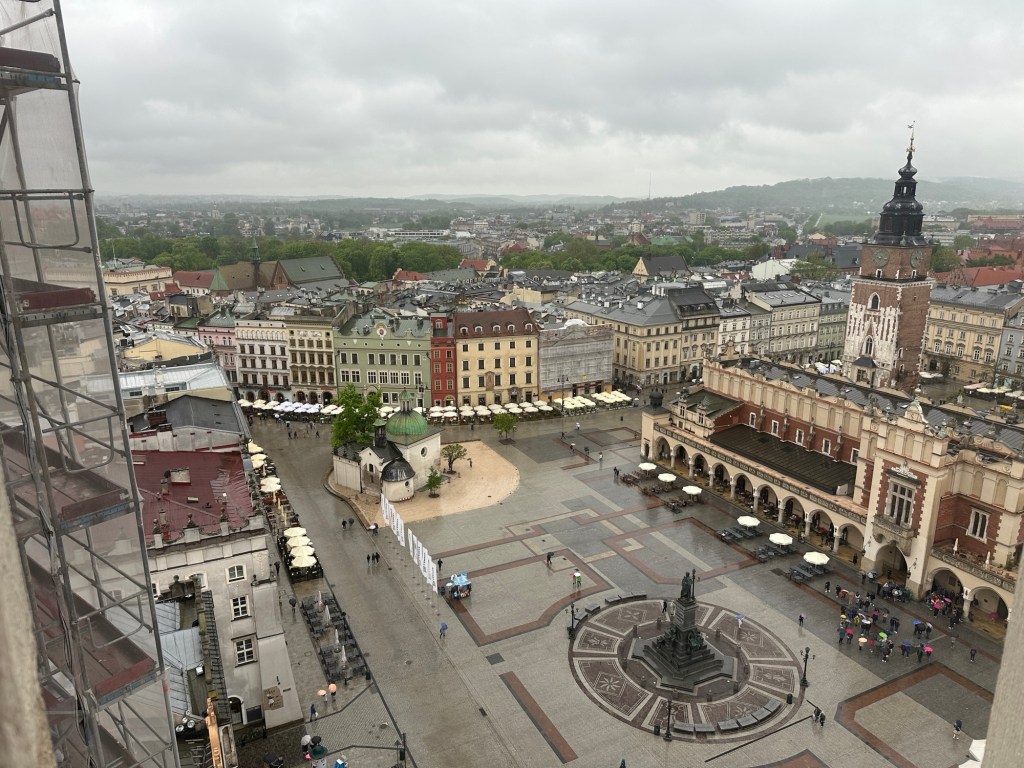
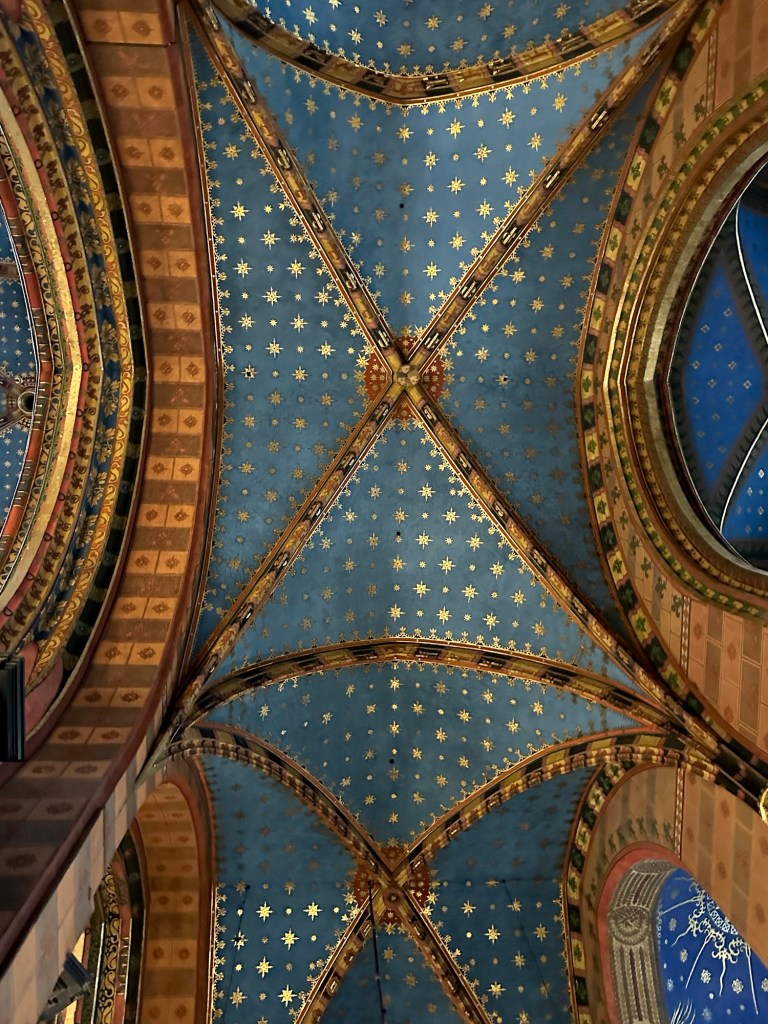
I am soaked since my raincoat is useless and I am cold but St Marys tower is only open for the weekend and this might be the only day I can go so I rush back down to St Marys to buy tickets for the tower and church. The goal is to catch the bugle player while I am up there but unfortunately I am assigned a time that has me totally missing the bugle playing. Apparently you are only allowed to stay up there 30 minutes. It is very overcast so not the greatest picture taking but at least I warmed up and got one heck of a workout climbing the steps.
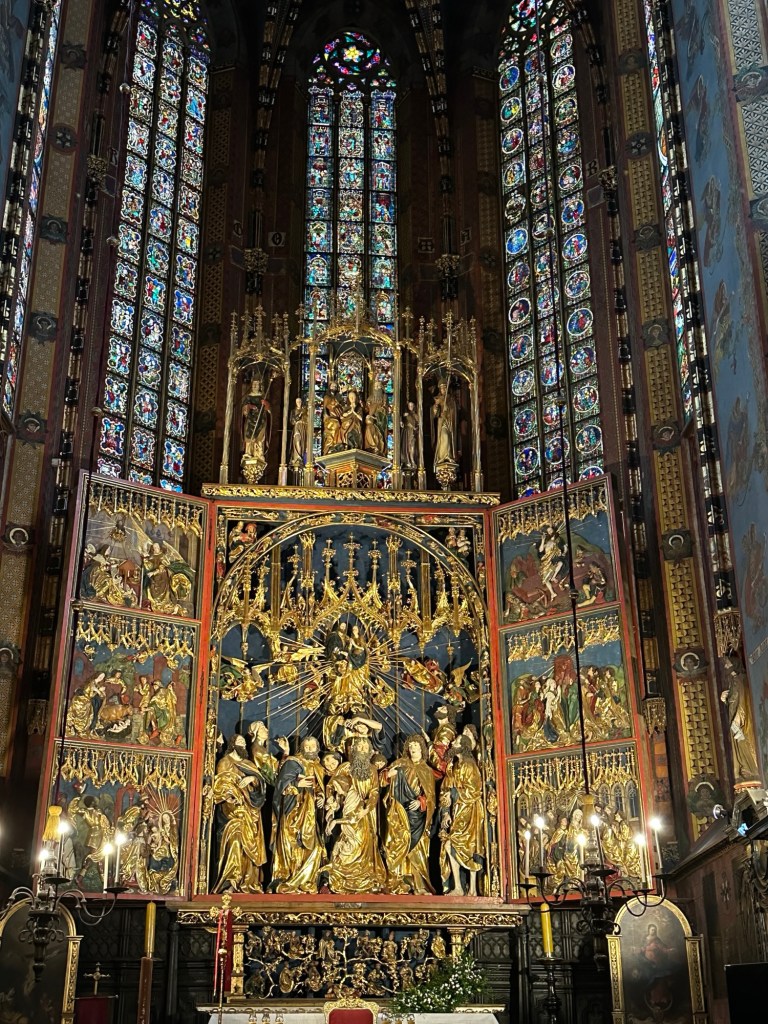
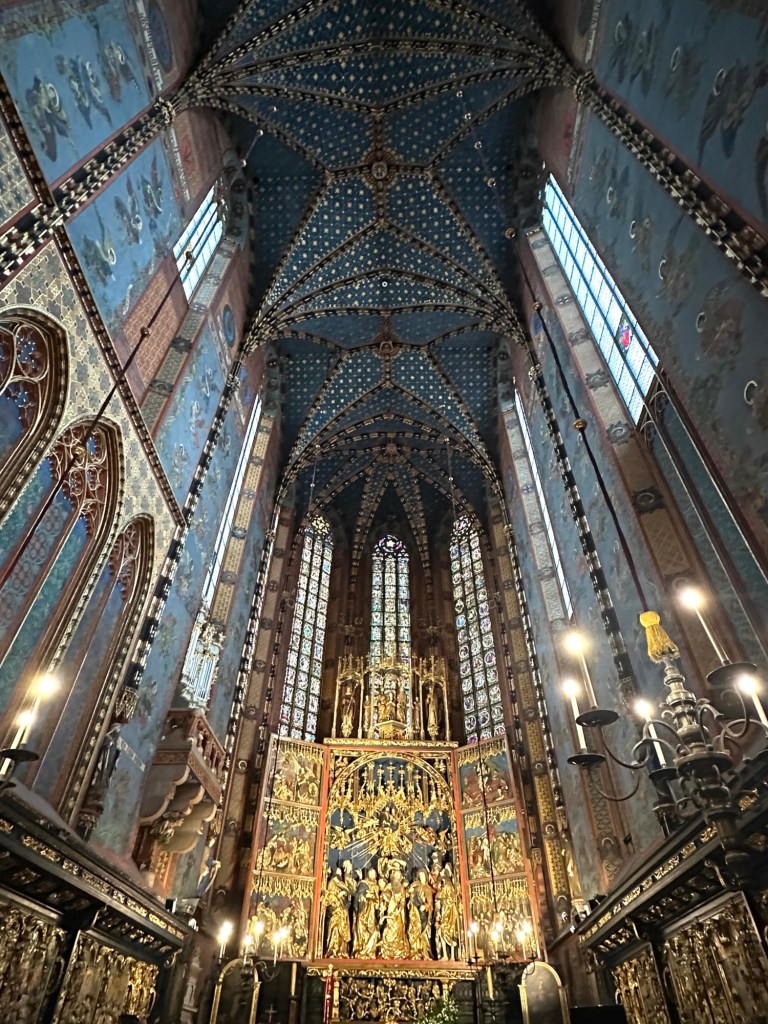
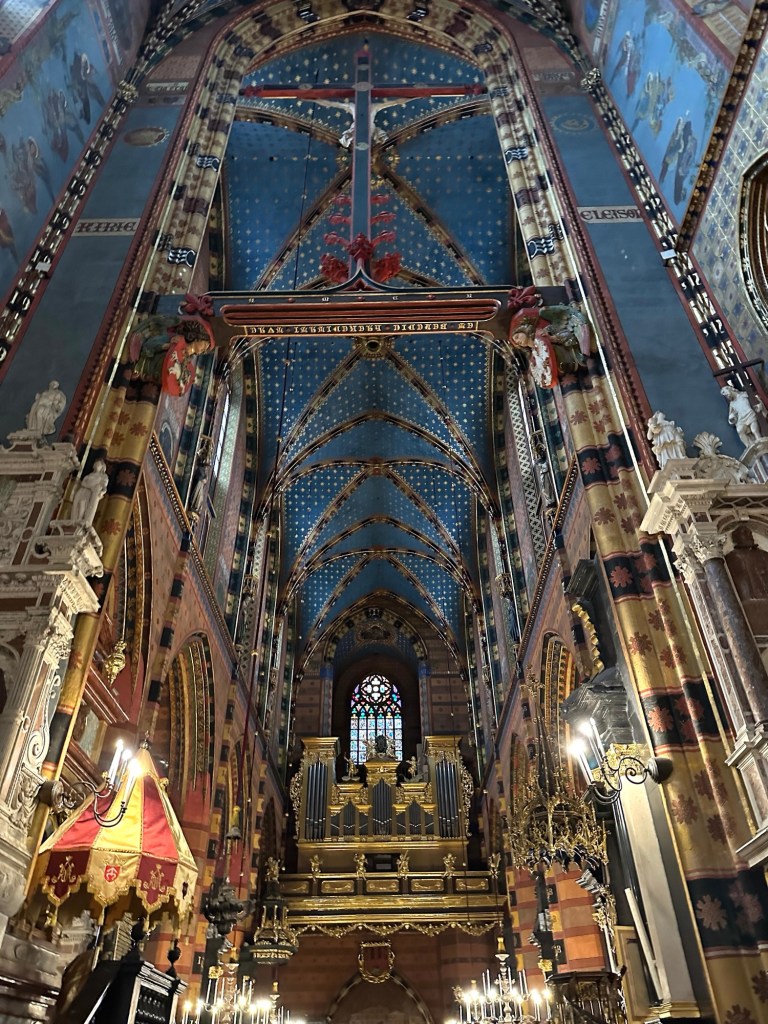
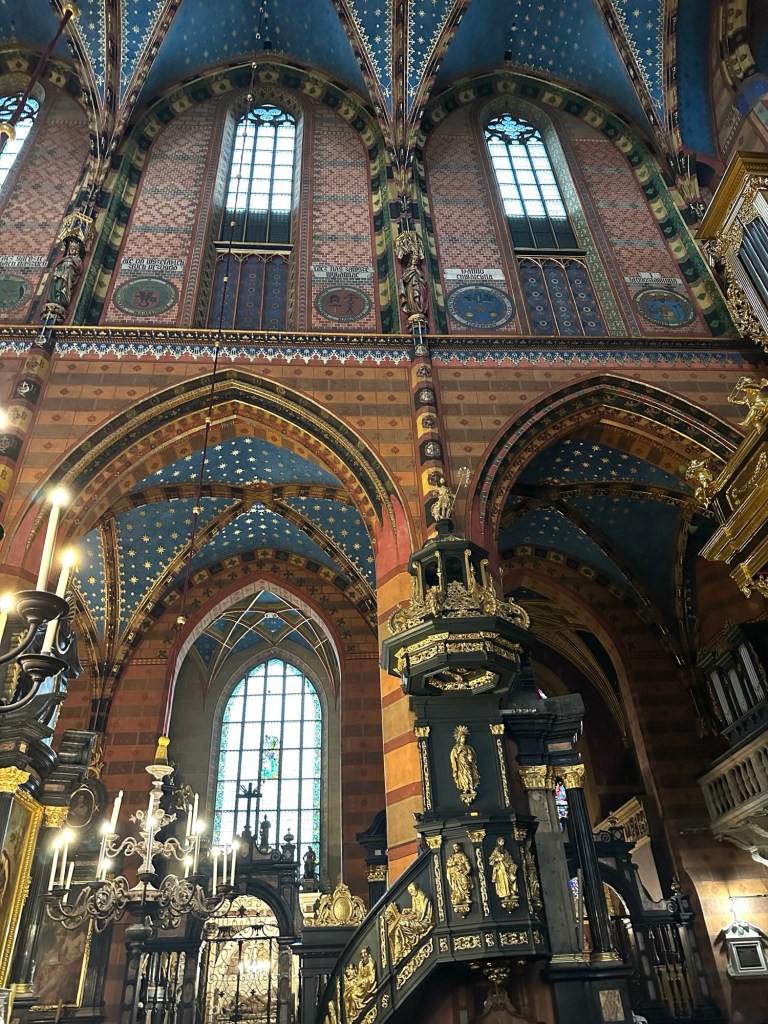
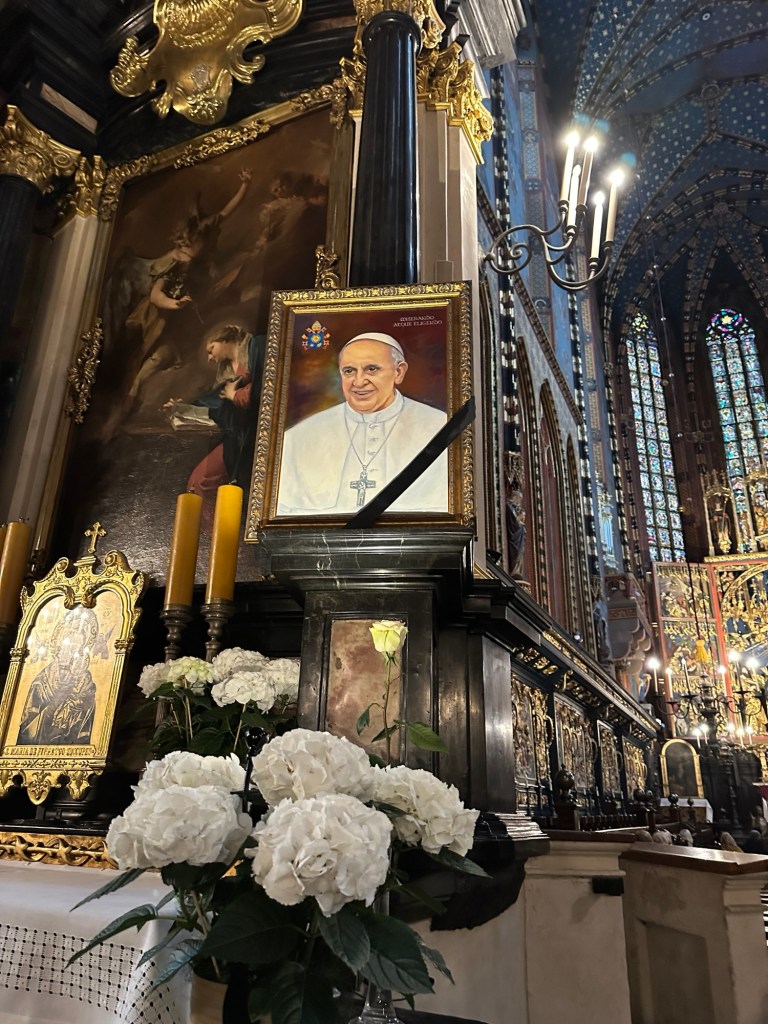
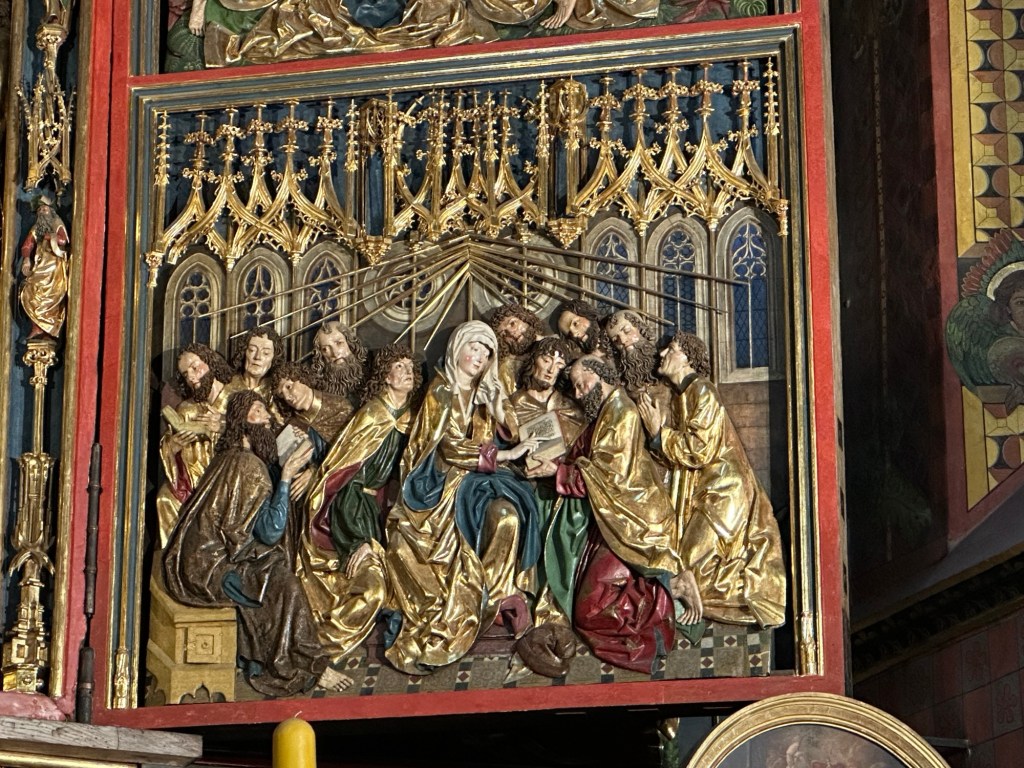
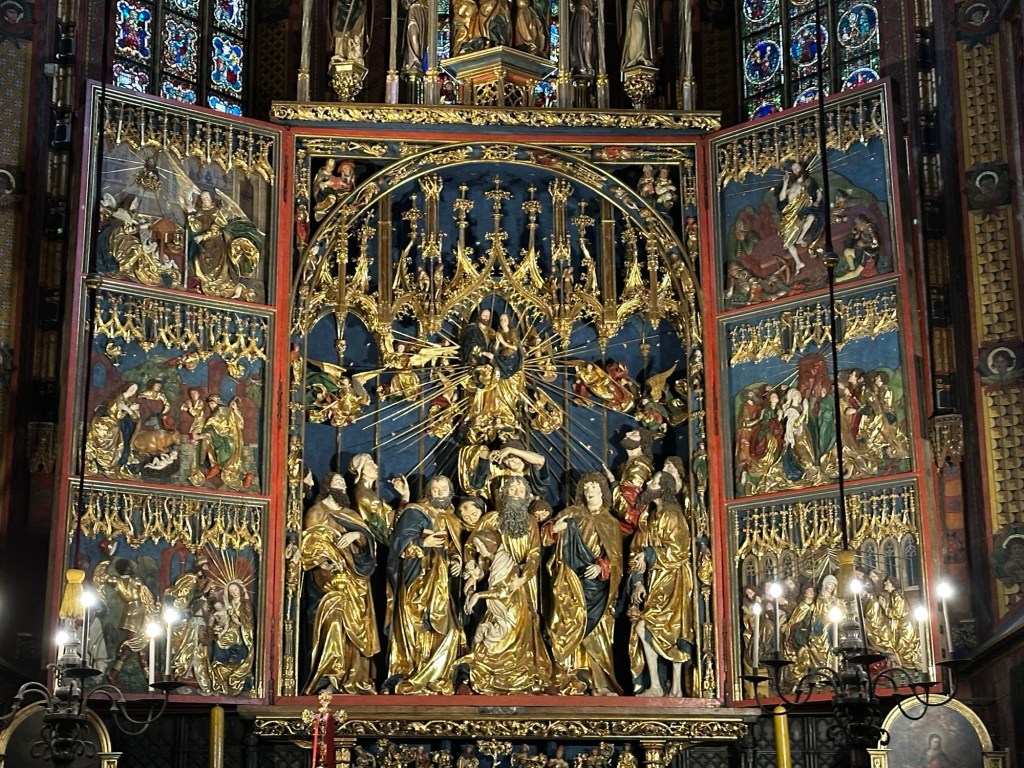
Before the tower I did visit the church where I got to see the Veit Stoss Altarpiece, a very ornate and distinct wooden altar piece. It is only opened for viewing limited hours a day.
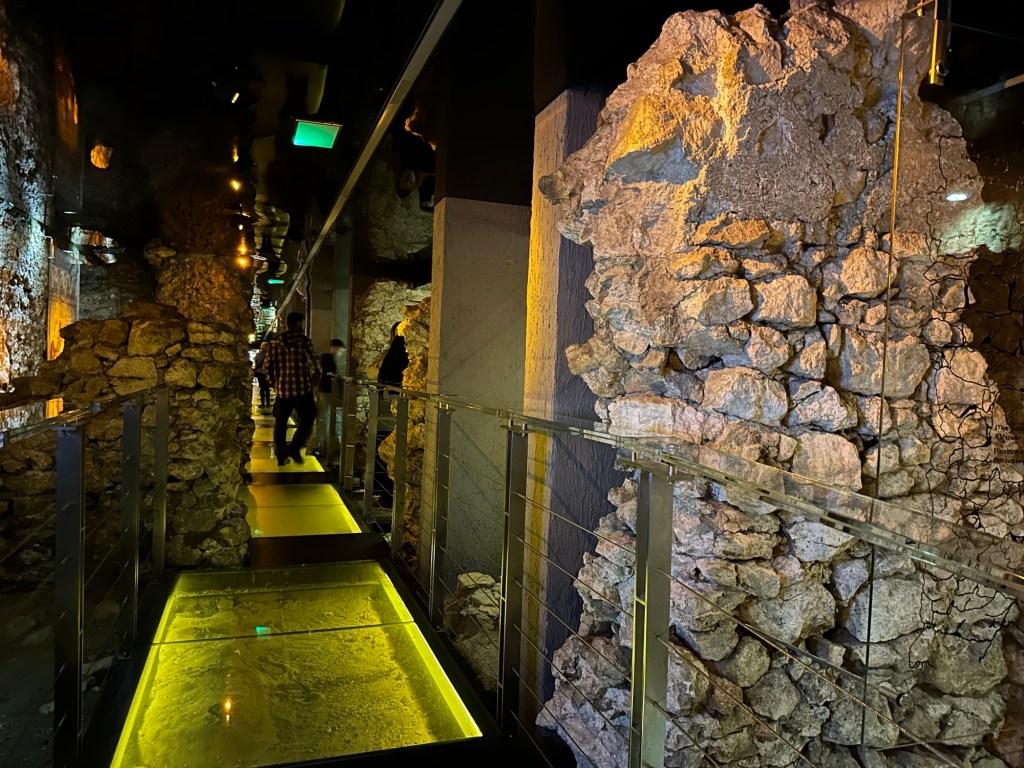
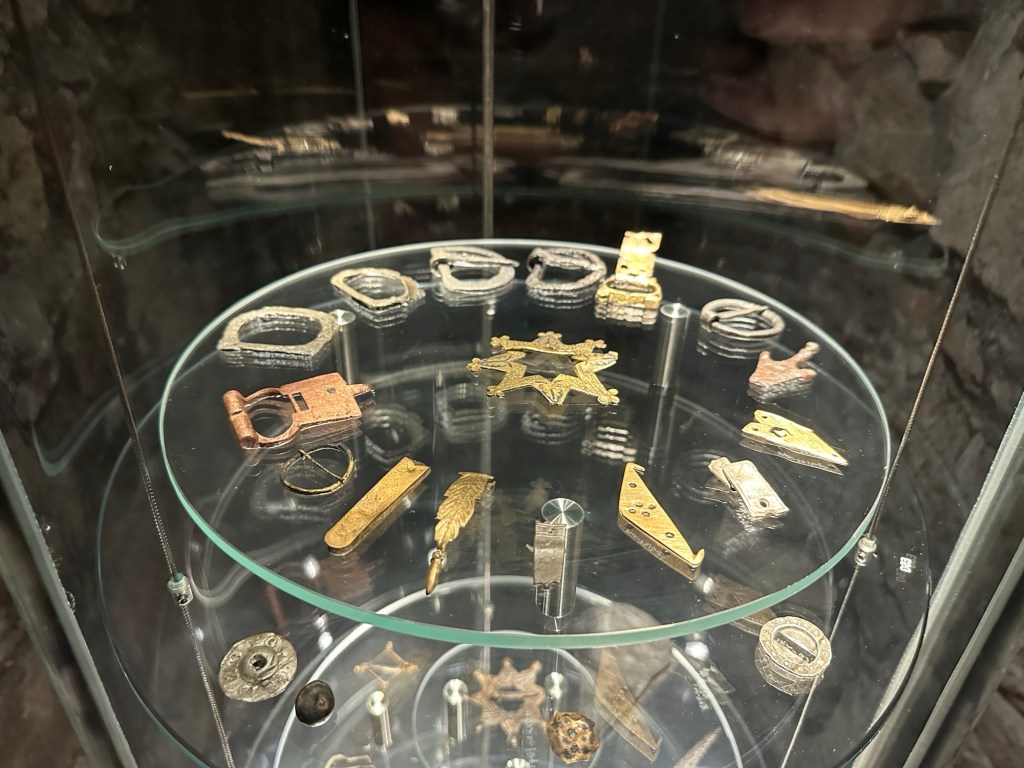
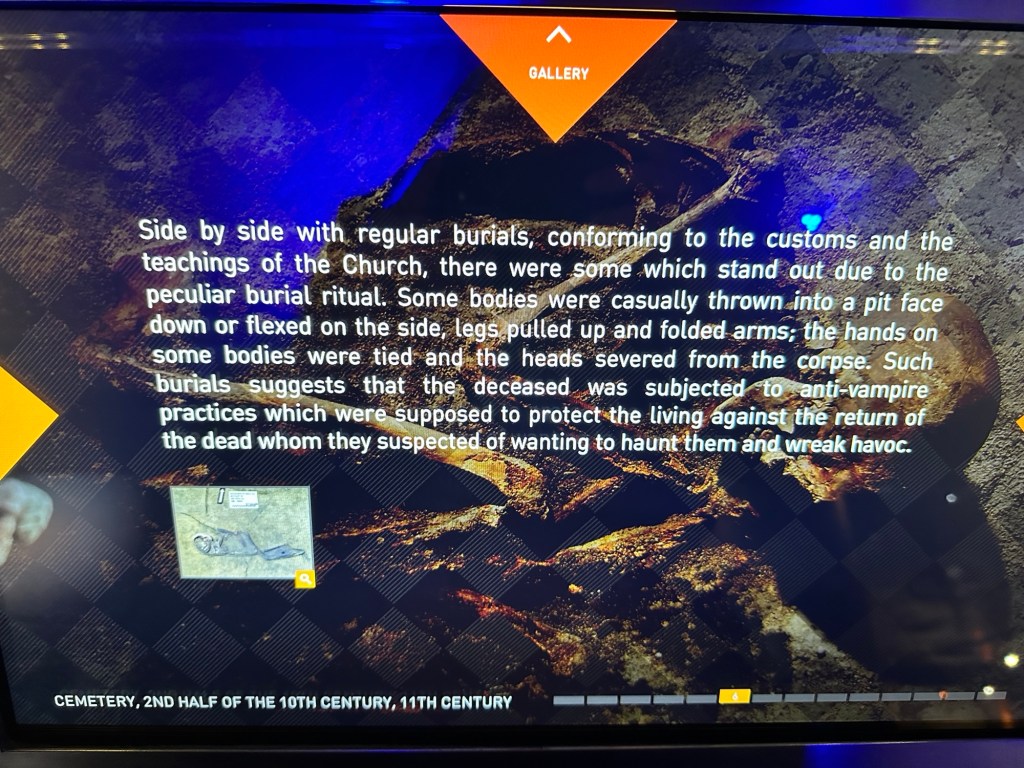
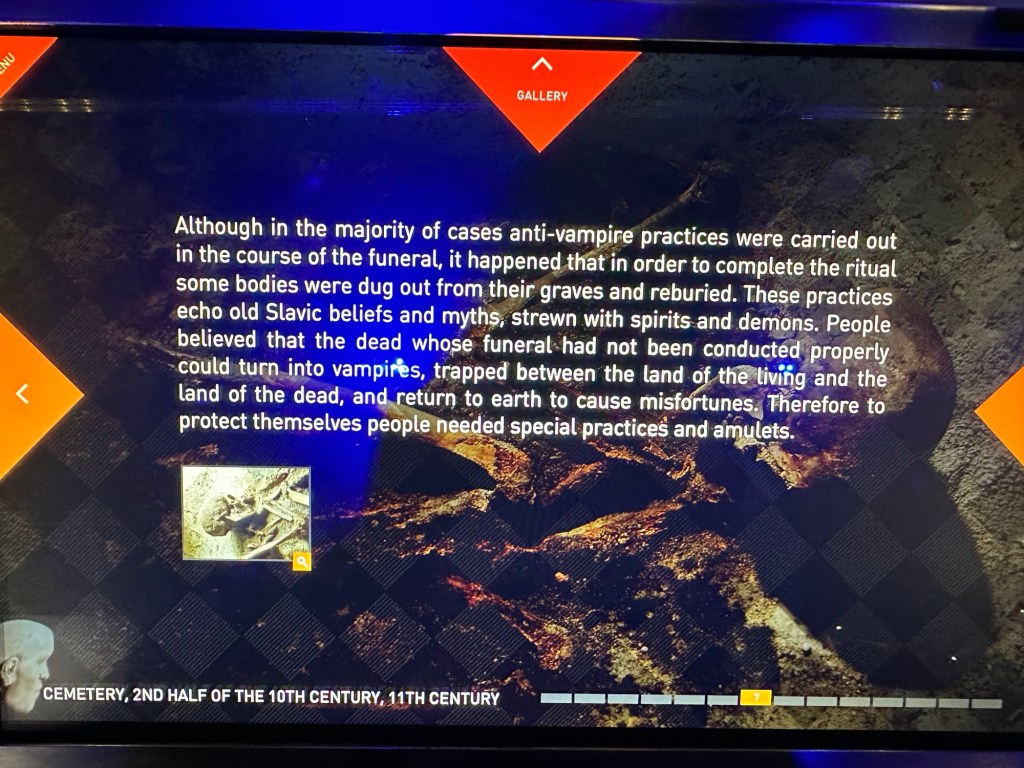
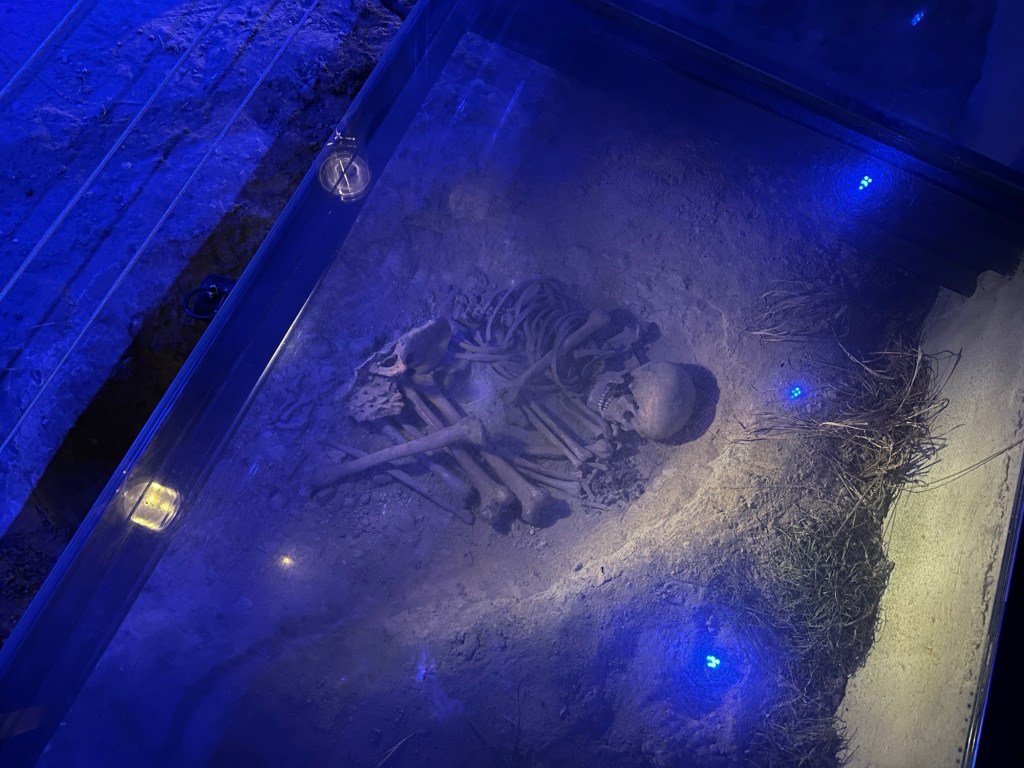
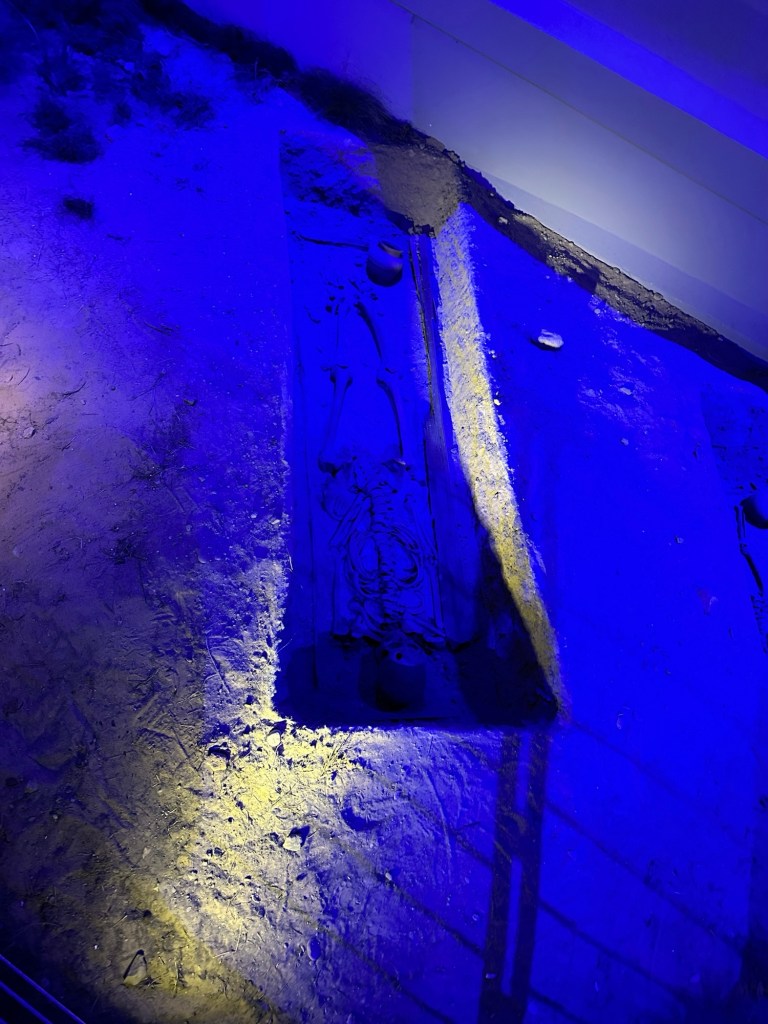
After the church I walk over to Rynek underground museum that was way more impressive than I expected. I ended up spending about two hours there. In the early 2000’s there was a huge effort to excavate the town square because below existed a historic market place underneath the existing square. This museum showcases what was discovered during that excavation.
Finally bought an umbrella at the museum shop even though I was just going back to my room to rest. I’m tired of being cold and wet.
Back to room to rest and dry off a bit.
I go out for dinner in the mood for steak but the restaurant I wanted had no tables so I ended up a Turkish restaurant.
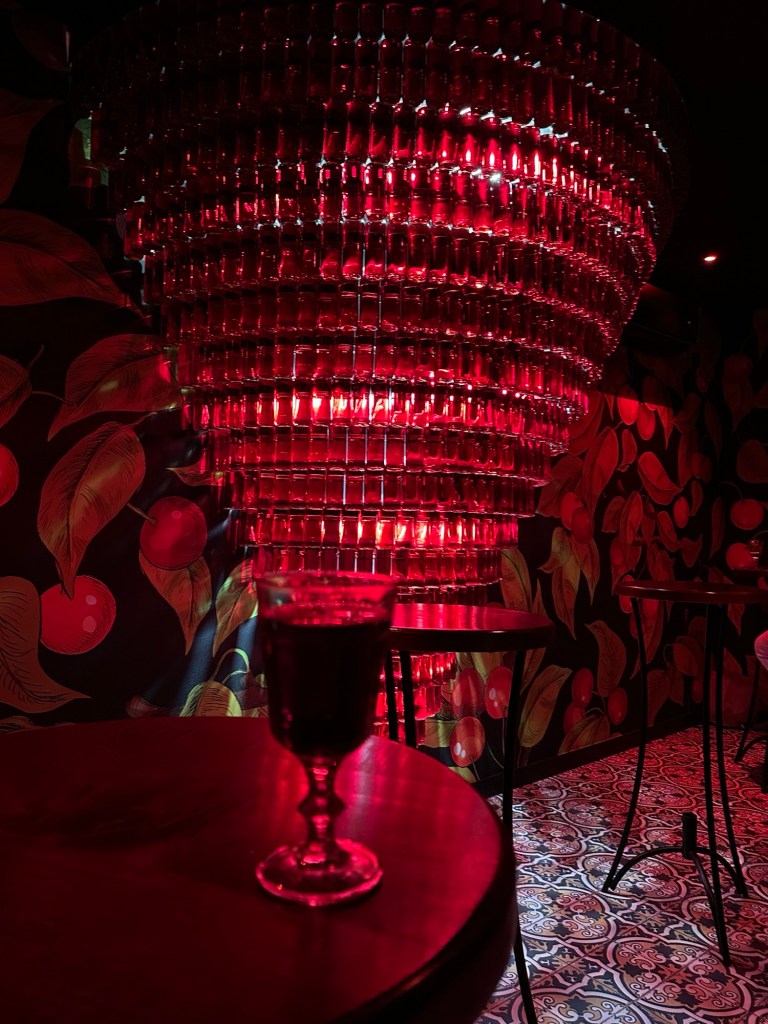
With a full belly and feeling bold I go try some of that cherry liquor, Wiśniówka. It’s very sweet and not as strong as I thought it would be.
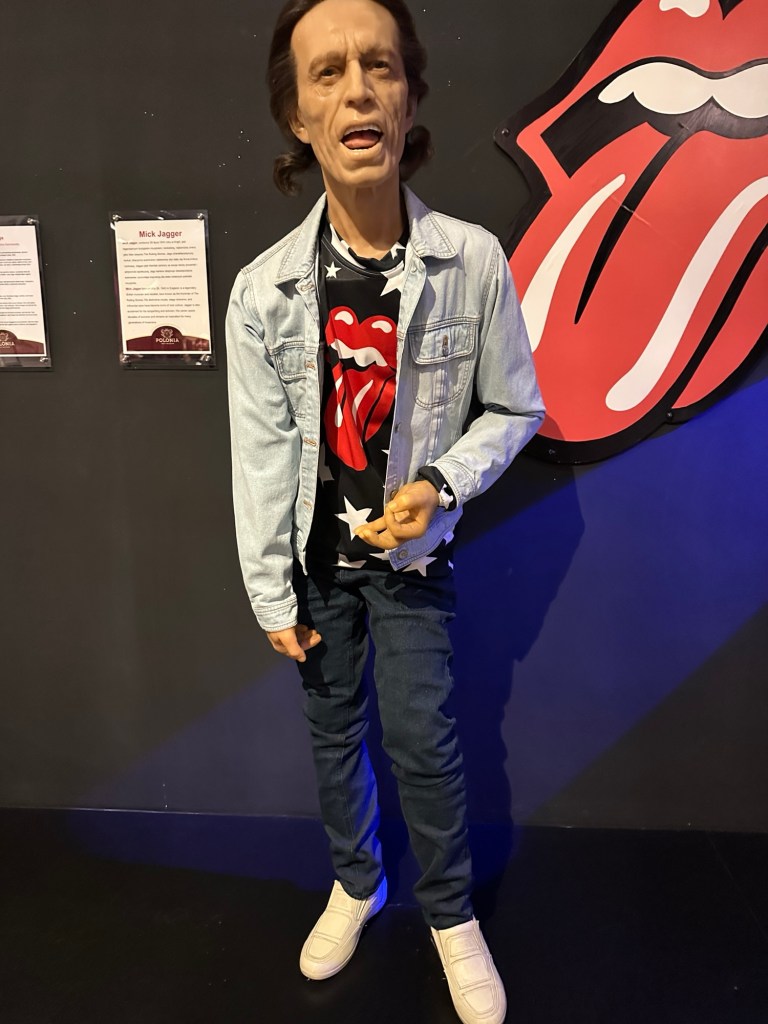
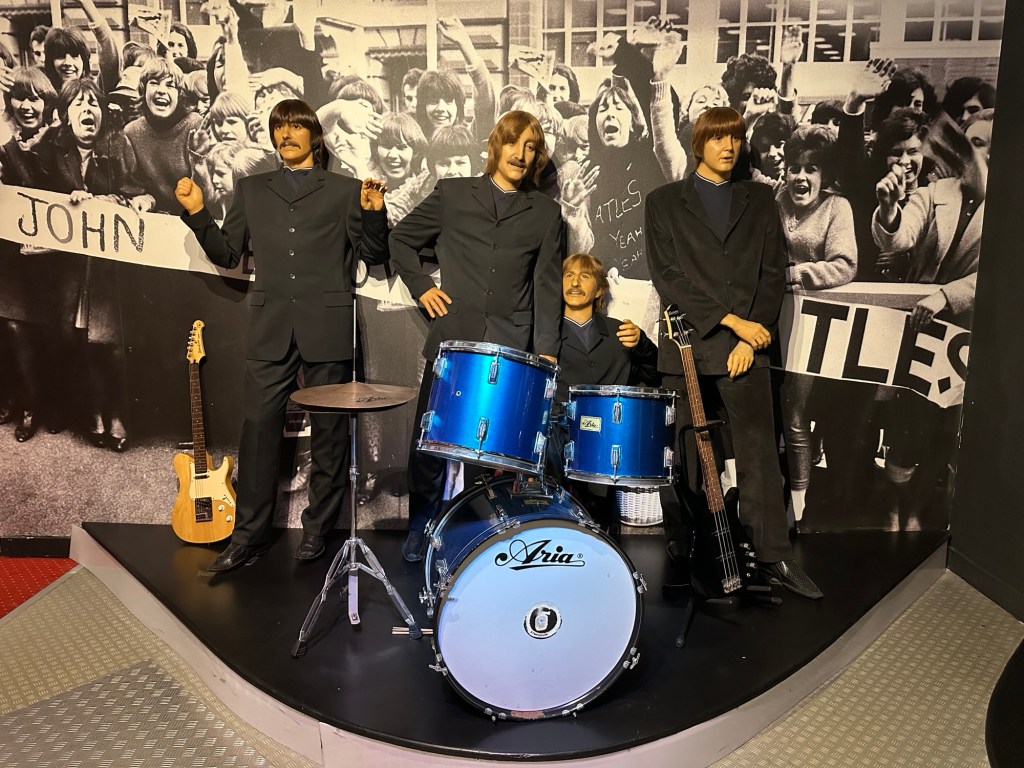
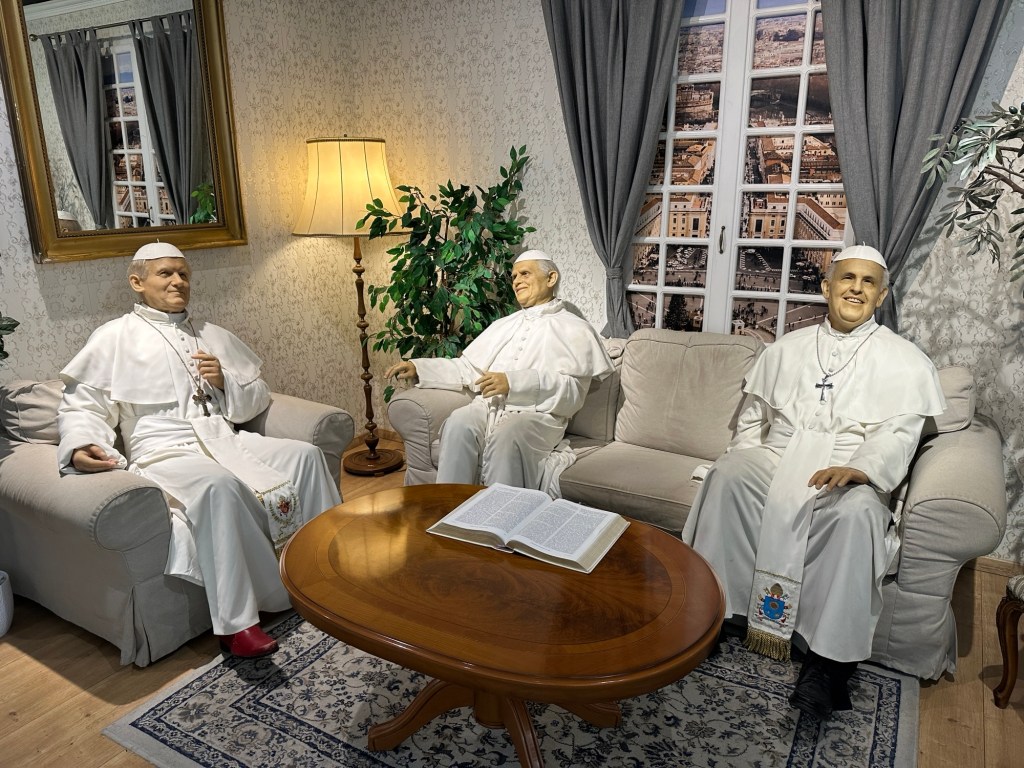
I end up at a really bad wax museum.
I finish the night with one more fancy cocktail, where I almost lose my credit card. I guess it is time for bed.
Scheduling a concert the night before a long travel day isn’t the best planning but at least the concert was very good.
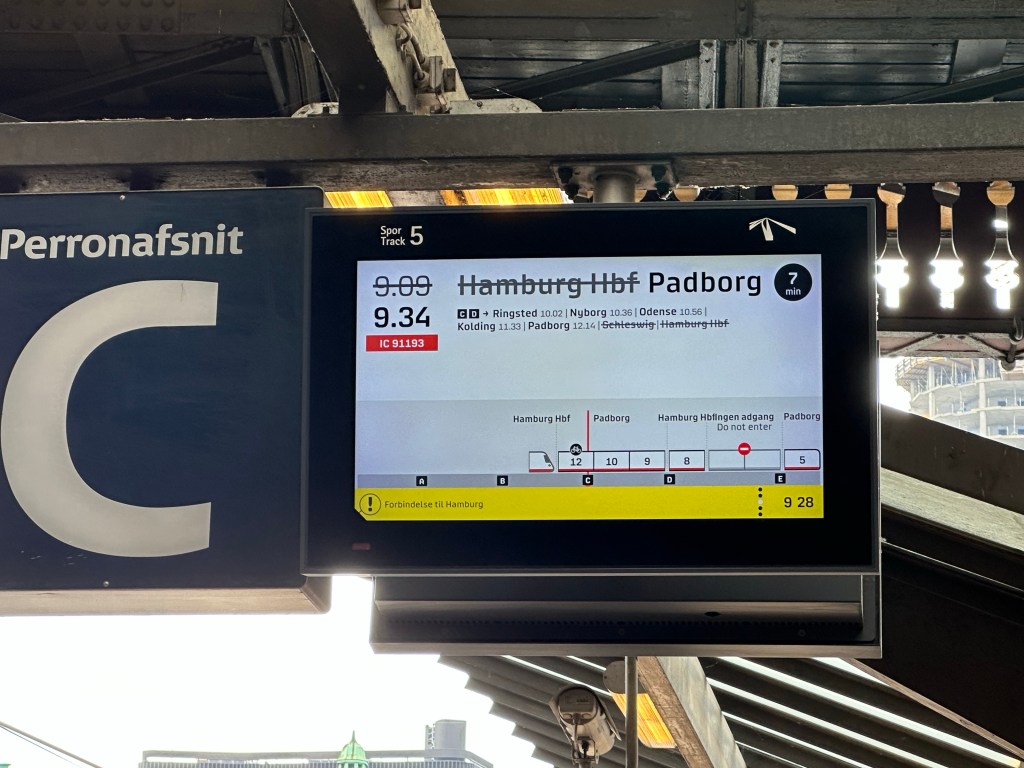
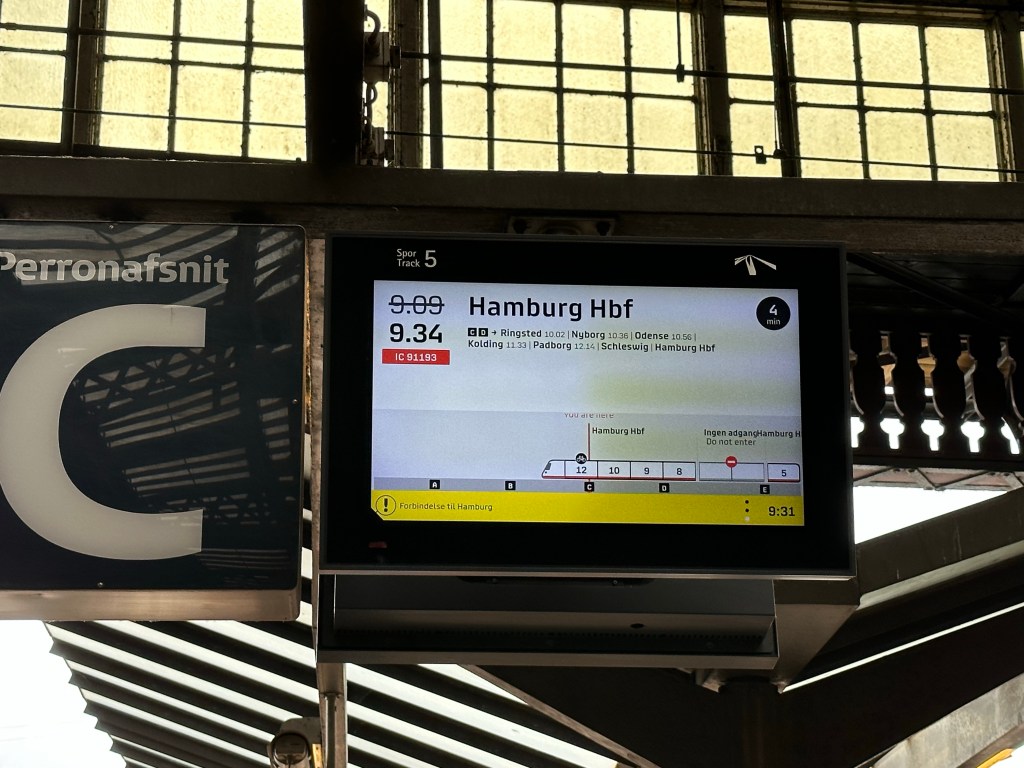
Sleep deprived, I head to the train station in the morning to travel to Berlin – about a 7 hour journey. I am departing from Copenhagen and things are already off to a shaky start because my train is delayed and I have a 30 minute connection in Hamburg. As I wait the train gets delayed even more and then we are made to change tracks. Eventually other guests and I start to notice that the screen above starts crossing off the Hamburg Hbf (Hamburg main station) portion of the itinerary, a place most of us need to go to get our connections. Confusing as it is I start looking into alternative travel plans. I think I can go on to the final station in the itinerary (in Denmark) and try to find other trains to eventually get me to where I need to go. A few minute before the train arrives the itinerary switches back to going to Hamburg Hbf. Us passengers aren’t all convinced this is happening but we remain hopeful. At best most of us are missing our connections though. Some of my train companions have further to go like Switzerland; luckily there are trains available every hour to Berlin. We do make it to Hamburg and I wait until I can take the next available train to Berlin. I have napped a bit so I am not as cranky anymore.
DelayStop cancelled Itinerary restored
I arrive in Berlin and easily figure out how to take the tram to my hotel. I am staying in a chain. Sometimes it is nice to know what to expect with the chain hotels having mostly consistent service and often breakfast. It costs more money and lacks charm but sometimes it is nice to just have modern comforts like air conditioning again. It’s been a long travel day so I call it an early night.
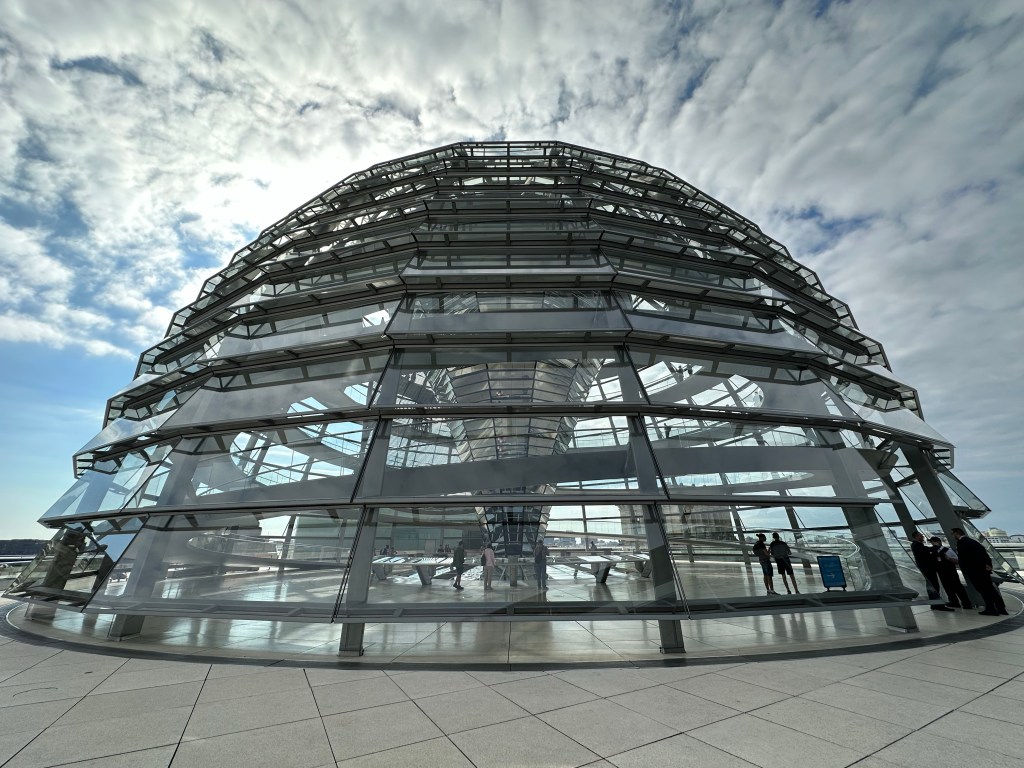
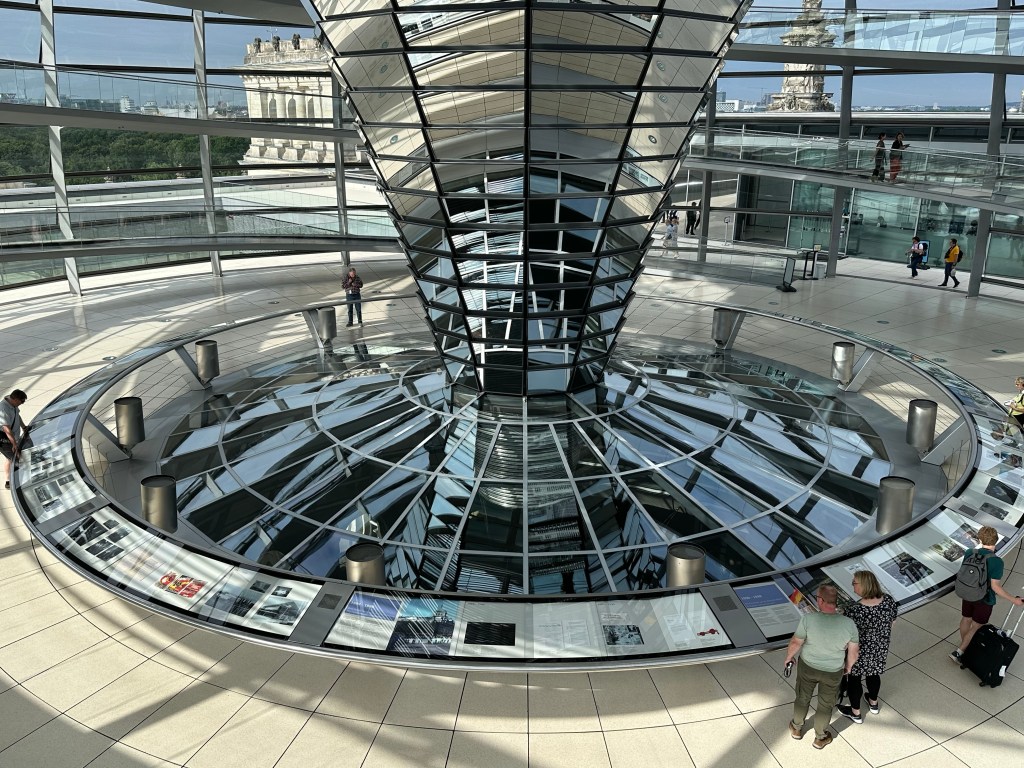
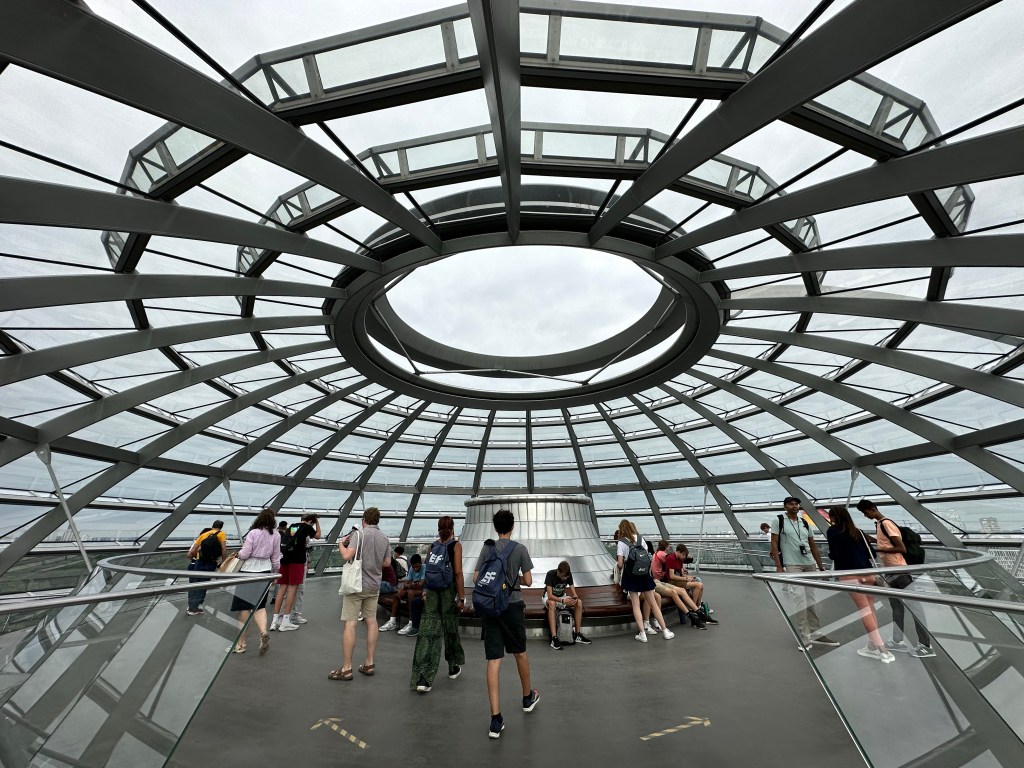
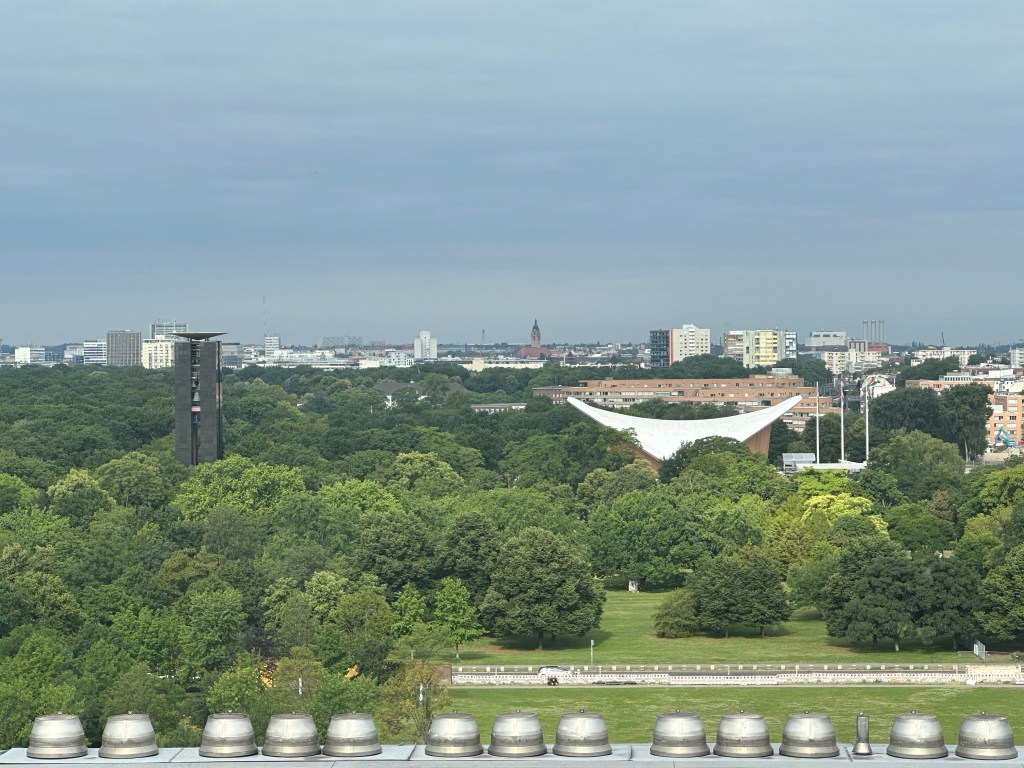
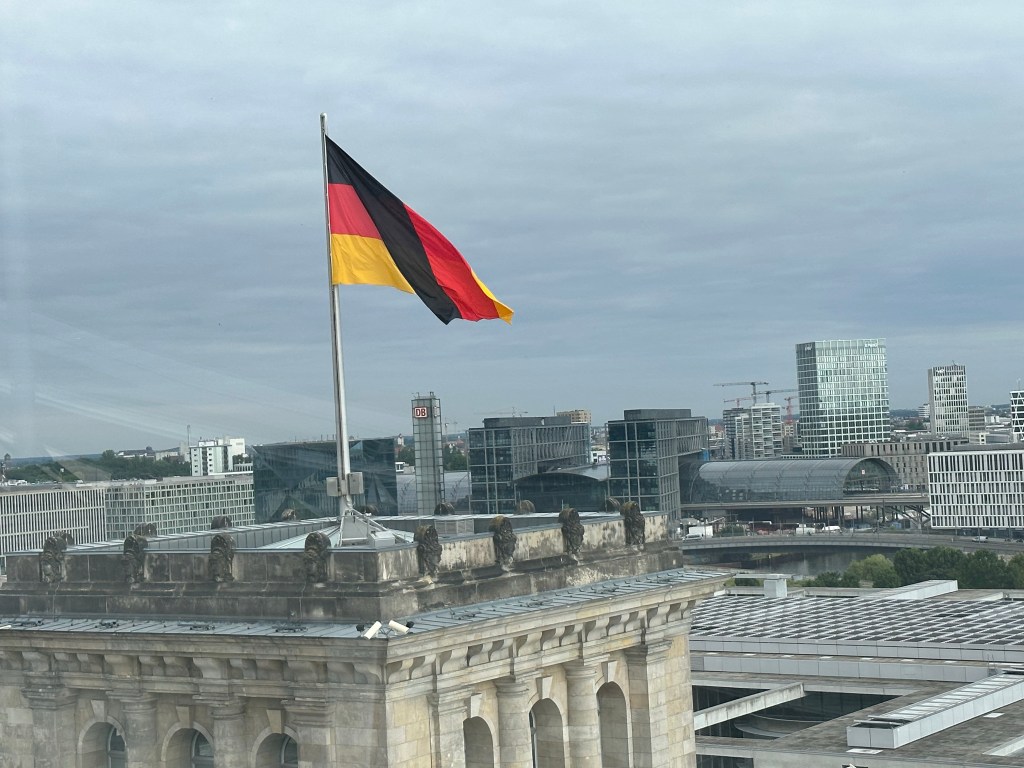
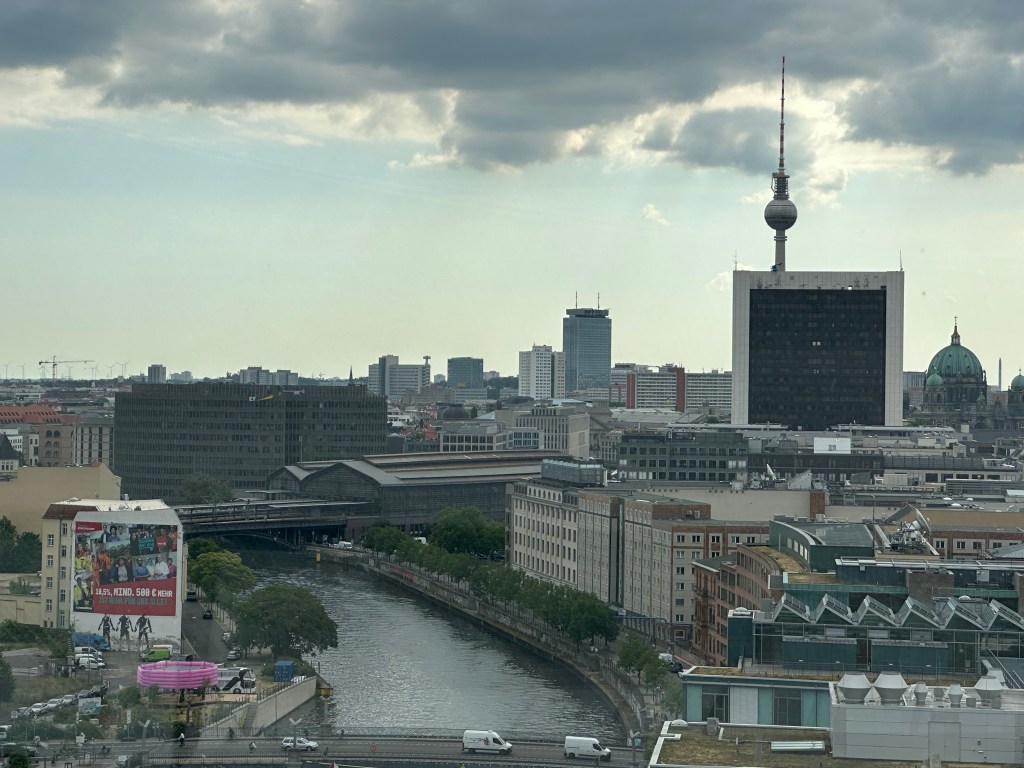
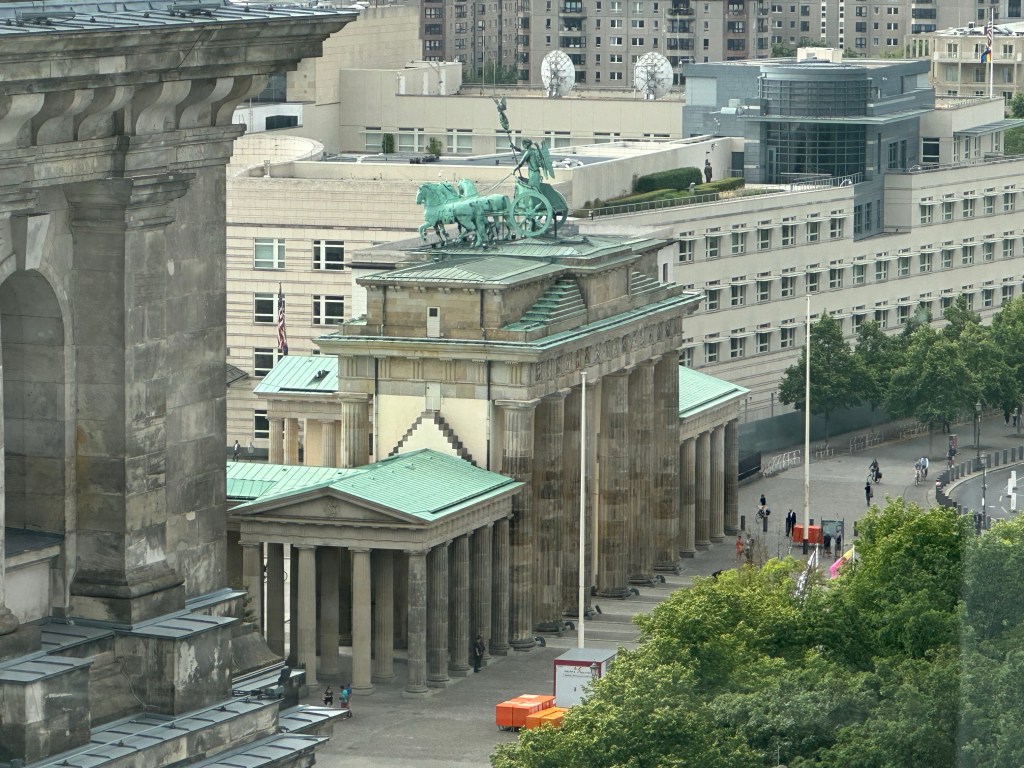
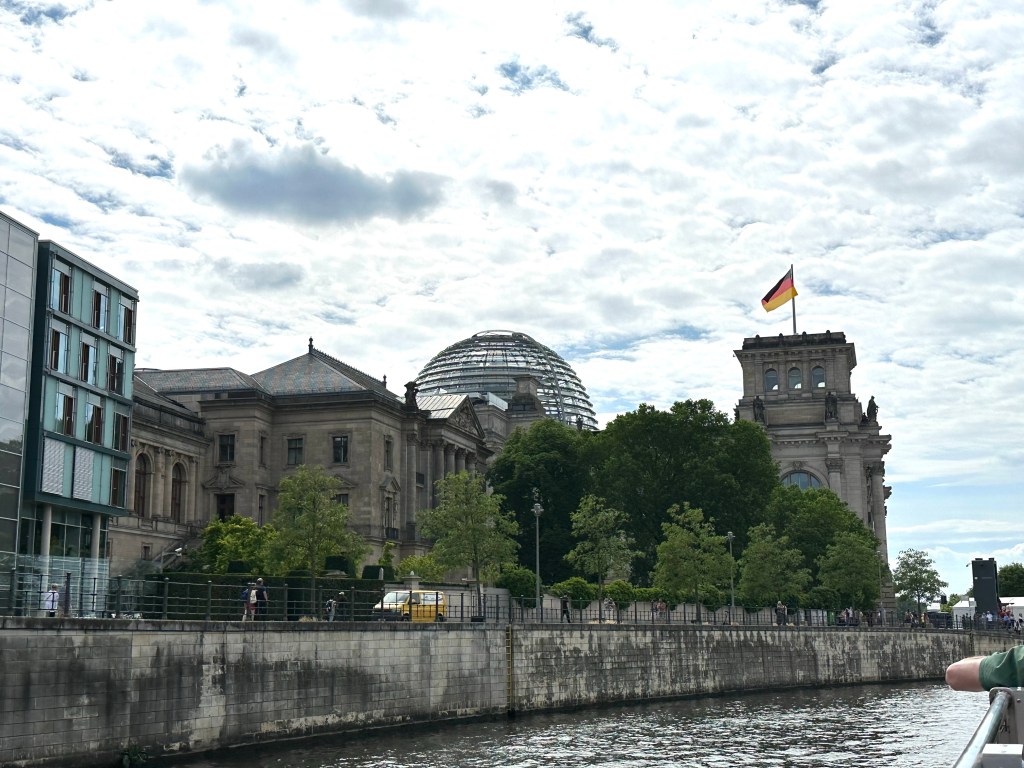
The next morning I have reservations at the Reichstag dome. The Reichstag is the government building where parliament meets. It has lots of history but for tourists there is the dome at top which was opened in 1999, almost ten years after the reunification of Germany. Reservations for the dome are compulsory and should be done at least a month in advance. Luckily I had the heads up from a friend who tried to visit before me. The audio guide is free and very necessary since it tells you about the skyline of Berlin as you climb the dome. There is a good lesson of history here but it is condensed. Another museum might be better to get a more thorough history of Germany. The appeal here is marveling at the artwork of the dome and appreciating the view of the skyline.
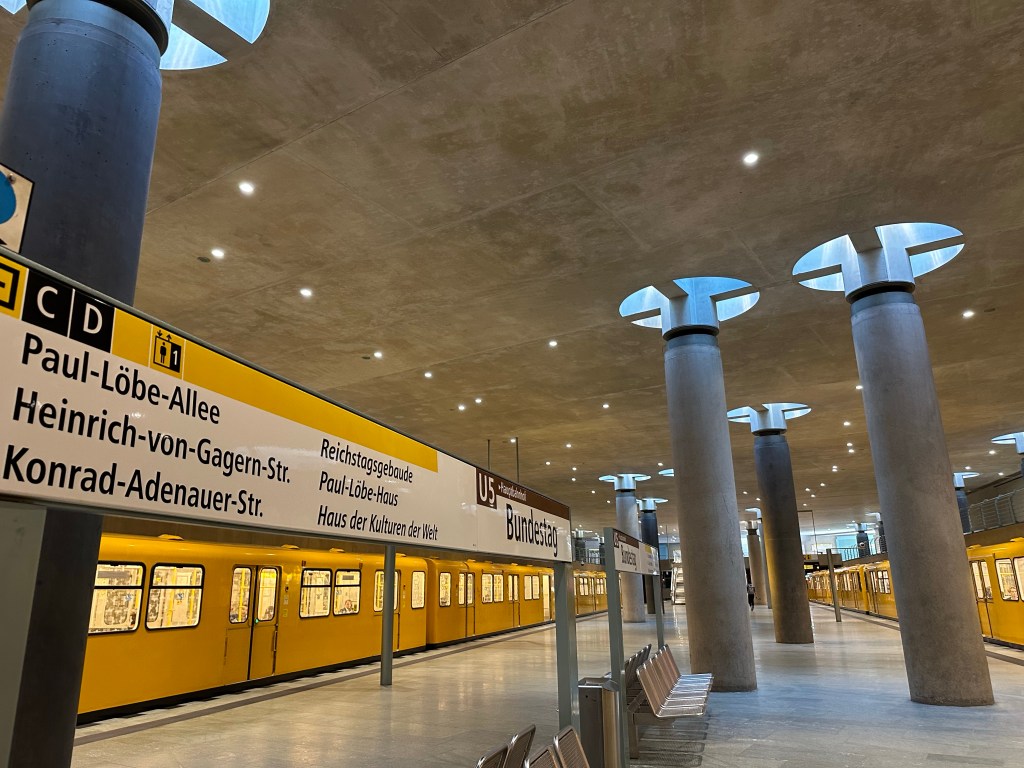
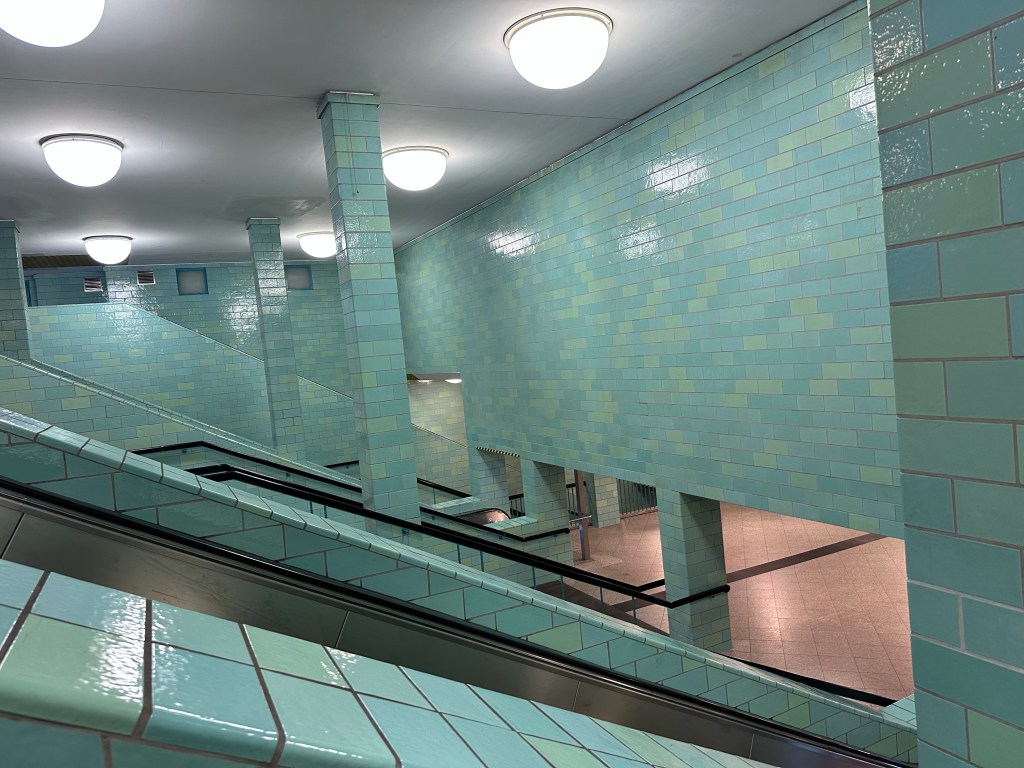
I am really liking the design of the different metro stations especially the one nearby.
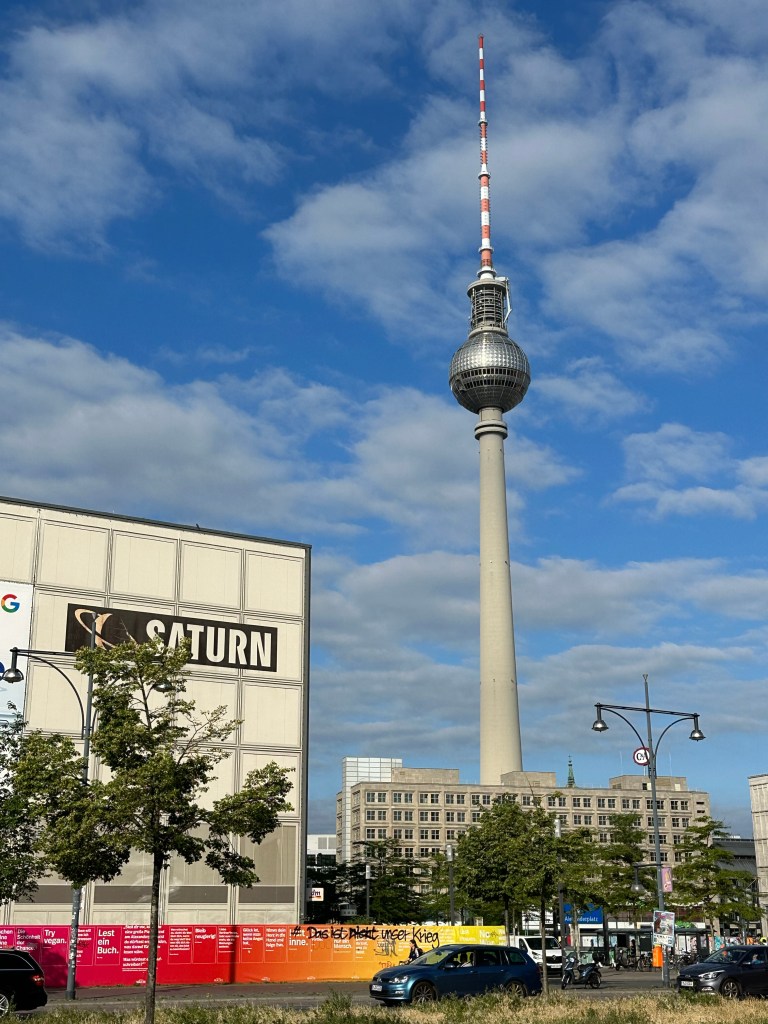
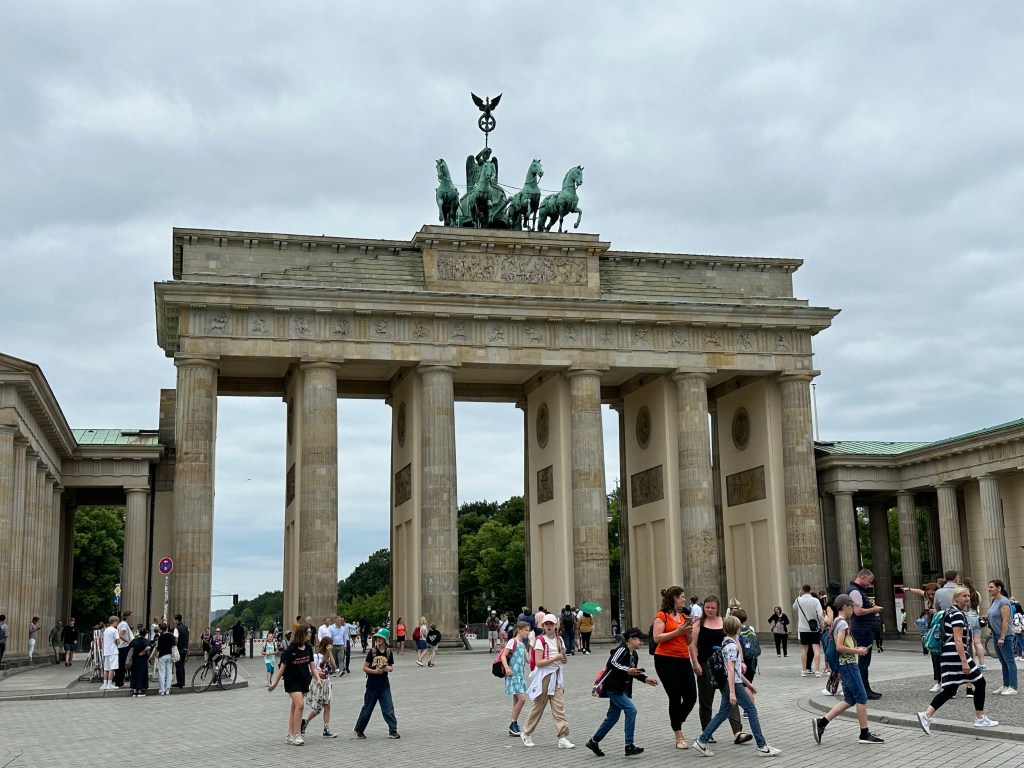
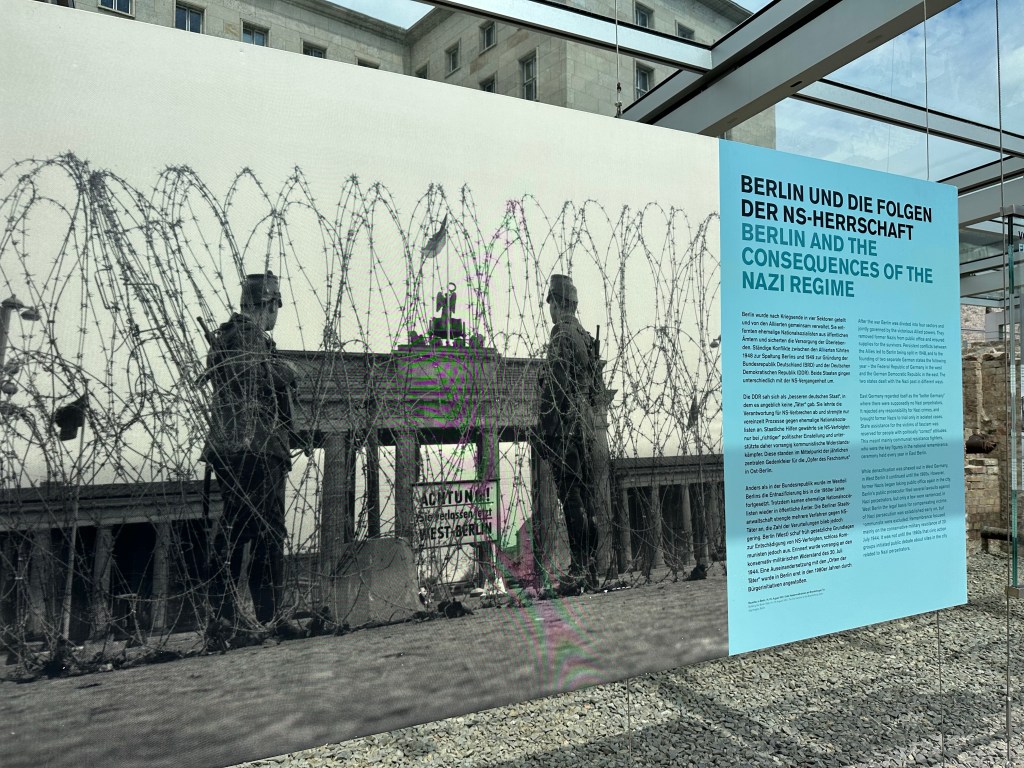
I get a good introduction to the city here so I start formulating a plan of things I want to see. My next stop is the Brandenburg Gate, a 18th century gate to the city. You can’t see it here but I see in another museum later that part of the Berlin Wall went right through this area and it looked vastly different for many years.
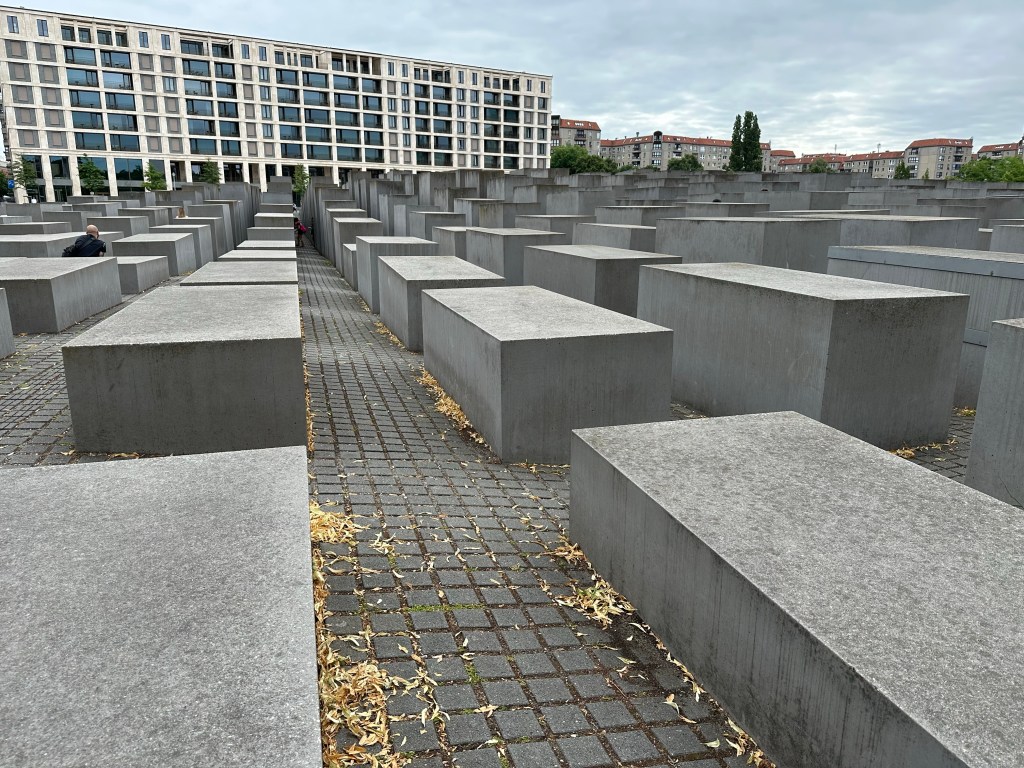
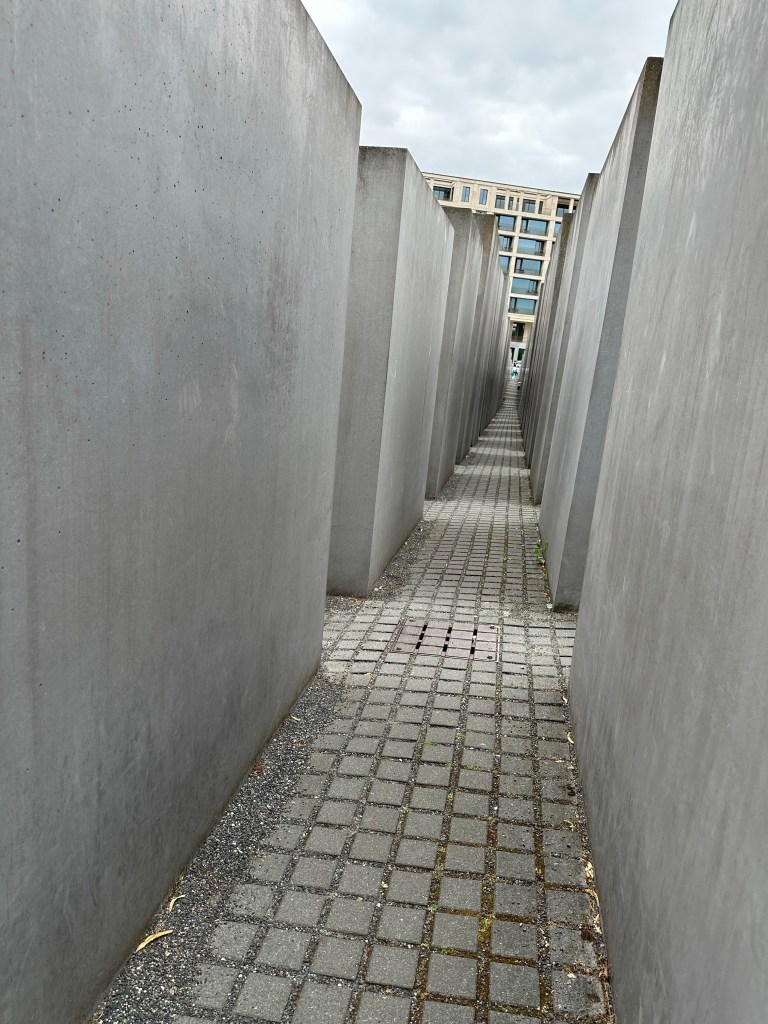
Next stop is at a Jewish memorial, some unassuming rows of rectangles of various sizes.
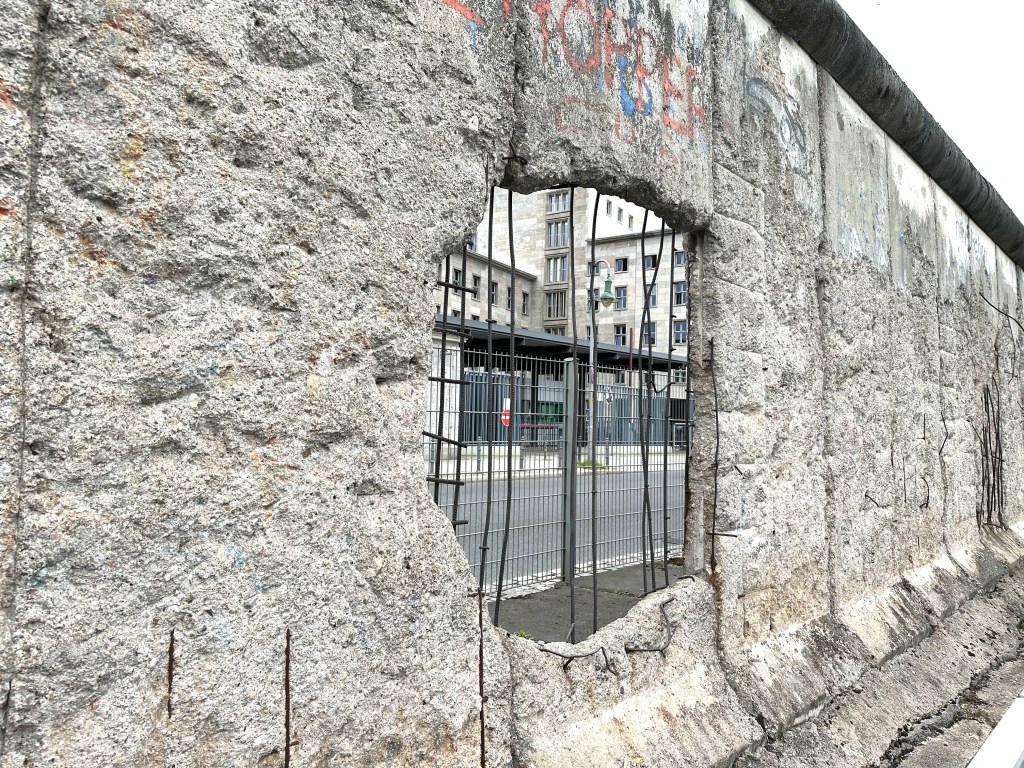
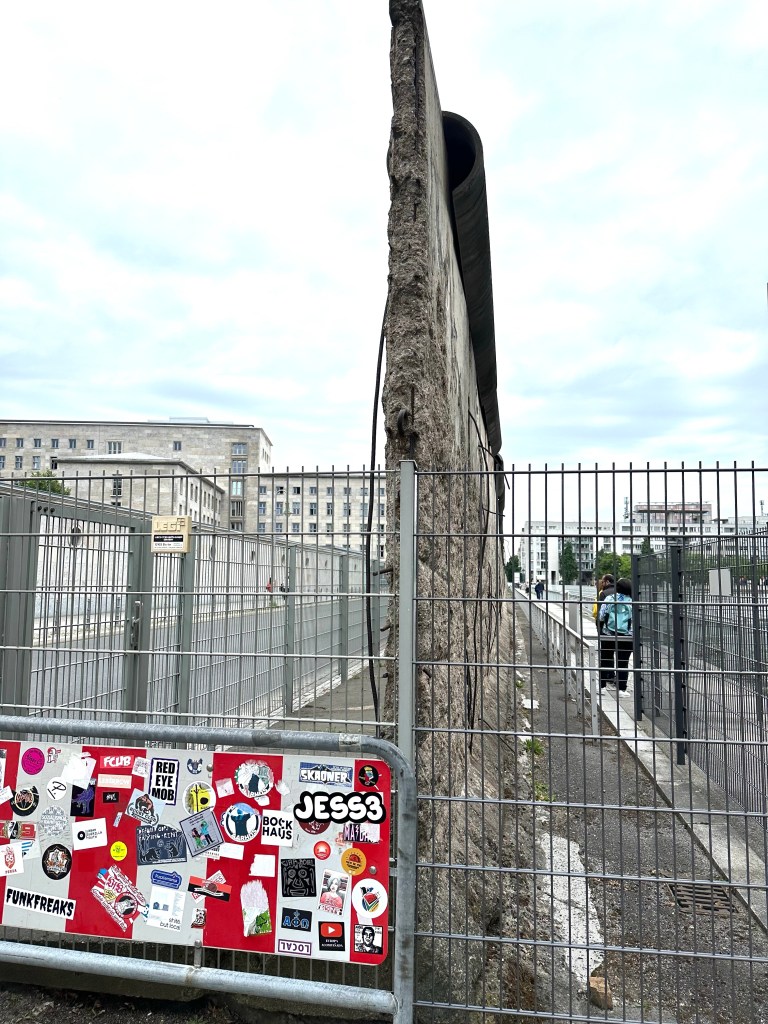
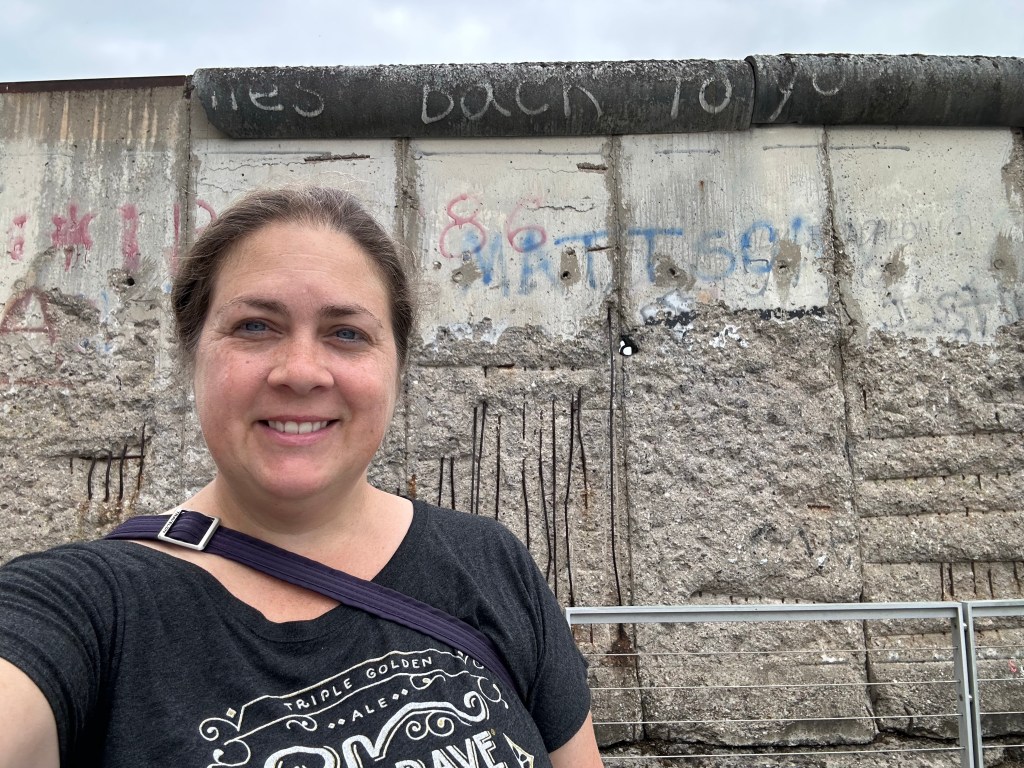
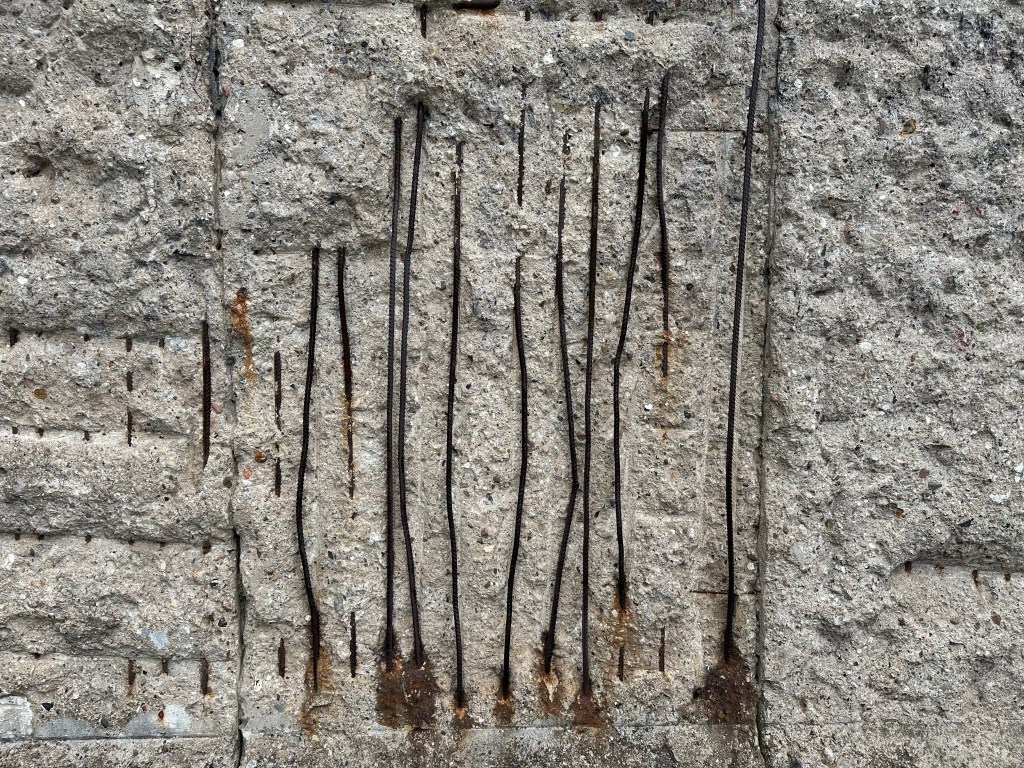
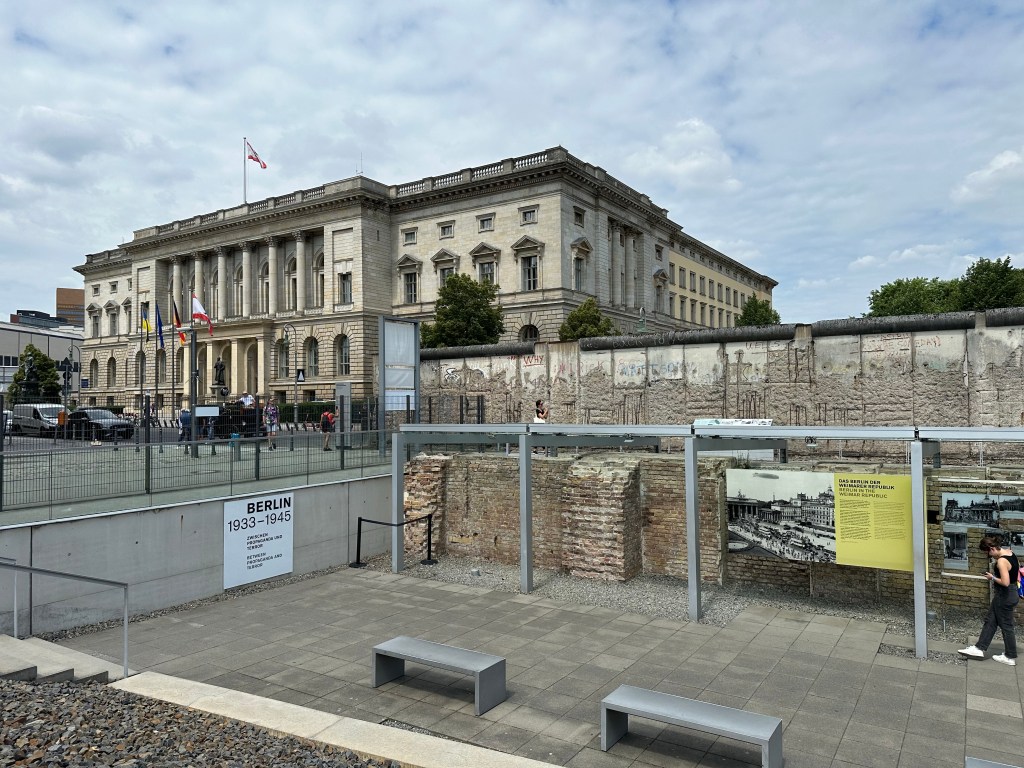
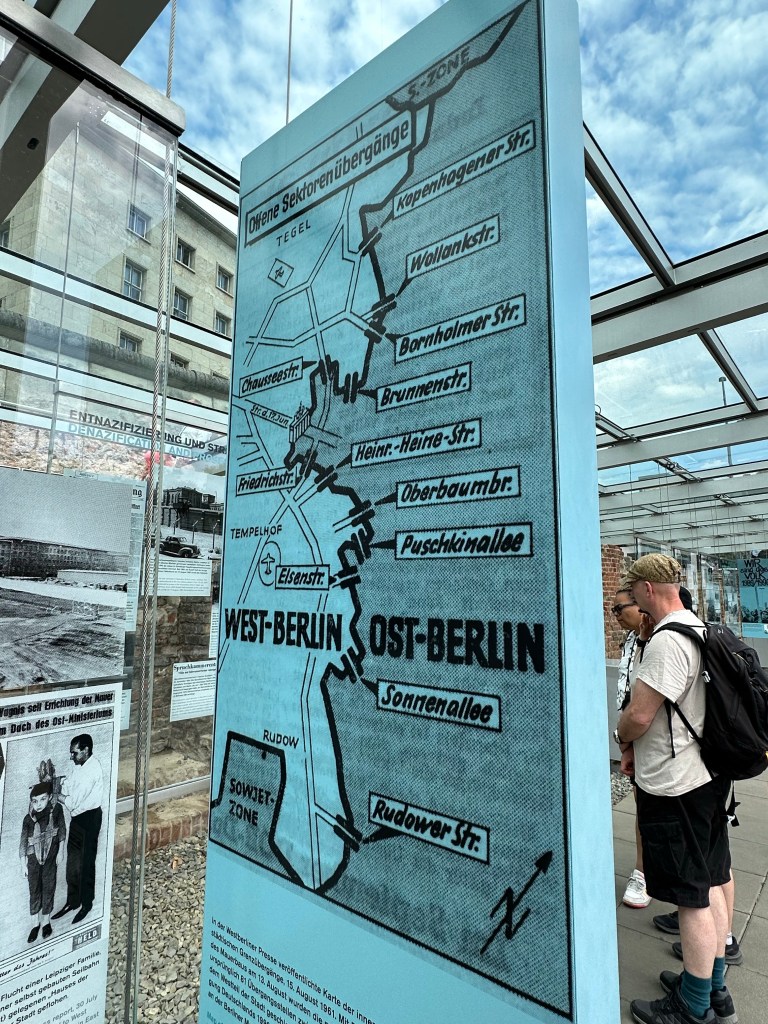
I walk over to where I see my first sight of the Berlin Wall. The Berlin Wall was erected in 1961 to separate the sides of Germany from the conflicting governments at the time: East and West. East Berlin is GDR (German democratic republic) aka Soviet occupied zone and West Berlin is Federal Republic of Germany – the allied occupation side of Germany (USA, UK, and France). All of this is a result of WWII. The time of the wall was a very divided time in history, separating friends and families almost overnight. The wall destruction finally begins in 1989 after calls for reunification are successful. So Berlin as we know it is a fairly young city.
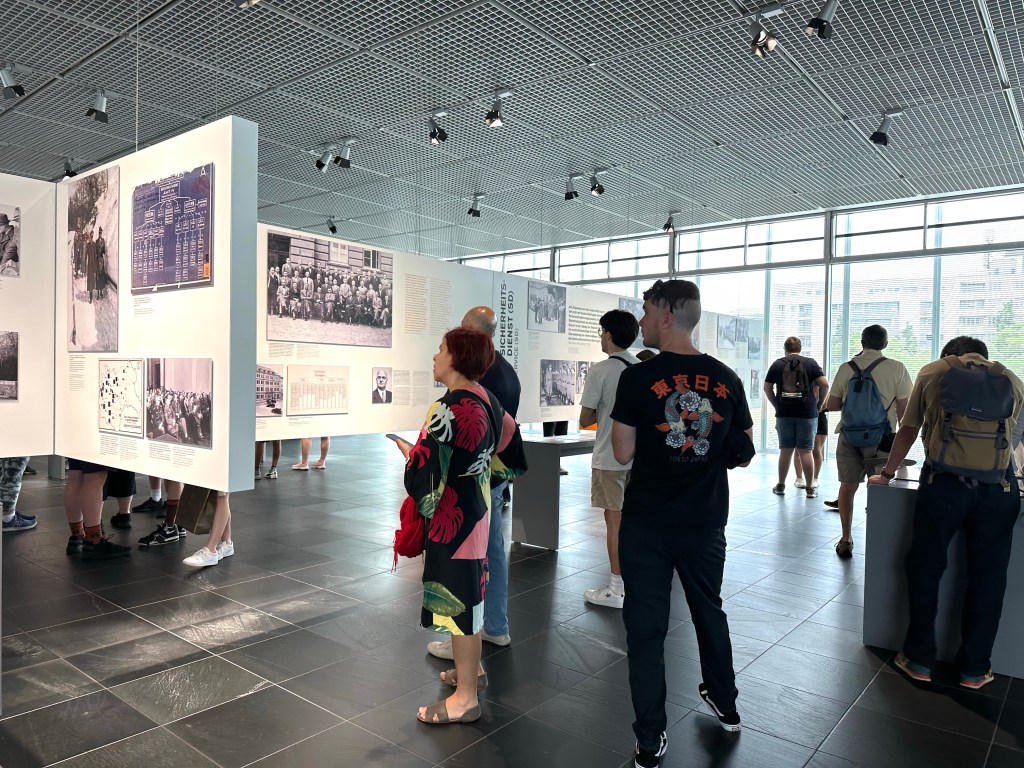
Next to this piece of the wall is a very thorough museum on the history of Germany and its affect on other parts of the world (Topography of Terror). It filled the holes I had on my education and made me worry based what is happening in my own country looking at Germany’s history in the early 20th century. Funny how history still wants to keep repeating itself.
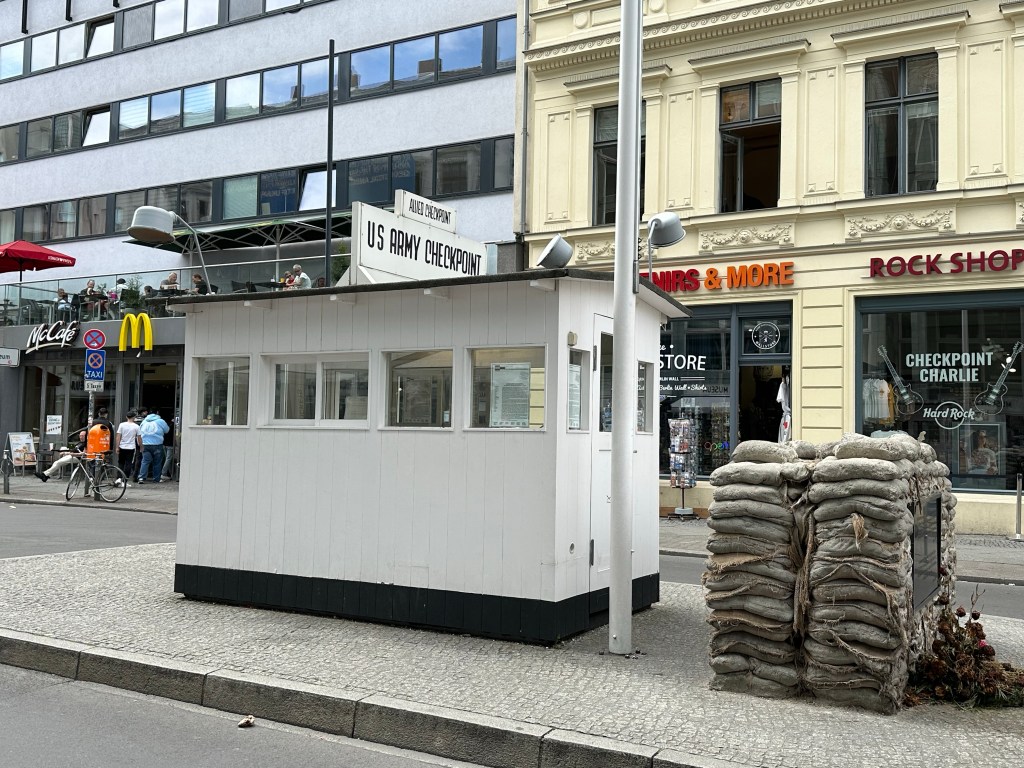
The museum is very emotionally draining but I walk by the famous checkpoint Charlie location afterwards on the way to a scheduled visit to the Berliner Dom (Berlin Cathedral).
Checkpoint Charlie visit 1
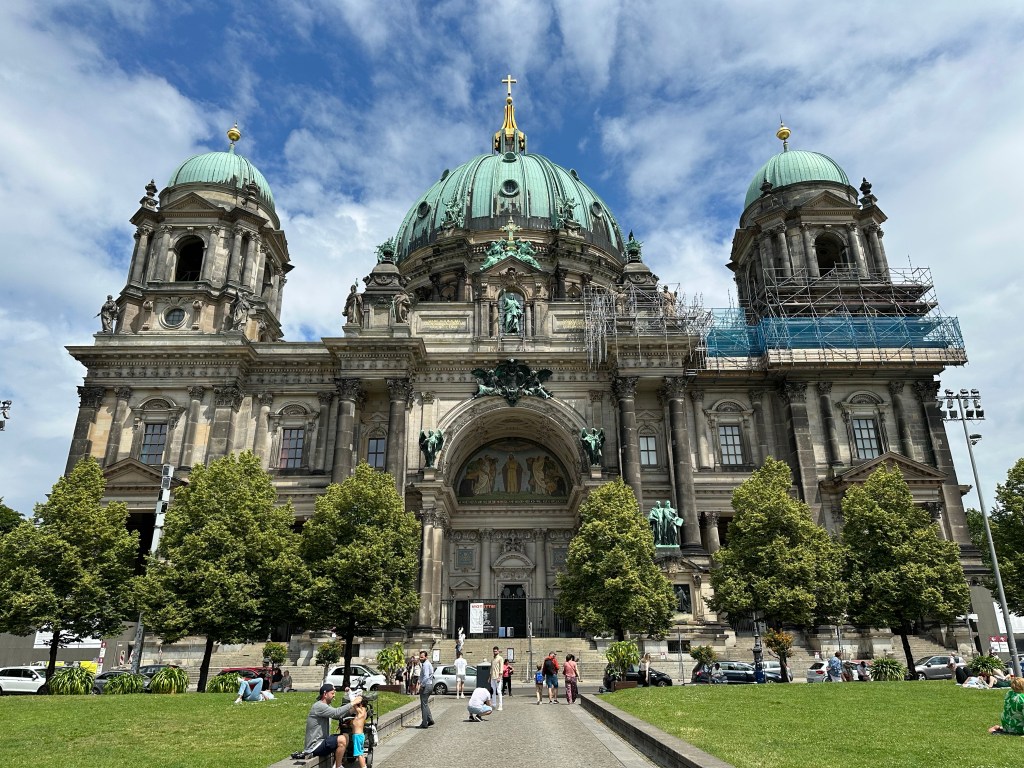
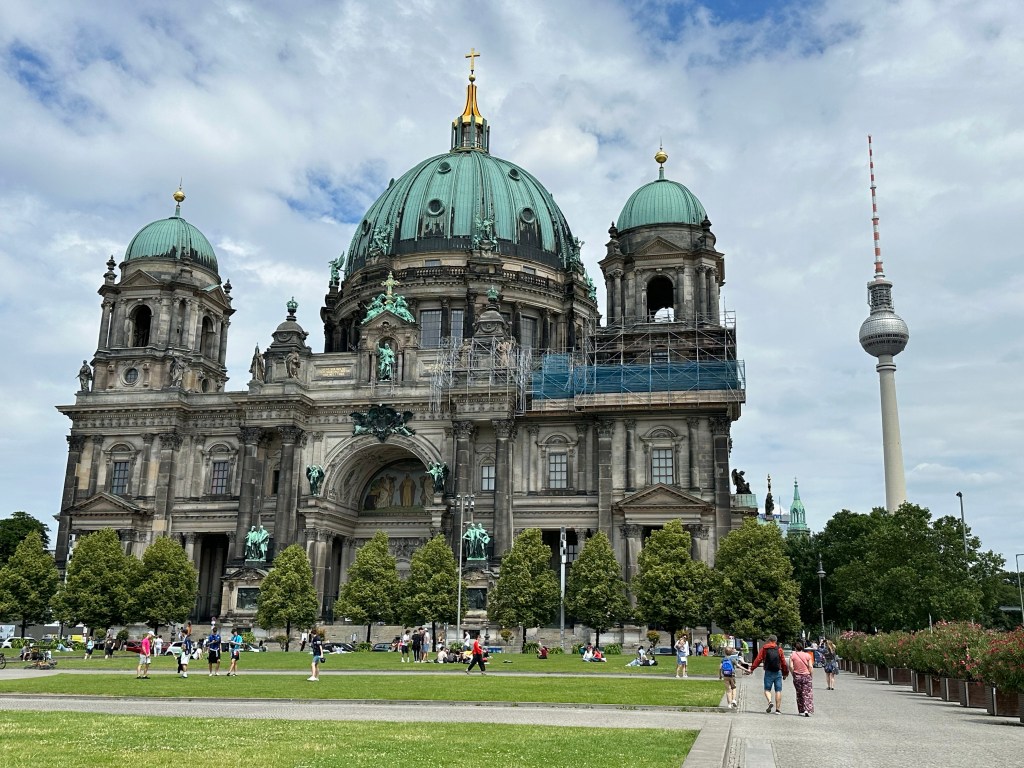
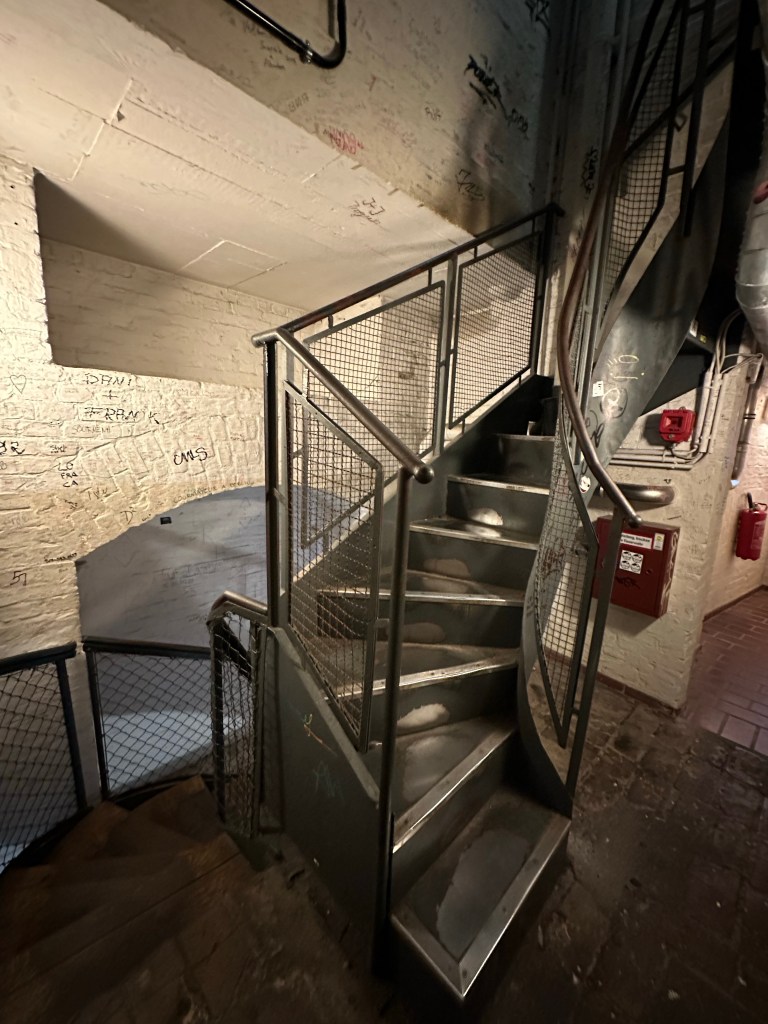
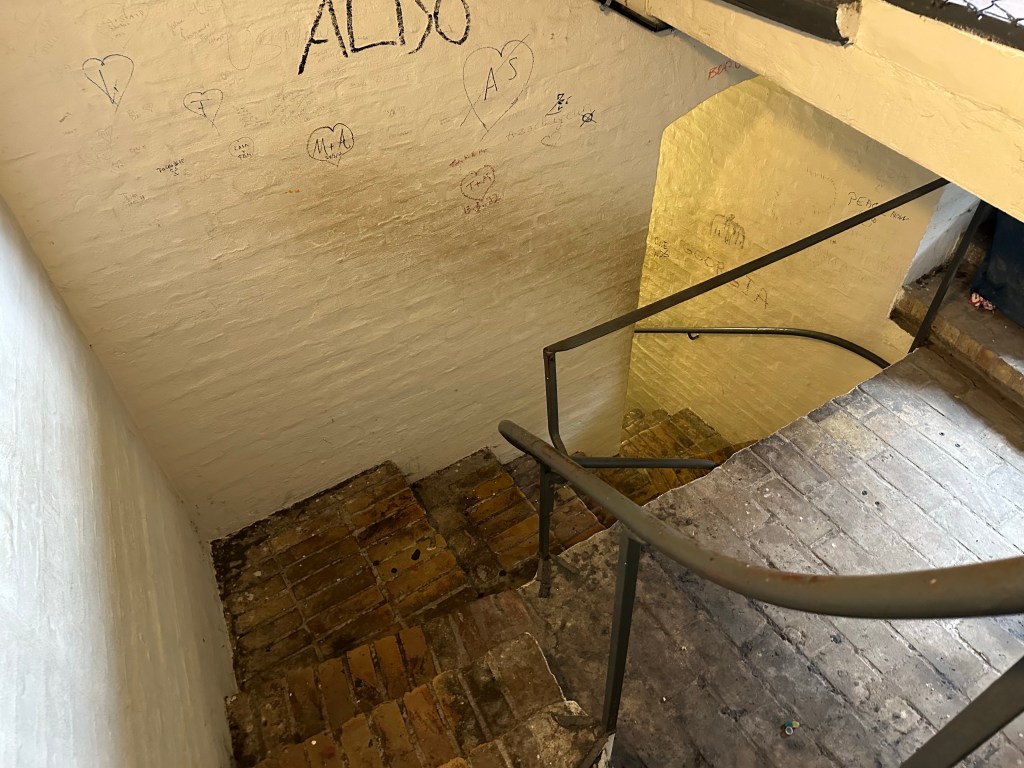
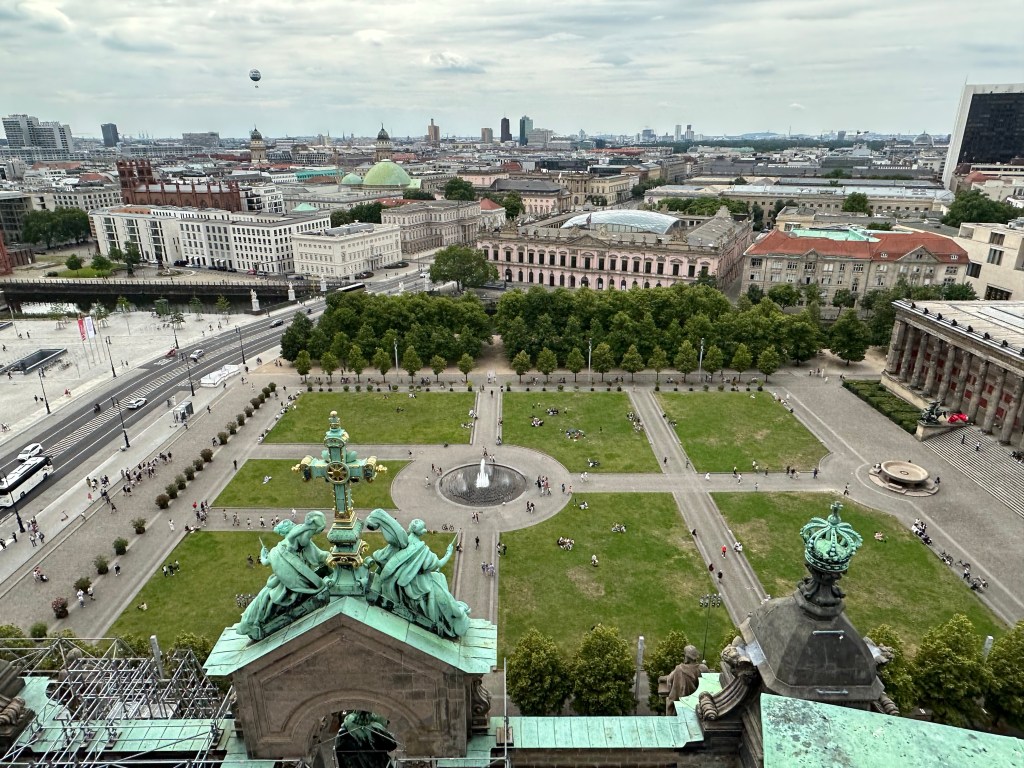
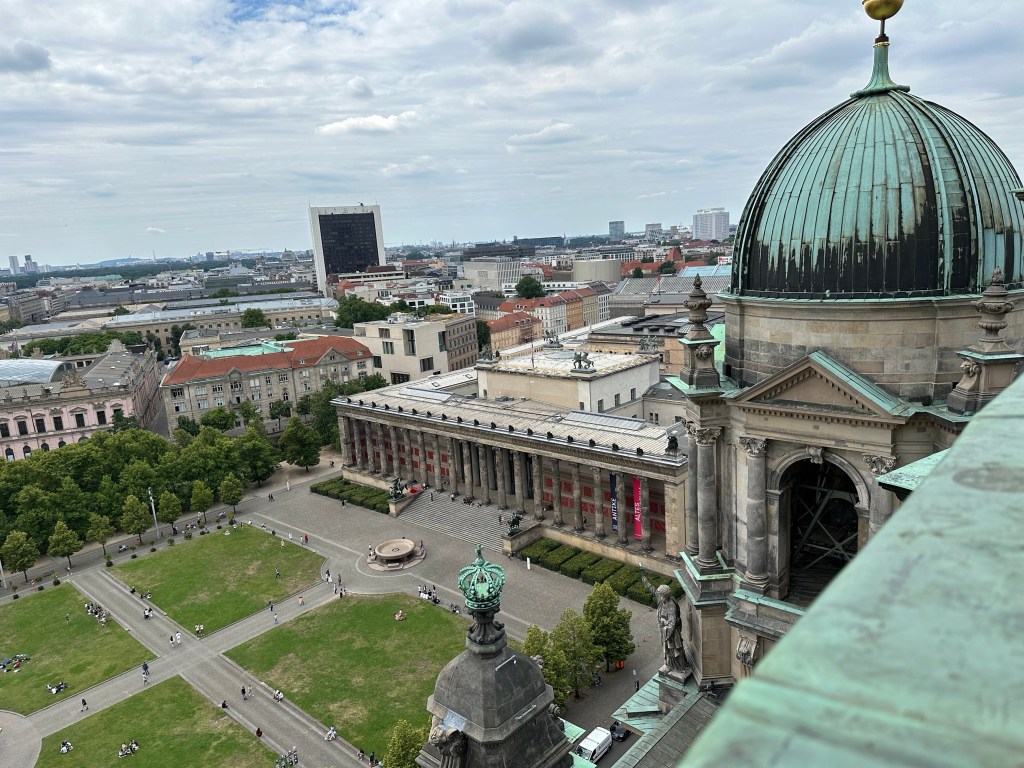
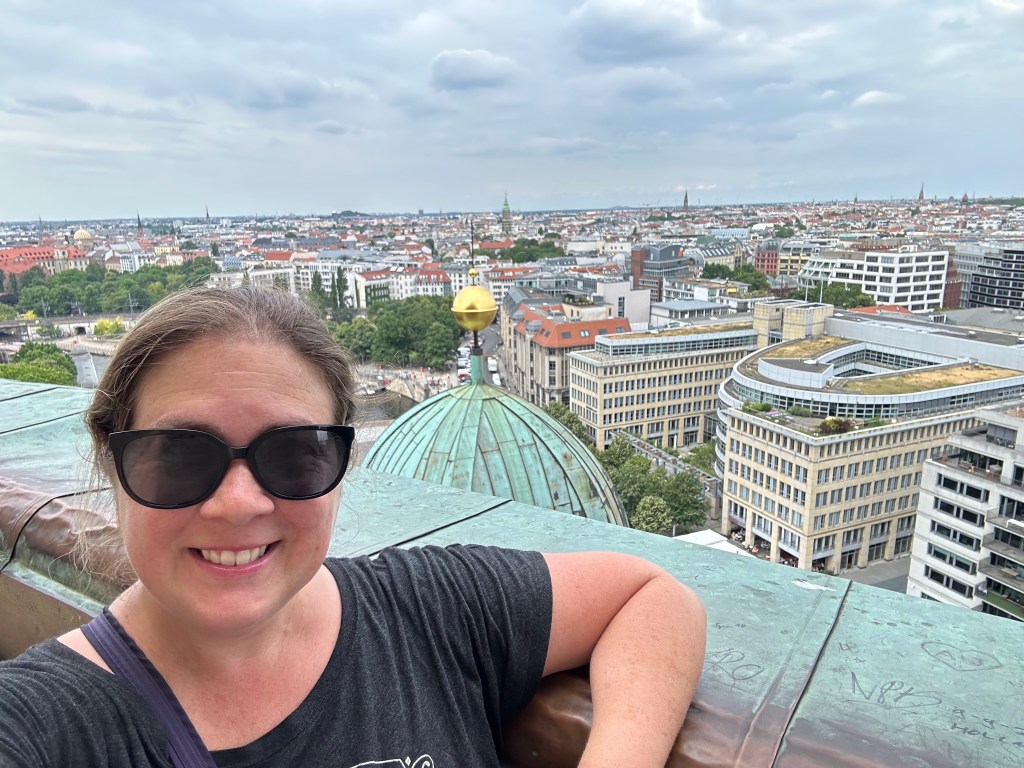
At the Berlin Cathedral I make the exhausting climb to the top to get another great view from the dome at top.
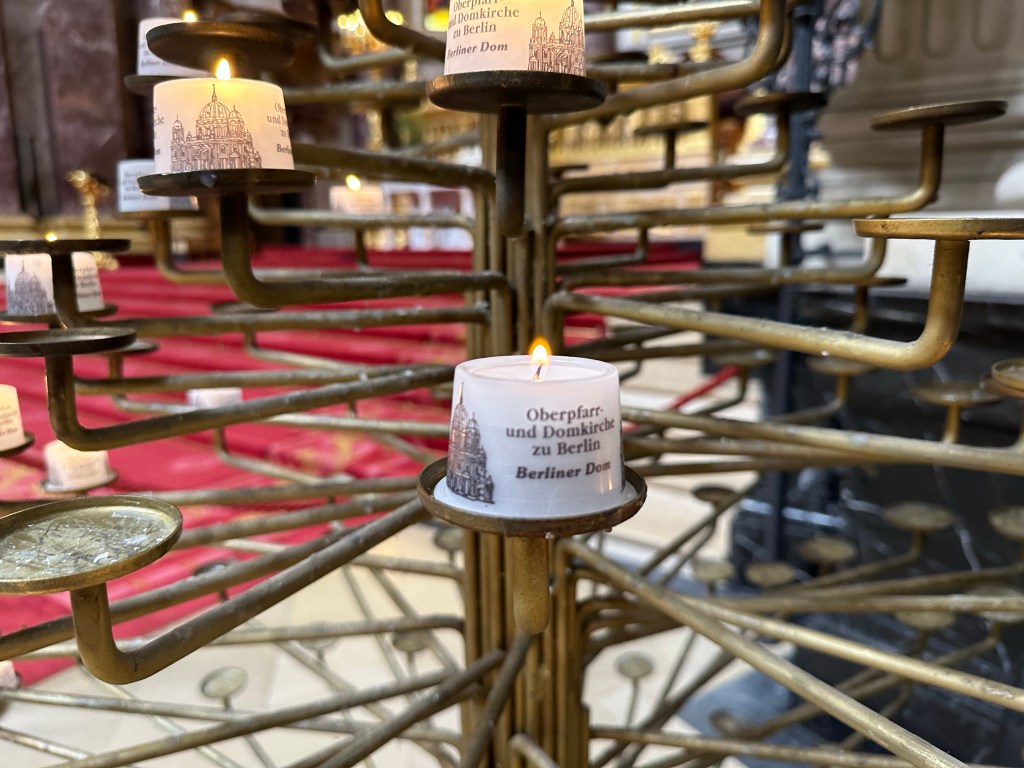
Berliner Dom
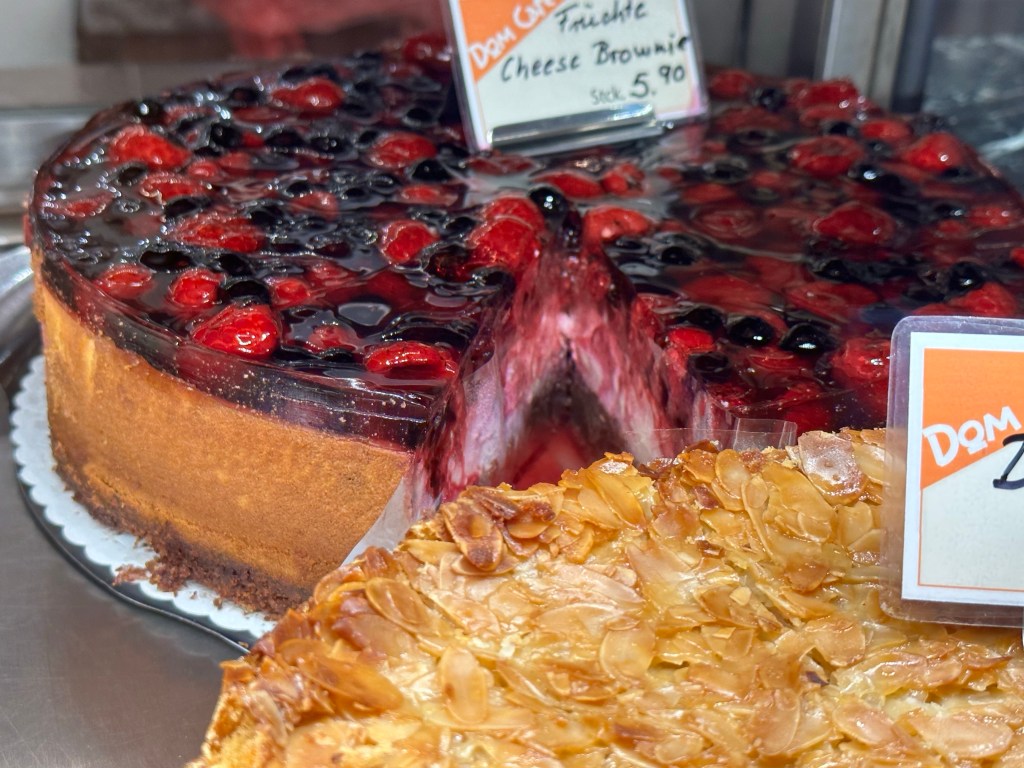
I climb back down and I am very exhausted at this point so I sit at a cafe and just stare at the water from the bottom side of the cathedral. I see two people with a fun looking cake and decide I need a piece. I watch boats and eat my cake.
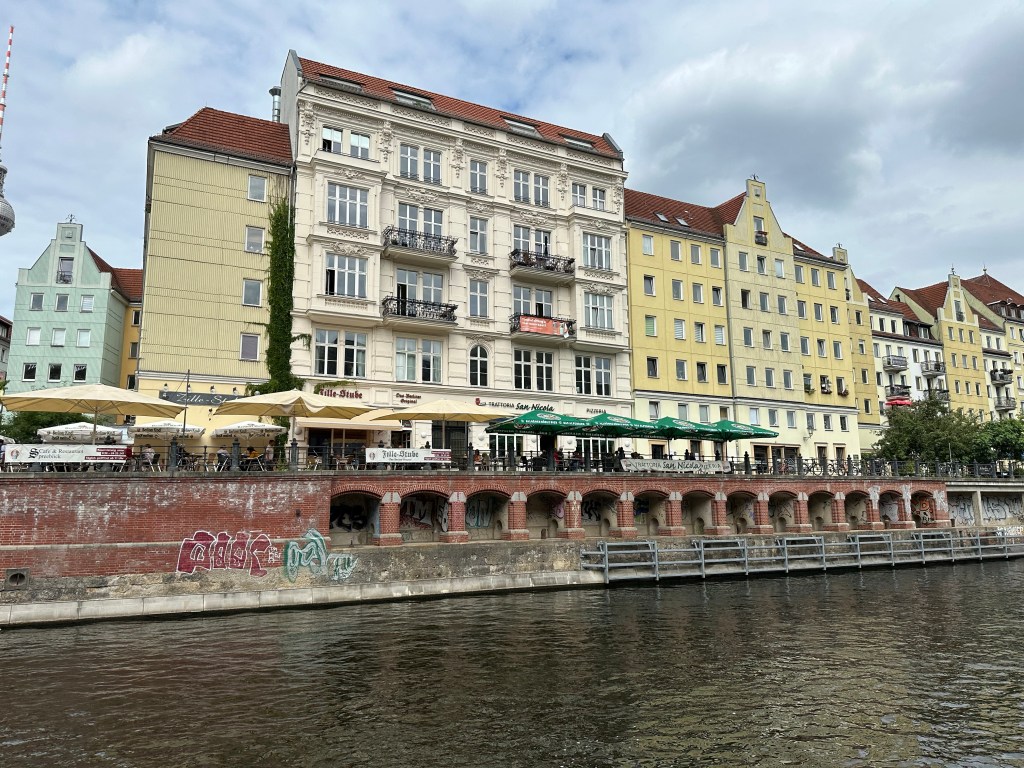
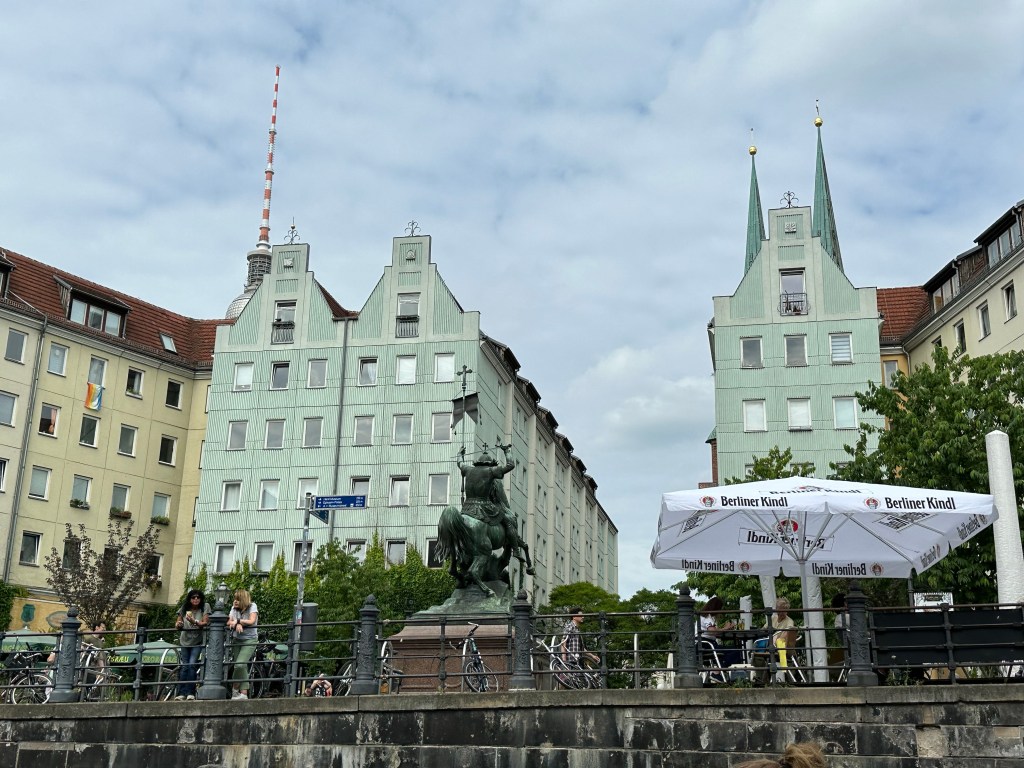
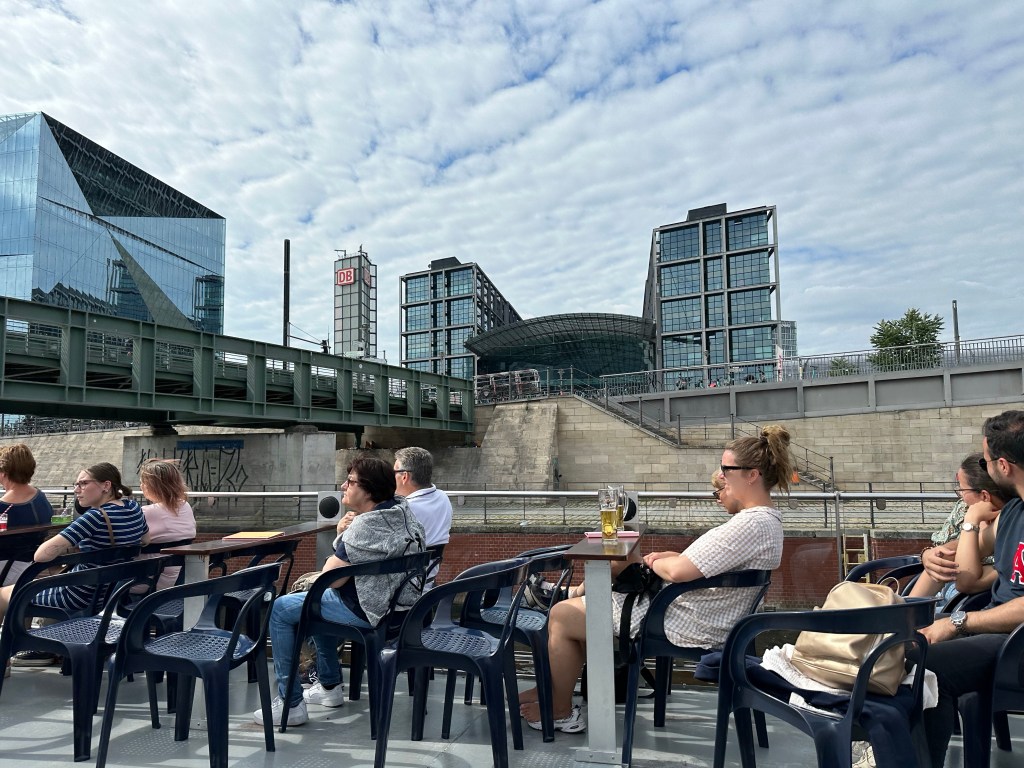
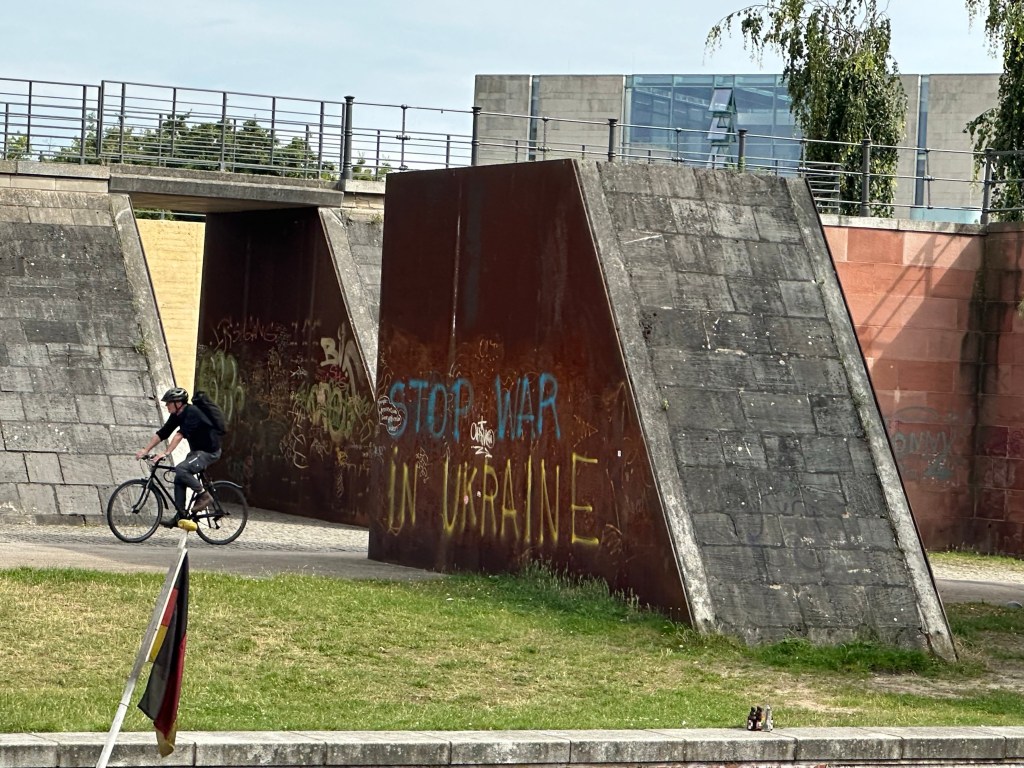
Being tired it is a good time to do a river cruise. I order a beer and listen to the commentary as we float. I am regretting my decision of wearing a dark colored shirt because the sun is baking me at this point. I cheer on all the clouds.
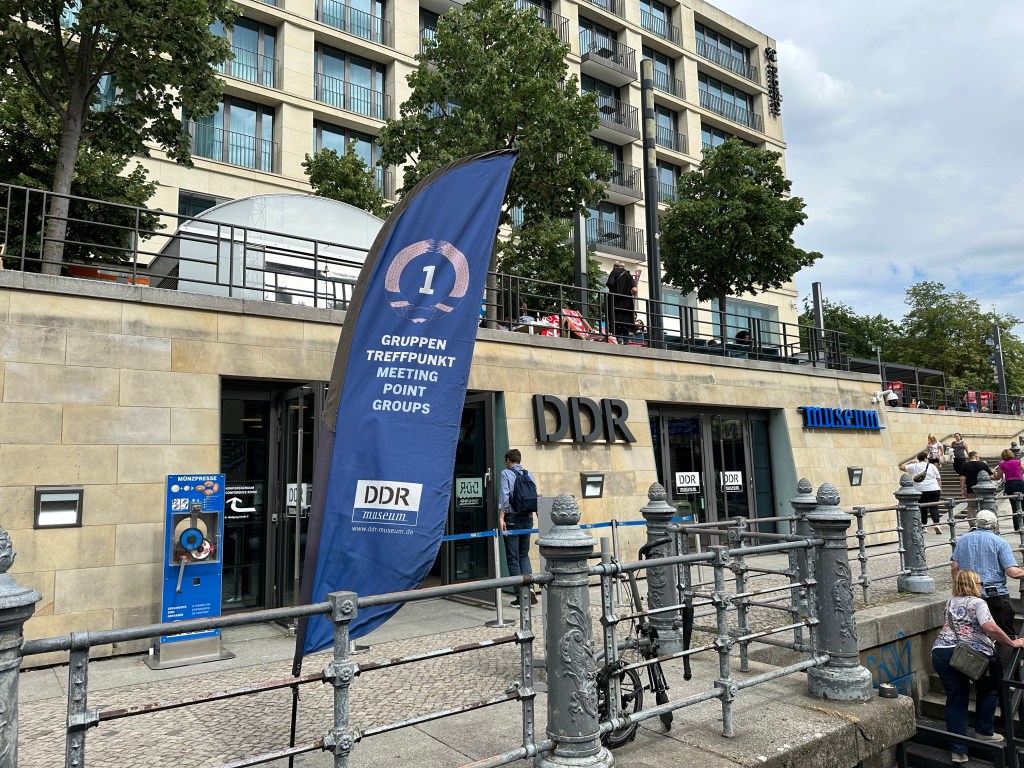
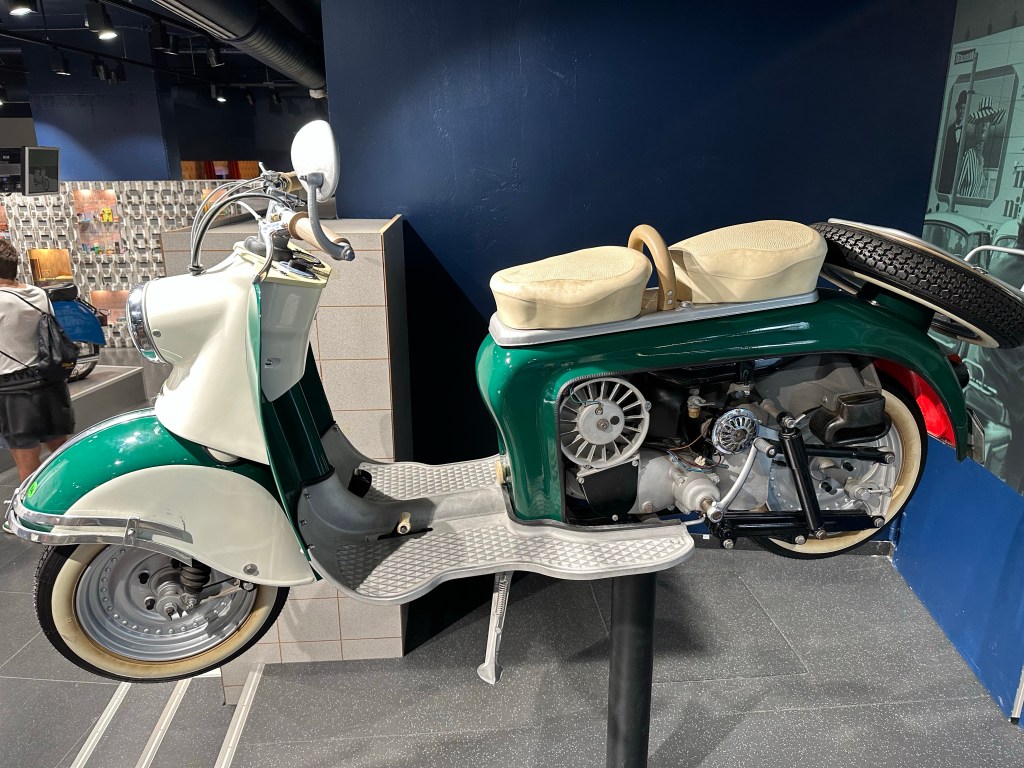
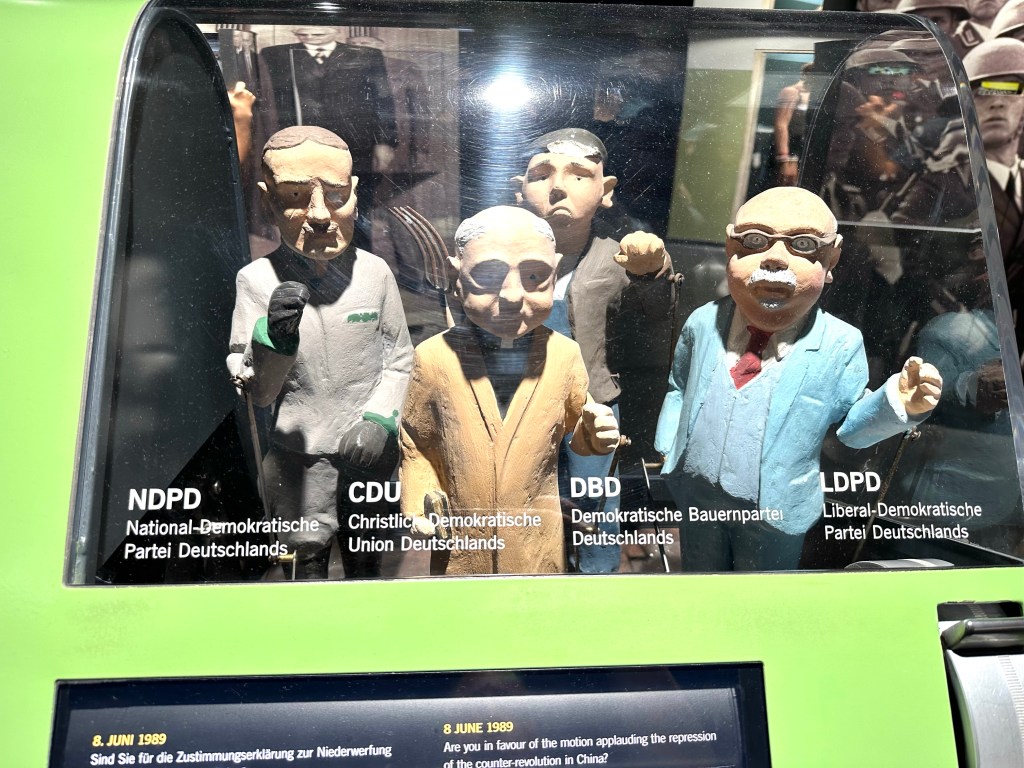
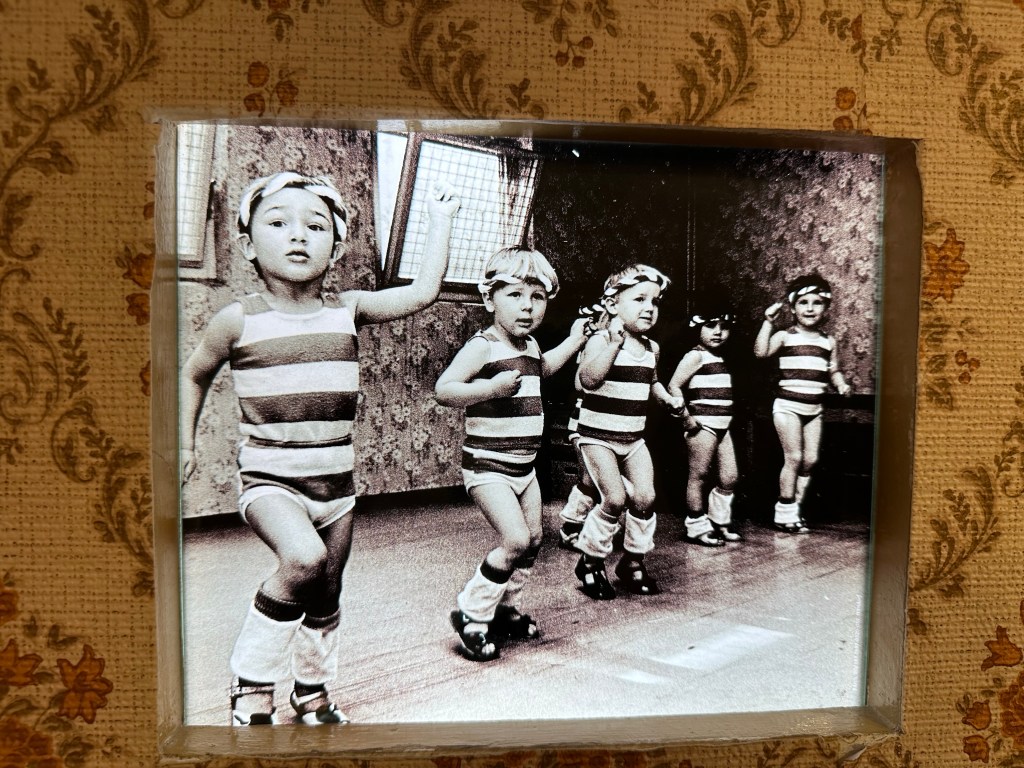
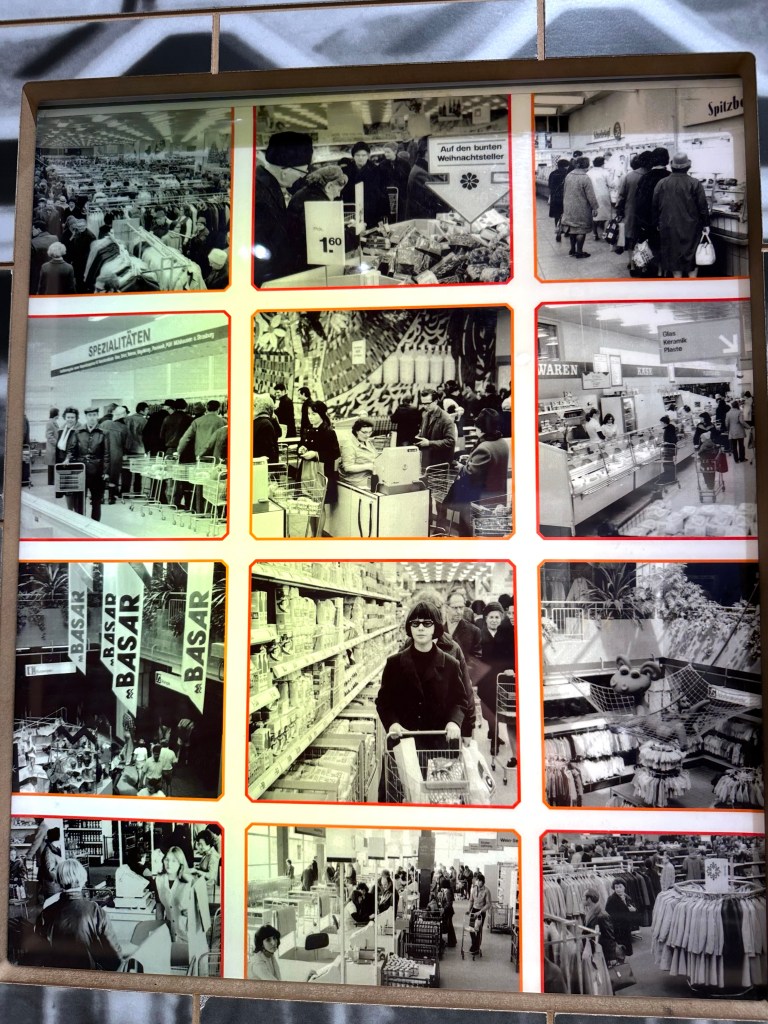
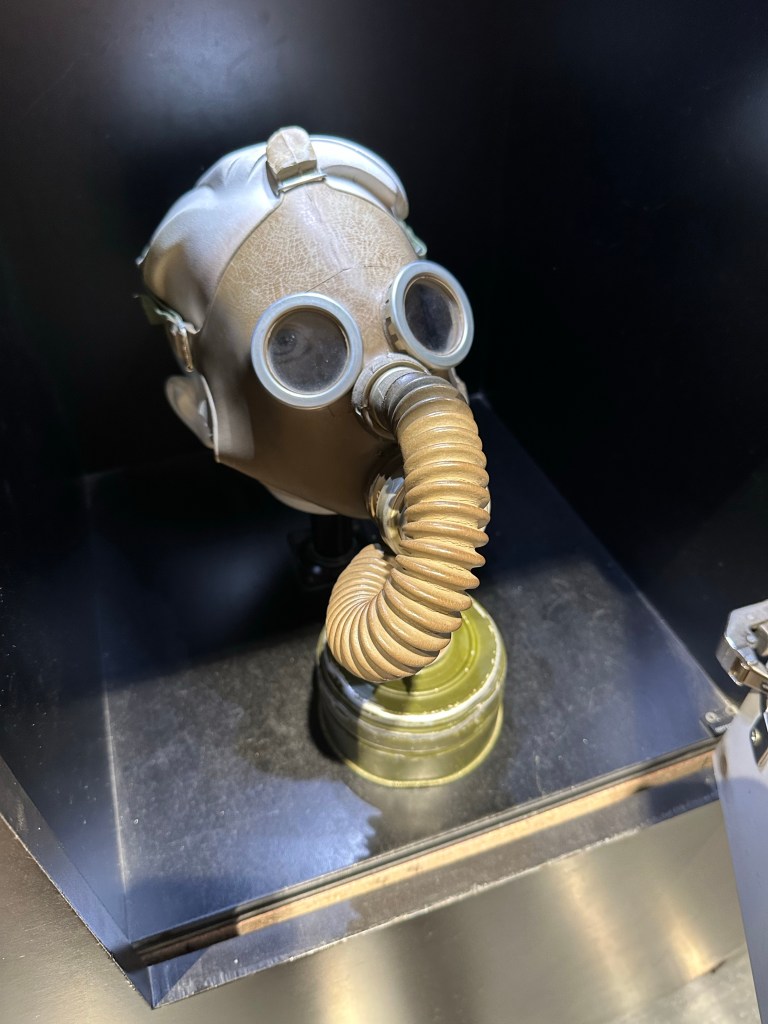
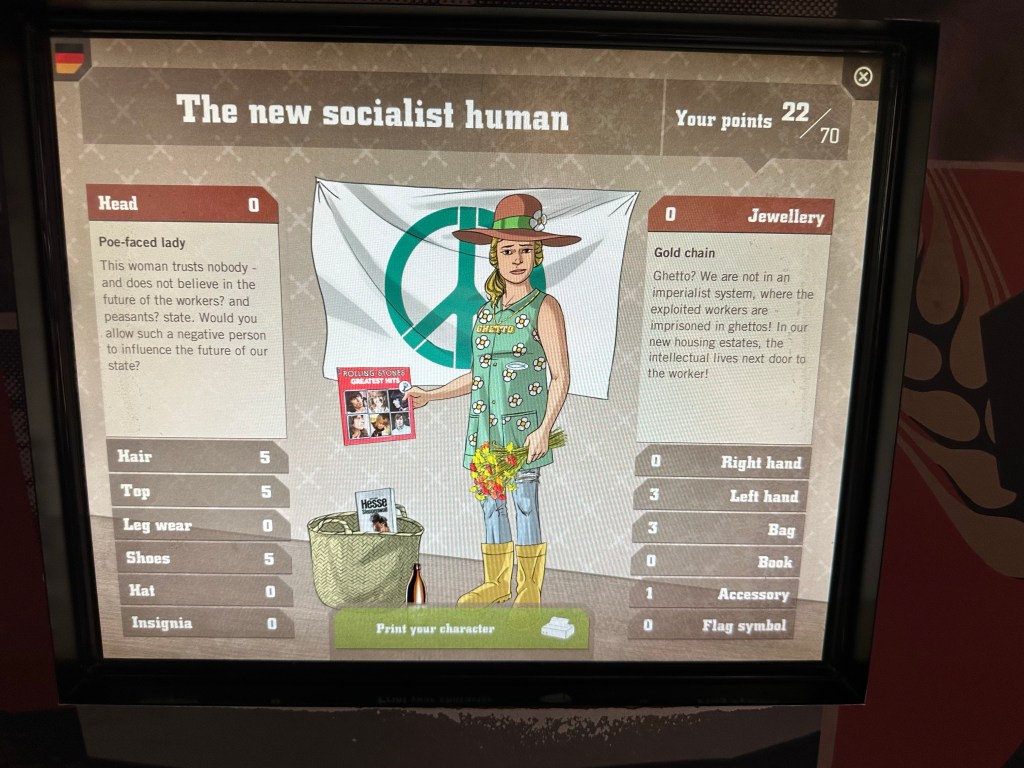
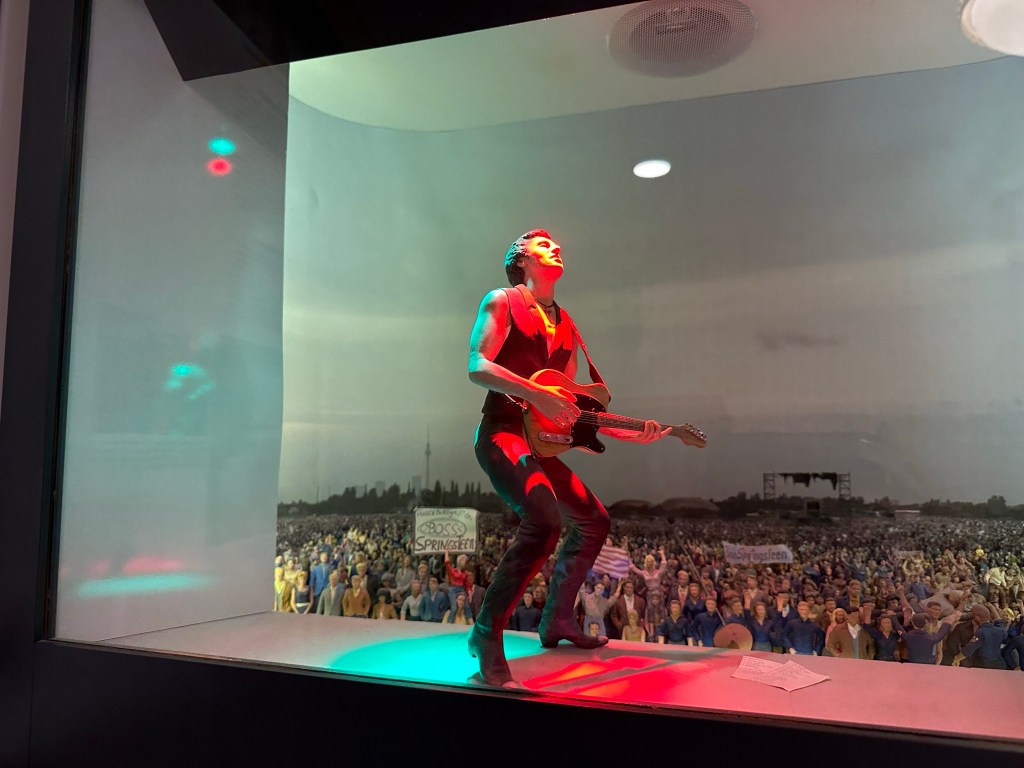
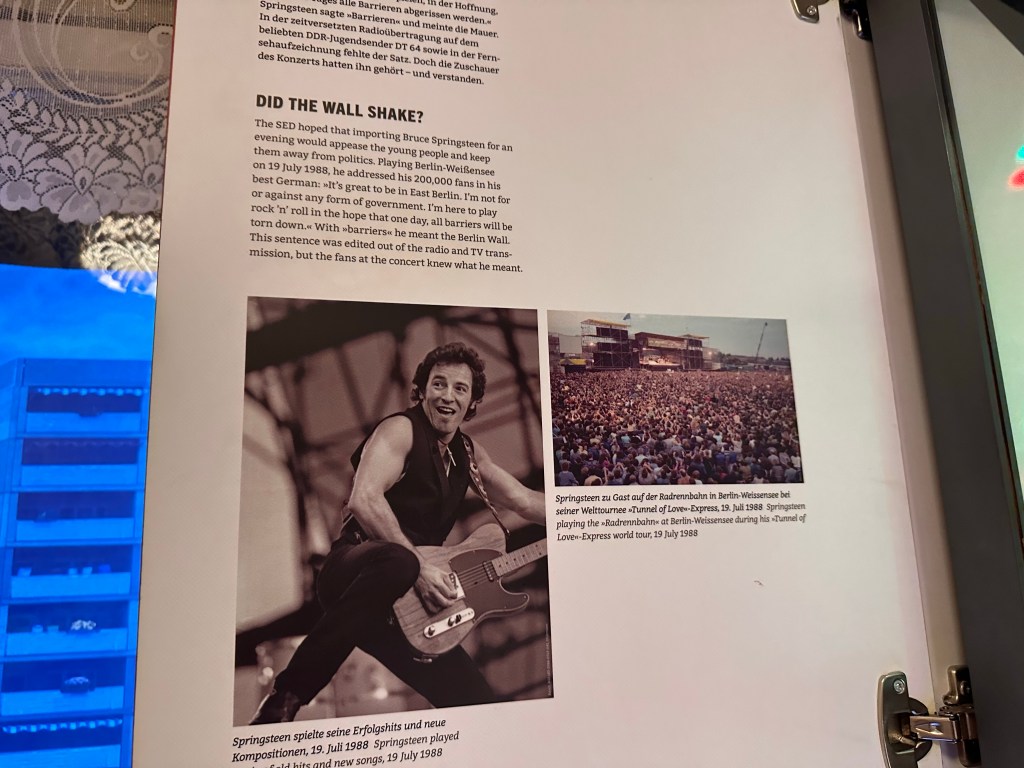
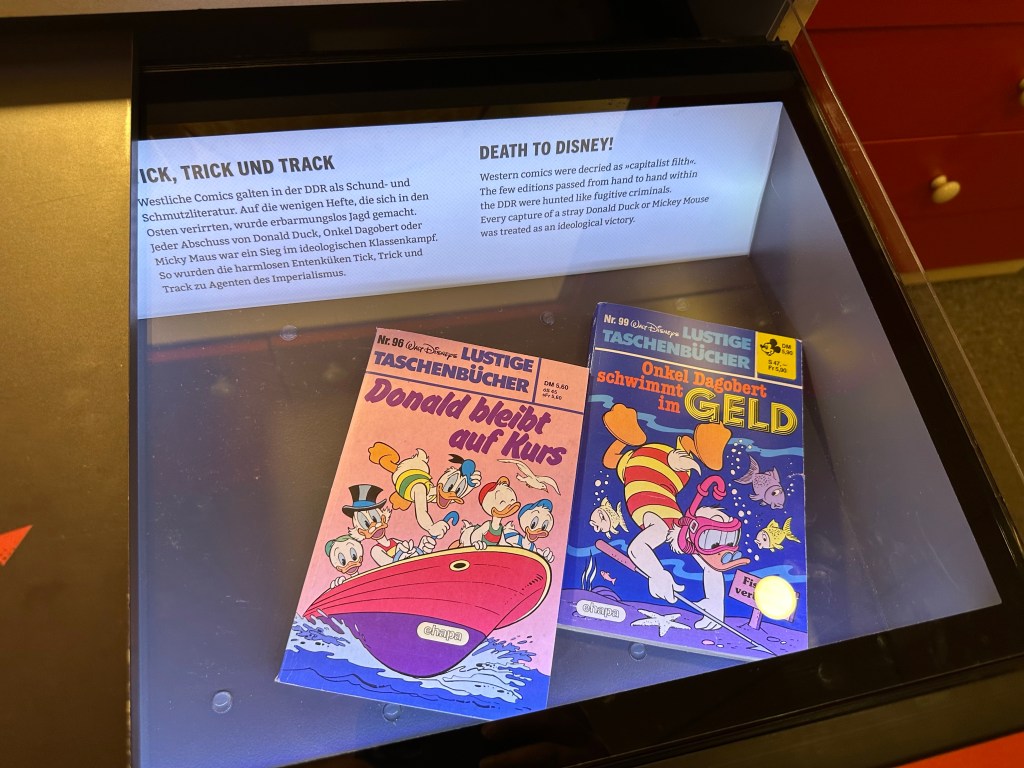
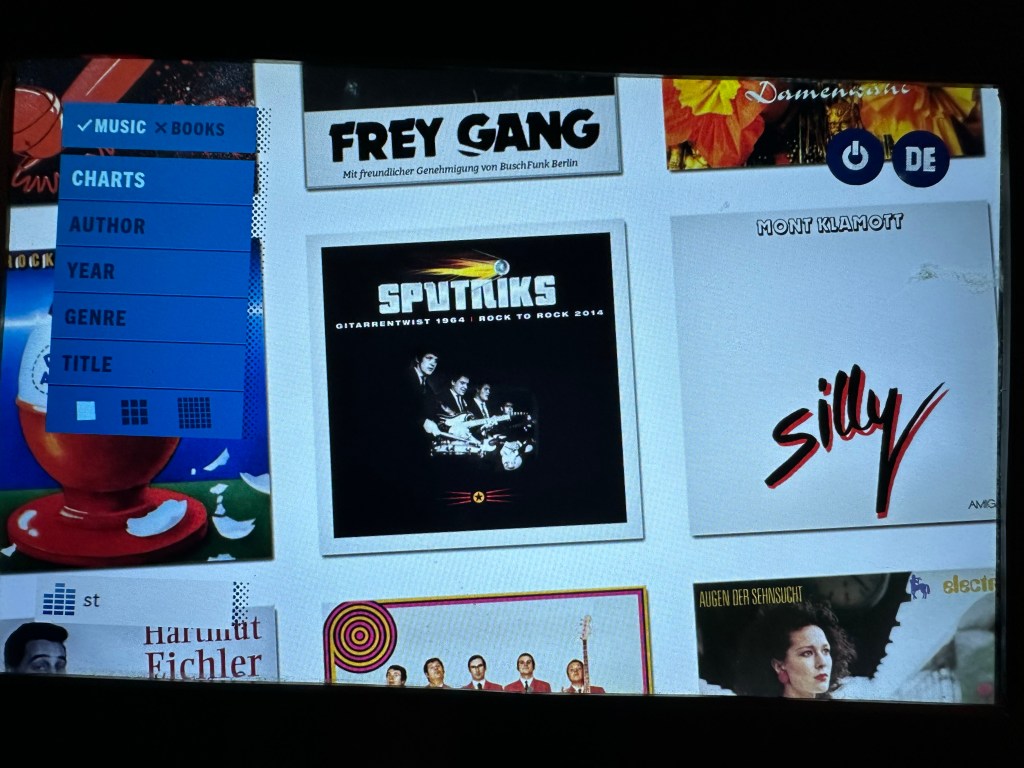
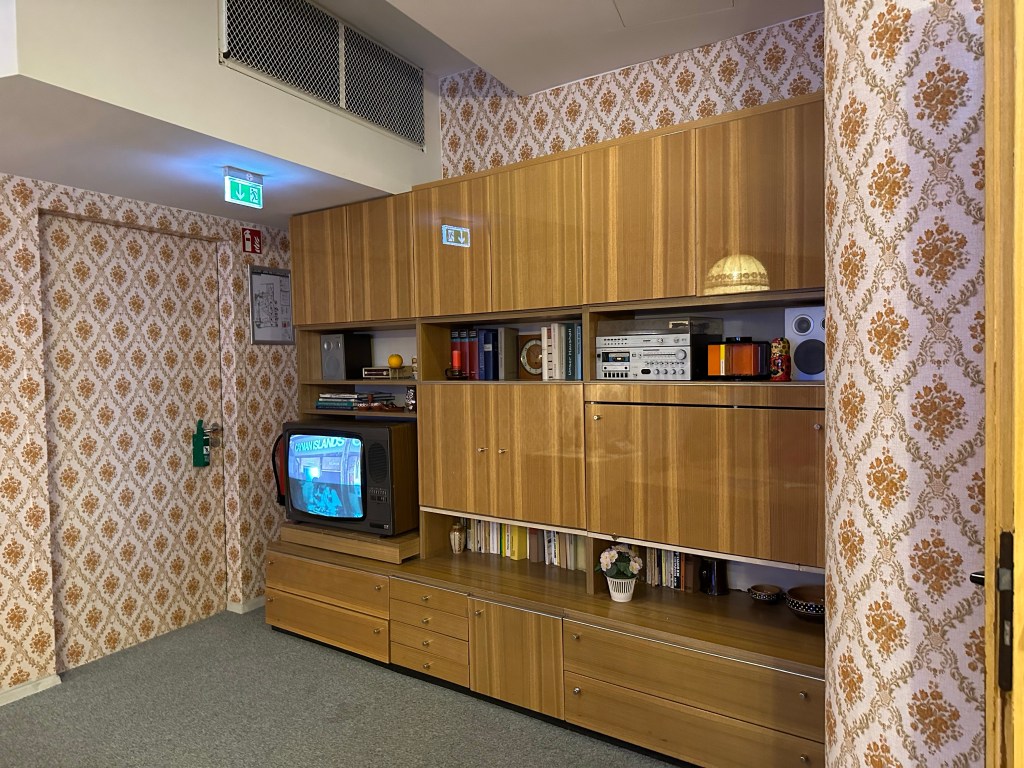
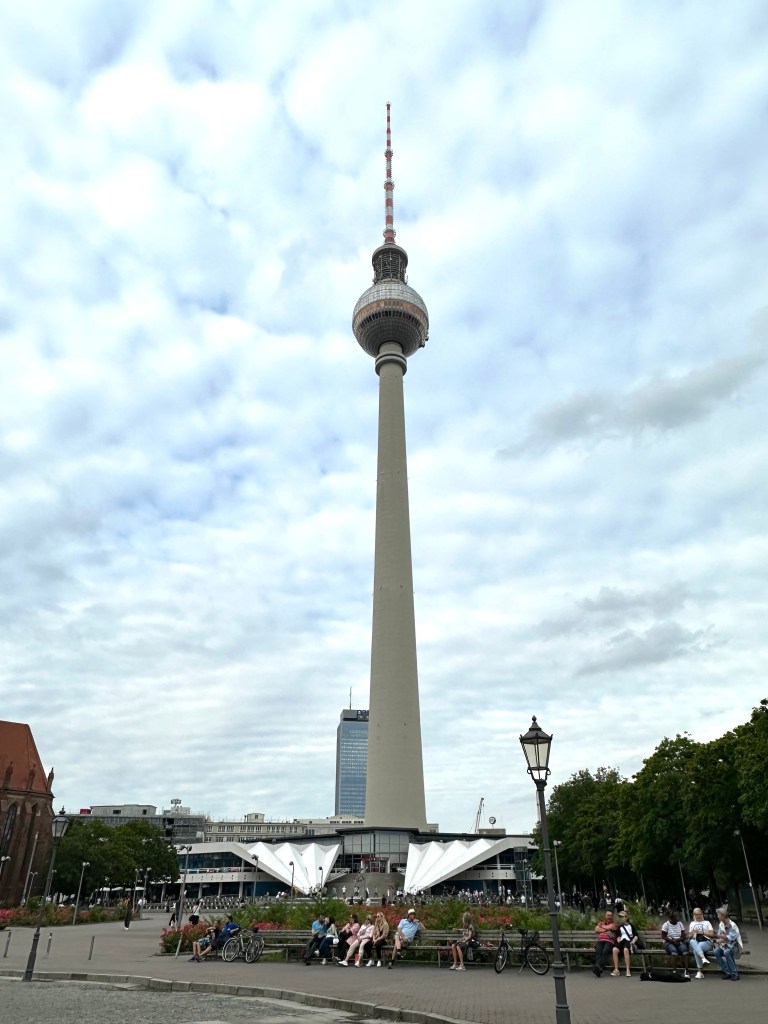
Where my boat exits is the next museum I visit, DDR, a interactive museum about life in East Germany during soviet occupied times. It is educational and kitschy. I have fun here for a little while.
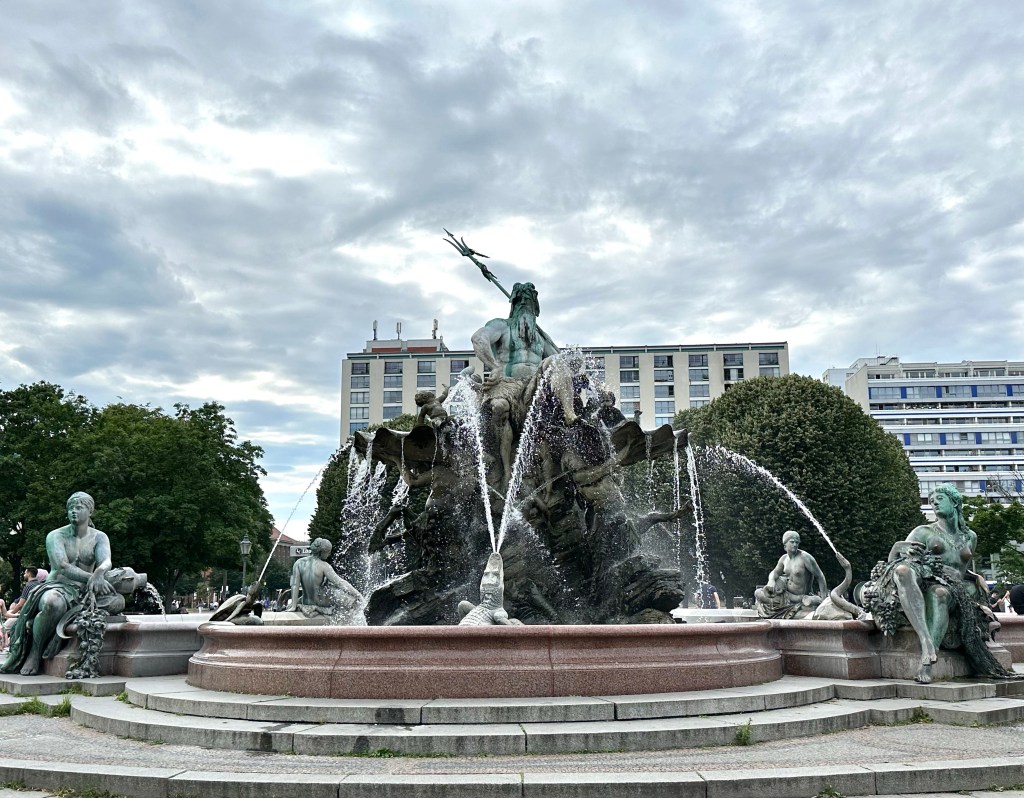
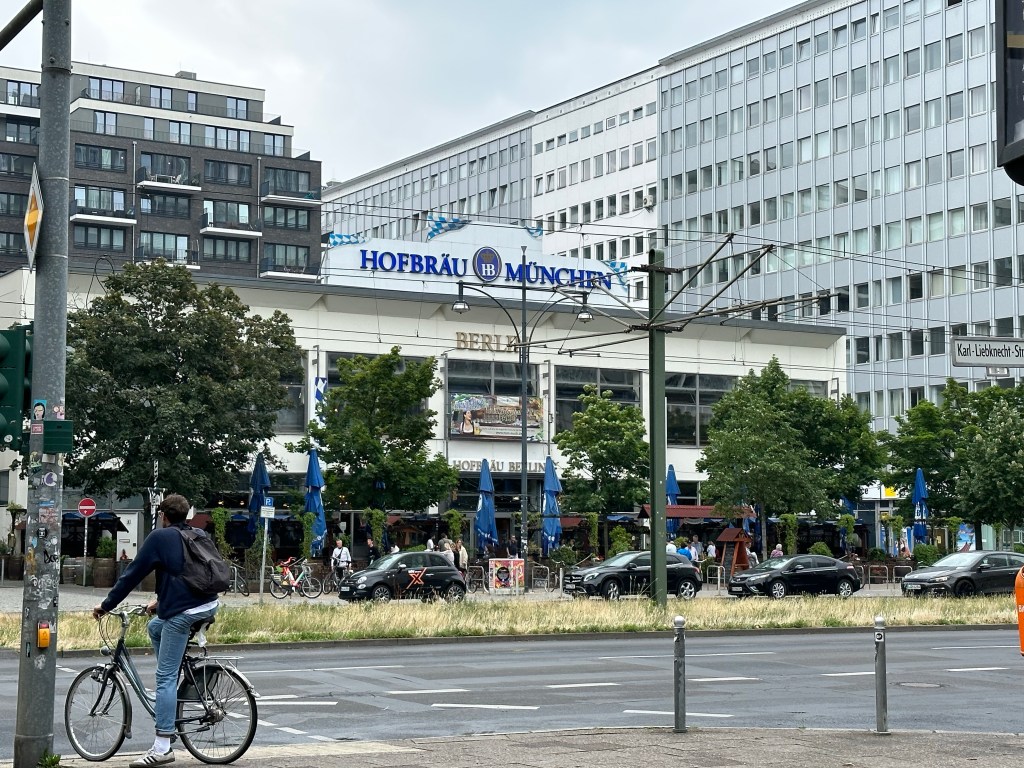
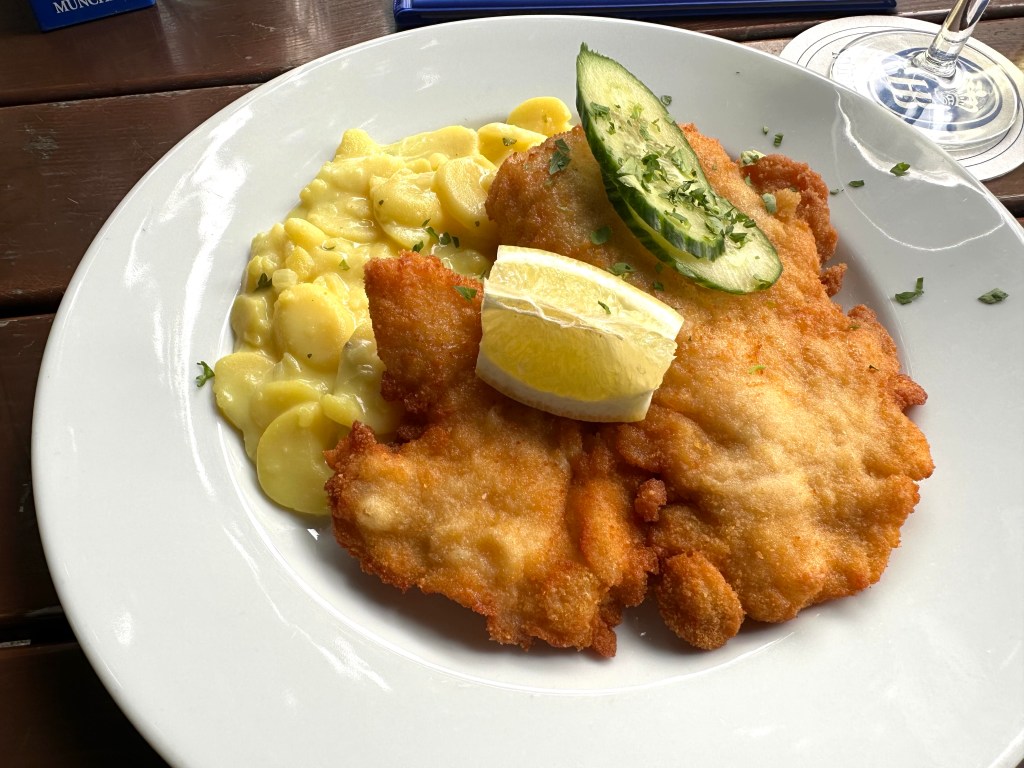
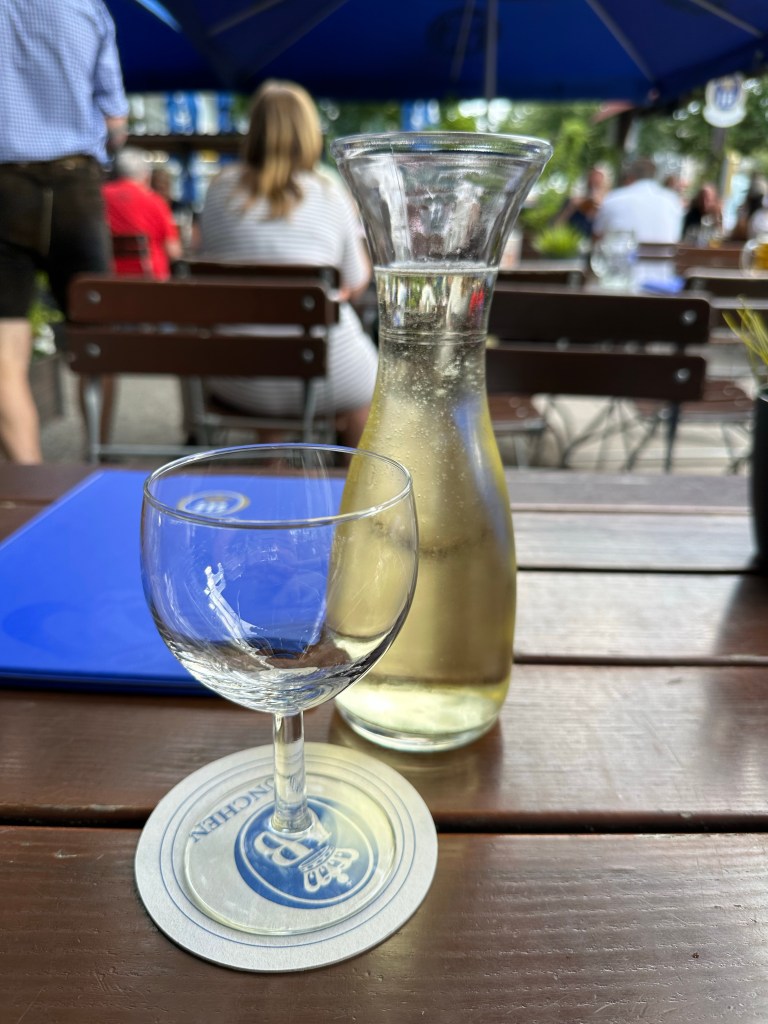
My energy is almost down to zero so I walk back toward my hotel. I stop in a tourist beer garden for dinner. I try to eat healthy by ordering the asparagus special but they are out of it. Being sick of eating salads lately I decide on a very unhealthy chicken schnitzel and lots of wine….I know I *should* be drinking beer in a beer garden but can’t handle multiple beers much anymore.
It’s been a long sightseeing day so now its time for bed.
Last winter I took a mini-break to Washington D.C. I have been twice before; once as a teenager and once with friends in 2000. I didn’t remember much so it was time for another visit.
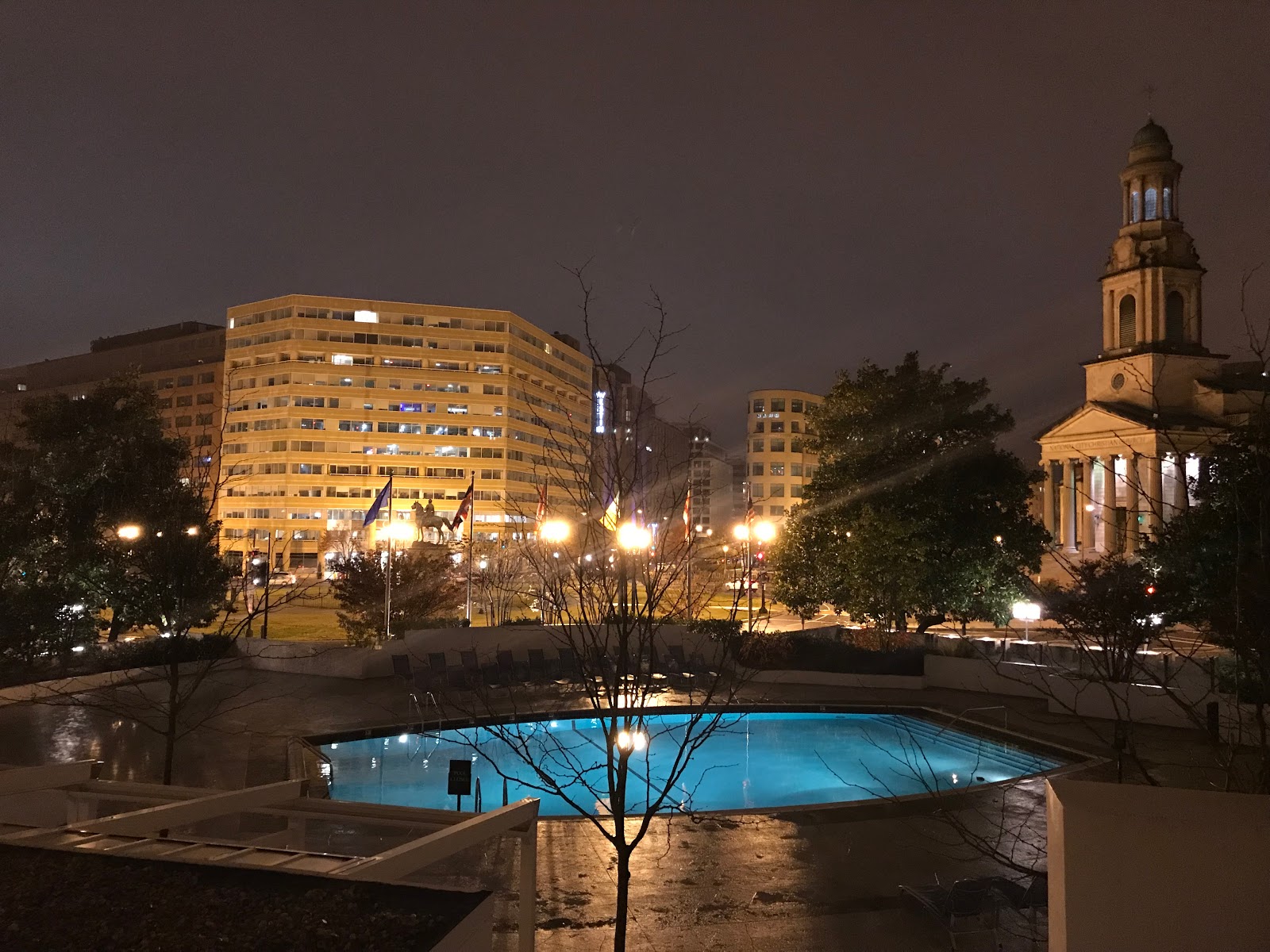
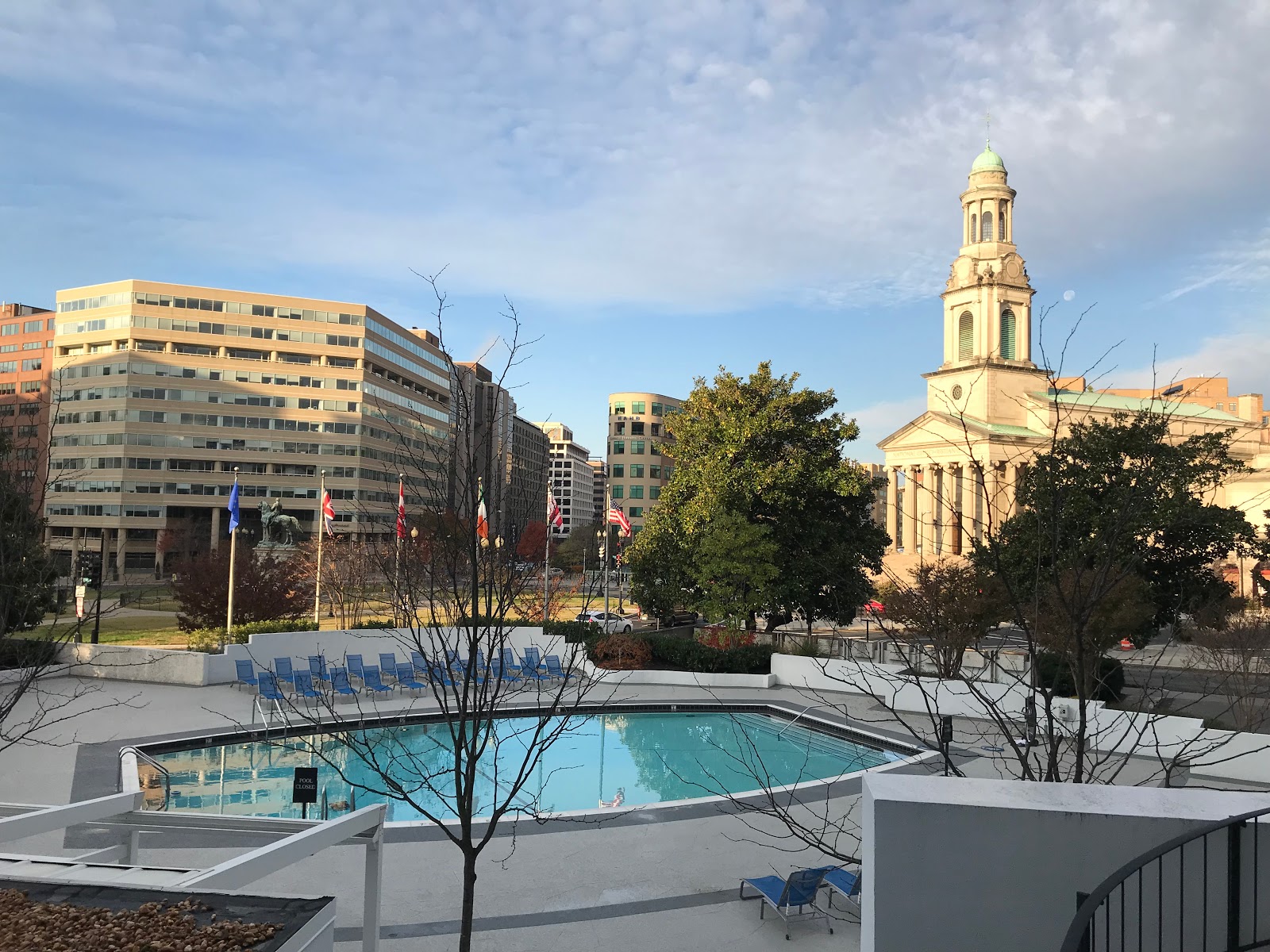
Fortunately a great deal was found at Washington Plaza Hotel. I loved the view of the pool (that was too cold to use) and how close it was to things -> walking or by subway.
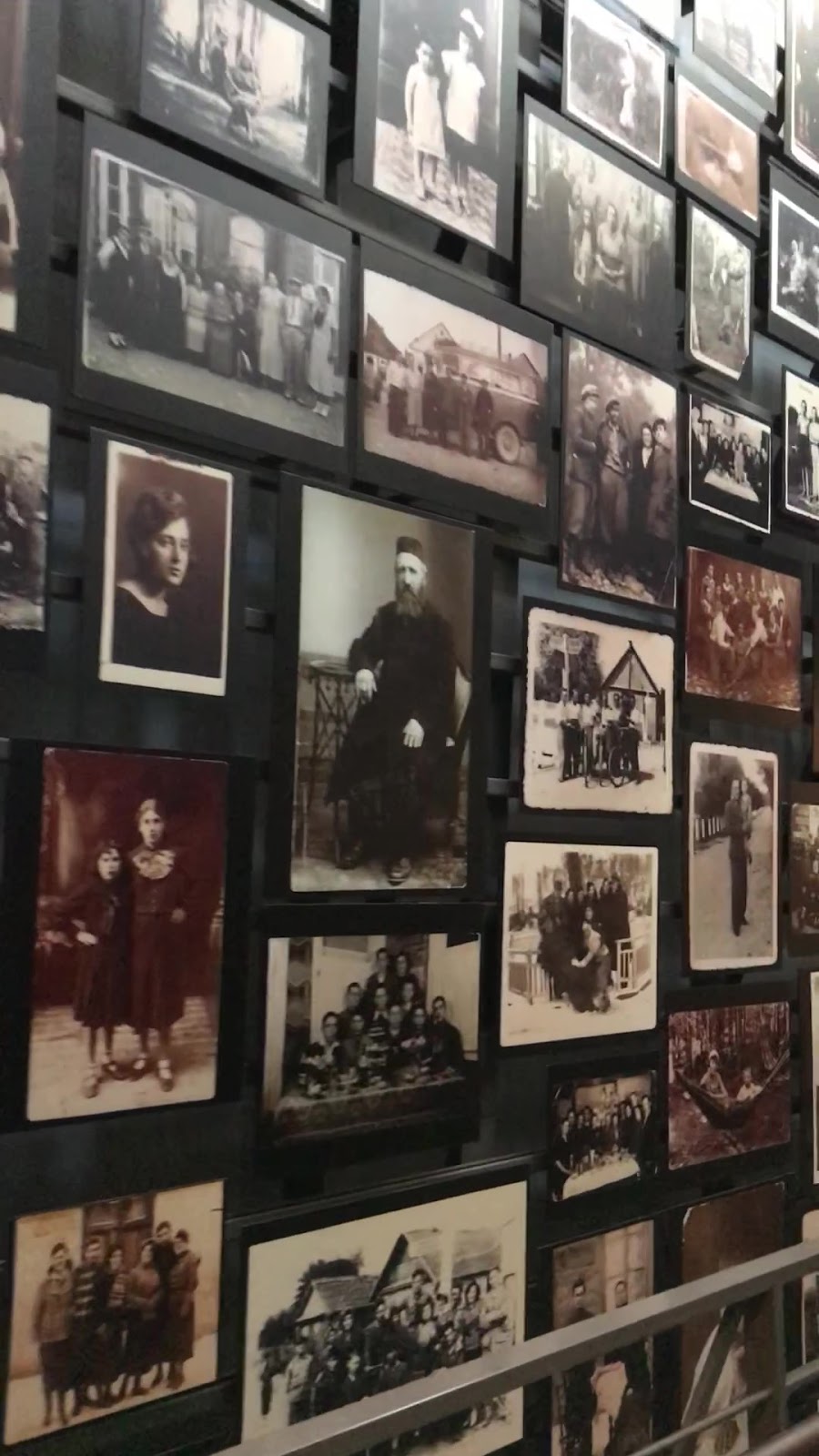
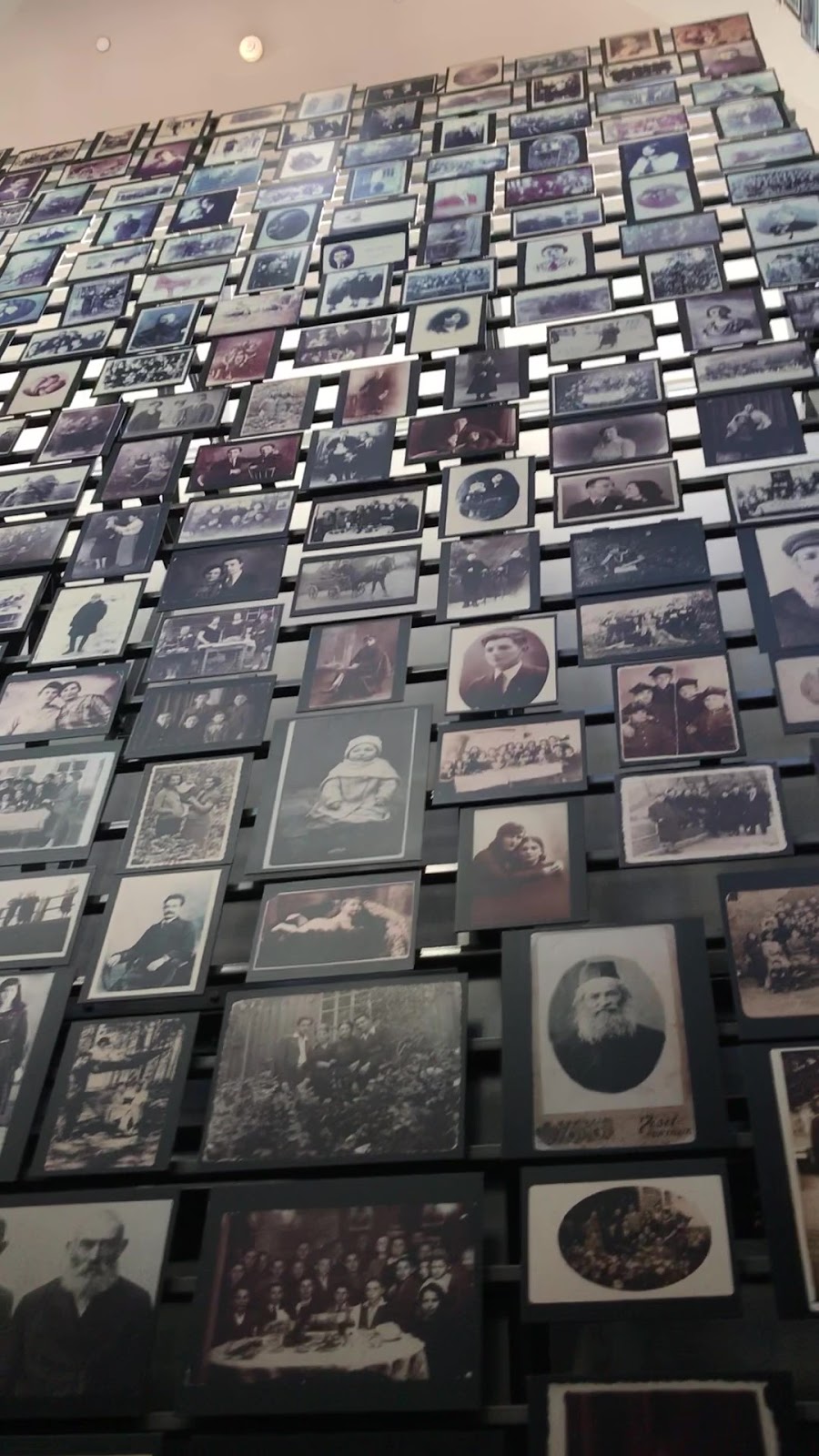
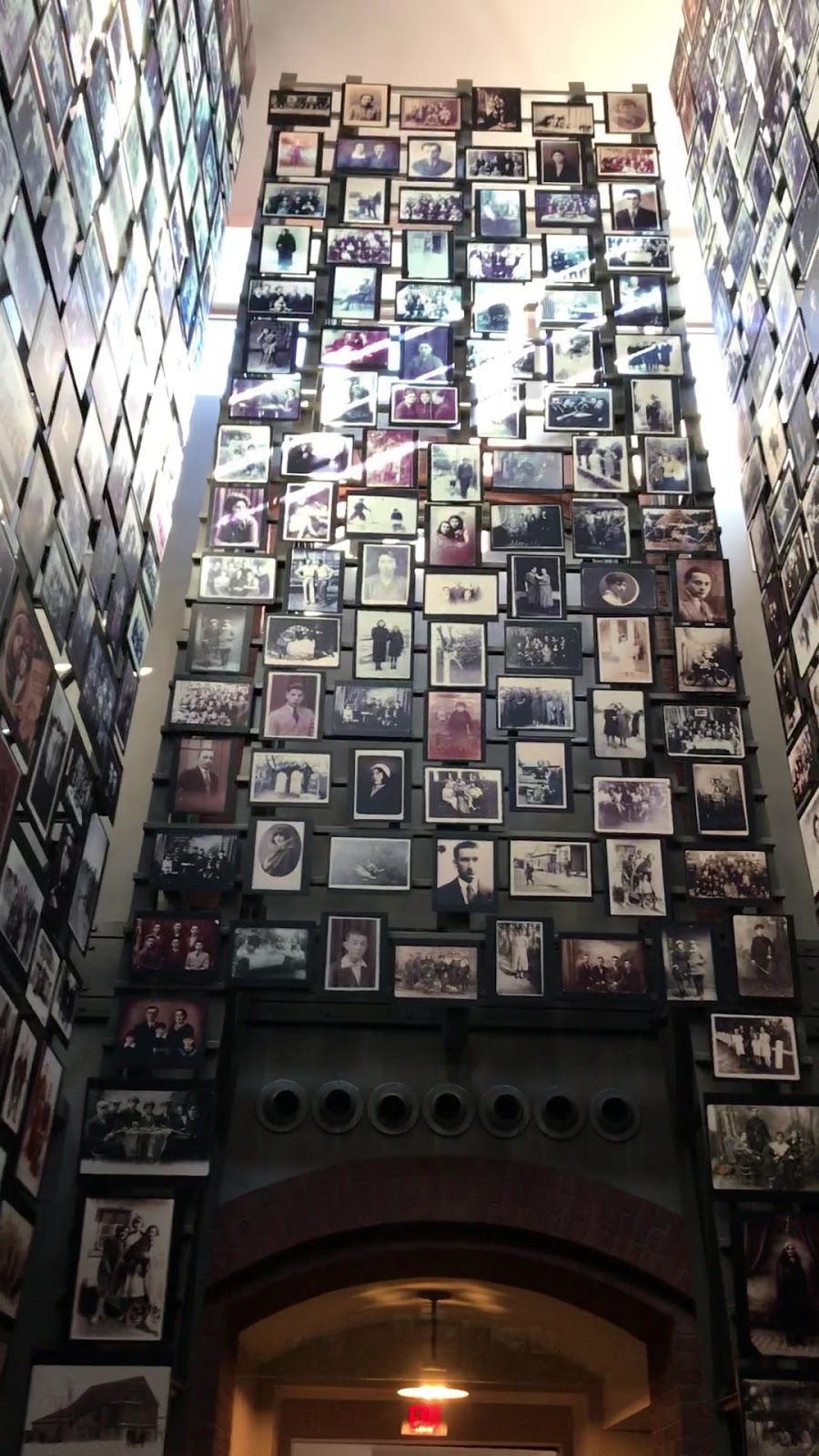
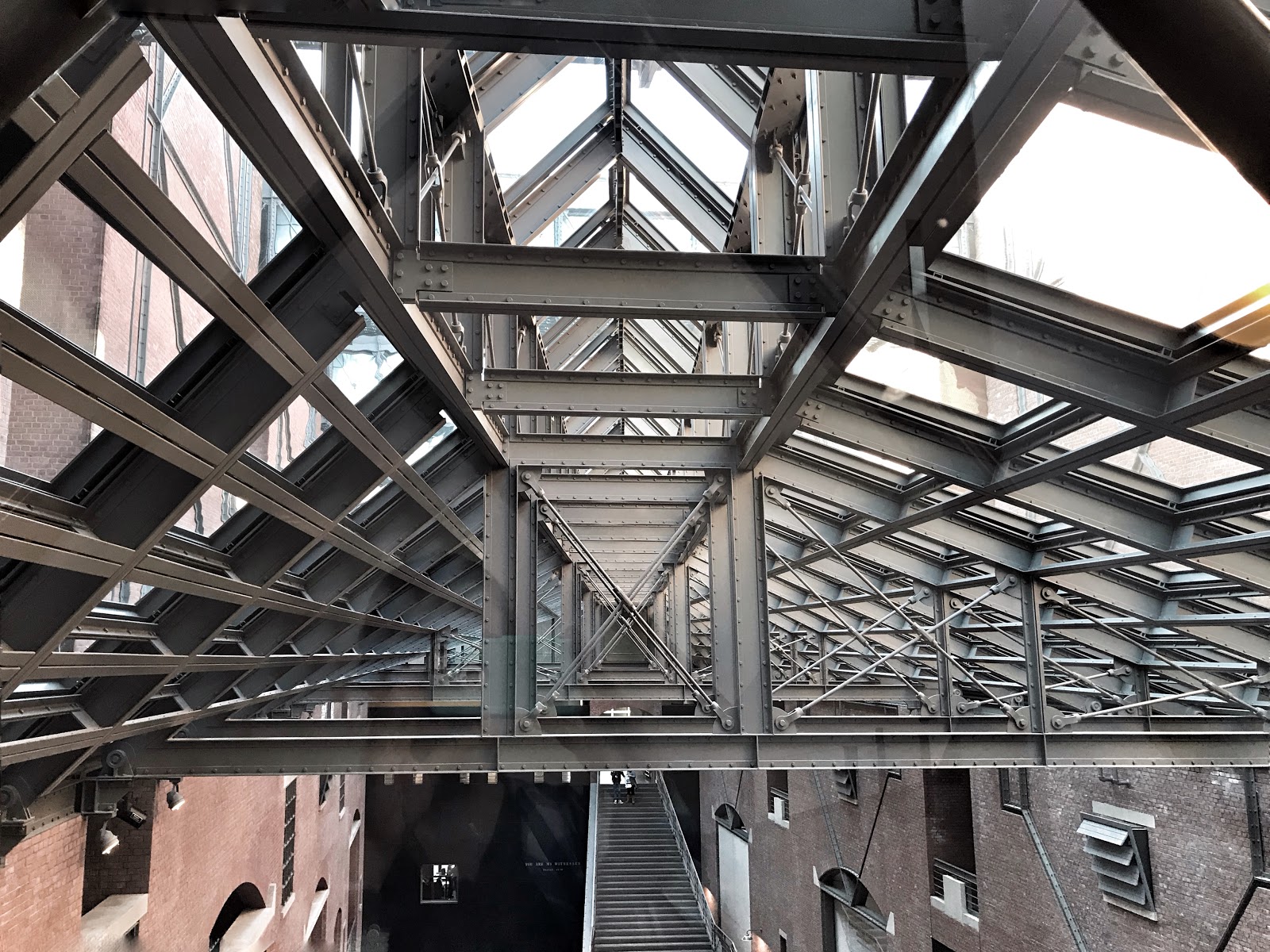
A friend who lives in DC recomends the Holocaust Museum. It is fairly new and supposed to be real informative. He did not lie. It was a very powerful exhibit of a dark time in human history.
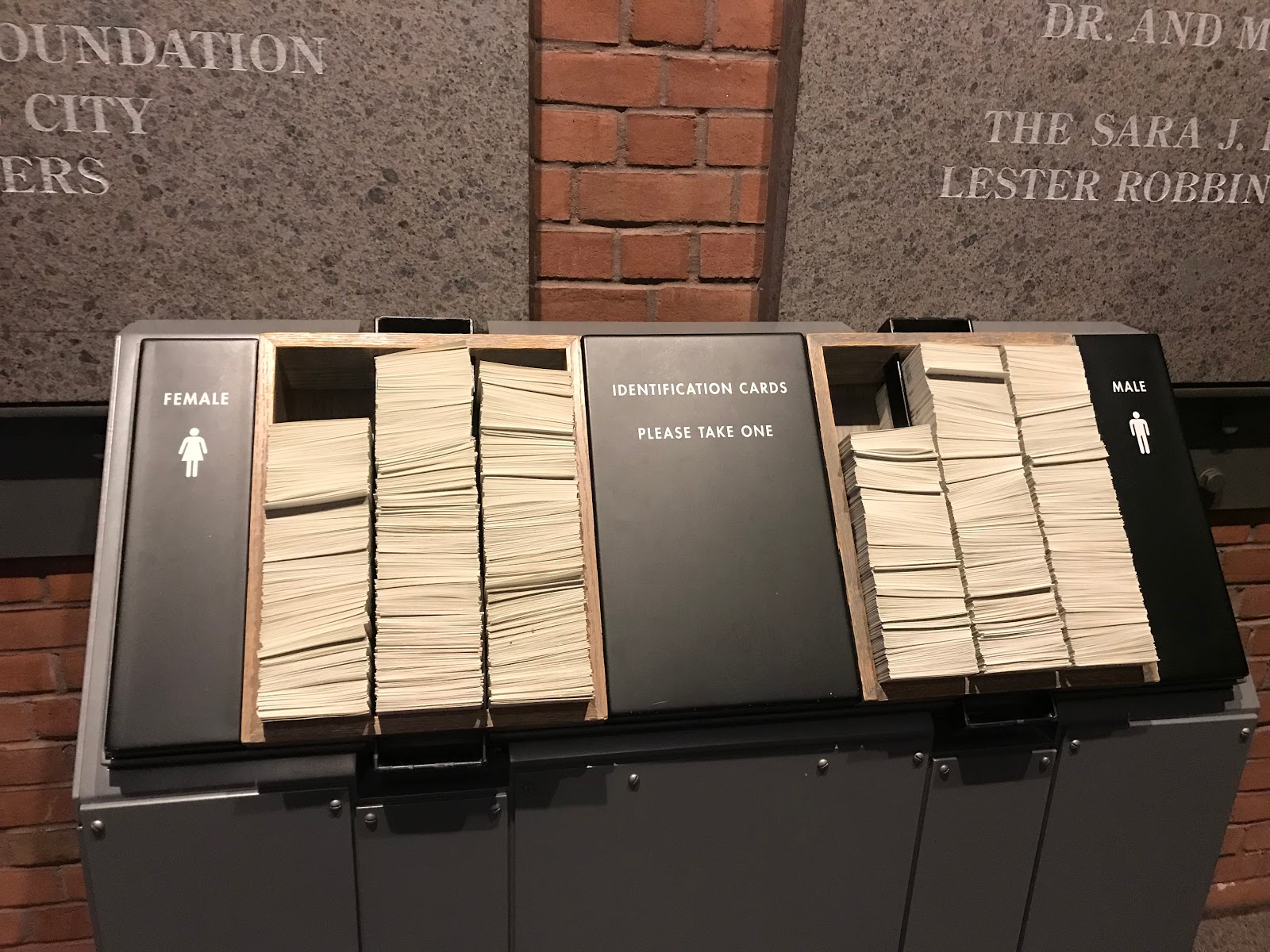
When you enter the museum you take on a persona but you do not yet know if they are a victim or a survivor. You carry their story with you throughout the exhibit.
I was disappointed to learn how the United States failed the refugees. It is clear we could have done more to help but we didn’t.
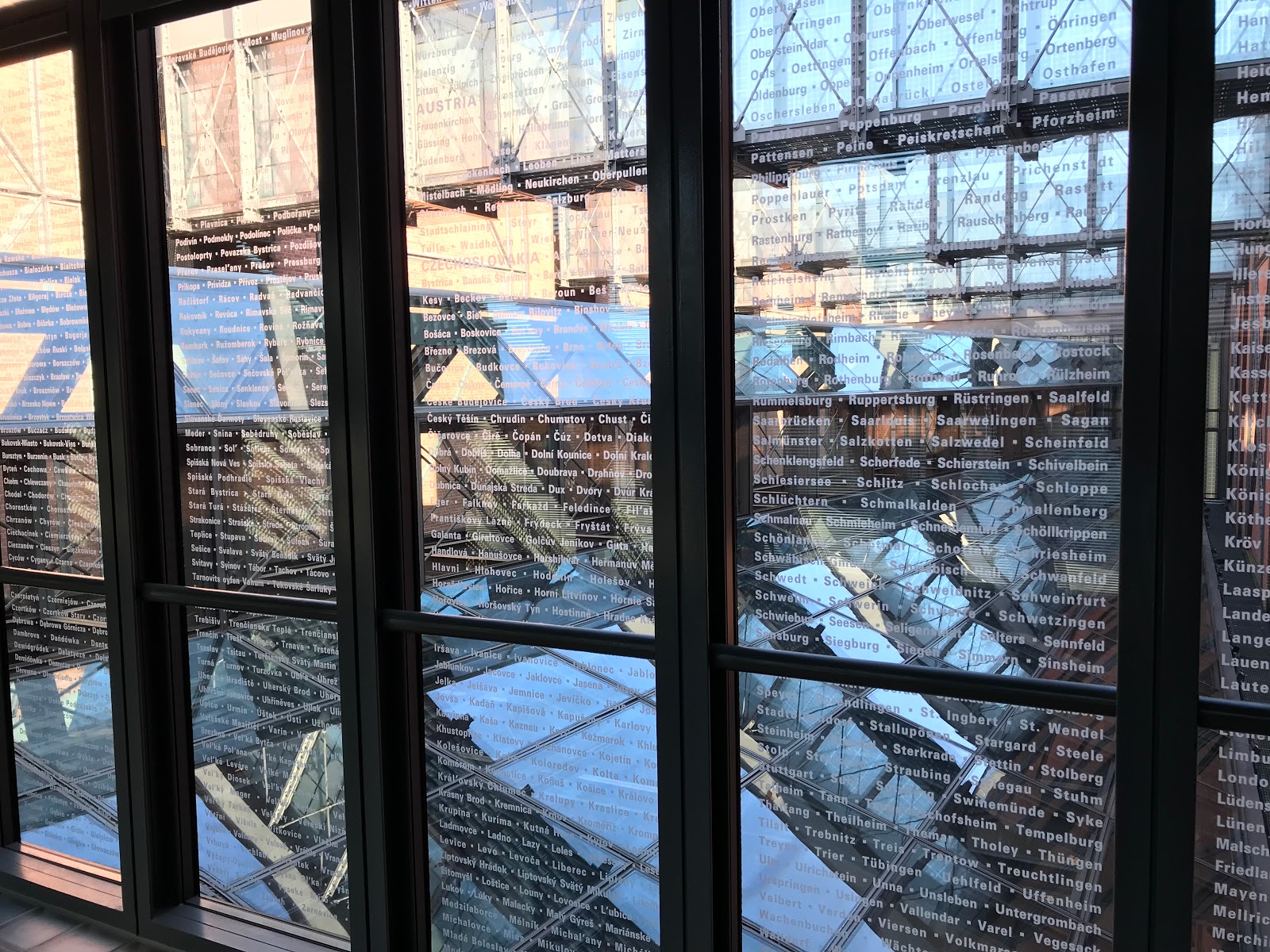
Names of those who died are all along the windows.
What was most disturbing is reading how the history was laid out. Hitler and the holocaust didn’t just happen overnight. It happened slowly bit by bit. Little changes that eroded freedoms and livelihood of people. So many times where people could have stood up and say no; but not enough did because they thought there was no way it could get that bad. It is a lesson to all of us. Always stand up for injustices no matter how small people think they are.












































































 Growing With Leala