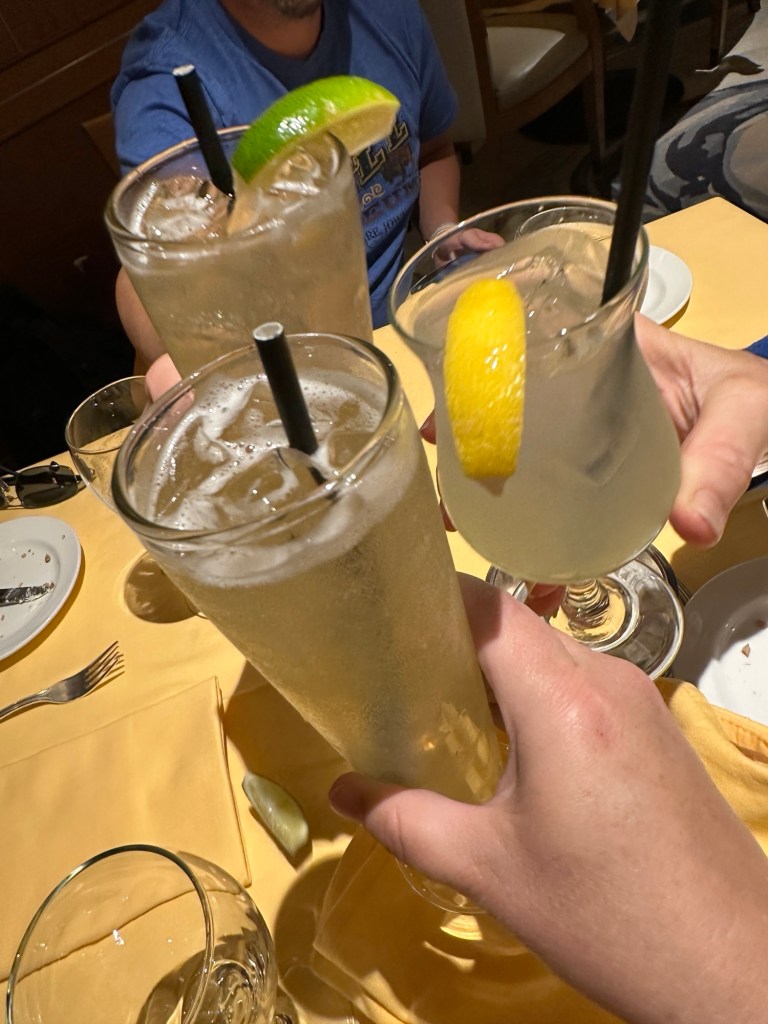
Today we board our cruise ship. My aunt drops us off with the luggage and we wait while she returns the rental car (she rented a car to do some nature excursions while we toured Vancouver). Once aboard we have some time before our room is ready so we head to the main dining for lunch. If you are not familiar with cruising, there is typically many ways on the ship to get fed. One of the more formal ways is in the main dining room where a waiter takes your order off a menu of set choices for the day. We decided it would be a good start to our cruise.
First toast of the cruise
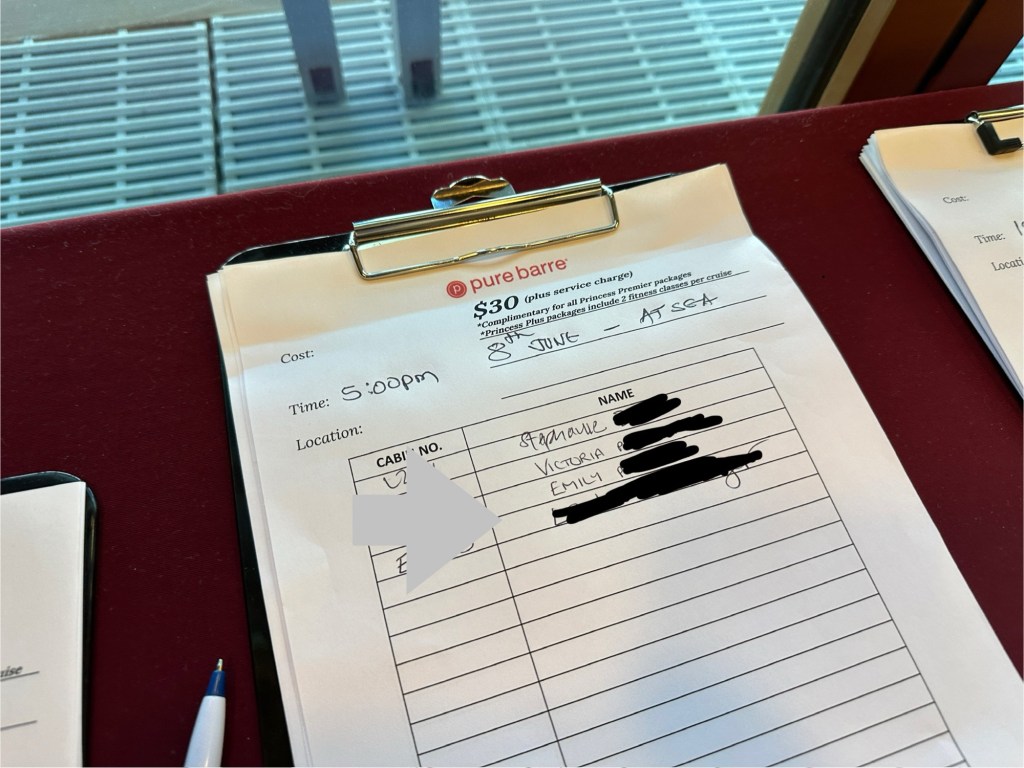
Our first day of the cruise is at sea. We are heading to Alaska and I guess it takes a while to get there. We enjoy some of what the ship has to offer. No pool time though because it is mostly too cold. I do sign up for a fitness class that kicks the crap out of me that first day.
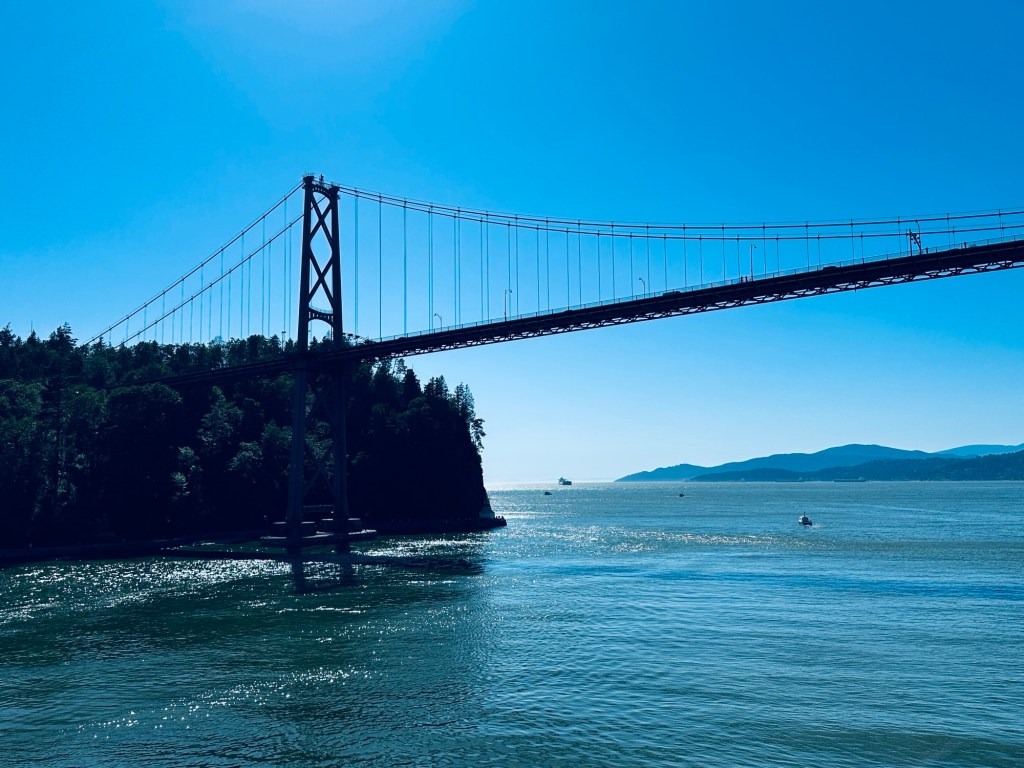
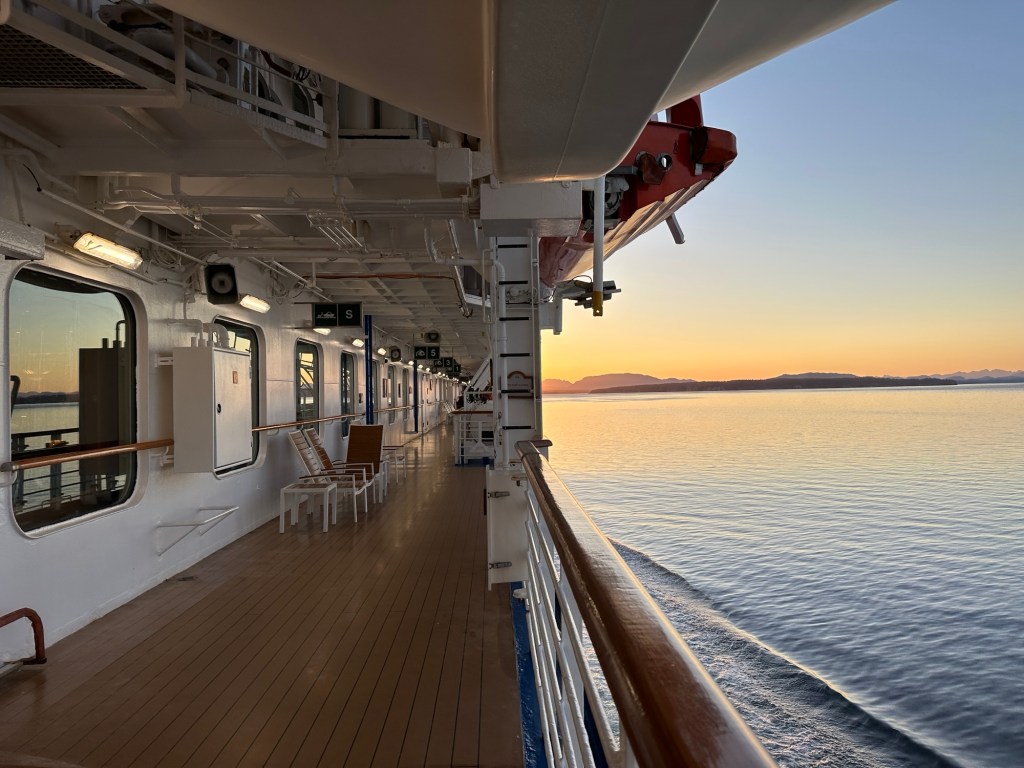
Our view
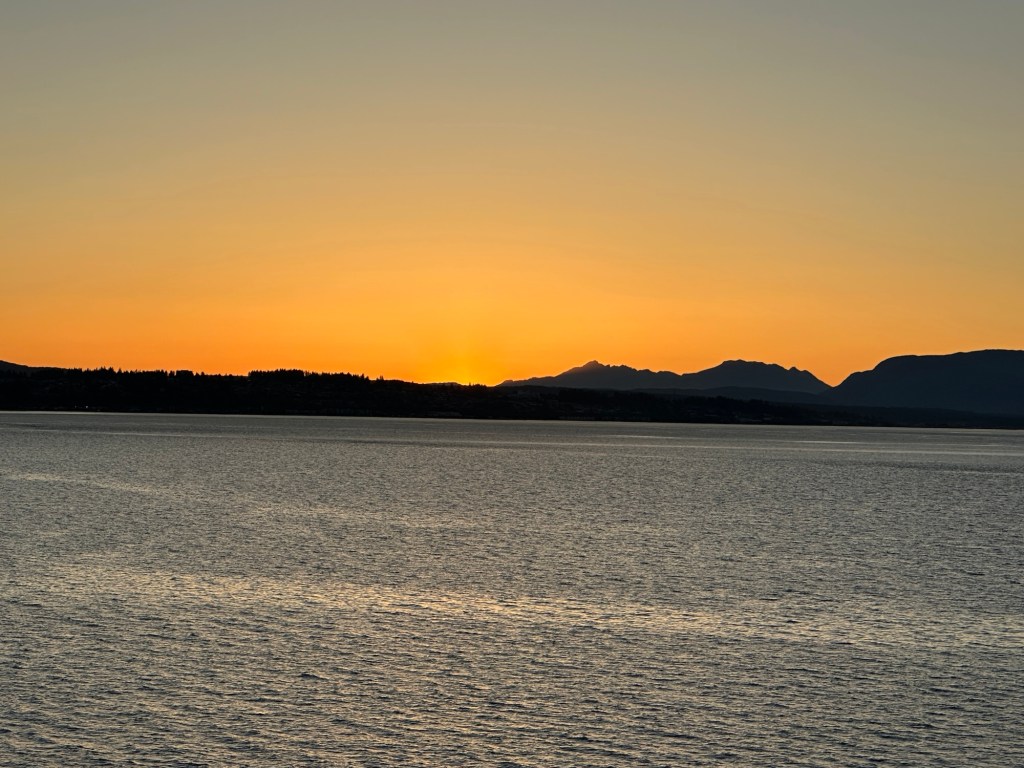
Sunsets
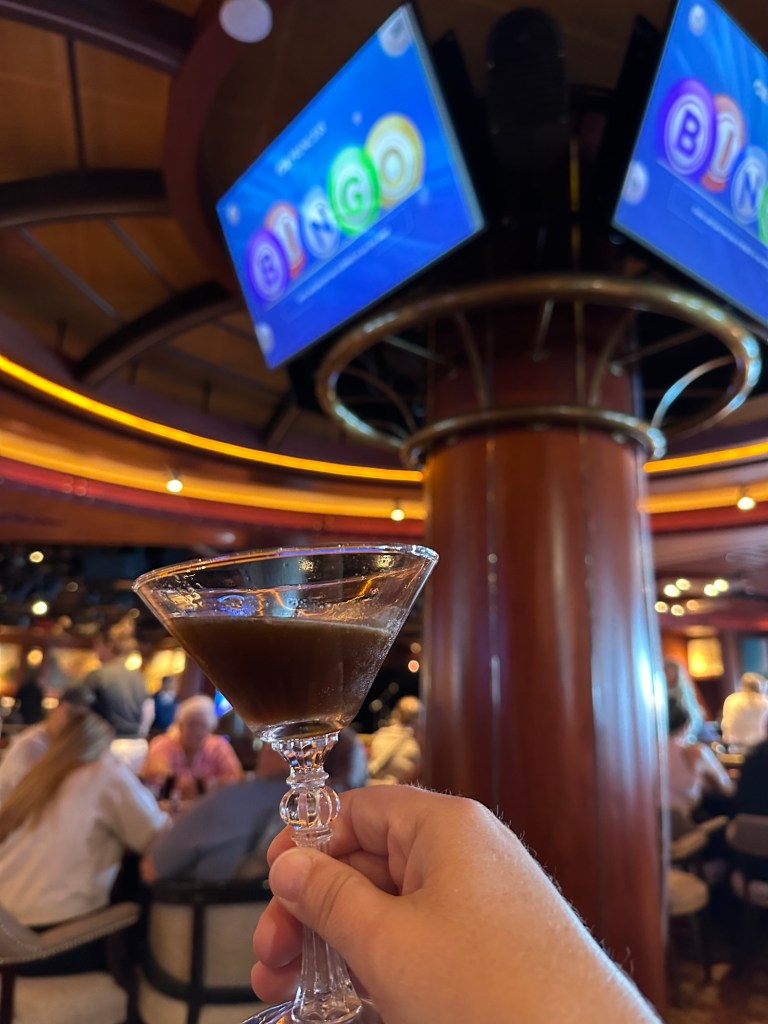
Bingo – I did not win
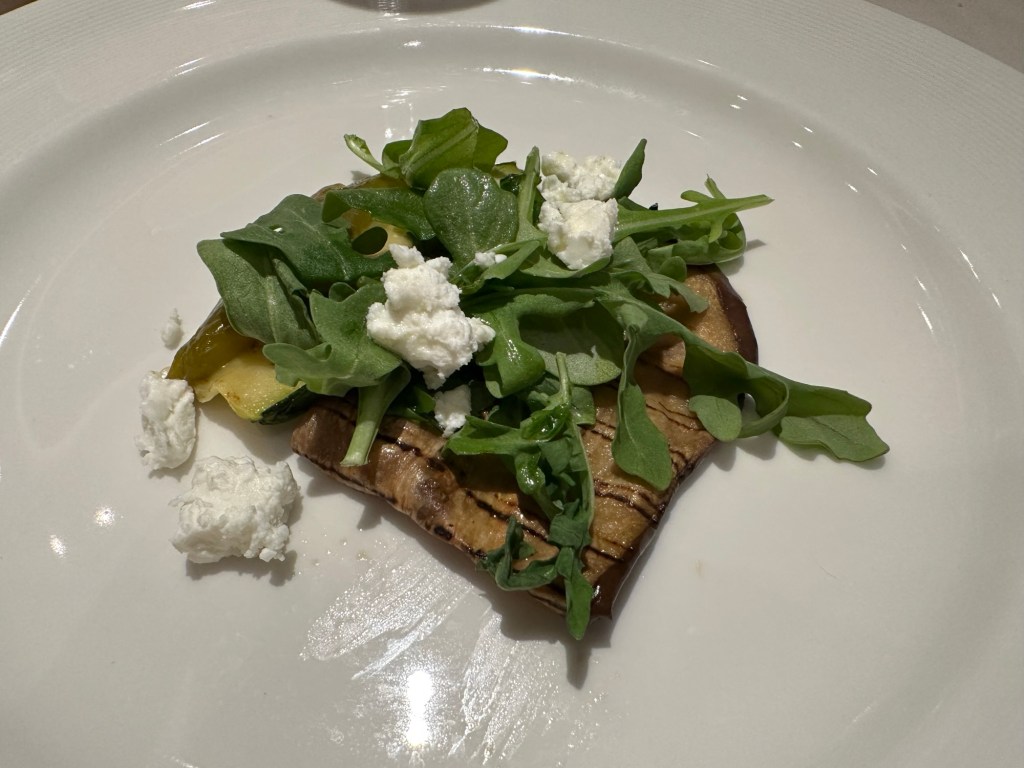
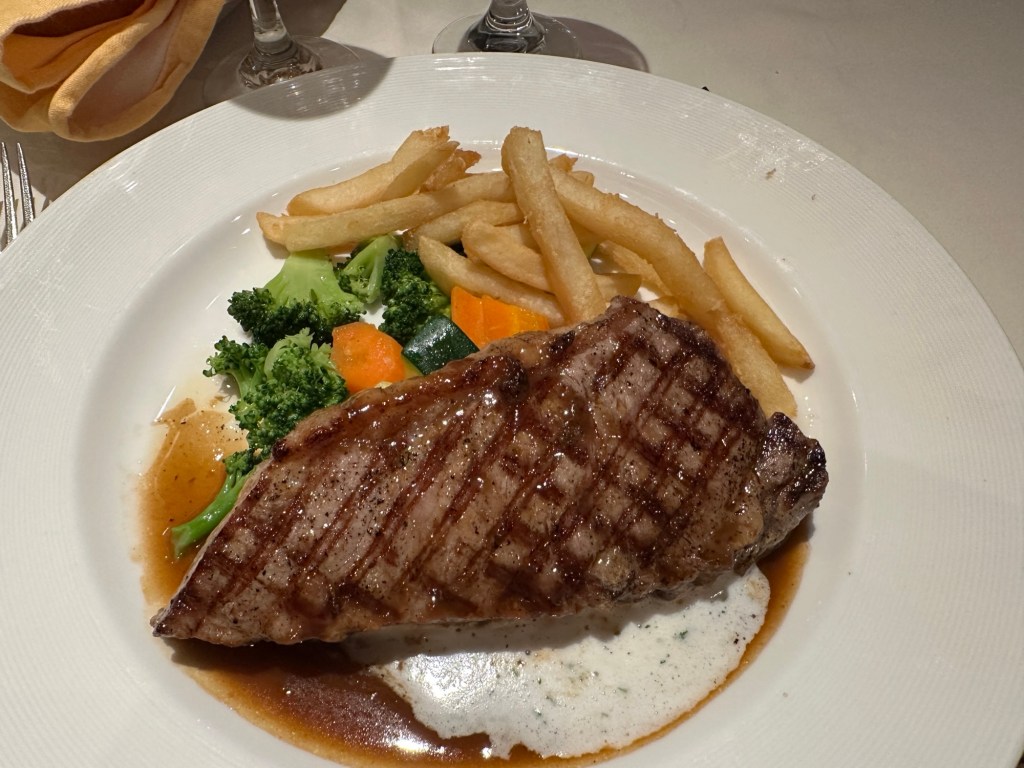
Dinner
First of many cheese plates in leu of dessertNighttime Fun
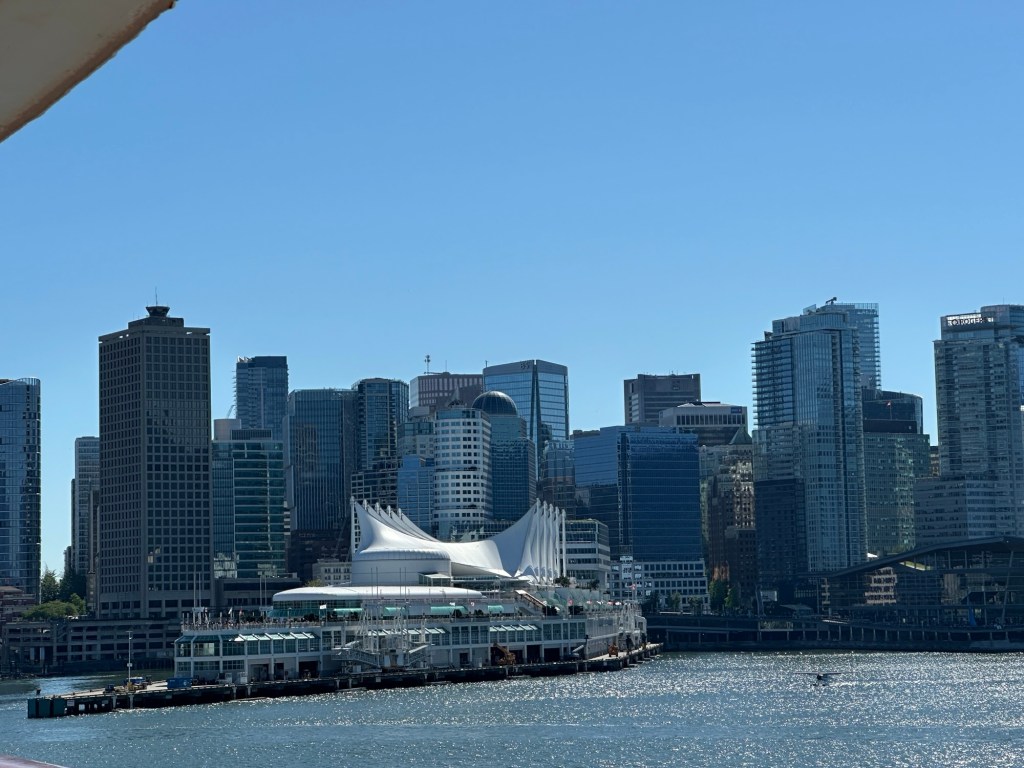
This summer I went on my first Alaska cruise. More on that cruise later but first I want talk about the day or so I had exploring Vancouver, Canada (British Columbia) – the starting point of the cruise. I have only been to Canada once before and that visit was to Montreal, so I am excited to see another part of this incredibly large country that I have put off visiting for way too long. Although Vancouver has much to offer in the form of natural resources I decided to keep this visit a city exploration since I plan of spending a week observing wildlife in Alaska.
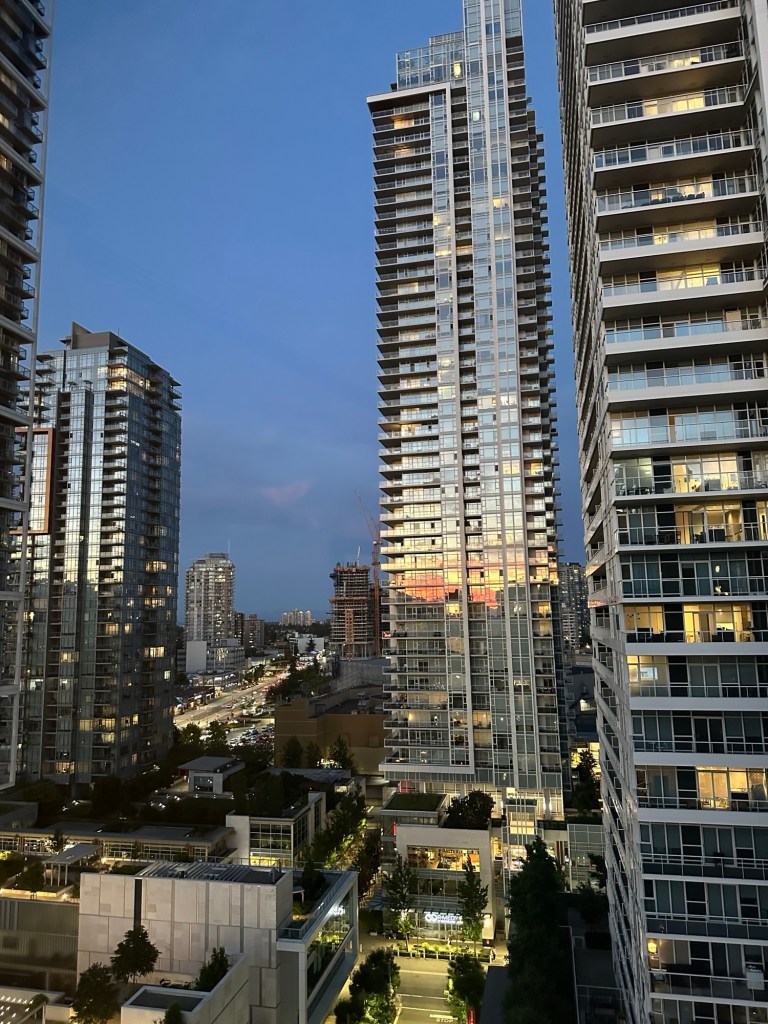
The hotel we chose is further away from the action than I want in Metrotown but I soon see that it is very convenient to get to downtown Vancouver by the elevated train. I take it a few times during my stay. I am in Vancouver with some family members but they arrive later in the evening so my first evening is exploring on my own.
Elevated Train
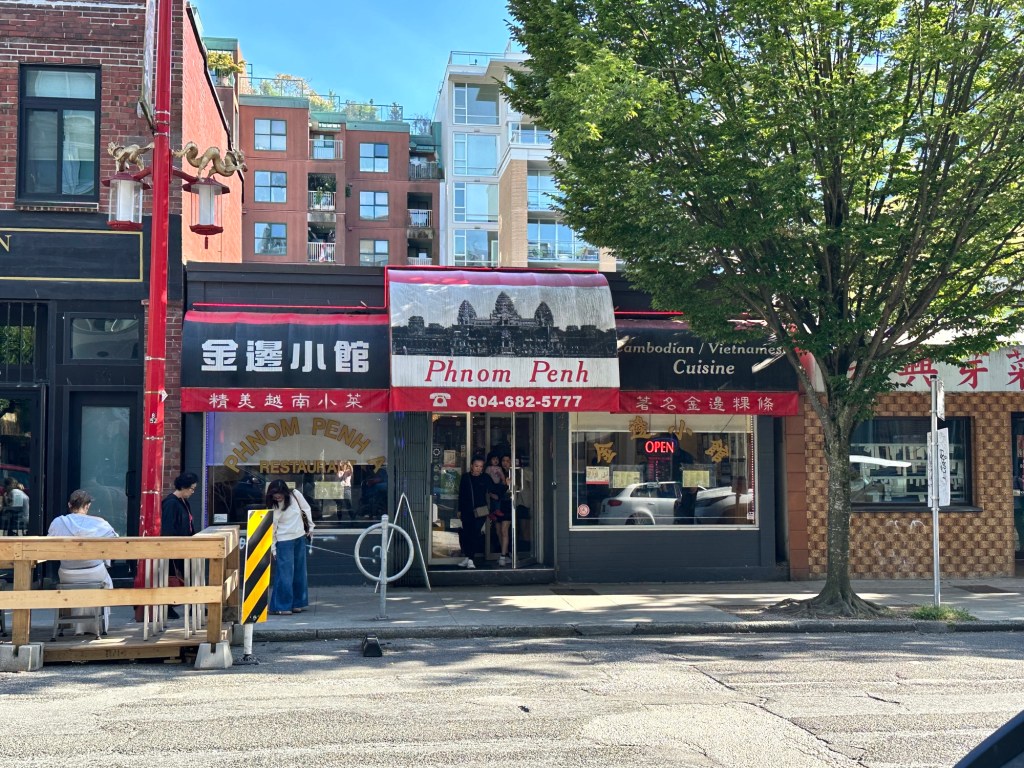
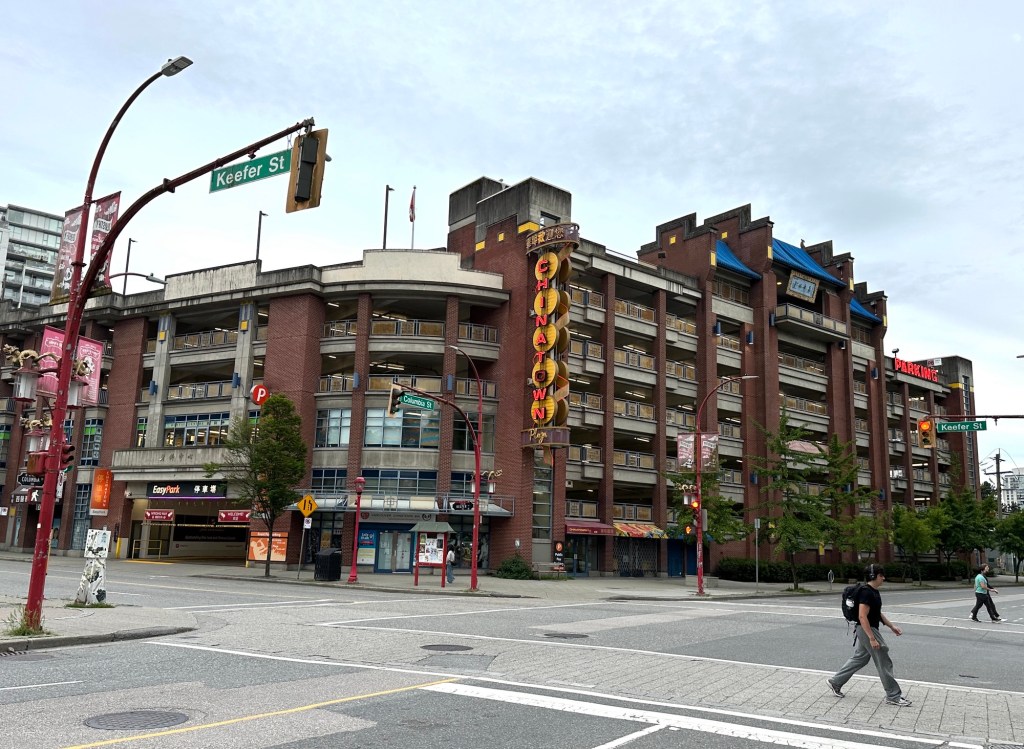
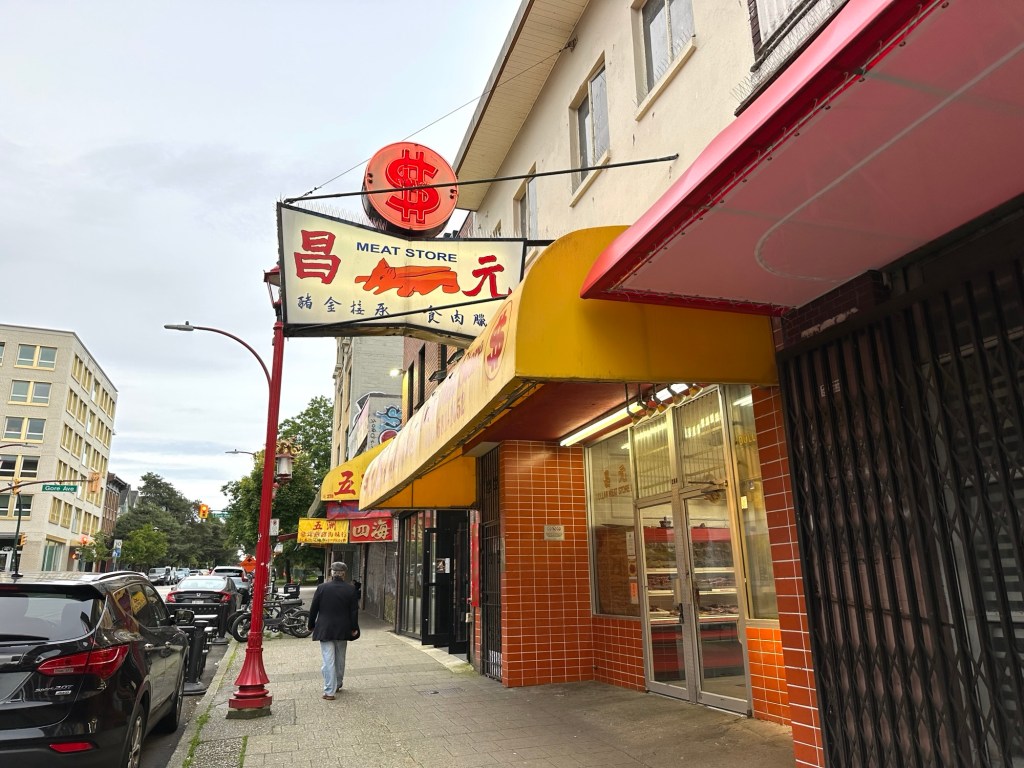
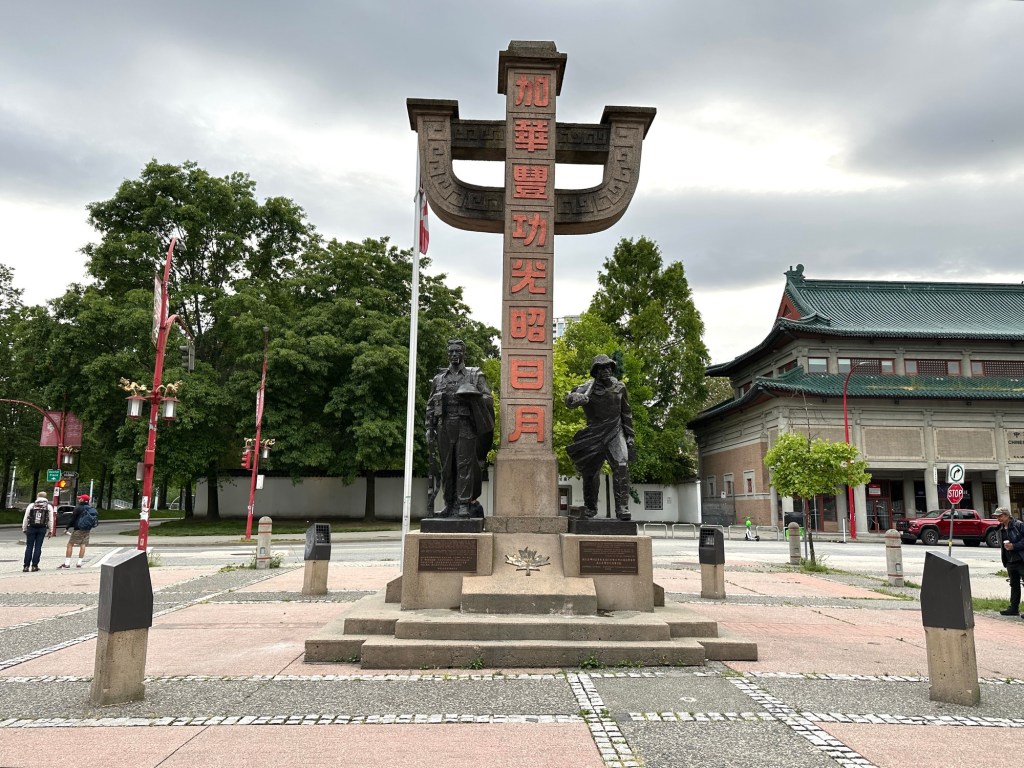
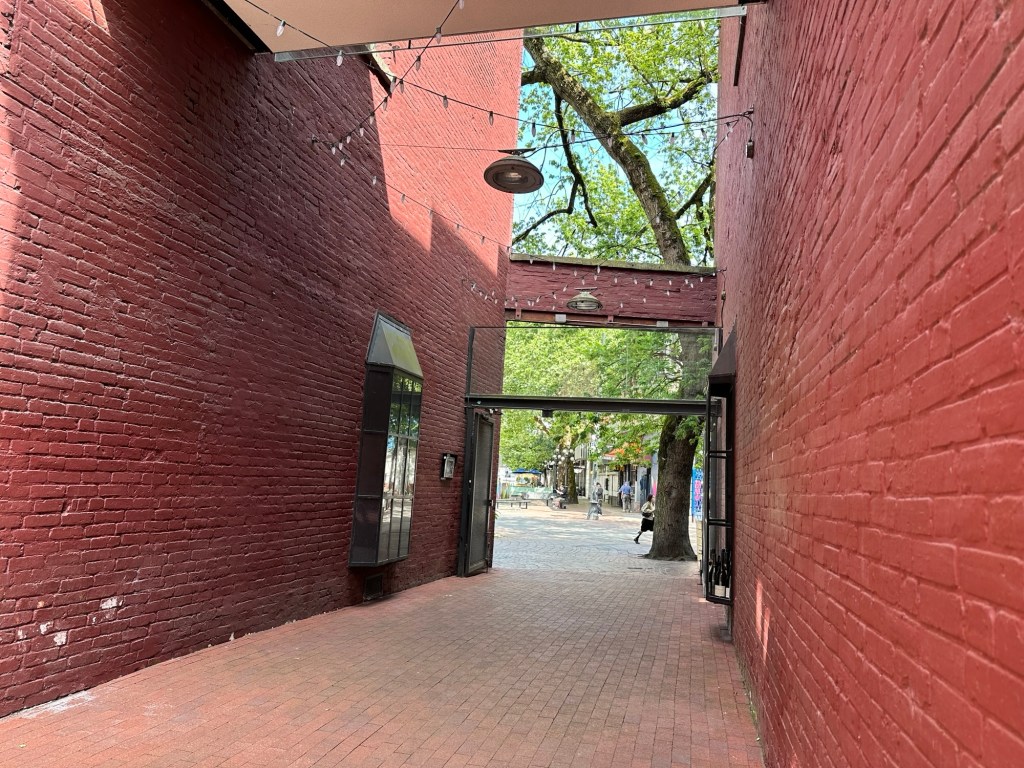
For my first evening I spend most of my time in Chinatown. It is a little rougher in this part of town but I generally feel safe. This is also the location of some good eateries and cute cafes. My first stop is the recommended Phnom Penh Restaurant, a Cambodian and Vietnamese restaurant. I knew arriving that there would probably be a wait since they don’t take reservations. I am told the wait is thirty to forty minutes and they take my phone number for when my table is ready. I wander around the neighborhood while I wait – it actually ends up being closer to sixty minutes and I would have stopped somewhere for a cocktail if I knew the wait would be that long.
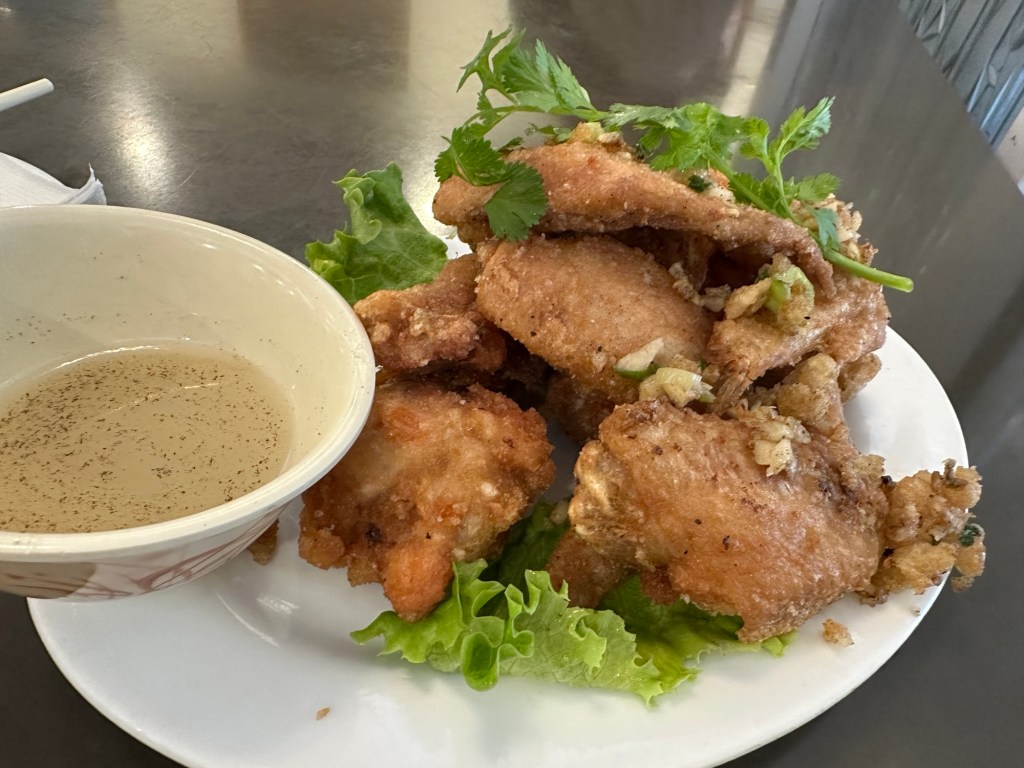
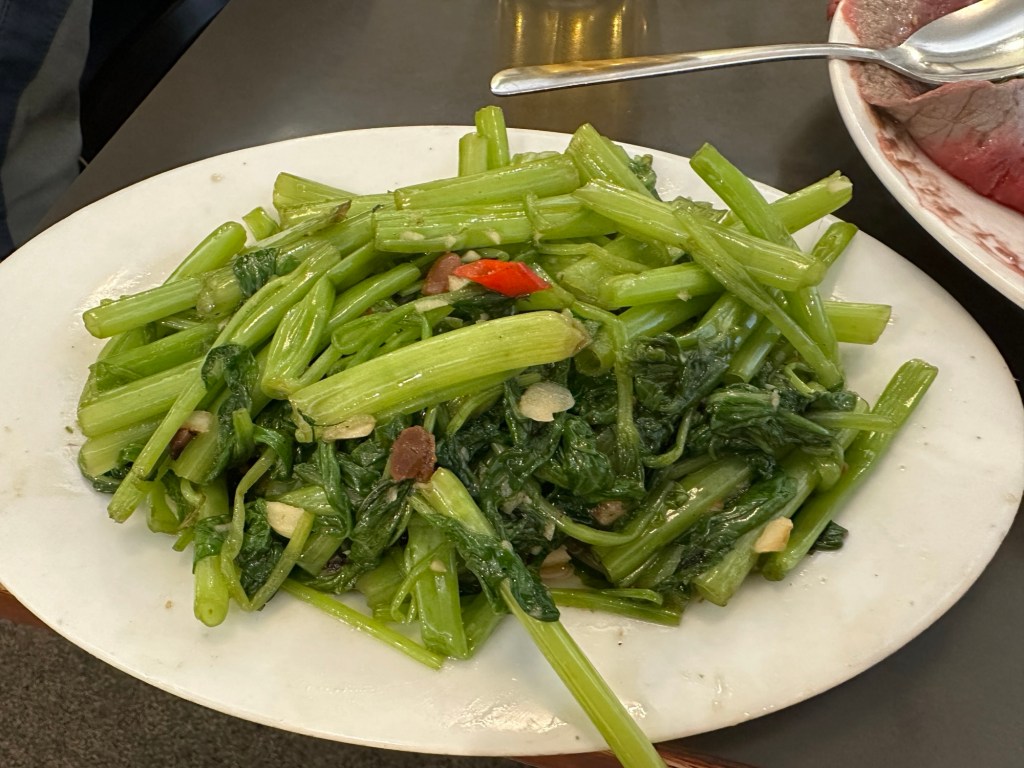
I order too much food for one person because there are many things I want to try. Everything I ordered (butter beef, water spinach, chicken wings, moo moo shake) was good and I vow to come back to try more. What I really like is that even though it is awkward to dine alone, especially at a family style Asian restaurant, they seemed to be accommodating by letting me order smaller portions of some of the dishes. A little politeness goes a long way – I am used to being treated as second class in some countries as a solo diner but they did not (although I am certain I would have gotten a table faster if I had a bigger party since there weren’t many smaller tables).
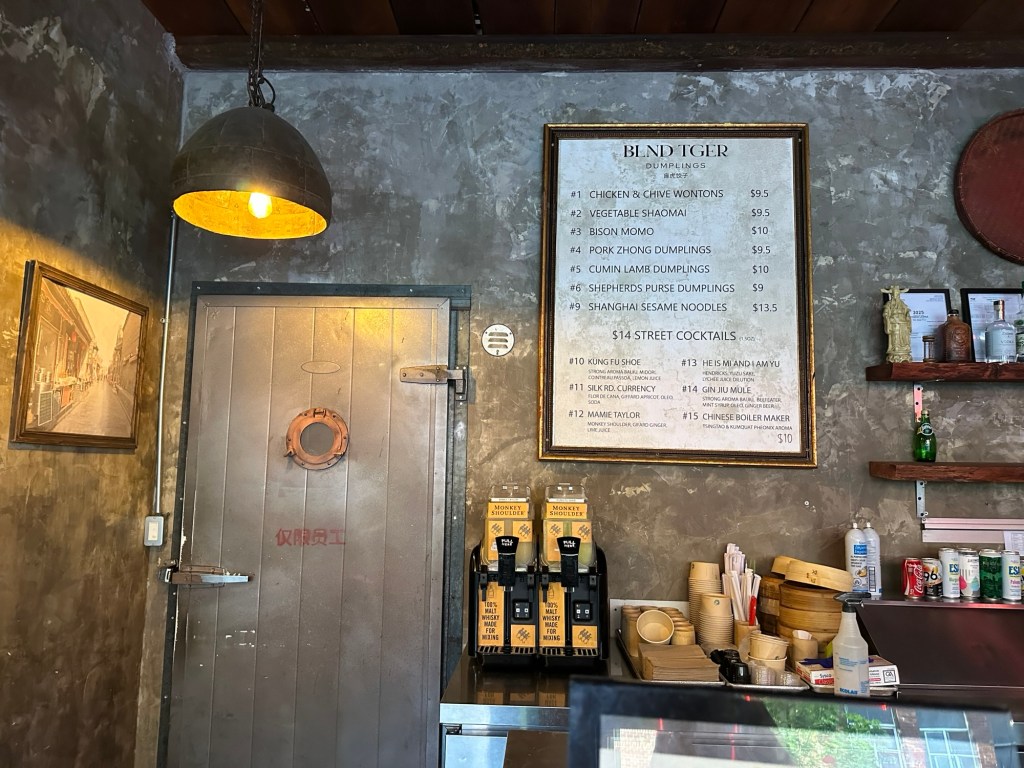
Next stop is at Laowai for a cocktail. They have an interesting food menu that I would be taking advantage of if I hadn’t just eaten a large meal.
I have a reservation at a speakeasy nearby. I walk the neighborhood while I wait for my reservation time.
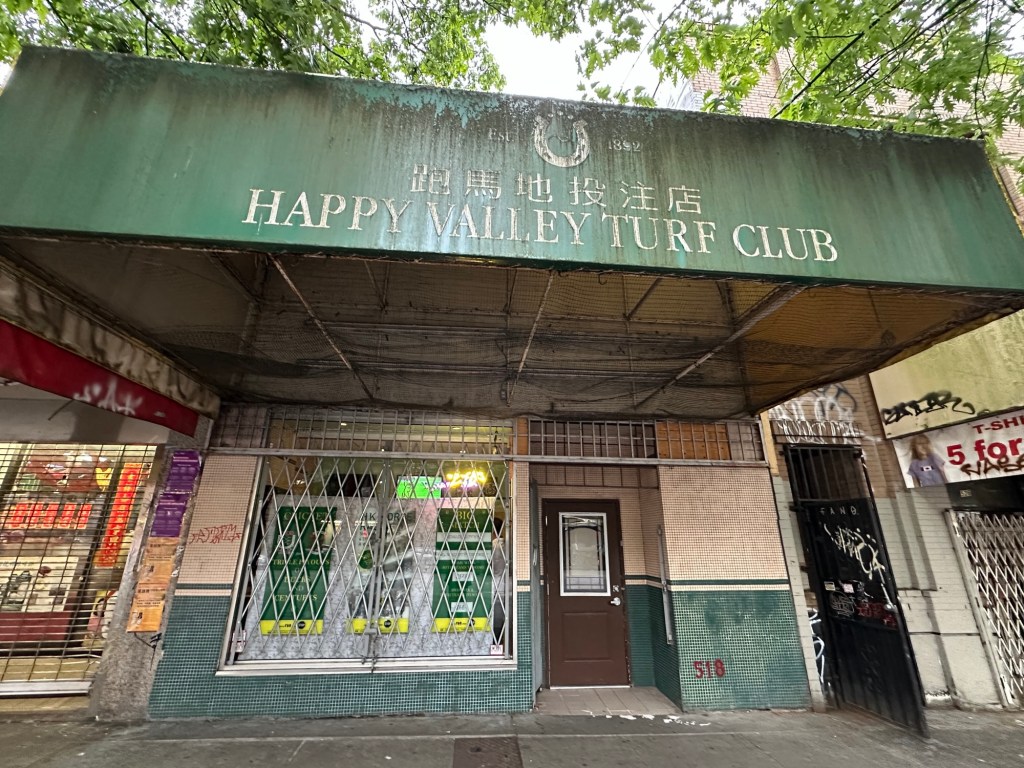
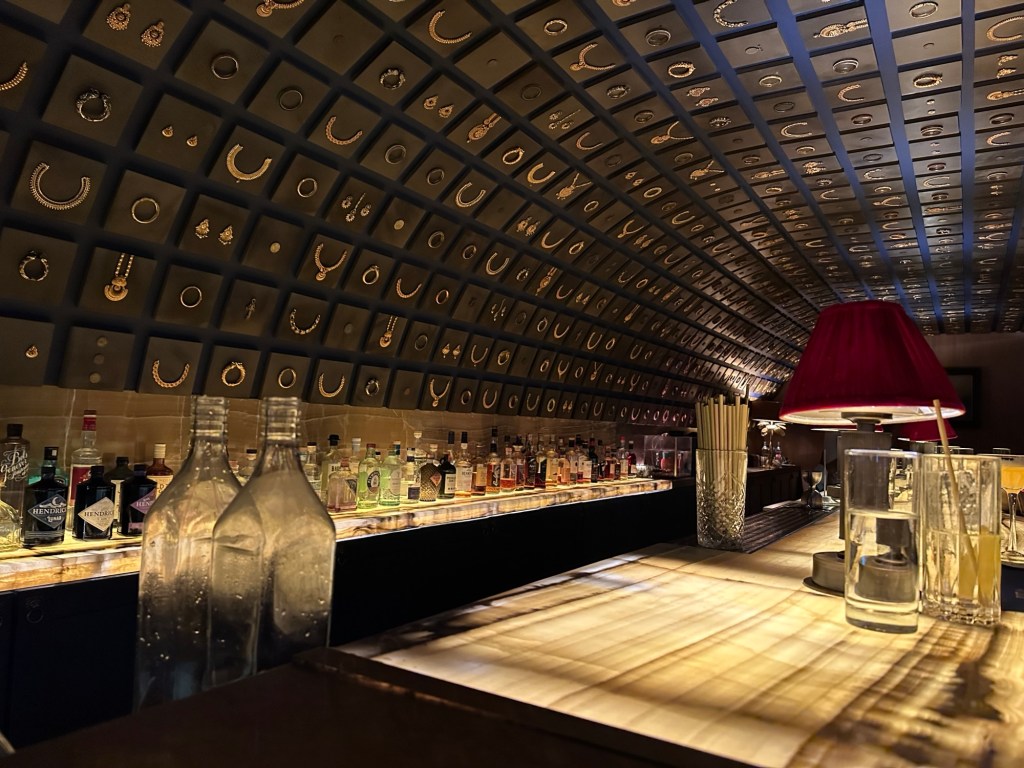
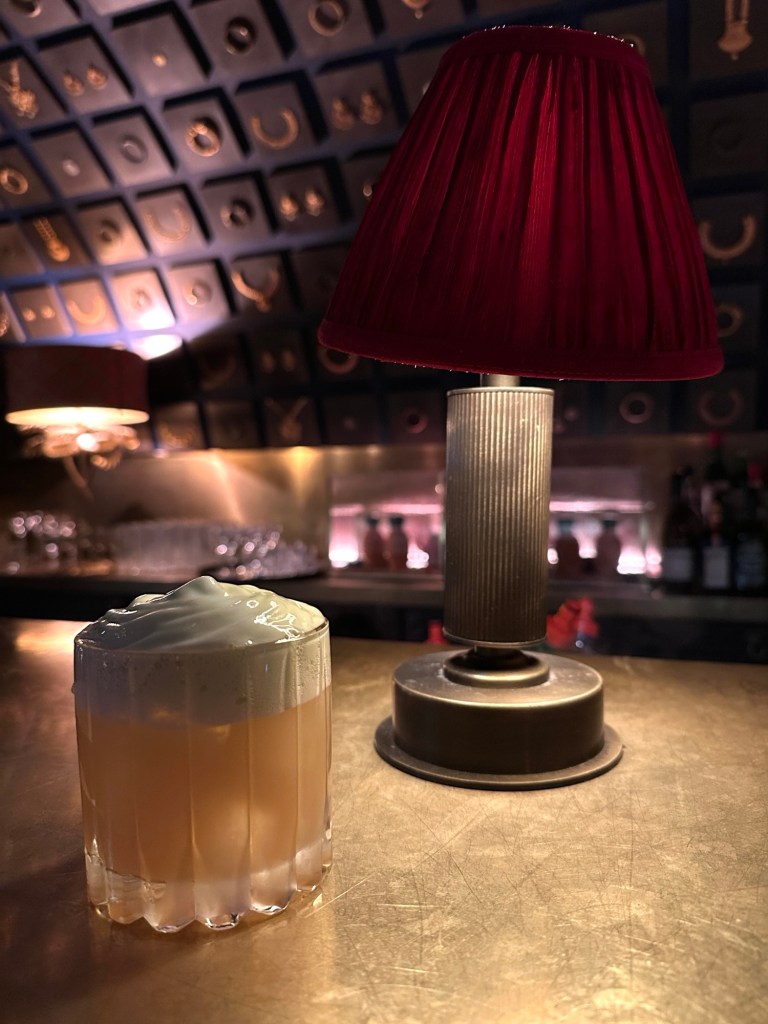
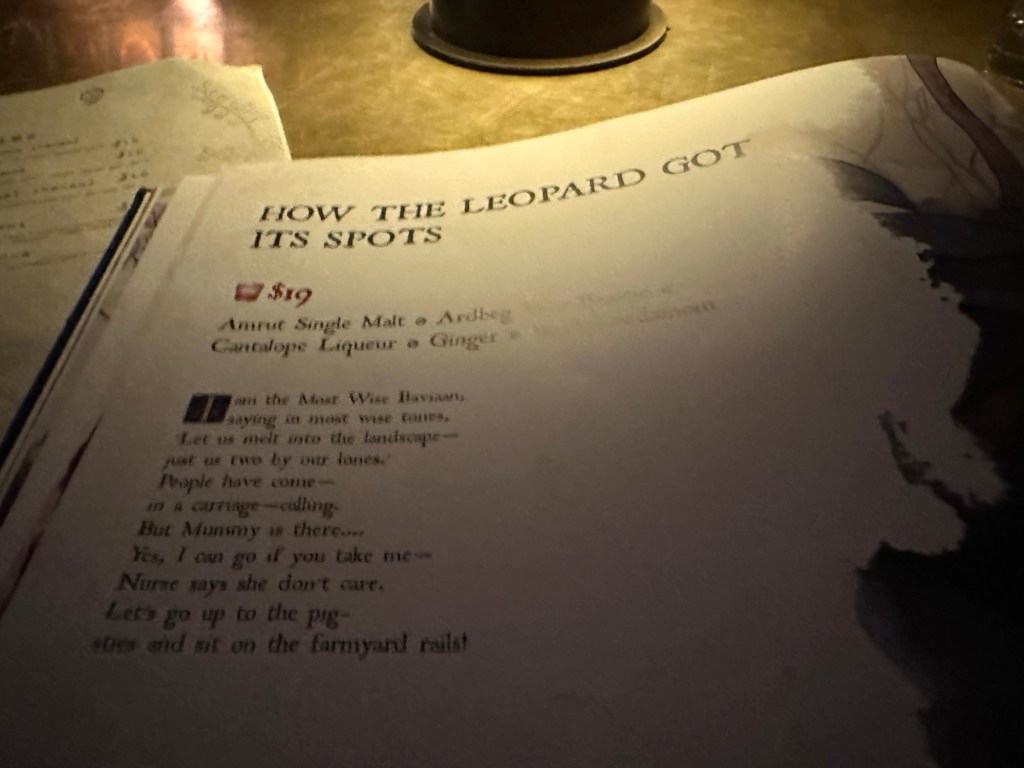
My last stop is at Bagheera, a speakeasy with an entrance themed like a horse betting window. This is once again another place with an interesting food menu, many of them Indian themed. I want to come back when I am hungry and try some of the menu items.
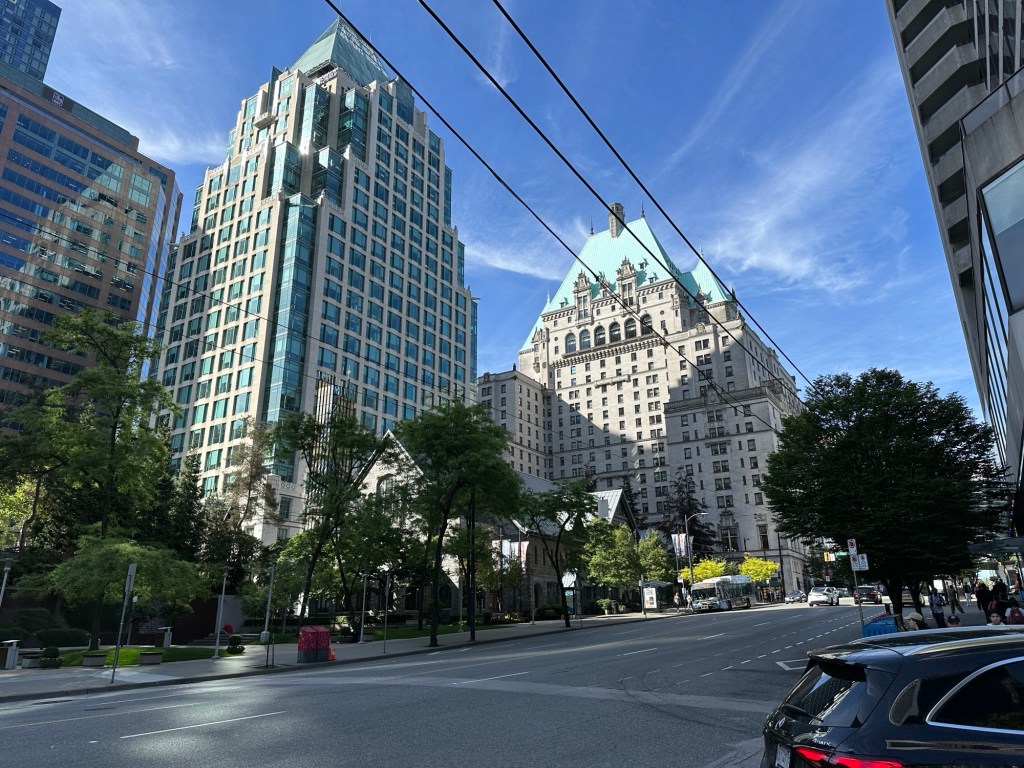
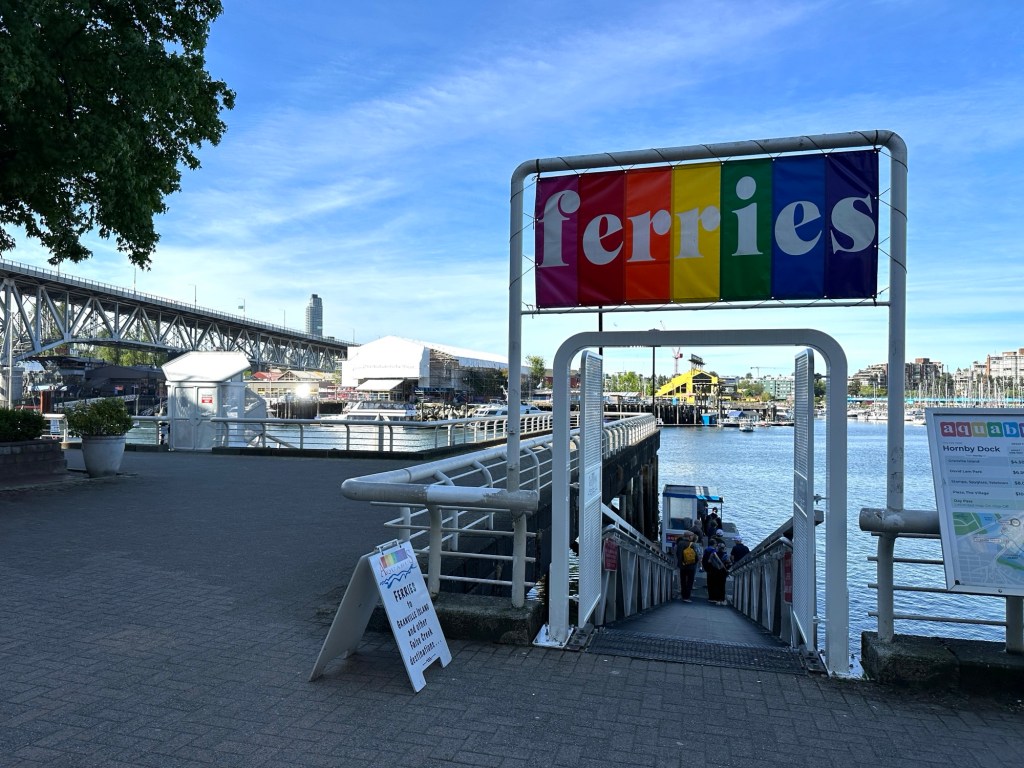
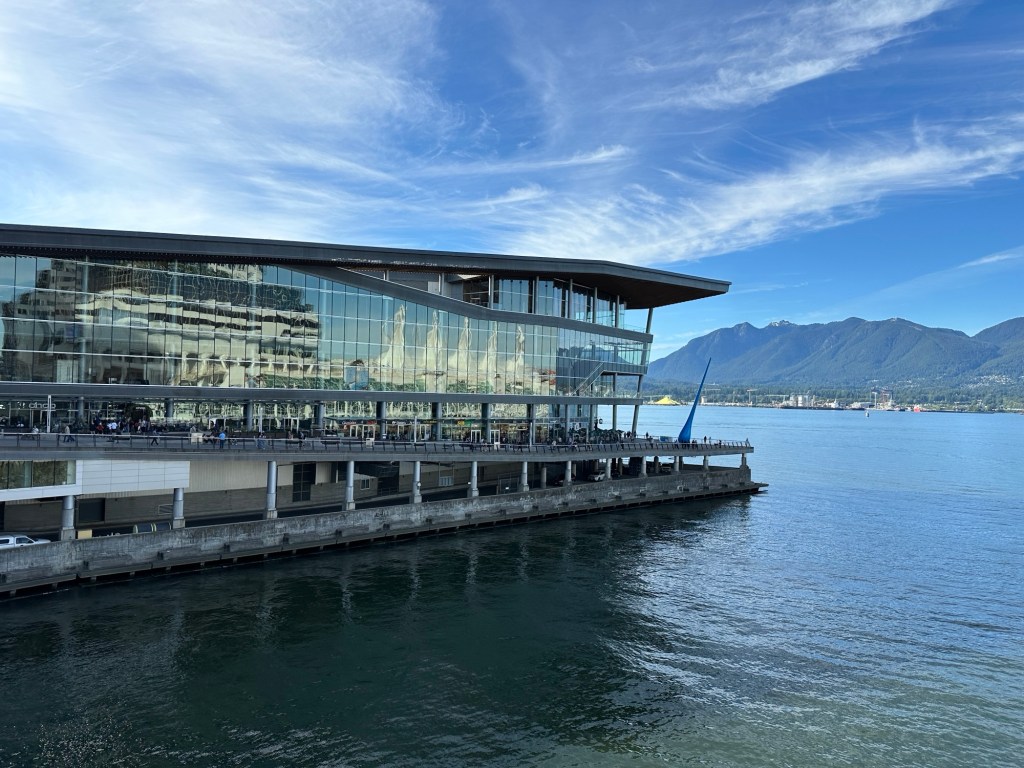
The next morning my cousin and I take the train into downtown Vancouver and then walk down to the ferries.
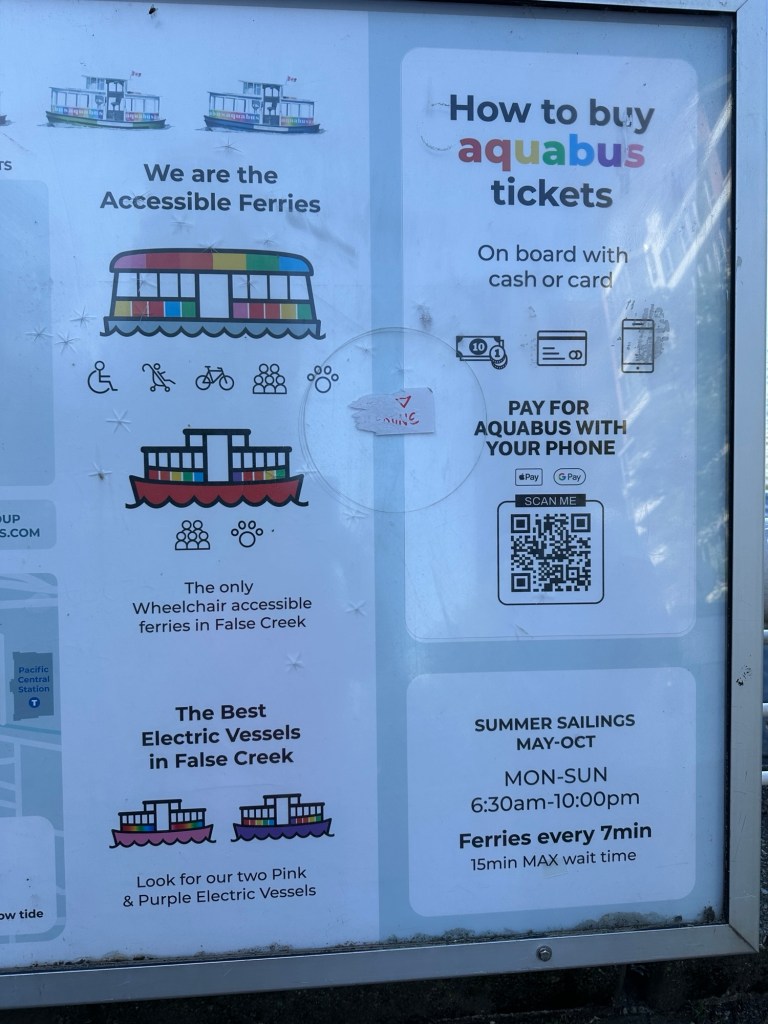
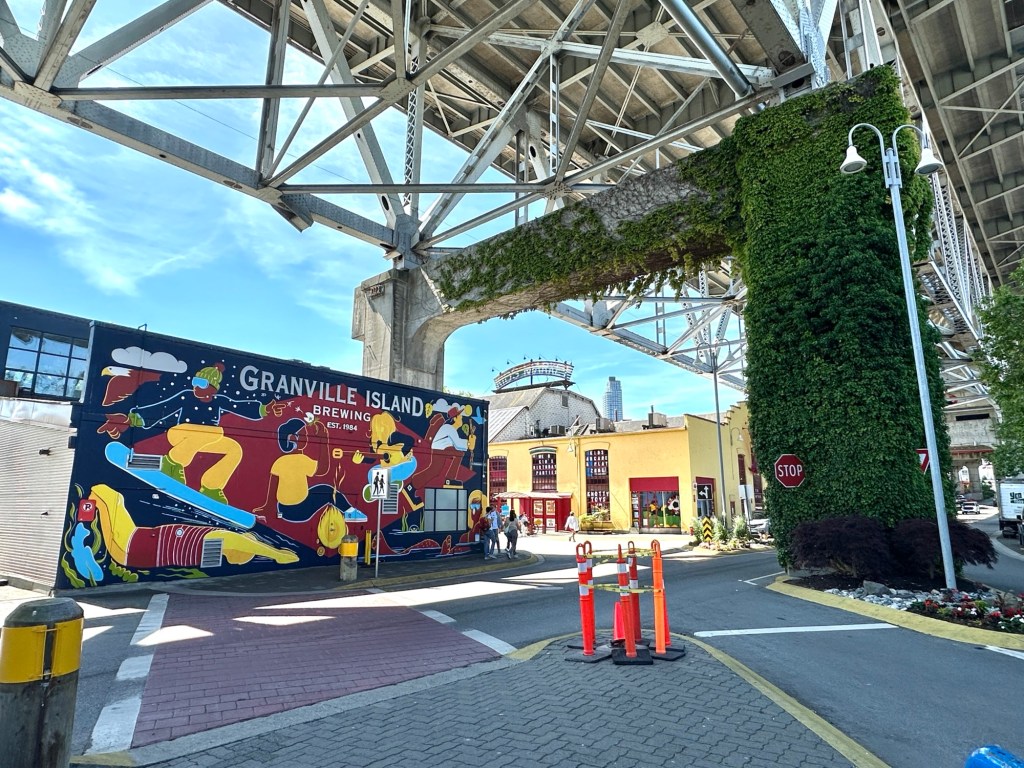
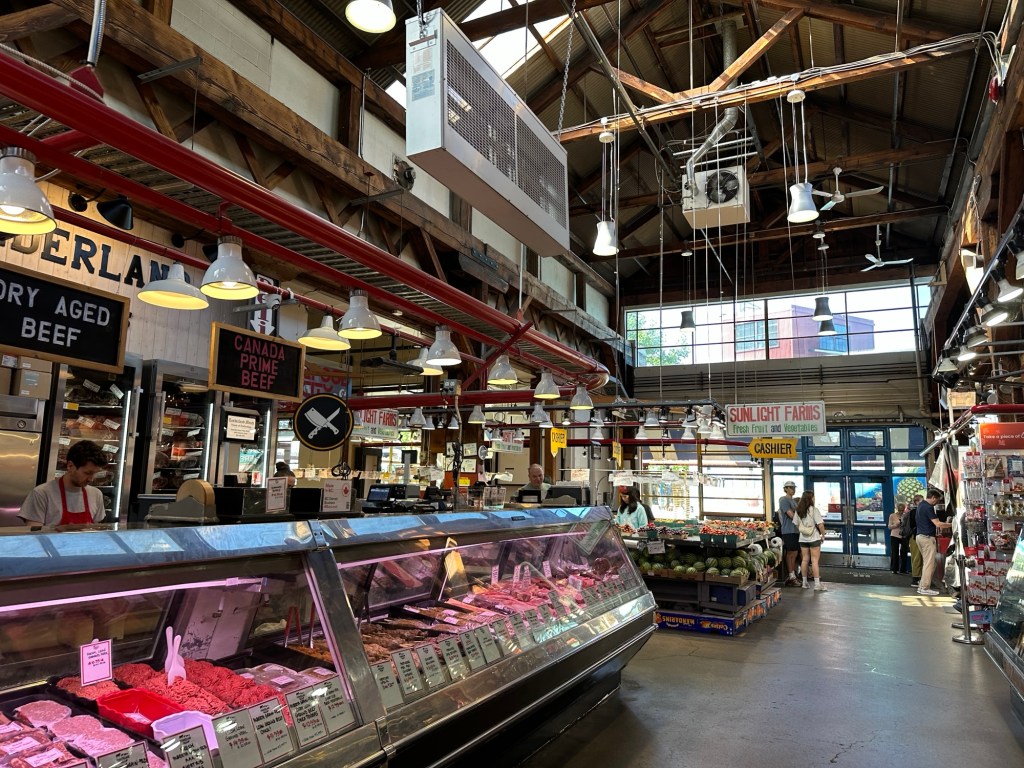
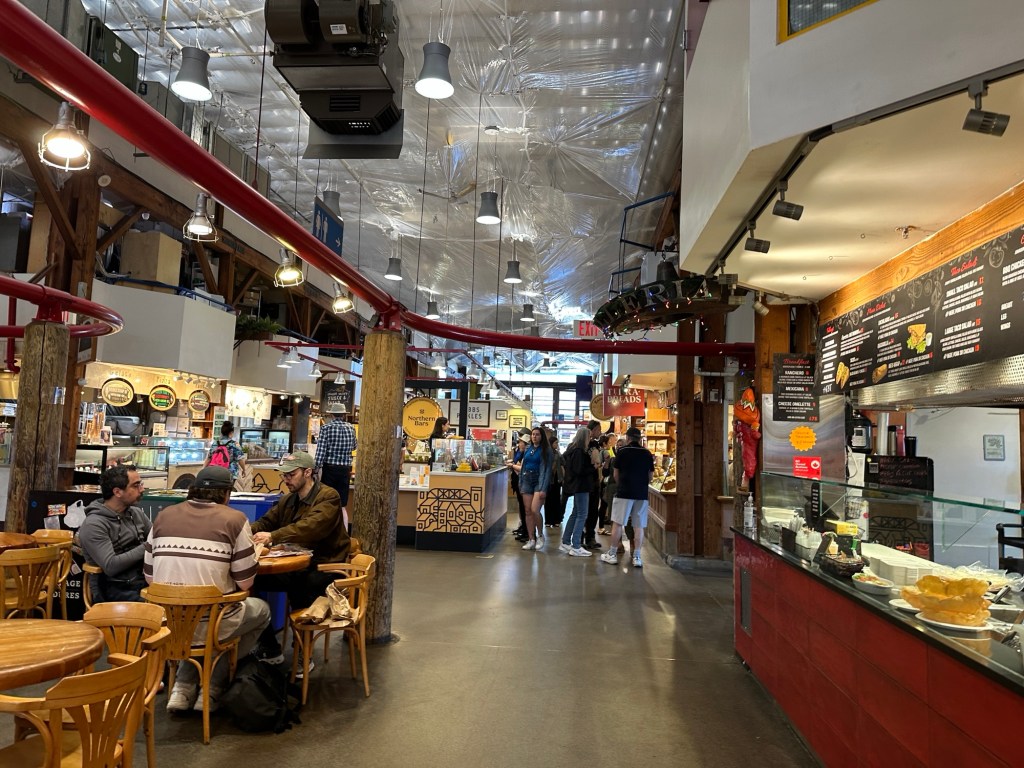
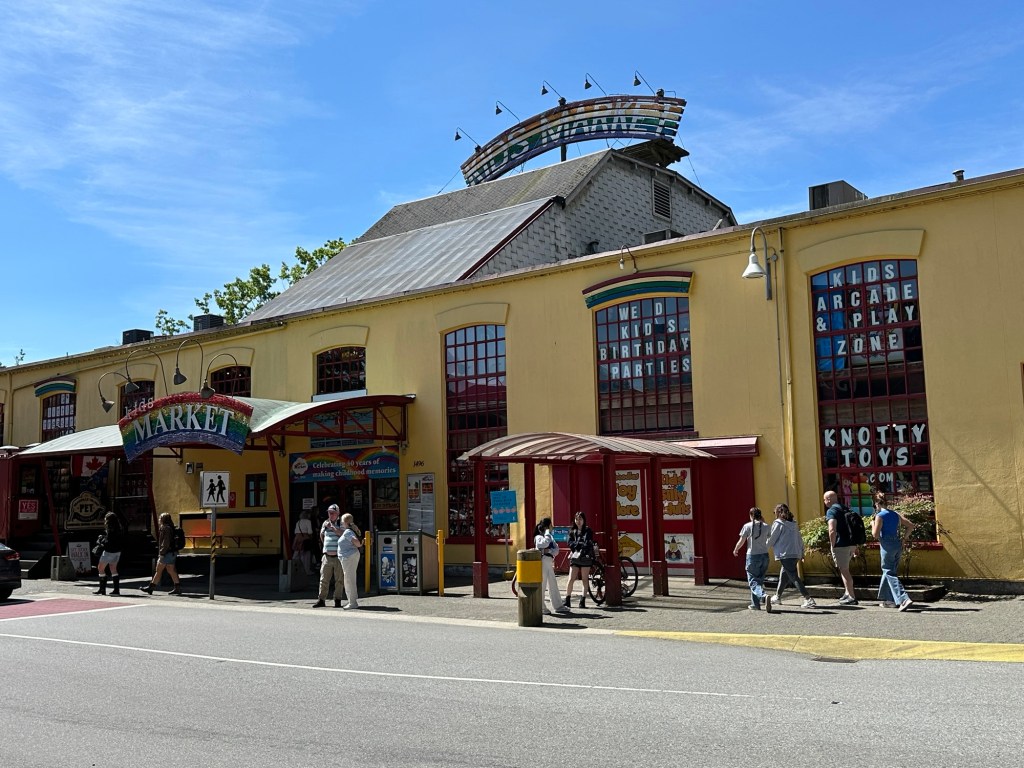
We take a ferry out to Granville Island for some snacks and to walk around. There are so many food choices here that I wish I scheduled more time in Vancouver to hang out here. In the summer there is live music and other events happening on Granville Island. Definitely visit their market if you are ever in town.
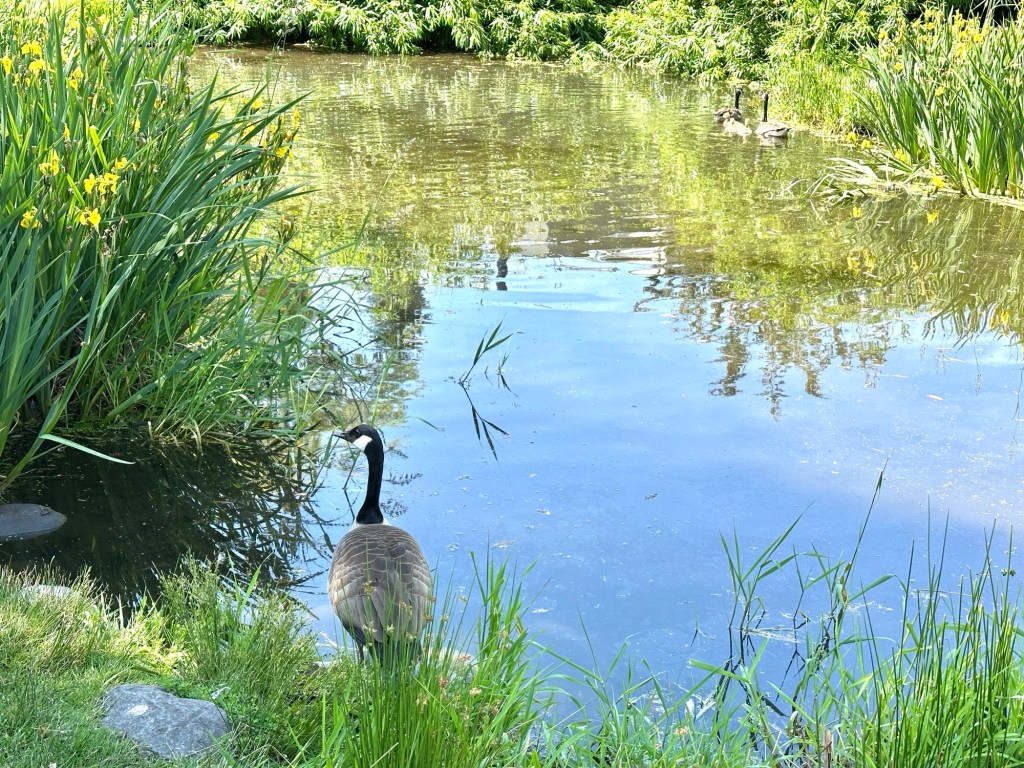
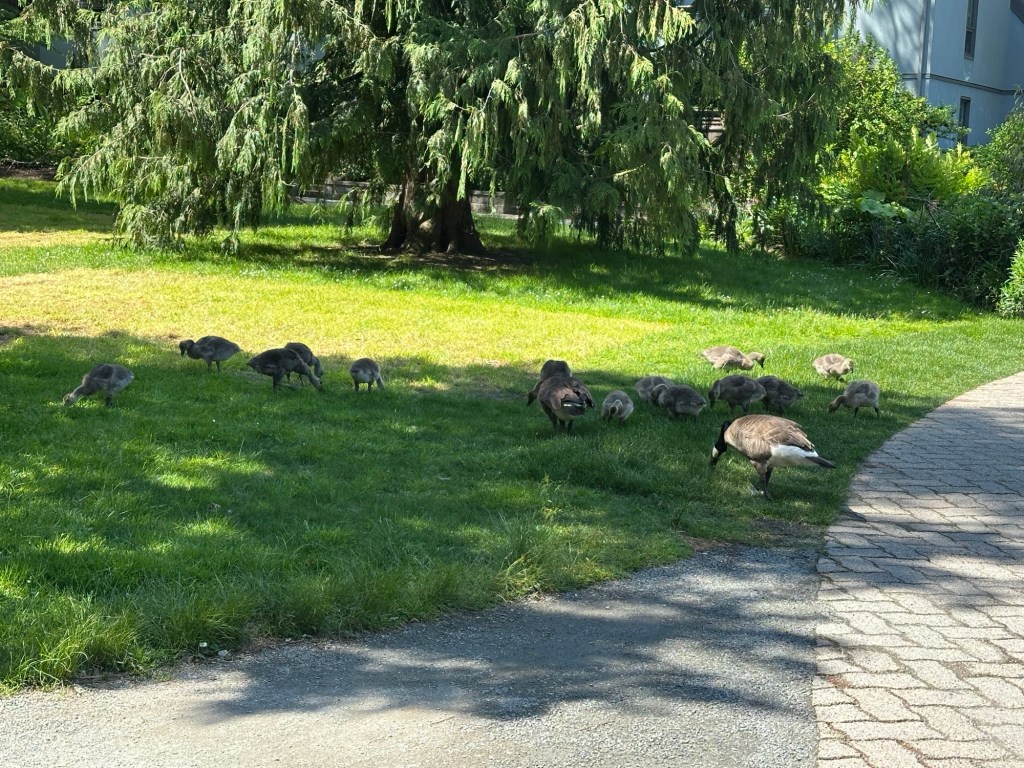
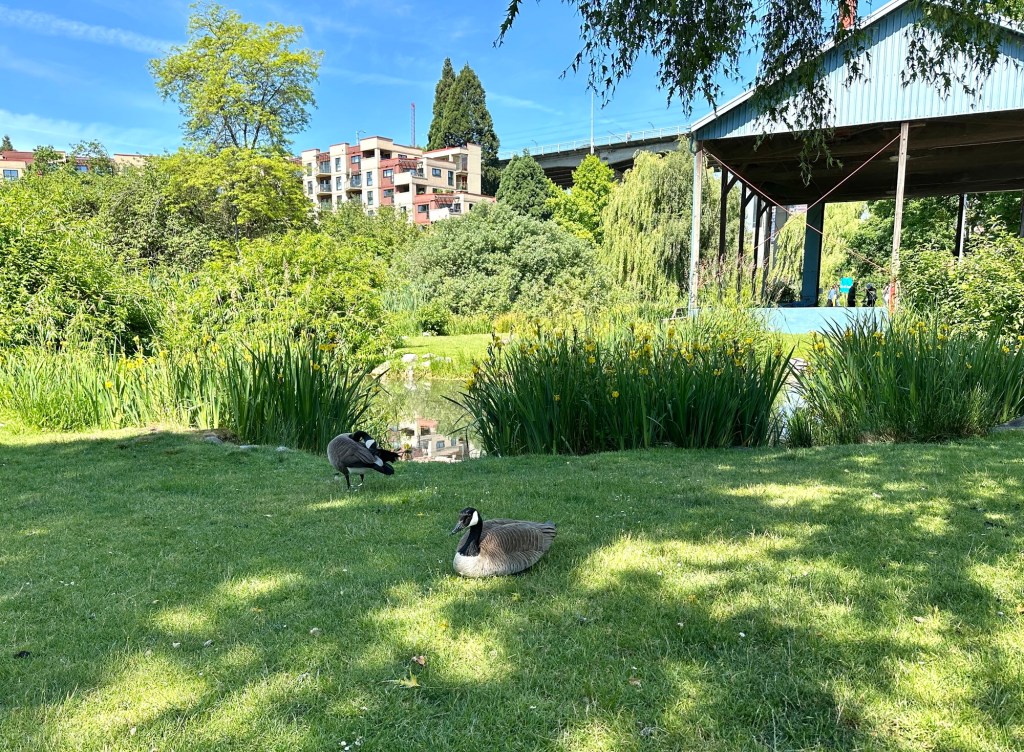
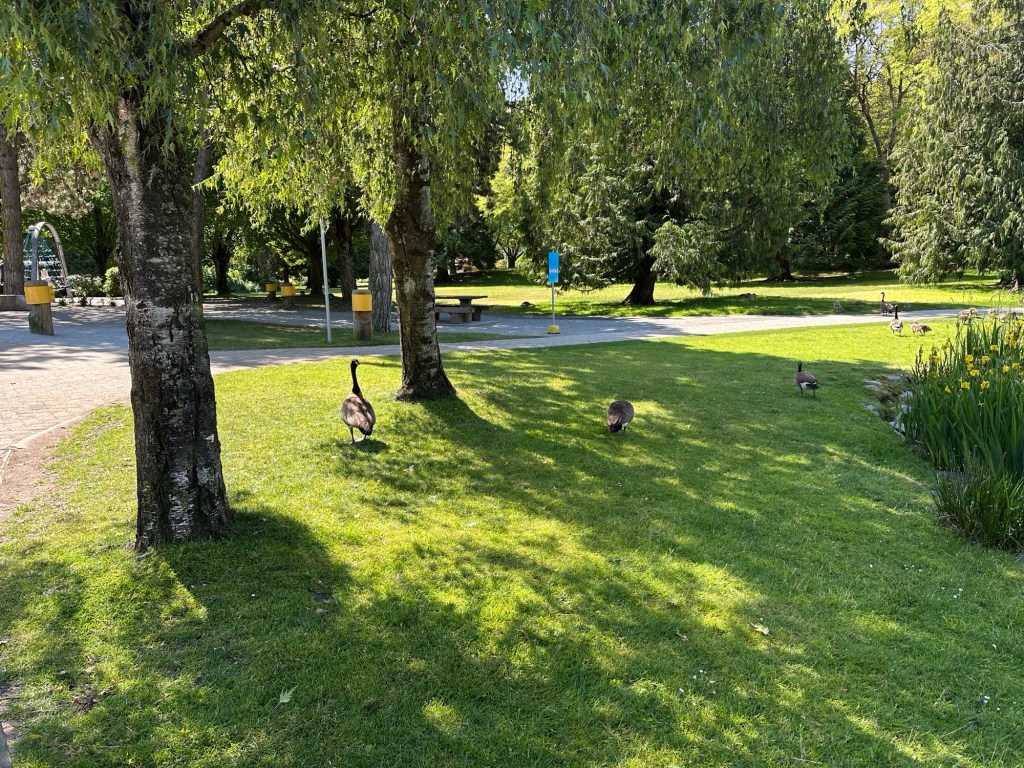
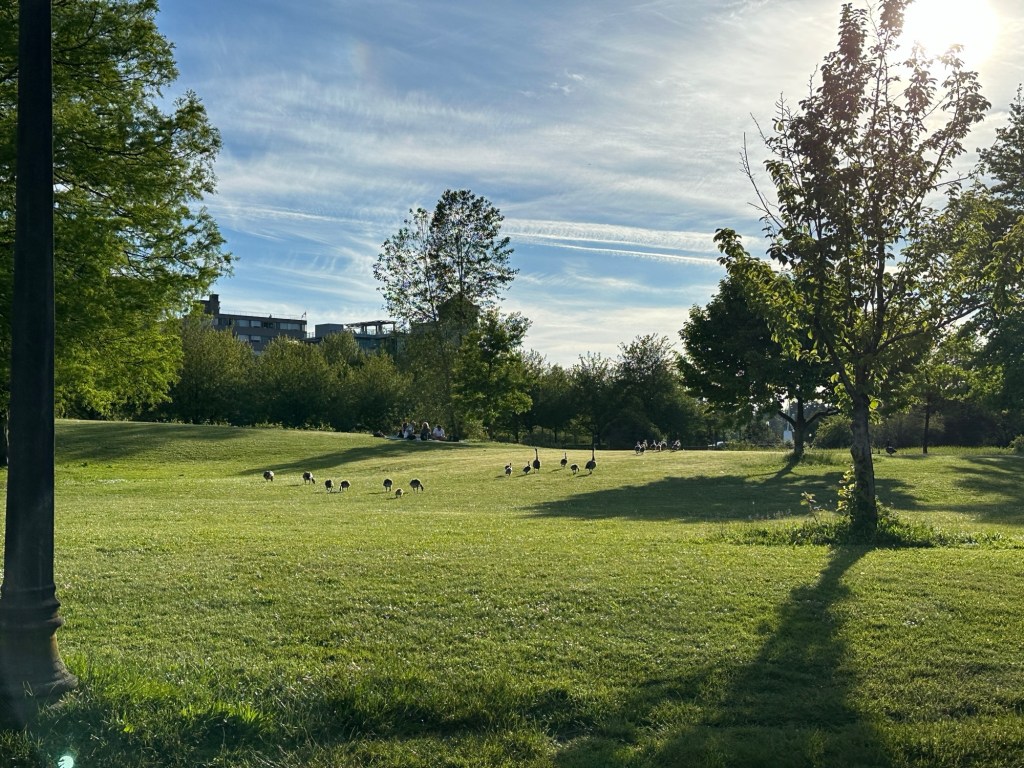
We also linger a bit to watch some geese and ducks.
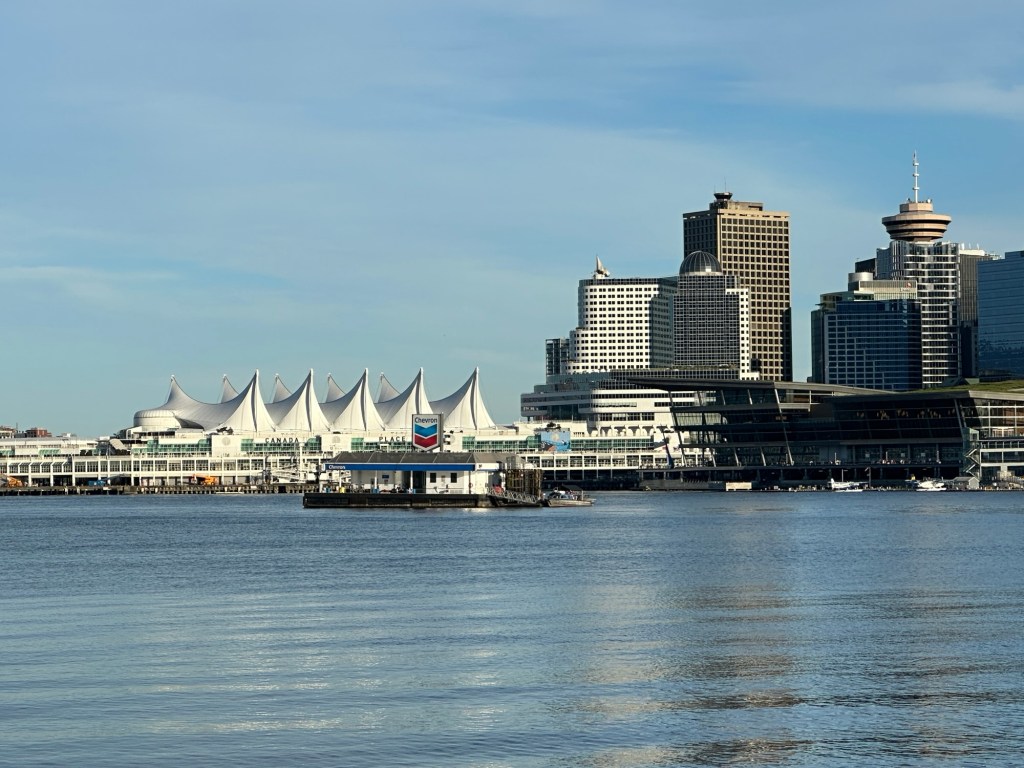
We have a food tour scheduled this afternoon so we head to the Waterfront Station to meet up with our group.
We automatically have a connection to the tour guide who has the same name as my cousin’s sister who passed away many years go (I also was very close to this cousin who was six months younger than I). The guide is an actress but also holds many different roles, one of which is as a tour guide. We try a number of dishes around the downtown area and she tells us a little history of each location. While I didn’t love all the food choices (this tour might have been better in Chinatown) she did a good job overall. The tour at least was a good introduction to the city.
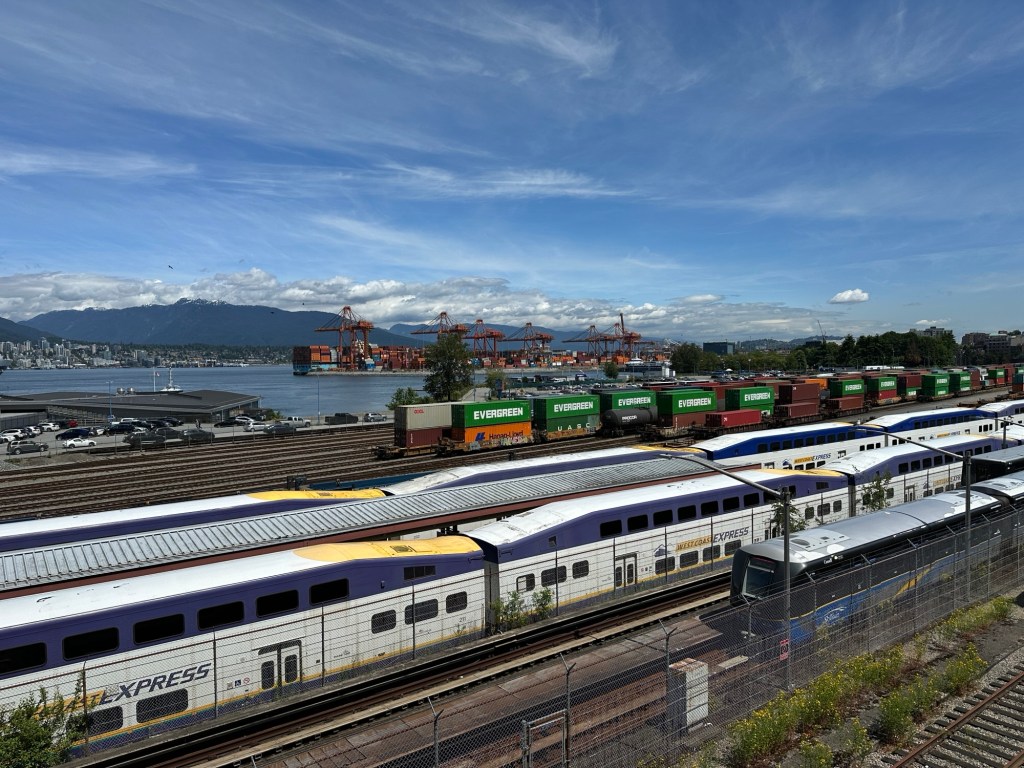
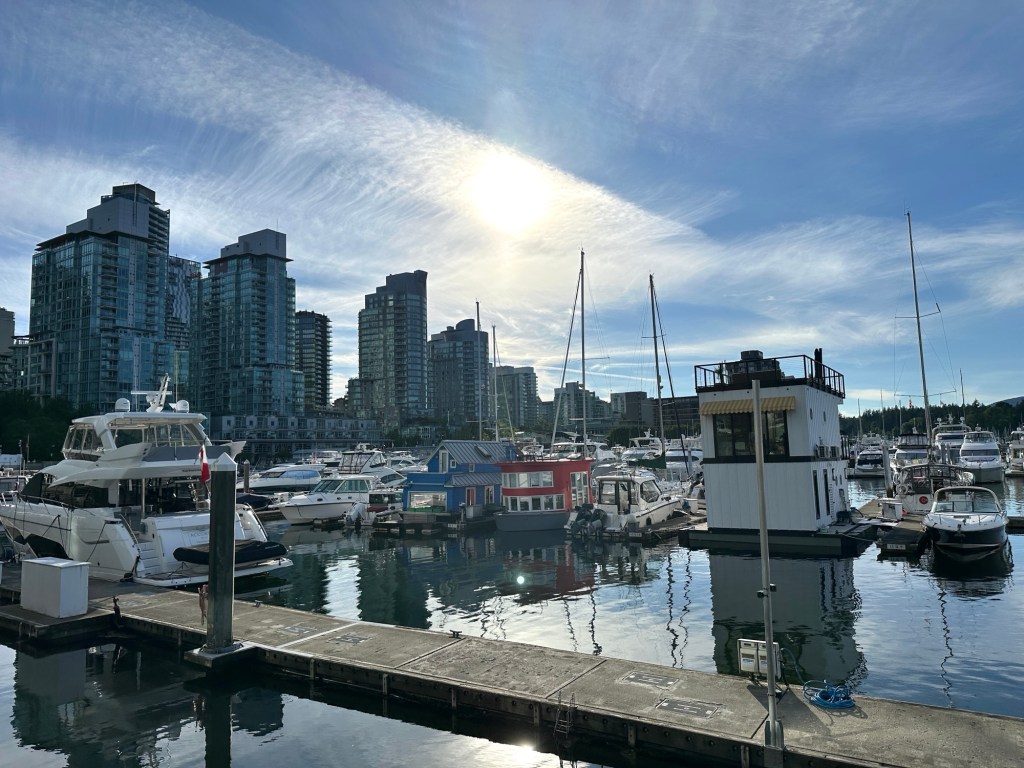
After our tour we take a break to have a drink and a view.
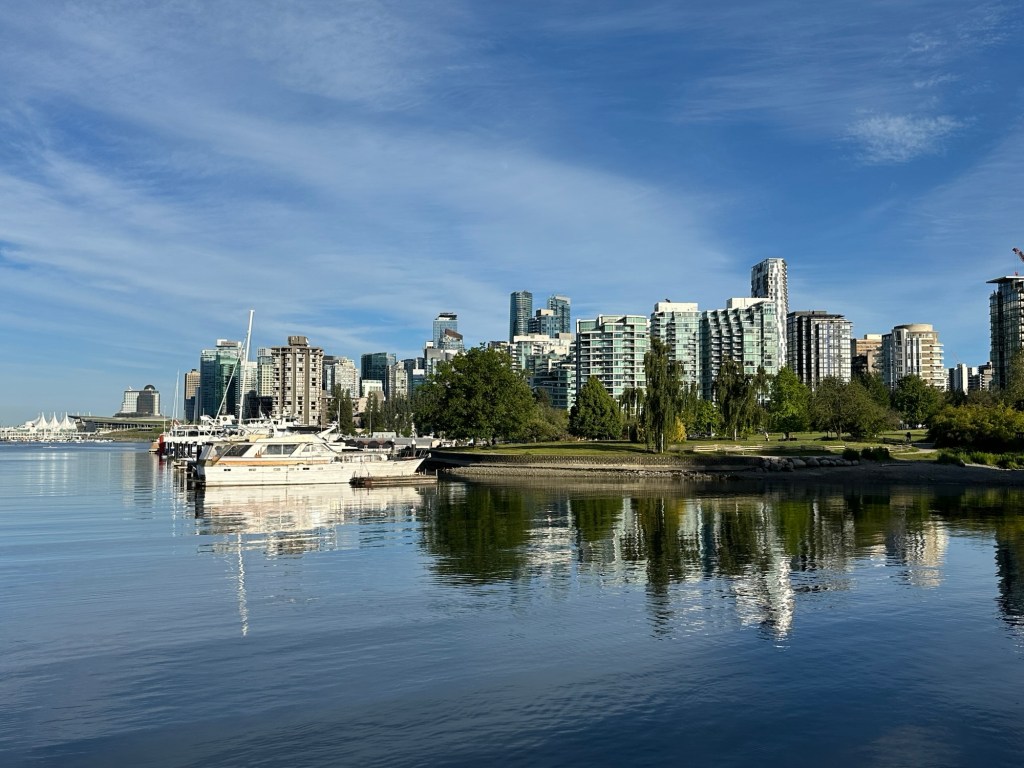
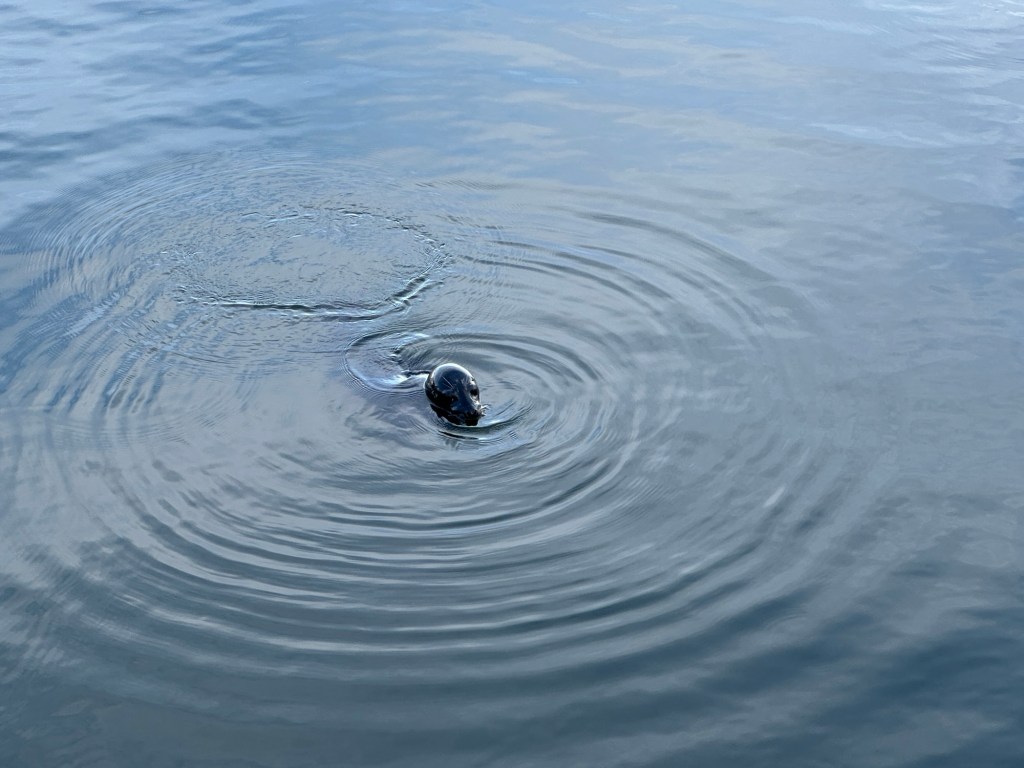
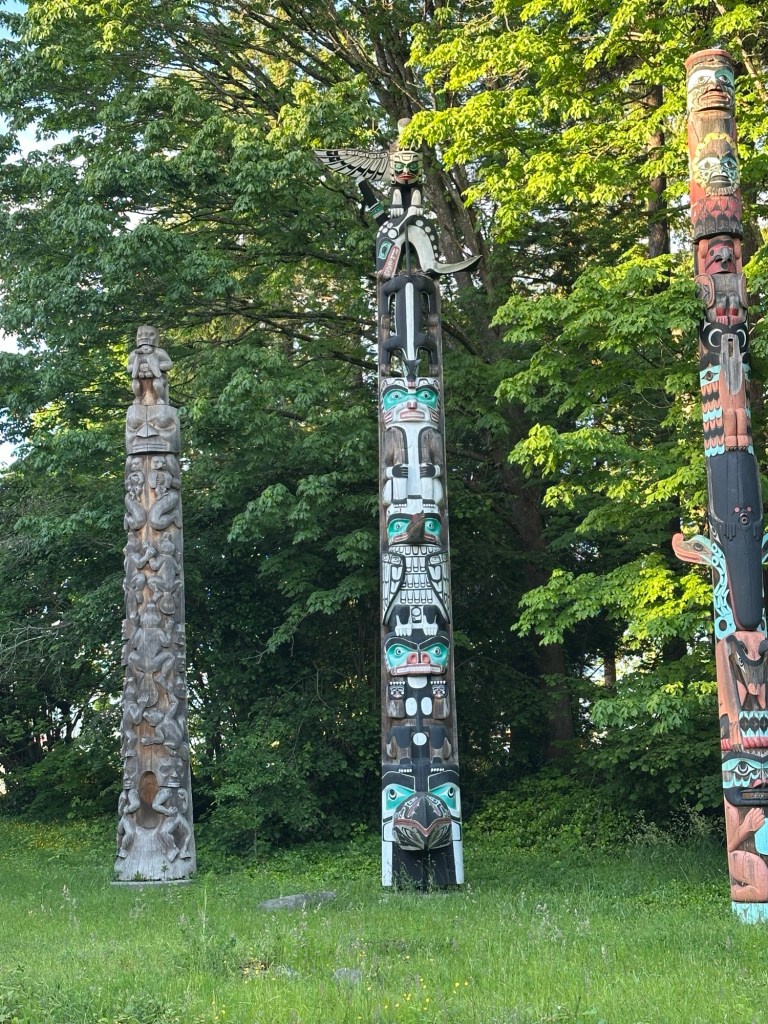
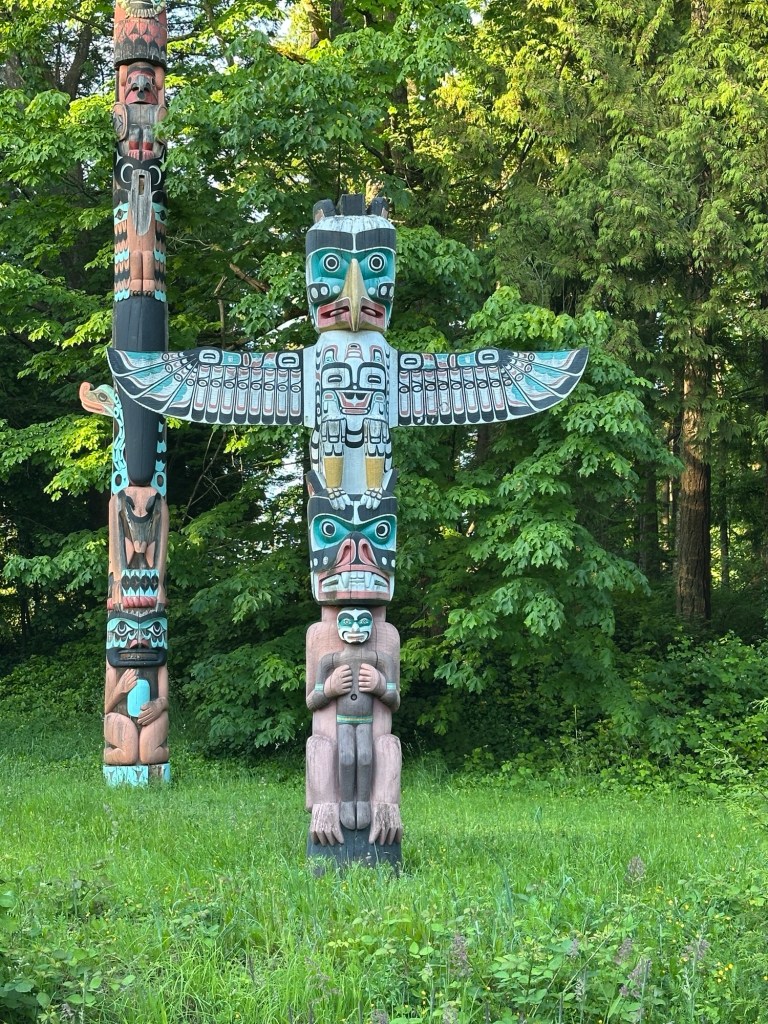
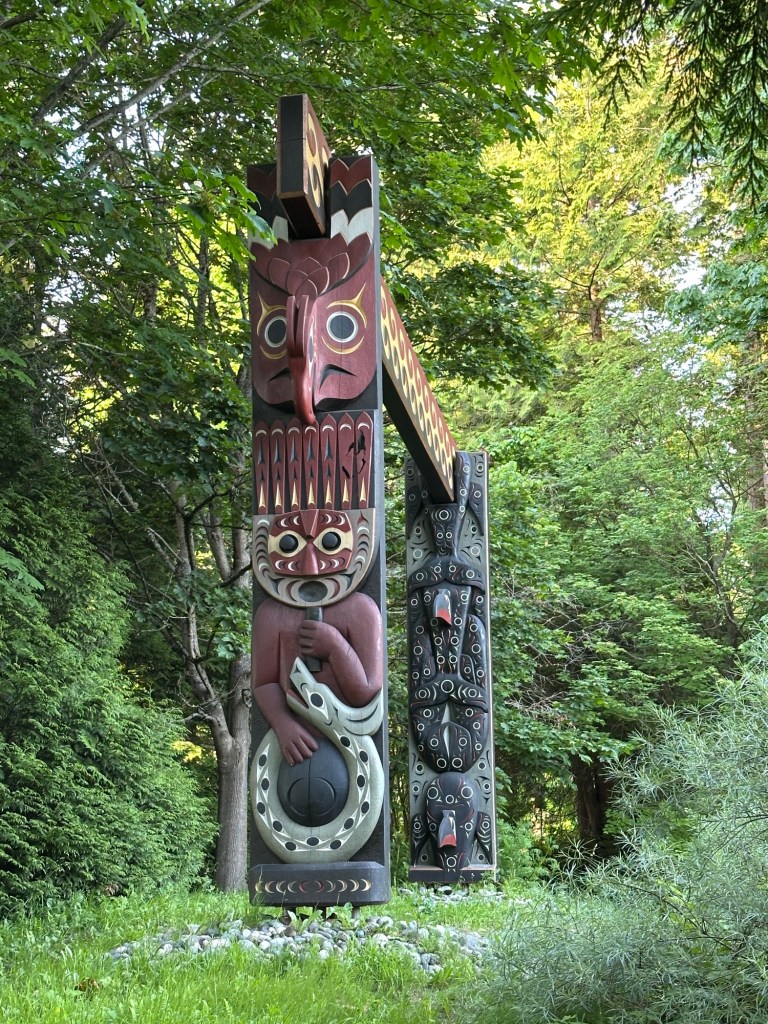
Our next adventure is to walk the sea wall down to Stanley Park. We enjoy nice views along the way as well as a seal but our legs and feet are tired. We pledge that we will at least continue on until the Totem poles but then allow ourselves to uber back to the hotel.
Stanley Park
There is so much more to see but we are exhausted and we have a cruise to catch tomorrow so early to bed!
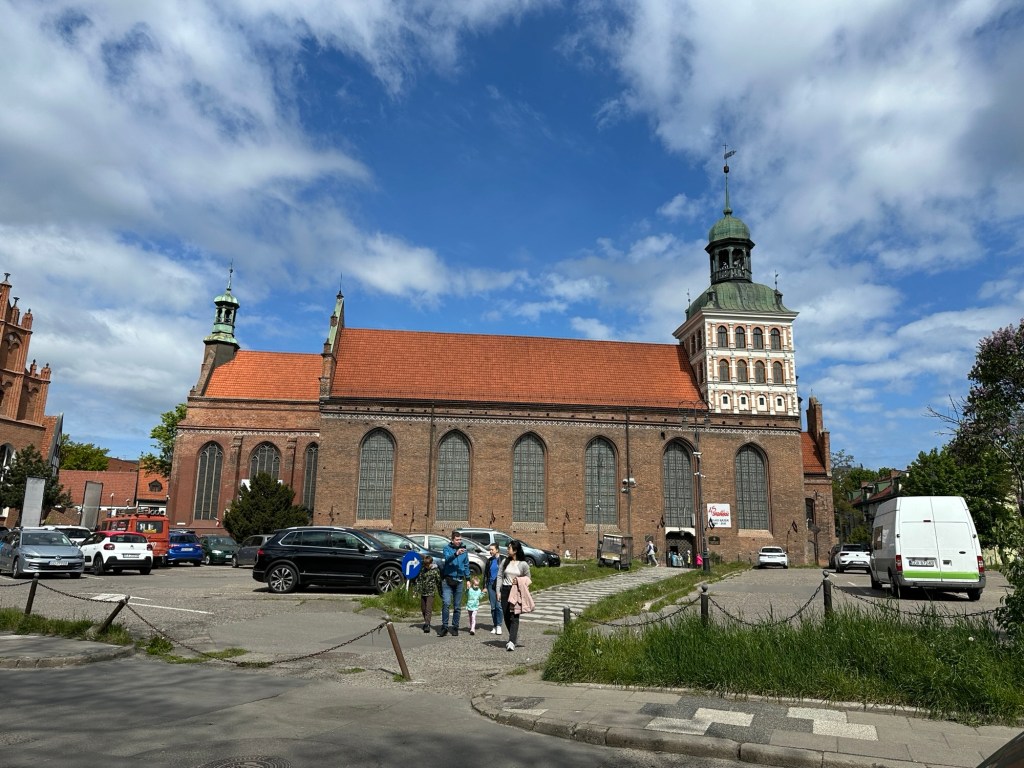
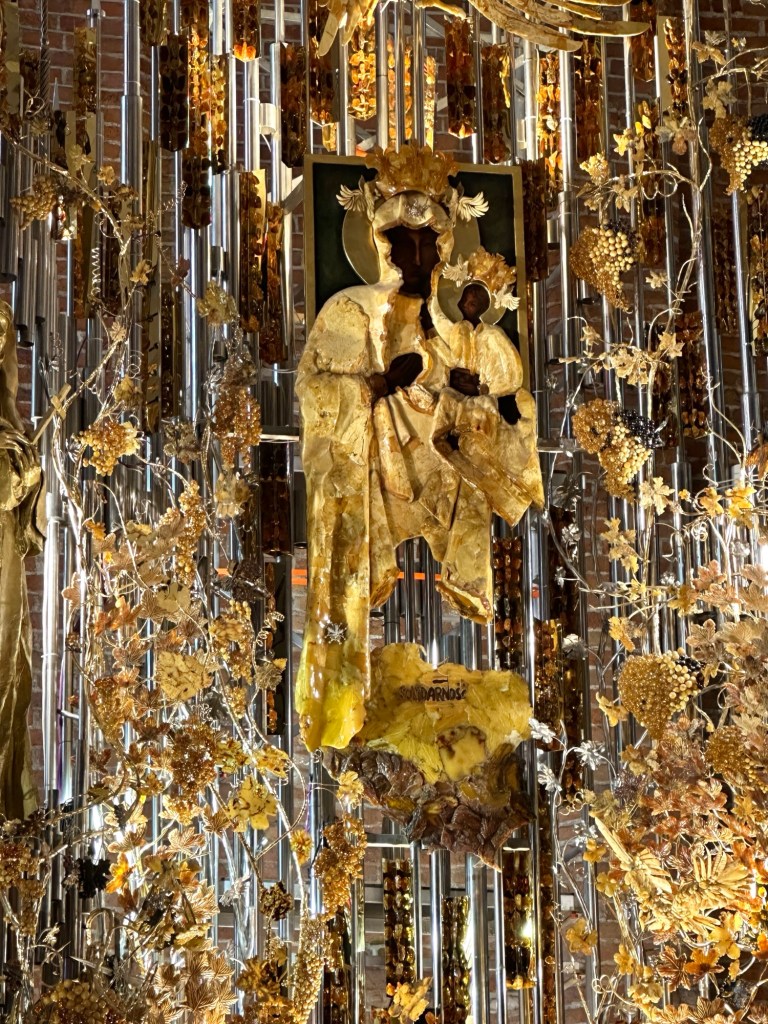
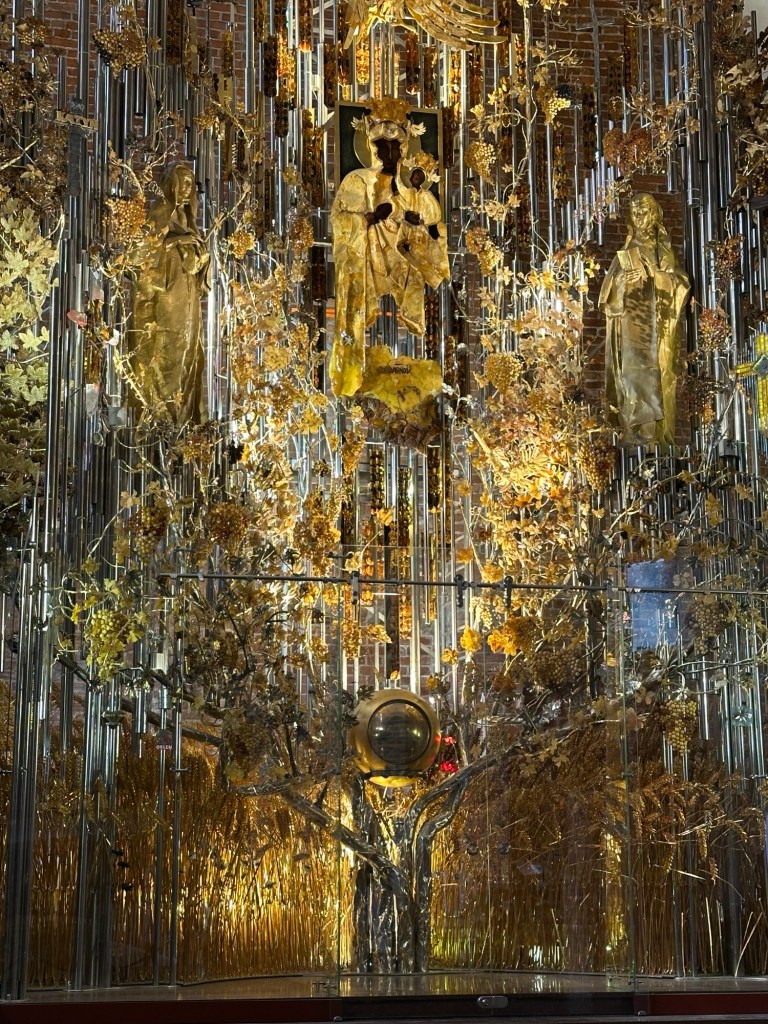
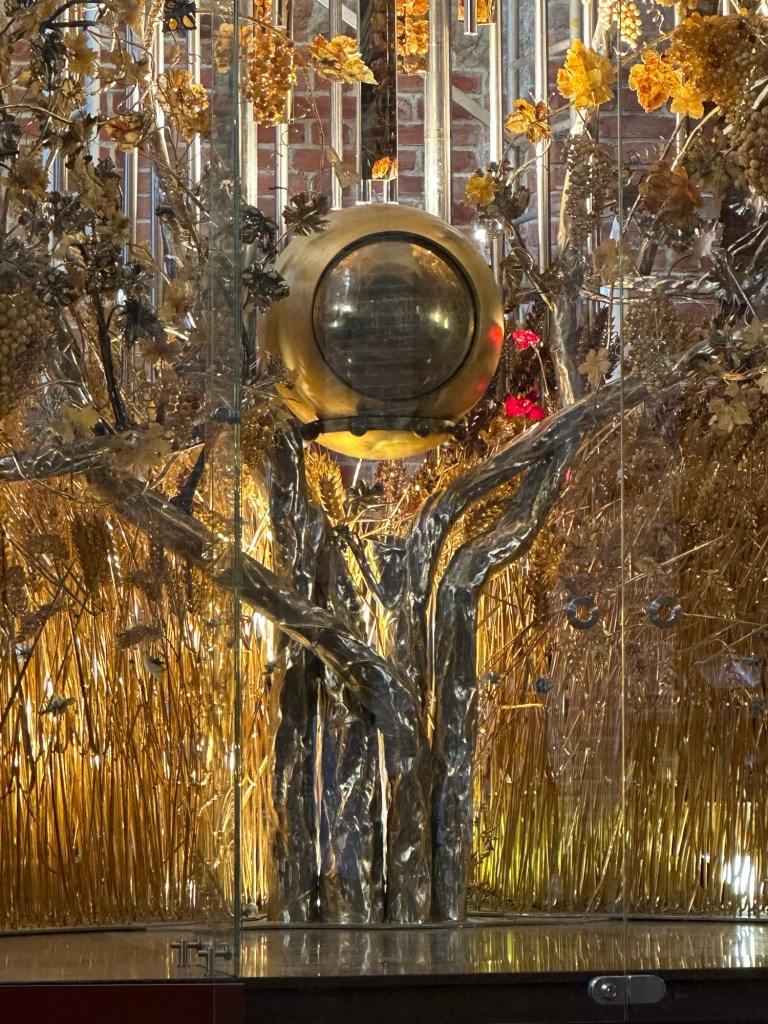
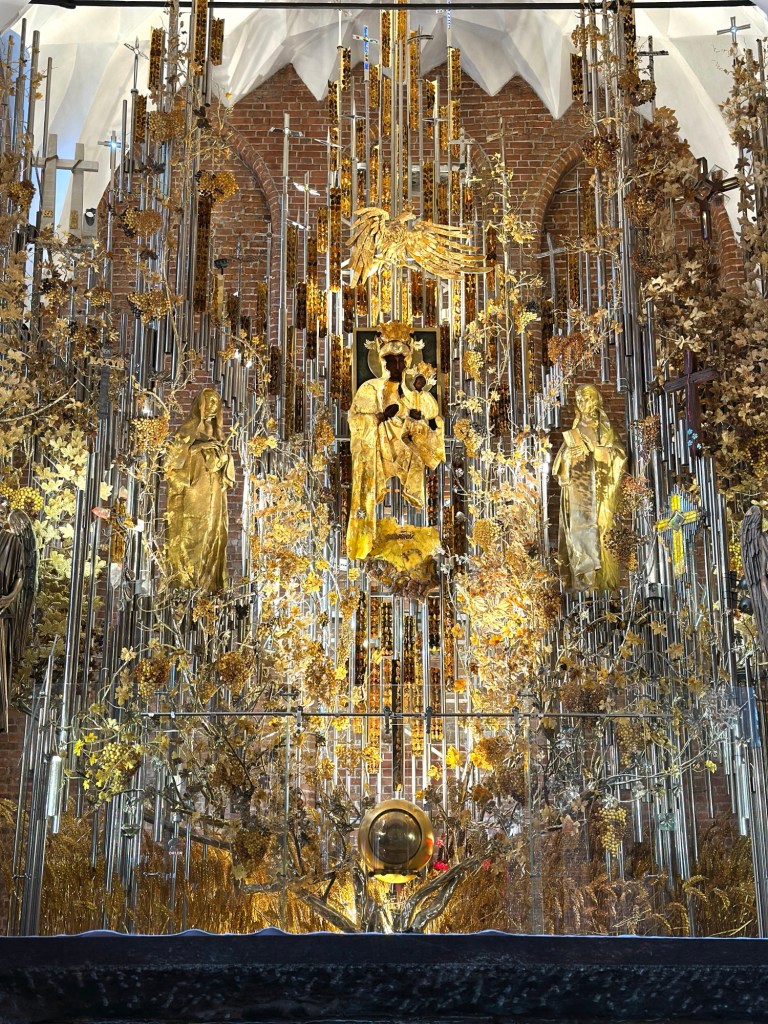
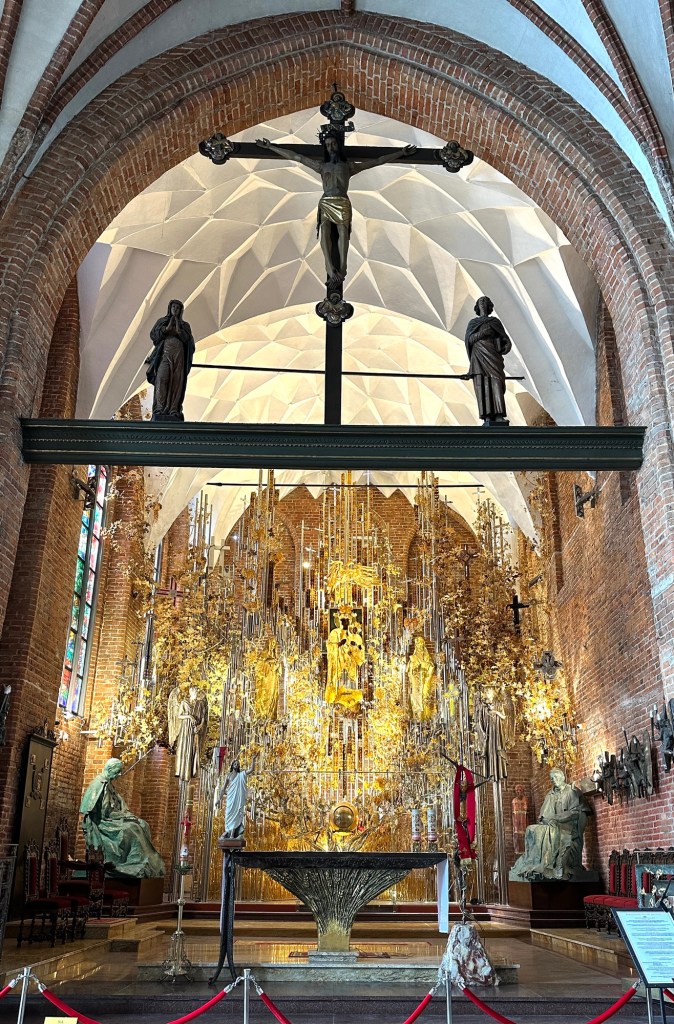
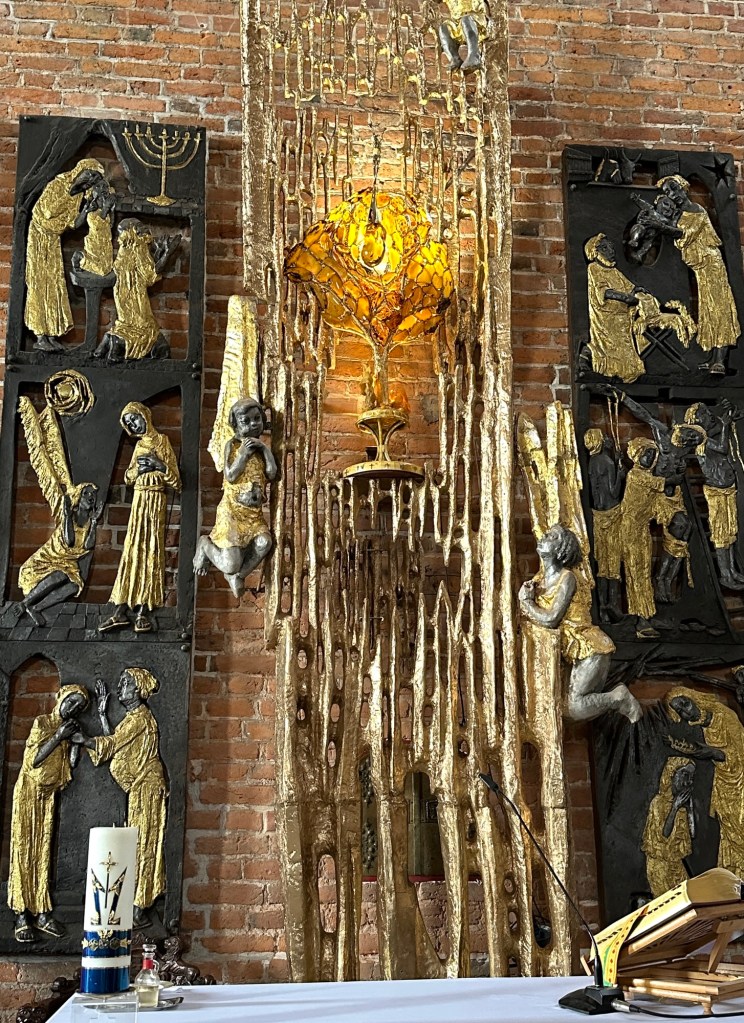
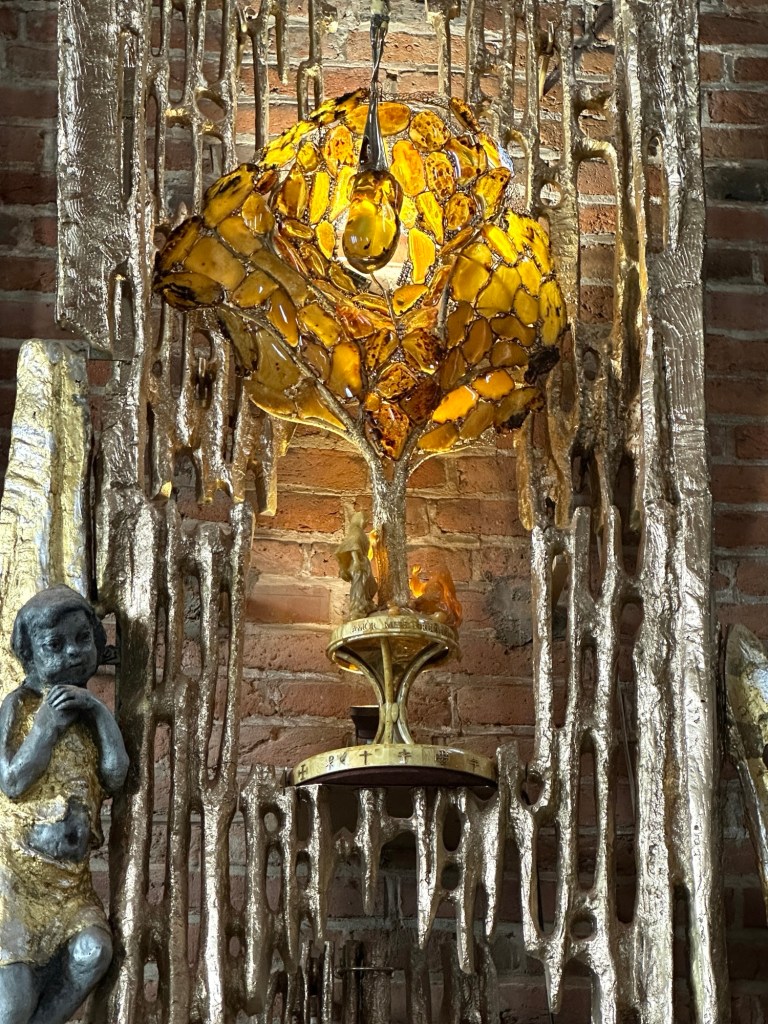
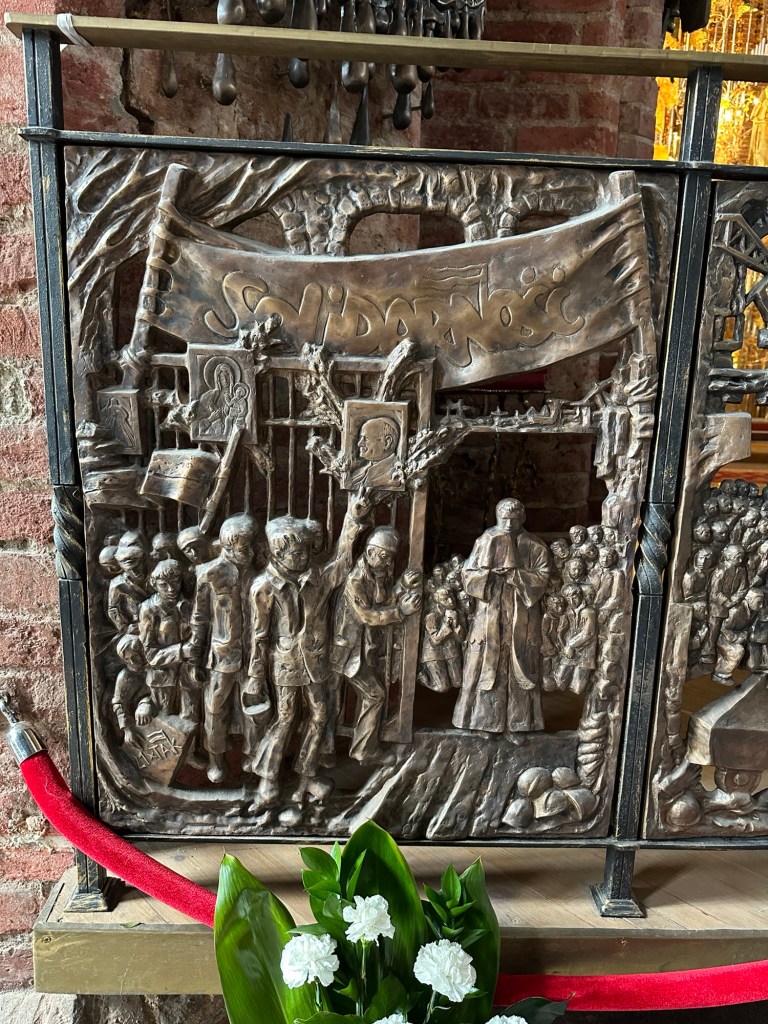
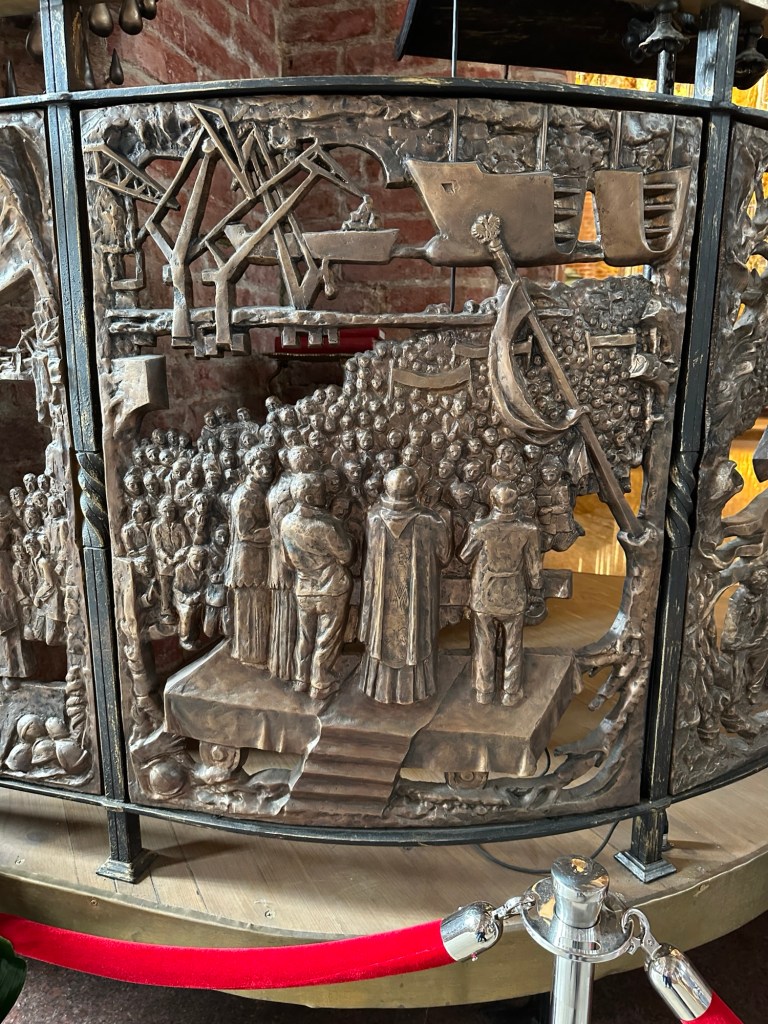
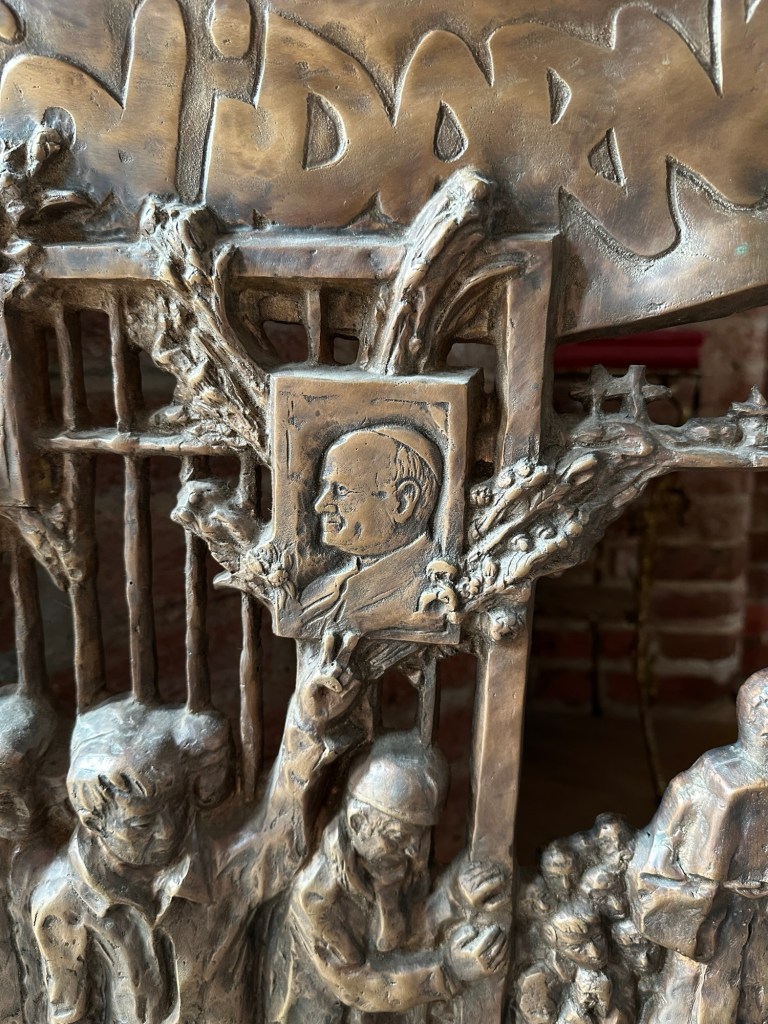
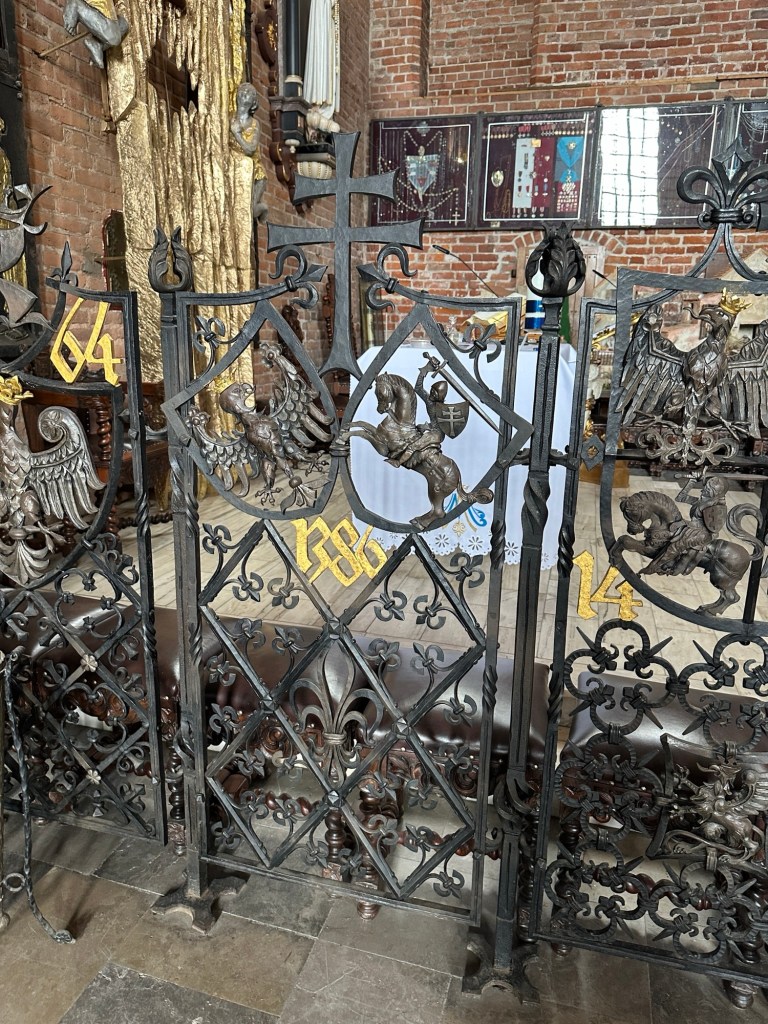
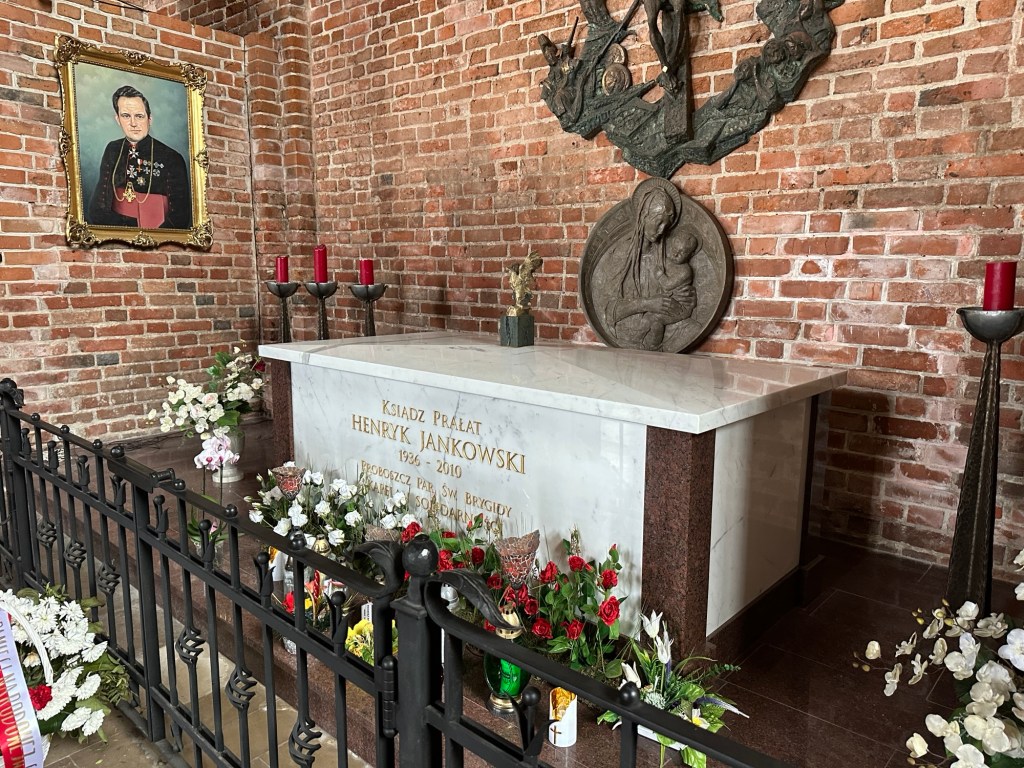
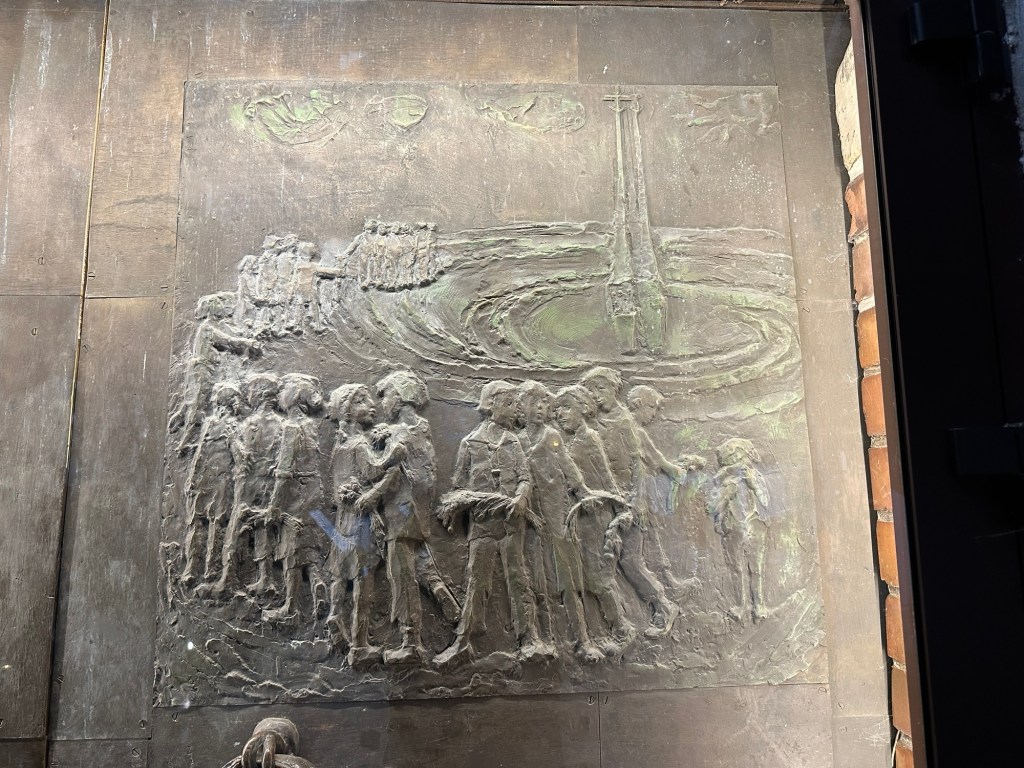
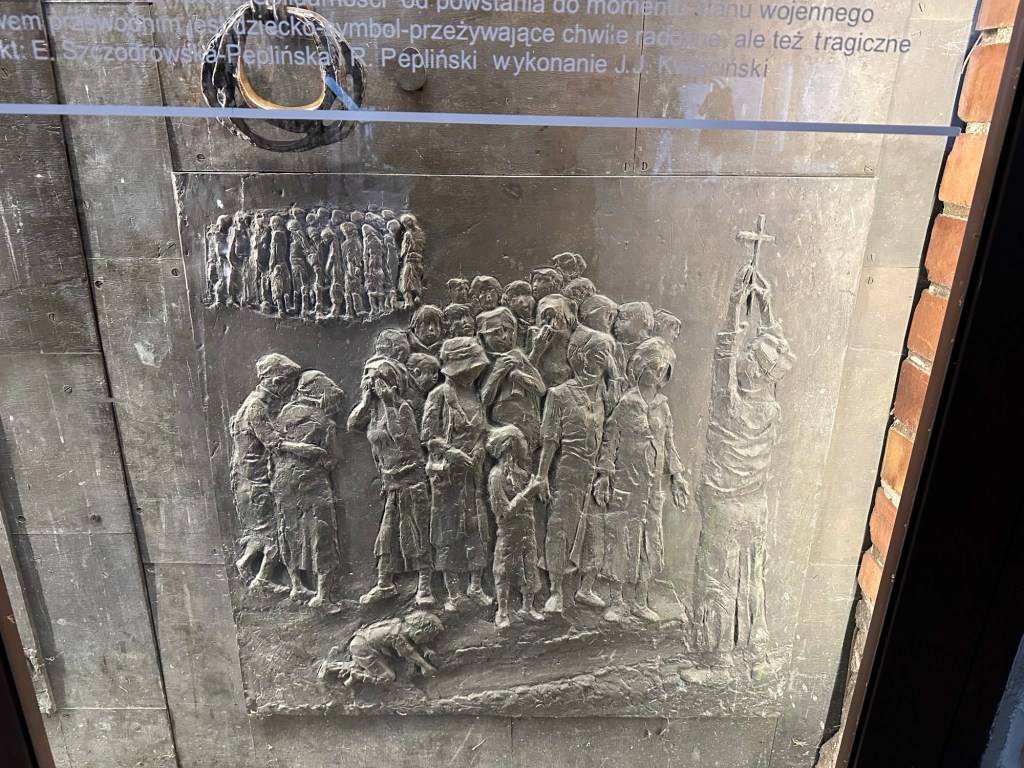
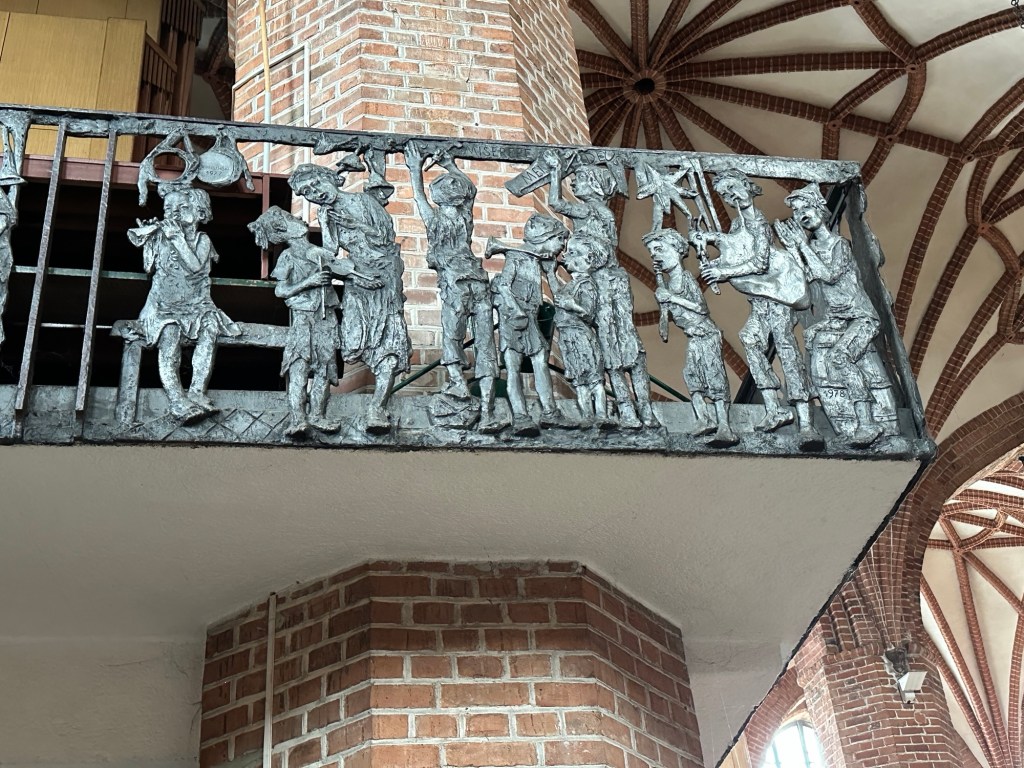
In the morning I visit the Basilica of St. Bridget. This reconstructed church was originally built in the 14th century. It was destroyed in WWII and rebuilt in 1970. It is known for its beautiful amber alter and its homage to the solidarity movement.
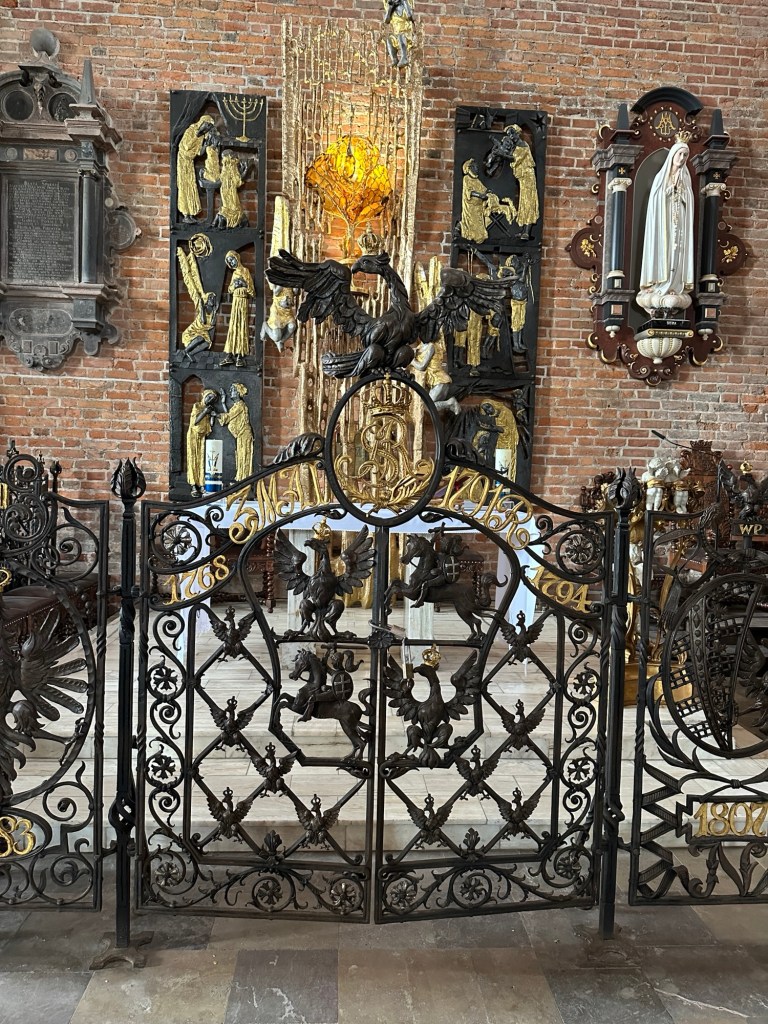
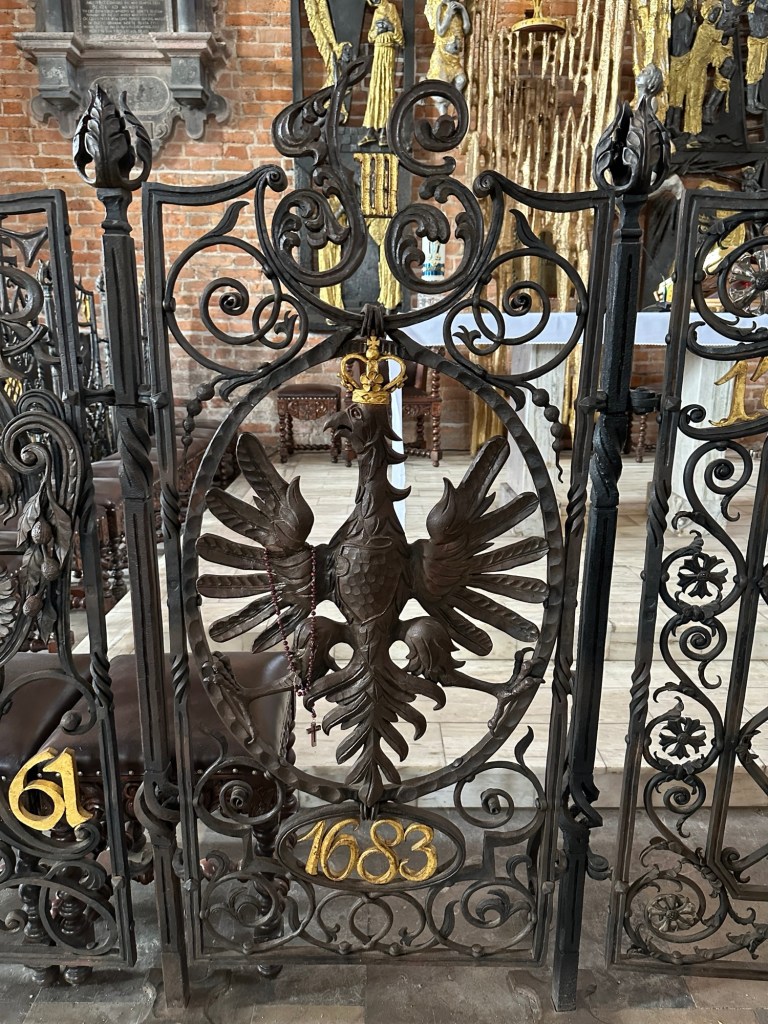
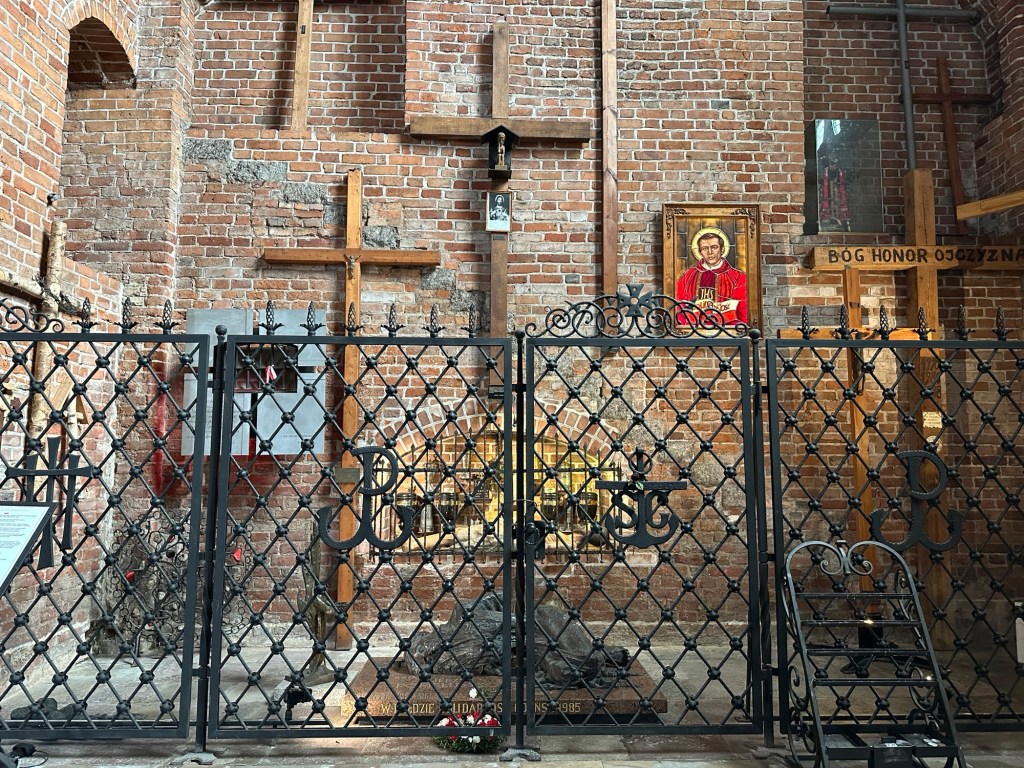
There is a chapel in memory of those who participated in the solidarity movement.
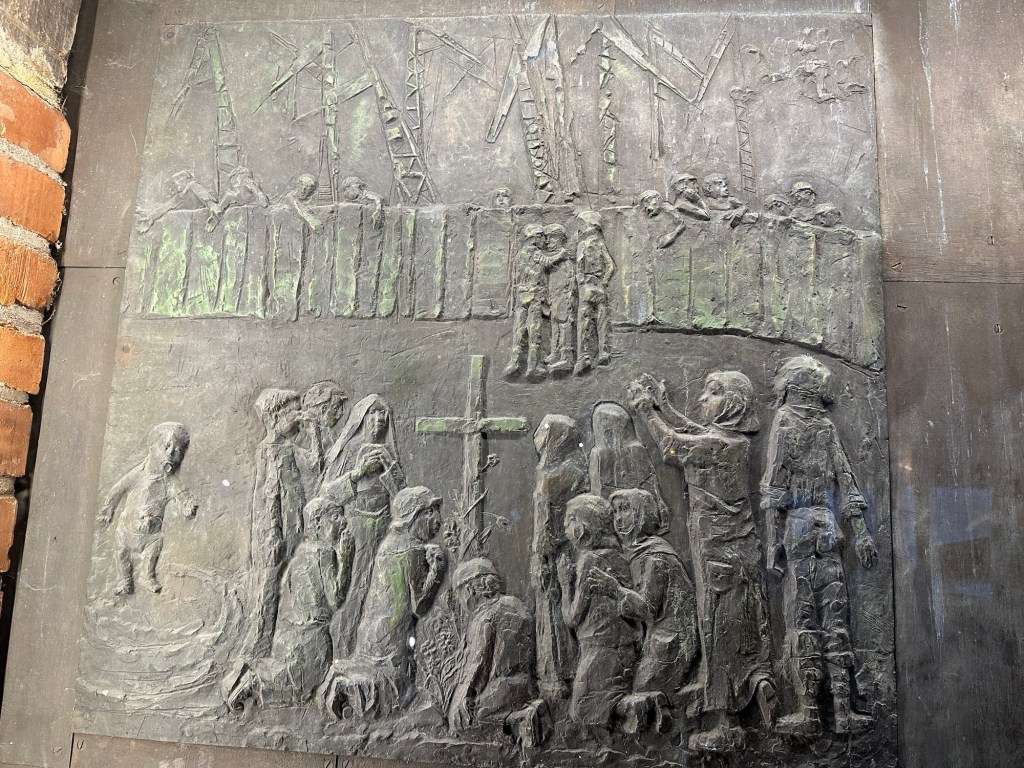
There is another area dedicated to those that have lost their lives in the Katyn massacre during WWII.
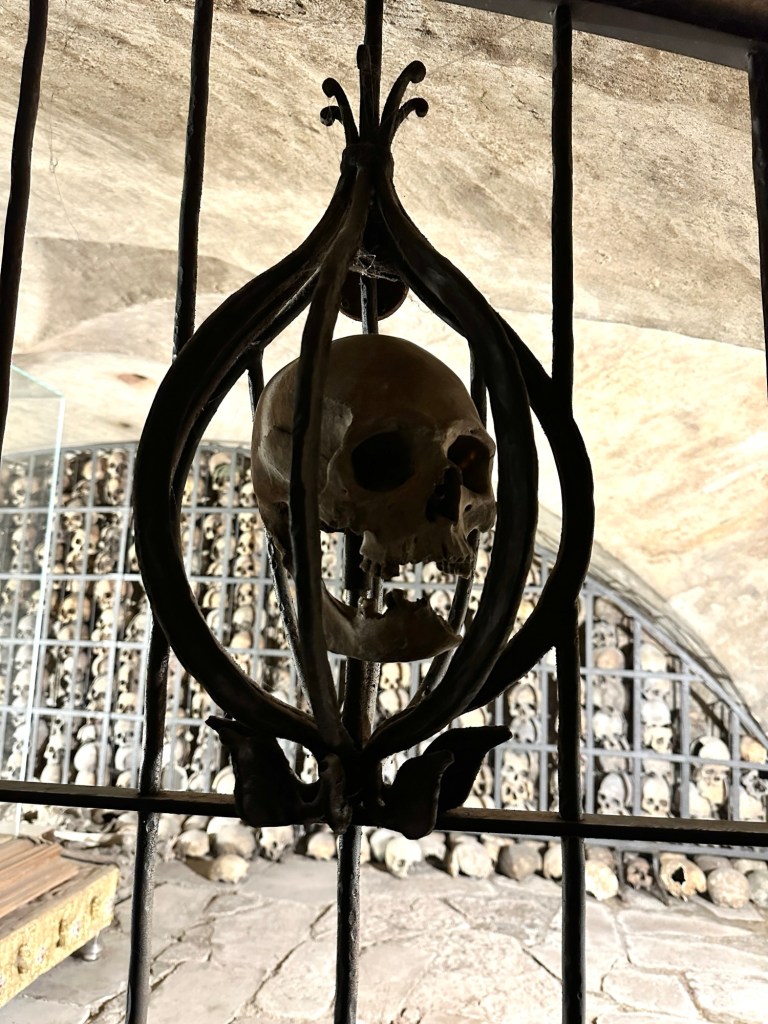
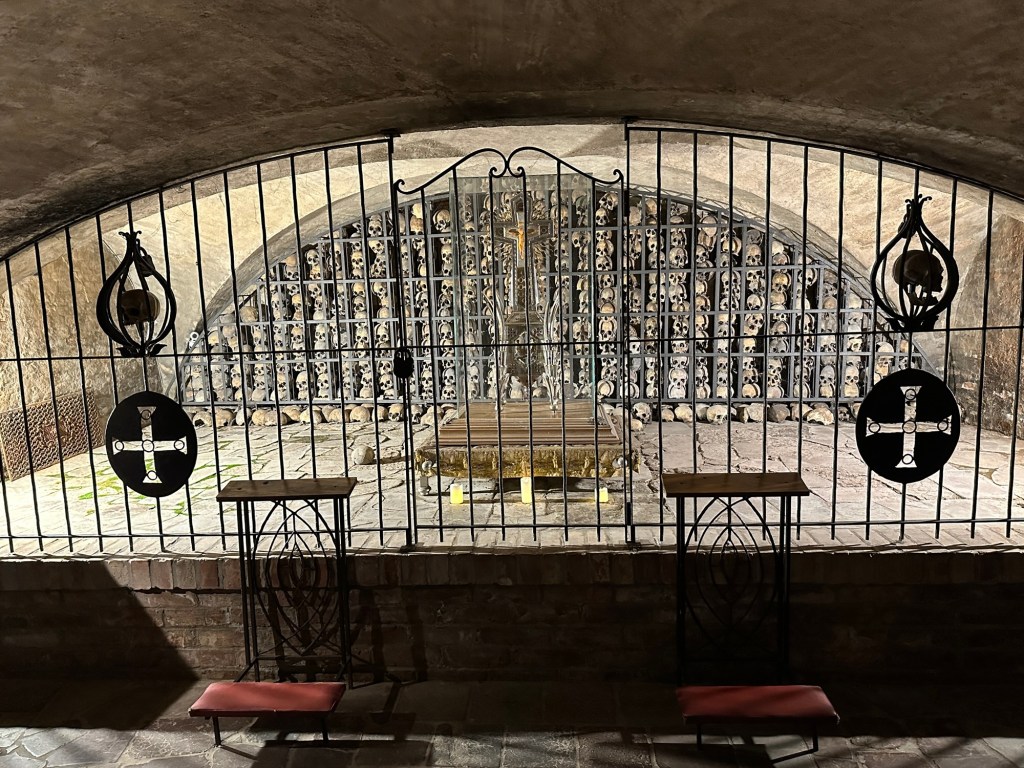
And finally I have to make a visit to the room of skulls. I must see all the skulls.
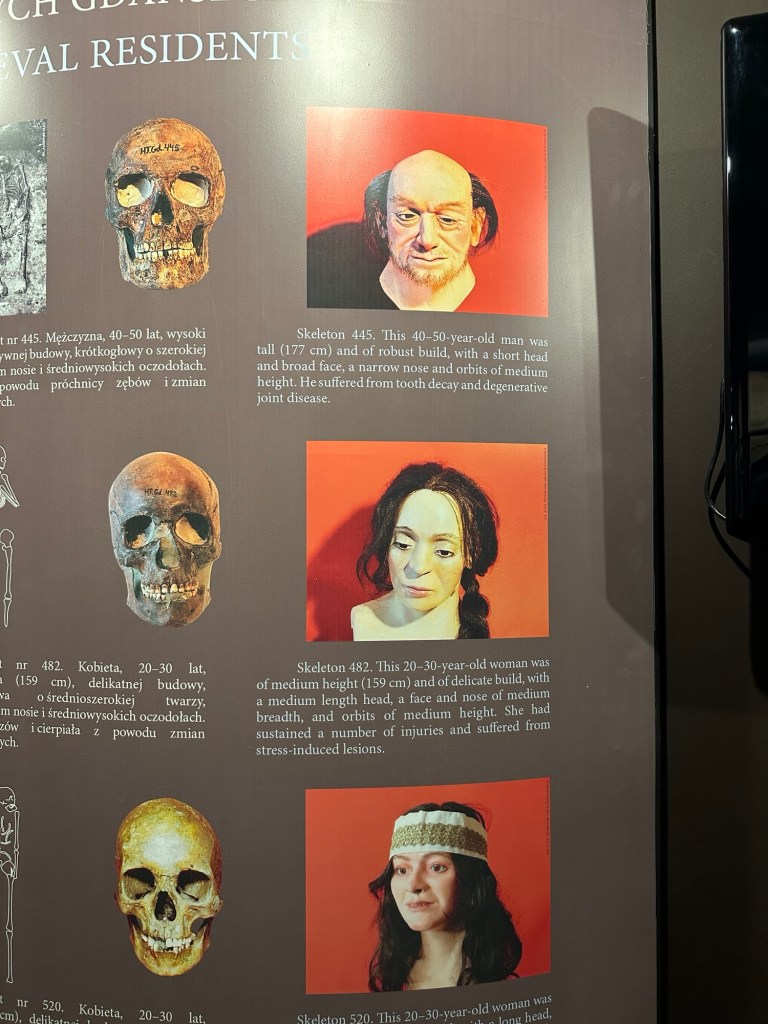
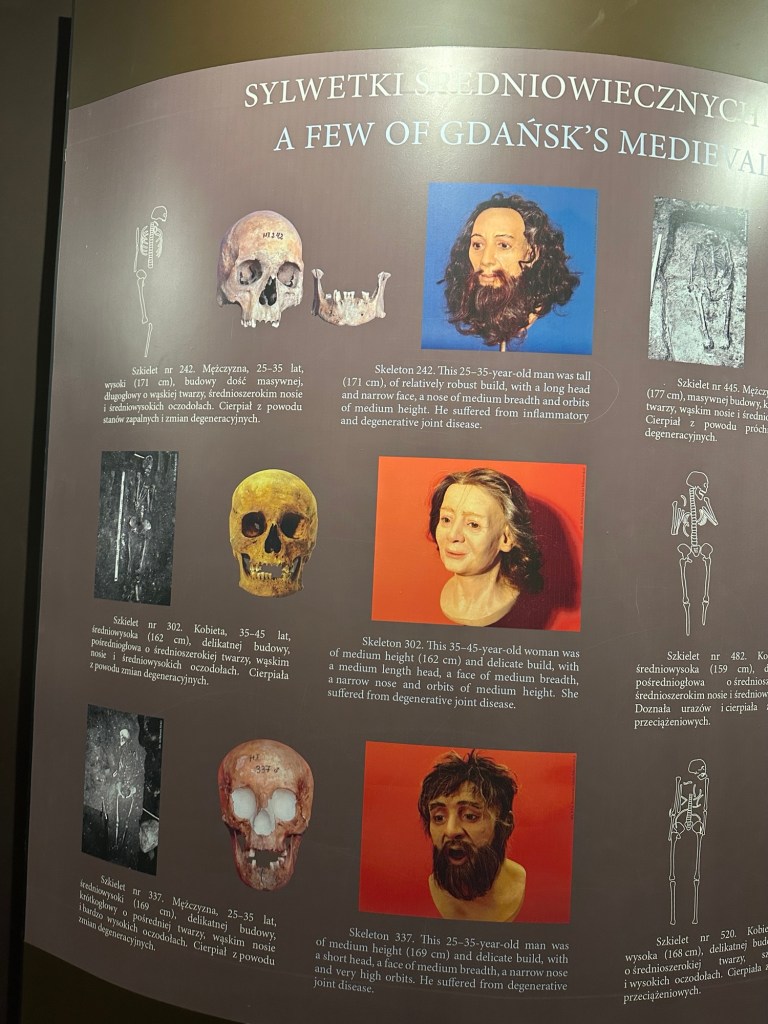
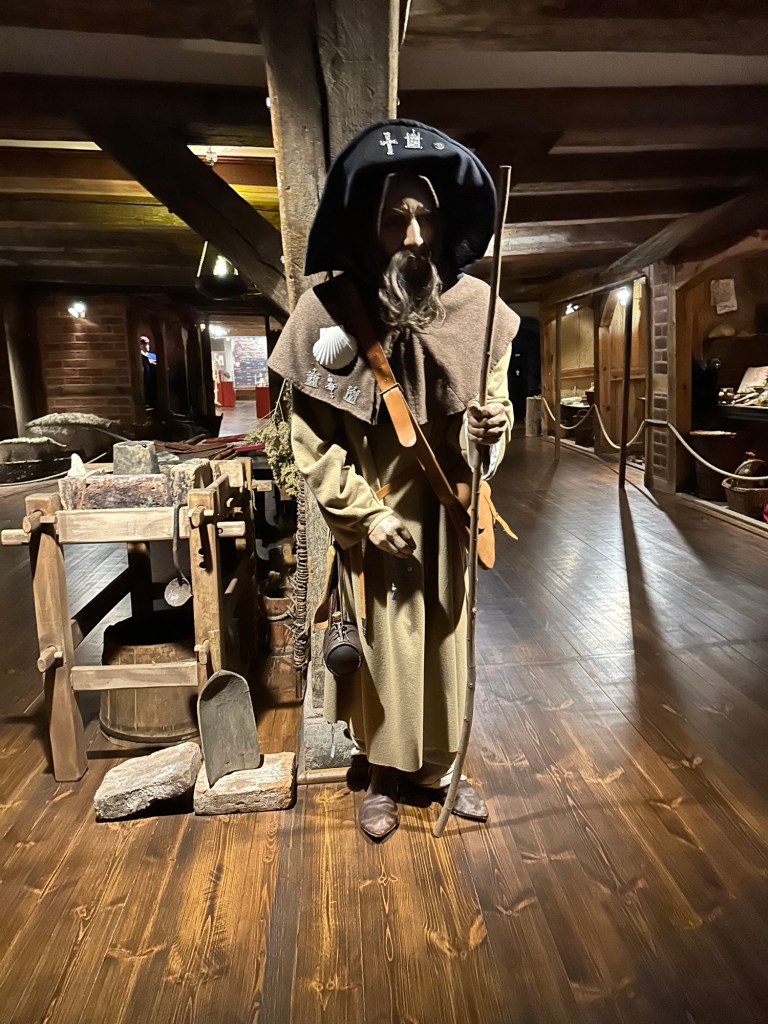
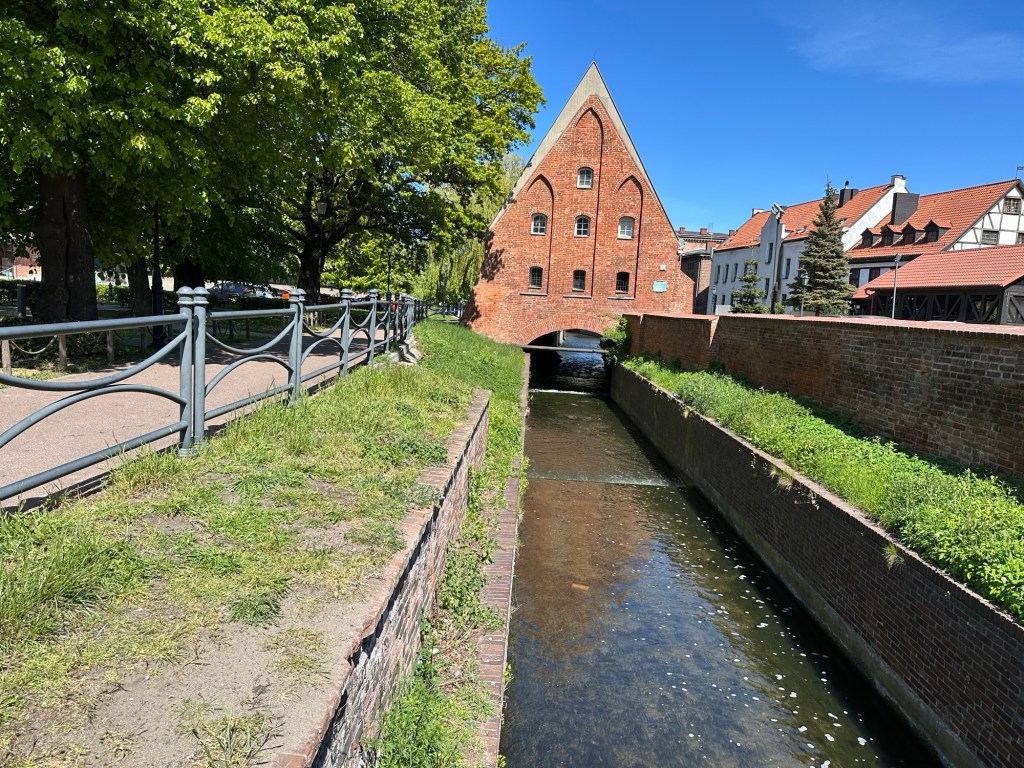
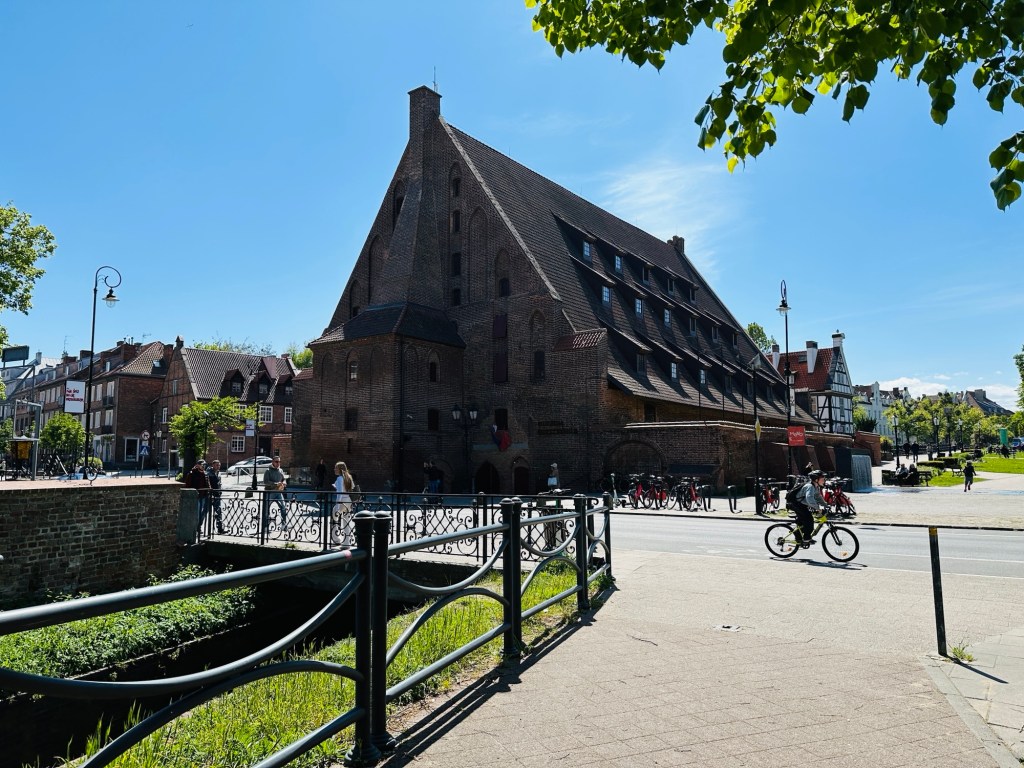
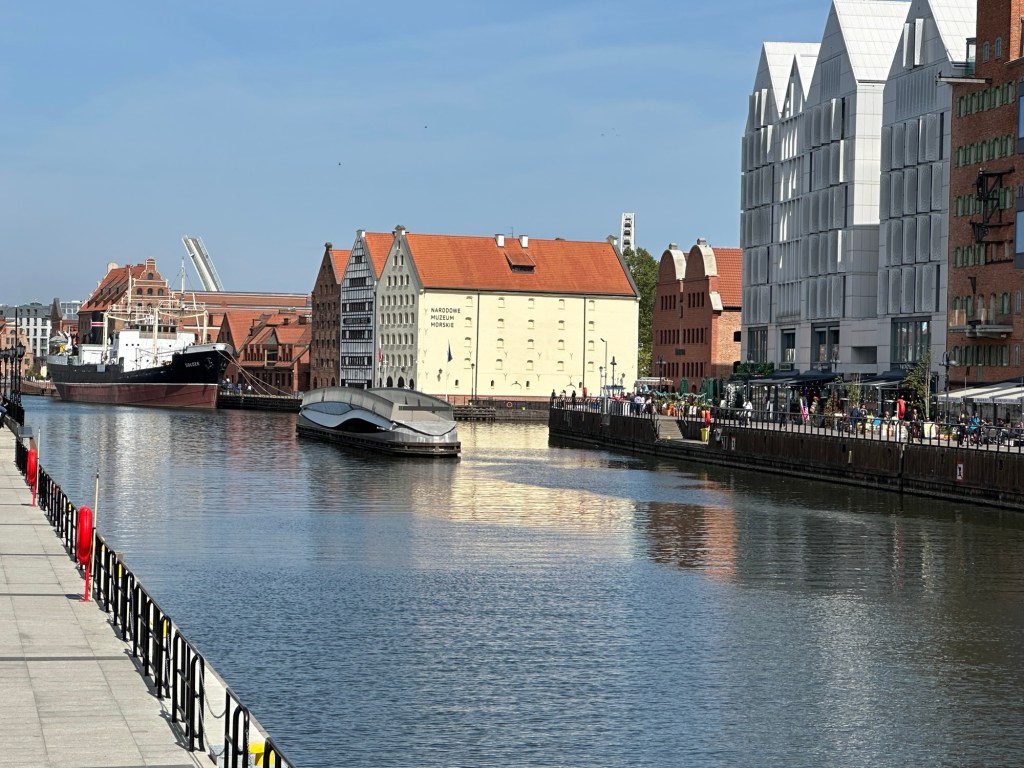
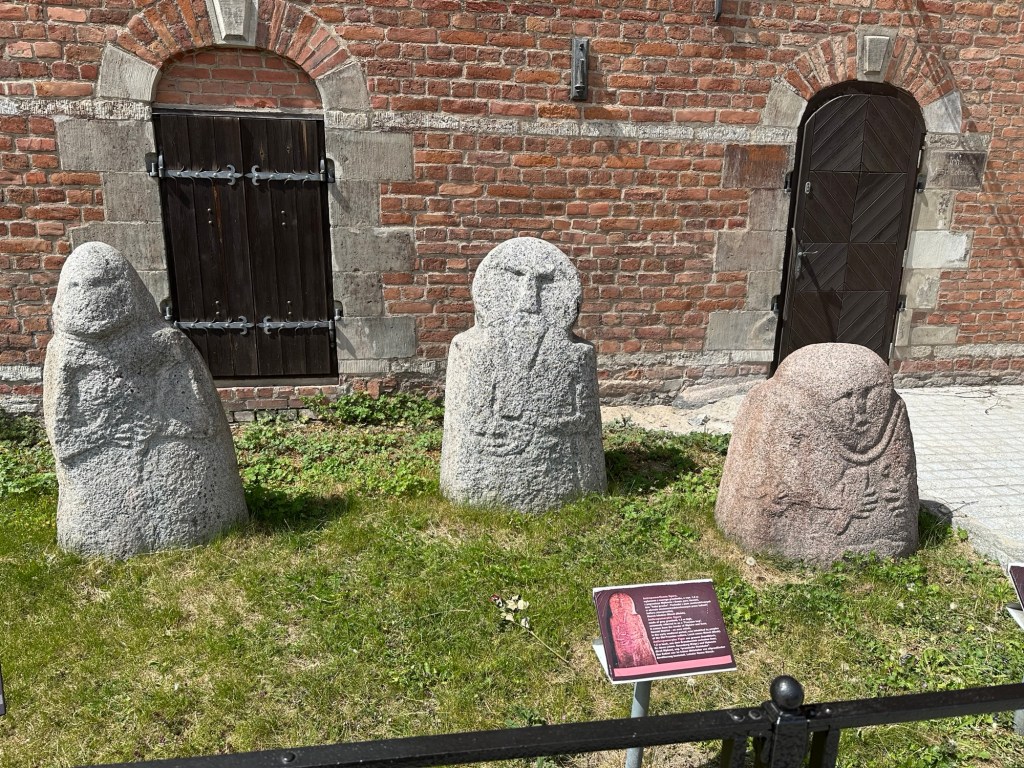
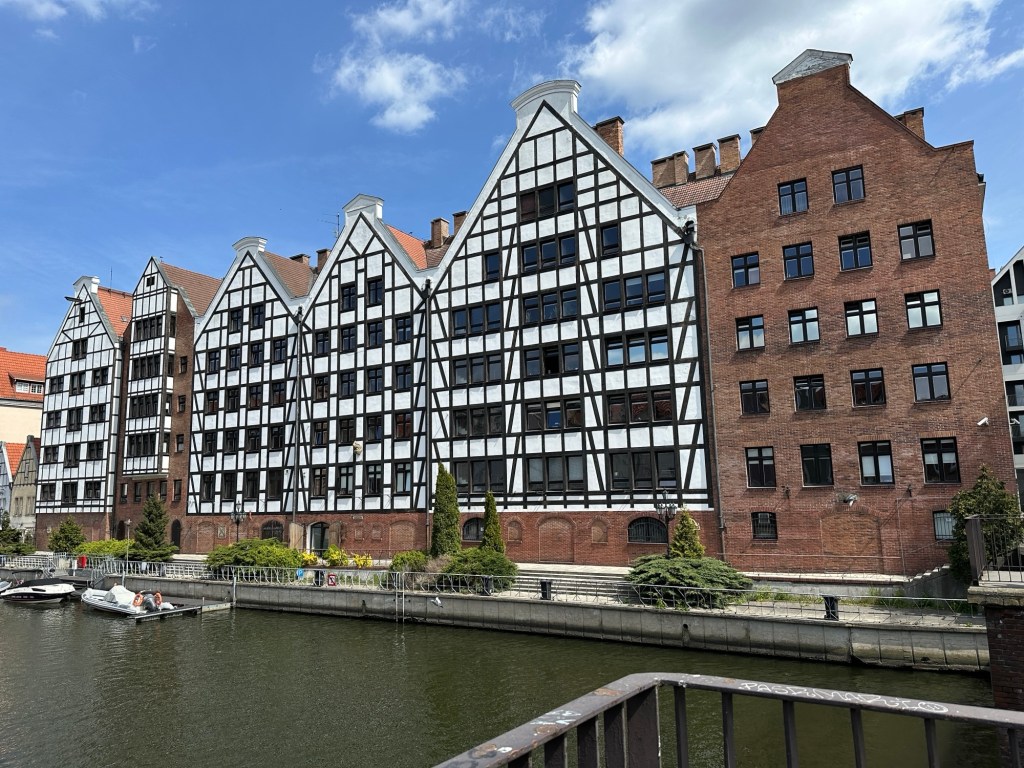
I visit Blue Lamb – a heritage museum housed in an old granary, in order to get an archeological view of the region. I enjoy the exhibit where they show you what the original people of the region would have looked like based on the skulls found.
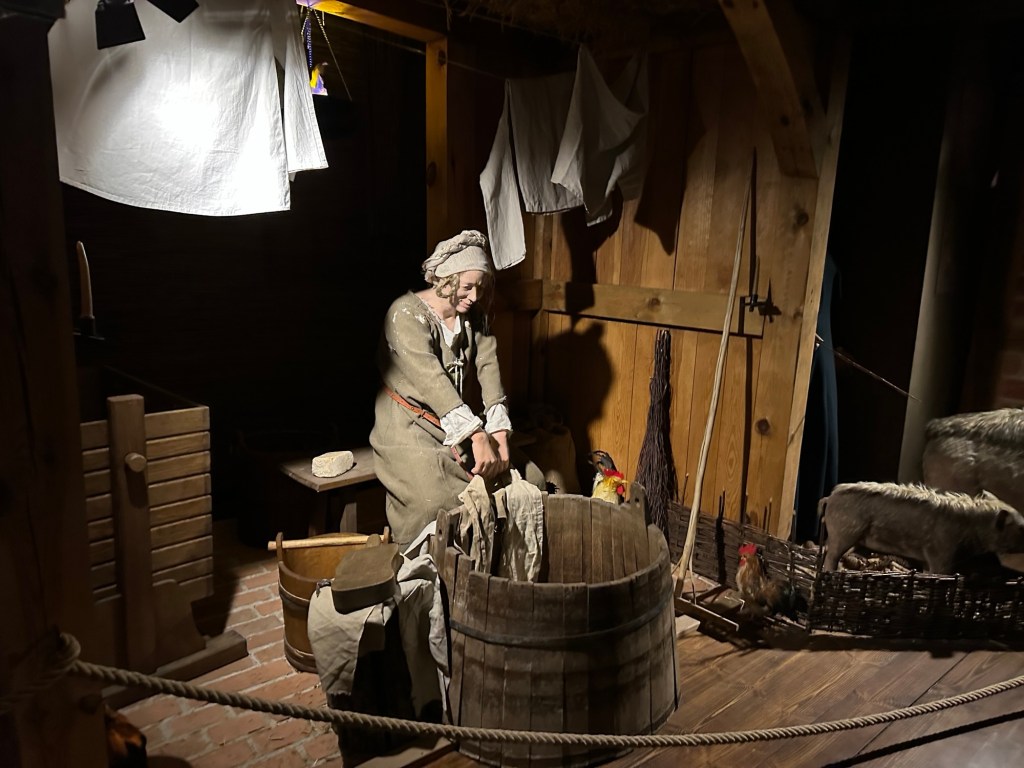
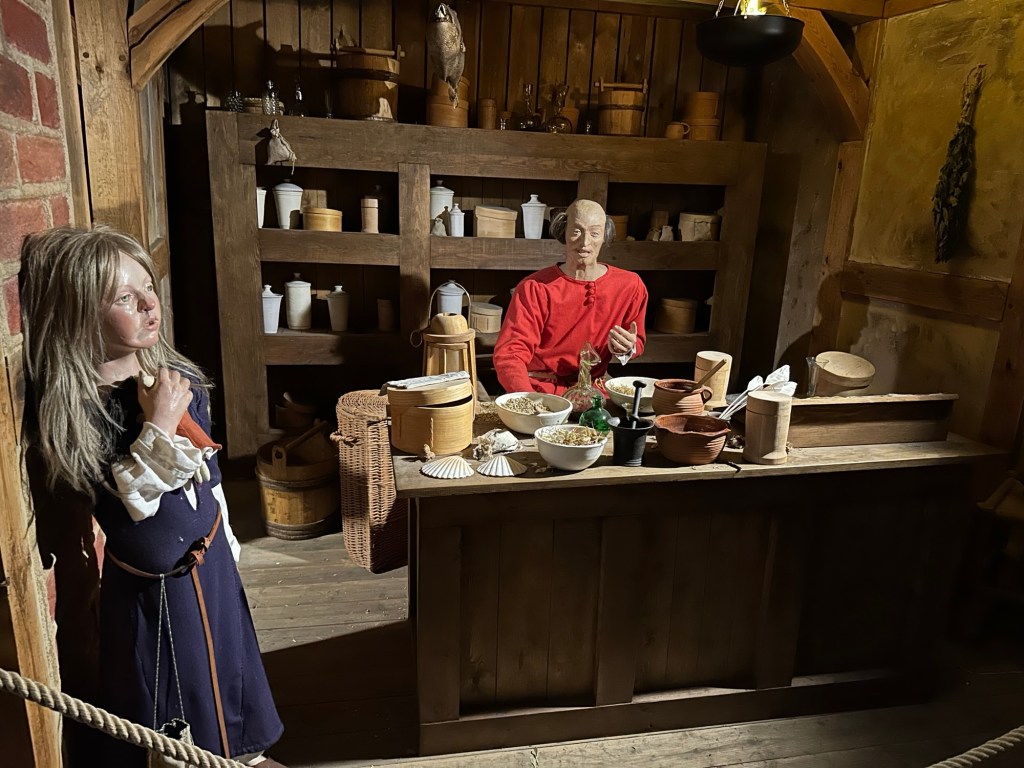
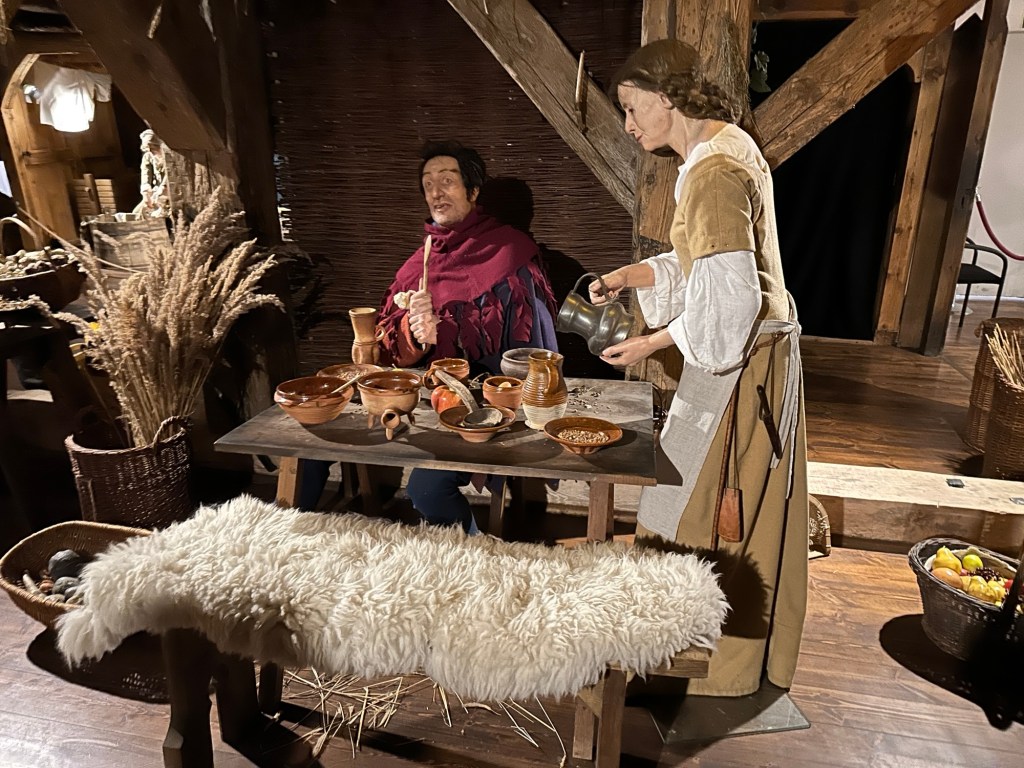
They have walk through sight and sound area depicting life in the region over time.
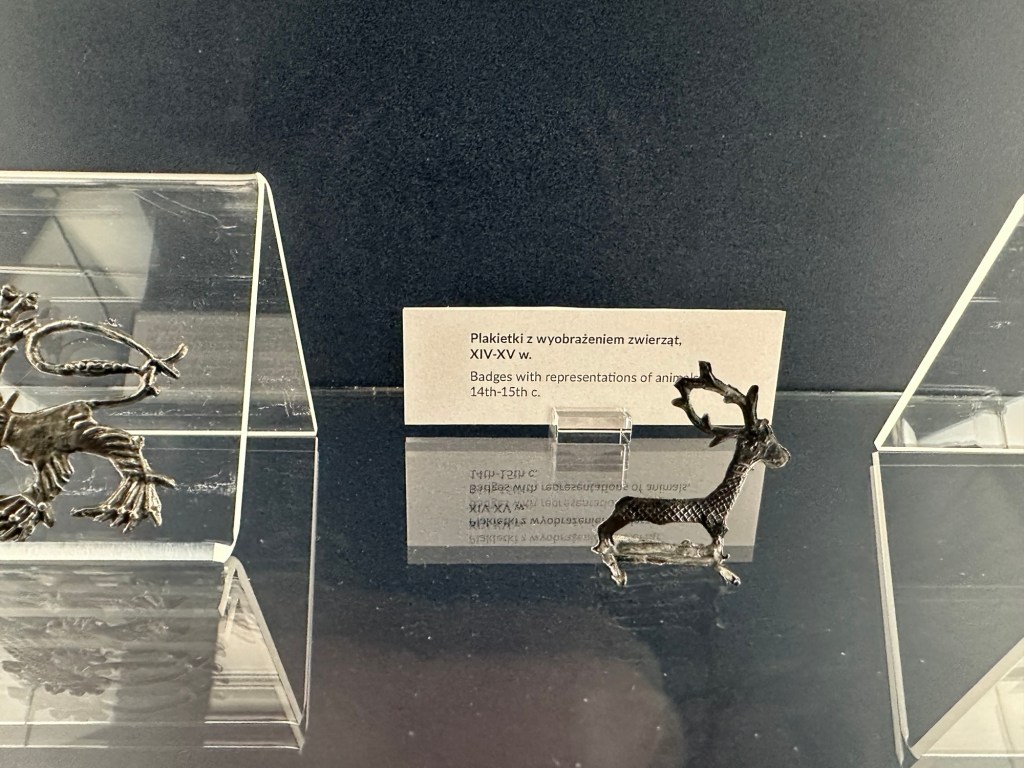
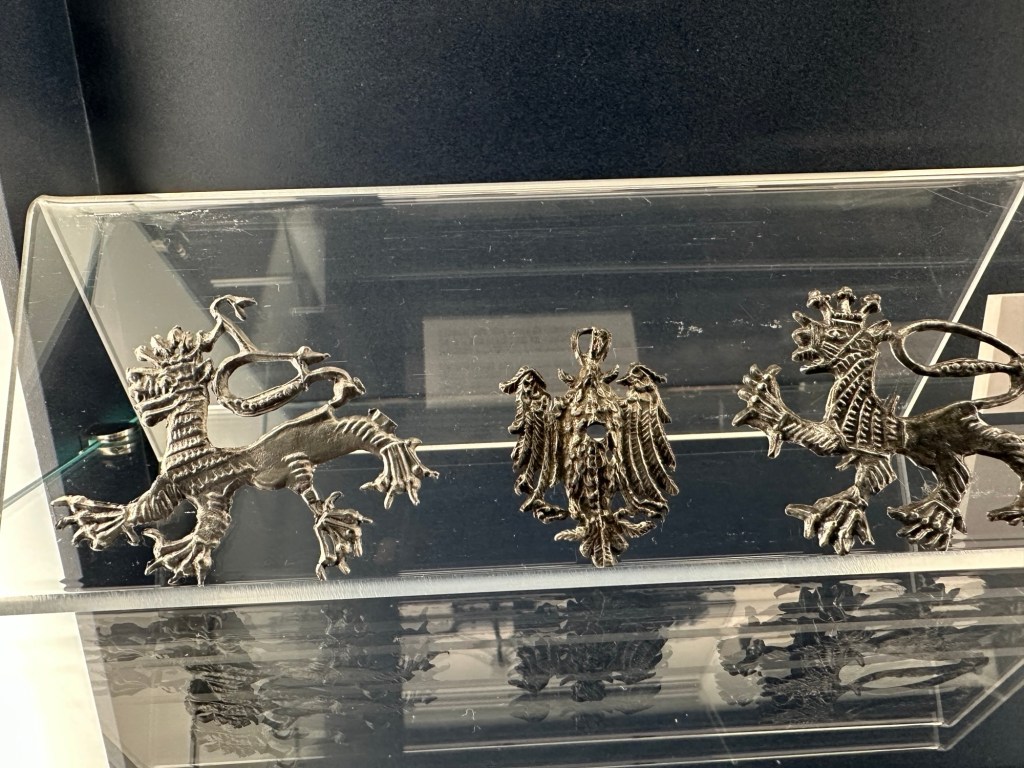
And finally there is a display of archeological items.
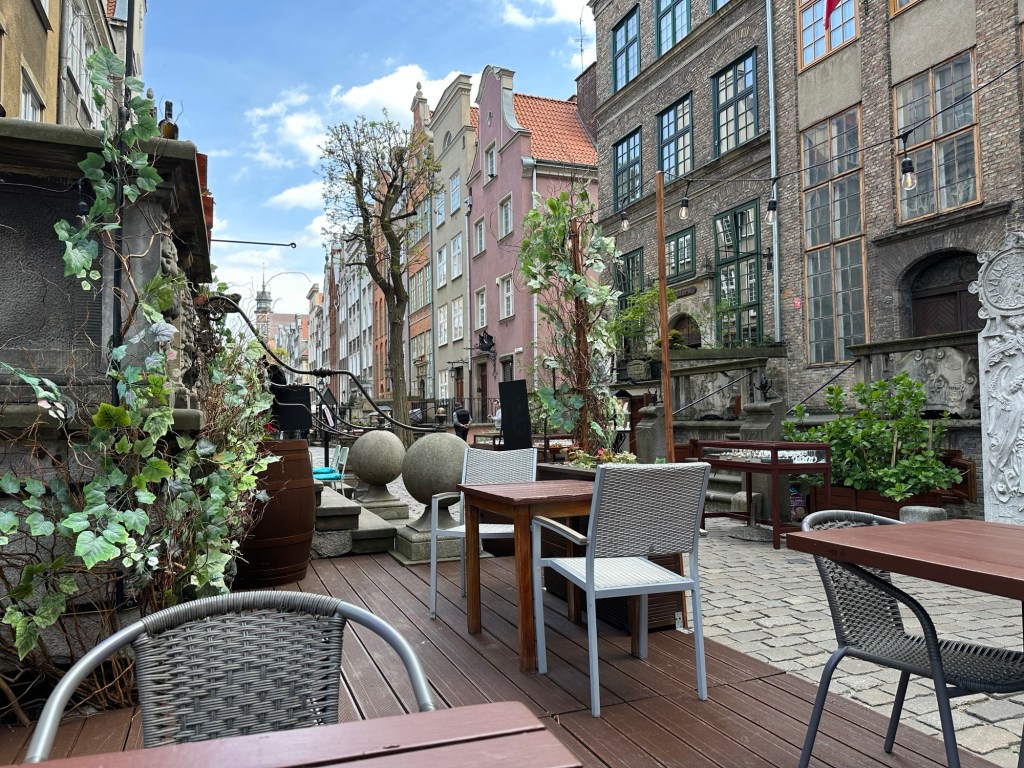
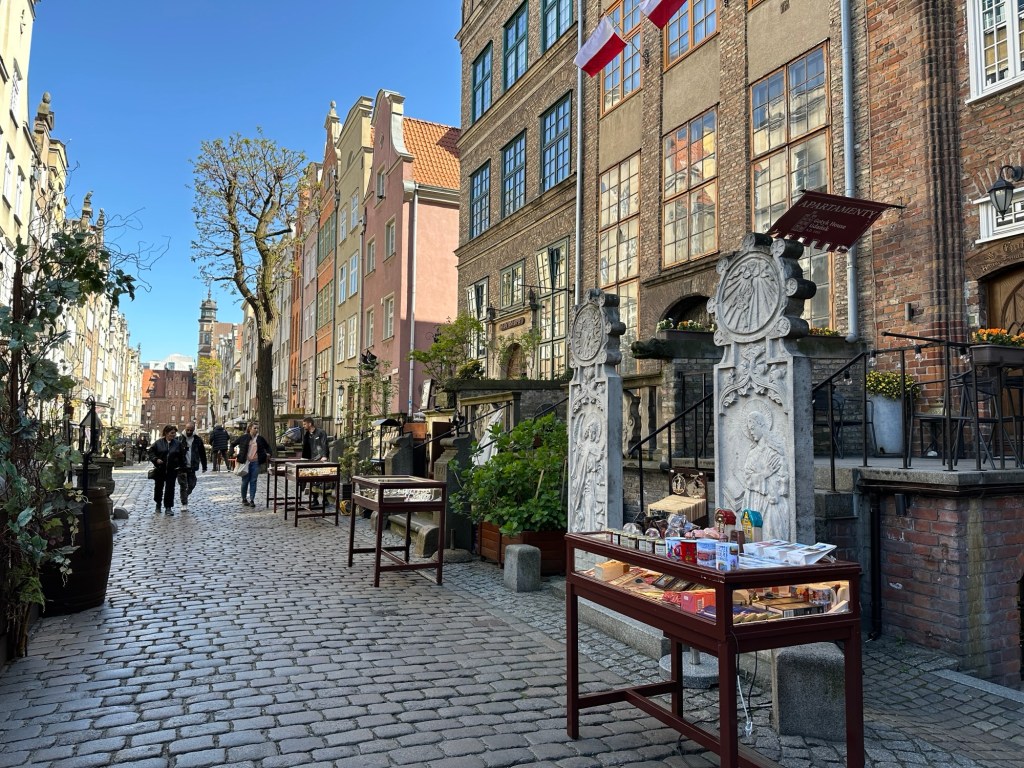
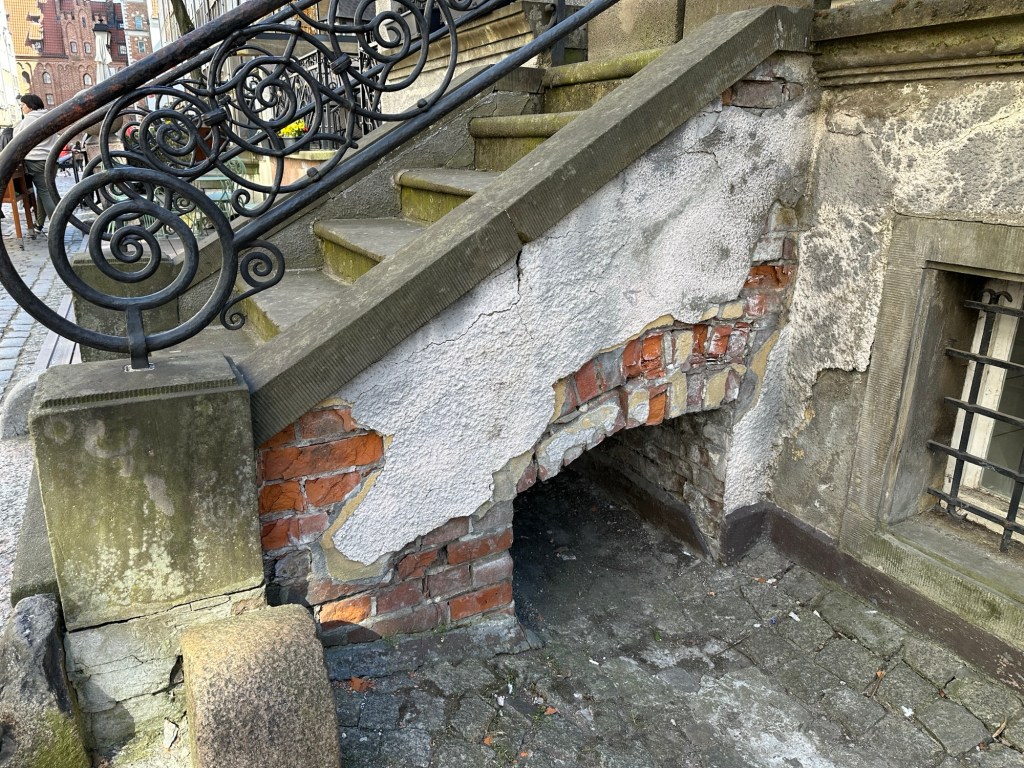
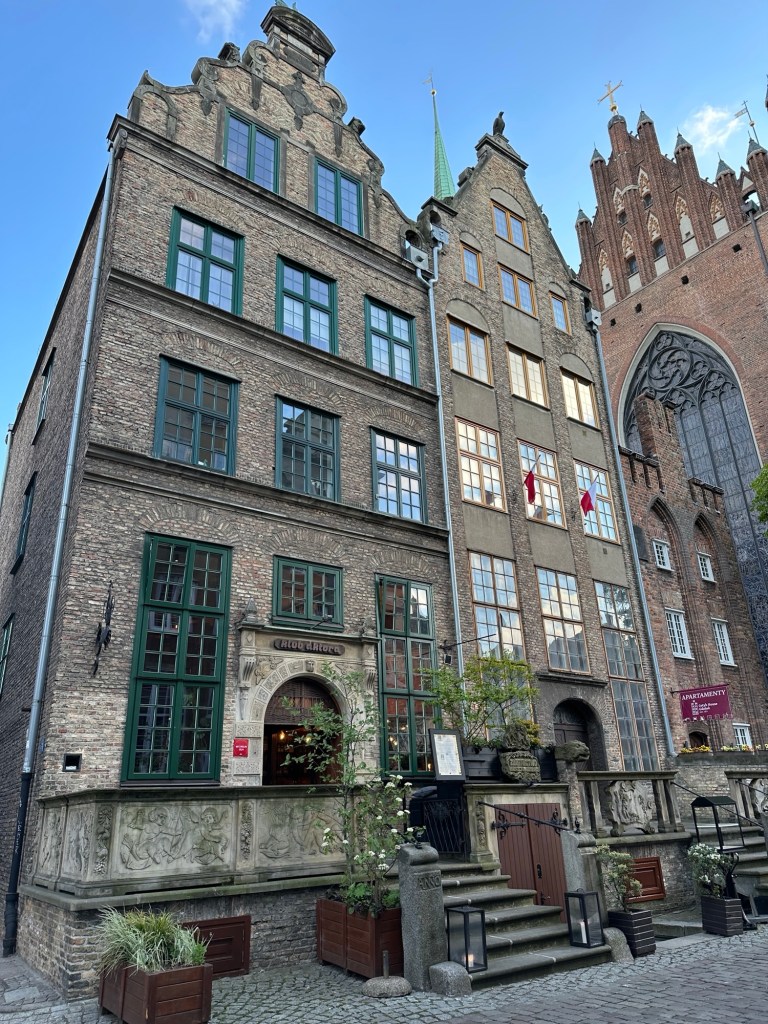
I end up back at Mariacka once more but this time I enjoy a glass of wine and people watching and check out some additional things I learned about the street.
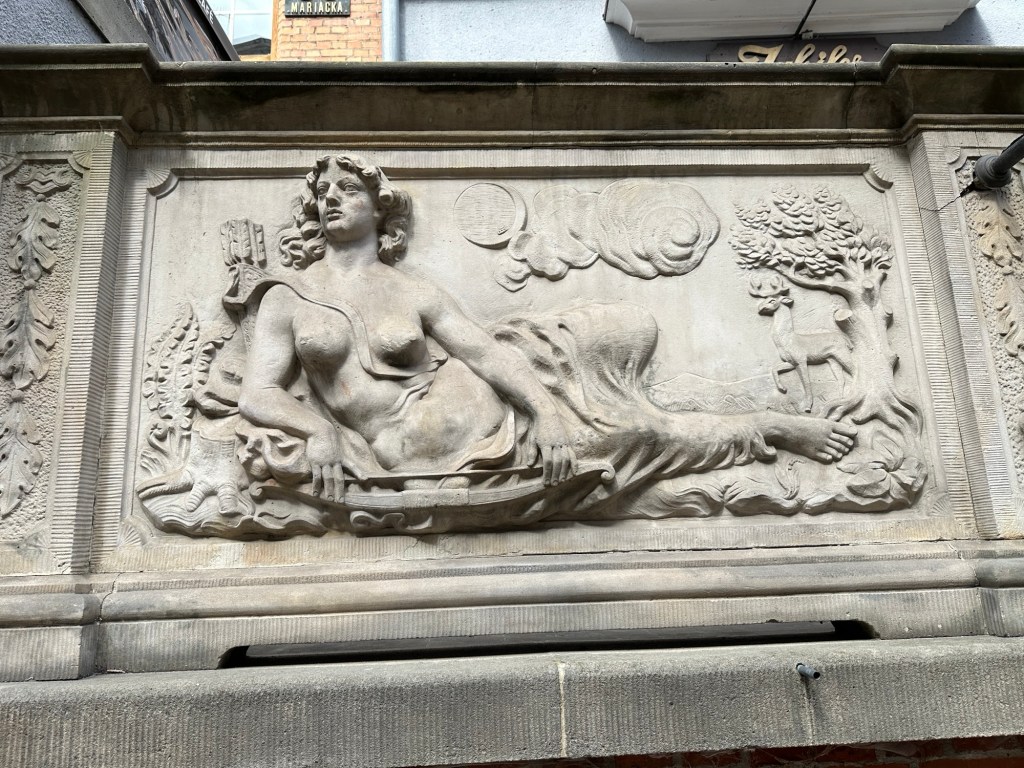
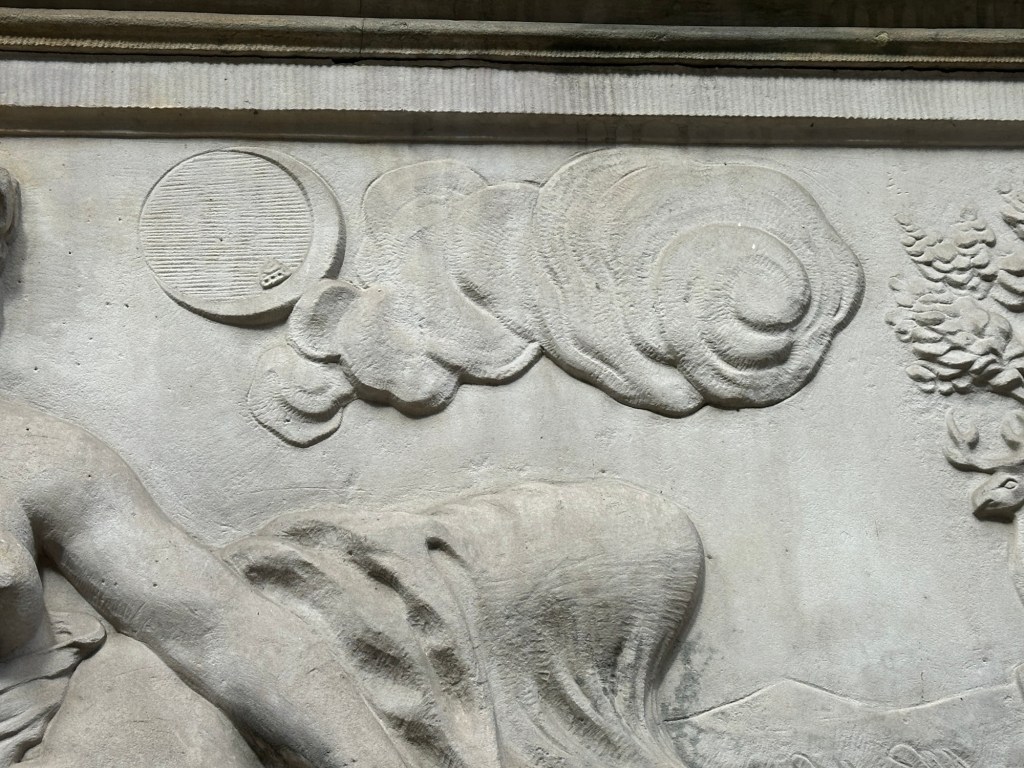
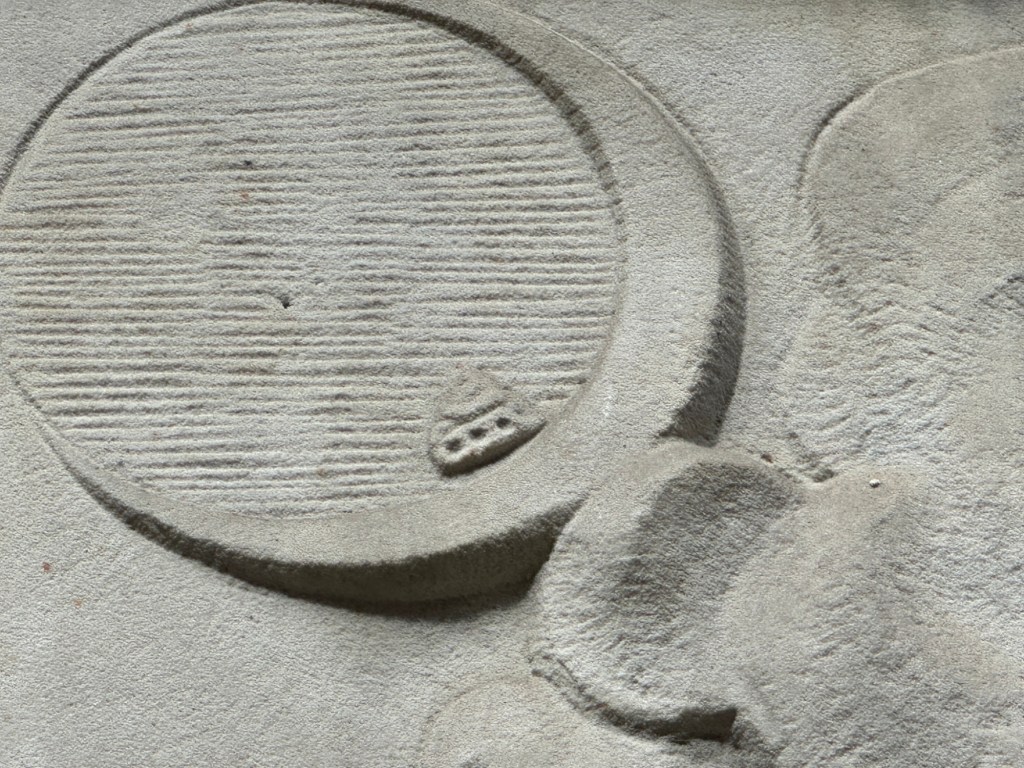
Many of the houses on Mariacka street have reliefs out front but one restore one was given a modern day touch – a Lunar rover.
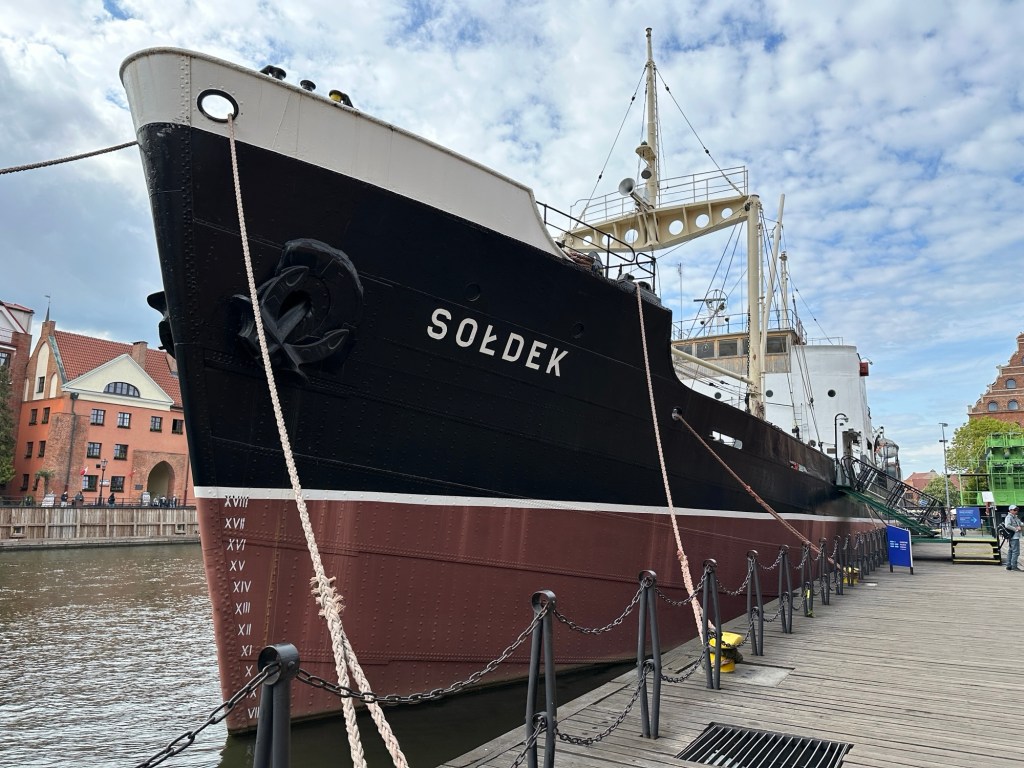
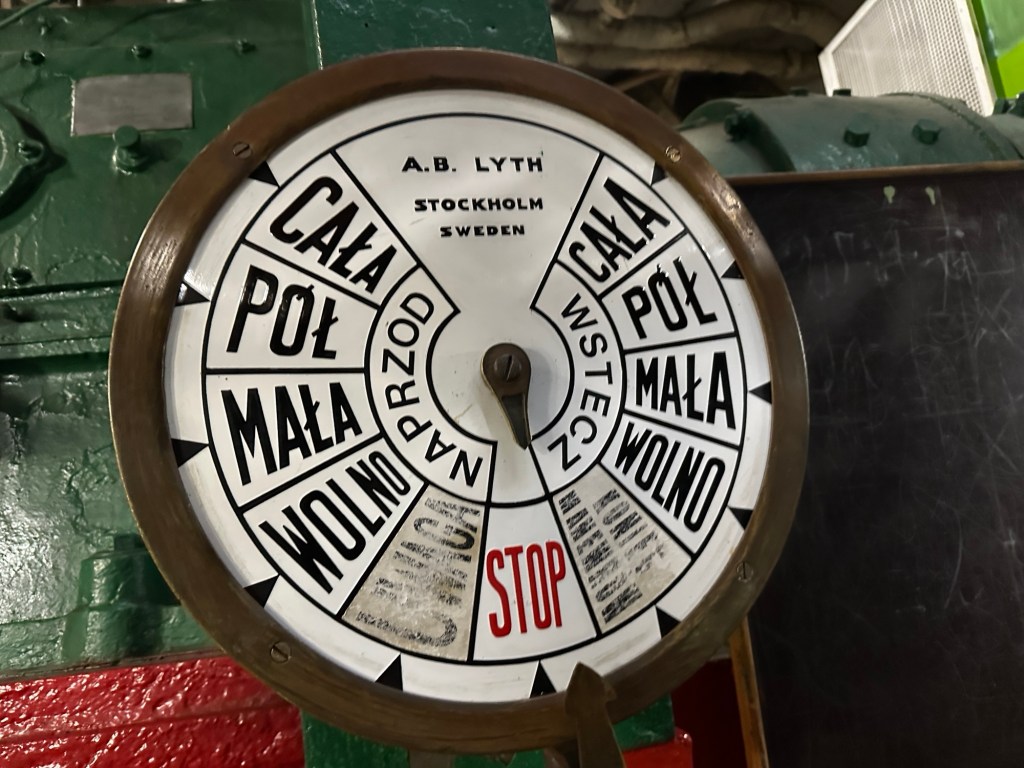
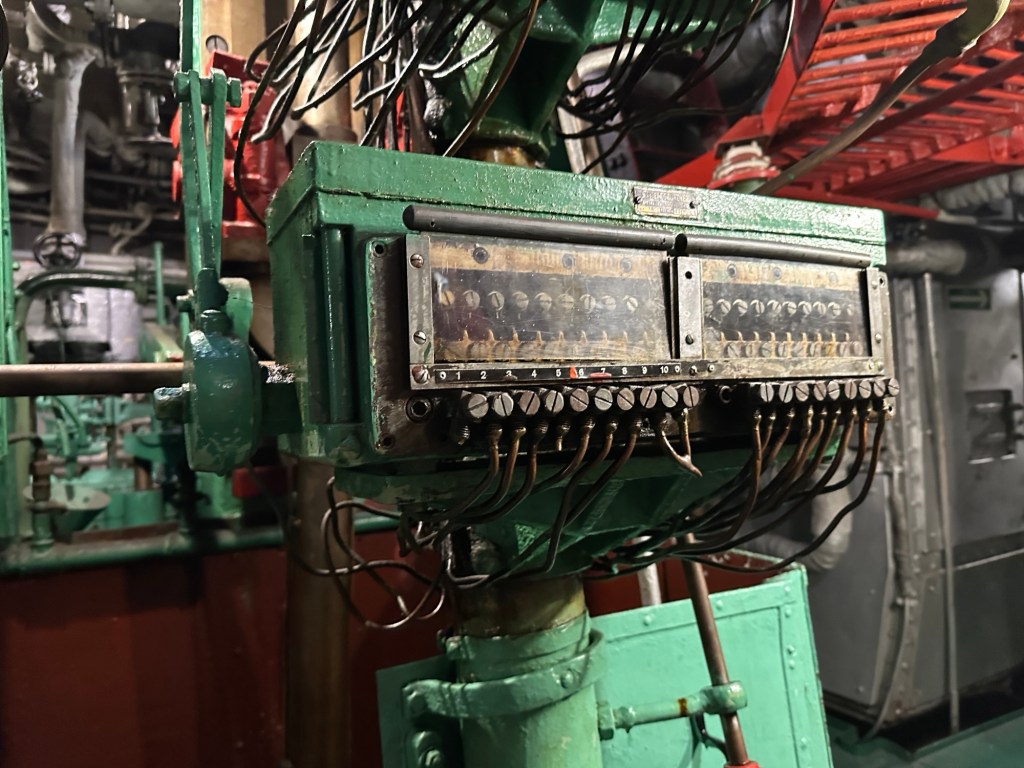
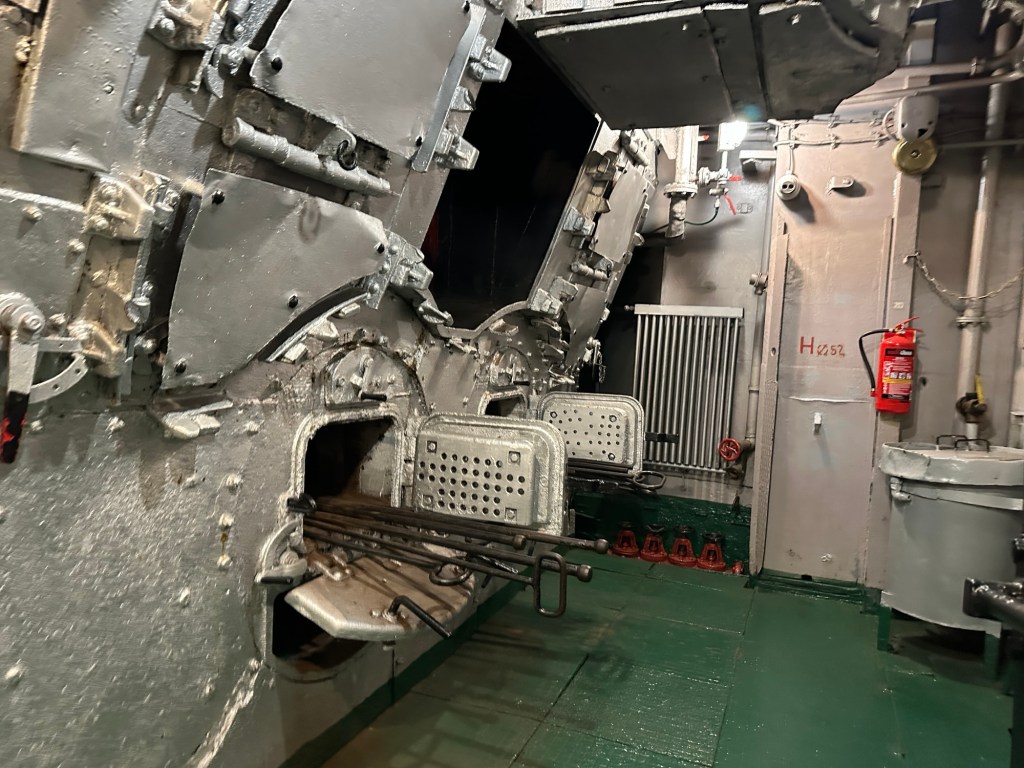
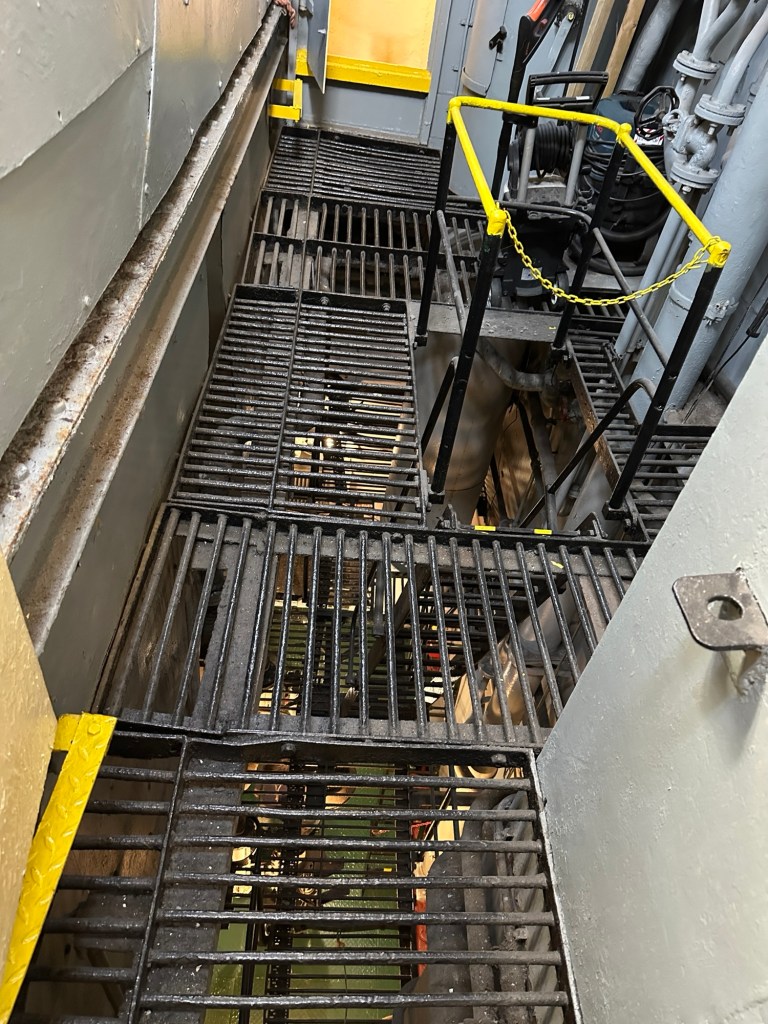
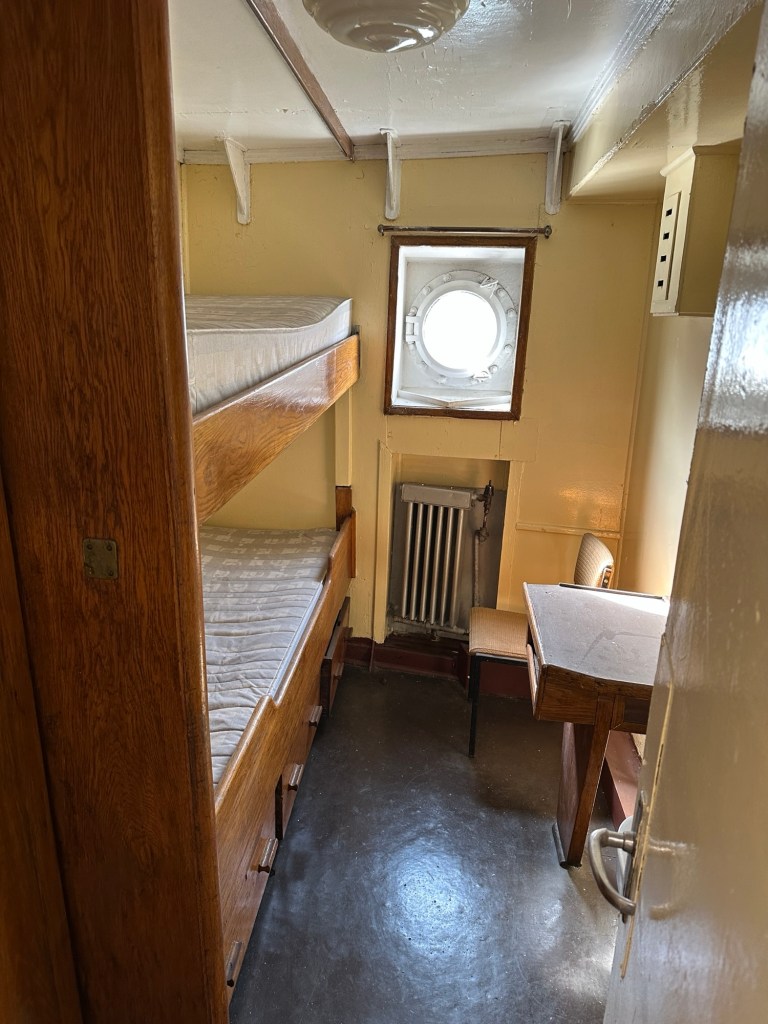
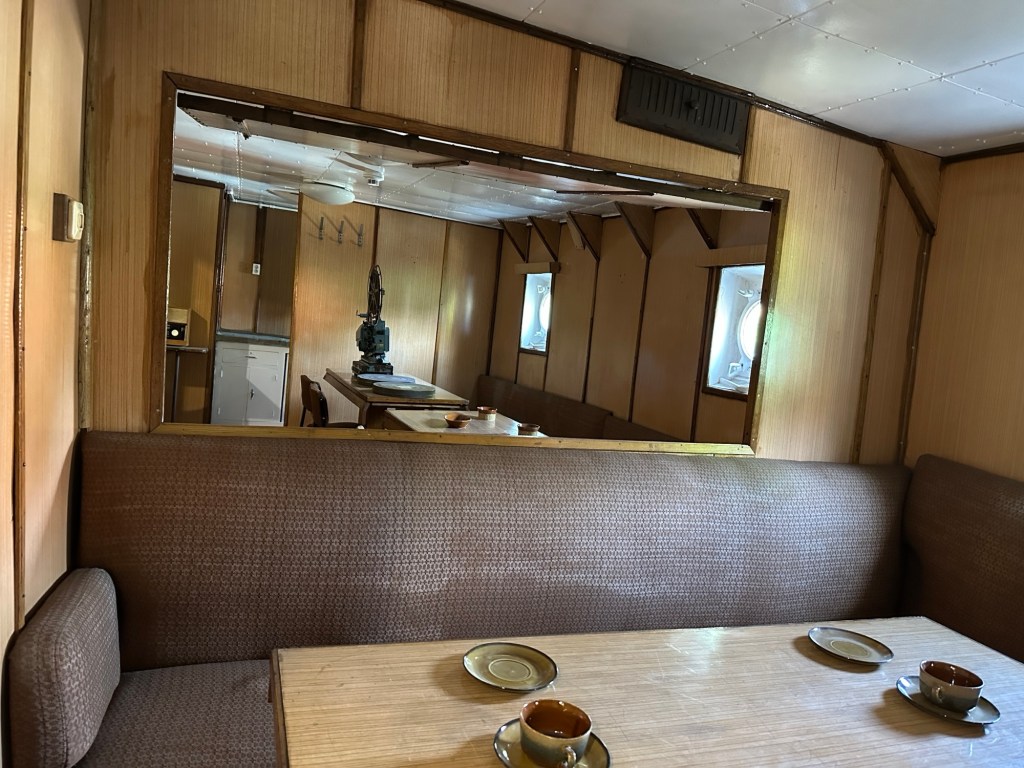
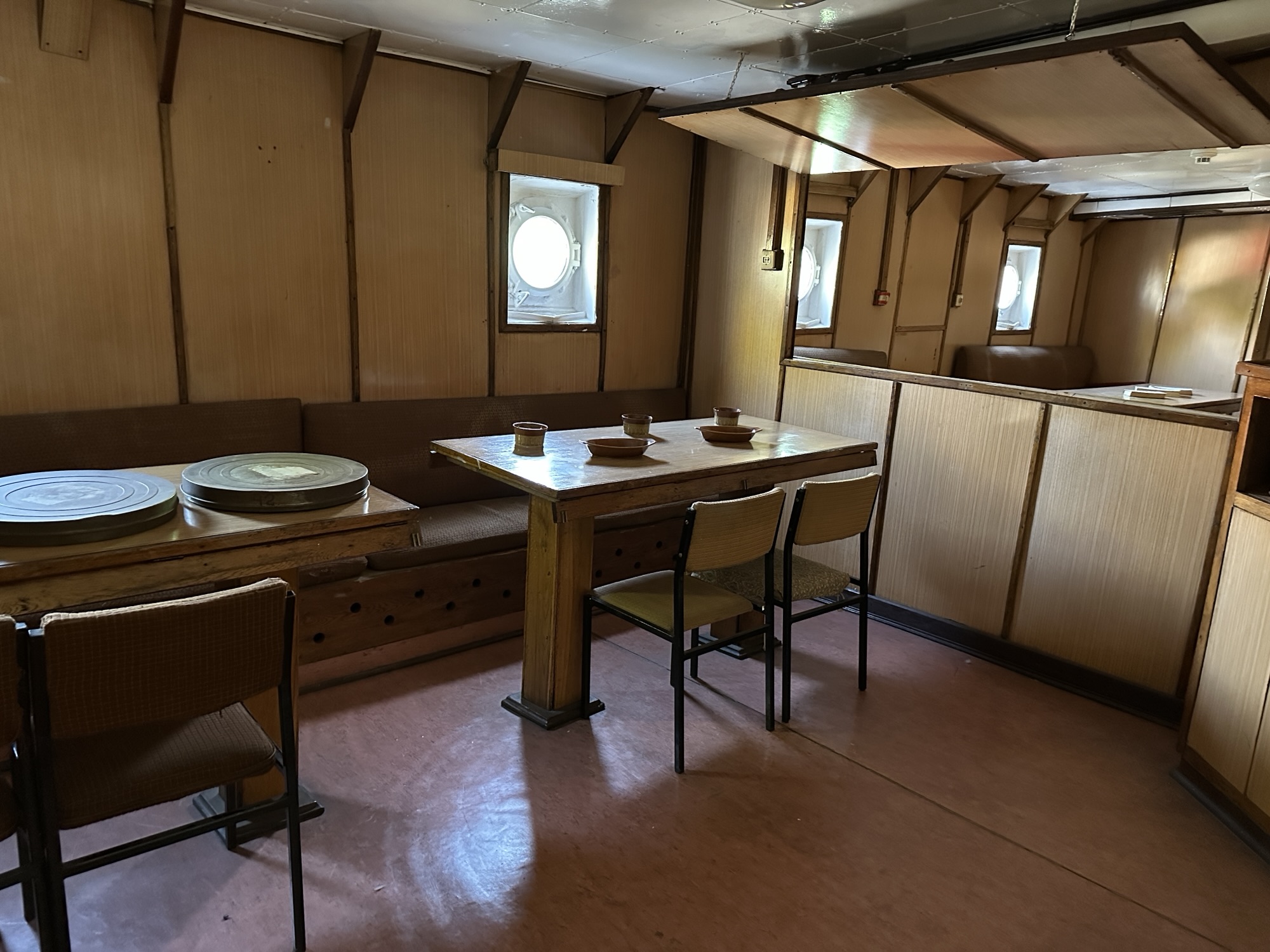
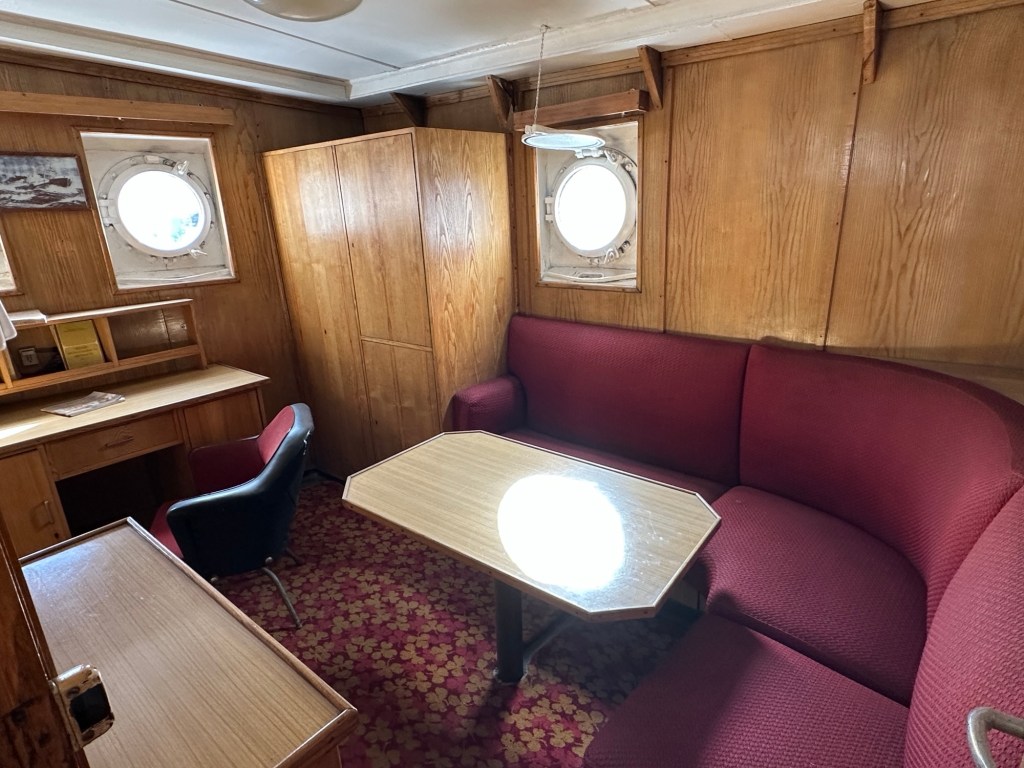
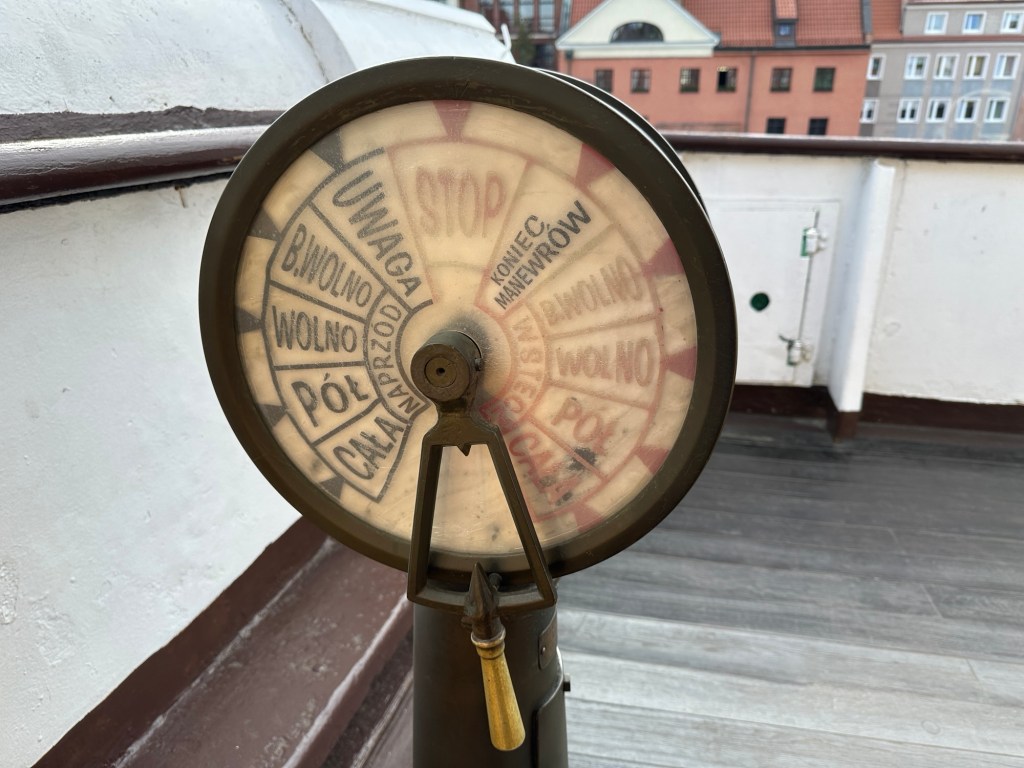
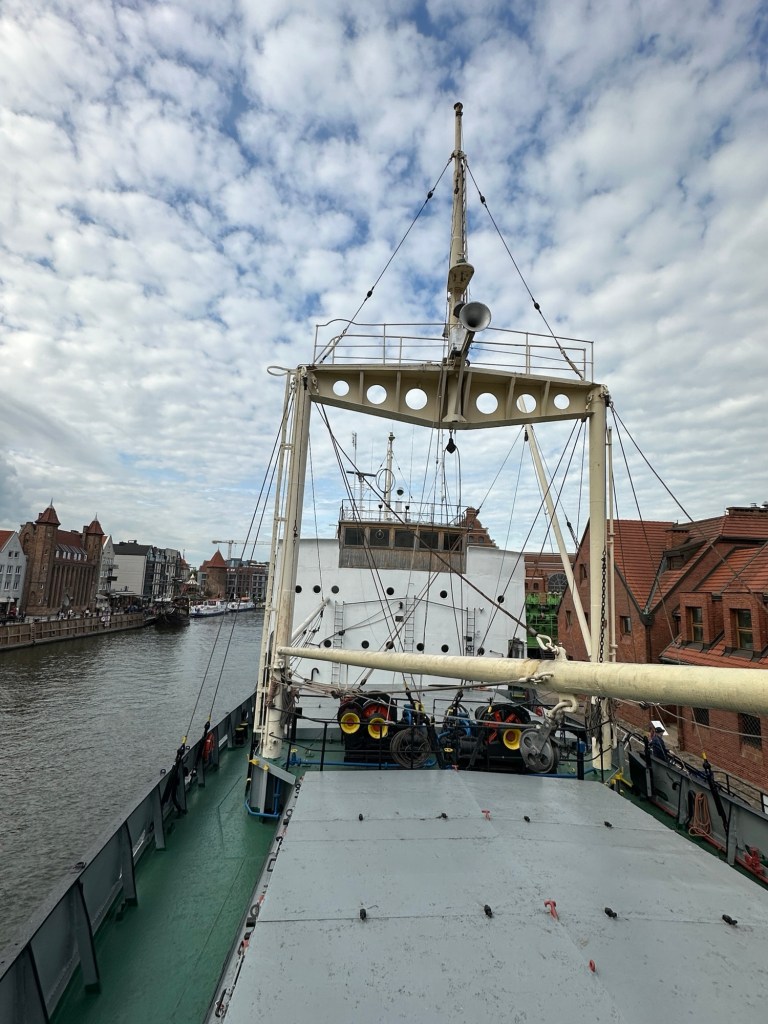
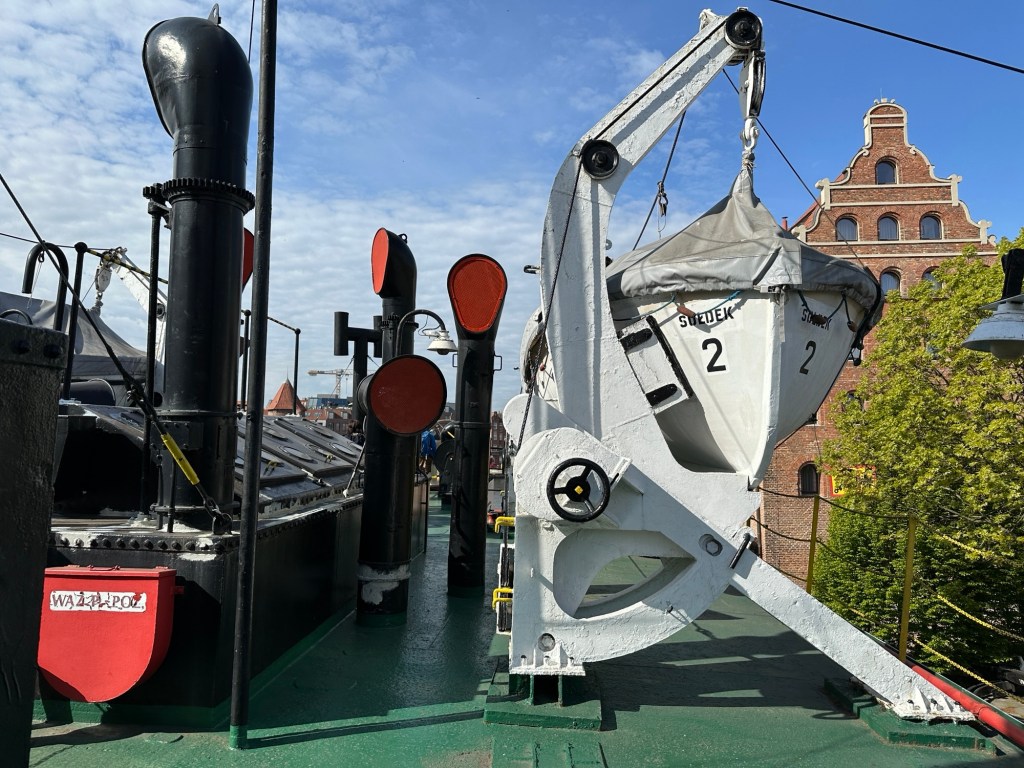
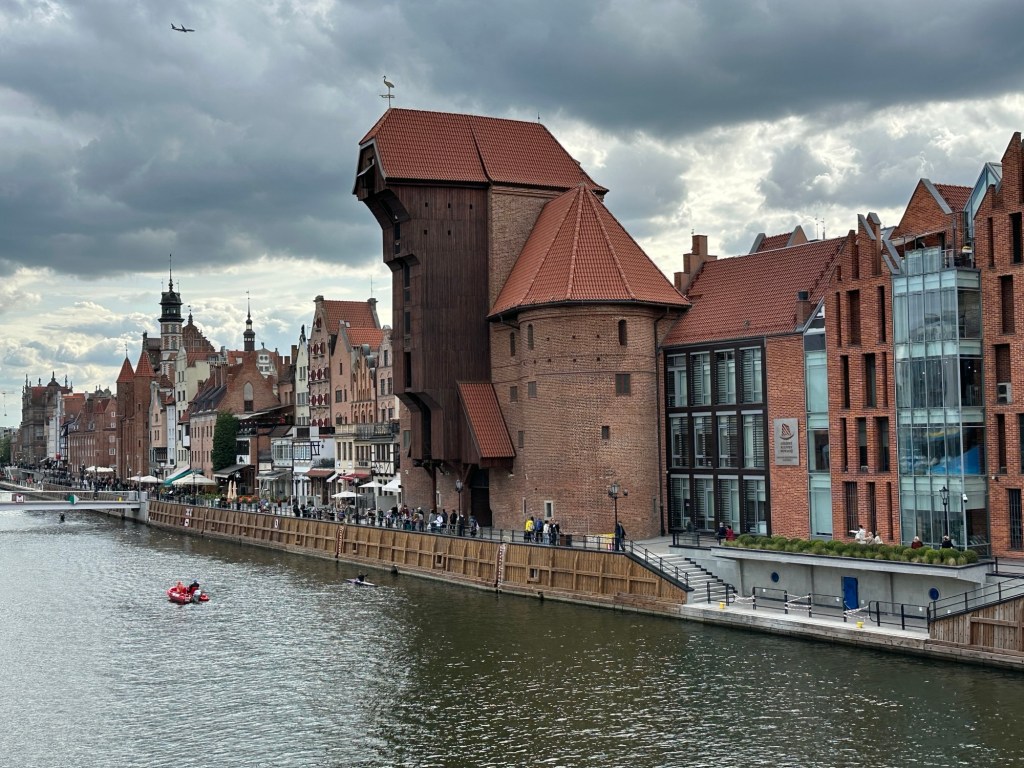
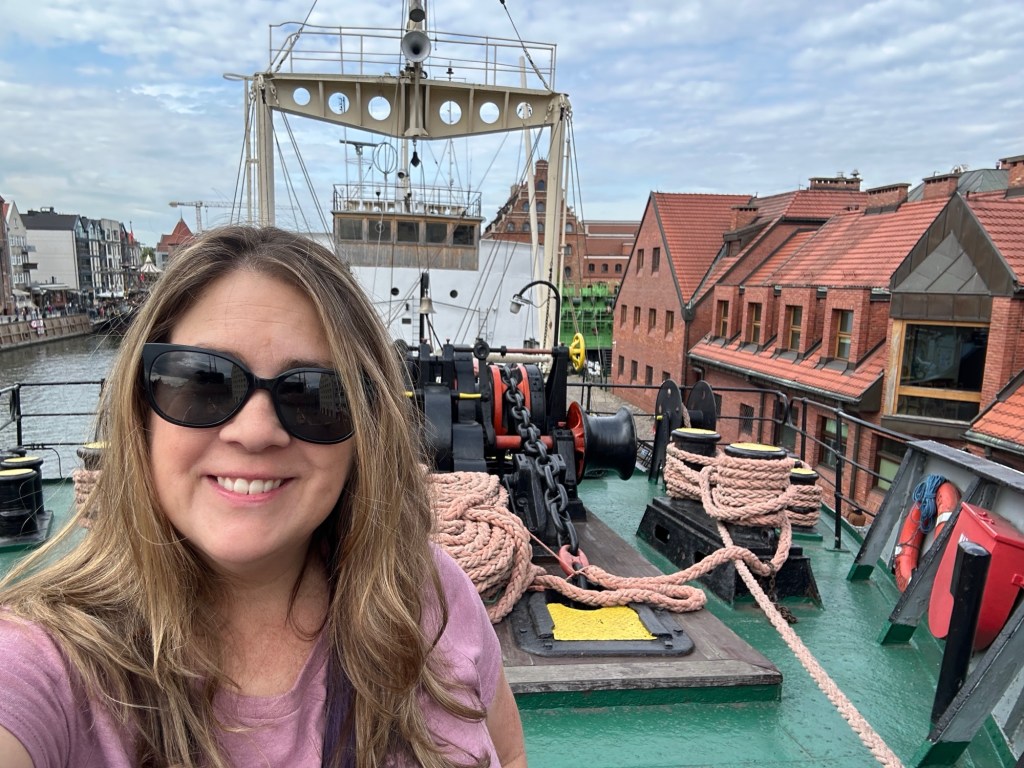
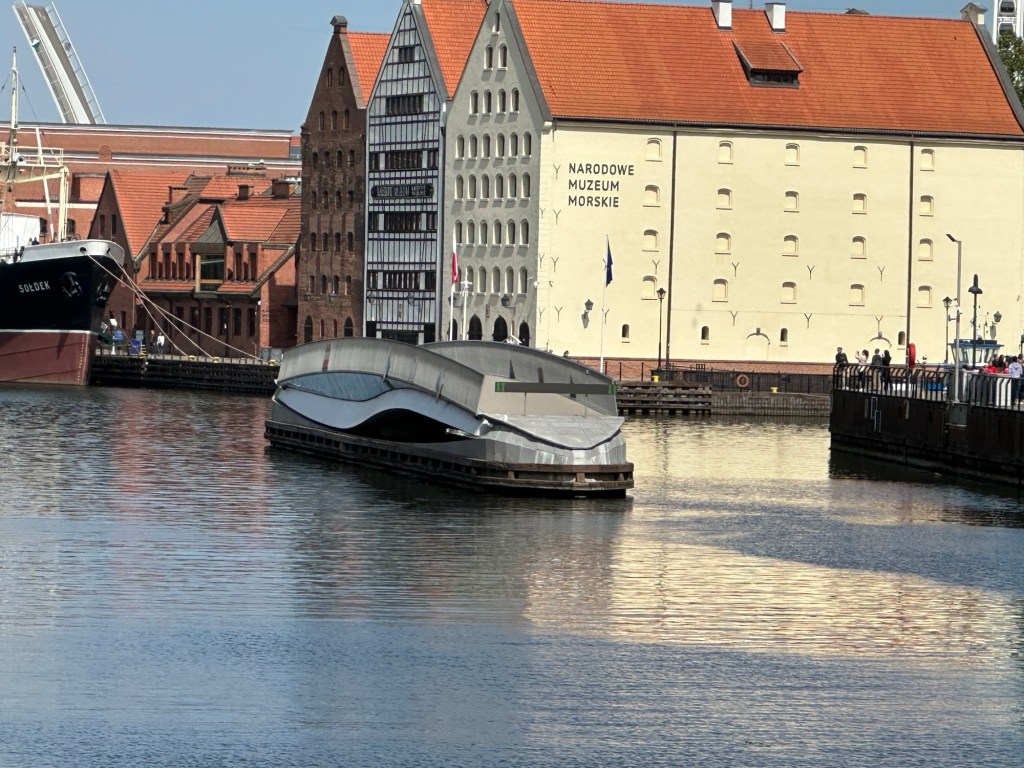
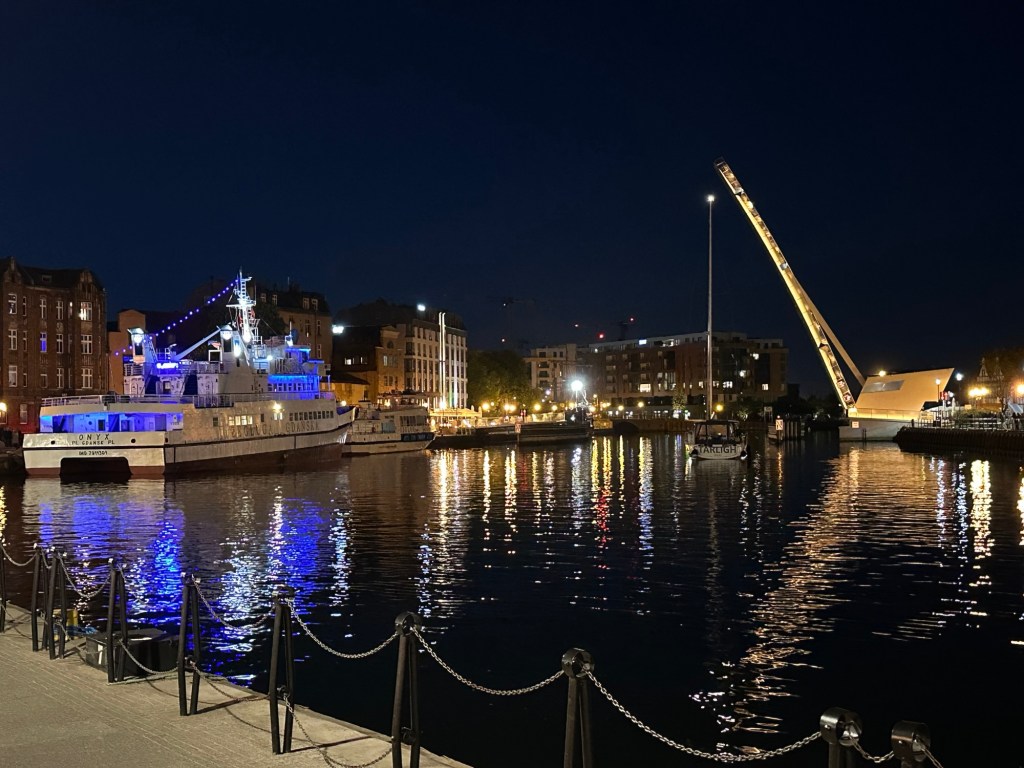
Last official stop is the first seagoing ship built in a Polish shiyard – Soldek. It is docked in Gdansk and available for exploring.
I slow down considerably for the rest of my travels. I am very tired so it is good I go home soon. I’m just trying to enjoy the cool and sunny weather my last few hours here.
It’s been a long trip but I am not done with Poland. There are so many places I left off my itinerary. I will be back.
I started today at the Solidarity museum and the Gdańsk Shipyard.
My day isn’t over yet and I almost forget there are a couple museums free today since it is a Monday.
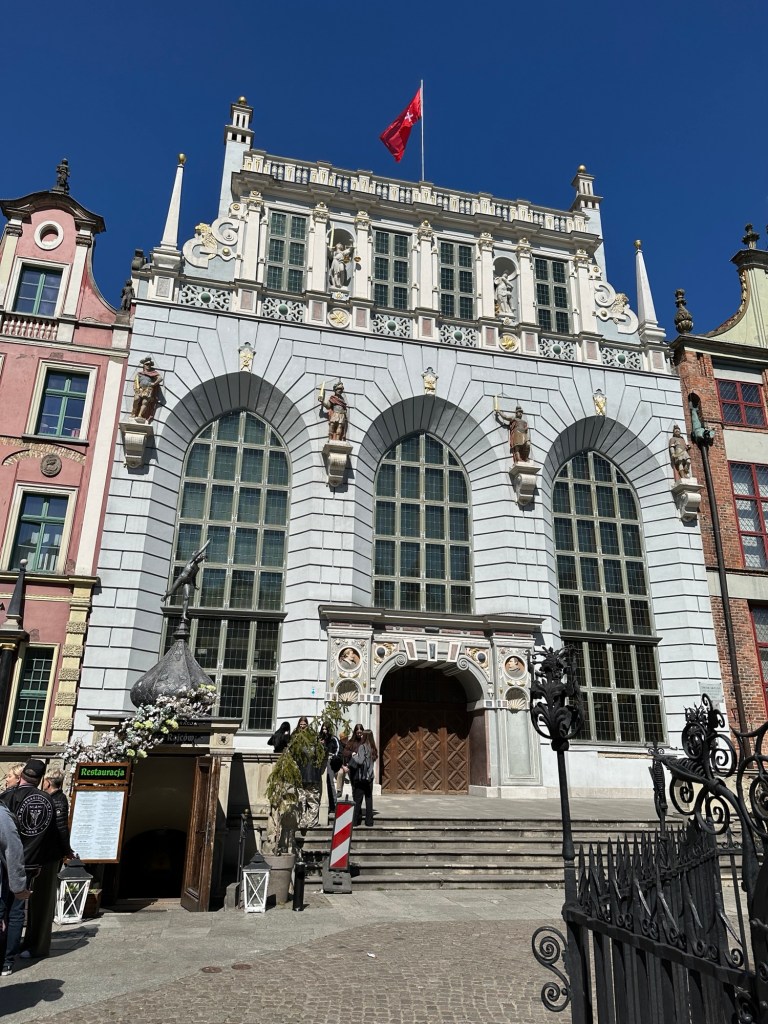
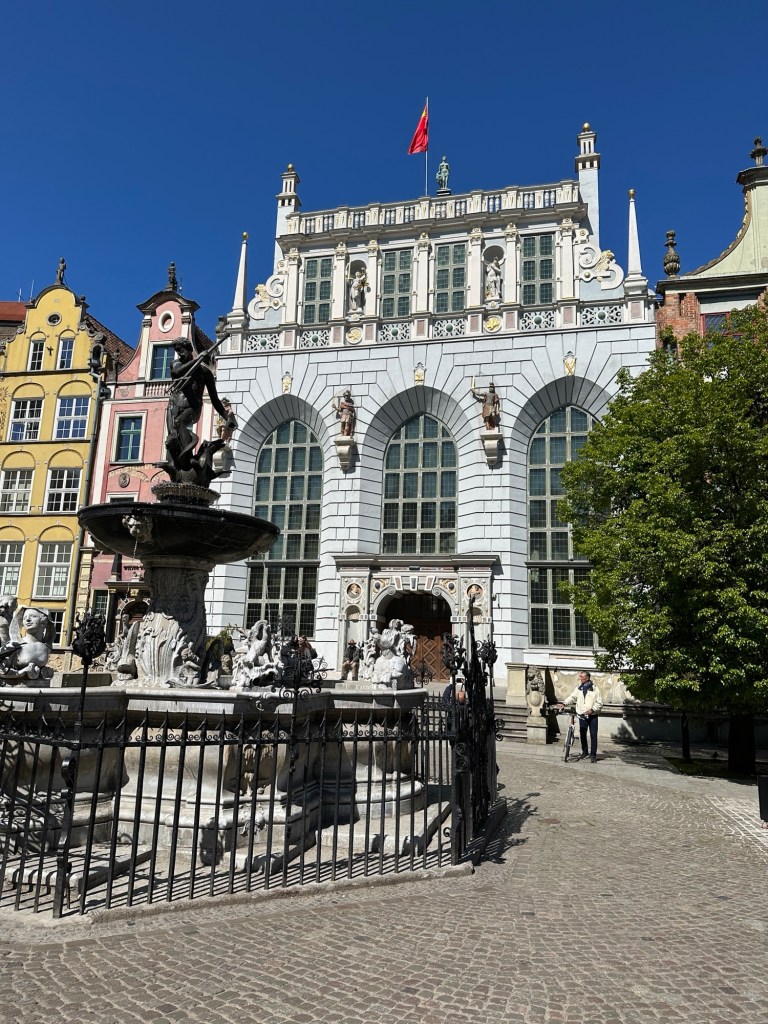
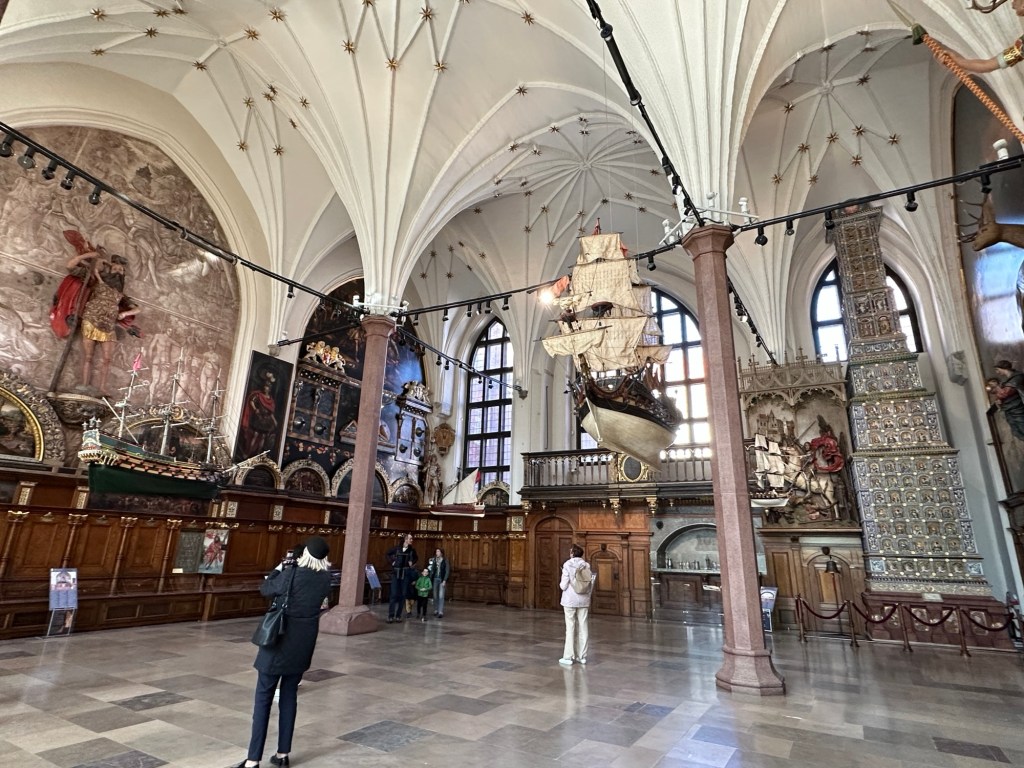
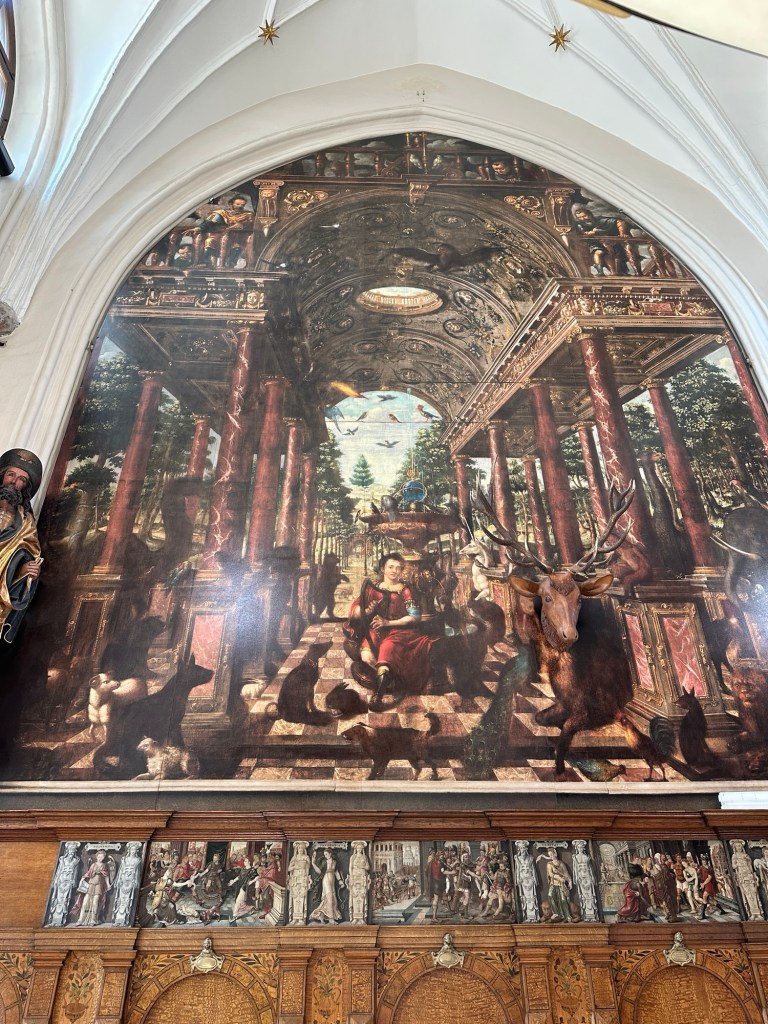
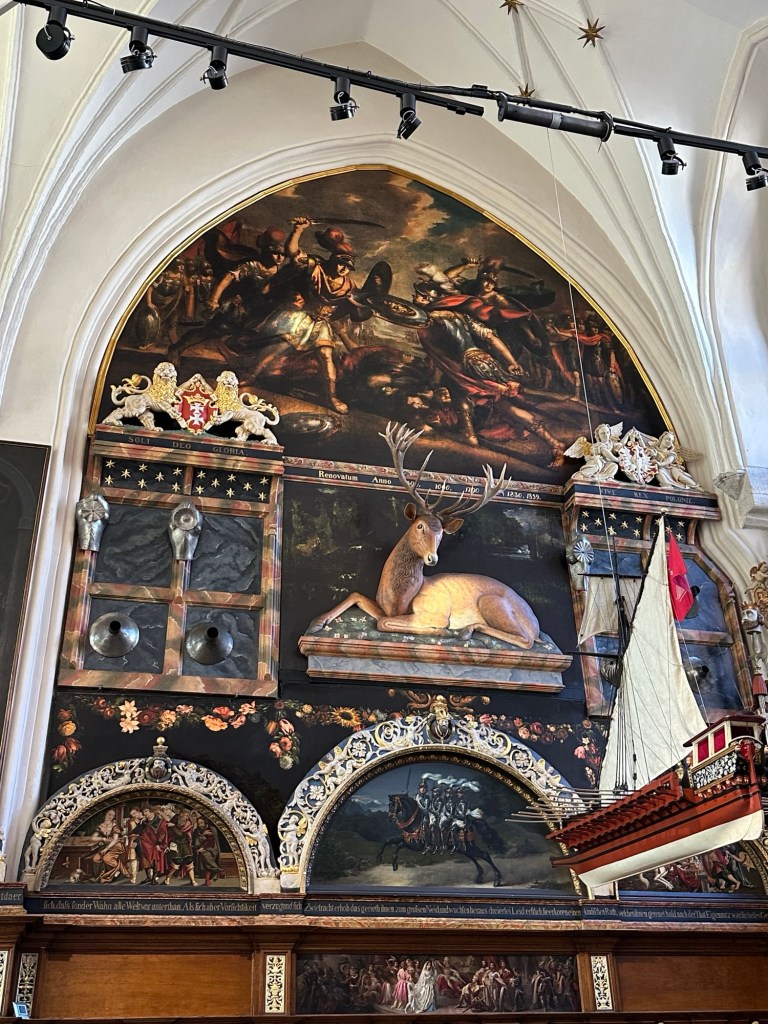
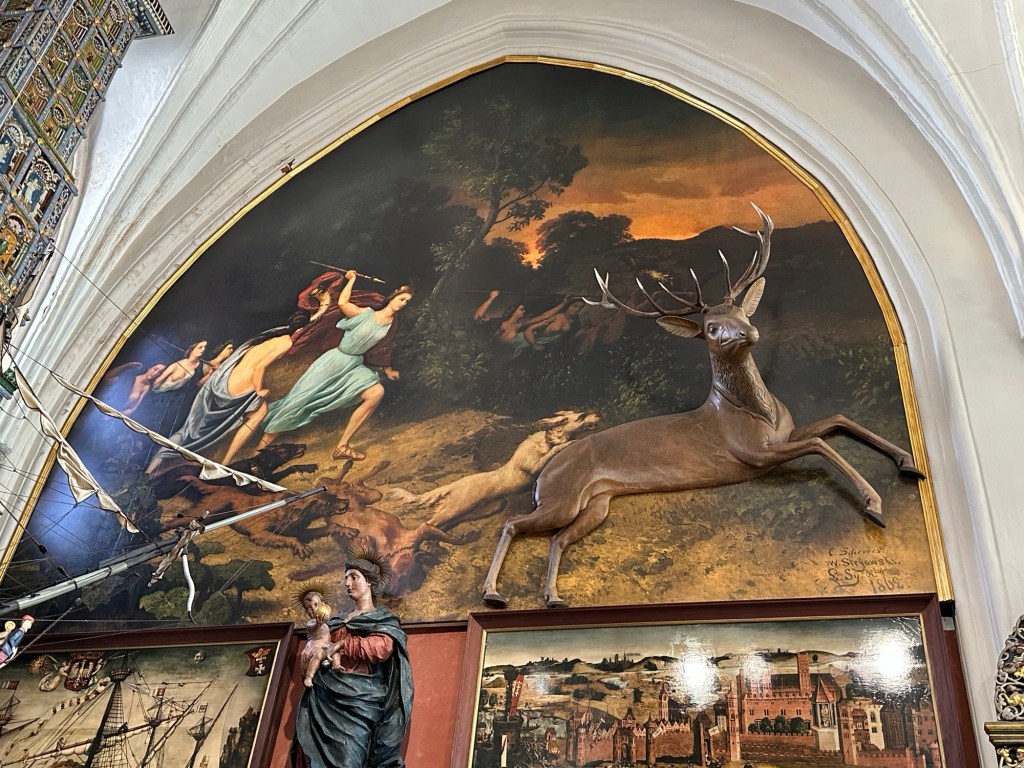
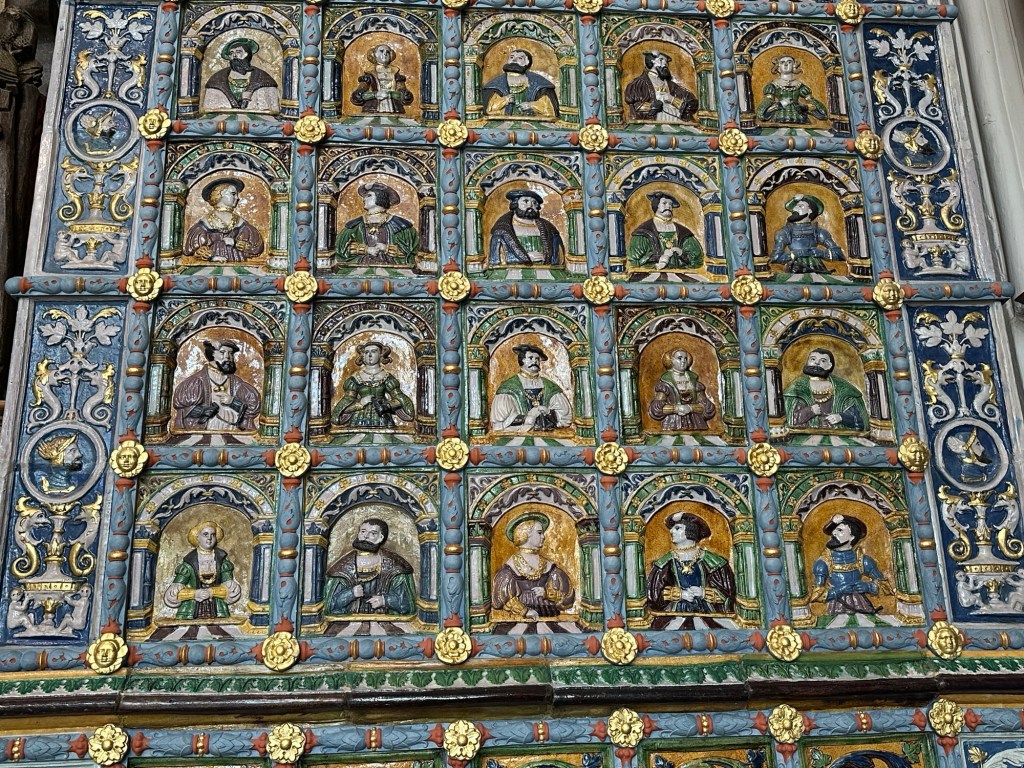
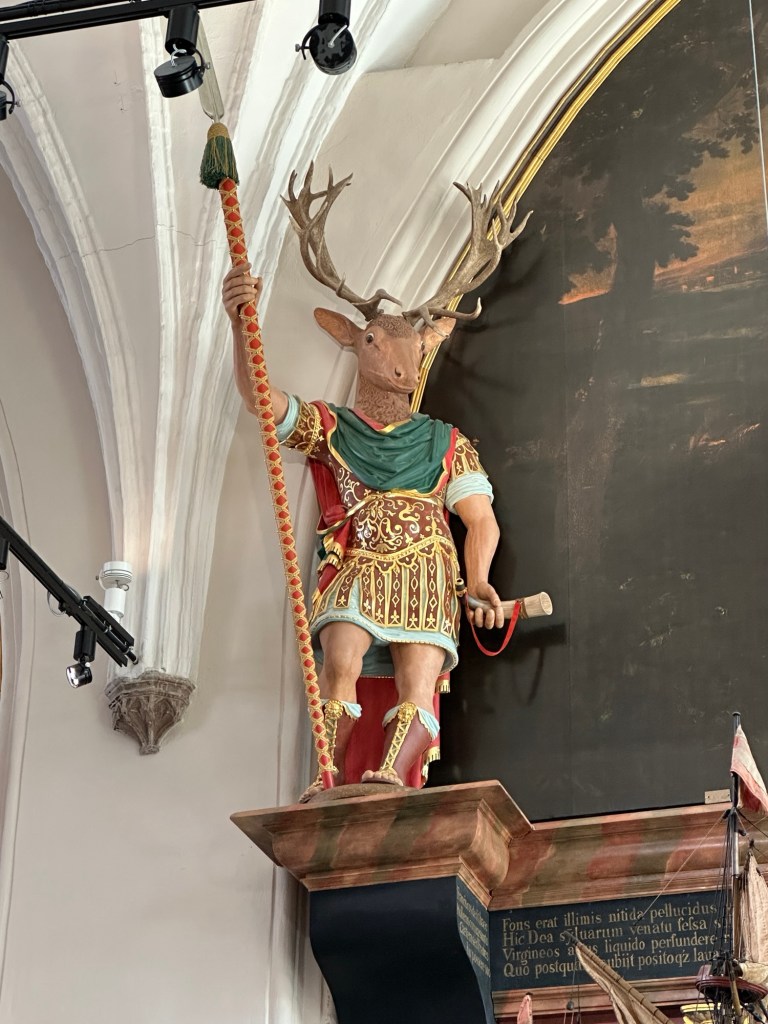
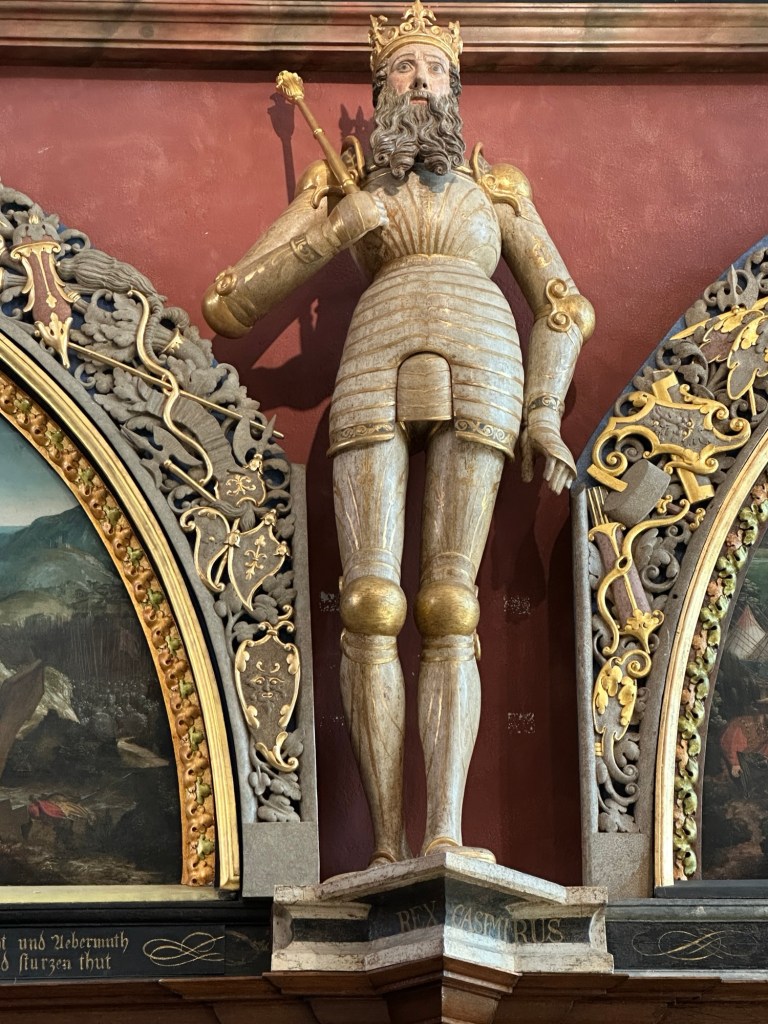
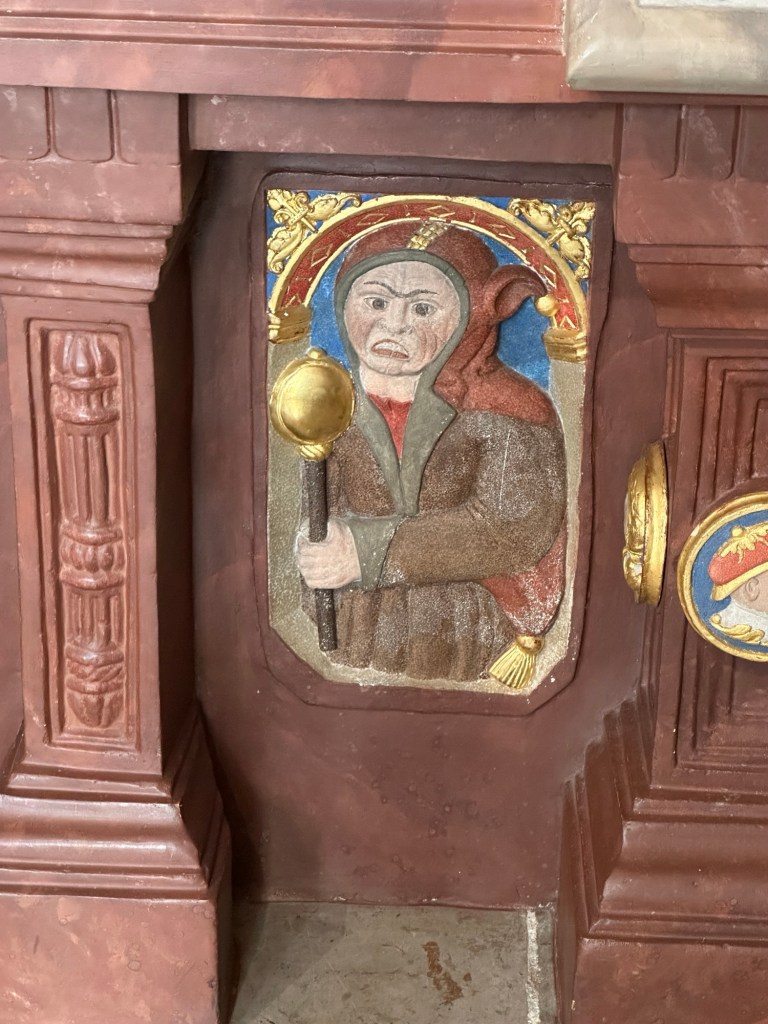
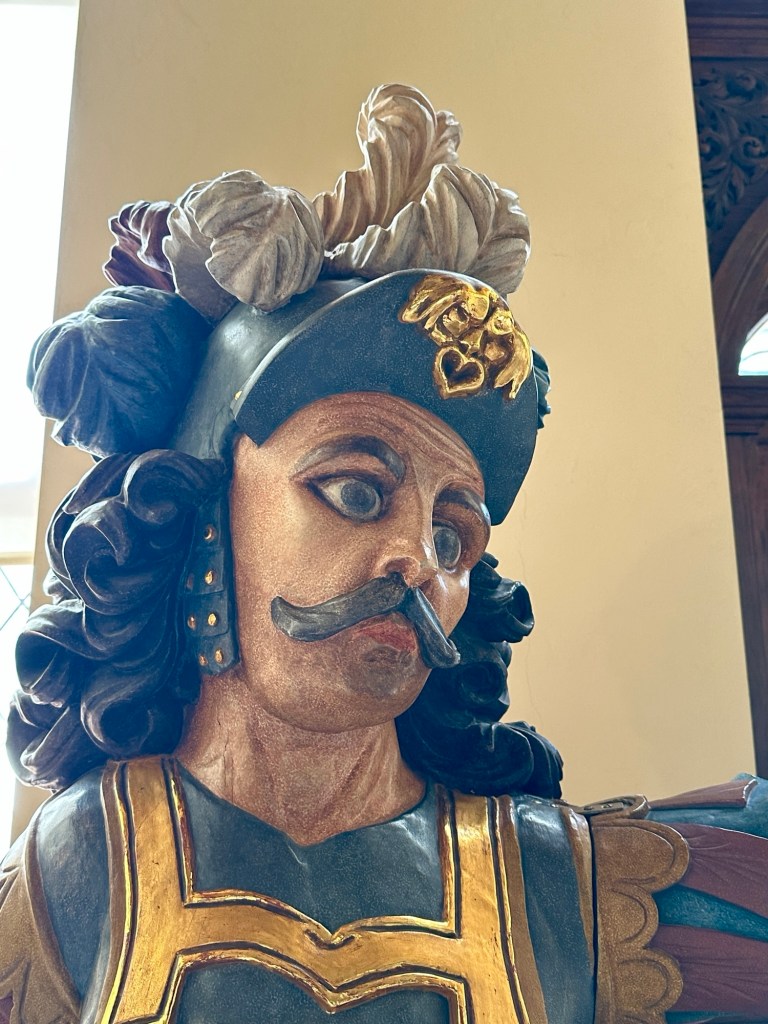
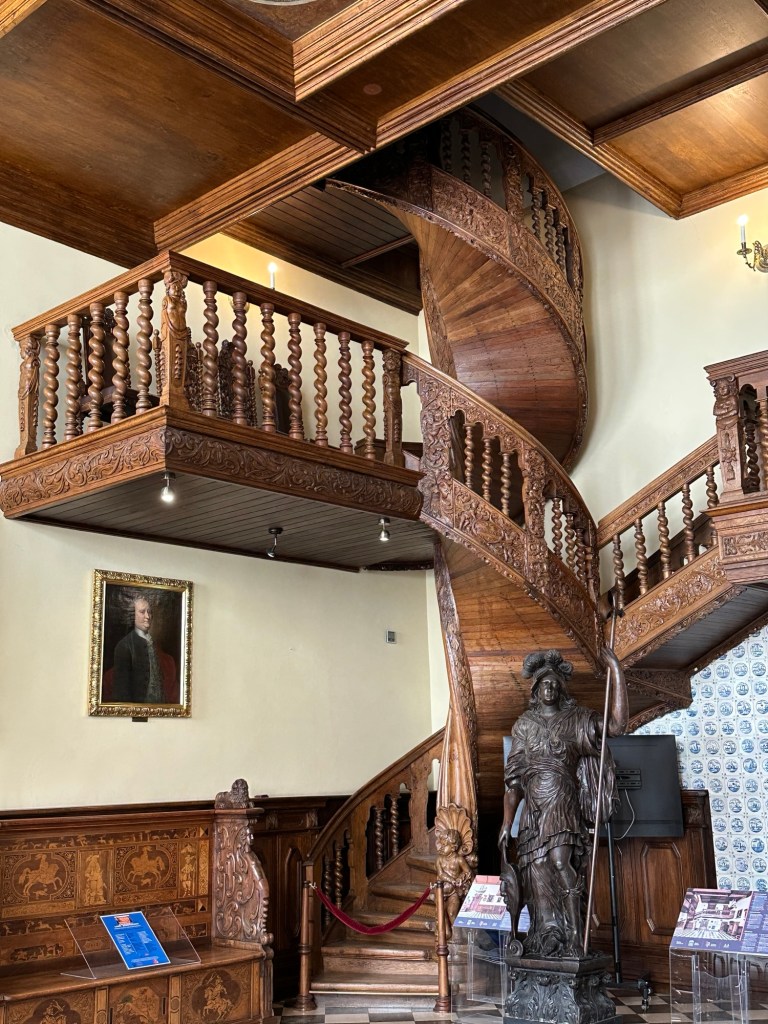
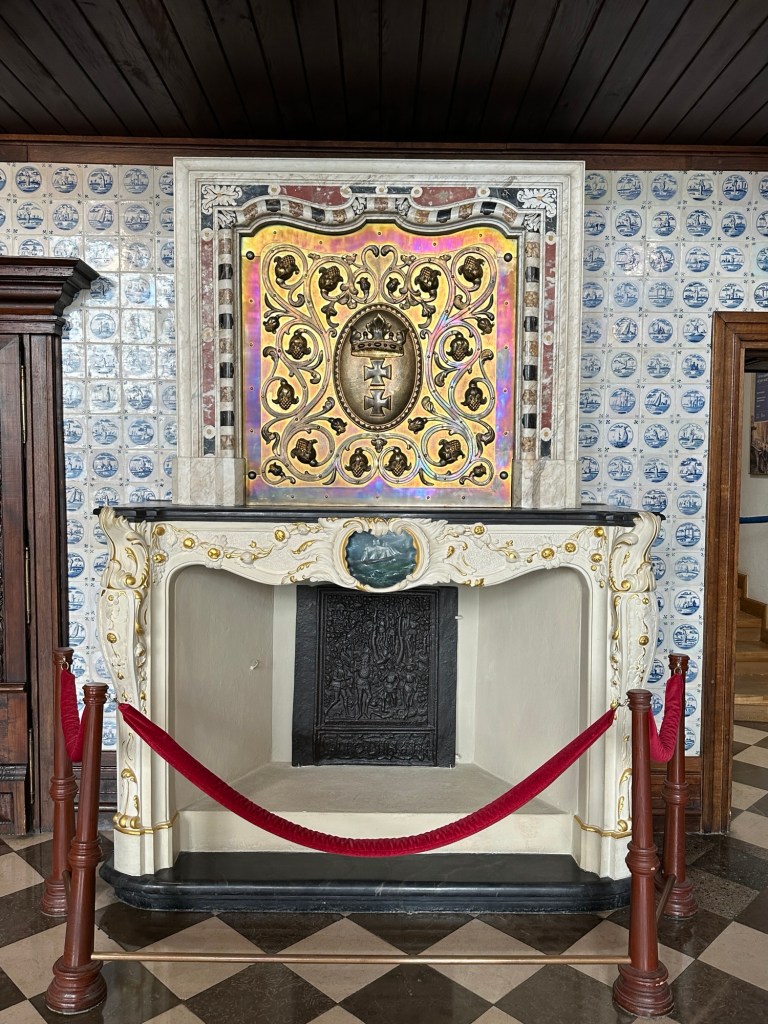
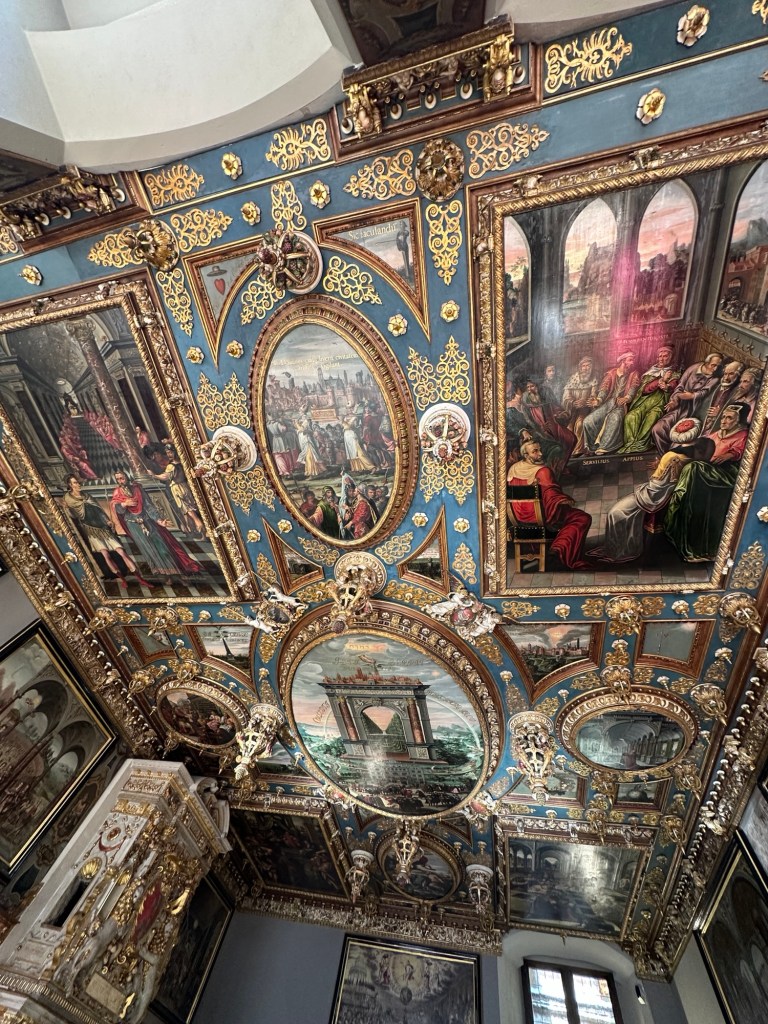
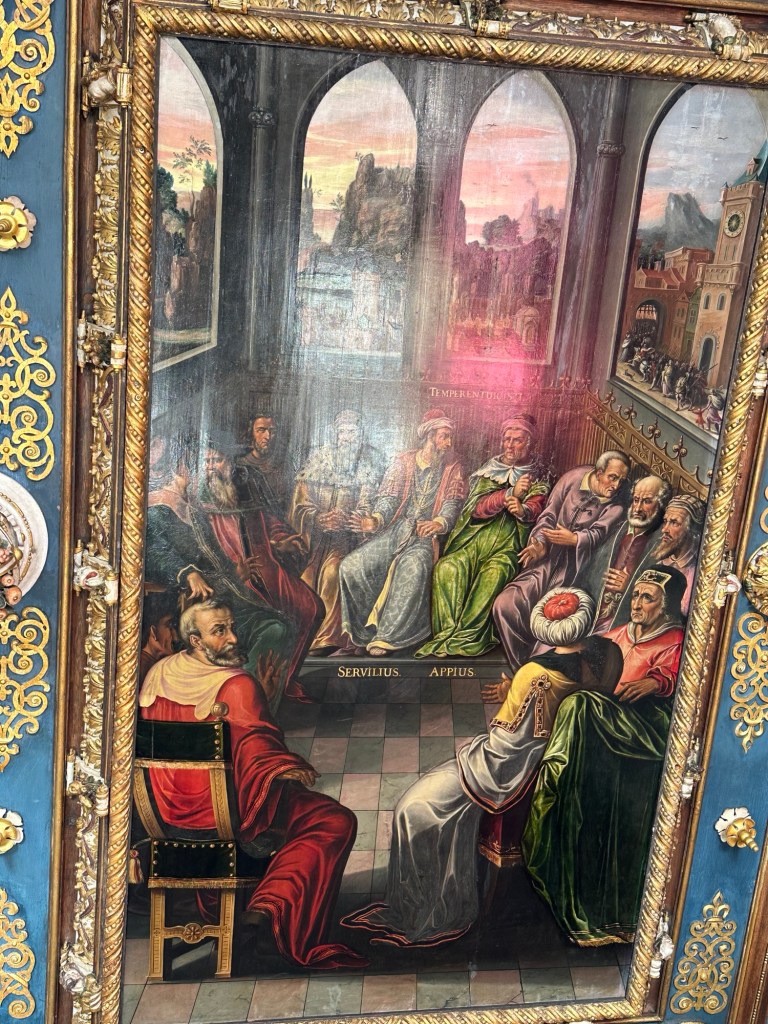
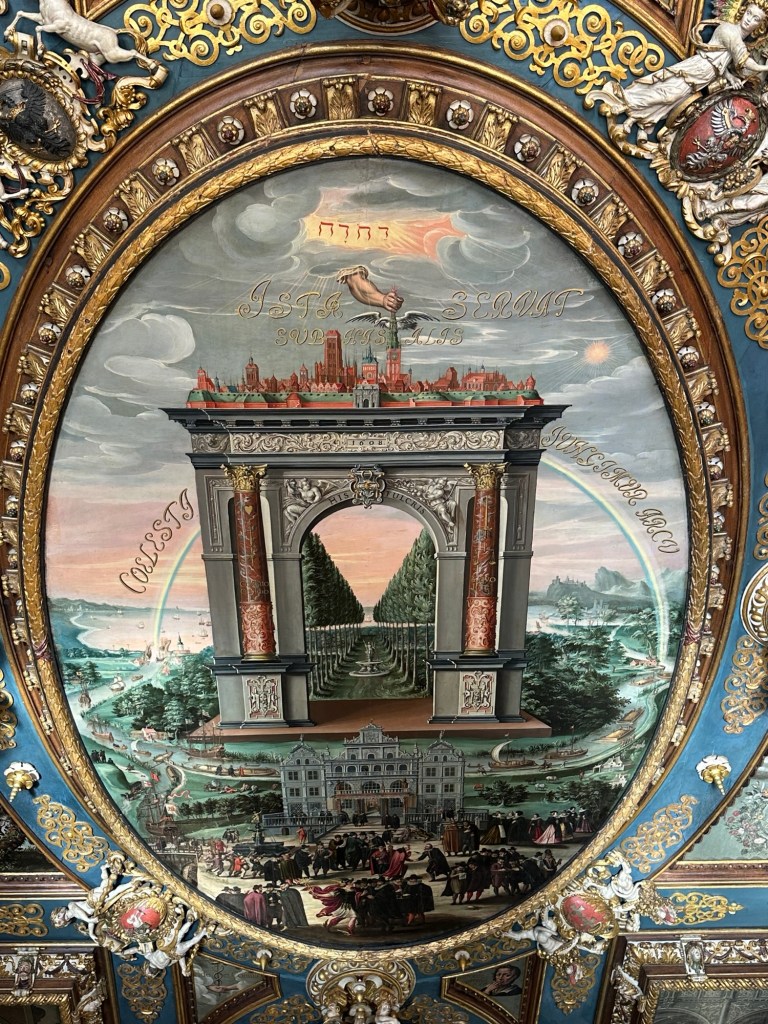
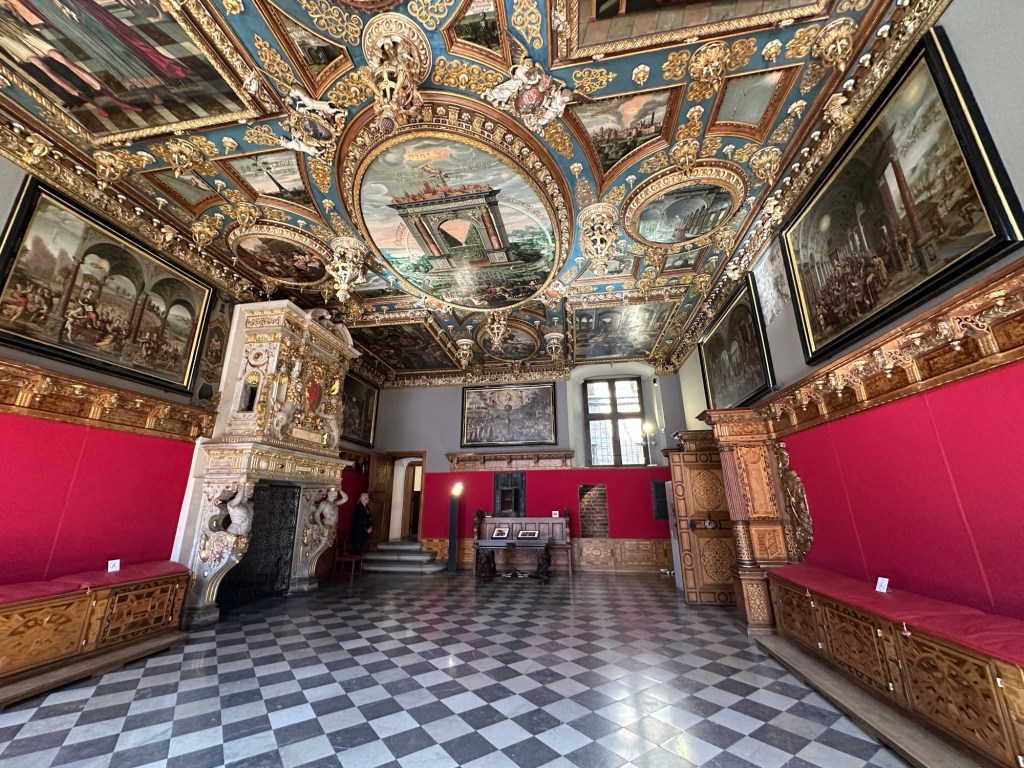
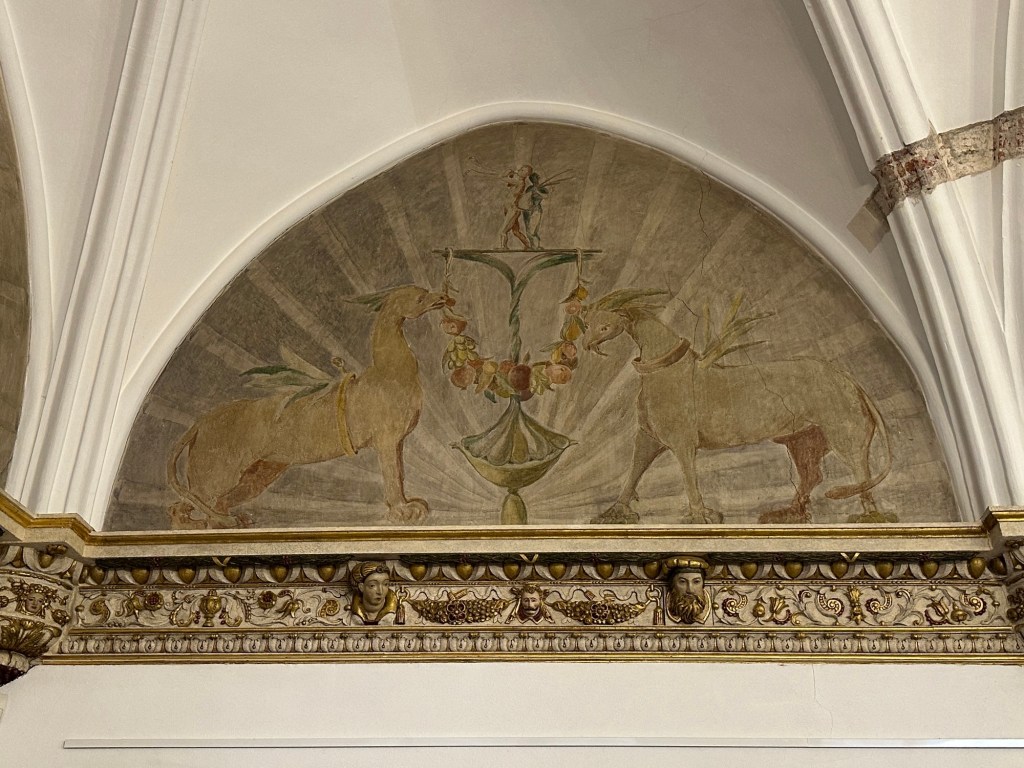
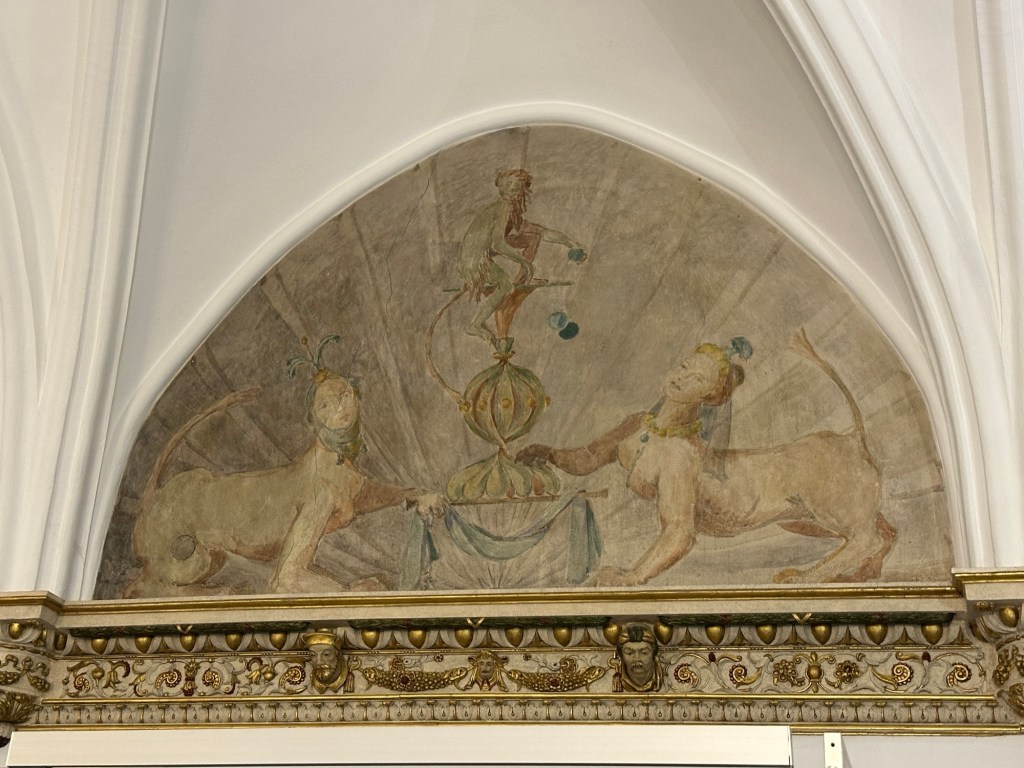
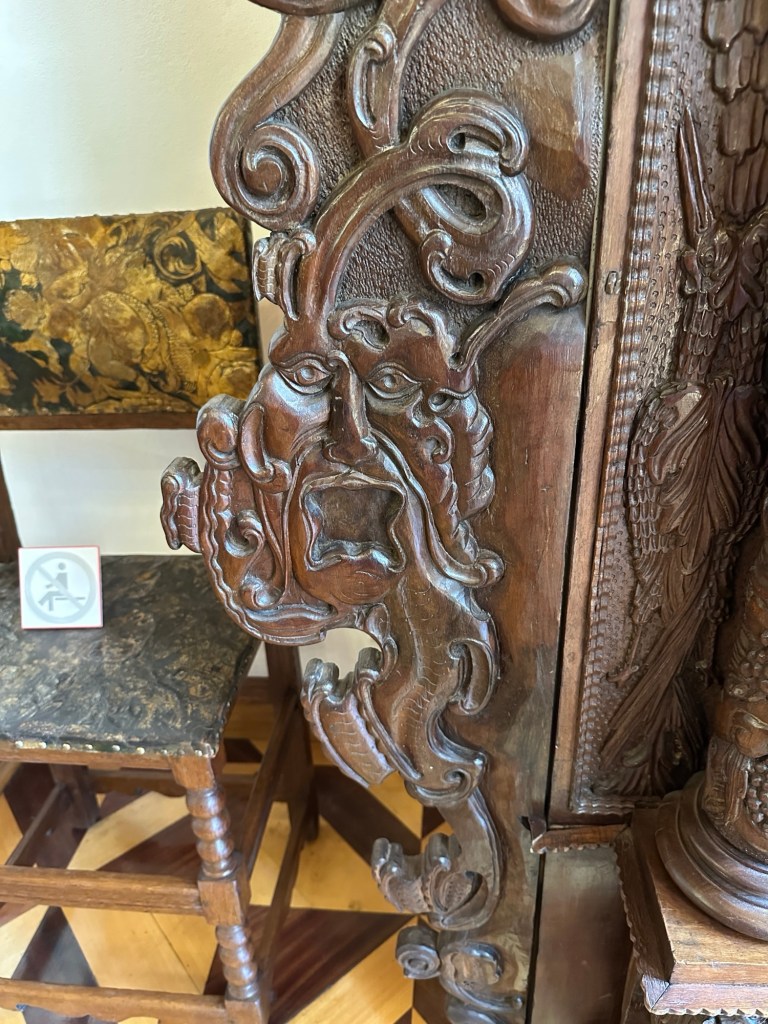
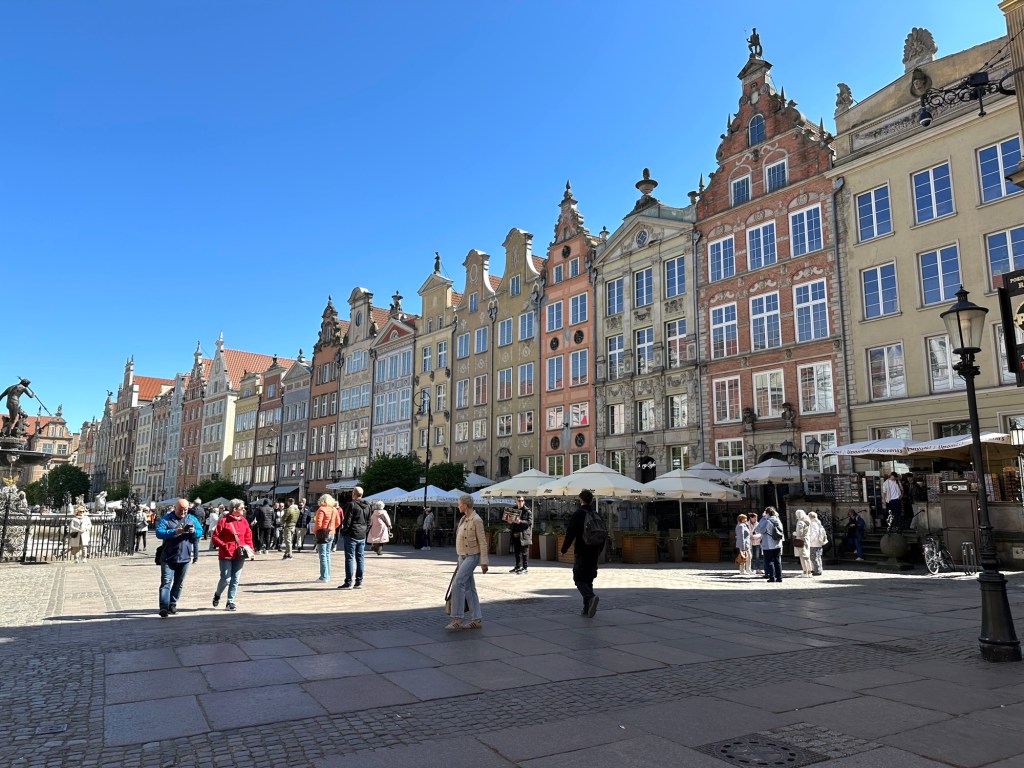
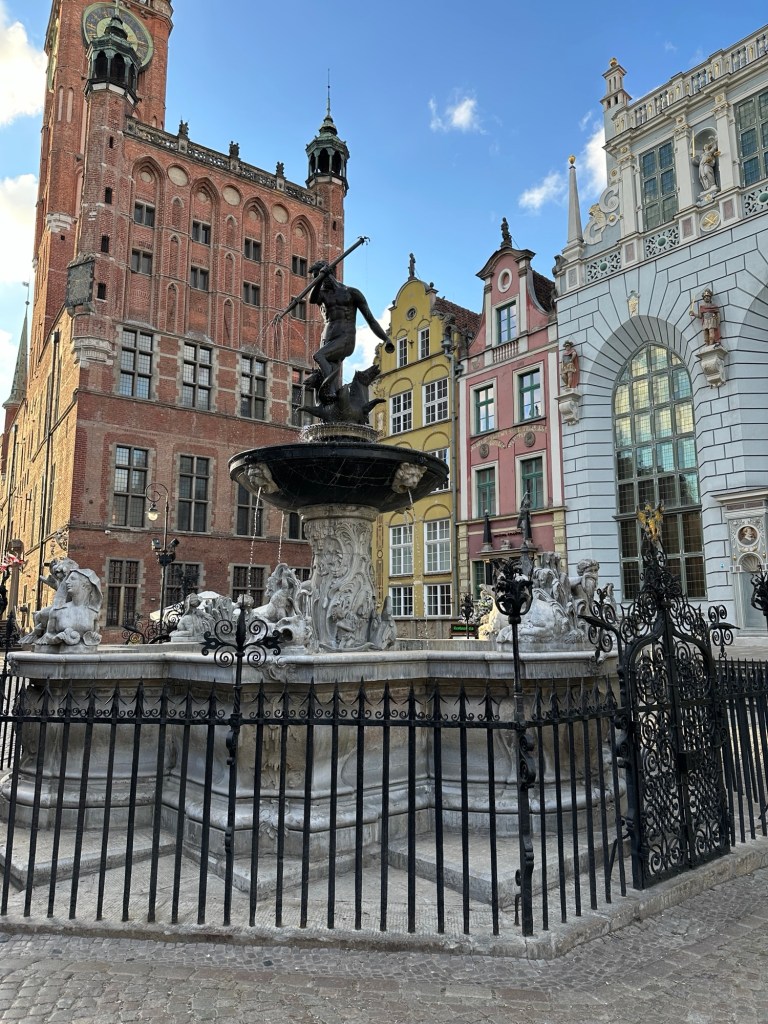
I stop first at Artus Court on the famous Dlugi Targ. Artus court is named after King Arthur and was used as a meeting place for merchants and social life in the 17th century. The decor and art in the museum reflects the importance of this building for the means of commerce. I particularly enjoy the animal inspired art in the building.
Artus Court
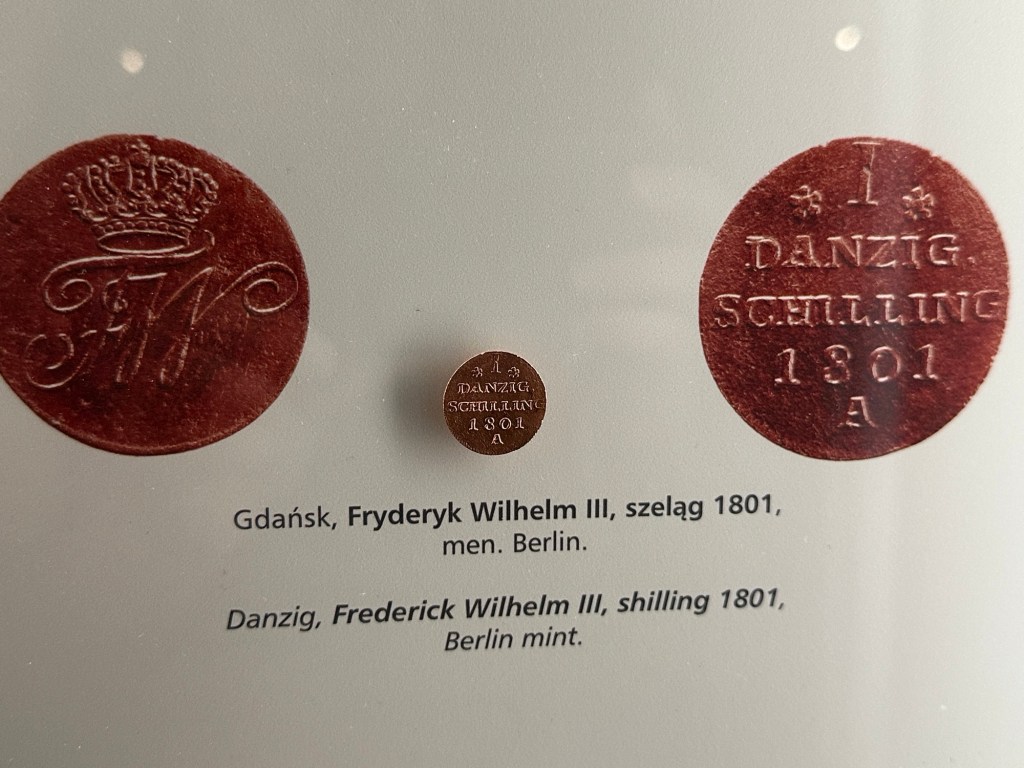
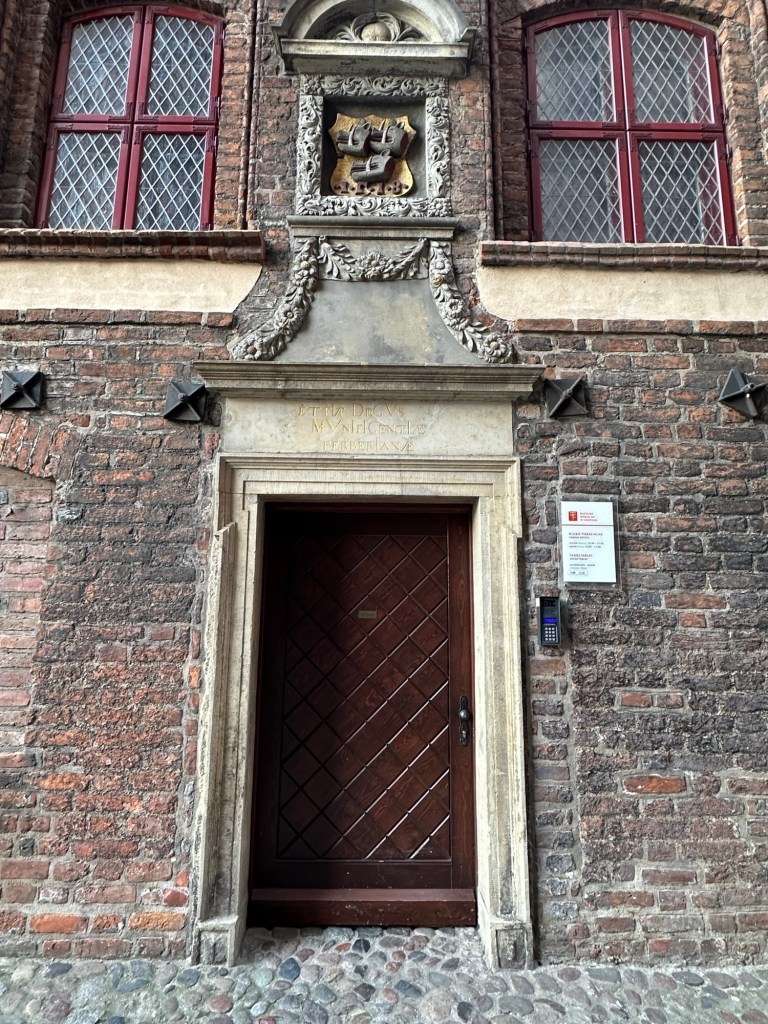
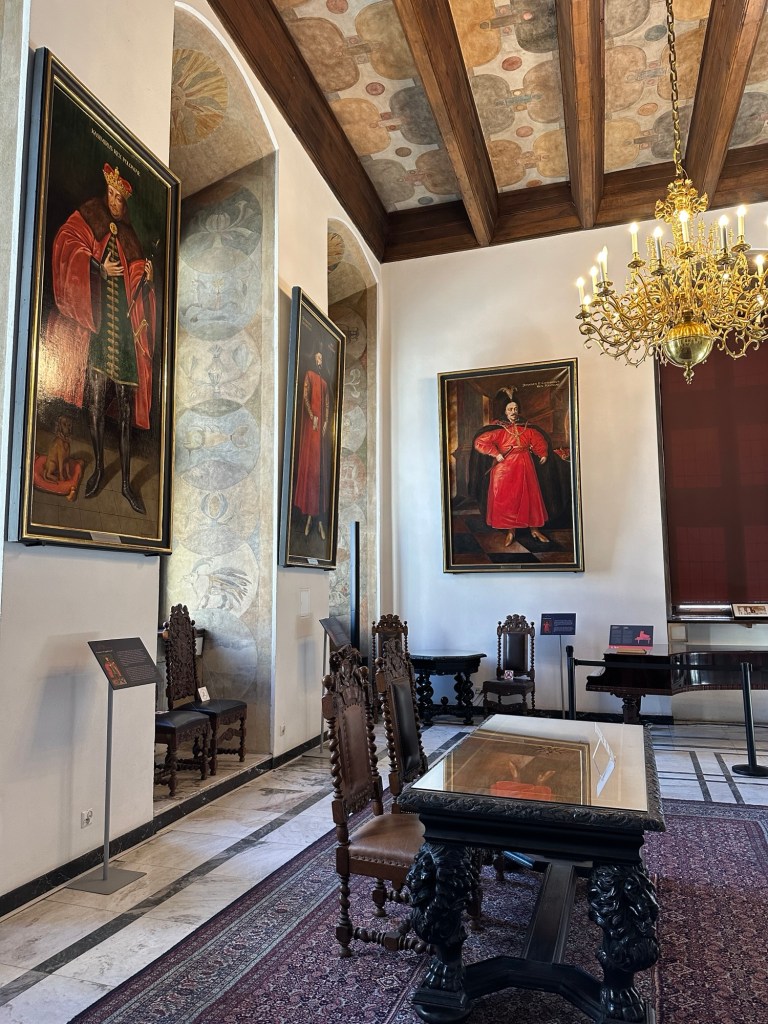
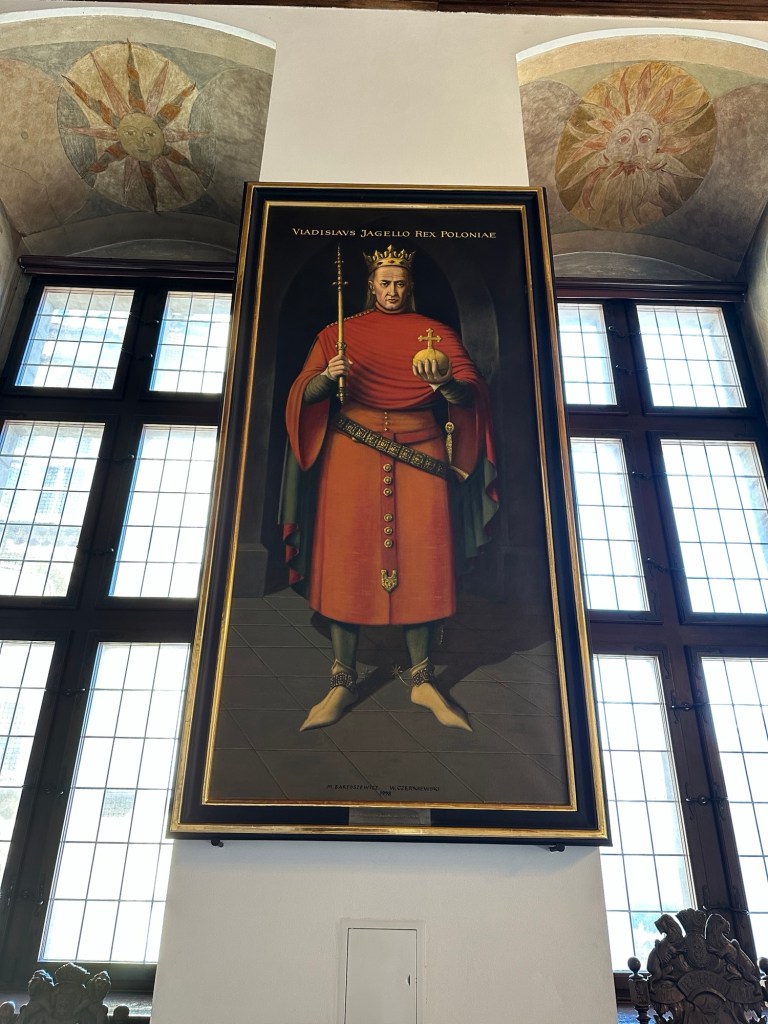
The day isn’t over yet and the Town Hall museum also has free admission so I head over there. I tour the museum but skip the tower since that costs extra.
Town Hall
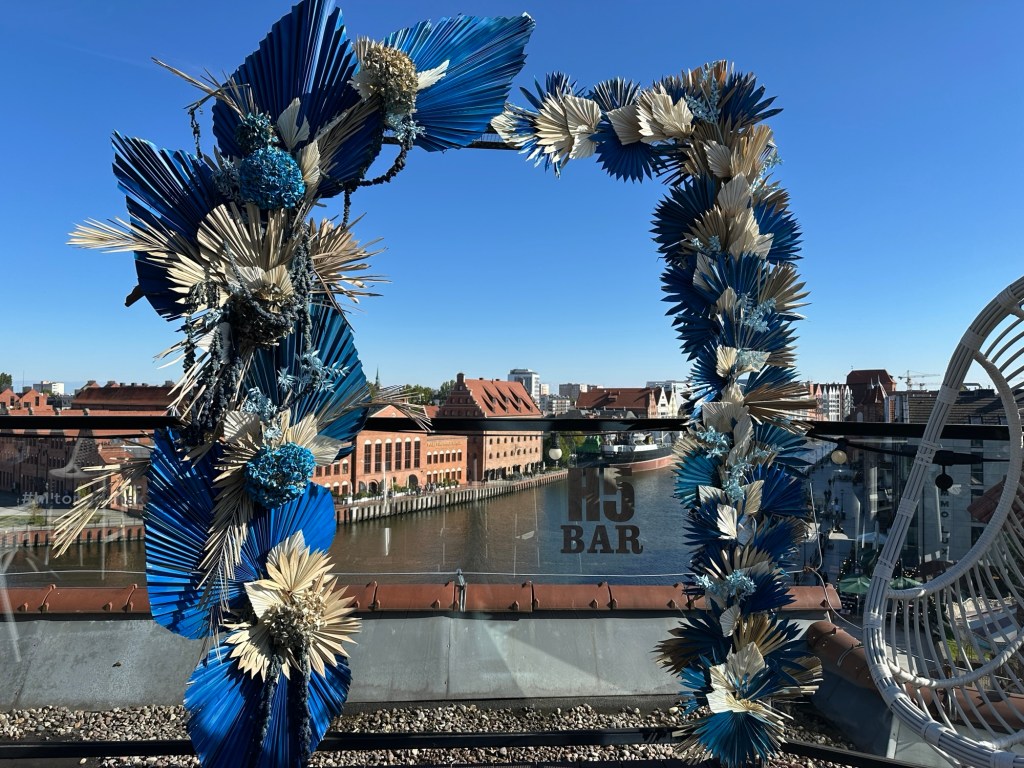
After museum time I walk the streets once more then visit happy hour at the rooftop bar of my hotel.
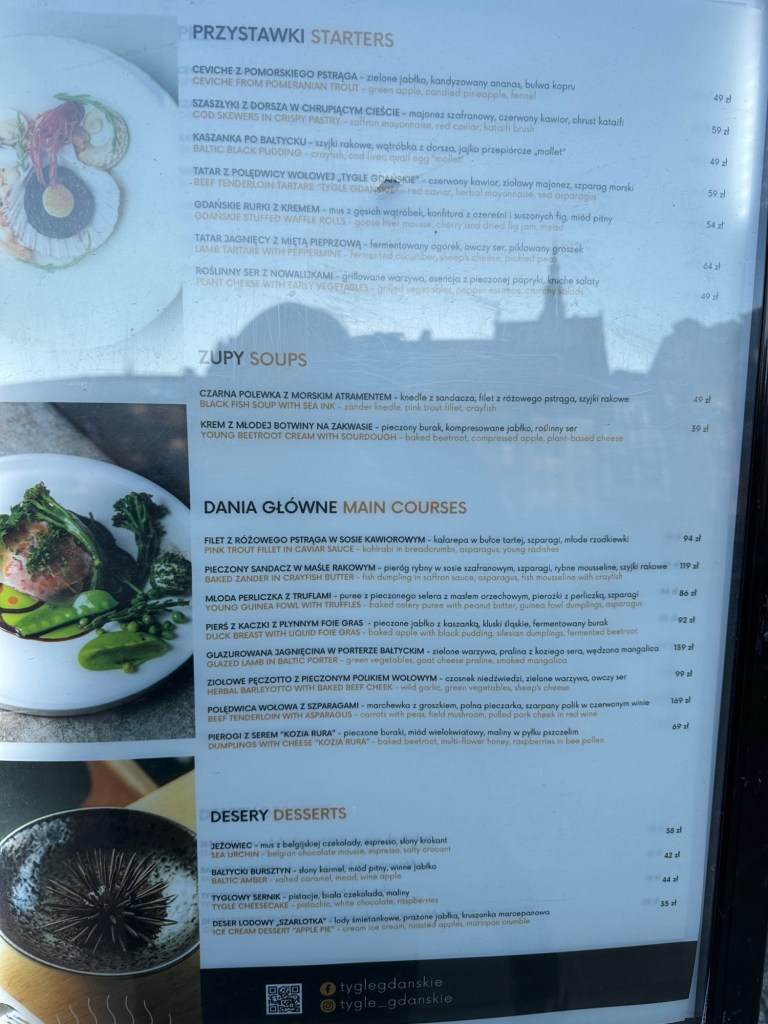
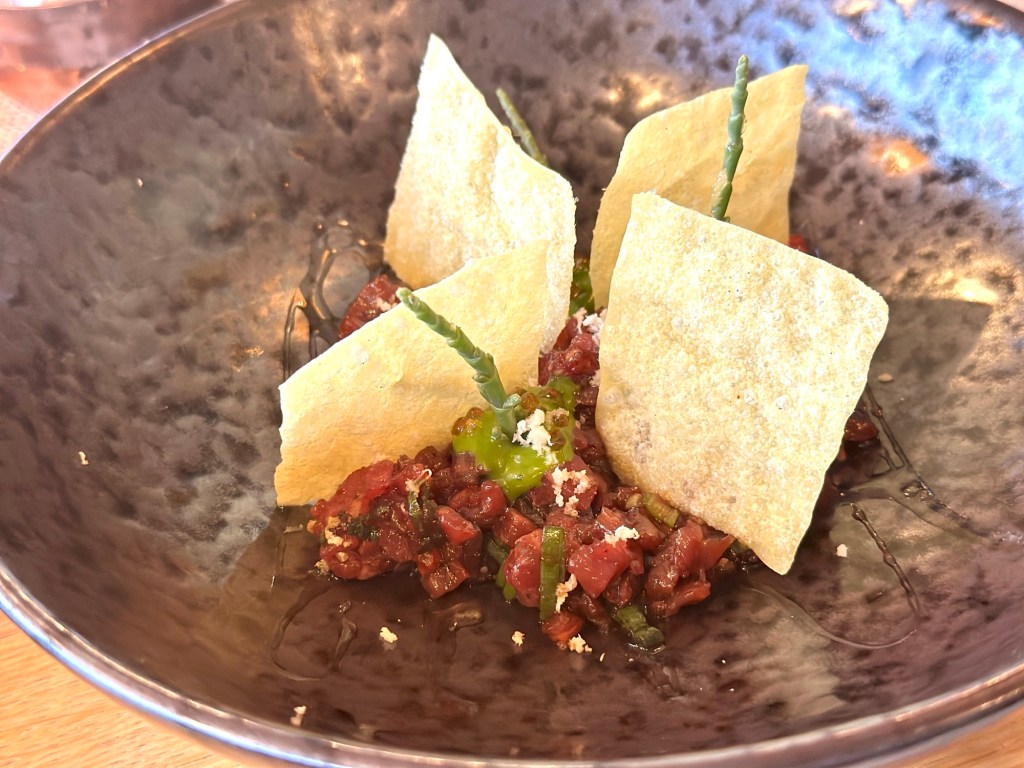
Because I wish to have a nicer dining experience I have reservations this evening at Tylge Gdansk. Even with a reservation I had to wait a little while but the food was superb.
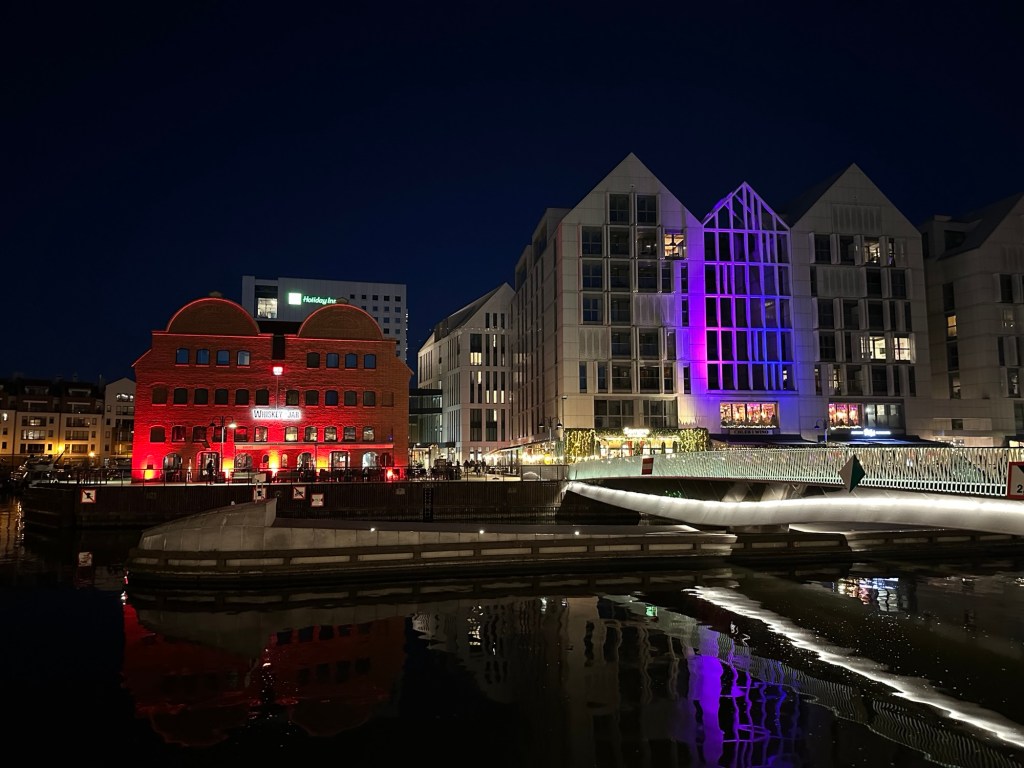
It is another lovely evening stroll walking back to my hotel. Love the 24 hour flower automatic.
Trip is coming to an end soon. I have one more day out and about.…
I am not sure why I feel like I’ve been here forever when I really only have been here a couple days. I think it is because I am a the last stop my trip and I am cold all the time. Temperature wise I should be in heaven because I usually thrive in these temperatures but the wind in this port side city makes things much colder. When then the sun is out things are good but it gets awfully cold in the shade. I am trying not to complain because when I get back home it will be unbearably hot. Anyway I am here being Goldilocks lately – when you are uncomfortable you are uncomfortable.
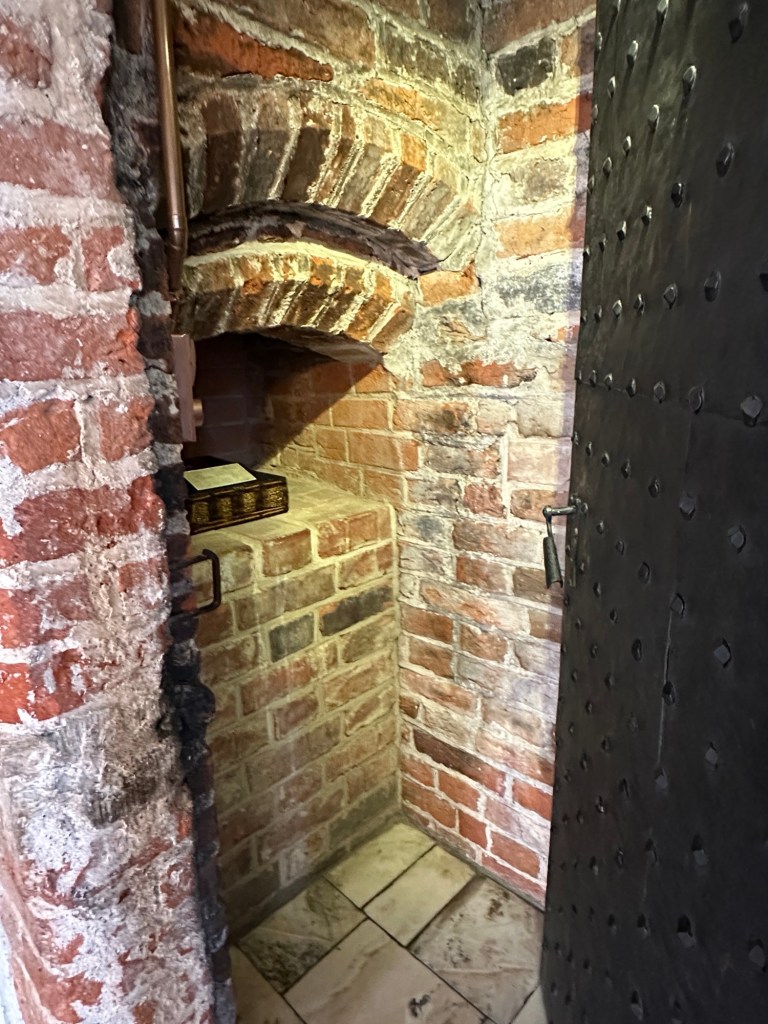
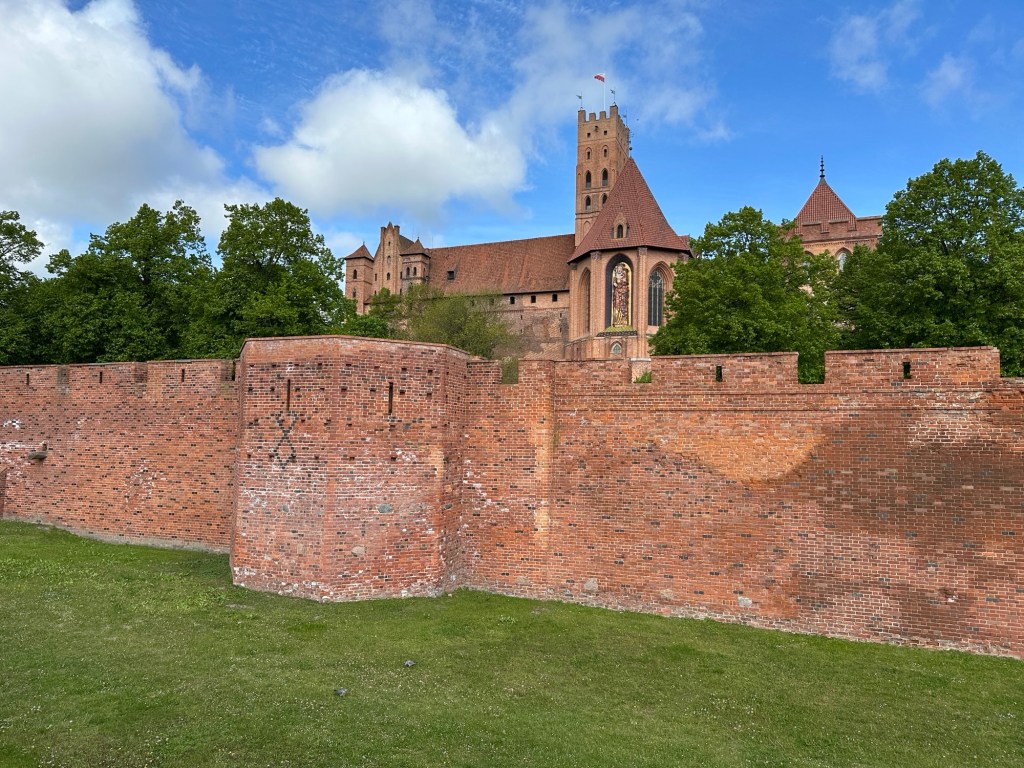
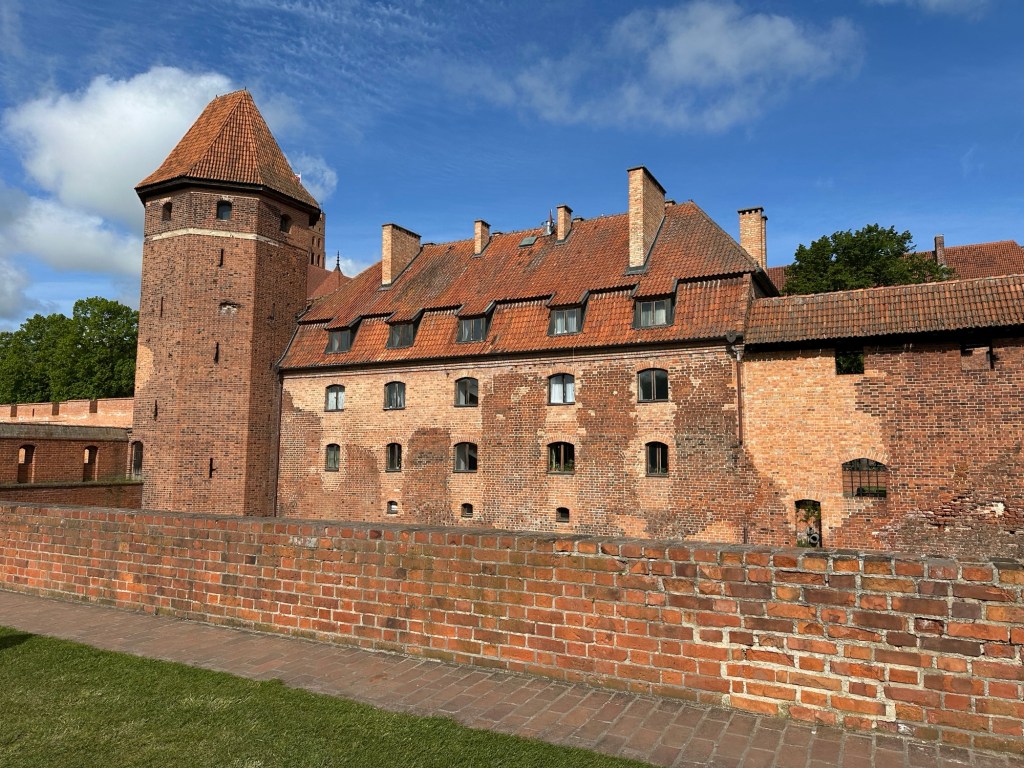
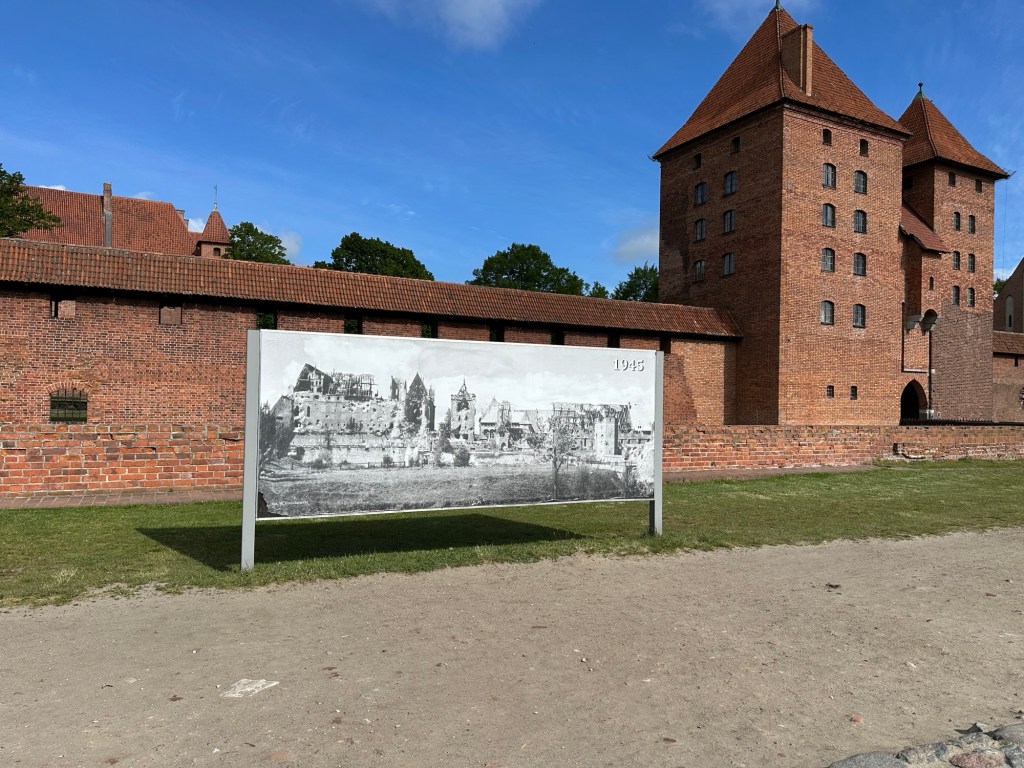
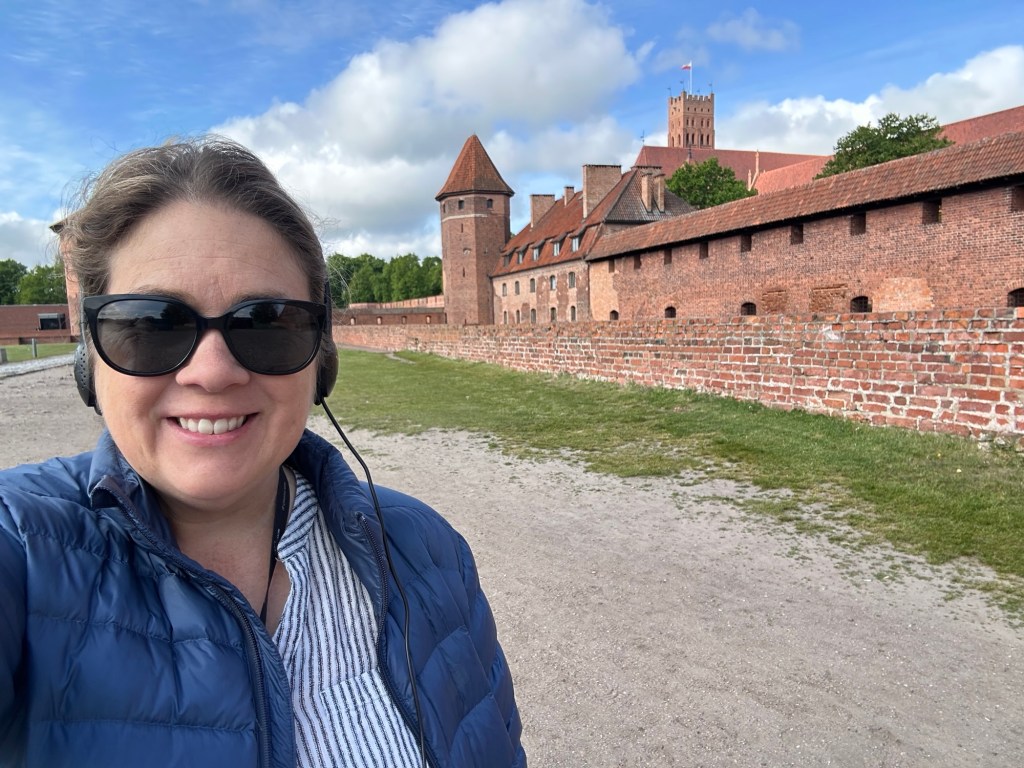
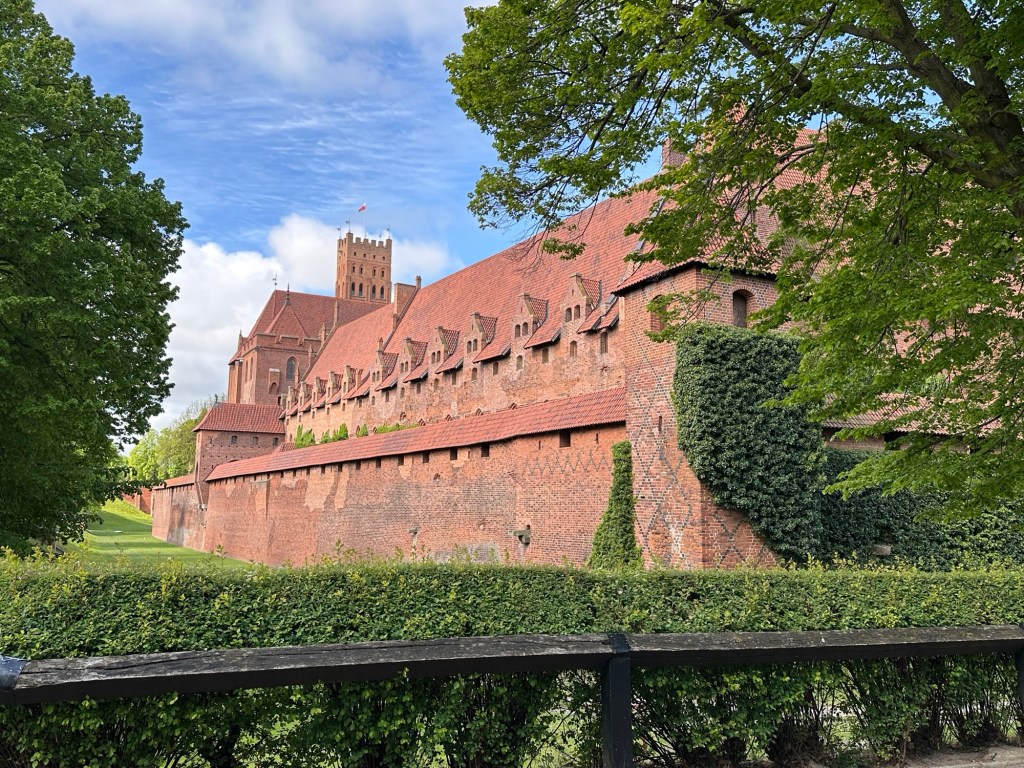
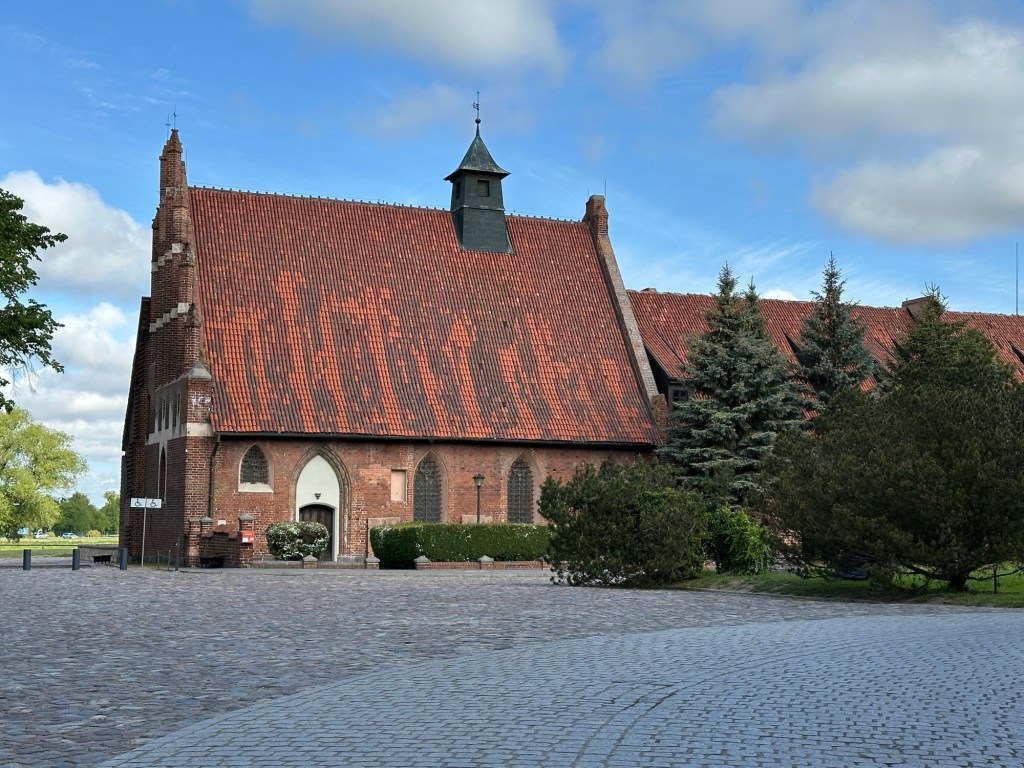
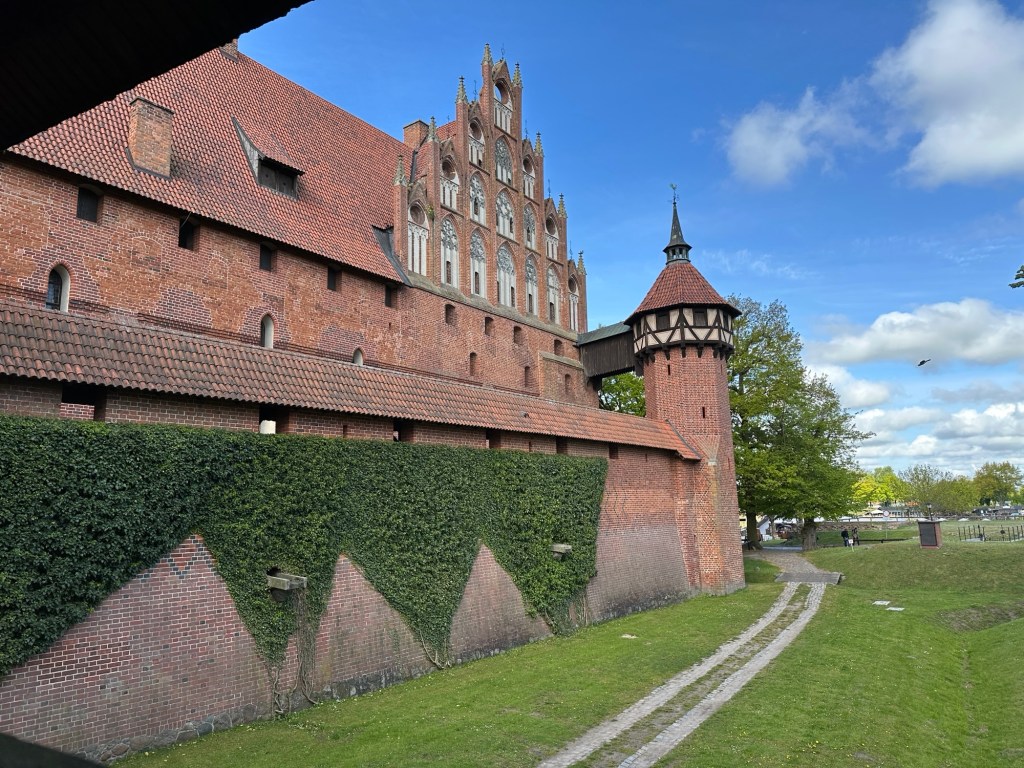
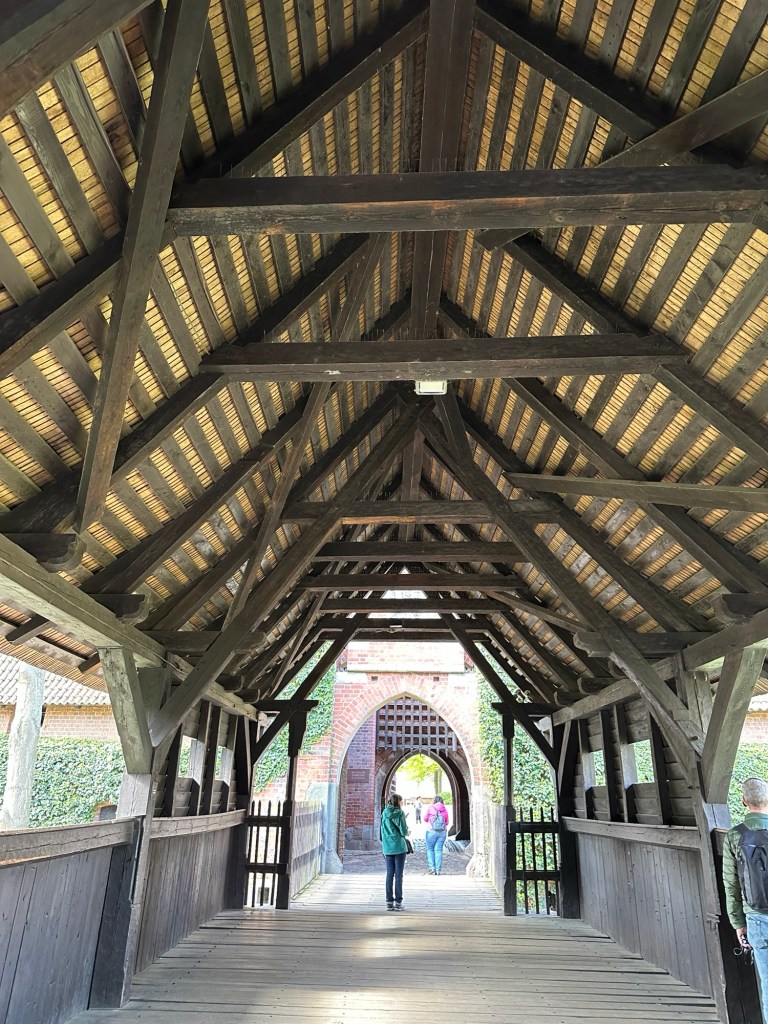
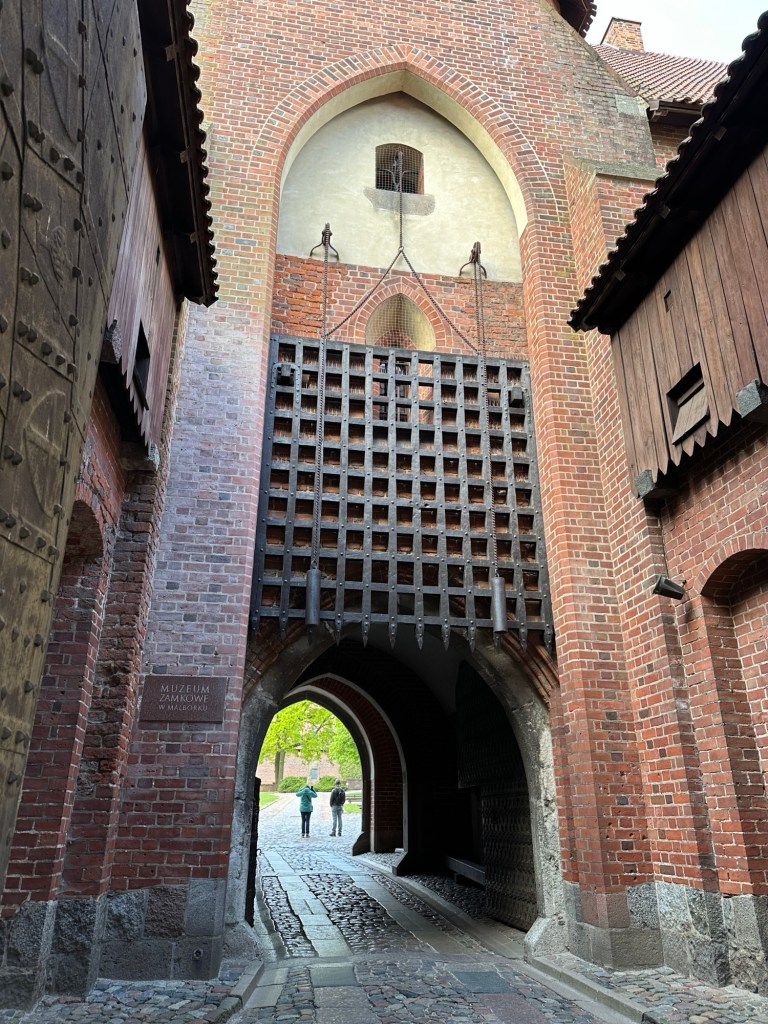
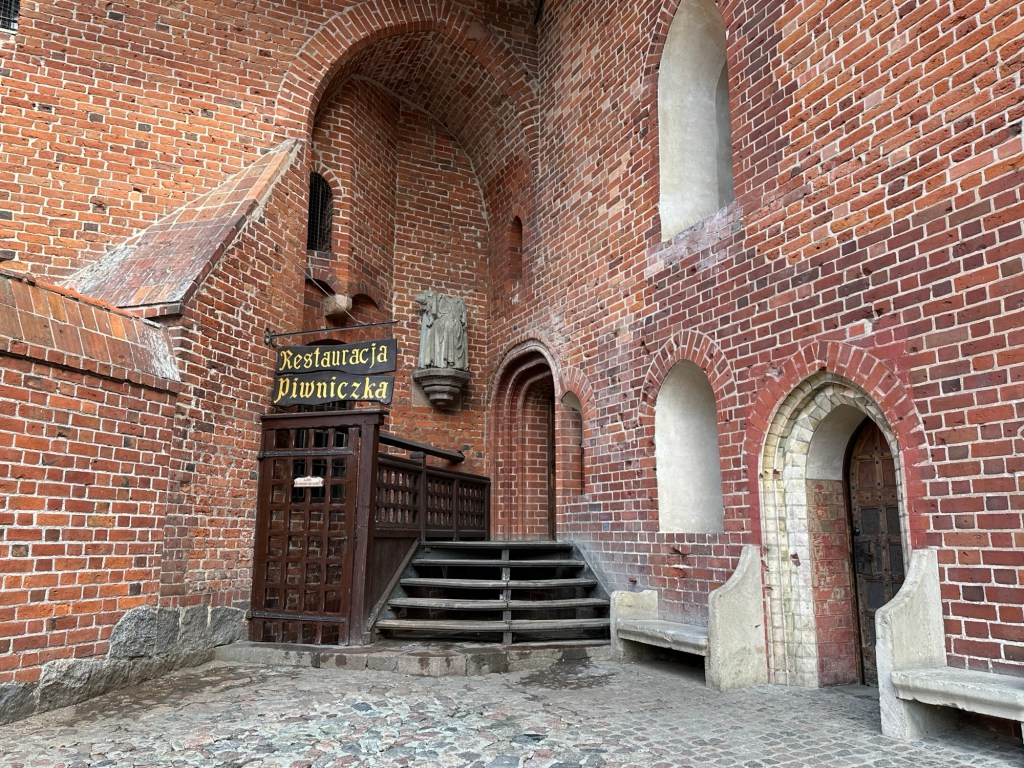
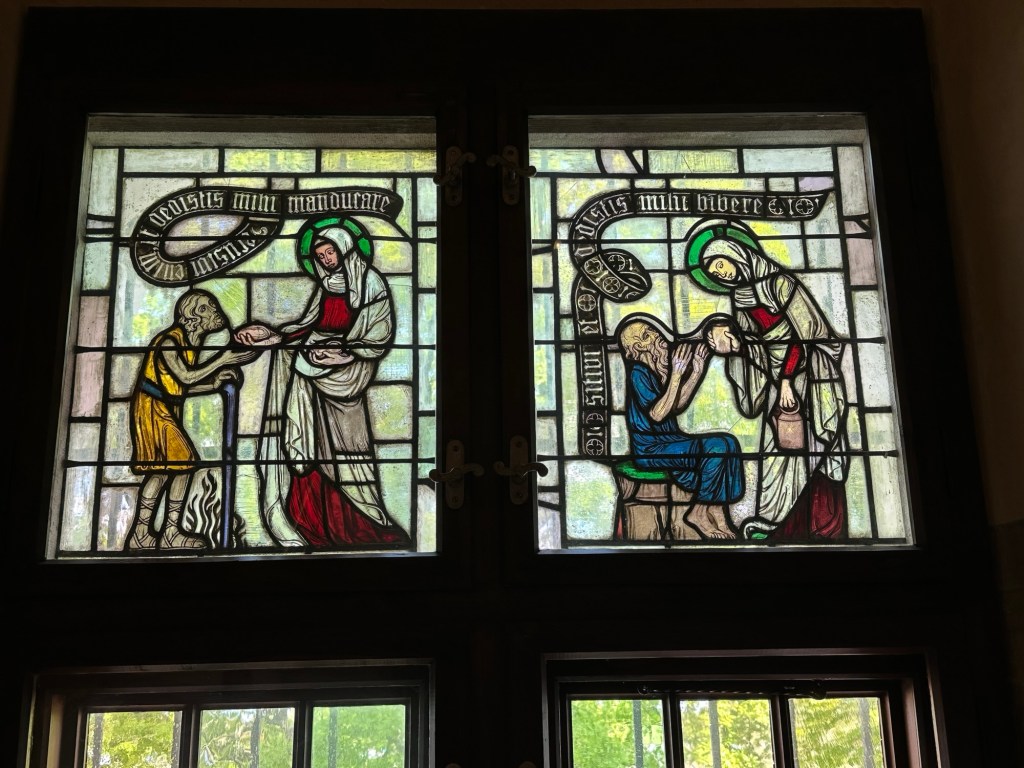
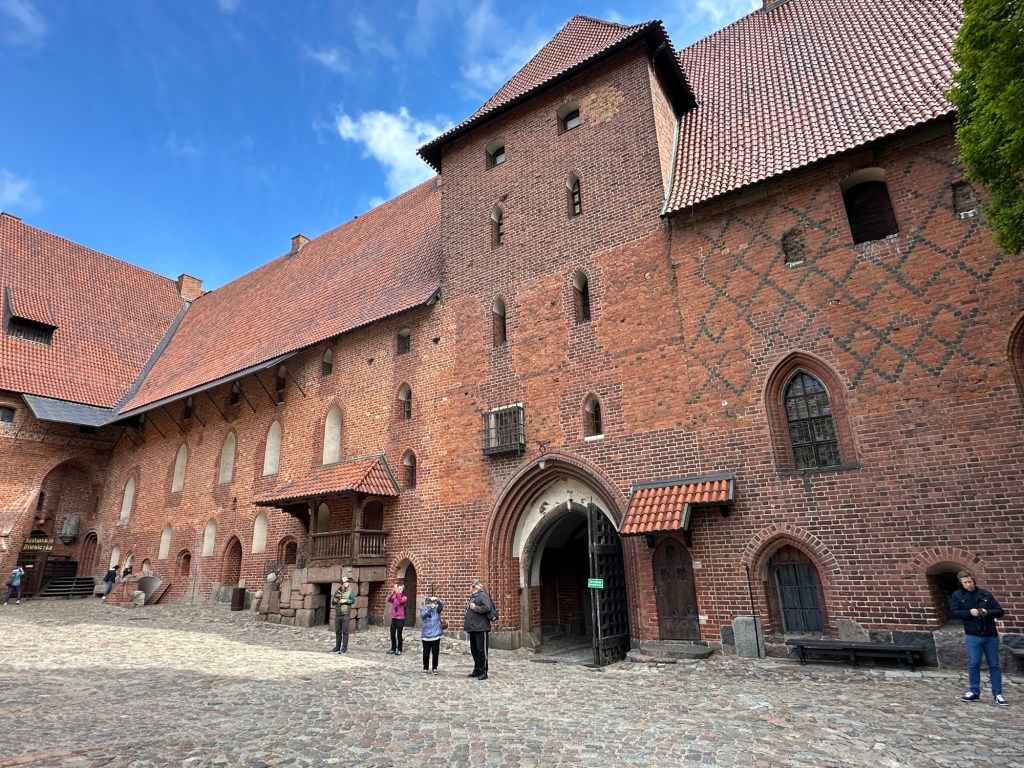
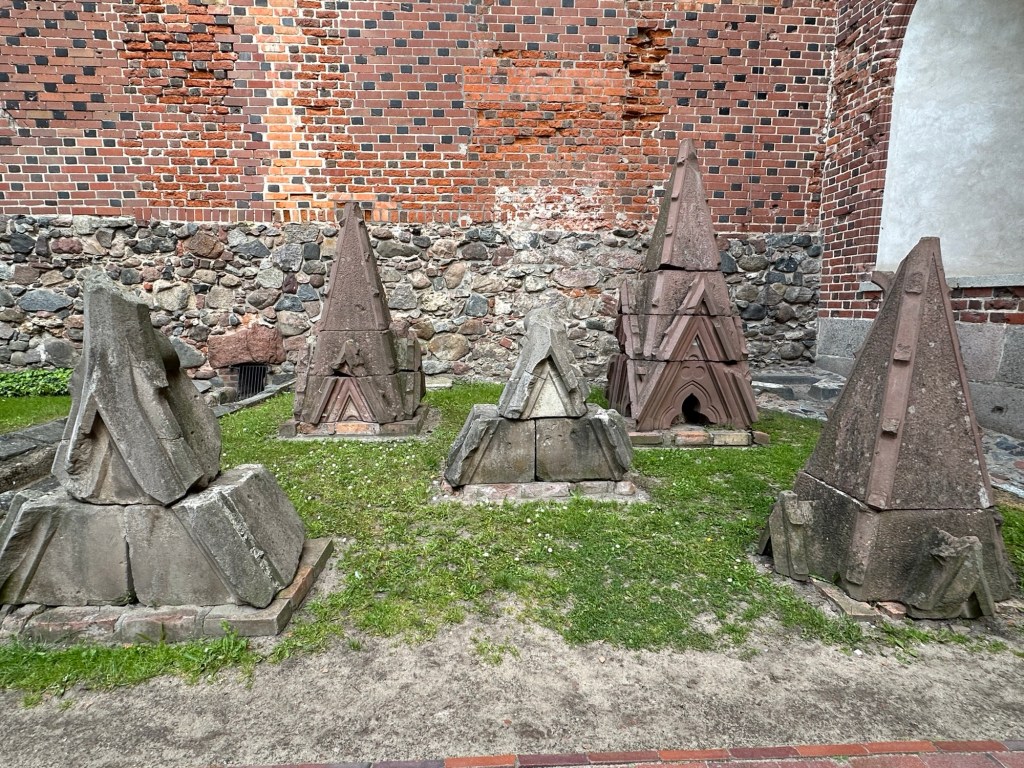
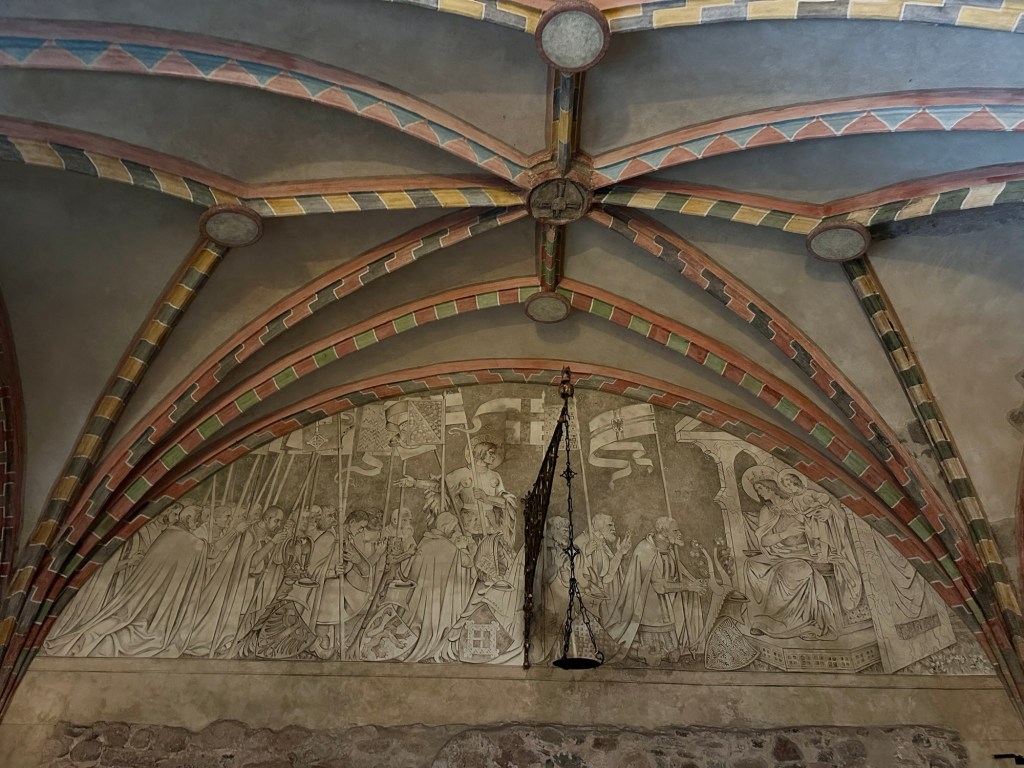
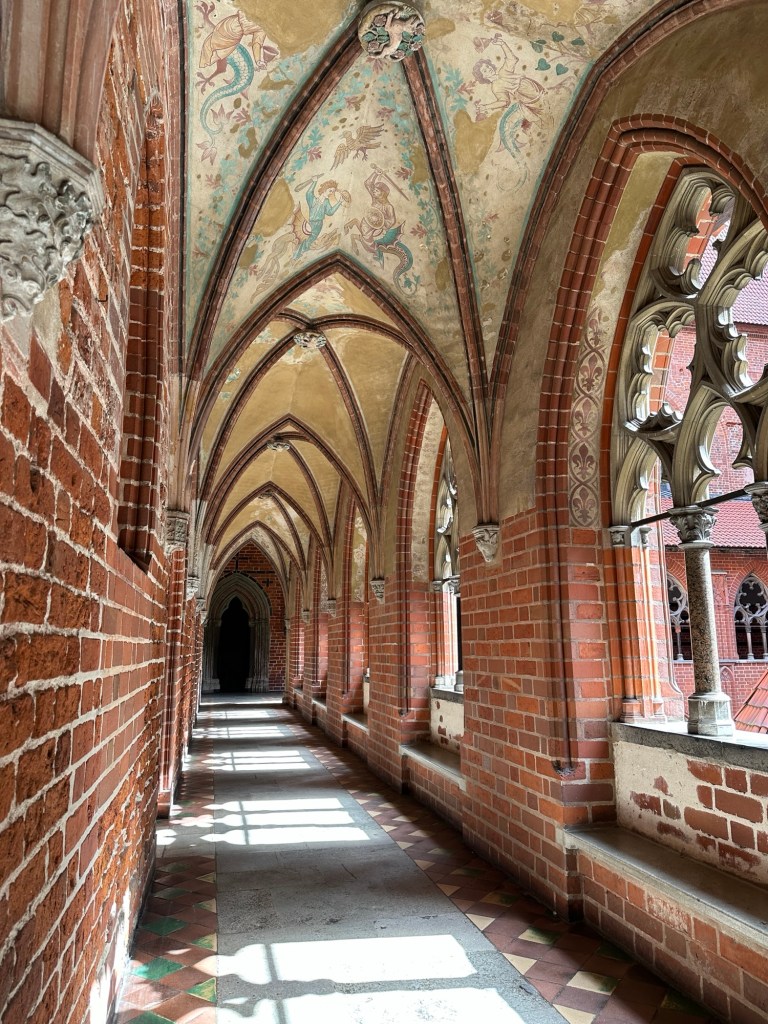
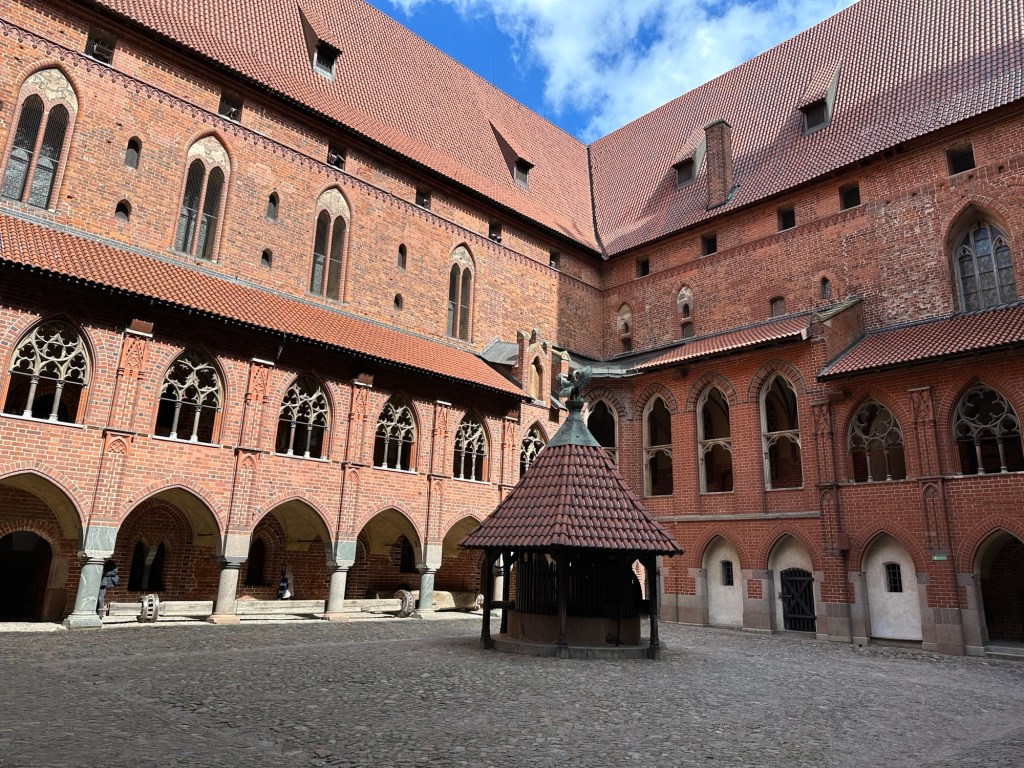
Today I visit the largest brick castle in world. First constructed in the 13th century, Malbork Castle was built by Teutonic order is to spread Christian faith. The Teutonic order was a group of Catholic but mostly German knights. Malbork castle was never actually never captured but only changed hands because it was sold to Polish King Casimir IV during the thirteen years war.
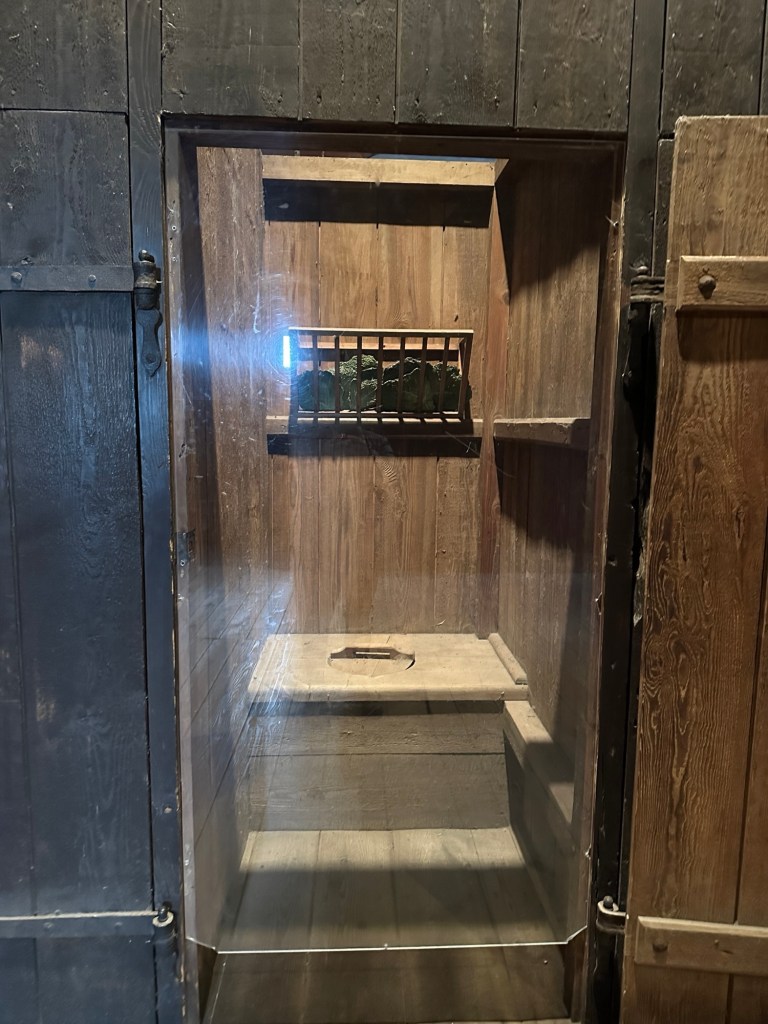
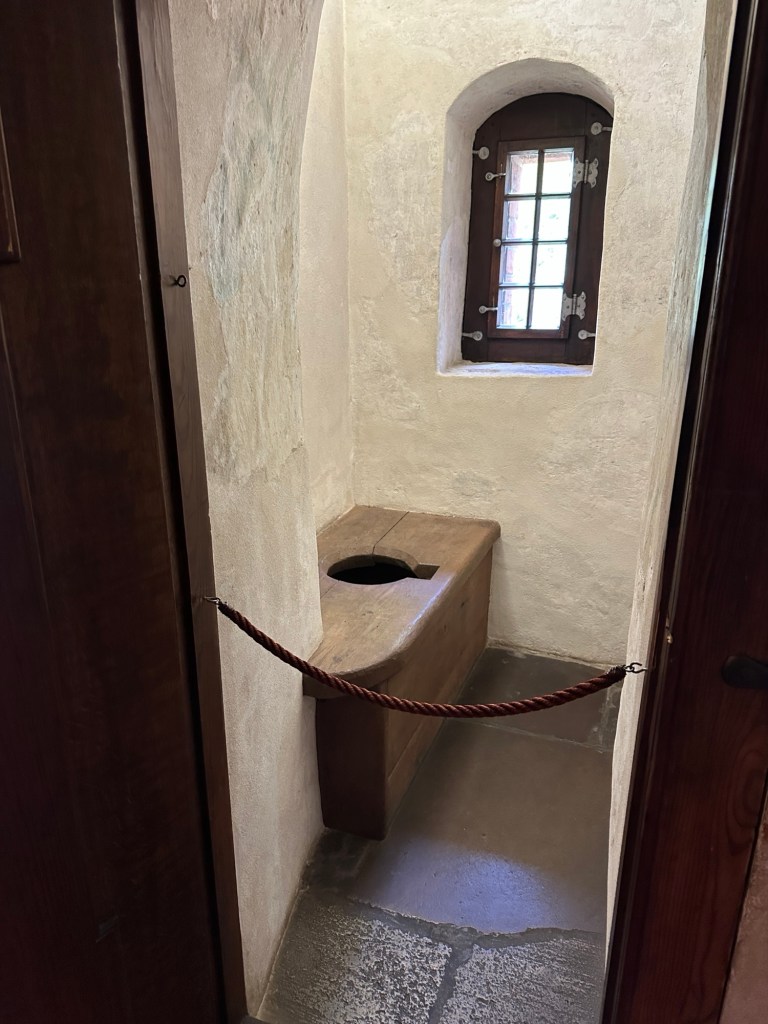
Medieval toliet means higher standards of hygiene
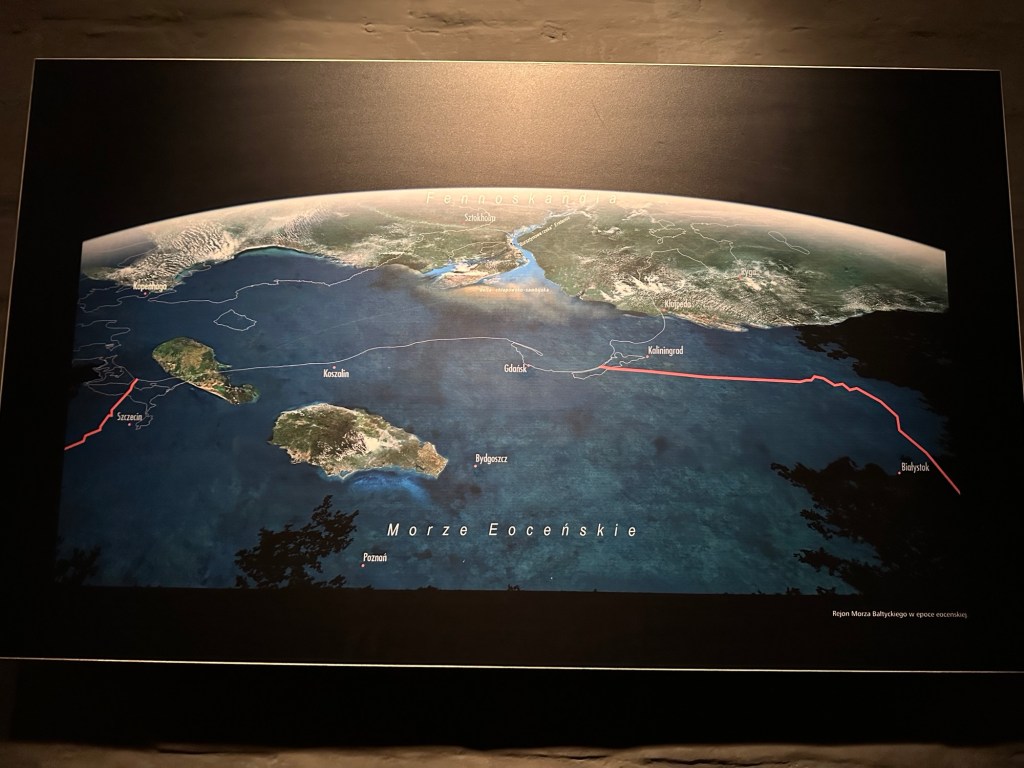
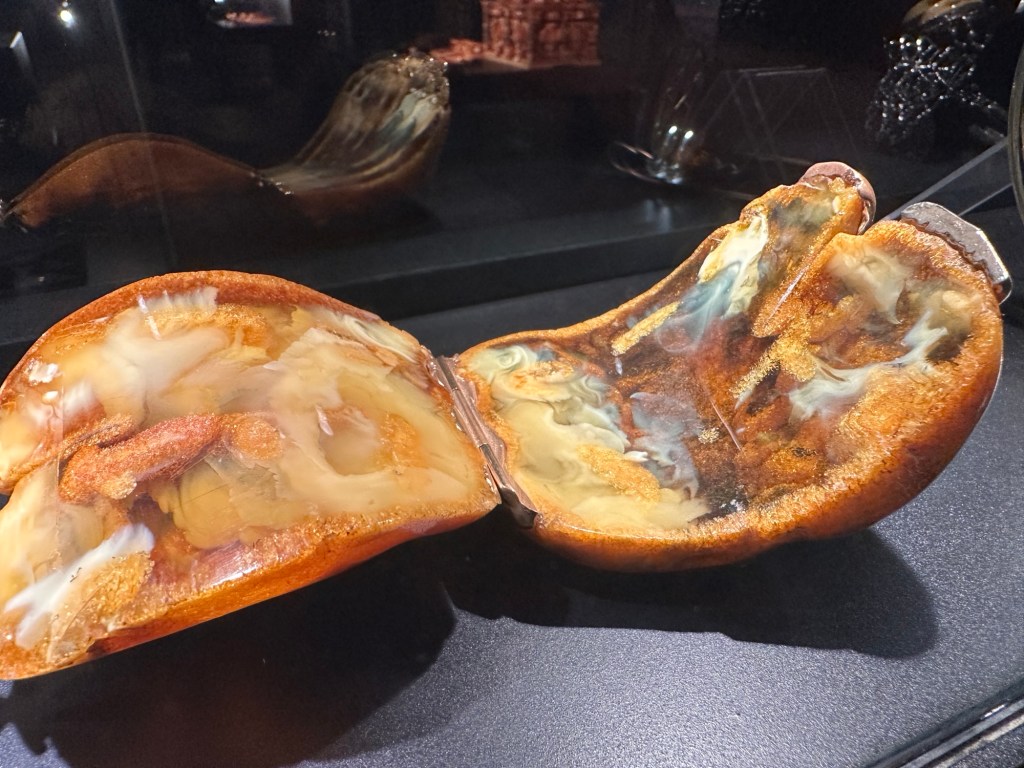
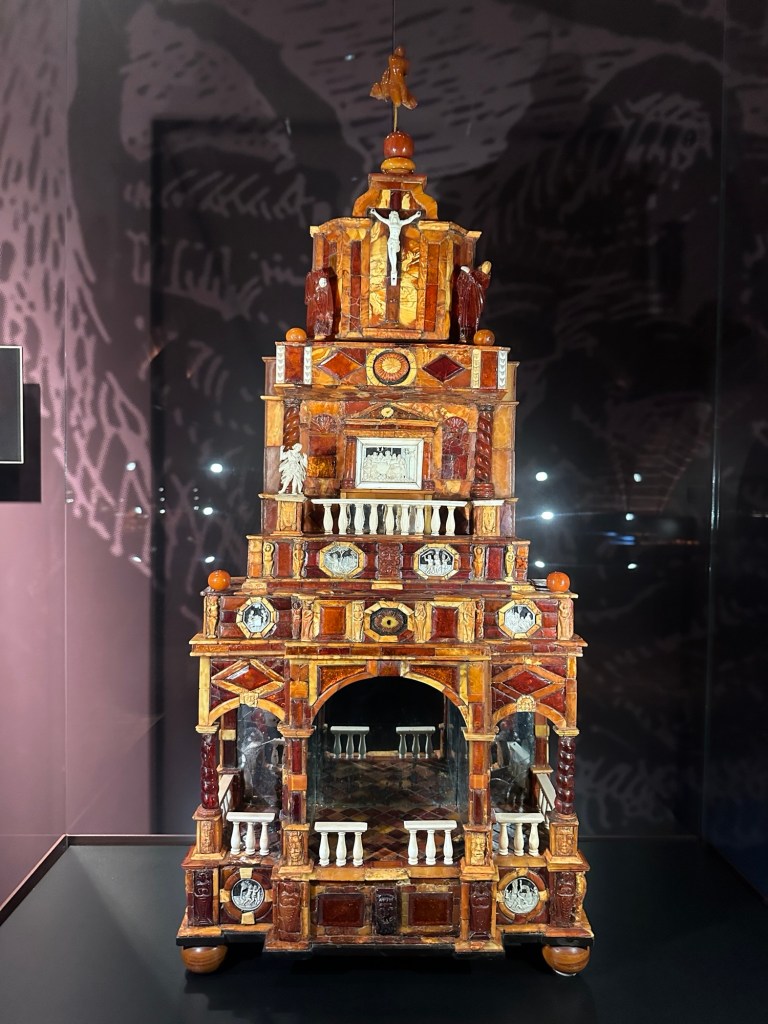
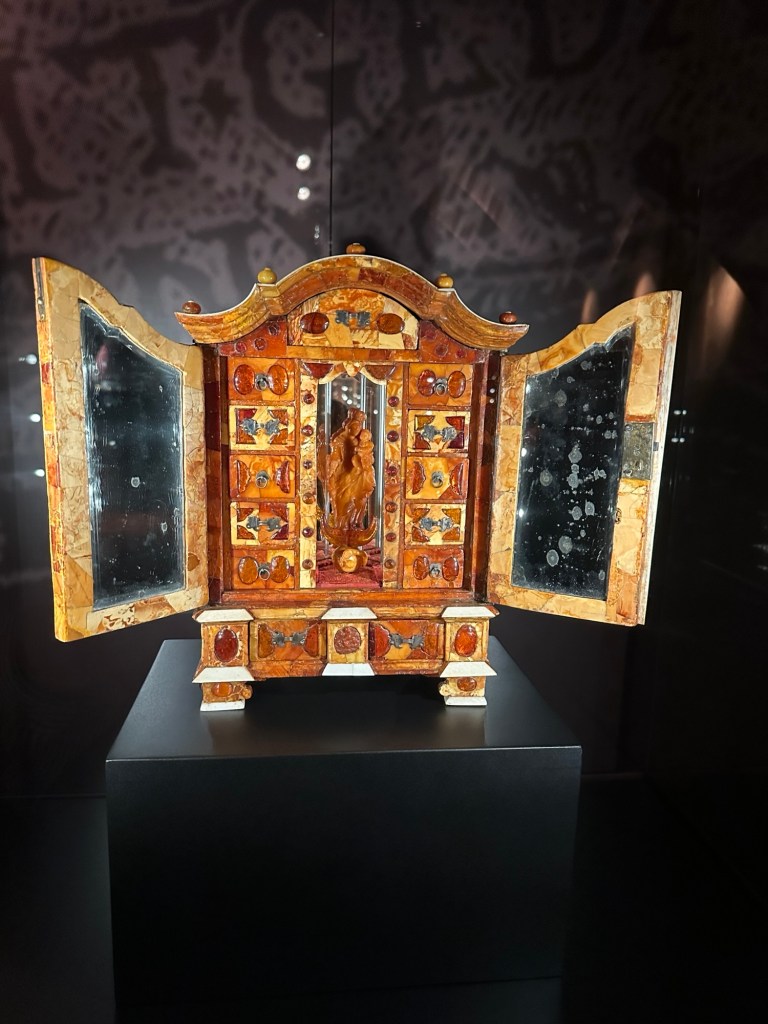
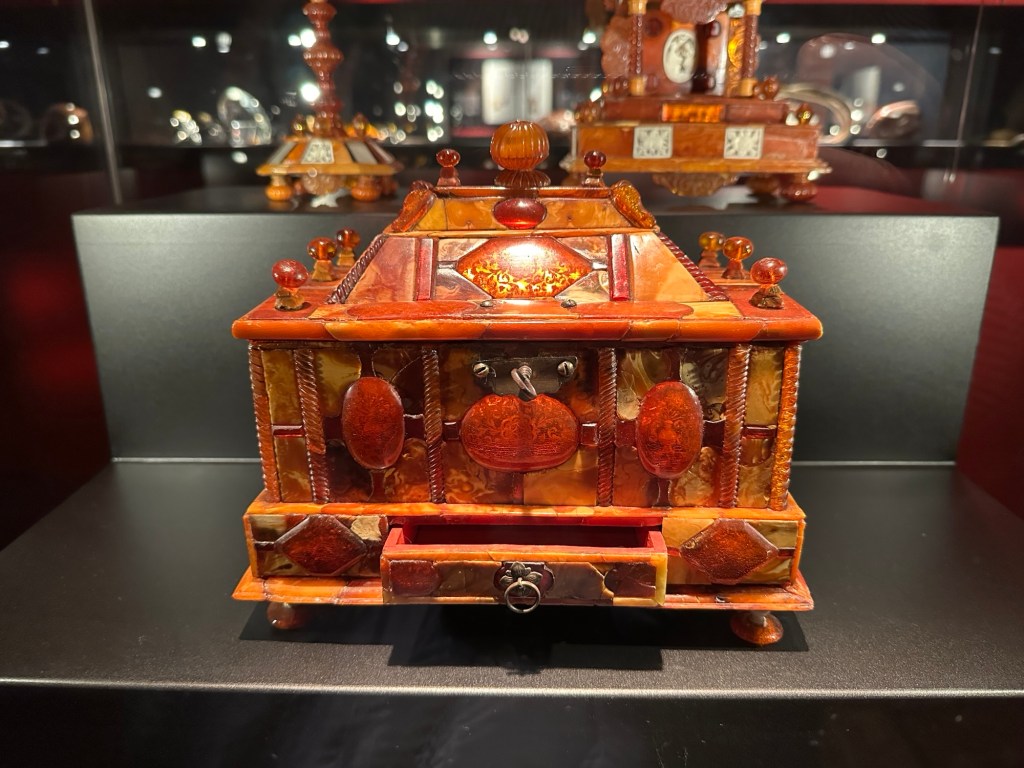
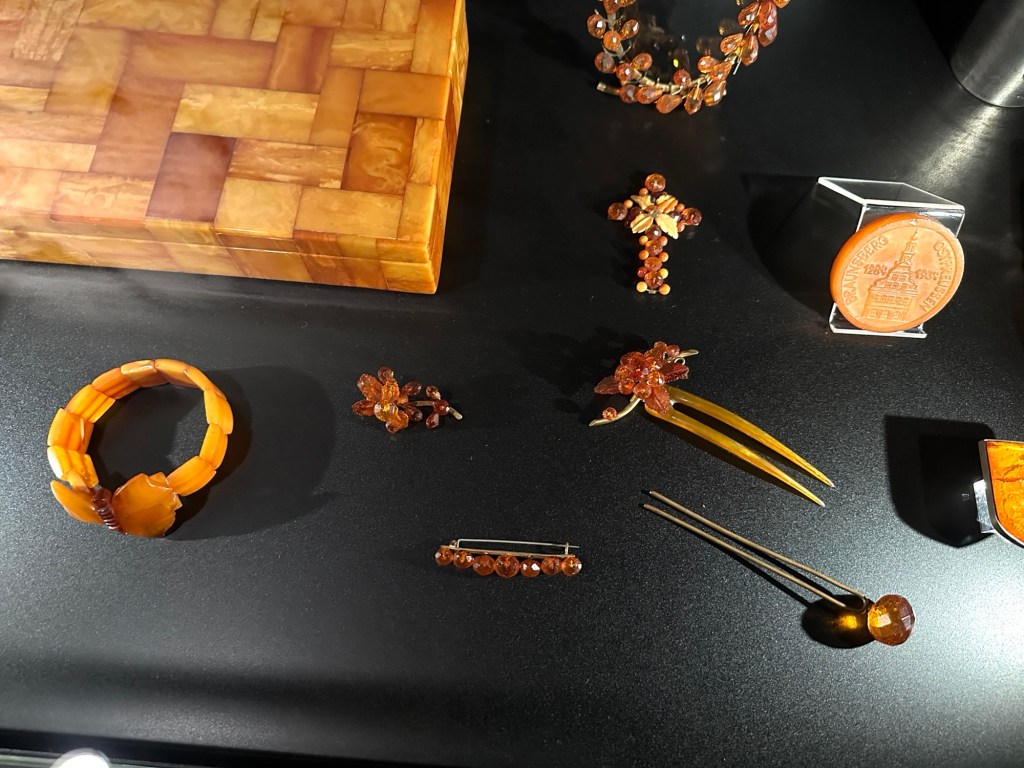
There is a small amber museum in the castle grounds. Amber became very prominent in the Baltic region. It comes from petrified wood. Each piece is distinct and sometimes has bugs, twigs or leaves trapped inside. Amber means burning stone. It is thought that beads have medicinal purposes like protect from sore throat. The Teutonic knights really wanted the amber.
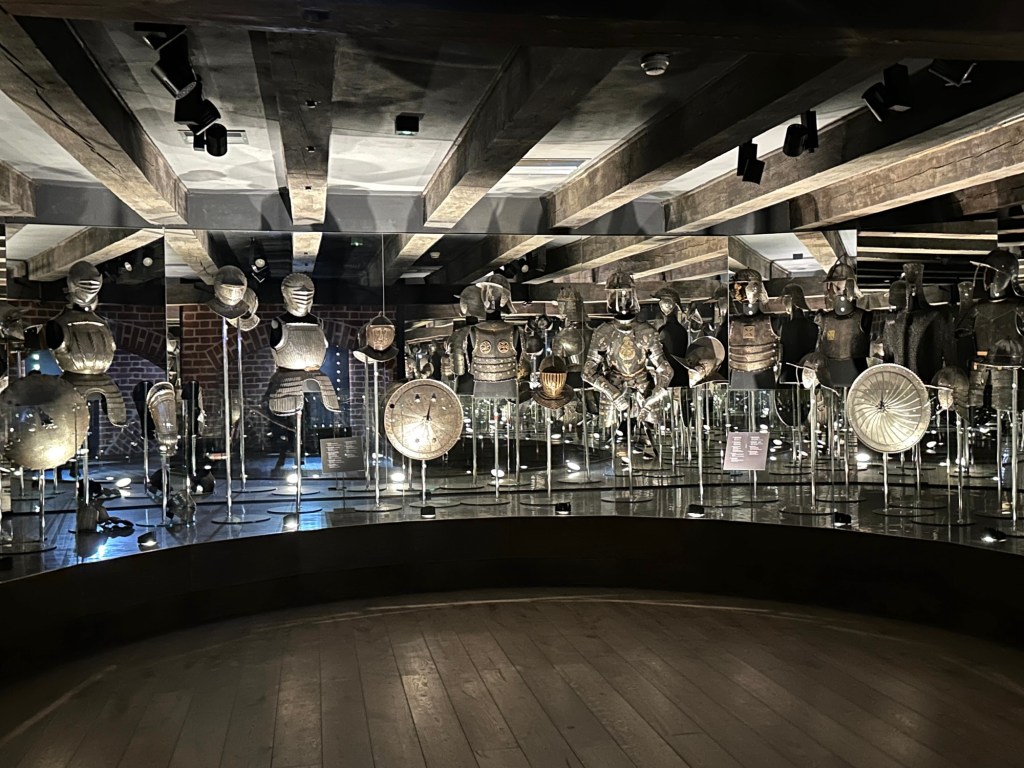
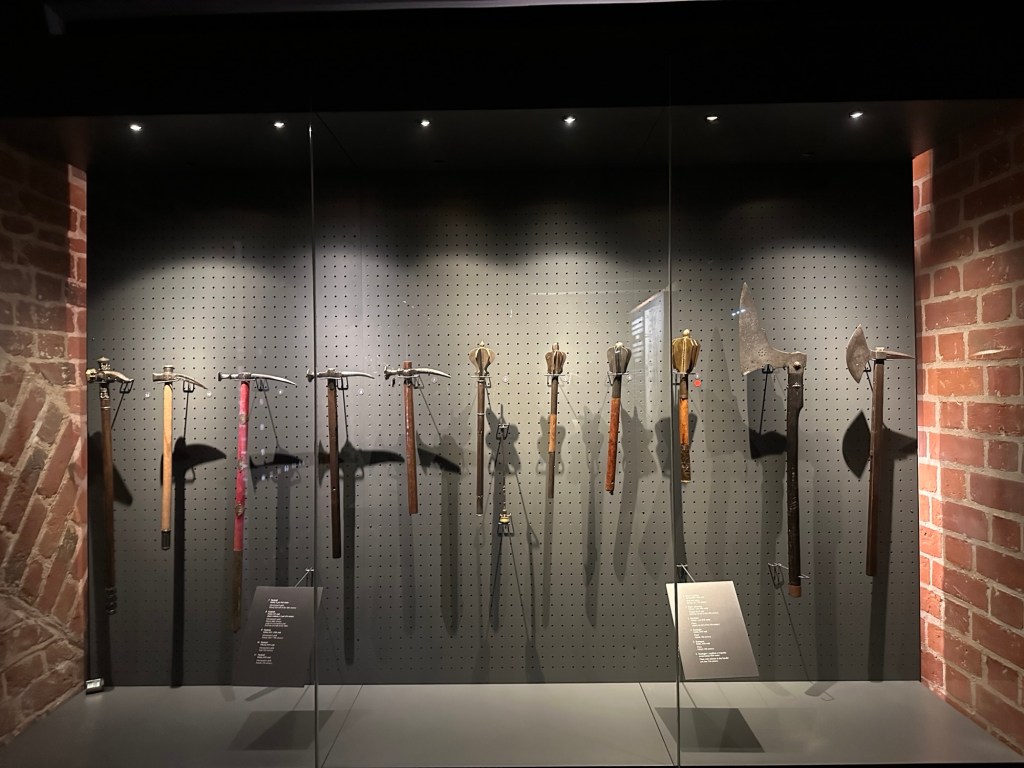
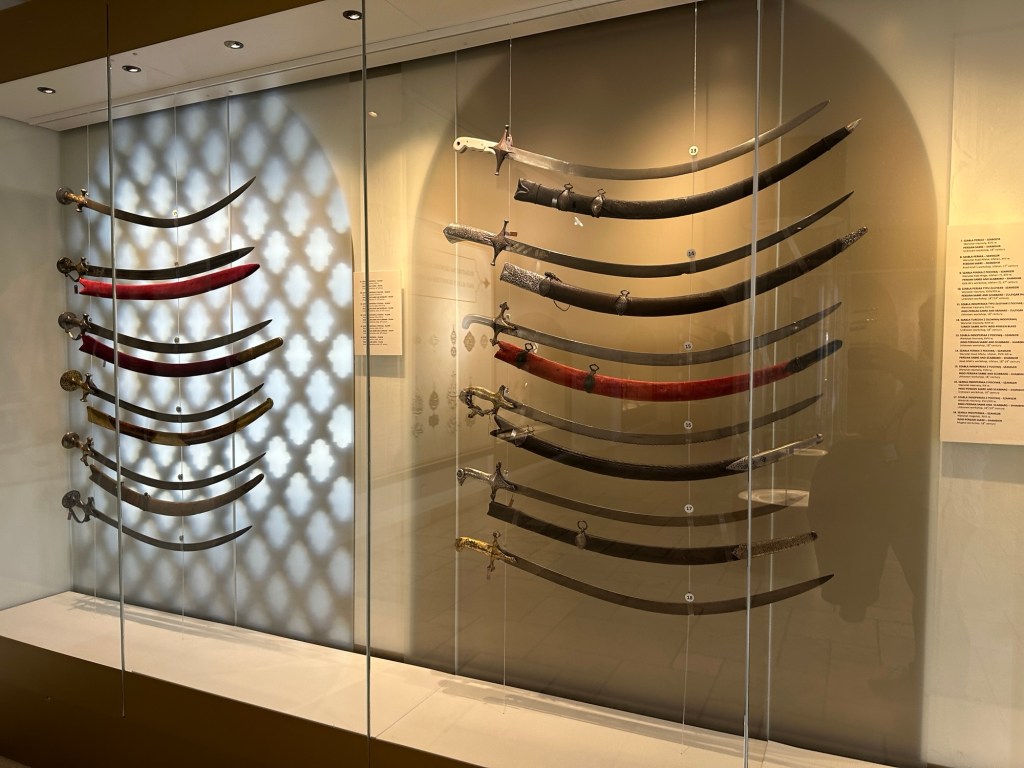
Another part of the museum had different types of weapons collected.
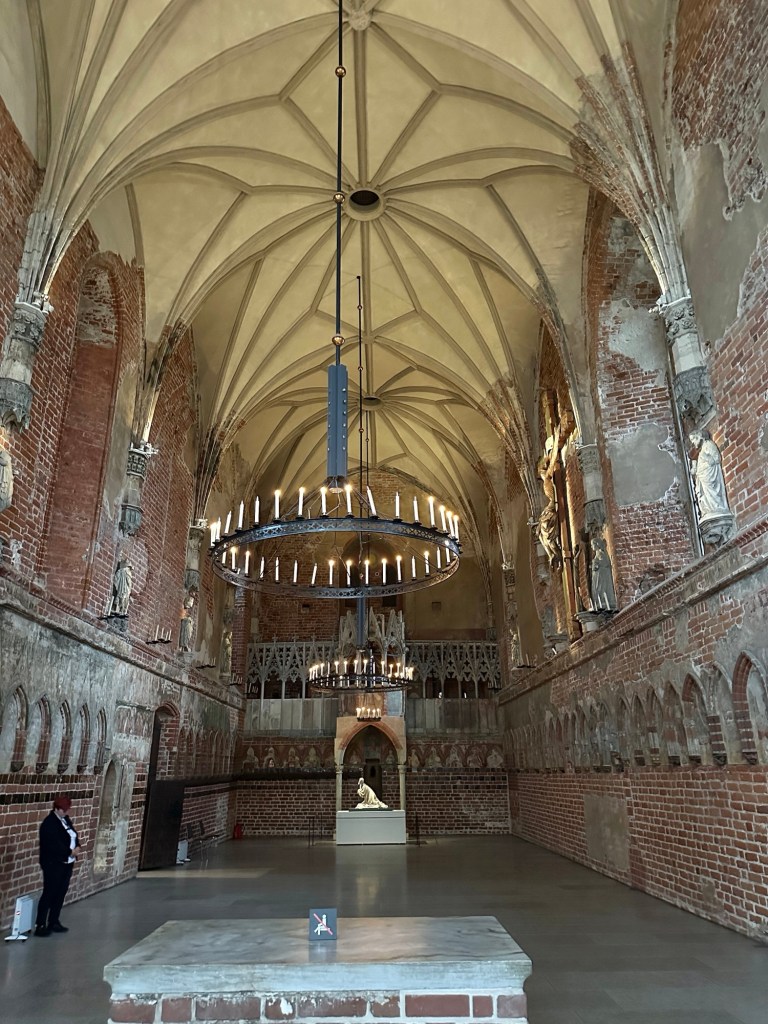
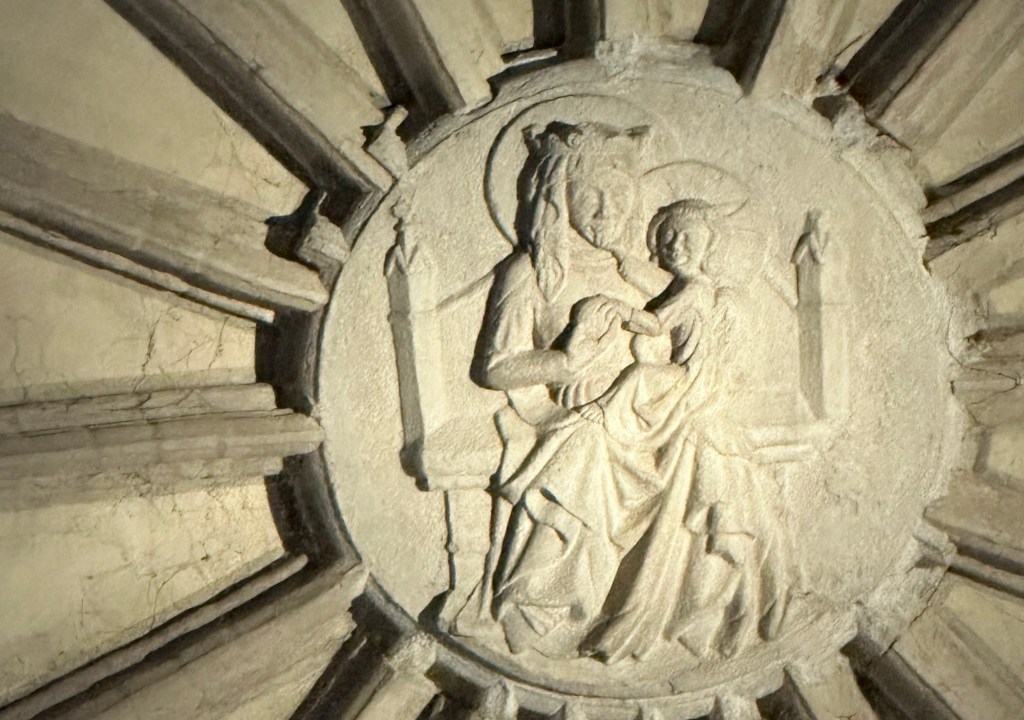
The medieval church reconstruction was completed in 2016
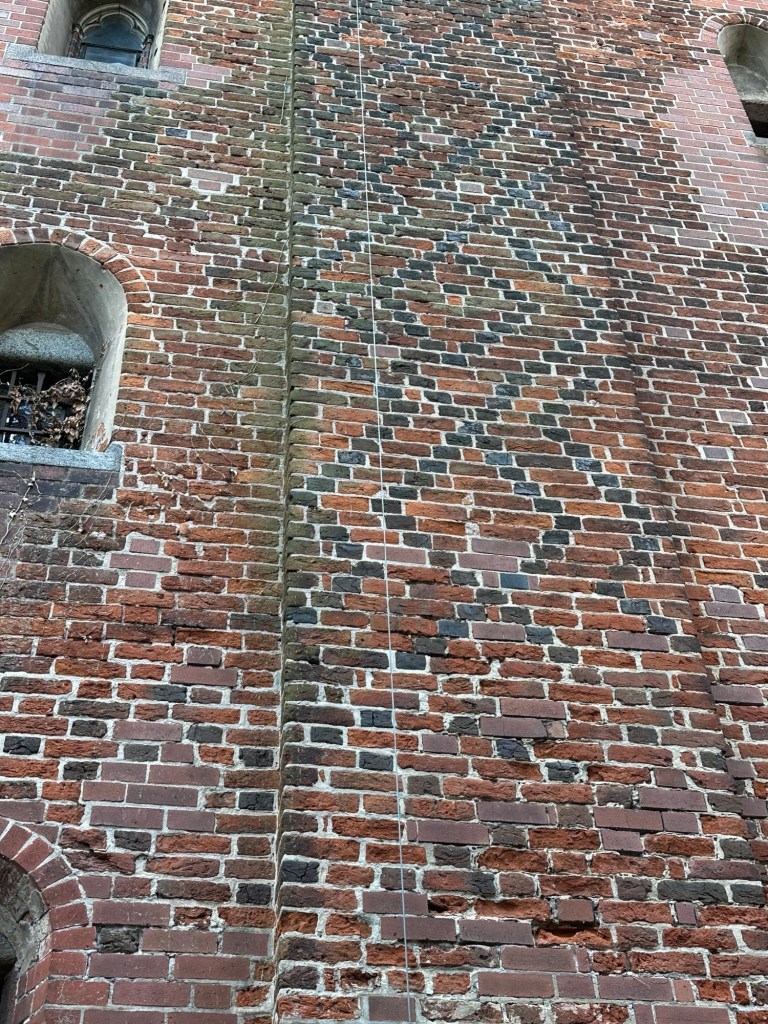
wise and foolish maidensKitchenInteresting bricks
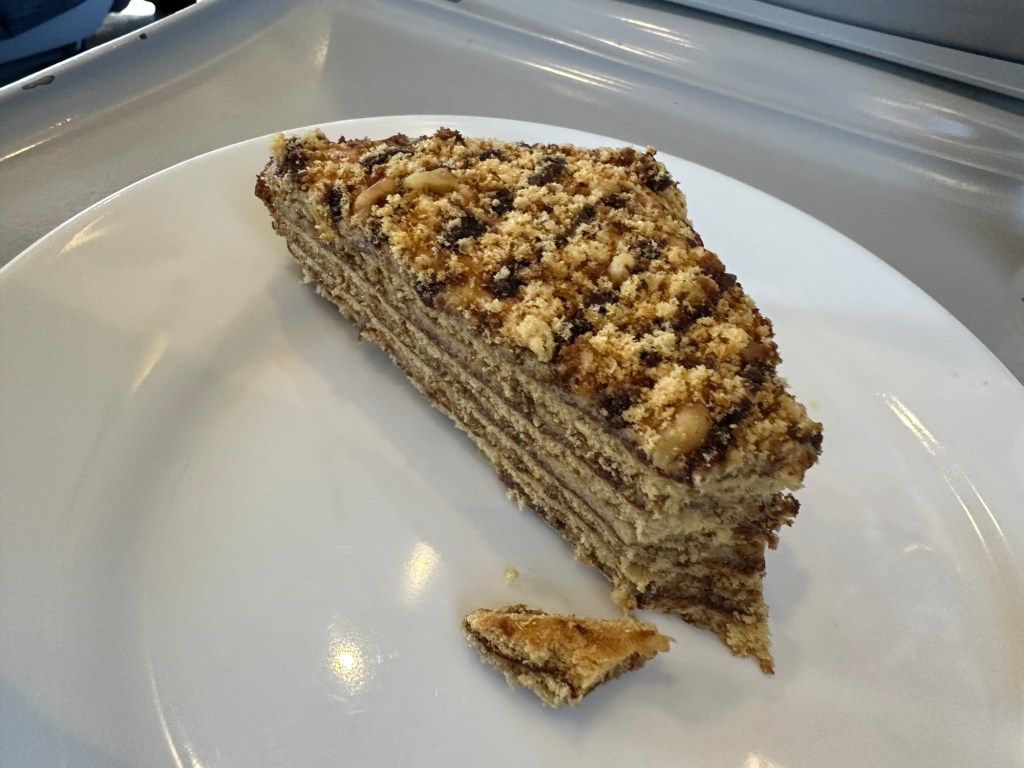
Not wanting to take the slower train (an hour ride) I take the intercity train that is thirty minute ride but wait 45 minutes for it because it only runs once a hour (make it make sense). The intercity train is way more expensive but I decide to be bougie today. During my expensive thirty minute train ride ($26 USD) I get a free snack and two drinks included with my fair. It’s actually embarrassing when the steward comes to me to take my order since I don’t even have enough time to consume them. I order the honey cake which is served on a proper plate. I take the water bottle and unopened soda to hold for later. Others on the train are probably coming from far away like Warsaw or something so perhaps they already got their embarrassing honey cake hours ago. Anyway this is why I carry zip lock bags. After taking a couple bites I shove my cake in the bag and put it in my purse for later. I am on a pierogi mission for lunch.
In Gdansk apparently there is a Pierogi culture. It is not a quick meal. Everywhere I went there were long lines and once seated it can take 45 min to one hour once you sit down for pierogi. Pierogi making is labor intensive thus why many Polish order them out instead of making them at home.
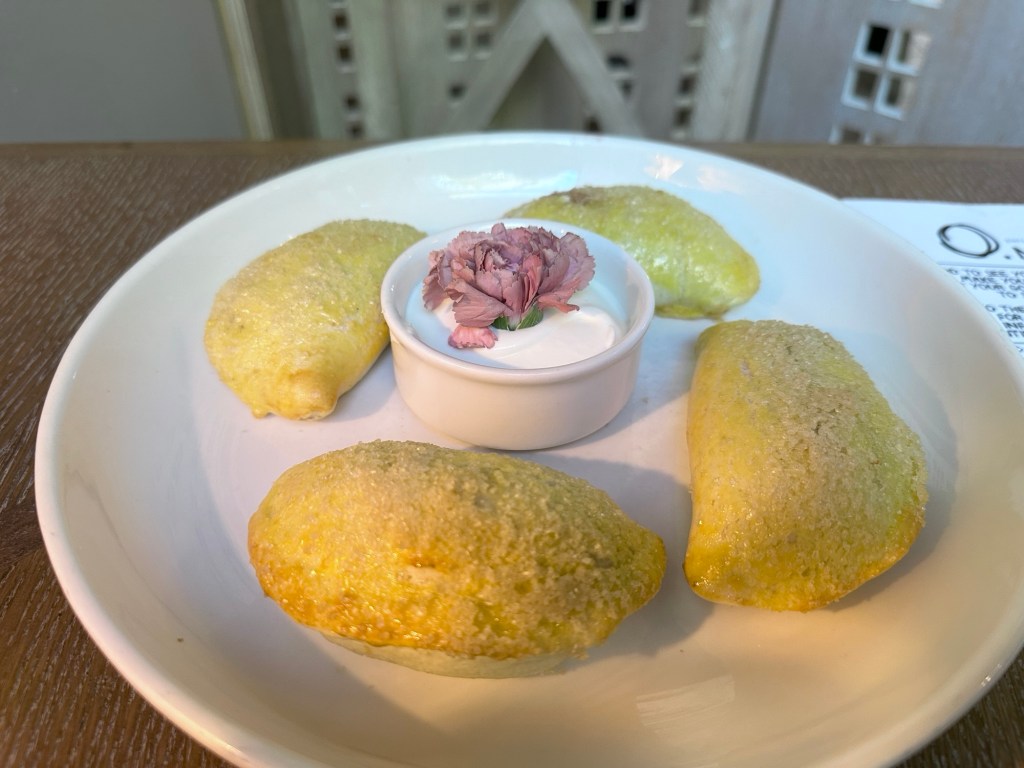
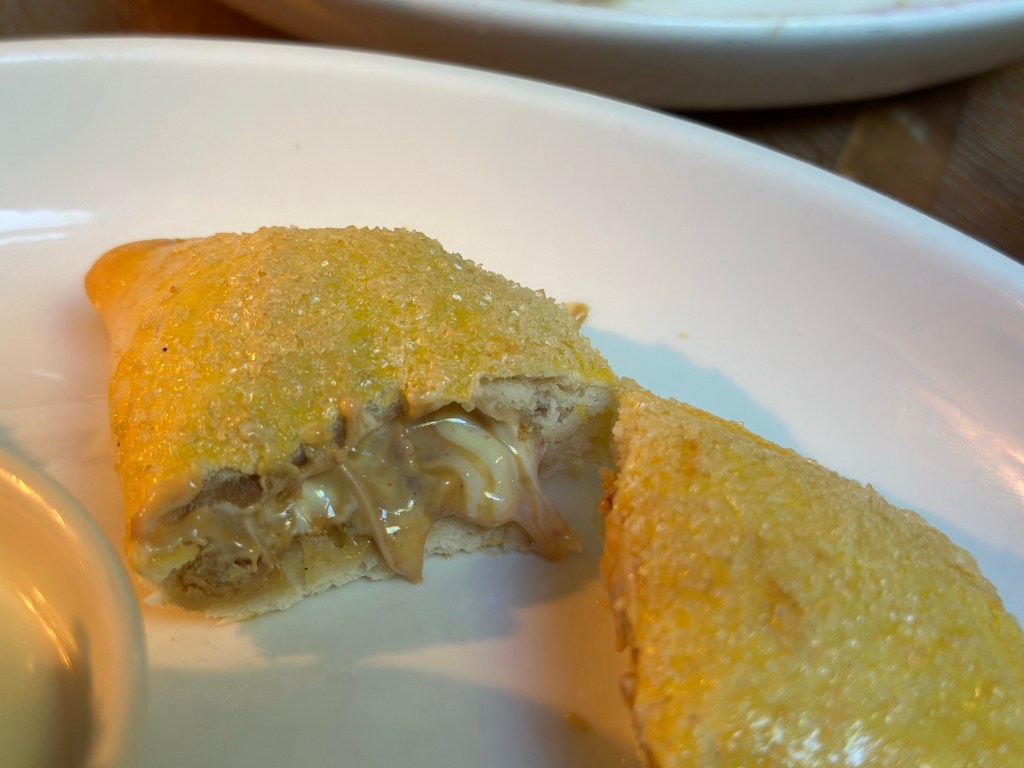
The restaurant I get a table for is Mandu. It is highly rated. I did wait for about 30 minutes but the line got much longer as I waited. Mandu has many interesting combos; these are the times I hate dining alone because I want to try it all. I end up ordering buckwheat & potato boar dumplings, borscht, and a sweet pierogi. With some to-go boxes I snack on leftover pierogi later.
Borscht Buckwheat and BoarDessert pierogiLine for Mandu
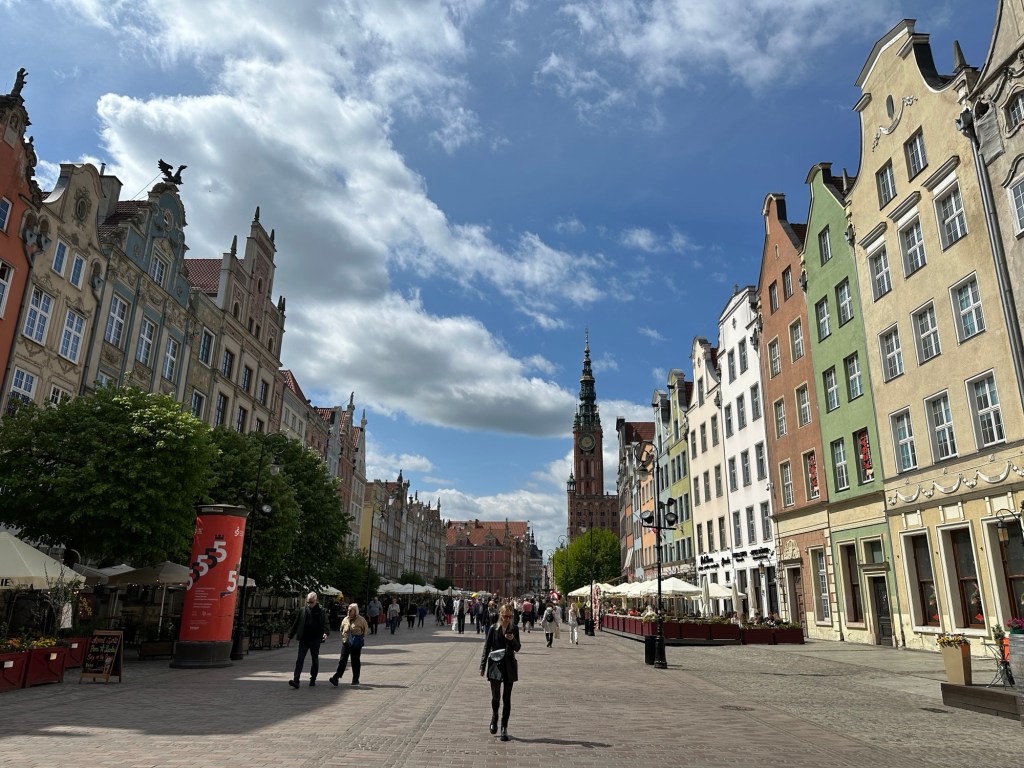
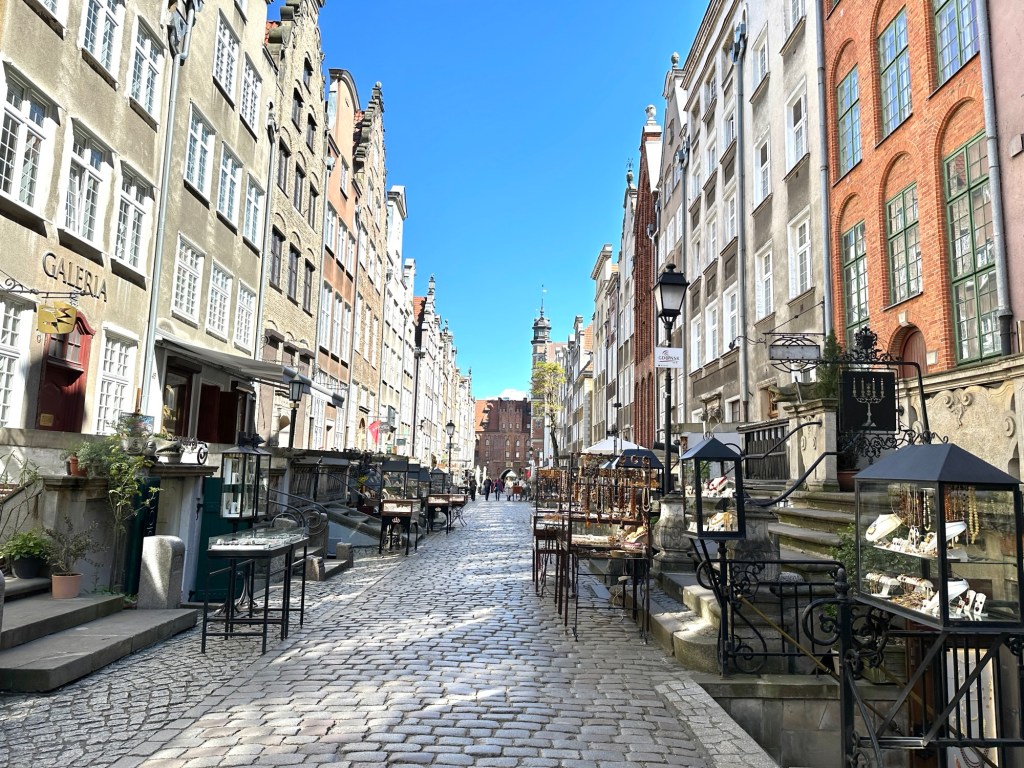
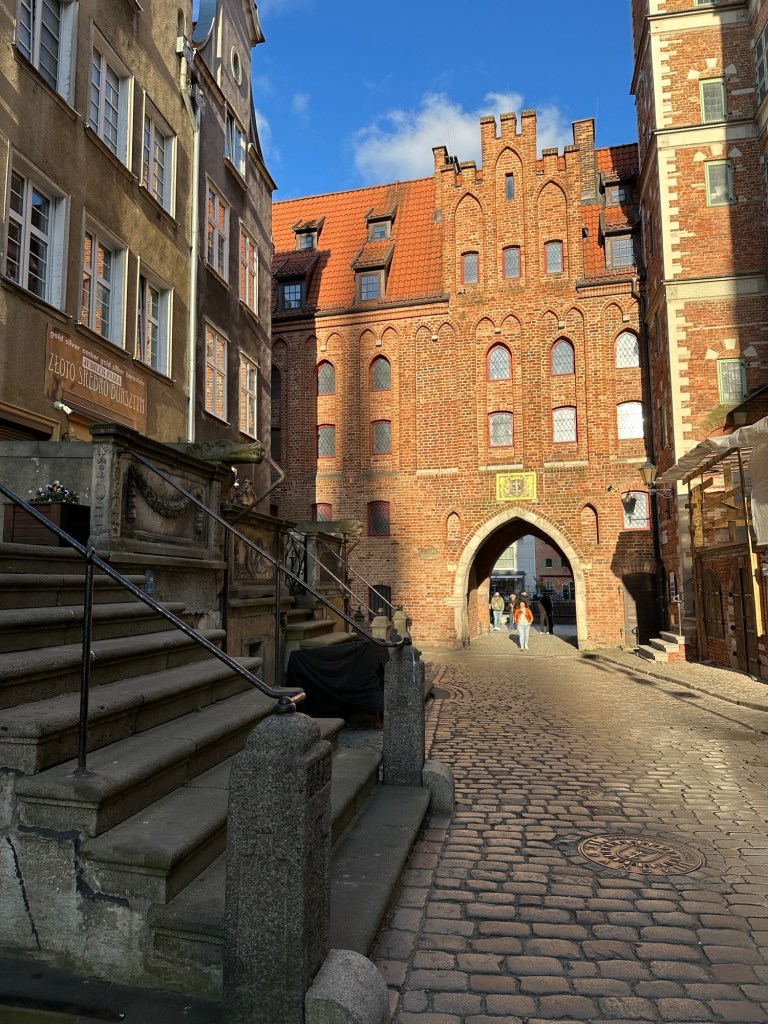
After pierogi belly I walk around town. I end up on Mariacka street once again. I would like to purchase something amber to take home but I have a terrible time picking out something I like, especially when its pricey and I really don’t know how to tell if something is authentic or not.
Ulica Mariacka
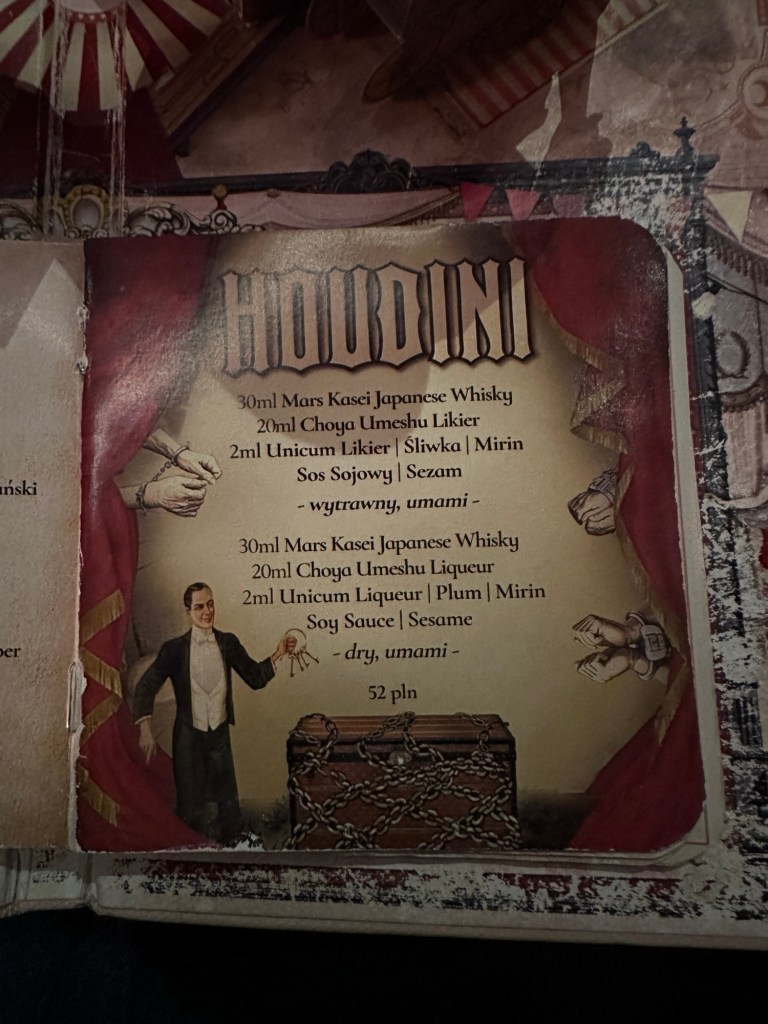
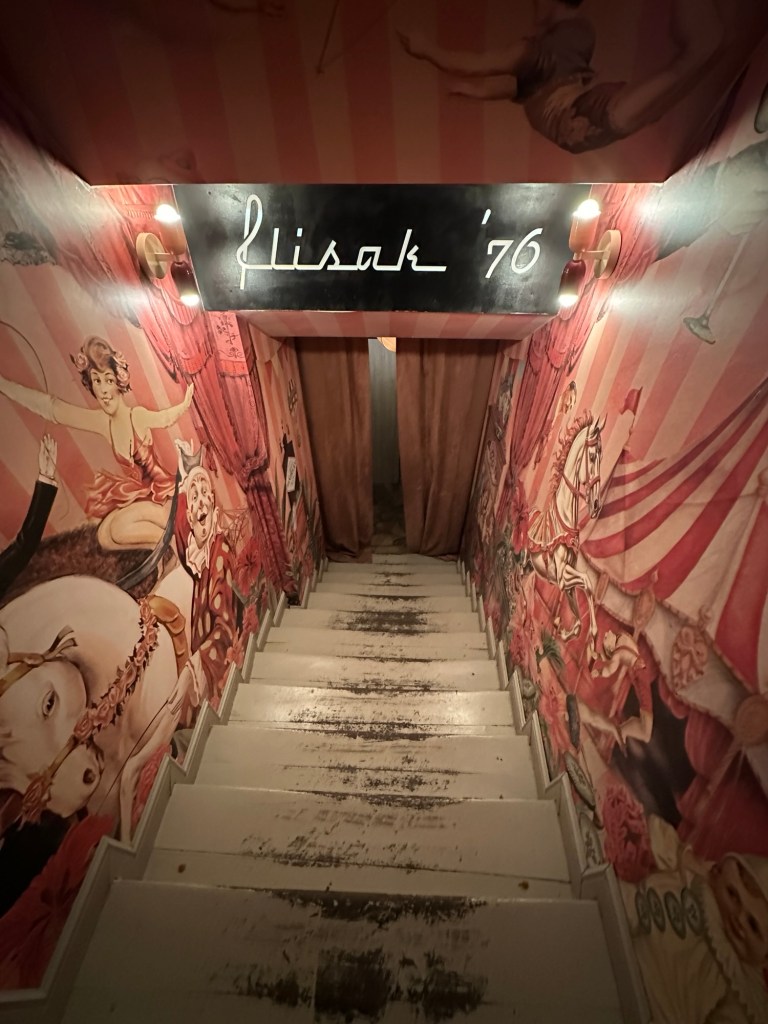
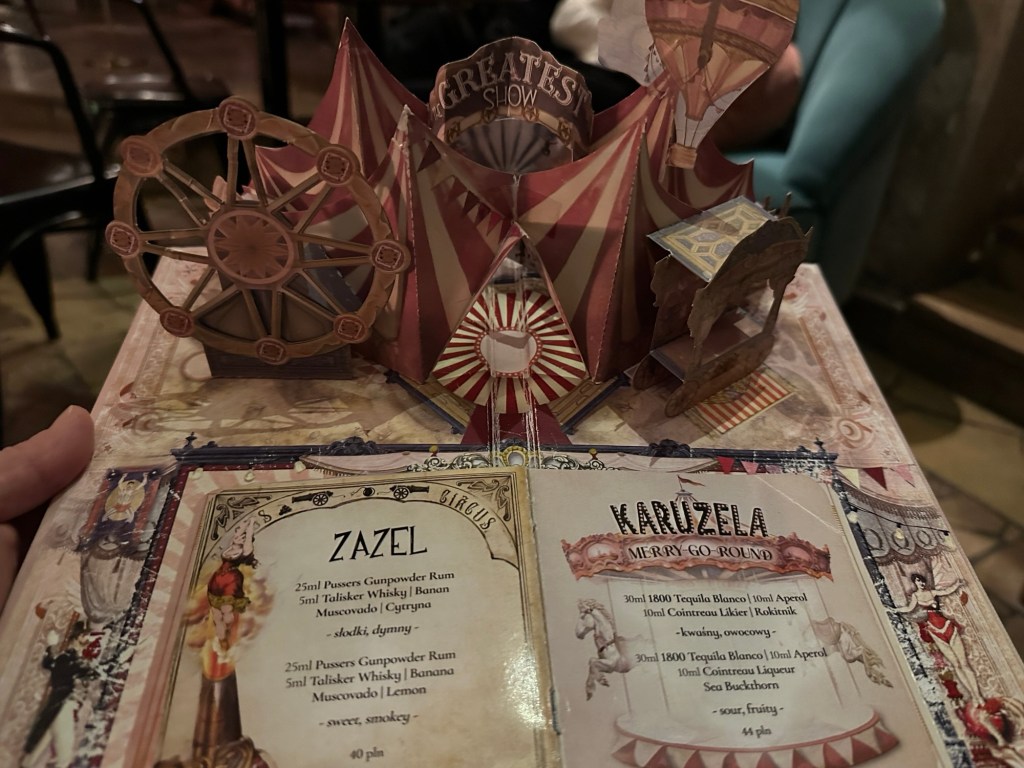
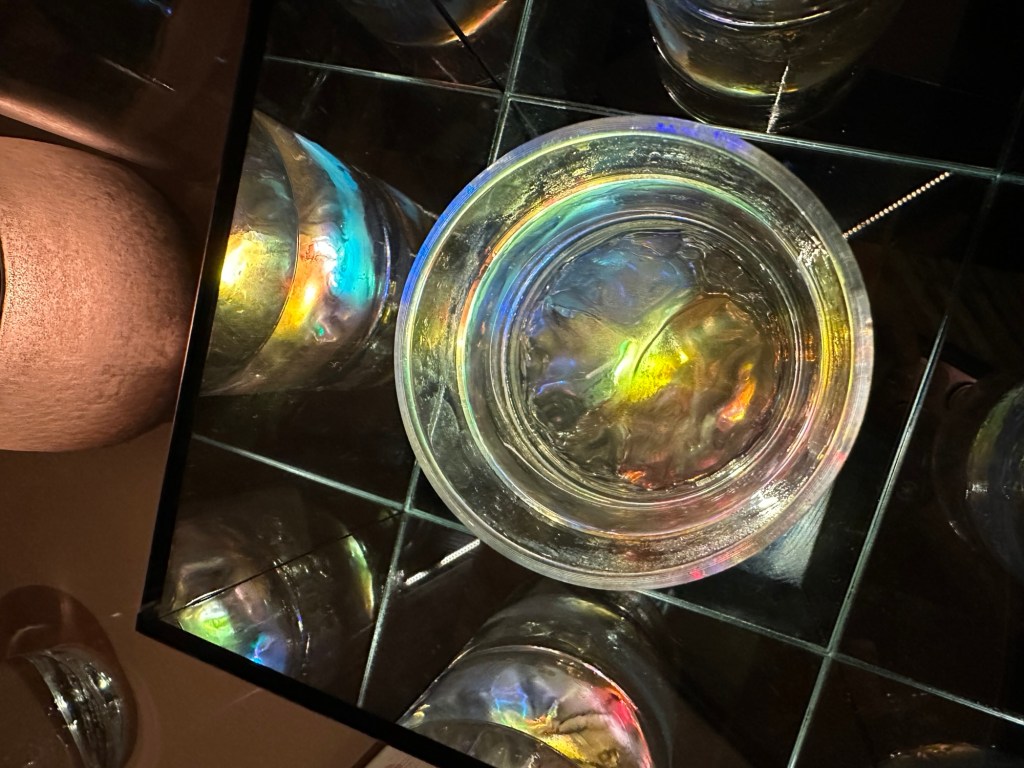
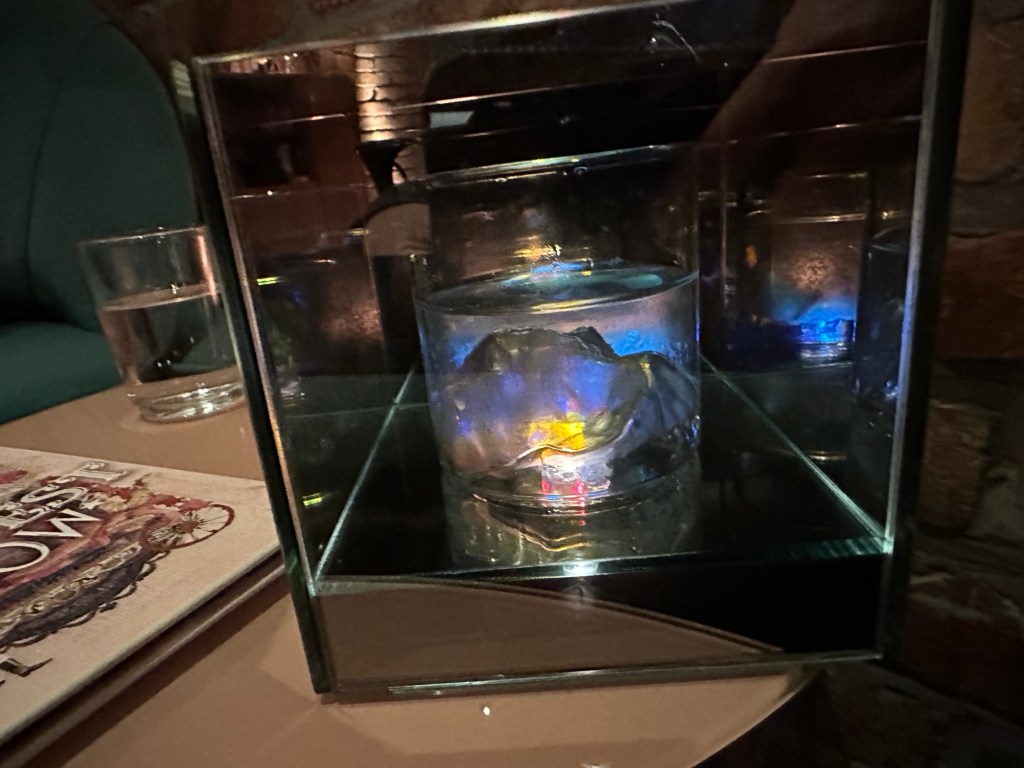
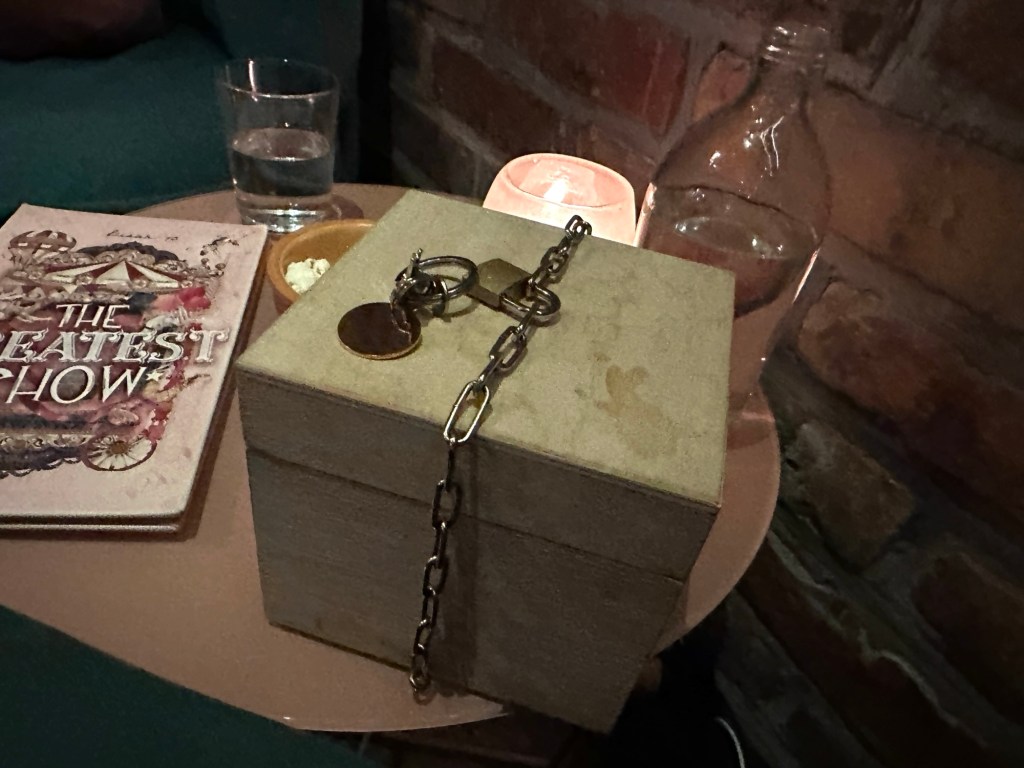
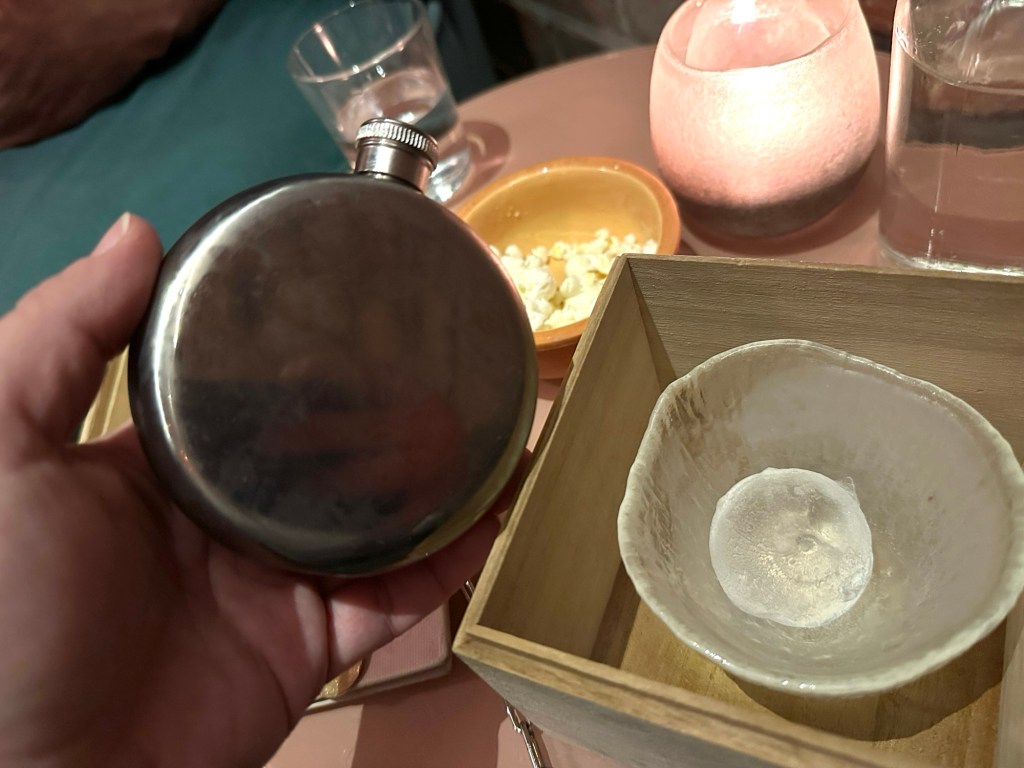
I finish the night at a circus themed cocktail bar with friendly bartenders who give me good advice about places to visit during the rest of my stay. They serve fun drinks too.































































































































 Growing With Leala