Medellín: Botanical Garden and the Metrocable

For my second day of sightseeing in Medellín I decide I head down to the Jardín Botánico (Botanical Garden). I like Medellín but it is busy and there is pollution; I am craving some nature today.

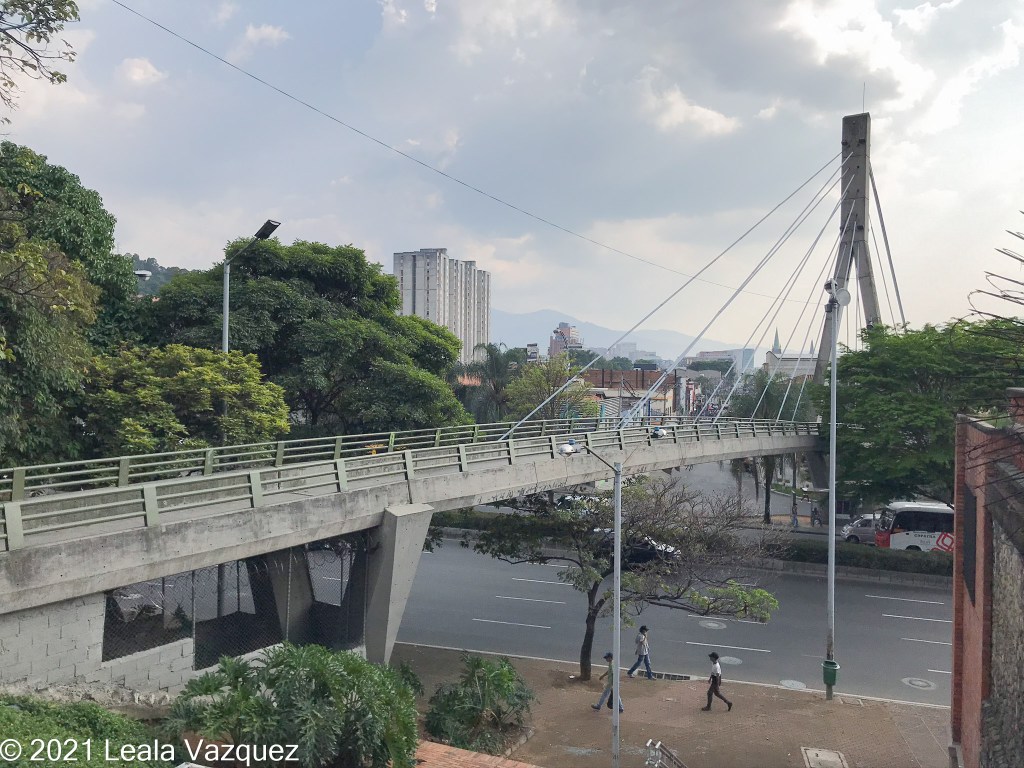
I walk from my hotel Diez Hotel Categoría Colombia down to the metro station of El Poblado. It is a 20 minute walk but it is all downhill. Even with the downhill walk it gets hot walking to the station since it is pretty warm outside.
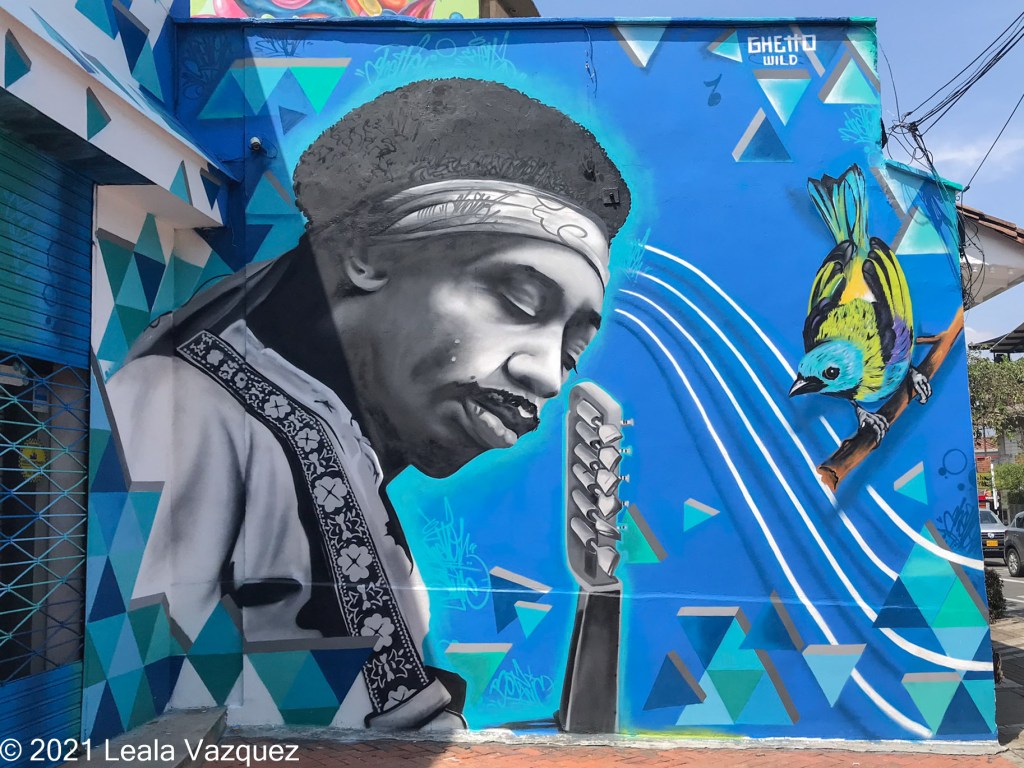
Along my walk to the metro
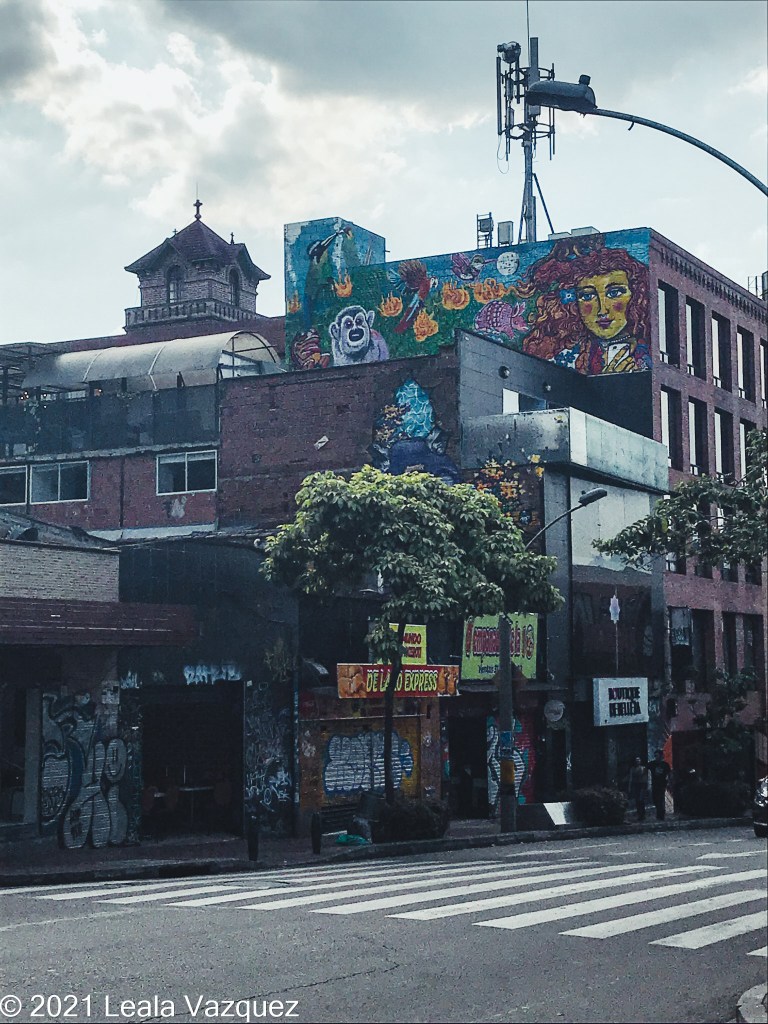
Active streets today

Once inside the station it takes me a little while to get the confidence to purchase a ticket and determine which direction I should go on the metro. I finally figure things out (note: There is no electronic ticket booth to purchases passes. You must visit the attendant at the ticket booth who speaks no English.). I purchase a pass with a balance on it. It is hard to determine how much I should initially put on the pass and they attendant isn’t much help (the line is long so I don’t want to hold up everyone else asking many questions). The balance enough for the current ride so everything is fine for now.
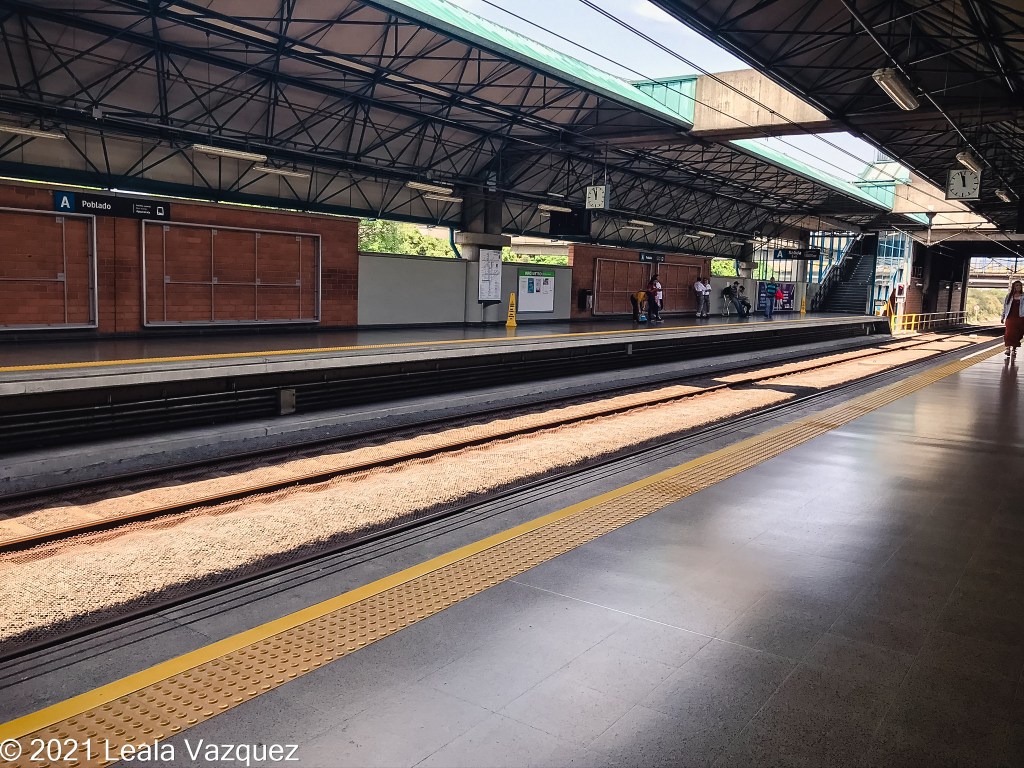
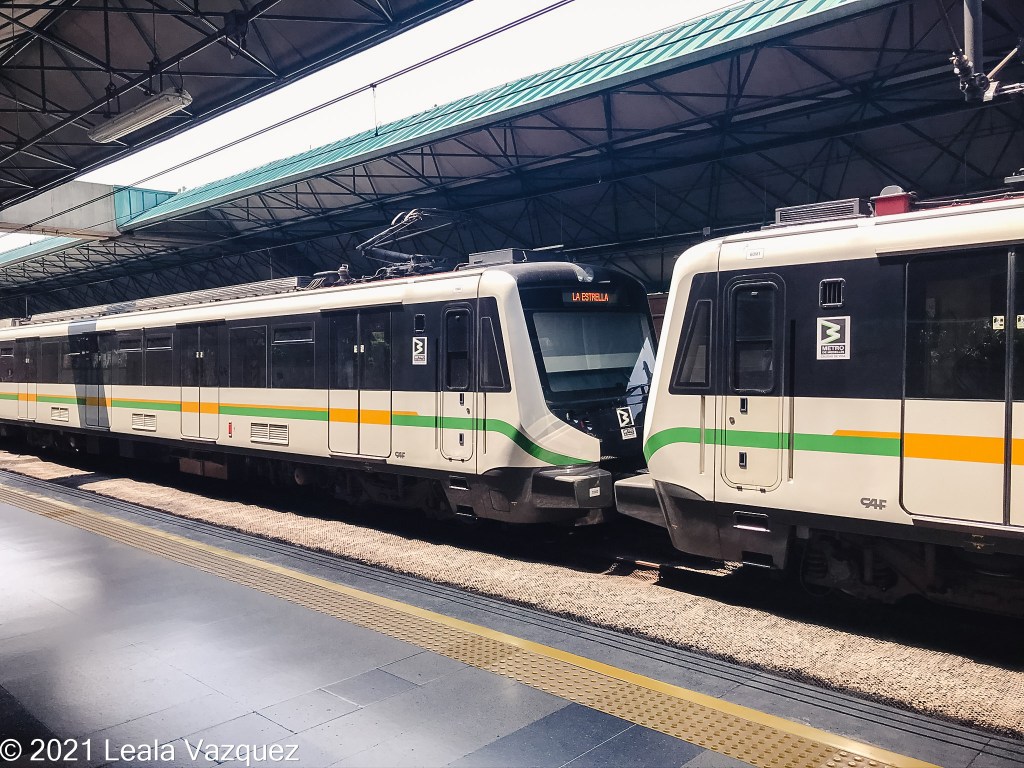
The metro system so far seems to be efficient and clean. I later learn that the metro is a huge thing of pride for the city. Other parts of the city may occasionally get destroyed but NO ONE messes with the metro. Building this train was a public works project when things were still so grim for the city. One can say it represents a beacon of hope.

It is pretty easy to reach the botanical garden once I exit the metro. I am happy to discover the garden is free to the public.
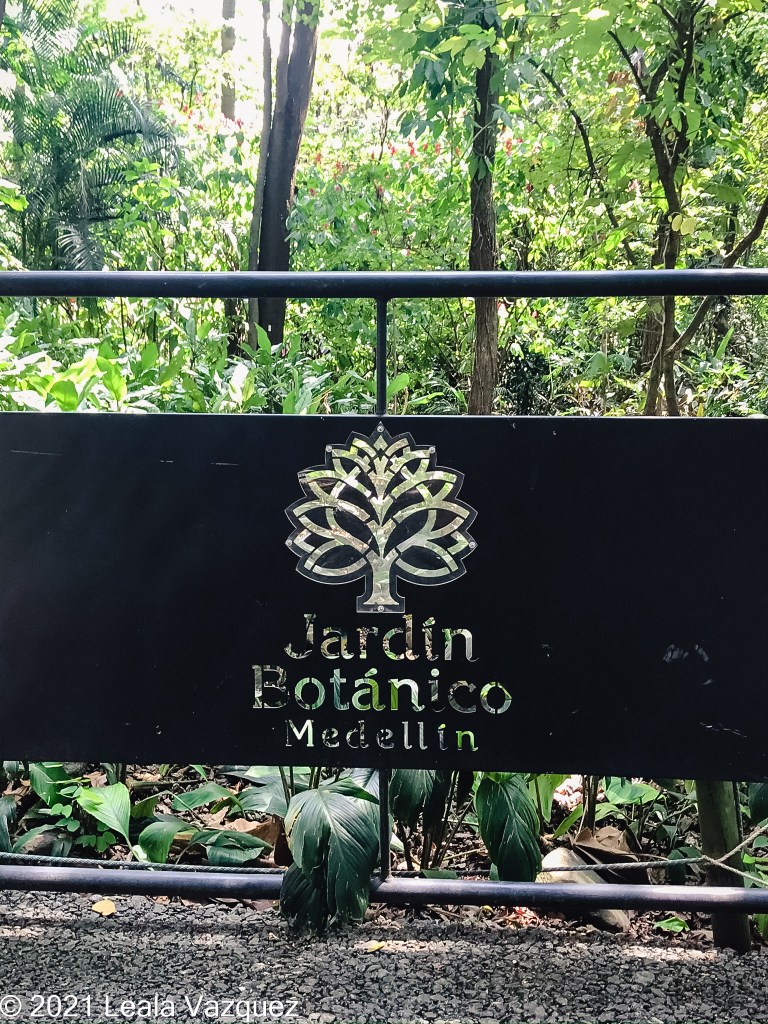
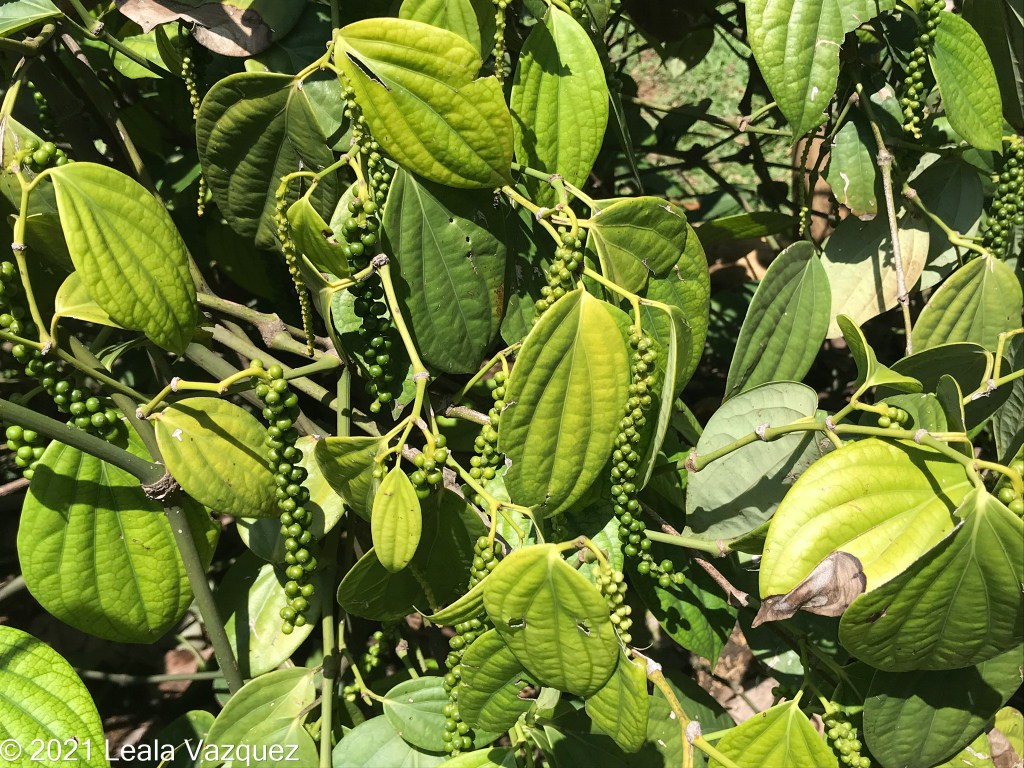
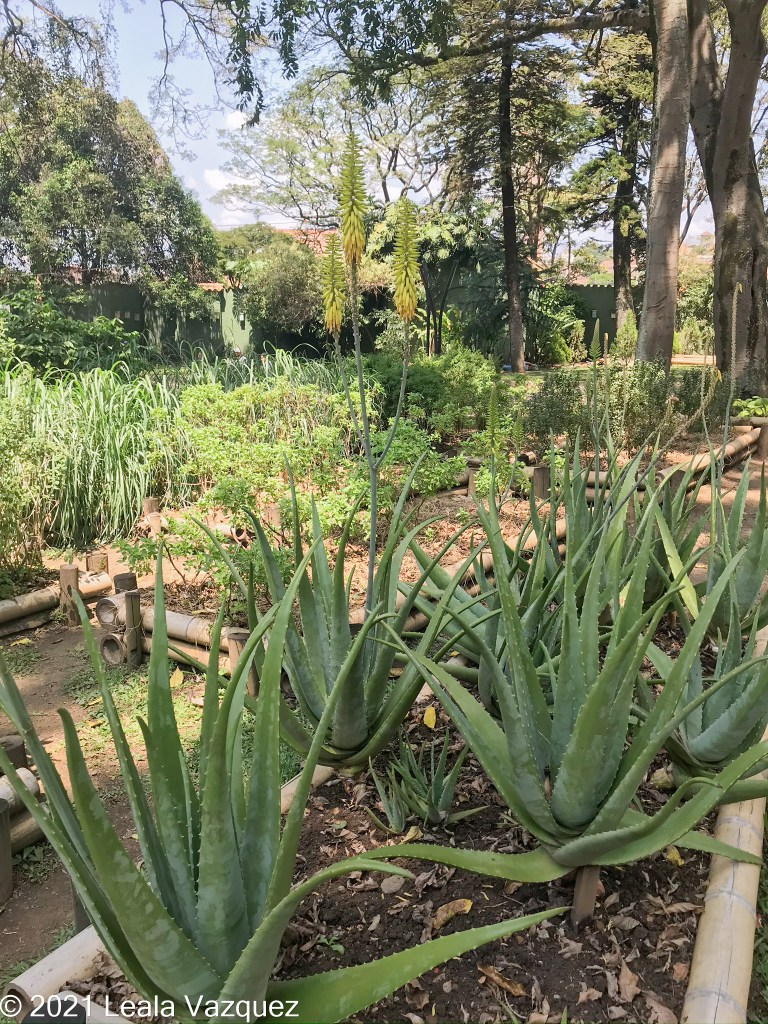
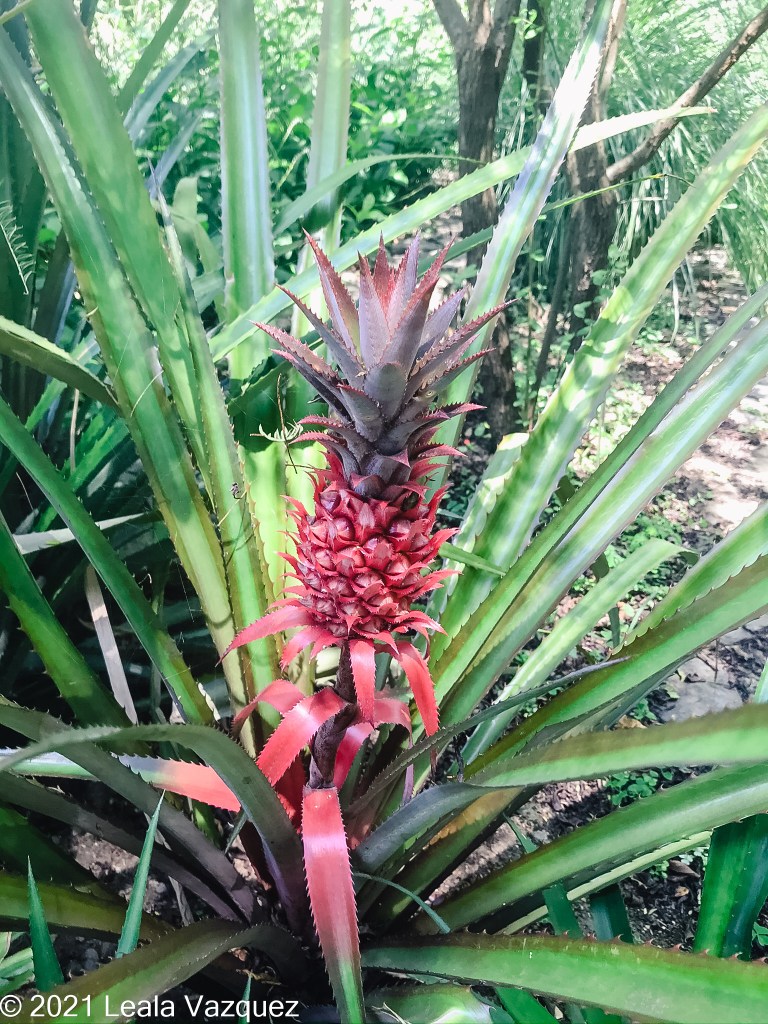
First thing I notice some of the same plants that grow pretty well where I live. It makes sense because we have a similar climate back home.
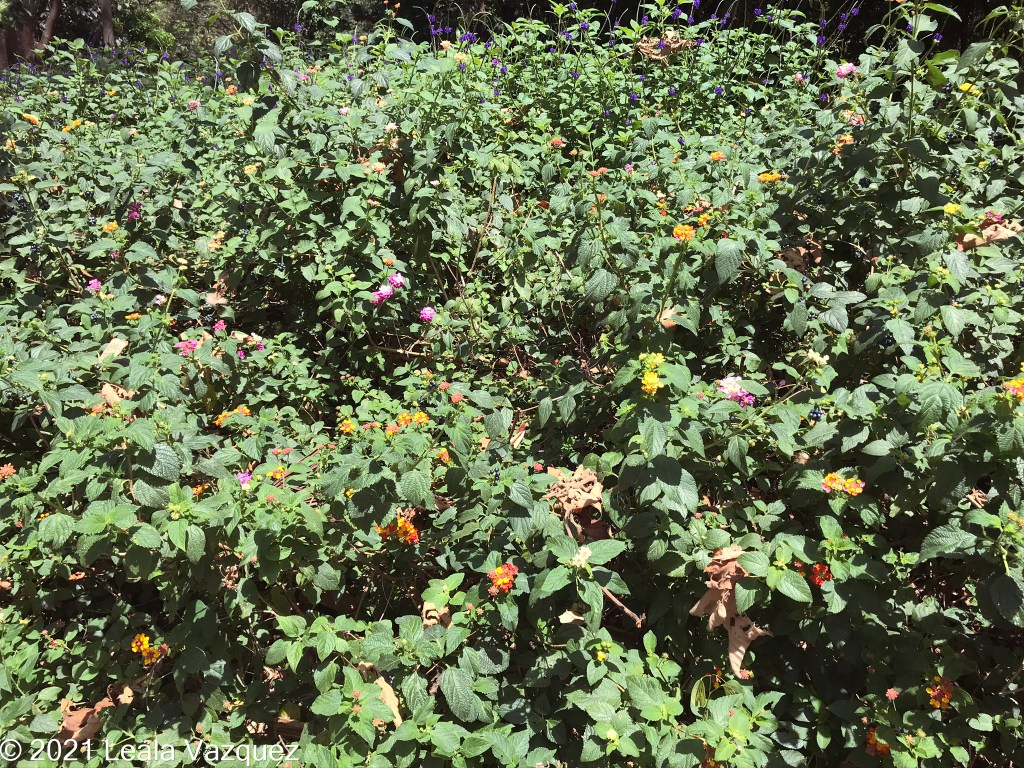
One thing we don’t see in central Florida is iguanas randomly walking around.

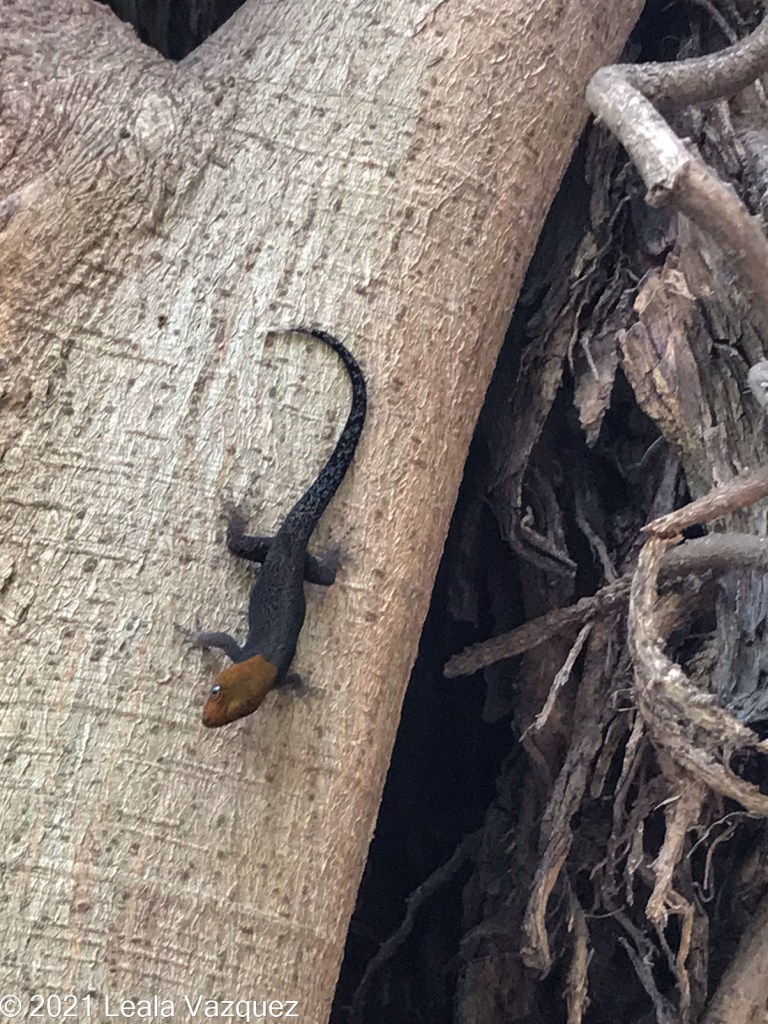
We do see many of lizards of the smaller size back home, like this one.
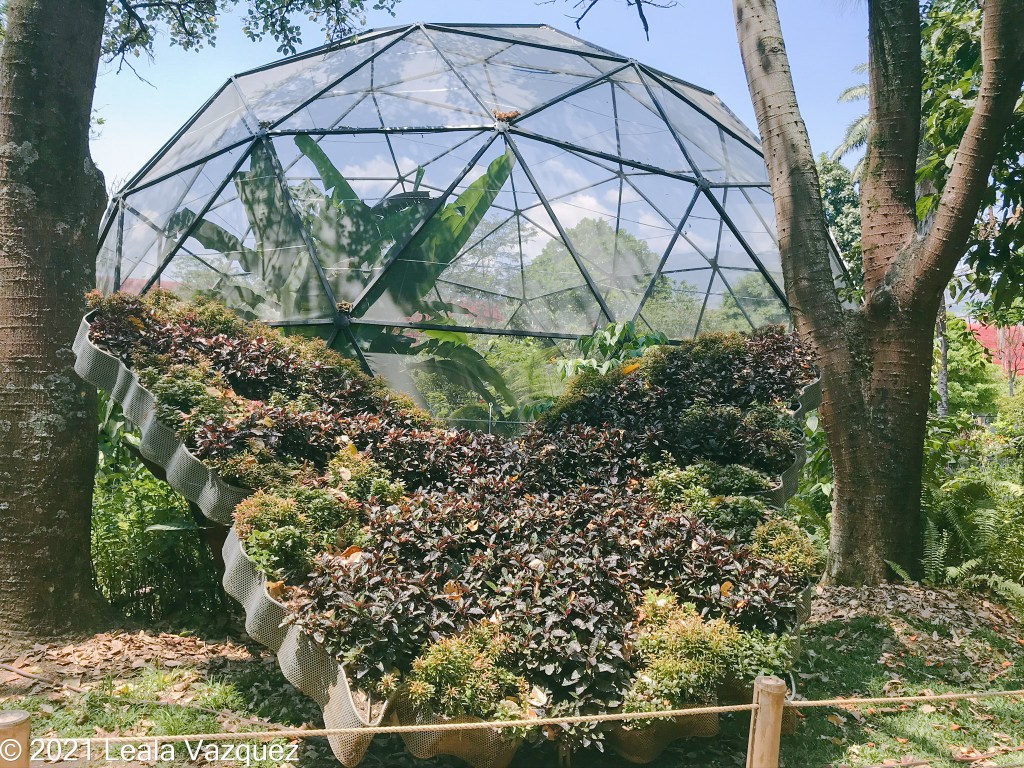
The butterfly garden is closed for some reason.
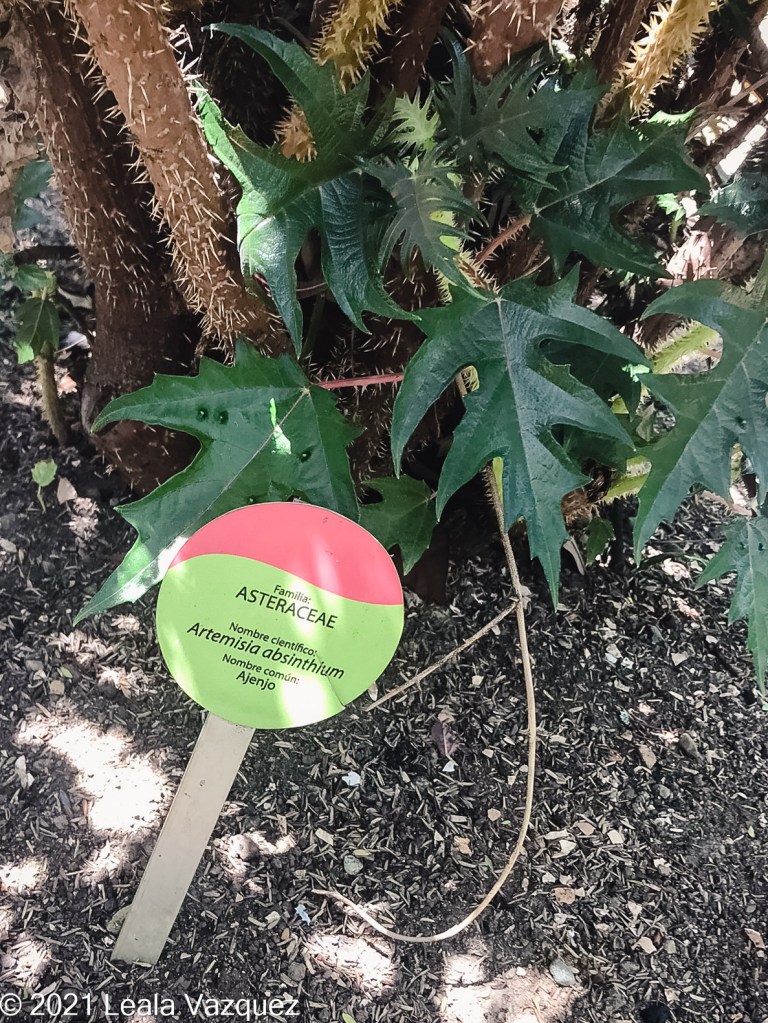
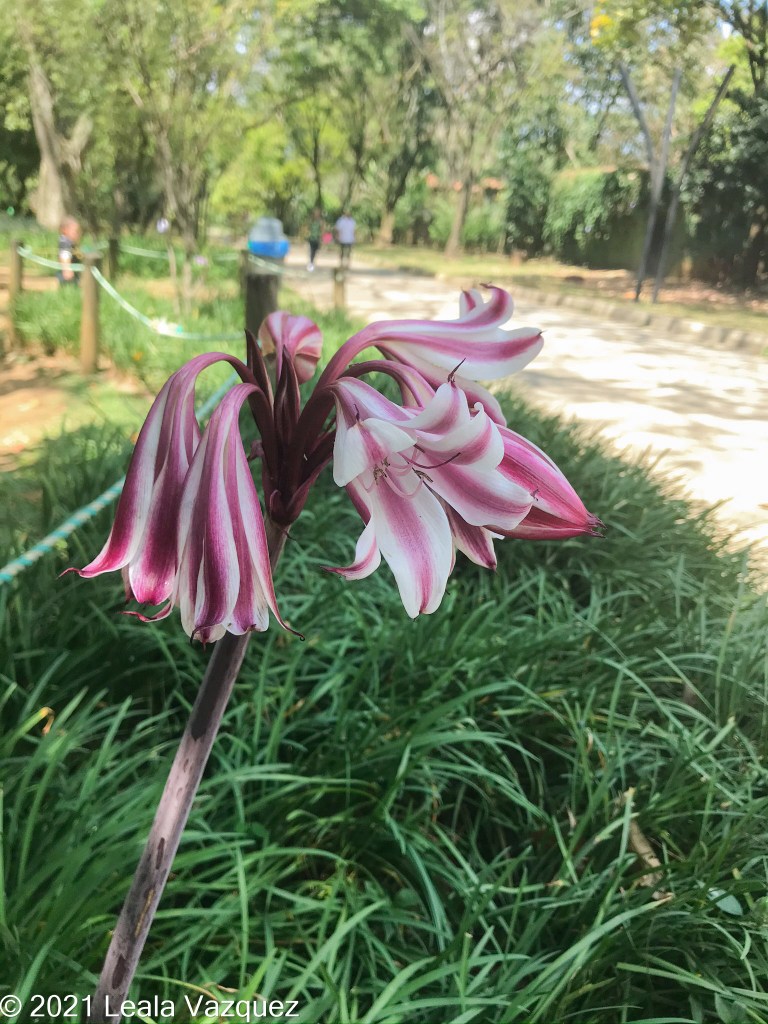
I basically wander through the park and admire all the plants.
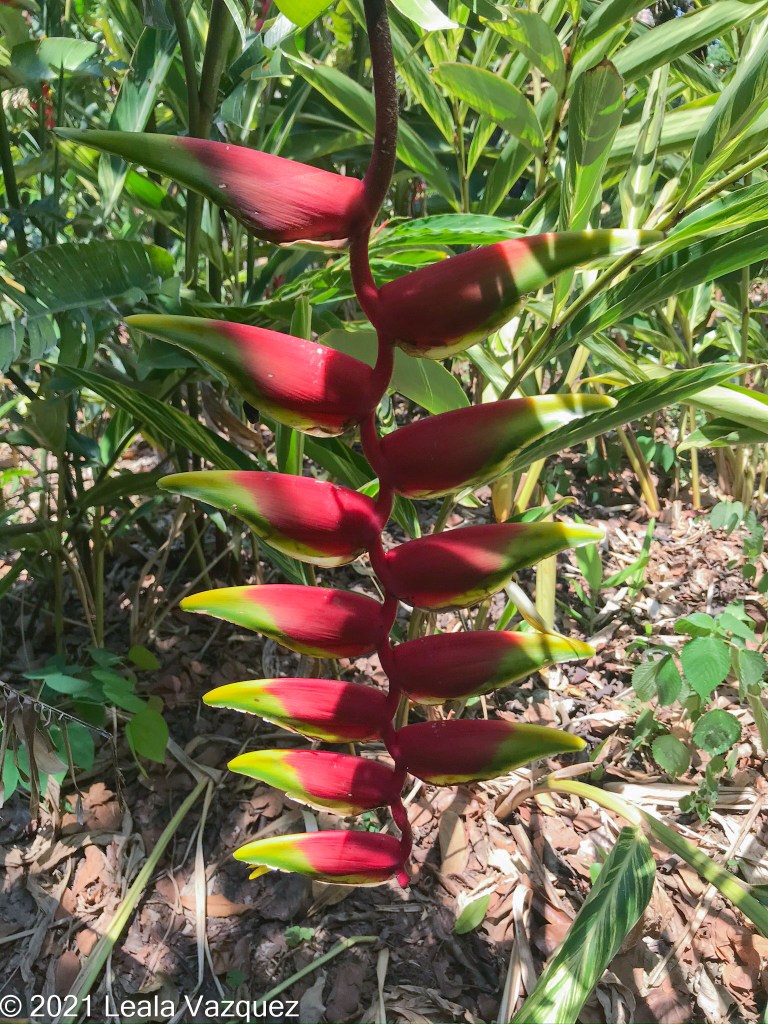
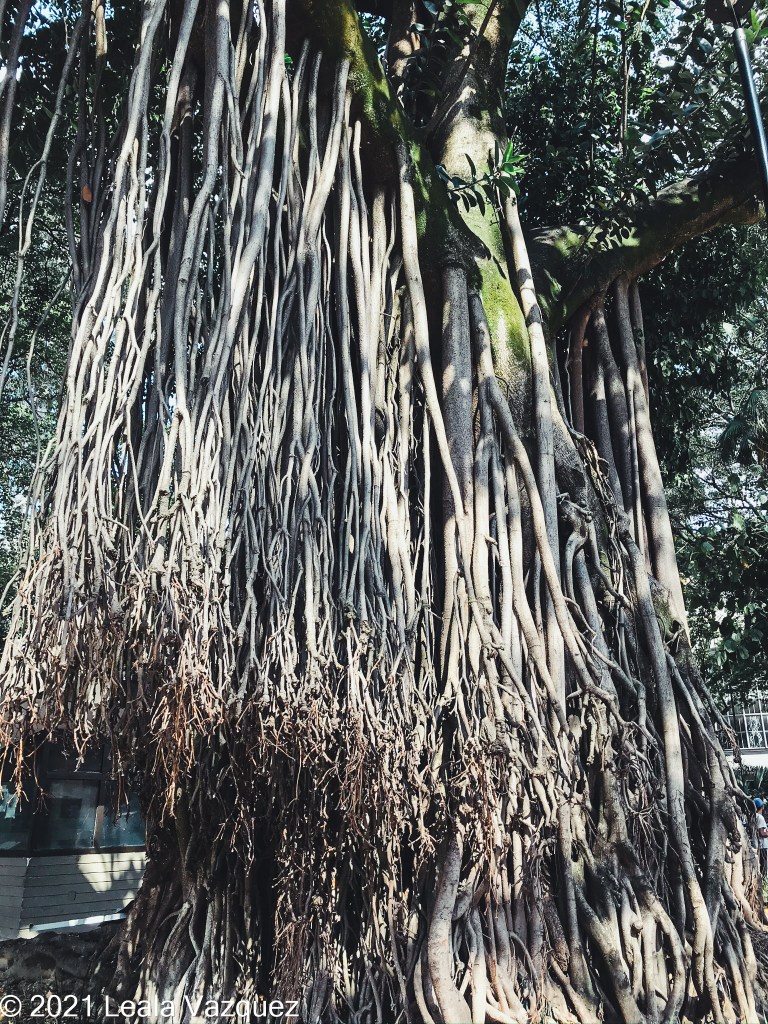
Gardens

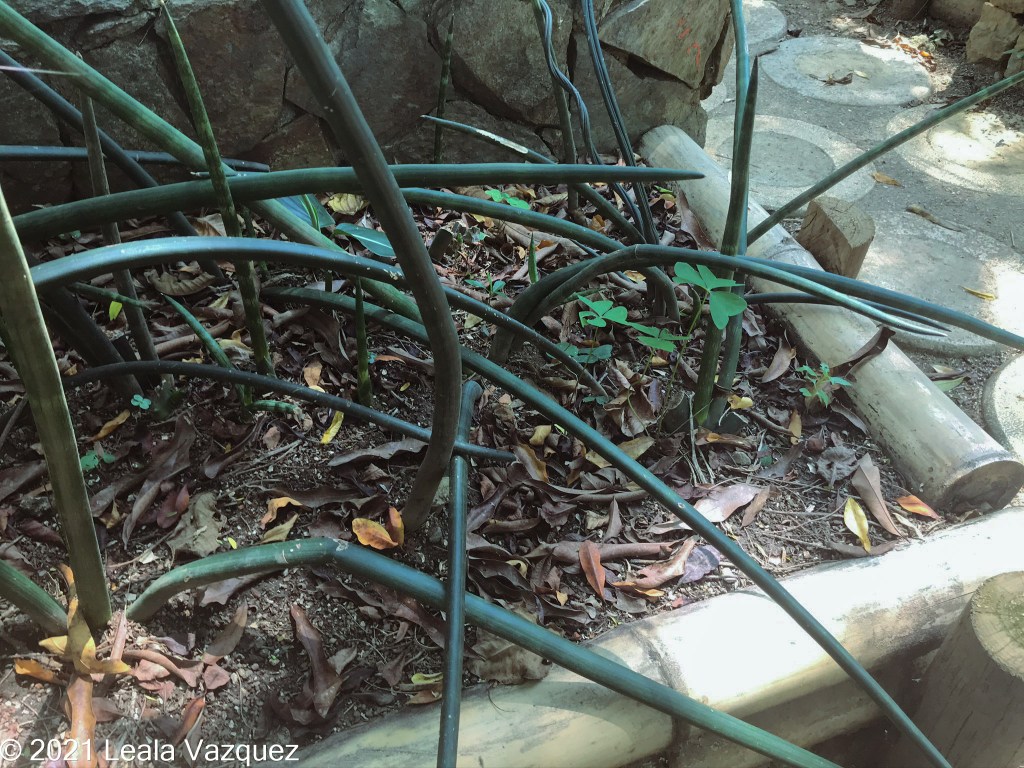
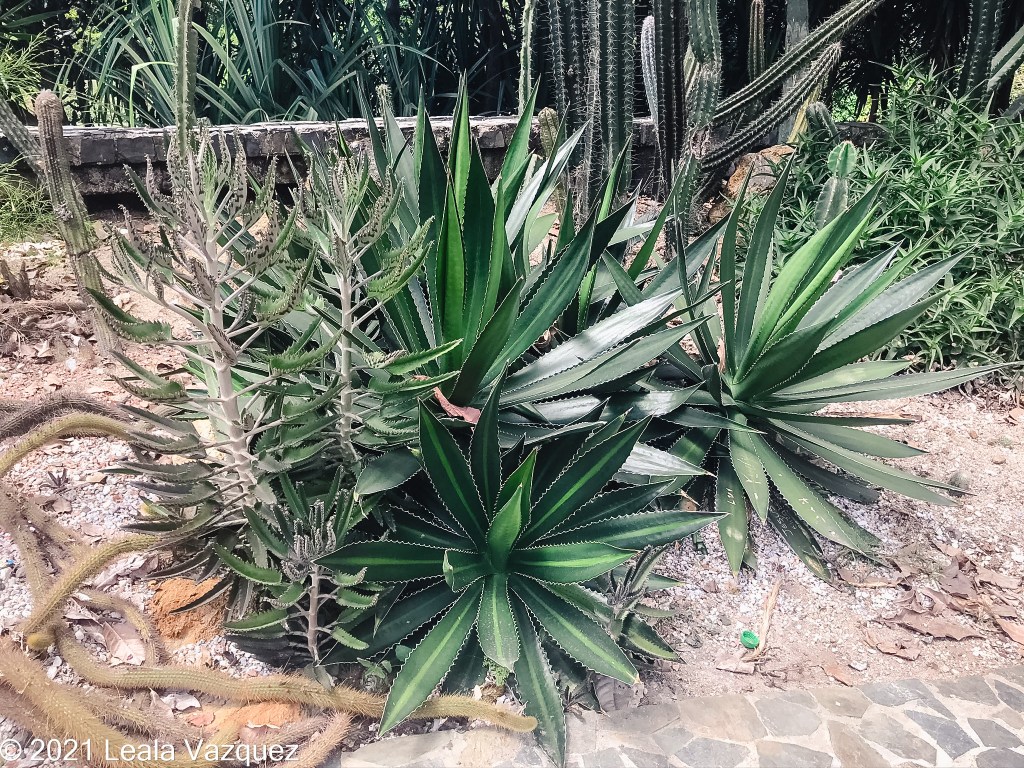
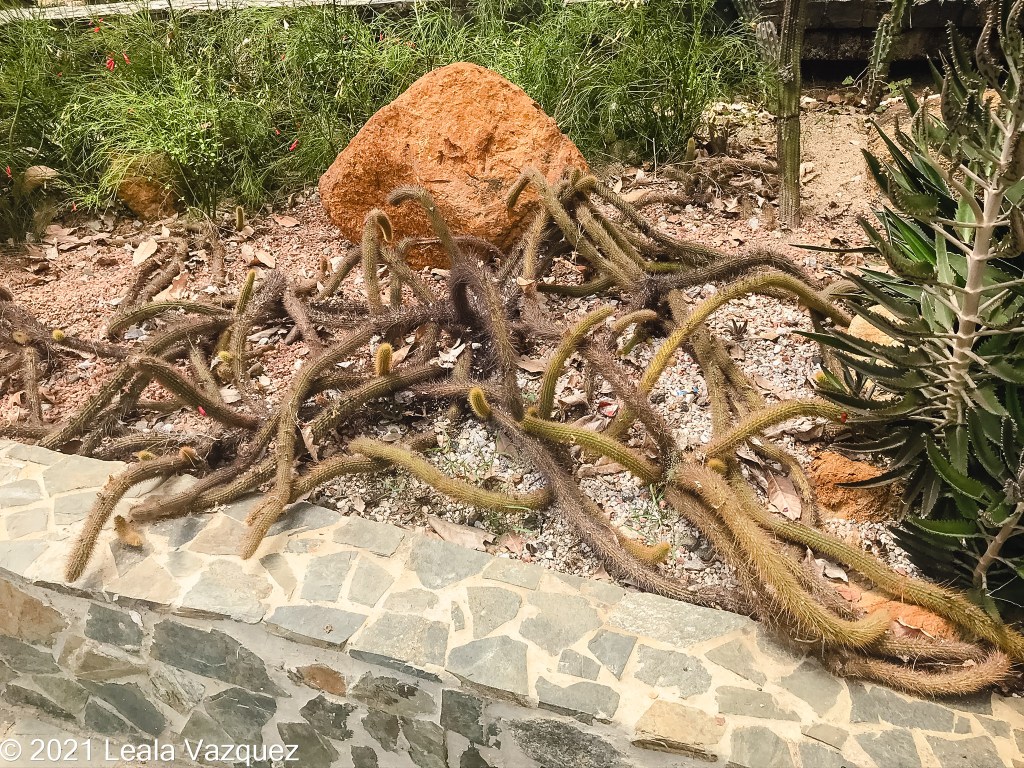
I finish out my visit with the succlents.
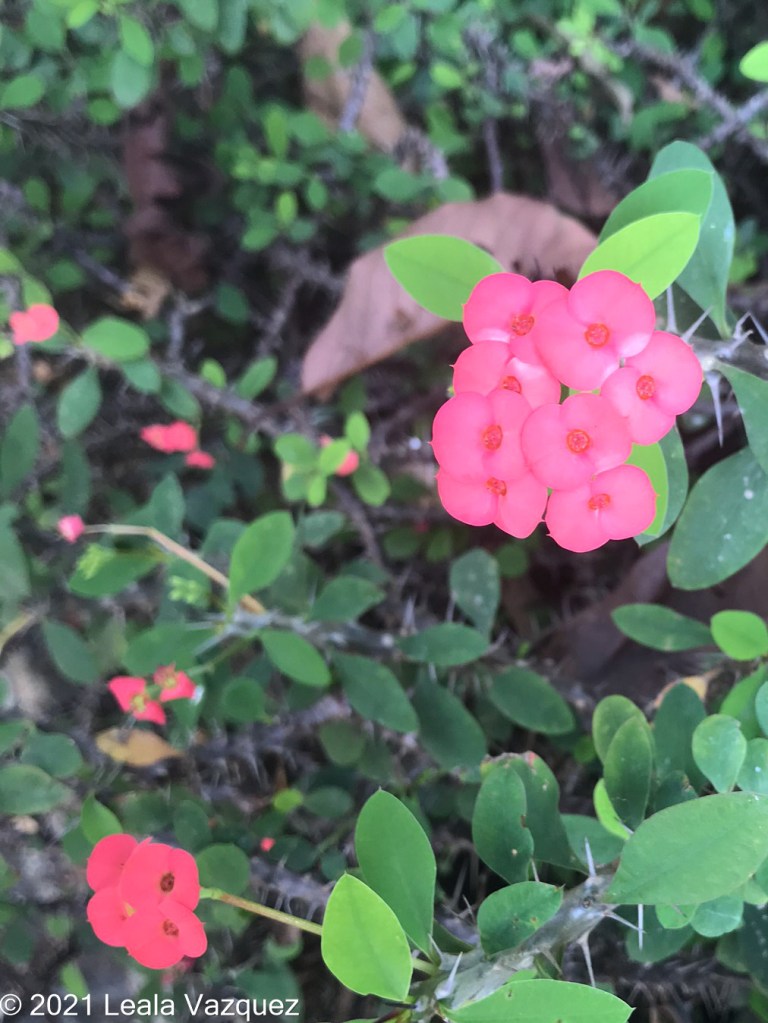
It isn’t the best botanical garden I’ve visited but it is good that it is free. It appears like some of the bigger exhibits are closed during my visit.

When I leave the botanical garden it is still early so I try to visit a sculpture park – Parque de Las Esculturas Cerro de Nutibara. The sculpture park is supposed to contain interesting sculptures and a charming replica town among other things (according to descriptions). I map out a route for a metro/bus to what I thought was one of the main entrances. I get dropped off in a quiet industrial area on one side of the hill. This area does not seem like the correct place. I wander around trying to find a park entrance and I come up with nothing. I search on my phone and it appears that where the entrance should be is blocked off due to construction. If I want to visit the park I am going to have to try to get to the other side. The problem is at this point that I am tired, not familiar with the safety of the area, and not even sure it is feasible to get there by foot. I give up and take the metro back to my hotel area.

Once I get to my metro stop it is a long, hot walk uphill. I make lots of stops to catch my breath.
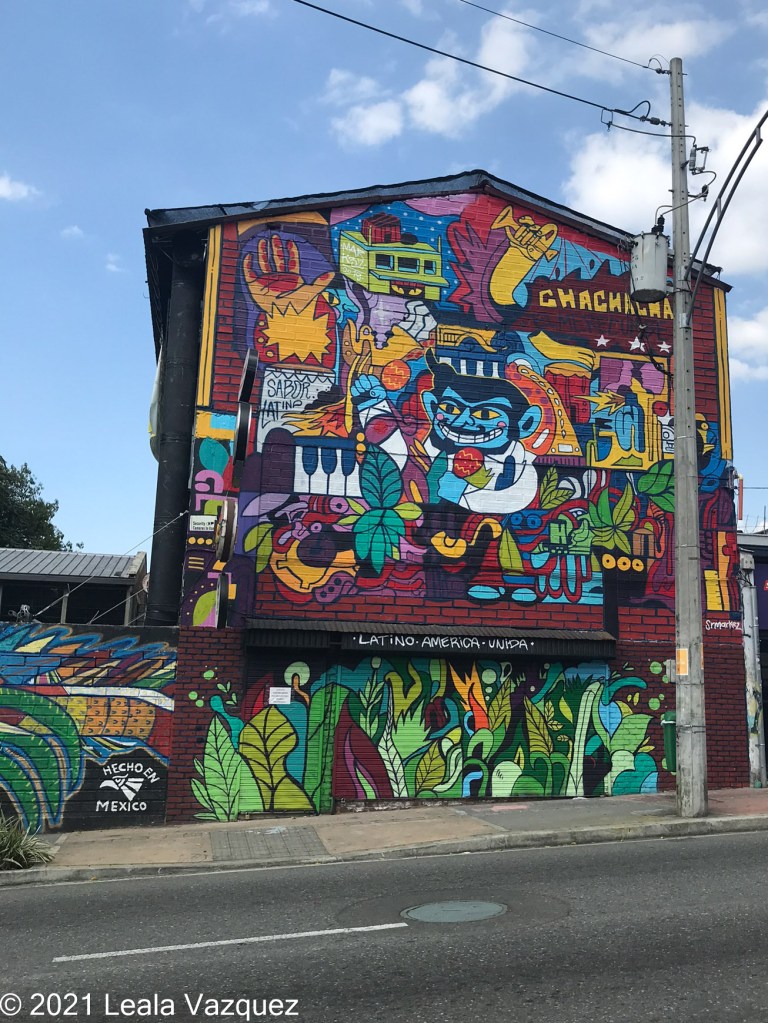
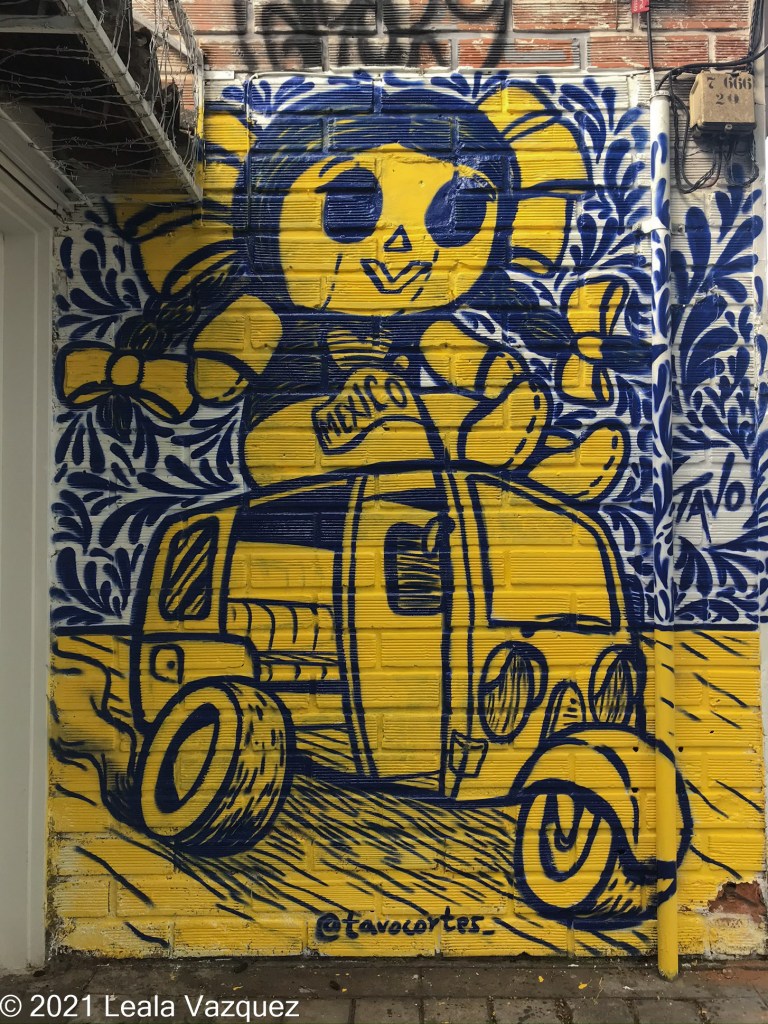
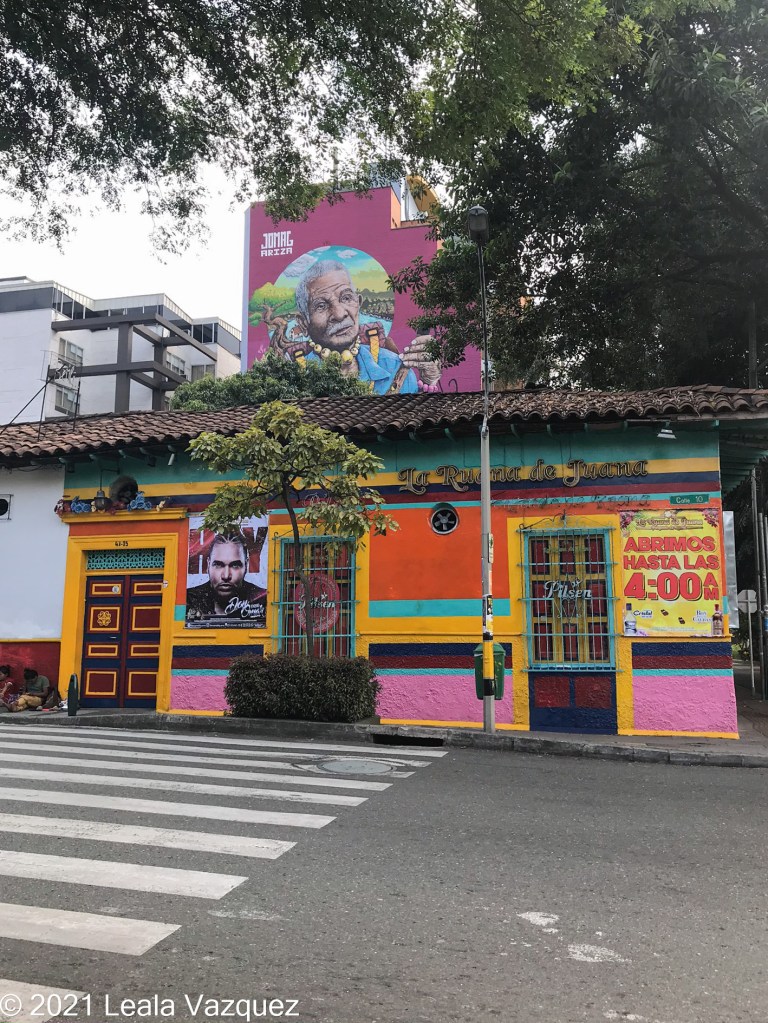
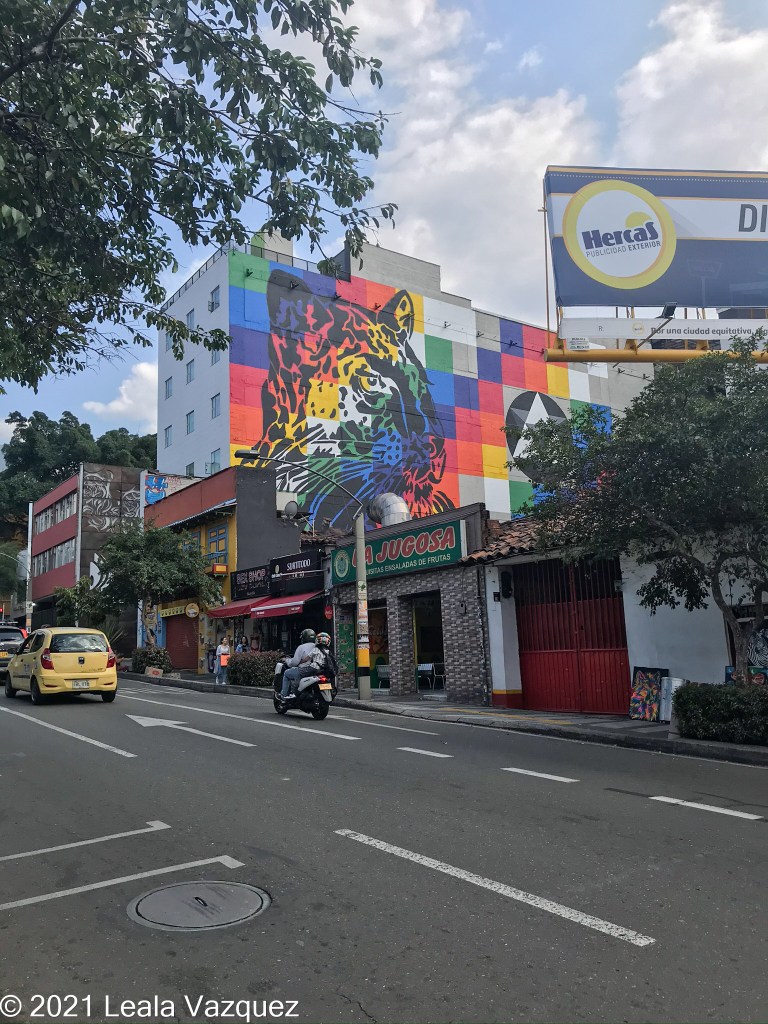
More street art
Street performers

Instead of going back to my hotel I hang out in a park for a little bit. This area is quiet now but I know it gets busy in the evening. I end up calling early night once again.

The following day I decide to try at nature once more. Today I want to visit Arvi park. According to my research all I have to do is take the metro to the Acevedo station (on line A) and take the metrocable (K-Line Metrocable).

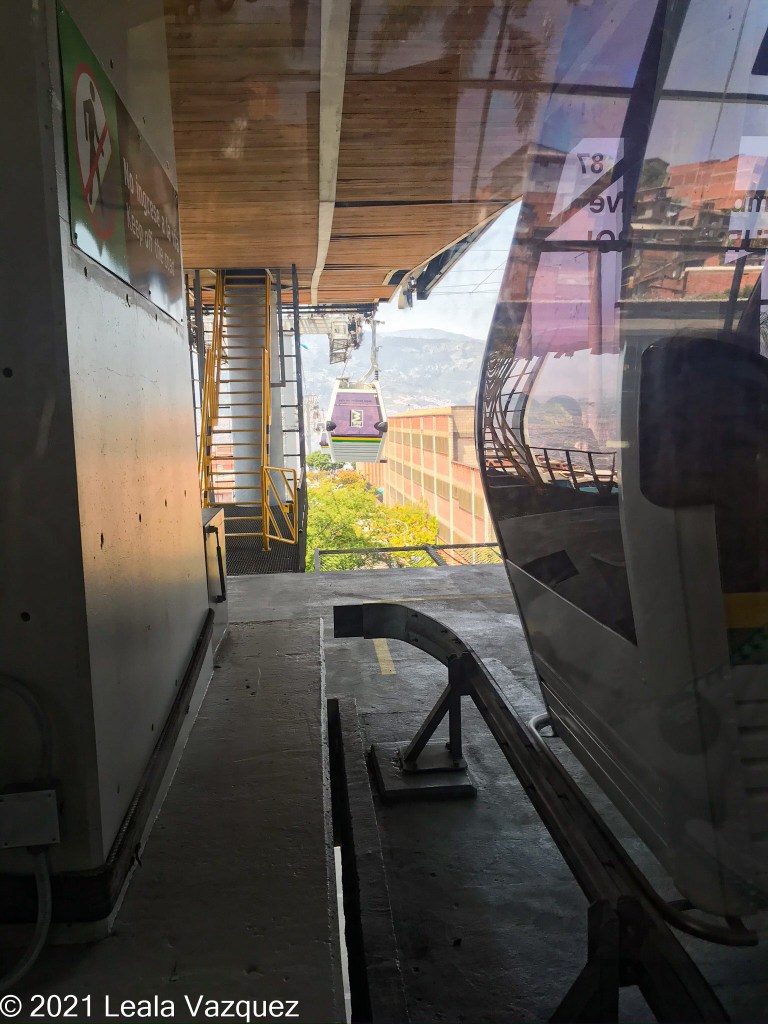
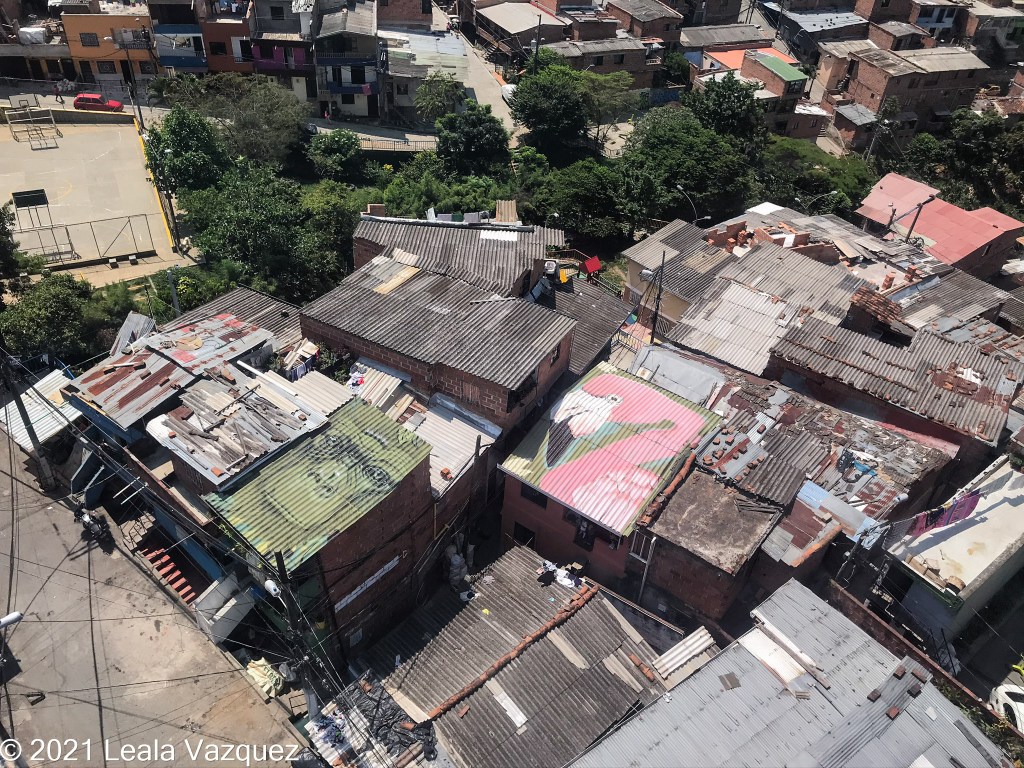
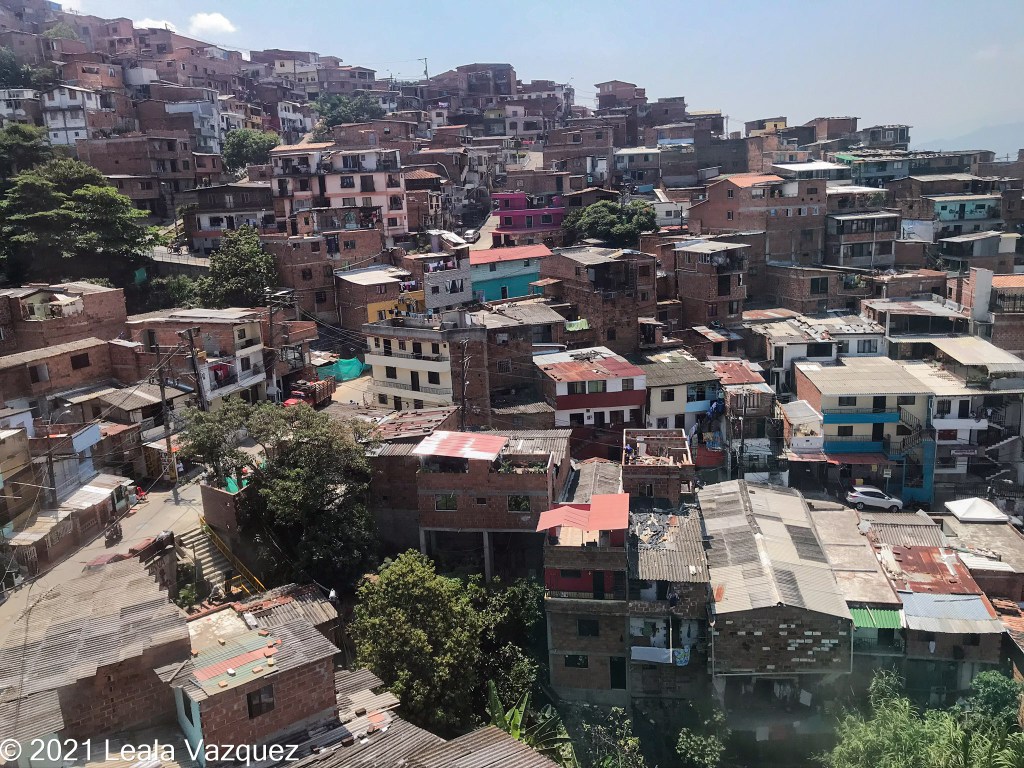
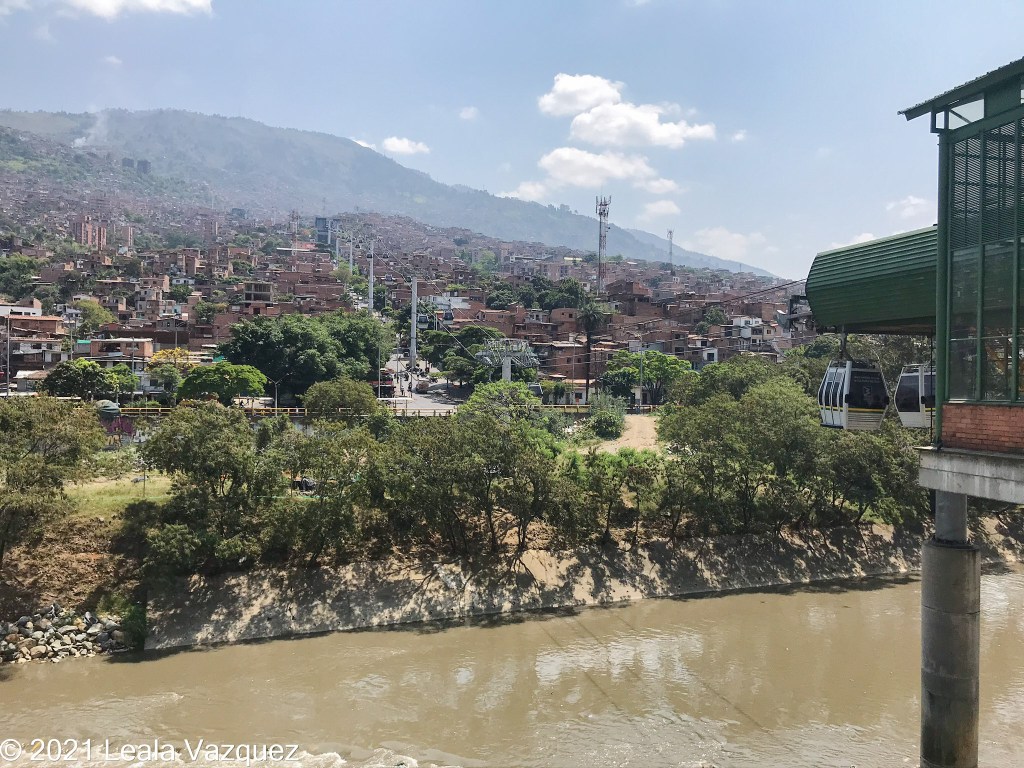
The metrocable gives me an arial view of town.

I arrive to the top of the line where I am supposed to switch to the L that will take me to Arvi Park. The only problem is the L line is closed. There is no reason posted. My only choice now is to wander out into an unknown neighborhood to find a taxi or take the cable line back down the way I came. I end up taking the line back down. I wish I would have known the line was closed so I could have arranged another form of transport. At this point a good amount of the day has passed so I decide to just go back the neighborhood I am staying in. Hopefully I have time to visit the park on my next visit to town.

View from metro

Once back at the hotel I do research on how I am getting to my next town tomorrow. I have been using the app Rome2rio the past couple months for travel research and up until now it has been pretty reliable with routes and time frames. The app is not accurate in Colombia. I tried using it to plan my travel to Jardin tomorrow. It is completely wrong. First it has me leaving from the wrong bus station; there are two bus stations in Medellin (north and south) and it is very important to be clear on what station you need to leave from. Secondly the app routes me through the wrong town. Luckily I discuss my travel plans with the concierge at my hotel prior to leaving. I would have had a very unhappy travel day tomorrow.

Medellín: Day 1

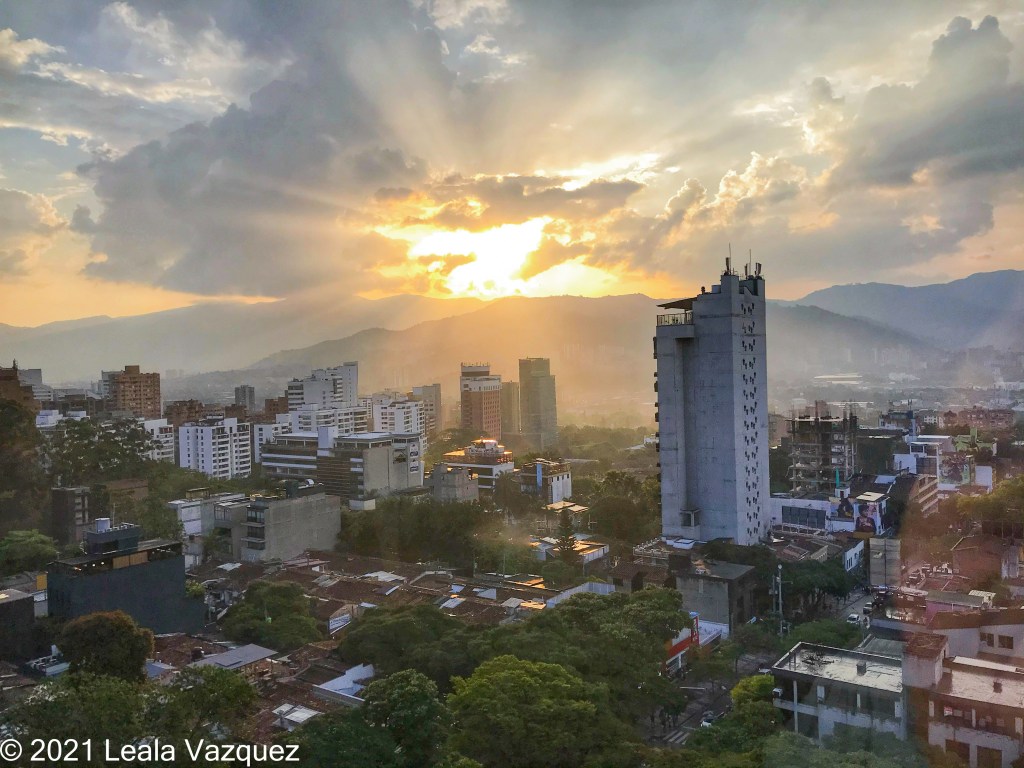
My view from my hotel room

I have just left Bogotá DC Colombia and now I am in Medellín where I continue my Colombian travels. I am here for a couple days but I take things easy because I will return with a friend in a couple weeks. Medellín is one of those cities I wanted to spend extra time in and get the feel of. Slow travel is my style so spending lots of time in a city makes me feel like I don’t miss out on too much and at the same time don’t have to rush my travels.

Medellín was once the most dangerous city in the world and now is a popular place for tourists to visit. Medellín is no Disney World but you are very unlikely to get murdered on its streets anymore. Pickpockets are still an issue as in any big city but if you keep your wits about you then your visit should be relatively pleasant. It is pretty tough to get around if you don’t have some understanding of Spanish. It might be easier to visit in a tour group if you have no grasp on the Spanish language; I know enough to get by (or to be dangerous they say).

I am staying in El Poblado which is a 30 minute cab ride from the airport. El Poblado is very popular with tourists due to its safety, comforts and party like atmosphere at night (think South Beach). I am not much of a partier anymore but it is neat to hear the music and fun on the streets below, even if I choose not to partake. (side note: The weather reminds me of back home in central Florida where it gets hot & humid and randomly rains throughout the day. My first things I notice on my drive from the airport is the intoxicating smell of delicious BBQ from street-side grills and then pouring rain for the rest of my ride.)

As for accommodations, I took advantage of my friend’s great research skills and decided to stay in the same hotel that I will stay in later in my trip. It is an upgrade to my normal travel but it is my last month of traveling so I don’t have to be as budget conscious. The friend I am traveling with is a fantastic planner so I trust the research she put into the hotels. She made a good choice.

My room

My first night is uneventful as they often are because travel days wear me down.

On my first official day I am heading down to Plazuela Nutibara.

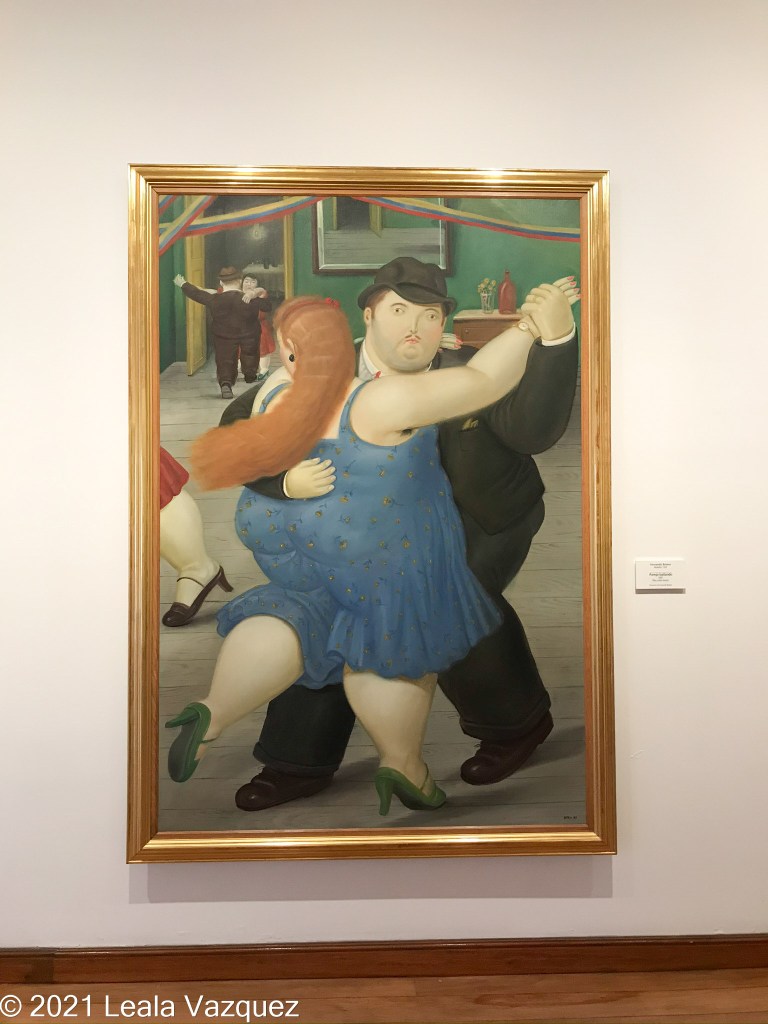
Medellín has a tram that can take me across town but I don’t yet have the courage to take it (Don’t worry I’ll be on it by tomorrow). I take a very scary taxi ride down to the Antioquia Museum to look at art (and more Botero).

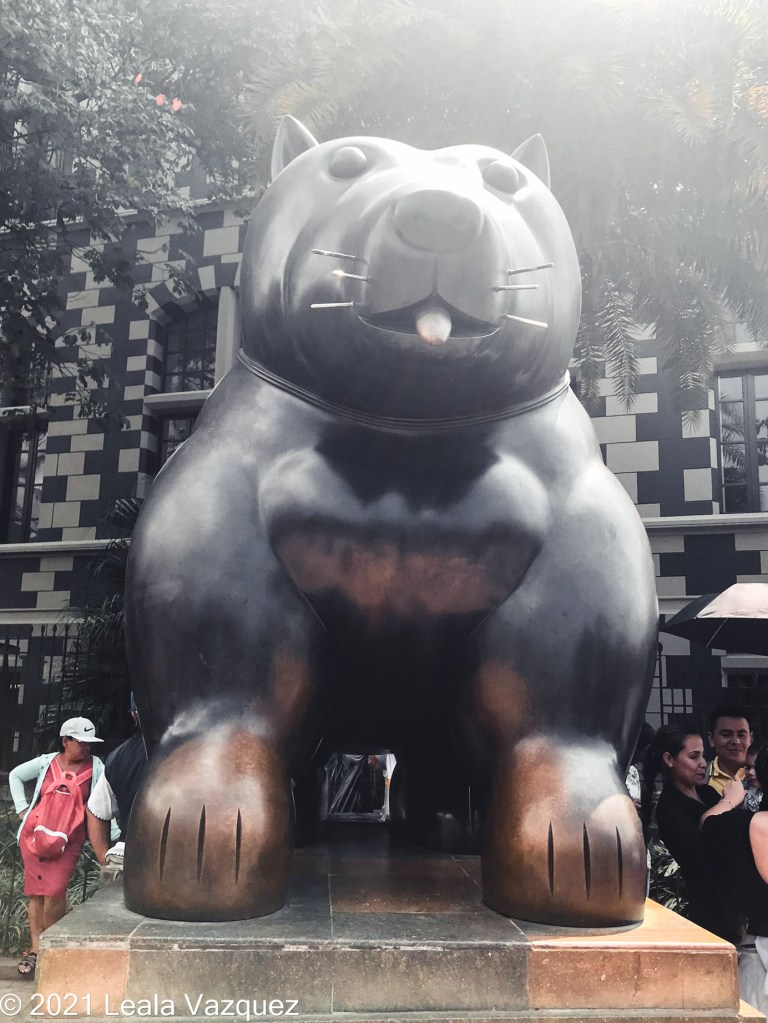
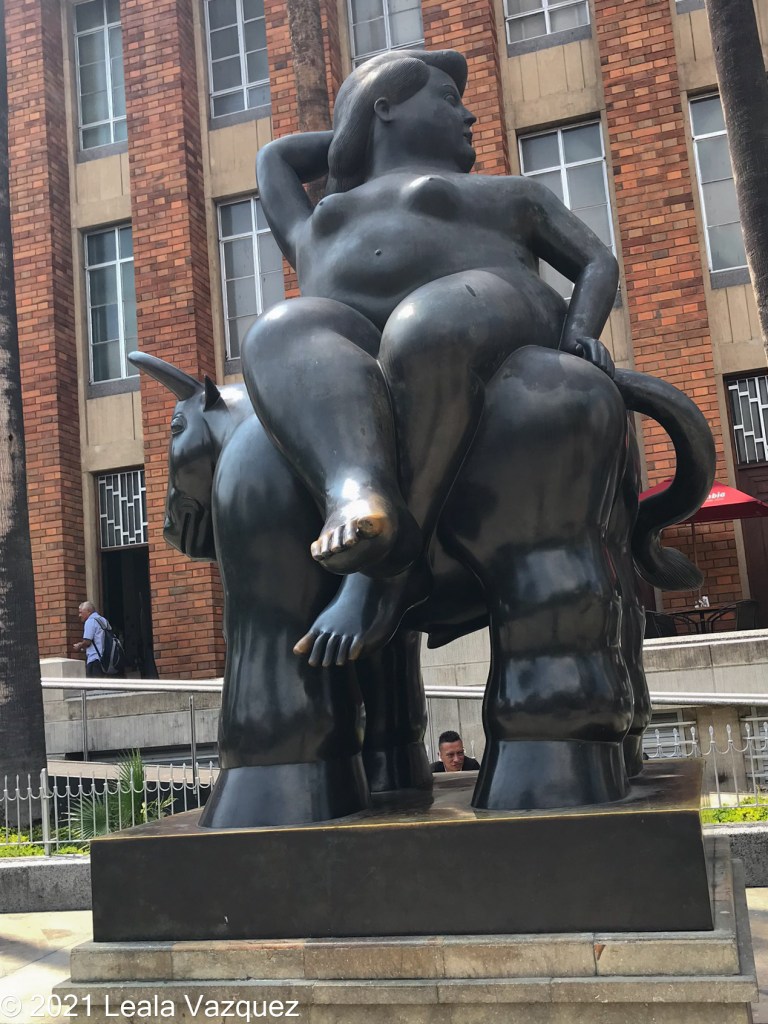
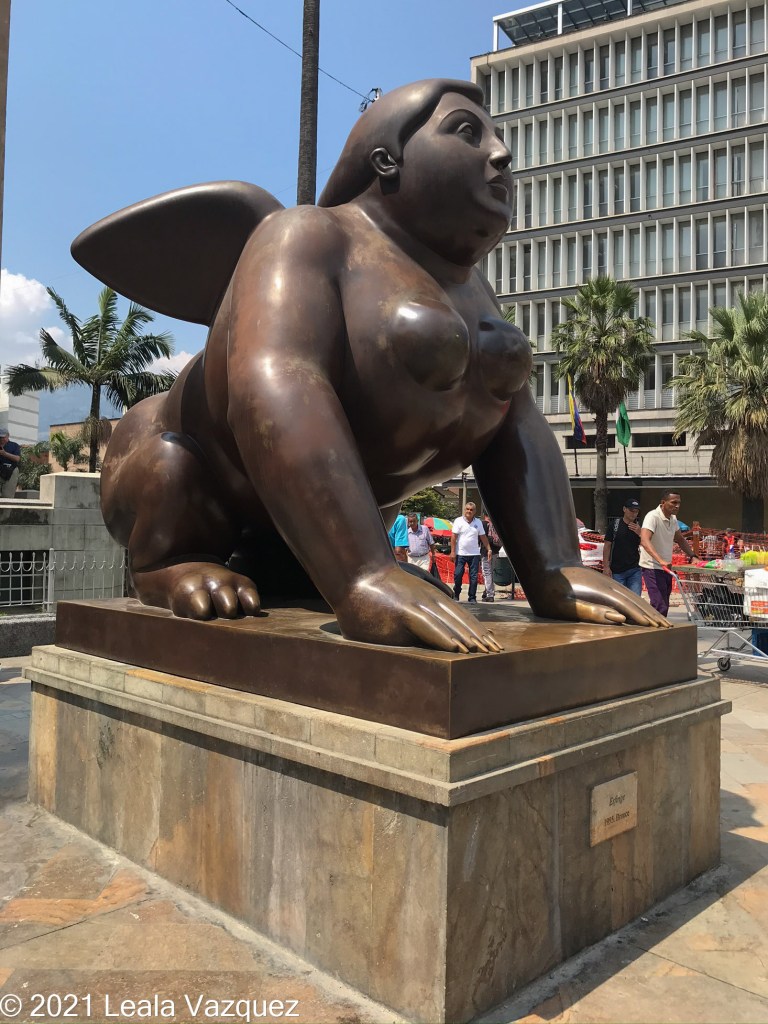
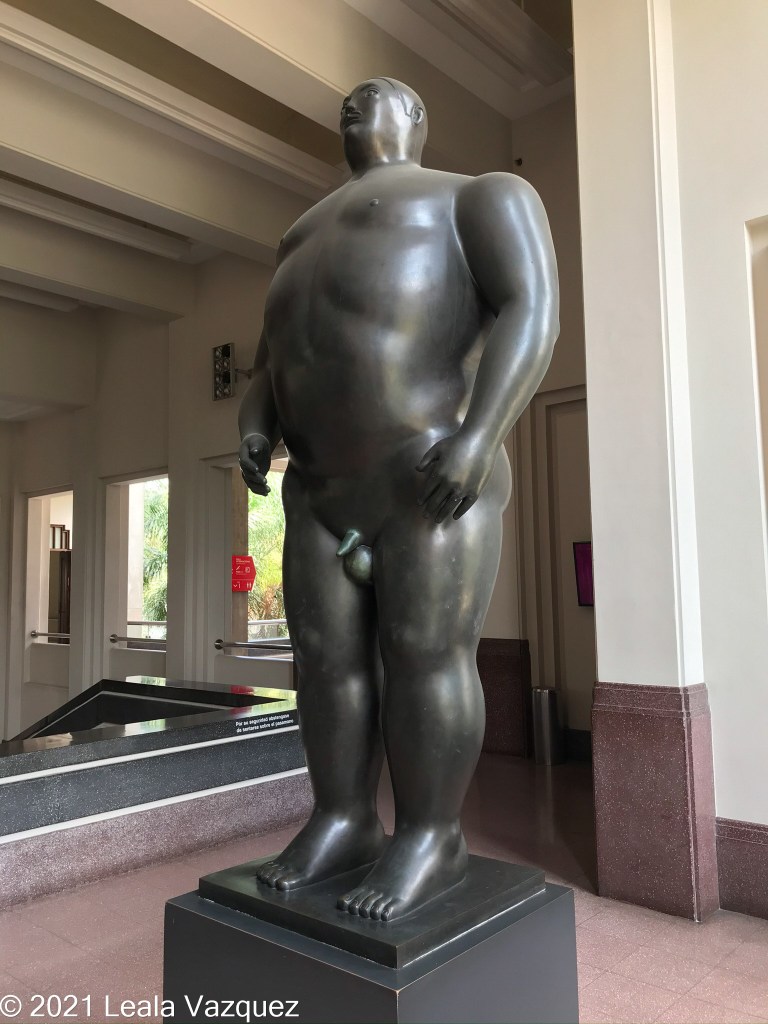
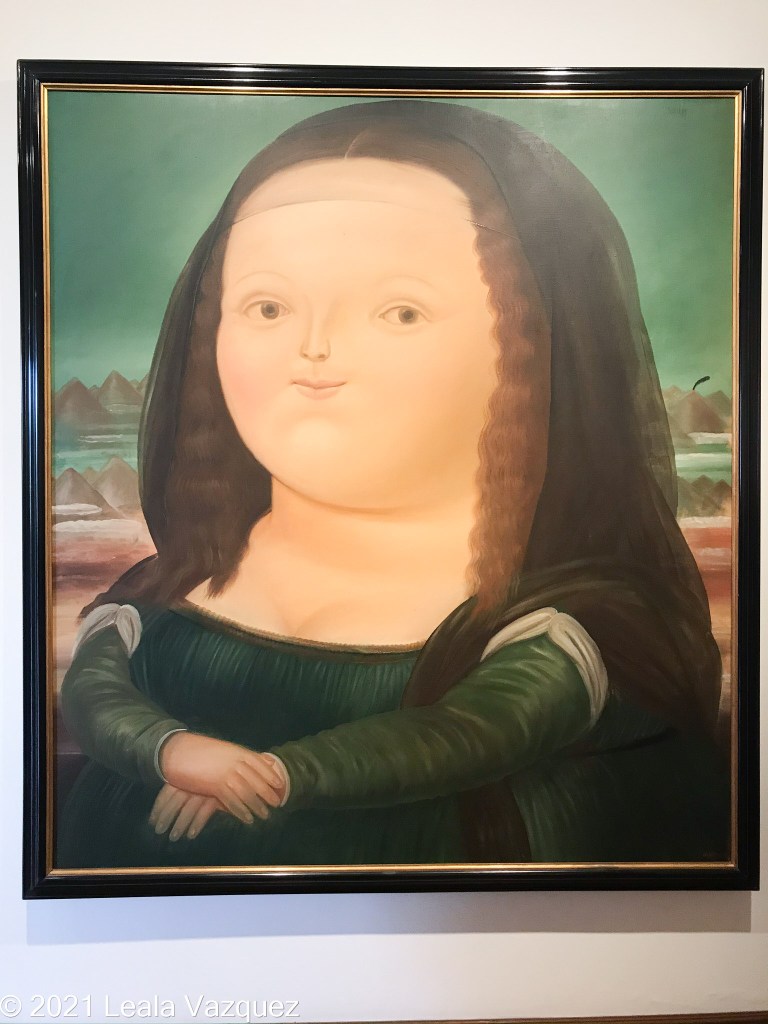
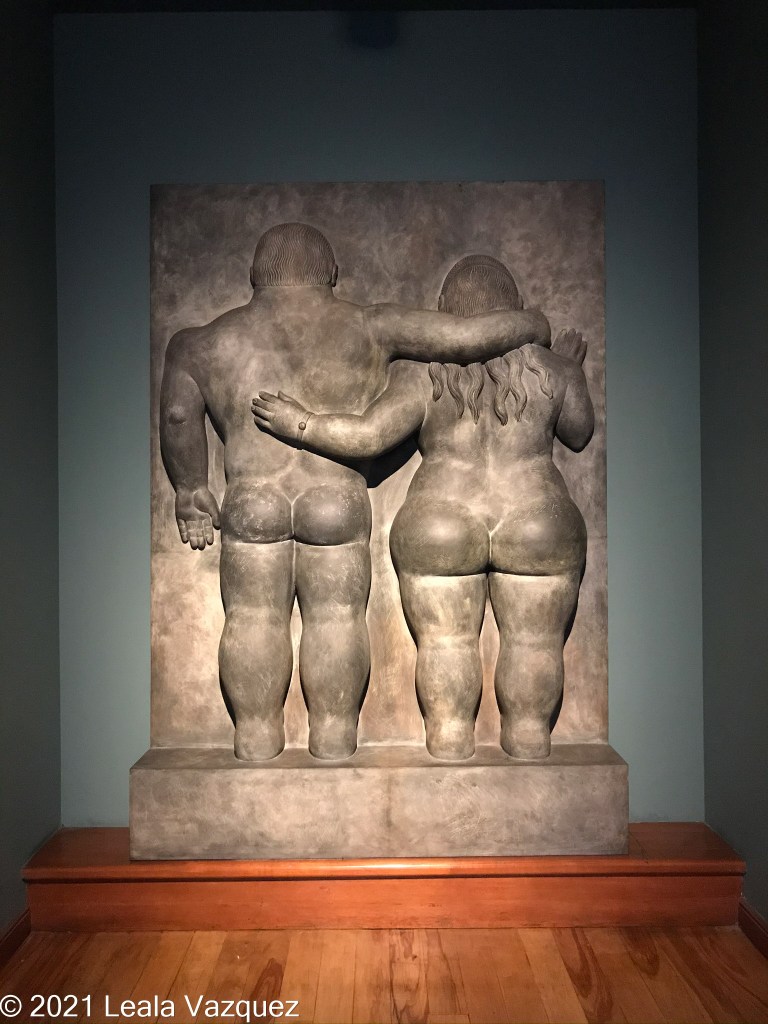
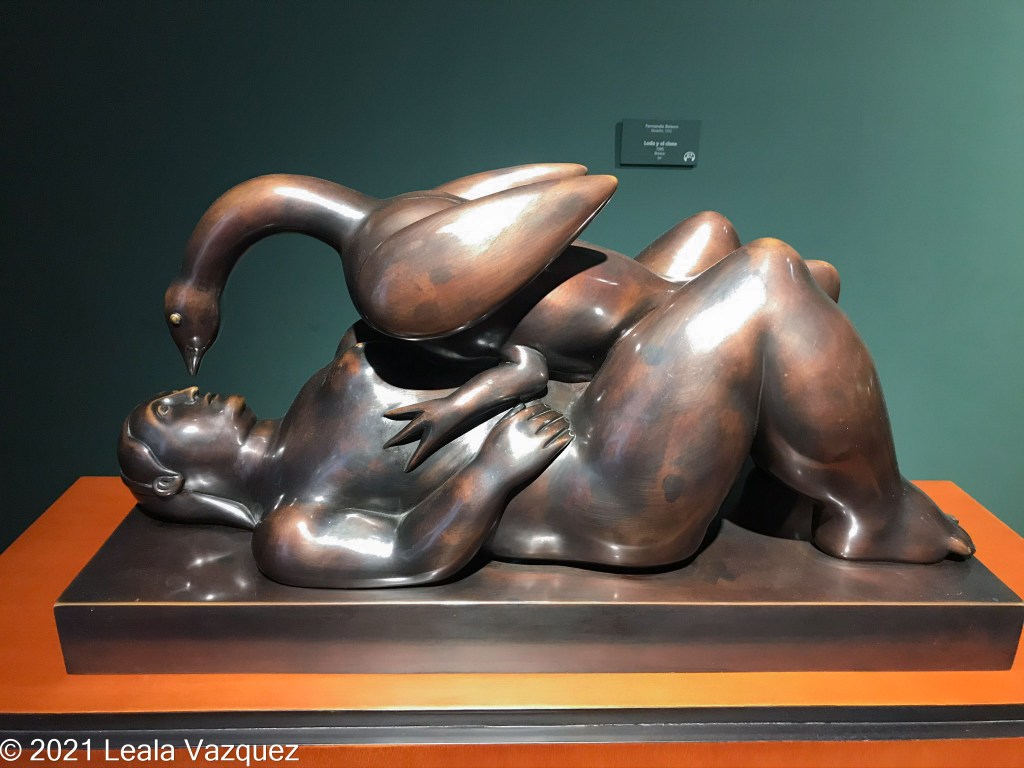
Outside the museum at Plazuela Nutibara are lots of Botero statues:

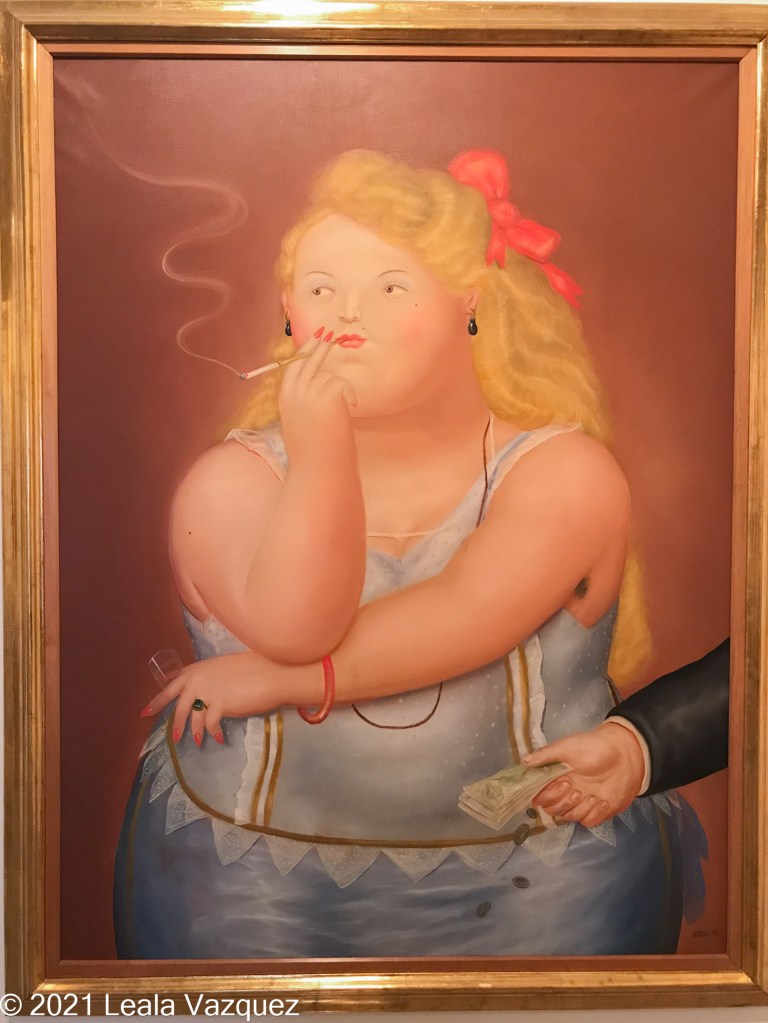
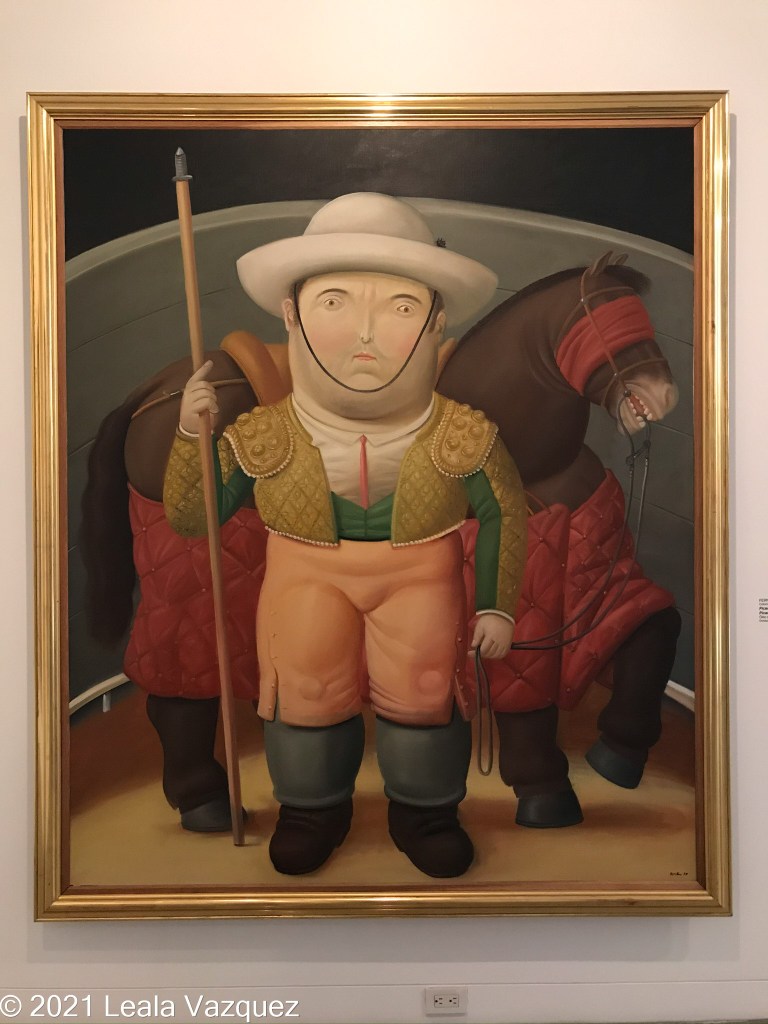
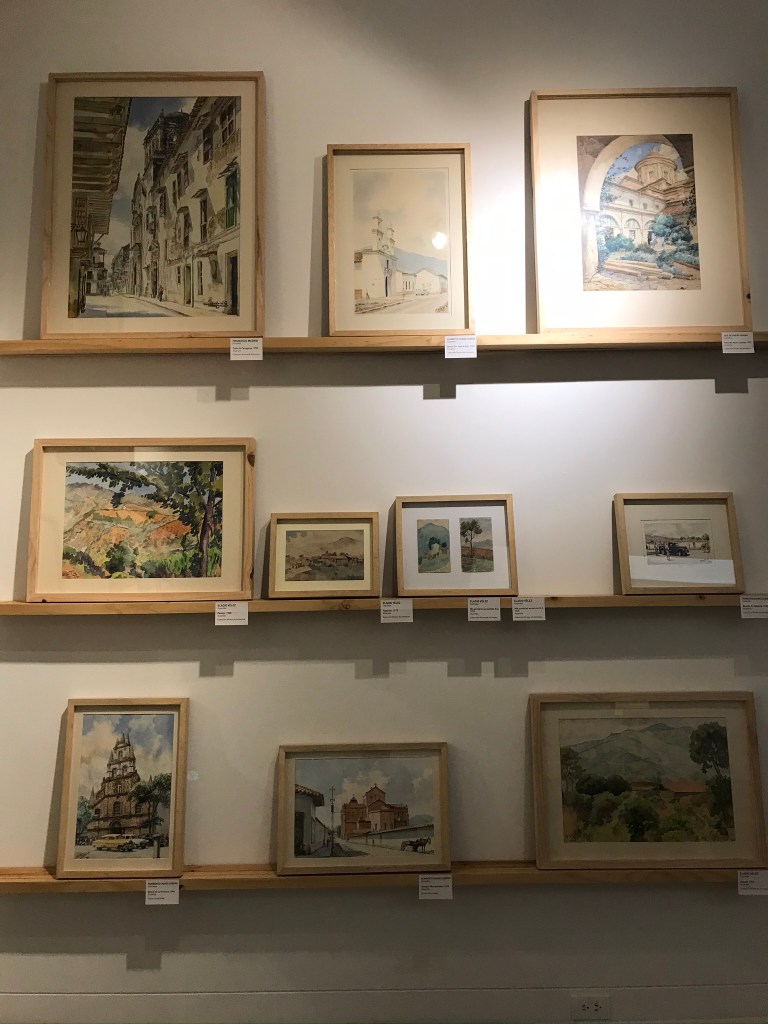
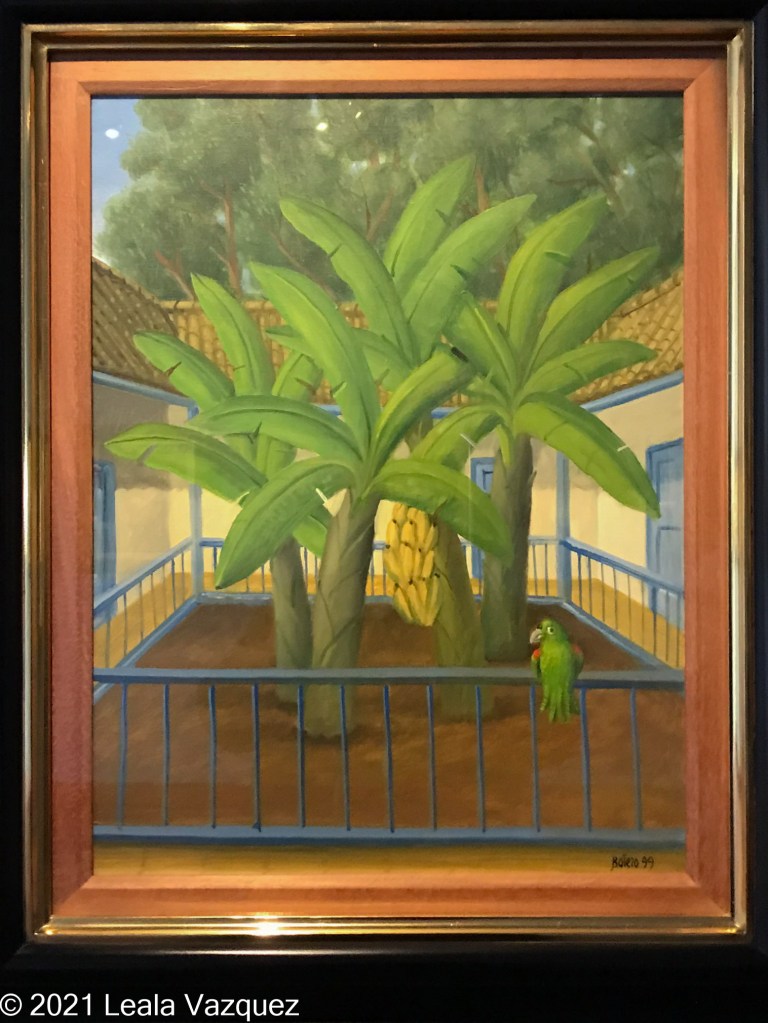
Inside the Antioquia Museum I find more Botero art.

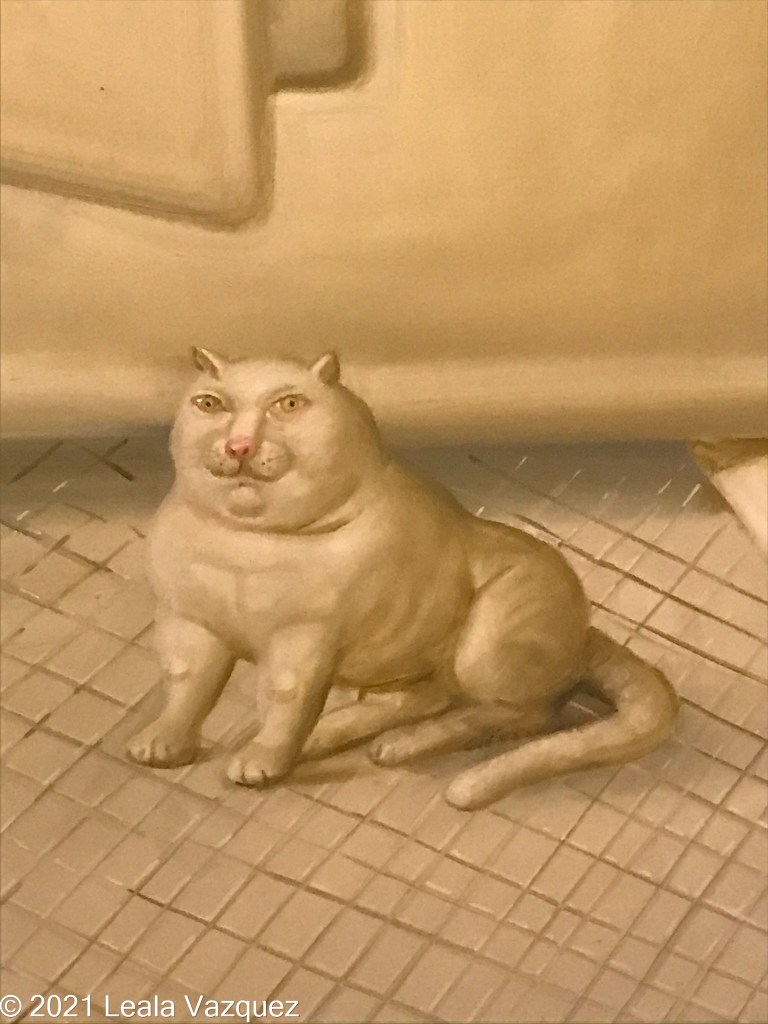
I really love Botero’s expressive animals.

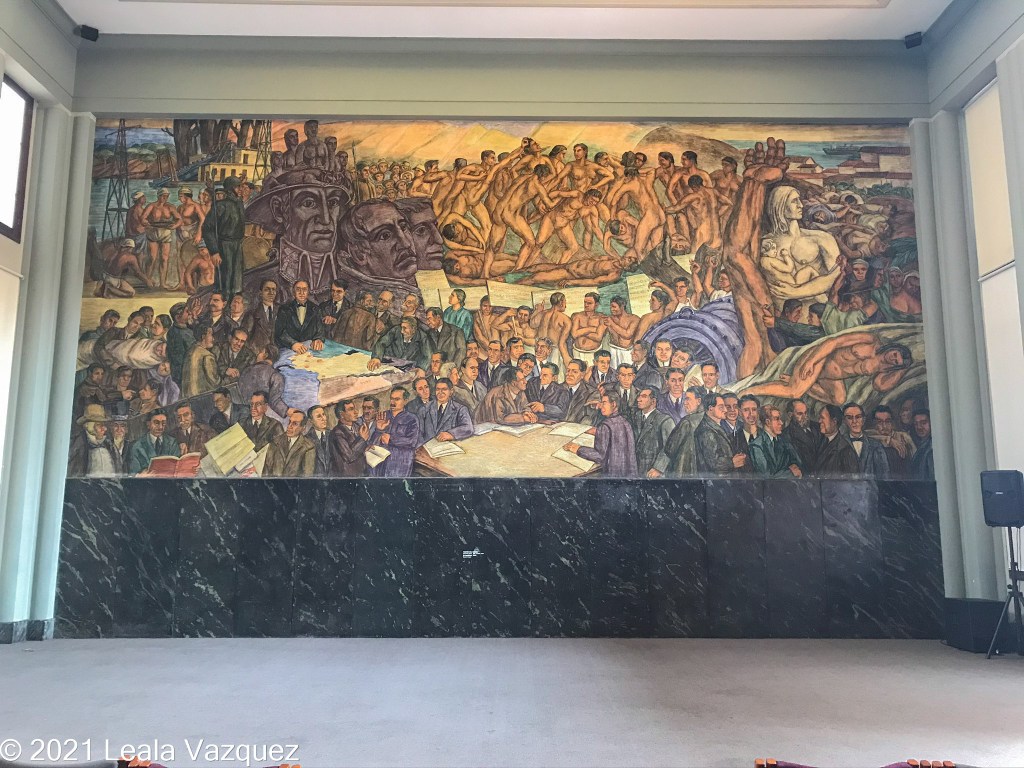
I like this mural by Pedro Nel Gómez.

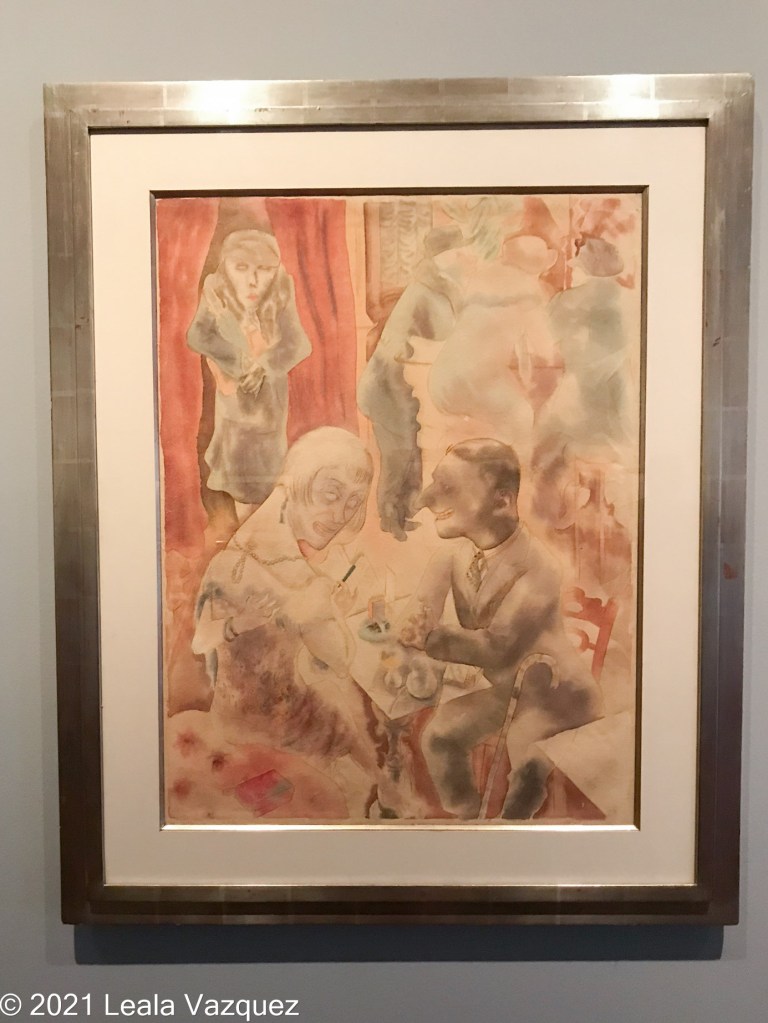
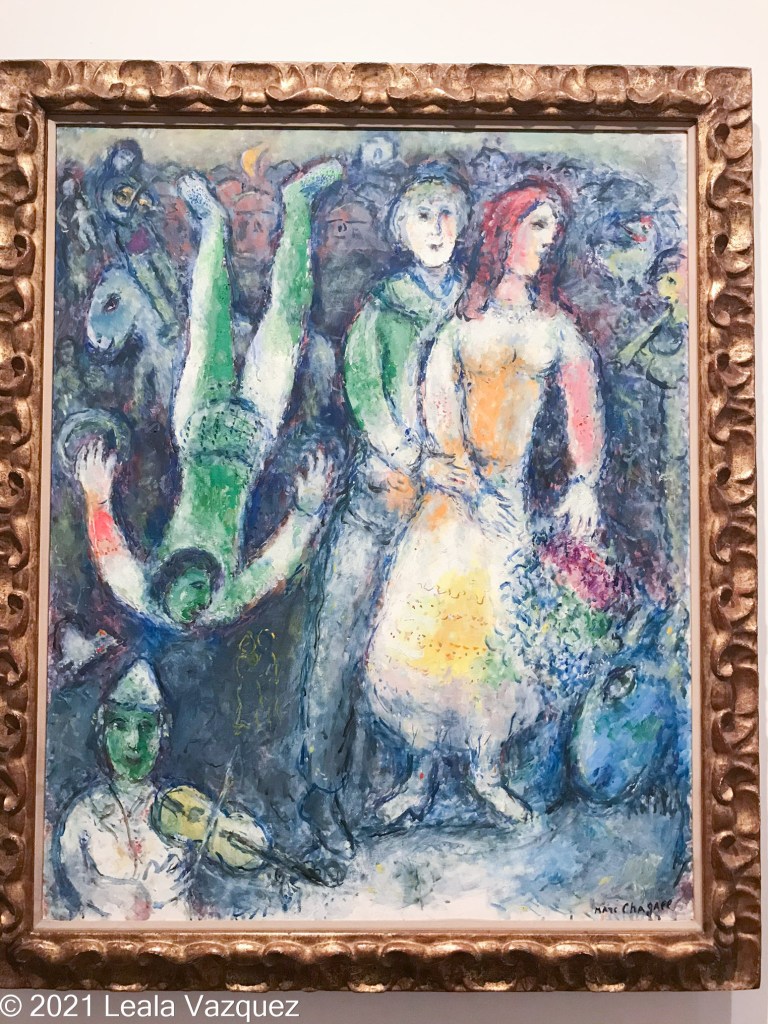
I take note of other Colombia artists.

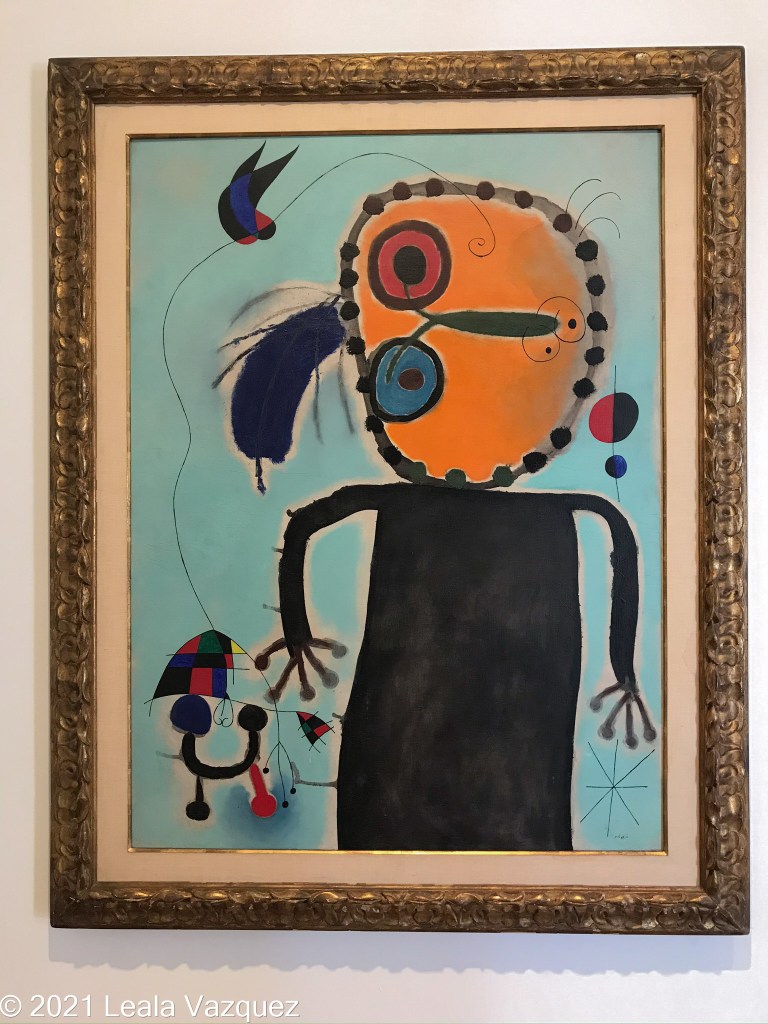
Liberación, La Boca Roja – Wilfredo Lam

I really like the work of Carlos Correa and similar artists. I wish they had prints for sale.

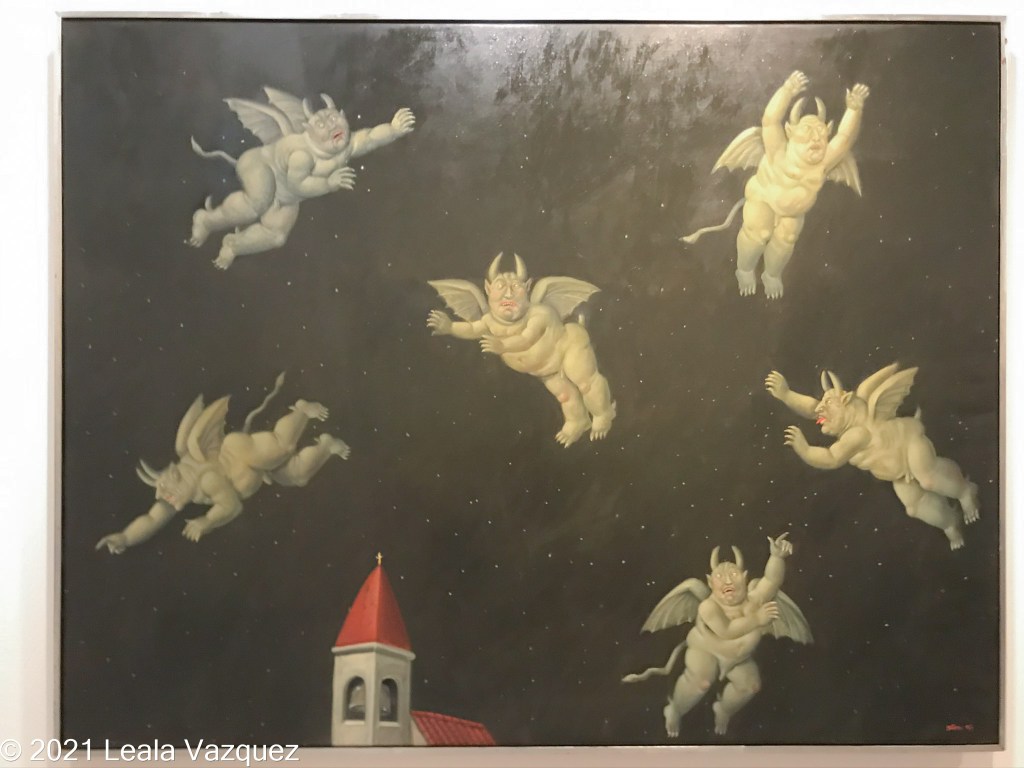
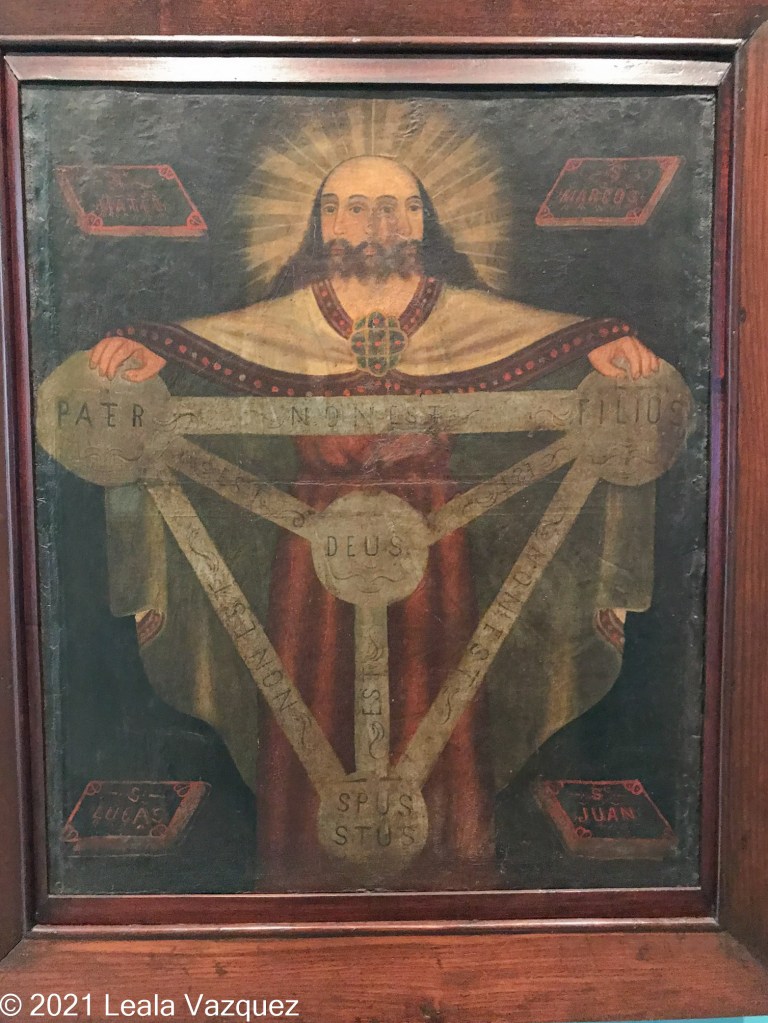
There is a religious art room that doesn’t have your average gothic or renaissance art.

While the museum has some great art, the layout and organization of it is confusing. I see signs for exhibits but the doors are shut and locked with seemingly no reason. (Just a note in case someone wanders around the place confused like I was.)

After the Antioquia Museum I wander to a nearby park (Parque de Bolívar) where I walk around and people watch.

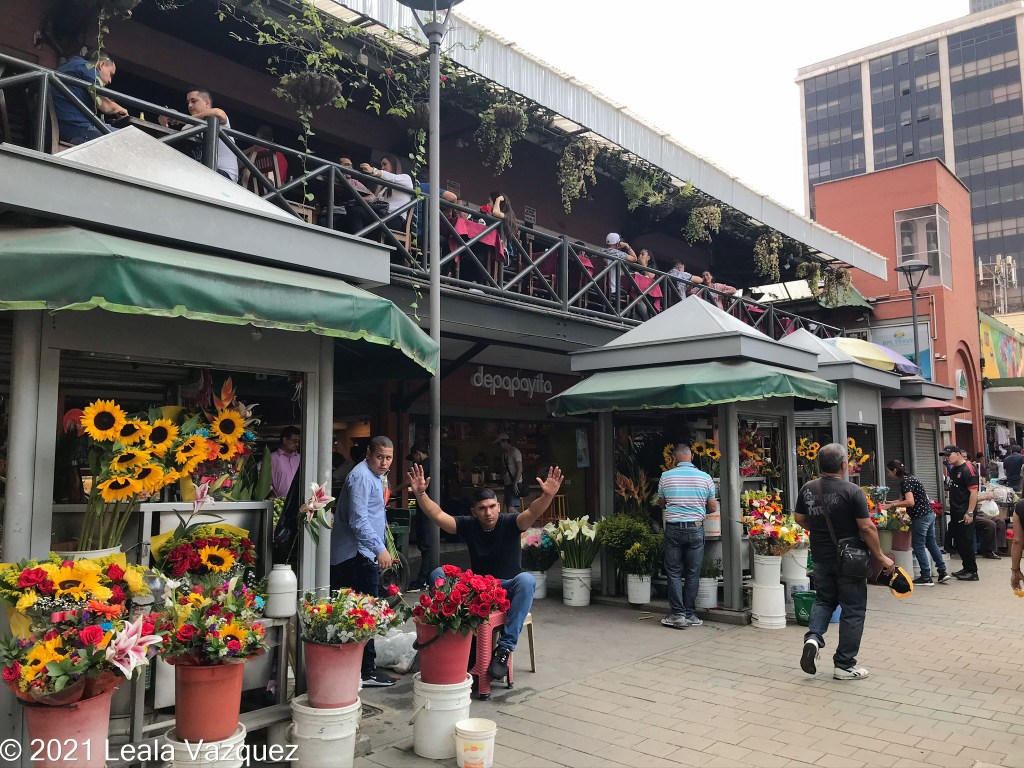
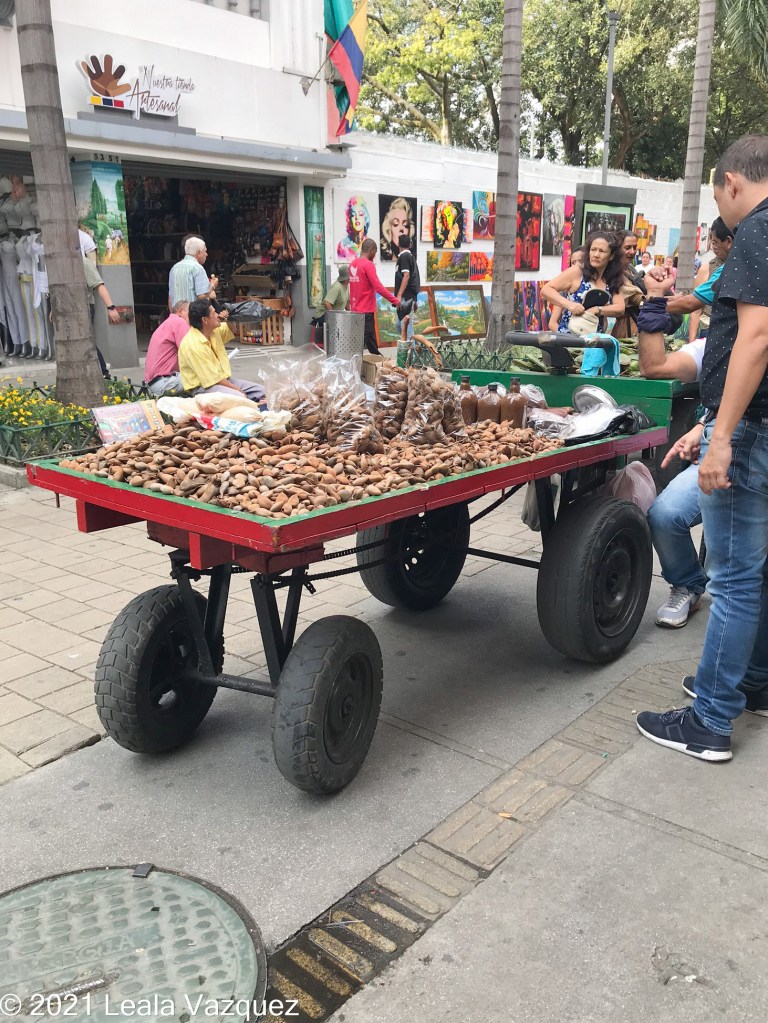
I walk down nearby streets and as time passes I get further away from what would be considered commercial tourist areas (Though most tourist areas have the feeling of more crowded with locals than tourists). Not wanting to get lost I turn back and head onto main shopping streets. Streets are busy with consumerism (shops and street vendors) as well as street entertainers.

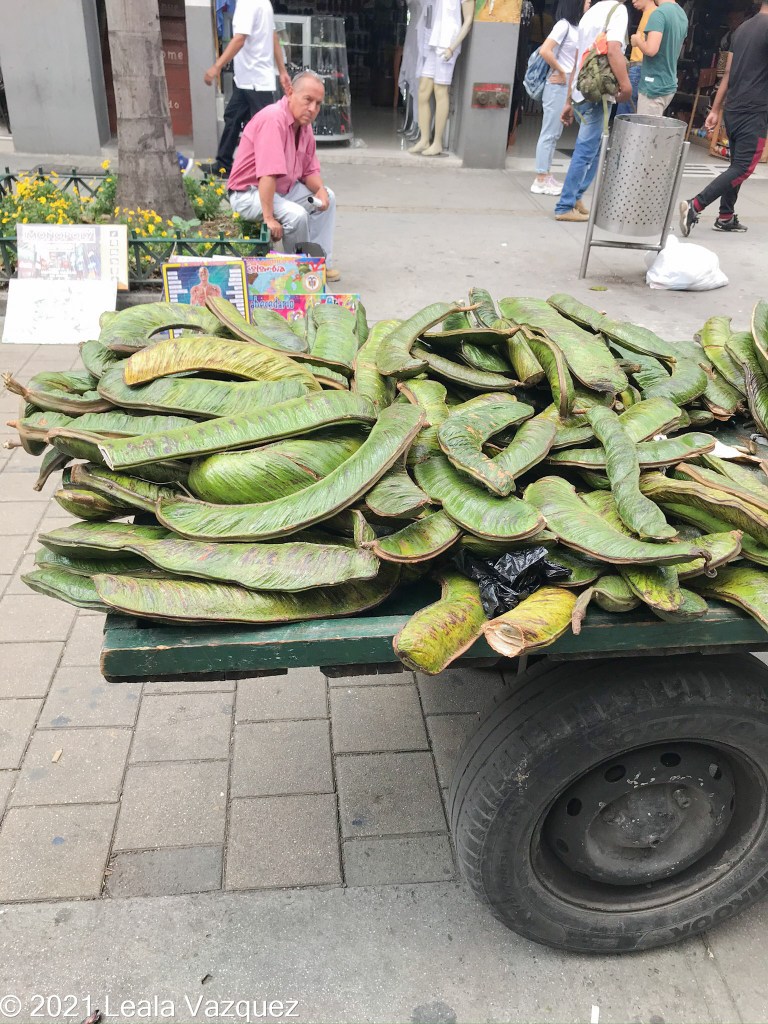
guama – I didn’t try this until my next visit to town.

I eventually walk to Parque San Antonio. It is a large outdoor space. I hear music playing all around.

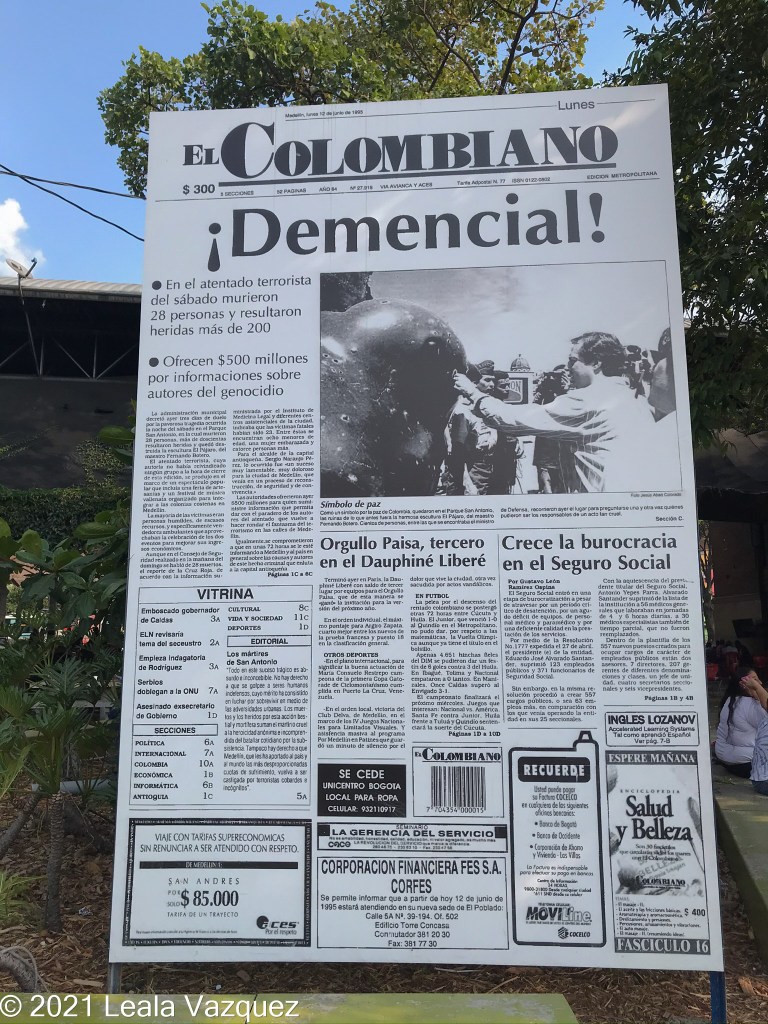
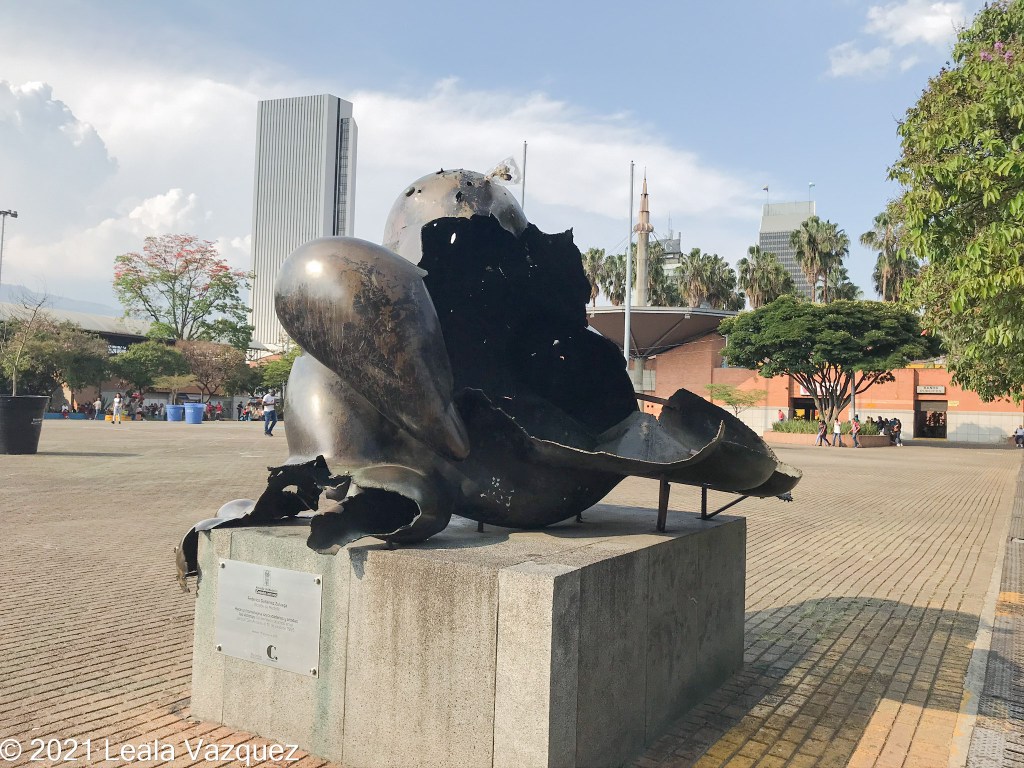
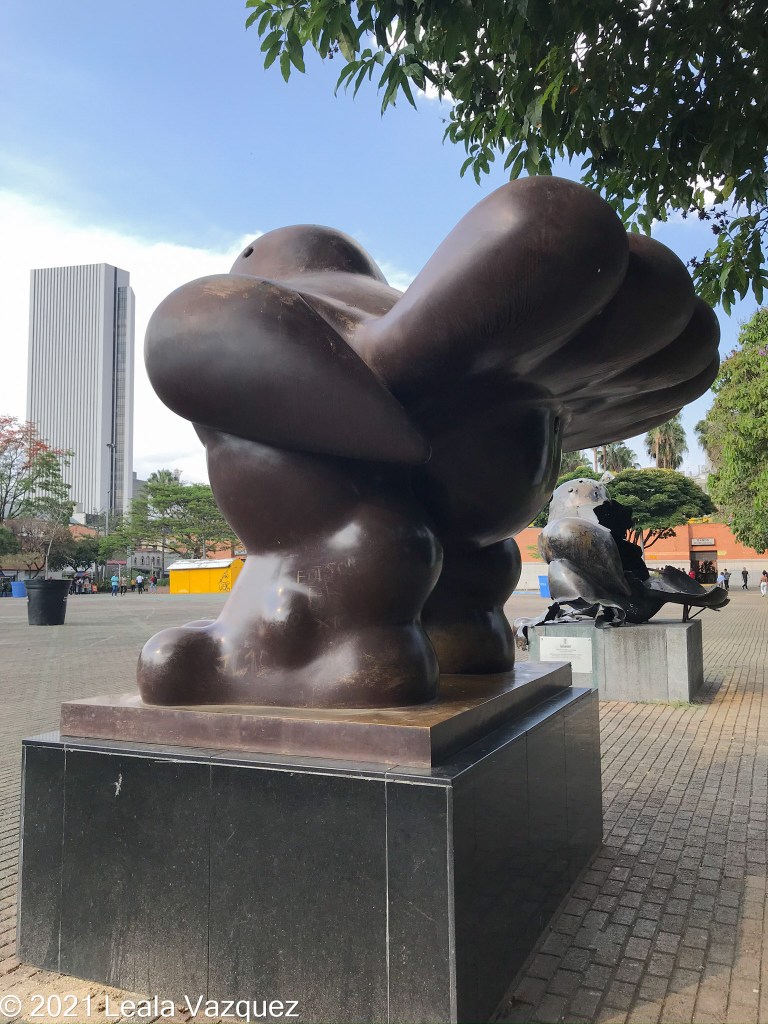
There are some Botero bird statues. There are two because one is destroyed from a bomb in 1995 killing 29 people. The destroyed bird remains and a new one is placed nearby. They serve as a reminder of that day.

A little further down I come to a bridge area. I seem to be walking in the general direction I need to in order to reach the my hotel. However since I am not really familiar with the neighborhoods I decide to call it a day and take a cab back to my hotel area.

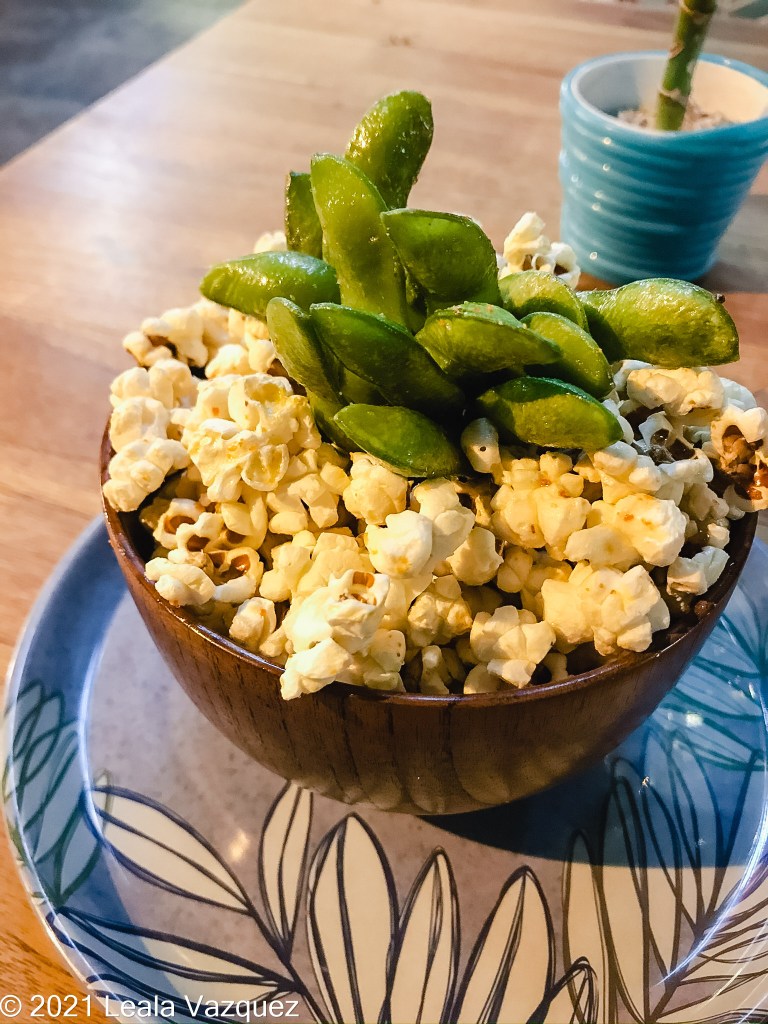
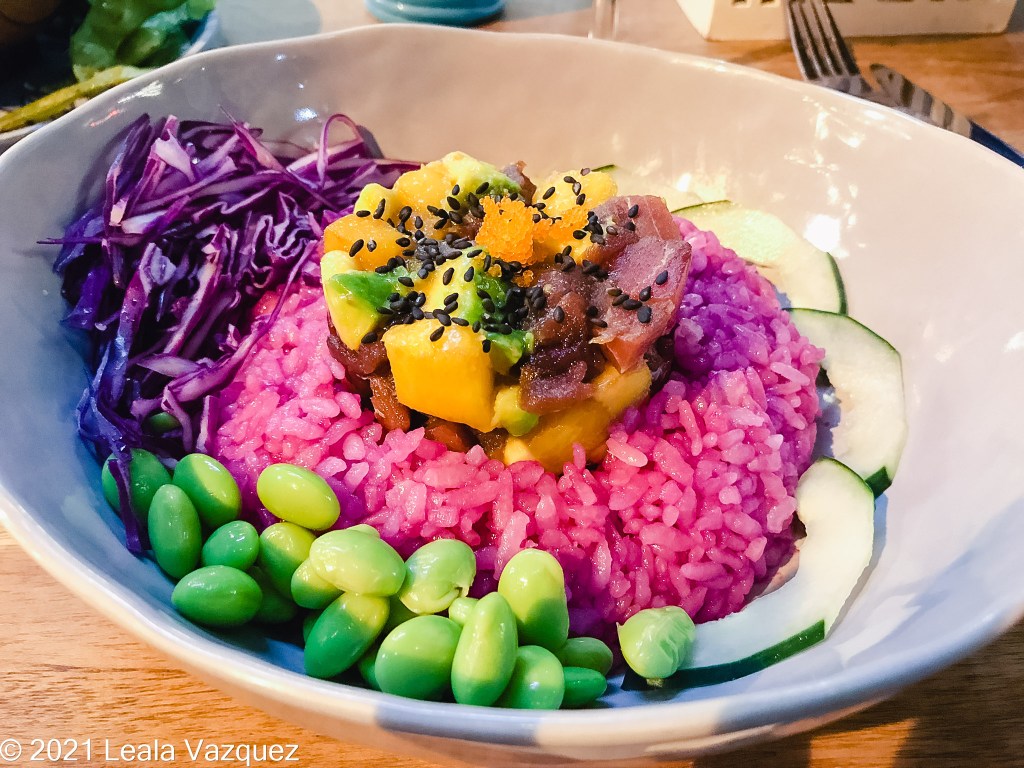
After the cab drops me off at El Poblado I walk around to get a feel of the area. I later order dinner at an Asian fusion restaurant.

I enjoy the performance artists at the red lights. This guy juggles on a tight rope.

Pezetarian Medellin (temporarily closed)

The restaurant is on a street that becomes lively at night. I am missing out on the fun tonight. Perhaps I’ll partake in a few weeks when my friend visits me?

Bogota Museum Day

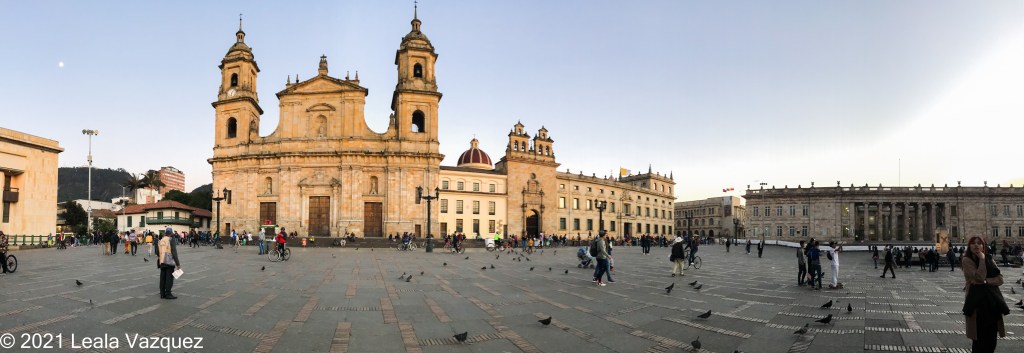
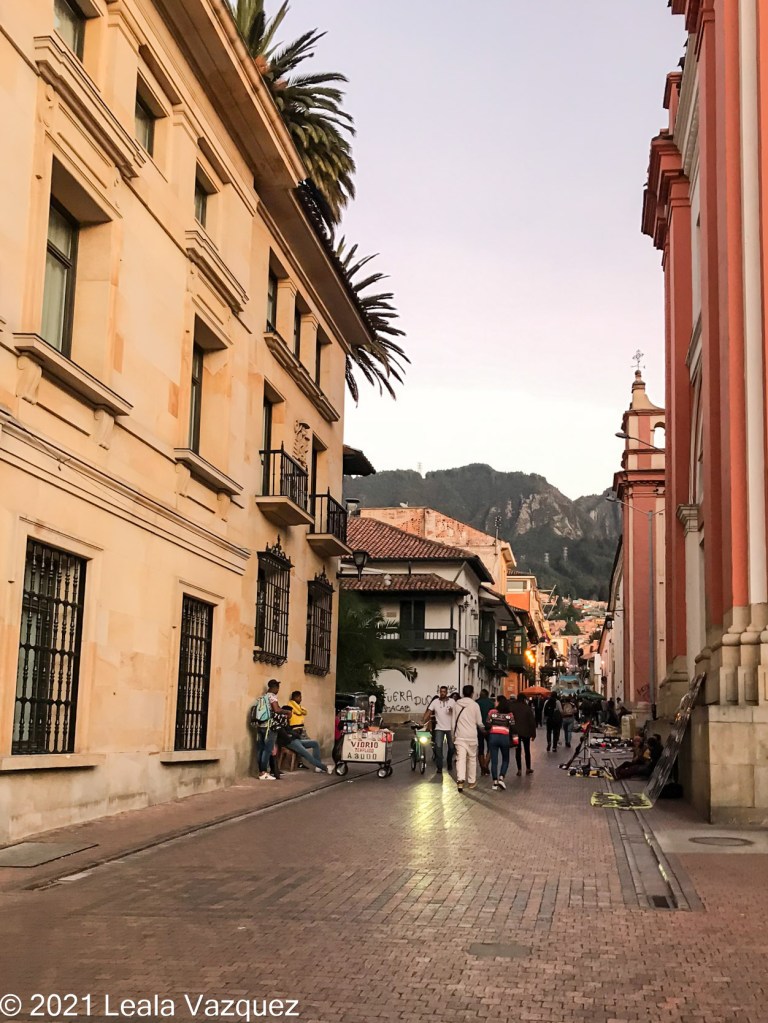
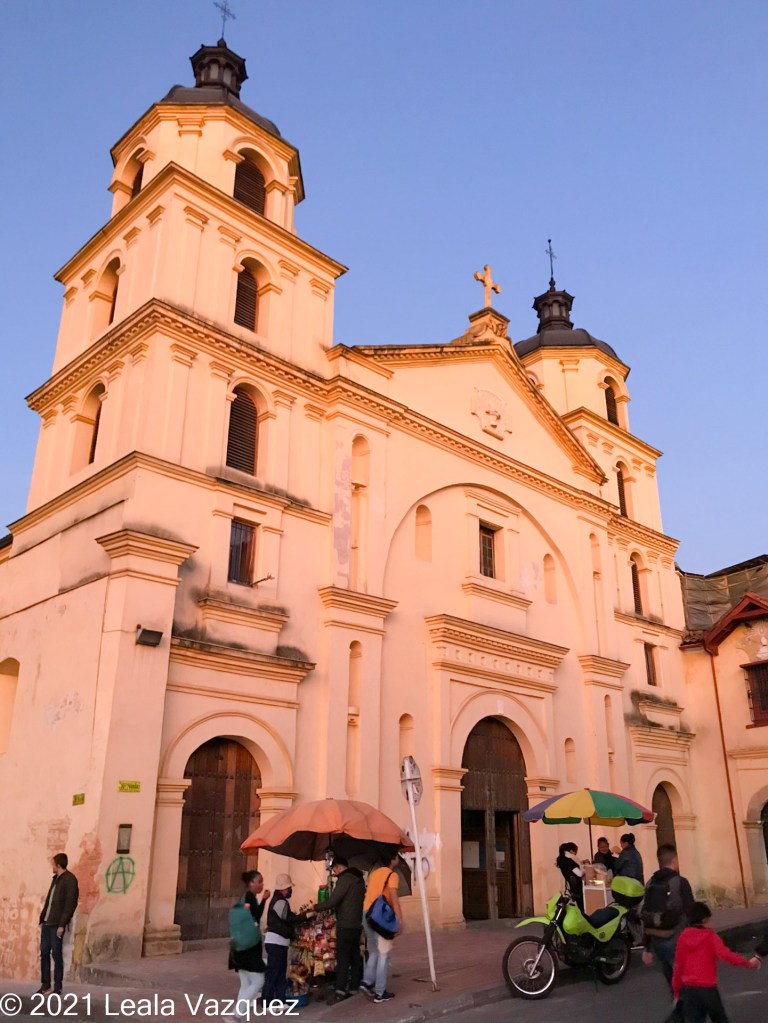
La Candelaria area of Bogota

I am still in Bogota Colombia and will spend the day visiting museums.

Colombia is still new to me and the public transportation is intimidating so I end up using the Cabify app to call a taxi to take me to the main tourist areas.

I start first at the Museo Botero to get a good look at some of Botero’s chunky art work. His pictures and sculptures are so much fun to see.

Love the chubby animals and the expressions they hold.

Along with the Botero art the museum contains pieces from other artists.

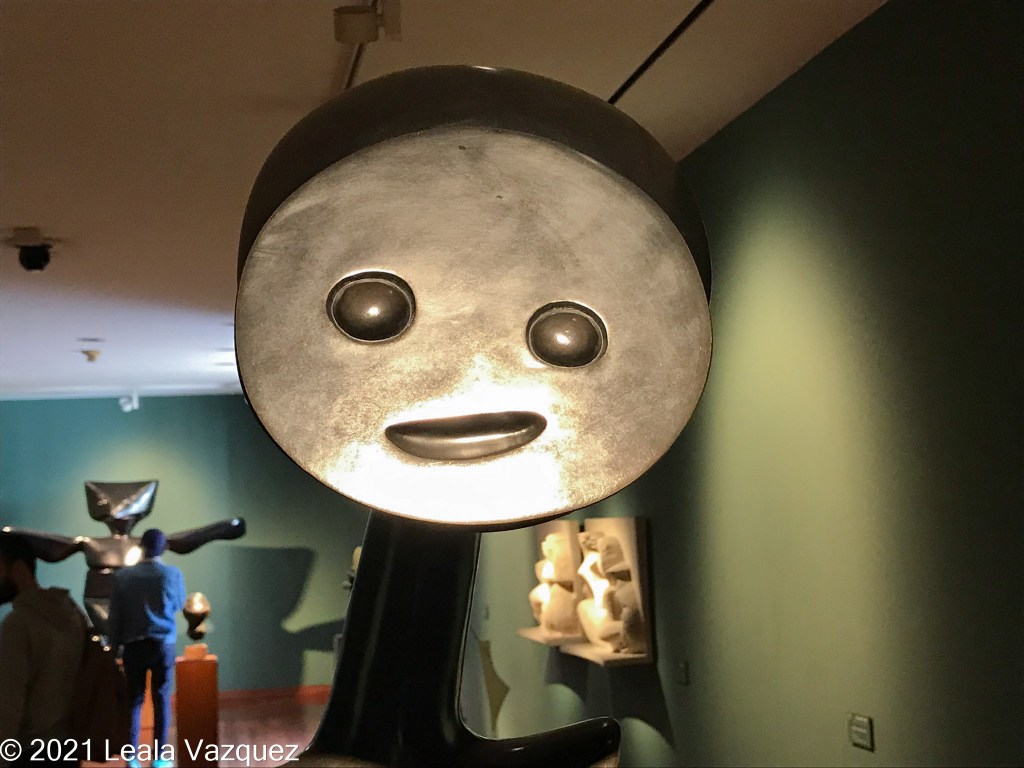
Max Ernst

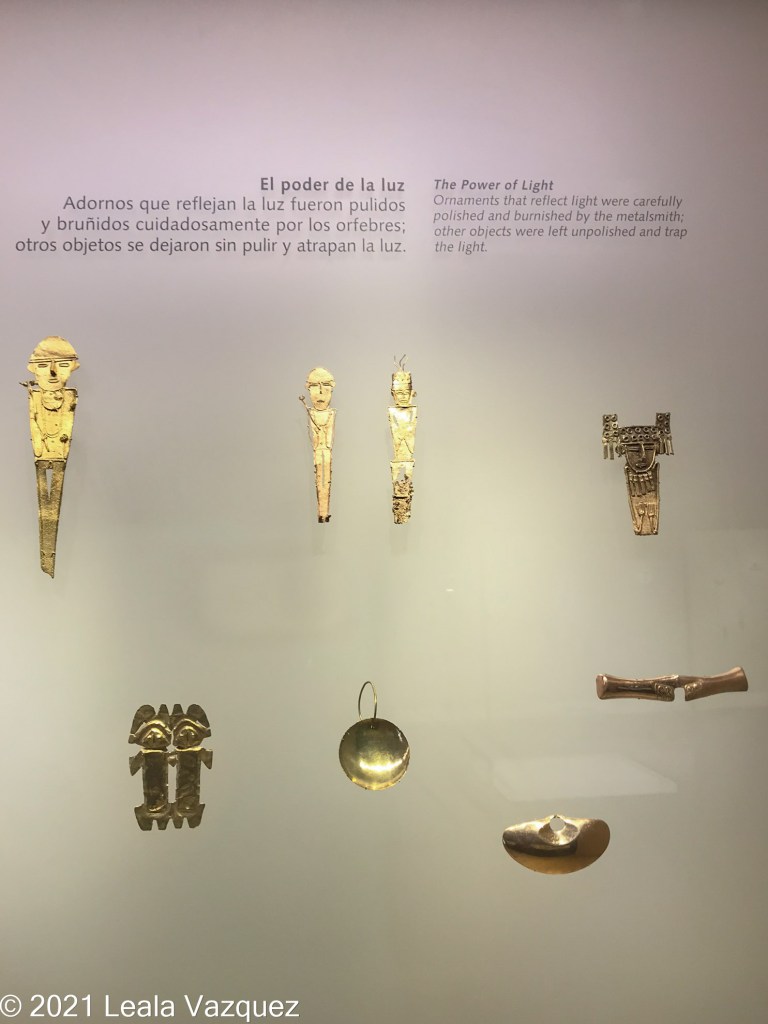
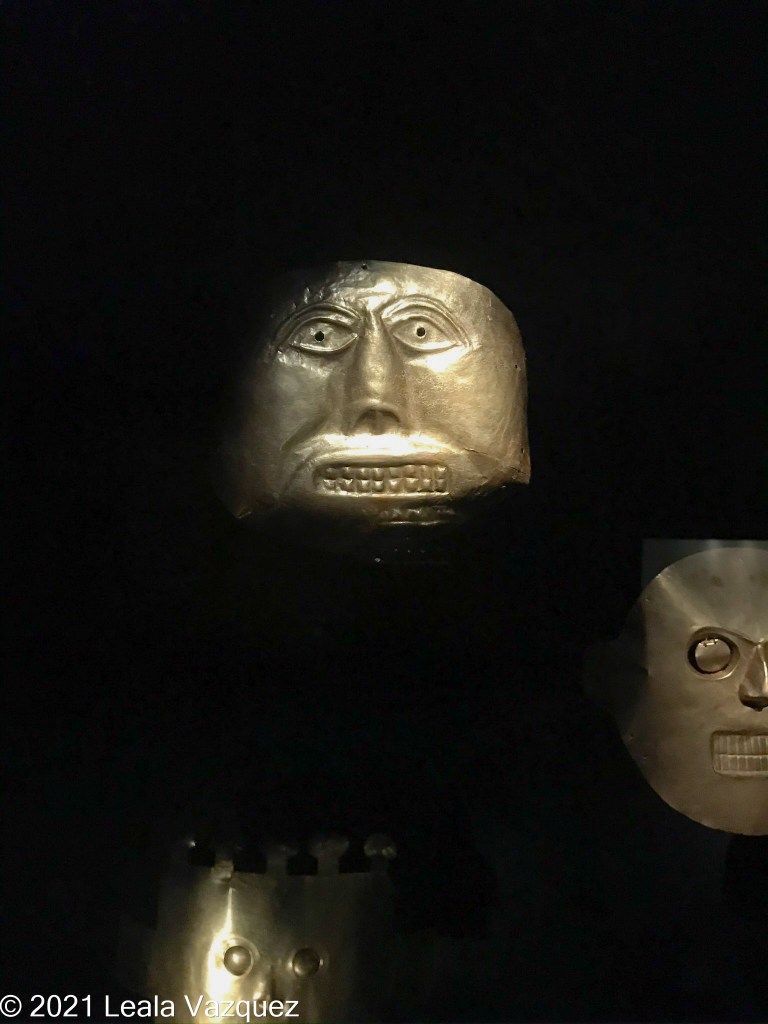
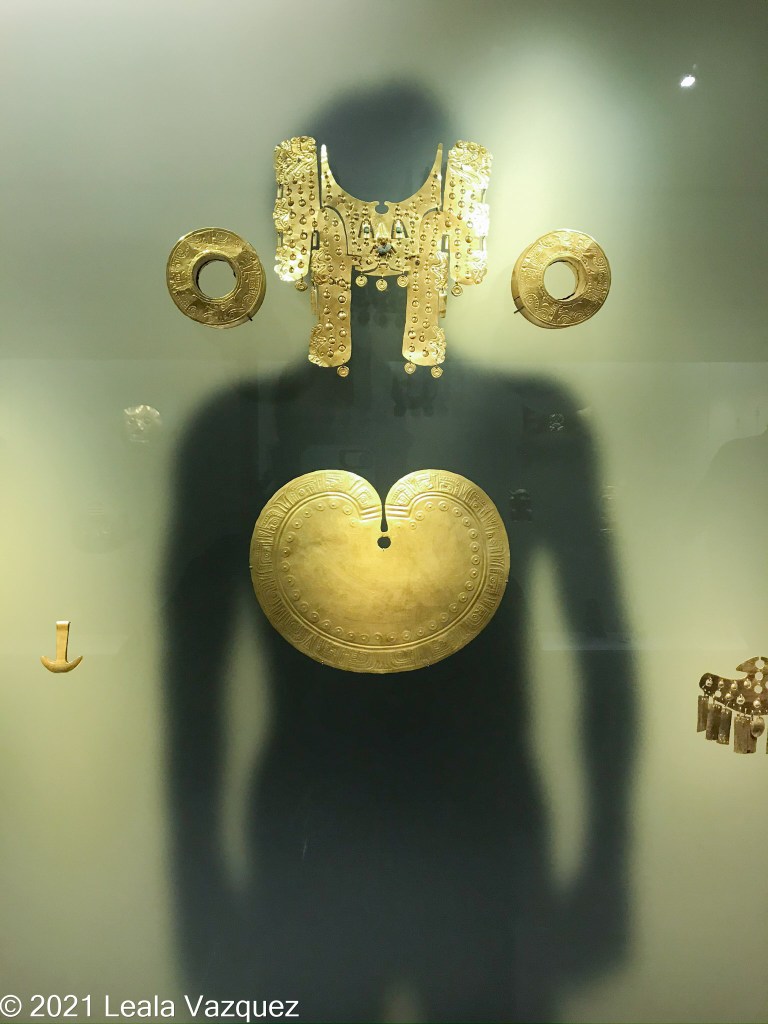
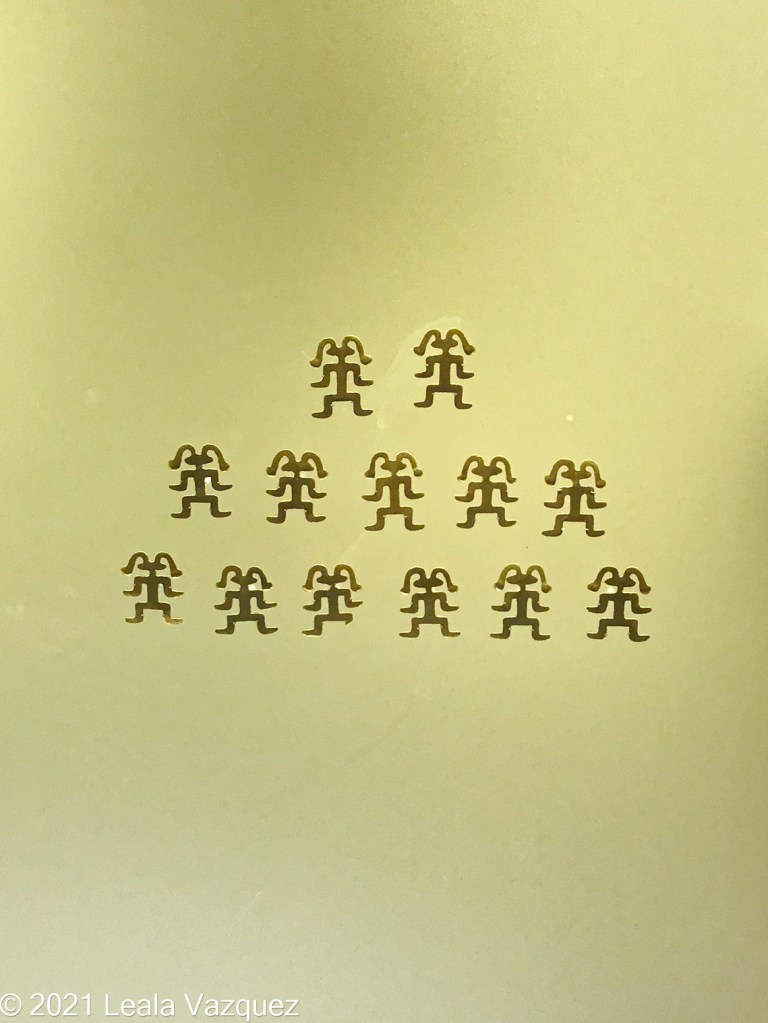
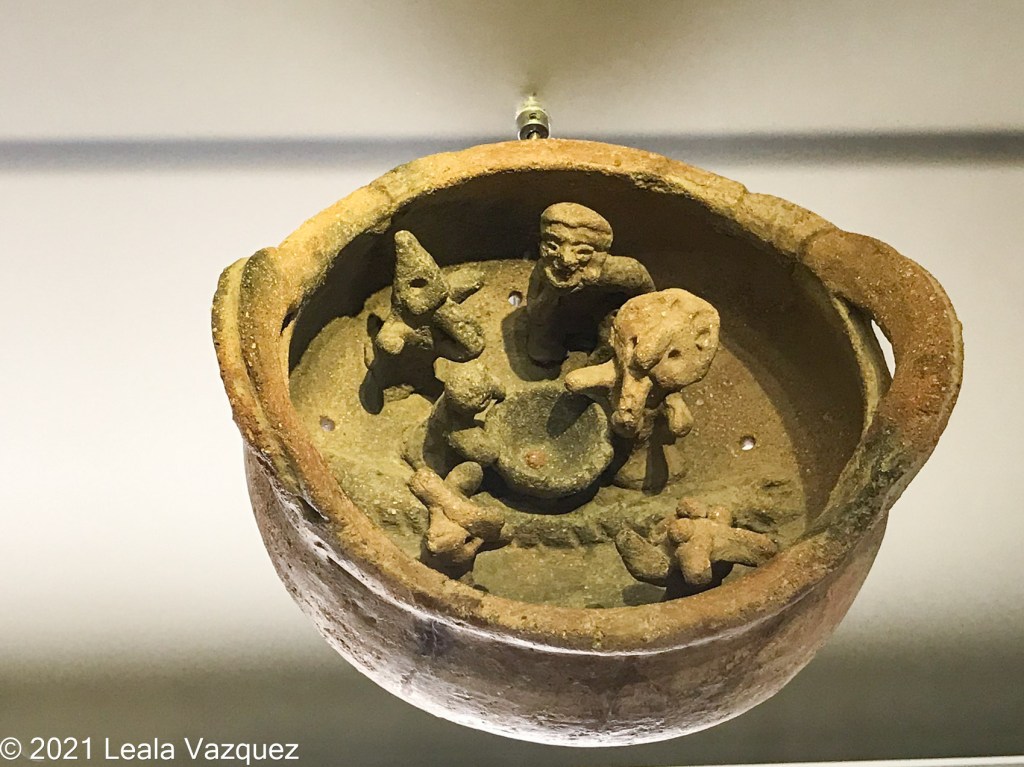
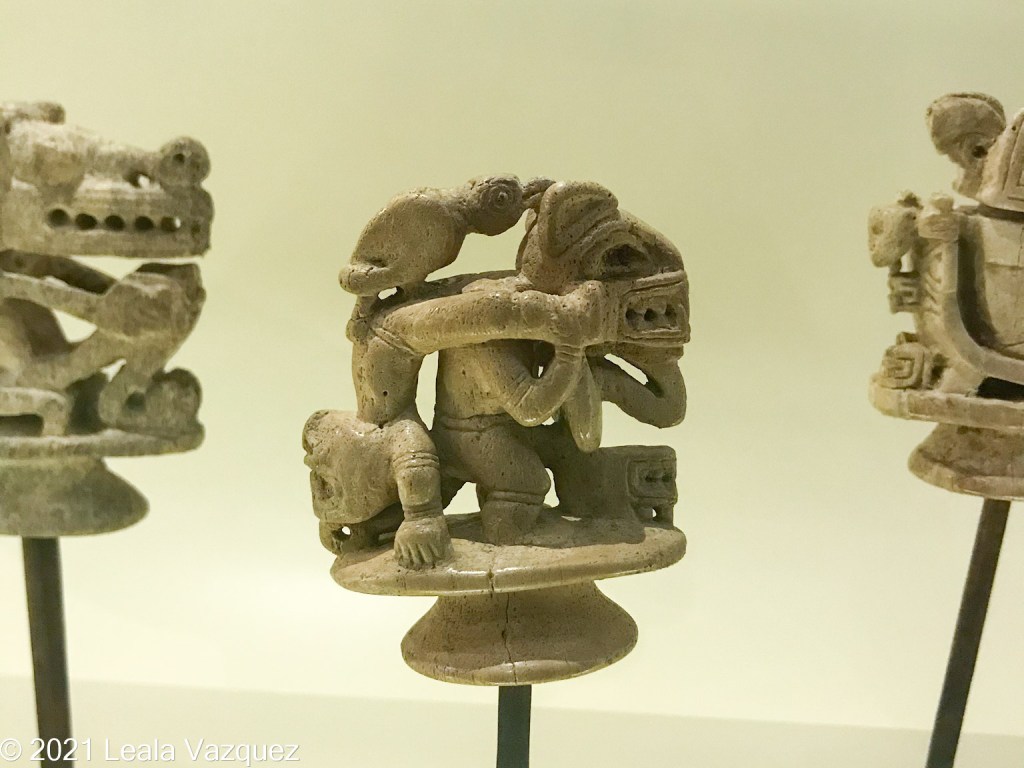
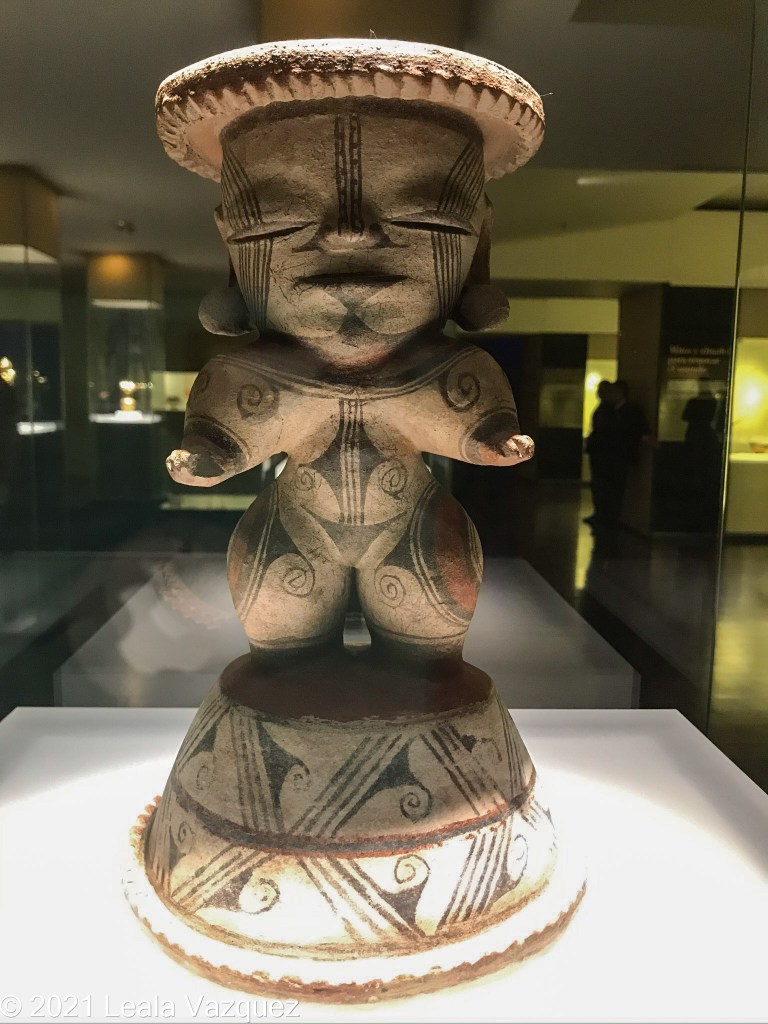
After the Botero museum I head over to the Museo de Oro. I really have no interest in gold but the museum is highly rated so I give it a try anyway.

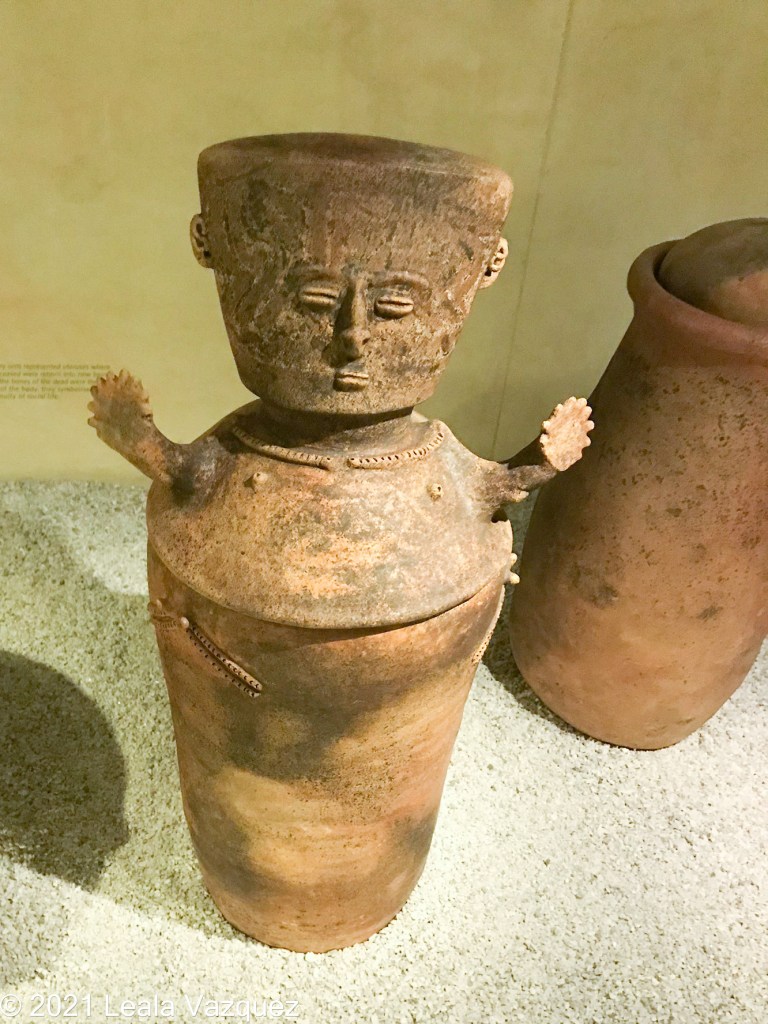
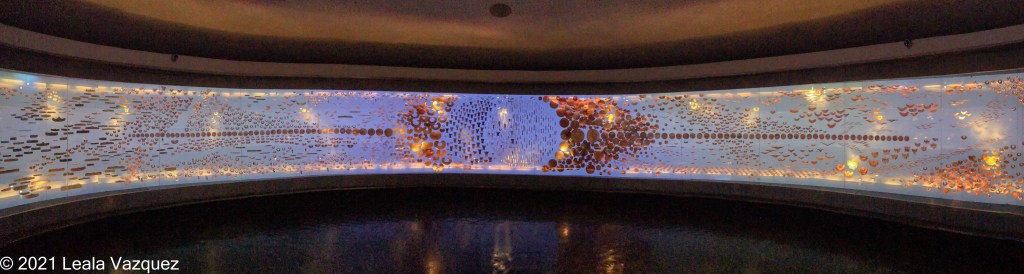
I see lots of gold pieces but what is great about this museum is organization of items and customs by different indigenous groups of the nearby regions (pre-Hispanic societies).

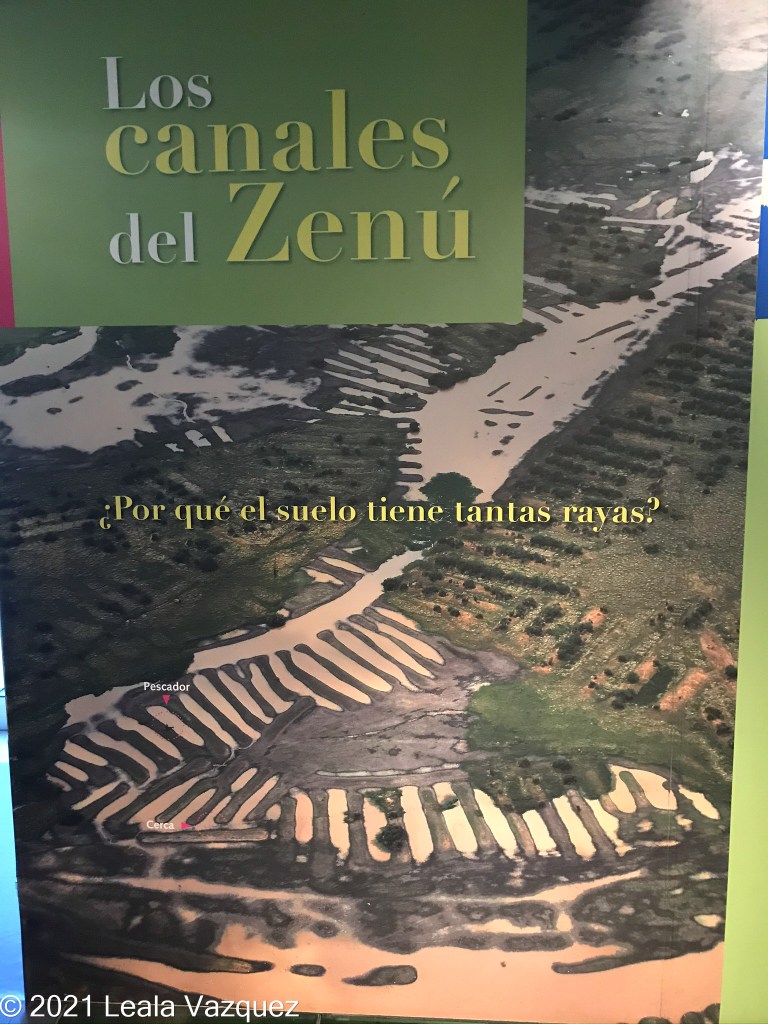
I like the exhibit on the extensive drainage channels built by Zenúes indigenous people. The channels are built to handle the regular floods of the region while still being able to maintain agriculture. It is pretty advanced for its time.

I spent the rest of the afternoon walking around the area of La Candelaria.

I once again used Cabify to order a taxi. I had a hard time getting taxi to pick me up. I used a taxi app but practically had to push someone out of my cab when it arrived because people were trying to flag down cabs that would never stop. I am leaving Bogota tomorrow but if I ever return I will definitely learn public transport.

Bogota is such a nice city that I could have used a couple more days in exploring the region. Maybe someday I will return.

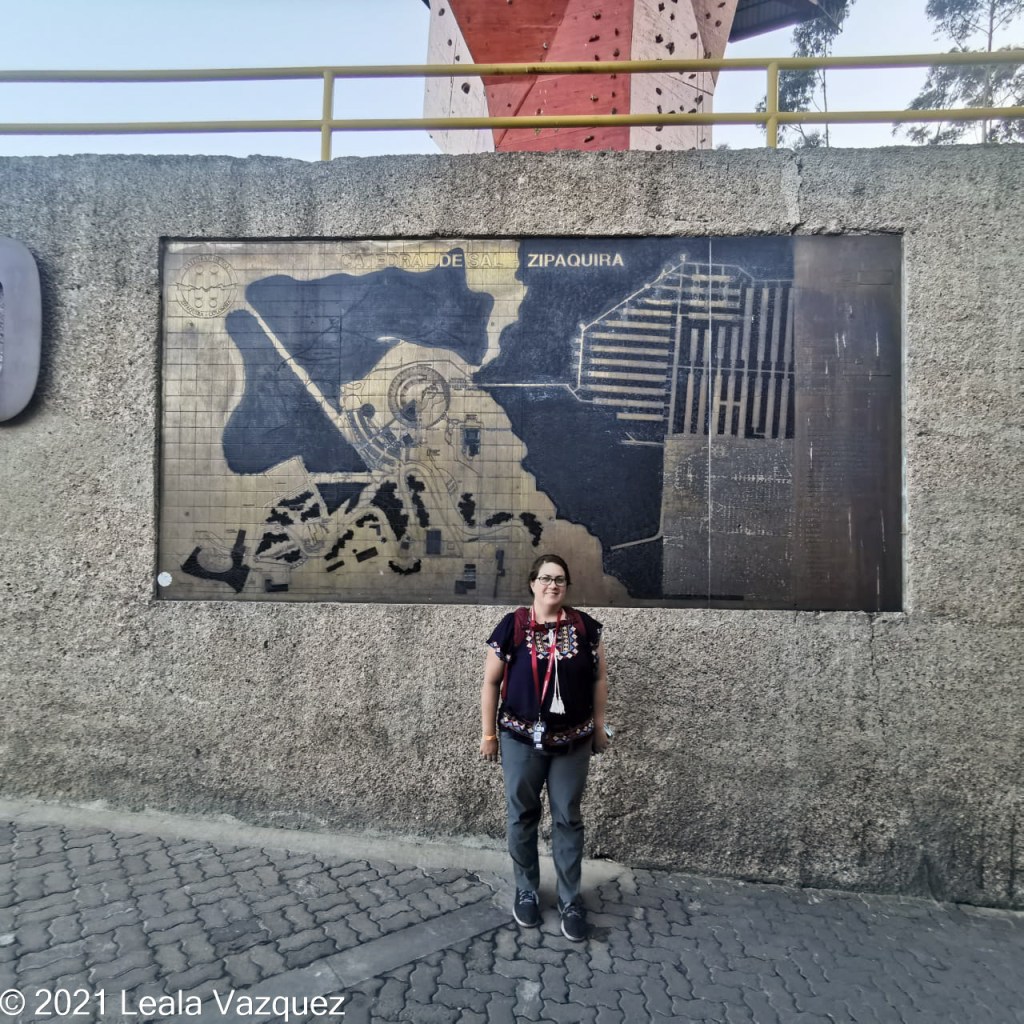
Salt Cathedral of Zipaquirá

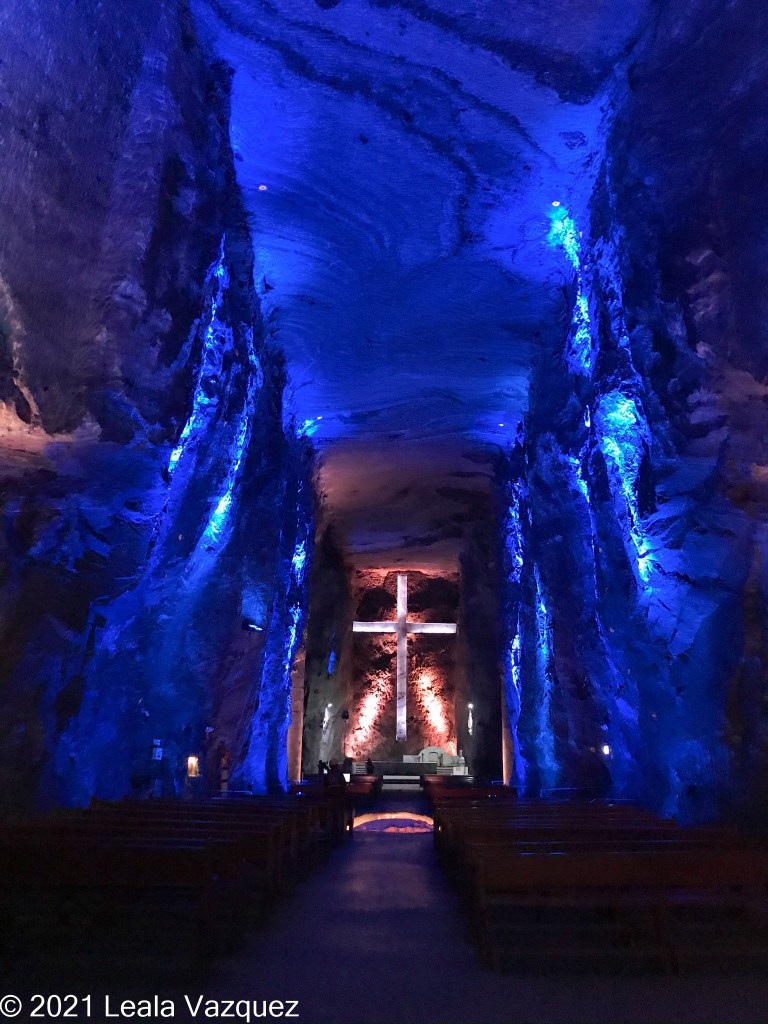
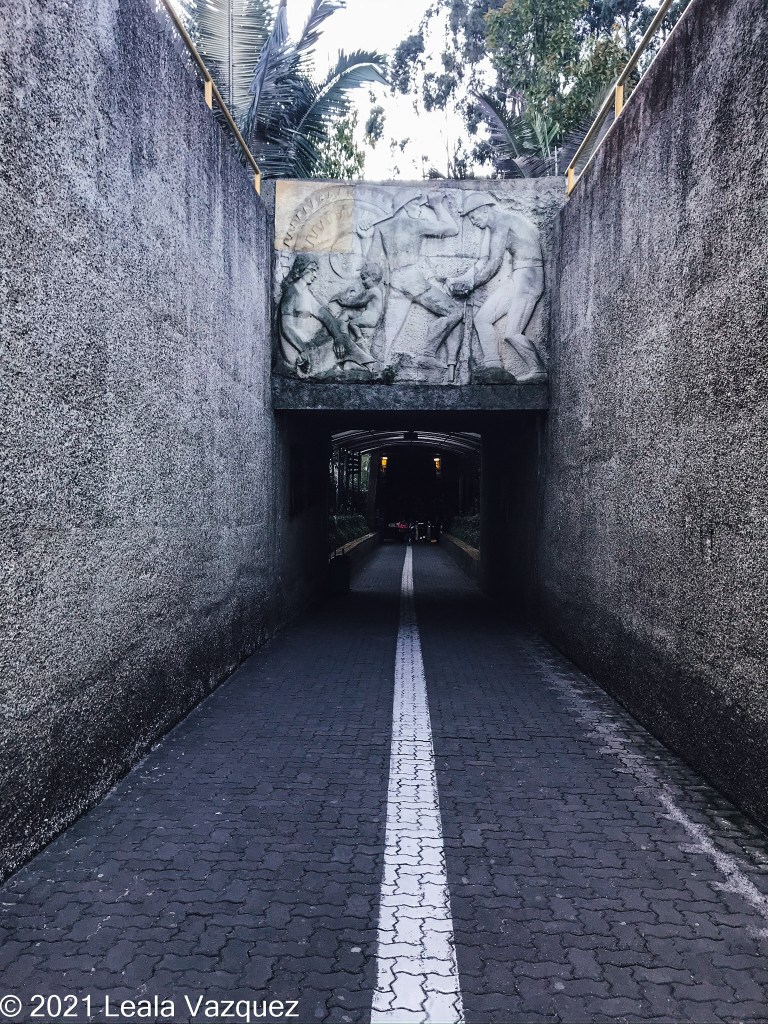
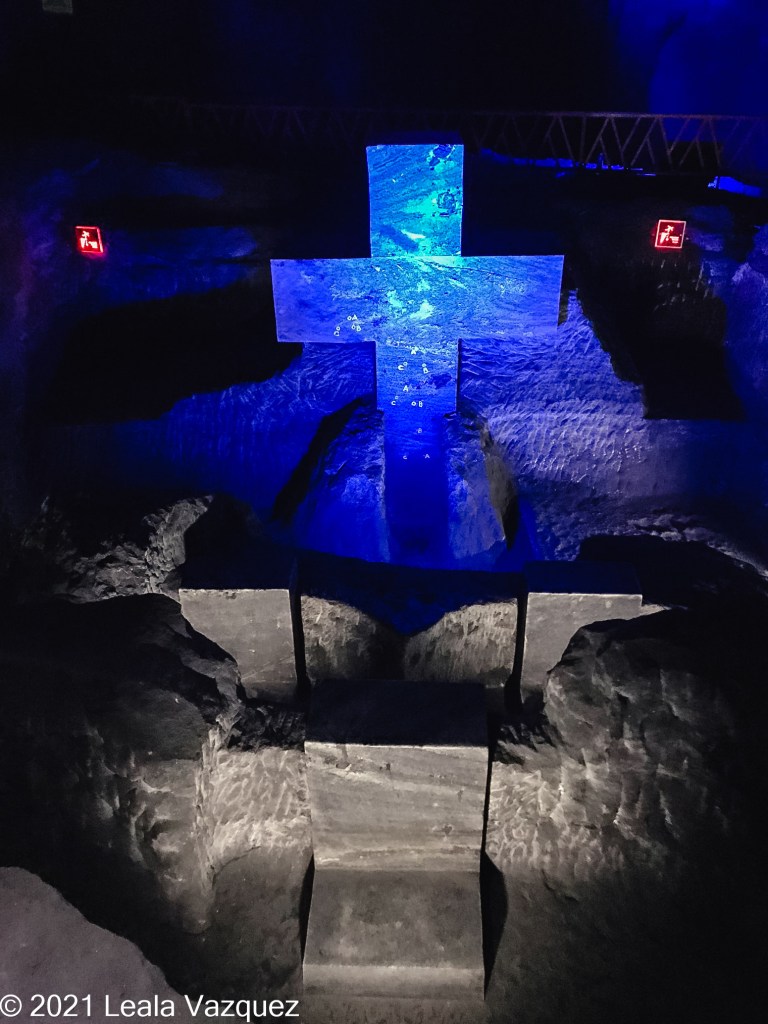
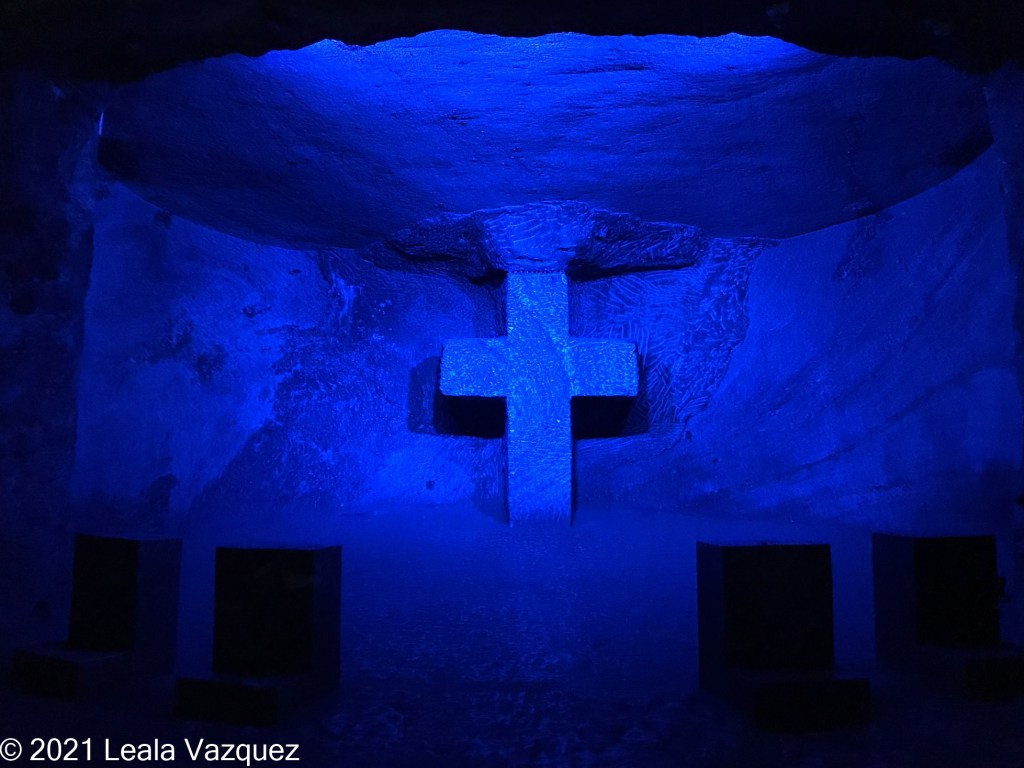
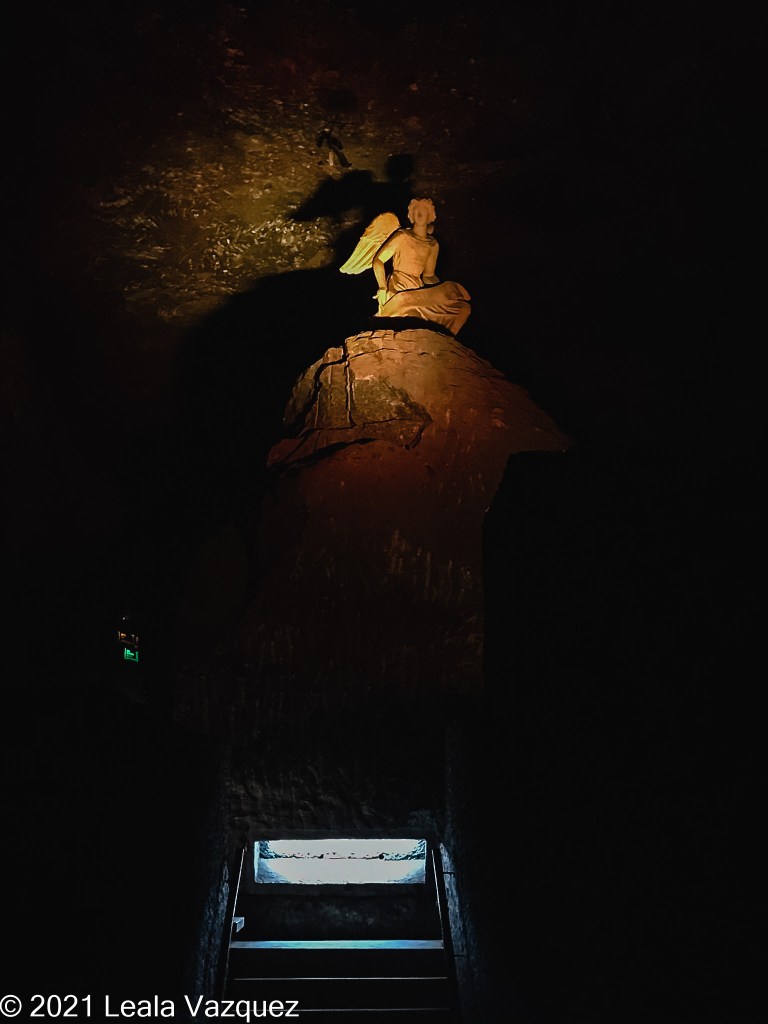
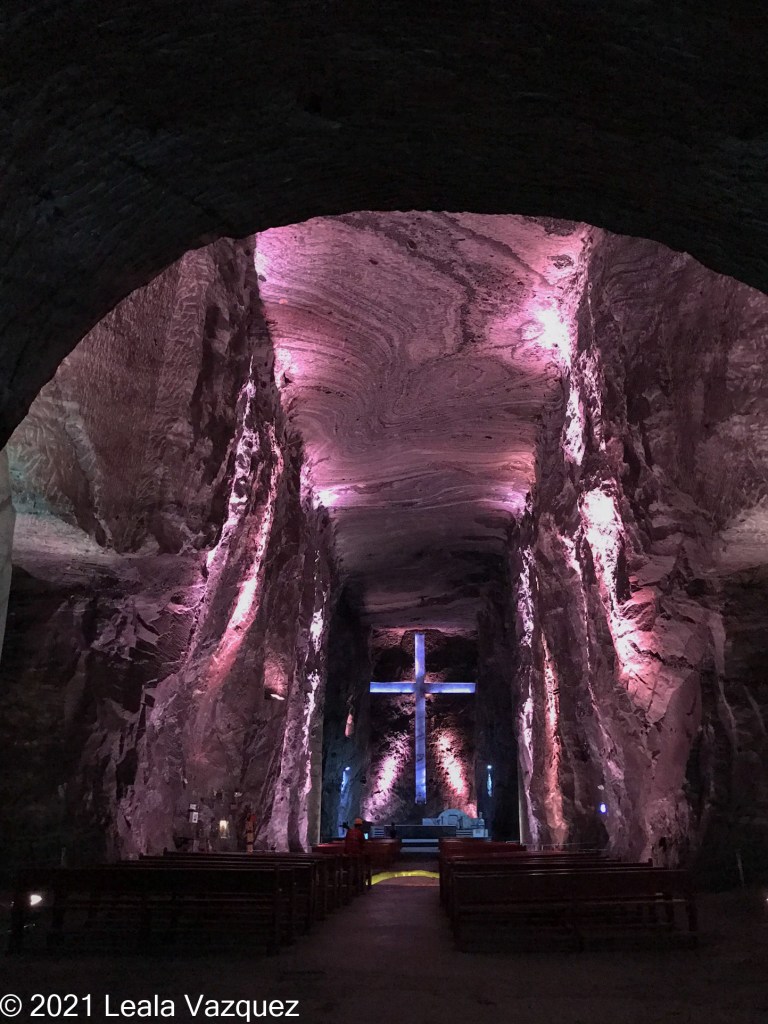
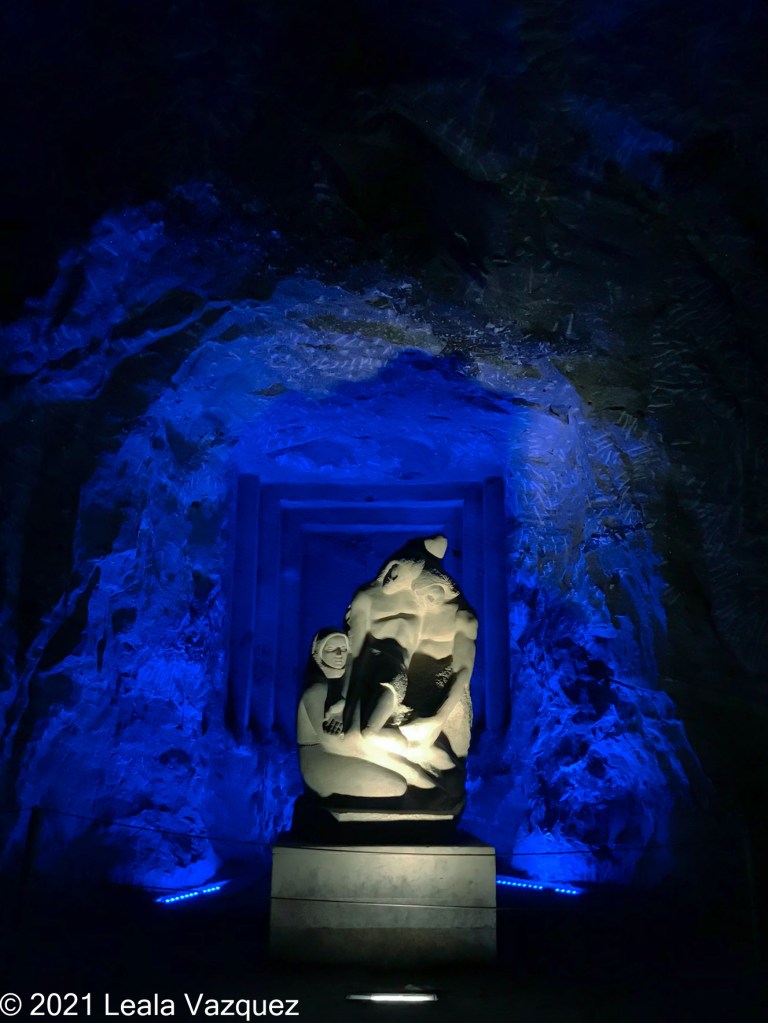
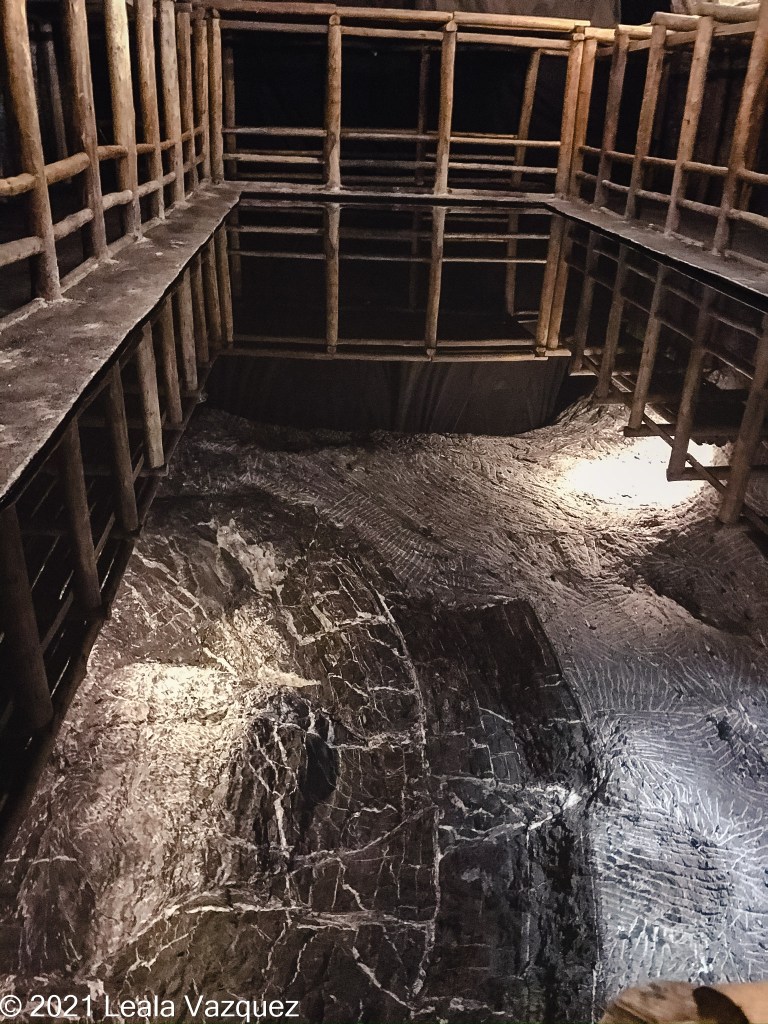
Earlier today I visited a market and a nature preserve near Bogota. Now I am heading to a salt cathedral. The Catedral de Sal in Zipaquirá near Bogota is a marvel to see. The cathedral is built on a site that was once a salt mine. Building a church there wasn’t so far fetched since the original mine did have a sanctuary where miners would go for their prayers before work. Eventually the mine was turned into a church. Structural problems led it to close for many years. After being rebuilt the church opened again in 1995. As of the time of my visit it is said it is having structural problems once more and will close again within 5 years. I feel lucky I am able to visit when I did.

After my tour guide provides me my audio tour and entrance pass I walk inside, 180 meters underground.

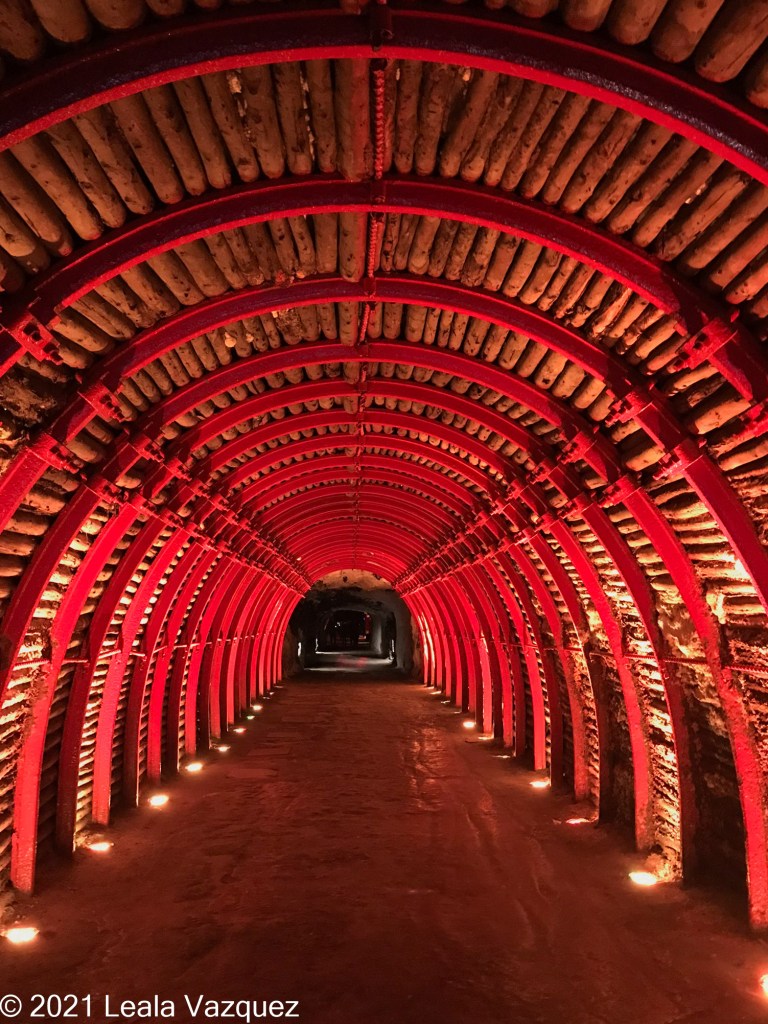
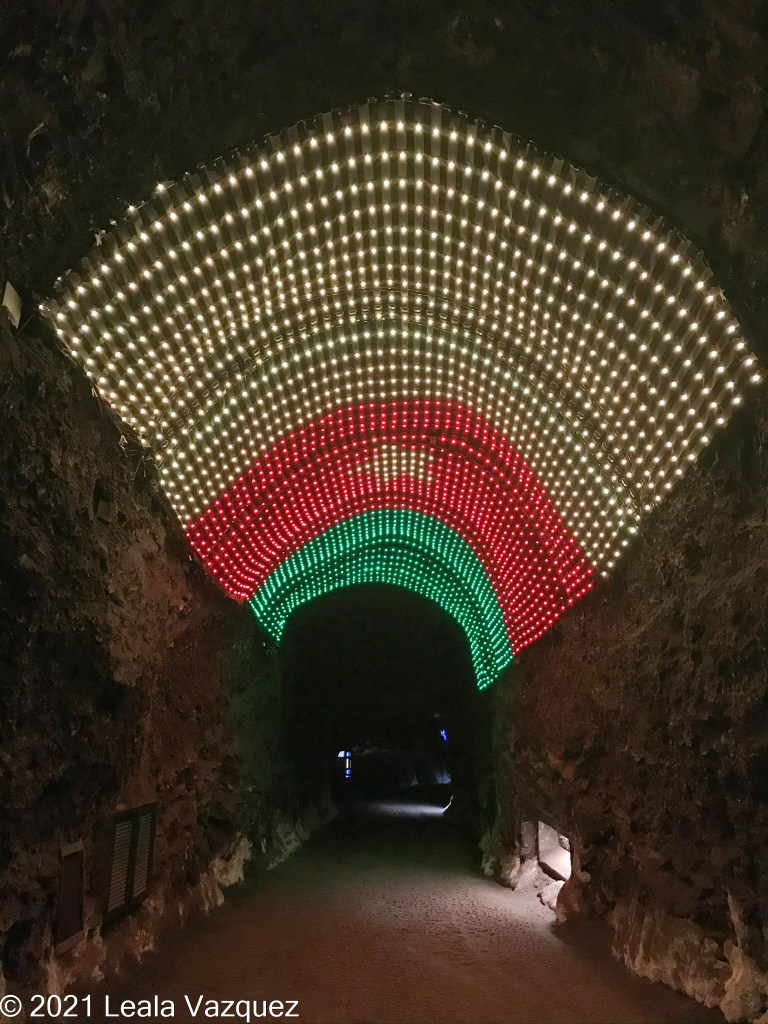
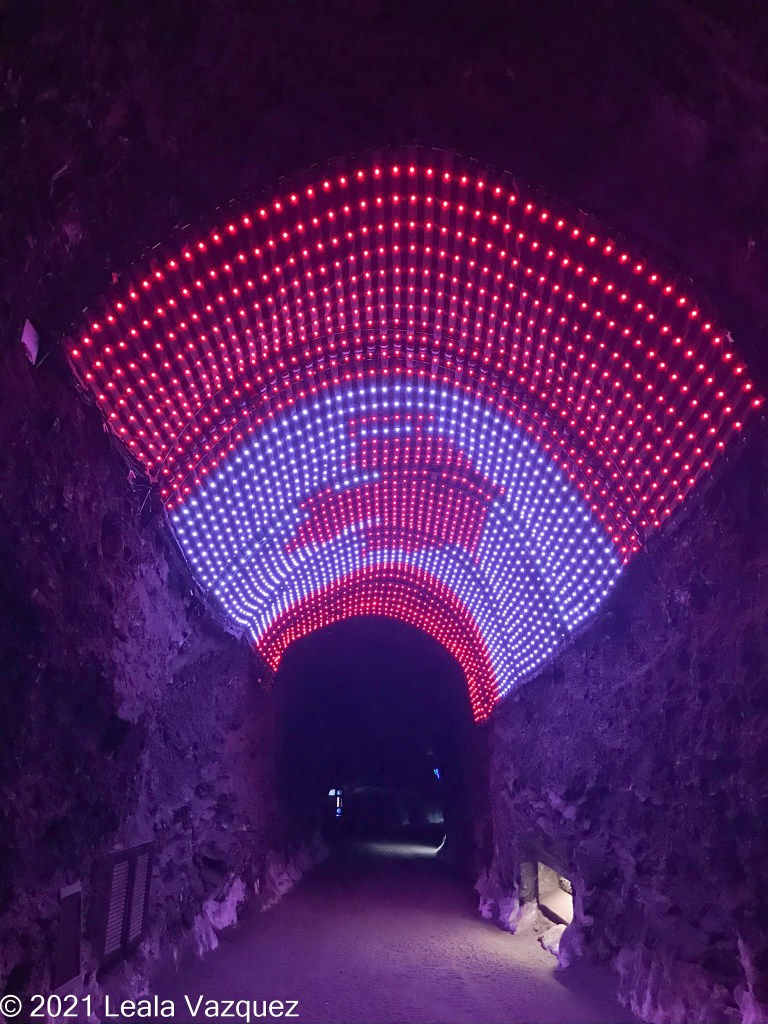
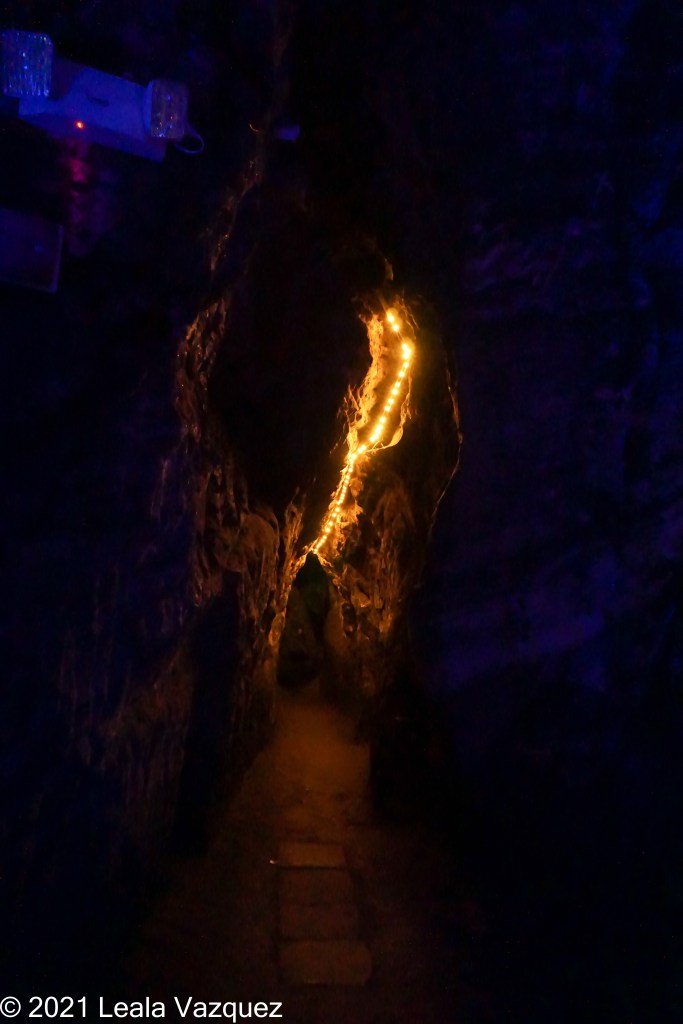
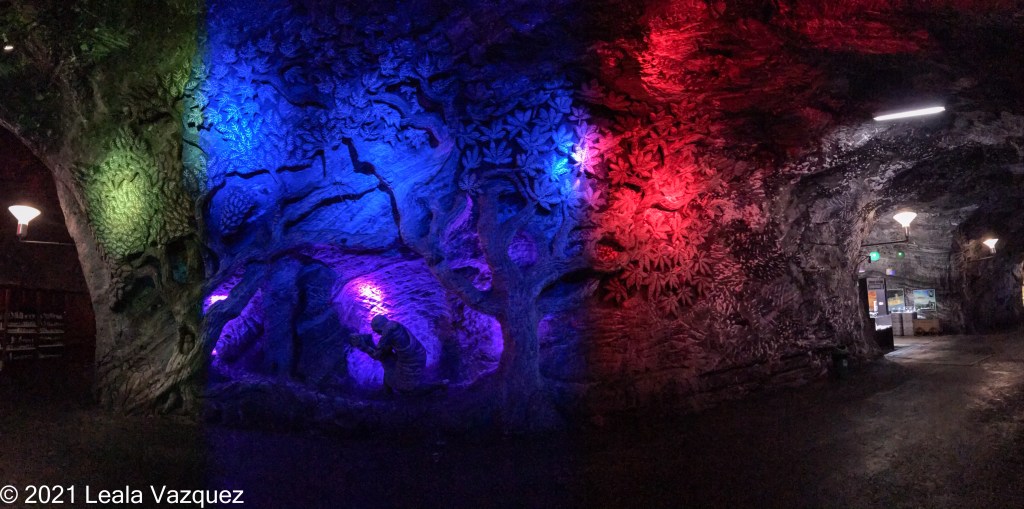
I head into tunnels that are lit with colorful lights. One tunnel projects flags of different countries on the ceiling.

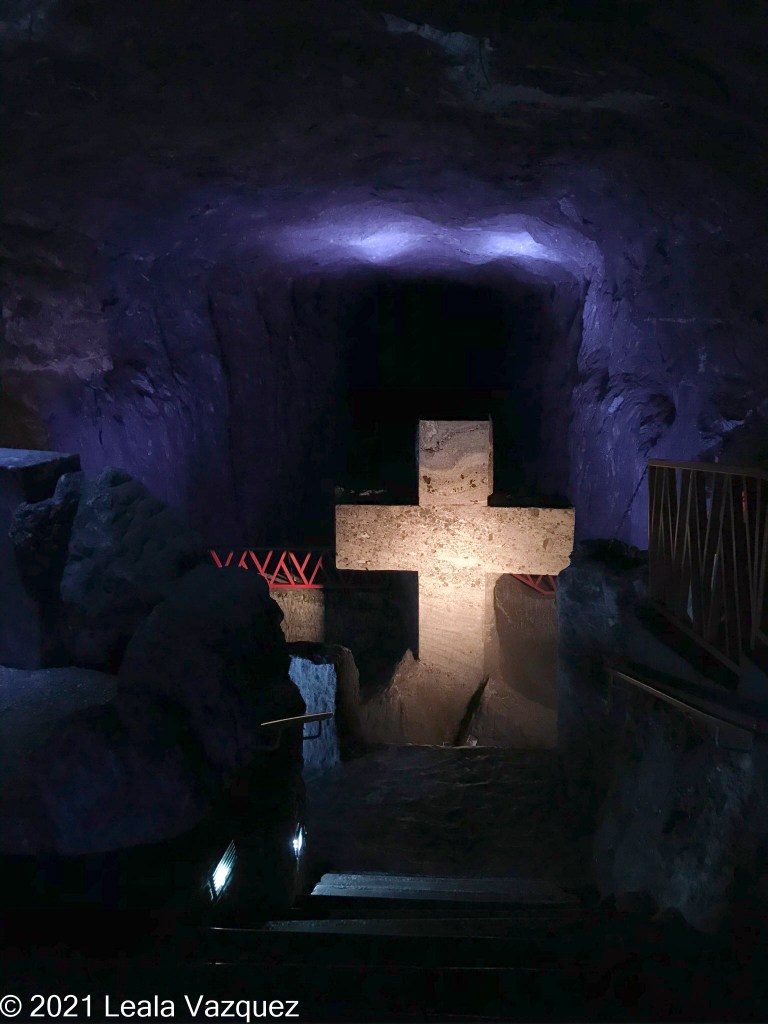
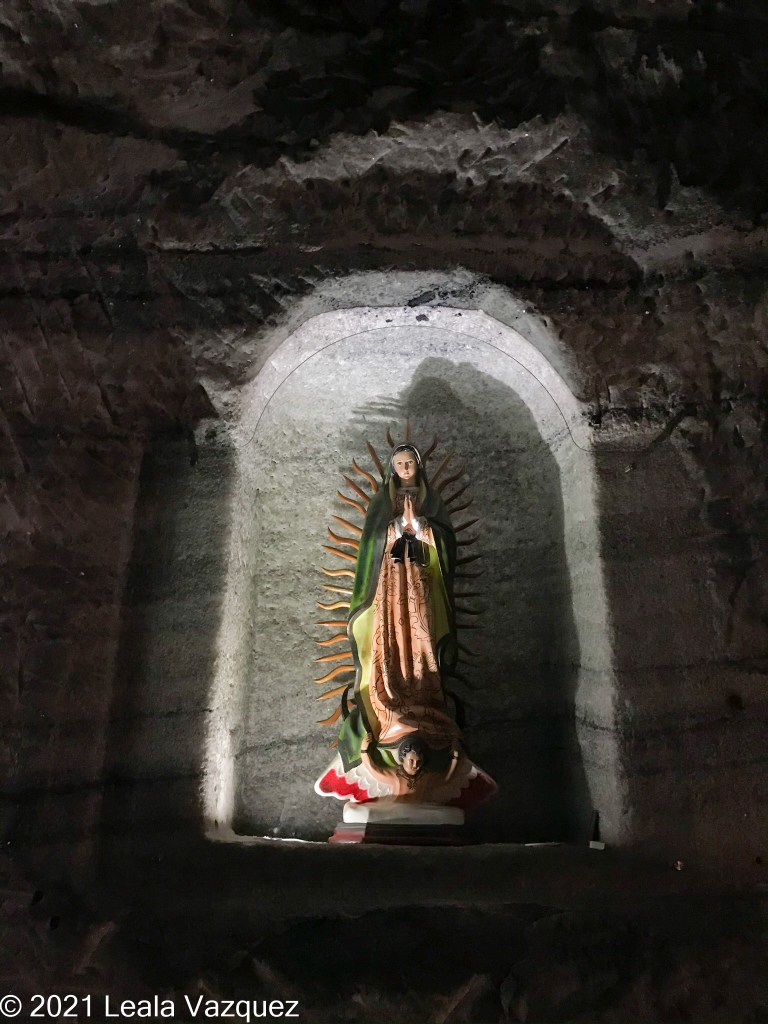
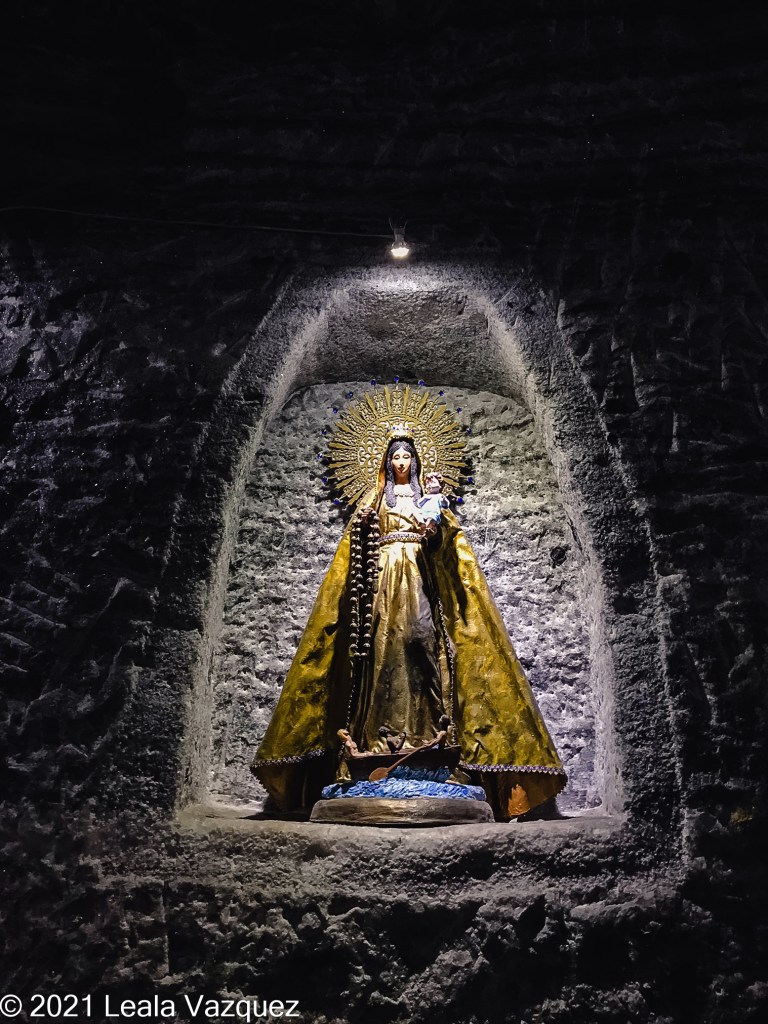
After the tunnels I reach a series of nooks that represent the different stations of the cross. Some are accompanied by beautiful lights and music.

I reach an overhang that overlooks the main cathedral below.

I head down the stairs and around the corner to access the church.

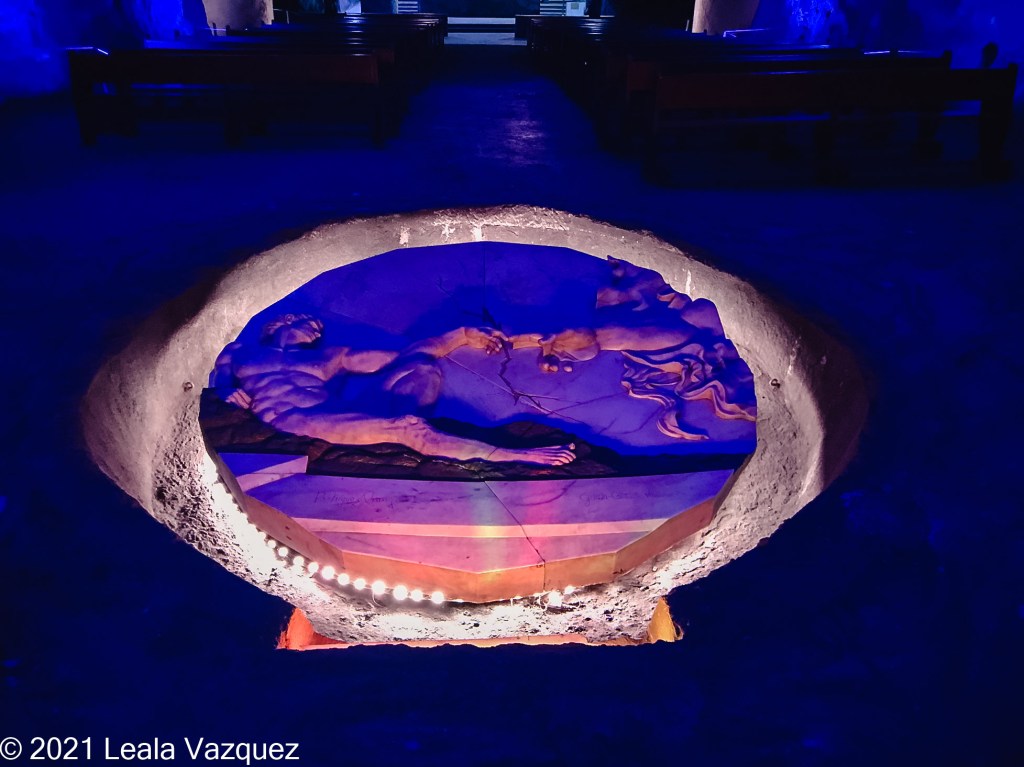
Baptism Nave

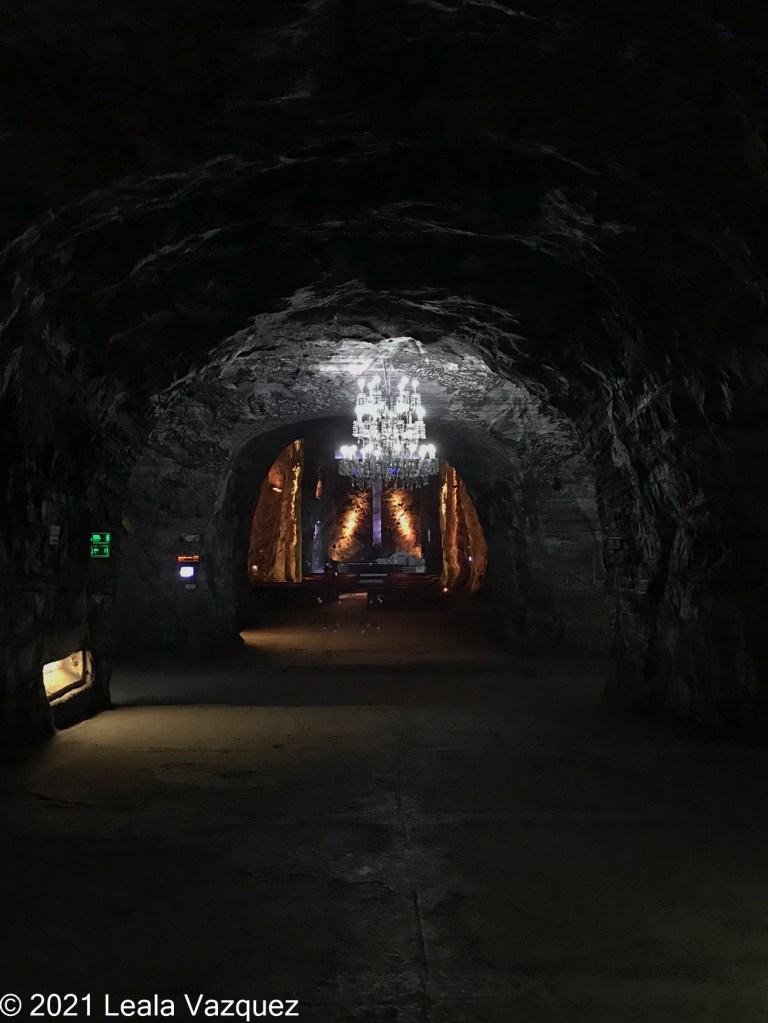
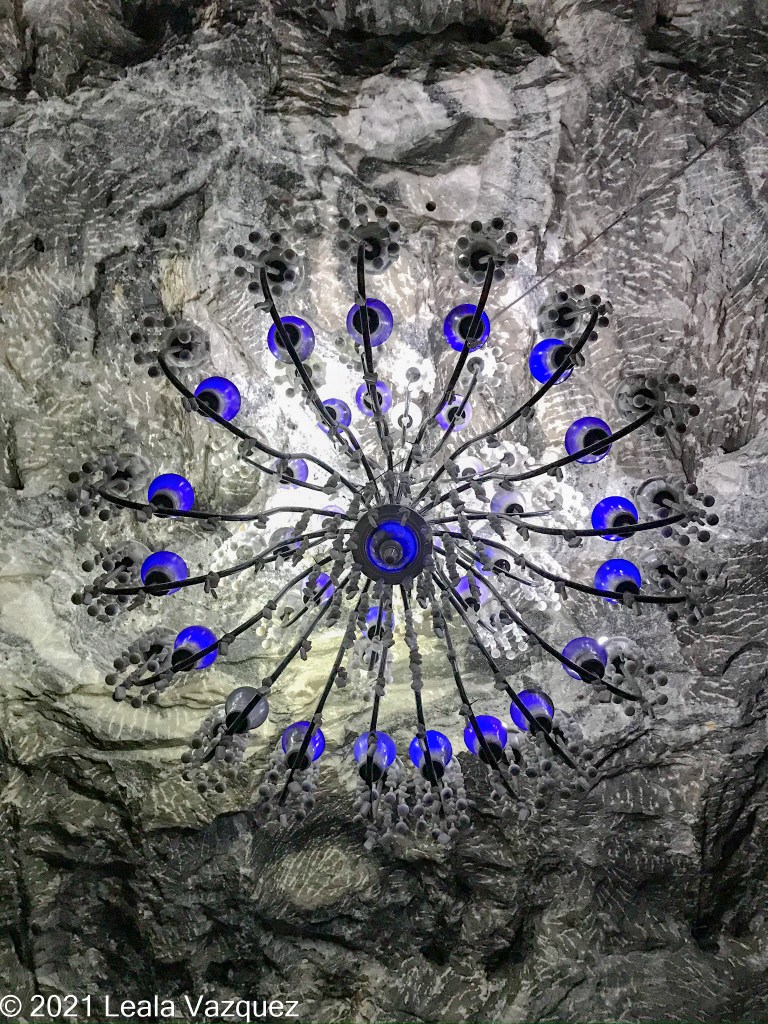
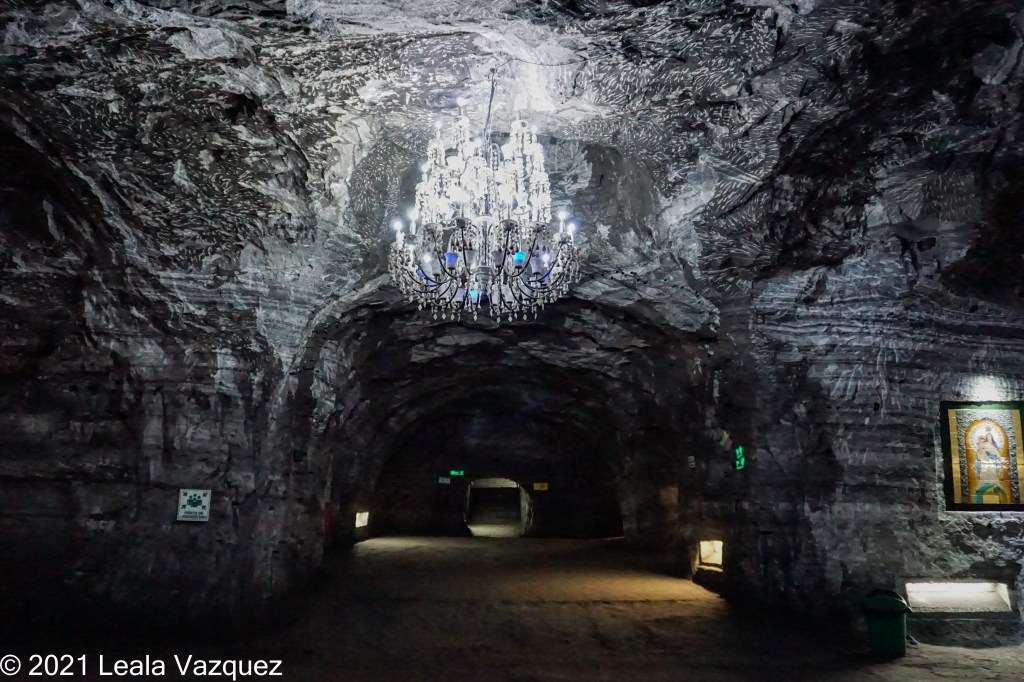
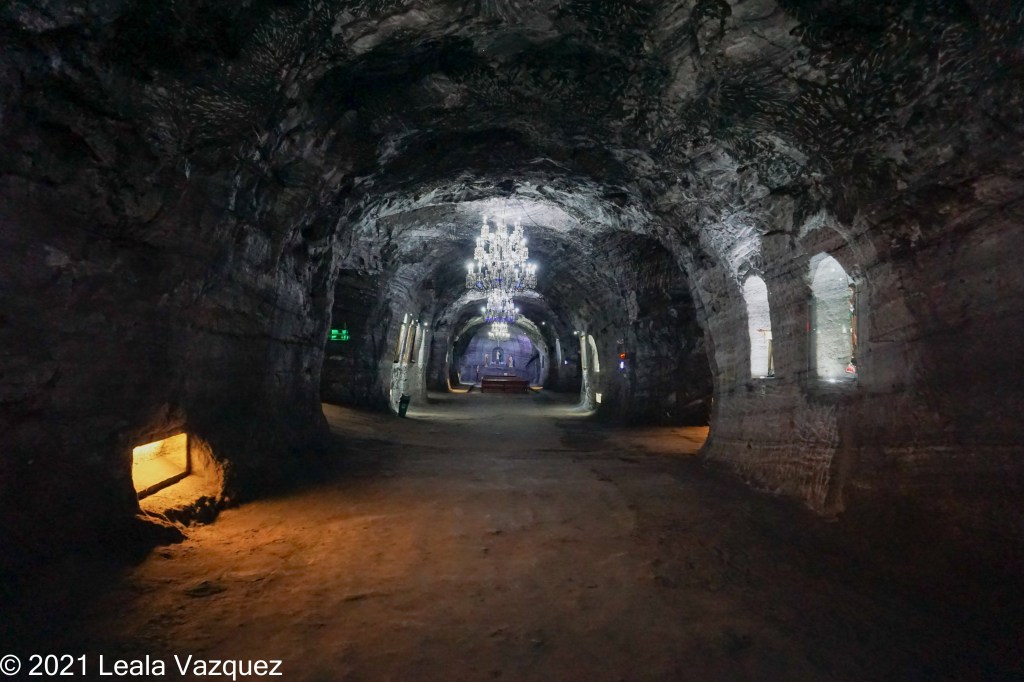
There is a corridor that connects the three main parts of the church. It has artwork and beautiful chandeliers.

Little lighted nook off to the side
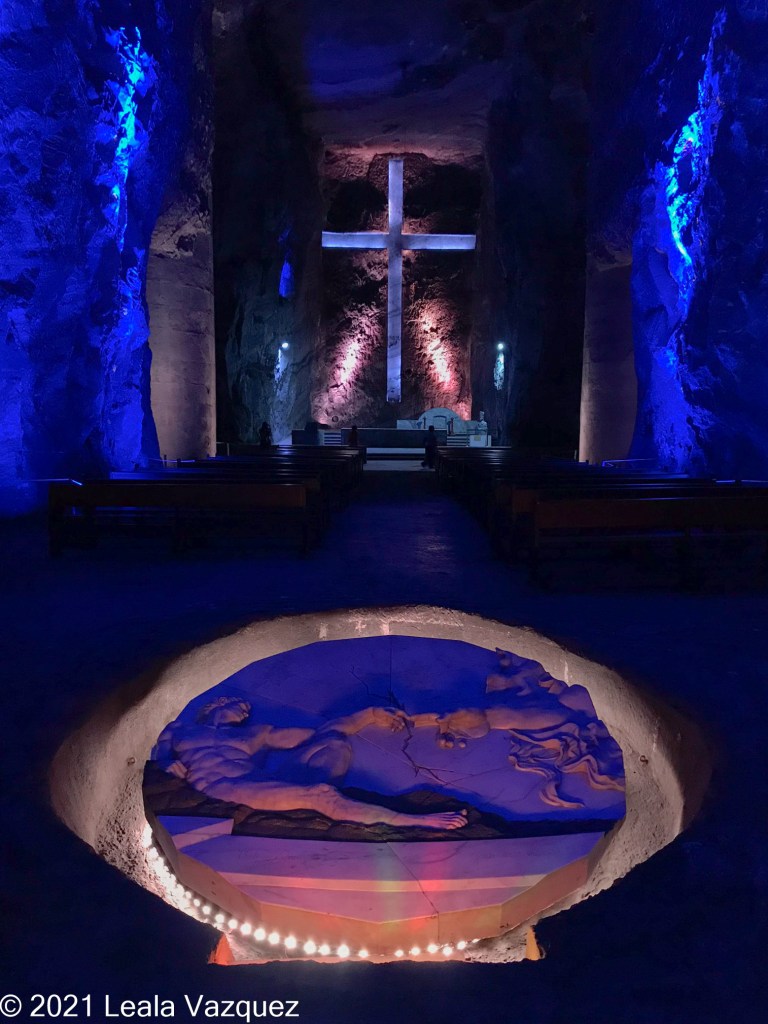
Main Church

As I walk into the church Ave Maria plays and the colors change. I feel like I am witnessing magic happen. I am not spiritual at all but I feel like I am having a spiritual experience.

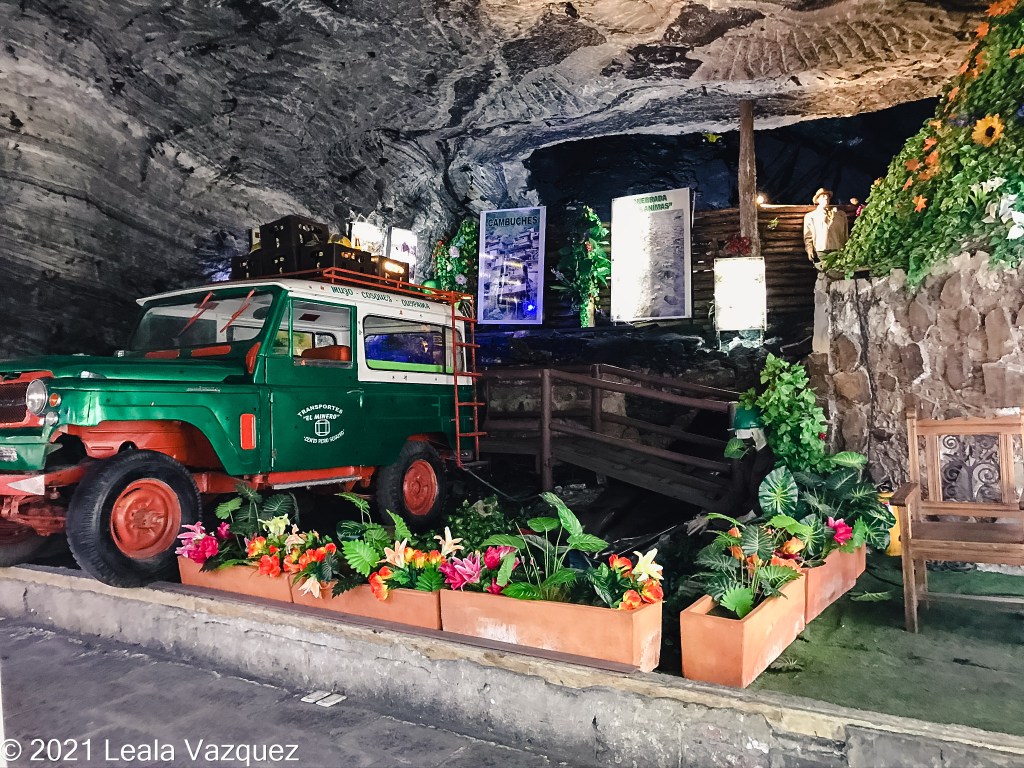
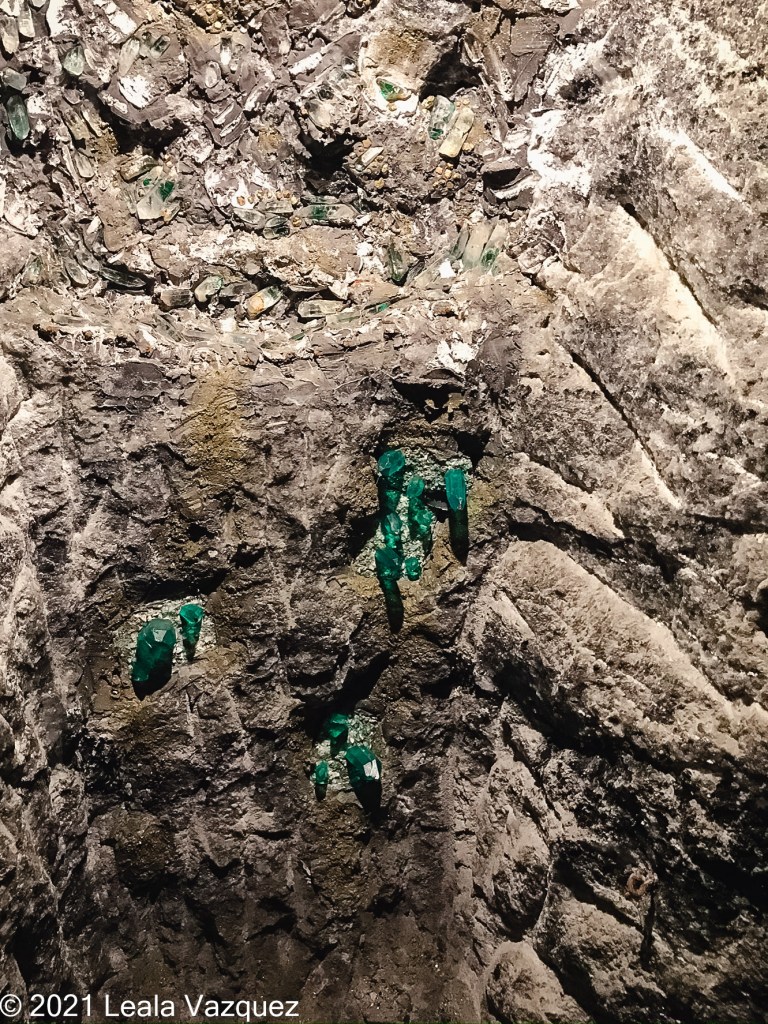
Down the hall from the church there are a couple other exhibits. Since I am there almost at closing time I end up missing out on the movie presentation but I do walk through a mining exhibit where they talk about emerald mining.

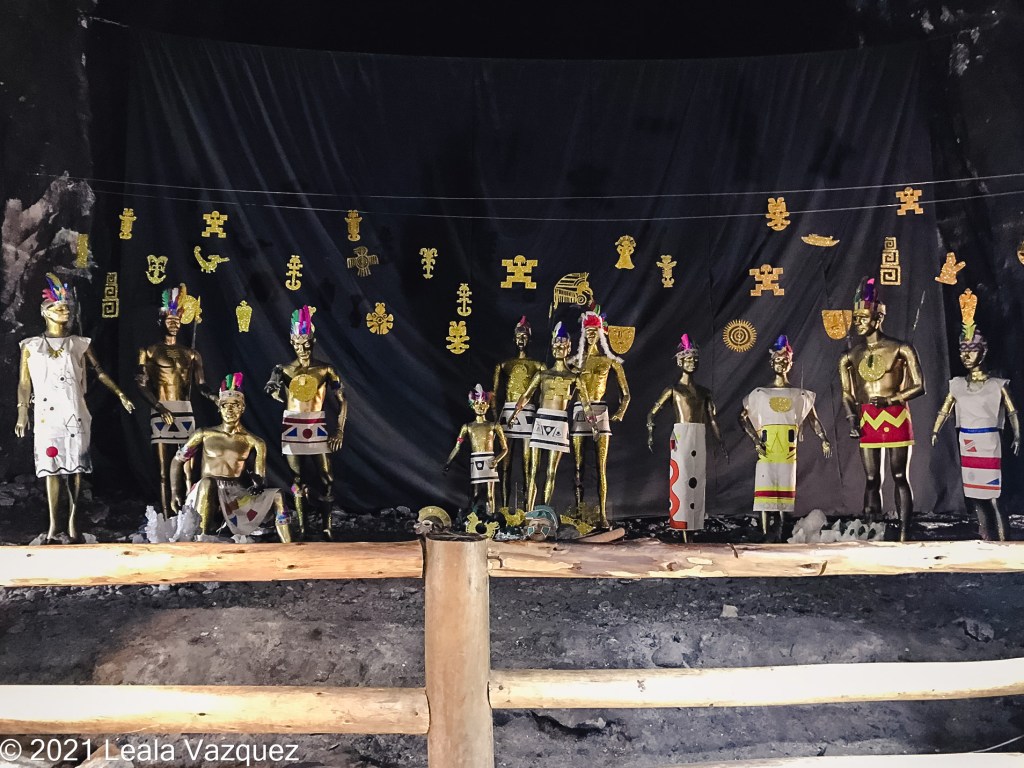
Exhibit of native peoples

Some more beautiful lights.

The park closes so I head back out to find my driver.

He takes me through the nearby town but it is after dark so we do not stop.

As we head back to my hotel in Bogota my driver tries to sell me another tour for tomorrow since it is no car day in the city (tourist drivers have an exception). Wanting to explore the city on my own I turn down his offer. I am impressed that an international city like Bogota can organize a car free day to help the environment.

Today’s tour is expensive but I feel like it was money well spent. Loving Colombia already!

Arrived in Bogota

Market in Bogota

I just spent a couple days in Santiago Chile getting over jetlag from the time zone change. I wasted all those days in Chile but fortunately I am rested up for the beginning of my travels to Colombia. As it turns out Colombia will be the last country on my world tour. I will be returning home at the end of the month at the same time as my friend who is coming to travel with me the last part of the trip. I want to keep traveling but I really need to get back to the USA to take care of business. The world ends up shutting down two weeks after I return home (due to COVID) so my timing couldn’t have been better….more on that later.

Now I am in Bogota, my first stop in Colombia. I can’t visit everywhere I want while here but I hope to experience a large part of the country during my travels.

Growing up I learned to fear Colombia, with good reason: Colombia was a very dangerous country until recently. I longed to visit as a child after the 1980’s movie Romancing the Stone that is based partially in the country (which wasn’t actually filmed in Colombia I later learned). Doing research for my sabbatical I wanted to visit a couple different South American countries I had not yet visited (I’ve already been to Brazil, Peru and briefly to Venezuela for business). In my research I settled on Ecuador/Galapagos and Colombia. Unfortunately I cut Ecuador because I didn’t want to rush my travels. Plus I have a friend who is willing to meet me for part of my trip in Colombia – decision made!

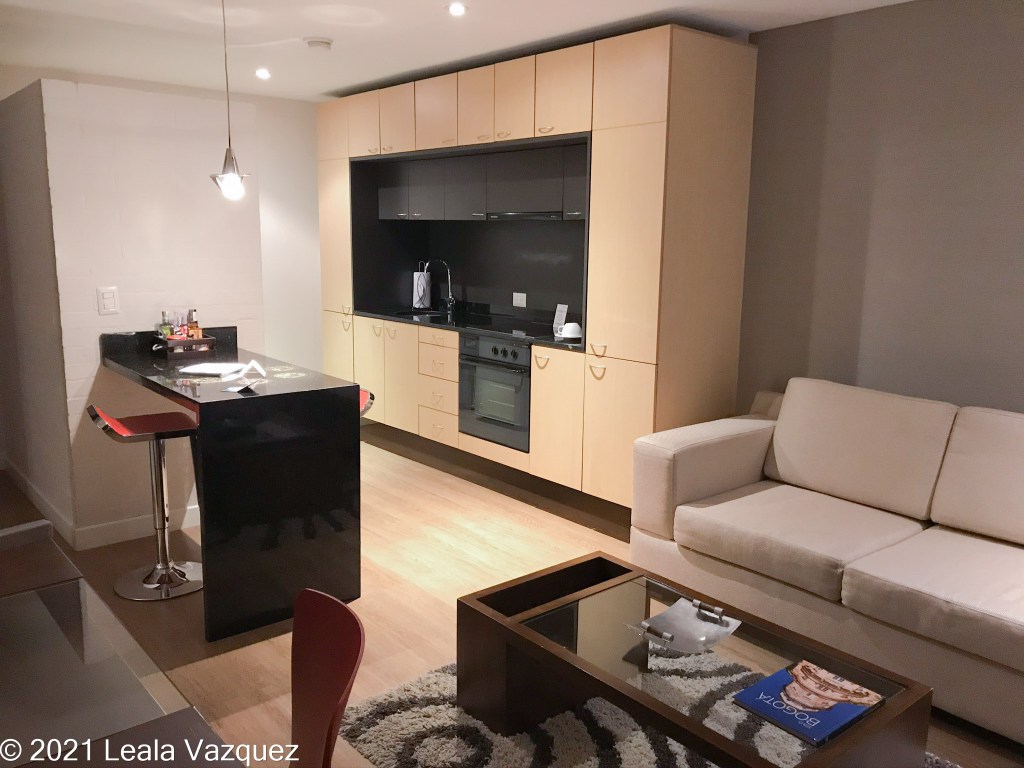
After researching the different parts of town of Bogota I end up staying in the upscale Chapinero. I book an apartment hotel room for my time in the city. My booking gets switched on me last minute which seems suspect but the room check into is pretty nice. I am in an apartment/condo building where many of the apartments are actually vacation rentals. There is a restaurant downstairs that I could visit but I decide to eat out elsewhere or in my apartment instead.

I later learn about the neighborhood from a tour guide and how some higher priced zones have a higher tax structure to subsidize living in poorer neighborhoods or favelas.

I am in Colombia so naturally hesitant to just start wandering around; however I am more intimidated about public transport at this point so I head out to walk down the street to find a place to eat dinner. I settle on something that looks friendly to tourists Andrés D.C.- Bogotá. The walk seems safe enough. I take precautions like not being flashy but I feel like crime really isn’t a big issue in this part of town. The restaurant is fun and flashy. As expected my server does not speak English. My Spanish is really rusty but this is the perfect time to practice. I seem to be much better with remembering nouns over verbs (especially food) – grammar is hard but I get by.

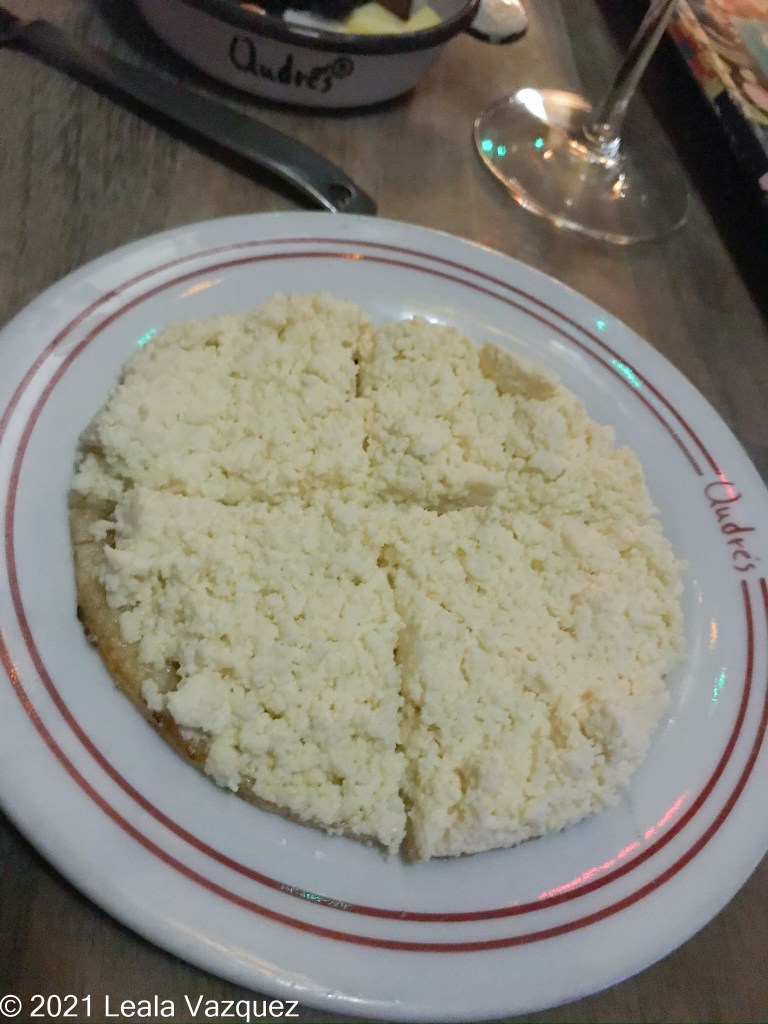
My first dish in Colombia

The food is just ok at the restaurant. It is what to expect at a chain. Hopefully soon I’ll get to try some local stuff.

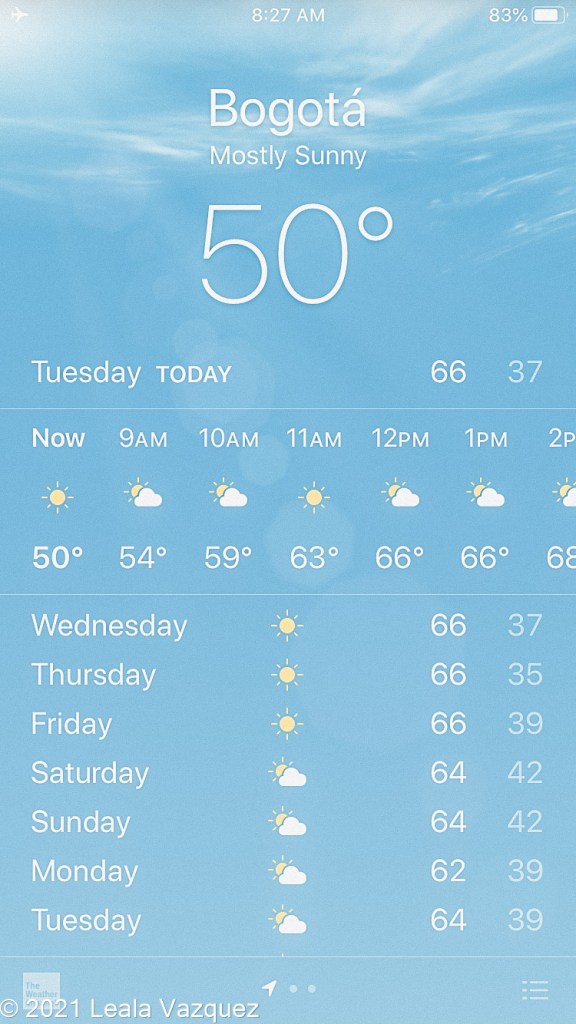
Did I mention that I love the temperatures so far in this city? I am hitting my sweet spot weather-wise: sunny and cooler.

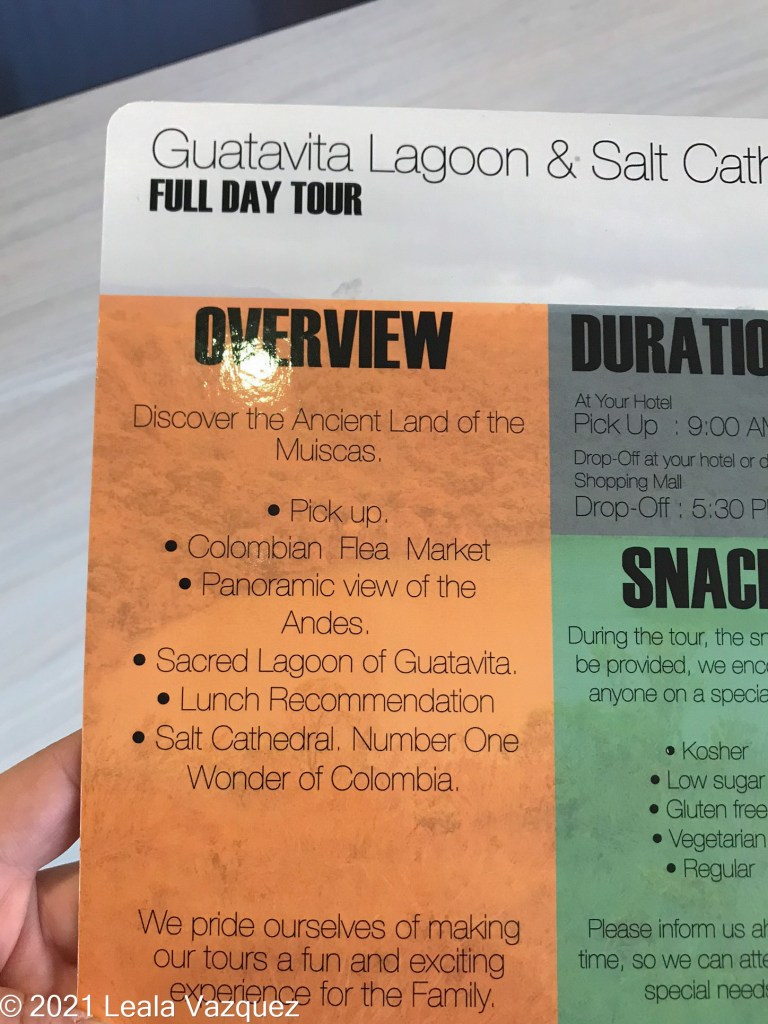
I head back early to my room to rest. I end up booking a pretty expensive day tour through the lobby. The tour is with a private driver so I would have control over my day. I don’t feel like researching and organizing other plans so I book the tour for tomorrow.

In the morning my driver picks me up and our first stop is a local market.

First I get introduced to Colombia coffee and get to try some.

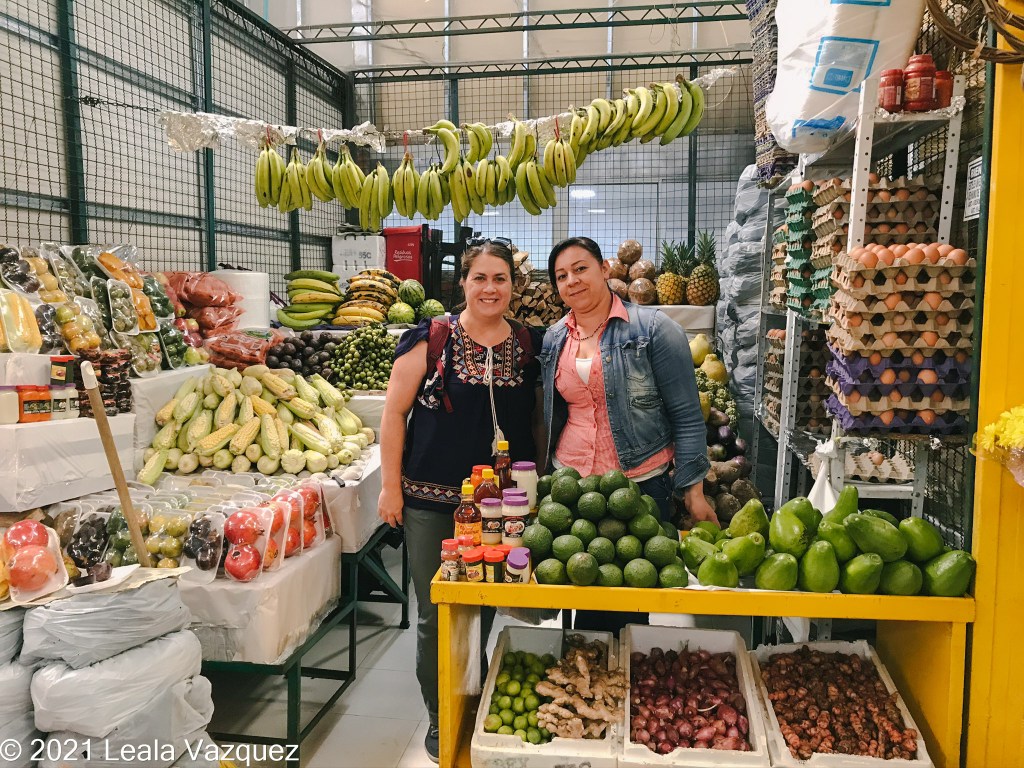
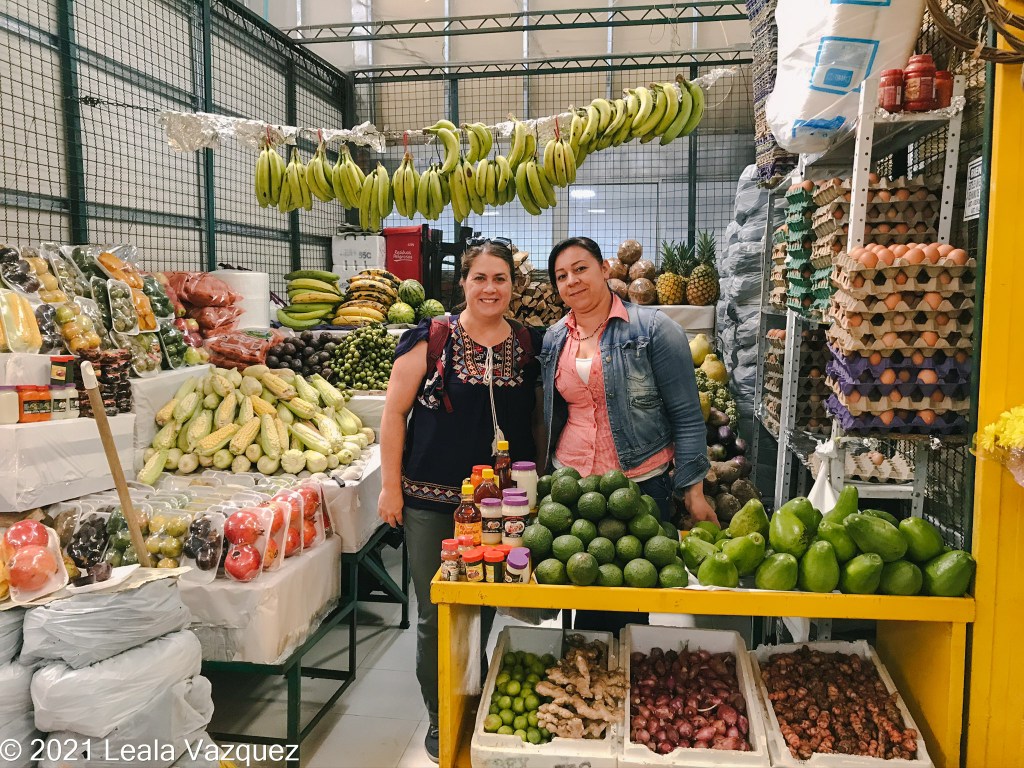
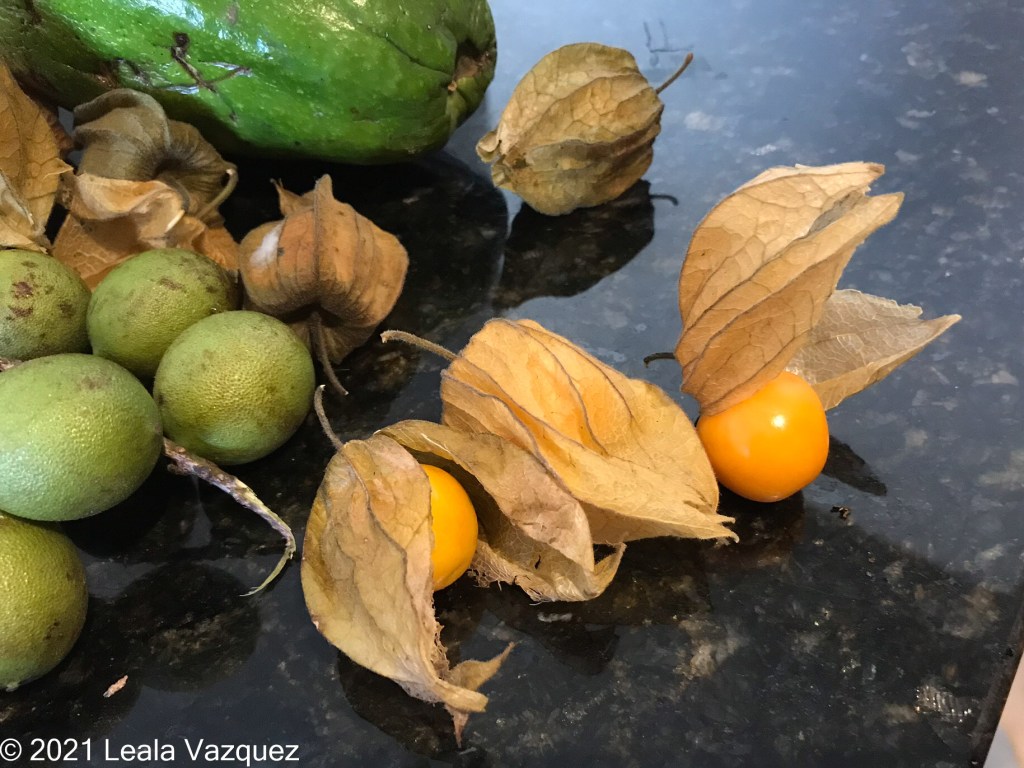
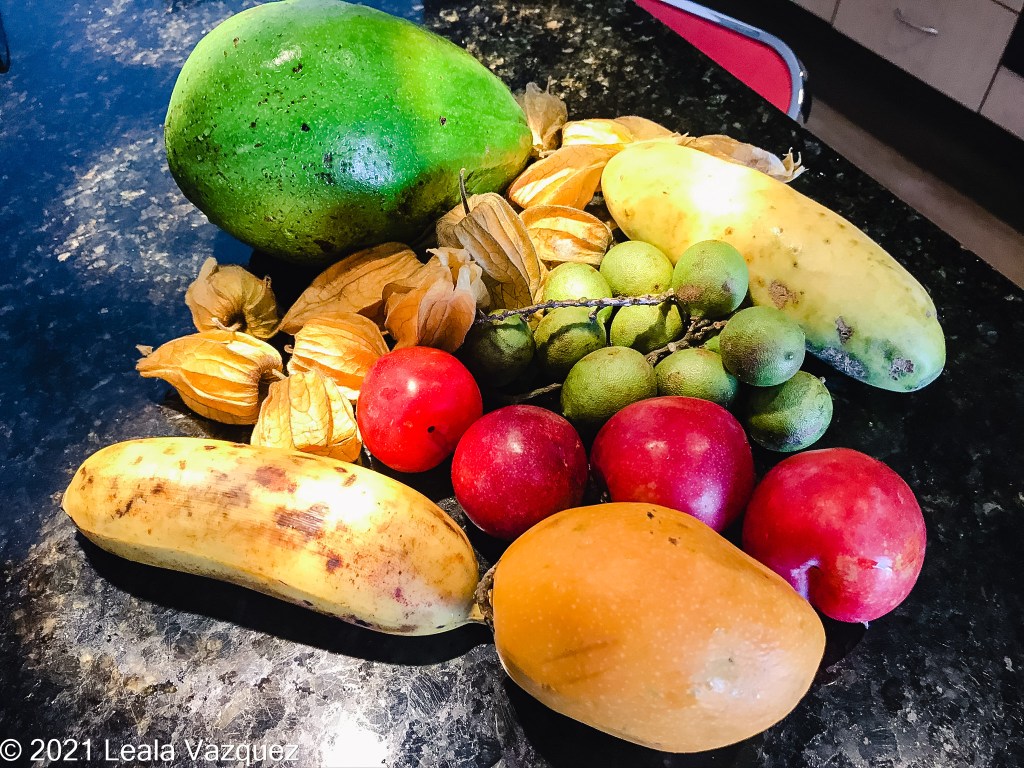
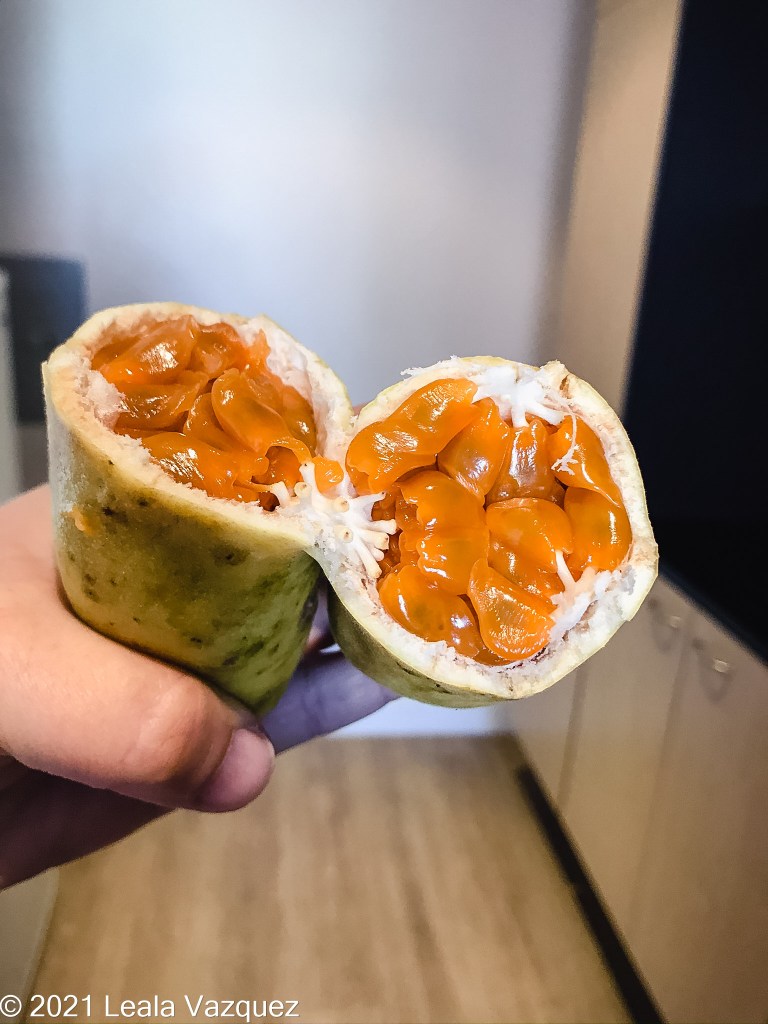
Next I am taken to a fruit stand where I am introduced to many new fruits. I should be more hesitant to eat them (the whole thing about eating raw produce in other countries can cause stomach issues) but I try them anyway. Luckily they have no affect. I later find that water in Bogota is quite good due to its elevation. I don’t risk drinking tap water but I also don’t have to be as cautious.

After the visit to the market we head back on the road. On the highway there are many pedestrians walking along with luggage. My driver tells me about the Venezuelan refugees and how they walk along the highways from Venezuela to find a better life since the country of Venezuela is in pretty bad shape right now. Colombia is very accepting of the refugees, mostly because Venezuela was very accepting of refugees from Colombia when their own country was dangerous and war torn. Many of the poor you see on the sidewalk trying to sell handmade goods or even Venezuelan bolívar (not really worth much) are actual refugees just trying to get by.
My driver also points out Butterfly favelas I see off to the distance. It is a project to beautify the poor area of Usaquén. It is quite visibly appealing. I didn’t snap any photos but here is a good representation.

My driver heads to the Guatavita region. Guatavita is a town where I learn about the history of Muisca (the indigenous people of the area) and their plight before and after the Spanish invasion. The Muisca were quite crafty at hiding their gold from the Spanish. I learn a story how they hid their gold in the nearby lake.

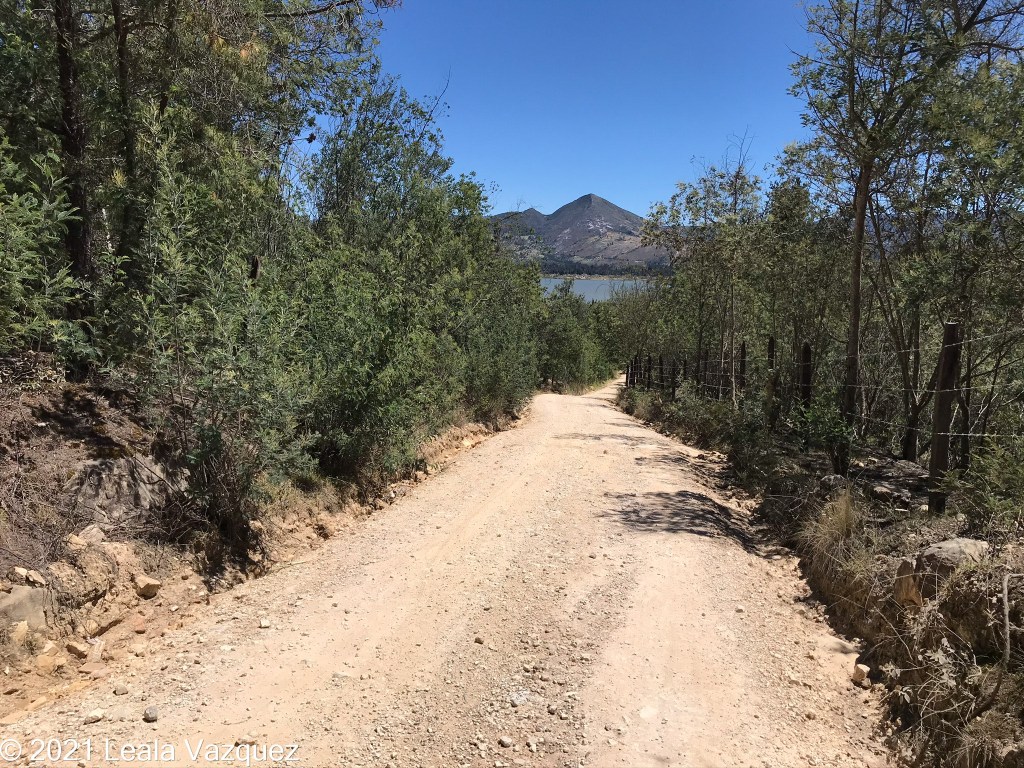
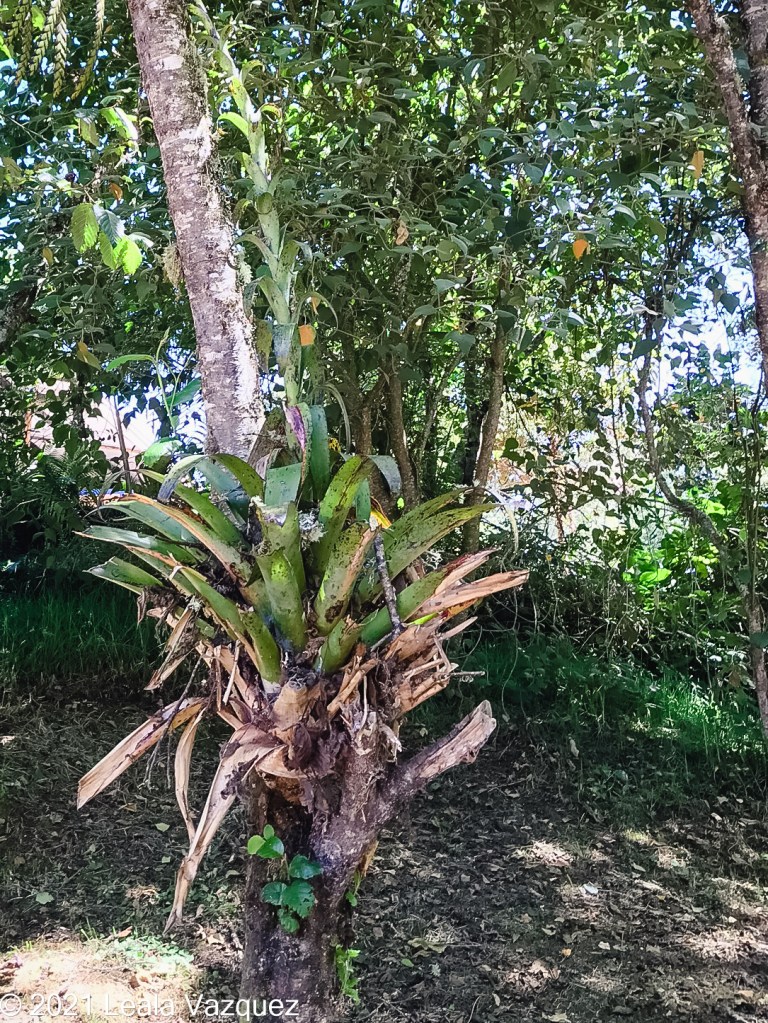
My driver takes me on a long dirt road and stops to talk about some of the plants along the way such as this Frailejón plant which adapted to the high humidity by absorbing moisture in its furry leaves. It is also said to live up to a hundred years.

Frailejón. Things seem pretty dry today.

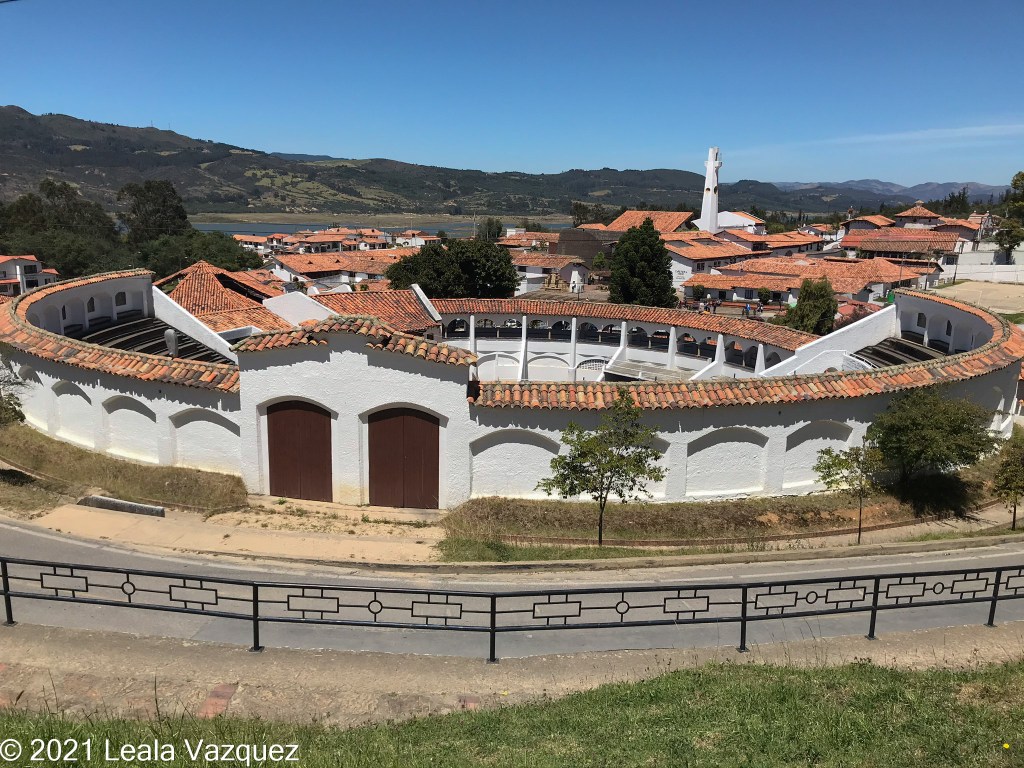
We get a view of the town of Guatavita.

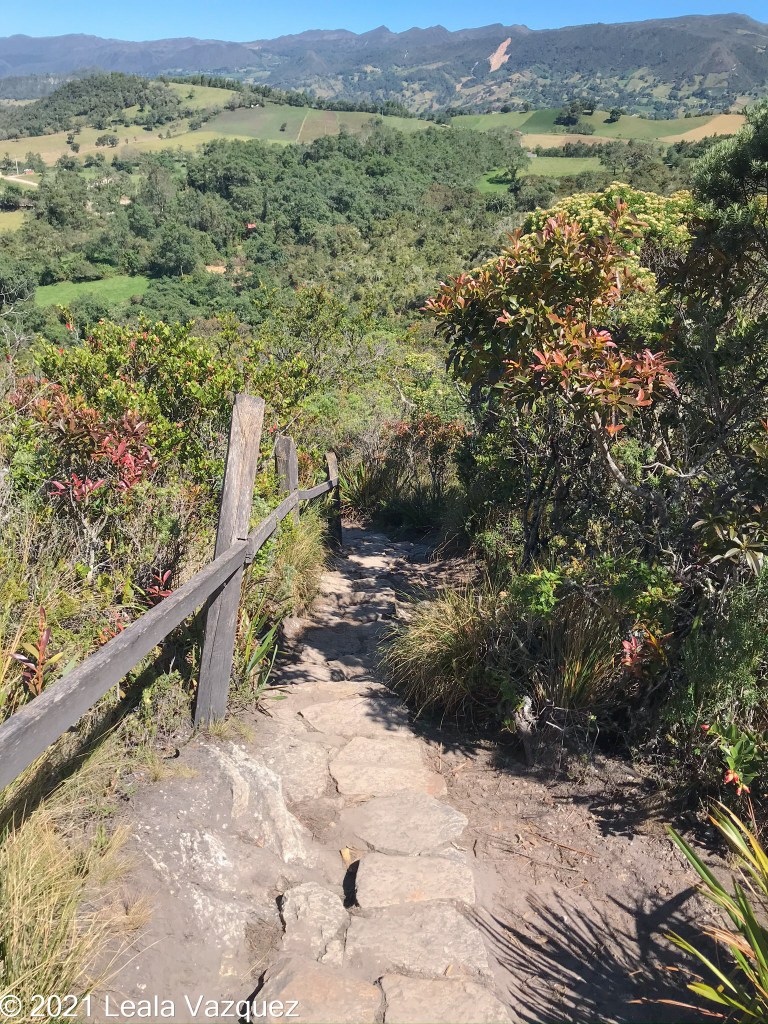
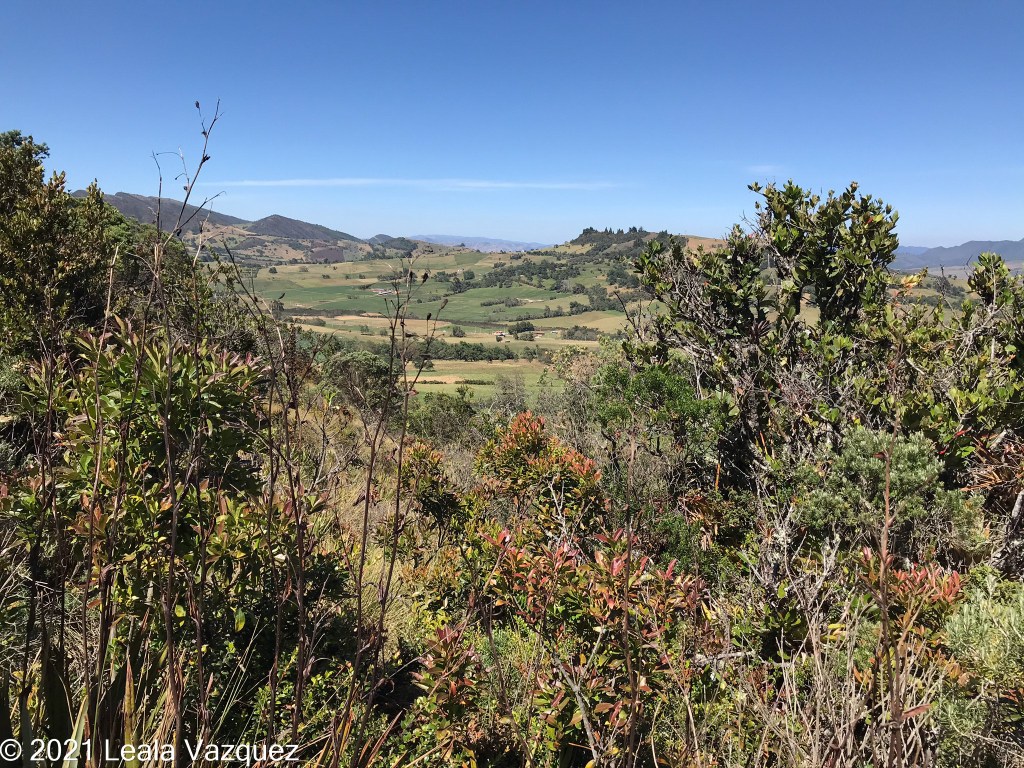
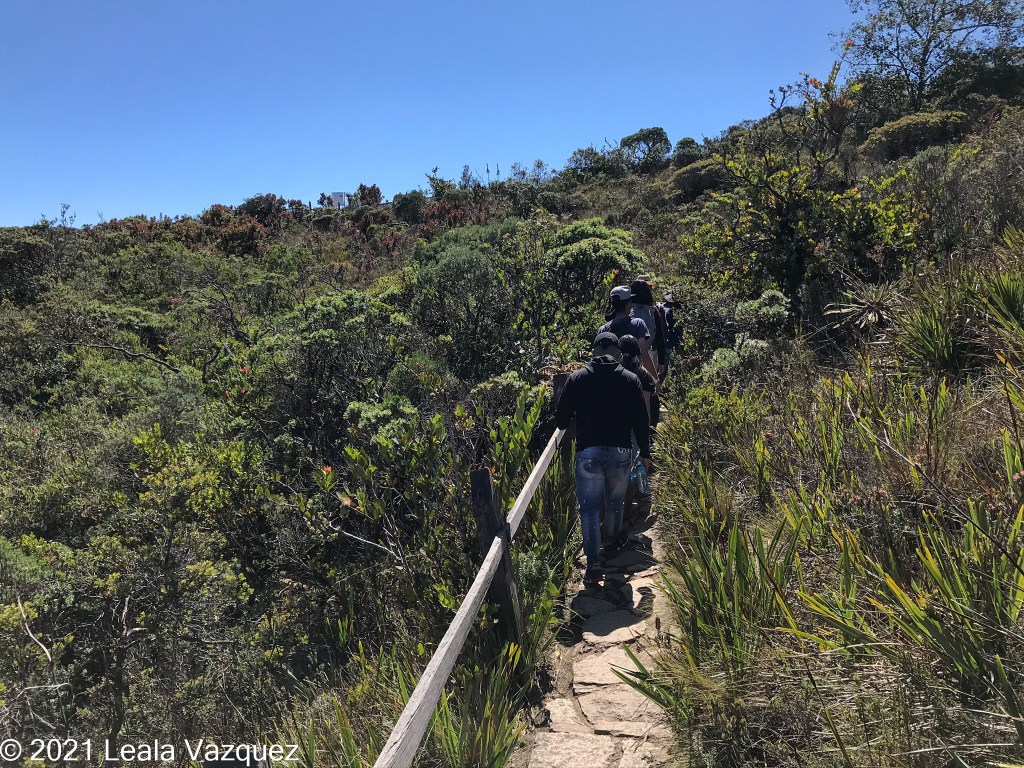
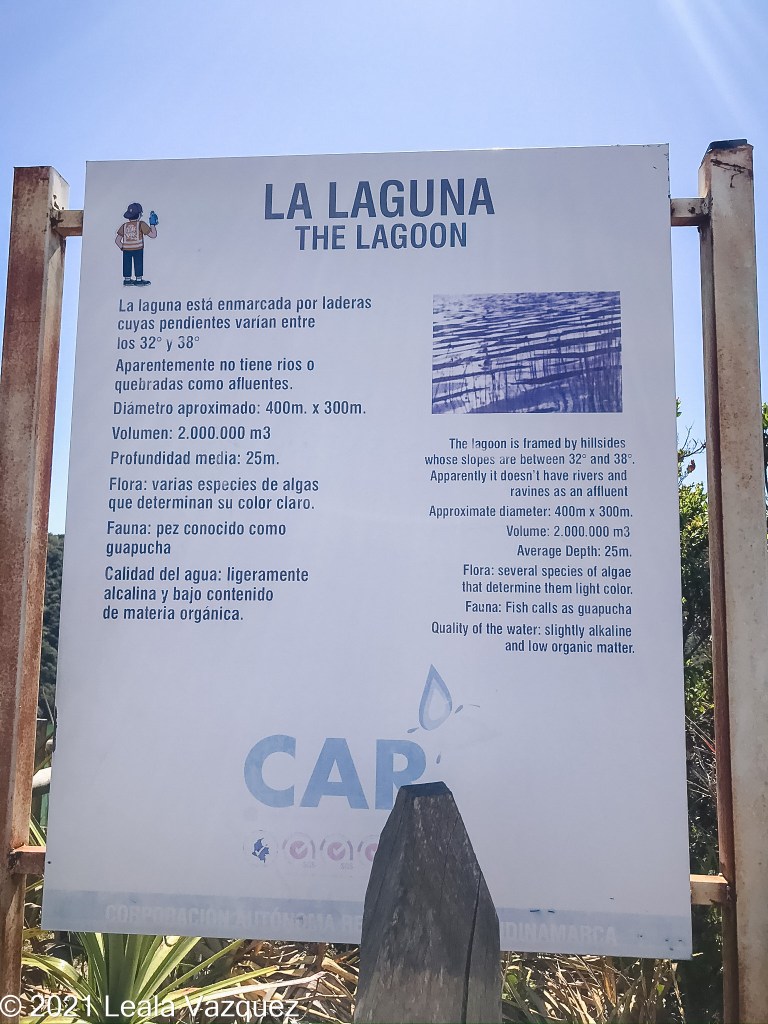
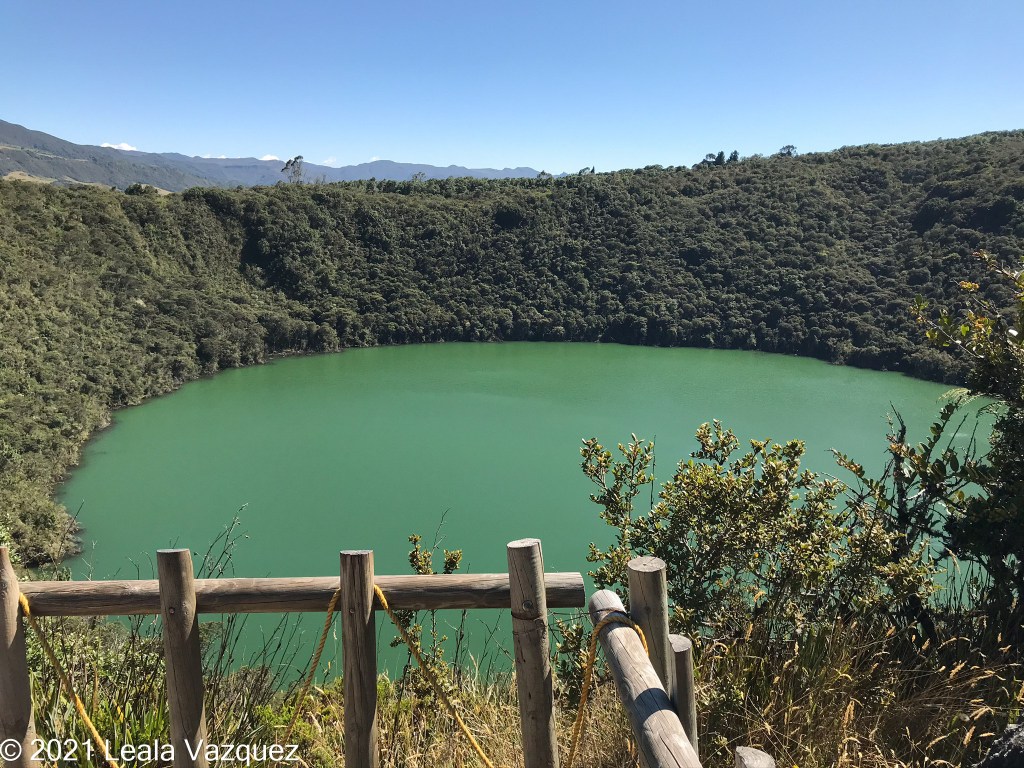
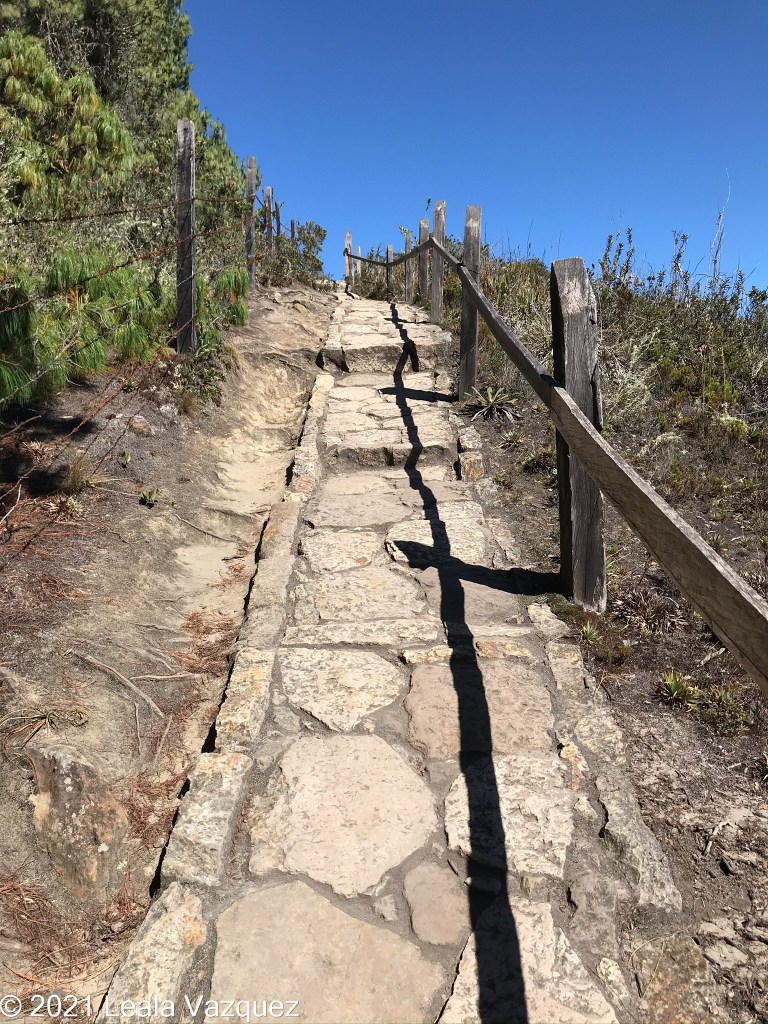
I then head over to the Laguna De Guatavita where I await for my one way tour through the nature preserve. Unfortunately for me the tour is in complete Spanish. I can understand some Spanish but not enough to pick up information about plant descriptions and history lessons. I understand some of the tour and my driver helps fill in the gaps as much as possible afterwards. It is a beautiful nature hike anyway.

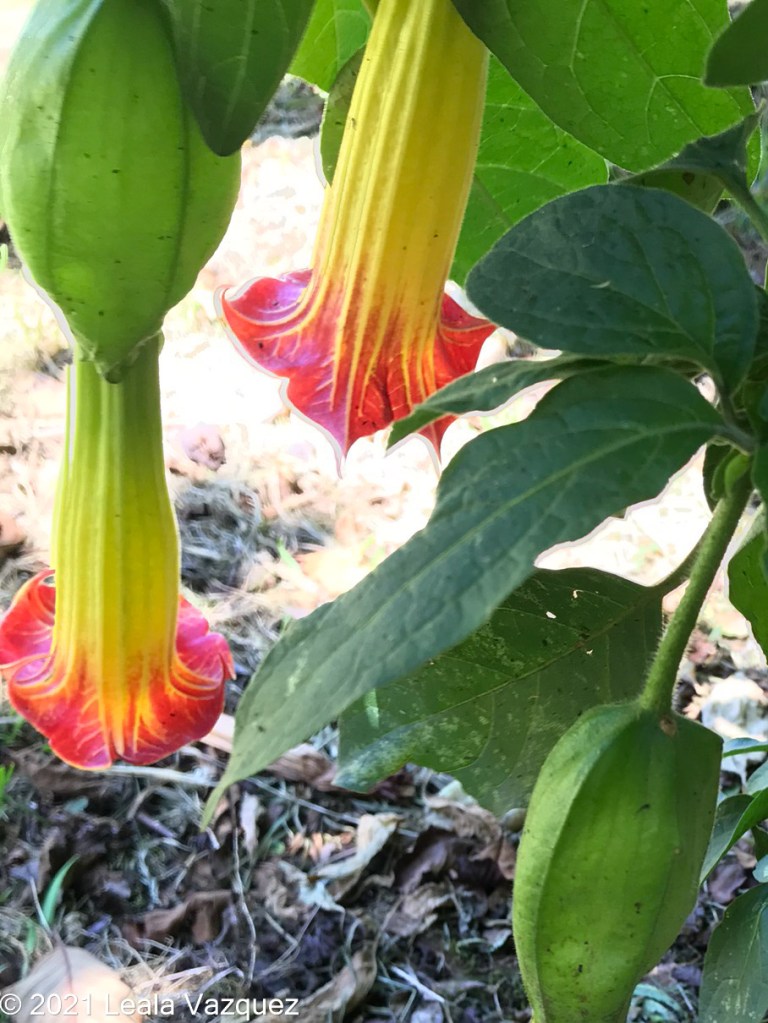
Brugmansia versicolor or “angel’s trumpets”. Plant can be used for drugging individuals.
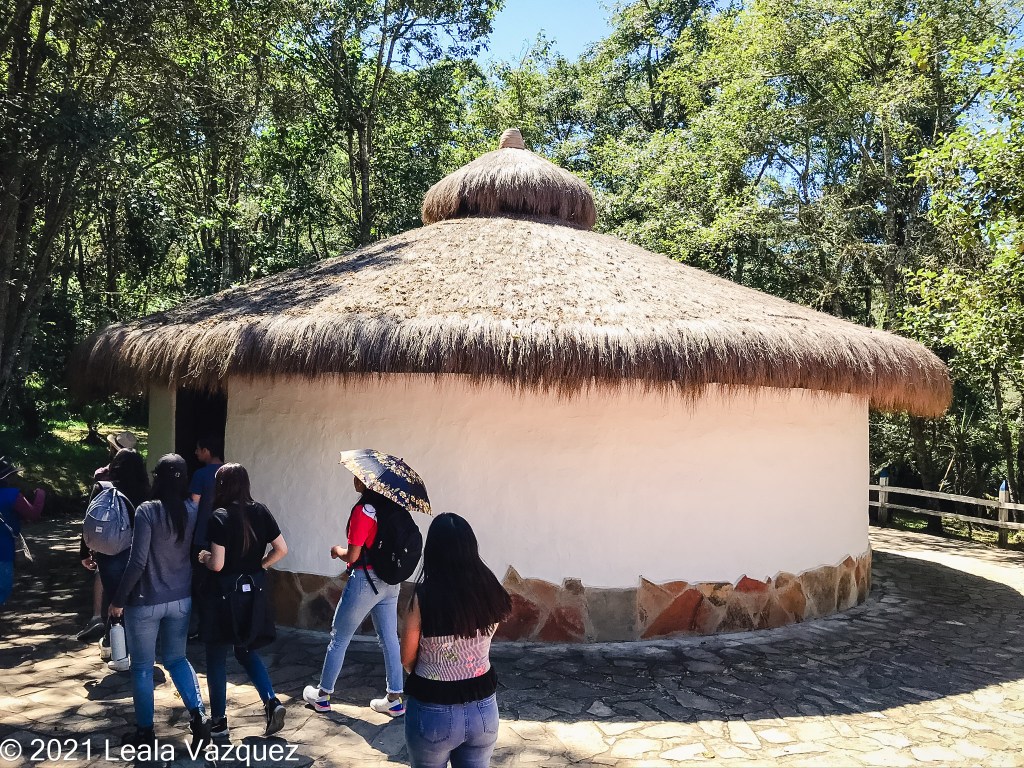
Ceremonial House for Muisca people

The guide speaks for a long period of time in the ceremonial house. Unfortunately I only pick up a little bit of what is said. I really need to brush up on my Spanish.

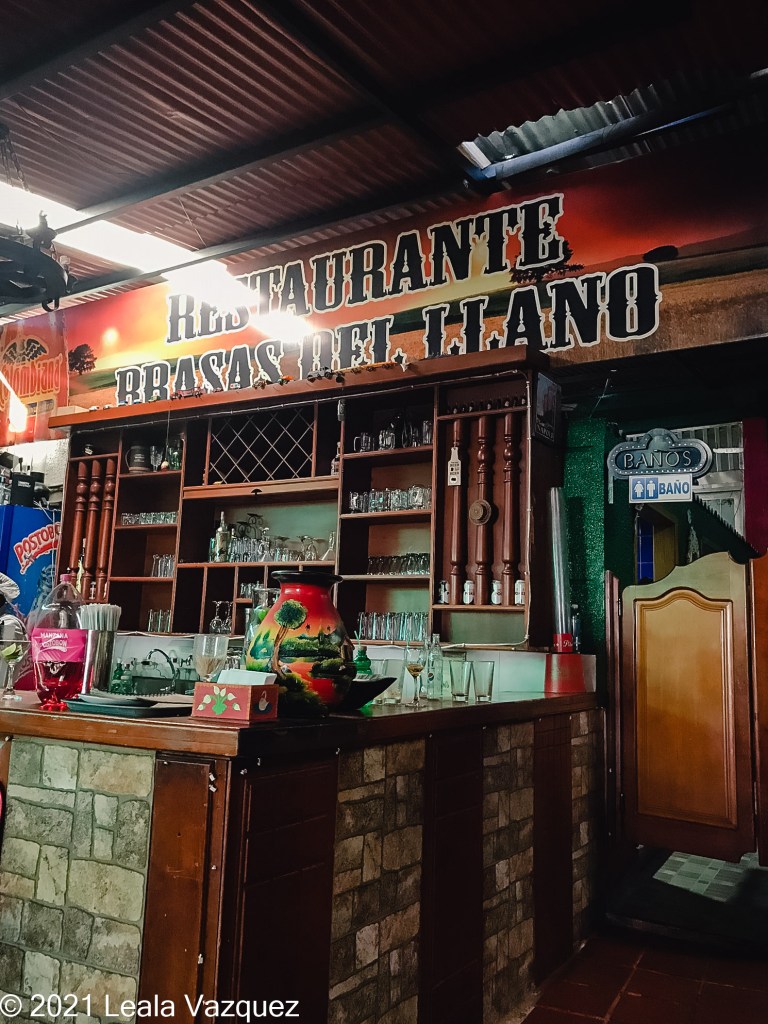
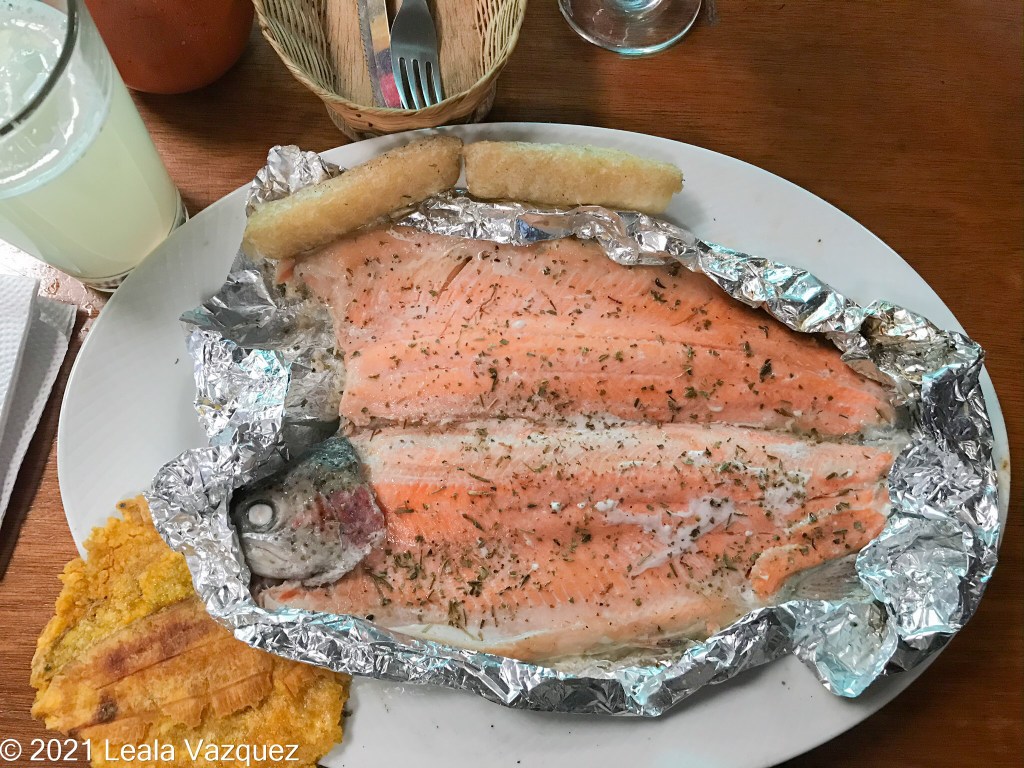
I reach the end of the tour and my driver is waiting for me. He takes me to a restaurant where I get some BBQ samples and order some delicious trout.

After lunch I am heading to the Salt Cathedral. More on the Salt Cathedral later….