Krakow: Schindler Factory and Bagels

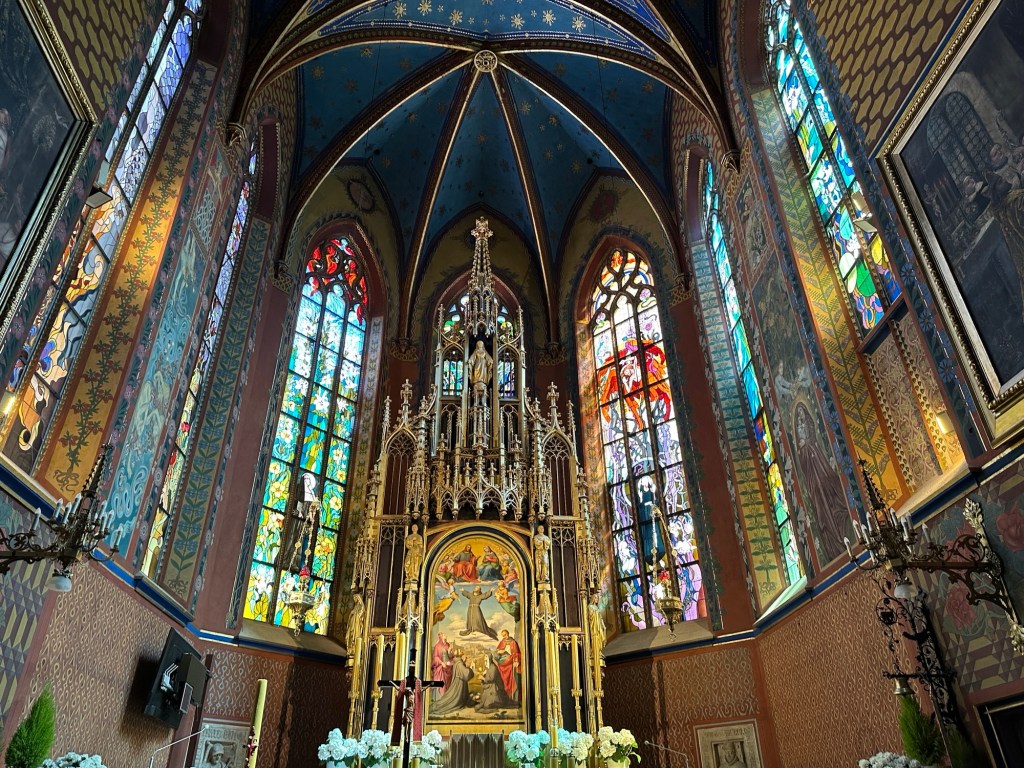
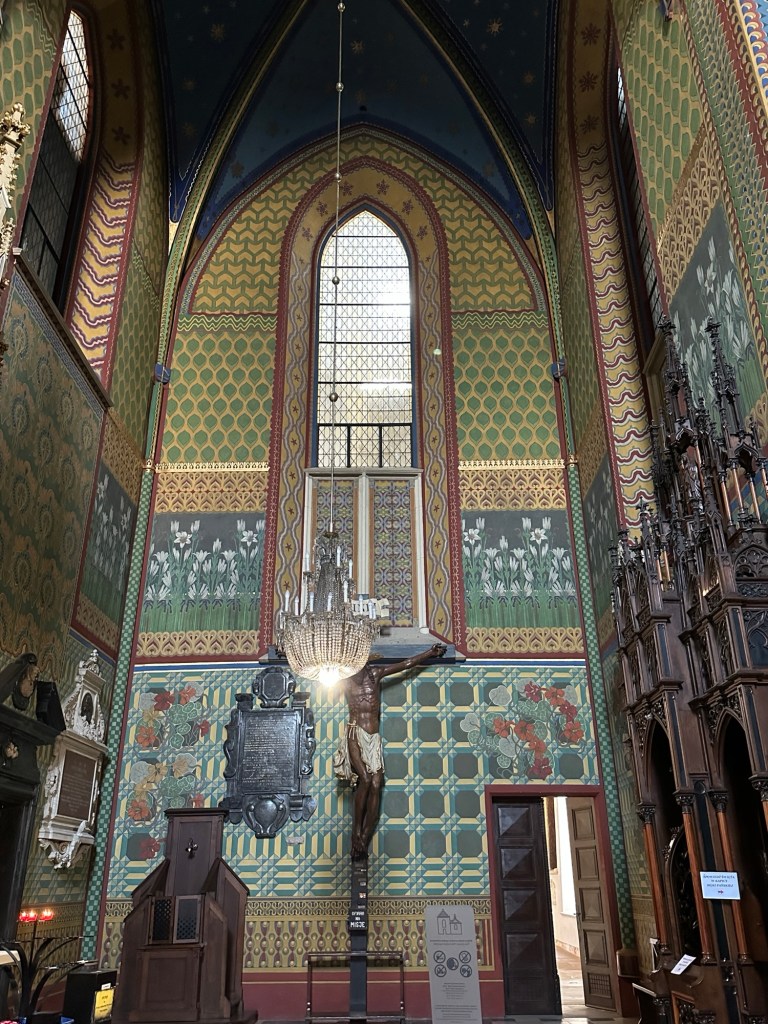
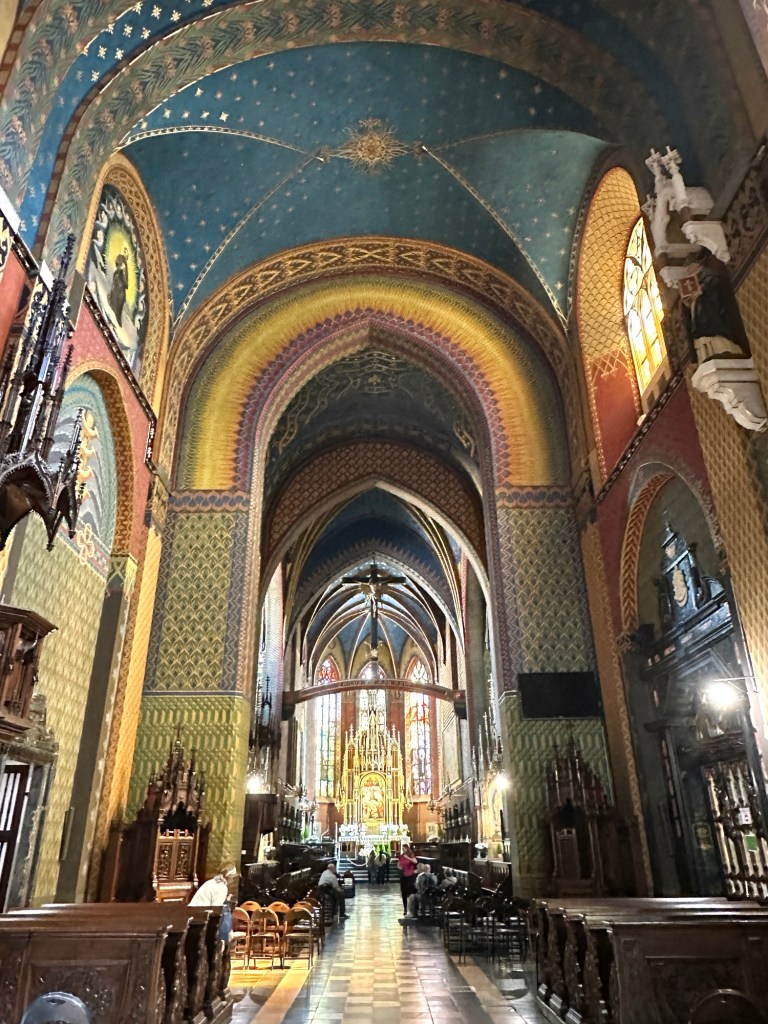
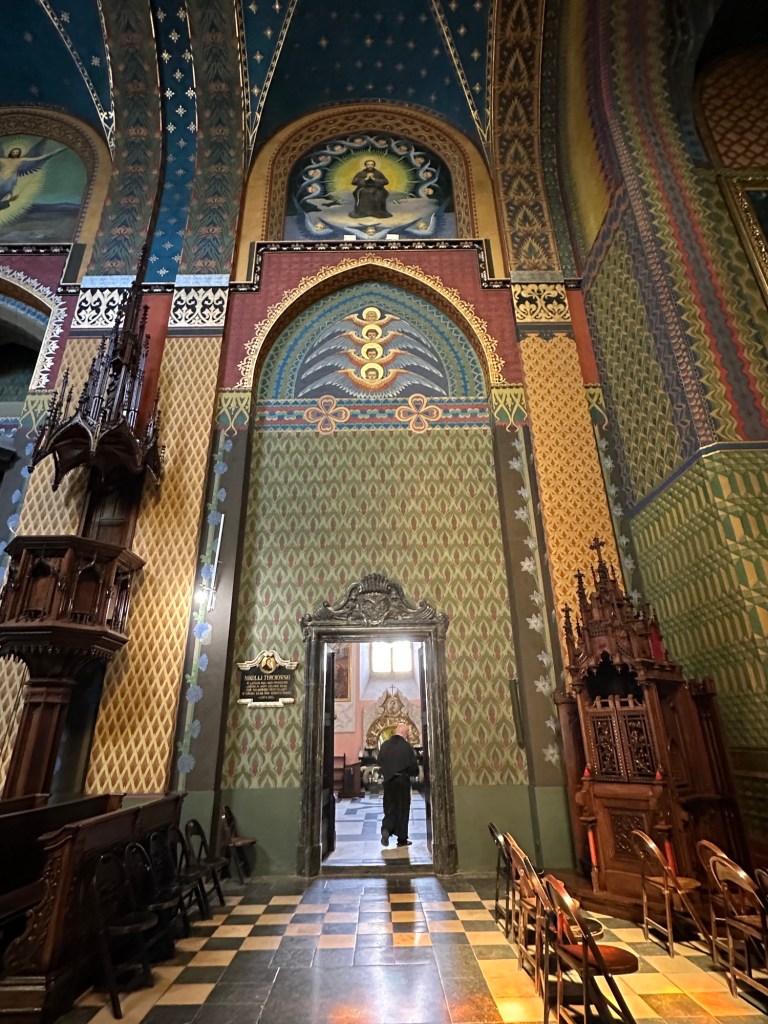
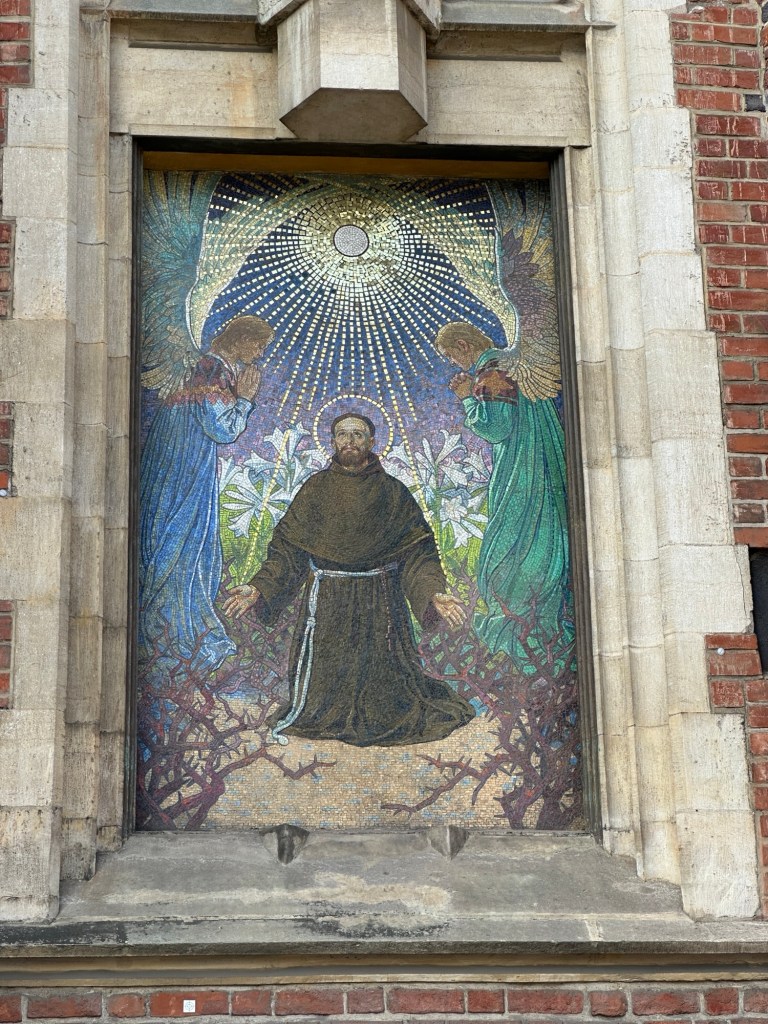
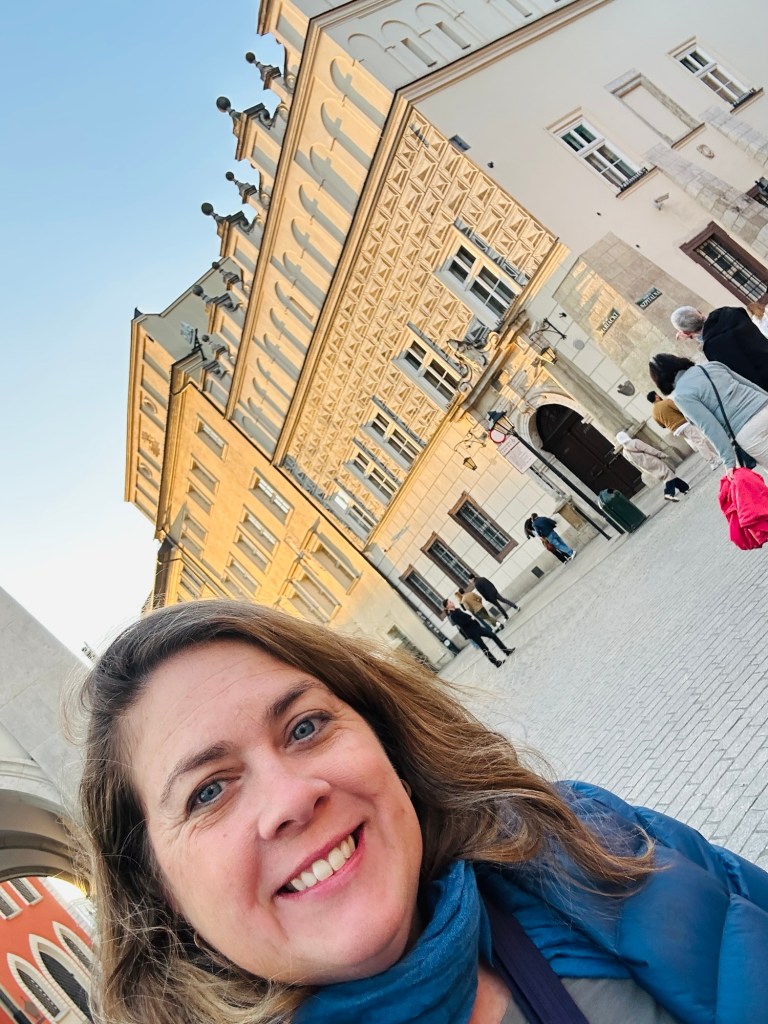
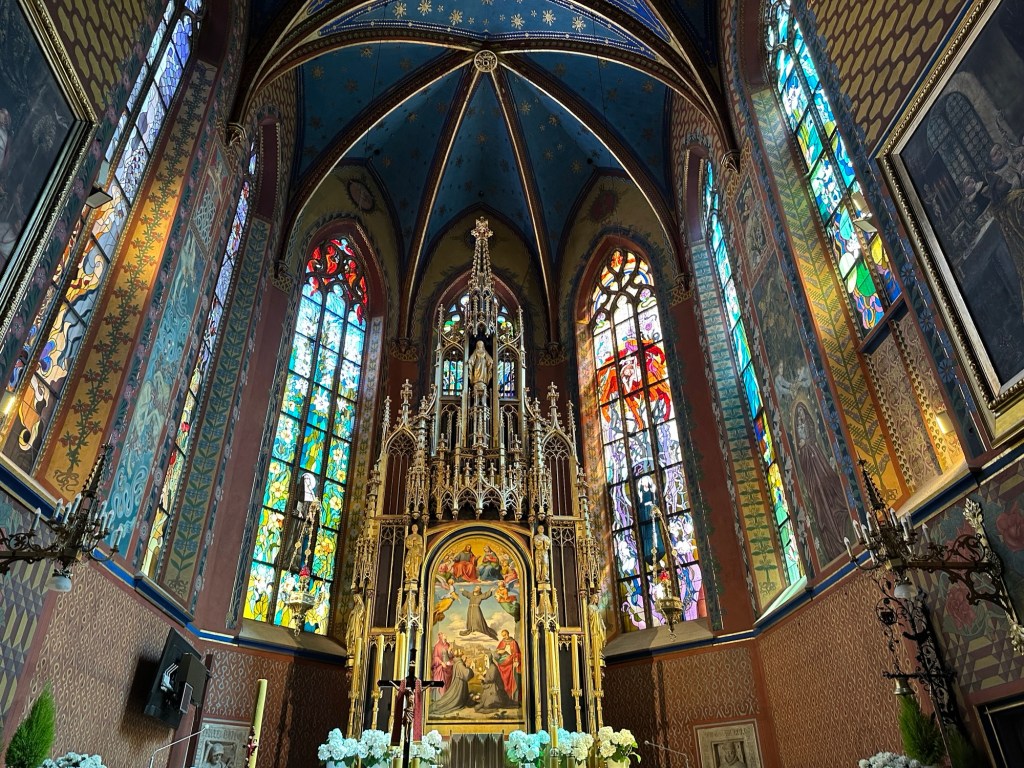
St Francis church

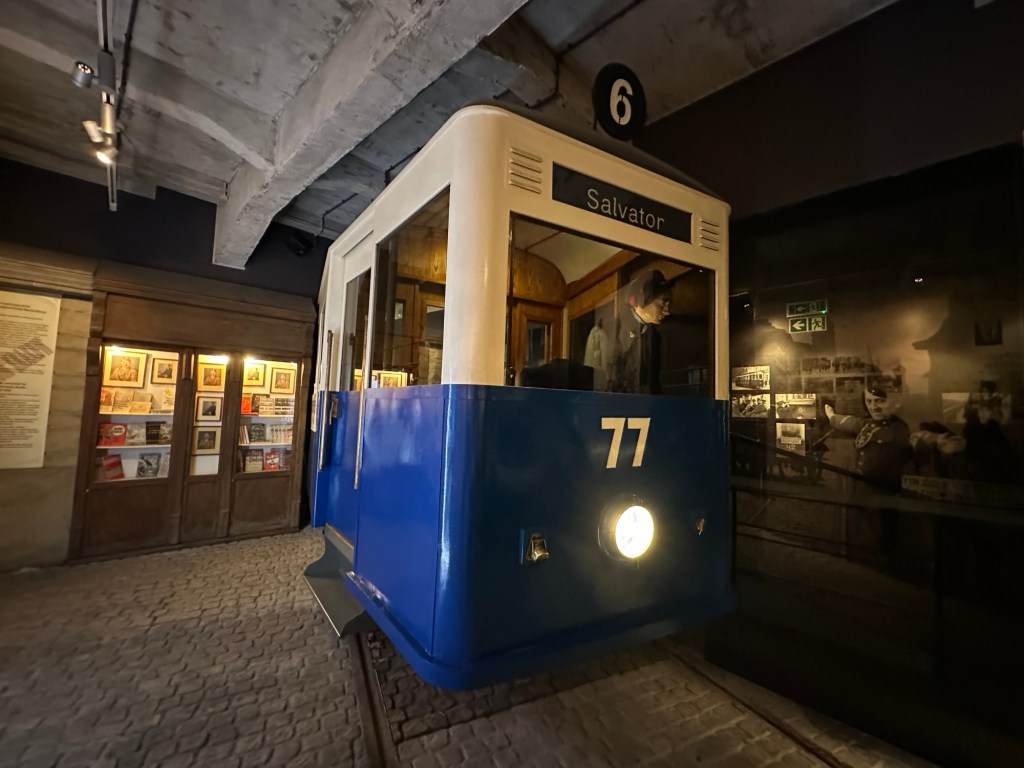
I start the day with a tour of the famous factory where Oskar Schindler have saved over 1000 local jews by providing jobs, food and protection for them at great risk to himself.
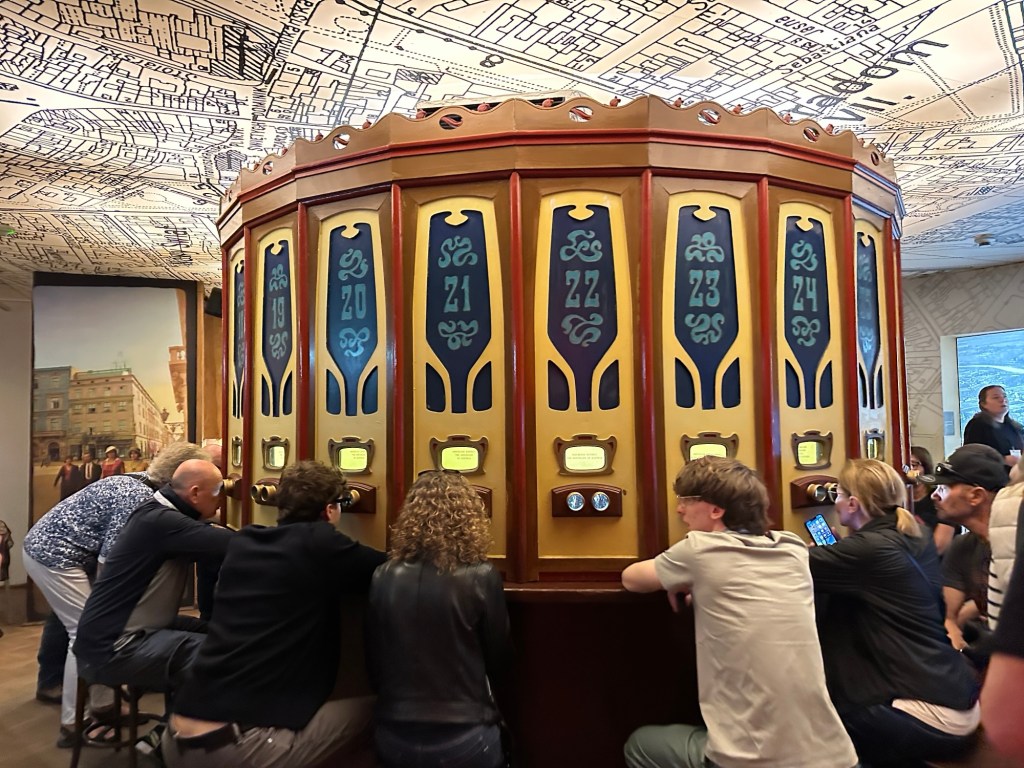
I booked a guided tour which is very informative but be warned if you book the guided tour option you will not be able to freely roam the museum afterwards because it moves in a one way direction towards the exist. Do I think the tour is worth it, yes, but there are details in the museum I missed because I took the guided tour option.
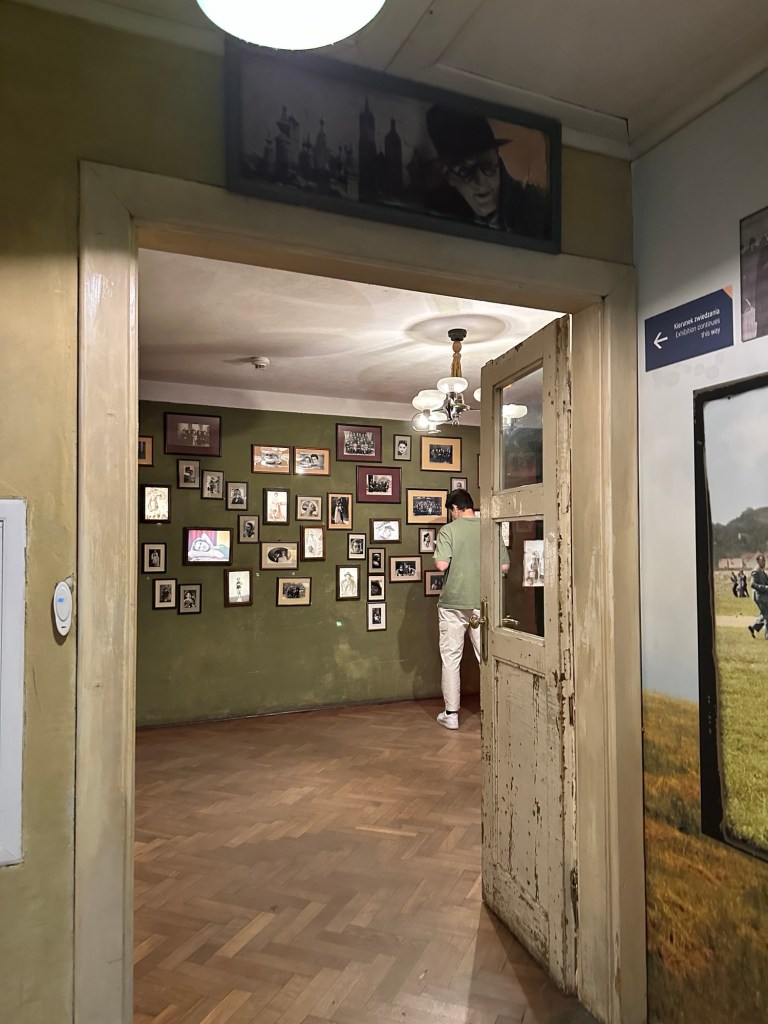
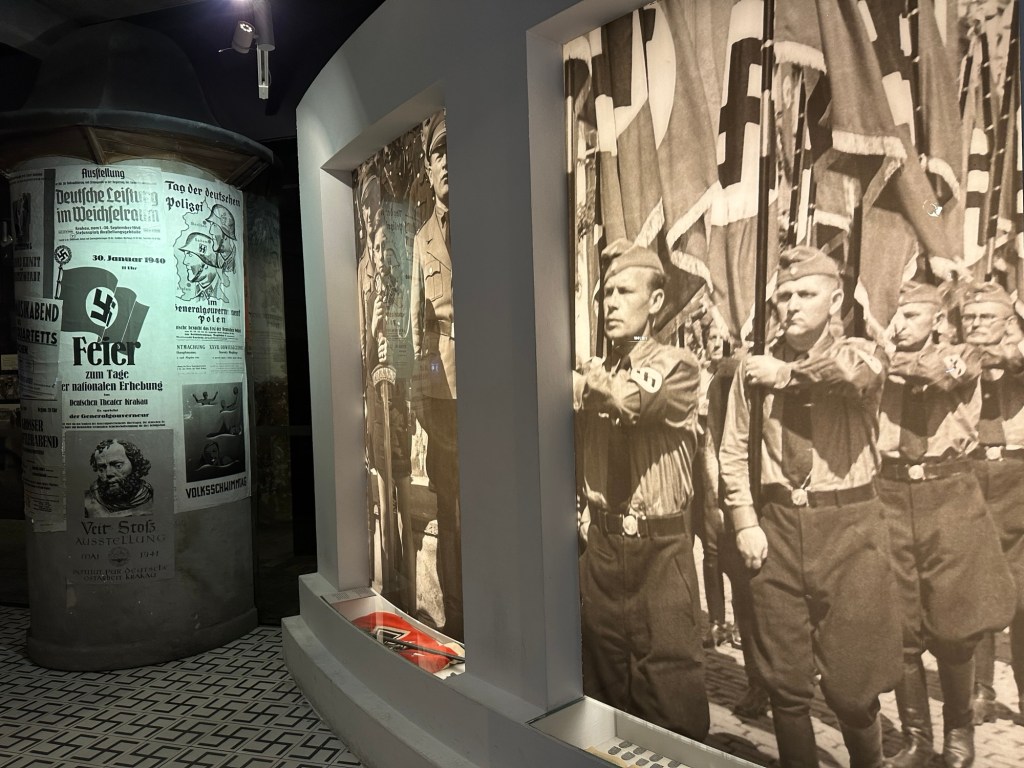
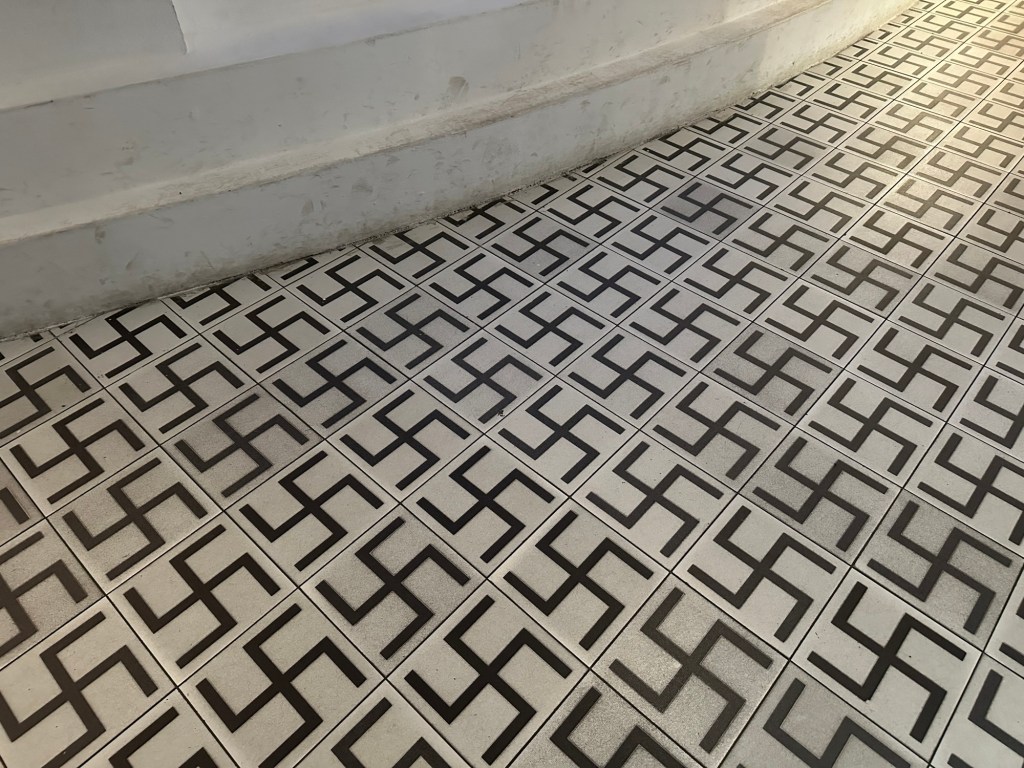
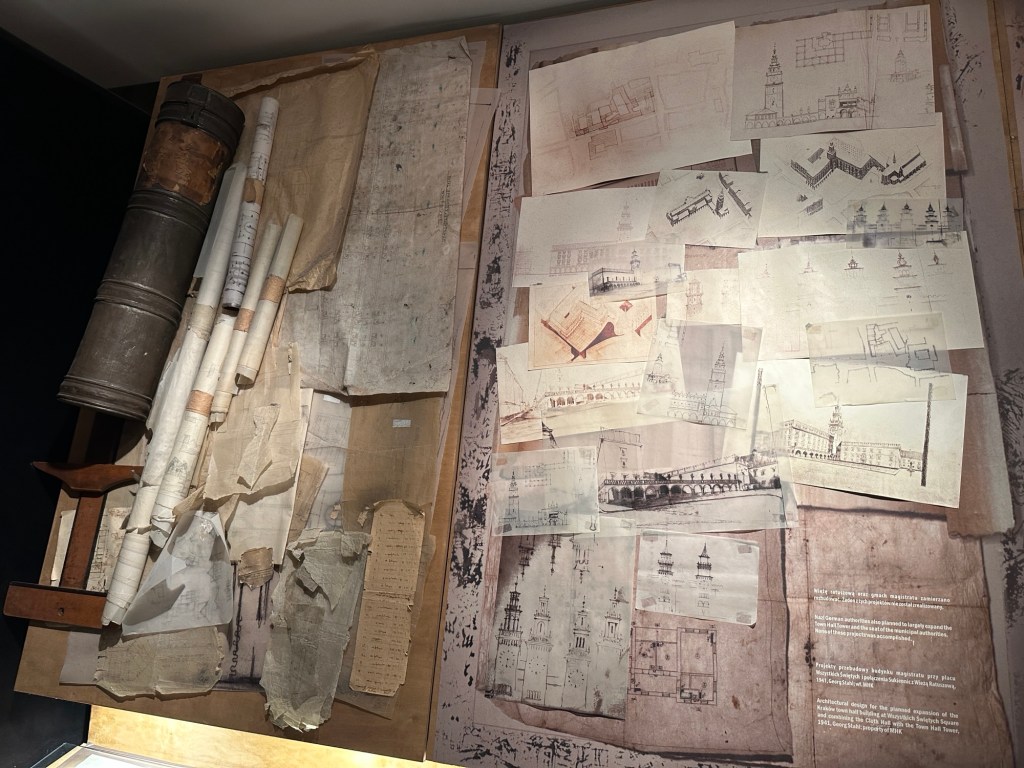
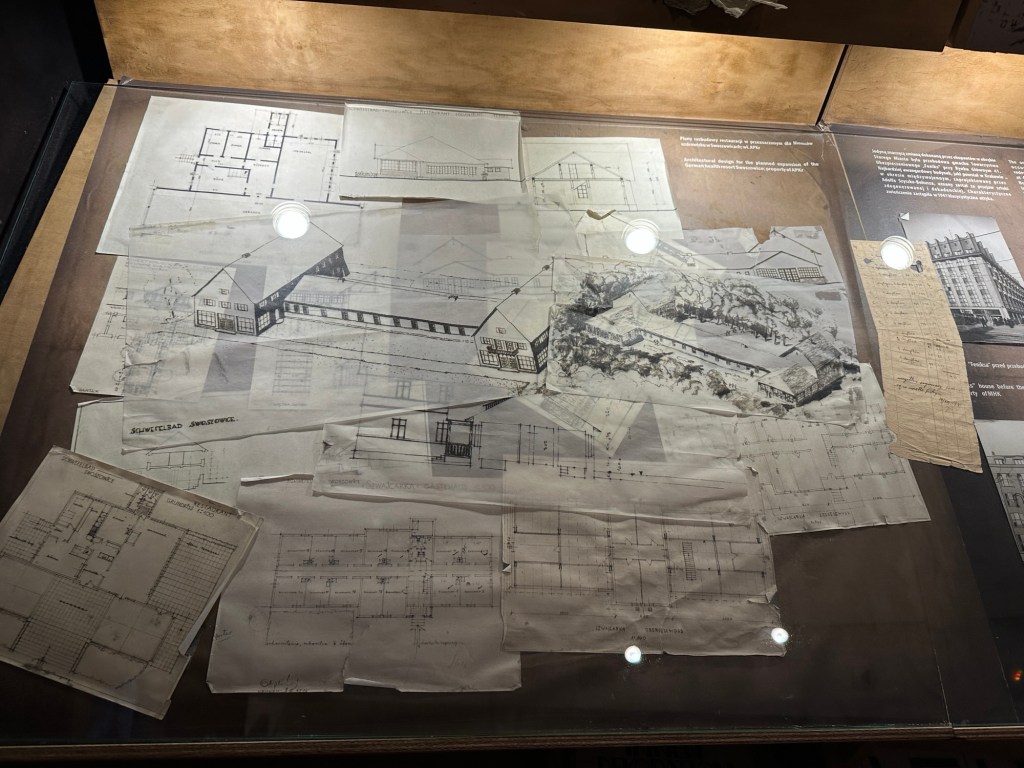
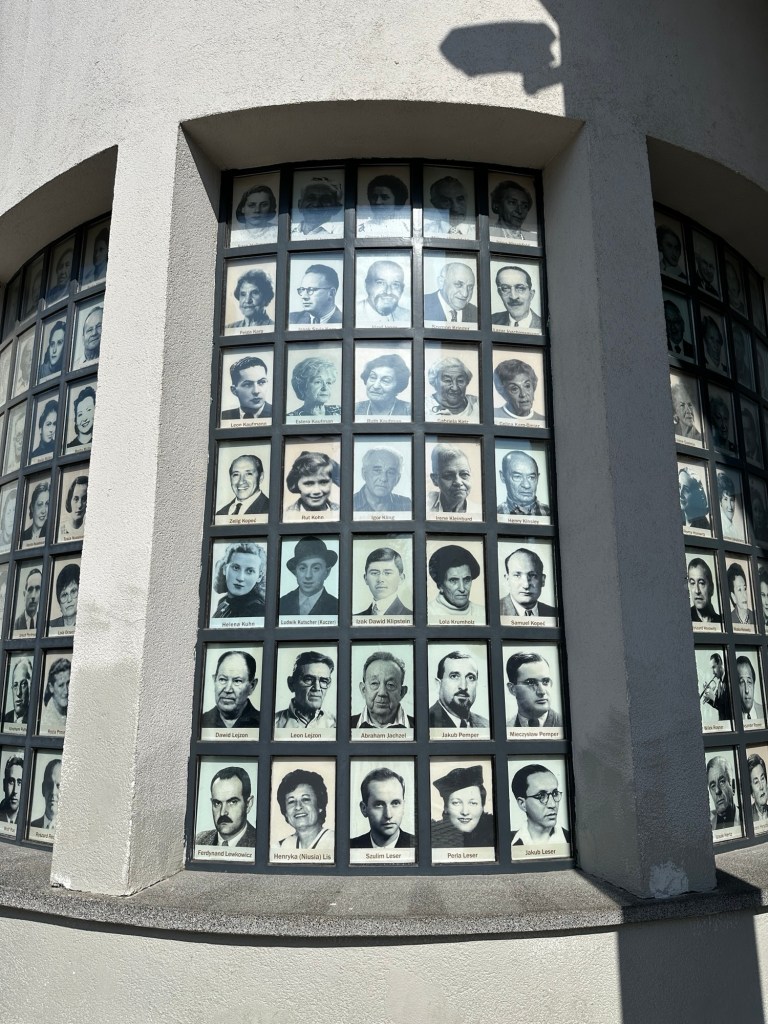
As for the museum, it is more so about the complete history of the Jews during WWII with some of Oskar Schindlers work mixed in. They have interactive area where you walk through a walled area to get a feel how those that were moved into the ghetto must have felt.

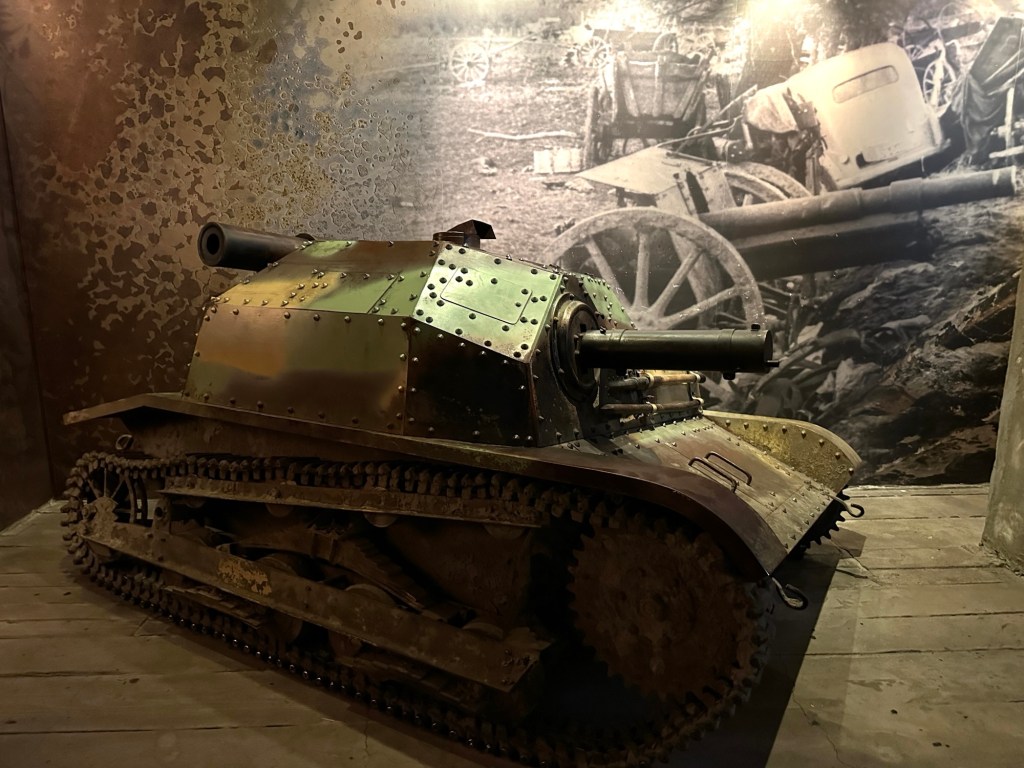
Reproductions of the walls

There are some modern day lessons to be learned here like when Poland was being invaded by Nazis there were plenty of locals acting like everything is normal when it’s not. How many people would easily turn on their neighbors when given the chance or even a small bit of a payout. It makes you think the worst of humanity and while I would like to think we’ve grown past this behavior, I fear we have not. It was common to have families hidden underneath business and had to not make any noise. There were Nazis that went to buildings with stethoscopes to listen to any slight movement to see if someone was hidden in a building.

We learn about the ghettos and camps and working conditions that the Jewish people were under.
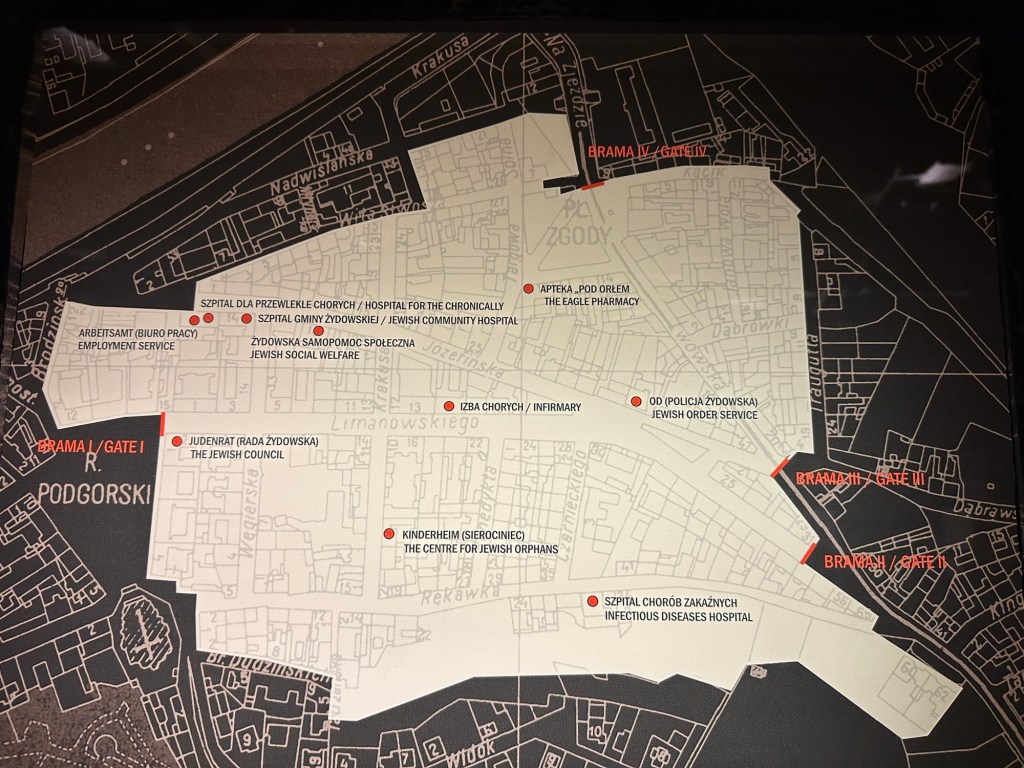
Ghetto map

We also learn that Oskar Schindler himself is a flawed man. He was actually a nazi spy who profited off of the war but upon living in Krakow and working with Jewish people became sympathetic to their struggles. That is when he starting making his “list” of workers he needed for his factory of enamelware and ammunitions factories. When confronted with the ridiculousness of say employing children he would use excuses like he needs the “small hands” to clean the ammunition. In the end he saved about 1200 people.
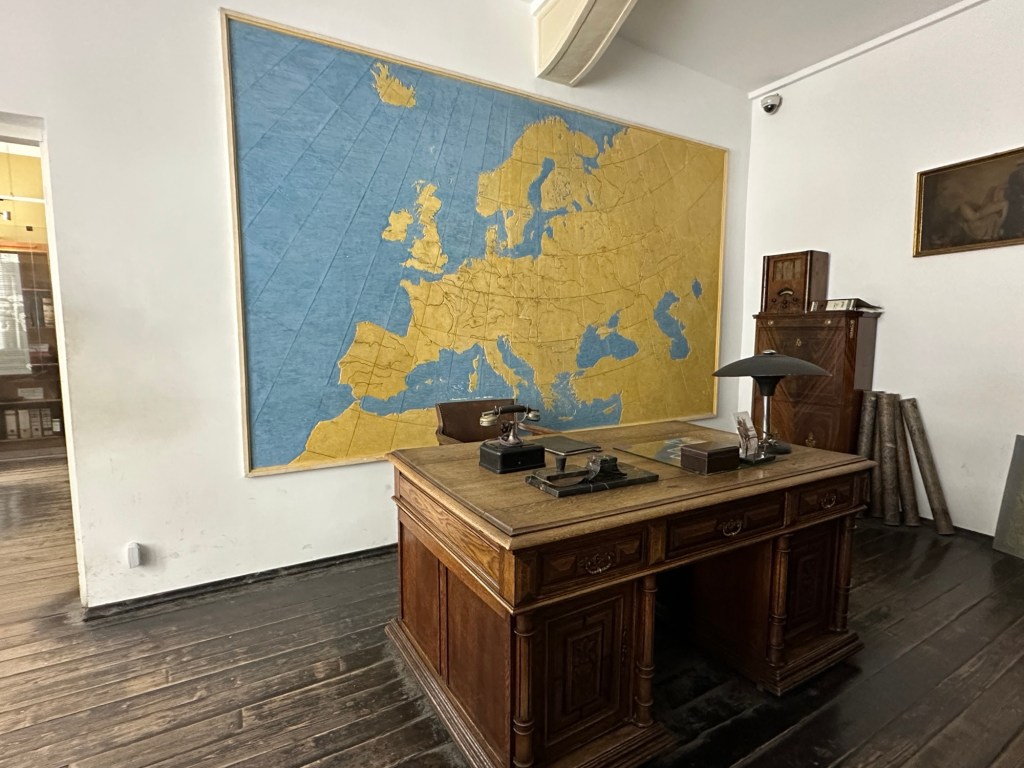
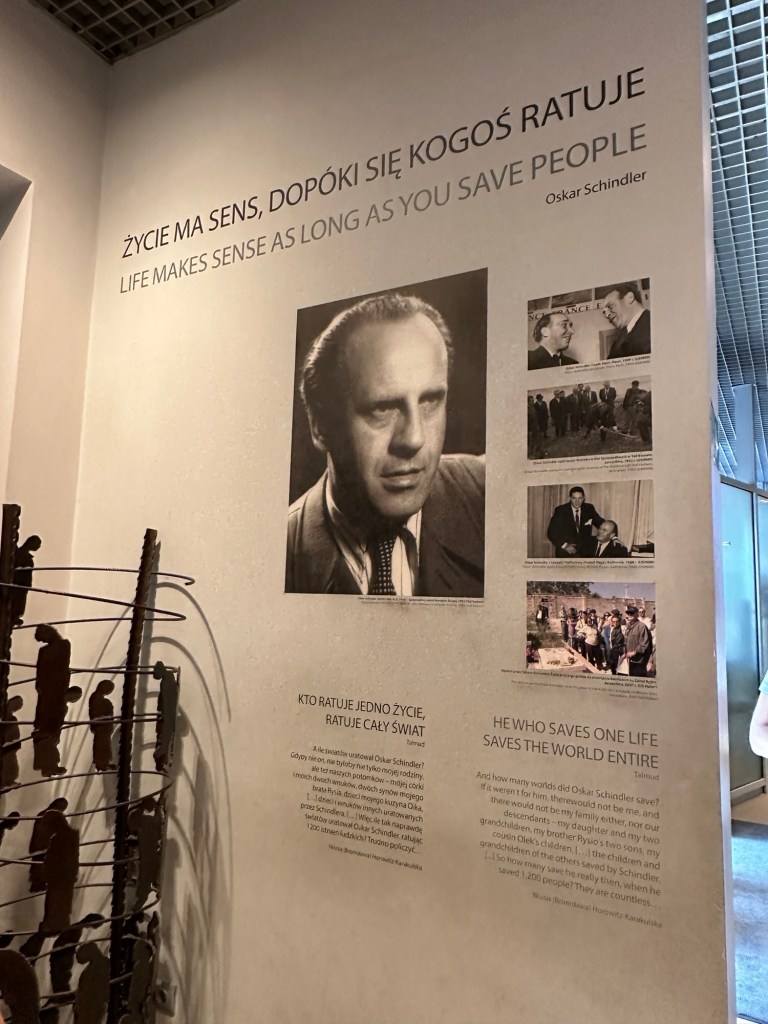
Schindlers desk

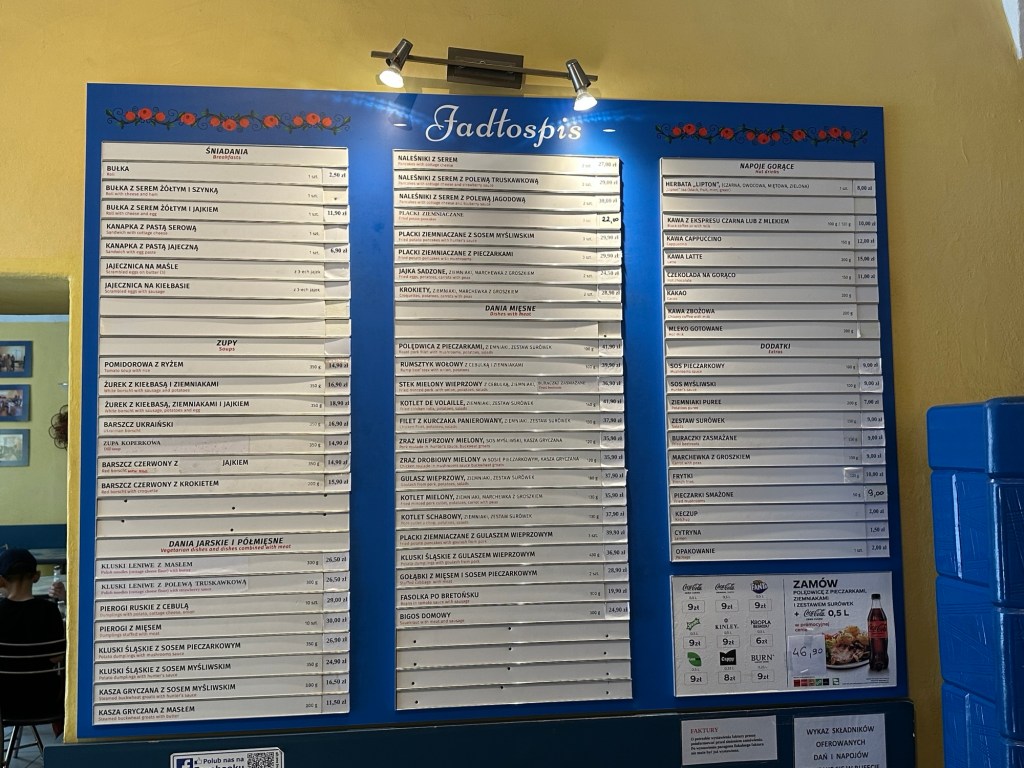
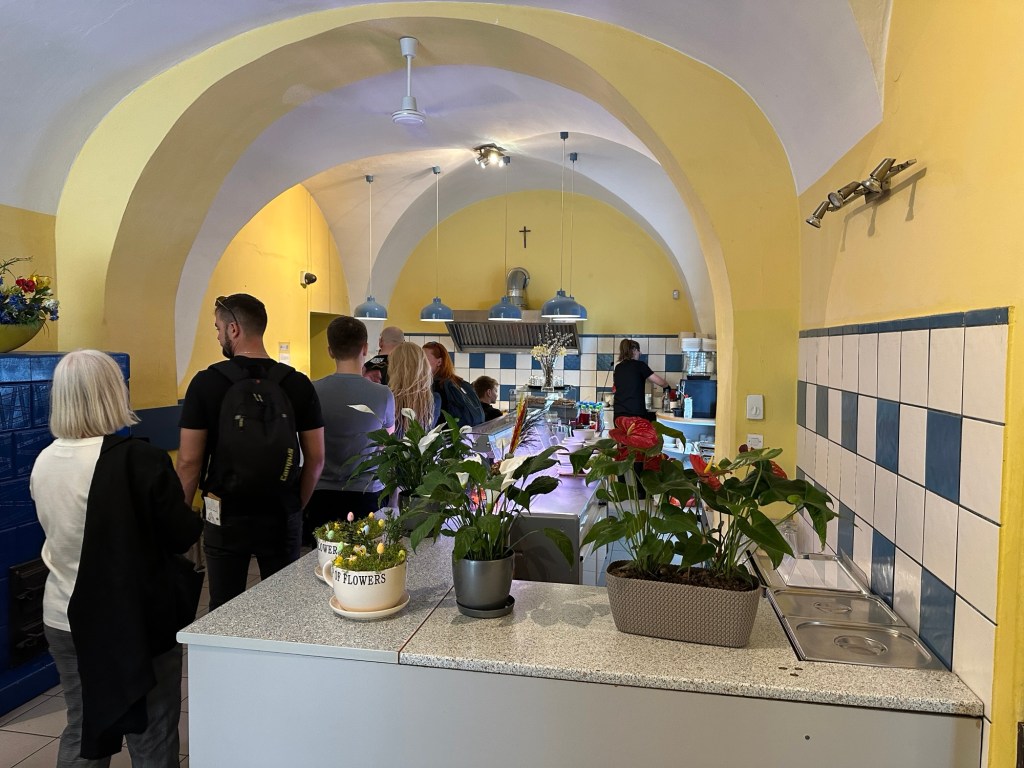
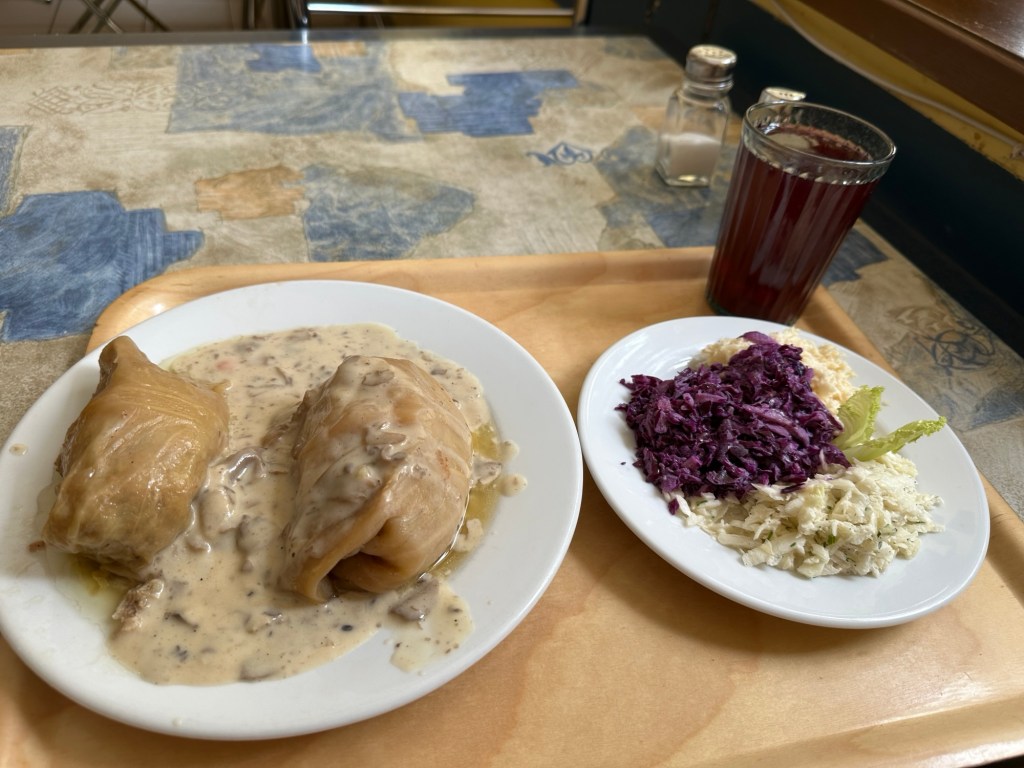
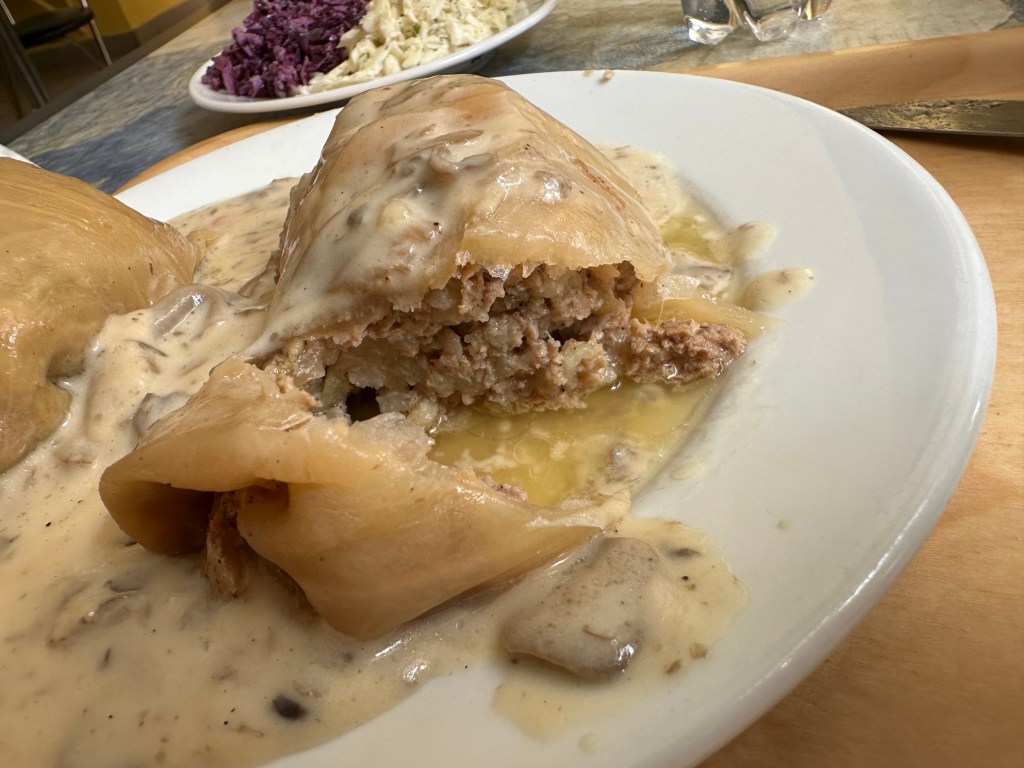
After the museum I have lunch at a milk bar where I finally try to get to try one of my favorite dishes, golabki – cabbage rolls stuffed with barley and meat topped with mushroom cream sauce. I ordered a side dish because I thought I needed veggies (even though the cabbage was very filling) but I realize I bought a plate of three different types of coleslaw and I hate coleslaw – yes I know I should like it because I love cabbage but some reason coleslaw is ick to me. I also had another glass of kompot, this time I think it is plum.
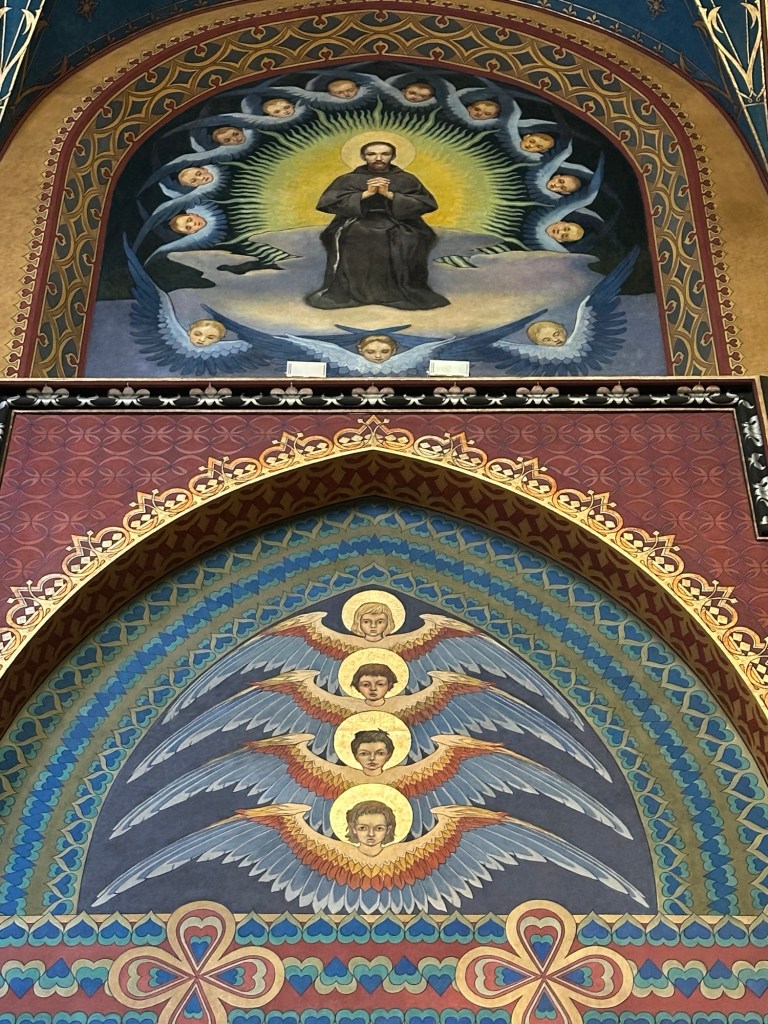
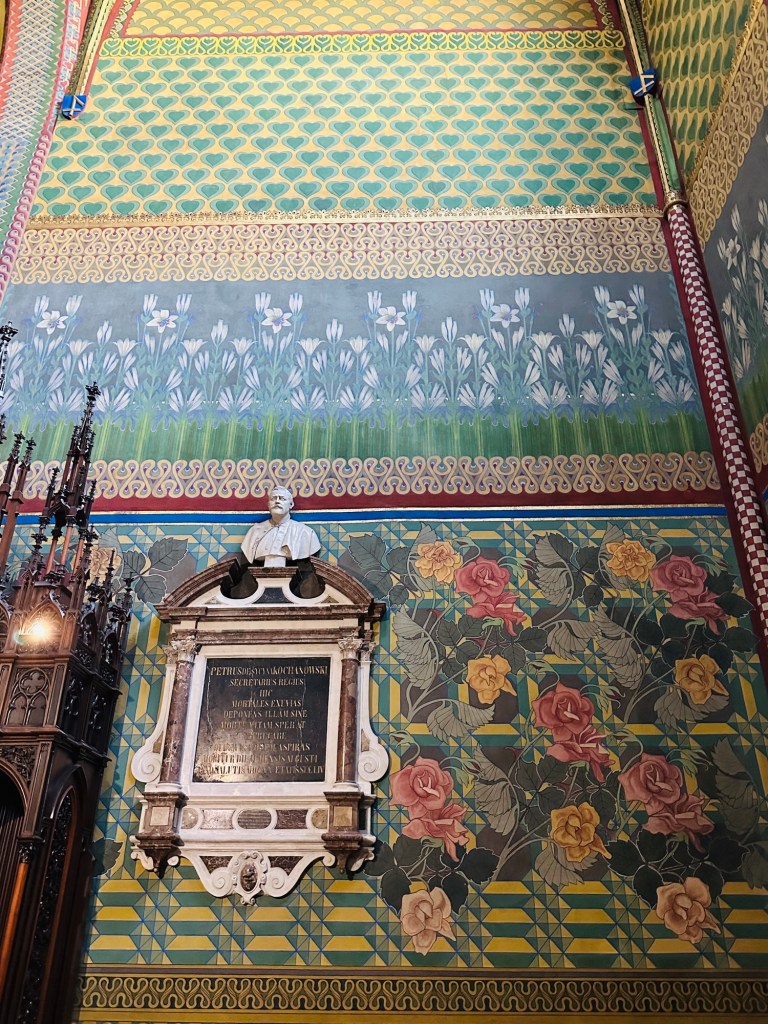
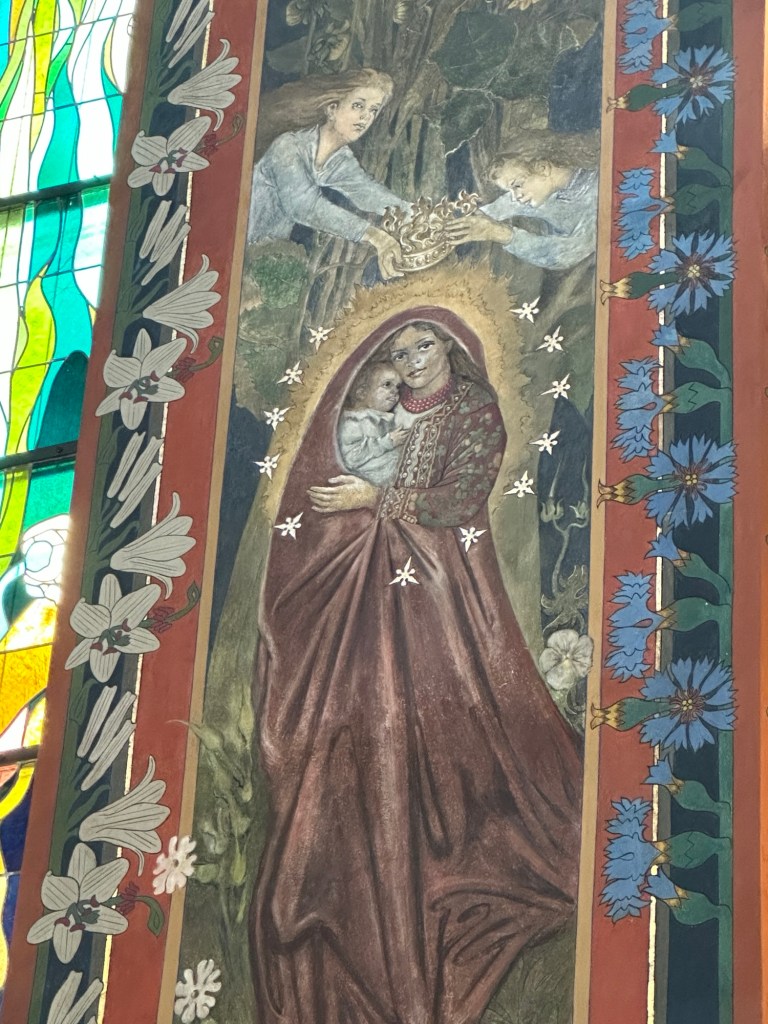
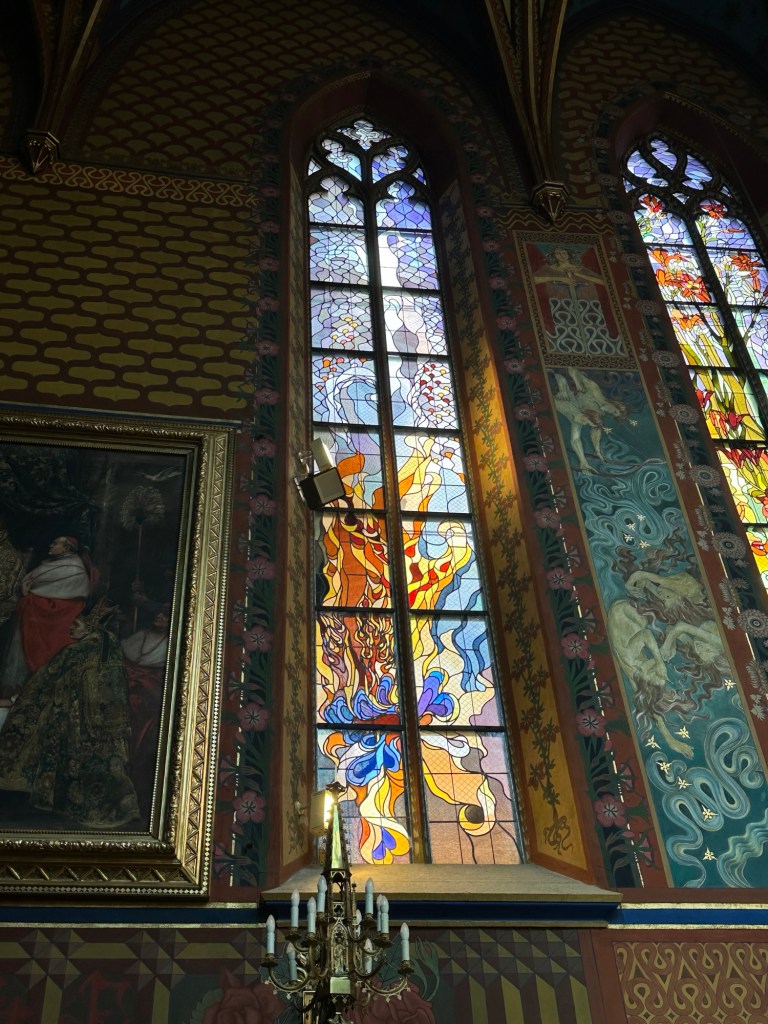
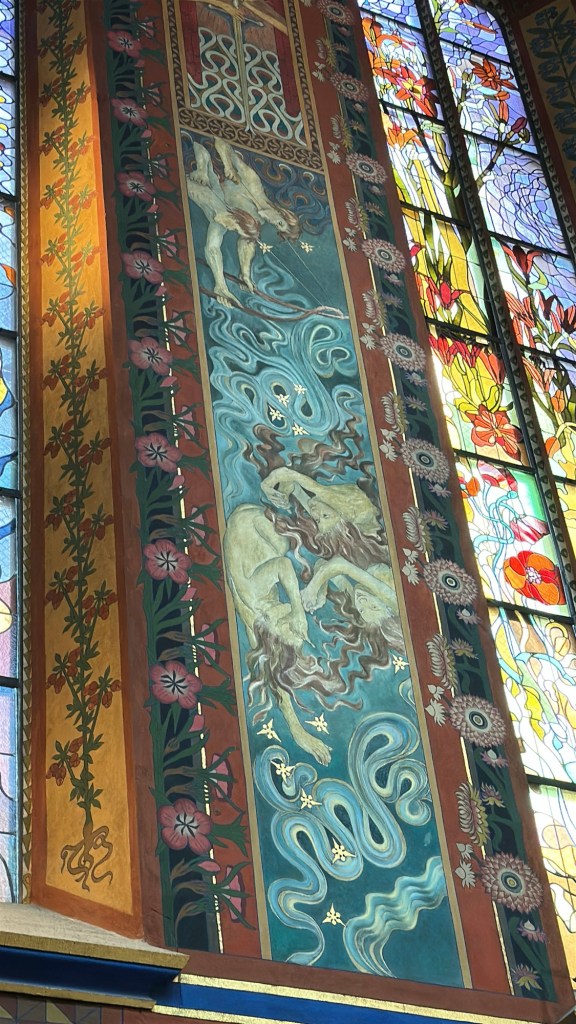
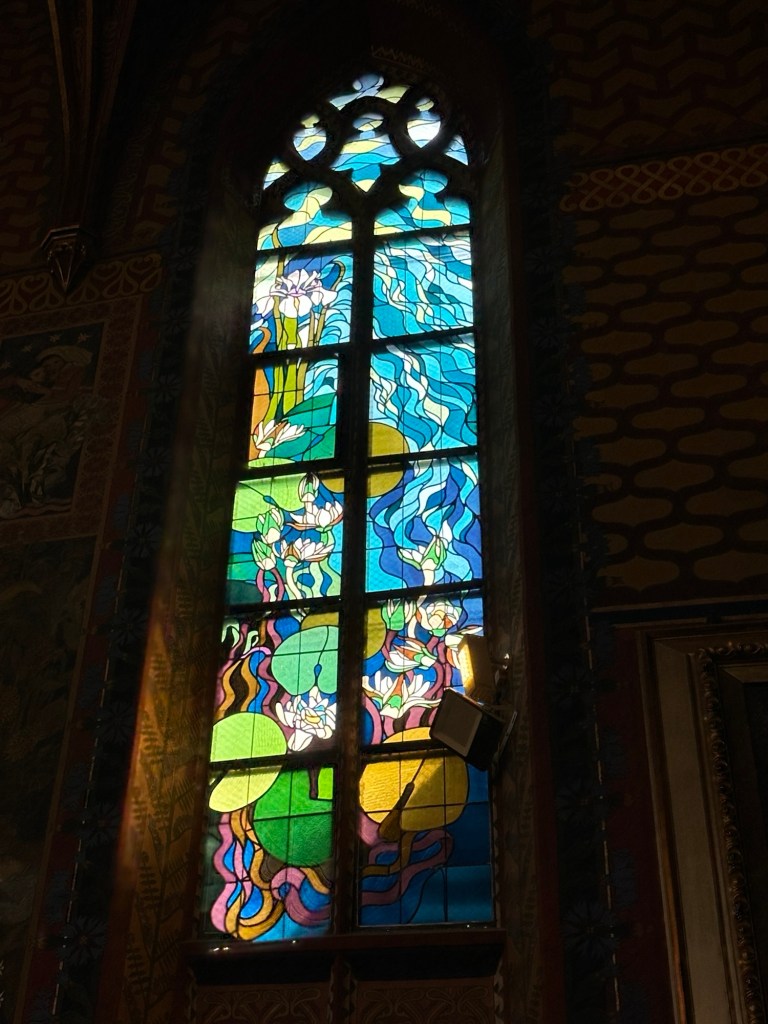
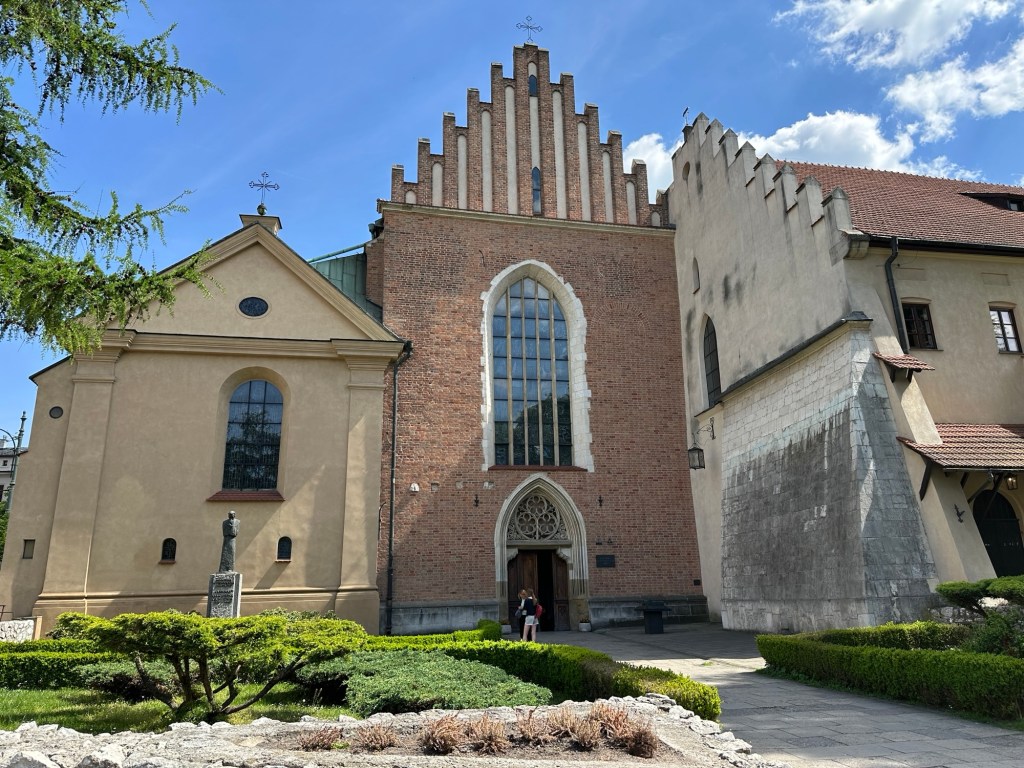
I visit the nearby Bazylika Franciszkanów (St Francis Basilica). Even though I have church fatigue like I have castle fatigue I have this church on my list since it is decorated in Art Nouveau style. I am not disappointed. I love the inside decor, especially the stained glass windows.

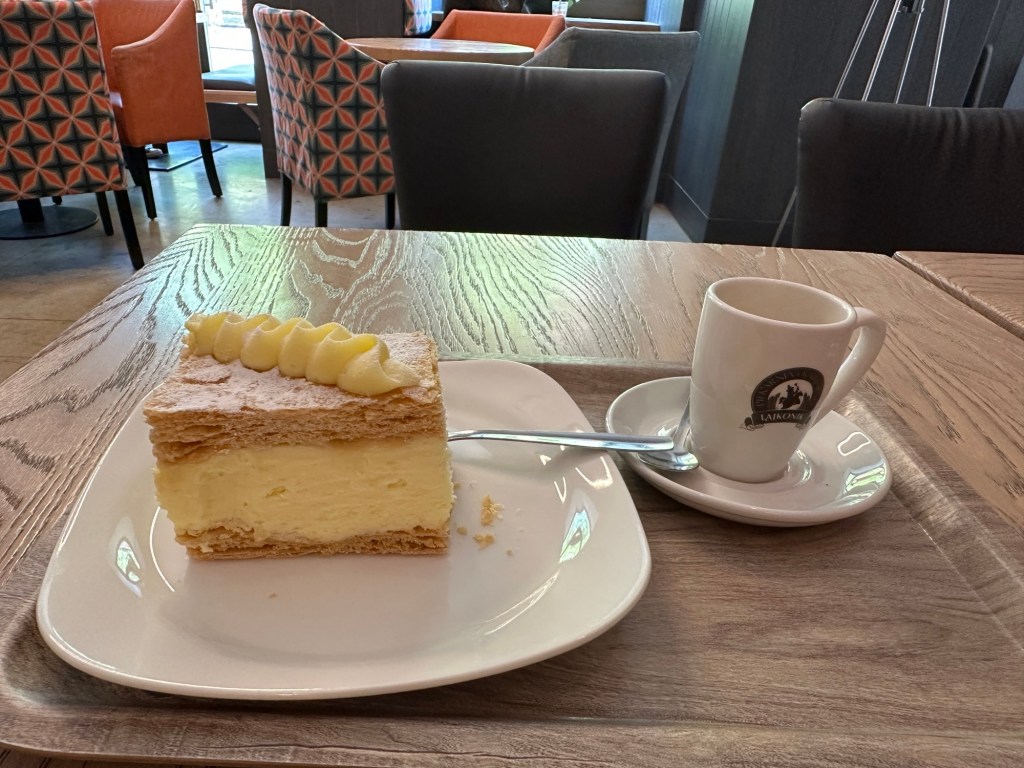
Afterwards I finally try the polish version that that cream cake you find in all the Eastern Europe countries. It is so good. Each country has their own version of it.
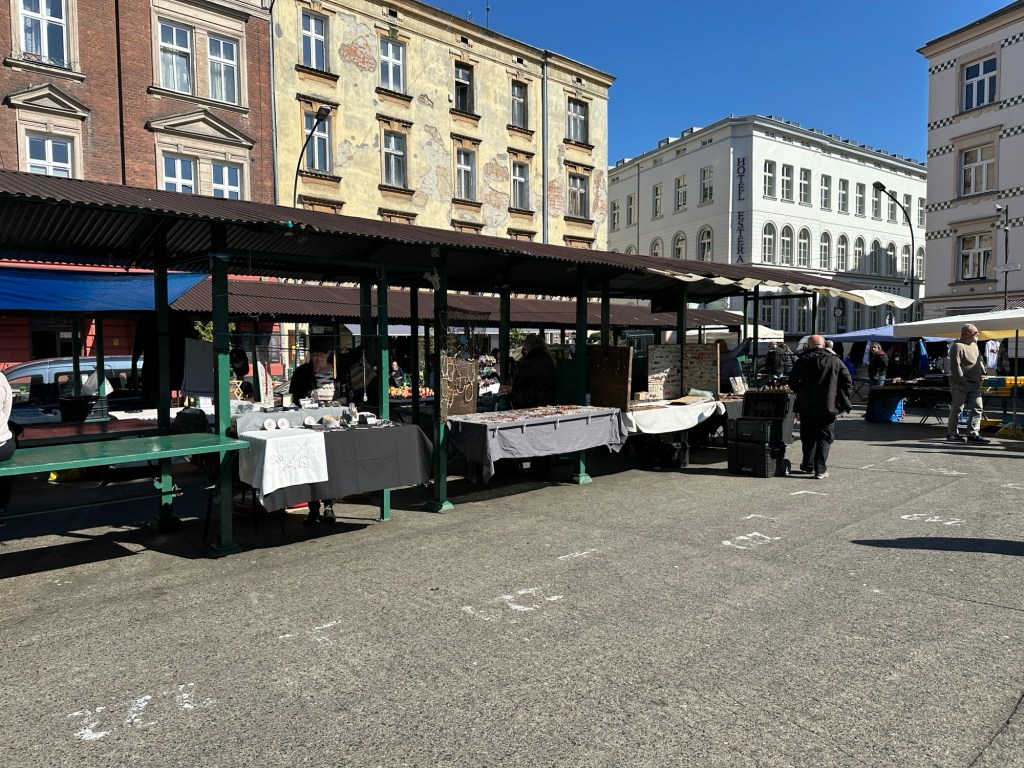
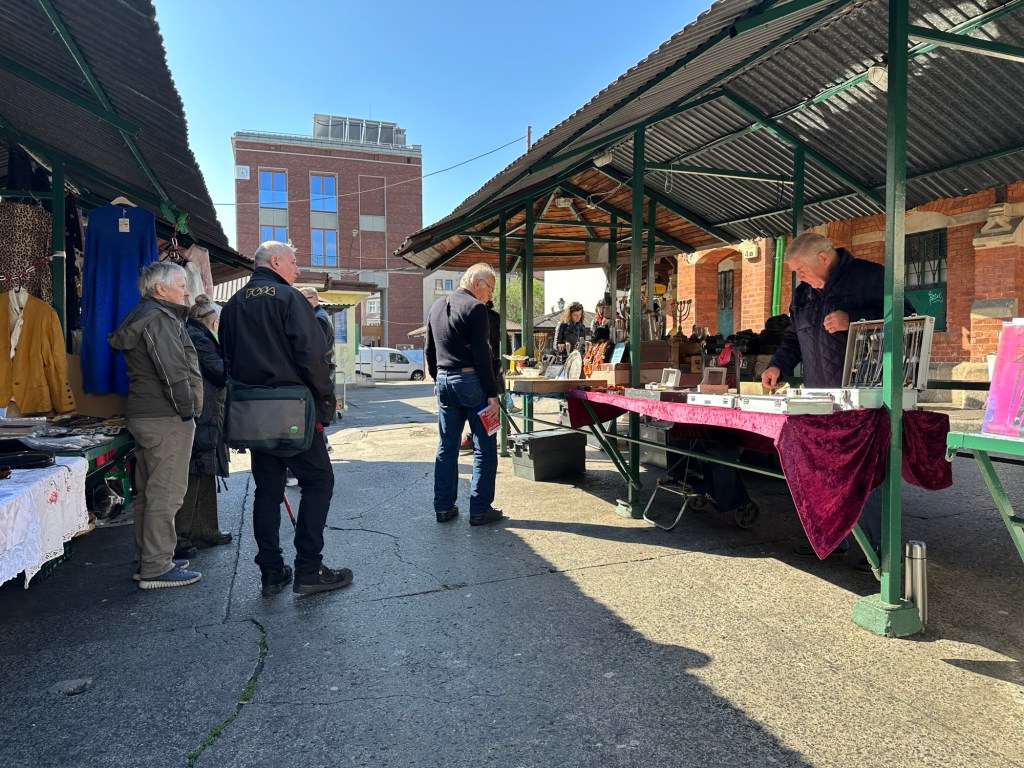
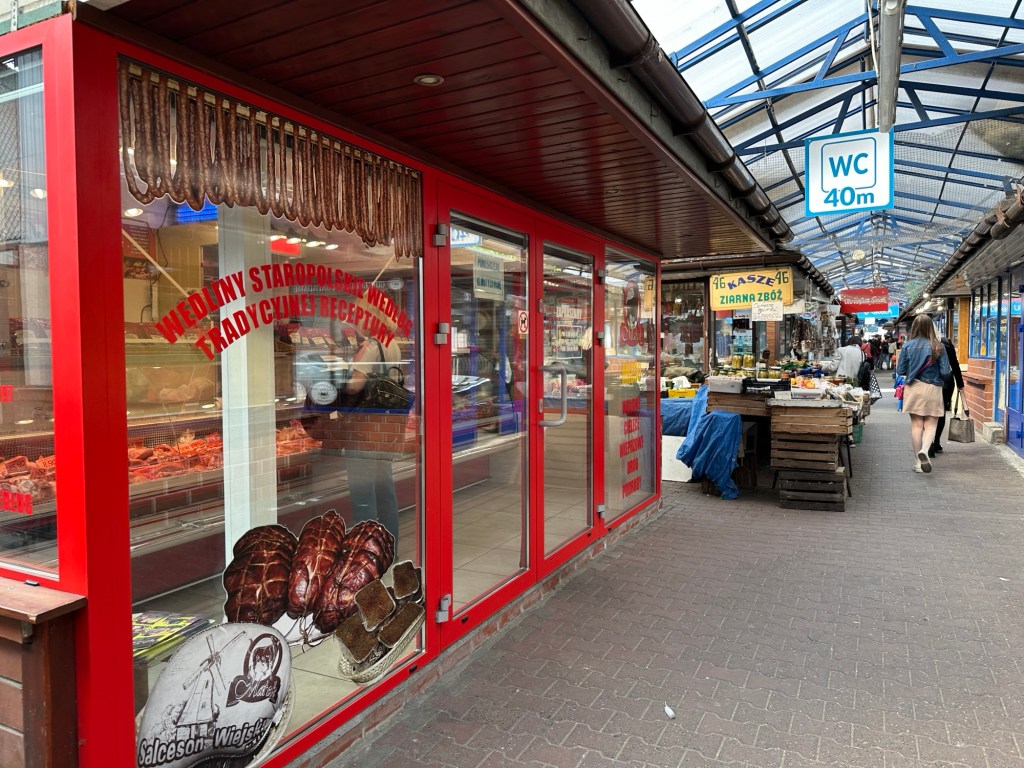
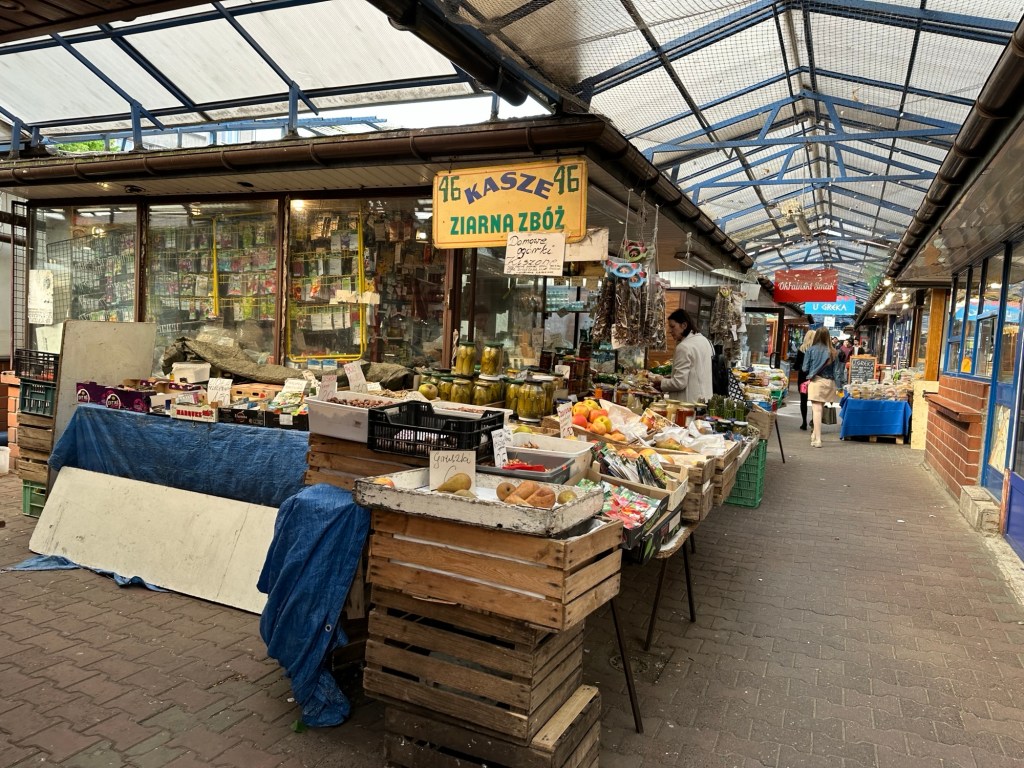
This afternoon I’ve signed up for a bagel class but I’m early and discover a market across the street. I must return after my class. I love a market.
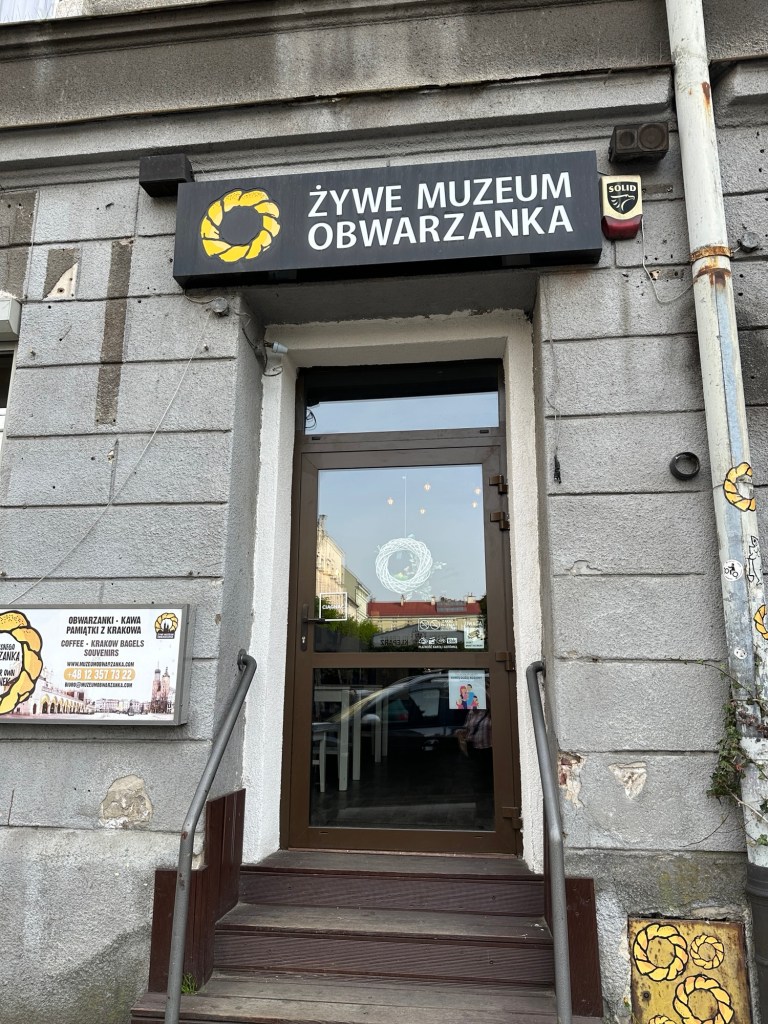
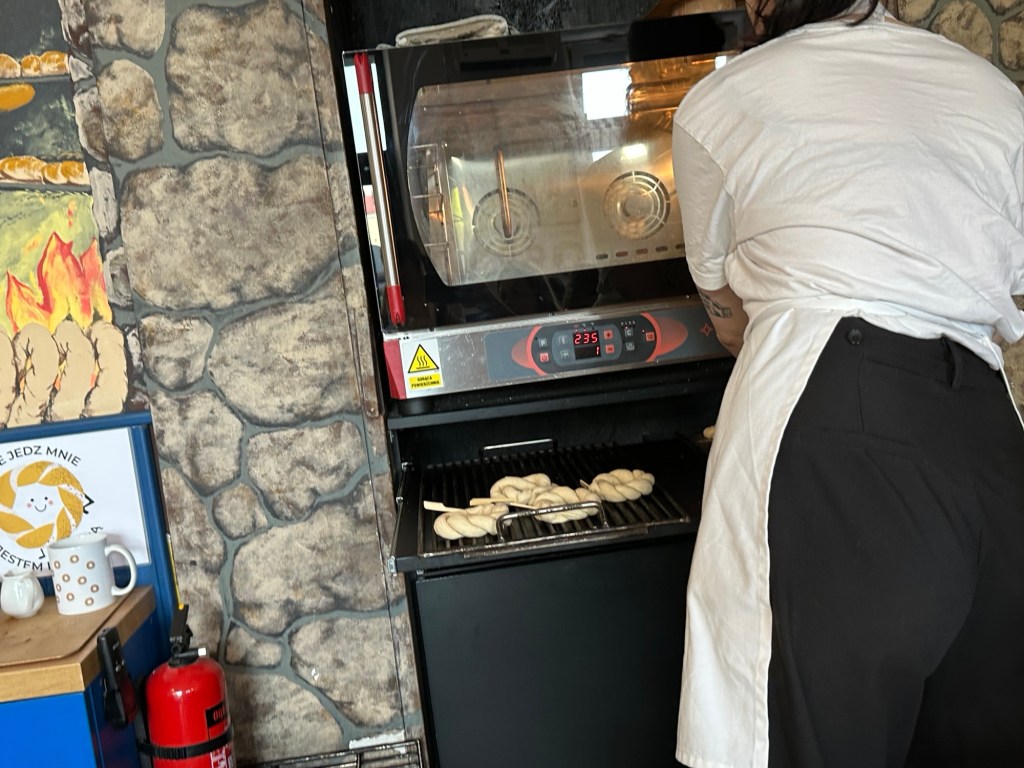
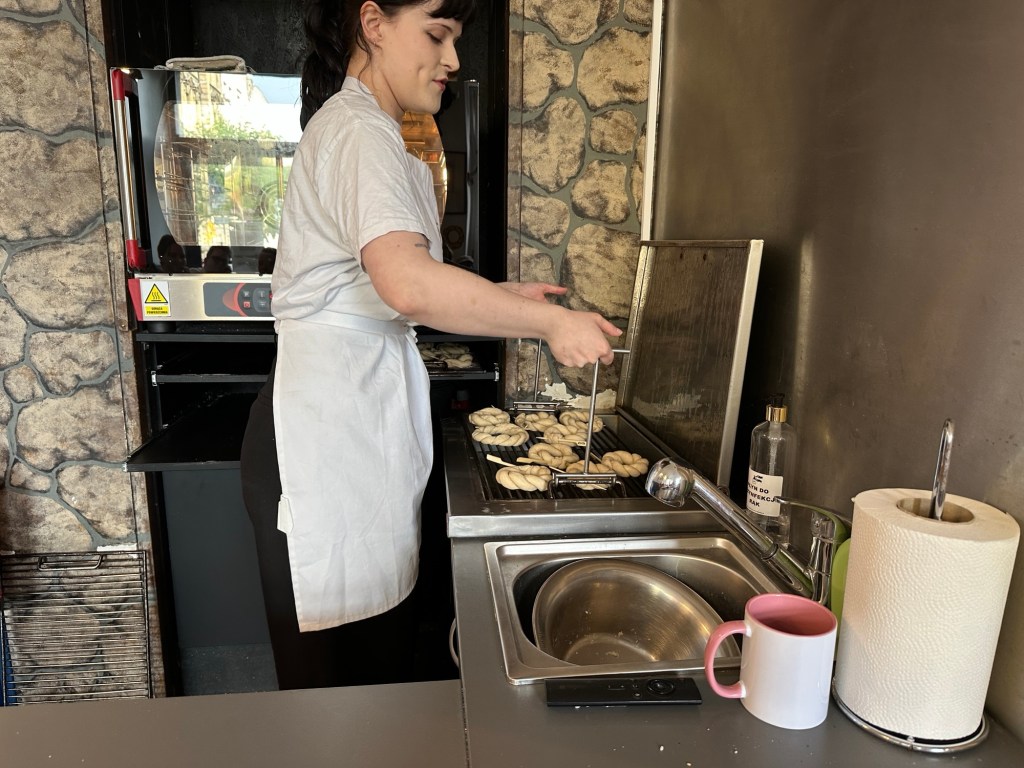
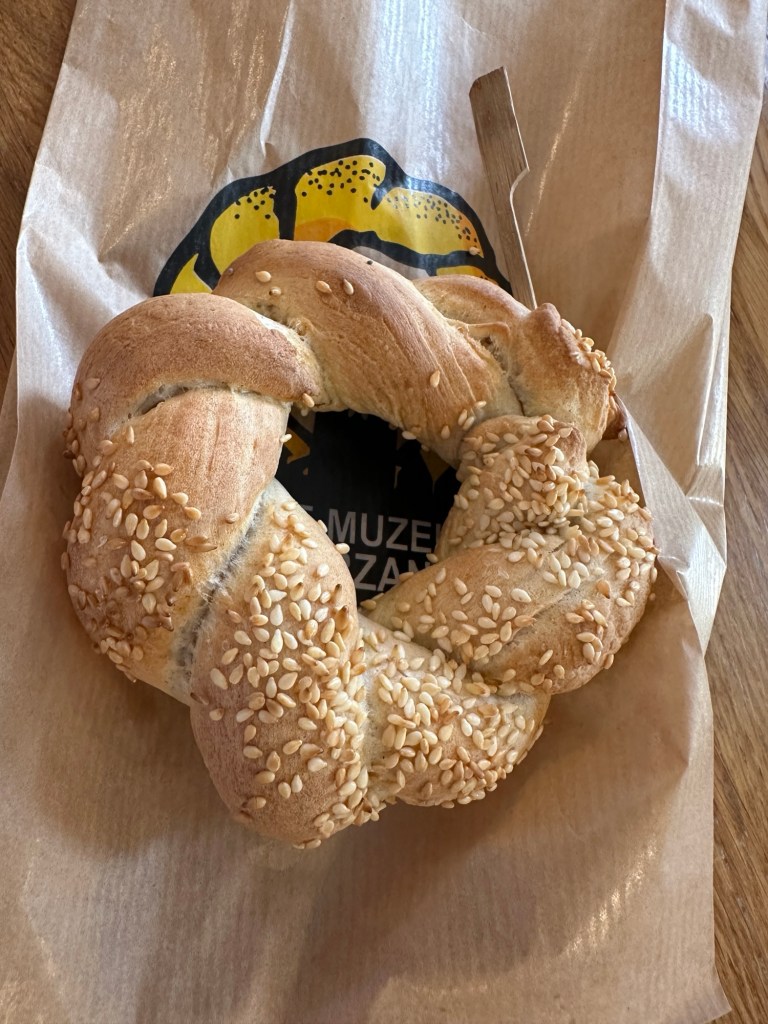
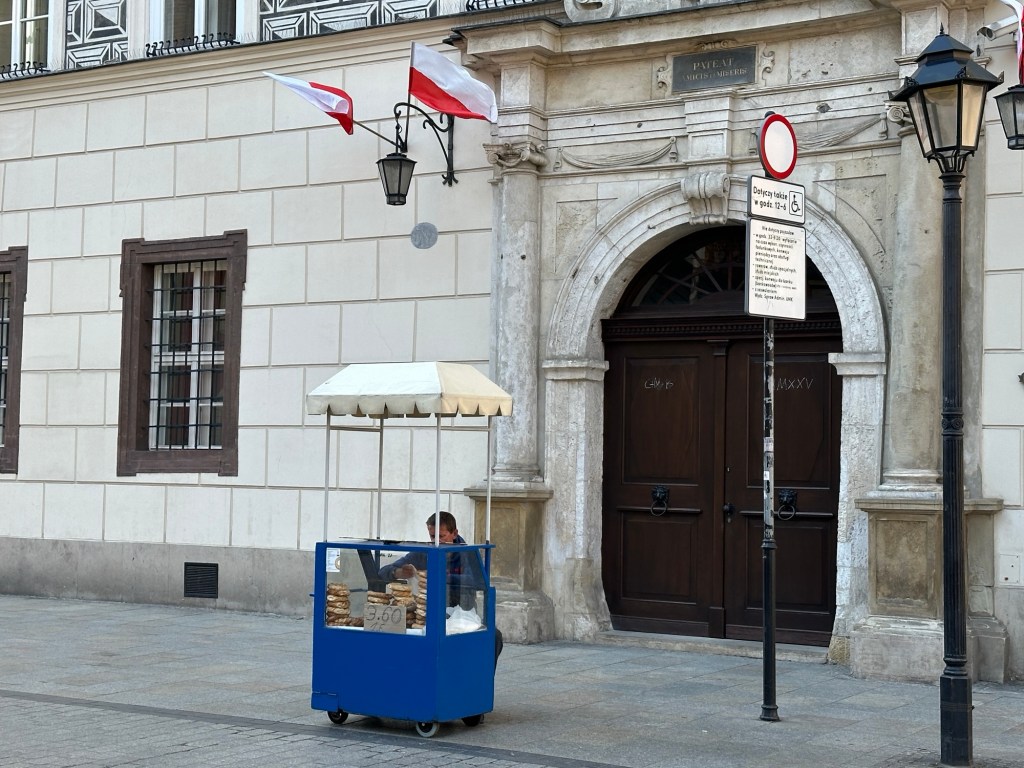
I have a class where I learn how to make the special “bagels” here in krakow. They aren’t actually called bagels even though tourists tend to call them that. They officially name is obwarzanek and they are specific to krakow. It is a bagel like bread that is braided into a ring then quickly boiled and then baked. A number of toppings can be on them but officially they are sold either sesame, poppy seed or salt. You can find them daily in blue carts all over town.
For our class the dough was pre-made for us to save time. I believe it is a simple recipe: flour, salt, yeast, water and some kind of fat, and maybe some sugar.

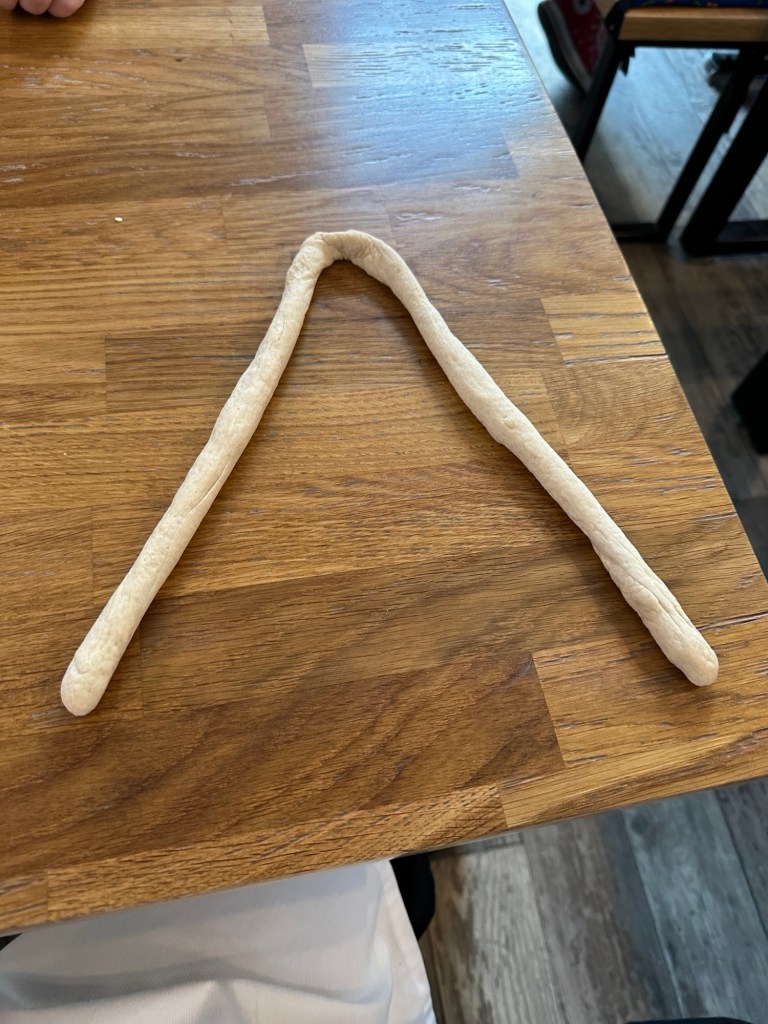
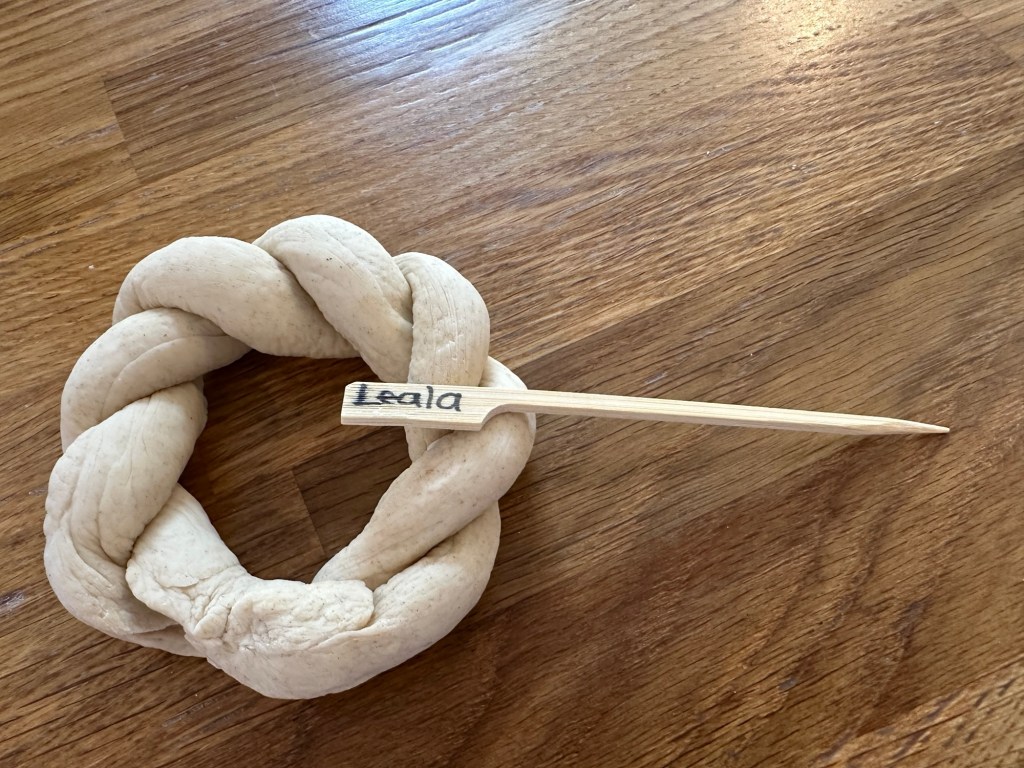
We are given the dough to split in two and roll into two equal long strings. Believe me it is harder than it looks. Then we attach the end and braid or twist together to two strings. Once we attach or seal the other end then the dough is dumped in boiling water for ten seconds. Only after then do we apply the topping. Then they are placed in the oven.
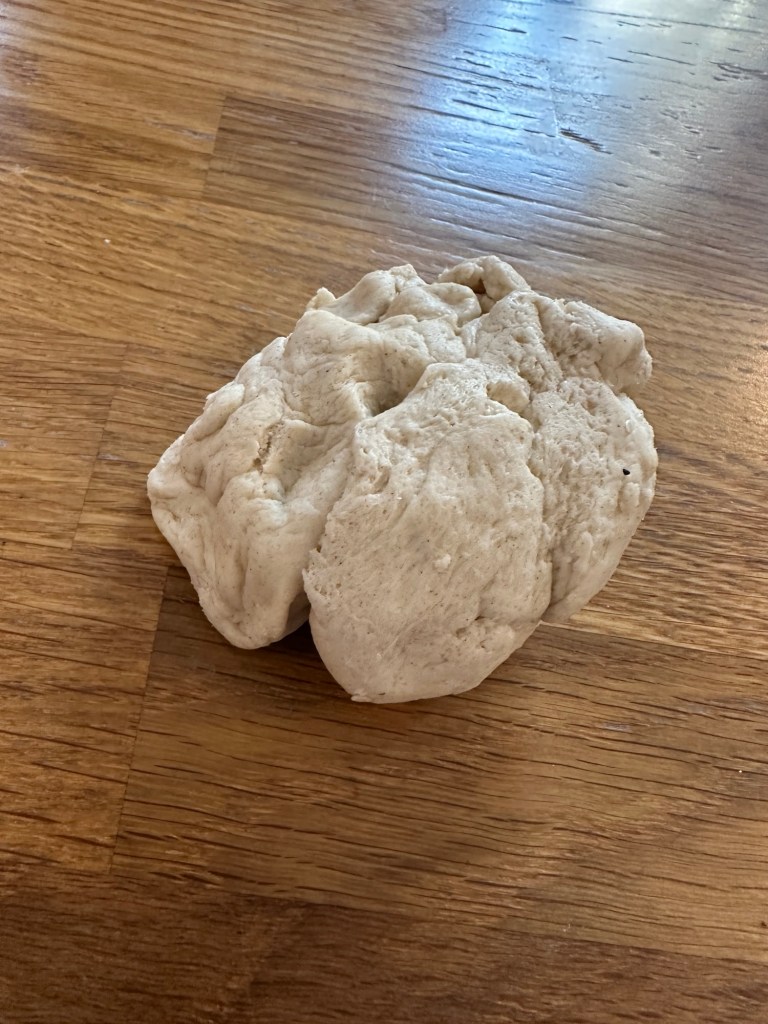
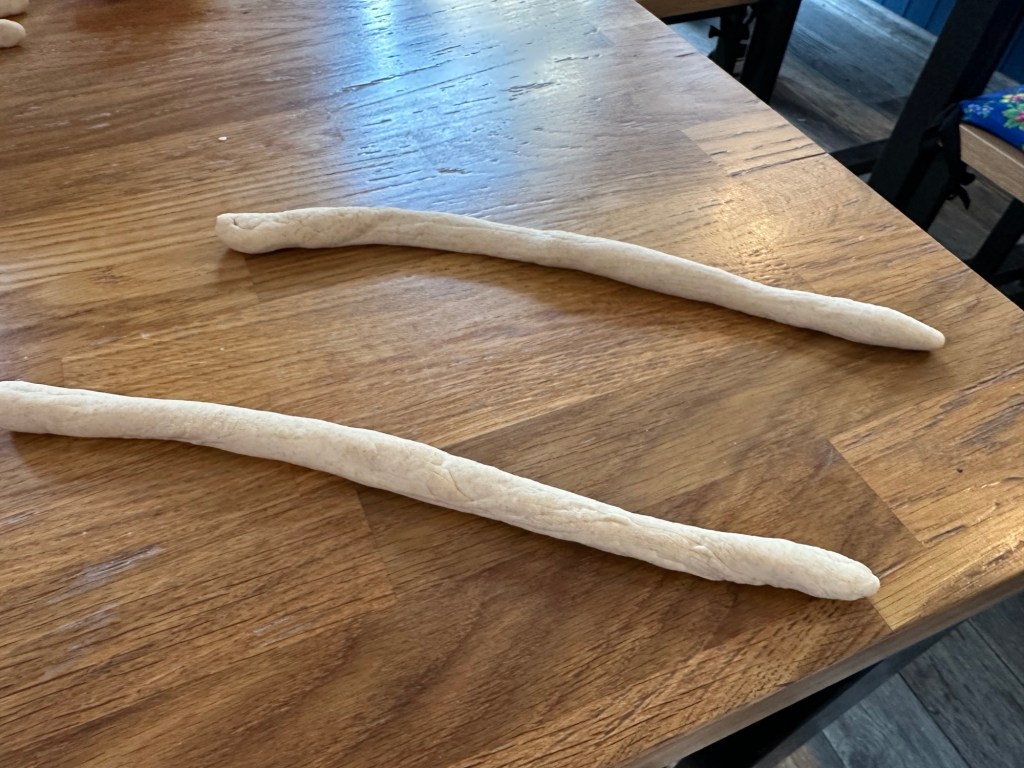
While we didn’t do any heavy duty cooking here today I did learn an interesting history lesson and got more of a feel for the polish culture.
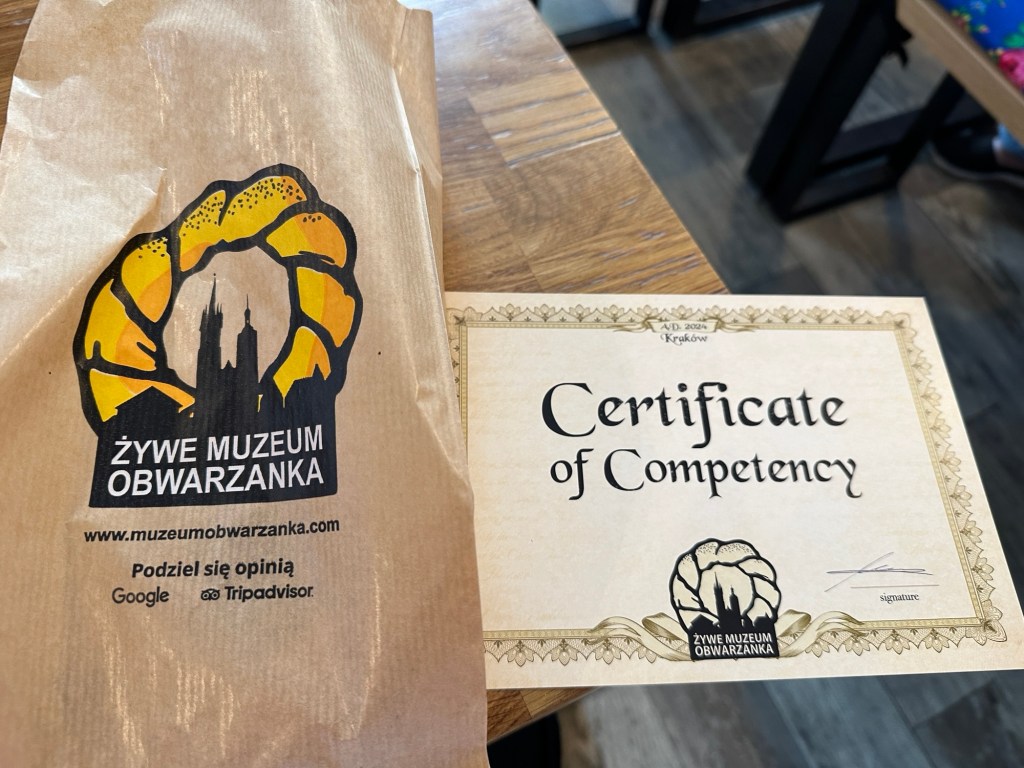
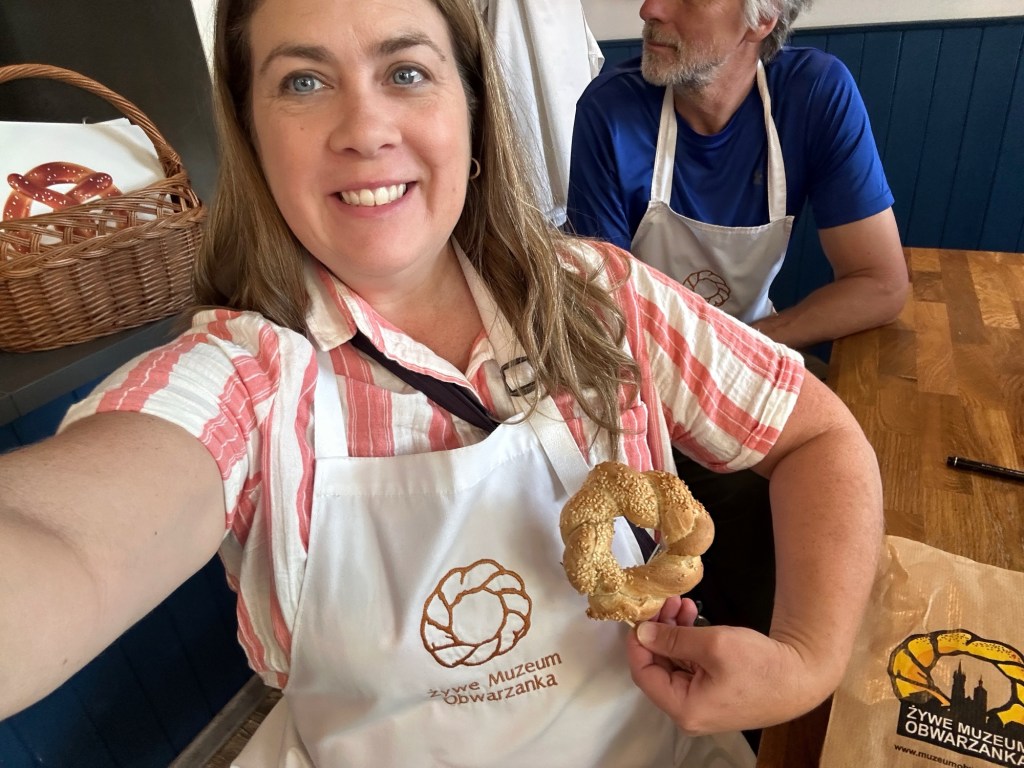
Side note – The bagels in NYC are another polish/jewish export. They weren’t really popular here in Poland but immigrants were very successful bringing them to NYC.

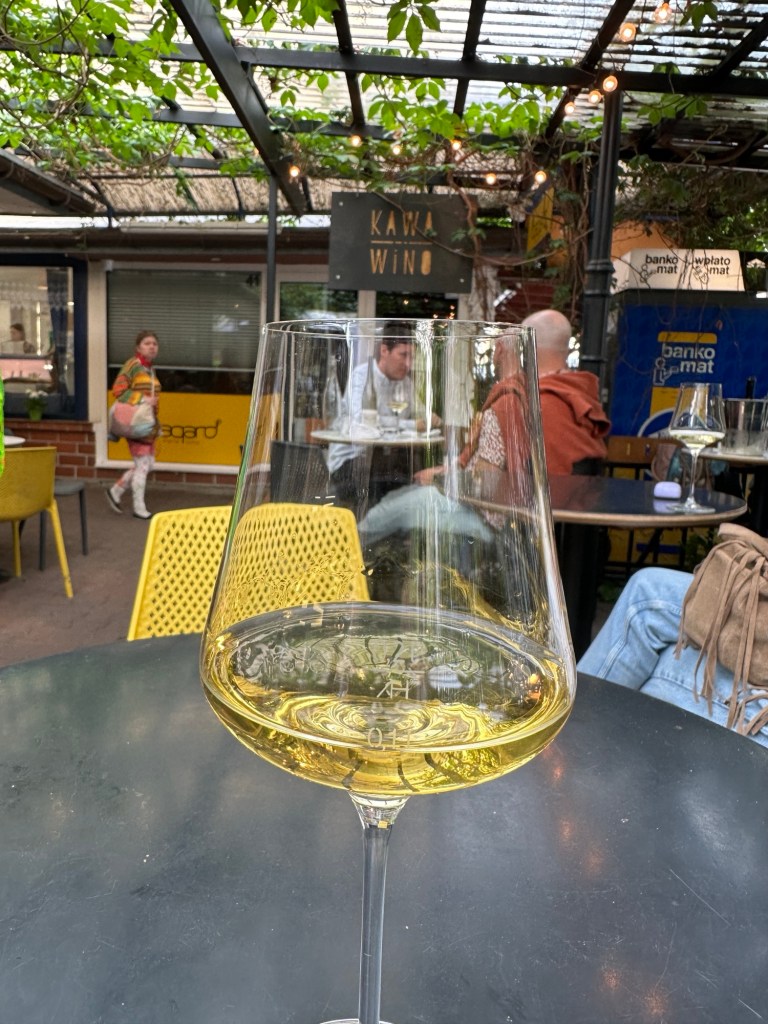
After I sample some of my bagel I go back across the street and have some wine before dinner. The market closes soon so I won’t be here long.
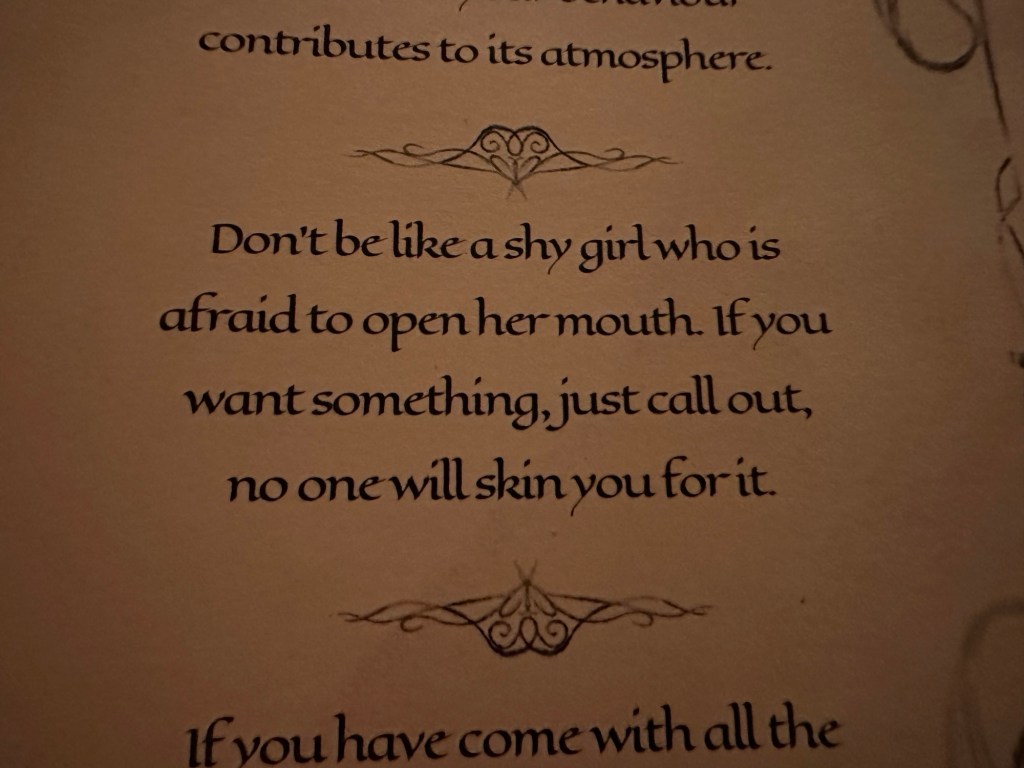
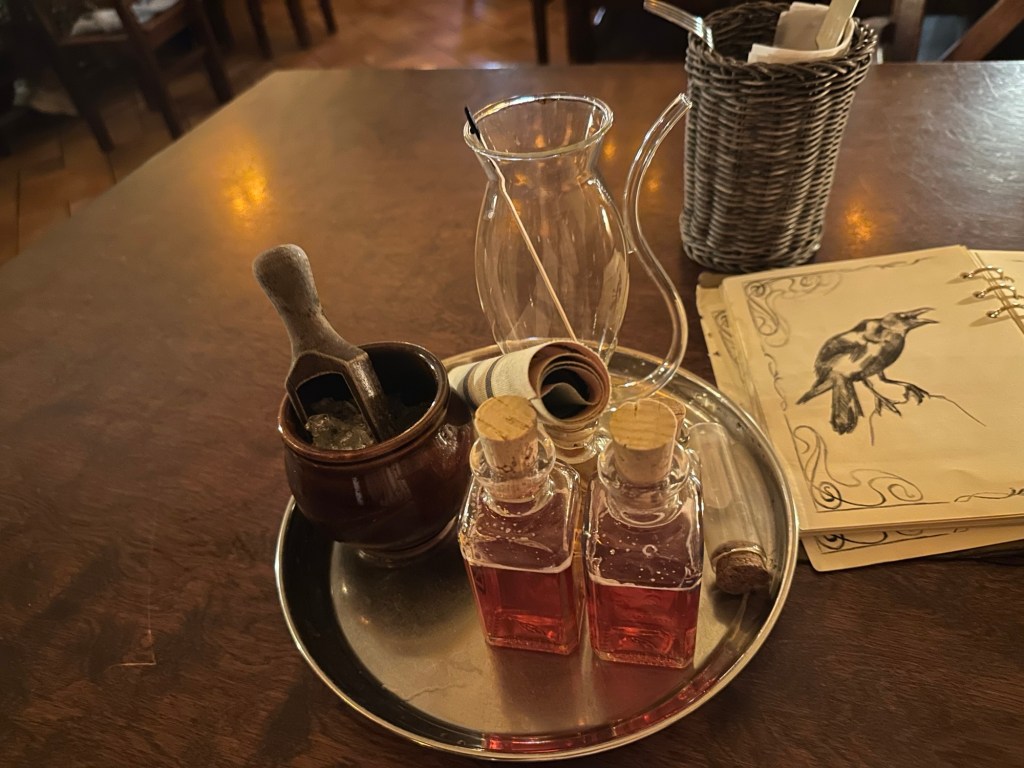
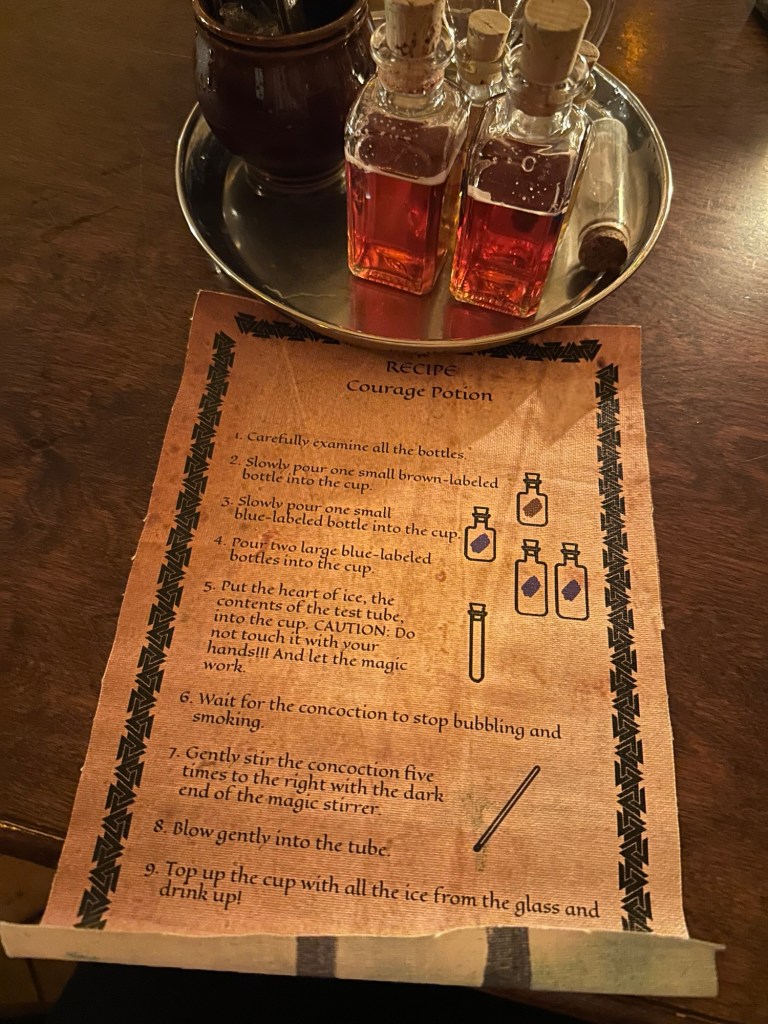
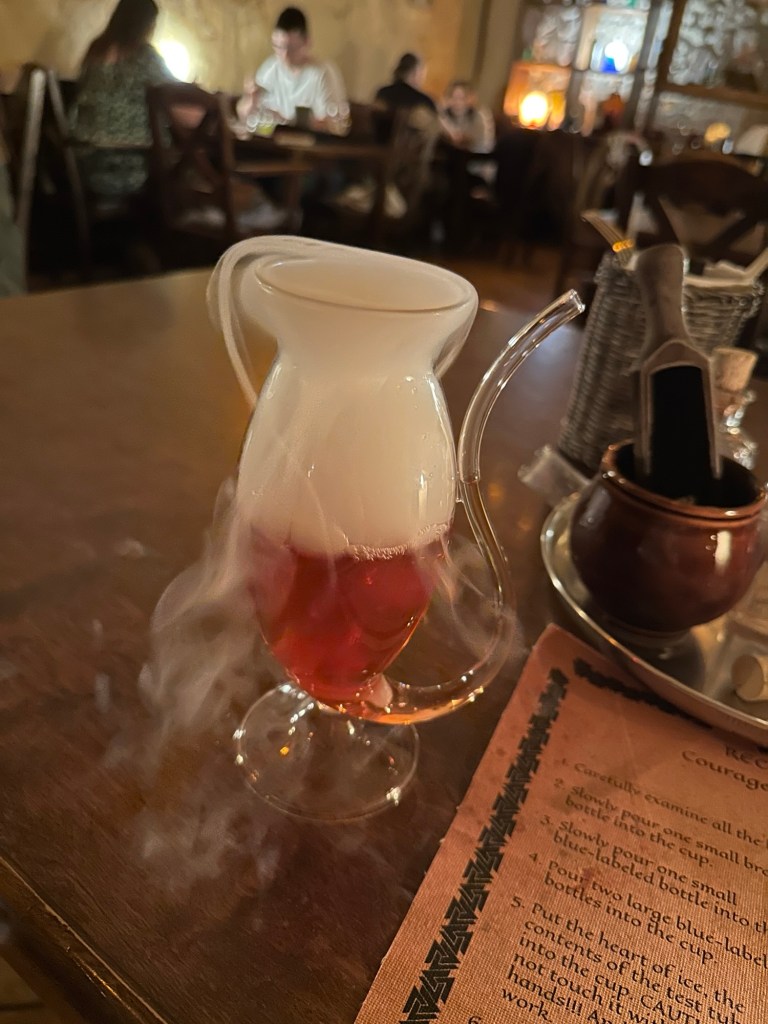
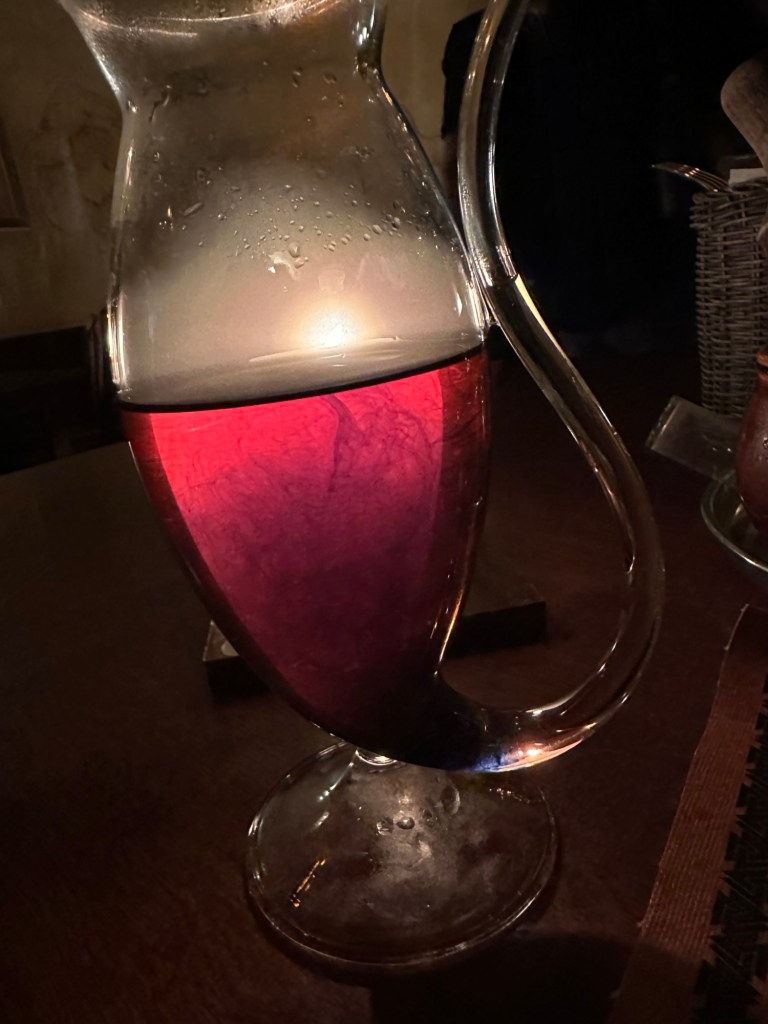
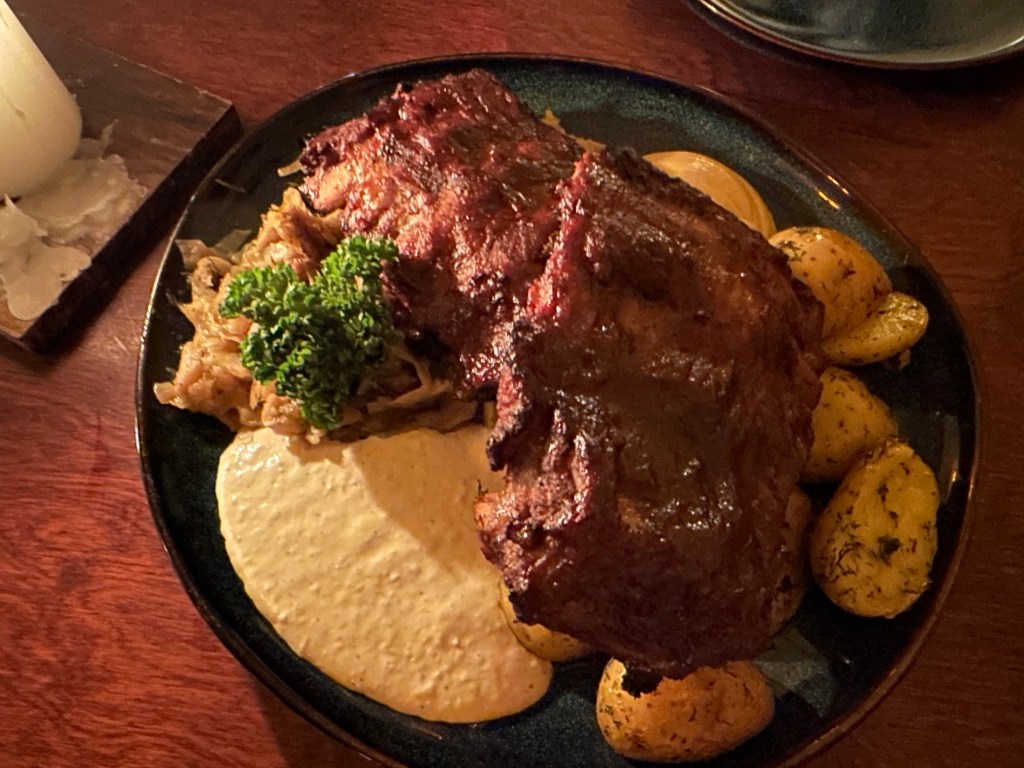
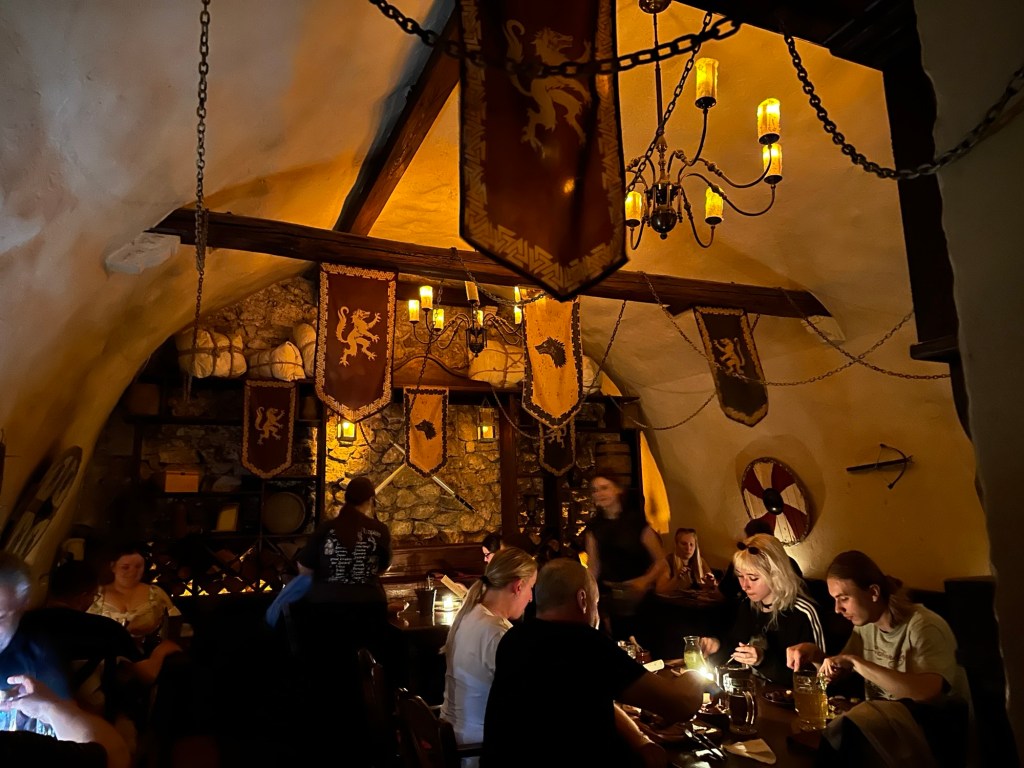
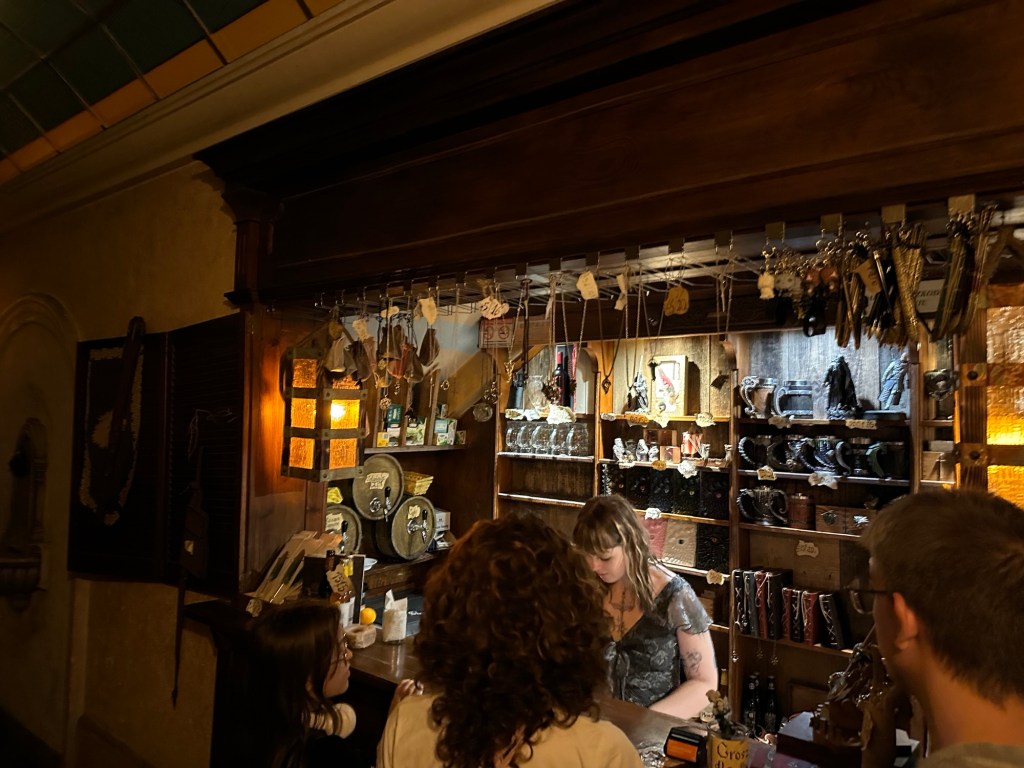
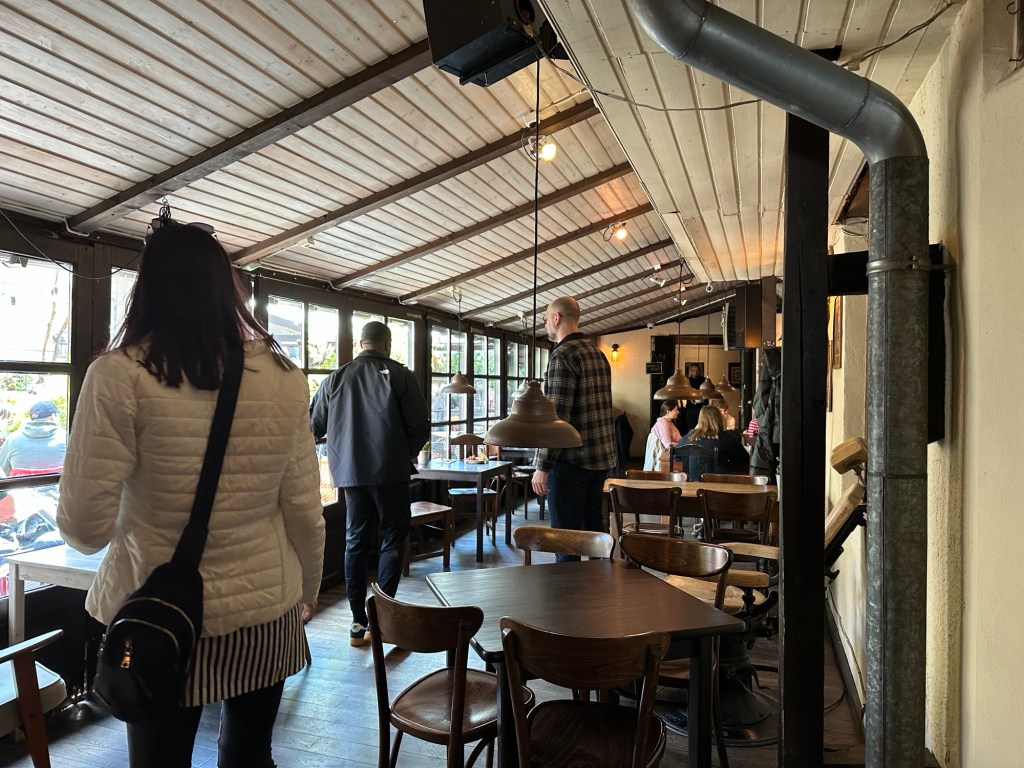
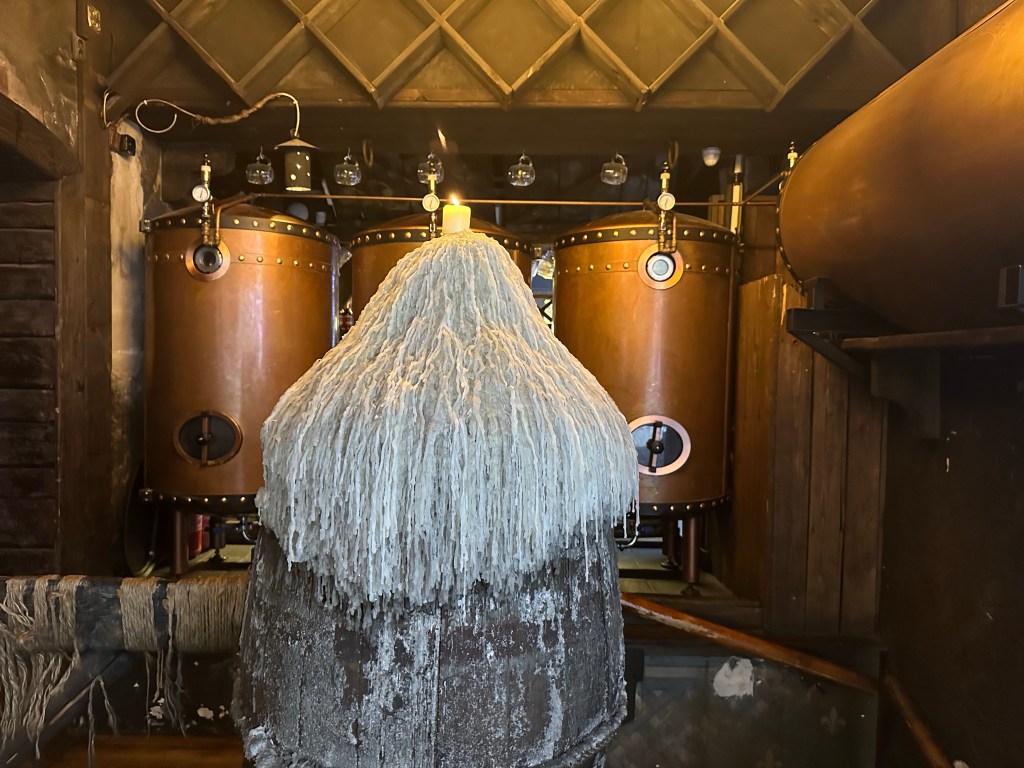
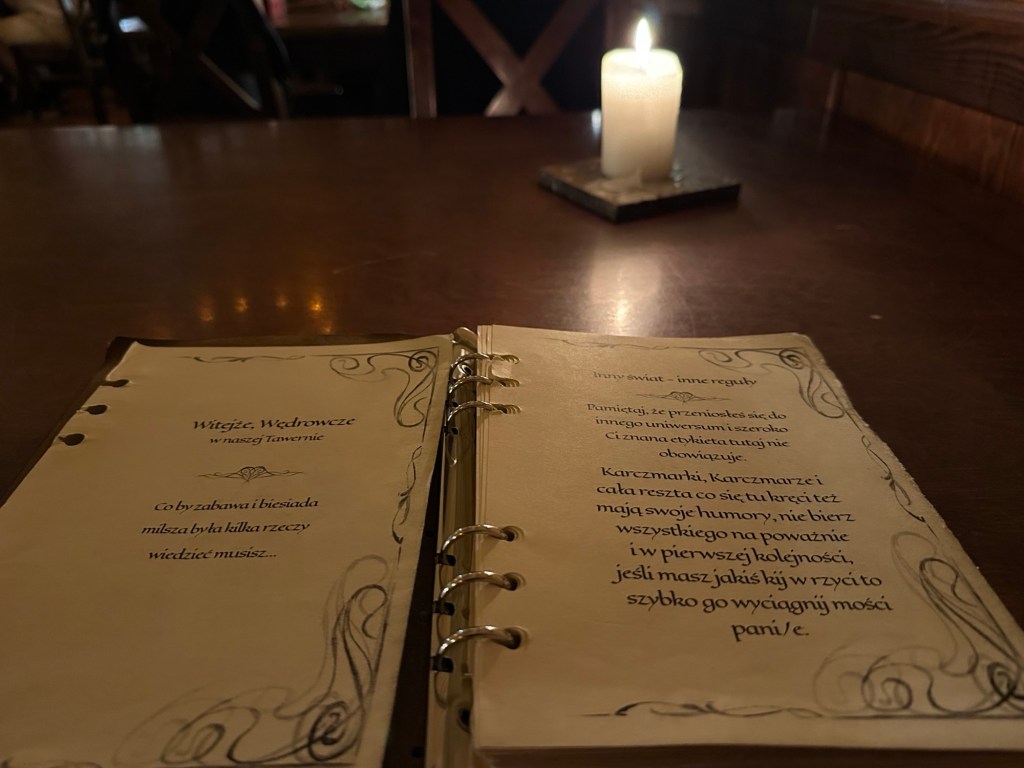
During my first days in krakow I noticed a weirdly named wolf restaurant nearby. Come to find out it is a medieval-style restaurant where you have drinks made out of potions and you can pay with ducats instead of ZL. The food was decent enough and the whole create your own drink thing was fun. I have some friends who would really dig this place.

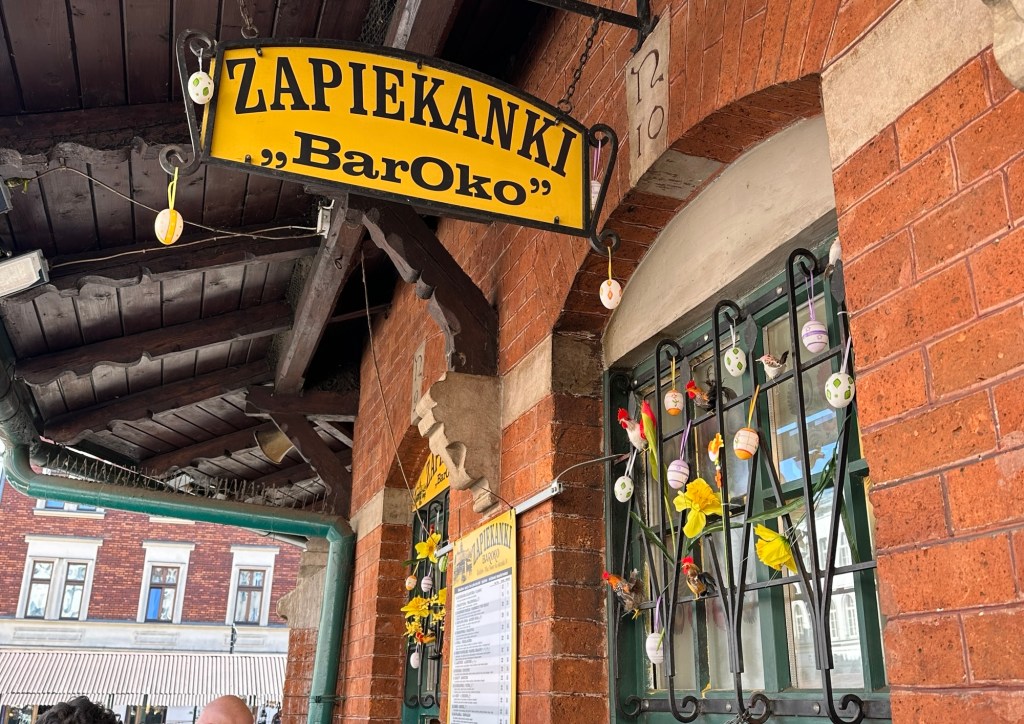
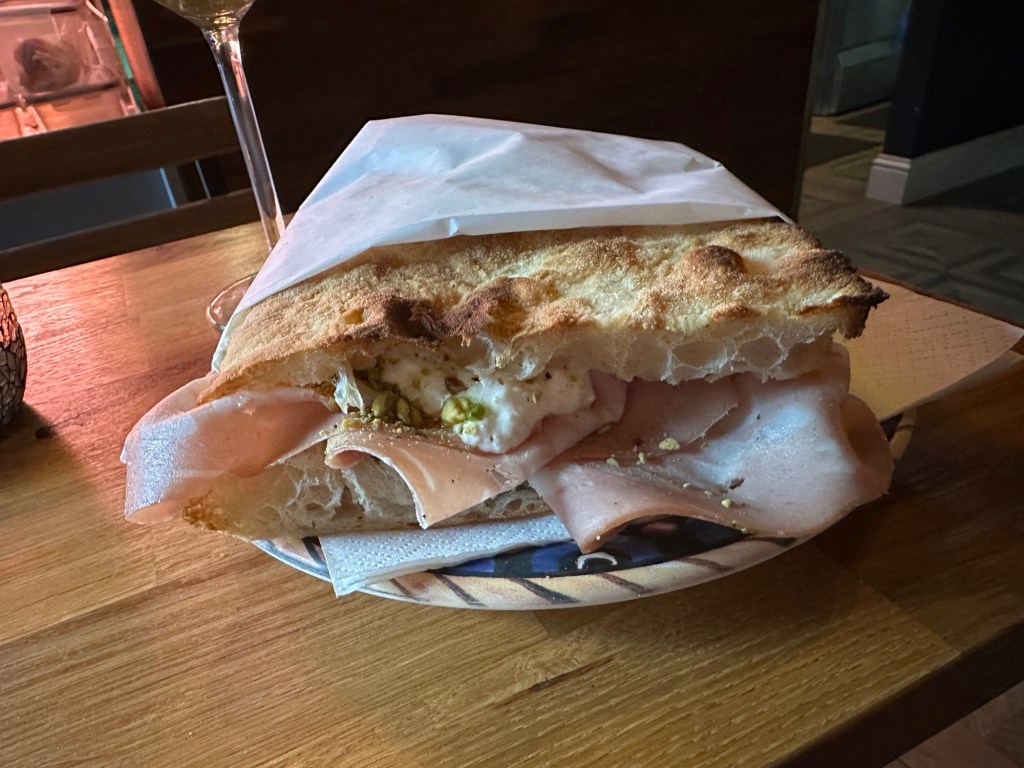
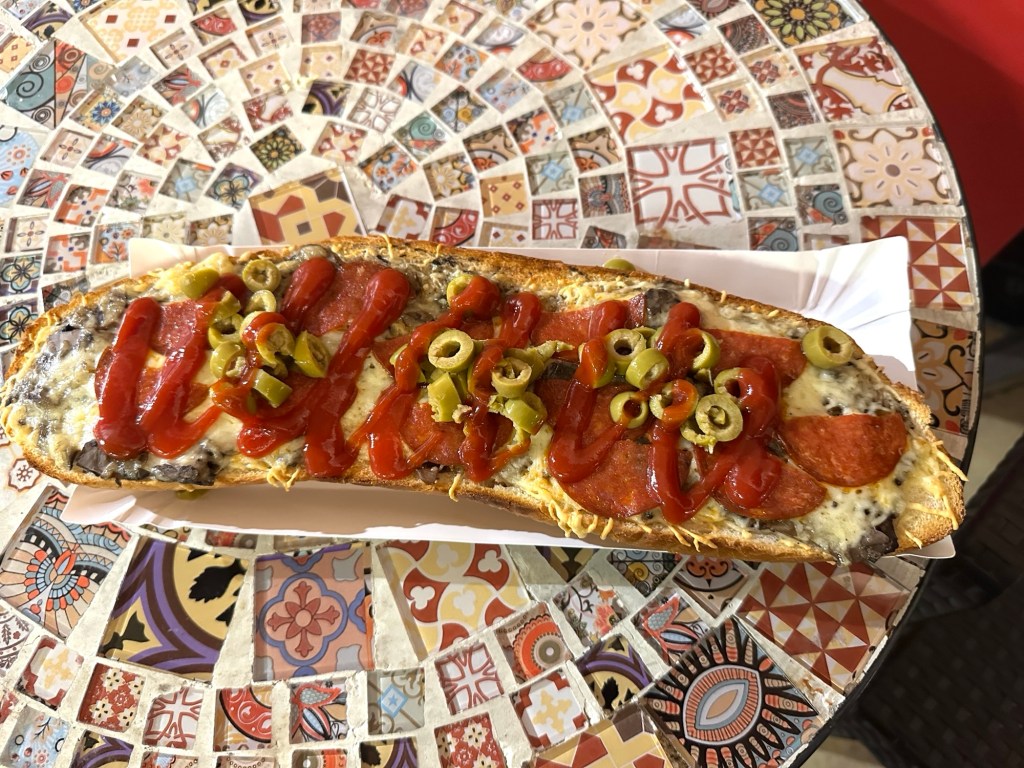
Before I forget this is the late night snack I had the night before. I am frequently calling ketchup a garbage condiment but forgive me when I say that ketchup 100 percent works as a Zapiekanka topping.
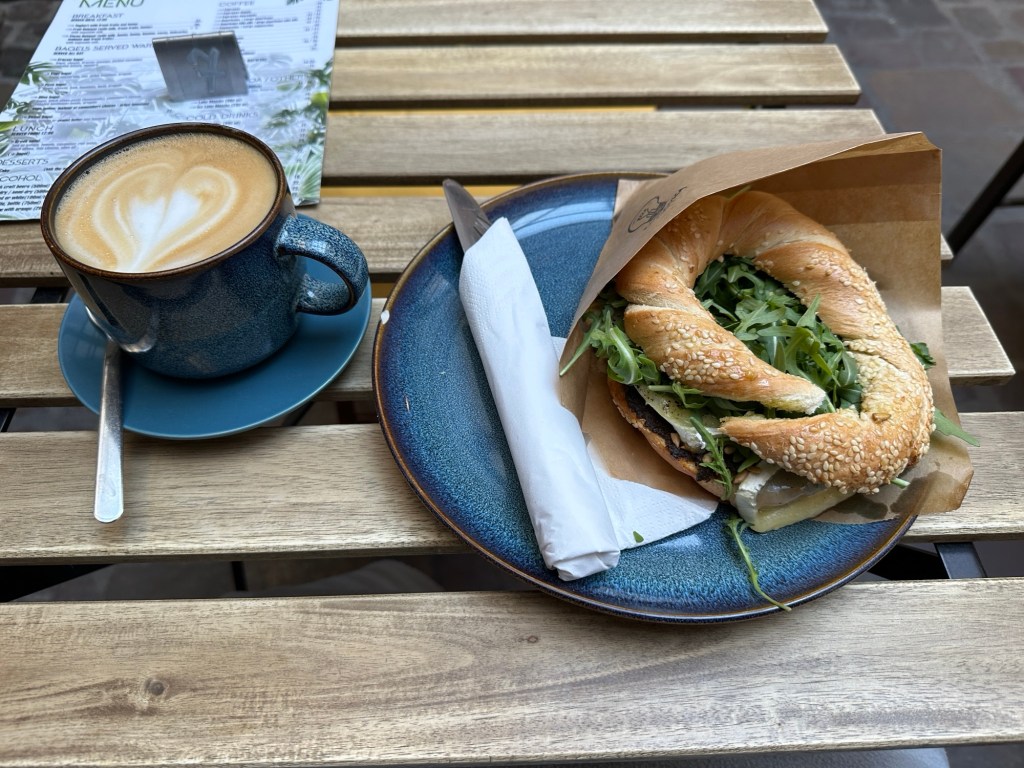
Also this breakfast a couple days ago was great.
For tomorrow I was supposed to take a day trip to a mountain town but I canceled those plans to stay local and sightsee at a slower place. The constant action is tiring me.

Krakow: Food Tour and Nowa Huta

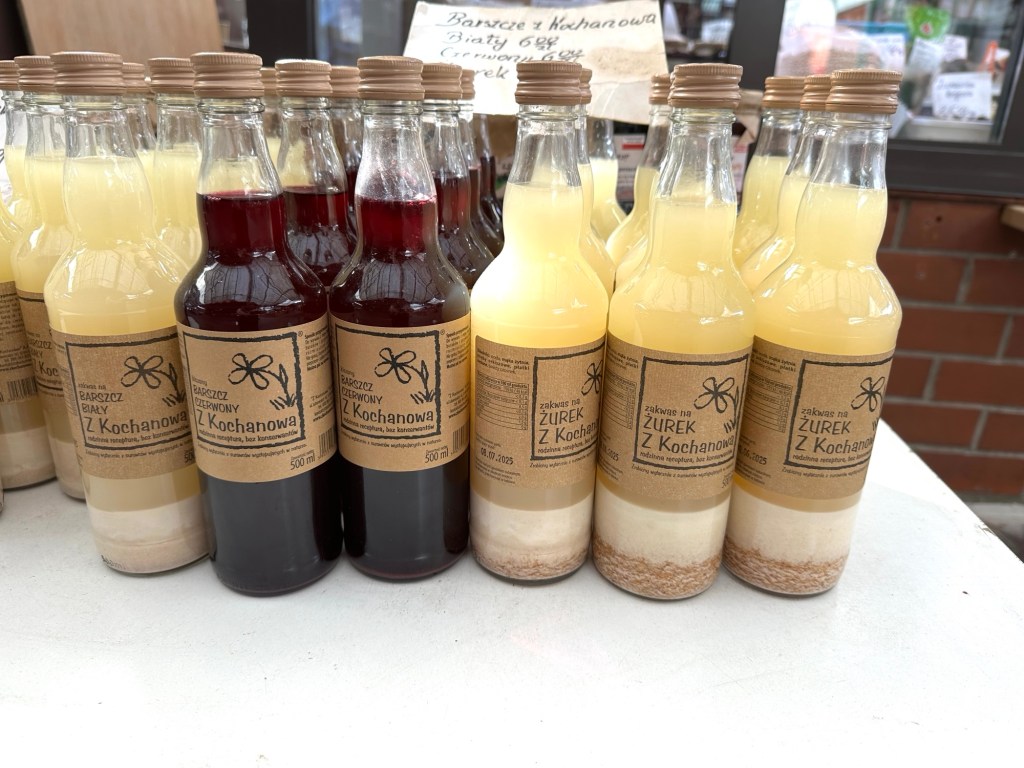
Zapiekanka

I wake up early today grab a coffee and head down to Plac Nowy in Kazimierz to start my food tour. There’s a market here today but vendors are just setting up for the day.

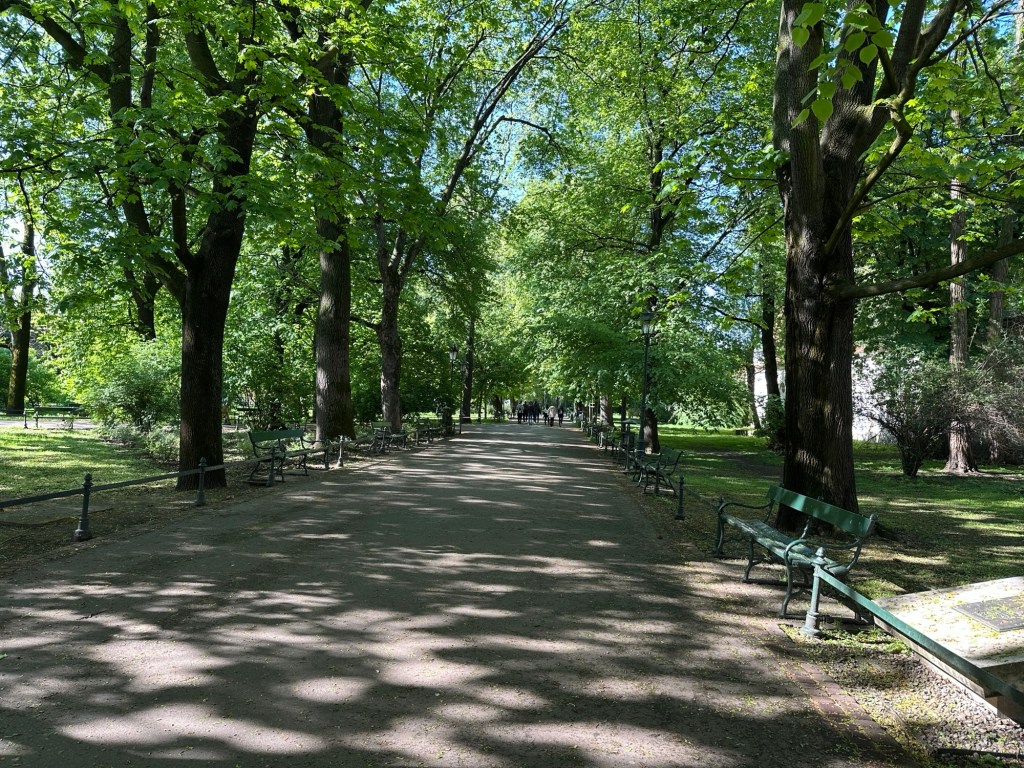
Love my daily walks through the park

Our guide is a polish native, spent some years in Chicago but decided she missed living in Poland. There is only me and another woman on this tour today. My companion is very nice and in town for a couple weeks volunteering her time in Auschwitz.

We start in Plac Nowy in order to try Zapiekanka which I had tried yesterday. Today I try it with different toppings, more vegetables. So far I have not found a bad combination. I’ll have to just keep trying to see if there is one I don’t like 😀.

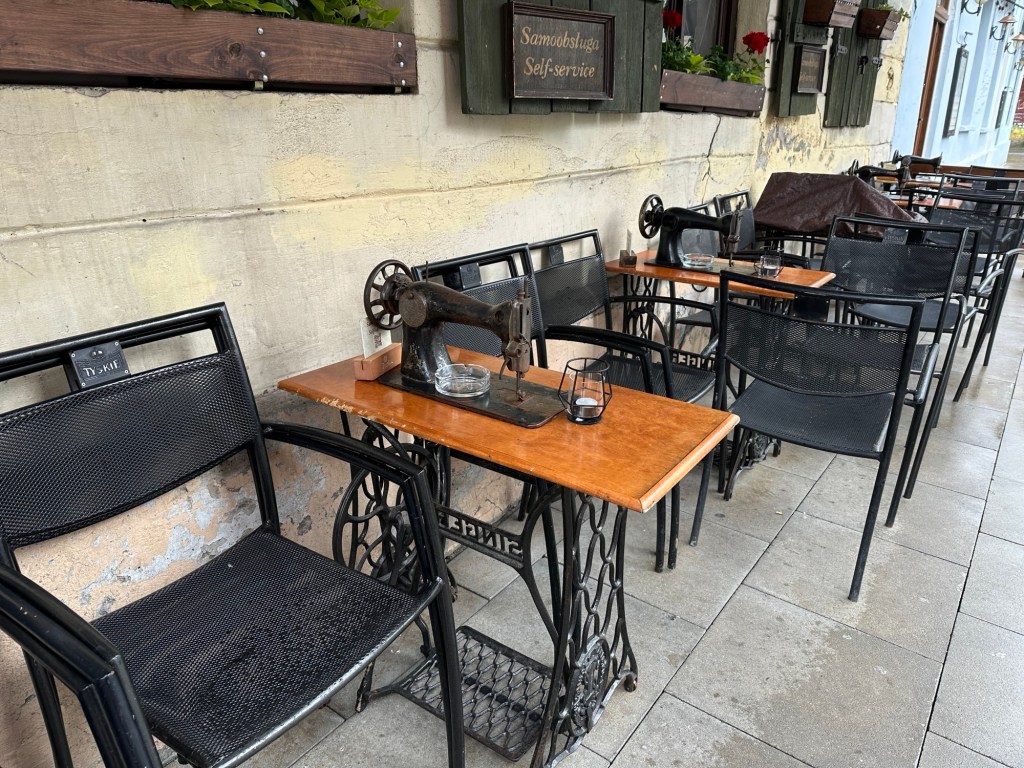
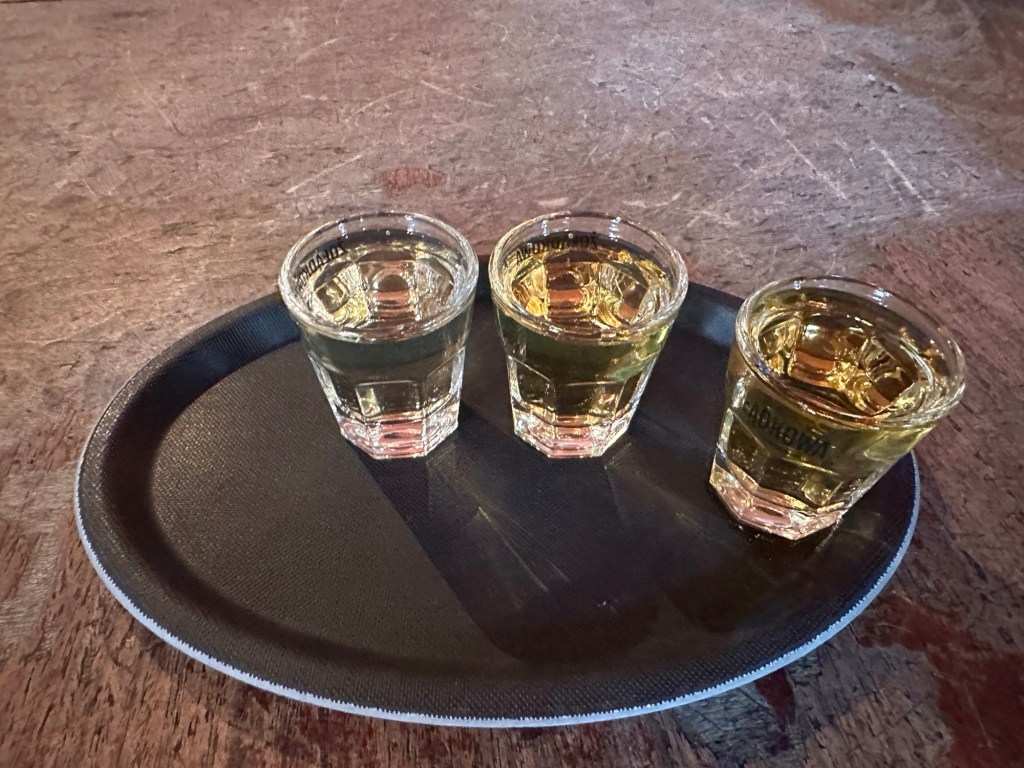
From here we go to the first stop at pub called Singer. Singer, a lively pub in the evenings, is only closed for about 3 hours in the morning. This historic bar of over 30 years is distinct because it is decorated with the theme of Singer sewing machines. The bar is filled with cute bistro tables with sewing machines on them. It is here that I try two vodkas: honey vodka and wormwood vodka. I admit that wormwood vodka is probably not most people’s favorite since it is kind of medicinal tasting but I quite like it.

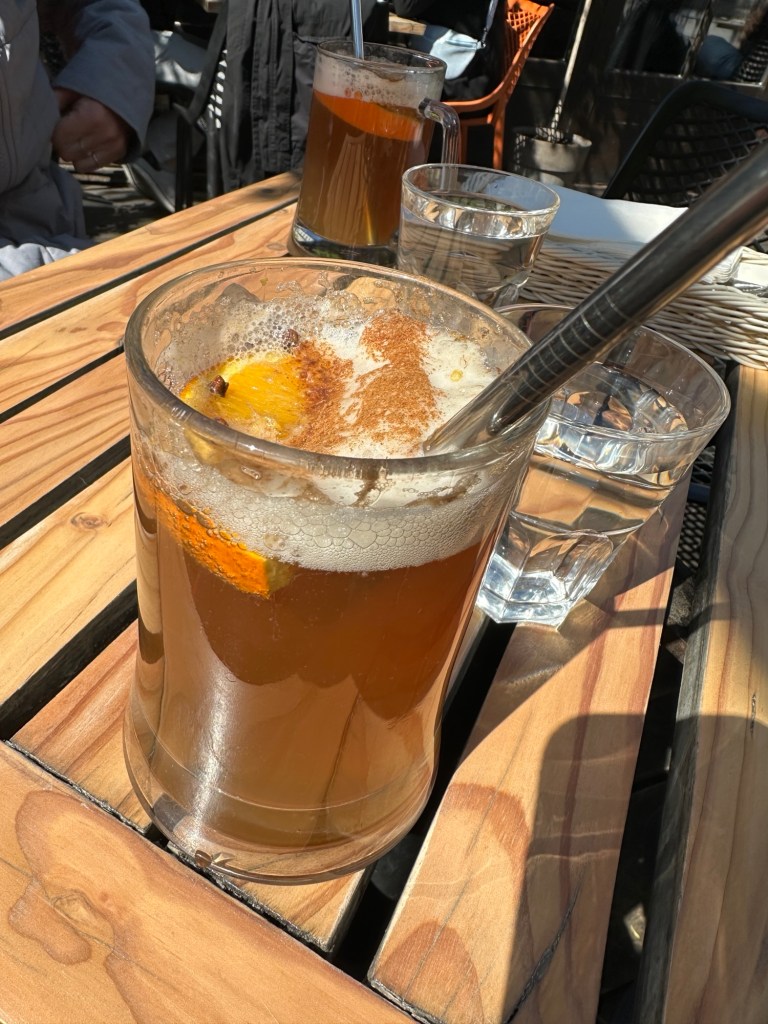
The next stop is the “secret” stop of our secret food tour. We try a local take on shaksuka. The flavors of the sauce are perfect. Instead of a full egg it is the yolk only. It is all topped with sour cream (sour cream is what makes it polish). I also try a mulled beer. People know me well know that I never drink beer anymore because it tends to make me feel sick . I take a chance with this mulled beer, so far so good. With ginger and other spices it is very flavorful – something perfect for the cold holidays.

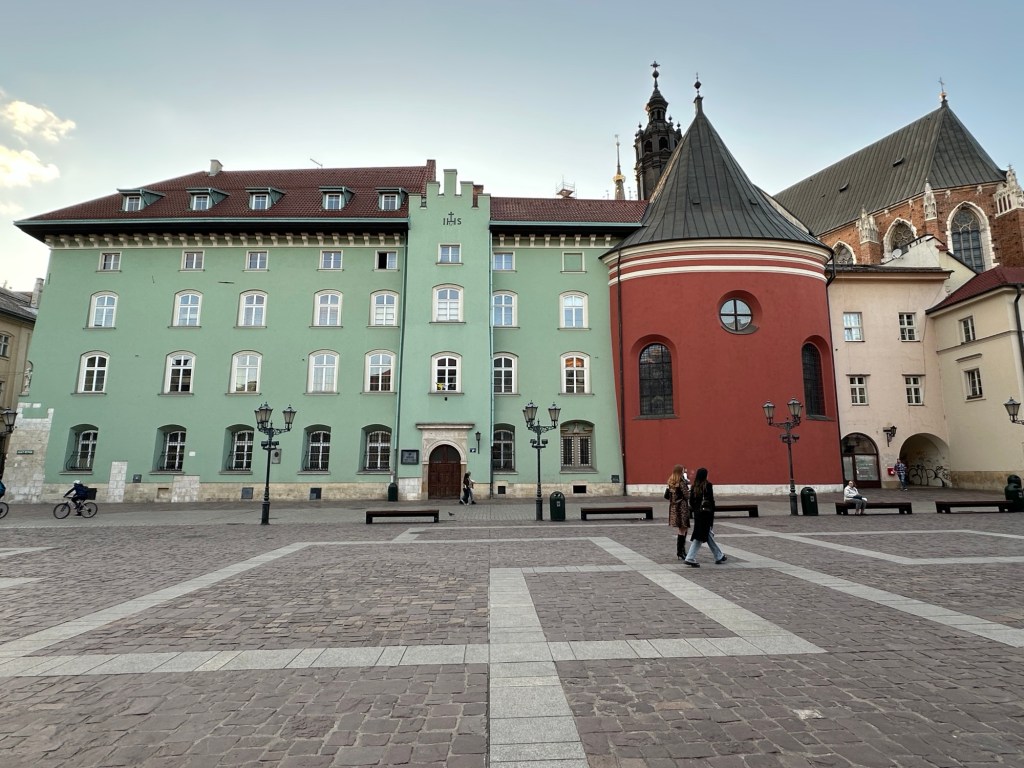
We walk toward old town to digest some food and our guide points out some things along the way.

The next stop is an official milk bar (Bar Mleczny) where I try some official pork pierogis and kompot fruit drink that sounds very easy to make at home.

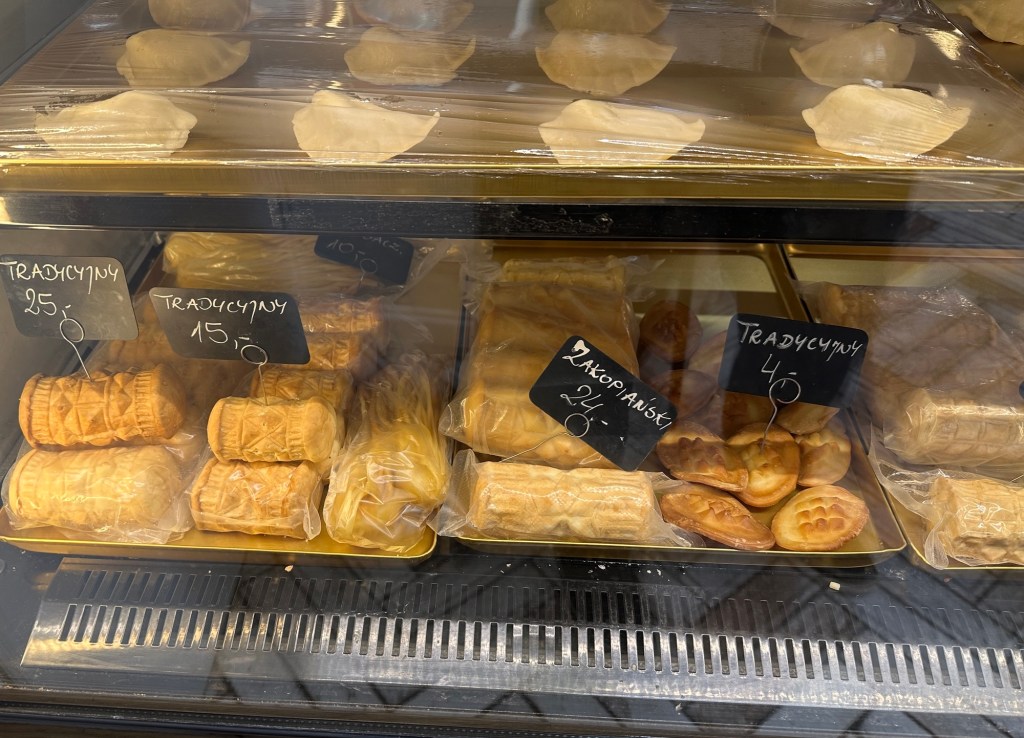
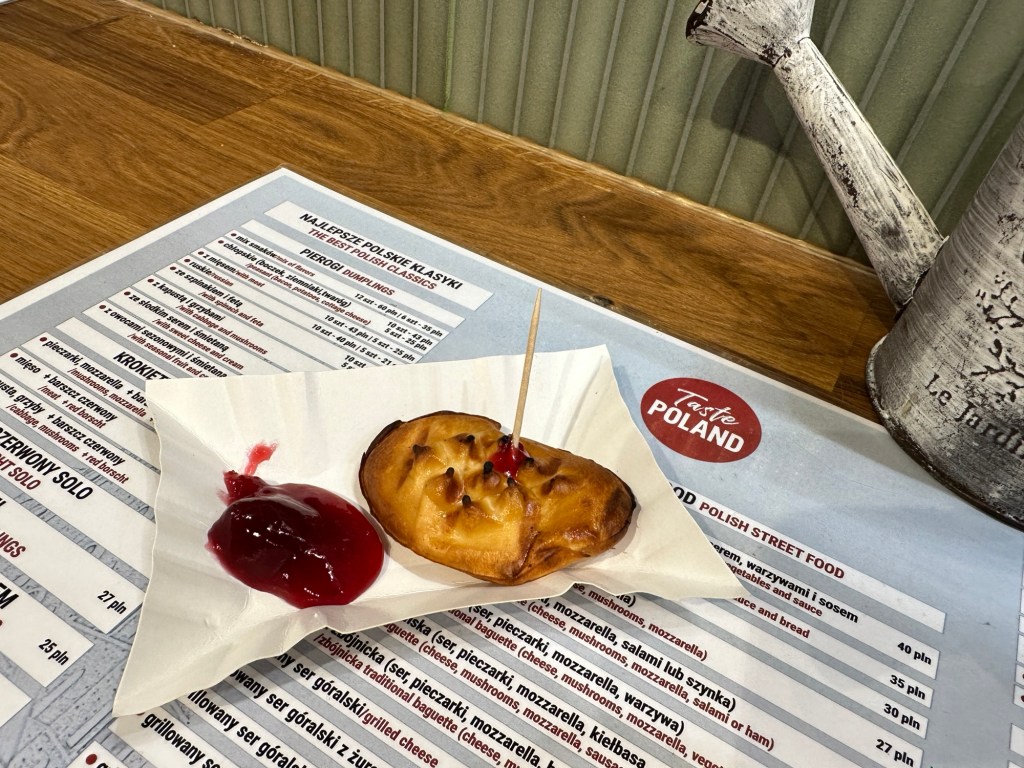
Next we go to another shop where I get to try again the highland smoky sheep cheese but in the proper form warm grilled served with fruit sauce. It is salty but I enjoy it. I must go back to try some of the other cheeses. Apparently they travel well but I am too early in my travels to carry a bunch of cheese around with me.
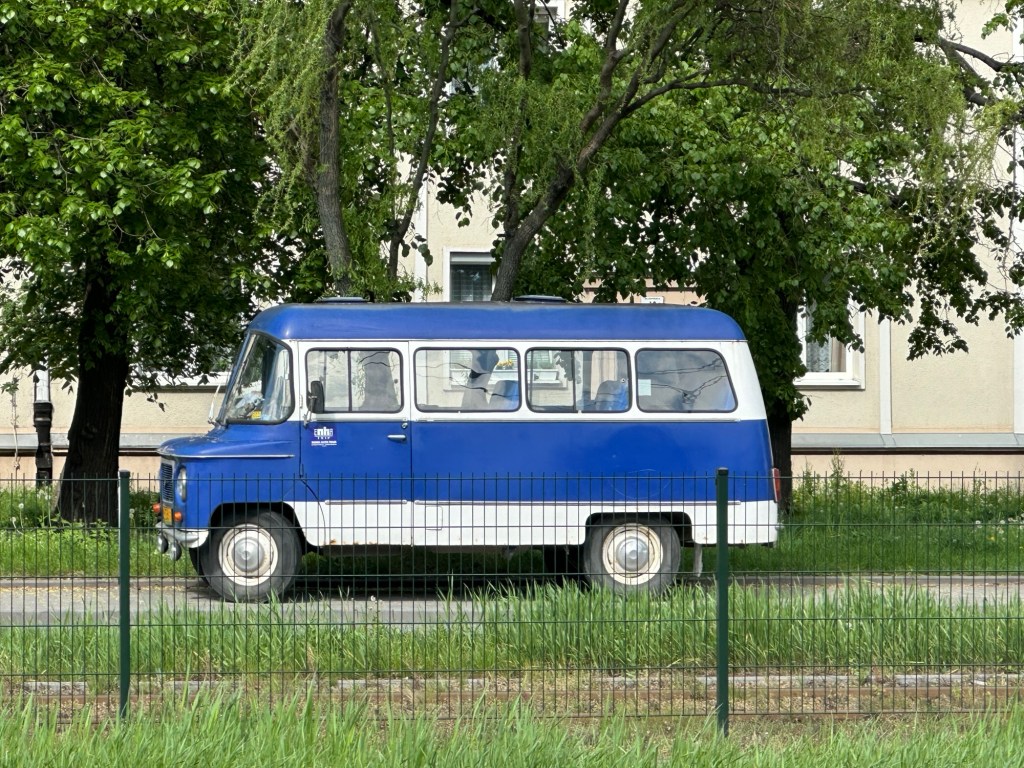
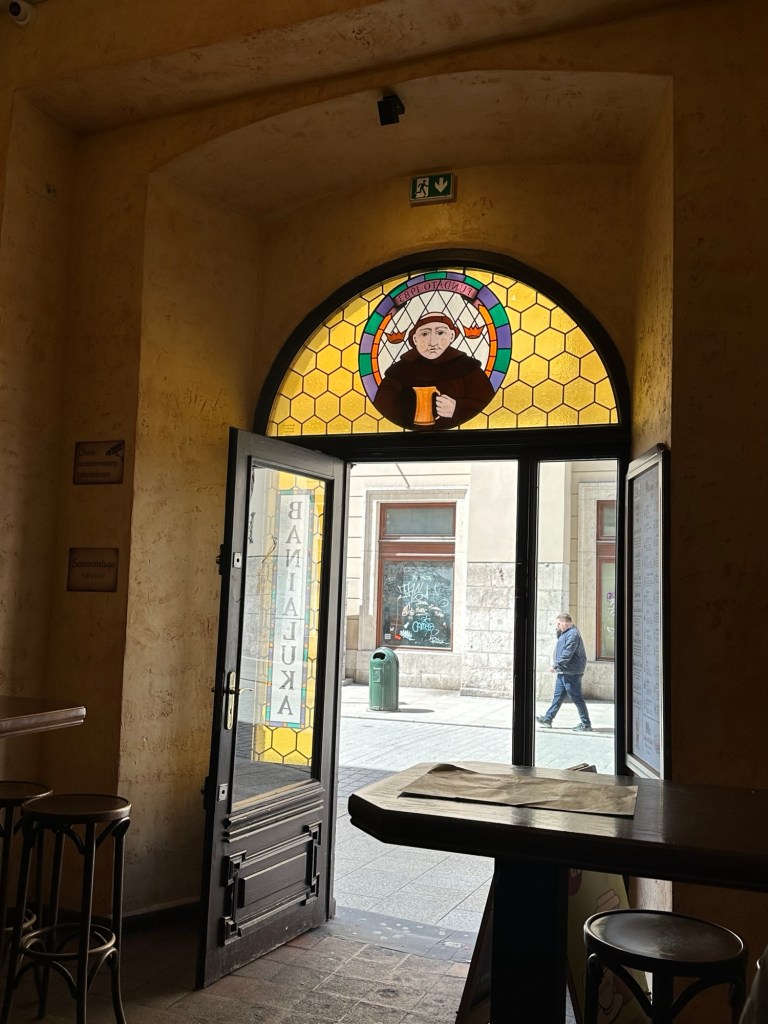
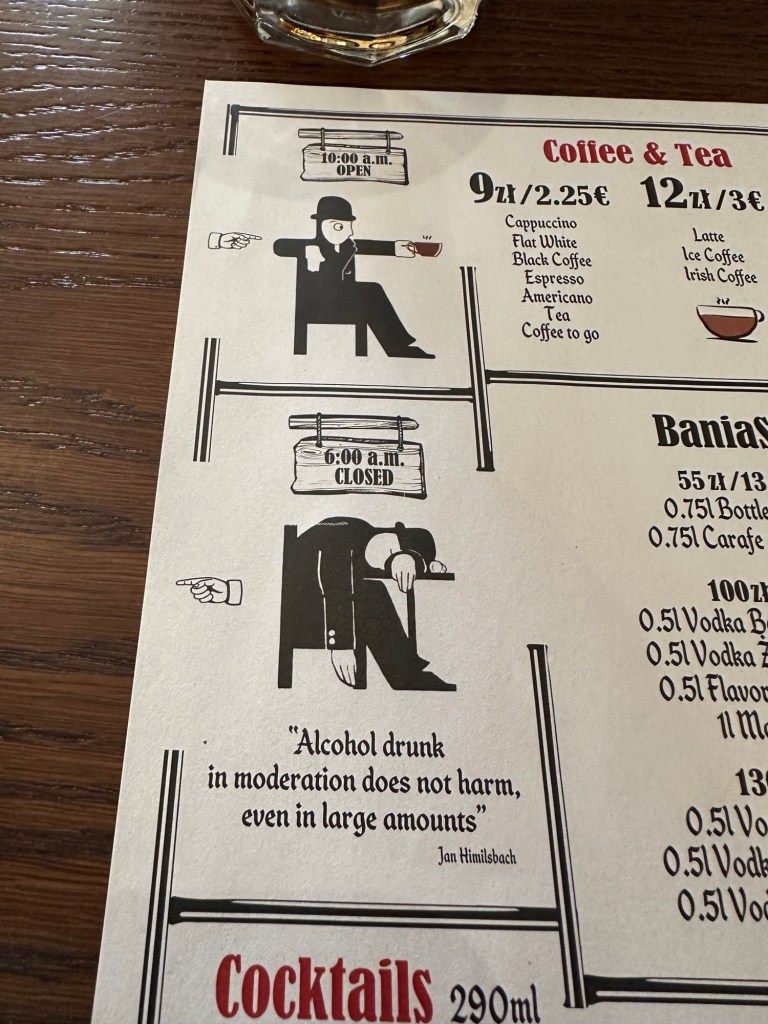
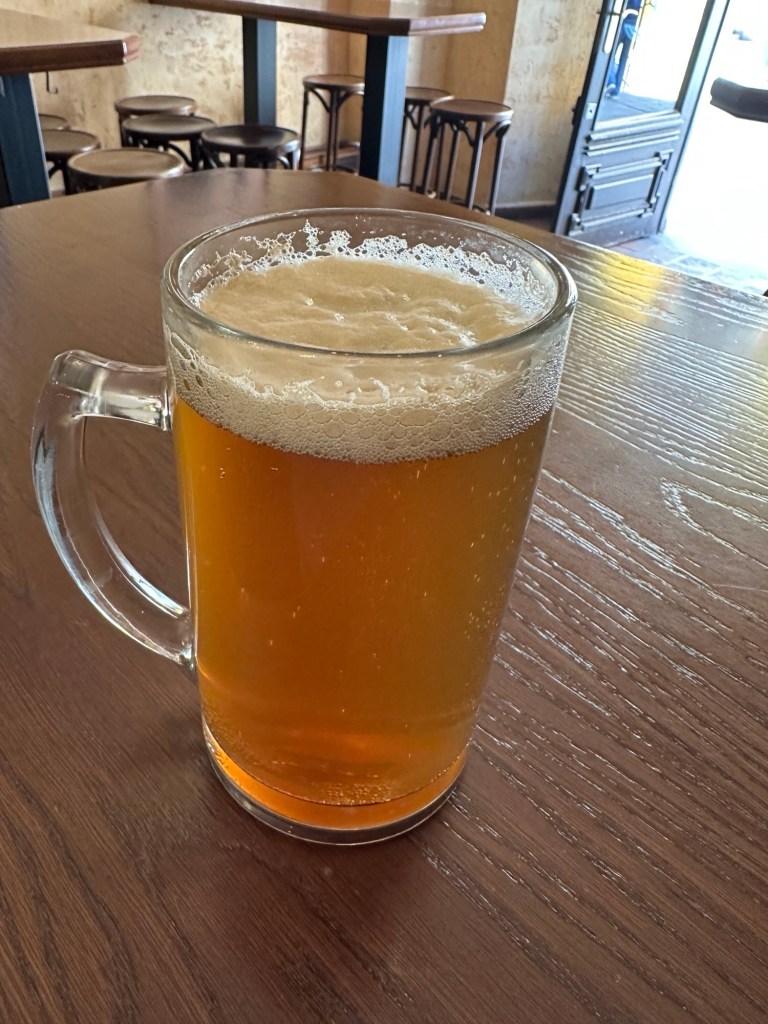
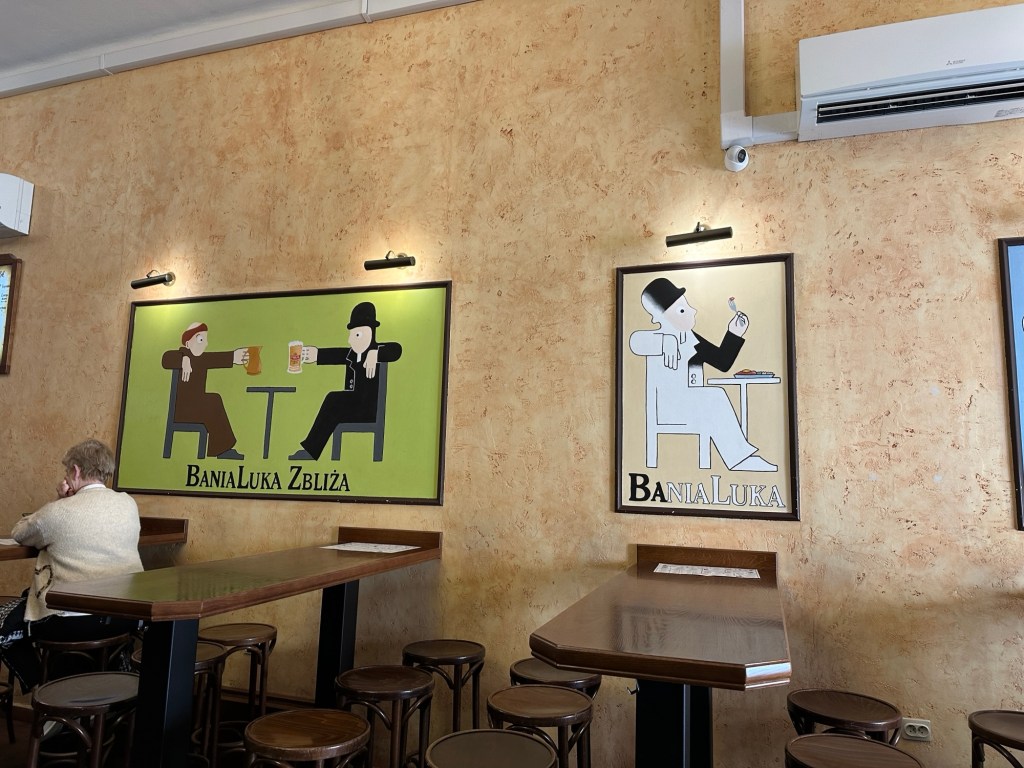
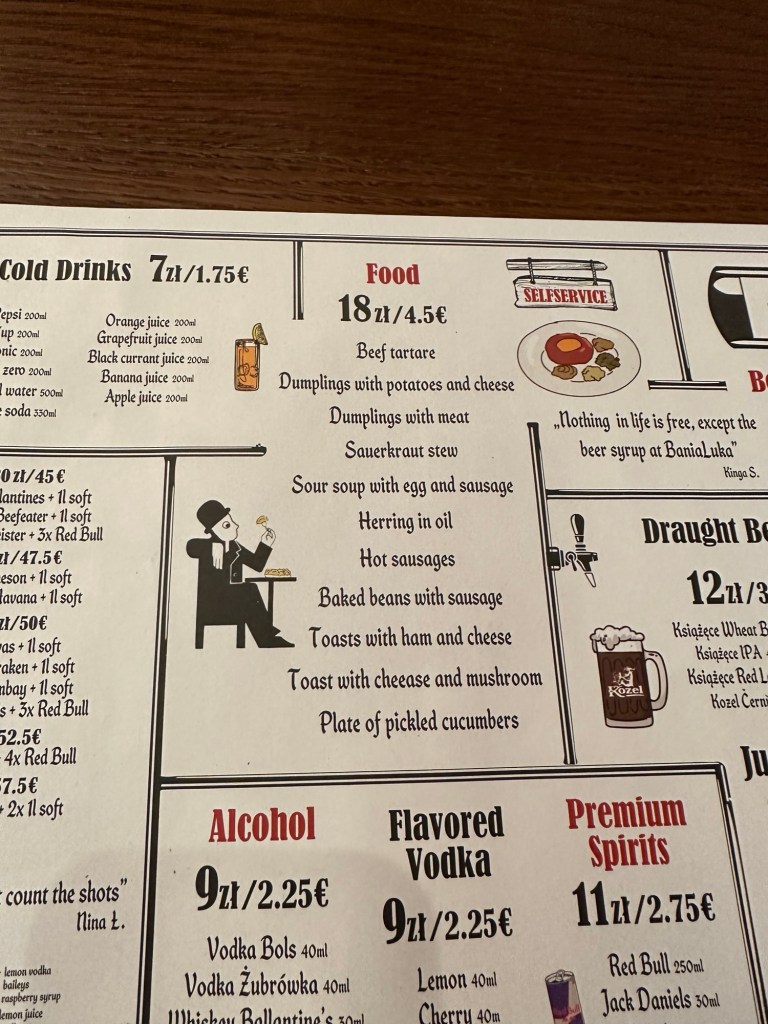
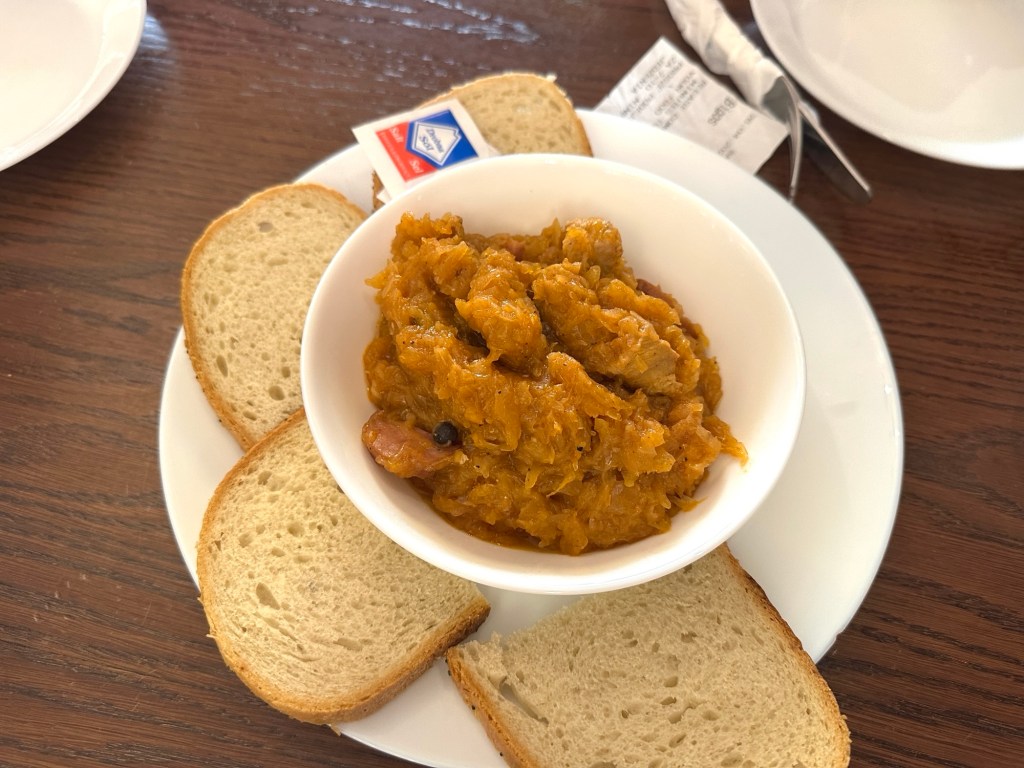
Next we stop at another older pub called BaniaLuka, which was also recommended by another tour guide yesterday. Here I get to try bigos which is a sort of cabbage stew with meats like chicken and sausages. It is said to be an excellent hangover cure. Luckily so far I haven’t had enough alcohol to cause a hangover but now I know where to go if I do. I also try drinking a traditional lager to test my luck. I had ginger syrup added to it, apparently a thing people do, and I only drank about half because I didn’t want to press my luck with the beer issue.

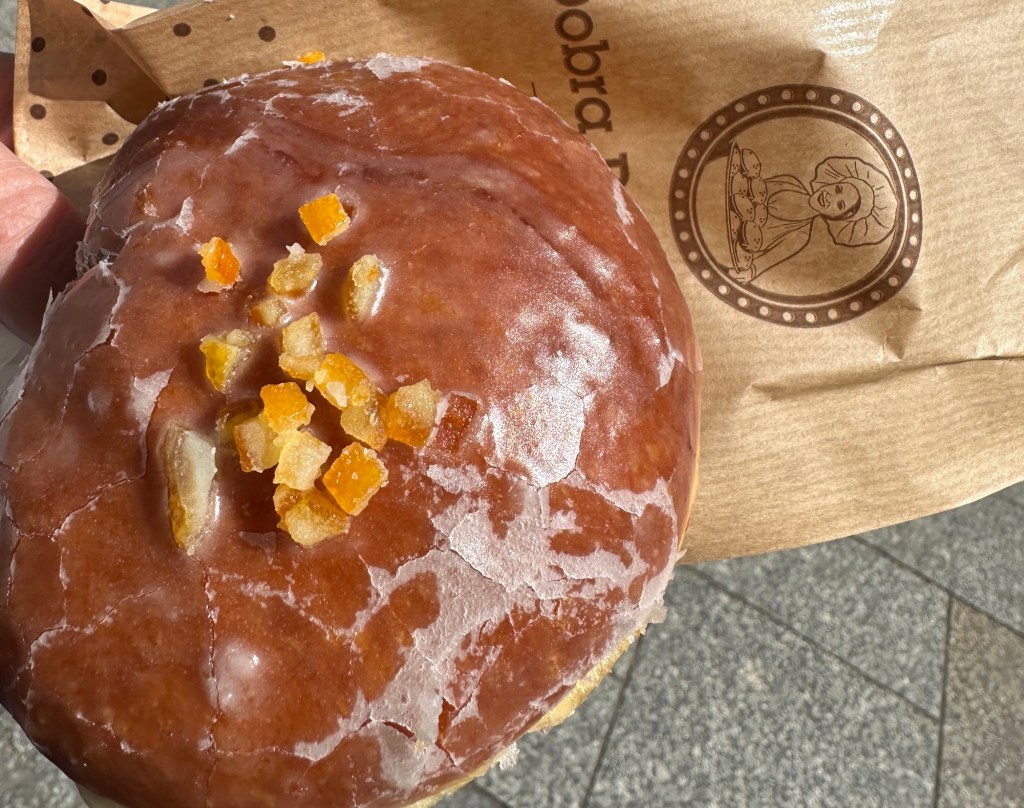
Next we stop for a pączki, a polish doughnut. Trying the popular flavor of the yeast doughnuts, filled with wild rose jam topped with candied orange bits, is on my list so I am lucky to try one right out of the oven. The thing is you have to eat these things fresh. I’m notorious for taking a couple bites and squirreling away the rest for later and with pączki it’s just not the same.

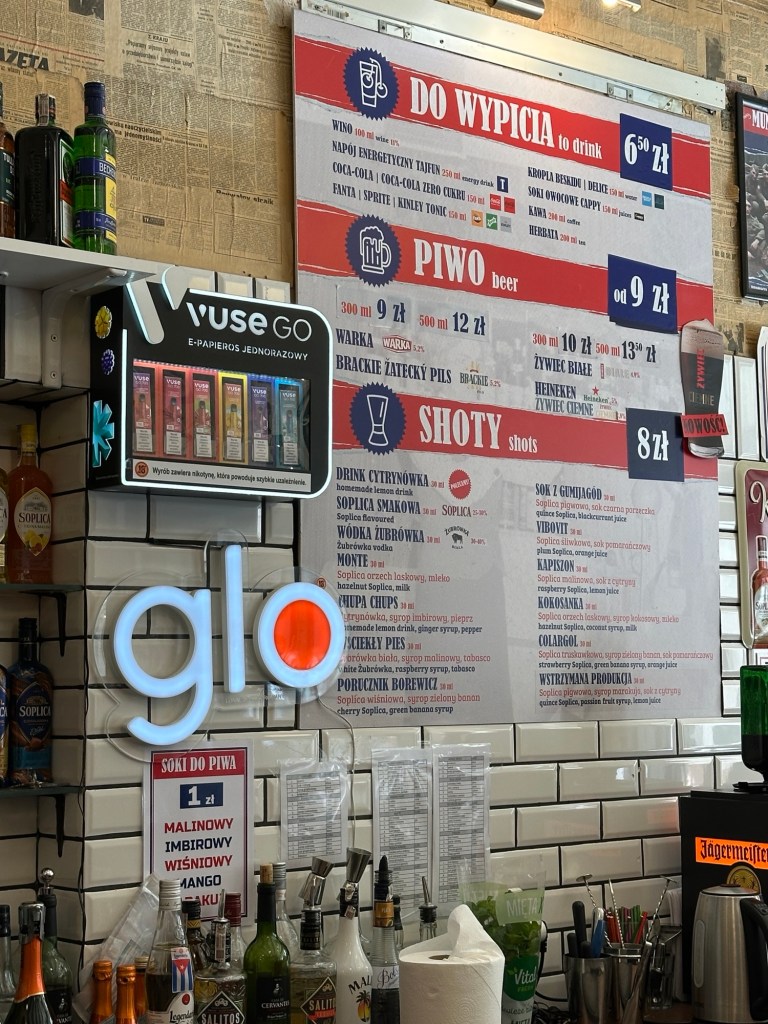
Finally we stop at one more bar where I try another drink, this time a shot. The shot is a mix of polish limoncello and ginger syrup with pepper on top. When you drink it quickly it is said to taste like coca-cola and it does.

I say goodbye to tour guide and the other attendee because I am heading across town to check the planned community of Nowa Huta.

Muzeum Nowej Huty

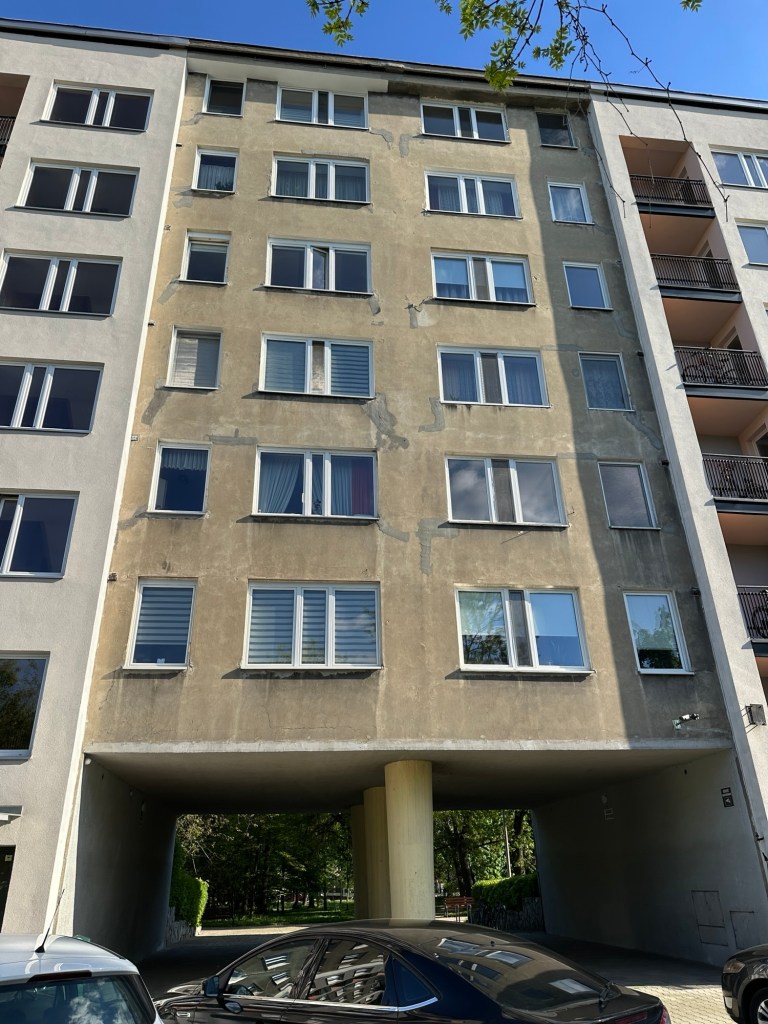
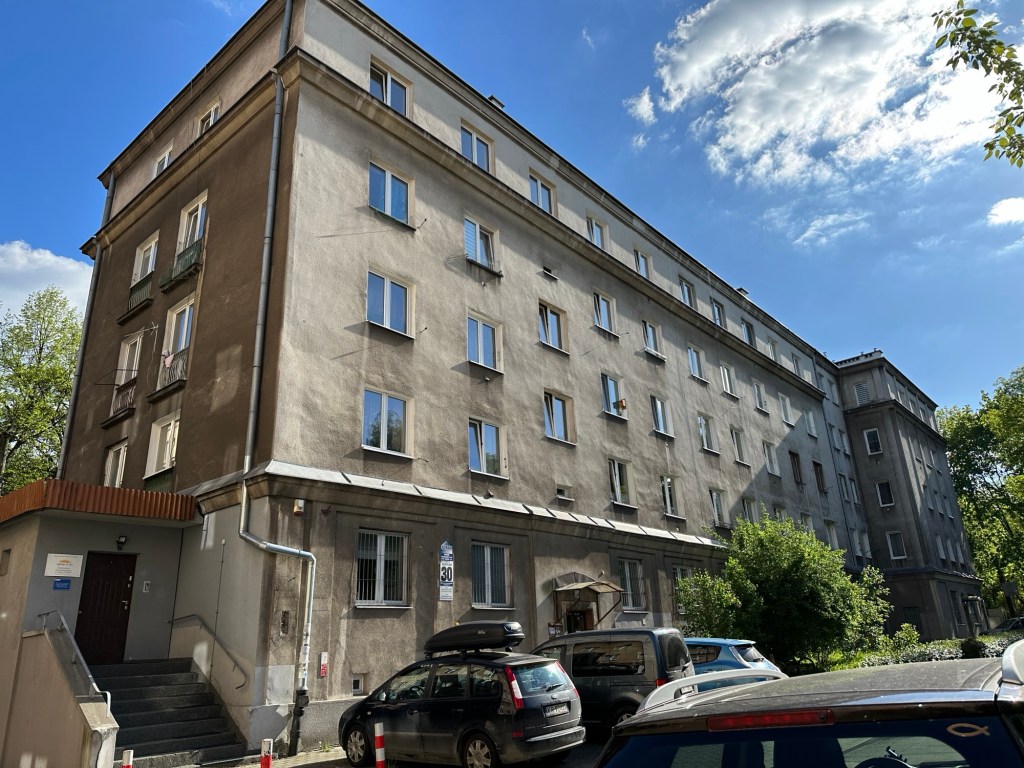
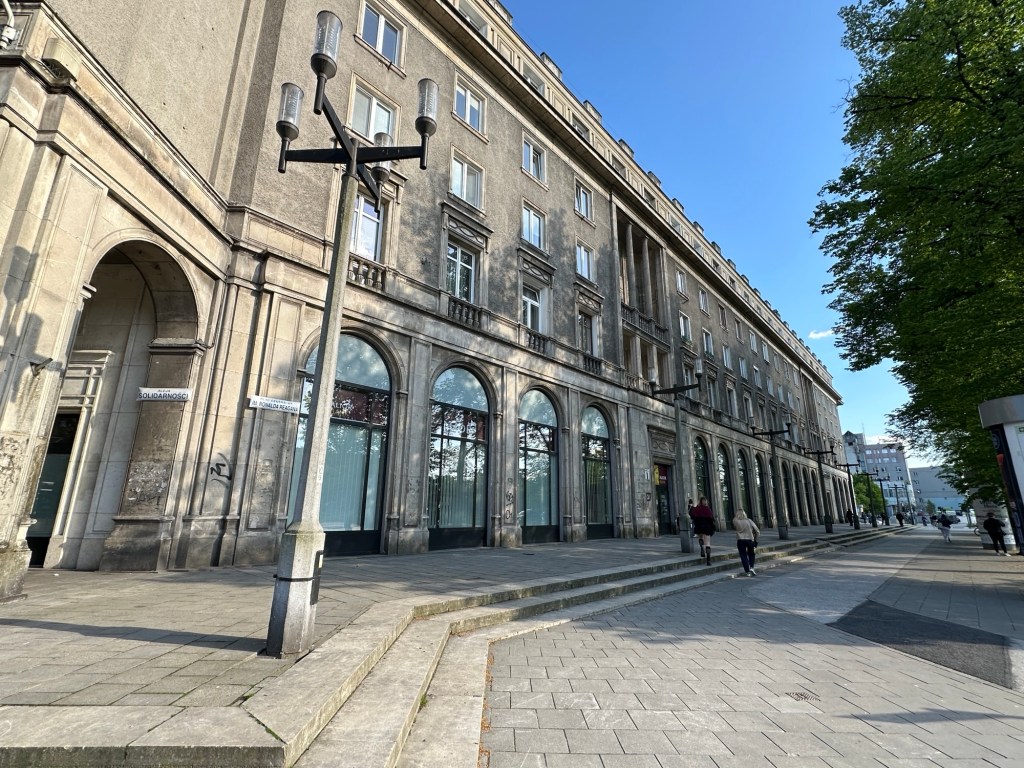
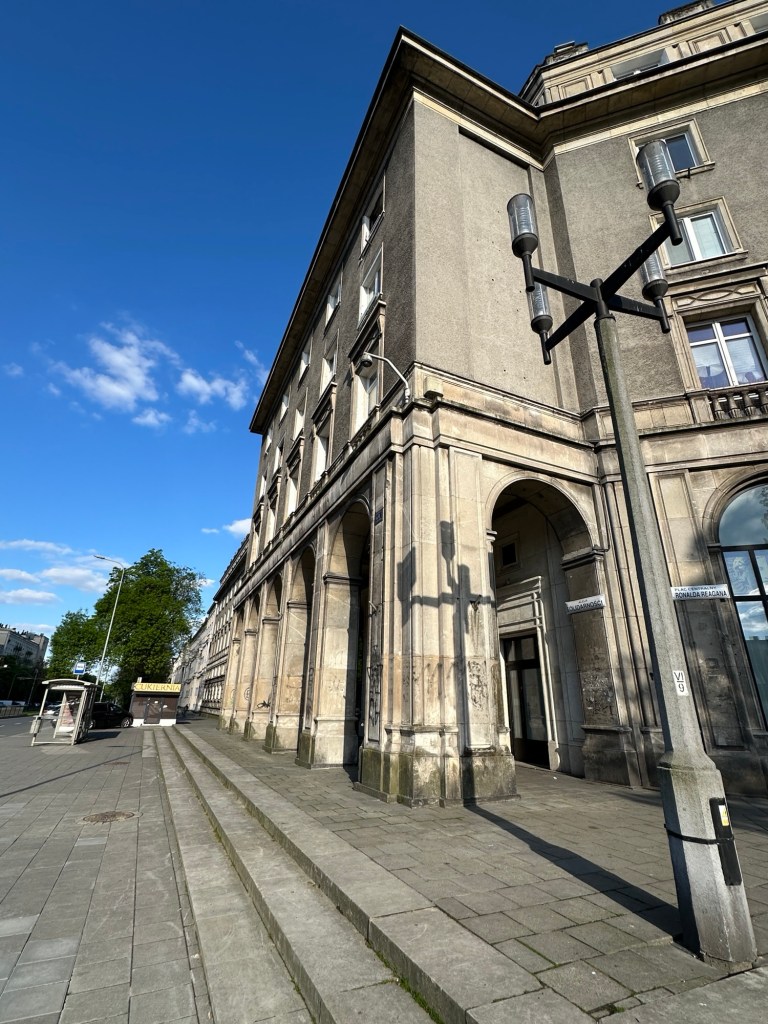
Nowa Huta was started in the 1950s when Poland was under the Soviet Union communist rule. It was set up as an ideal town with a steel mill with a neatly formed city to house the workers and families. The architecture is a mix of what you might see in Paris or London but some of it just looks brutalist to me. There is a lack of color and life you might see as you do in other parts of town but apparently these days it is a very popular place to live, especially since communism is long gone in Poland.
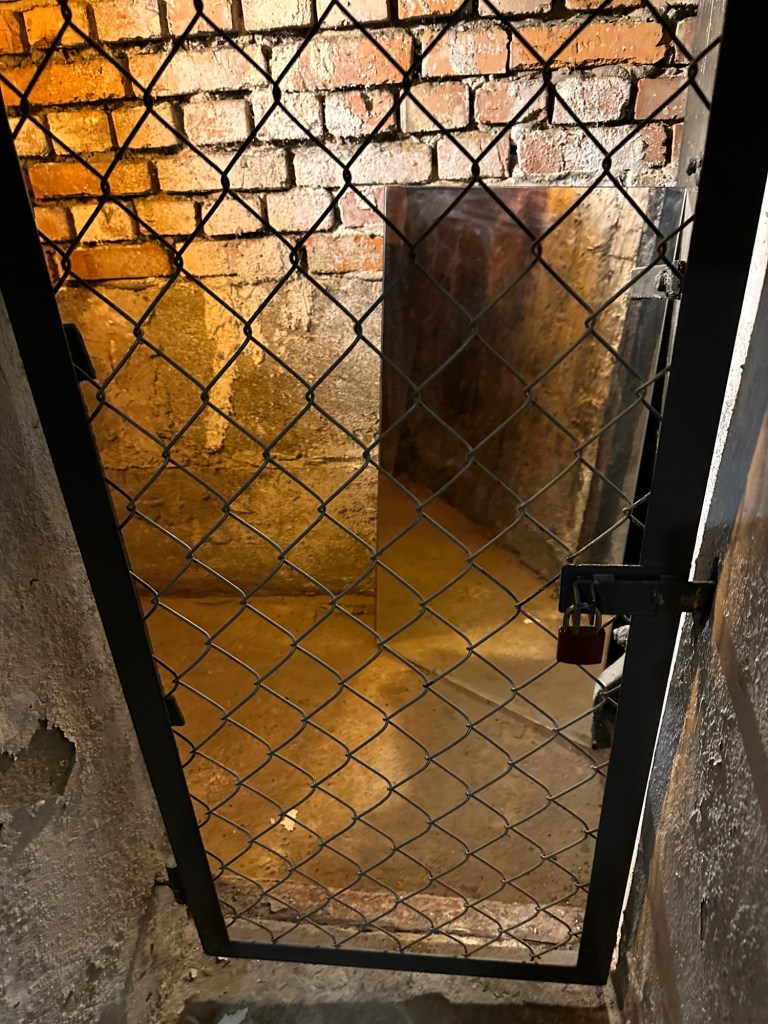
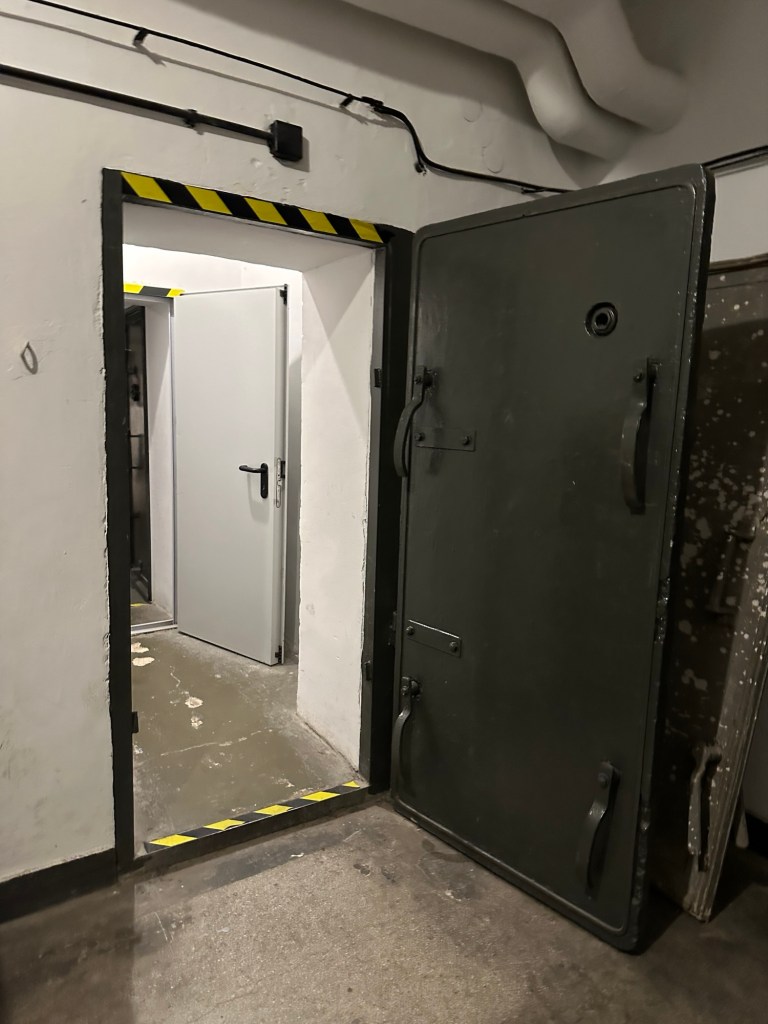
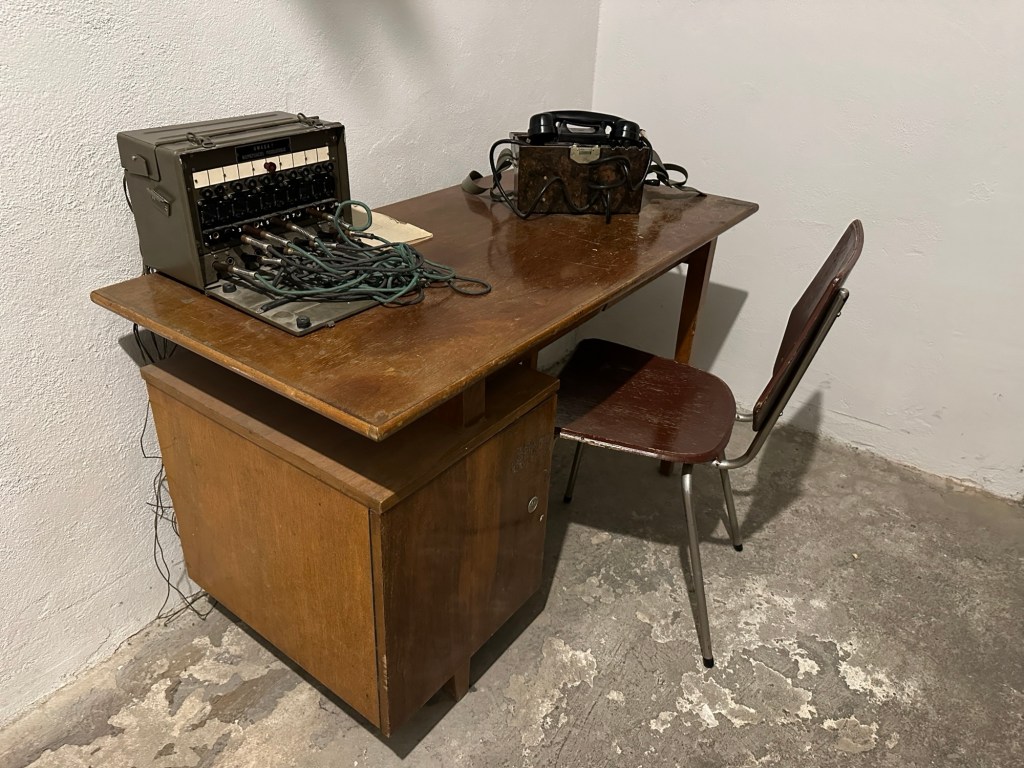
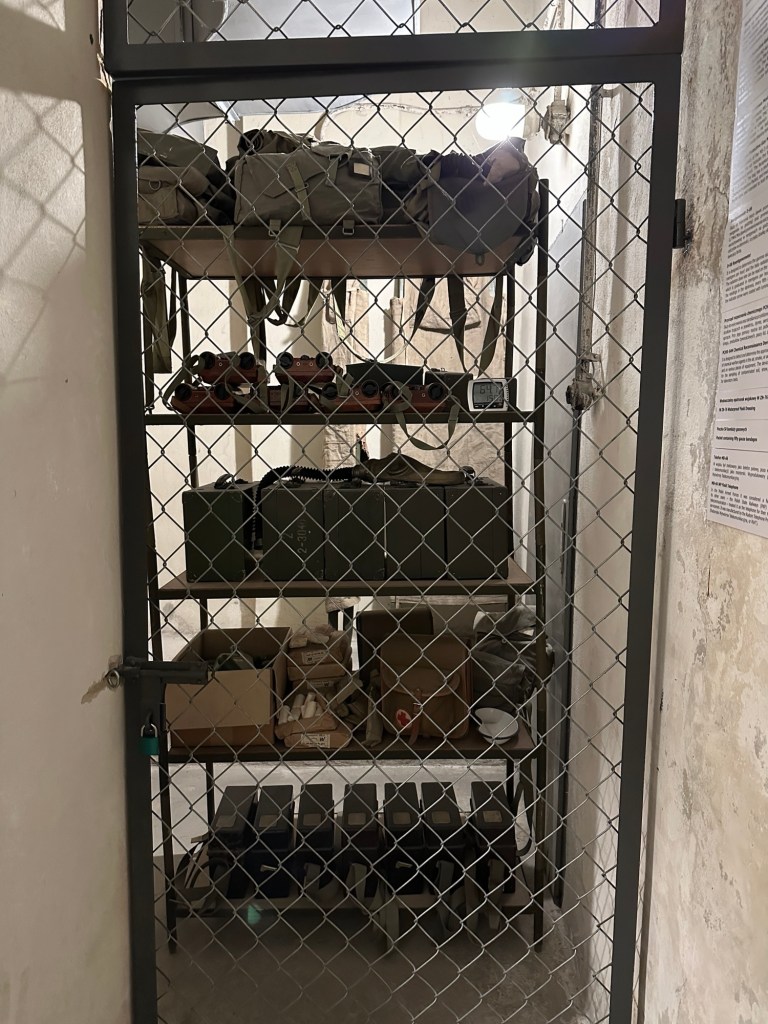
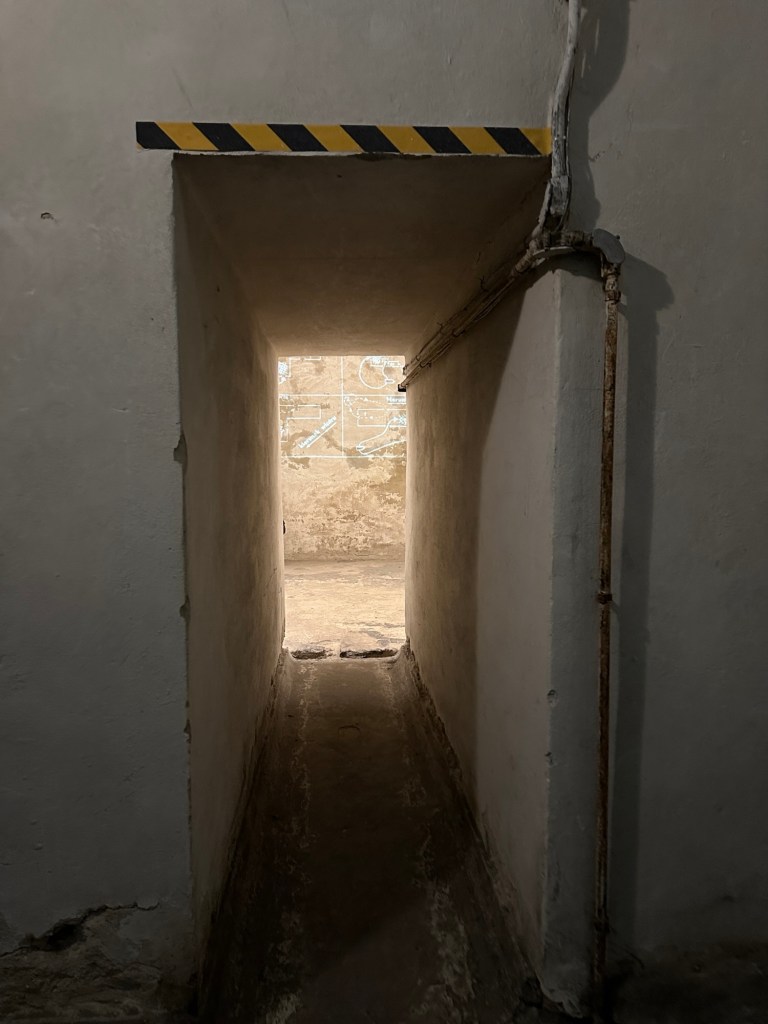
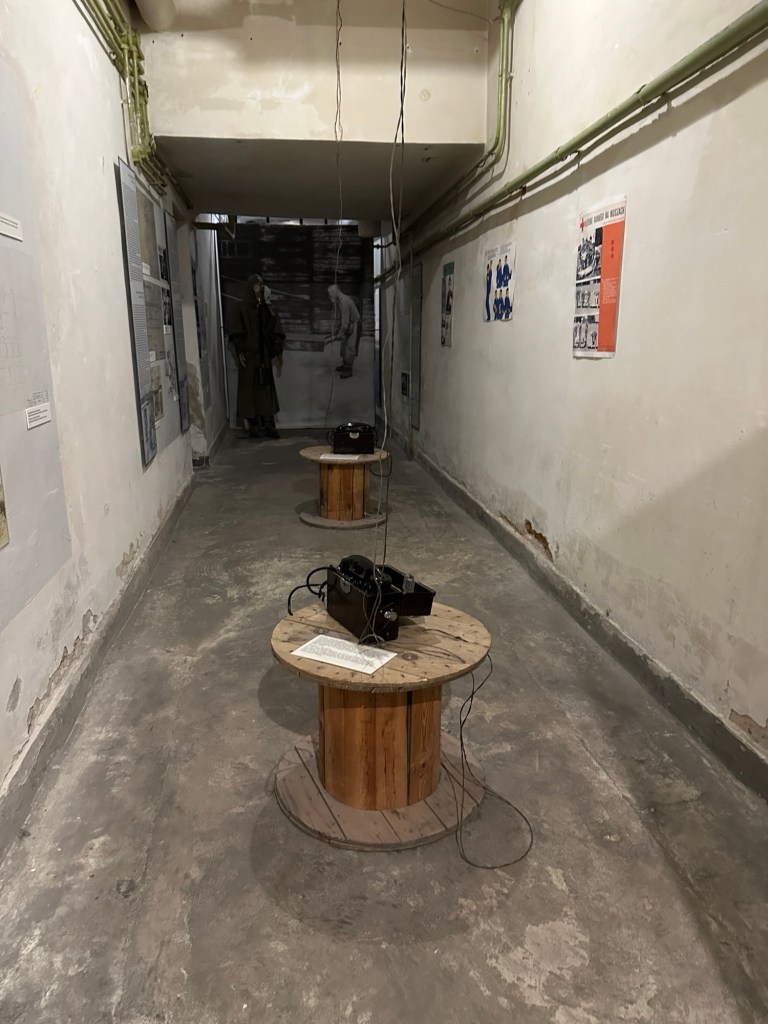
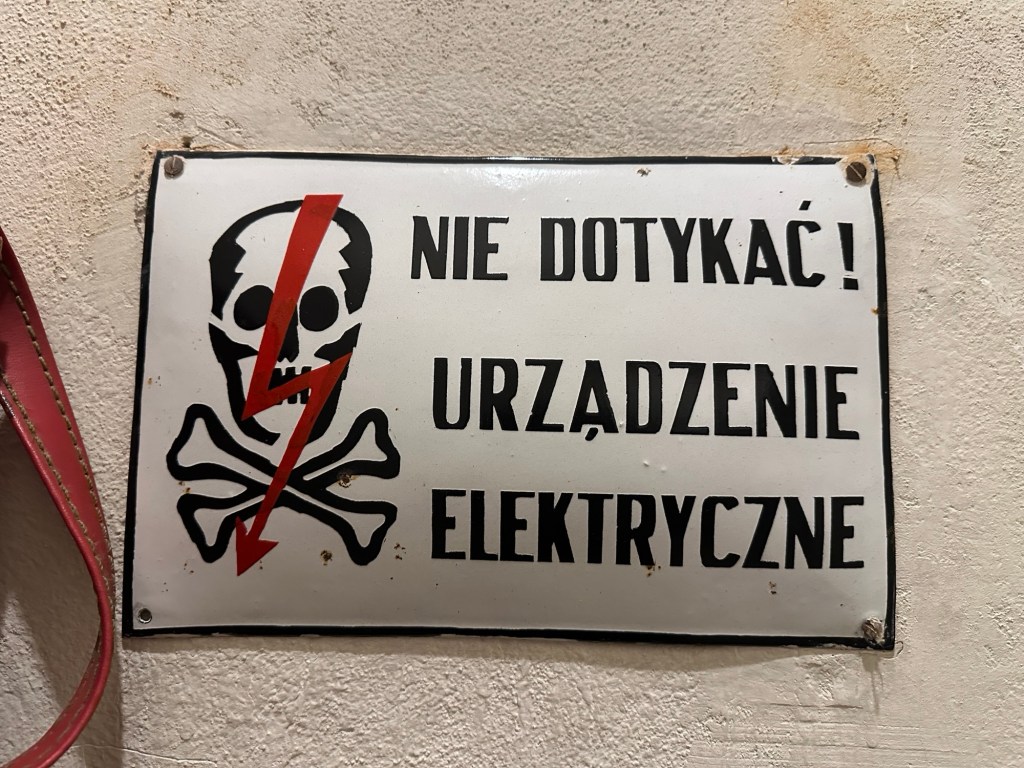
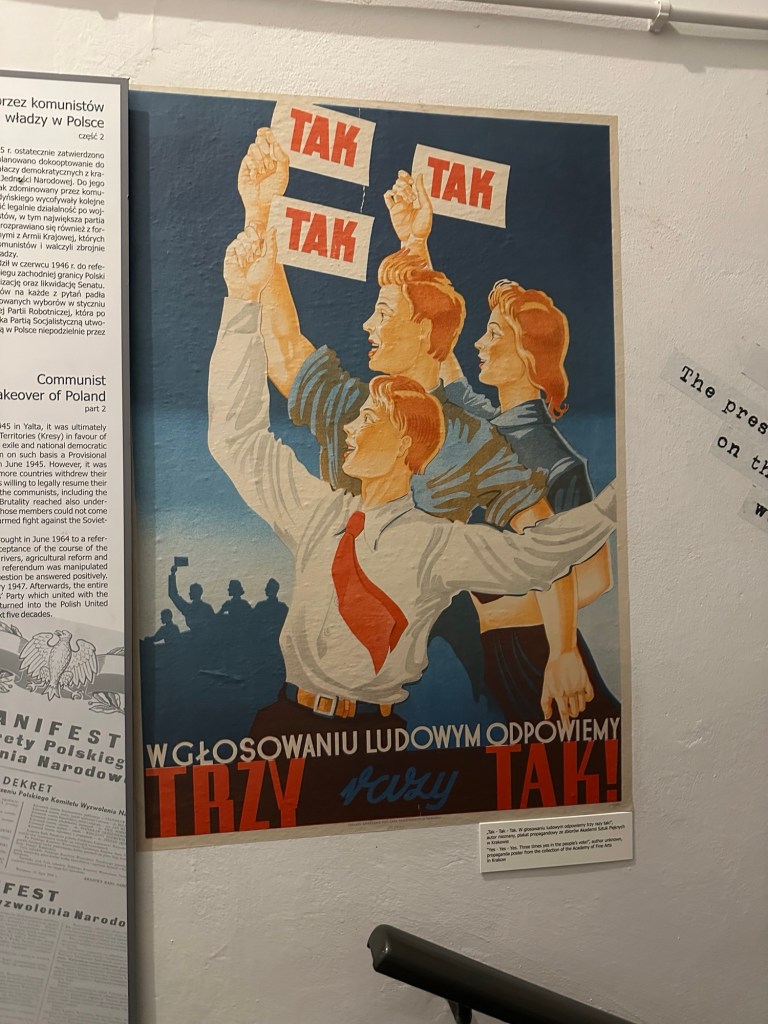
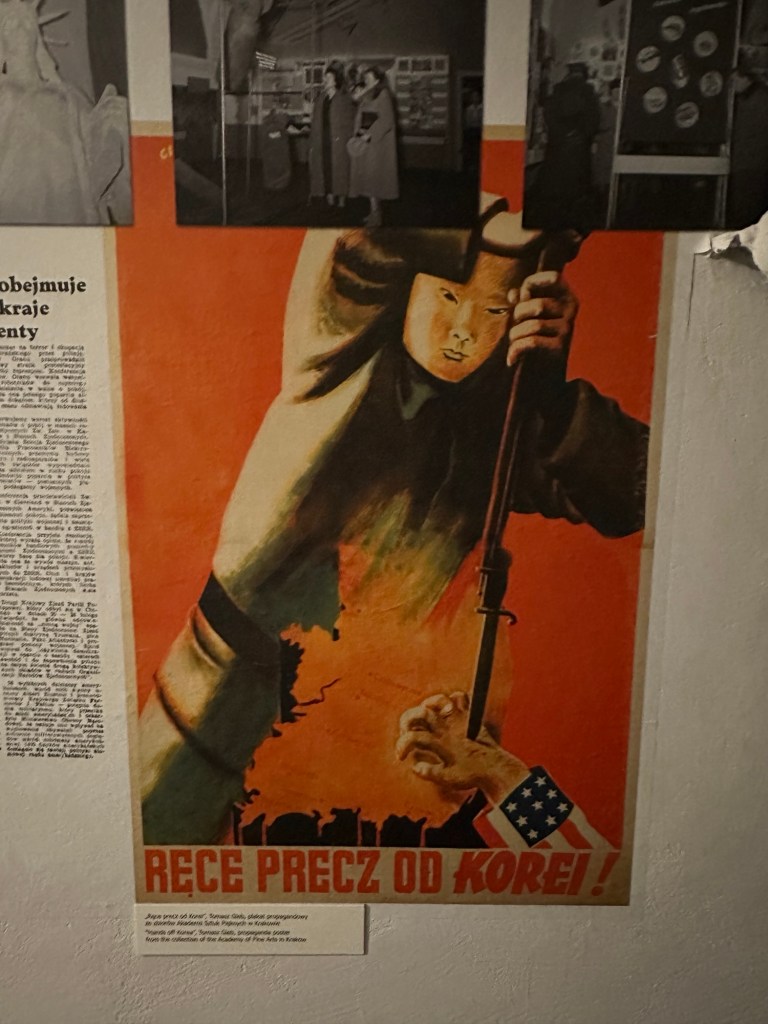
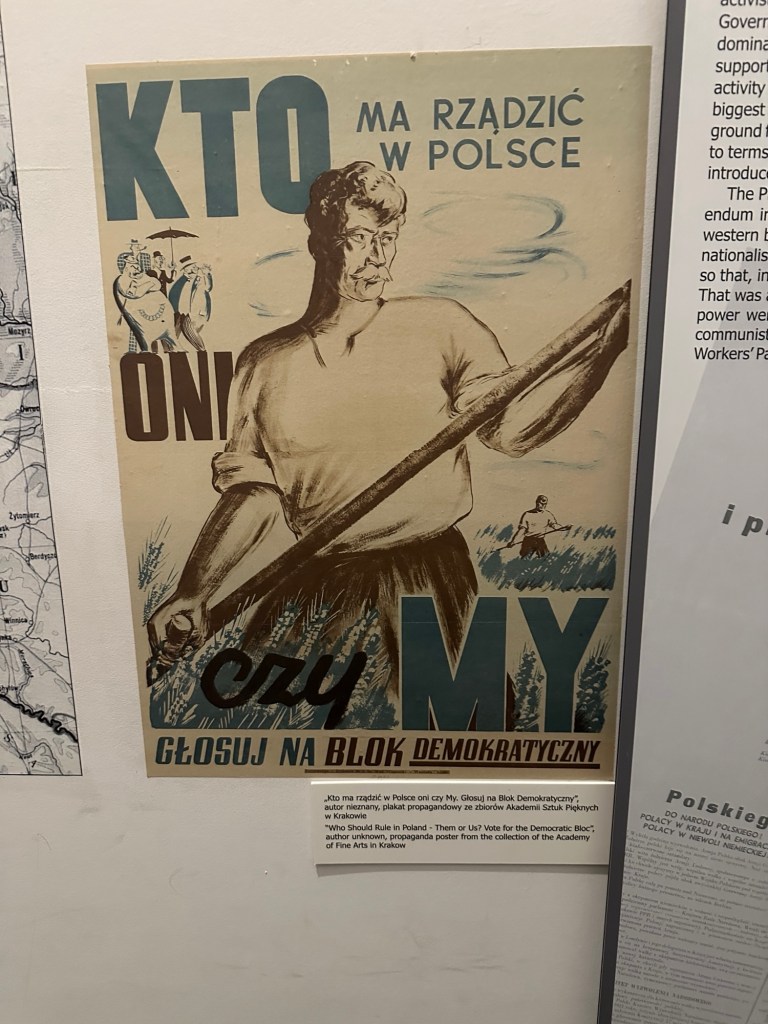
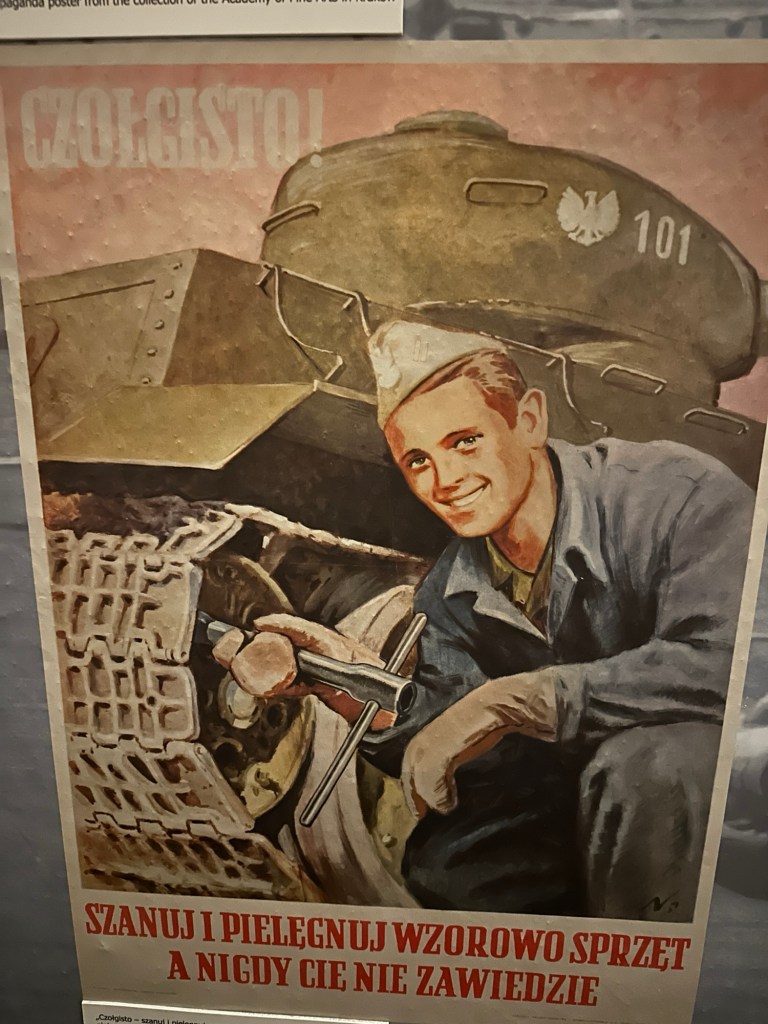
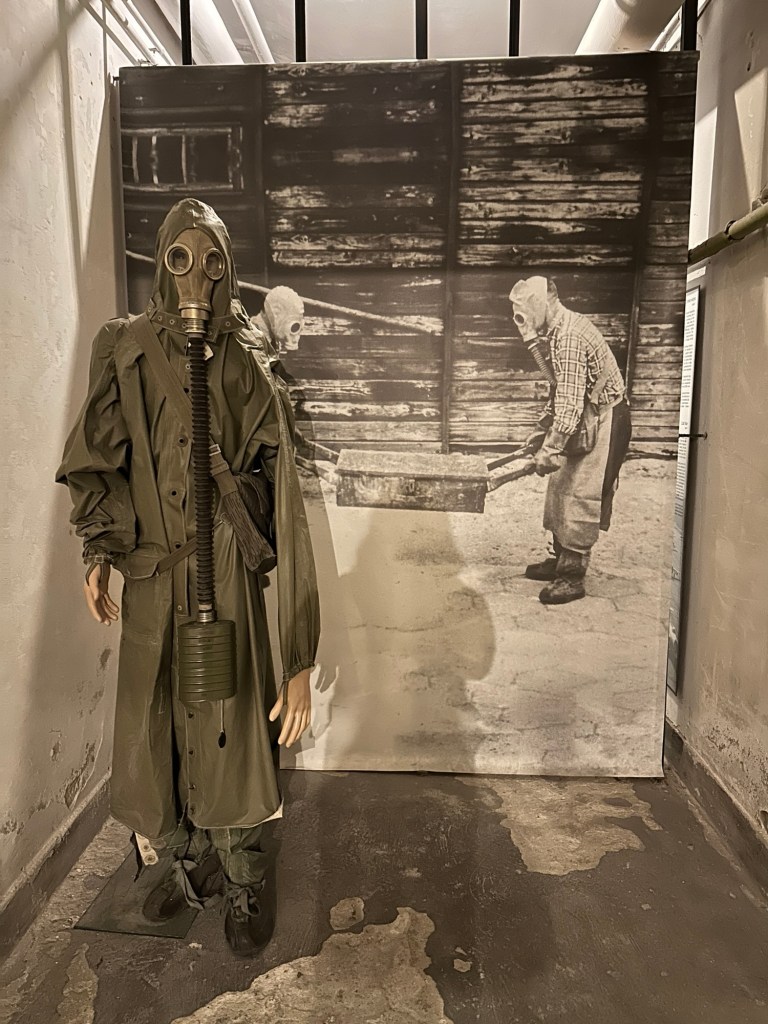
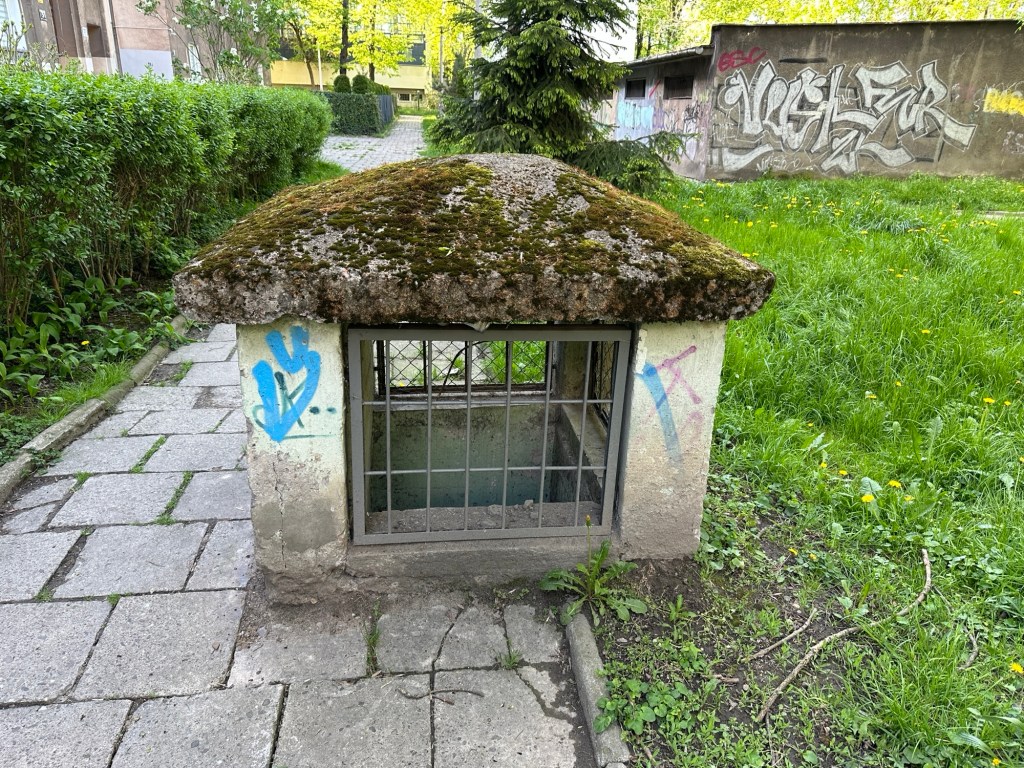
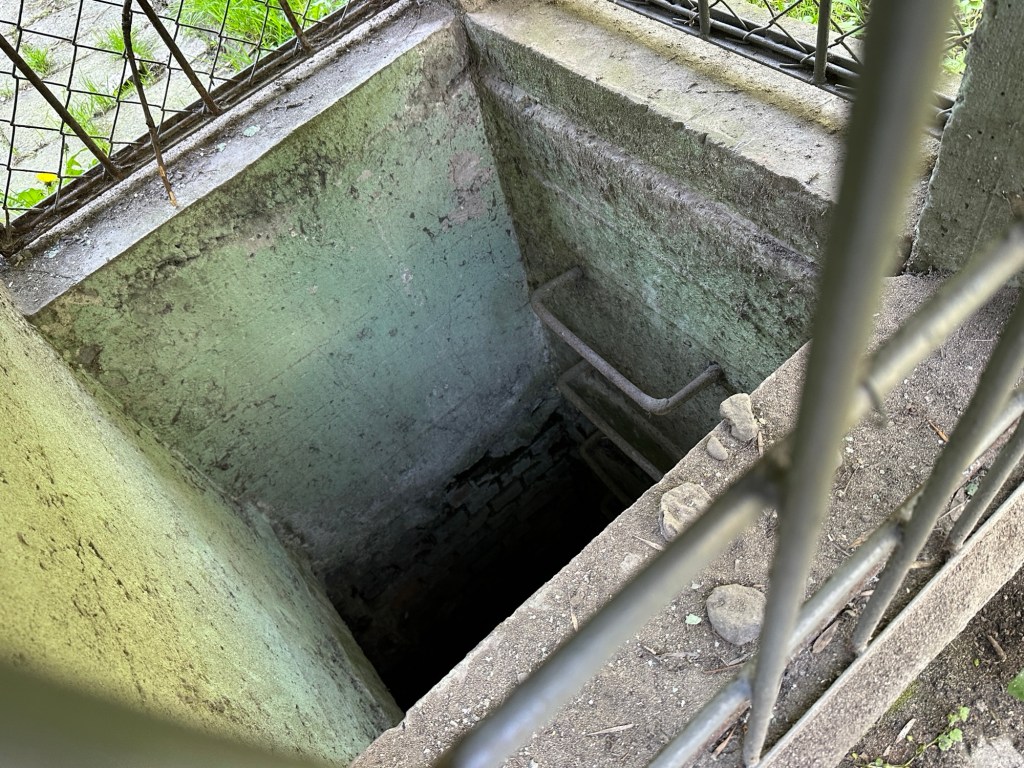
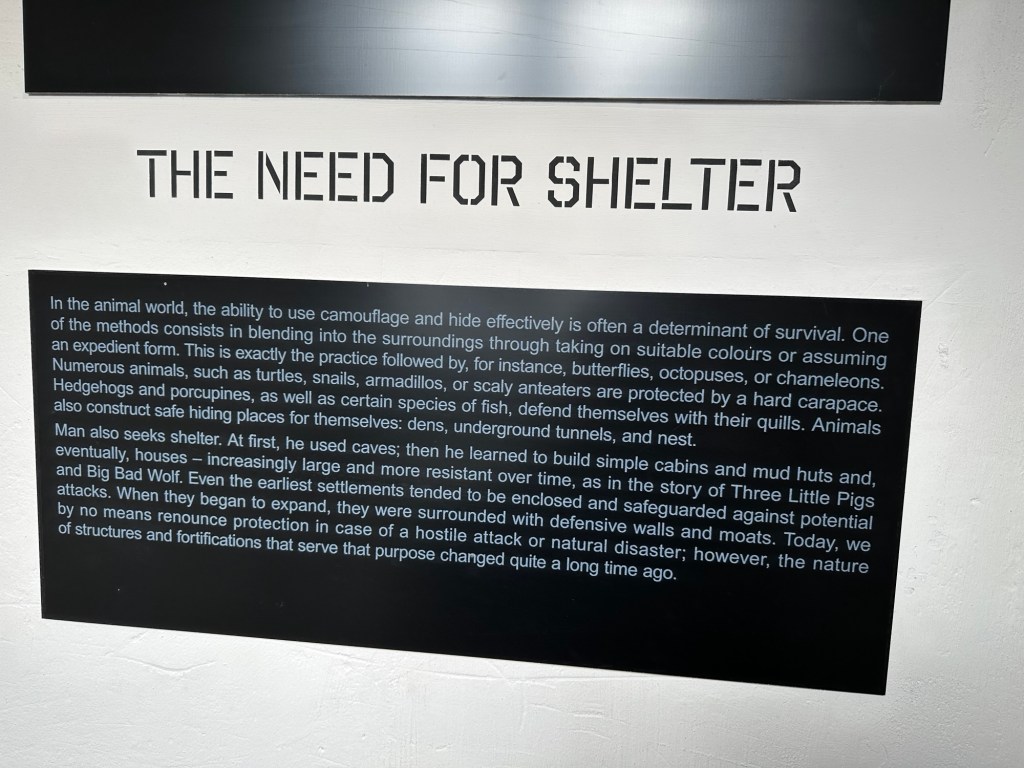
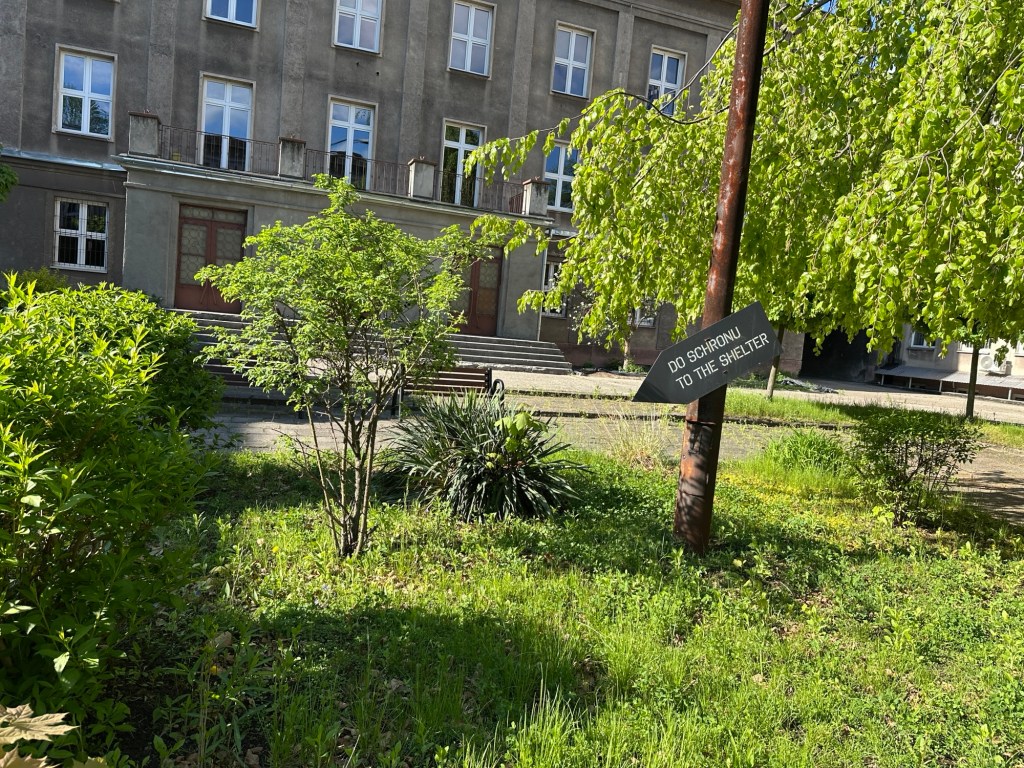
I especially enjoyed touring some of the underground in the Nowa Huta museum. Many emergency bunkers were built under the city in case of bombing because you have to remember this was all constructed during the Cold War. The museum also has exhibits on World War II and the Korean War and even the USA’s role in those wars. They definitely had a different propaganda machine going than we did.

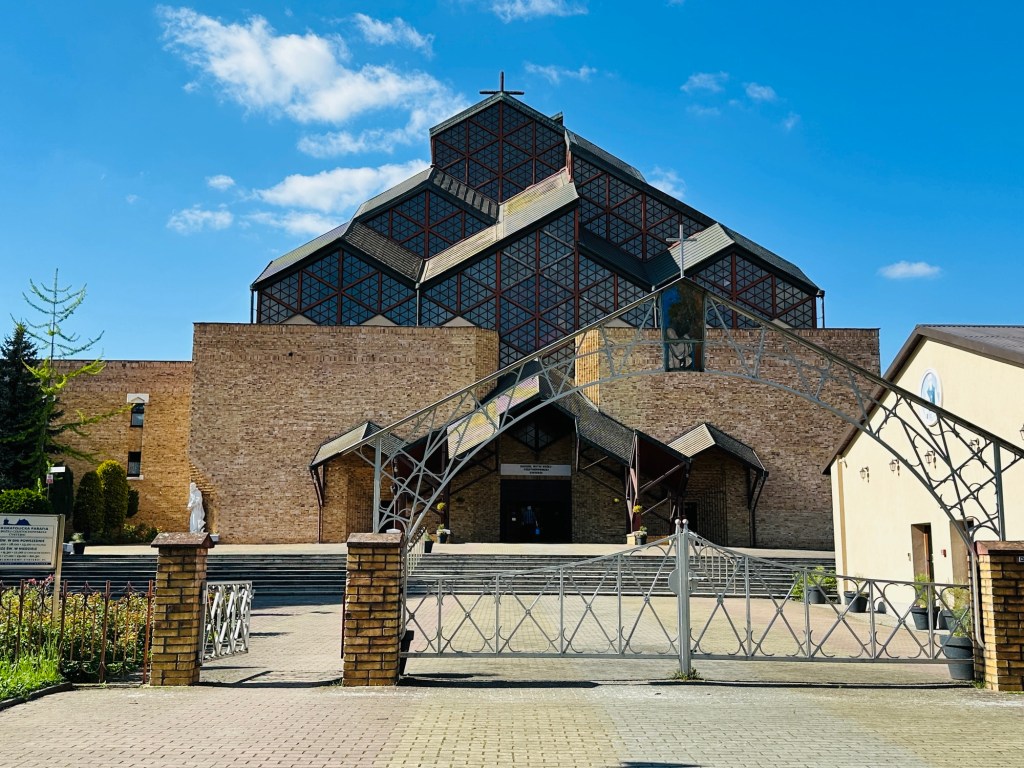
The guide from the museum points out other things around town like underground air vents, an interesting church, and different types of architecture.

I visit a second museum that is associated with the Nowa Huta museum but is optional. It is not as extensive but worth a quick visit if time allows. It talks more about bunkers in general and other examples around the world.

Exhausted I catch the bus back to my part of town. Even after all the food I have had today I still feel like I need dinner so I grab something quick and head back to the hotel. I should be out enjoying the evening on a weekend but I am exhausted and I have another tour booked tomorrow.

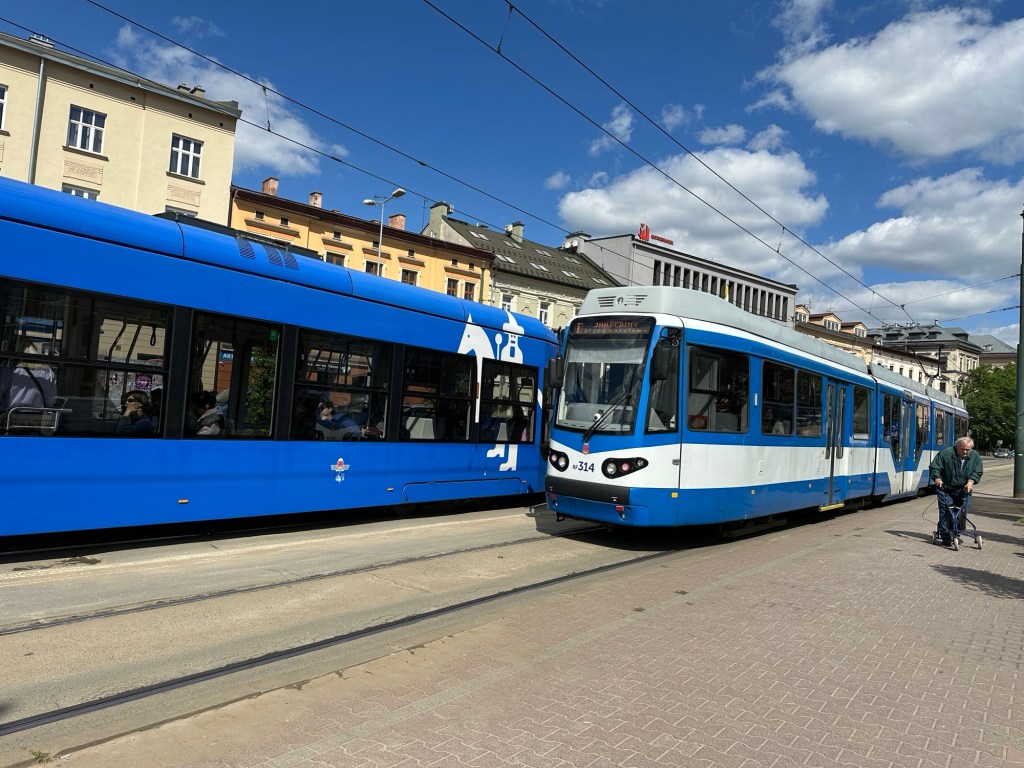
Efficient Buses

A Good night.

Kutna Hora (and creepy bone church)

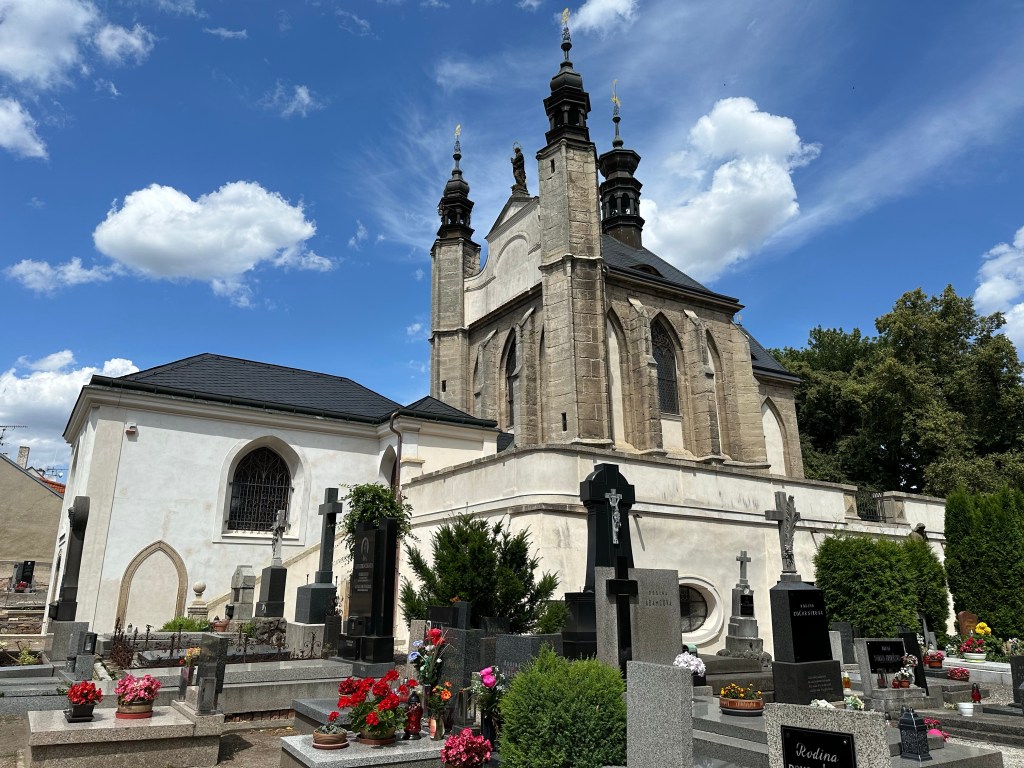
Sedlec Ossuary

One of the things I really wanted to do upon my trip to Czech Republic is take a trip out to the town of Kutna Hora and see their creepy bone decorated church. I did research on the logistics of getting there and decided to opt for a pre-planned coach tour instead. Sometimes taking group trips is more simple and gives me an opportunity to be around other travelers.

For the most part the tour is a good idea; I have nice conversations with people on the tour but I do feel rushed at times and something about the sound system on the van has me missing much of the guide’s commentary anyway even though I am sitting close to him.

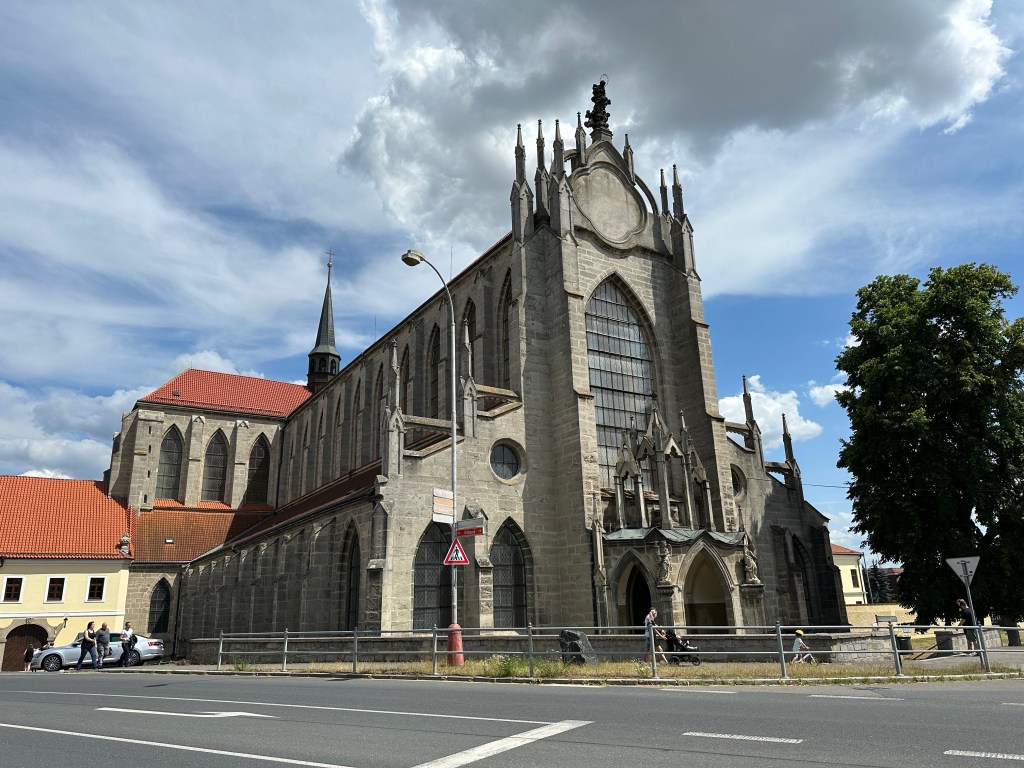
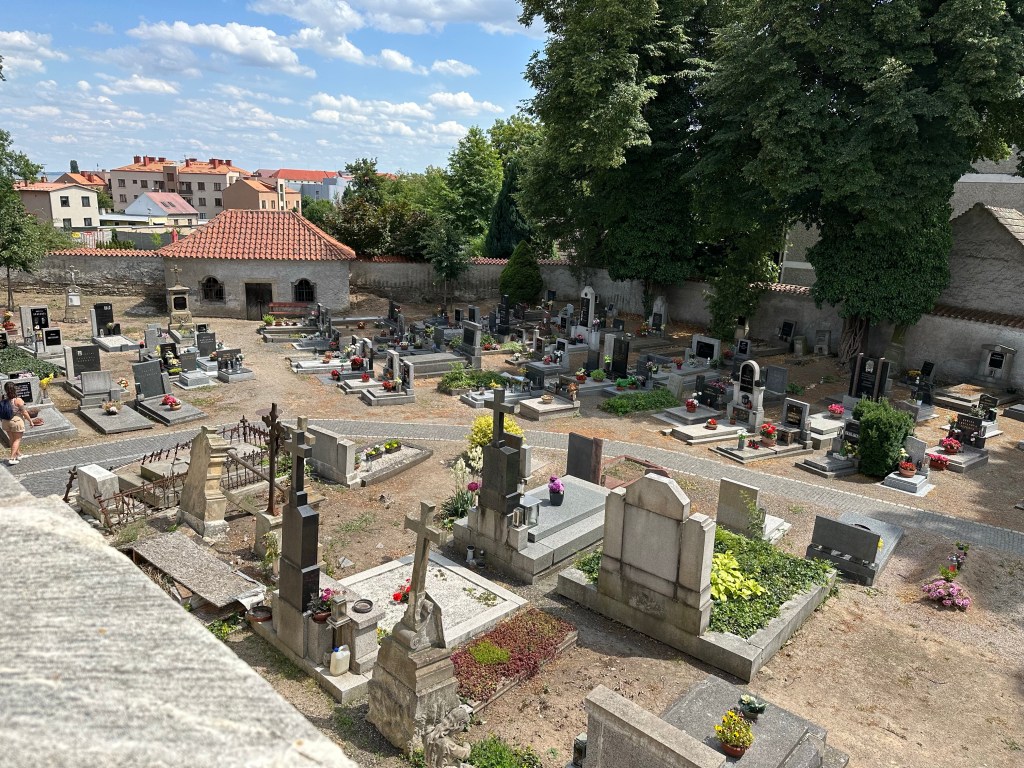
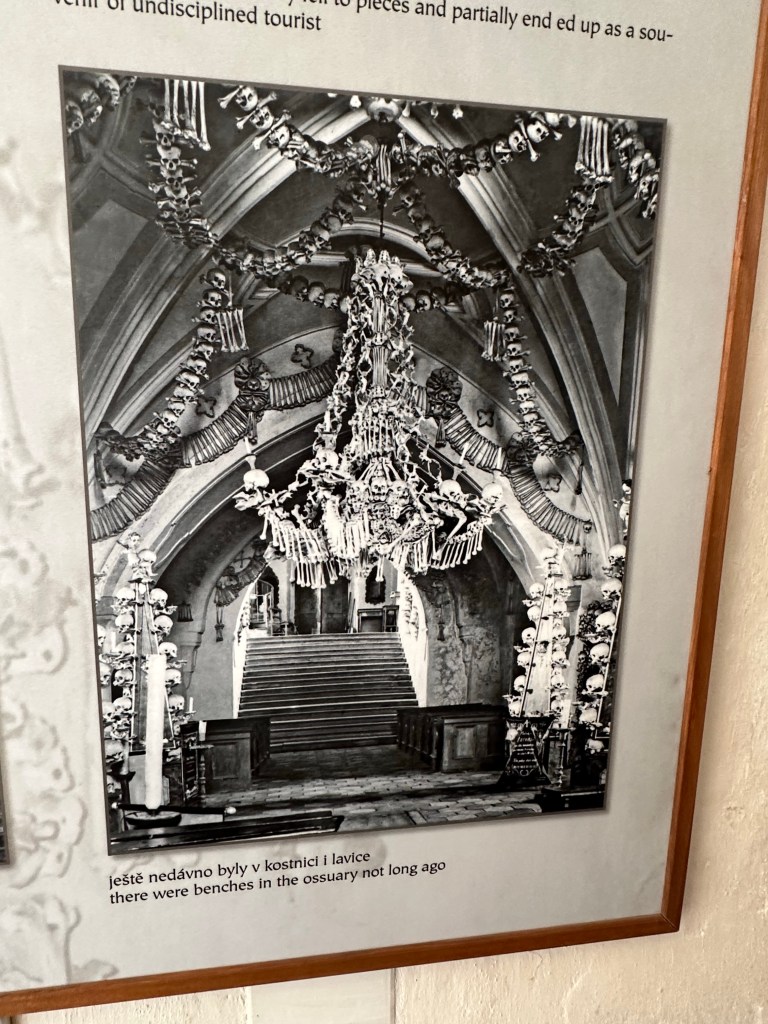
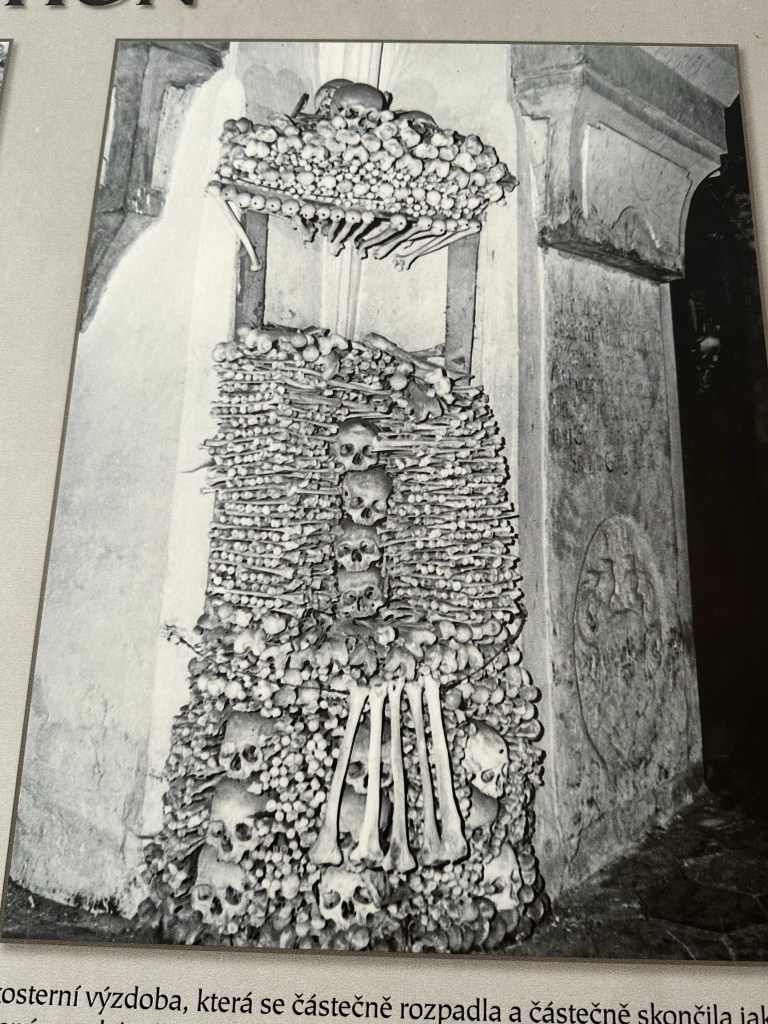
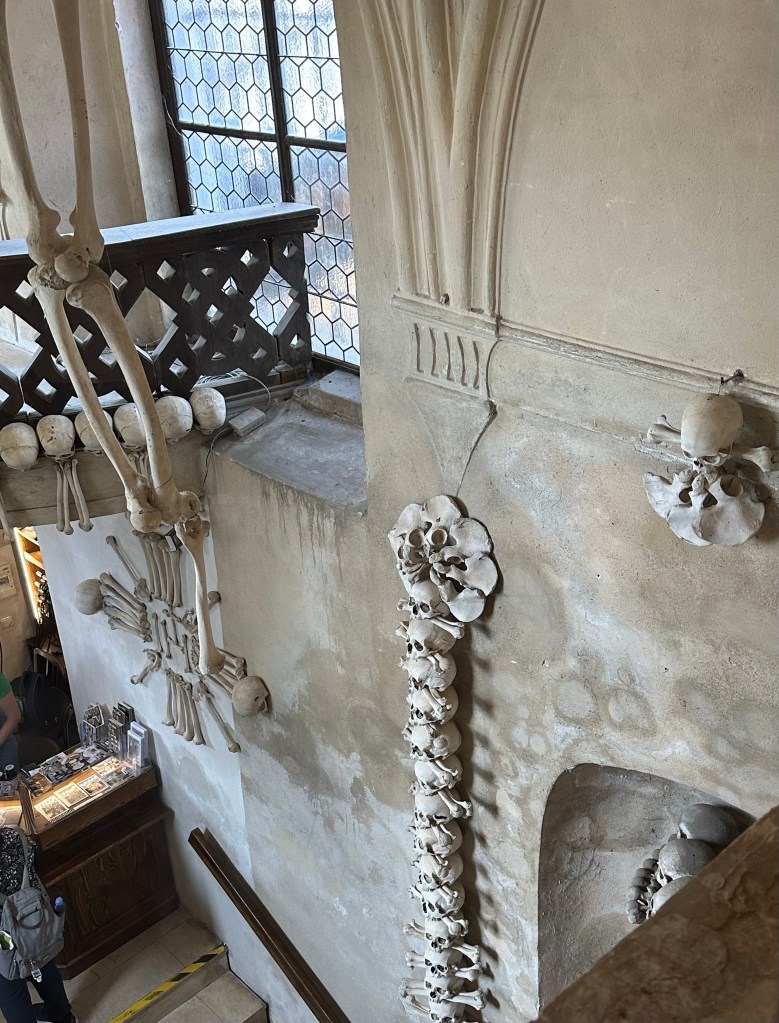
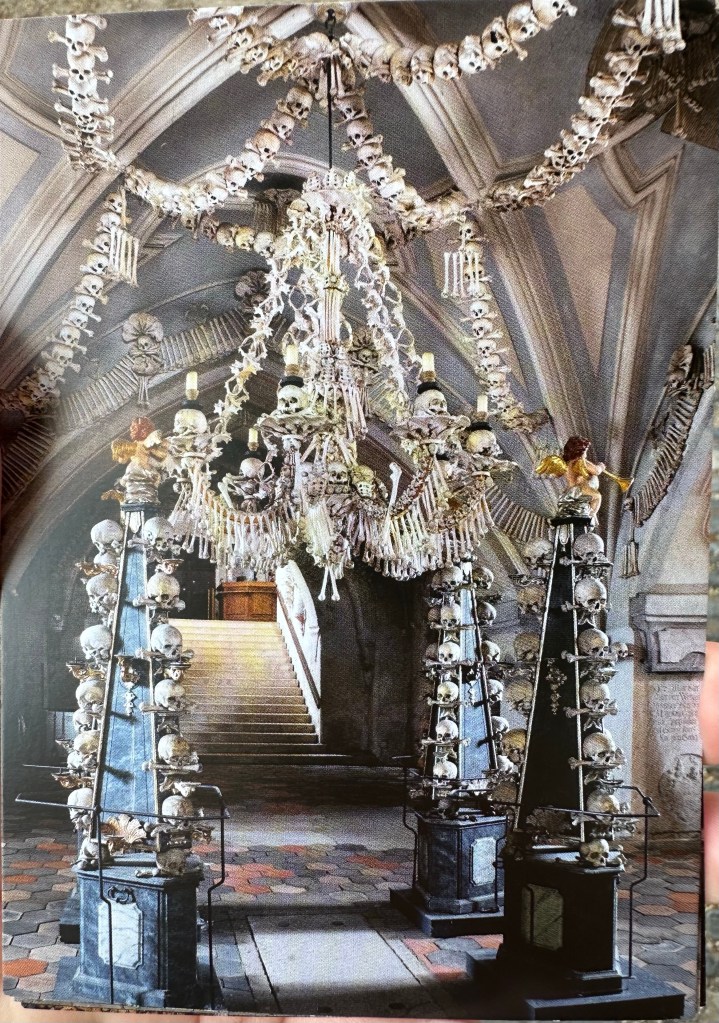
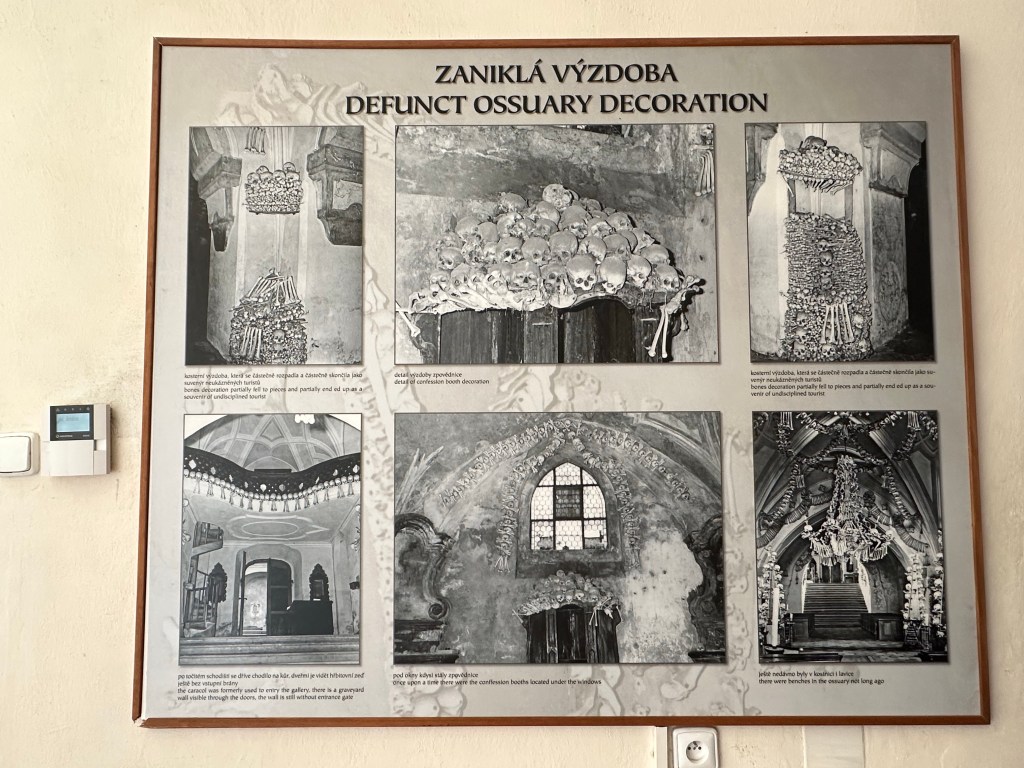
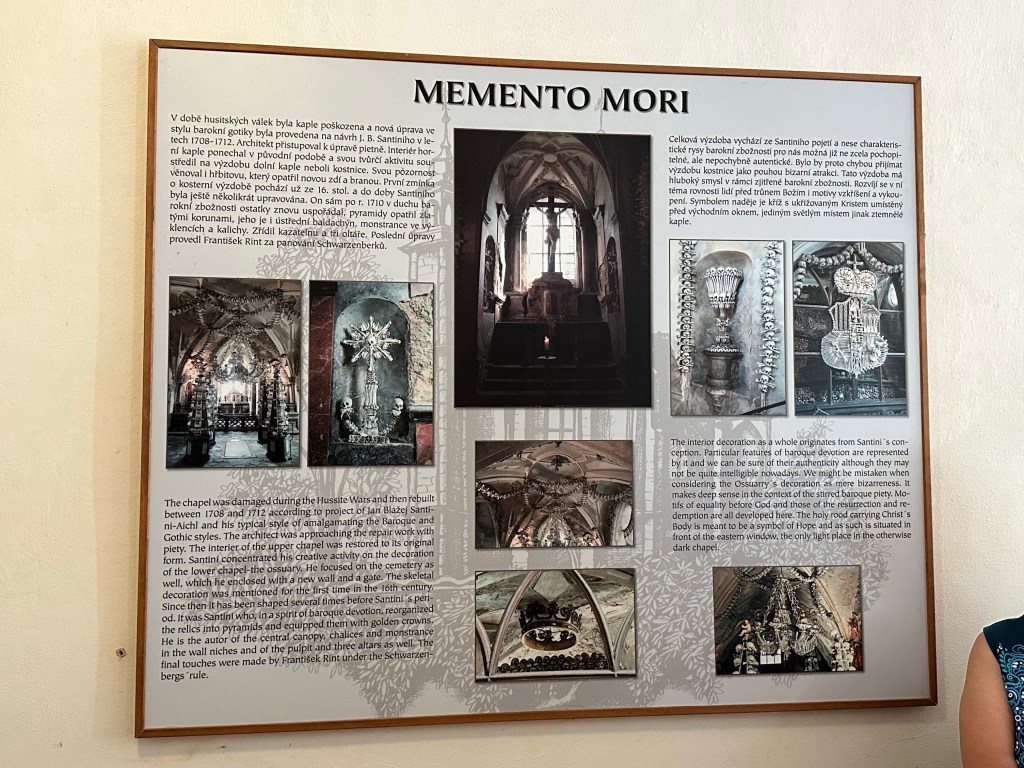
We stop first at the bone church or the Sedlec Ossuary. The actual church is called All Saints. The story behind the bone decor is that it was quite common to move old graves to make room for church expansions. In this case nearby bones are literally thrown in the basement to make room for whatever development comes next. At some point a sculptor is hired by the ruling family, Schwarzenberg, to do something with all the bones. The end result is what is seen today: Bone chandeliers, bone buildings, and ornamental bone decor. No pictures are allowed inside but I do snap some from the church above at one angle only. The photos here are the ones I purchased from postcards in the gift store. I don’t send many postcards but I have a feeling these might be useful.

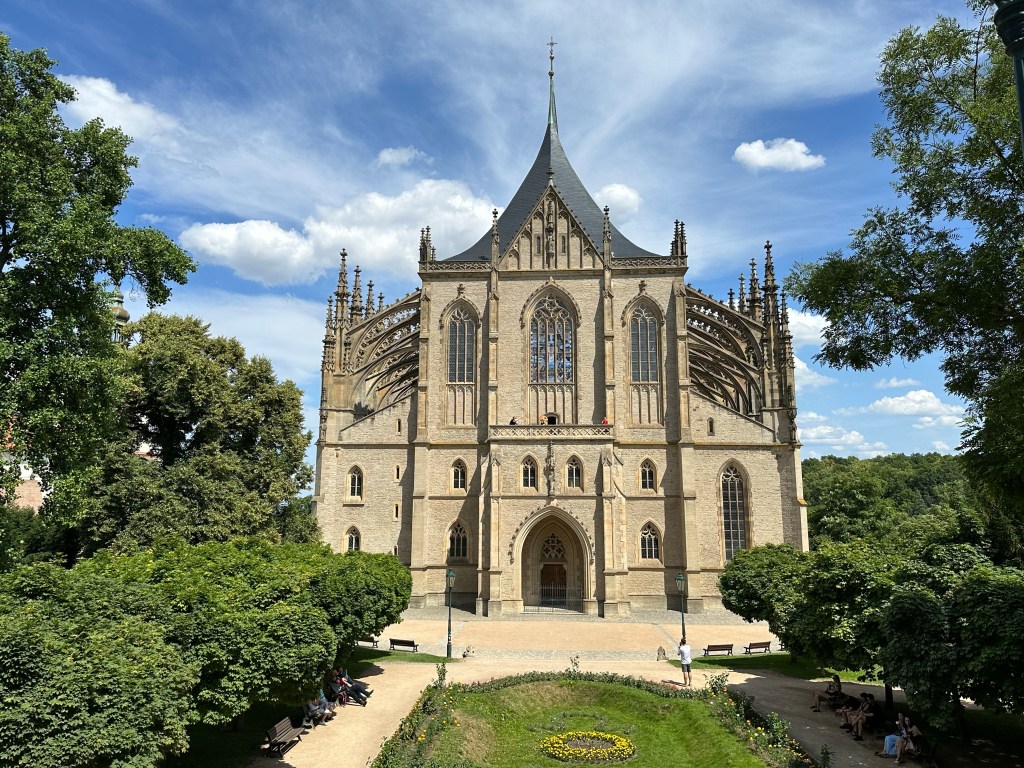
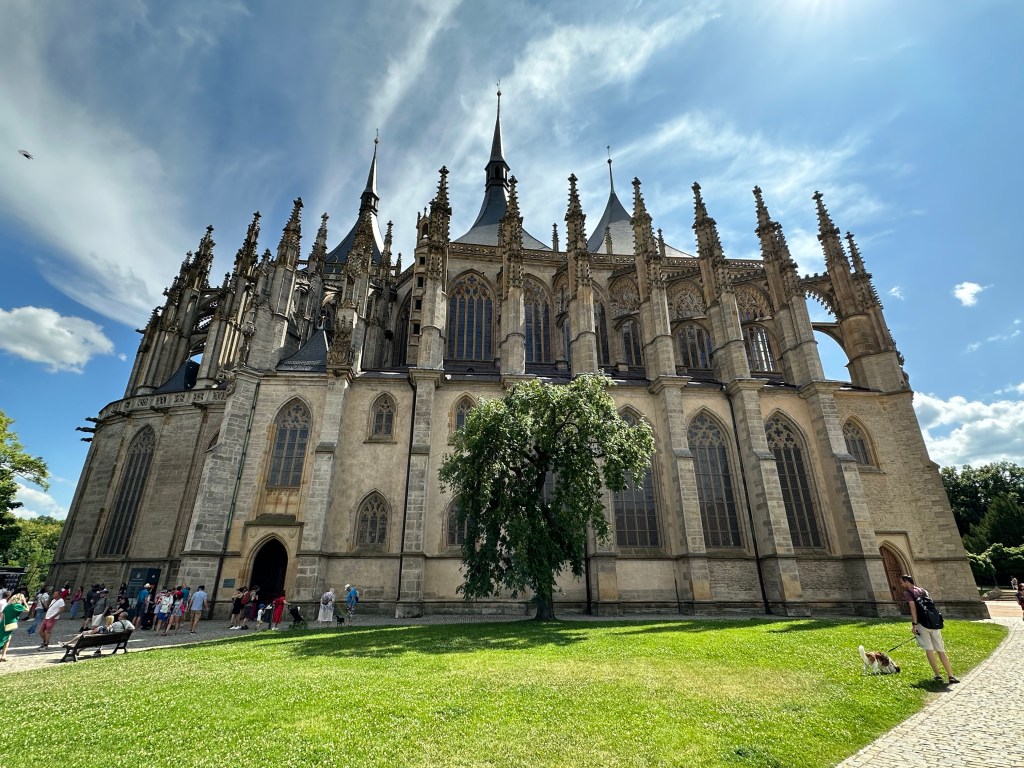
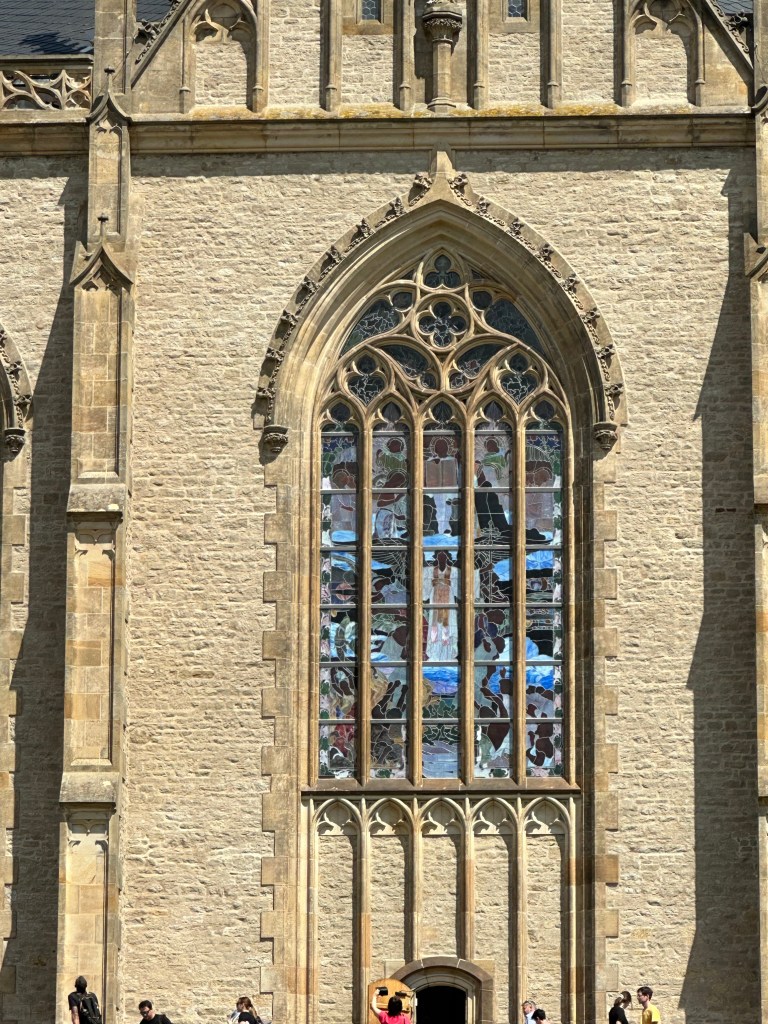
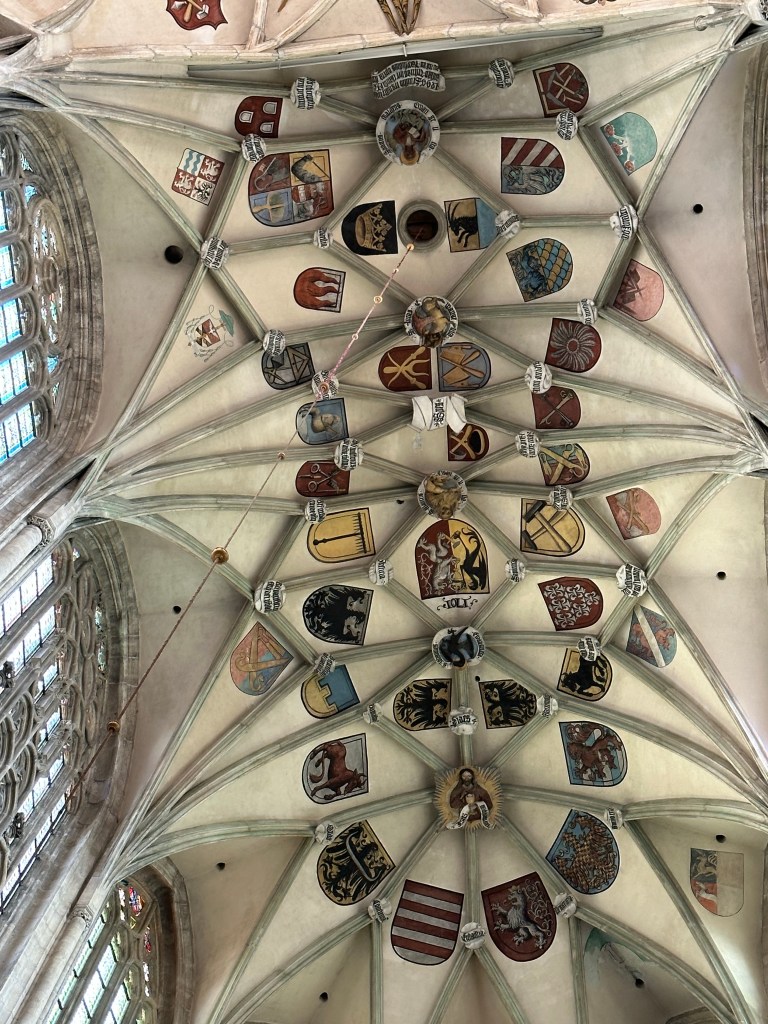
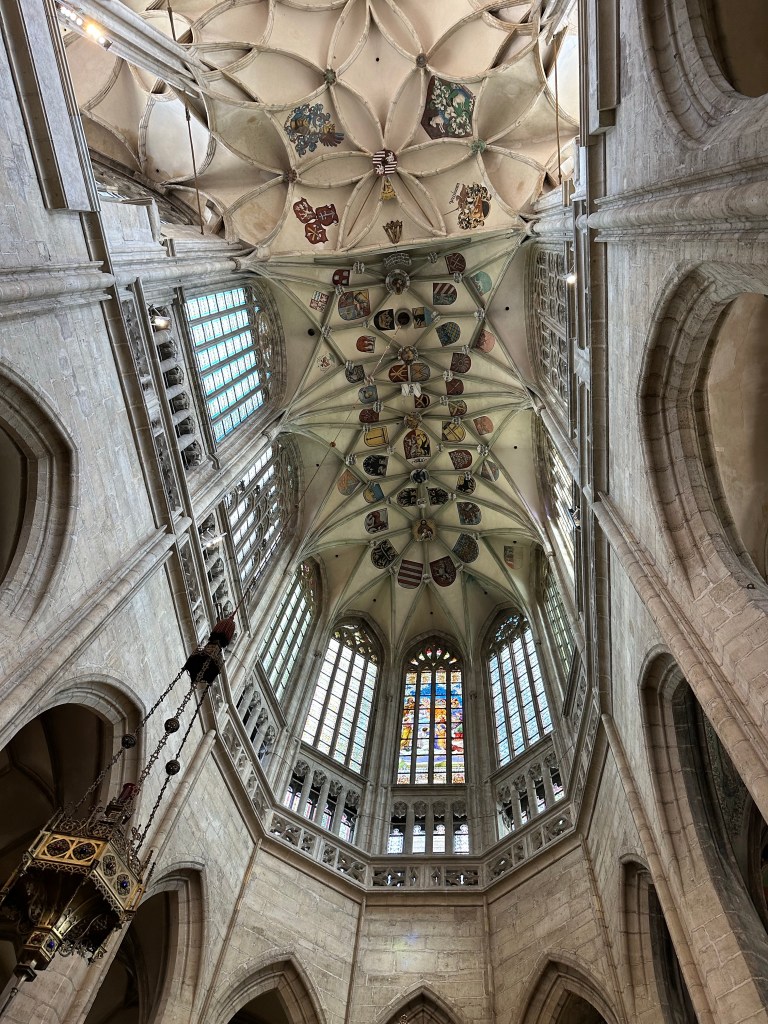
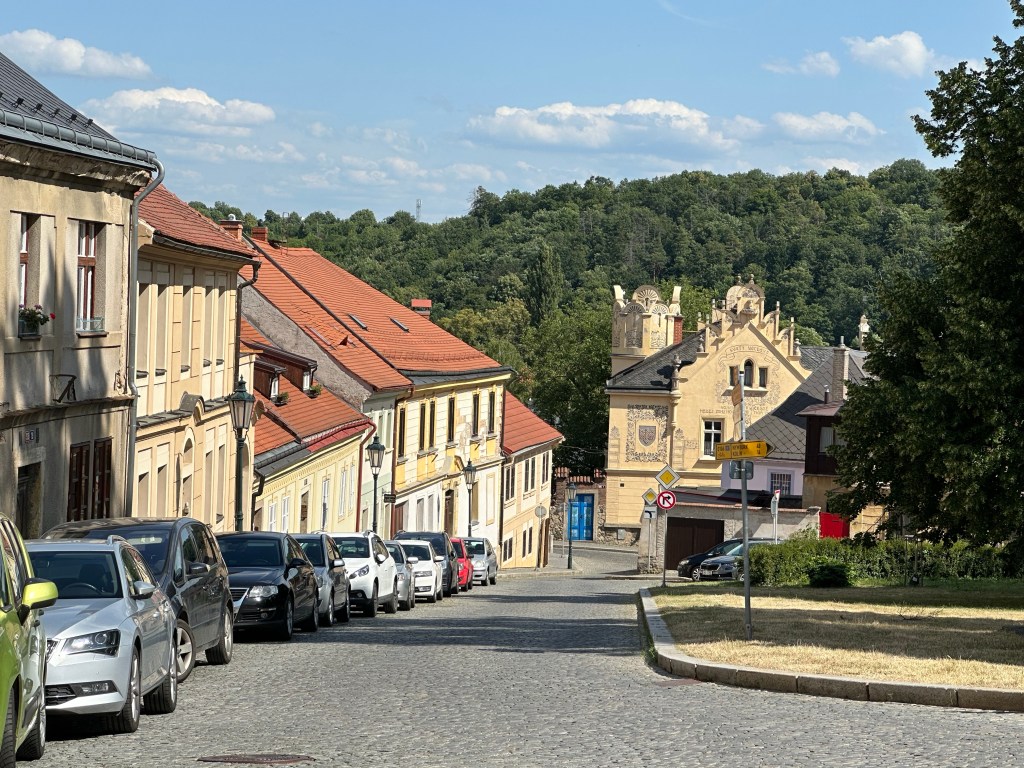
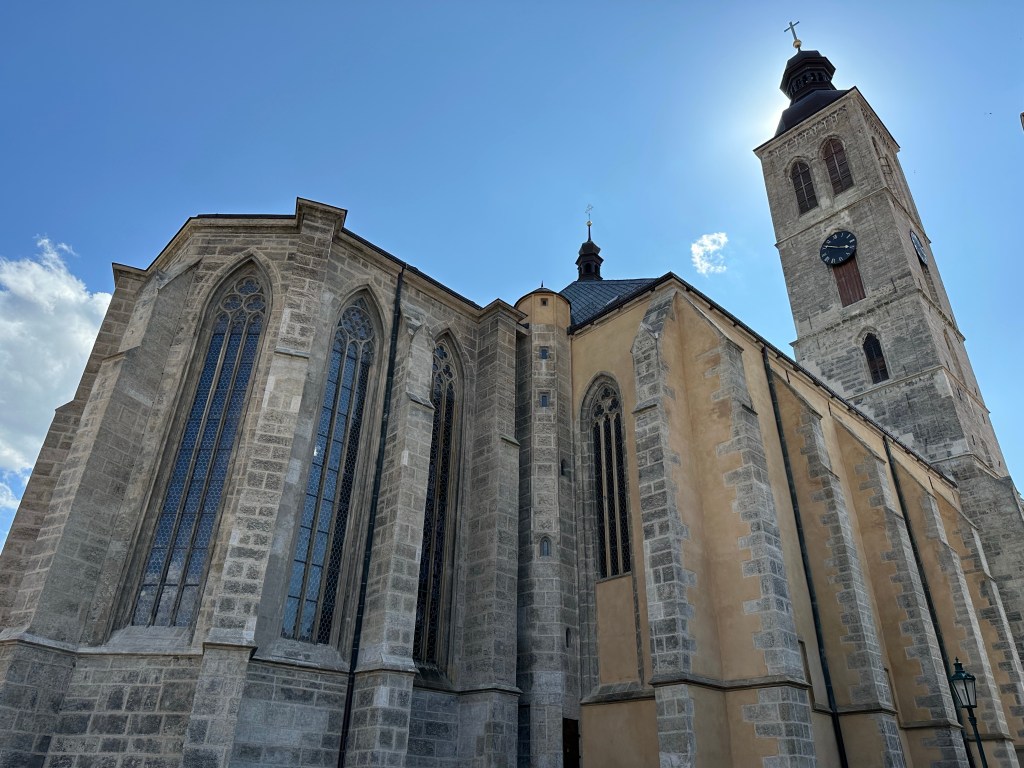
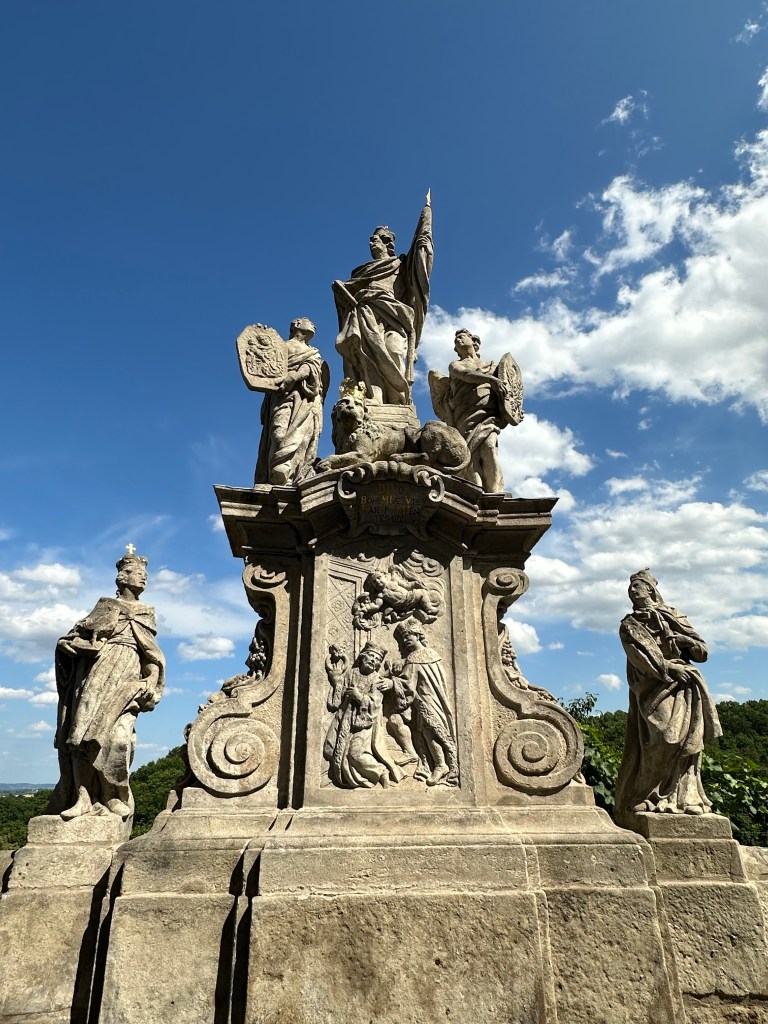
After the bone church we head into the town of Kutna Hora to look at another gothic church, St. Barbara’s Cathedral. One thing to note is that the area was rich in silver and very prosperous. This grand church reflects that since St Barbara was the patron saint of miners.

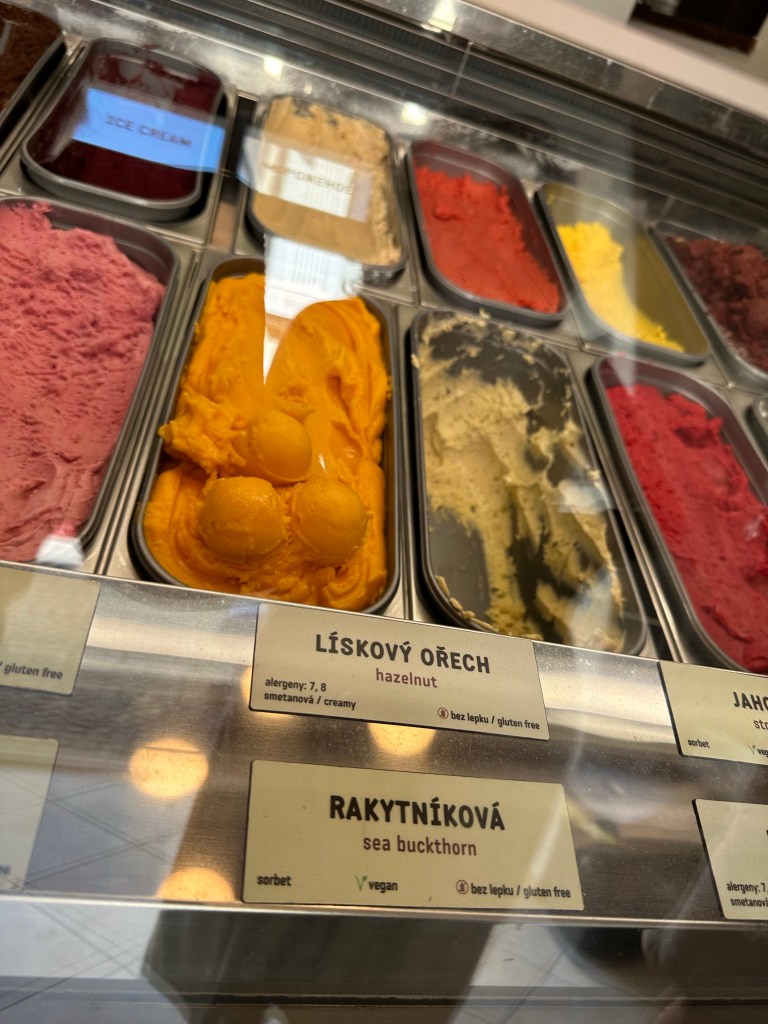
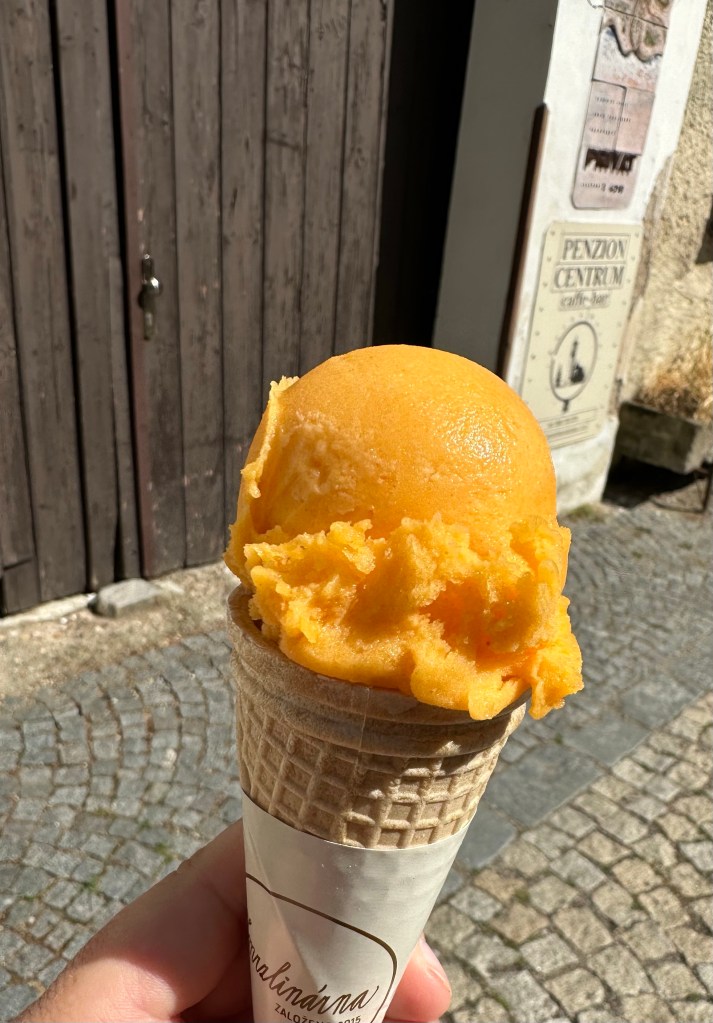
Our guide takes us further into town and then gives us some free time to wander around or eat. It is late in the afternoon and I dont want to eat a full meal this close to dinner so I decide on an ice cream instead. I try the sea buckthorn flavor, an orange flavor I’ve never seen before. It’s a type of berry and its sour. Funky just enough for me.
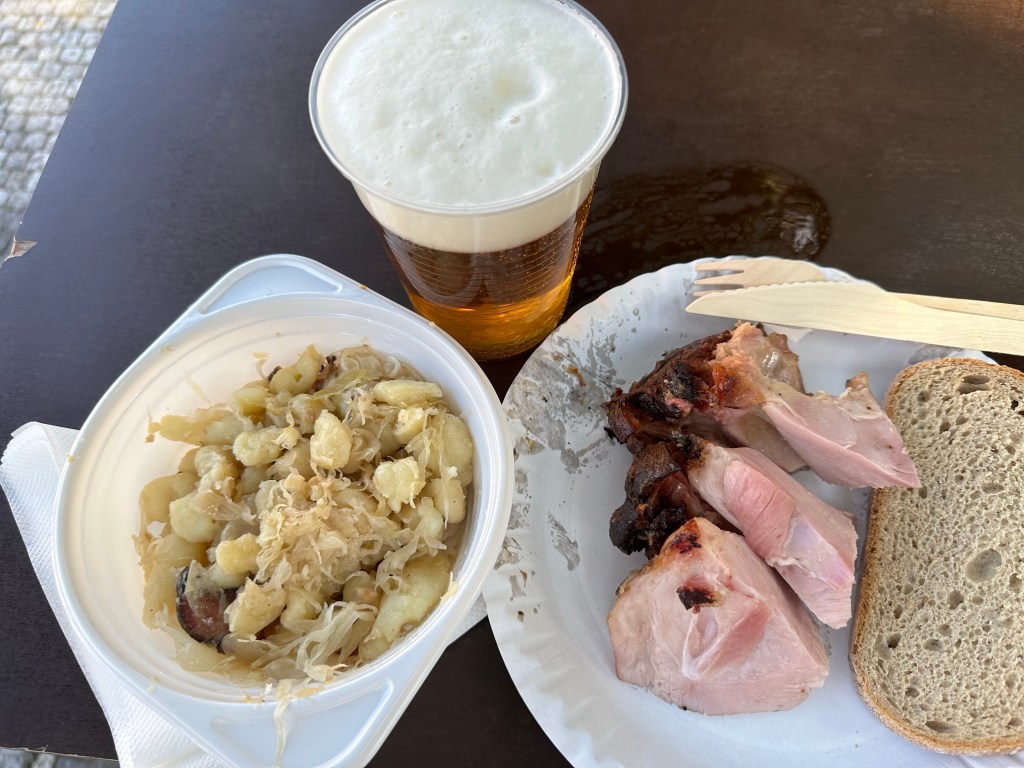
We return back to Prague and I decide to try the highly recommended ham in old town. You buy by weight at an outdoor stand. In advance I have read the warnings about asking for a smaller portion but I am still upsold on the ham. I also try the potato dumpling pork sauerkraut dish called Vepřo knedlo zelo(also recommended). Both my orders are very disappointing to me. All the food is too salty and I cannot eat it. The ham is also very fatty and tough. It sits here half eaten before a homeless person asks me for my leftovers. I am glad that someone else will at least enjoy it. I am starting to think Czech food is not my thing. I thought since it is close to German food I’d be into it but it sits too heavy on my stomach.
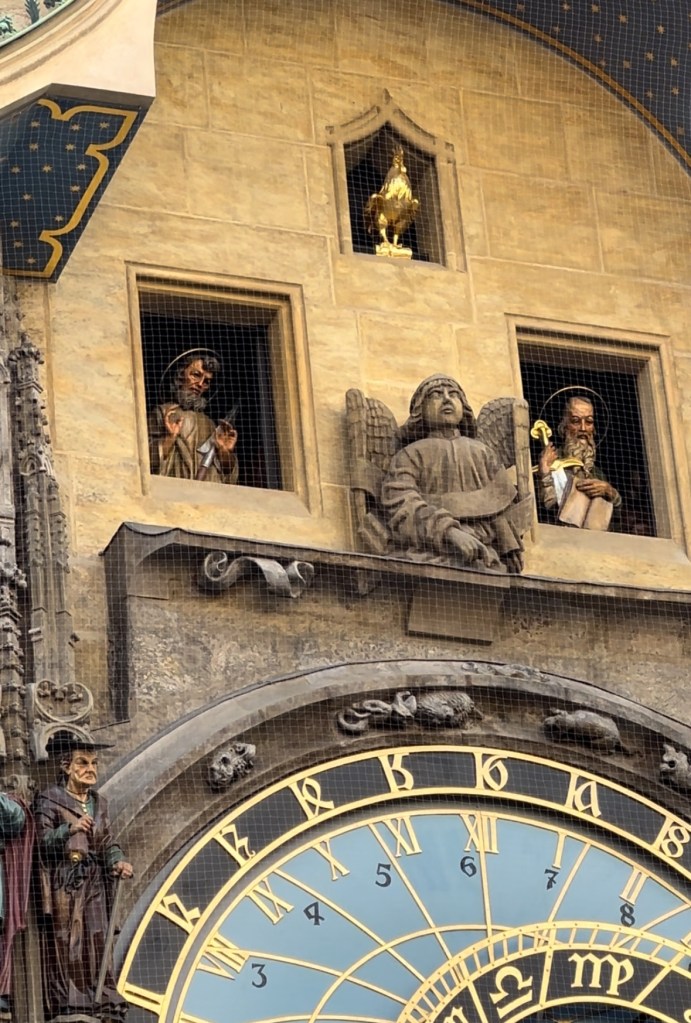
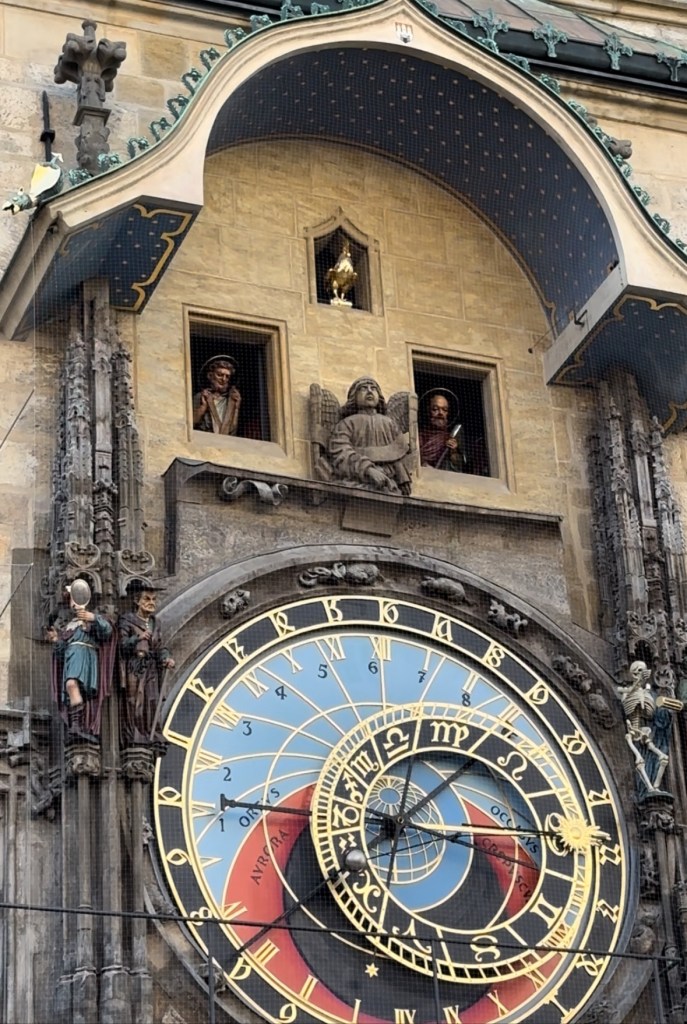
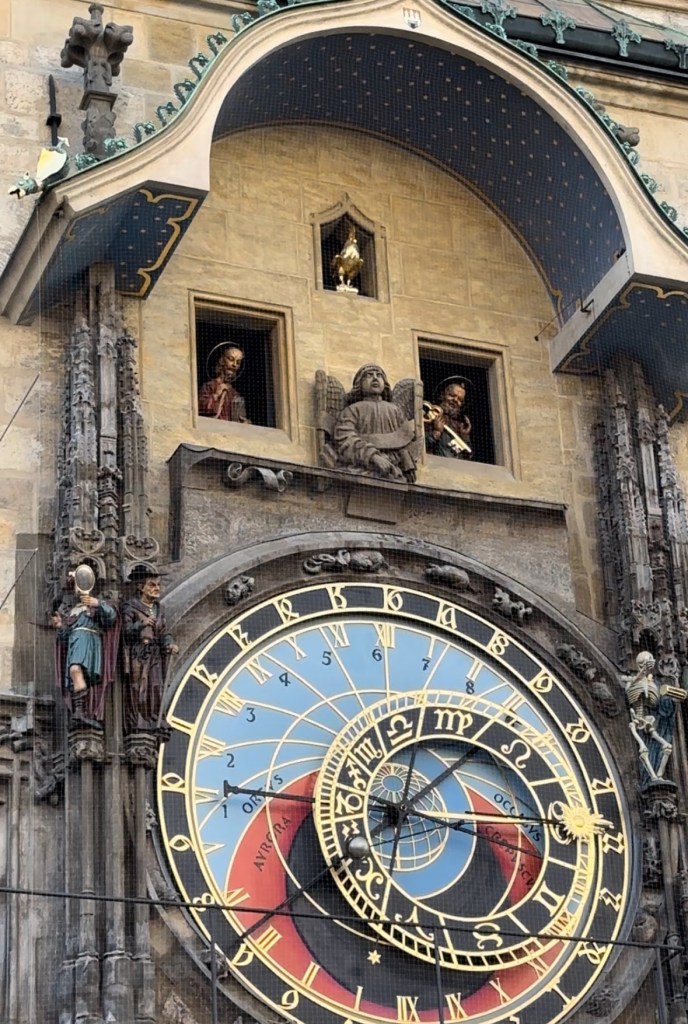
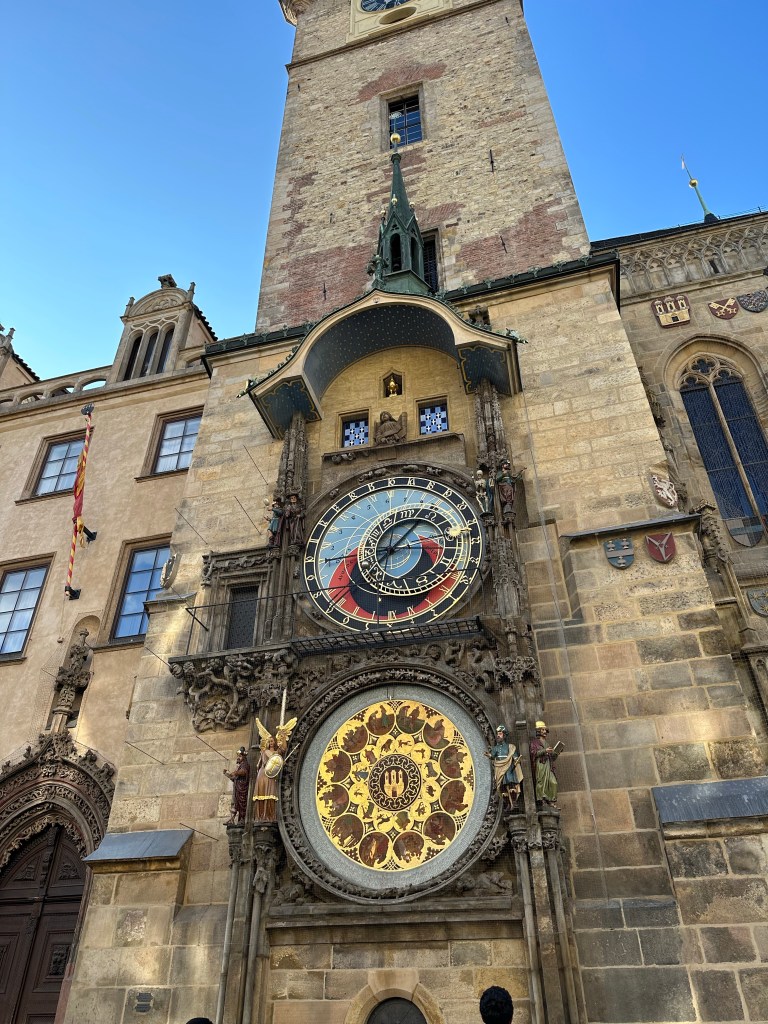
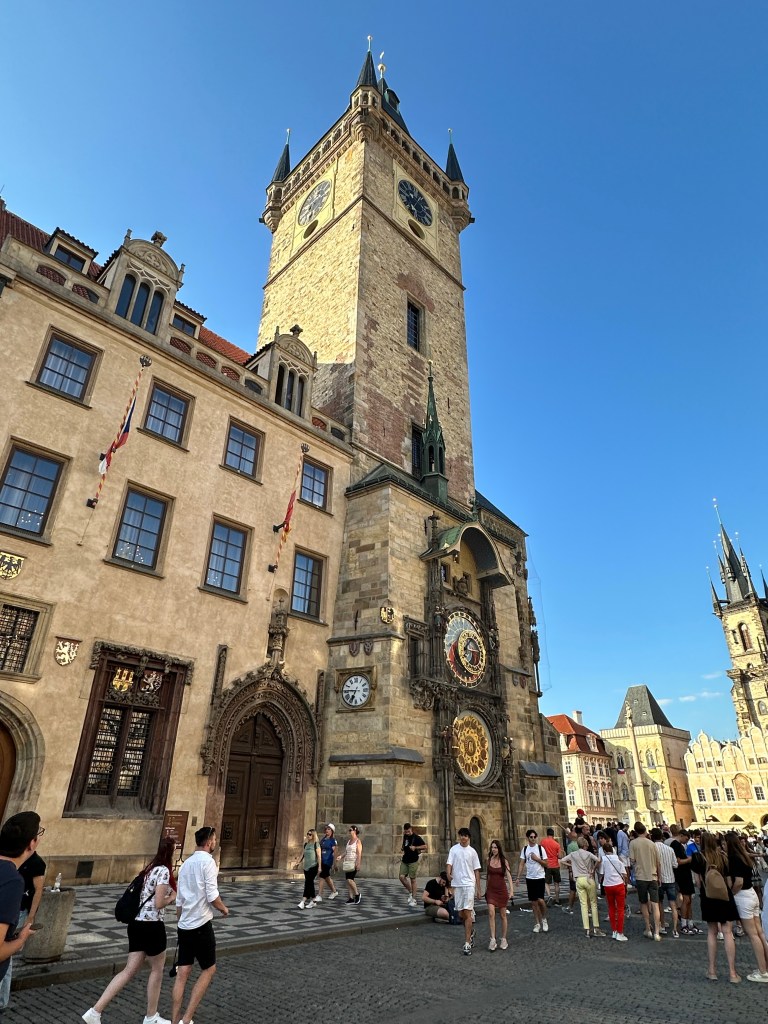
I am in the old town square just in time to see the Astrological clock. The clock dings and apostles rotate around.

Prašná brána (city gate)

I am touring the Prague Castle tomorrow….