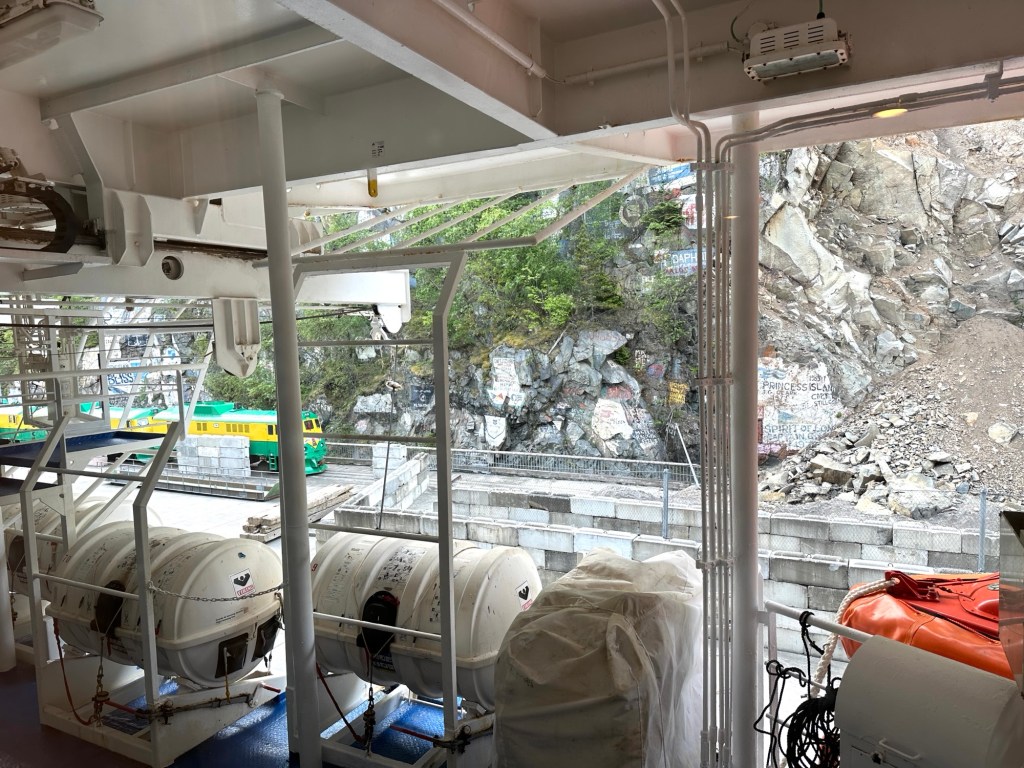
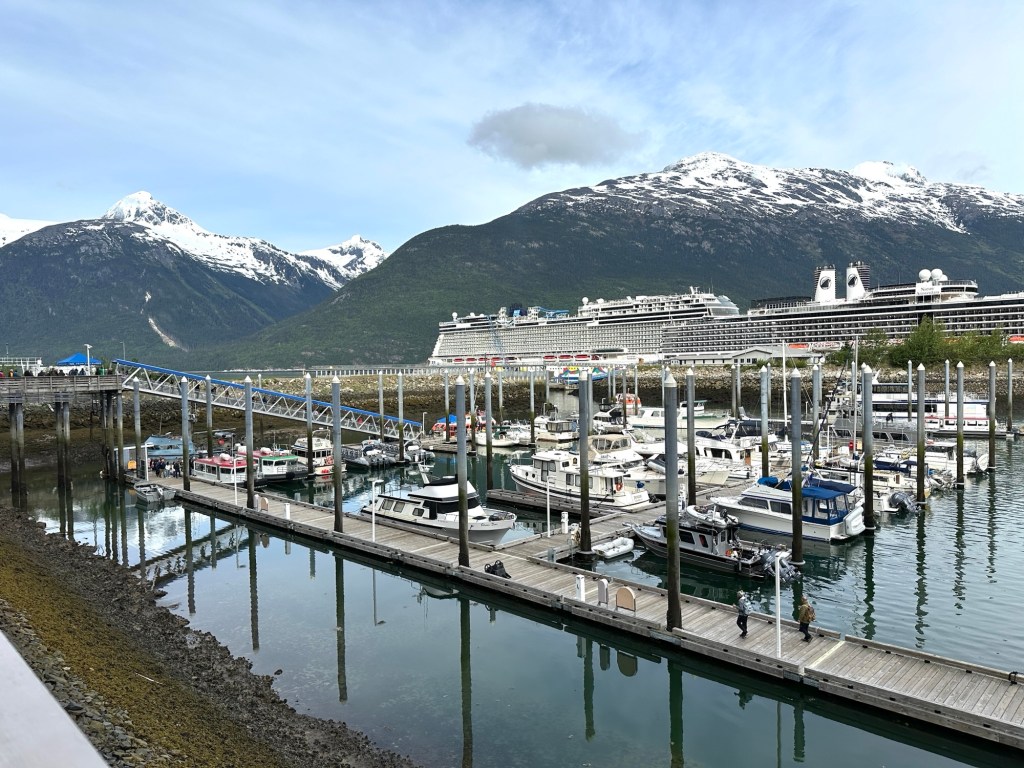
We have arrived in Skagway. I affectionately call this the poor man’s port. Not that it’s all that bad per se but part of the port was damaged years ago in a landslide and it cannot safely disembark all the ships it needs to anymore. If you are one of the unlucky ships you have to travel by tender to the port, which we had to do. Honestly it wasn’t all that bad of a journey – we just weren’t getting the first class services we got at the other ports.
Today we are going to the Yukon and White Pass. We take a bus on the way to Canada and we take the scenic train ride on the way back. Once again we are blessed with amazing weather so it turns out to be a lovely day.
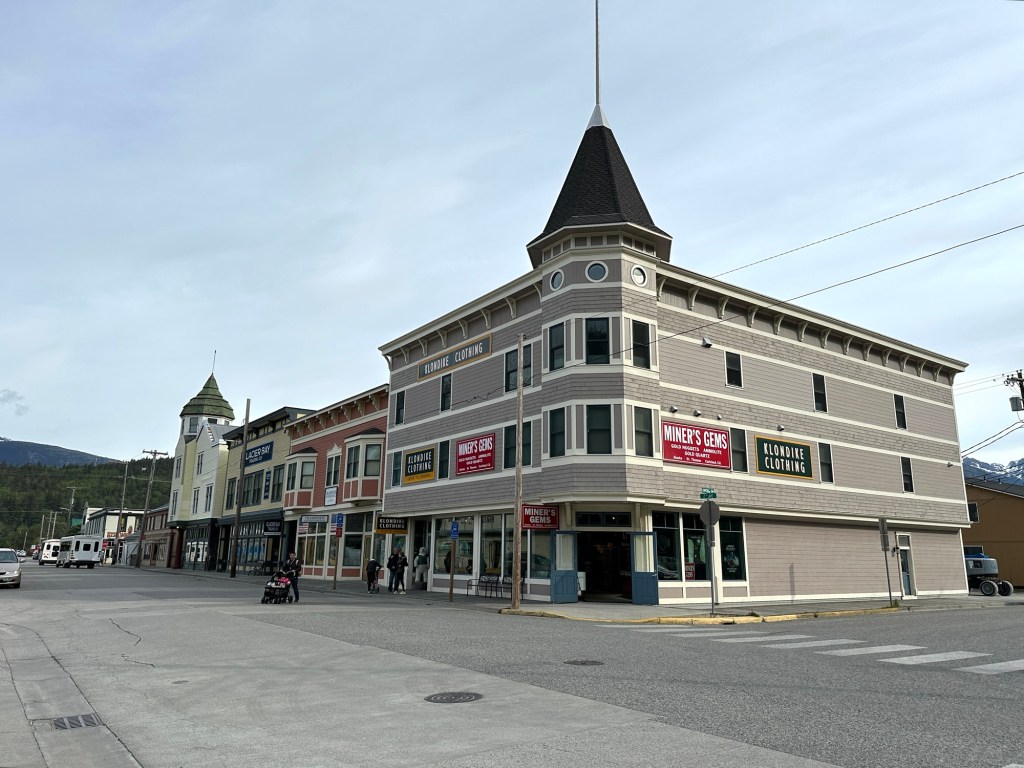
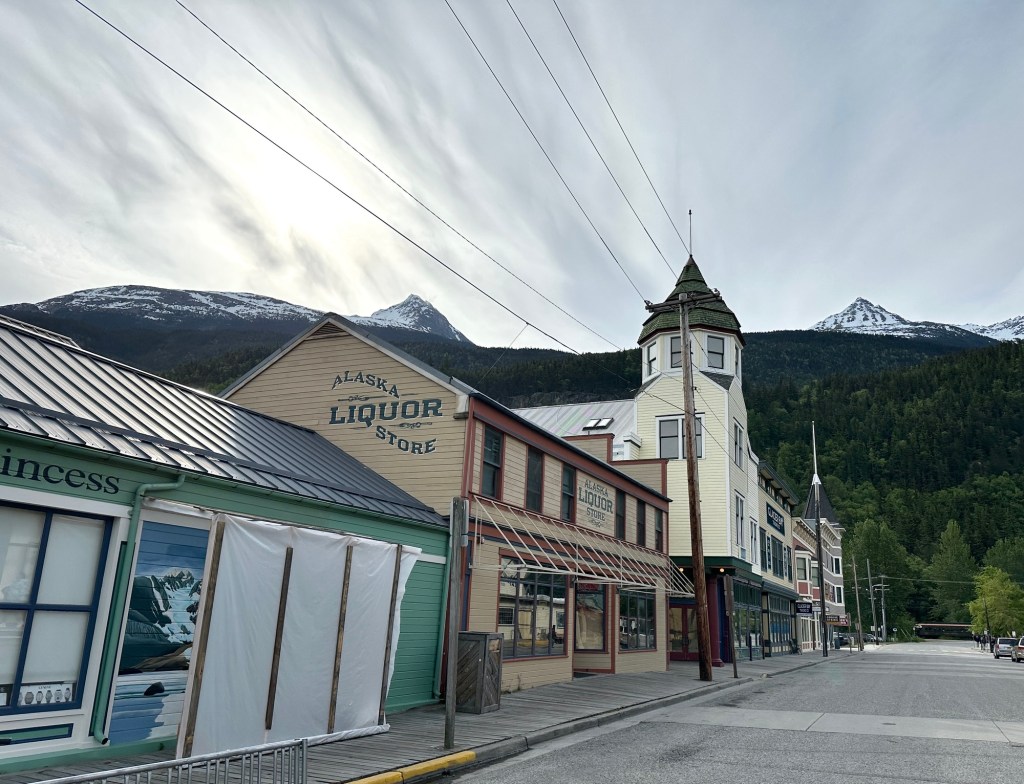
We have a hour or so until our tour meets so we walk into town to browse and get some coffee. It is early and not many places are open yet. It seems like it might be a little more lively in a couple hours.
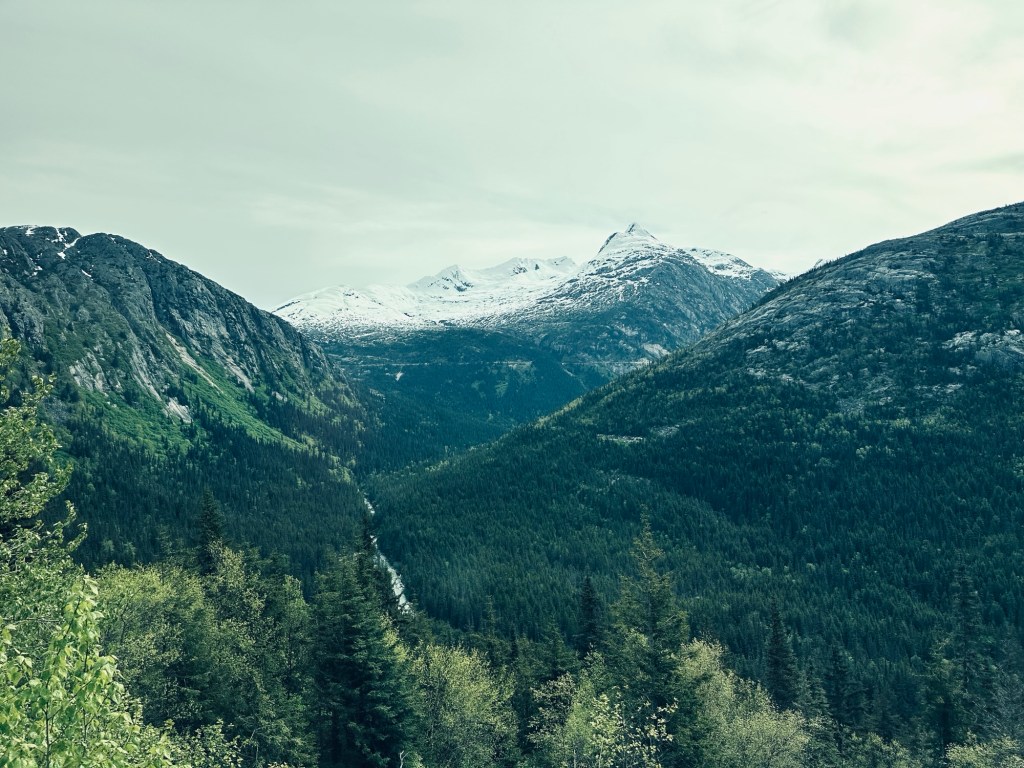
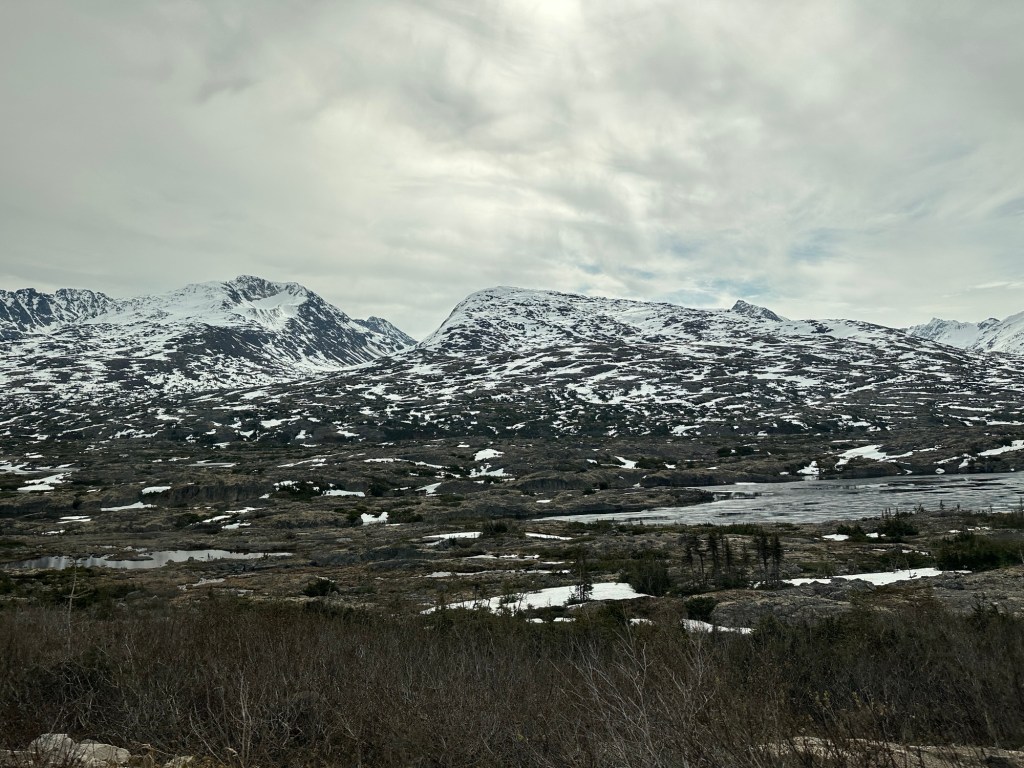
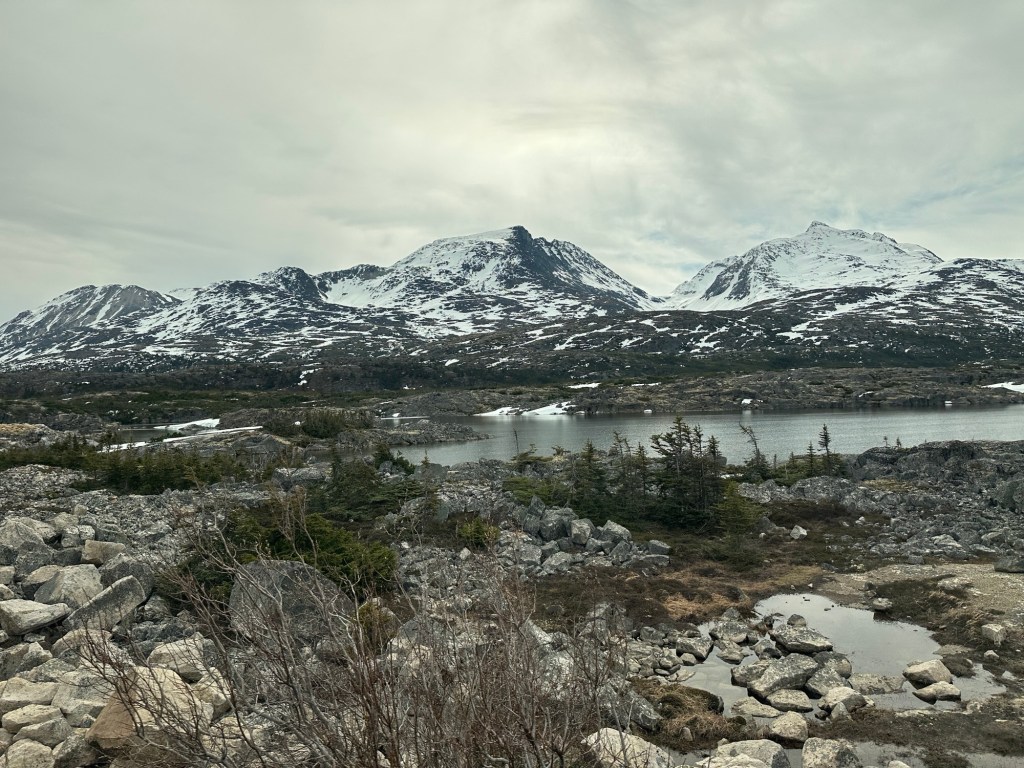
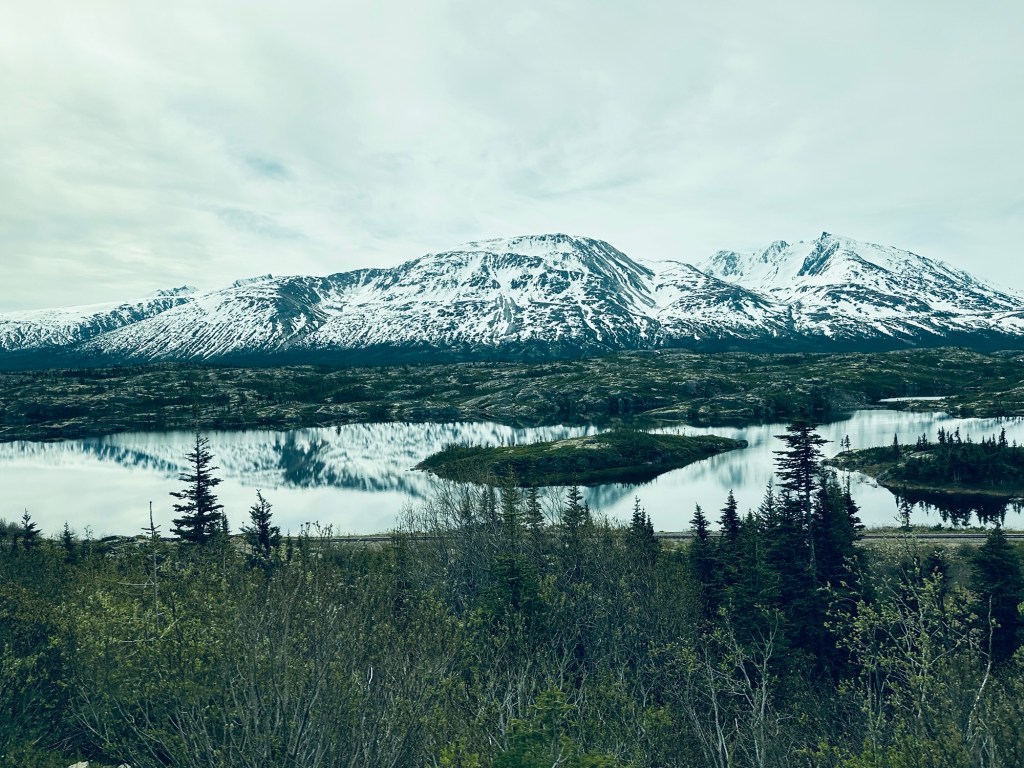
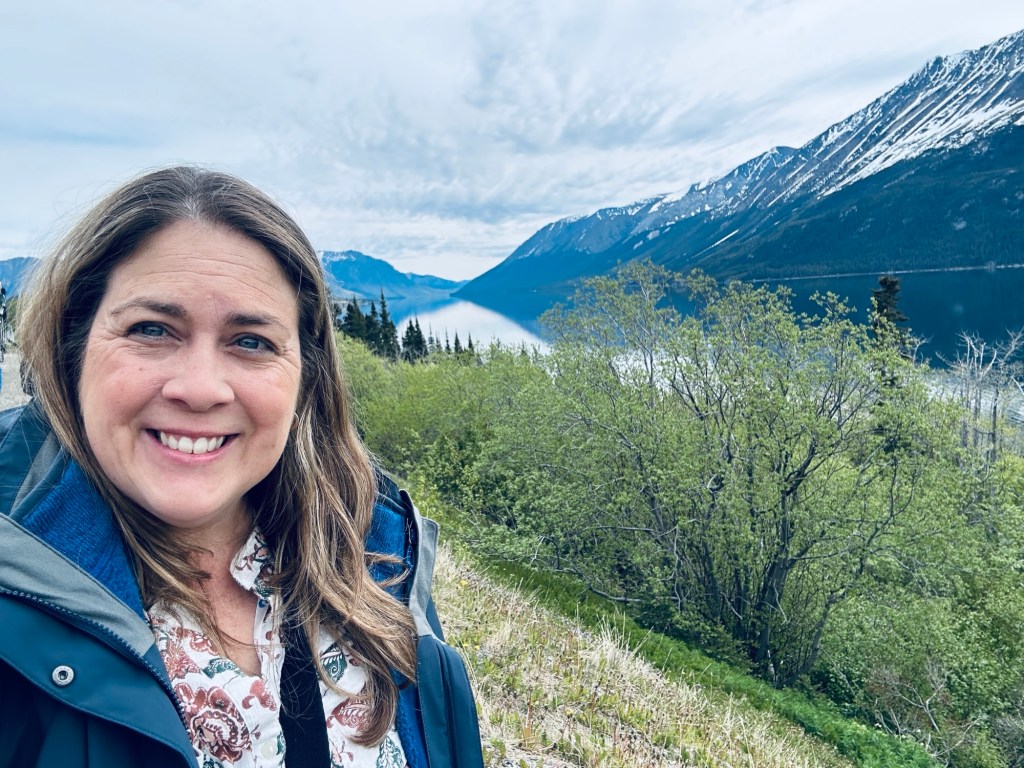
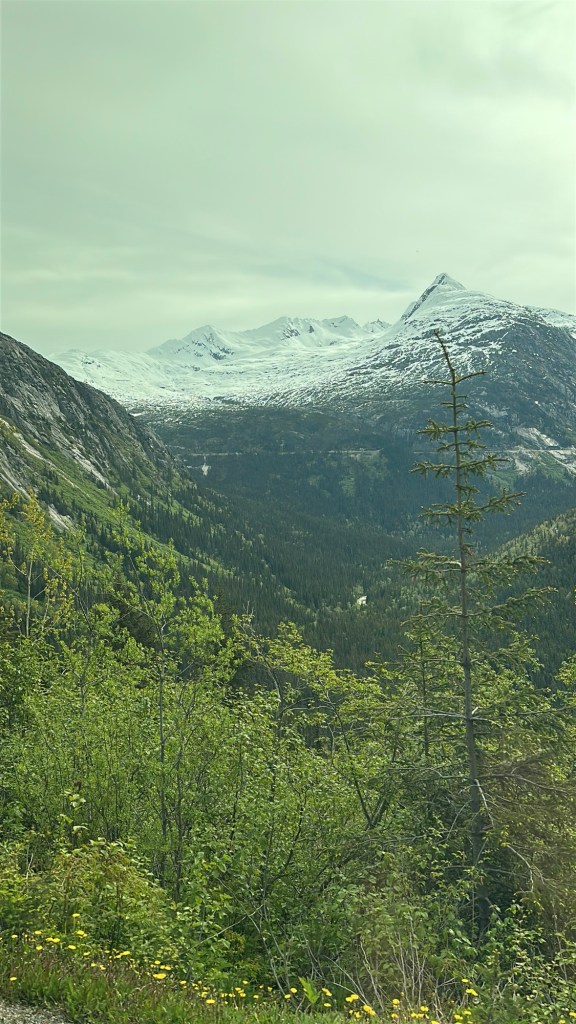
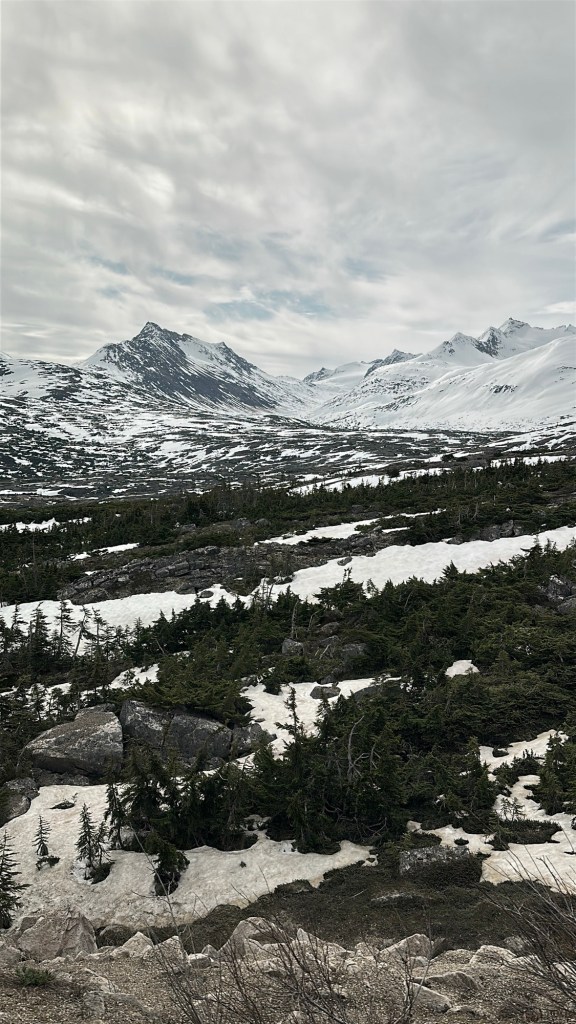
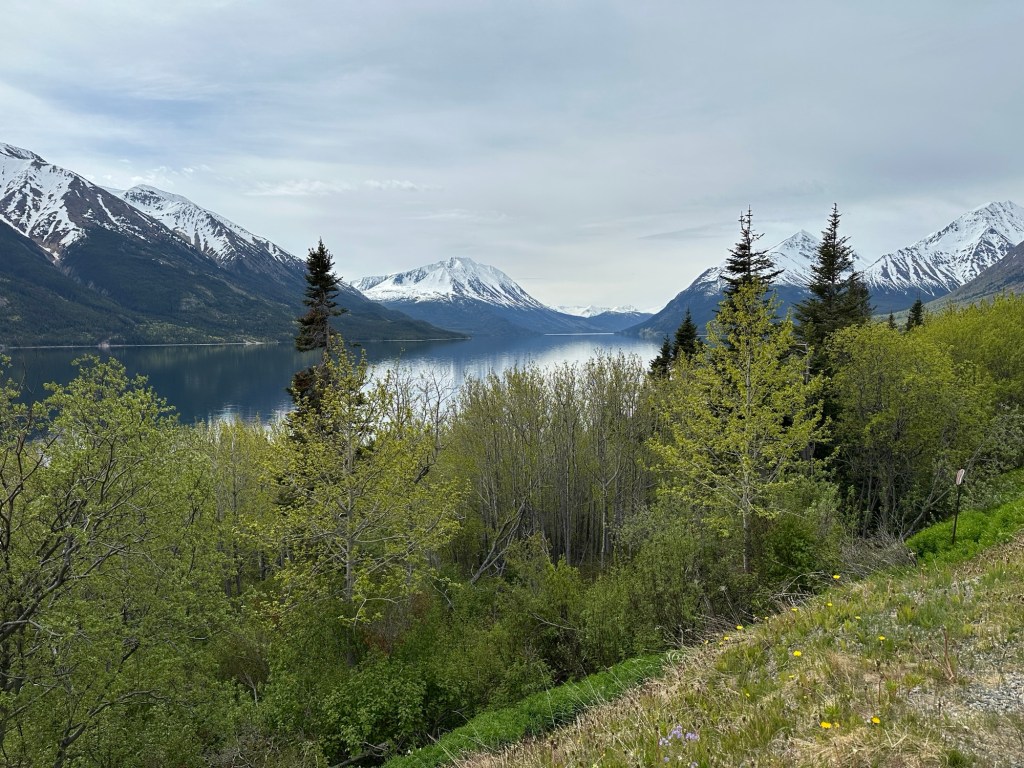
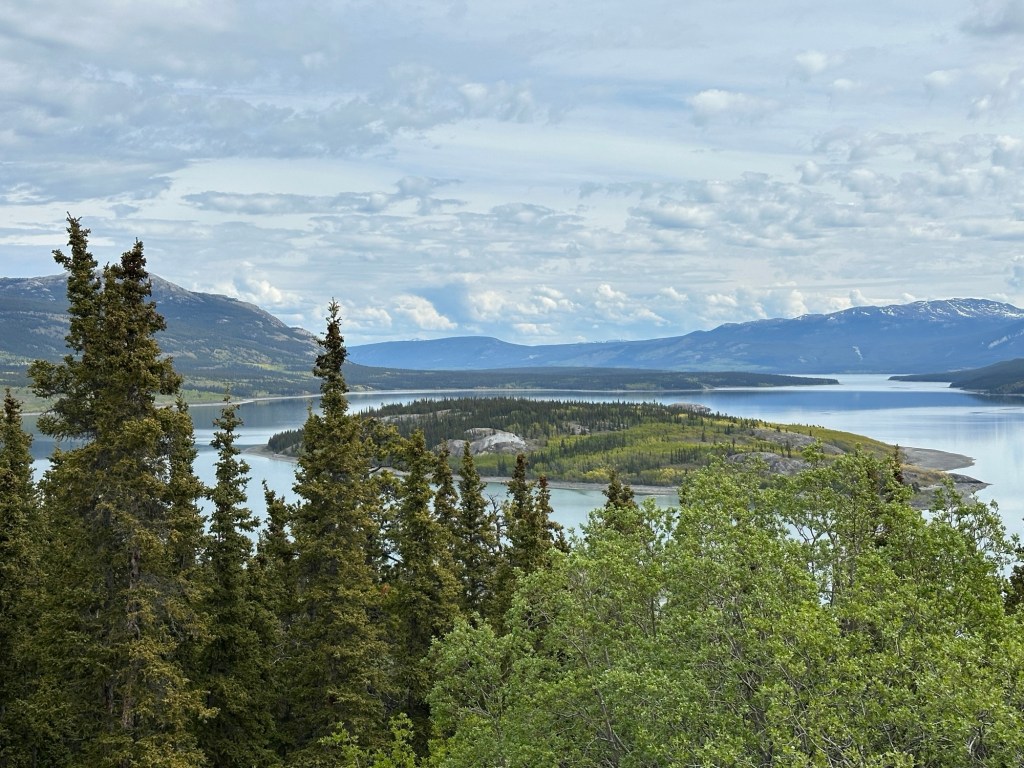
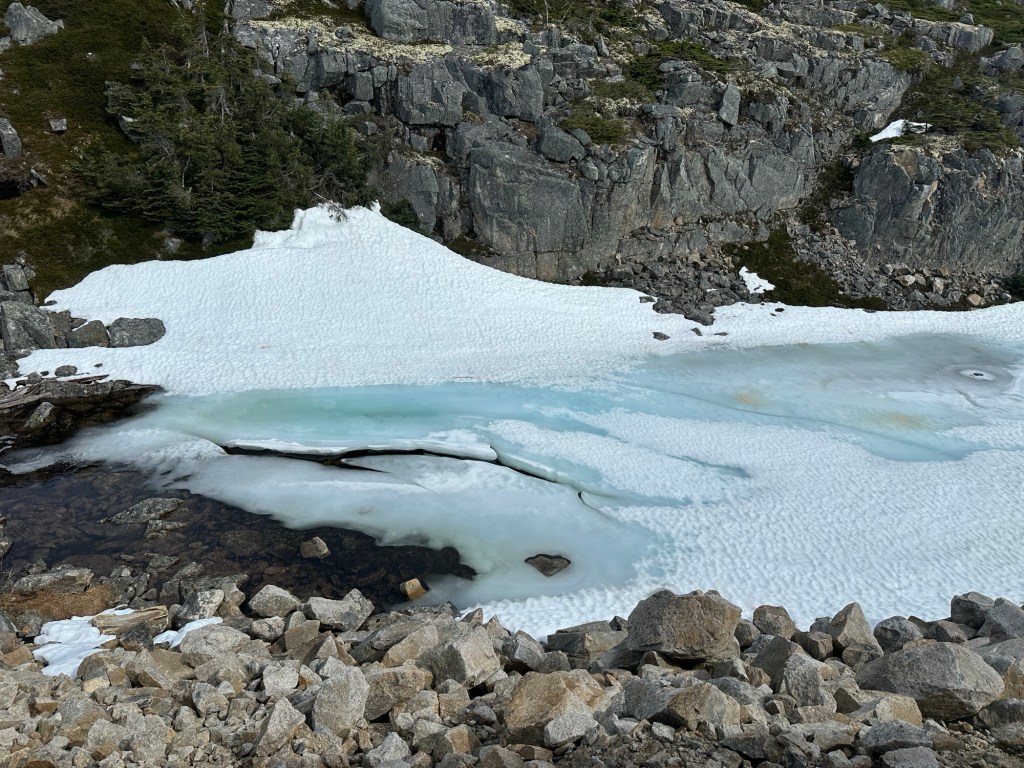
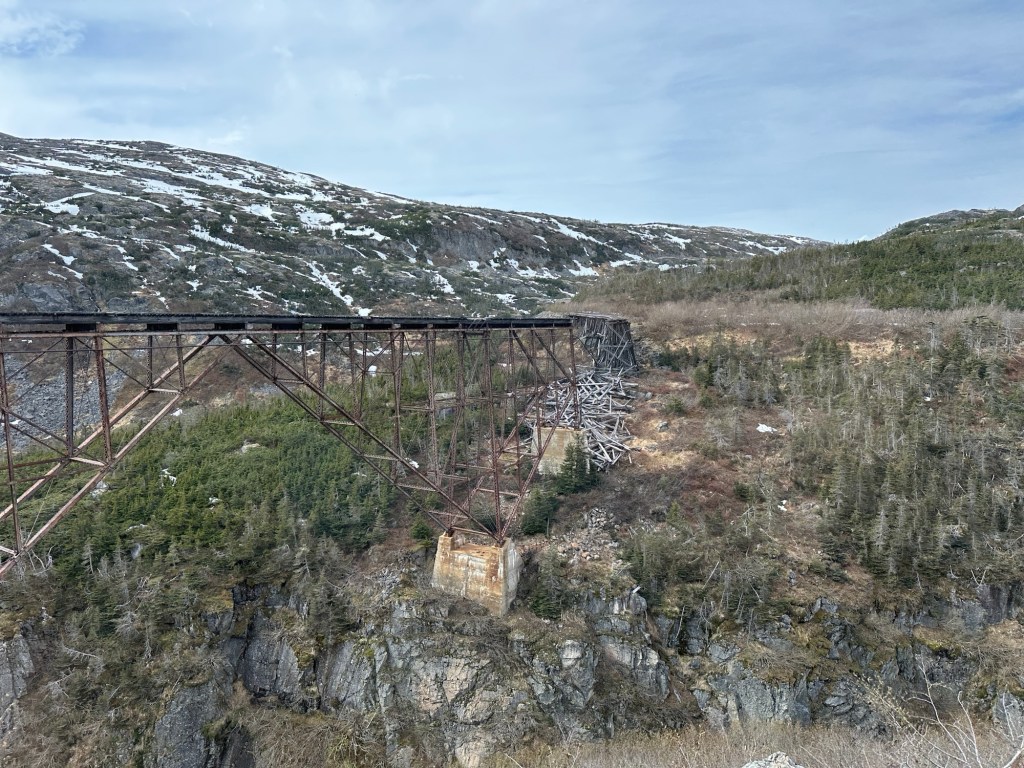
Our bus ride to the Yukon goes almost in parallel to the train we will take later; we see it occasionally along the way. The view from the bus is amazing but we do stop briefly along the way for some great views.
We also see sand dunes along the way!
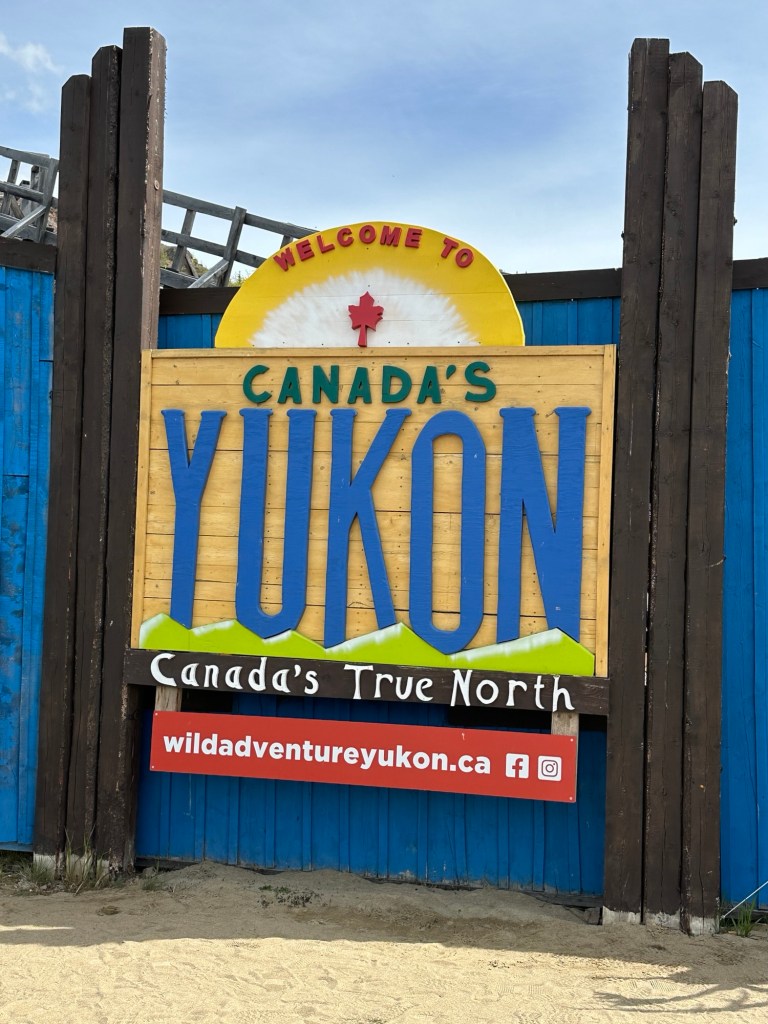
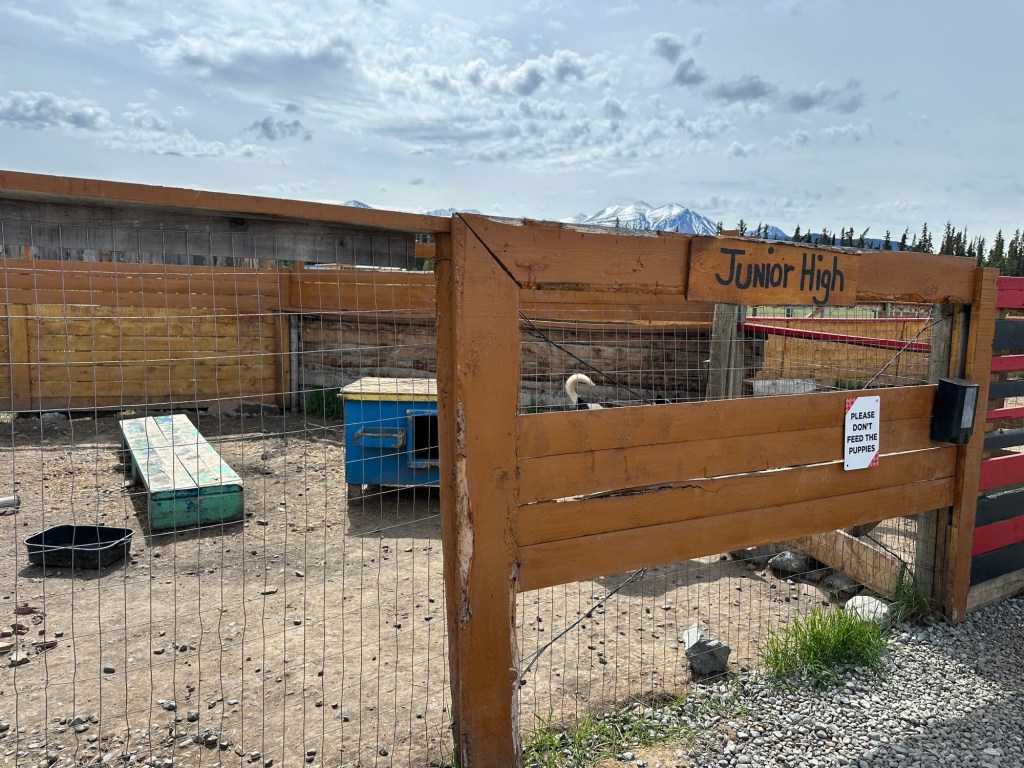
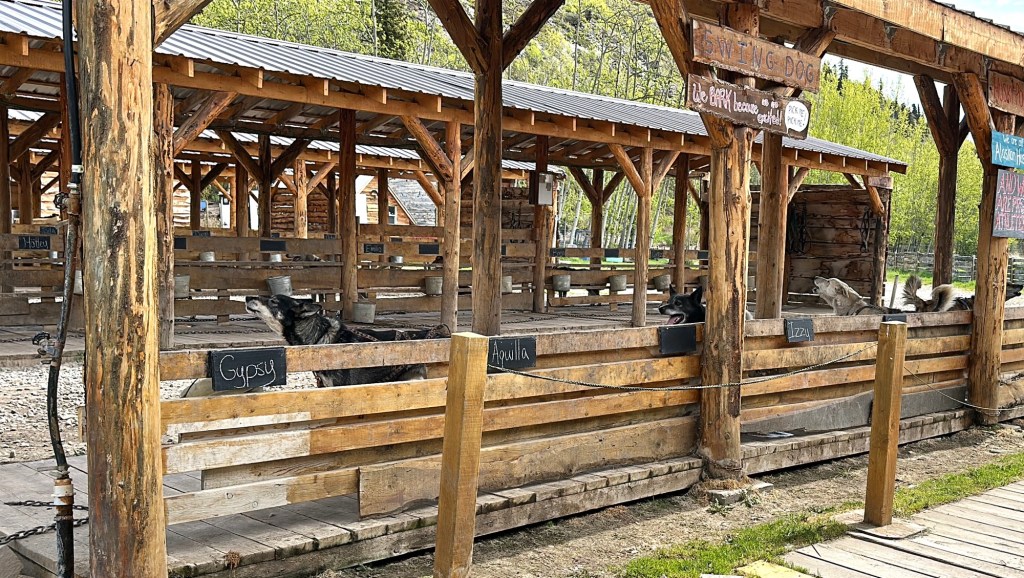
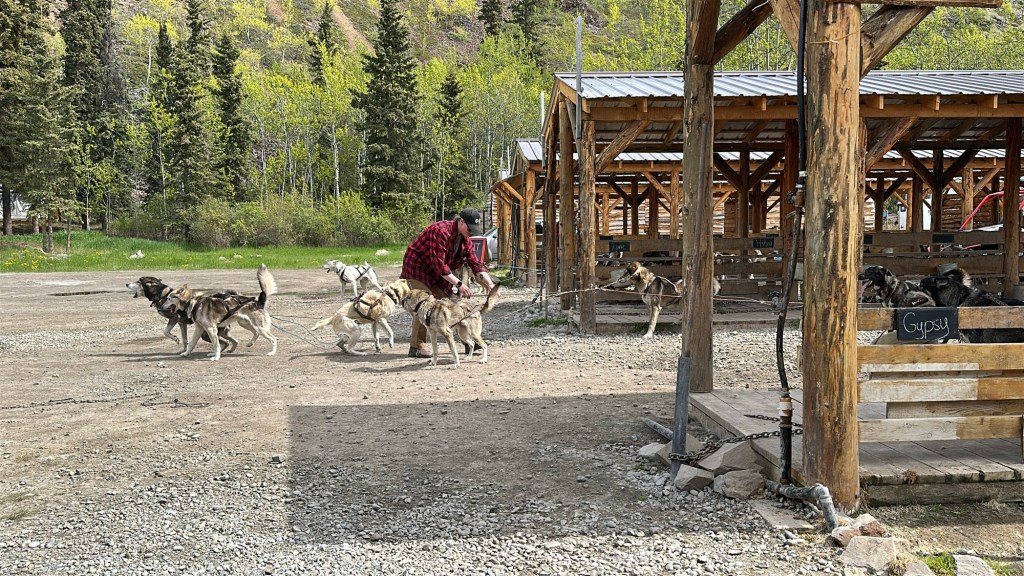
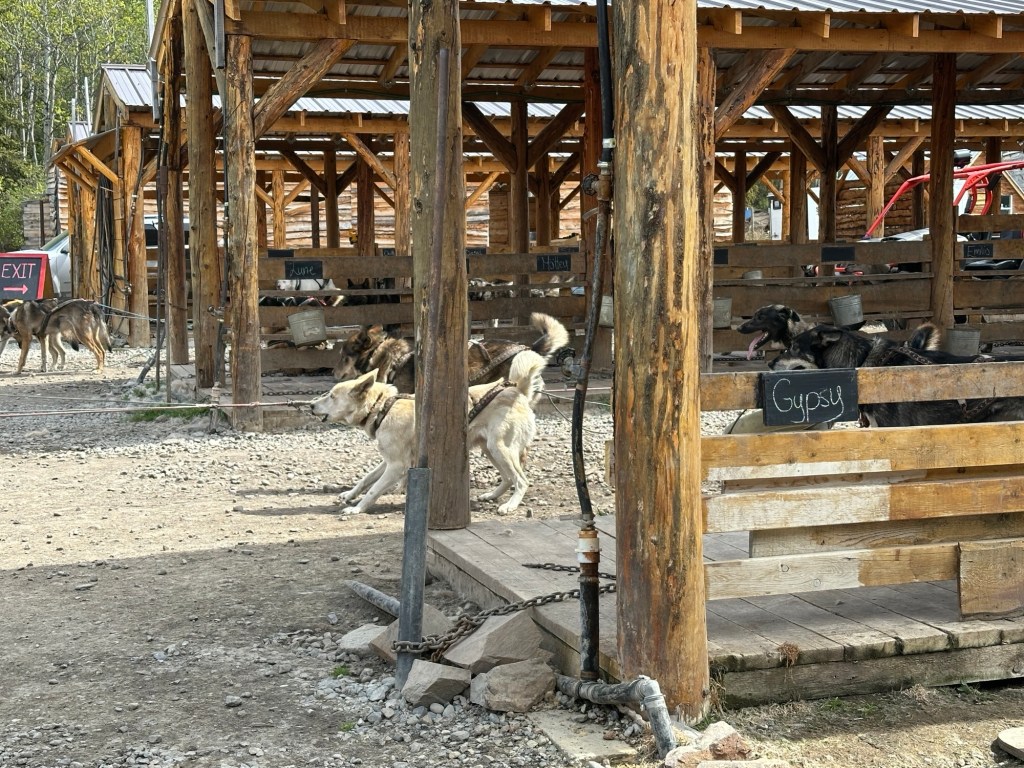
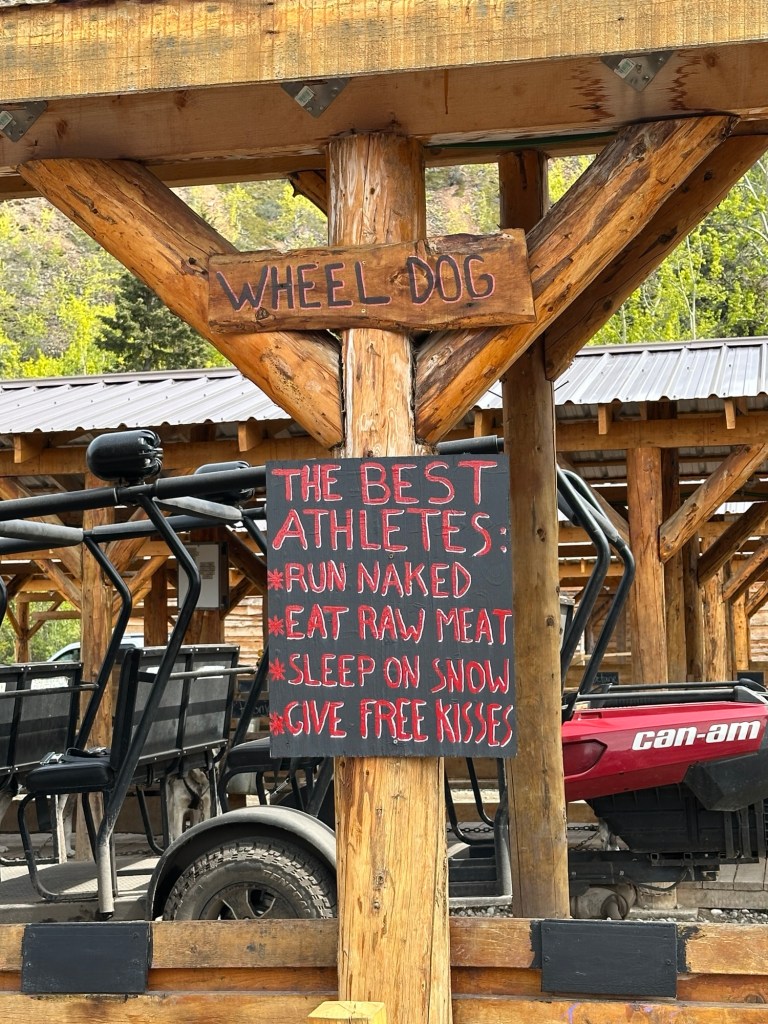
We finally get to the Yukon, specifically Wild Adventure Yukon where we have some free time. There are animals to see or you can participate in dog sledding. Me being weird about animals used as entertainment skip the dog sledding but after spending some time watching the dogs ramp up for the sledding I realize that they really enjoy the work. When the dogs sense the sledding is about to begin they bark and jump excitedly. It was sad when one group of dogs start howling in sadness when they realize it is not their turn to go out. If I had the opportunity again I might actually try dog sledding.
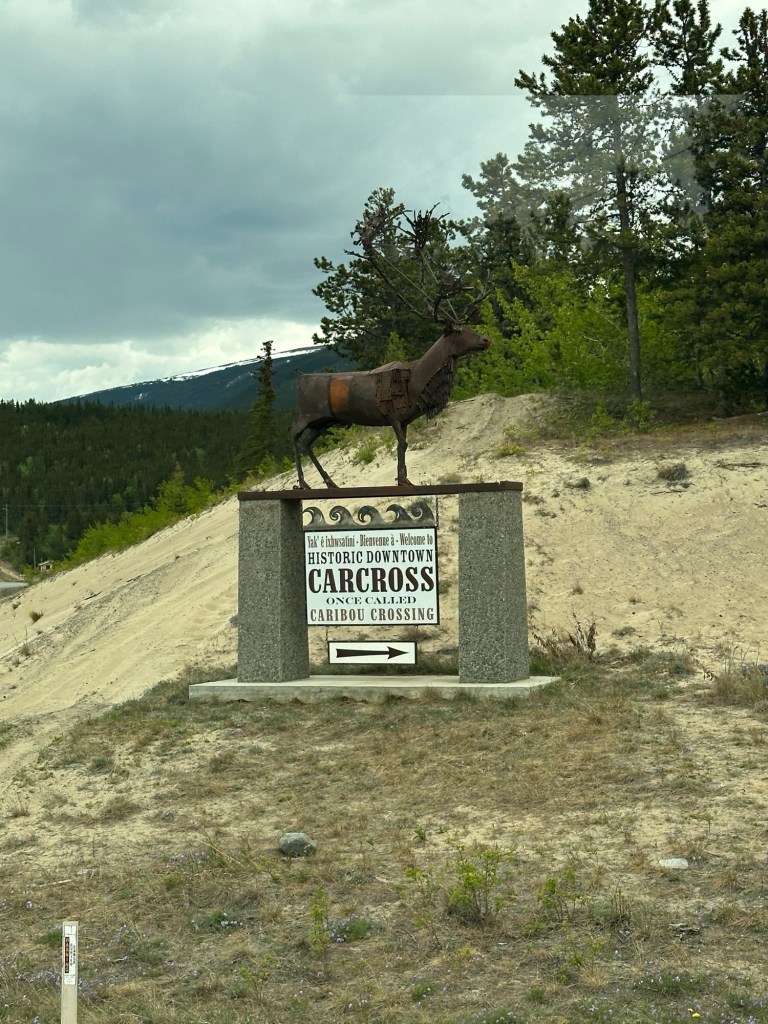
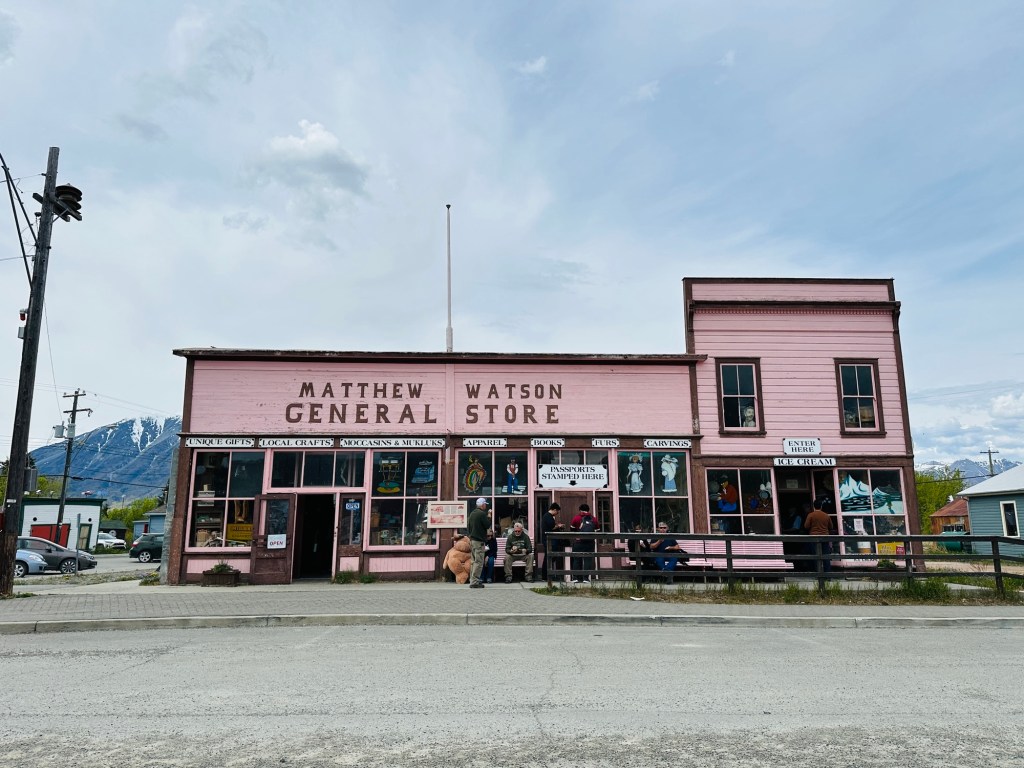
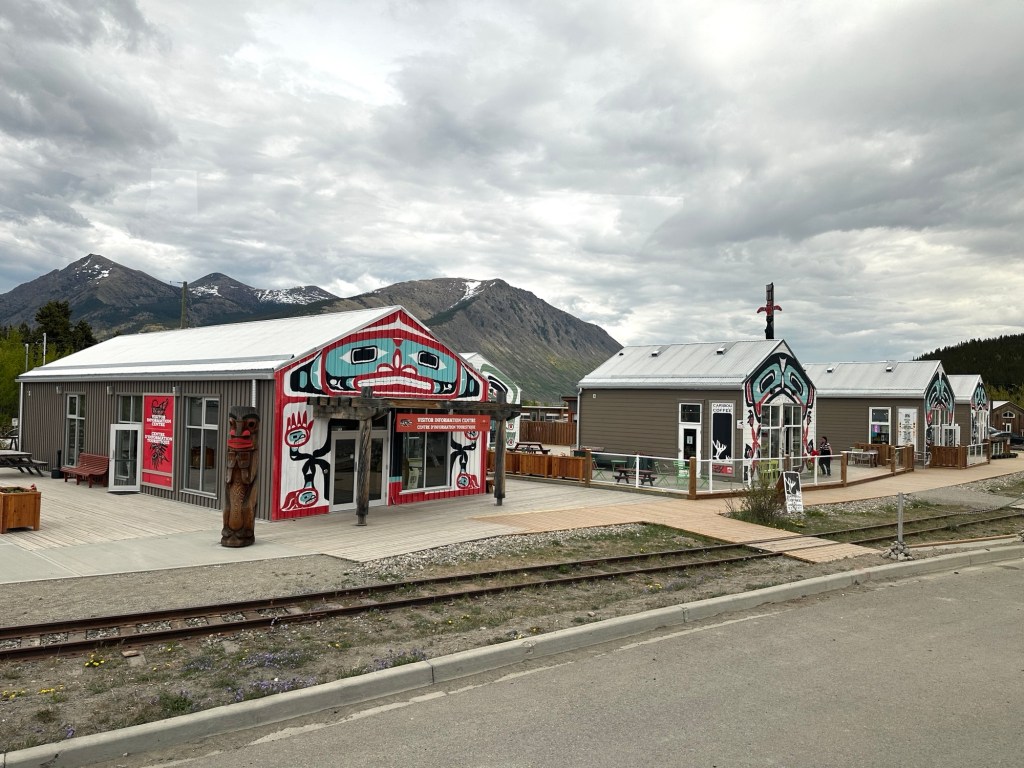
We leave the Yukon on our way to the rail station to take the famous train ride. We have one last stop at Carcross where there is some shopping and an adorable general store.
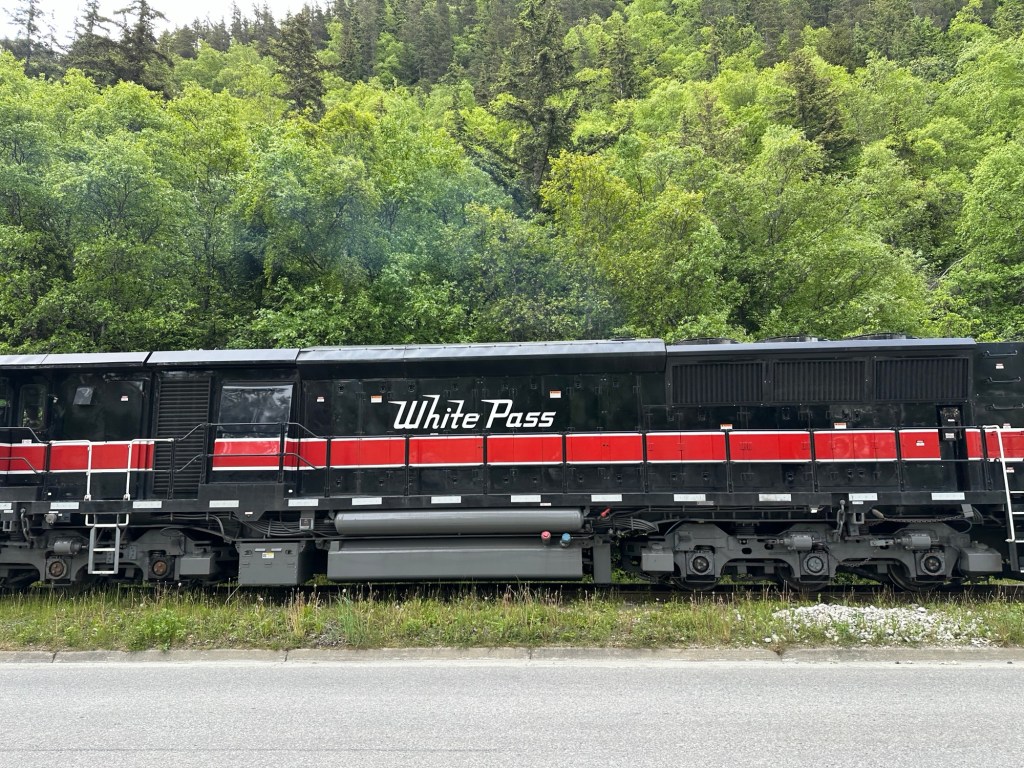
We finally board the train for our scenic ride back to Skagway.
It’s been a long day so we return straight back to the ship. I try to stay up and have a little night fun but we have an early start tomorrow so it’s off to bed.
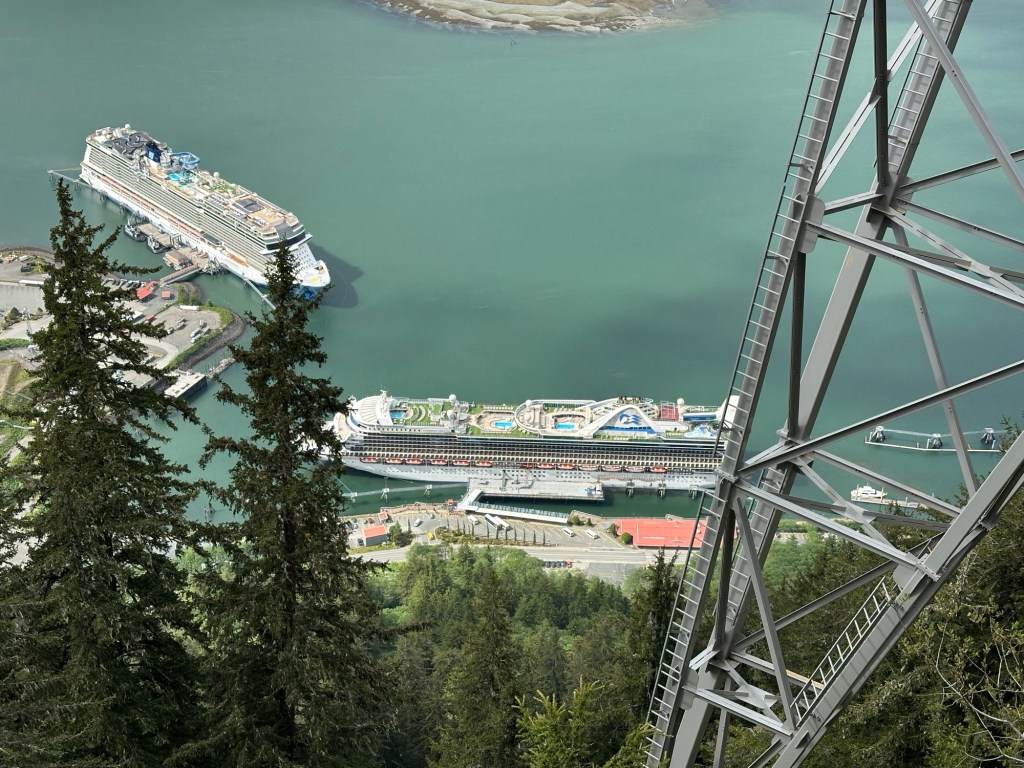
Today we are docking in Juneau, Alaska. I have another excursion booked but it doesn’t leave until the afternoon so there is no rush to get off the ship. My cousin and I are going on this excursion today so we coordinate our day. We’ll disembark this morning to explore Juneau, eat some king crabs then meet up with our tour group.
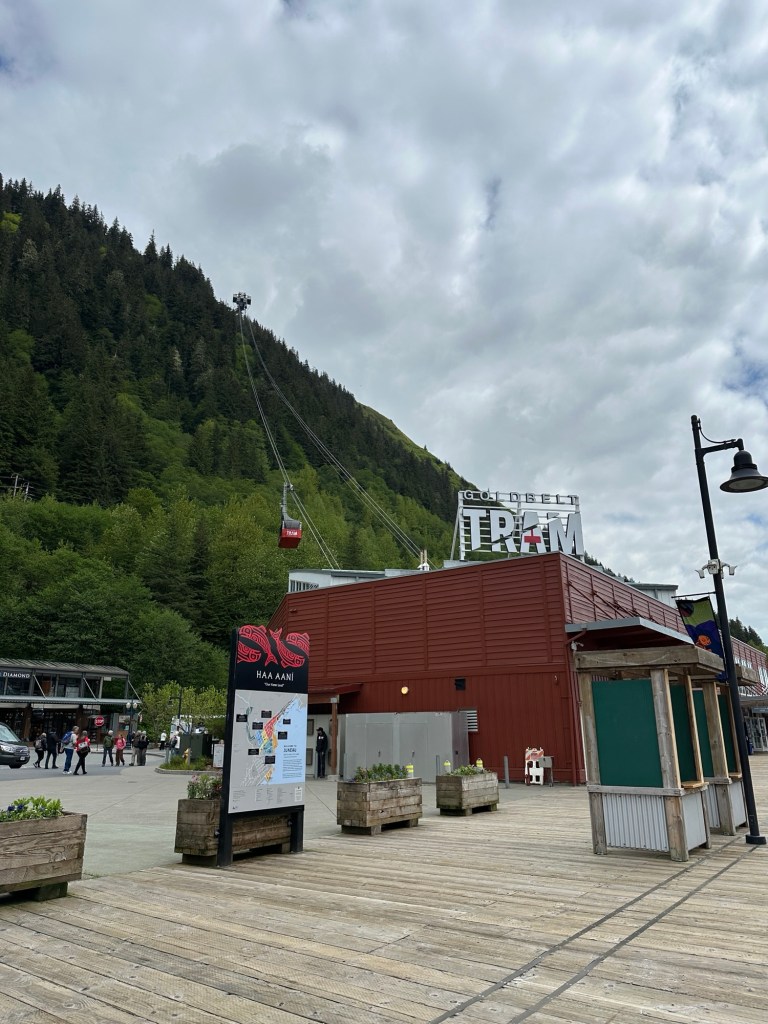
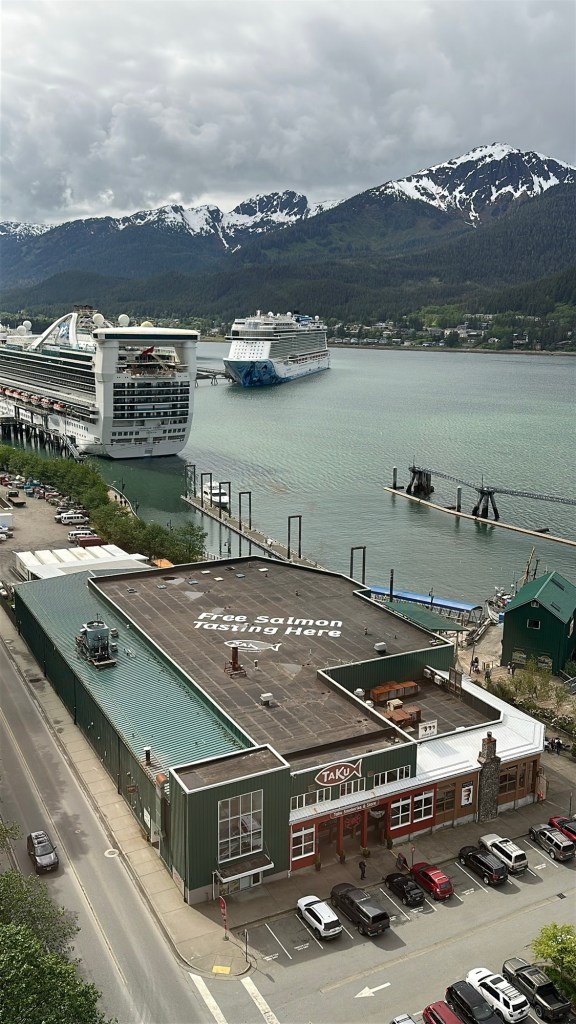
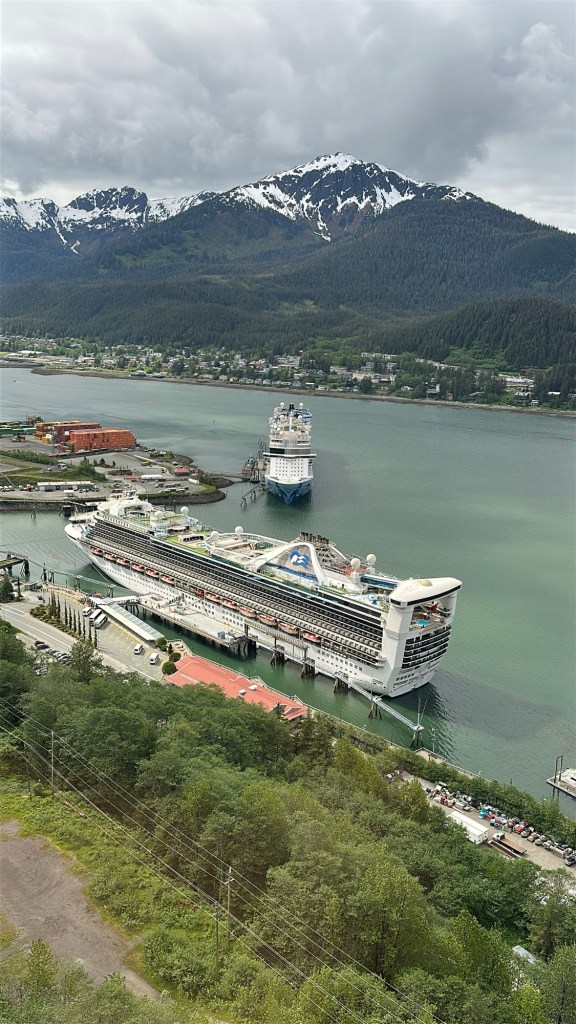
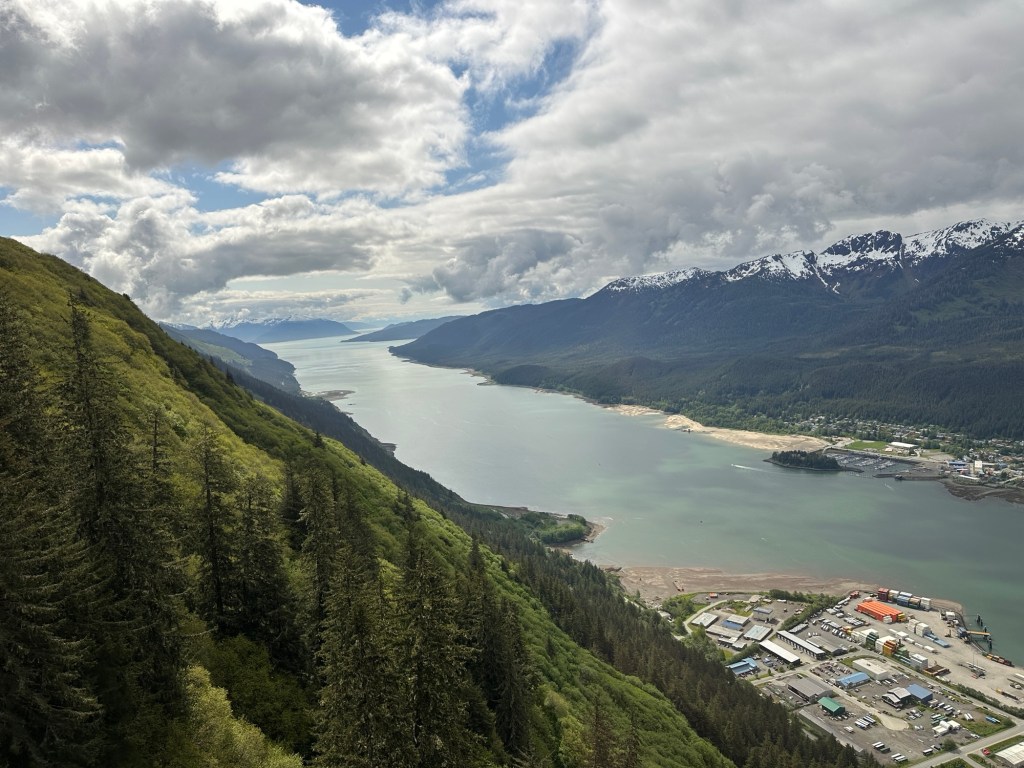
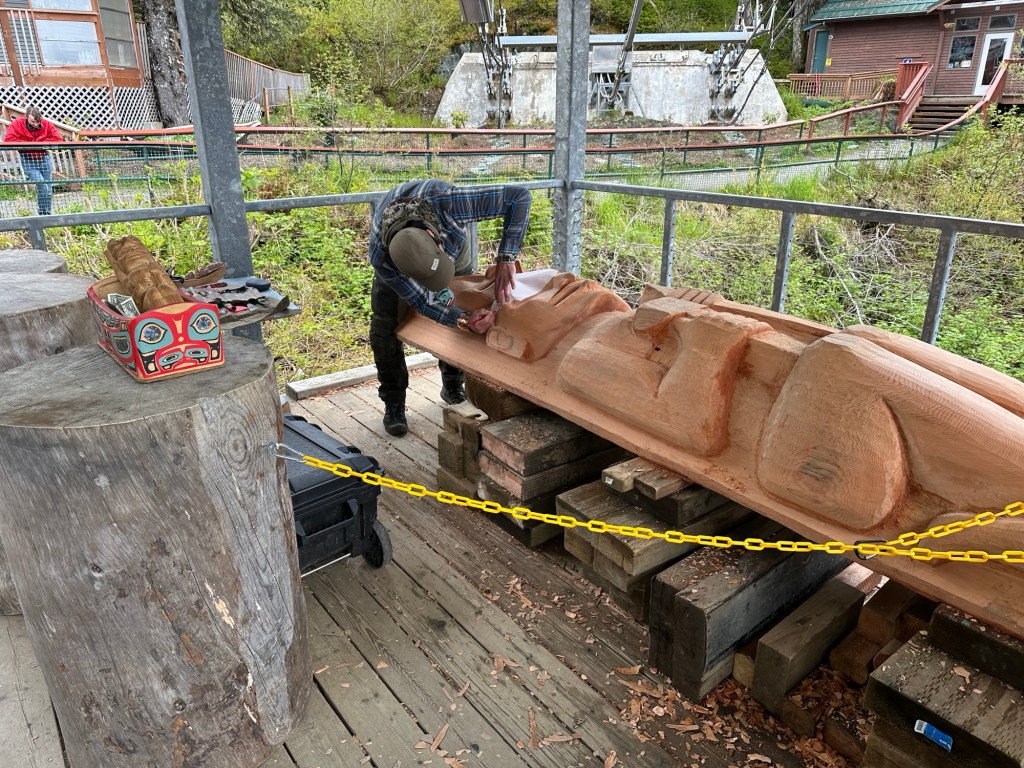
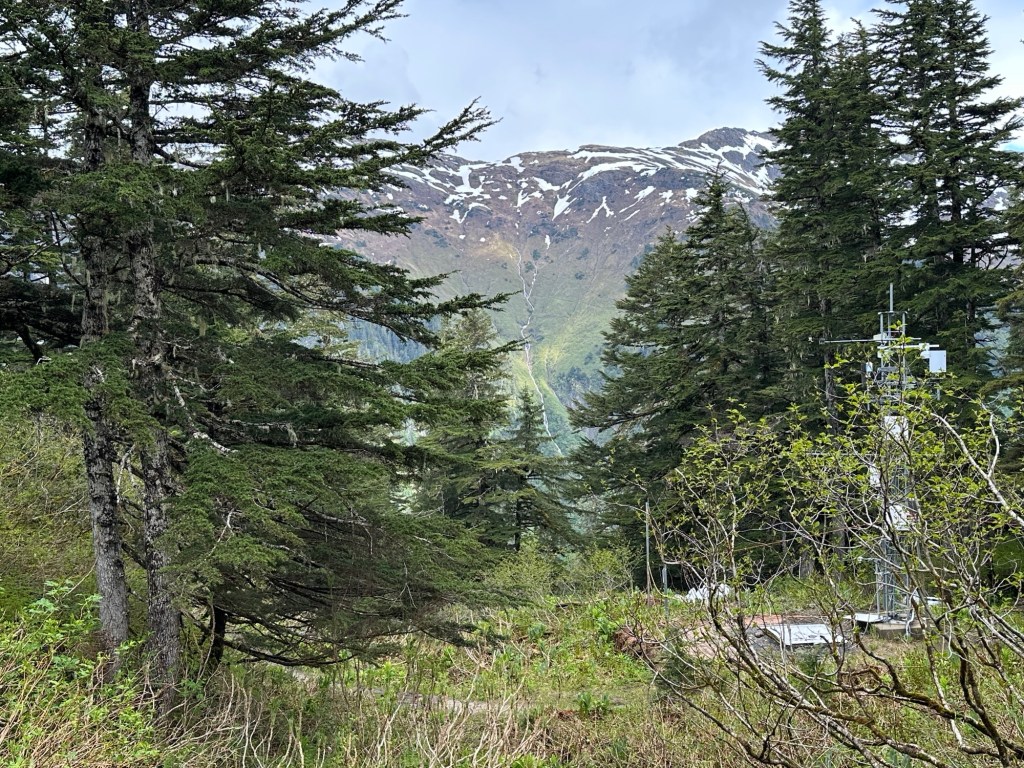
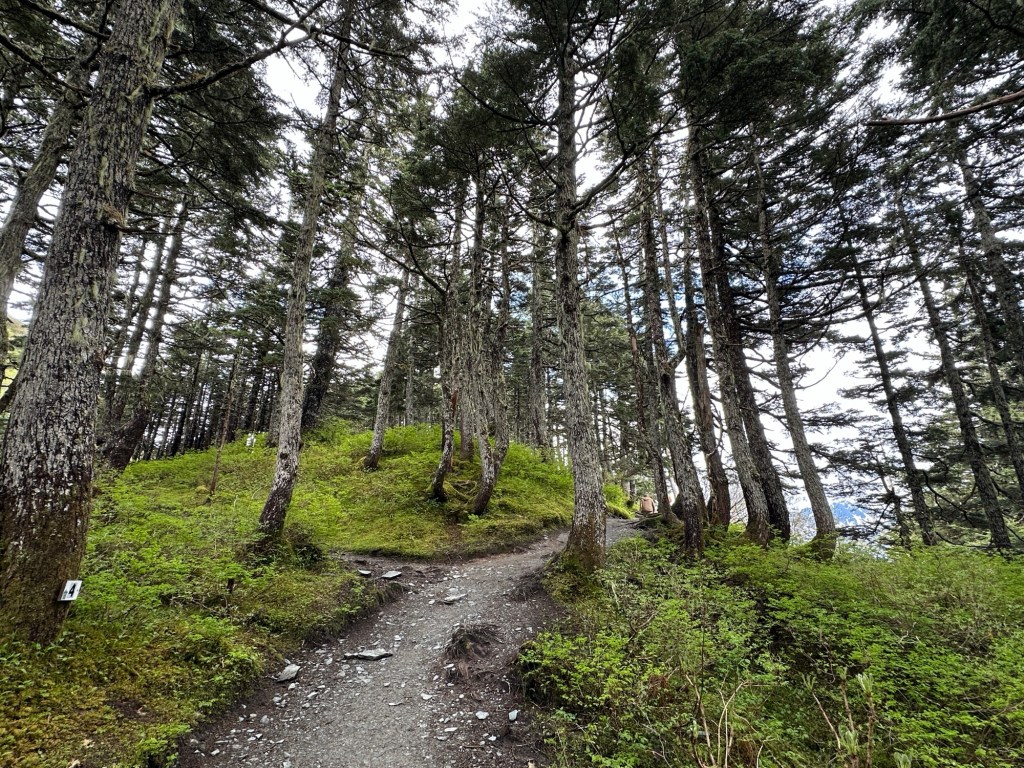
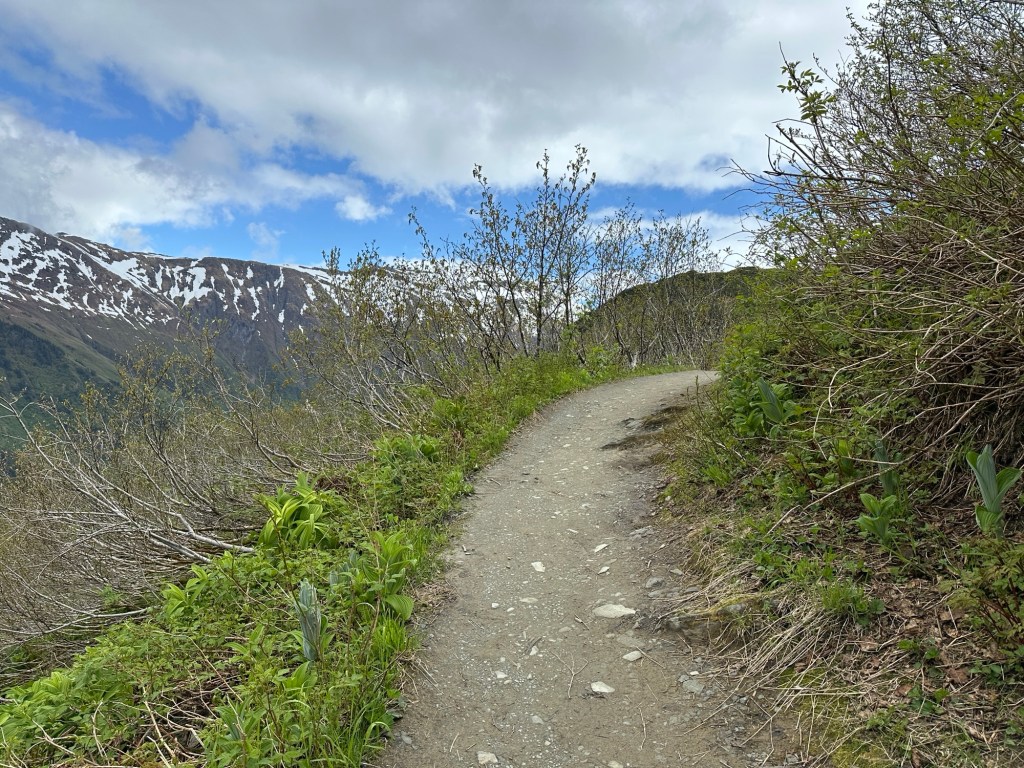
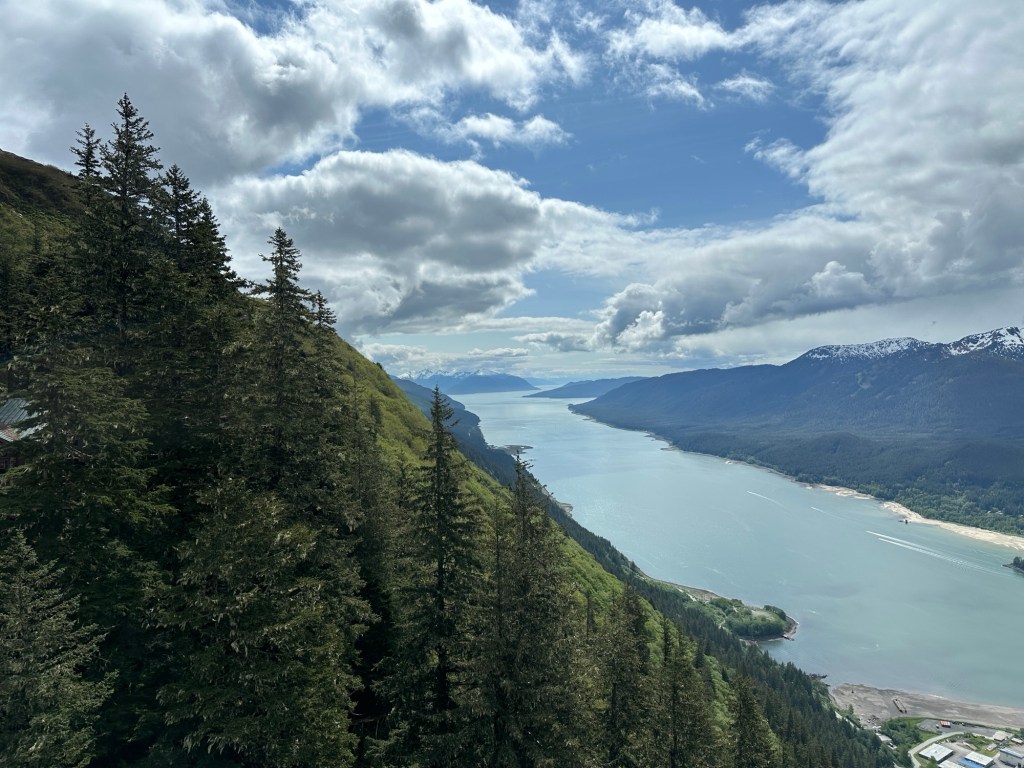
Even though the line is long we pay the expensive fee to take the tram up to the Roberts Peak. There is some First Nation’s exhibits, hiking trails and some gorgeous views of below. We hike one of the trails.
Roberts Peak
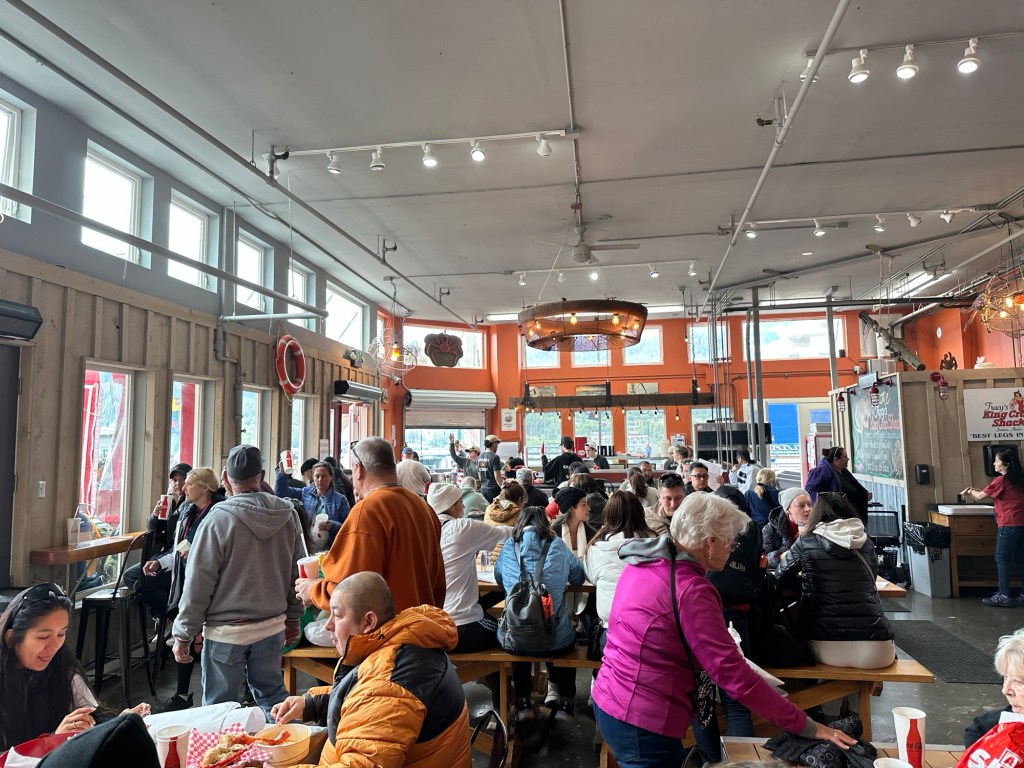
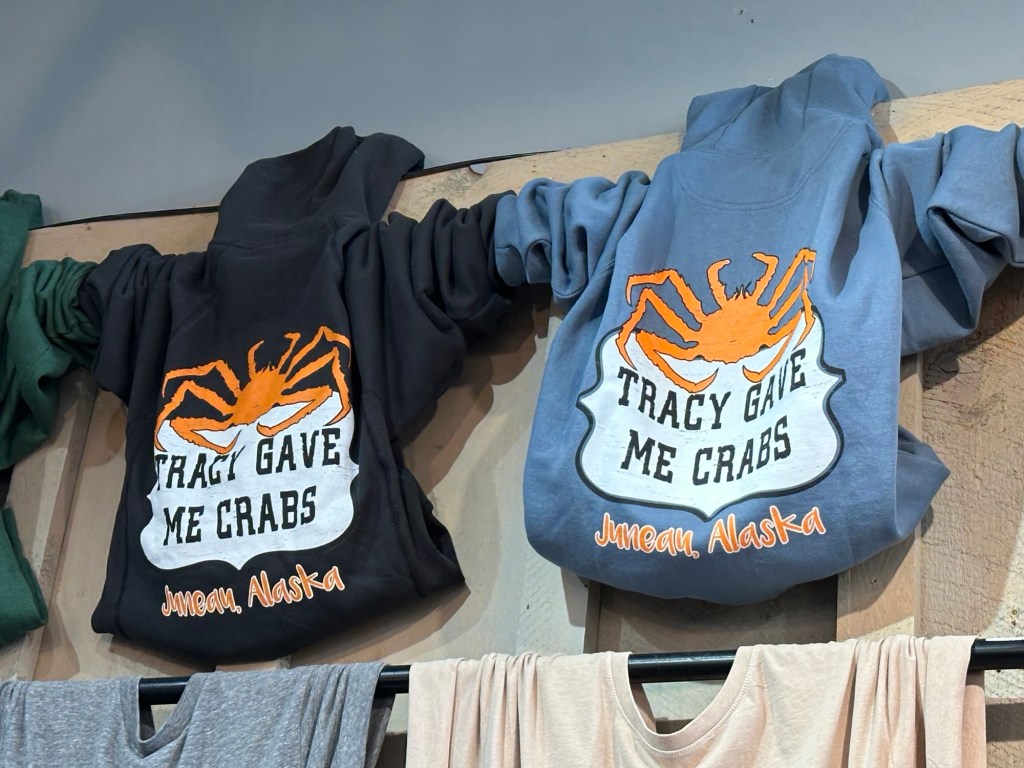
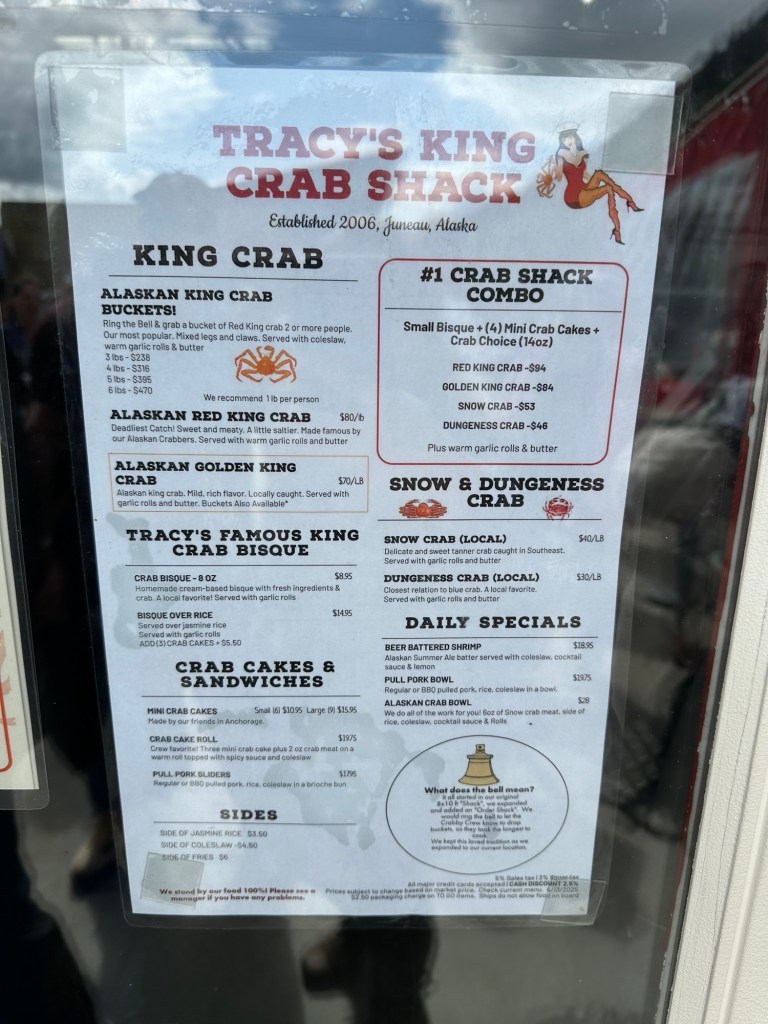
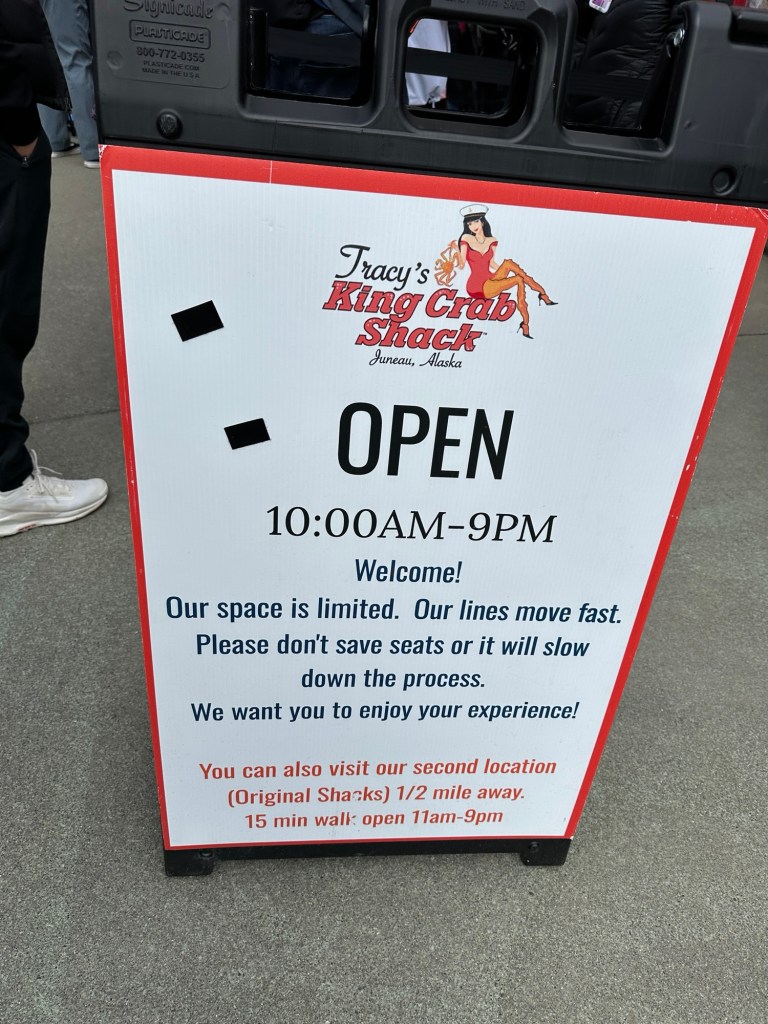
There is an option to hike down but I am unsuccessful in talking my cousin into it, plus we don’t know how long it would take us and our priority is to get some king crabs legs at Tracy’s King Crab Shack. We wait in the line for Tracy’s. It isn’t the longest but we do wait a bit – however it is worth it. Seeing the hefty price tag we decide on a 1lb per person instead of the bucket and it is the perfect size. I walk out still very full and very satisfied. The only thing we ask for more of is some butter and my cholesterol will hate me later for it.
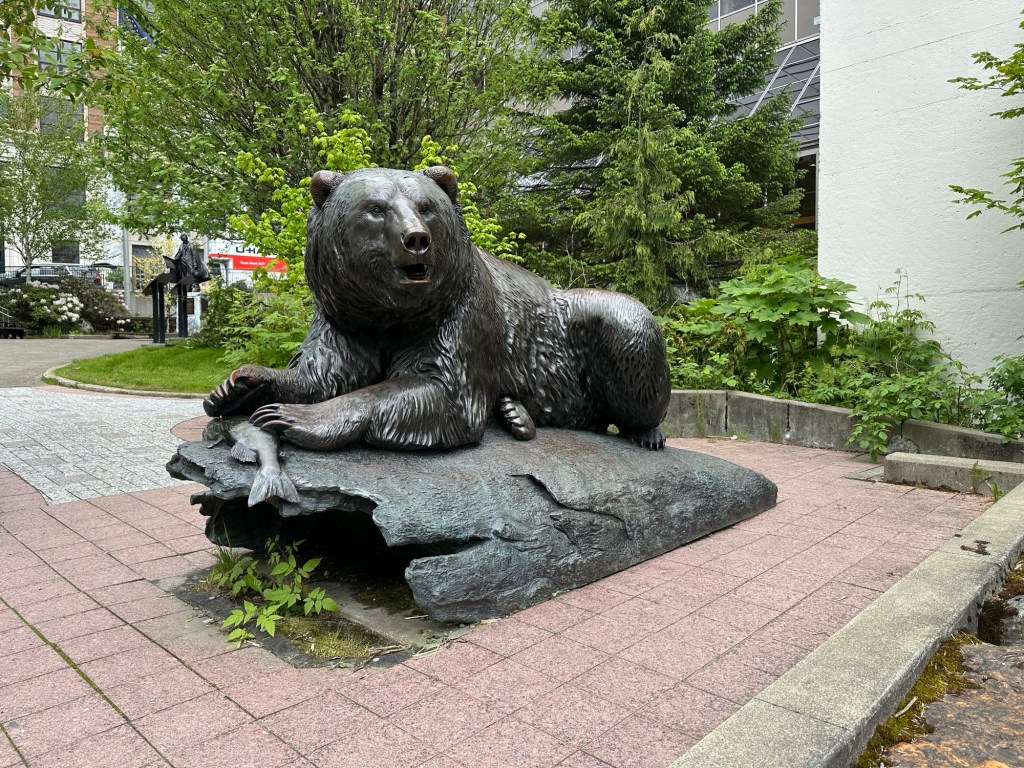
We still have time to spare before we meet our tour so we walk as far as we have time for towards the other end of town.
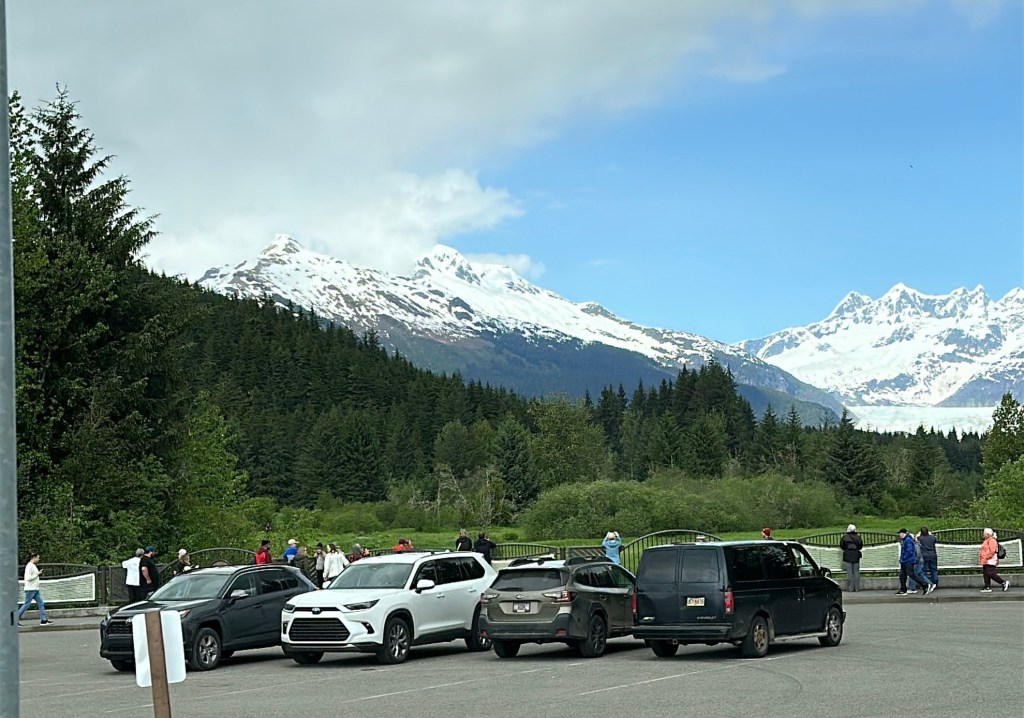
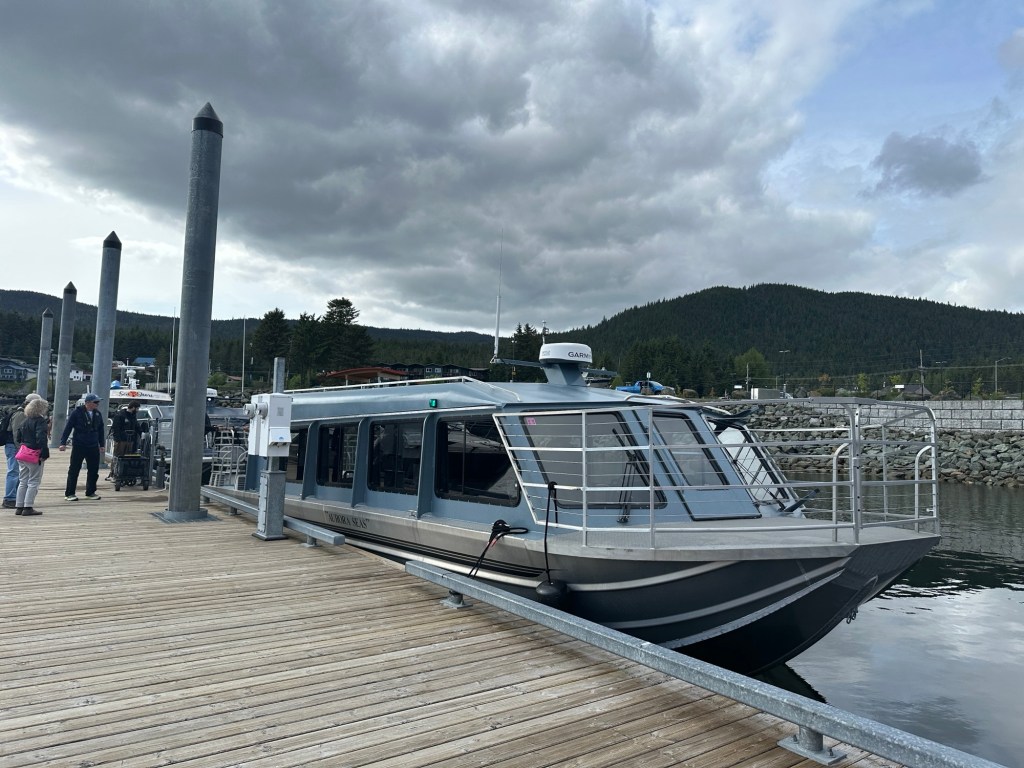
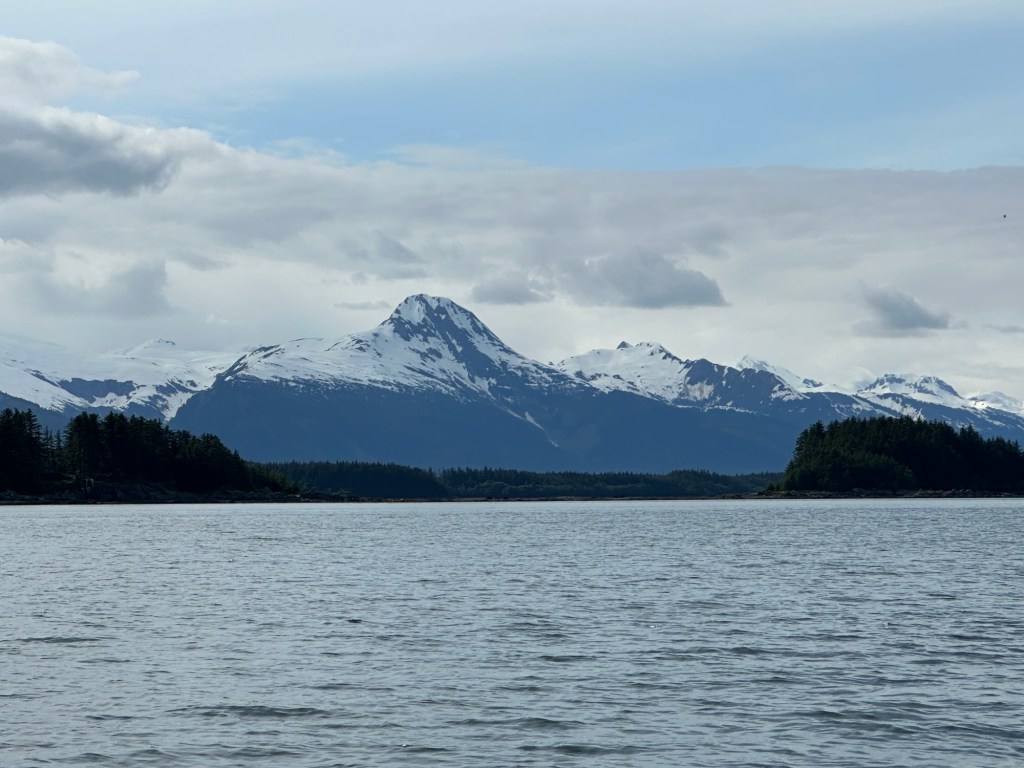
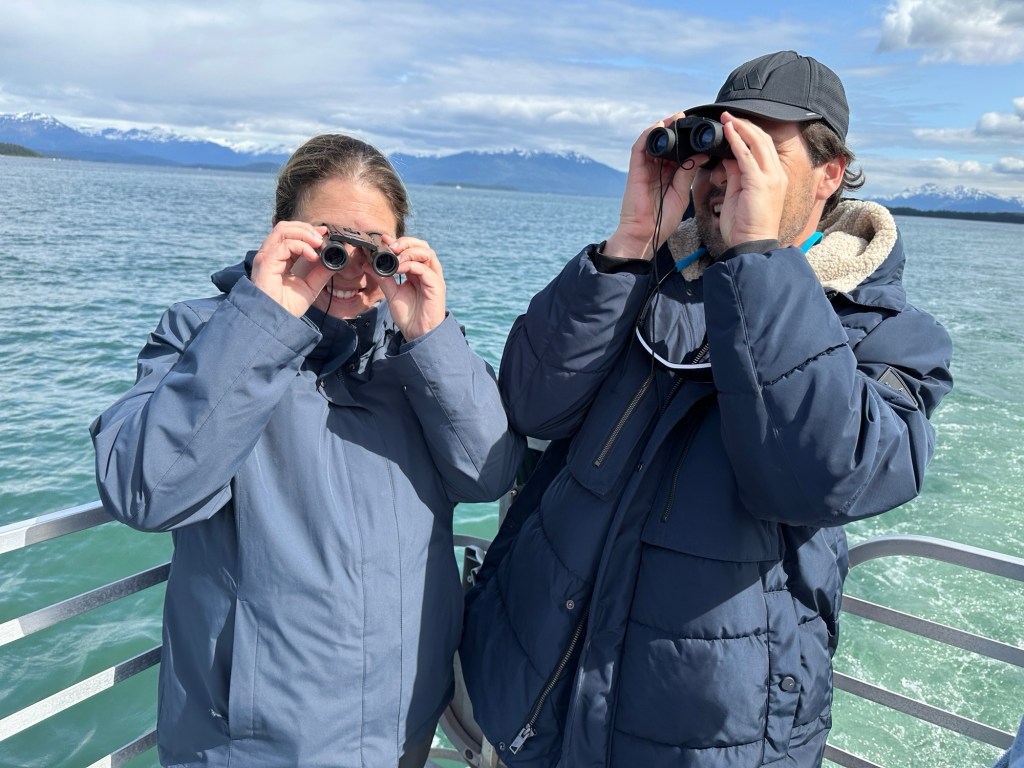
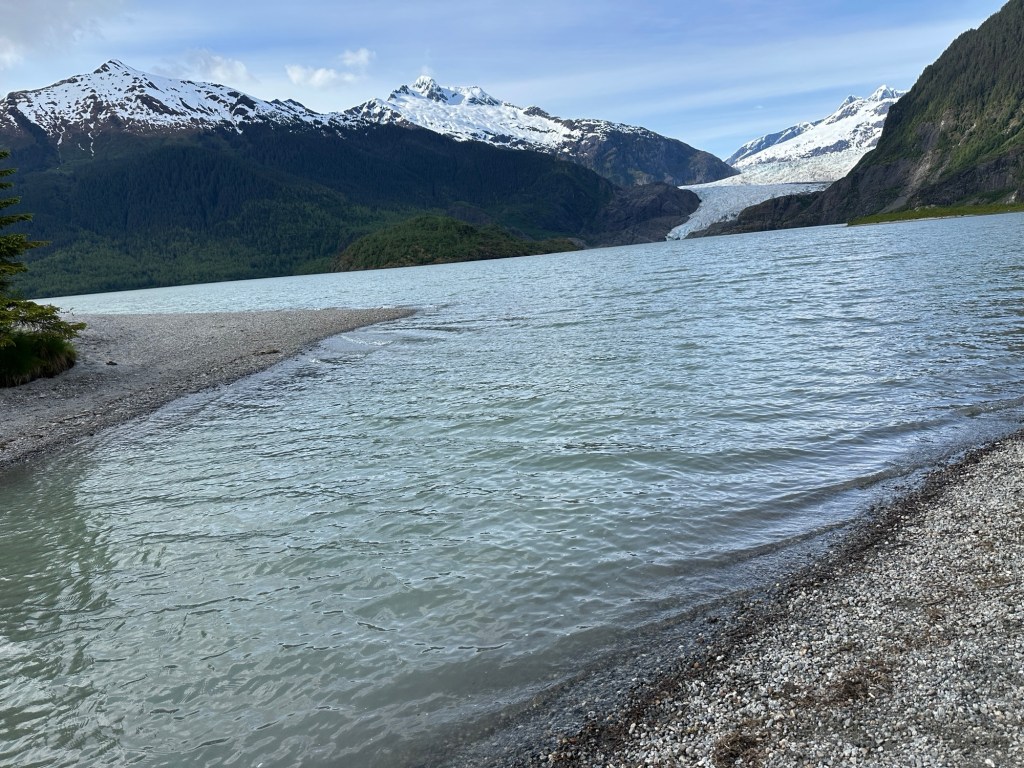
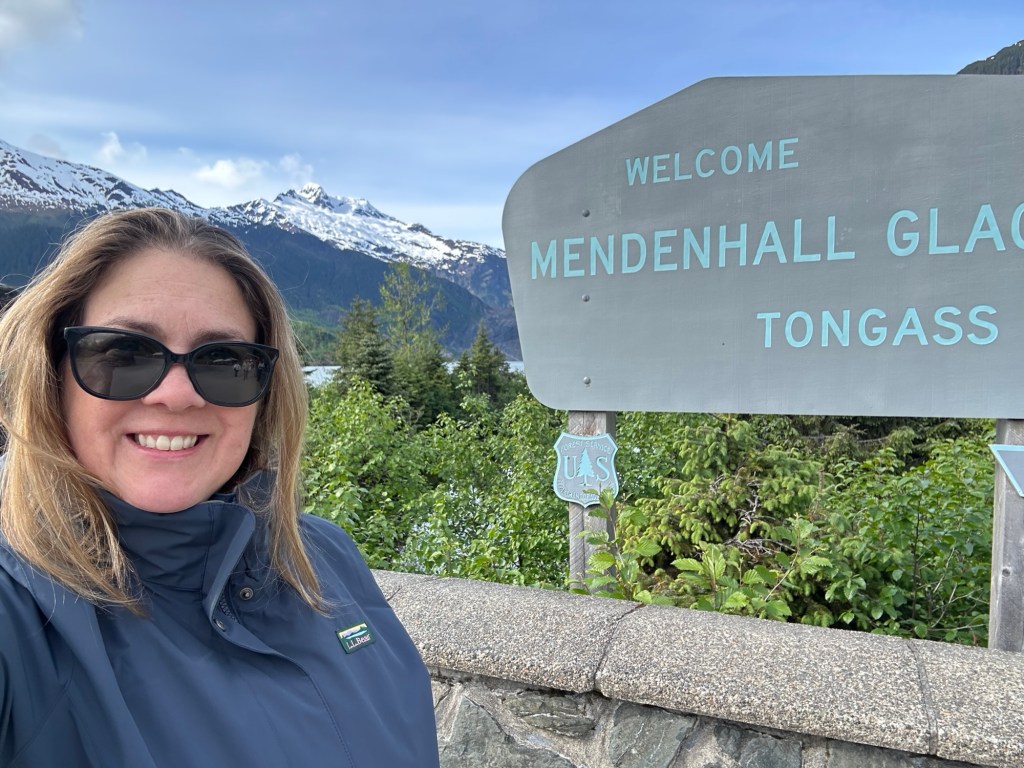
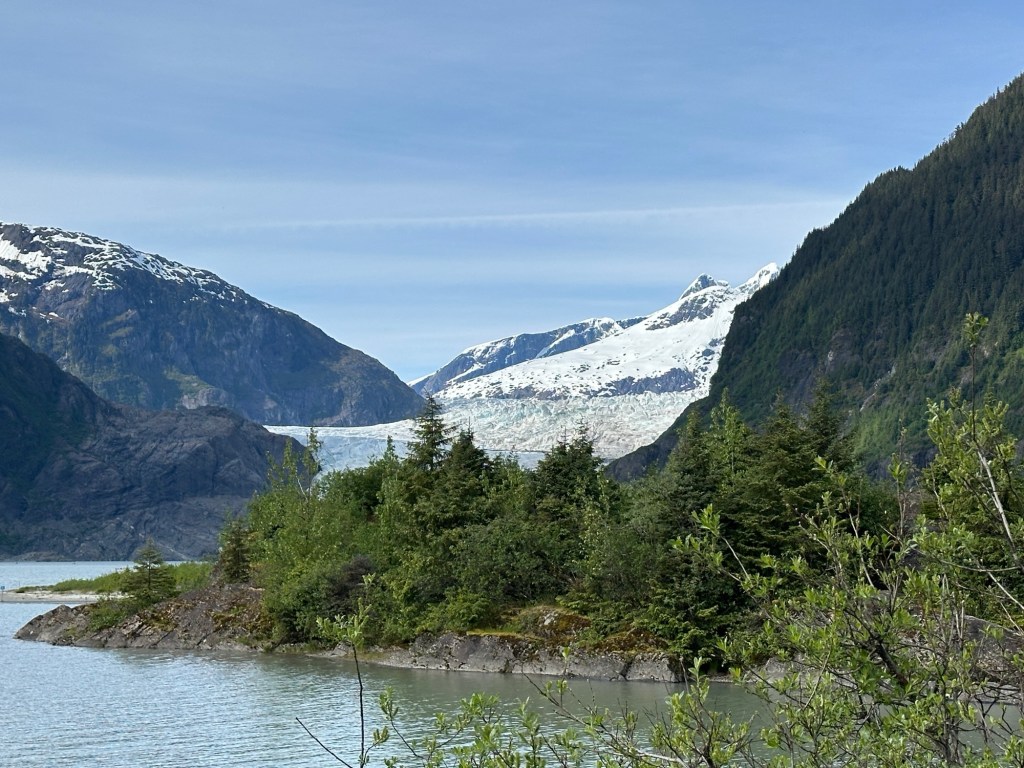
Our tour is whale watching and a visit to Mendenhall Glacier afterwards. Each of these things can be coordinated on your own for probably cheaper but it seemed safer to book through the cruise to save the planning hassle and there is a better odds they would get you back in time to board the ship before it leaves; there is always that risk when you go off on your own. If I did it again I’d probably do a choose your own adventure day because I would have liked a little more time to hike the longer trail at Mendenhall Glacier and we did not have enough time on our visit for it.
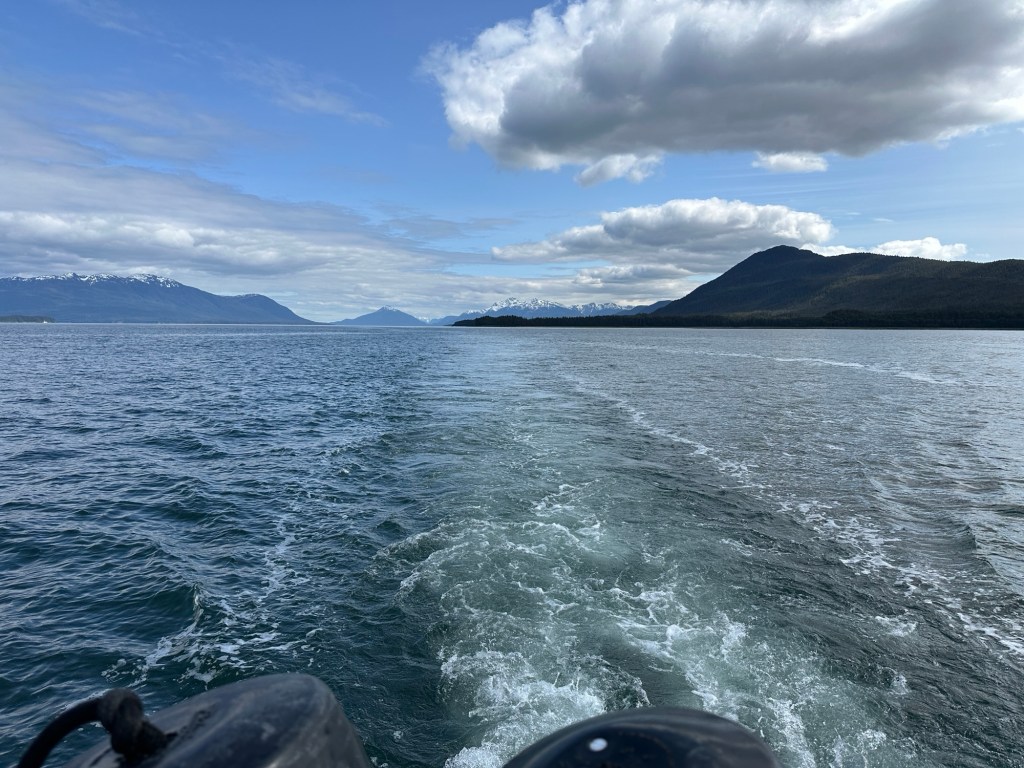
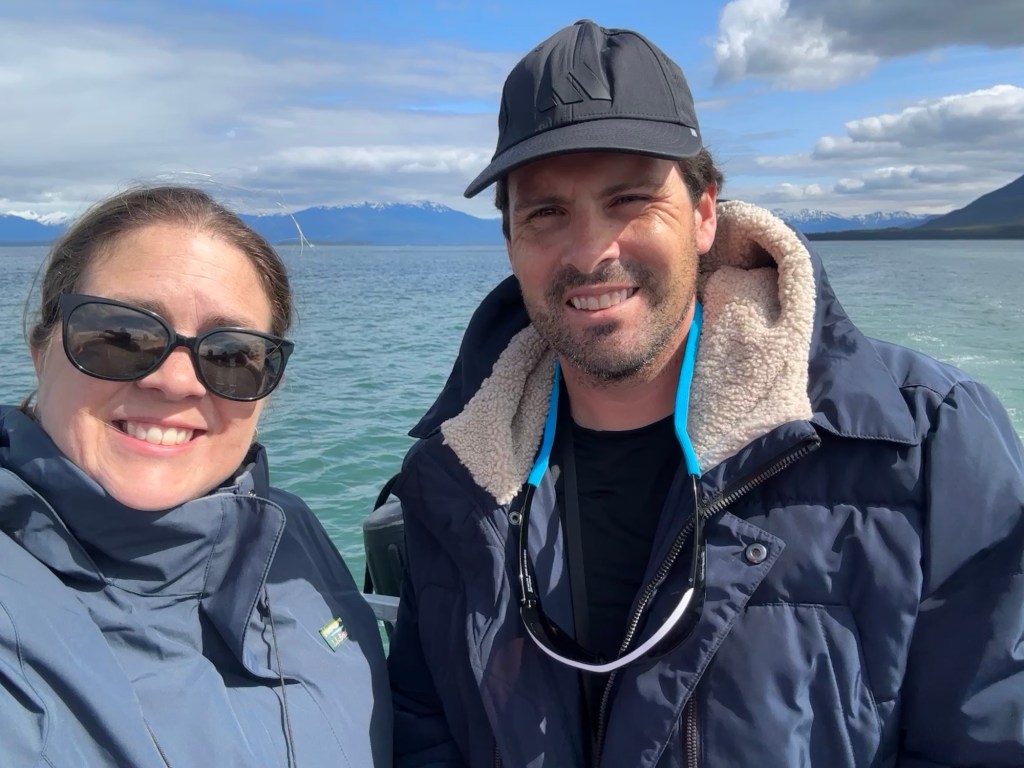
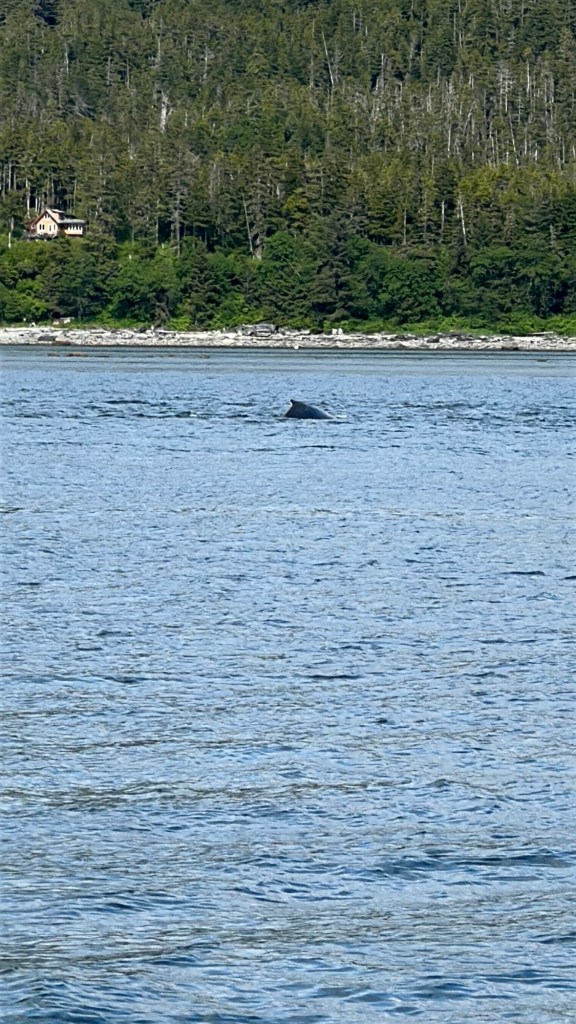
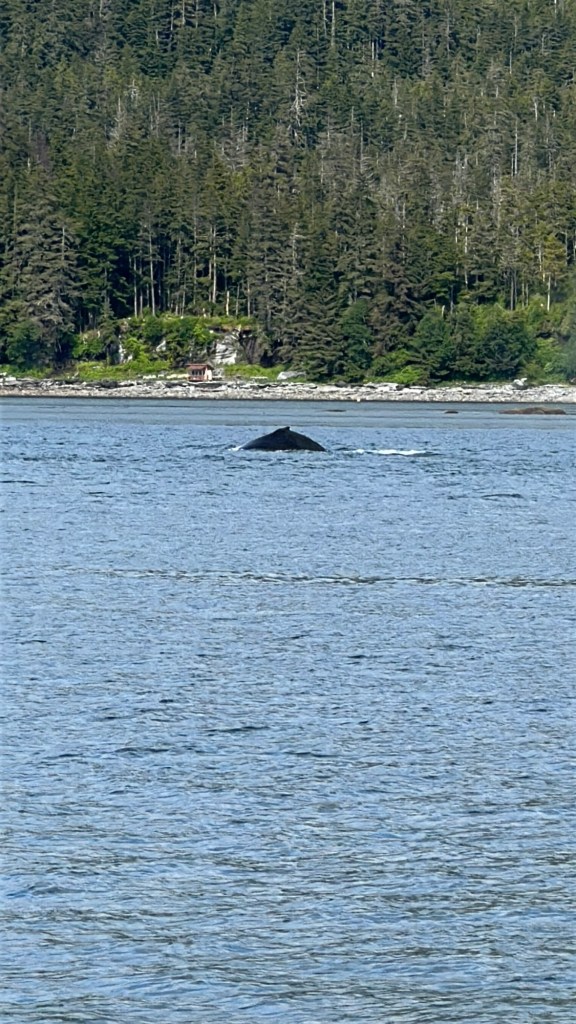
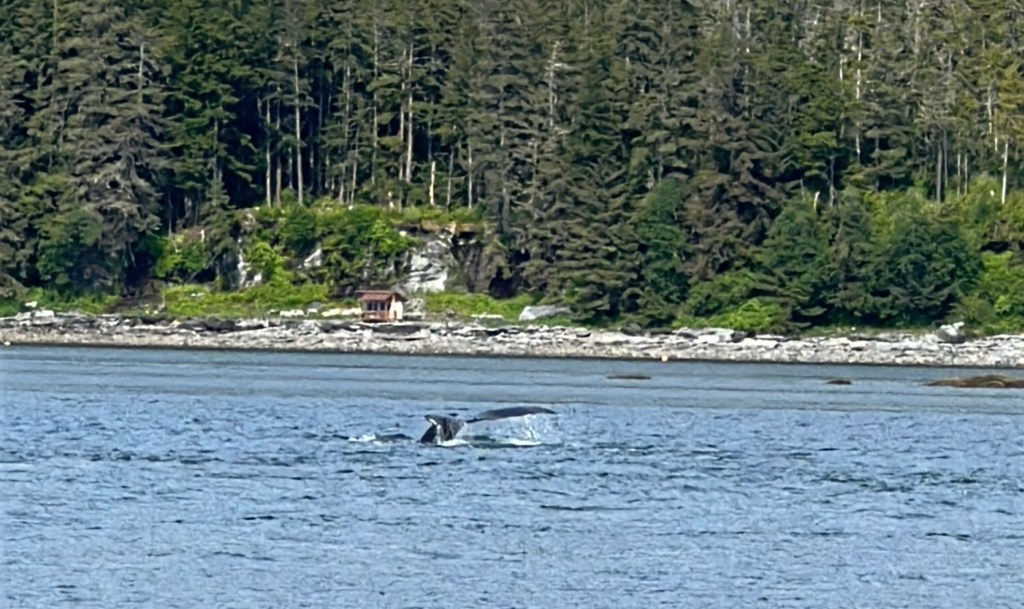
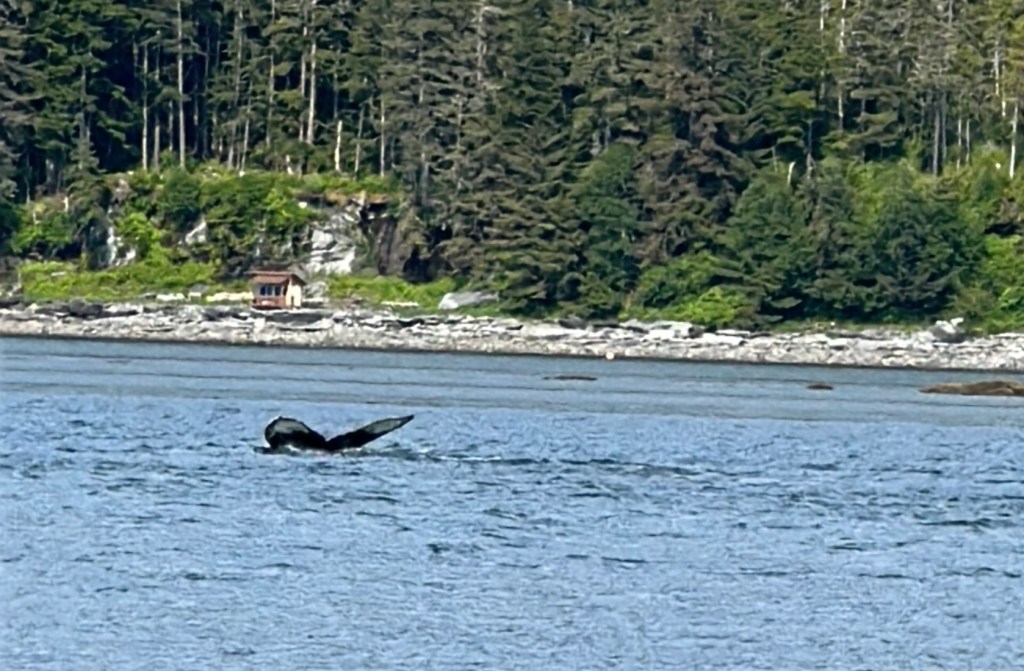
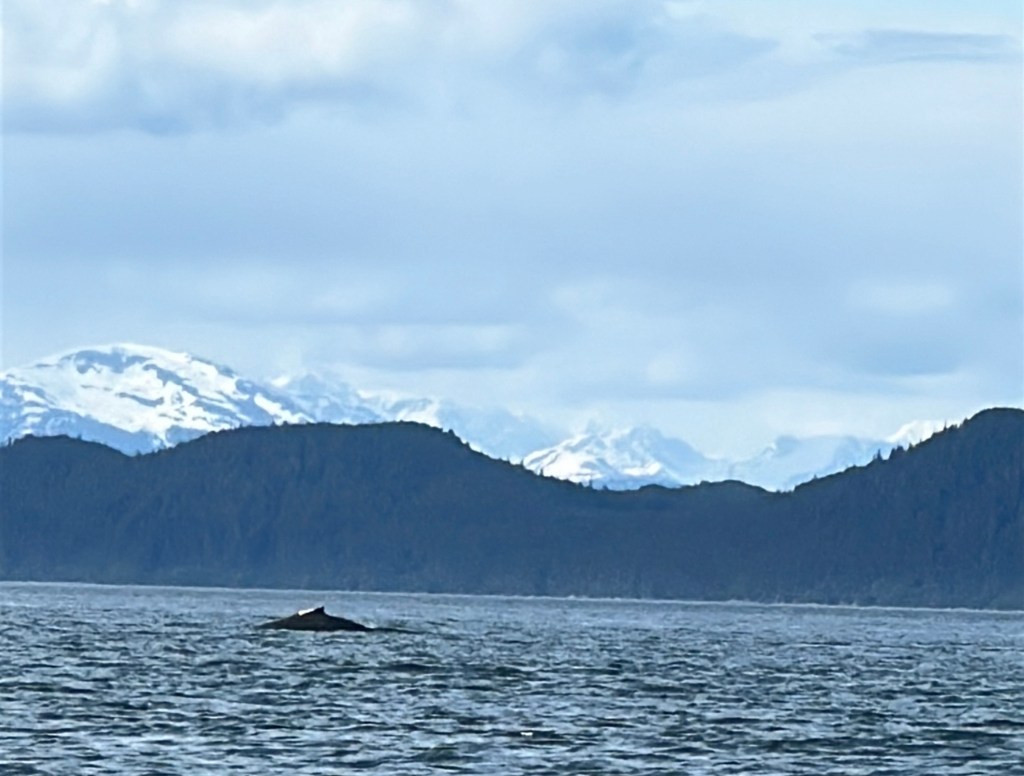
This is the third whale watching tour I have attempted – the first was cancelled in New Zealand due to weather and the second in the Azores was only filled with dolphins – so I am hopeful at another chance to see whales. We do see some breaching briefly from the window of a cruise ship bar but that doesn’t count. Fortunately we are successful on this boat. At first I am slow to see them because I am always on the opposite end or side of the boat when it happens and it isn’t easy as a shortie to get a peak from behind other people, but I eventually get my views since it appears there is enough whale action to go around.
We catch our bus and head back to the ship for another afternoon cocktail, man we are living a tough life this week.
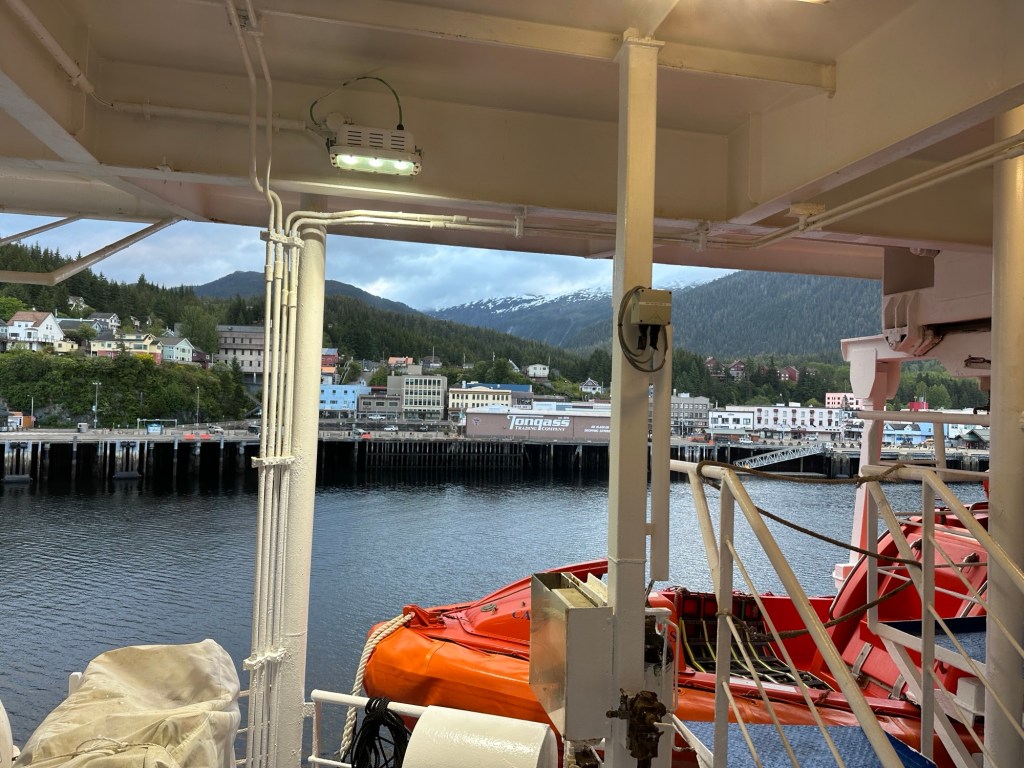
We’ve arrived at Ketchikan and booked a private tour. We didn’t love the excursion choices and wanted to dictate our own agenda for the day.
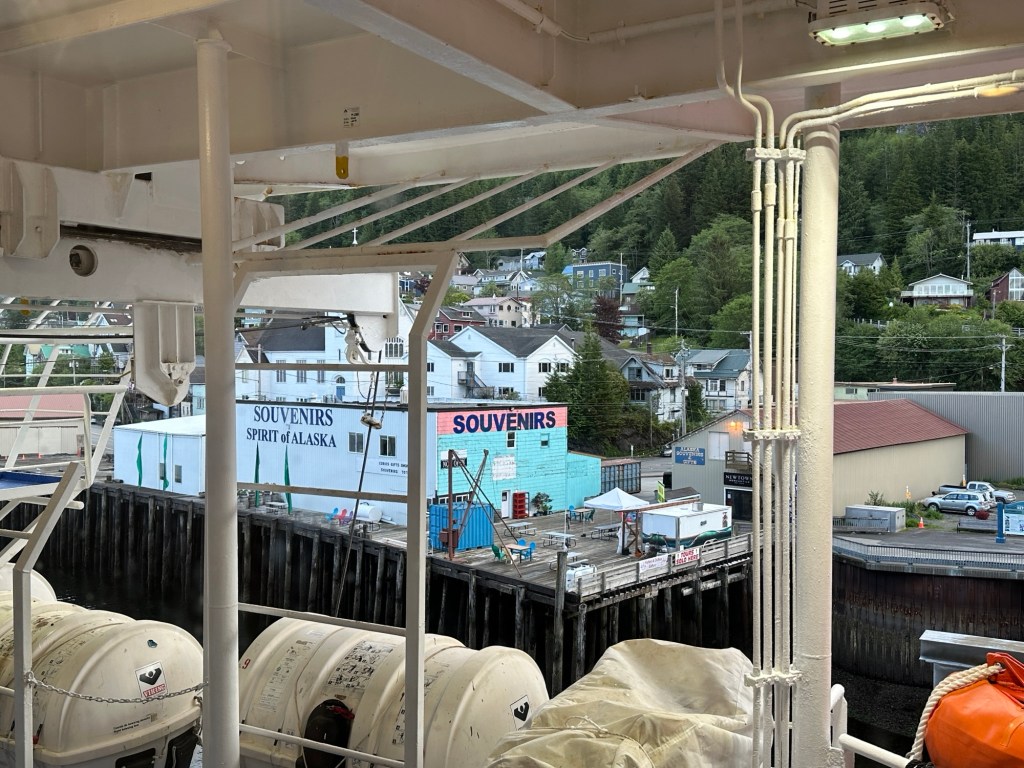
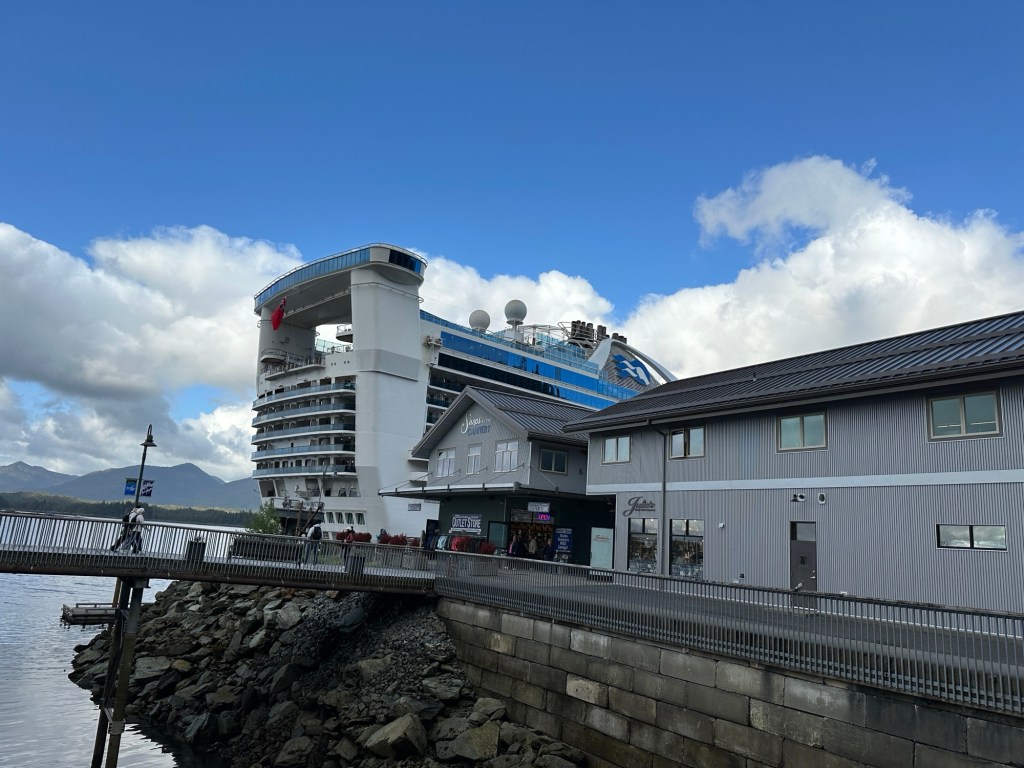
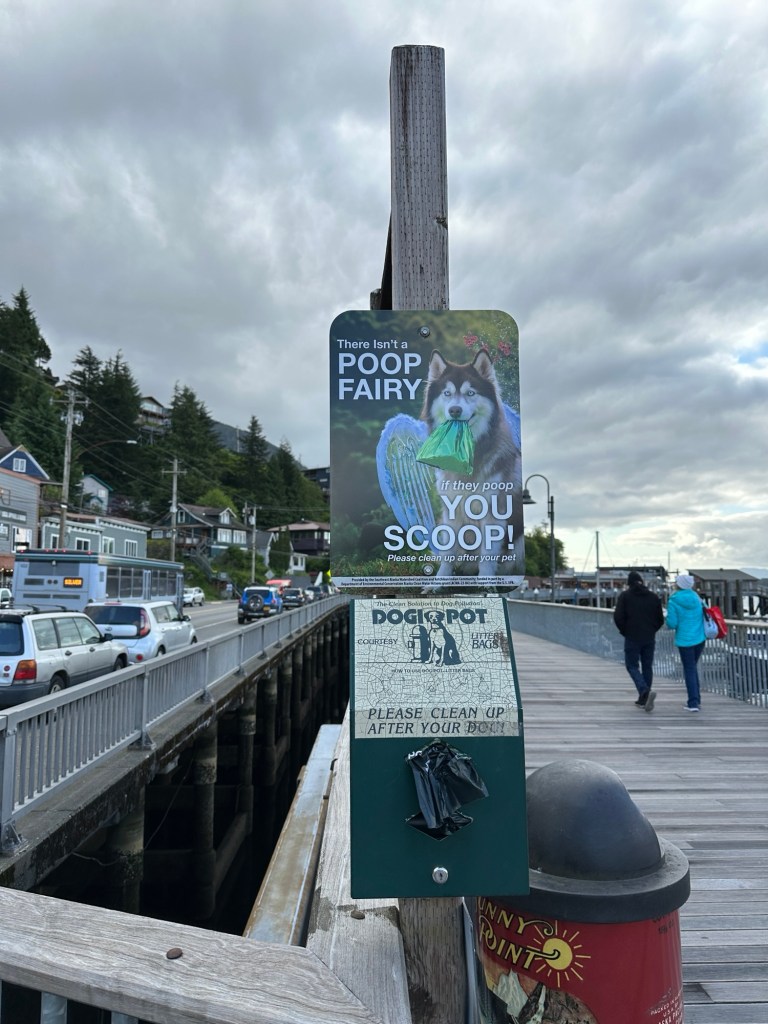
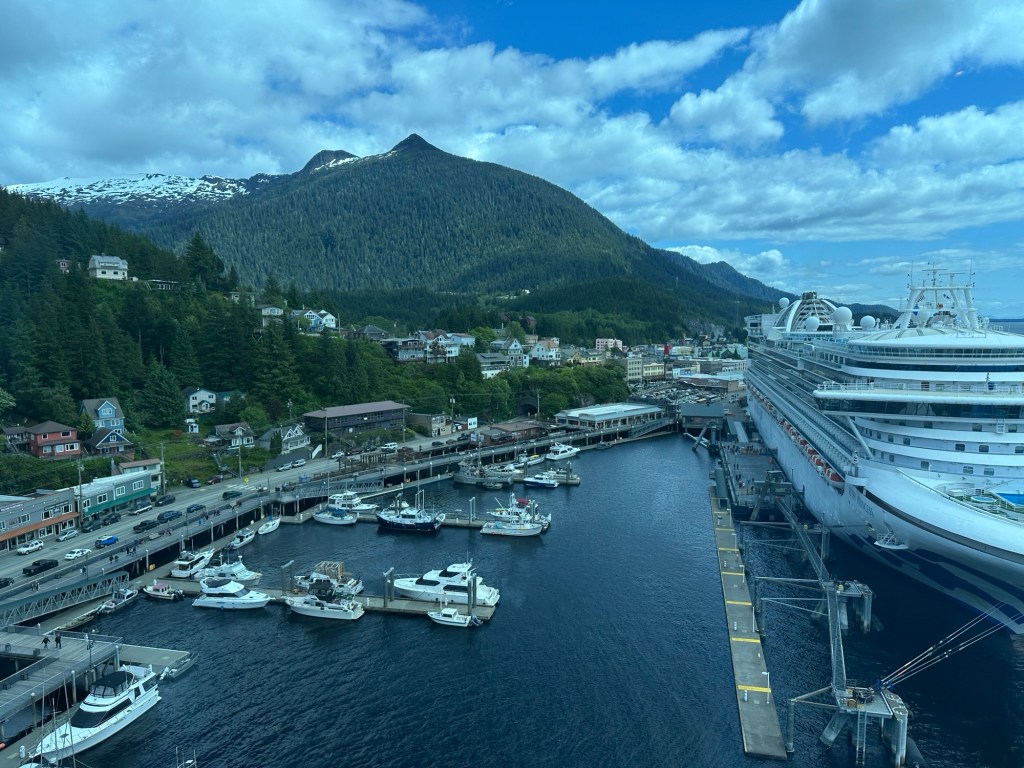
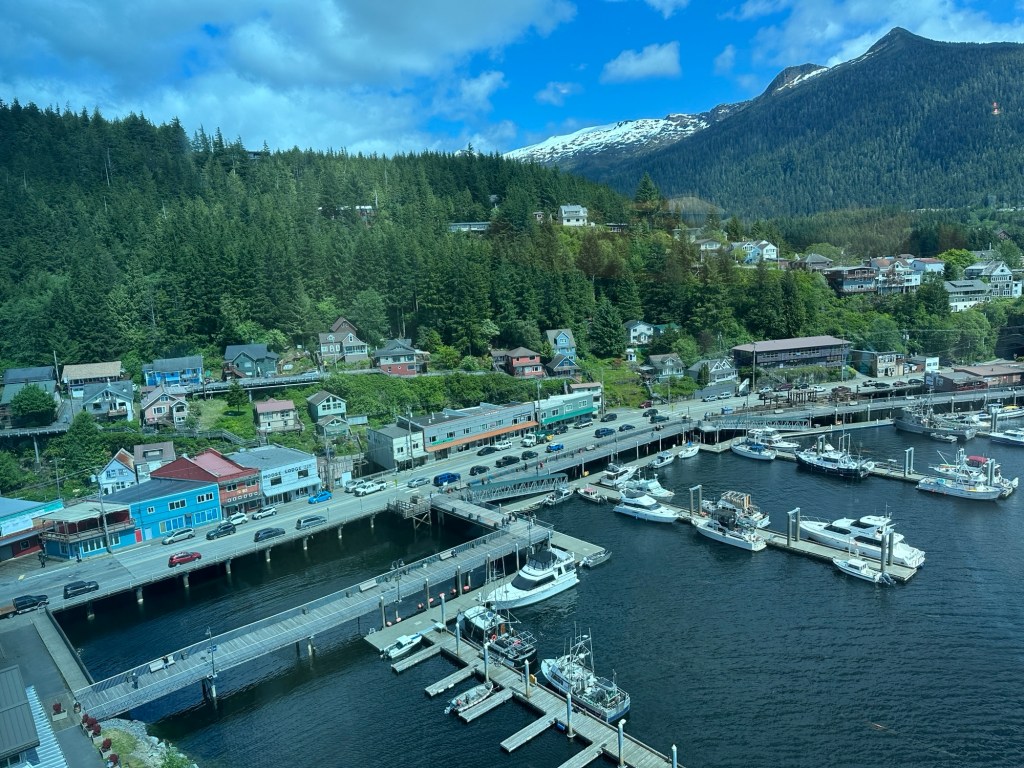
We disembark early and have some time before we meet our guide so we walk up and down the port while we wait.
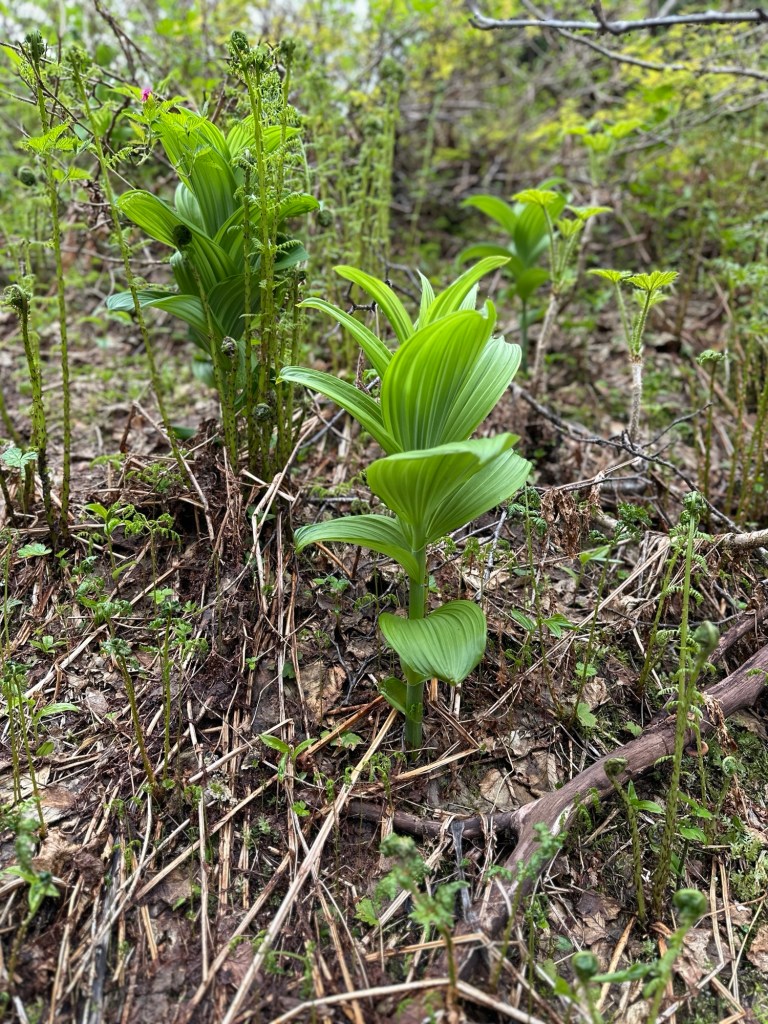
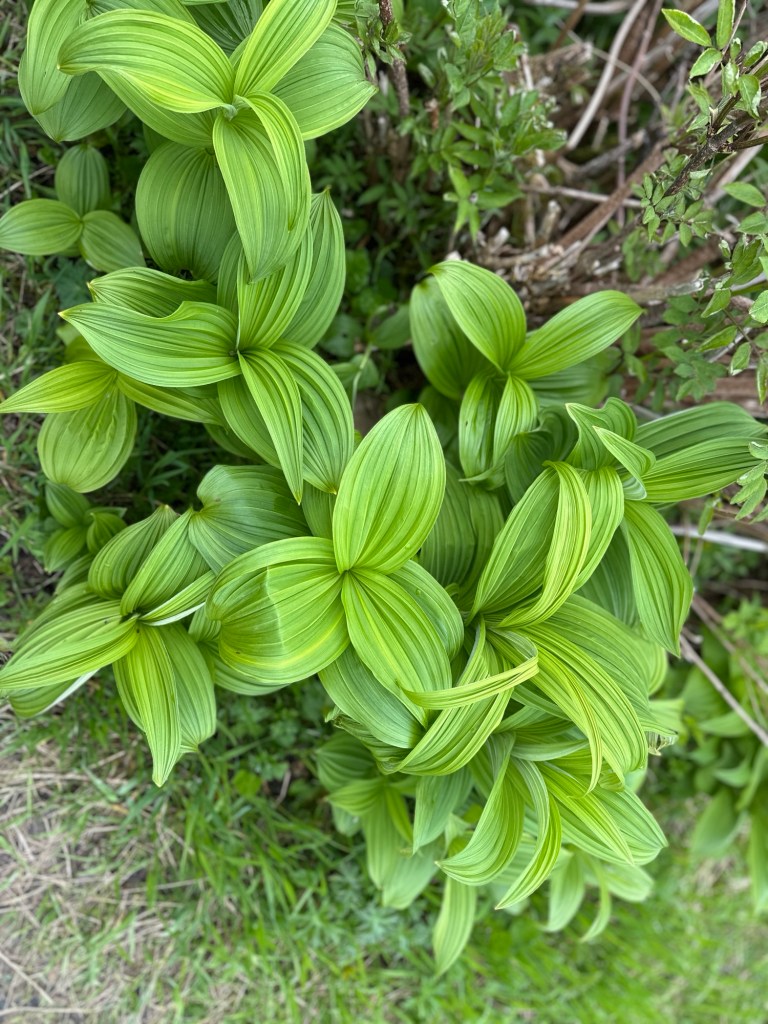
We meet up with our tour guide – a younger active guy who has some suggestions for us. It is during our tour that I start compiling a list of all the things that are trying to kill you in Alaska:
Lack of vitamin D
Landslides
Devils club
False azalea
Cows parsnip
Skunk cabbage
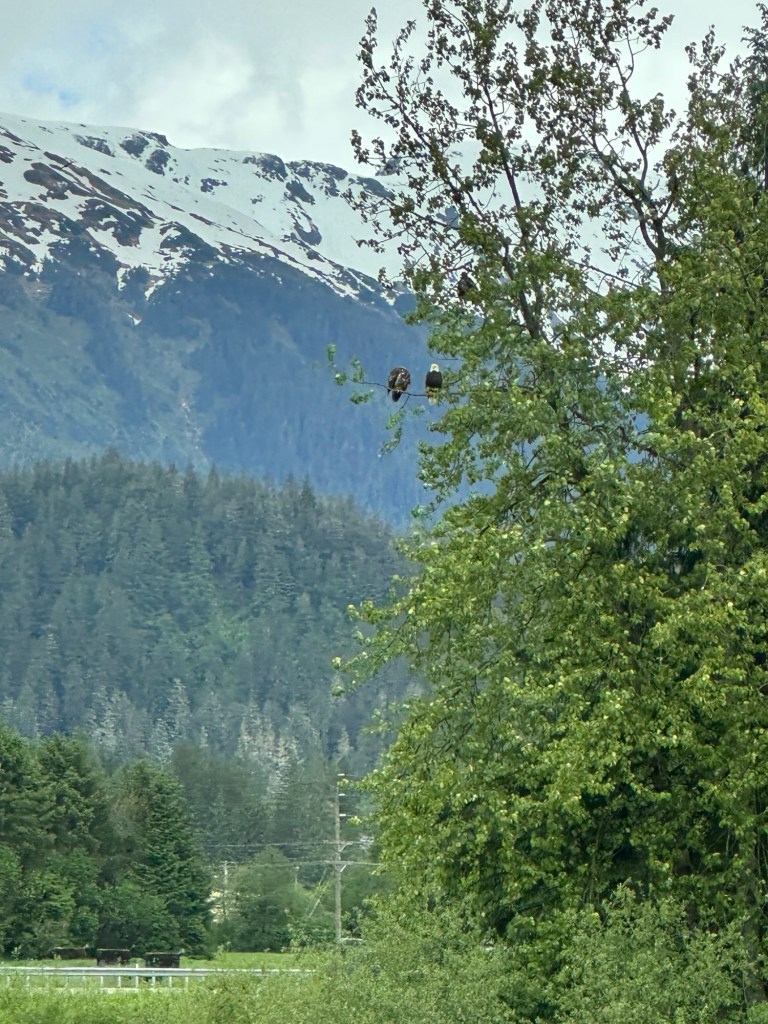
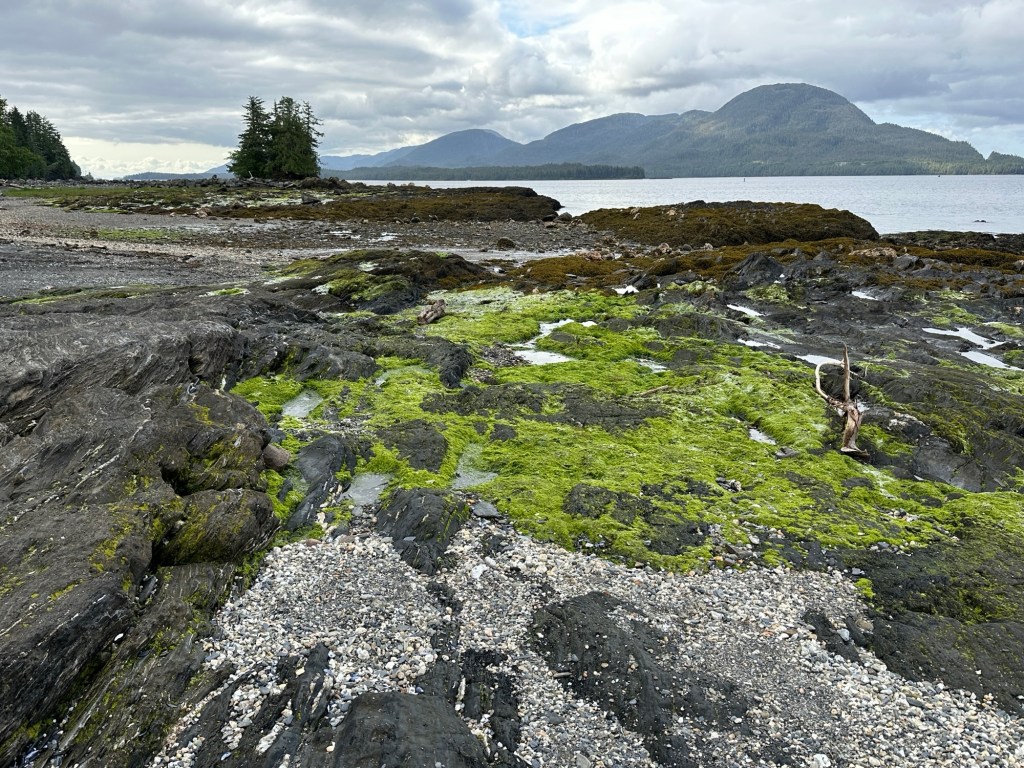
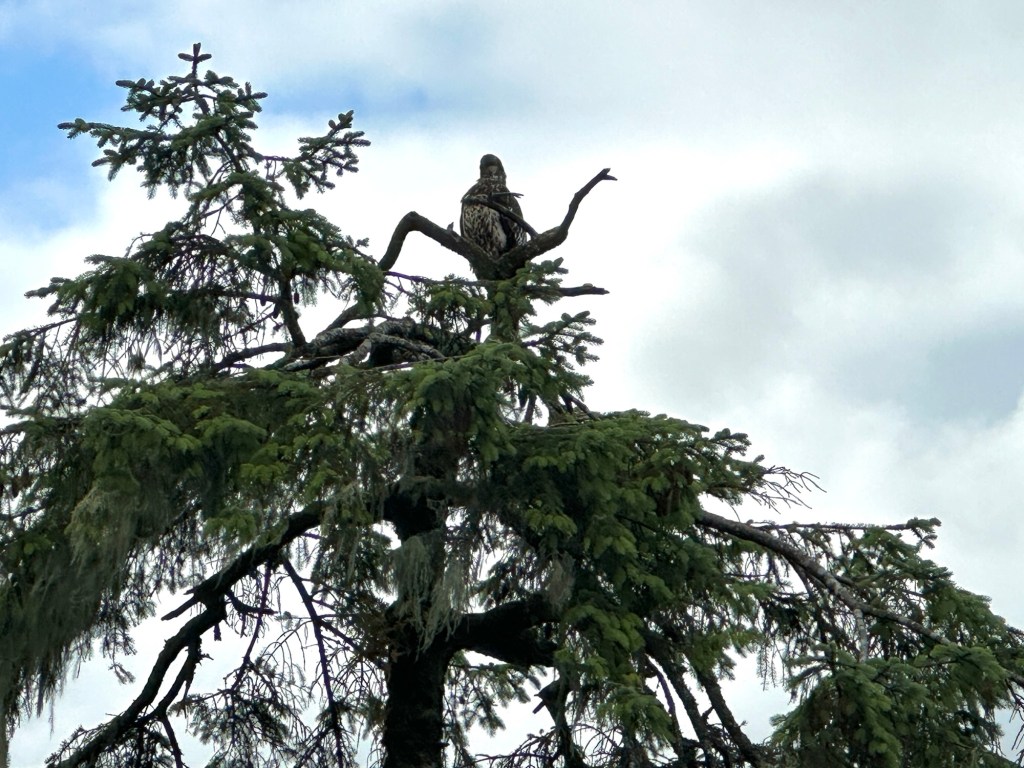
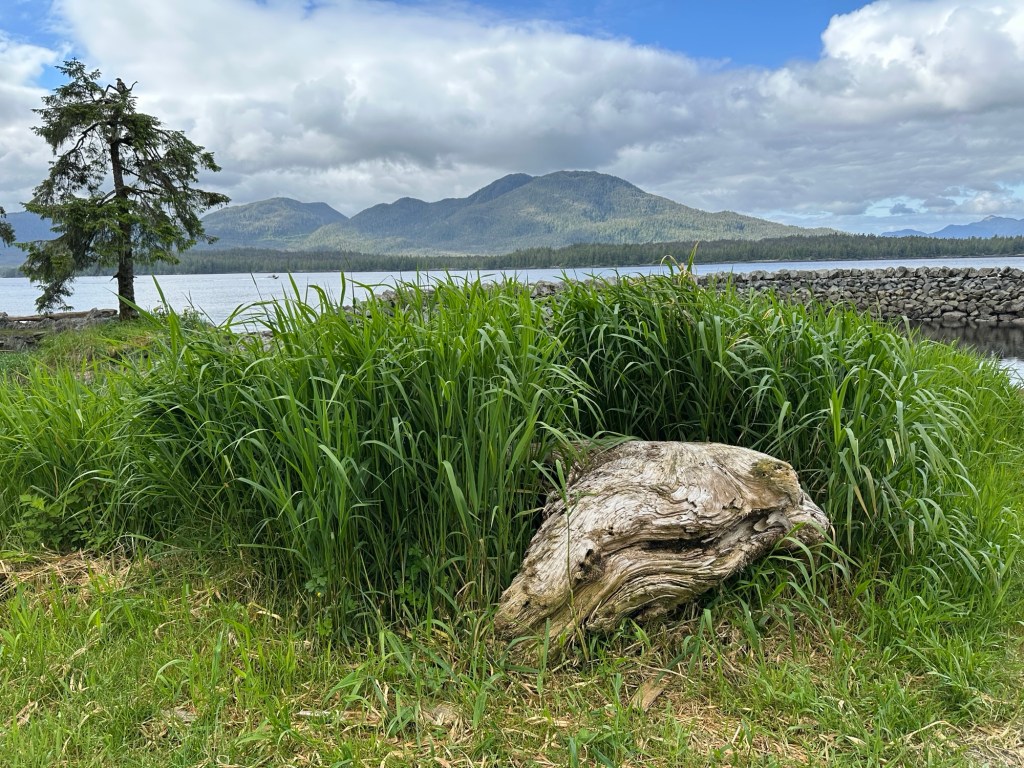
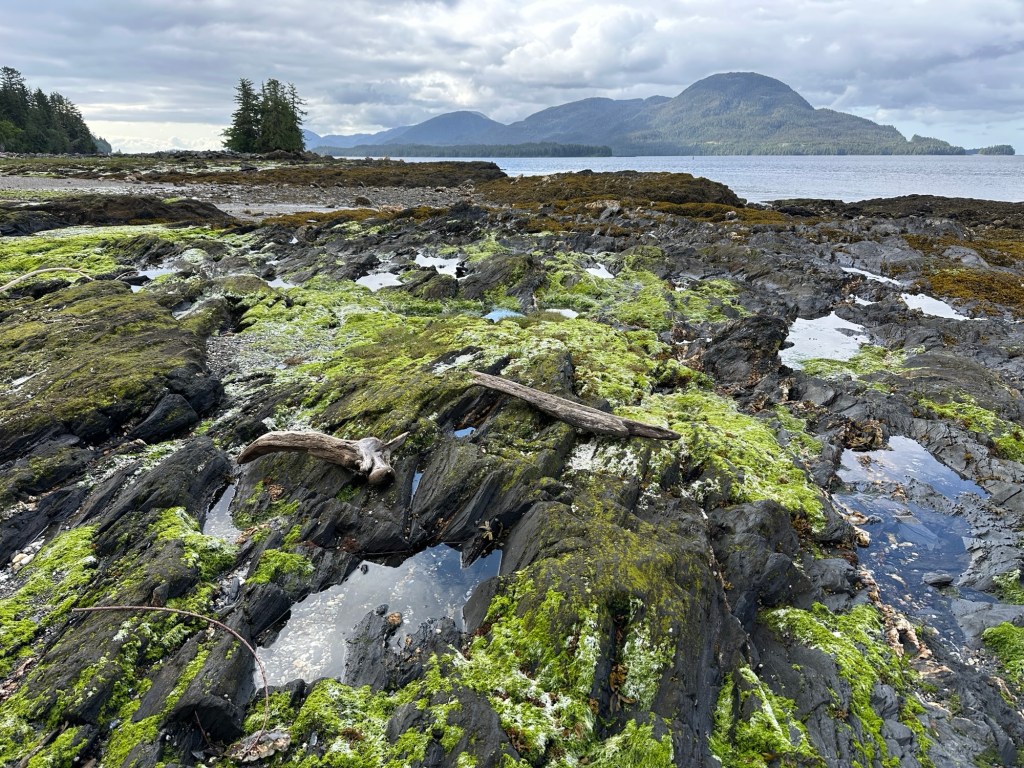
Our first stop is at a beautiful beach park with lots of interesting looking formations at the shore. It is at this park I see my first bald eagle of the day.
We head to wildlife observation spot where another tour guide is using food to attract birds to the area. We are collectively not fans of this so we decided to try again later.
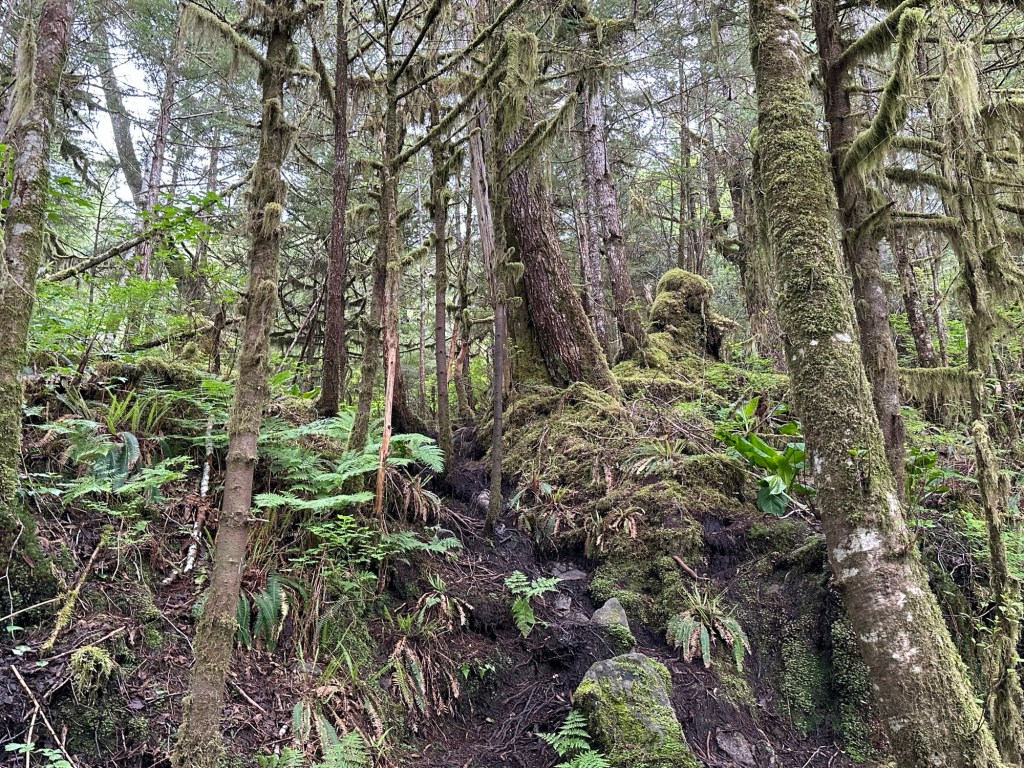
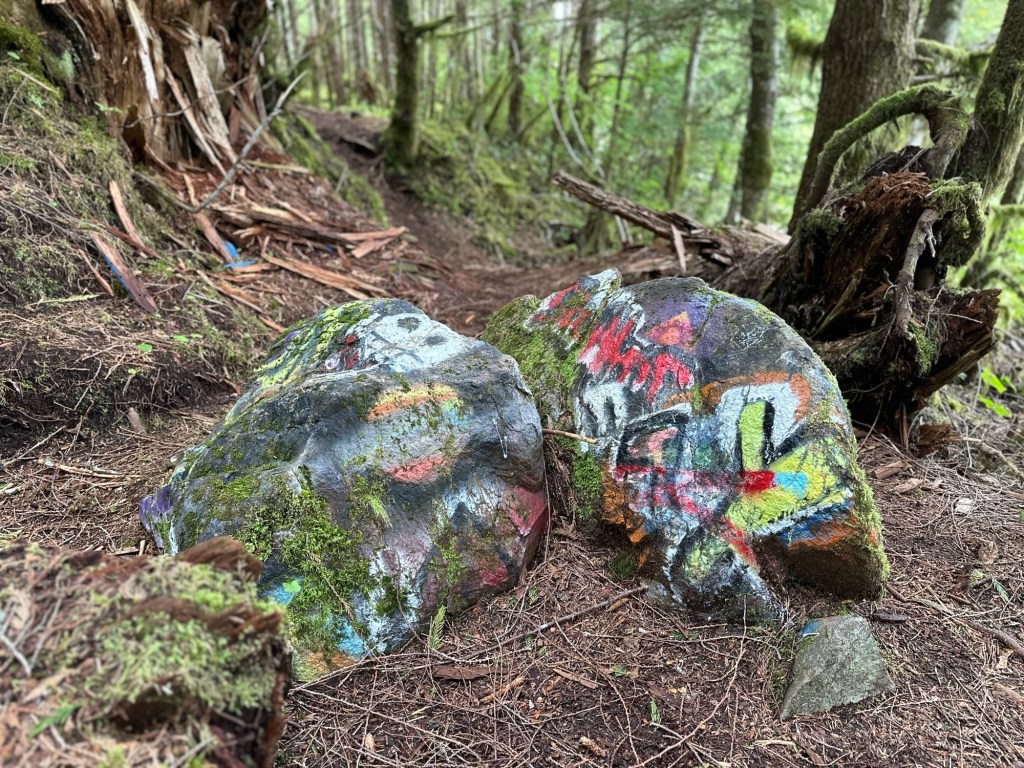
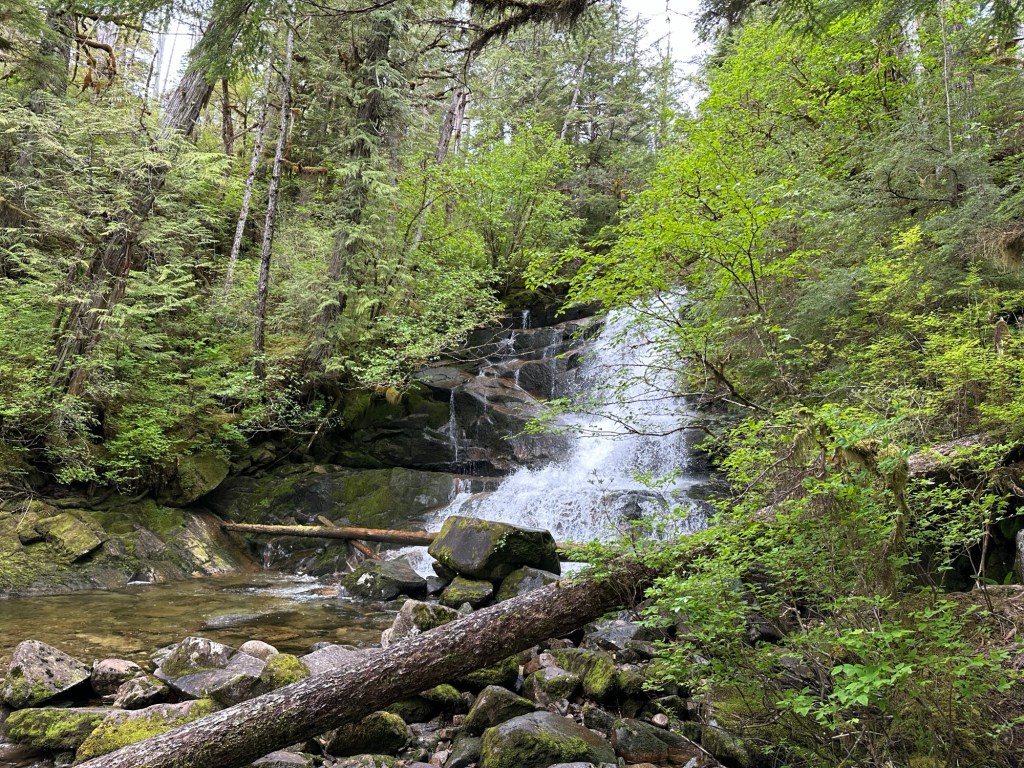
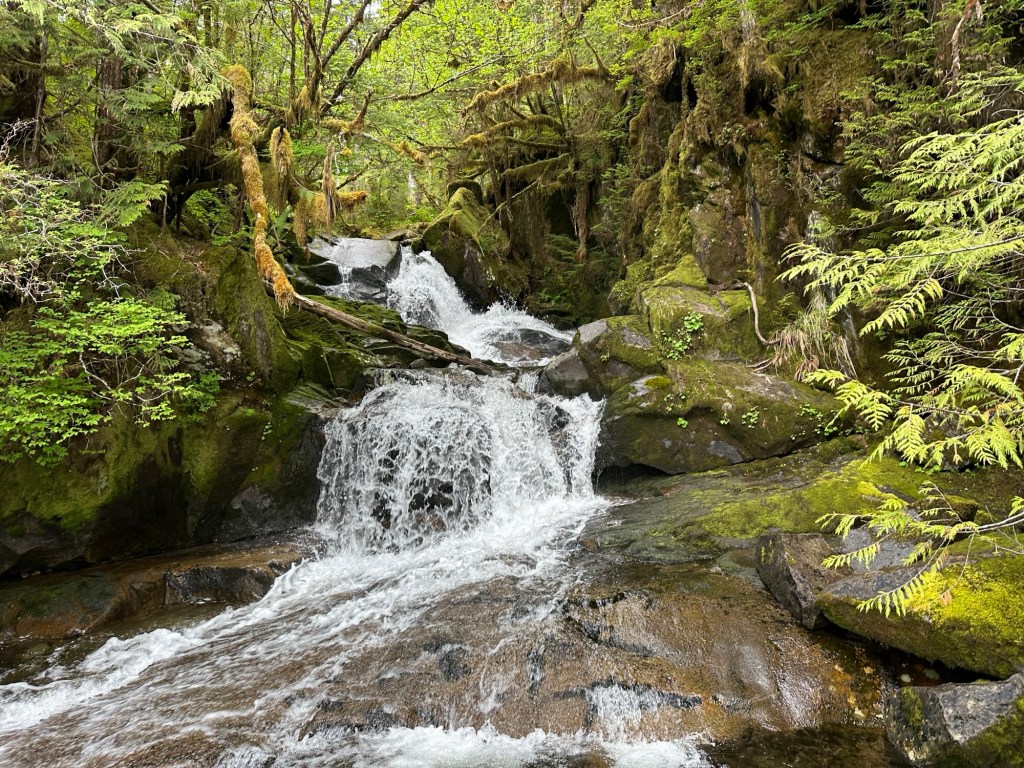
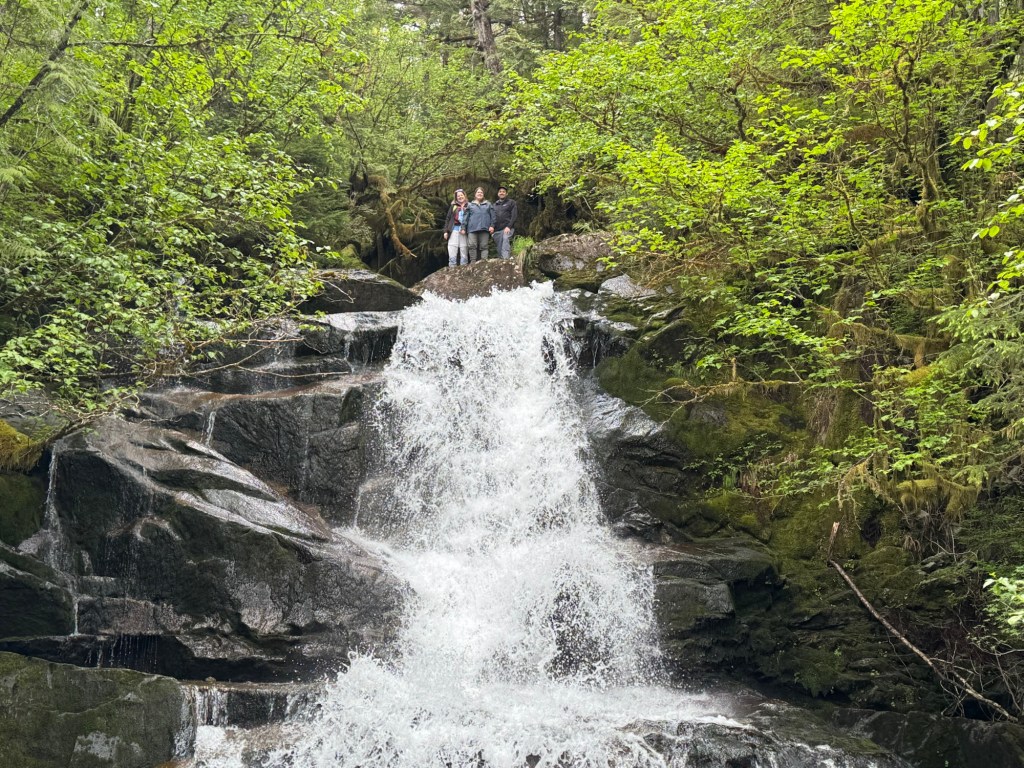
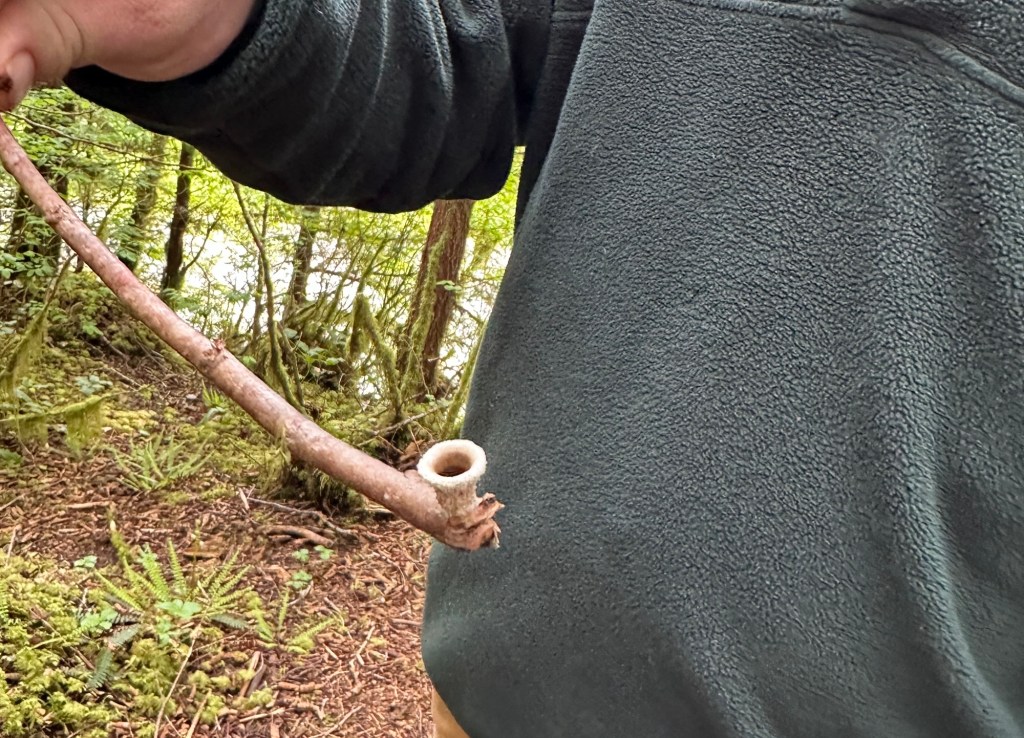
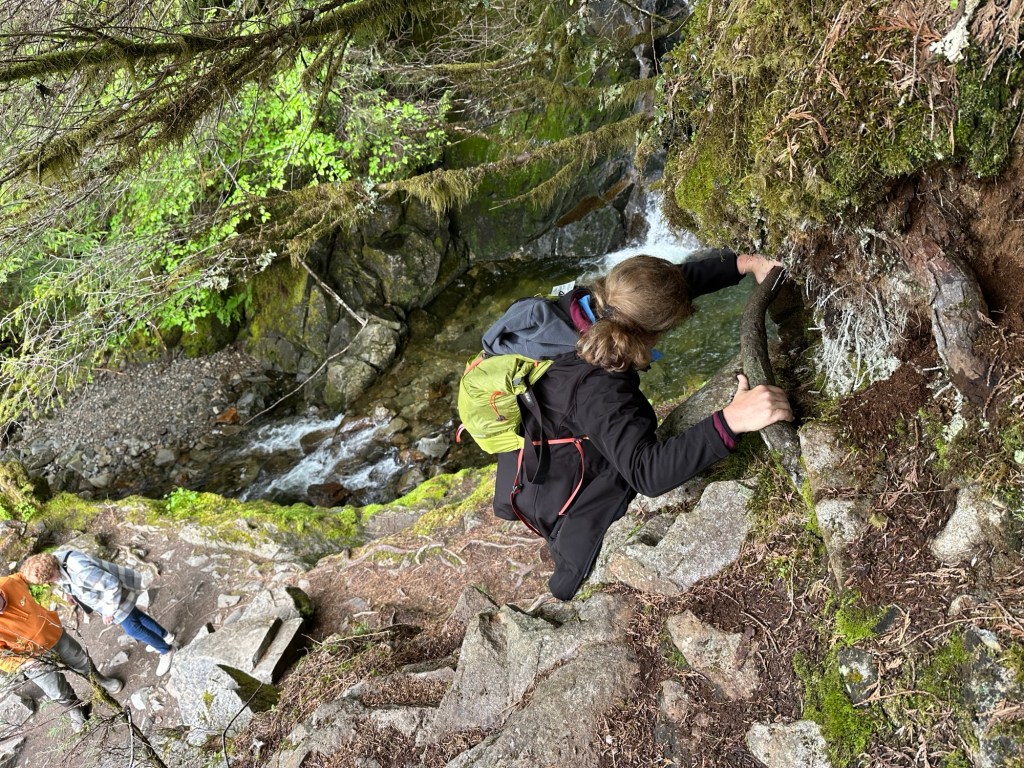
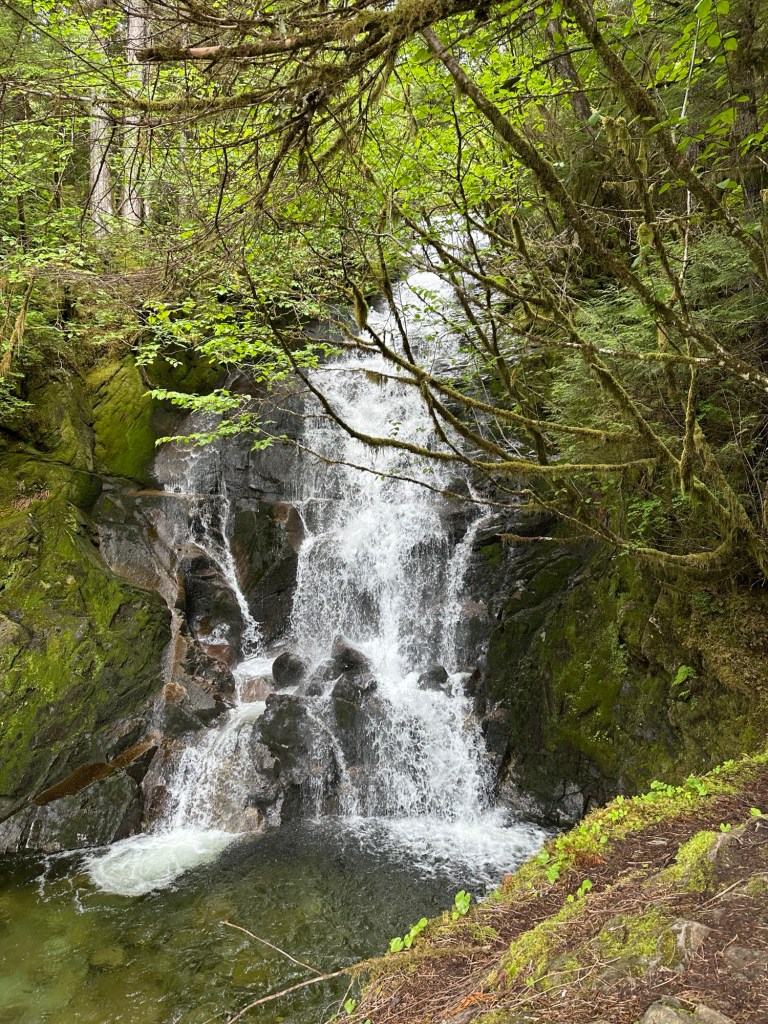
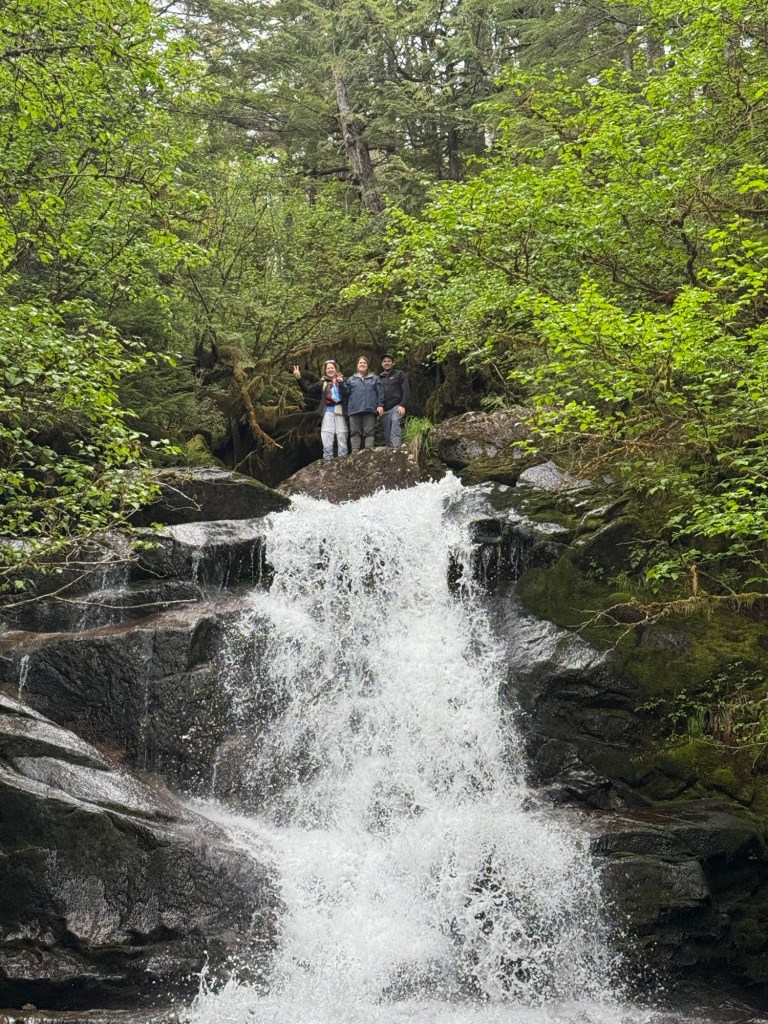
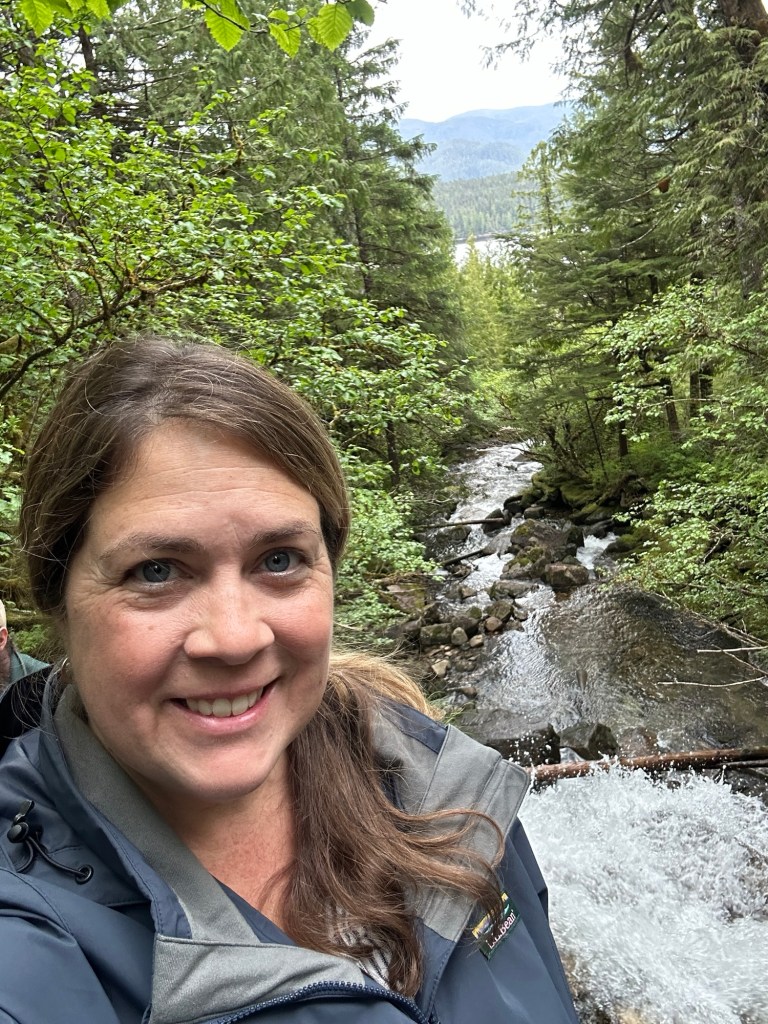
Our guide then takes us to an off-the-beaten path waterfall with and more off-the-beaten path trail. The trail is not well marked or heavily used. I am sure typical cruise passengers would not be up for taking this rustic trail to get a better waterfall view but we are wearing the right kind of shoes so we are game.
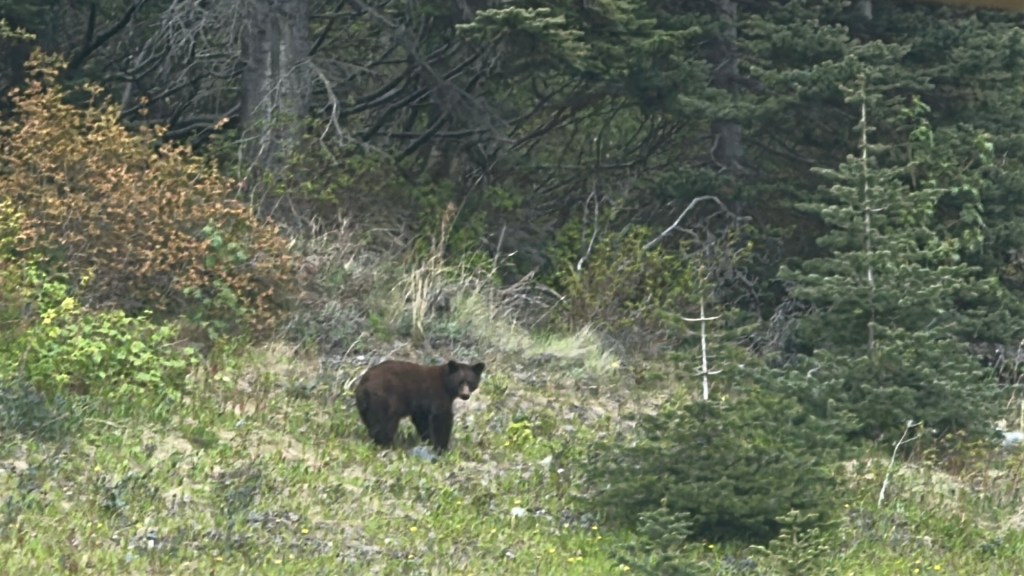
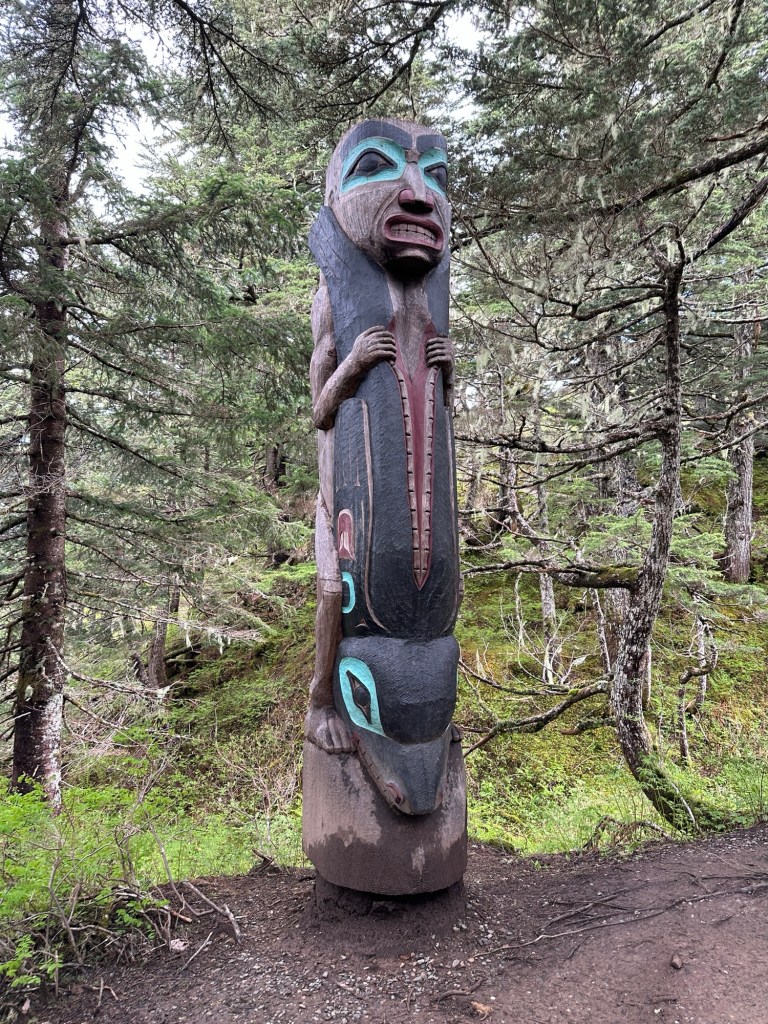
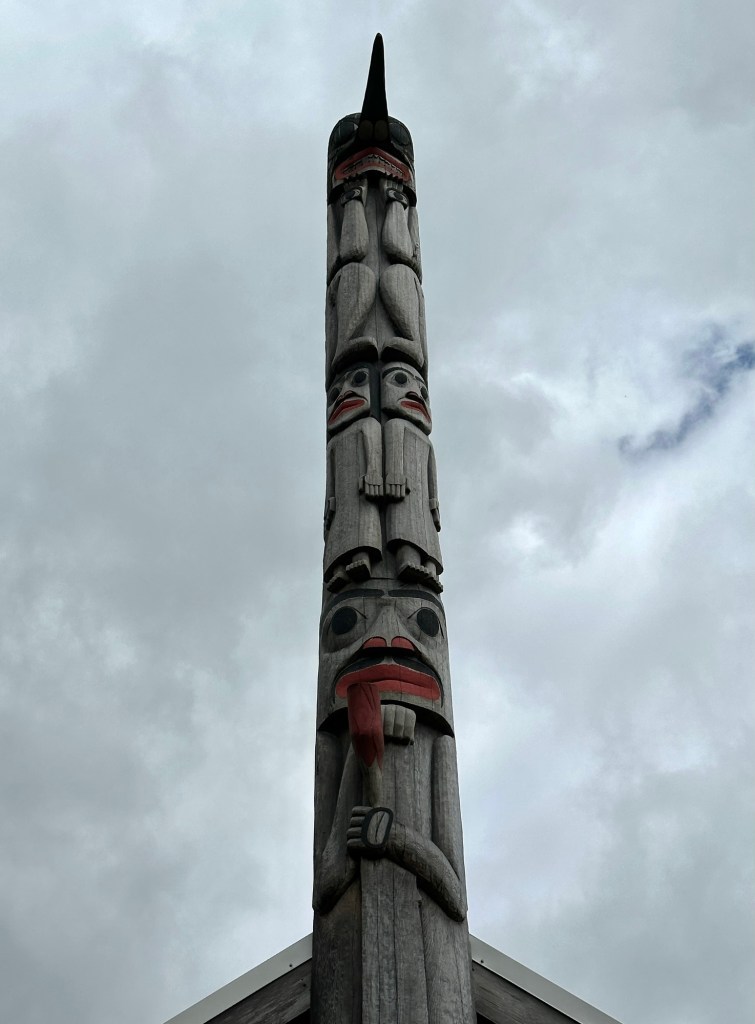
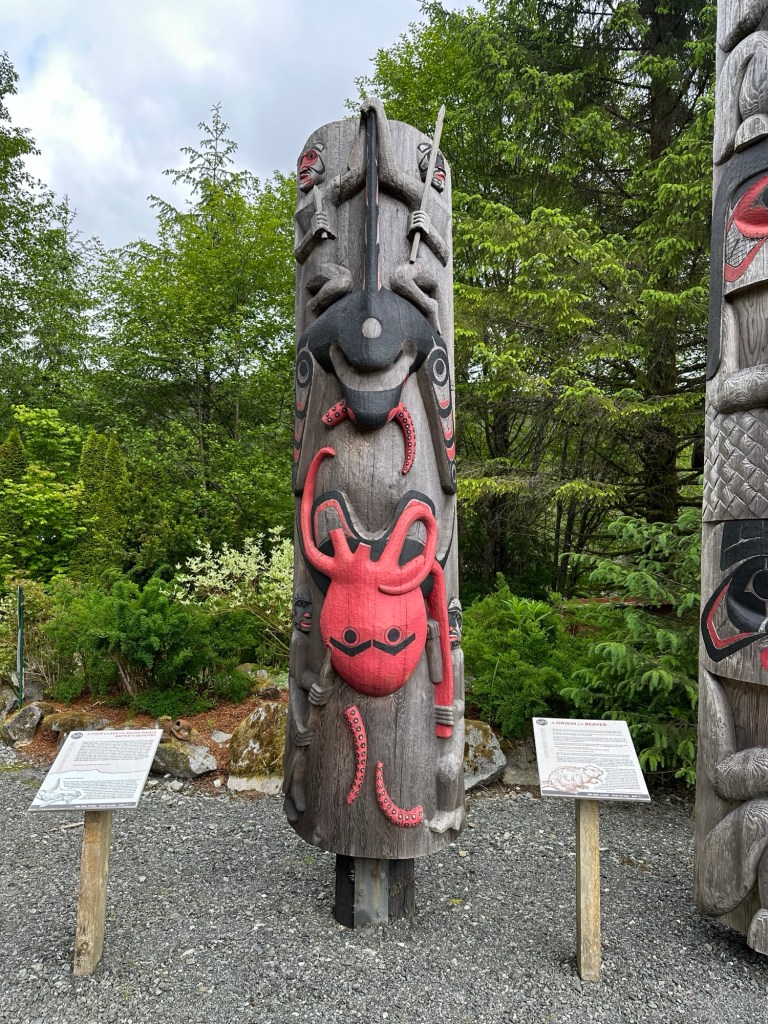
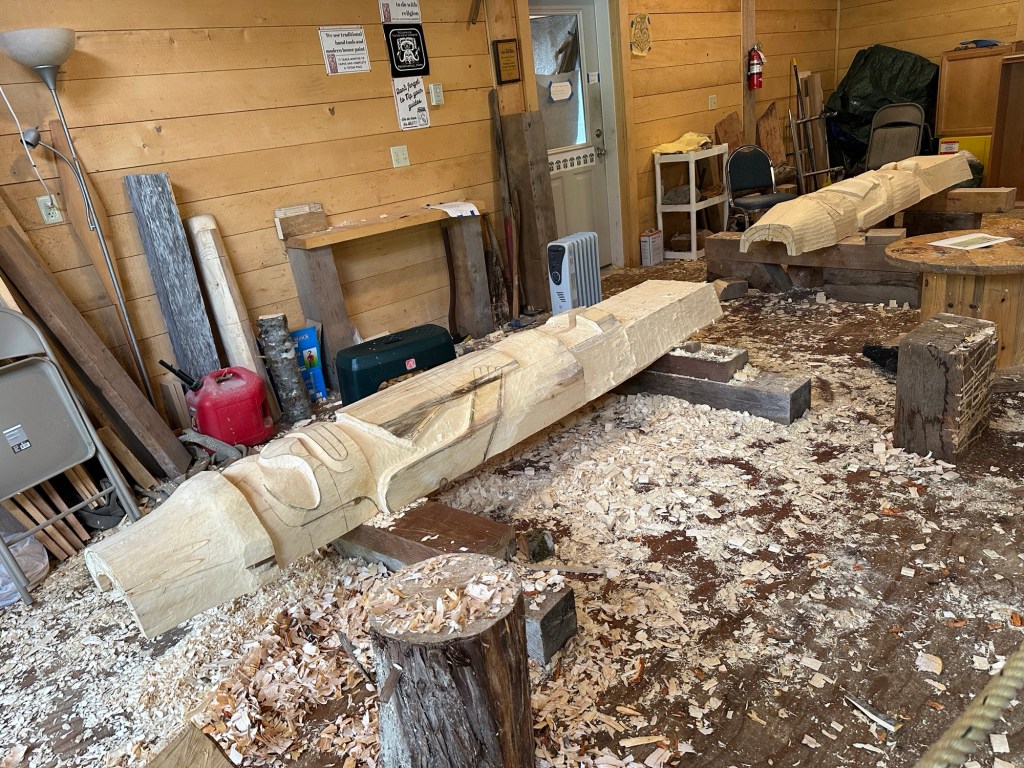
We then stop at a small totem park where we learn more about totems and the stories behind them. We also meet a local artisan who makes knives and other metal items. Unfortunately the totem carver was gone the whole time we were there but we did see a bear wandering around by the nearby river.
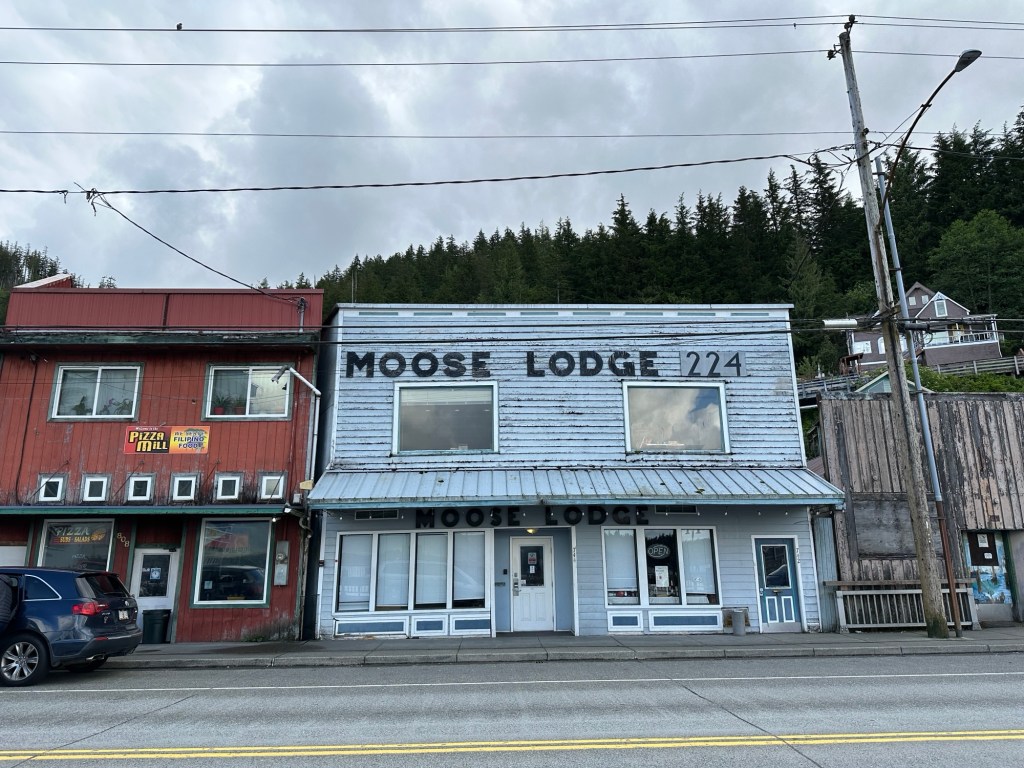
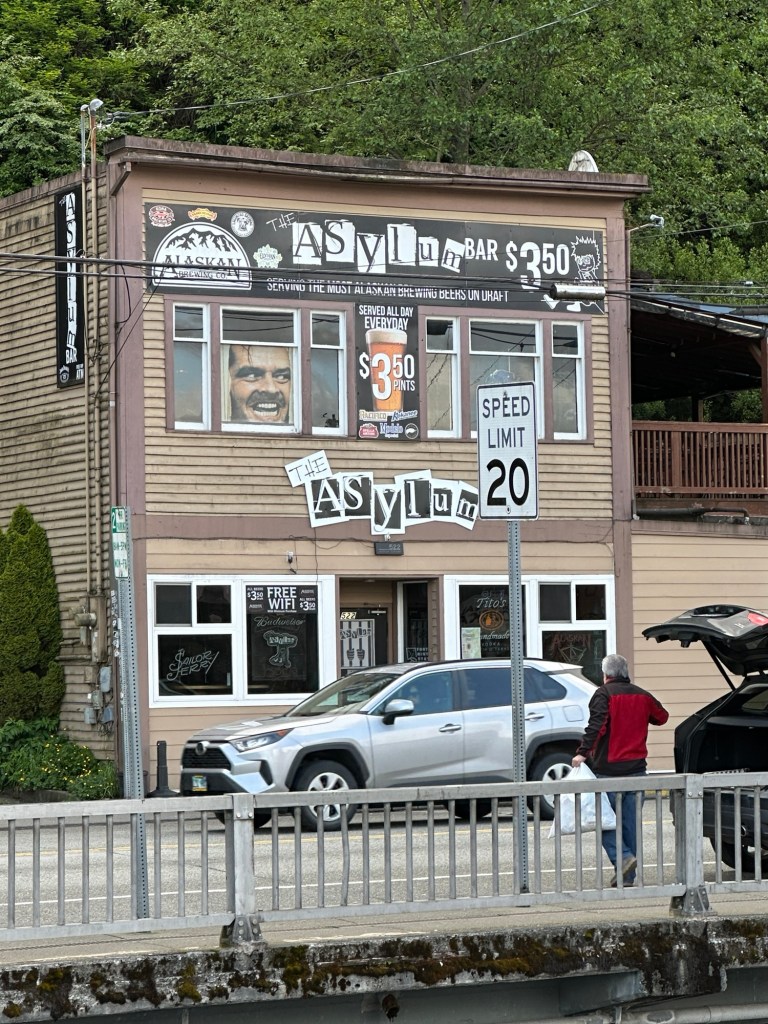
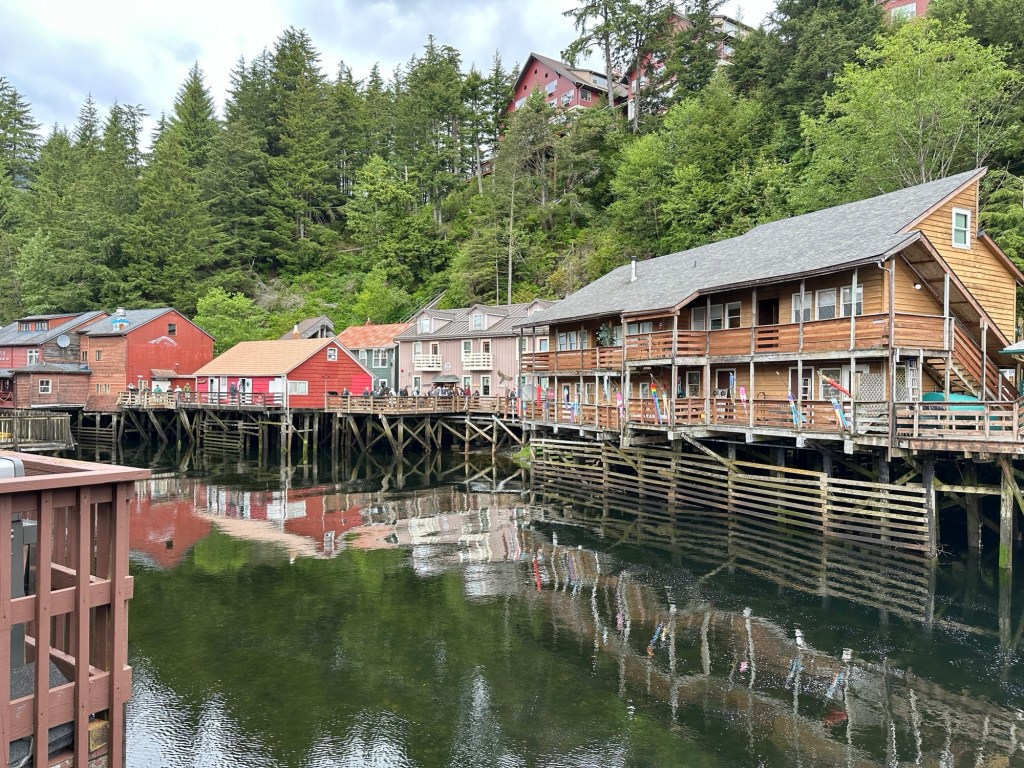
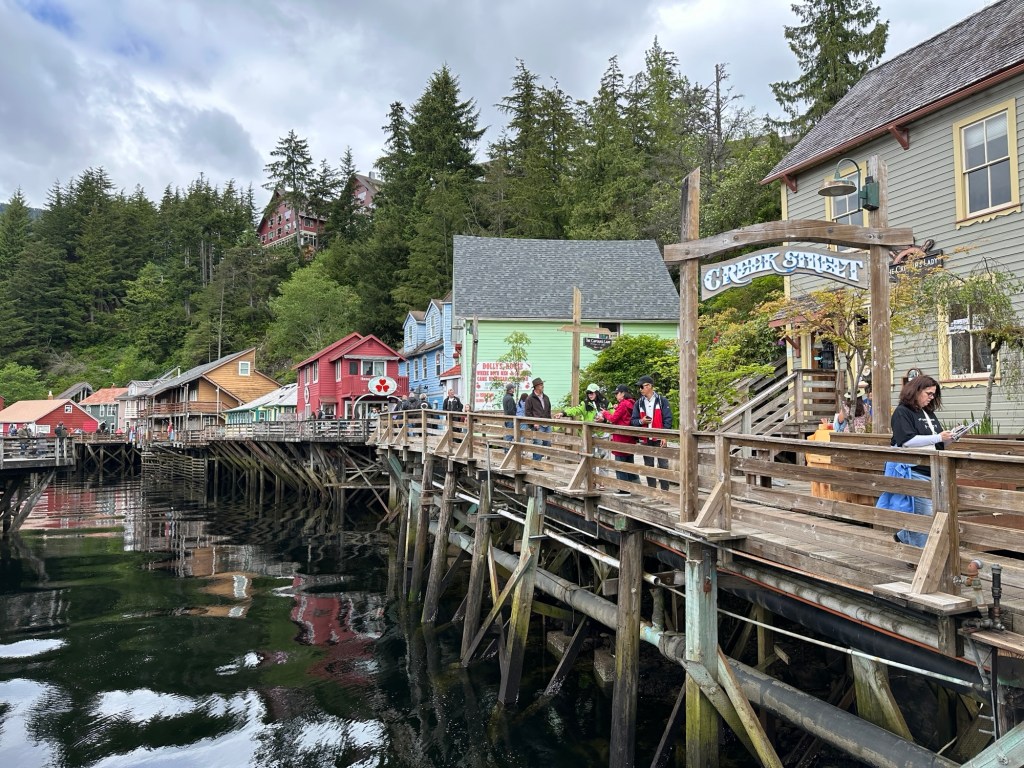
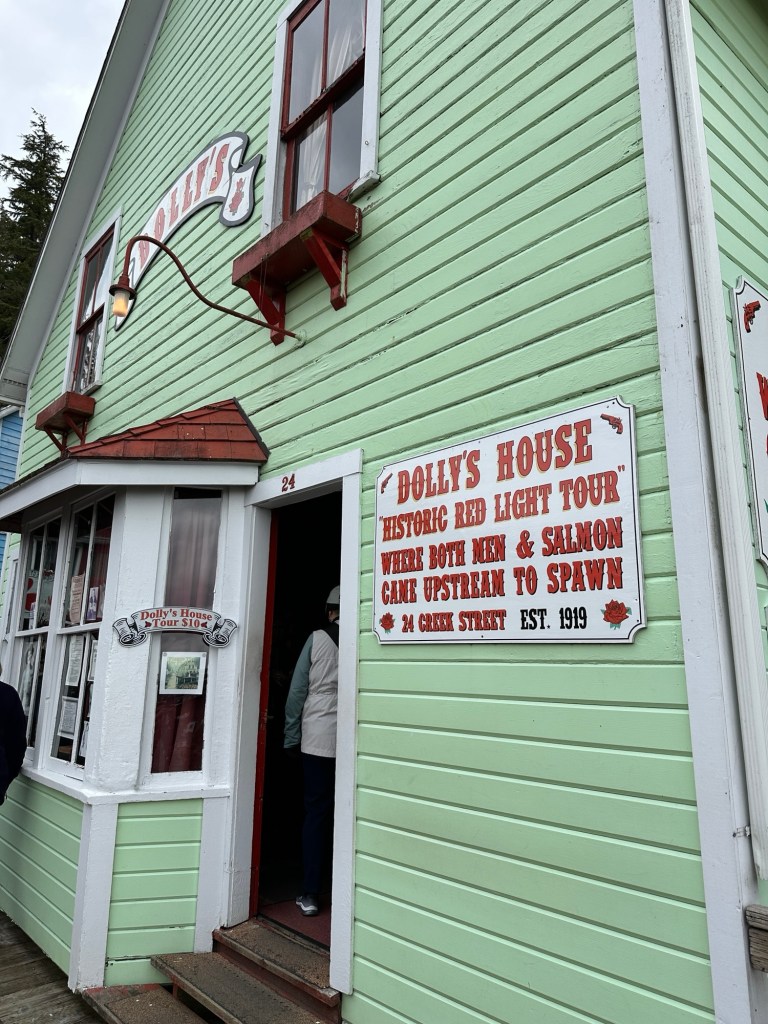
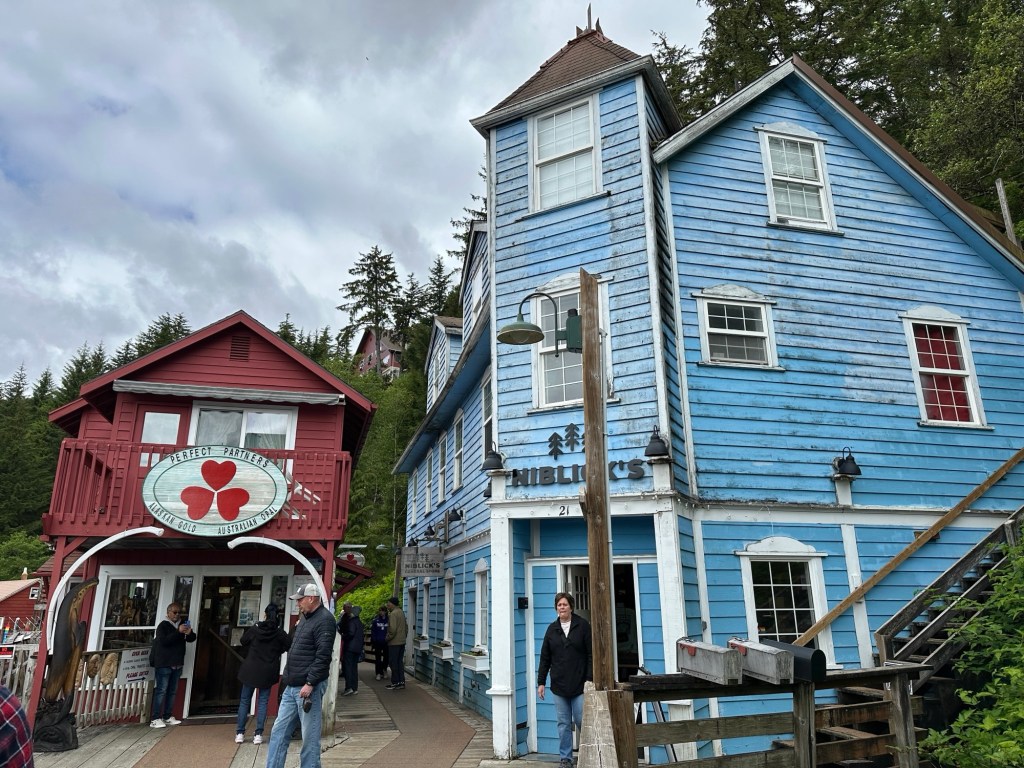
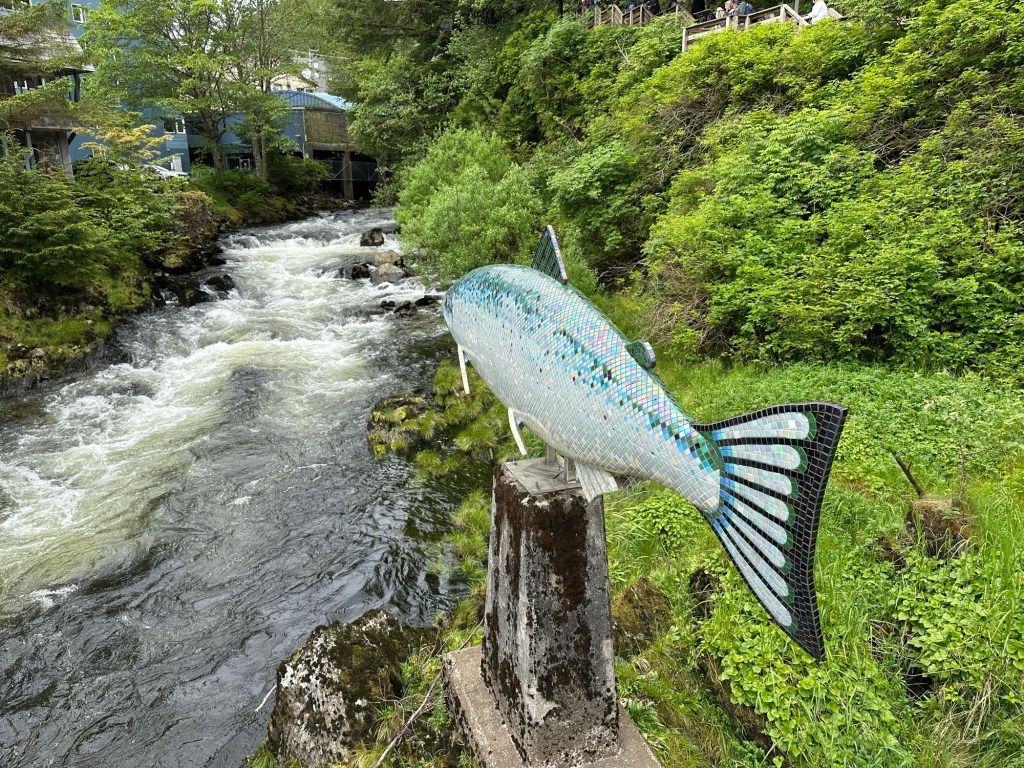
After our tour we wander around the town of Ketchikan. I stop at some stores and try some salmon samples. I only wish we were here during spawning season. I think it would be cool to watch the fish, or even bears catching fish.
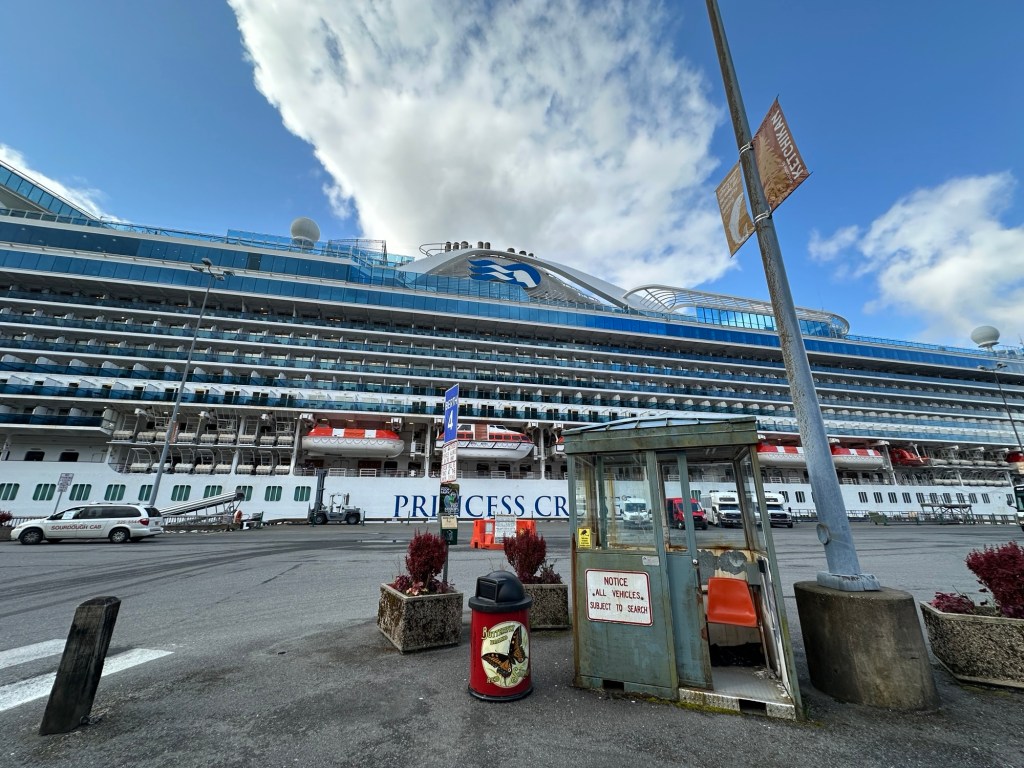
It’s time now to return to the ship. We head up to the bar at the back of the boat to get a nice view of the boat leaving the port.
Dinner and then rest up for another port day tomorrow.
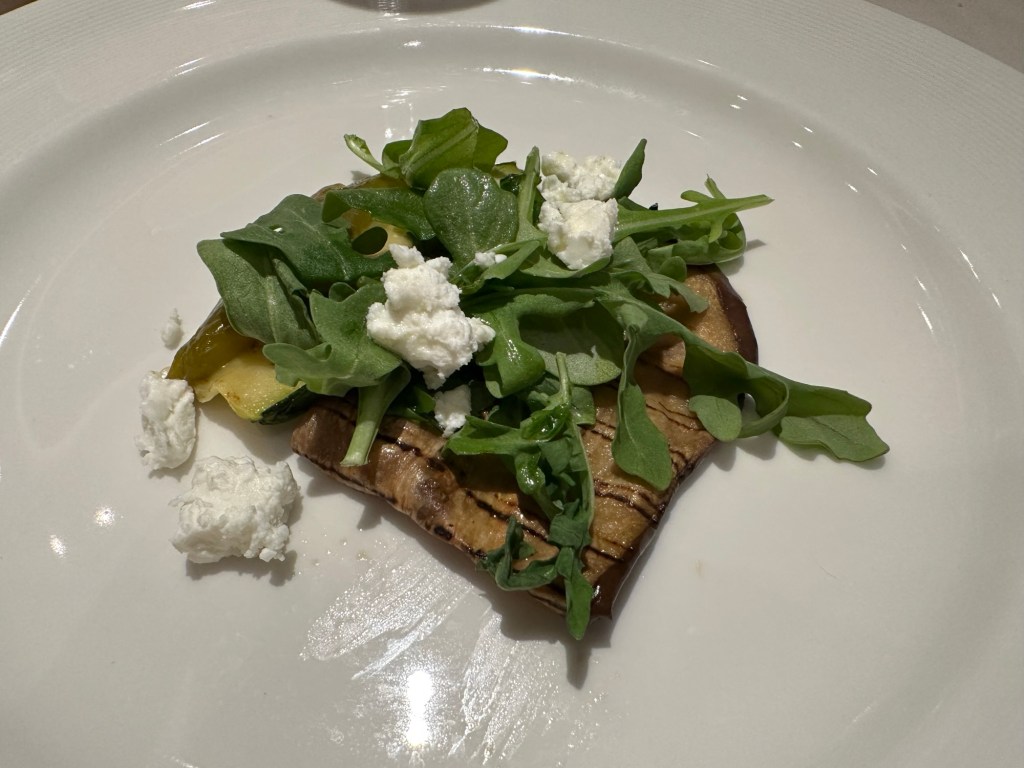
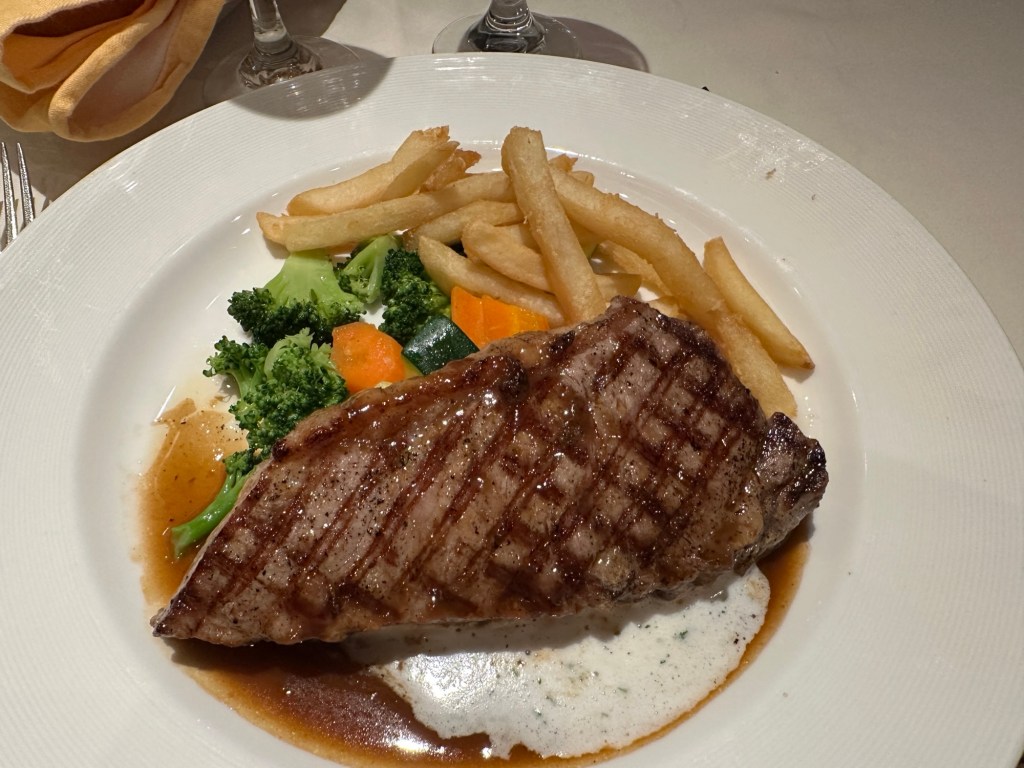
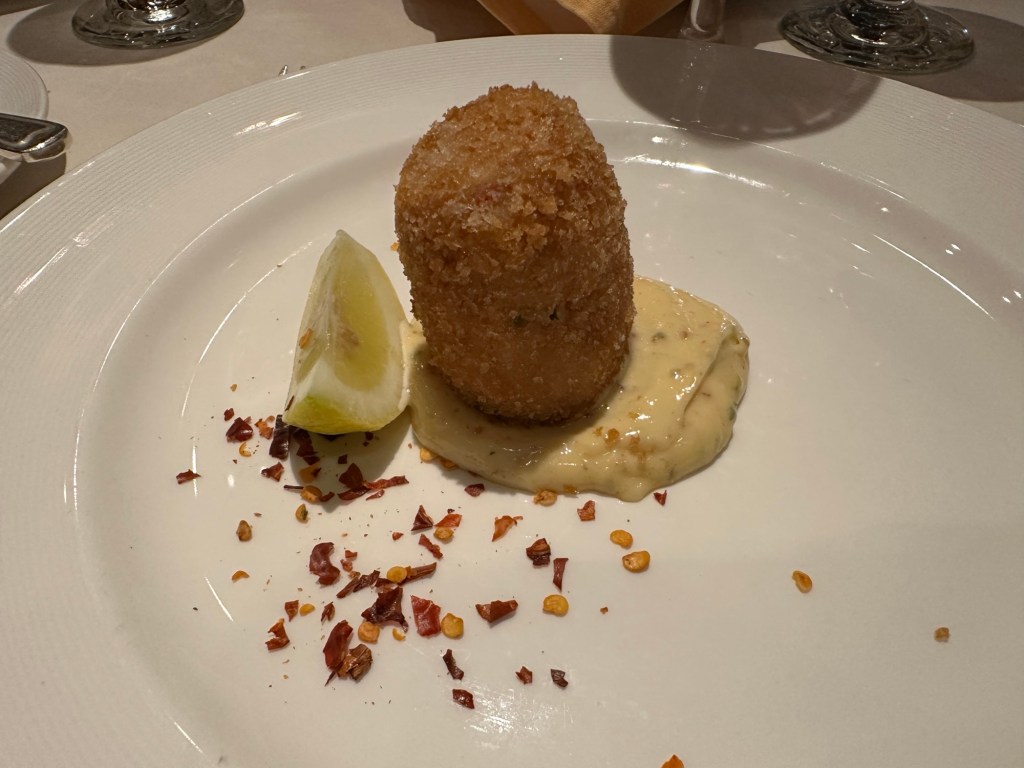
Today we board our cruise ship. My aunt drops us off with the luggage and we wait while she returns the rental car (she rented a car to do some nature excursions while we toured Vancouver). Once aboard we have some time before our room is ready so we head to the main dining for lunch. If you are not familiar with cruising, there is typically many ways on the ship to get fed. One of the more formal ways is in the main dining room where a waiter takes your order off a menu of set choices for the day. We decided it would be a good start to our cruise.
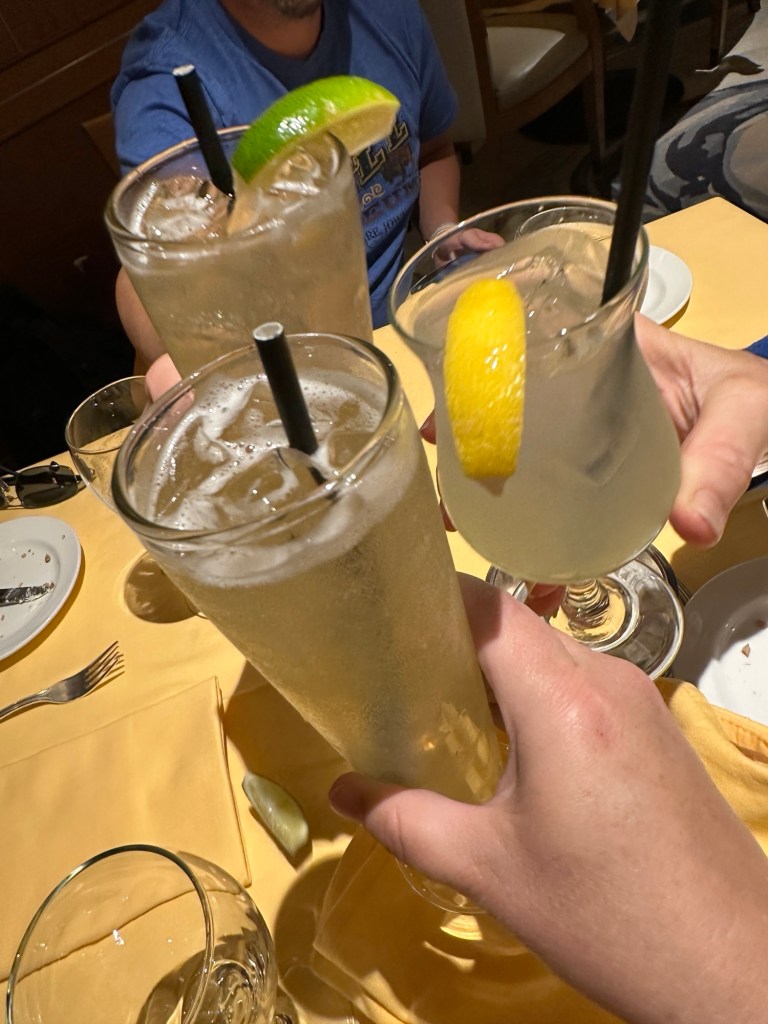
First toast of the cruise
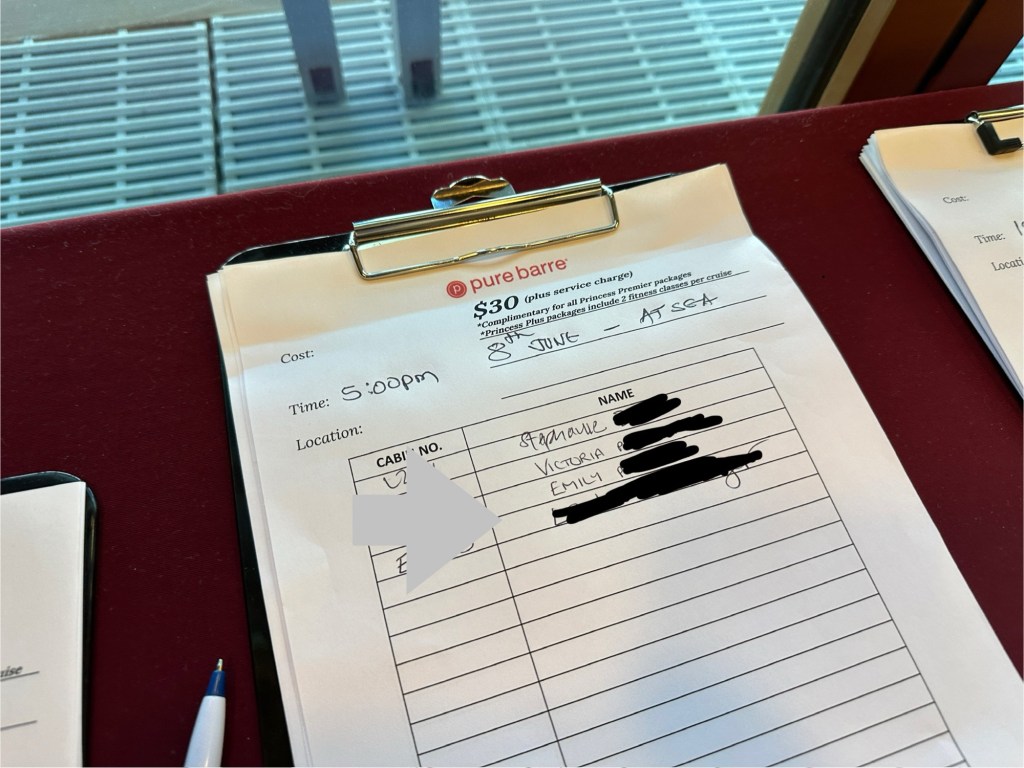
Our first day of the cruise is at sea. We are heading to Alaska and I guess it takes a while to get there. We enjoy some of what the ship has to offer. No pool time though because it is mostly too cold. I do sign up for a fitness class that kicks the crap out of me that first day.
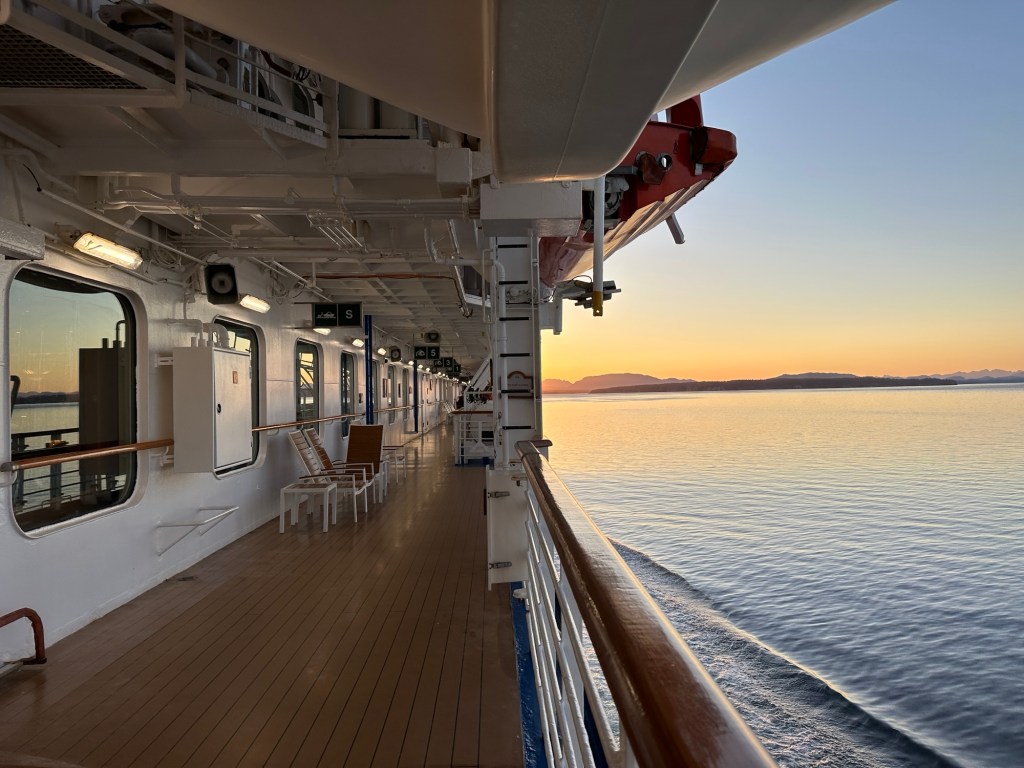
Our view
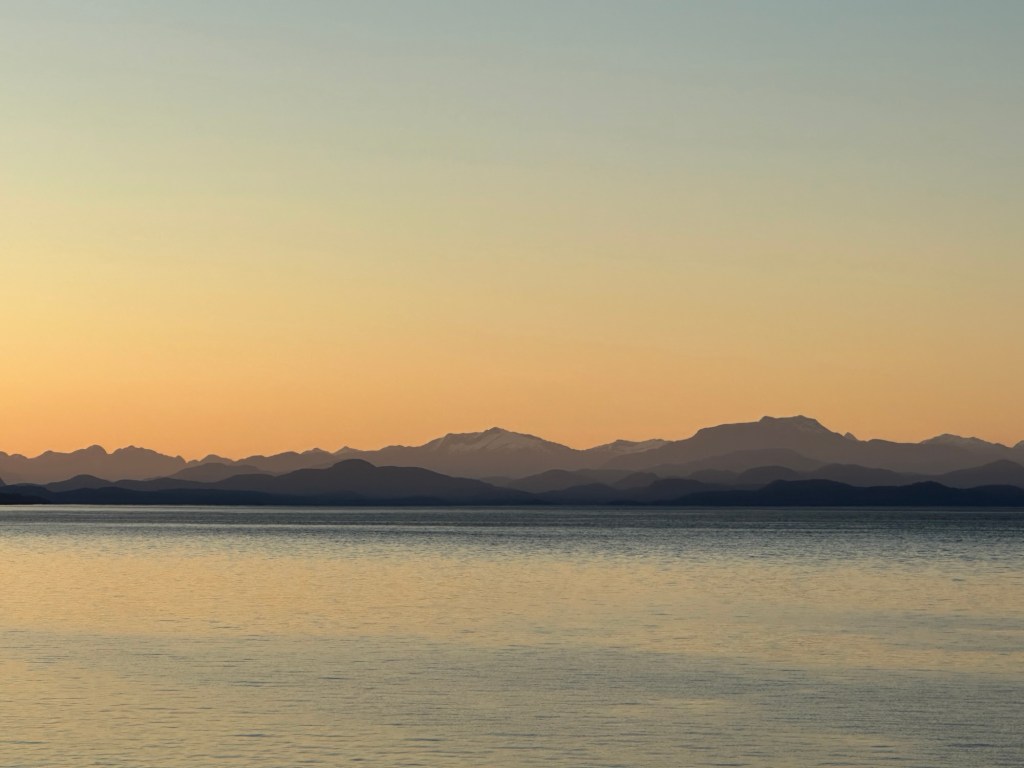
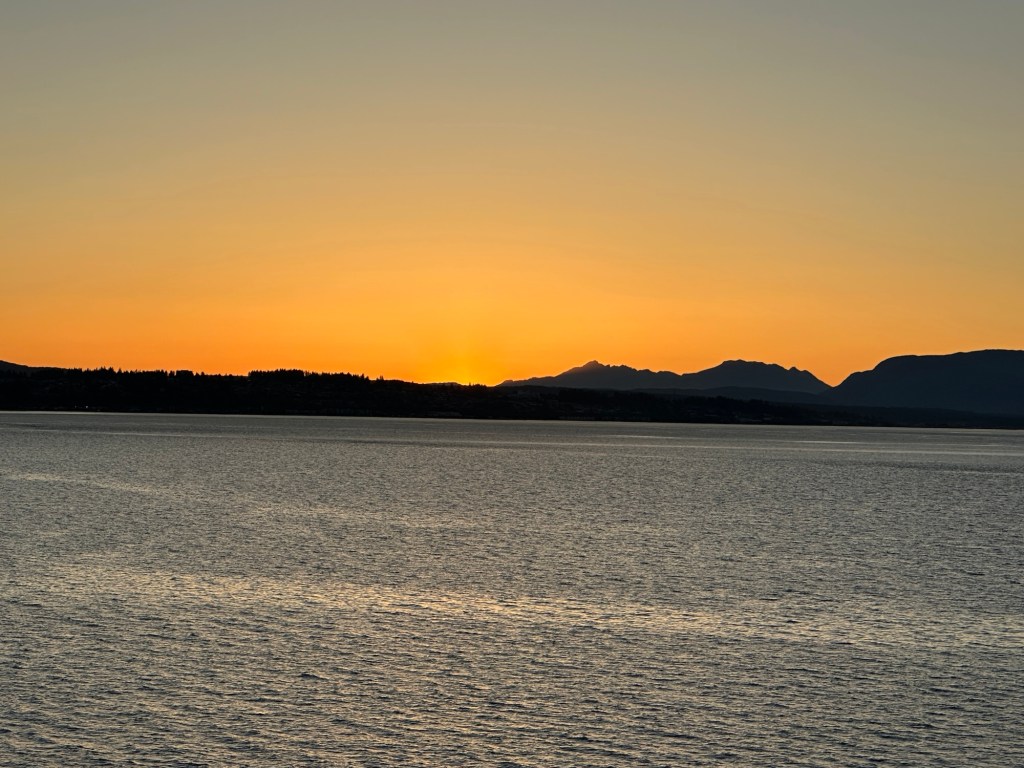
Sunsets
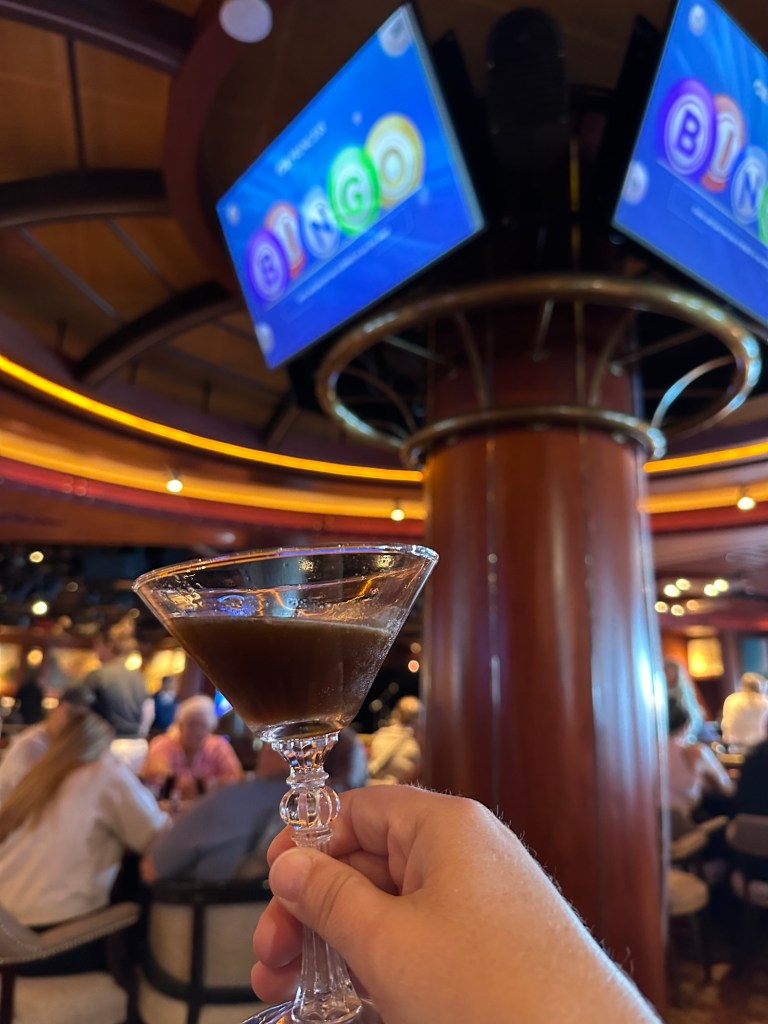
Bingo – I did not win
Dinner
First of many cheese plates in leu of dessertNighttime Fun
This summer I went on my first Alaska cruise. More on that cruise later but first I want talk about the day or so I had exploring Vancouver, Canada (British Columbia) – the starting point of the cruise. I have only been to Canada once before and that visit was to Montreal, so I am excited to see another part of this incredibly large country that I have put off visiting for way too long. Although Vancouver has much to offer in the form of natural resources I decided to keep this visit a city exploration since I plan of spending a week observing wildlife in Alaska.
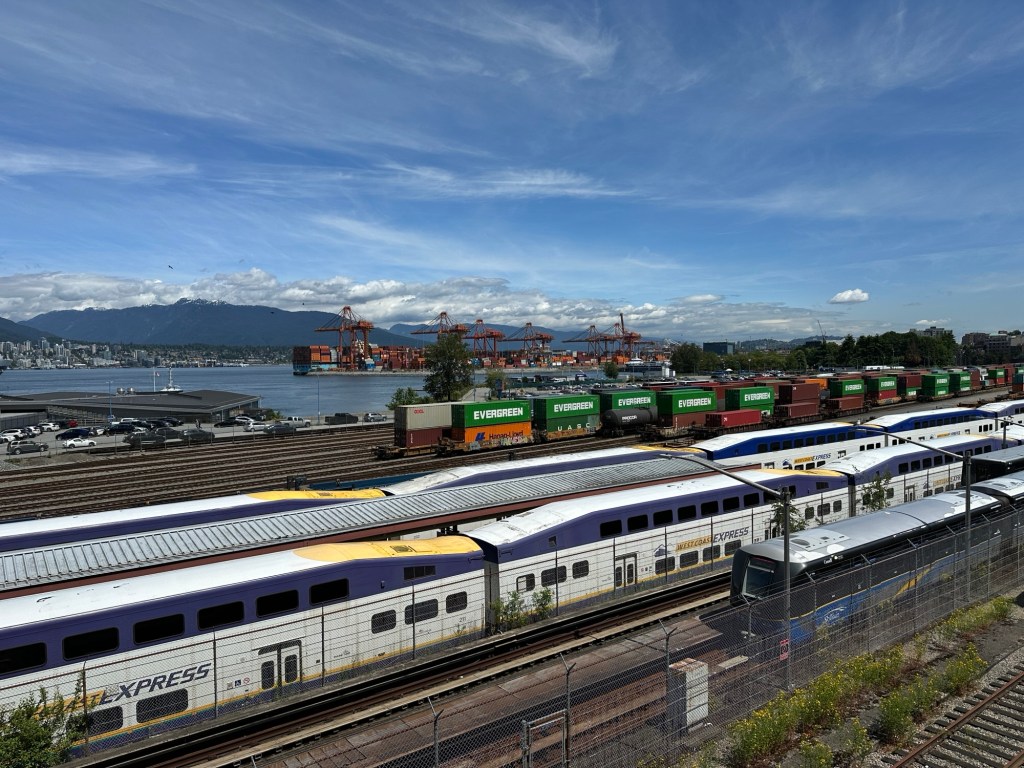
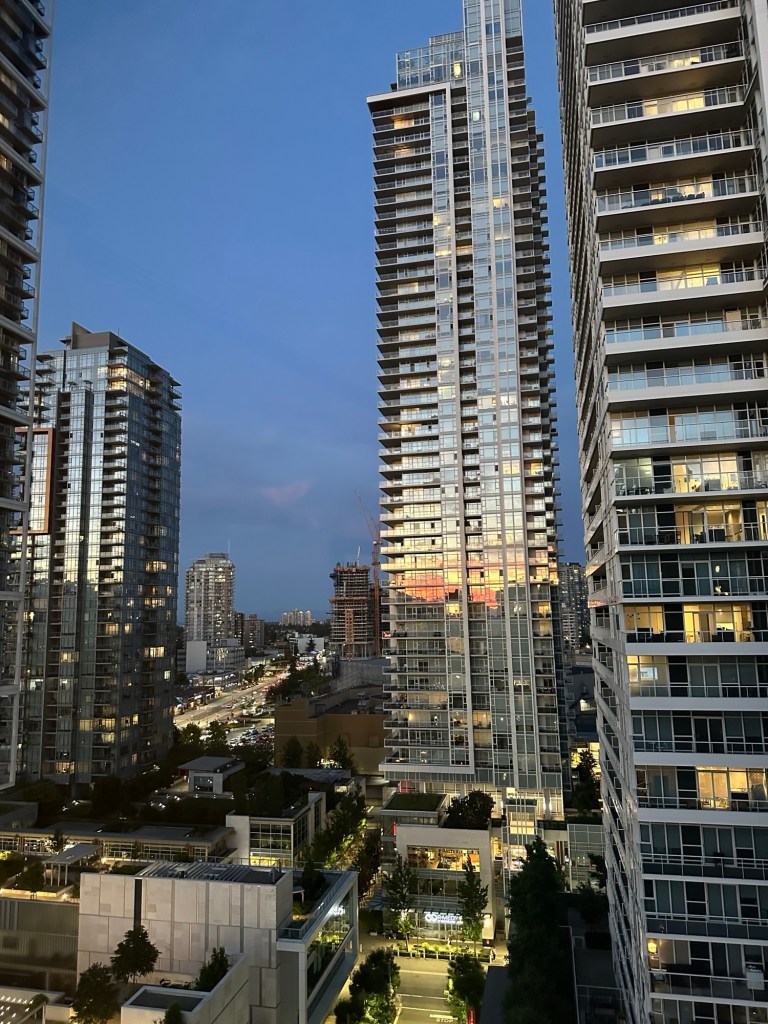
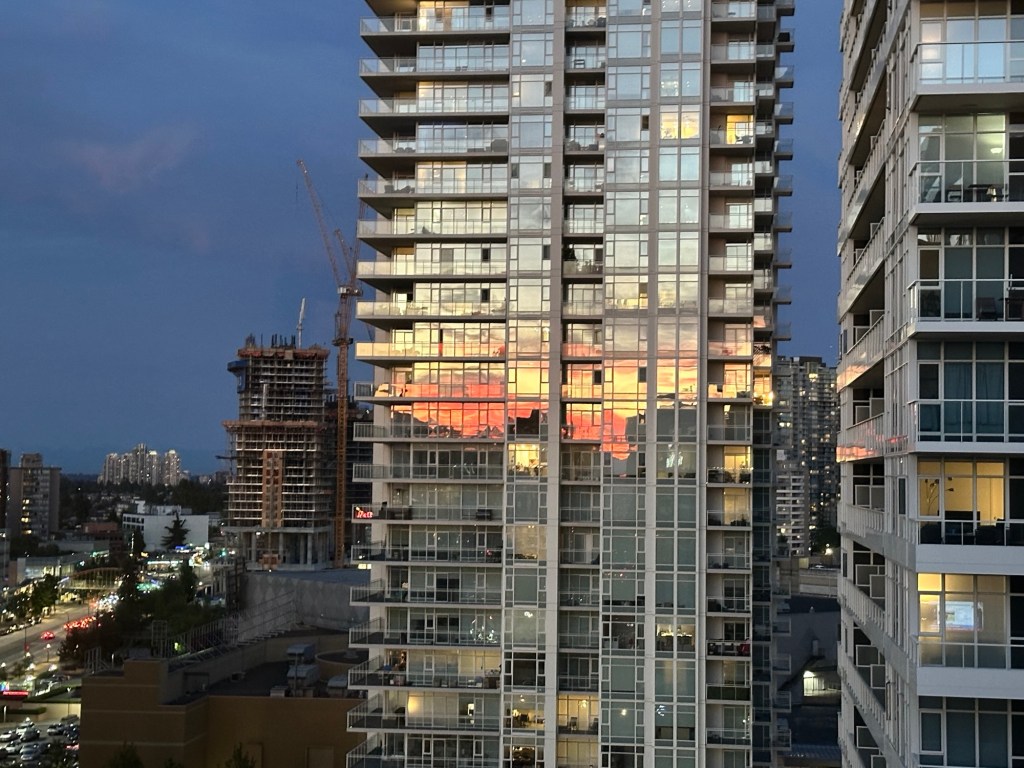
The hotel we chose is further away from the action than I want in Metrotown but I soon see that it is very convenient to get to downtown Vancouver by the elevated train. I take it a few times during my stay. I am in Vancouver with some family members but they arrive later in the evening so my first evening is exploring on my own.
Elevated Train
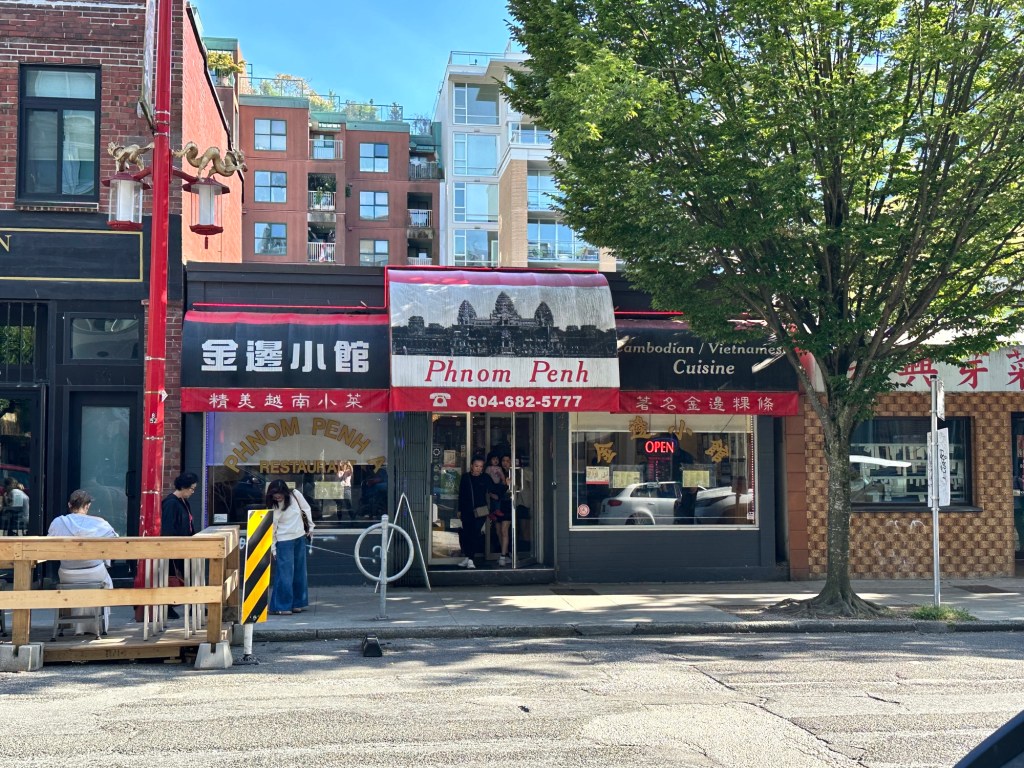
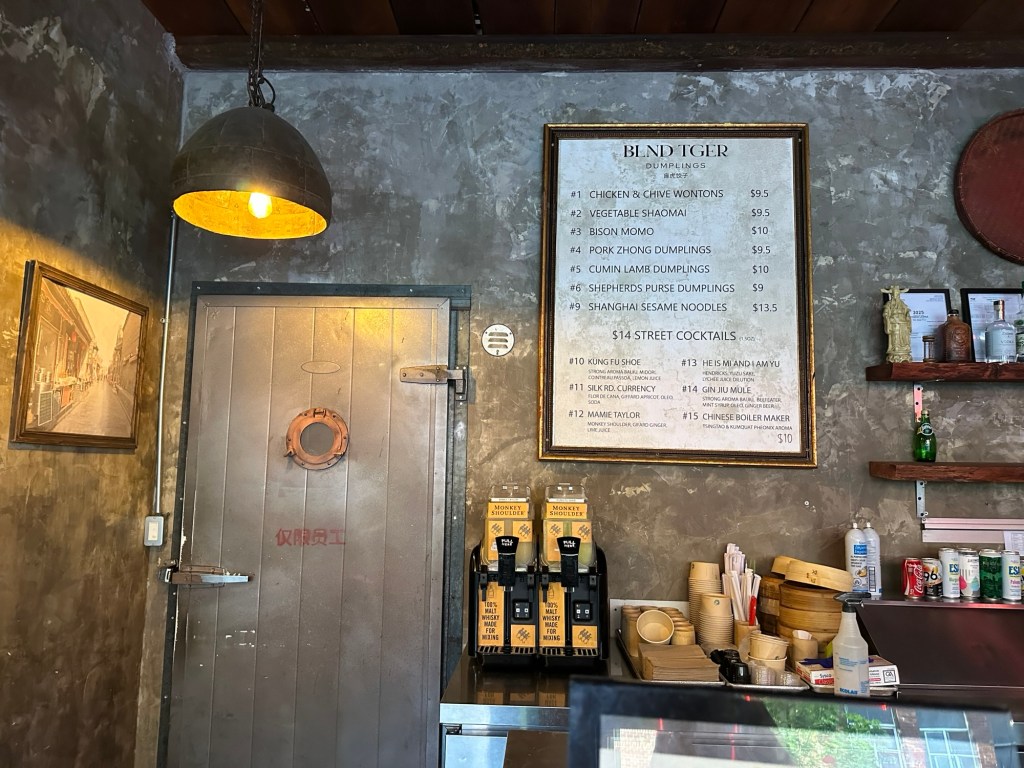
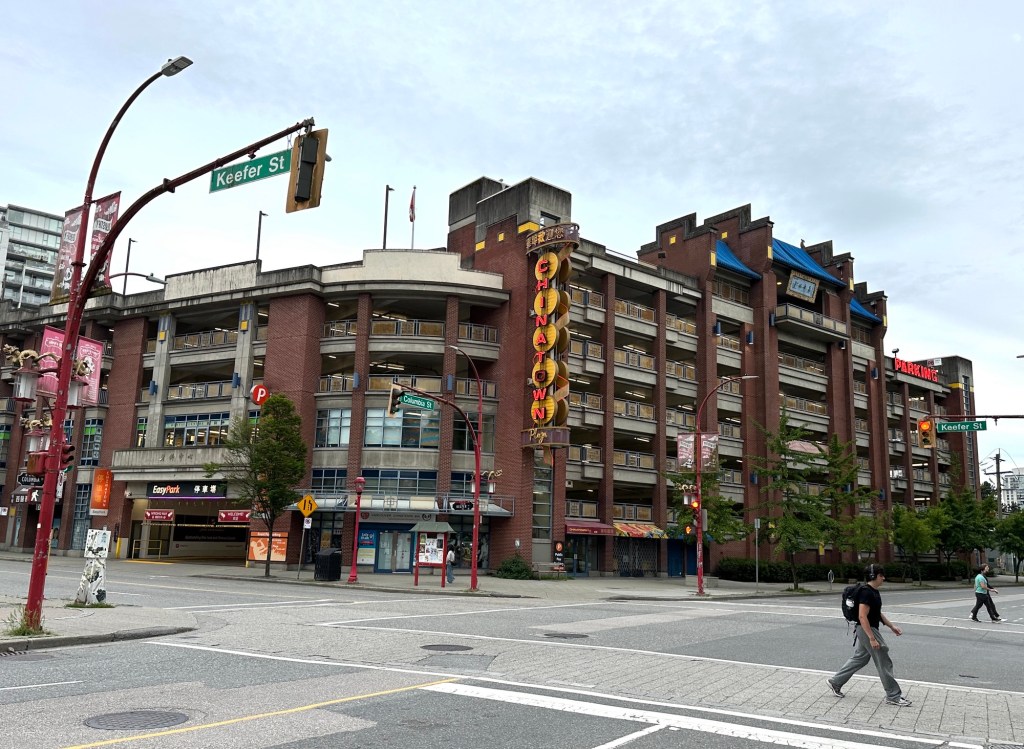
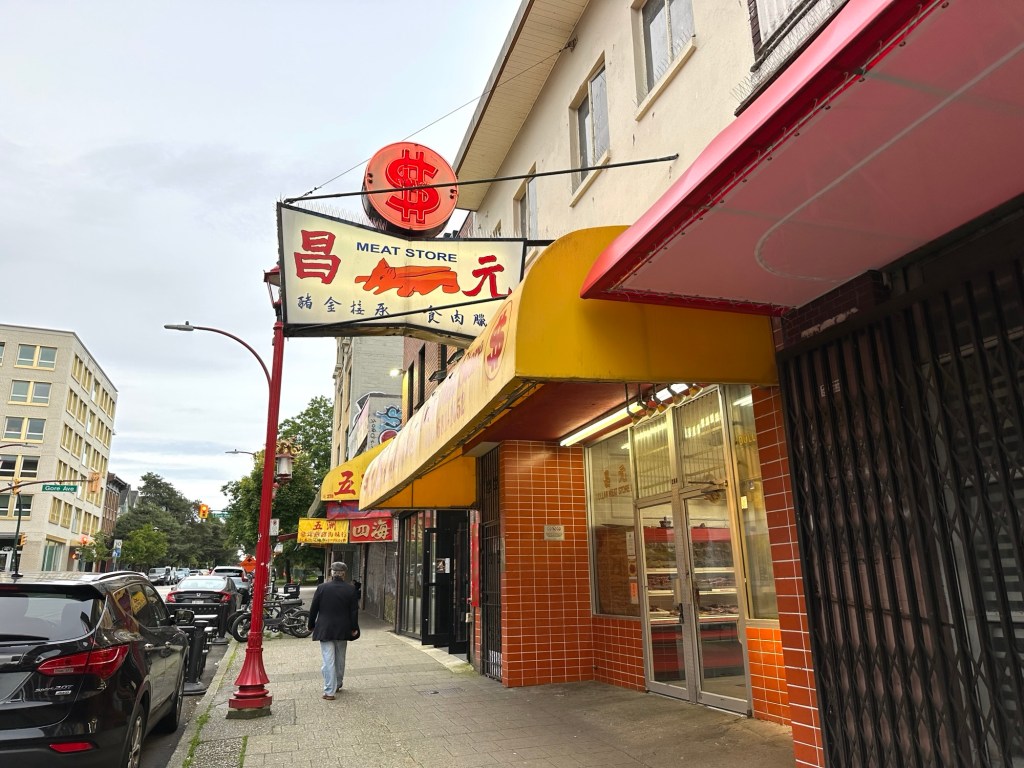
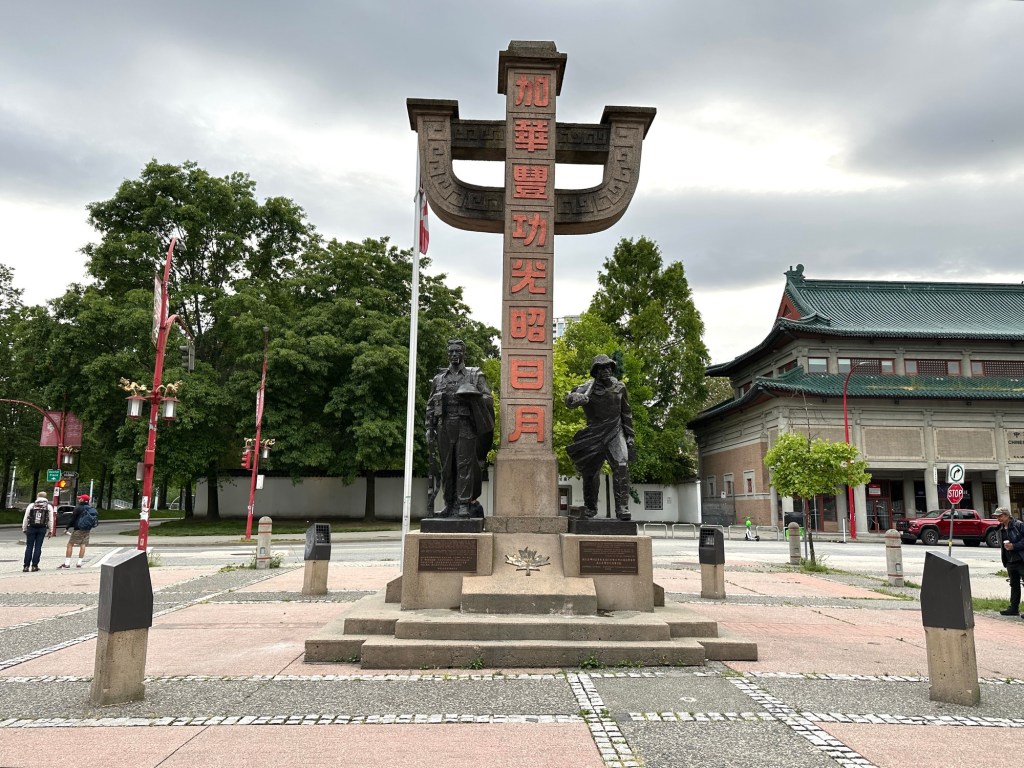
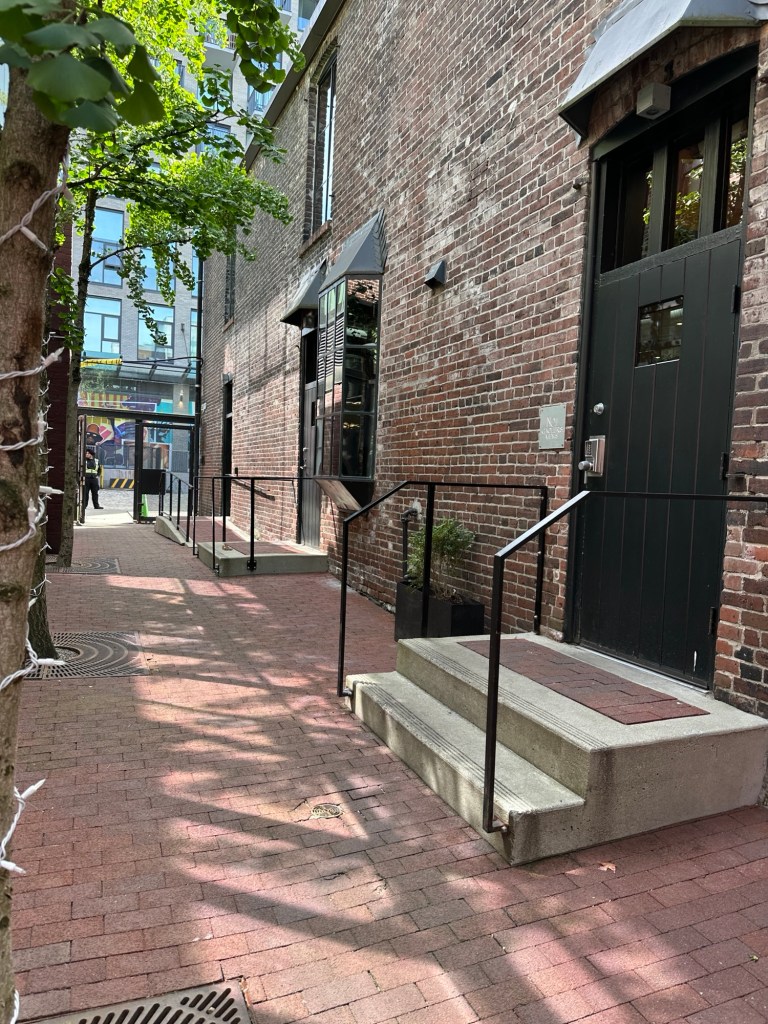
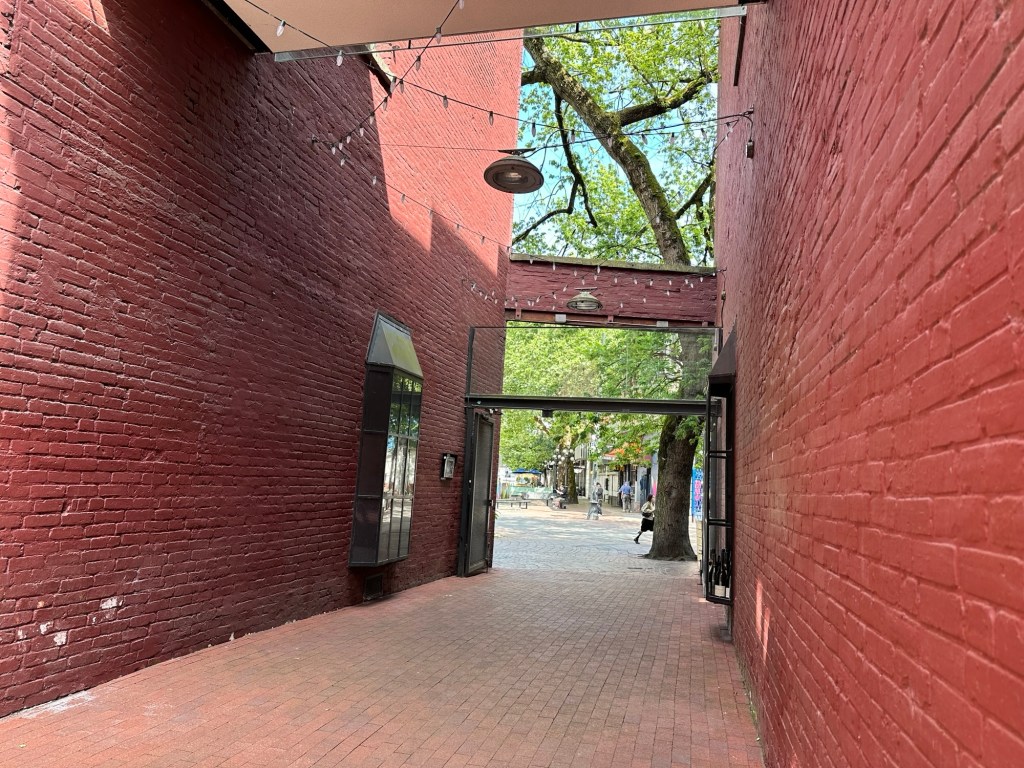
For my first evening I spend most of my time in Chinatown. It is a little rougher in this part of town but I generally feel safe. This is also the location of some good eateries and cute cafes. My first stop is the recommended Phnom Penh Restaurant, a Cambodian and Vietnamese restaurant. I knew arriving that there would probably be a wait since they don’t take reservations. I am told the wait is thirty to forty minutes and they take my phone number for when my table is ready. I wander around the neighborhood while I wait – it actually ends up being closer to sixty minutes and I would have stopped somewhere for a cocktail if I knew the wait would be that long.
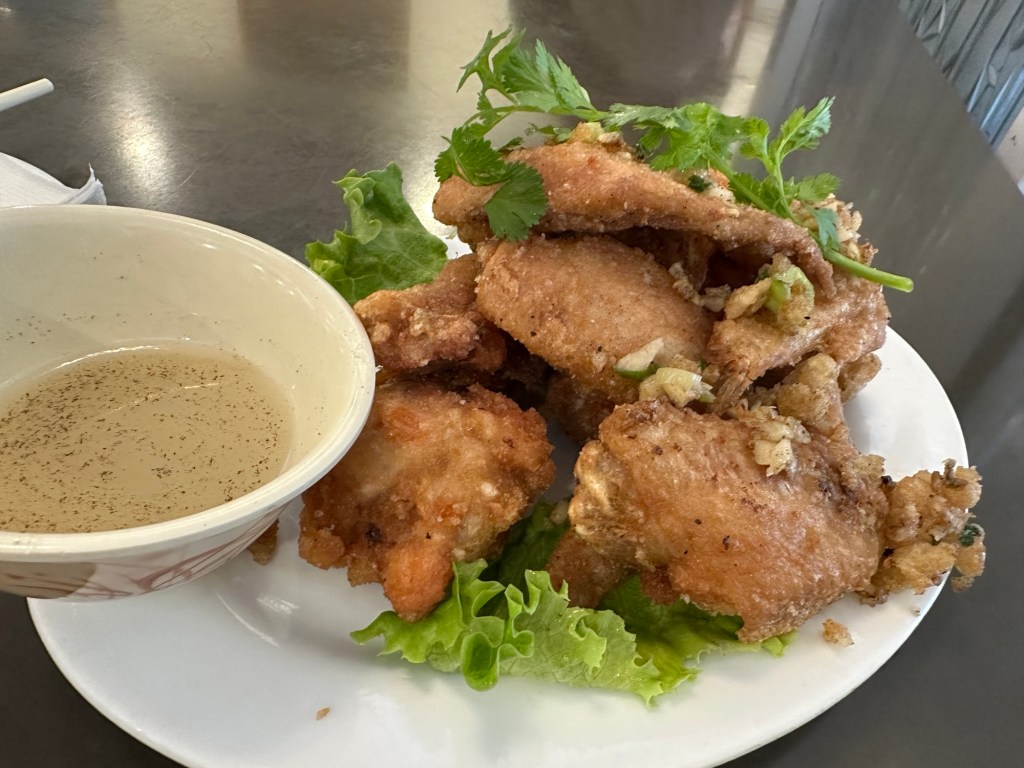
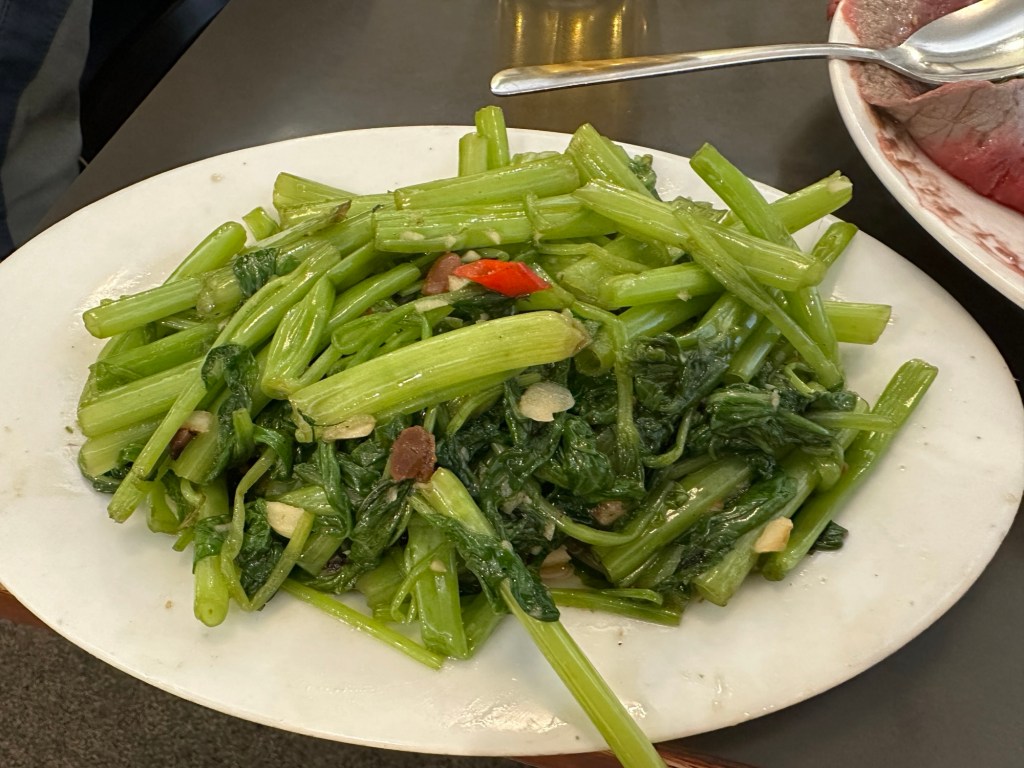
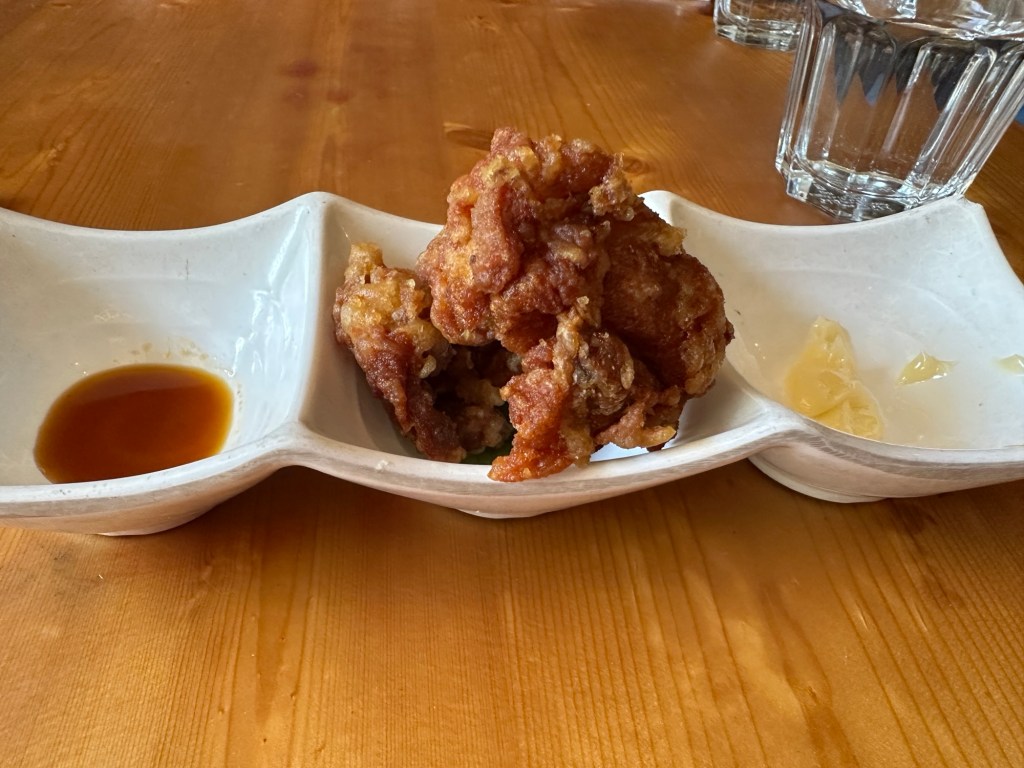
I order too much food for one person because there are many things I want to try. Everything I ordered (butter beef, water spinach, chicken wings, moo moo shake) was good and I vow to come back to try more. What I really like is that even though it is awkward to dine alone, especially at a family style Asian restaurant, they seemed to be accommodating by letting me order smaller portions of some of the dishes. A little politeness goes a long way – I am used to being treated as second class in some countries as a solo diner but they did not (although I am certain I would have gotten a table faster if I had a bigger party since there weren’t many smaller tables).
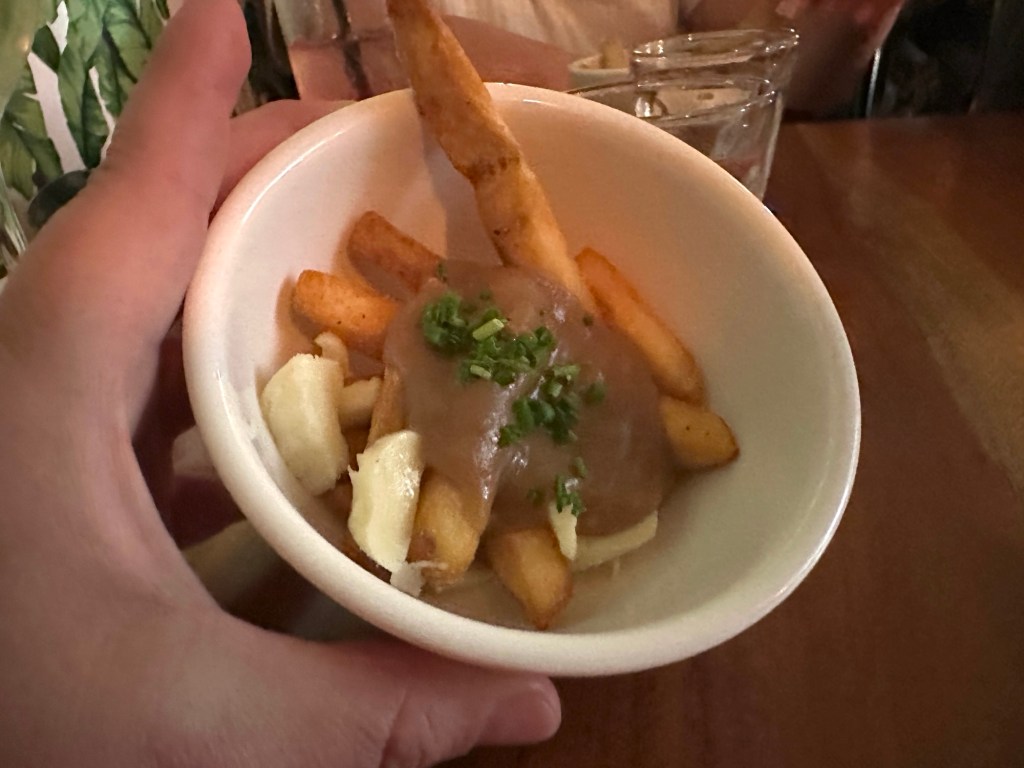
Next stop is at Laowai for a cocktail. They have an interesting food menu that I would be taking advantage of if I hadn’t just eaten a large meal.
I have a reservation at a speakeasy nearby. I walk the neighborhood while I wait for my reservation time.
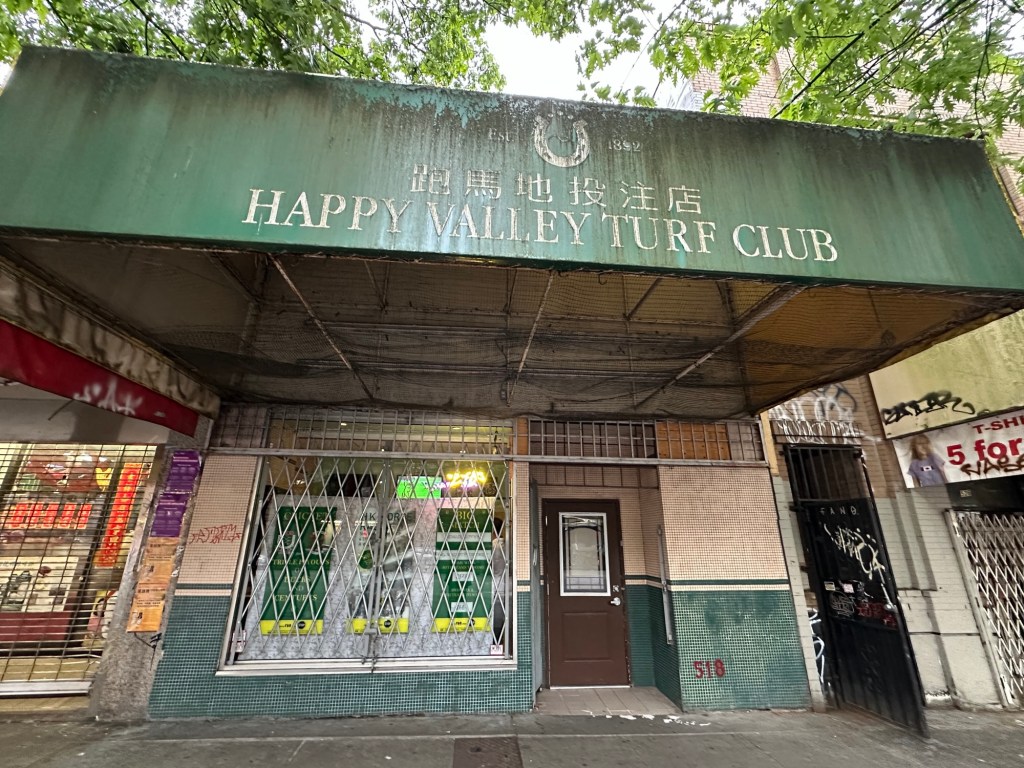
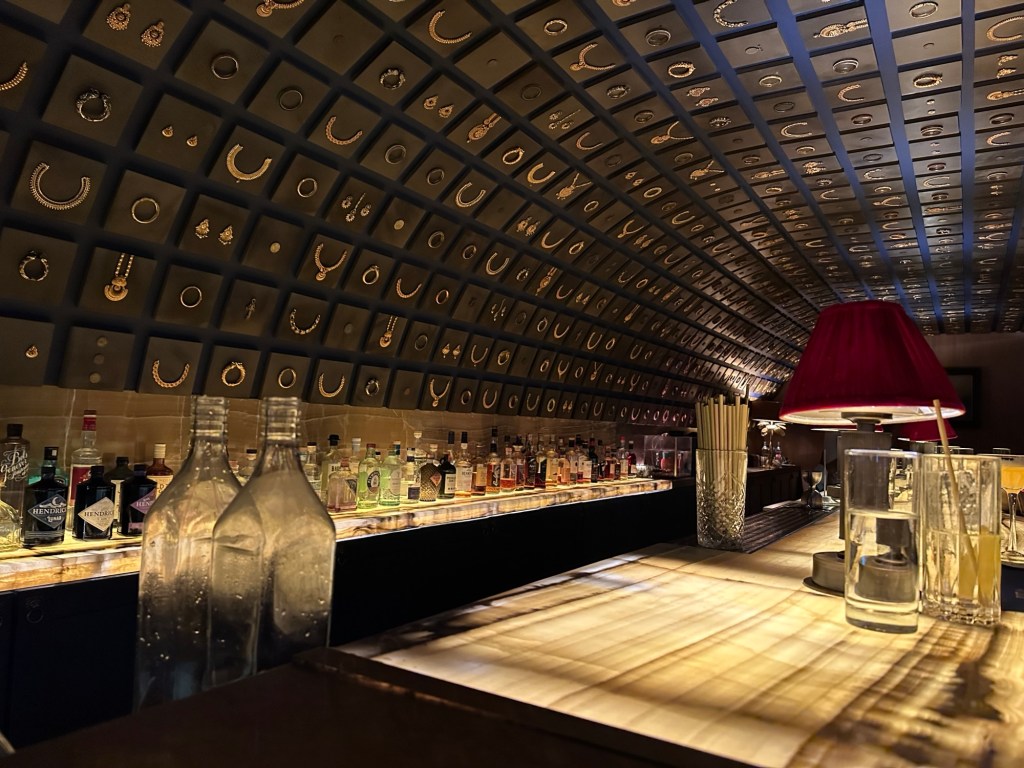
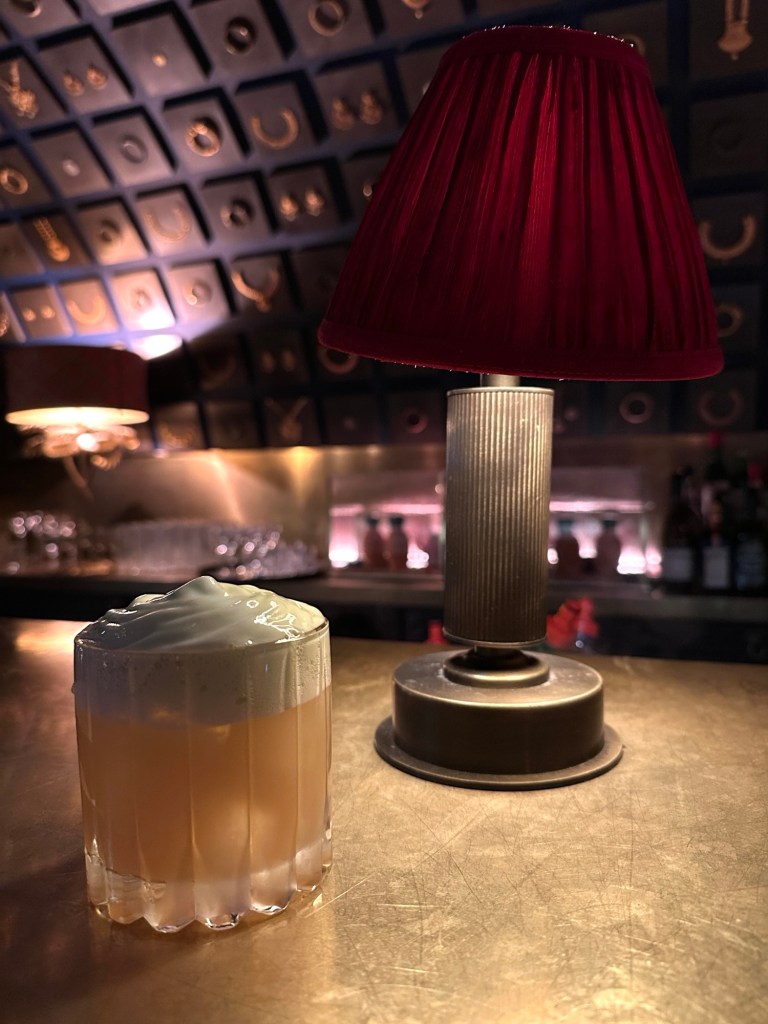
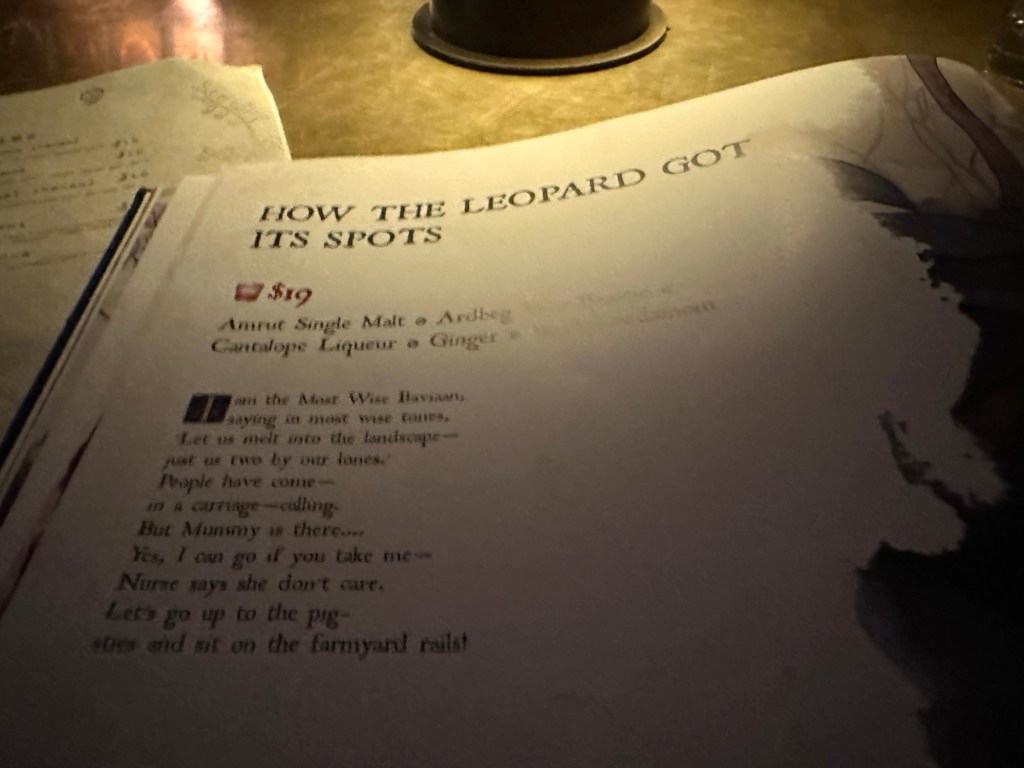
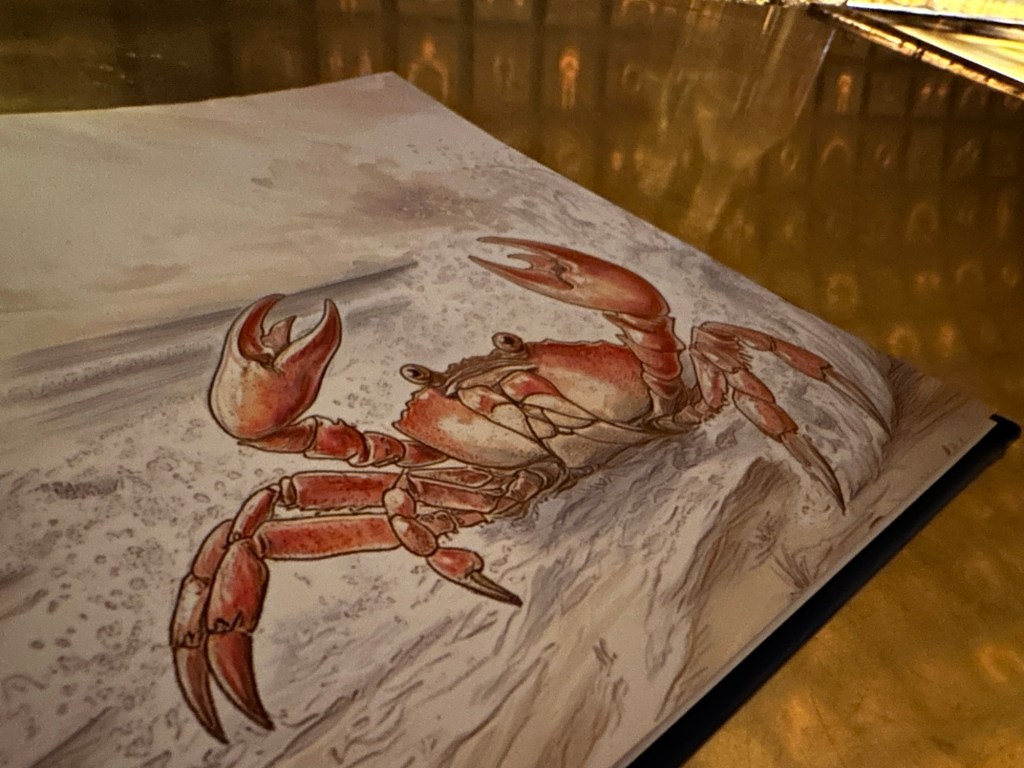
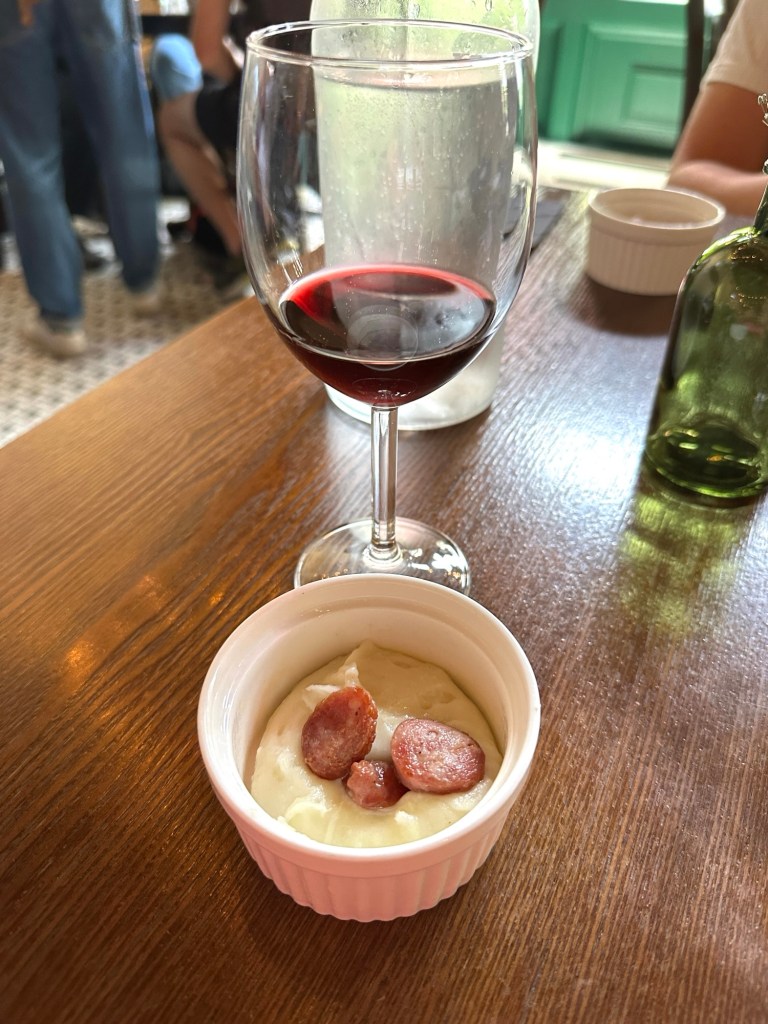
My last stop is at Bagheera, a speakeasy with an entrance themed like a horse betting window. This is once again another place with an interesting food menu, many of them Indian themed. I want to come back when I am hungry and try some of the menu items.
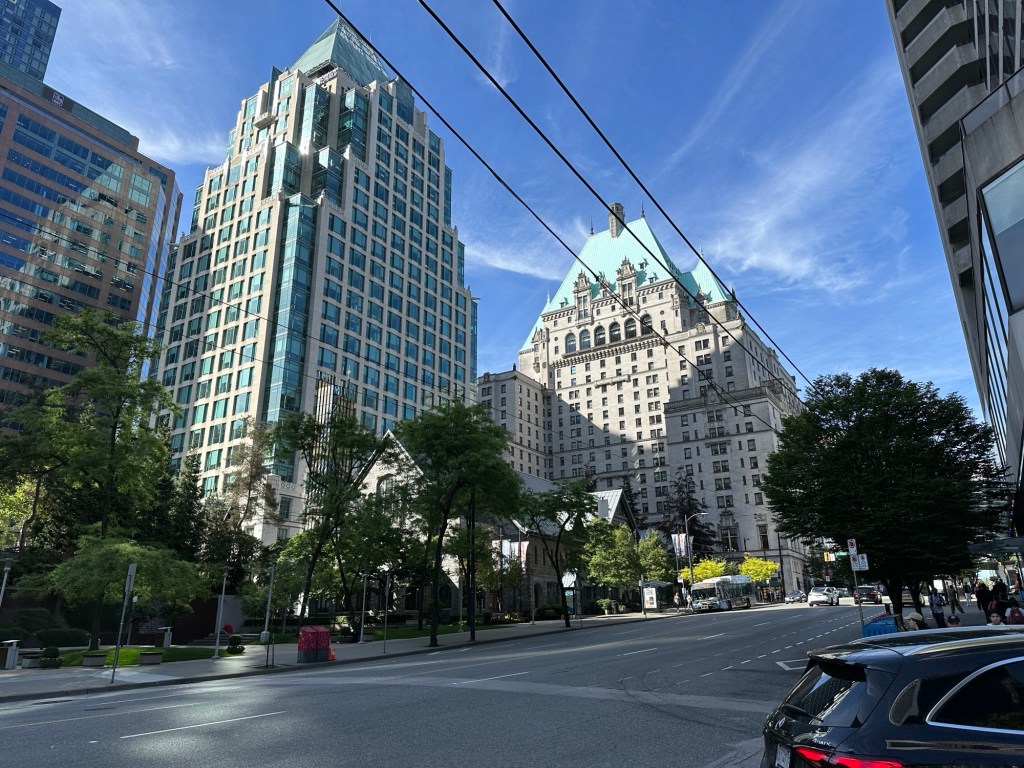
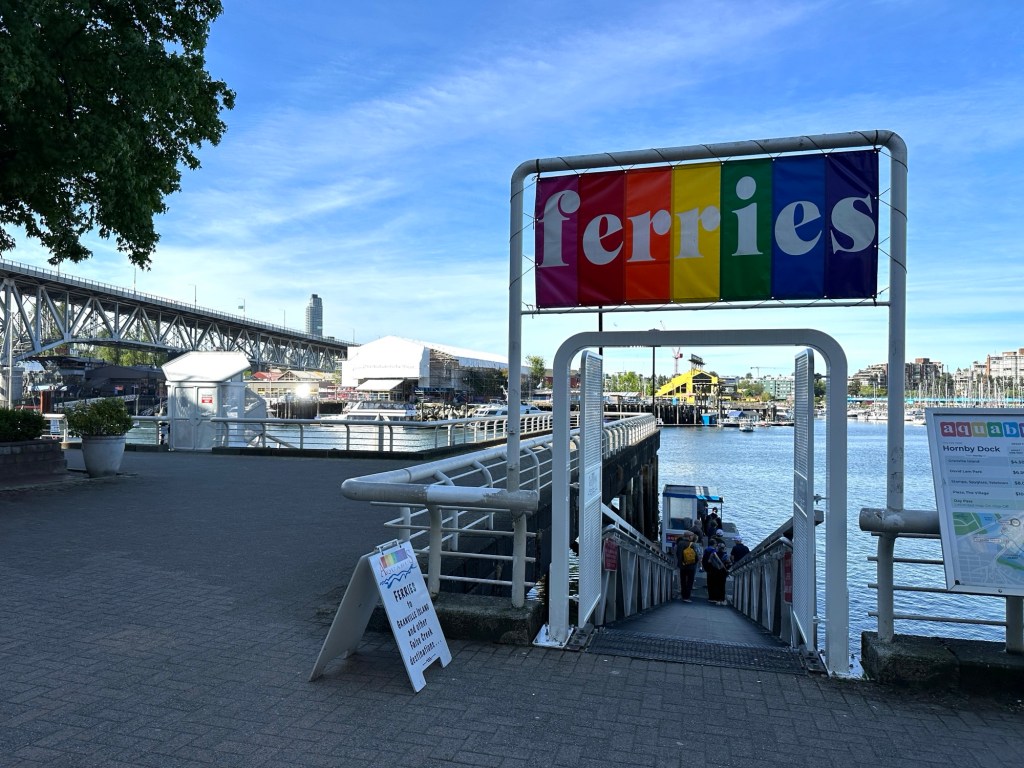
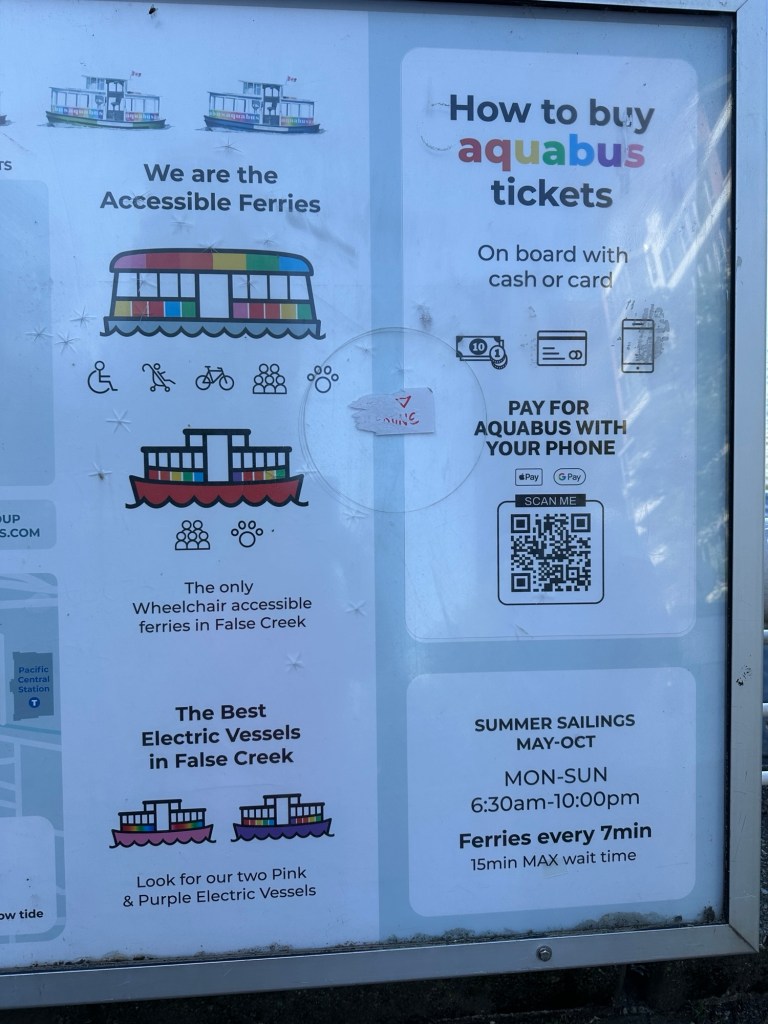
The next morning my cousin and I take the train into downtown Vancouver and then walk down to the ferries.
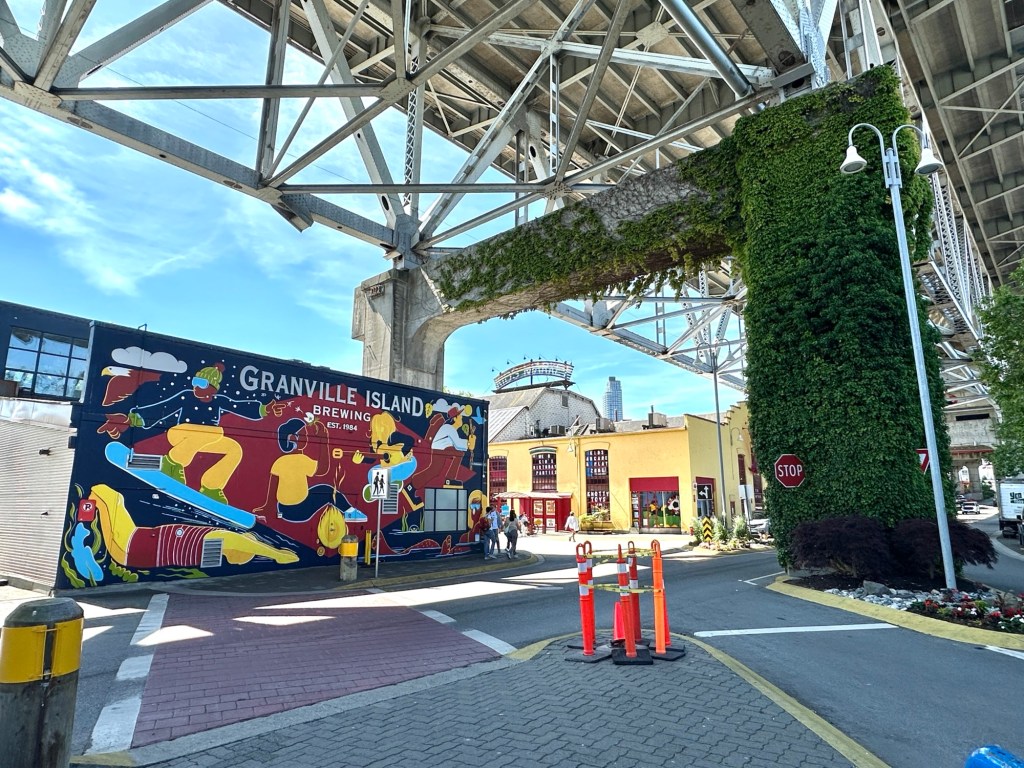
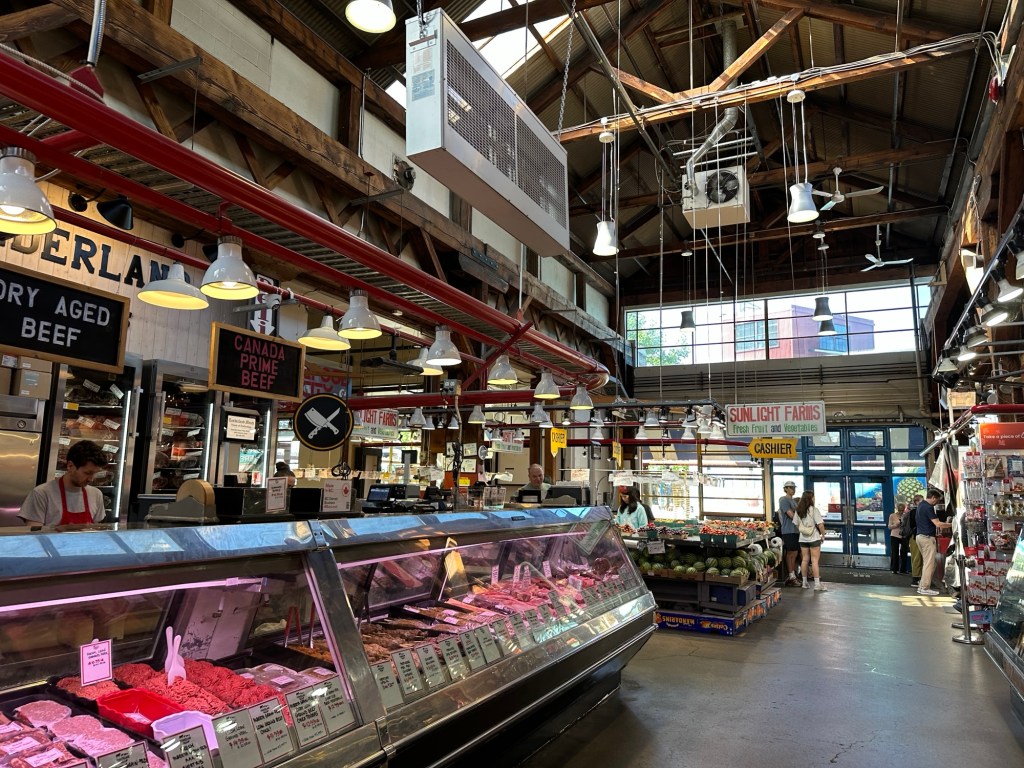
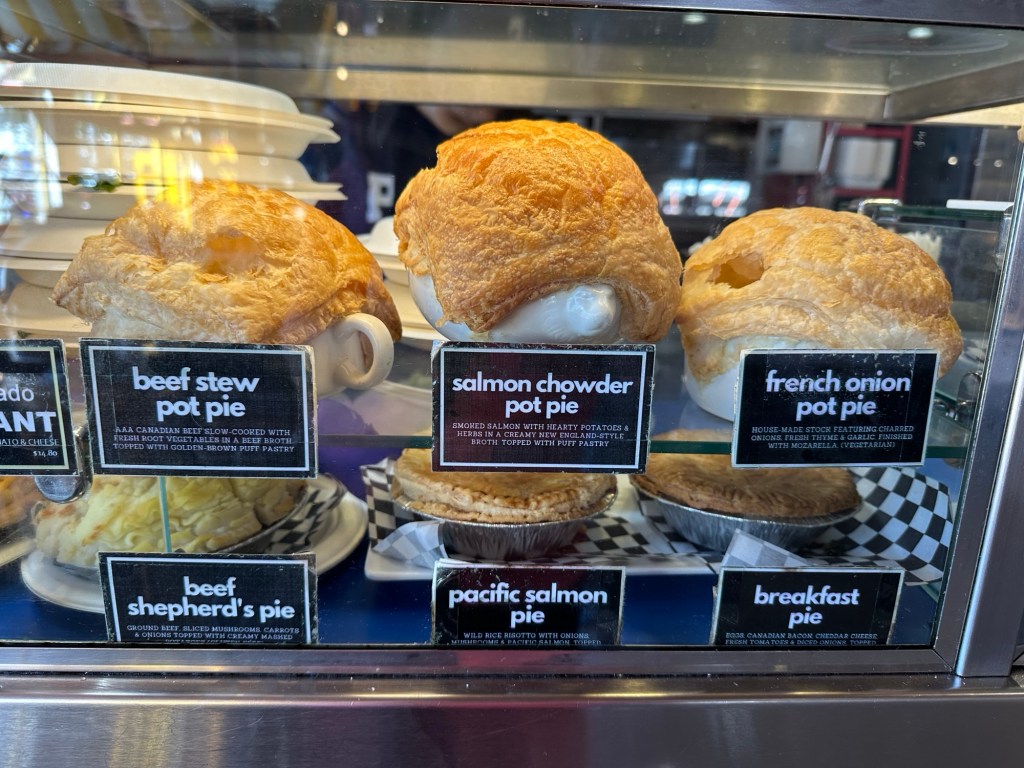
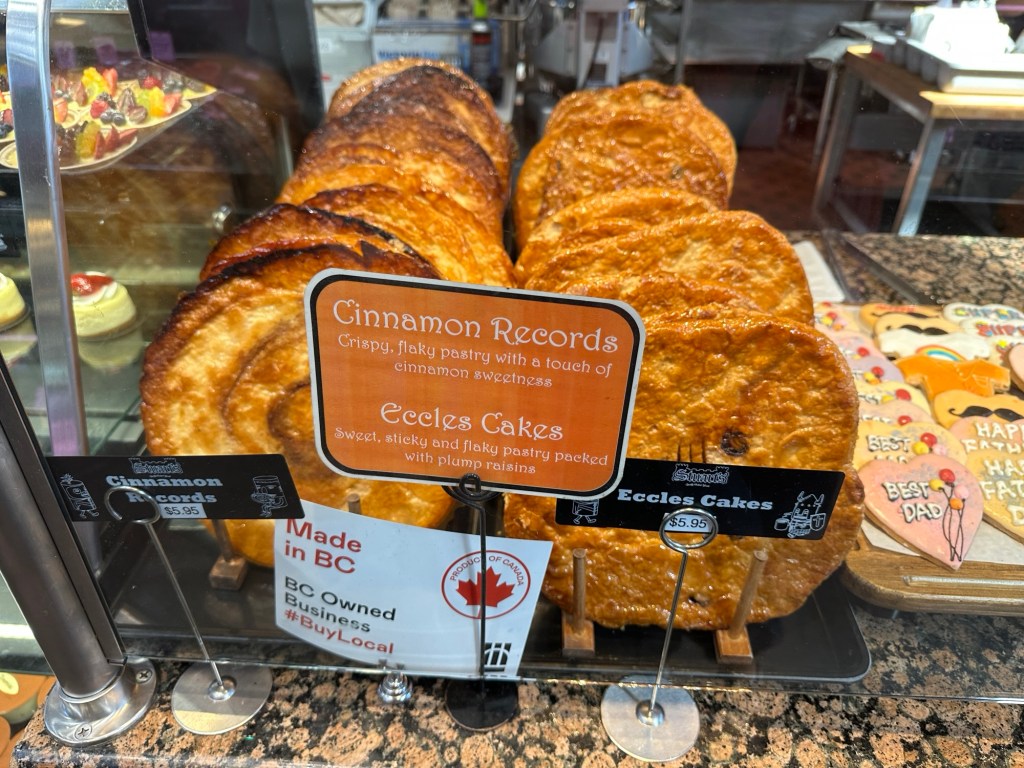
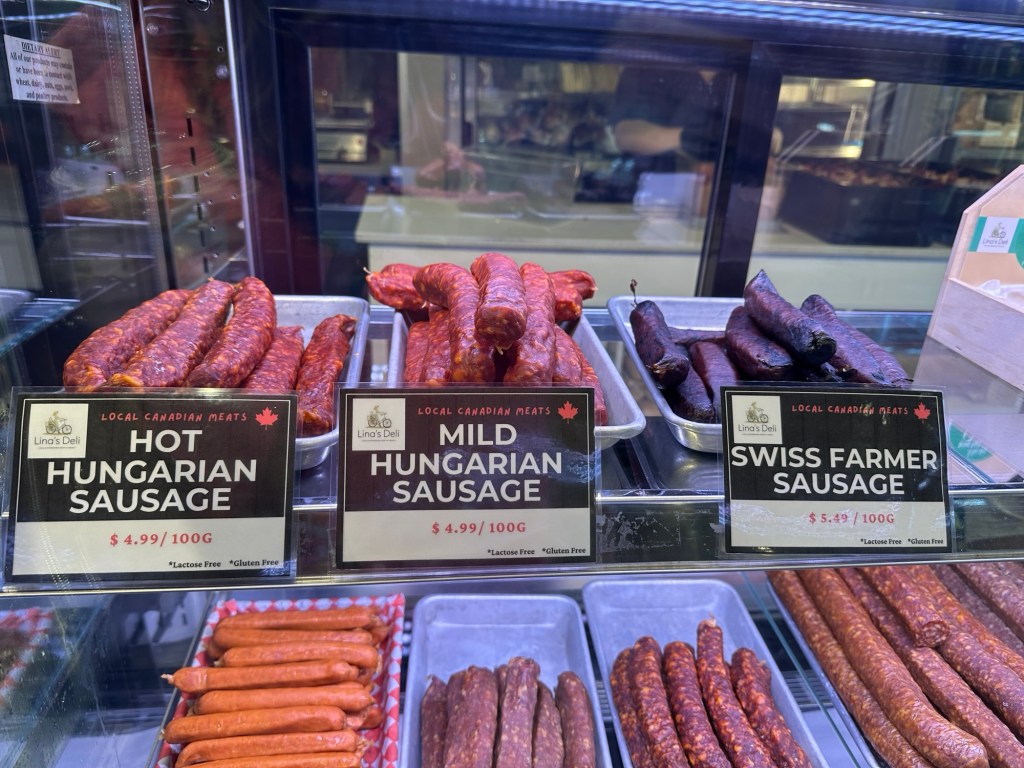
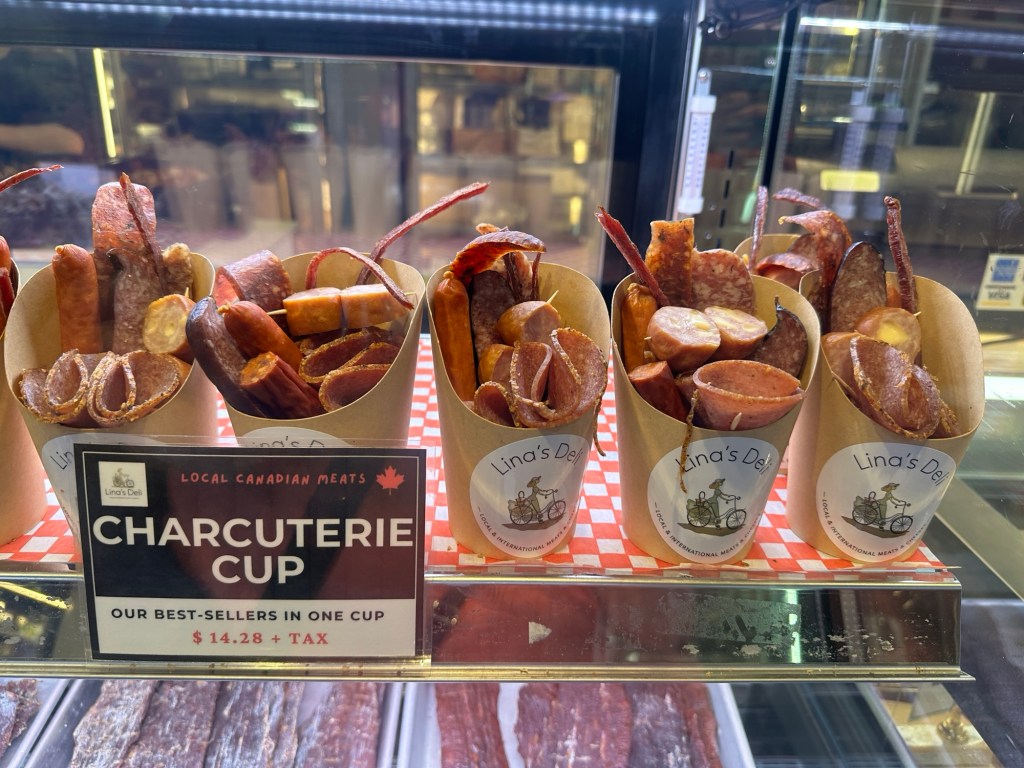
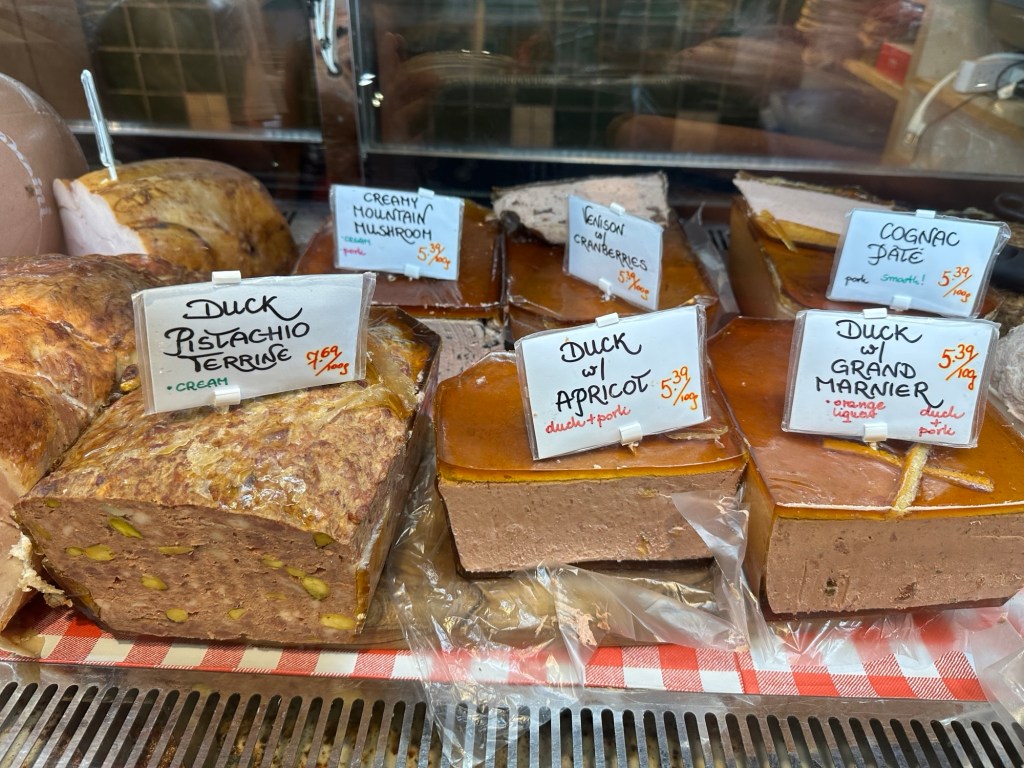
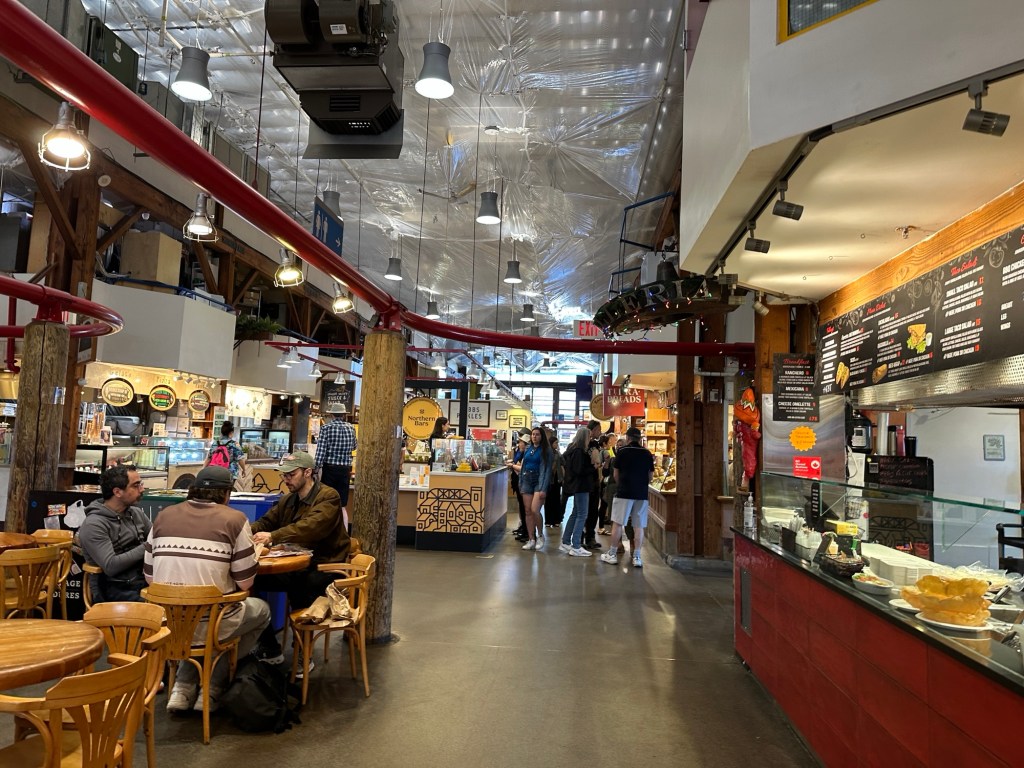
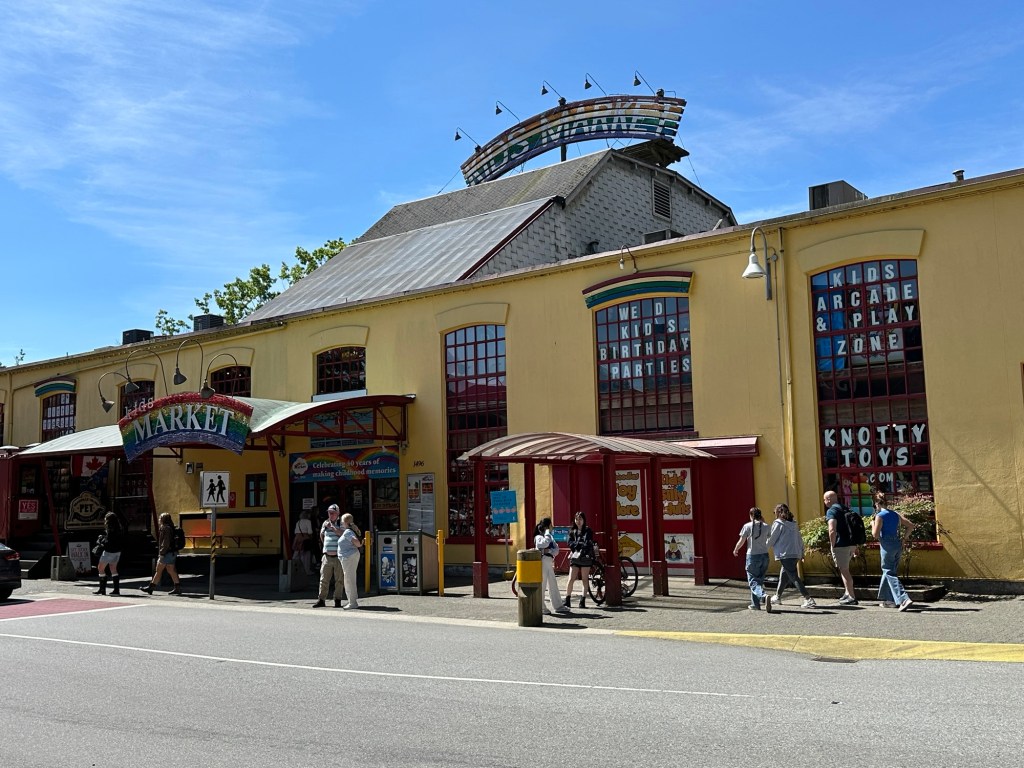
We take a ferry out to Granville Island for some snacks and to walk around. There are so many food choices here that I wish I scheduled more time in Vancouver to hang out here. In the summer there is live music and other events happening on Granville Island. Definitely visit their market if you are ever in town.
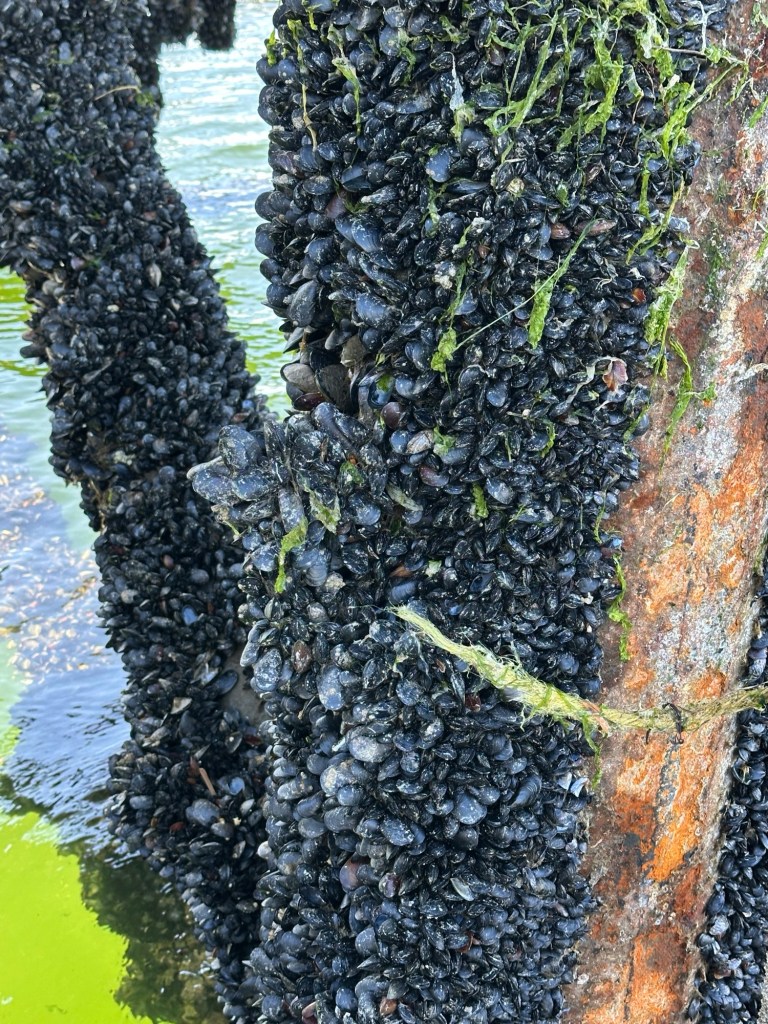
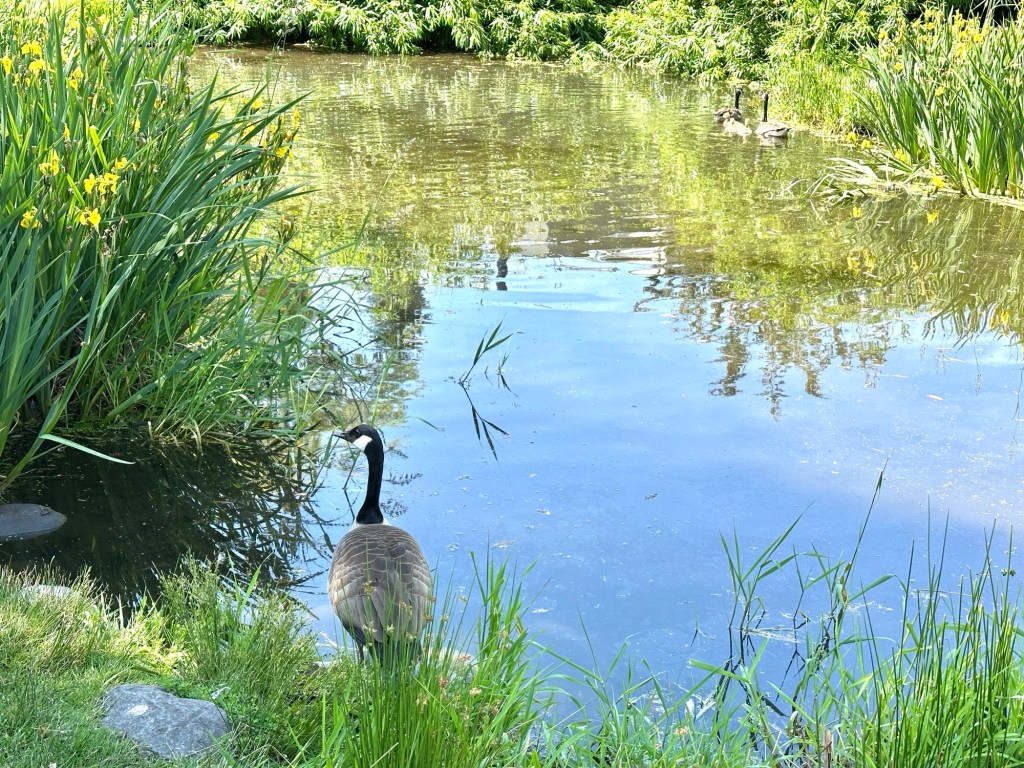
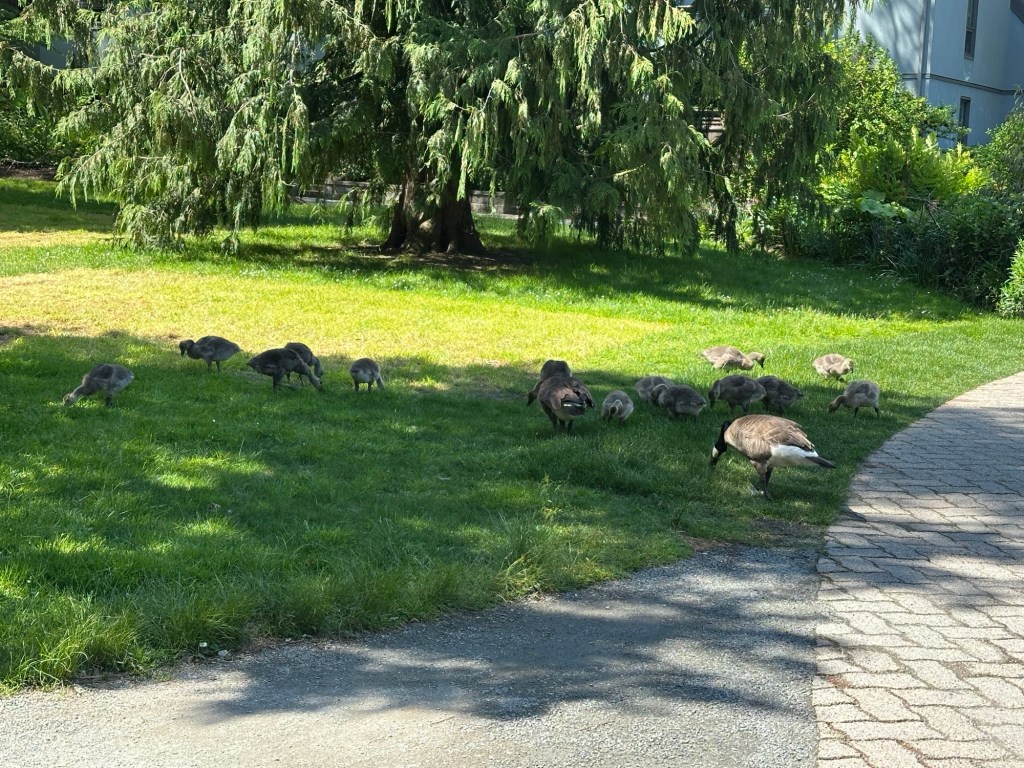
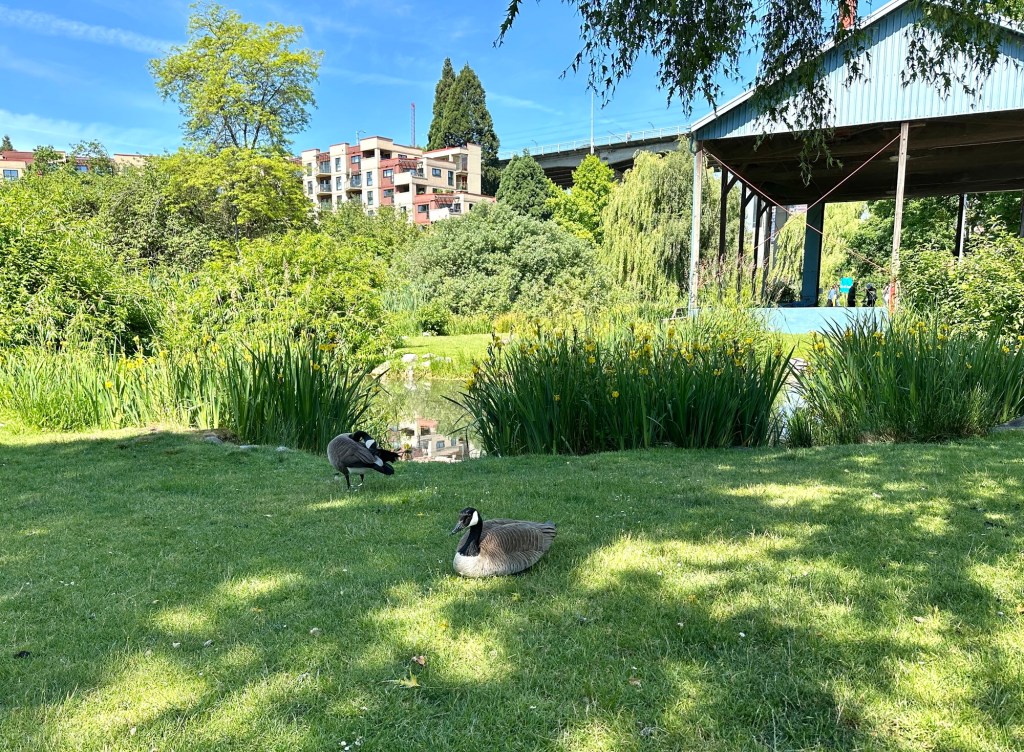
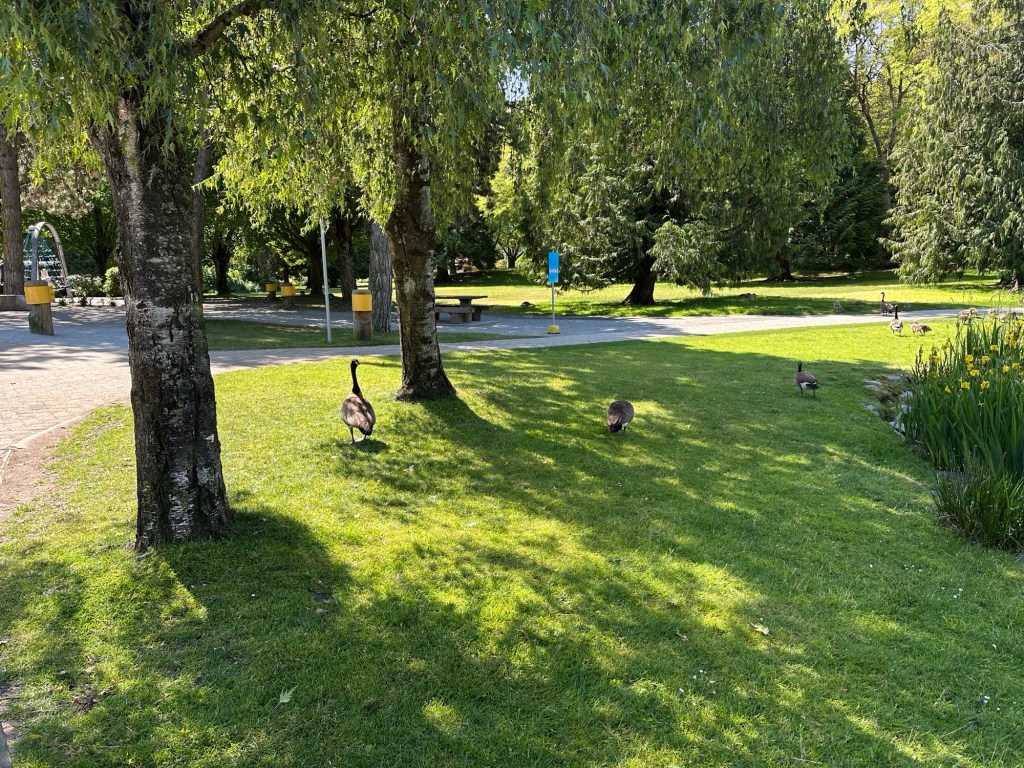
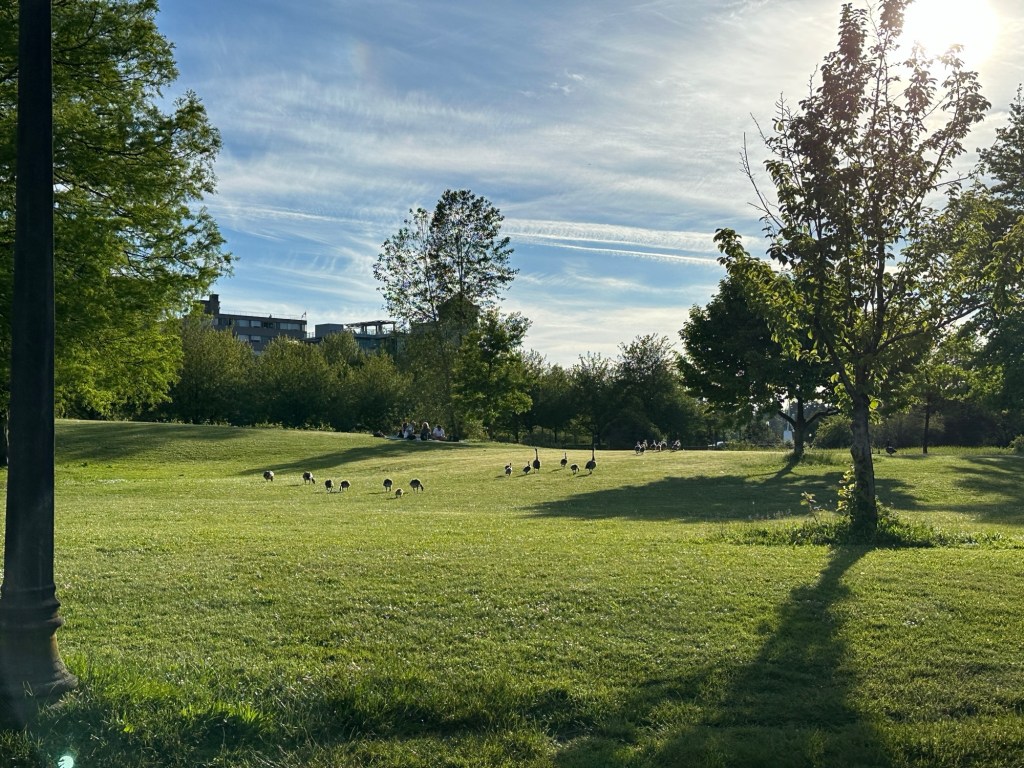
We also linger a bit to watch some geese and ducks.
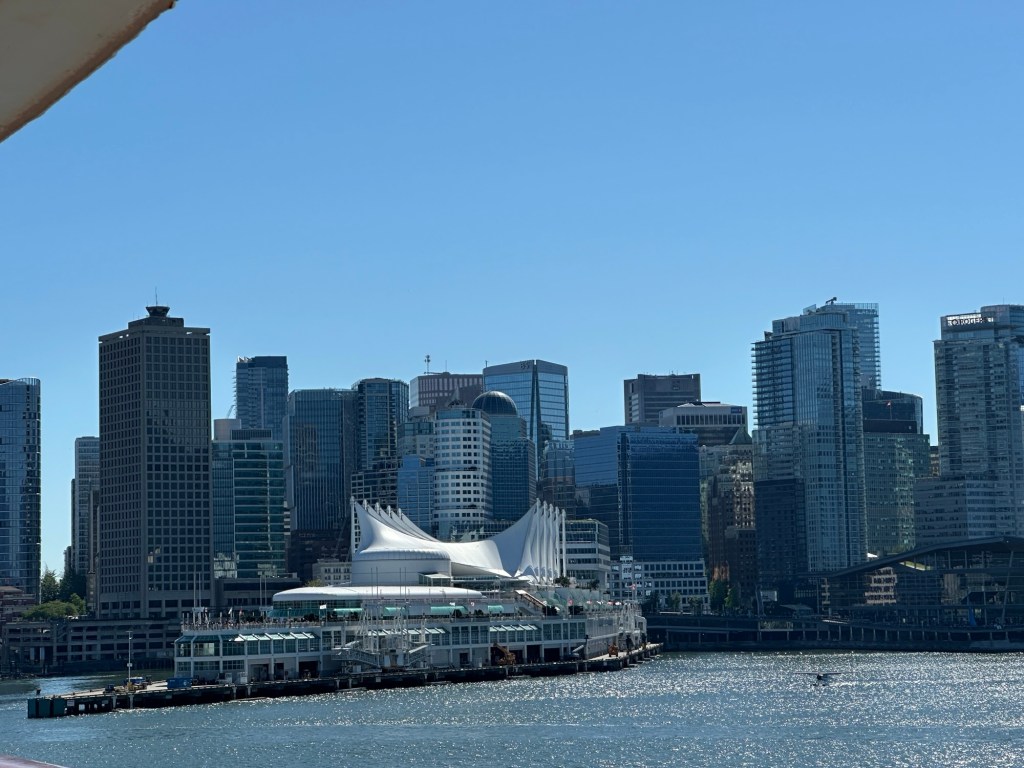
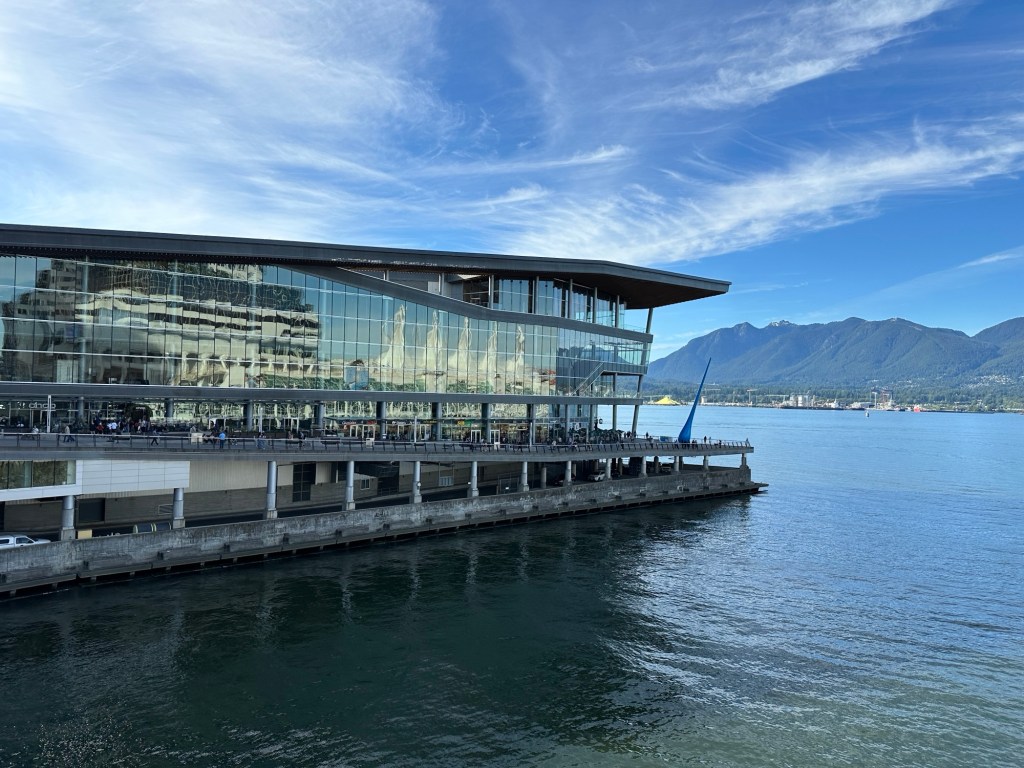
We have a food tour scheduled this afternoon so we head to the Waterfront Station to meet up with our group.
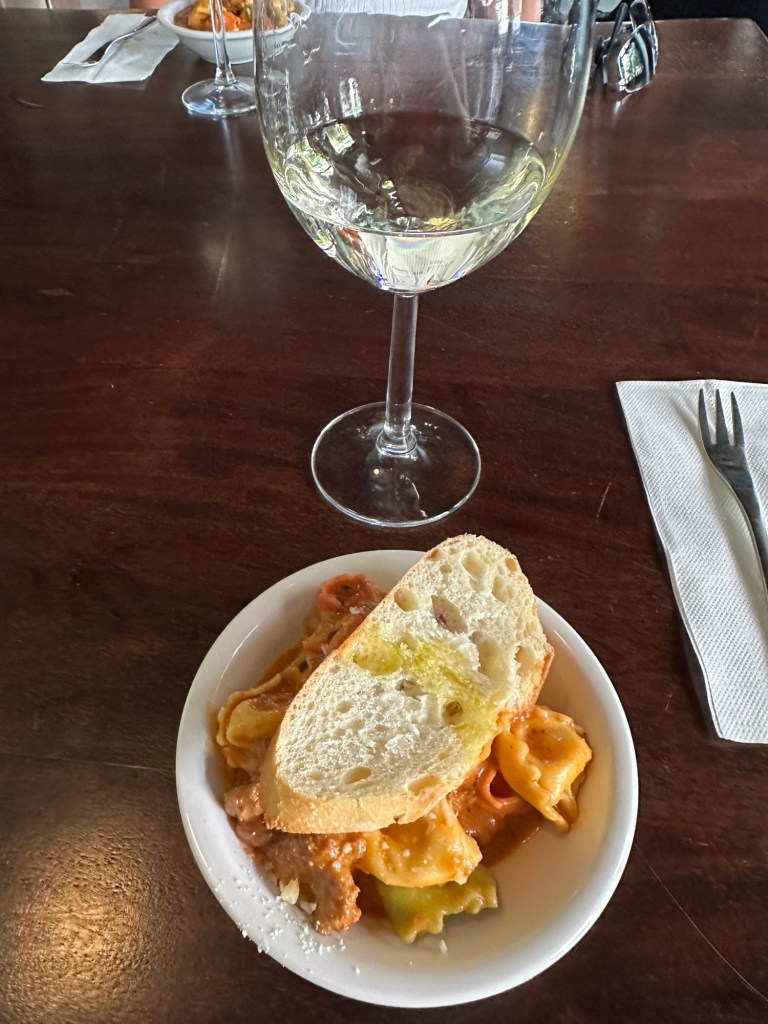
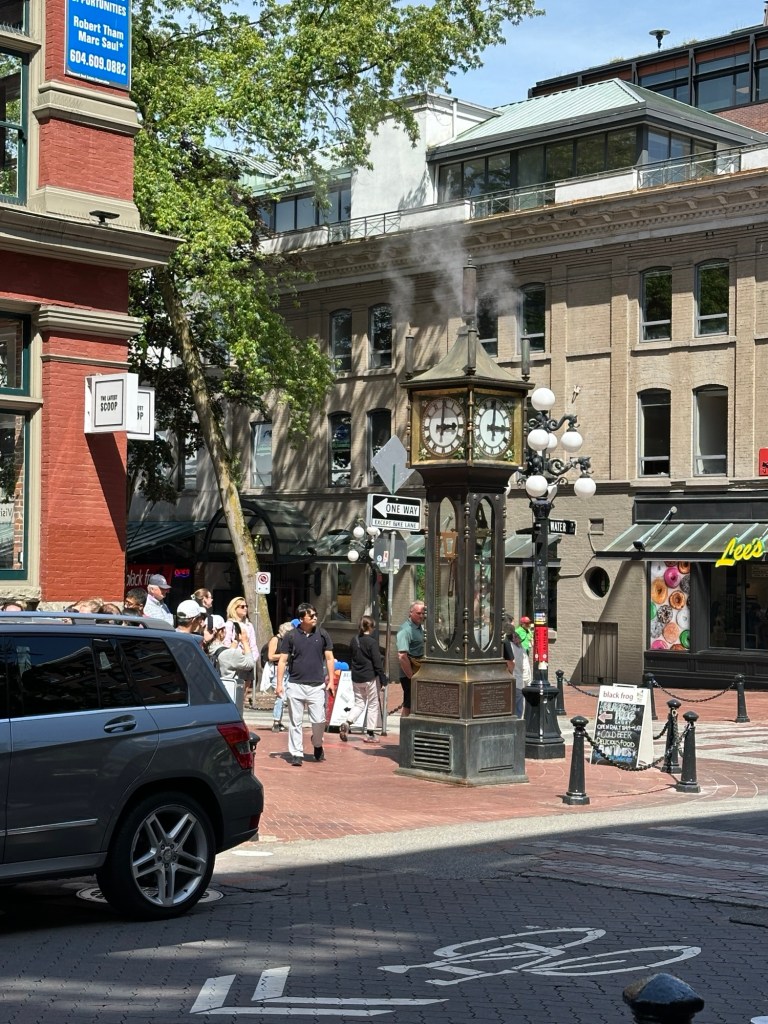
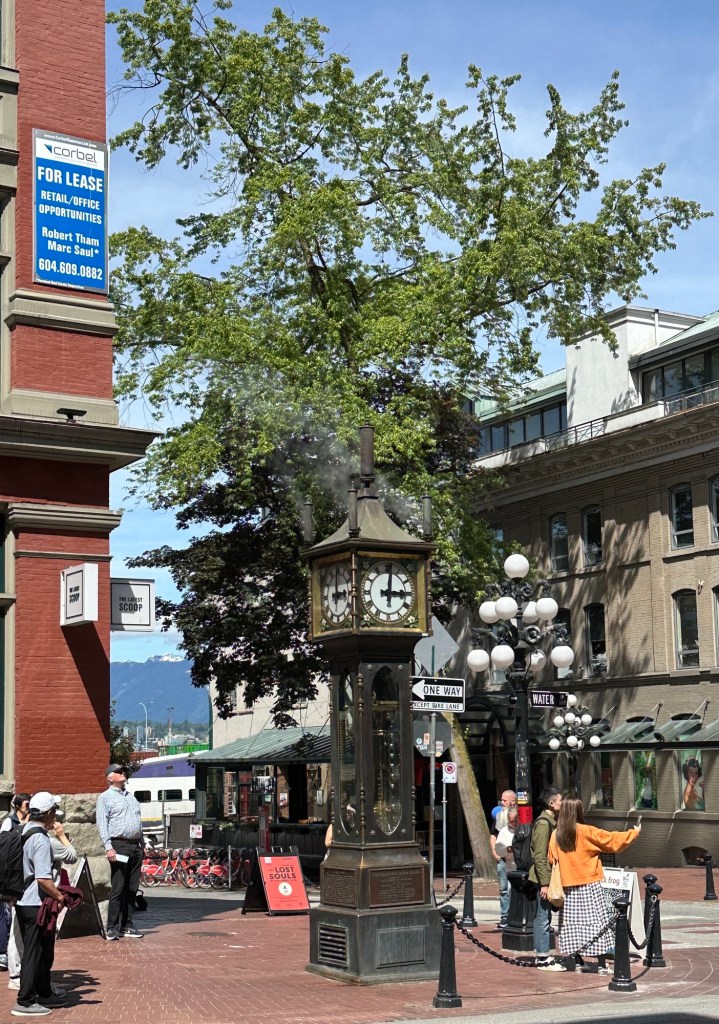
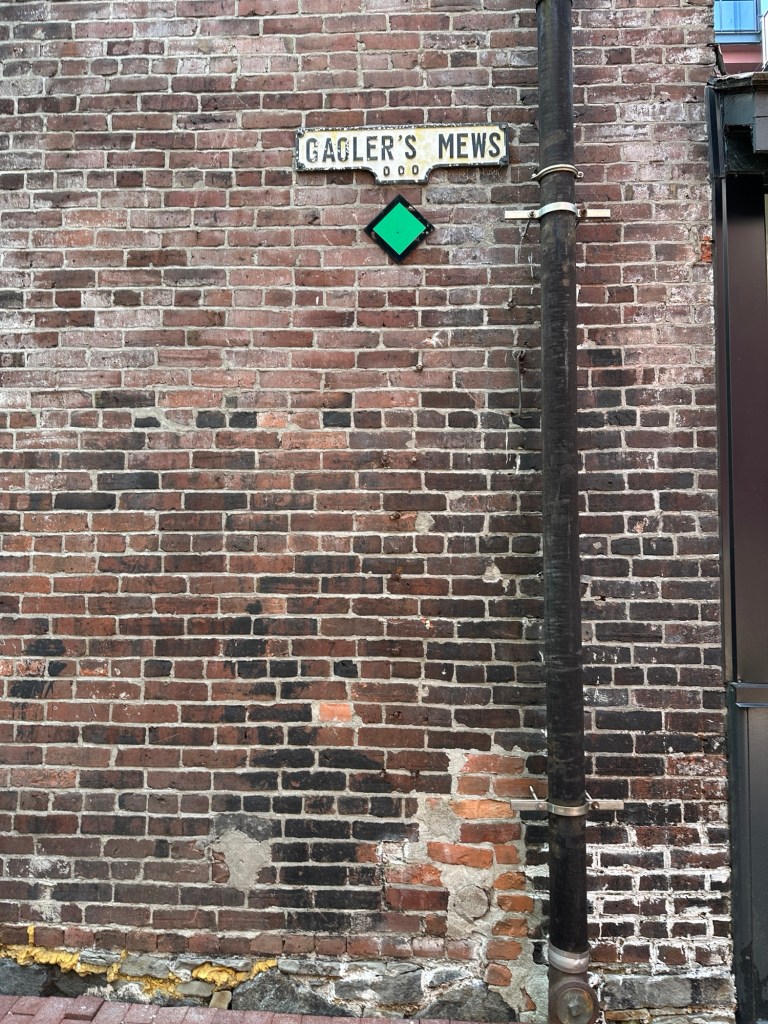
We automatically have a connection to the tour guide who has the same name as my cousin’s sister who passed away many years go (I also was very close to this cousin who was six months younger than I). The guide is an actress but also holds many different roles, one of which is as a tour guide. We try a number of dishes around the downtown area and she tells us a little history of each location. While I didn’t love all the food choices (this tour might have been better in Chinatown) she did a good job overall. The tour at least was a good introduction to the city.
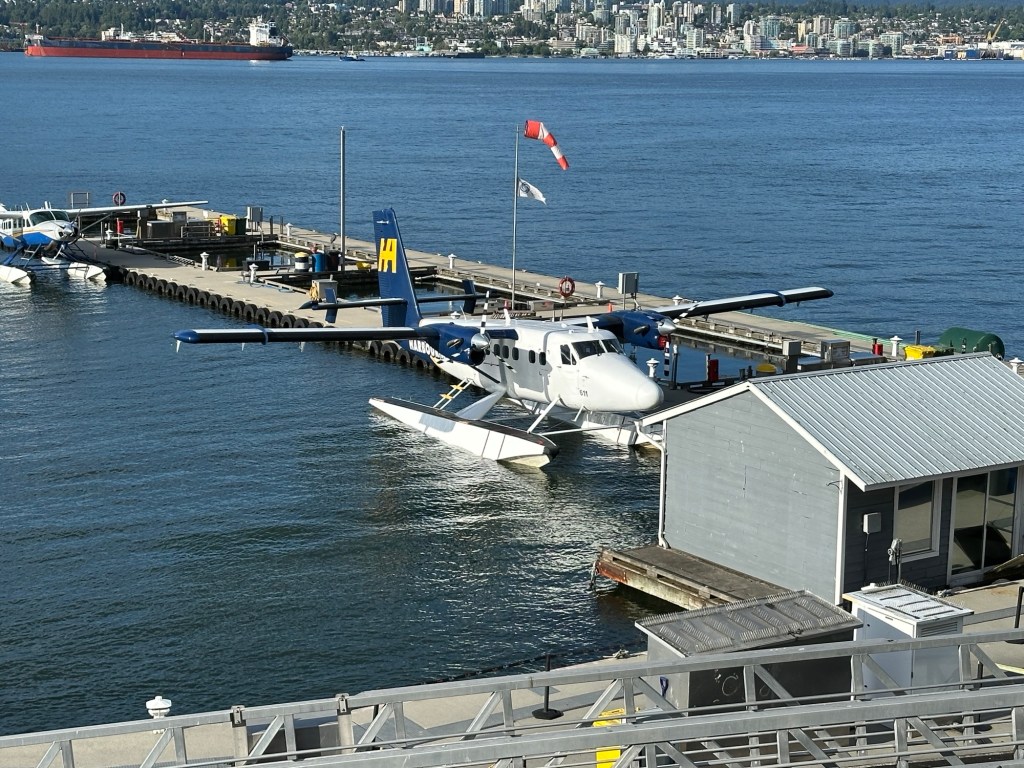
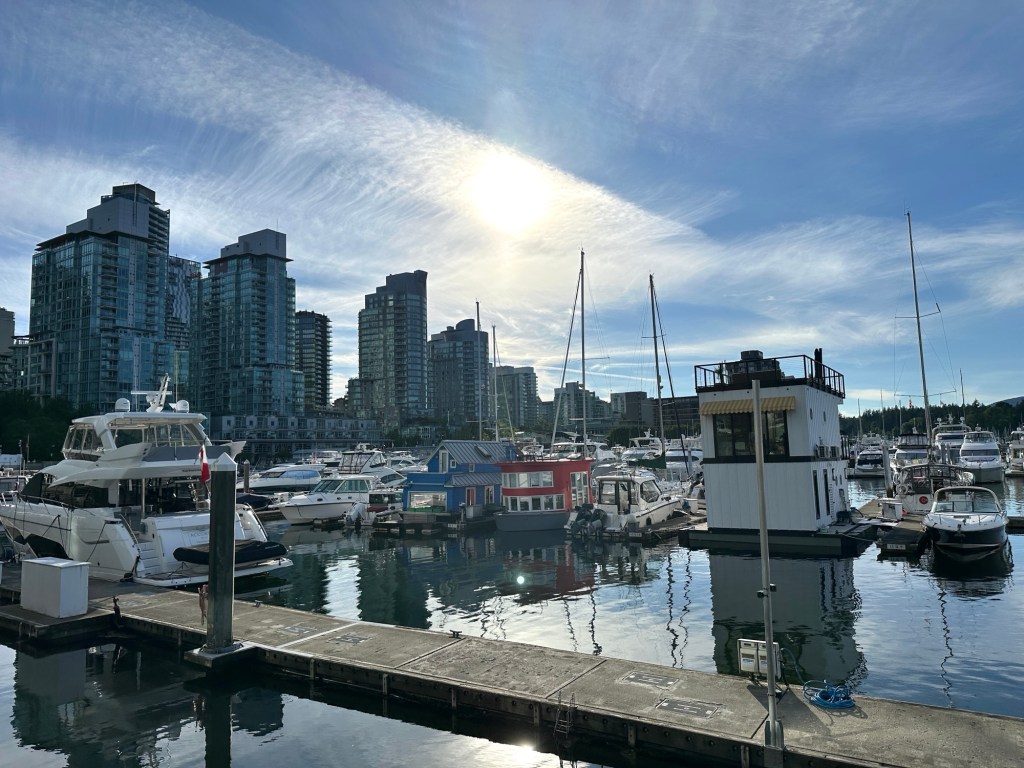
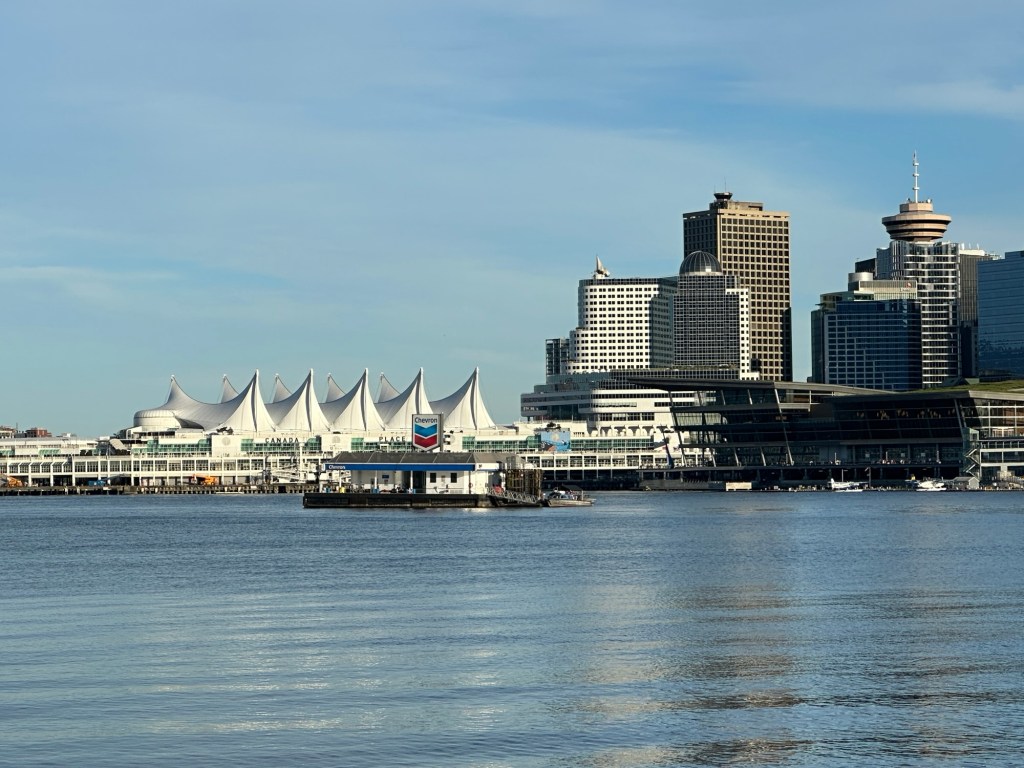
After our tour we take a break to have a drink and a view.
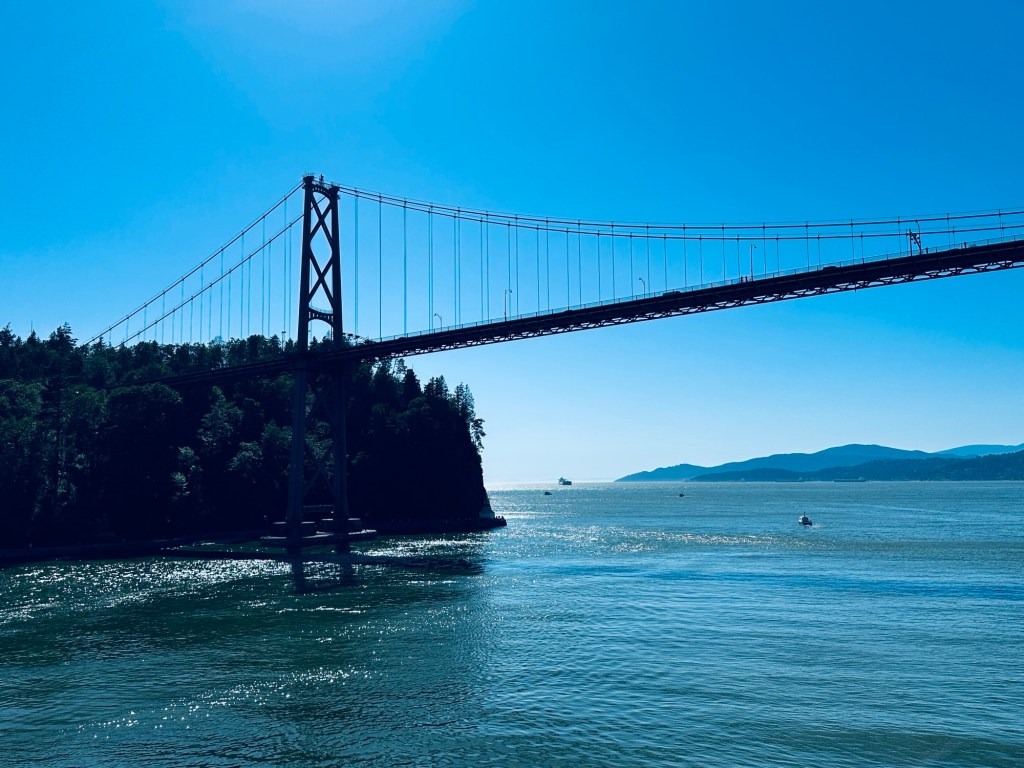
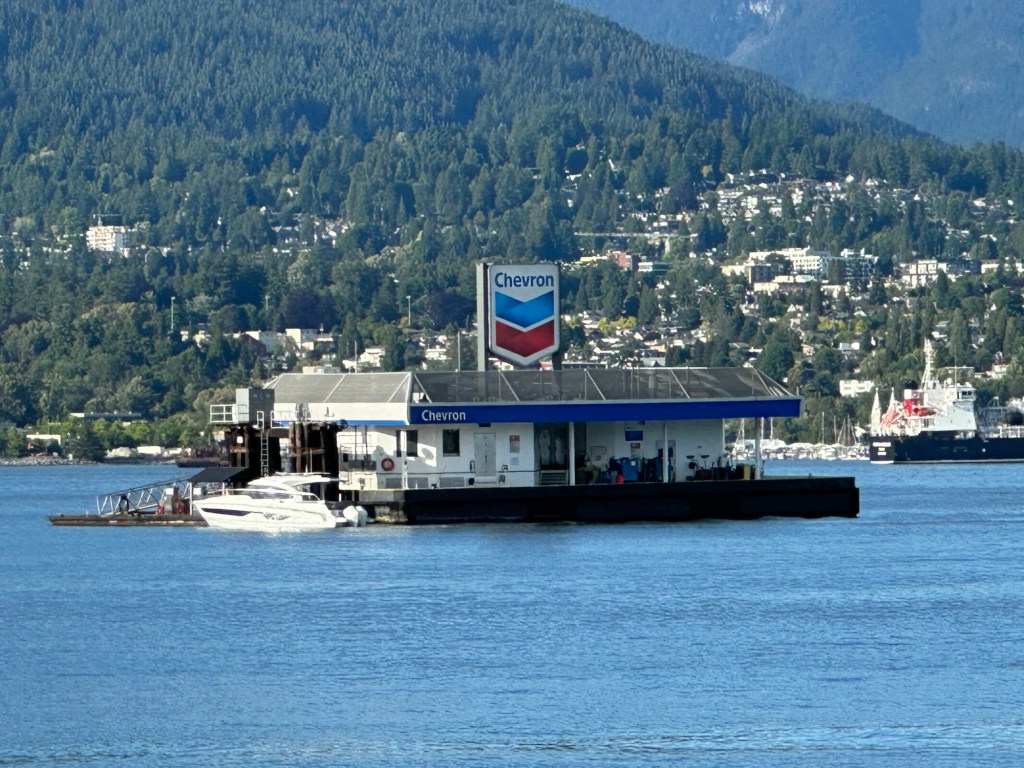
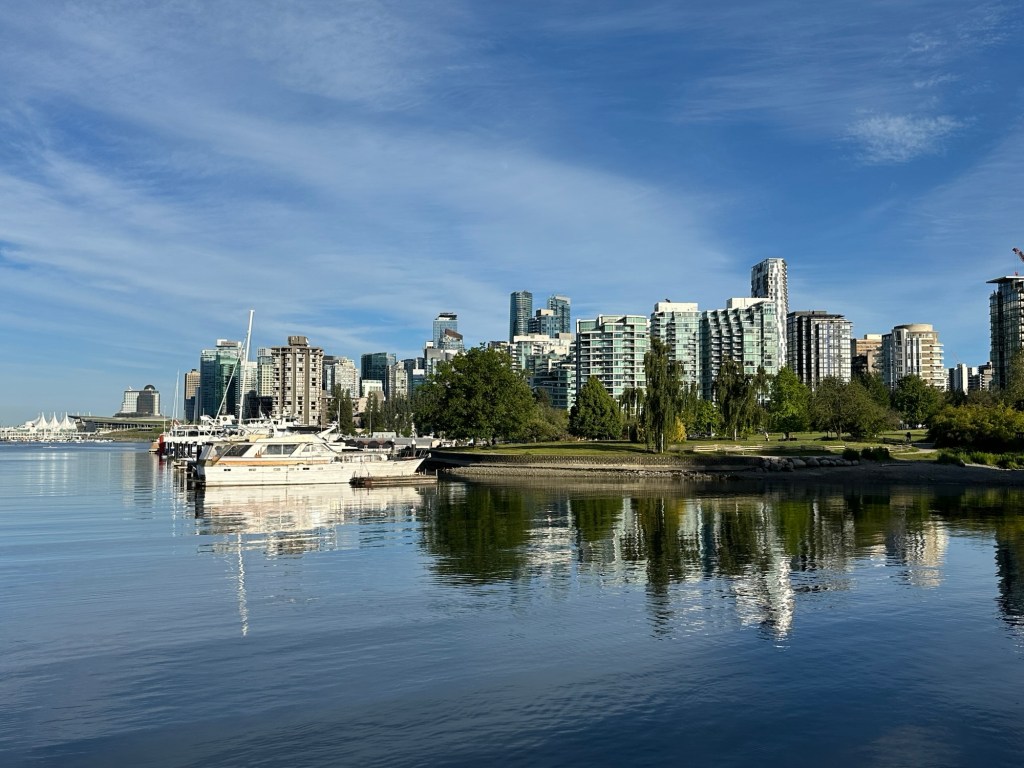
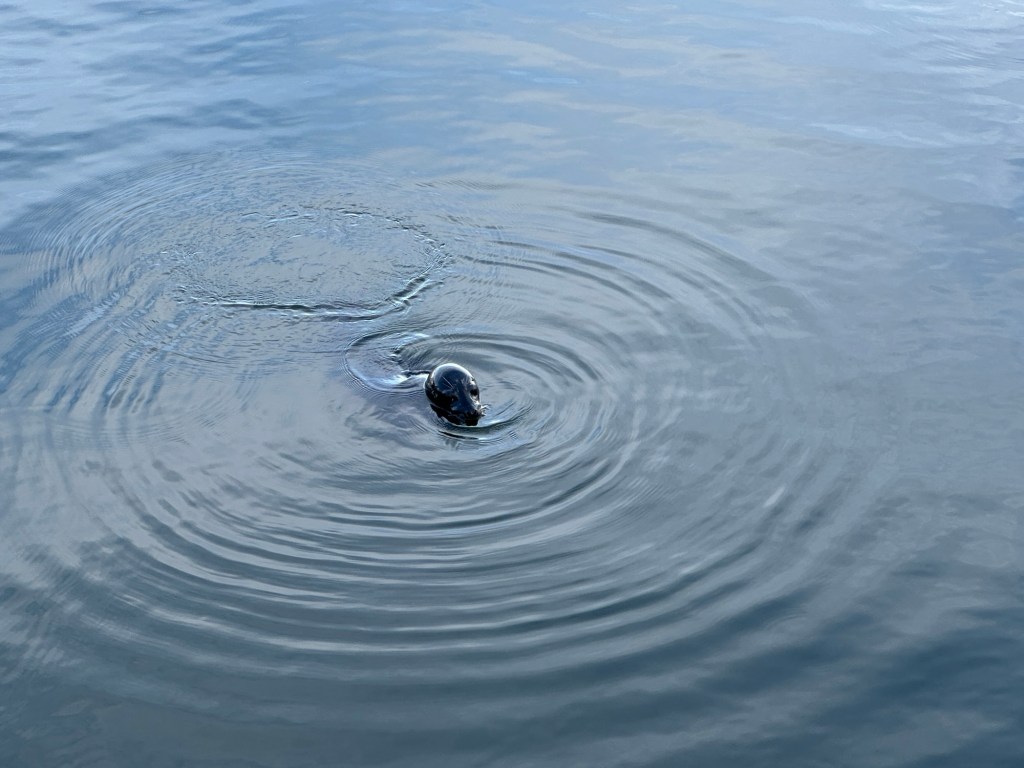
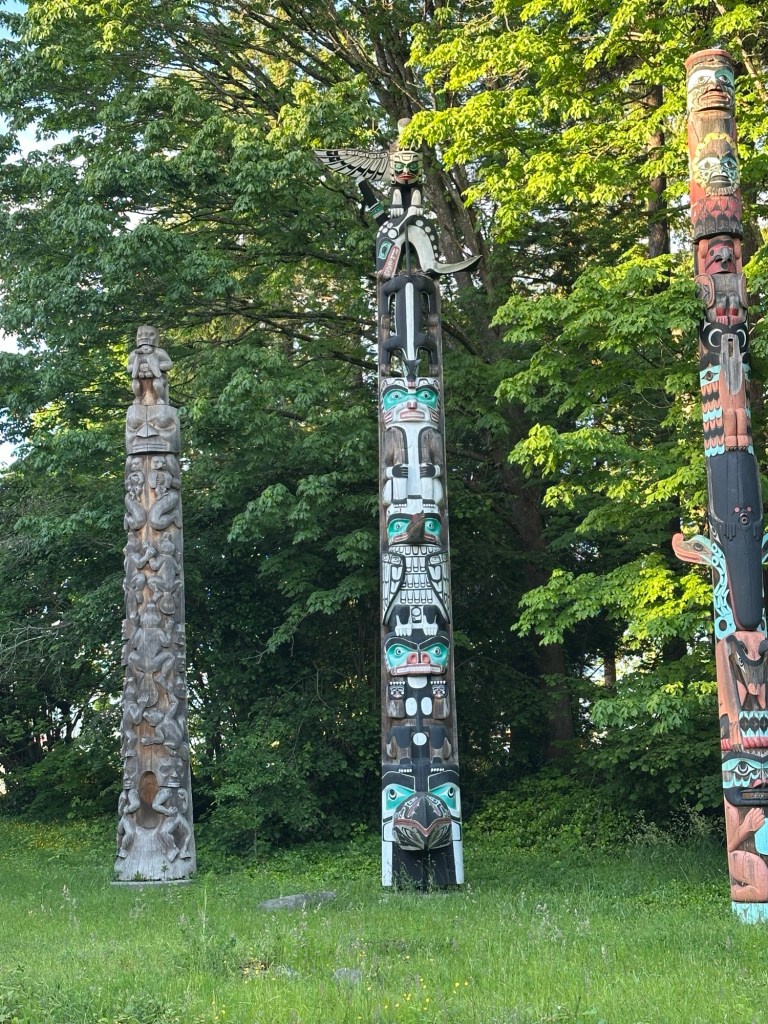
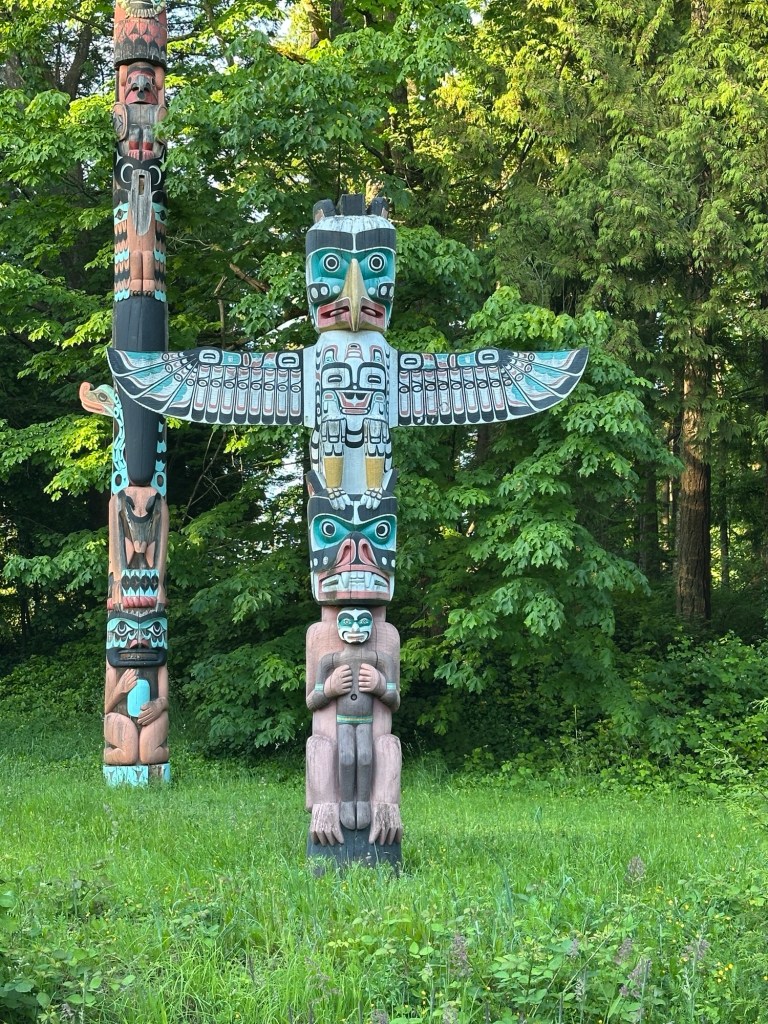
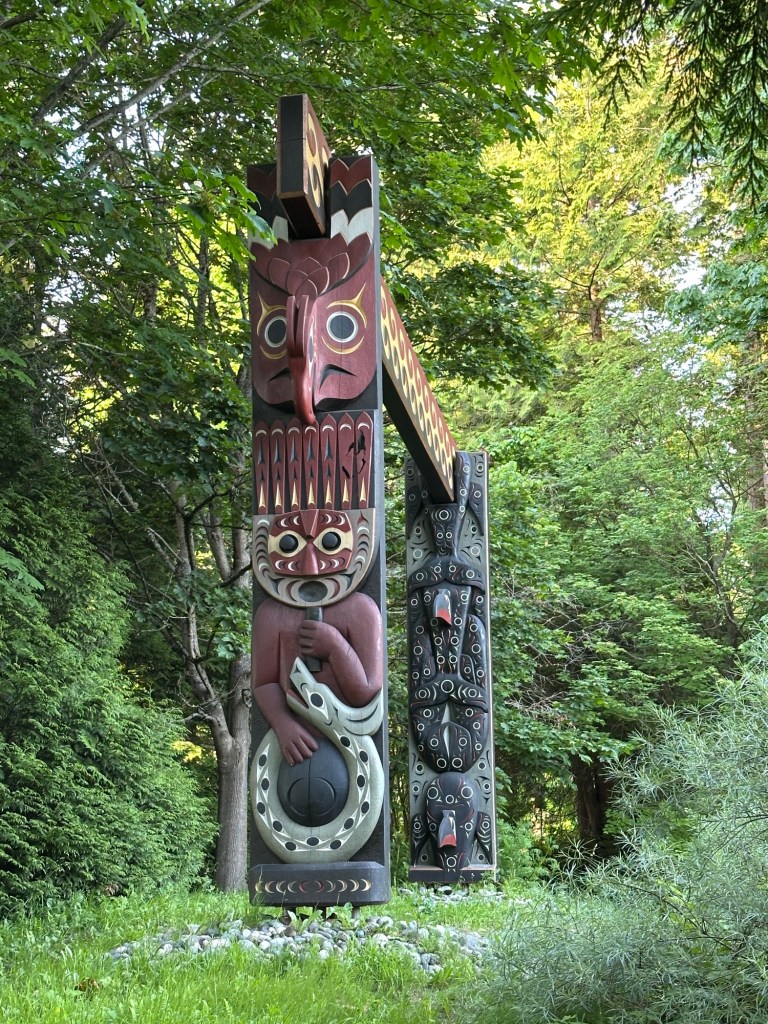
Our next adventure is to walk the sea wall down to Stanley Park. We enjoy nice views along the way as well as a seal but our legs and feet are tired. We pledge that we will at least continue on until the Totem poles but then allow ourselves to uber back to the hotel.
Stanley Park
There is so much more to see but we are exhausted and we have a cruise to catch tomorrow so early to bed!






























































































































 Growing With Leala