Florida Prize 2025

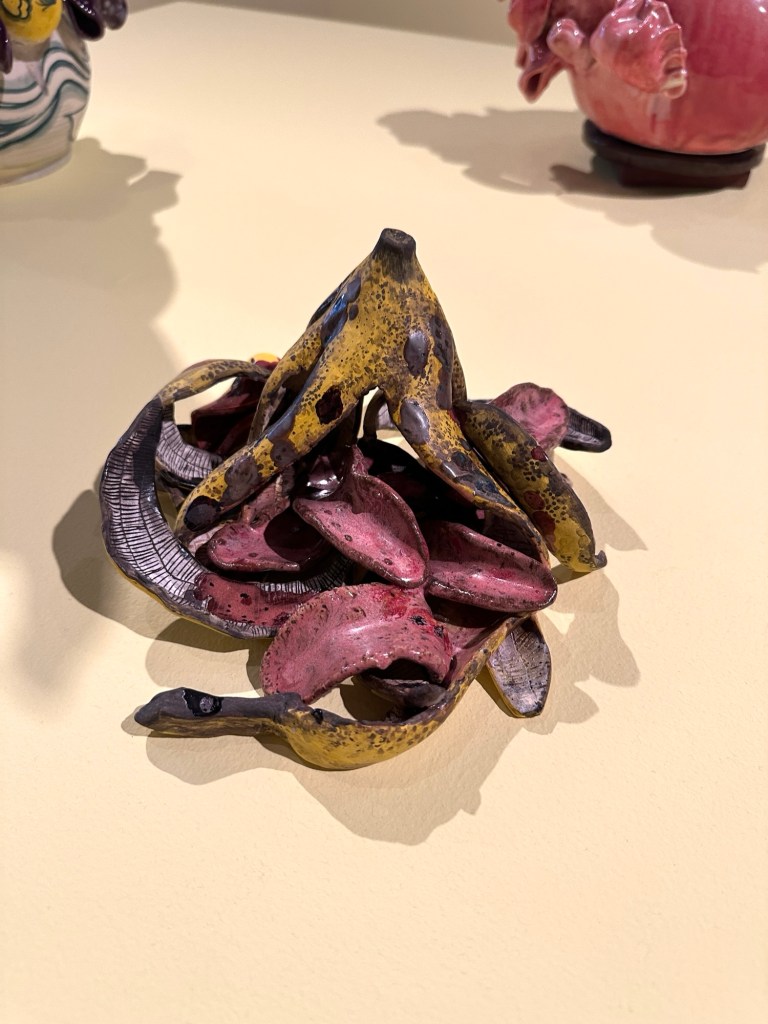
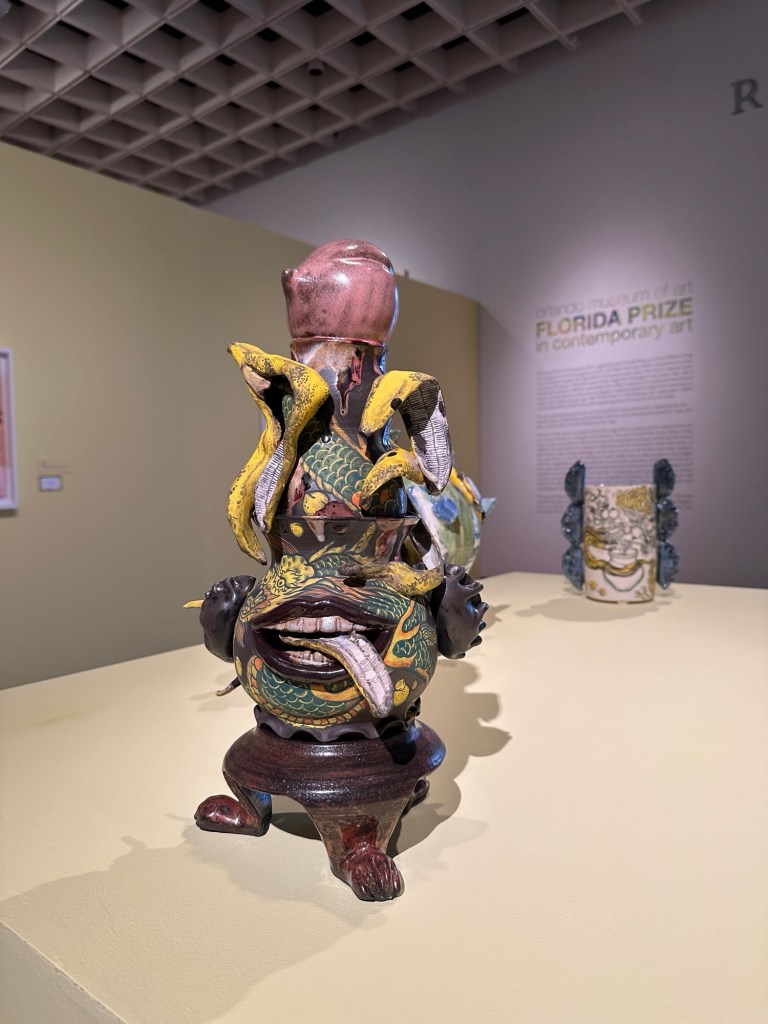
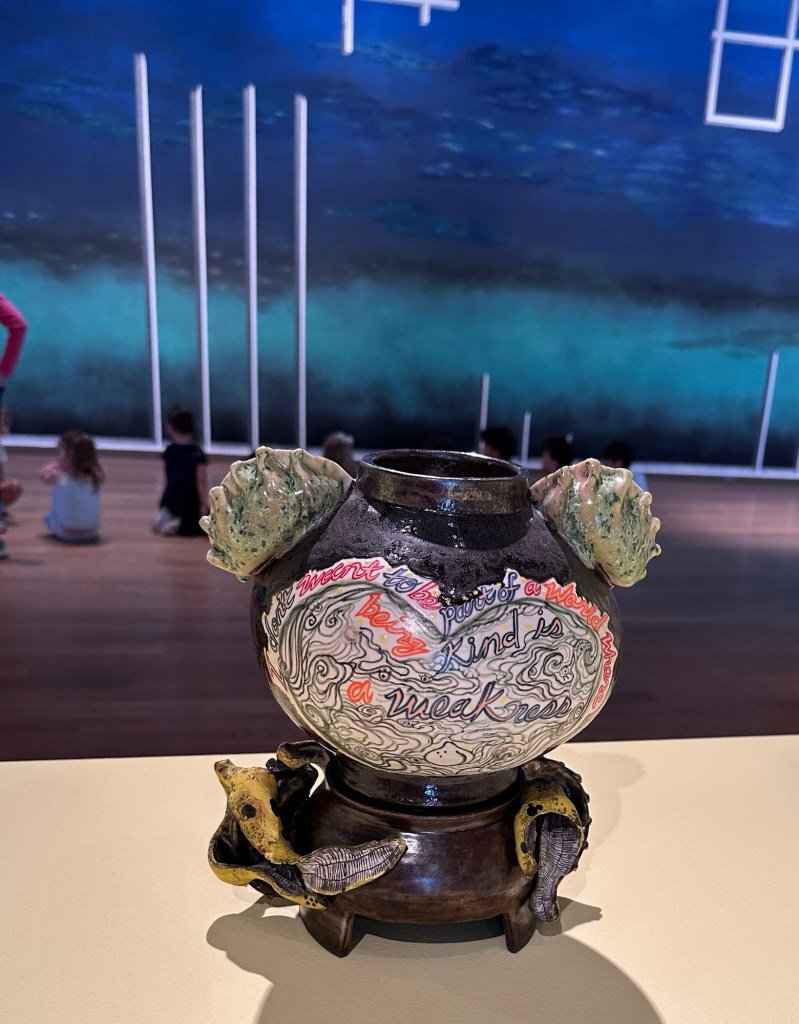
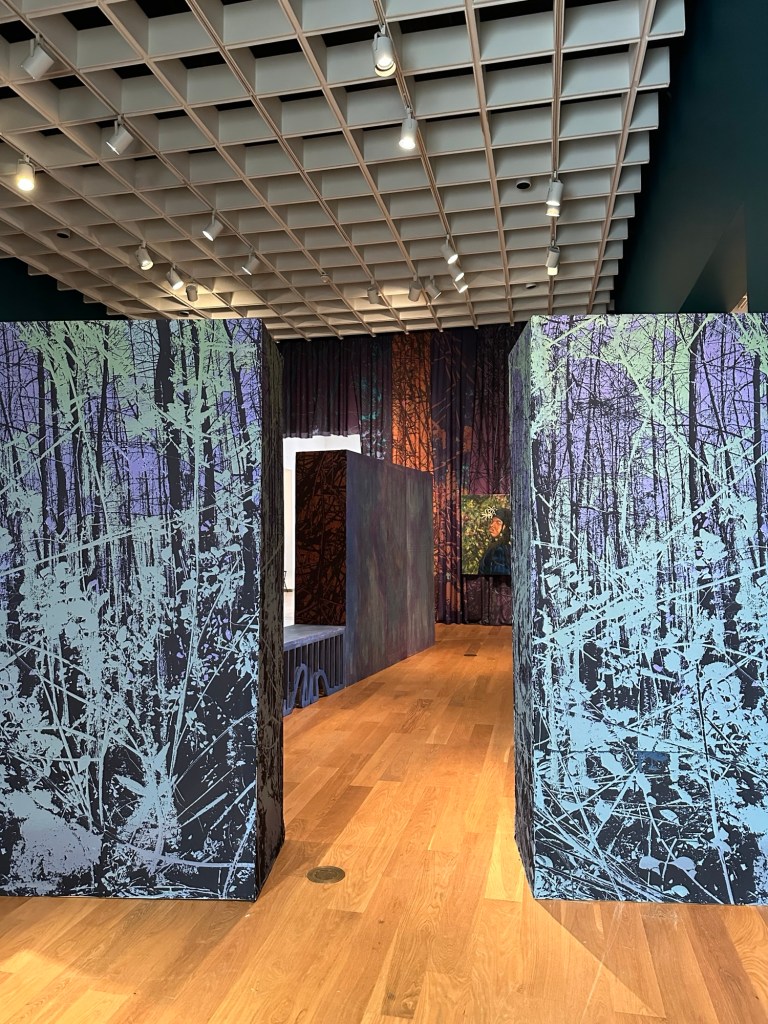
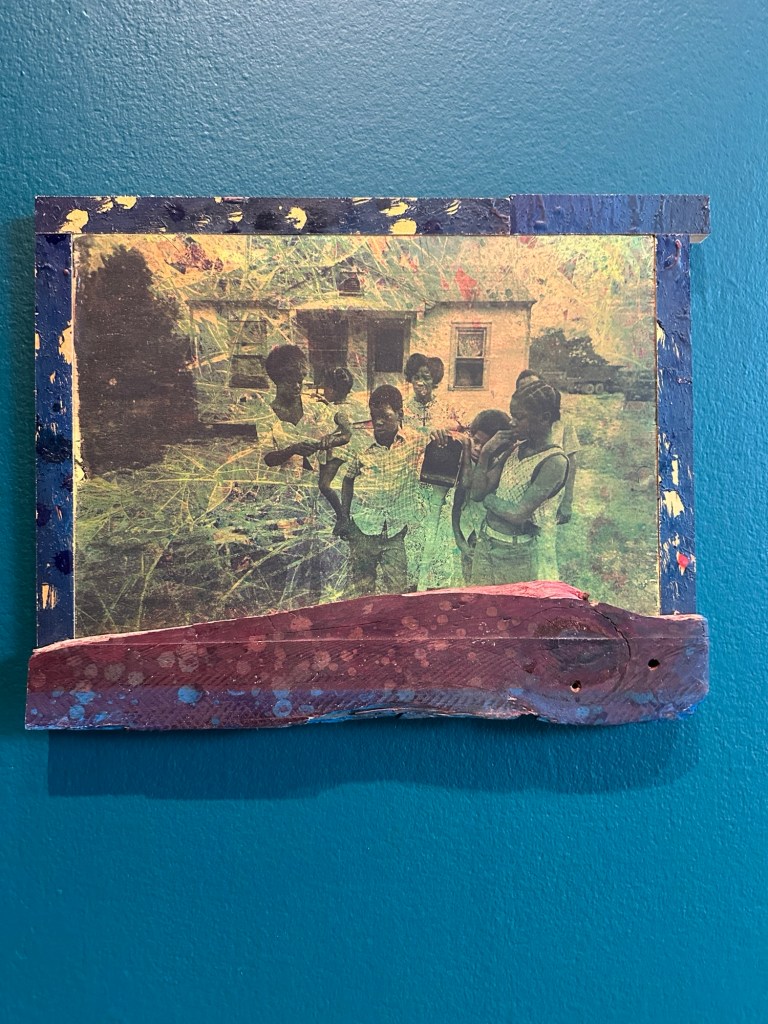
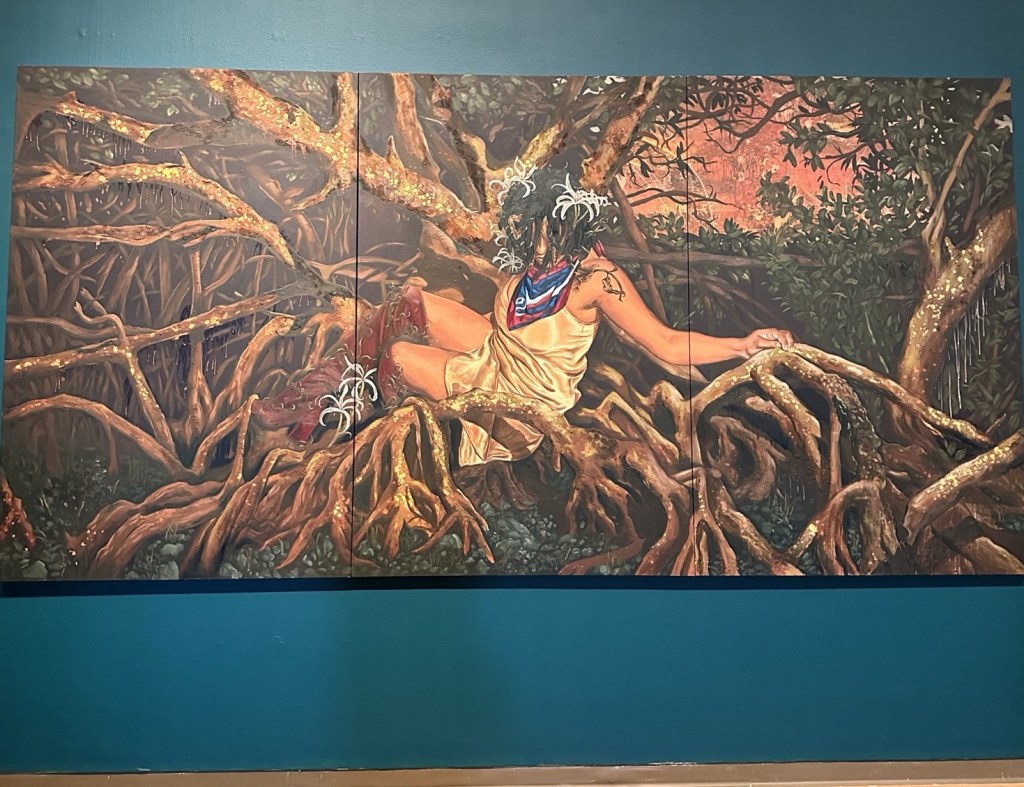
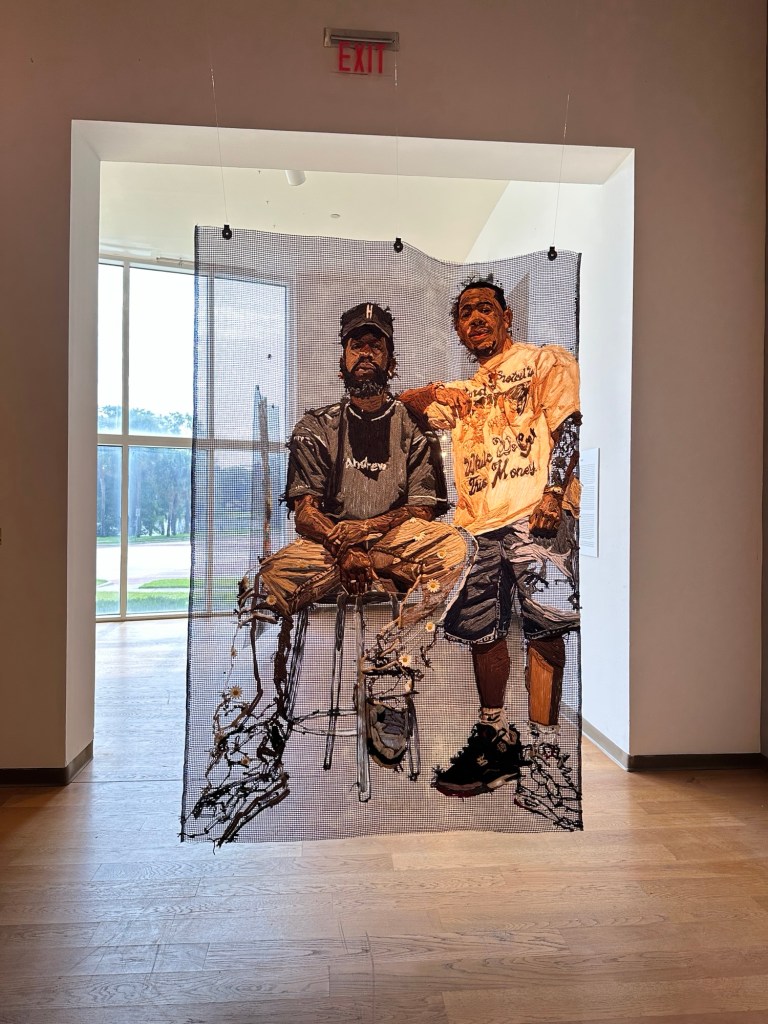
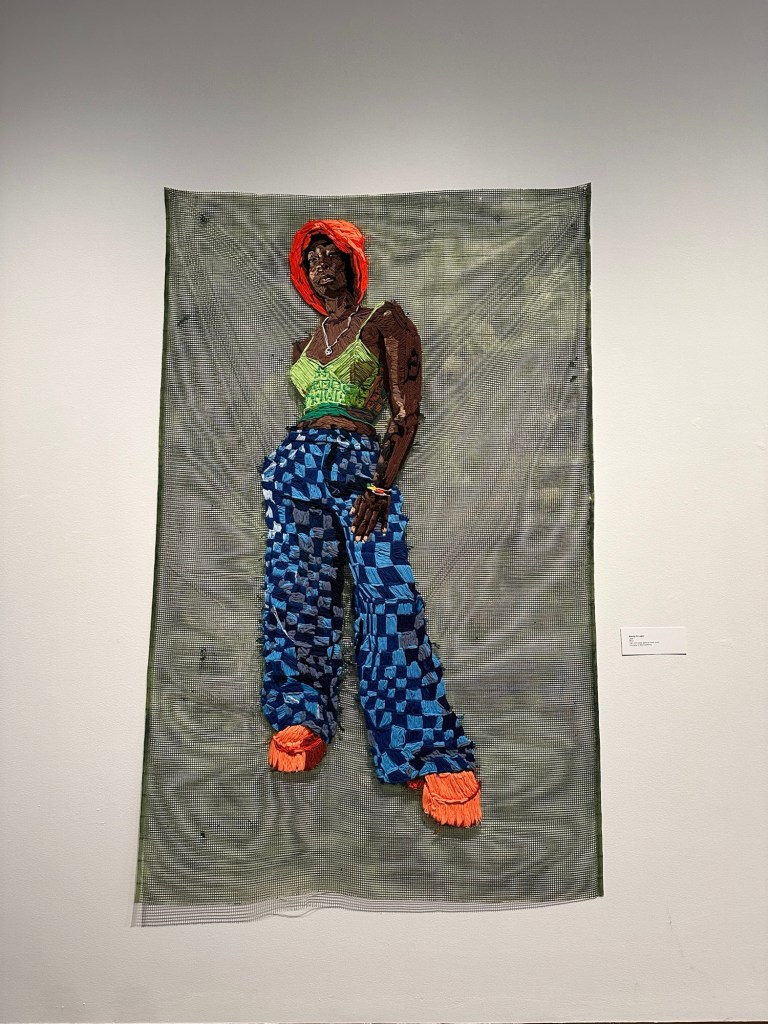
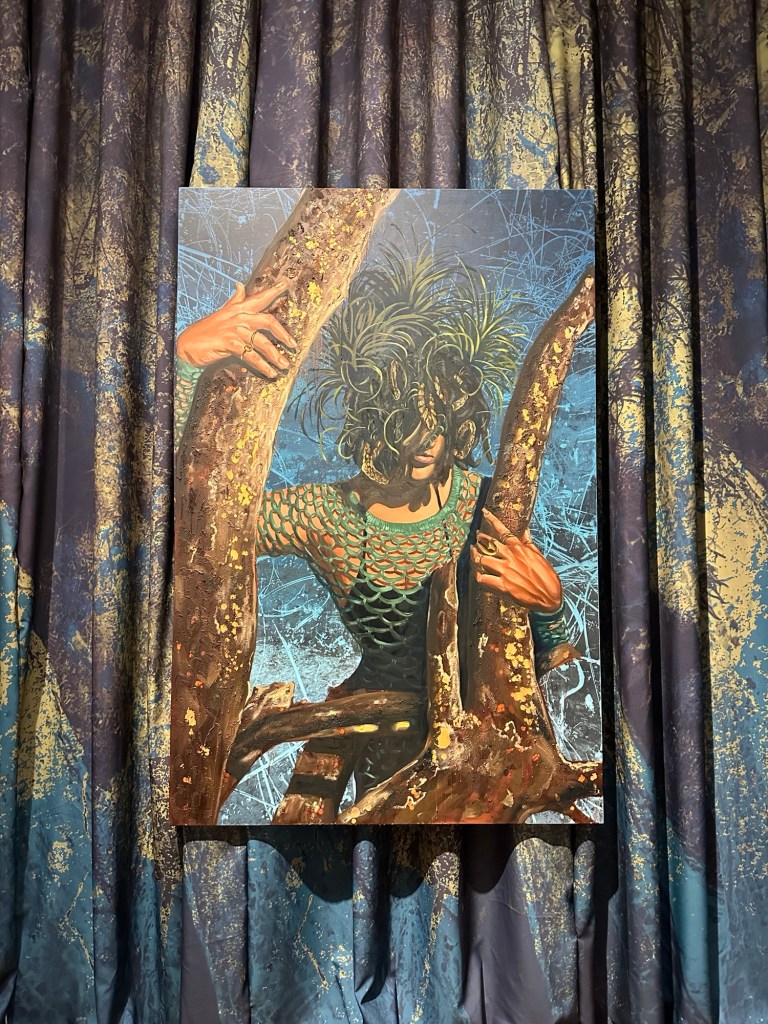
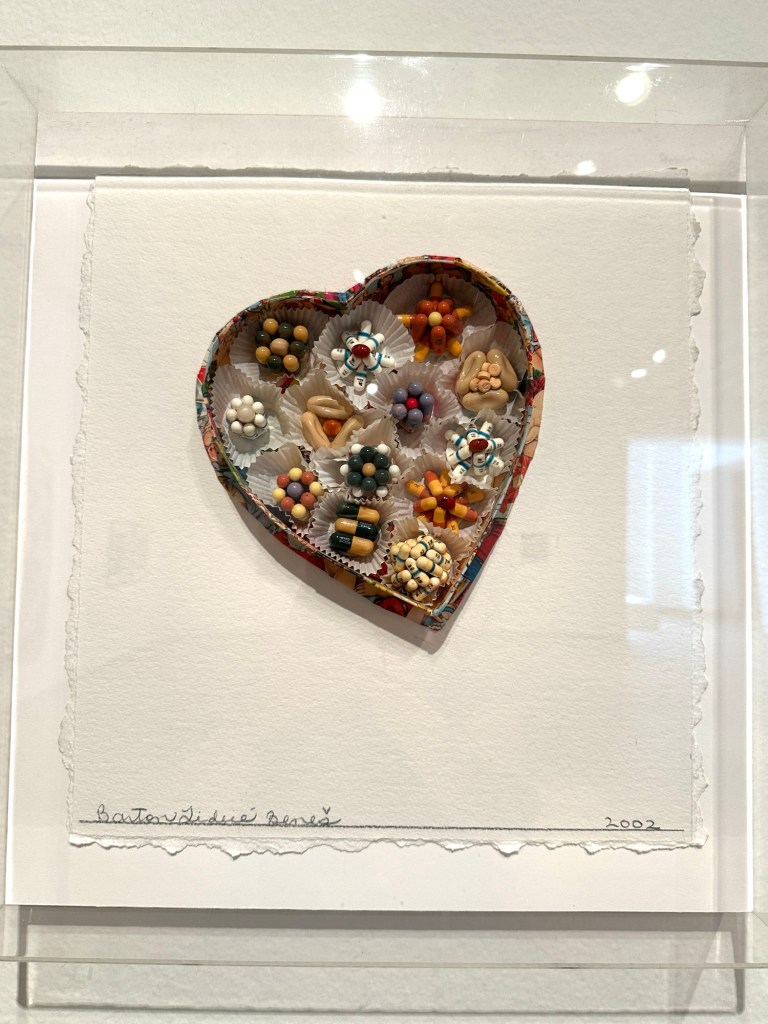
One of my favorite times of year at the Orlando Museum of Art (OMA) is the Florida Prize. Florida Prize in Contemporary art is an exhibition of contemporary artists in Florida. Every year they throw a big party and exhibit some great artists. I haven’t been to the party the past couple years but I am always sure to at least check out the exhibit while the art is displayed.

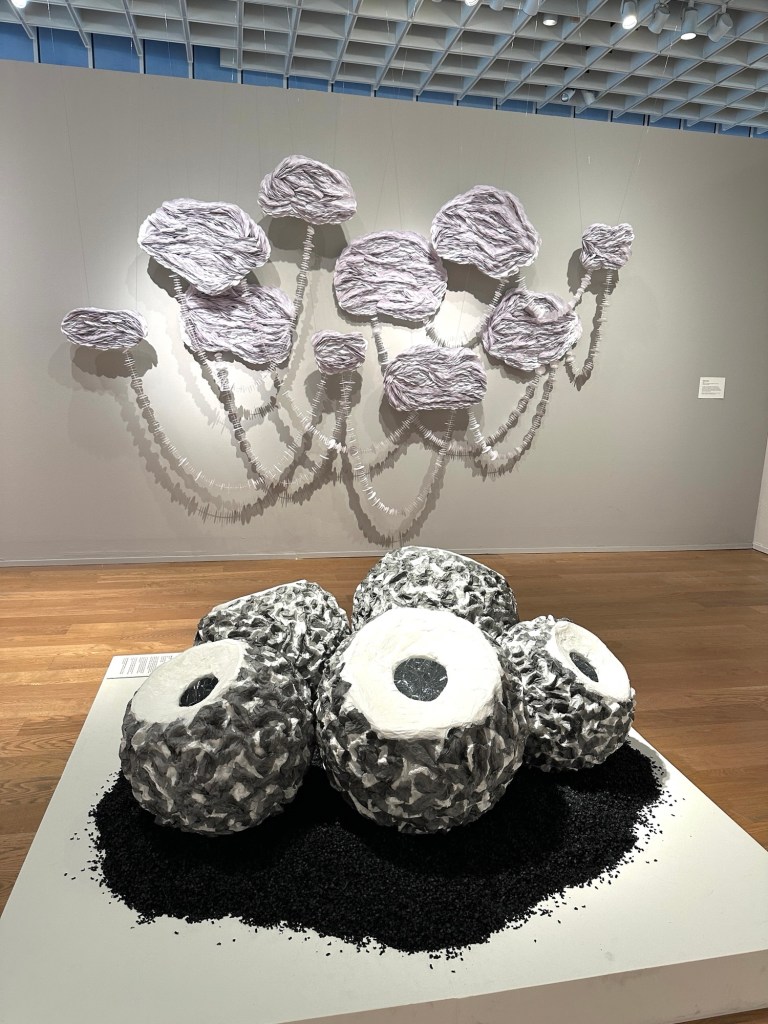
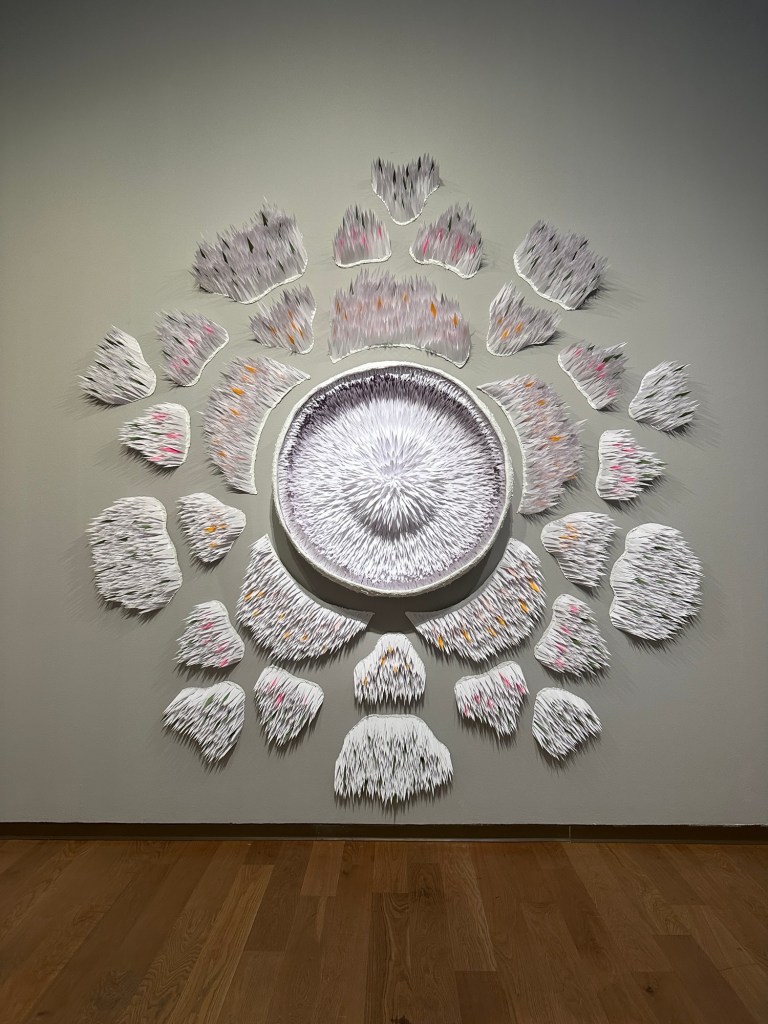
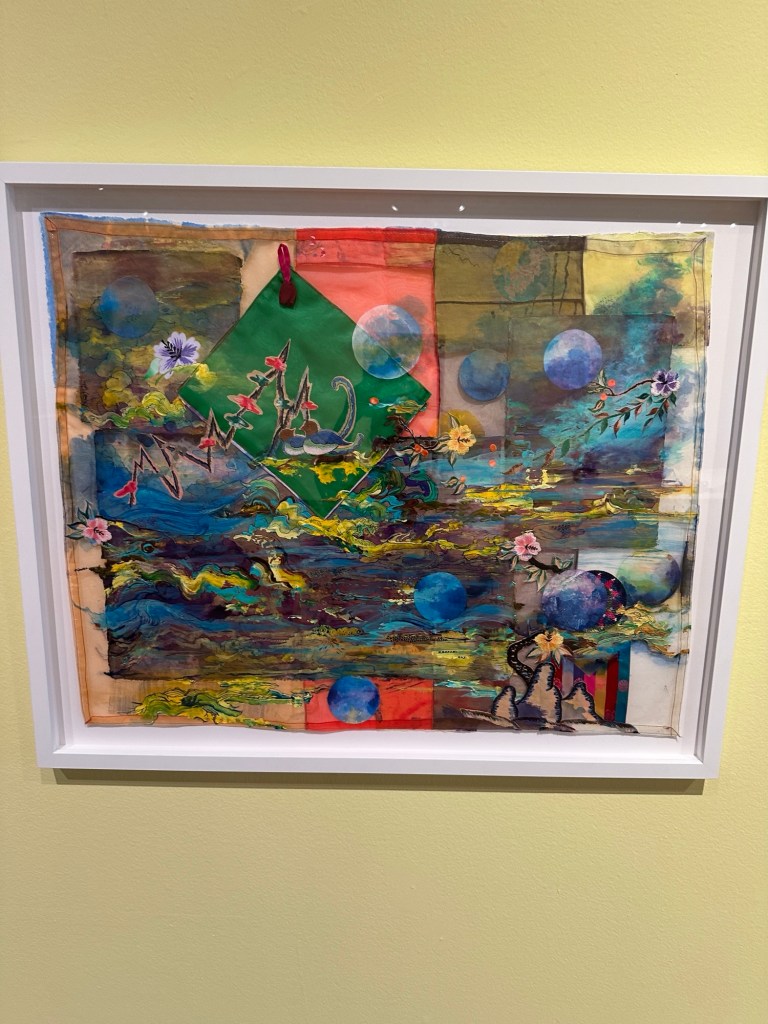
I don’t think I caught photos of all the exhibits but the following is the list of artists:Nathalie Alfonso, Eddie Arroyo, Leo Castañeda, Kelly Joy Ladd, Amanda Linares, Kandy G. Lopez, Jiha Moon, Troy Simmons, Cornelius Tulloch, and Lisu Vega.
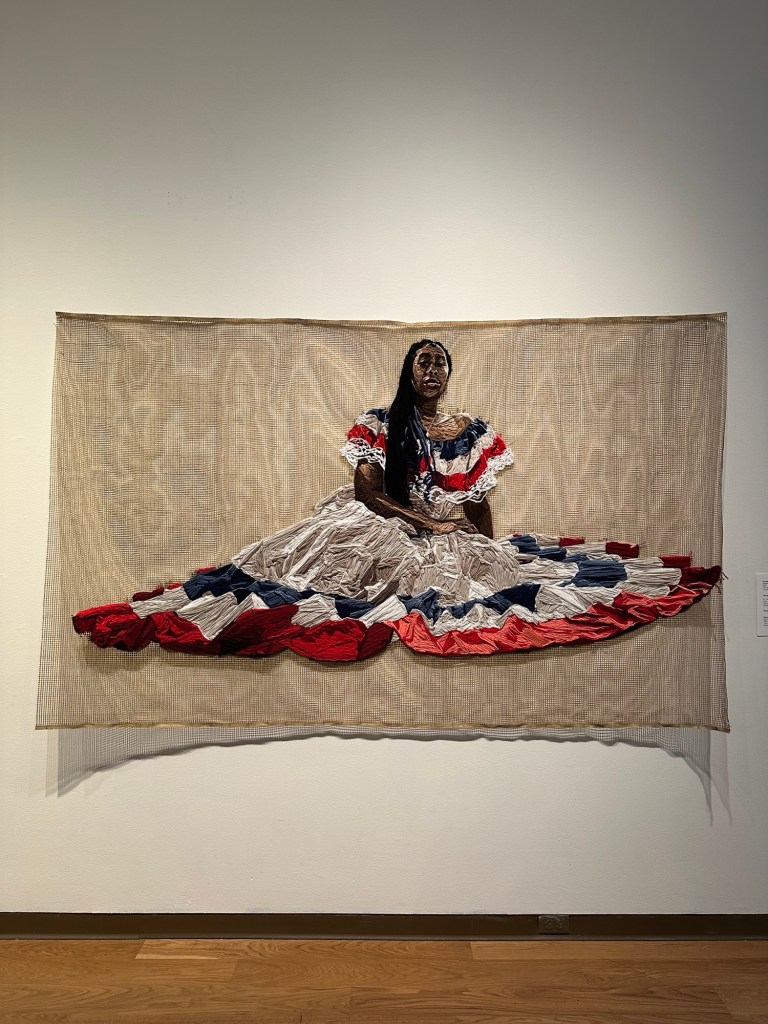
Amanda Linares

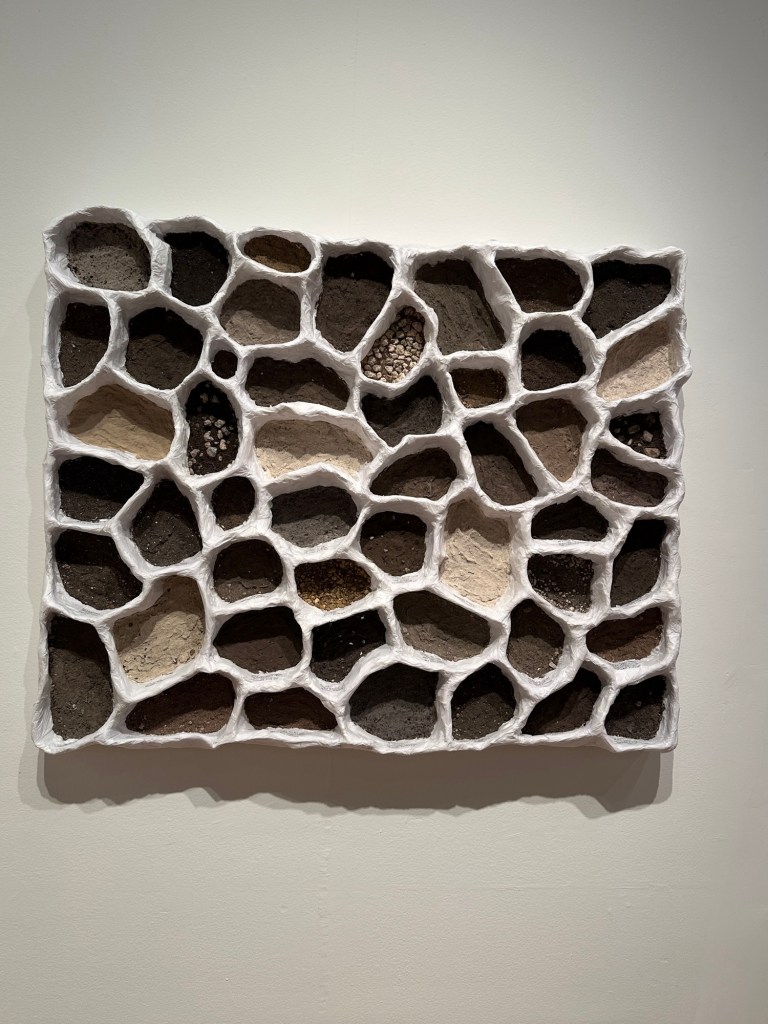
Kelly Joy Ladd

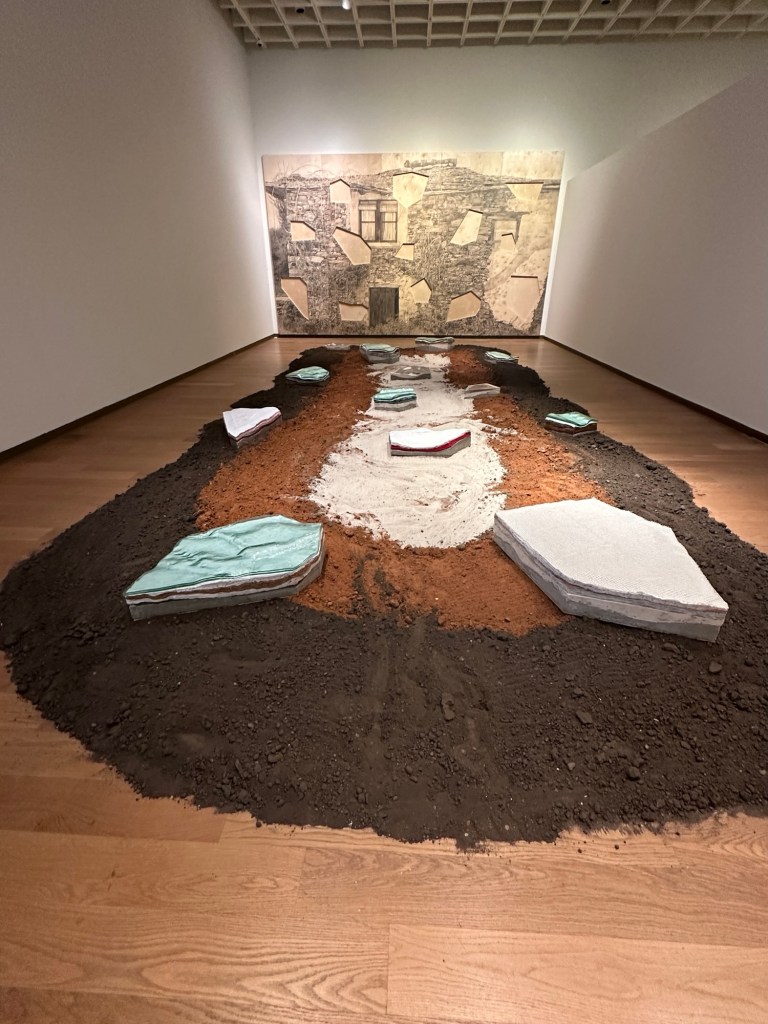
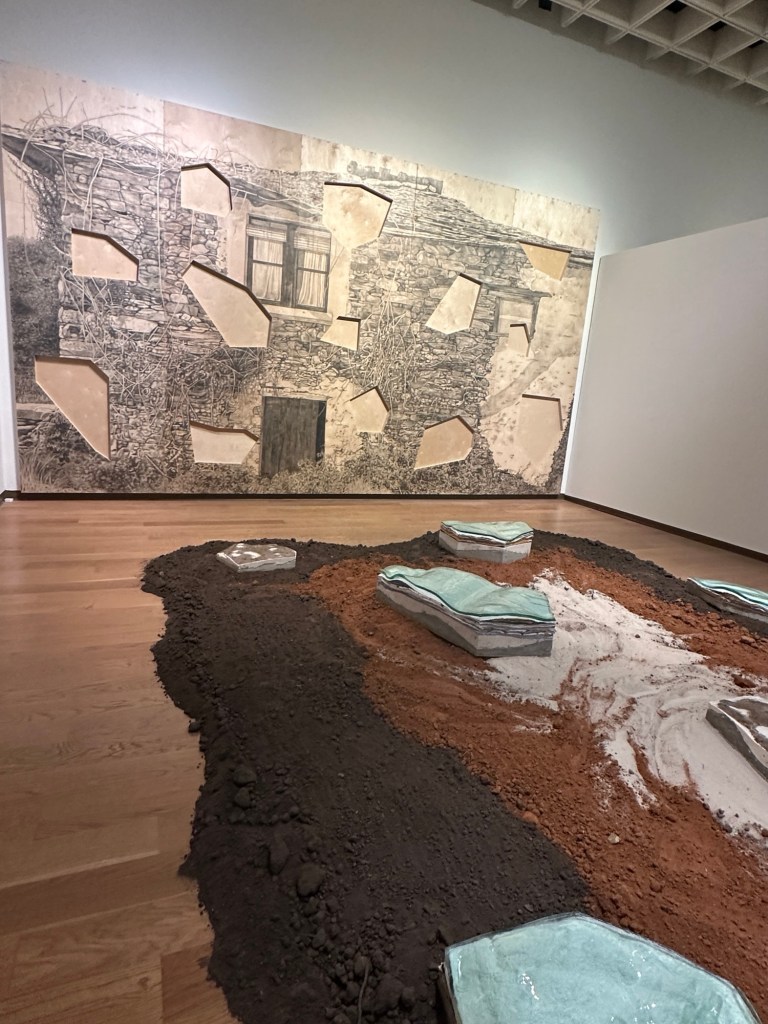
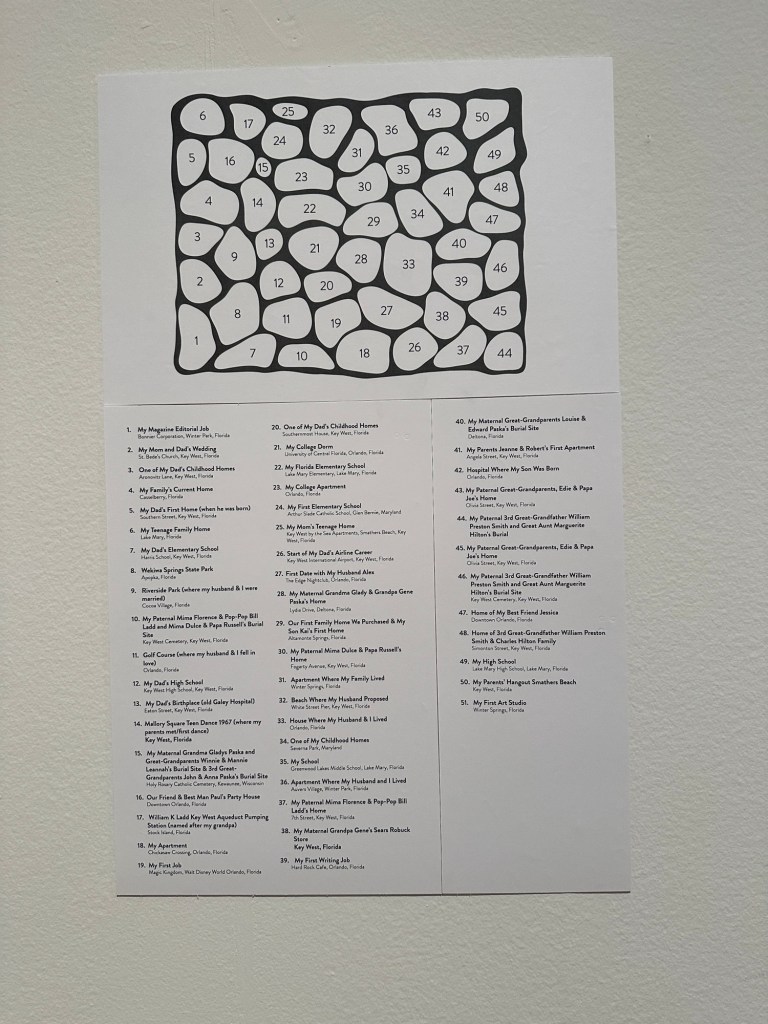
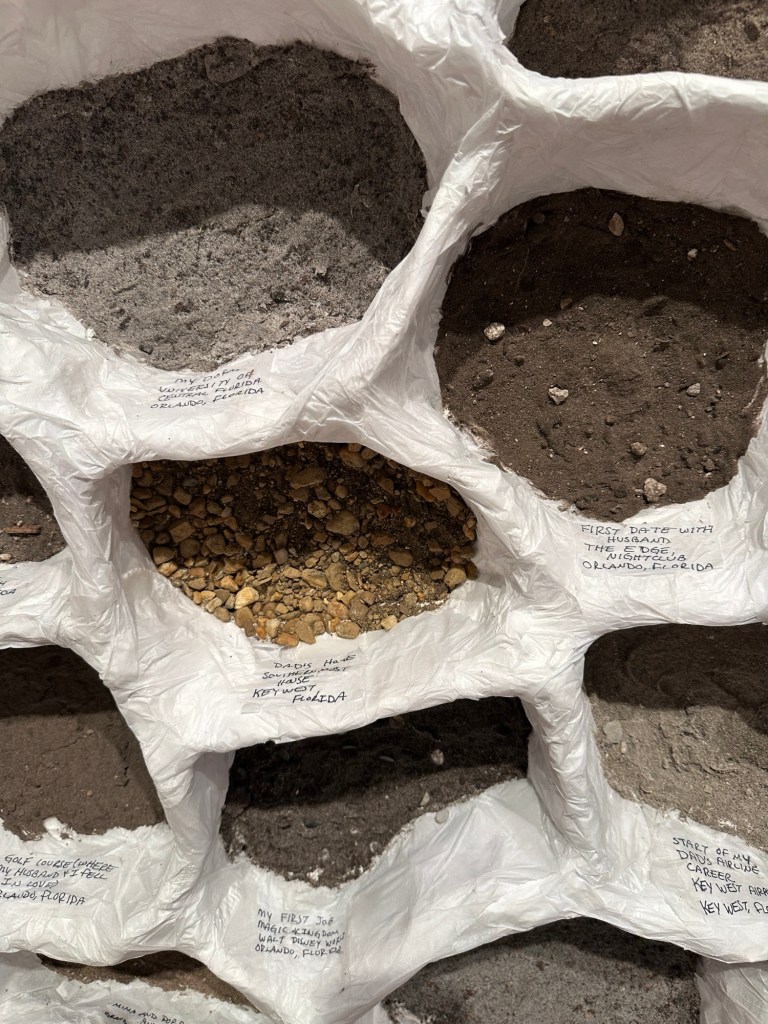
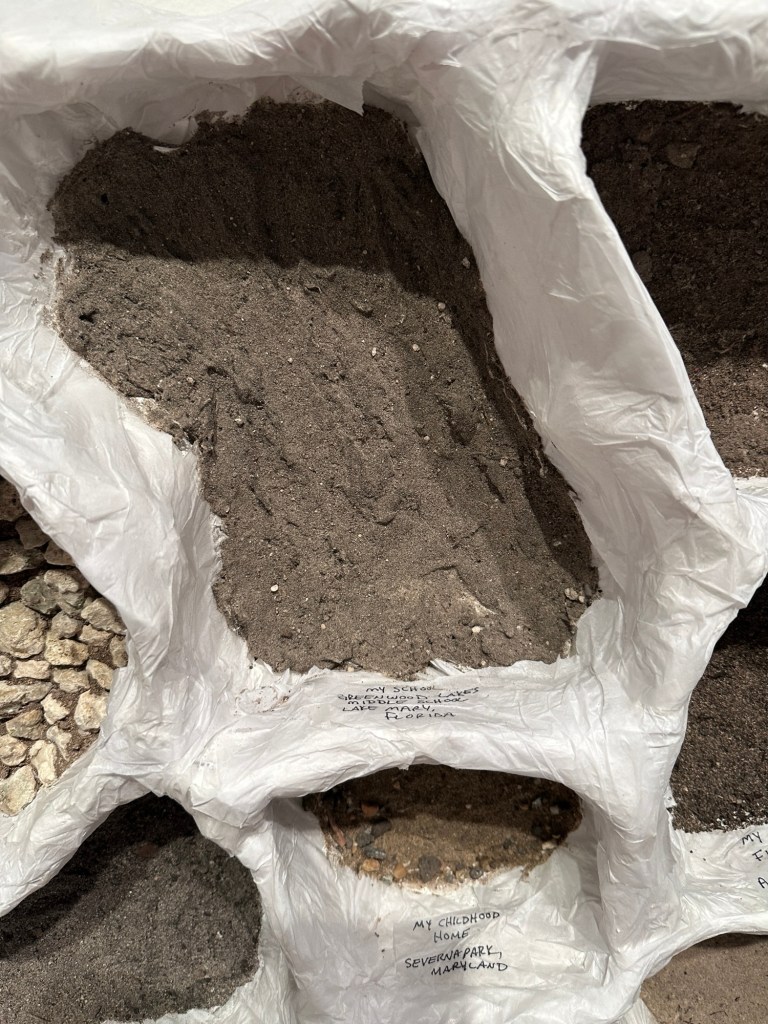
Being from the central Florida area this piece of art is fun because it contains dirt from different Florida locations, many of which actually had meaning to me.
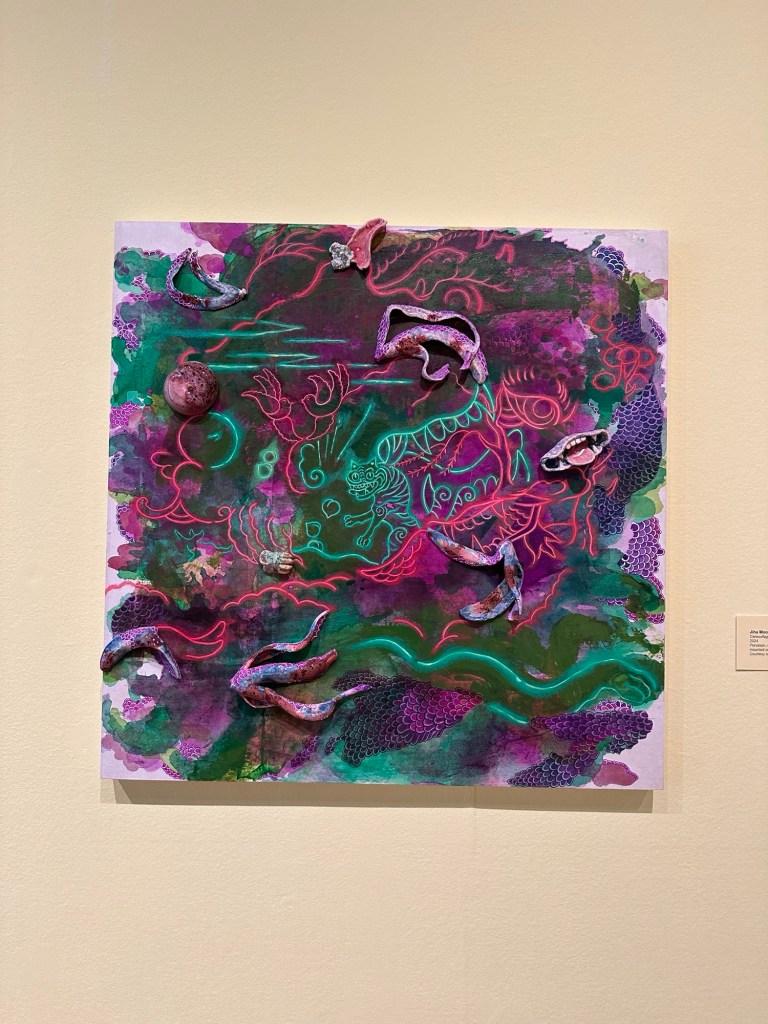
Jiha Moon

Lisu Vega

Cornelius Tulloch

Kandy G. Lopez

Leo Castañeda

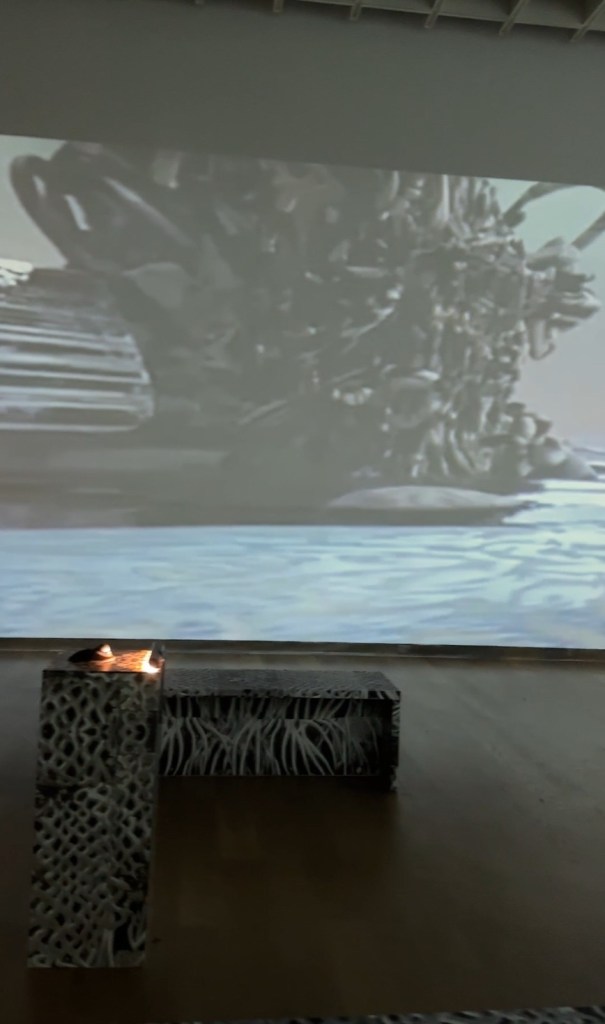
Audiovisual

Can’t wait for next year’s show!

Gdańsk: Last days

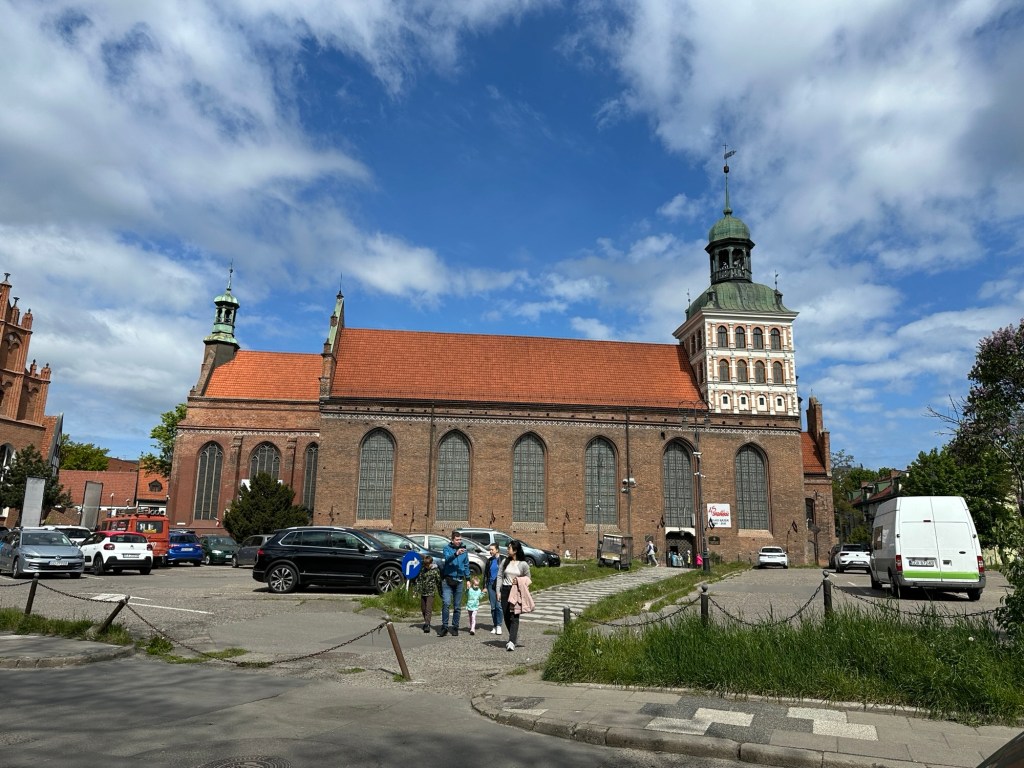
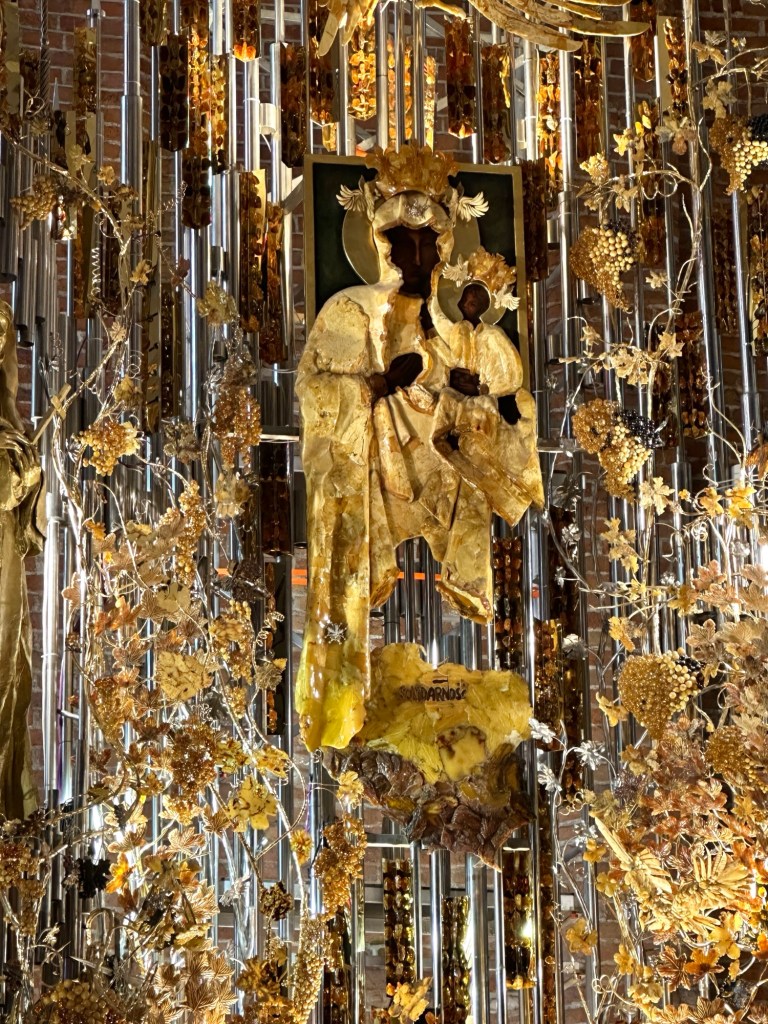
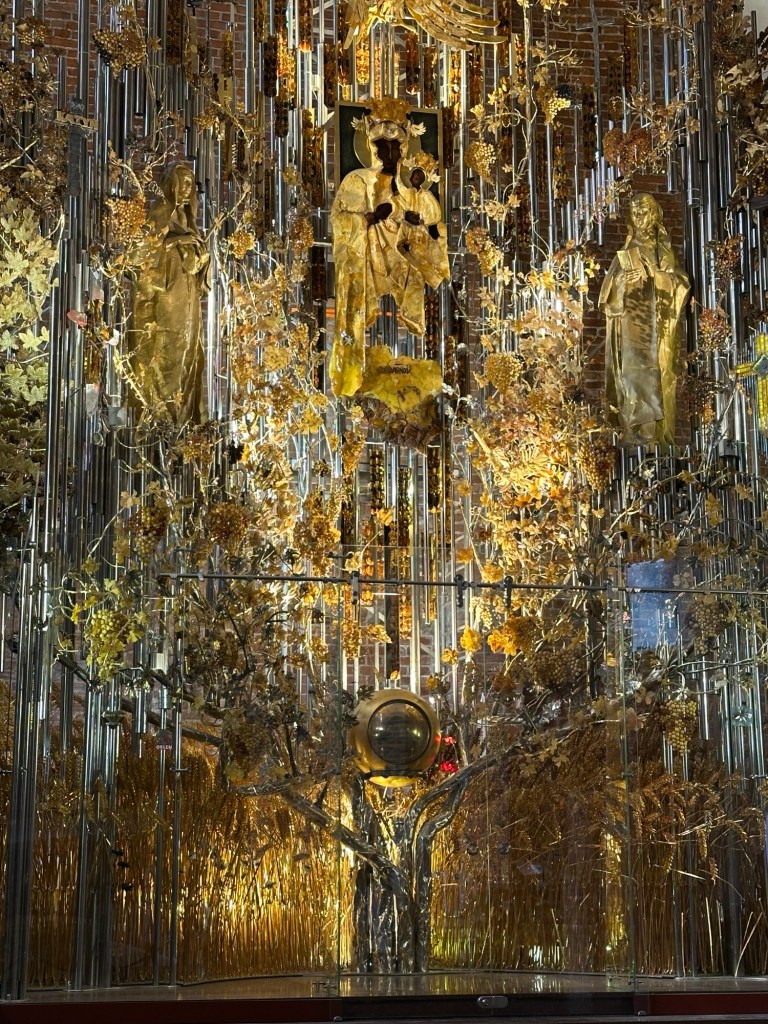
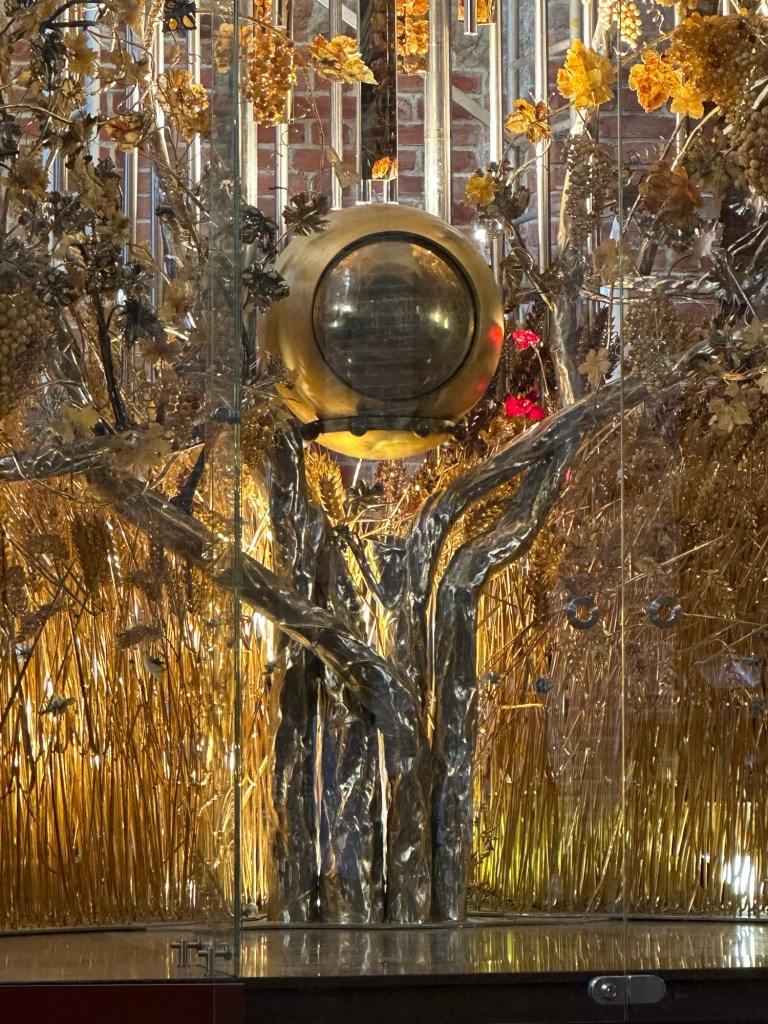
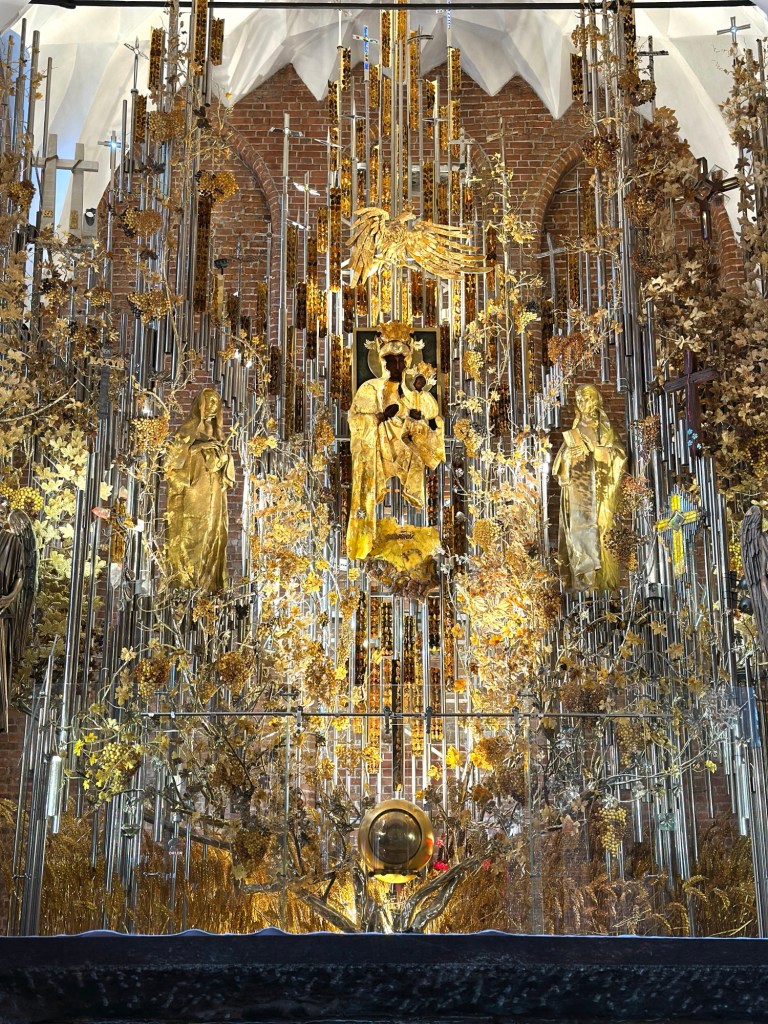
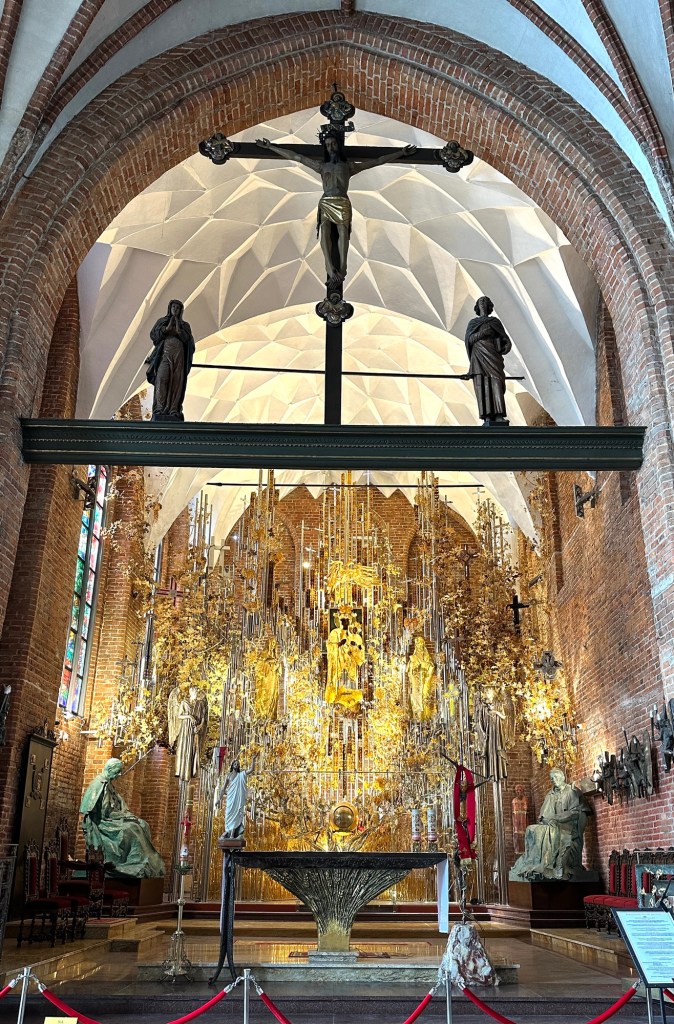
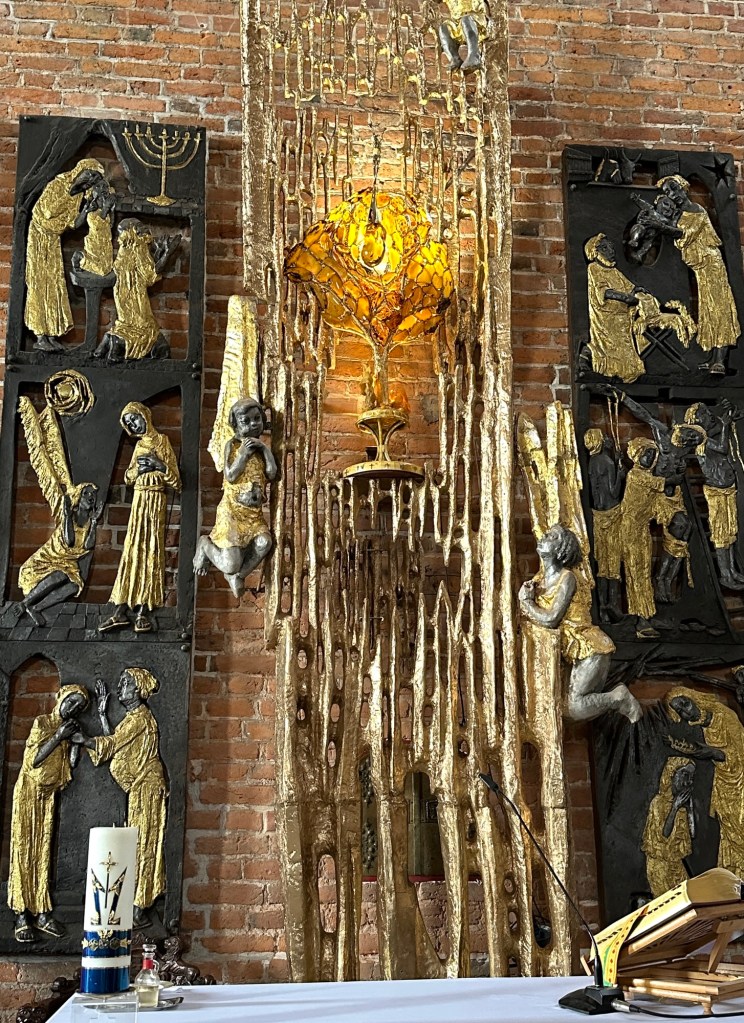
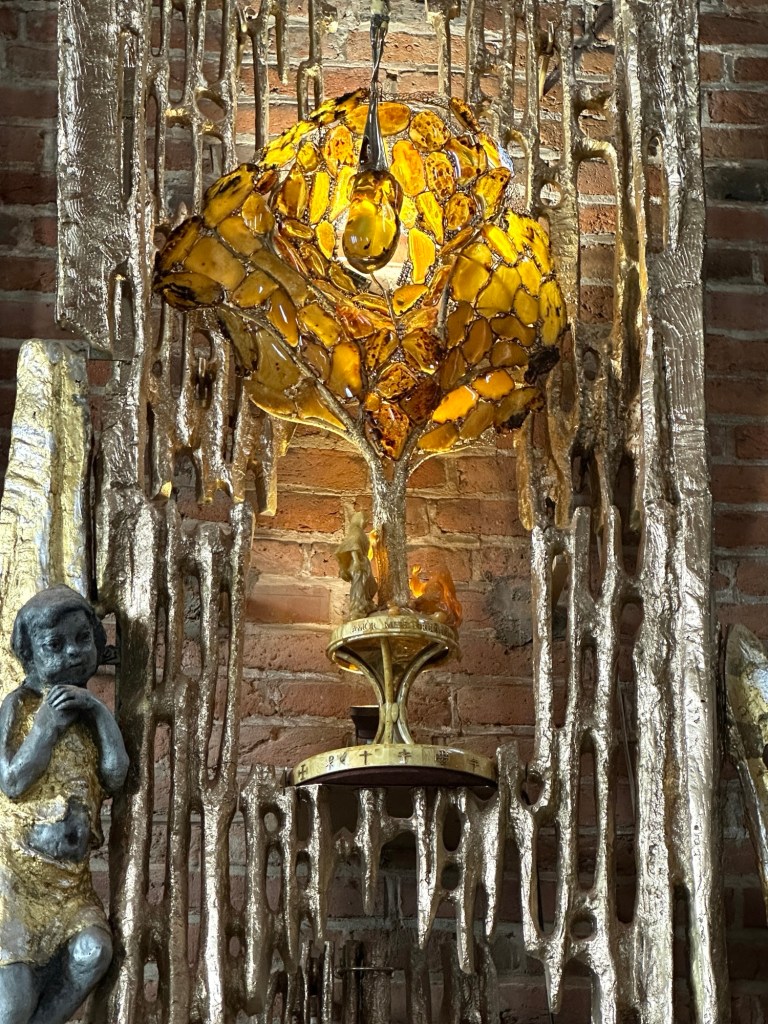
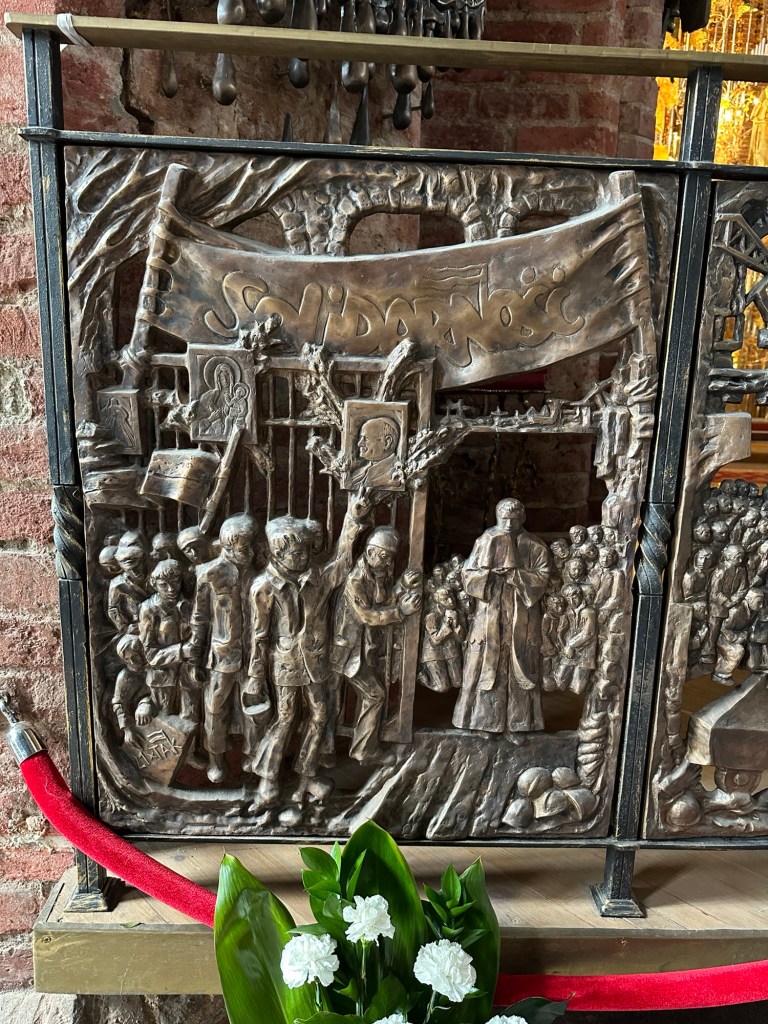
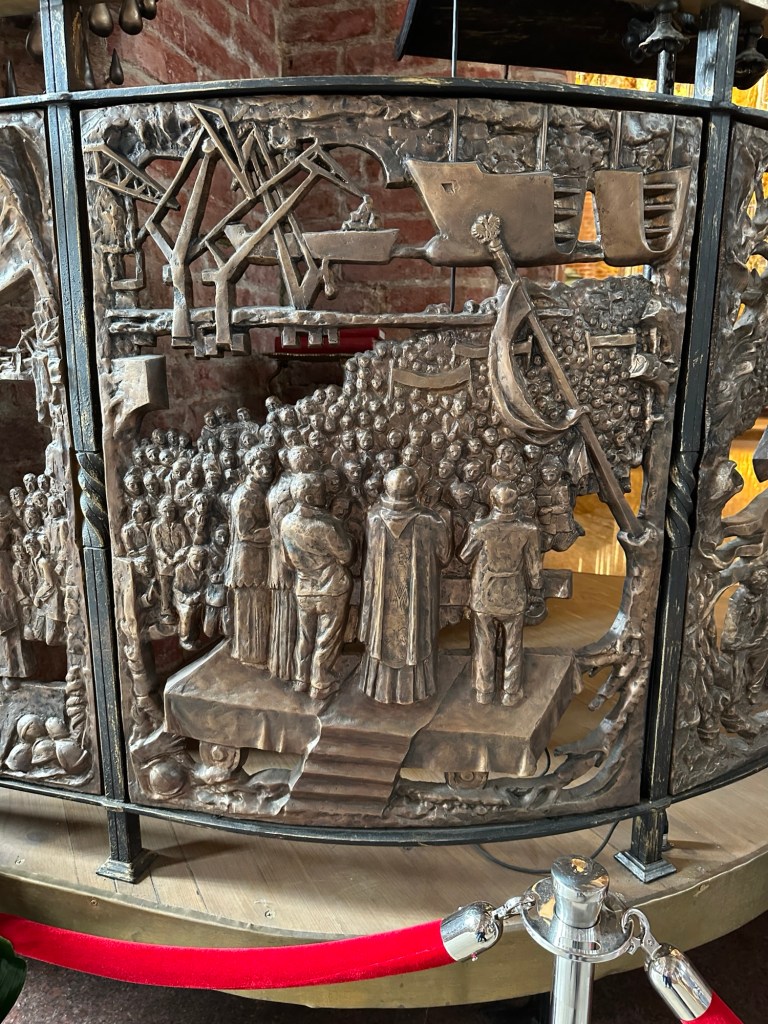
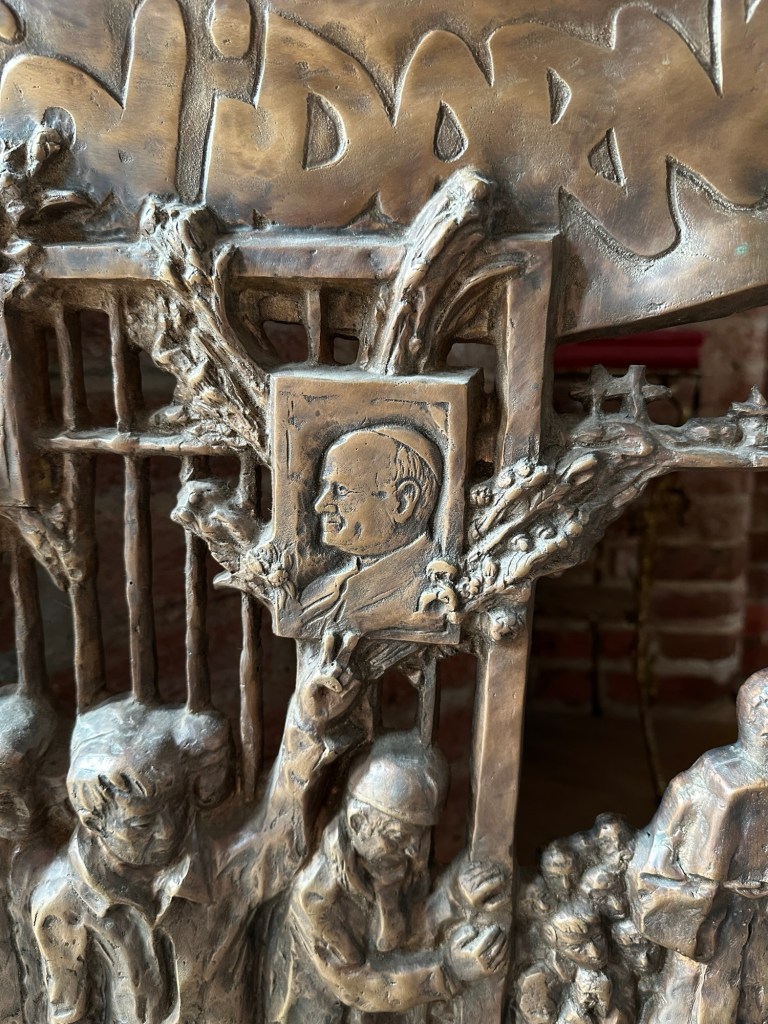
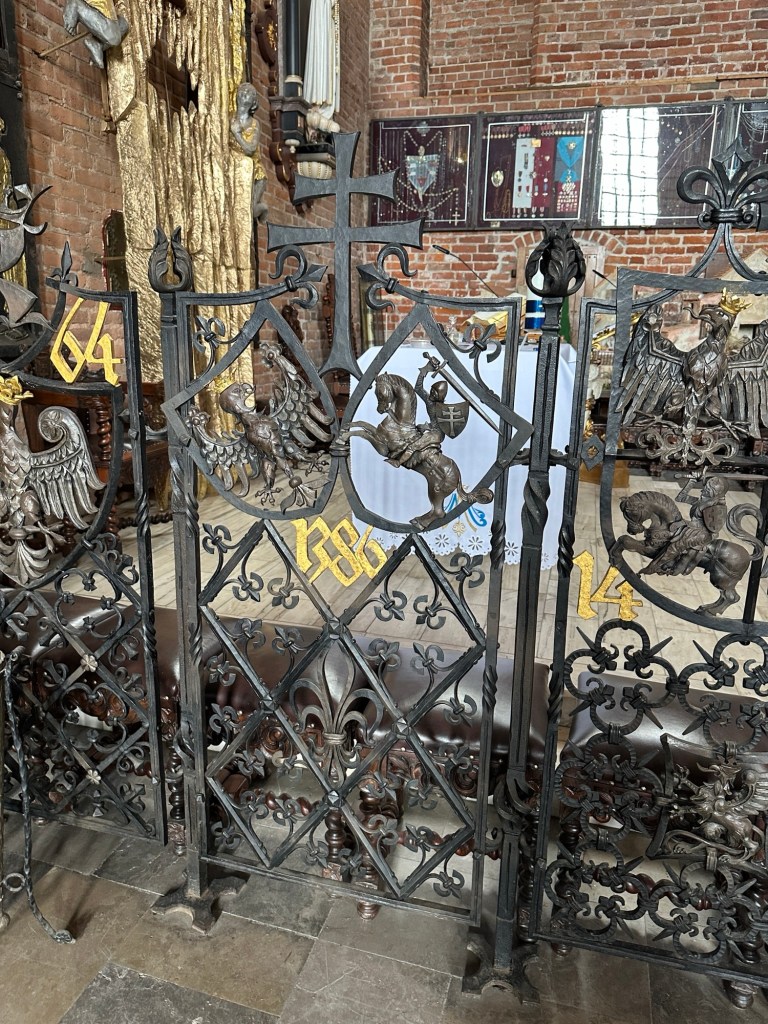
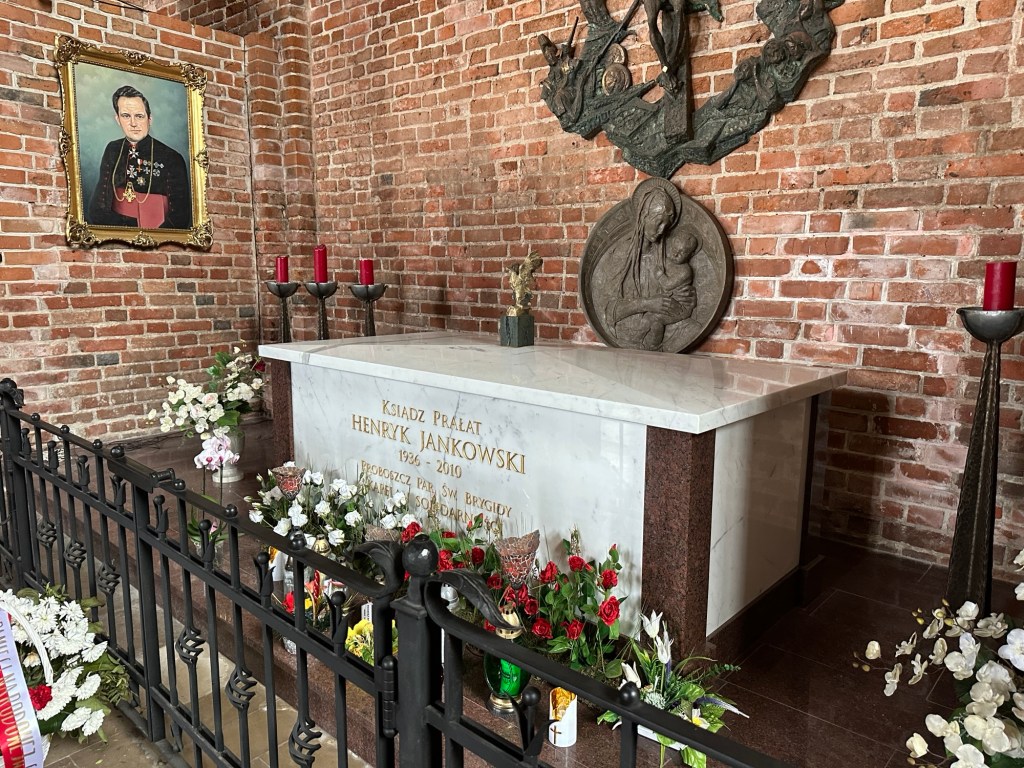
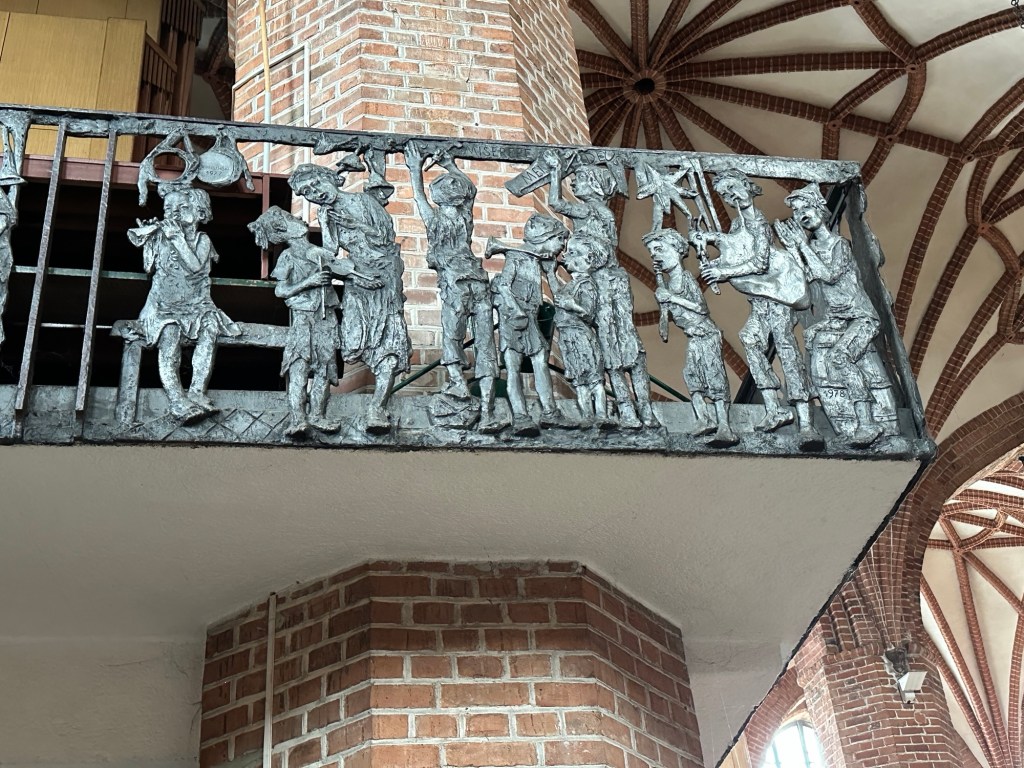
In the morning I visit the Basilica of St. Bridget. This reconstructed church was originally built in the 14th century. It was destroyed in WWII and rebuilt in 1970. It is known for its beautiful amber alter and its homage to the solidarity movement.

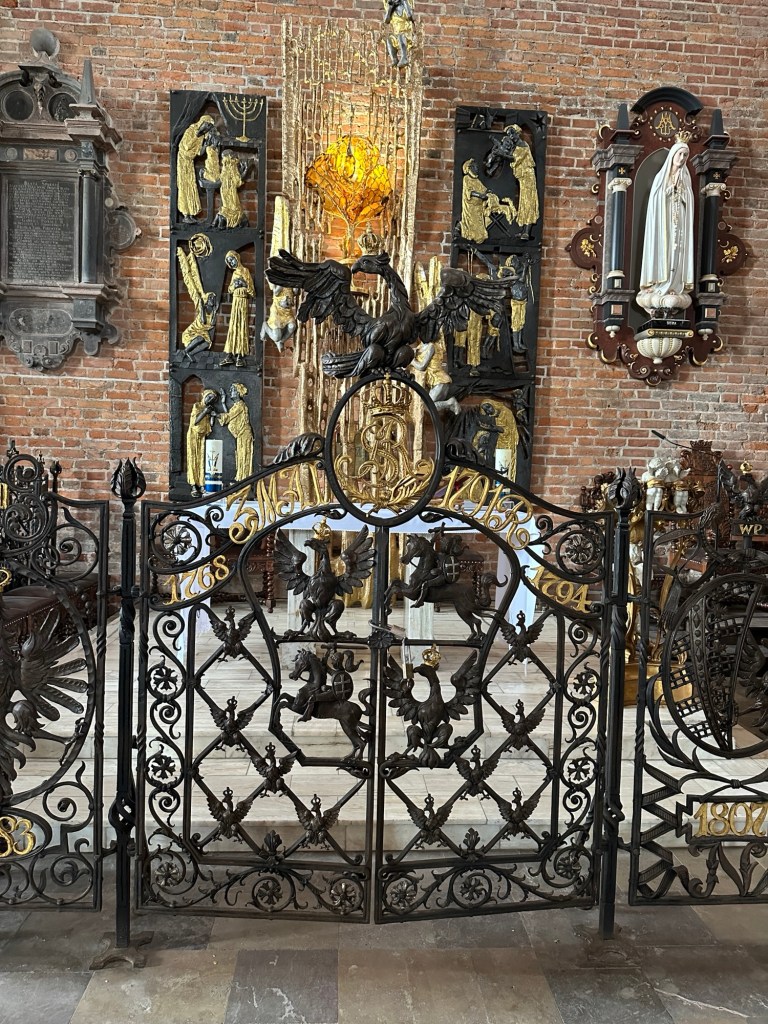
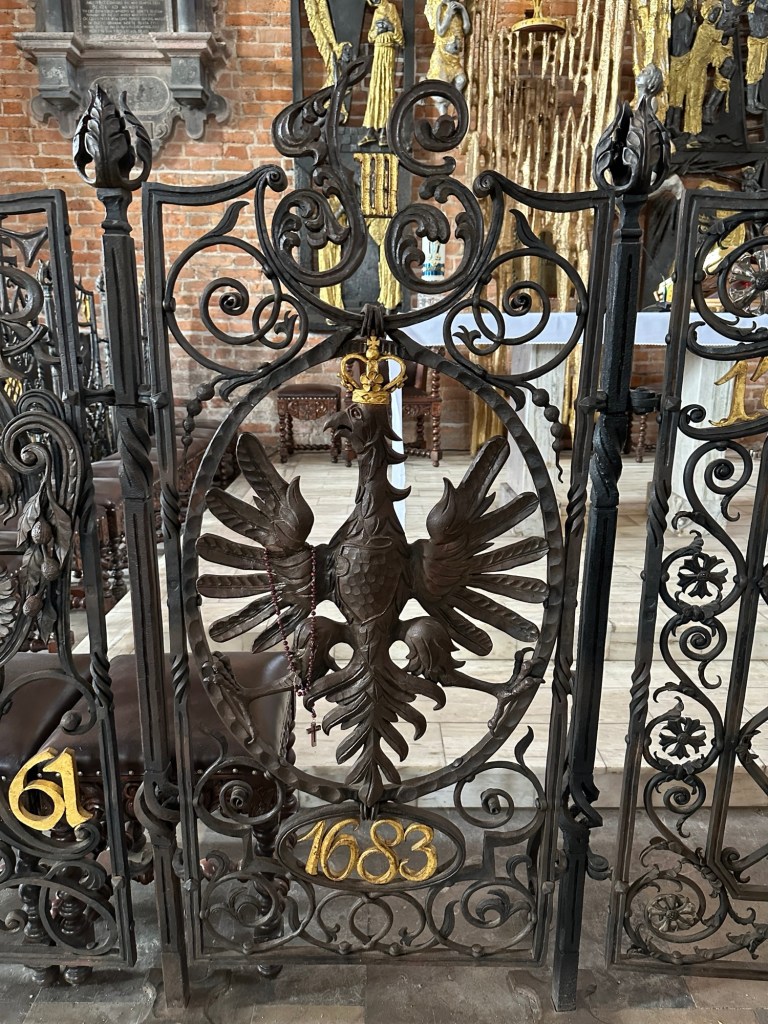
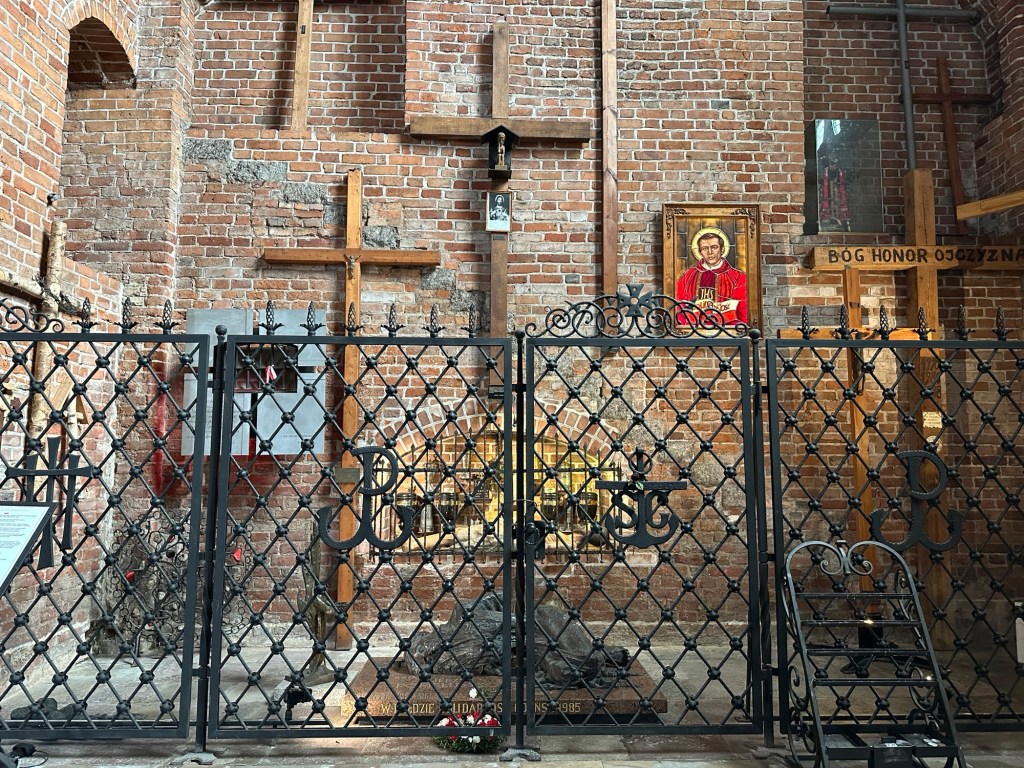
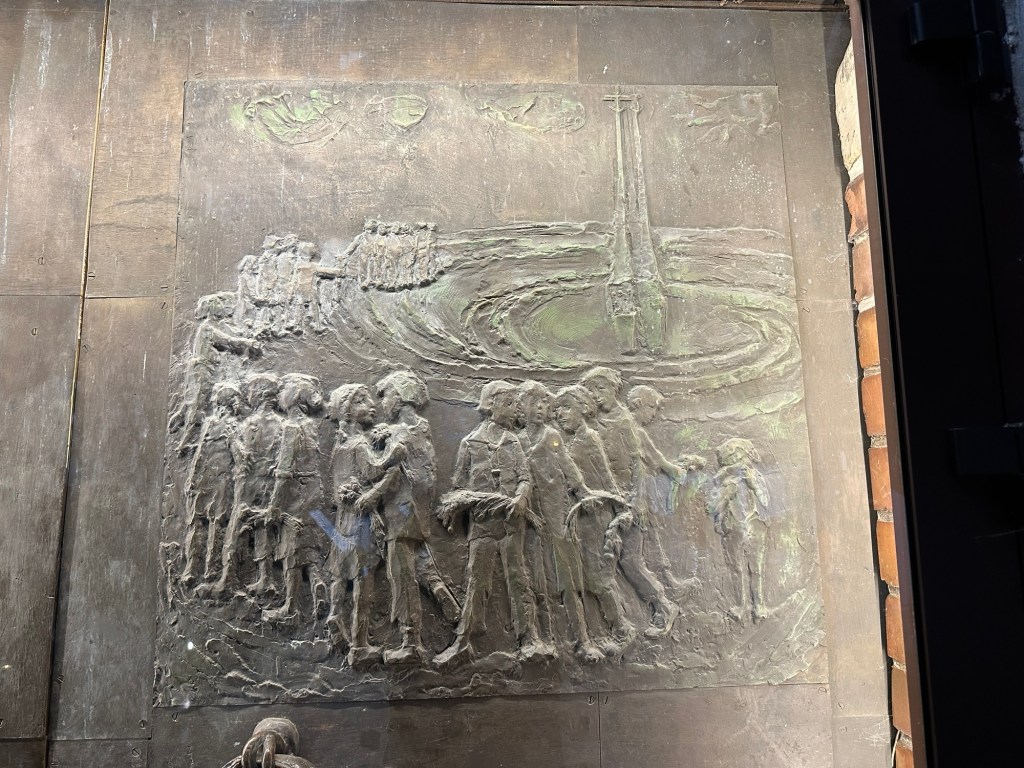
 There is a chapel in memory of those who participated in the solidarity movement.

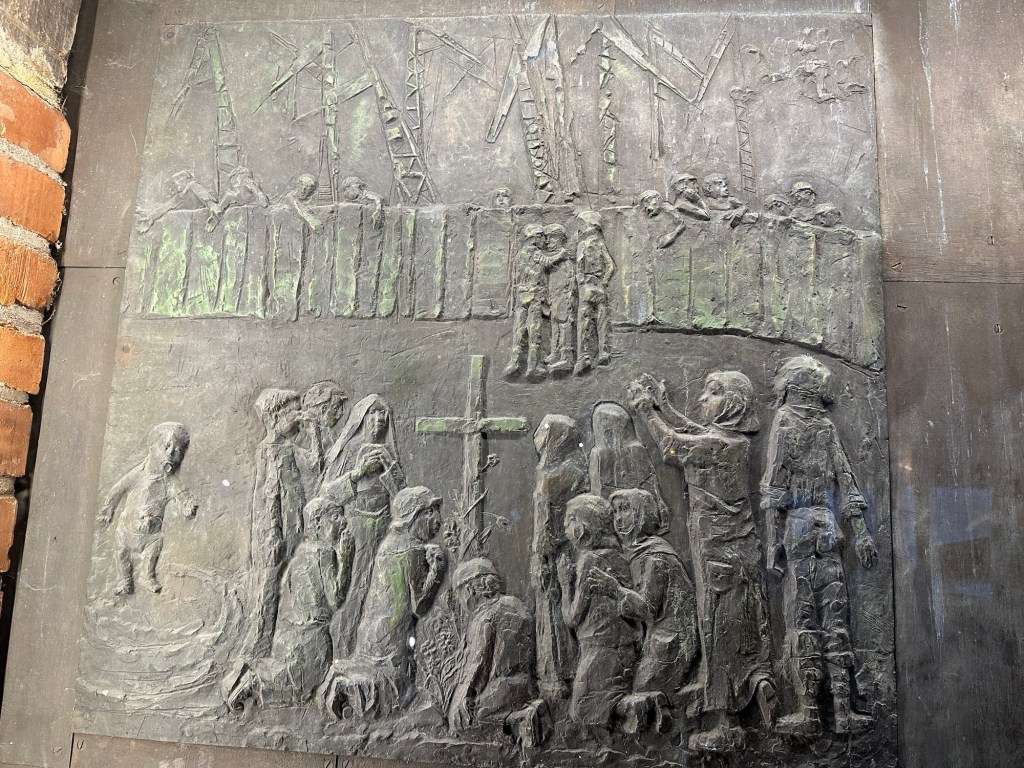
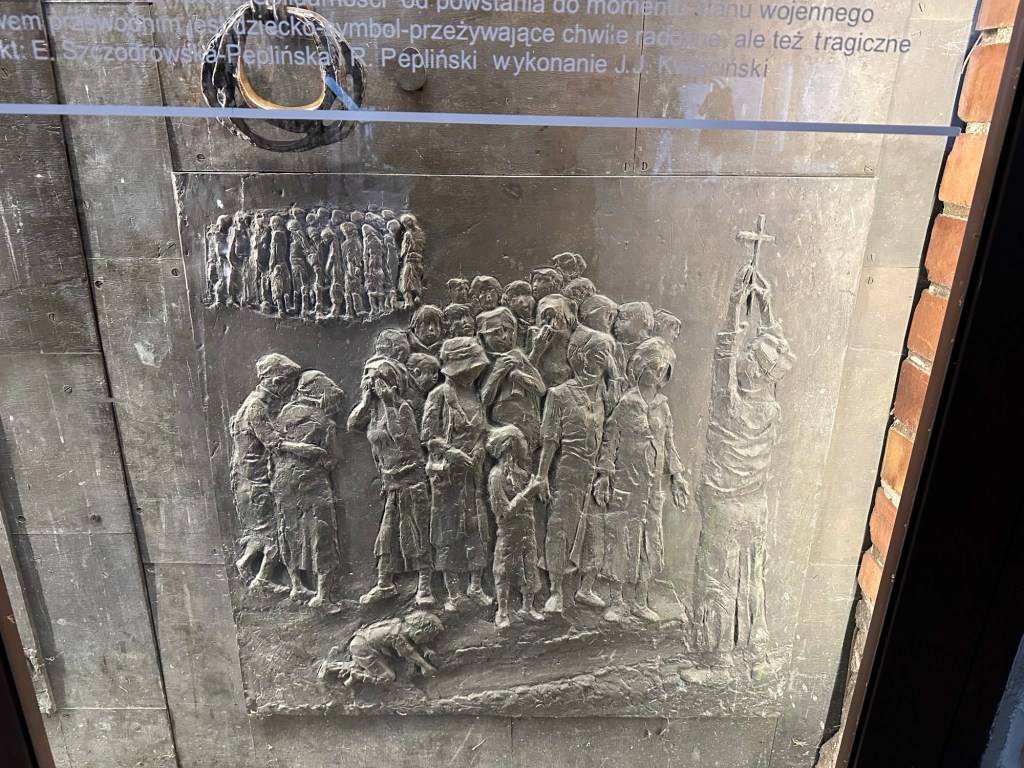
There is another area dedicated to those that have lost their lives in the Katyn massacre during WWII.

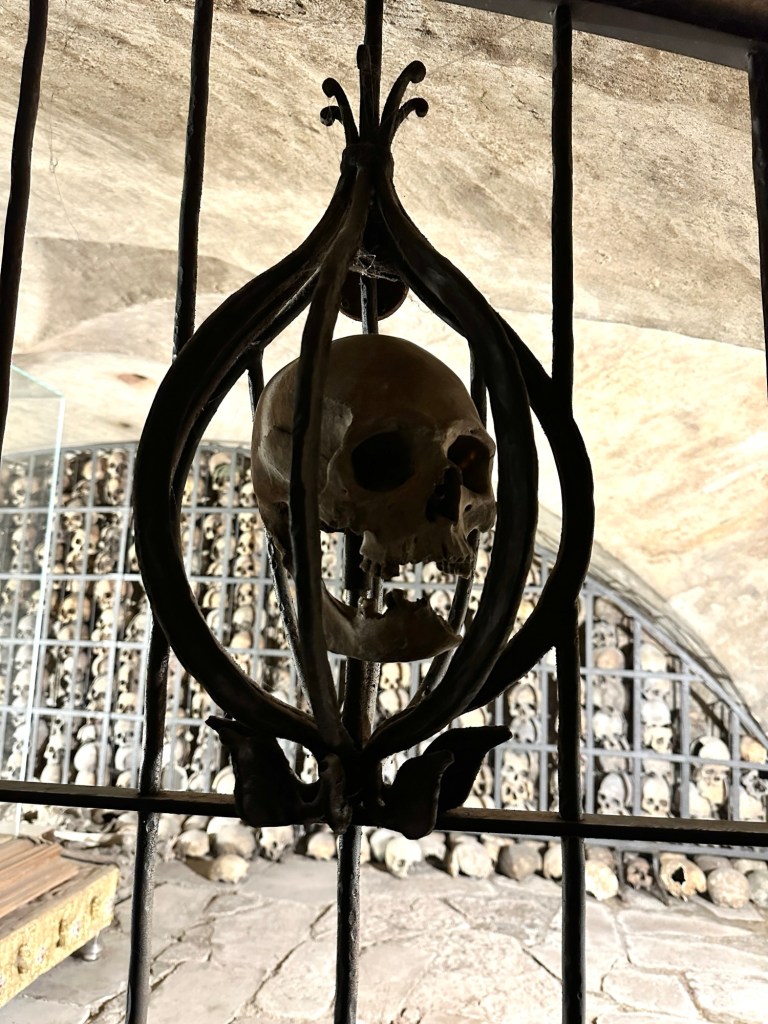
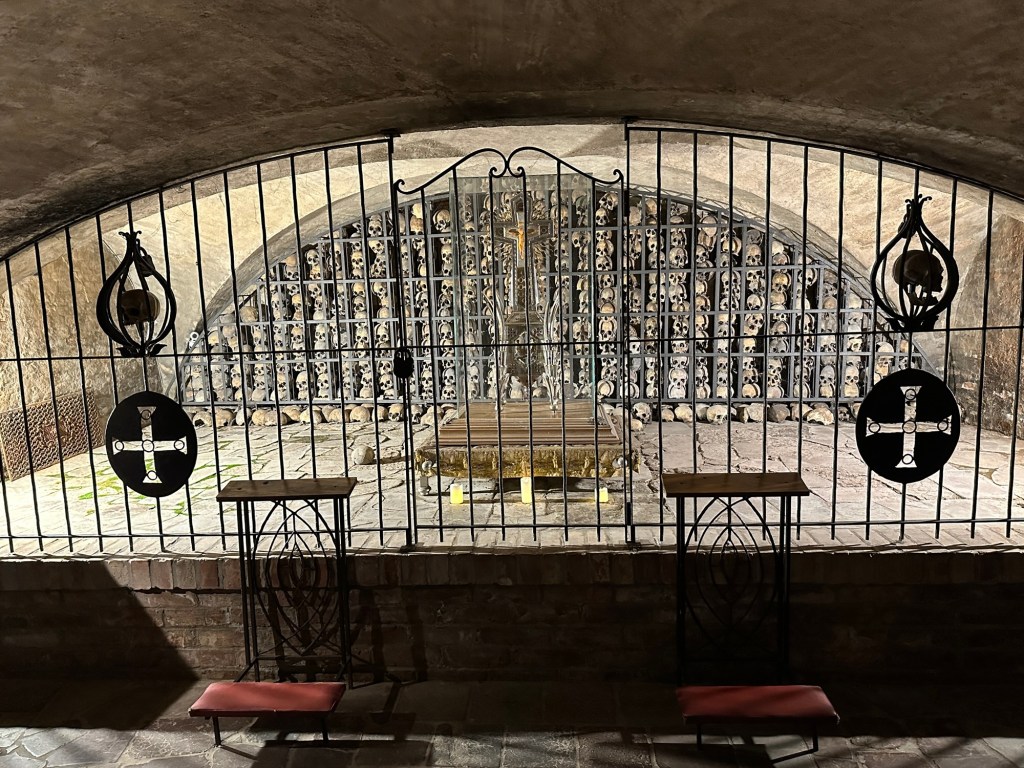
And finally I have to make a visit to the room of skulls. I must see all the skulls.

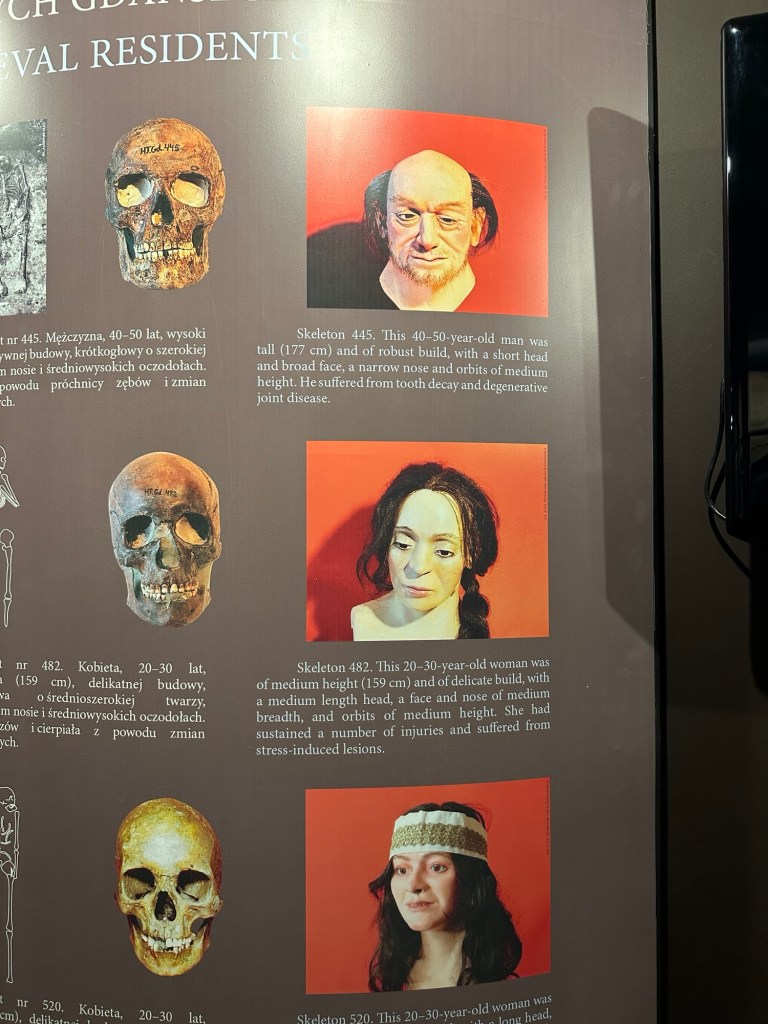
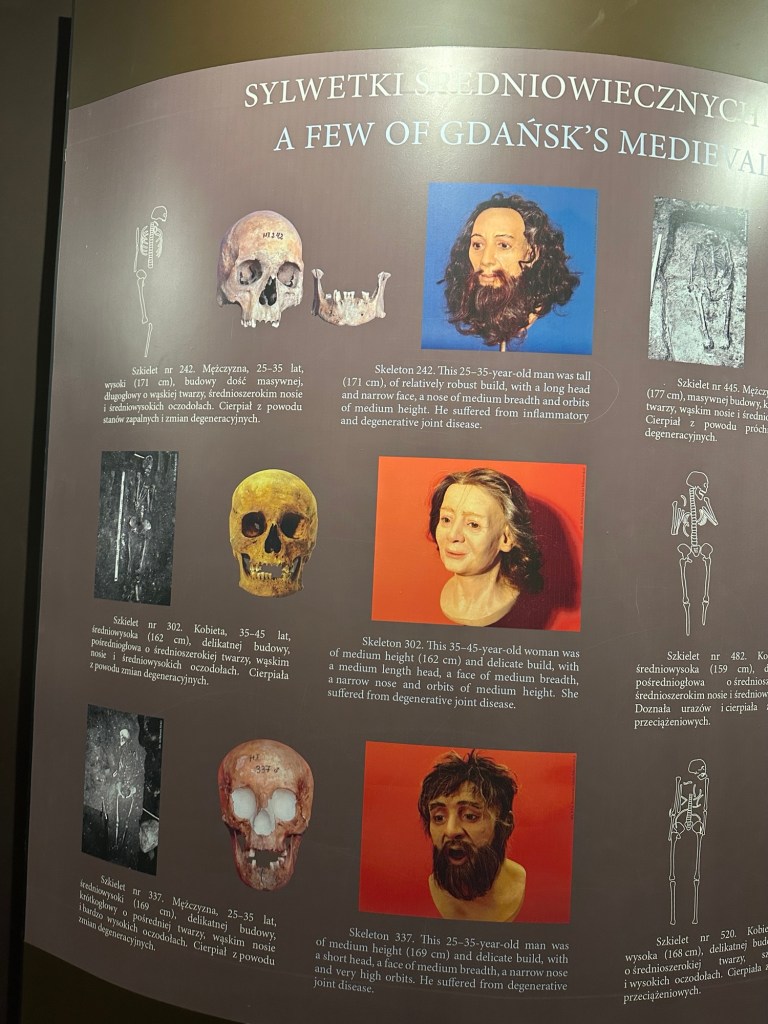
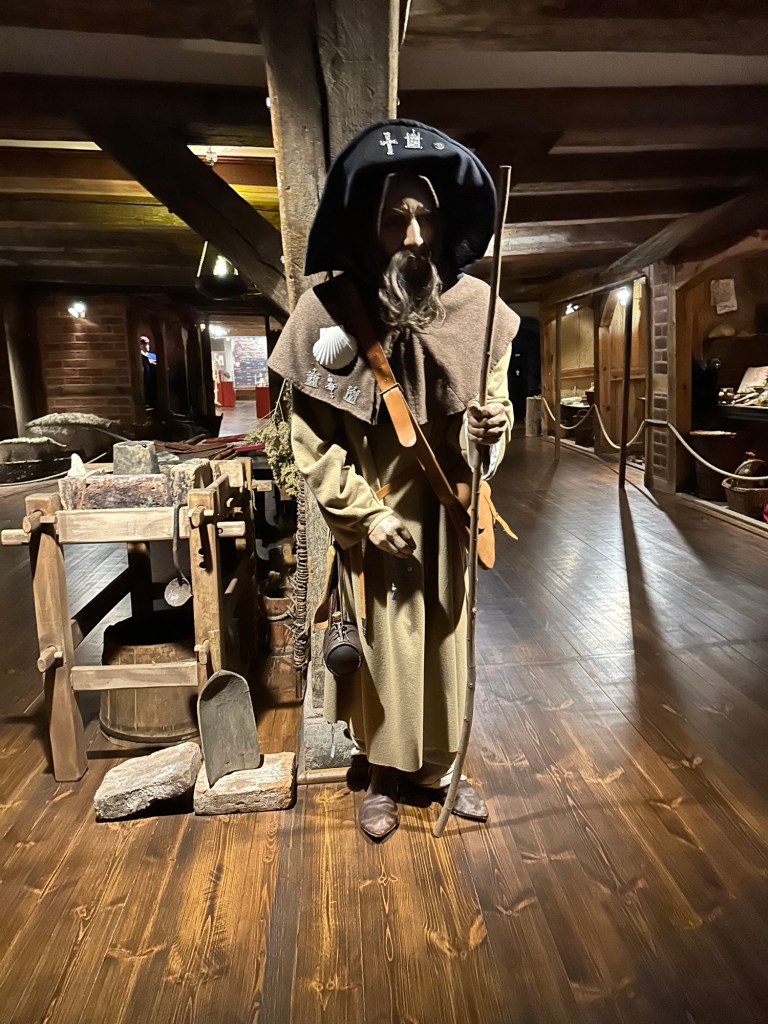
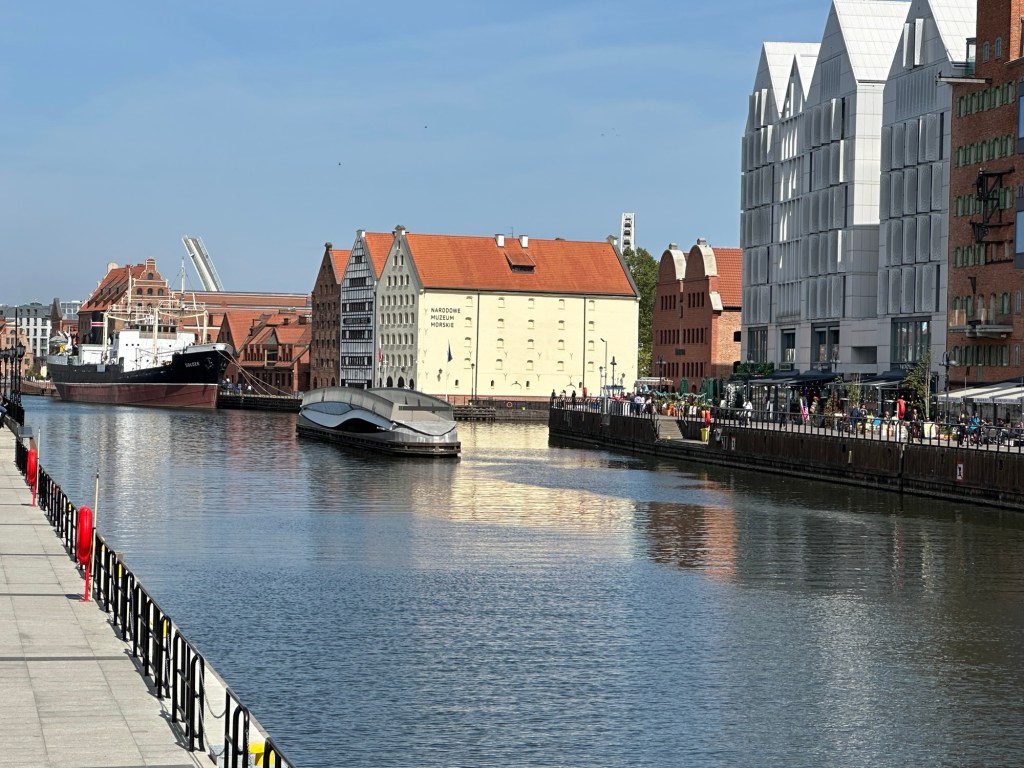
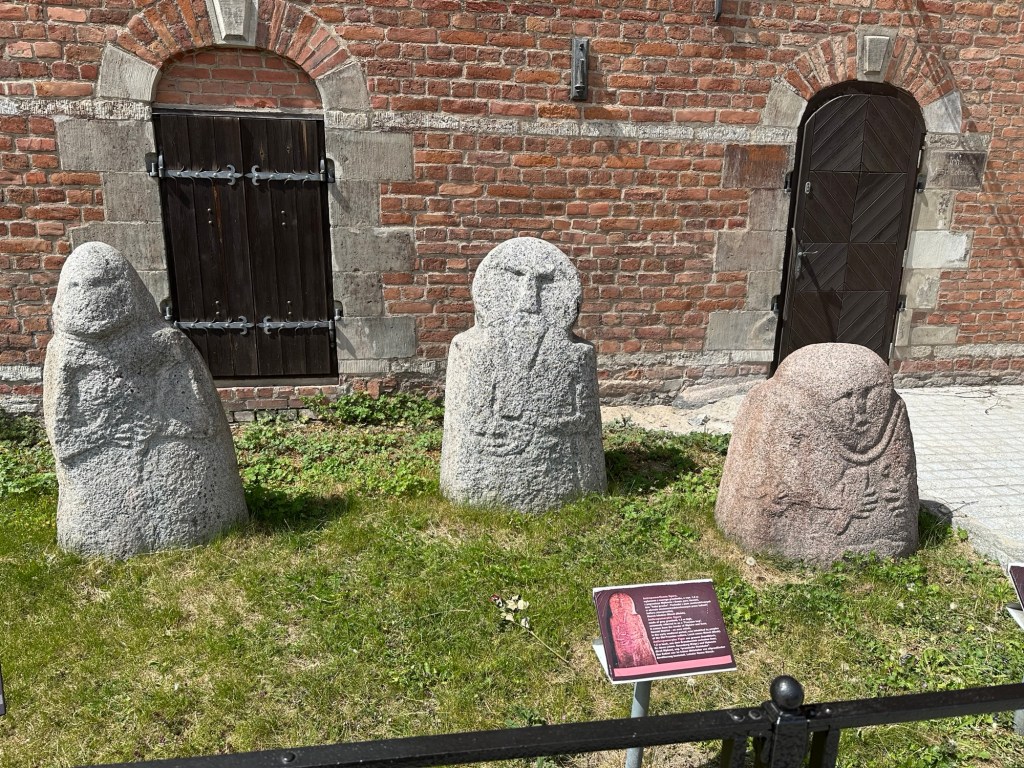
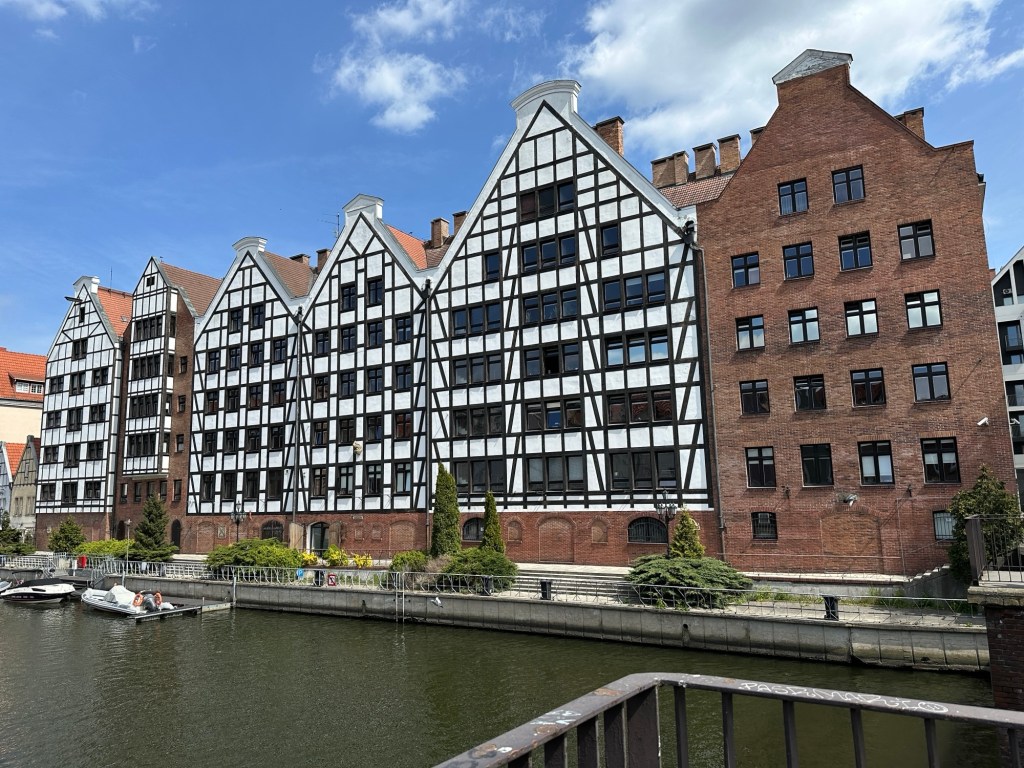
I visit Blue Lamb – a heritage museum housed in an old granary, in order to get an archeological view of the region. I enjoy the exhibit where they show you what the original people of the region would have looked like based on the skulls found.

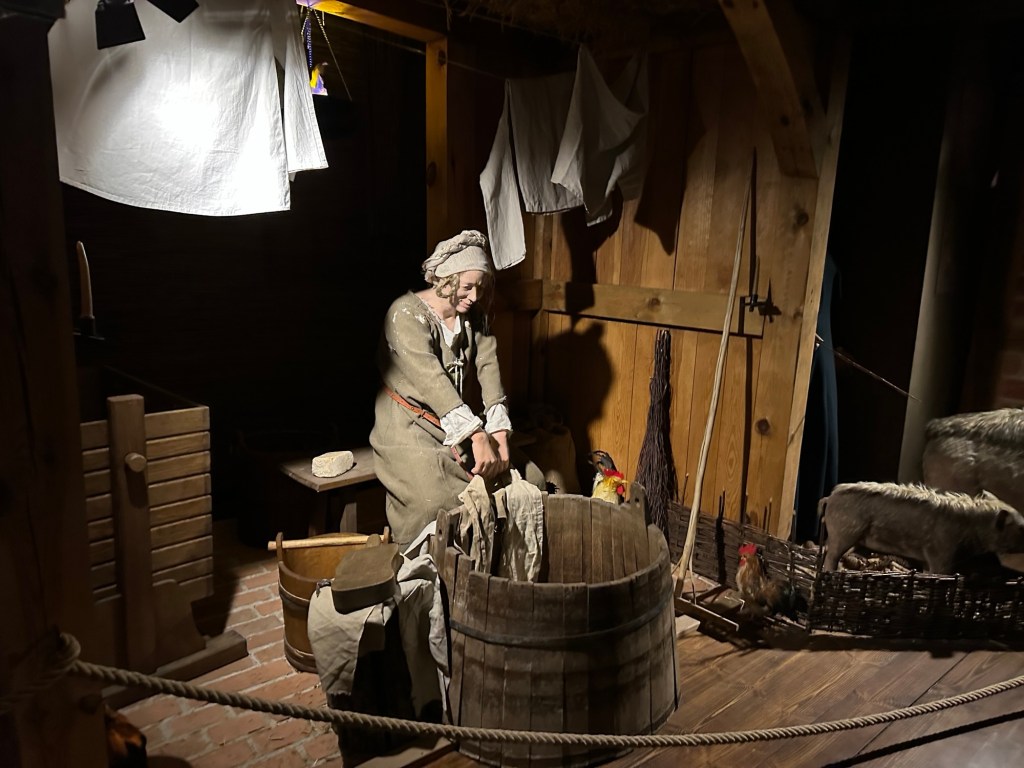
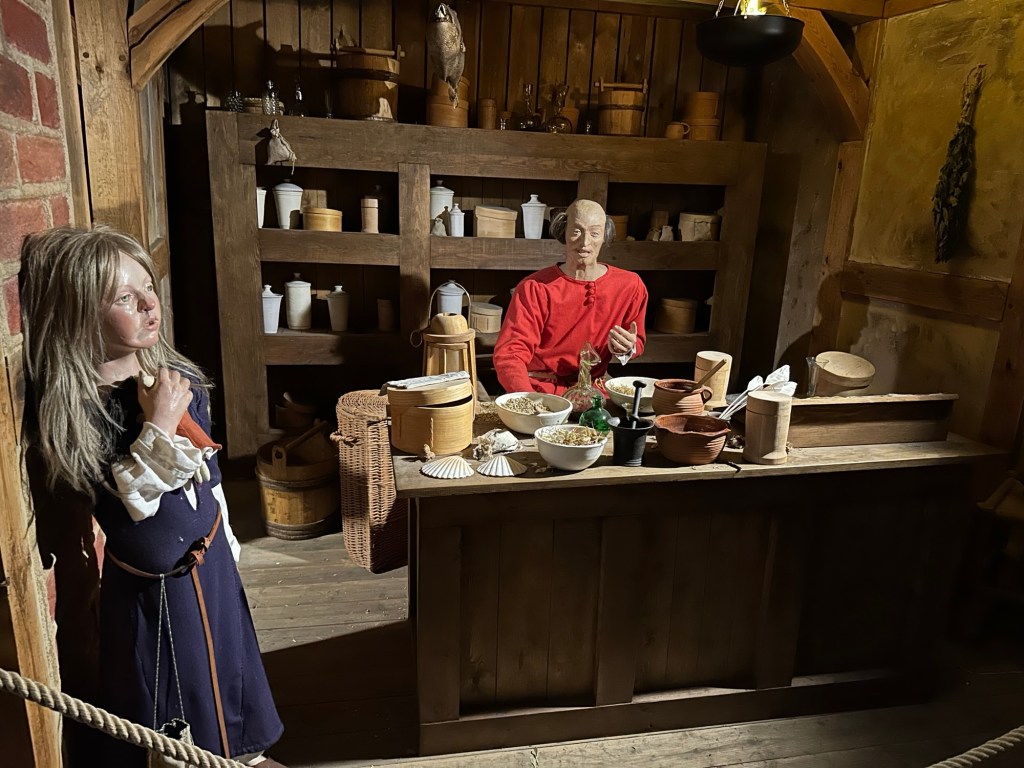
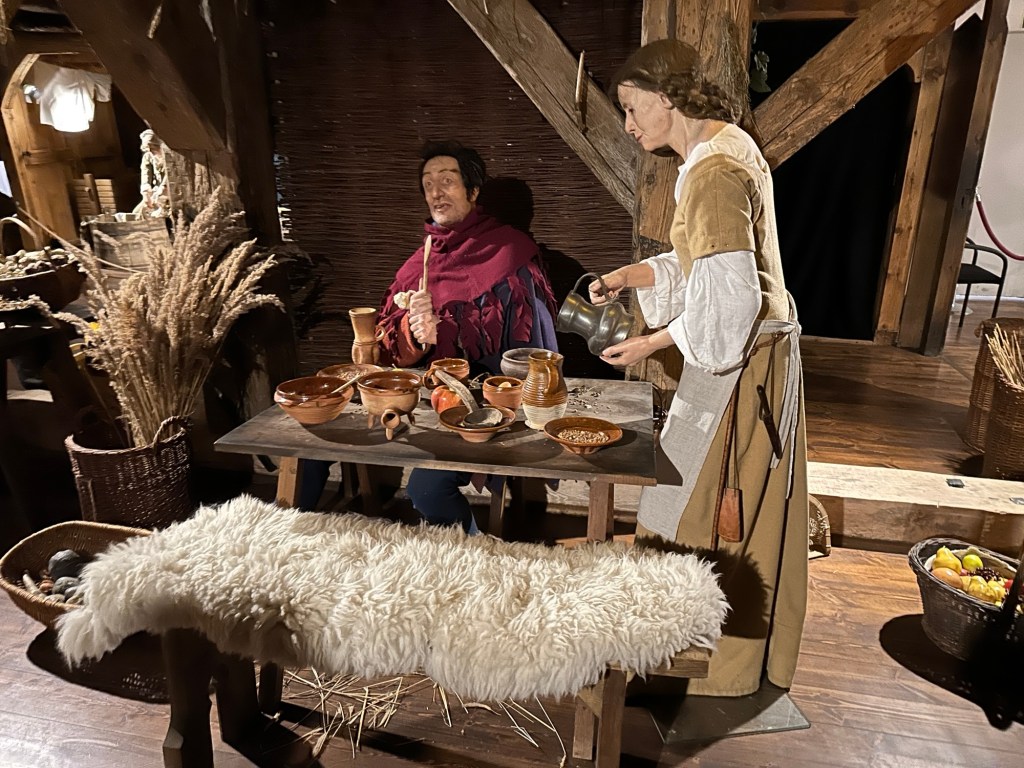
They have walk through sight and sound area depicting life in the region over time.

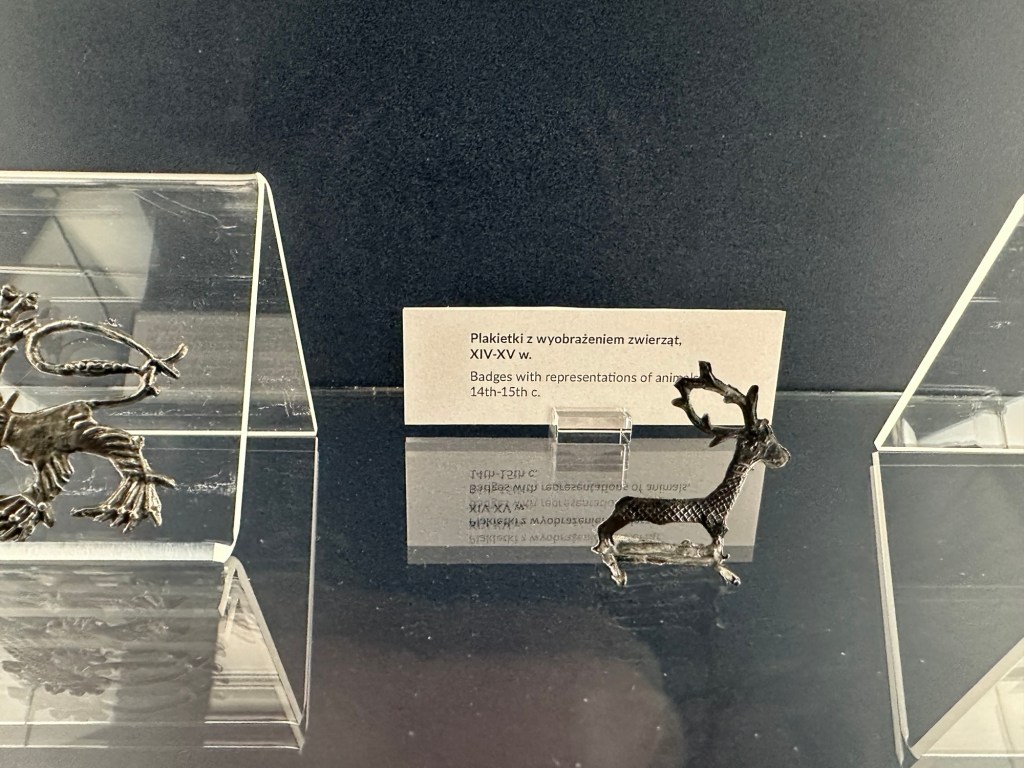
And finally there is a display of archeological items.

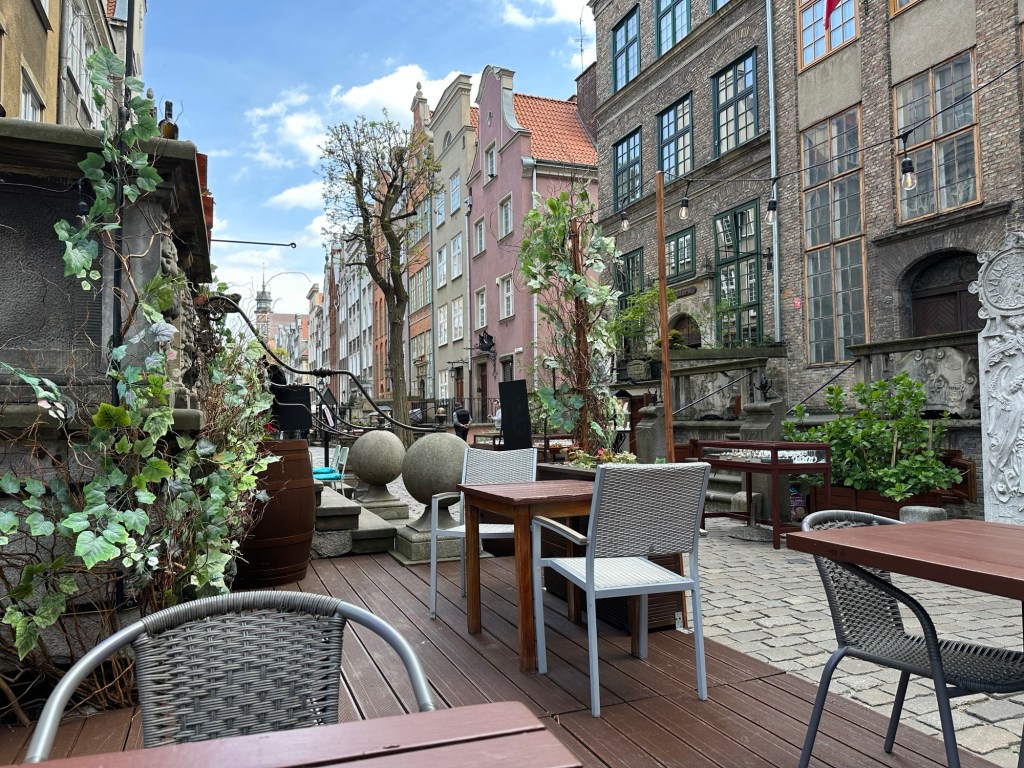
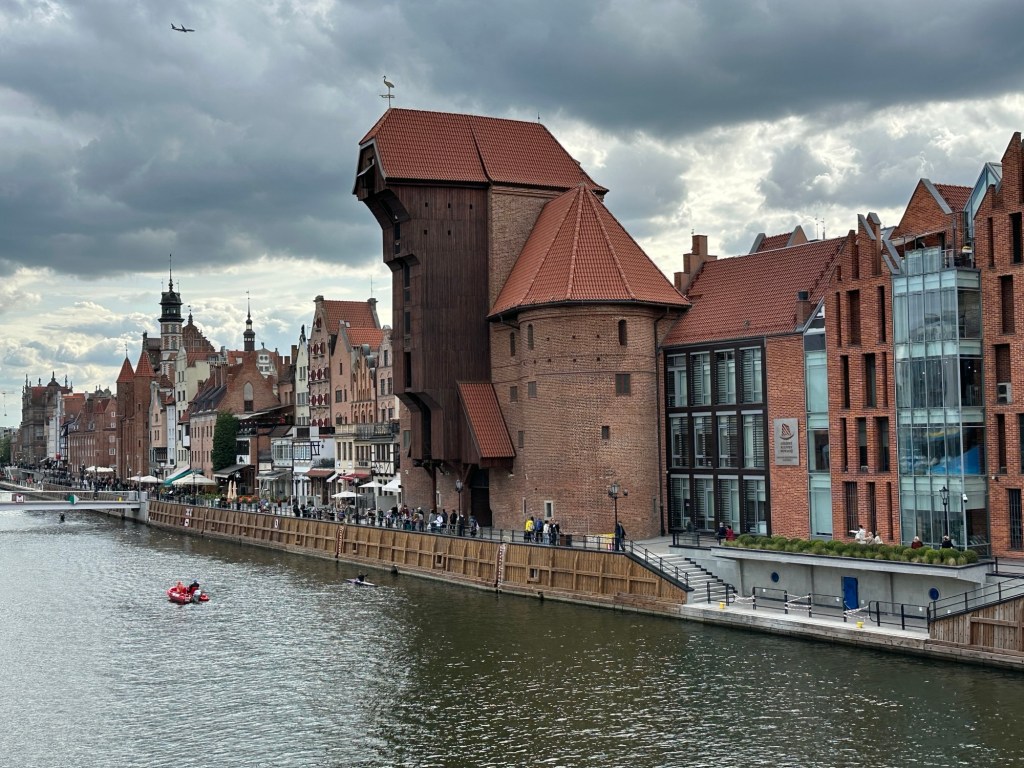
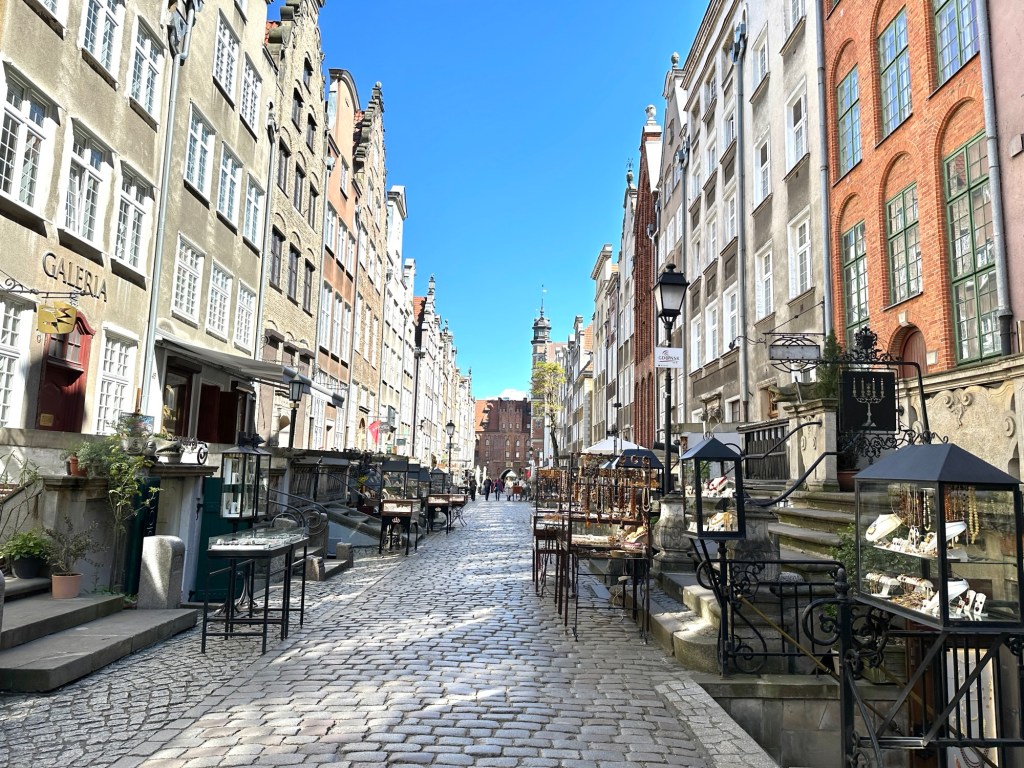
I end up back at Mariacka once more but this time I enjoy a glass of wine and people watching and check out some additional things I learned about the street.

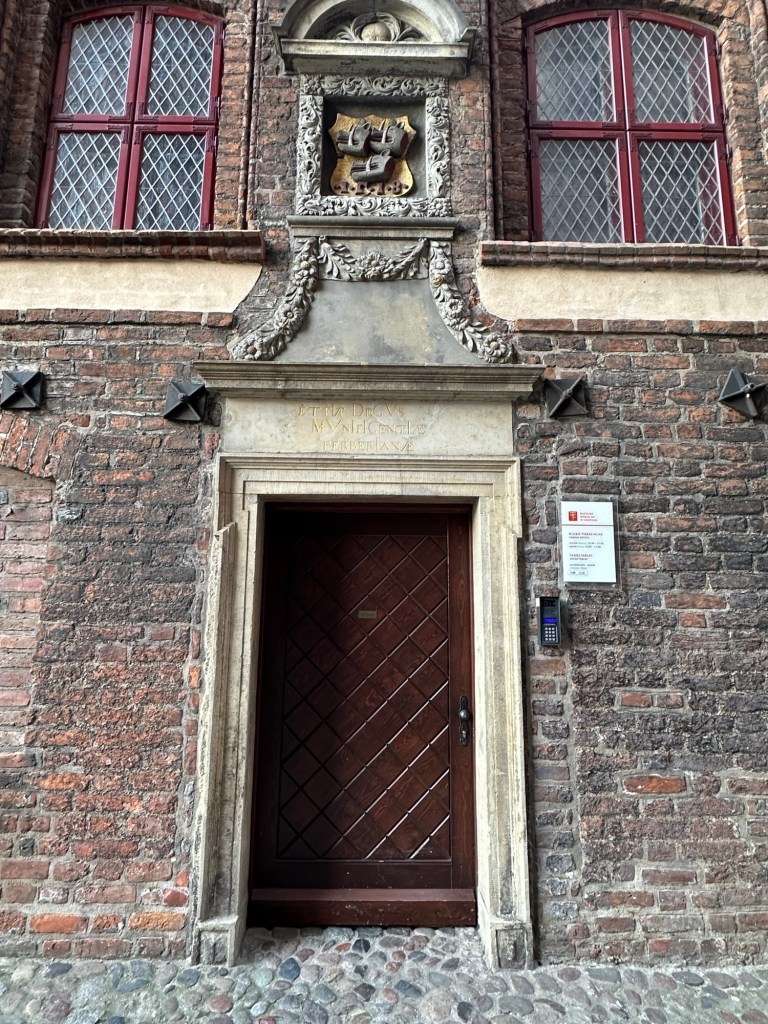
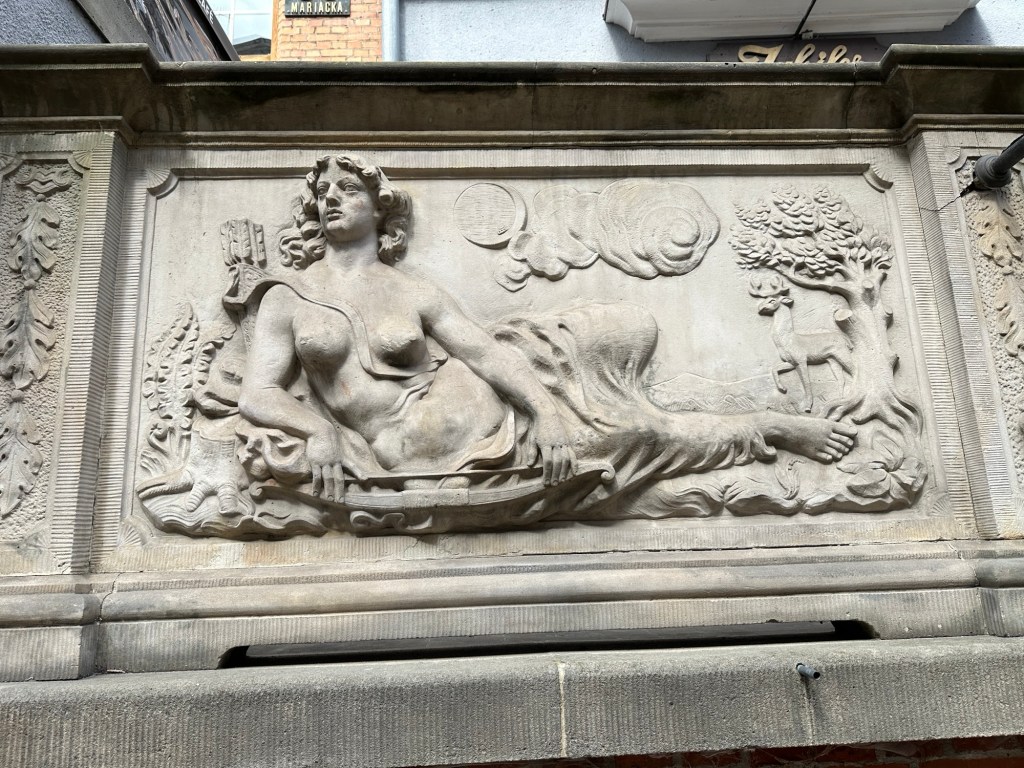
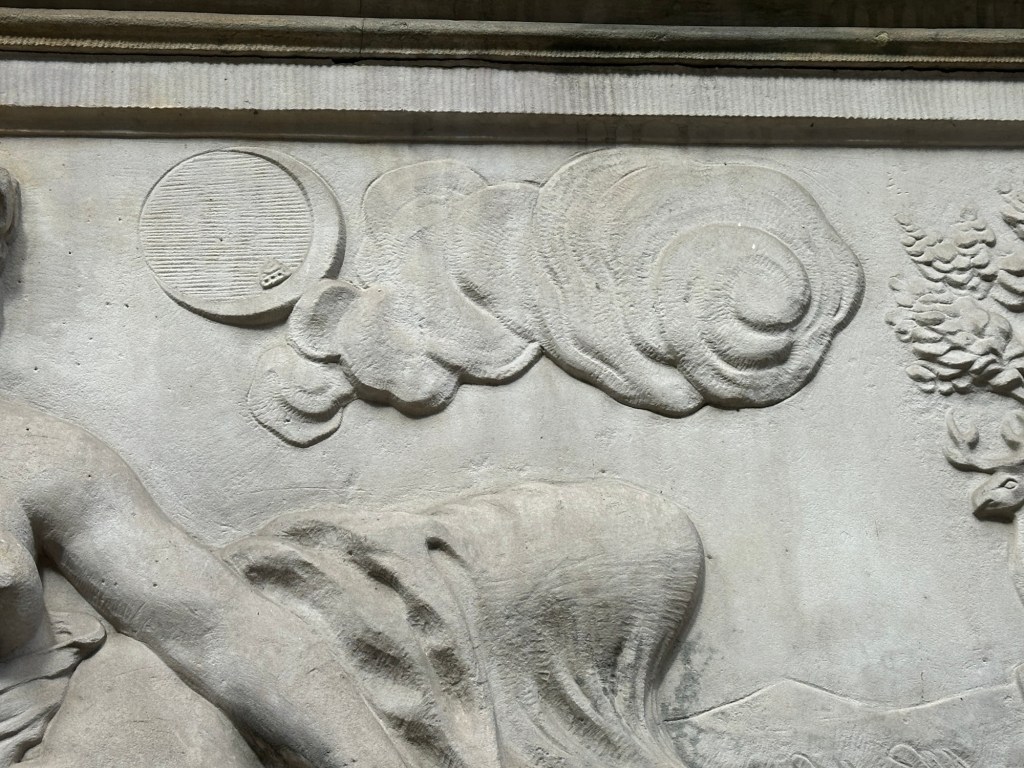
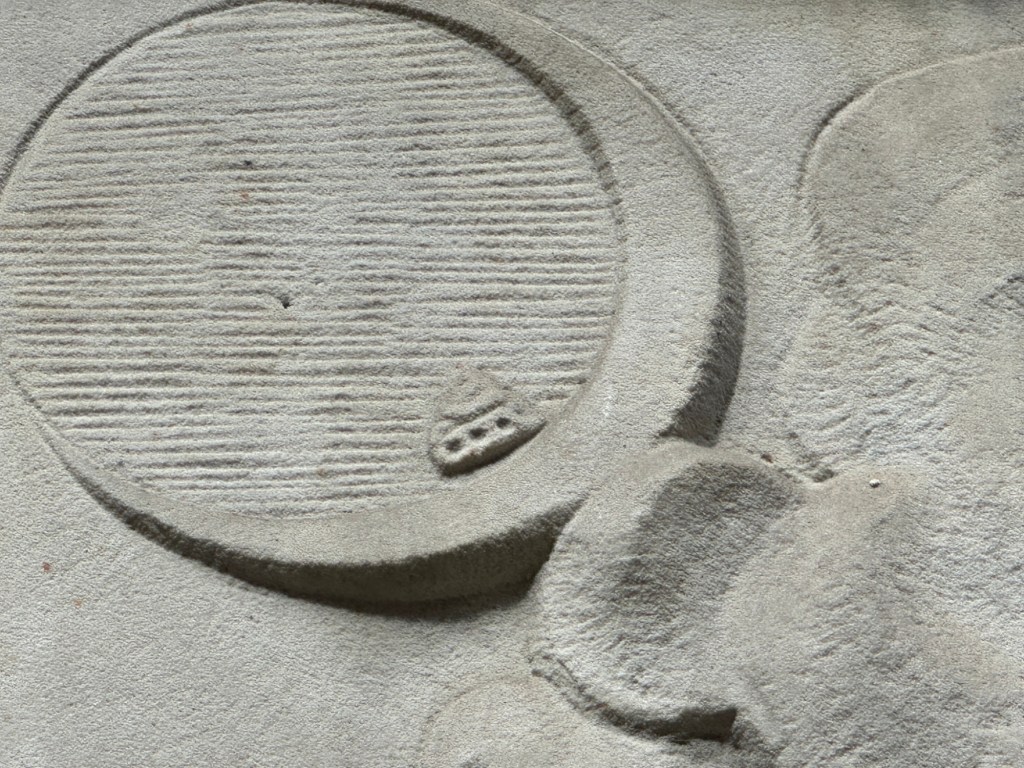
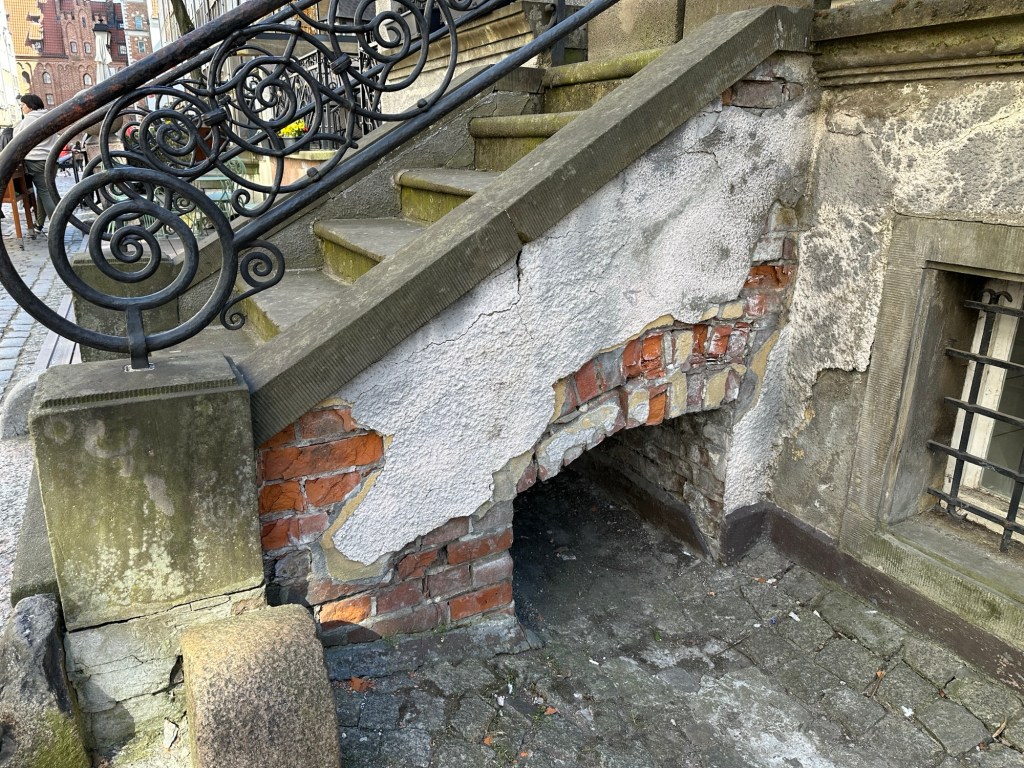
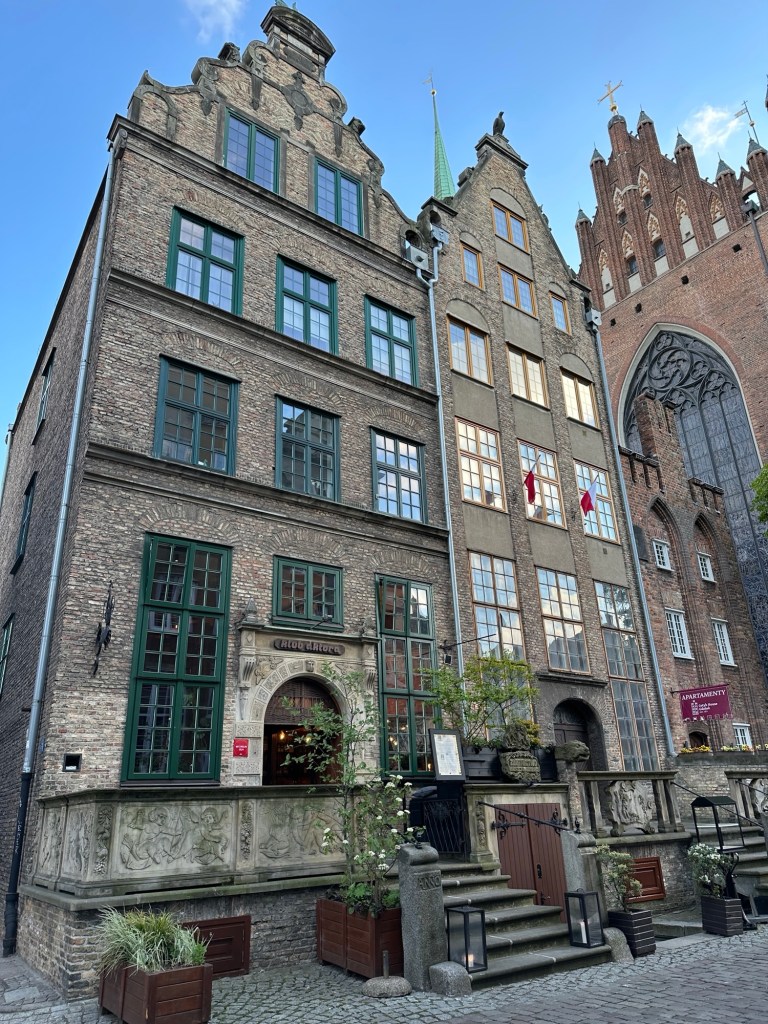
Many of the houses on Mariacka street have reliefs out front but one restore one was given a modern day touch – a Lunar rover.

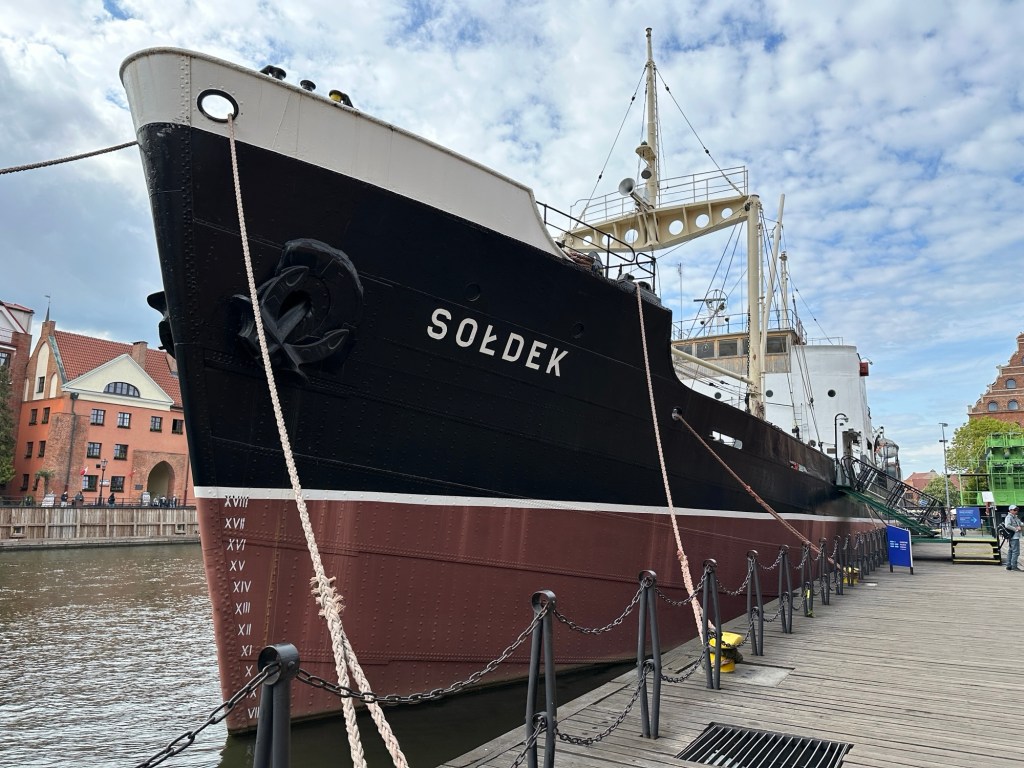
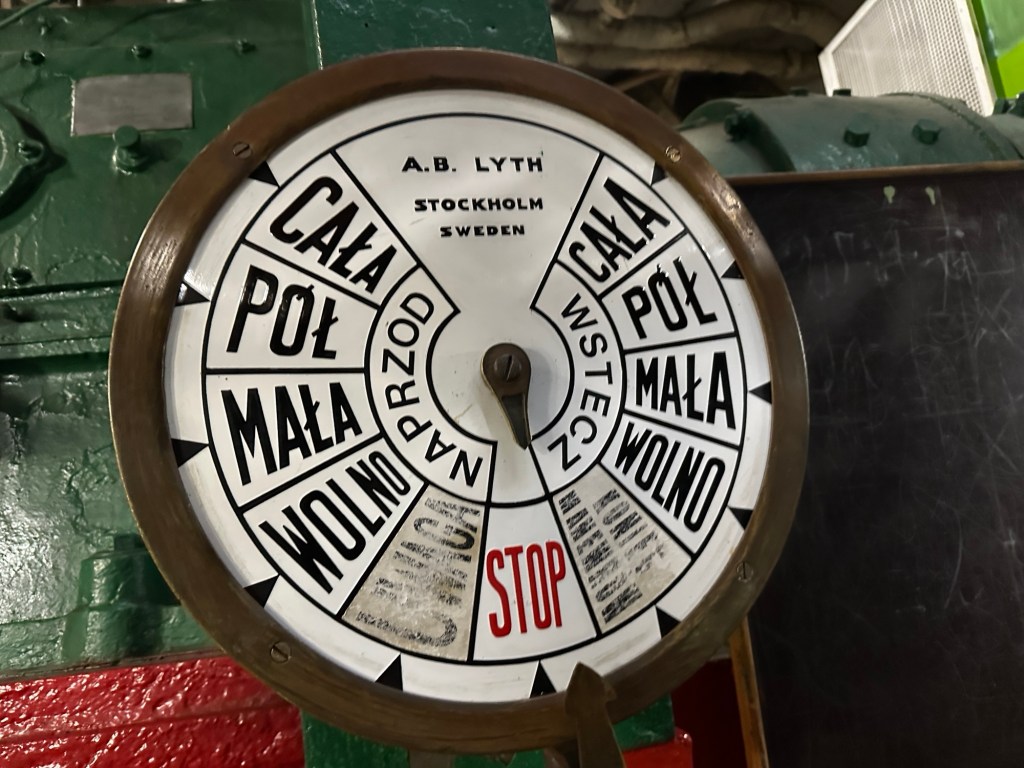
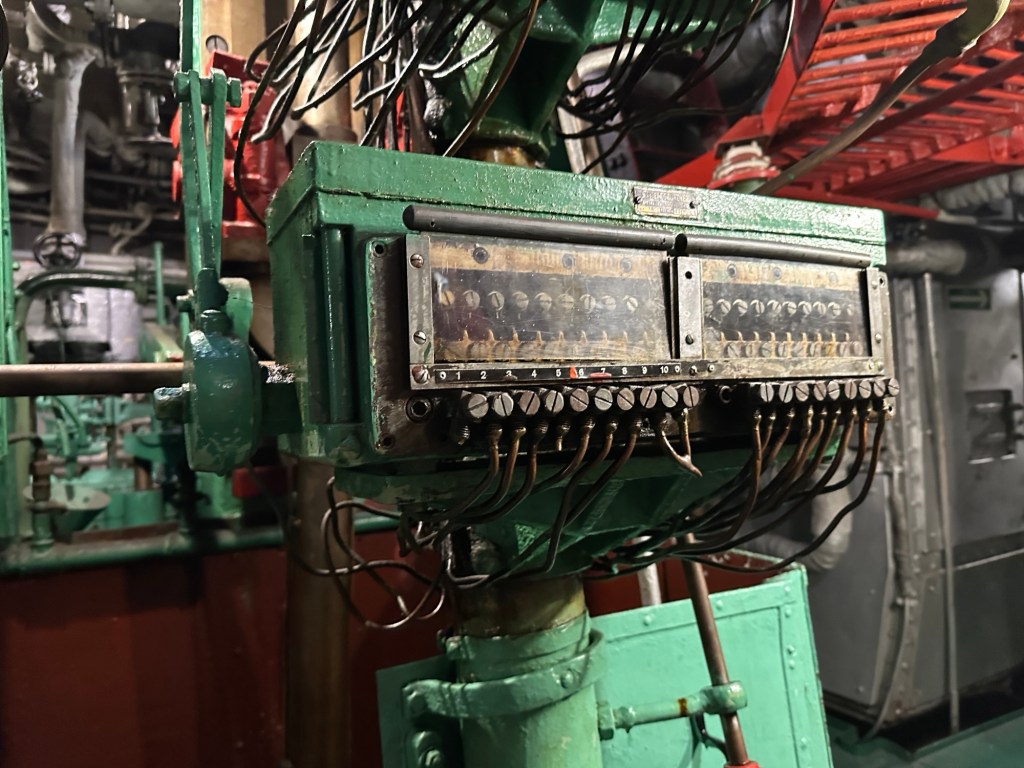
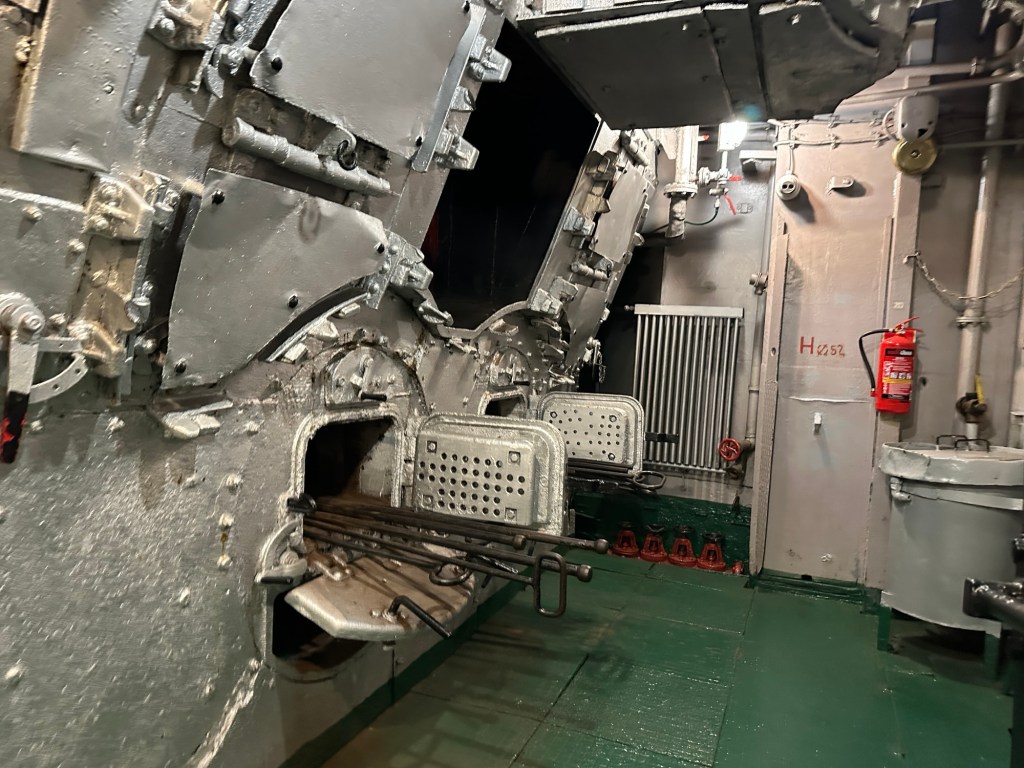
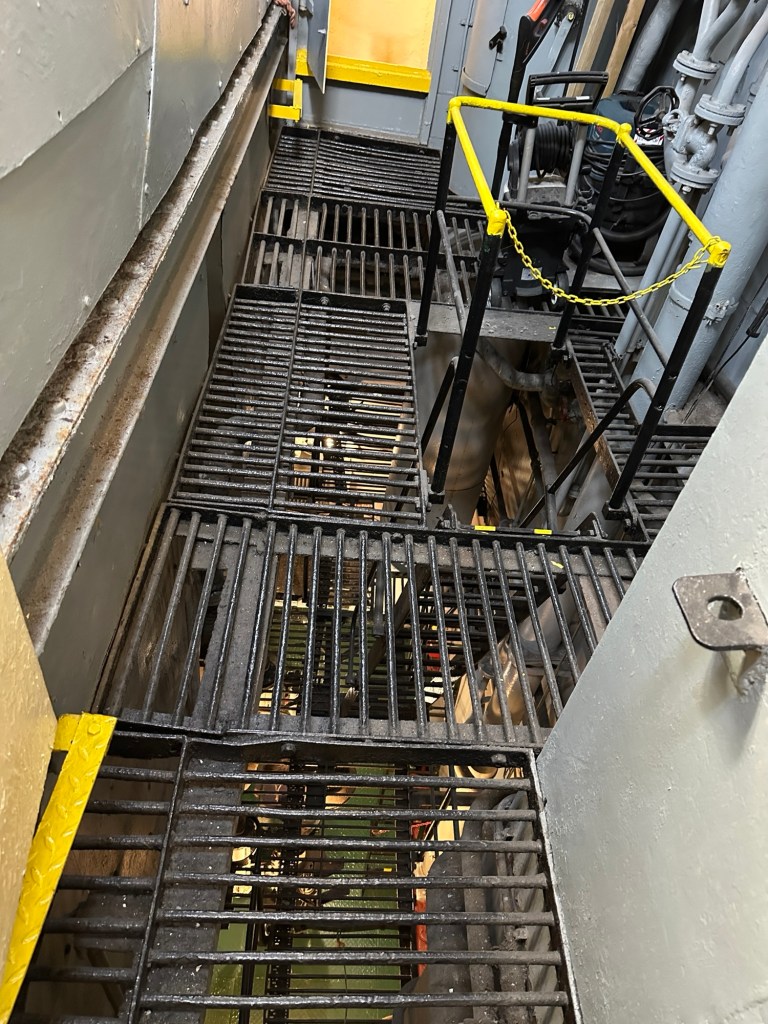
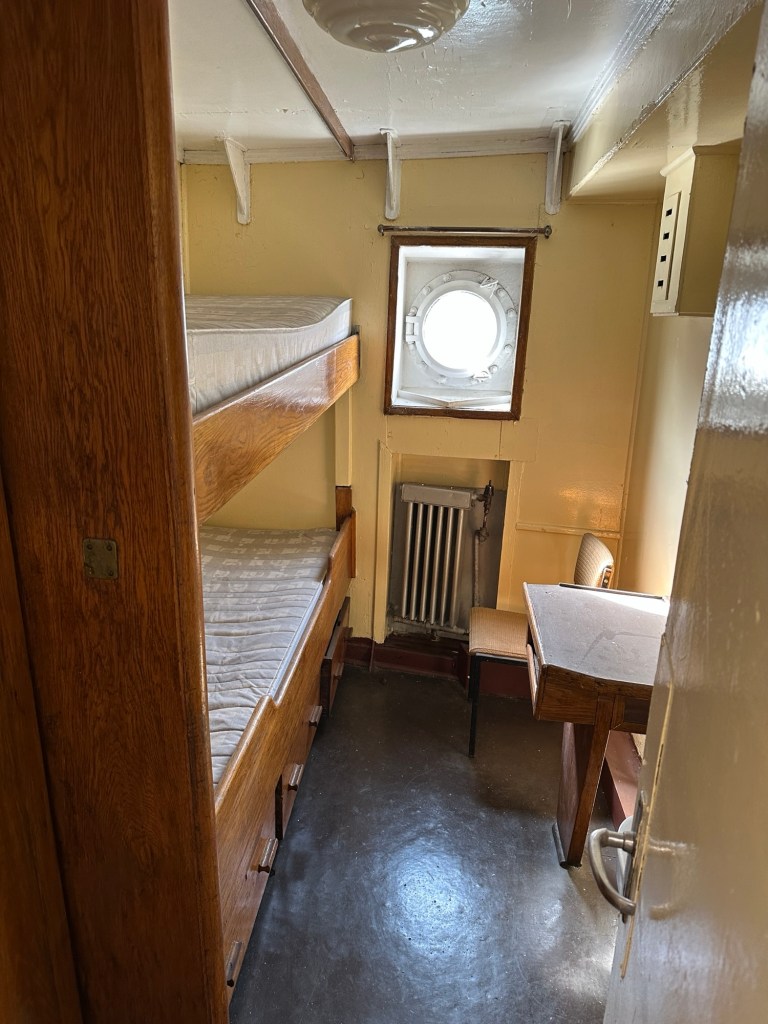
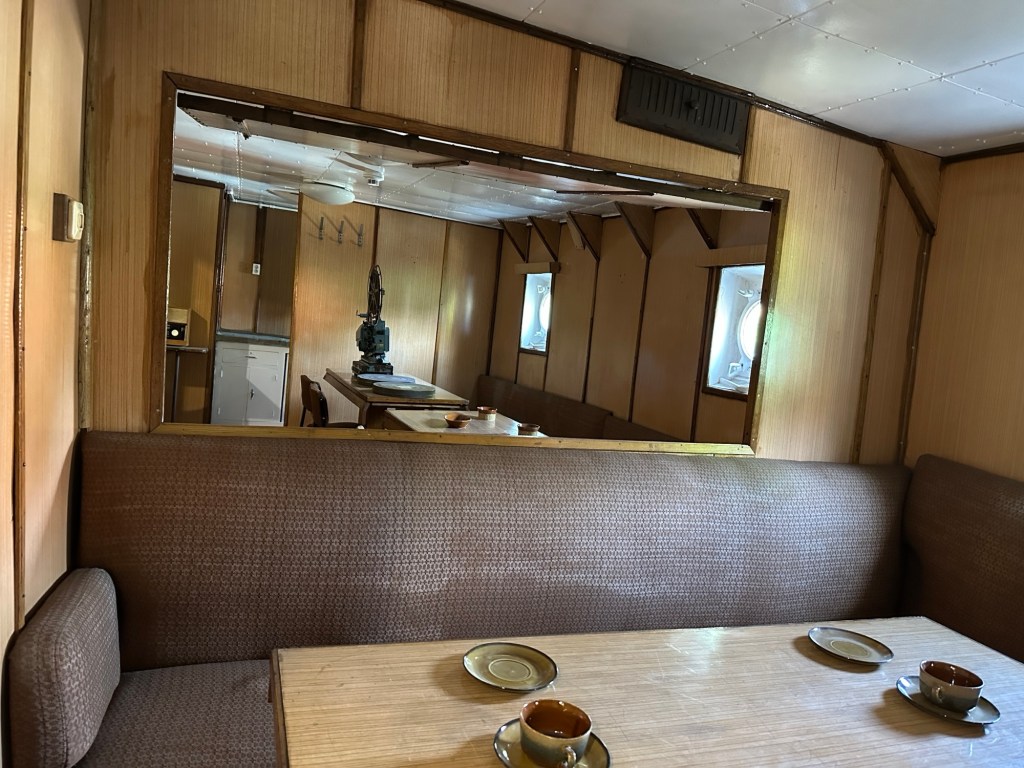
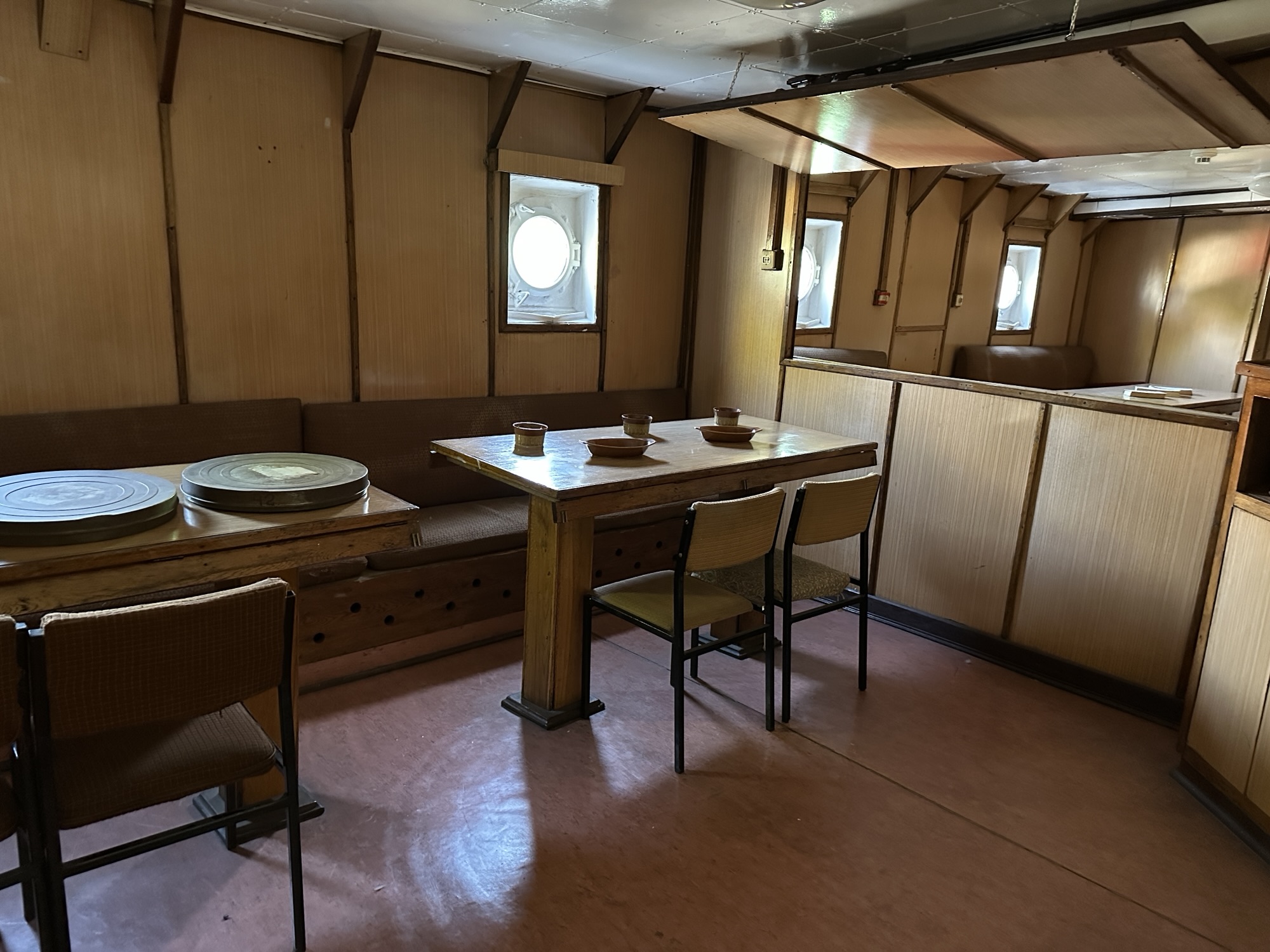
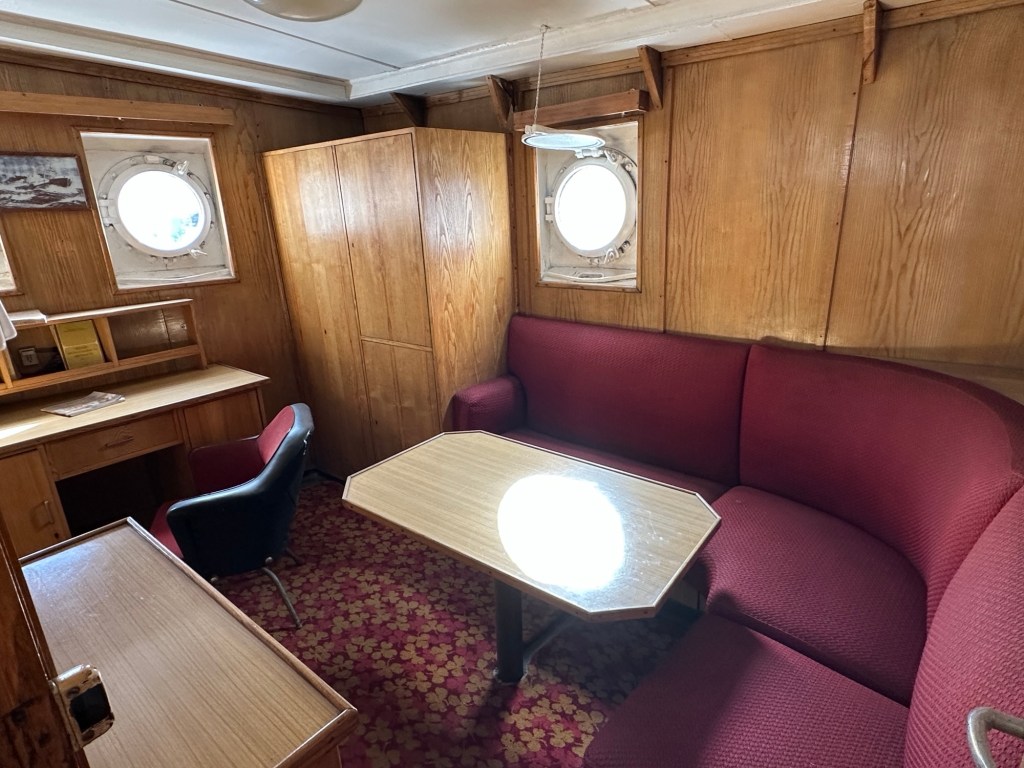
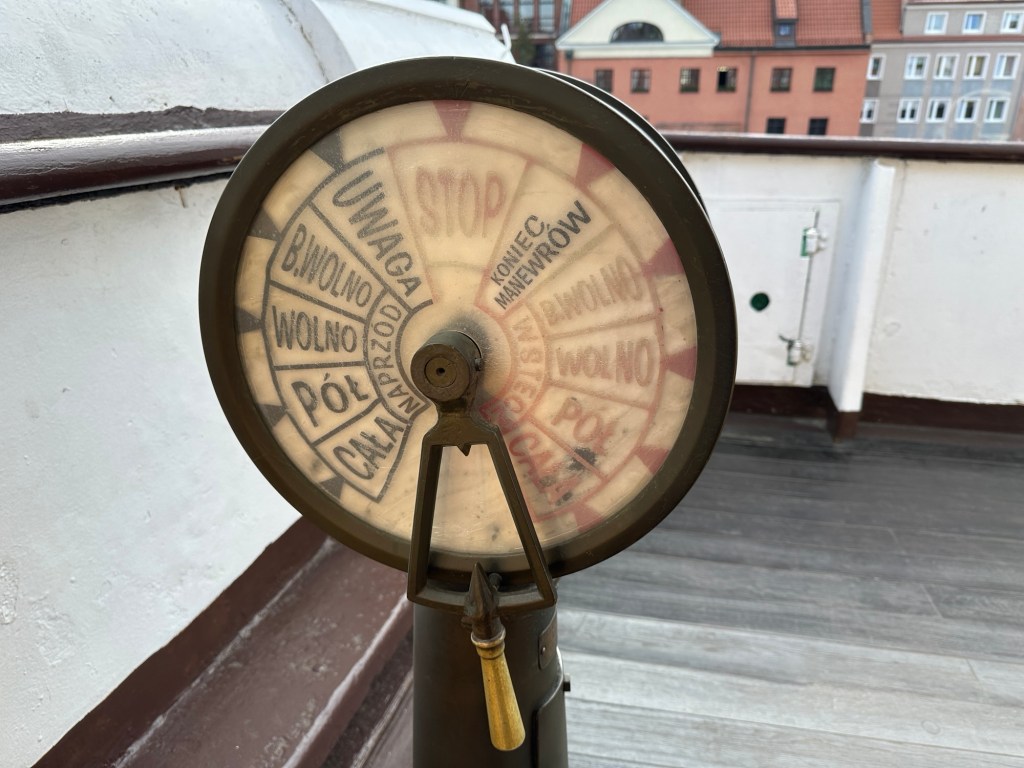
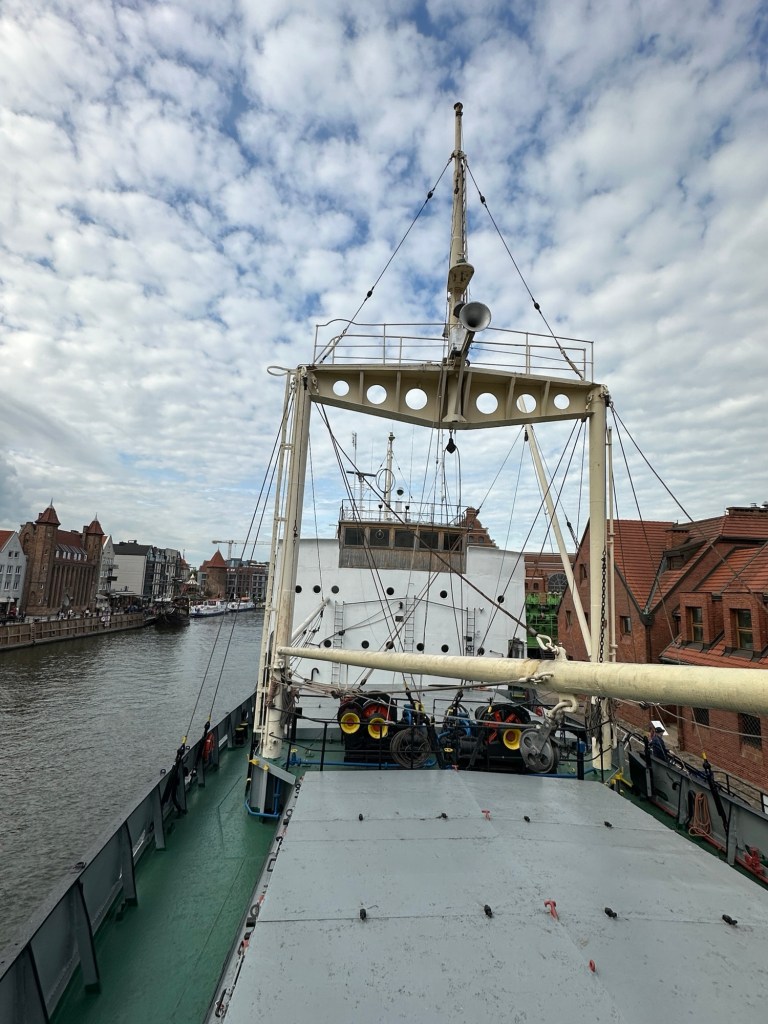
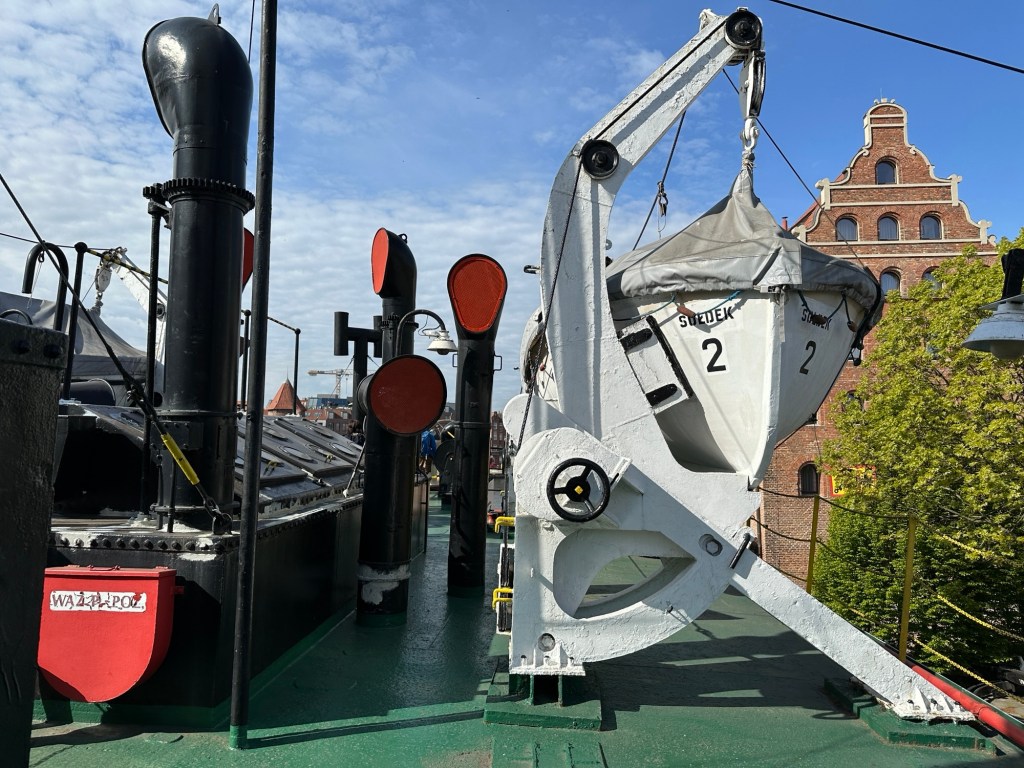
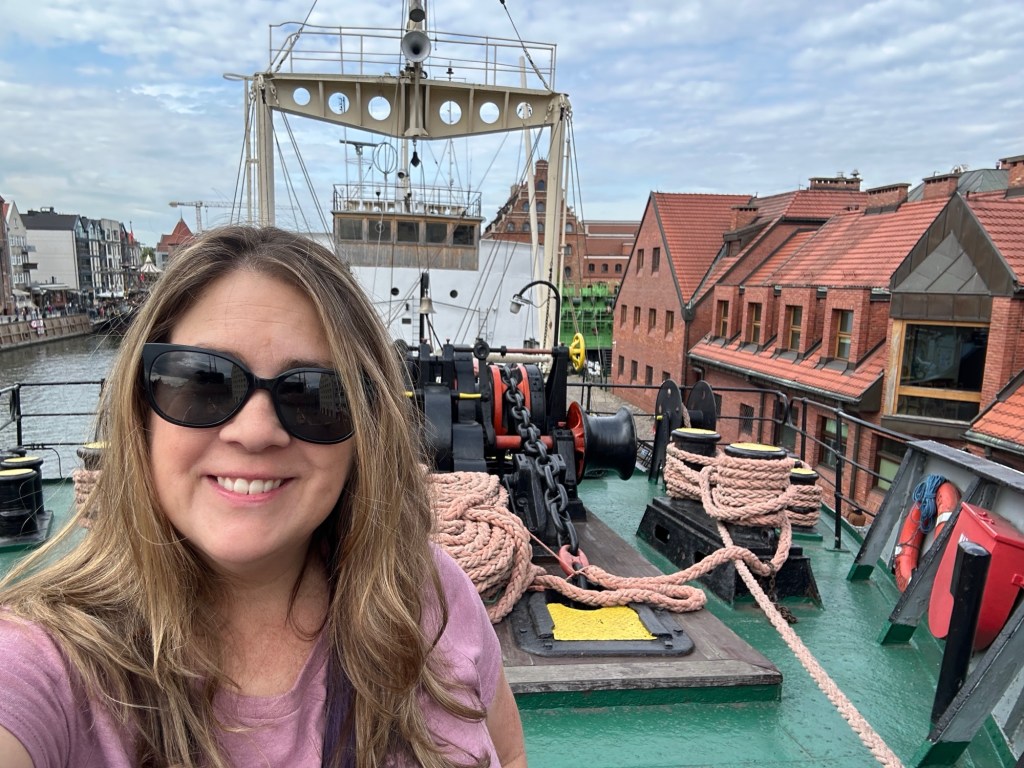
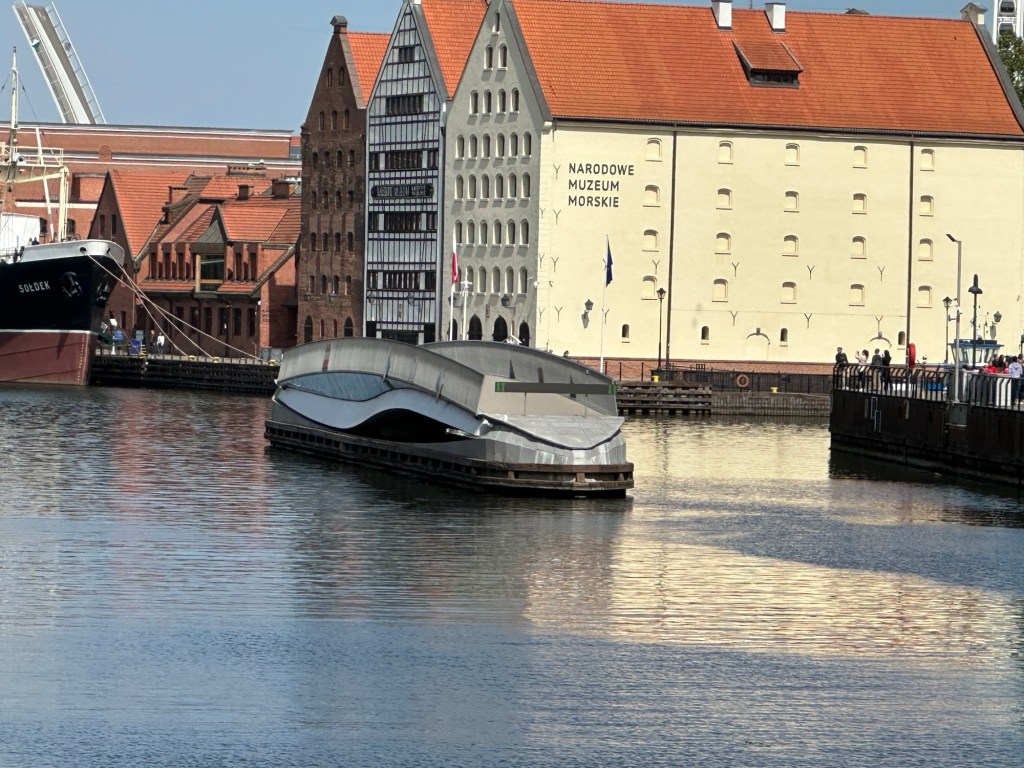
Last official stop is the first seagoing ship built in a Polish shiyard – Soldek. It is docked in Gdansk and available for exploring.

I slow down considerably for the rest of my travels. I am very tired so it is good I go home soon. I’m just trying to enjoy the cool and sunny weather my last few hours here.

It’s been a long trip but I am not done with Poland. There are so many places I left off my itinerary. I will be back.

More shots around town….

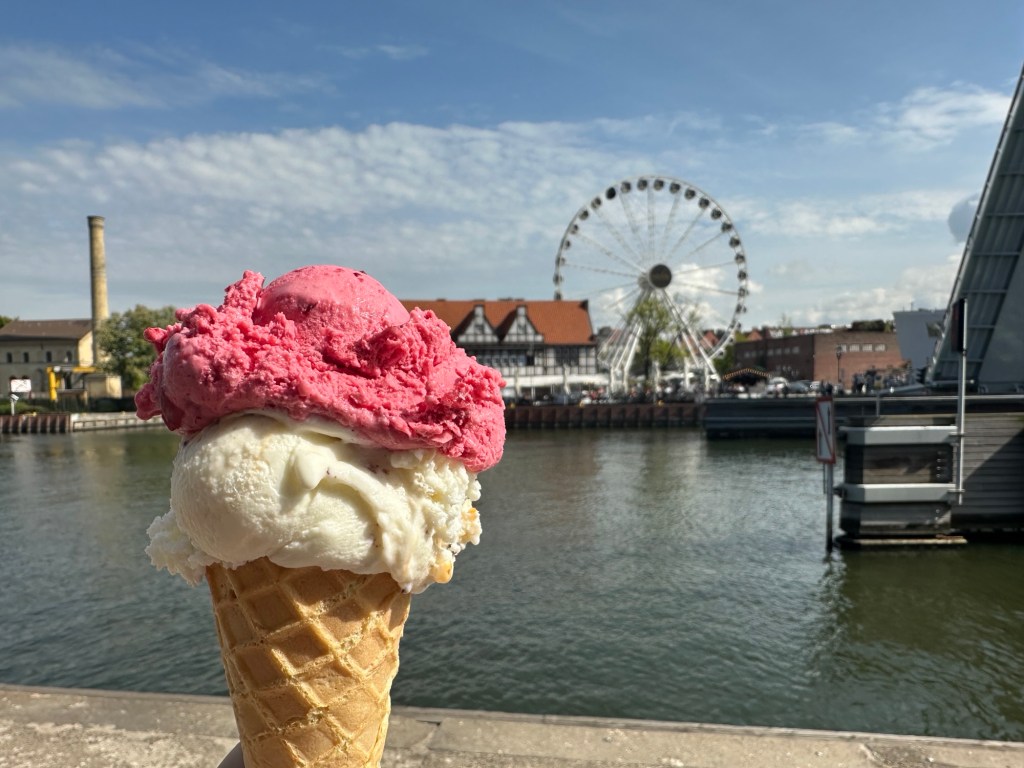
Warm enough for ice cream

Gdańsk: Museum Afternoon

I started today at the Solidarity museum and the Gdańsk Shipyard.

My day isn’t over yet and I almost forget there are a couple museums free today since it is a Monday.

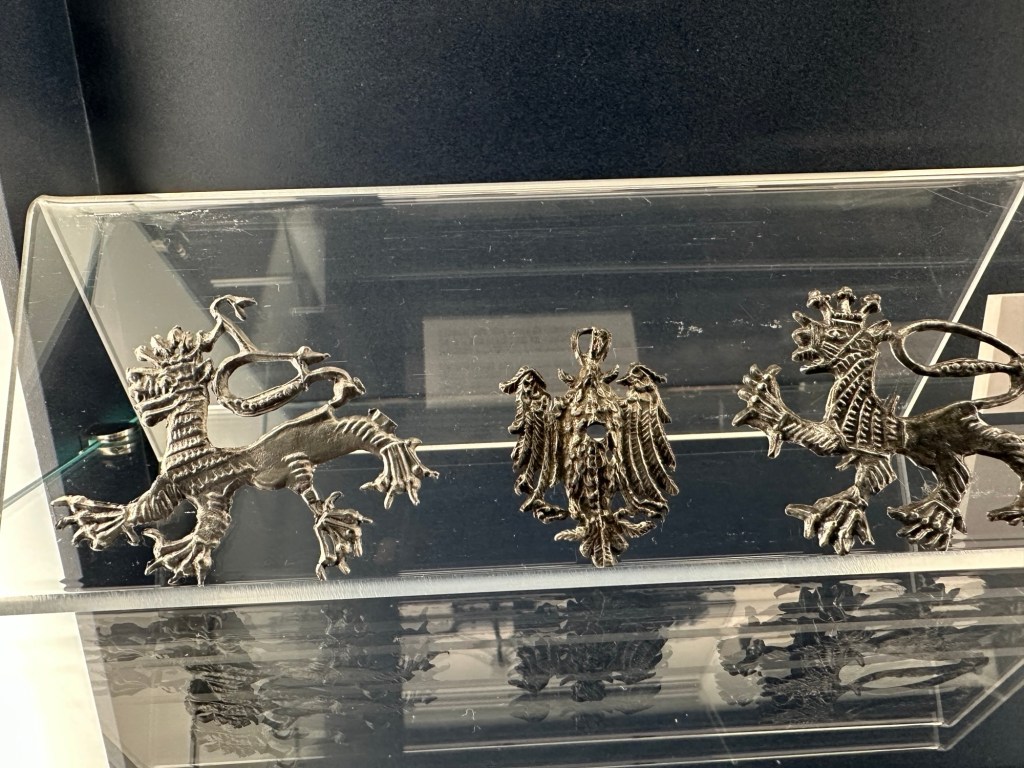
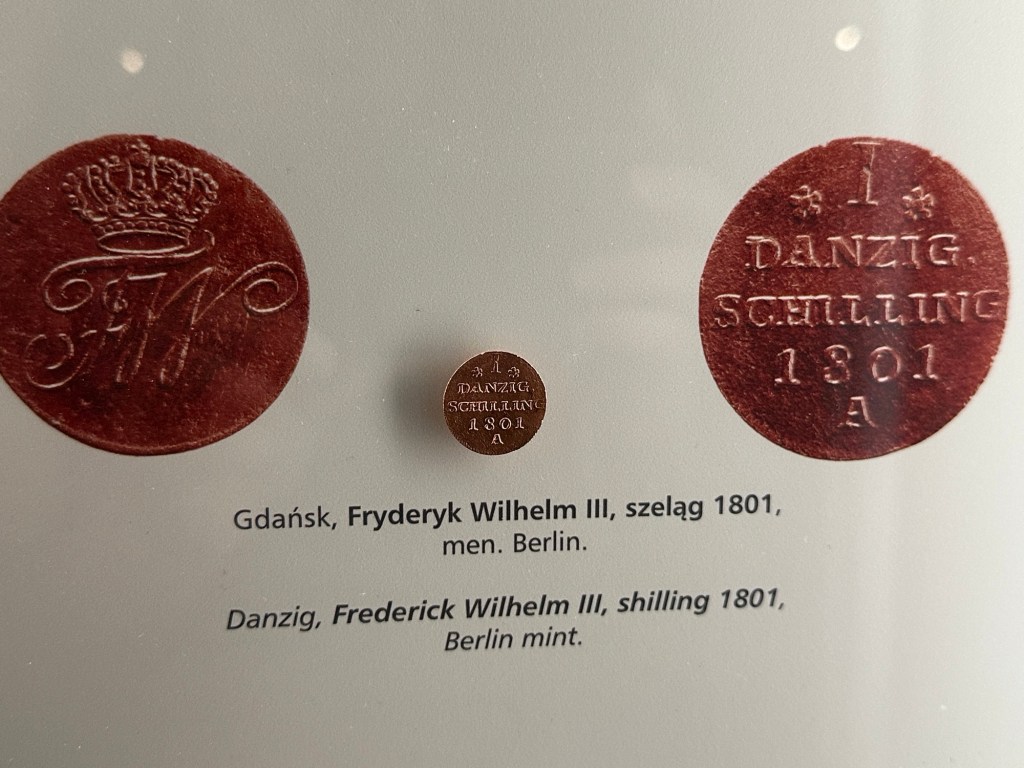
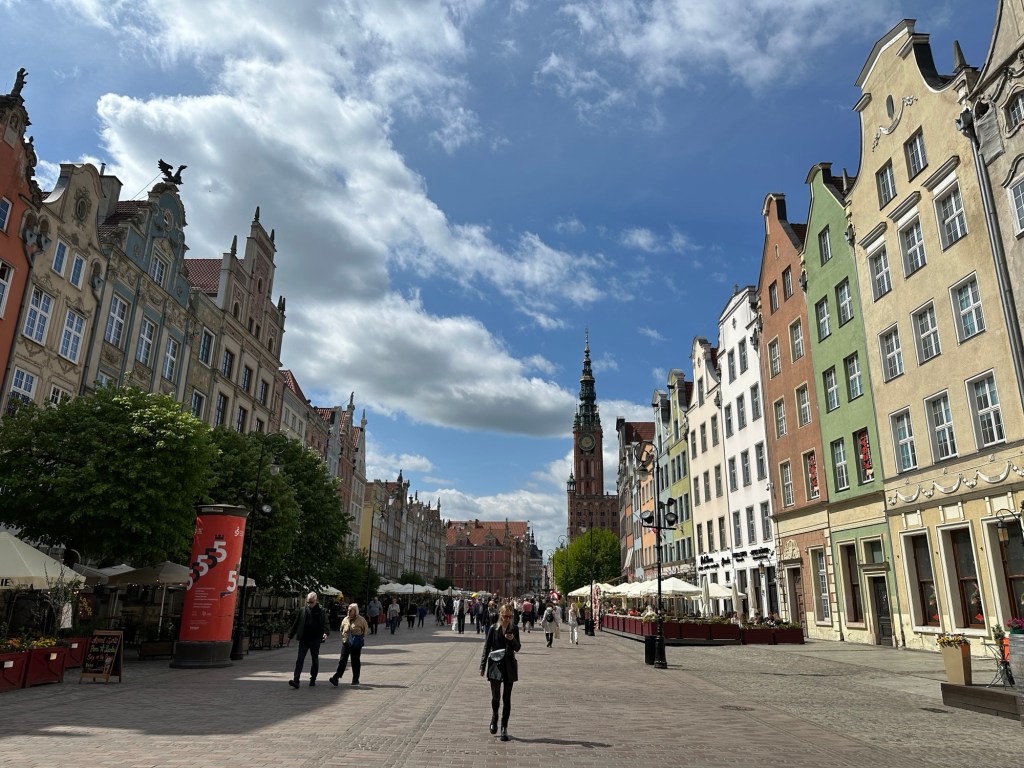
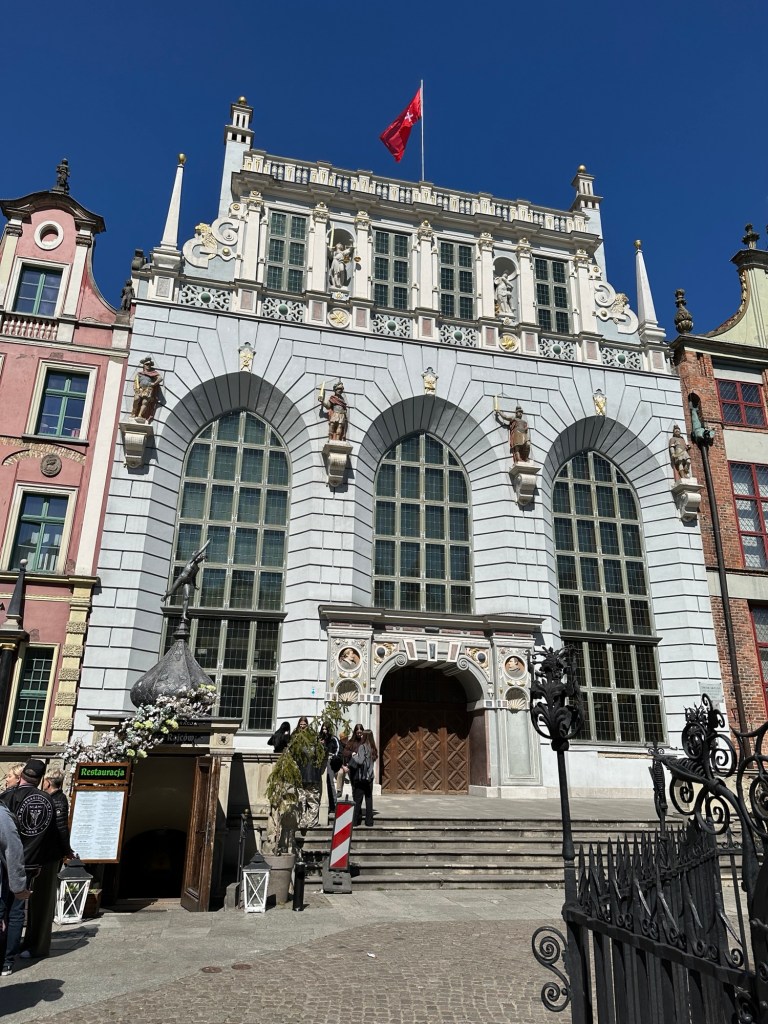
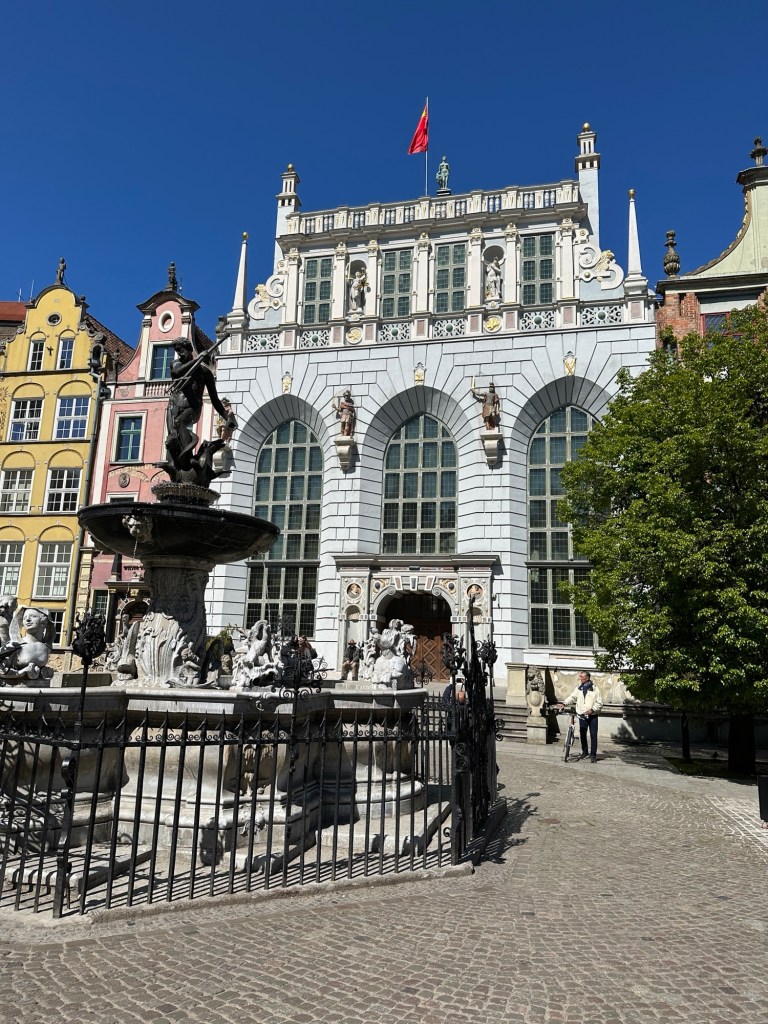
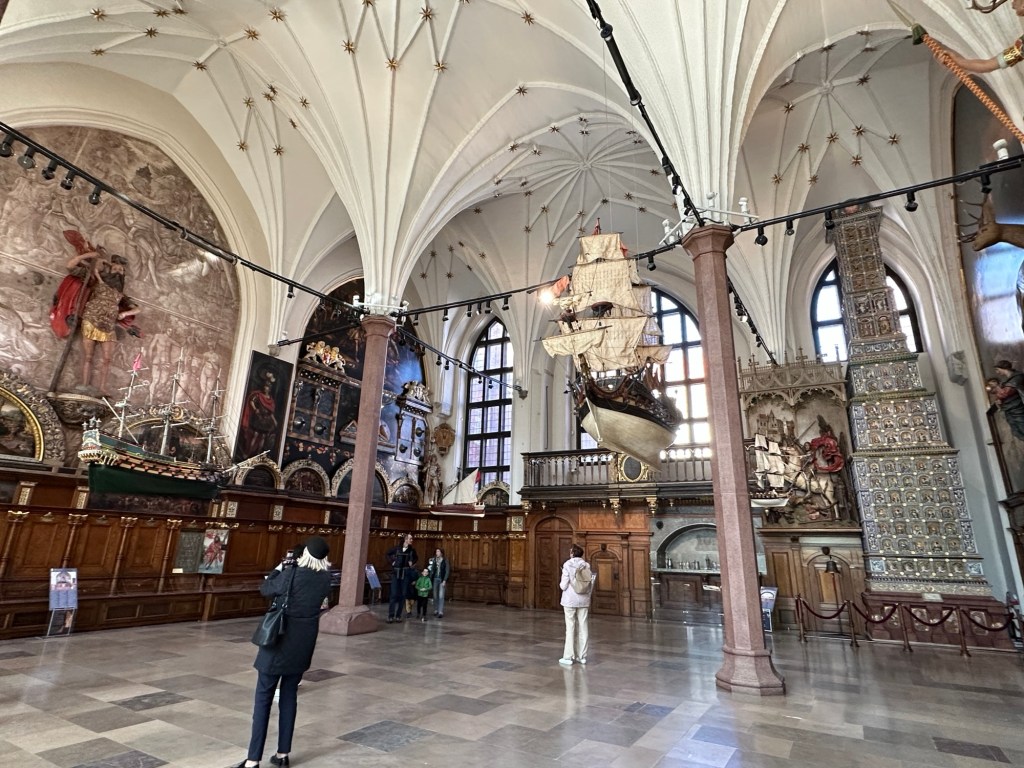
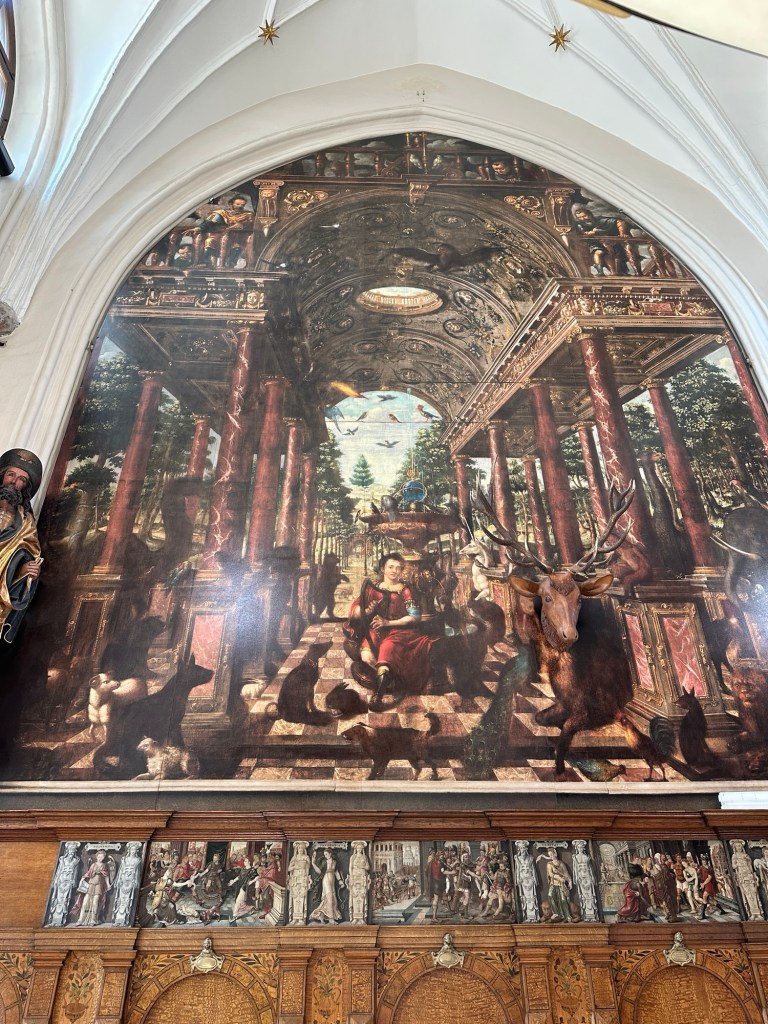
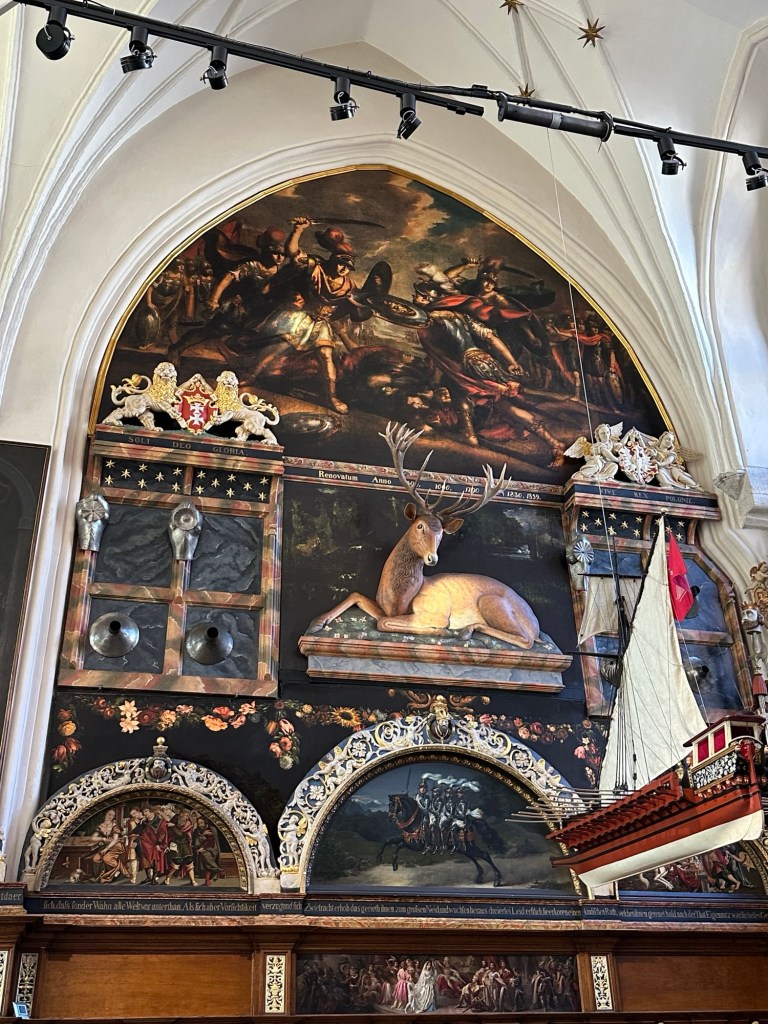
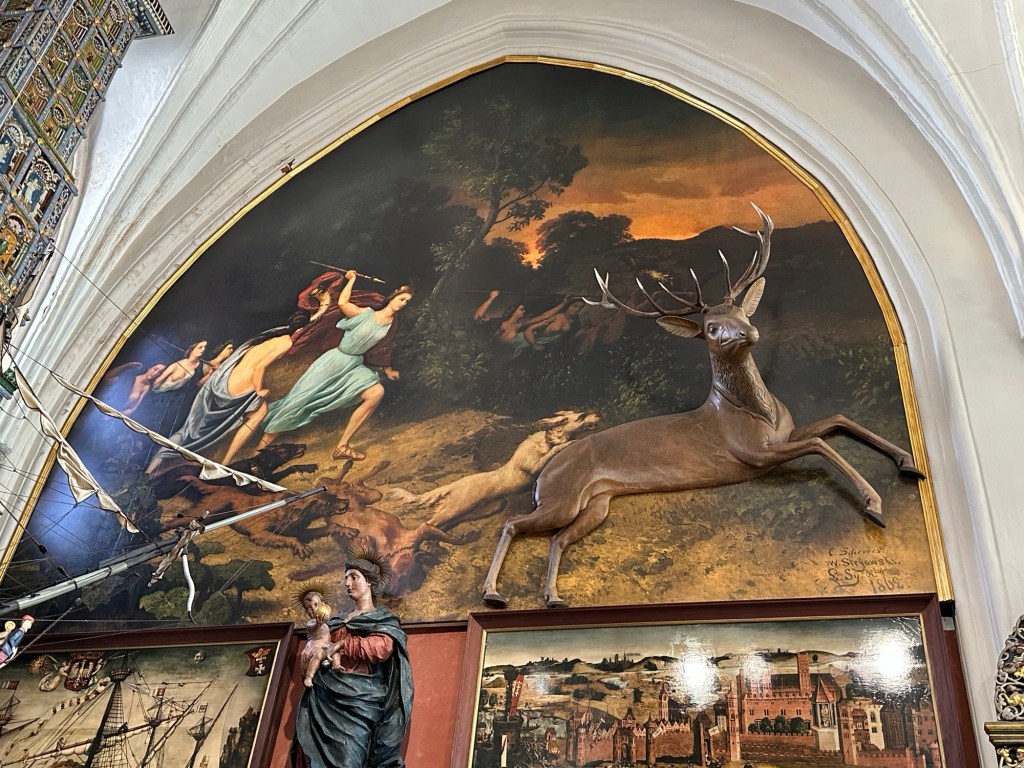
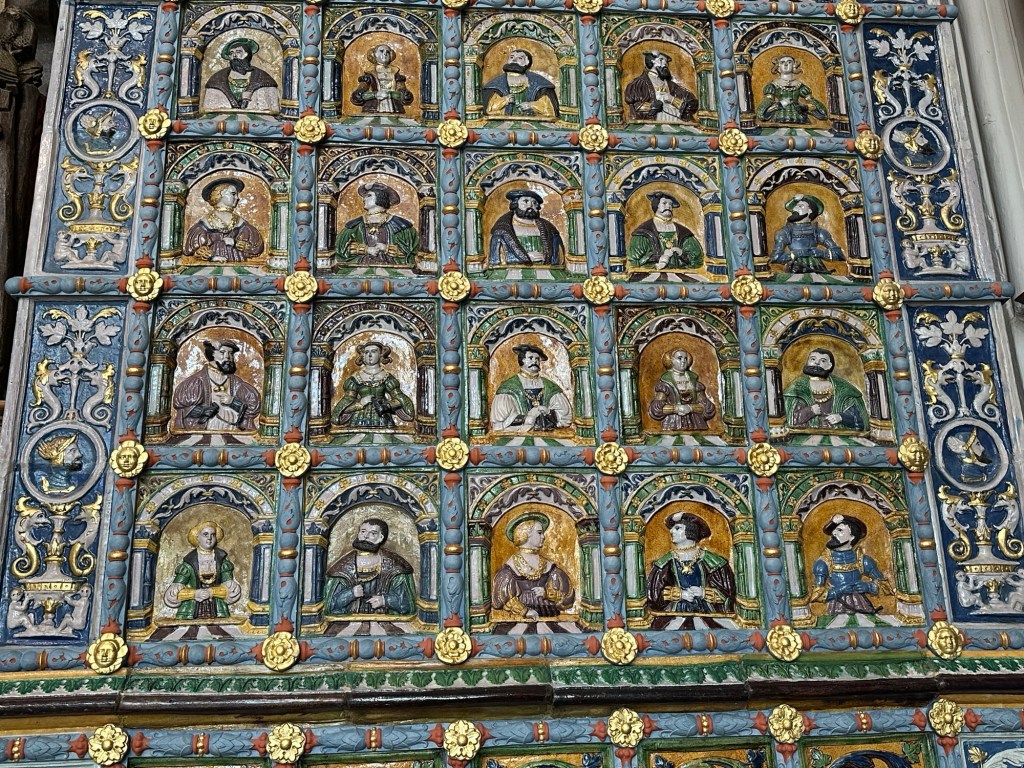
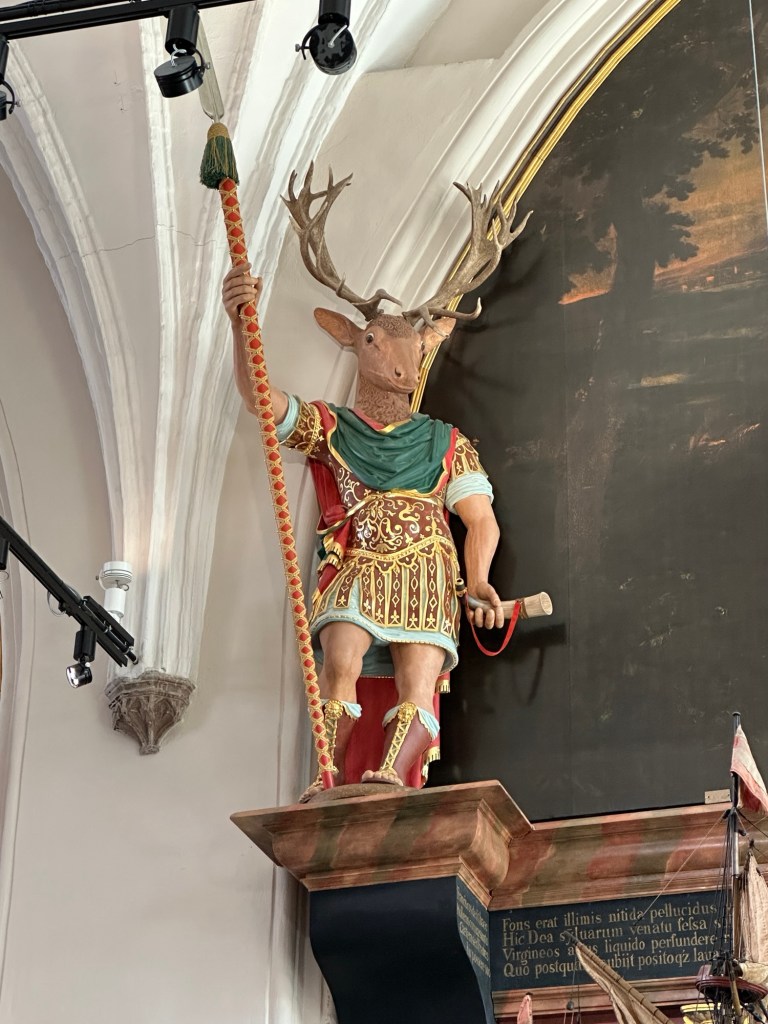
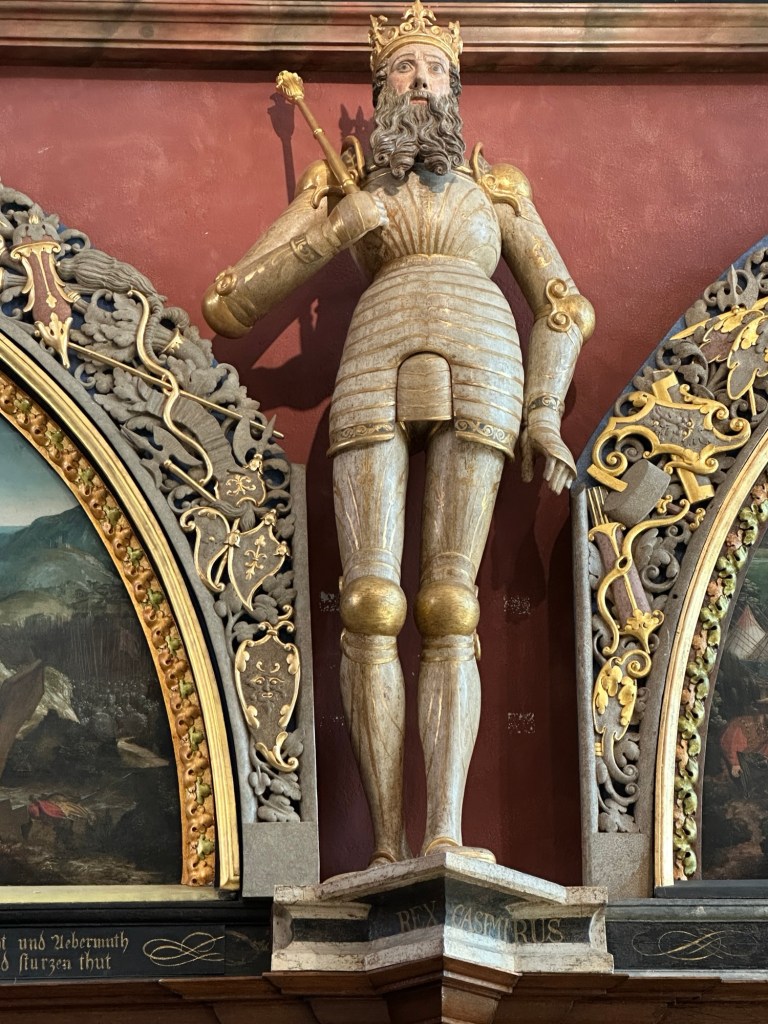
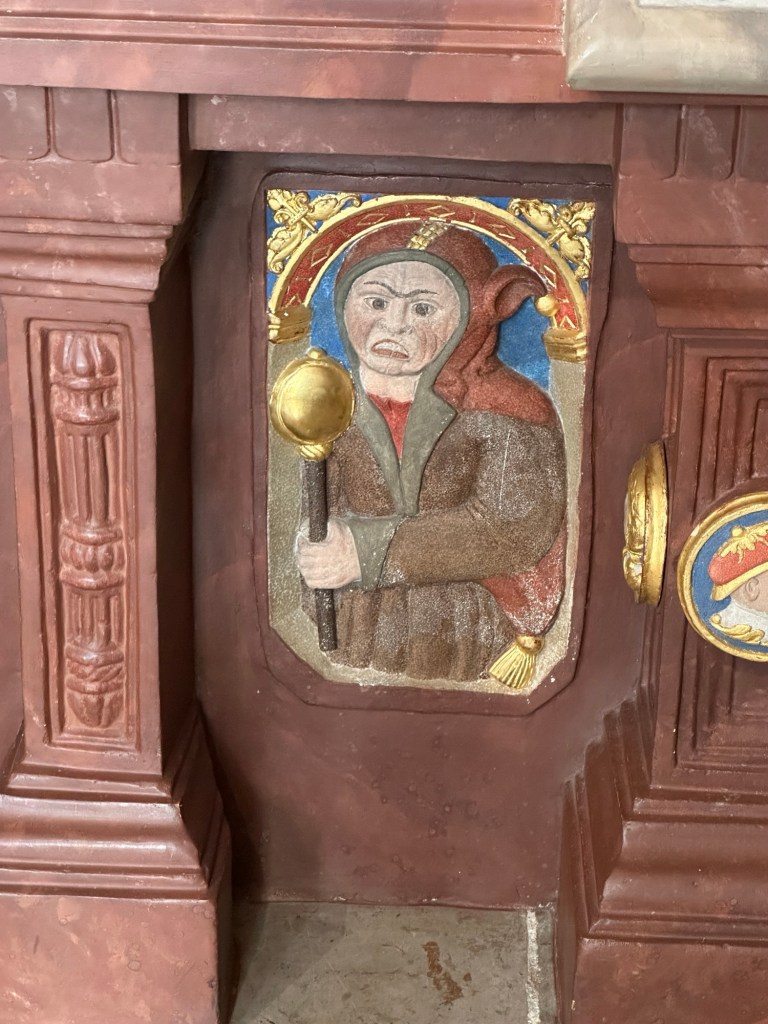
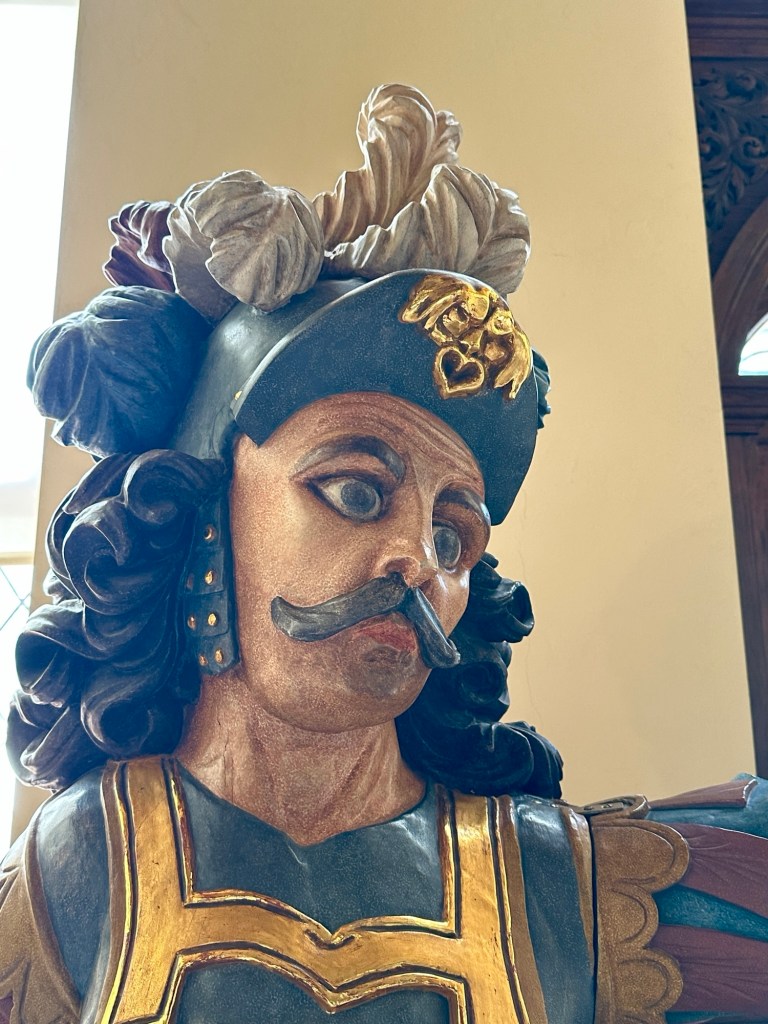
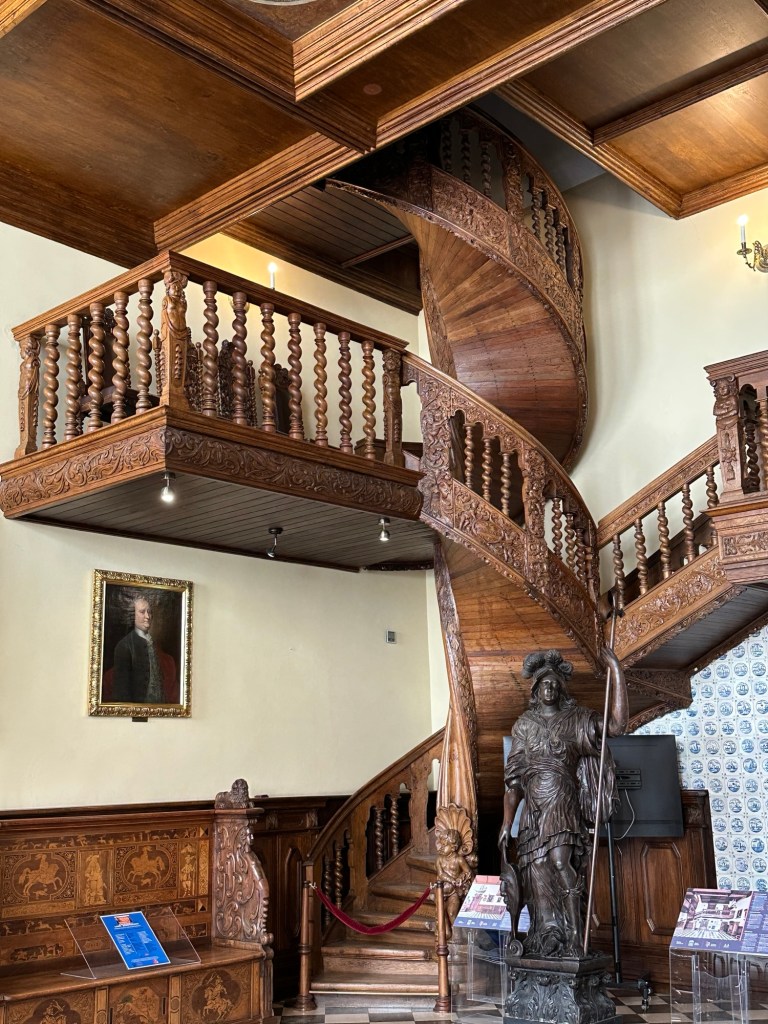
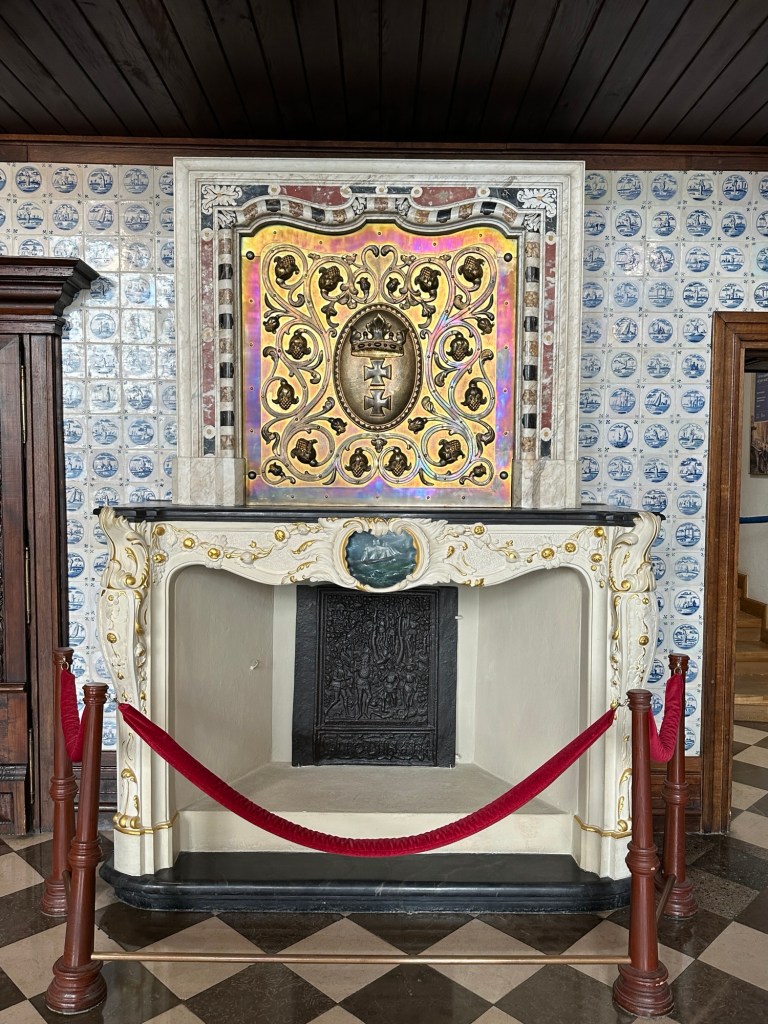
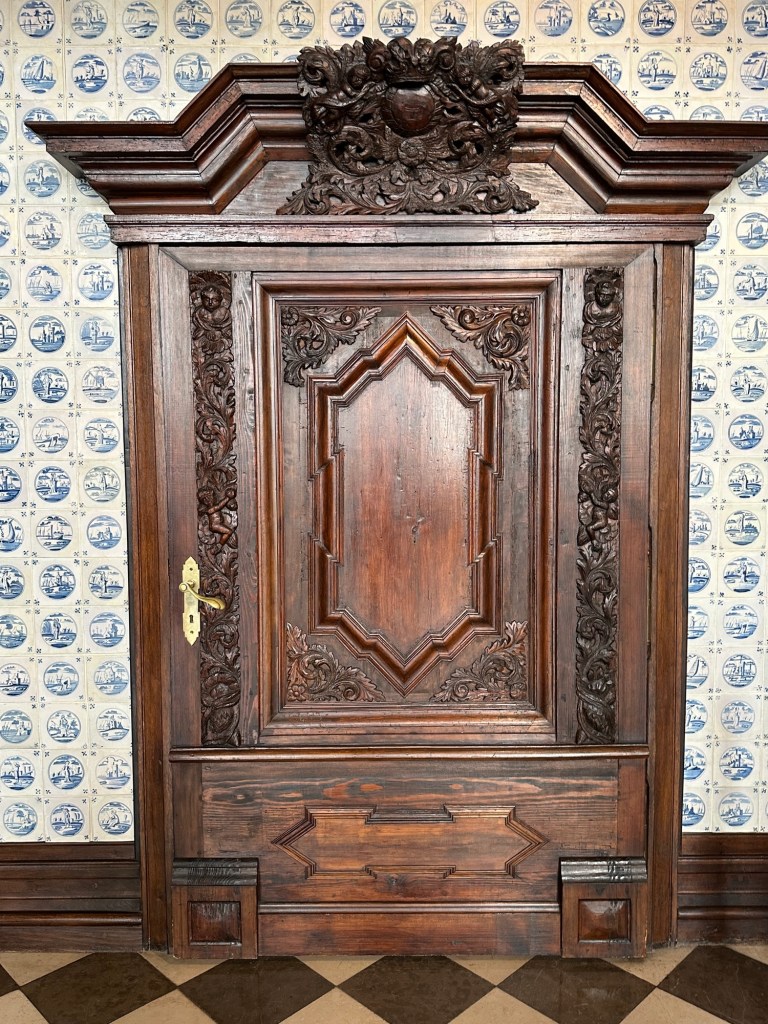
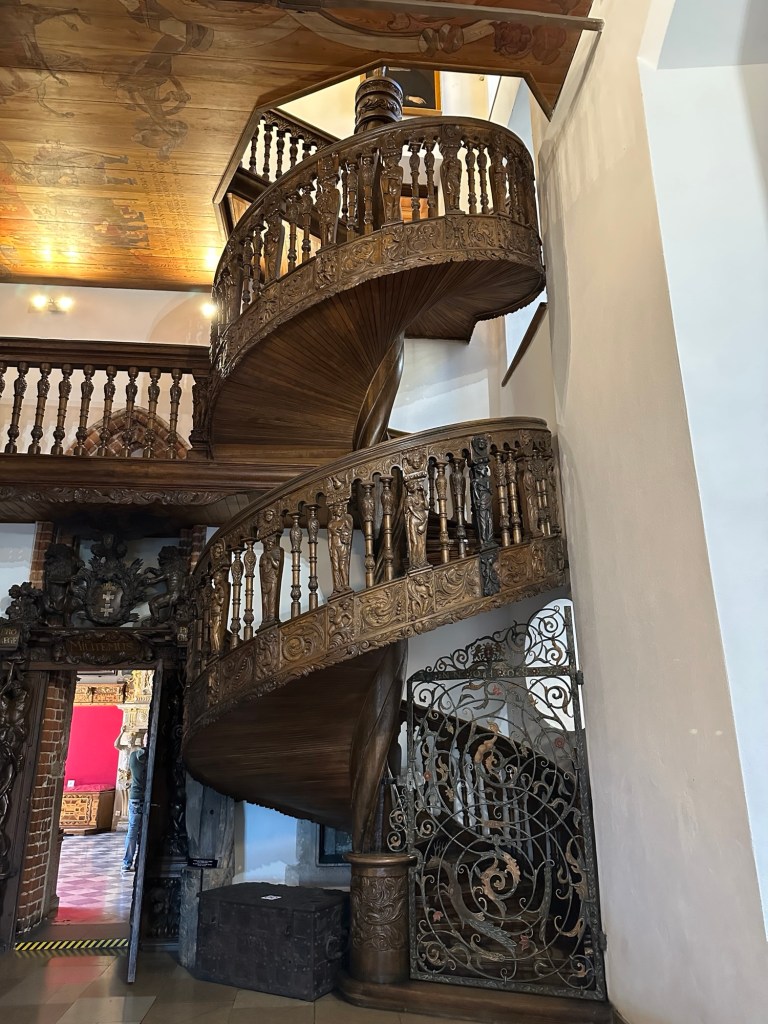
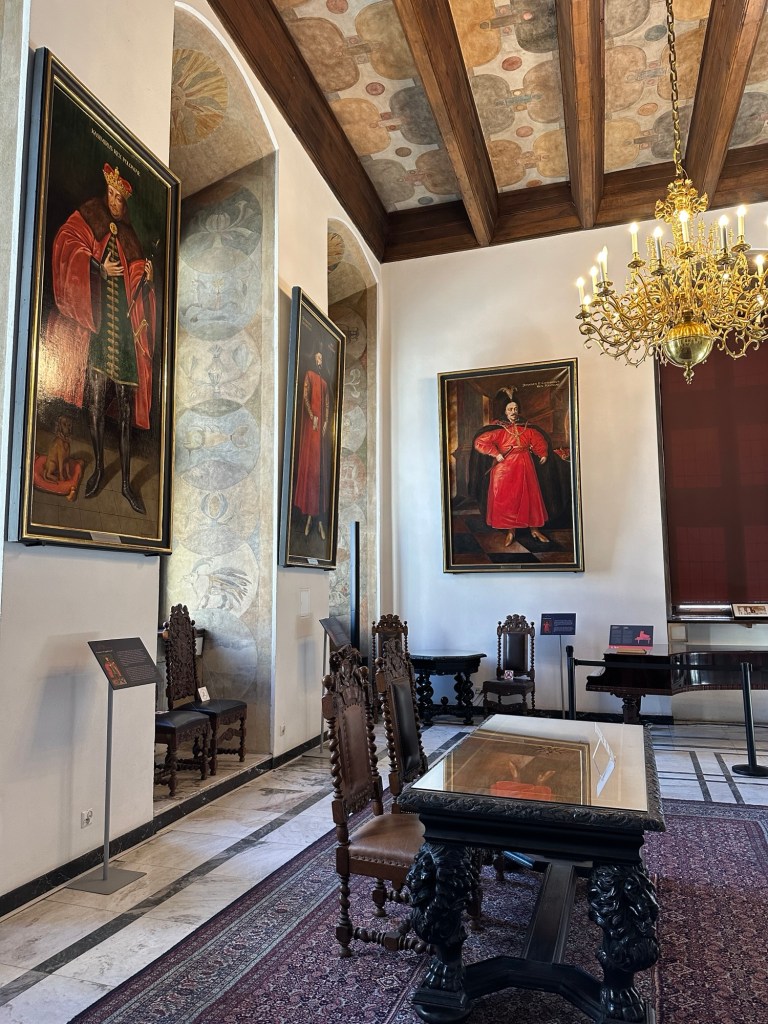
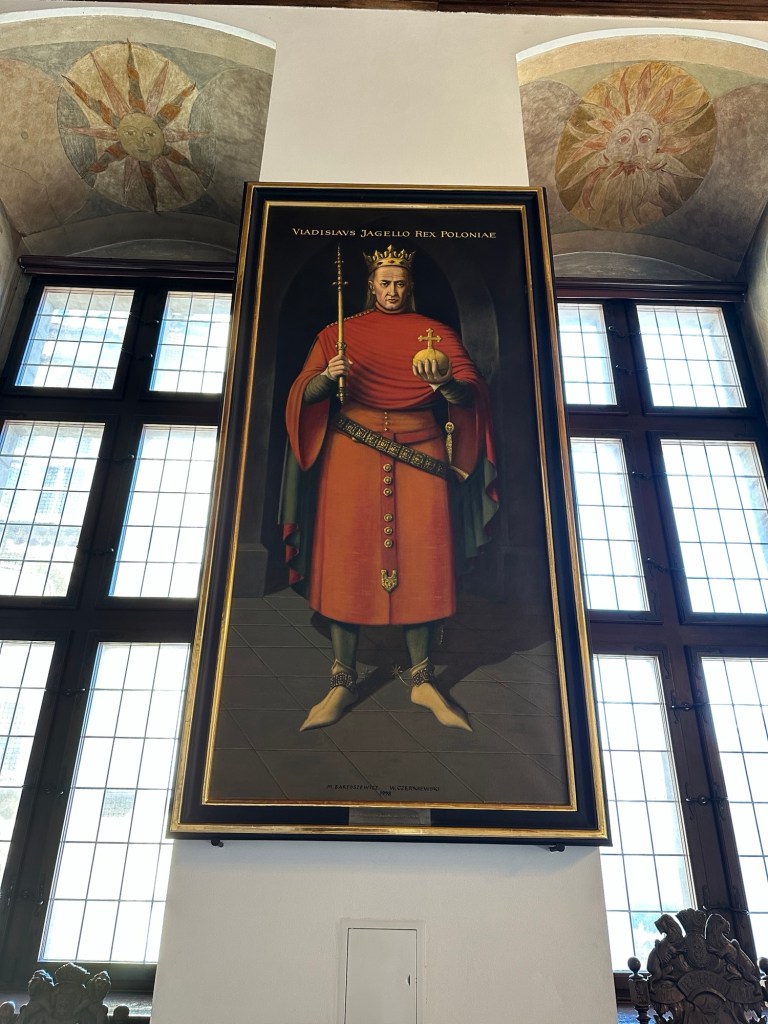
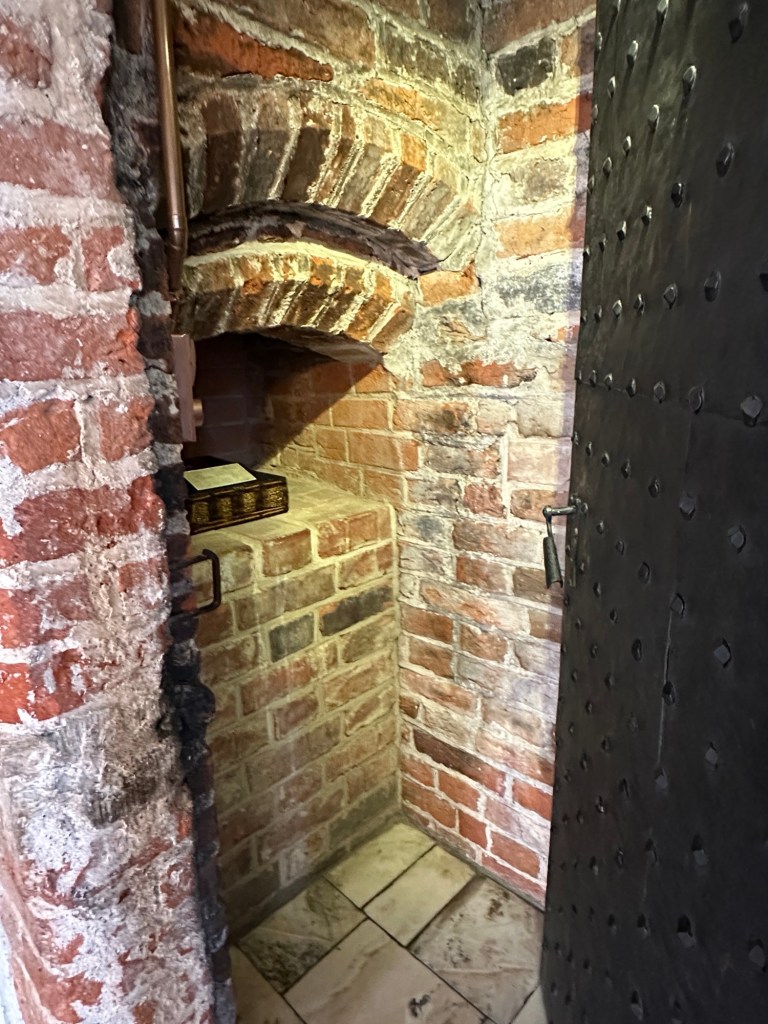
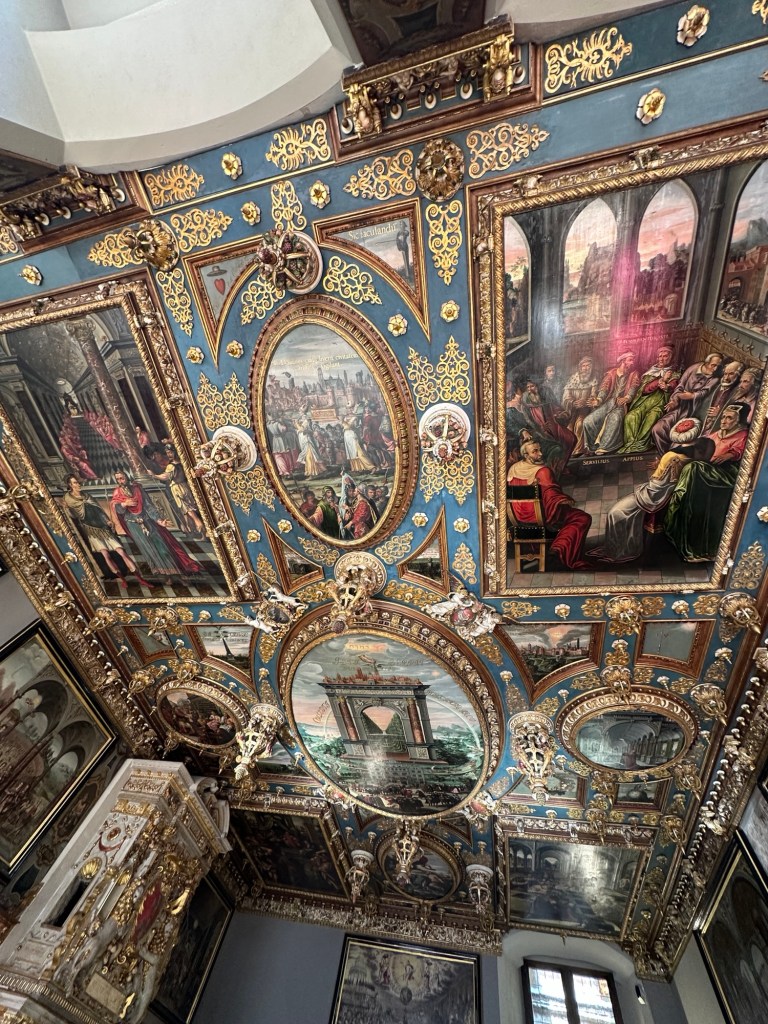
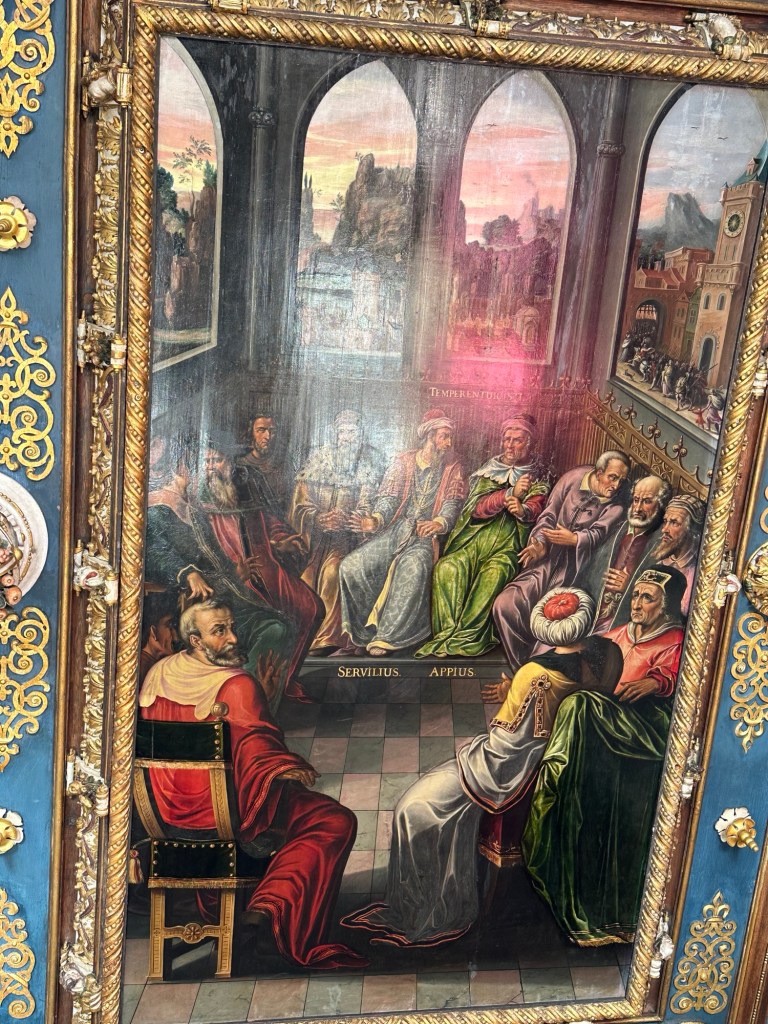
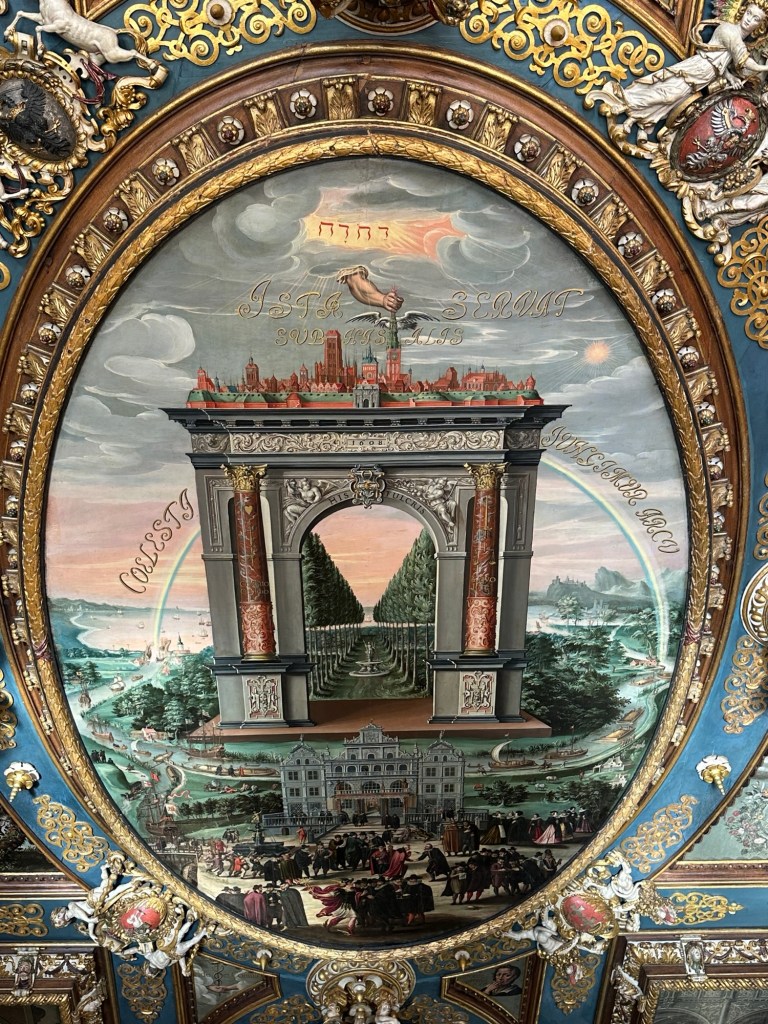
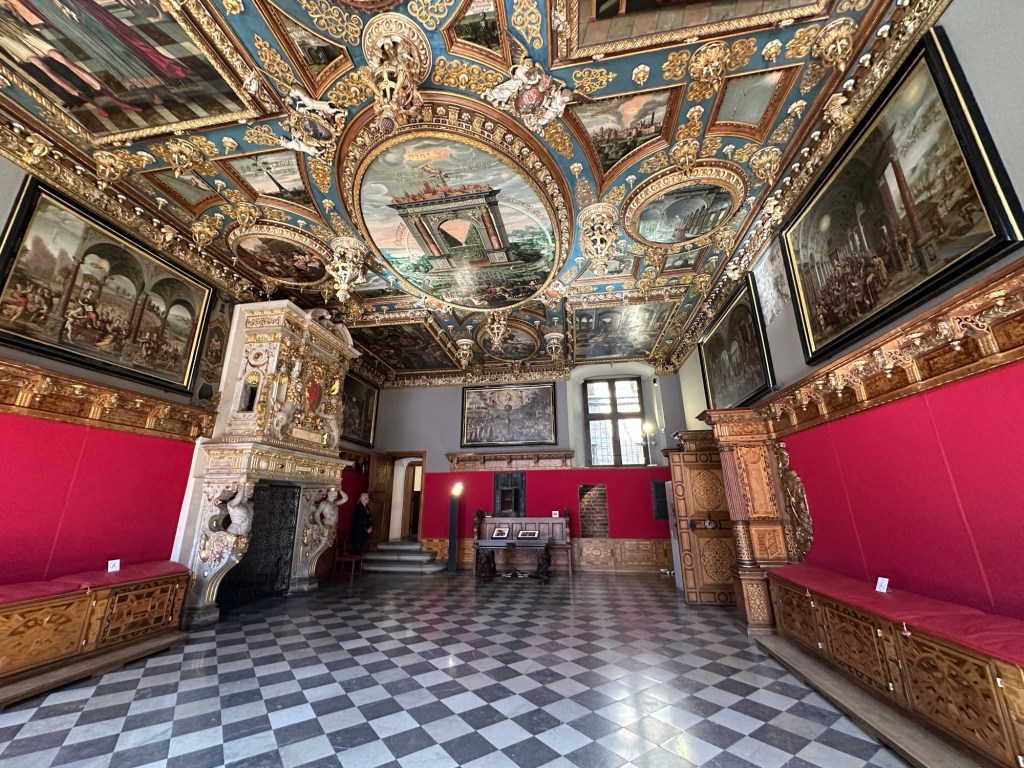
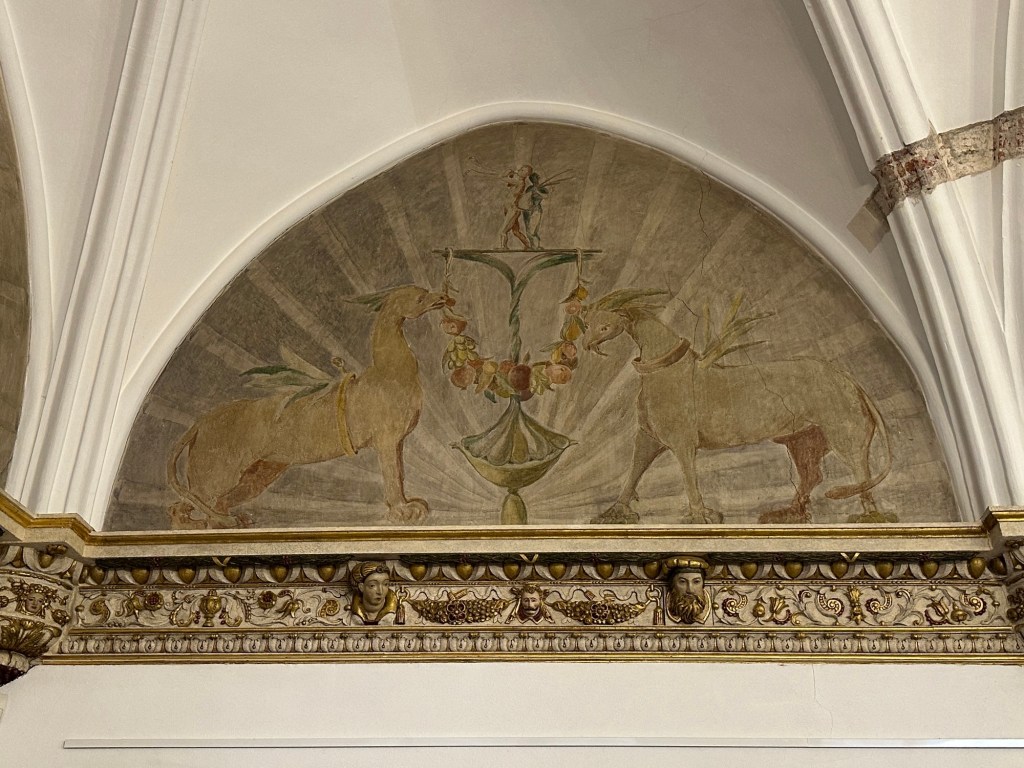
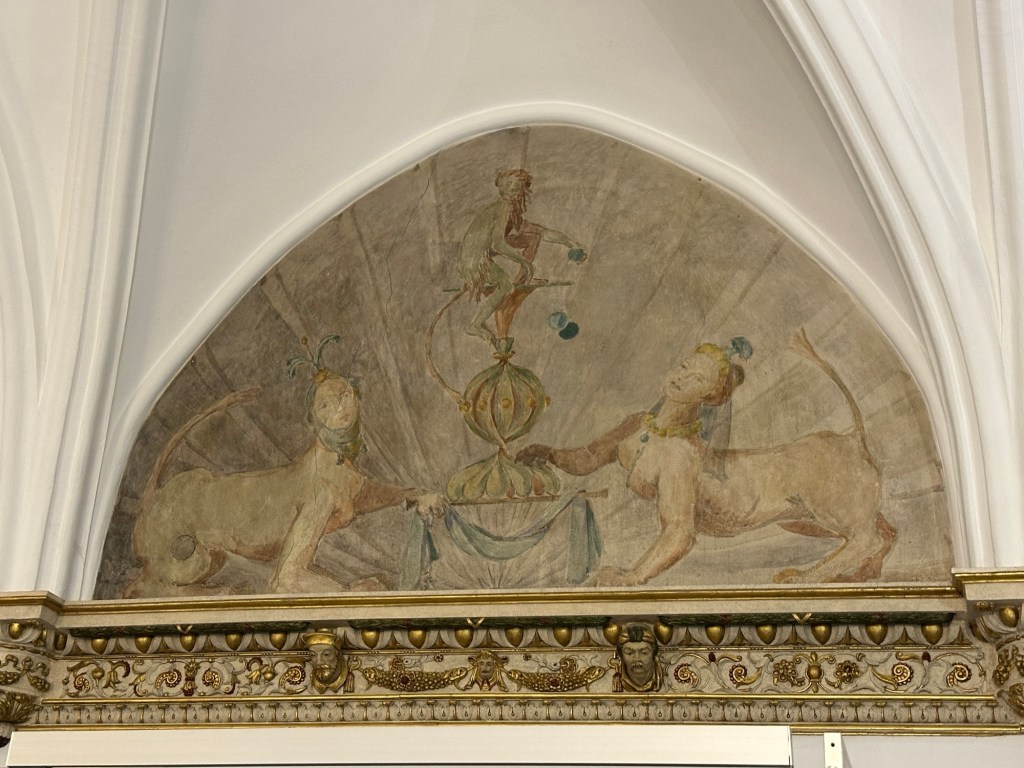
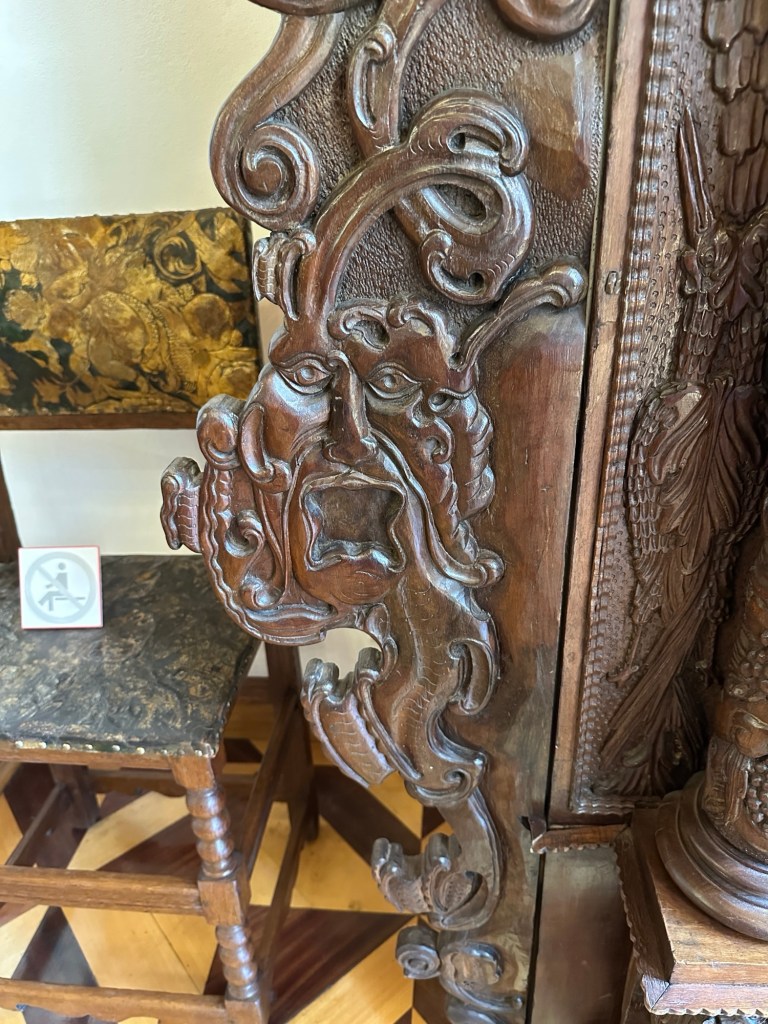
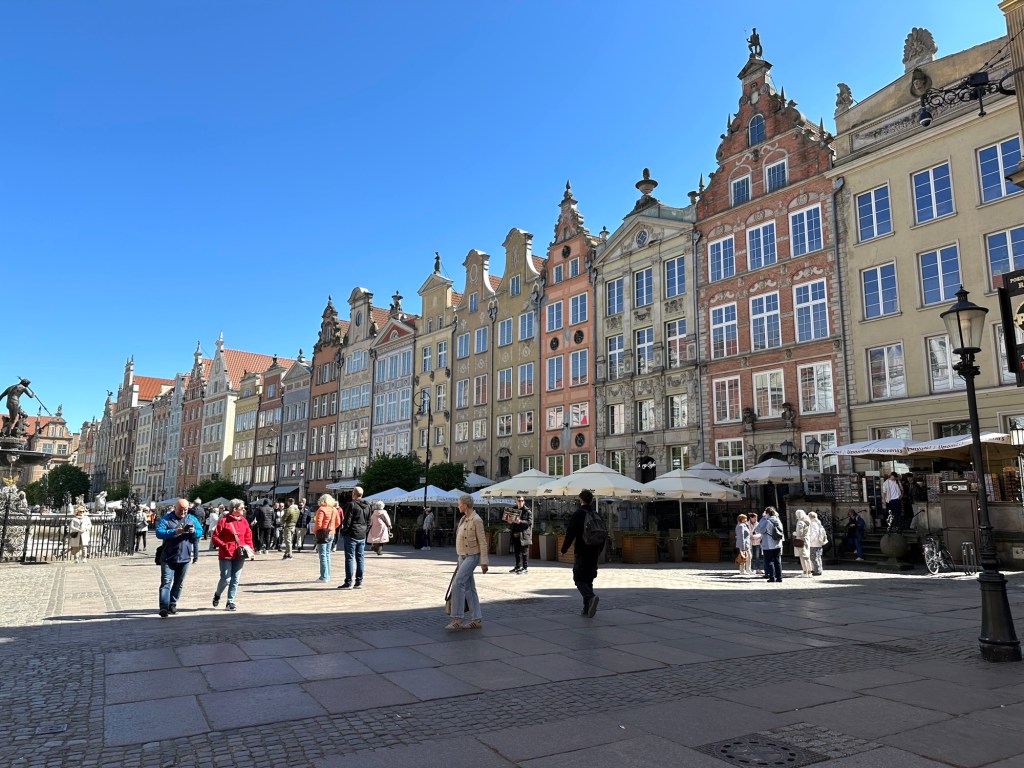
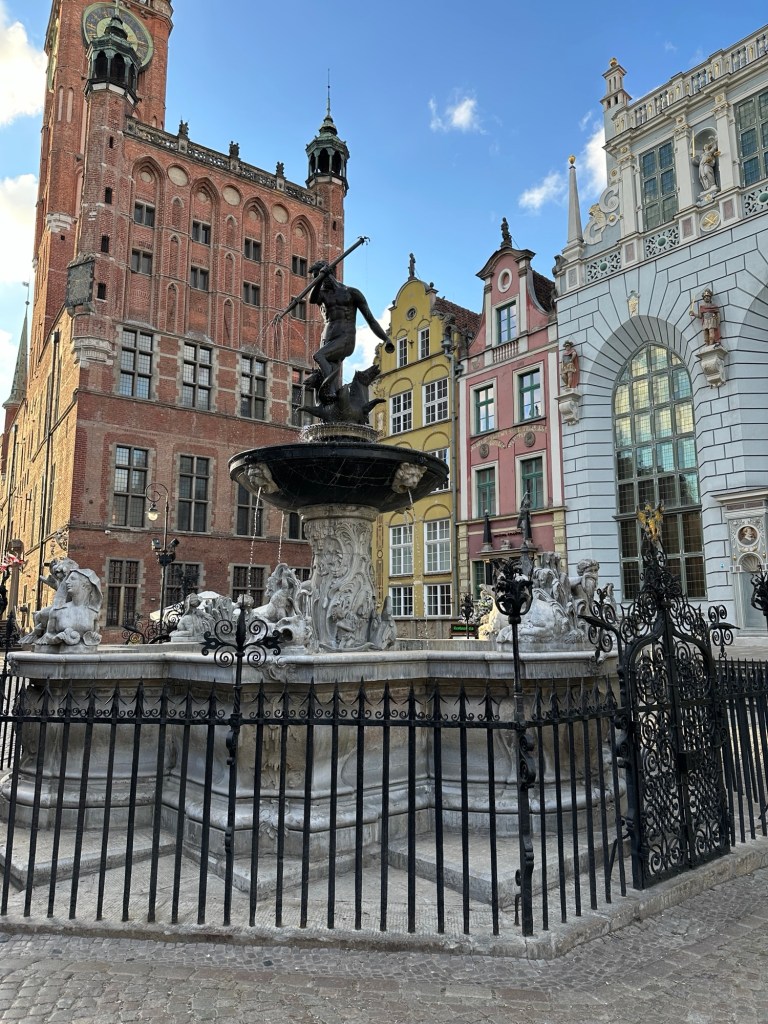
I stop first at Artus Court on the famous Dlugi Targ. Artus court is named after King Arthur and was used as a meeting place for merchants and social life in the 17th century. The decor and art in the museum reflects the importance of this building for the means of commerce. I particularly enjoy the animal inspired art in the building.

The day isn’t over yet and the Town Hall museum also has free admission so I head over there. I tour the museum but skip the tower since that costs extra.

Town Hall

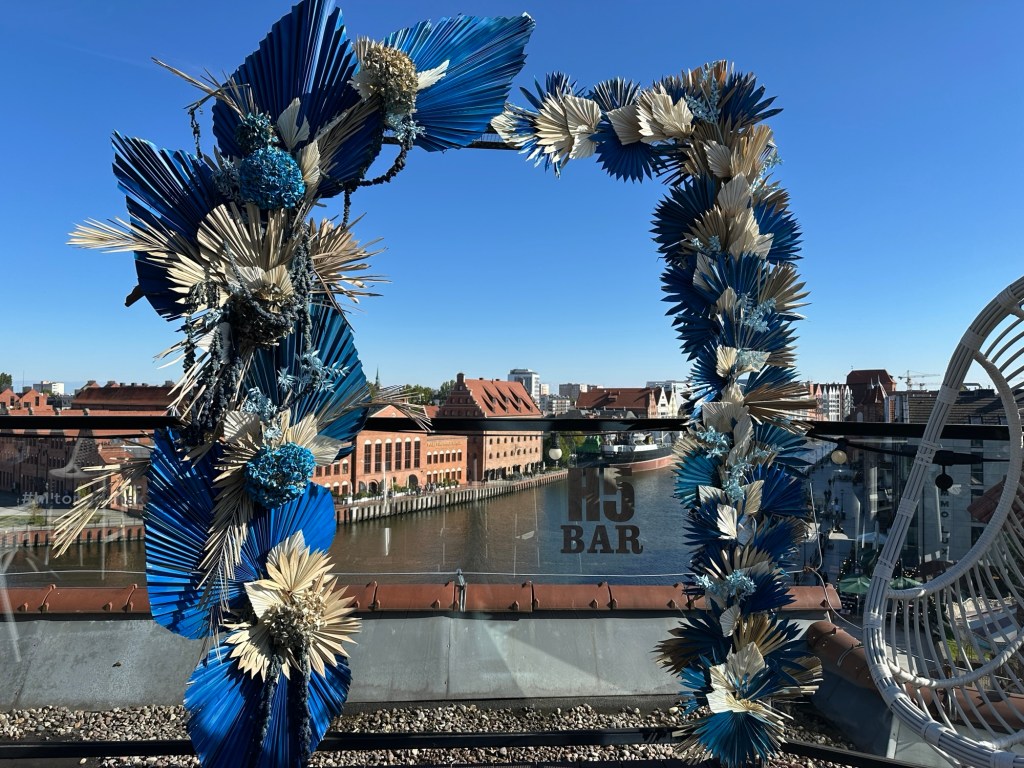
After museum time I walk the streets once more then visit happy hour at the rooftop bar of my hotel.

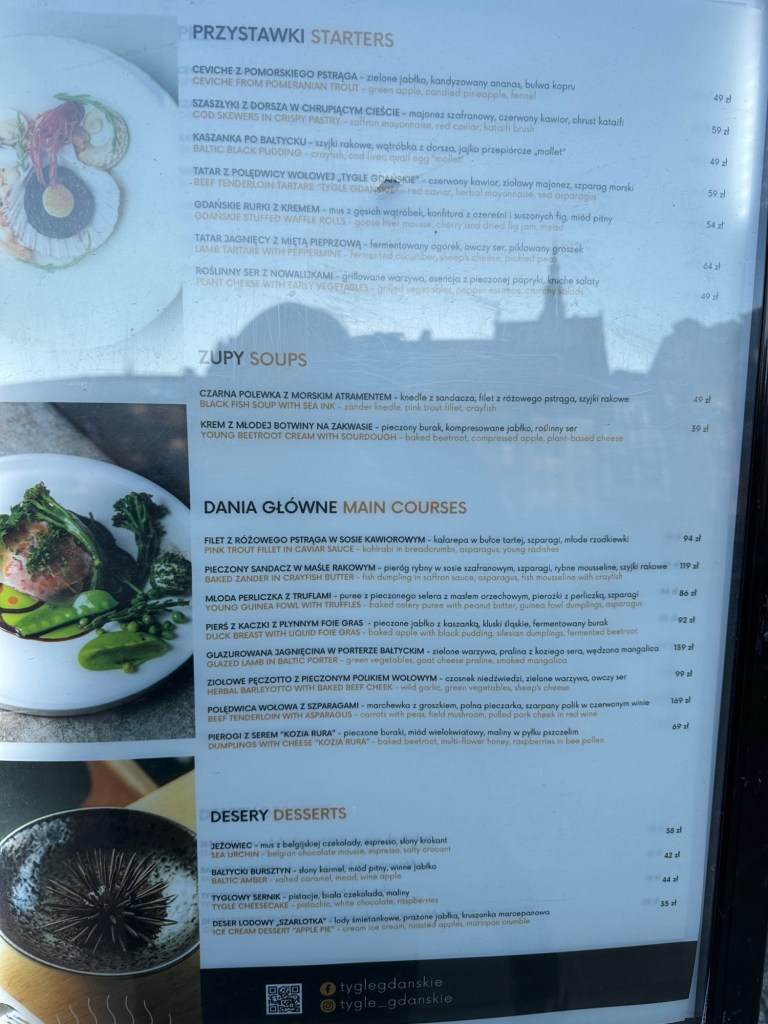
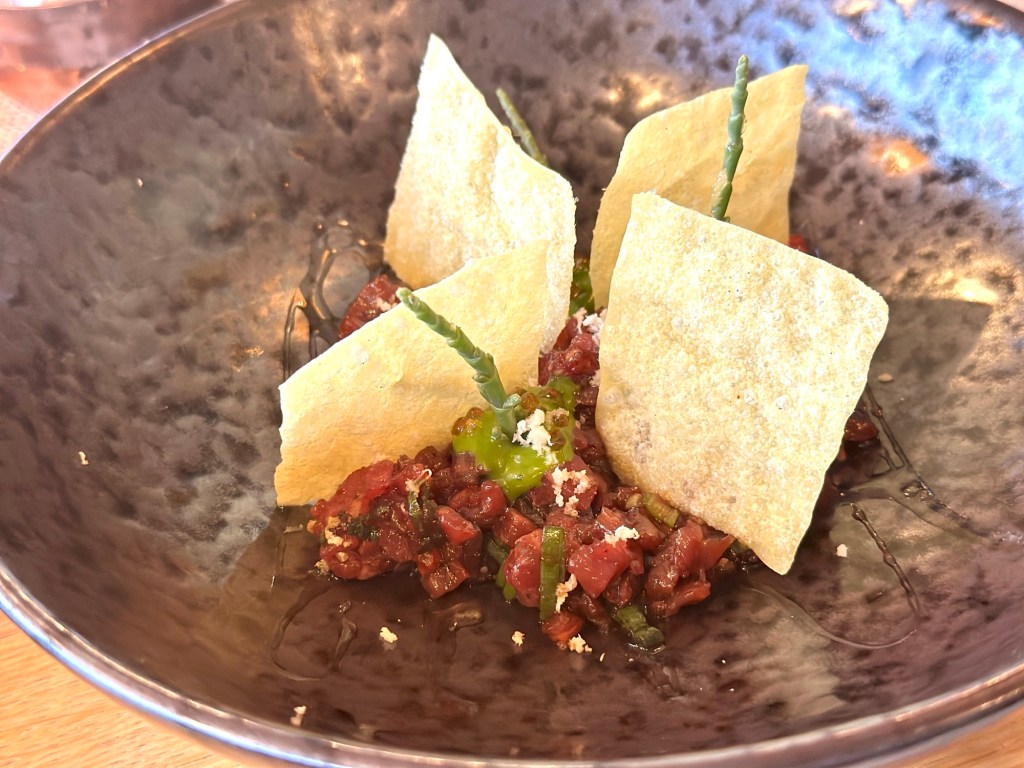
Because I wish to have a nicer dining experience I have reservations this evening at Tylge Gdansk. Even with a reservation I had to wait a little while but the food was superb.

It is another lovely evening stroll walking back to my hotel. Love the 24 hour flower automatic.

Trip is coming to an end soon. I have one more day out and about.…

Gdańsk: Solidarność

Gdańsk Shipyard entrance

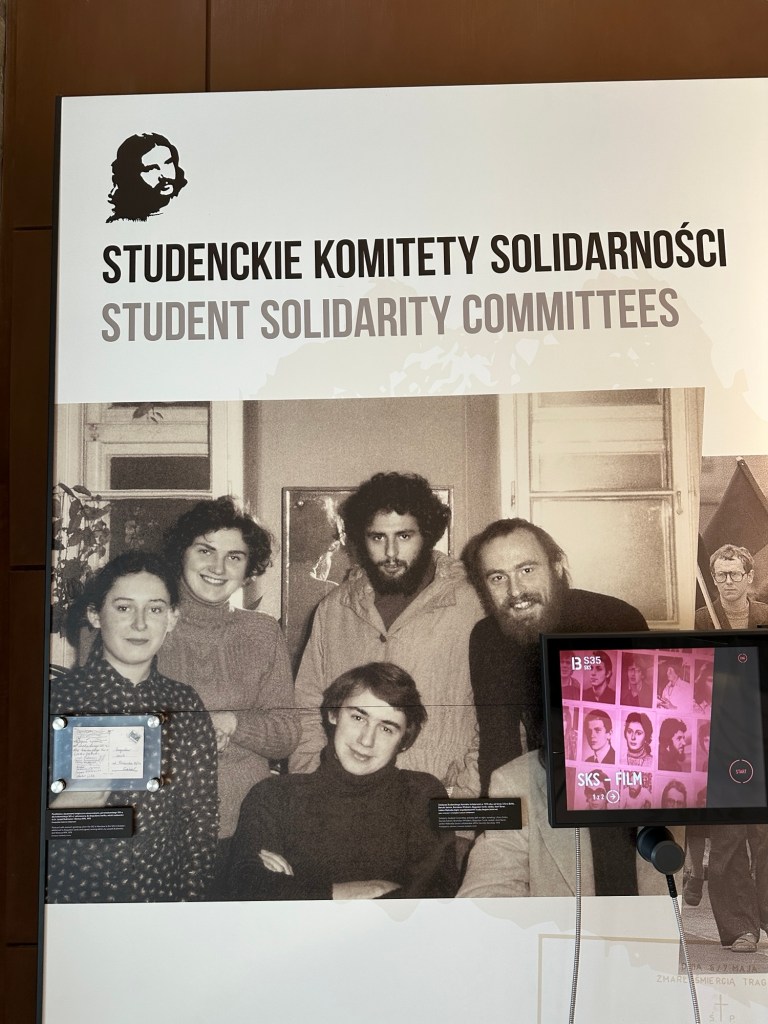
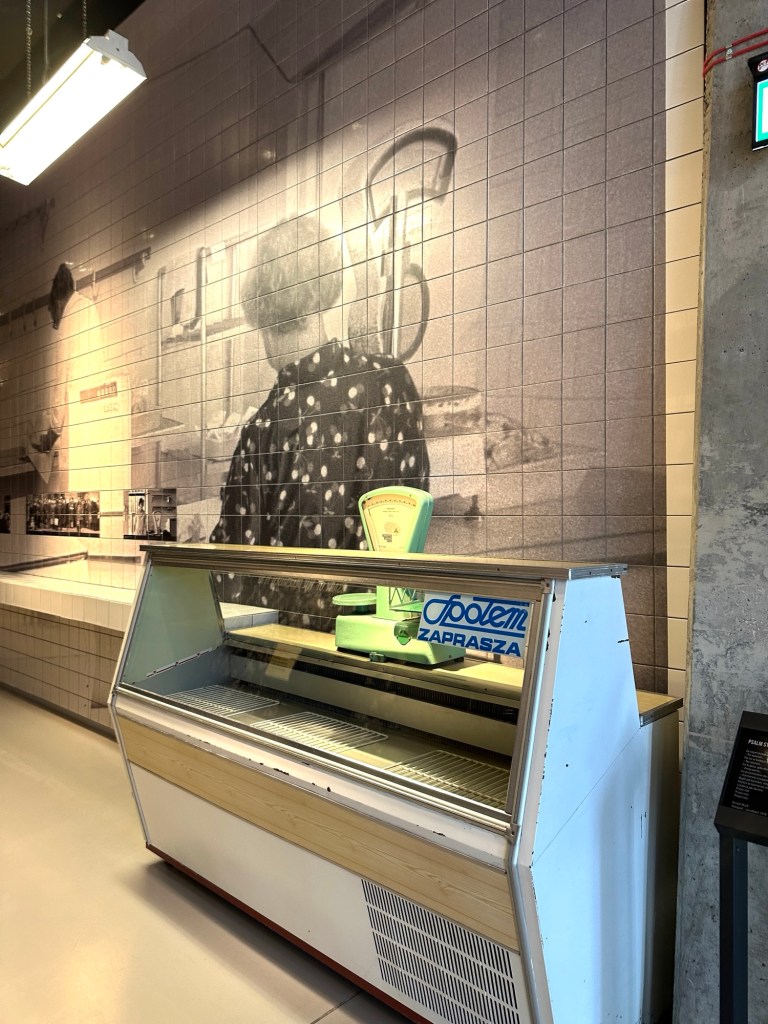
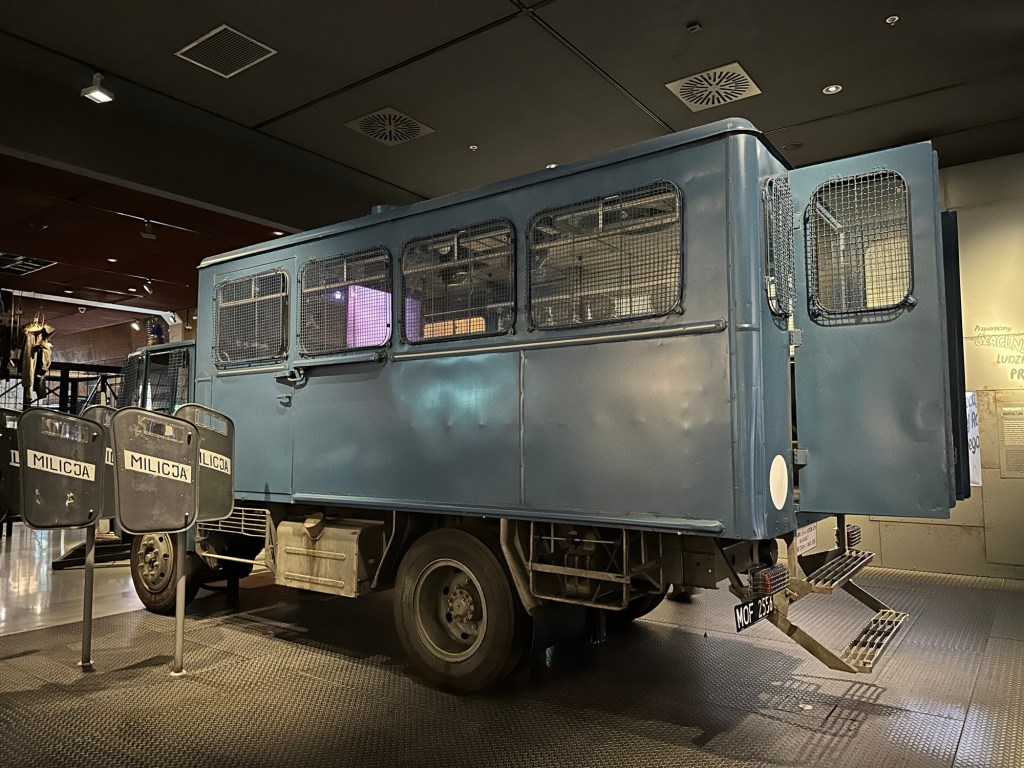
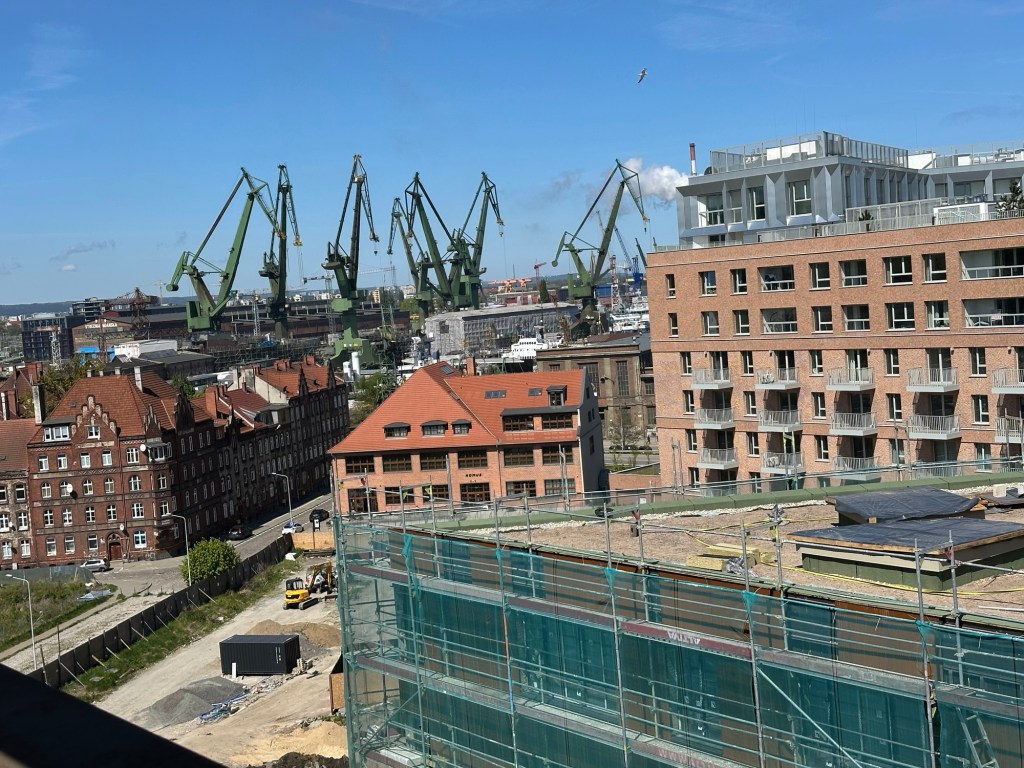
Today I visit the European Solidarity Centre, better known as the Solidarity museum. Solidarity is the movement that one could argue started the end of communism in Eastern Europe. In Gdansk, Poland it all started with a strike of workers wanting to unionize.

Conditions in Poland during communism are not great. Citizens are jailed for speaking out or individuality. There are food shortages and shortages on just about everything else. The communist government tries to create housing to help with shortage but they are state assigned and hard to get. Information access is controlled; there is radio free Europe broadcasted from Munich but the government eventually jams the signal of that. In fact it was against the law to listen to radio free Europe.

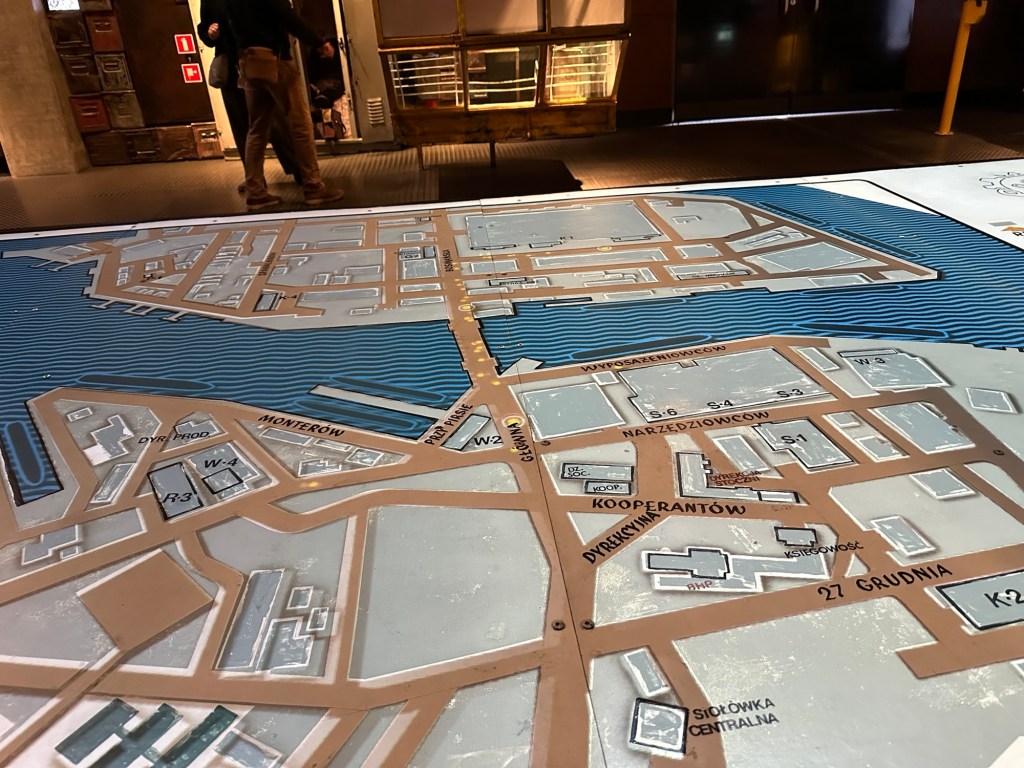
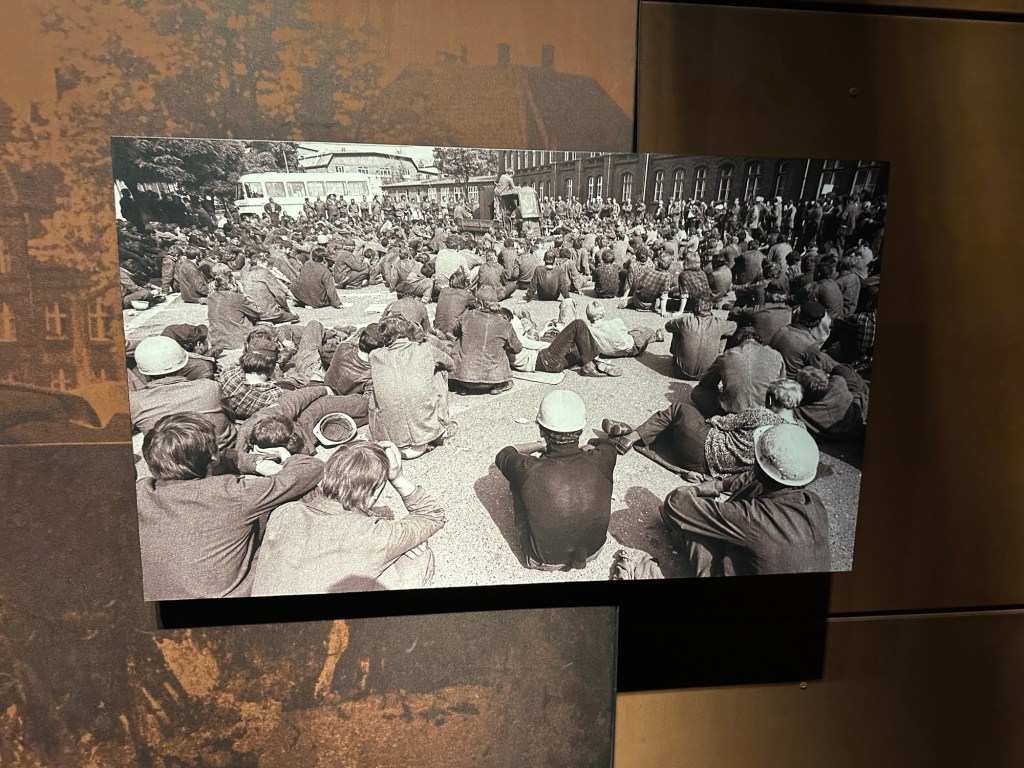
The solidarity museum centers on the 1980 shipyard strike from which catapulted a movement.

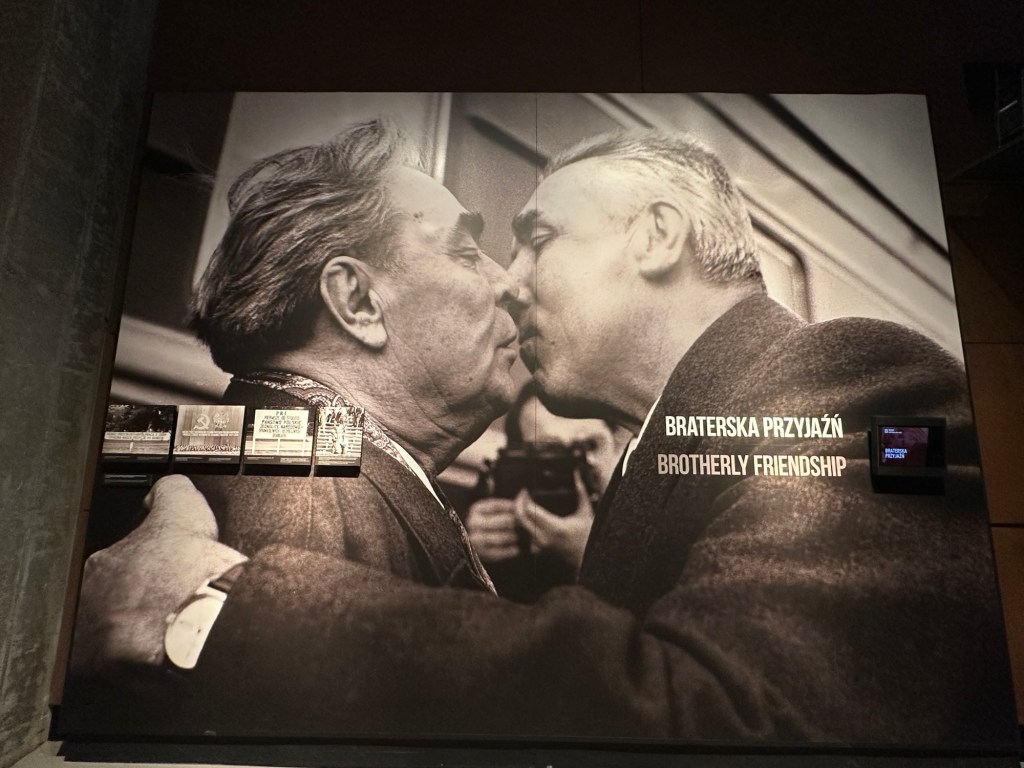
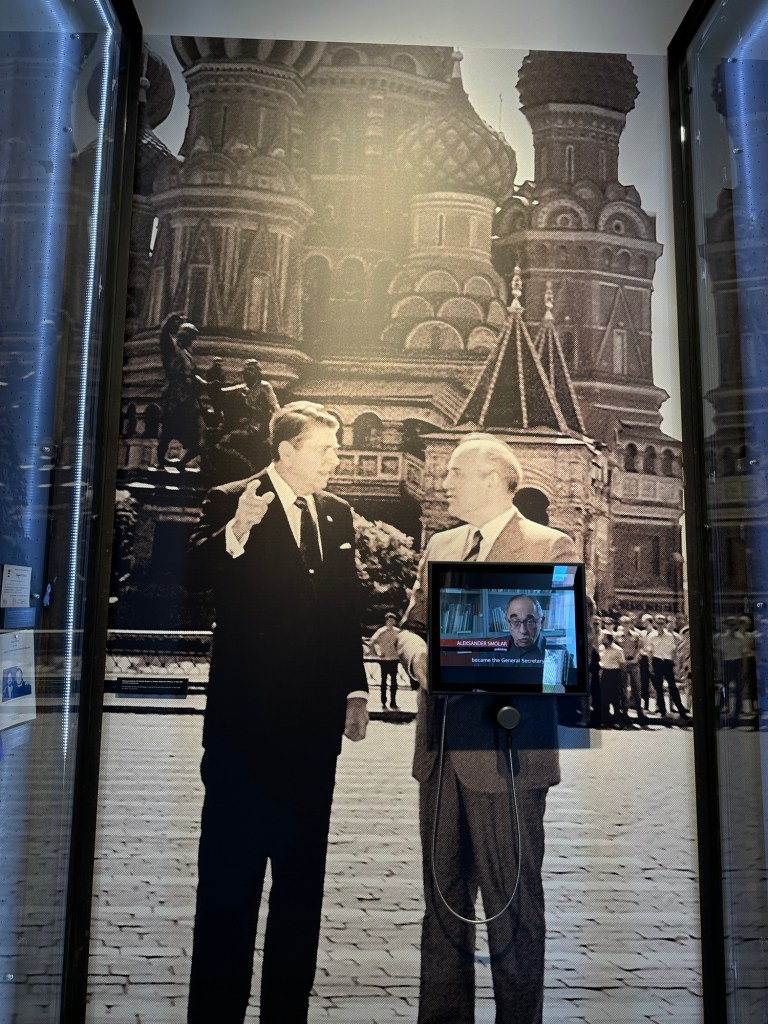
Photo of two leaders being affectionate. It is to show how Poland is subservient to Soviet Union (USSR).
Soviet map, iron curtain.

The United polish workers party was the only party that existed at the time and there were elections but they were mostly for show. They used cruel interrogations to try to keep people under control.

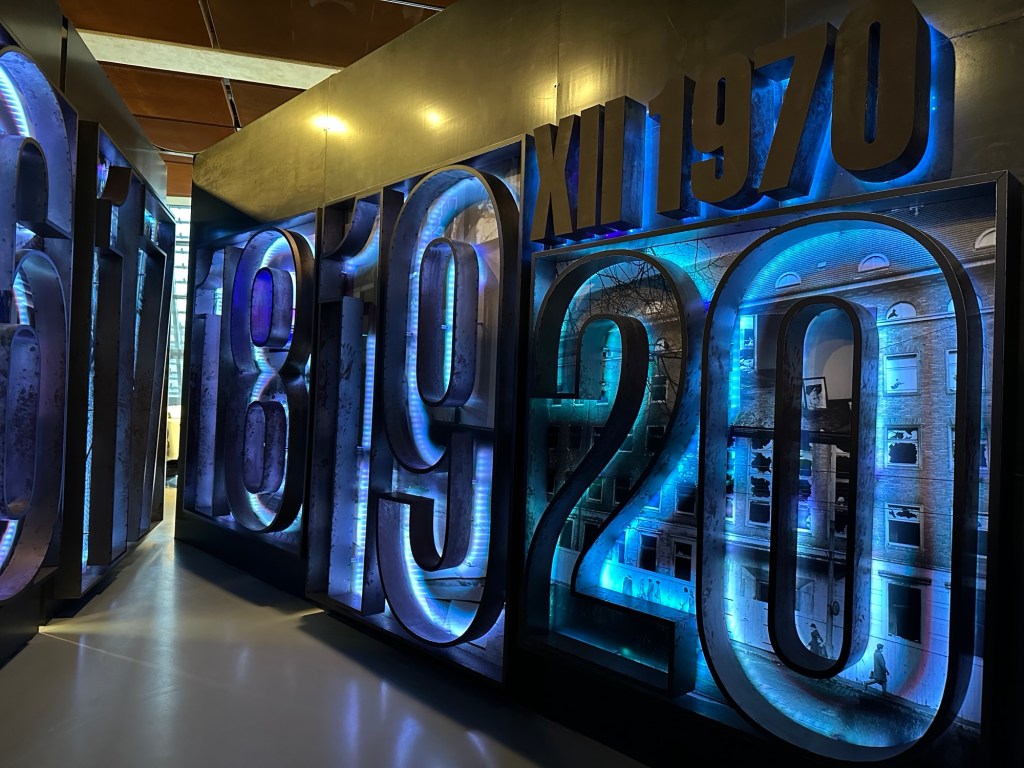
On December 17 1970 there are demonstrations and protests about high prices and more. There is a massacre on Baltic coast (multiple cities) where 45 people lost lives.

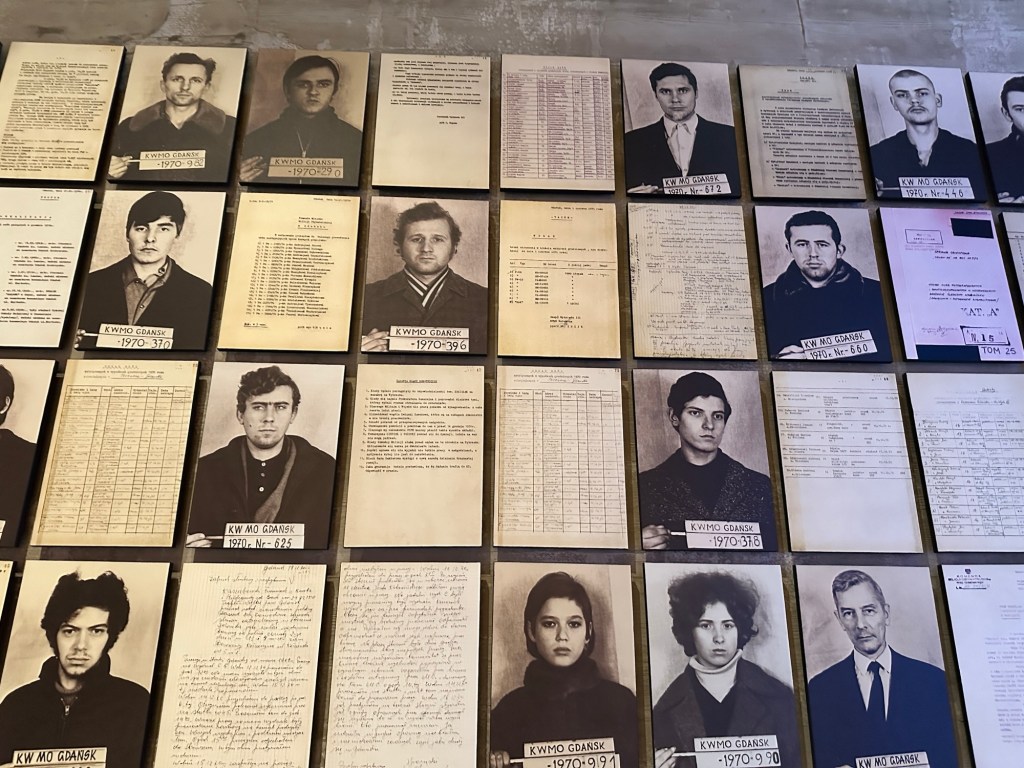
People arrested

Kor (workers defense committee) formed 1976 as well as other groups.

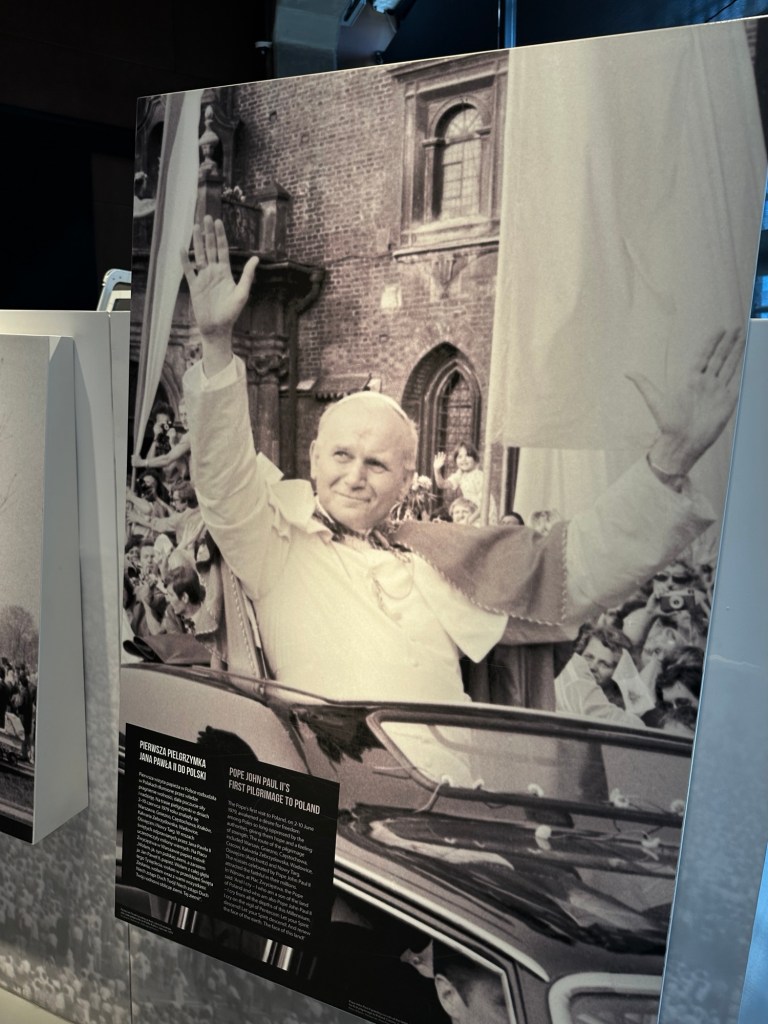
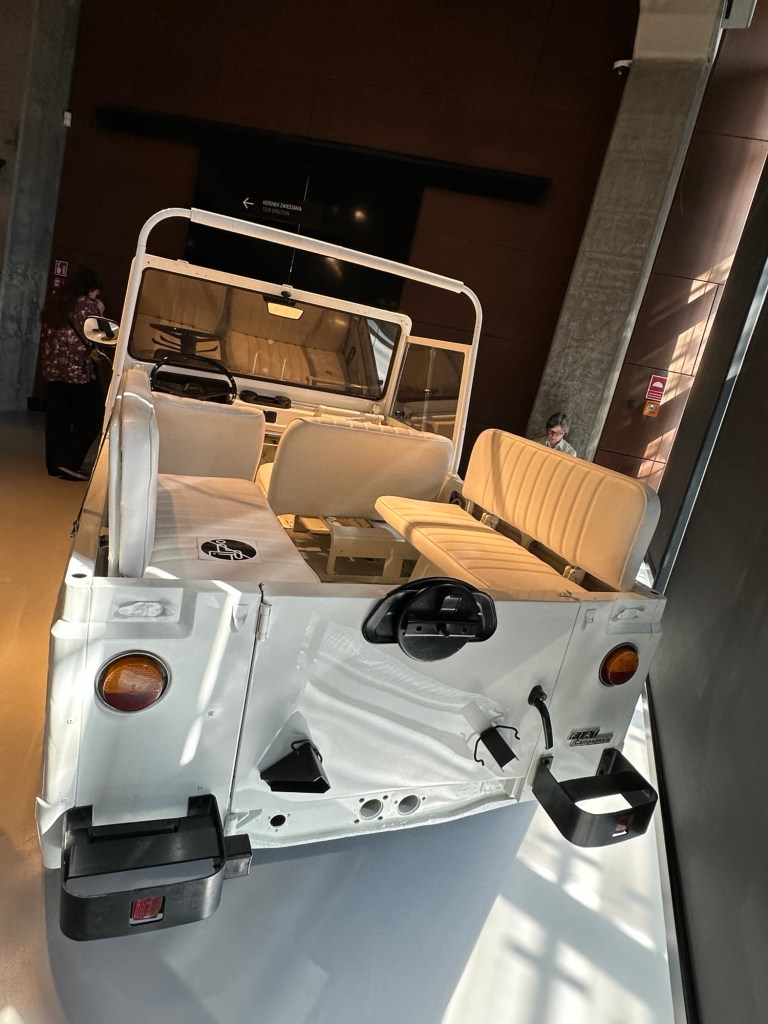
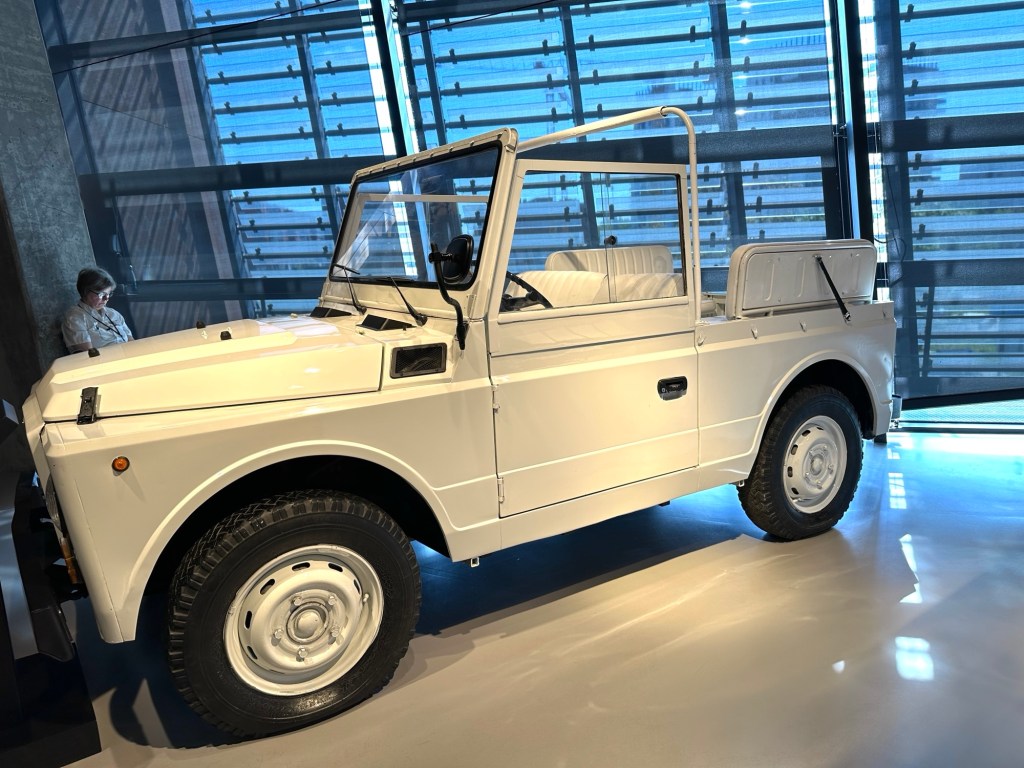
Polish Pope John Paul II comes to visit for the first time in 1979. There is a pope mobile in the museum.

The pope visiting gives the Polish people hope but there are also empty shop shelves and long queues as a result of failed communist policies.

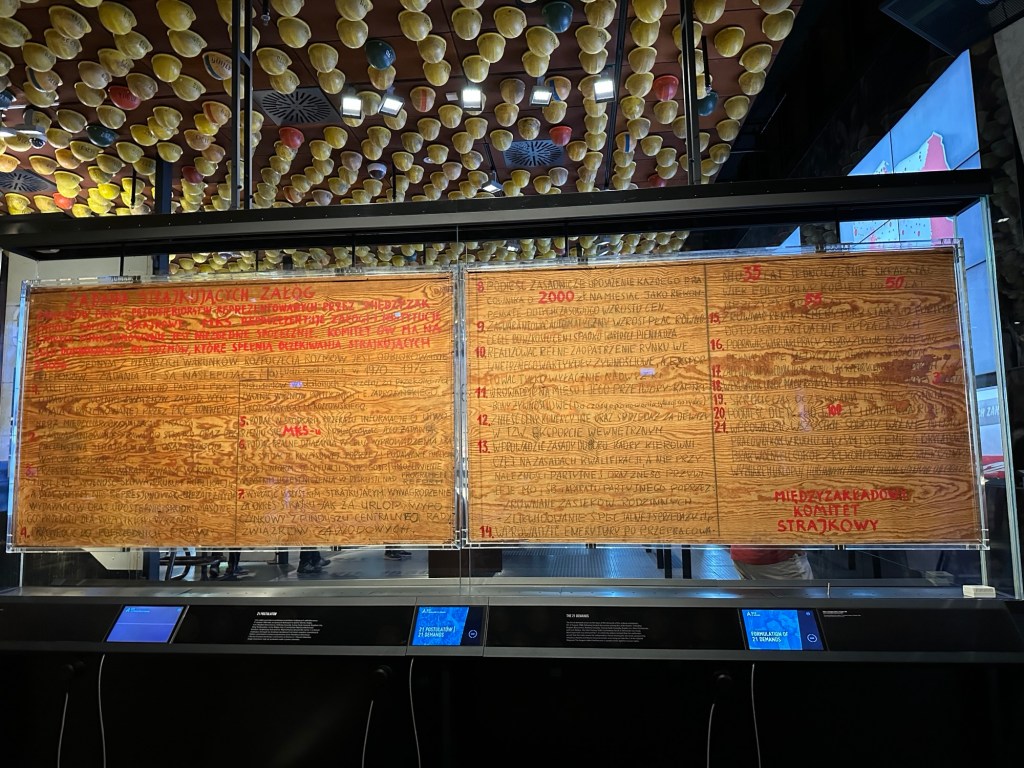
There are Lublin strikes in 1980 and later in Gdańsk shipyard over a worker fired and other working conditions. They created a list of demands. These demands are in the UNESCO registry. The demands establish free trade unions and the right to strike. They avoid radicalism and aggressive language.

The main movement starts in Gdańsk but spreads south as many other work places go on strike.

Solidarity is now a slogan.

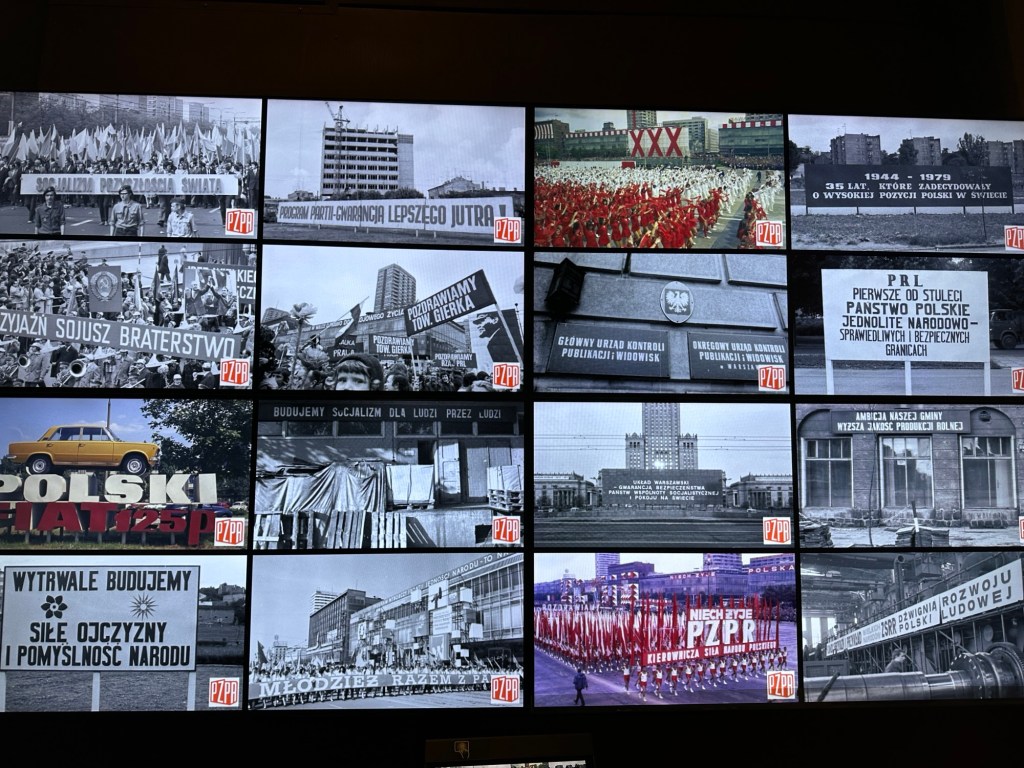
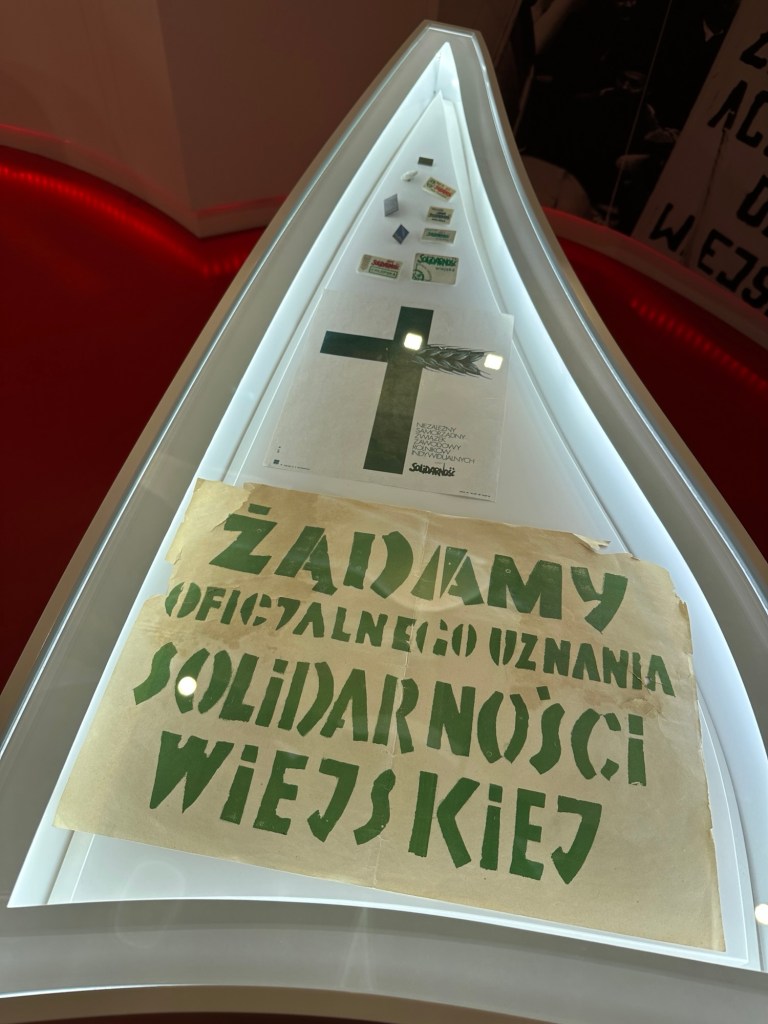
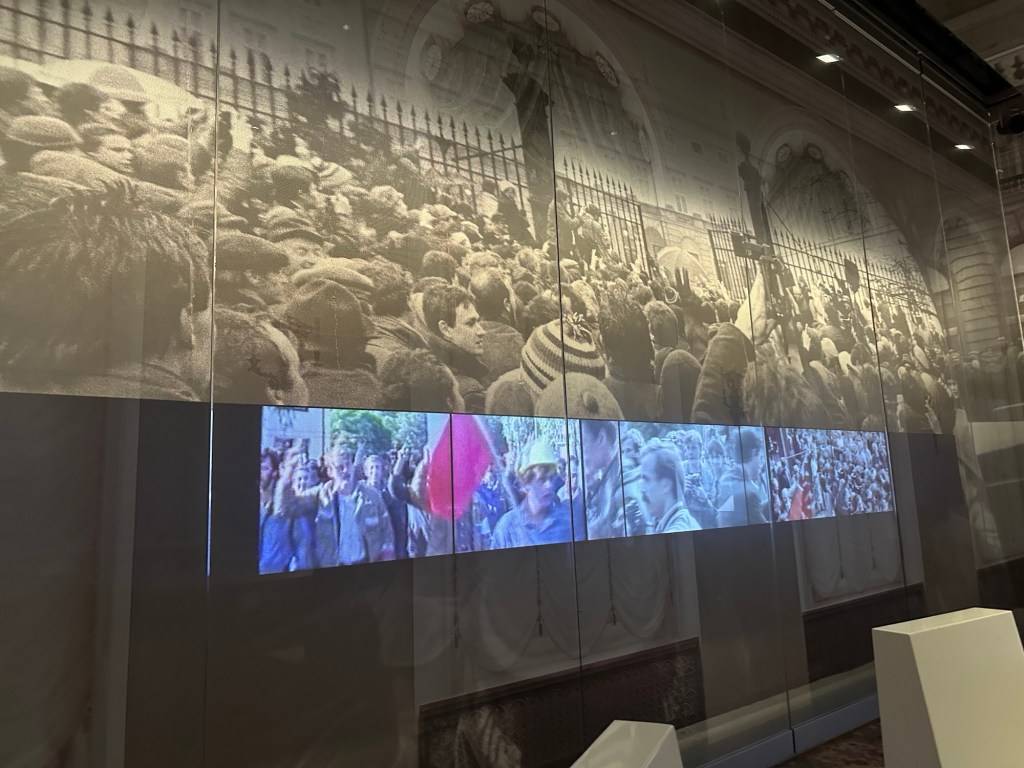
Visual representation of Solidarity in the museum

They meet first on wages and then press for unions. Unions and the arts take off after solidarity is introduced.

Solidarity becomes more popular and leads to more free elections. This encouraged other eastern bloc countries to form unions and democratic elections. The United polish workers party saw solidarity as a growing threat.

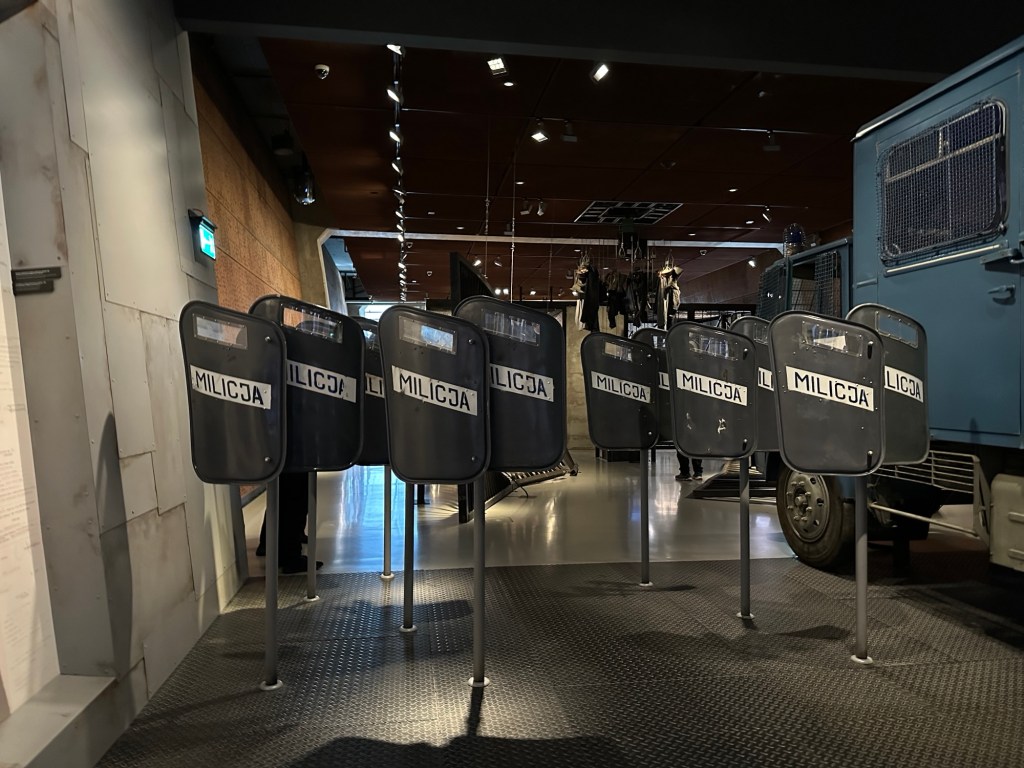
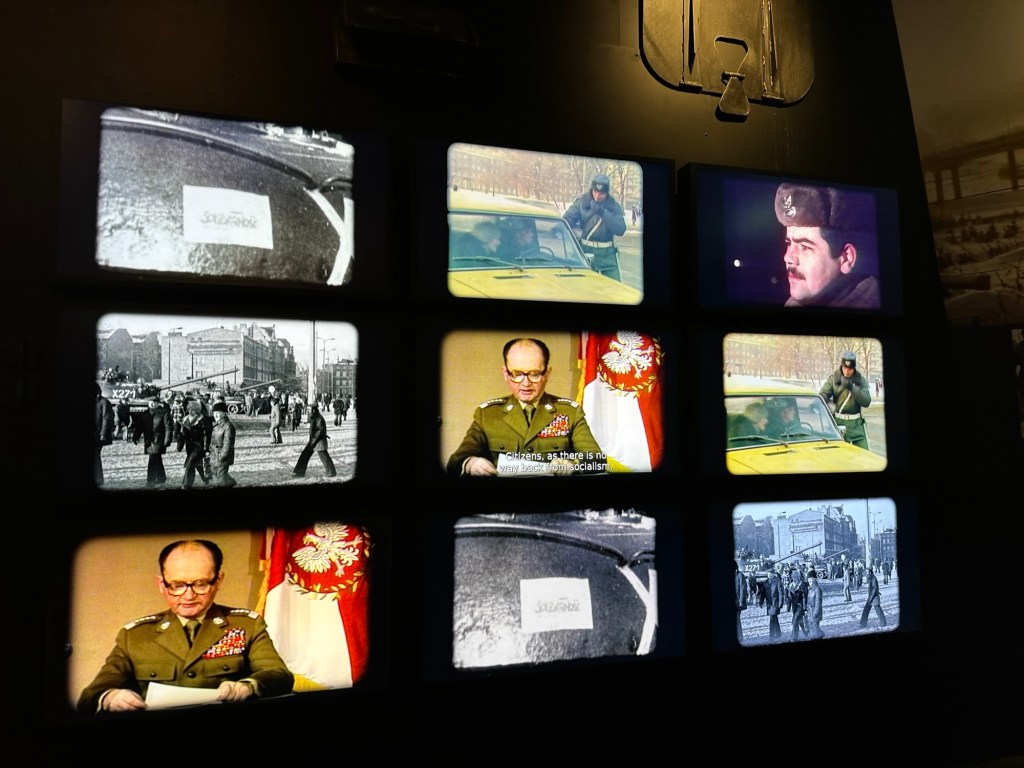
December 1981 martial law is implemented by the communist government. They blame solidarity for bad conditions and say it’s a coup d’tat. Martial law photos ends up in American newspapers and as a result USA puts sanctions on Poland and the USSR.

A gate at shipyard was destroyed by vehicle in 1982

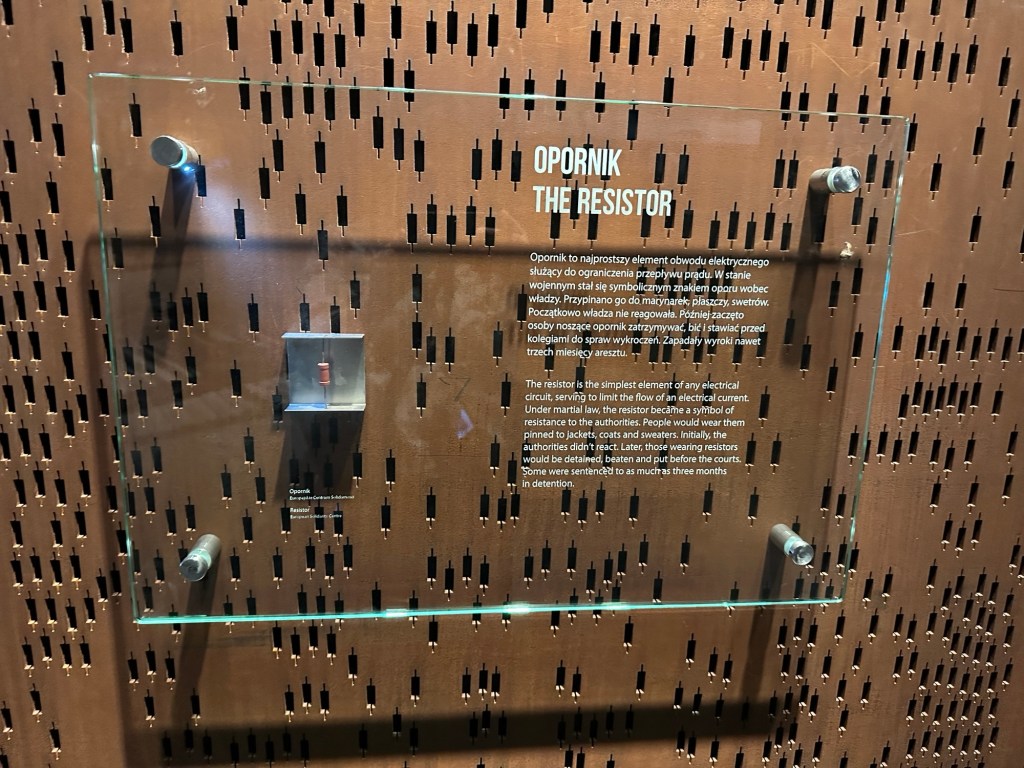
The pope returns in 1983 and revitalizes the resistance movement. Resistors are worn as a symbol of the movement.

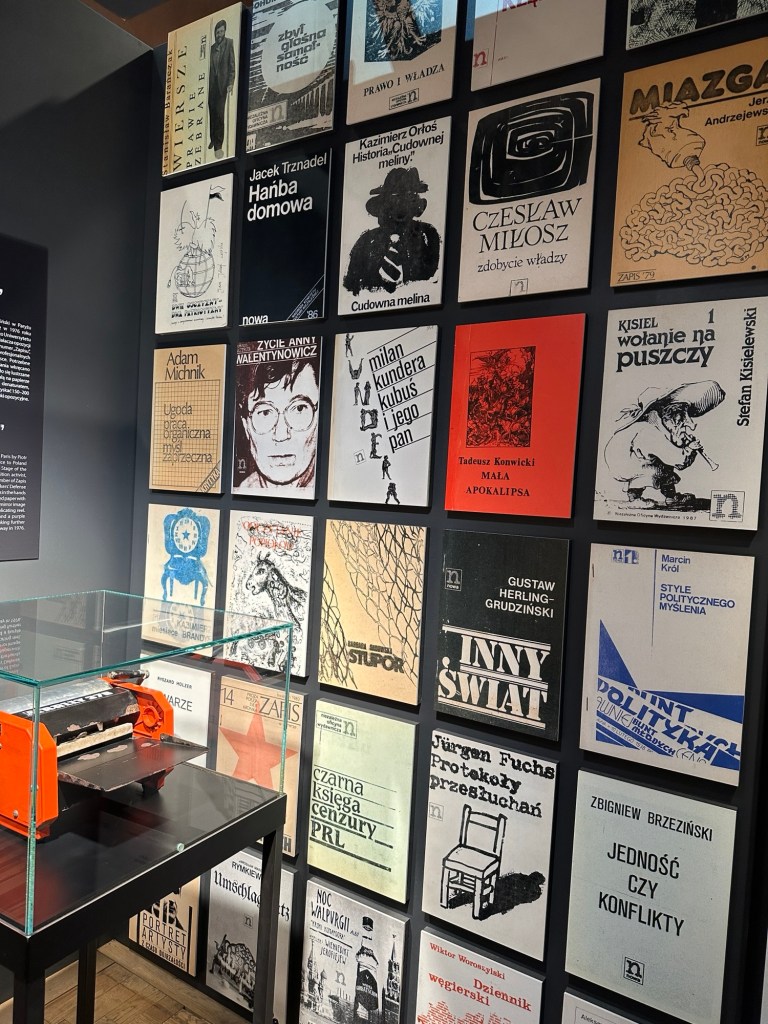
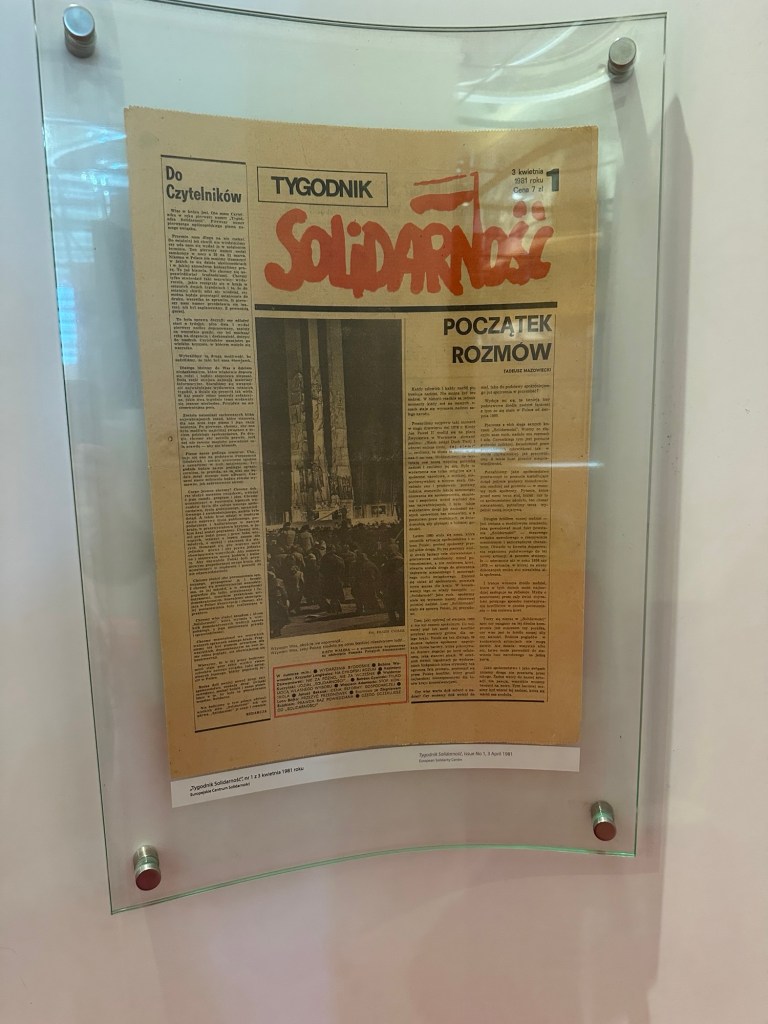
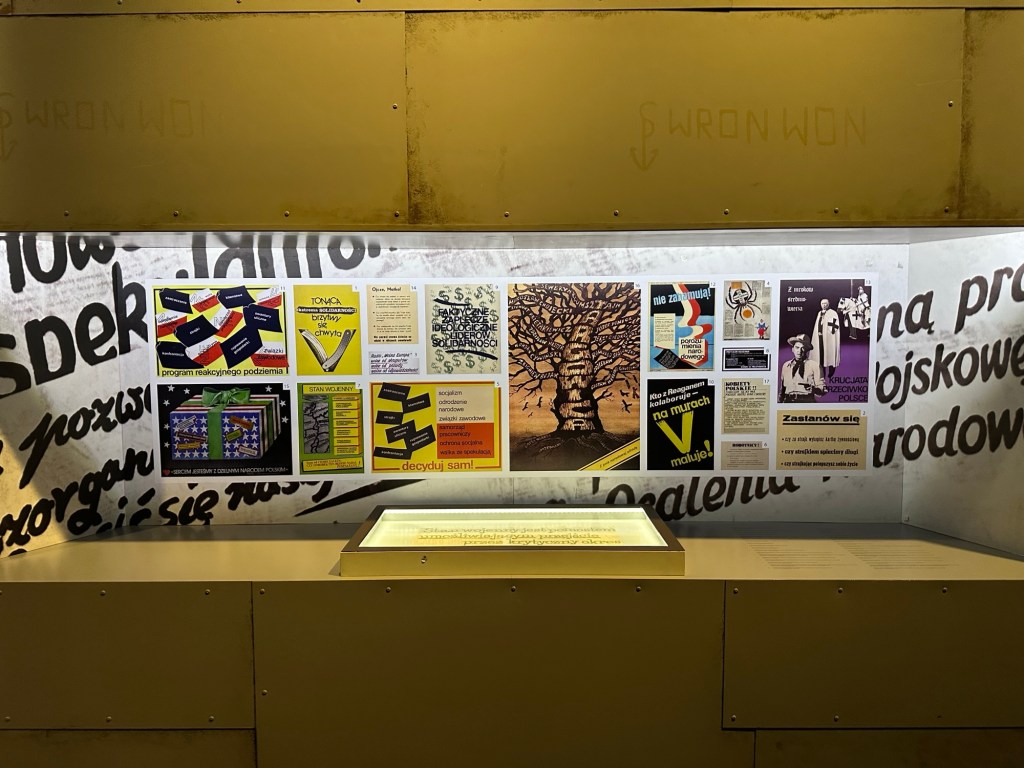
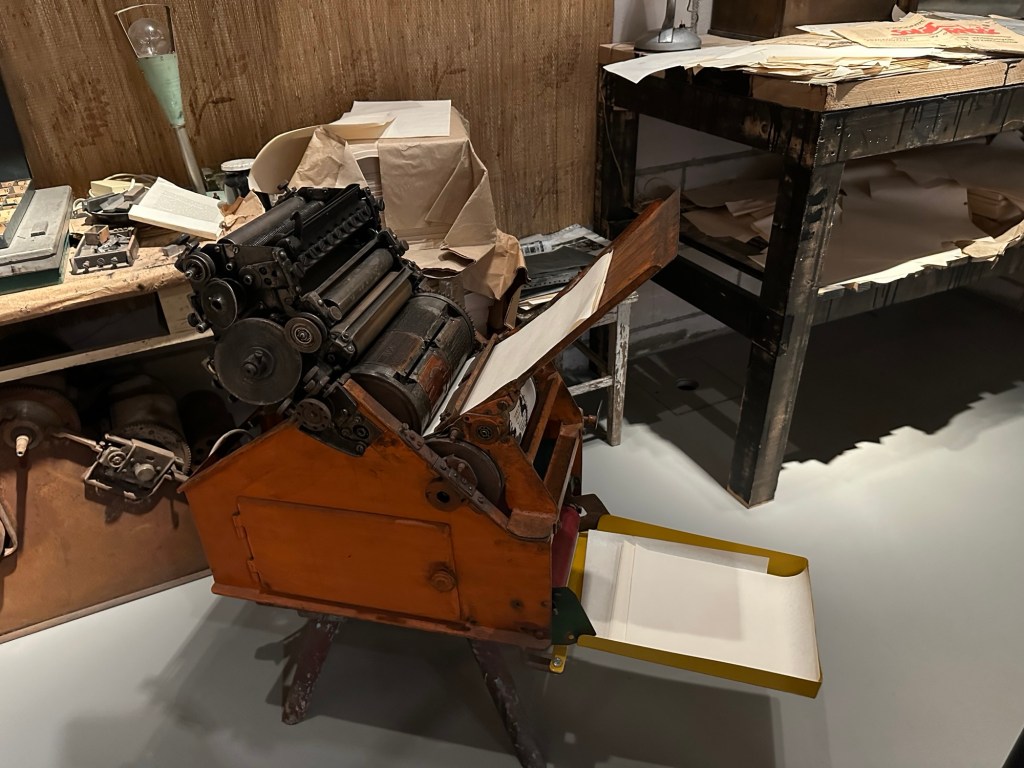
Underground publishing increases.

There is support from across the world, even USA.

In 1987 the pope visits again

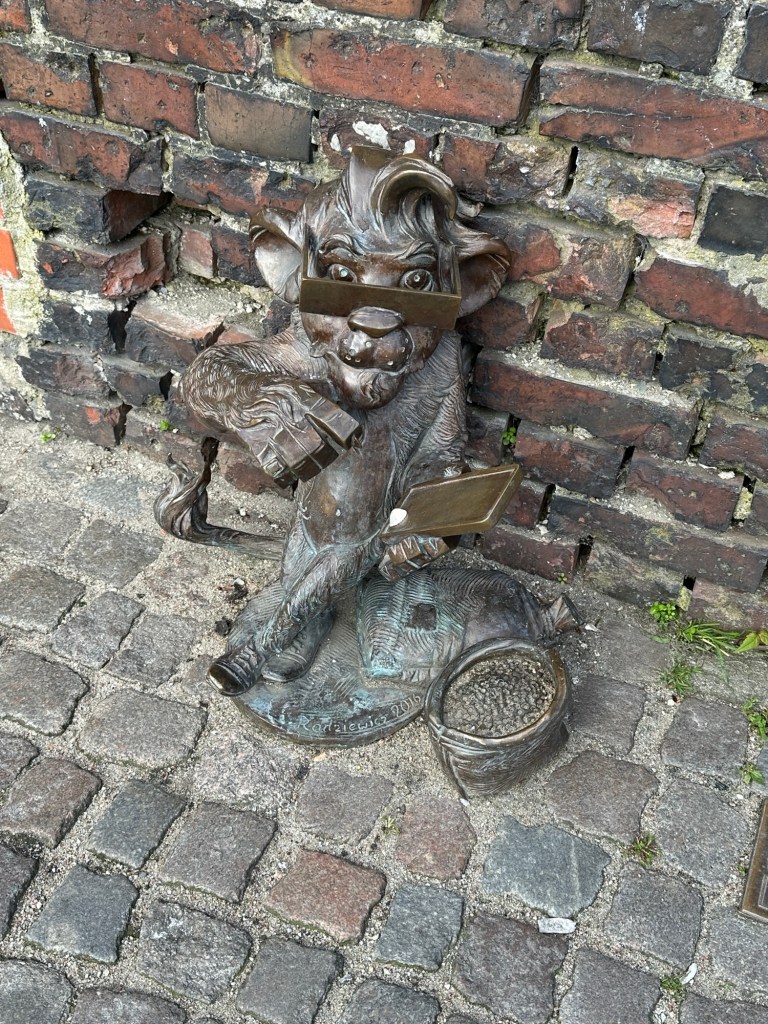
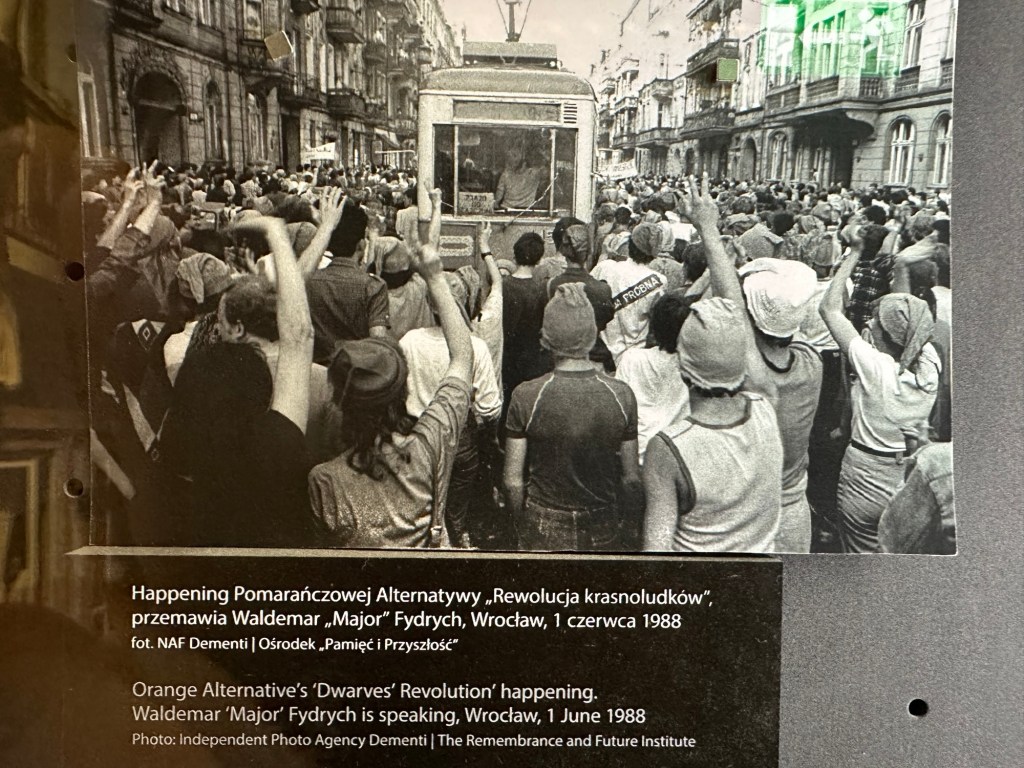
Dwarves in Wrocław

It is reported internationally what is happening behind the iron curtain. There are protests in the USA on the matter.

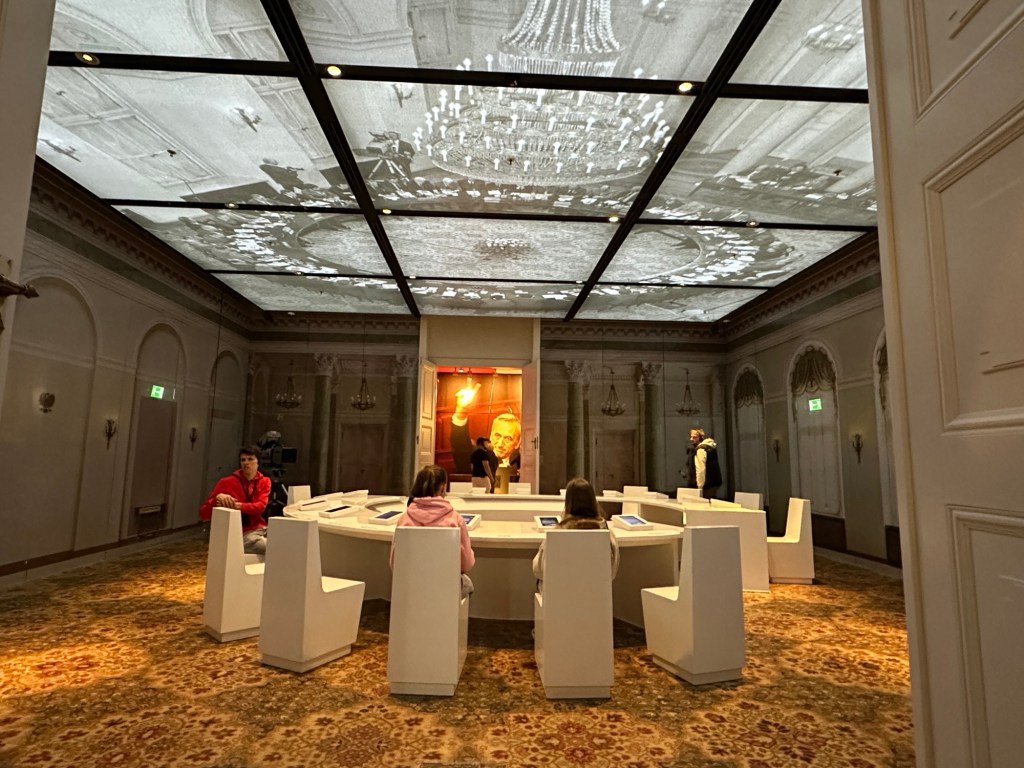
Finally there are highly publicized round table talks February 6 1989. There is an immersive exhibit that lets you feel you are part of the talks.

These meetings are a step toward democracy. Permission is granted for daily newspapers and censorship is softened. Independent judges are implemented in the courts.

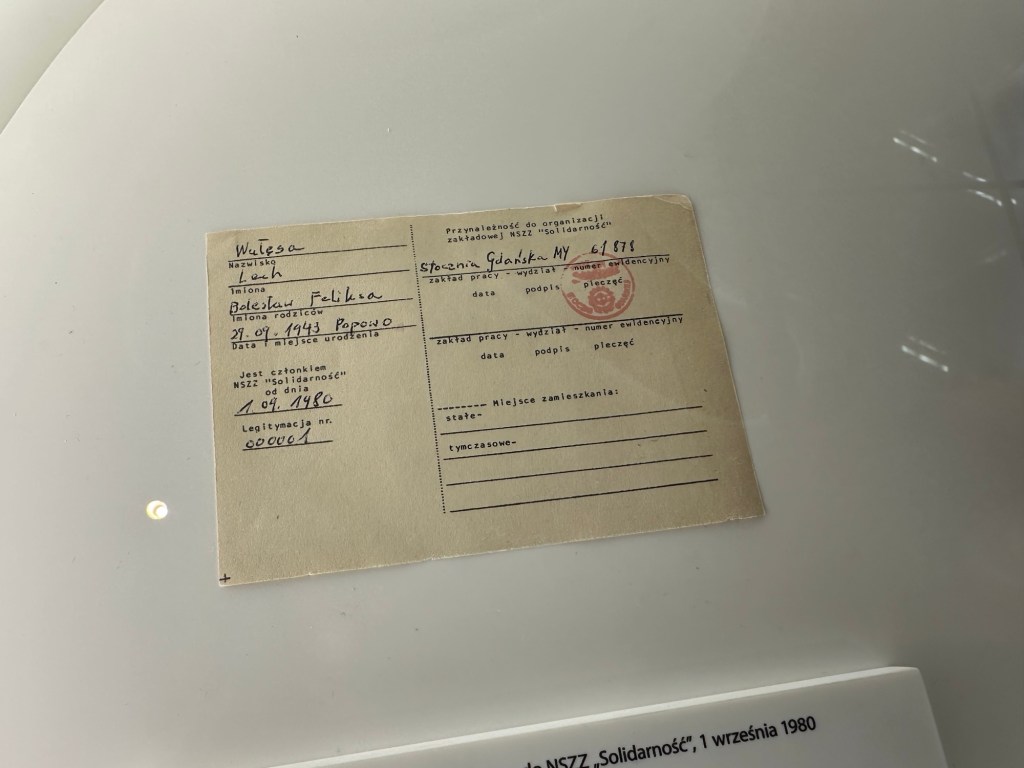
Lech Wałęsa, one of the founders of the solidarity movement gets the Nobel peace prize and eventually serves as president of free Poland.

The collapse of communism is 1989 in Poland and around the same time communism collapses in surrounding countries.

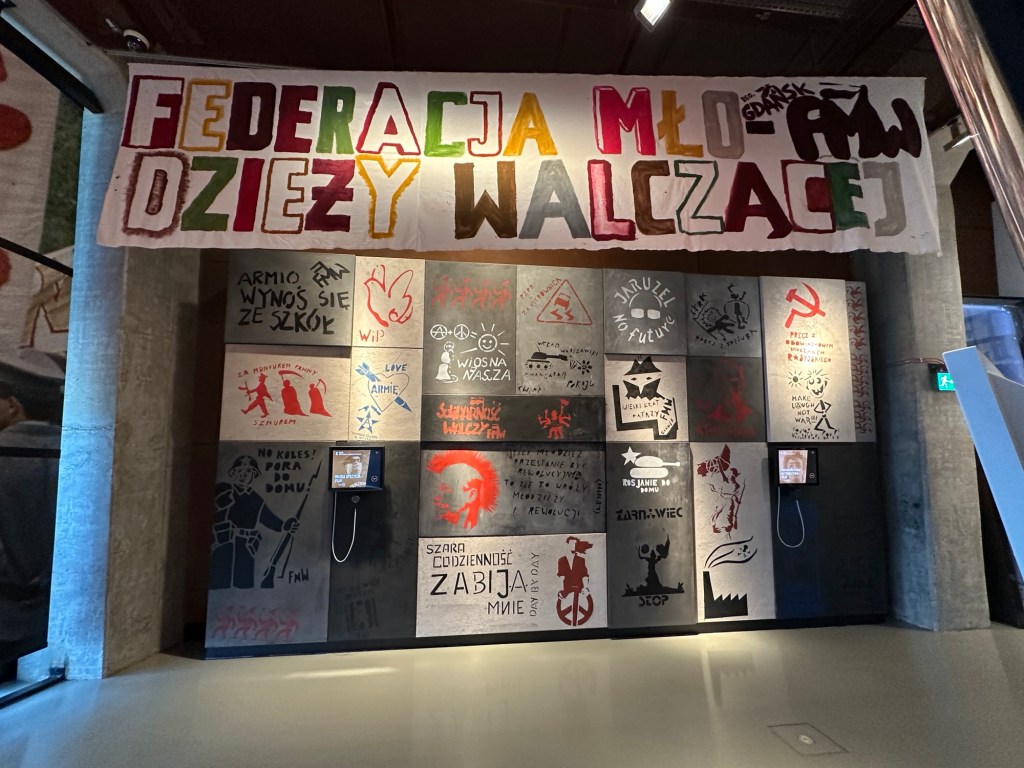
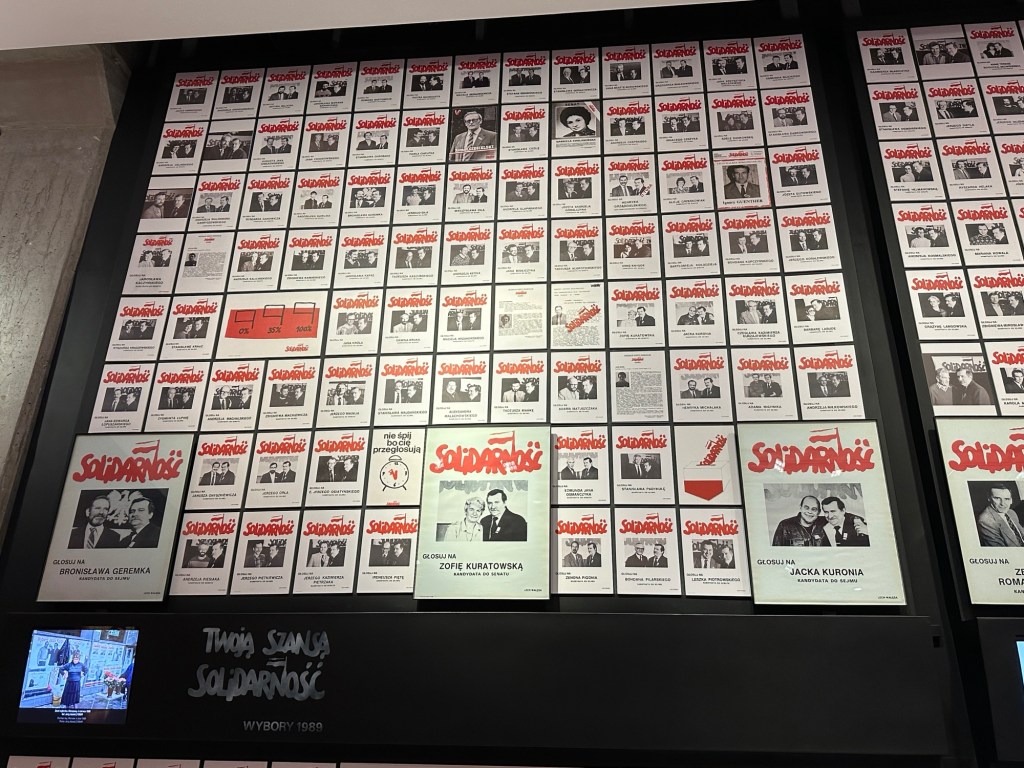
Poland is the only country in the region with democratic transformation through peaceful revolution. The Solidarity movement endorsed many candidates in a free election. They used pop culture in the marketing of some of the candidates.

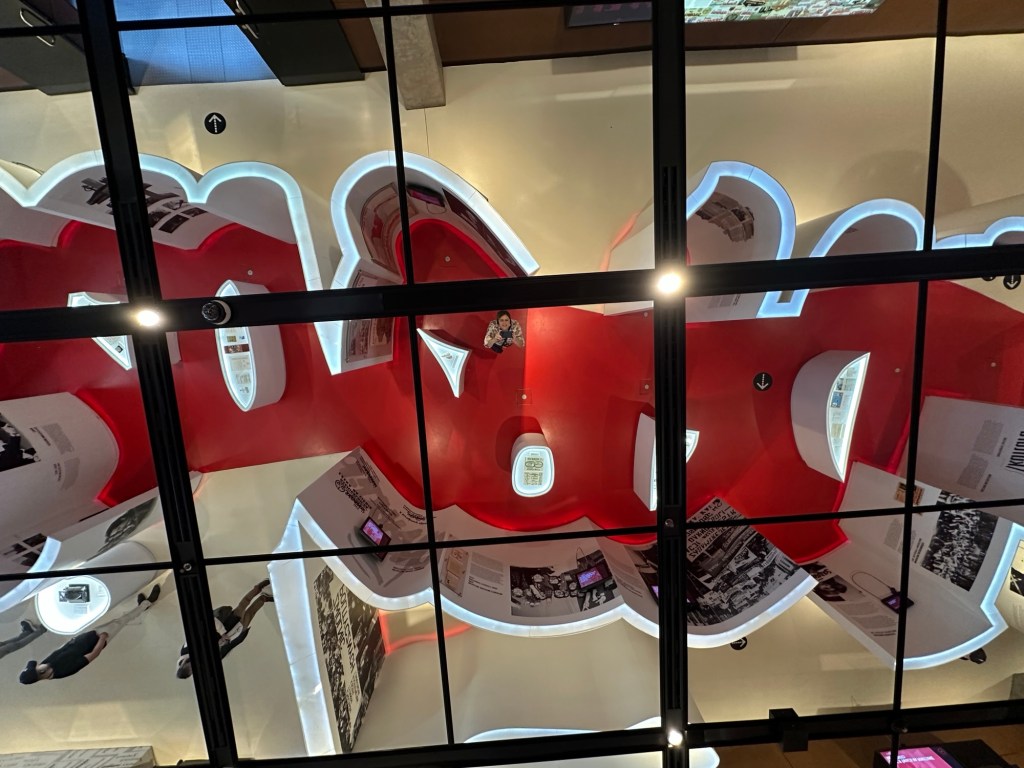
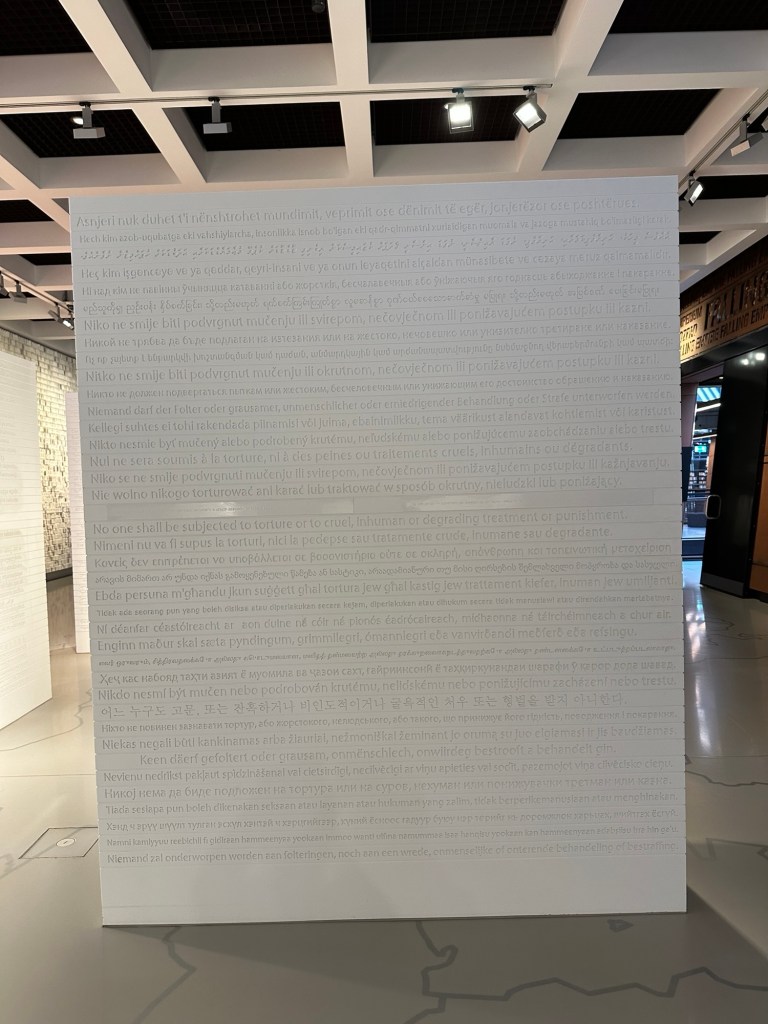
The museum ends with a list of basic rights on white walls. You can also leave your thoughts as part as a living exhibit.

The museum gave me a new perspective on the end of communism in Eastern Europe.

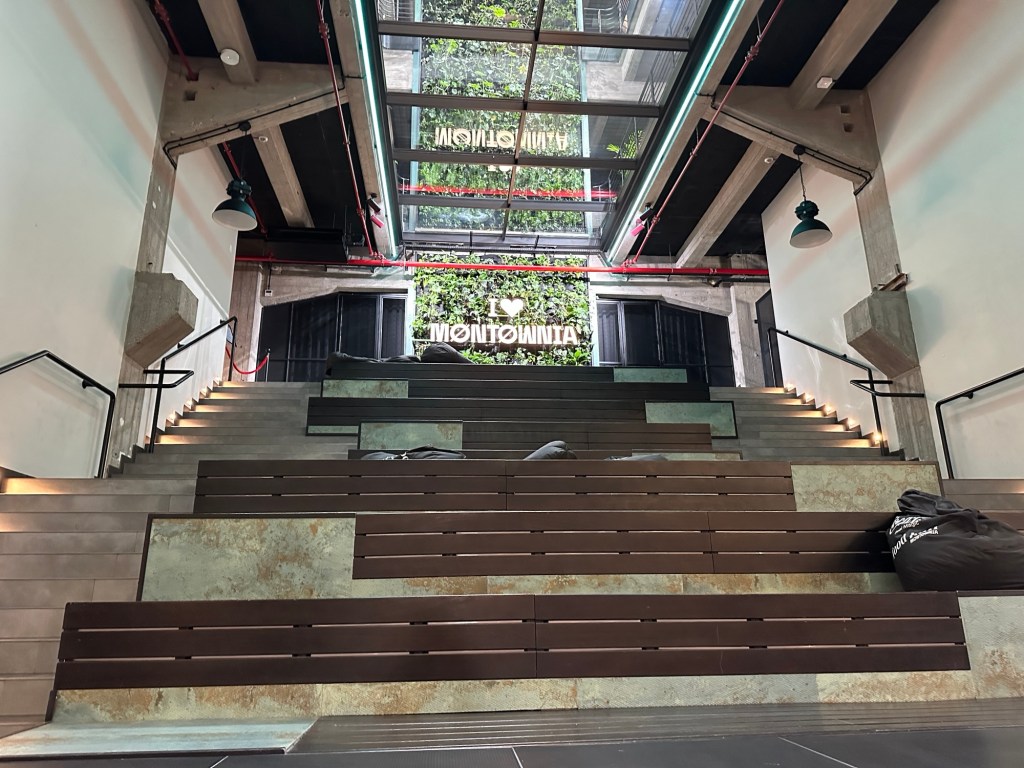
After the visit to the Solidarity museum I visit the Montownia food court nearby where I eat lunch. There are a mix of international stalls located there.

My day isn’t over yet. More on other sightseeing later.

Gdansk: Teutonic Adventures

I am not sure why I feel like I’ve been here forever when I really only have been here a couple days. I think it is because I am a the last stop my trip and I am cold all the time. Temperature wise I should be in heaven because I usually thrive in these temperatures but the wind in this port side city makes things much colder. When then the sun is out things are good but it gets awfully cold in the shade. I am trying not to complain because when I get back home it will be unbearably hot. Anyway I am here being Goldilocks lately – when you are uncomfortable you are uncomfortable.

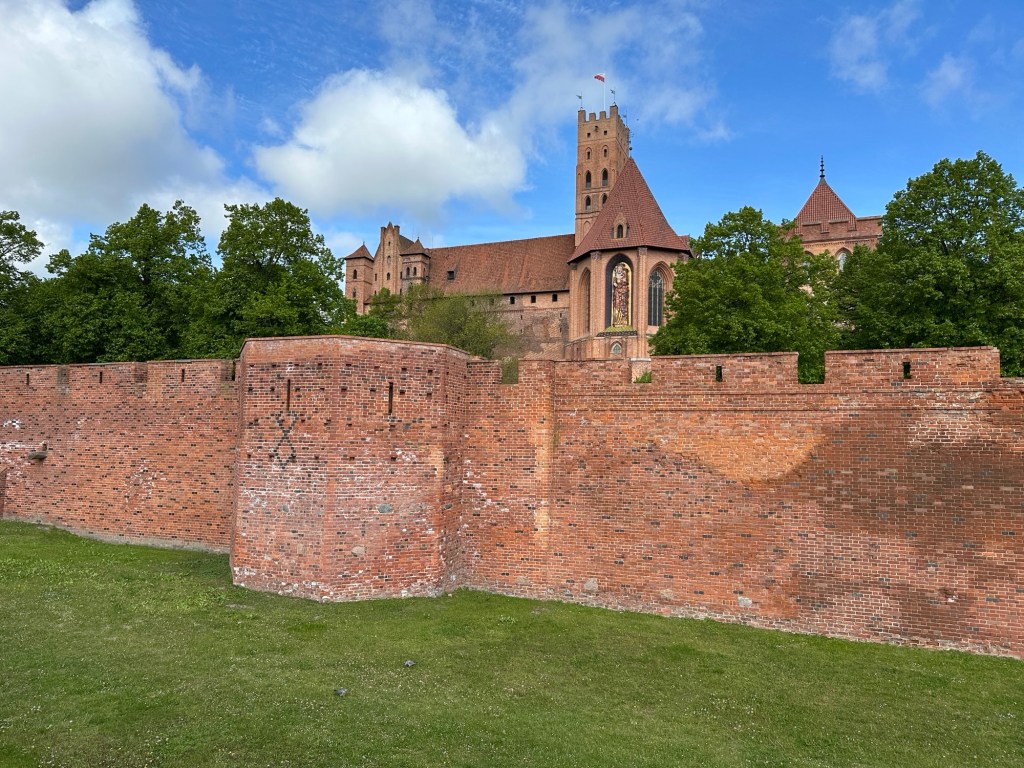
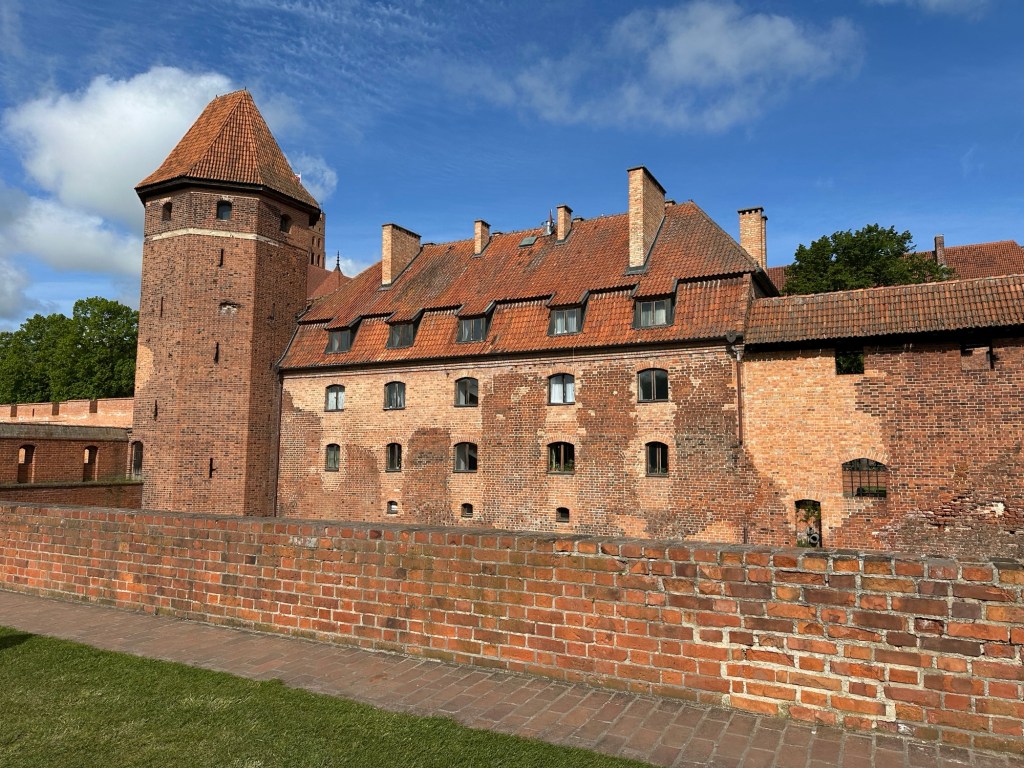
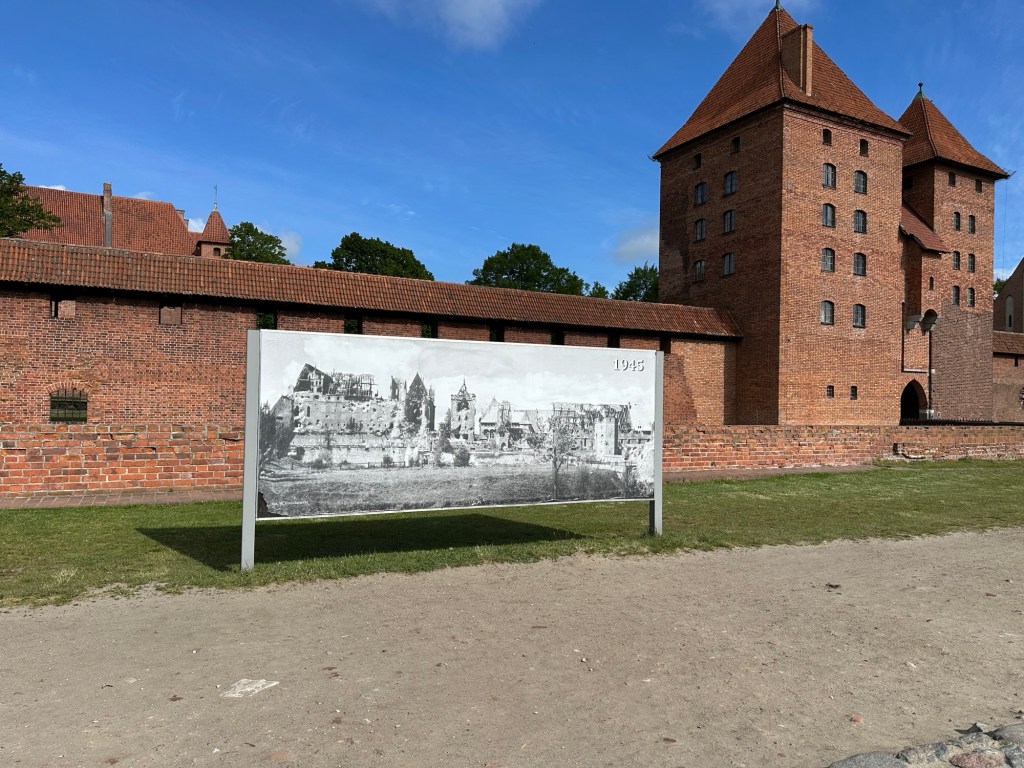
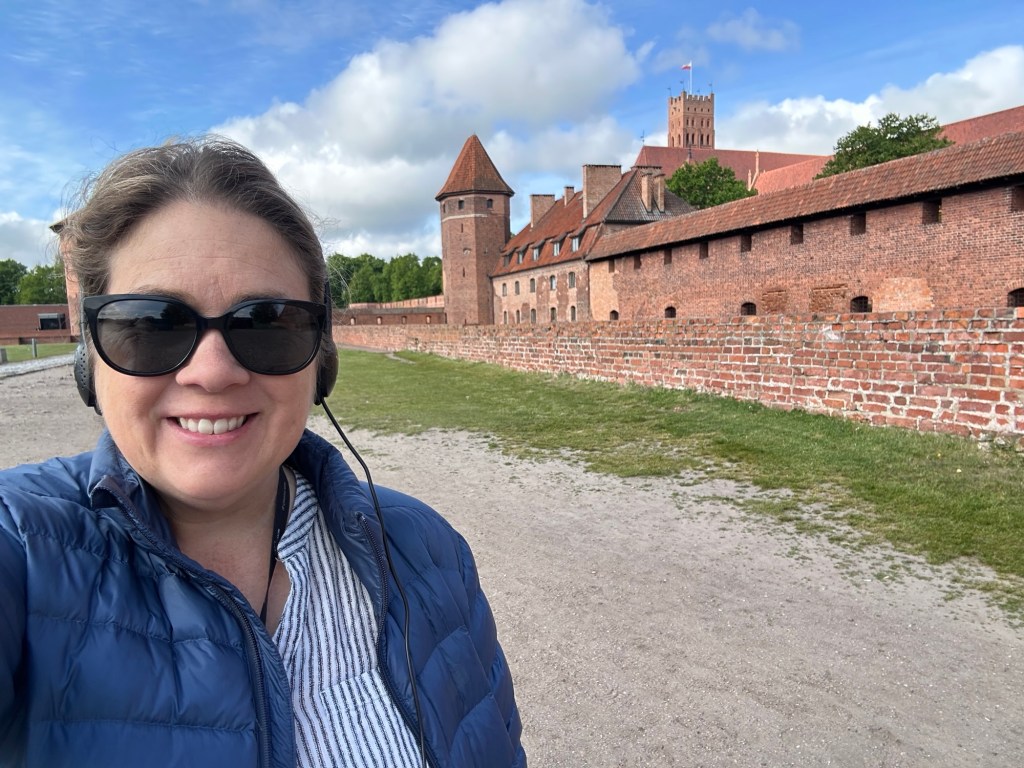
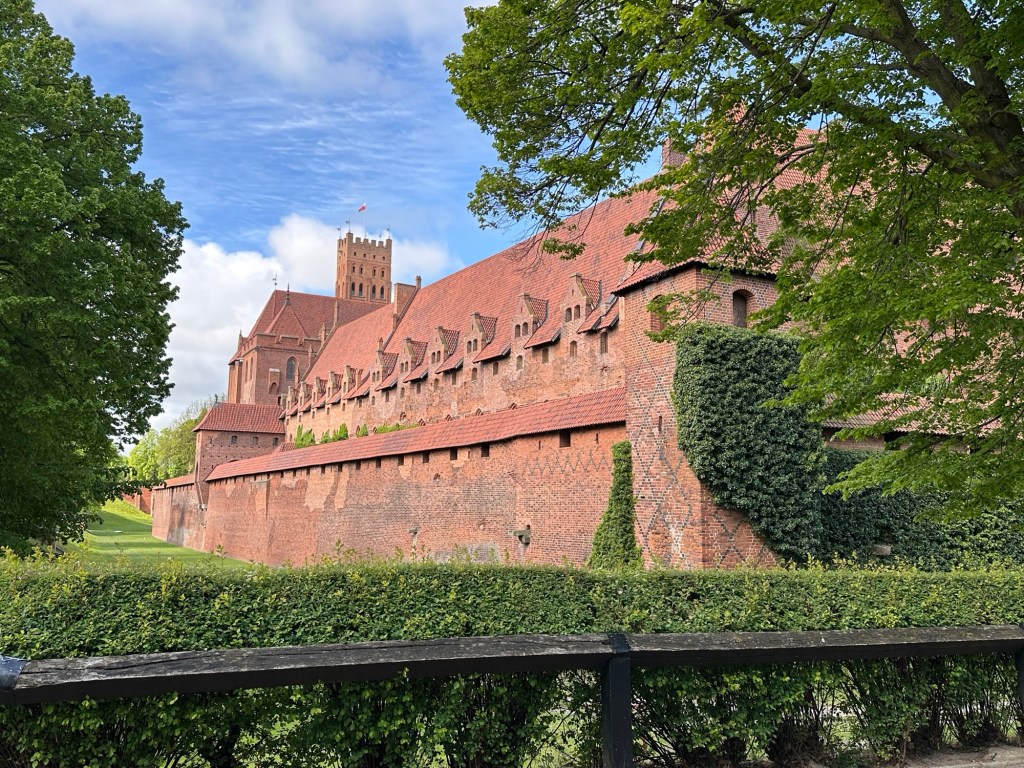
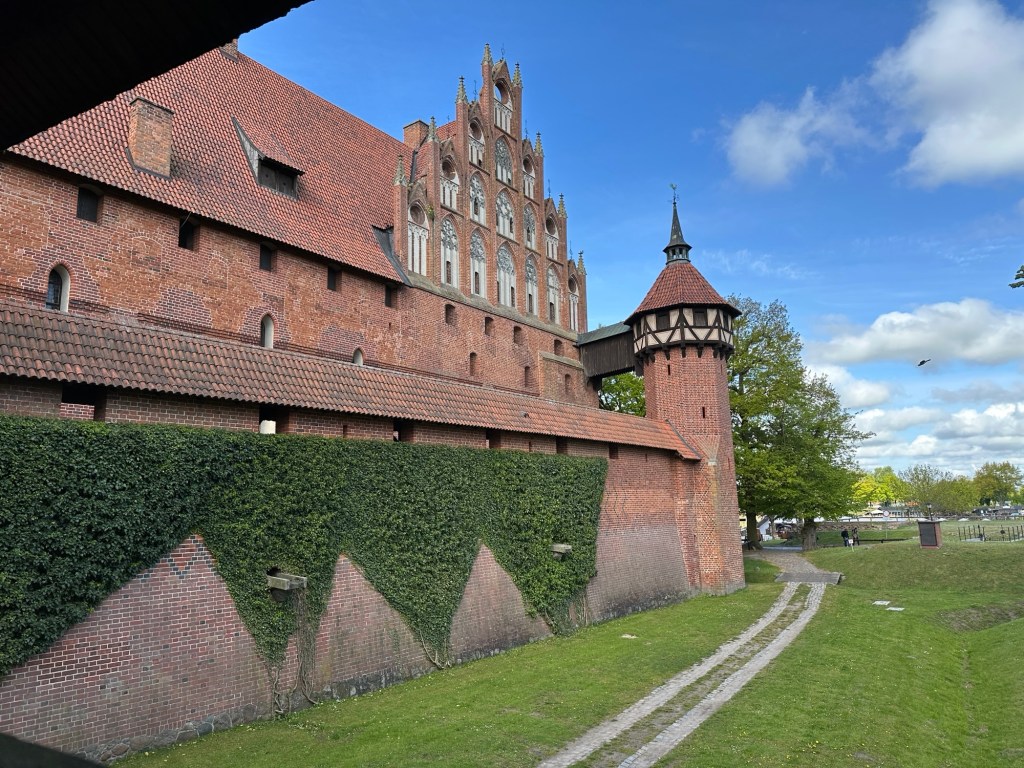
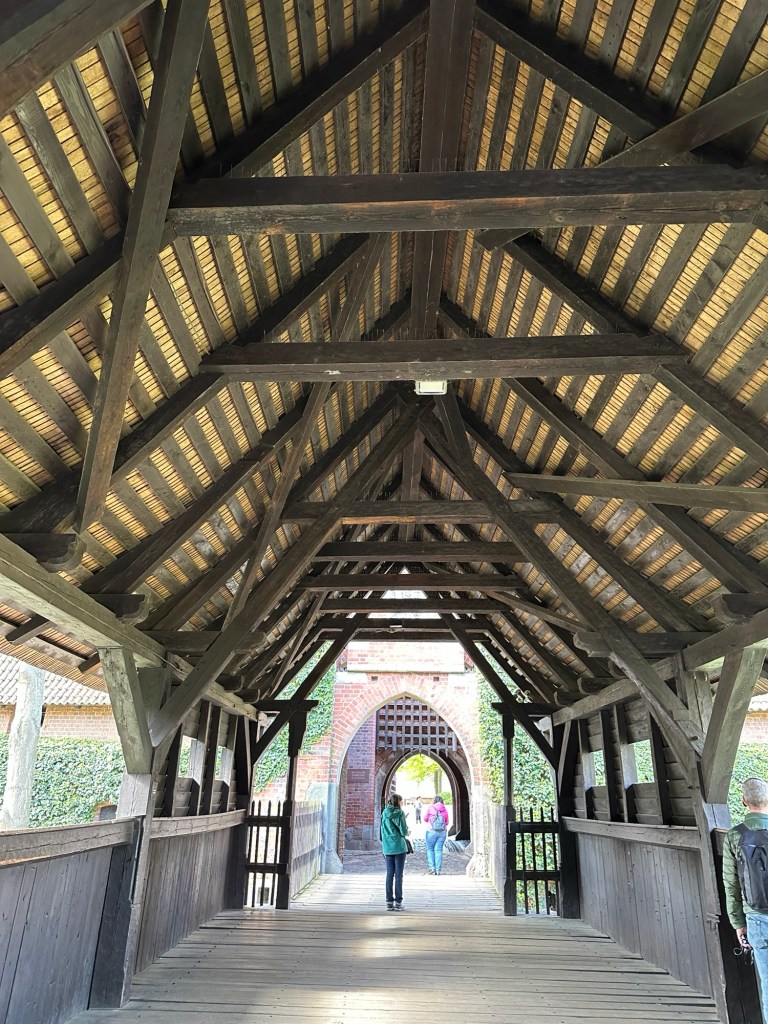
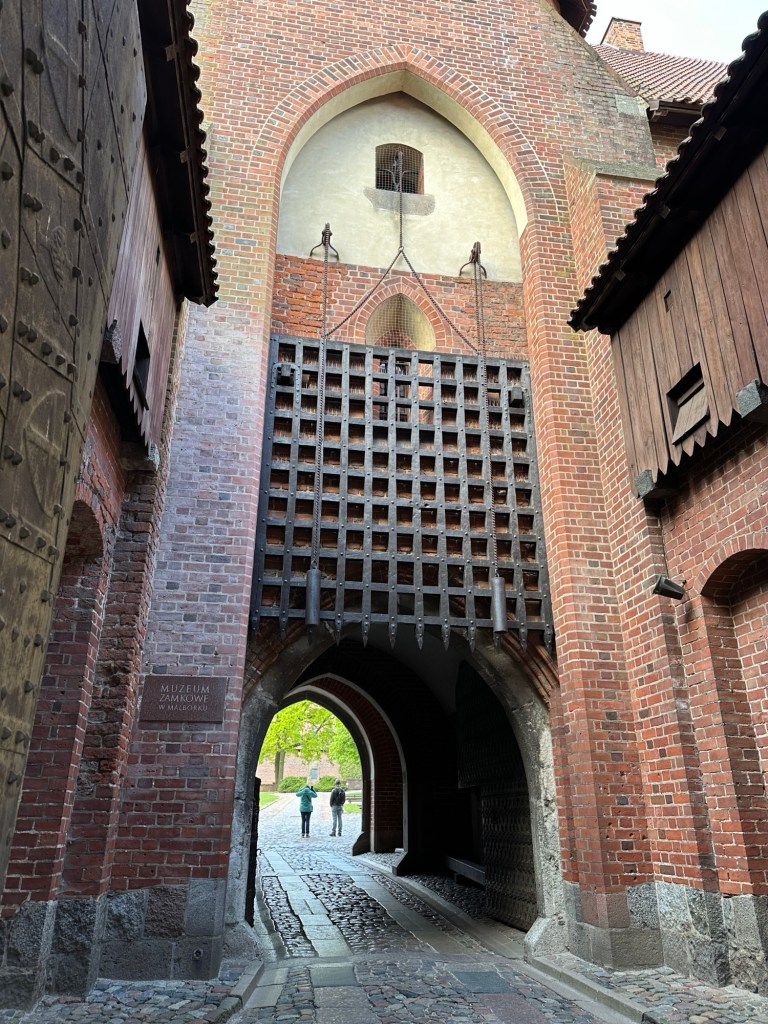
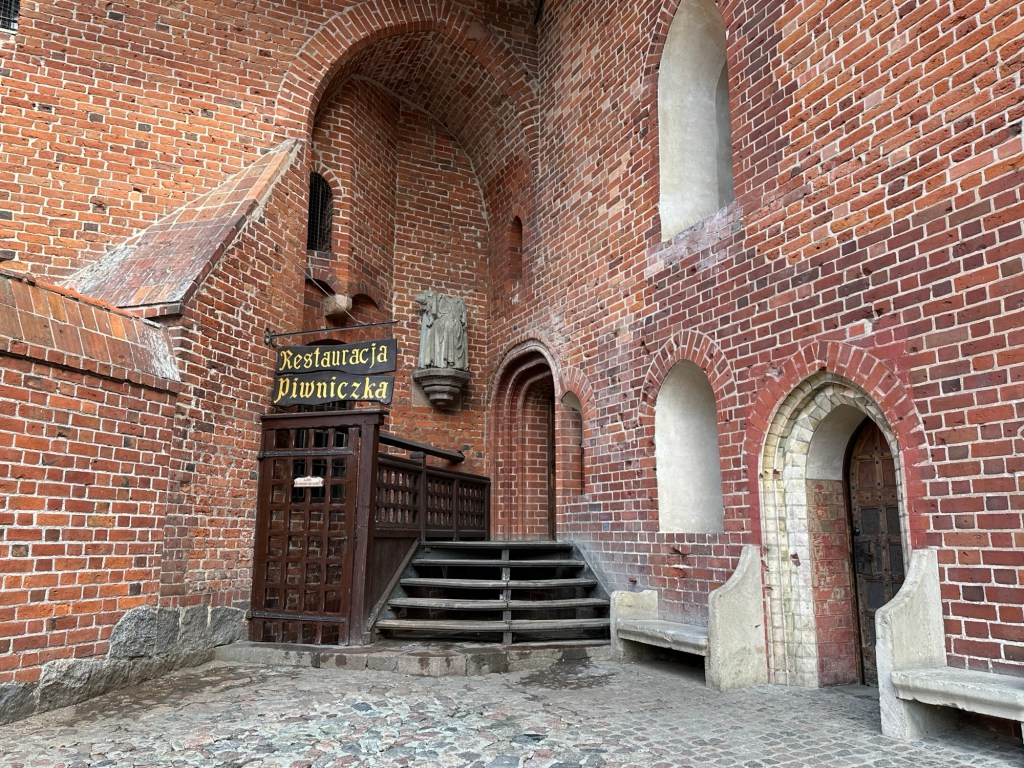
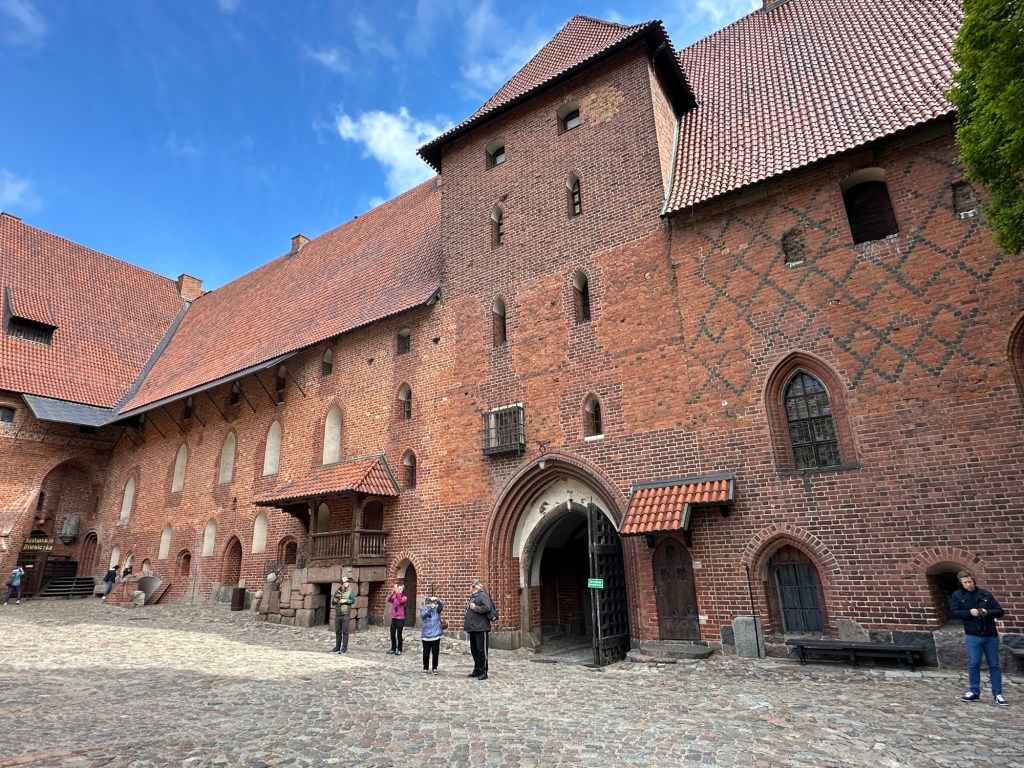
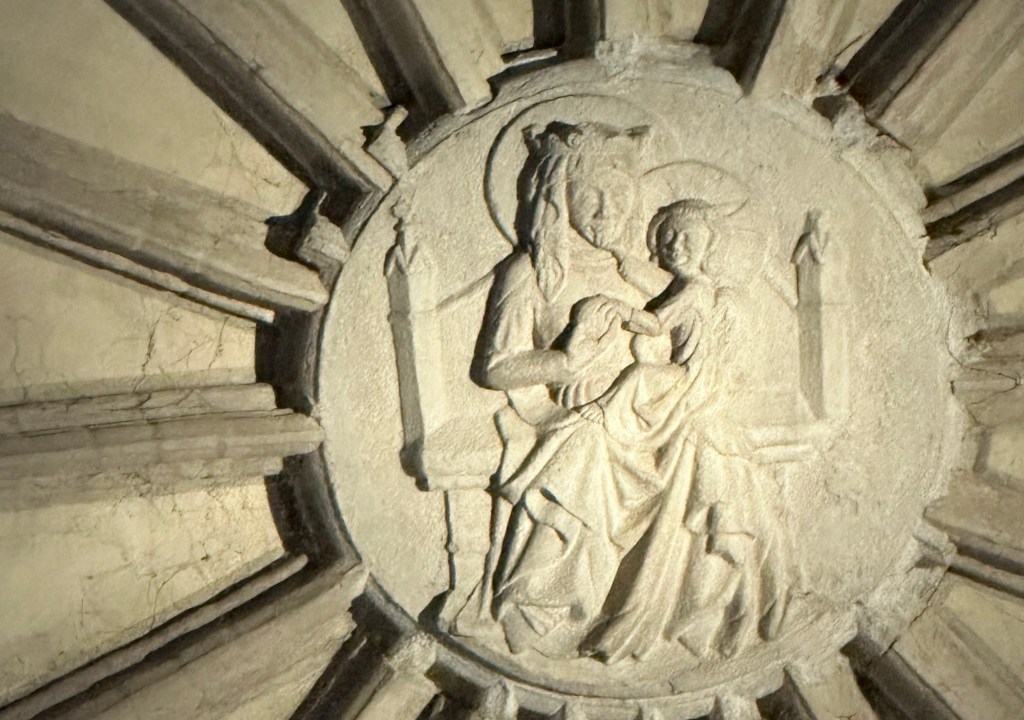
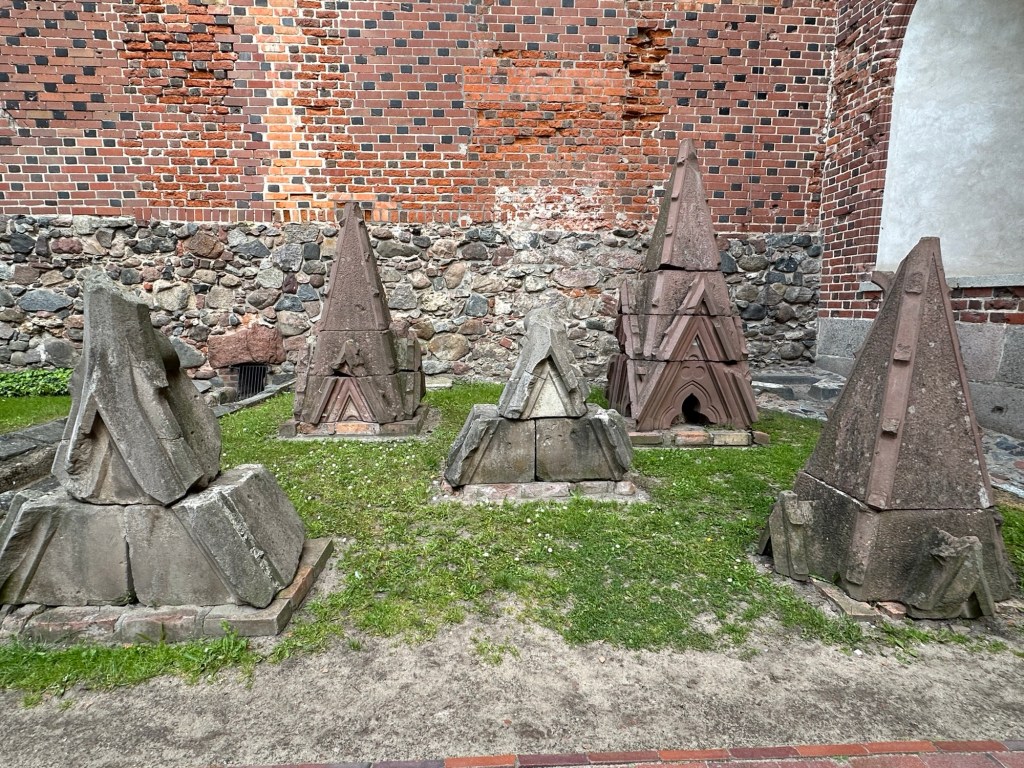
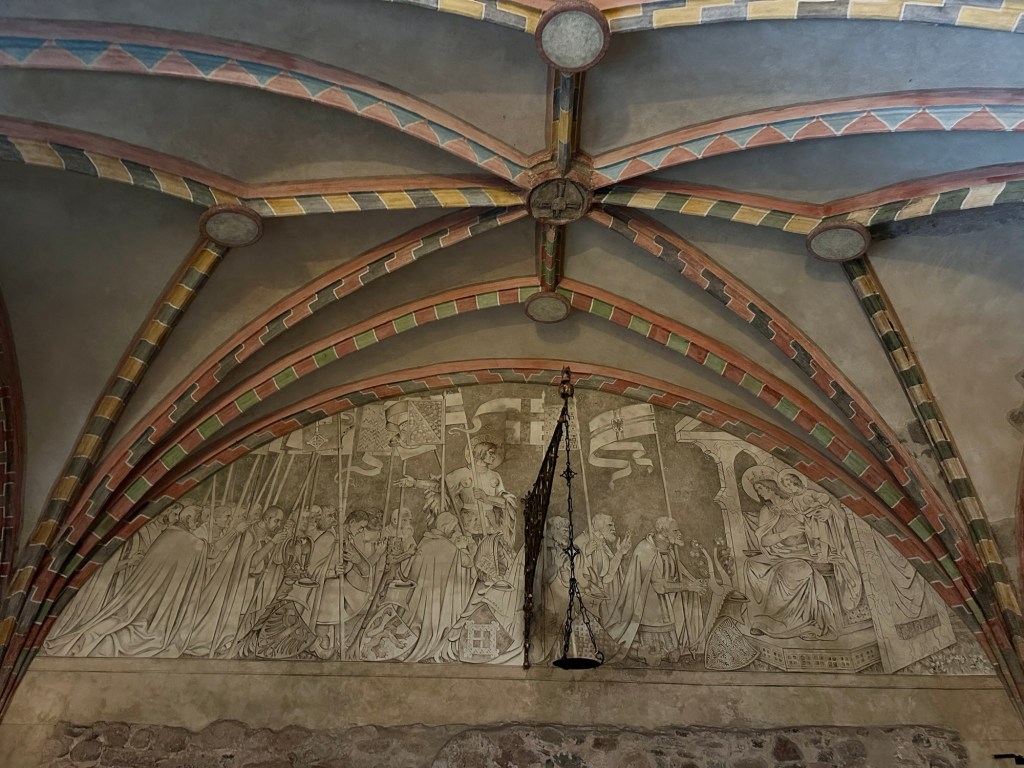
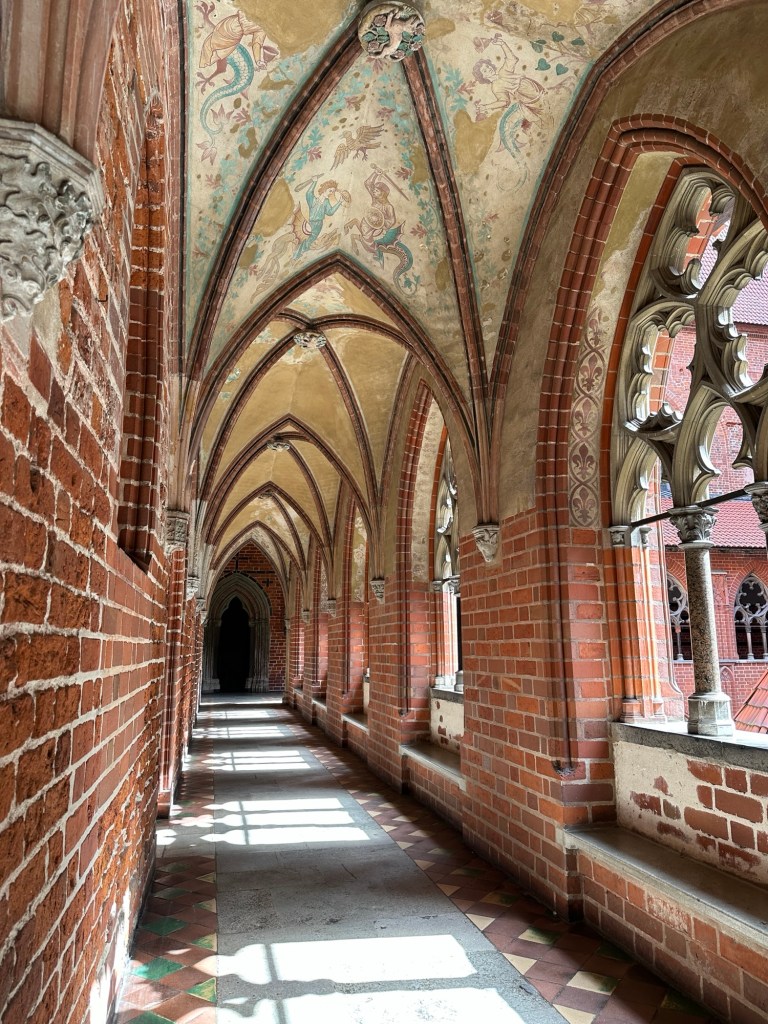
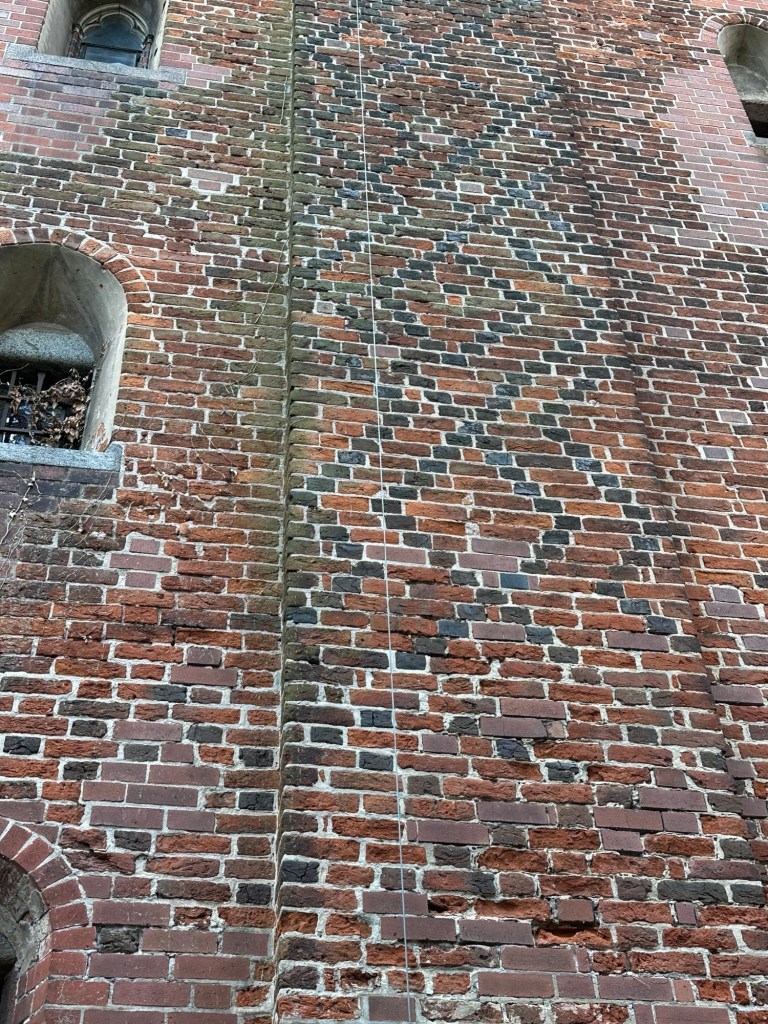
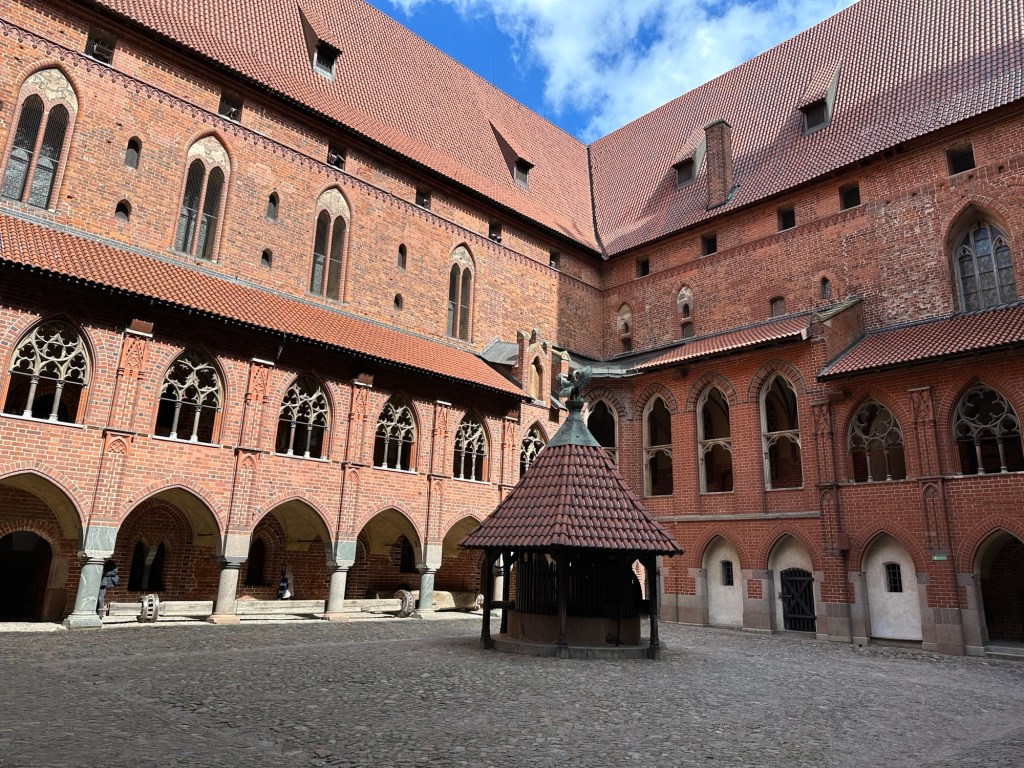
Today I visit the largest brick castle in world. First constructed in the 13th century, Malbork Castle was built by Teutonic order is to spread Christian faith. The Teutonic order was a group of Catholic but mostly German knights. Malbork castle was never actually never captured but only changed hands because it was sold to Polish King Casimir IV during the thirteen years war.

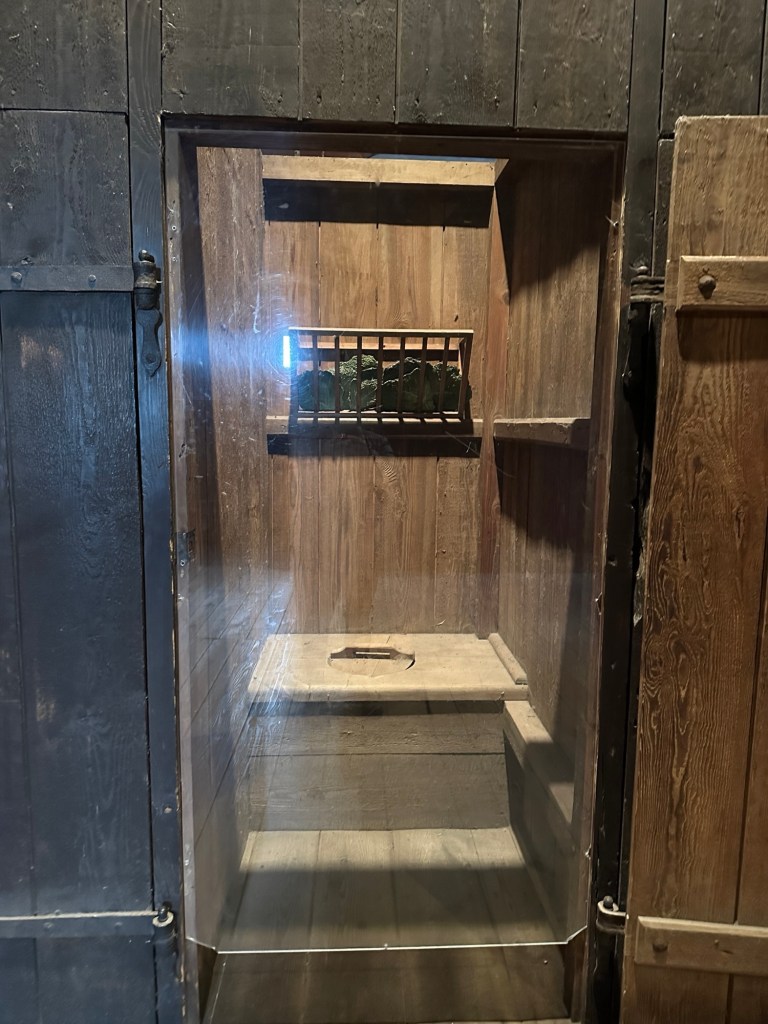
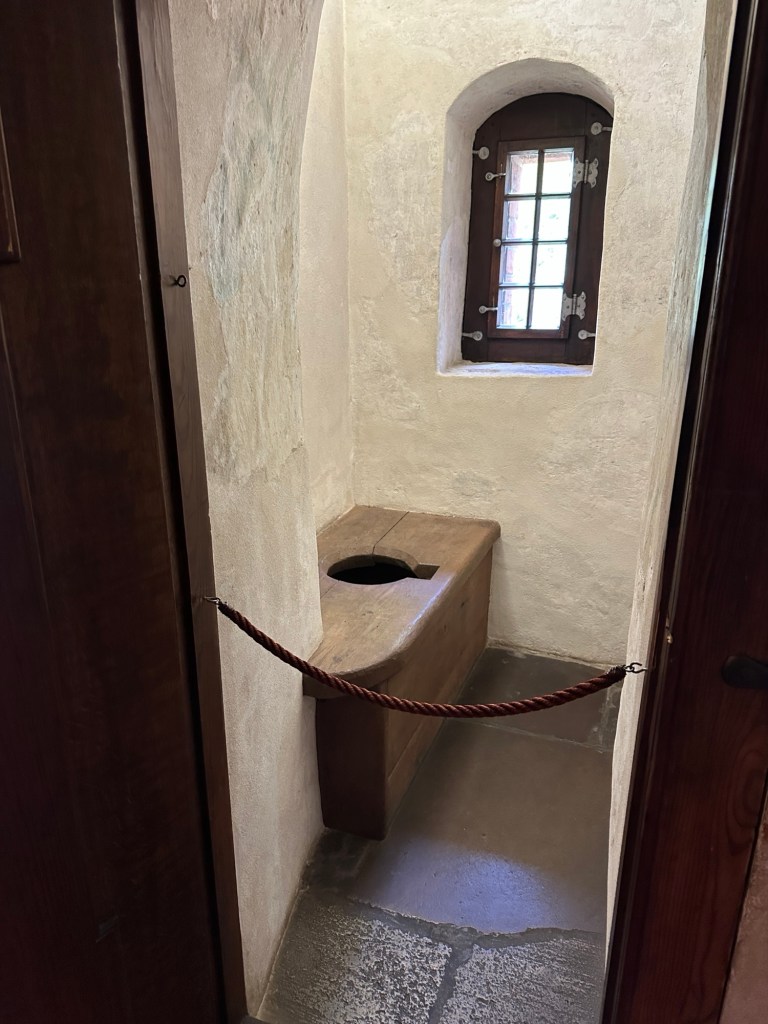
Medieval toliet means higher standards of hygiene

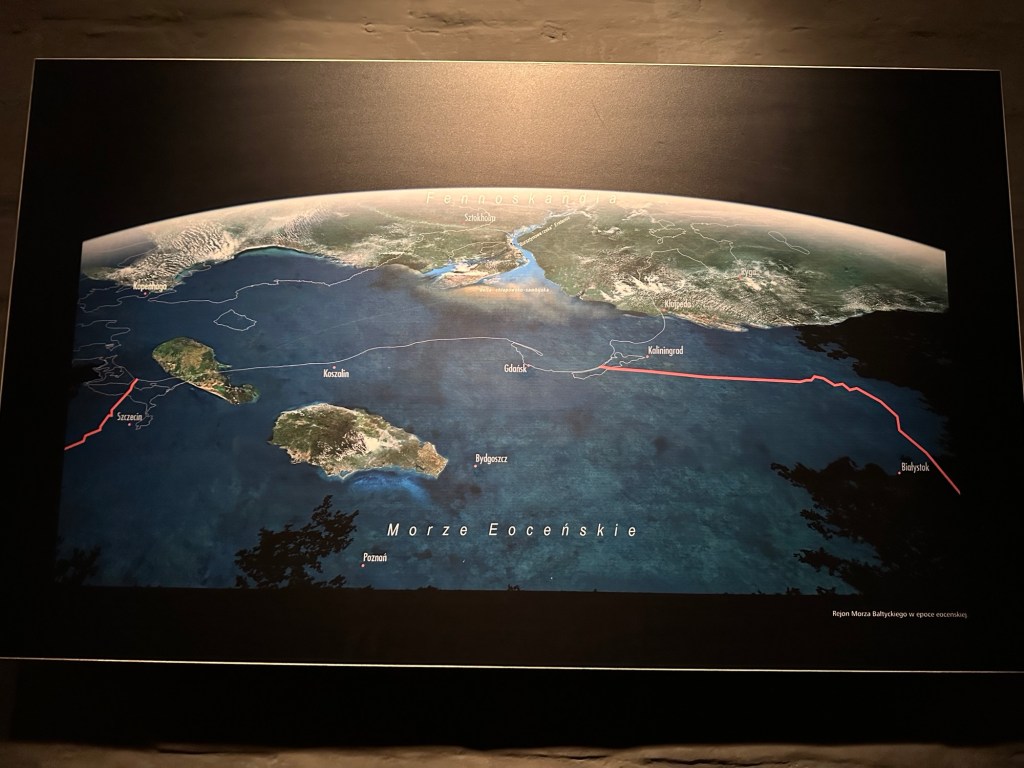
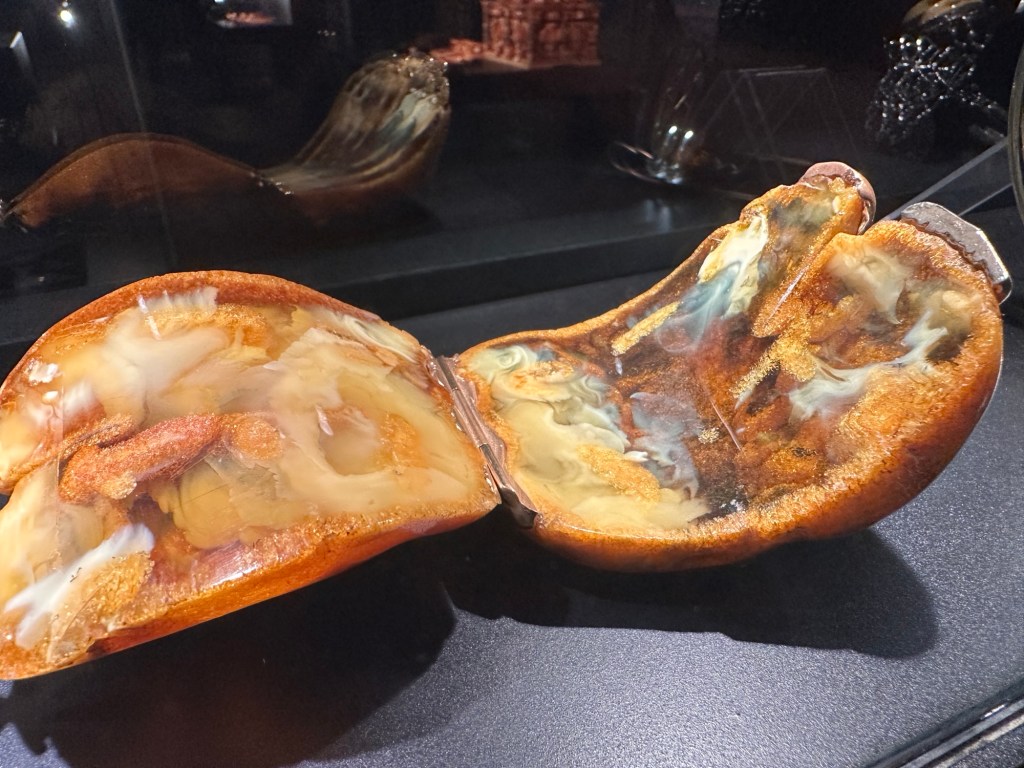
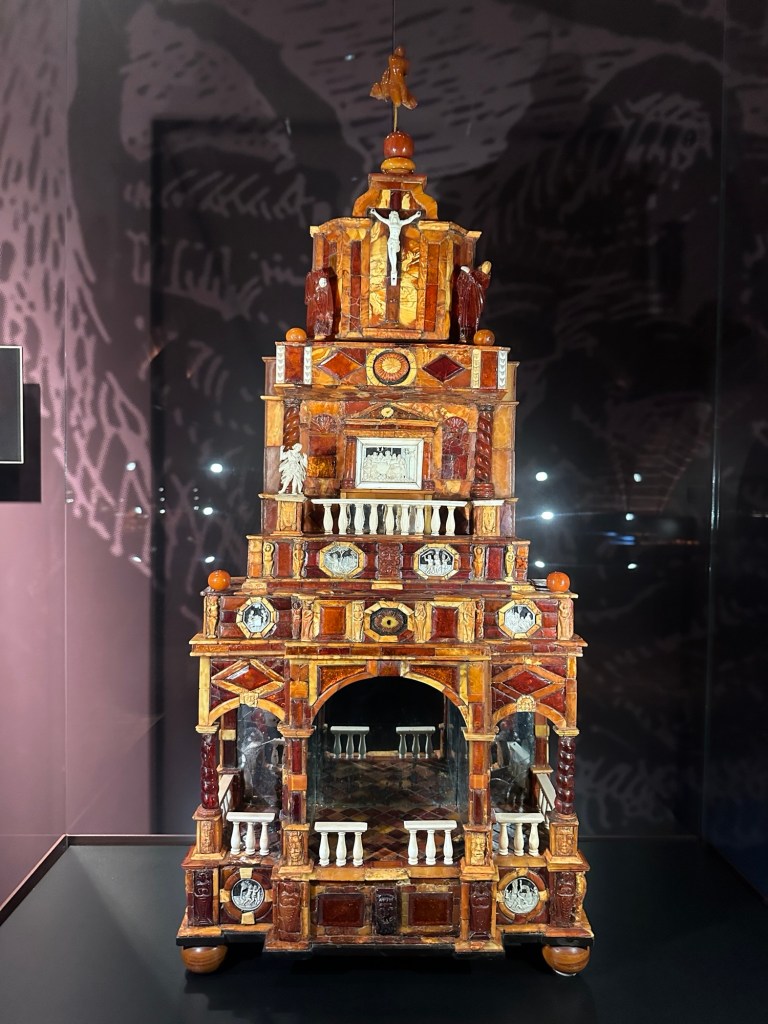
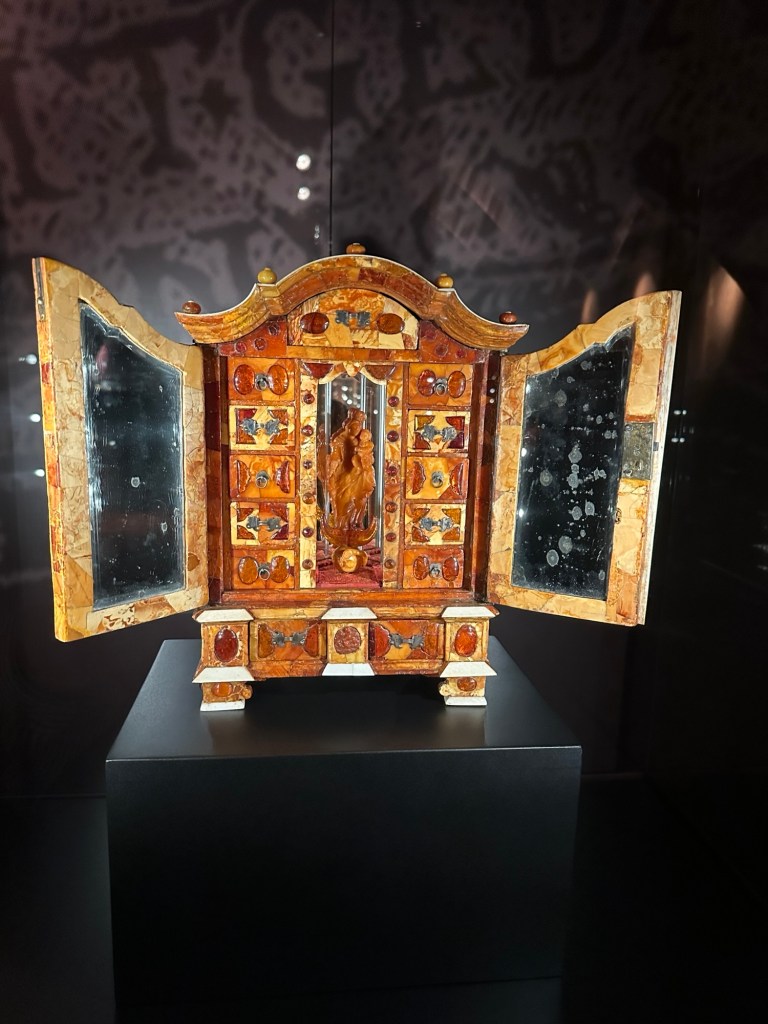
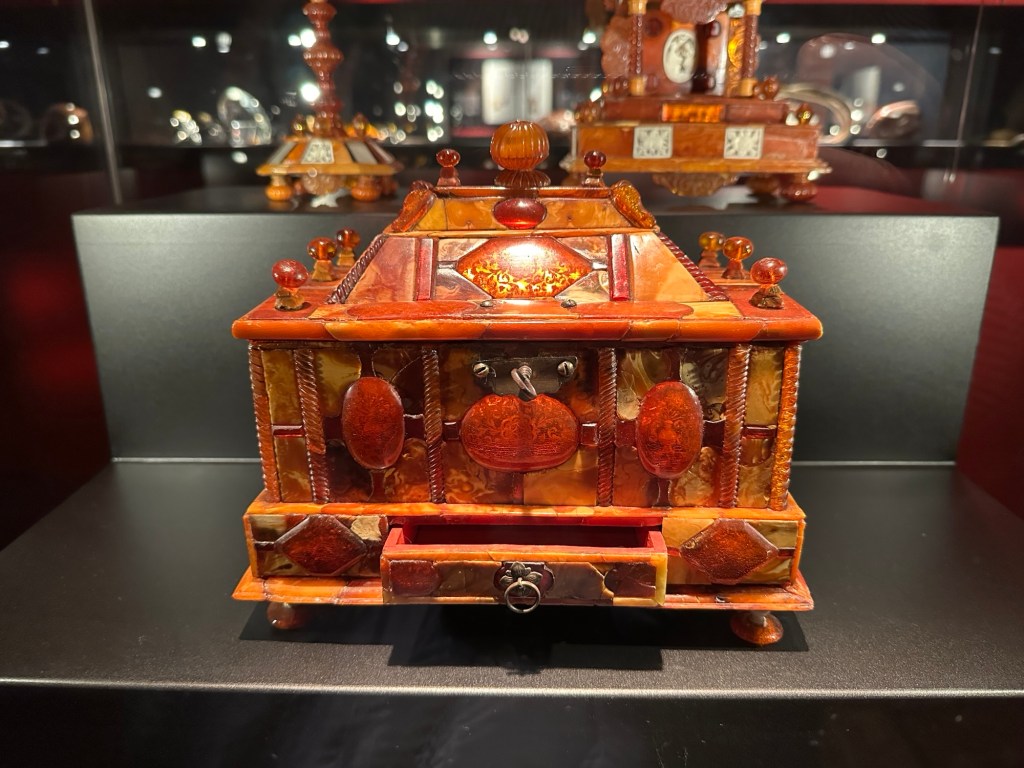
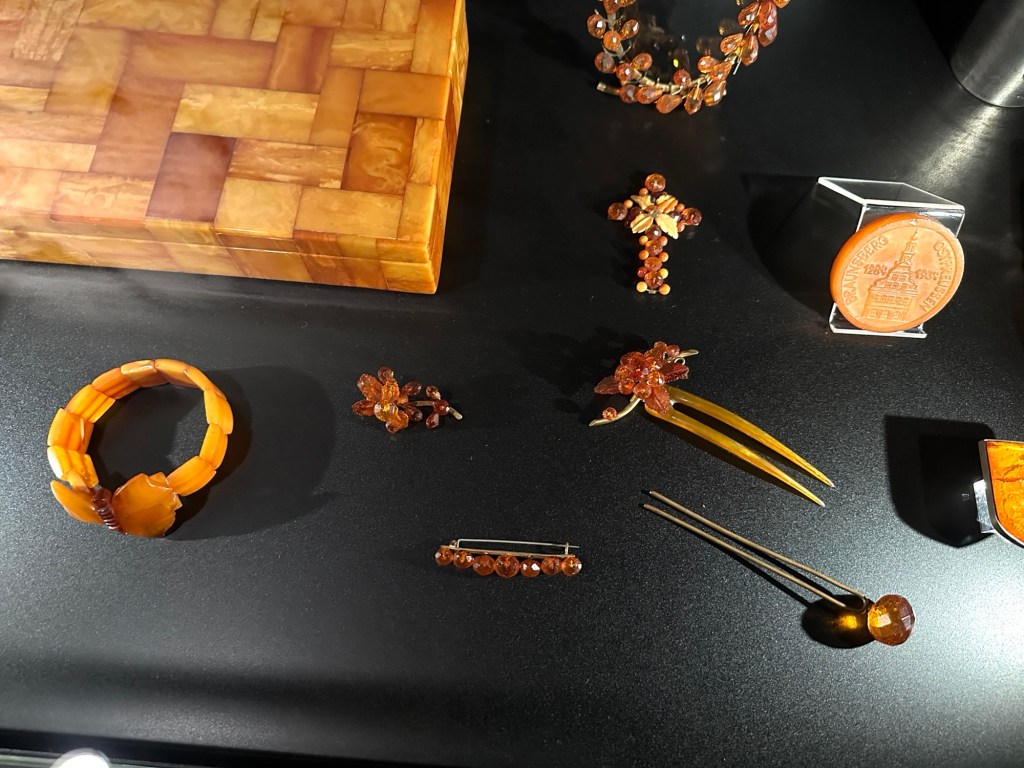
There is a small amber museum in the castle grounds. Amber became very prominent in the Baltic region. It comes from petrified wood. Each piece is distinct and sometimes has bugs, twigs or leaves trapped inside. Amber means burning stone. It is thought that beads have medicinal purposes like protect from sore throat. The Teutonic knights really wanted the amber.

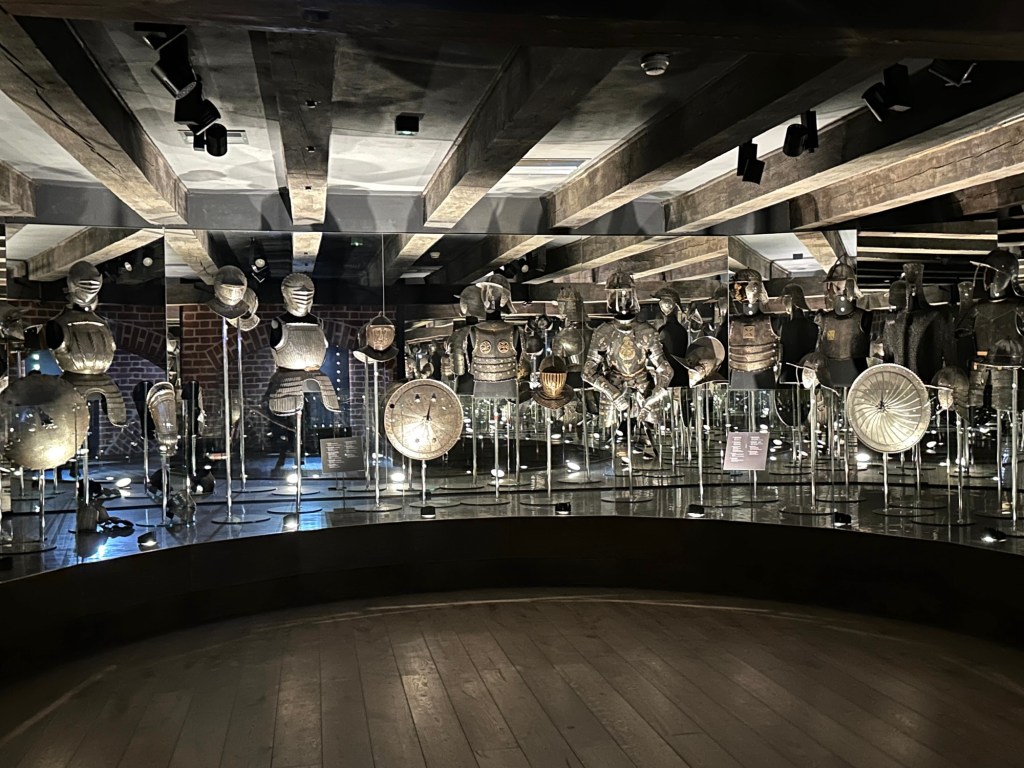
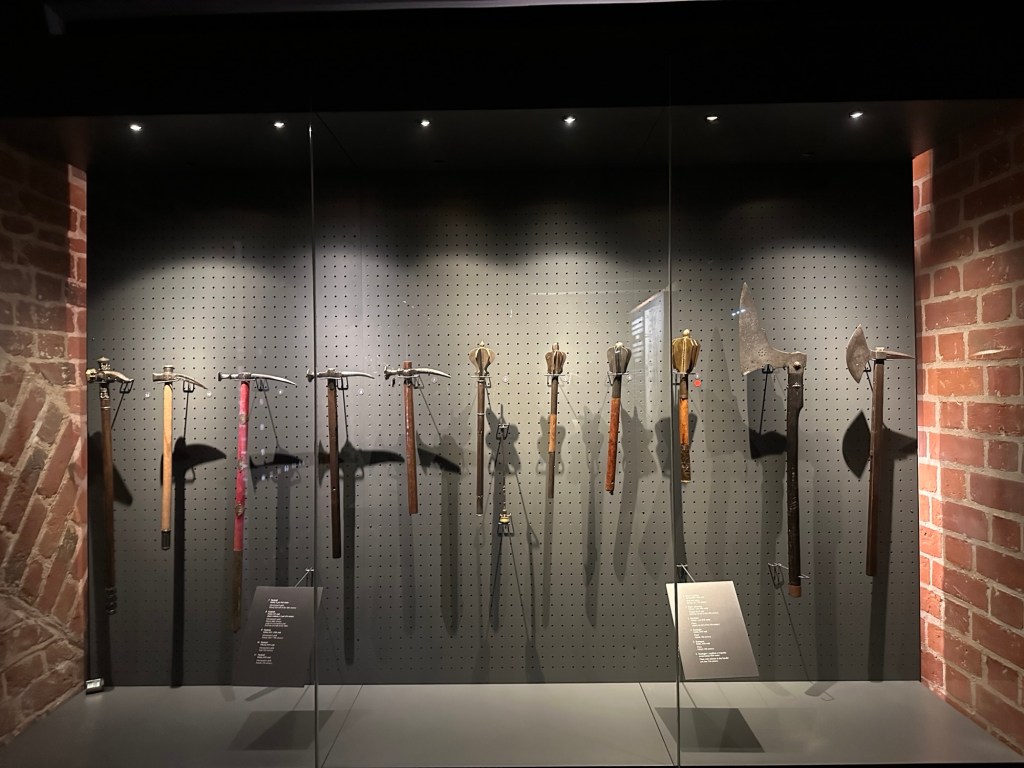
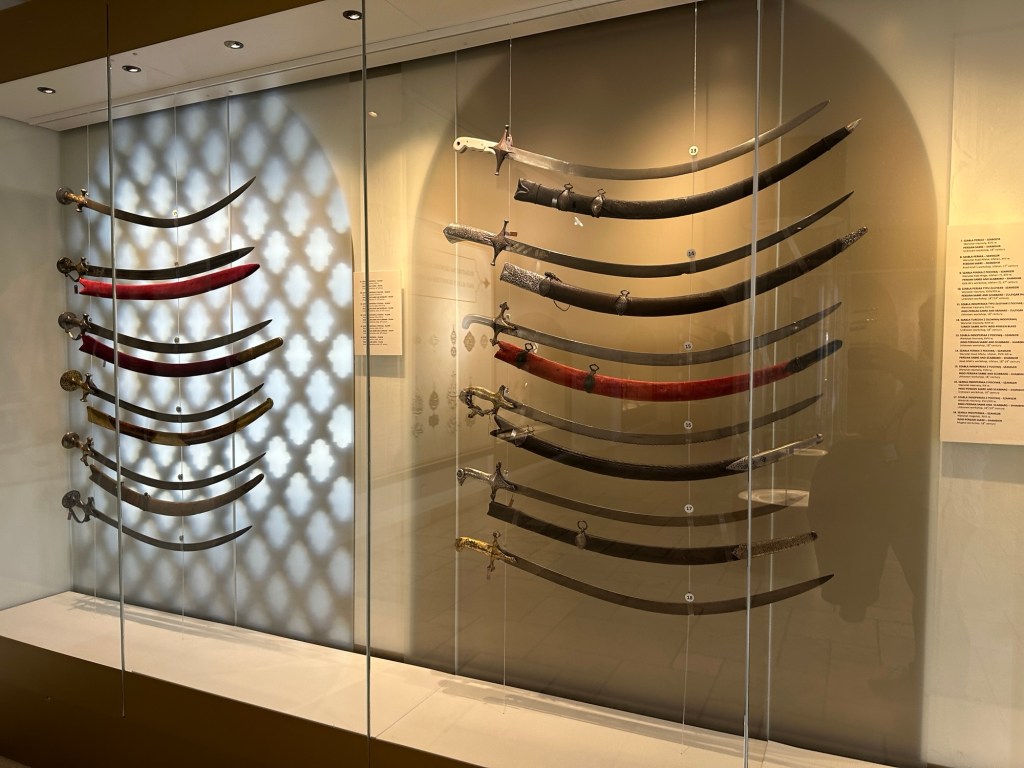
Another part of the museum had different types of weapons collected.

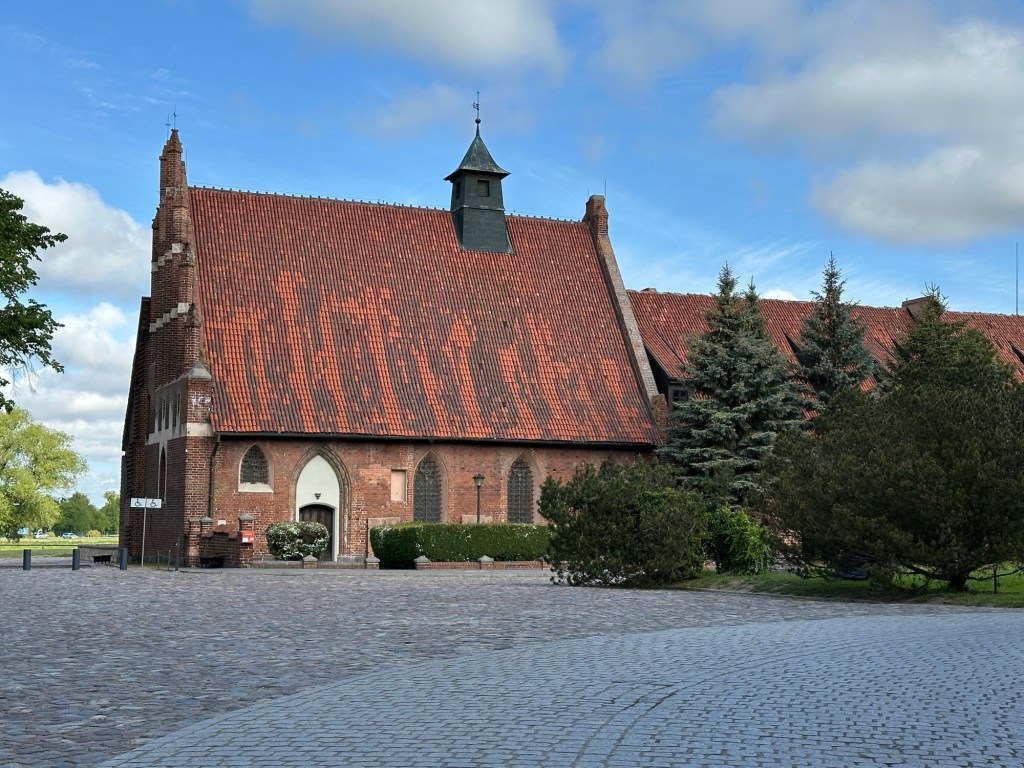
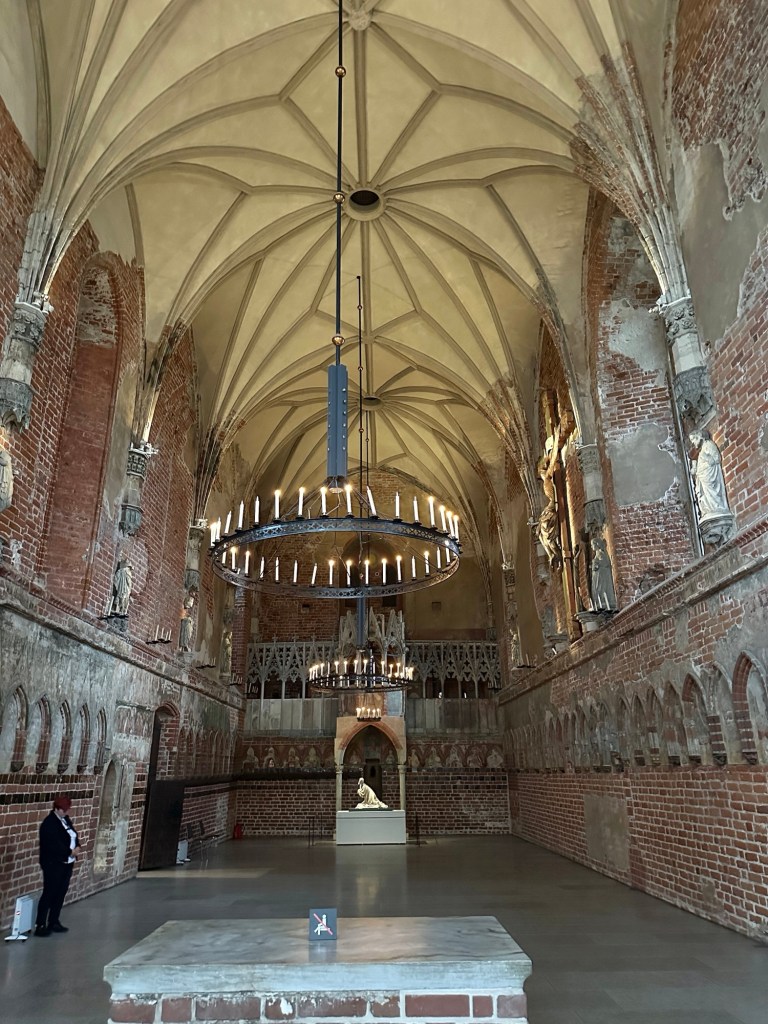
The medieval church reconstruction was completed in 2016

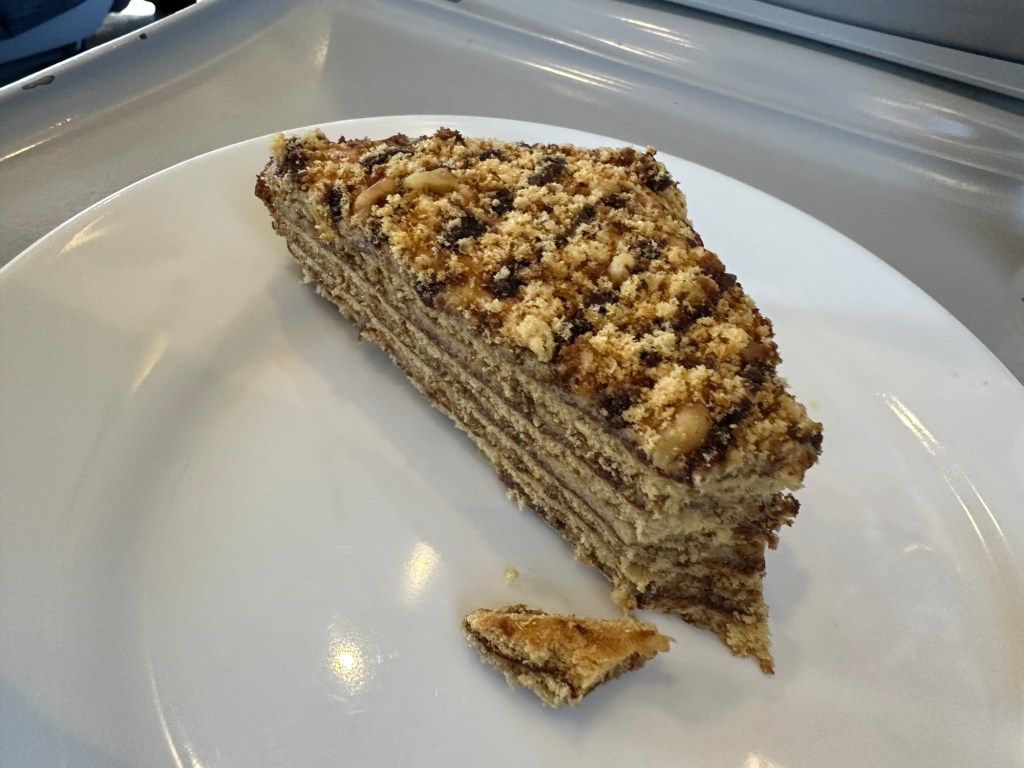
Not wanting to take the slower train (an hour ride) I take the intercity train that is thirty minute ride but wait 45 minutes for it because it only runs once a hour (make it make sense). The intercity train is way more expensive but I decide to be bougie today. During my expensive thirty minute train ride ($26 USD) I get a free snack and two drinks included with my fair. It’s actually embarrassing when the steward comes to me to take my order since I don’t even have enough time to consume them. I order the honey cake which is served on a proper plate. I take the water bottle and unopened soda to hold for later. Others on the train are probably coming from far away like Warsaw or something so perhaps they already got their embarrassing honey cake hours ago. Anyway this is why I carry zip lock bags. After taking a couple bites I shove my cake in the bag and put it in my purse for later. I am on a pierogi mission for lunch.

In Gdansk apparently there is a Pierogi culture. It is not a quick meal. Everywhere I went there were long lines and once seated it can take 45 min to one hour once you sit down for pierogi. Pierogi making is labor intensive thus why many Polish order them out instead of making them at home.

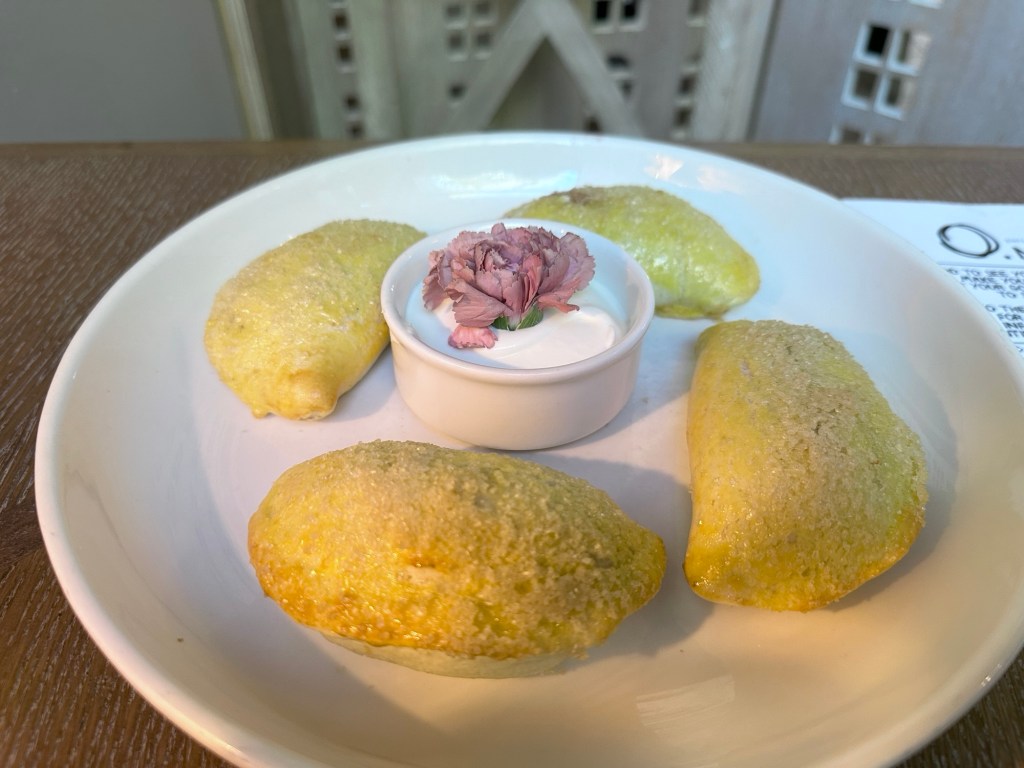
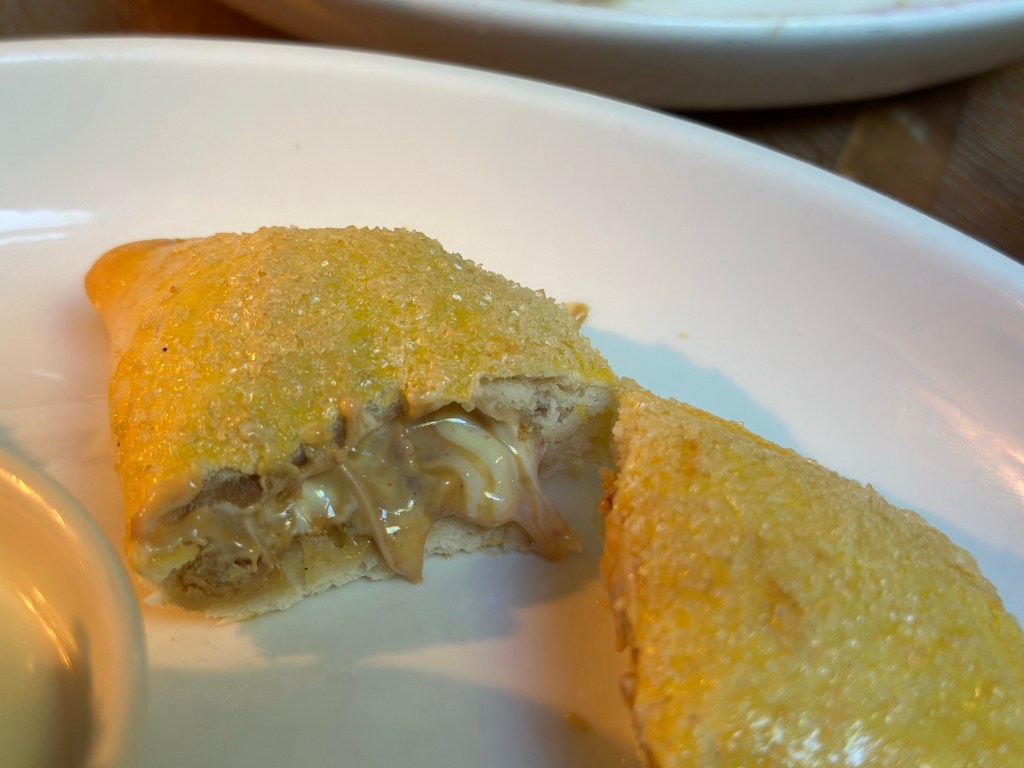
The restaurant I get a table for is Mandu. It is highly rated. I did wait for about 30 minutes but the line got much longer as I waited. Mandu has many interesting combos; these are the times I hate dining alone because I want to try it all. I end up ordering buckwheat & potato boar dumplings, borscht, and a sweet pierogi. With some to-go boxes I snack on leftover pierogi later.

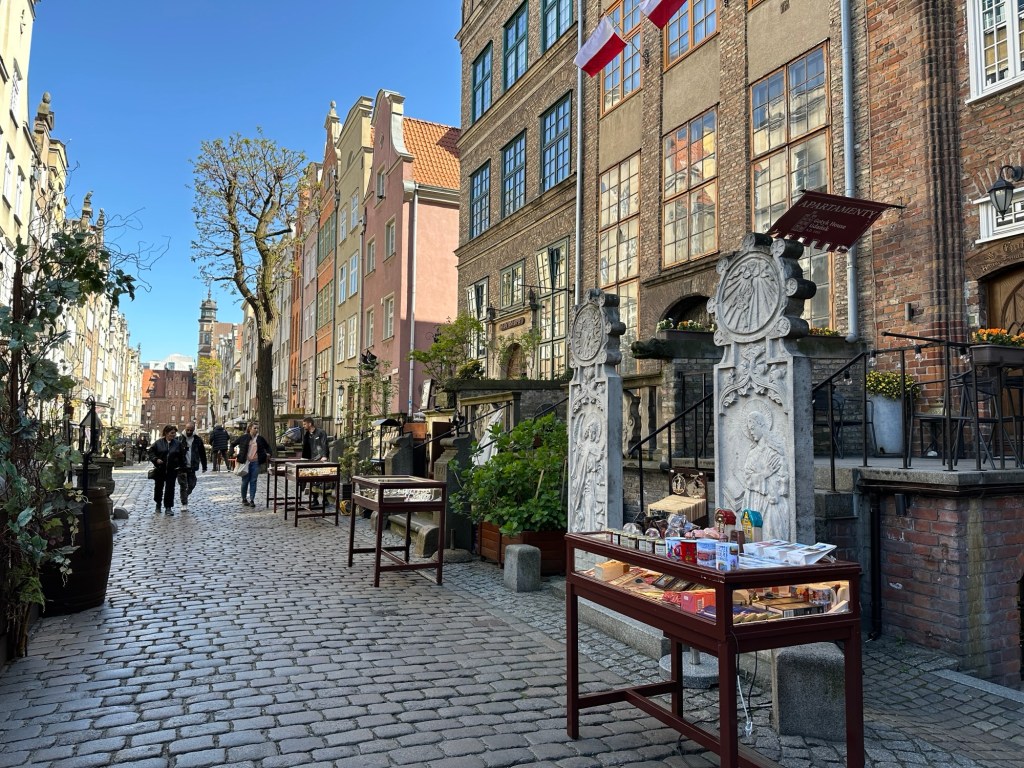
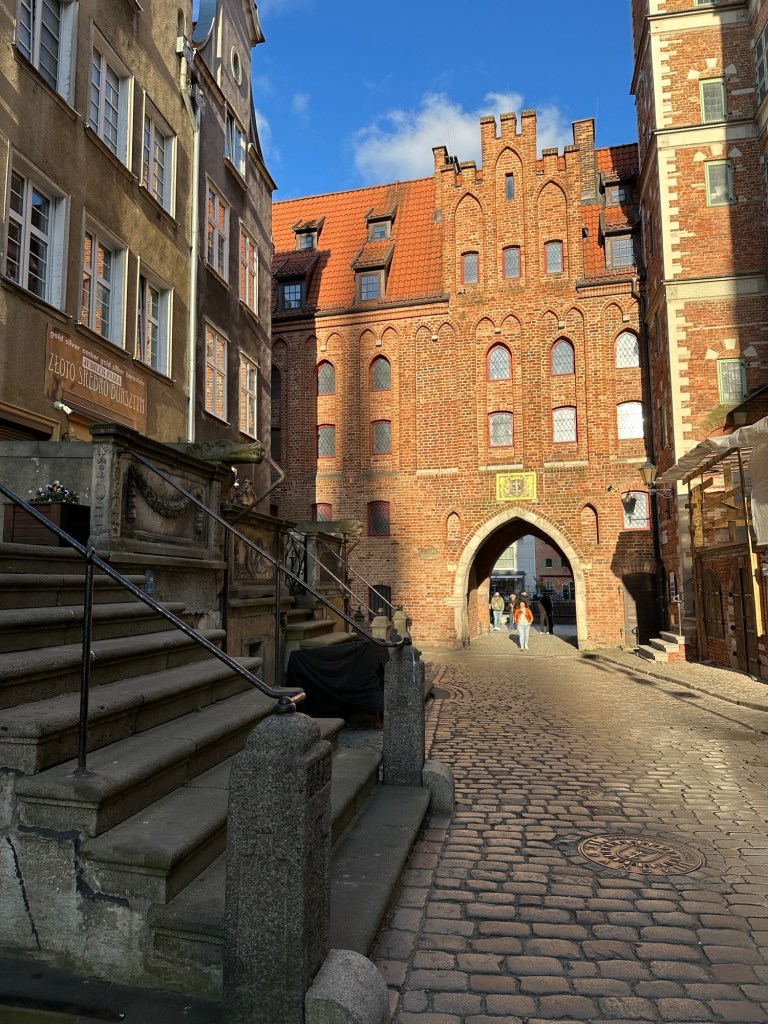
After pierogi belly I walk around town. I end up on Mariacka street once again. I would like to purchase something amber to take home but I have a terrible time picking out something I like, especially when its pricey and I really don’t know how to tell if something is authentic or not.

Ulica Mariacka

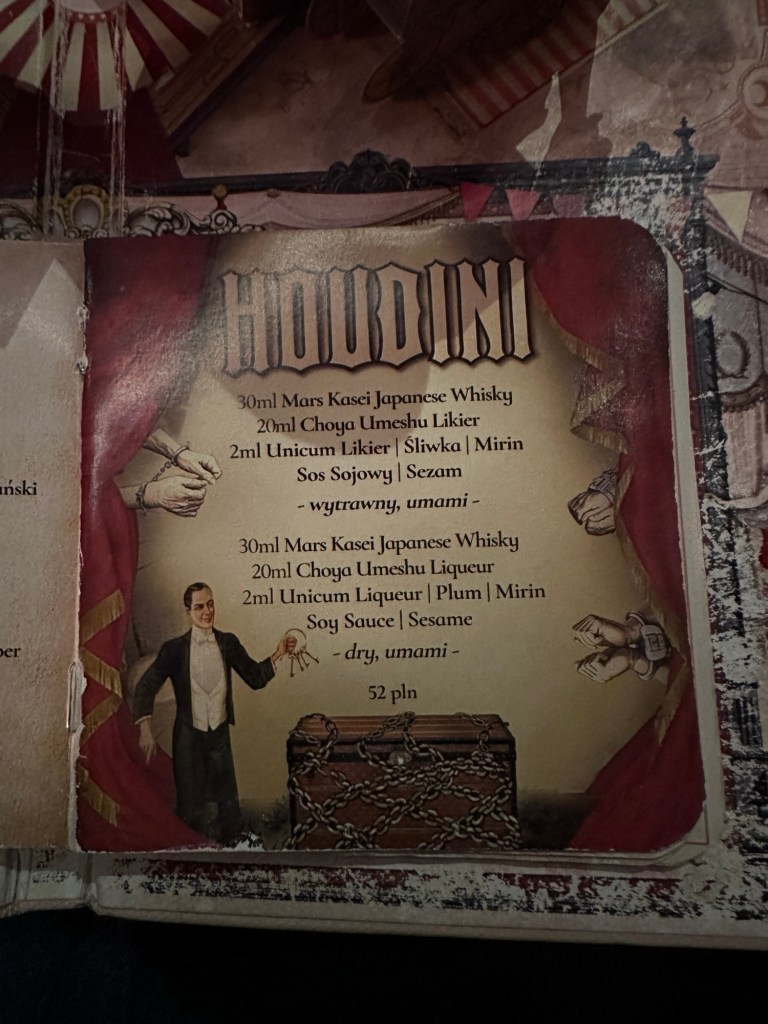
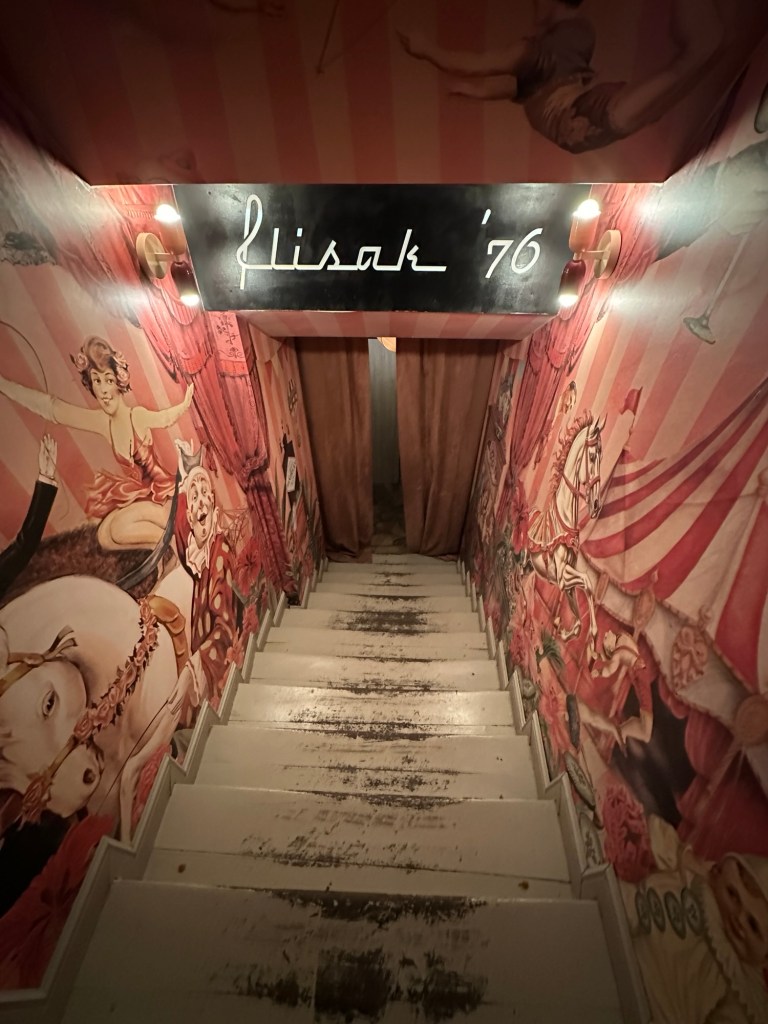
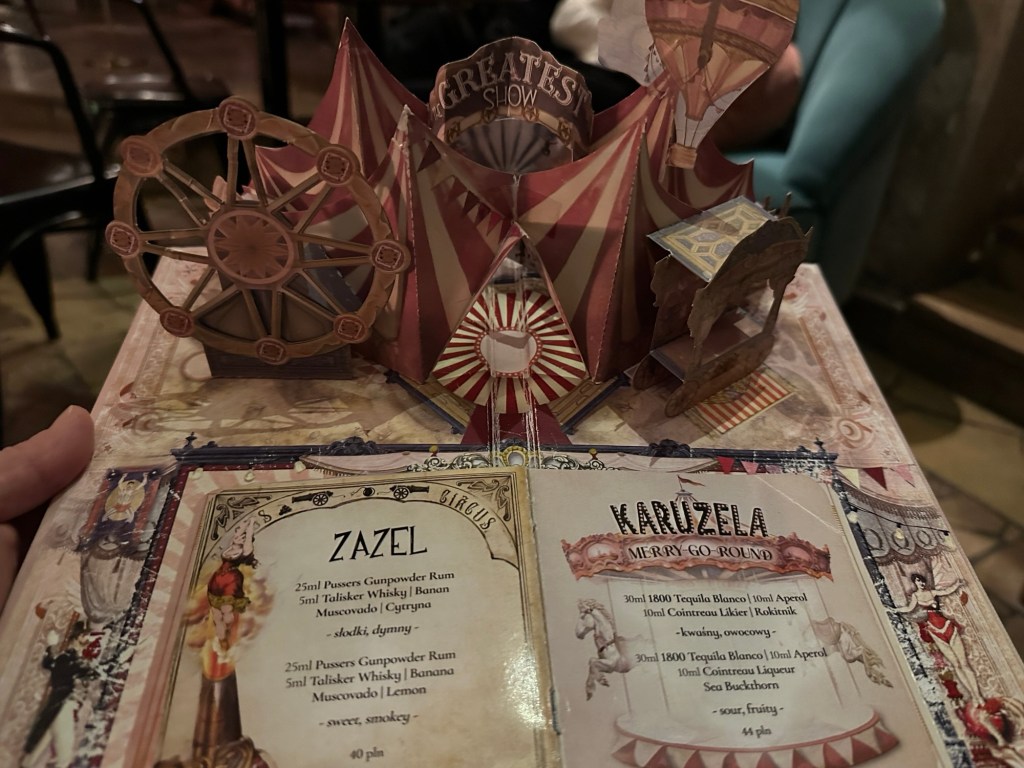
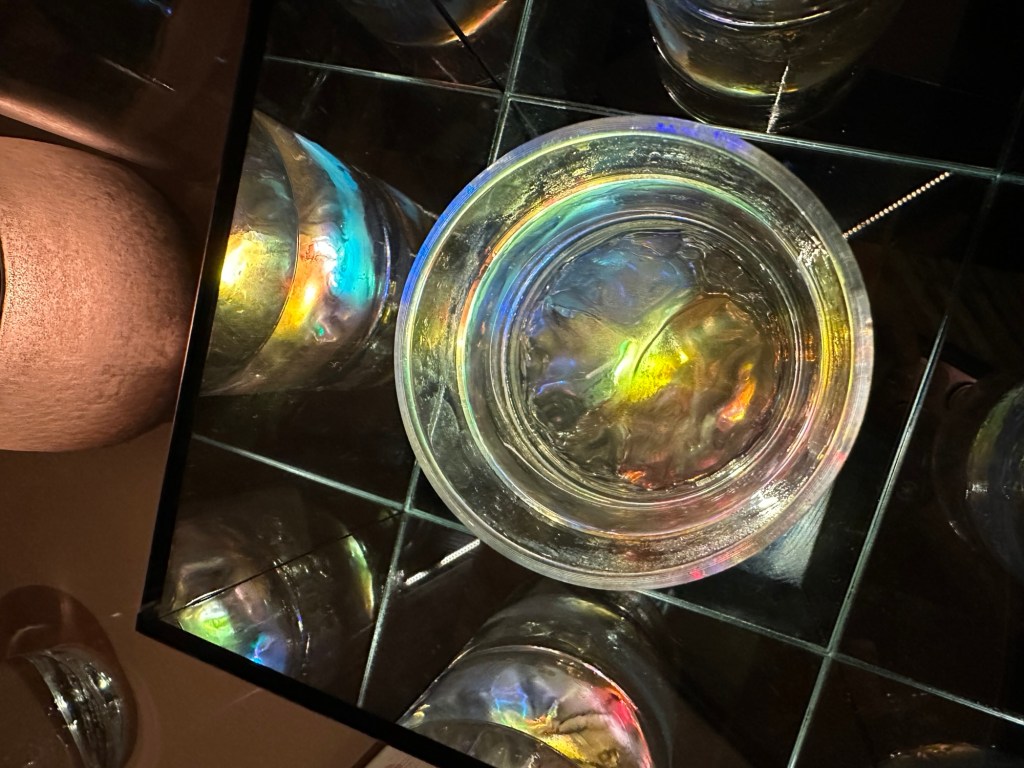
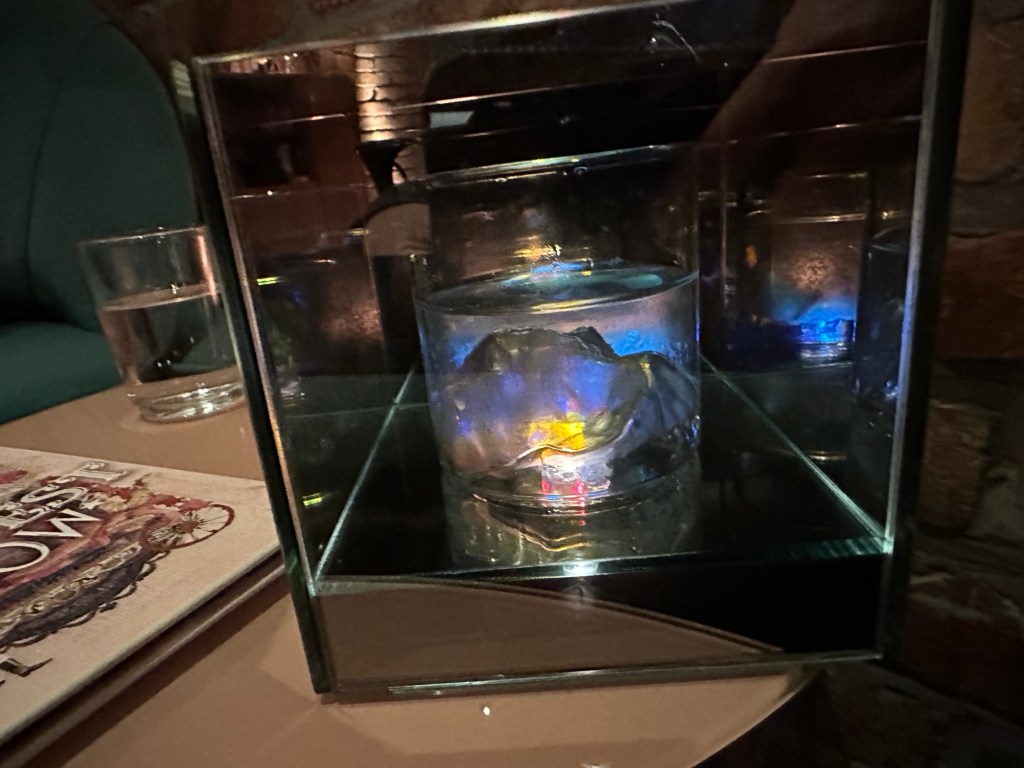
I finish the night at a circus themed cocktail bar with friendly bartenders who give me good advice about places to visit during the rest of my stay. They serve fun drinks too.