

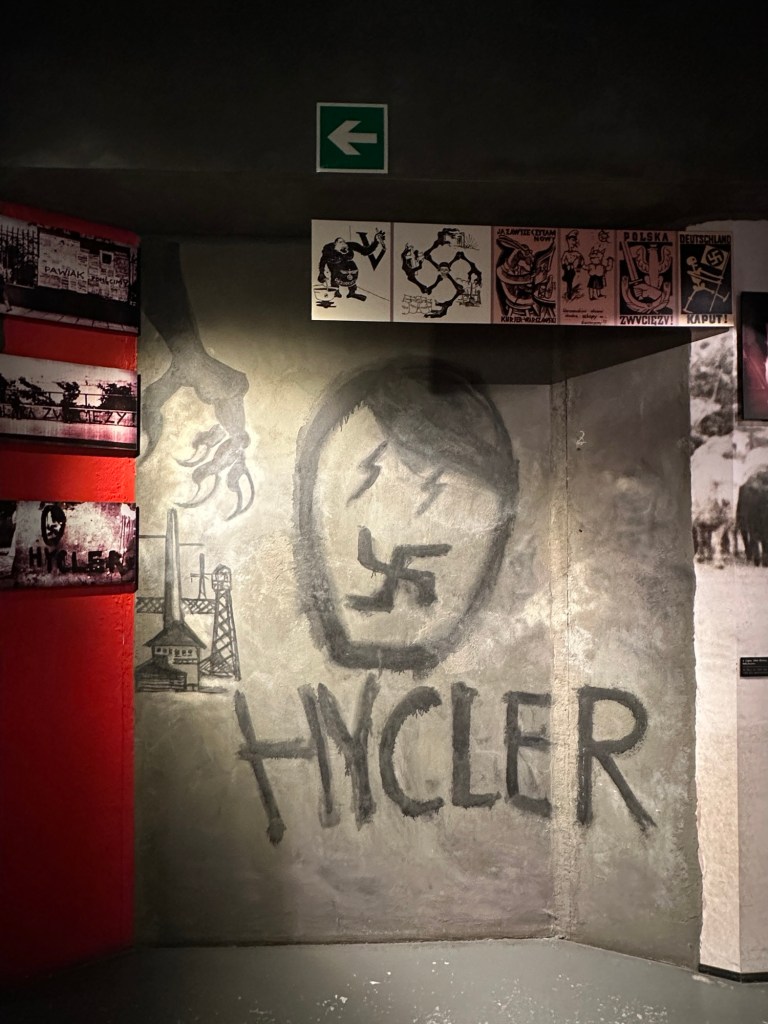
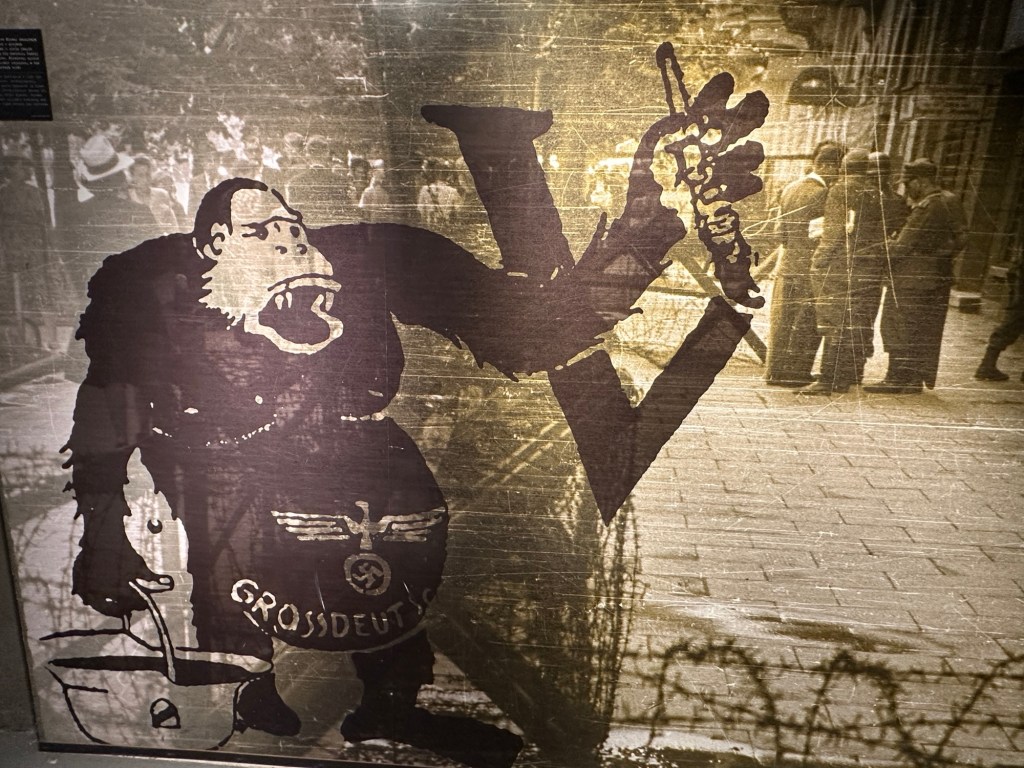
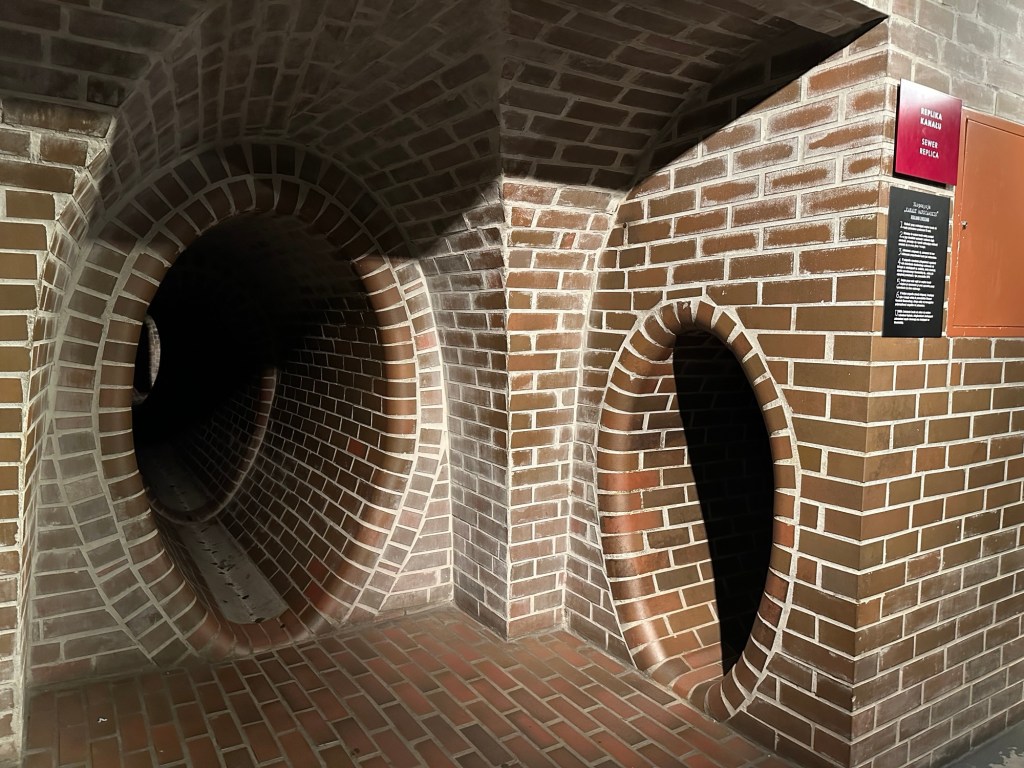
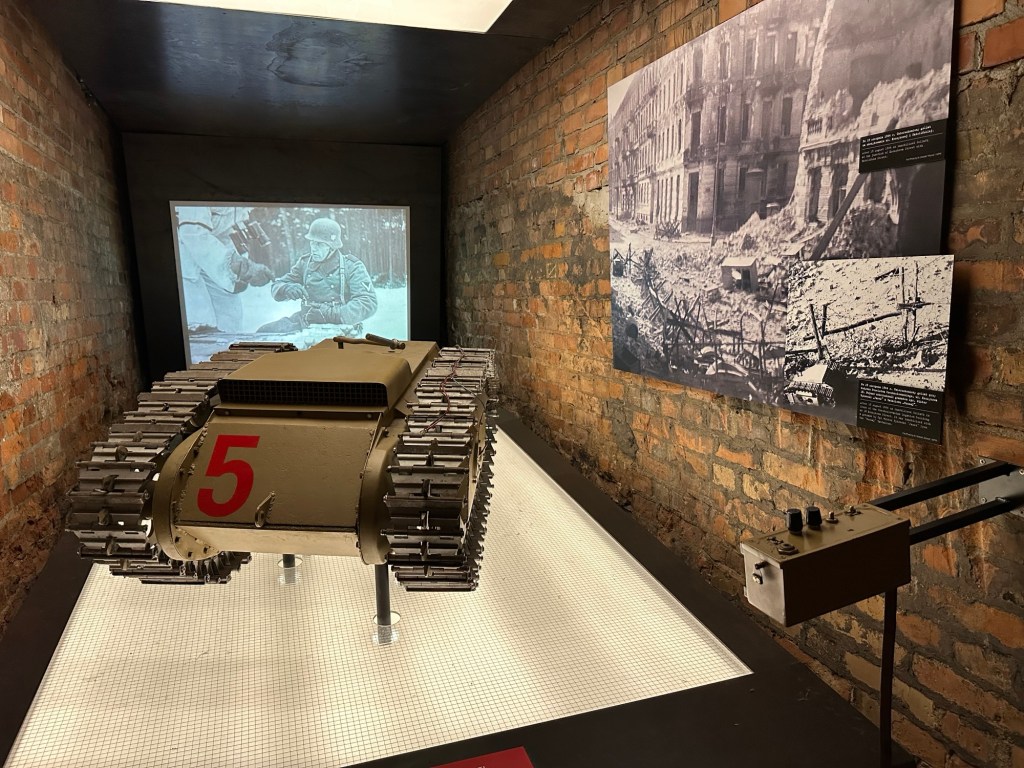
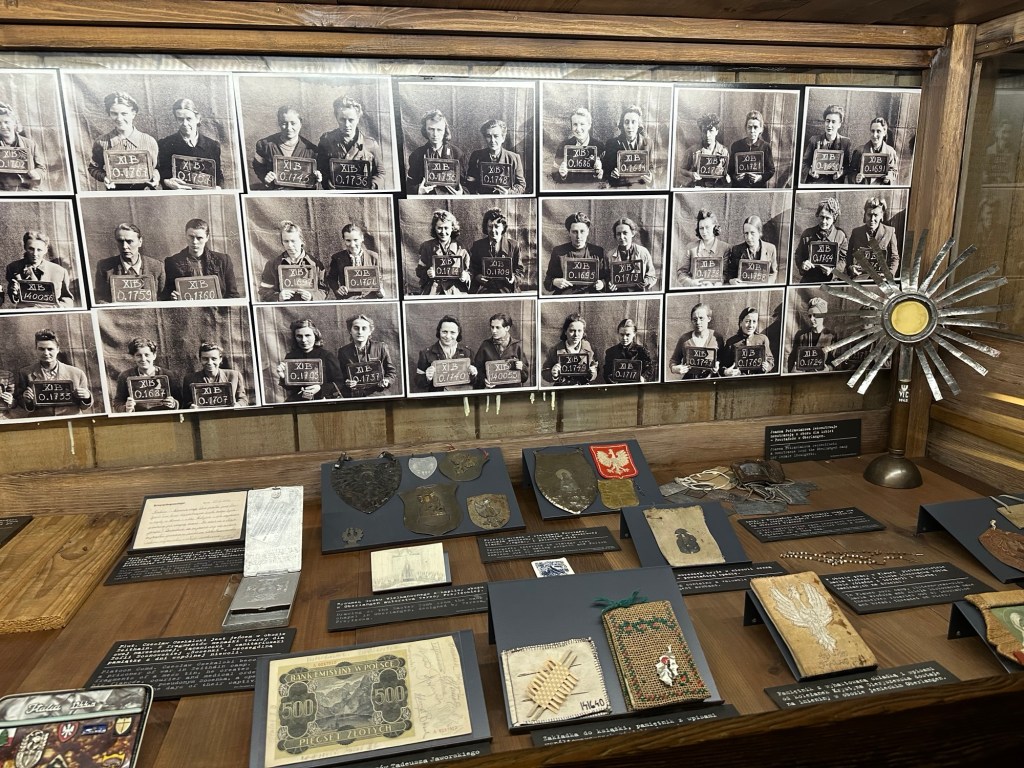
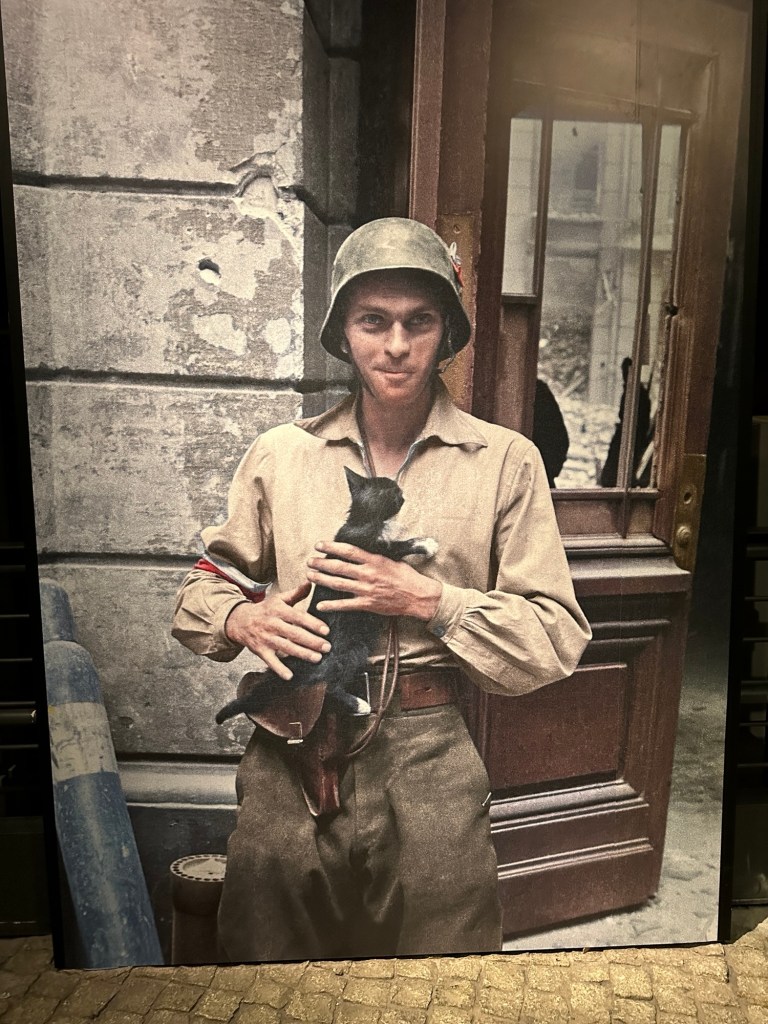
This morning I visit the Warsaw Uprising Museum. The uprising museum is about the uprising of the people of Poland against the Germans at the end of WWII. The beginning of the exhibit talks about the start of WWII and German occupation but the museum is mostly about how the Polish resistance organized and fought the Germans.
We learn in history that Germany invades Poland at the start of WWII. When they invade Warsaw the Polish do a pretty good job initially at holding them off. However the excessive bombing of residential areas by Germans lead the Polish to capitulate to the Germans pretty quickly to lessen the amount of death to civilians. I am not sure they had any idea how bad it could get after that.

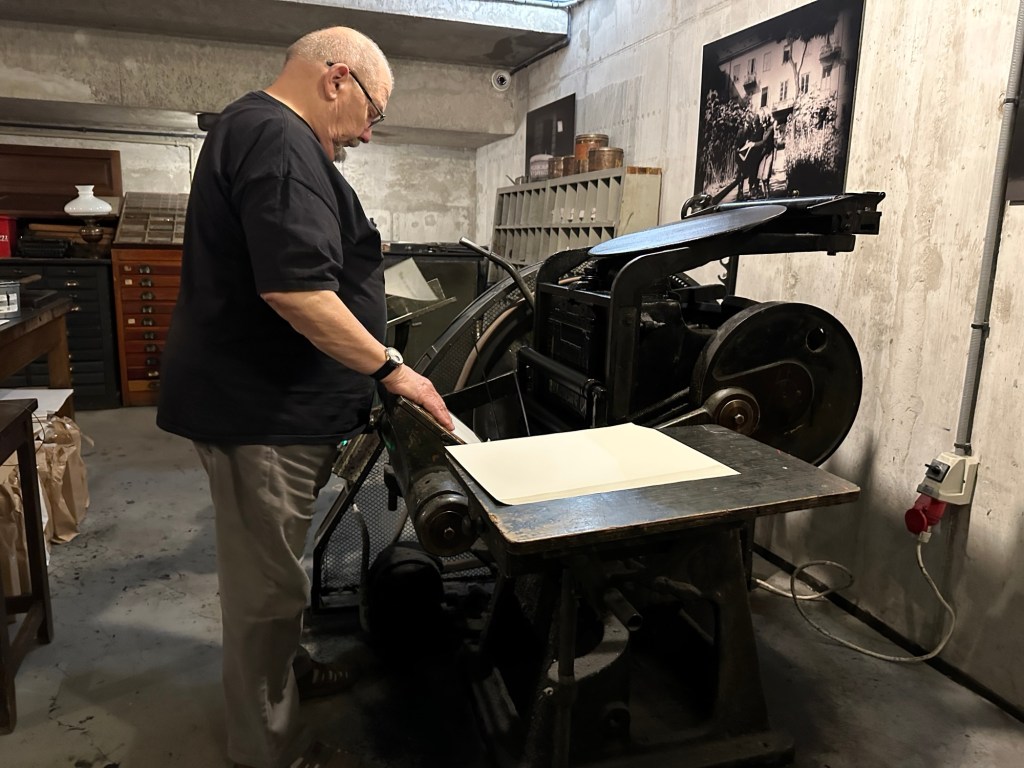
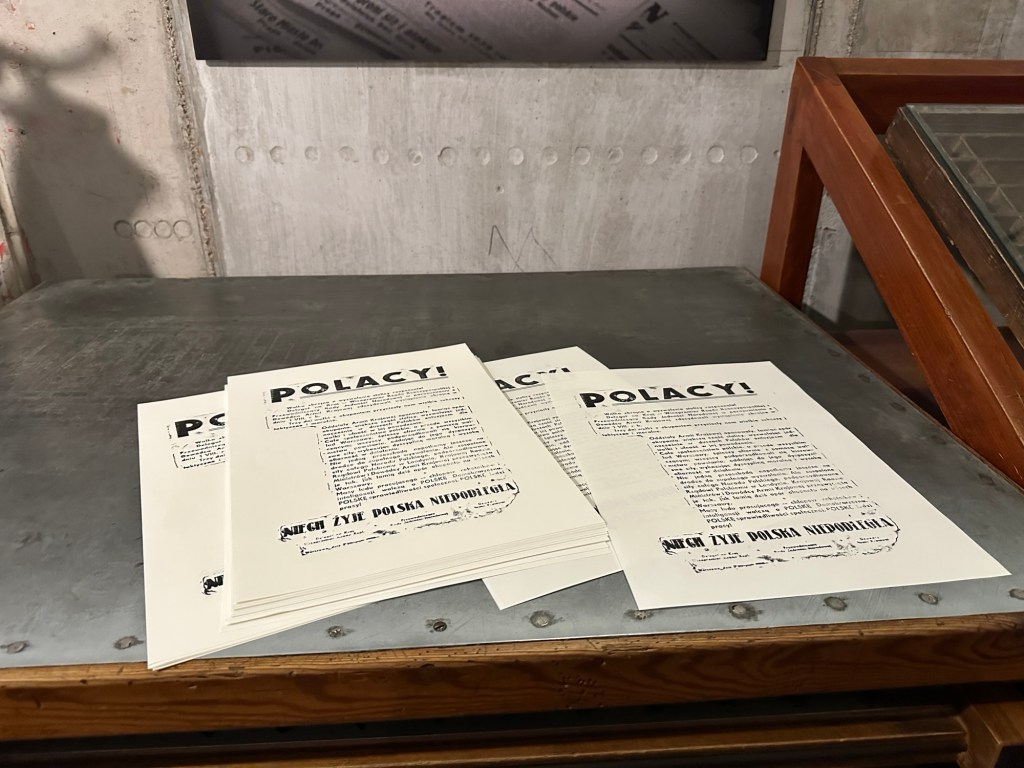


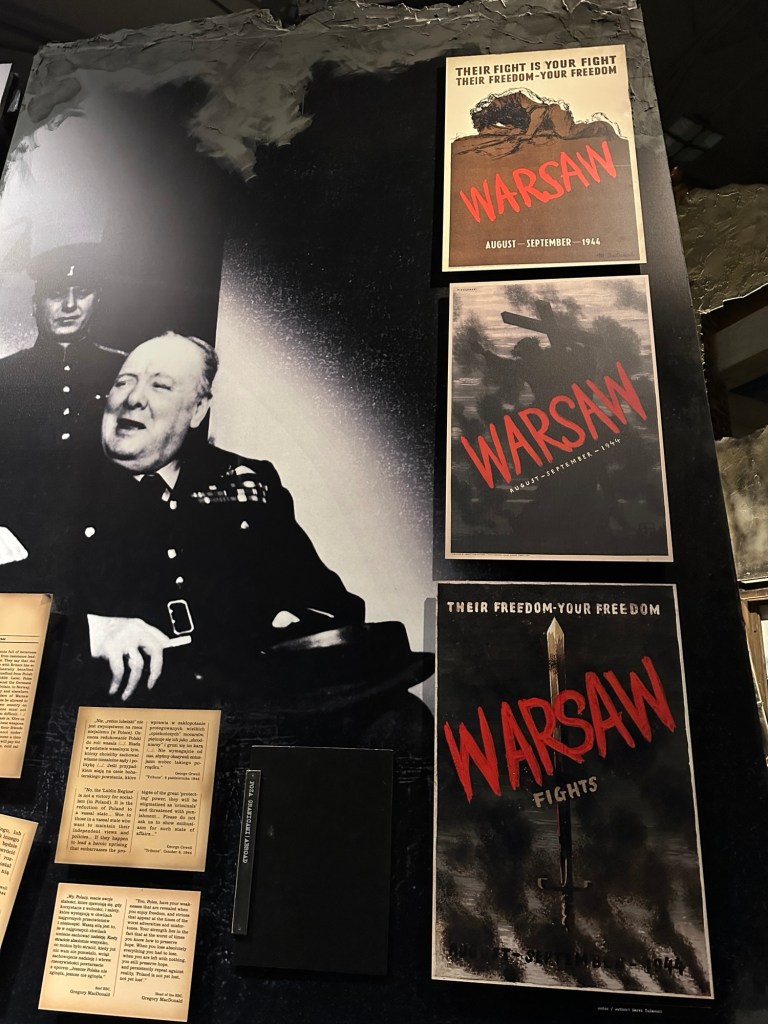
I learn how the uprising comes to form and how they get in bed with the enemy, the red army (Soviet Union), in order to fight off the Germans. The red army had promised to help them remove the nazis from Warsaw but instead they leave them hanging until the last minute and then finally join the fight.
The people of Warsaw believed the red army was going to help them and continue on through to fight the Germans. But instead of letting Poland have its independence they disarm the polish underground soldiers, installed a puppet government and started communist rule of Poland for 40 years. They replaced one form of occupation with another.
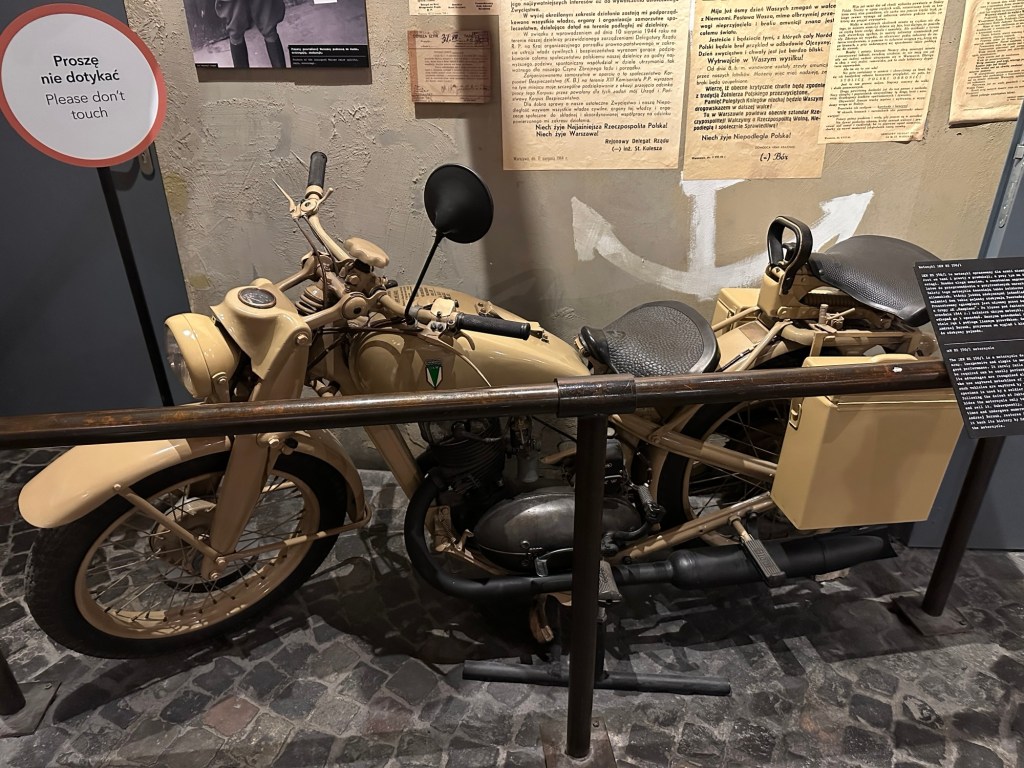
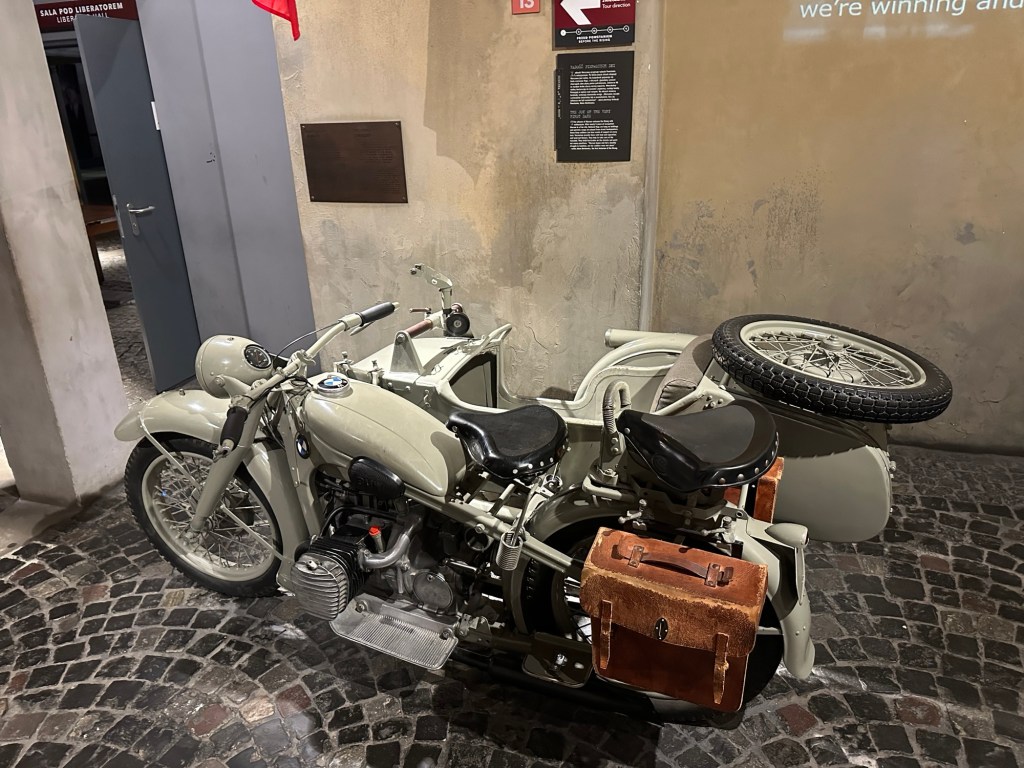

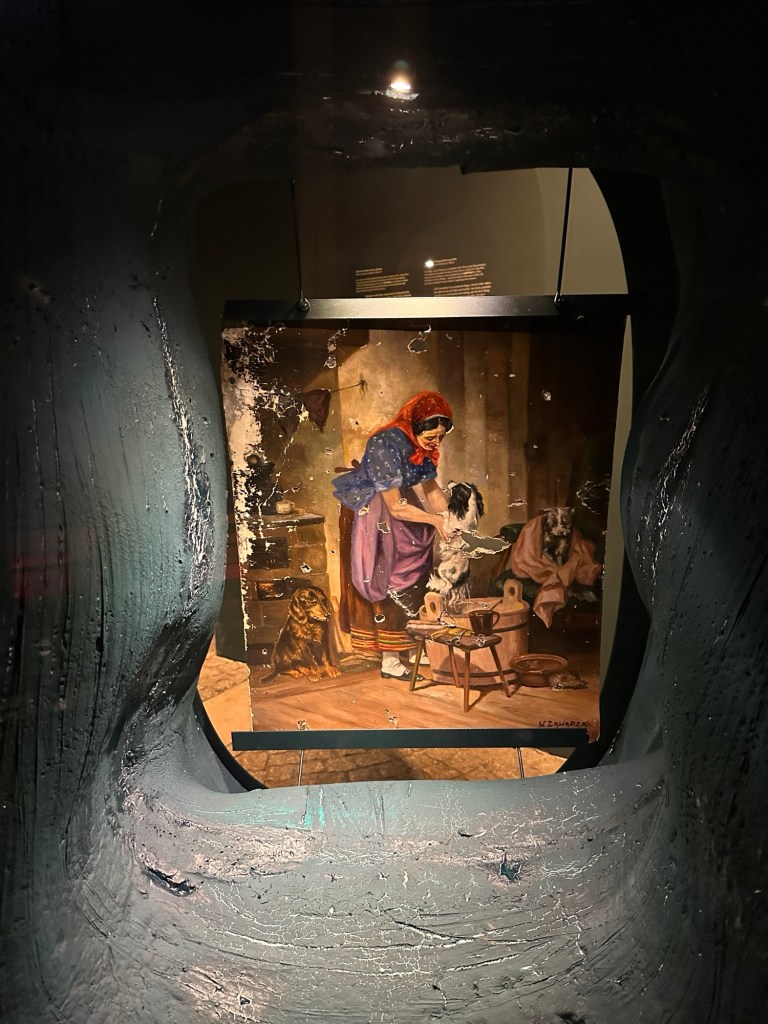
In the museum there are historical artifacts with explanations, documented footage of the time, and a powerful 3D movie to show an aerial view of how Warsaw was bombed to hell during this war. What wasn’t destroyed at the beginning of WW2 was completely decimated during the end of WW2. It is said that before WW2 Warsaw had 1.3 million people but after the last uprising they were left with less than 300,000. Many were moved, killed, or sent to camps during the occupation. There was some information on the Warsaw Ghetto and how Germany made propaganda videos to show back home about how great life was in the ghetto so every day Germans would have no idea how bad like was for the Jewish people in Poland.




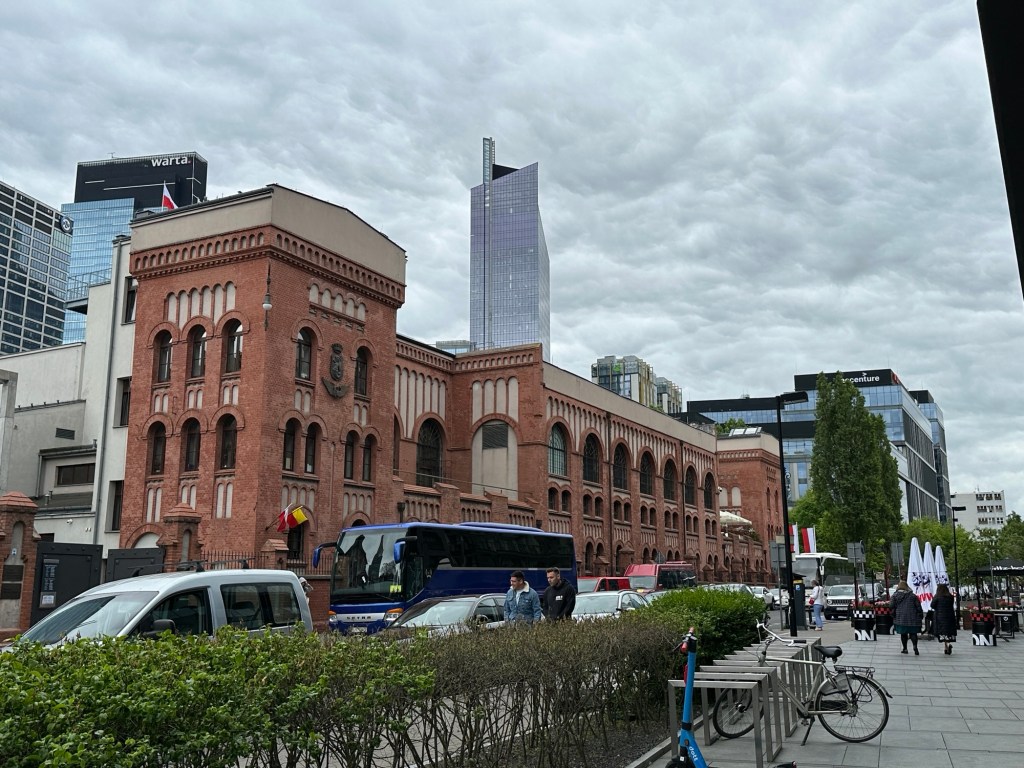
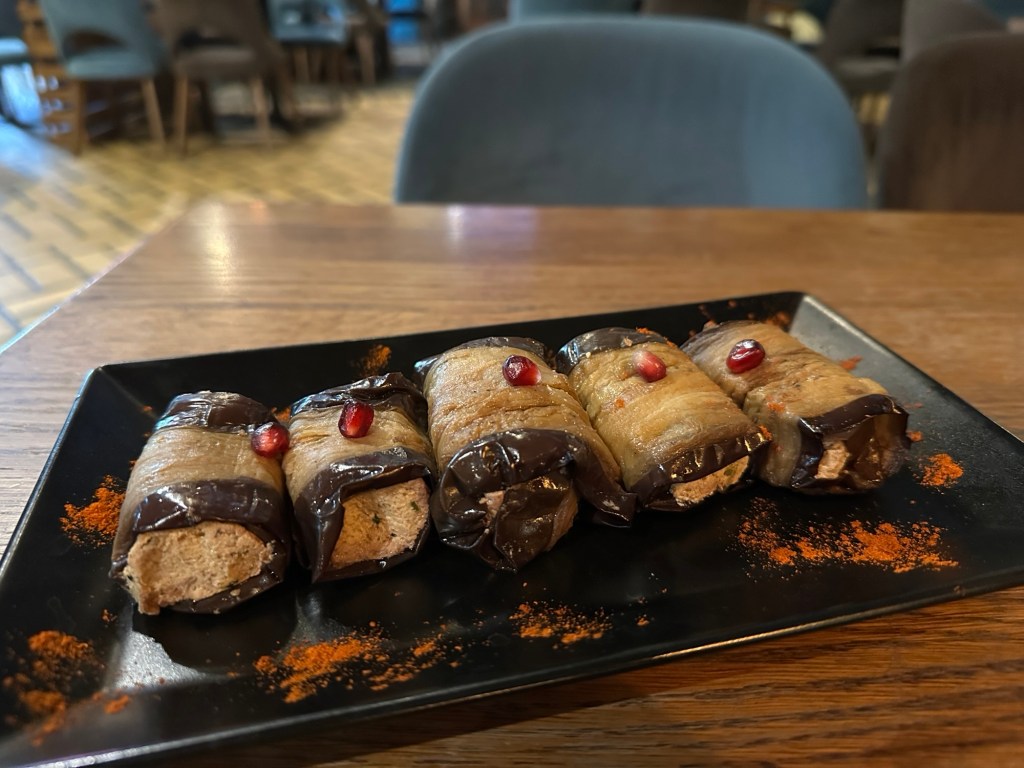
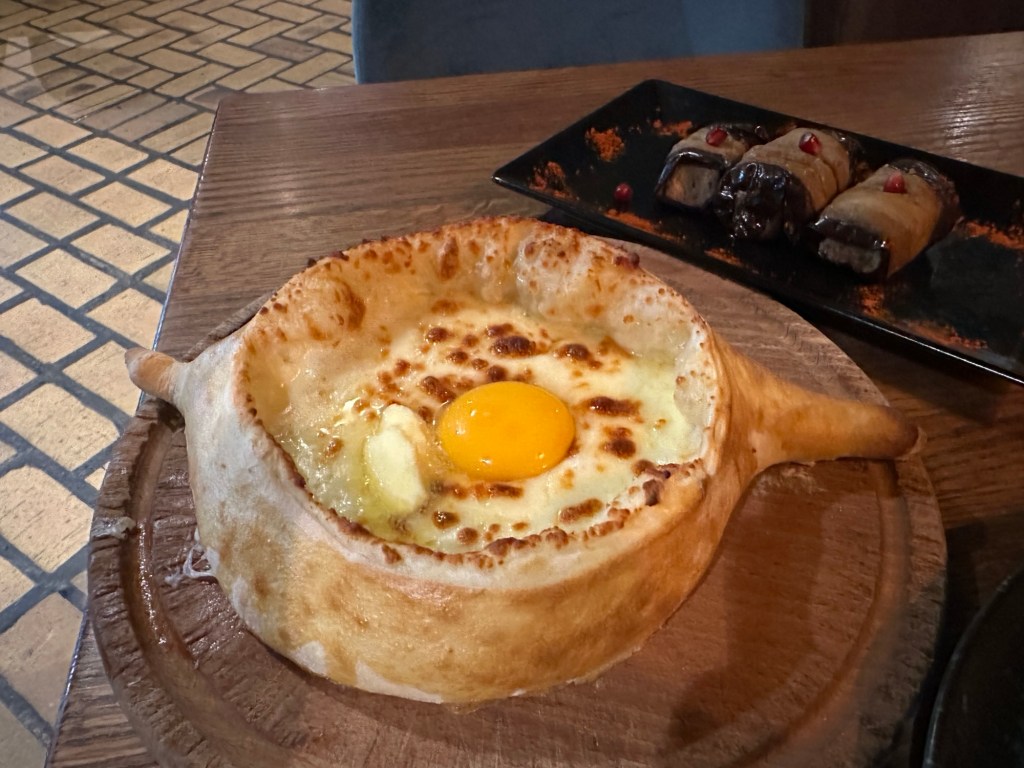
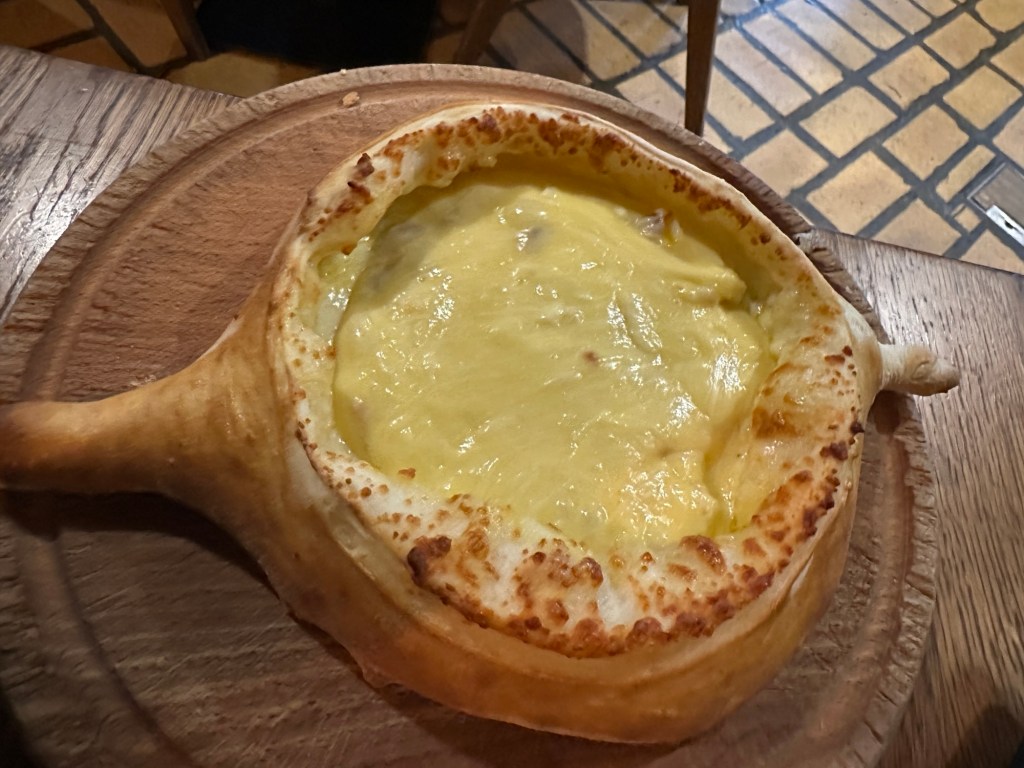
After the museum I want to grab a quick lunch before the old town tour I have scheduled this afternoon. While on the bus to Old town I pass a Georgian restaurant I’ve been thinking about trying. I hop off at the next stop and get a delicious Georgian meal. There are so many good things to order but I am only one person and this is already too much food. I order an appetizer of cold eggplant rolled over some sort of nut stuffing (I think cashews) and khachapuri with egg. Khachapuri is what we call in US a cheese boat. It is boat shaped bread filled with delicious cheese. There can be different toppings like a pizza but I order the traditional way with a raw egg on top. The egg is mixed in table-side where the egg “cooks” with the hot melty cheese. I think the egg gives it a more rich flavor, plus it adds protein (gotta get in my protein even if I am eating garbage). I am sure the cheese is going to mess up my stomach for the afternoon but I don’t care. (Luckily it doesn’t). It’s good I am walking for most of the afternoon because I am eating a days worth of calories here, or more.
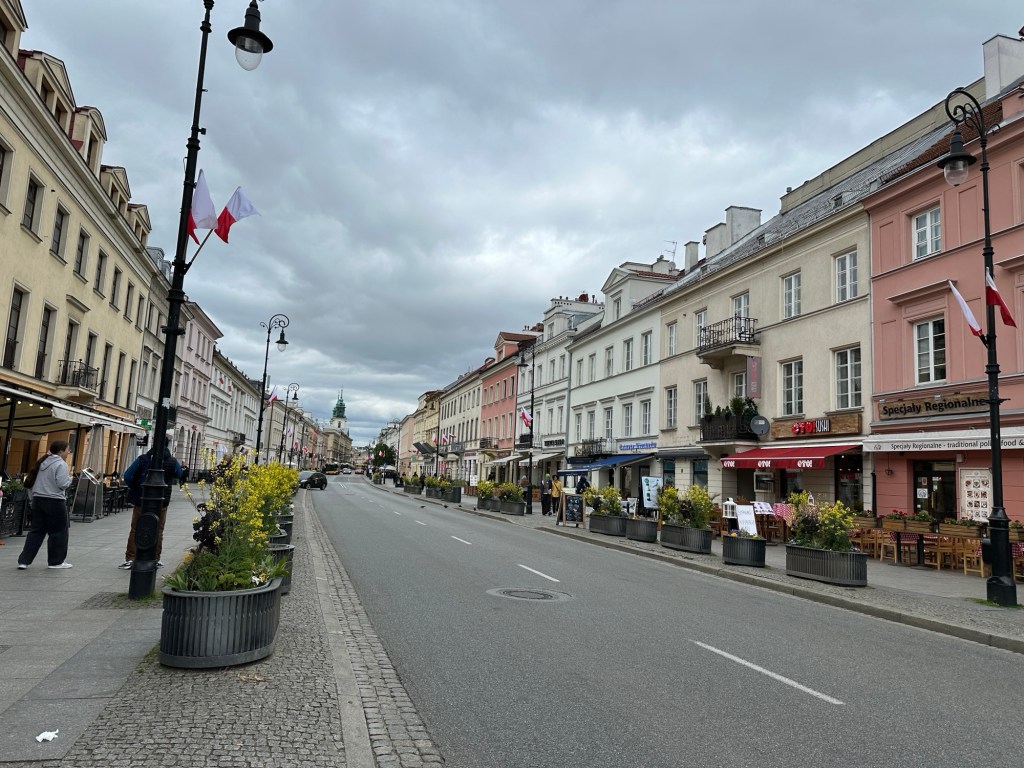
I arrive to the royal route early and explore. The royal route is the long road lined with restaurants and stores that leads down to the presidential palace and old town.
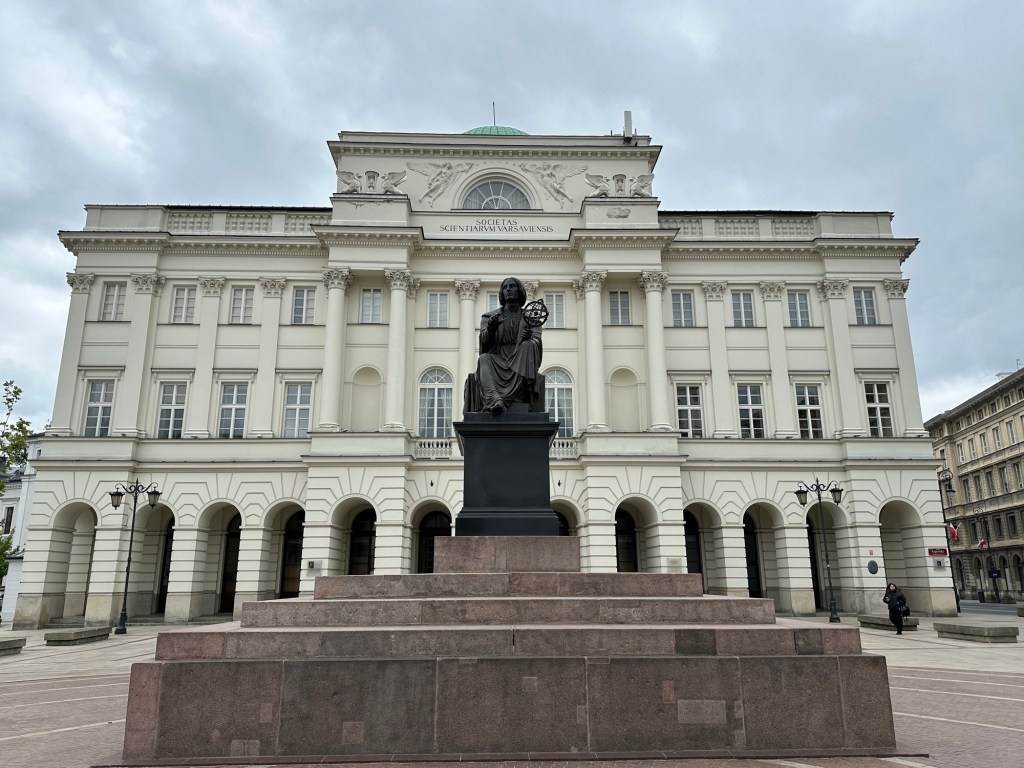
We meet at the Copernicus monument in front of the Polish Academy of Sciences. Copernicus is a famous Polish scientist who first modeled the Sun as being stationary and the planets orbiting it, among other things. He is commemorated all over the country.
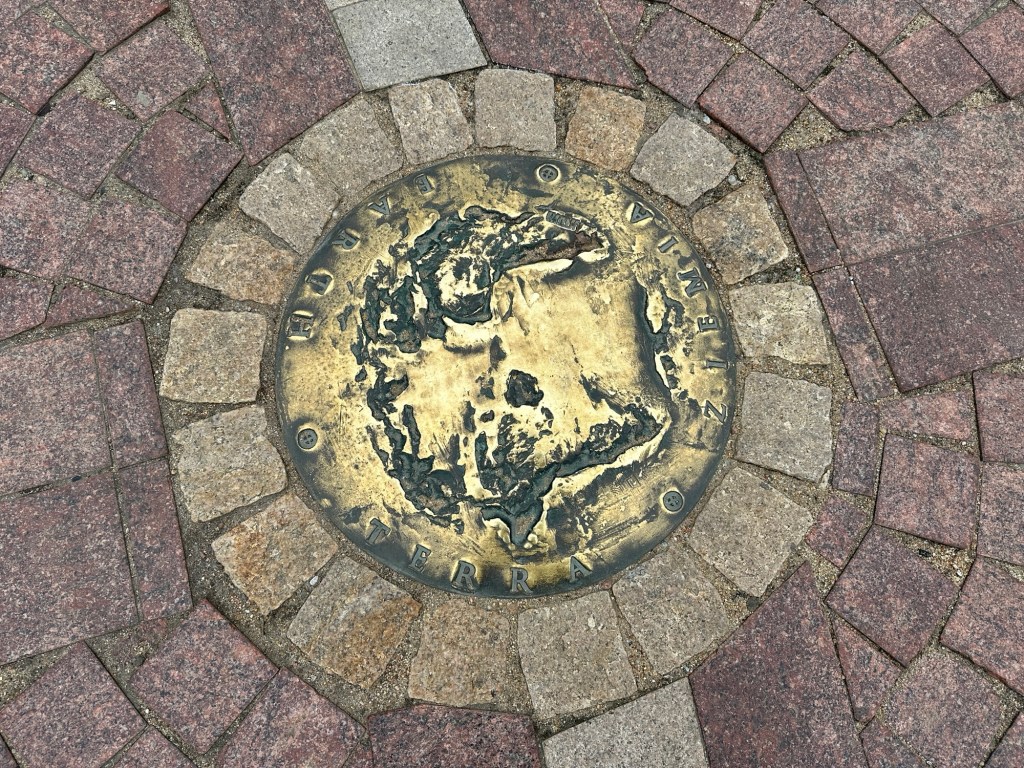

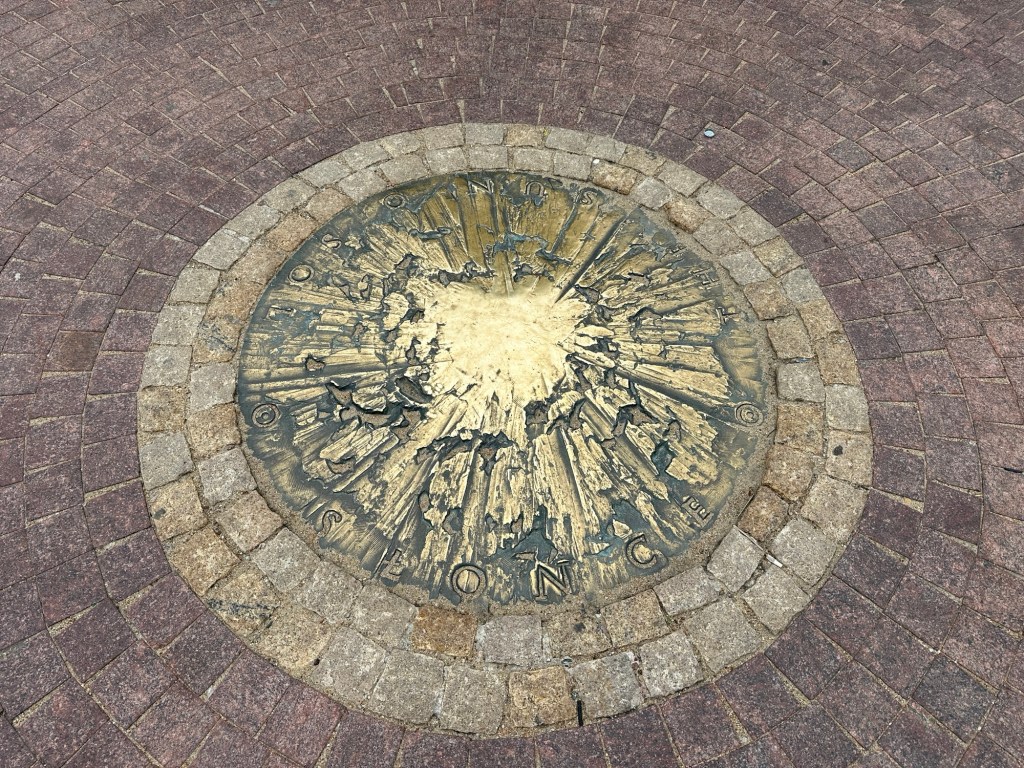
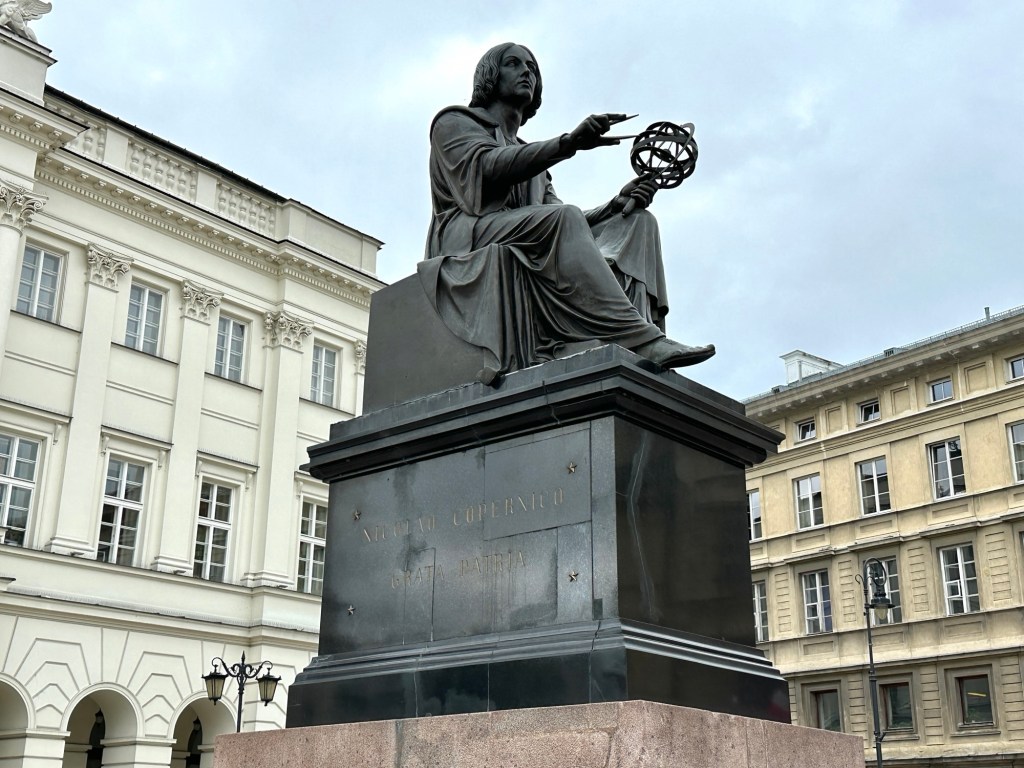
Our guide, a spunky polish native, uses facts, humor and sarcasm to tell us all about old town. I love a good sarcasm banter.
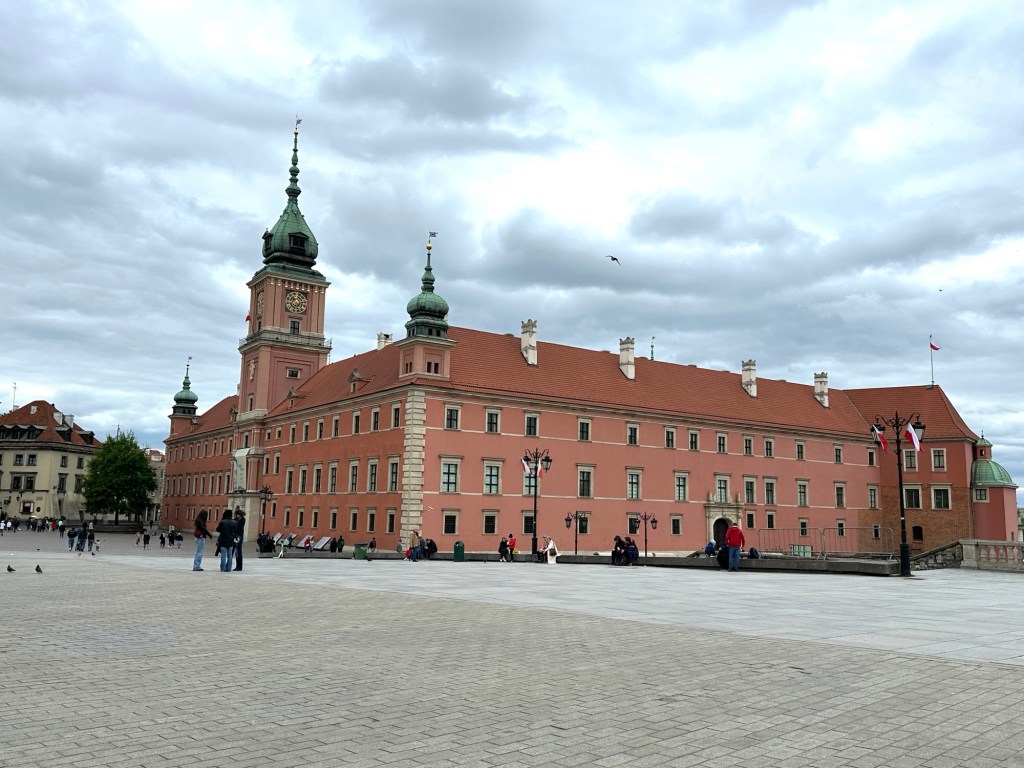
The most important thing to know that most of the old town has been completely rebuilt since WWII. It was bombed during the start of WW2 and bombed to hell when Poland tried to claim their independence during the Warsaw Uprising.
As terrible as the Soviets were to Poland, much of the old town was able to be rebuilt during the reign. Our guide tells is that many of the buildings are built from the original rubble of the original construction. And if they did not have enough material they tried to source the original.
We spend a large amount of time talking about the buildings all over the start of old town.
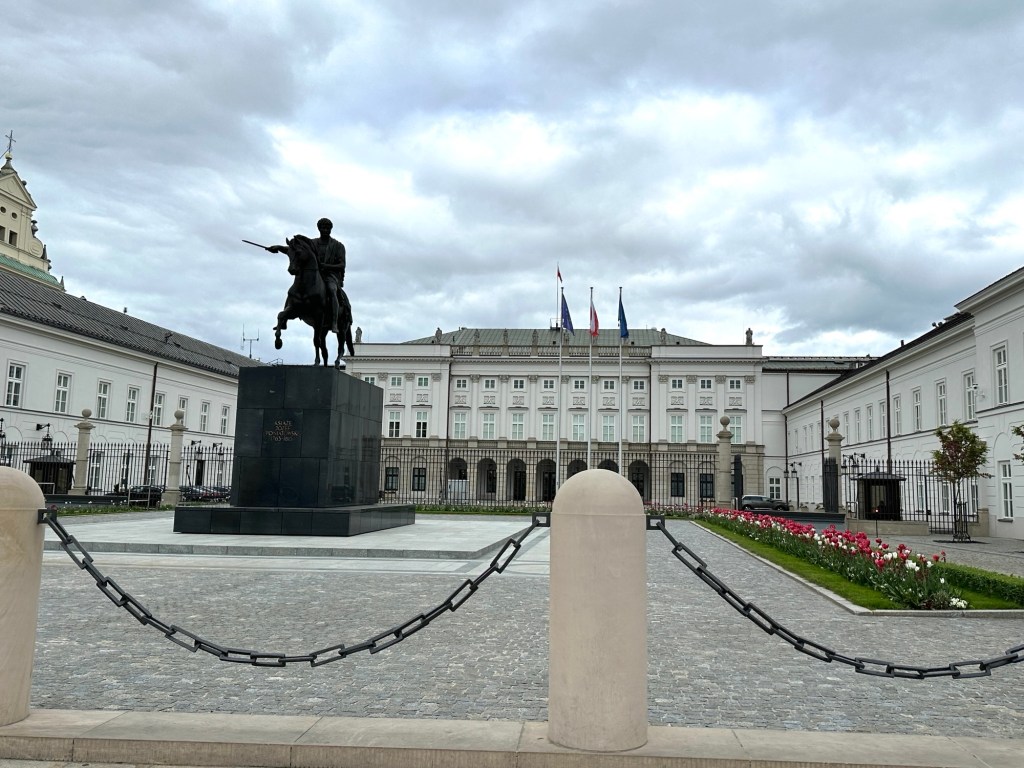


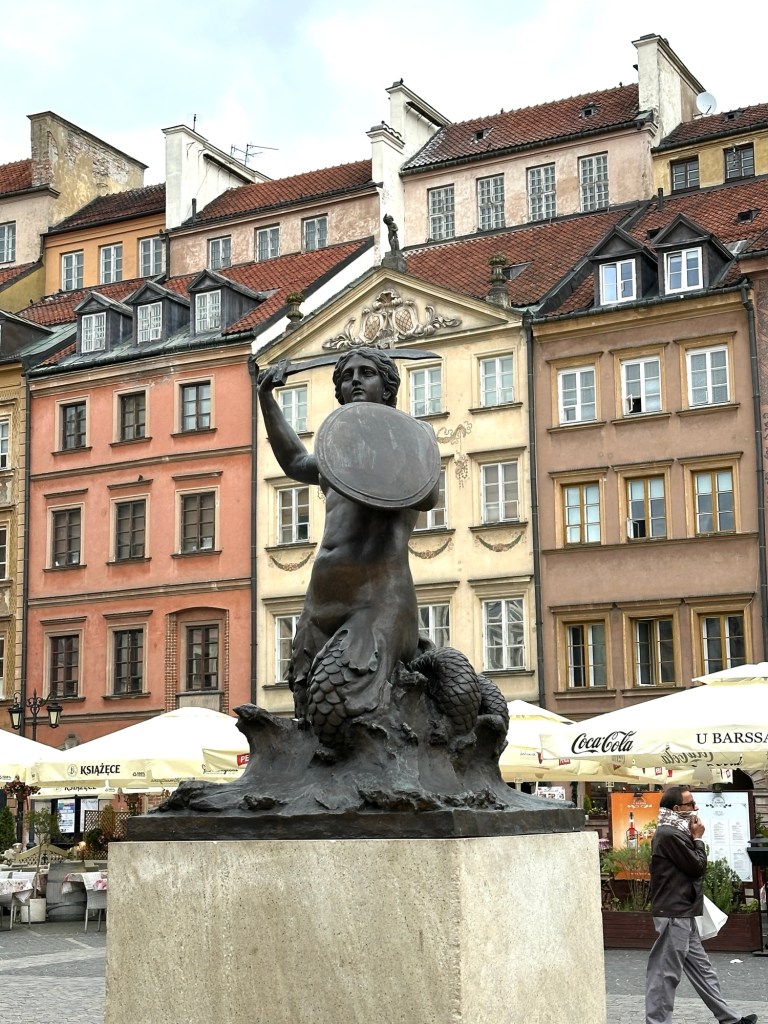
We visit the town square and learn all the lore behind the courtyard mermaid.
Our guide shows us important churches and notes places to visit around town. She points out parks on the must see list.
After the tour I go backwards and visit all the churches she mentions during the tour.
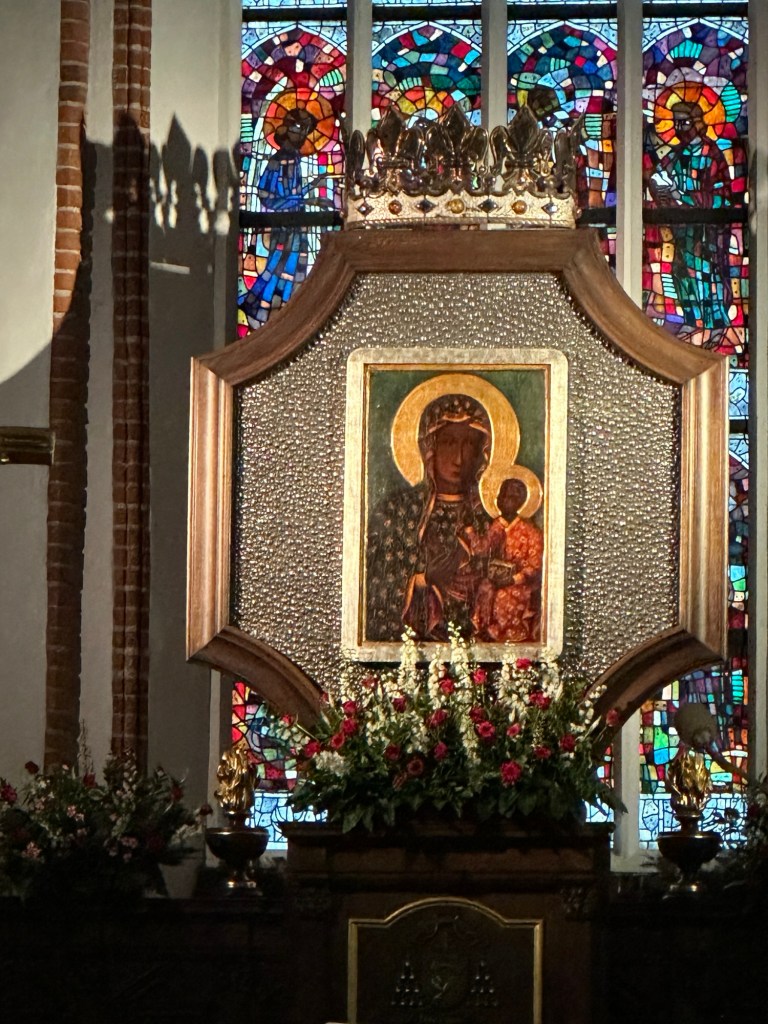
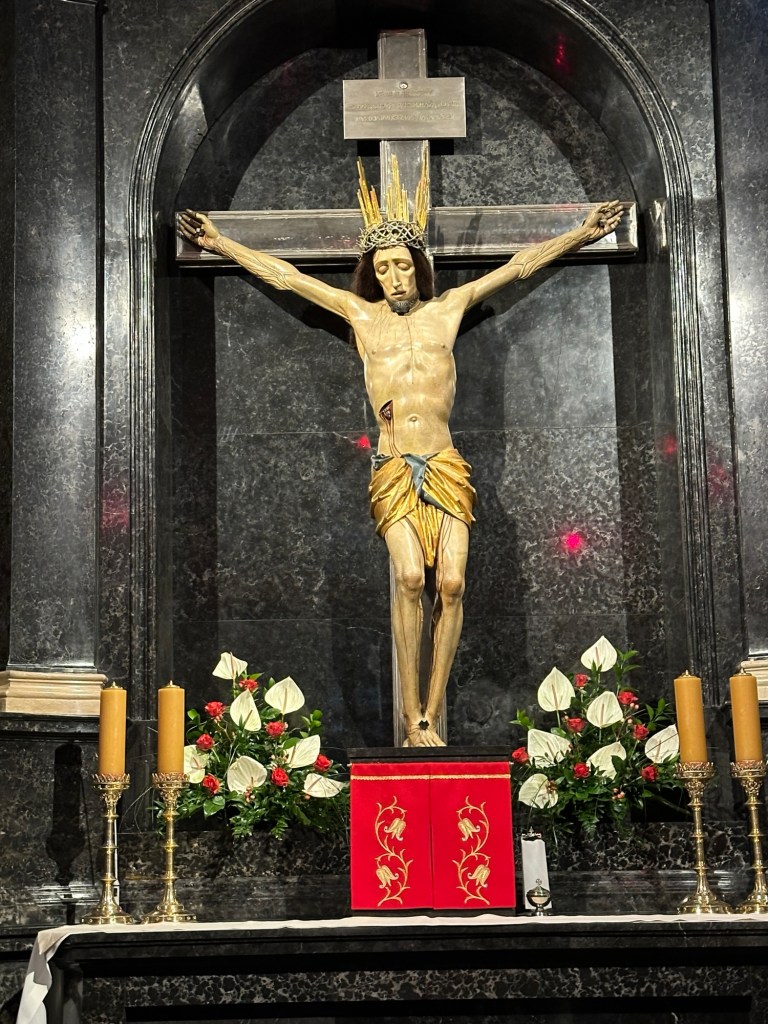
In Archcathedral Basilica of St. John the Baptist there is a reproduction of the famous Black Madonna painting like the famous one that exists in the Jasna Gora, a polish pilgrimage site. The church also has a Jesus statue that uses human hair as Jesus’ hair. There is a story that it used to grow and required haircuts on a regular basis. There is a story to explain why it no longer grows, of course.
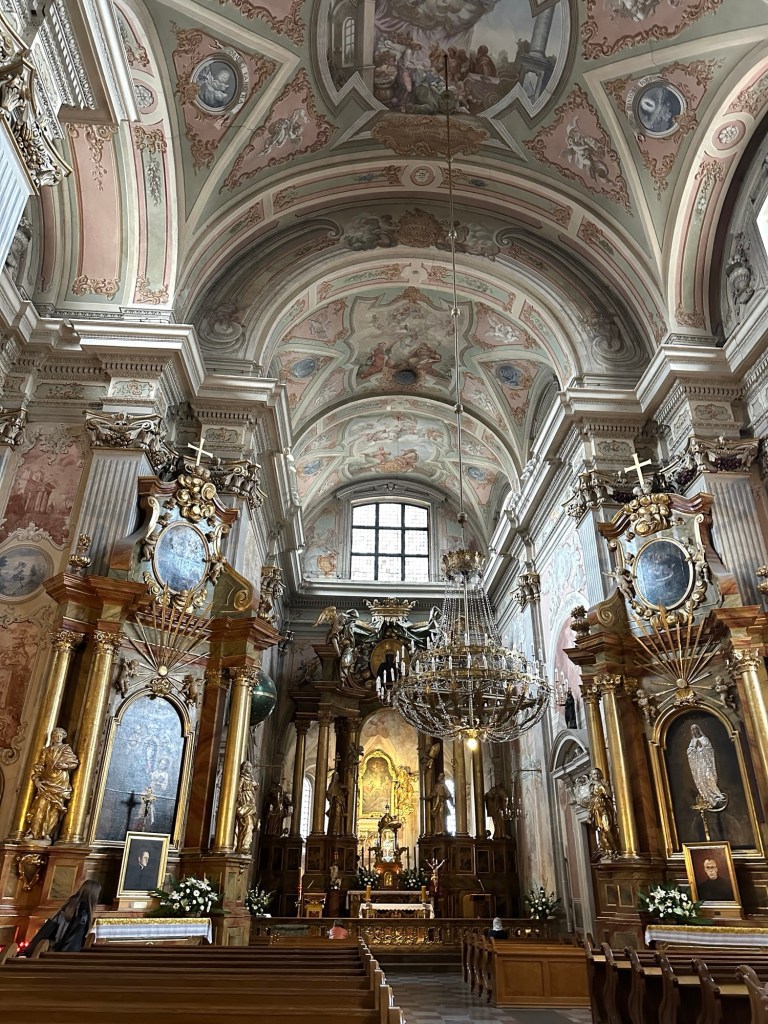
I visit St Anna’s church which is a must see inside.

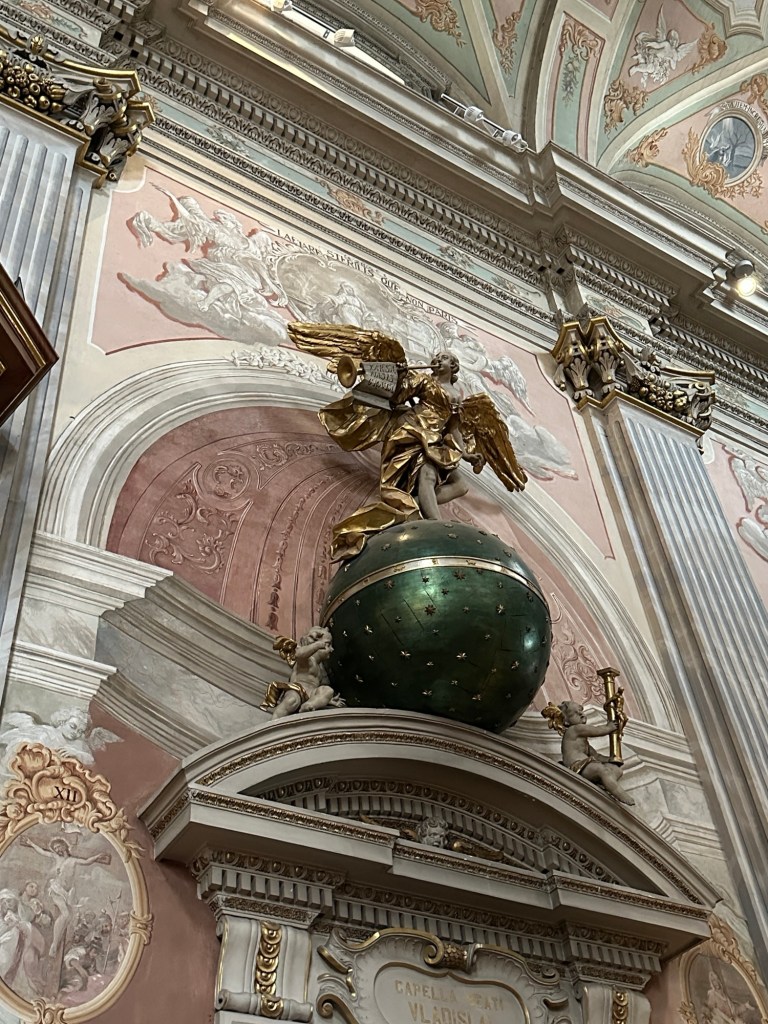
She also fills us in with more detail of the history like how a king ends up on a big column in the beginning of old town.

In the Church of the Holy Cross you can visit a memorial to Chopin. Frédéric Chopin’s sister put his heart in brandy after his death to preserve it. There is a fantastic story about how she smuggles it under her dress to cross the border so his heart could be buried in Warsaw, in his home country.


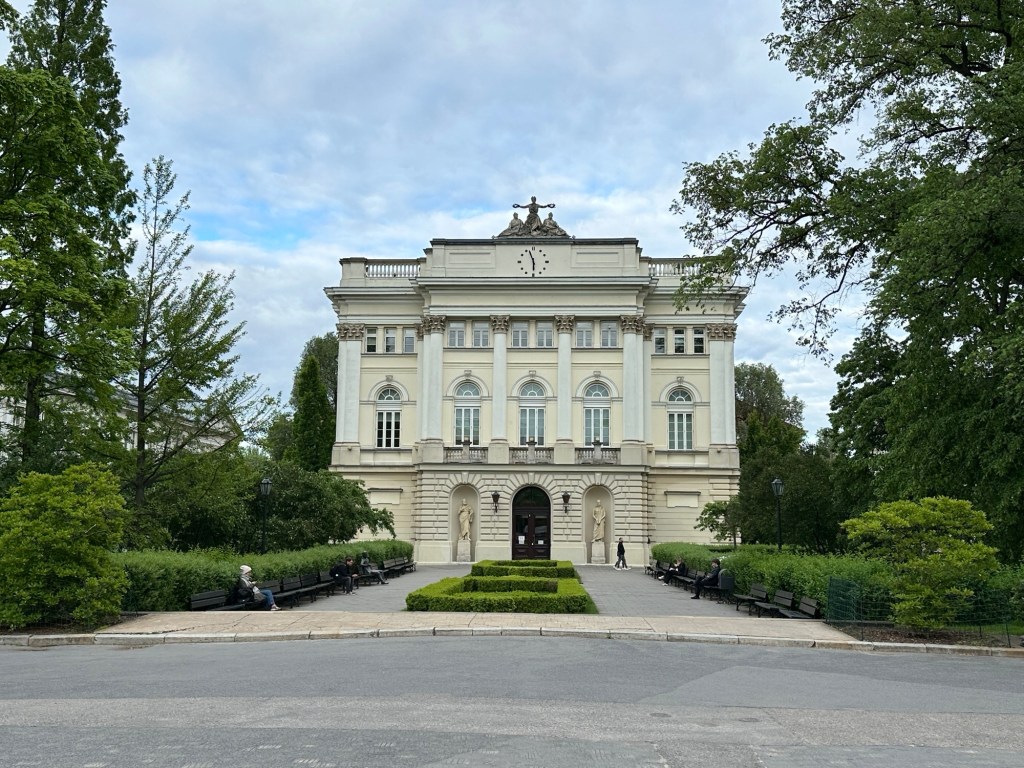
We stop by the University of Warsaw. We learn that all the public universities in Poland are free if you have the grades to be admitted. We see one building that made it through the war. It is supposed to be a beautiful campus, especially at night. I plan to return later.
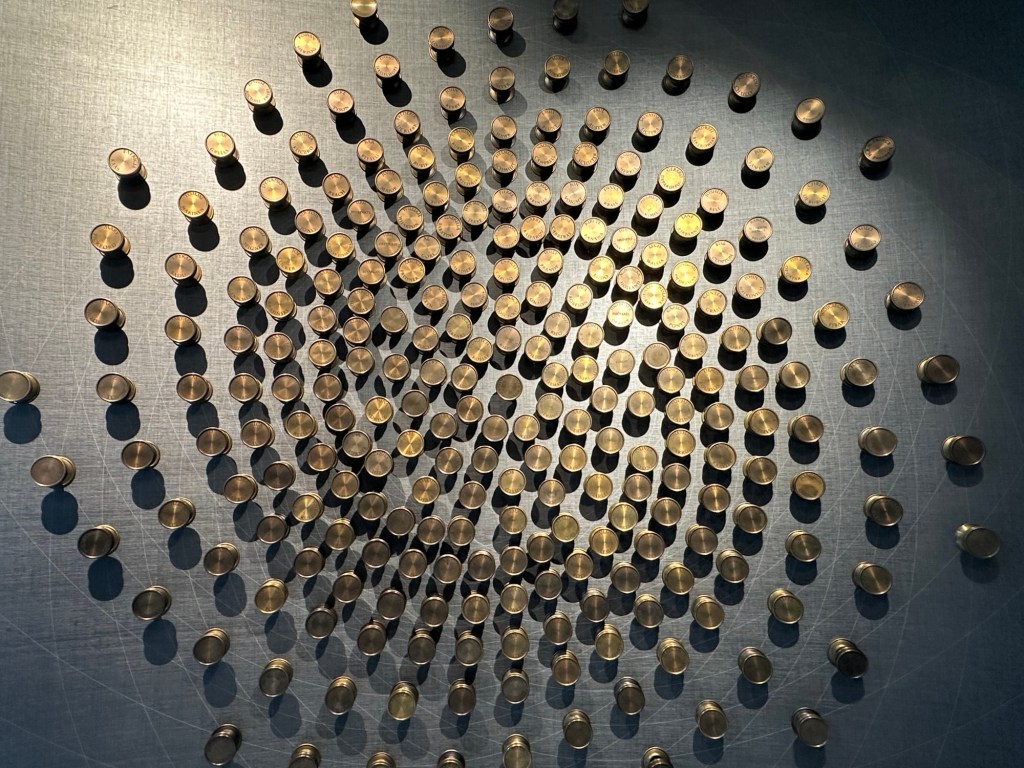
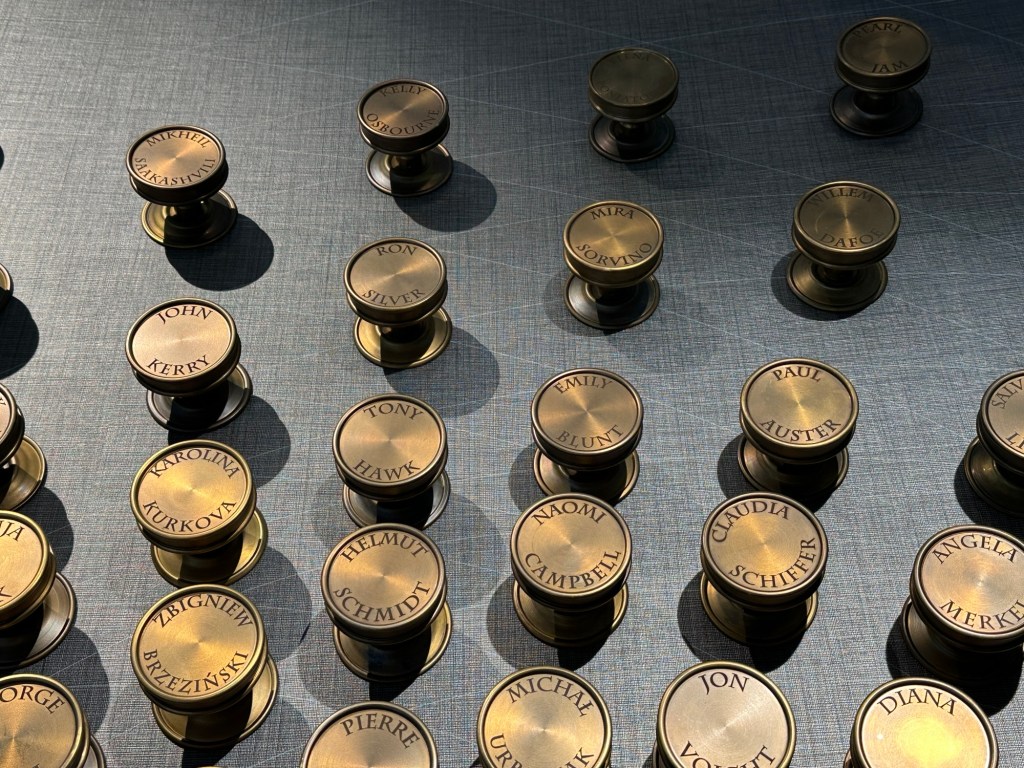
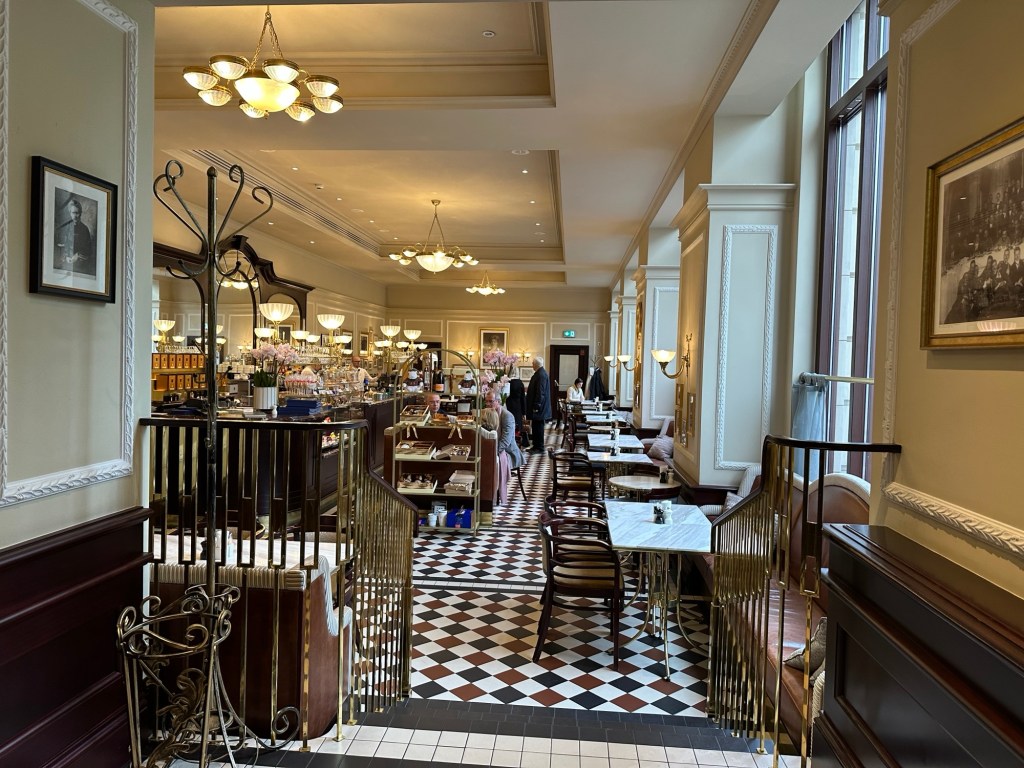
We stop by the beautiful Bristol hotel, a luxury hotel built in 1901. The Cafe Bristol is visited by many famous people over the years. There are little knobs on the wall that commemorate each famous visitor to the hotel.
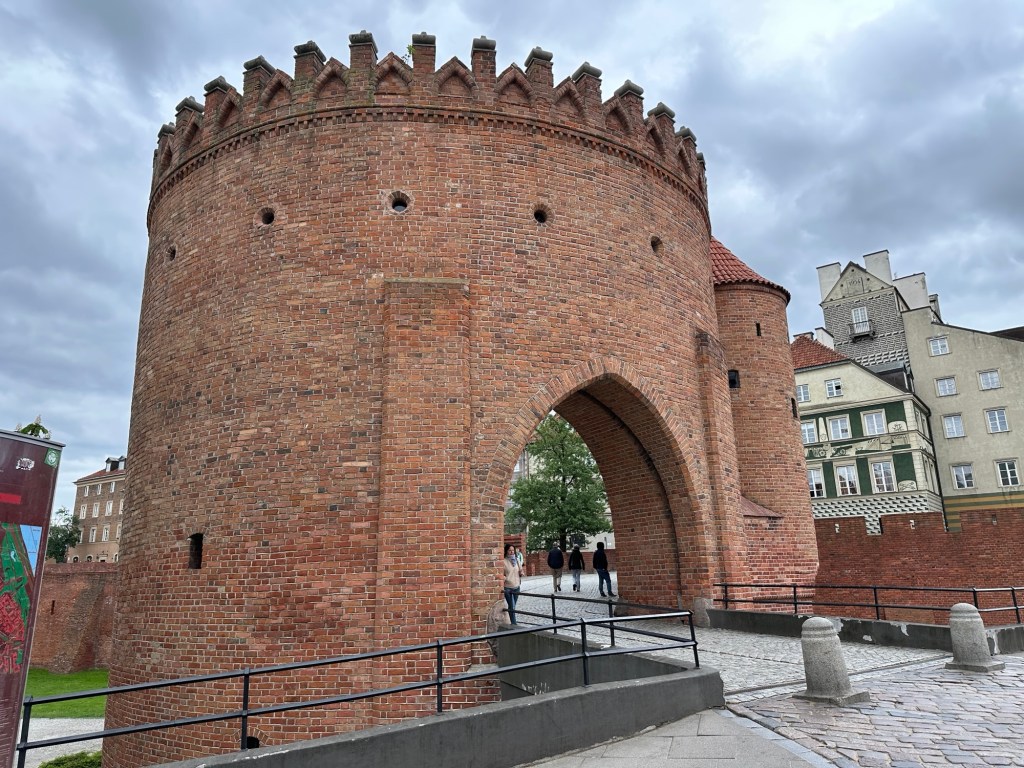
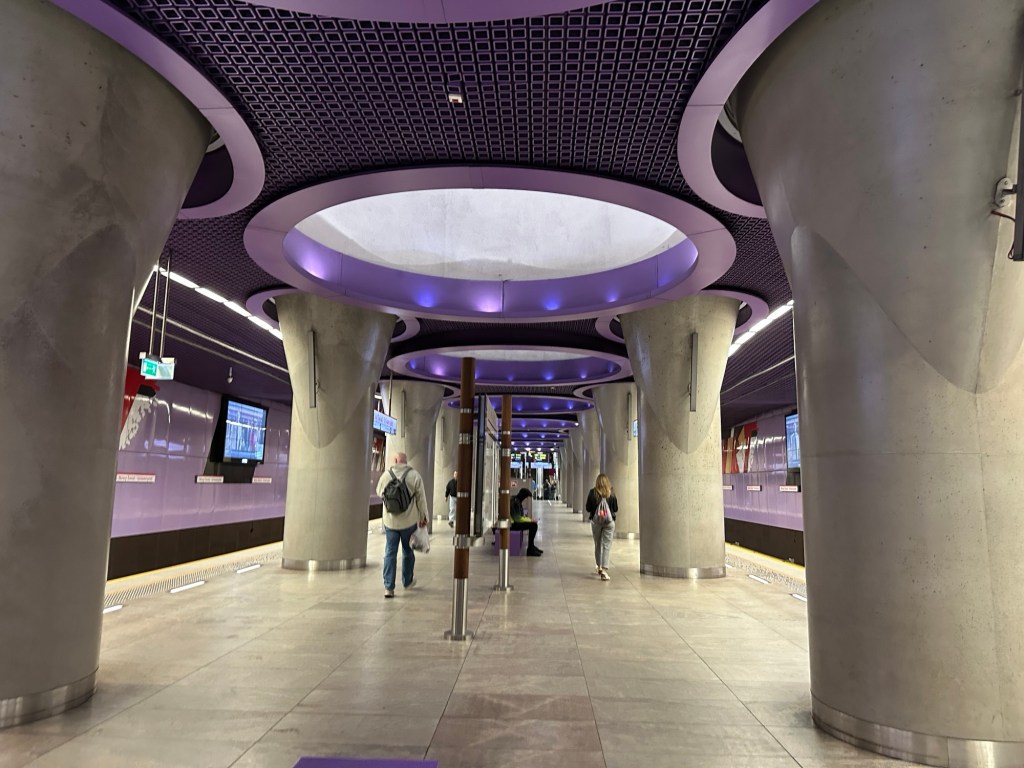
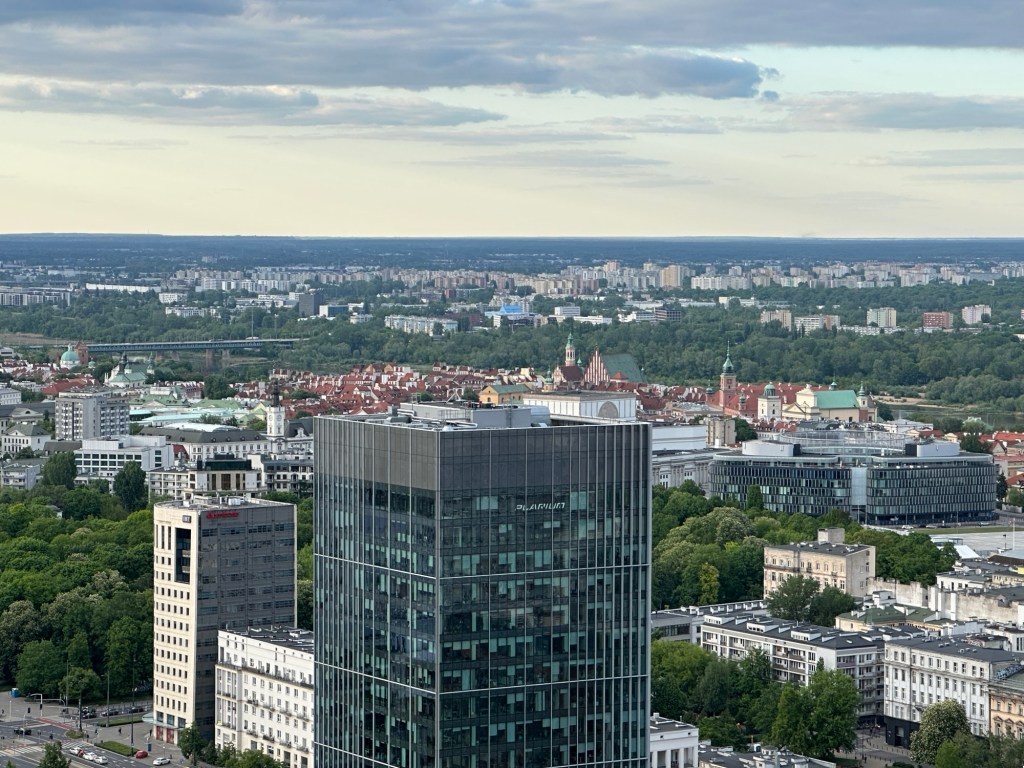
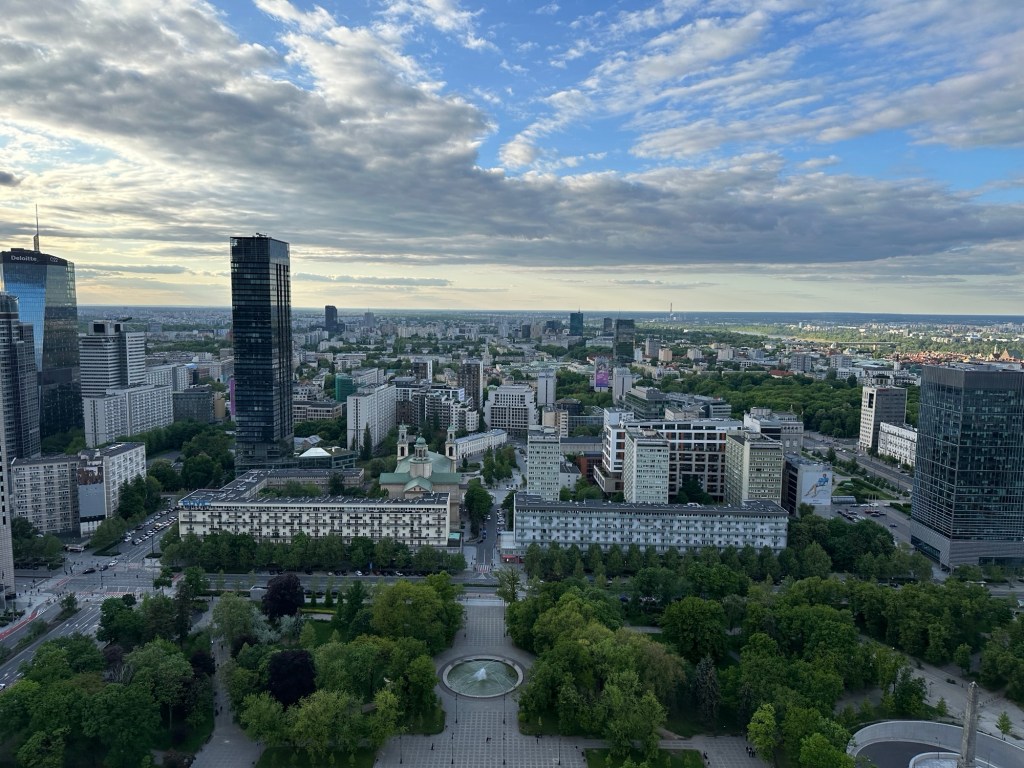
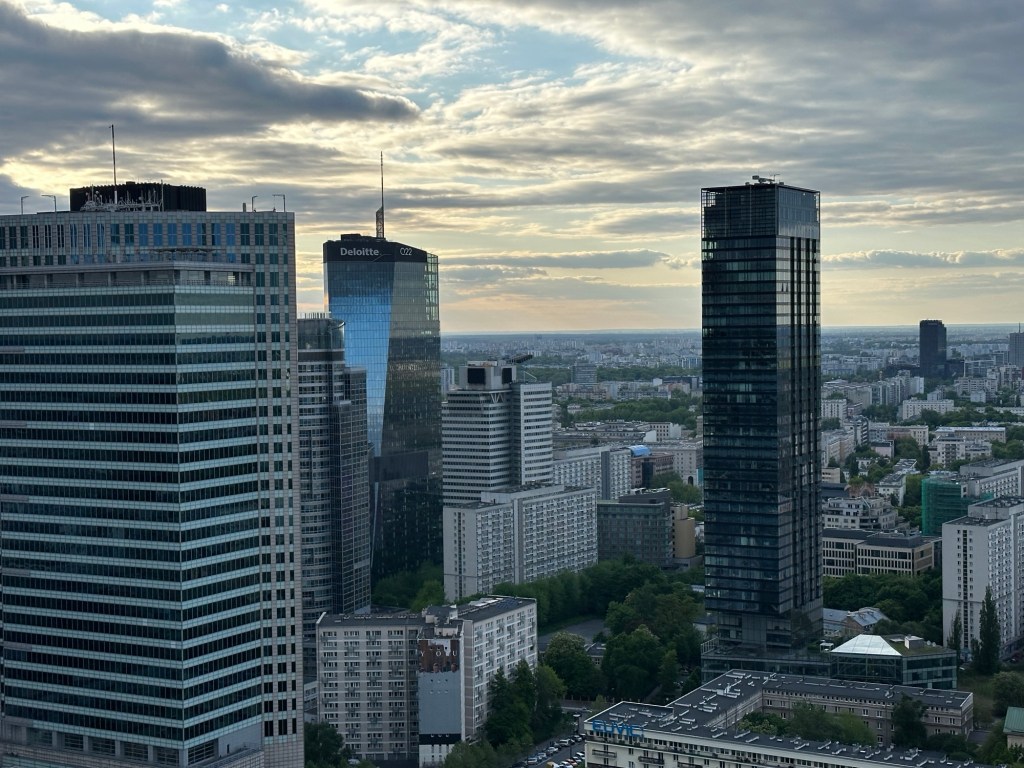
We finish the tour at the other side of old town at the Warsaw Barbican. After stopping by all the churches I missed I take the metro to down to the Palace of Culture and Science to have spectacular views of the city.



View from the Palace of Culture and Science



More museums tomorrow……
 Growing With Leala