I’m on my way to the port city of Gdansk that is a the top of Poland near the Baltic Sea. Many come up to this part of Poland to enjoy the coastal life. Unfortunately even though it is May it is still too cold for beach weather.
My train ride here from Warsaw is only 3 hours but seat reservations in first class is the way to go. The train is busy. On this train there is a rude group of guys in the partition next to us. They unceremoniously kick out an older couple from their seats and because they don’t speak Polish they are endlessly mocked. The guys get louder and louder and soon they play very loud dance music the rest of the ride. They even catcall me at one moment when I am lining up for my stop. Honestly this is the first time I’ve encountered rude and inconsiderate Polish people during my entire travels here. Hopefully it is not a trend.
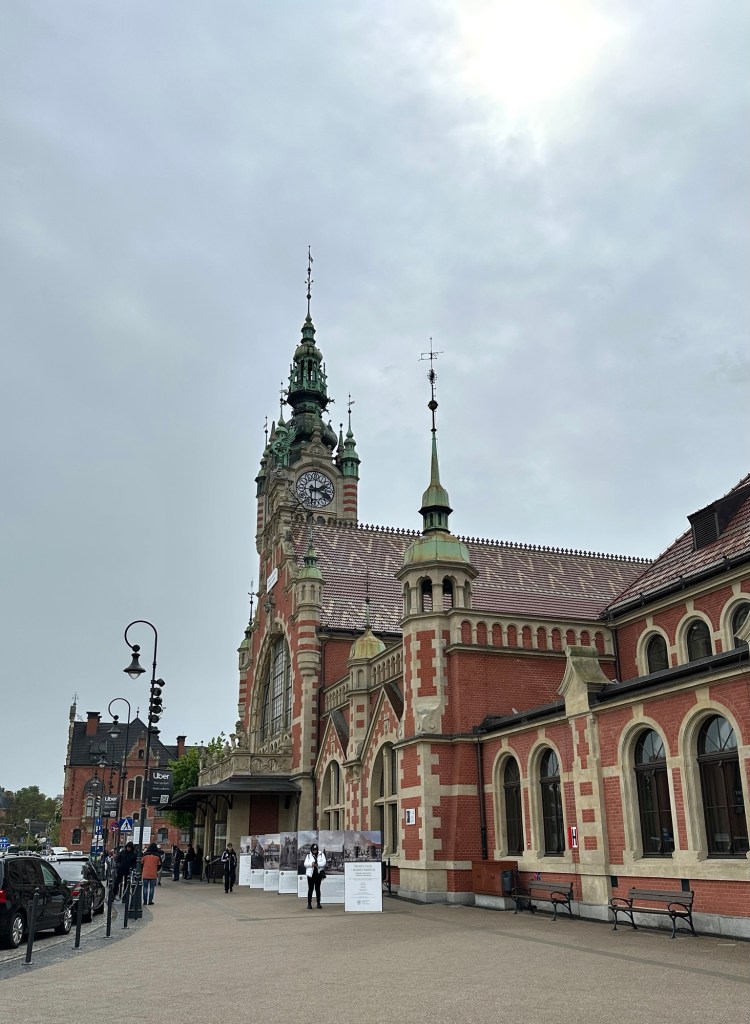
Train station Walking from the train station
It is cold and wet again so once I get to my hotel room I don’t want to leave. I think all my travel exhaustion is catching up with me so I spend a couple hours napping. I eventually force myself out for dinner and a walk around town. Luckily the rain is just now a slight drizzle. Most of the surfaces here are stable but there are some slippery spots near my hotel and I am one of those people who can render the most slip-proof shoe useless. I walk carefully this evening. I have contemplated buying more secure shoes because mine are old.
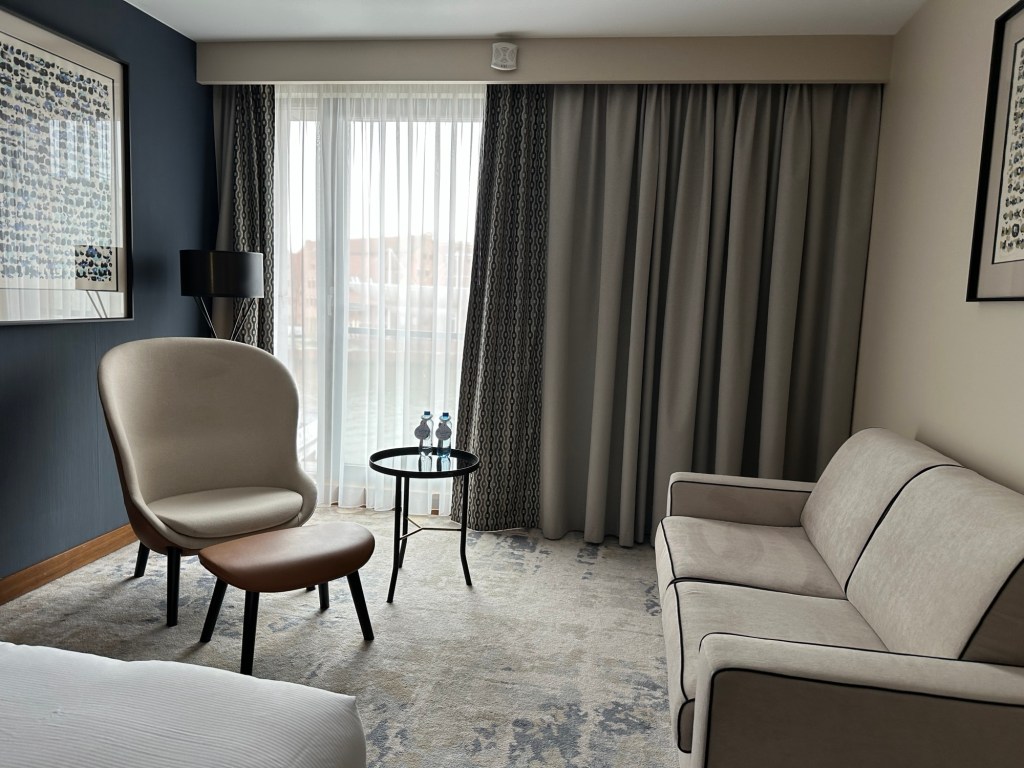
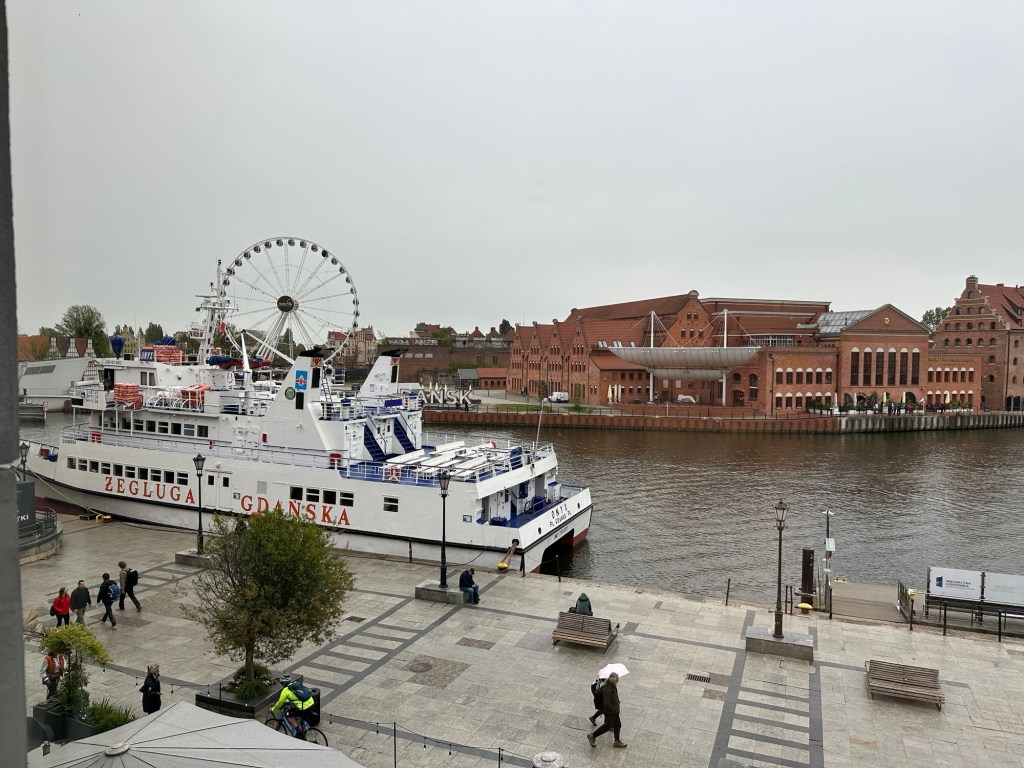
My fancy hotel My treat yo-self room with a view
I am excited because I am actually staying in a hotel where my rate includes early breakfast so I don’t have to wait around for coffee shops to open to get my coffee. The hotel room is a bit of a splurge, purchased with credit card points, with a wonderful view of the canals. It does get loud during the day with all the drawbridge alarms and moving sidewalks (for boat passing) but luckily it gets quiet in the evening.
The first night I find it really challenging to eat at places I originally planned due to long lines or being completely full for the night. I have a note to make reservations when I can for other nights. I do finally get an outdoor table at a pizza place because it has stopped raining and no one wants to sit in the cold.
Mortadella pizza gives me life
In the morning I have a busy day of sightseeing so I am not feeling too bad about my early bedtime tonight.
I canceled another day trip. The commute was too long and I’ve been tired. I want to stay close to my flat in case I want to cut sightseeing short. There is still so much I have yet to see in Warsaw but I am sad about canceling the other things I had planned. I don’t understand why on travel forums people tell you that not much time is needed in Warsaw. I understand that people don’t love the modernism of the city or that the historic parts of it are actually completely rebuilt in the last 50 or so year, but there are still endless museums and parts of town to visit. I feel like I’ve stayed fairly busy these last few days and will still not get to see everything I want to see – this is with mostly 10+ hours of being out and about each day.
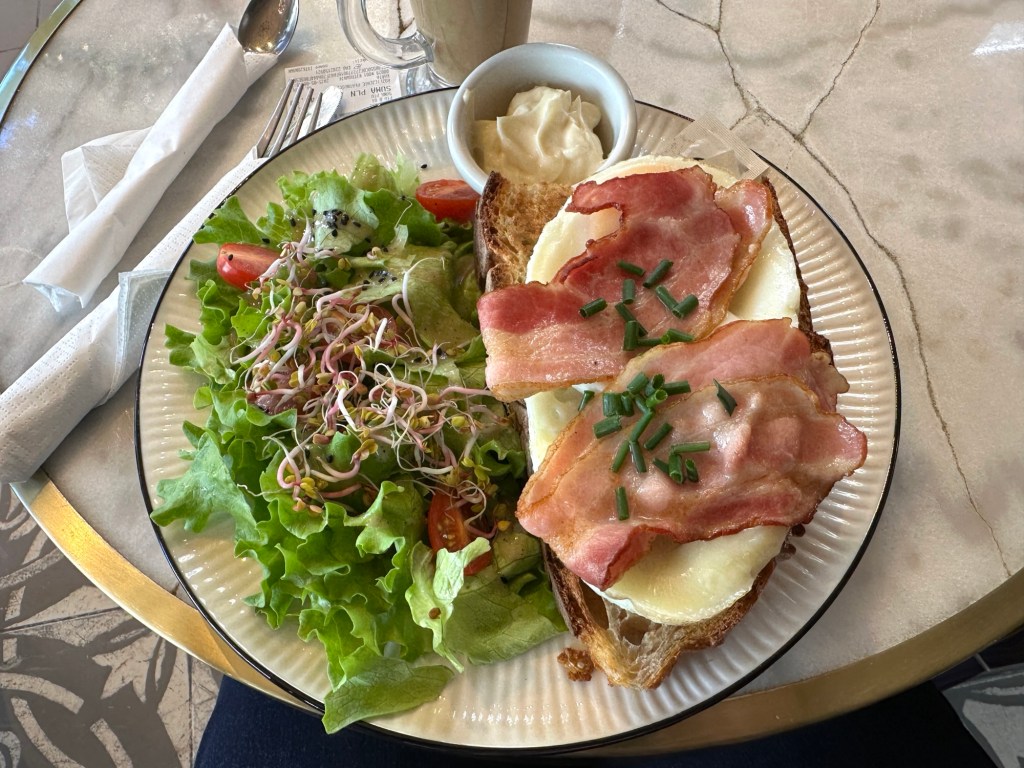
My last morning in Warsaw I sit down and have a proper breakfast at a nearby cafe.
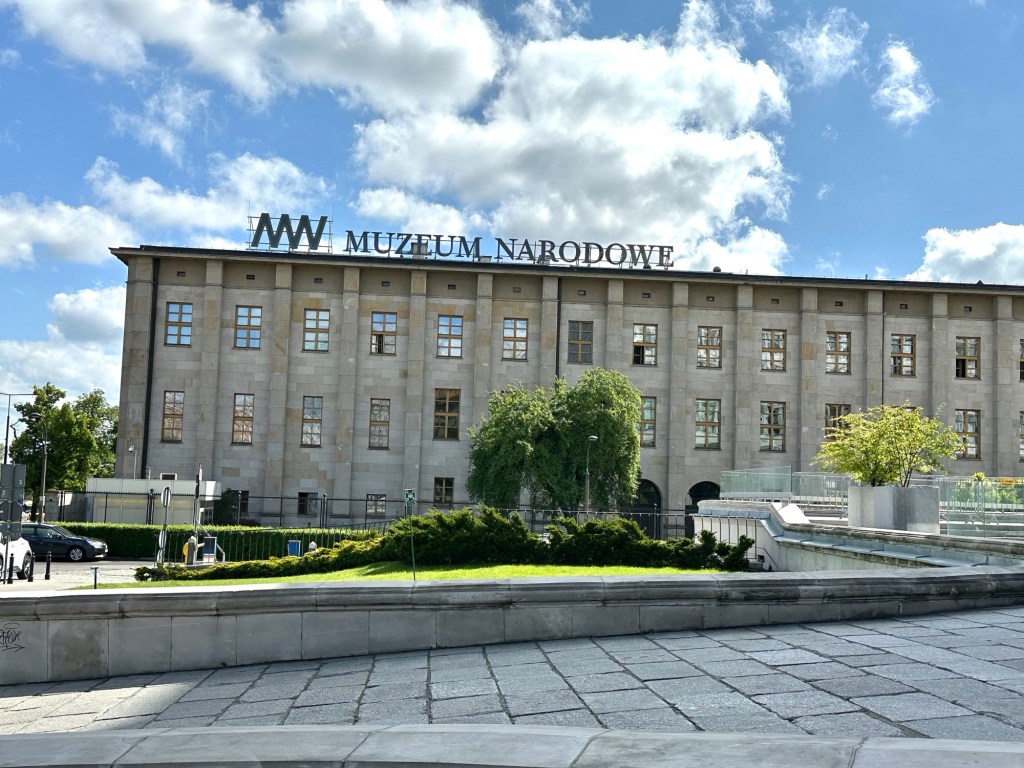
I start today at the National Museum in Warsaw, the national art museum. My travel to Poland has been odd since I usually hit all the art museums in town, especially the modern ones. This trip I have been visiting things more historical in nature. I have a “free” day here in Warsaw so finally I visit an art museum.
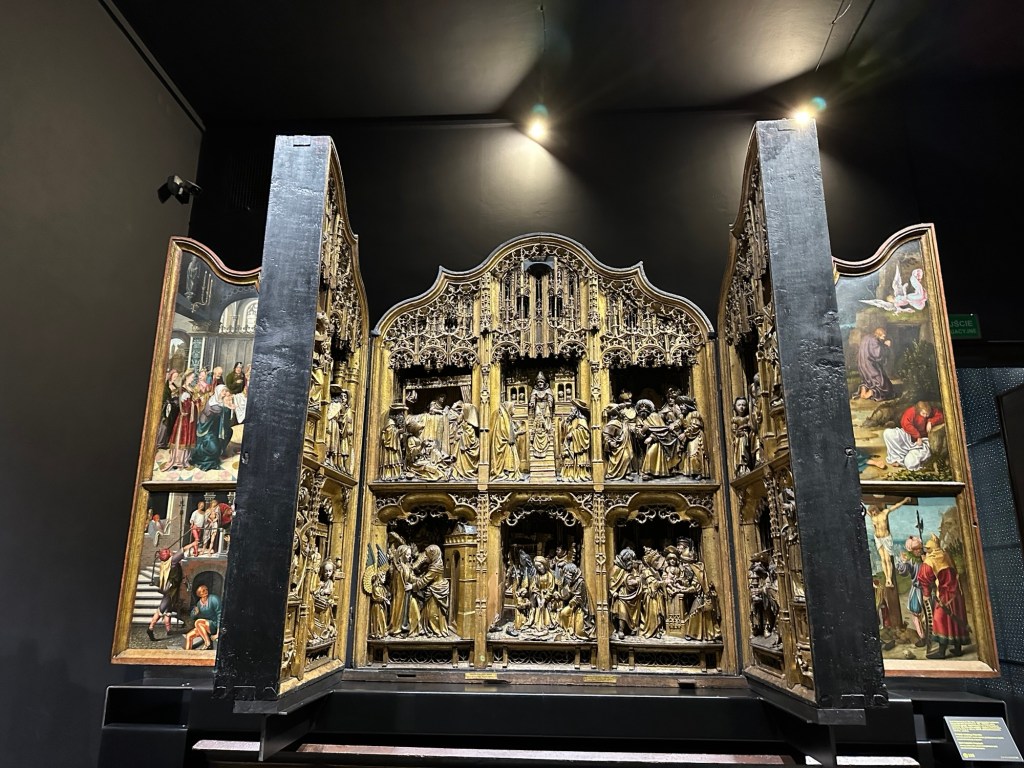
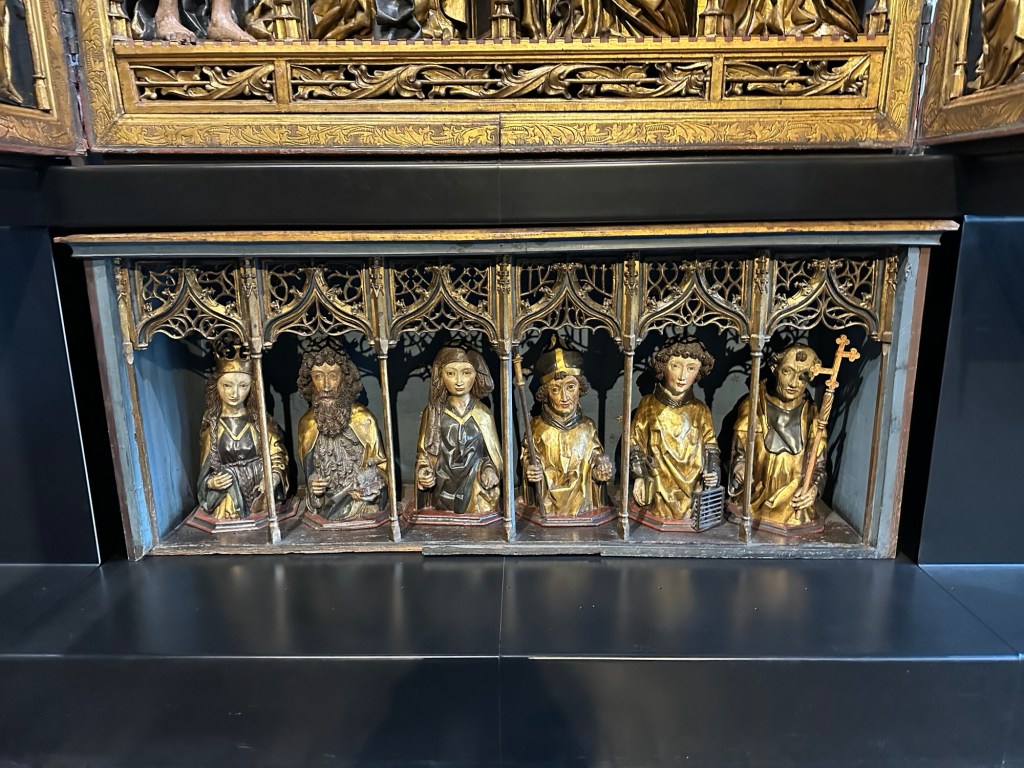
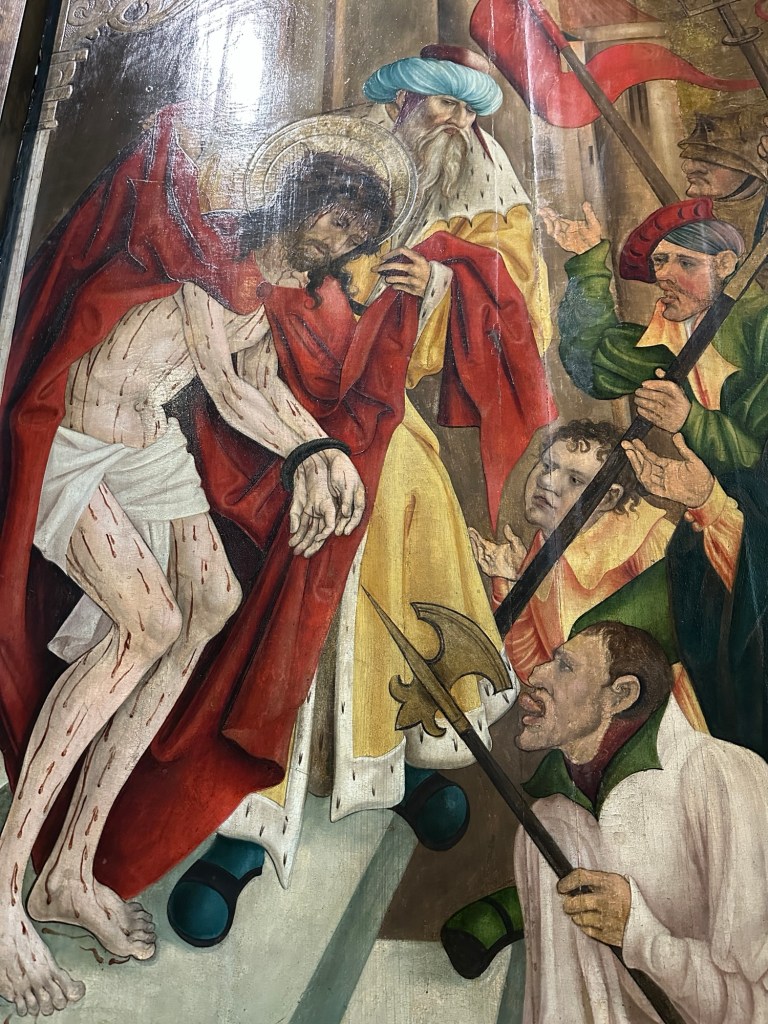
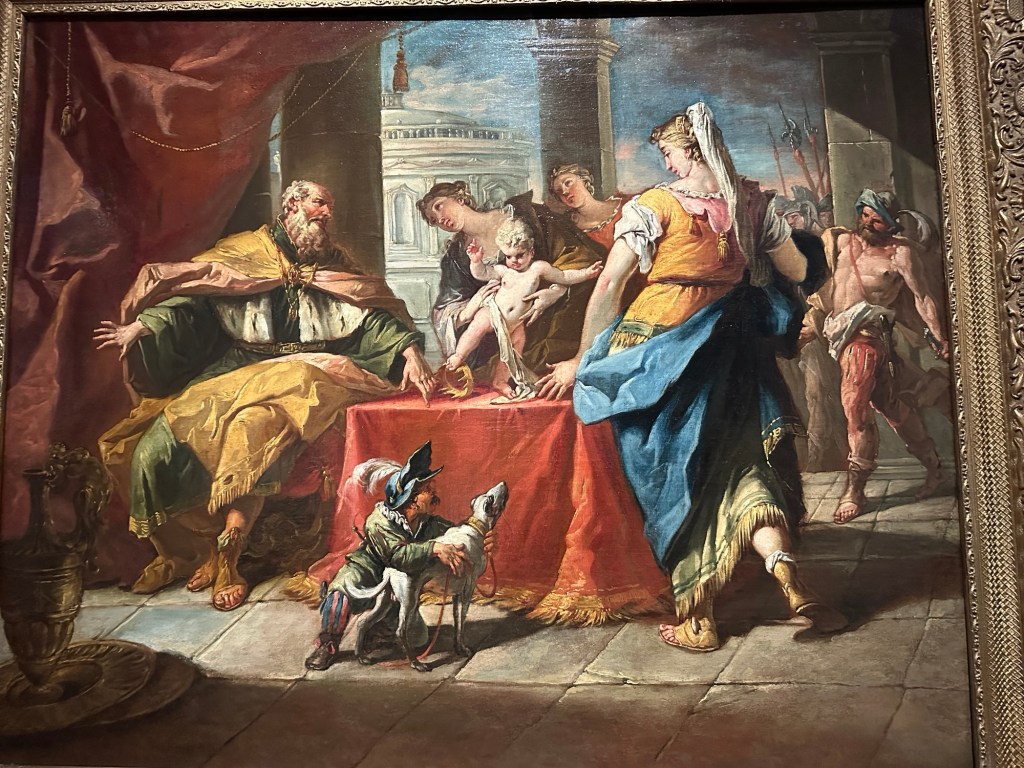
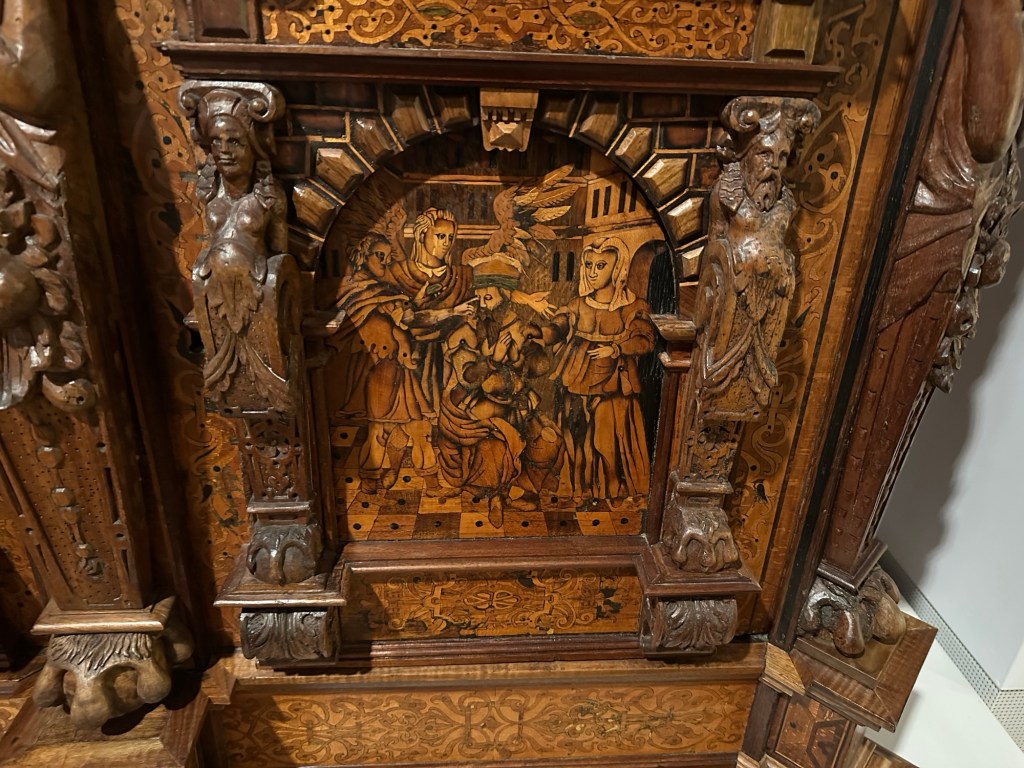
The National Museum is mostly medieval and older art. The most famous painting here is the Battle of Grunwald. Medieval art isn’t my favorite genre but I always enjoy the expressions on humans and animals.
National Museum in Warsaw
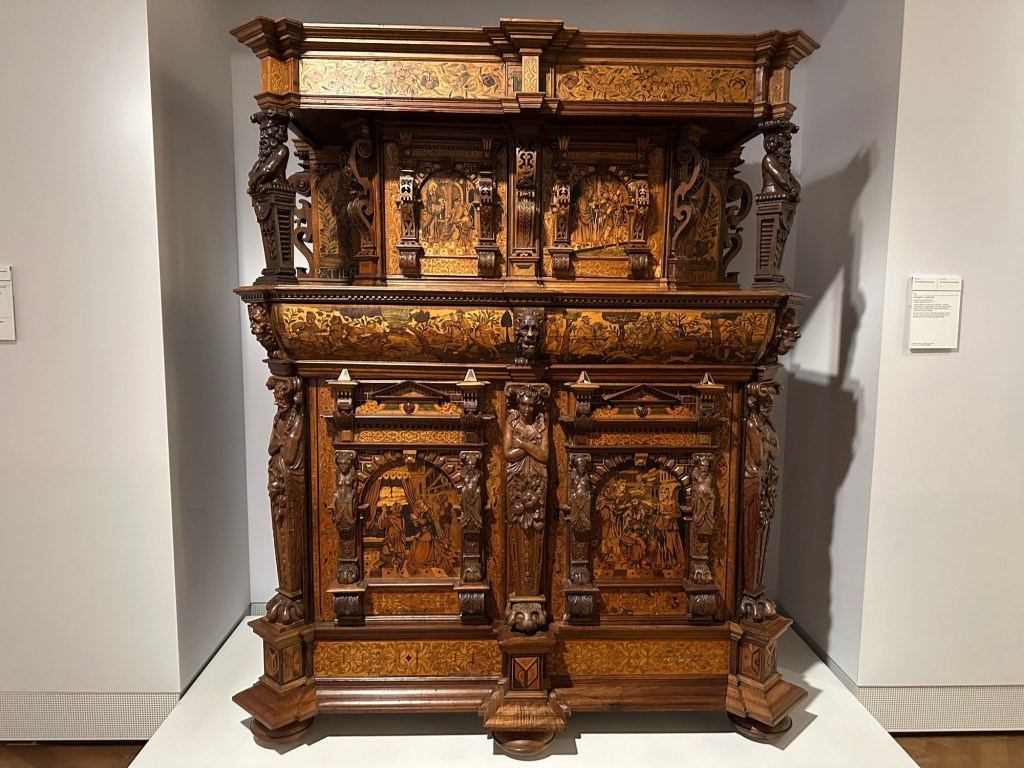
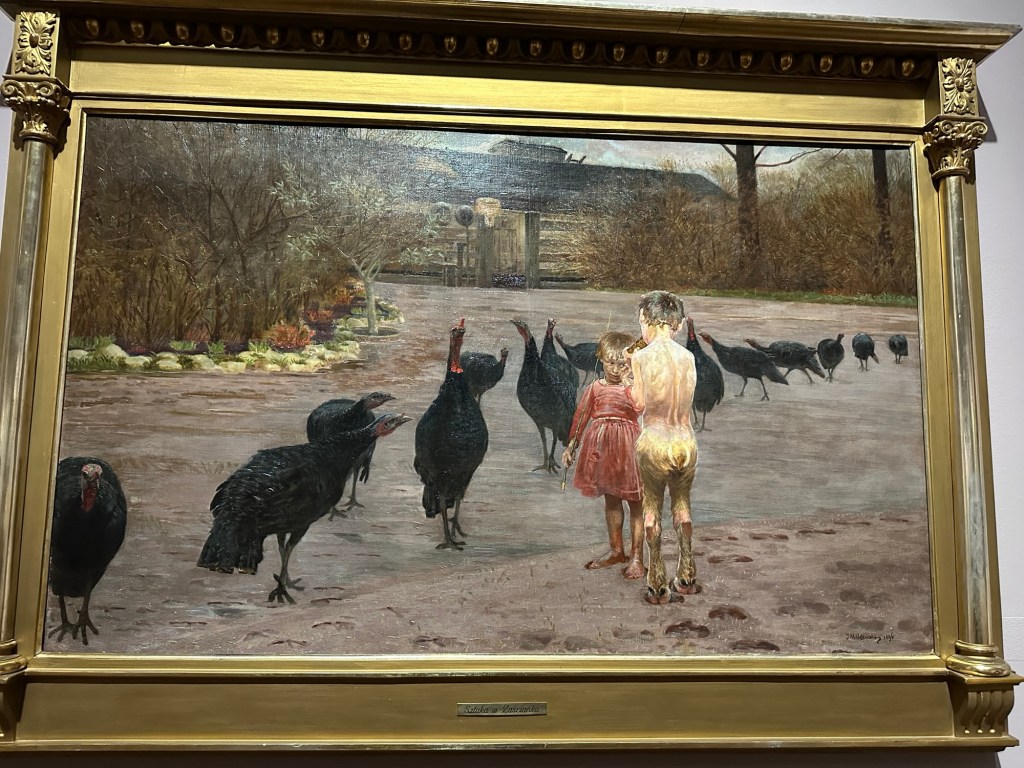
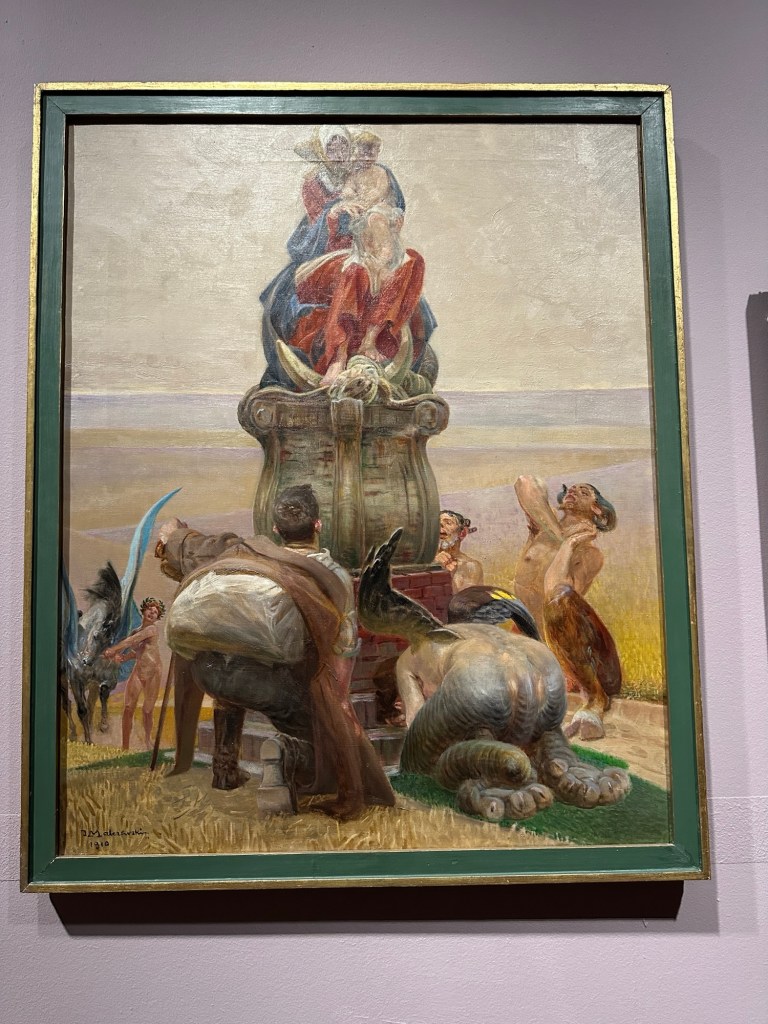
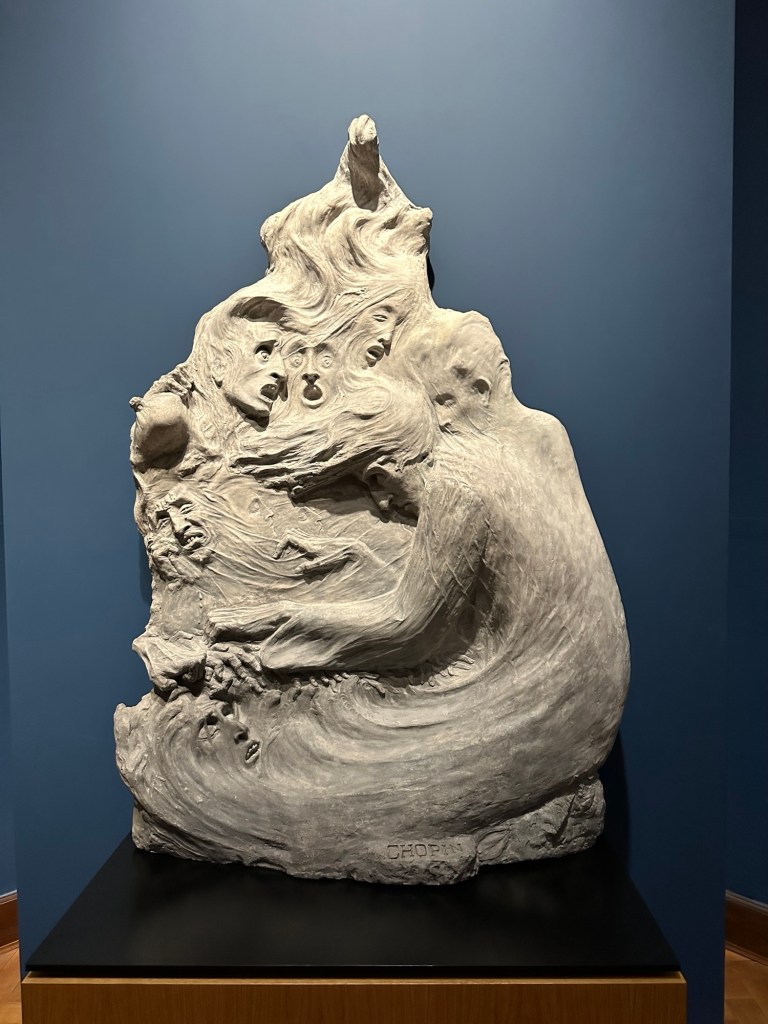
I love some of the weirder stuff in the museum because as always I am drawn to the weird.
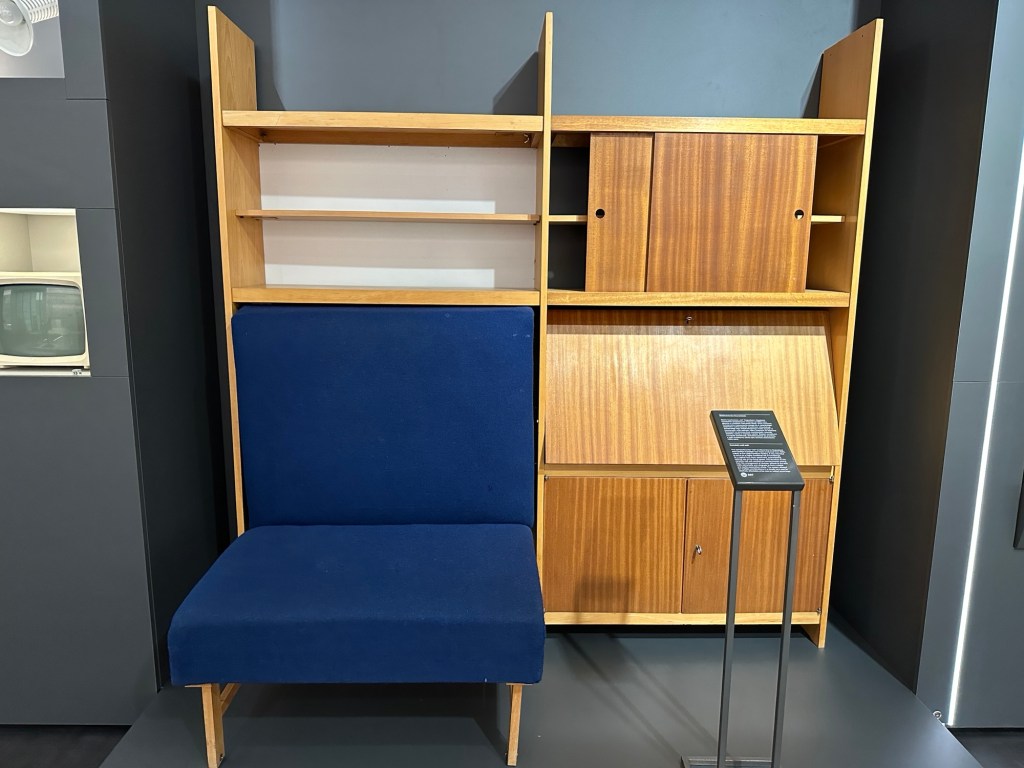
I also like the Polish design temporary exhibit. It takes its inspiration from the communist era where it’s all about getting the most use out of a space.
The battle of Grunwald
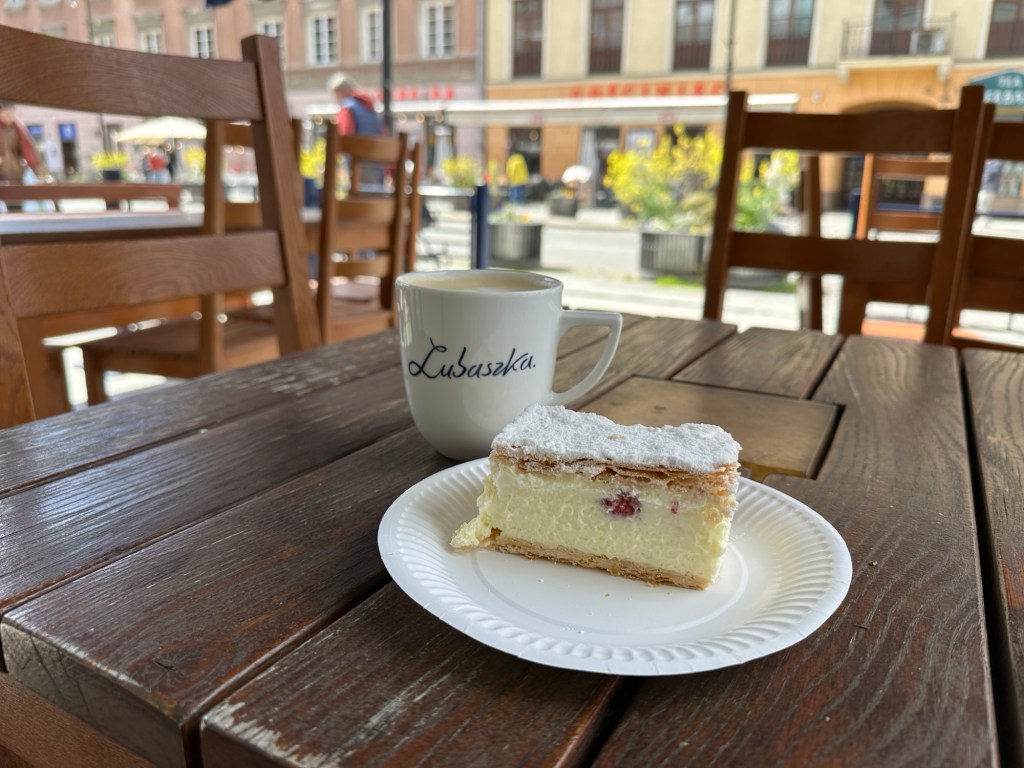
After the museum I head to the royal way to get a dessert since I am not yet ready for a proper lunch, don’t judge me.
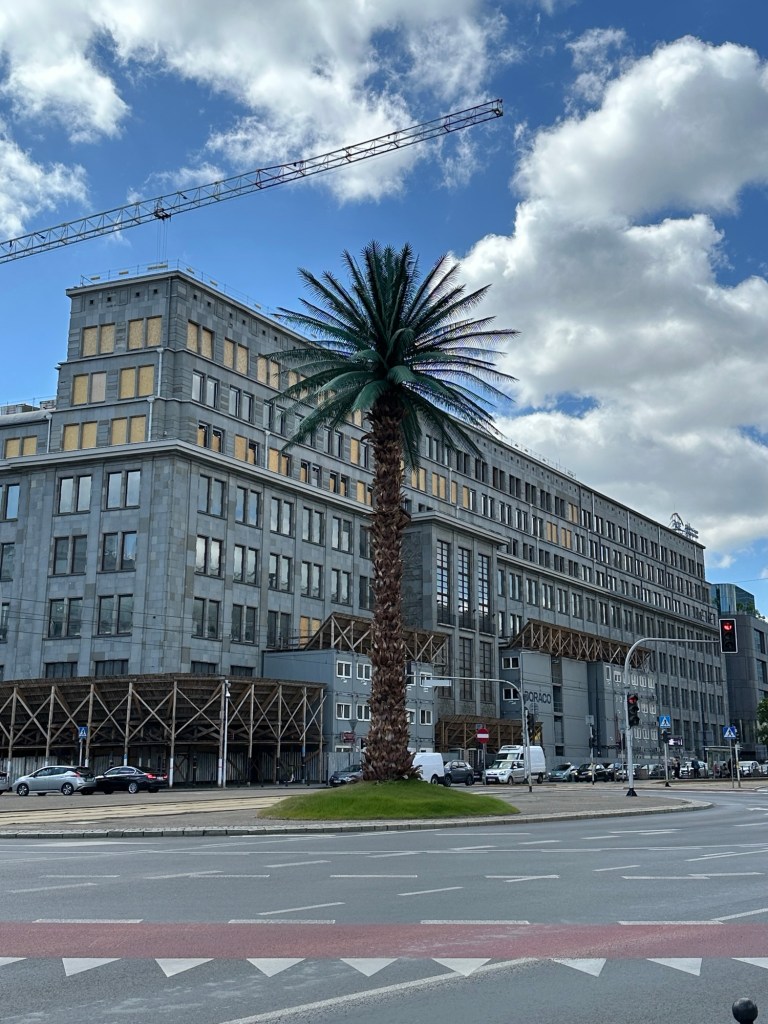
“Palm” tree in Warsaw. Inspired by Israel. Love the crème cake
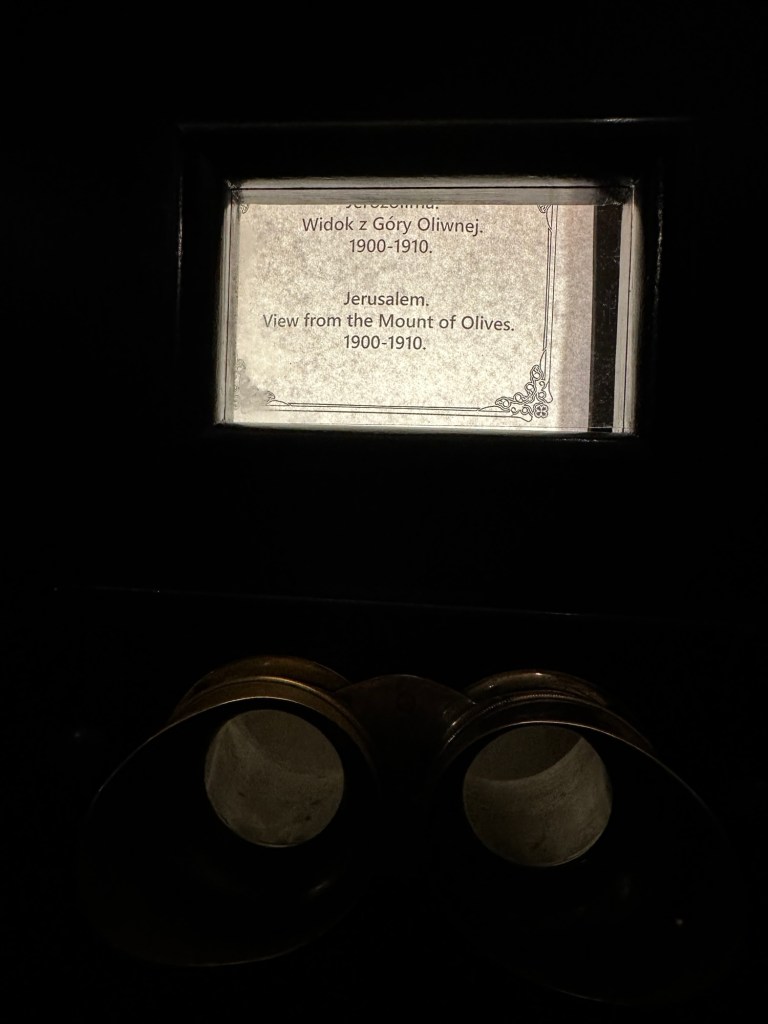
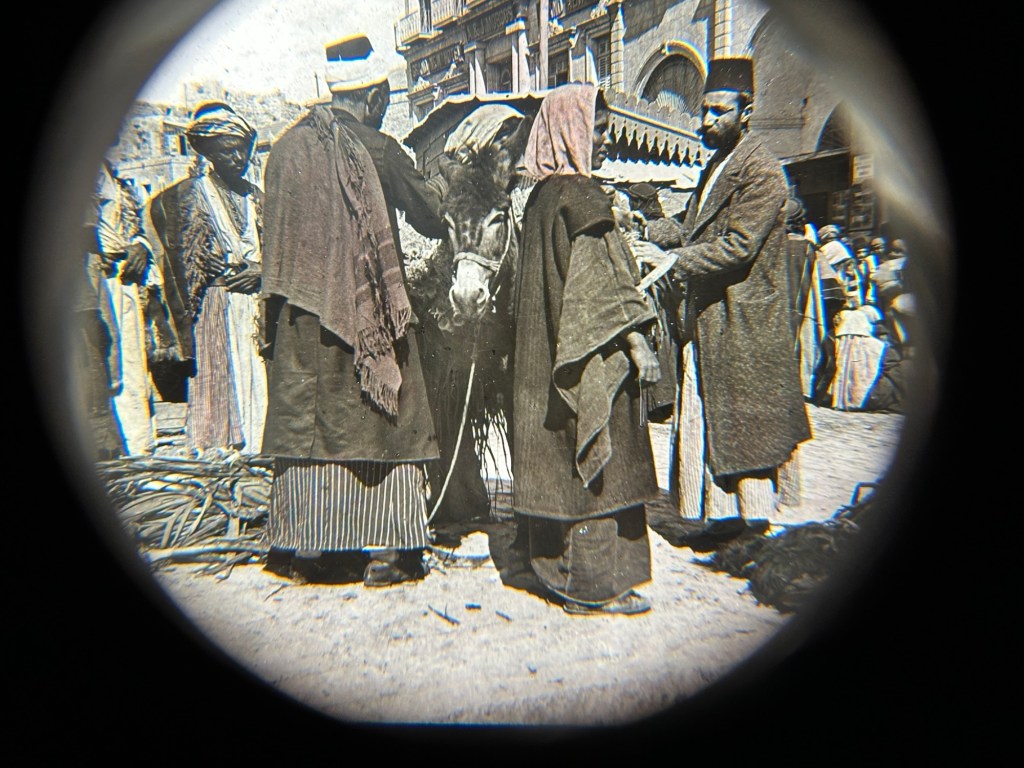
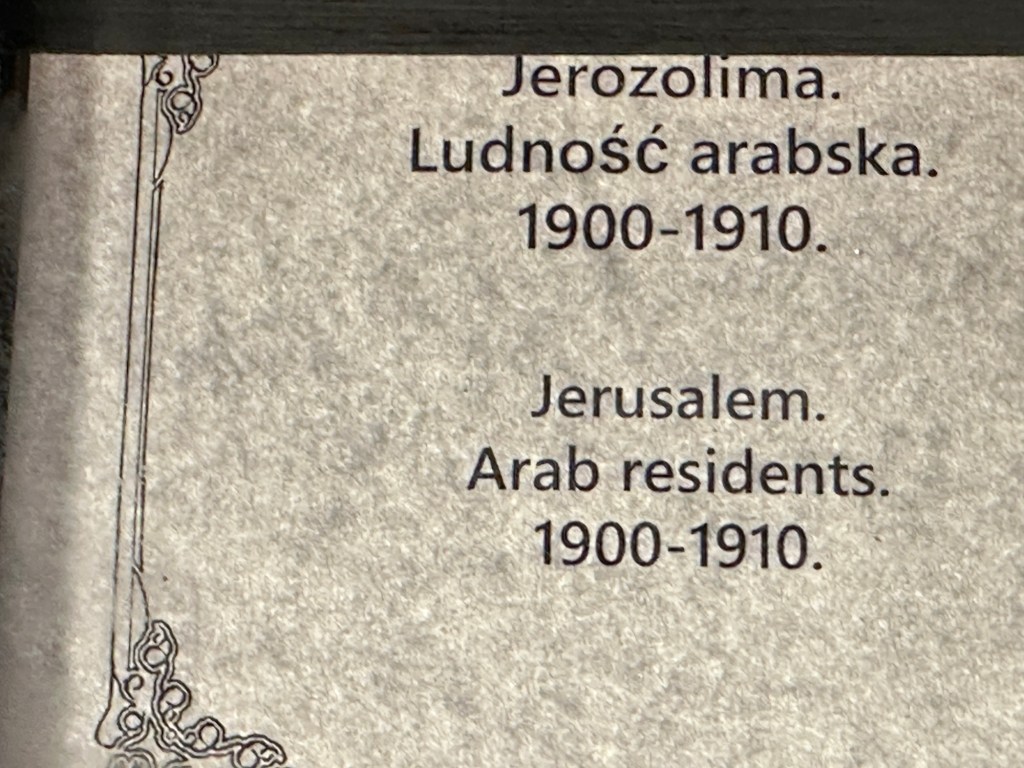
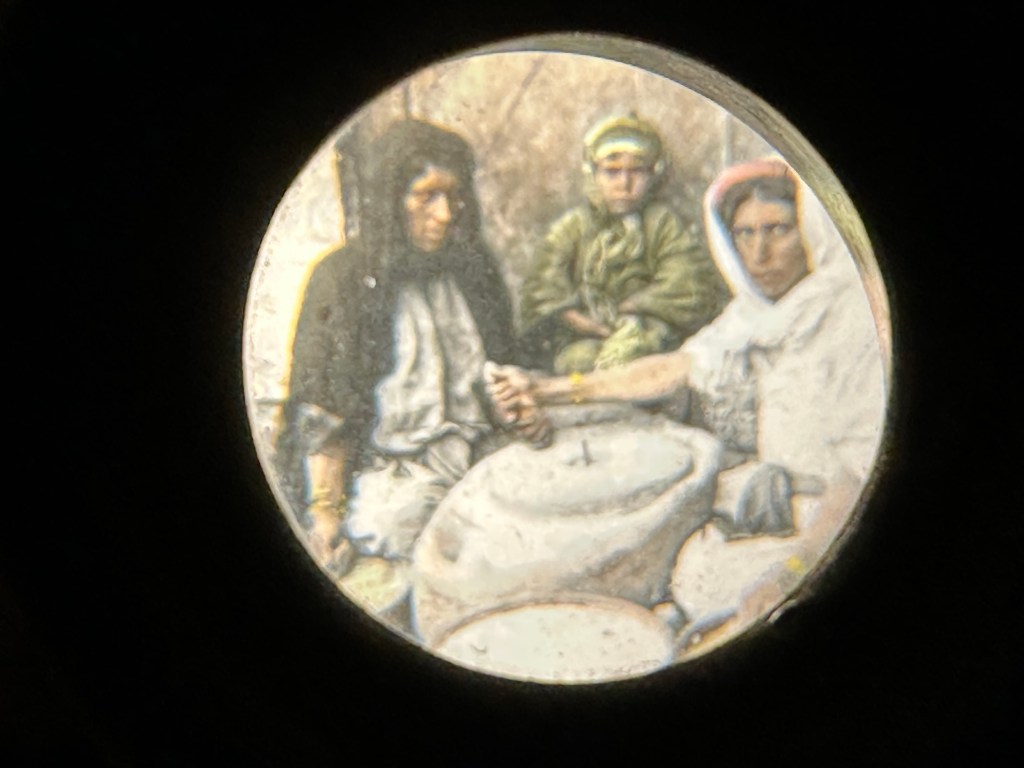
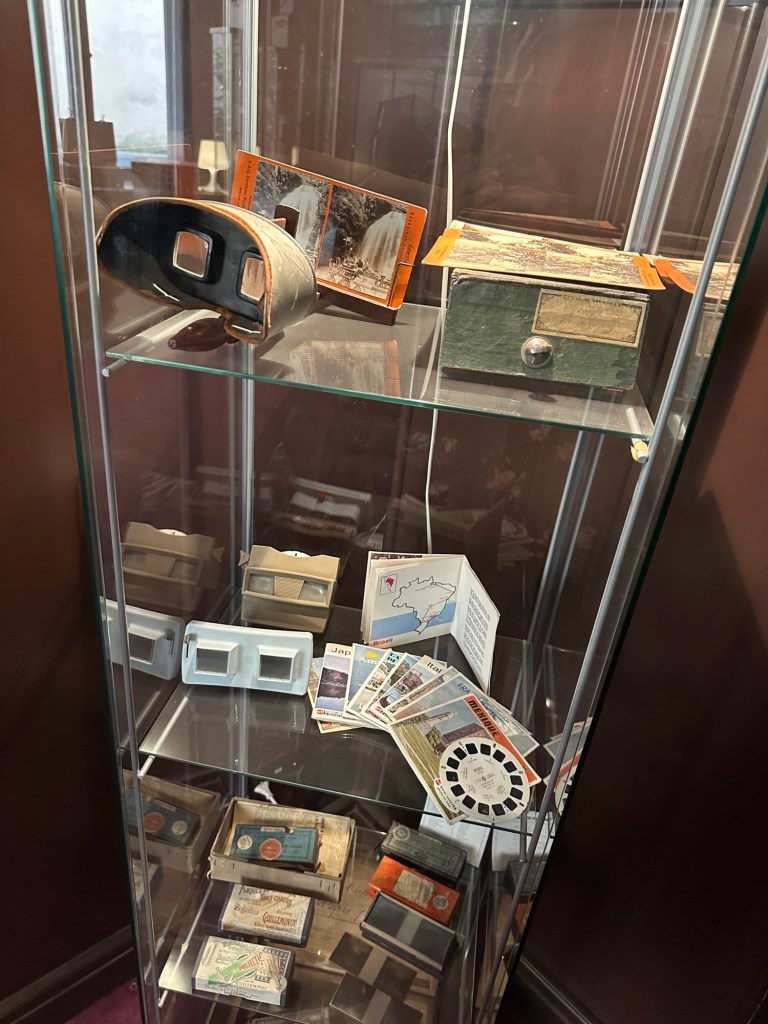
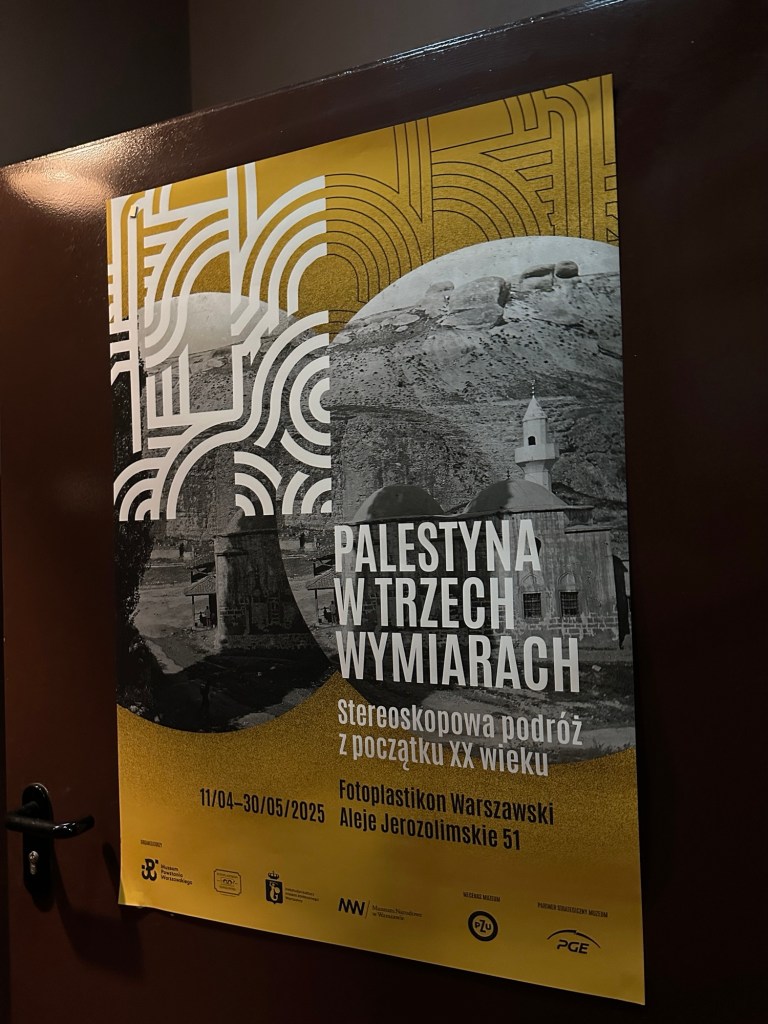
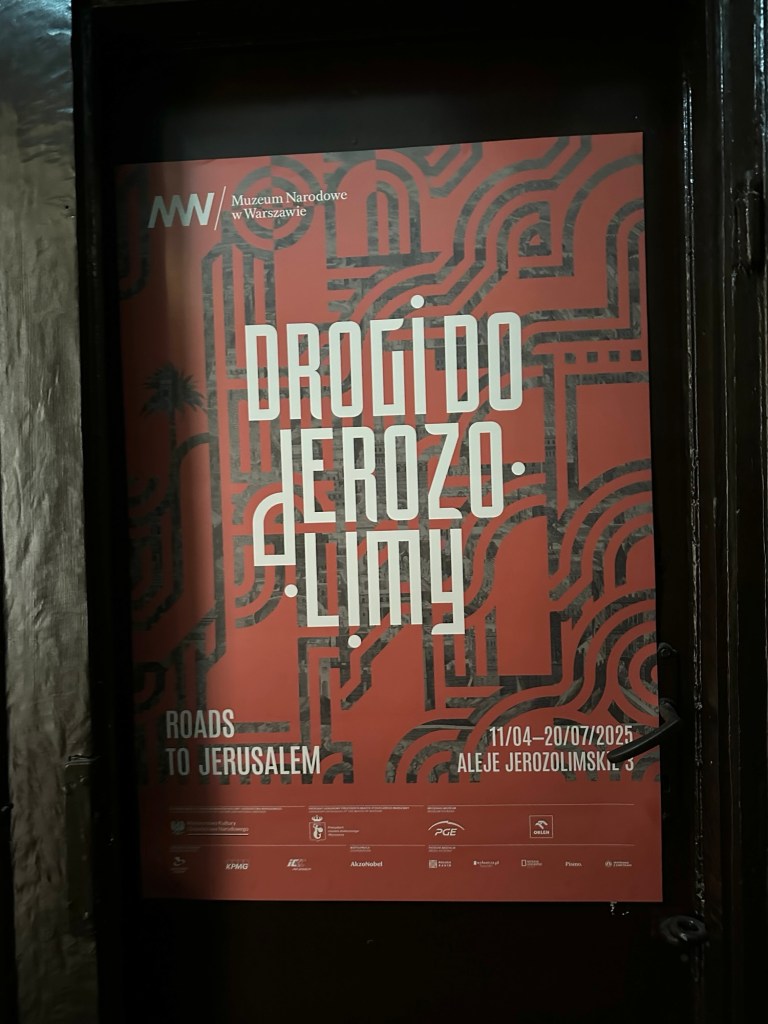
I walk over to Warsaw Fotoplastikon, a historic photo viewing machine that is circular and rotates photos along the viewing spots. As old as the machine is, it is able to make some of the photos appear in 3D. I first saw one of these at the Schindler’s factory in Krakow. This one changes the historic photos out every month. The current exhibition is from Polish tourism to Palestine in the early 1900’s.
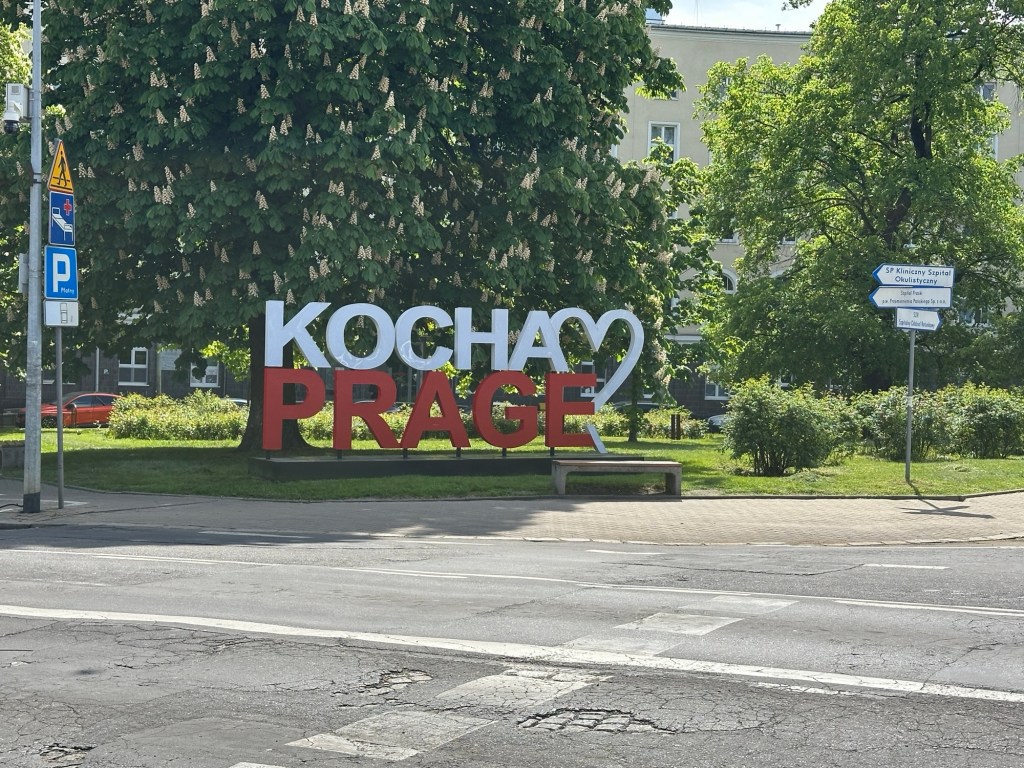
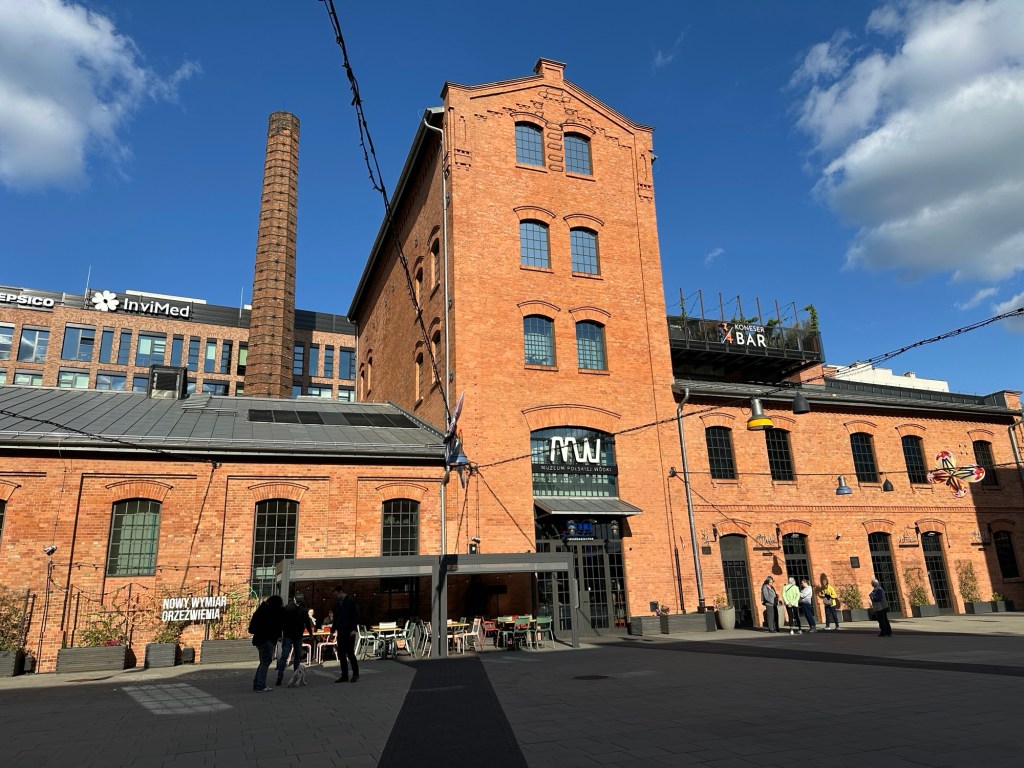
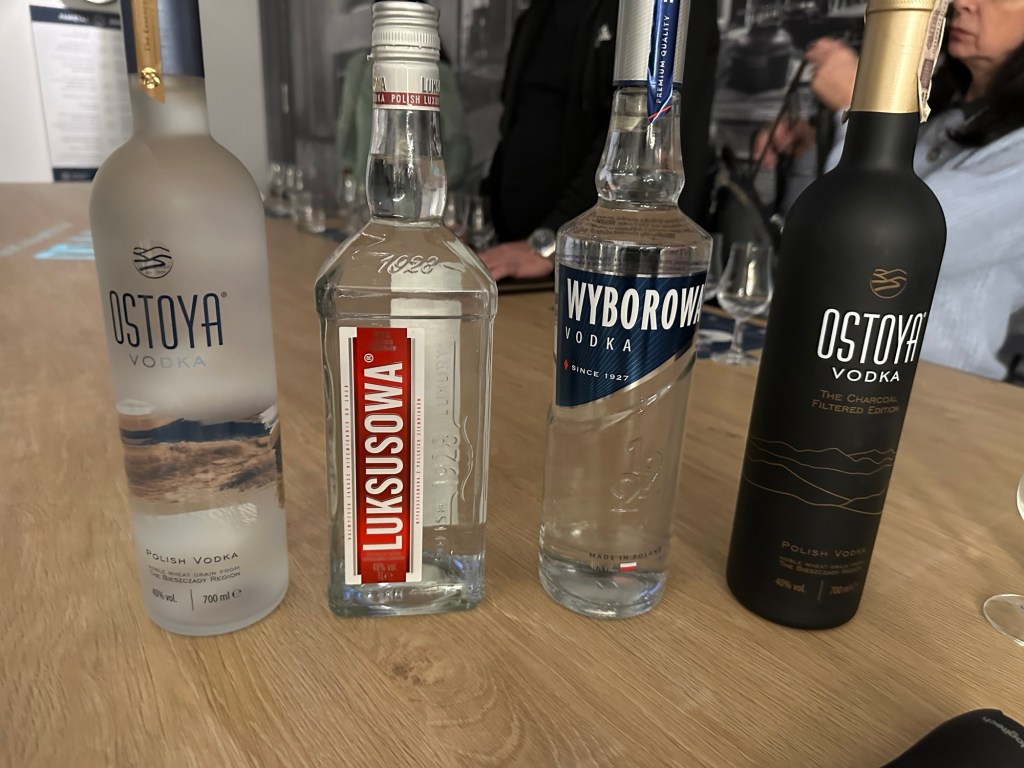
The final thing I want to do today is check out the “bohemian” neighborhood of Praga across the river. The red army, or Russians, stayed here during WWII. Visiting Praga is recommended because it is an artsy part of town. I spend hours in this neighborhood and really don’t see much bohemian. I view the large impressive rebuilt church, walk a nice park, and hang out in a newer industrial area. I even join a vodka museum tour last minute to learn more about Polish vodka.
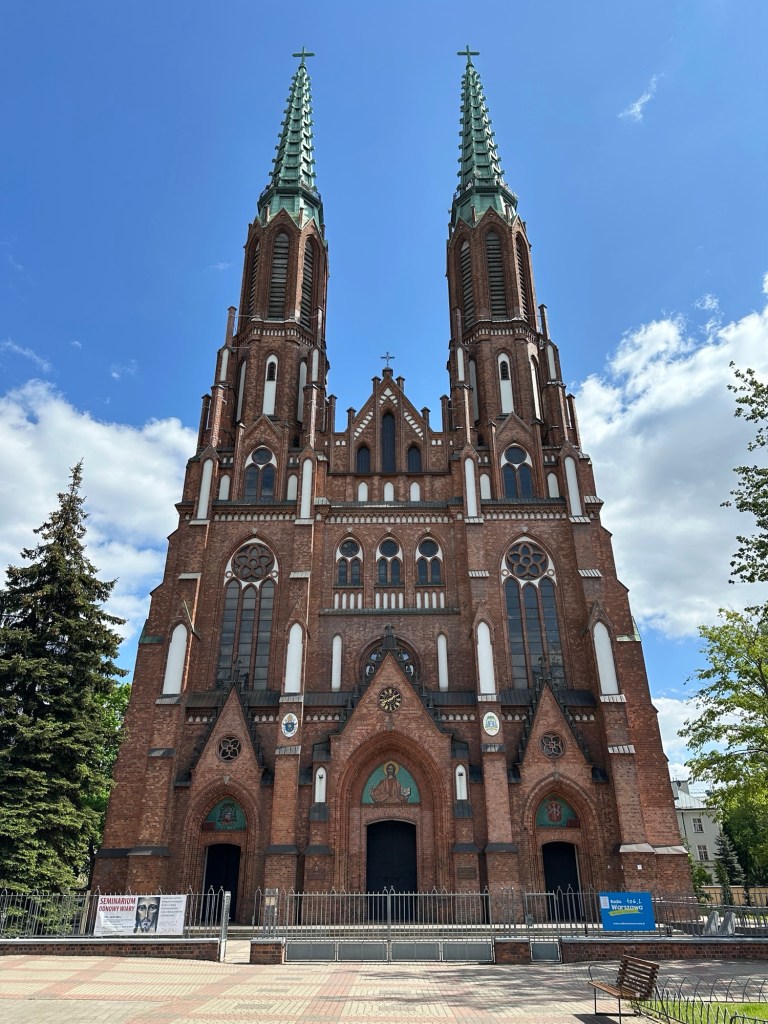
St Florian’s church was destroyed by the Germans in 1944 during the Warsaw uprising. A huge reconstruction effort led to church to reopen in 1972.
St Florian’s Cathedral
Some architecture in the “Bohemian” Praga.
I really enjoyed a peaceful walk in the Park Praski.
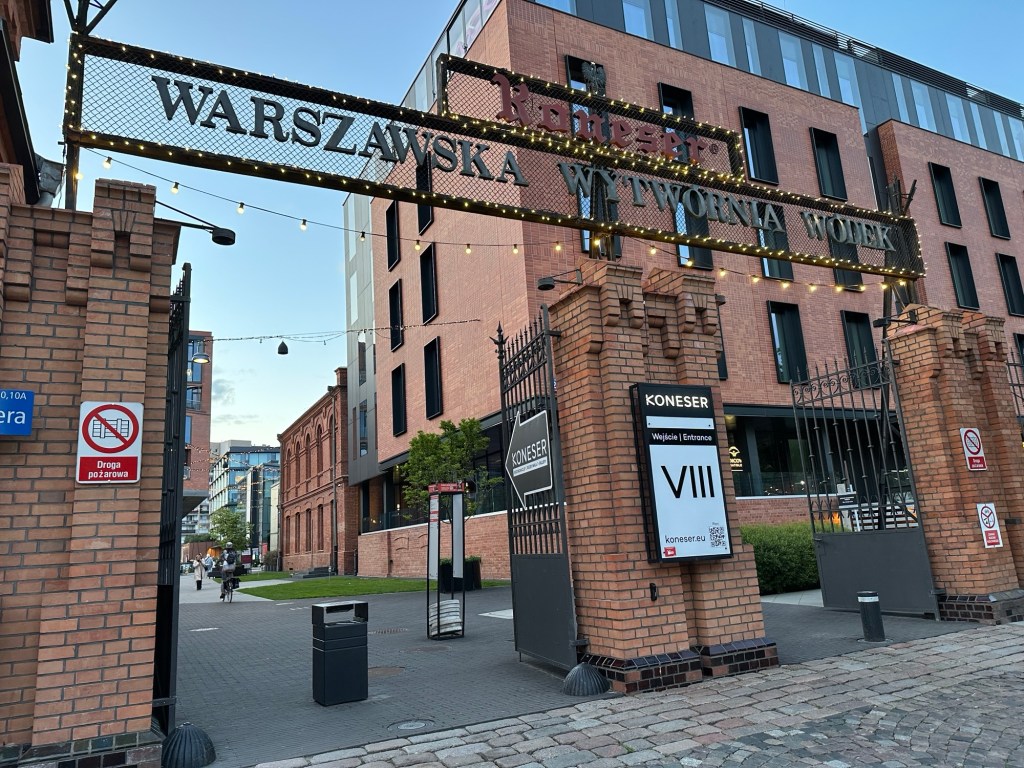
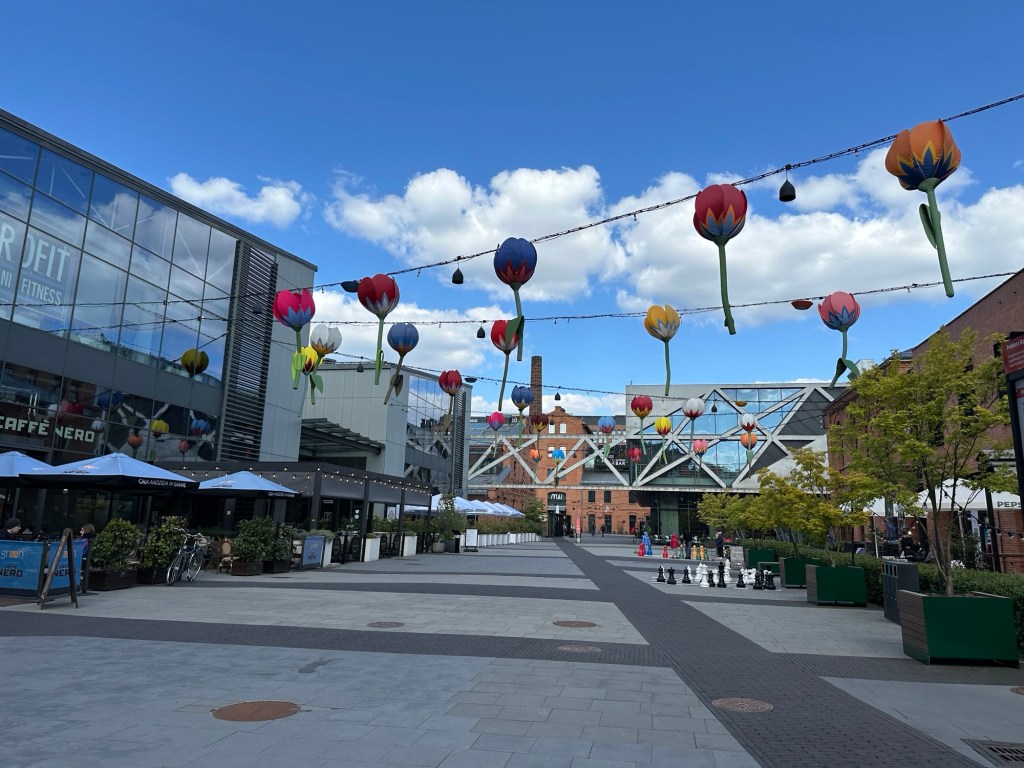
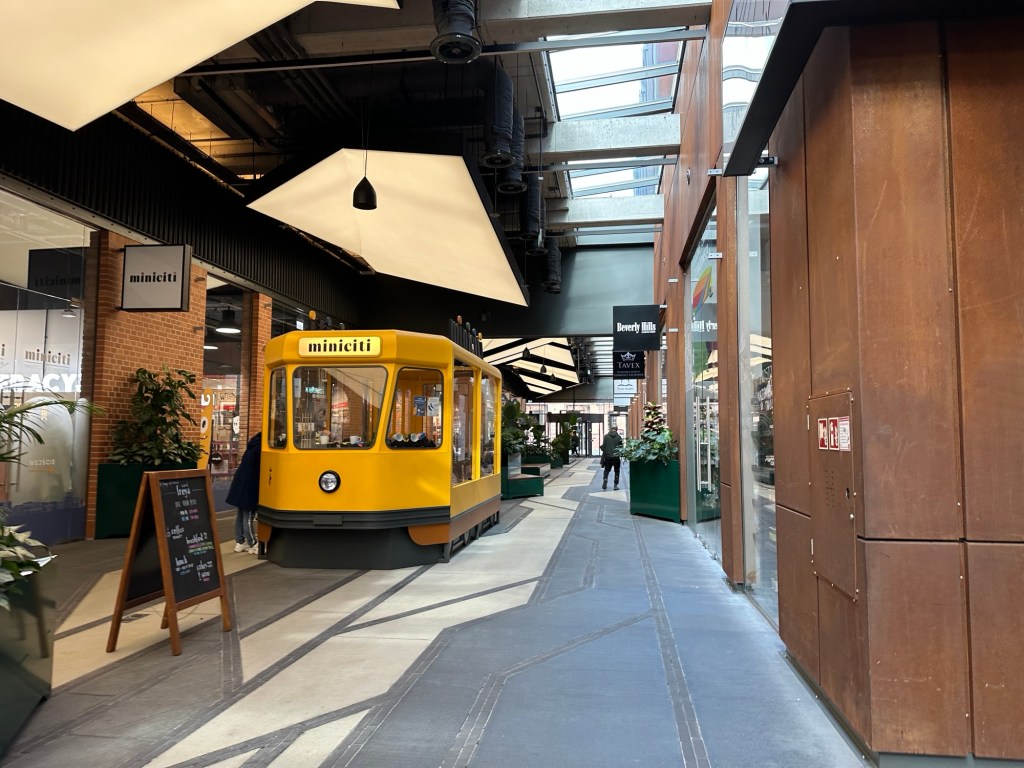
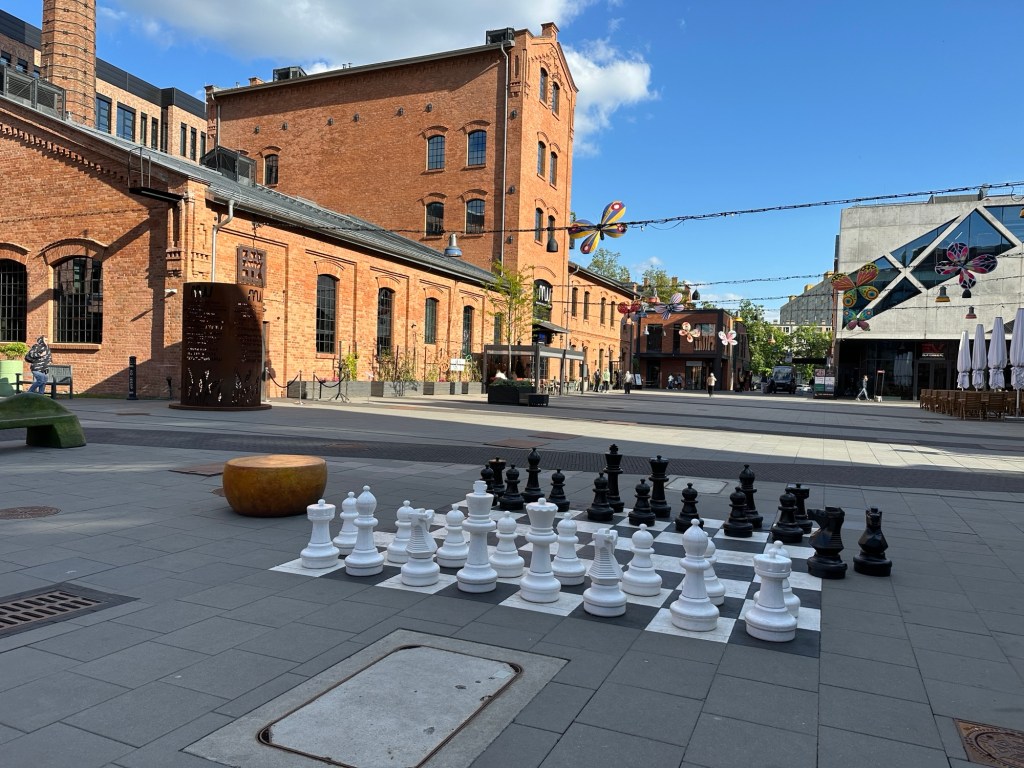
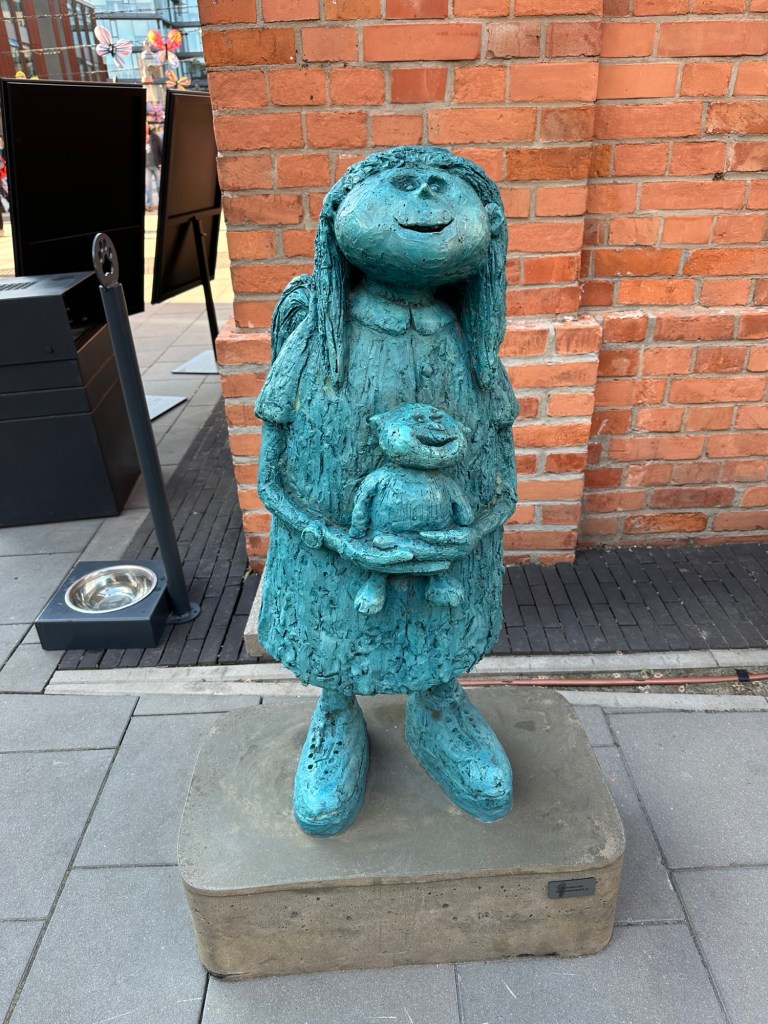
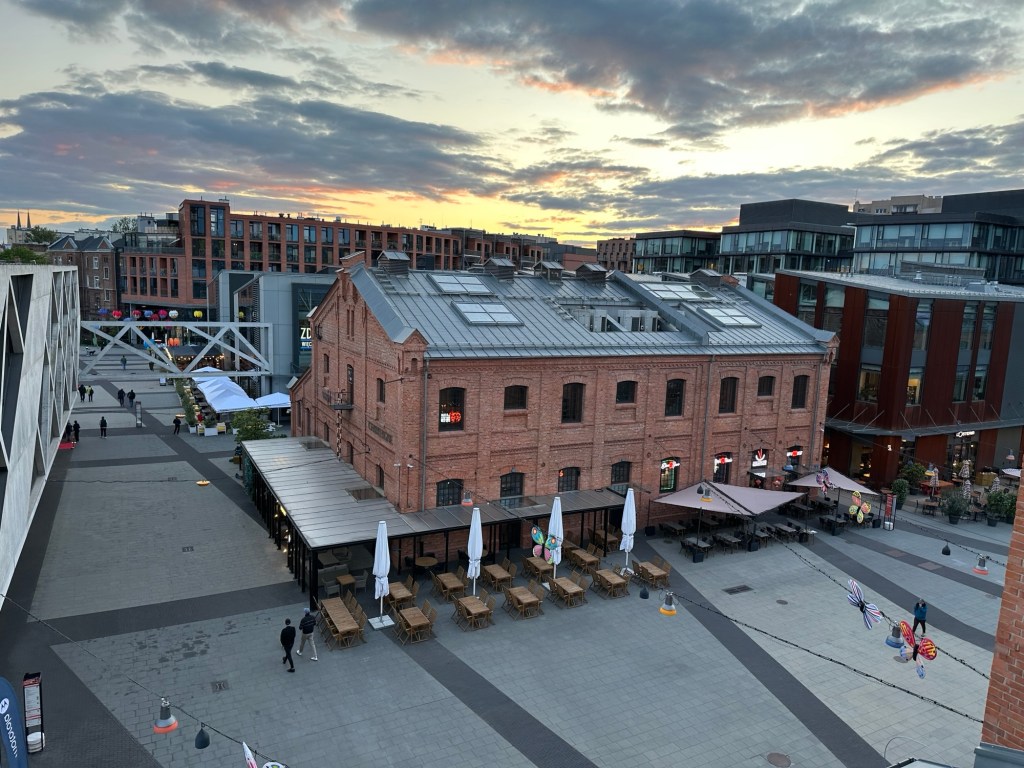
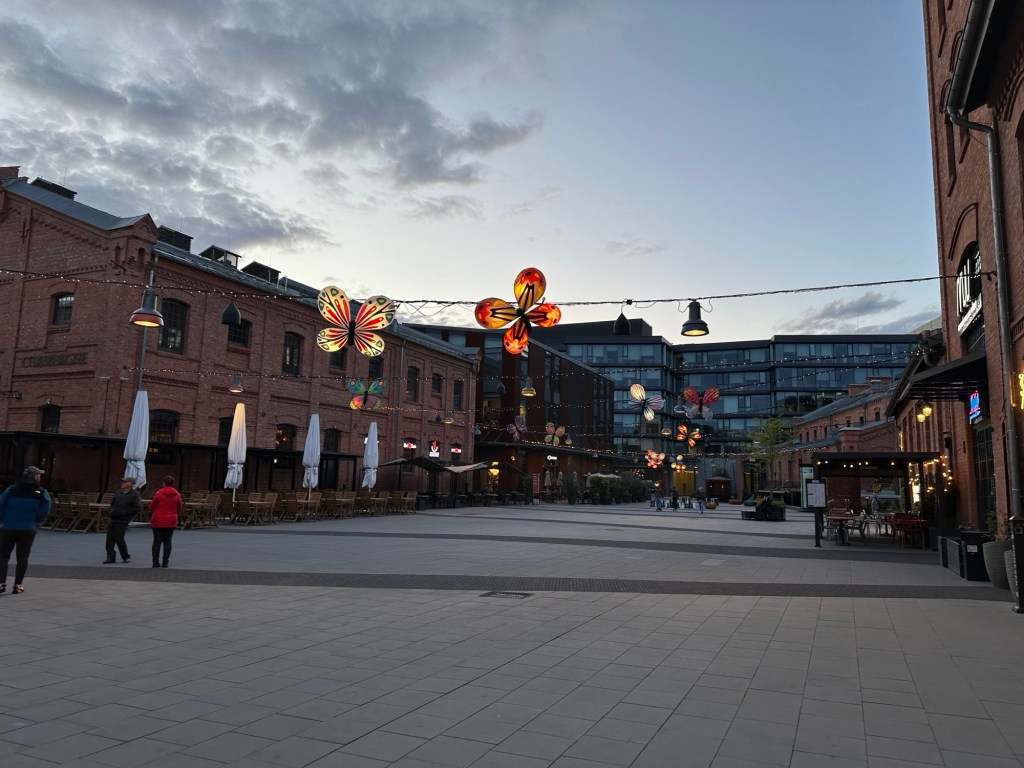
I am in the New Praga and it appears there isn’t much going on over here besides a nearby zoo so I hop on a bus to go to the other side of Praga because I am exhausted from walking all day. I am in an old industrial complex that has been converted into a very modern area, including a google lab. It seems like a very good idea to do a tour of the Polish Vodka museum with an upgraded tasting. I book a tasting a then order a very large and relaxing meal while I wait.
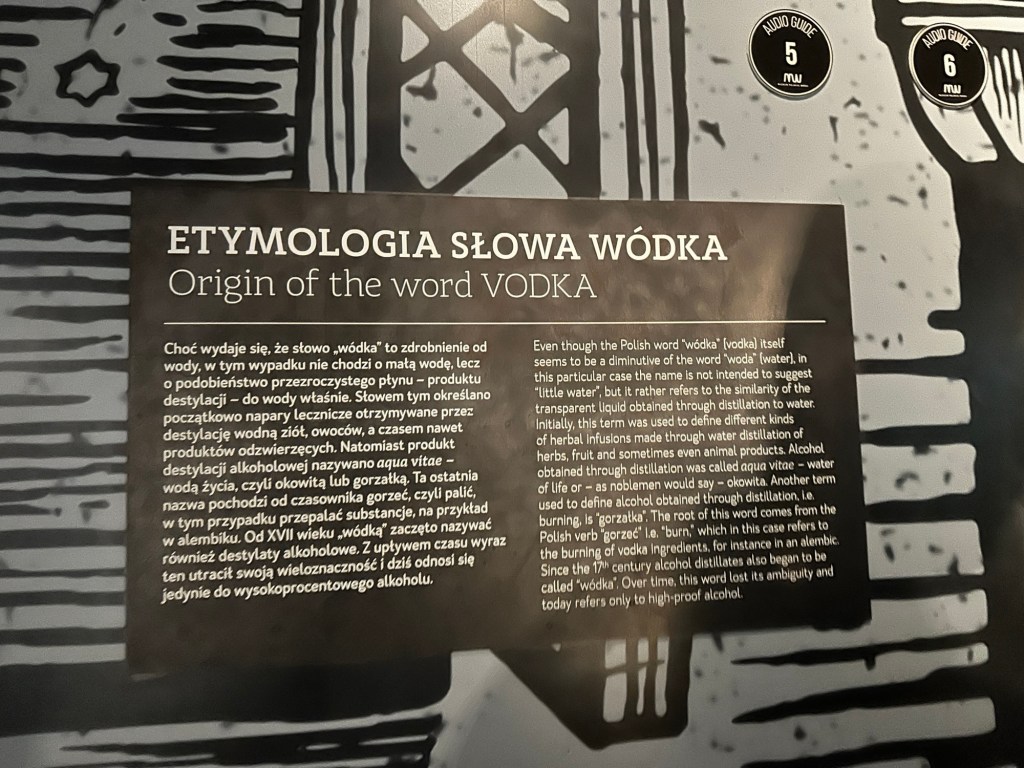
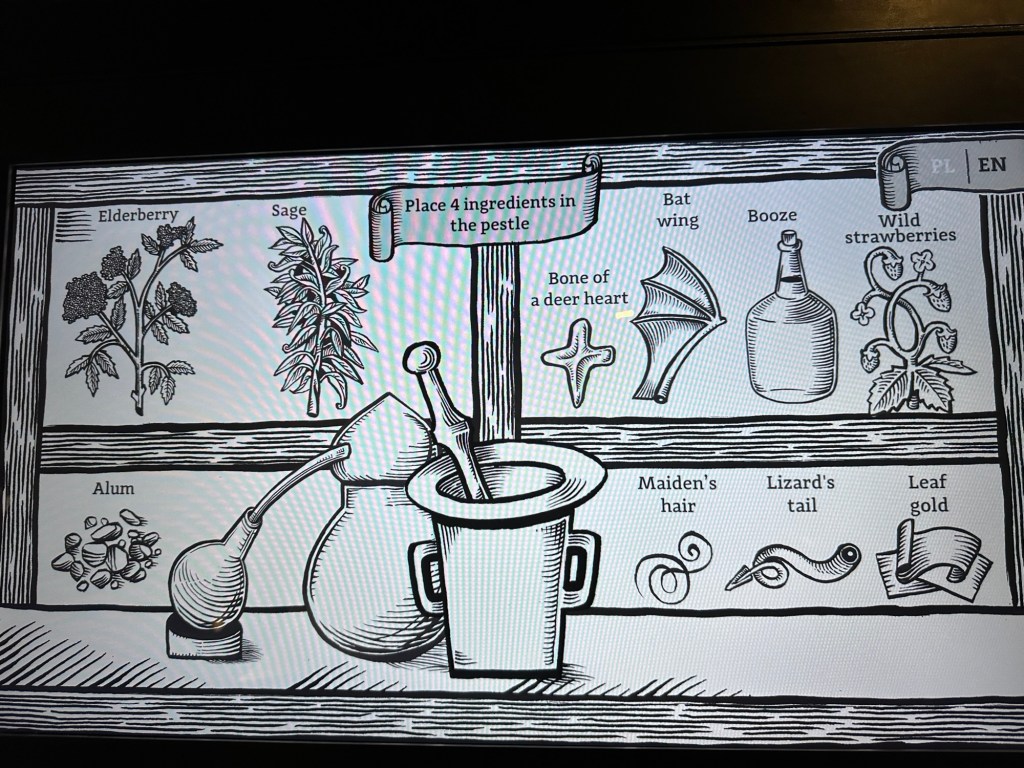
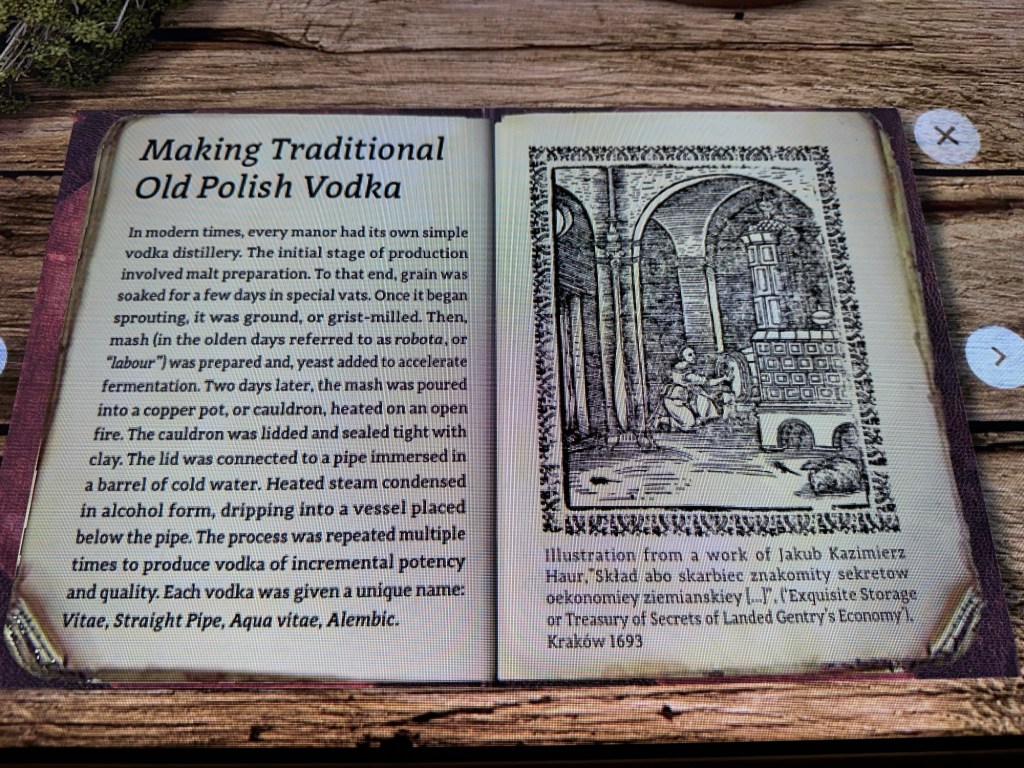
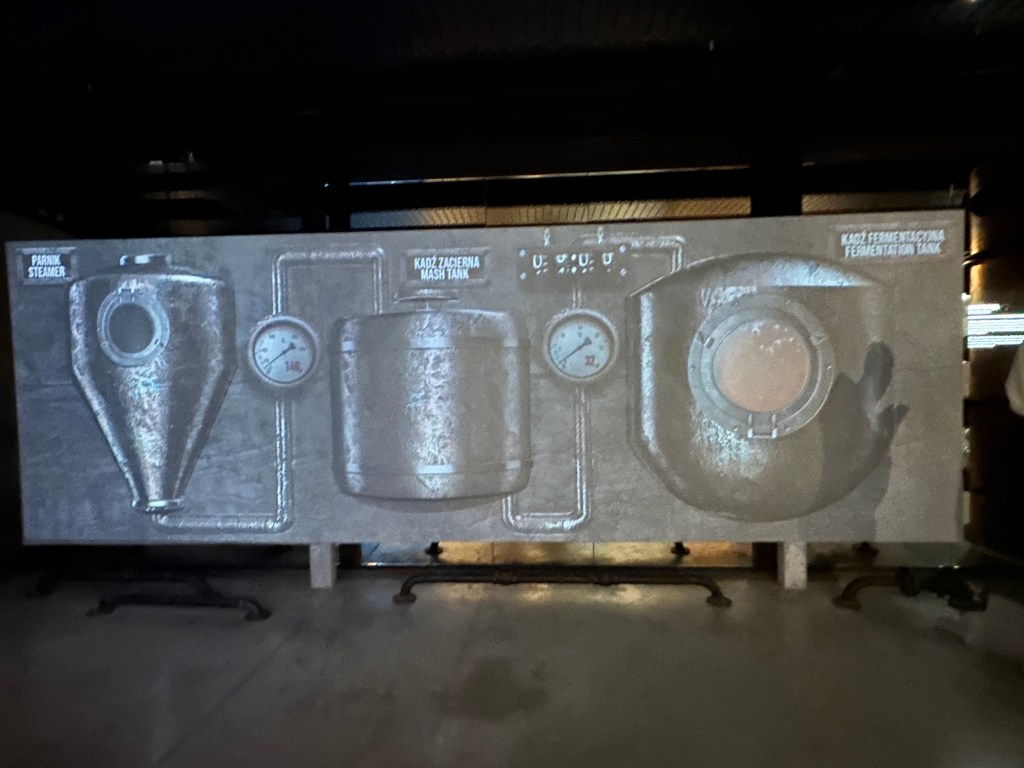
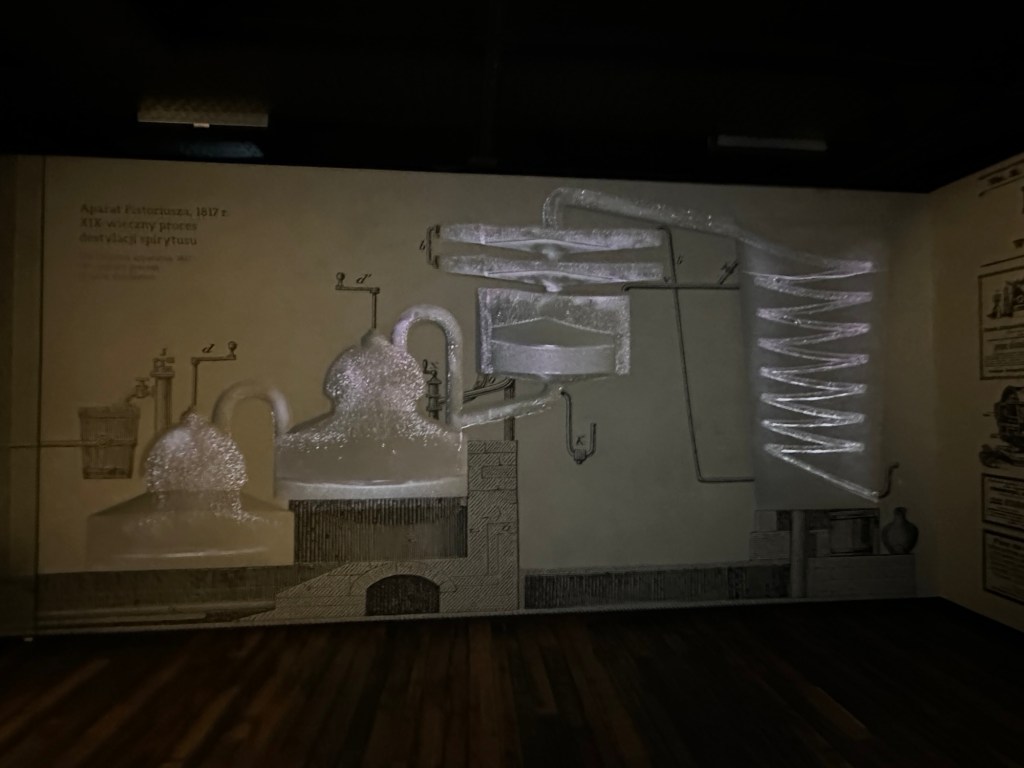
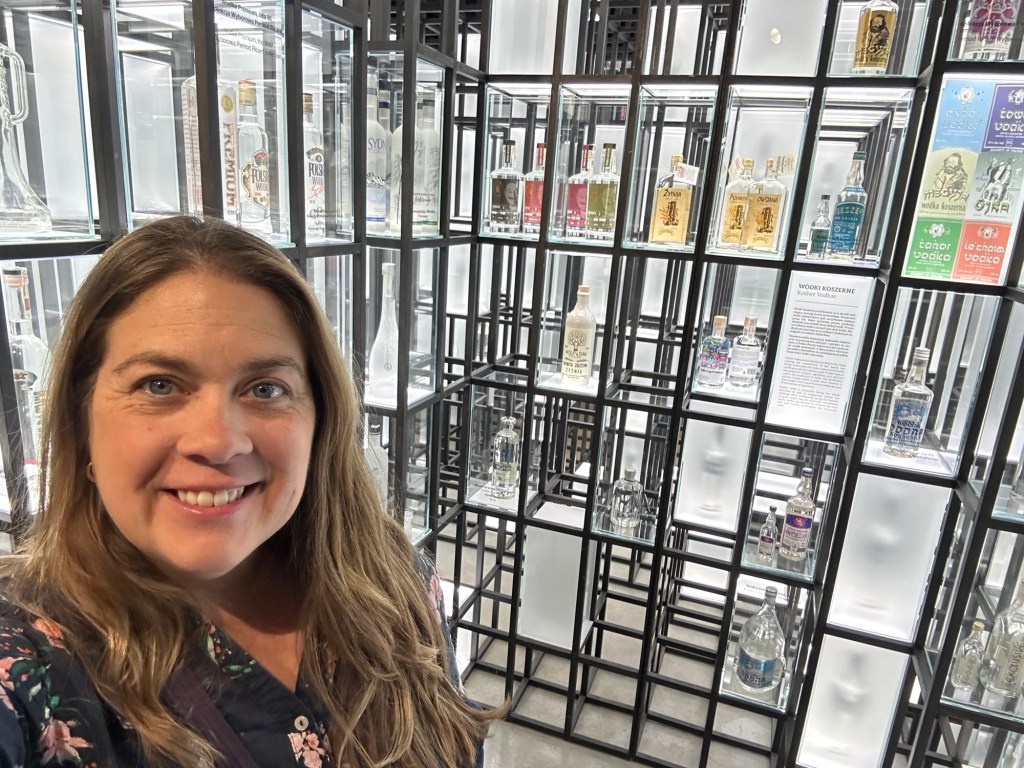
The vodka tour takes you into the origins of Polish vodka, how it is made, and how it is produced and distributed today. In the US I don’t typically sip vodka, maybe an occasional shot, but mostly it is an ingredient in a probably sweet cocktail. The vodkas I tried today are good for sipping. I probably won’t drink them this way on the regular but it isn’t the worst thing.
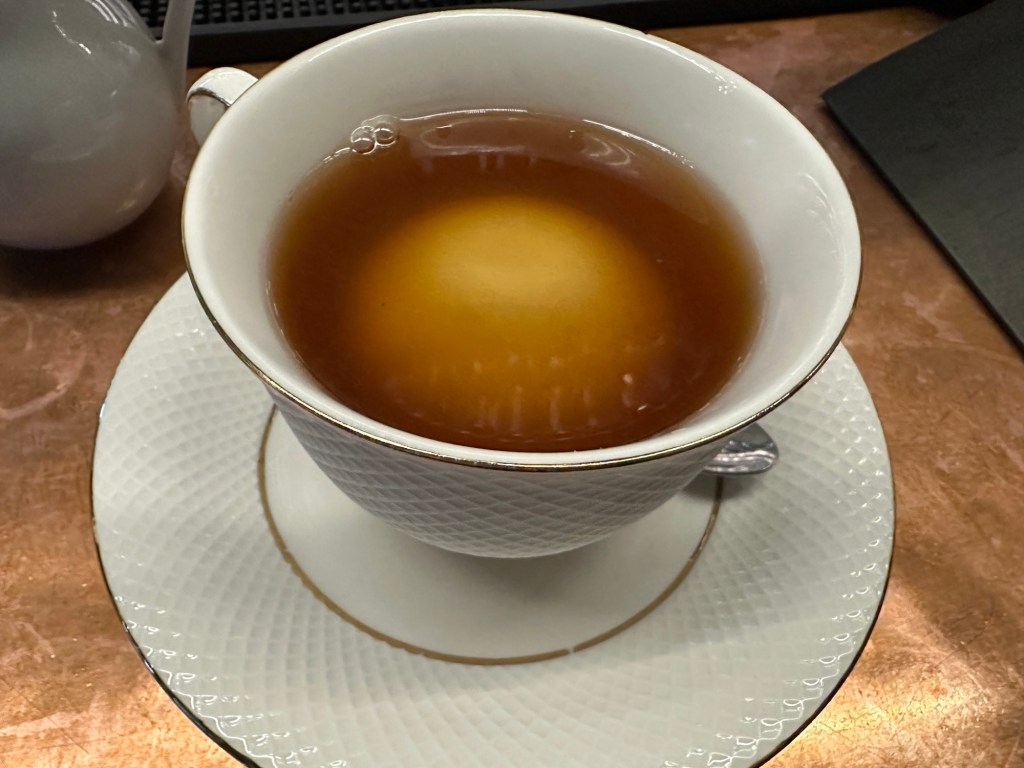
My special tour included a drink upstairs at the attached bar from a special menu. I chose a dessert like drink because its not something I’d normally order.
View from the upstairs bar
And just like that its the end of my visit to Warsaw. Loved my time here in this international city. Now I am heading north to the city of Gdansk.
There are no shortage of museums in Warsaw and I plan to see at least 3 of them today.
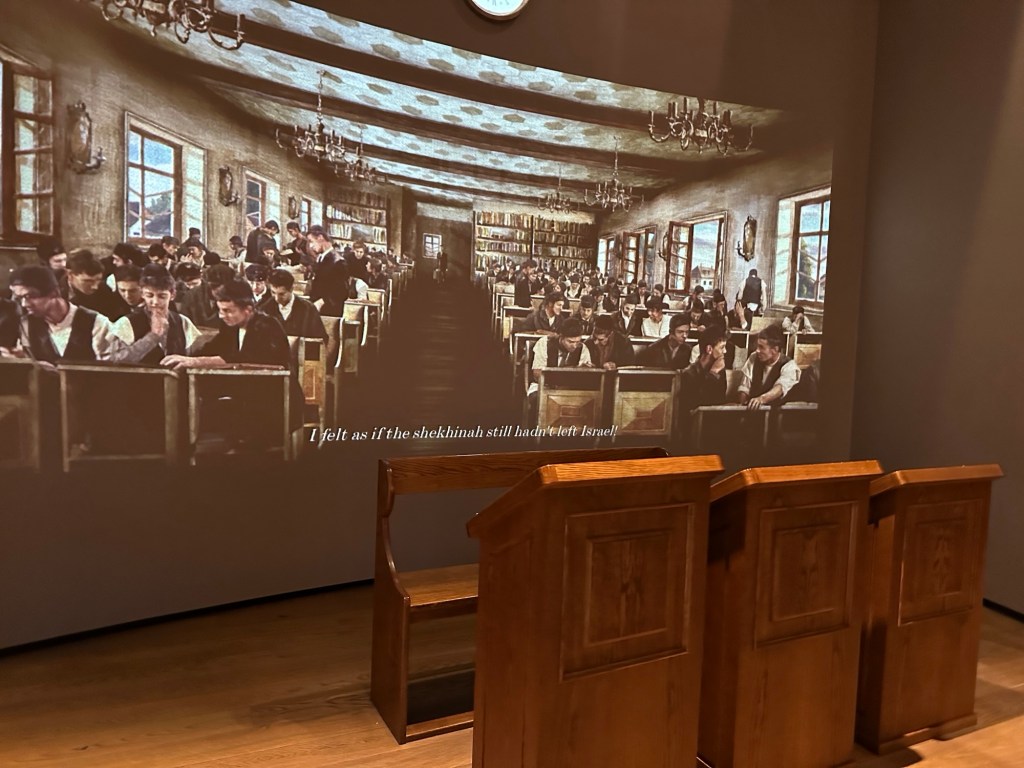
First stop is at POLIN, the museum of Jewish history. This museum takes you through the history of the Jewish people in Poland from the beginning. What is different about this museum is even though the holocaust is talked about in detail, it isn’t the sole focus .
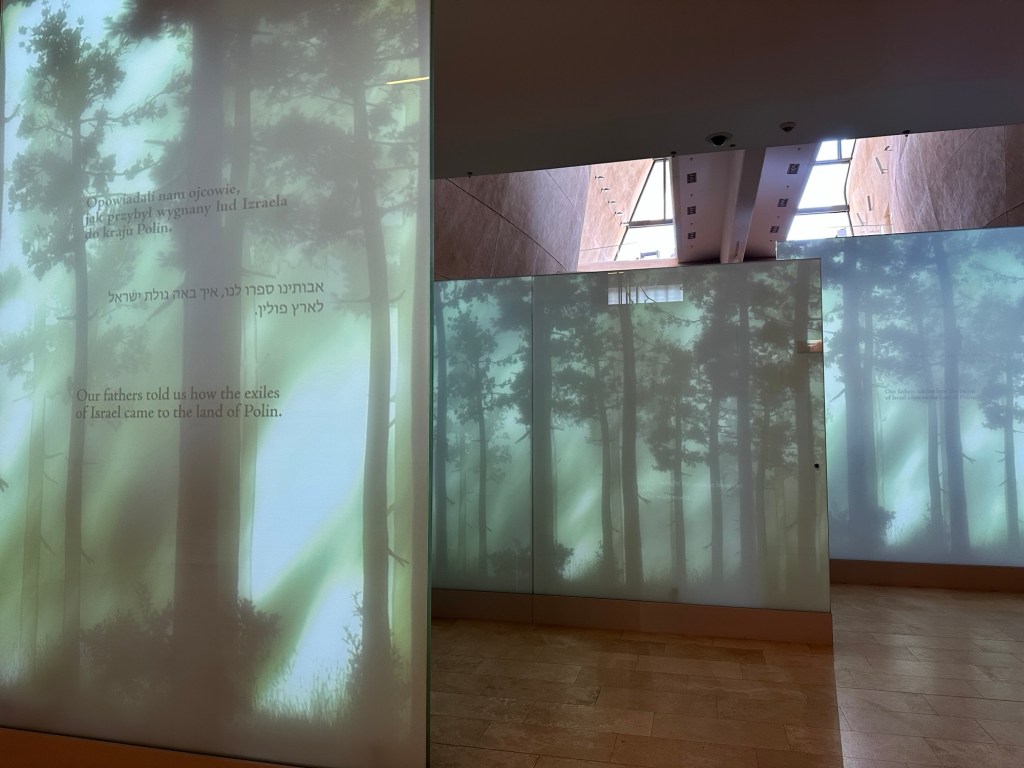
Polin in Hebrew means Poland and rest here.
Poland was primarily a pagan land until the Duke Mieszko married a wife that made him switch to Christianity in the 900’s. Now Christianity is the prominent religion.
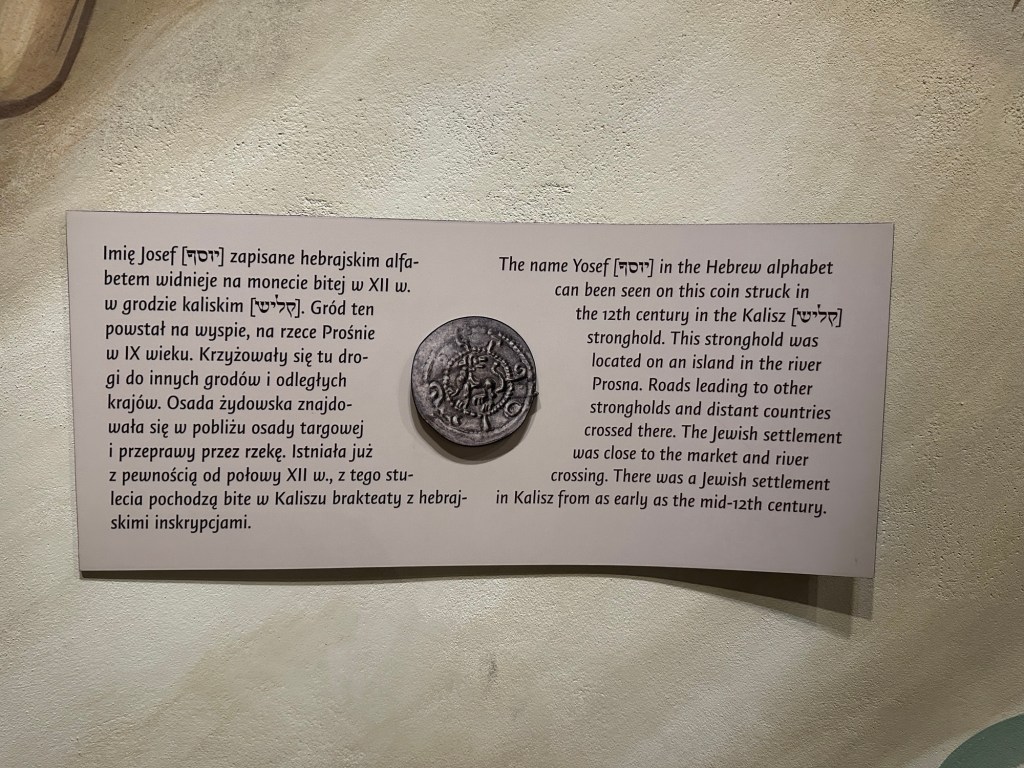
There were Jewish settlers in Poland as early as 13th century according to coins made by Jewish settlers. According to medieval Christian churches usury was forbidden (lending money) so money lending tended to come from the Jewish communities. This is the early origins of associating Jewish people with banking or money.
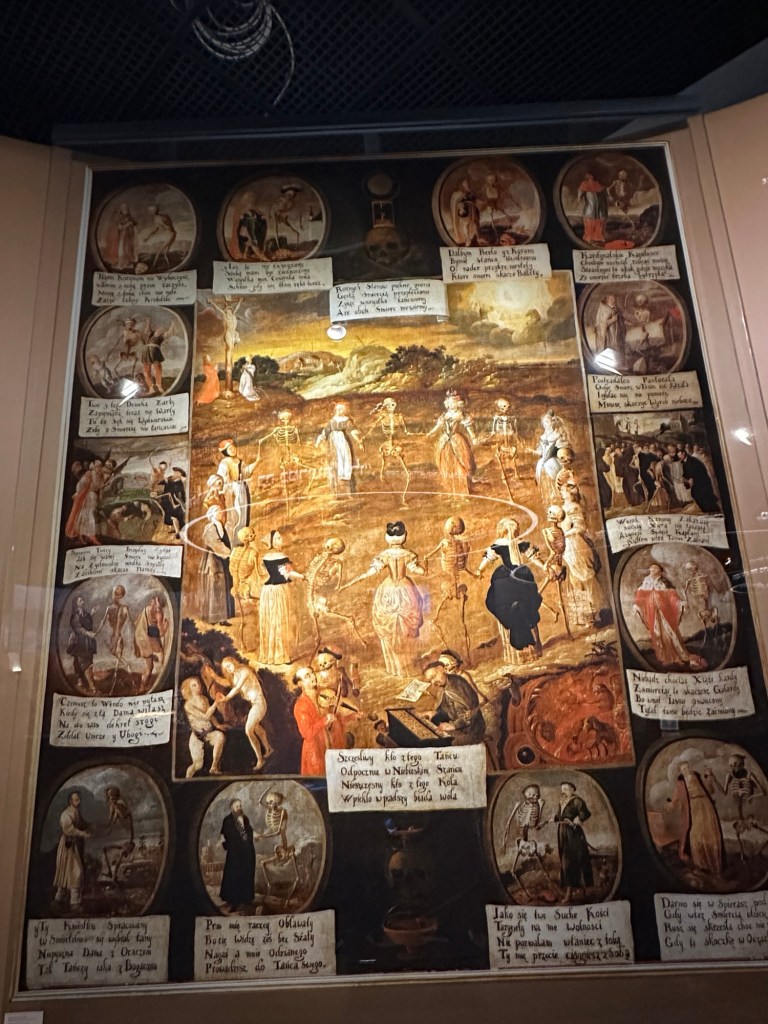
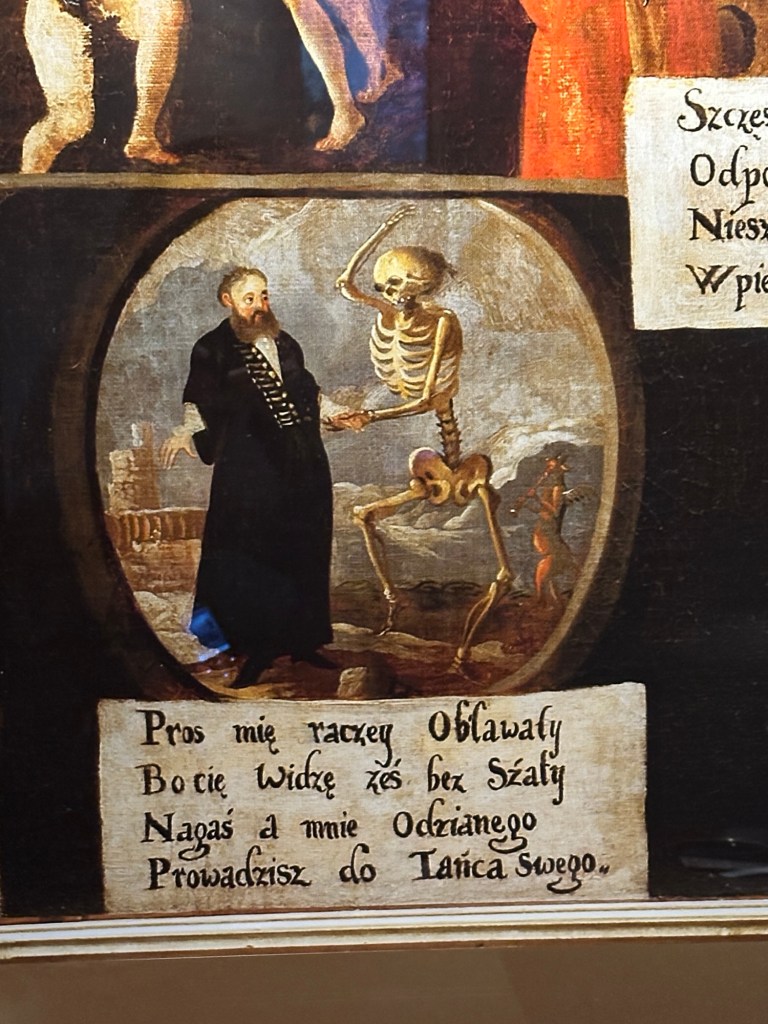
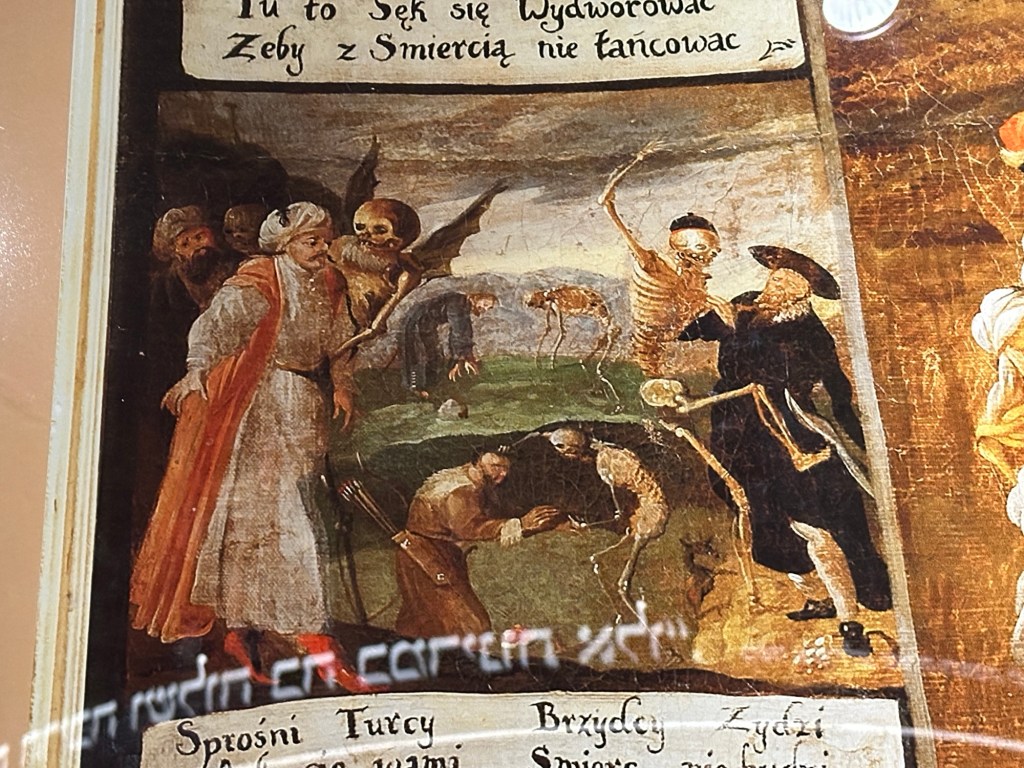
I am fascinated by the Danse Macabre (dancing with death) painting. It is all about how death is the equalizer of us all. It is a middle-age allegory.
Early in Polish history Poland was part of the Polish-Lithuanian Commonwealth for a long time. During this time there was a battle that led to a large amount of atrocities against Polish, Jewish people and Roman Catholics. The Cossacks uprising in Ukraine was the first large scale violence in the region.
During the 17th century taverns in Poland were prominently run by the Jewish. There are many reasons but one of which is the assumption that they were not drinkers, thus a logical choice to run these establishments.
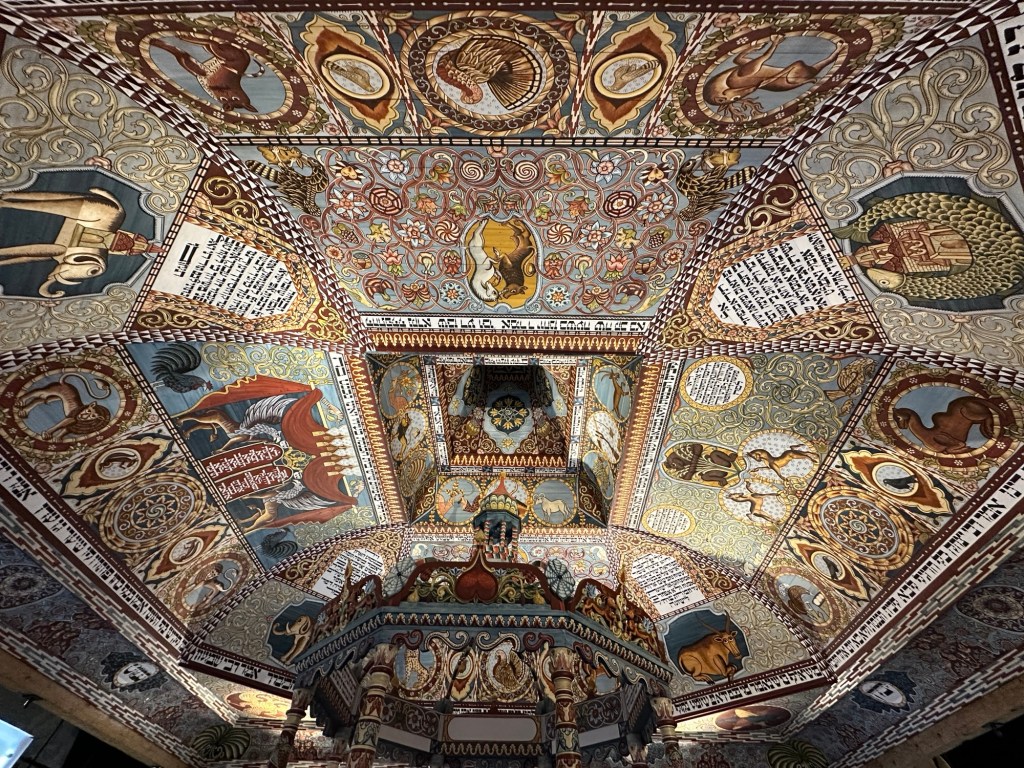
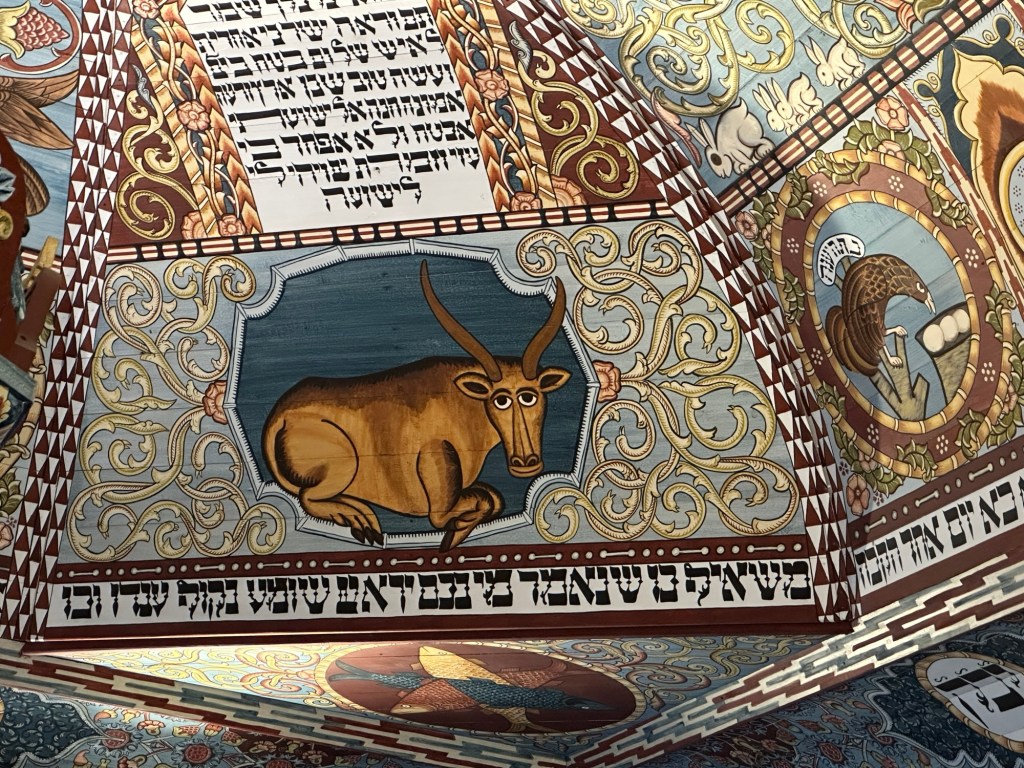
There is a very beautiful Lithuanian synagogue reproduction. In the middle is an example of a bema or a platform.
I read many examples of Jewish persecution and stereotypes. At some point they say that Jewish people did human sacrifices in order to justify the prejudice.
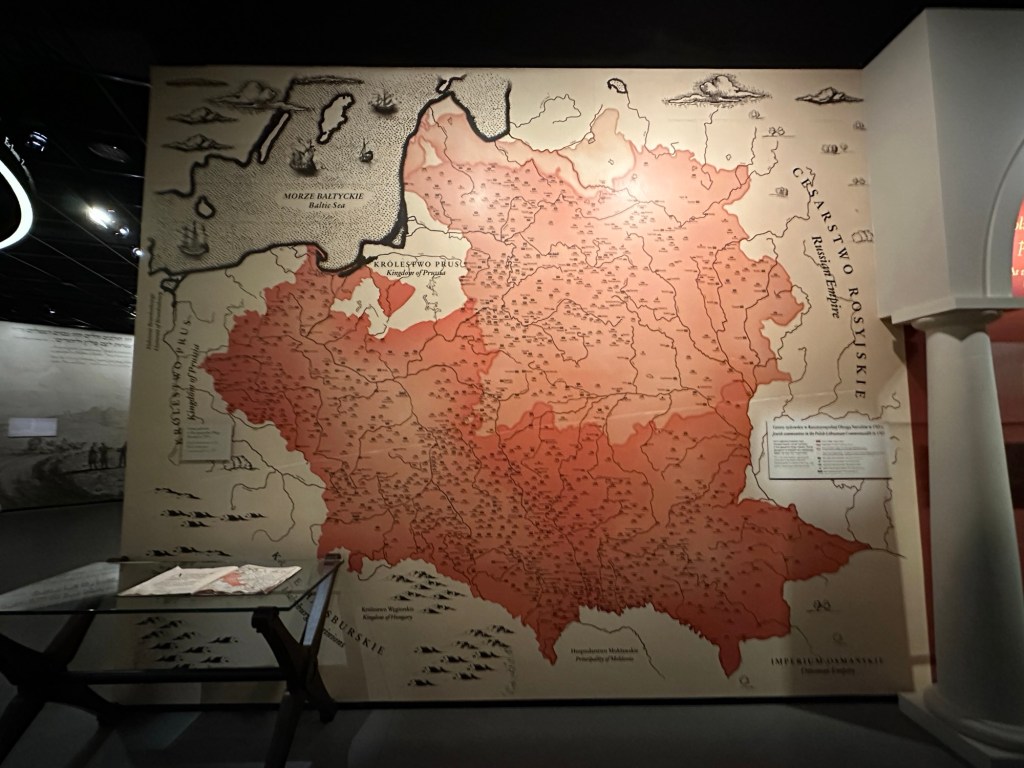
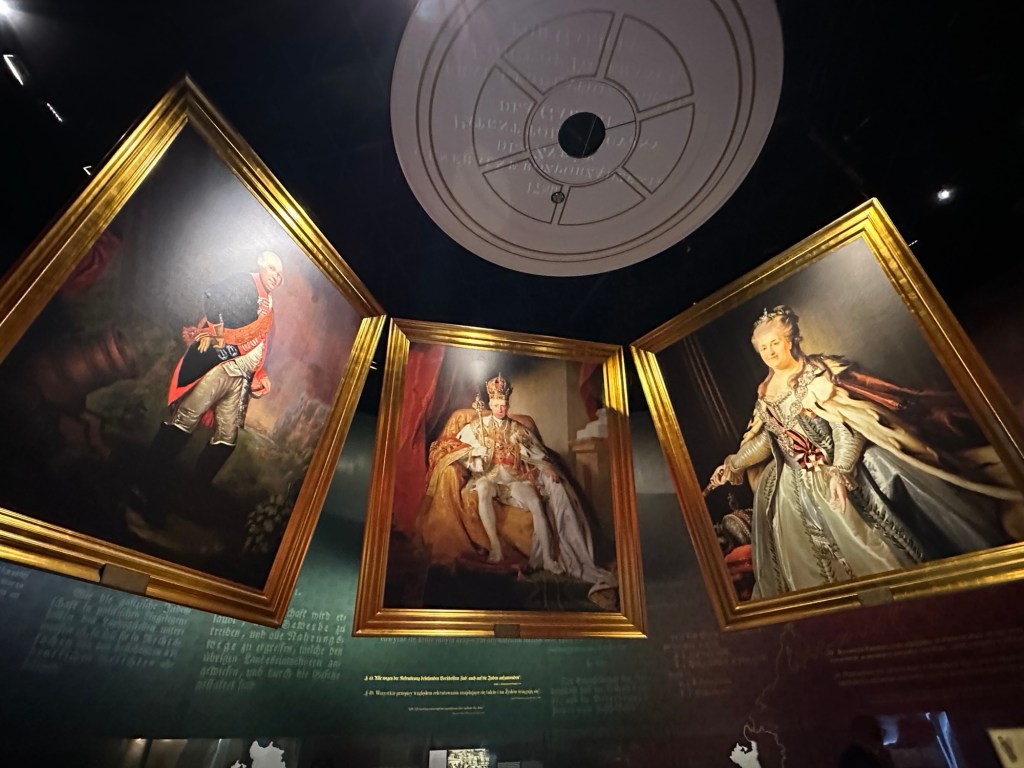
Three rulers partitioned Poland and the Polish-Lithuanian commonwealth ceased to exist in the late 1700’s. Under Habsburg, Prussia, and Russian rule polish Jews lost their privileges and freedoms.
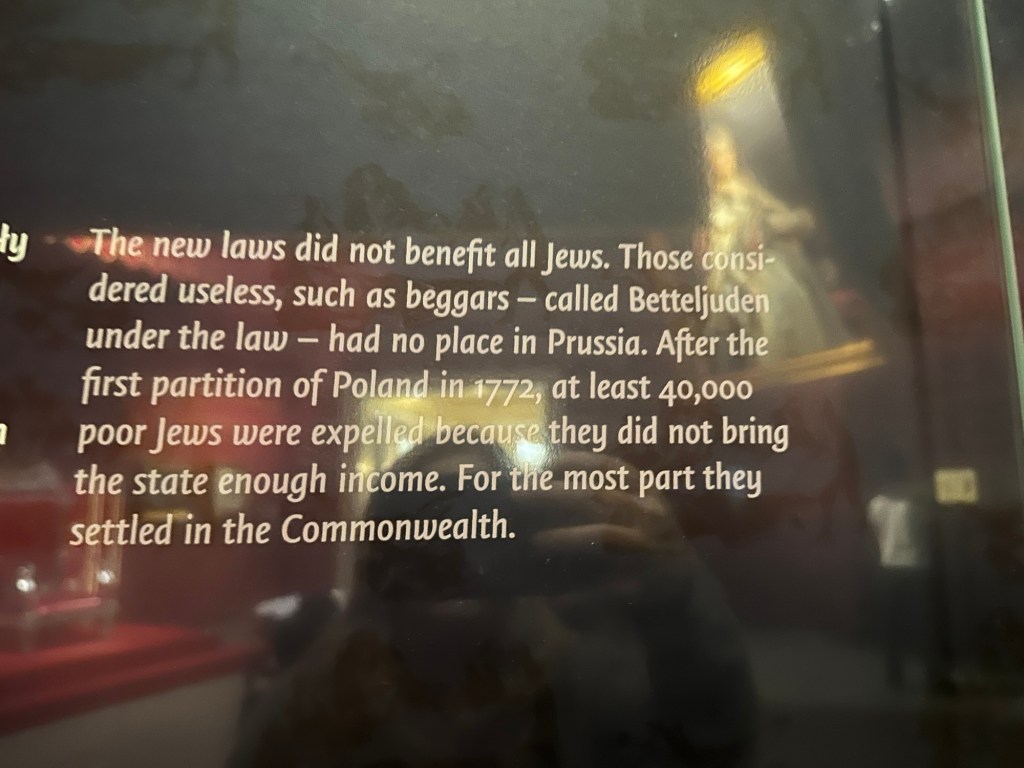
I’m reading some additional wall items and the name Betteljuden catches my eye. Betteljuden is a derogatory cartoon caricature of Jewish beggars in the 1700’s. The name and character likeness is very similar to the popular Beetlejuice character. It is almost like the movie character has anti-Semitic undertones. I will never see that movie in the same way again.
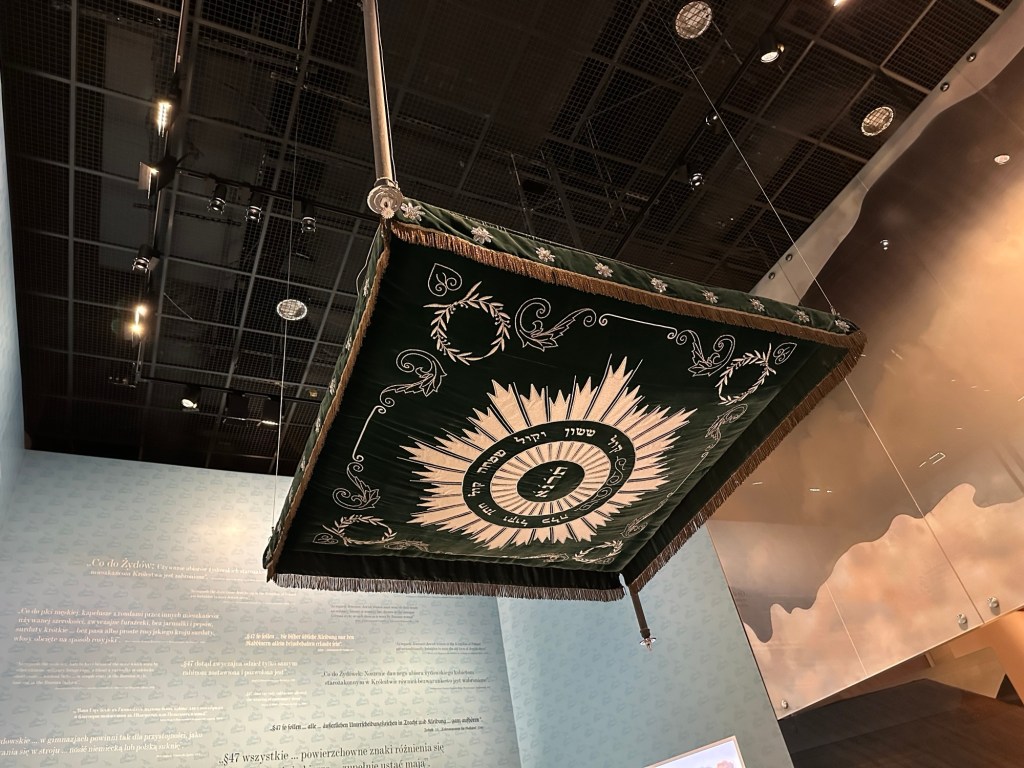
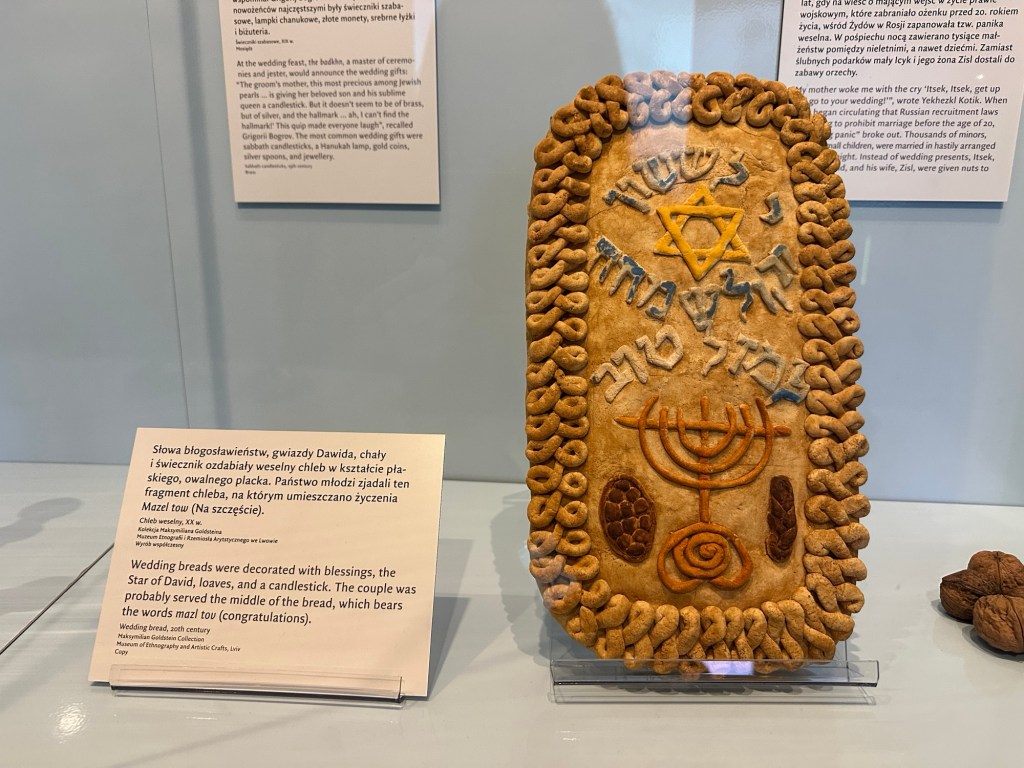
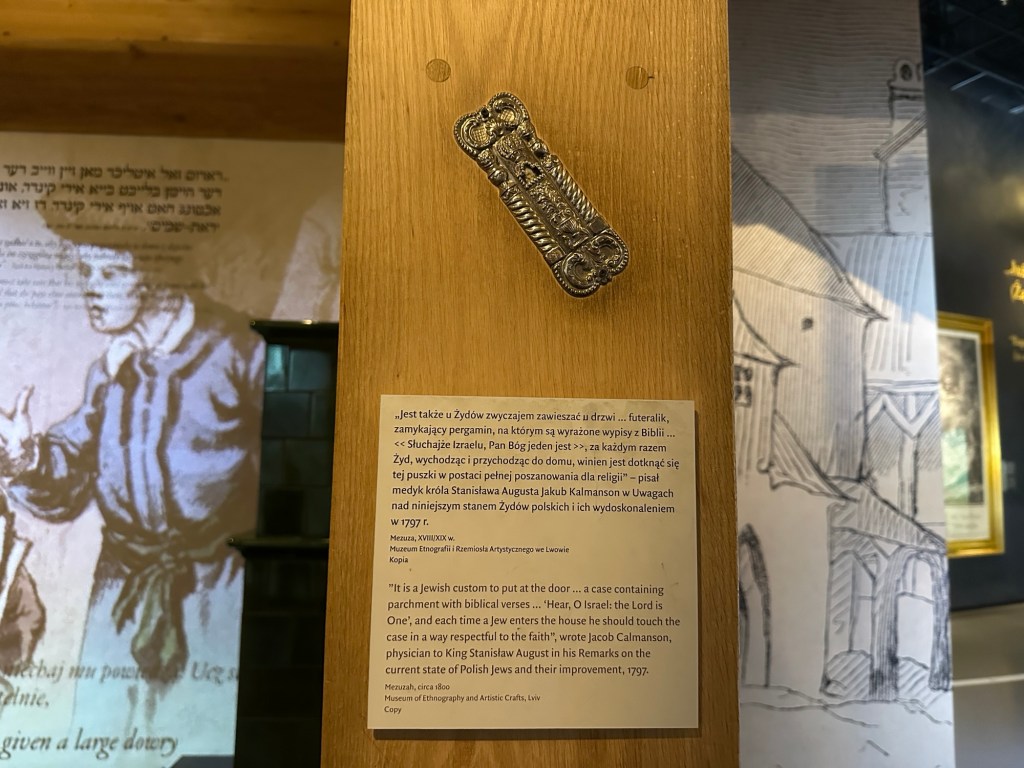
I learn about more religious items in the museum.
Chuppah, wedding canopy Wedding bread and mezuzah
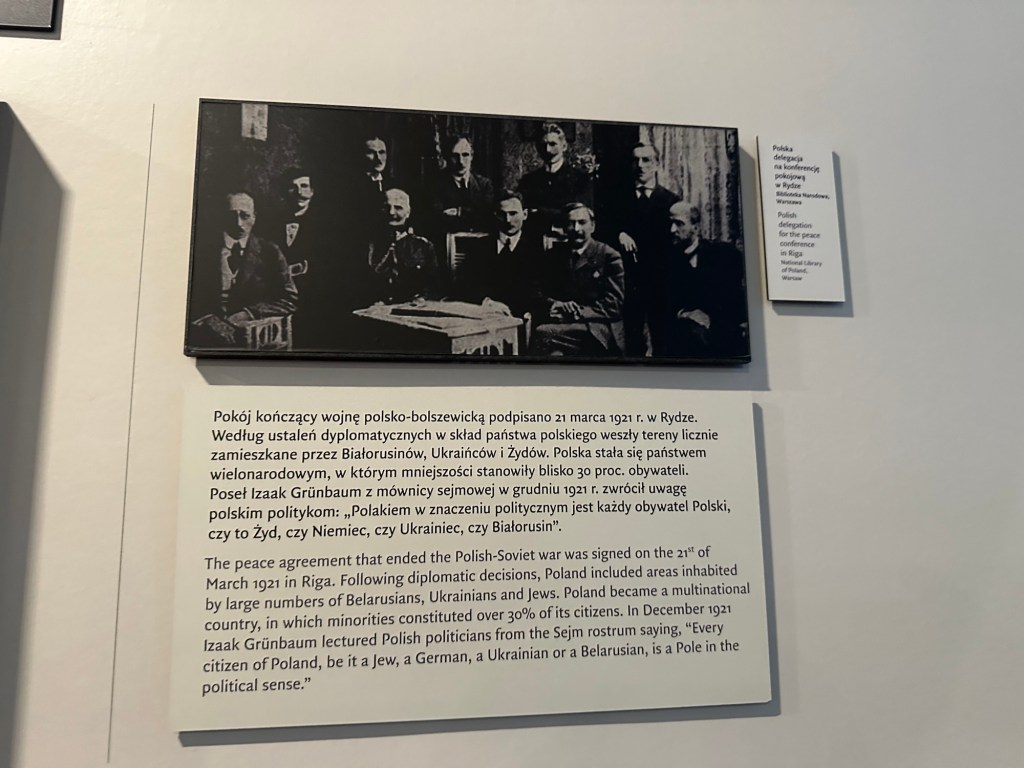
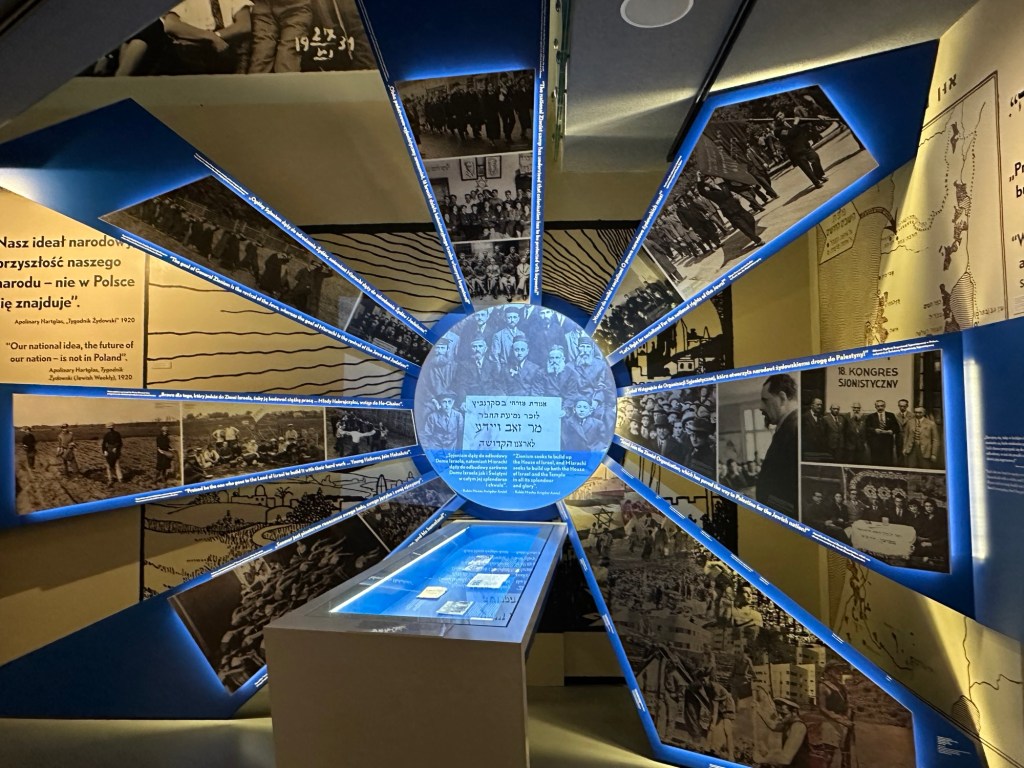
After war of 1918 Poland was reformed. Also during this time Zionist movement solidified and polish Jews moved to Palestine in 1920-1930. The Bund Jews (Jewish socialist party, mostly secular) opposed Zionism and supported cultural autonomy in Poland, fighting antisemitism at home. I also hear about the origins of Hasidic Judaism.
Learn a dance
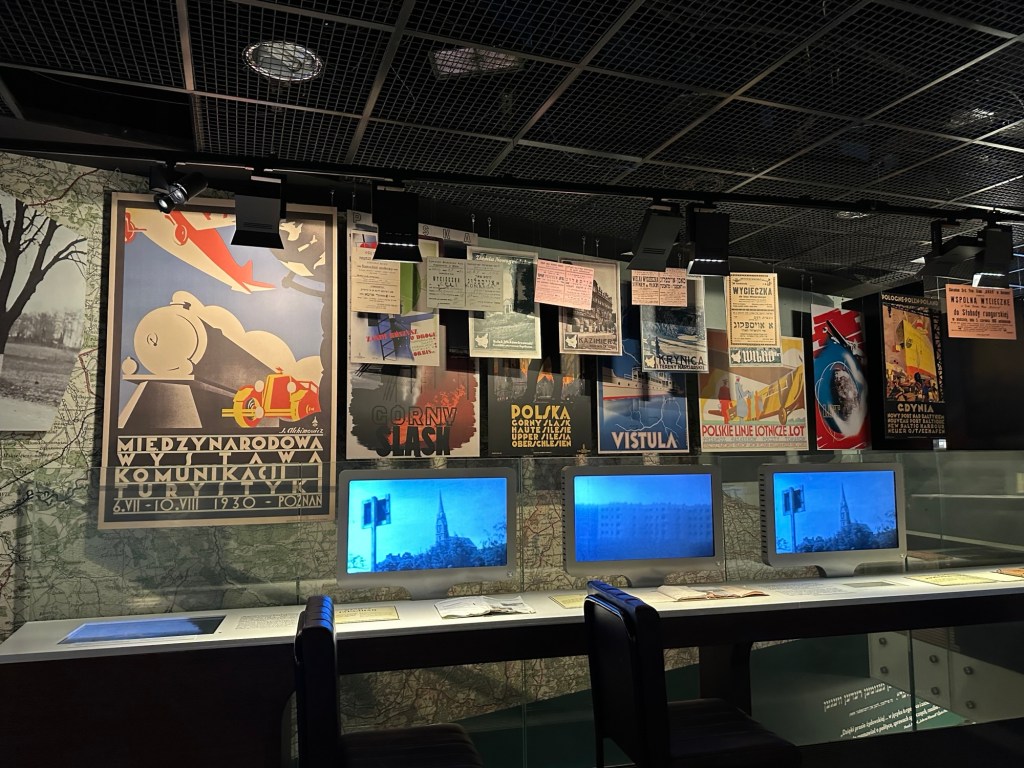
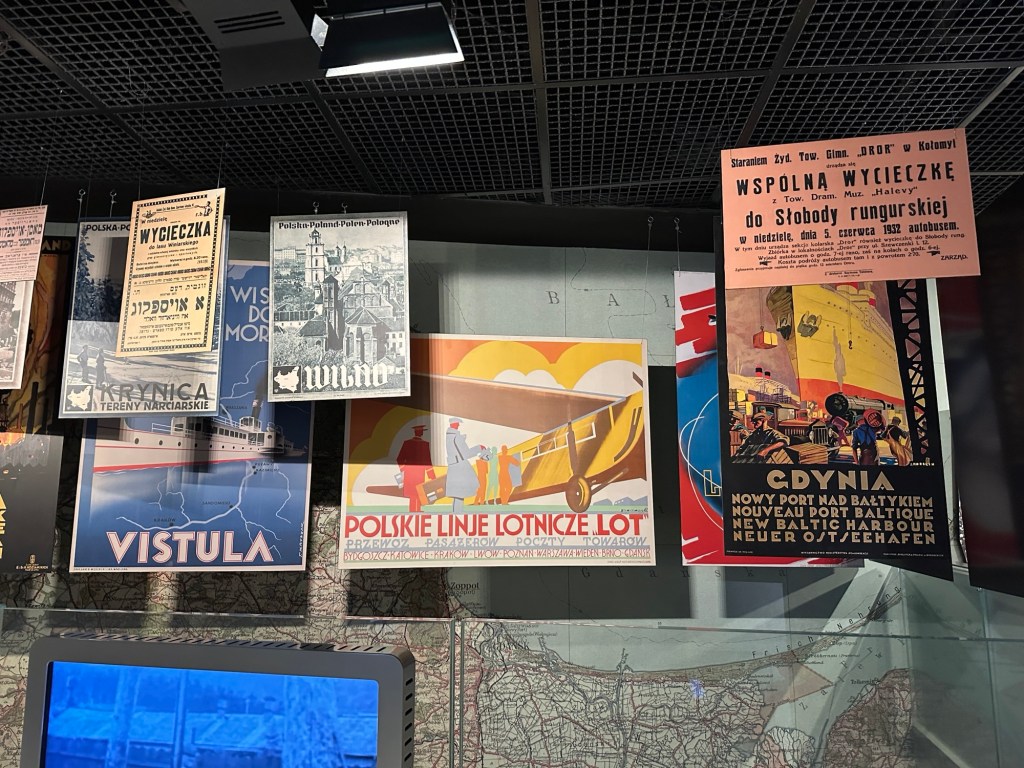
Between wars there was an explosion of Jewish tourism.
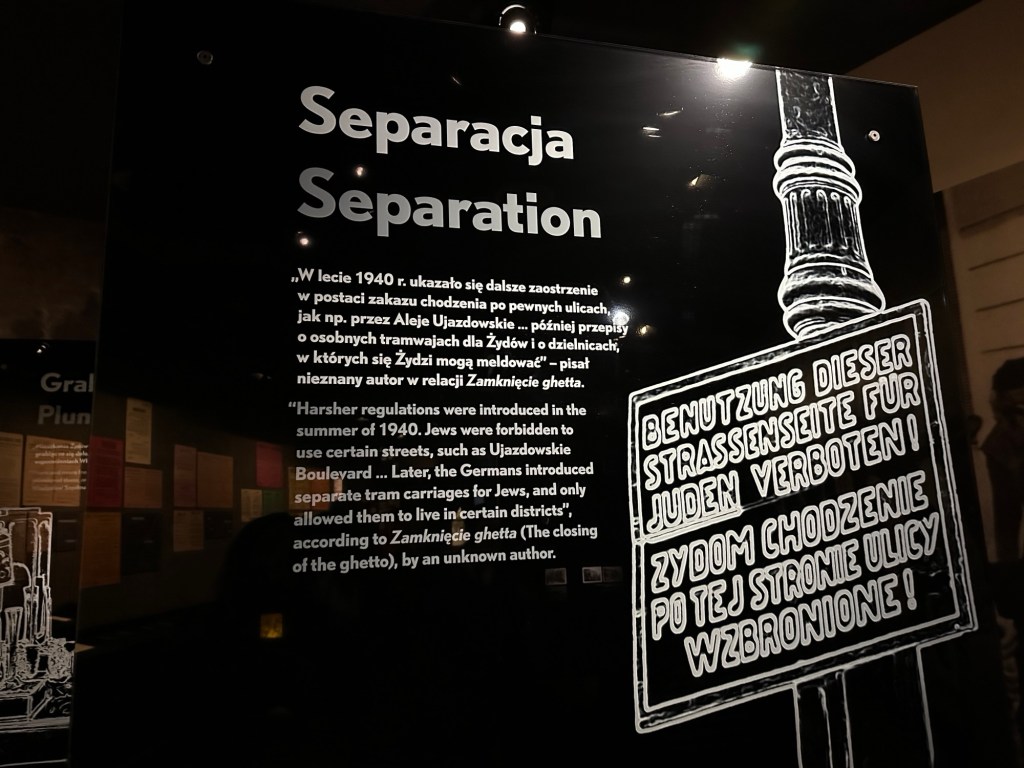
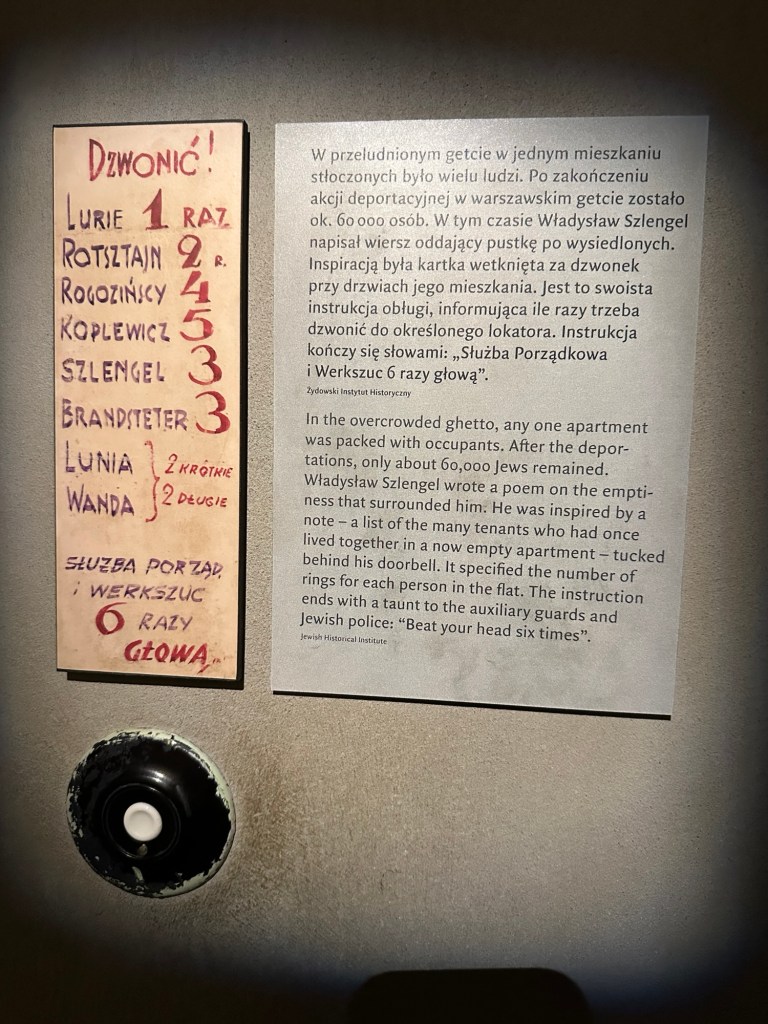
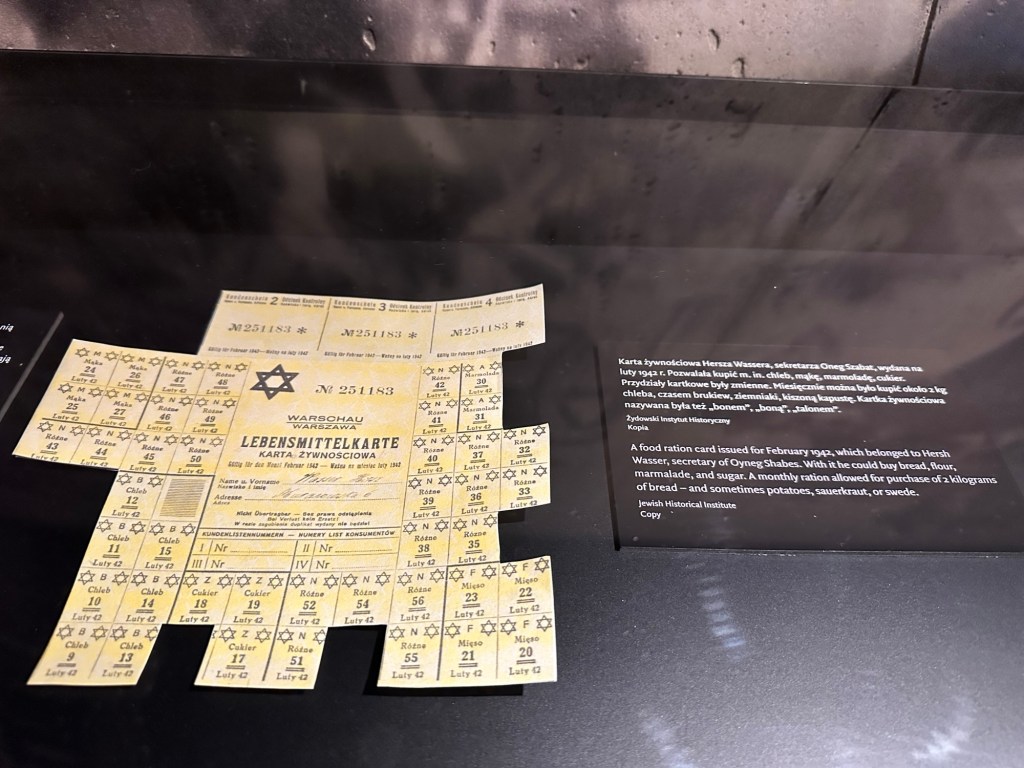
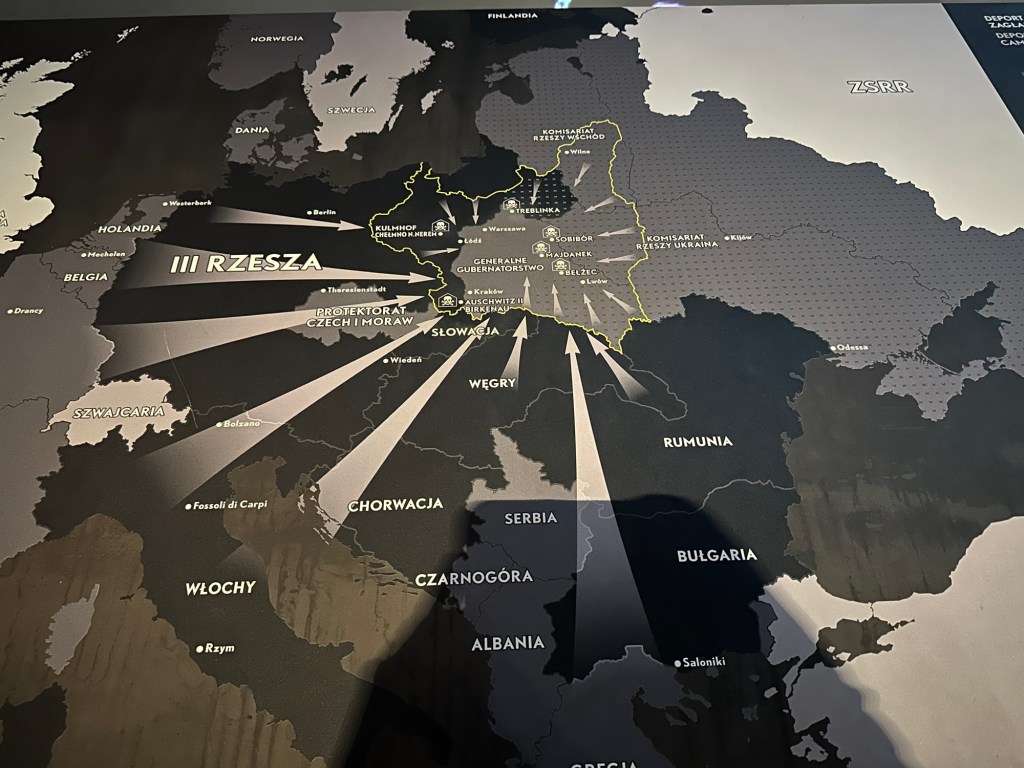
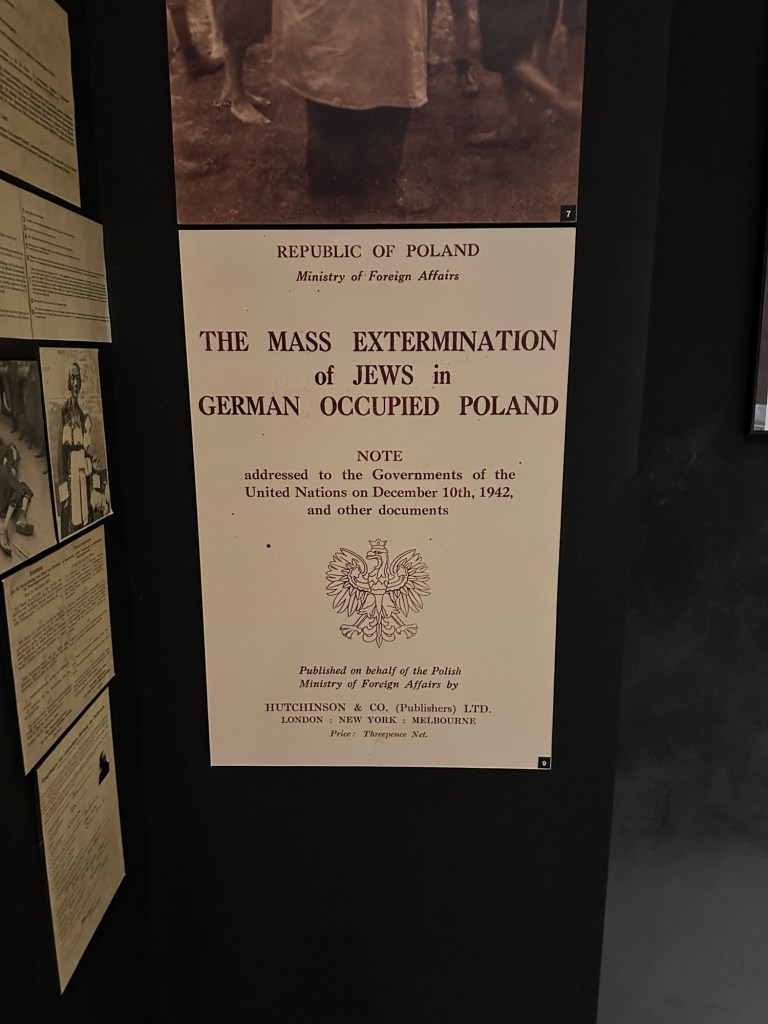
The Last exhibits are on world war two and the holocaust. There is a warning at this section on the sensitive nature in case you want to skip. Warsaw ghetto was the largest of the ghettos of WW2. This museum is in area where the ghetto once was. During the war hundreds of thousand of Jewish residents of Warsaw were sent to a death camp in Treblinka.
I learn a little about the ghetto uprising and the non-response internationally about what was happening in this part of the world around ww2.
There were a few waves of immigration to Palestine. Post war pogrom causes mass exodus to Palestine. Israel formed was 1948 as a result of a desired for a Jewish homeland, the holocaust and other reasons.
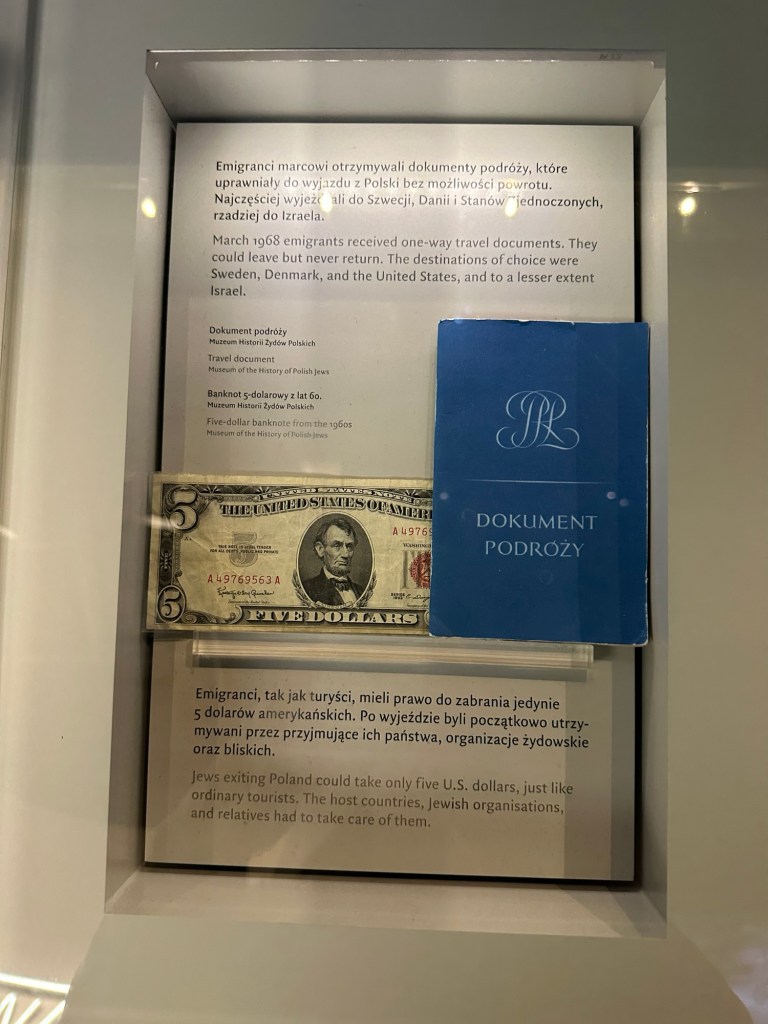
There was another Mass immigration out again in 1960. Now the population of Jewish people still remaining in Poland is relatively low.
The museum is vast and took me about three hours but I could have stayed even longer. The audio guide is excellent and I recommend a visit.
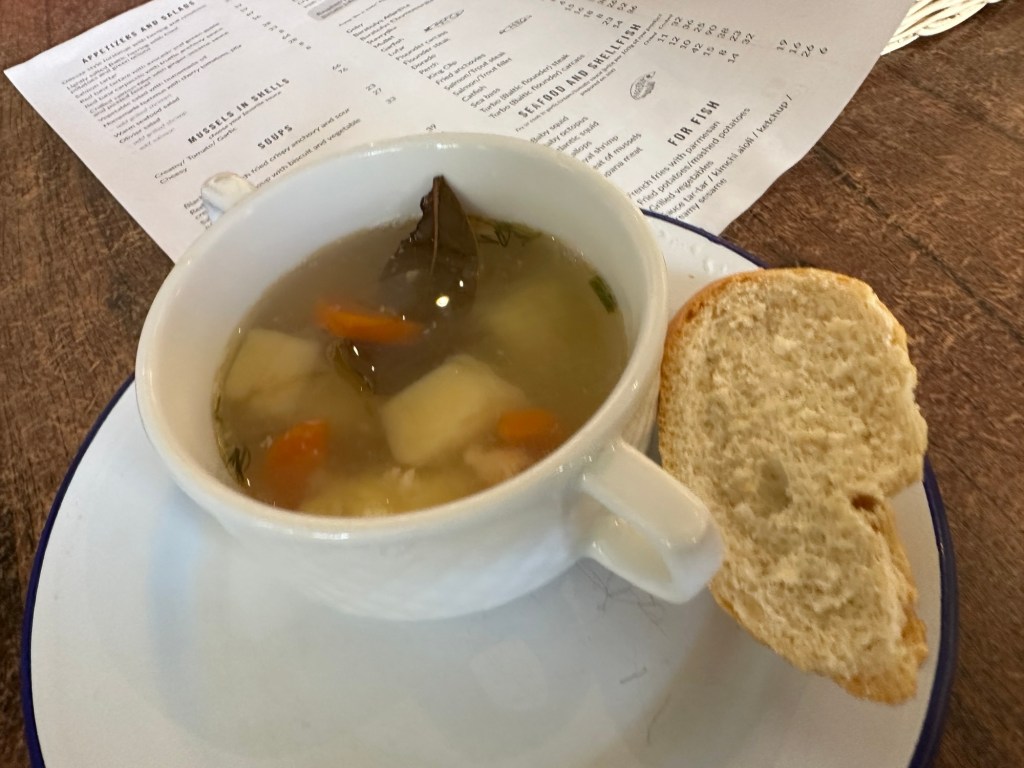
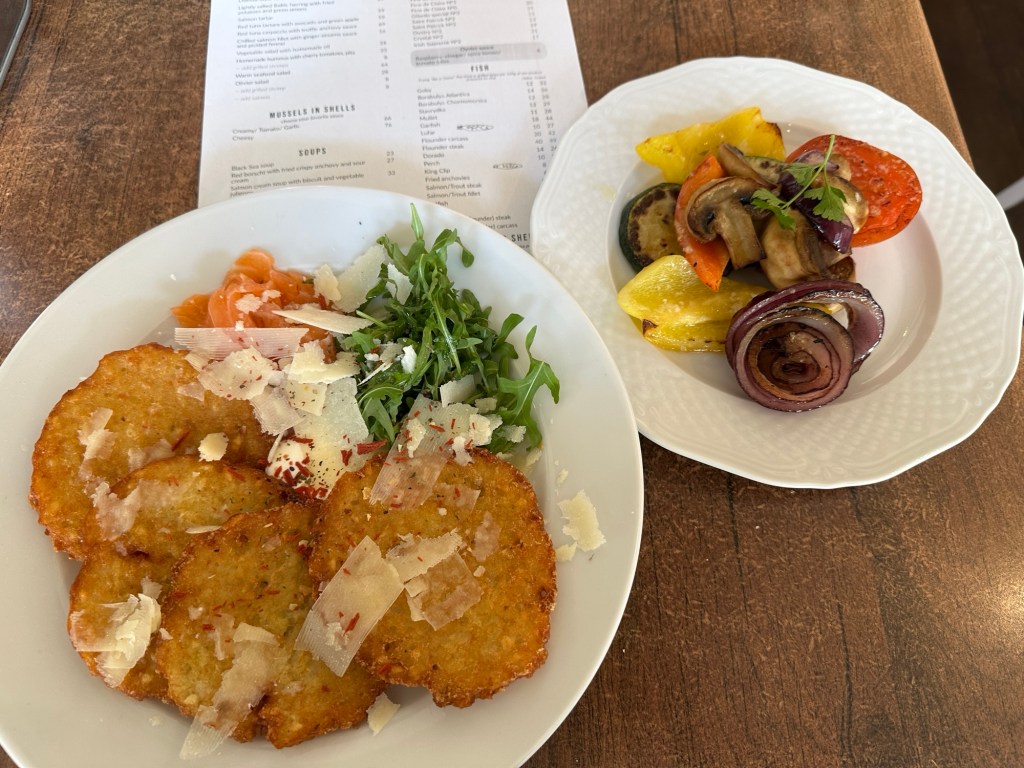
For lunch I want to visit a milk bar but everything seems too heavy so I end up at a seafood restaurant where I finally try some potato pancakes with salmon and a side of grilled vegetables. Why do grilled vegetables taste better in other countries???? We make veggies tasteless in the US.
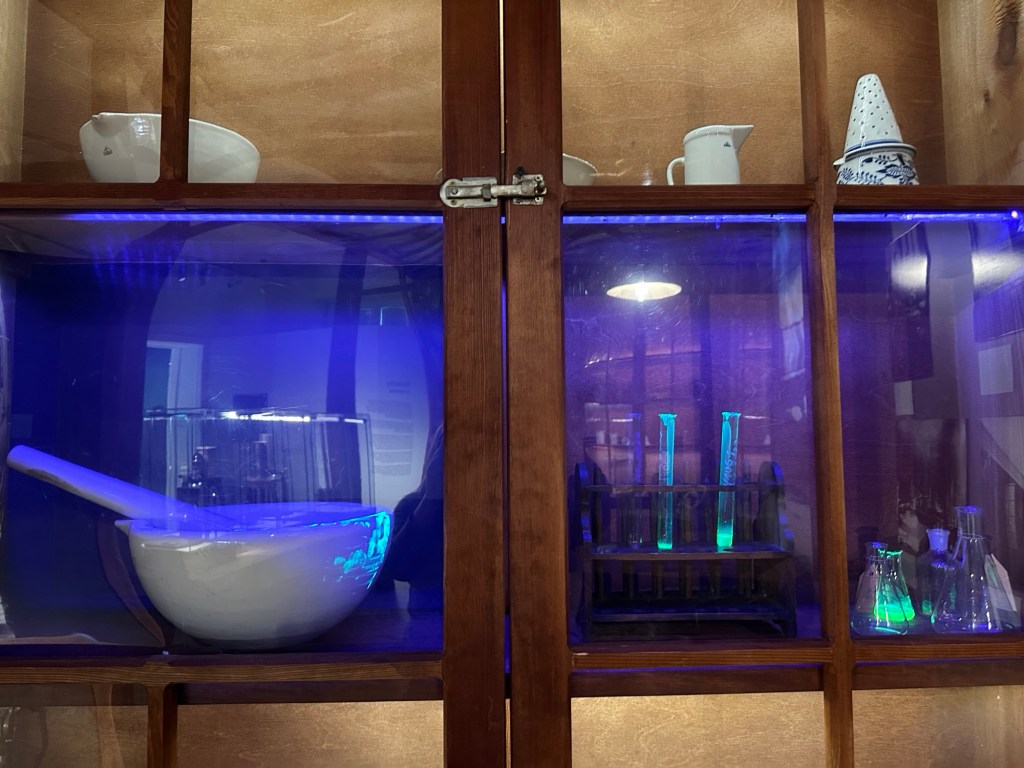
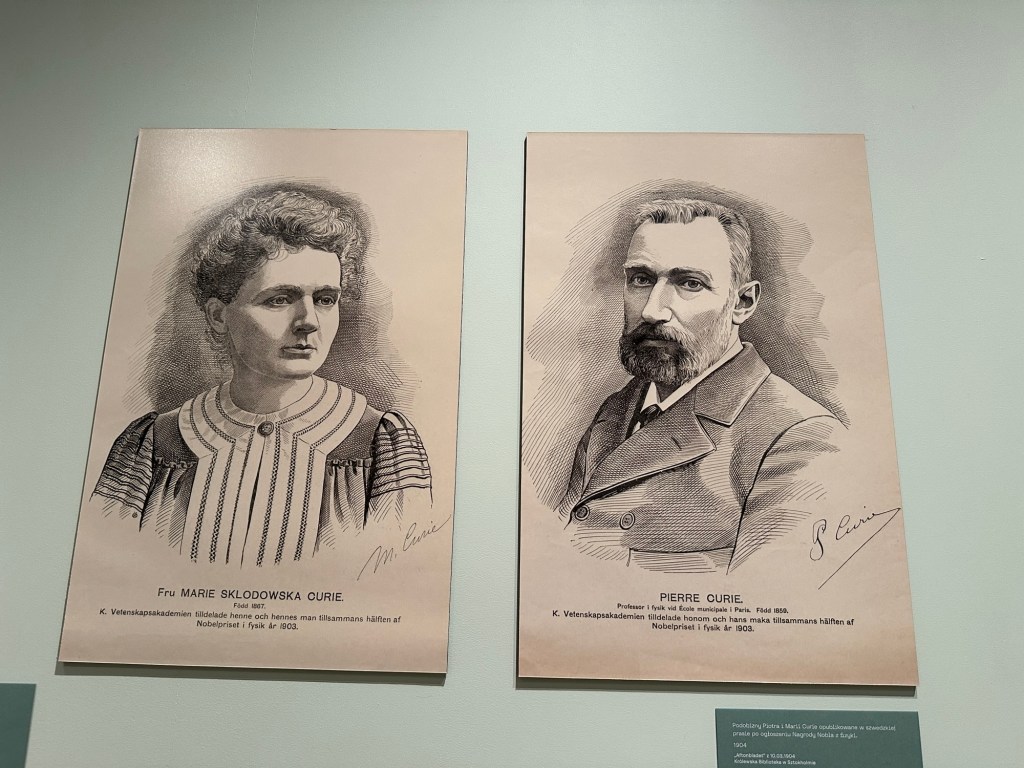
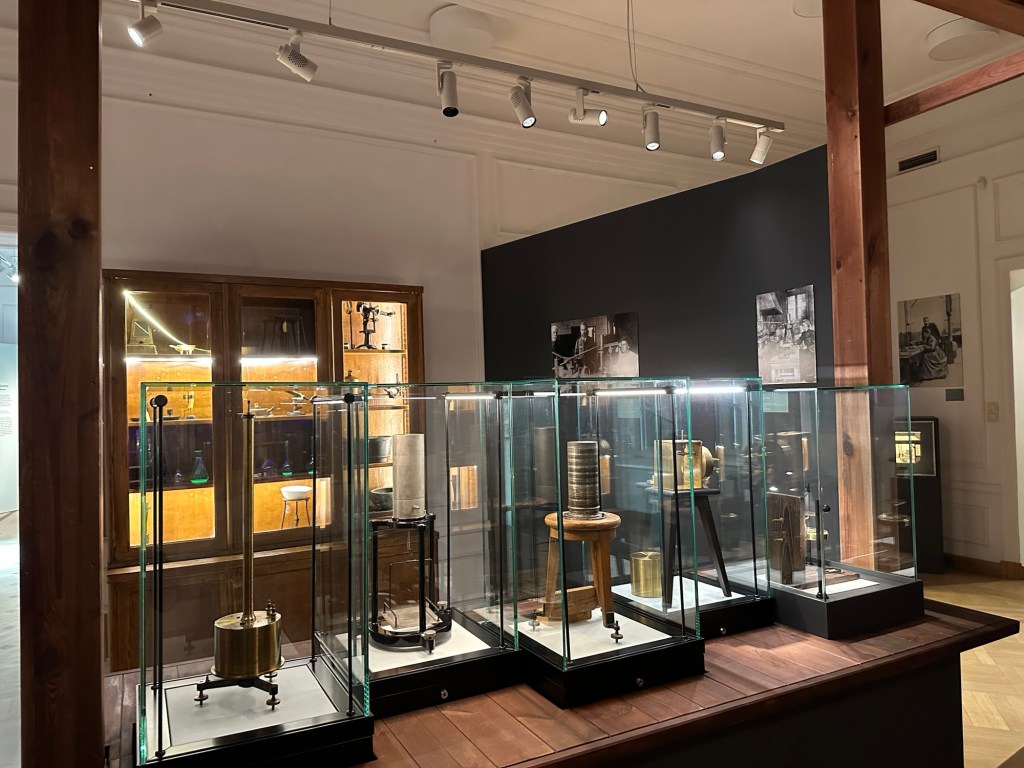
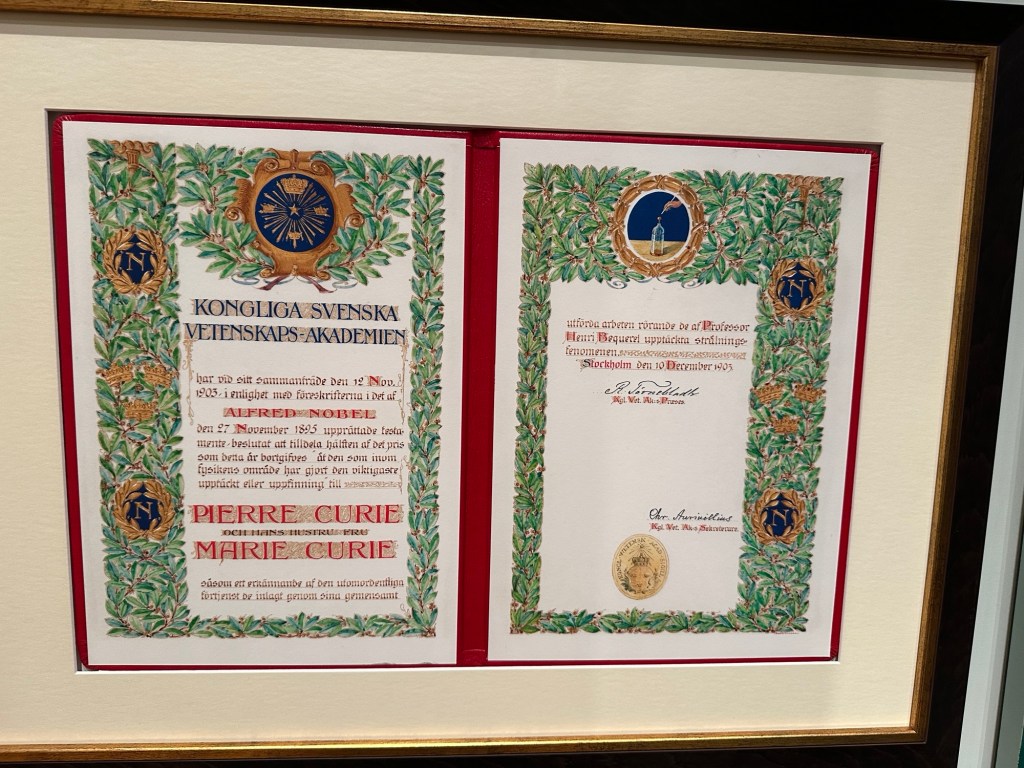
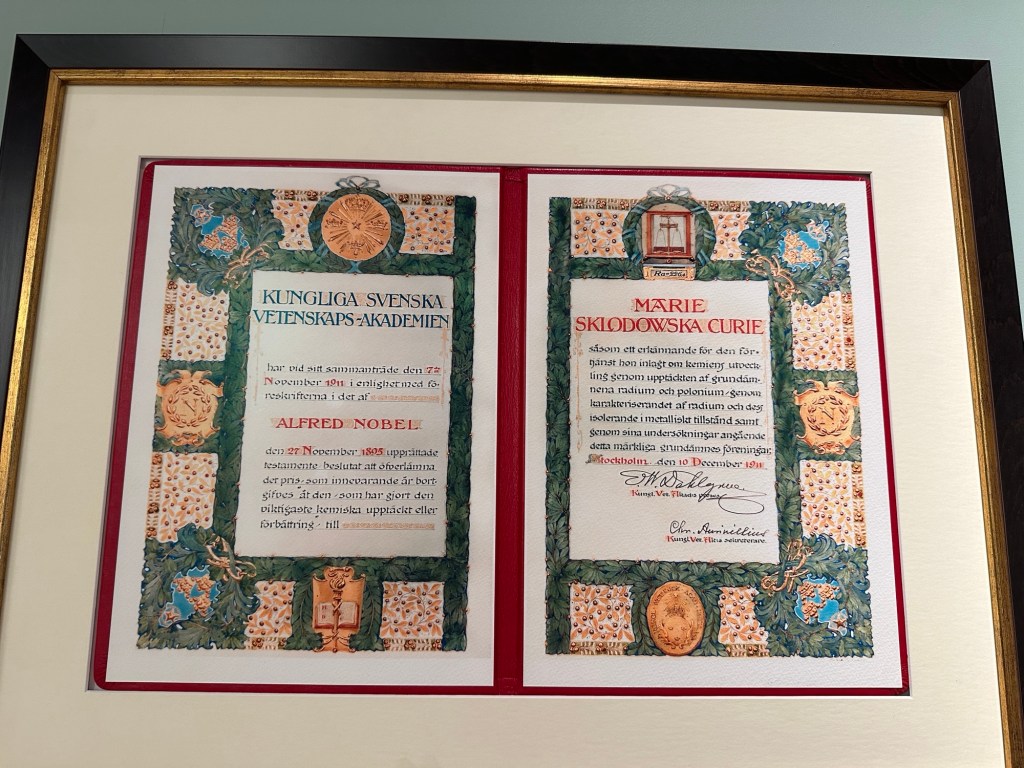
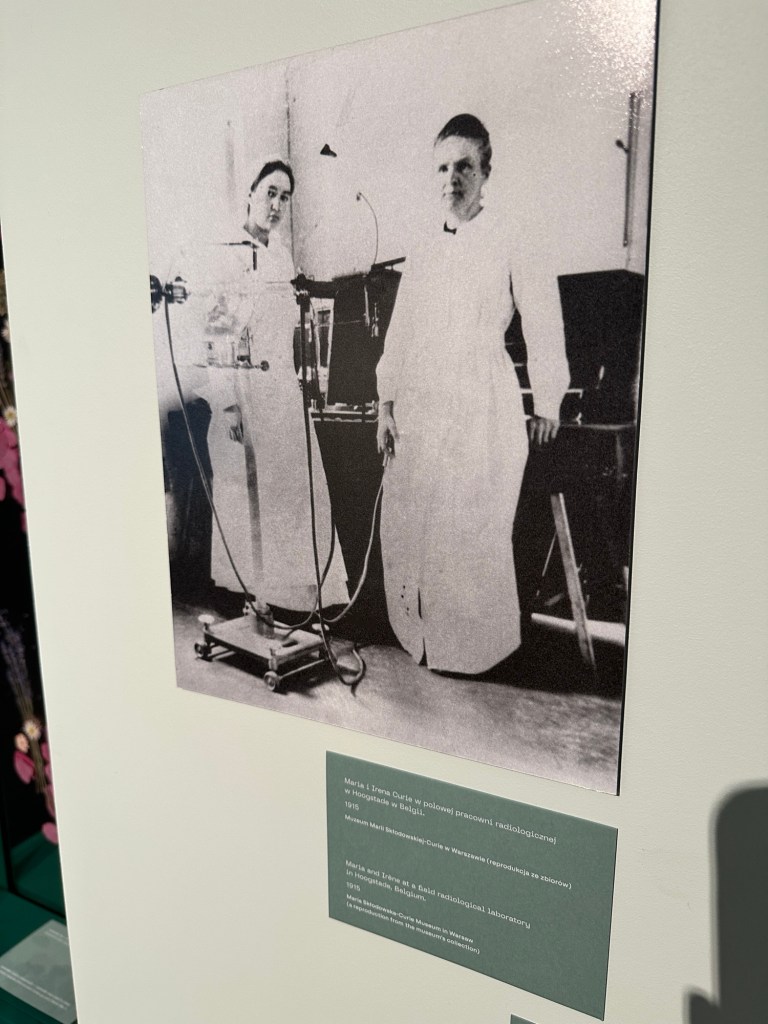
I finally make it to the Maria Skłodowska-Curie Museum. She may have a French sounding last name but she is 100% Polish being from Warsaw. She studied at the Sorbonne and met her husband Pierre Curie thus making her French by marriage. This two time Nobel prize winner discovered the elements radium and polonium (for Poland). She’s also has a resume of much more accomplishments as does the rest of her family. I think their family has the most Nobel prizes of any family. Marie’s husband died of an accident but she died from complications of extended radiation exposure – it was before it was determined how harmful radiation can be. She’s actually buried in the Pantheon in Paris. The tomb is sealed with lead because of her radioactivity.
During WWI she and her daughter put together a mobile xray which cut down on war amputees considerably thus speeding recovery time for injured soldiers.
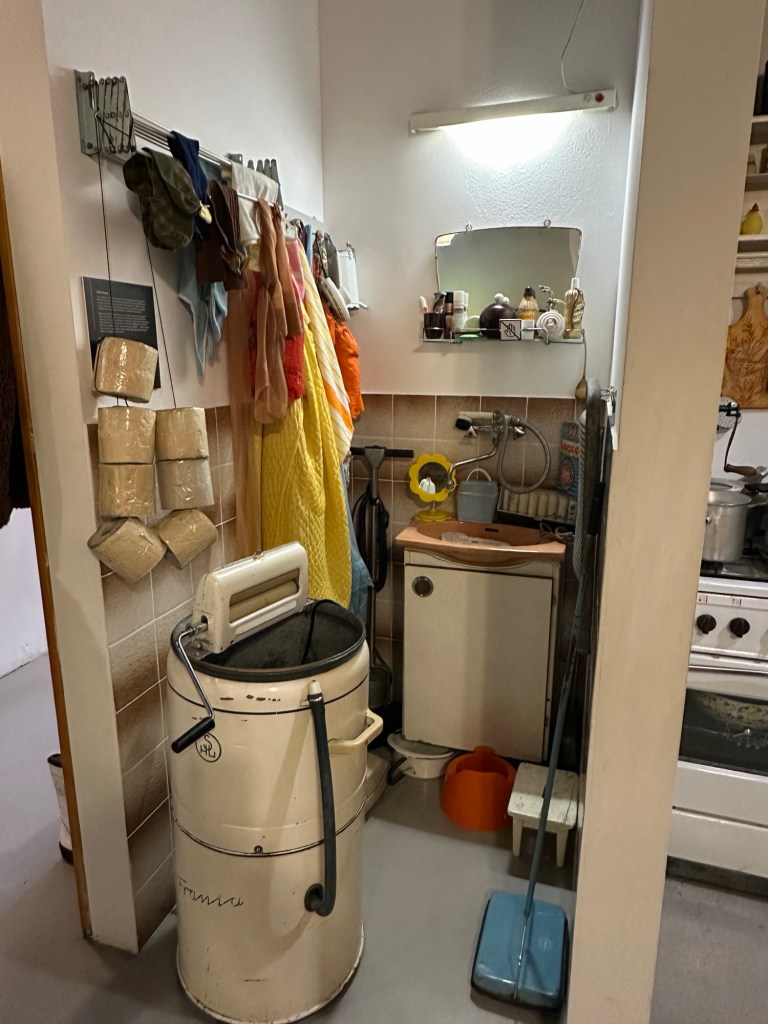
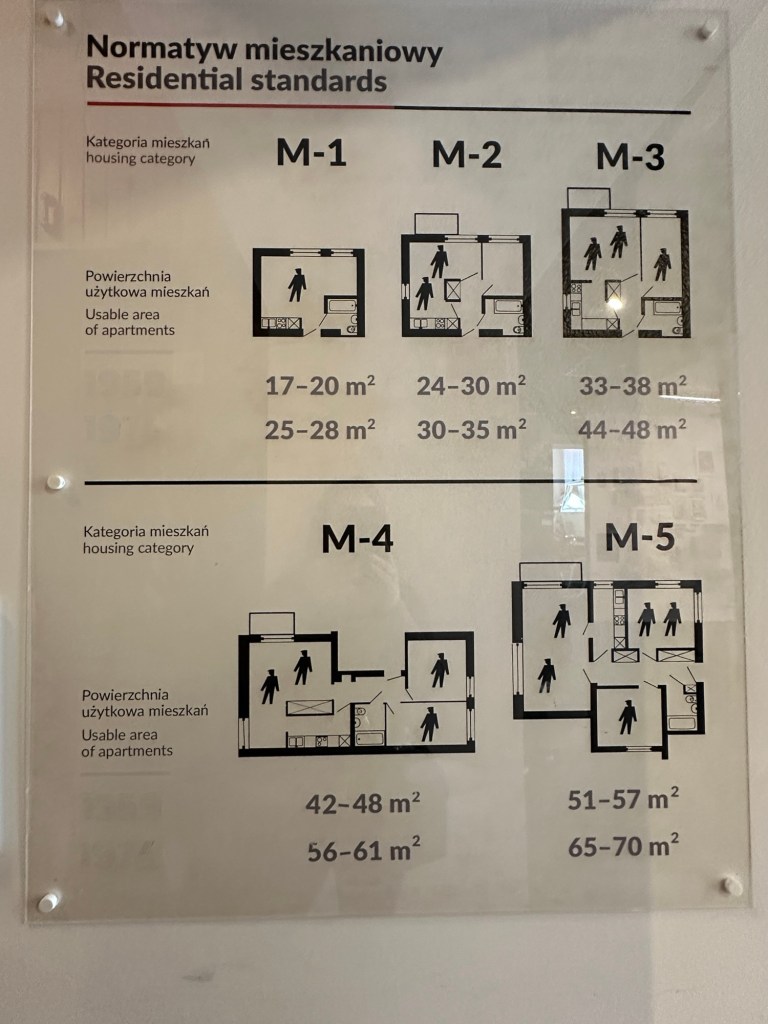
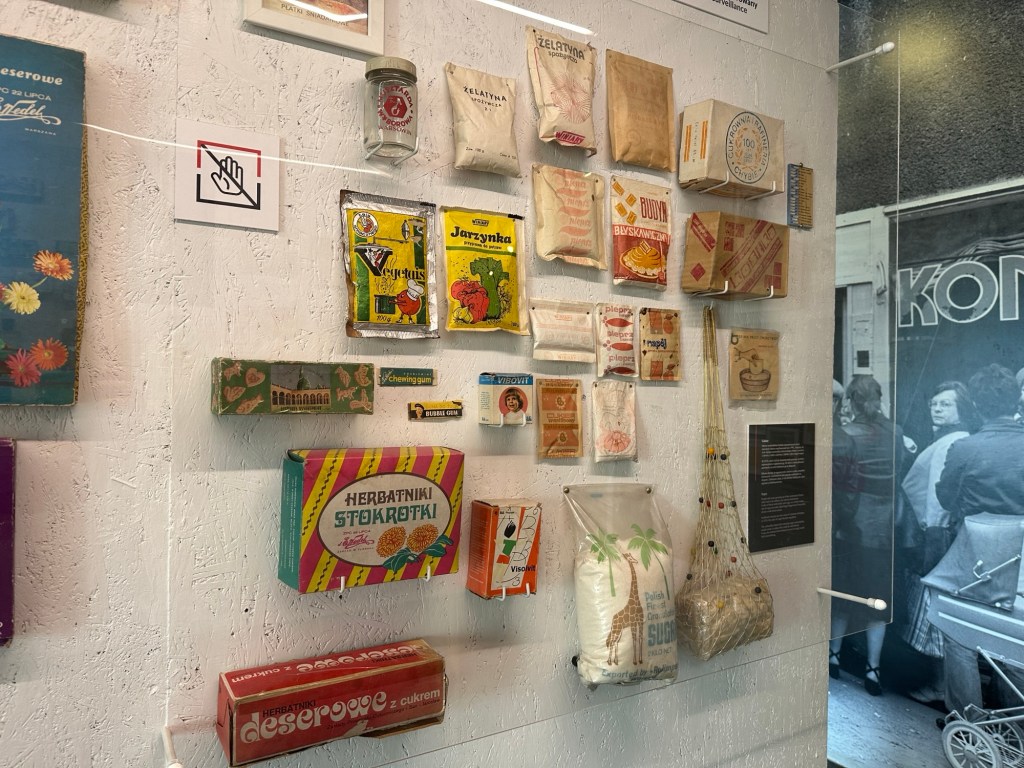
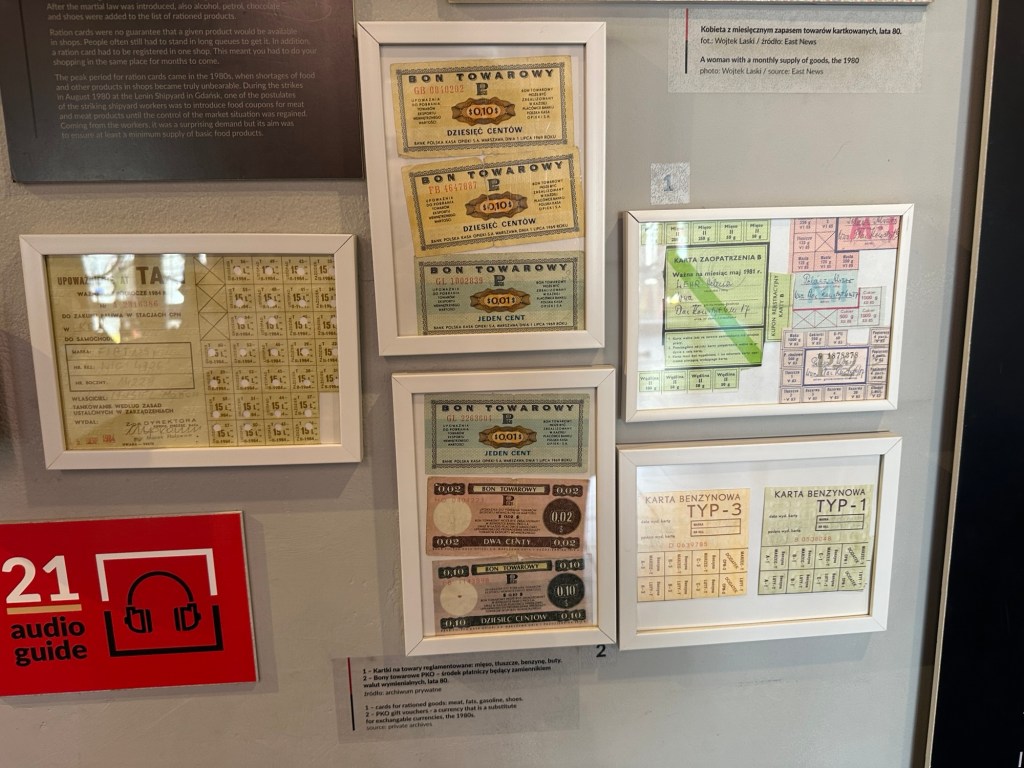
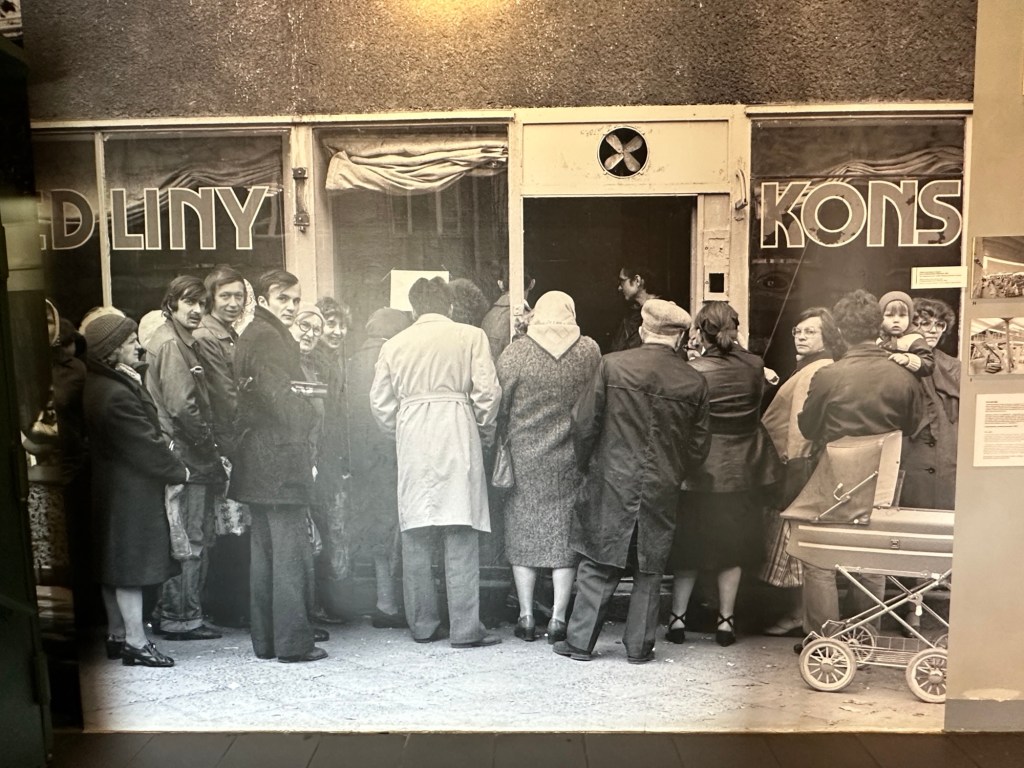
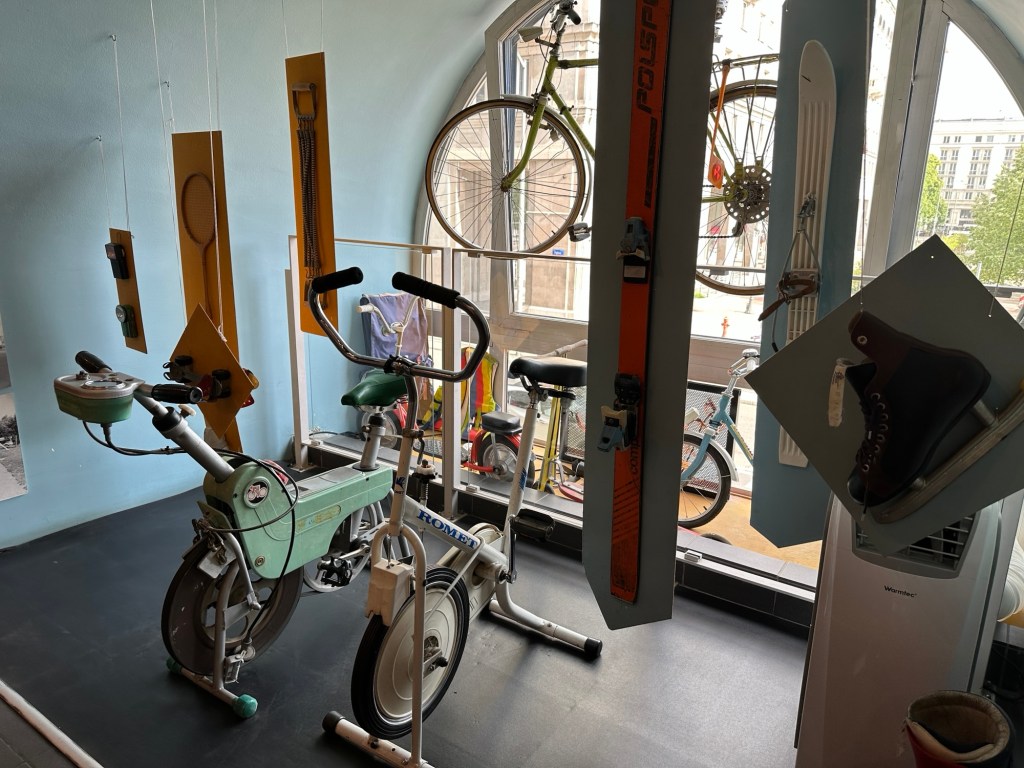
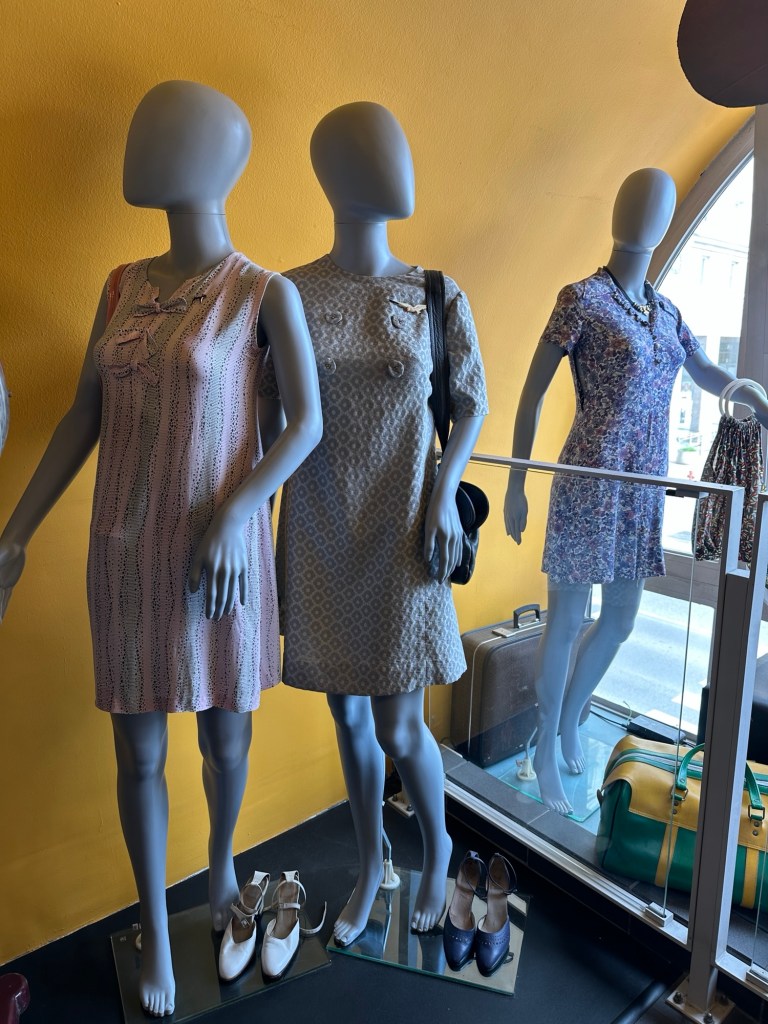
Finally I visit the Muzeum Życia w PRL. It’s a museum that tells about life under communism in Poland. PRL is translated to Polish People’s Republic. The idea of living under communism is so foreign to me so whenever I see a museum like this one I am drawn to it. Much of it is pop culture things at the time but it also talks about food rations and tickets and how difficult it is to get even simple things under communism.
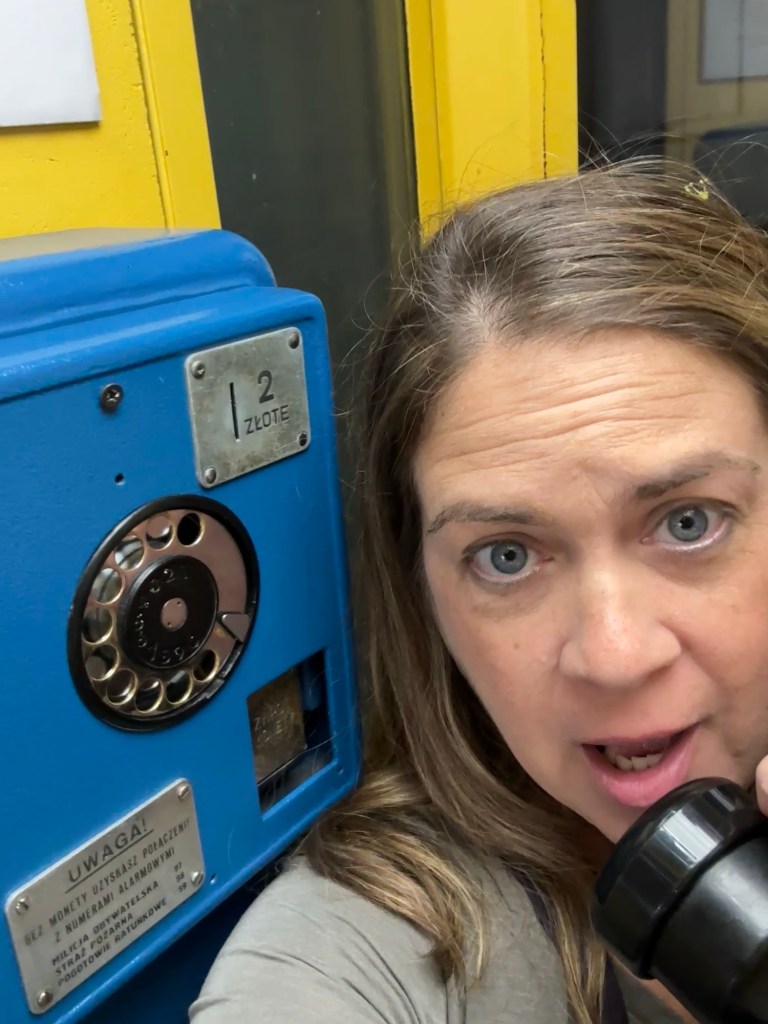
Typical apartment under communism Important old timey phone call
My favorite part of the museum is watching the propaganda video on the Colorado beetle. I first learned about this beetle in Krakow at another communist era museum. Apparently the Polish puppet government would put out propaganda posters and videos vilifying the USA and one of them was accusing us of unleashing a beetle meant to destroy their potato crops.
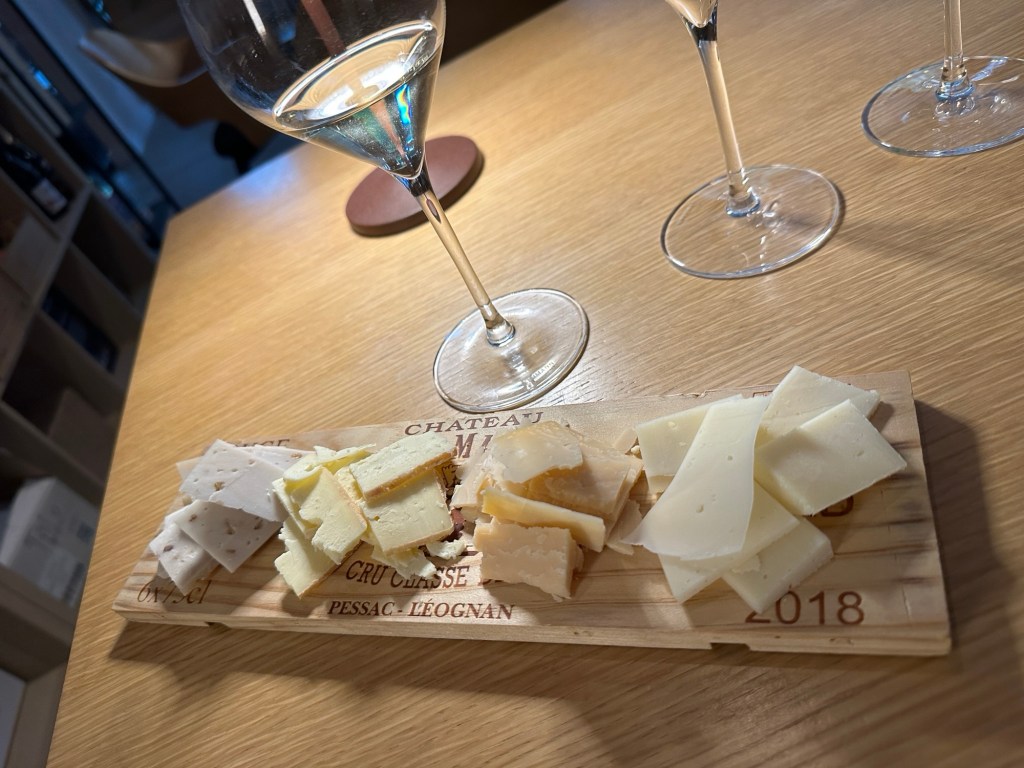
After the museum I get a light dinner nearby of wine and cheese.
Before I sign off for the day I’d like to point out the photo of the flying cotton like things that are constantly in the air. I am not 100% sure where they come from but they might be from dandelions.
Today I had planned to visit POLIN museum. POLIN is a museum of the history of polish Jews. I am usually really very detail oriented in planning. I don’t love planning out every hour of every day it is a shorter trip than I gotten accustomed to so I don’t have as much flexibility in my schedule. And I make mistakes in planning. Today was one of them. I thought I had pre-purchased a ticket to the POLIN museum. I arrive at the museum at 10am, what I thought was opening time. I double check my ticket to make sure I don’t have a limited time slot and I don’t. I can come anytime starting at 10am. The thing is I don’t realize it is closed today. It’s typical in European countries that there is usually one day a week that a museum is closed and I know this. It can be any day of the week but usually it is a Monday or Tuesday. Today is a Tuesday. I actually had in my spreadsheet that its closed today but I guess I never cross referenced it when I bought my ticket. And I never confirmed the date of my ticket because the day I bought it for was the day I arrived in Warsaw, so double failure. I hop of the bus at the POLIN museum and figure out how to move my schedule around so I can visit this museum on another day. I think I have figured it out.
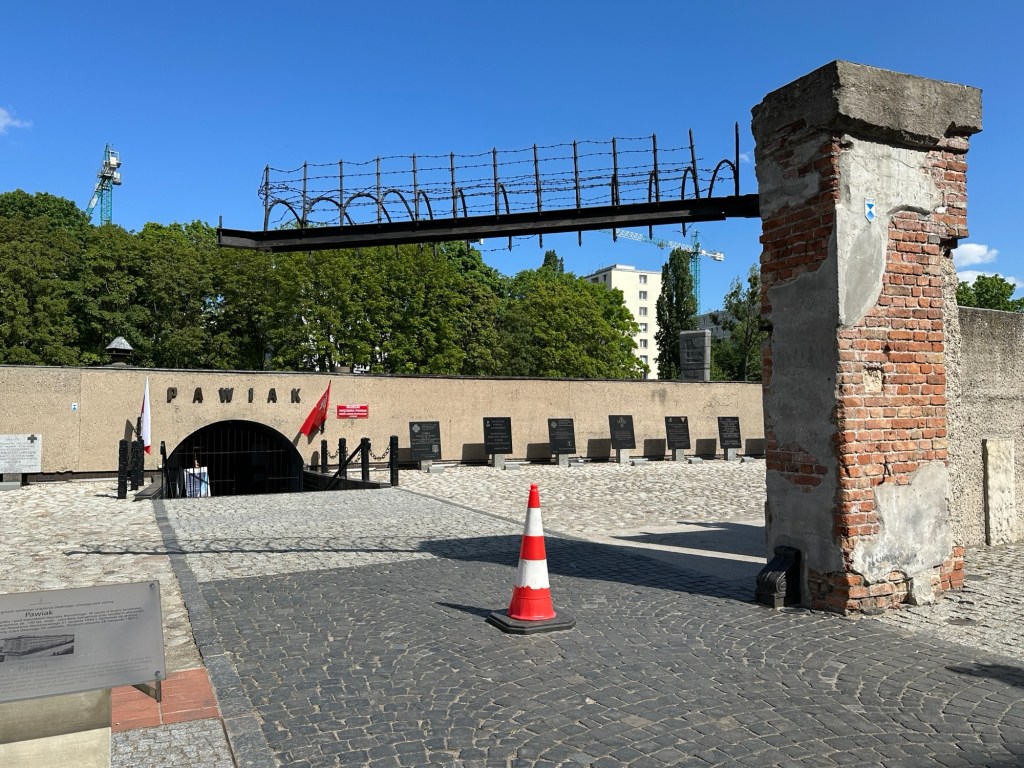
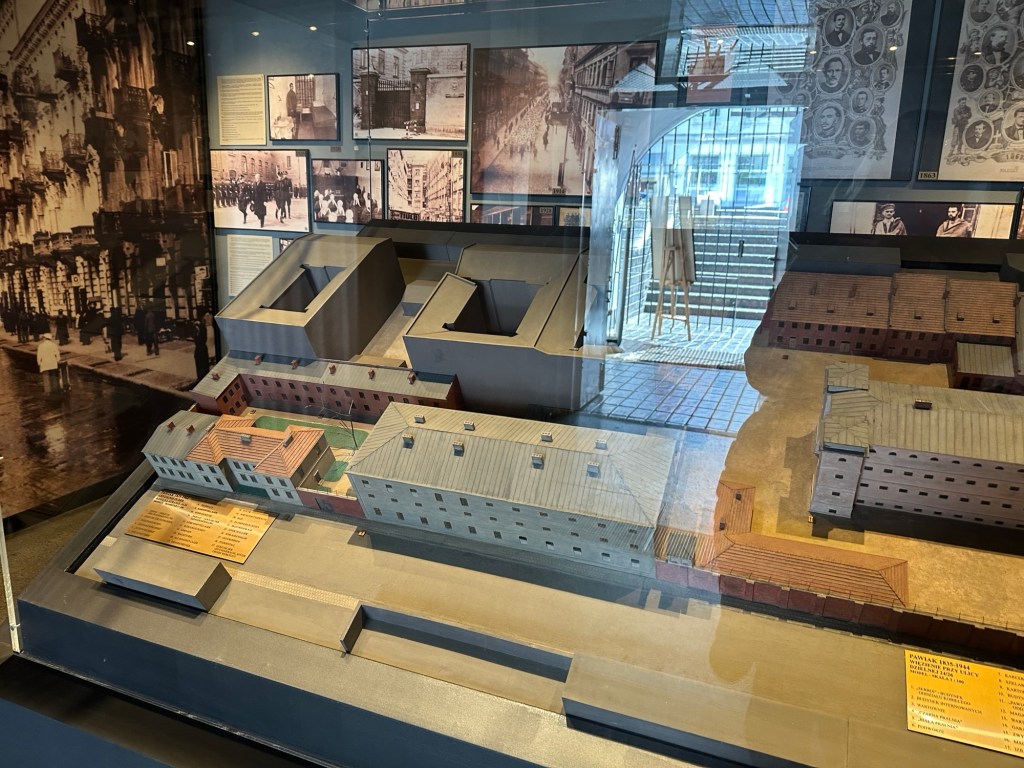
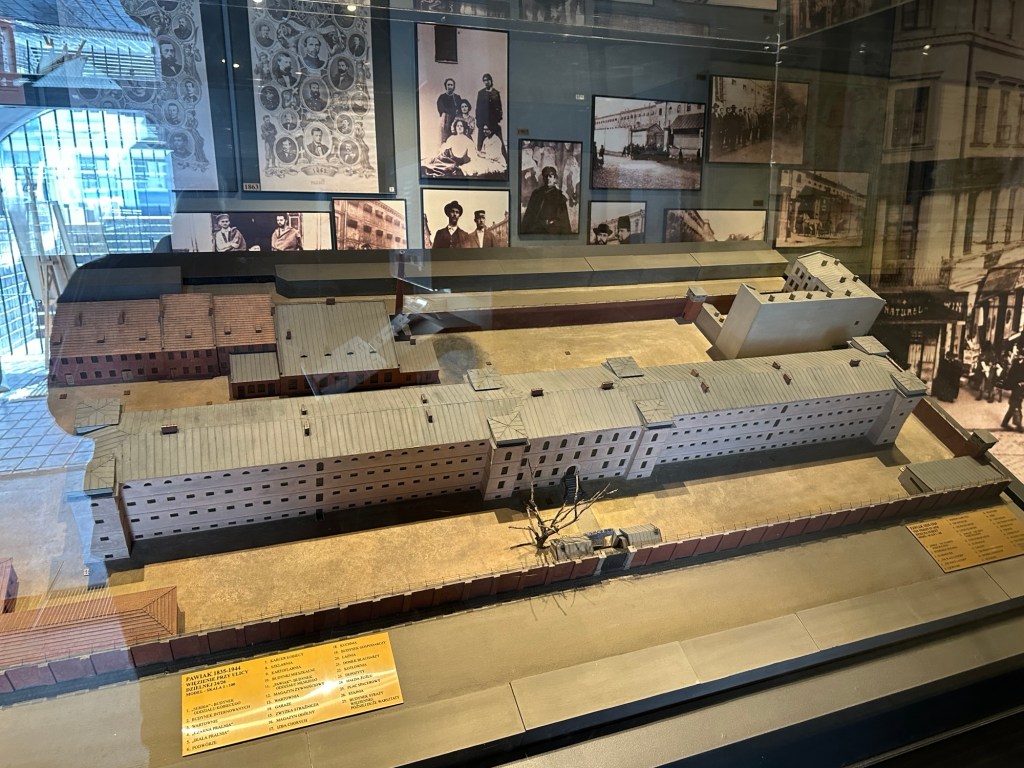
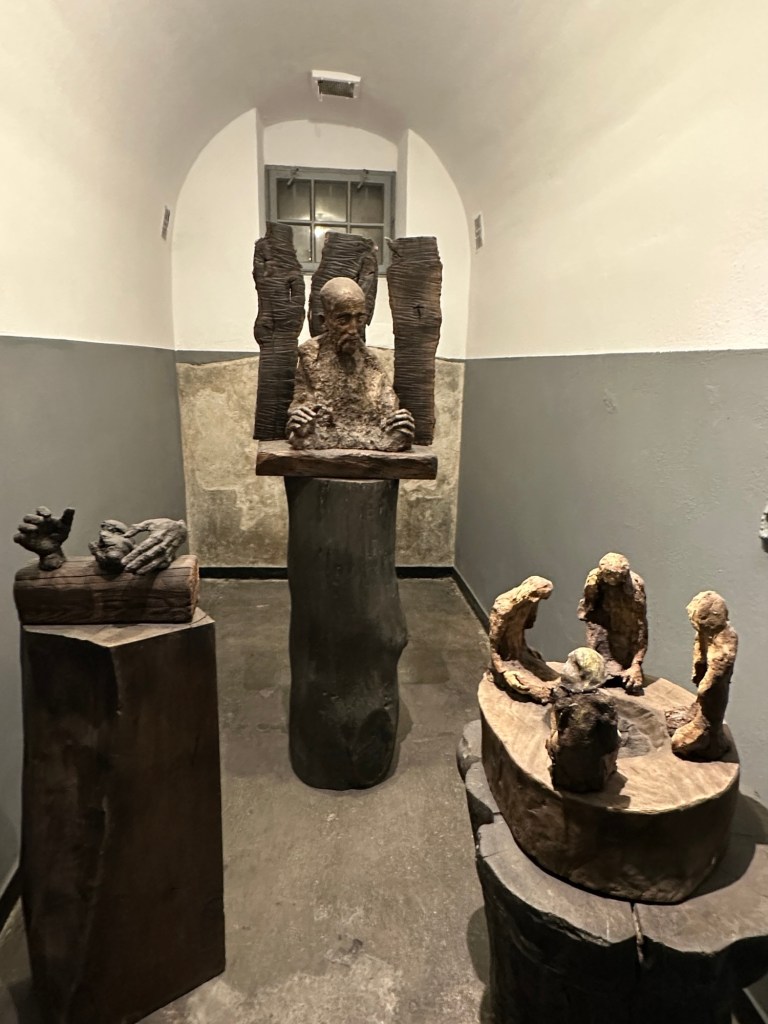
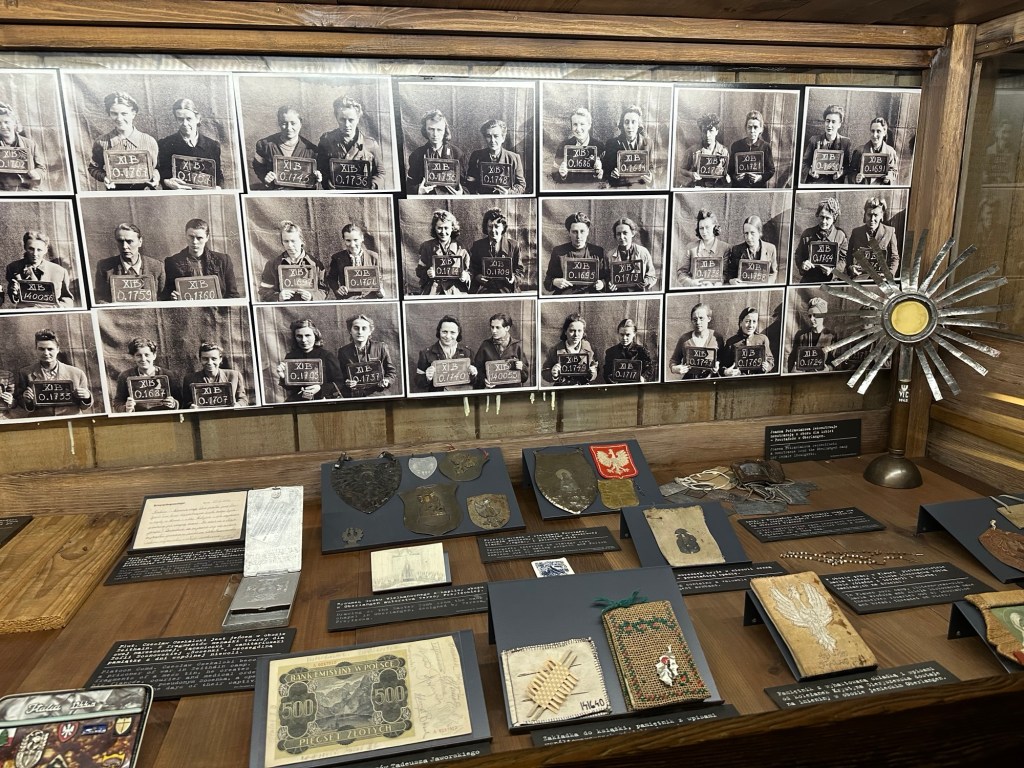
Instead I head to the Pawiak Prison which is nearby to POLIN and opening in just a few minutes. Pawiak Prison was originally built in 1835 for use by the Russian occupation during that time and it was used to house polish political prisoners and others. It was most recently was used by the nazi Germany occupiers to imprison local polish people.
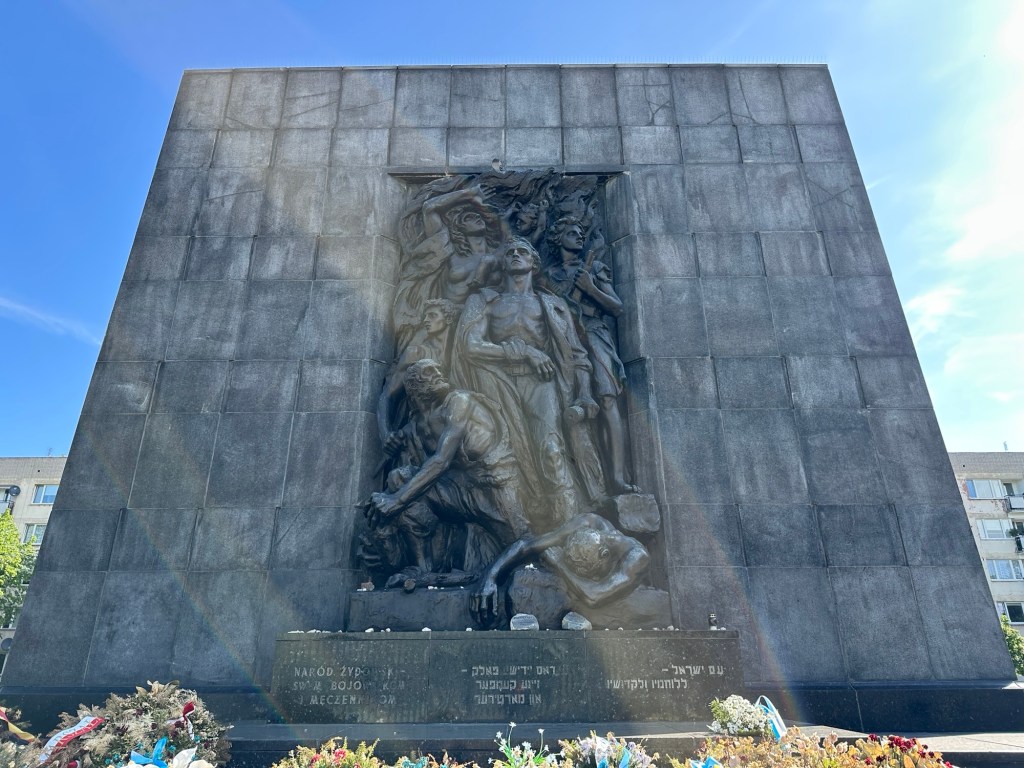
First I stop by the Monument to the Ghetto Heroes in front of the POLIN museum.
Memorial Square of the Ghetto Heroes of Warsaw
Pawiak Prison was bombed by Germans at end of world war 2 like they did elsewhere to destroy evidence of war crimes. What exists on the site today is a partially reconstructed museum corridor of the original prison. There is a statue of a tree outside that represents a tree that made it through the destruction but later died.
Statue to commemorate old tree outside prison Prison model. Women were in right smaller buildings, men were on the left.map of all the execution sites.
The crosses on map above are the execution sites of 30,000 people that were executed during the German occupation.
List of people jailed immediately
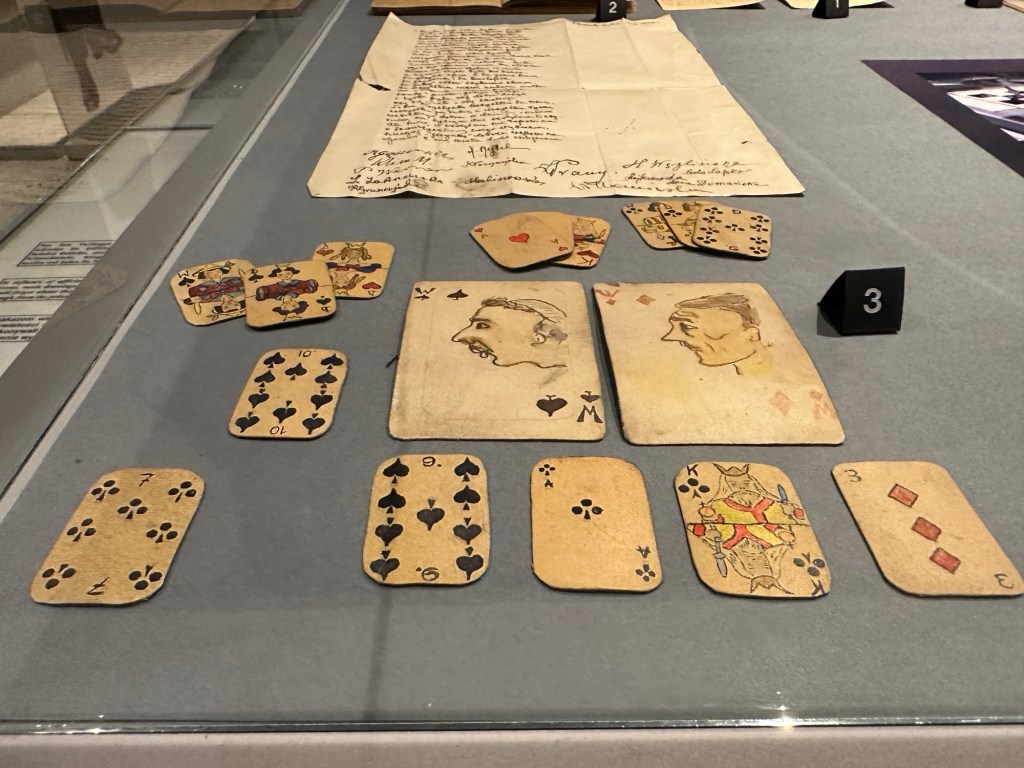
The prison was meant to hold 700 inmates but the Germans kept about 3000 there at a time. There were about 100,000 people here during occupation. I learn how Germans tortured prisoners with hot coals. Many guards at the prison were locals who helped the prisoners part of underground movement.
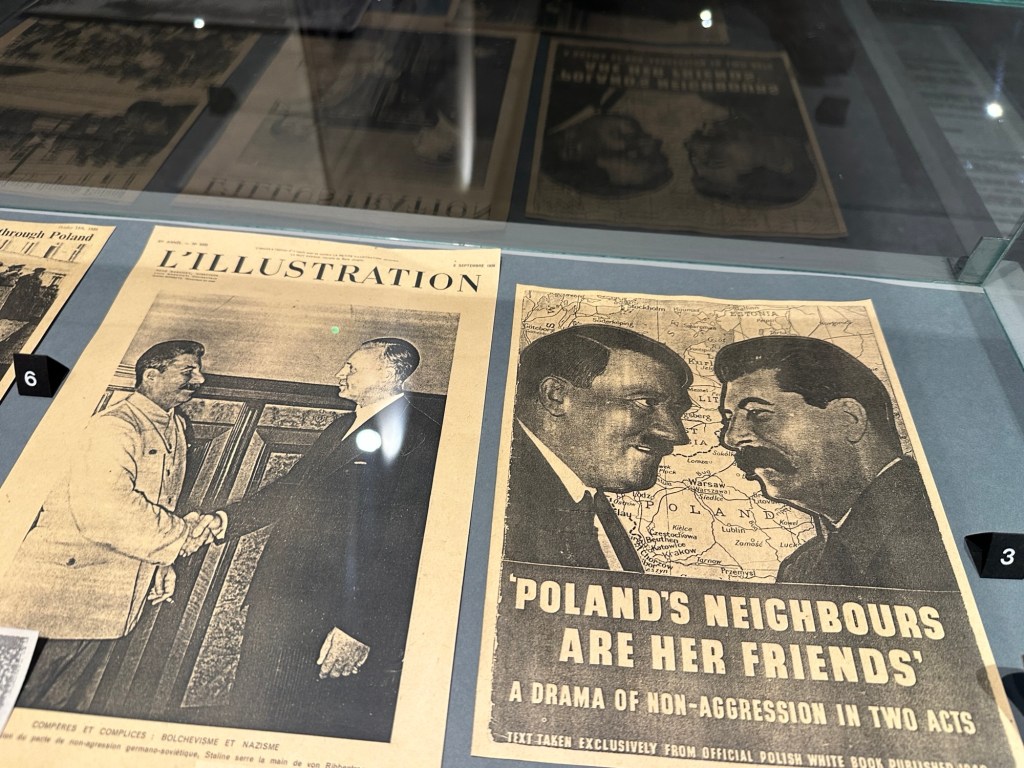
There is some information on WWII history like we learn about the Molotov -Ribbentrop Pact between Stalin & Hitler that occurs on September 1939. It essentially divided Poland in half and installed a puppet government in Warsaw and Krakow.
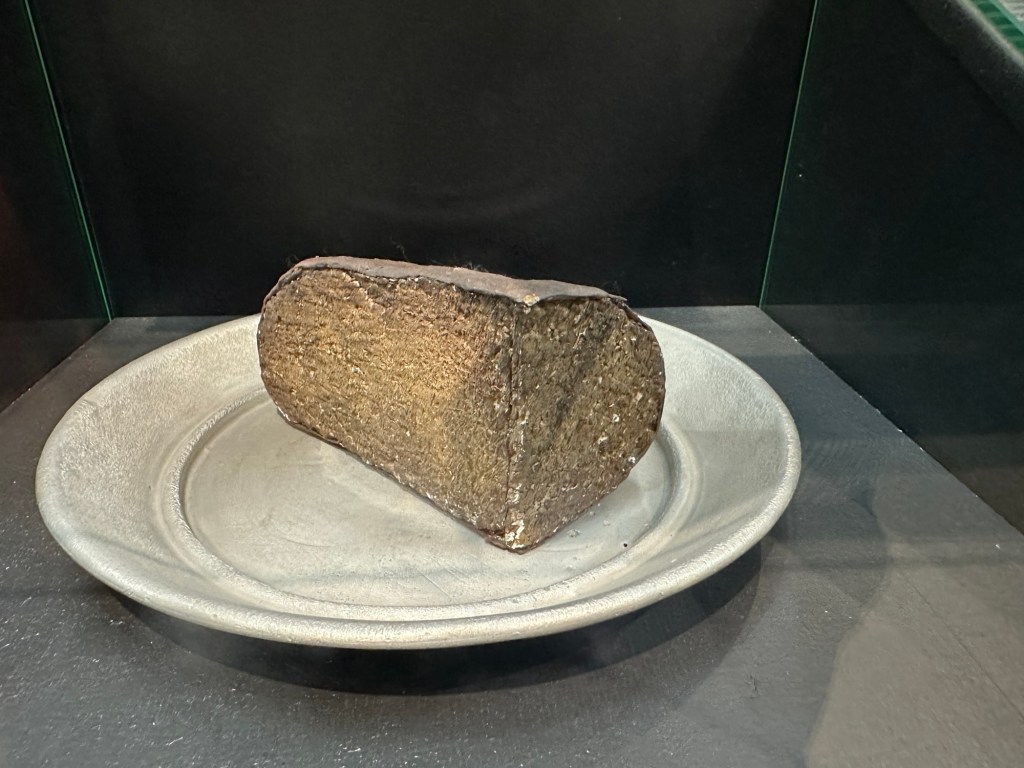
At the end of the tour there is day in the life exhibit where they talk about how prisoners survived on 500-800 calories a day.
I downloaded the audio tour on my phone. There is lots of English language explanations but the audio tour gives more insight to the exhibits.
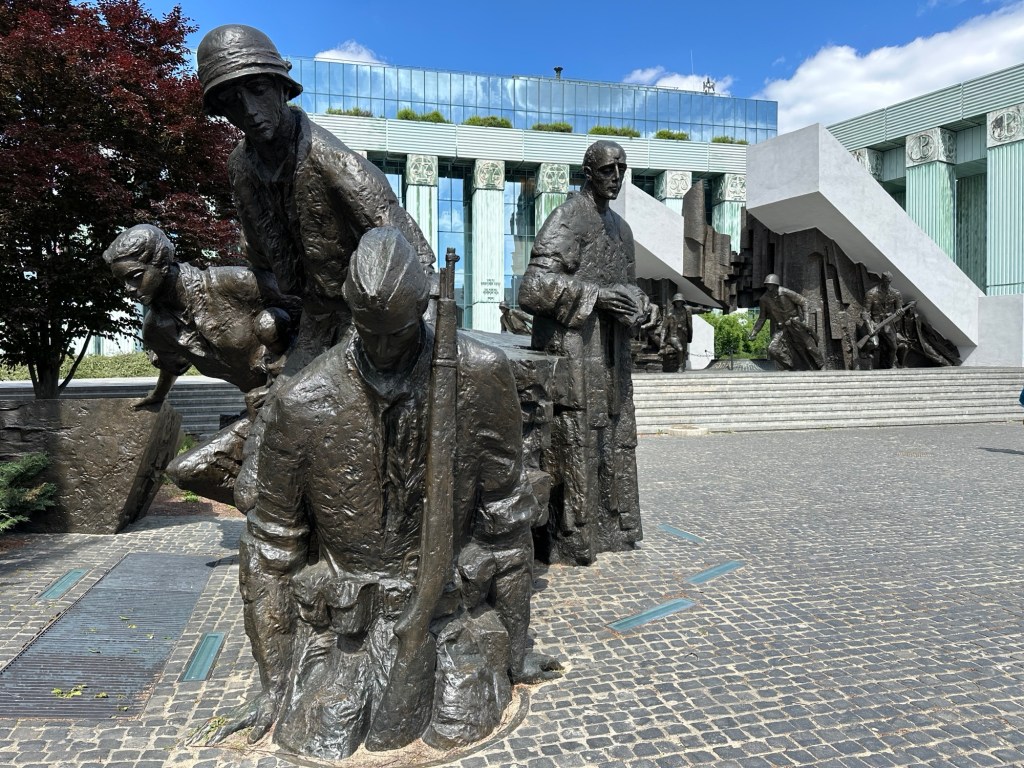
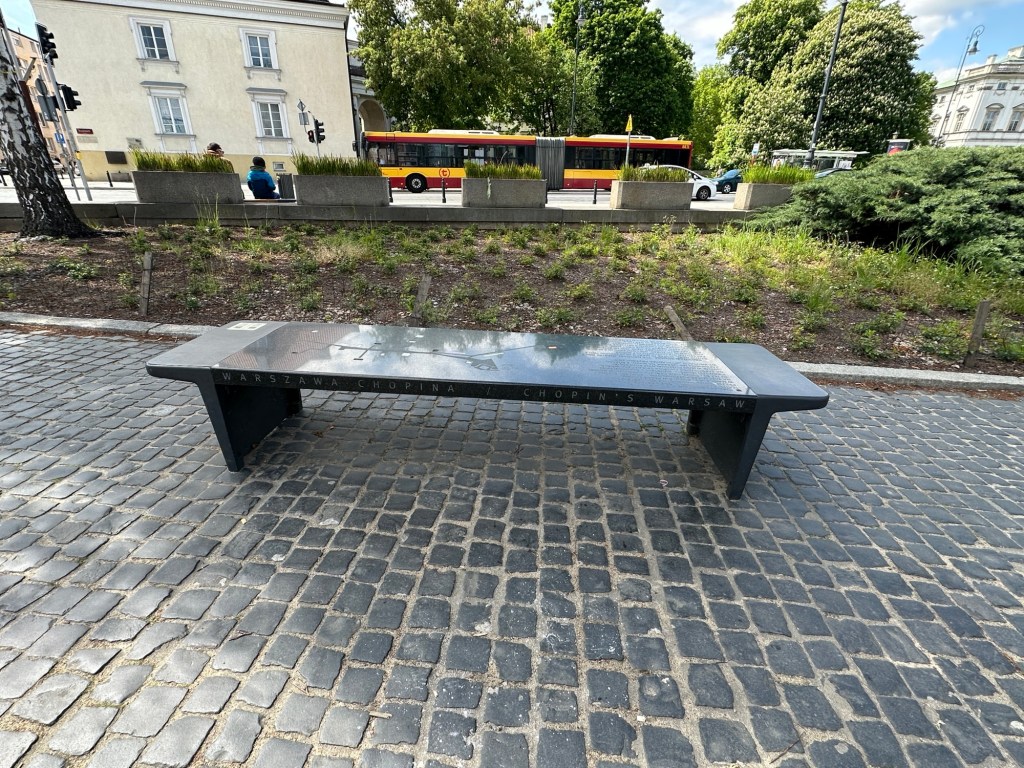
I walk back towards the old town and stop at the Warsaw Uprising Monument and Chopin’s Bench, a bench that plays music. The Warsaw monument is to commemorate the uprising of Warsaw citizens again the German aggression.
Warsaw Uprising Monument
Since apparently I don’t believe in slowing down and resting during this trip I try a hotdog for lunch at the Polish 7-11 equivalent called Zabka. I thought it looked good previously but it is disappointing. The goal is to visit Lazienki park prior to my food tour this afternoon. I wait at a bus stop off what looks like a busy highway. There is a short wait for the bus so when I see it coming I get closer to the curb to board and I see it drive right past my a$$ like I am not even there. I have no idea what happened. It is 15 minutes to the next bus so I plan next time to make a scene flagging it down. Luckily I don’t need to because the bus actually stops this time.
Convenience store hotdogThe bus that actually stopped for me
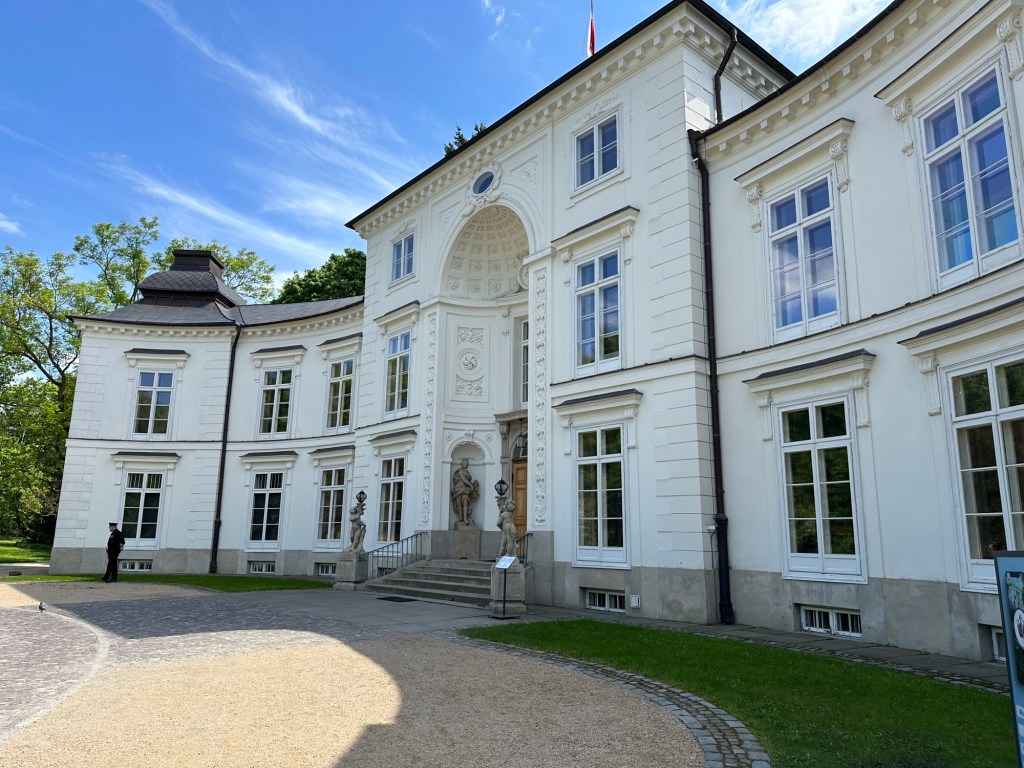
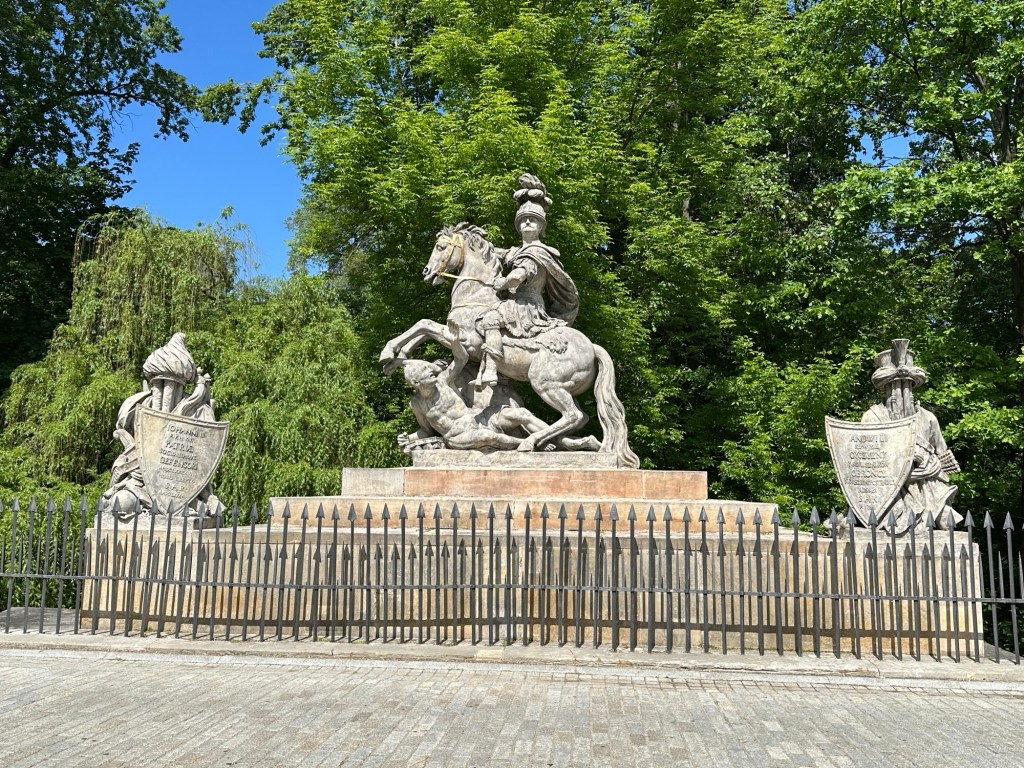
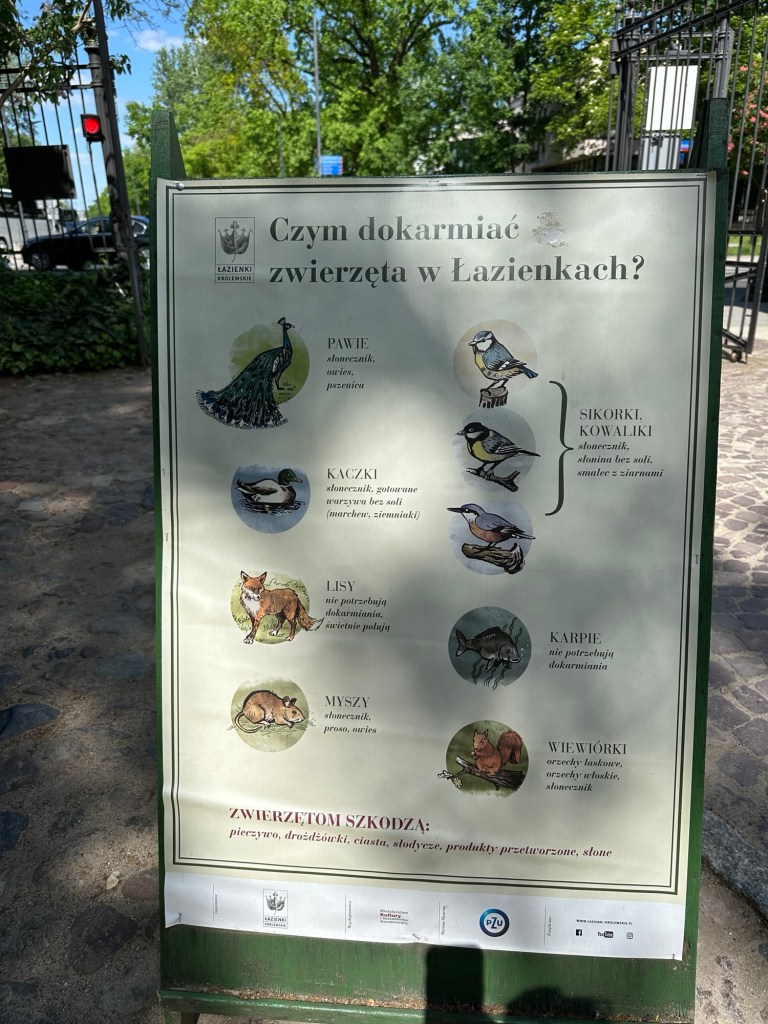
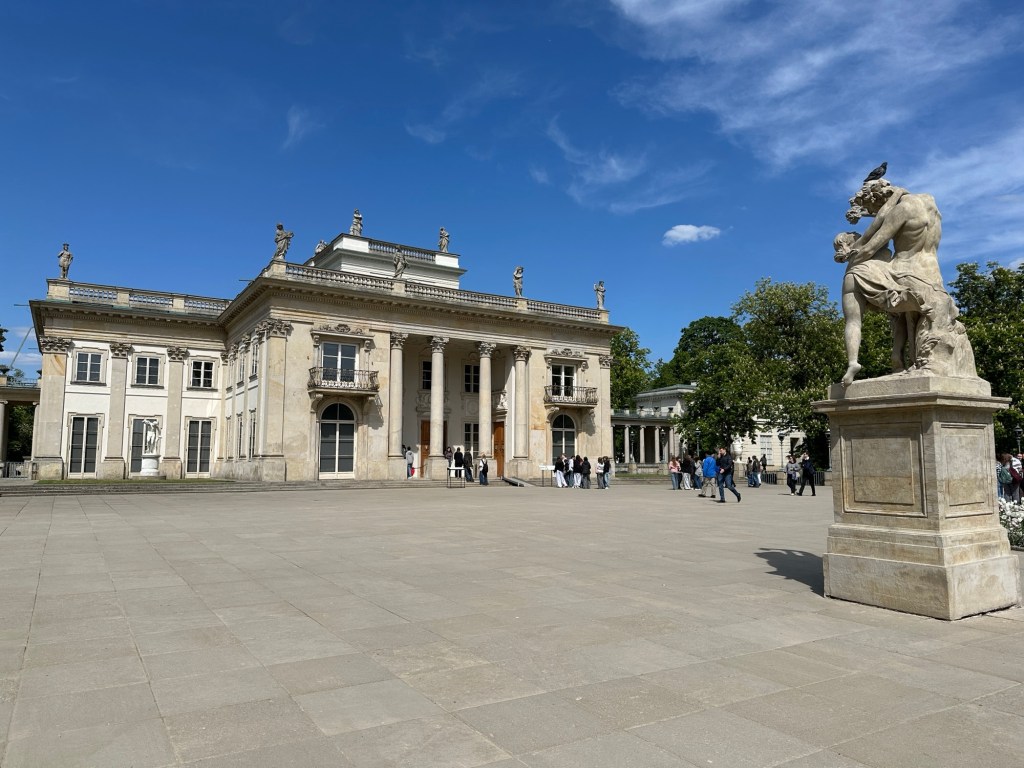
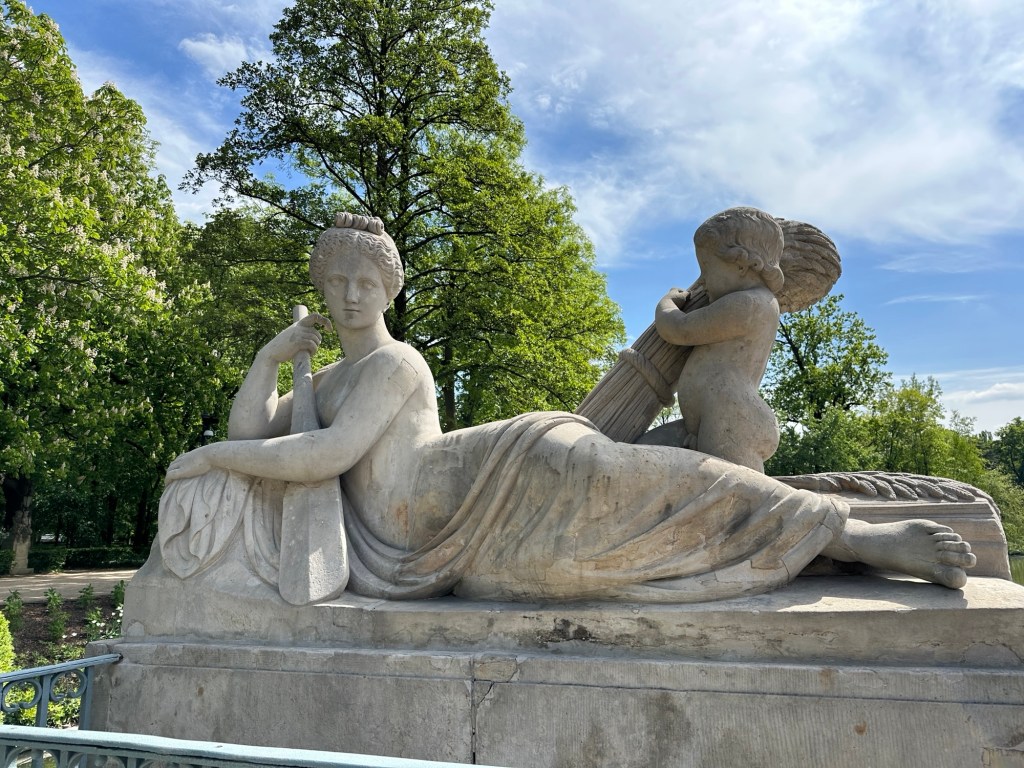
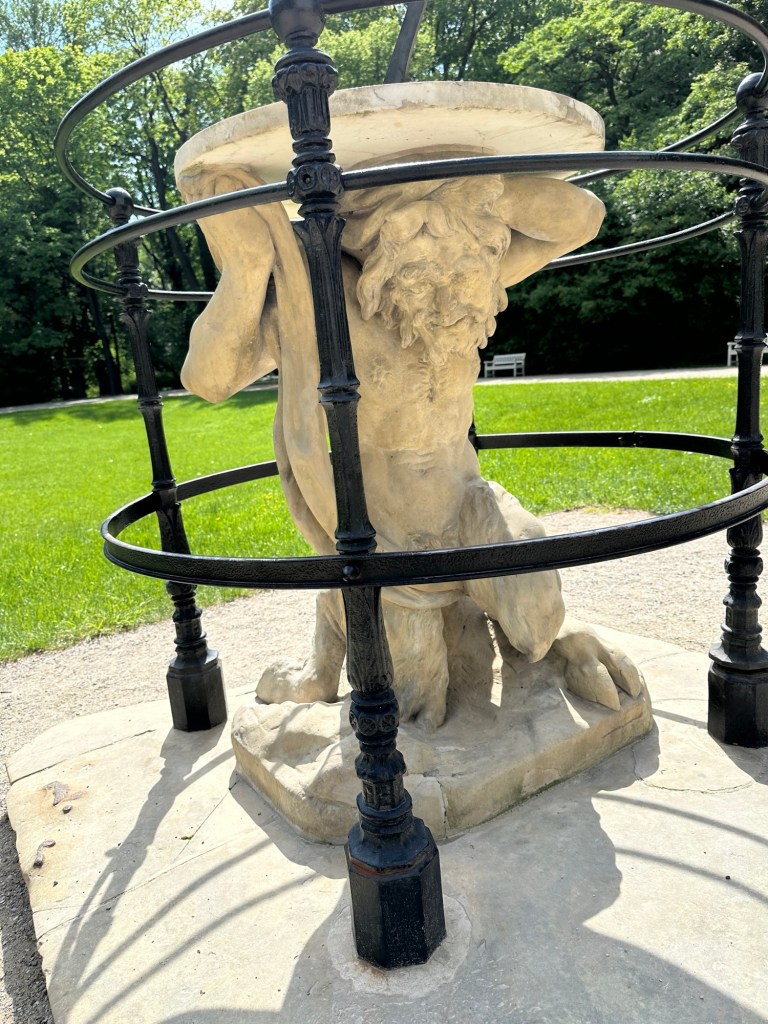
I arrive to Łazienki Park I have a lovely walk around the large park. I also admire the palace from the outside. I am trying not to eat too much before a food tour I have scheduled this afternoon but I’m still hungry after my garbage hotdog. I order a ice cream. I also need to eat the trail mix in my purse. Side note – a really large bird hears me digging me into the nuts in my trail mix and decides he wants some of it so I am being followed by a bird for a few meters.
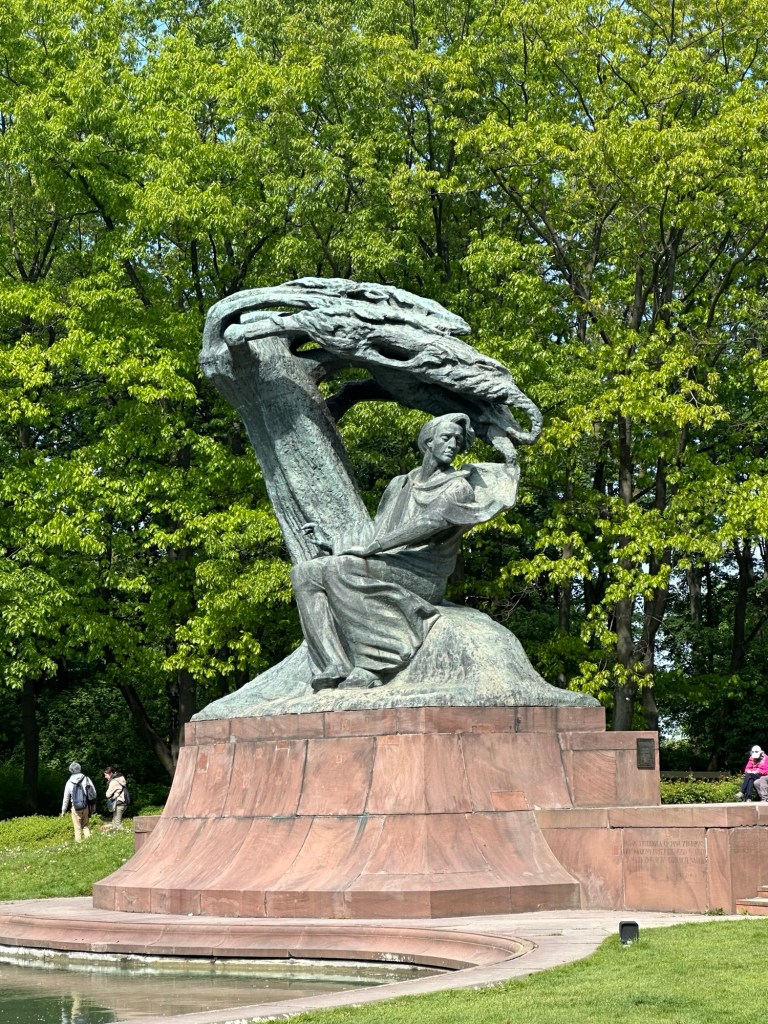
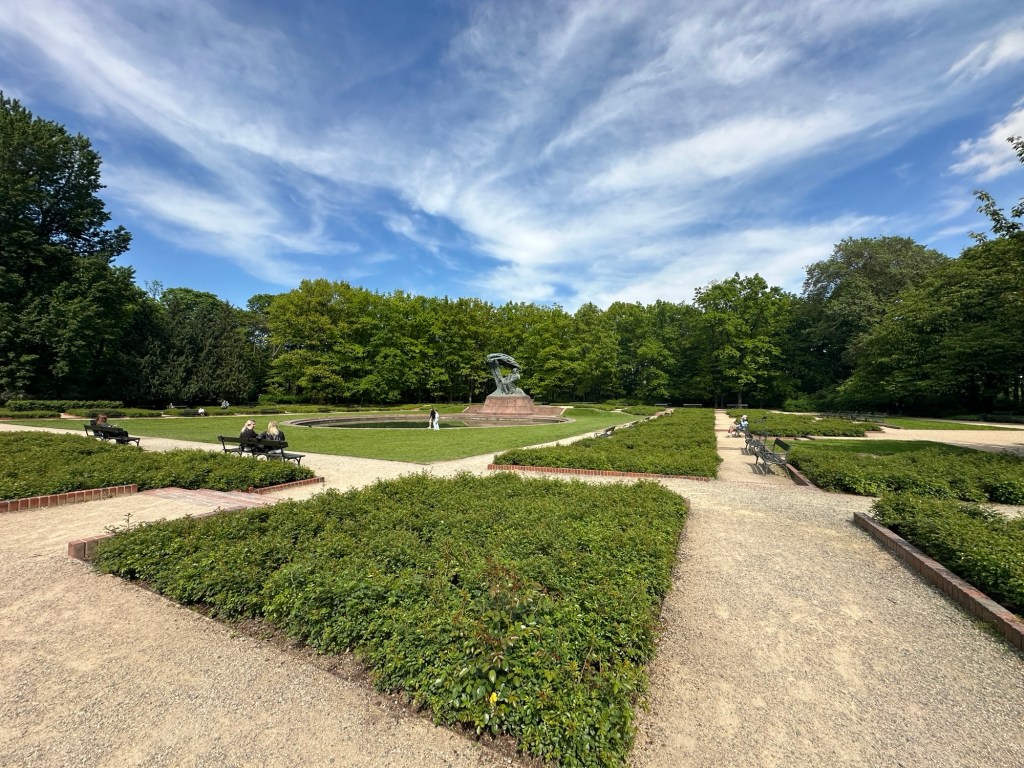
Chopin Memorial
Also notable in this park is the Chopin memorial. One of the things I really wanted to do this trip is view a Chopin concert in this park as they have every summer. But I am a week too early for the concert season. I still enjoy sitting in the area where the concerts happen and imagine how it would be surrounded by the beauty and classical music.
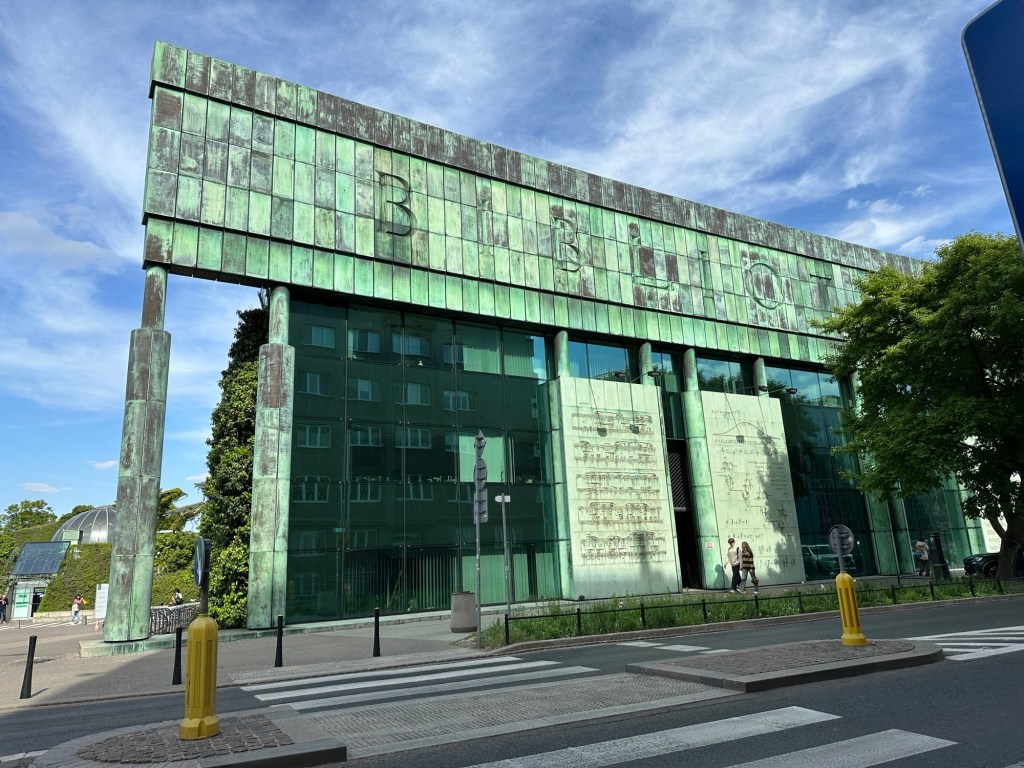
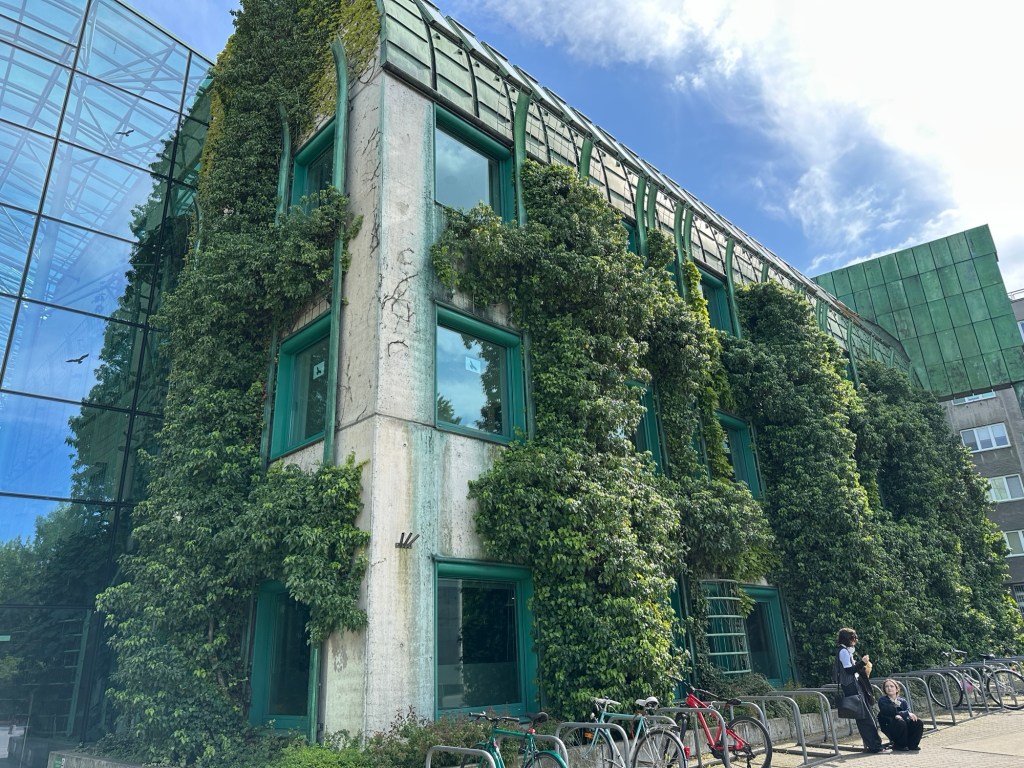
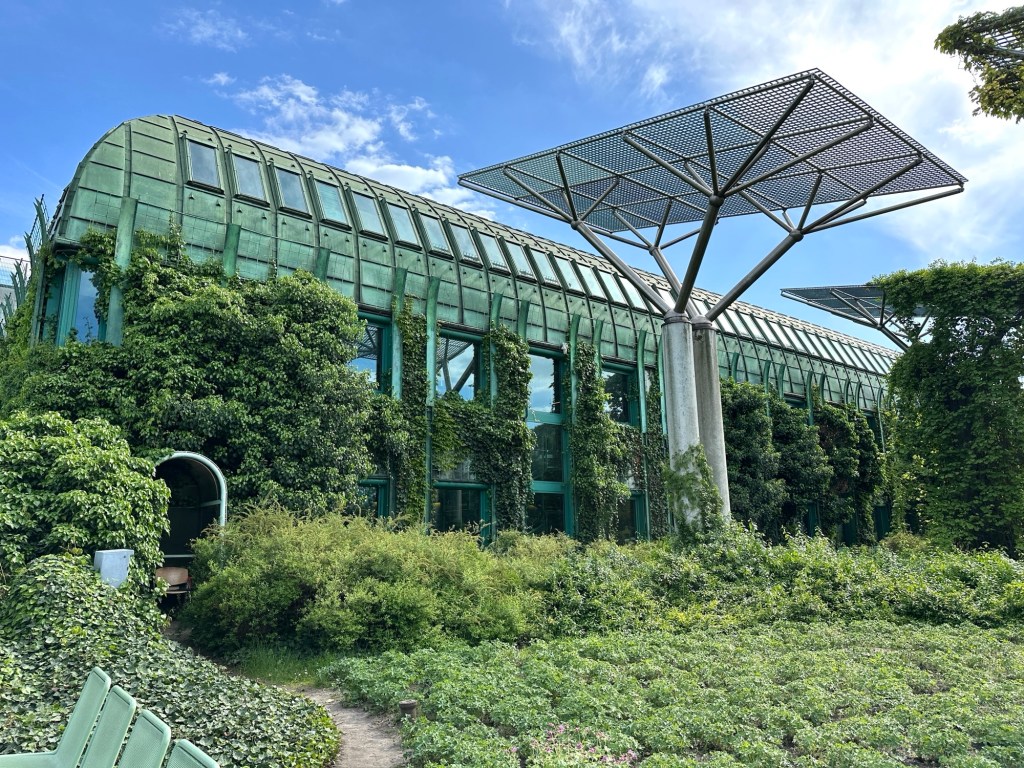
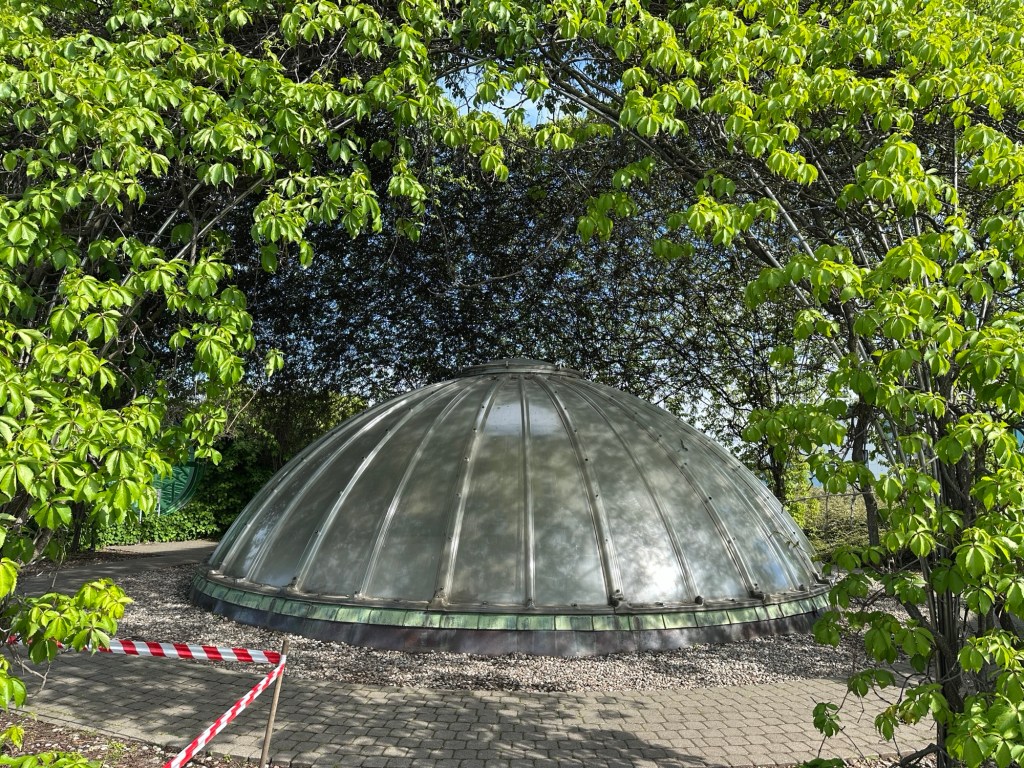
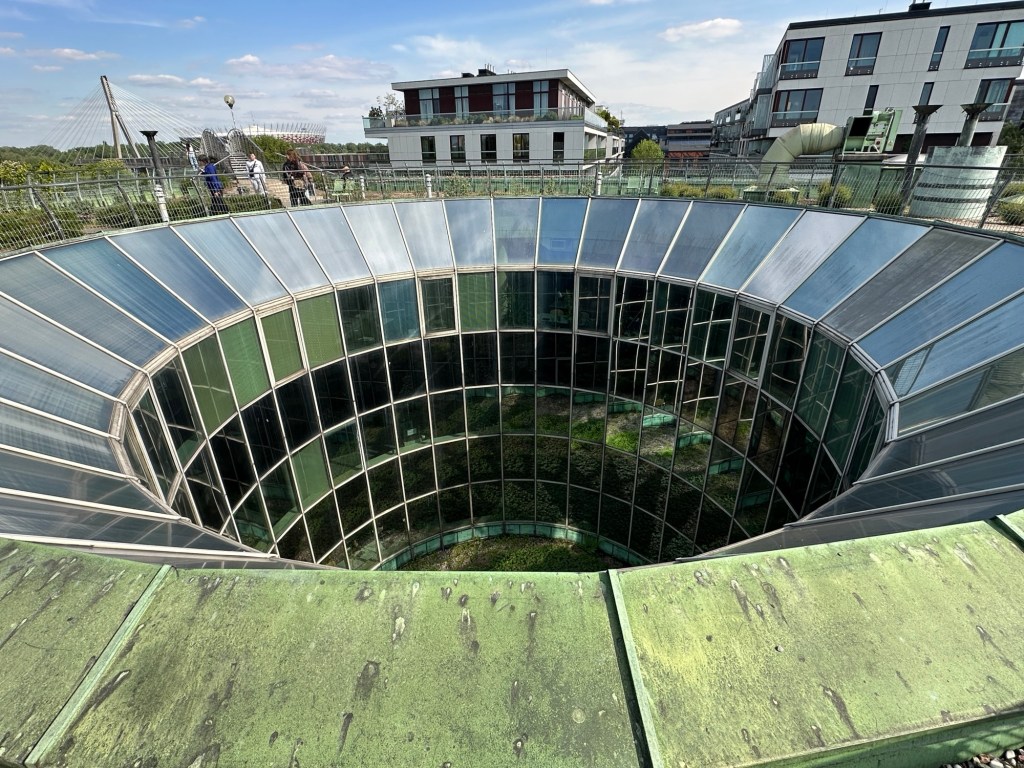
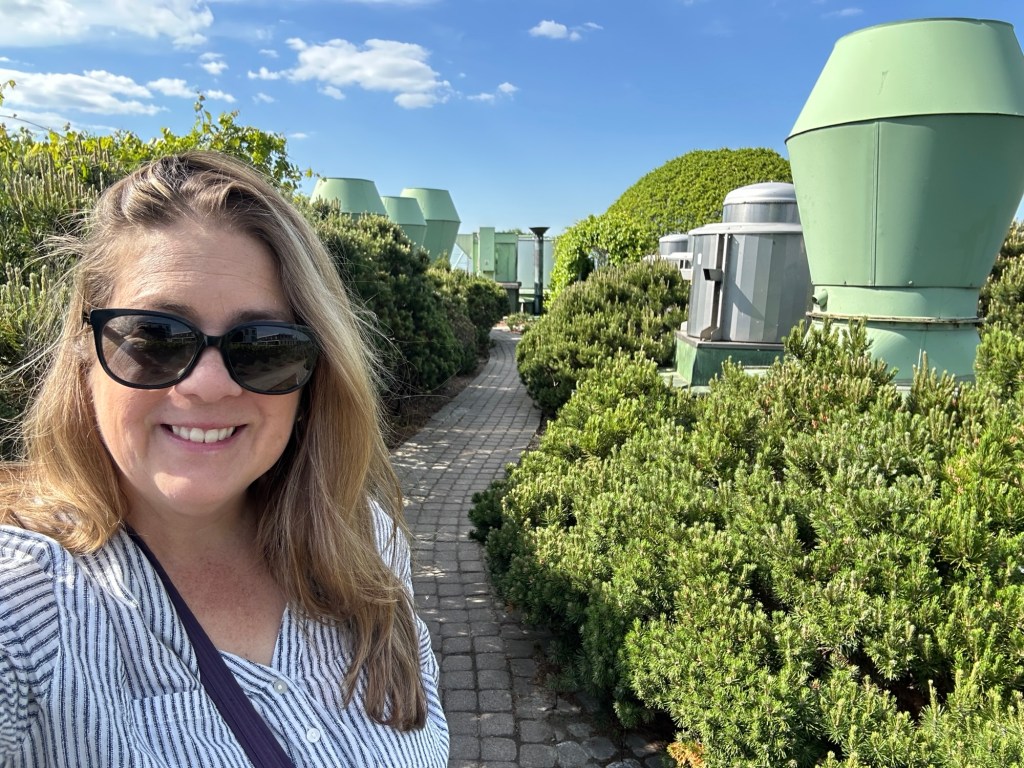
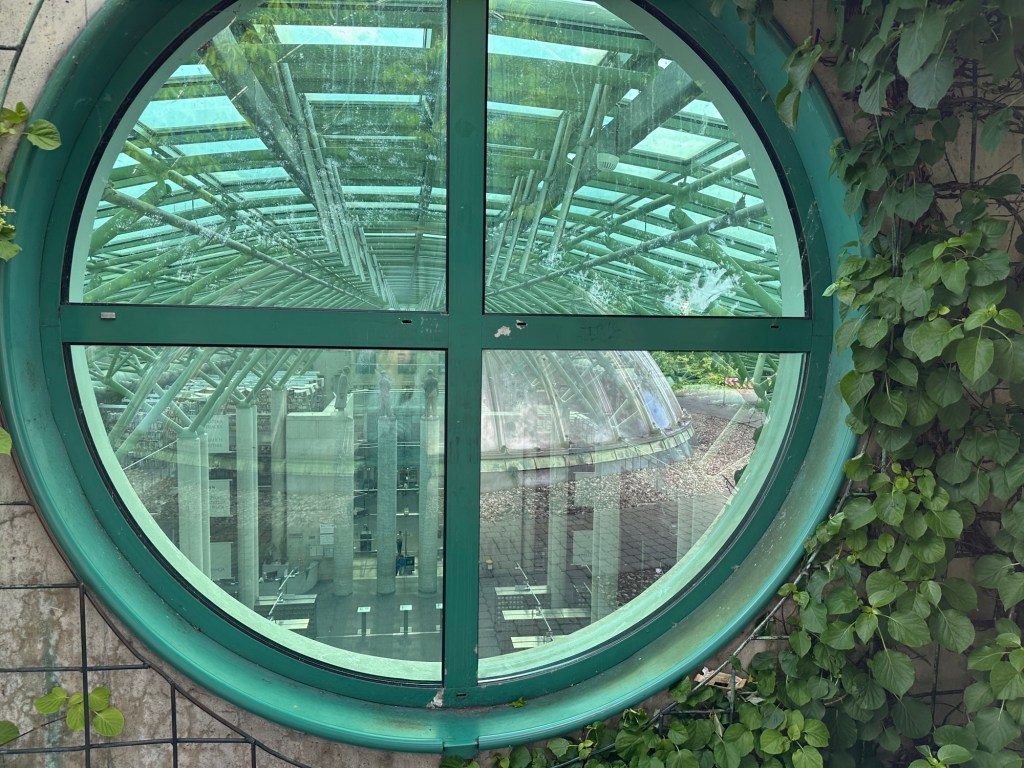
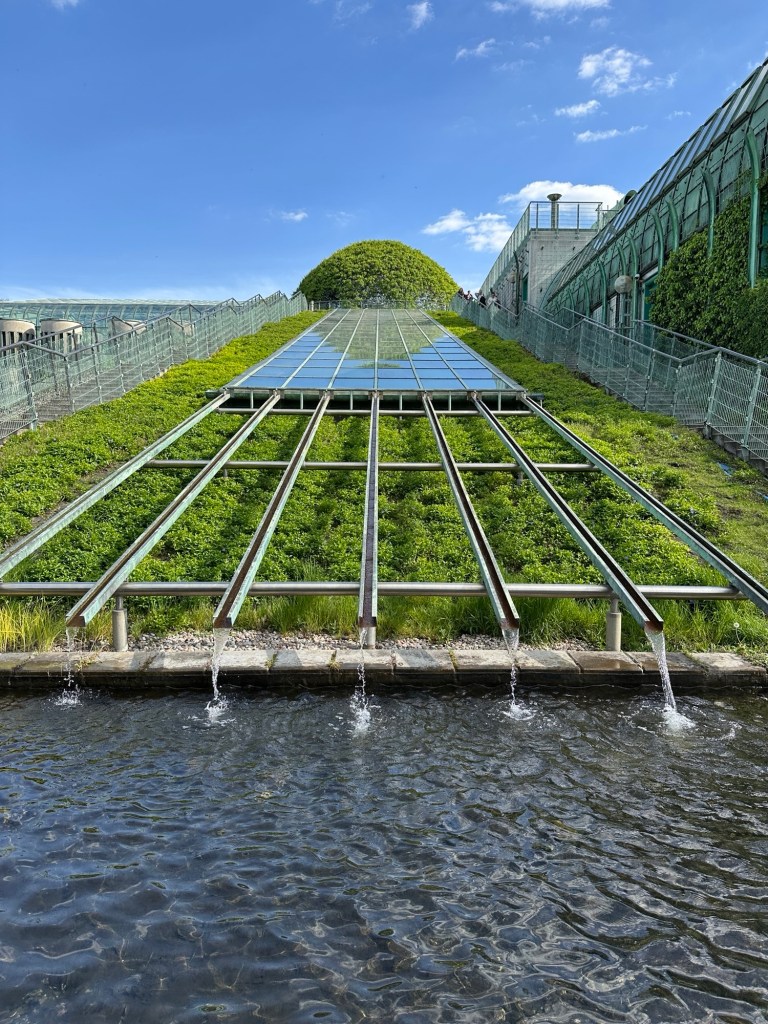
I take the bus back to old town for food tour but I am too early. I walk down to the roof top garden at the Warsaw University. I have to say this garden has got to be in my top ten favorite gardens. They make an urban rooftop garden out of otherwise wasted space of the roof of a library. It is so nice and peaceful up there. You can tell a lot of thought was put into designing this garden.
Library Inside library
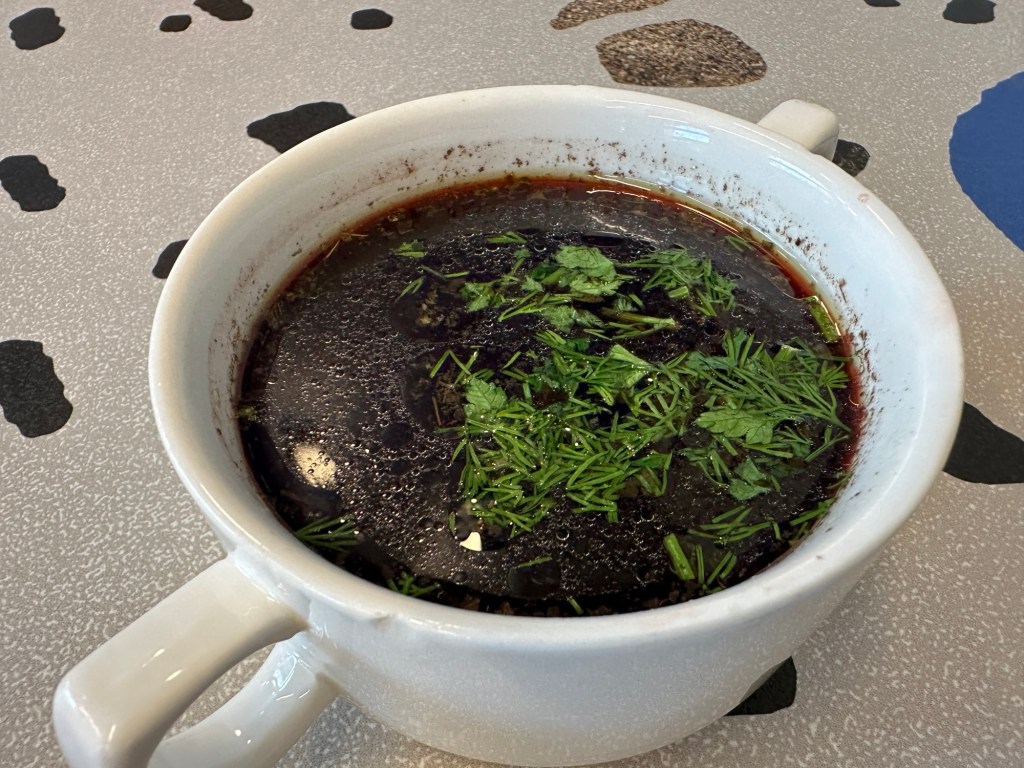
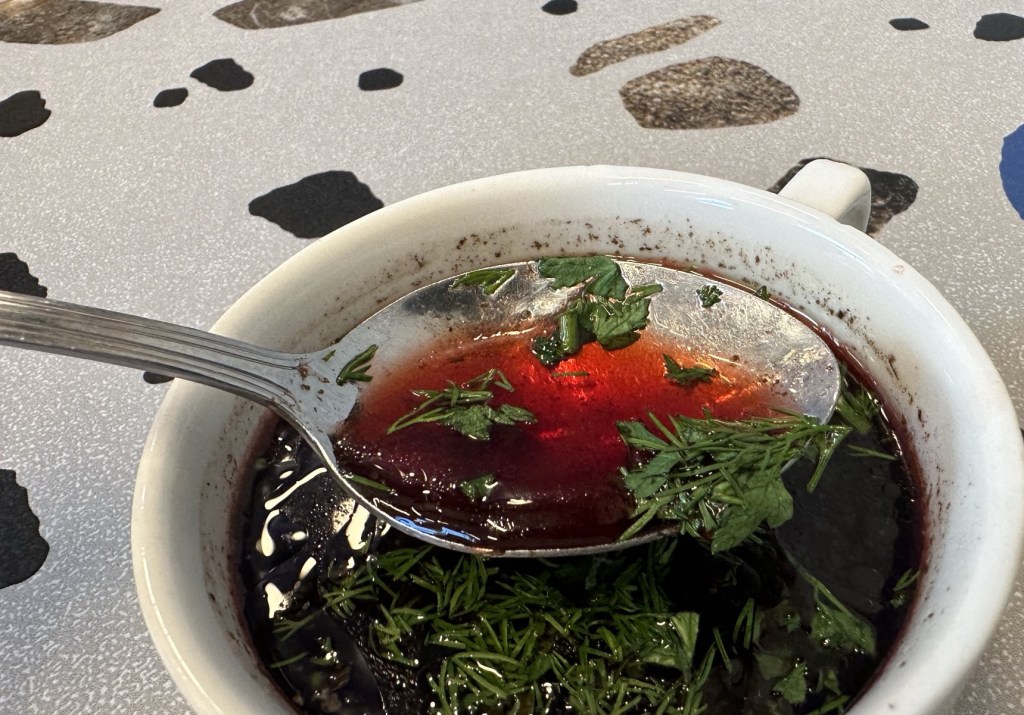
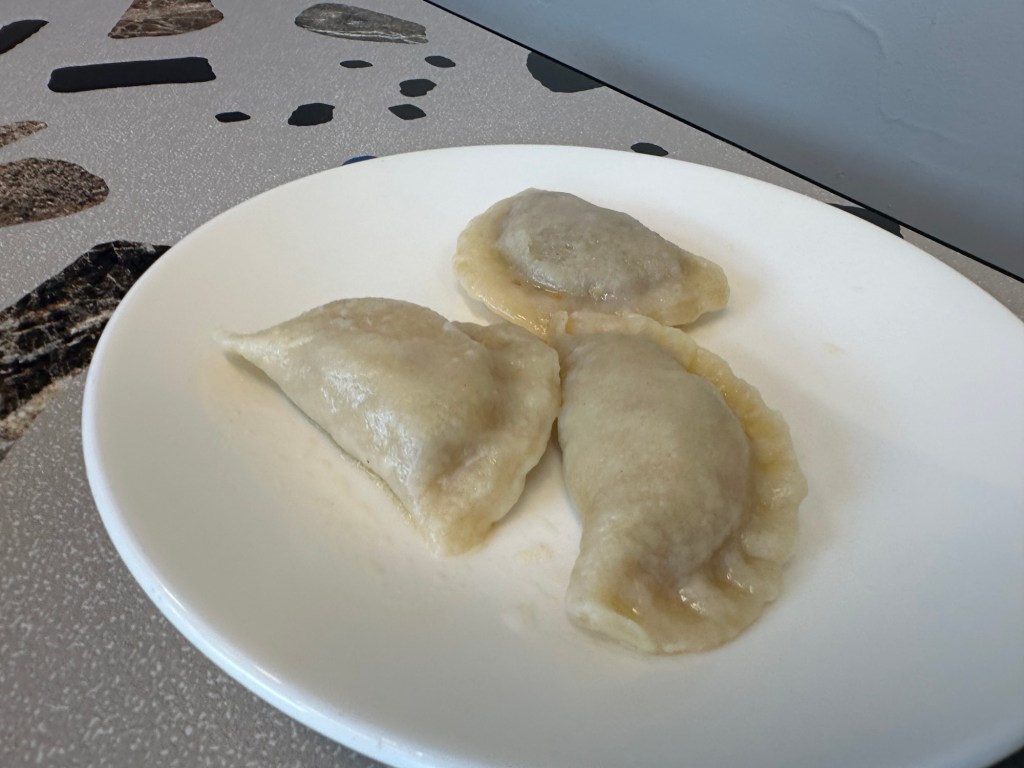
We start our food tour with some borscht and pierogi. I’ve wanted to try borscht but I keep putting it off so I am glad it is included in the tastings. Borscht is basically meat stock, beetroot and seasonings and there are different flairs of borscht but this one is the broth only. We save some aside to dump our pierogi in since that it is popular to have dumplings in the soup. We try 3 different types of pierogi: Ruski (potato and cheese), cabbage and mushroom, and pork. Last time Ruski was my favorite but this time I am loving the pork. I finally get to try a sweet pierogi at this stop. It is filled with plum. I plan to try more sweet pierogi later in my travels.
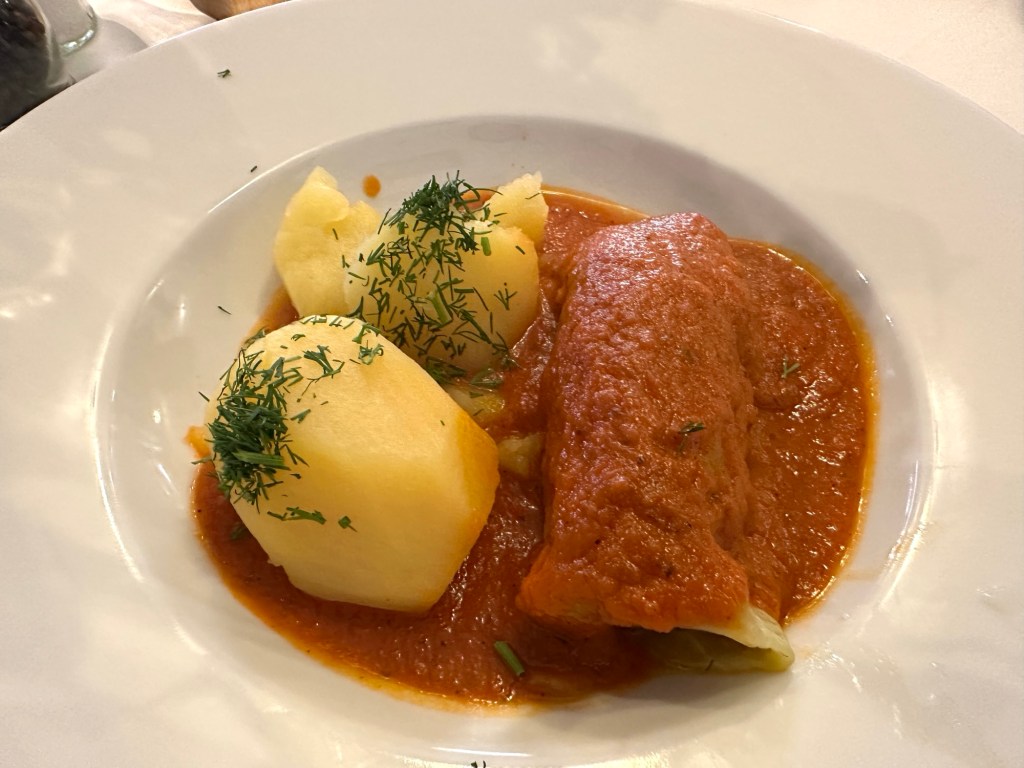
Next we stop at a traditional polish restaurant that I actually had on my list, Specjały Regionalne. Here we try some vodka, meats and assorted polish cheeses. We are then served gołąbki or stuffed cabbage. This time I try it the traditional way with tomato sauce.
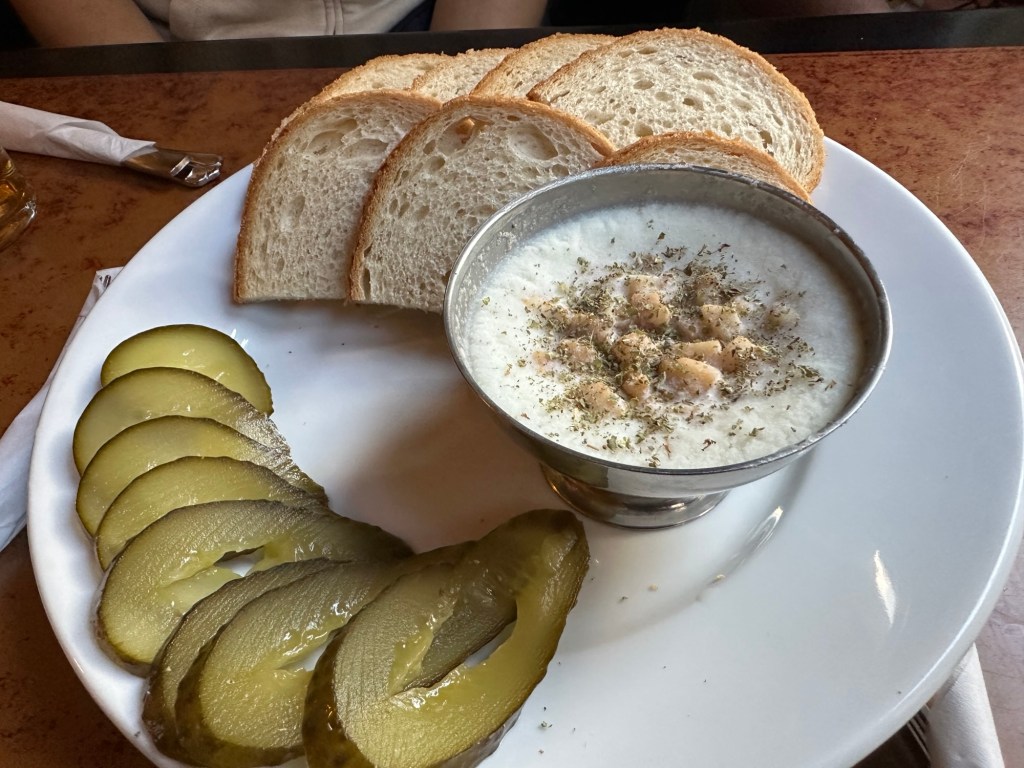
Next is a stop for a beer and traditional bar food. Since I have a beer intolerance issue I opt for a cognac instead. The food we are served is bacon lard on bread topped with a pickle. I know it sounds gross but it isn’t bad. The pickle is really good. I also get to try bigos again which is cabbage with meats usually topped on bread (I forgot picture).
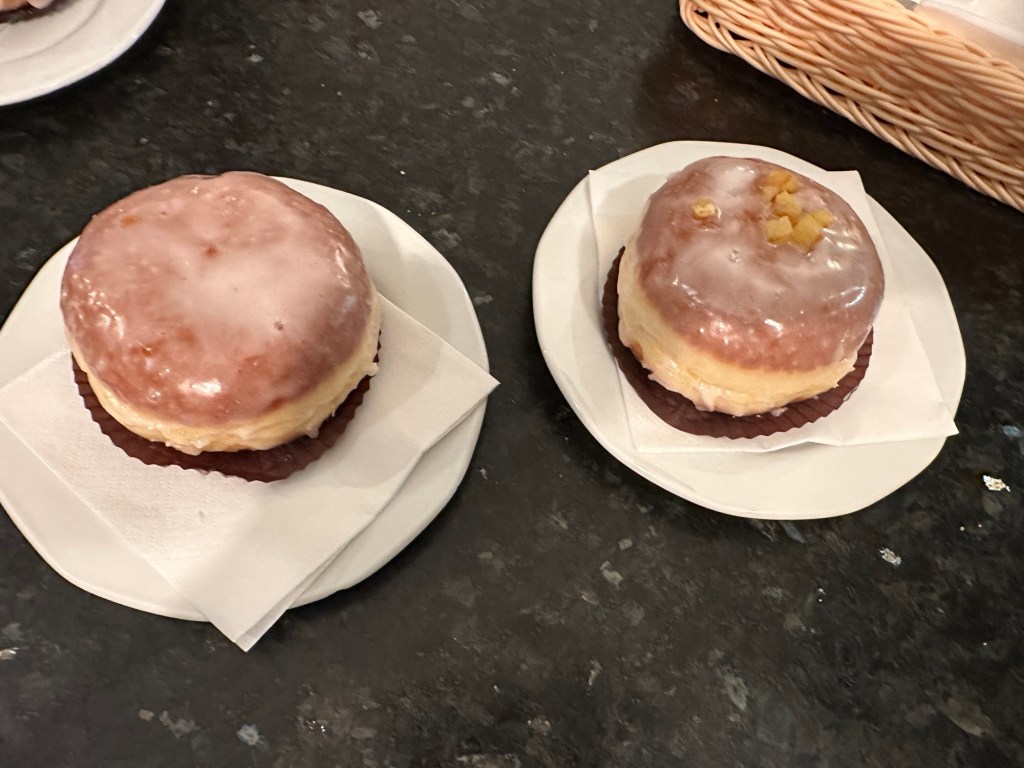
Finally we try doughnuts or Pączki. I decide I am not a fan anymore. Pączki are too dry for me. I think I am spoiled with having one fresh and warm. I enjoy a sweet occasionally but if I am going to indulge it has to be something I really like. I think I am done with the doughnuts (but not the open face pastries, those I still like).
After the tour I am too tired to do anything big but it’s too early to go to bed so I stop and try that cherry liquor once more. It is hitting me way harder this time. I have a long walk back to my flat afterwards through areas I haven’t visited yet. Still an early night though.
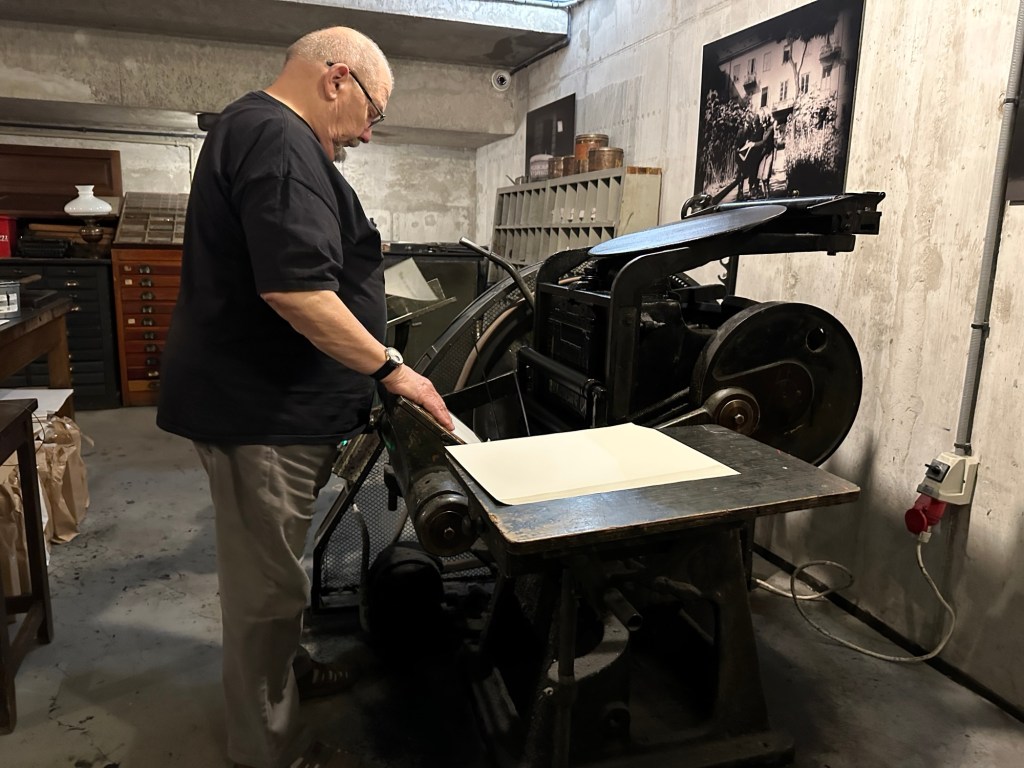
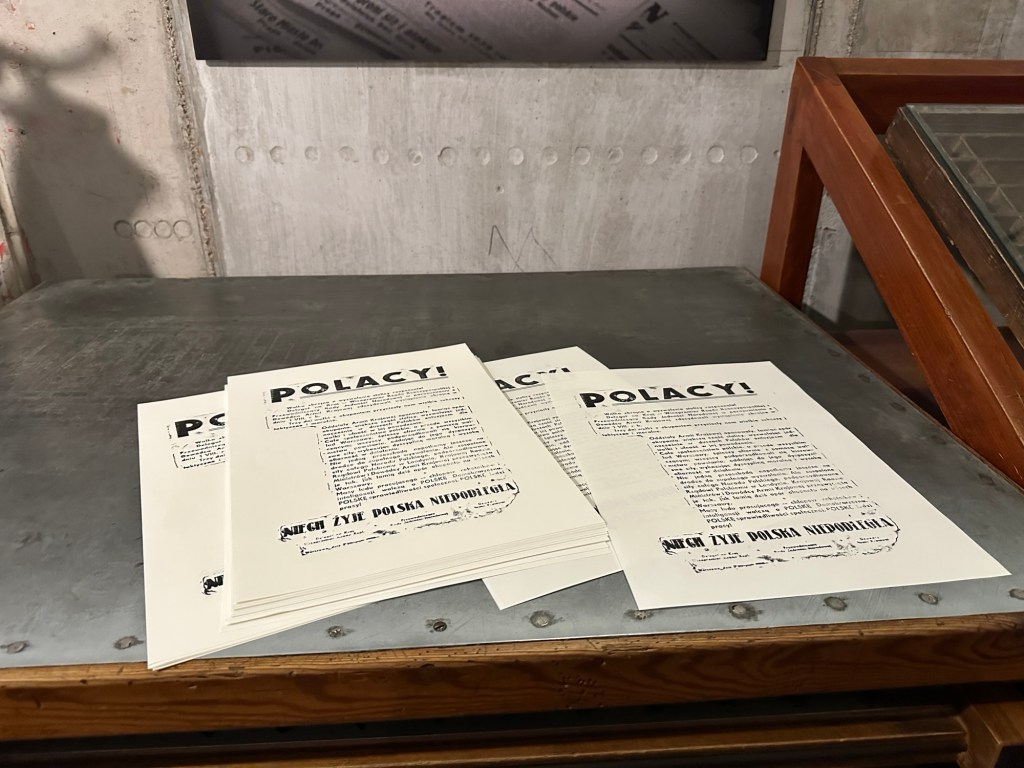
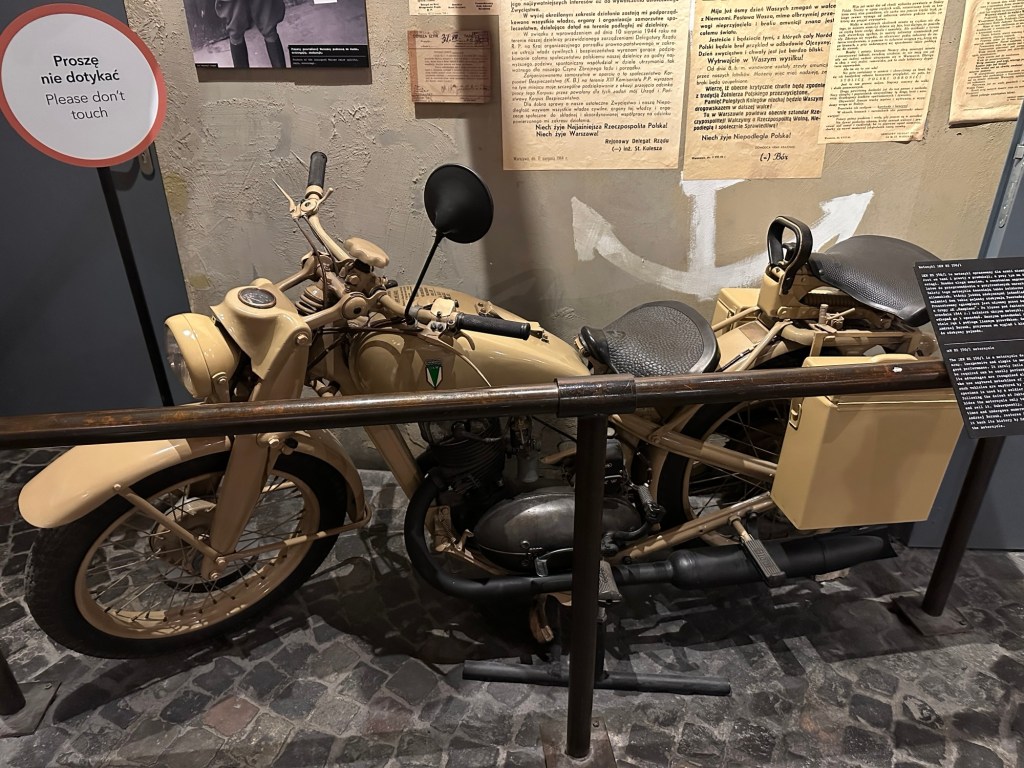
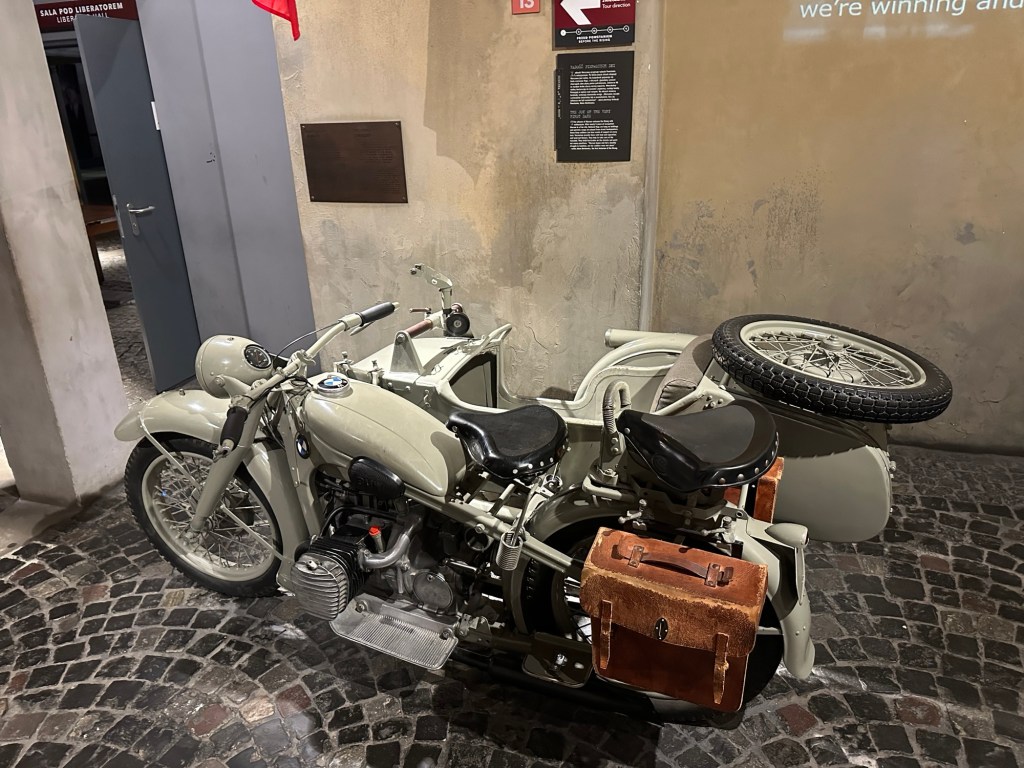
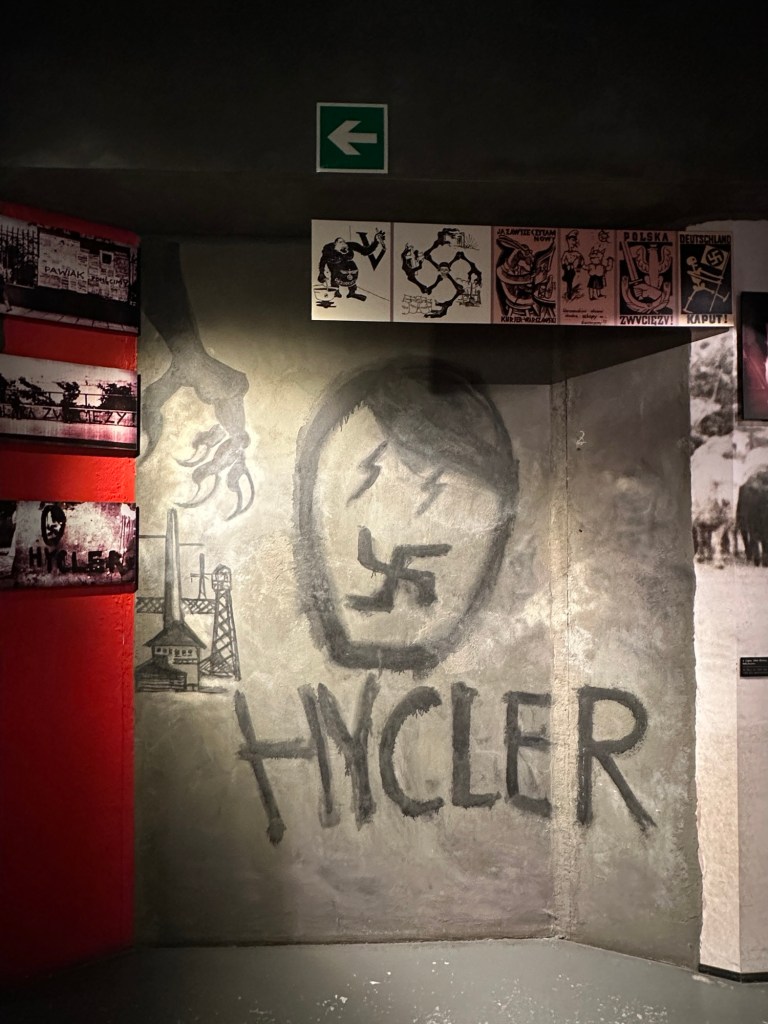
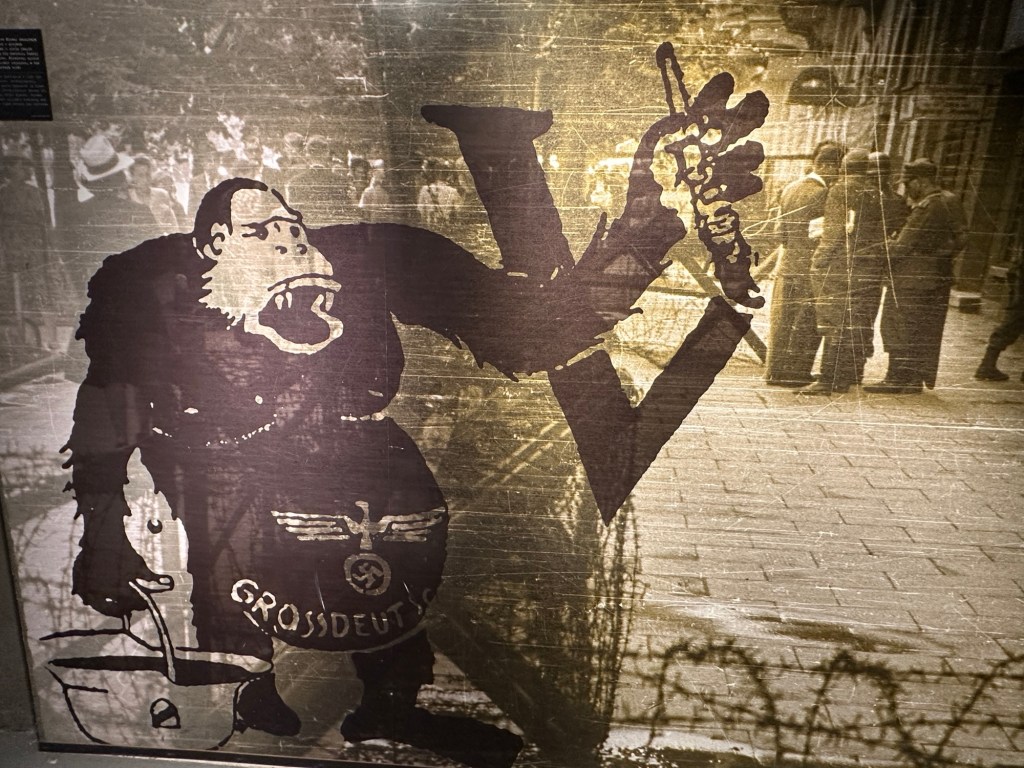
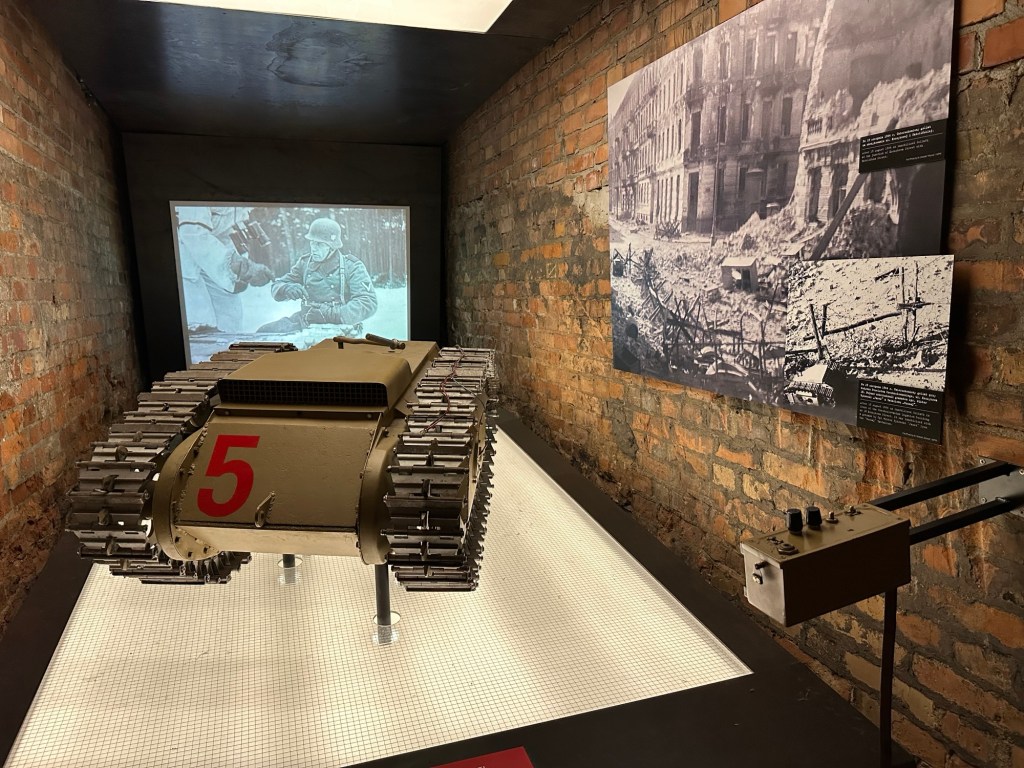
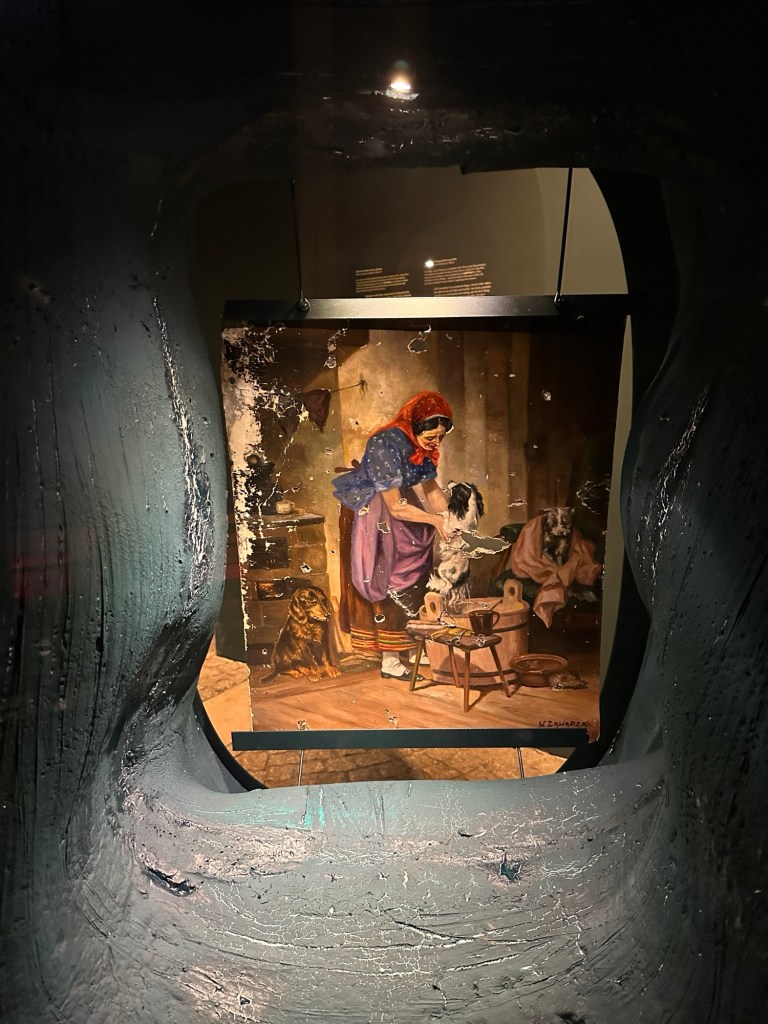
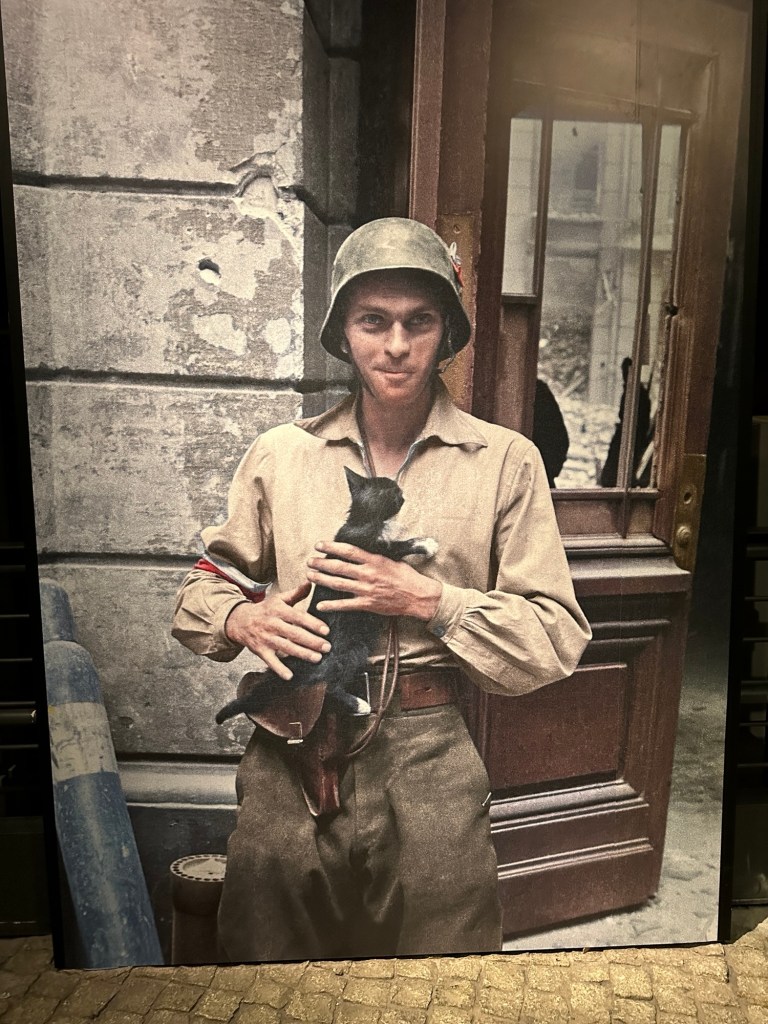
This morning I visit the Warsaw Uprising Museum. The uprising museum is about the uprising of the people of Poland against the Germans at the end of WWII. The beginning of the exhibit talks about the start of WWII and German occupation but the museum is mostly about how the Polish resistance organized and fought the Germans.
We learn in history that Germany invades Poland at the start of WWII. When they invade Warsaw the Polish do a pretty good job initially at holding them off. However the excessive bombing of residential areas by Germans lead the Polish to capitulate to the Germans pretty quickly to lessen the amount of death to civilians. I am not sure they had any idea how bad it could get after that.
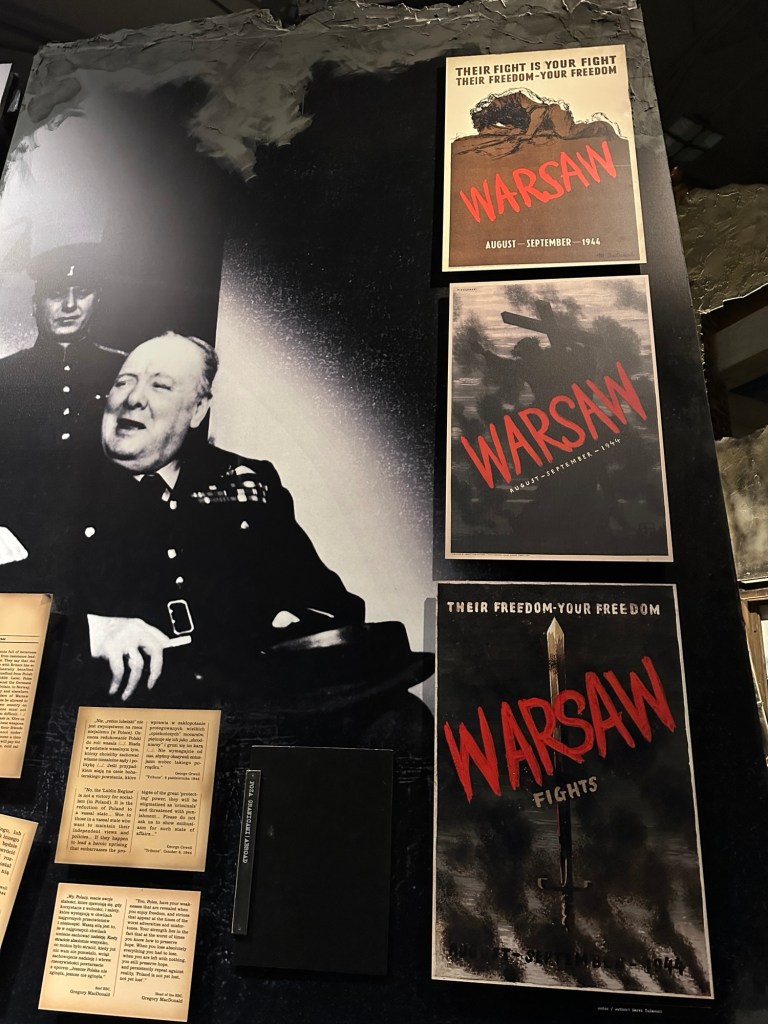
I learn how the uprising comes to form and how they get in bed with the enemy, the red army (Soviet Union), in order to fight off the Germans. The red army had promised to help them remove the nazis from Warsaw but instead they leave them hanging until the last minute and then finally join the fight.
The people of Warsaw believed the red army was going to help them and continue on through to fight the Germans. But instead of letting Poland have its independence they disarm the polish underground soldiers, installed a puppet government and started communist rule of Poland for 40 years. They replaced one form of occupation with another.
In the museum there are historical artifacts with explanations, documented footage of the time, and a powerful 3D movie to show an aerial view of how Warsaw was bombed to hell during this war. What wasn’t destroyed at the beginning of WW2 was completely decimated during the end of WW2. It is said that before WW2 Warsaw had 1.3 million people but after the last uprising they were left with less than 300,000. Many were moved, killed, or sent to camps during the occupation. There was some information on the Warsaw Ghetto and how Germany made propaganda videos to show back home about how great life was in the ghetto so every day Germans would have no idea how bad like was for the Jewish people in Poland.
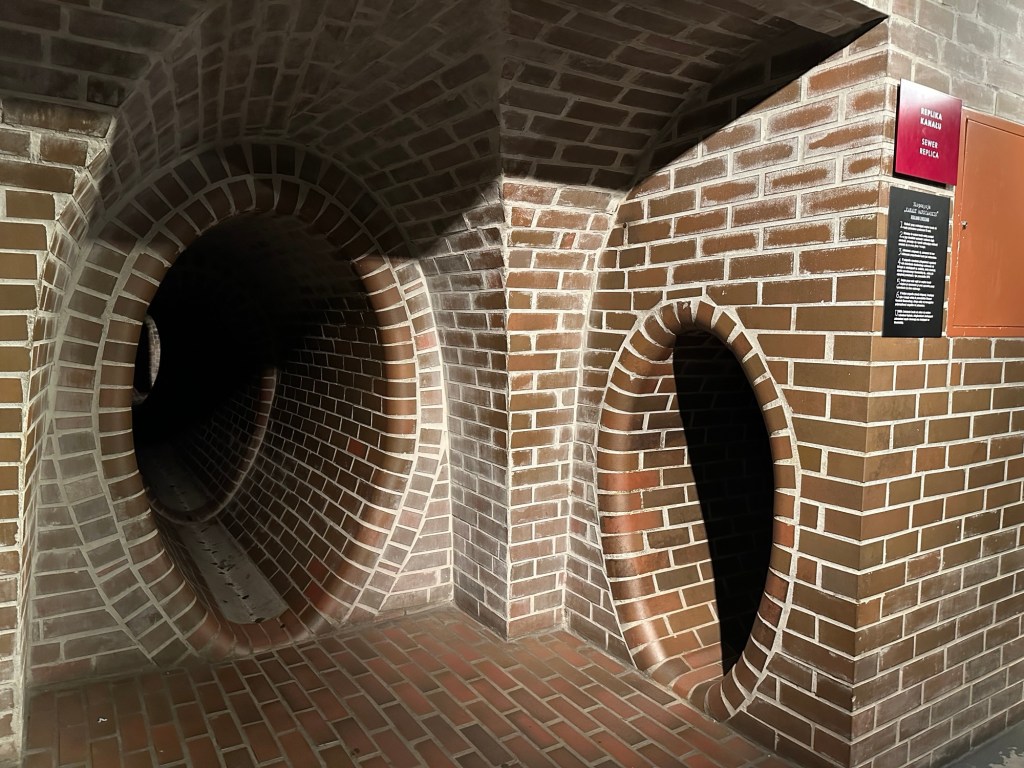
Sewer tunnels were often used as an escape and communication route
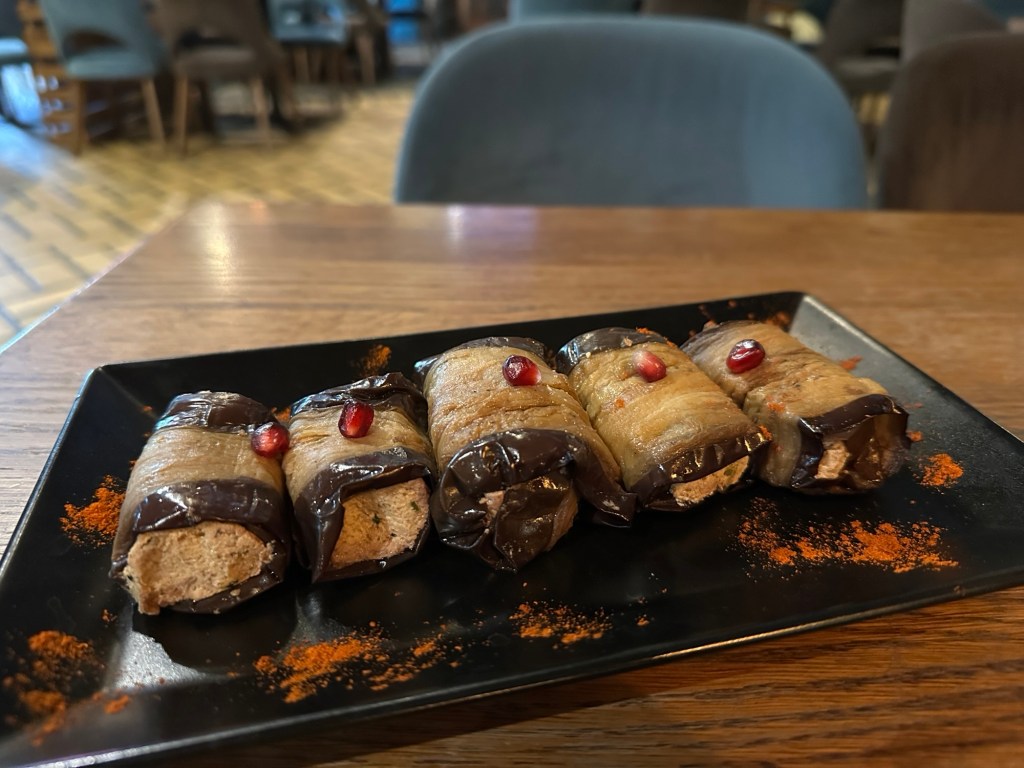
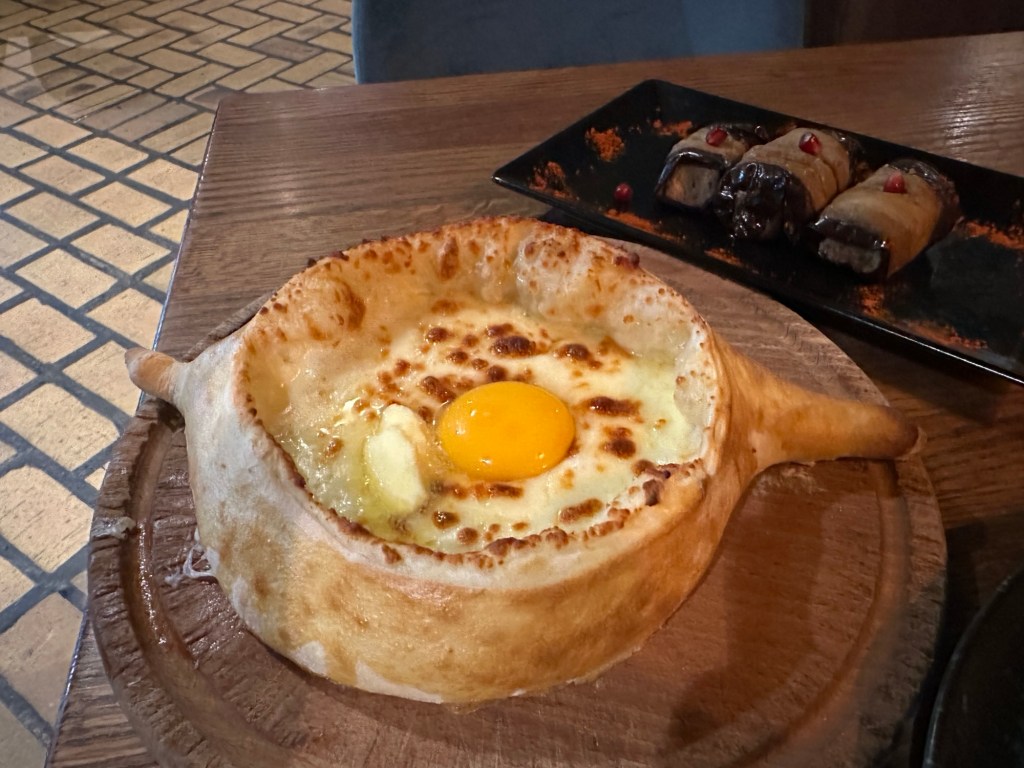
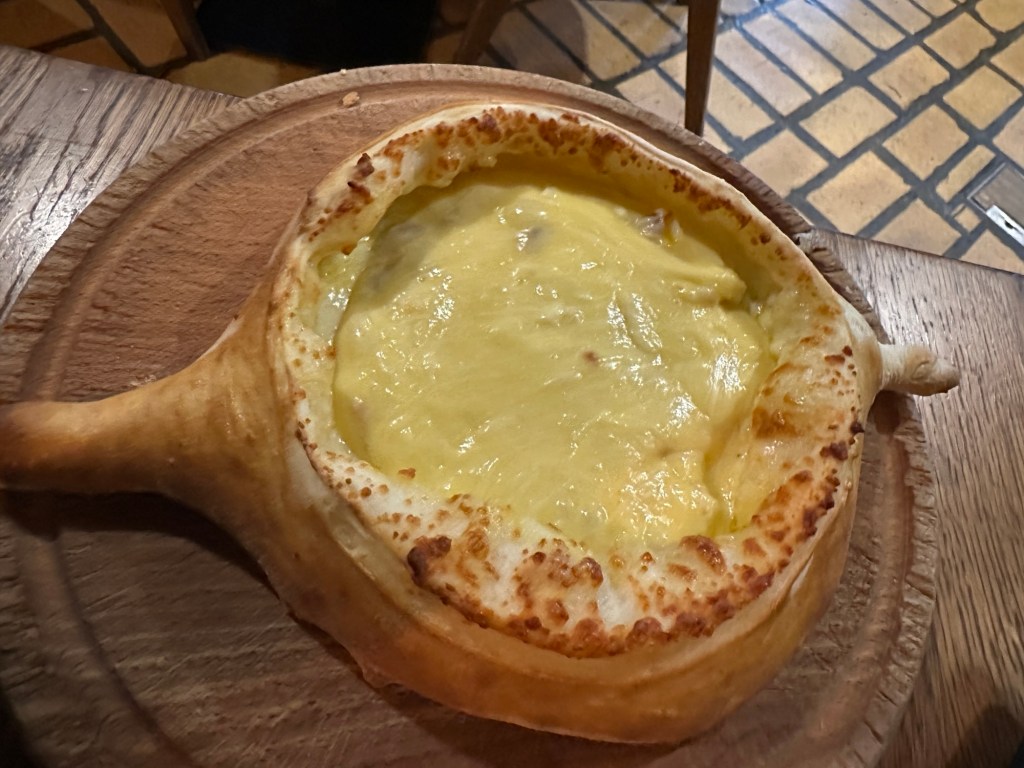
After the museum I want to grab a quick lunch before the old town tour I have scheduled this afternoon. While on the bus to Old town I pass a Georgian restaurant I’ve been thinking about trying. I hop off at the next stop and get a delicious Georgian meal. There are so many good things to order but I am only one person and this is already too much food. I order an appetizer of cold eggplant rolled over some sort of nut stuffing (I think cashews) and khachapuri with egg. Khachapuri is what we call in US a cheese boat. It is boat shaped bread filled with delicious cheese. There can be different toppings like a pizza but I order the traditional way with a raw egg on top. The egg is mixed in table-side where the egg “cooks” with the hot melty cheese. I think the egg gives it a more rich flavor, plus it adds protein (gotta get in my protein even if I am eating garbage). I am sure the cheese is going to mess up my stomach for the afternoon but I don’t care. (Luckily it doesn’t). It’s good I am walking for most of the afternoon because I am eating a days worth of calories here, or more.
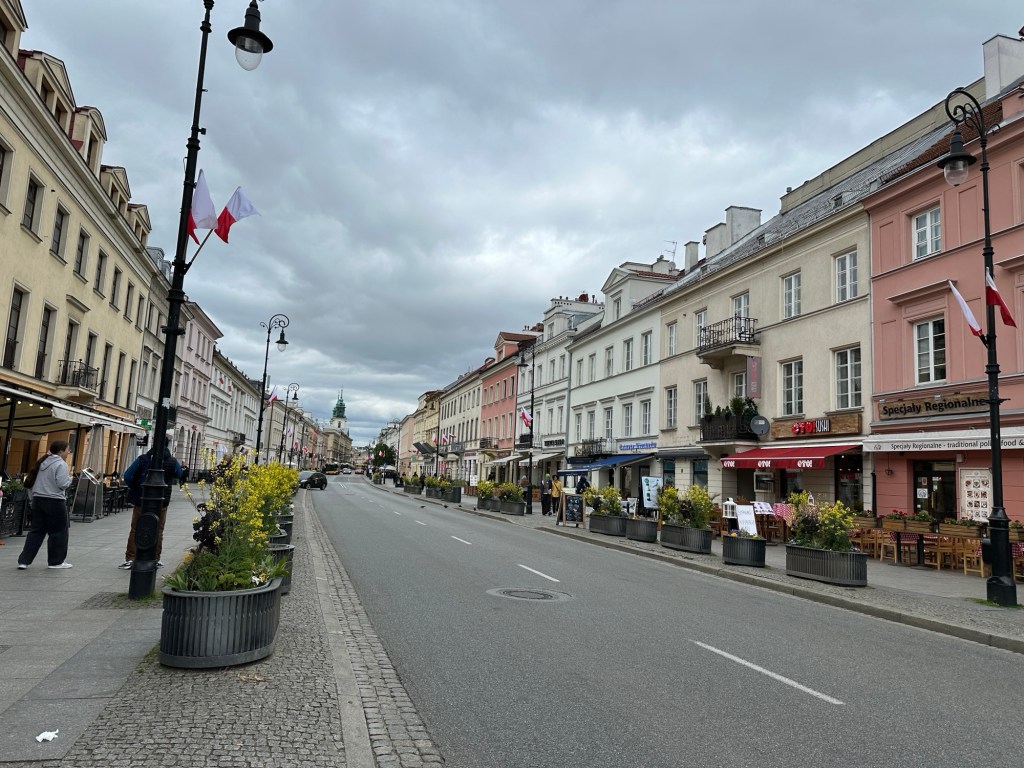
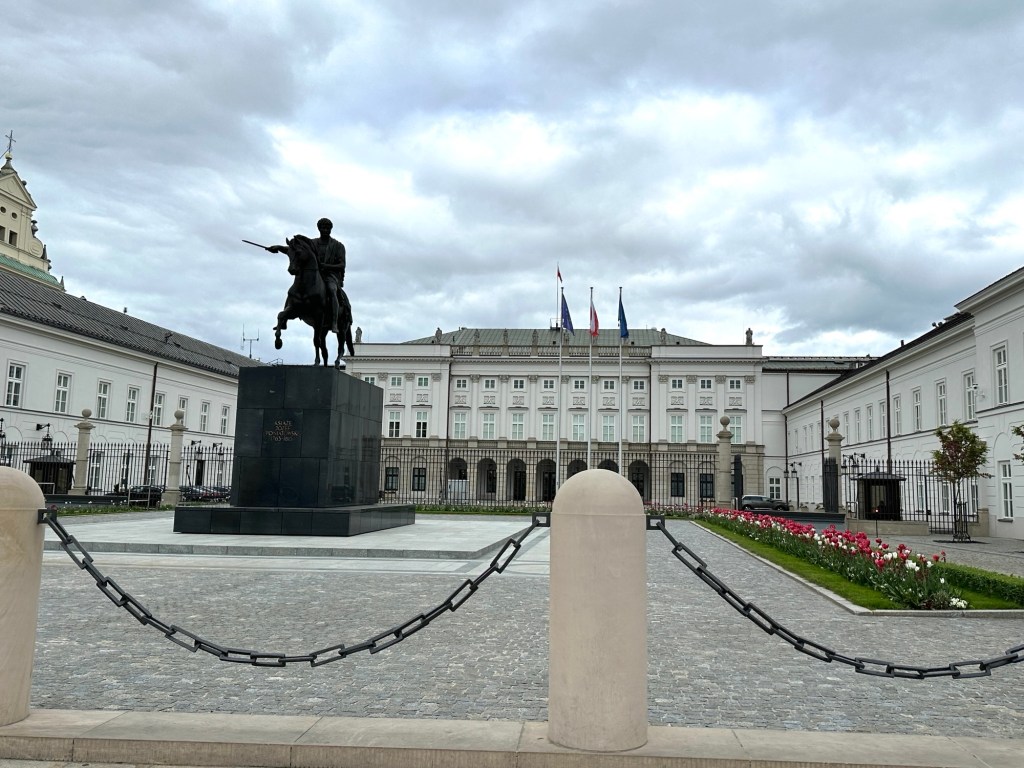
I arrive to the royal route early and explore. The royal route is the long road lined with restaurants and stores that leads down to the presidential palace and old town.
The Royal Route
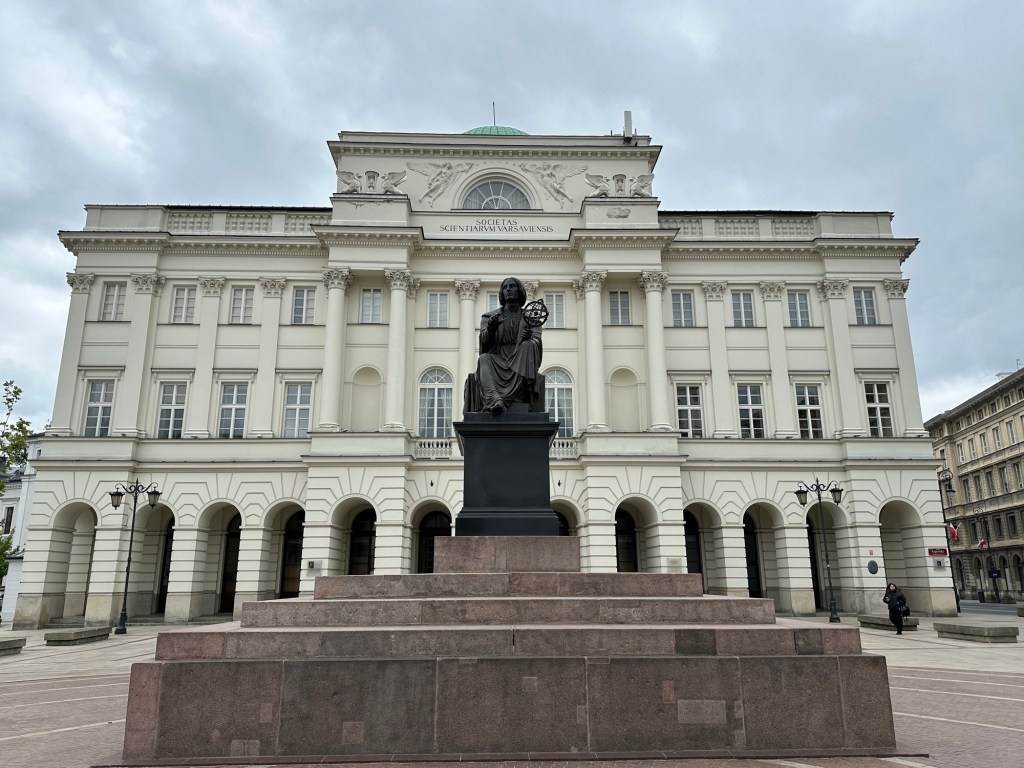
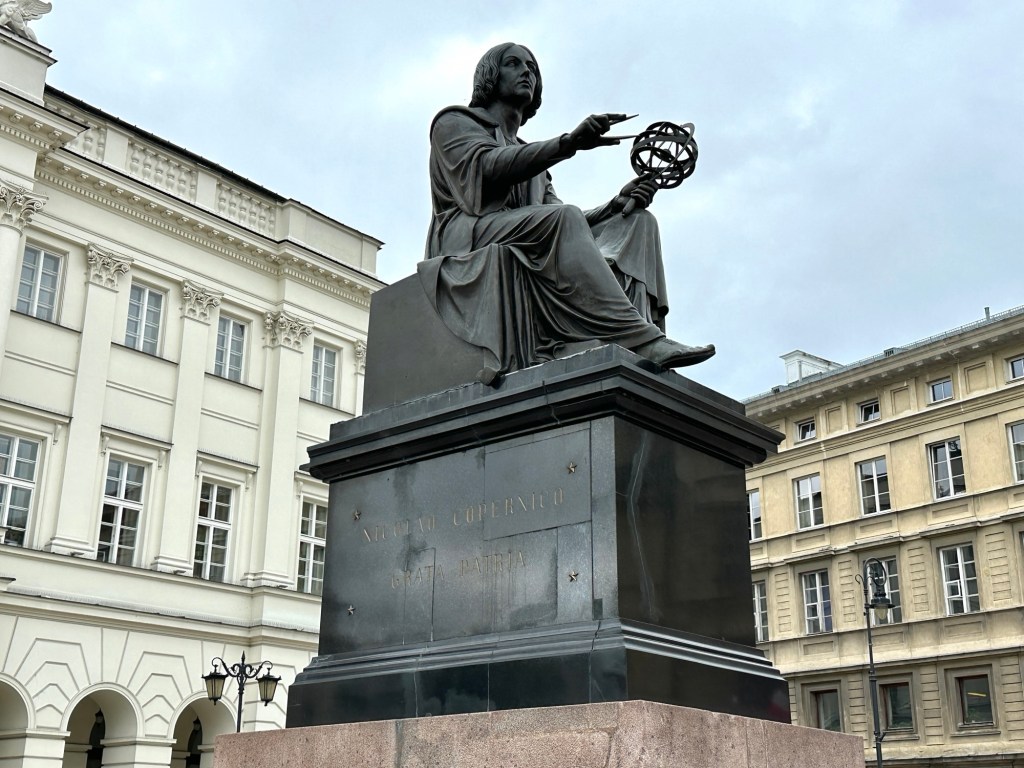
We meet at the Copernicus monument in front of the Polish Academy of Sciences. Copernicus is a famous Polish scientist who first modeled the Sun as being stationary and the planets orbiting it, among other things. He is commemorated all over the country.
Our guide, a spunky polish native, uses facts, humor and sarcasm to tell us all about old town. I love a good sarcasm banter.
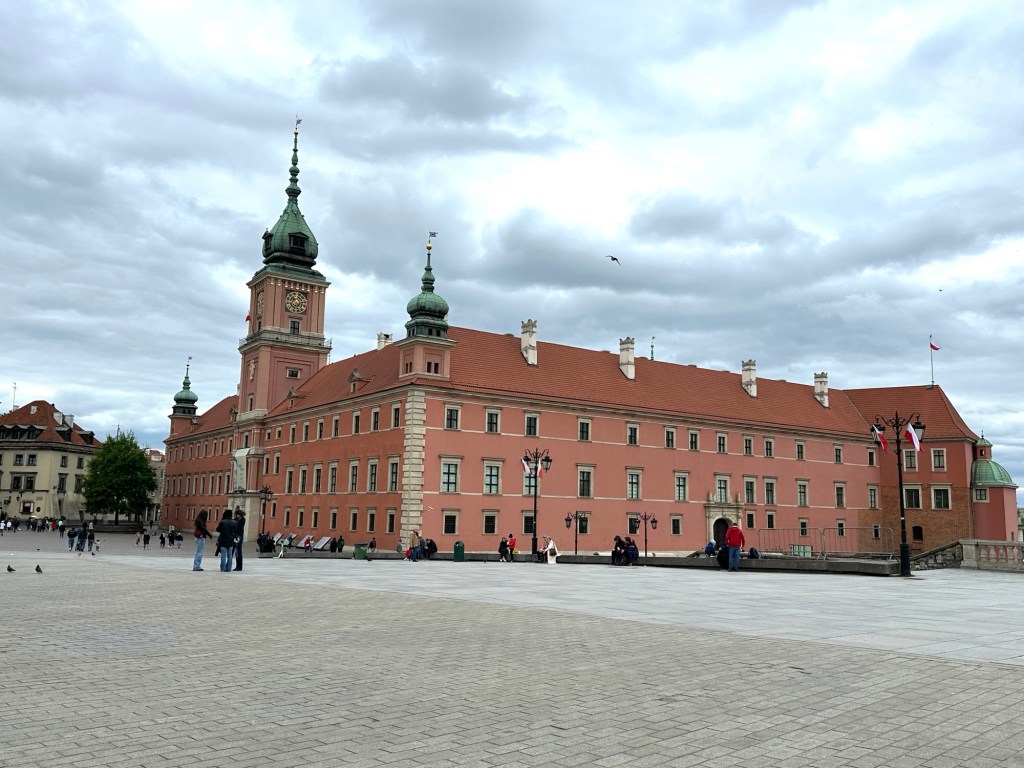
The most important thing to know that most of the old town has been completely rebuilt since WWII. It was bombed during the start of WW2 and bombed to hell when Poland tried to claim their independence during the Warsaw Uprising.
As terrible as the Soviets were to Poland, much of the old town was able to be rebuilt during the reign. Our guide tells is that many of the buildings are built from the original rubble of the original construction. And if they did not have enough material they tried to source the original.
We spend a large amount of time talking about the buildings all over the start of old town.
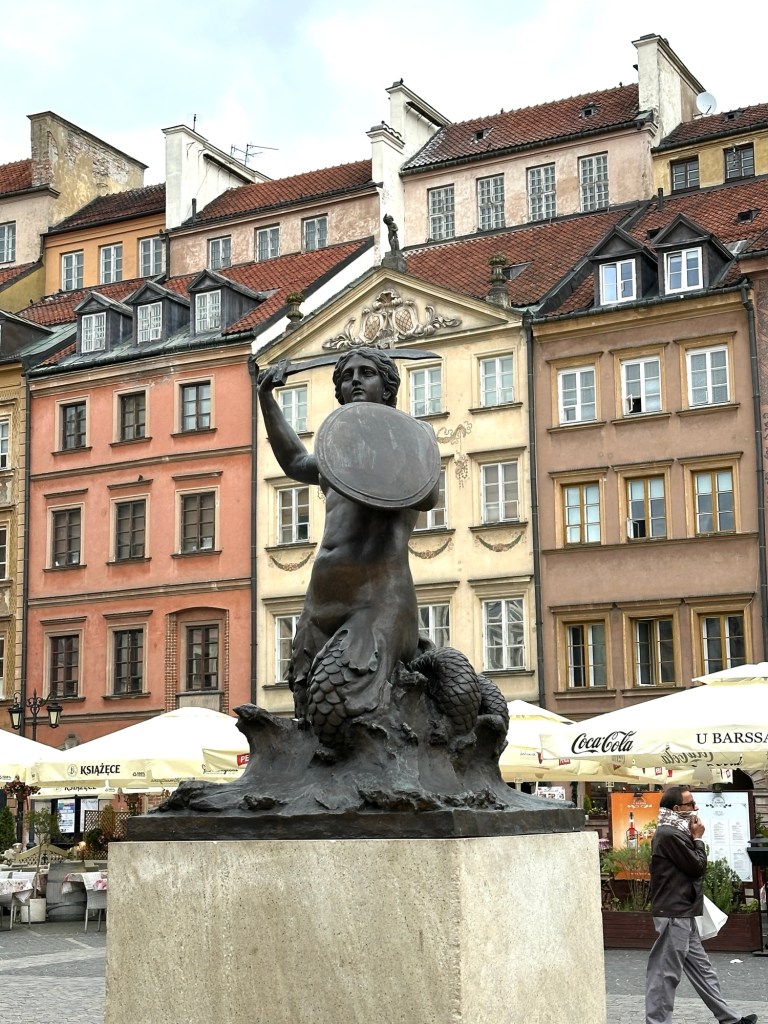
We visit the town square and learn all the lore behind the courtyard mermaid.
Our guide shows us important churches and notes places to visit around town. She points out parks on the must see list.
After the tour I go backwards and visit all the churches she mentions during the tour.
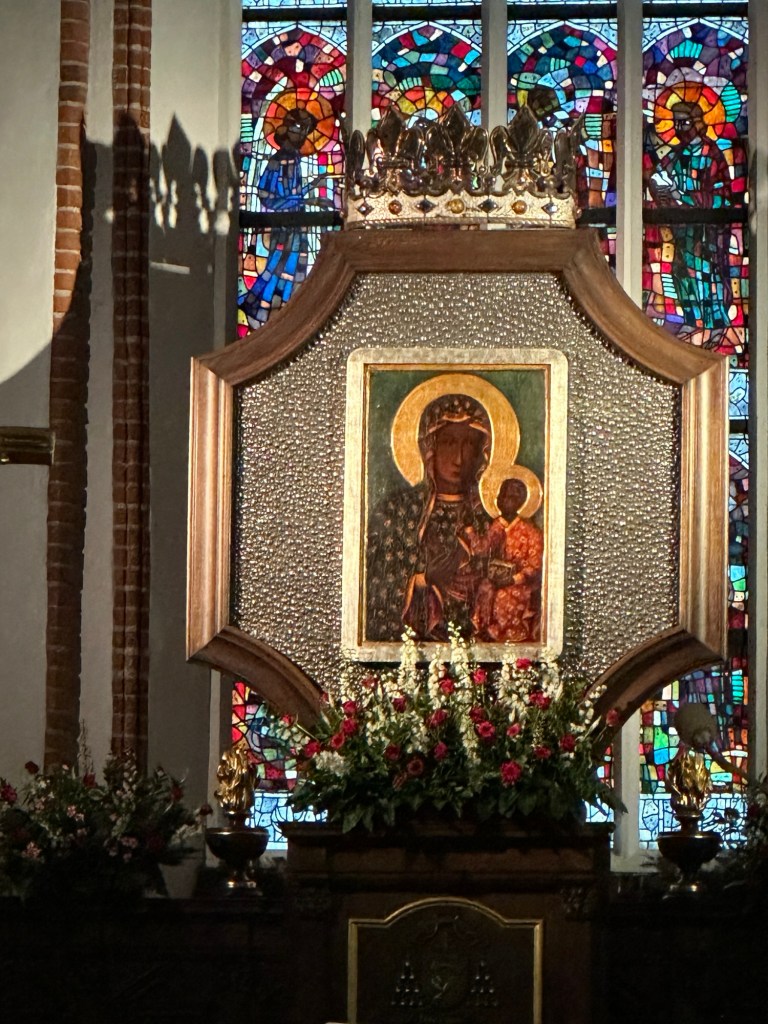
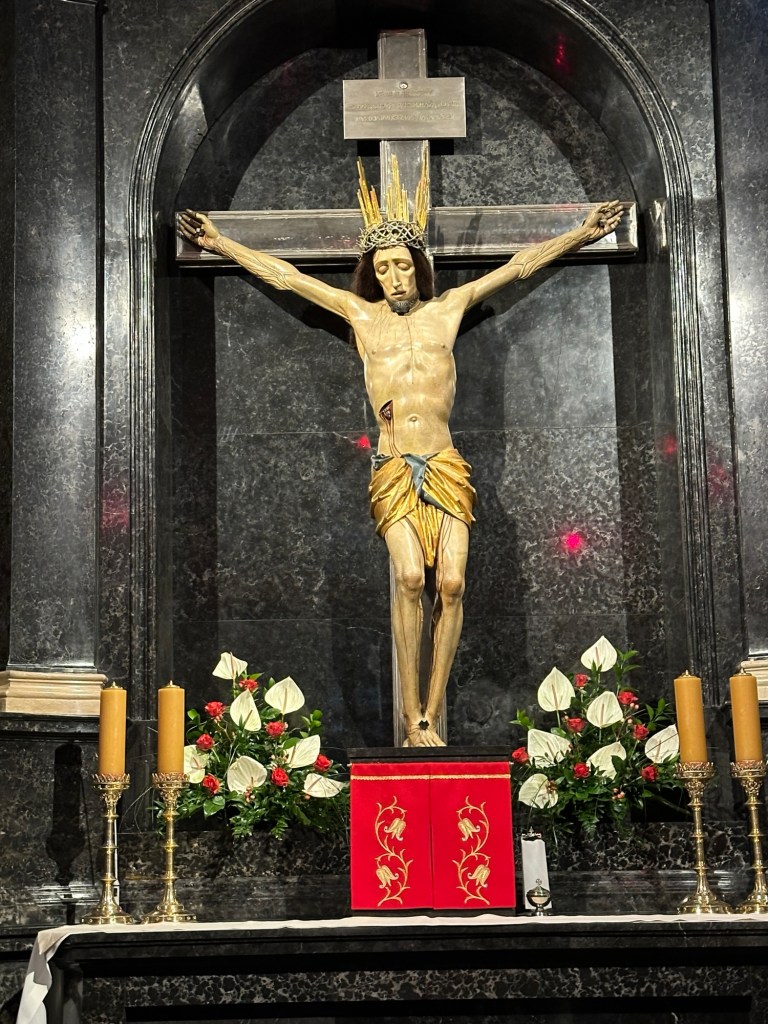
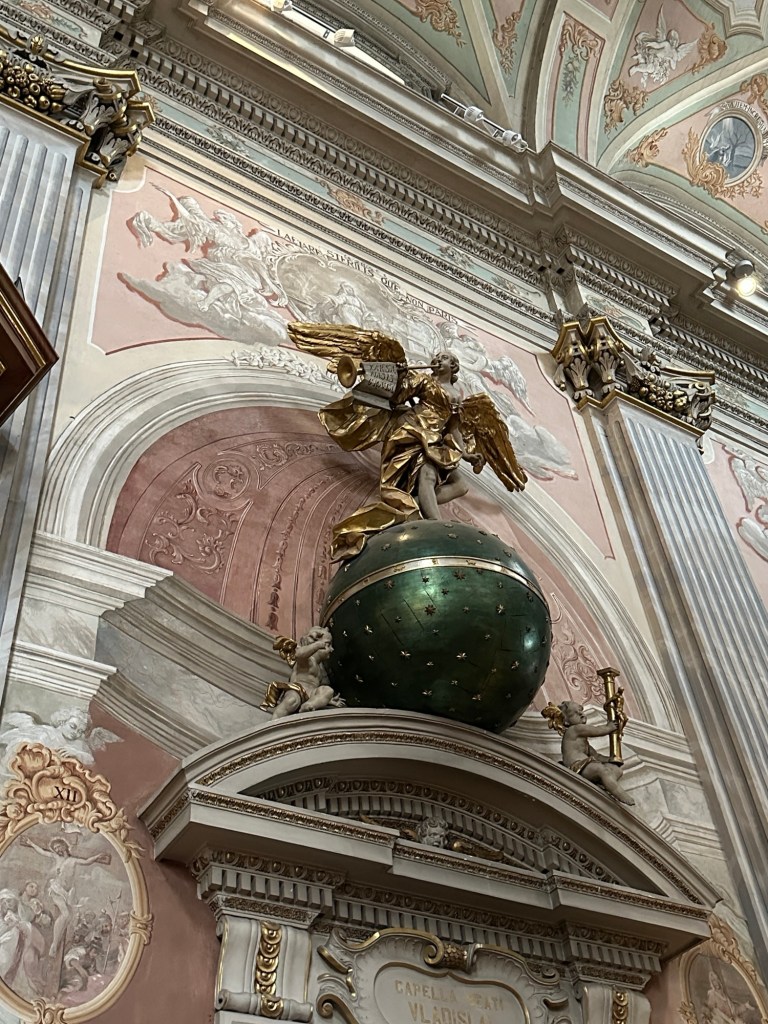
In Archcathedral Basilica of St. John the Baptist there is a reproduction of the famous Black Madonna painting like the famous one that exists in the Jasna Gora, a polish pilgrimage site. The church also has a Jesus statue that uses human hair as Jesus’ hair. There is a story that it used to grow and required haircuts on a regular basis. There is a story to explain why it no longer grows, of course.
Jesus statue with human hair
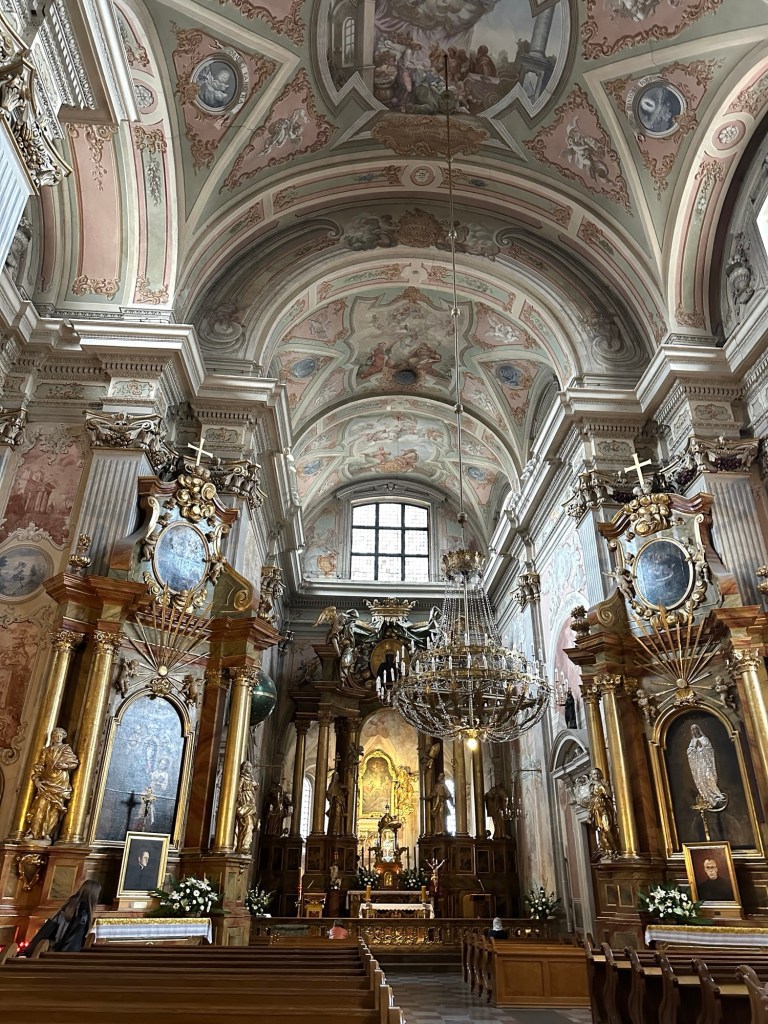
I visit St Anna’s church which is a must see inside.
She also fills us in with more detail of the history like how a king ends up on a big column in the beginning of old town.
In the Church of the Holy Cross you can visit a memorial to Chopin. Frédéric Chopin’s sister put his heart in brandy after his death to preserve it. There is a fantastic story about how she smuggles it under her dress to cross the border so his heart could be buried in Warsaw, in his home country.
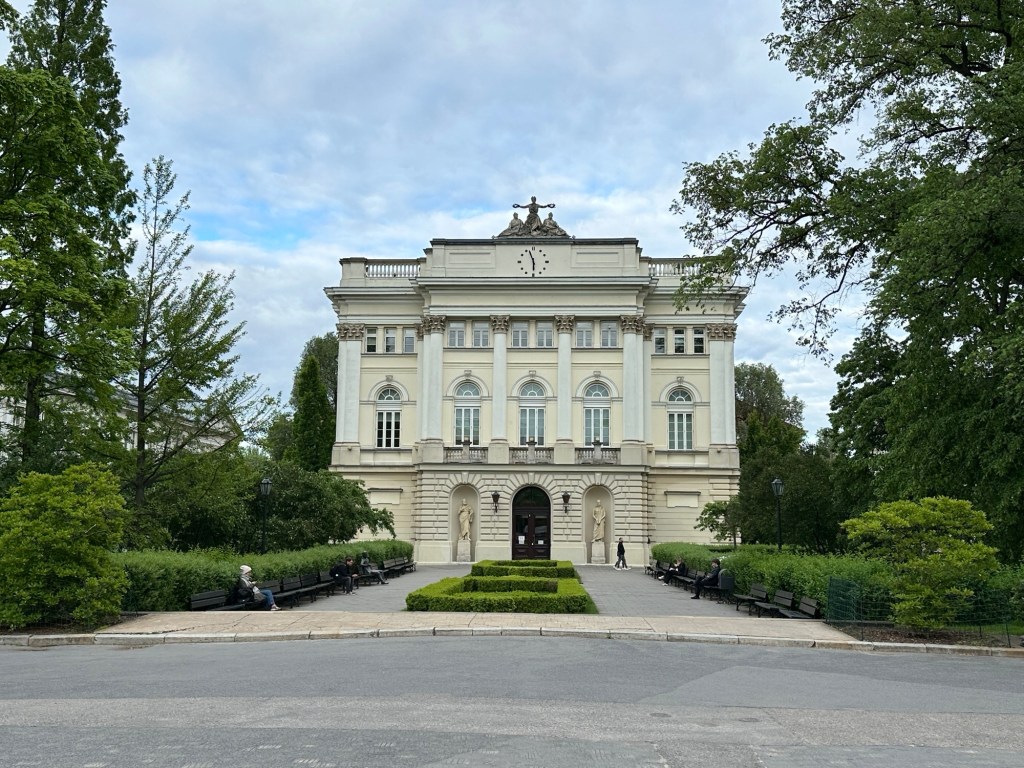
We stop by the University of Warsaw. We learn that all the public universities in Poland are free if you have the grades to be admitted. We see one building that made it through the war. It is supposed to be a beautiful campus, especially at night. I plan to return later.
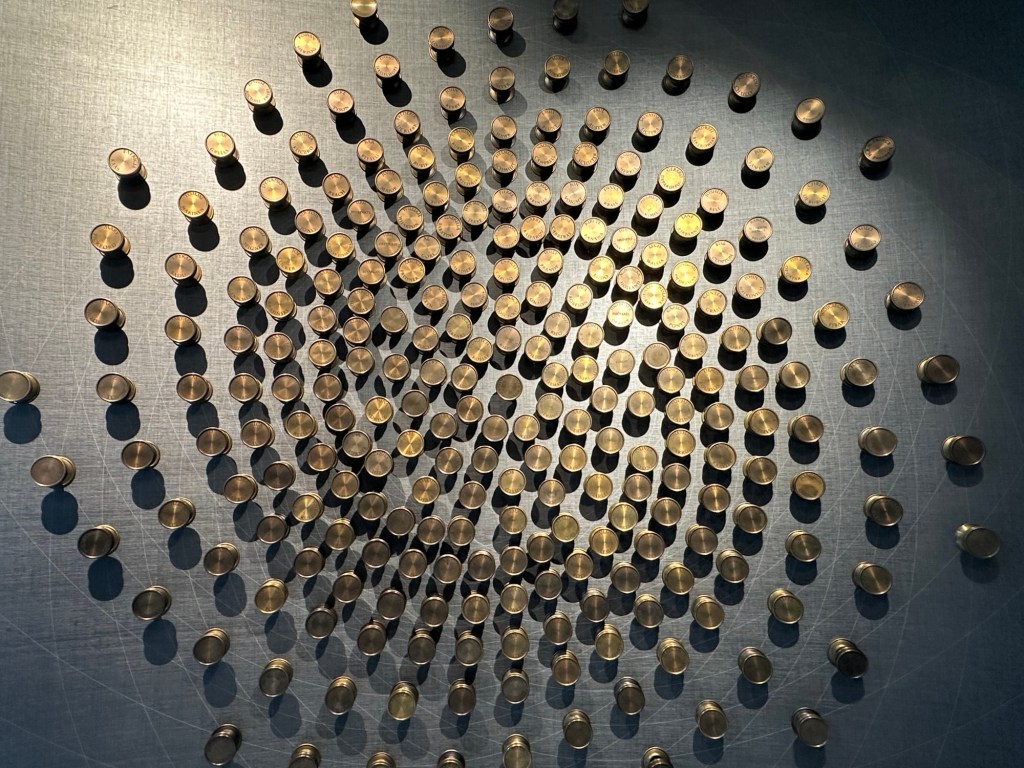
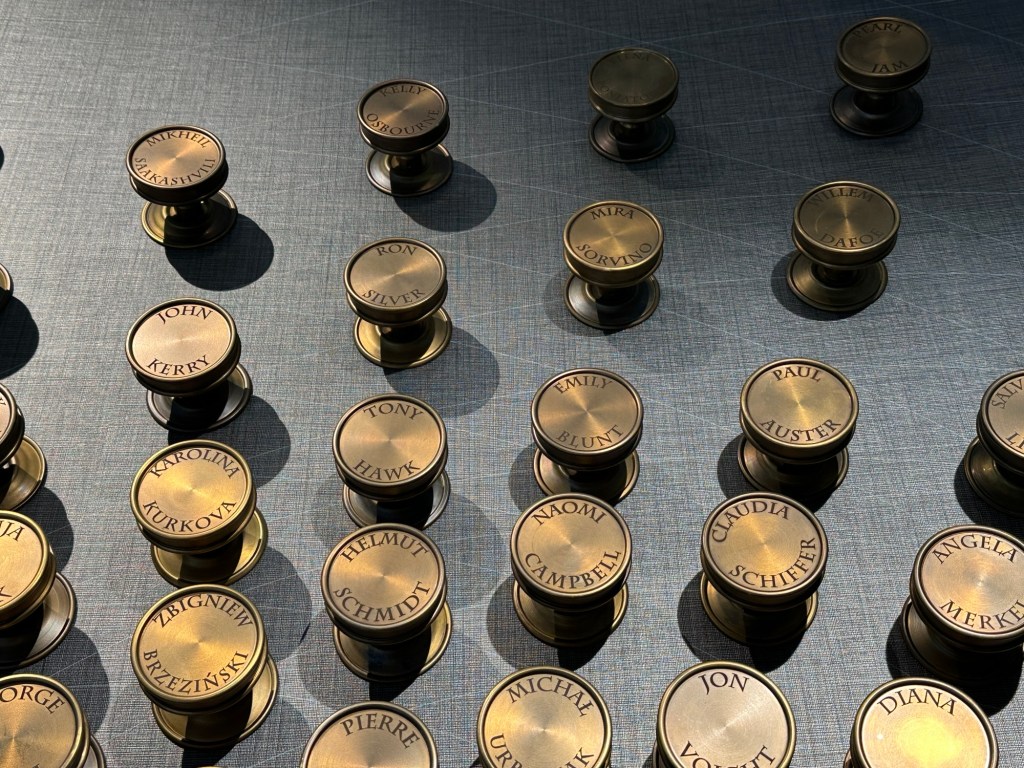
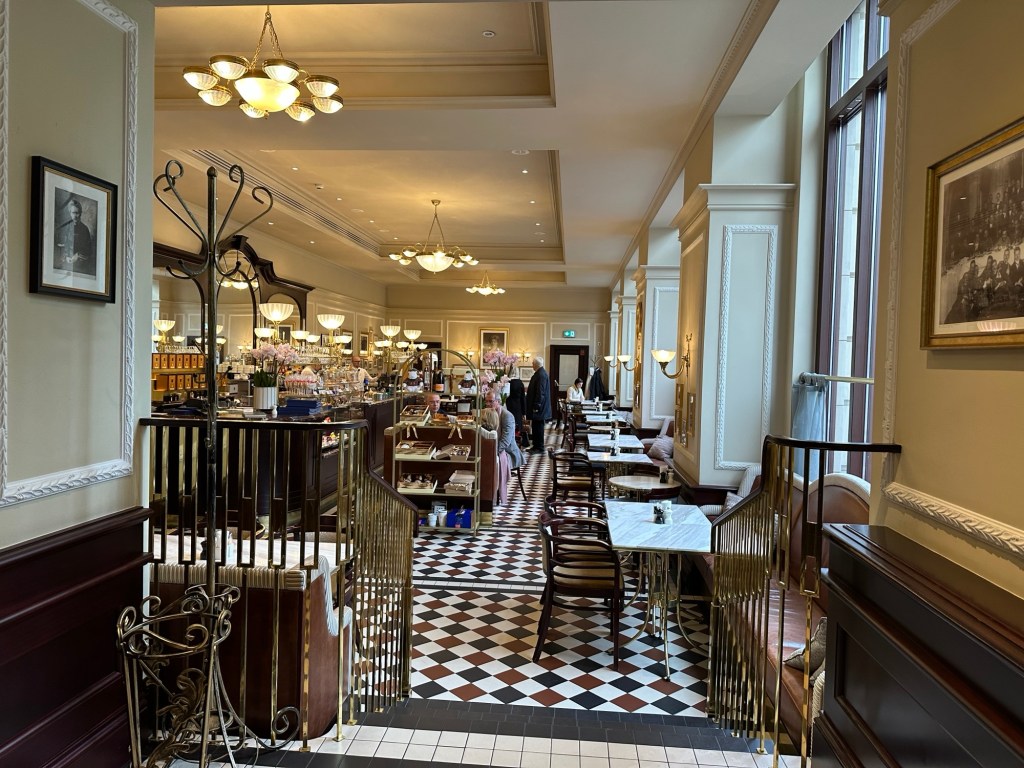
We stop by the beautiful Bristol hotel, a luxury hotel built in 1901. The Cafe Bristol is visited by many famous people over the years. There are little knobs on the wall that commemorate each famous visitor to the hotel.
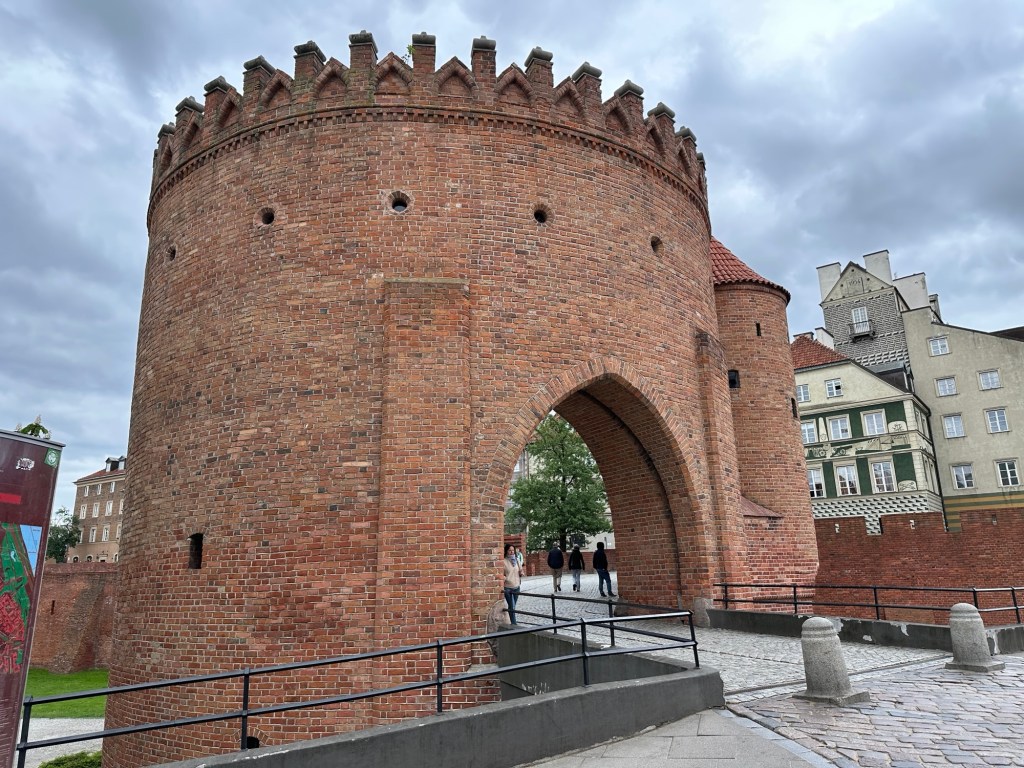
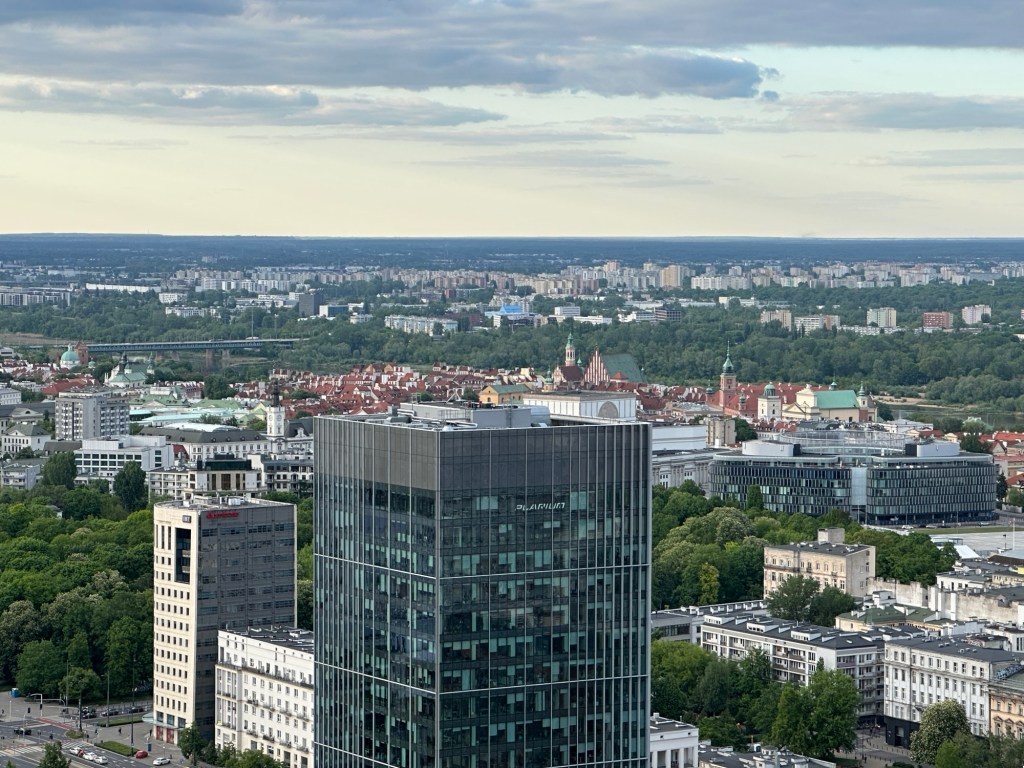
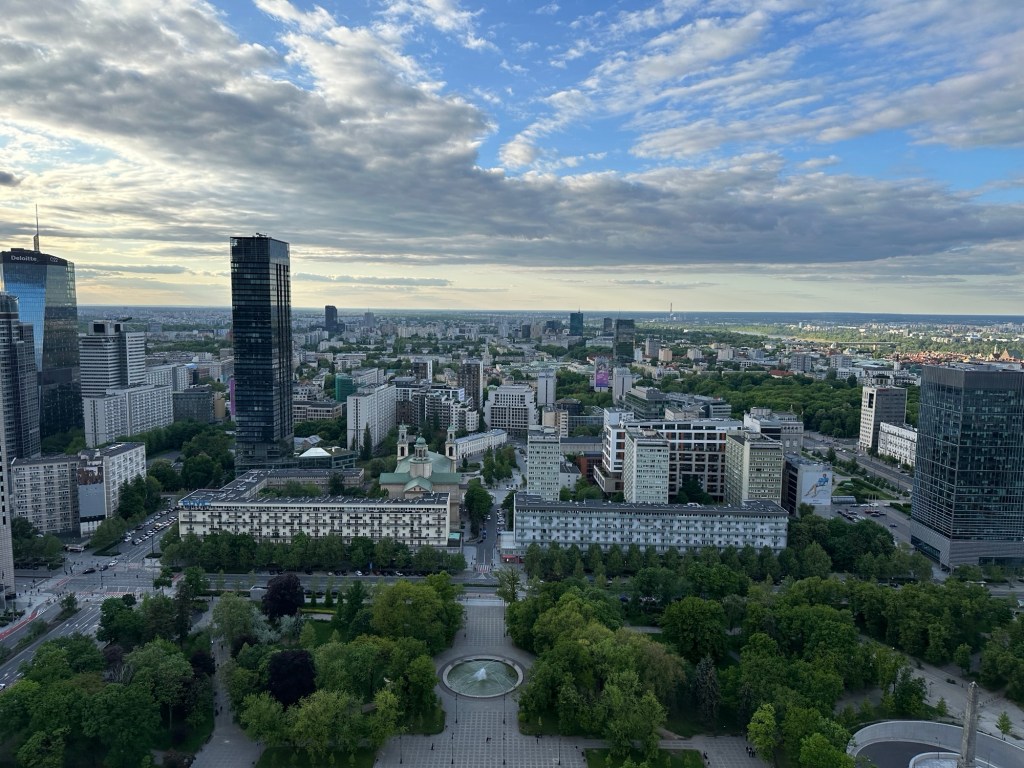
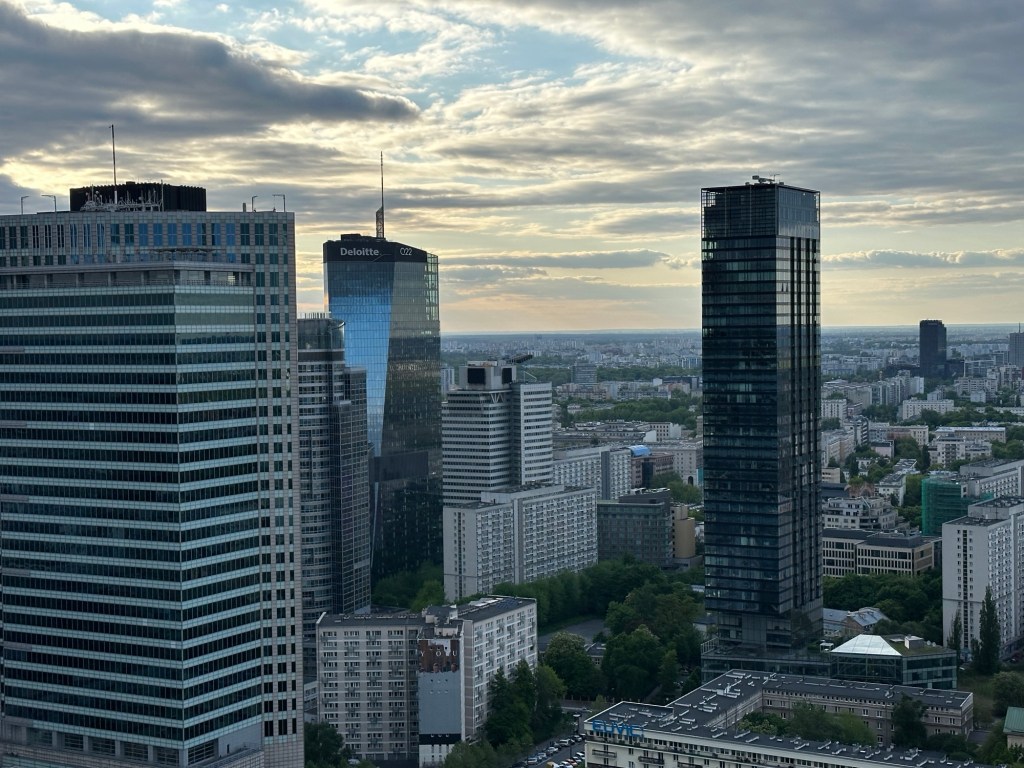
We finish the tour at the other side of old town at the Warsaw Barbican. After stopping by all the churches I missed I take the metro to down to the Palace of Culture and Science to have spectacular views of the city.
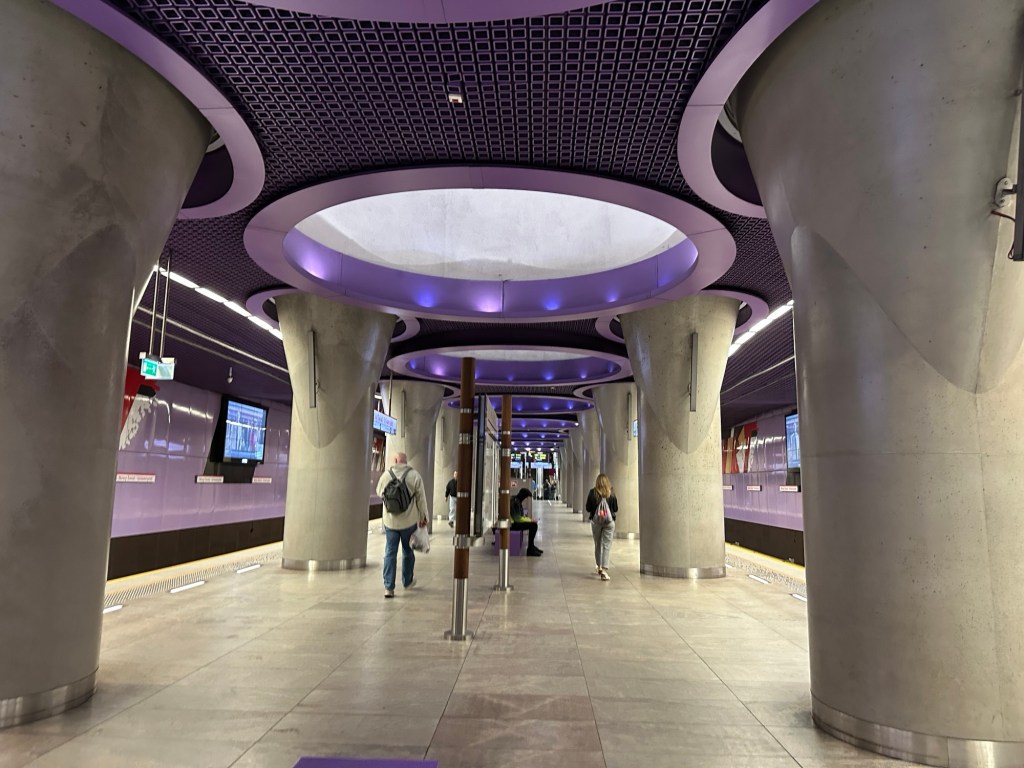
I read somewhere that the metro isn’t that interesting in Warsaw but I disagree.






























































































































 Growing With Leala